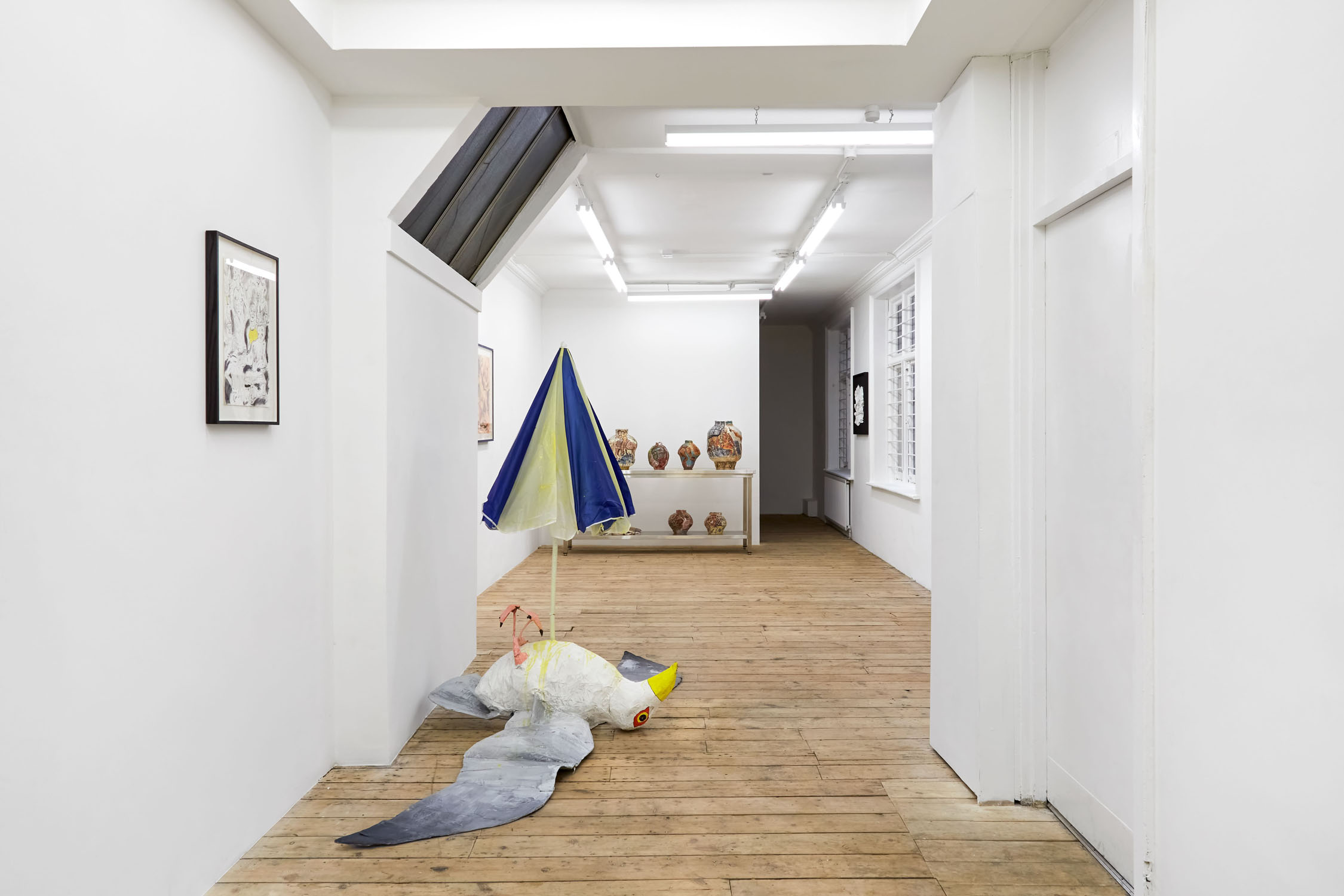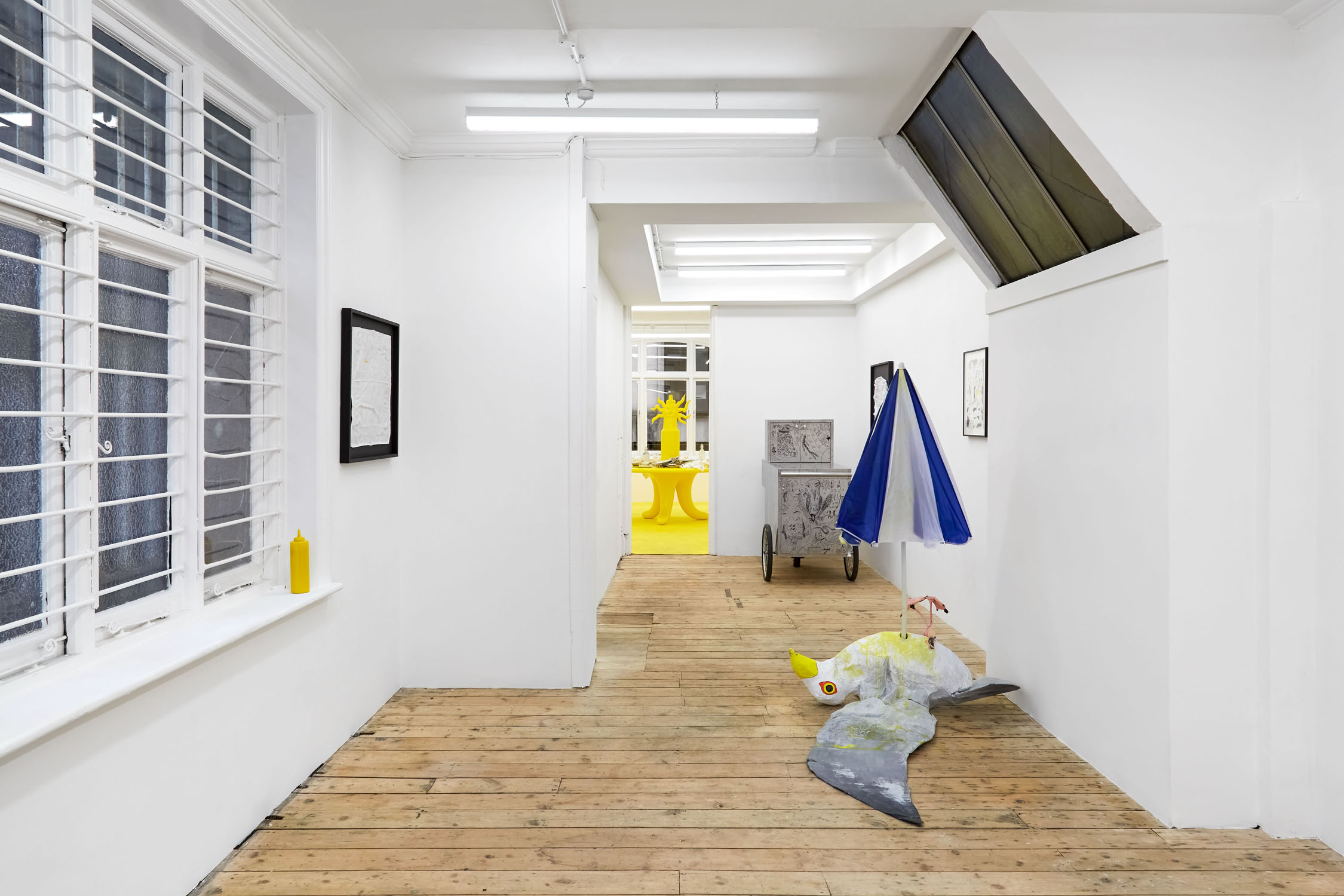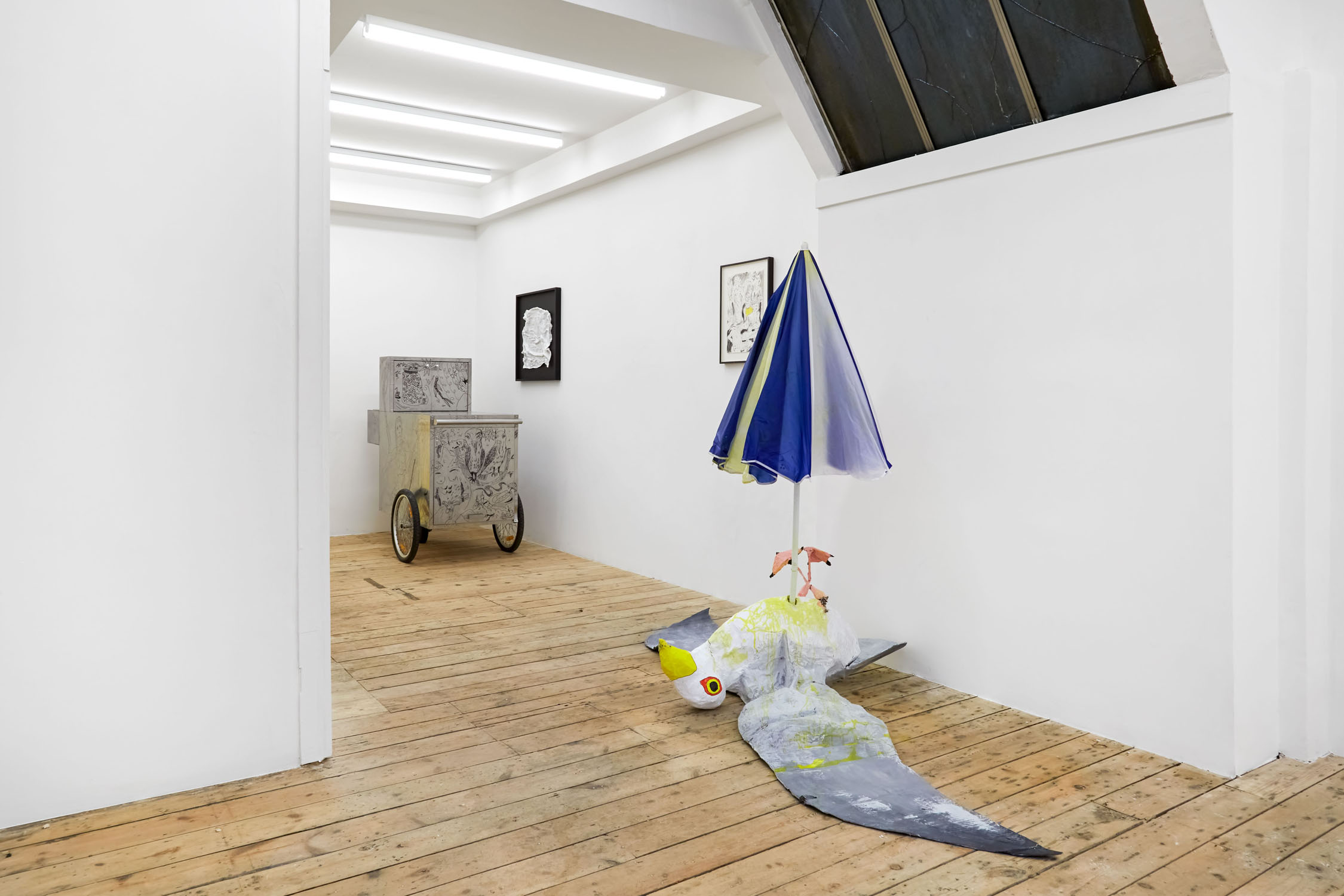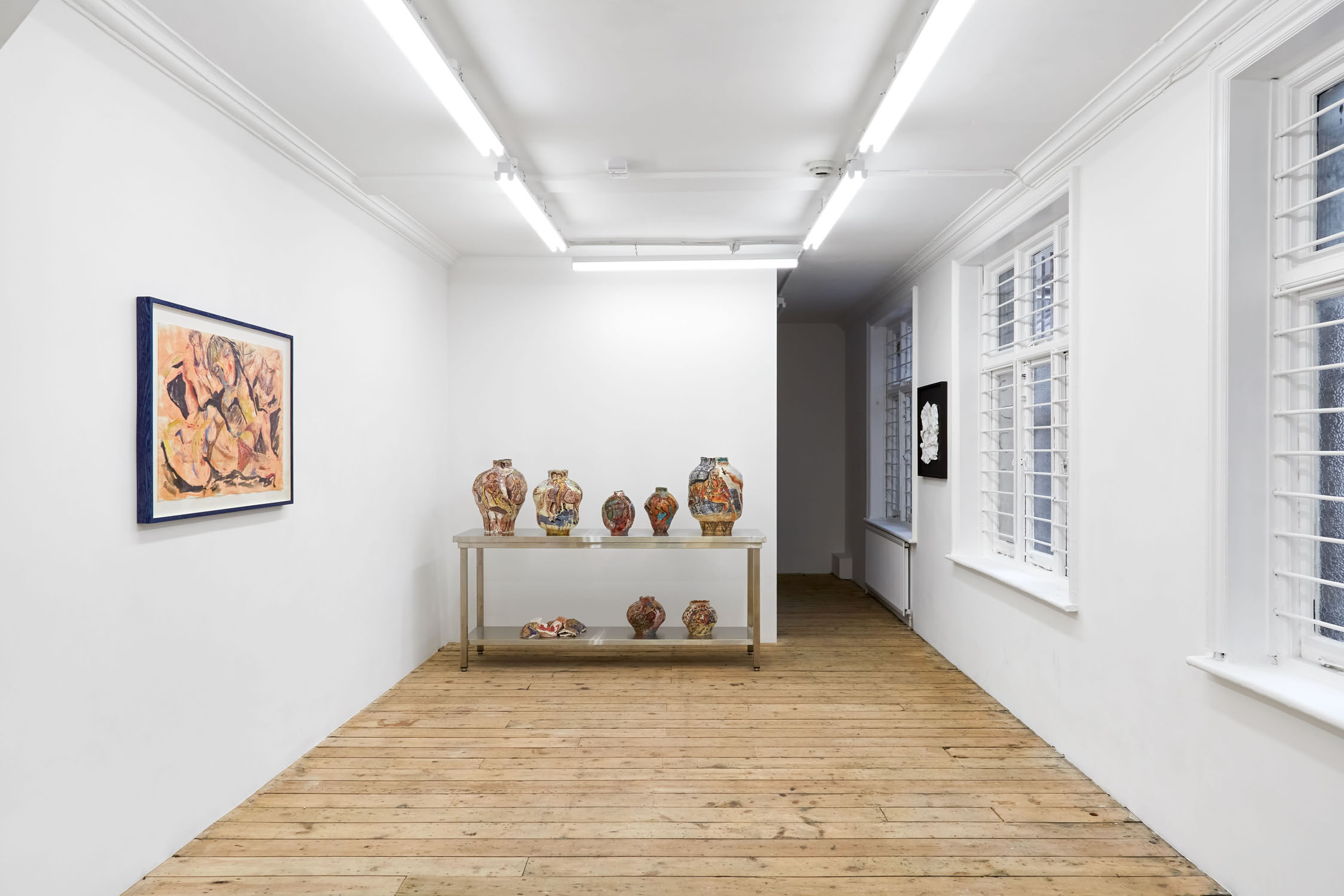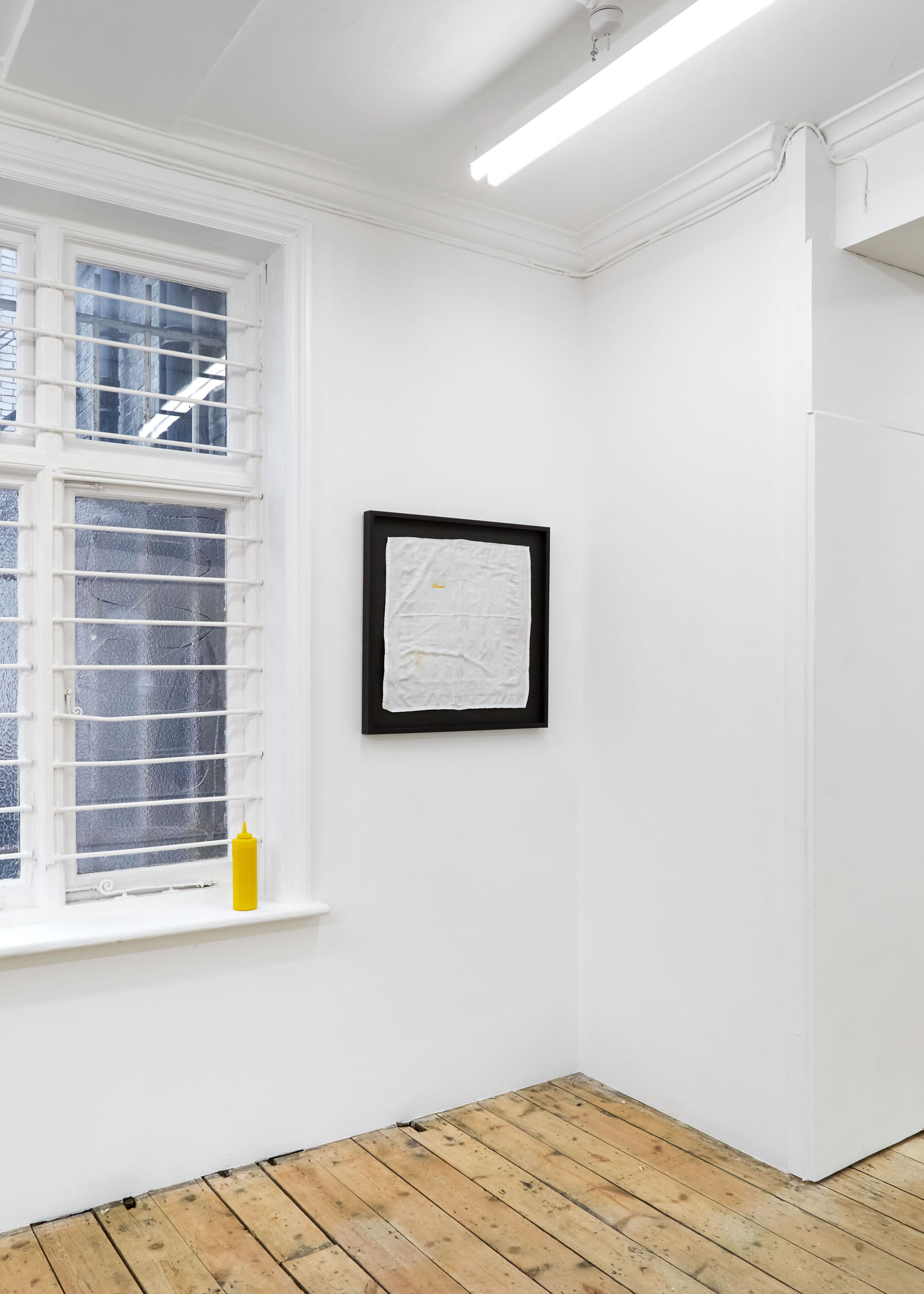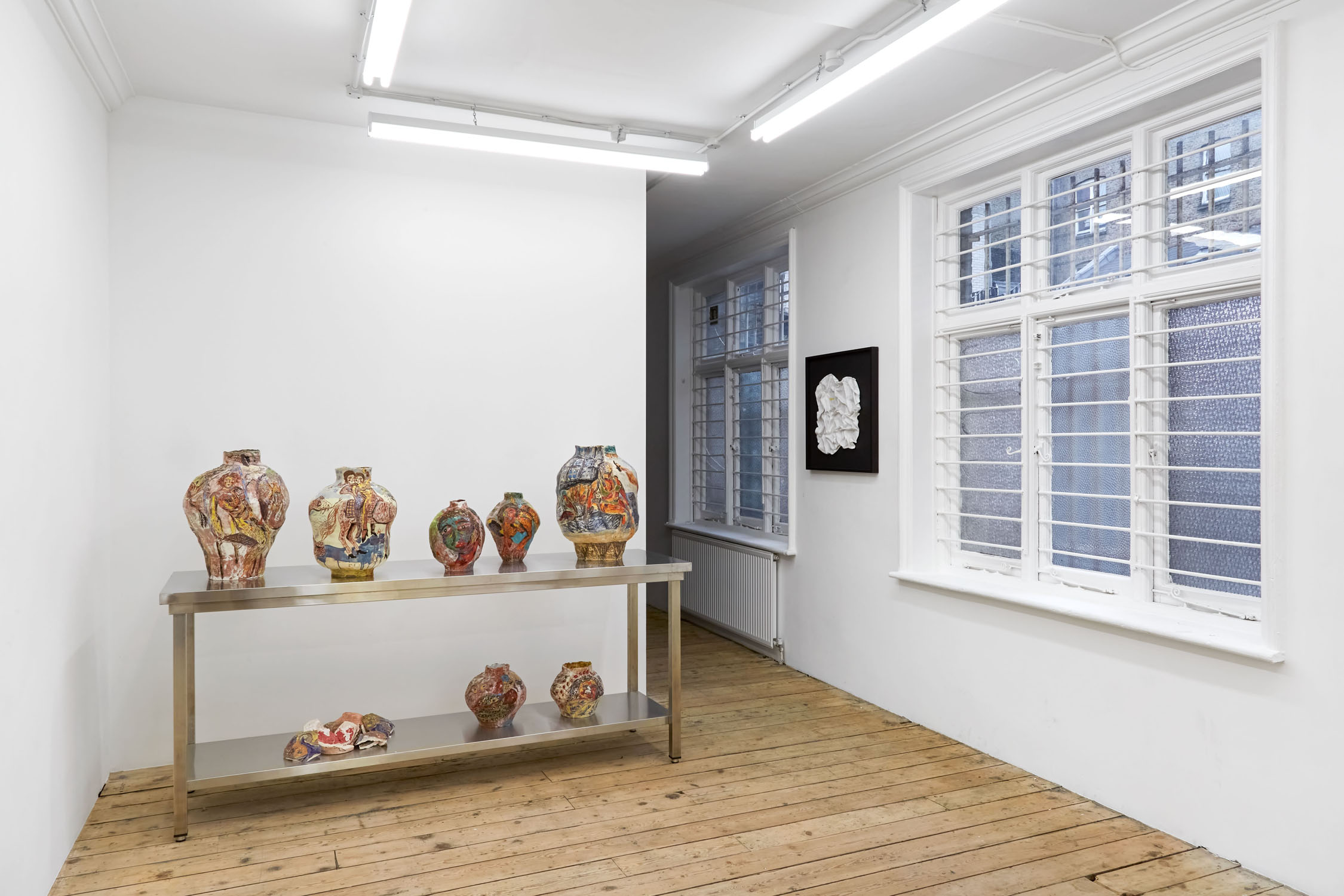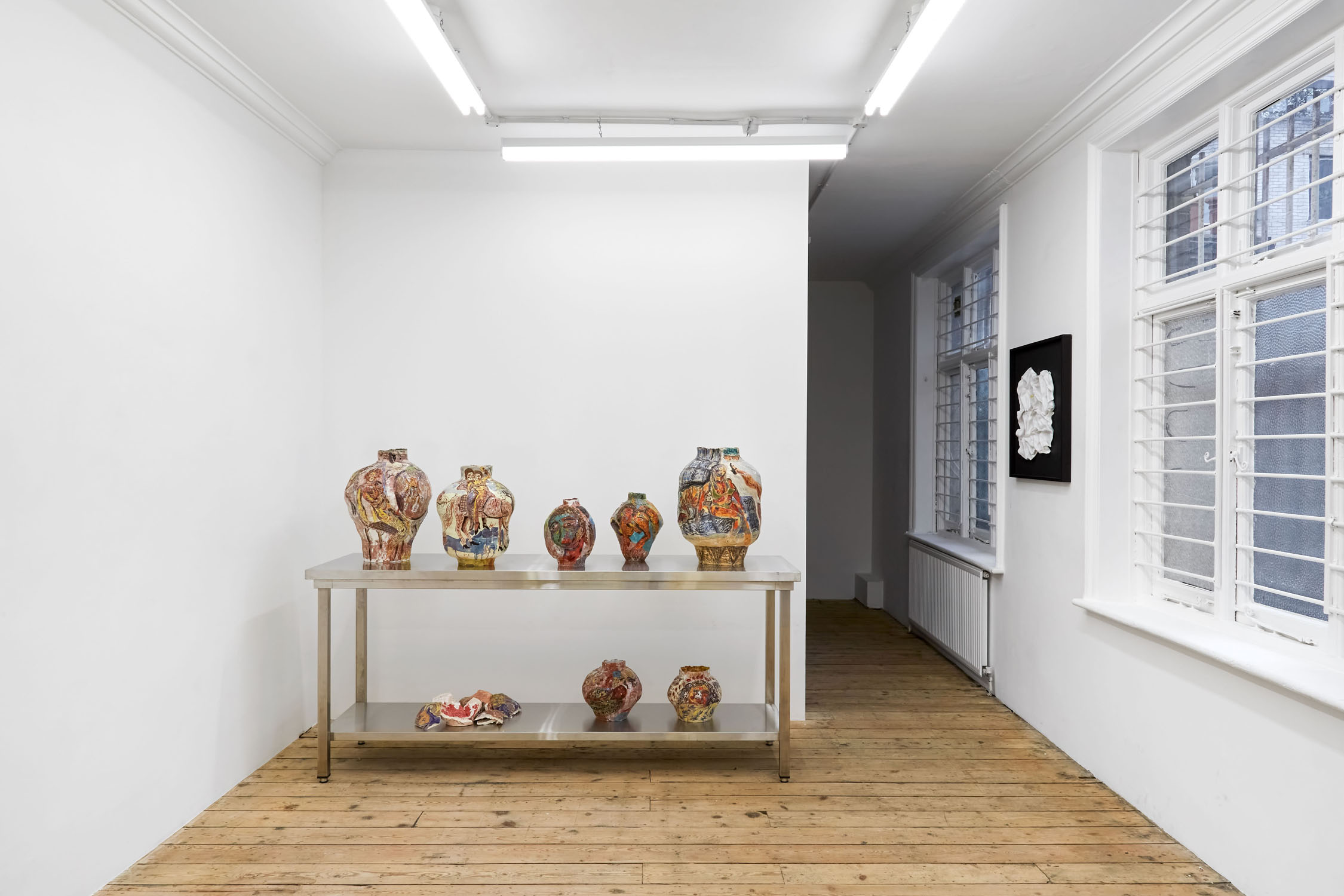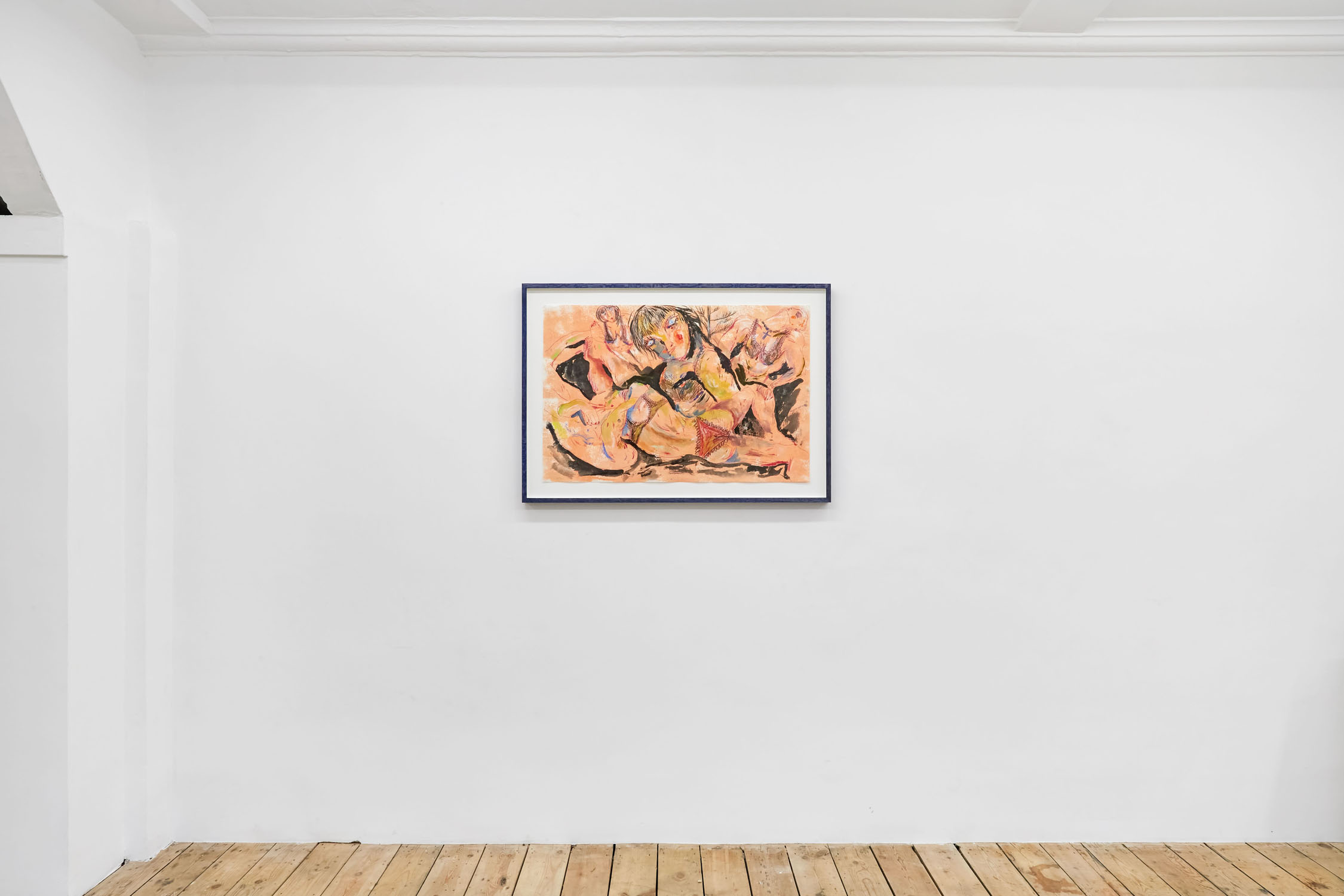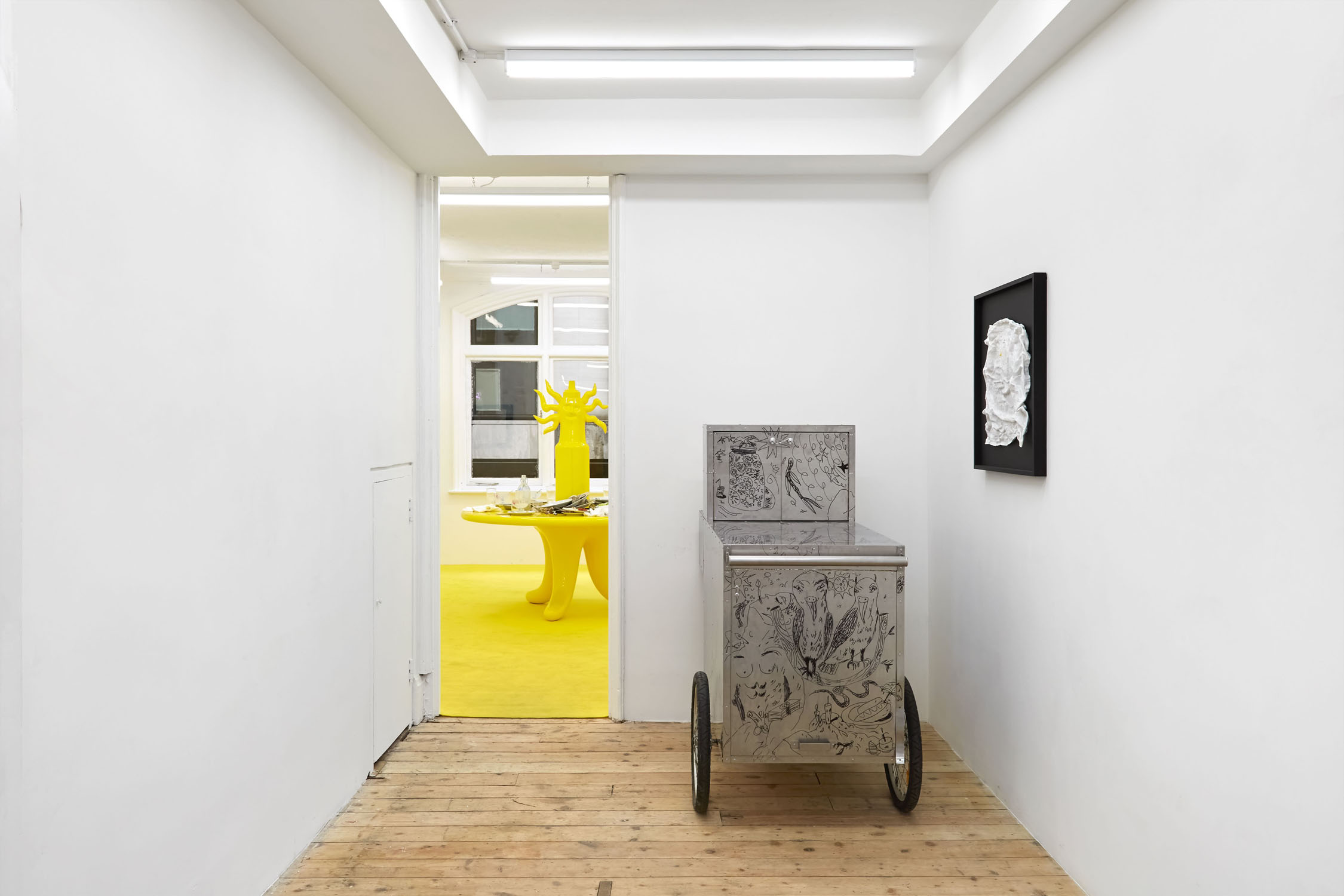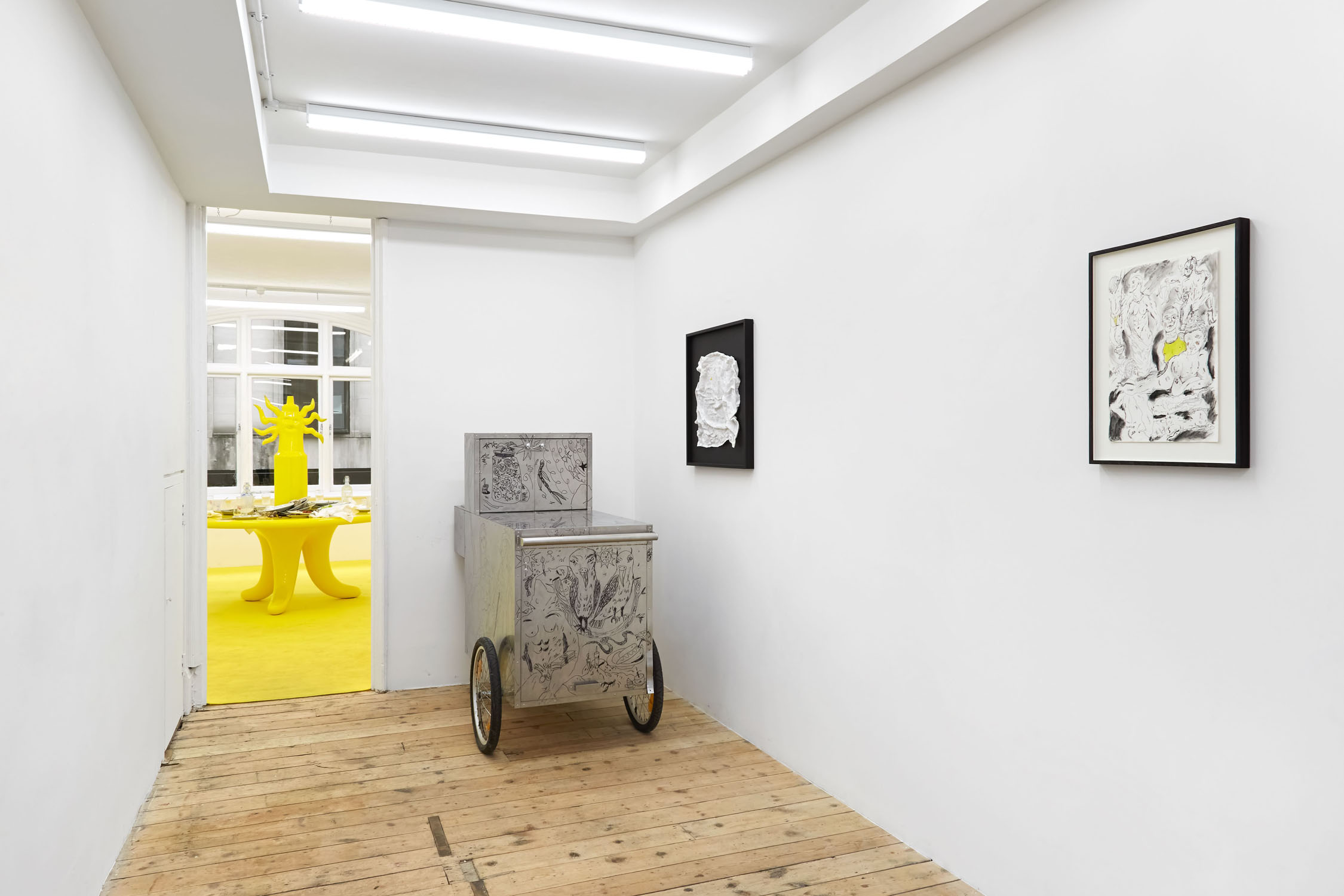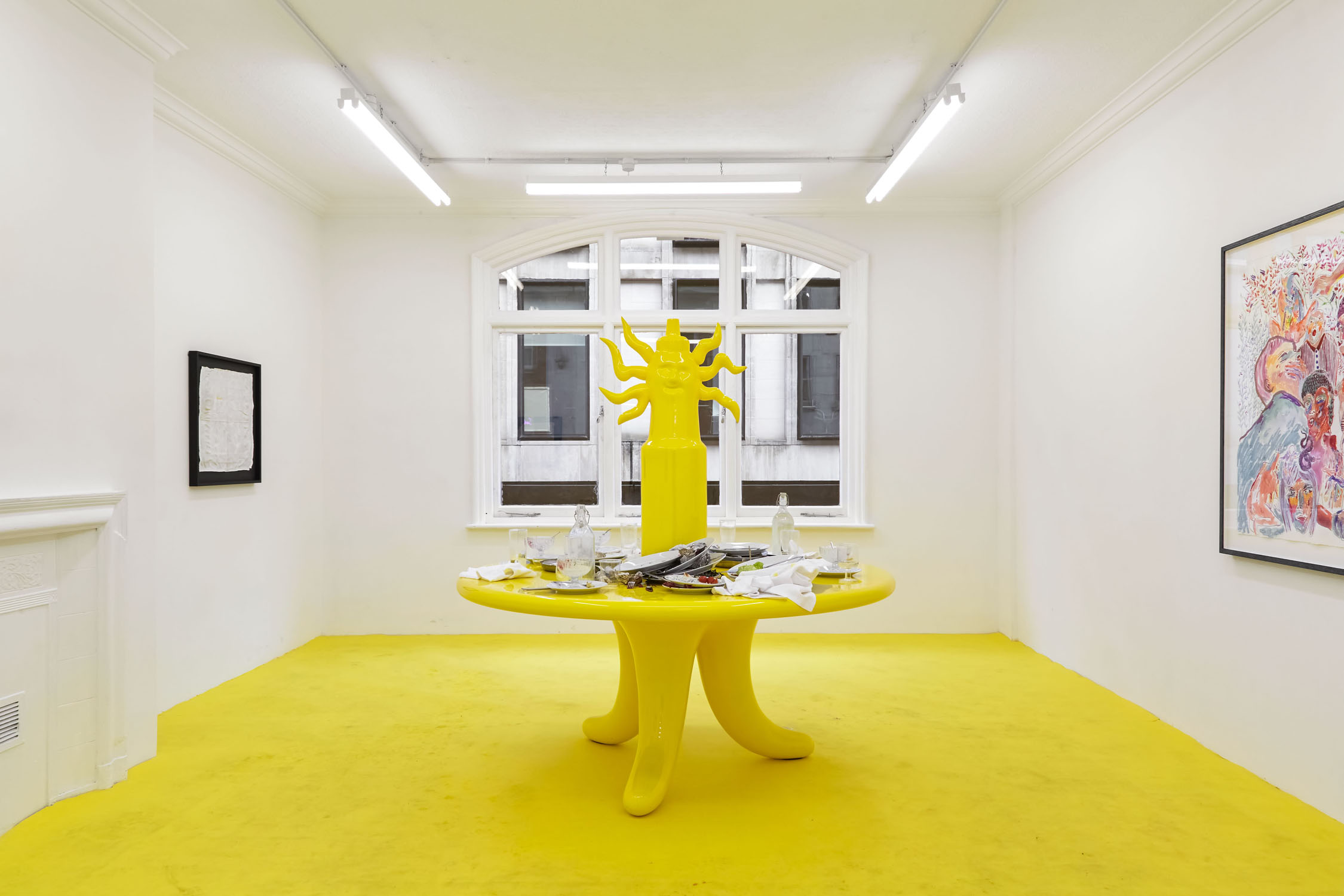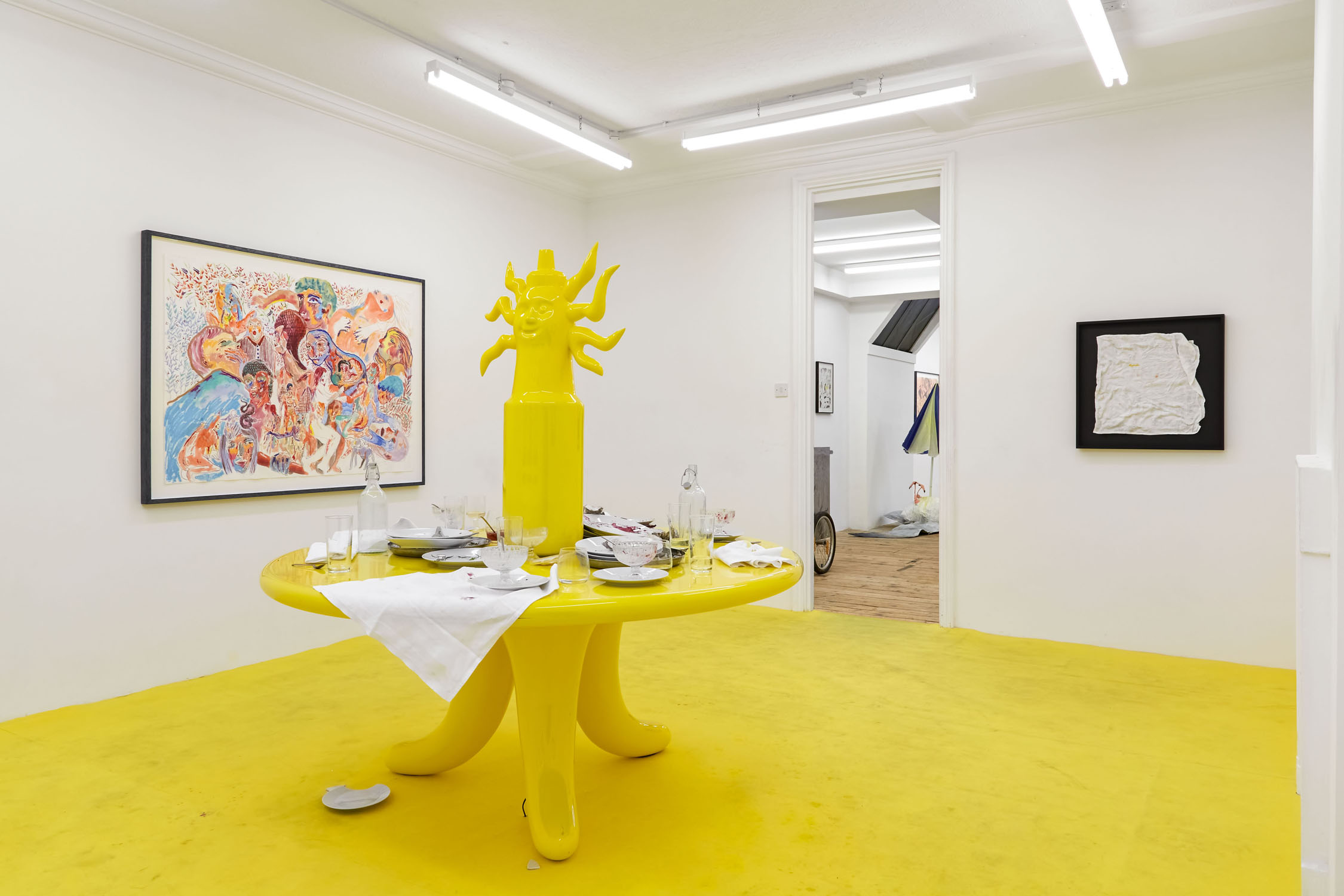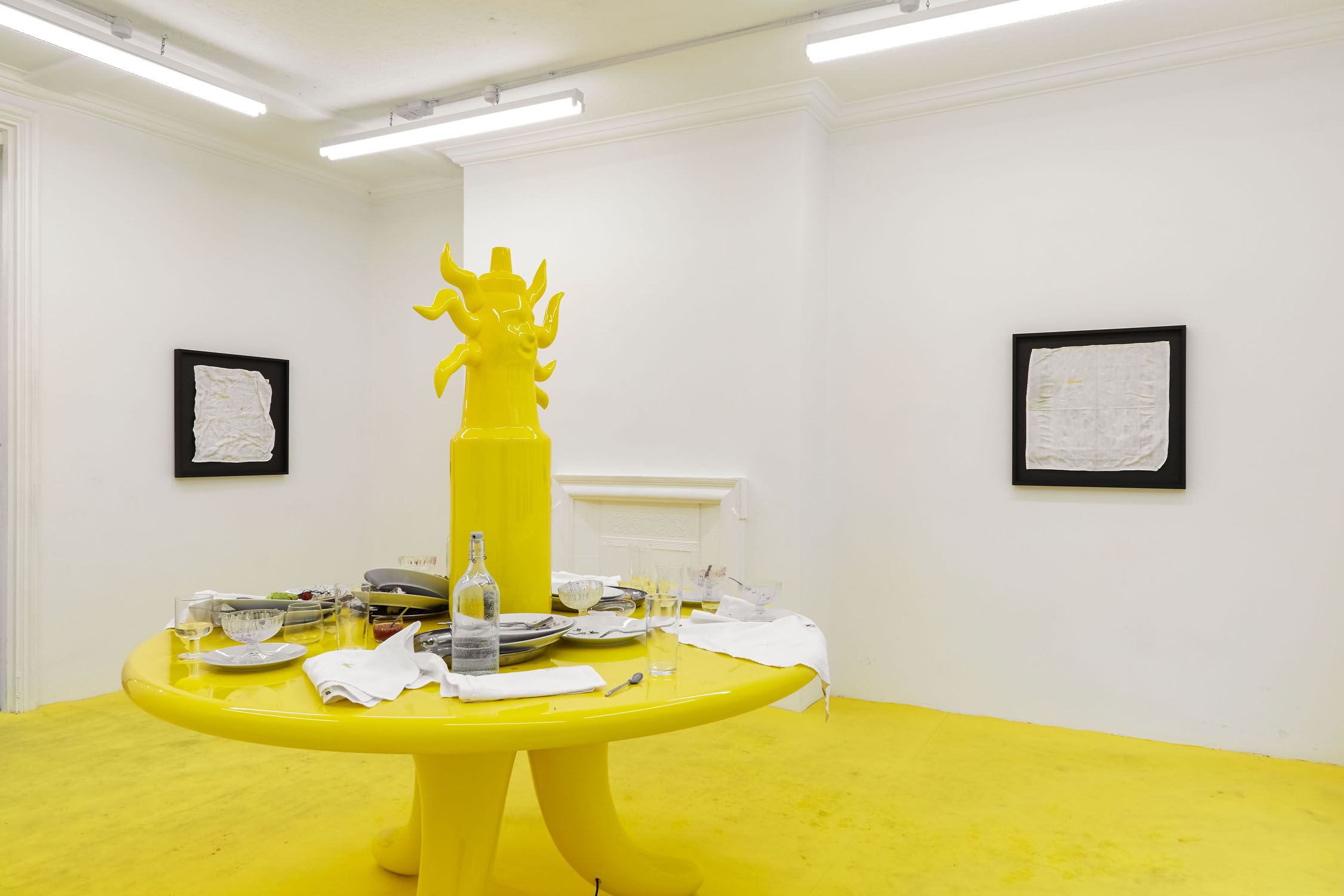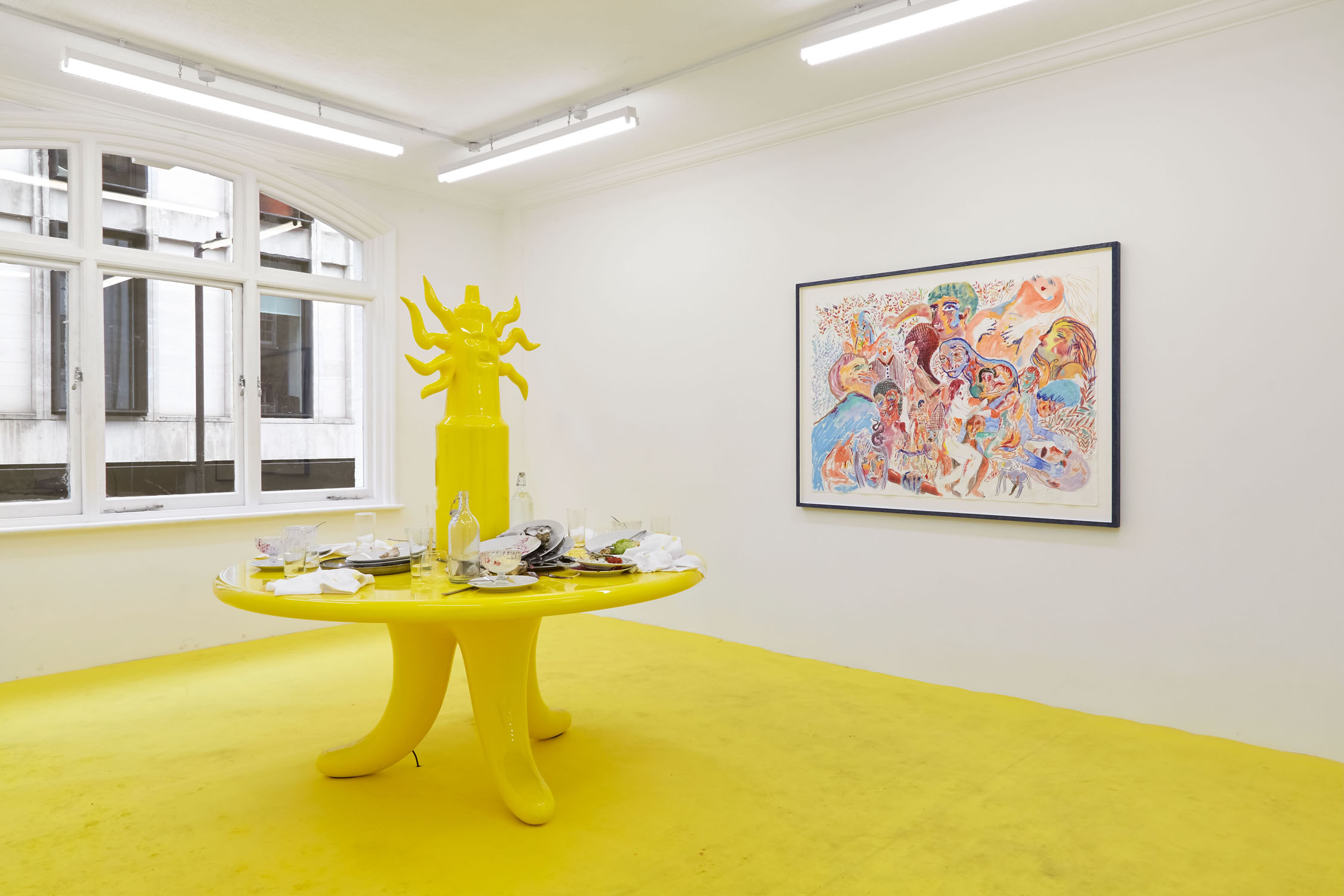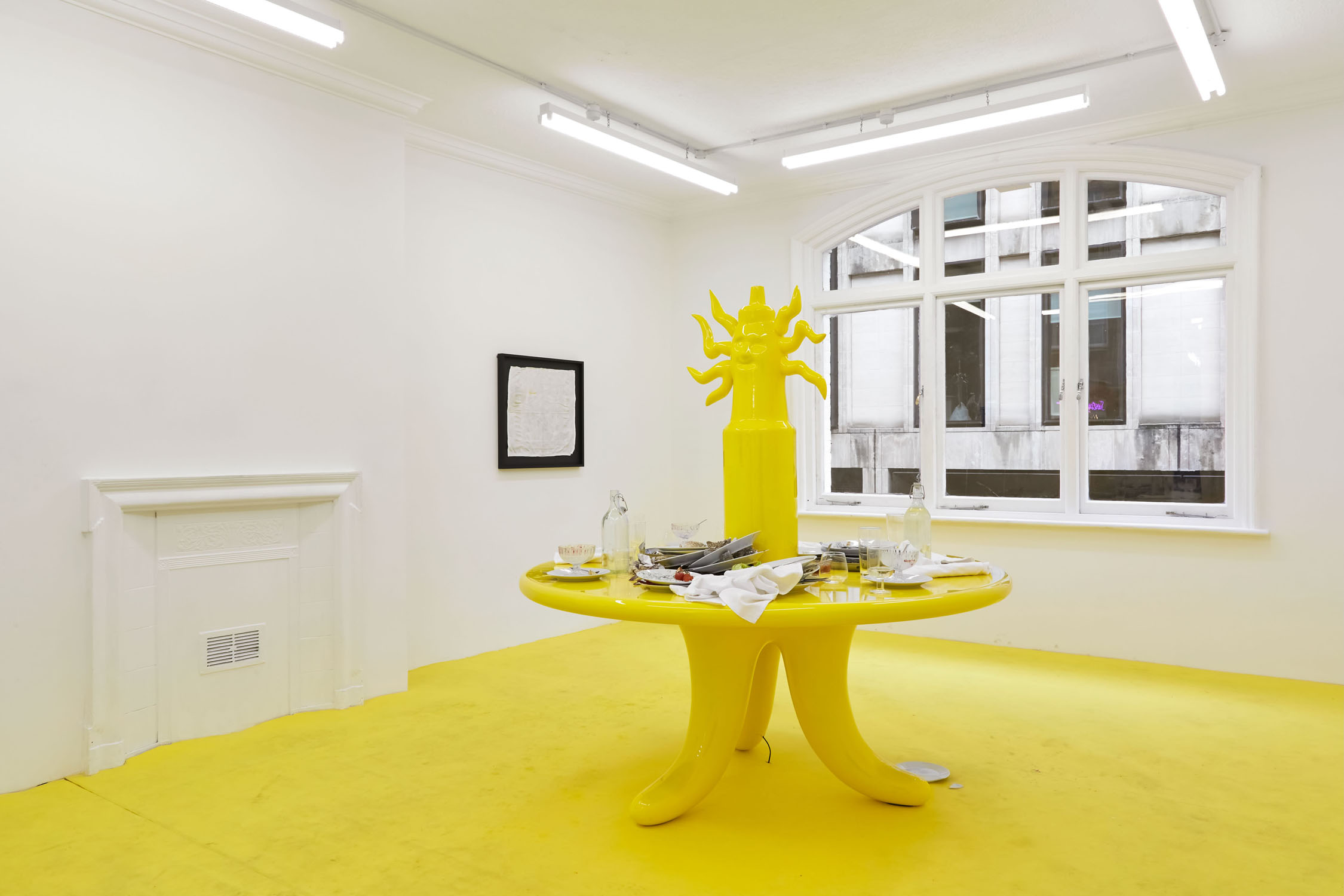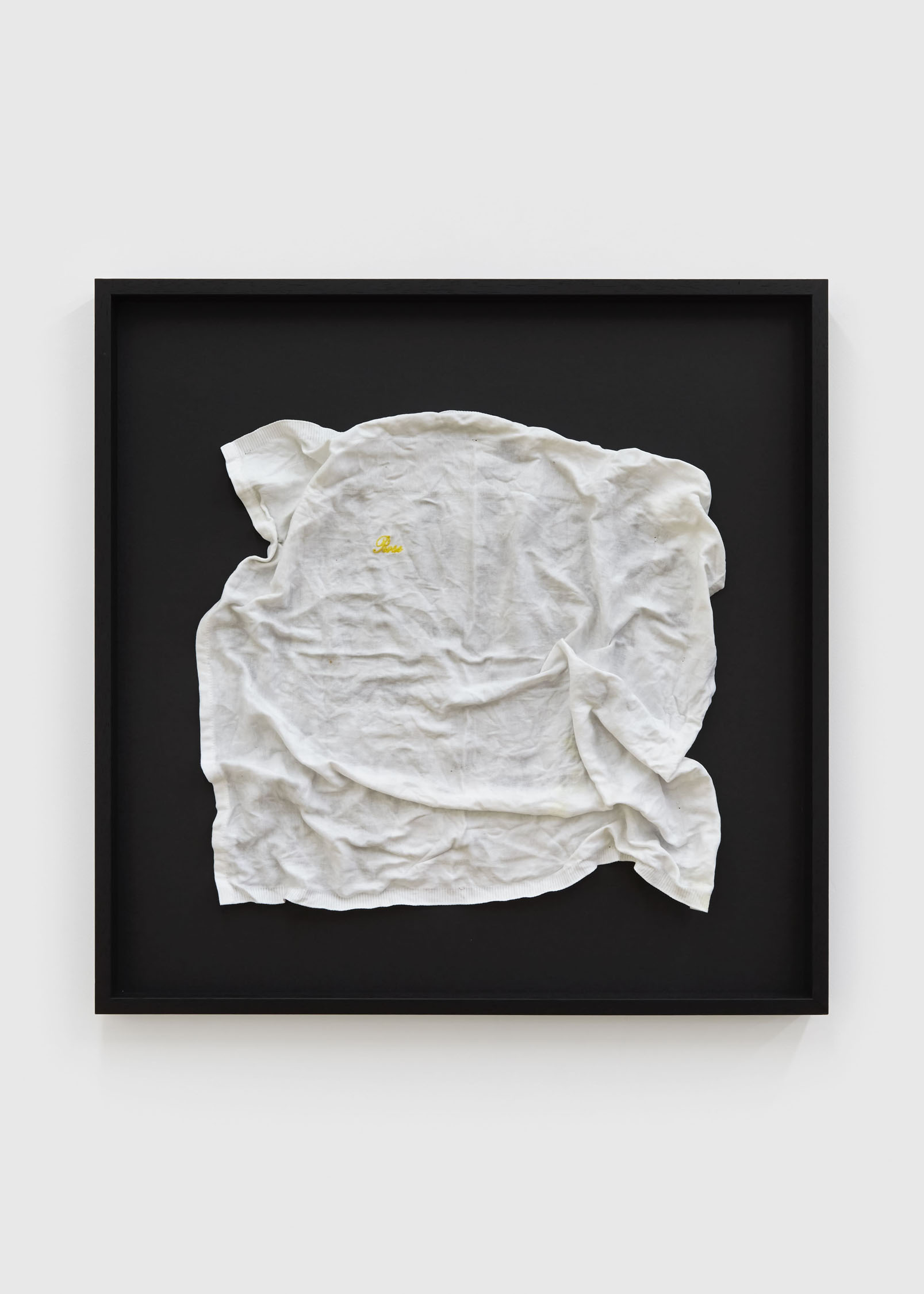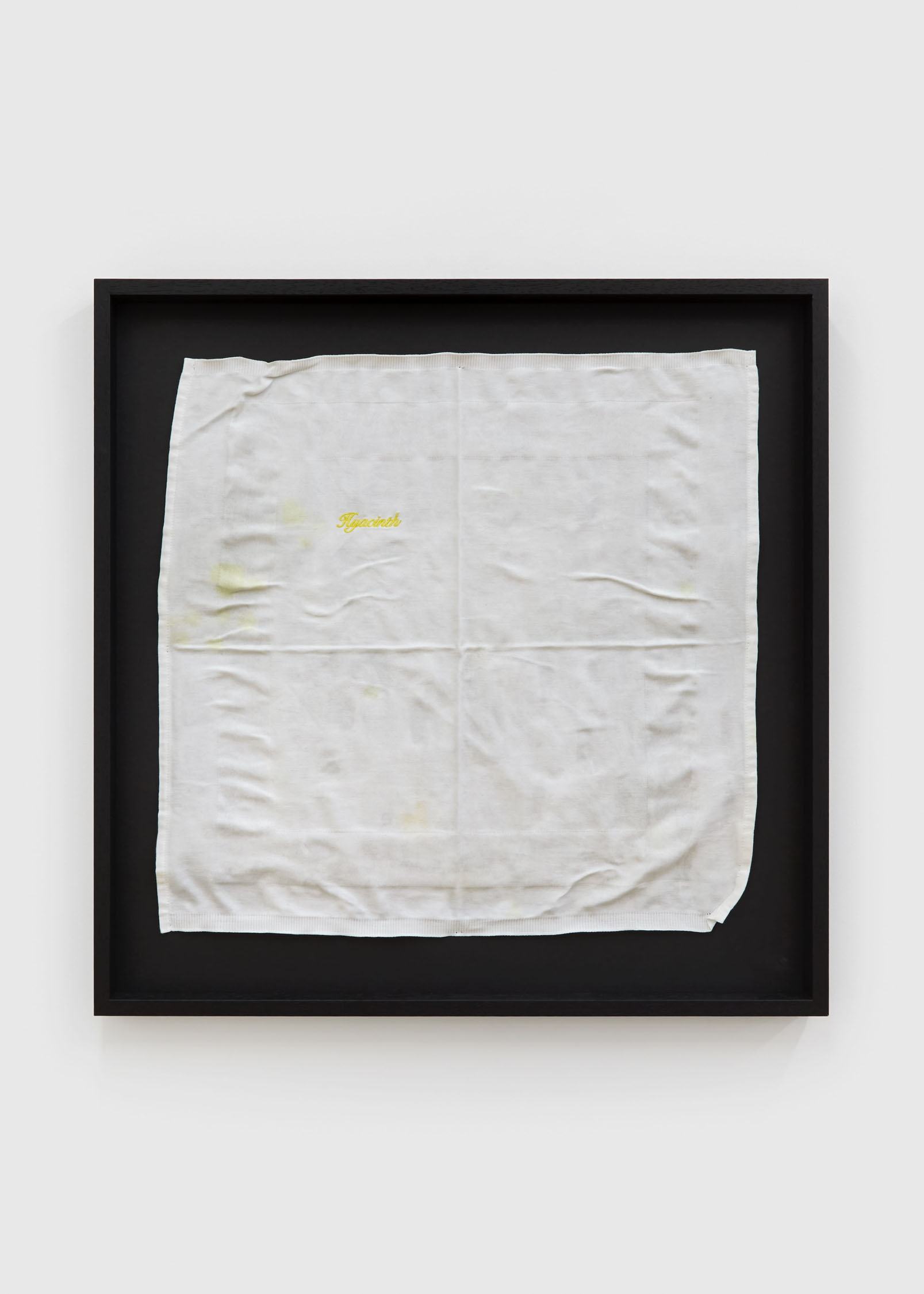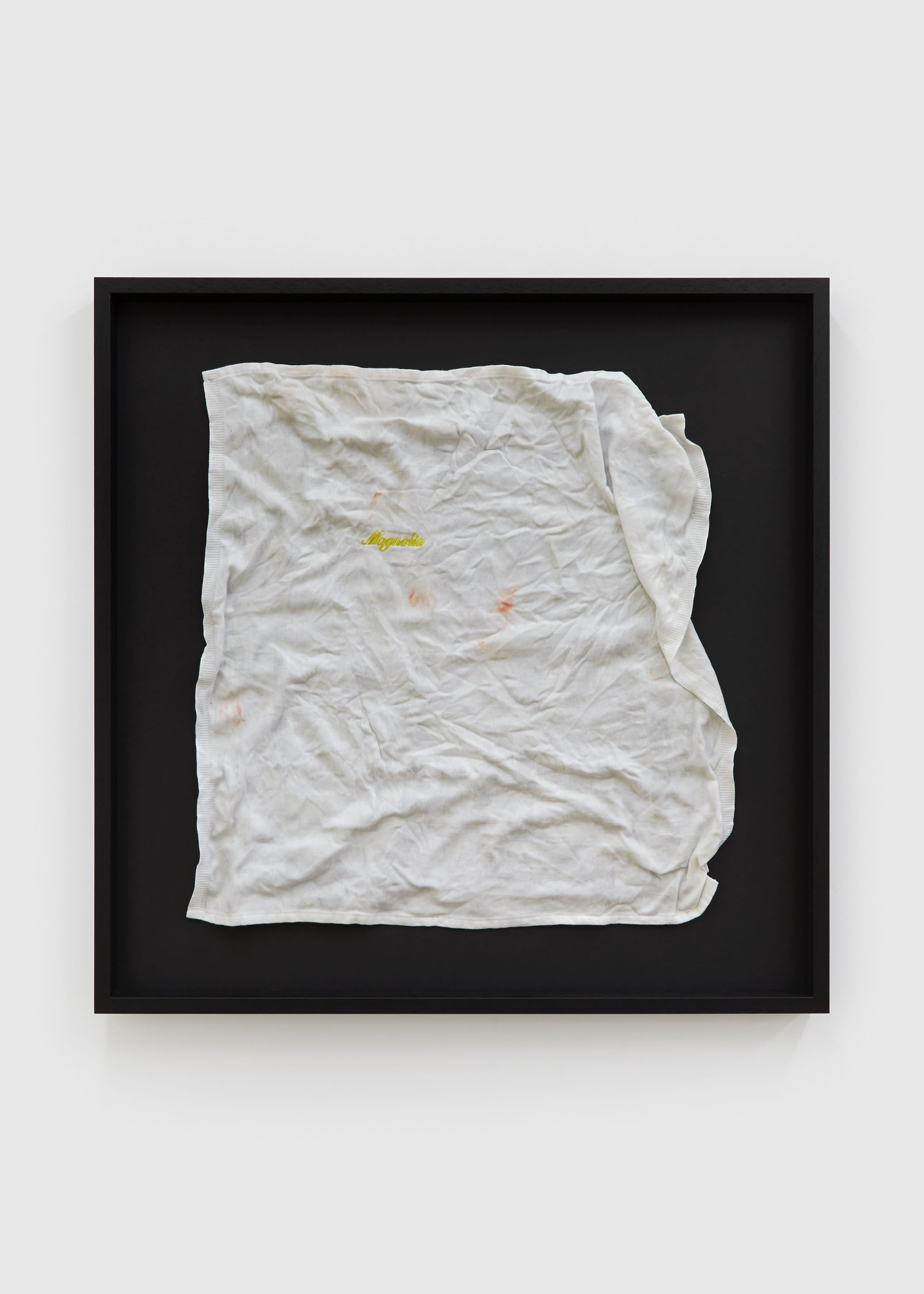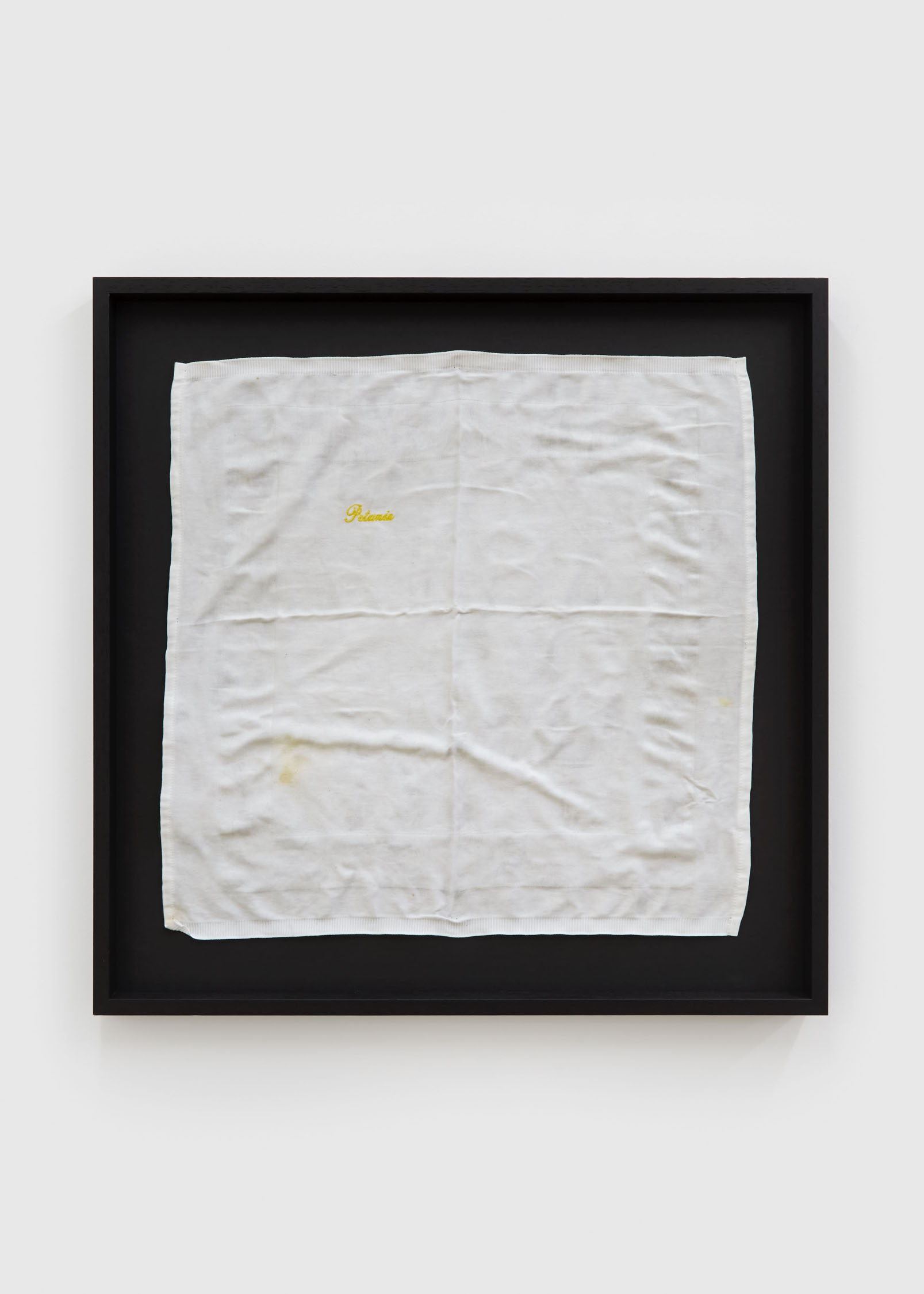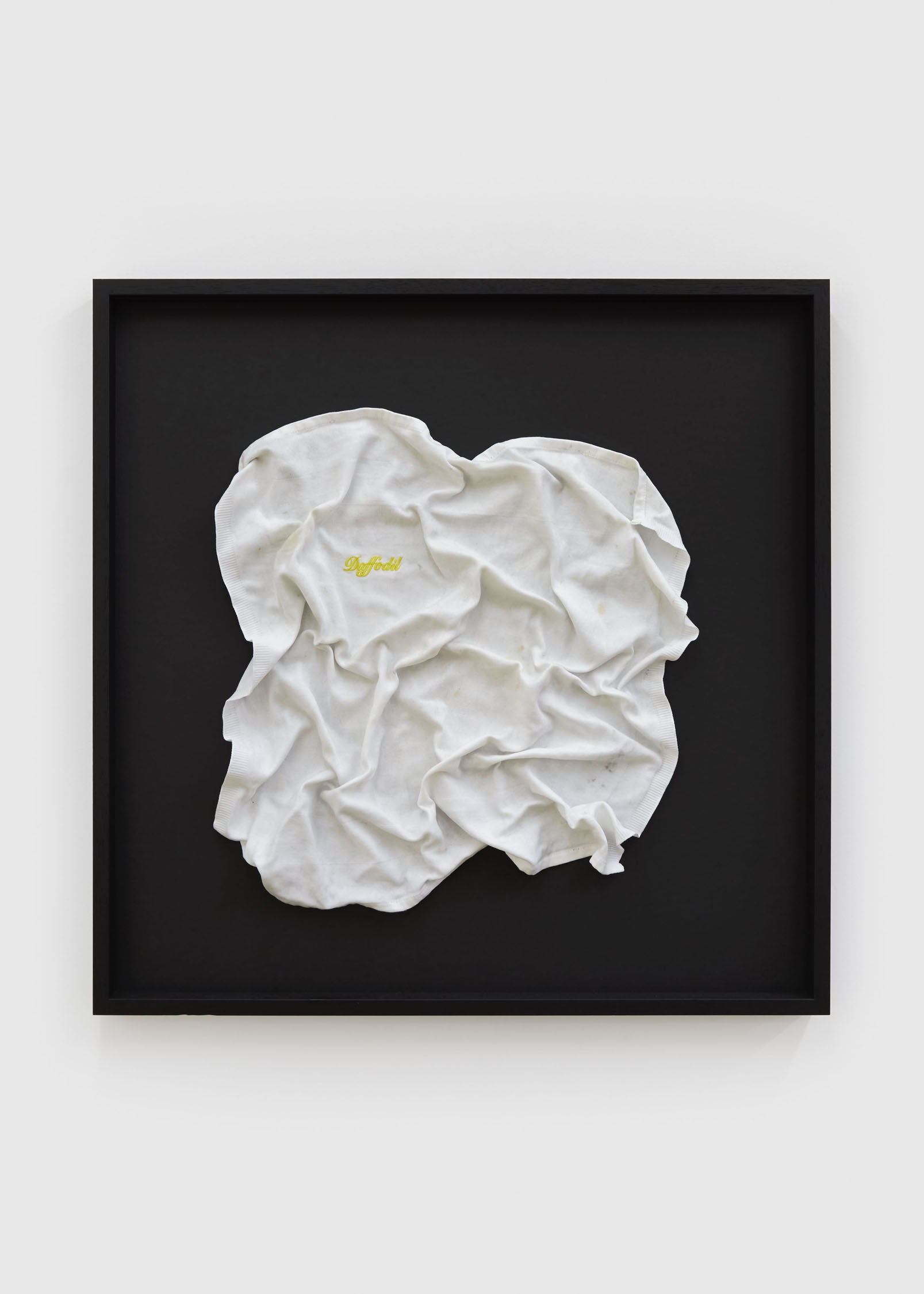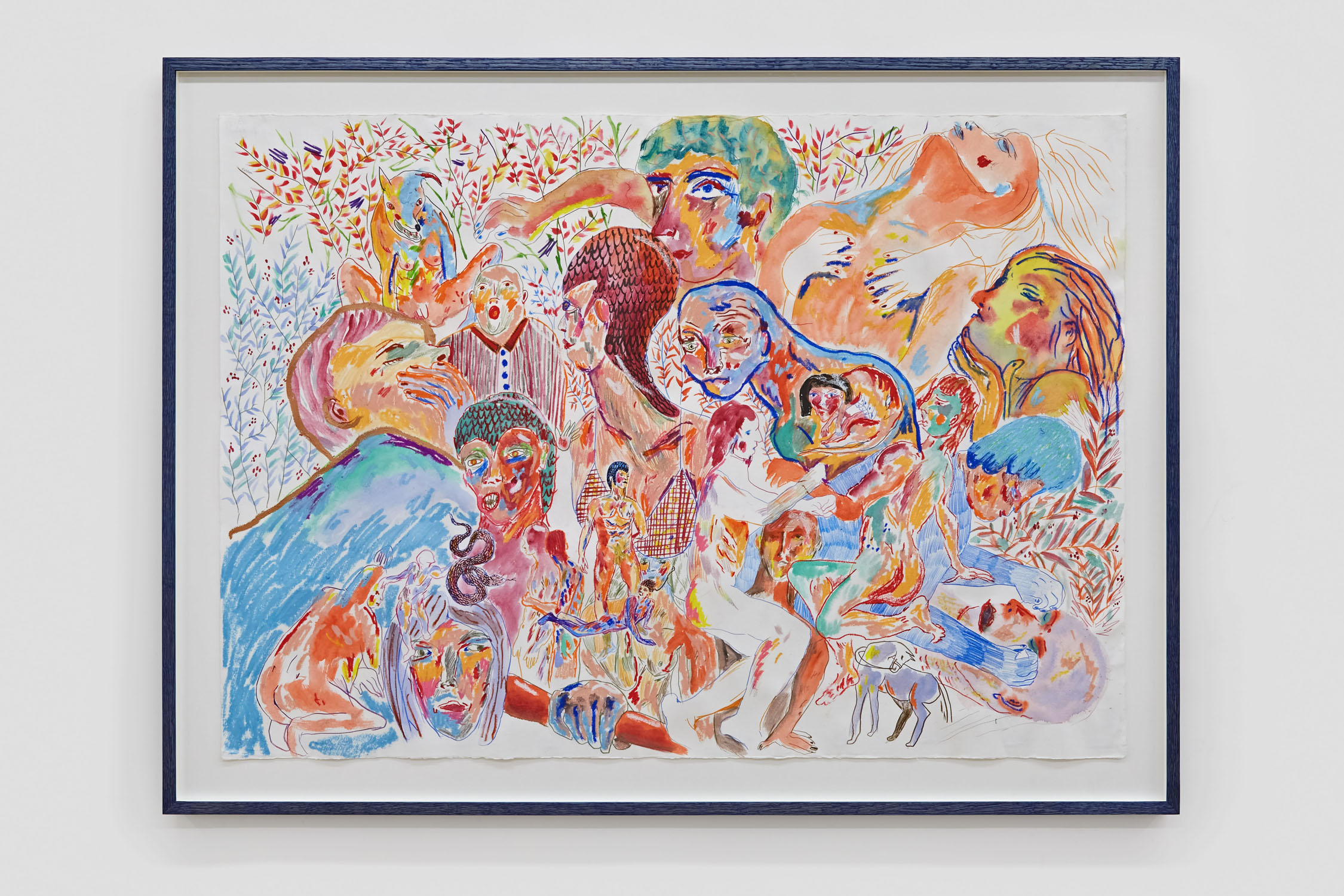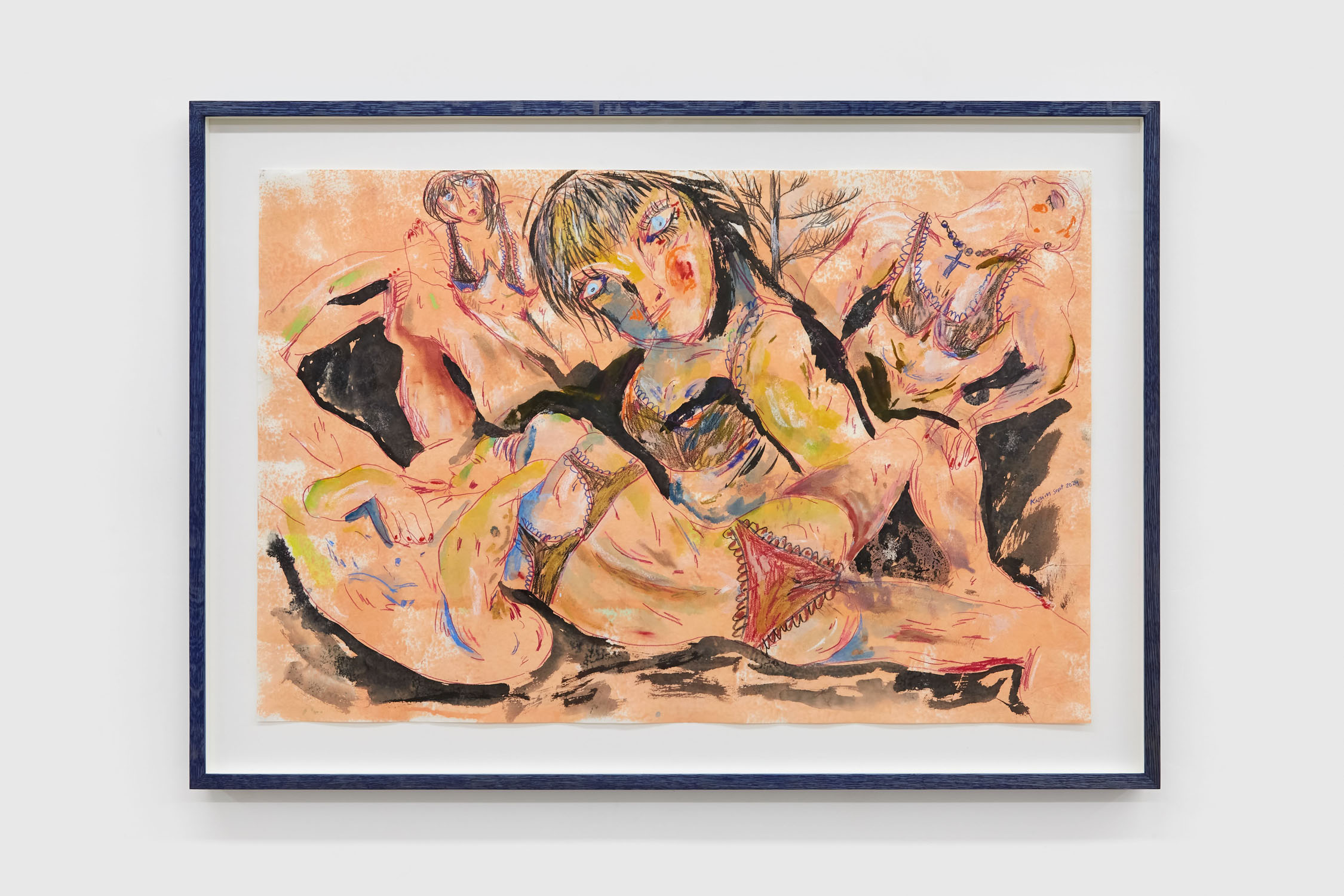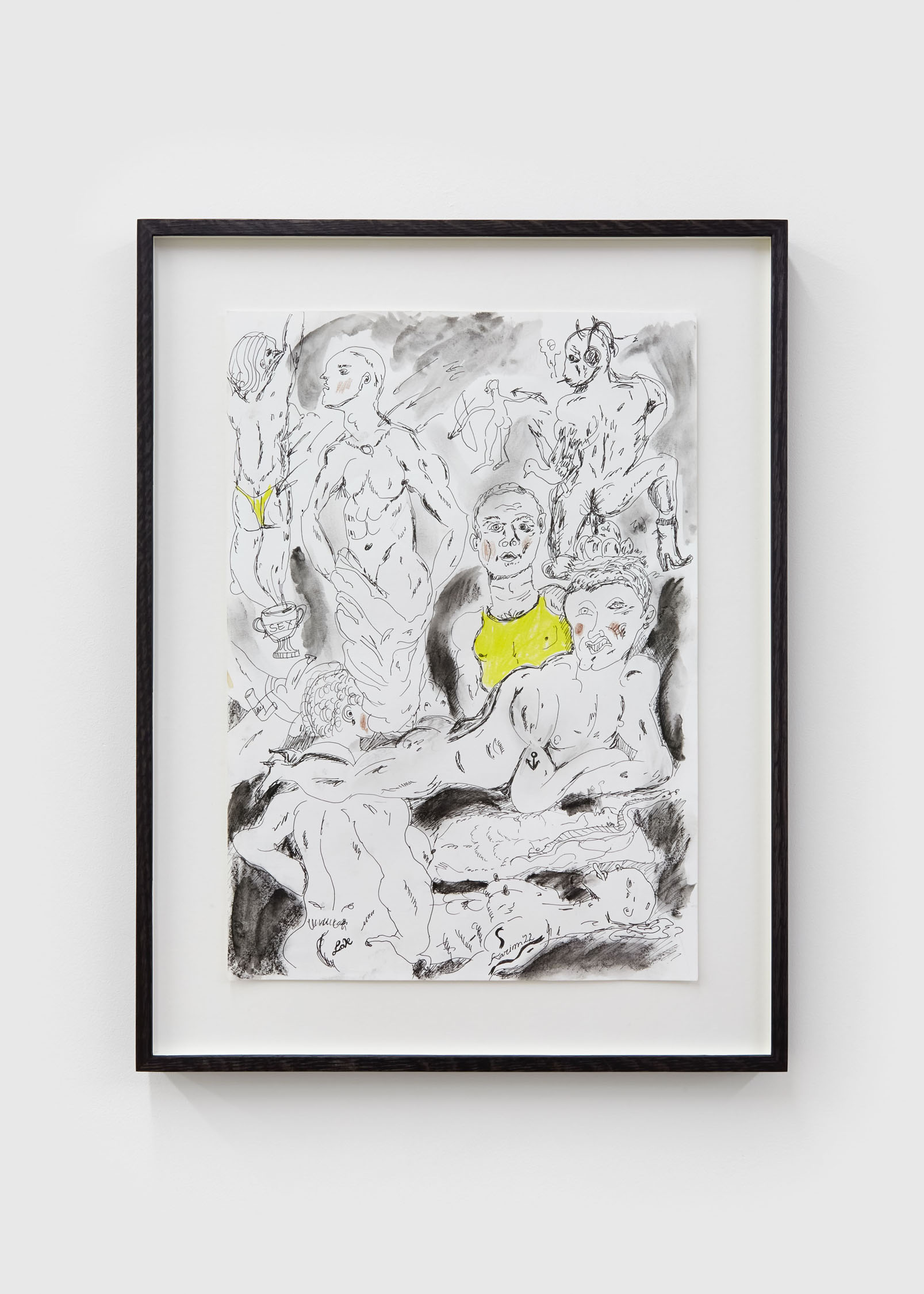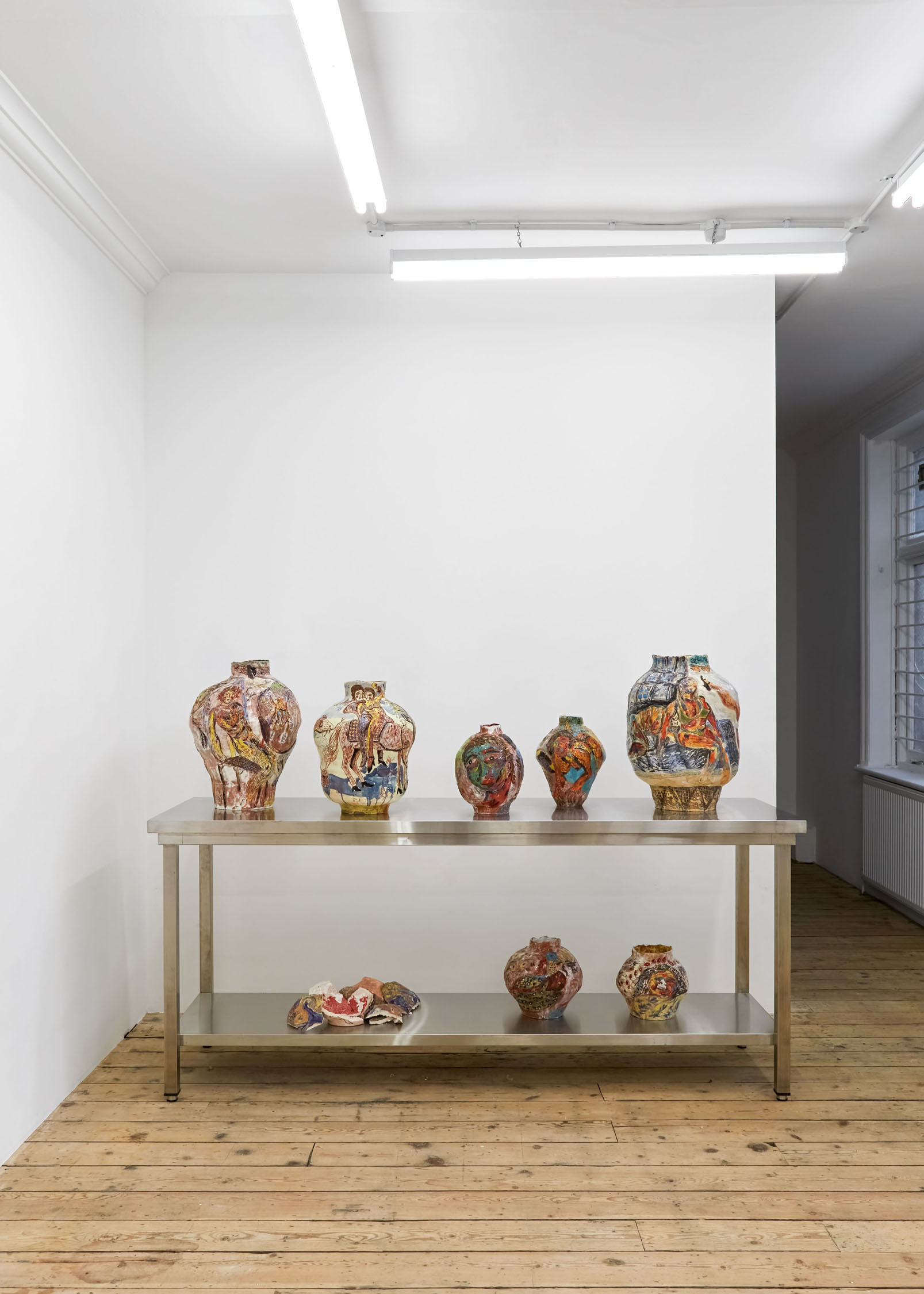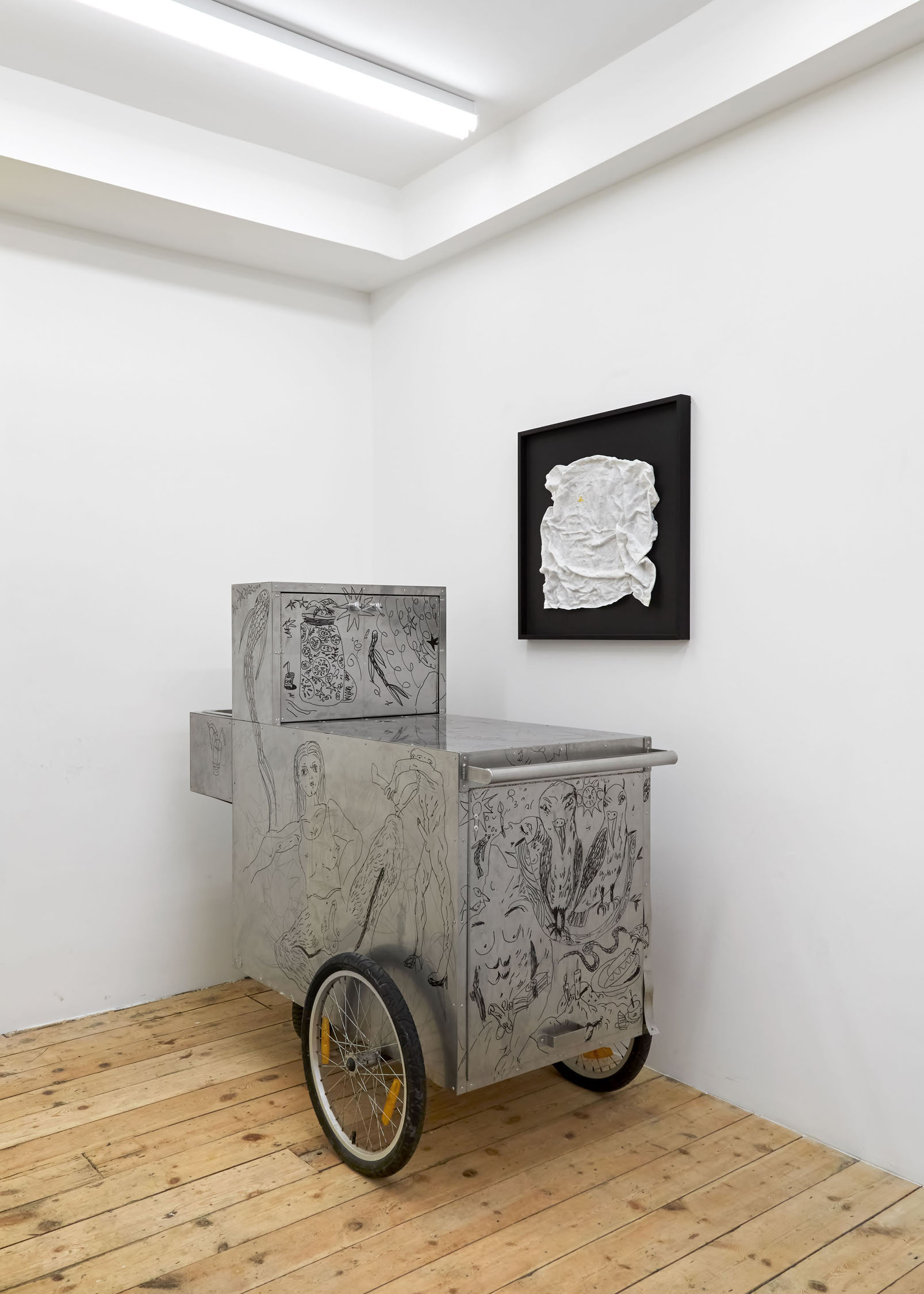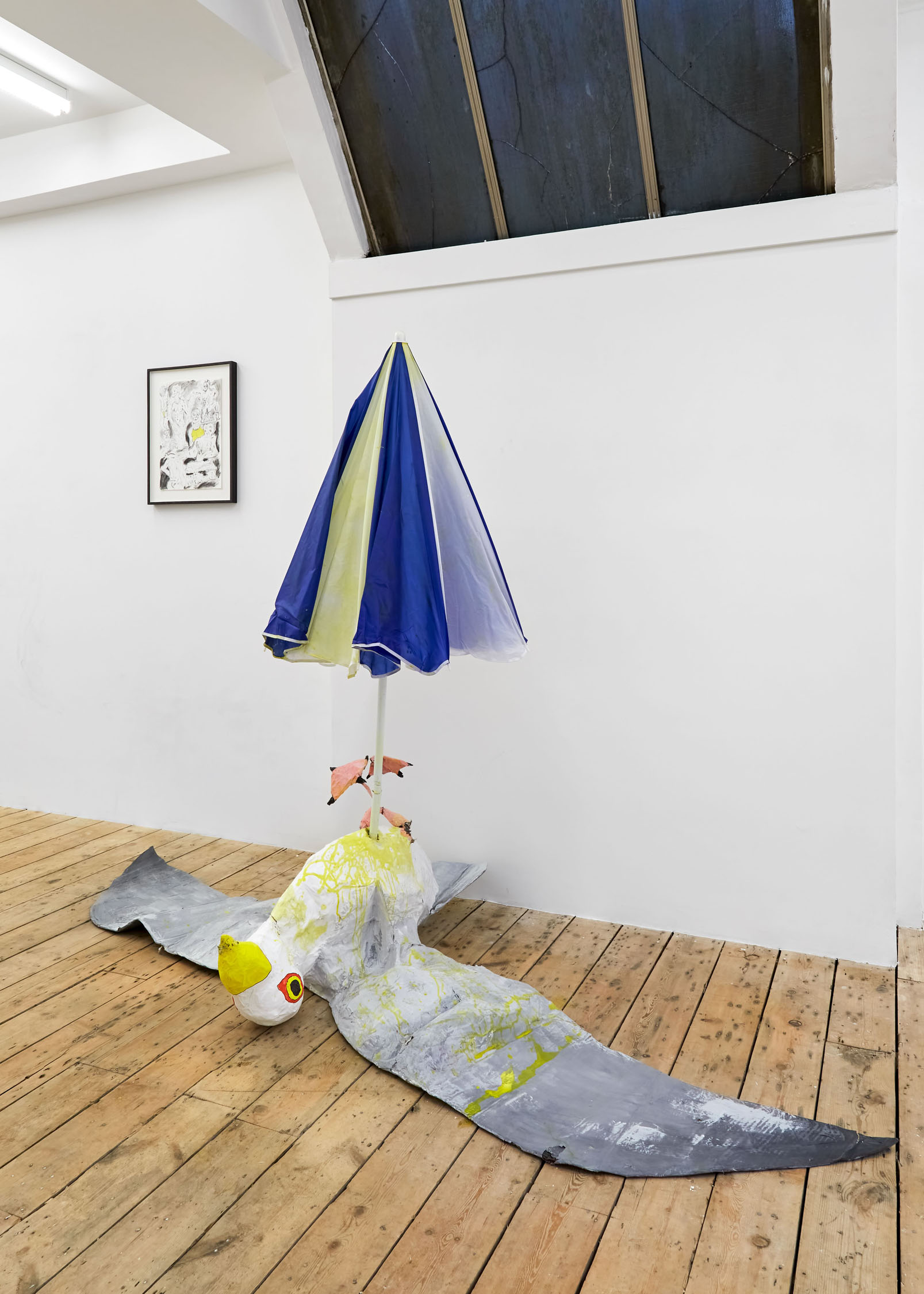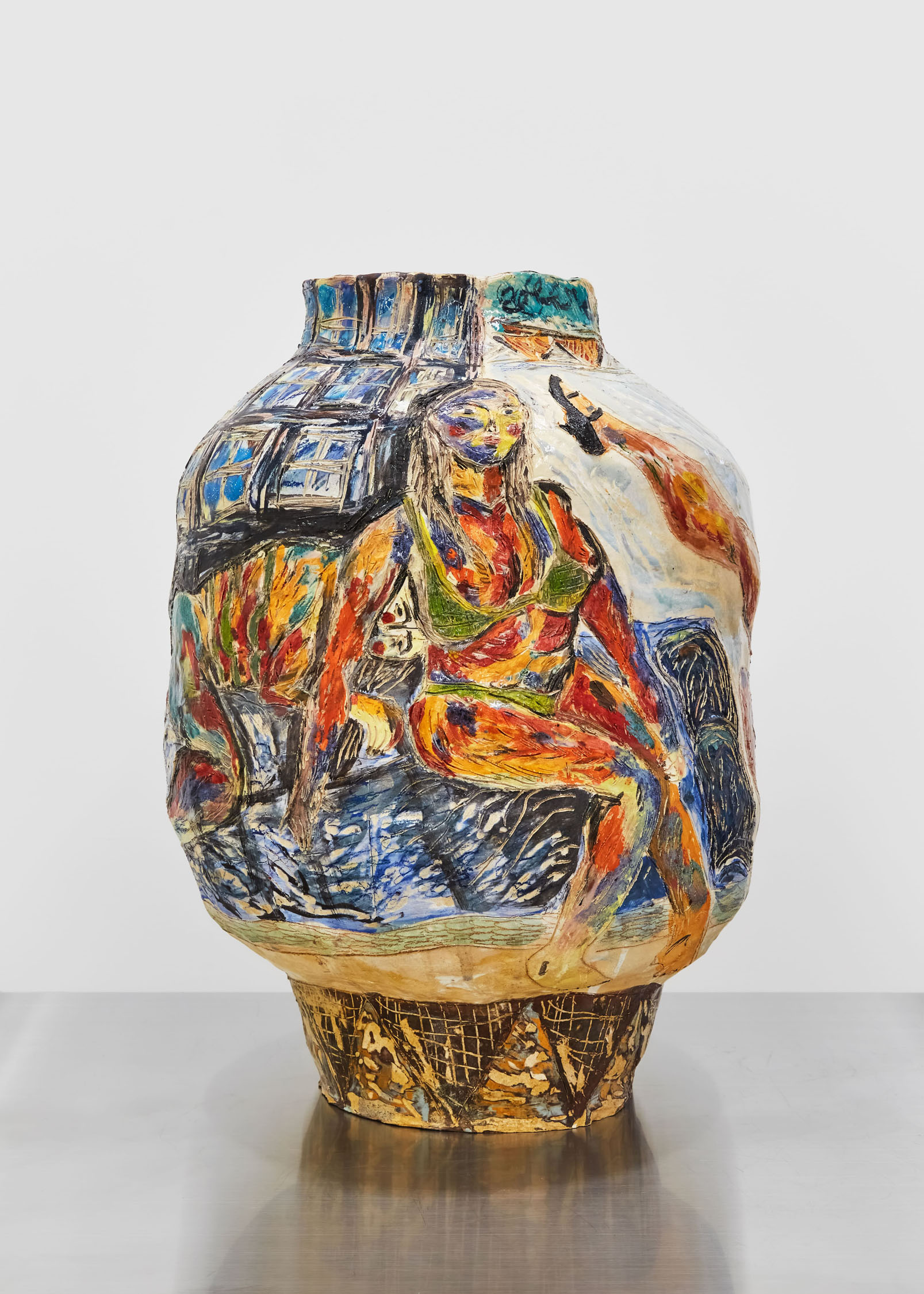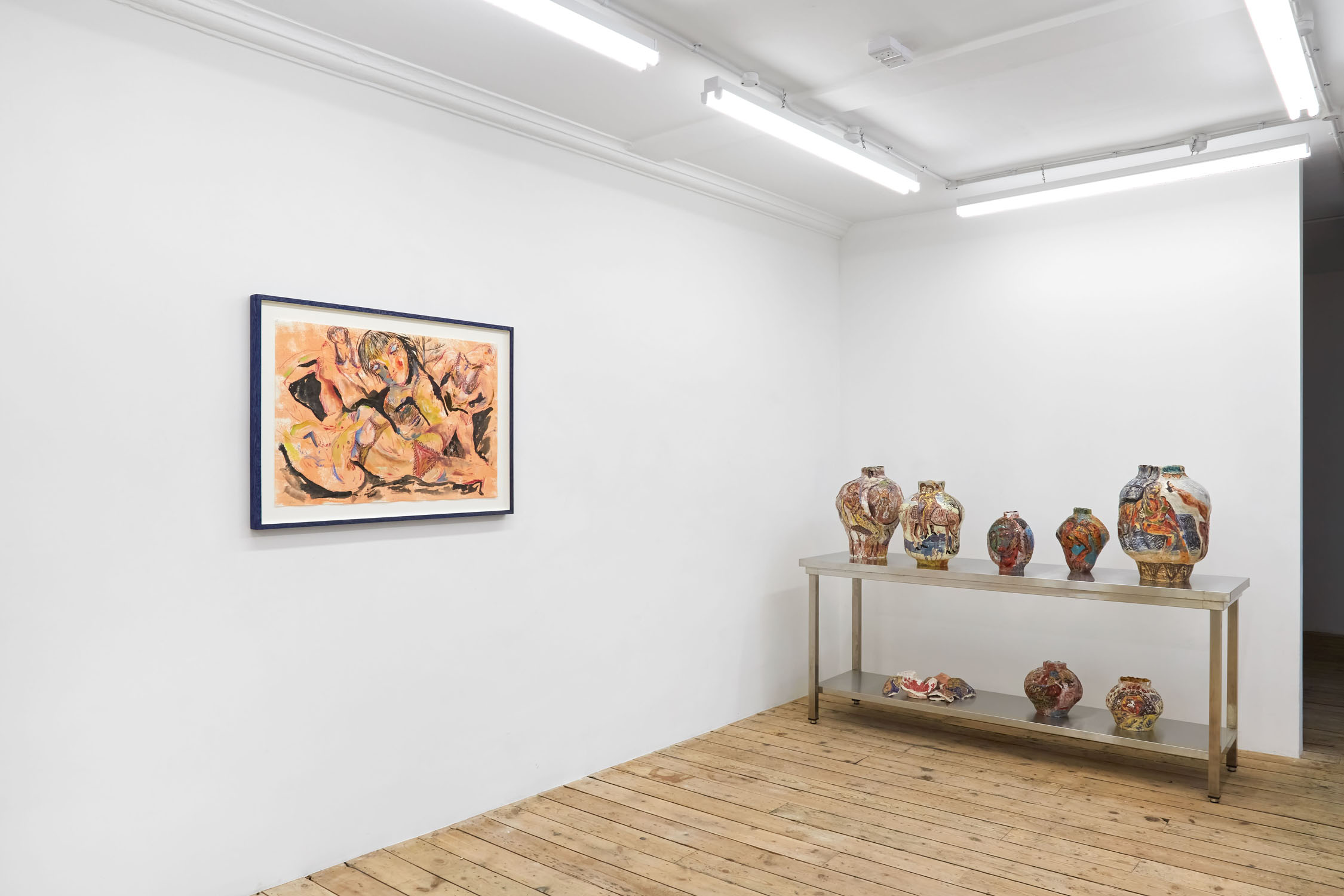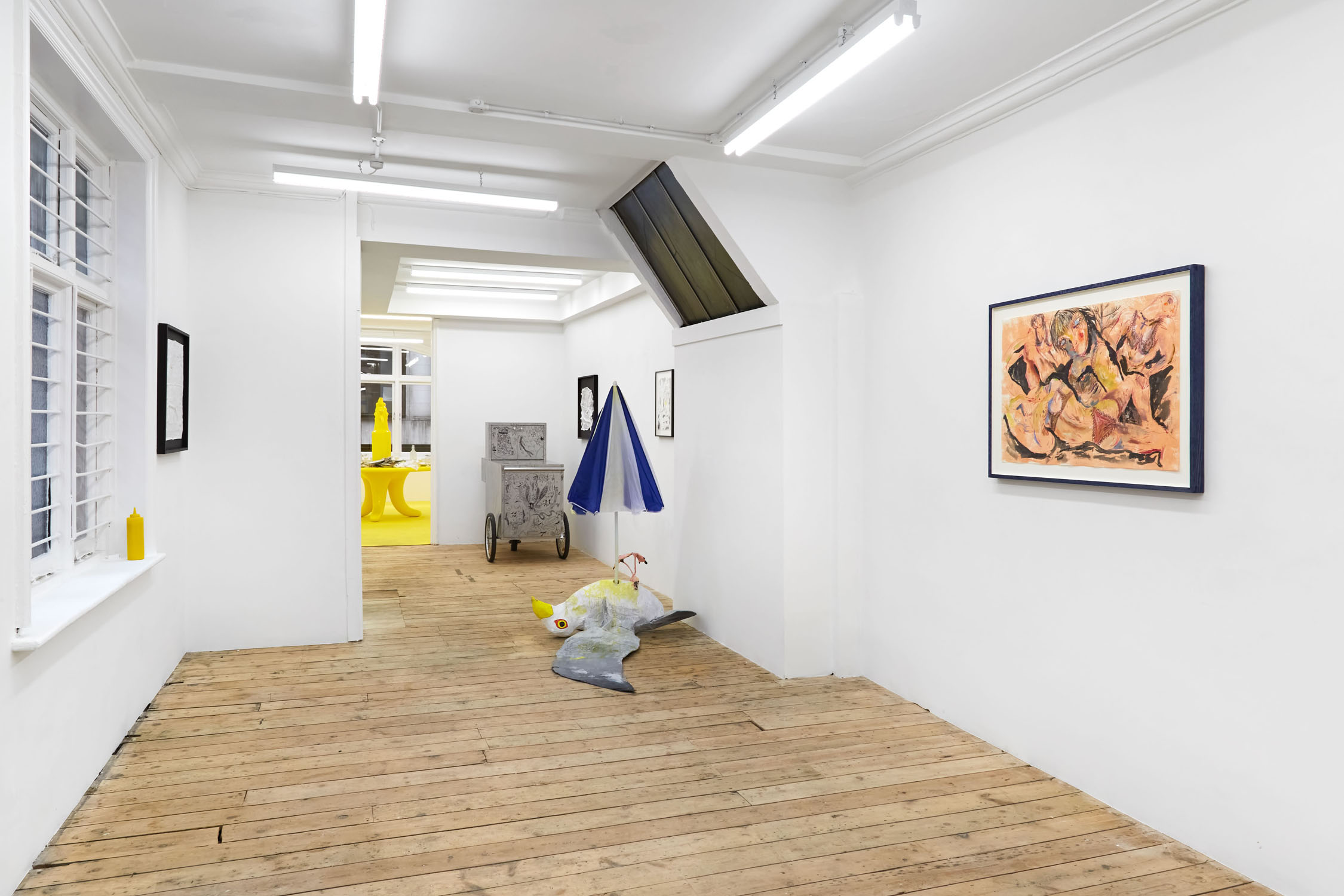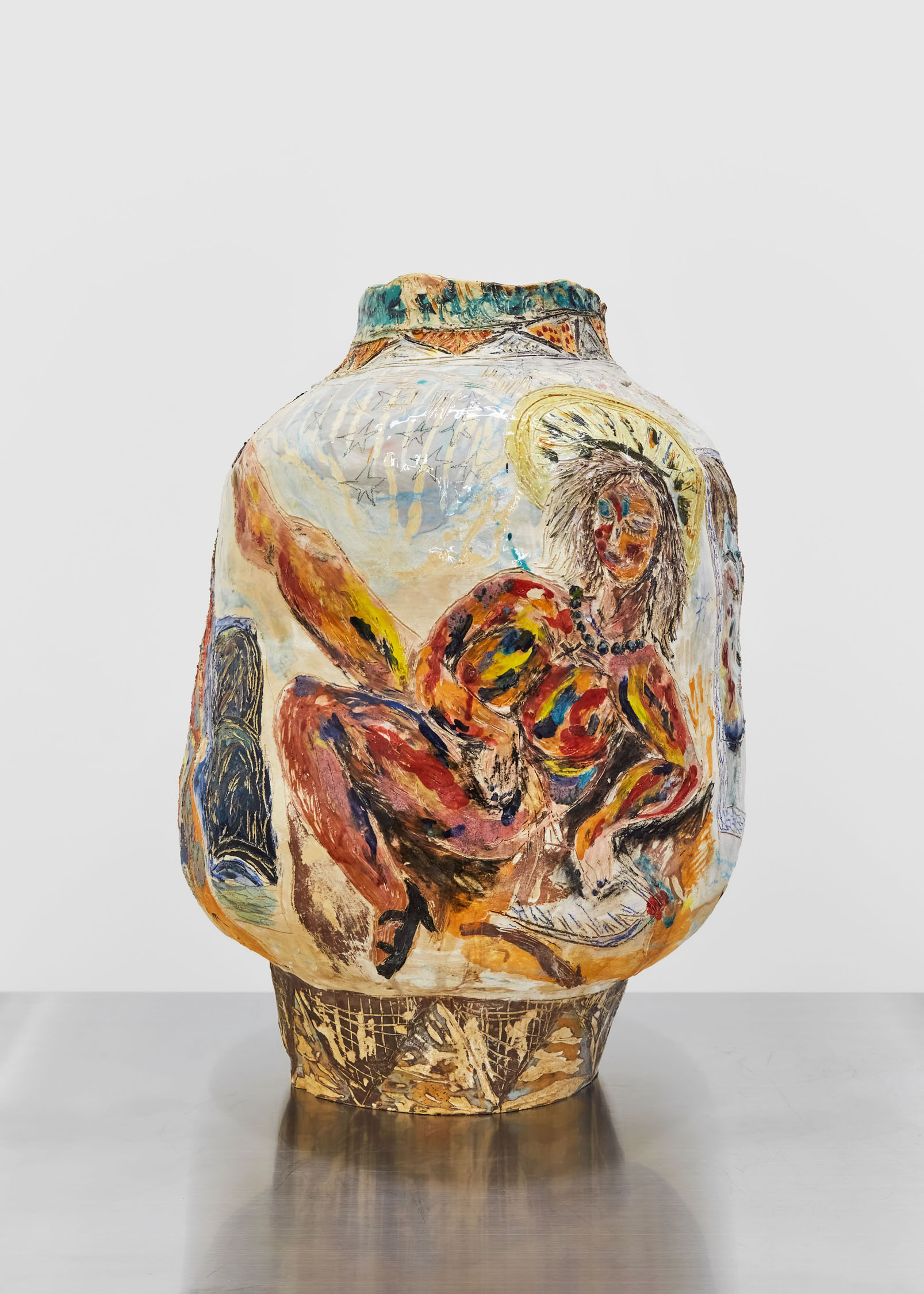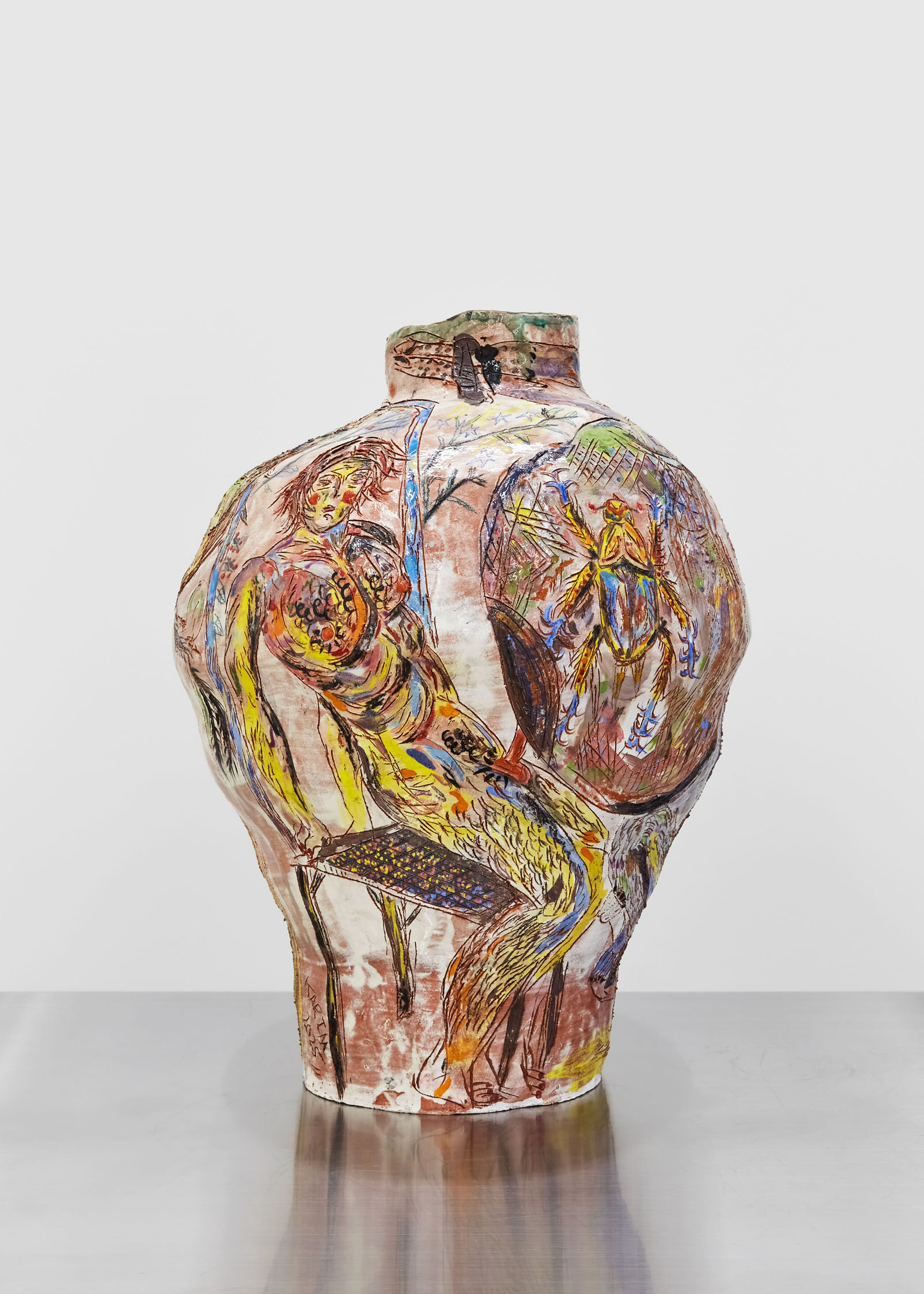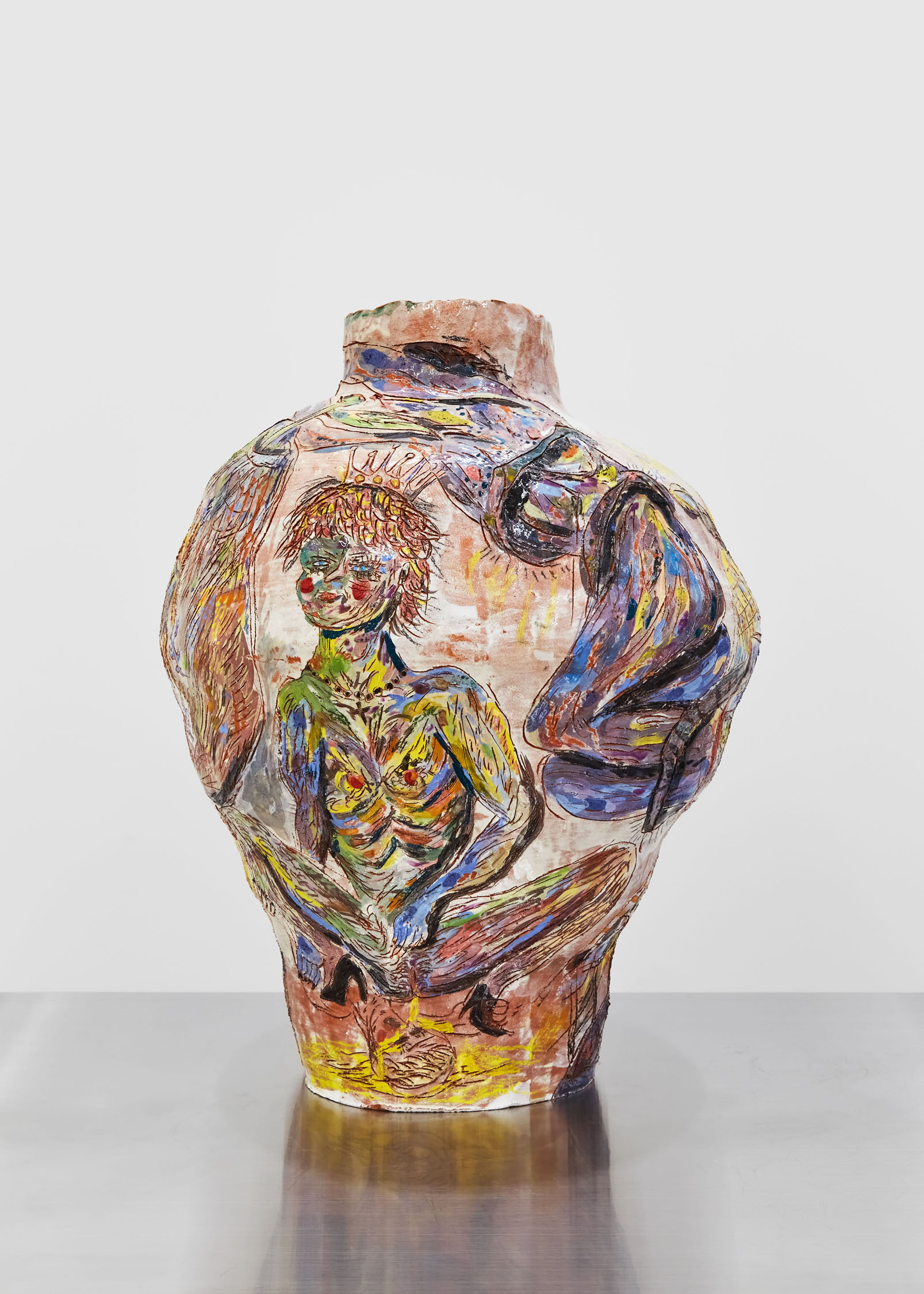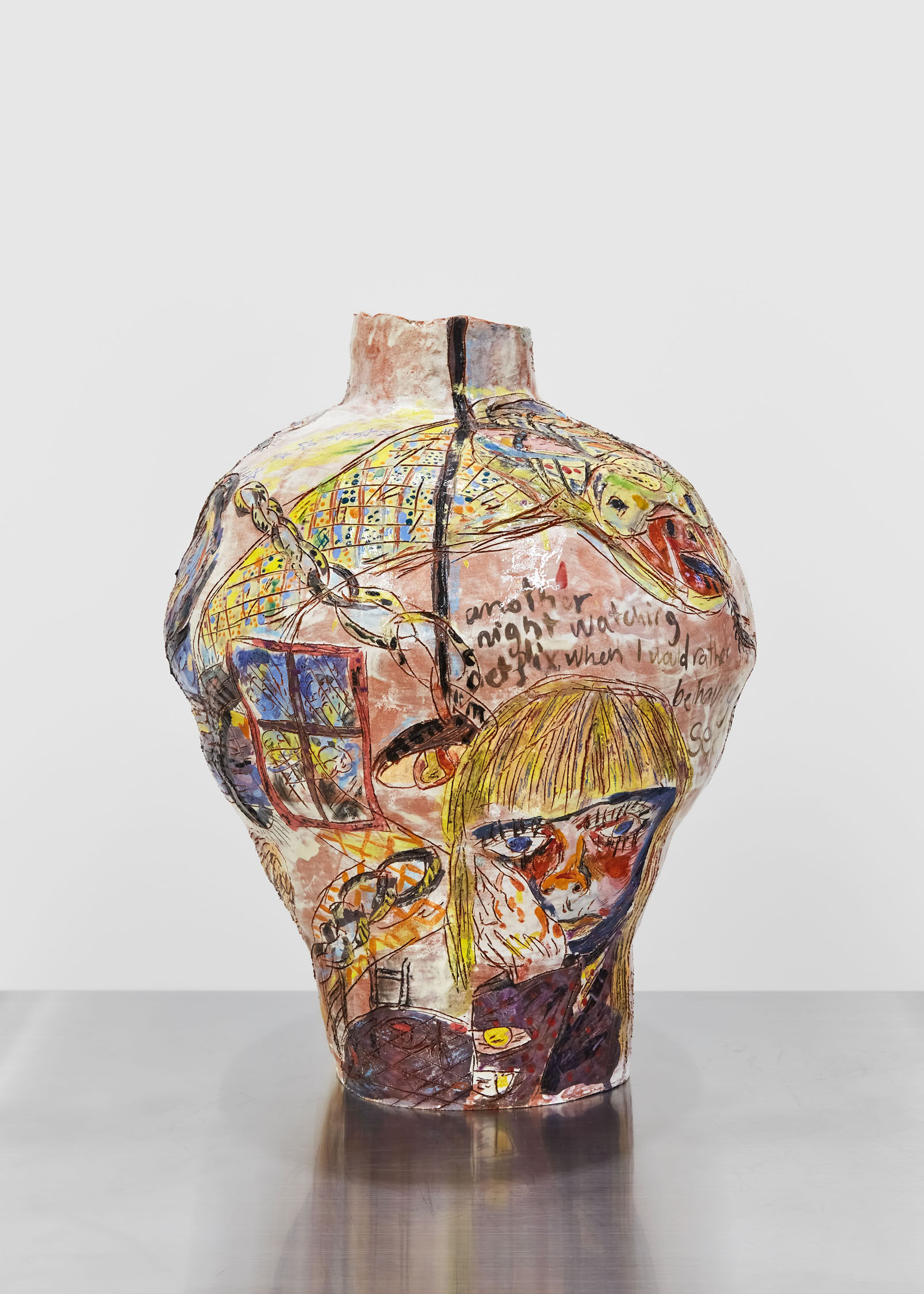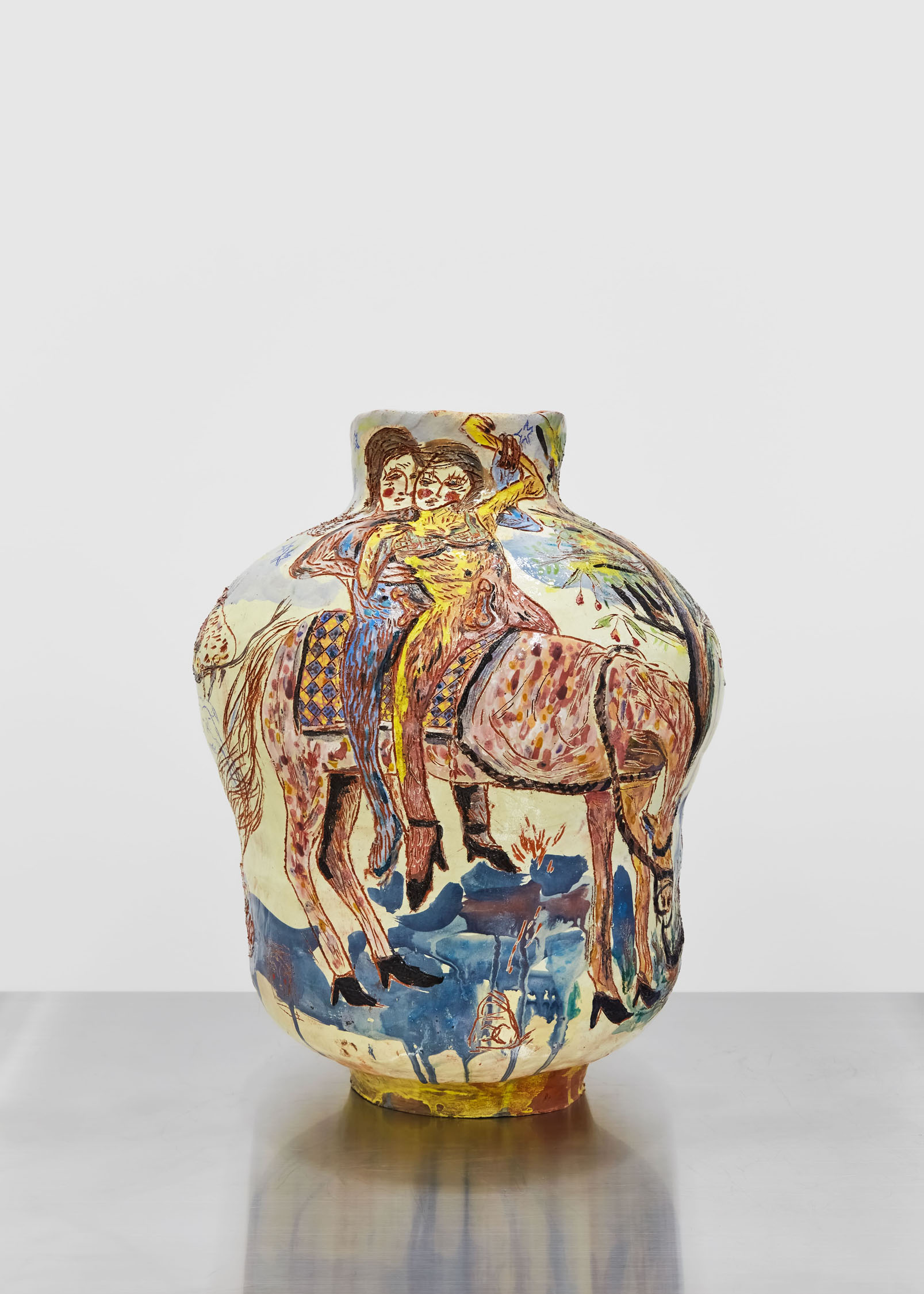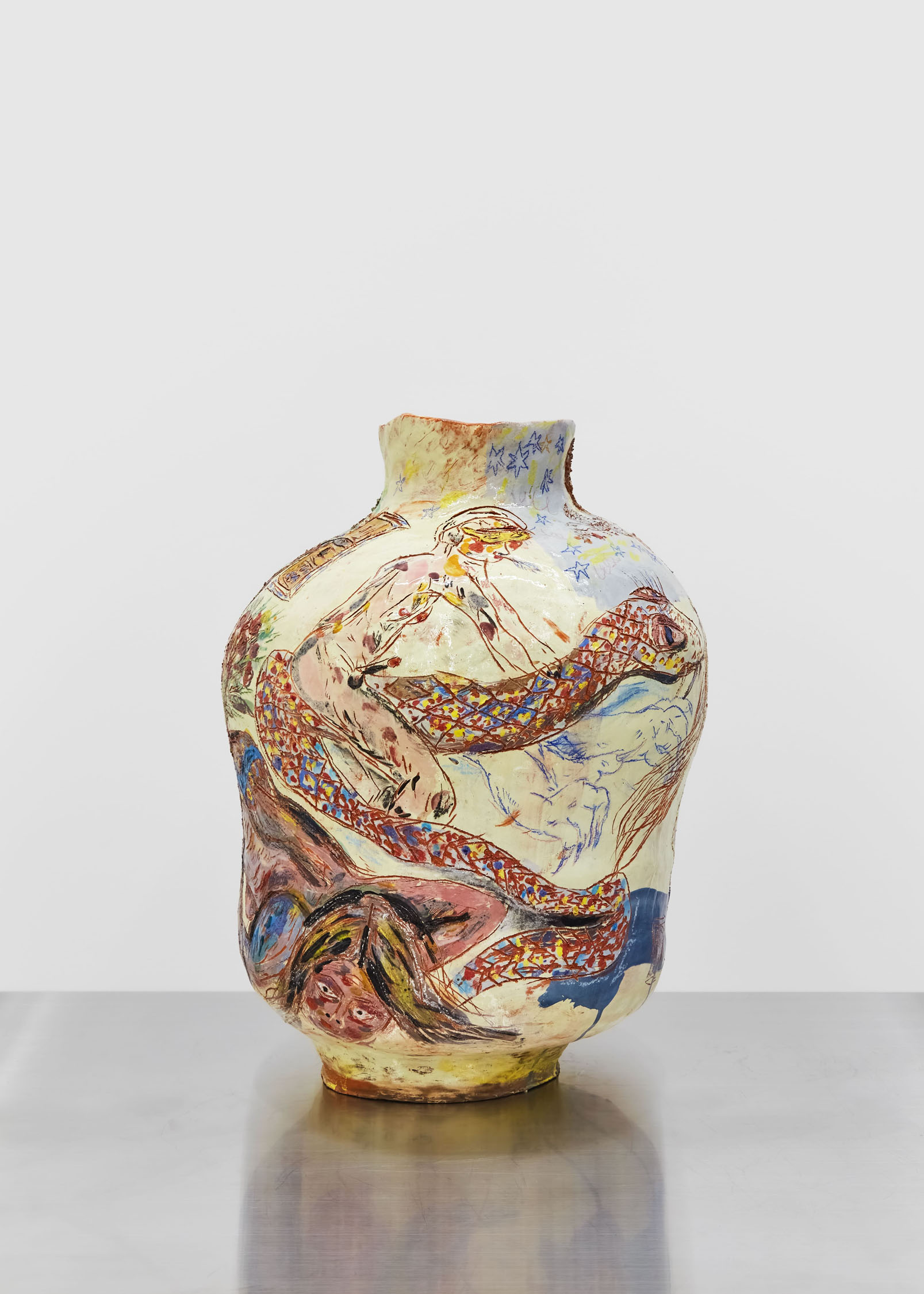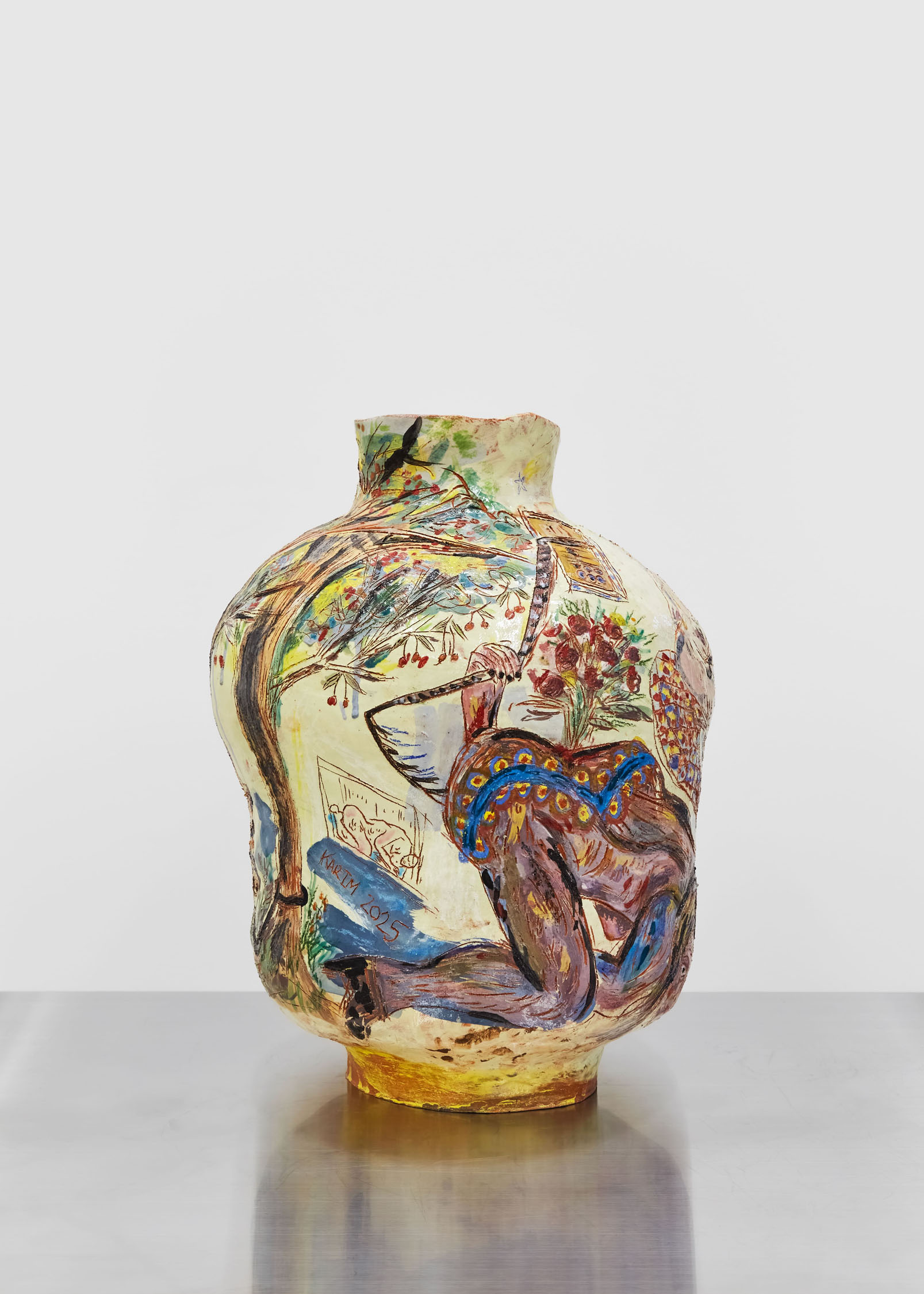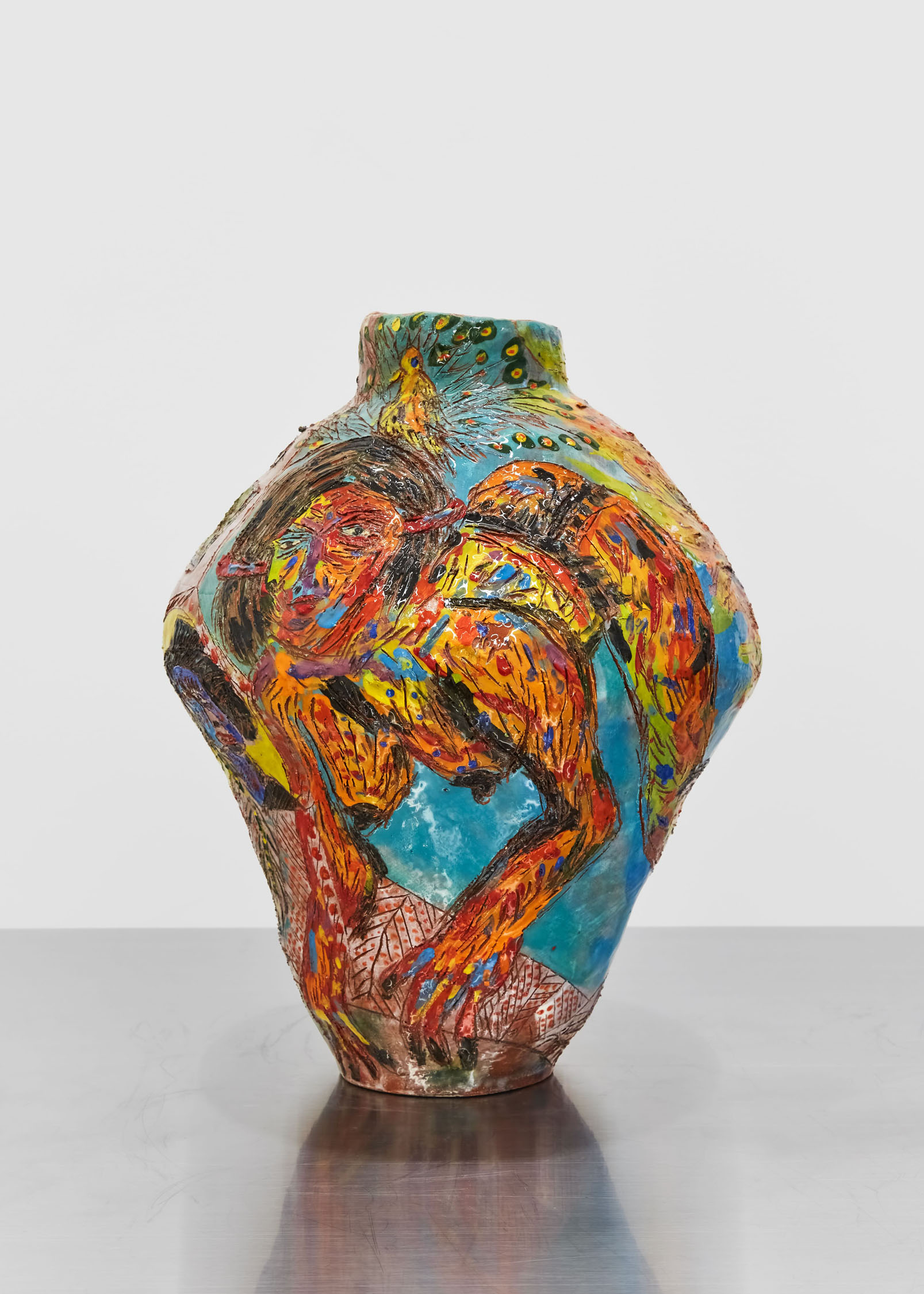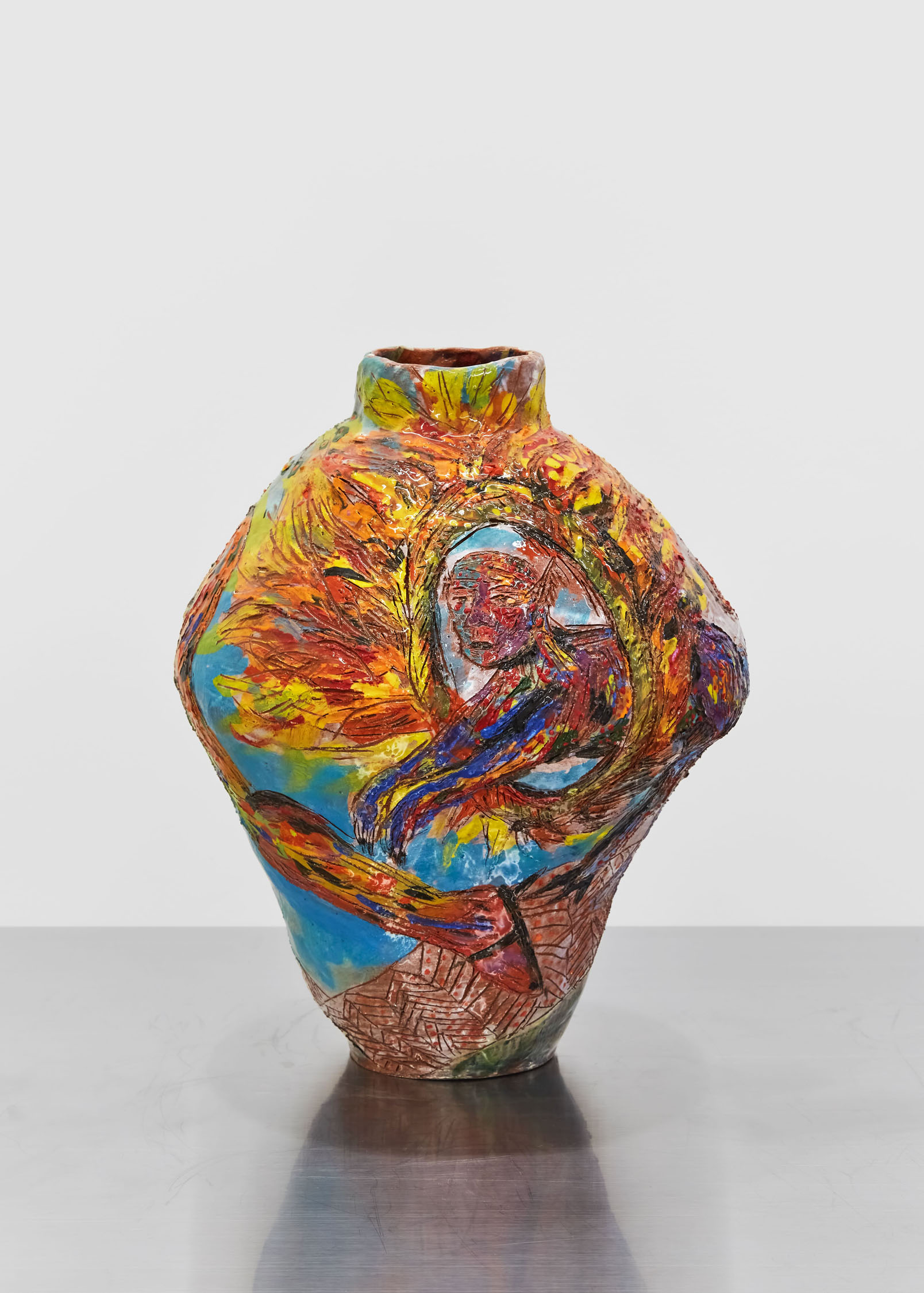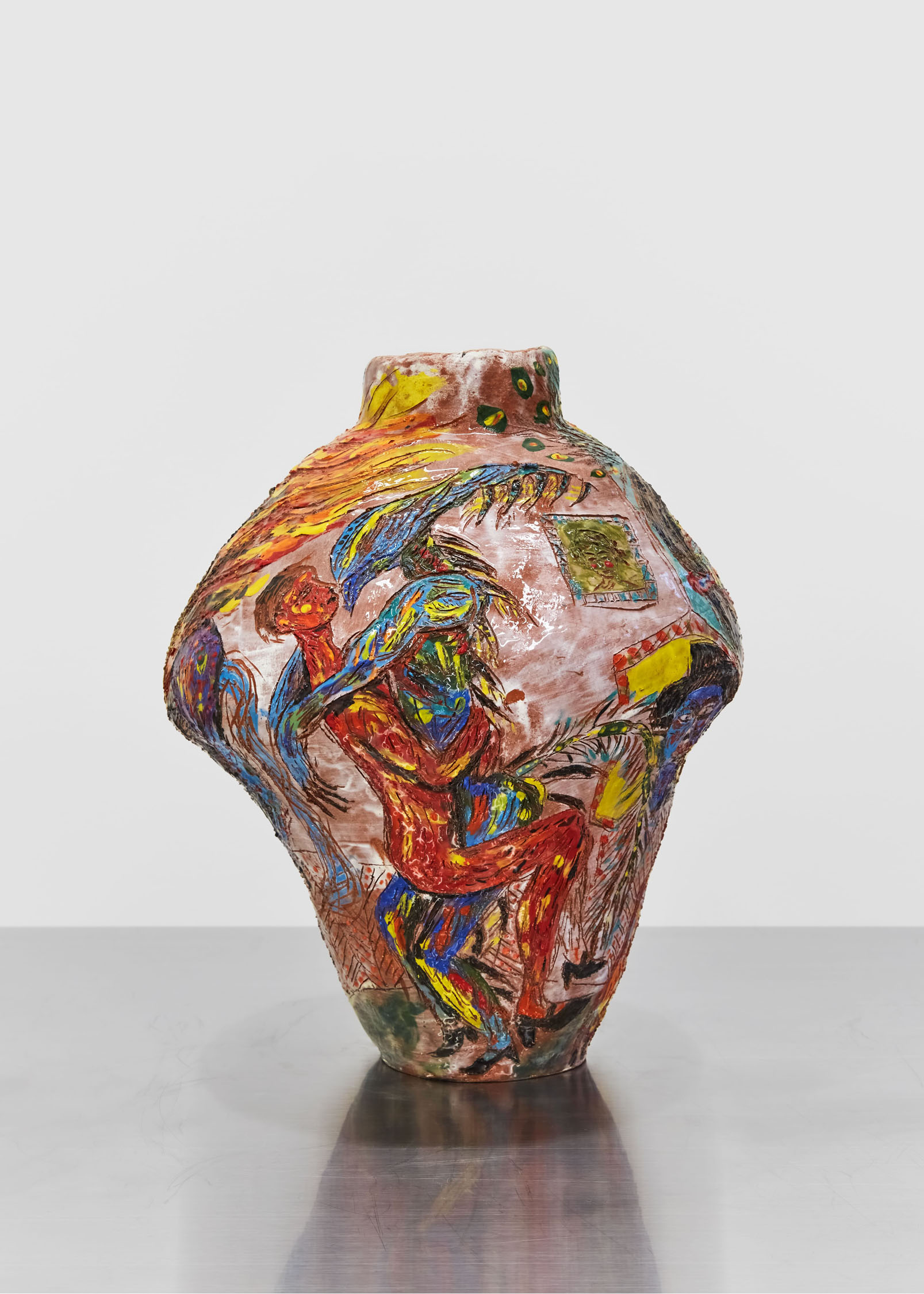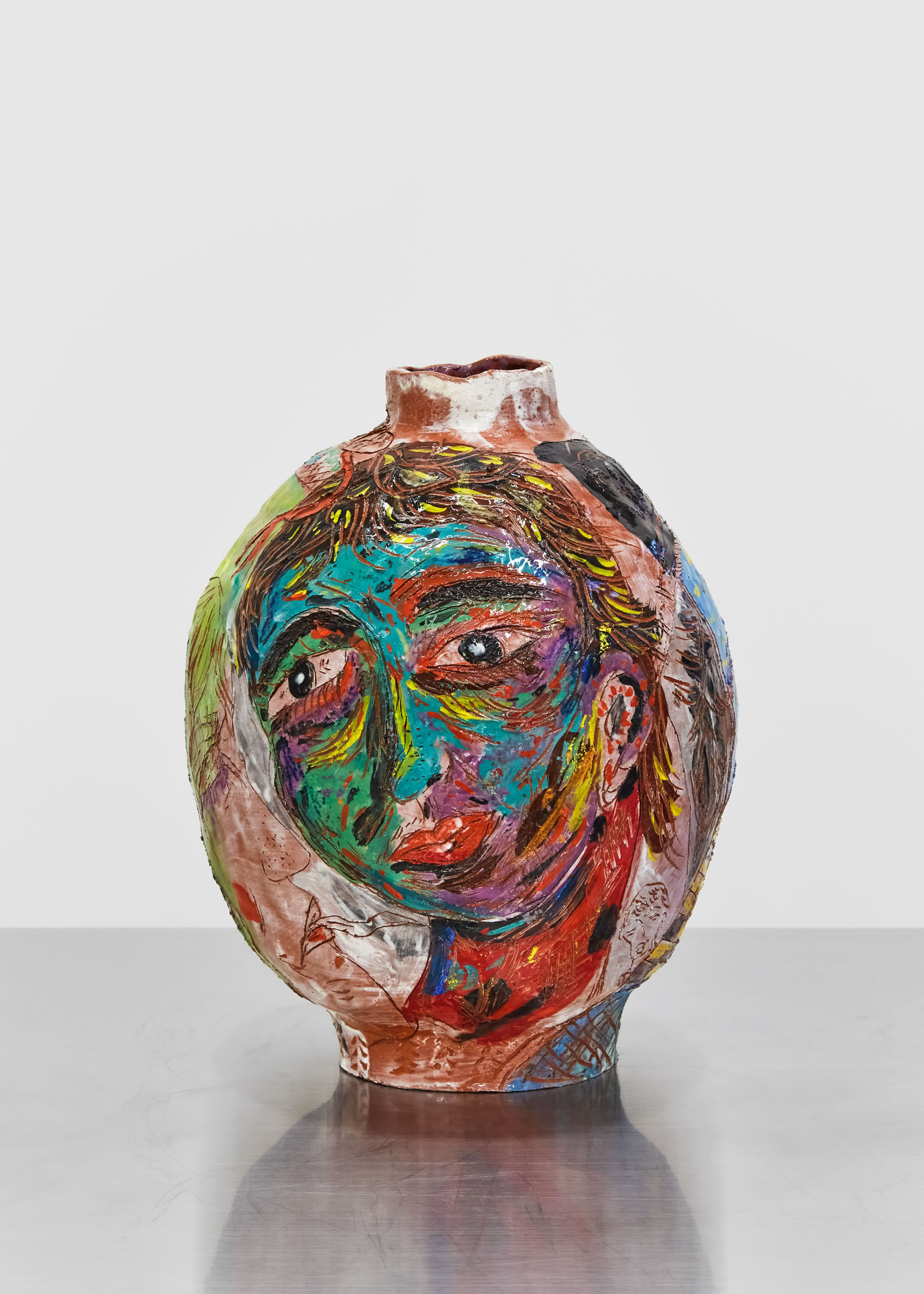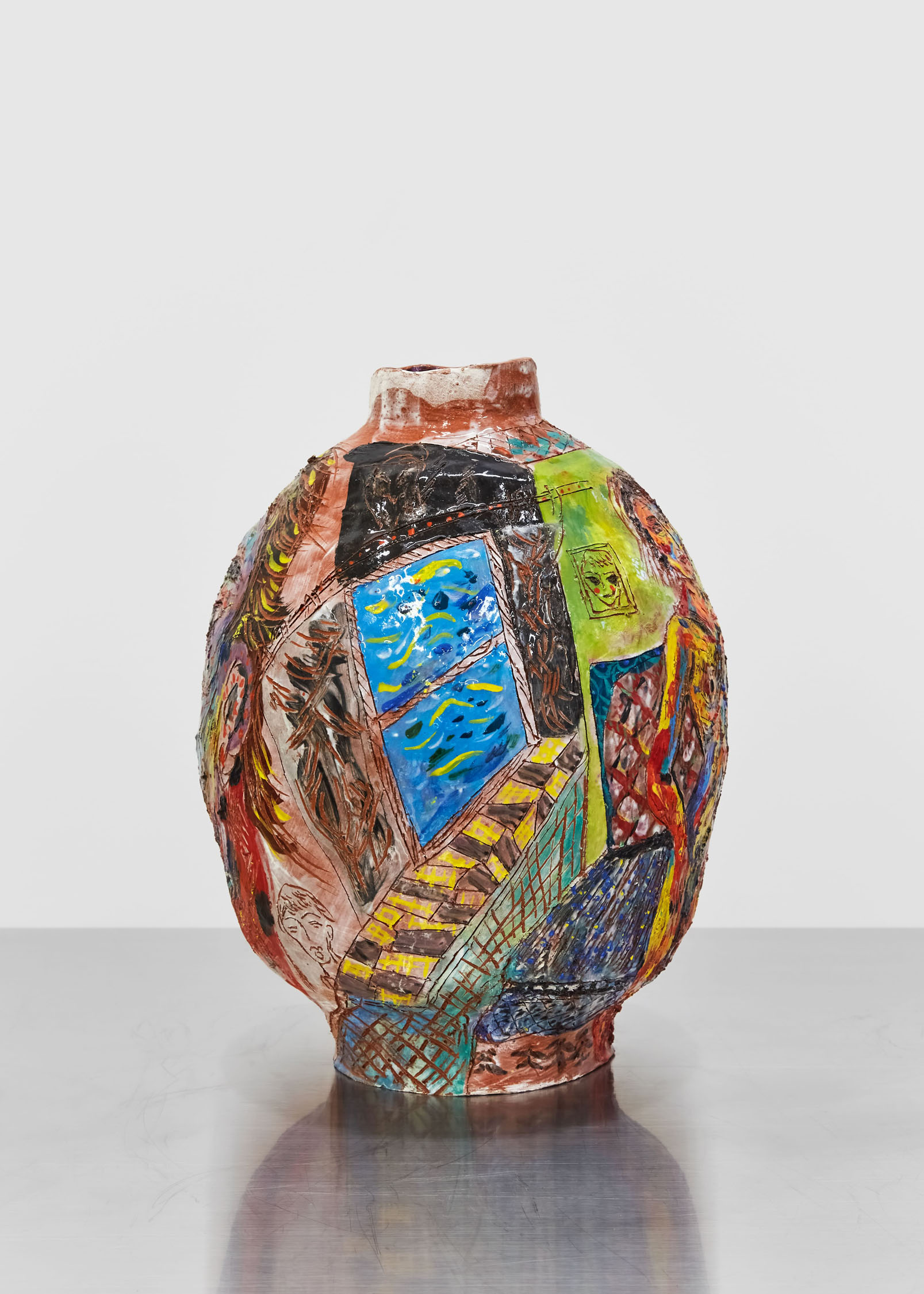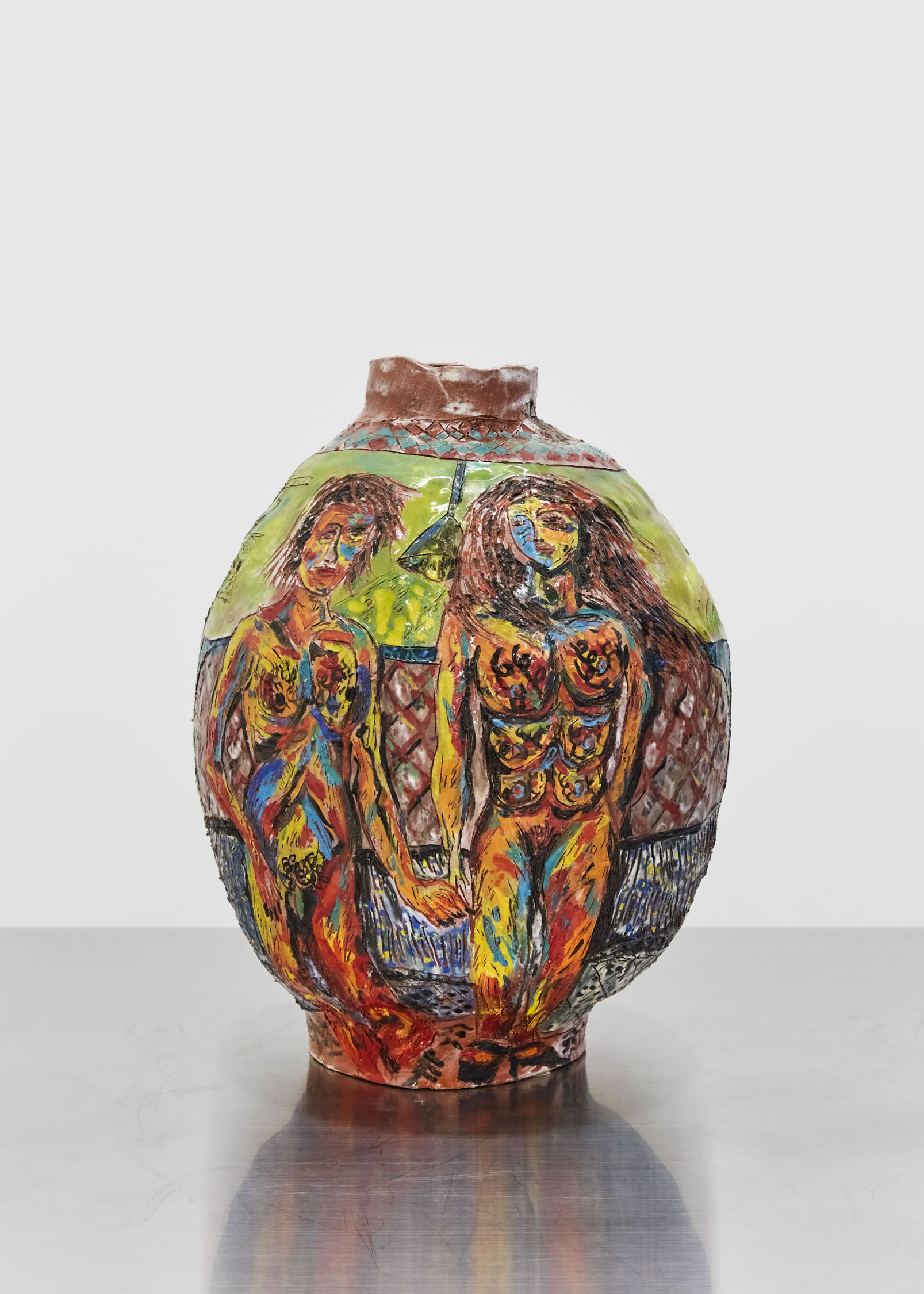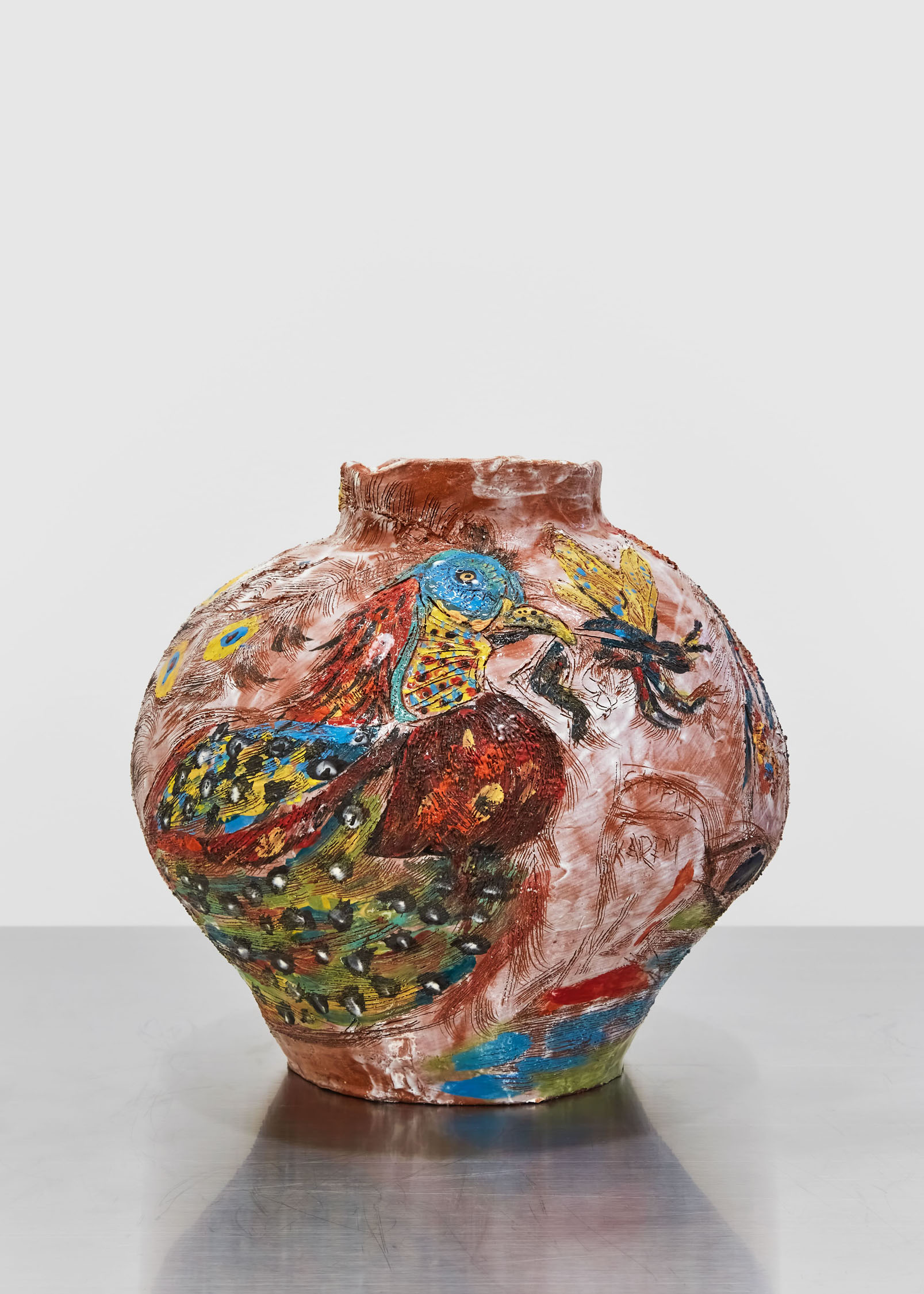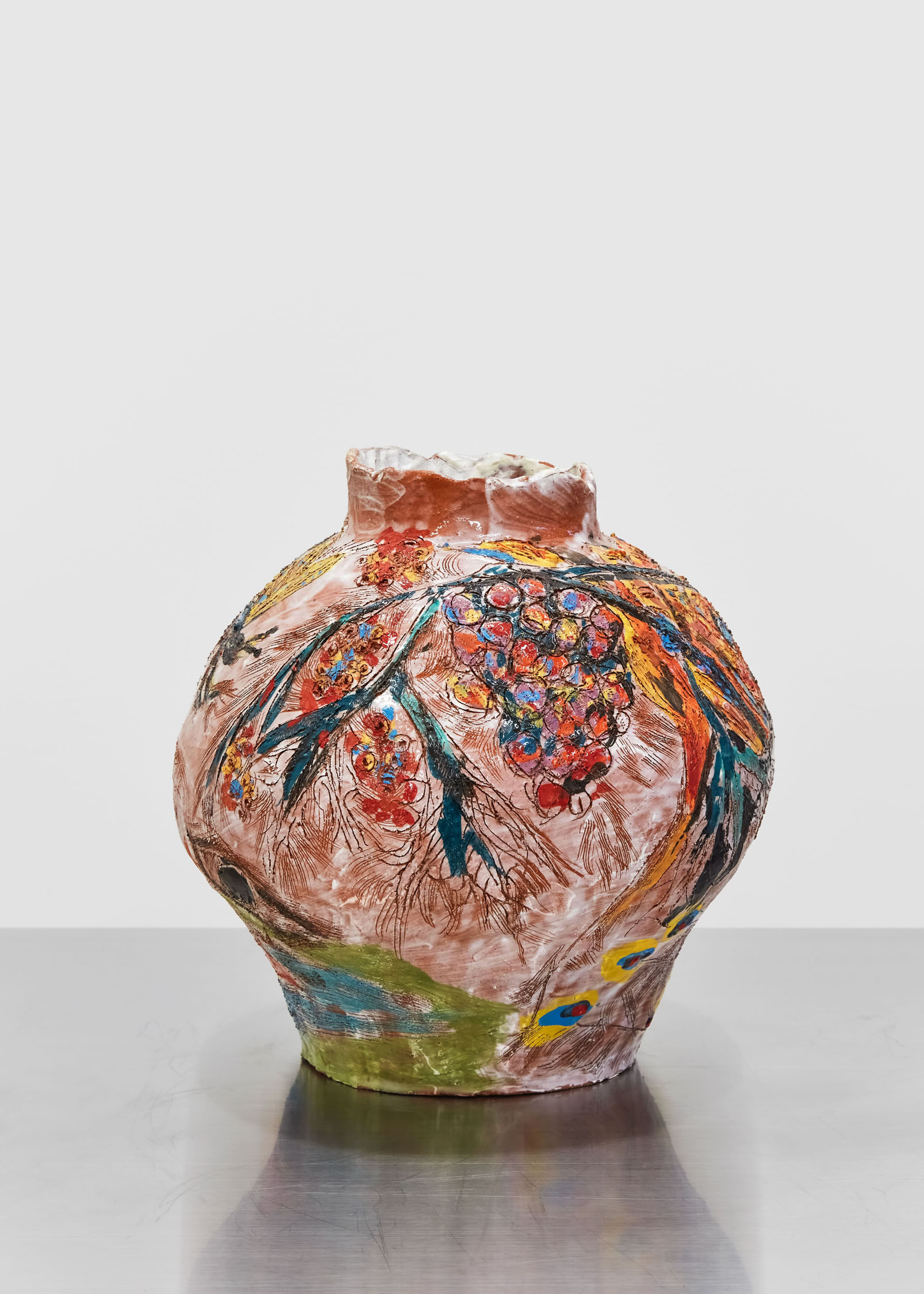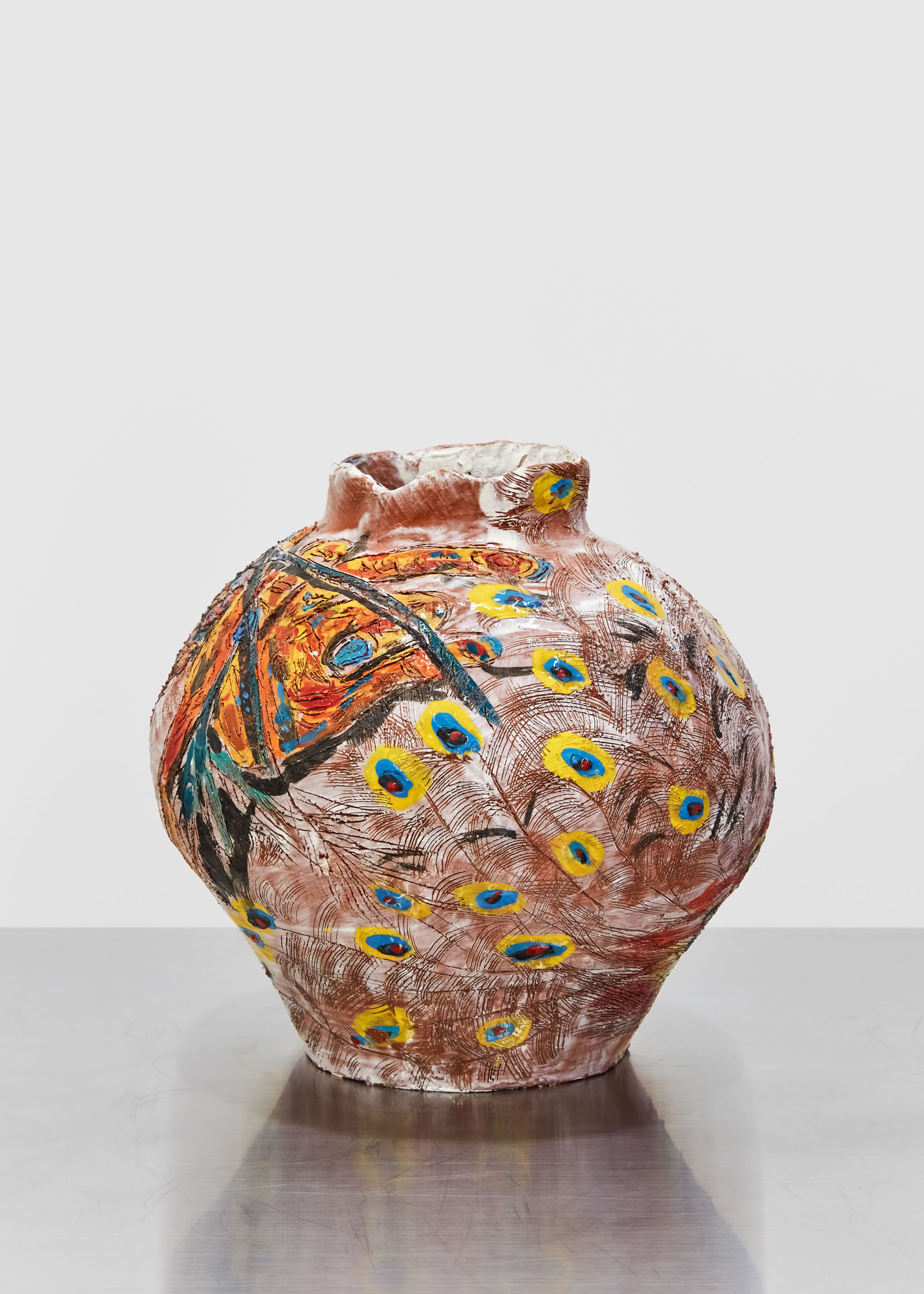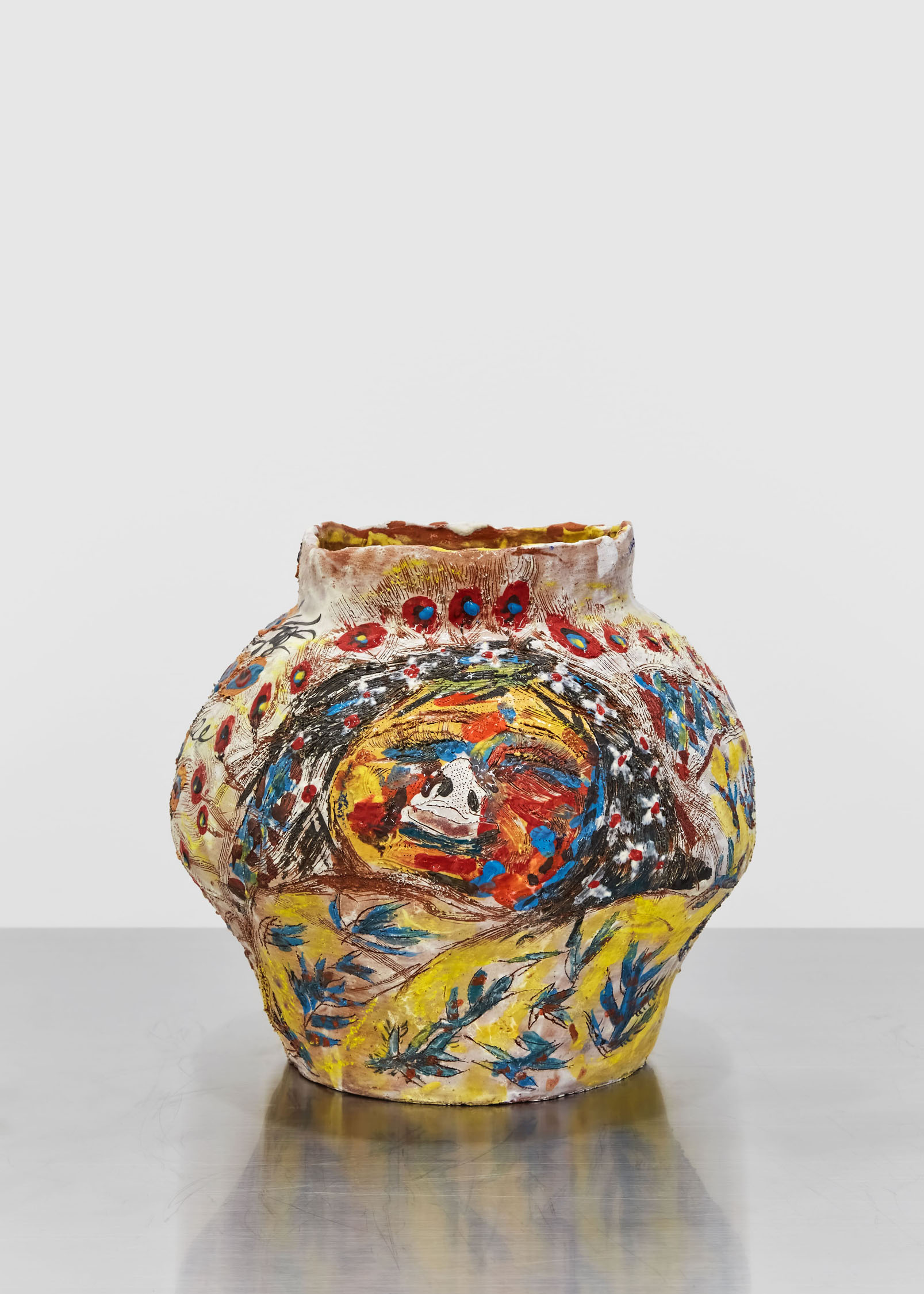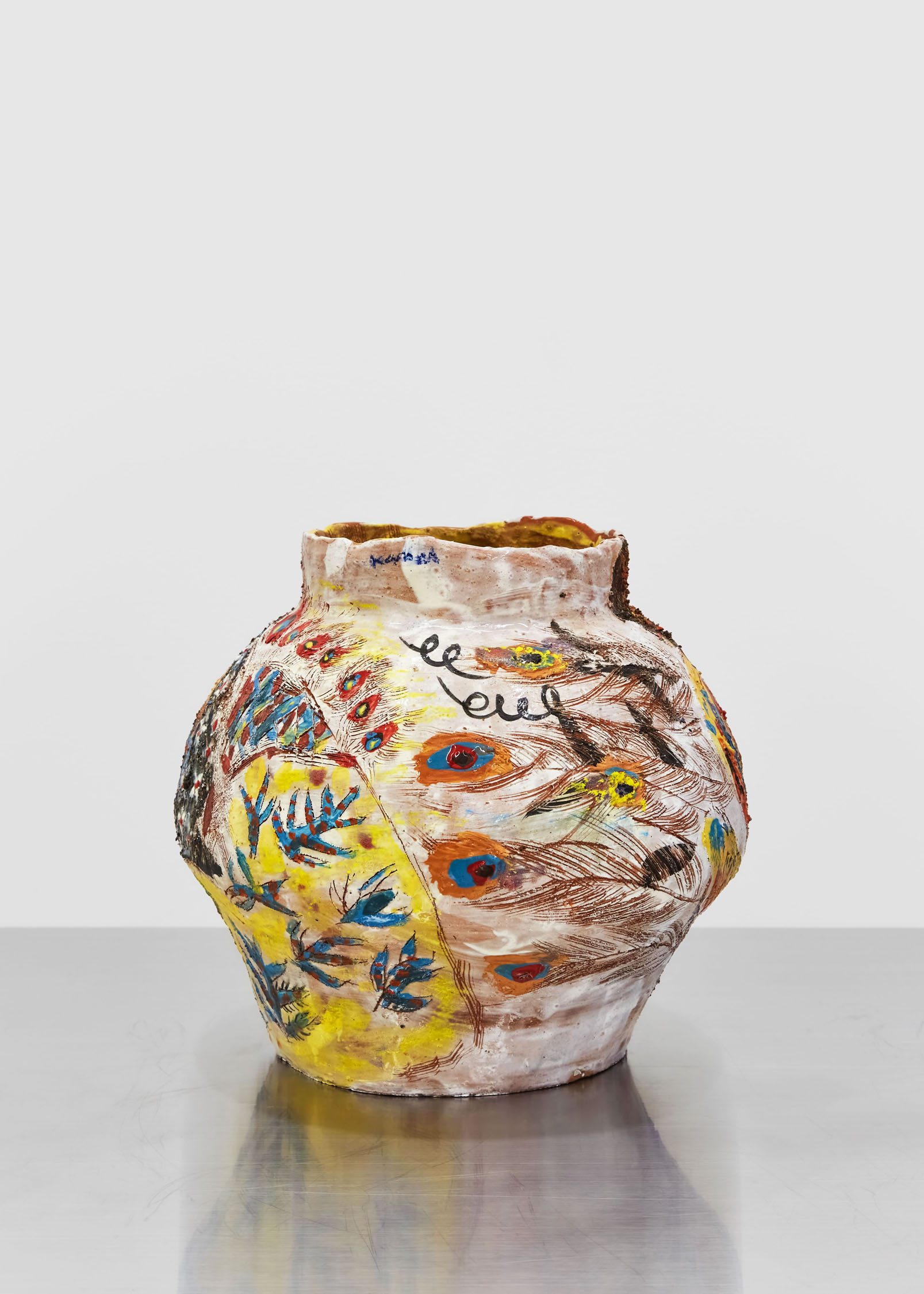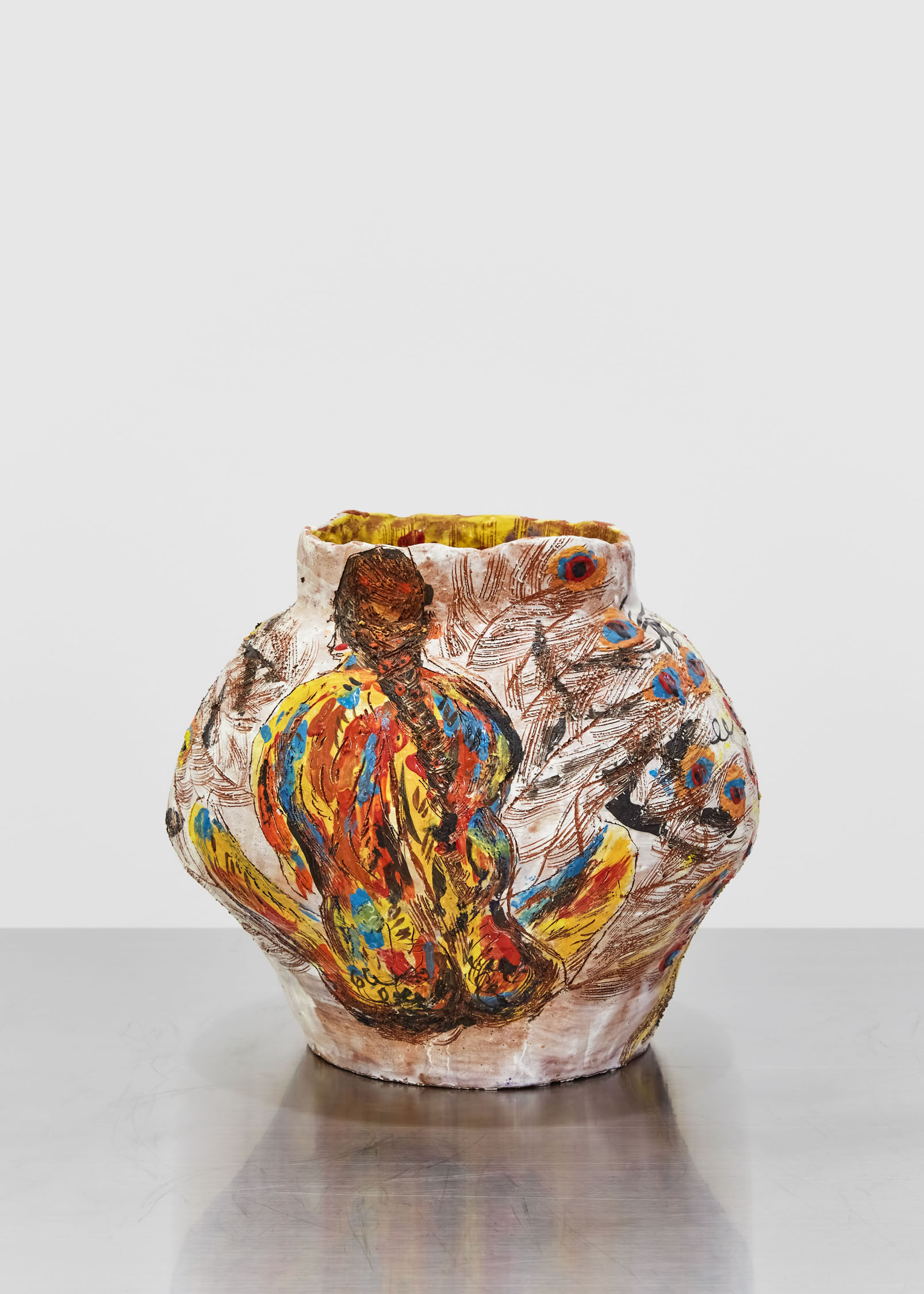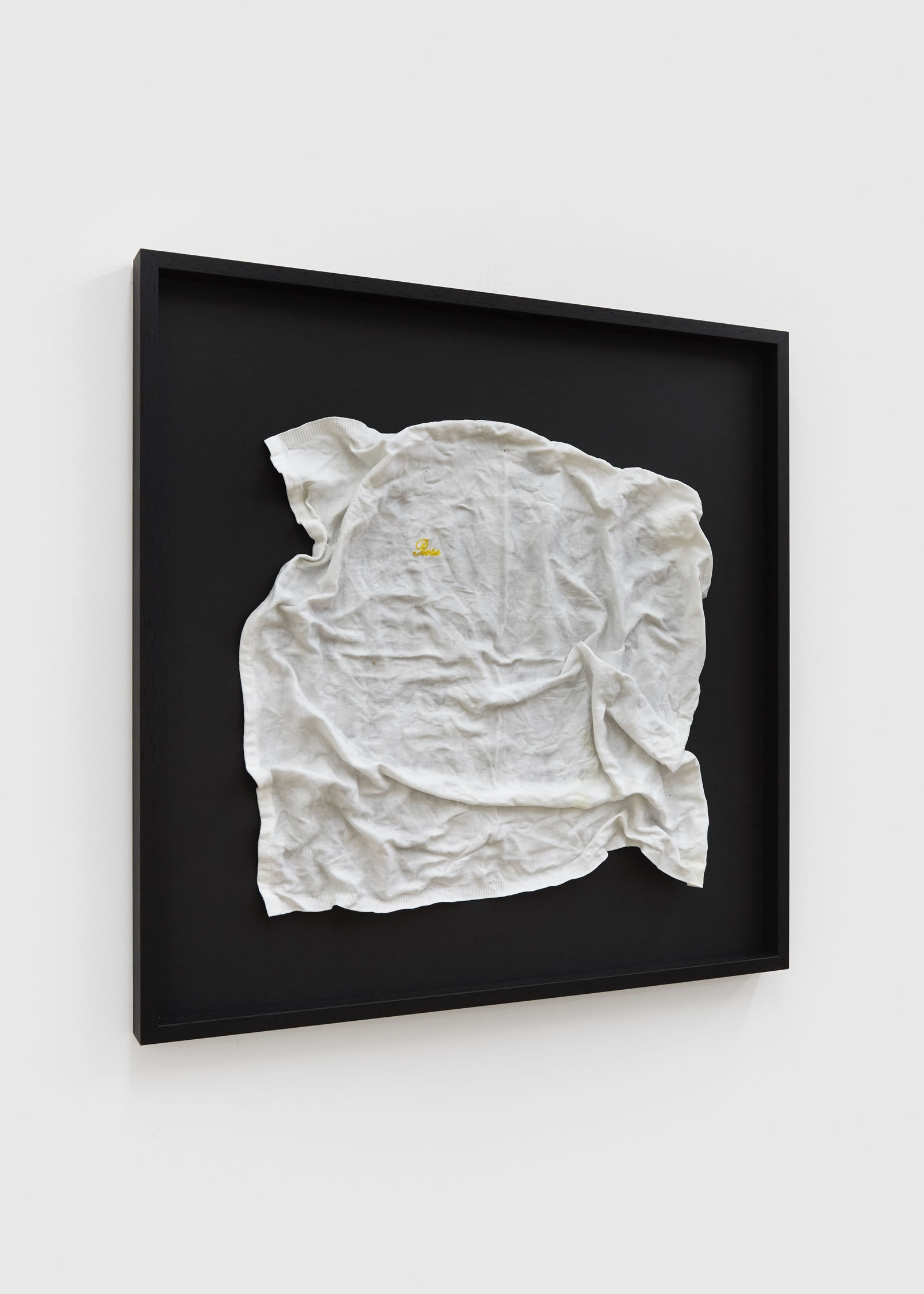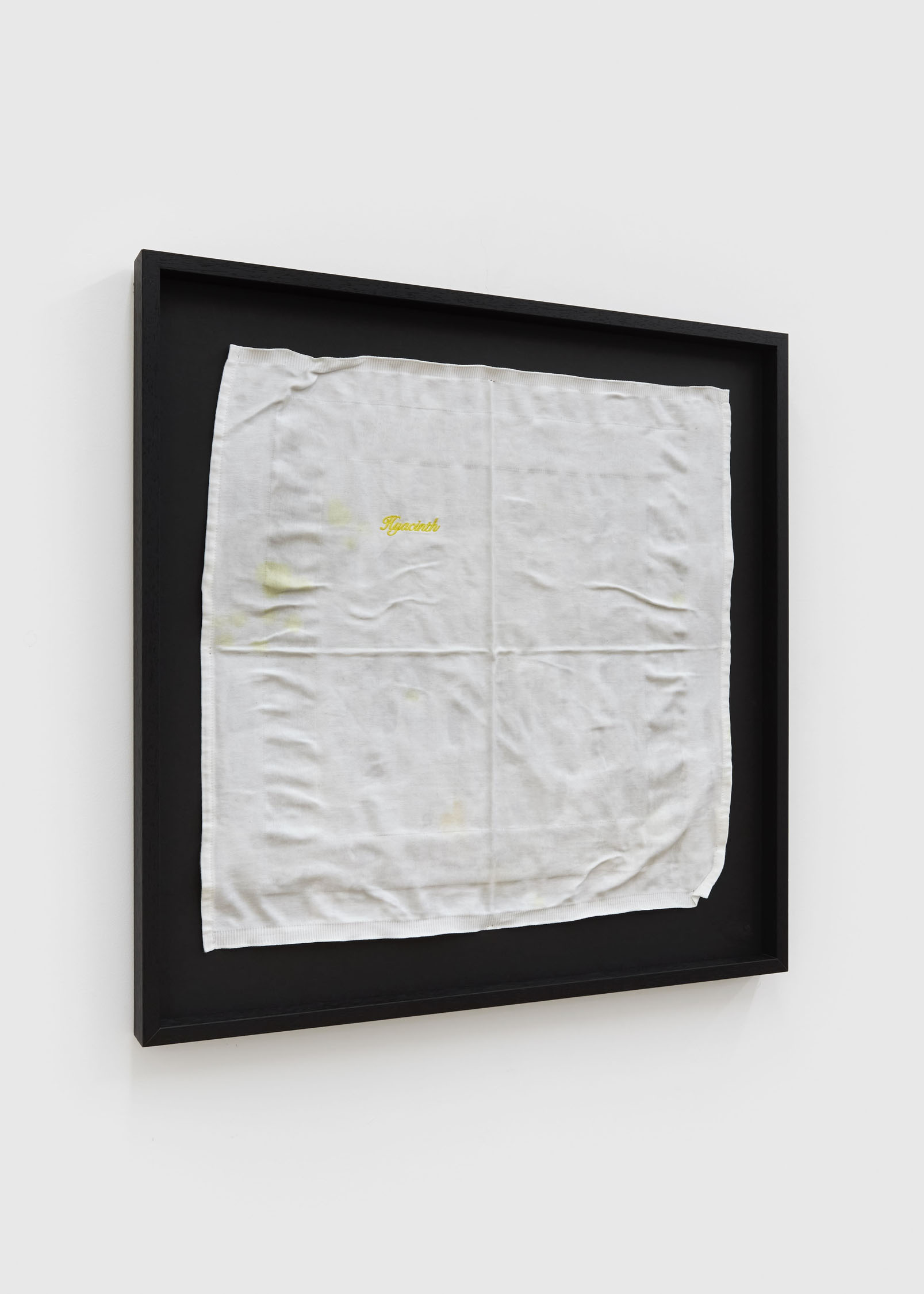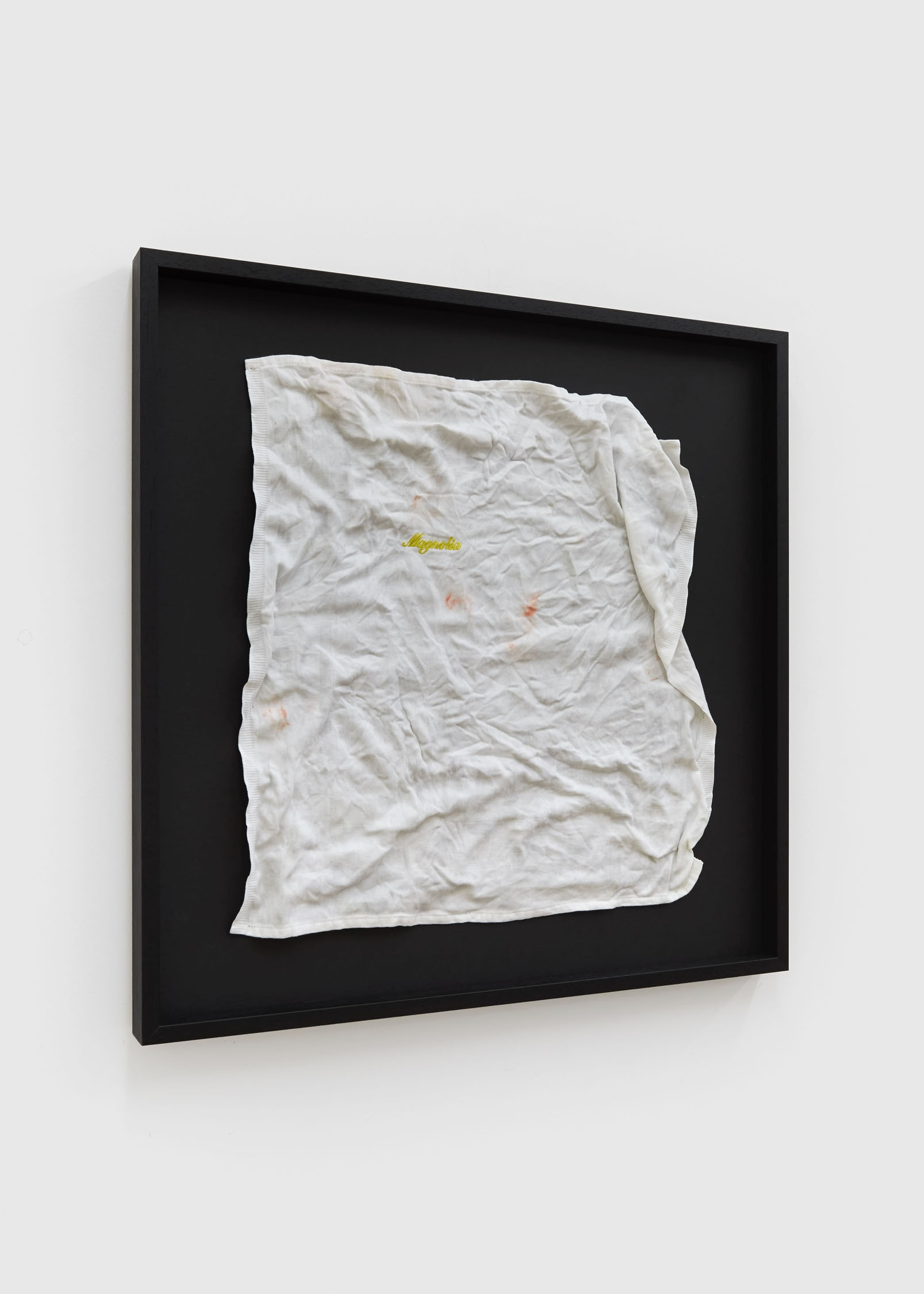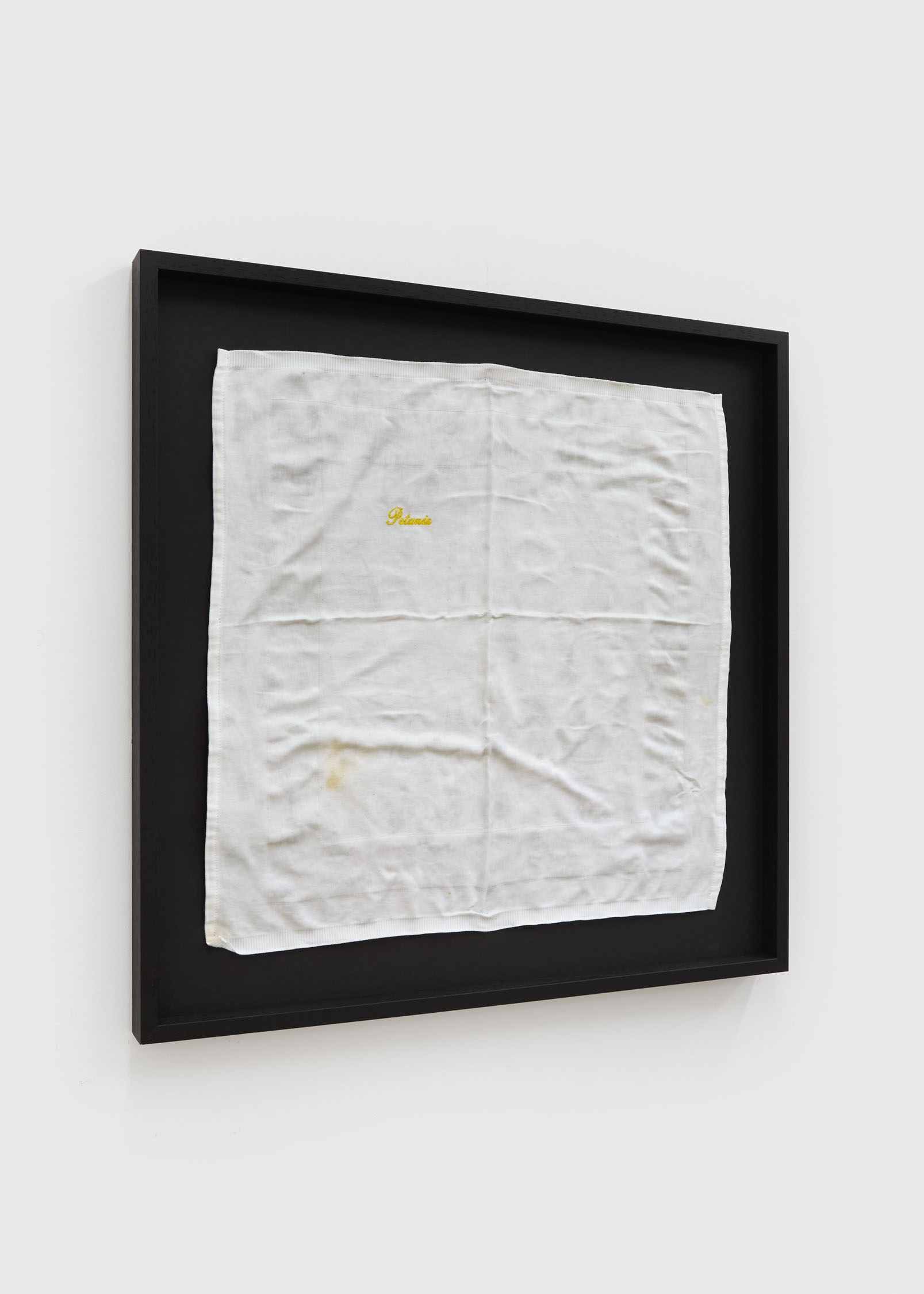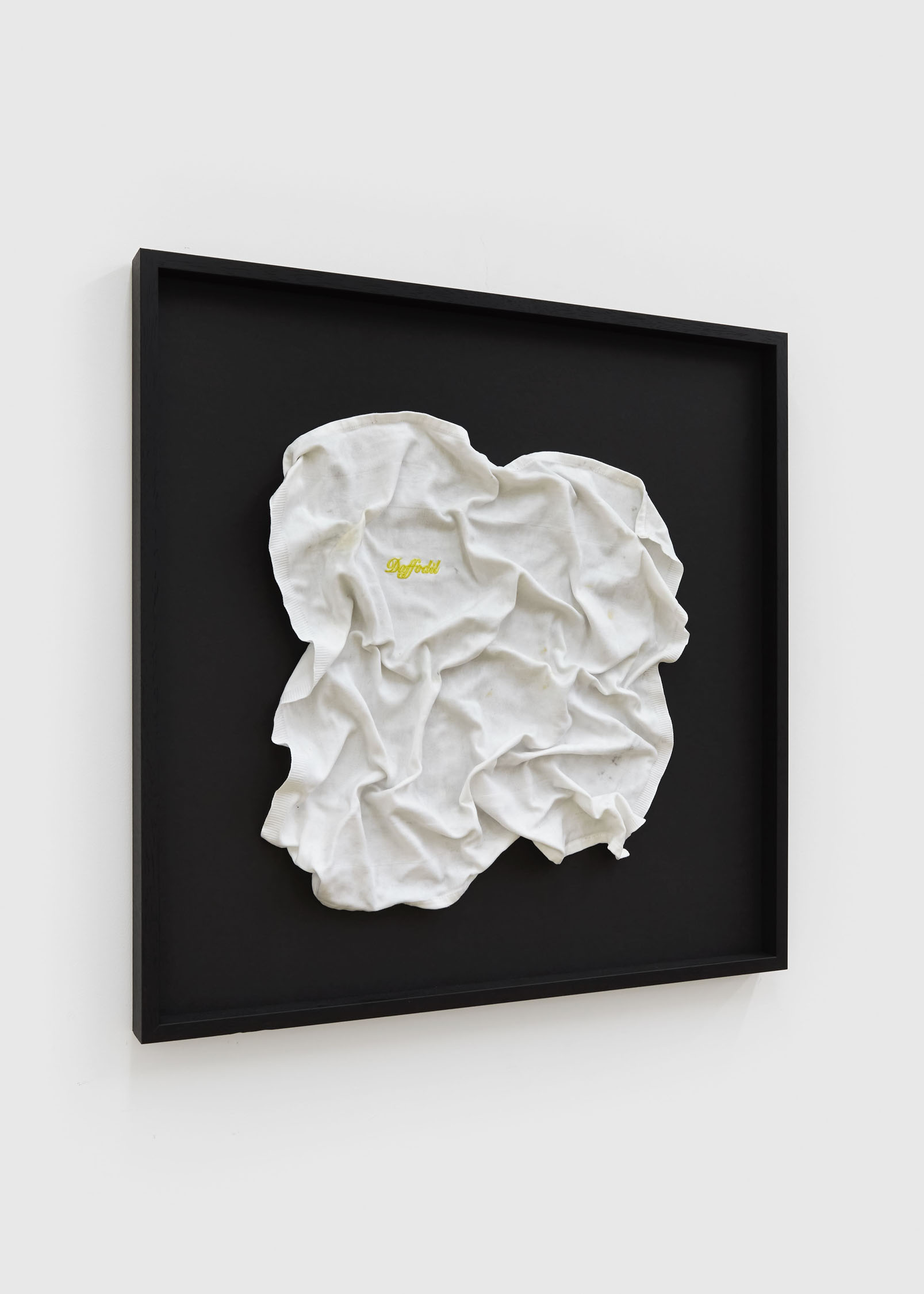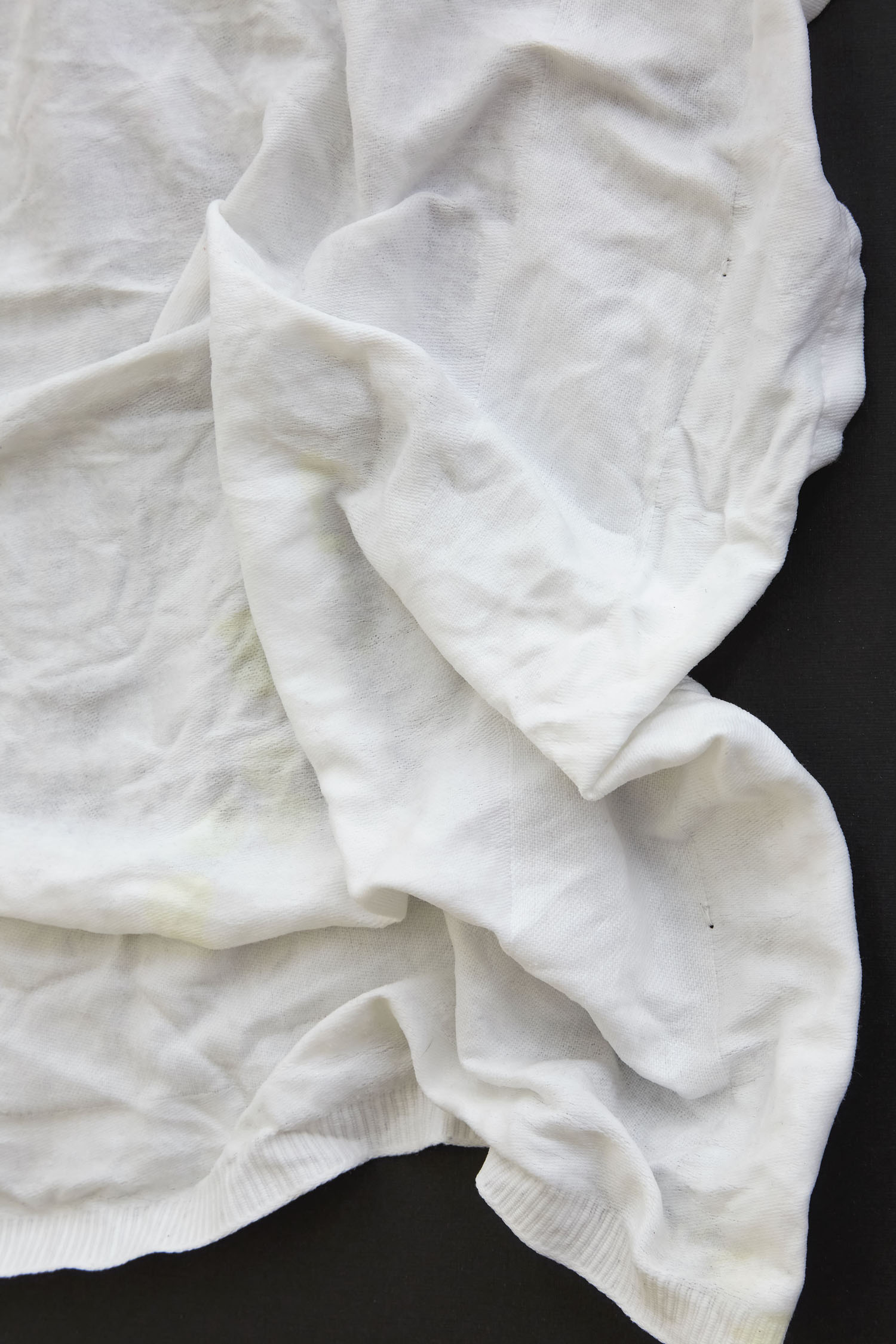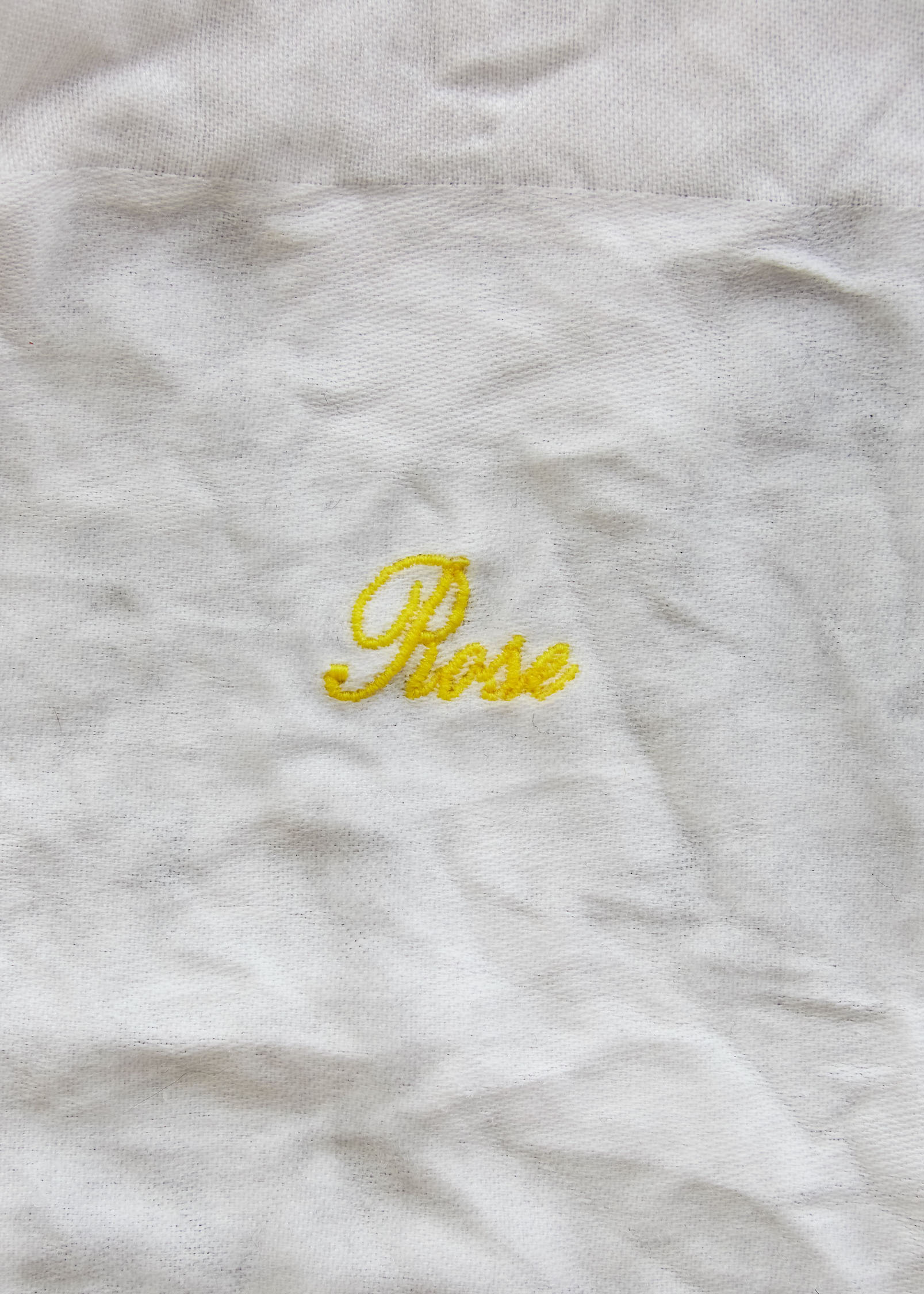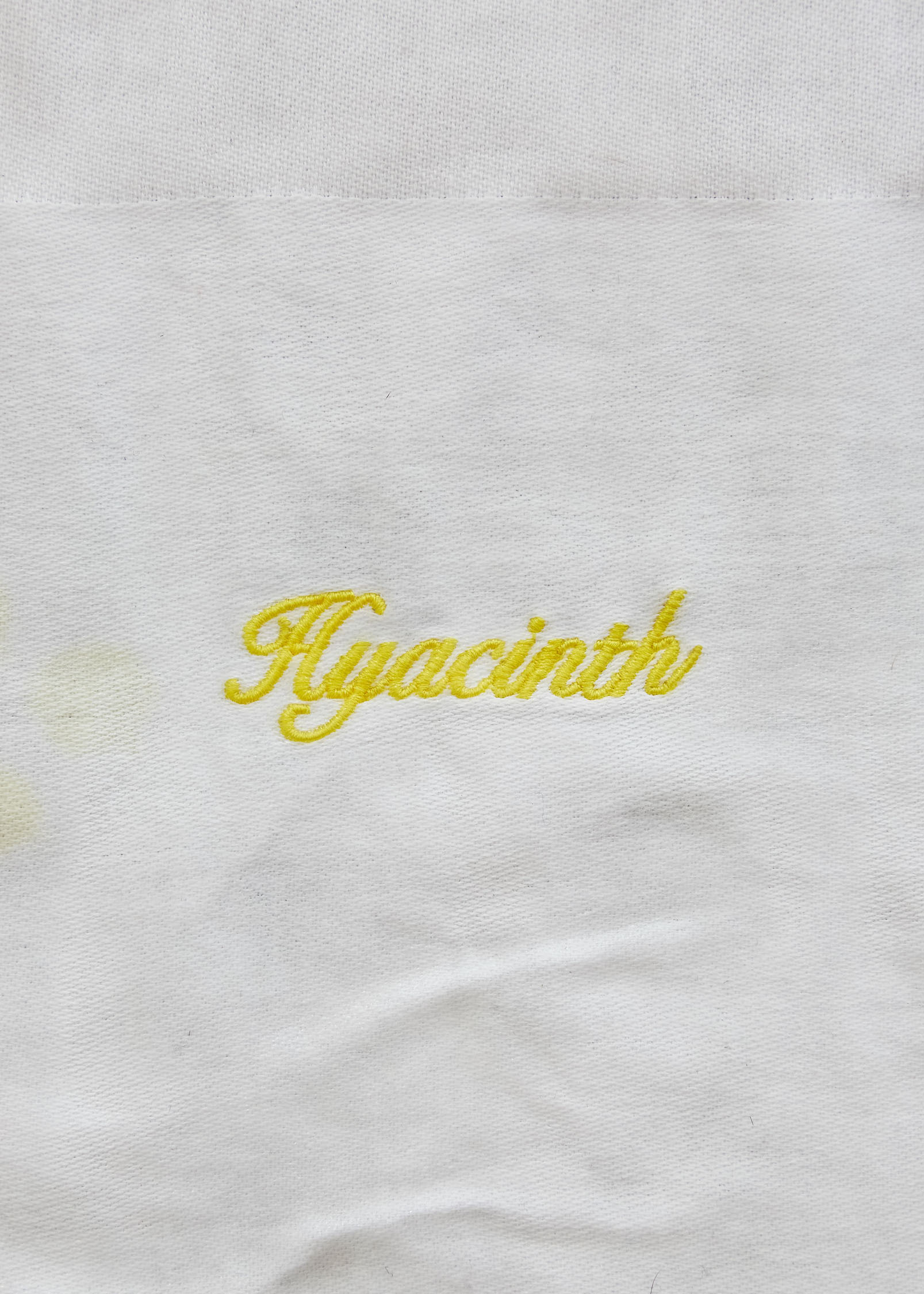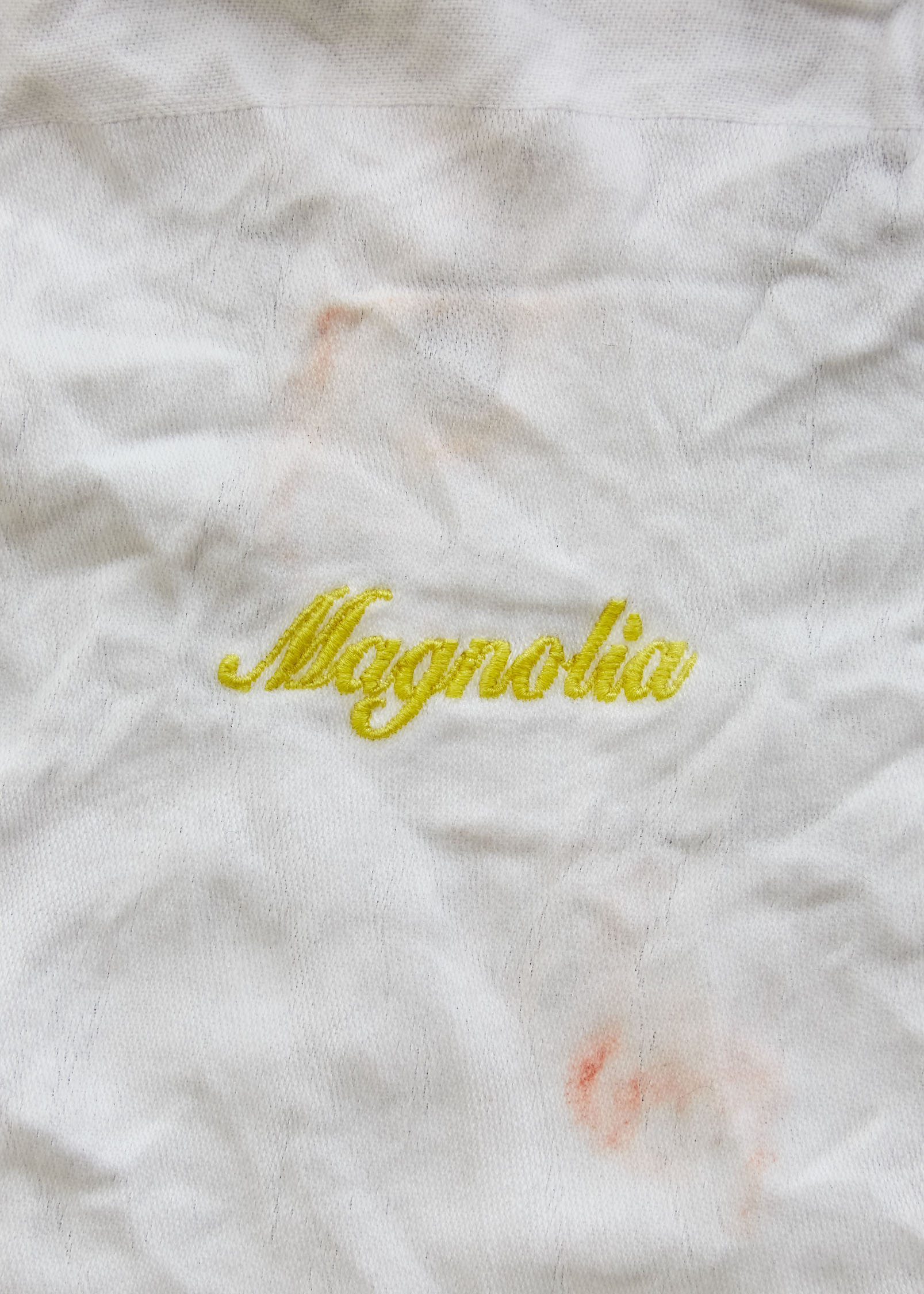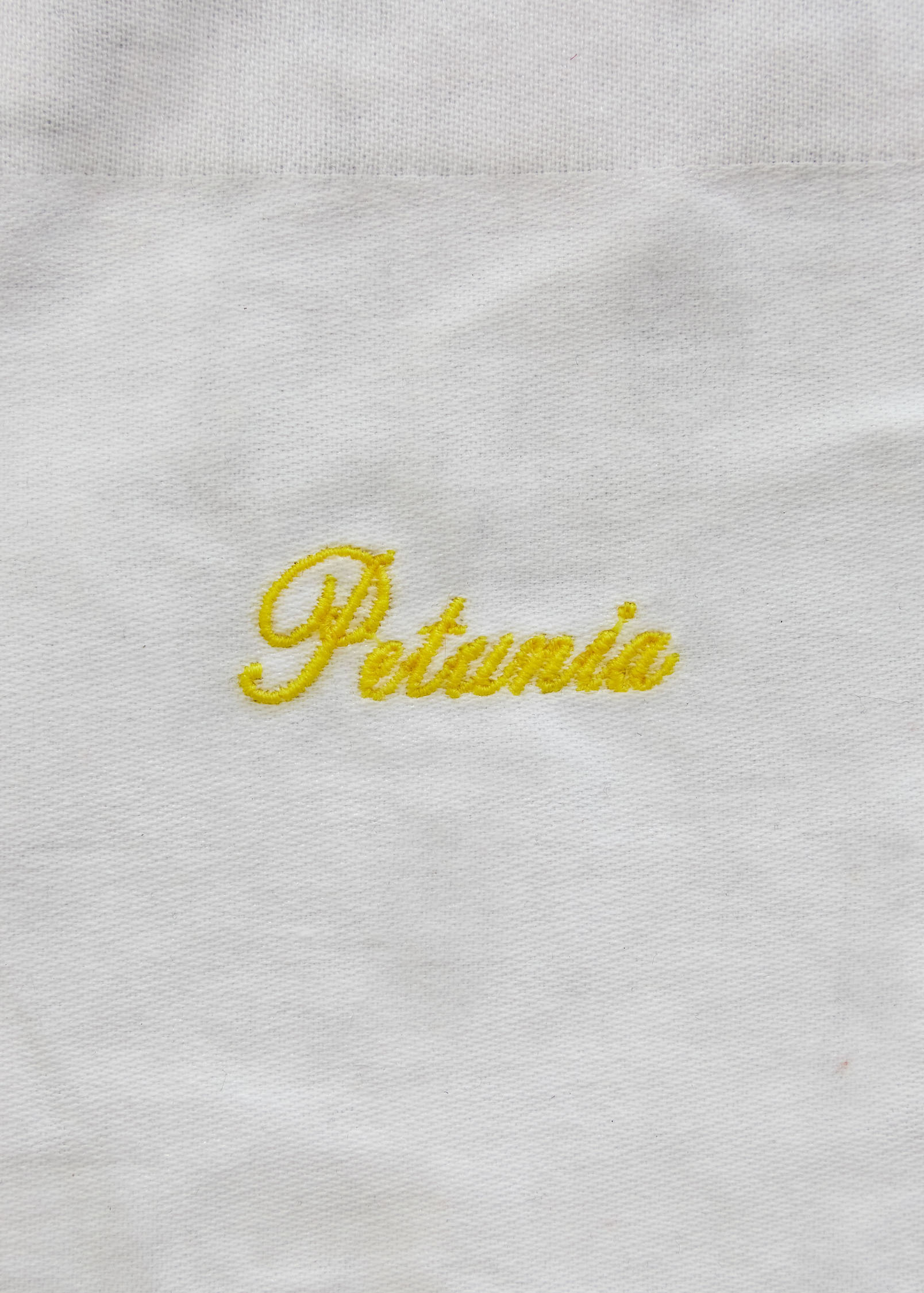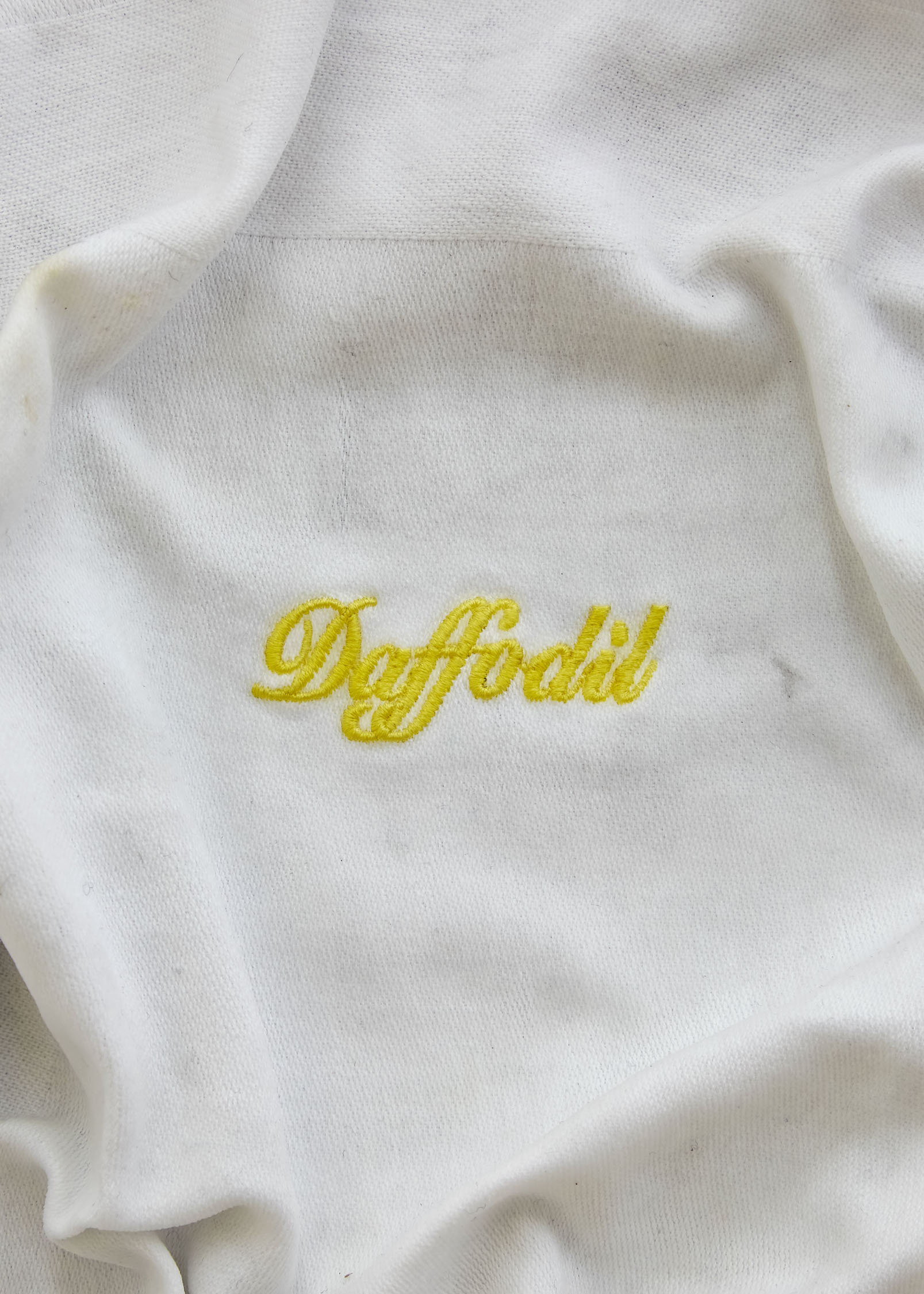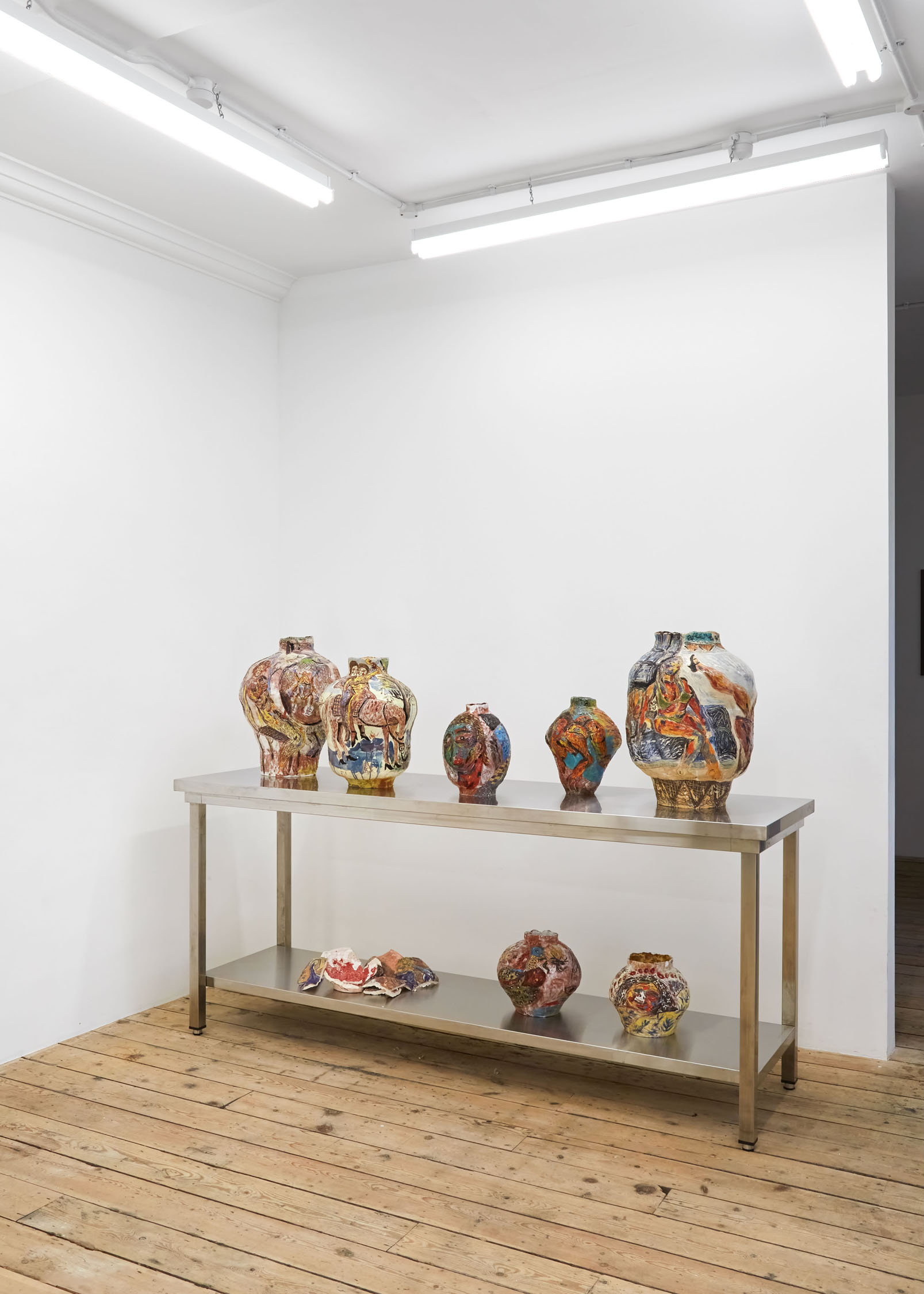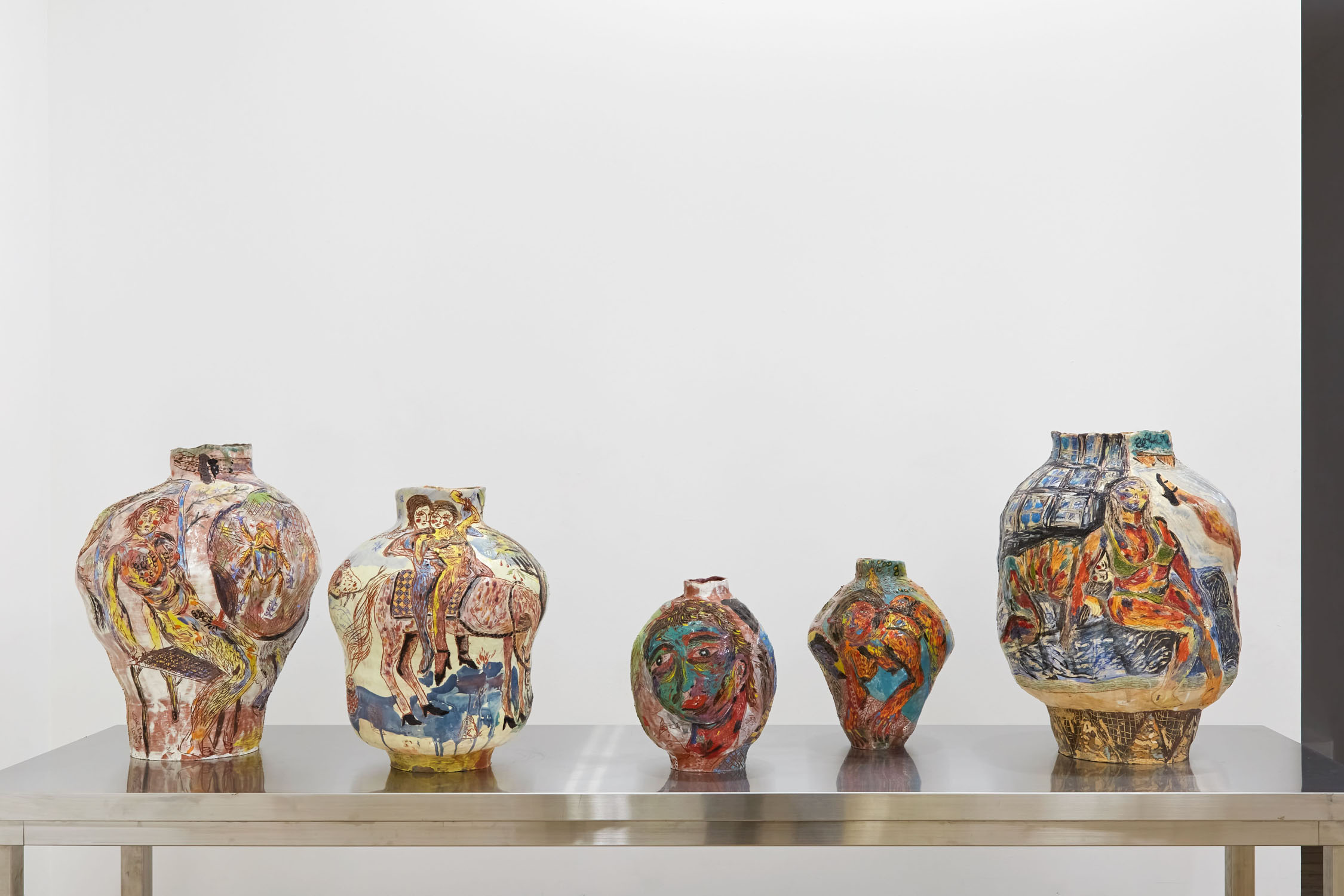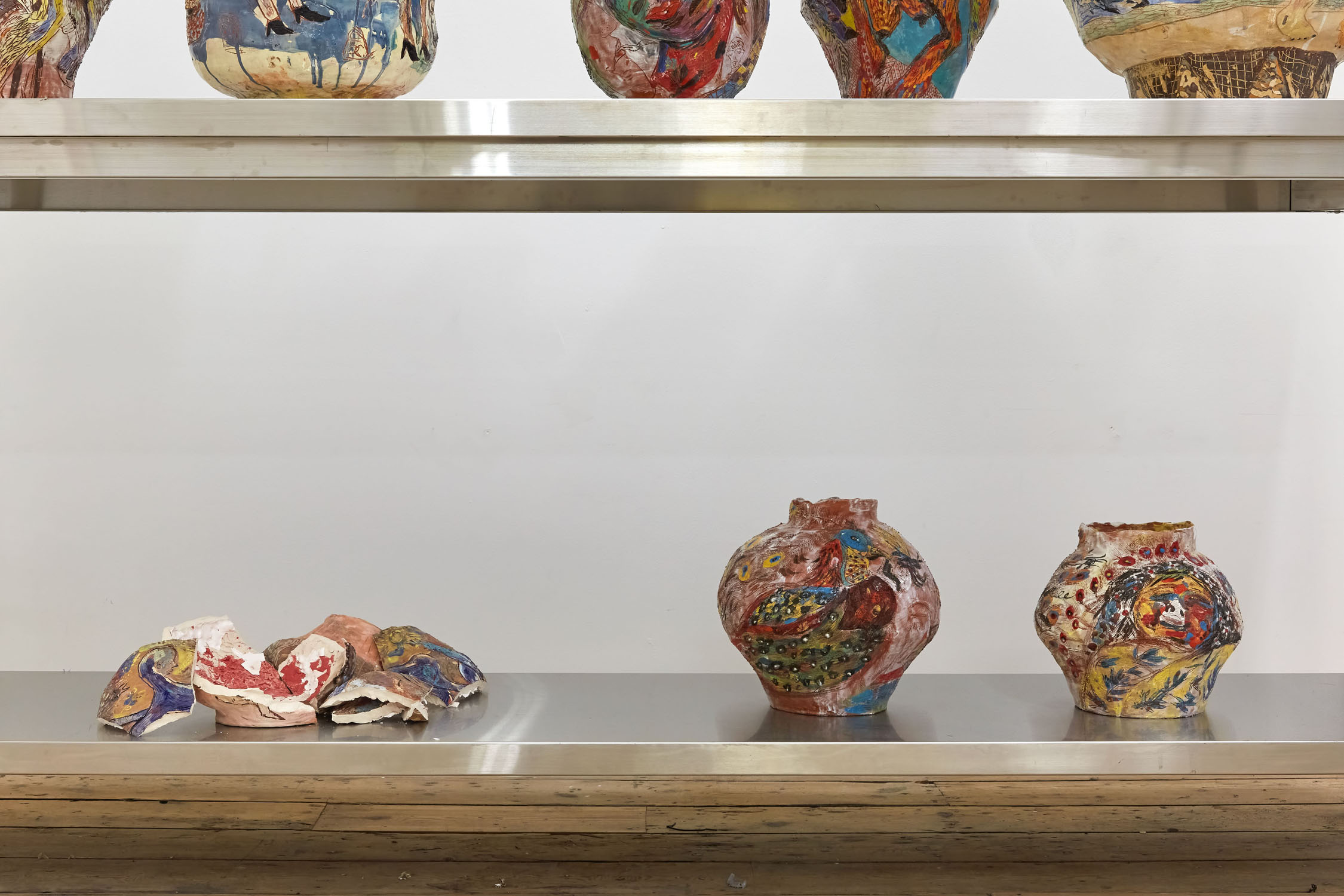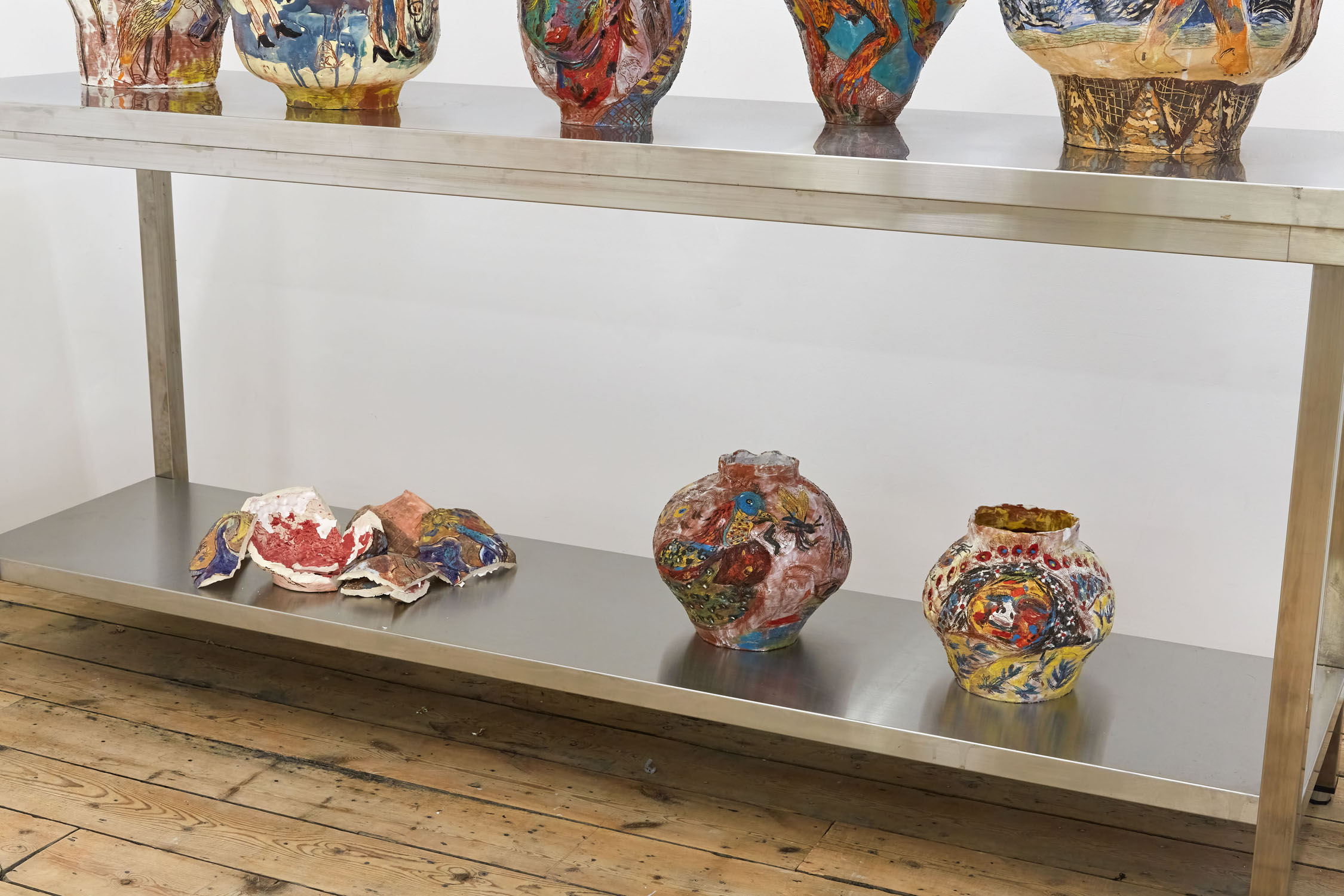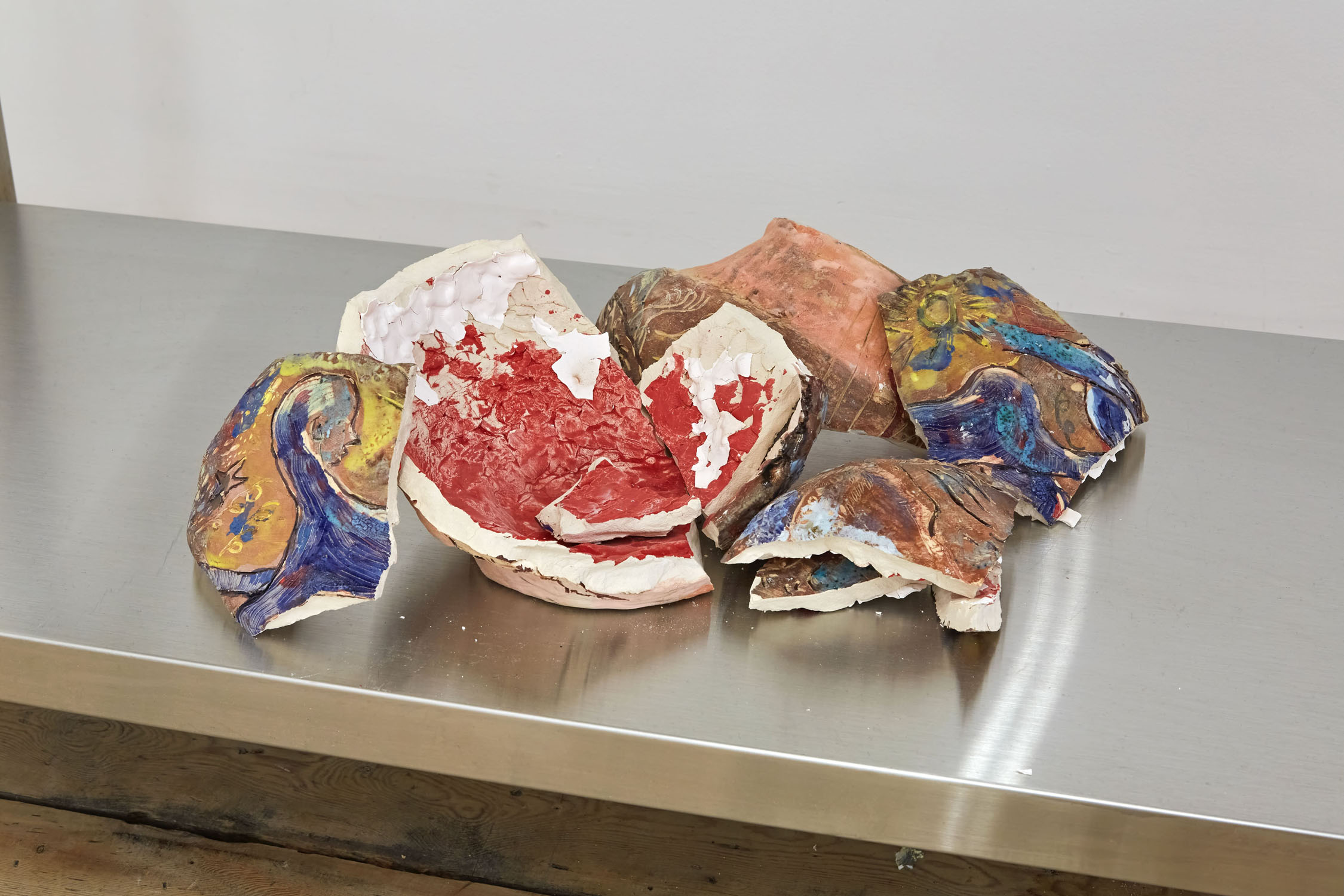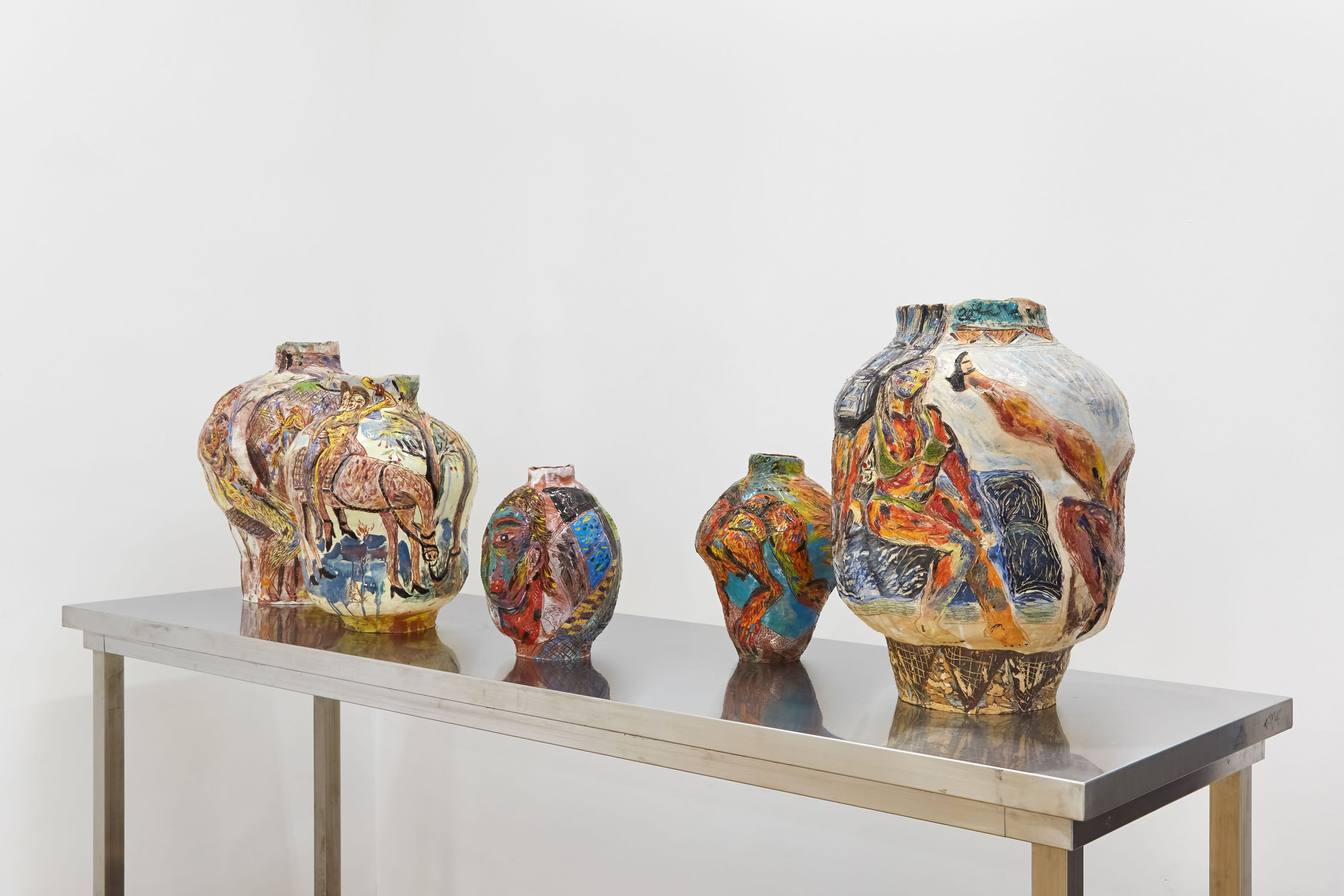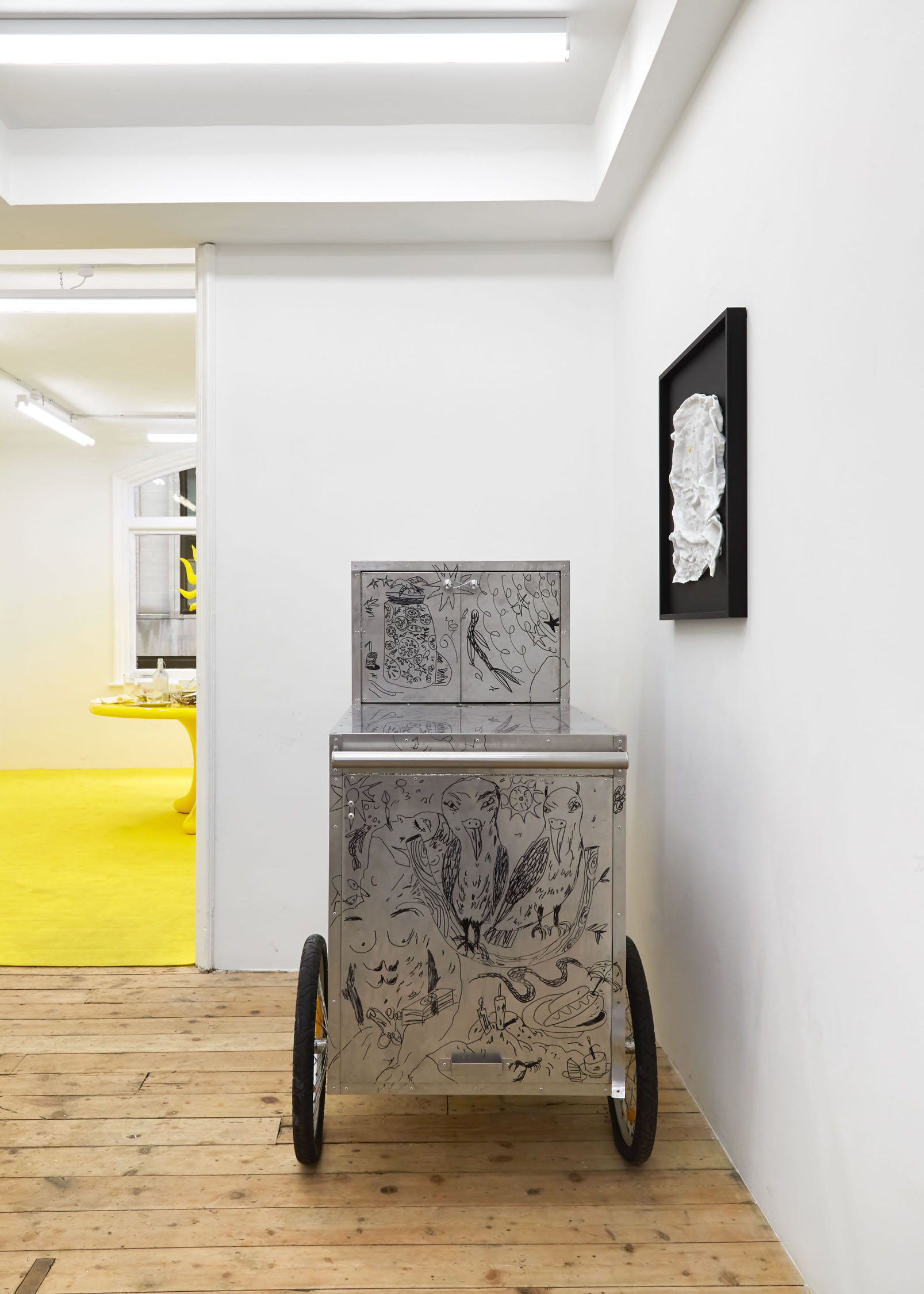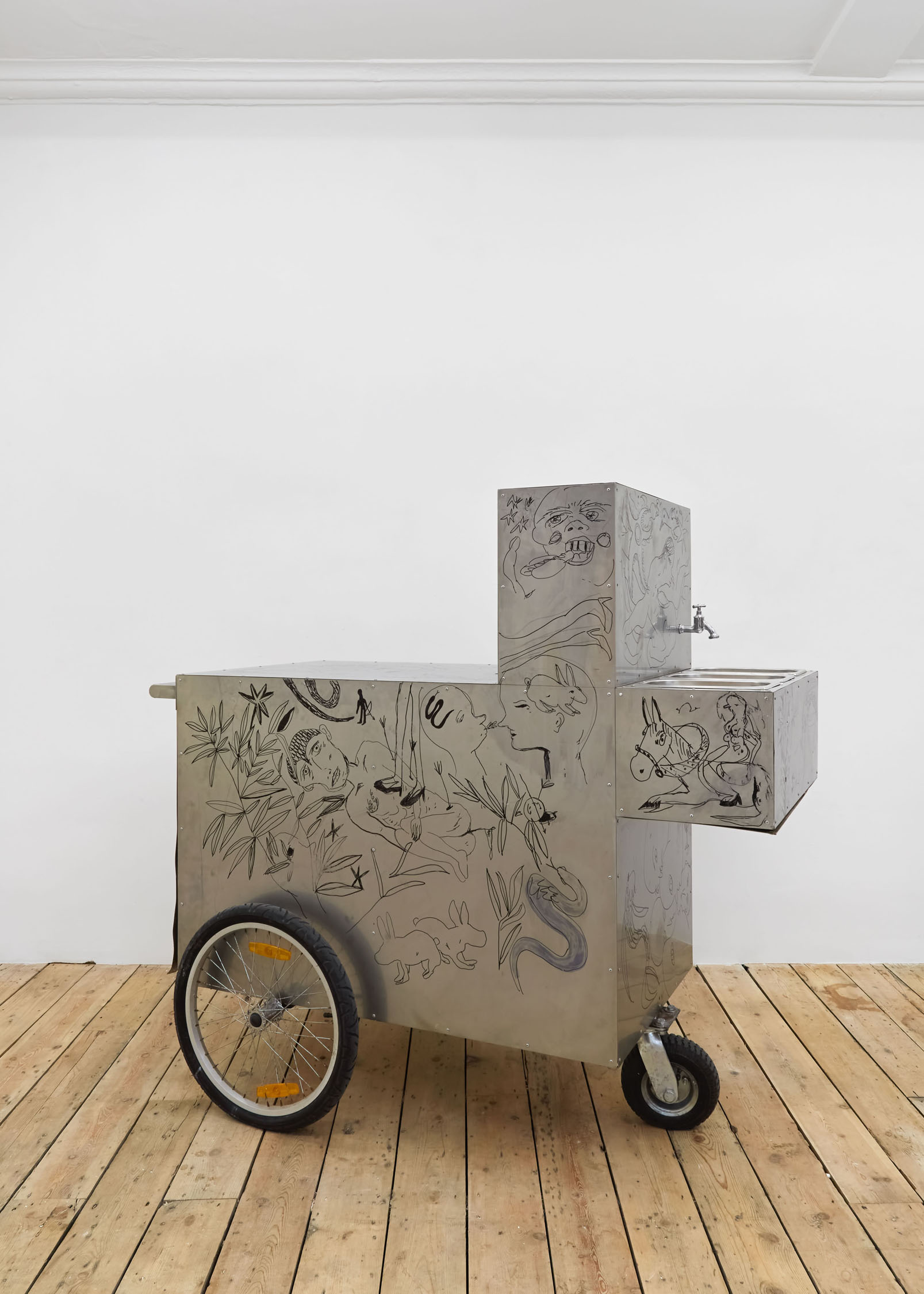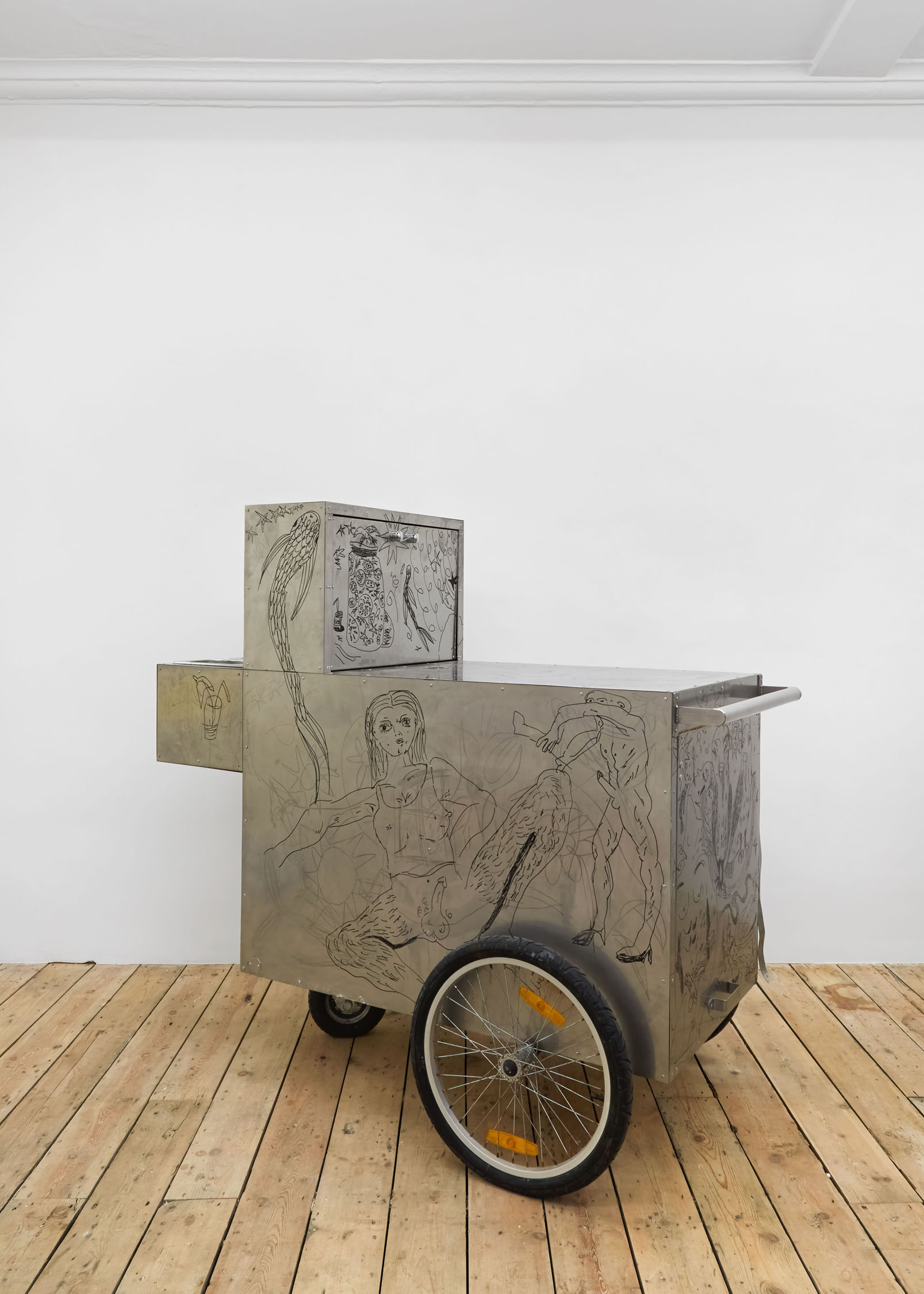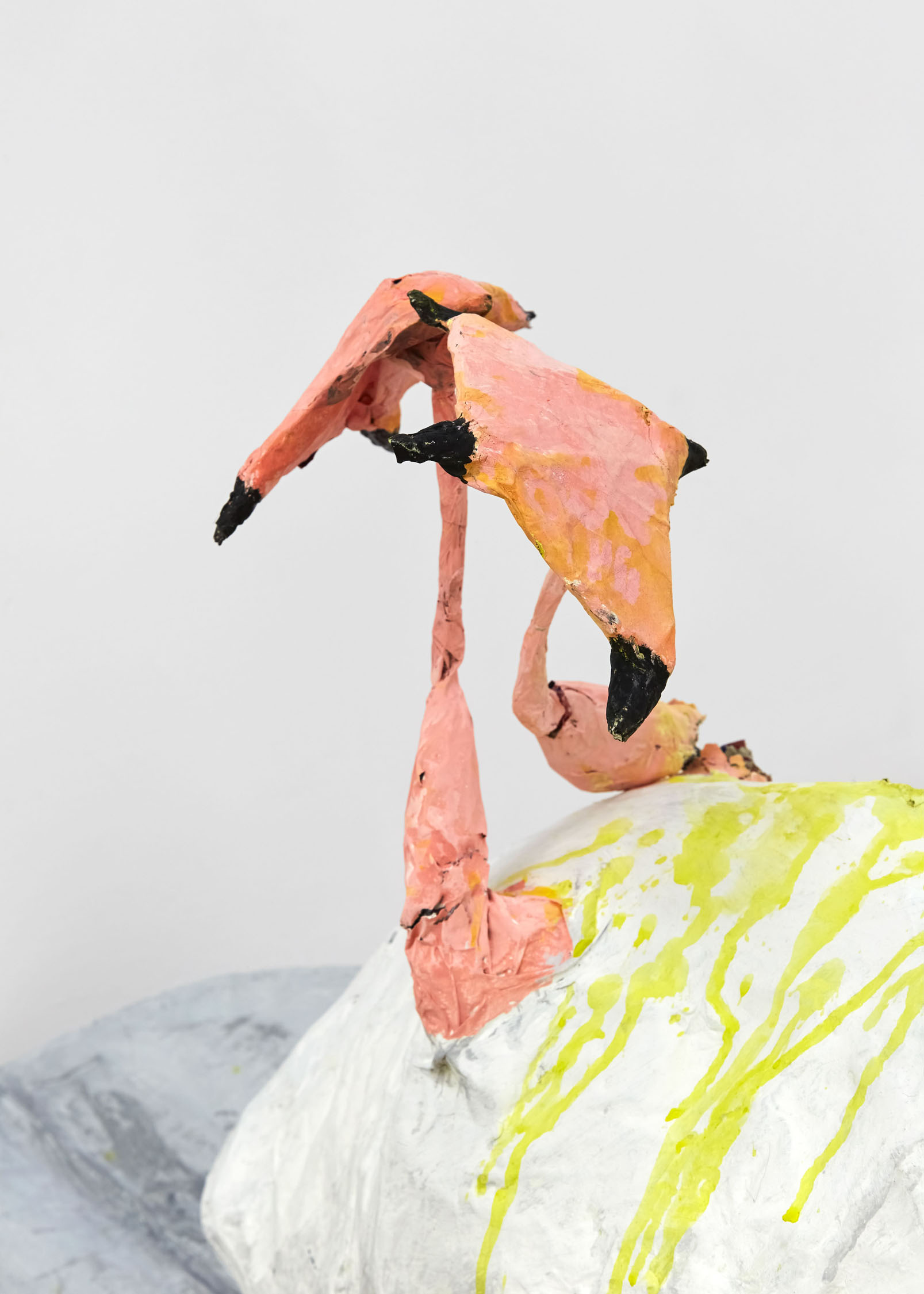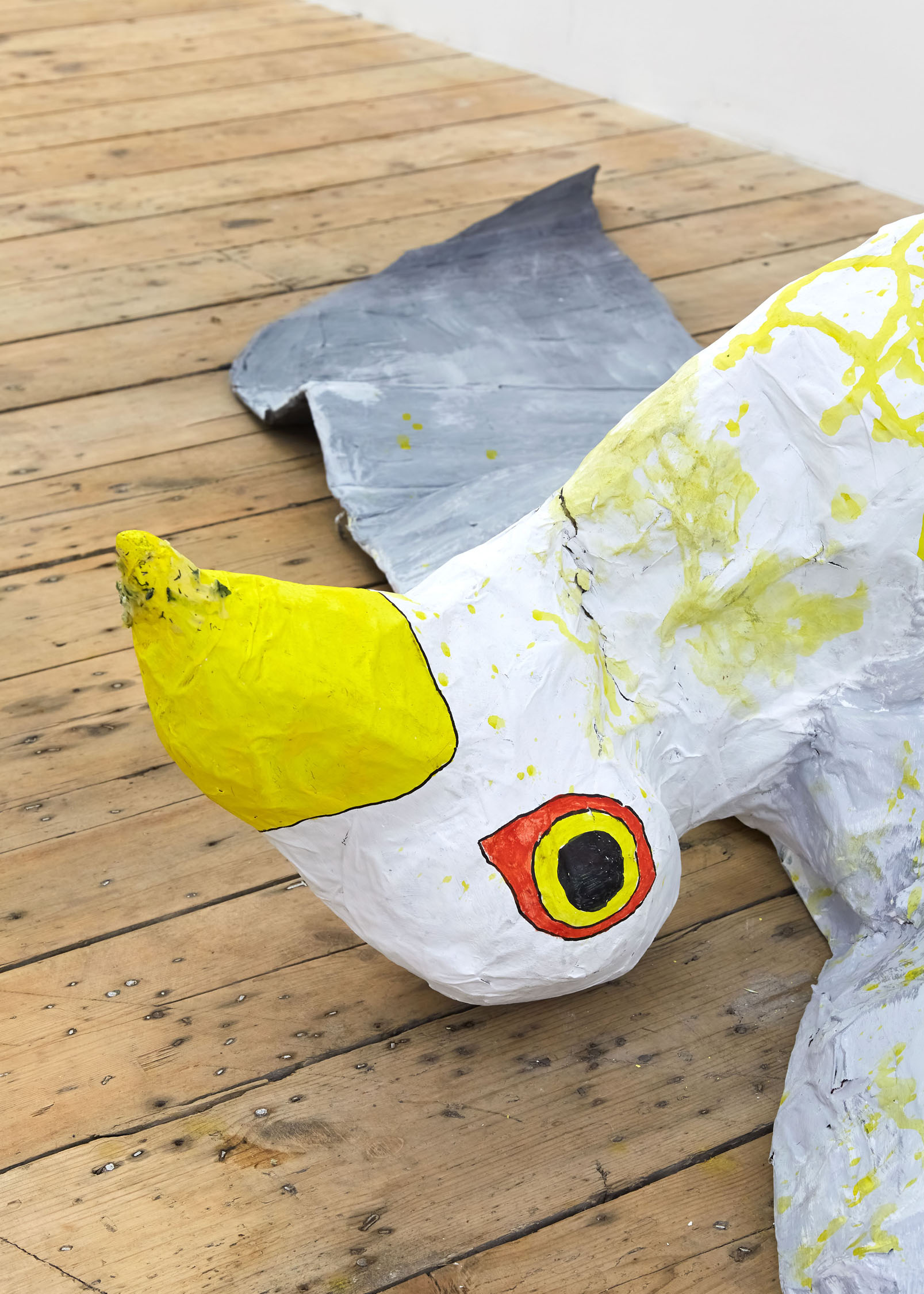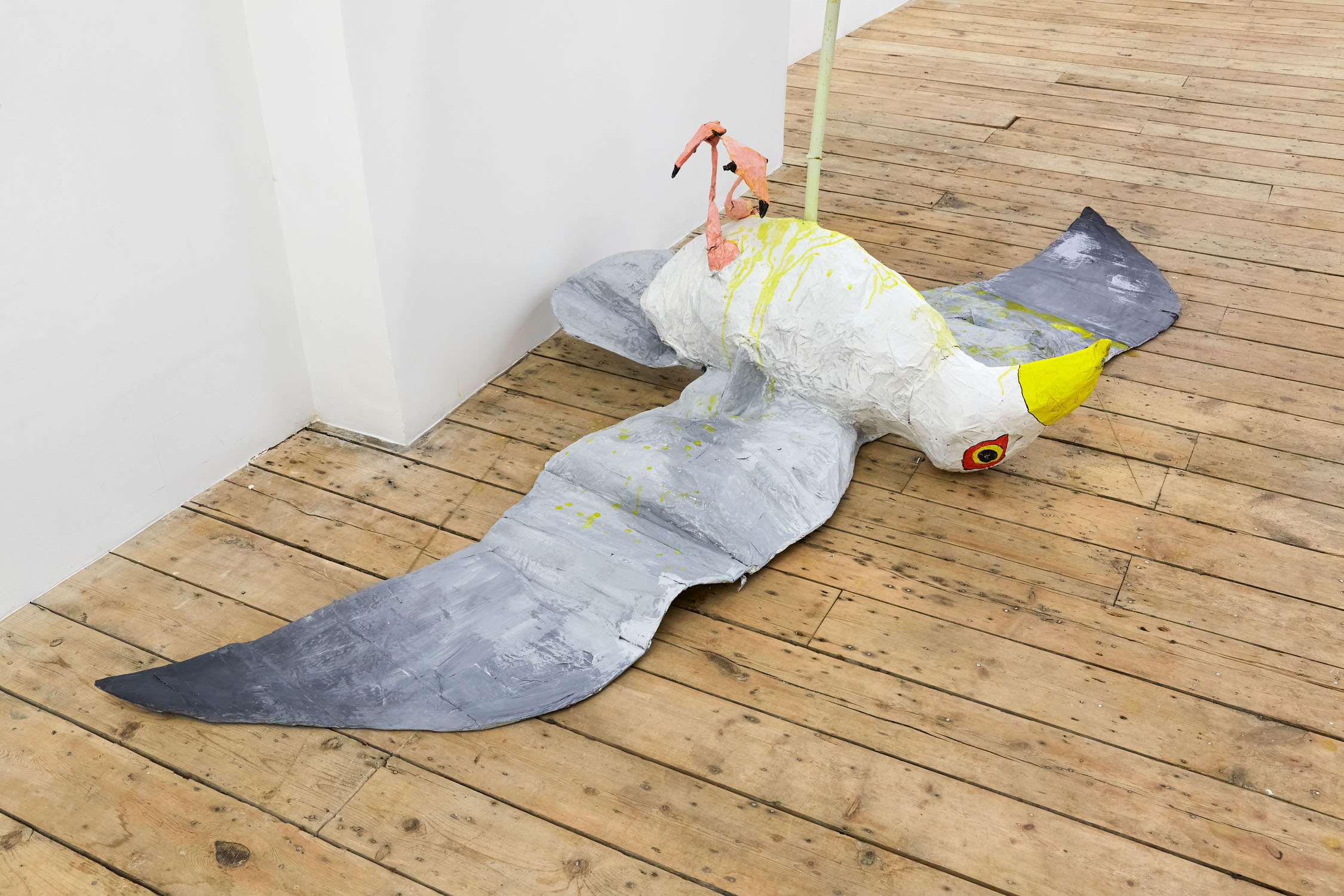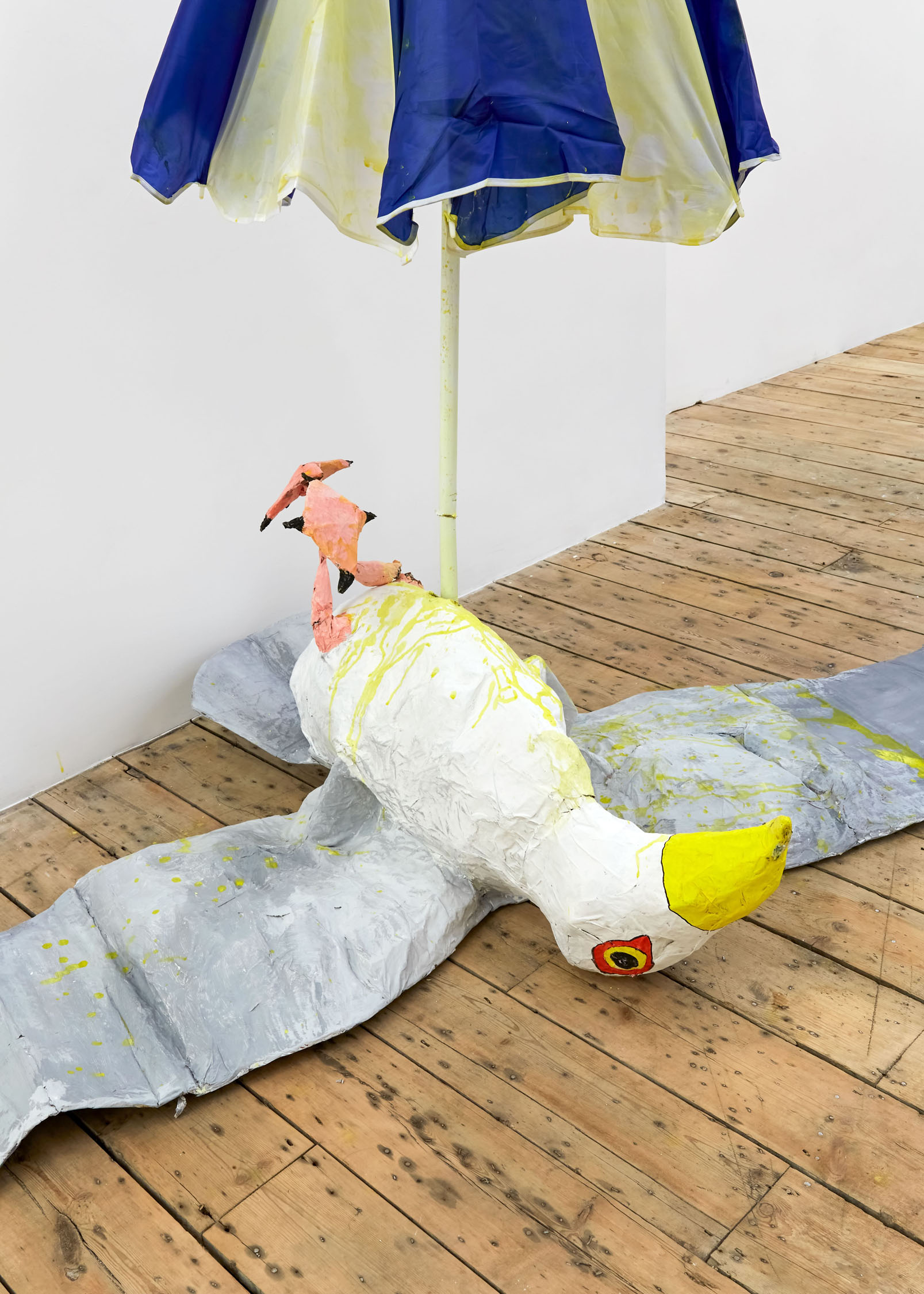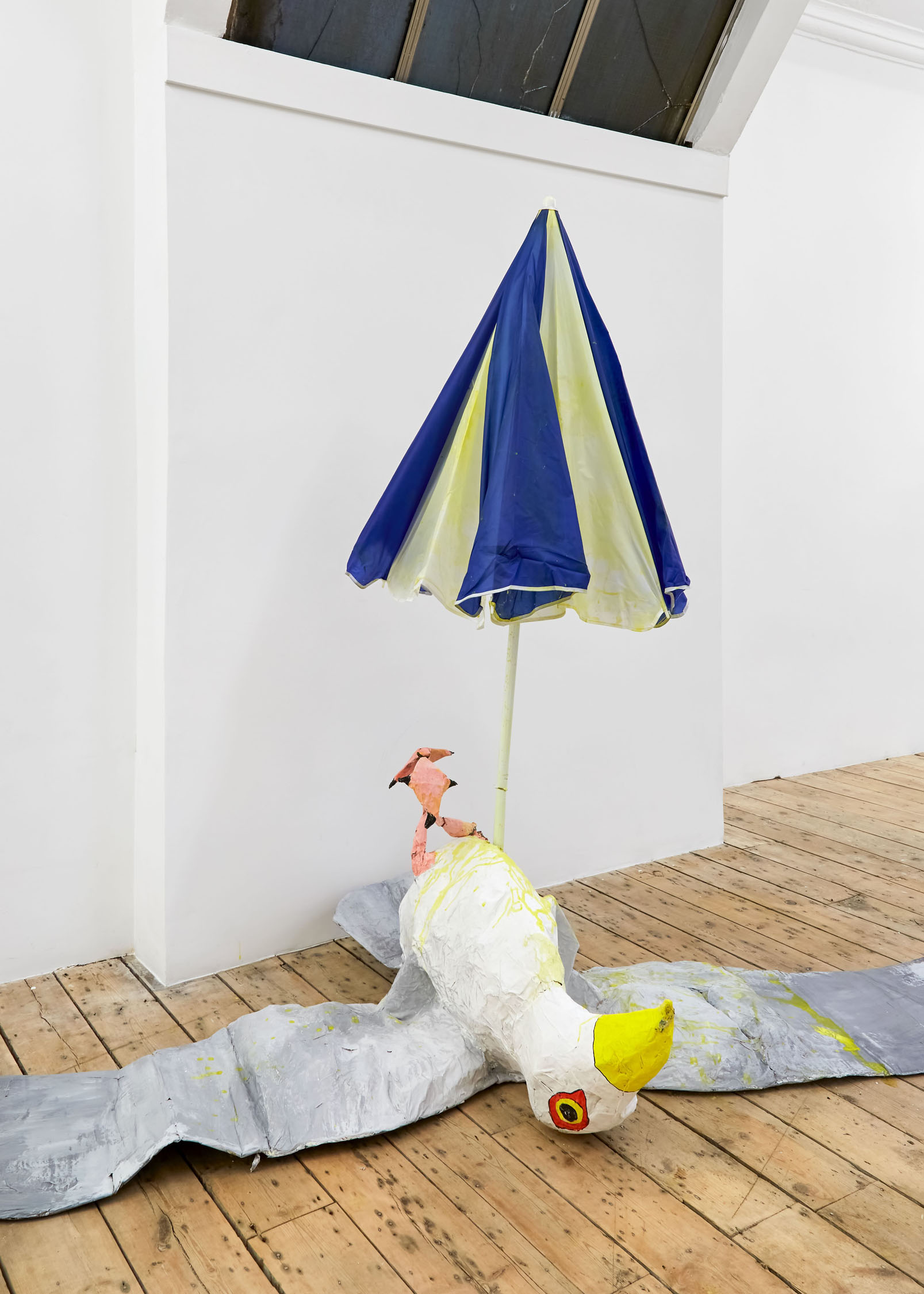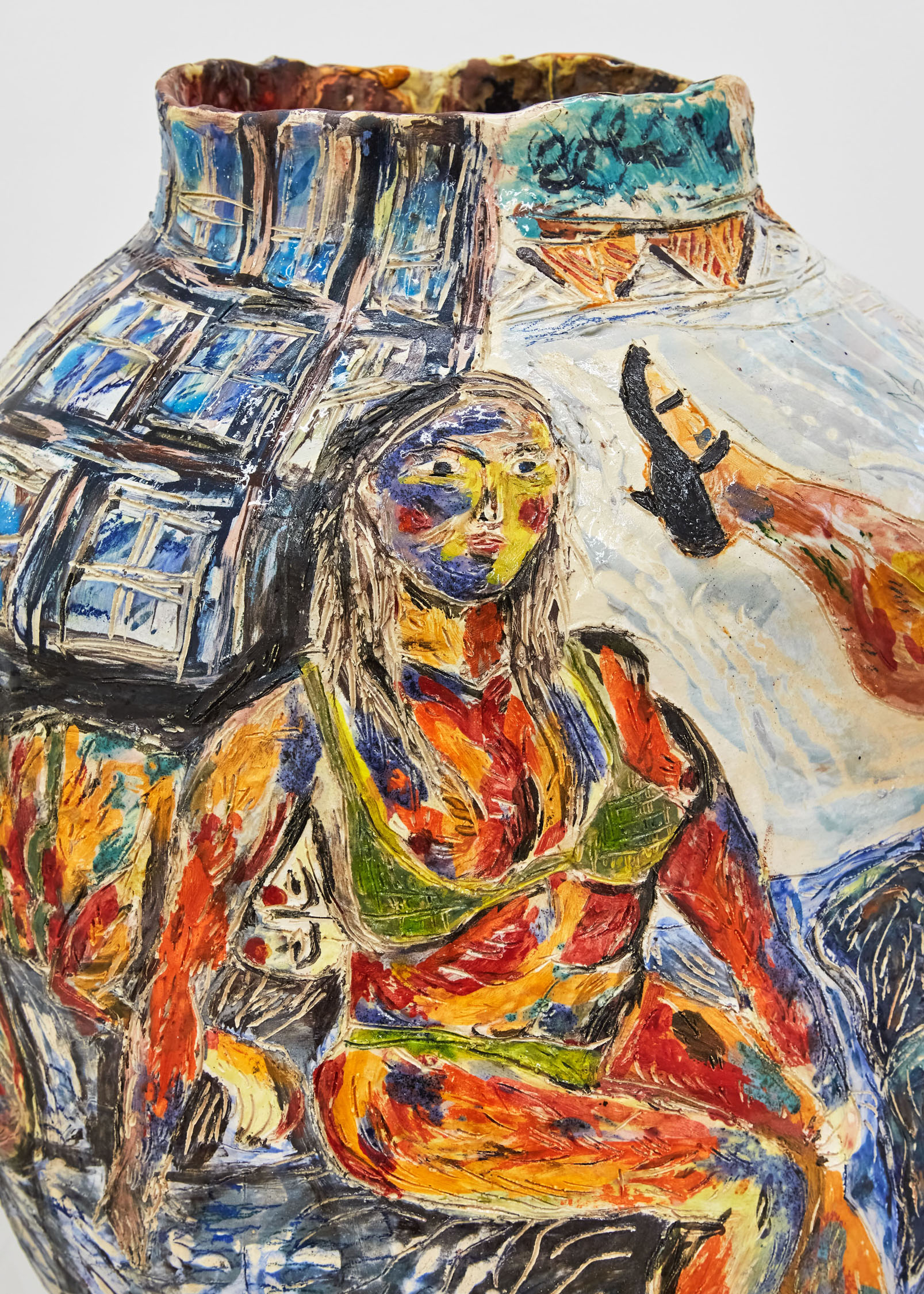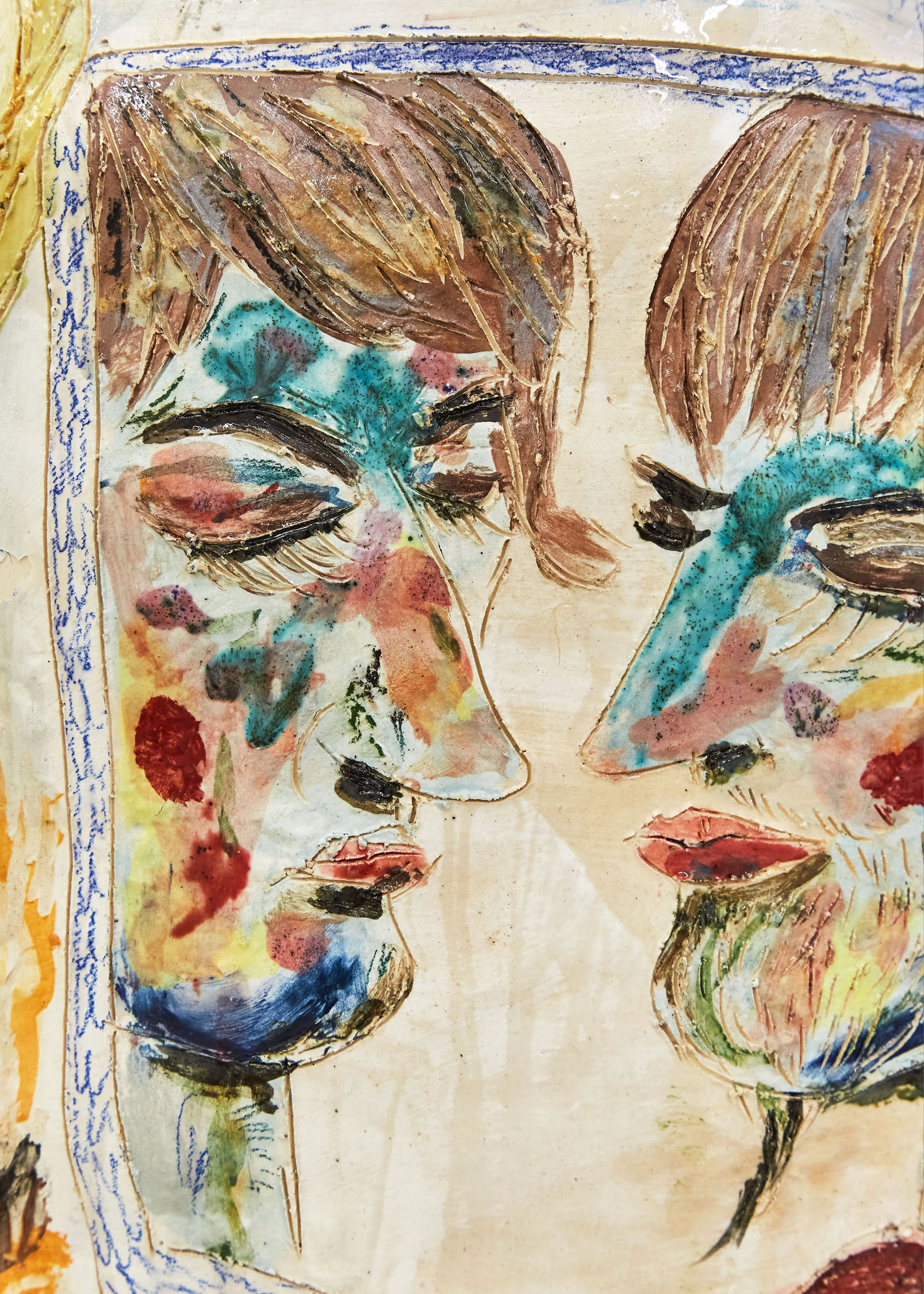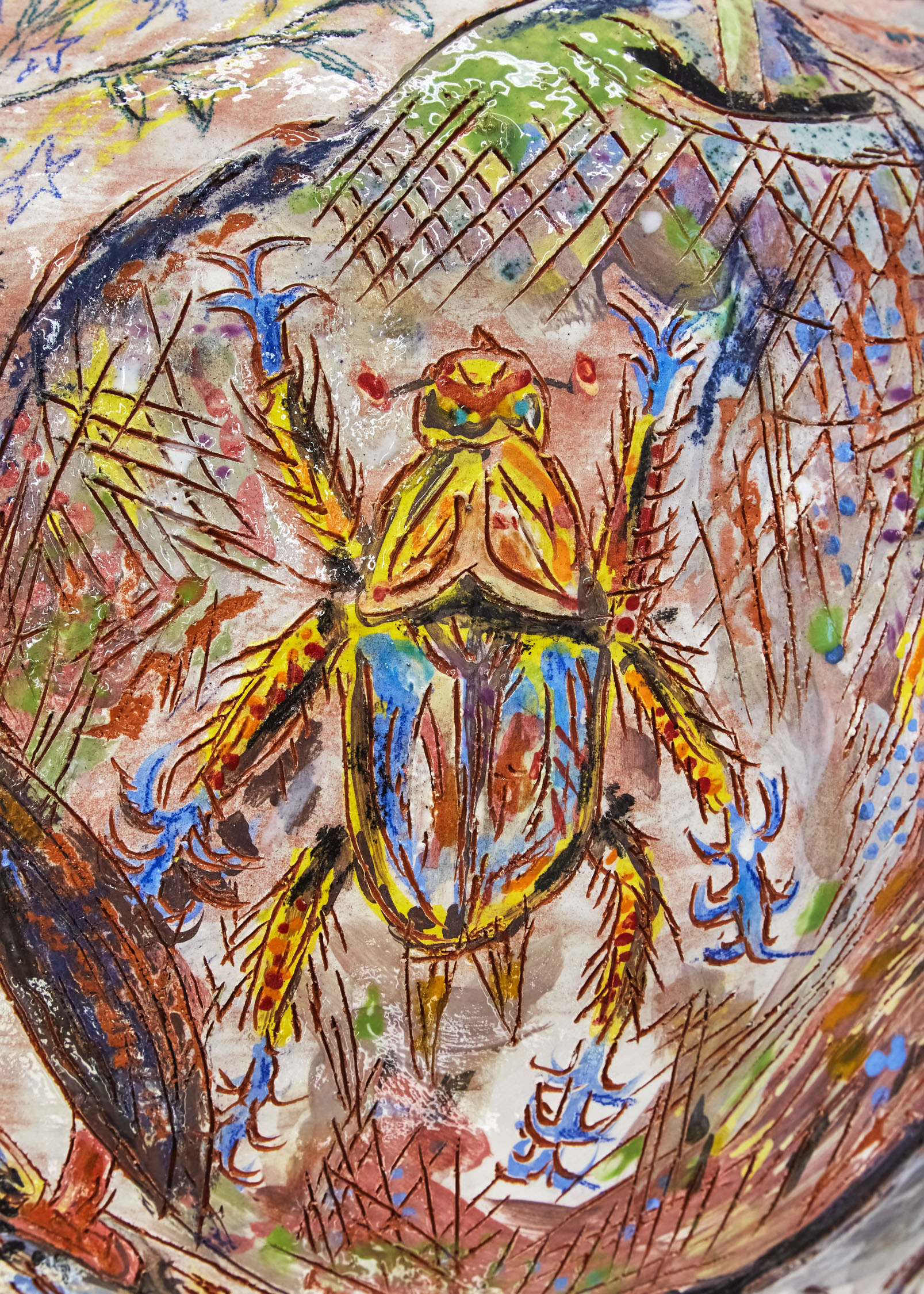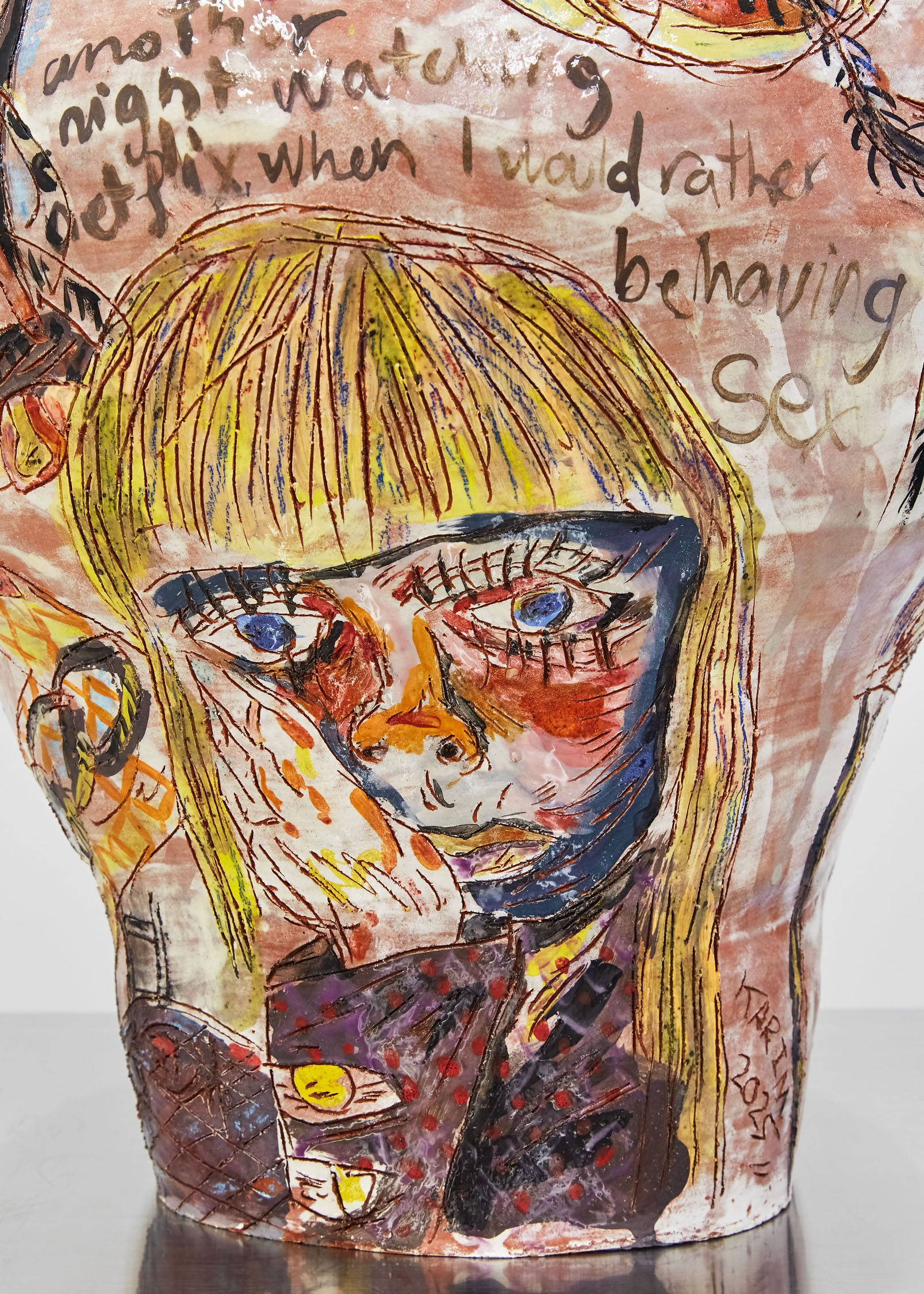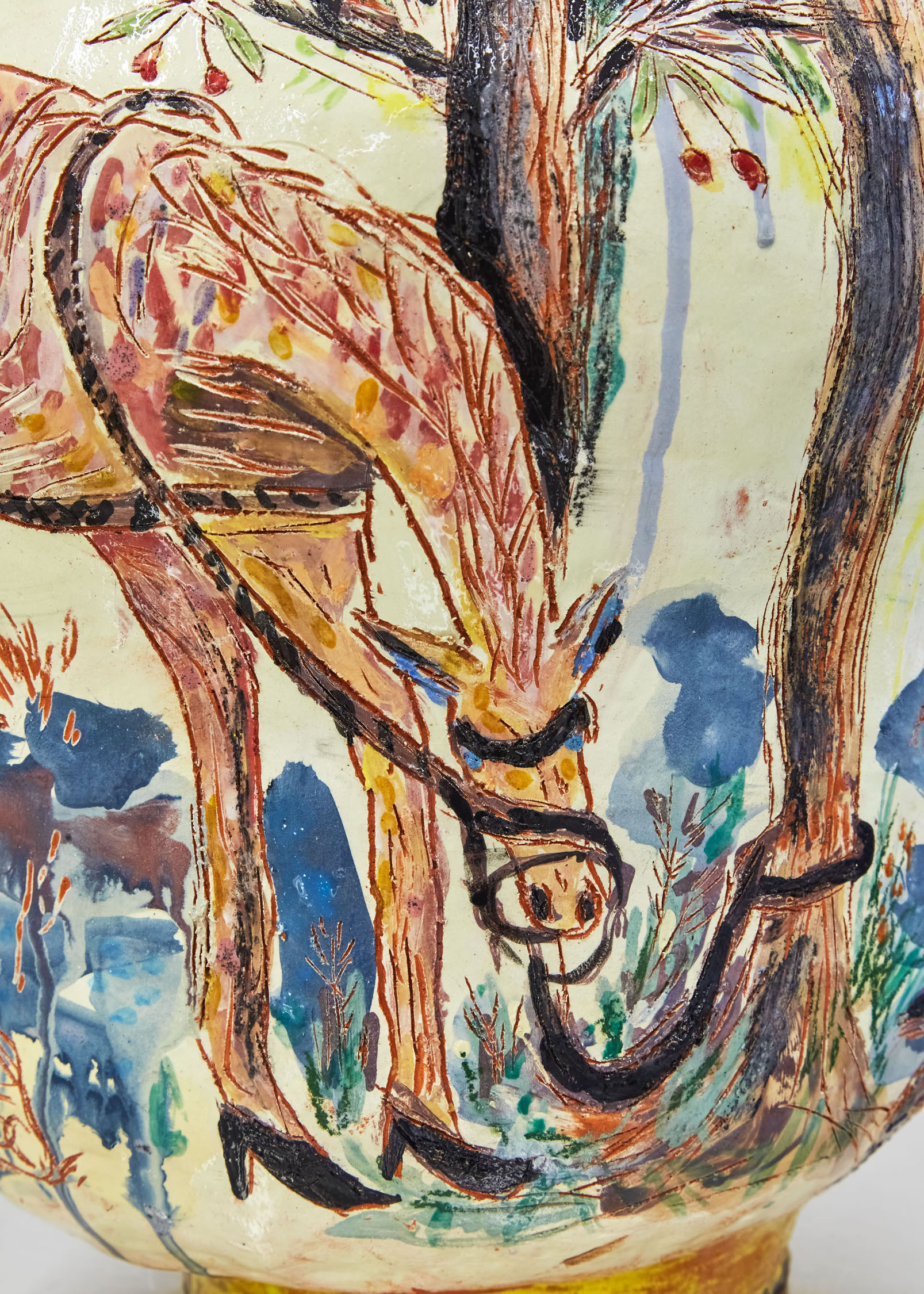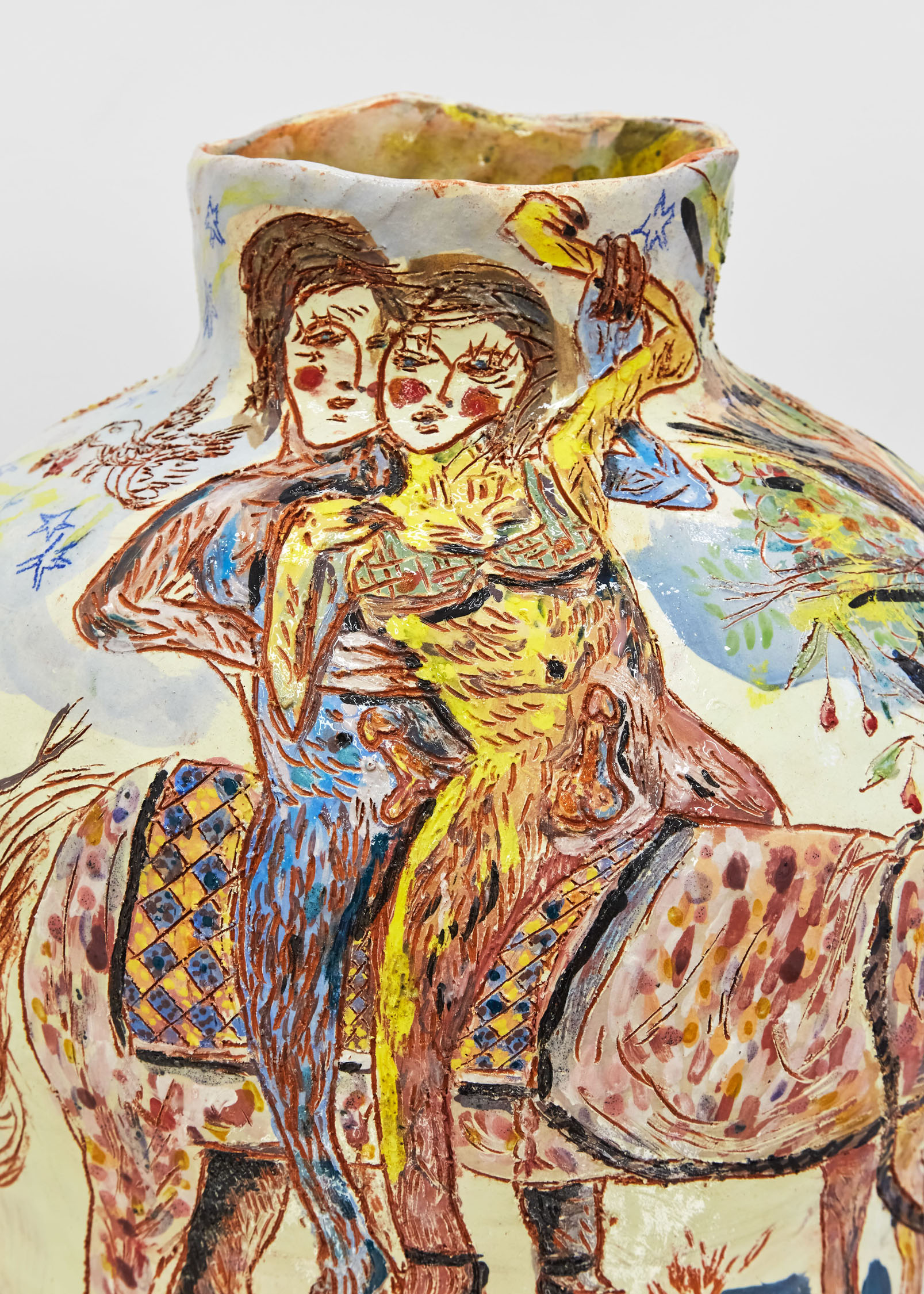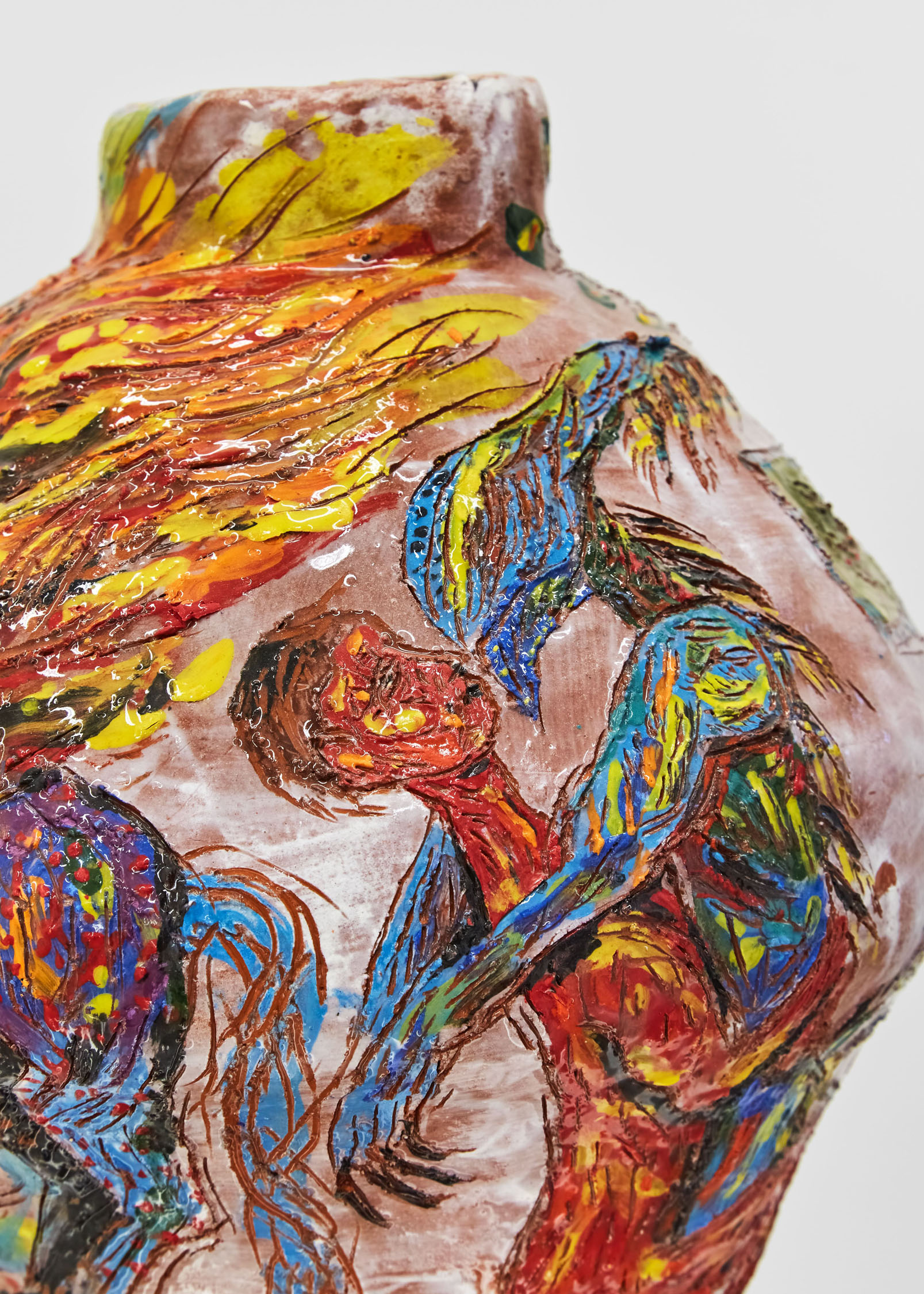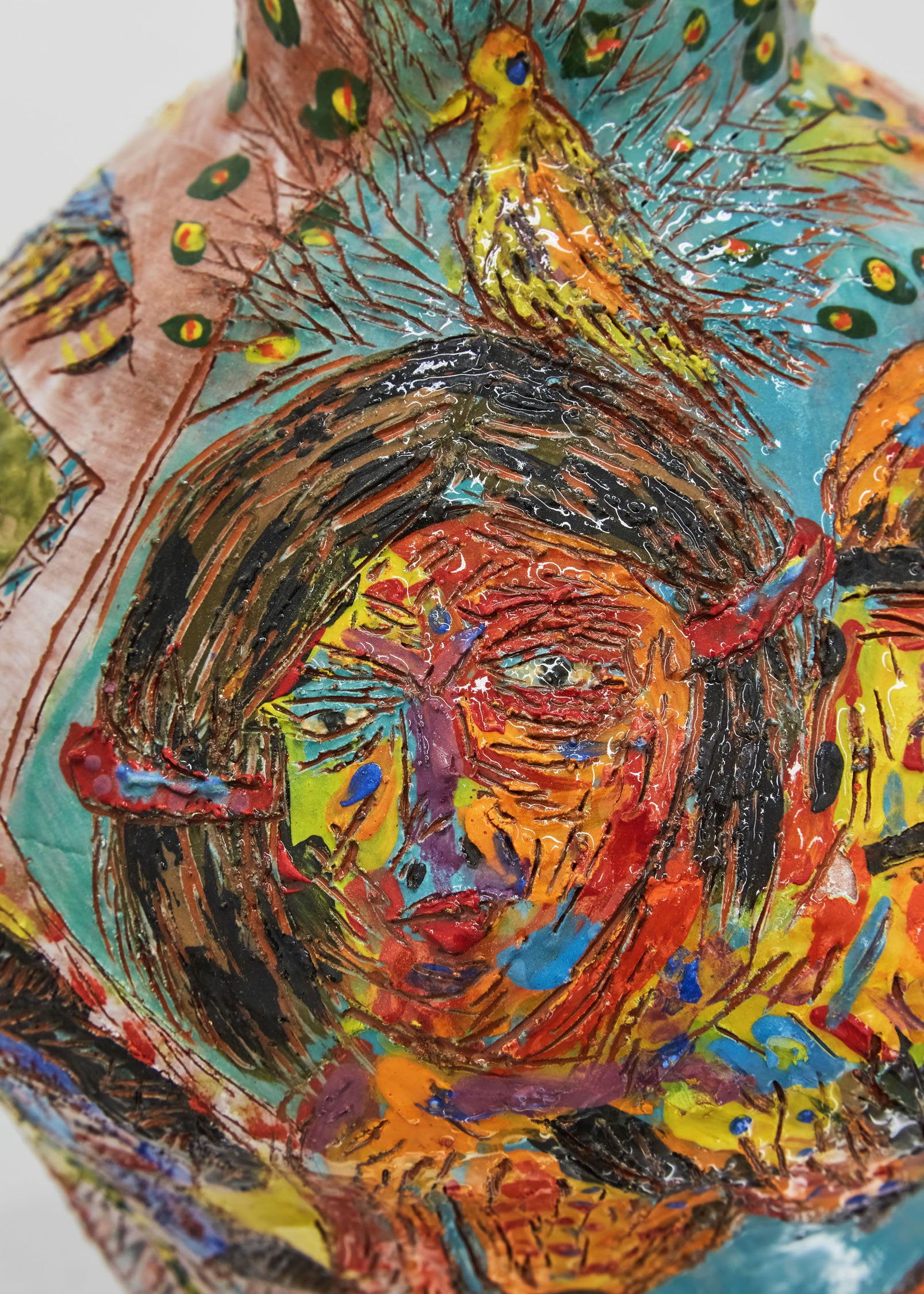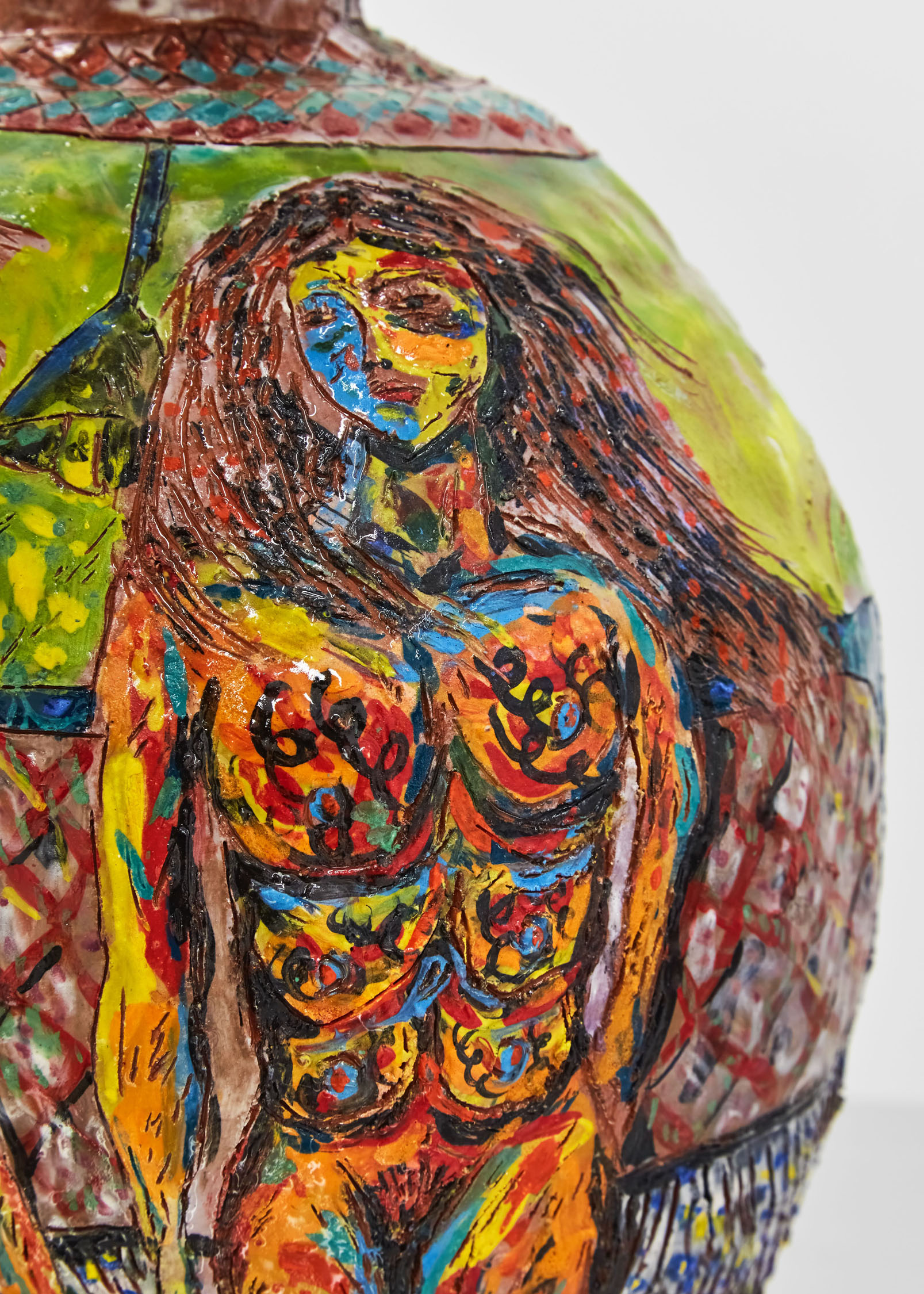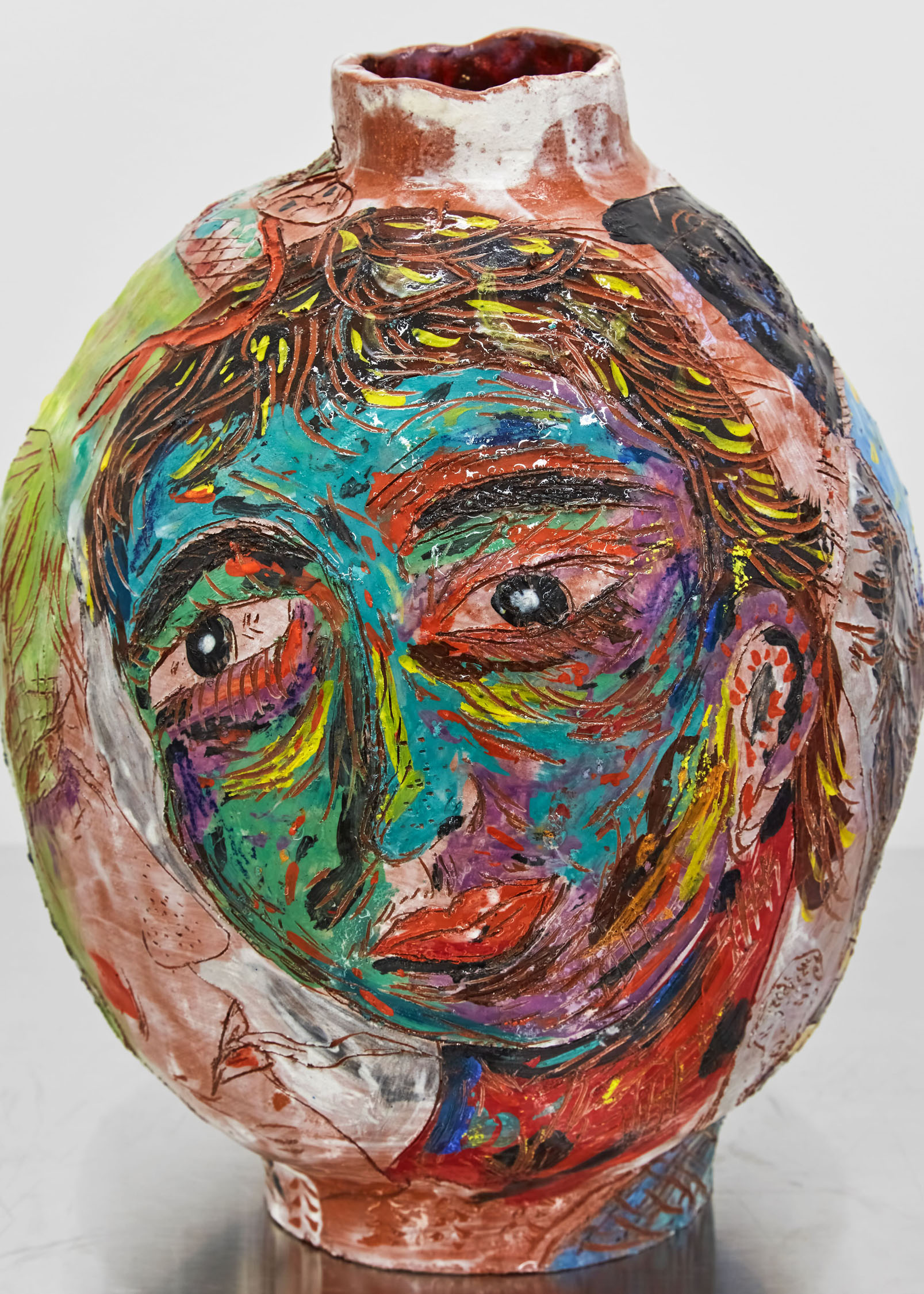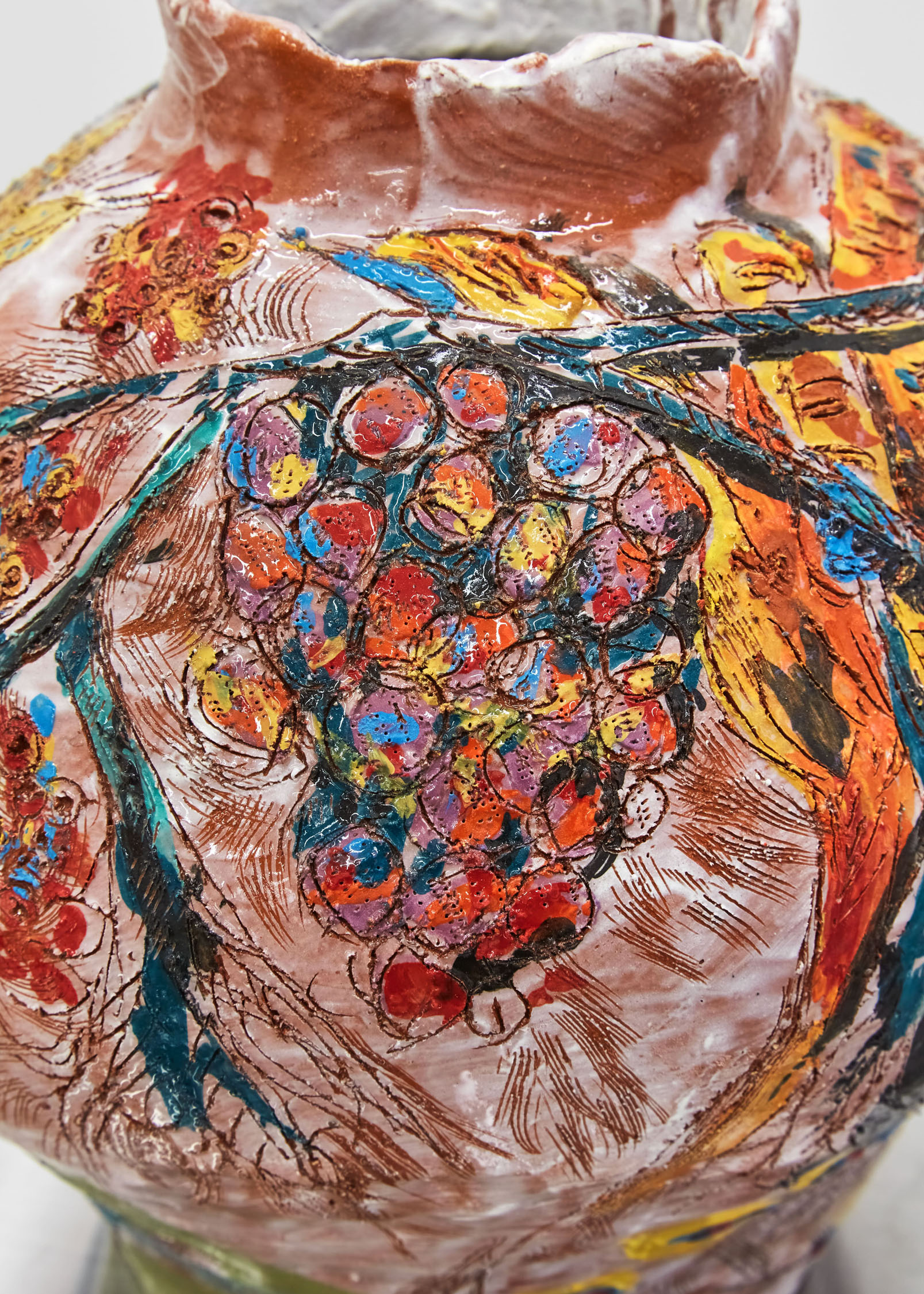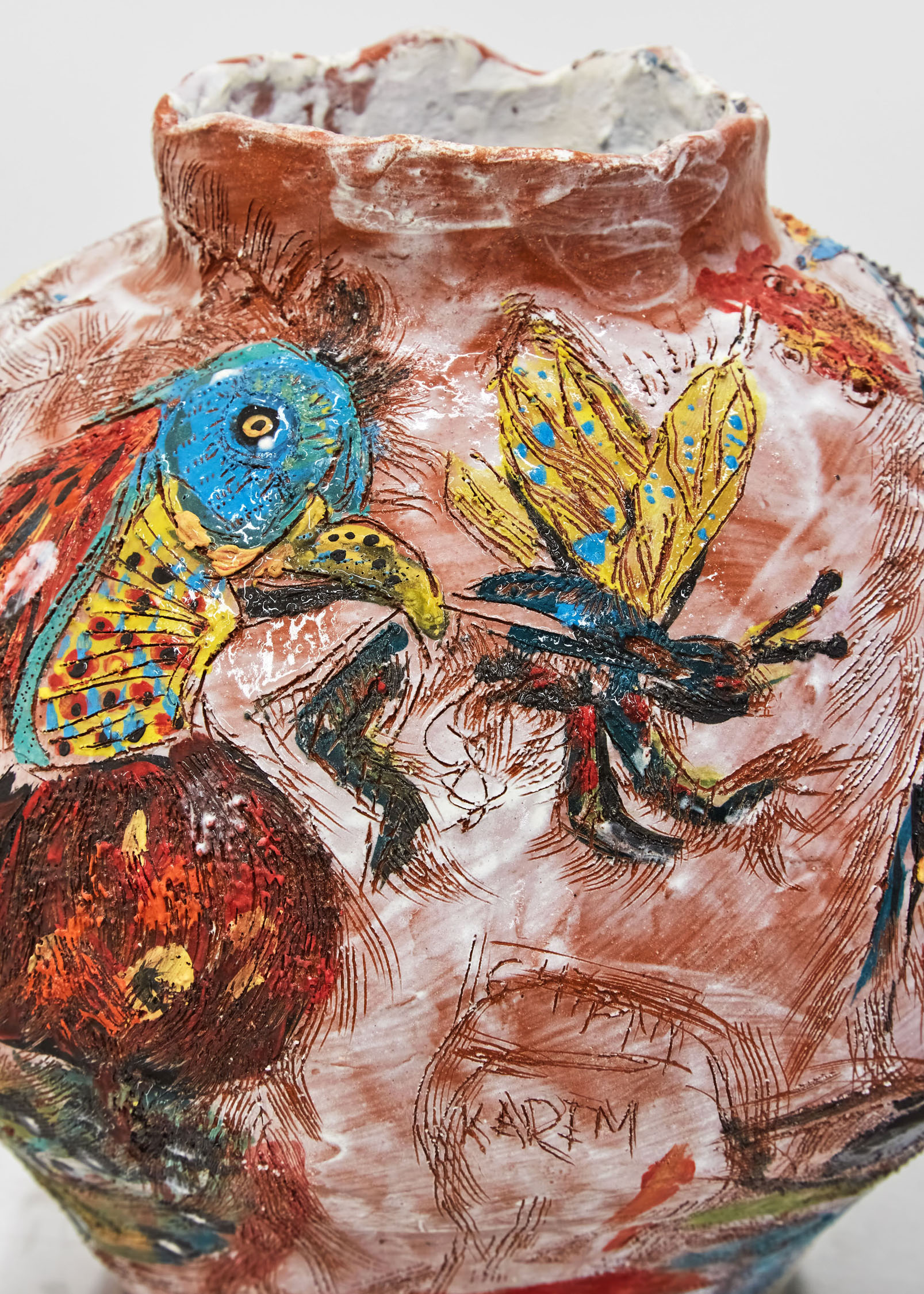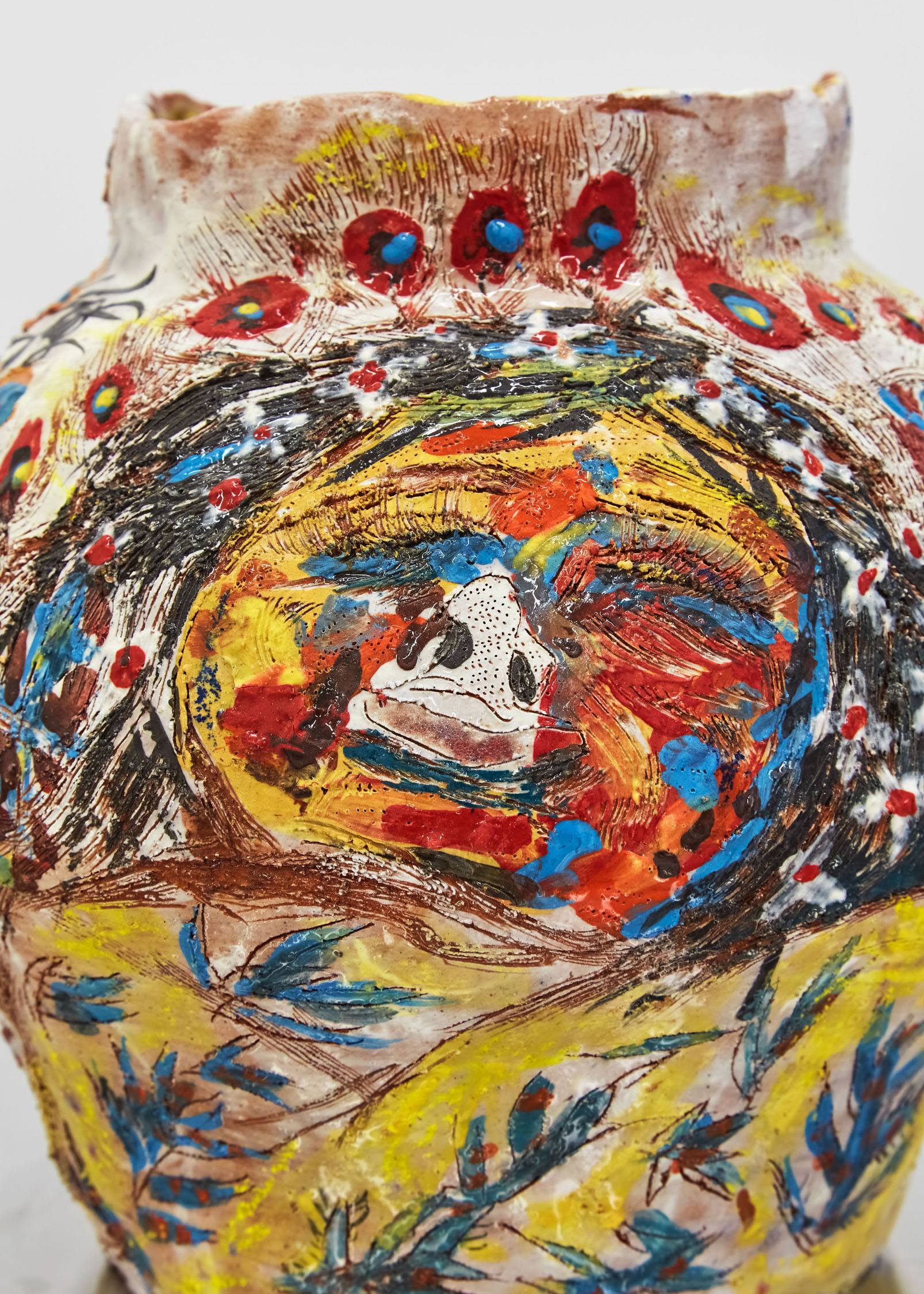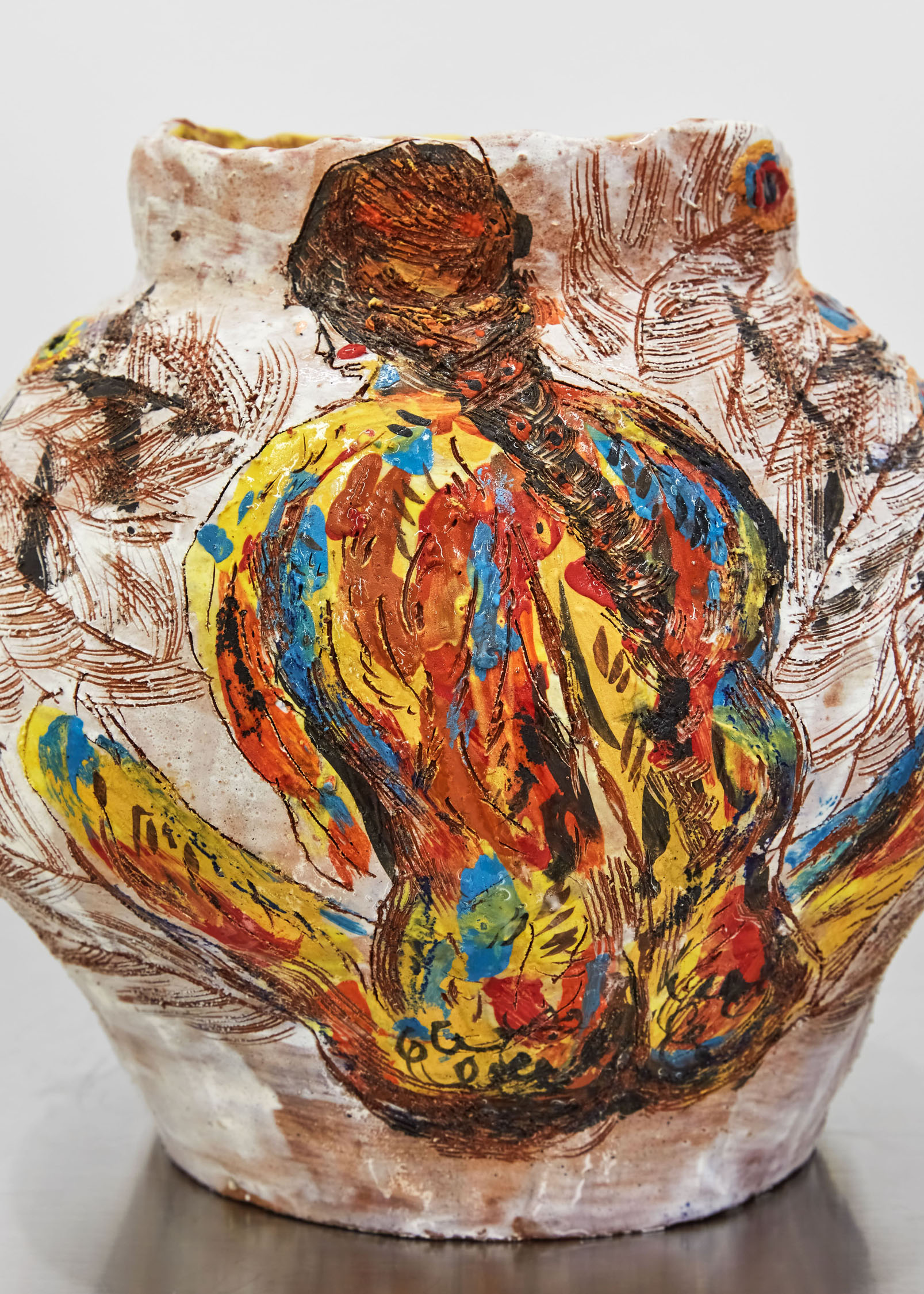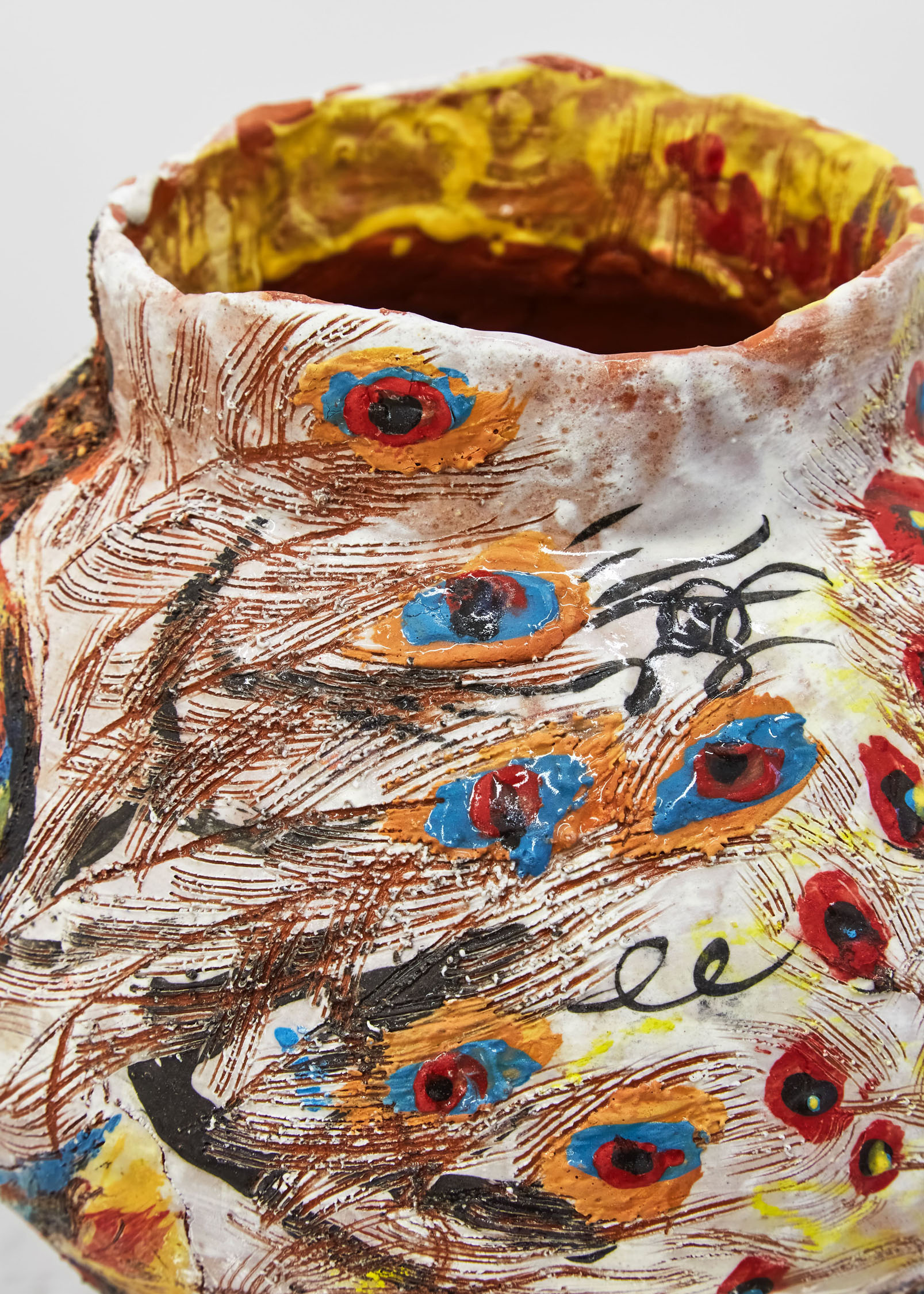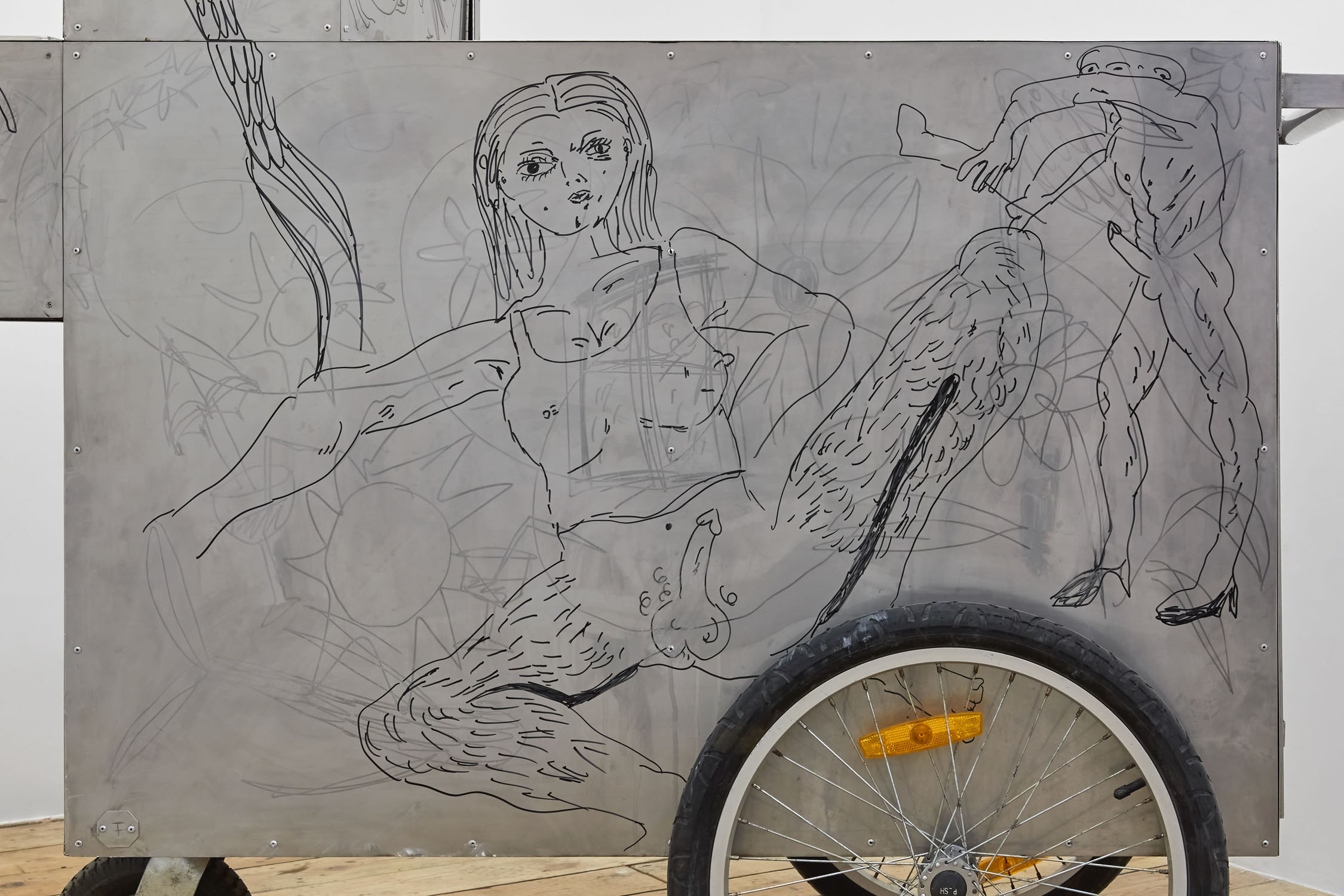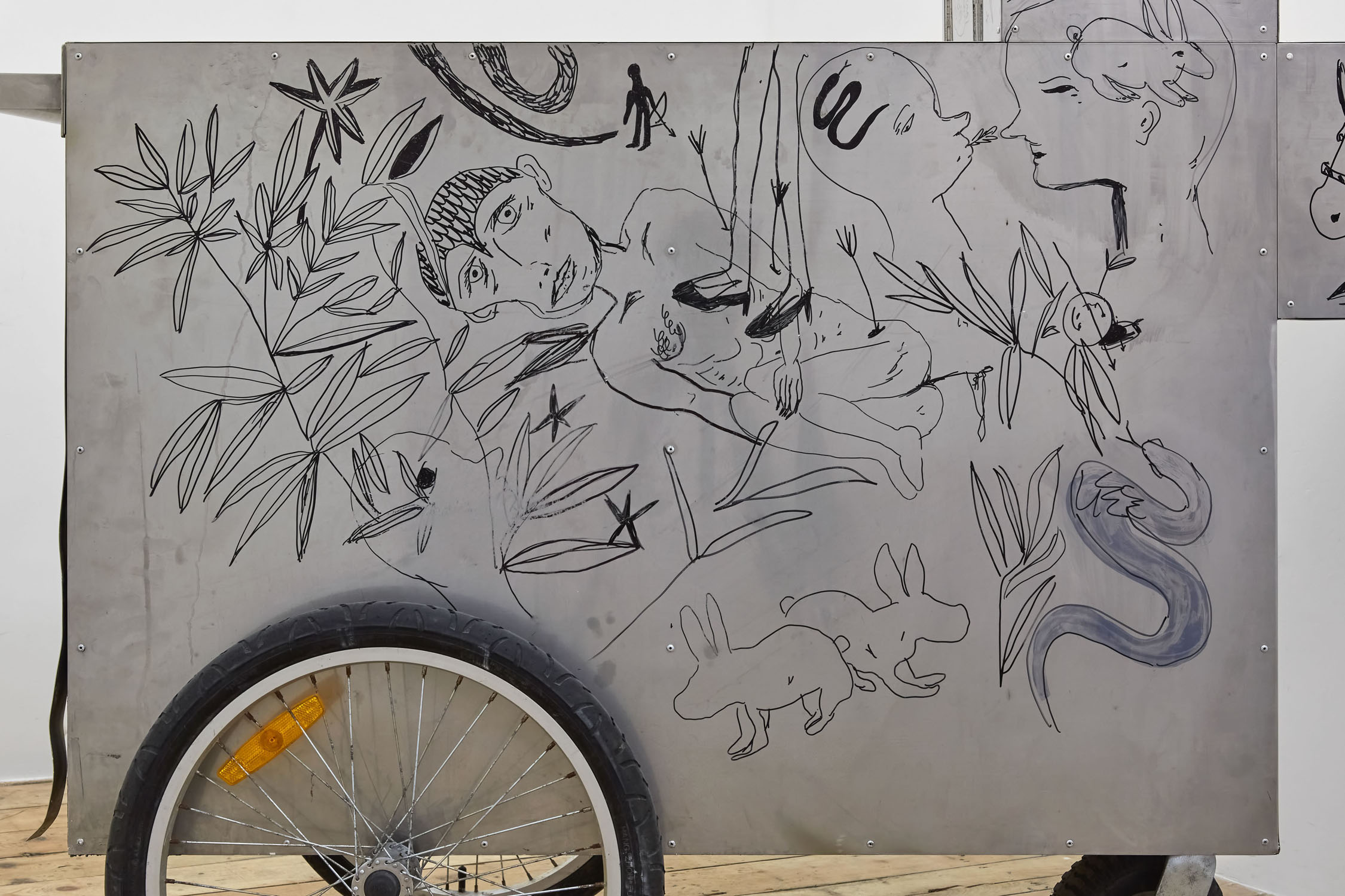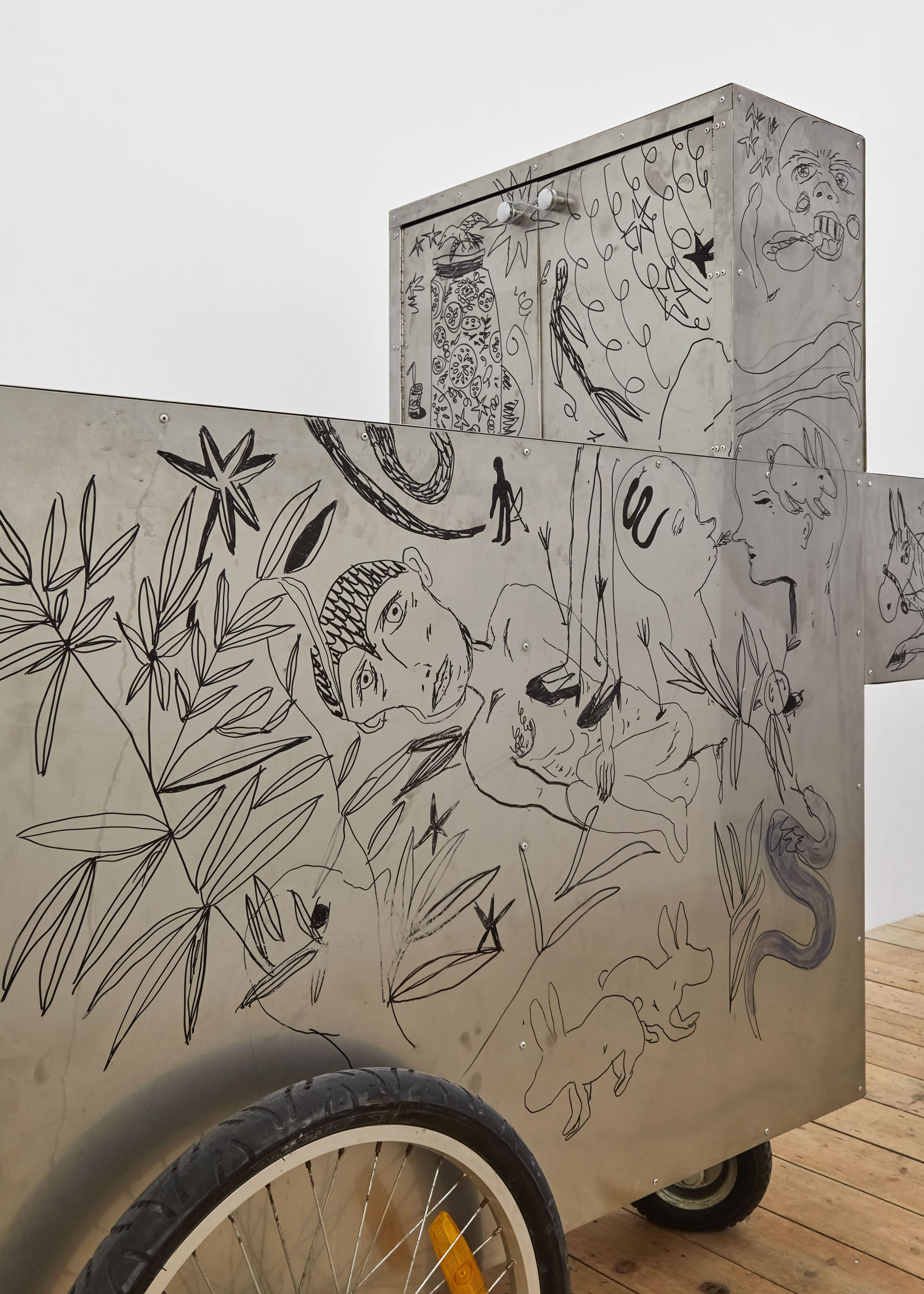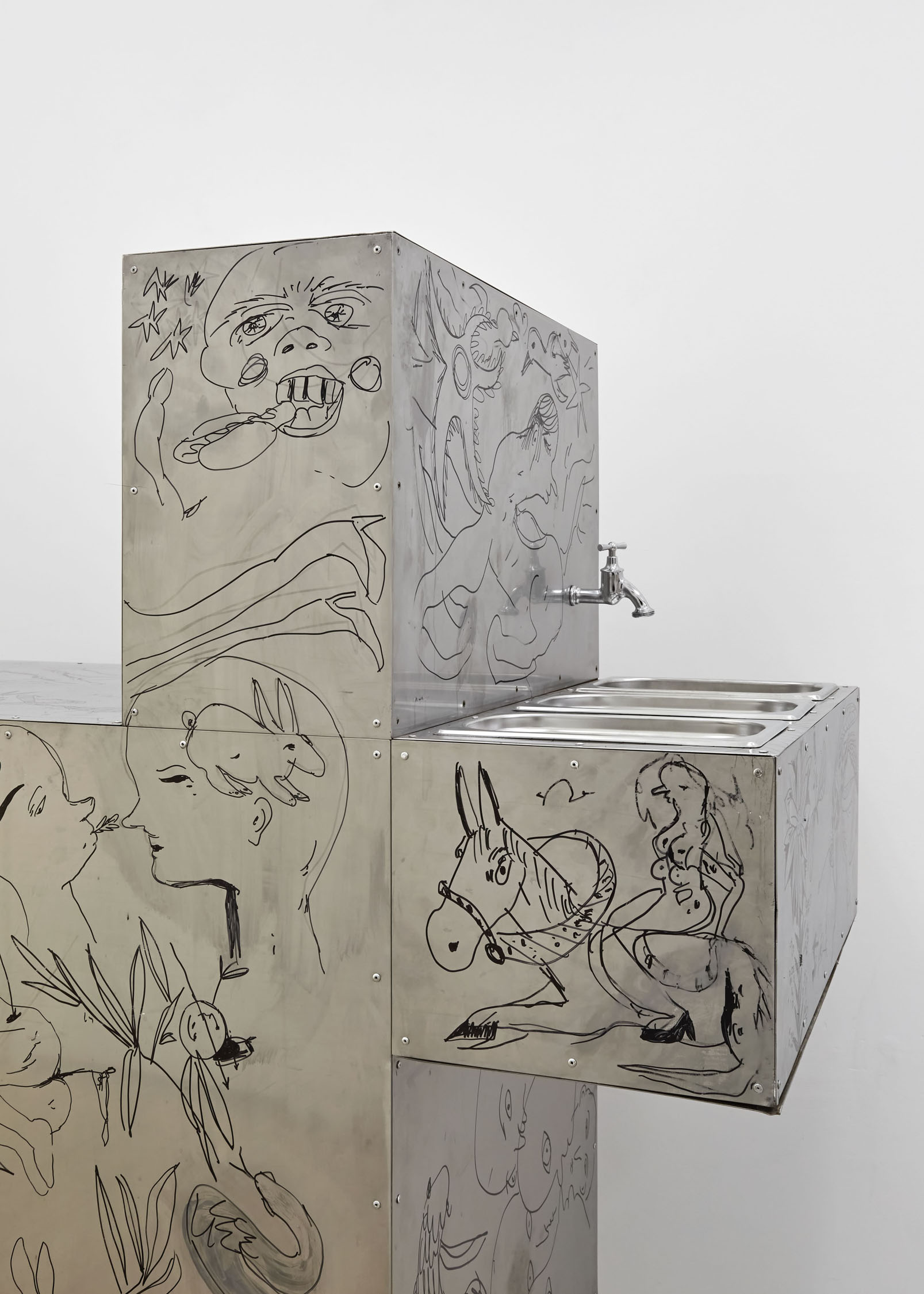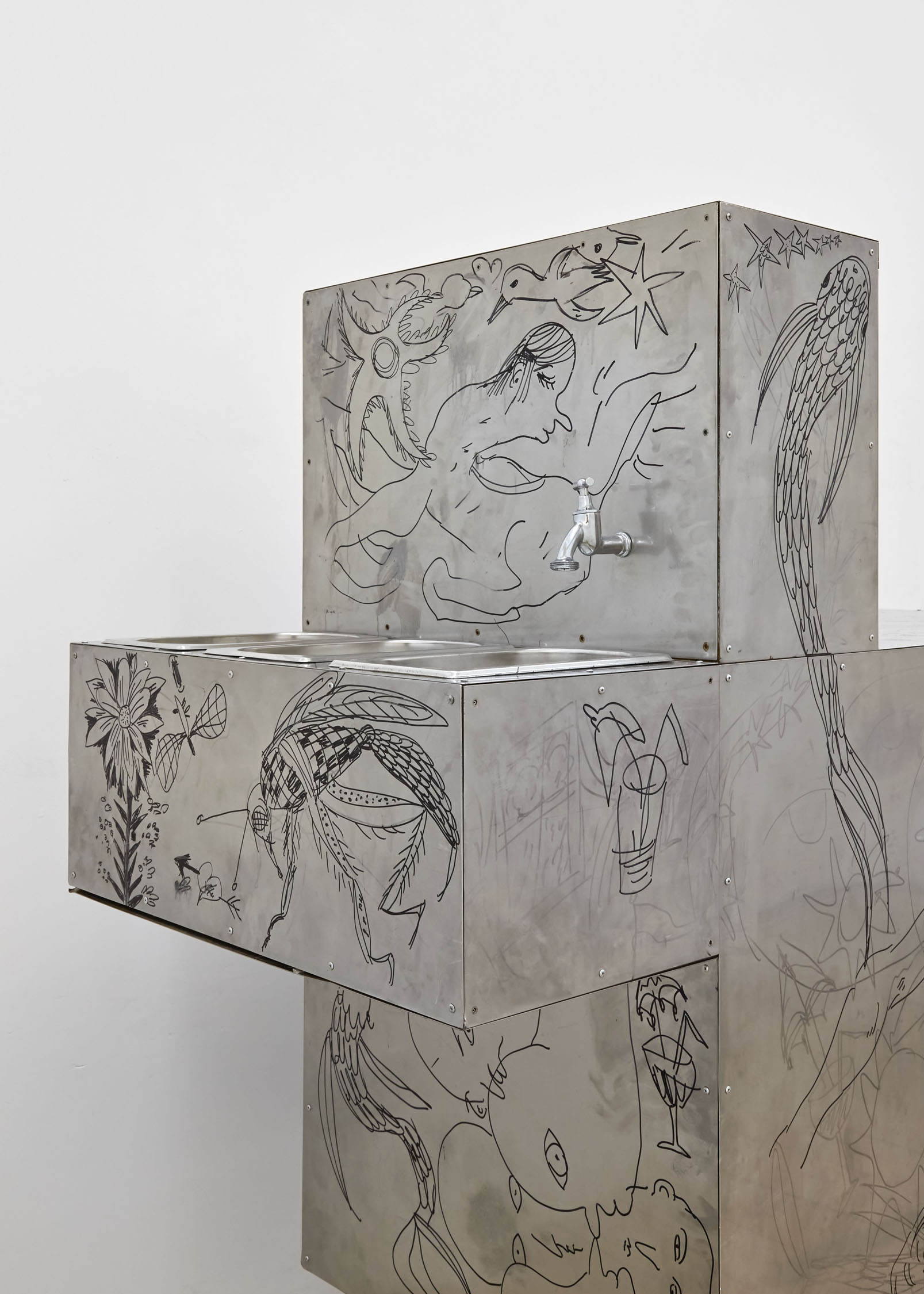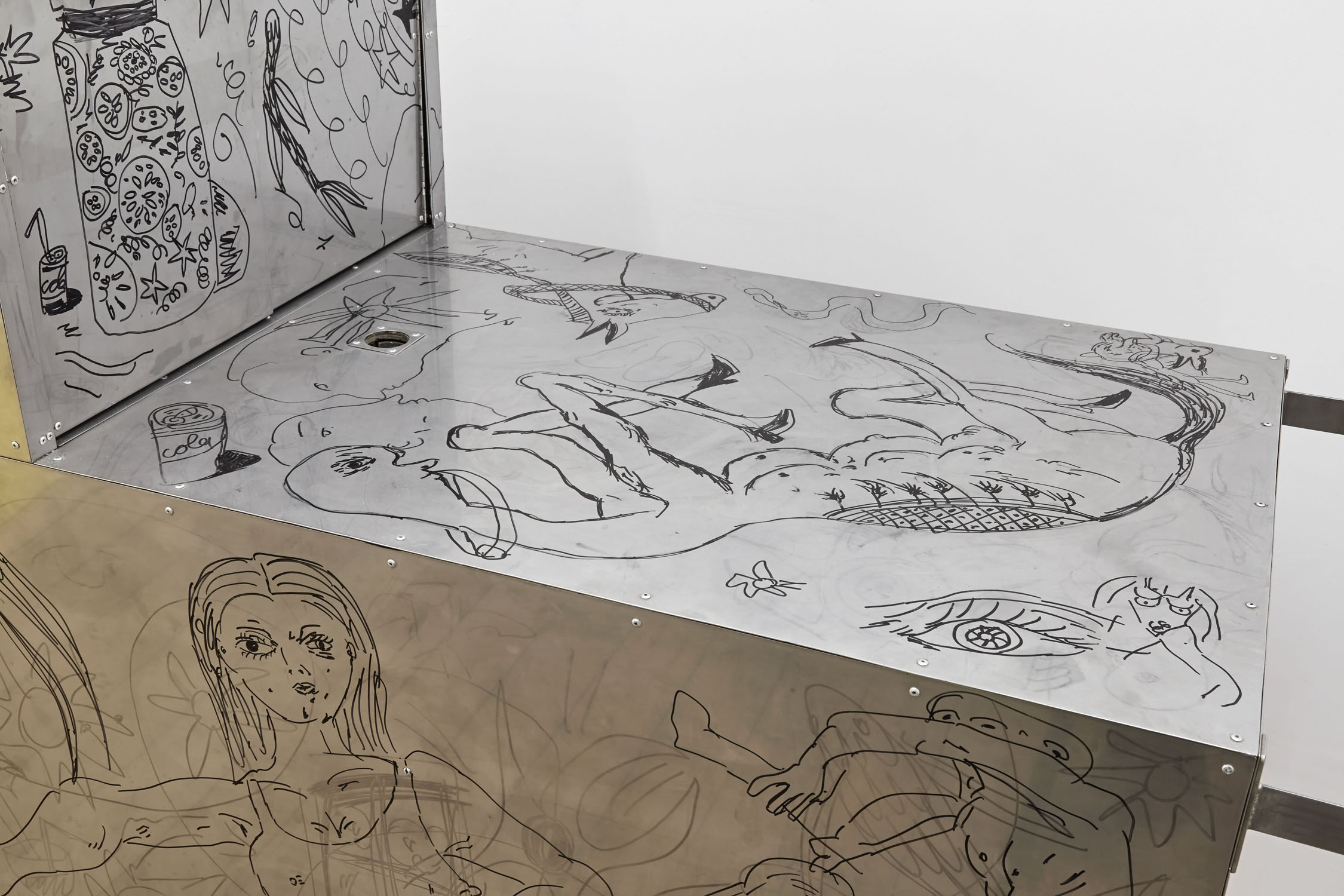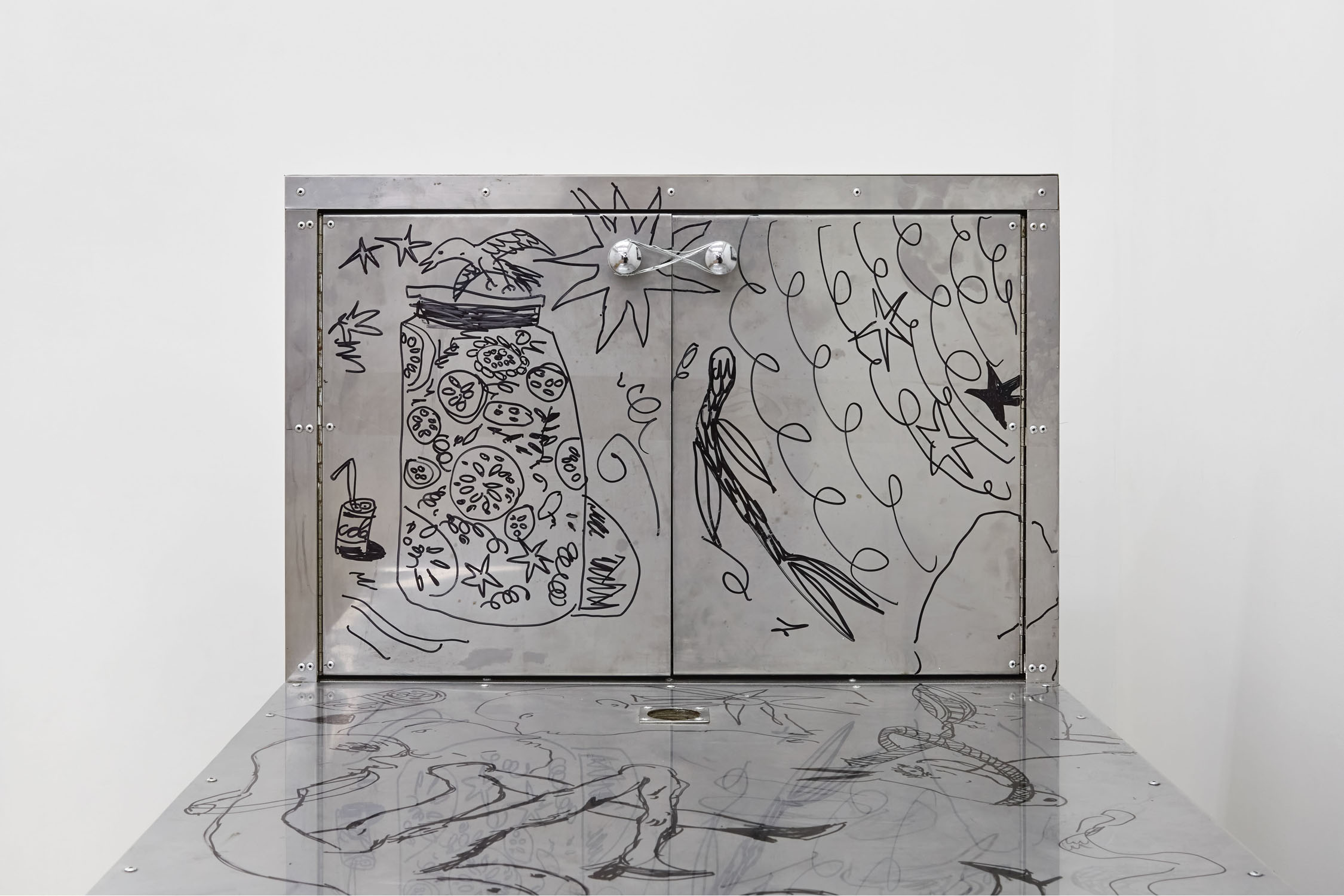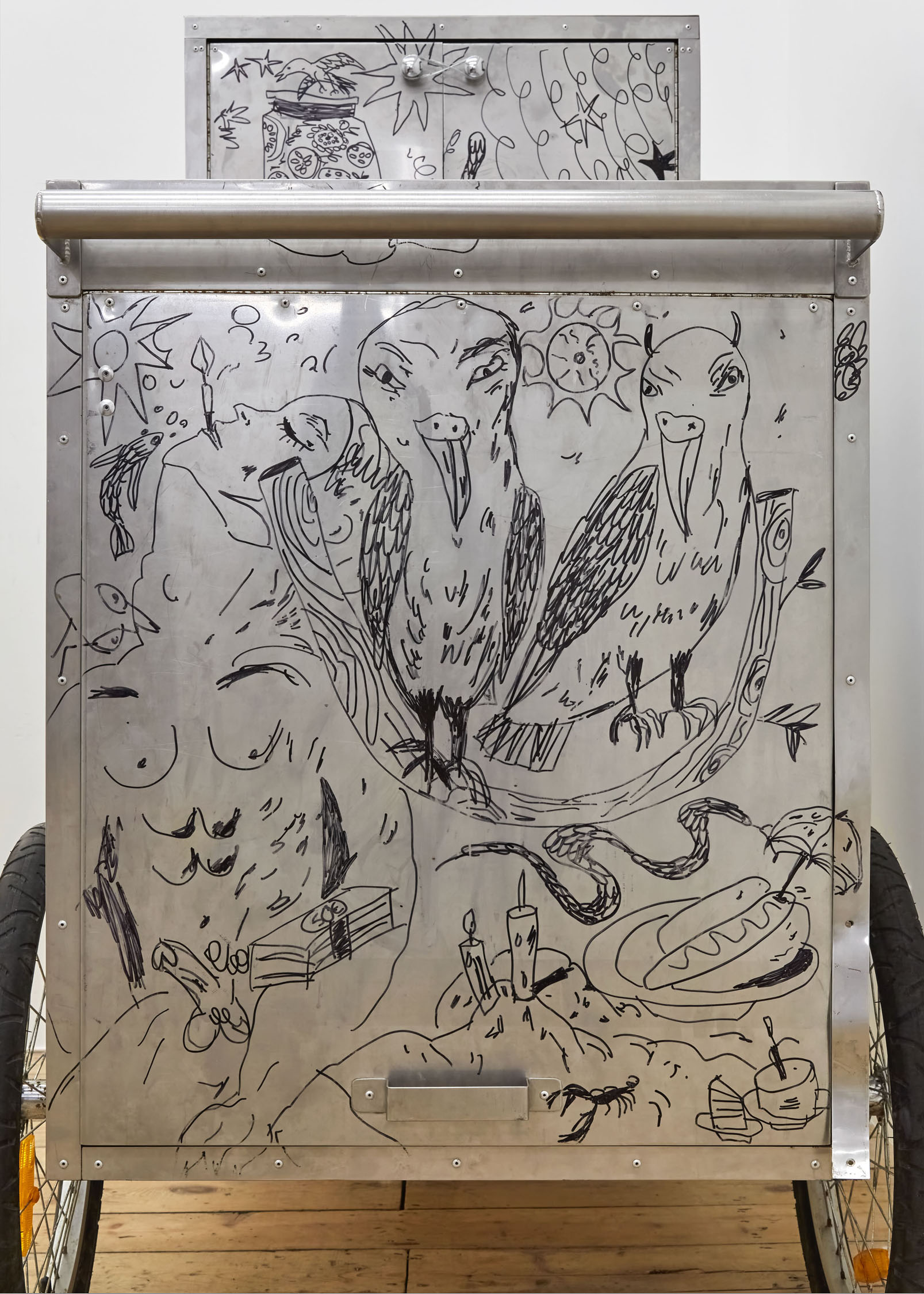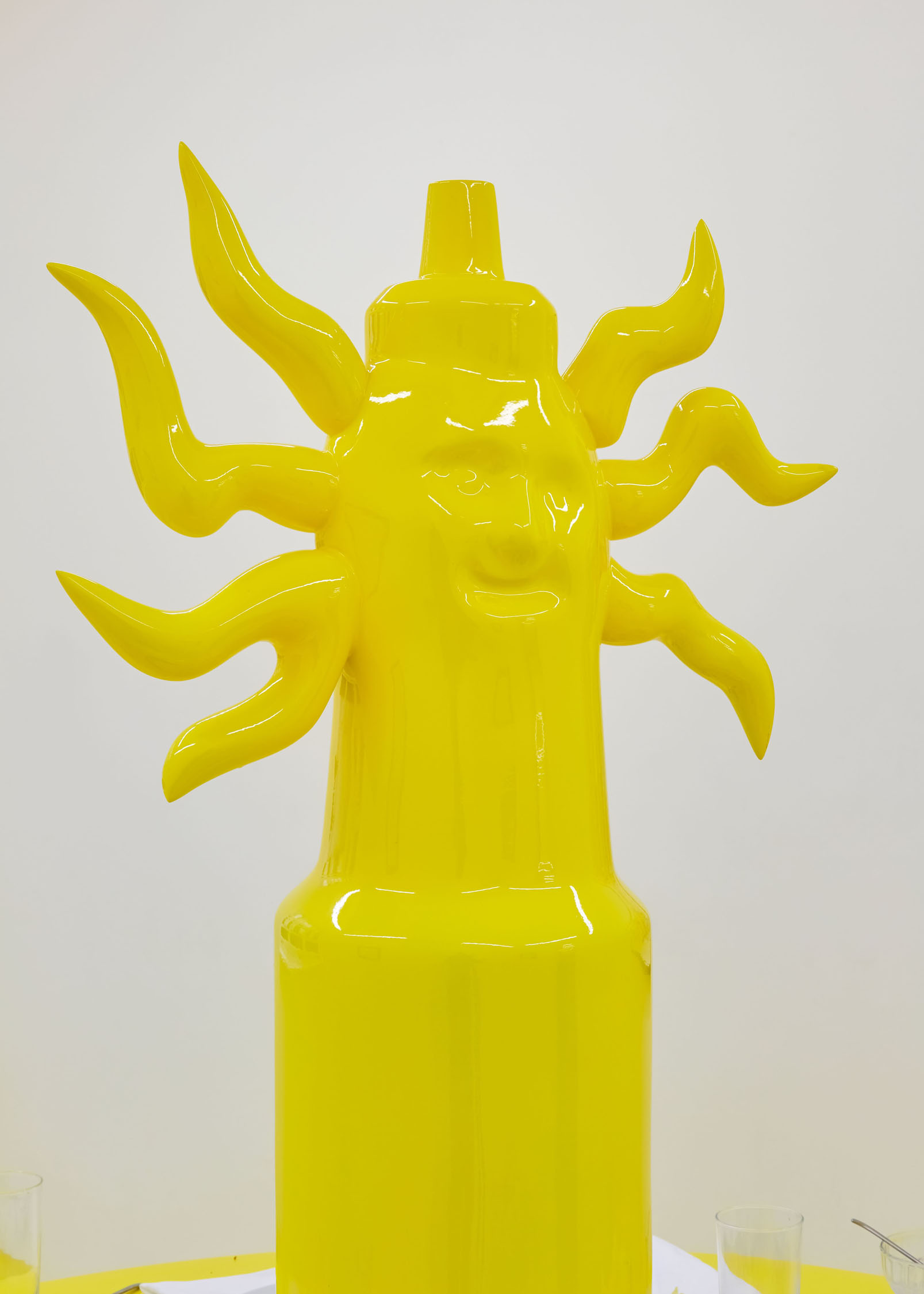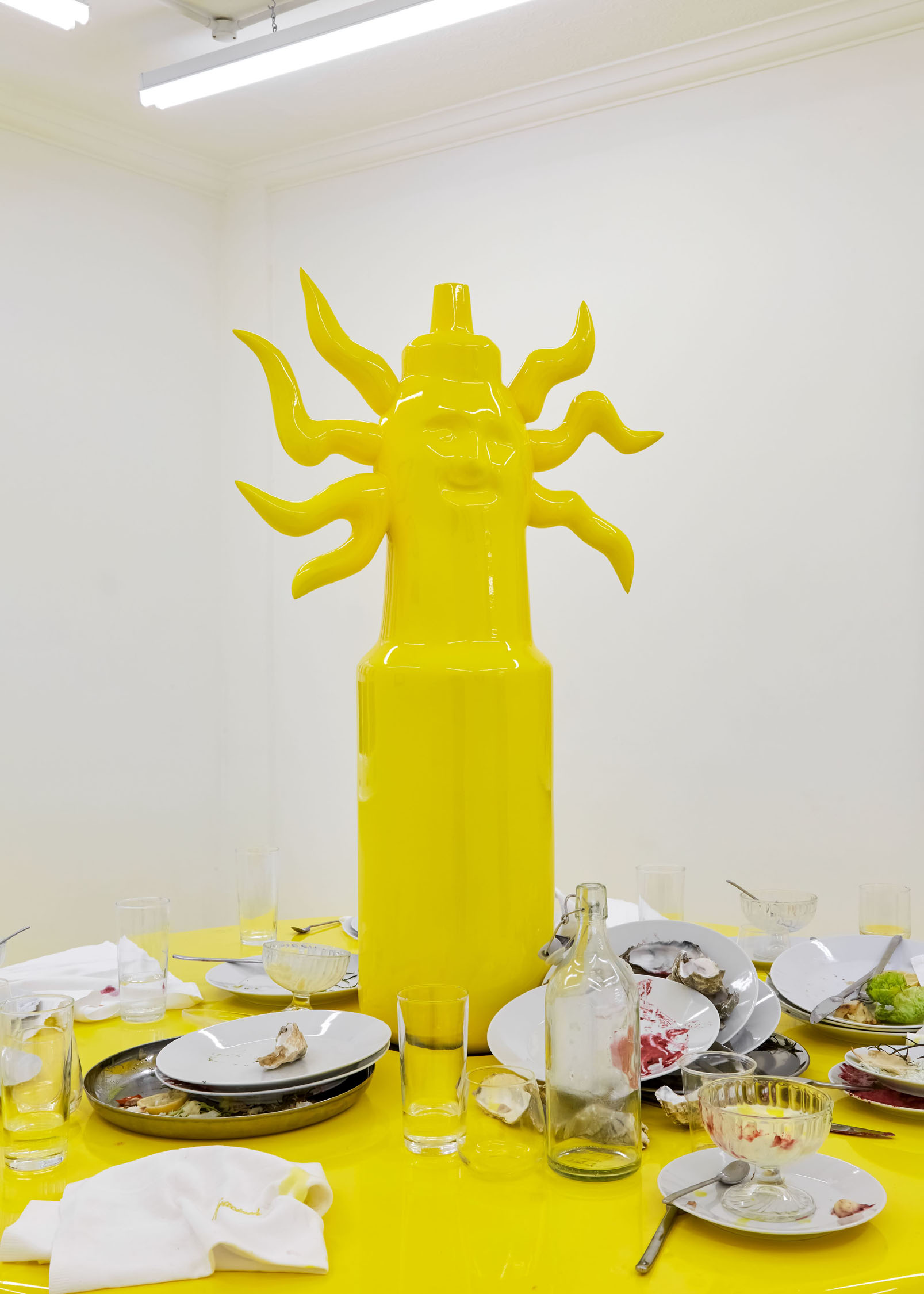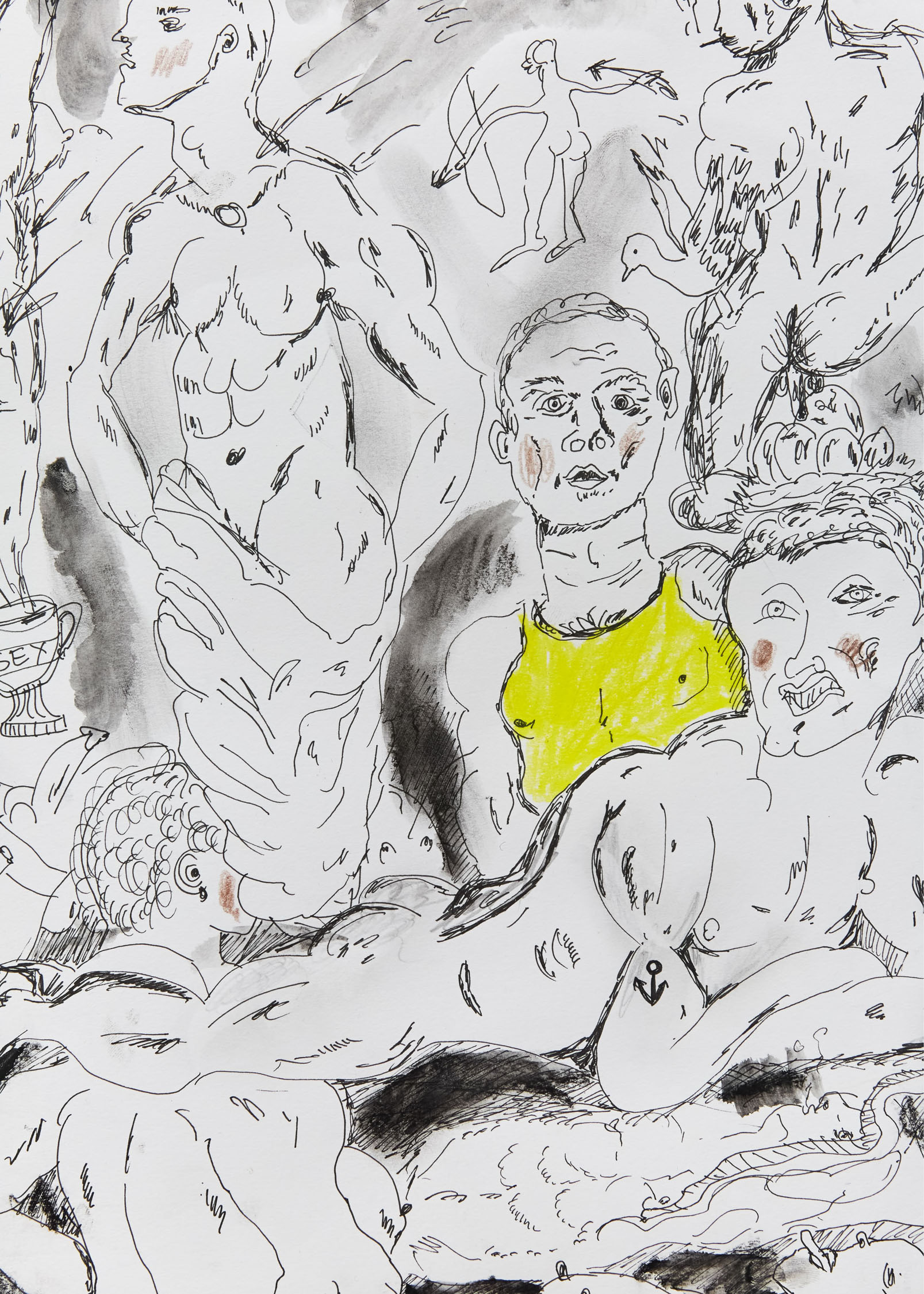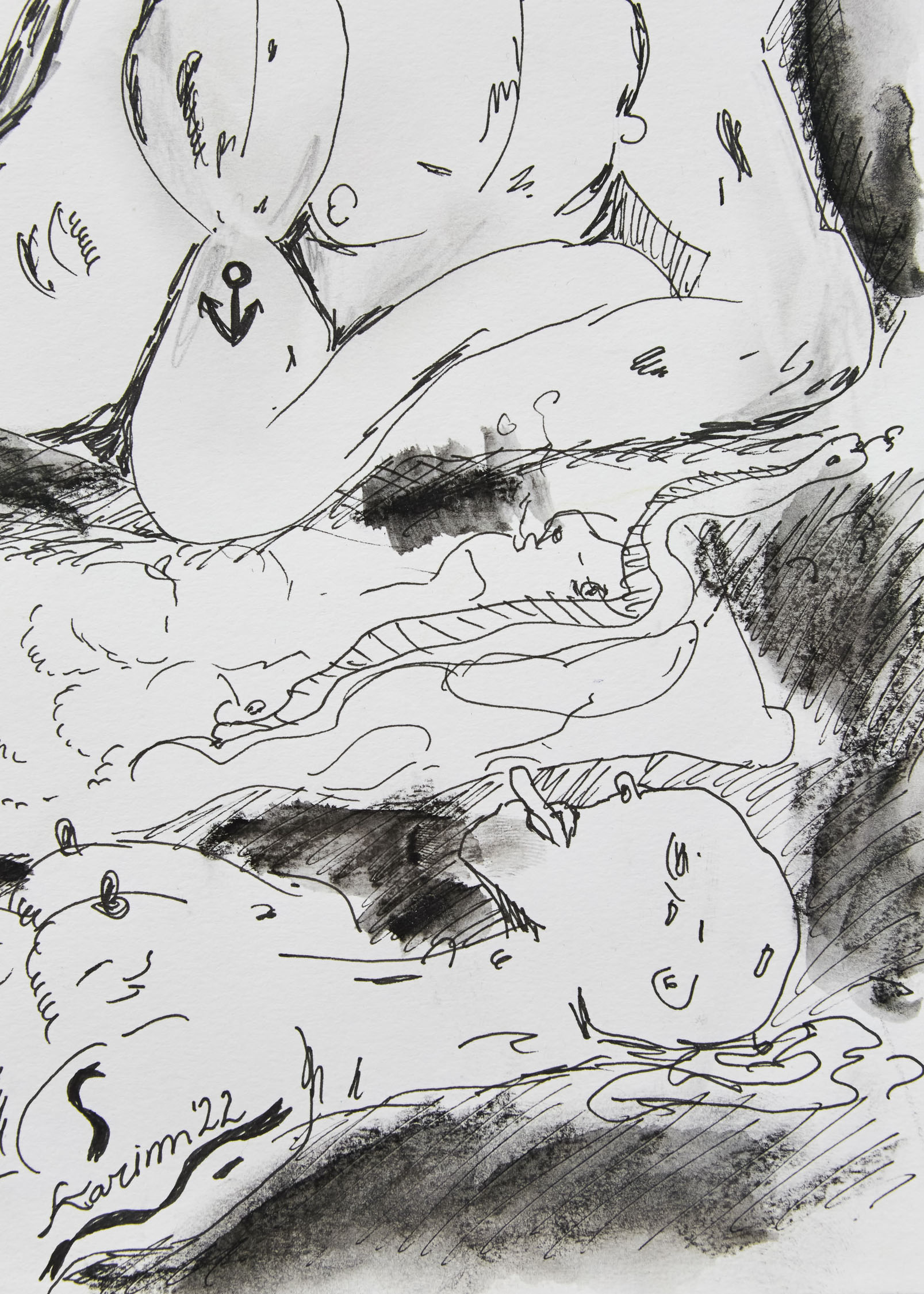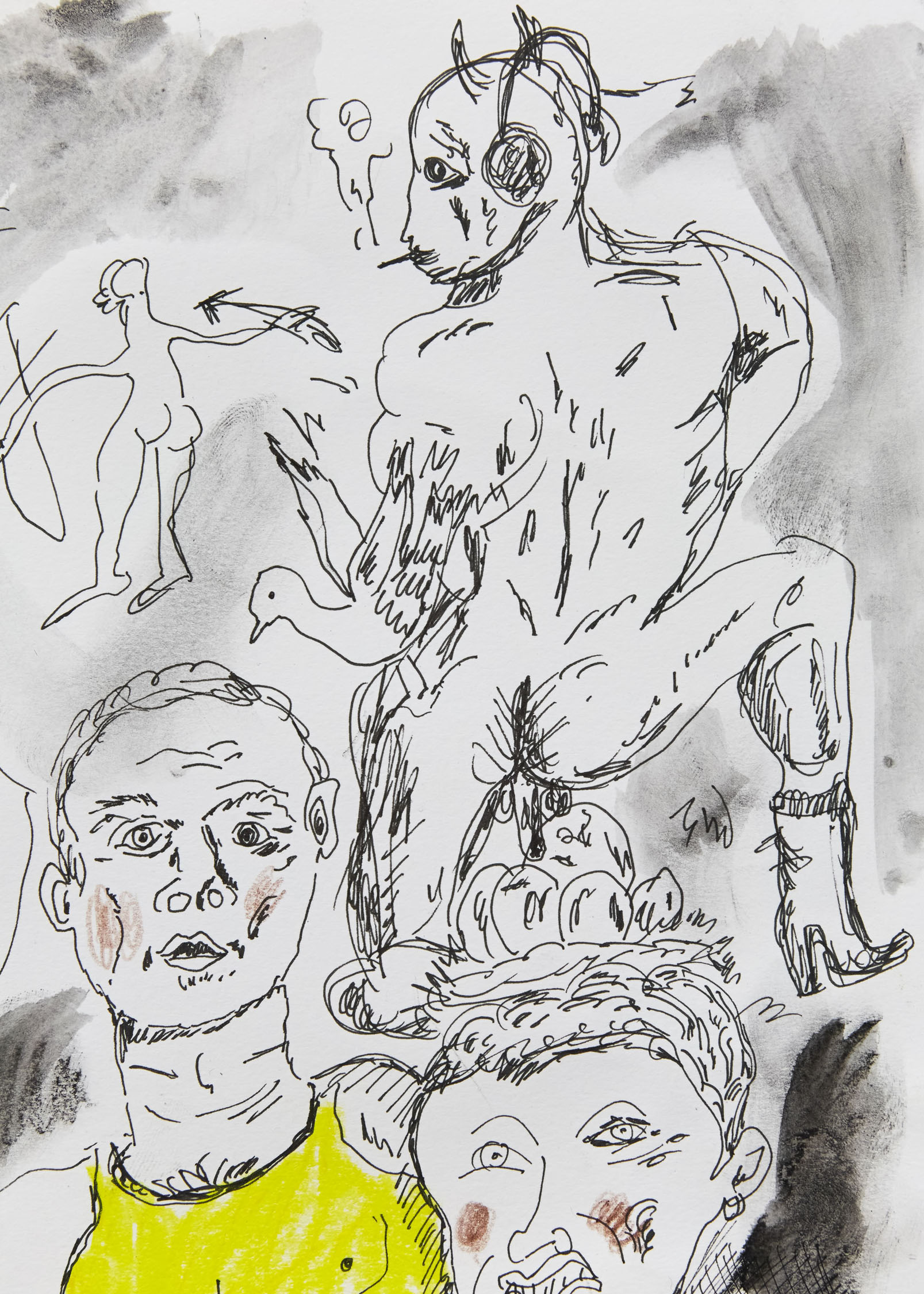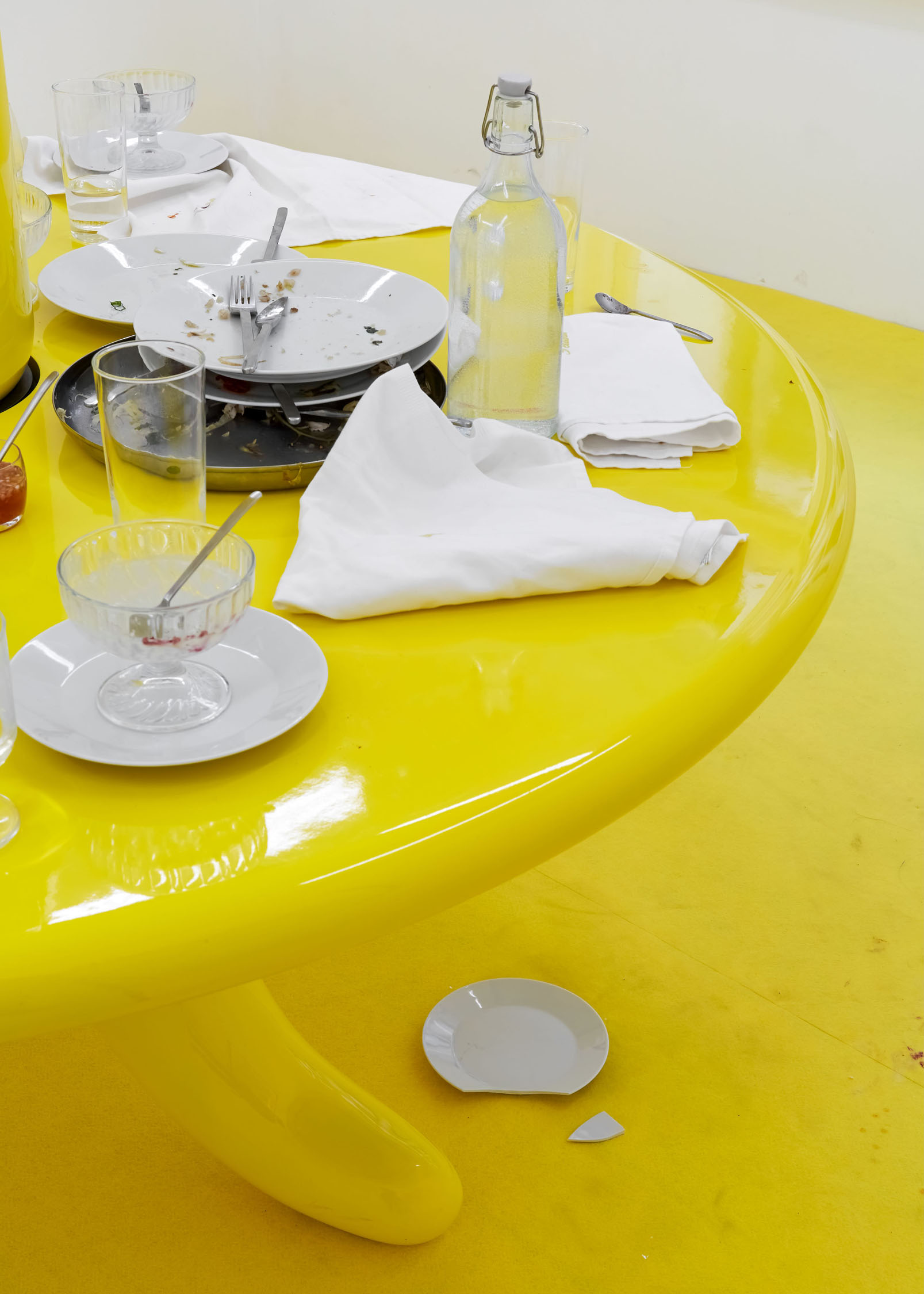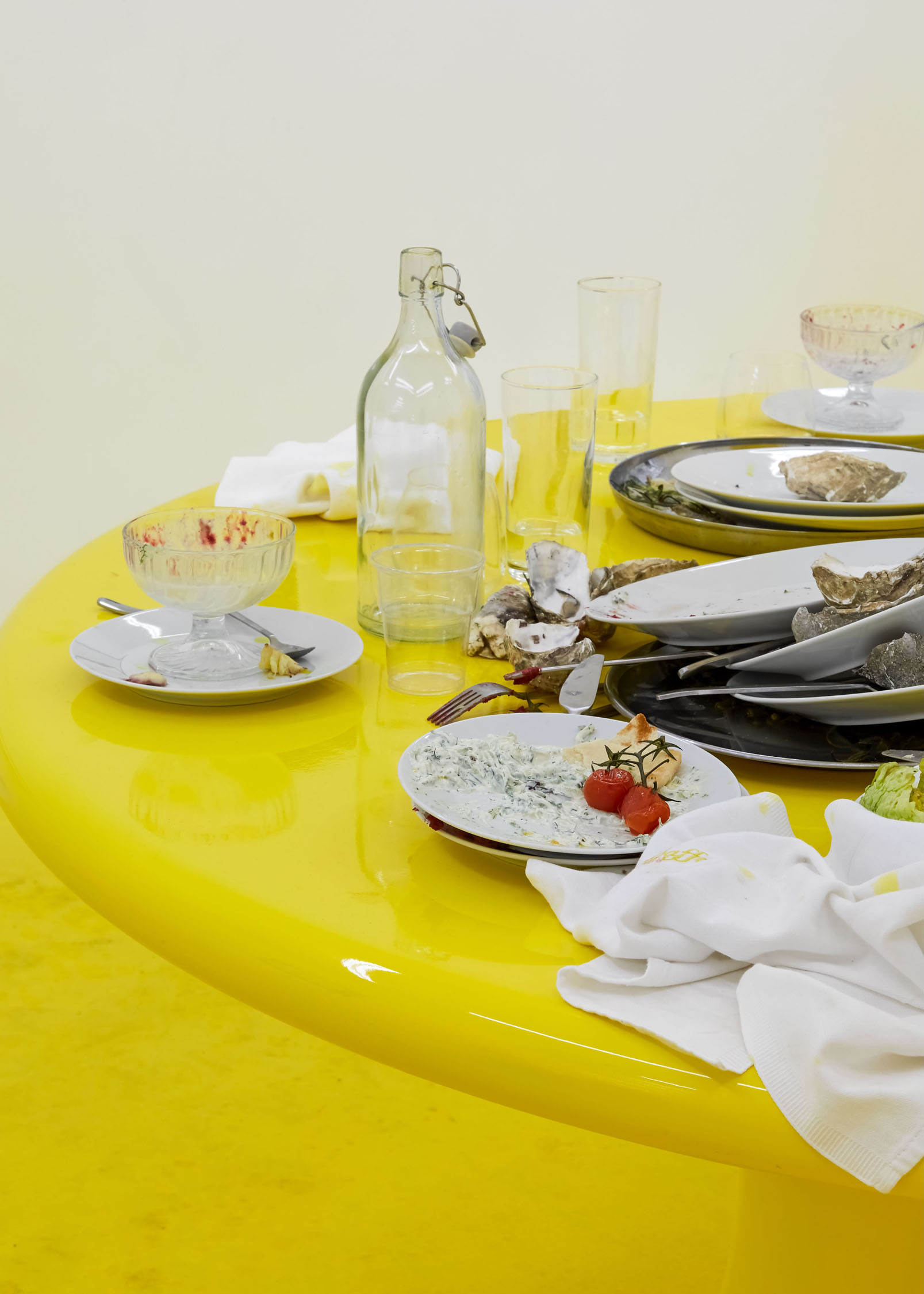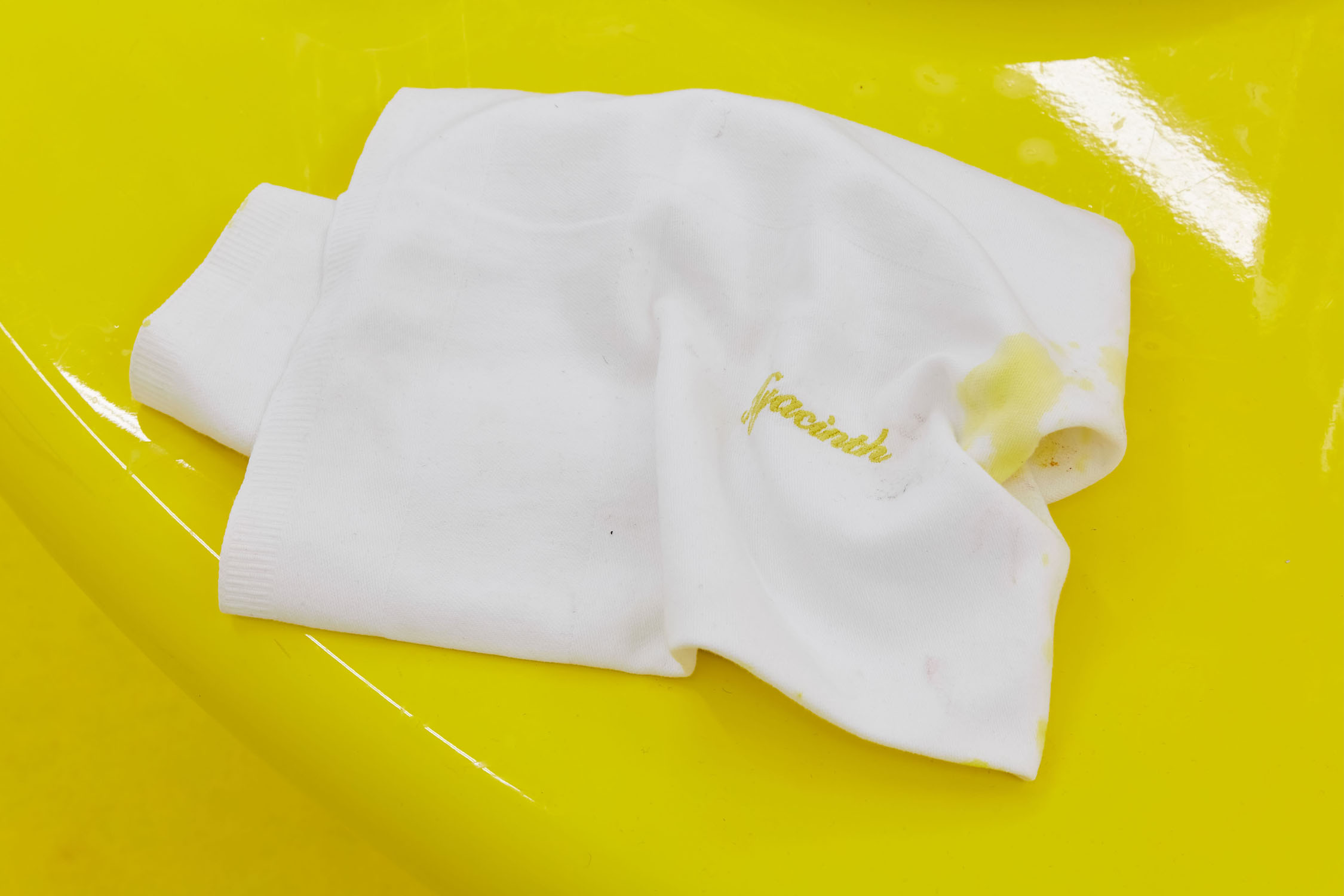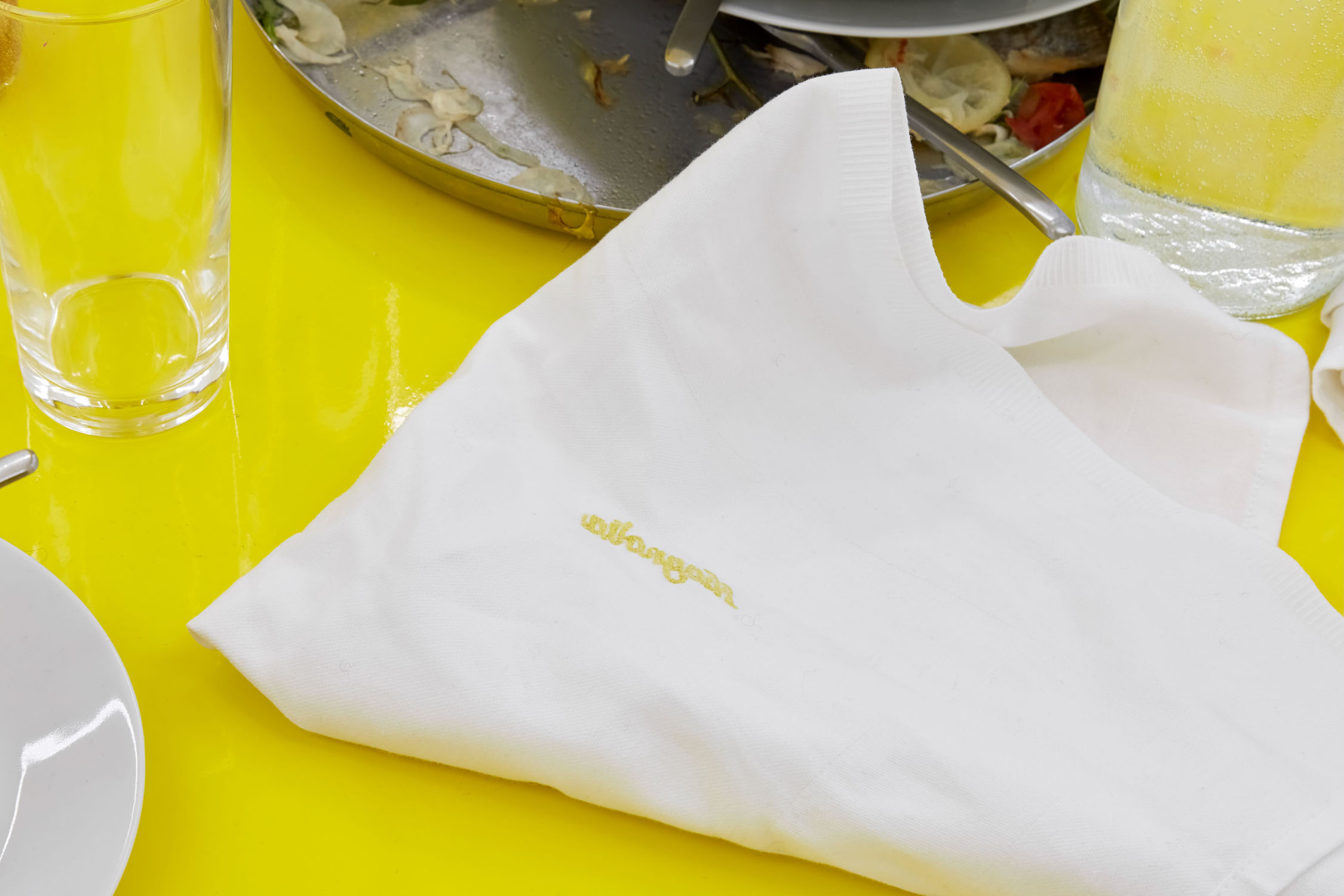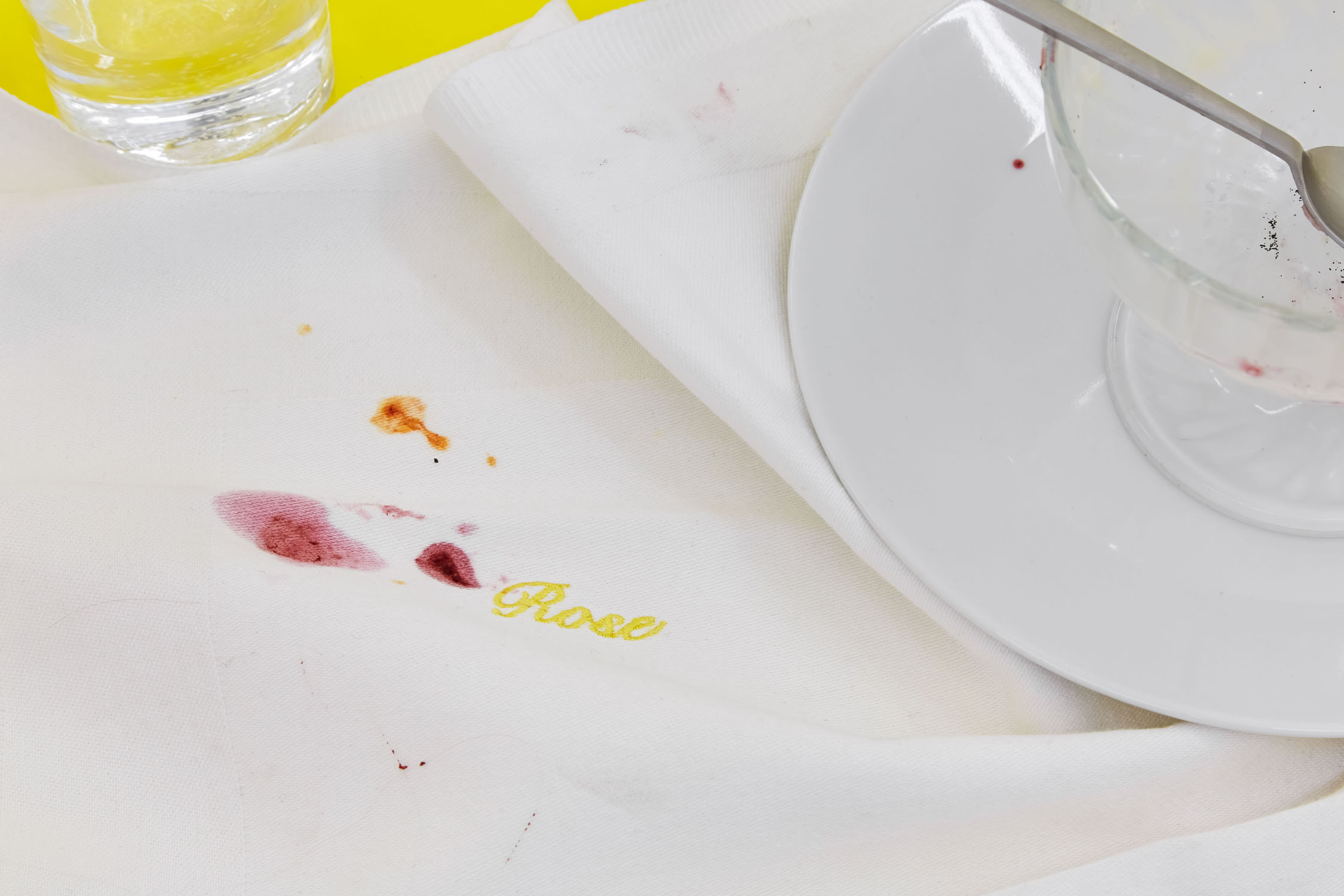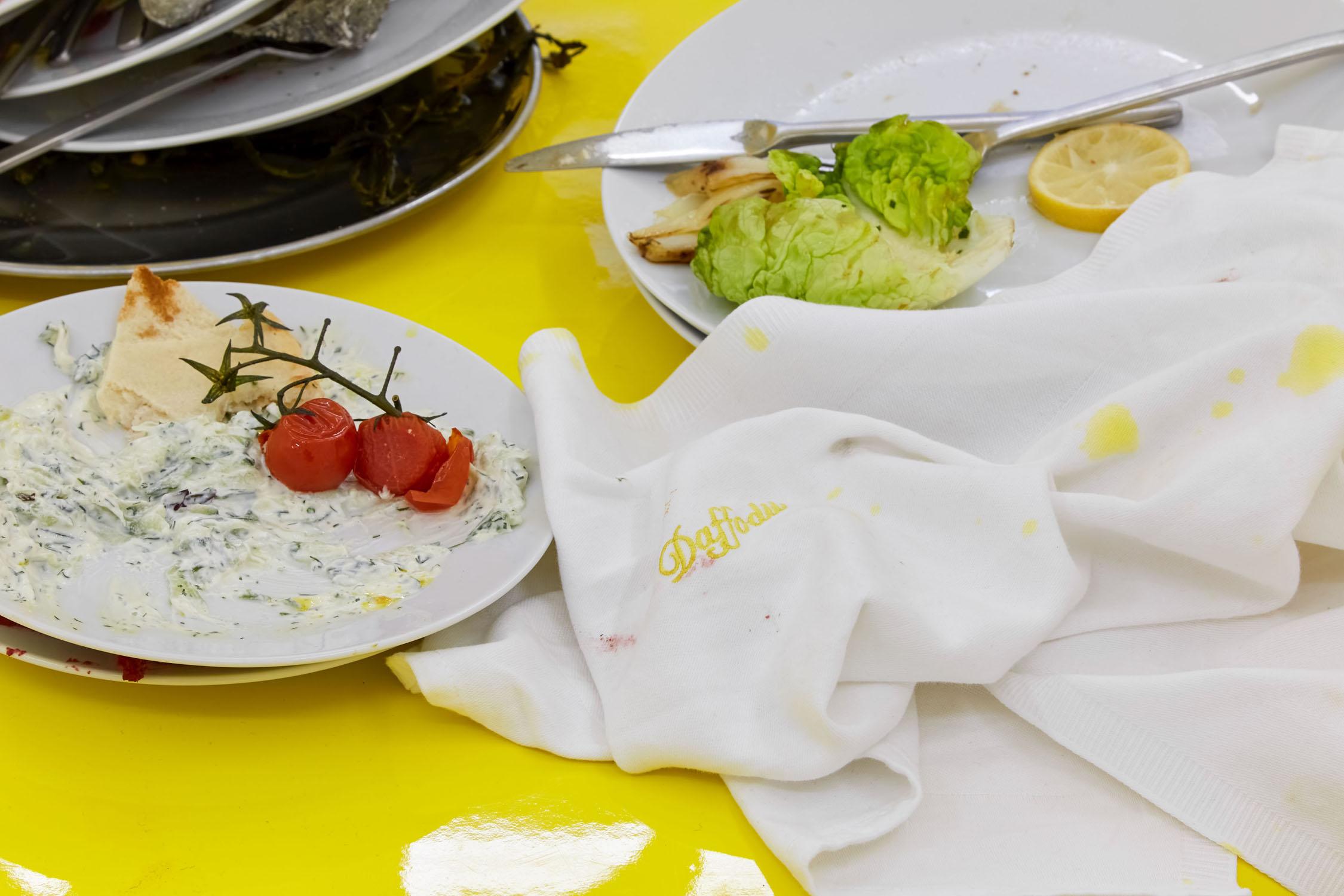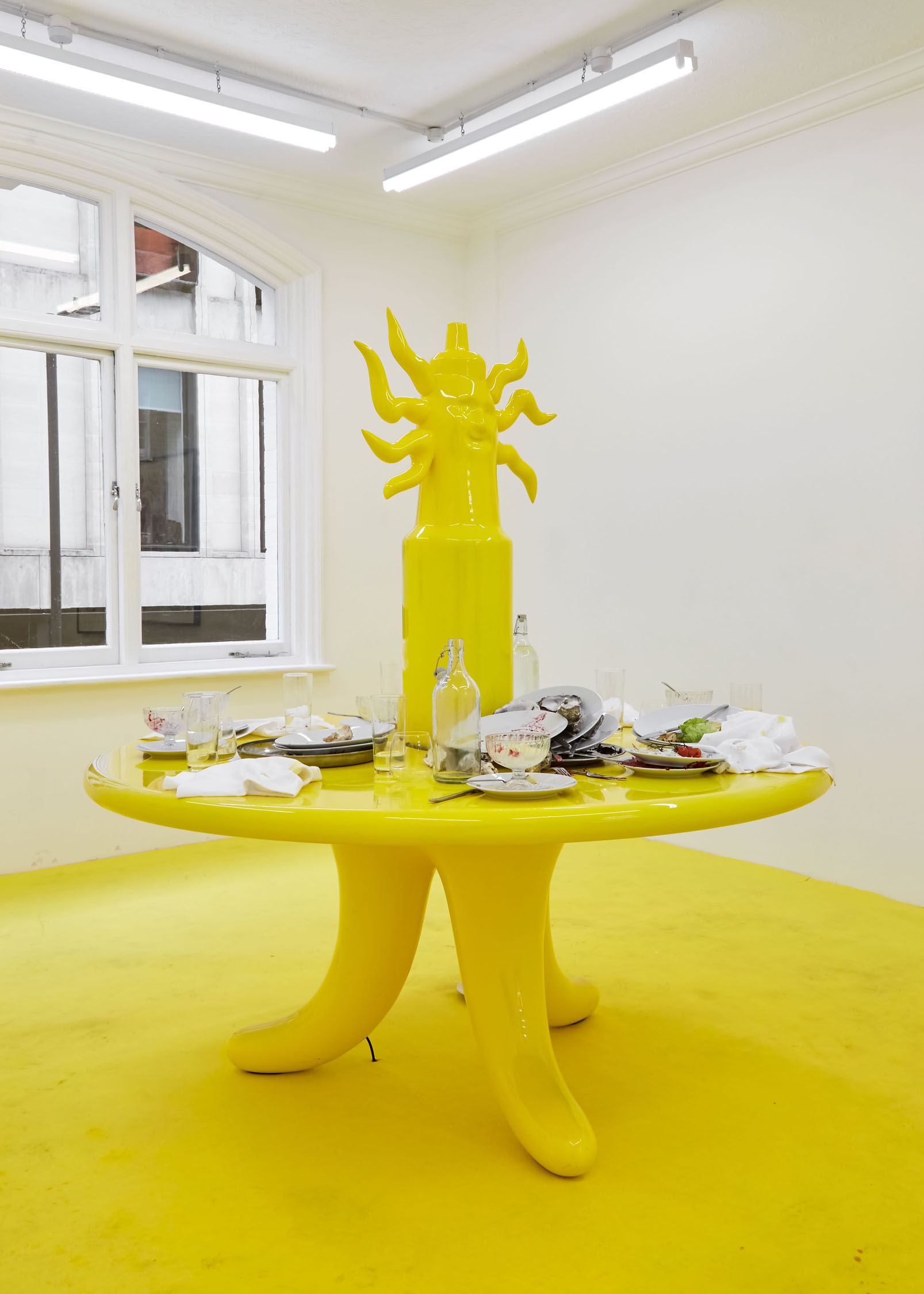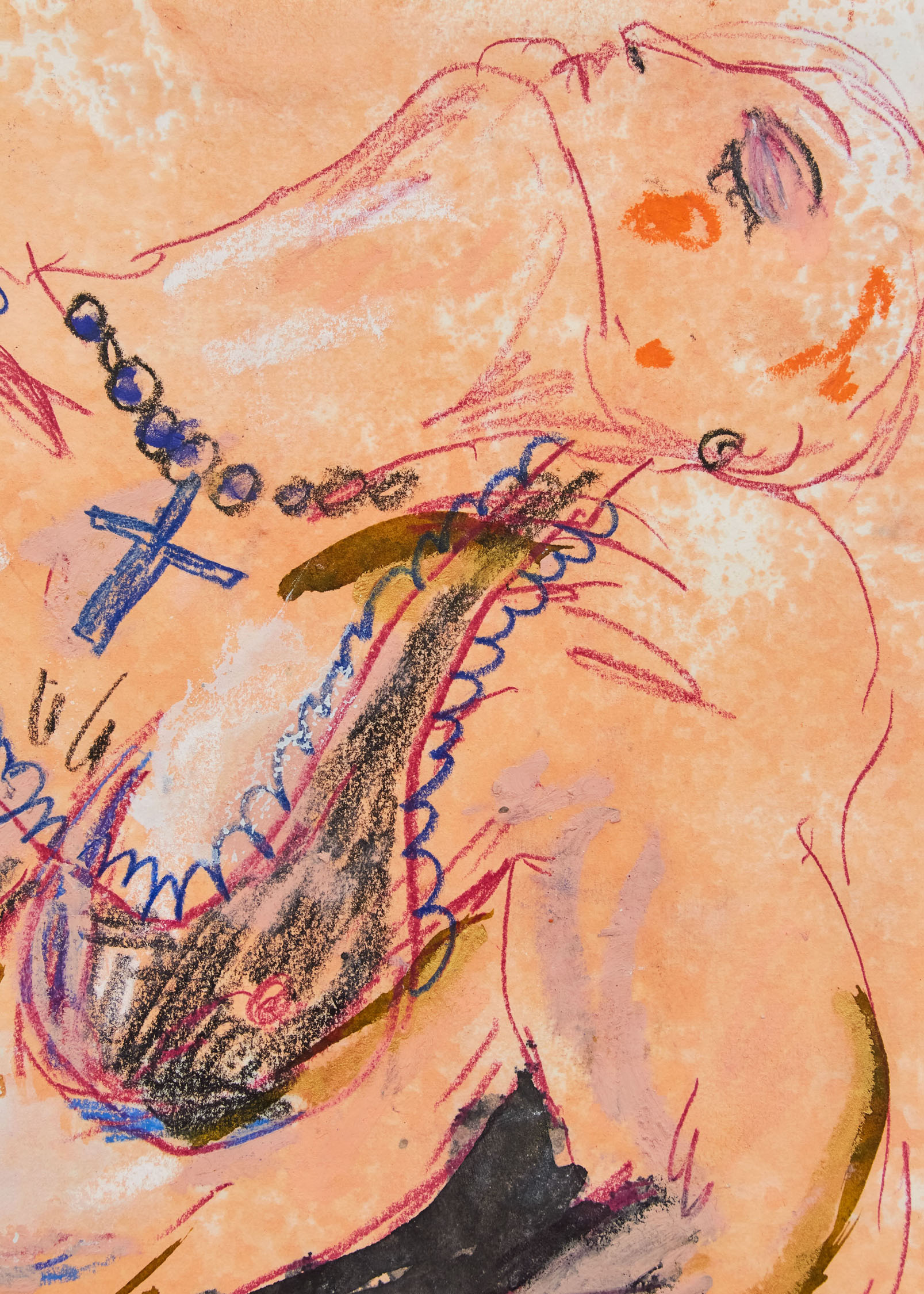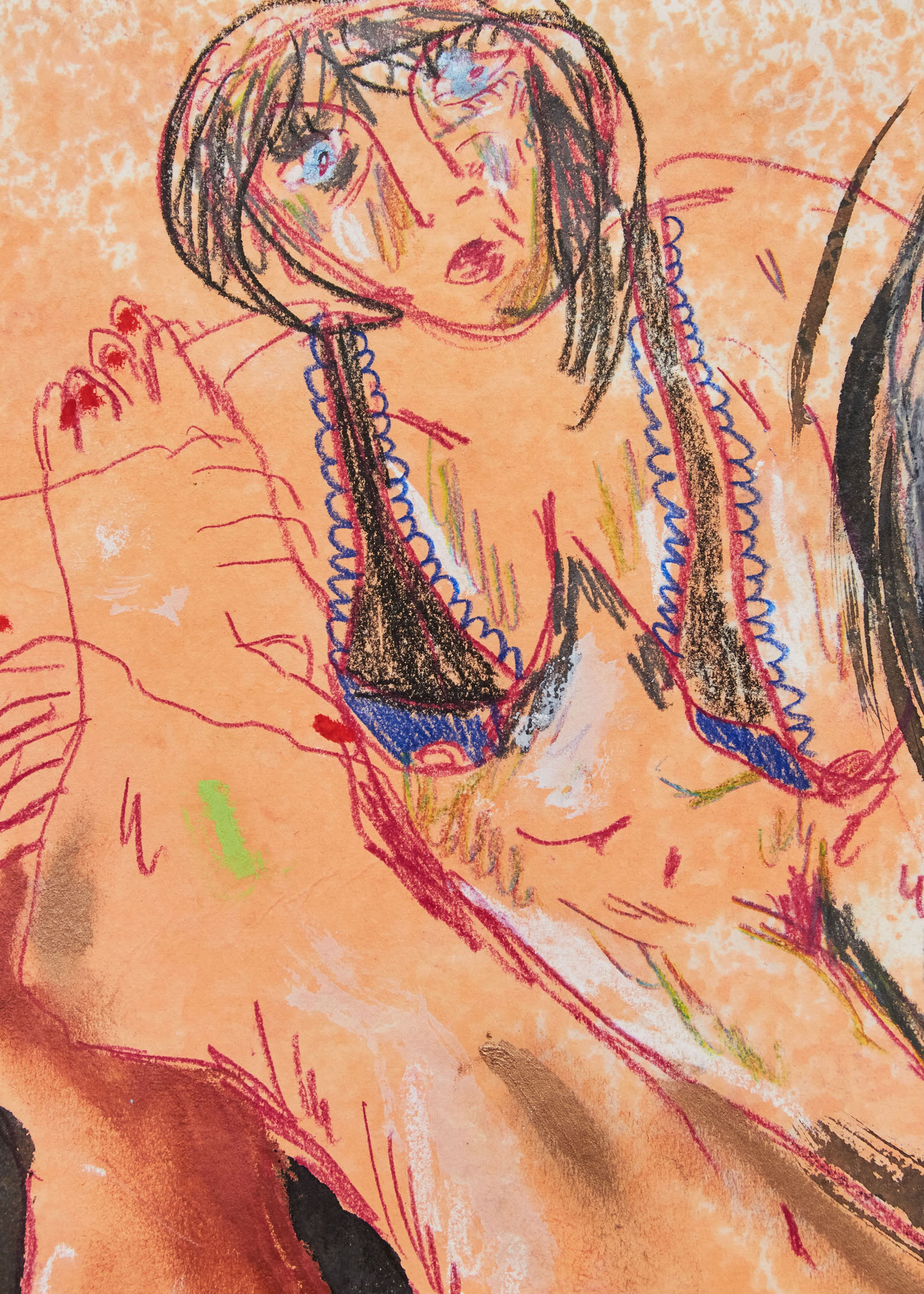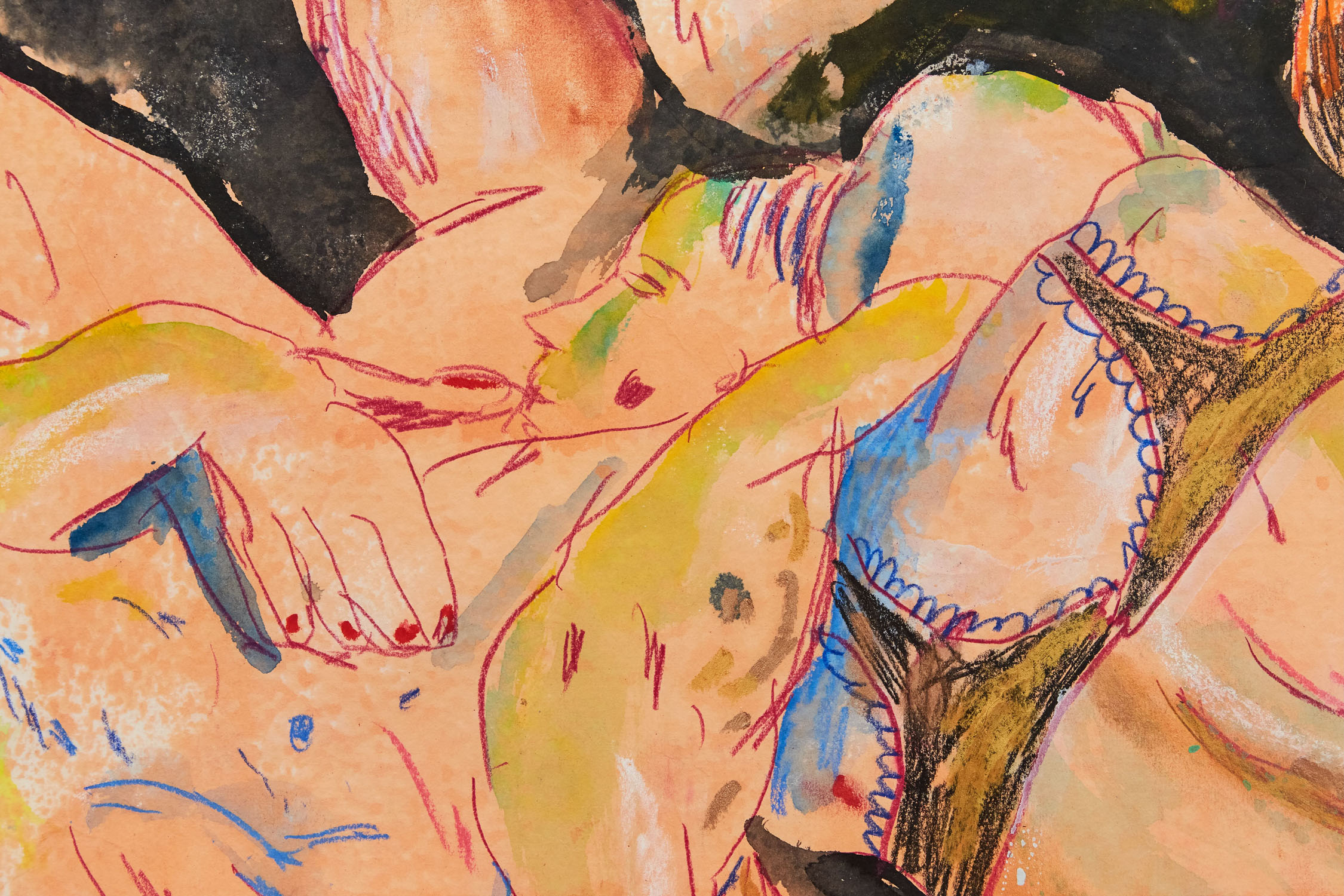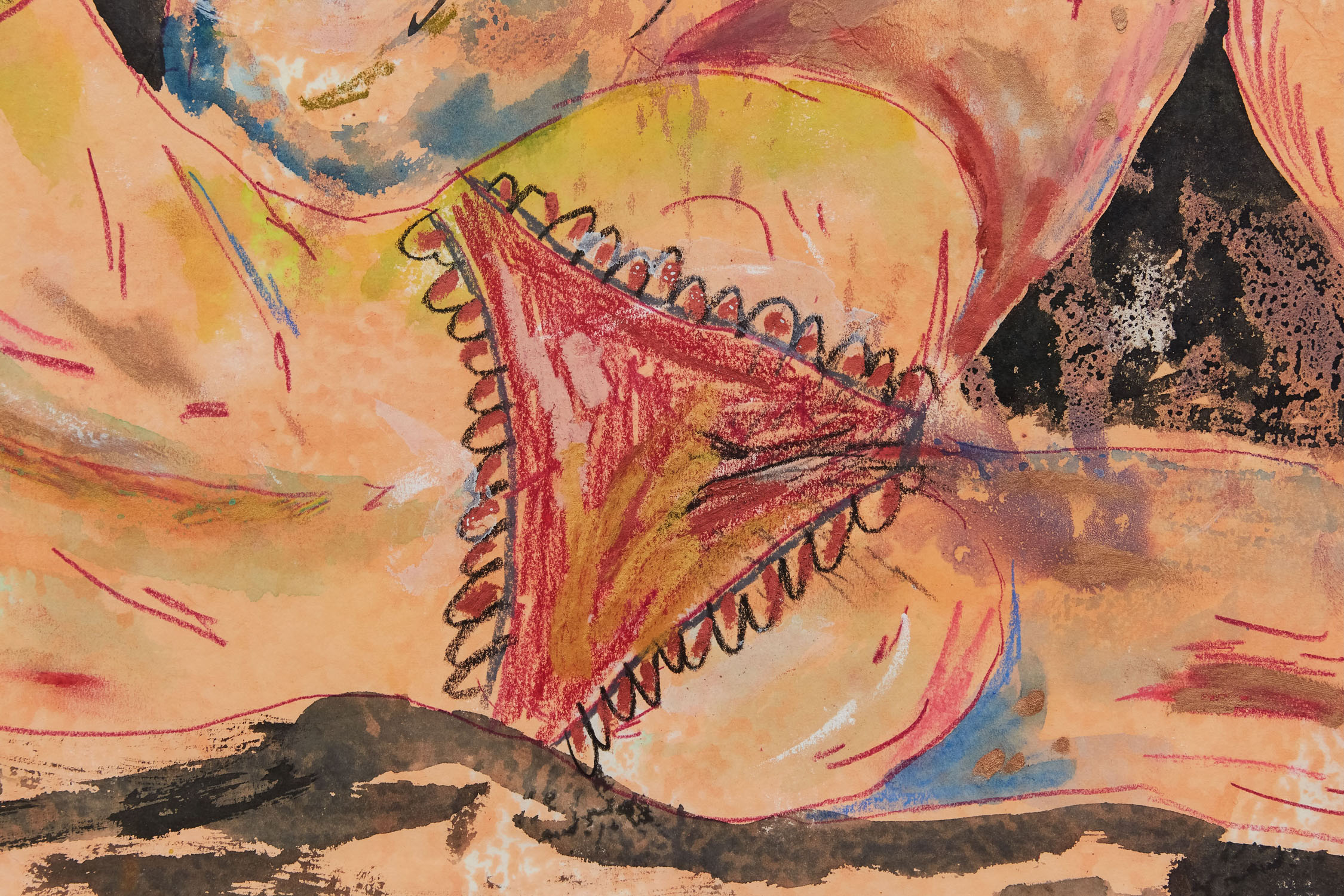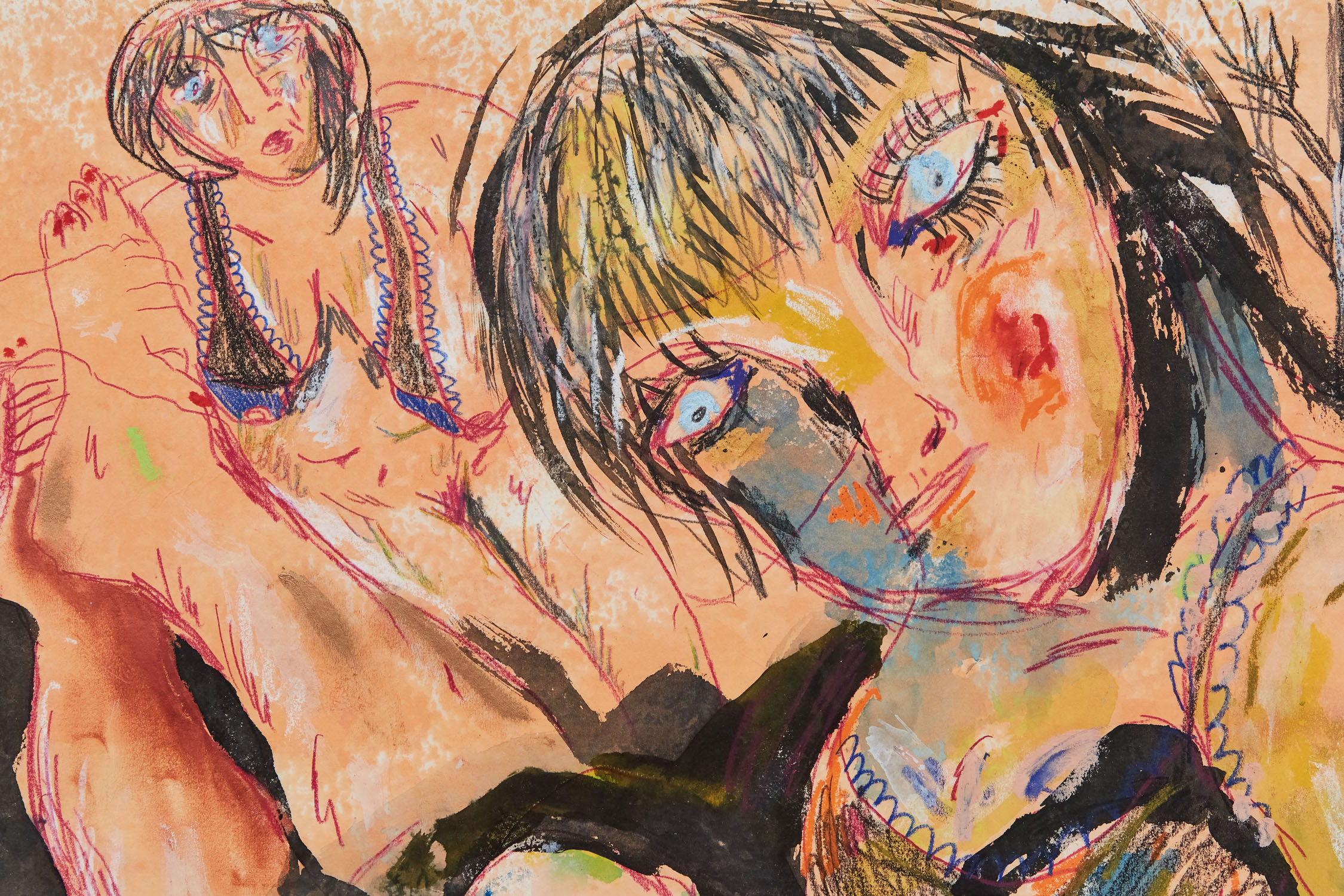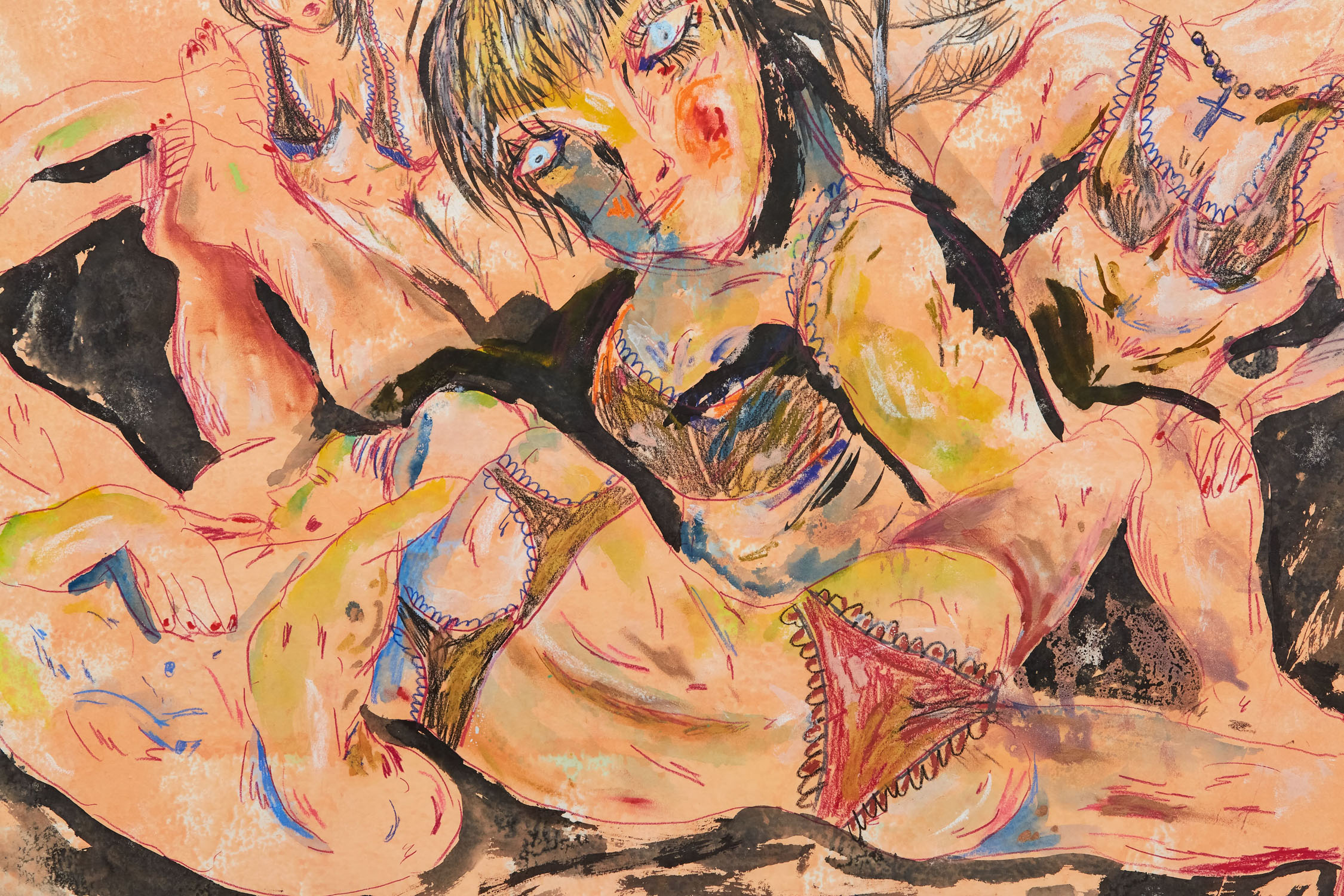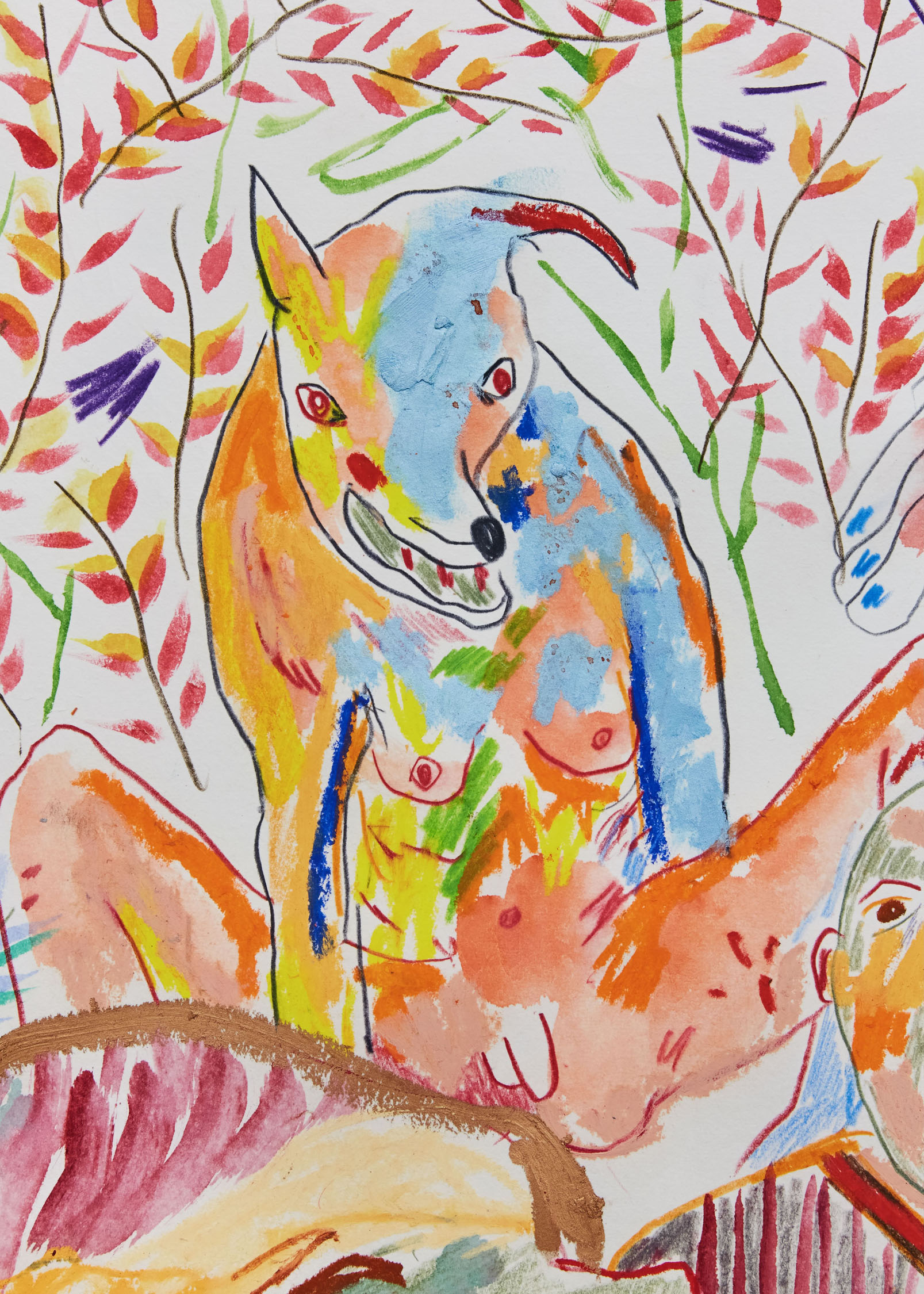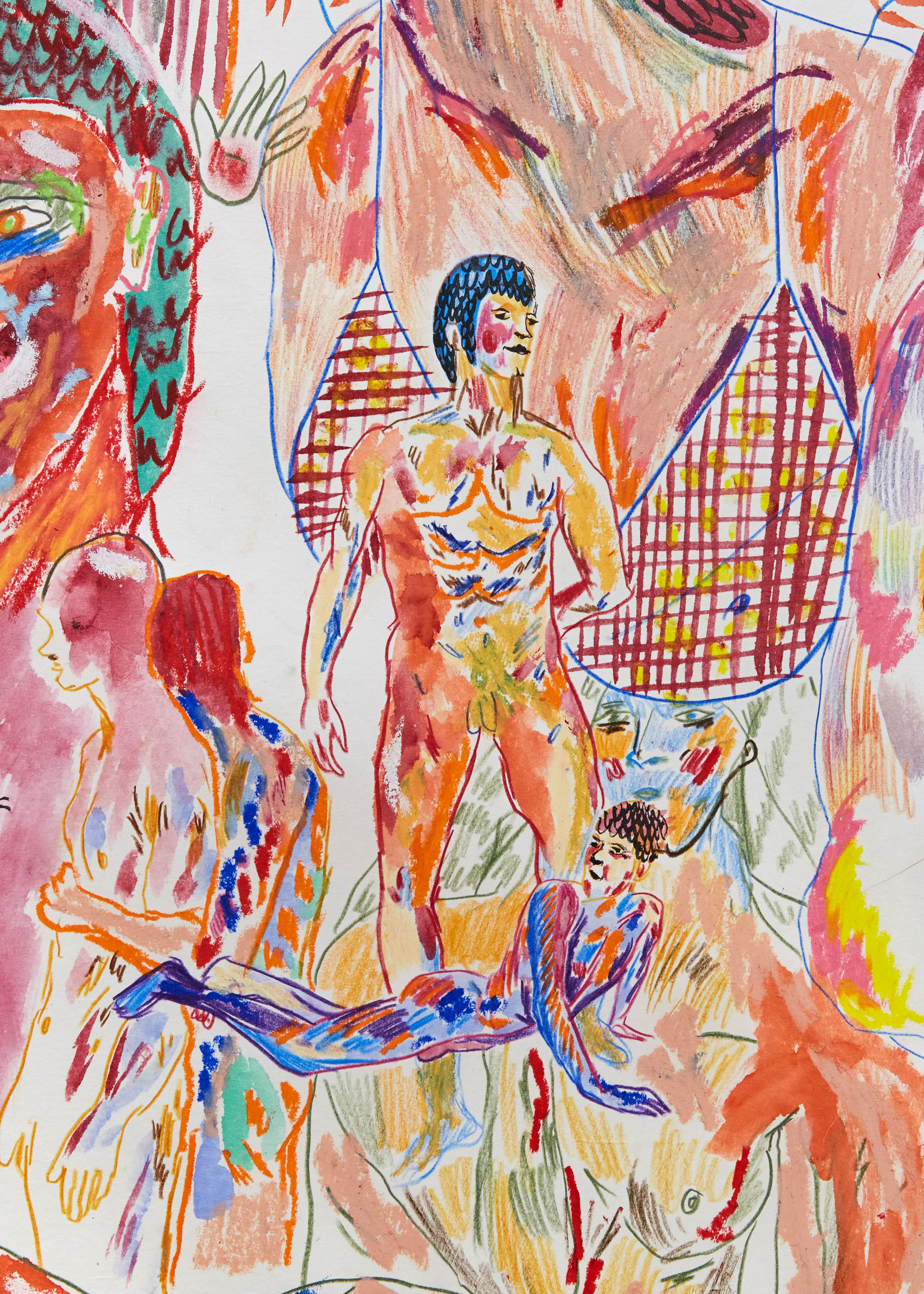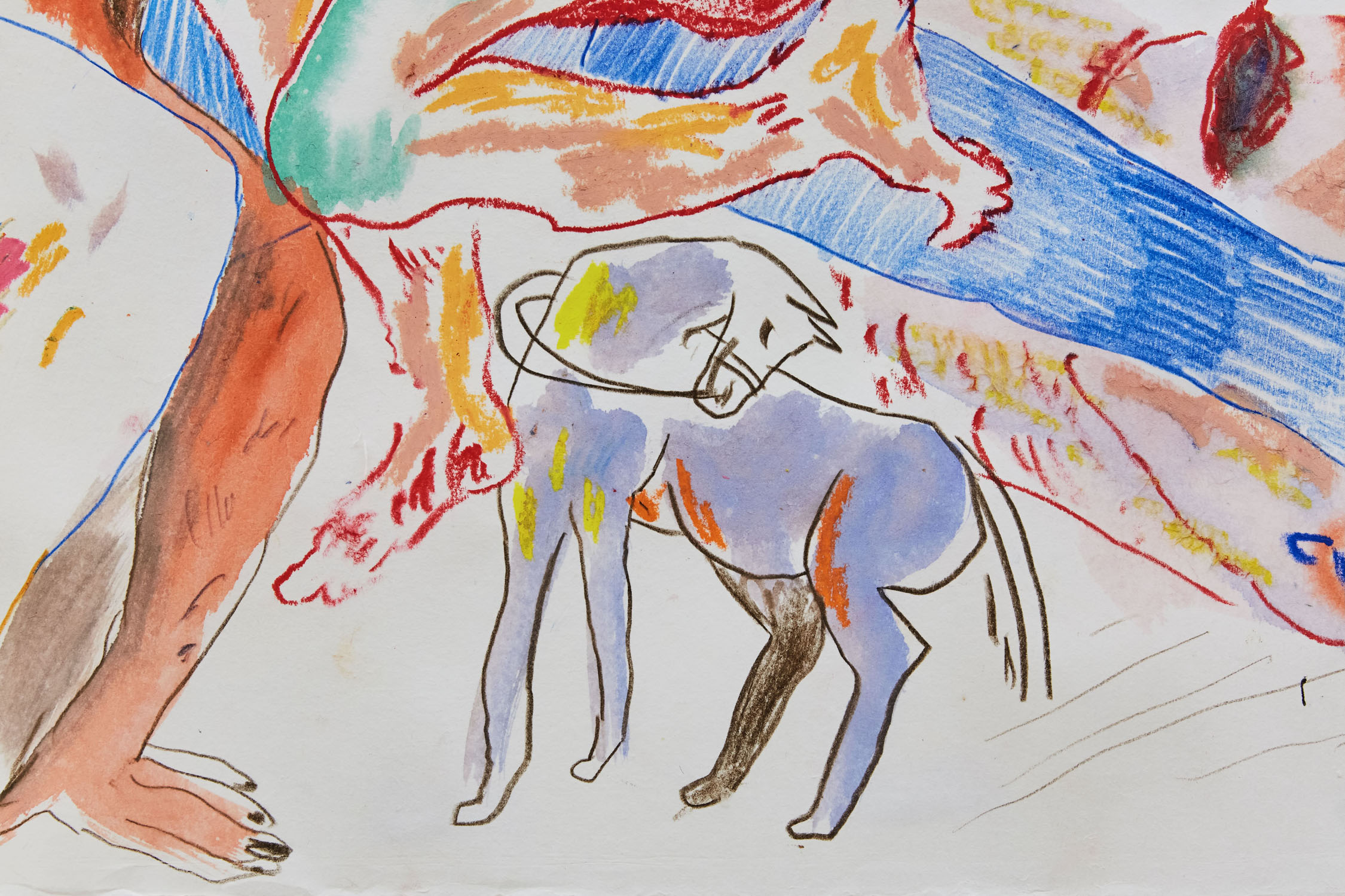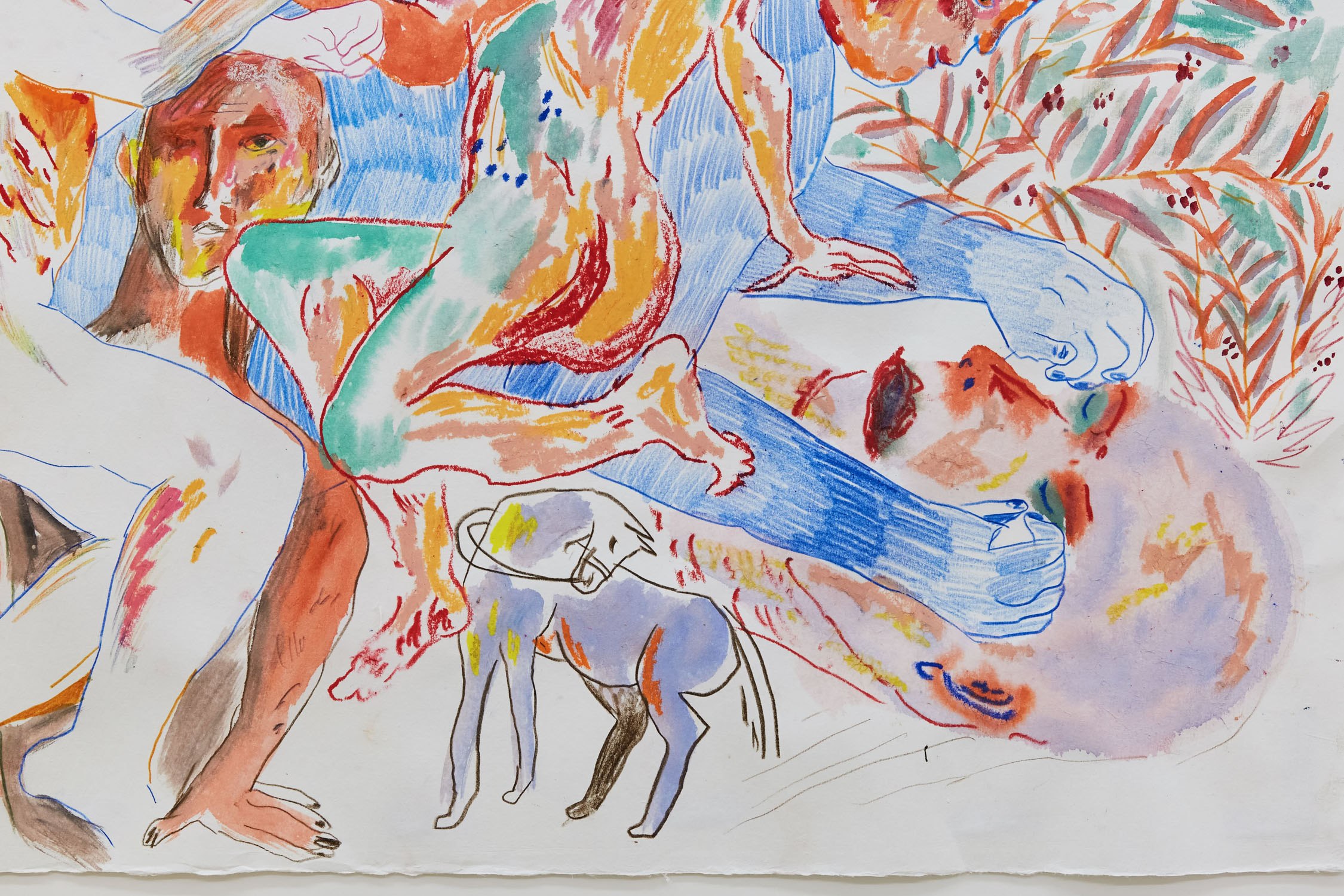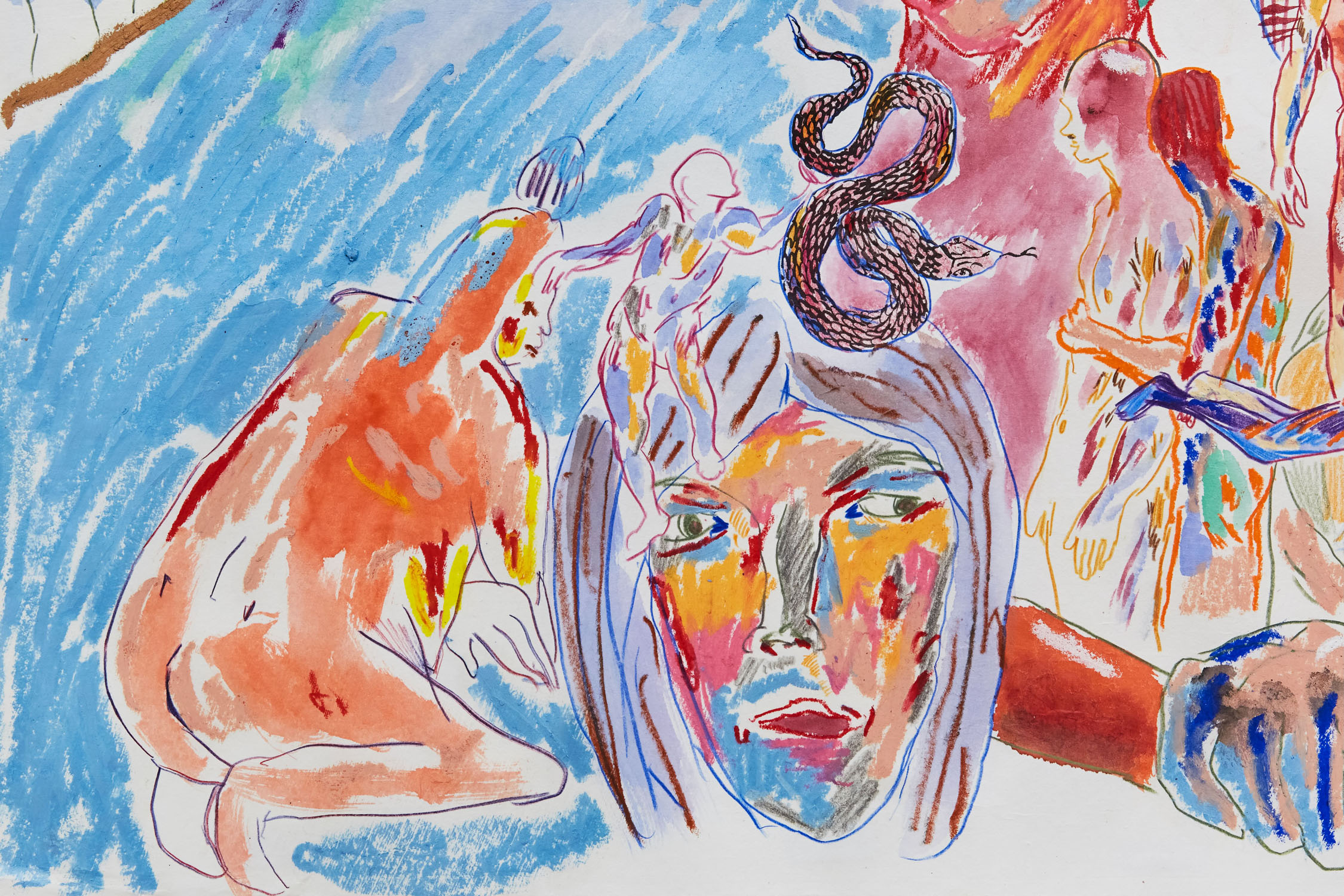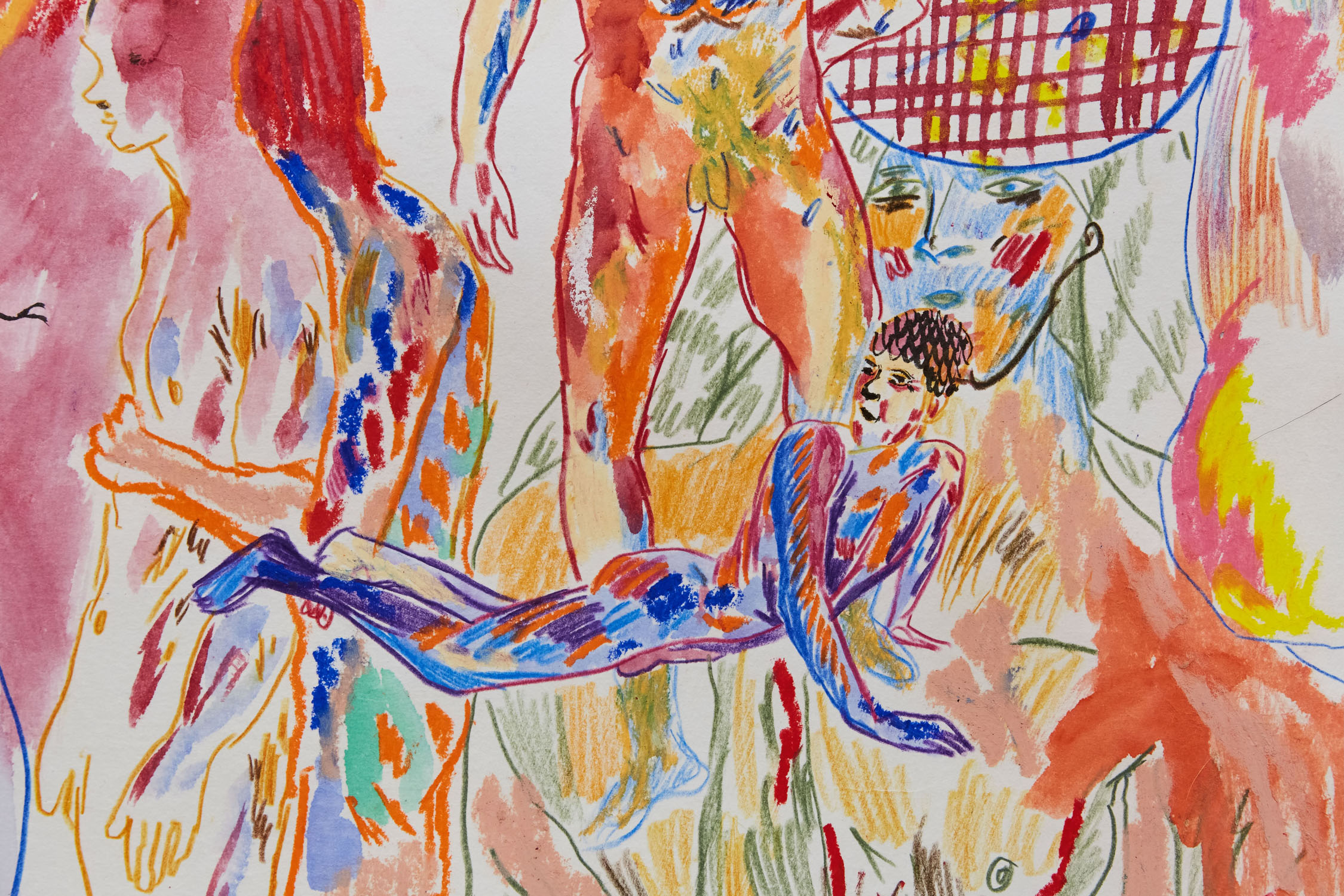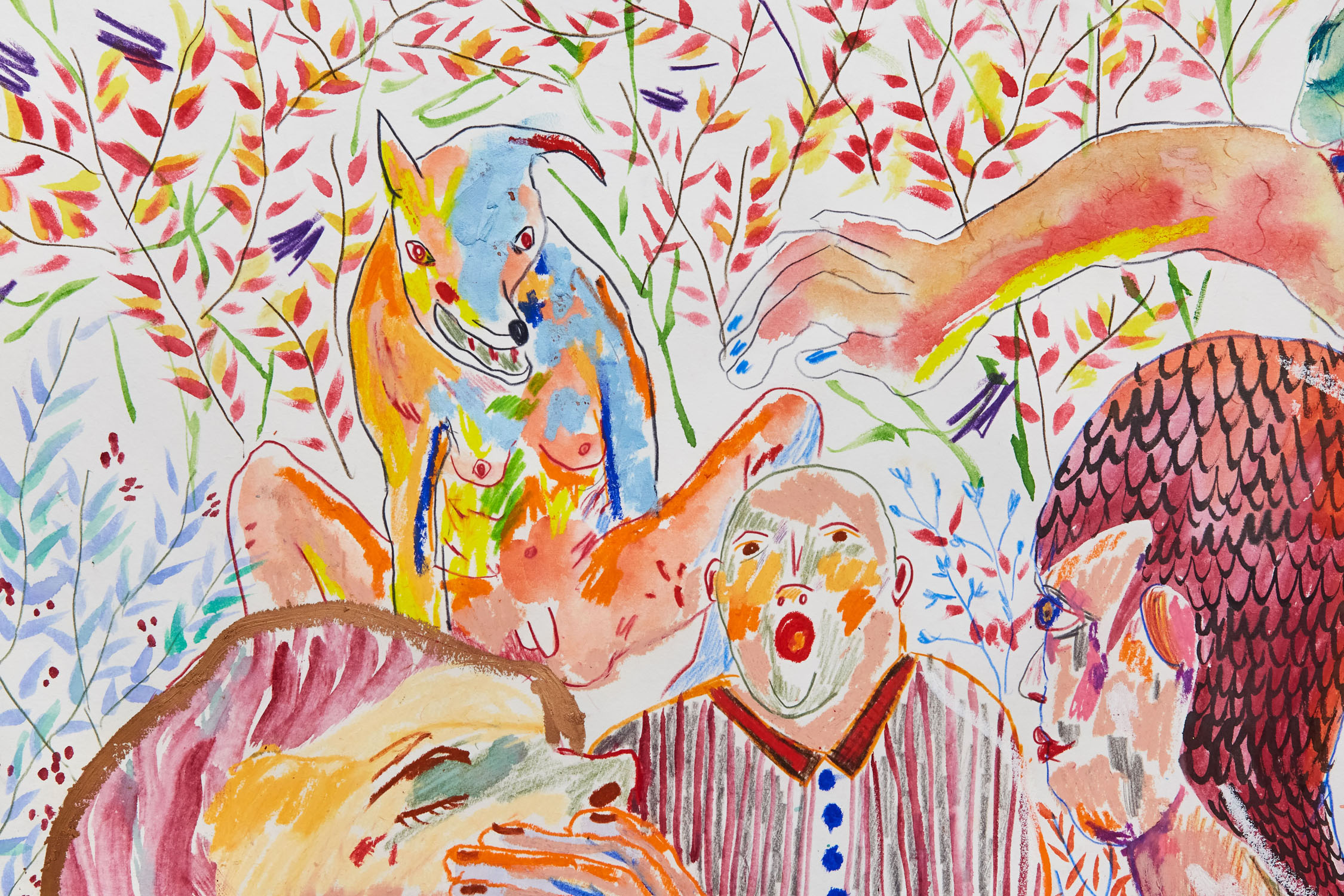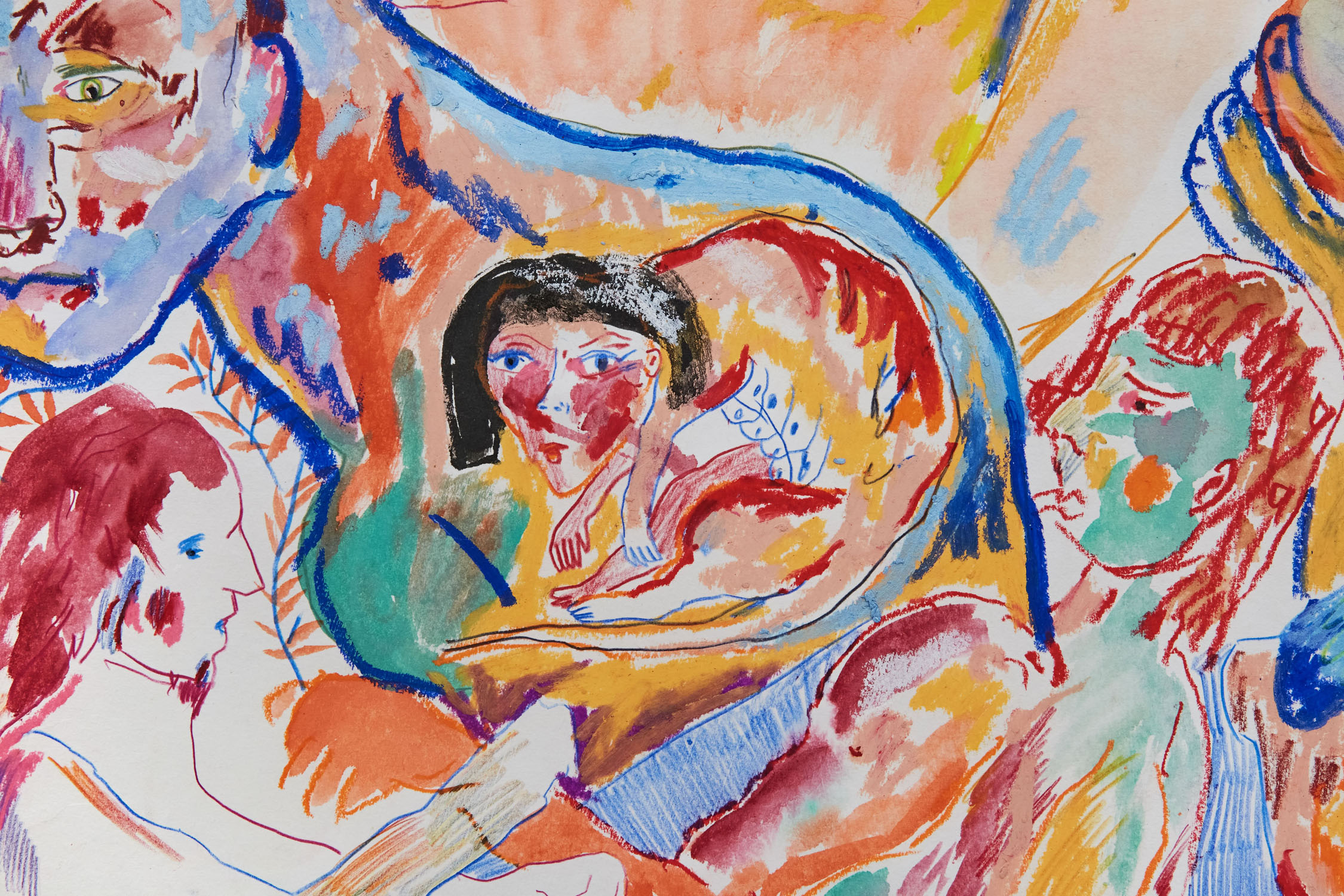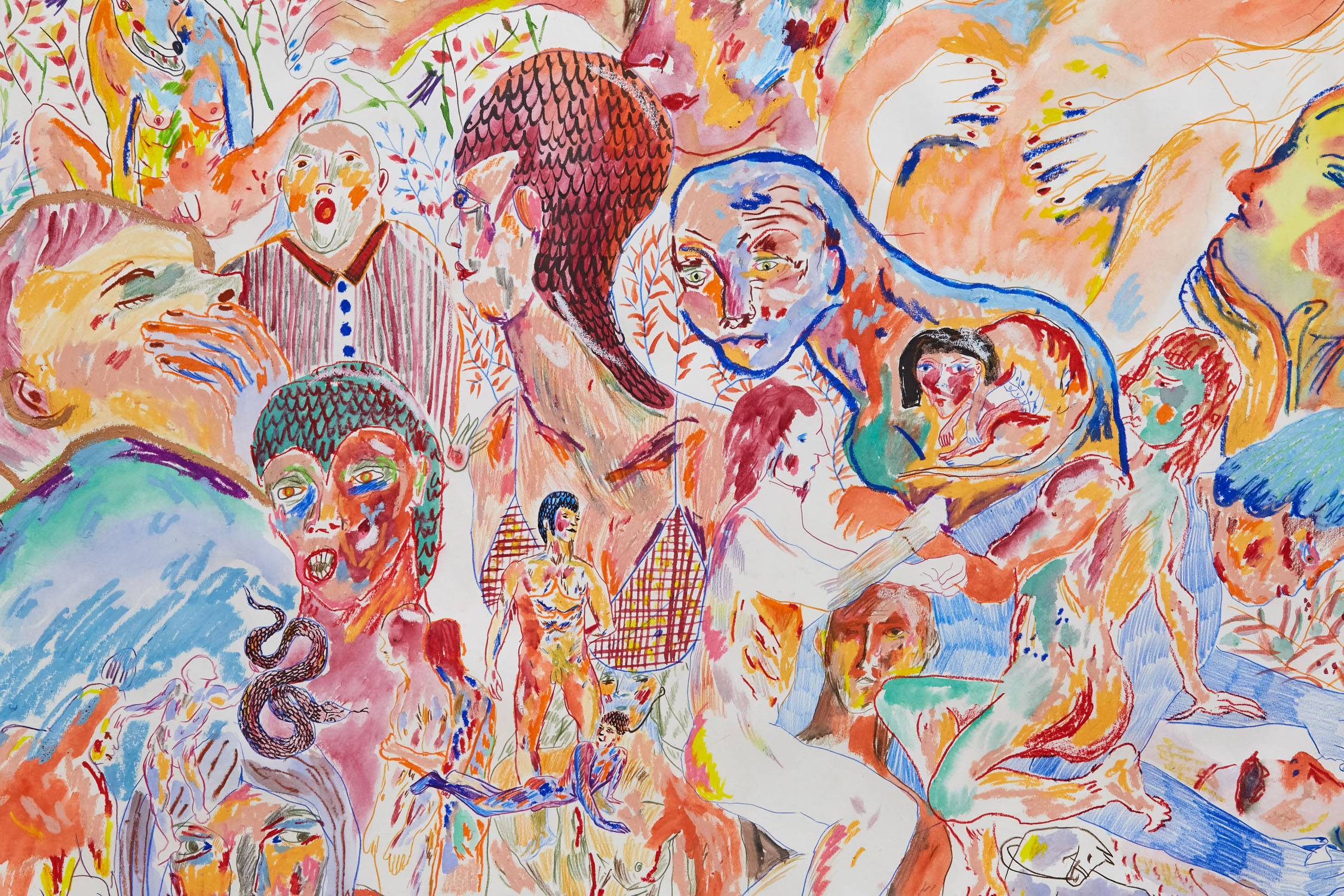
Maria Metsalu gives TINA and its London audience a new iteration of Kultuur, an ongoing performance work that animates a dialogue with the sun. Kultuur presents an anthropomorphised wildflower as an object of spectacle, while at the same time illuminating and complexifying some universal paradoxes of existence; the sun as something that gives life and energy, but something that can burn right through it. Metsalu confronts audiences in such a way that also scorns this spectacle, and the performance offers a moment of reflection, for all involved, on participation and complicity – a collective assemblage of exchange, of ritual, of unexpected and unknowable participation. The performance begins in the street, where people witness the artist’s interactions with a ubiquitous element of urban life, the hotdog vendor. With a hypnotic candour, and with intensities varying between states of pleasure, indifference, suffering and hope, audiences are led, pied piper-like, to TINA. Here, the collective body of the audience orbit the sun – an environment collaboratively made by Metsalu and Boumjimar in the gallery space. Kultuur includes the collaboration of various other artists in its conception and production; a text written by Jaakko Pallasvuo, sound design by Artjom Astrov, outfits designed by Kris Lemsalu together with Lotte Jürjendal and CRUDACRUDA, and a range of artefacts designed and built by Nikola Knezevic and Bruno Lillemets. While Karim Boumjimar creates the food as part of Kultuur, for TINA’s edition, Boumjimar presents drawings and ceramics to accompany the event and exhibition. The invited collaborators and the audience of Kultuur are a collective body that is fed, entertained and questioned. At TINA, the performance is divided into two parts – the parade at the hot dog cart and the devouring of the Sun, table d’hôte. Kultuur is a celebration of life and its dualities – a celebration of its fleeting and sensual nature.
In Georges Bataille’s The Accursed Share (1949) he considers the excess energy and resources that societies generate beyond what is necessary for survival. In this framework, the central problem is not scarcity but how to expend surplus energy. Bataille argues that societies must channel this surplus energy into consumption, often through extravagant or non-productive means such as rituals, festivals, or luxury. This “accursed share” of excess can manifest destructively as war or creatively as art. He critiques the narrow focus of classical economics on accumulation and utility, proposing instead that systems of expenditure shape civilization. Bataille uses examples like the potlatch ceremonies of Indigenous peoples, the pyramids of Egypt, and modern capitalism to illustrate how societies ritualize or institutionalize expenditure. His analysis complexifies the duality of the sacred and the profane.
A central metaphor in The Accursed Share is the sun as the ultimate source of energy. The sun generates an immense, uncontainable energy surplus, most of which is not utilized efficiently by living organisms. This solar excess reflects Bataille’s key idea that the universe operates on principles of abundance and waste rather than scarcity and conservation. Human societies mirror this dynamic. Like the sun’s radiance, human economies generate surplus energy that must be expended. This expenditure is not inherently rational or utilitarian but often takes extravagant, symbolic, or destructive forms. Just as the sun “wastes” energy into space, human cultures ritualize waste as a way of maintaining social structures or confronting existential realities. How societies expend their surplus—through war, art, or ritual—reveals their values and structures. The metaphor of solar energy underscores the abundance and inevitability of waste as a universal principle, challenging the fixation on efficiency and utility in modern thought.
Maria Metsalu and Karim Boumjimar explore, through Kultuur, the possibility of the sacred in the profane, the poetic in the prosaic. It presents earthly pleasures, even if their energy comes from the body of a celestial star. It is a ritual of expenditure. An economy of desires.
The exhibition is supported by the Estonian Embassy, UK
Maria Metsalu (b. 1990, Estonia)
Forthcoming exhibition: Kultuur, Nasjonaalmuseum, Oslo, Norway; Recent group exhibitions include with Young boy dancing group, Friedrichs Pontone gallery, New York, NY (2024); With Young boy dancing group, Neven gallery, (2024); The Well: exhibition with Jaakko Pallasvuo and Tarvo Porroson, EKA galerii, Tallinn (2021); Stinking dawn, with Gelitin and Liam Gillick, Kunsthalle Wien (2019); with Young boy dancing group, PS2, Belfast (2018); A Strong Desire, with Young boy dancing group, PS120, Berlin (2018); Soft Scrub, Hard Body, Liquid Presence, Art In General, during Performa 17, New York, NY (2017). Metsalu has performed at the ICA, London; Munich Spielart Festival; deSingel Theater, Antwerp; Kanuti Gildi SAAL, Tallinn amongst other venues.
Karim Boumjimar (b. 1998, Malaga, Spain; Lives and works Copenhagen, Denmark)
Recent solo exhibitions include Fluid Forms, Alice Folker Gallery, Copenhagen (2023); Stroke, Creator Projects, Copenhagen (2023); Business of Living, NSFW/SVILOVA, Gothenburg (2023); Orgy of Consumption, Springbrættet 6a, Copenhagen (2023); and Alien Water, Art Hub Copenhagen, Copenhagen (2021). Group exhibitions include Queer Ecologies, Centro de Arte la Panera, Lleida (2023); Fear and Fauna, Dag H 42, Copenhagen (2023); Psychopathia Sexualis, O-Overgaden, Copenhagen (2021); Speaking in Tongues, Blake, Vargas, Berlin (2021); Moby Dick, or The Whale, Wu Tsang, Schauspielhaus, Zurich (2021); Popular Courage of Duchess Orchid, Cucina x Copenhill, Copenhagen (2021); Young Girl Reading Group, a performance at Kunstverein, Hamburg (2021); and A Night in Alexander, Alexander Sauna, Athenes (2018).