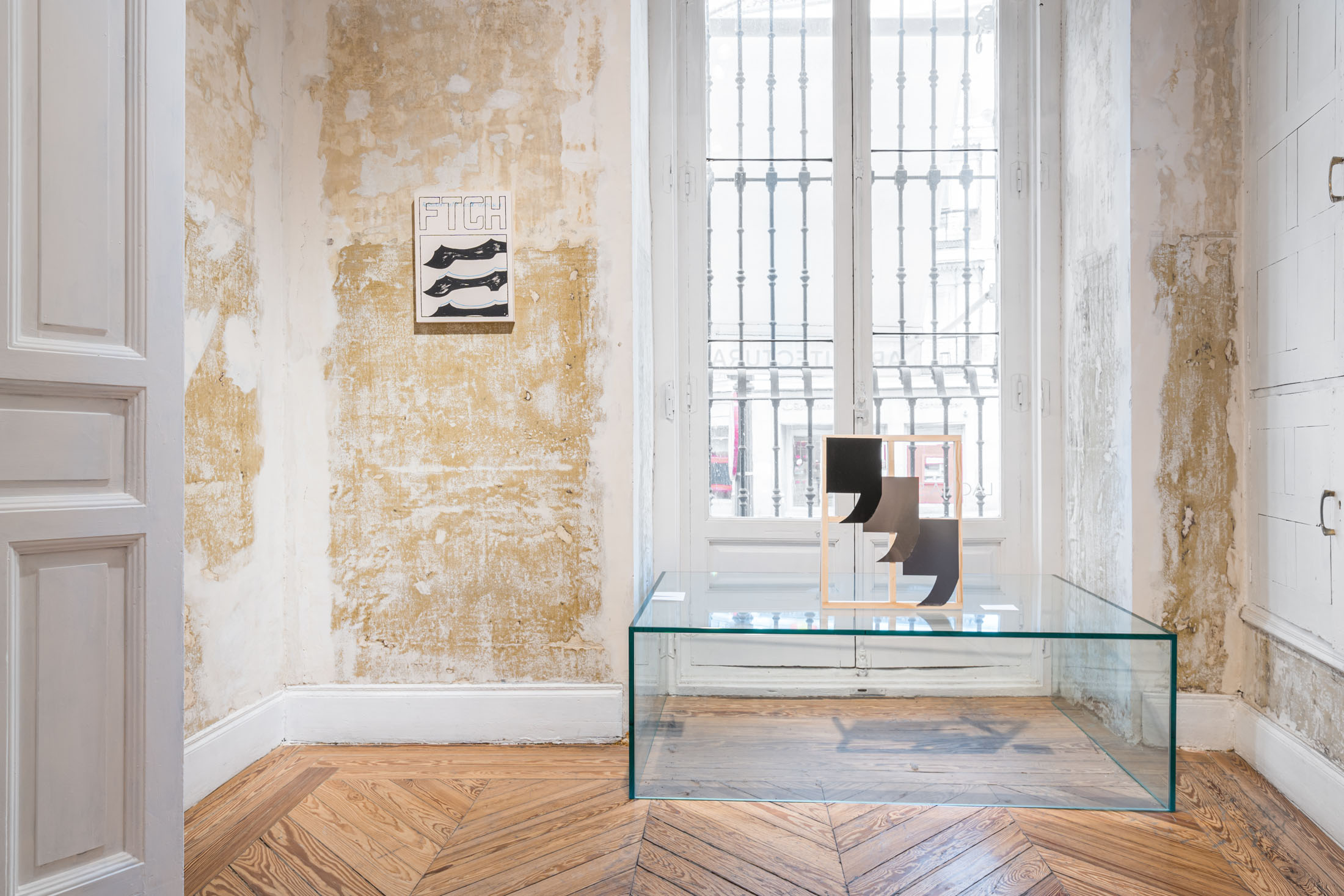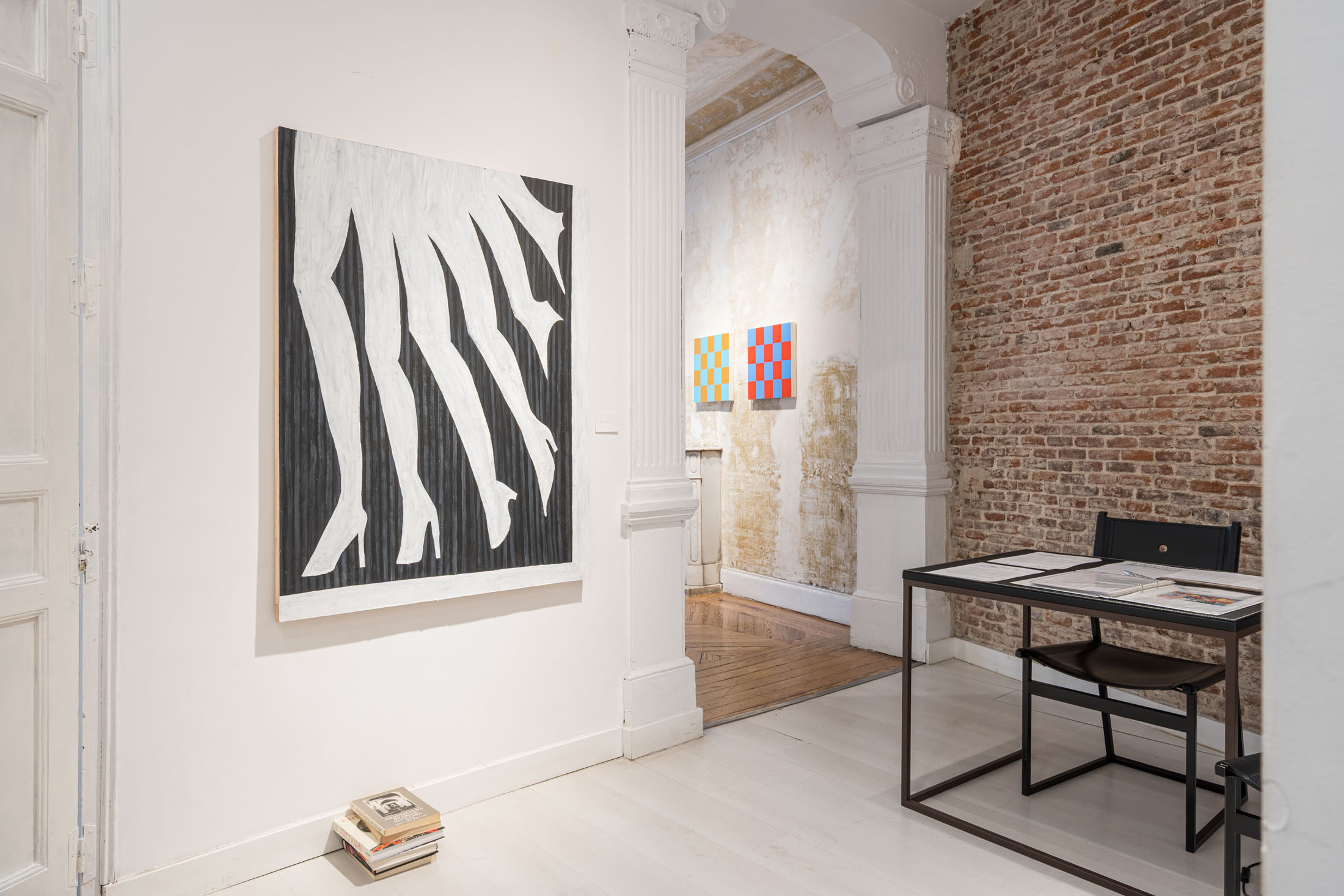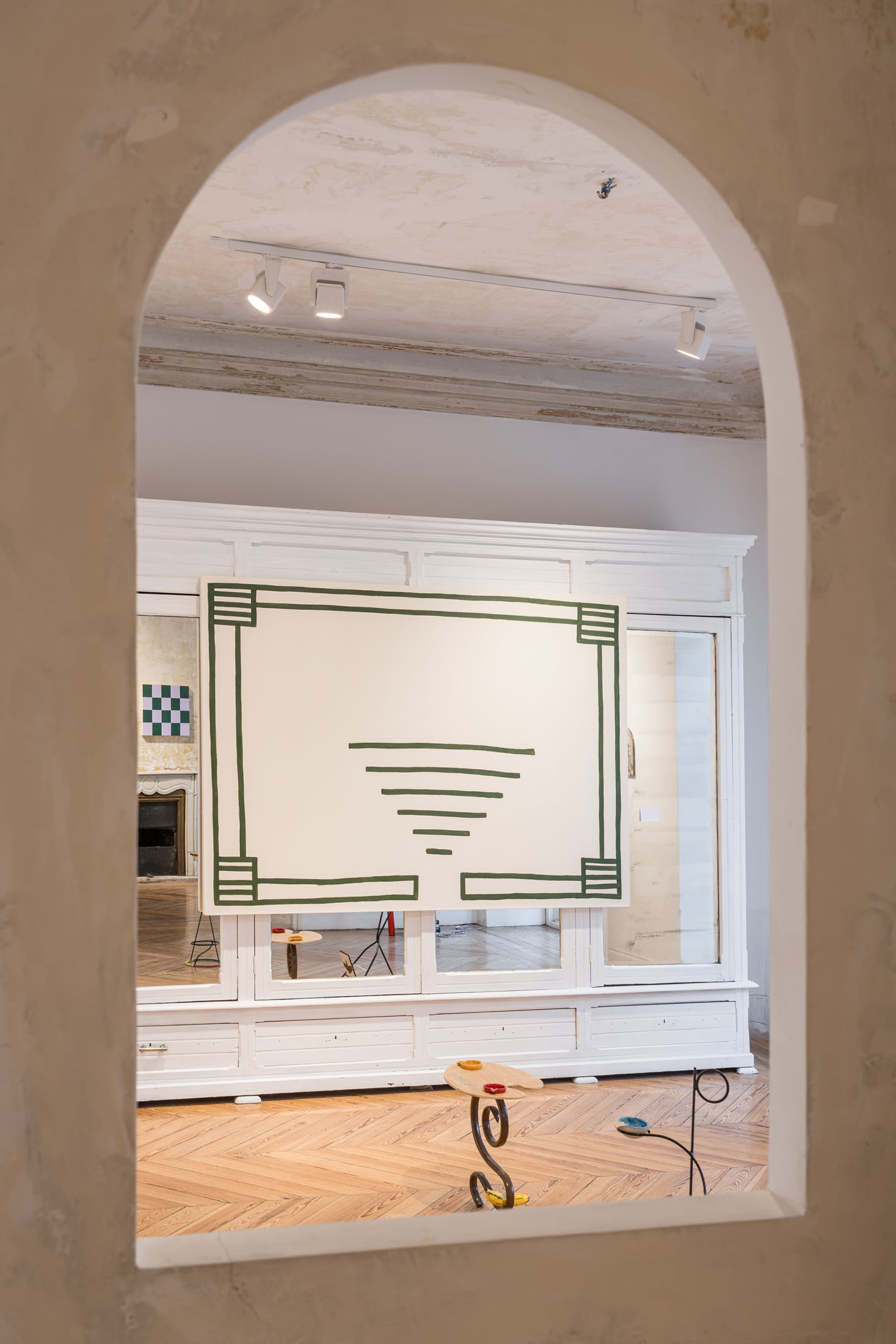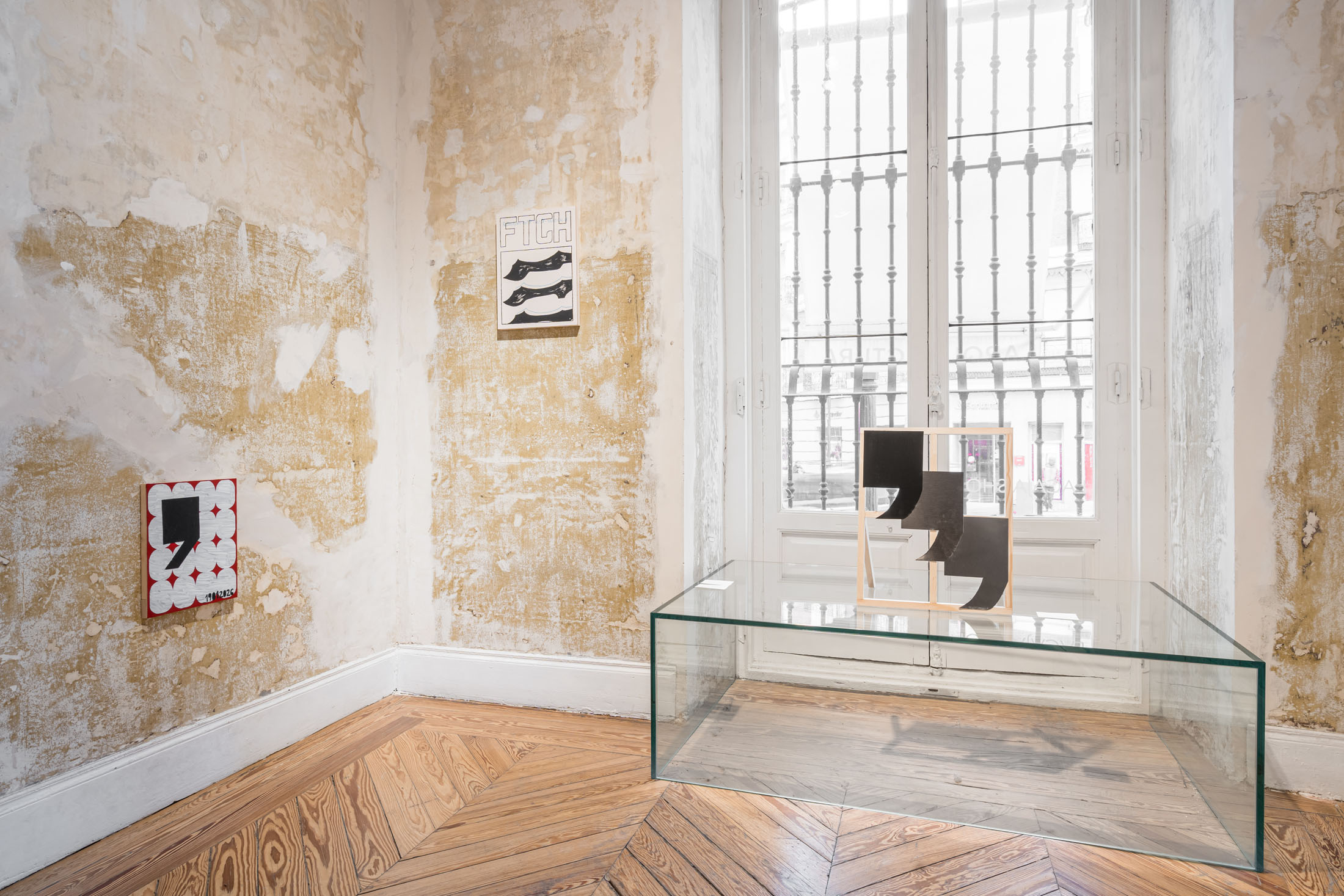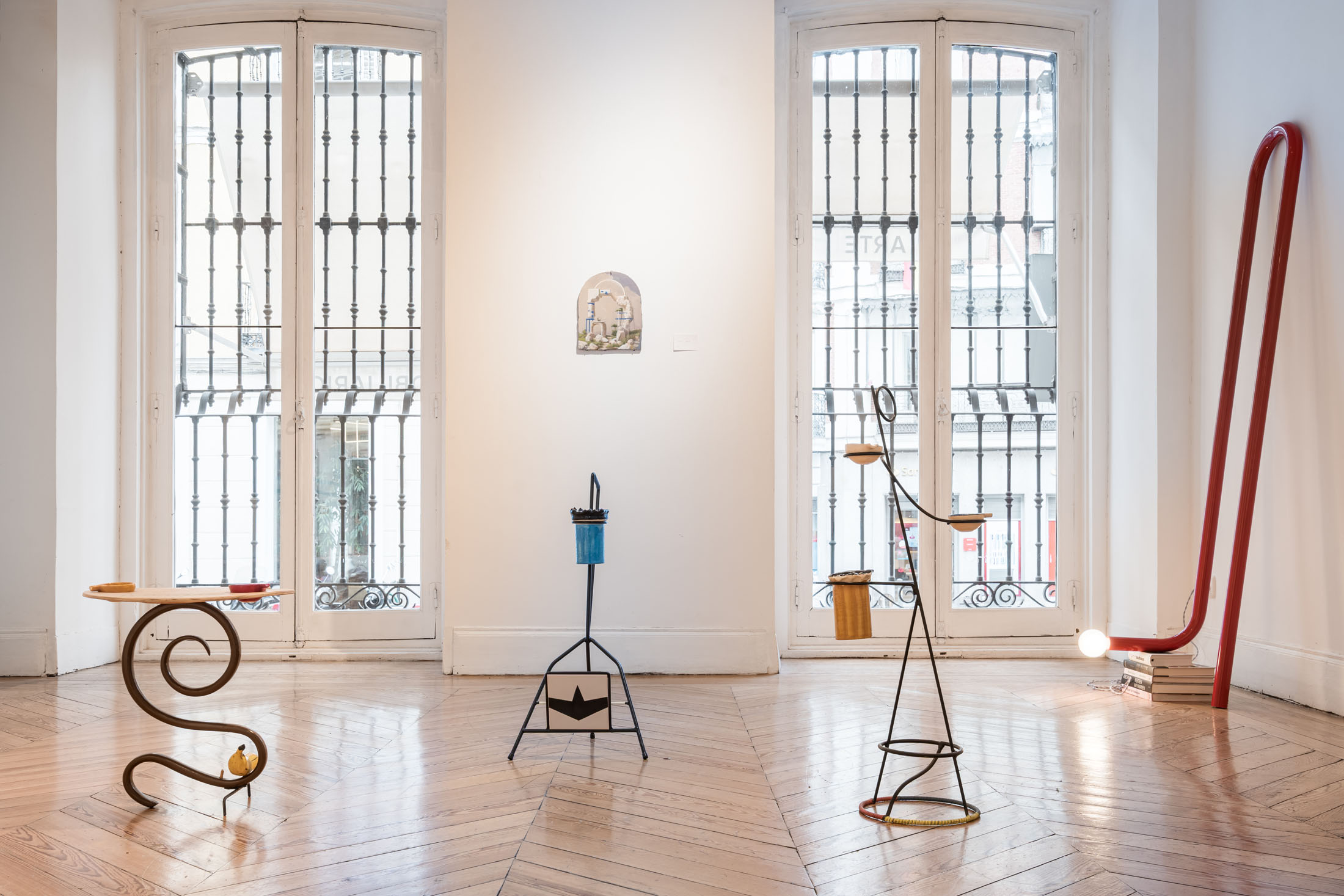
The exhibition begins with an almost childlike yet fundamentally architectural question: how is a place constructed before it exists? This is not about design, nor about imagining a perfect space, but about the prior state in which everything is mental structure, material intuition and formal testing—the moment in which the form remains in suspension.
The starting point is the model, though not at a reduced scale. There is no figuration and no attempt to represent anything recognisable. Here, the model operates as metaphor: an open system in which trials, provisional volumes, incomplete planes and lines that lead nowhere coexist. A place that is conceived even as it is observed.
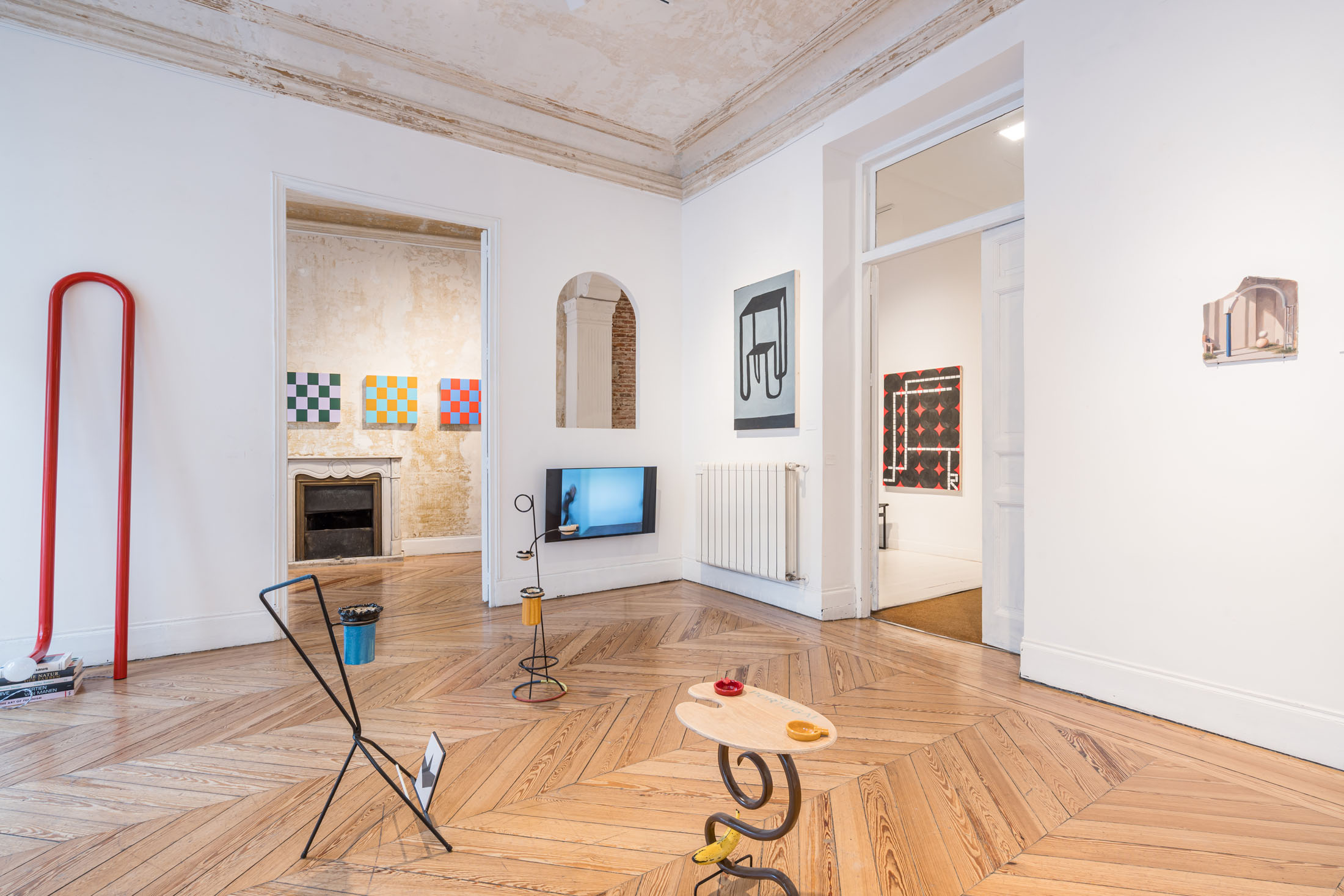
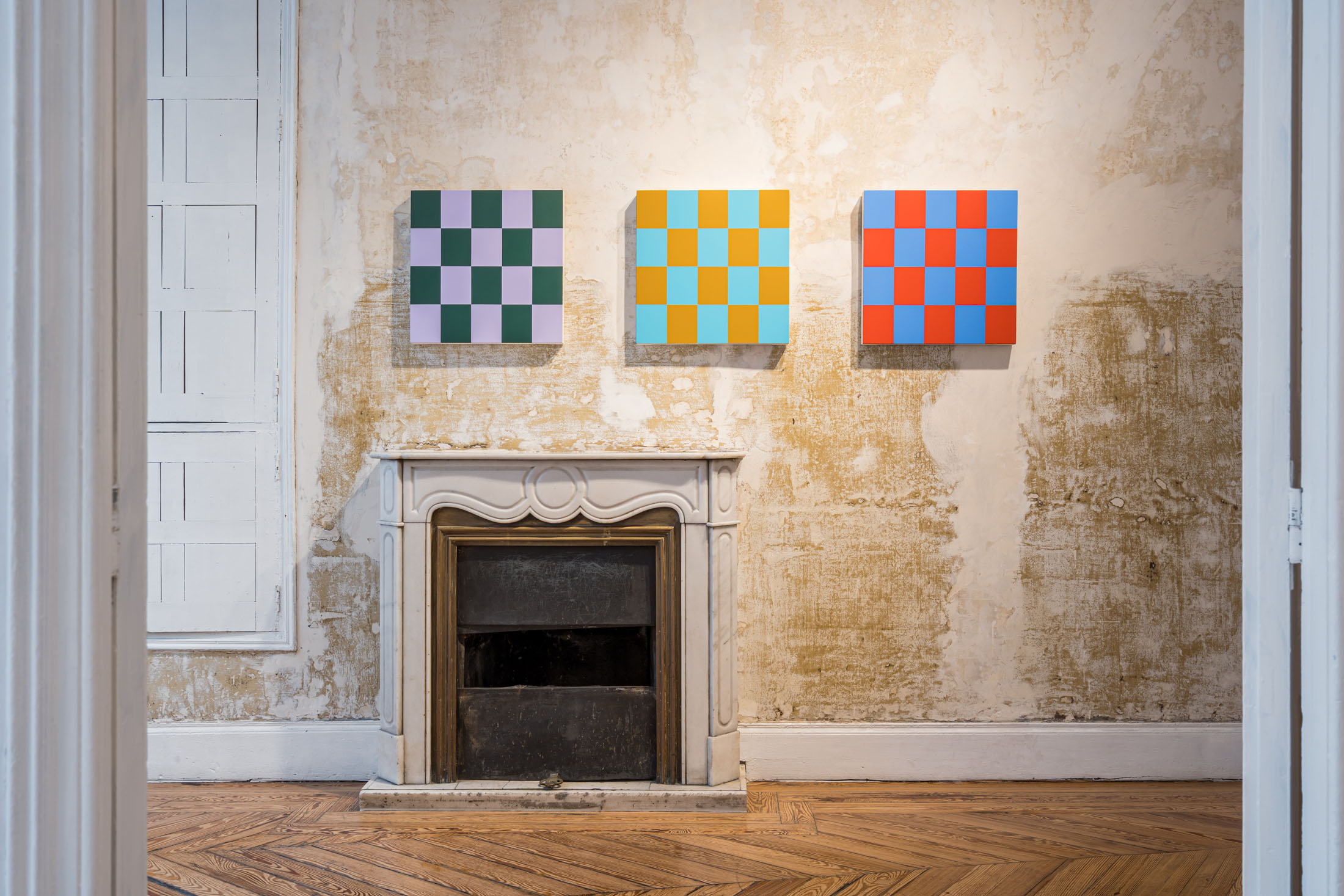
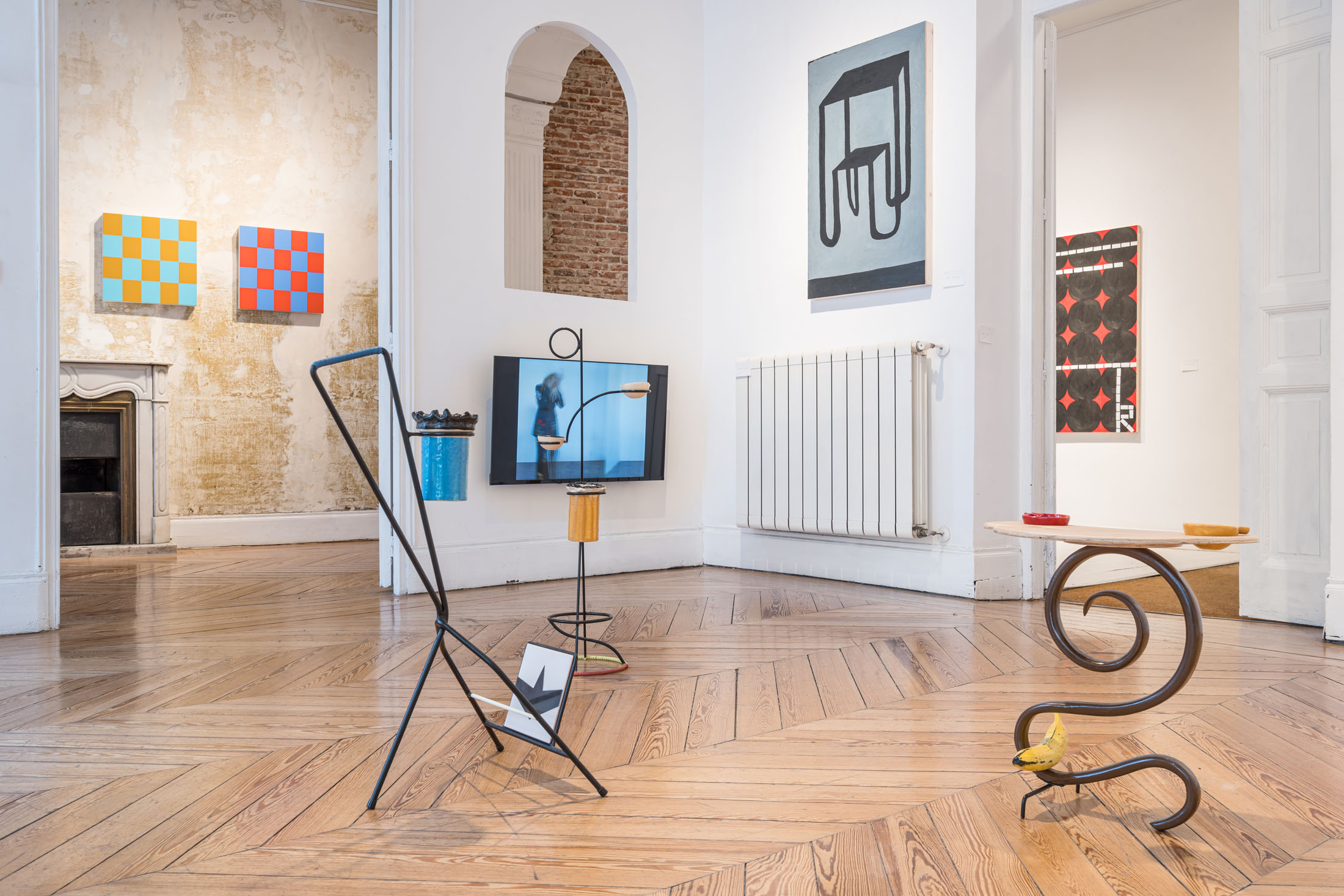
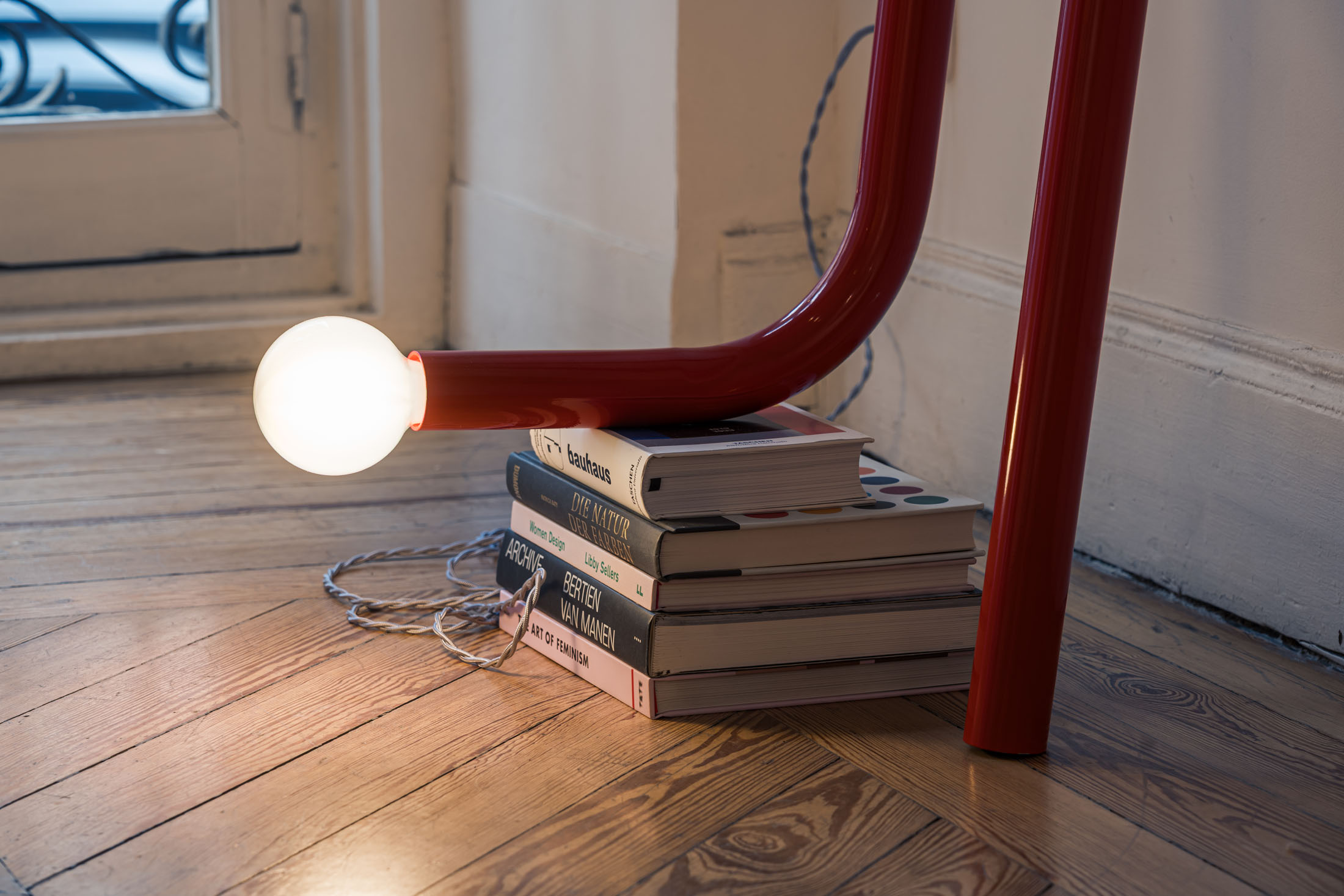
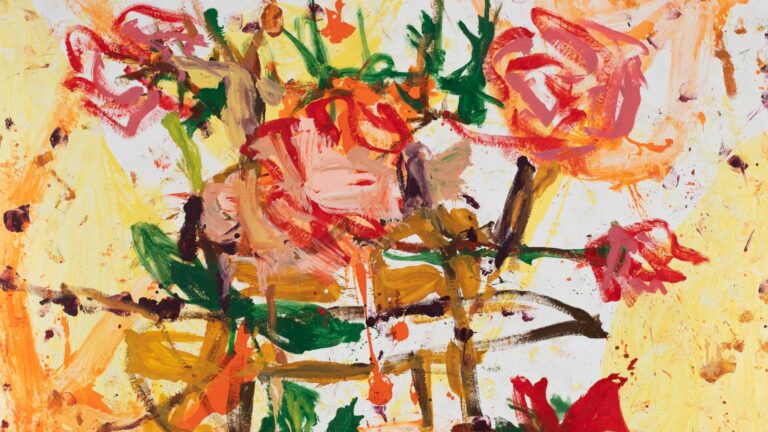
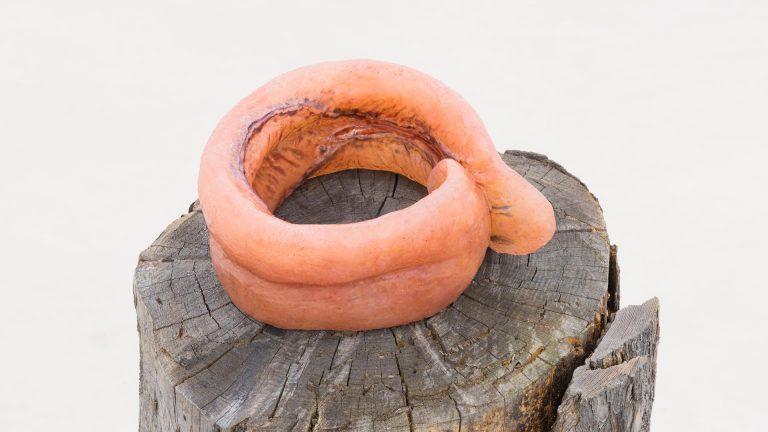
Each artist proposes a distinct approach to construction: Hock articulates a dialogue between sculpture and architecture; Szymanski treats painting as a contained, almost tectonic body; Cortright transforms the digital into atmosphere; Badia constructs ambiguous scenes that recall an imagined model; González explores repetition and composition as expanding systems; Leal introduces assemblage; and Felton reduces gesture to sign.
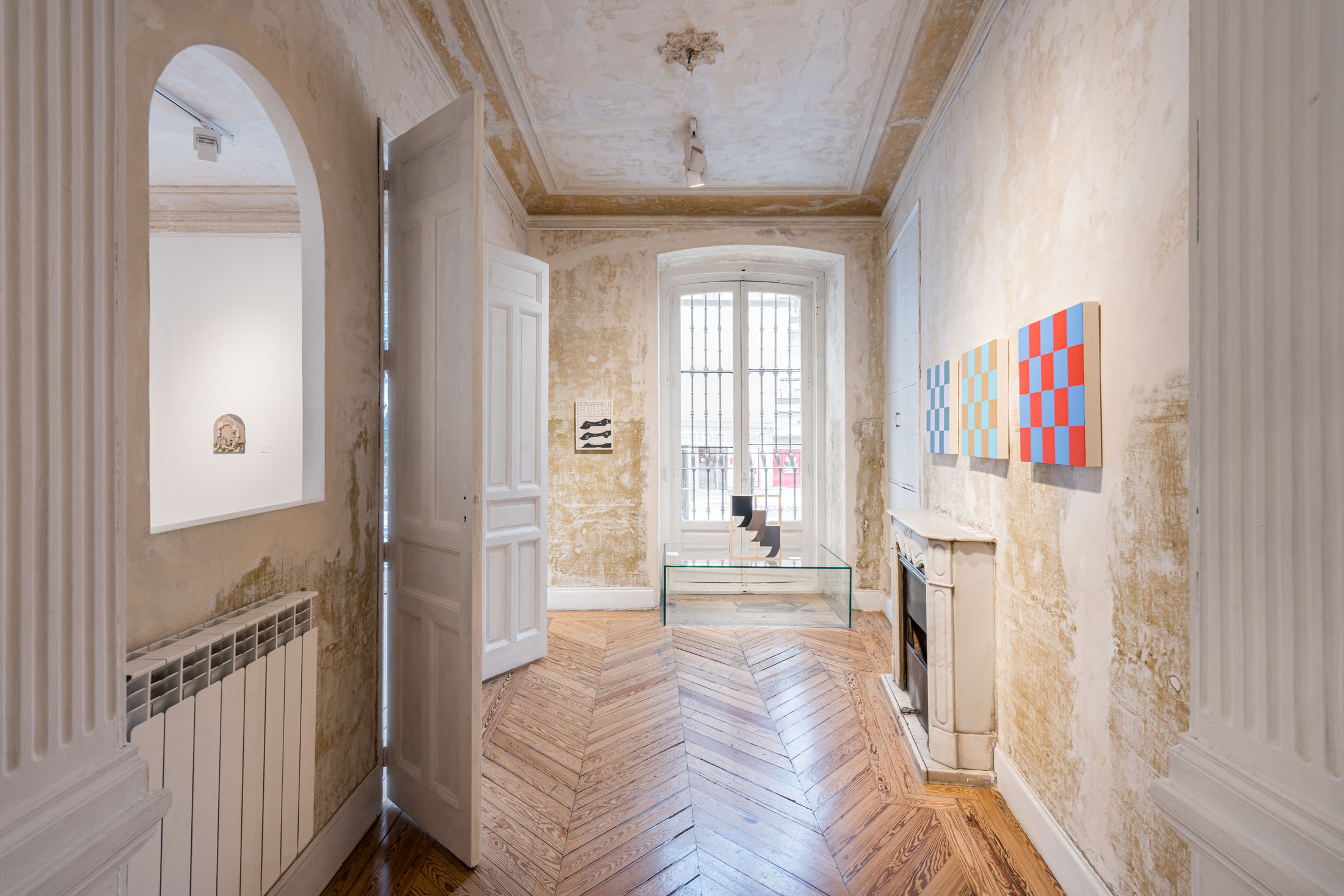
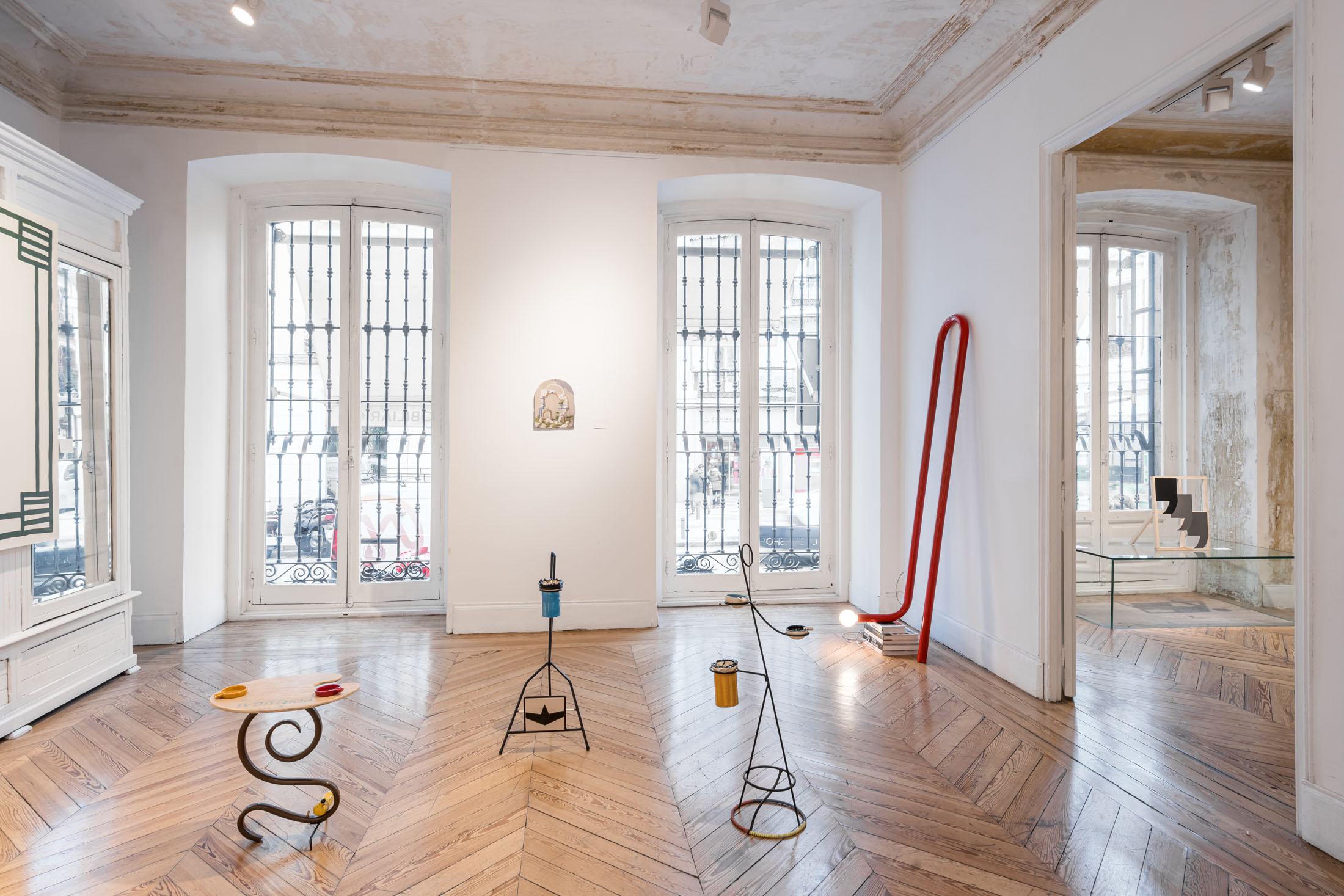
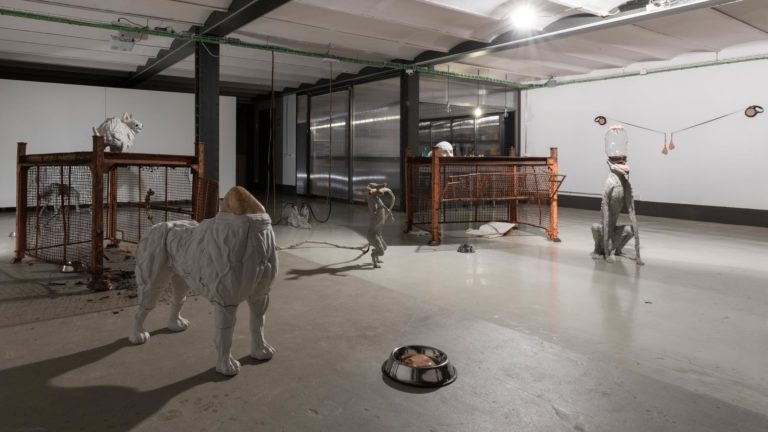
The installation allows each position to function as a spatial device. Some works operate as walls that never fully close; others as suspended planes, imagined thresholds or traces of a process. Everything appears to assemble itself in real time, as though one were entering a structure still in formation.
The gallery becomes a porous environment in which the real and the fictive intersect. The arrangement of works allows the whole to shift, expand, contract or reconfigure with the movement of a single element. The result is not an exhibition to be read, but one to be inhabited mentally: a model without fixed scale, constructed through the friction between artwork, architecture and perception. A place that does not exist, yet—for a few moments—seems possible.