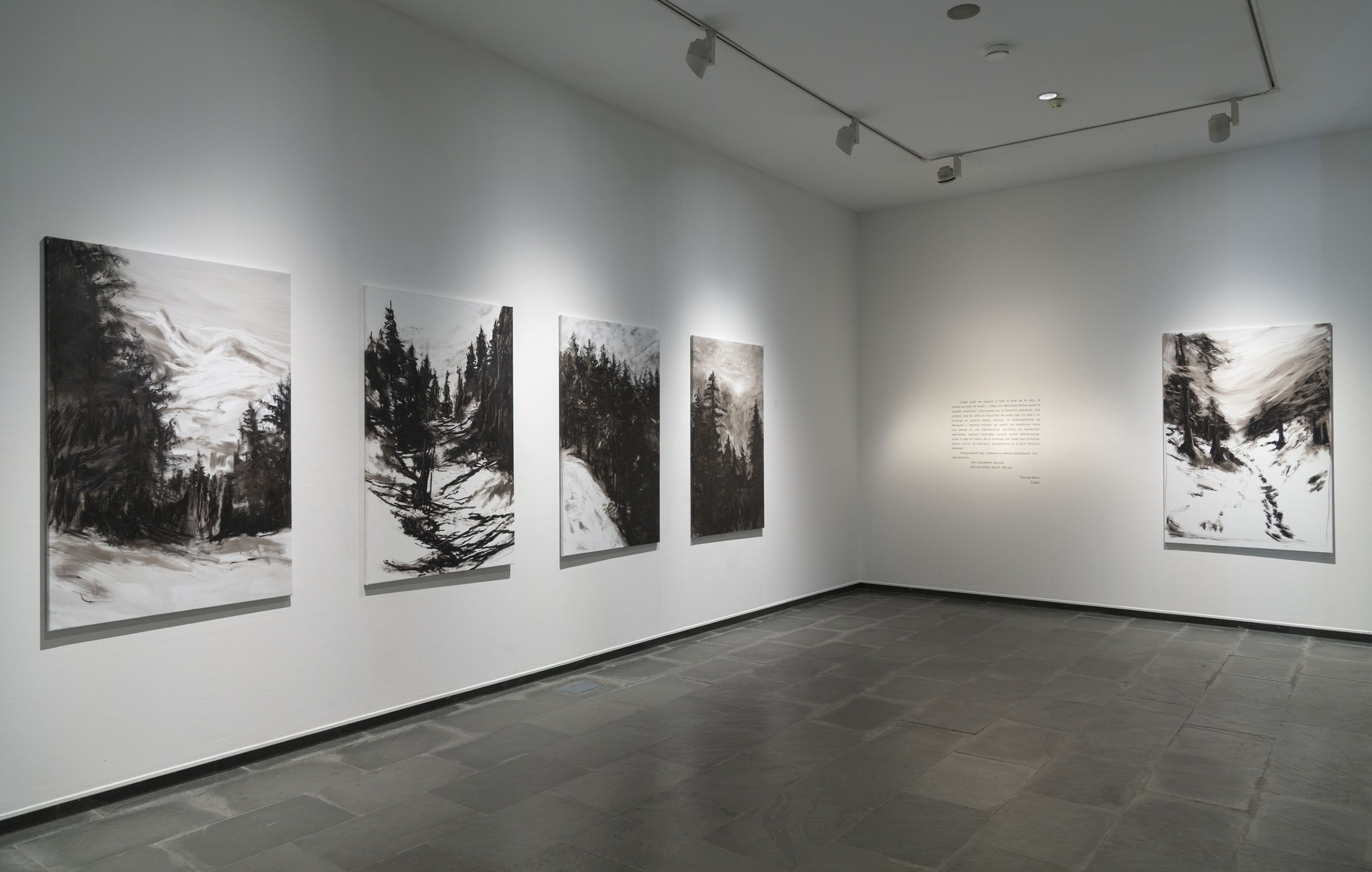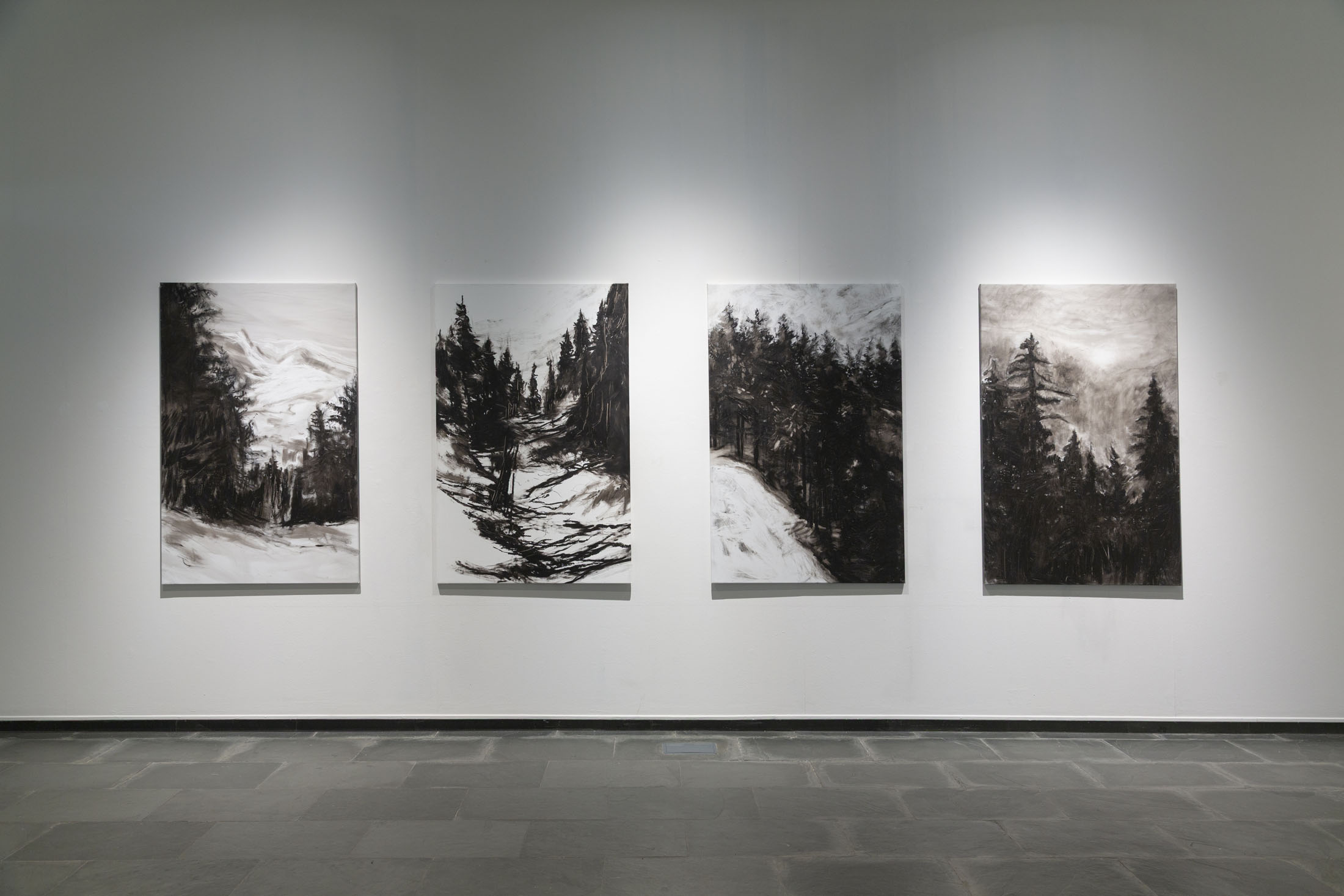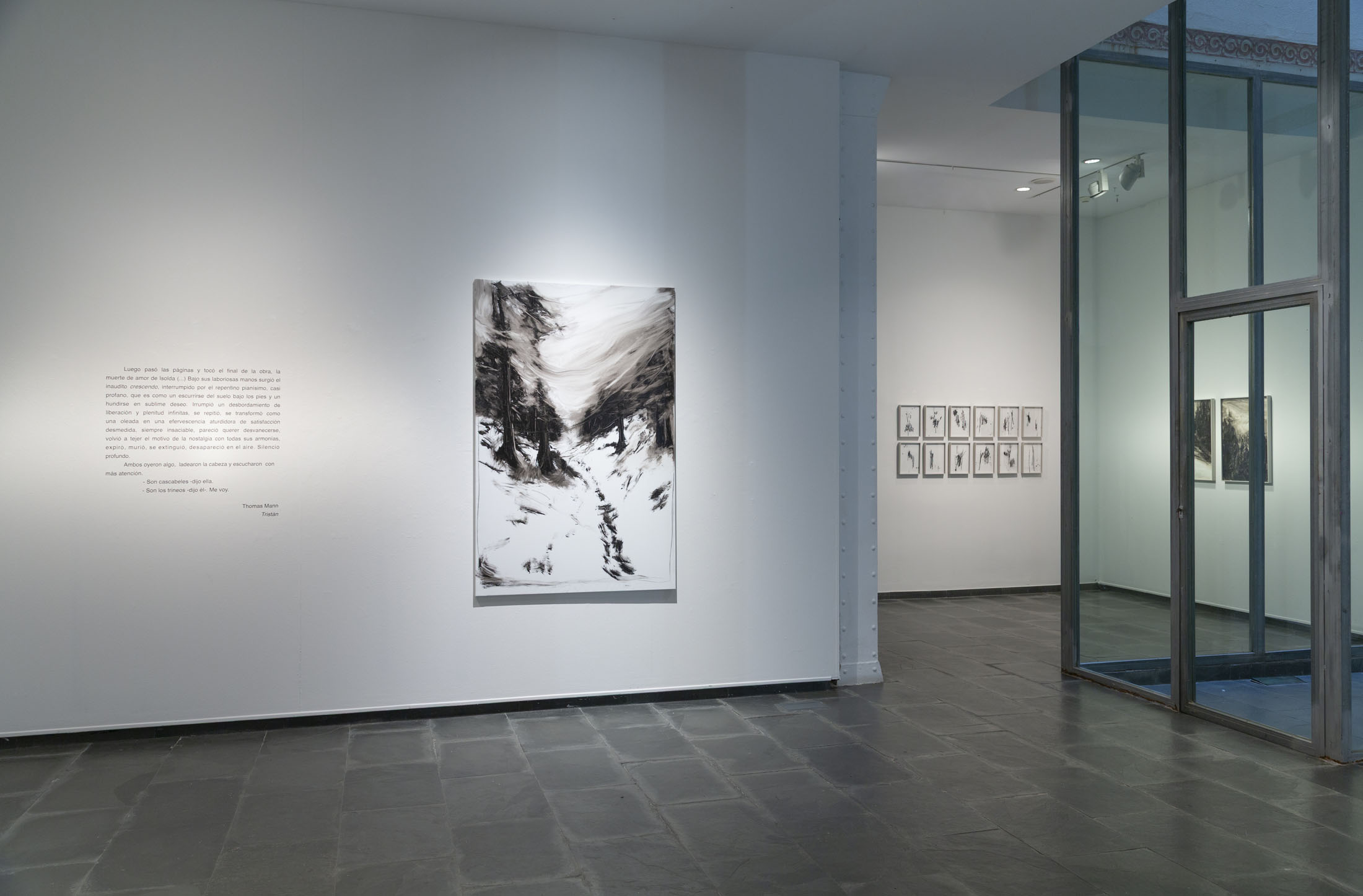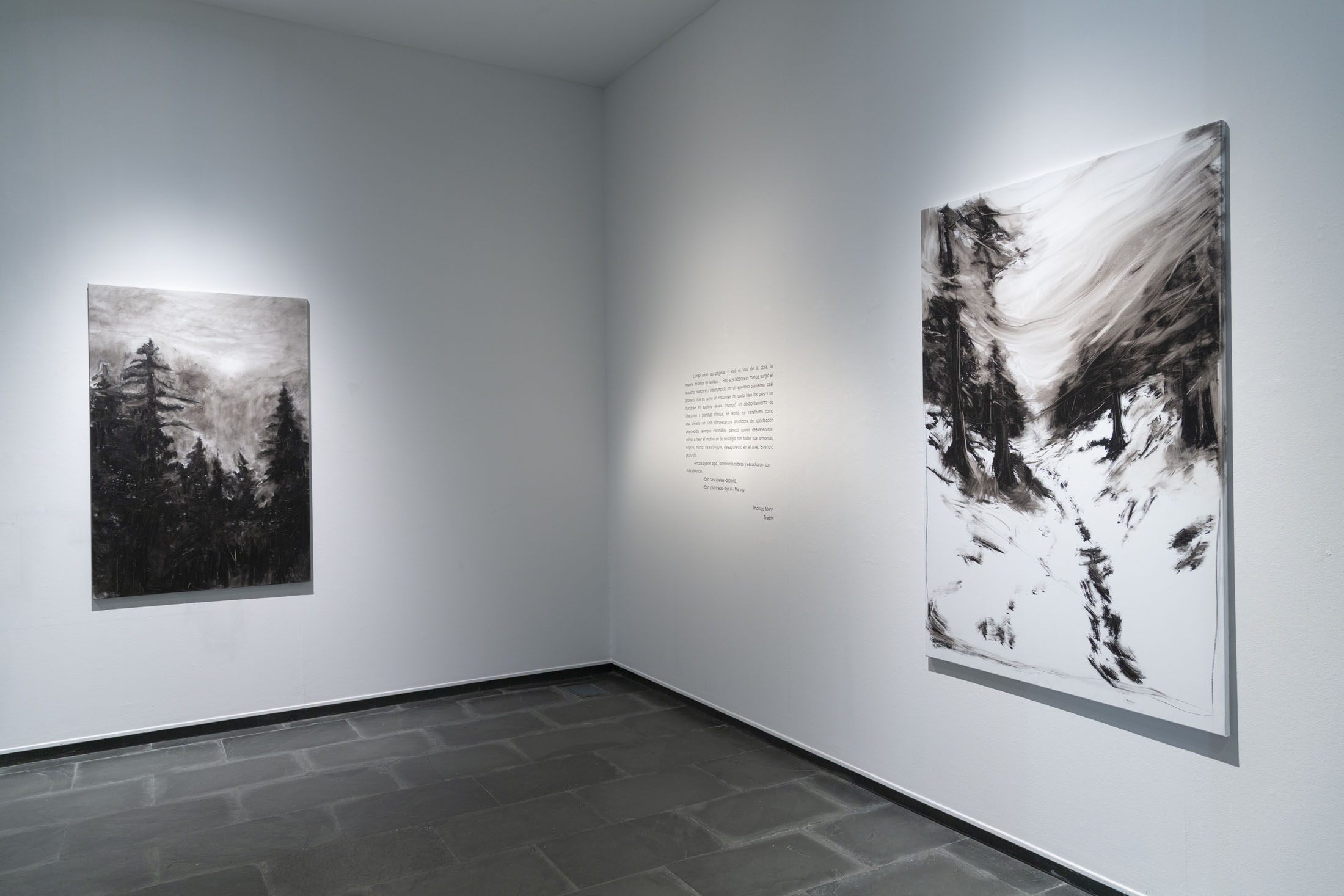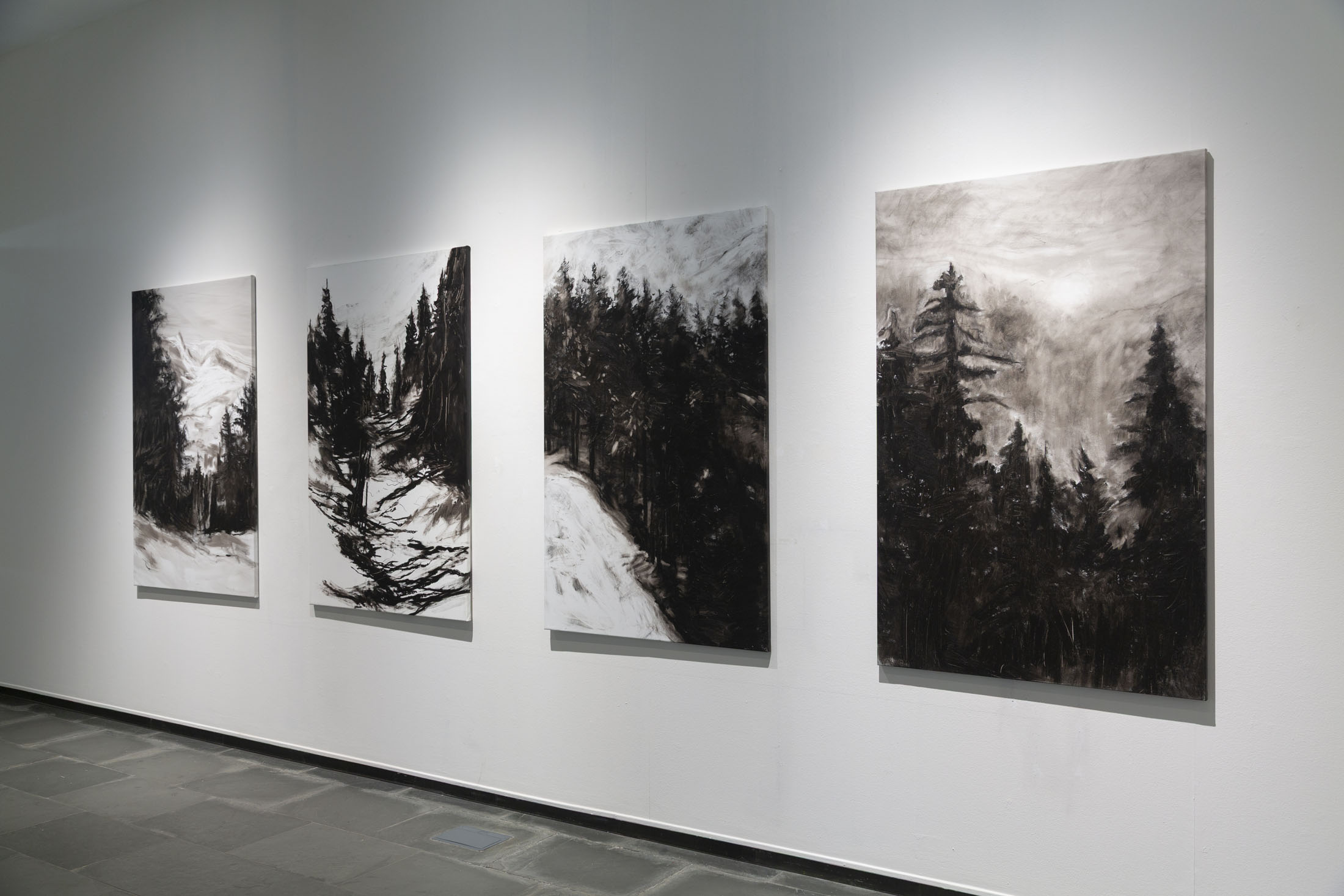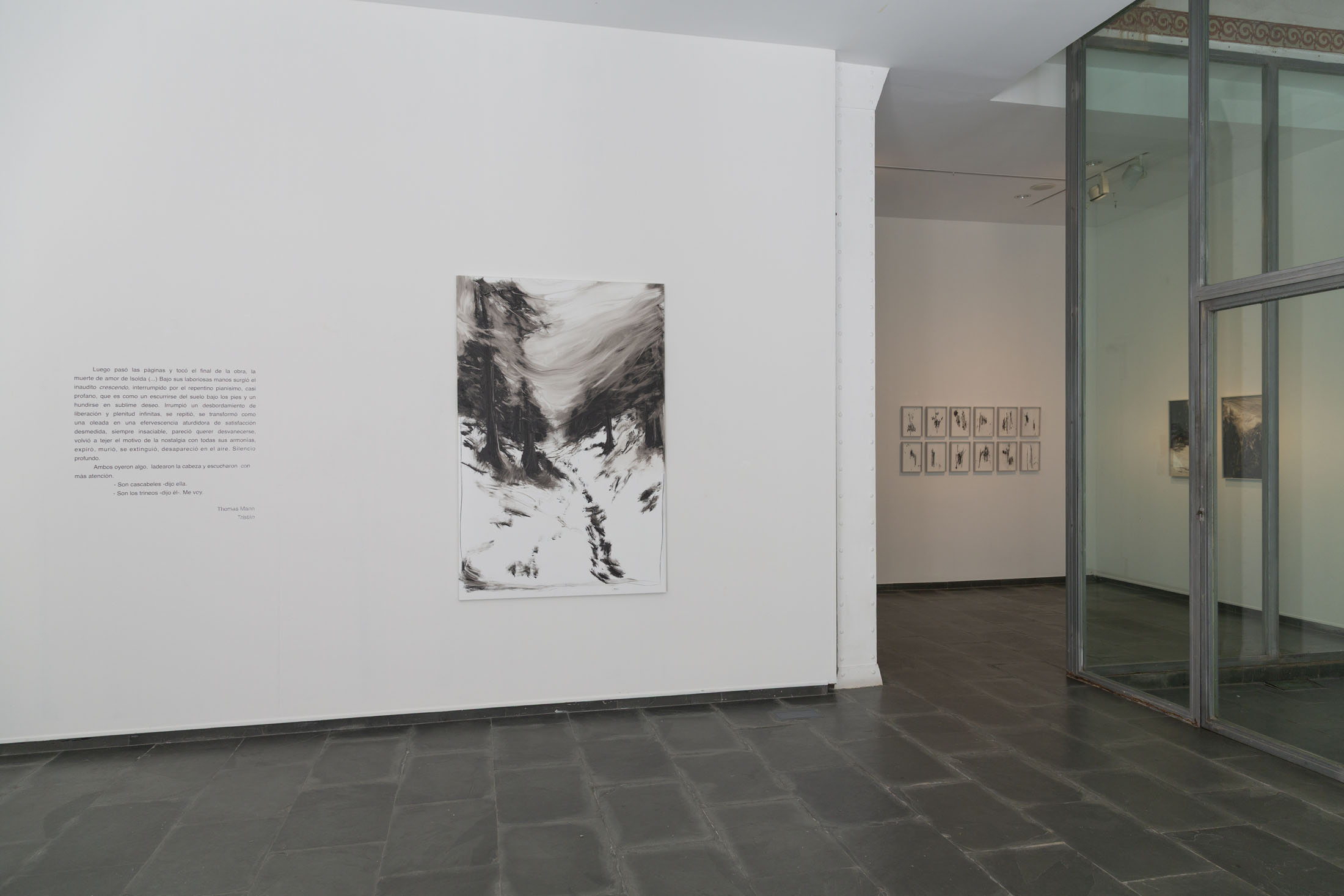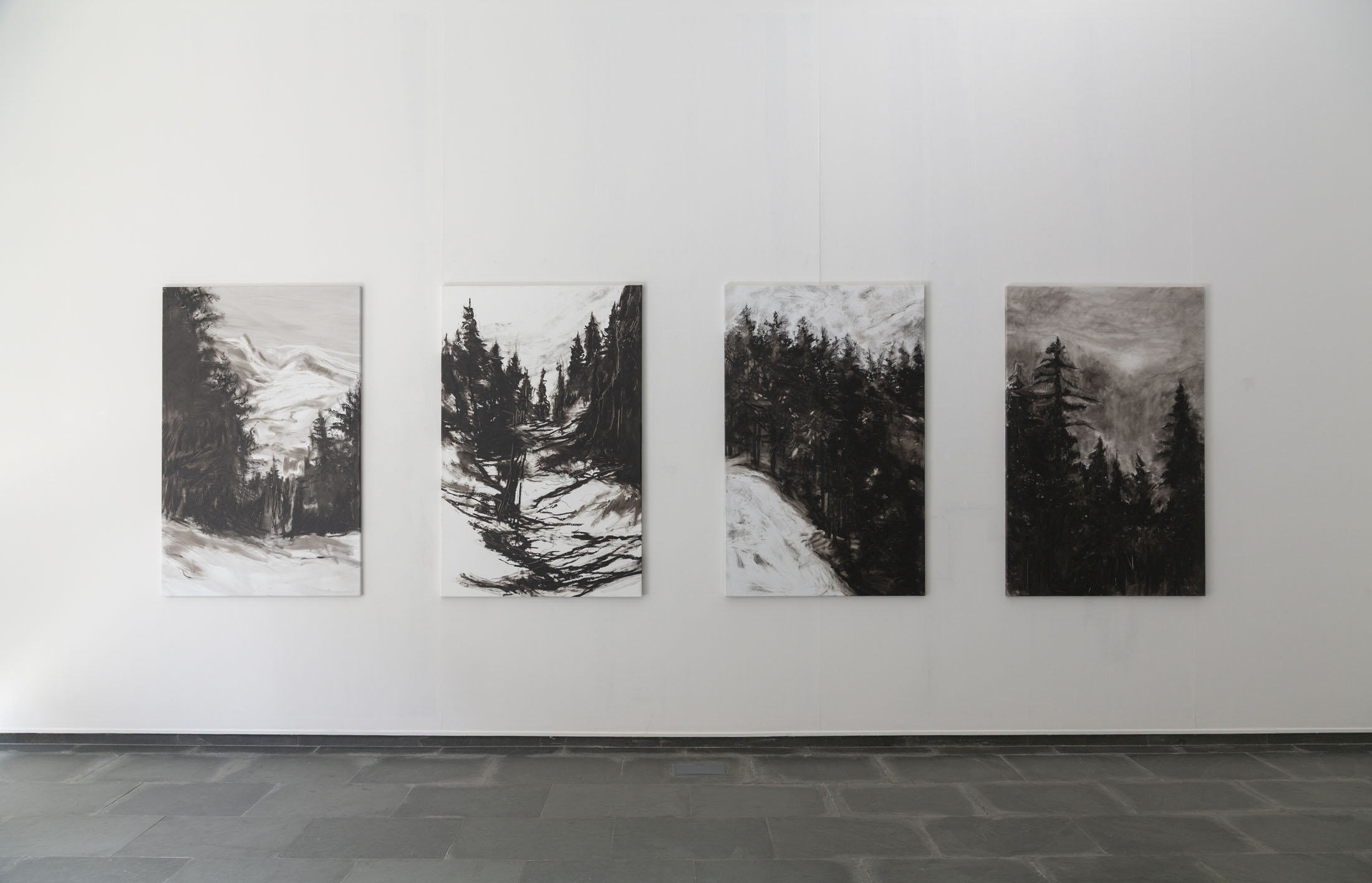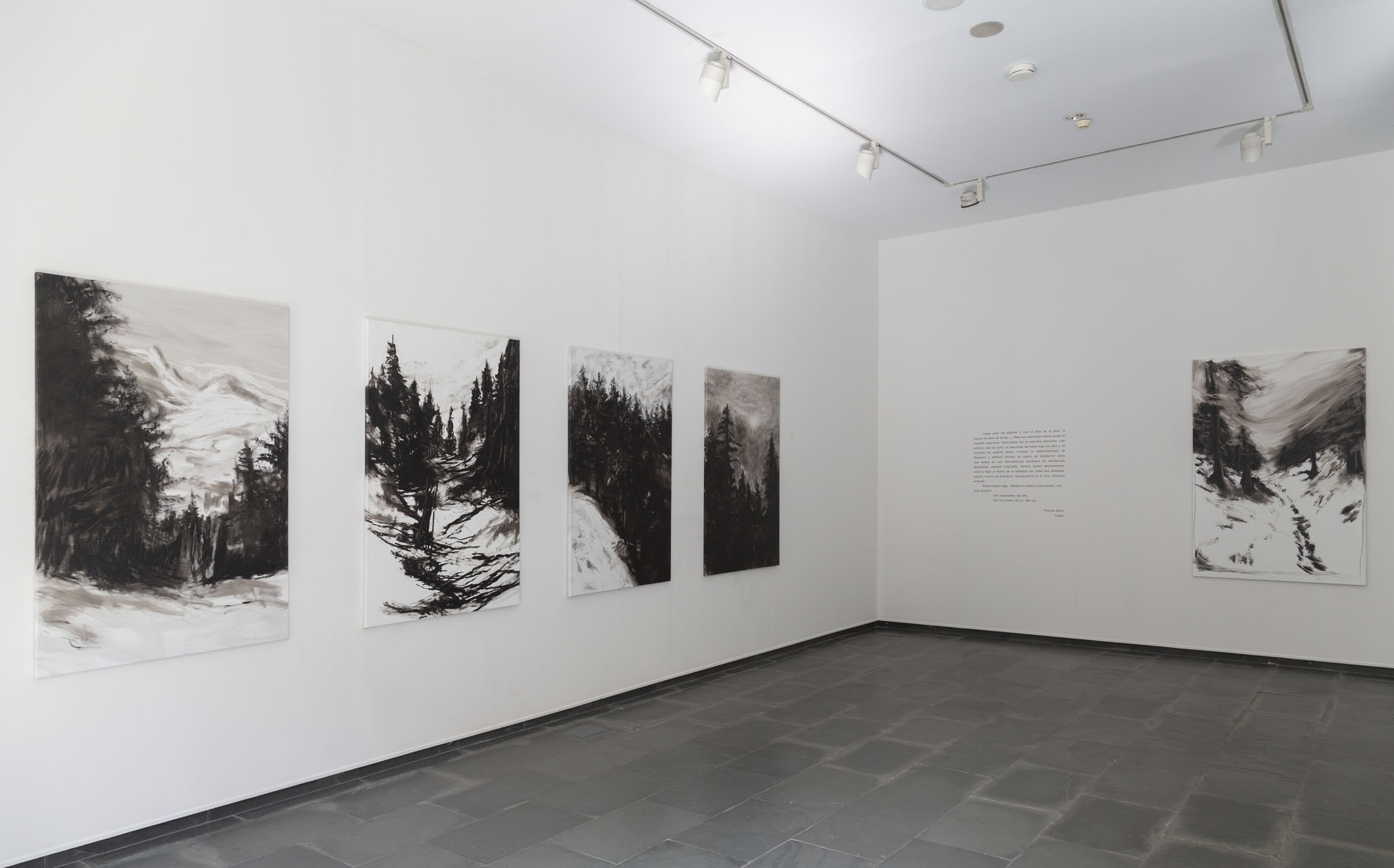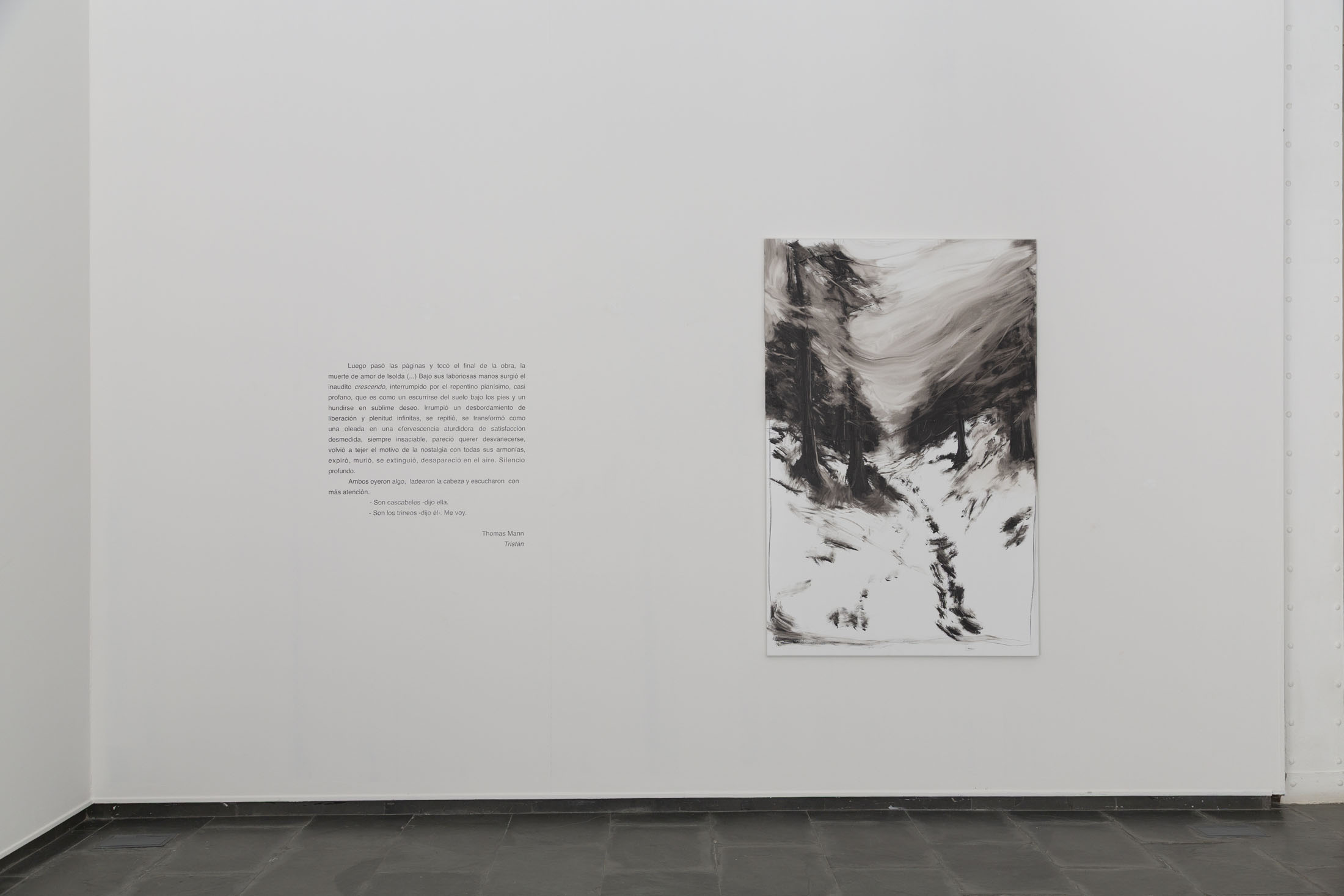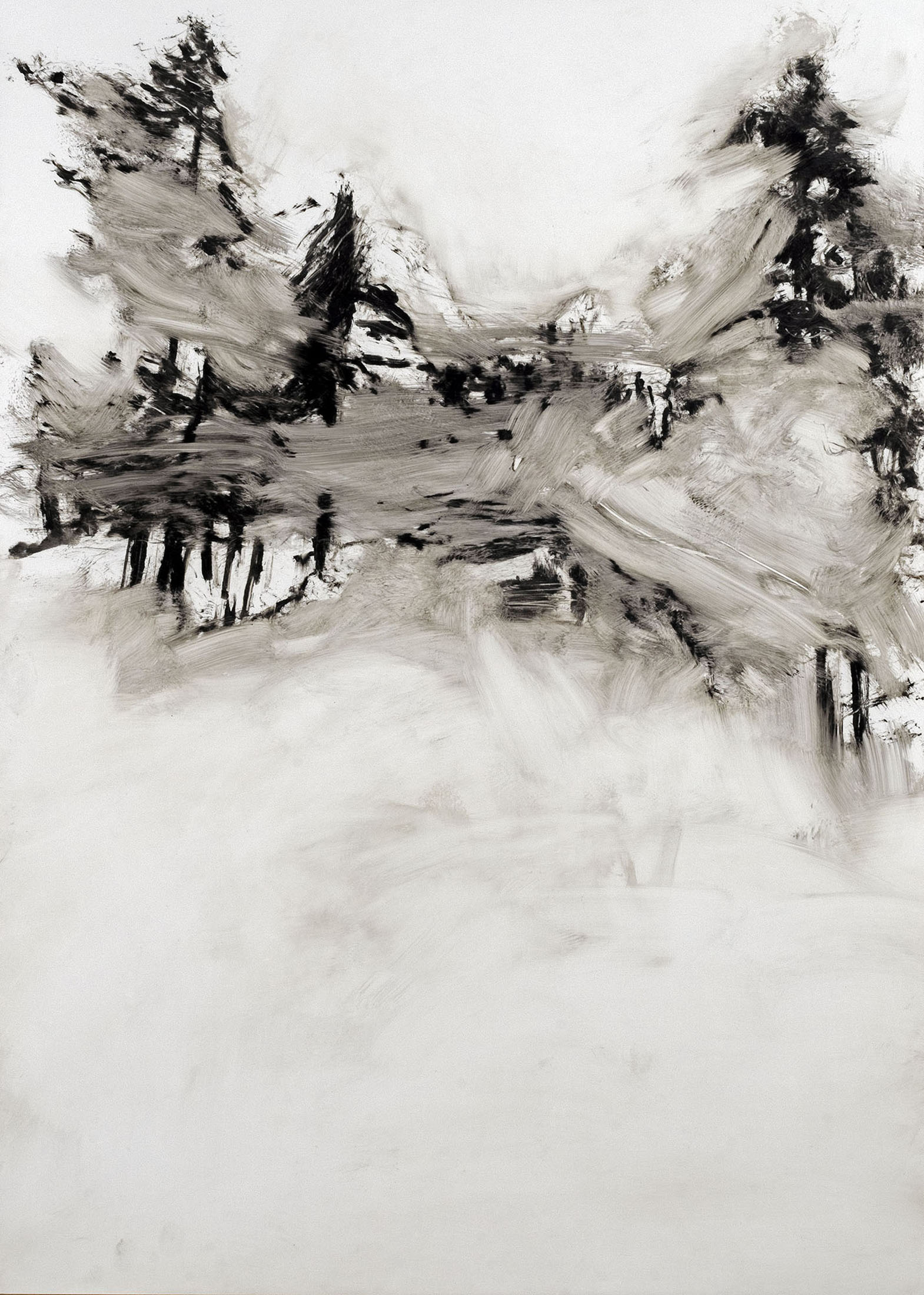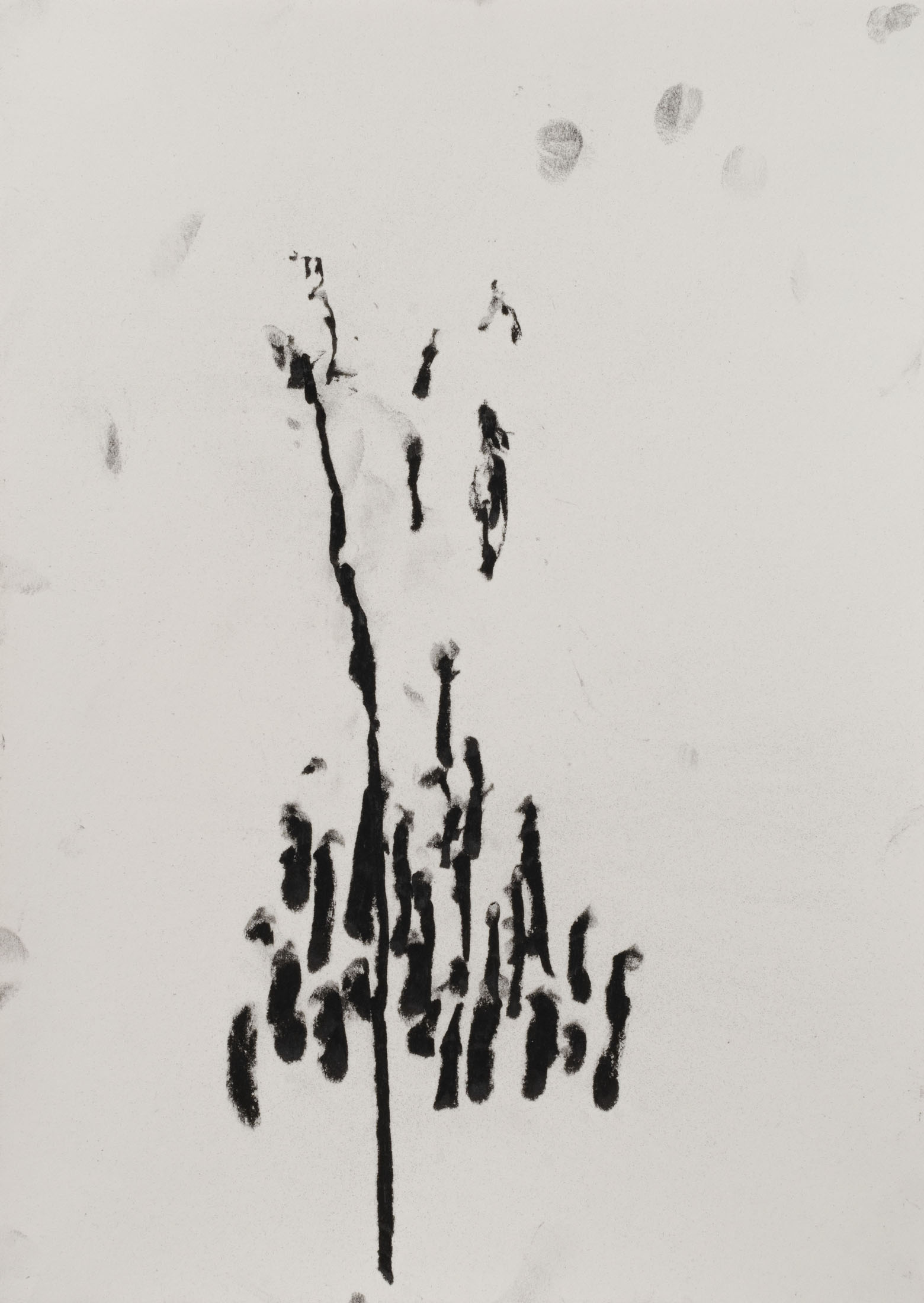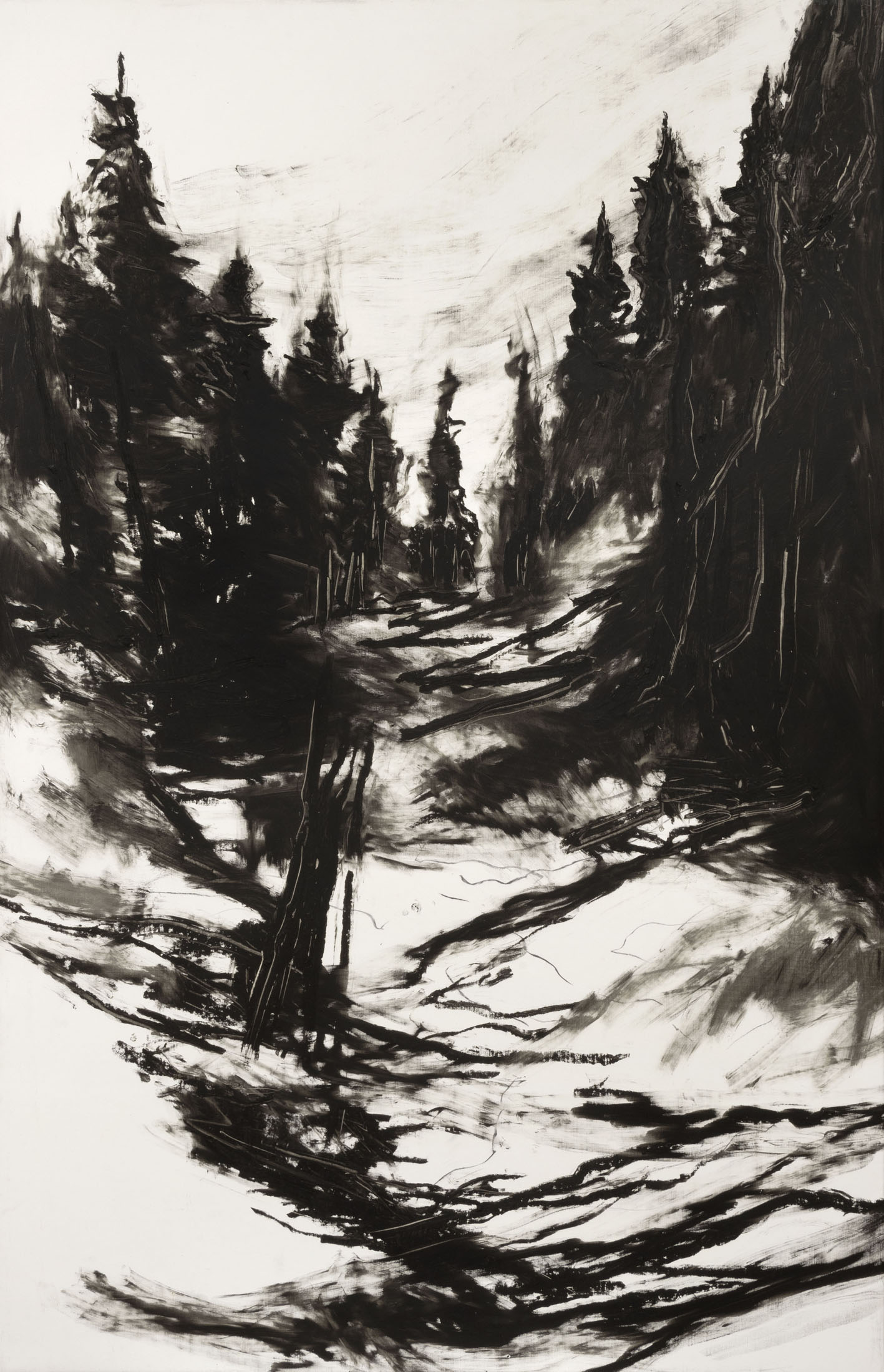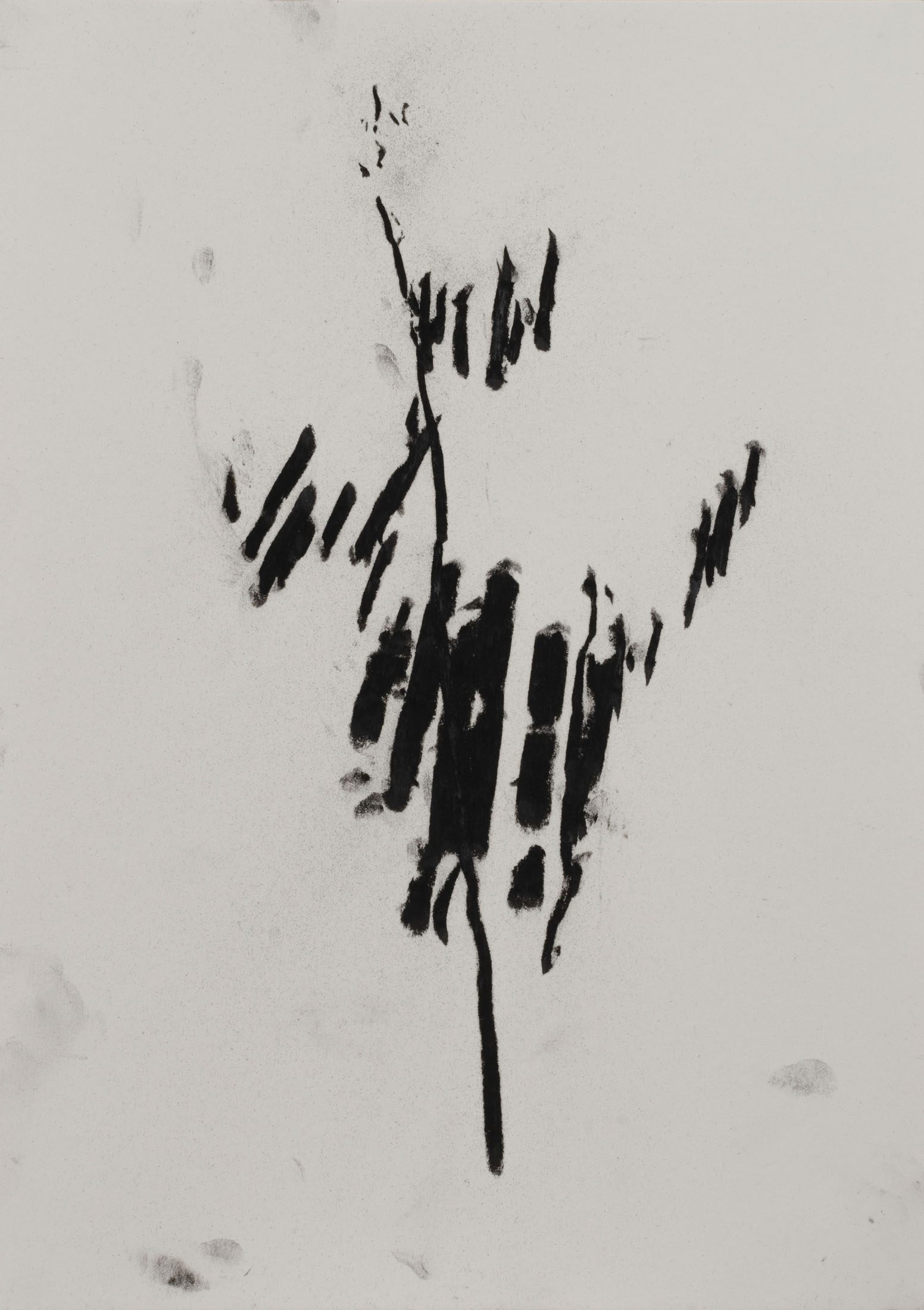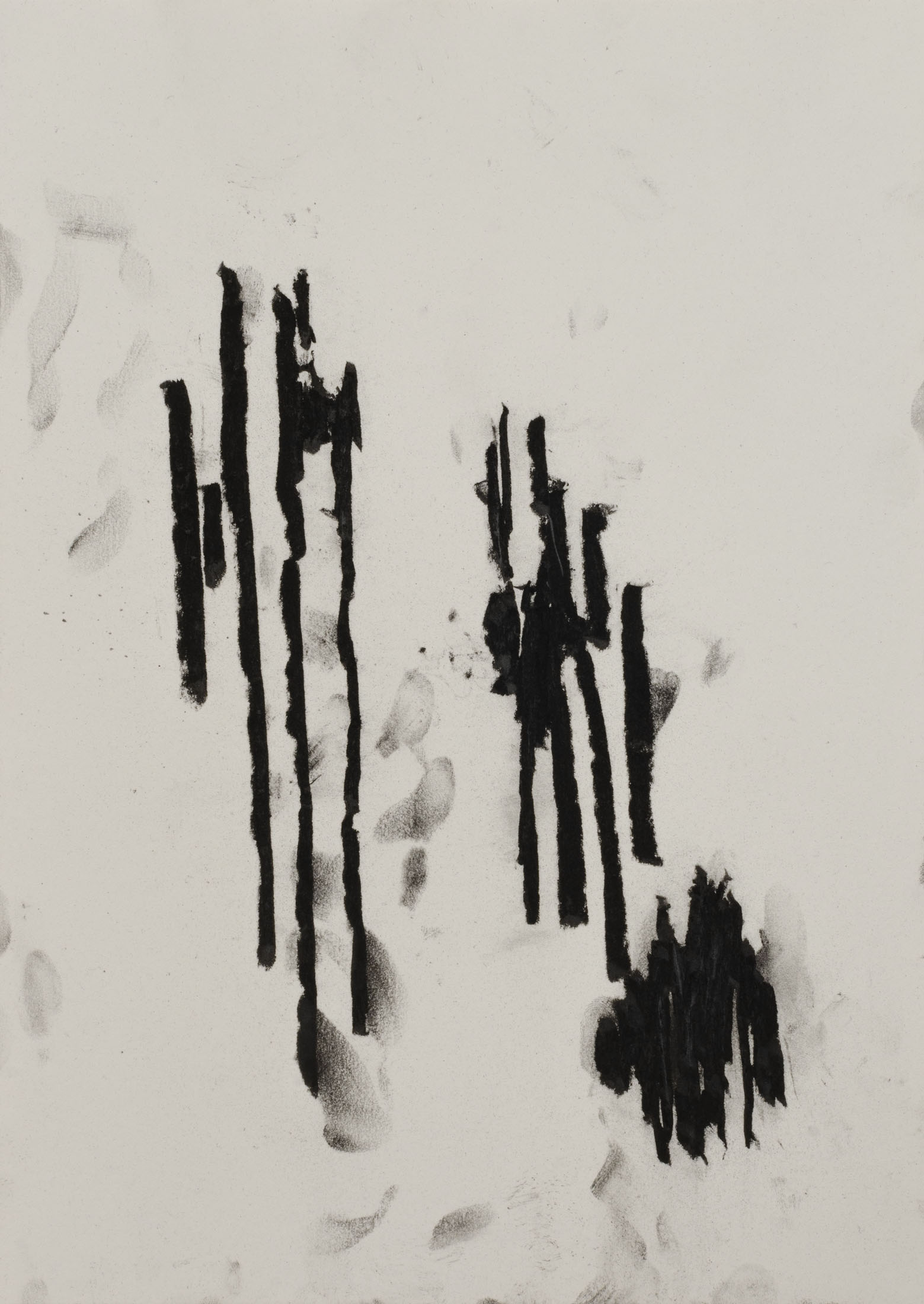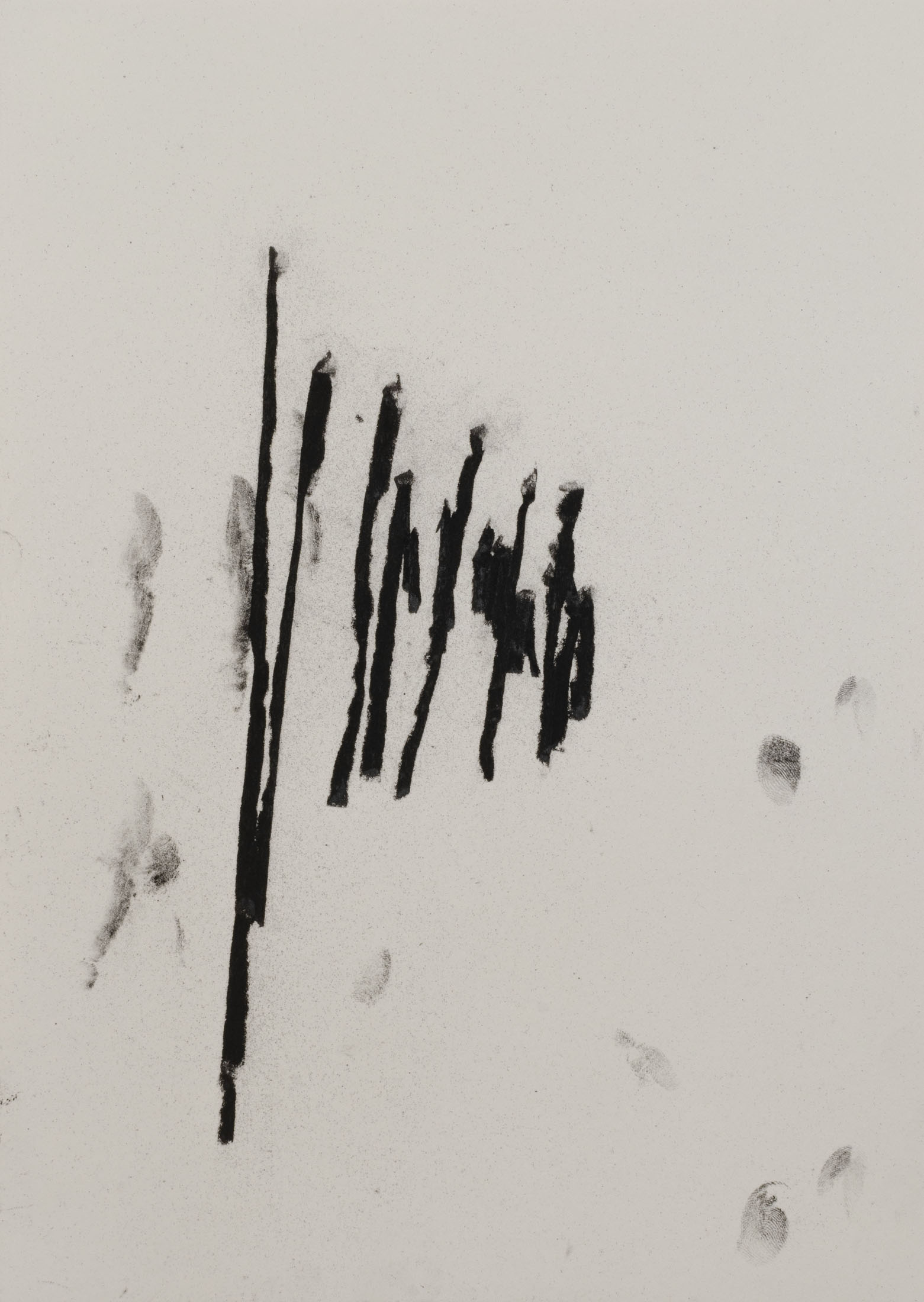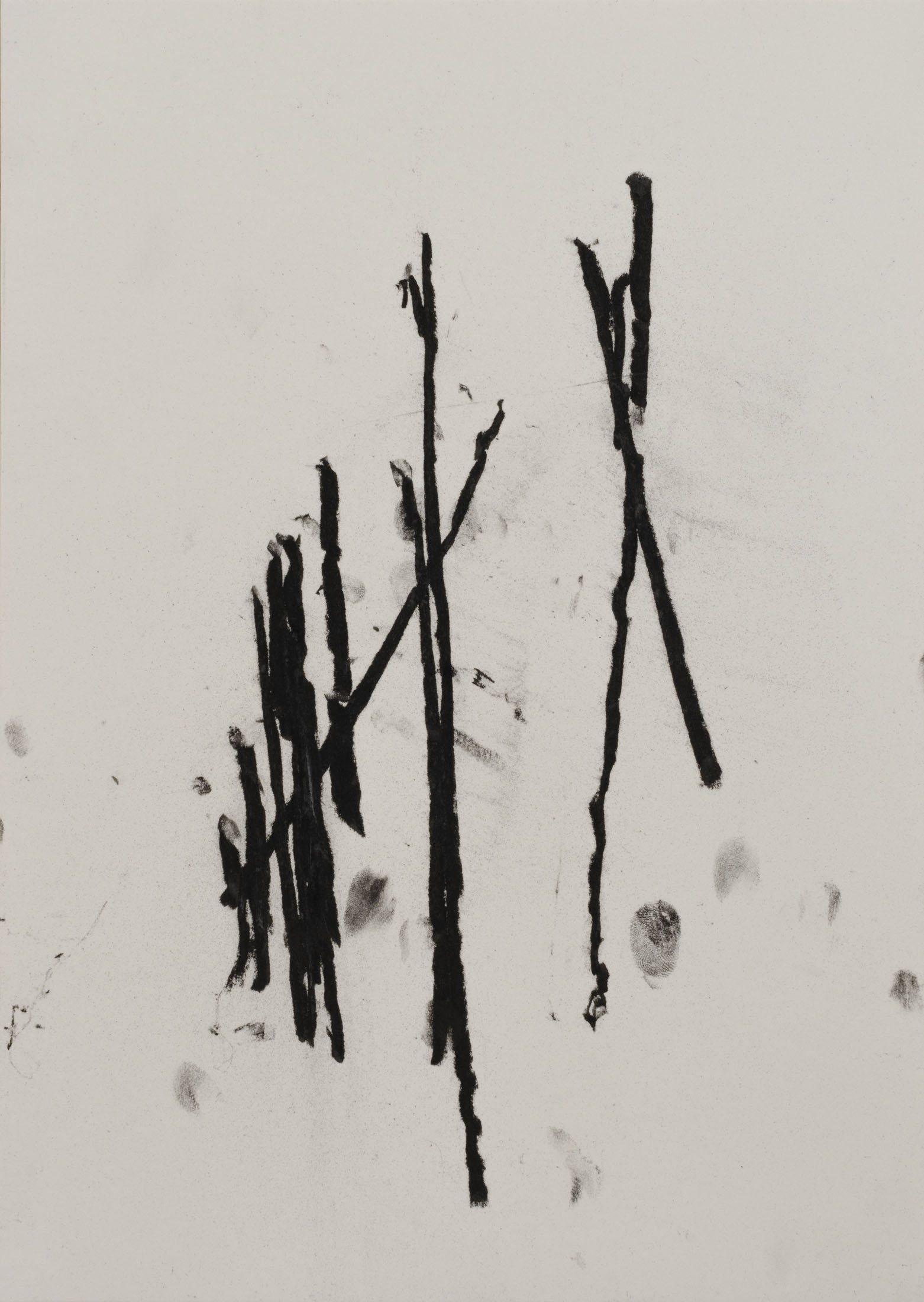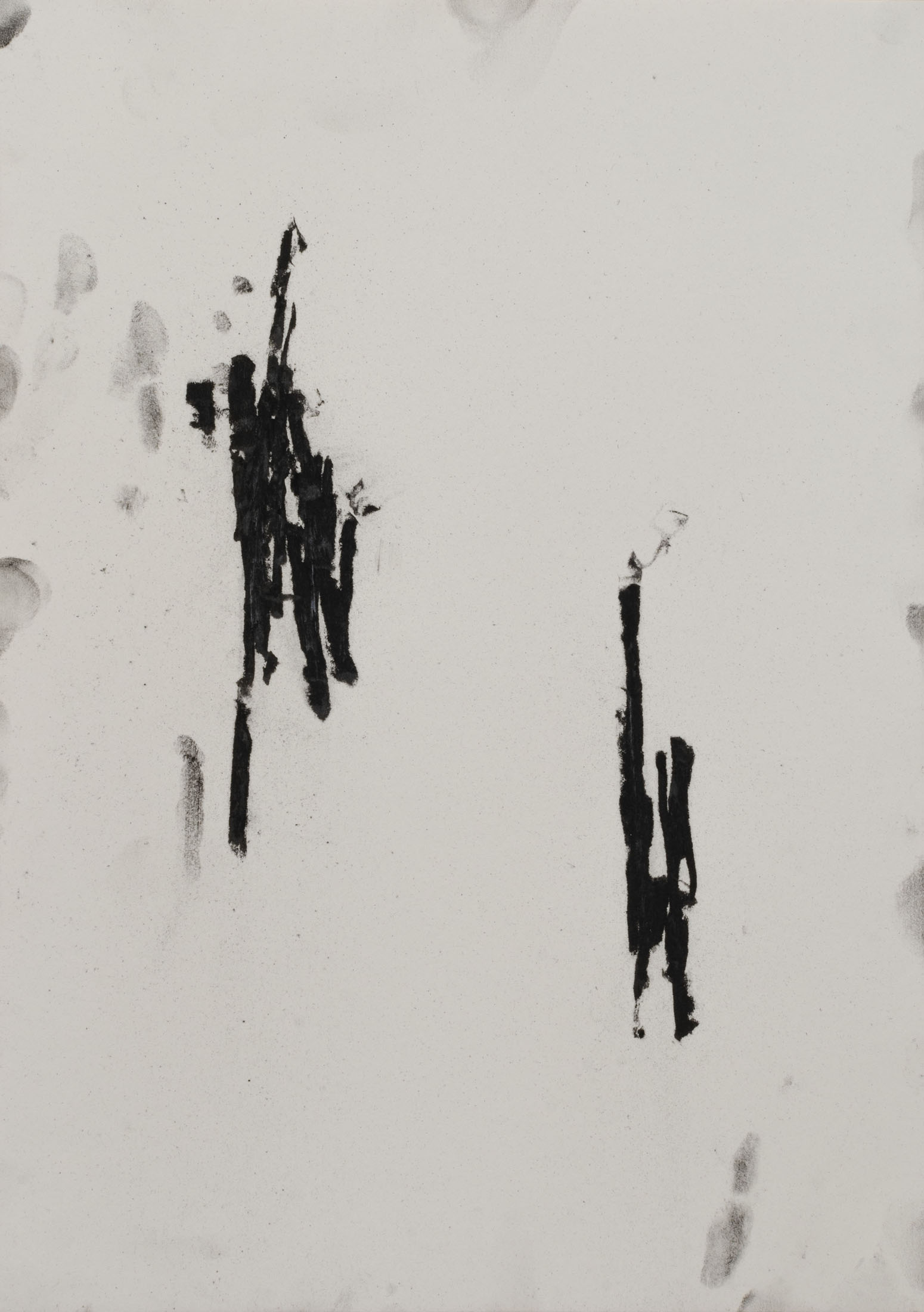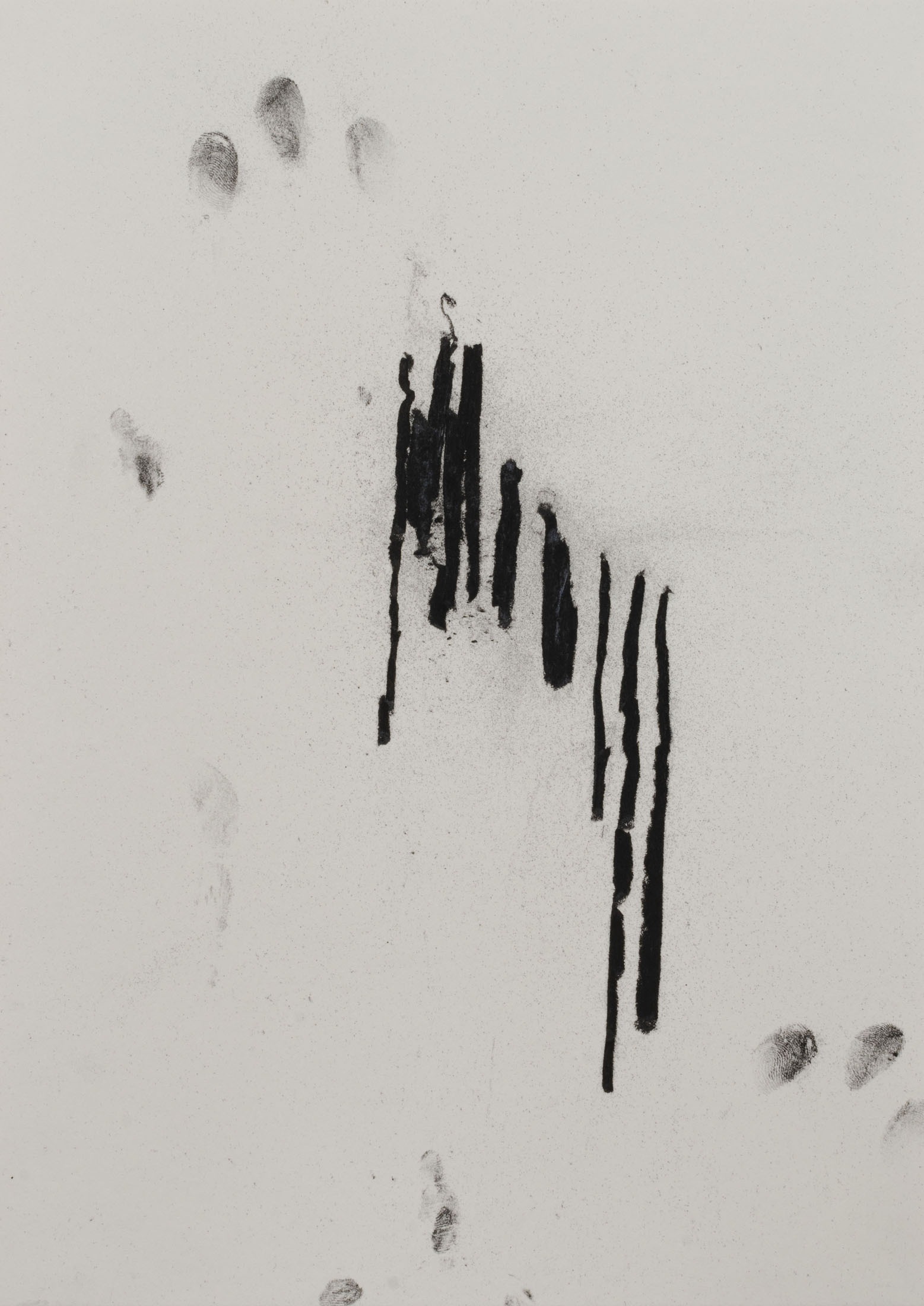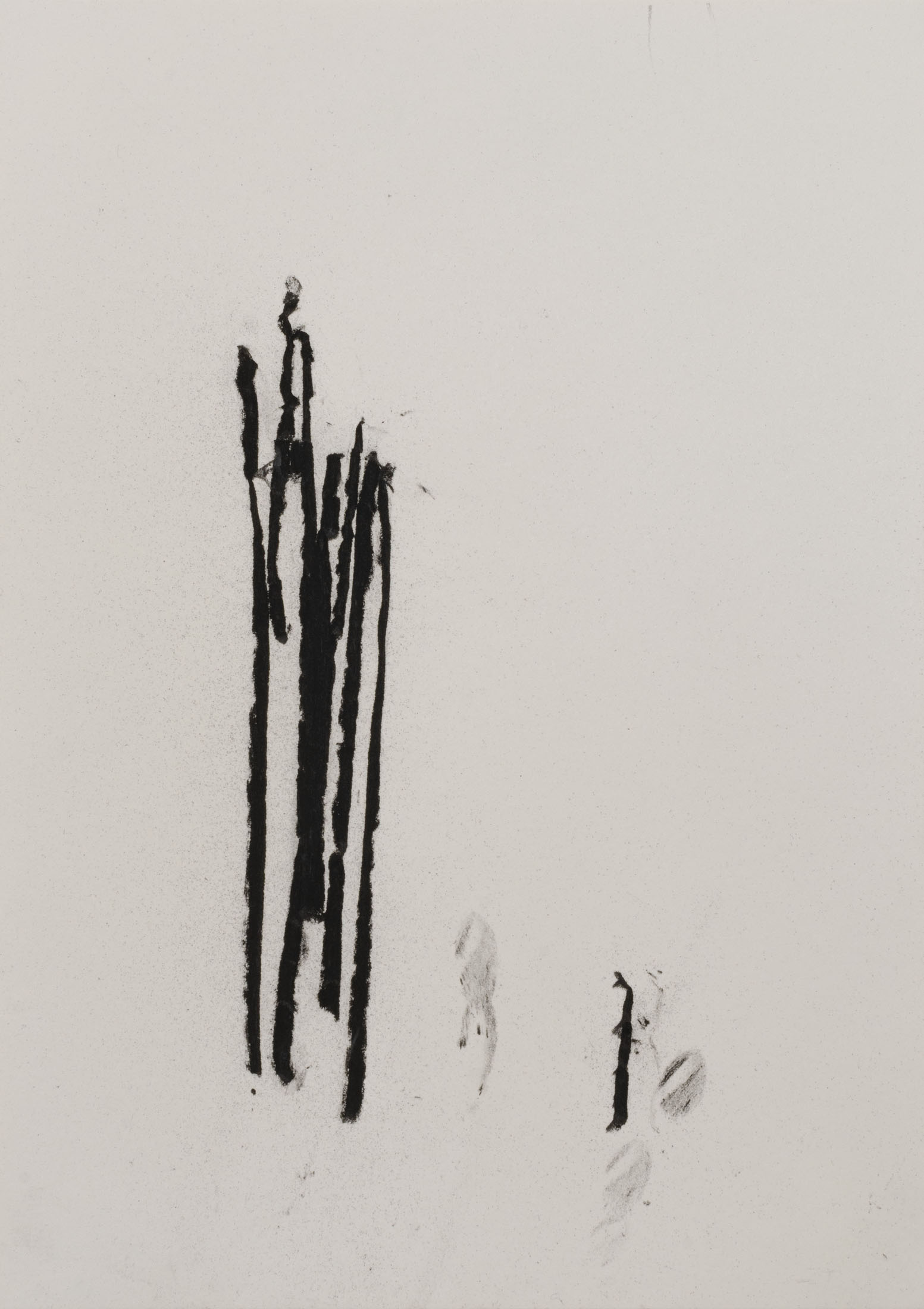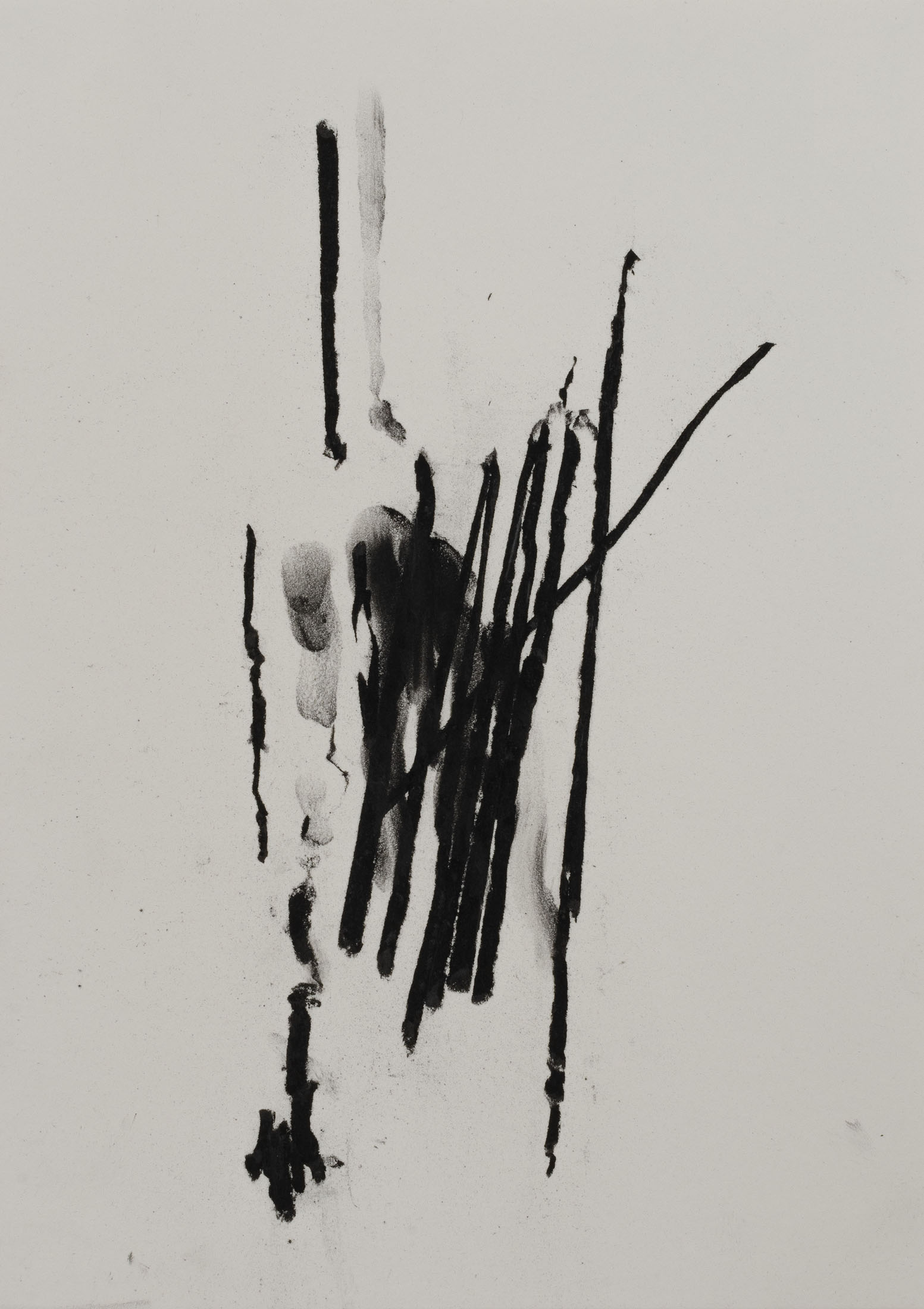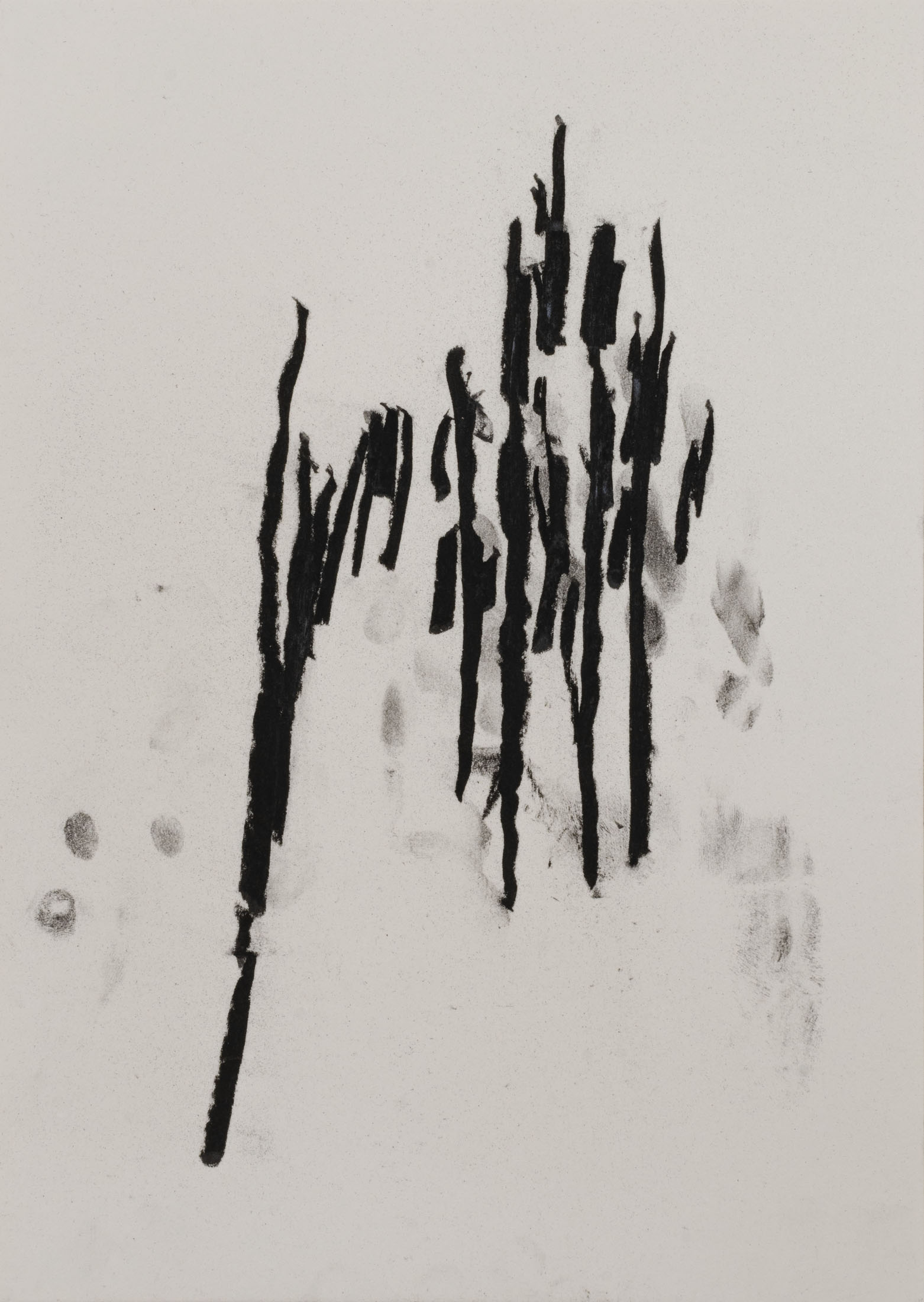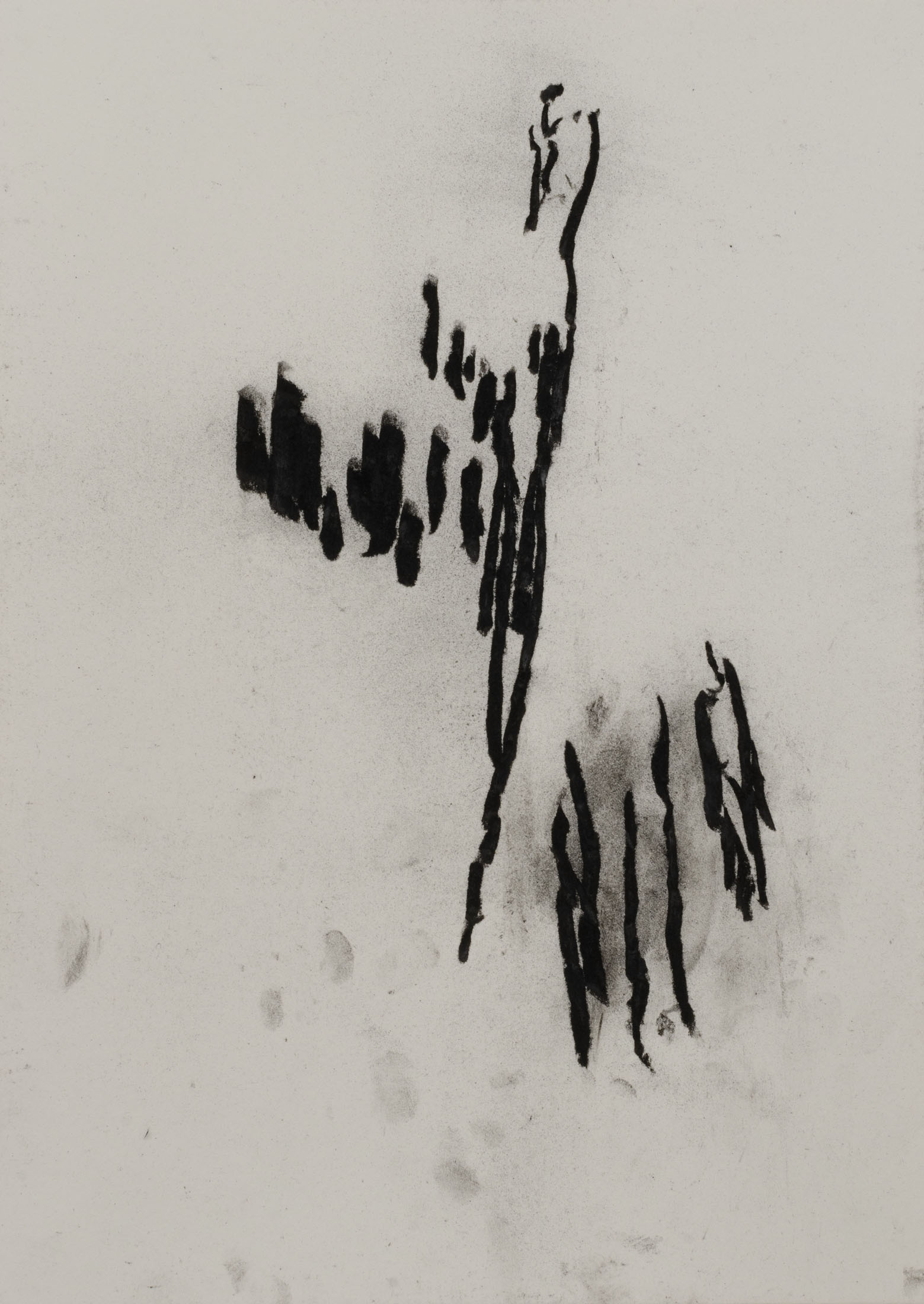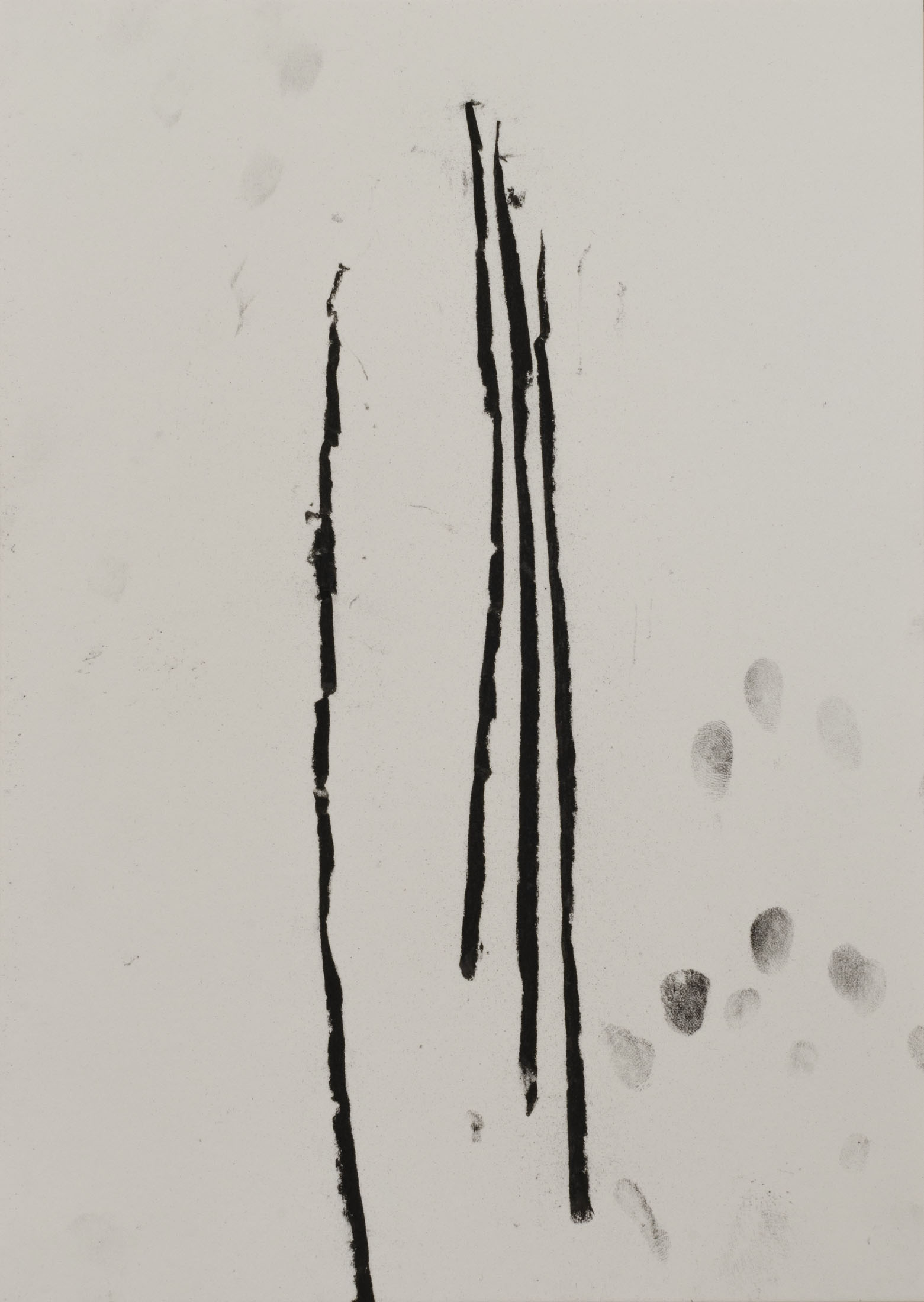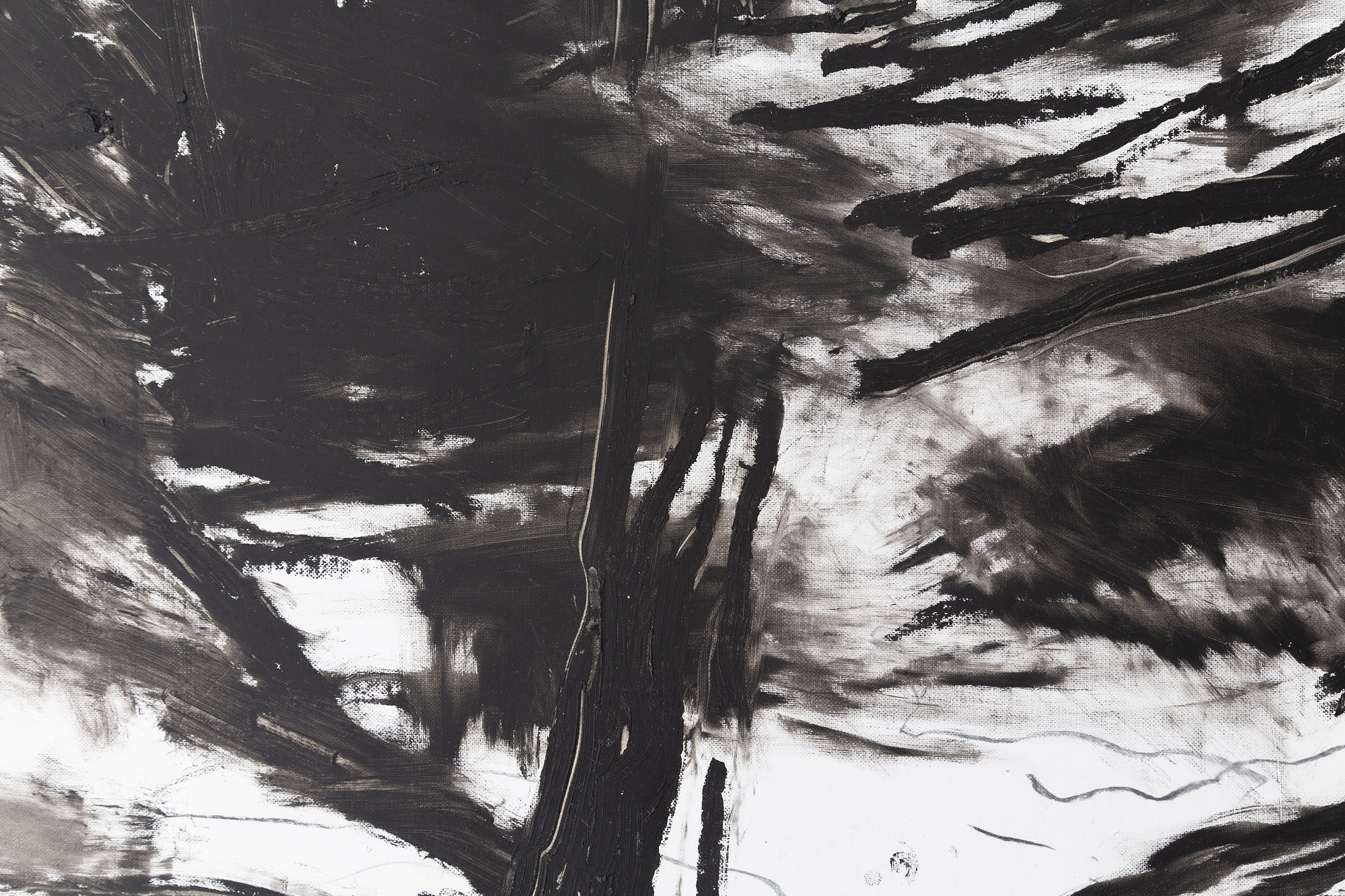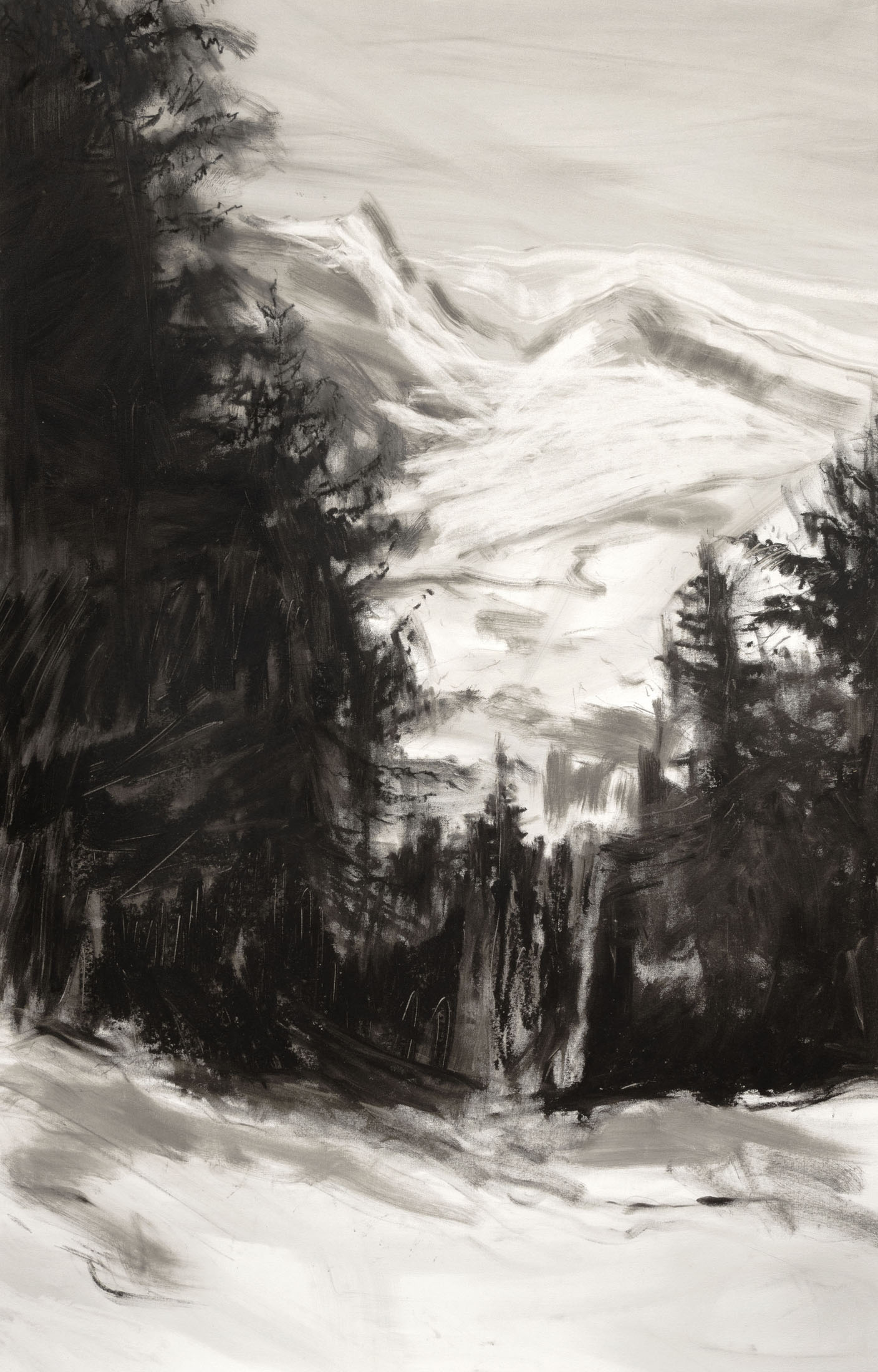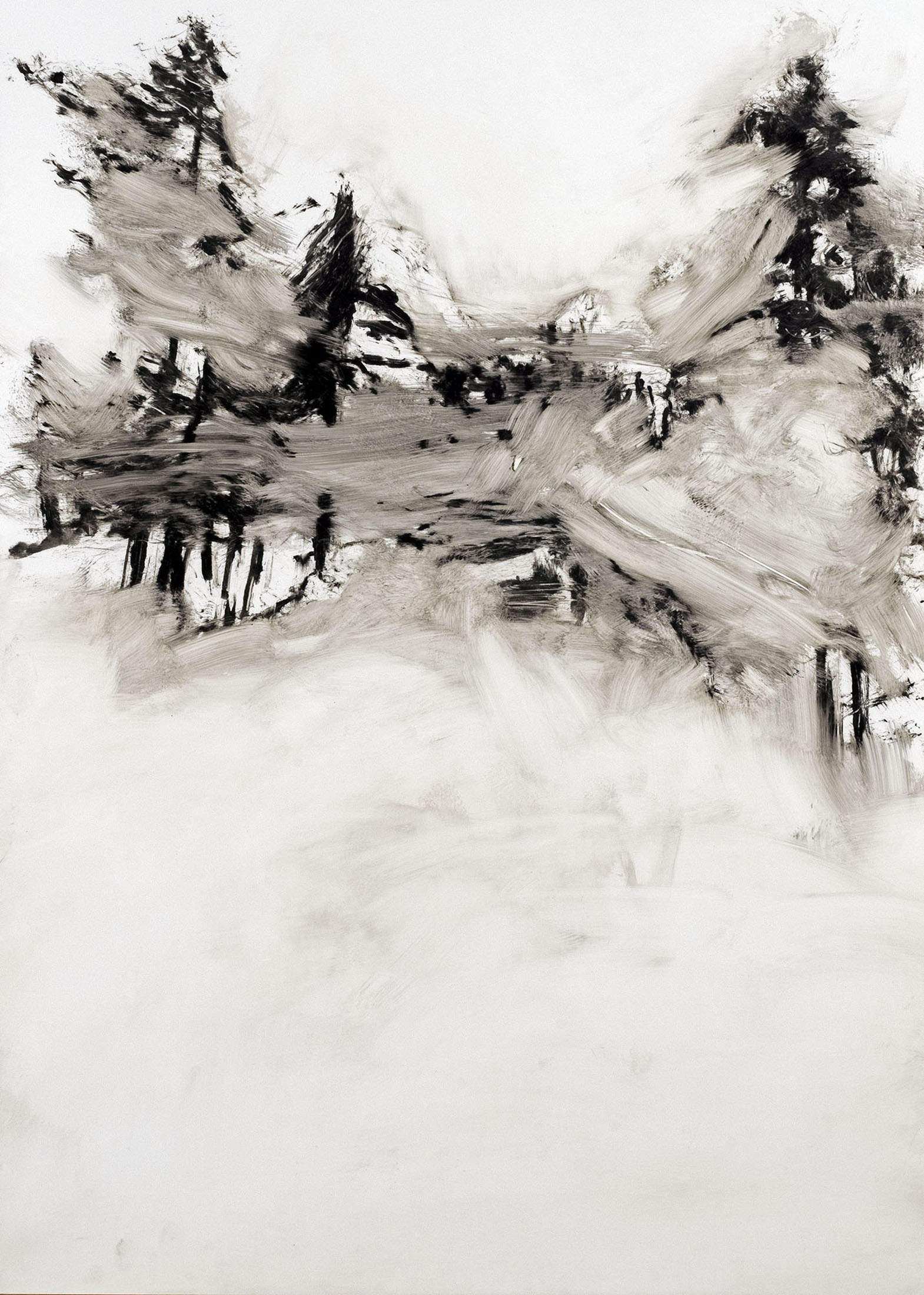
Transfiguración (Transfiguration)
The period from Tristan. written in 1903 to that of The Magic Mountain of 1924, was an intensely creative time in the intellectual life of Thomas Mann. It resembled an ellipsis that travelled through an epoch and capsized in a sea that shook the foundations and, as Kubin believed, invited us to dance the “macabre dance of principles”. Mann was a priviledged witness of this time. Buddenbrook was a veritable history lesson, the subject of which was none other than the 19th century German bourgeoisie, subjected now to a difficult destiny. In tandem with Fontane, Mann had pointed to the journey in which he obsered how pessimism lodged in the conscience of the German bourgeoisie. Lukacs wiould realise the political- ideological implications of such an attitude.
In this context Mann’s Tristan has a special significance. Written as a novella it shows us a change in narrative register, far from the history lesson and open to a fantasy from which questions regarding the moment emerge. As will occur inThe Magic Mountain a sanatorium is the place chosen to tell of a time of illness and death, clinging to the experience of desire and passion in a journey that proclaimed the impossibity of a Bildung or moral development from the start. Bildung, core of German clasicism philosophy was elevated even higher by Romantisicm. At this point, from Hölderlin to Kleist. it heralded its failure as the negative expression of the modern.
Two untimely friends appeared on this journey who would decisively affect the direction of Mann’s thought. The first of these was Nietzsche whose spiritual and stylistic world assumed a unique fascination that widened the horizon of his reflections and liberty to interpret them. The ethos and art of Nietzsche illuminated the path― the perpetual Wanderer―through a time of anxious searching for a world that Zarathushtra had invoked in the prophetic cry from Sils María. Mann secretly admired the ‘relativity of this great moralist’s immoralism’. His glorification of life at the expense of the spirit would feed the perplexity that would always accompany the reading of his work.
And together with Nietzsche, Schopenhauer. He had been the philosophic horizon of Buddenbrooks and had announced the death of Thomas. But his presence in Mann’s work transcended this first phase of his youth. In his Sketch of my Life he pointed out the differences between Nietzsche’s and Schopenhauer’s influence in his life. Nietzsche’s was more artistic and cultural while that of Schopenhauer was an ‘unforgettable psychic experience’. He recalls ‘the satisfaction the powerful negation and moral-spiritual condemnation of the world and life in a mental synthesis whose symphonic musicality seduced me profoundly. I was extra-sensitively enchanted by the erotic and mystically unitary element of this philosophy that had so much bearing on the music of Tristan and Isolde’.
Tristan and Isolde represents both for Nietzsche and Mann the highest and deepest expression of 19th century music. Wagner assembles elements from Arthurian tradition in a new dramatic structure that he envelopes in turbulent chromatic music nourishing the sensuality of story of Isolde and her decision to follow her deceased lover Tristan and find the unity of their lives through the transendence of their love. Wagner captures this idea with his music in an admirable handling of harmony and melody, constructed in a repeated sequence of the fundamental elements that gives the work a unique expressive power, making the opera into something sublime and incomparable. From the second A minor chord of the Prelude everything is prepared for the idea that Wagner had previously expressed: ‘The accord between music and the soul must be put to a moral use’. To shape an experience was already becoming the principle of all philosophy of art and music.
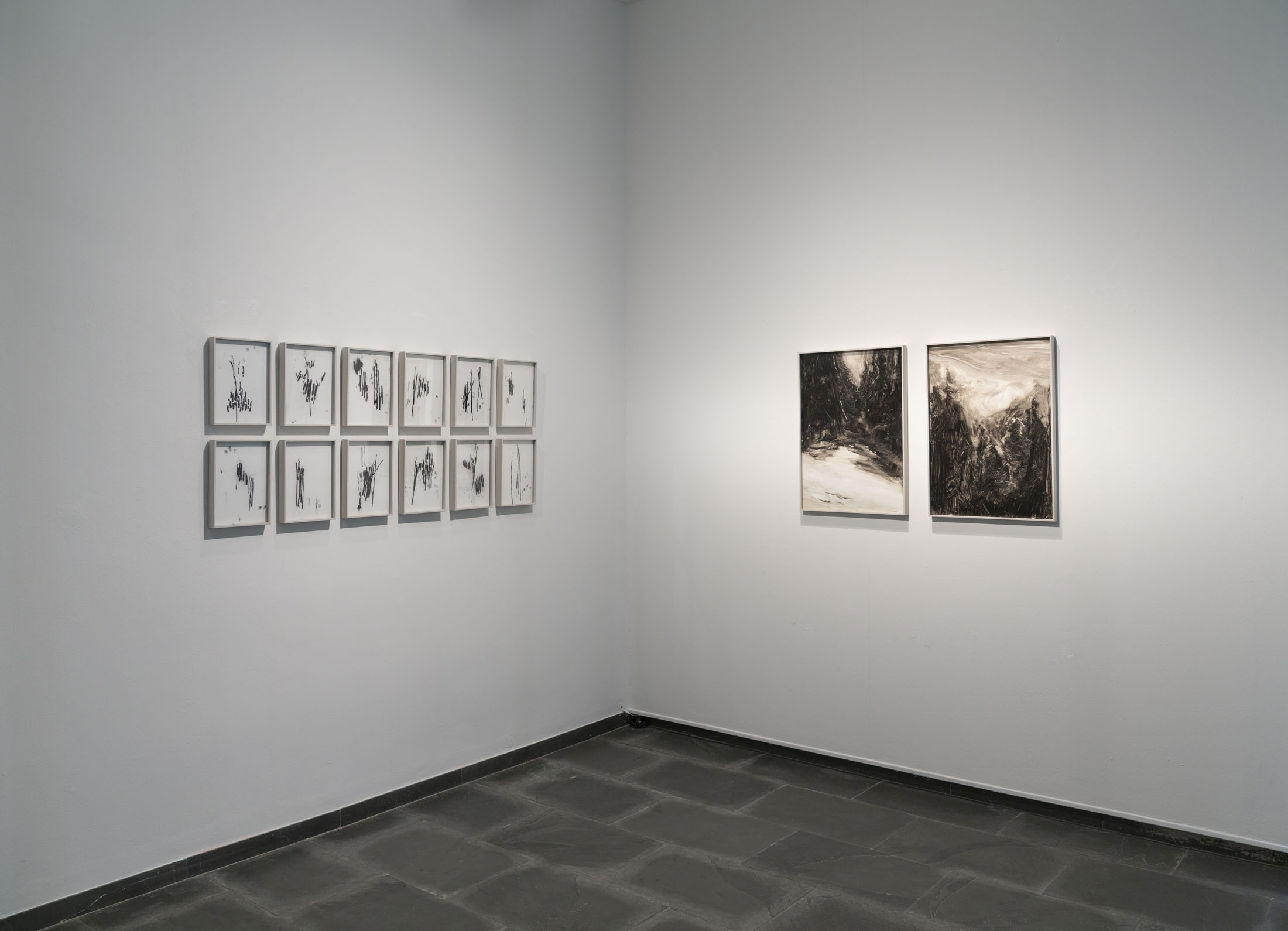
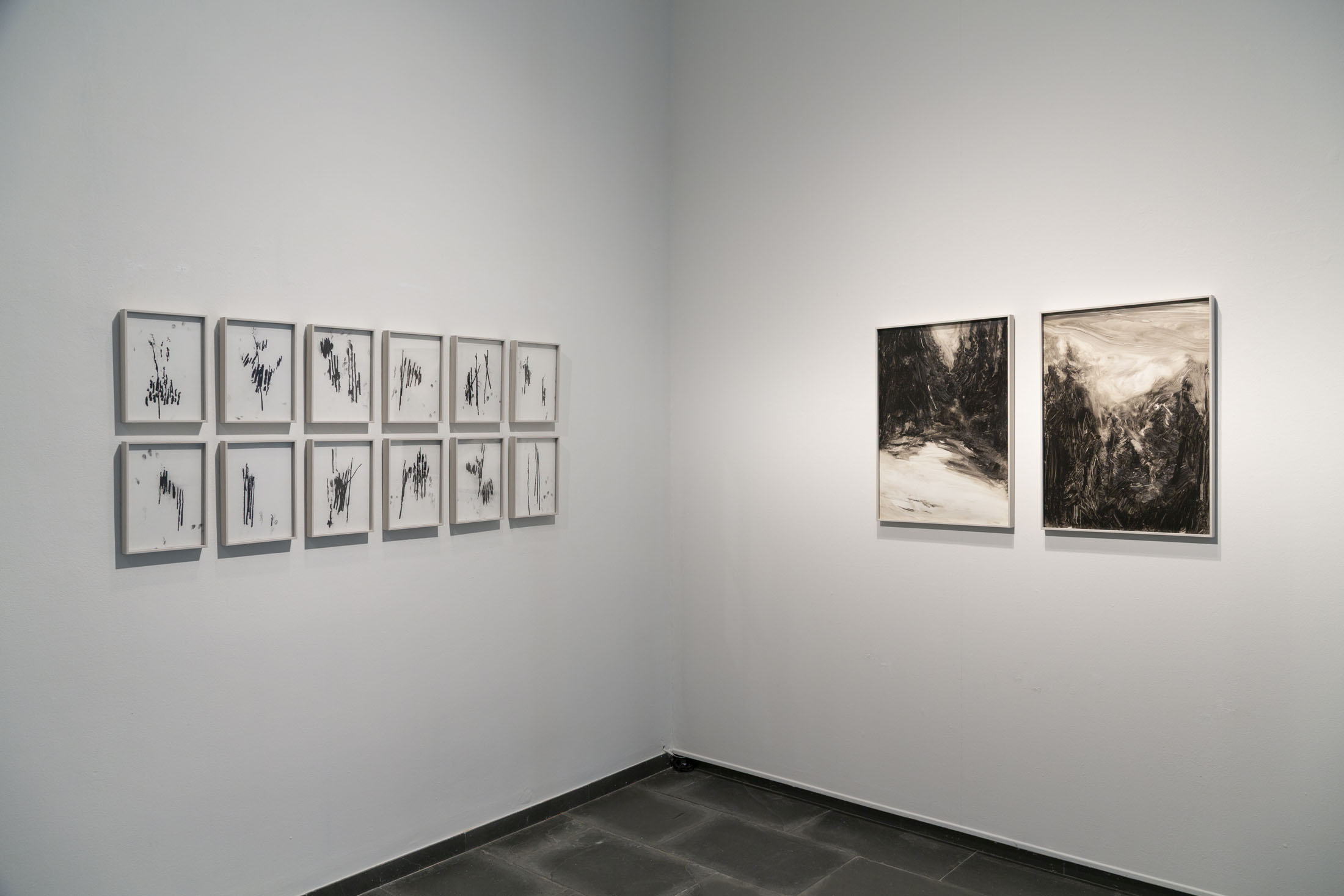
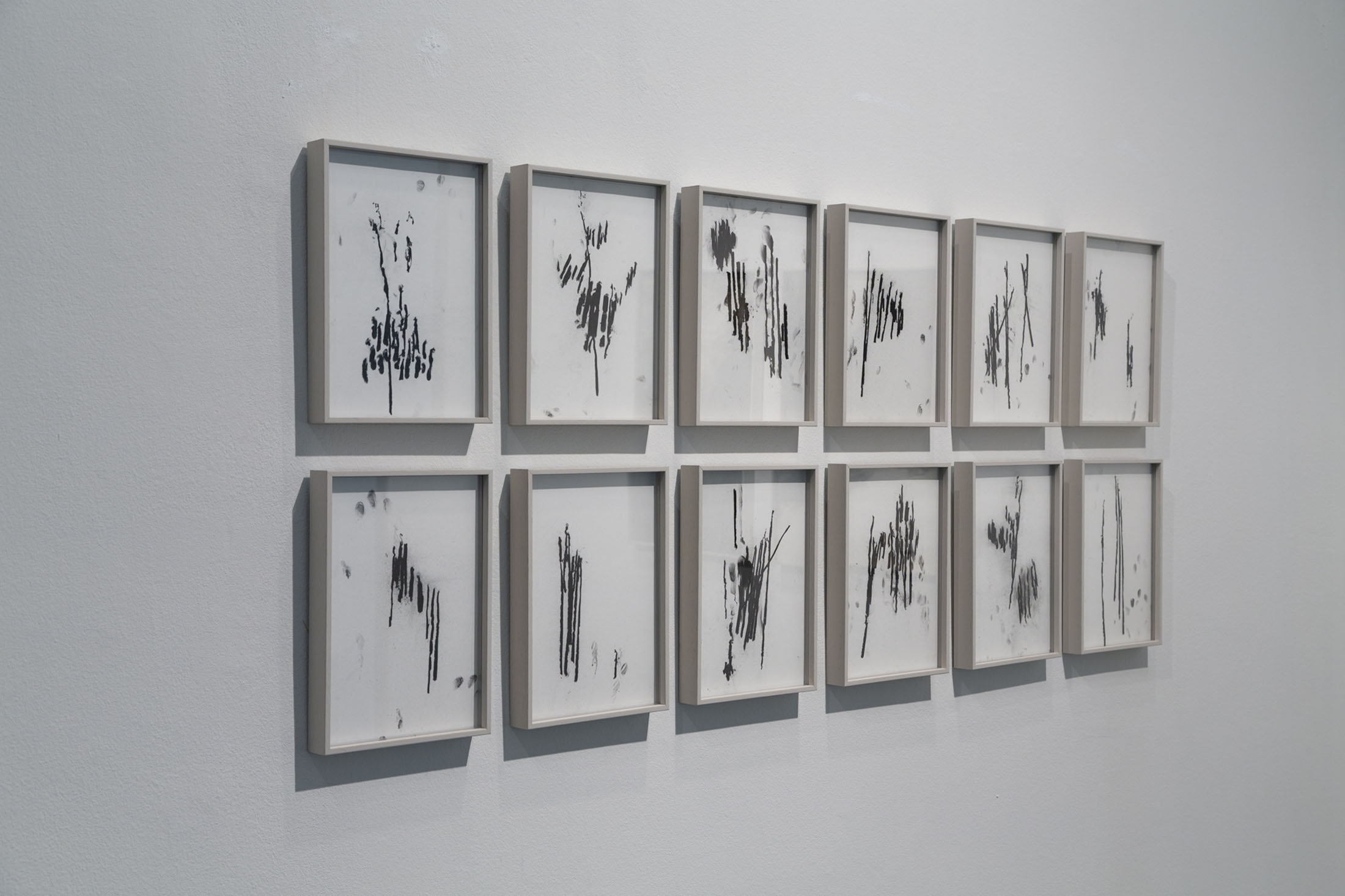
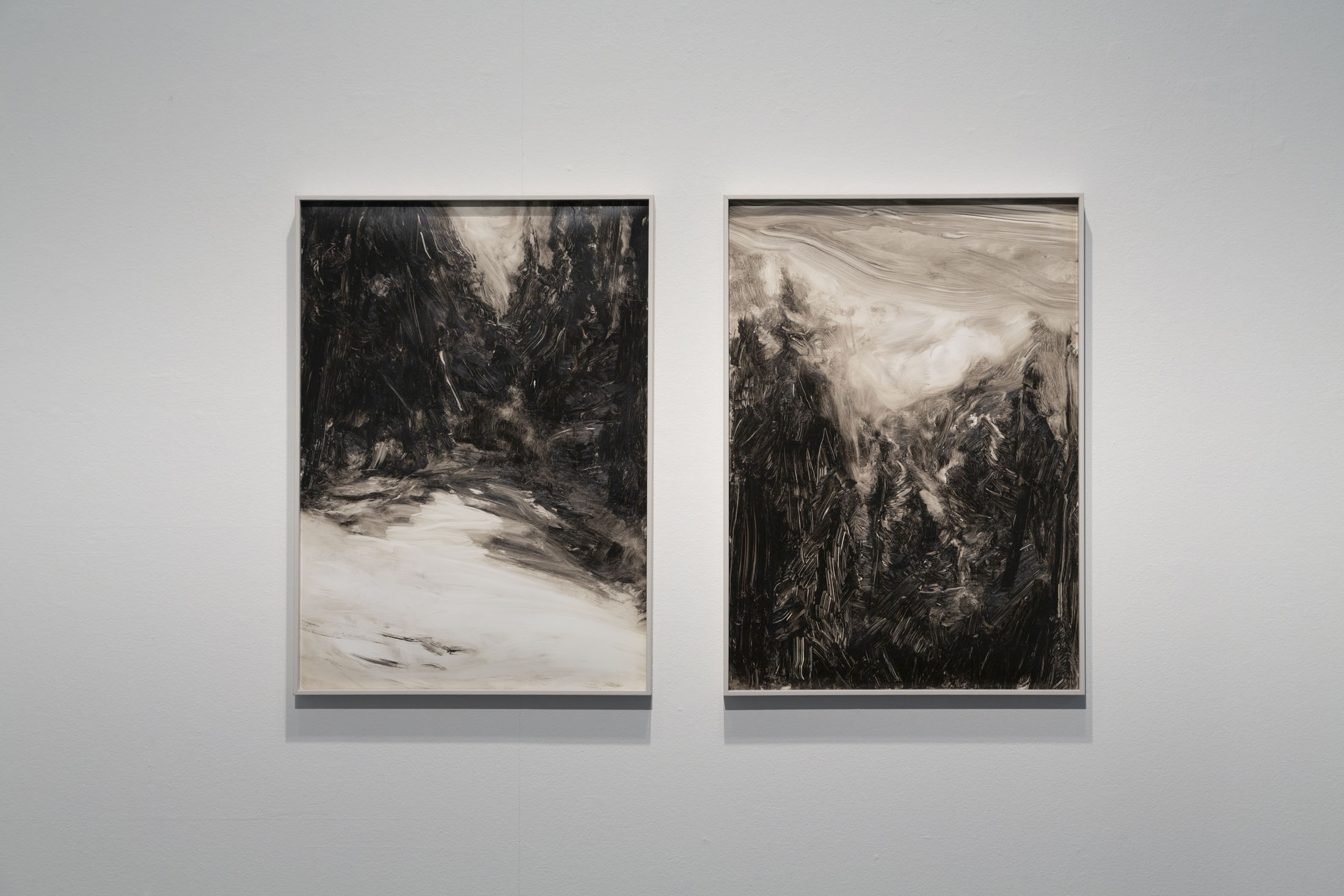
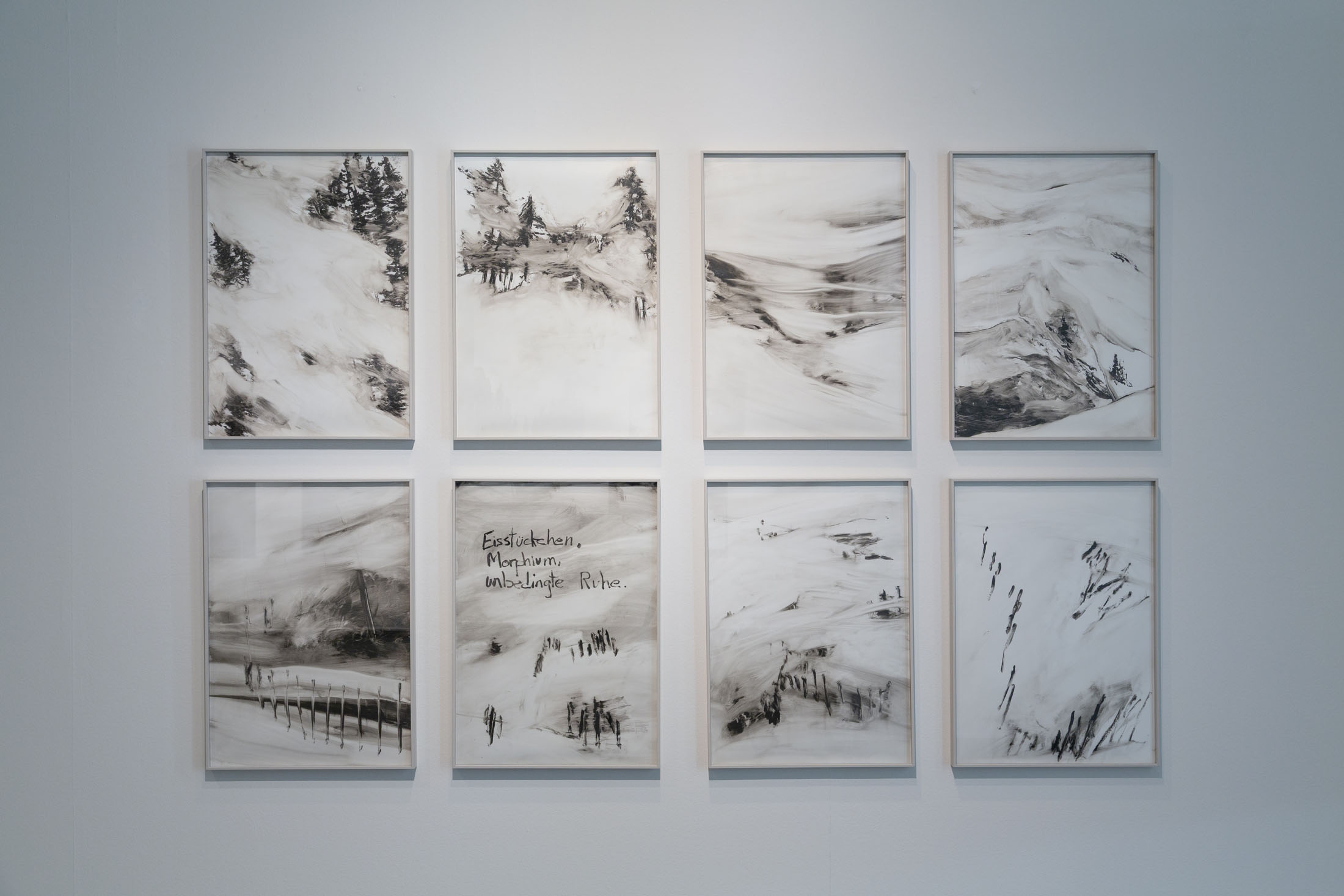
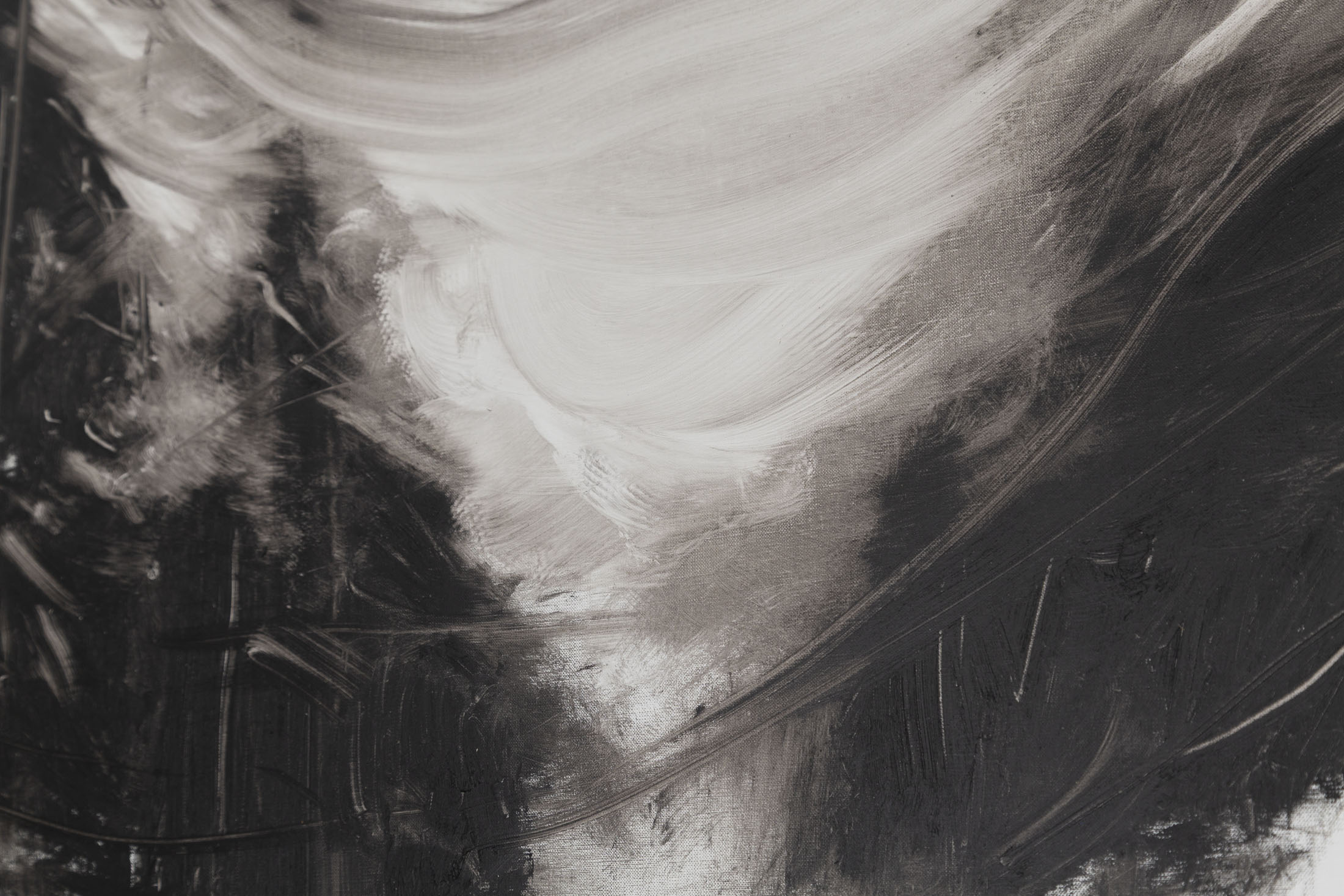
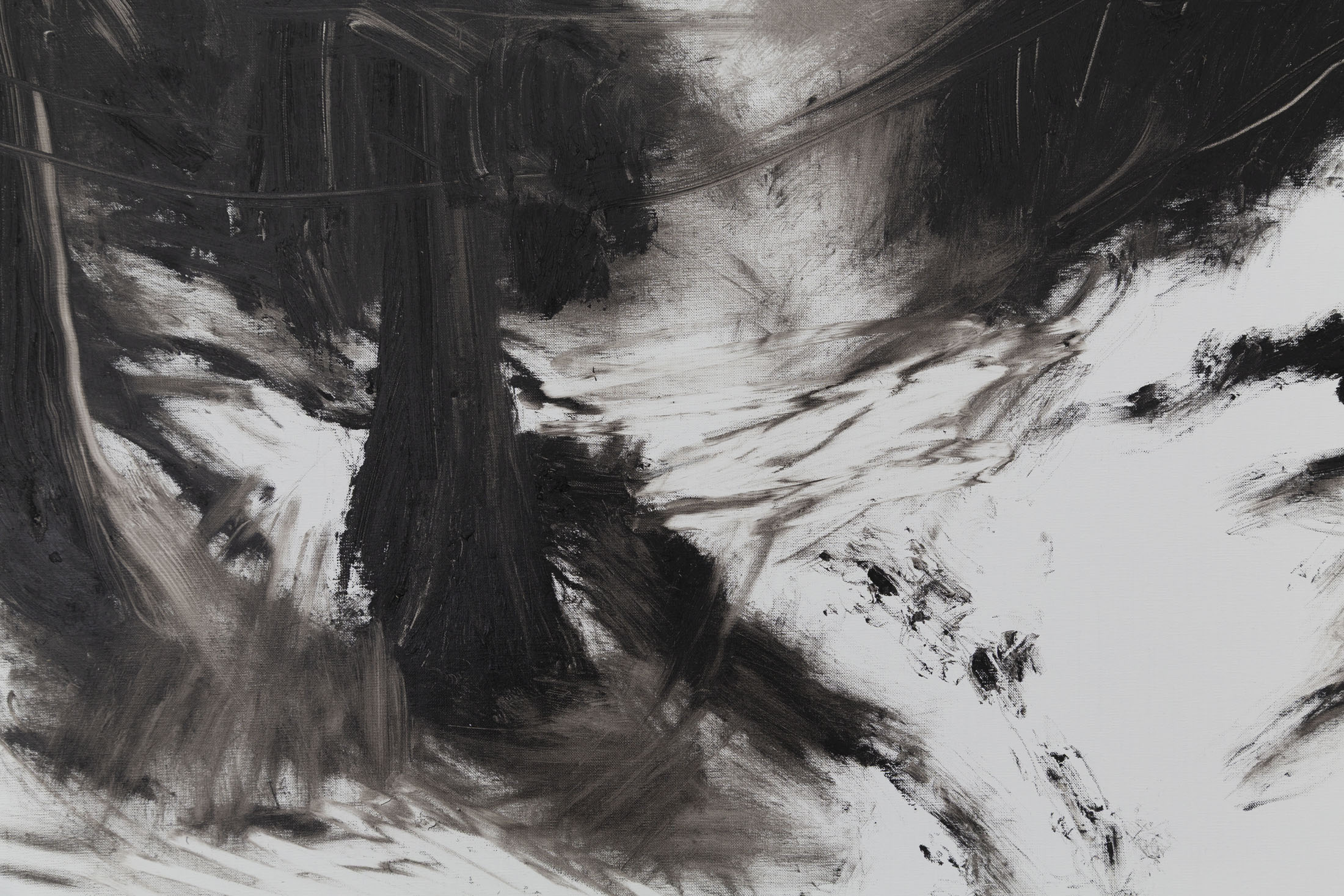
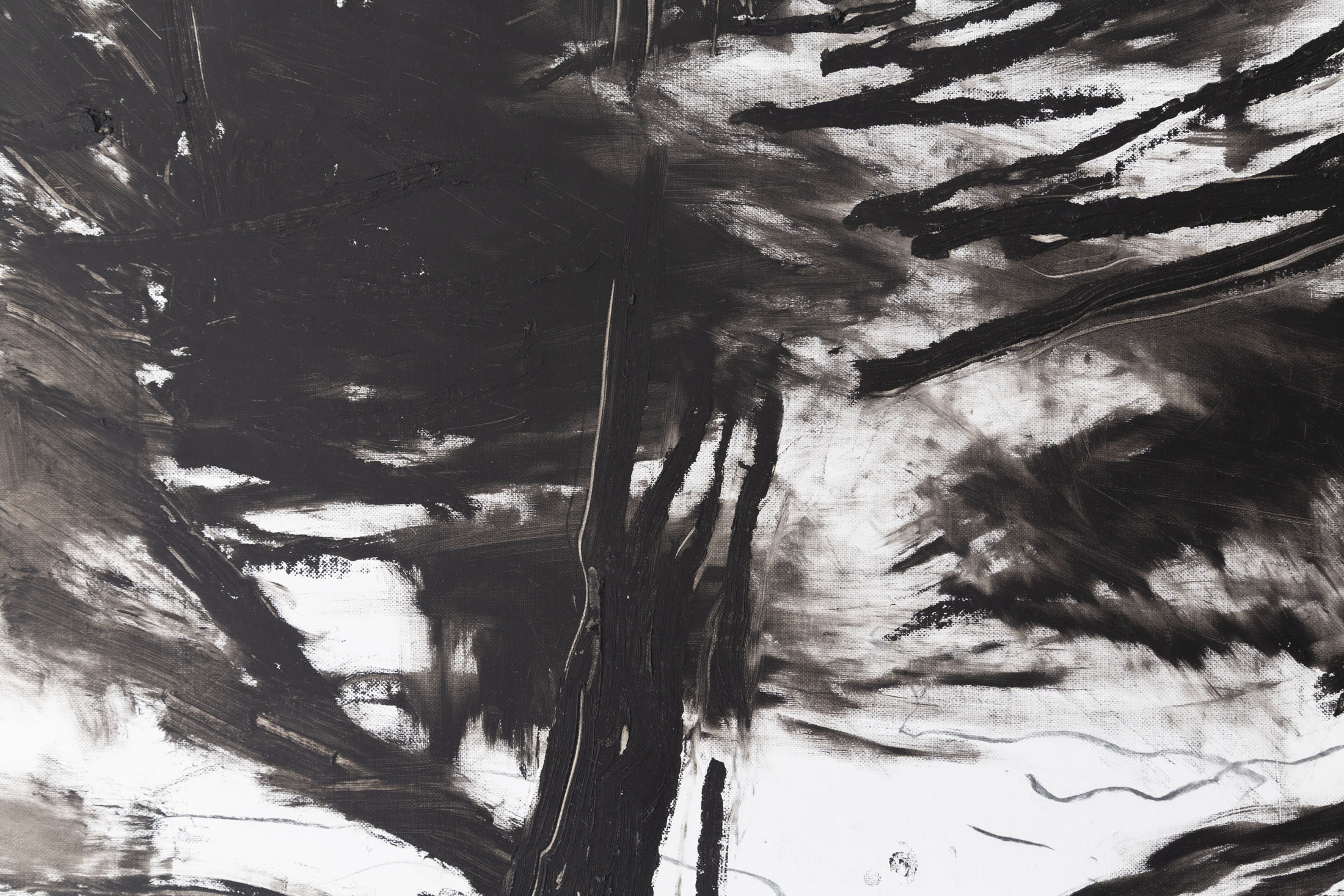
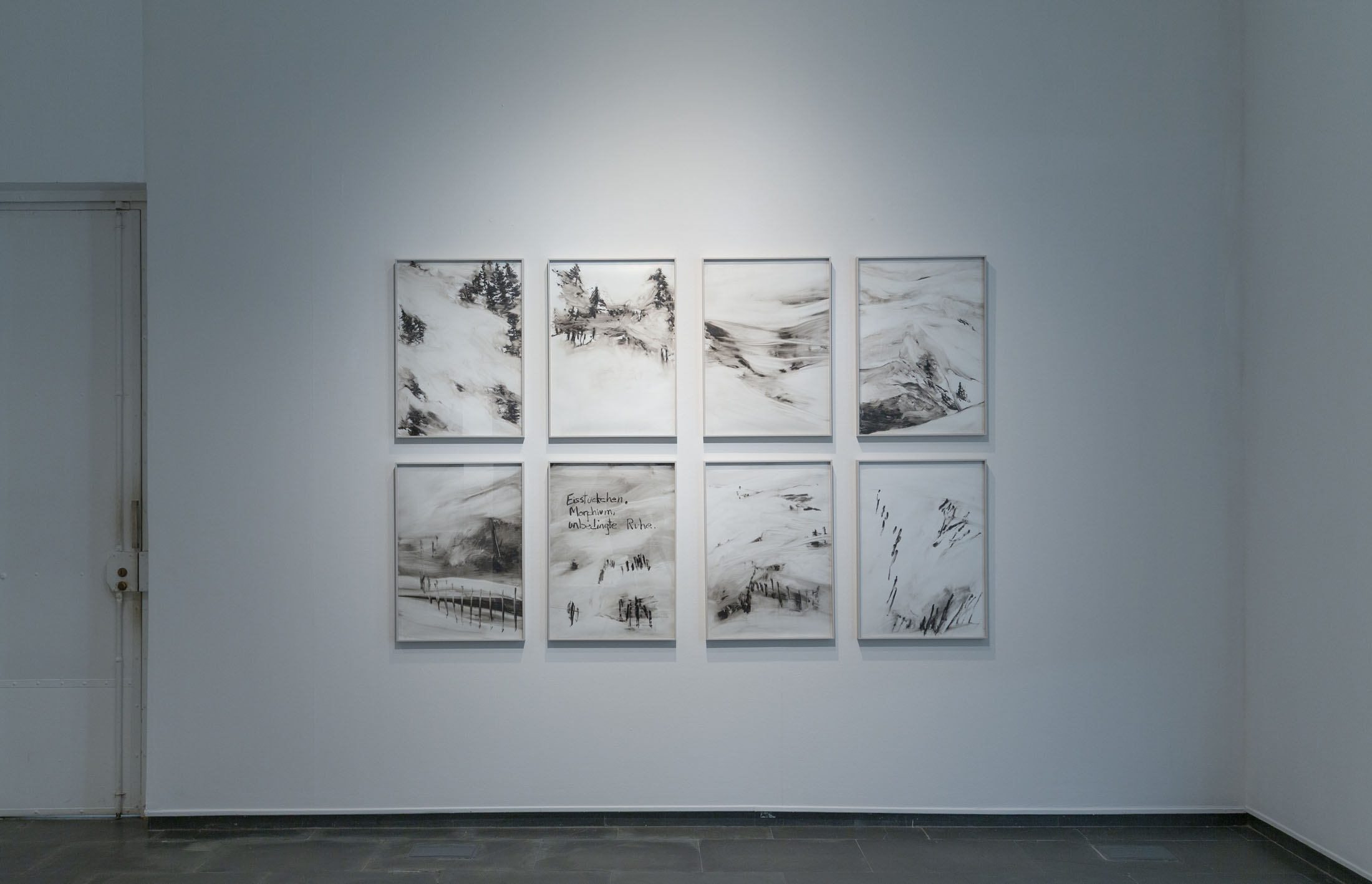
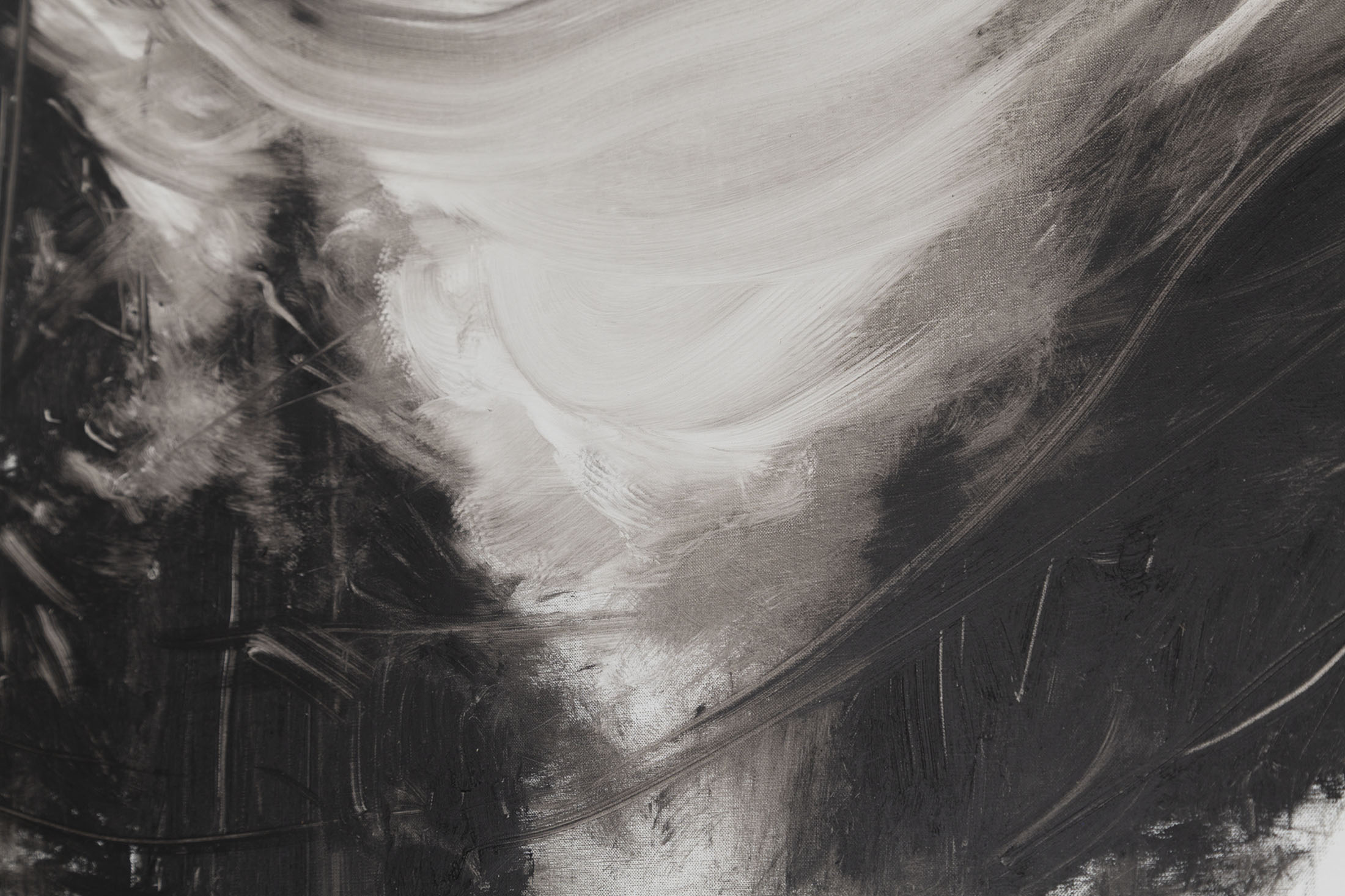
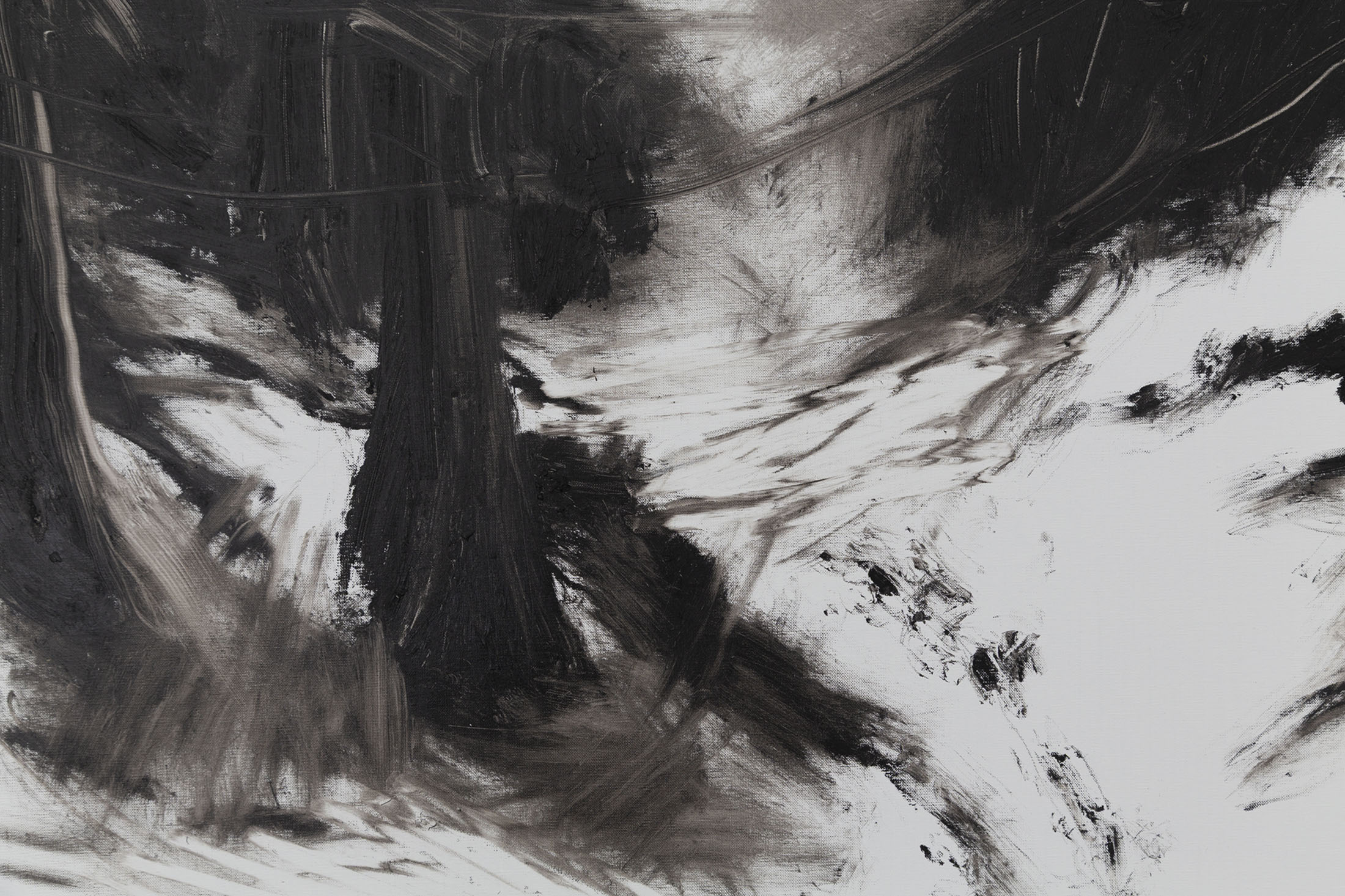
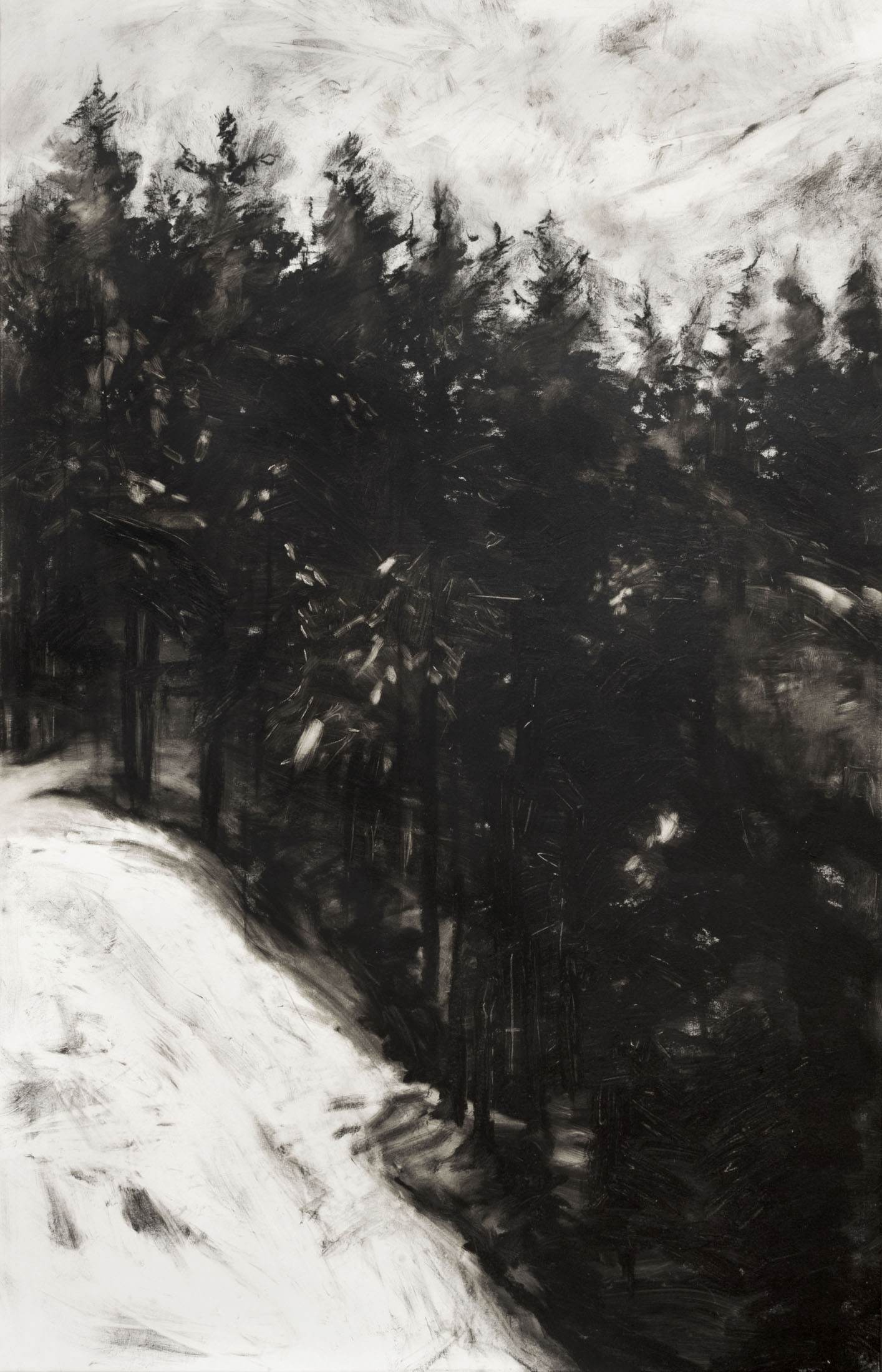
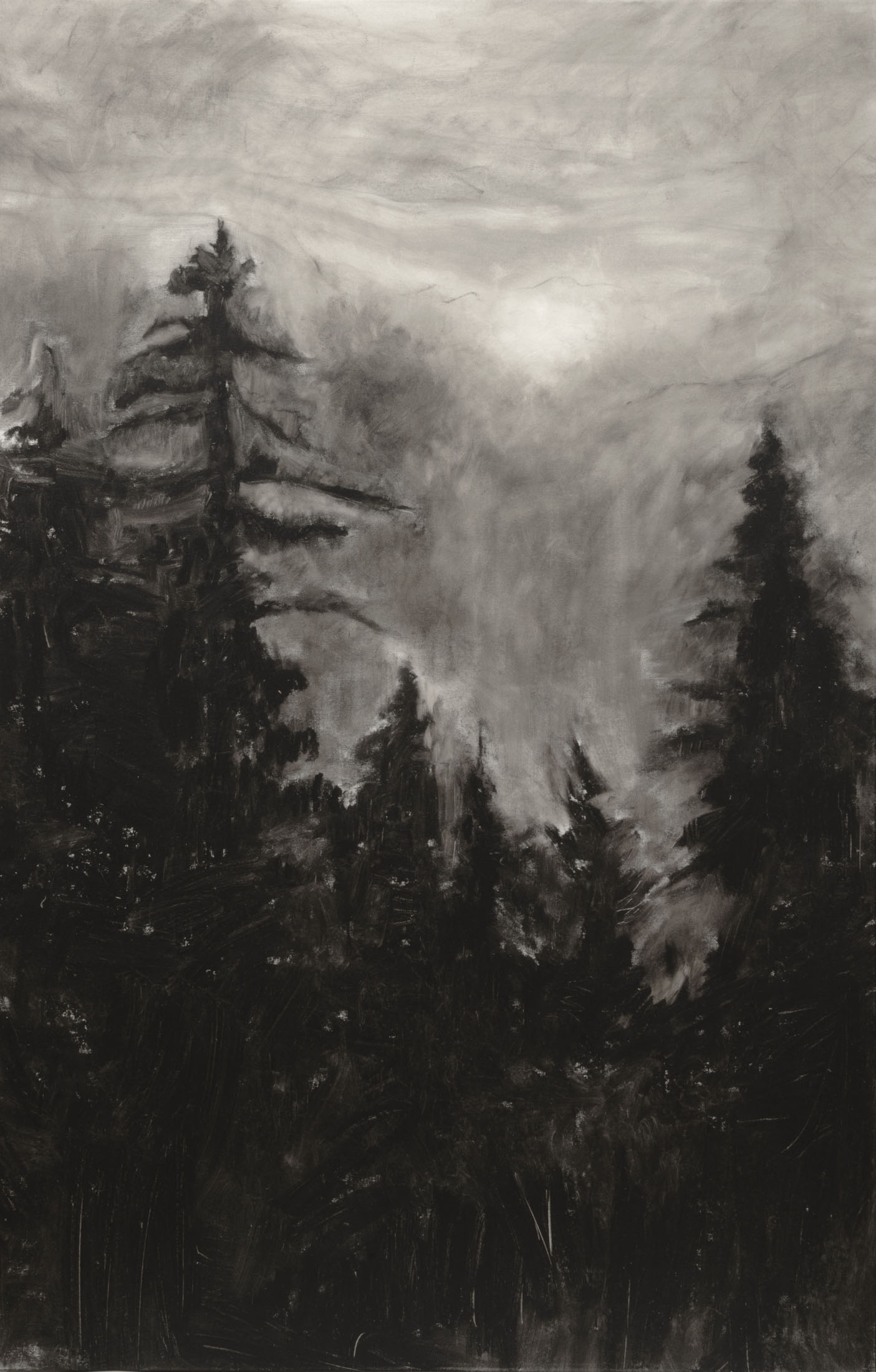
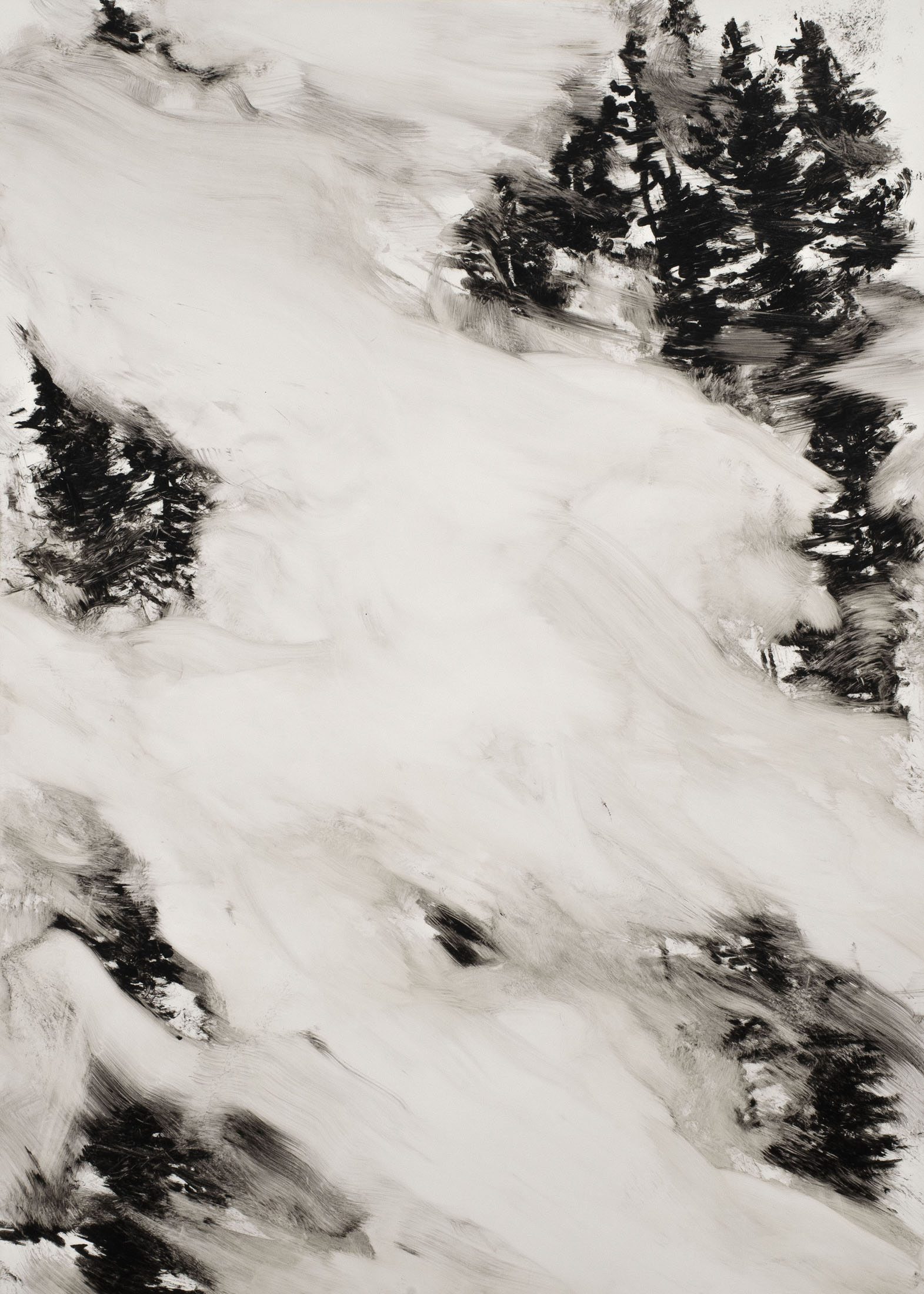
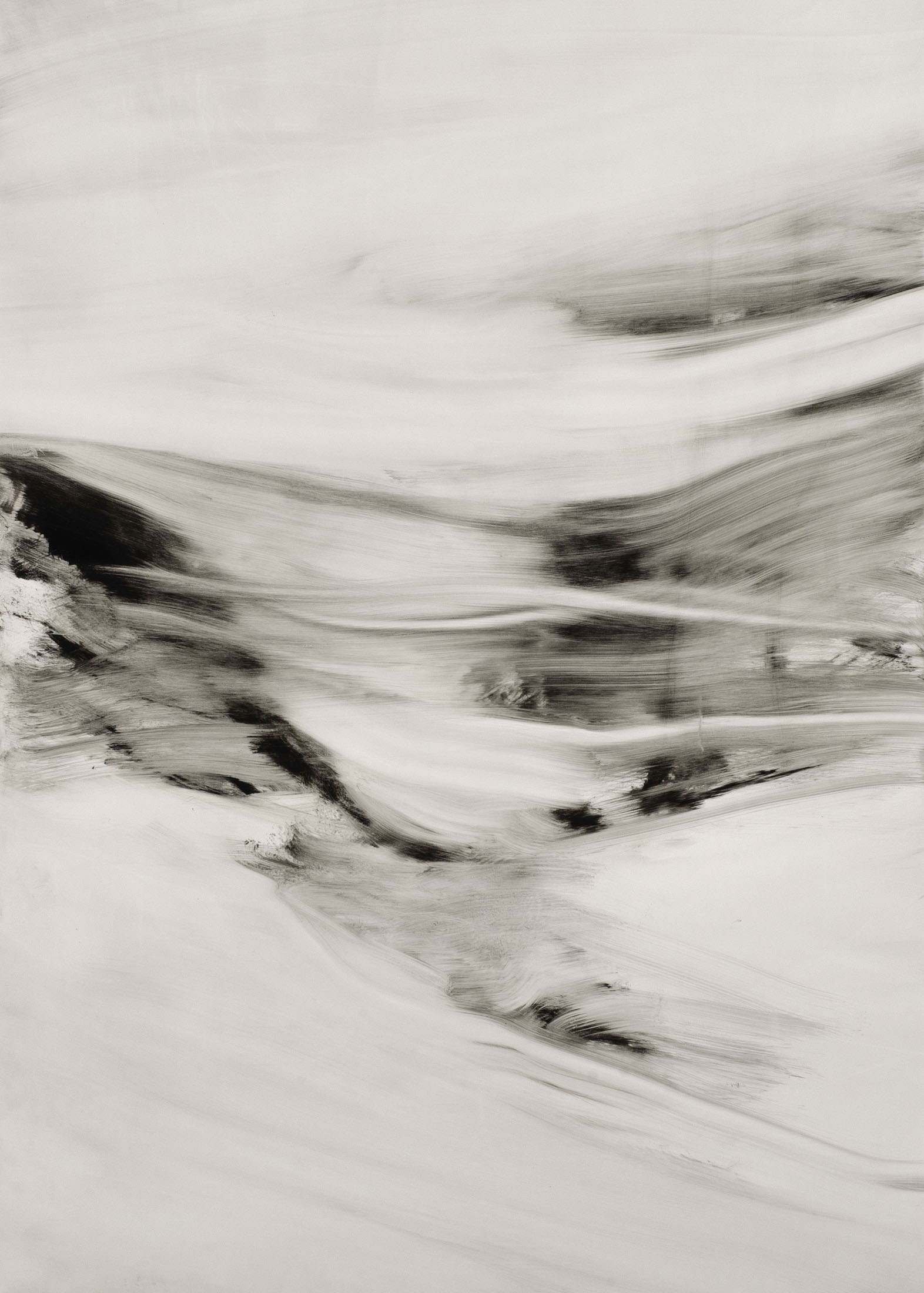
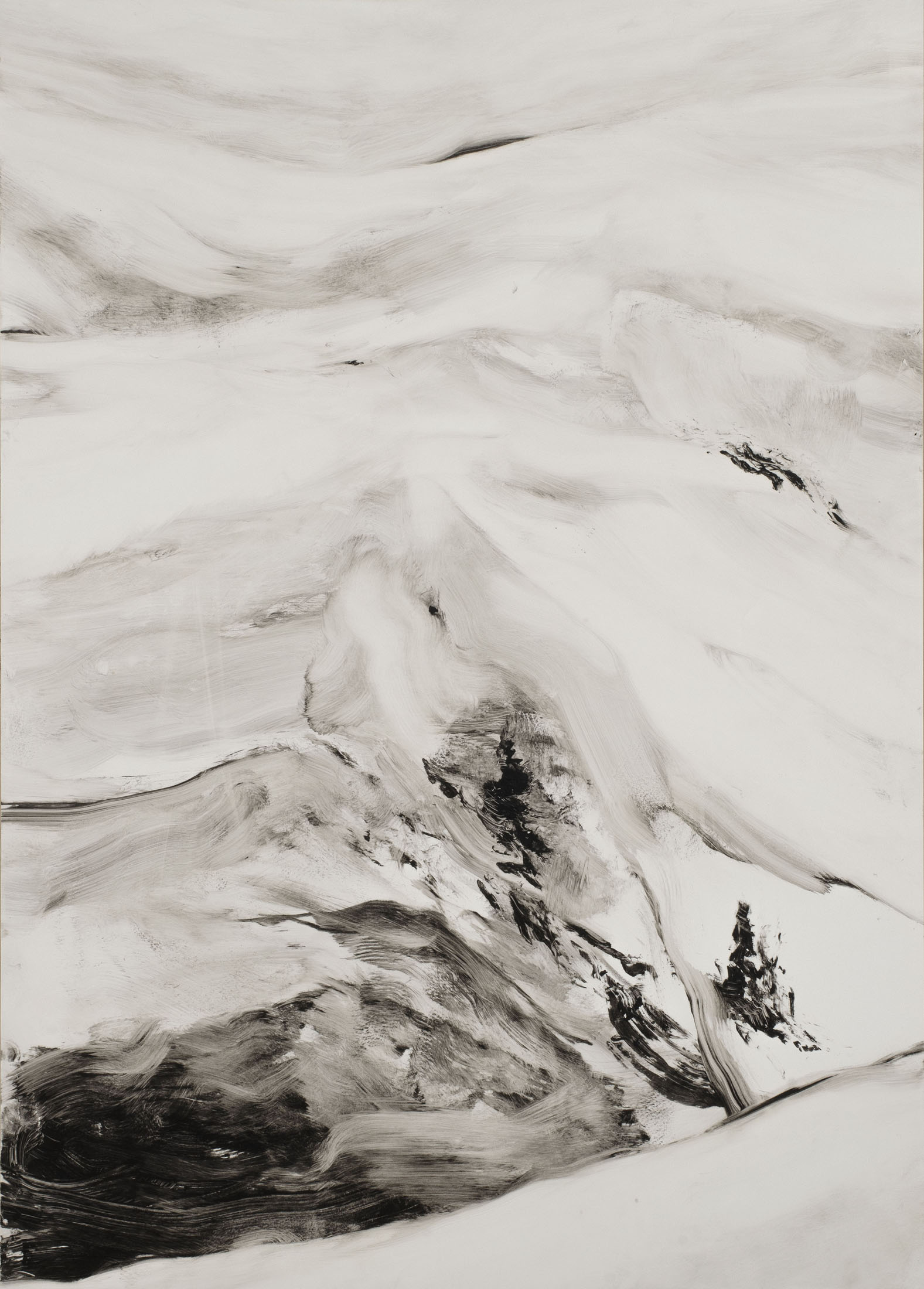
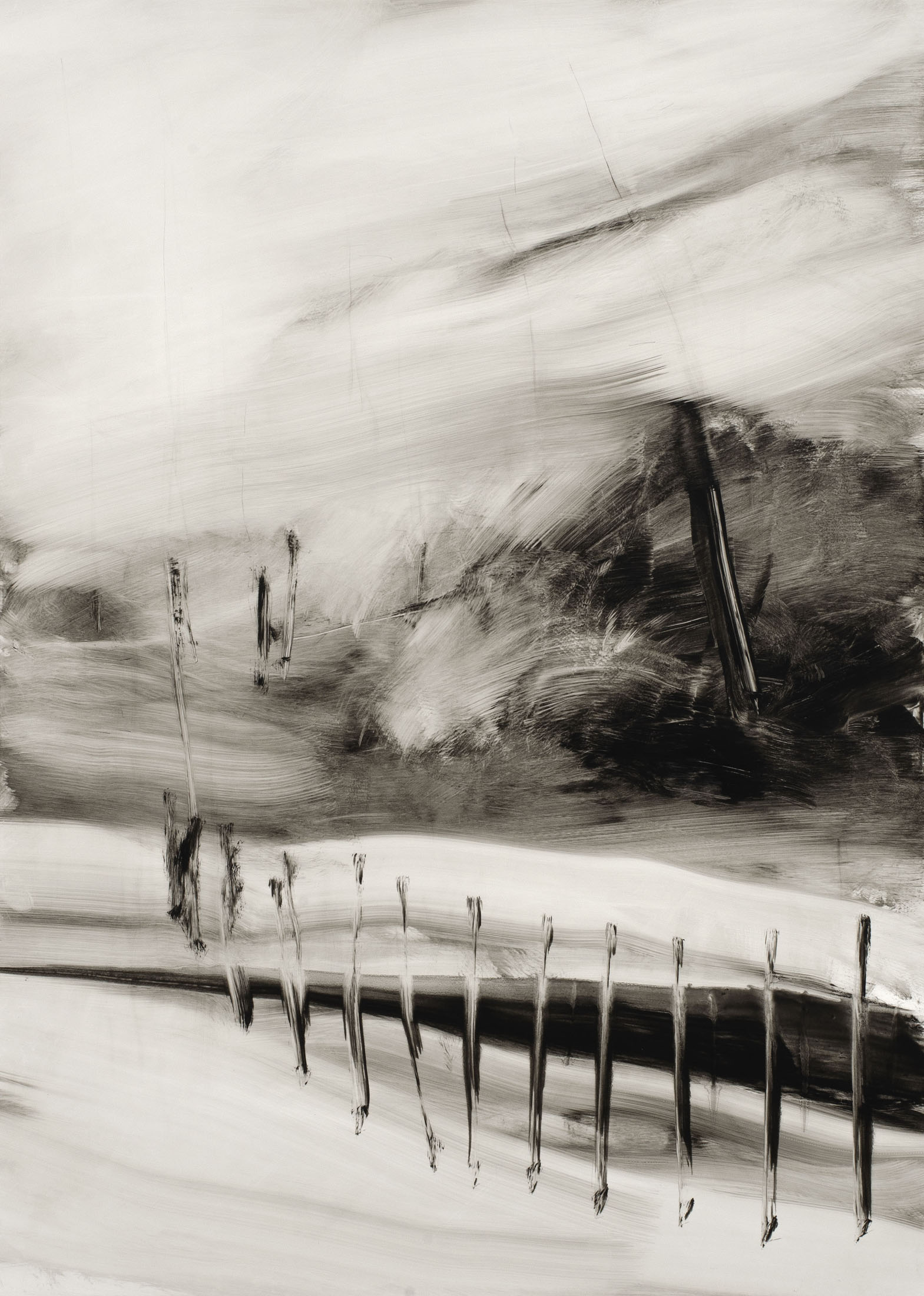
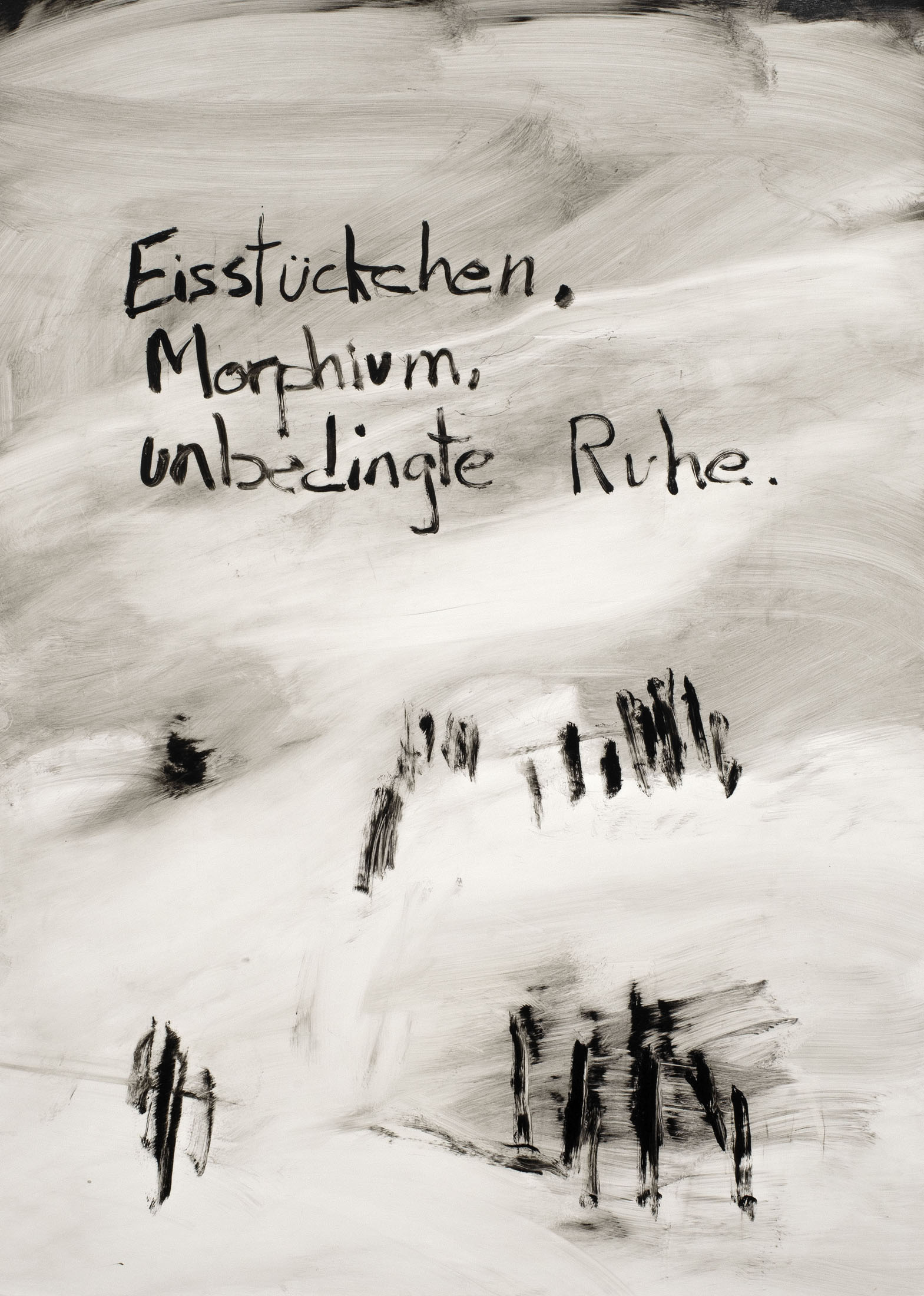
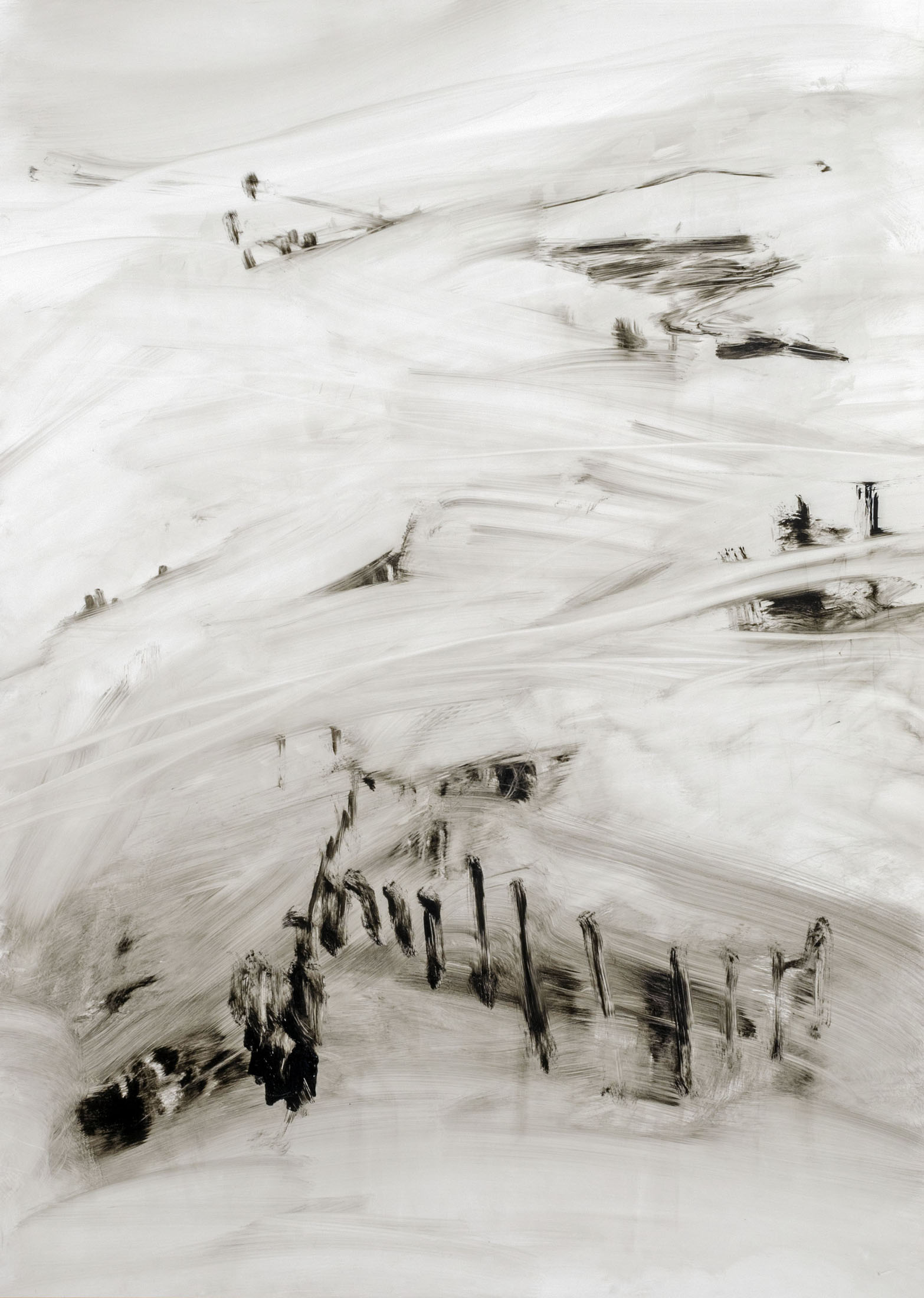
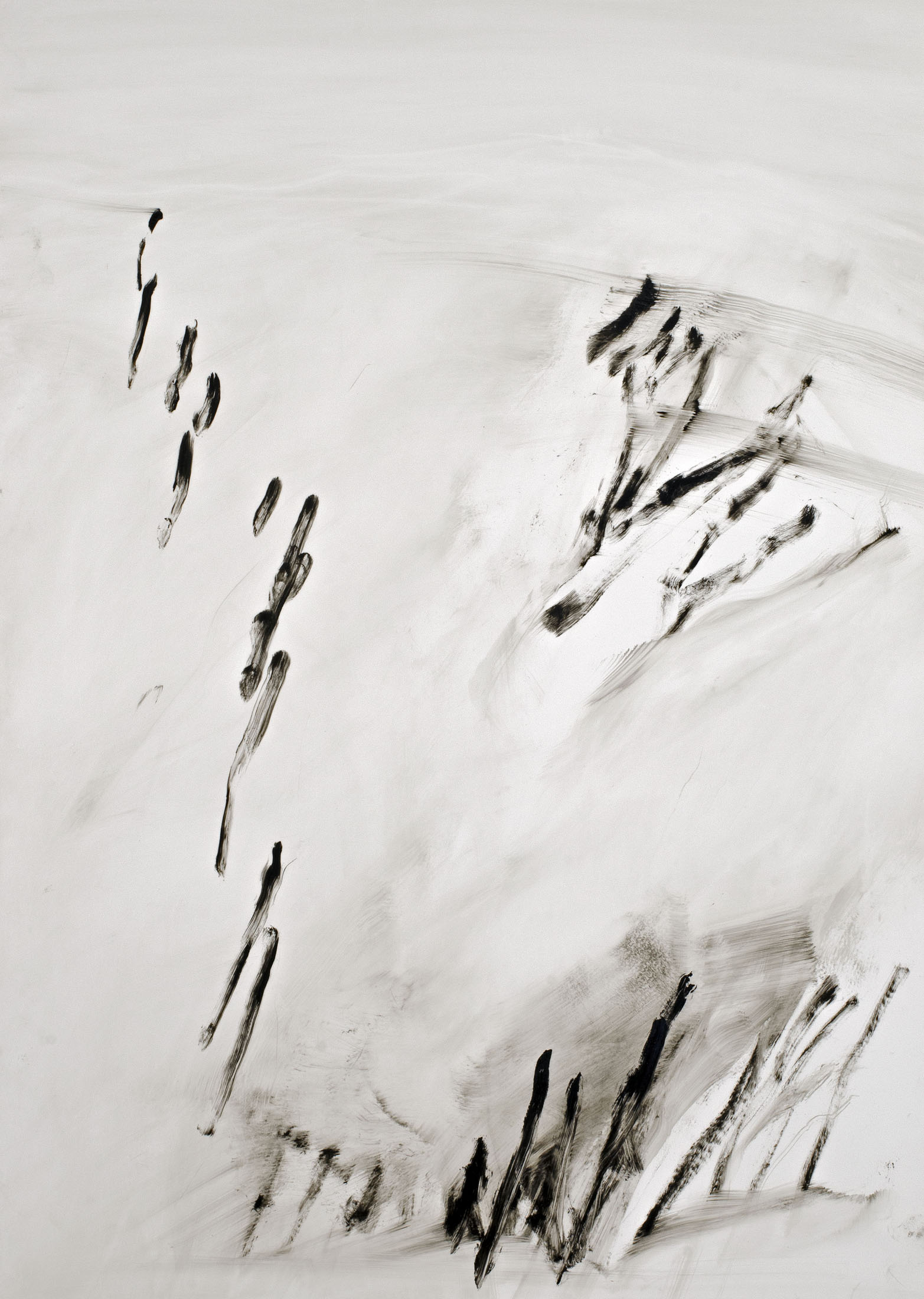
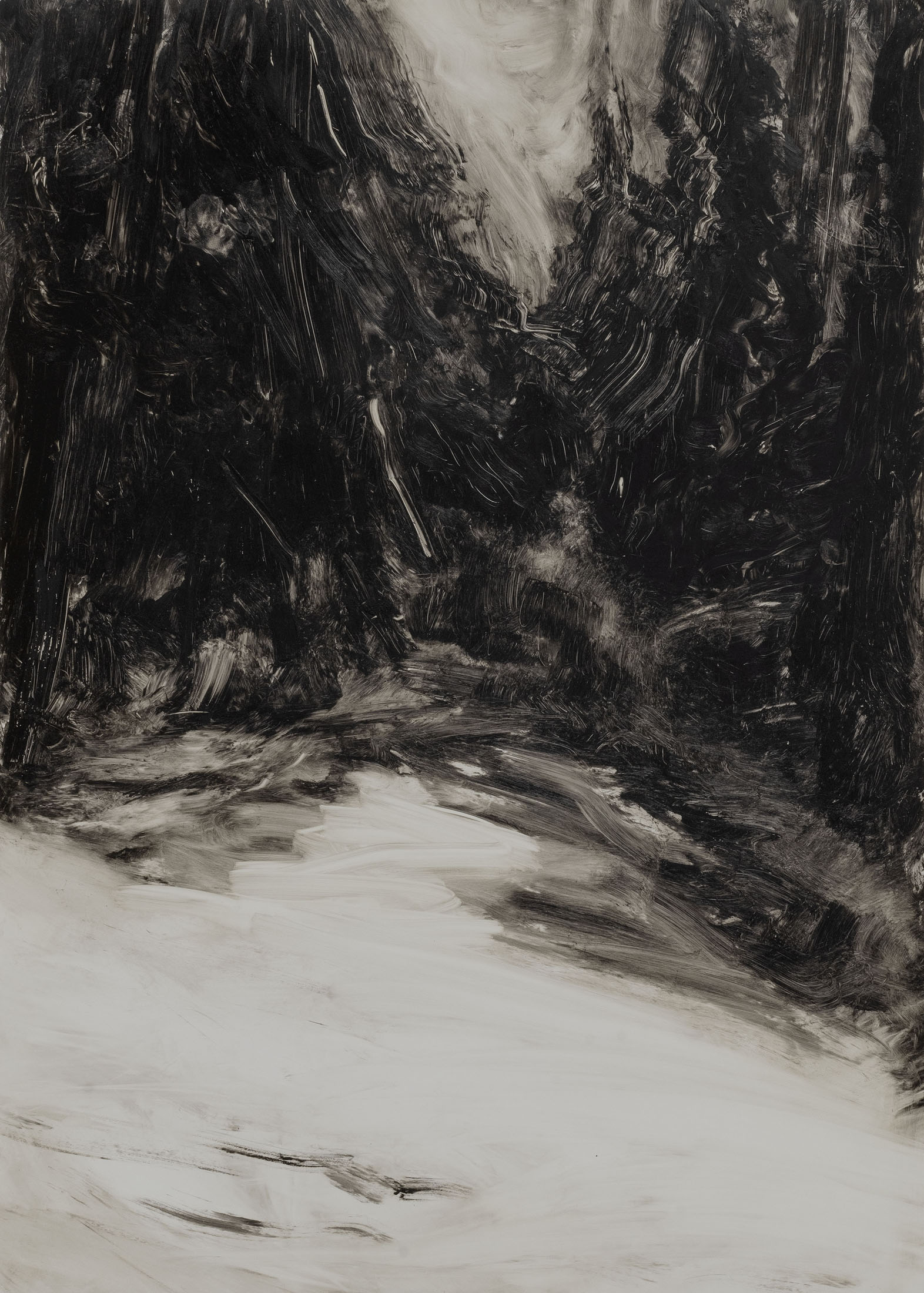
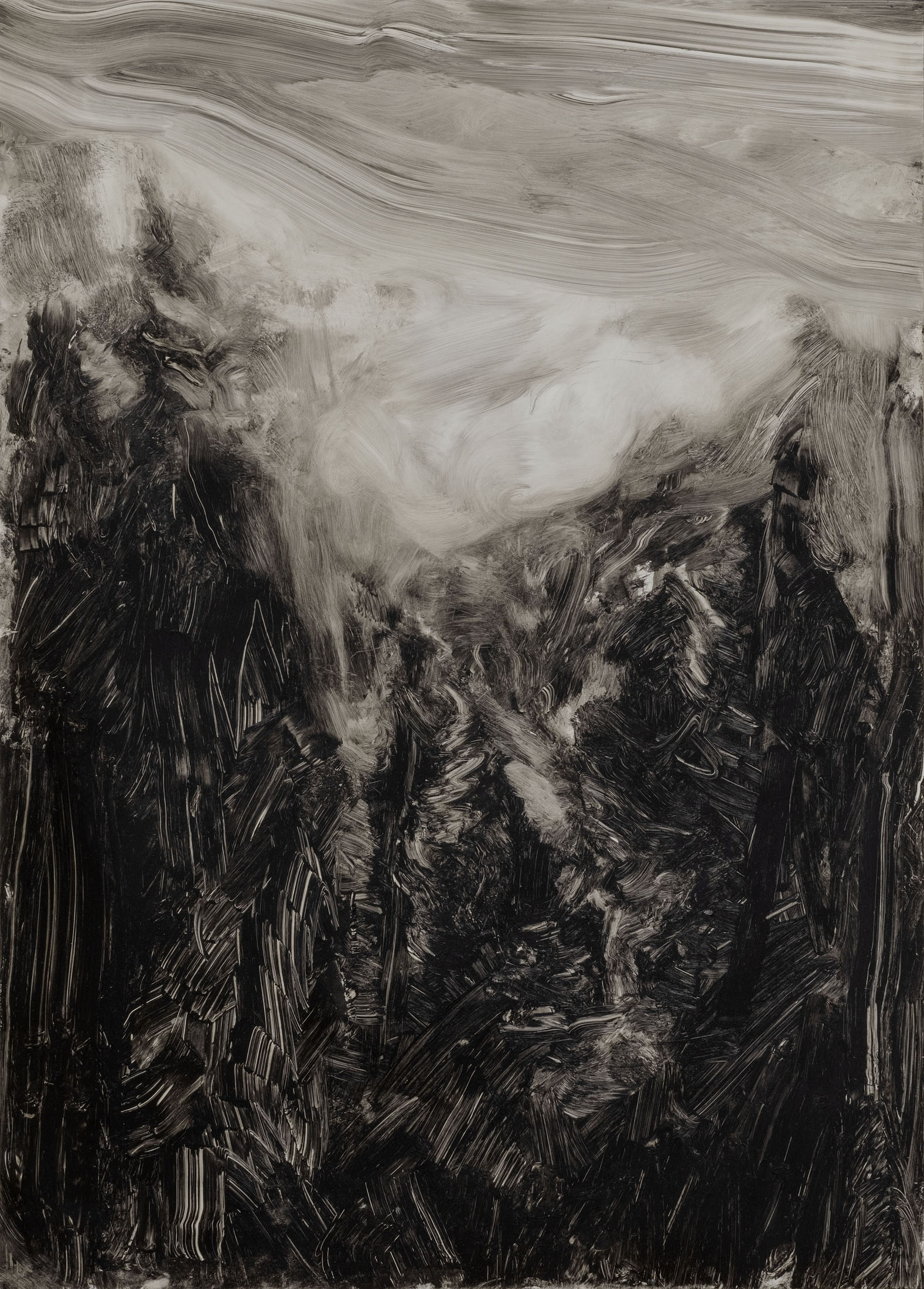
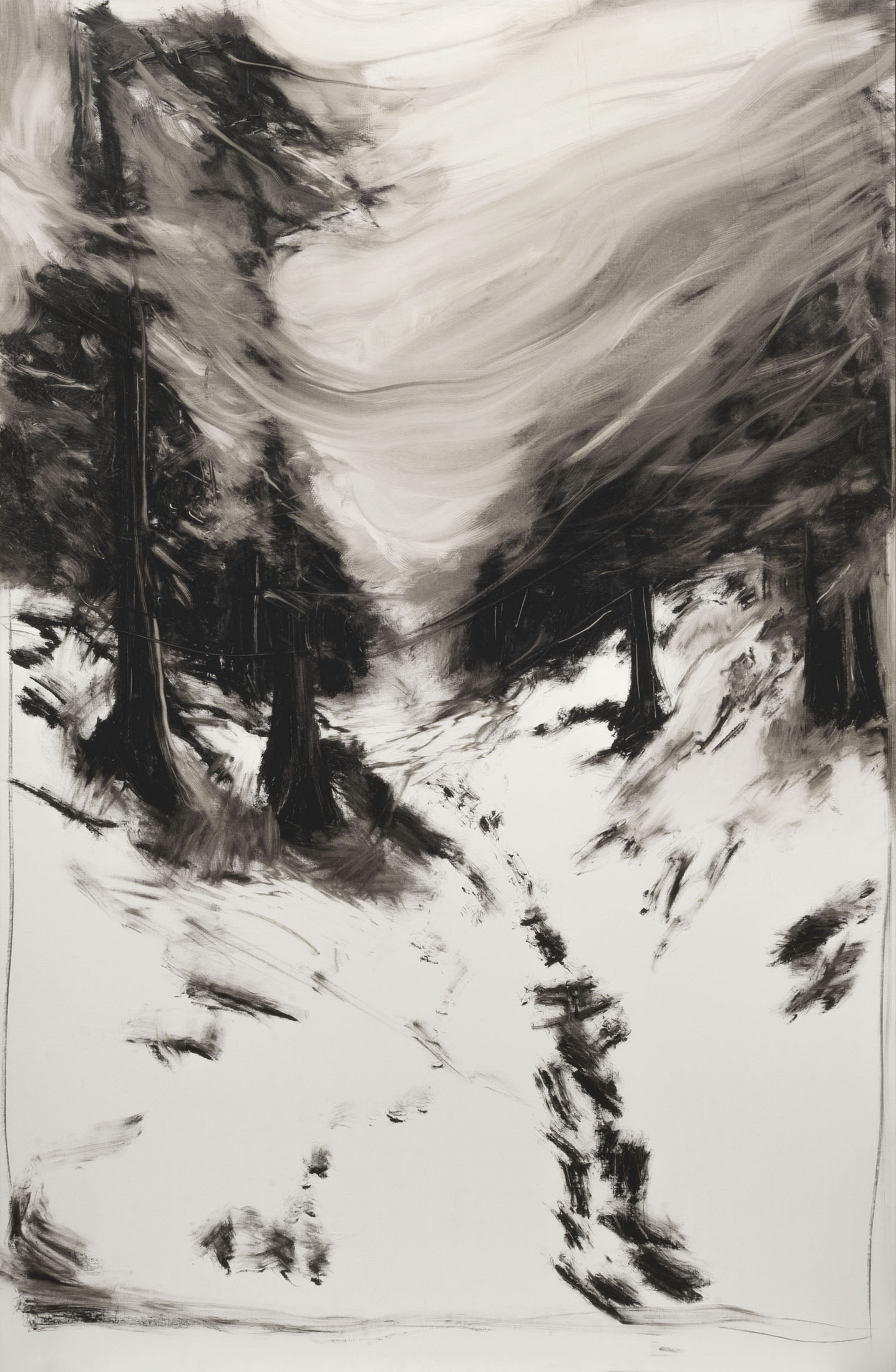
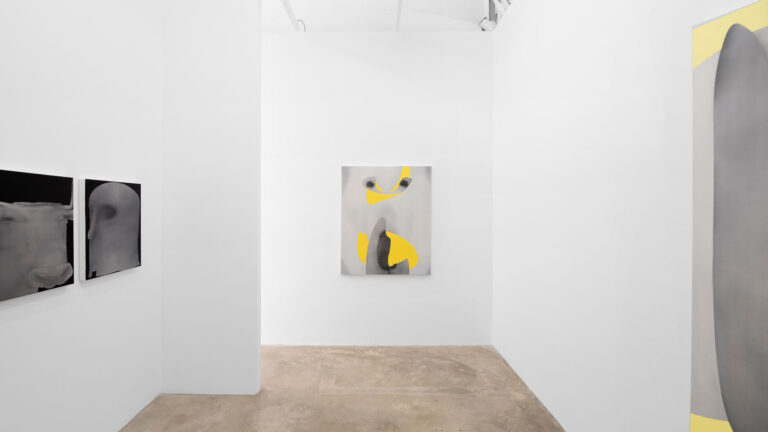
Maria Angeles Díaz Barbado’s exhibition, entitled Tristan, must be contemplated from this perspective. It is a journey lasting many years, devoted to considering the meaning of Tristan. The path linking the Einfried sanatorium with the first Tristan and with the Berghof of The Magic Mountain reveals itself as an impossible journey. The endless wait, the silent steps of illness as a condition of life, take refuge in the icy landscape whose pinnacles already herald the transfiguration of the bodies, displayed awaiting the embrace of the cosmos. Meanwhile we may seek protection in Hardenburgh’s Hymns to the Night or Schubert’s Winter Journey by following in the steps of Hans Castorp.
Francisco Jarauta
Curator