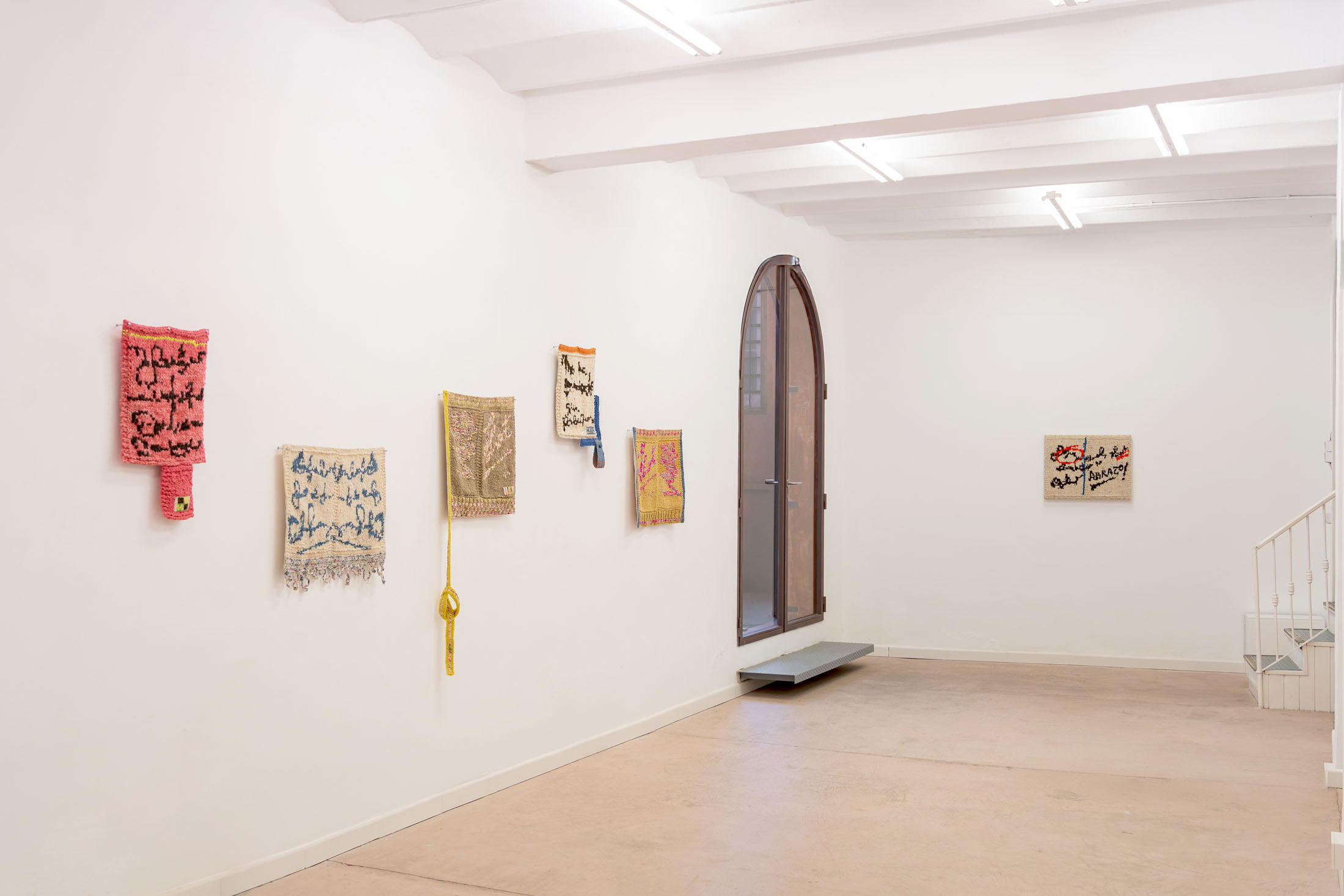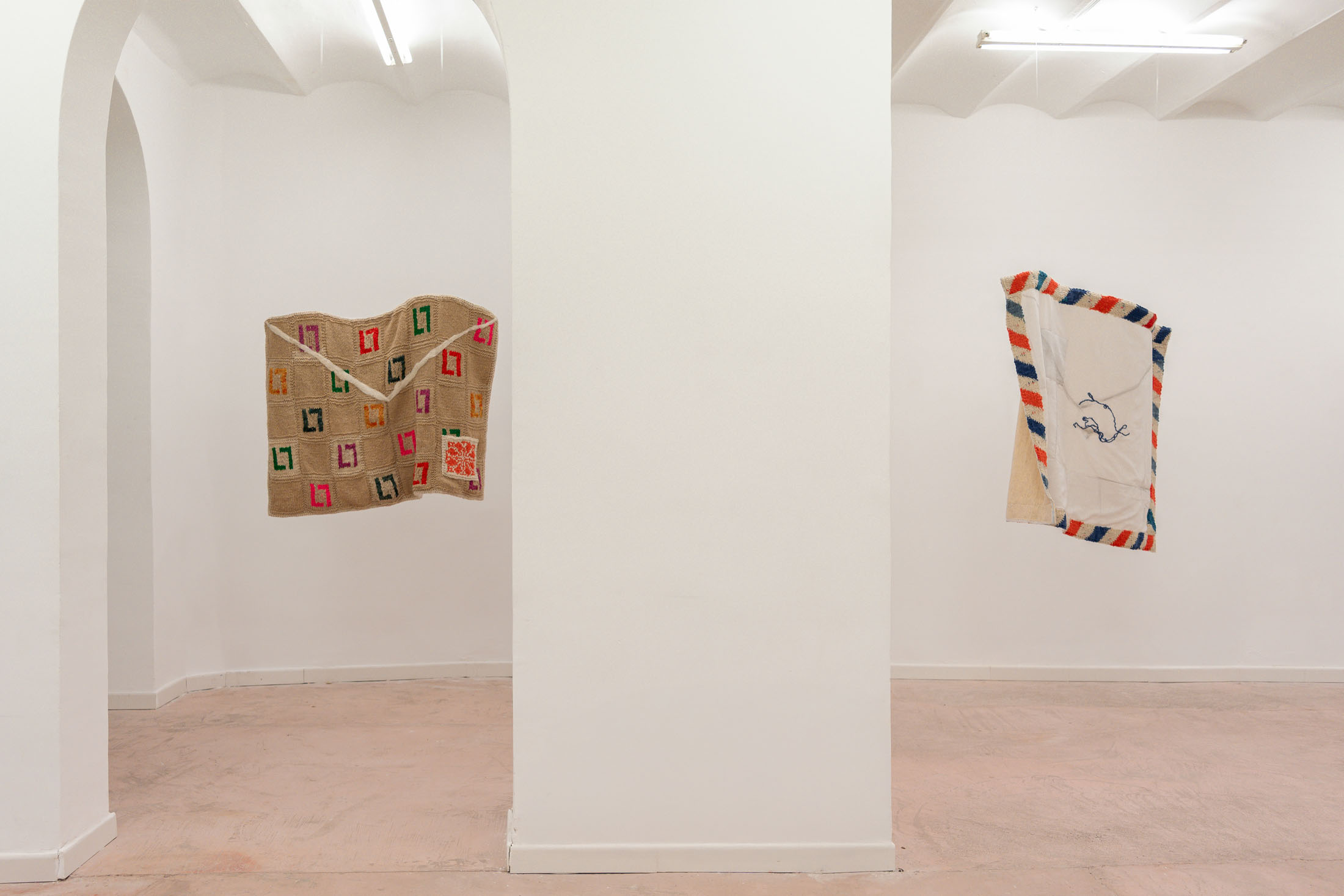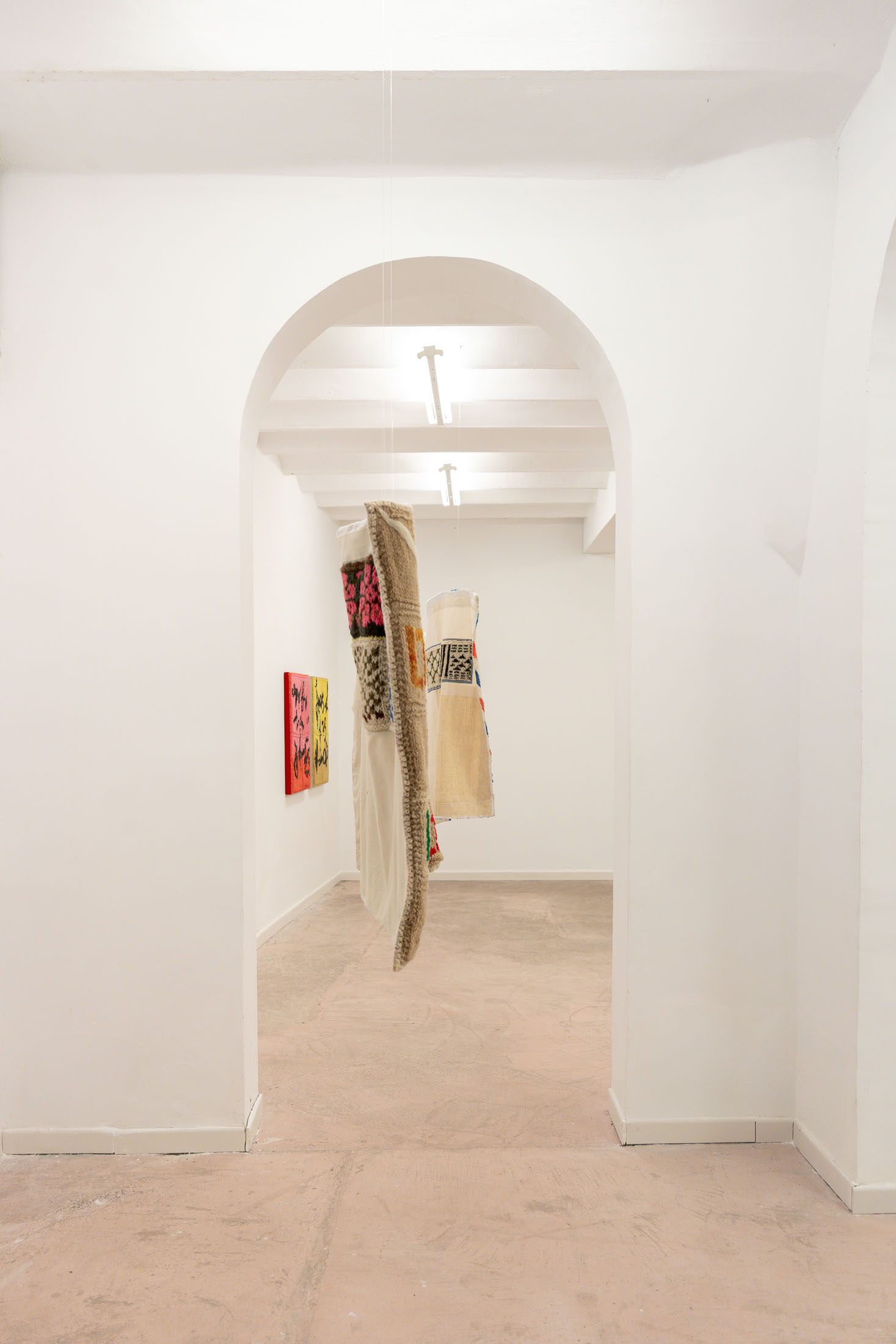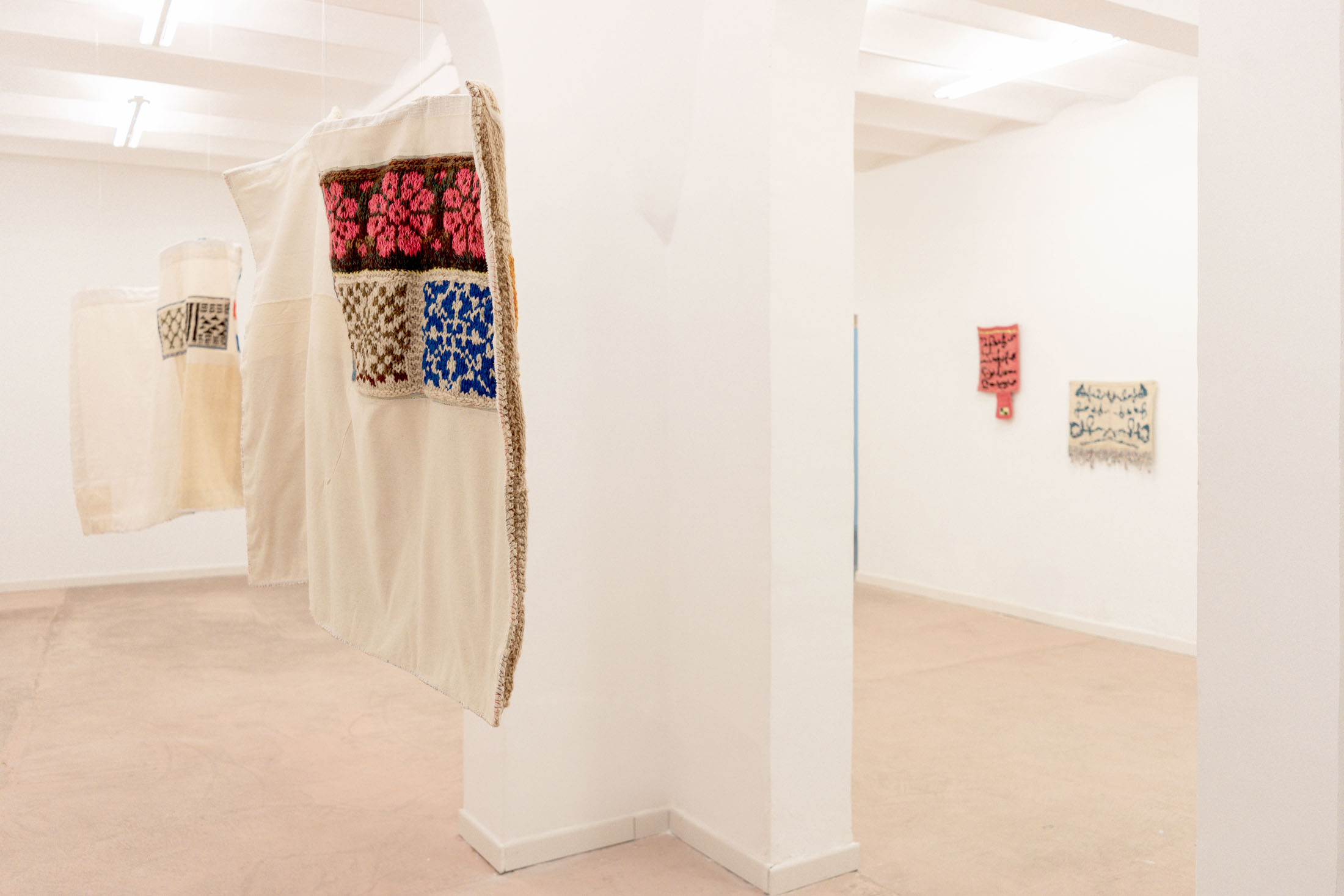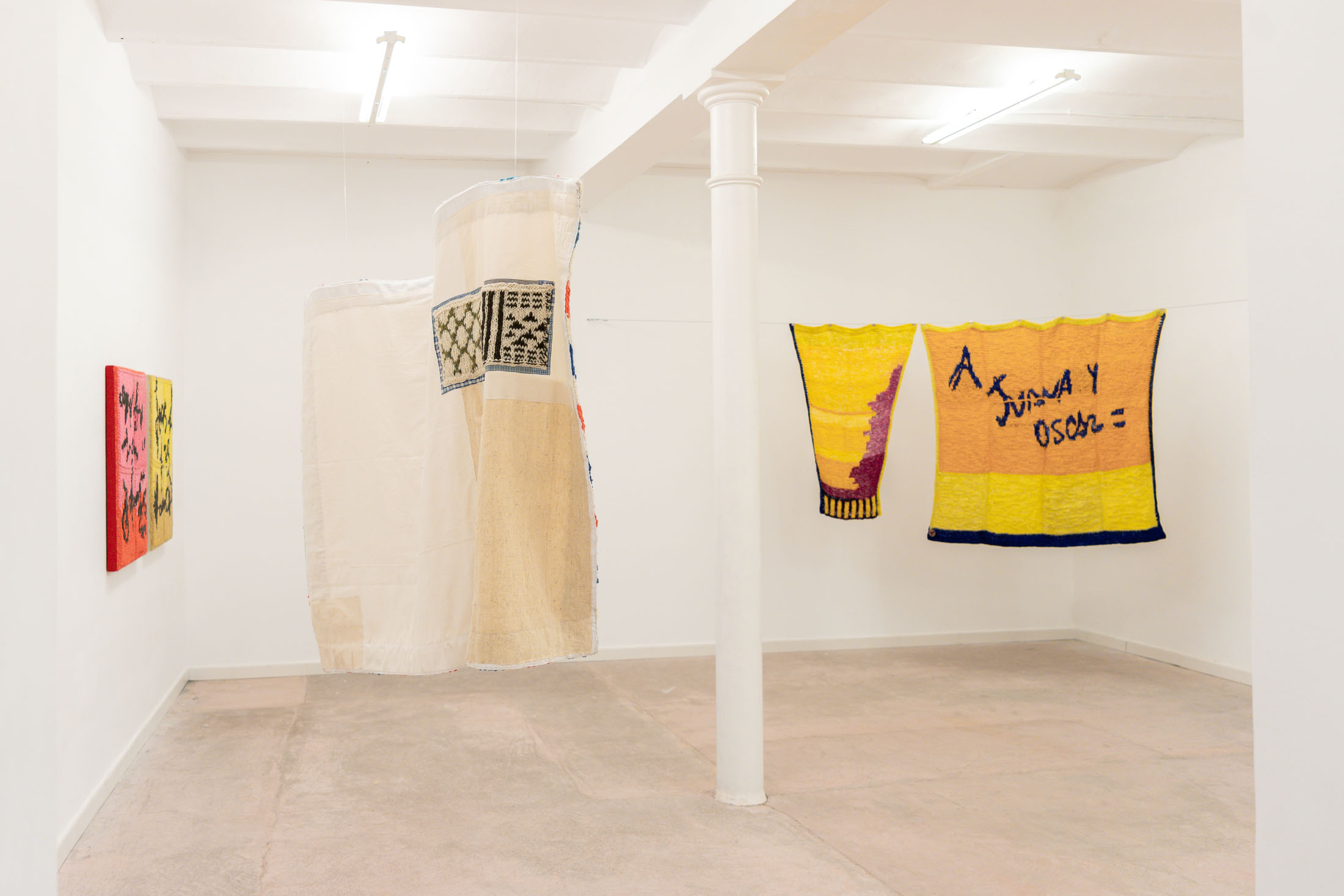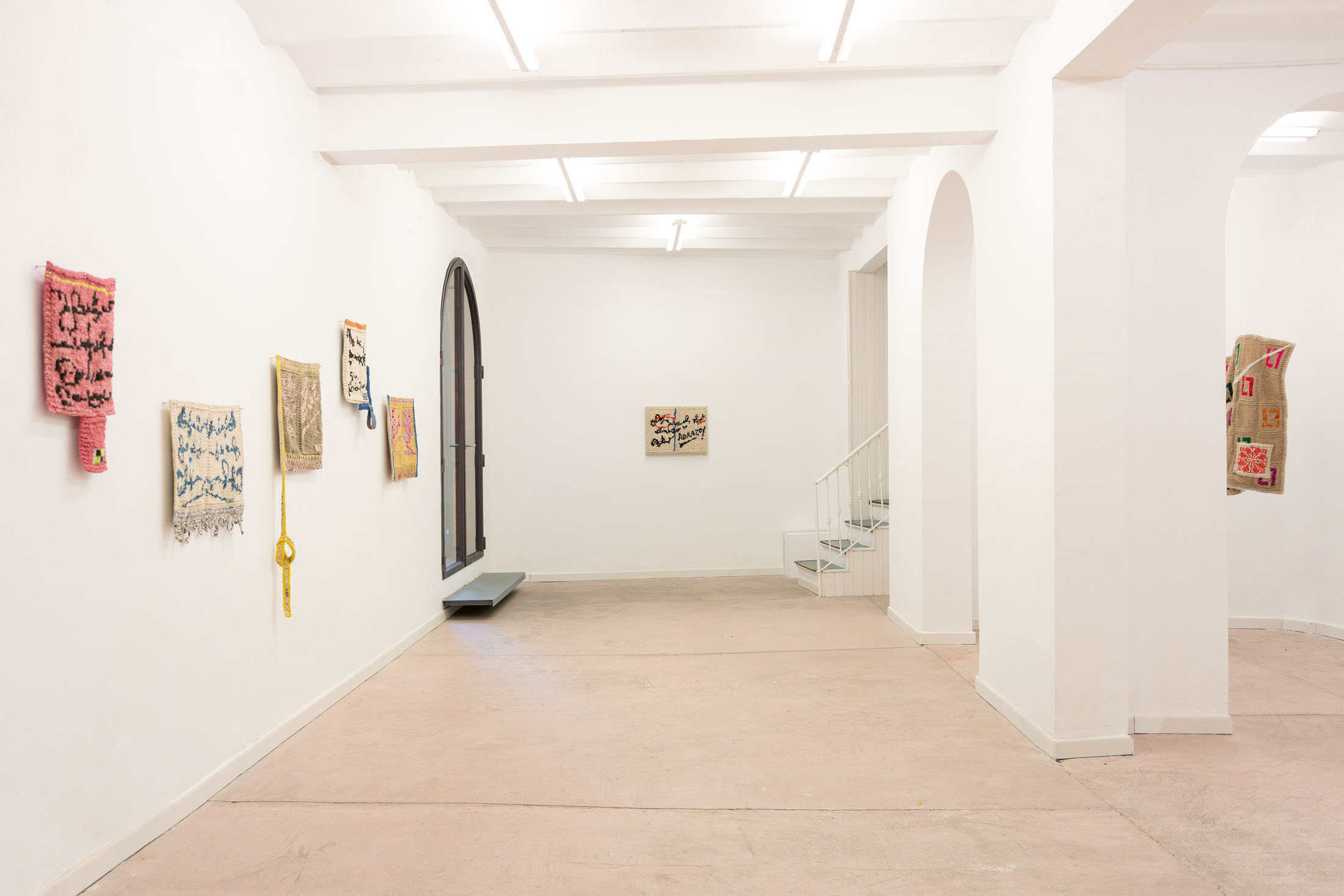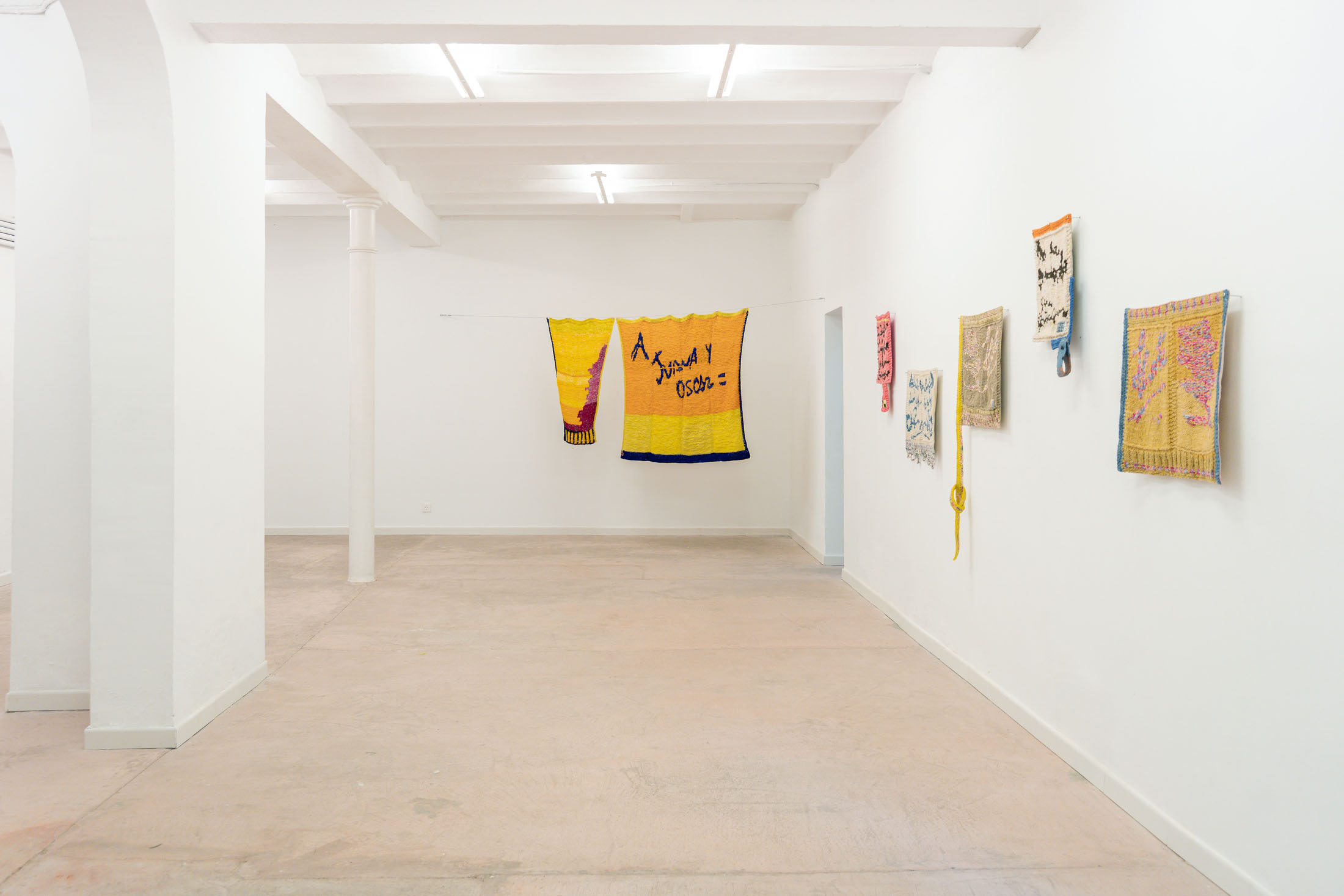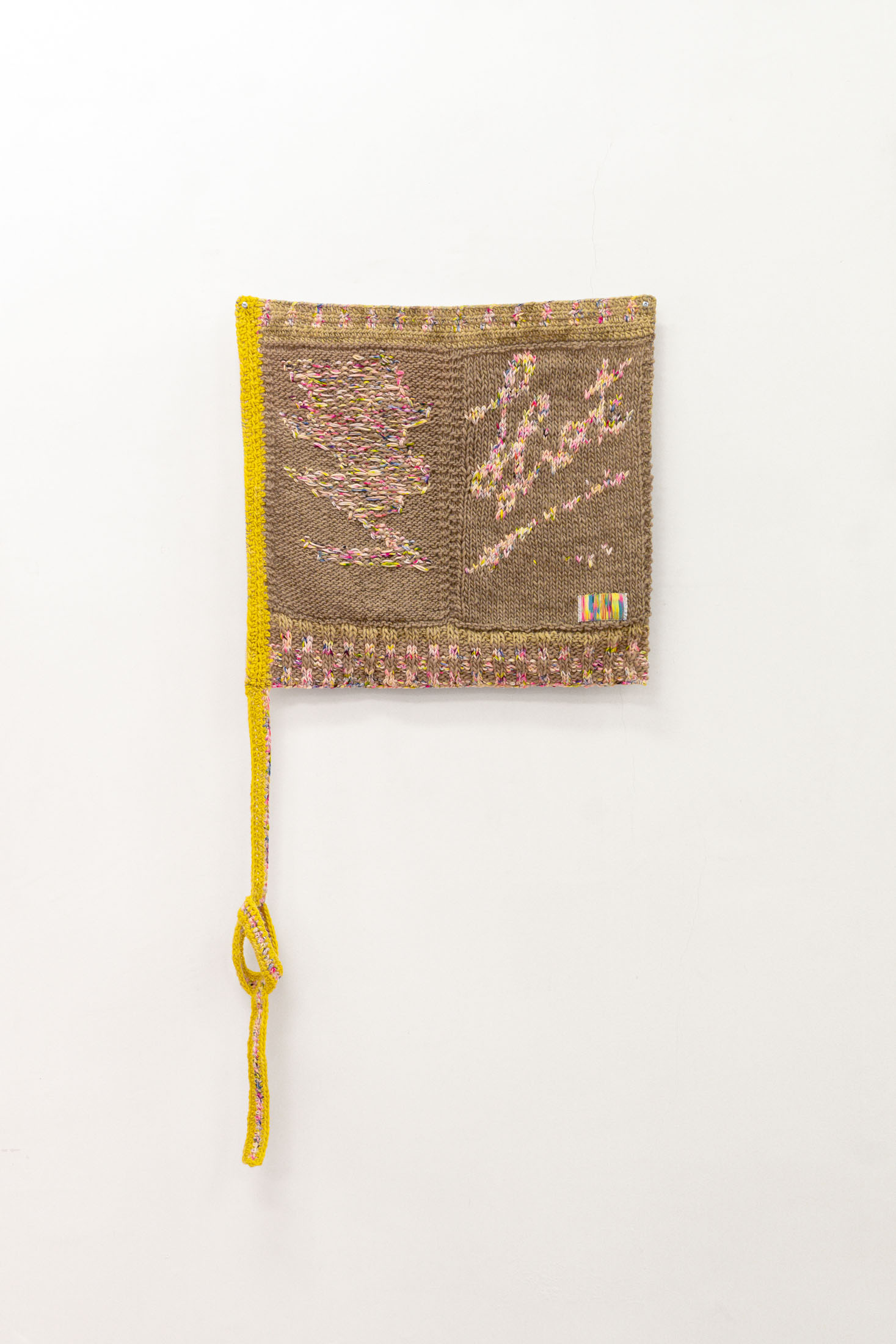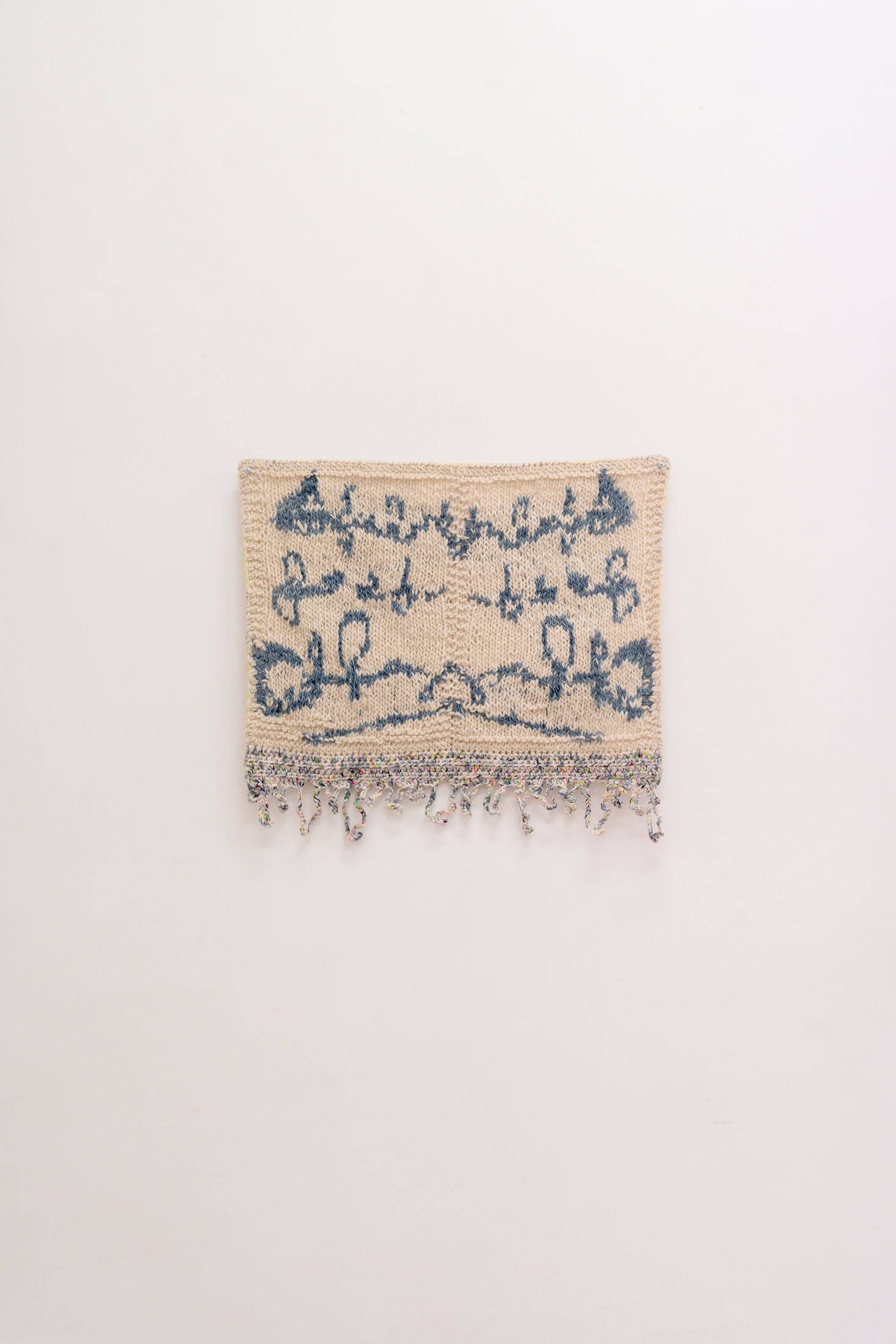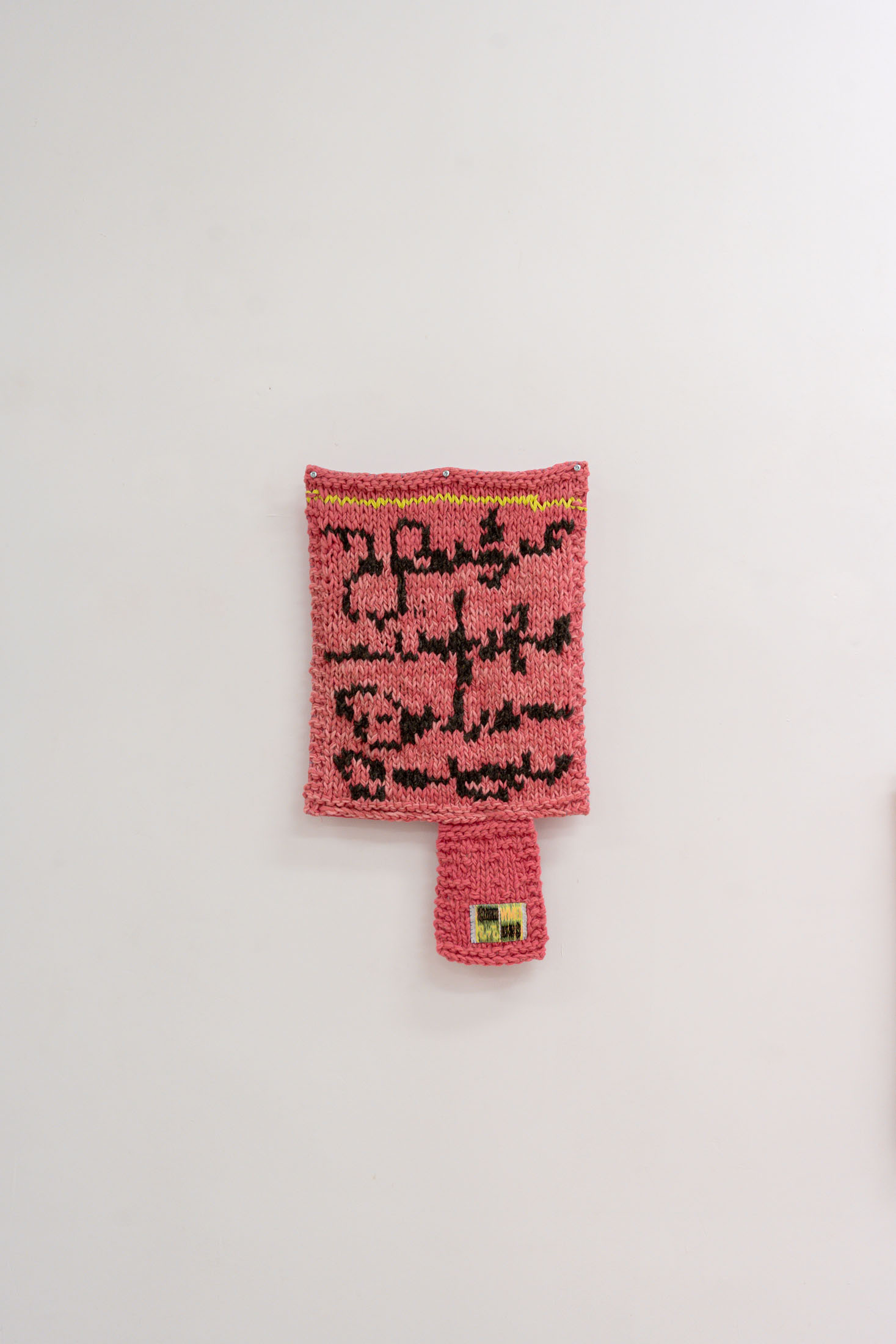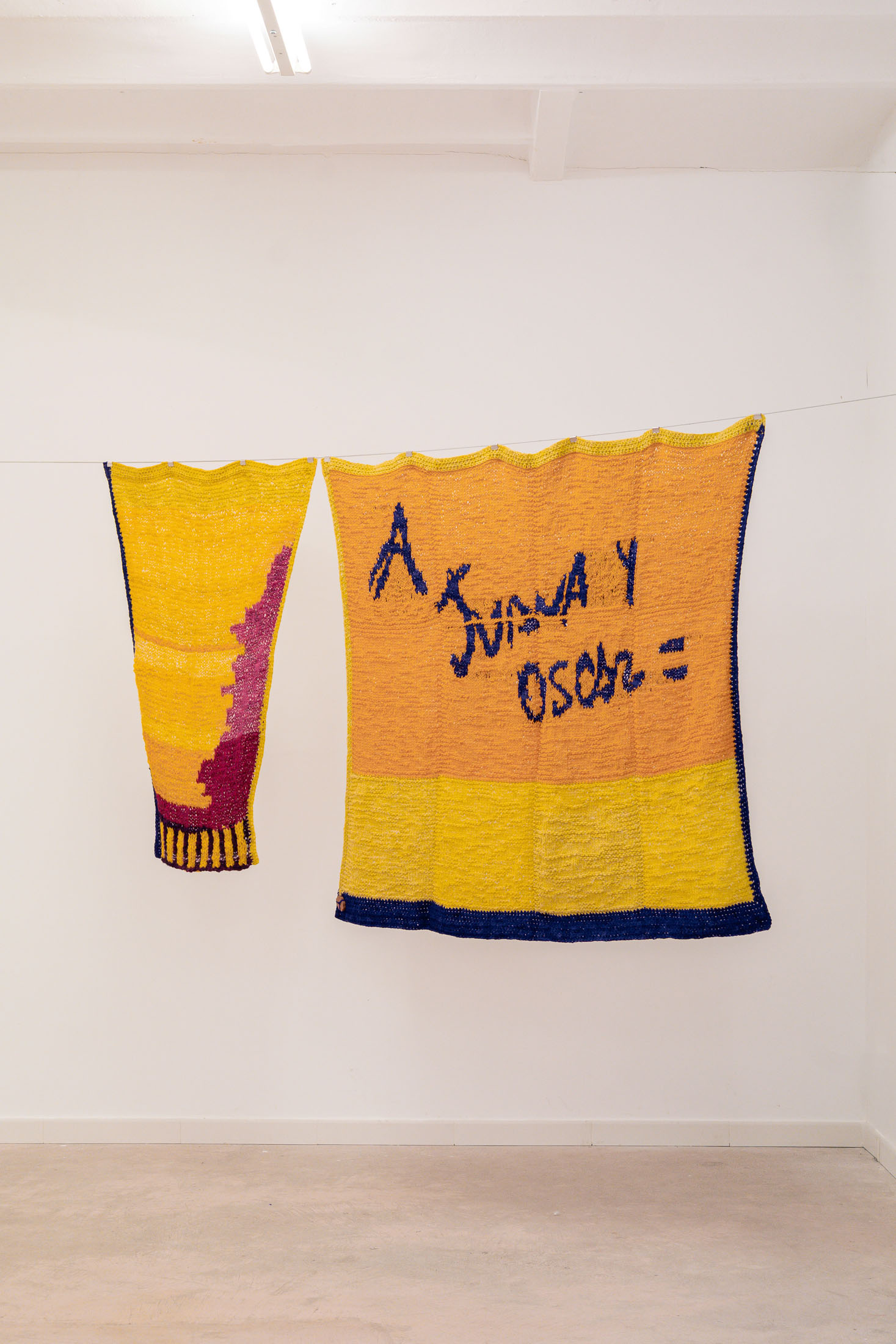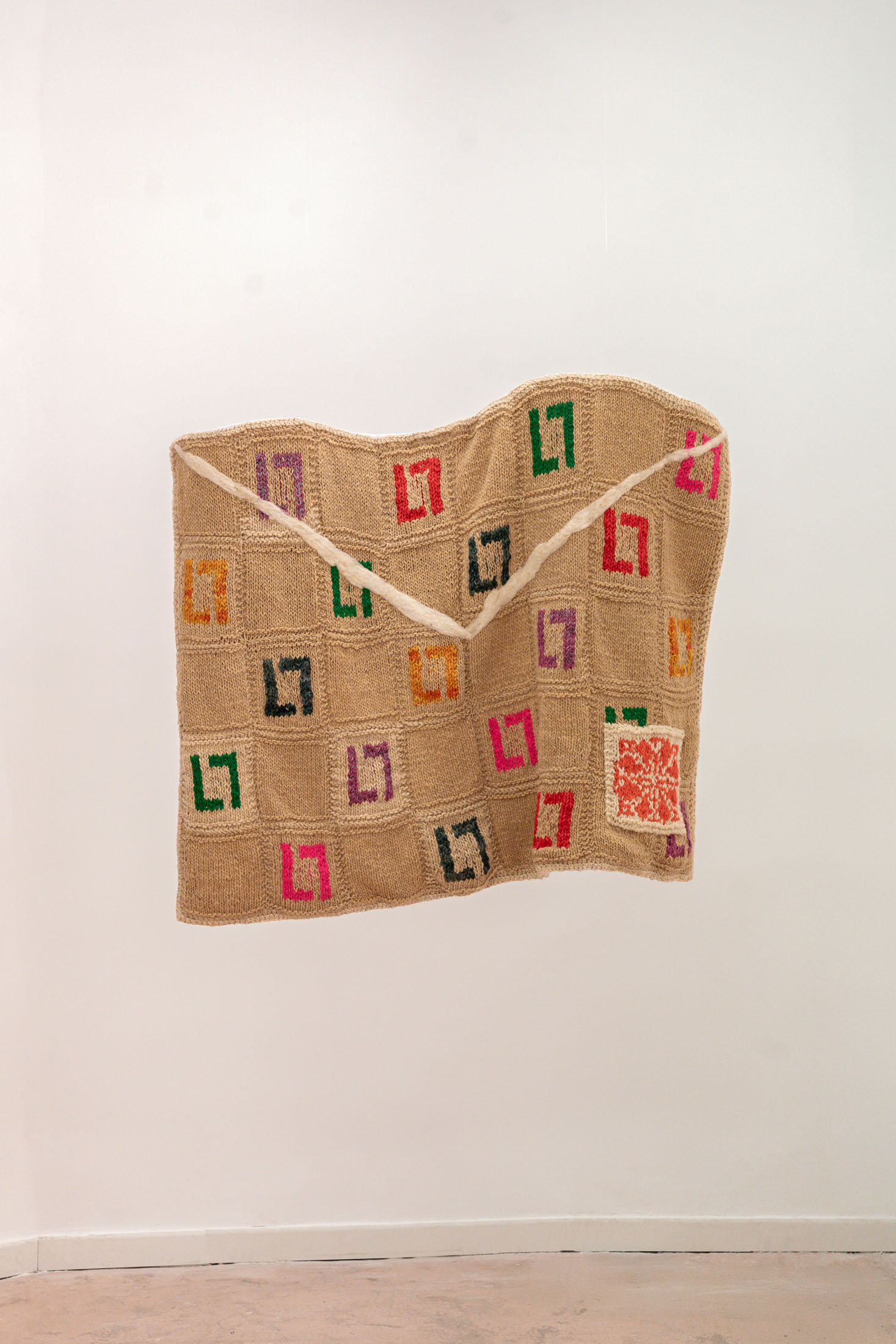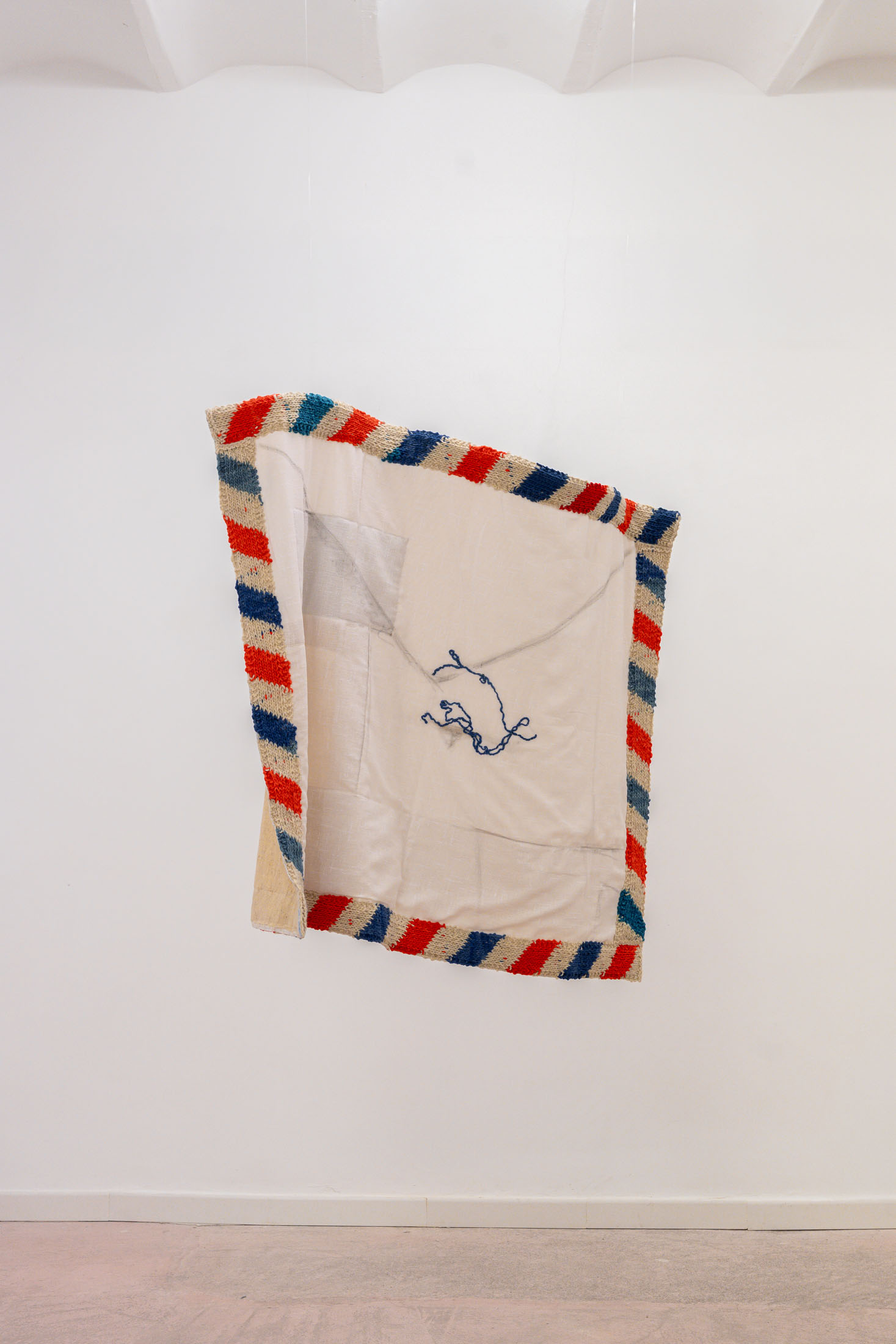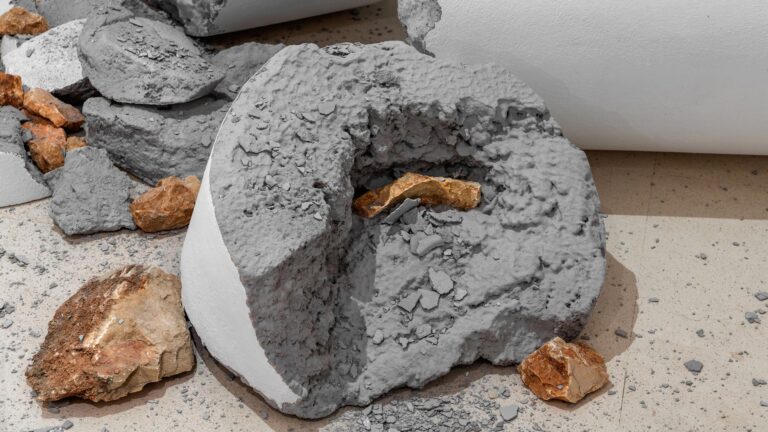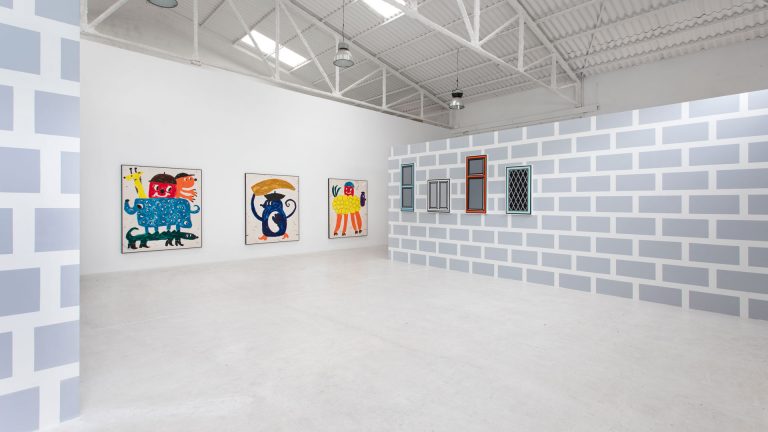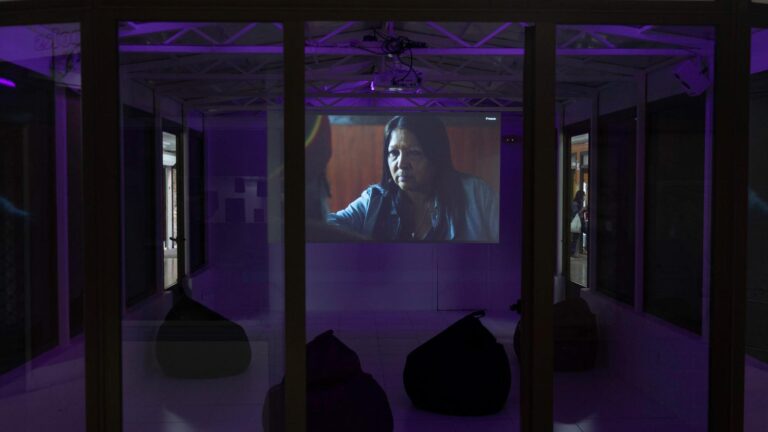
In 2018, Lucrecia Lionti came to Barcelona for the first time. From a new space she was facing a death. Of all that she did in those days, I remember two things: she went to see the sea, thinking of her father, and she visited Oscar Masotta solo exhibition at the MACBA. She told me how deeply she was struck by Masotta’s letters to his mother, in which he wrote that he was losing his voice. Thinking of that, I remembered those Thursdays in the late eighties and early nineties when my grandmother Rosa and her sisters gathered us grandchildren for tea and shared stories. One of the stories they repeated most often was that of her aunt Cèlia, the writer of the family, who went blind at the age of sixty‑five. “A blind writer,” they would say, with a tone of both amazement and resignation, the kind required by the contradictory destinies in Lacanian tales.
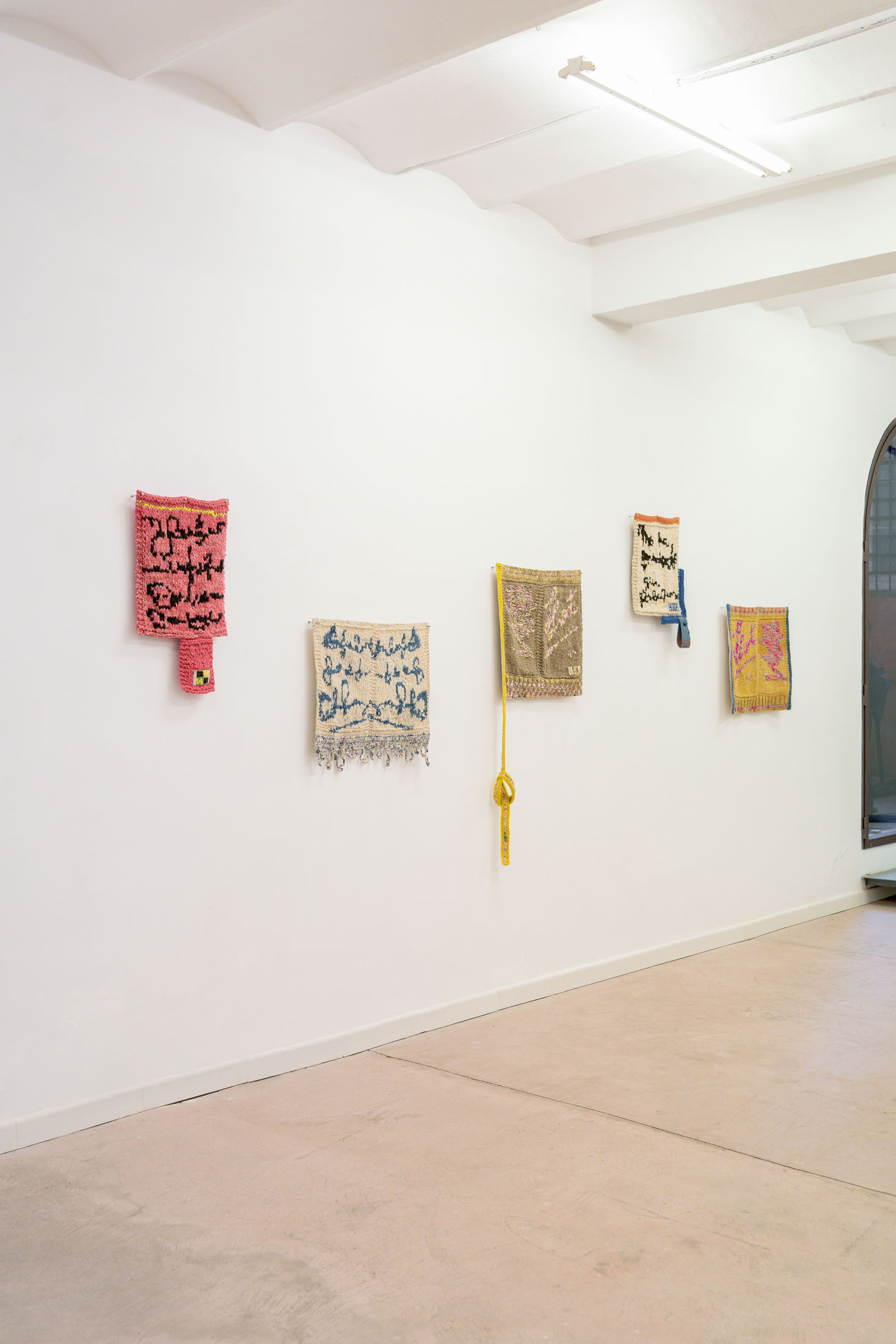
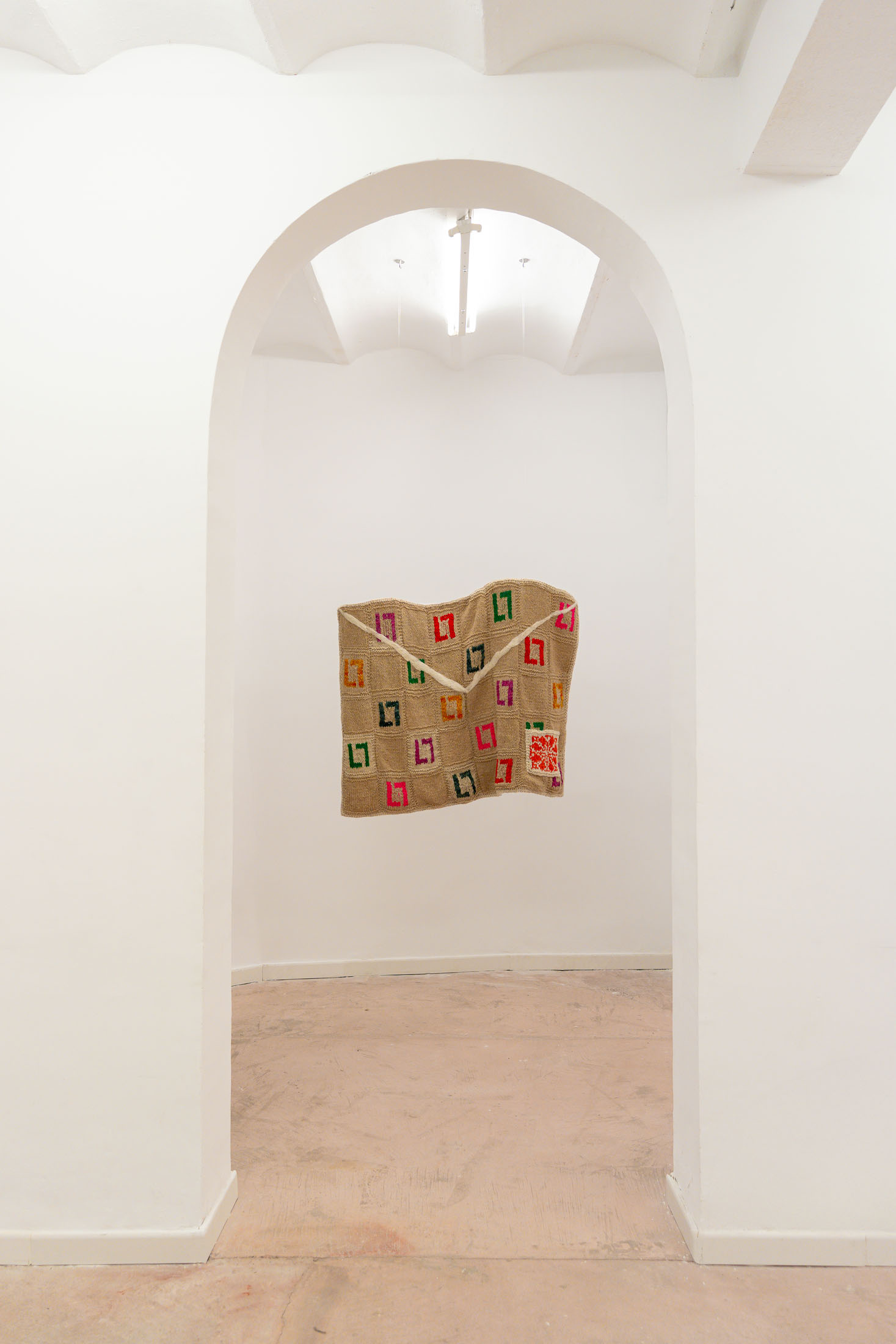
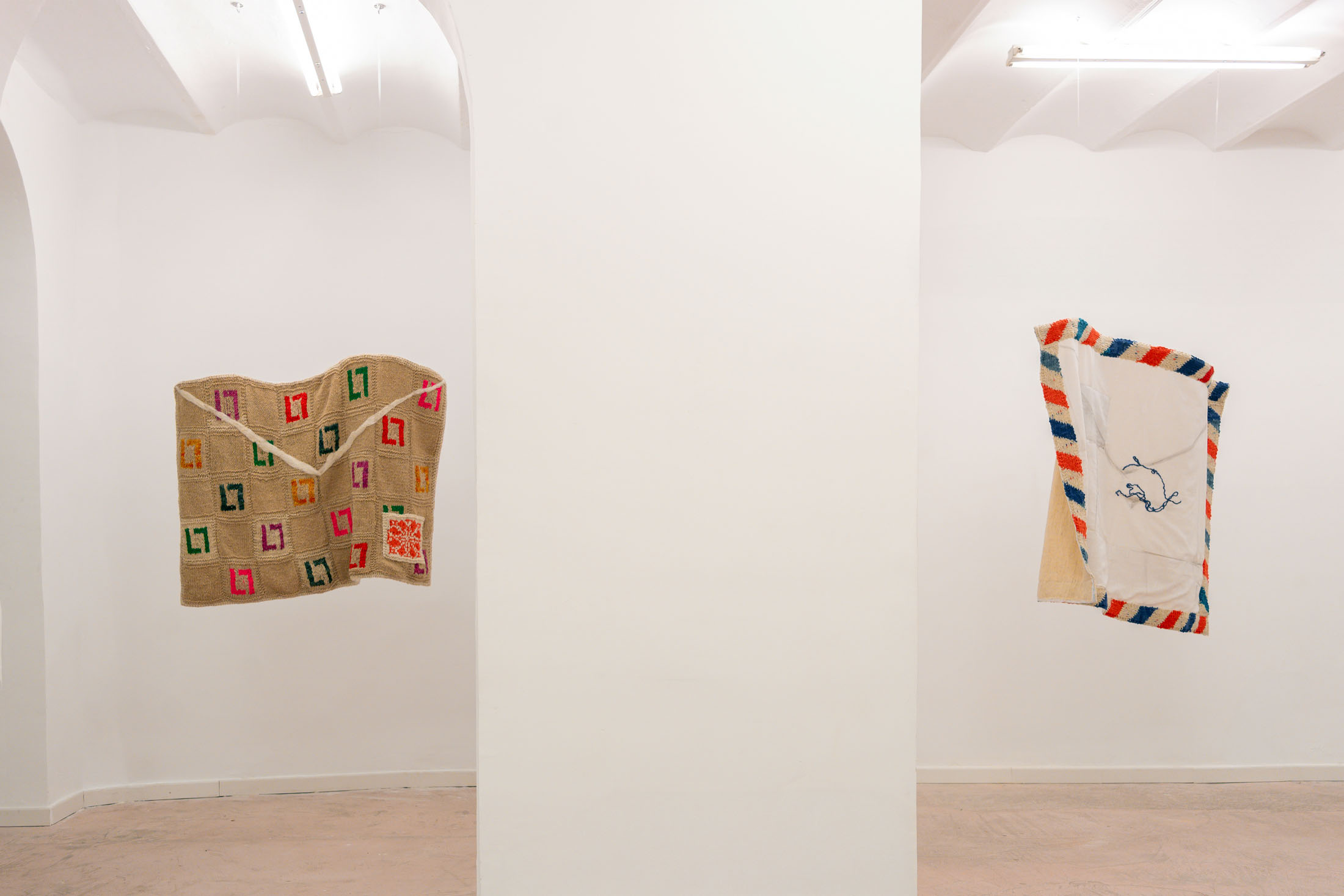
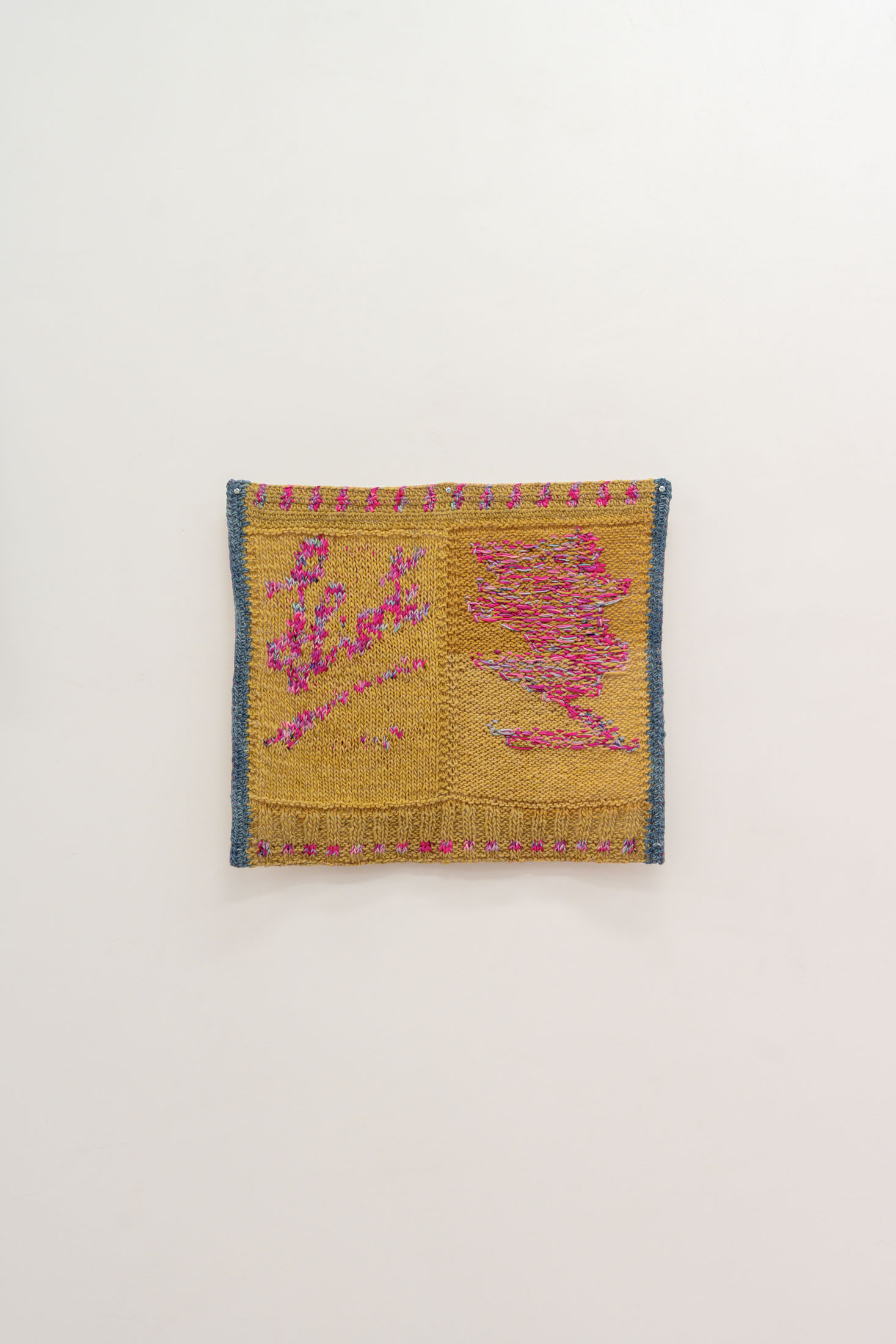
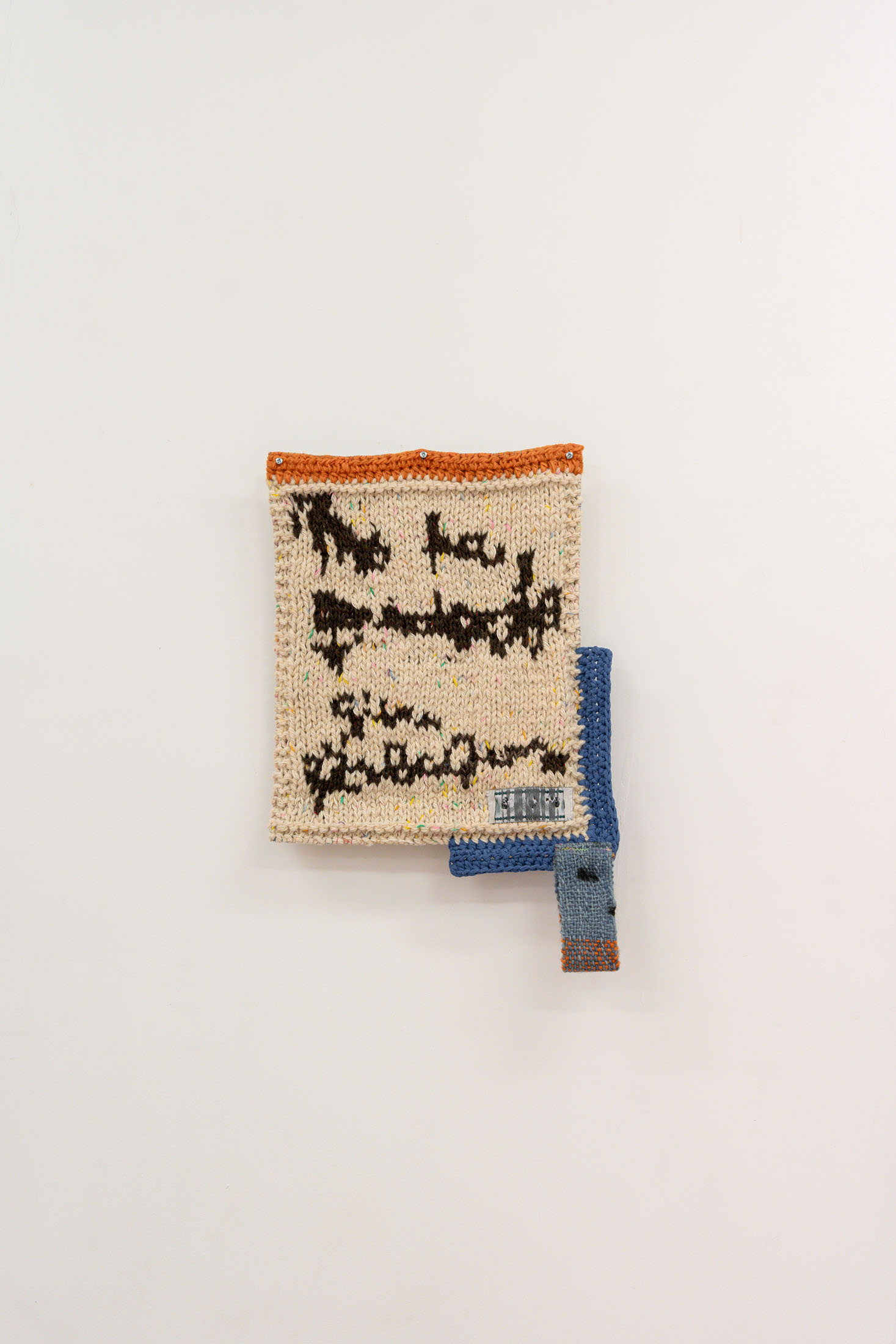
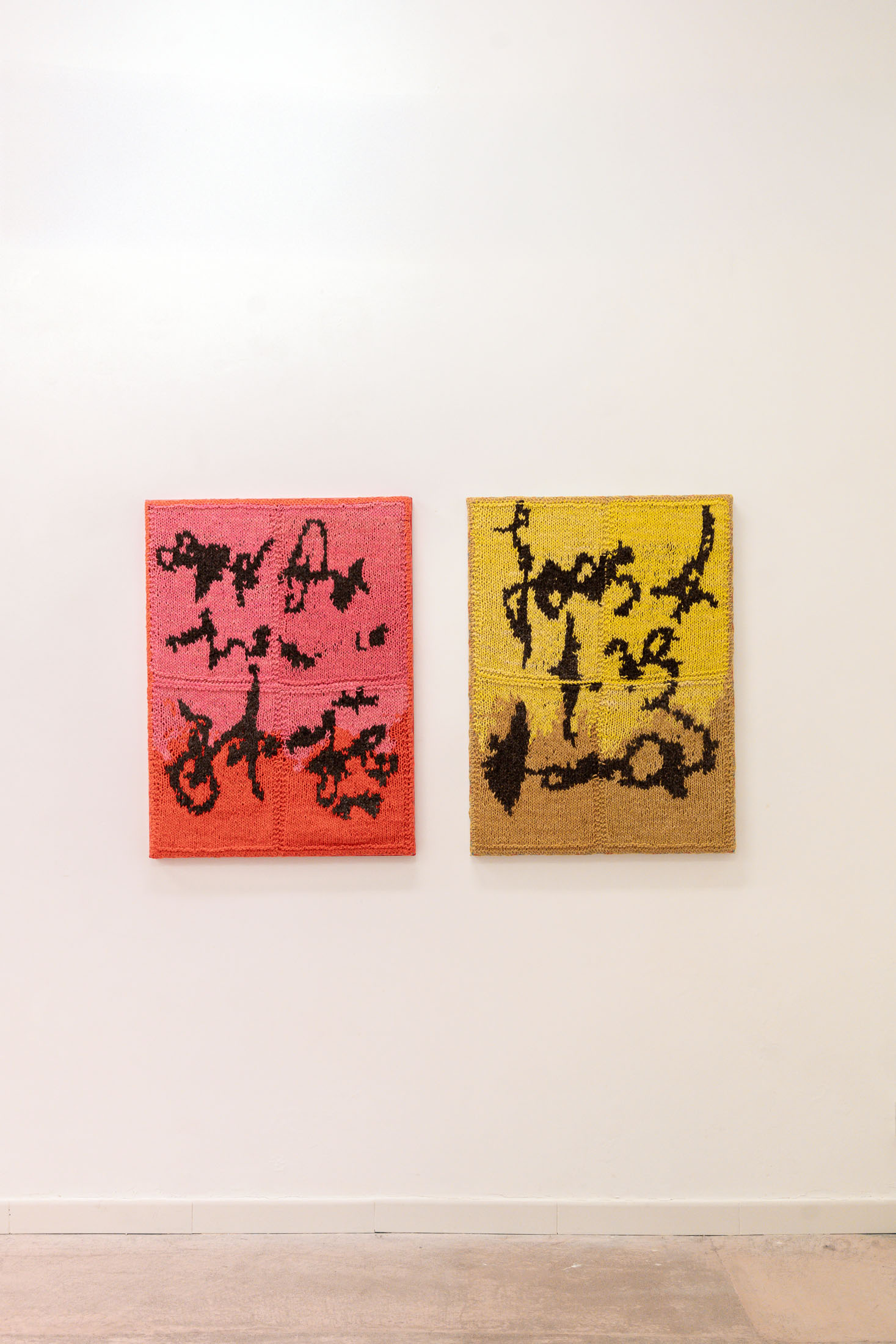
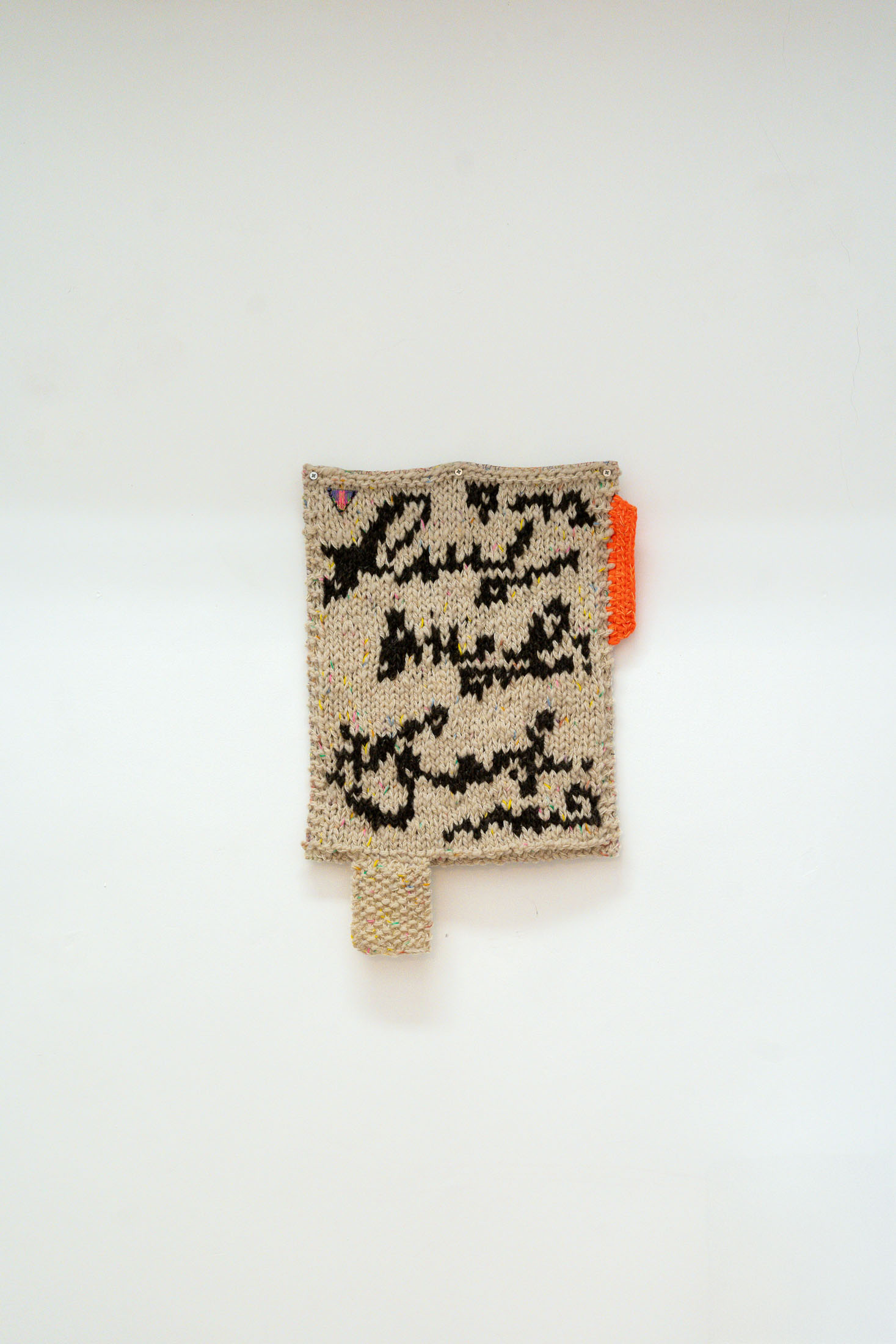
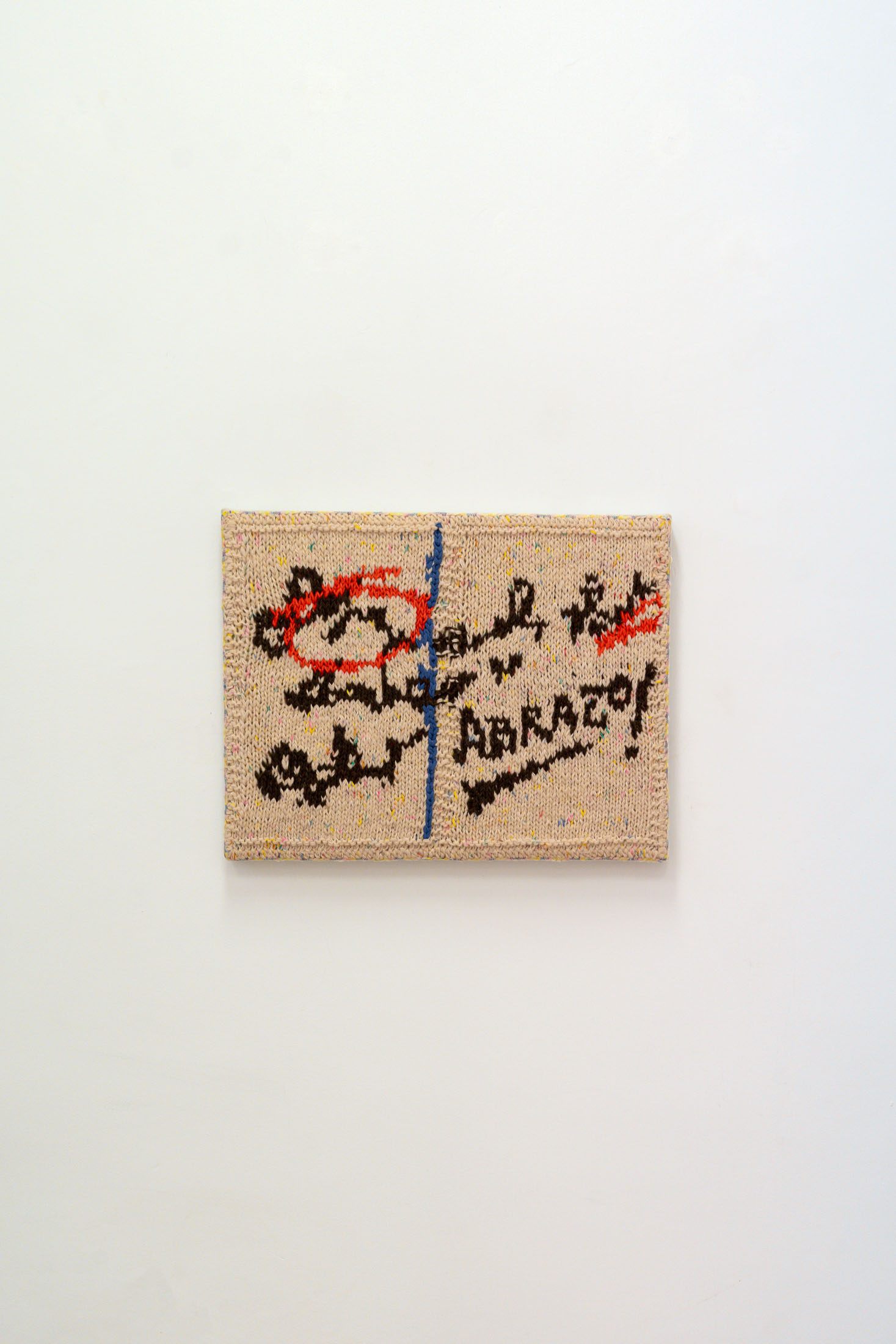
It is the year 2026; the Three Kings have brought my five‑year‑old daughter a tiny loom. I have not woven since I was in elementary school, but I remember enough to teach her how to use it. When I am showing her the basic technique, suddenly the simple act of doing it transports me to childhood memories I would never have been able to access if my hands had not made that precise movement. A few days later, I have a conversation with Lucrecia through voice notes. She tells me she will be in Barcelona in April to do a show at the gallery Sorondo Projects. She speaks about the works she is making and says, “Ah, Clau, I’ve run out of words, now I’m only weaving scribbles.” That Lucrecia has run out of words, in an artist for whom words are so central, intrigues me: how will those poetic encounters between words, form, and material arise now, if one of the elements is missing? And how will she mediate between the public debate and the aesthetic field? A few days later, she sends me photographs and sketches of some of the works. Lucrecia has not lost her voice, or her ability to write; she has run out of words, not because of the imposition of fate, as in the cases of Masotta or Cèlia, but because words have been exiled. The contrast is still there, but now the focus is on space, not only on time.
Now she weaves scribbles, the doodles of children, of nature, of the unknown, of signatures, while also serving as witnesses to the absence of words. The future and memory, once woven, join with the logic of material intelligence, as does a spider’s web or a snowflake, both of which exist only in their interactive becoming and cannot abandon communal life. Access to a future with memory requires gestures, not only words. Words without gestures are grafisms in exile. The word “poetry” comes from the Latin poēsis, originating in the Greek poíēsis, which indicates the idea of creating or making.
A hug, and thanks for coming back to Barcelona, Lucrecia.
Barcelona, March 2026, Clàudia Flores Colominas