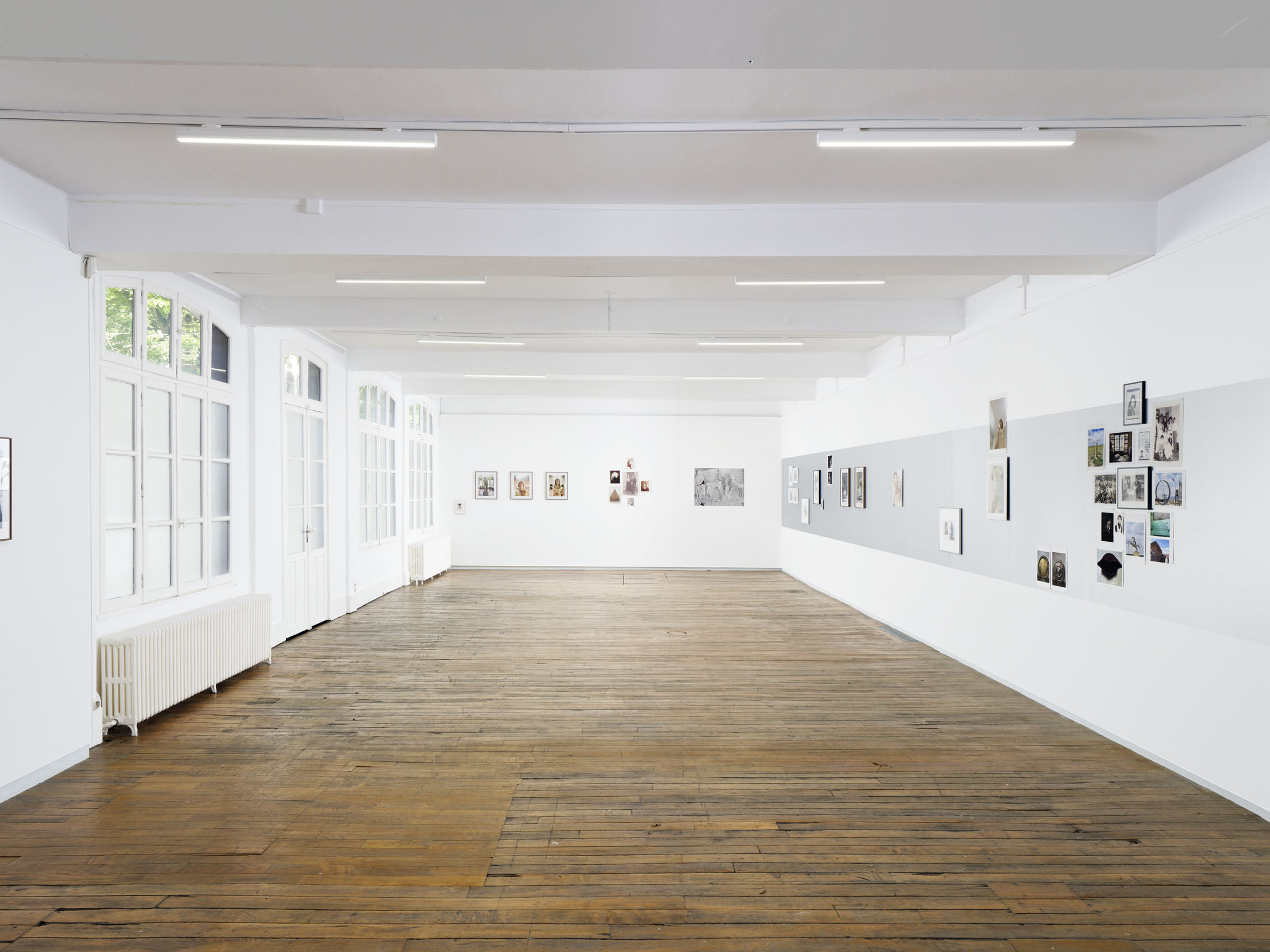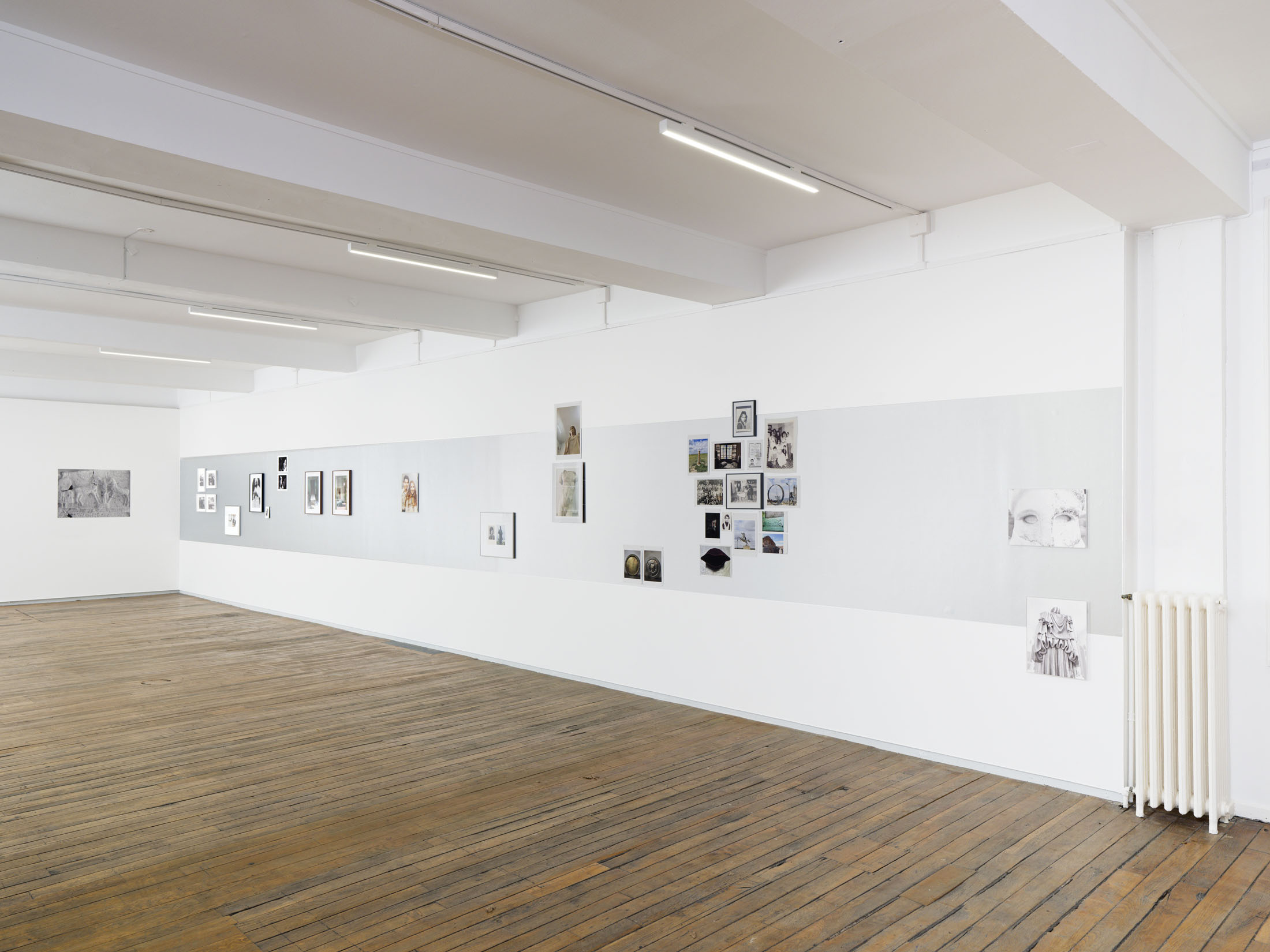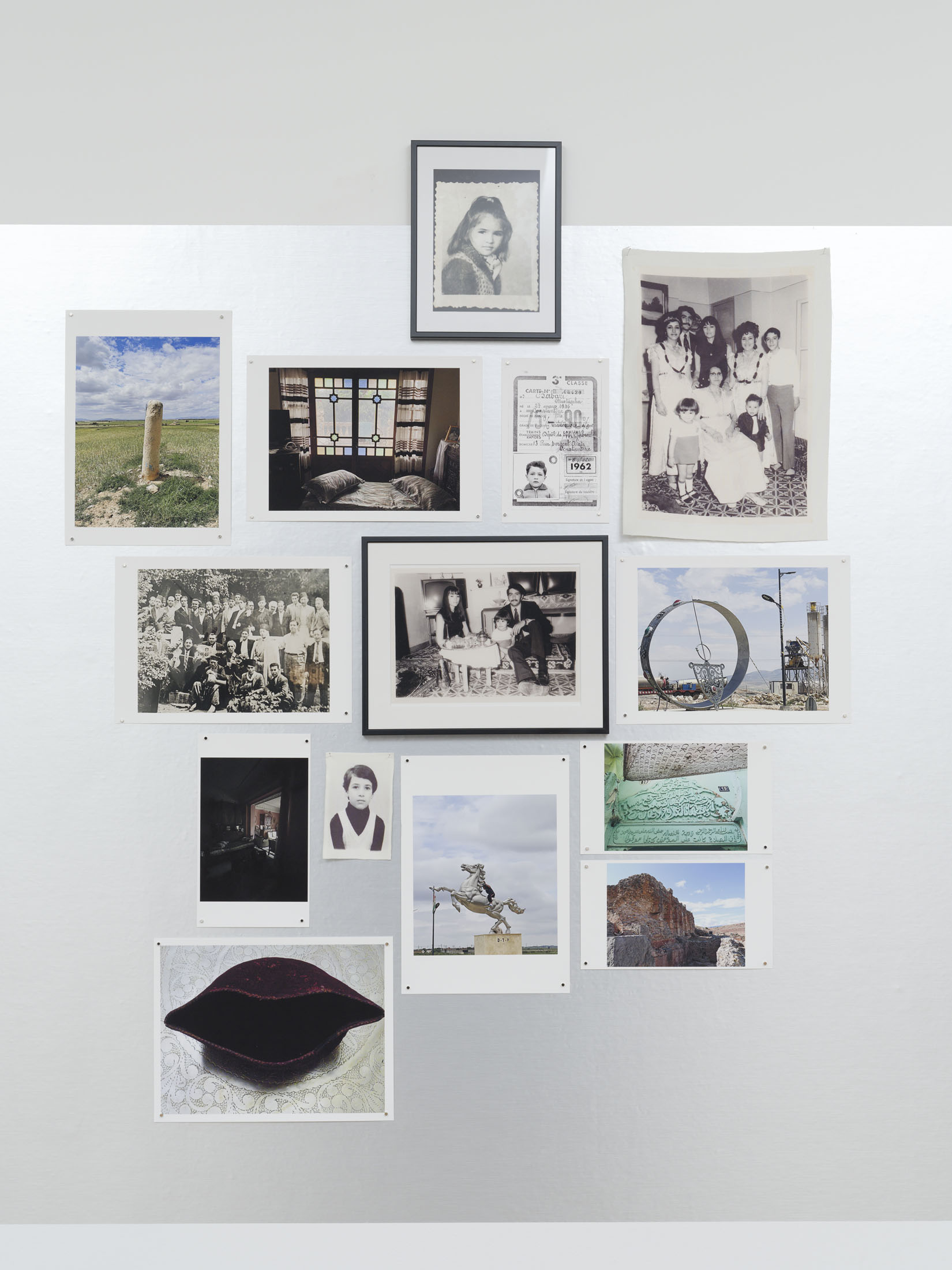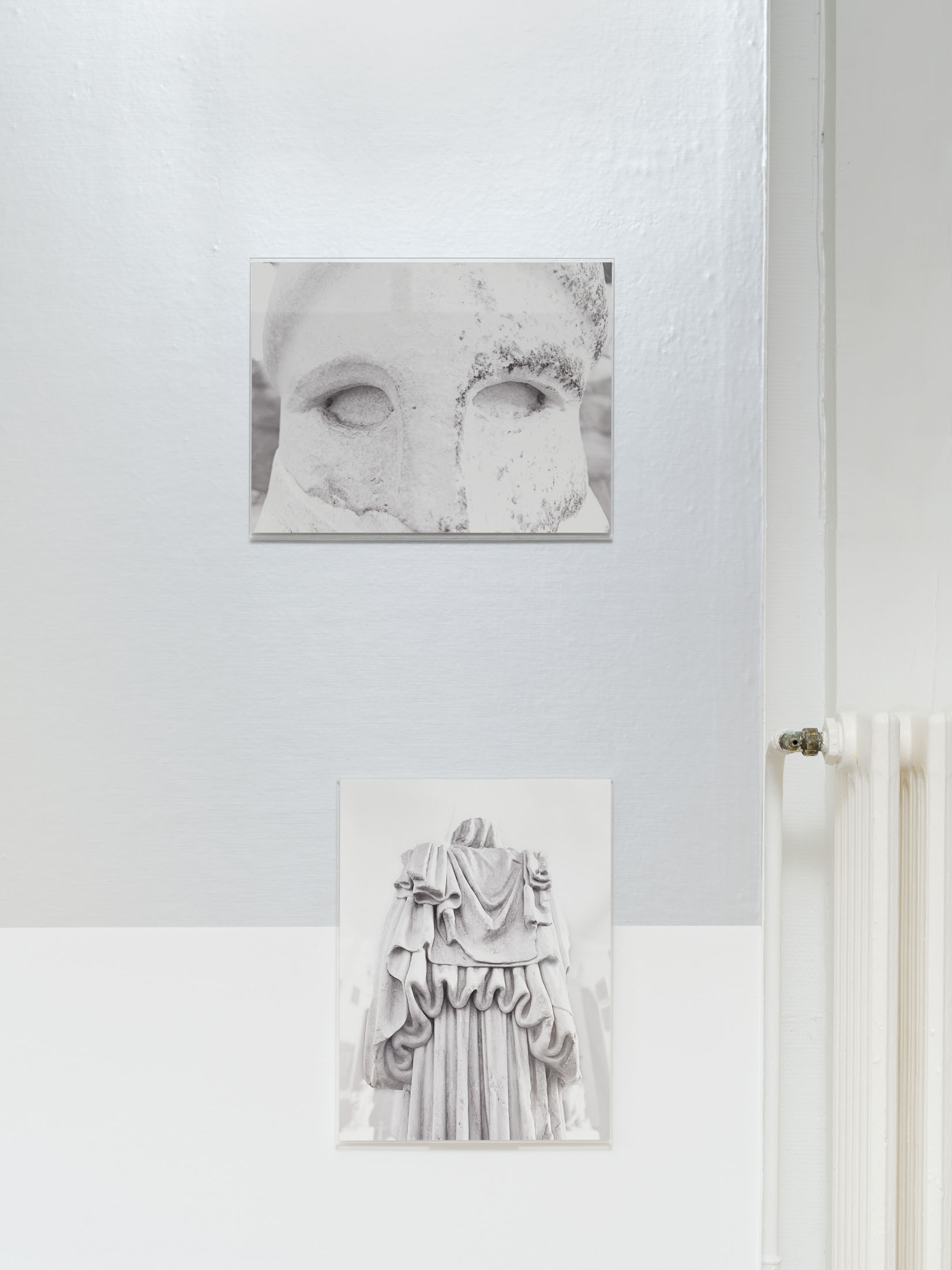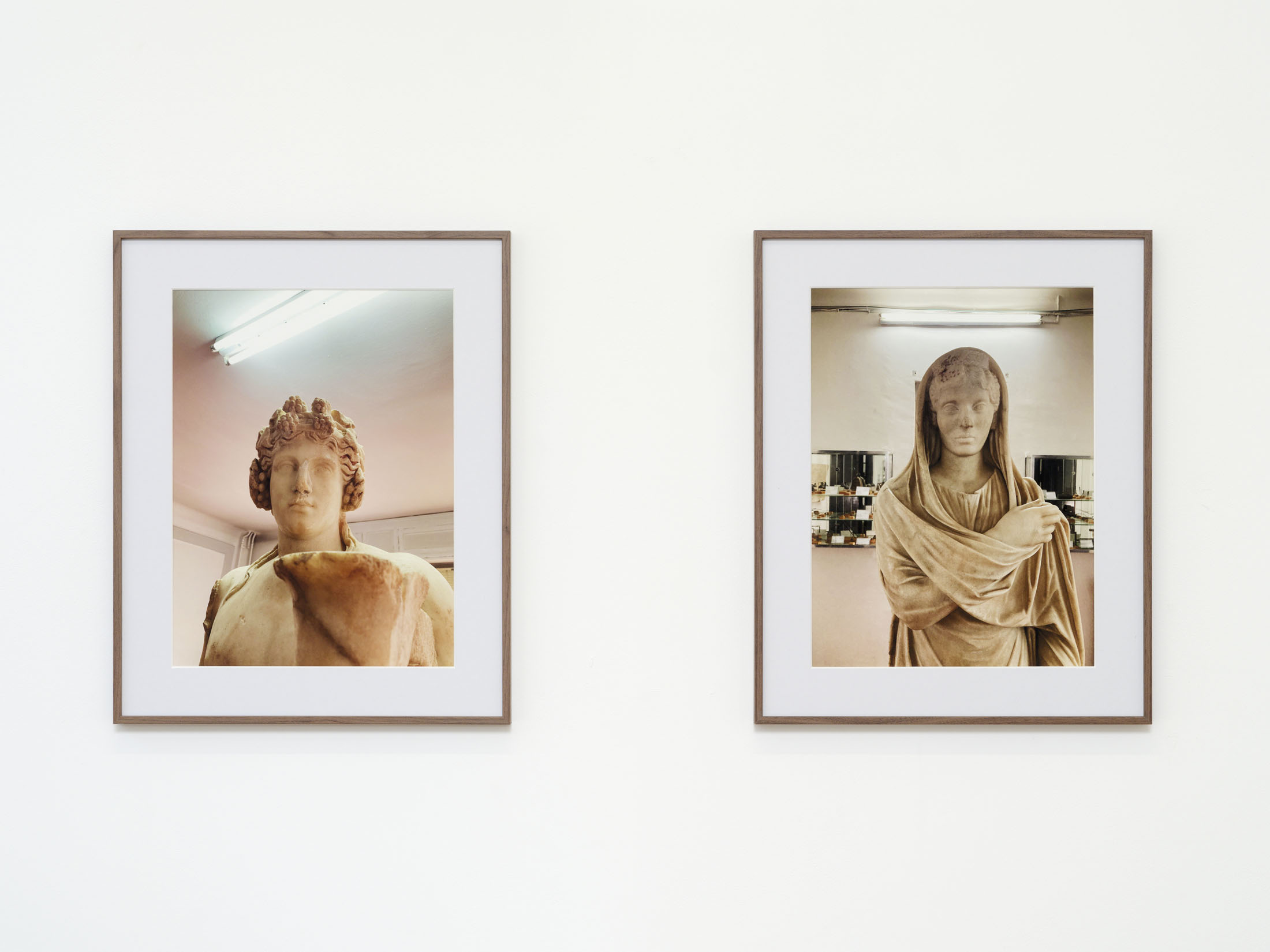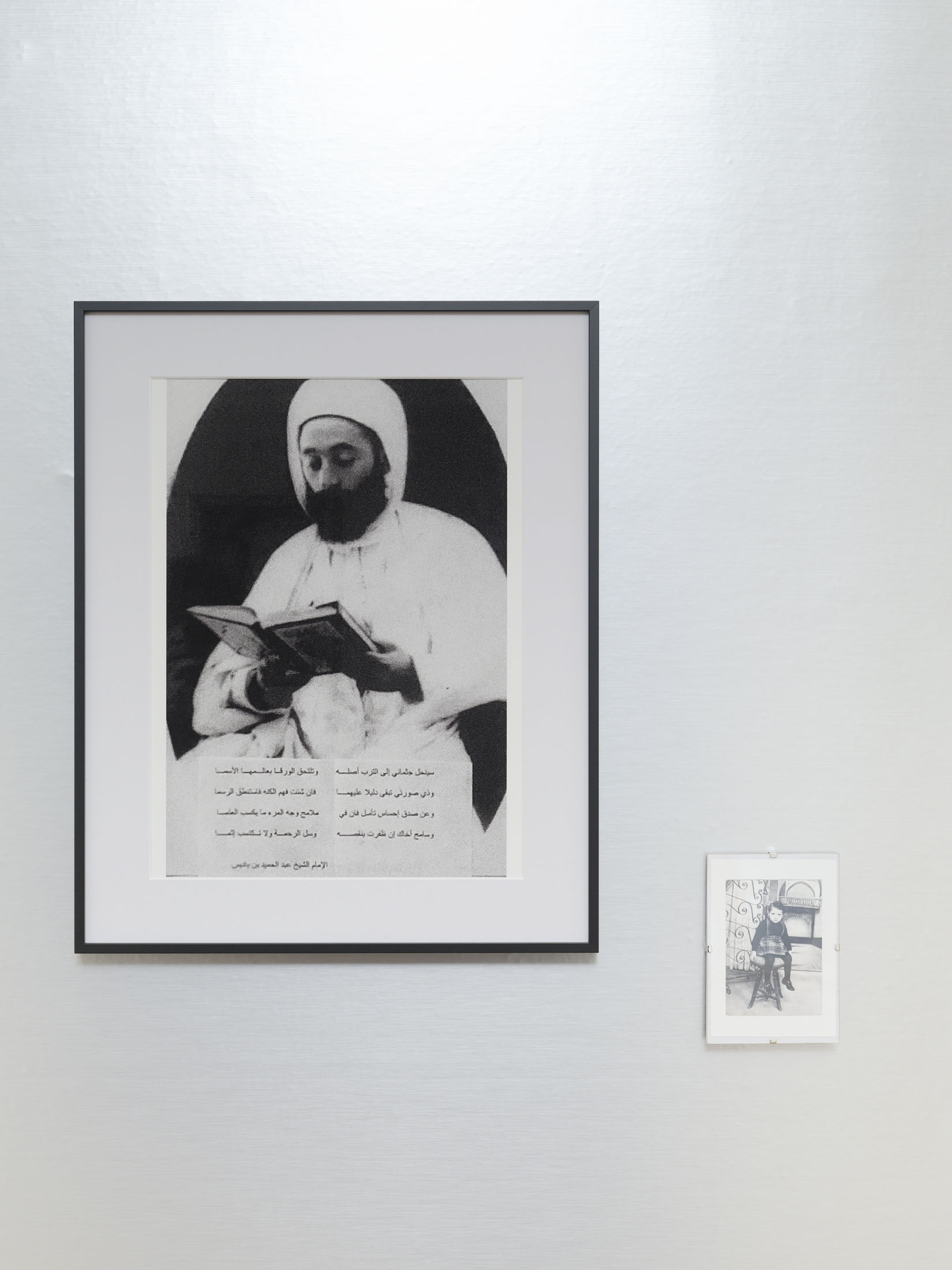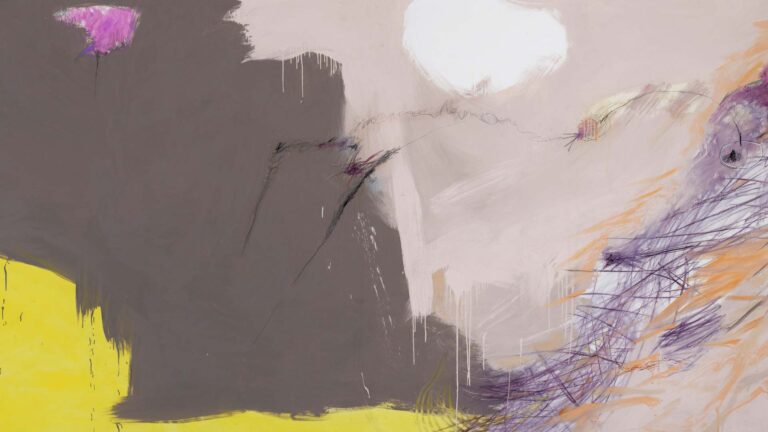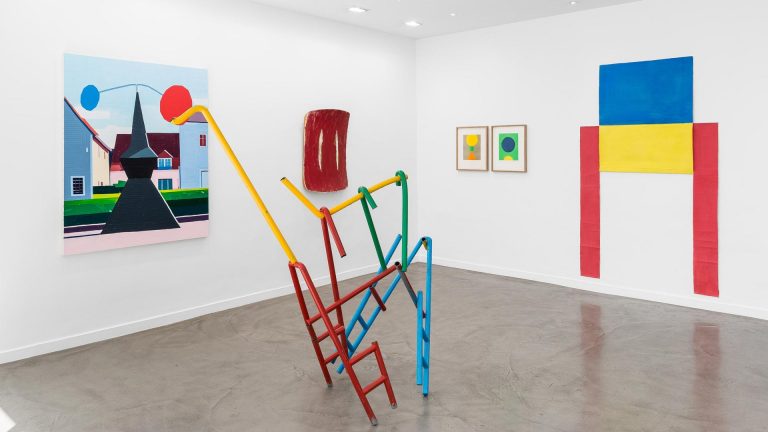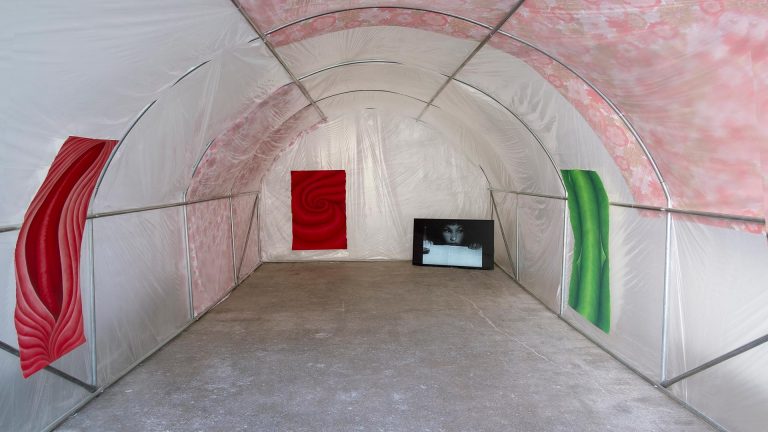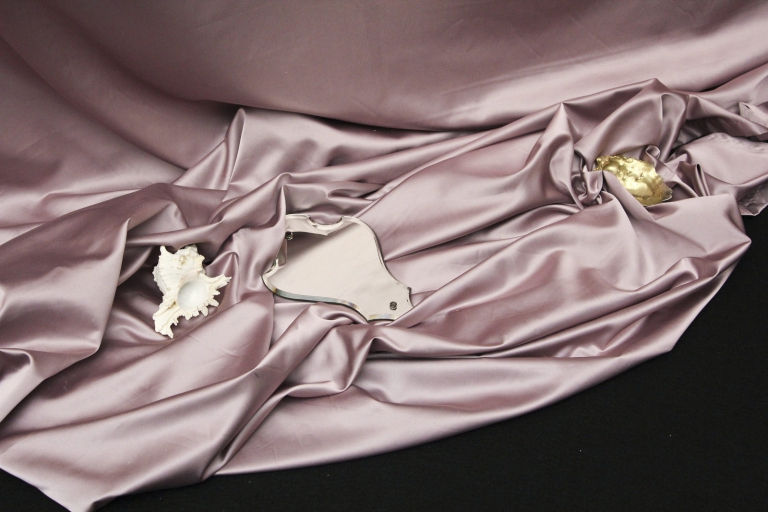
Passages is delighted to present the work of Louisa Babari in a solo exhibition running from May 30 to August 14, 2026.
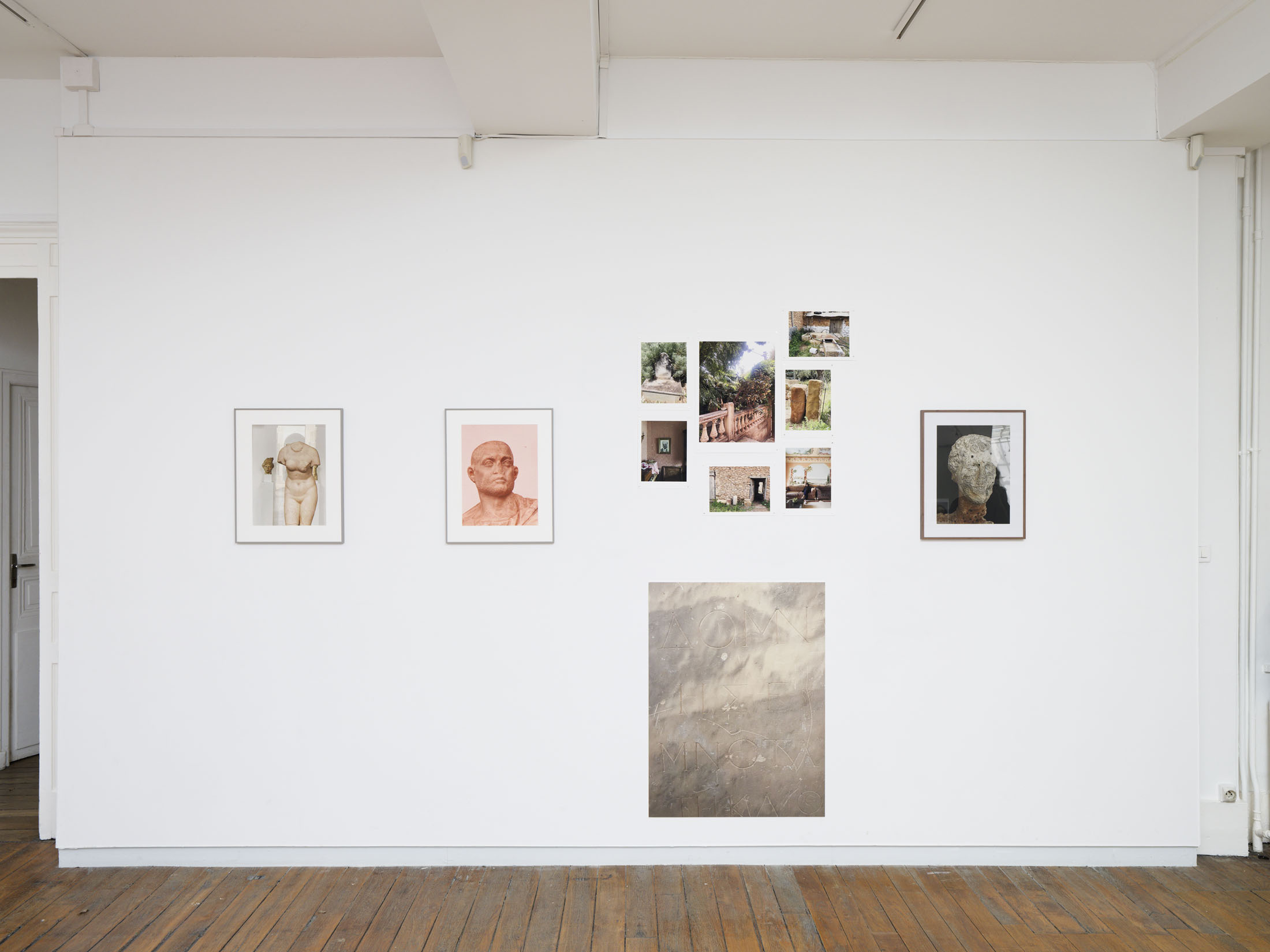
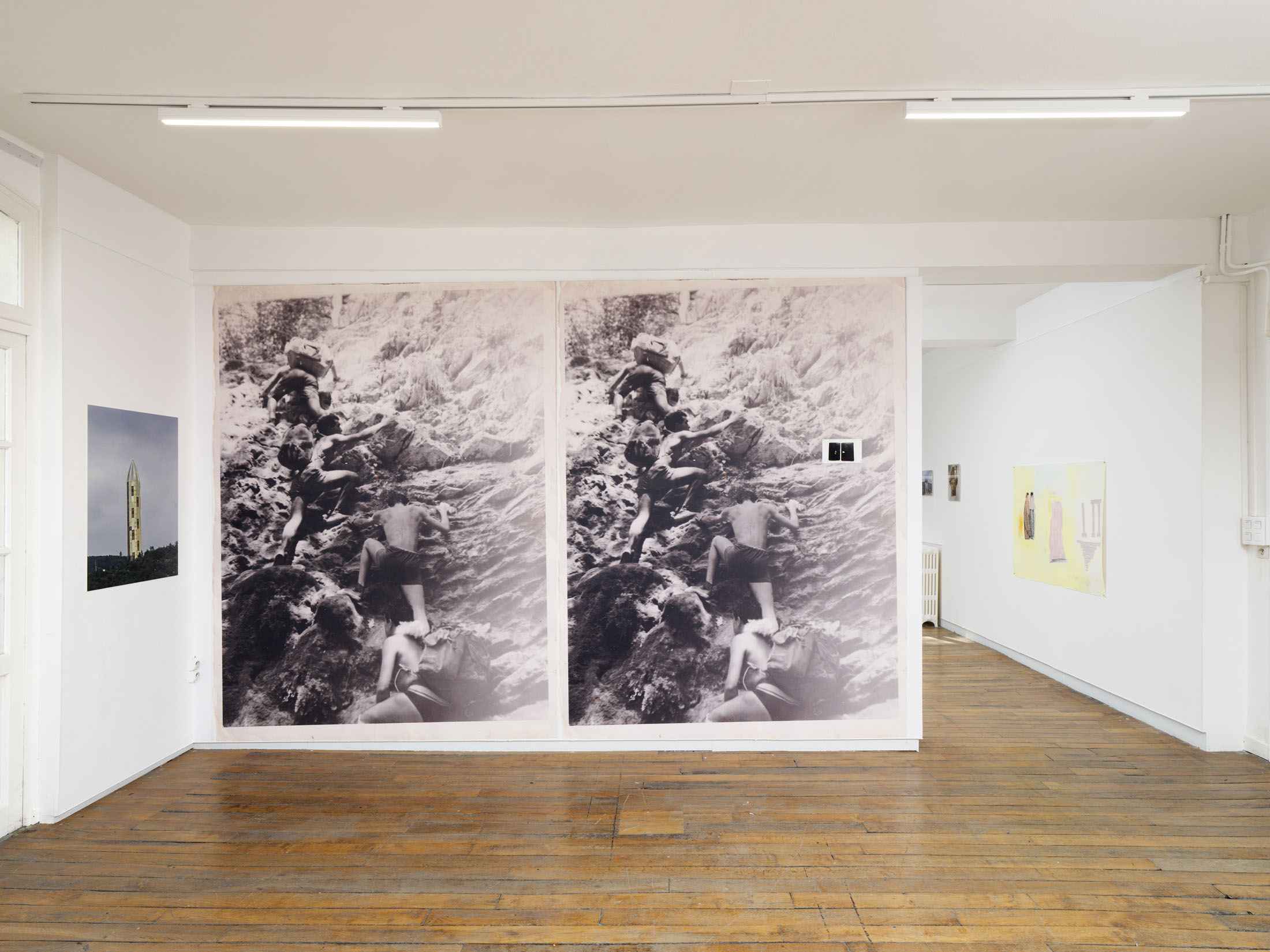
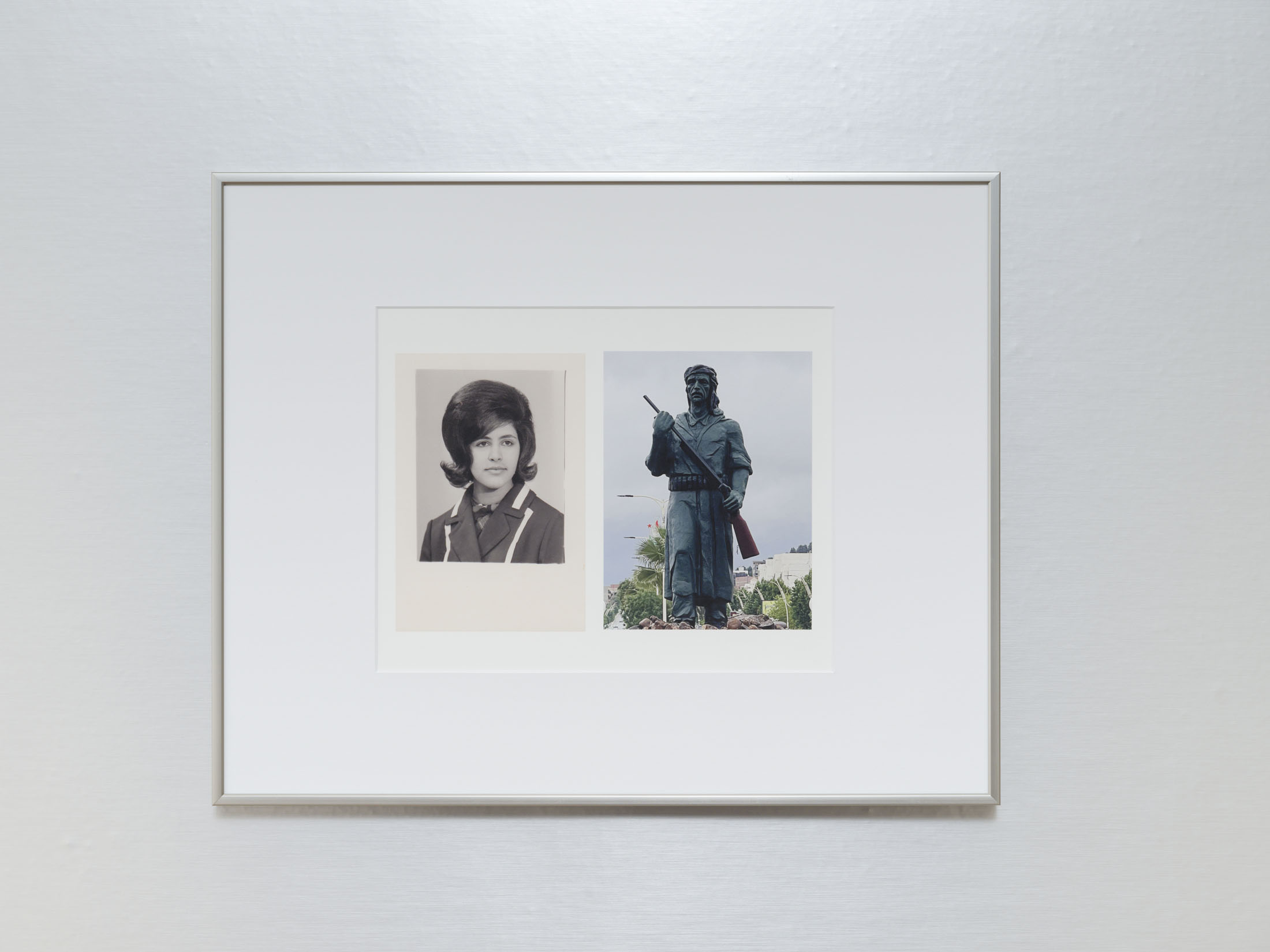
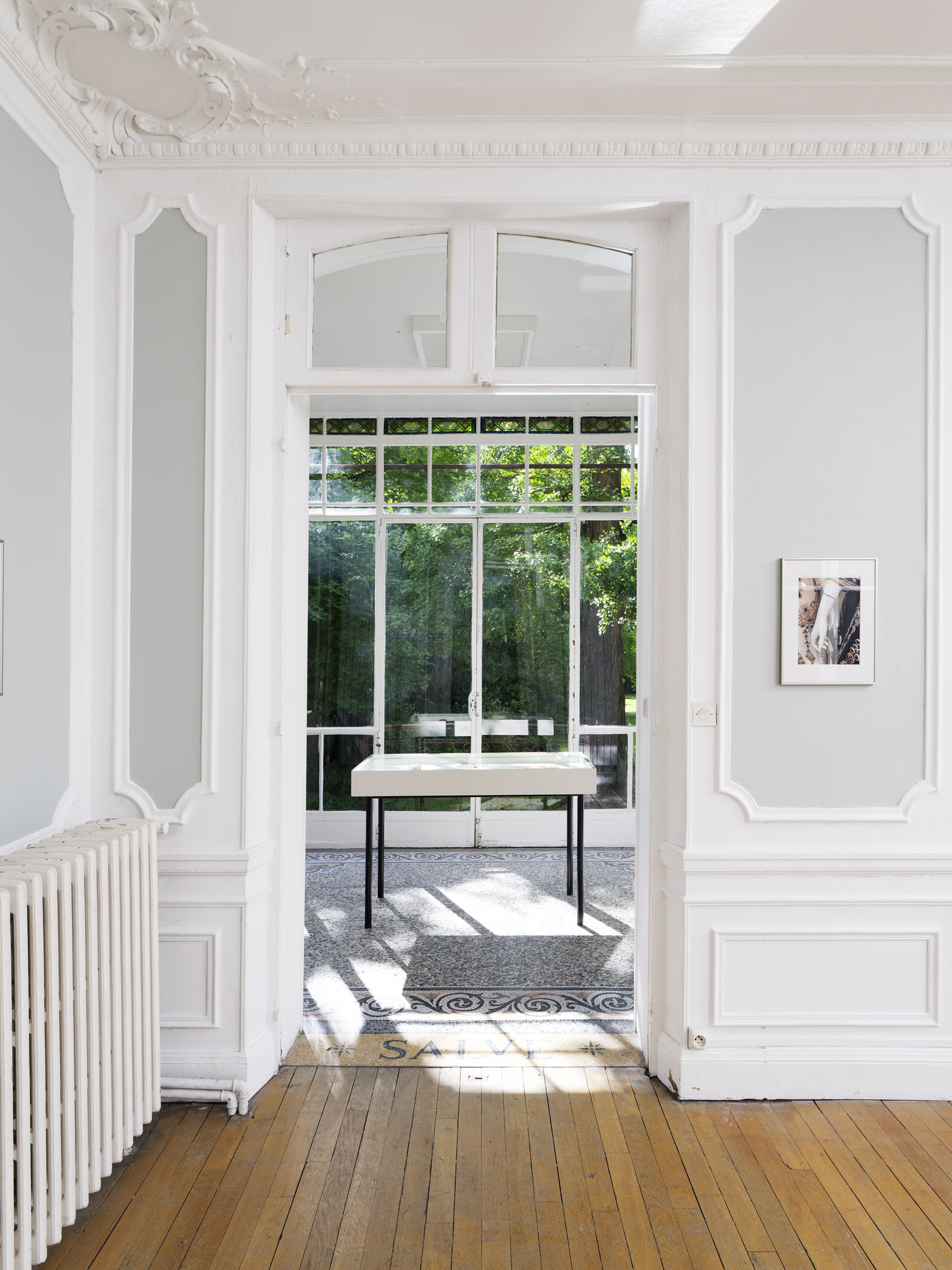
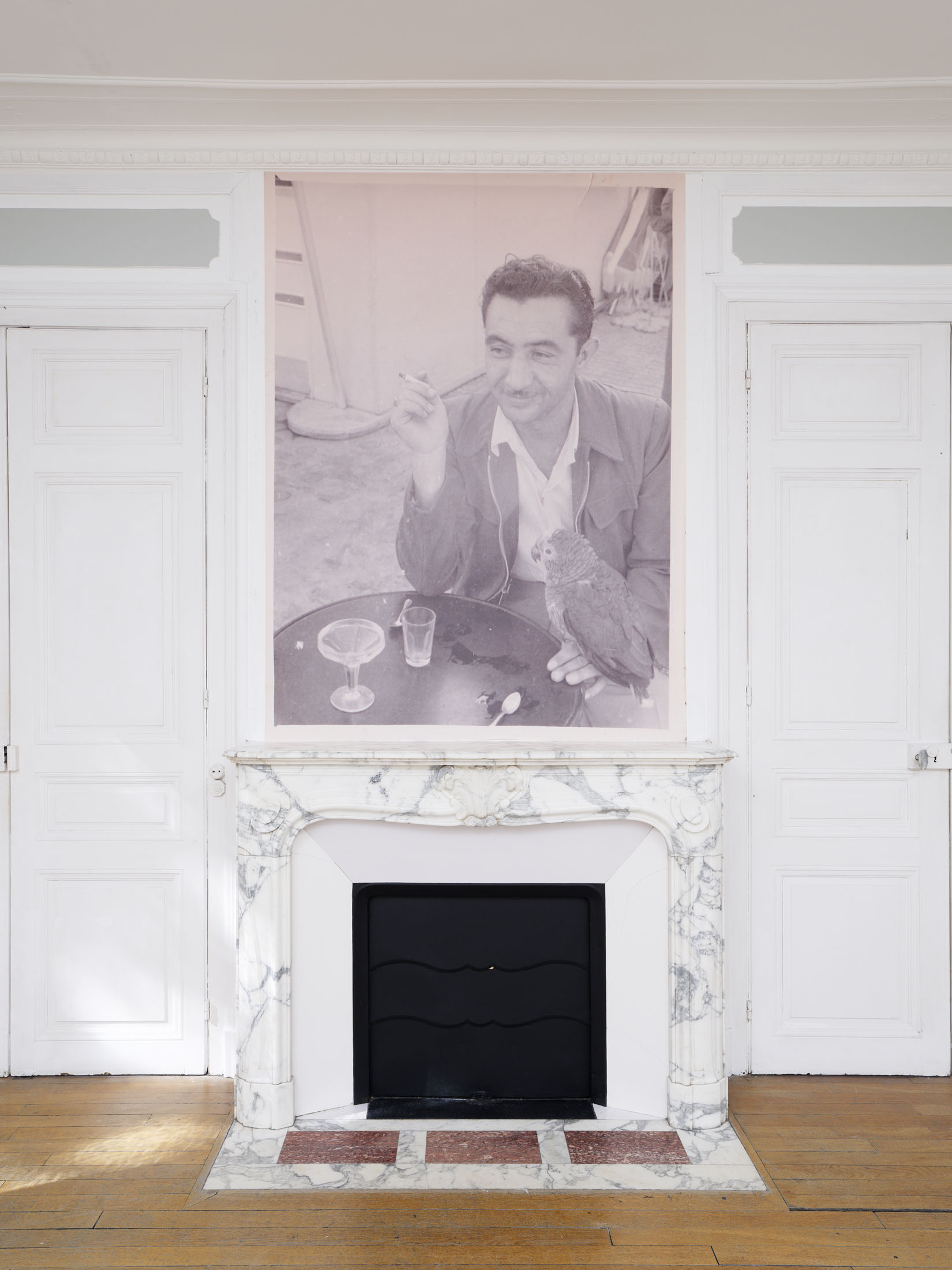
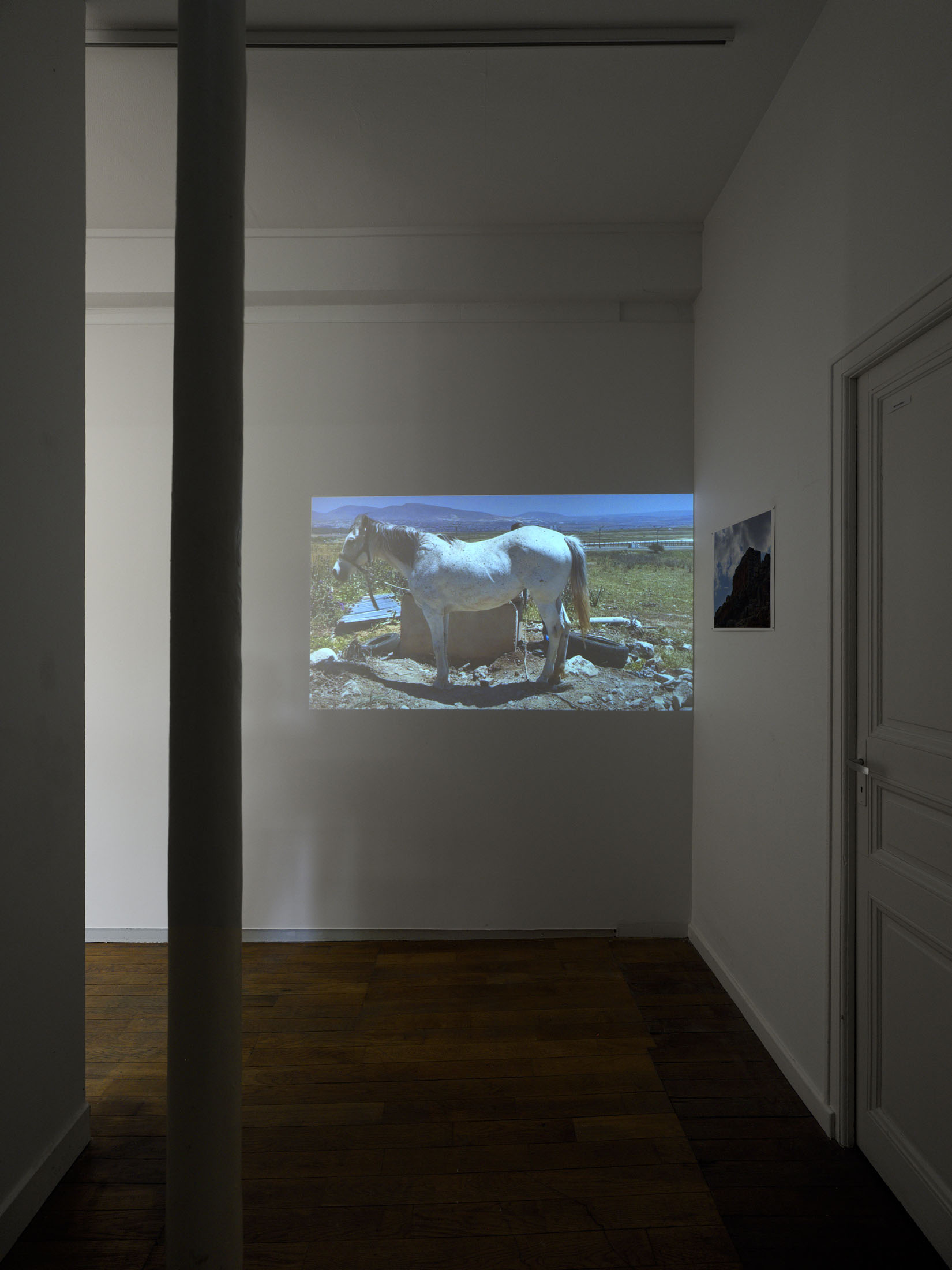
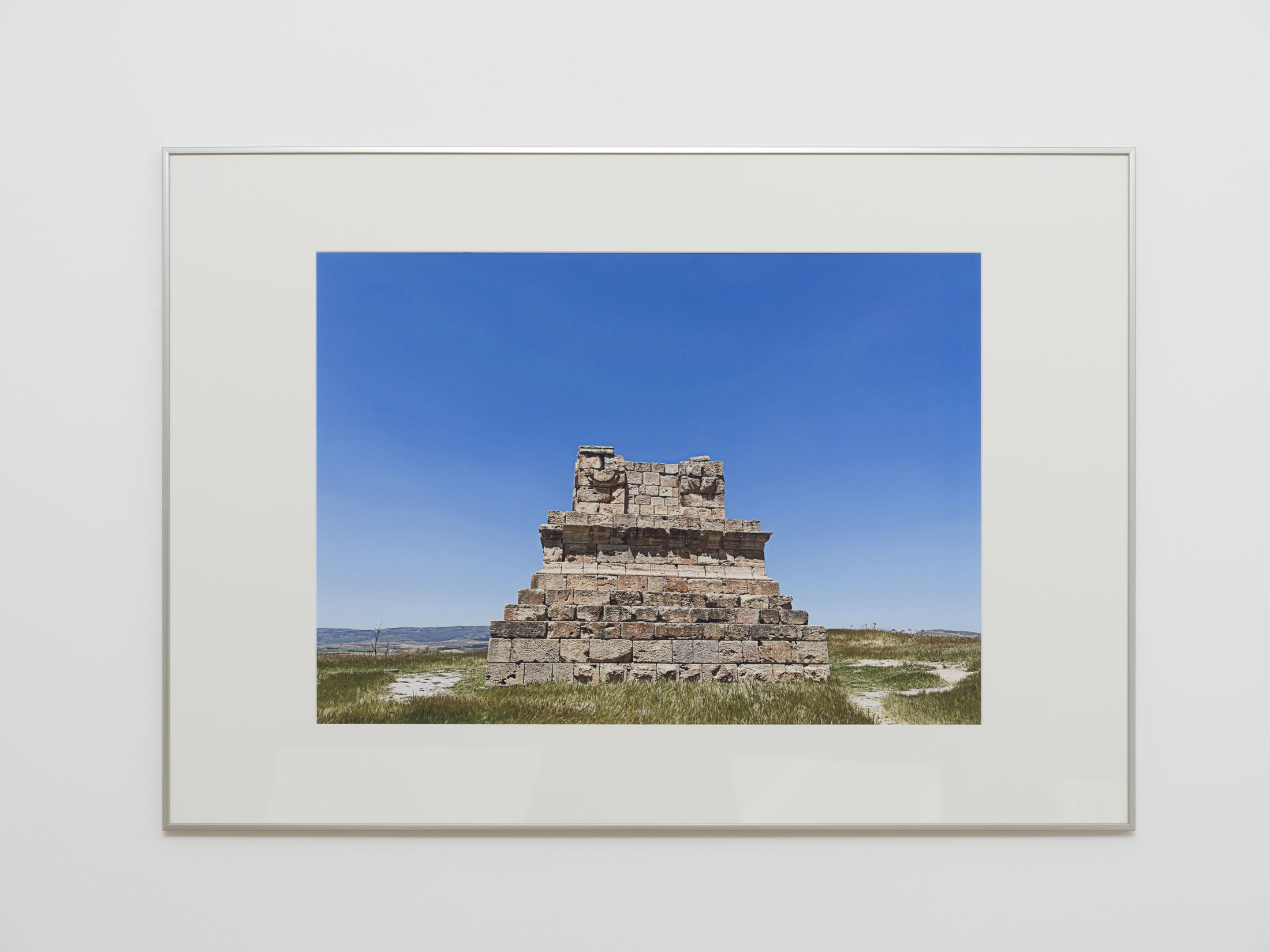
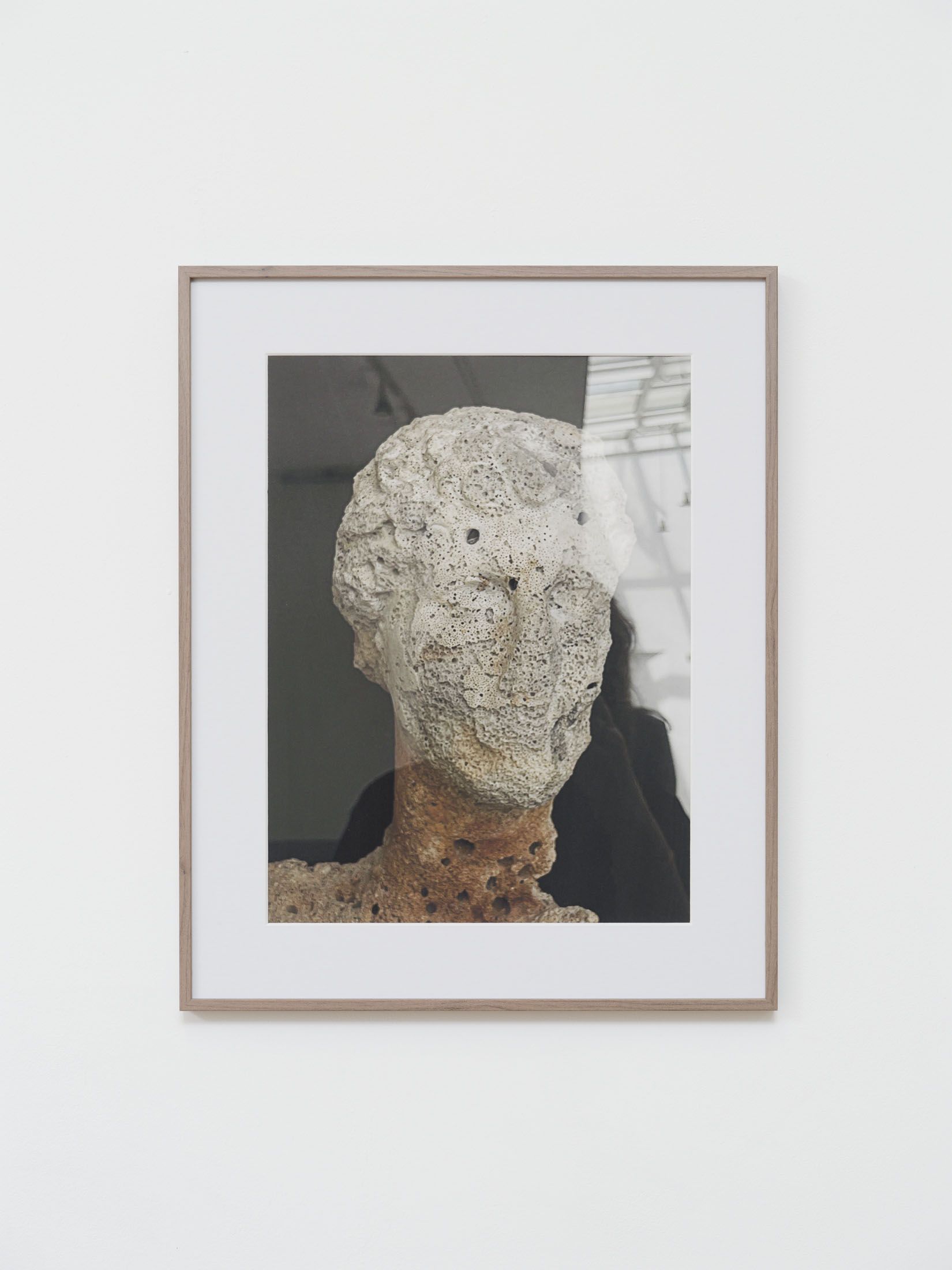
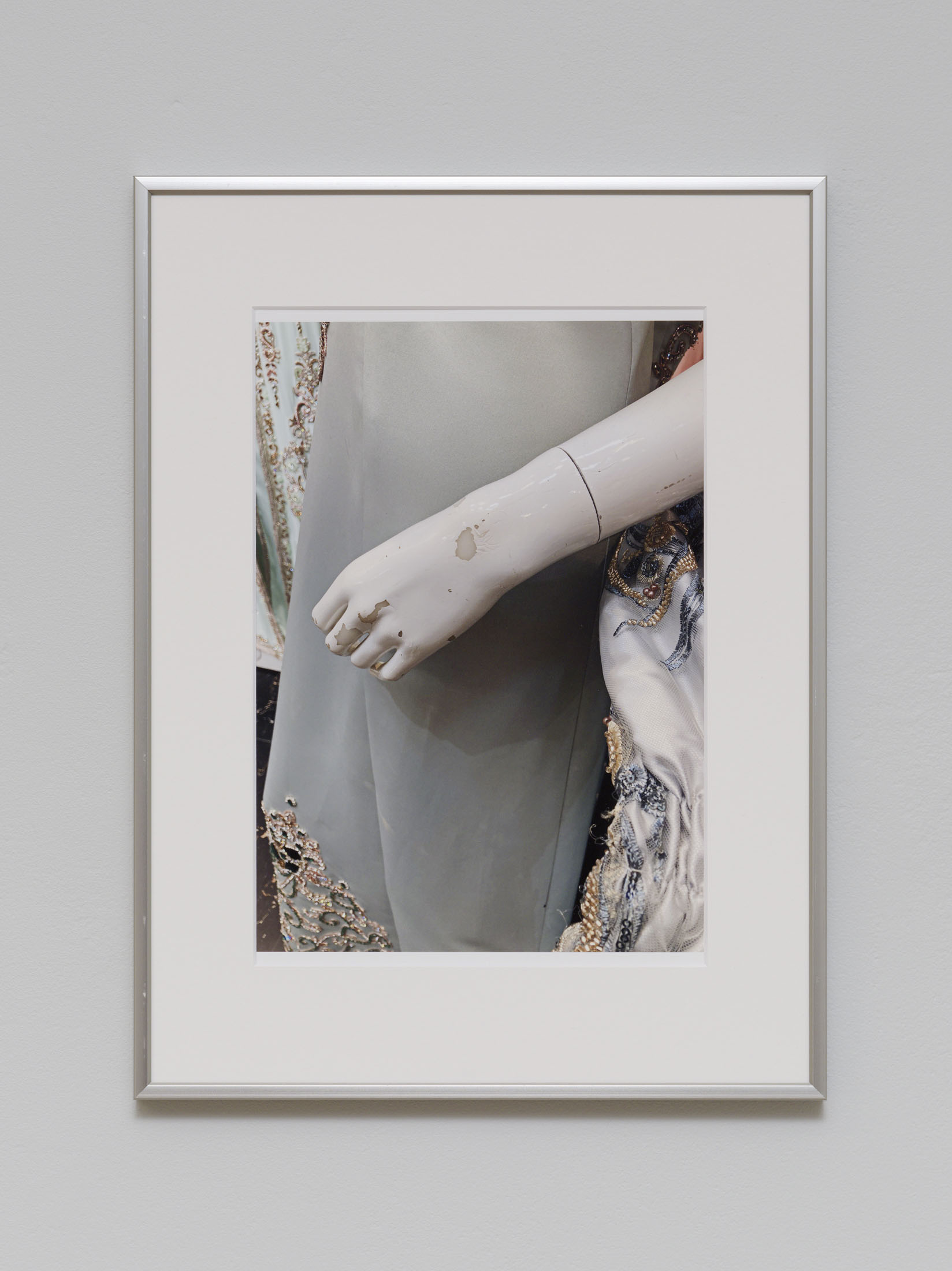
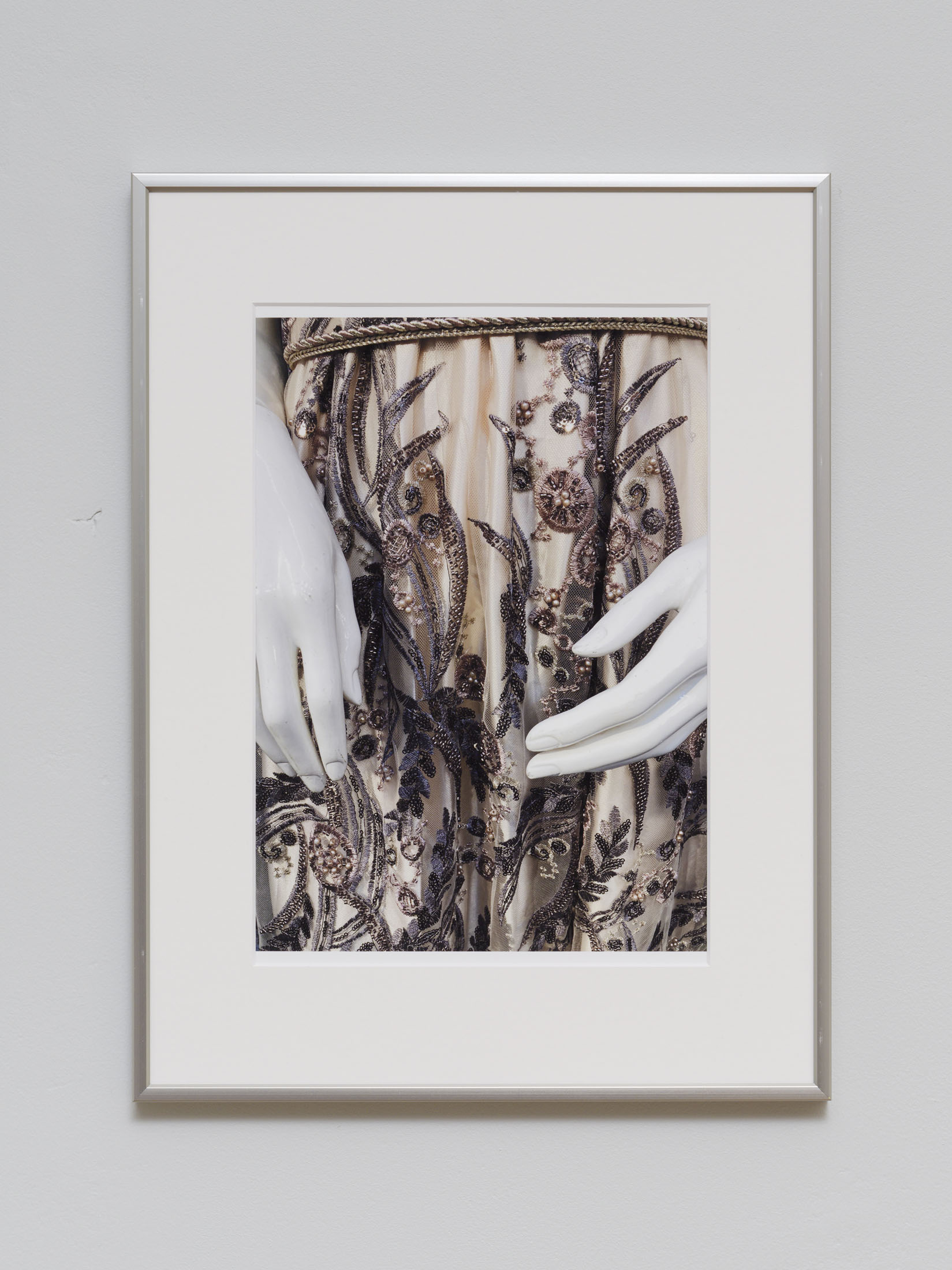
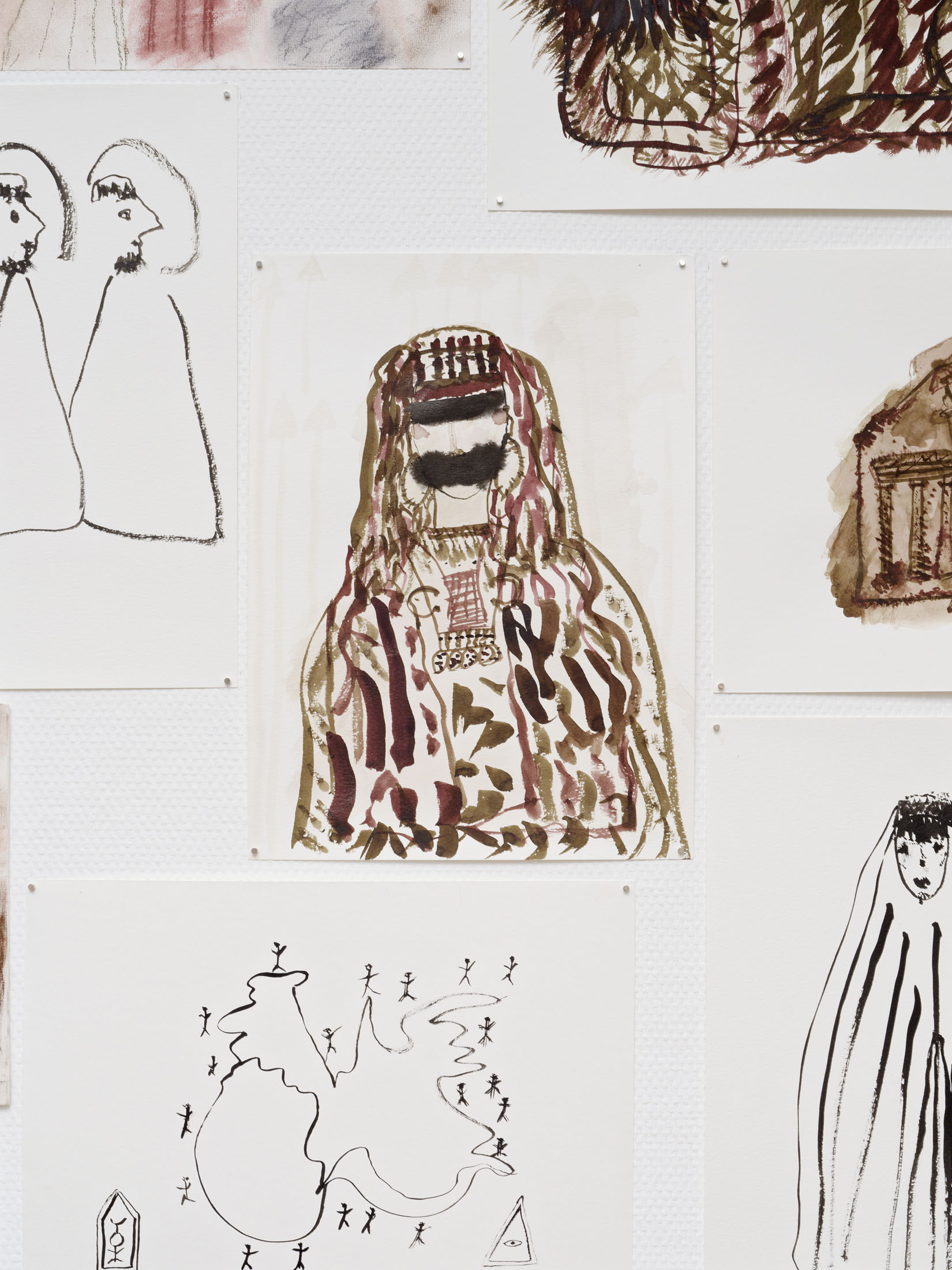
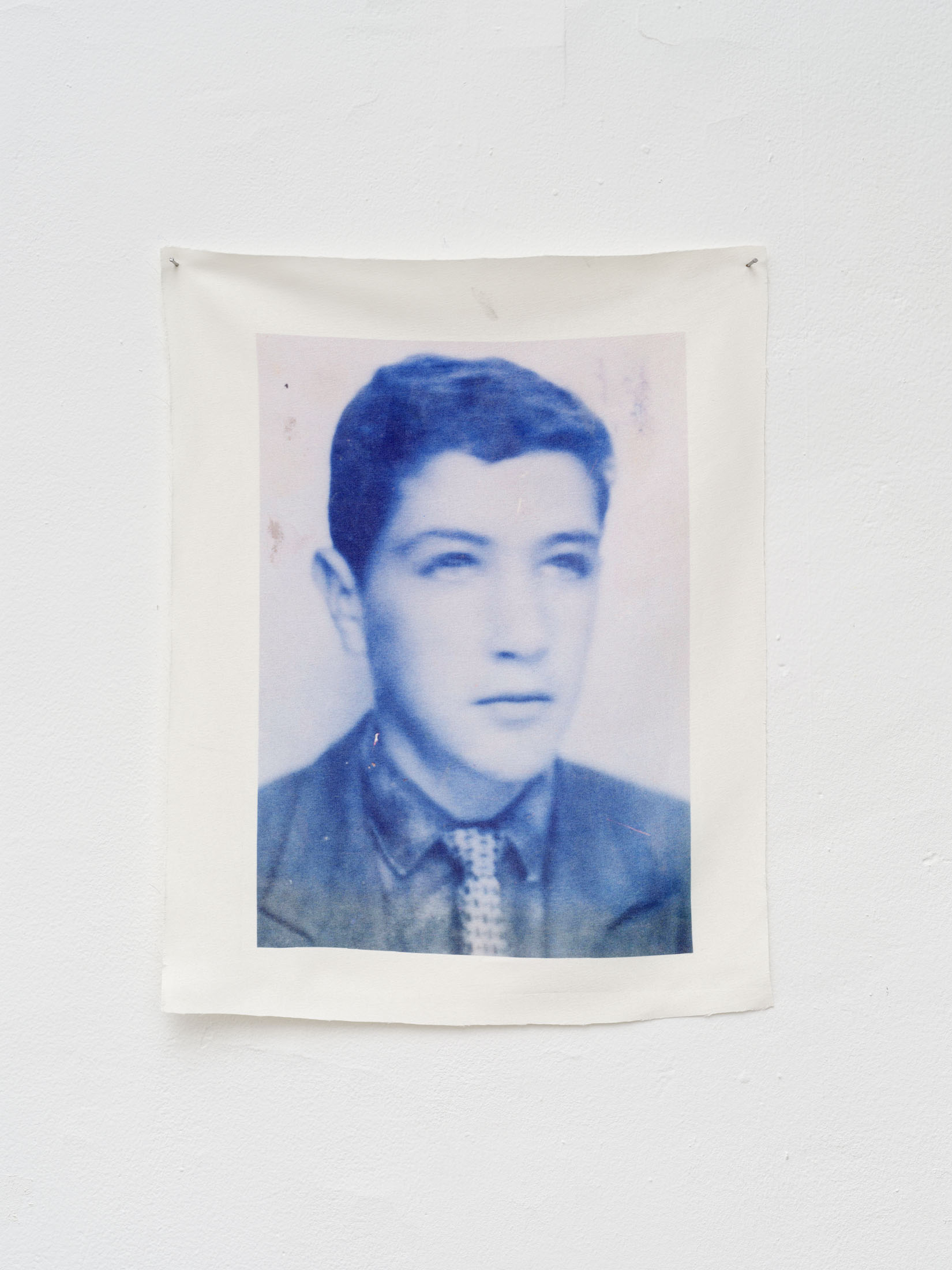
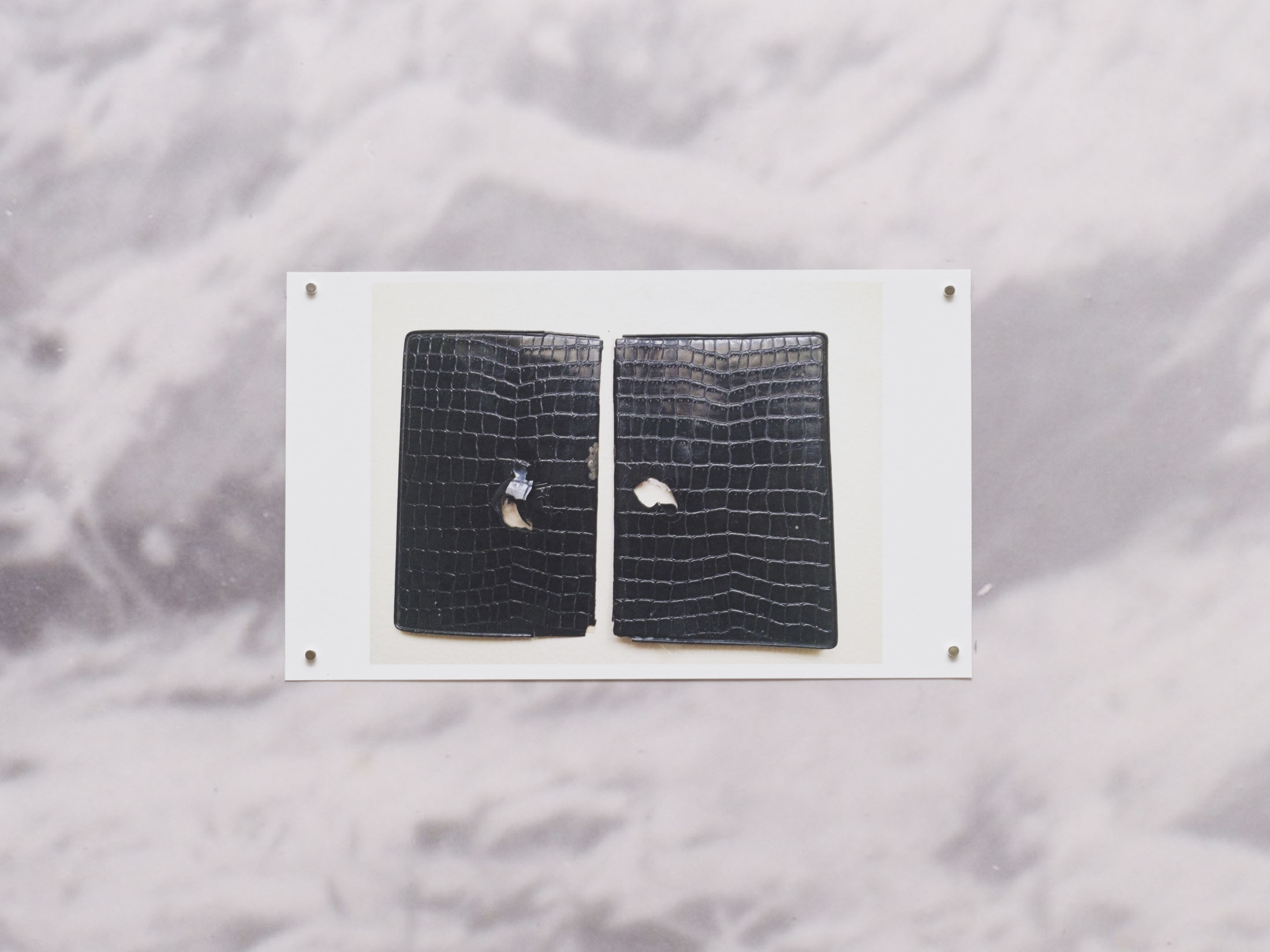
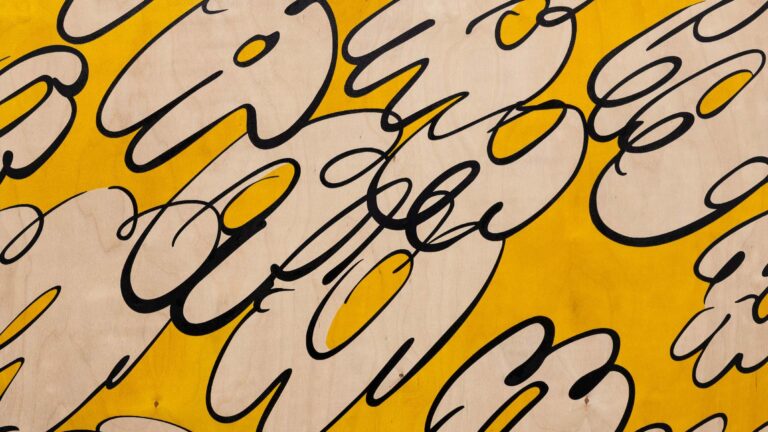
BBR brings together family photographs, candid snapshots, and archival images. Drawings, collages, and a video complete the body of work presented throughout the art center’s galleries. Comprising 80 works—most of them produced specifically for the exhibition—the project symbolically retraces the history of the artist’s surname, Babari, whose roots lie in the Numidian territory of the Aurès region in Algeria.
For Passages, the artist has chosen to create a family portrait across generations, one that is intrinsically intertwined with the history of Algeria. Through a constellation of figures, archaeological traces, and ancient statues, the exhibition unfolds both a historical and an intimate narrative.
The exhibition title, BBR, emerged from the artist’s research in Algeria. By tracing the paths of the Babari tribe—identified as BBR on certain stelae—she ultimately constructs the portrait of a people shaped by migration and warfare. Roman culture intermingles with Libyco-Berber populations, while conflicts over territory and religion frequently arise.
This exhibition is produced by CAC Passages (Troyes, 2026)
and co-produced by AWARE: Archives of Women Artists, Research & Exhibitions, in partnership with DCA – the French Association for the Development of Contemporary Art Centers.
It has been awarded the label Saison Méditerranée 2026 , organized by the Institut Français.
Louisa Babari is an artist distinguished by the singularity of her background in political science, Russian language studies, and cinema. She develops a visual practice closely connected to historical and political subjects that resonate with her own family history.
Born to an Algerian father and a Russian mother, her dual nationality reflects a broader history: that of the bilateral relations between Russia and Algeria beginning in the 1950s. Her father, who was sent to Russia to pursue his studies, met her mother there, and Louisa Babari was born from their union. She grew up between these two culturally distant countries, which were nonetheless connected through issues of international politics in the context of independence wars and the communist states of Eastern Europe. This context would lead the artist’s visual research toward the intertwining of reality and narrative—or autofiction—in order to address a variety of themes.
In many of her works, architecture emerges as a recurring motif: ruins, the home, and the house seem to evoke symbolic territorialities linked to her personal history. And since the intimate is always political, architecture also gives way to voices and family figures (Journal d’un étudiant algérien à Moscou, 2016), as well as more universal ones (Voix Publiques, 2018), creating rich and multifaceted works in which language complicates perception and bears witness to colonial histories and the distinct identities shaped by migration.
In Louisa Babari’s work, a powerful grounding in language—its performativity, the question of translation, myth, and reality—also reflects a conceptual inquiry into the oral forms that constitute the foundation of identity. This is particularly evident in works such as Lecture (2017) and Corps à corps (2015), where intellectual figures (Vergès, Fanon) infiltrate subjects imbued with intimacy.
From a formal perspective, the practice of collage stands out in her work, whether in two-dimensional pieces, in her video works—which are close to experimental cinema1—or in her sound works. The appropriation of elements drawn from the observation of environments she inhabits (The Hope, 2018) or from old magazines (A Secret Song, 2021) also reveals a postcolonial perspective and an interest in archives, now engaged with our contemporary capitalist modernities.
The resonance between the subjects addressed by the artist and the realities of a brutal world marked by war and ongoing colonial issues demonstrates the necessity of bringing Louisa Babari’s work to greater institutional prominence in France. As Elisabeth Lebovici writes, she “gives substance to a life trajectory.”2
Finally, the restrained and subtle artistic forms developed by Louisa Babari lend her work an undeniable elegance and a distinctive poetic quality.
A graduate of Sciences Po Paris and the National Institute for Oriental Languages and Civilizations (INALCO, Paris), where she studied contemporary Russian studies and cinema, she lives in Paris.
In 2014, her work gave rise to the publication Aesthetics of the Antrum (Cabeza de Chorlito). Her works have notably been exhibited at the Centre national édition art image (CNEAI) in Chatou, the Museum of European and Mediterranean Civilisations (MUCEM) in Marseille, Raw Material Company in Dakar, the Dakar Biennale, BOZAR in Brussels, the Maison des Arts
de Malakoff, Manifesta 13 in Marseille, the National Center for Visual Arts (CNAP), and the FRAC Centre–Val de Loire in Orléans, and more recently at the [mac] in Marseille.
She also contributes occasionally to art and opinion journals (Analyse. Opinion. Critique, Something We Africans Got). In 2018, she received a grant from the Roberto Cimetta Fund as part of the Pan-African Poetry Programme.
[1] Salma Mochtari described the artist as a filmmaker who “does not make cinema,” 2023 https://awarewomenartists.com/artiste_prixaware/louisa-babari/
[2] Elisabeth Lebovici, *Le Beau Vice*, in *Les cartes abattent leur Made in Algeria*, MUCEM, Marseille, 2016 https://le-beau-vice.blogspot.com/2016/01/les-cartes-abattent-leur-jeu-made-in.html