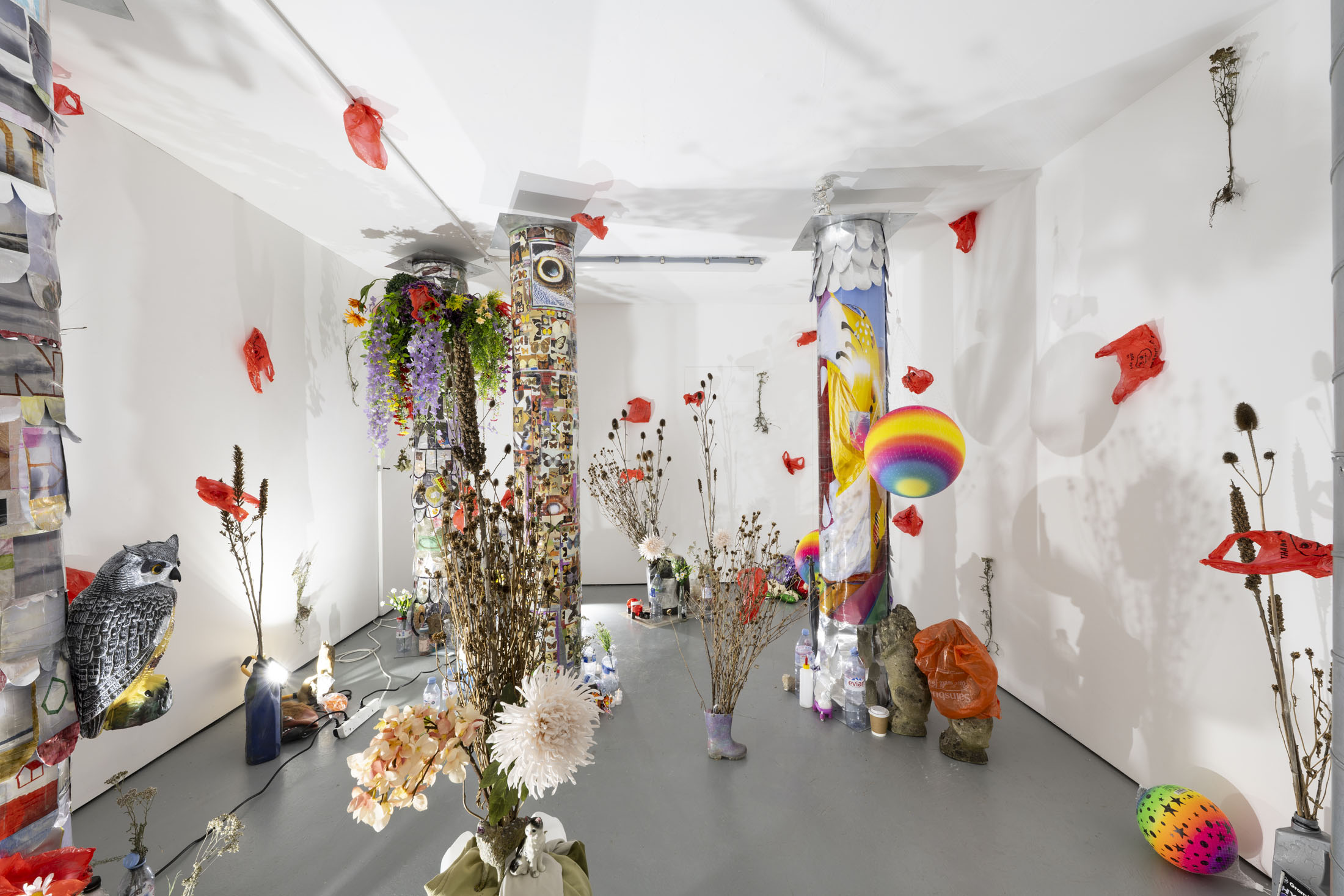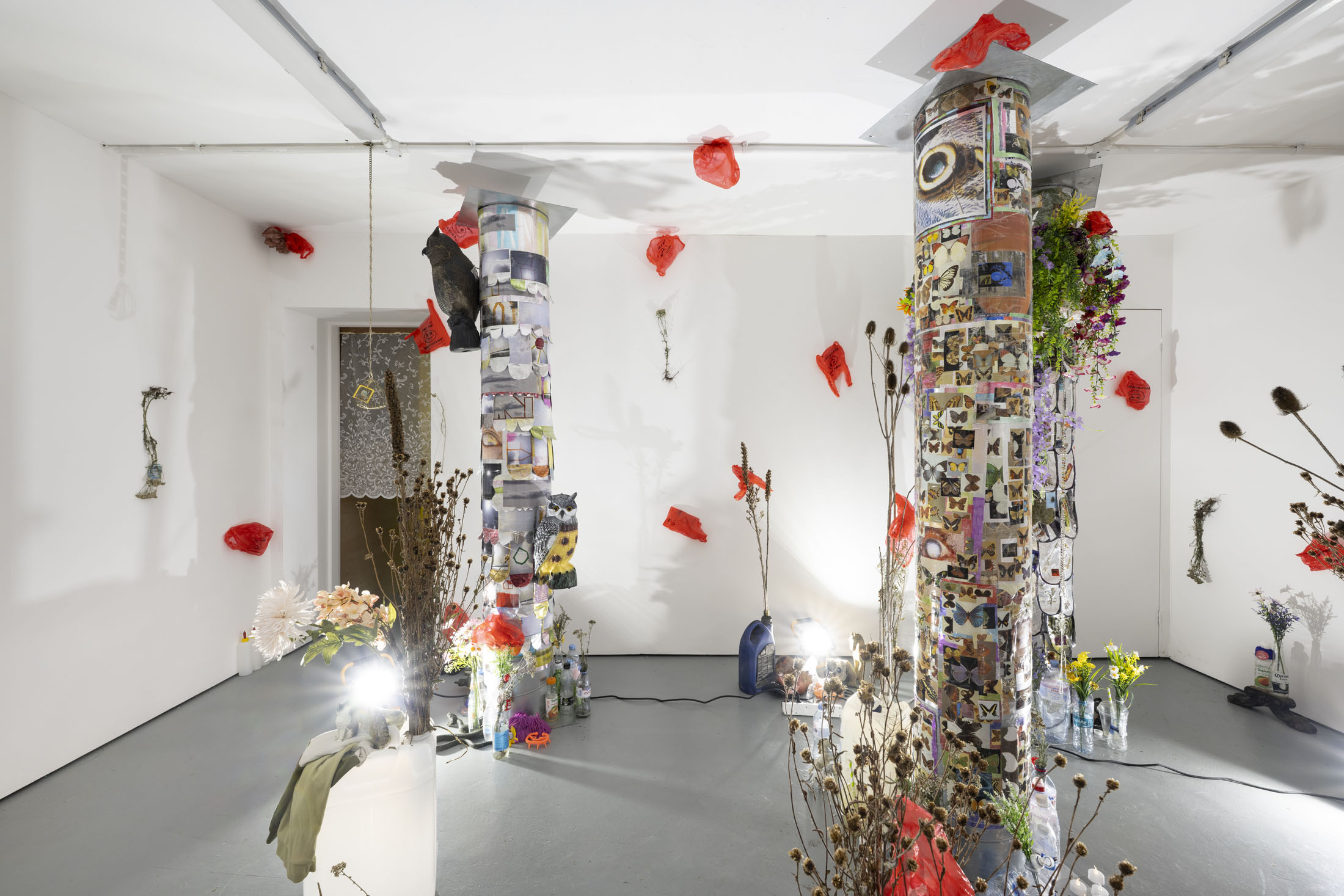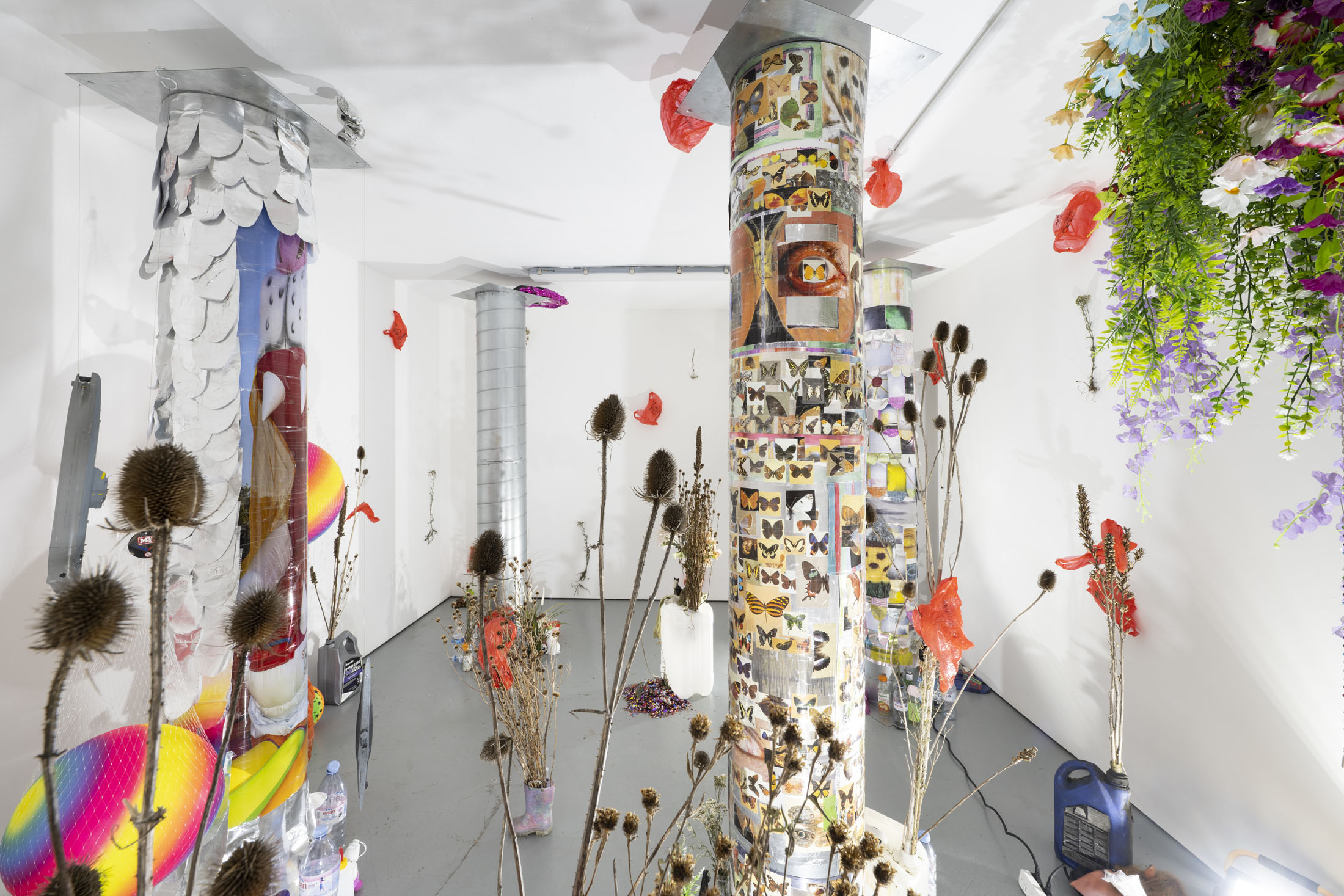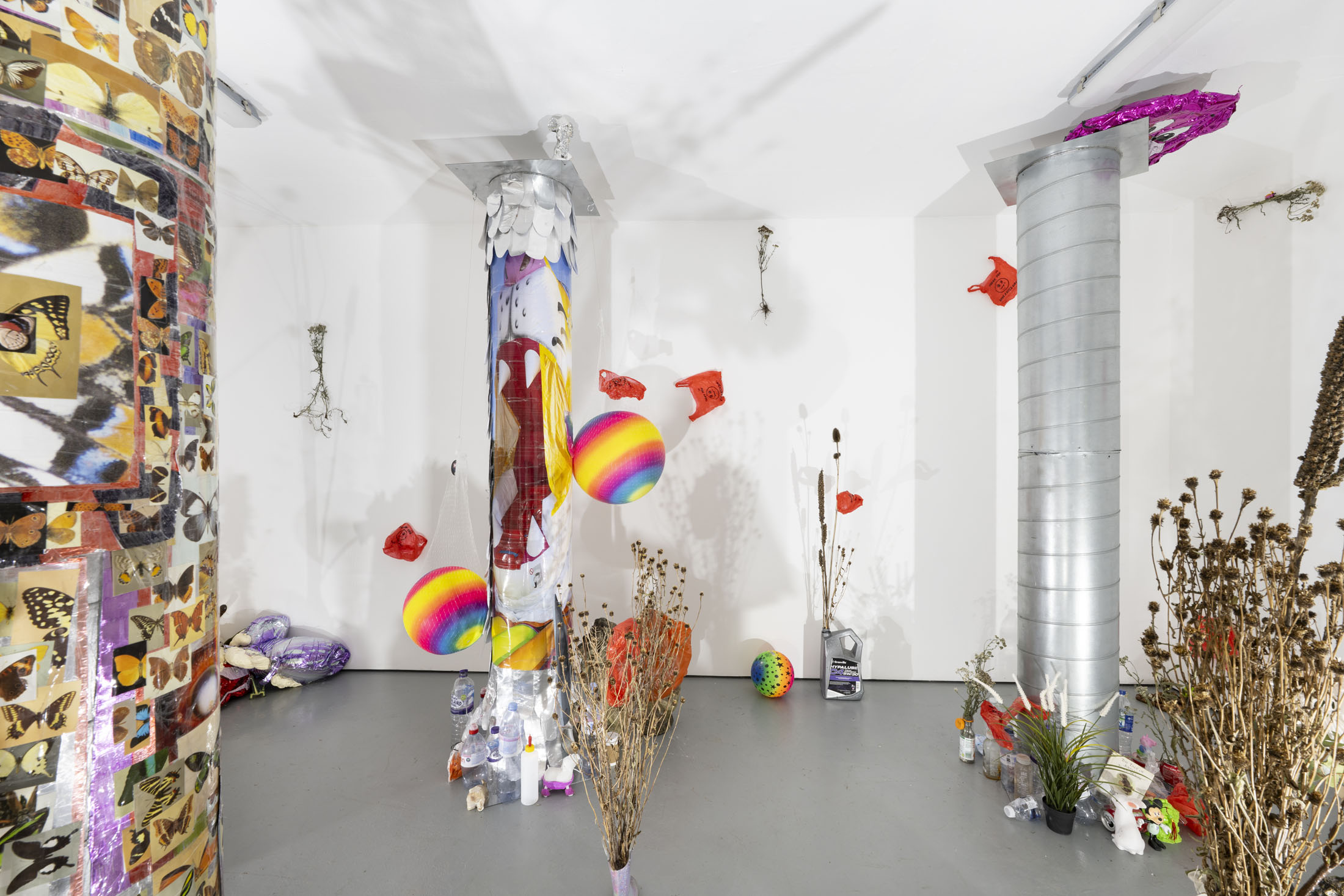
TERMINAL PARK
For centuries, we believed that the process of illuminating the cosmos would allow us to attain absolute knowledge. We wanted to know every single recess of the universe, every remote corner, every single atomic configuration existing or merely possible. We had not realised how the object of our desires, the ultimate goal of our search, actually coincided with our own elimination. Quite simply, the cosmic equation did not foresee that the subject could exist within the same ontological space as the object-as-such, the pure object, devoid of observer. We were like insects seduced by the neon light of a great luminous trap. This was what the “Fermi Paradox” referred to, but we were still too naive, too limited to understand it. We were like children persuaded that the entire world could fit inside their sandbox. Therefore we sterilised the world, to adjust it to the coordinates of an abstract science. Thus, we obtained the science of all sciences, the supreme science of forms and categories. The general equivalent of all things. And so, at last, we came to discover that life is not compatible with sterile environments.
We transformed the world into a laboratory and distilled the spirit into a test tube. Now, the Absolute breathes through gills and air intakes, half organism and half algorithm. Heat has long since abandoned the spatiotemporal tissues and the event horizon is updated in real time, frame by frame. Being is nothing but a function of the blockchain of becoming. We have entered an intimate inner space: the walls of the great machinic stomach have become our celestial vault. Nothing remains for us but to cross the threshold, pass through the portal, and break the chrysalis that holds consciousness captive. And behold, there is no longer any outside. The outside itself is nothing but a topological projection of the inside.
God is not an external agent but a point of collapse. Epithelial tissue. It has even been hypothesised that our end arose from a kind of contact allergy: from the encounter between two systems radically incompatible with one another. On the one hand, the ordered chaos of knowledge; on the other, the linear desolation of truth.
This is the last temple, the cenotaph we have erected in memory of the old world. The ancient stories tell how, before smooth space devoured everything, there was abundance and excess: an environment rich, intense, dense as maple syrup. The universe was like a thermodynamic cage in which the ephemeral nature of organisms unfolded and was exhausted. The circuit of life was a grand positive feedback that flowed into a vast negative space; the prophecy inscribed in the interstices of bodies and concepts, in the blind spots, in the liminal spaces. In this multidimensional accumulation of matter and information our species identified the mechanism through which the memory of what has been sustains what is. It then set out in search of a scheme, of a meaning and a final destination. What we found instead was our very own end – the end of all things. The terminal ontological disease of reality.
– Claudio Kulesko
Translated from the Italian. The exhibition title is drawn from Laura Tripaldi’s contribution to Revolutionary Demonology (Nero Editions, 2019), written by Gruppo di Nun.