HOLECORE
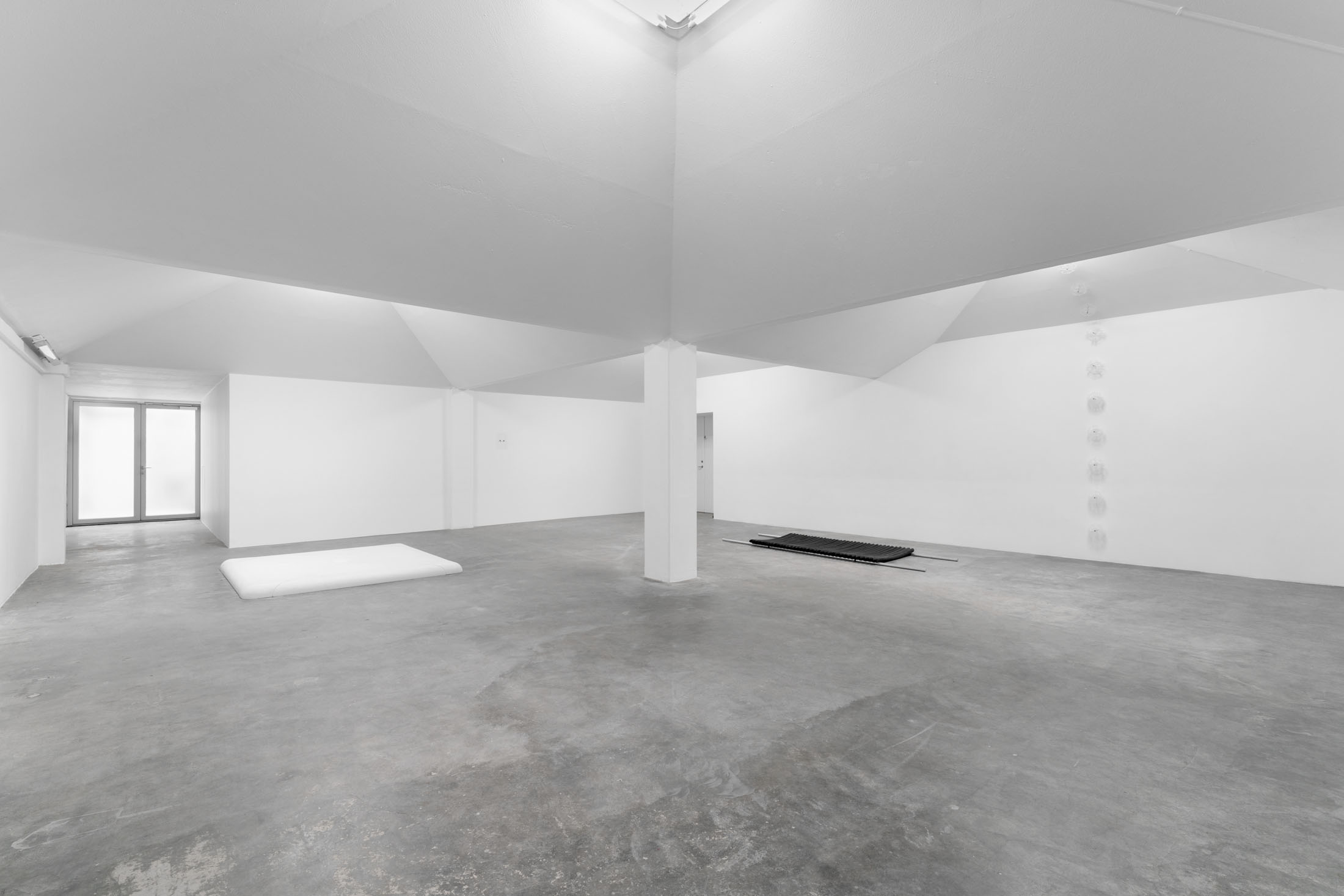
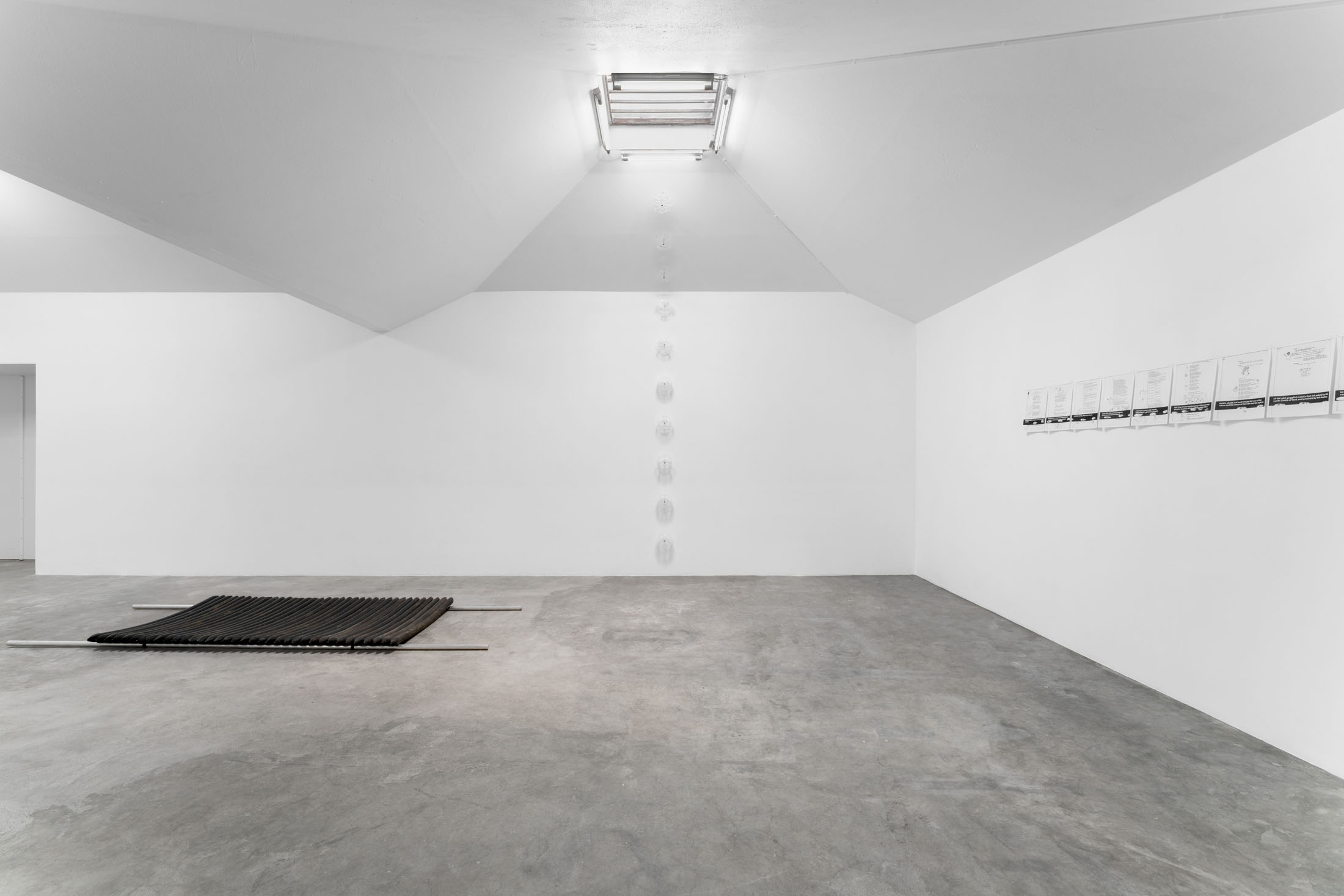
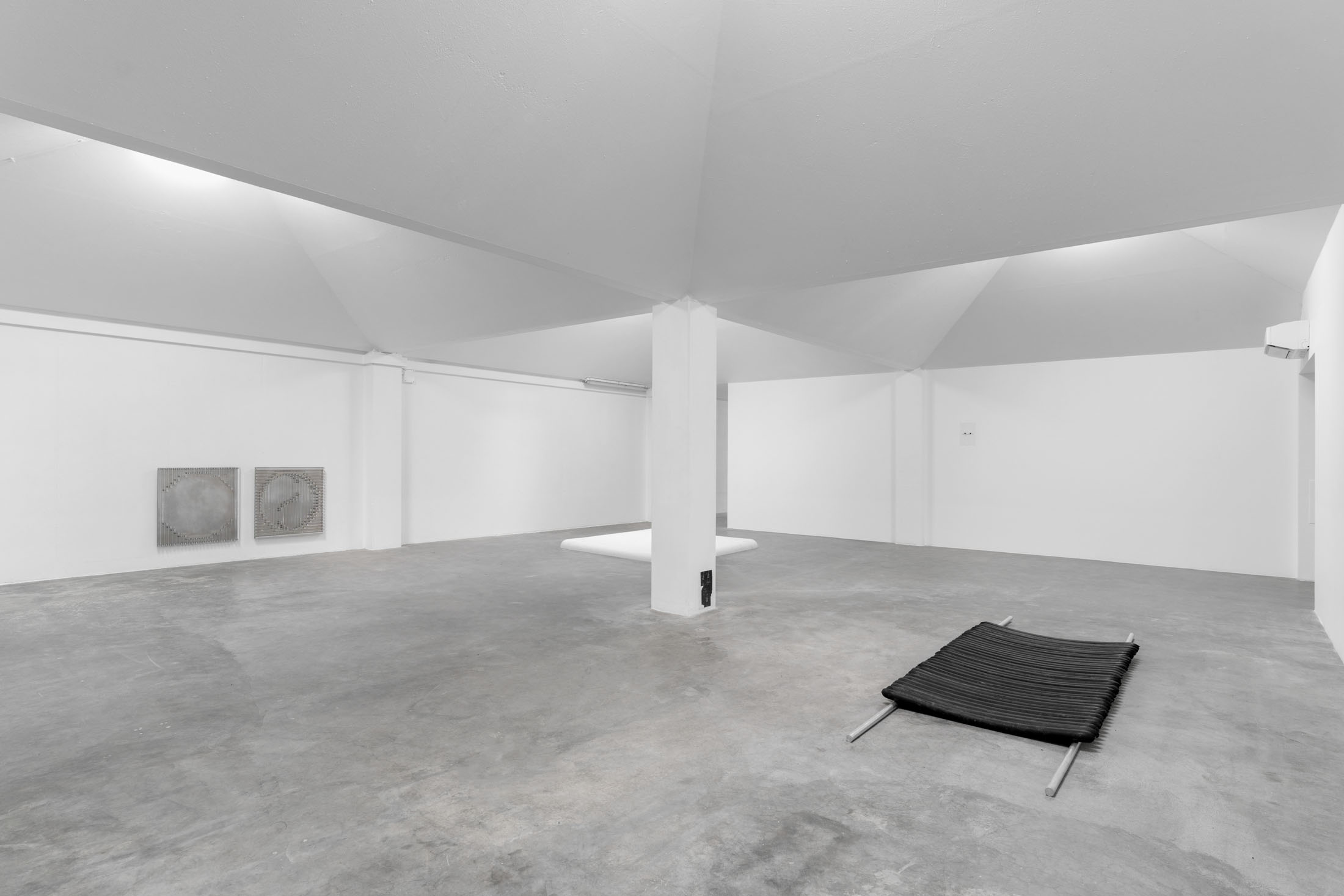
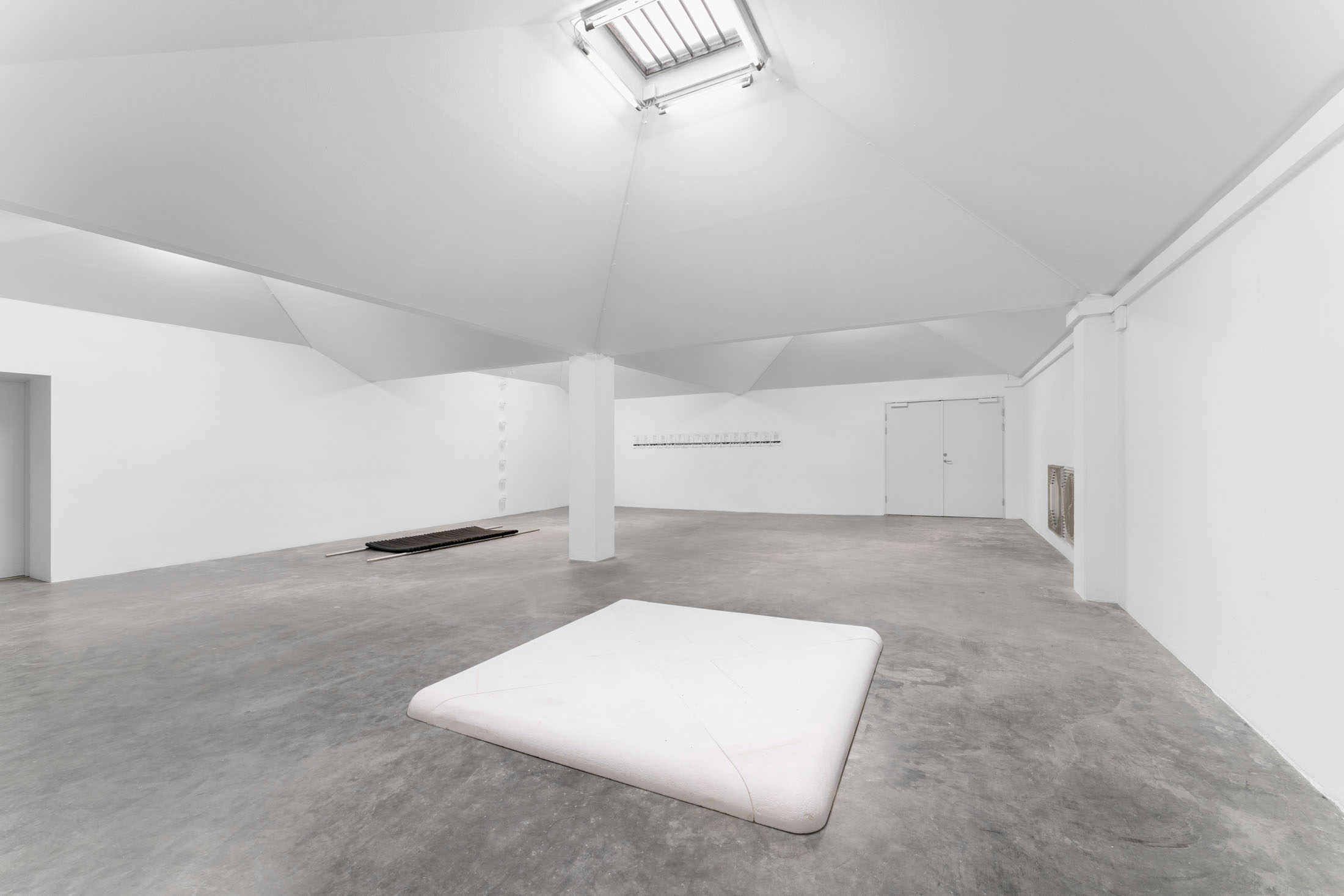
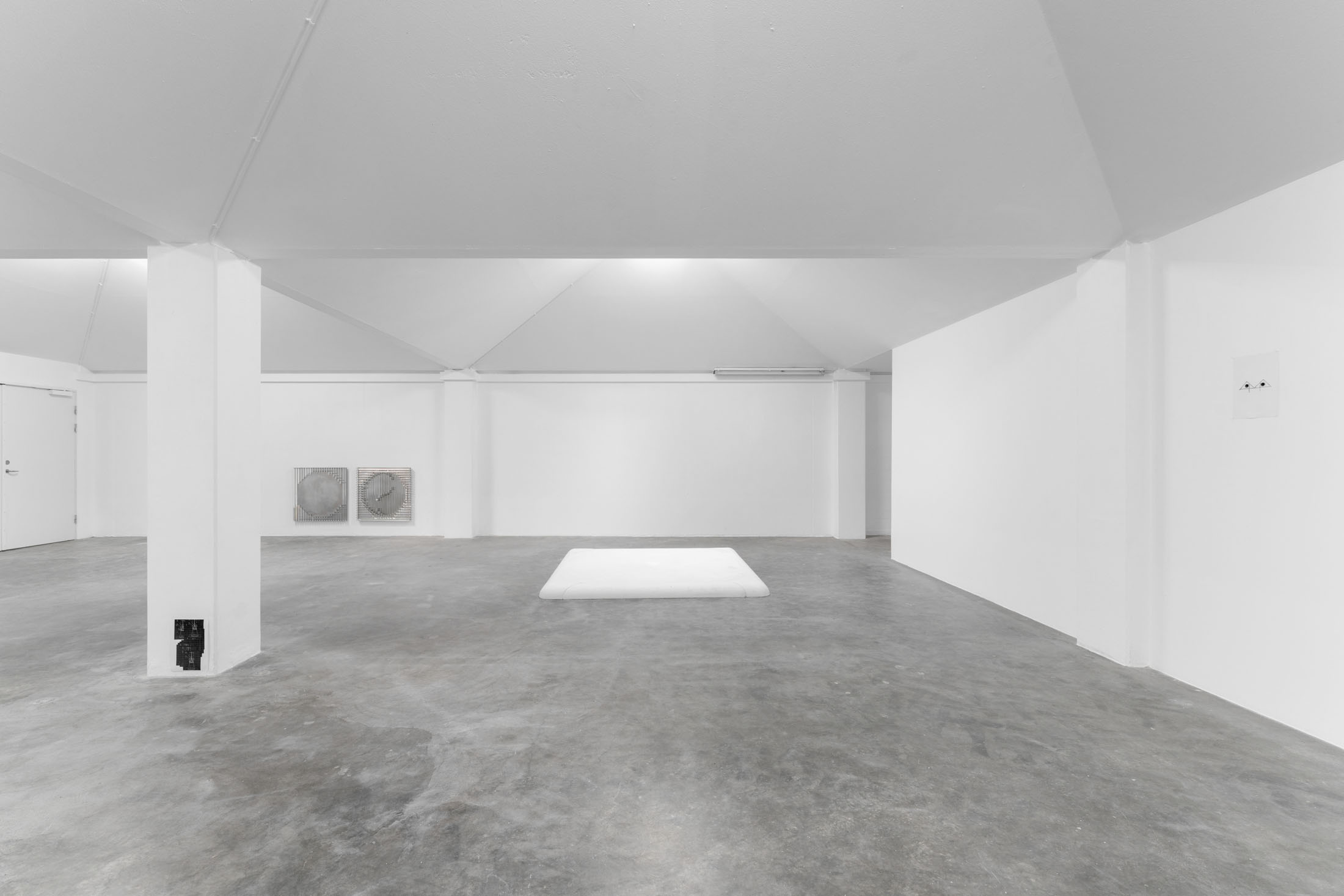
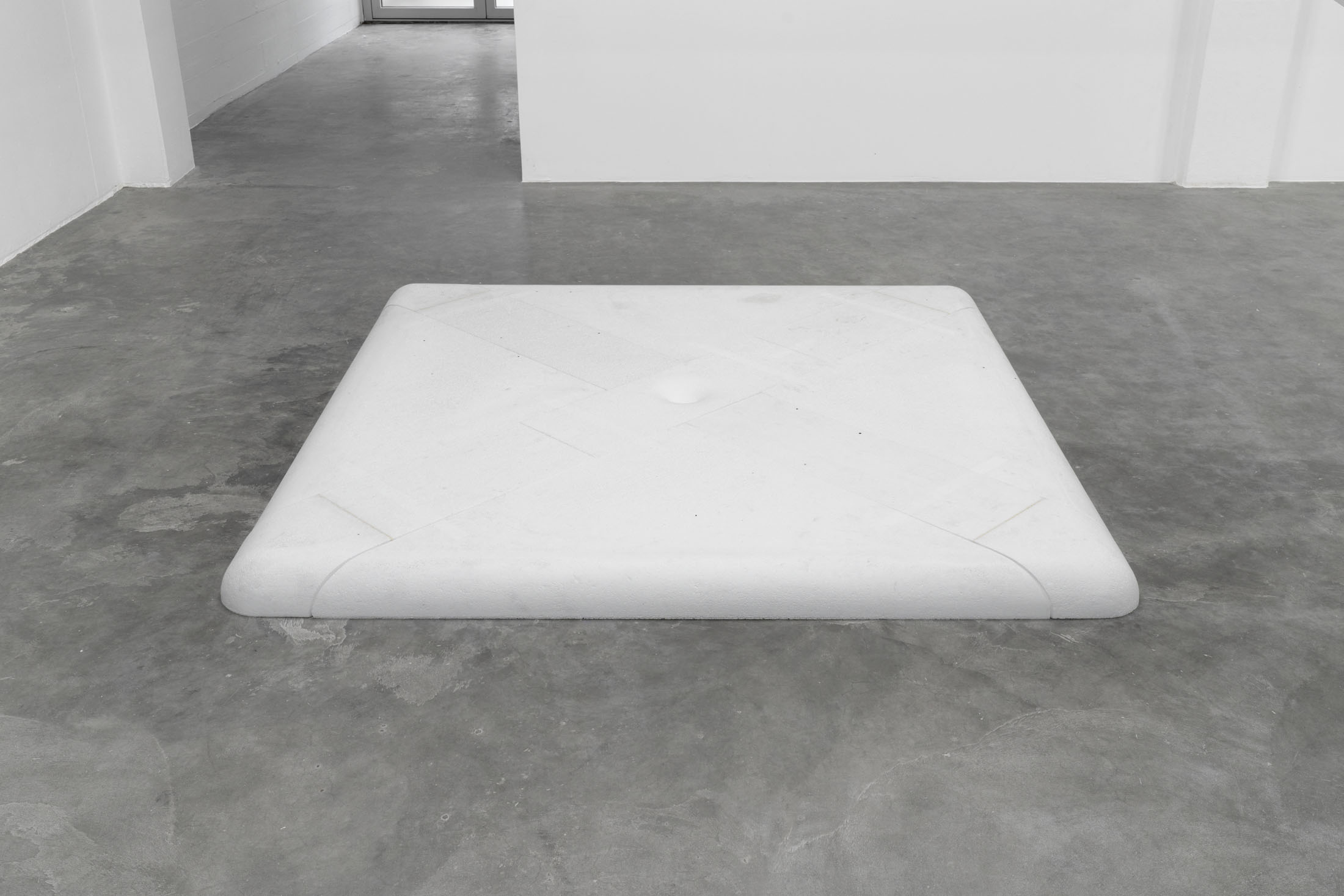
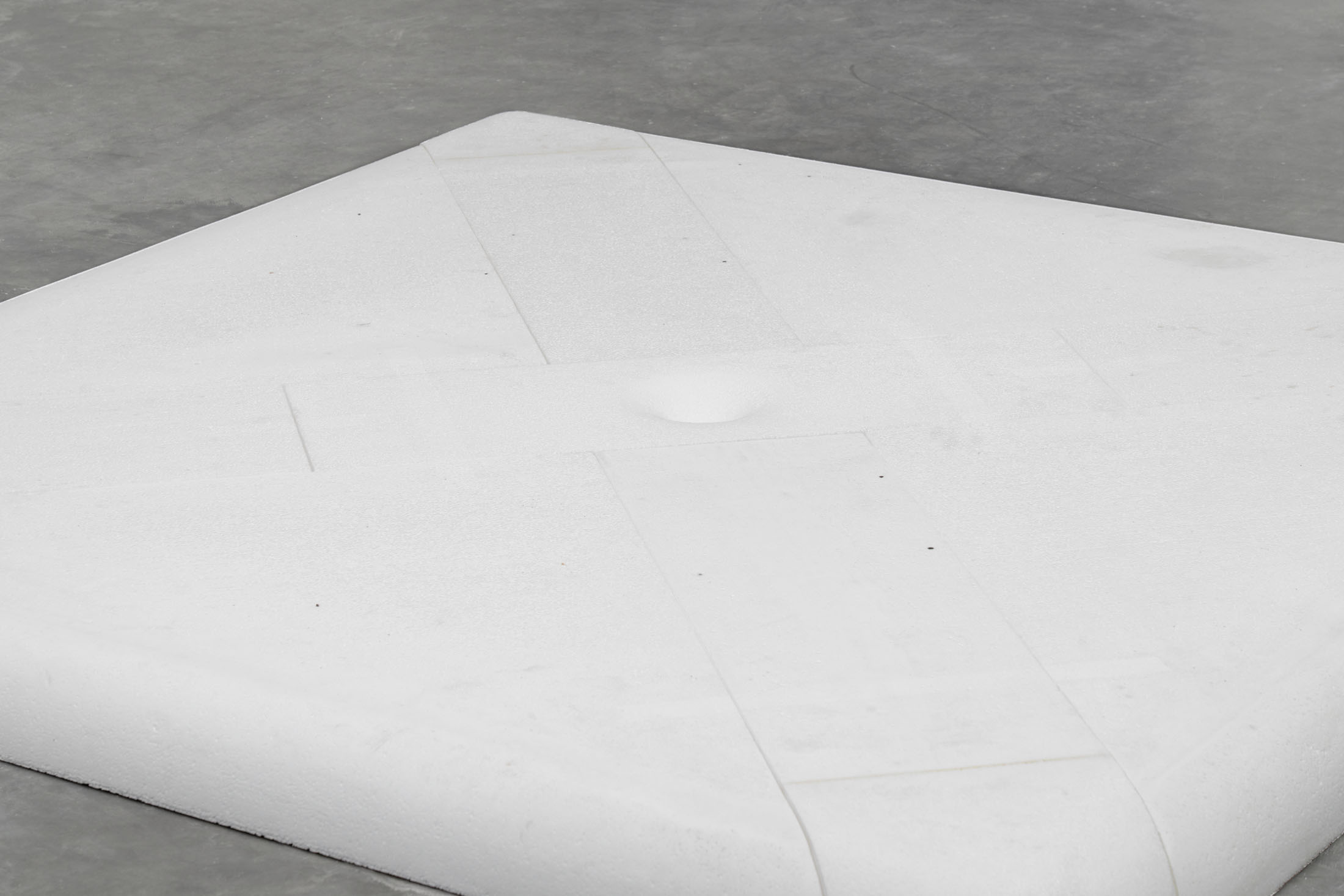
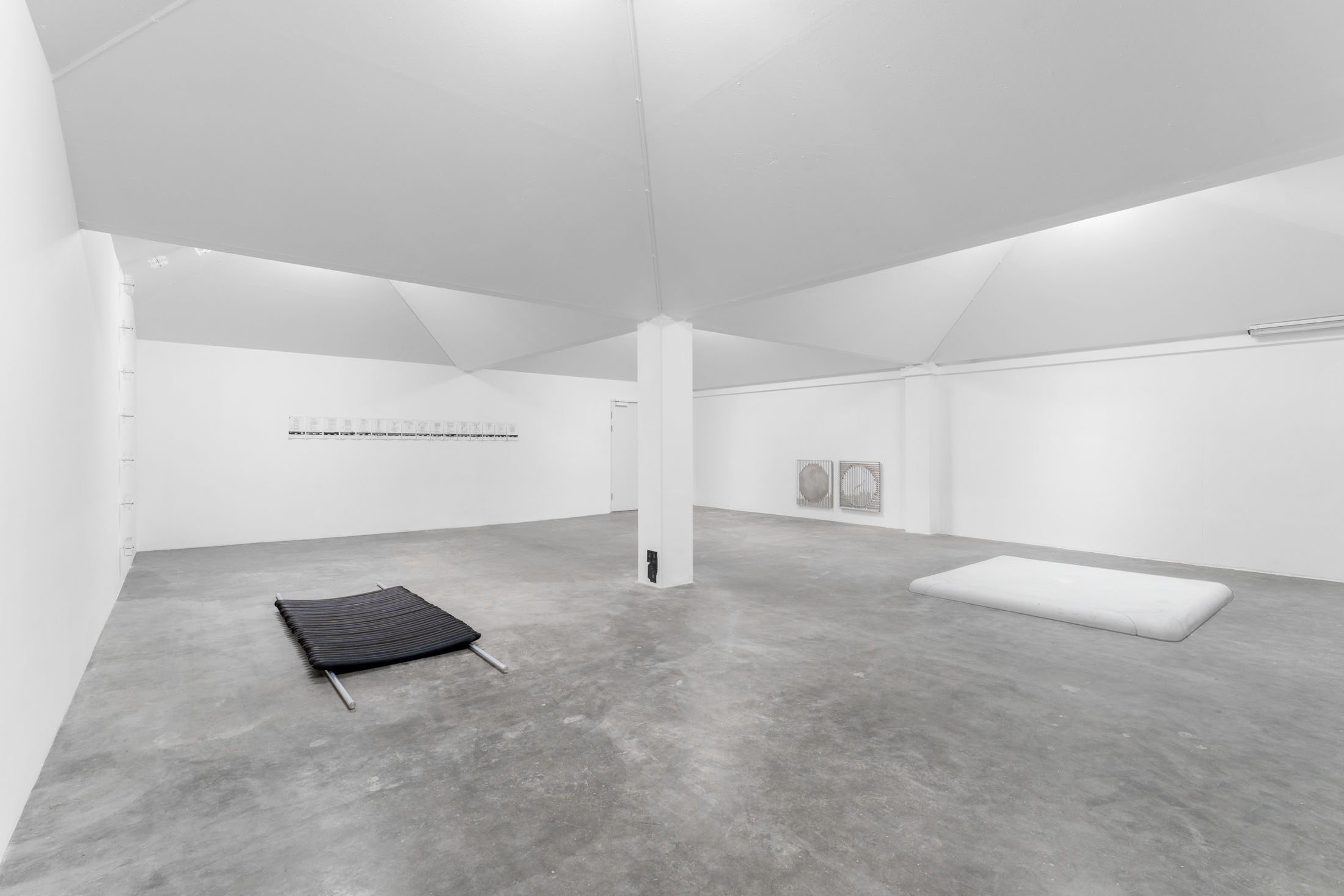
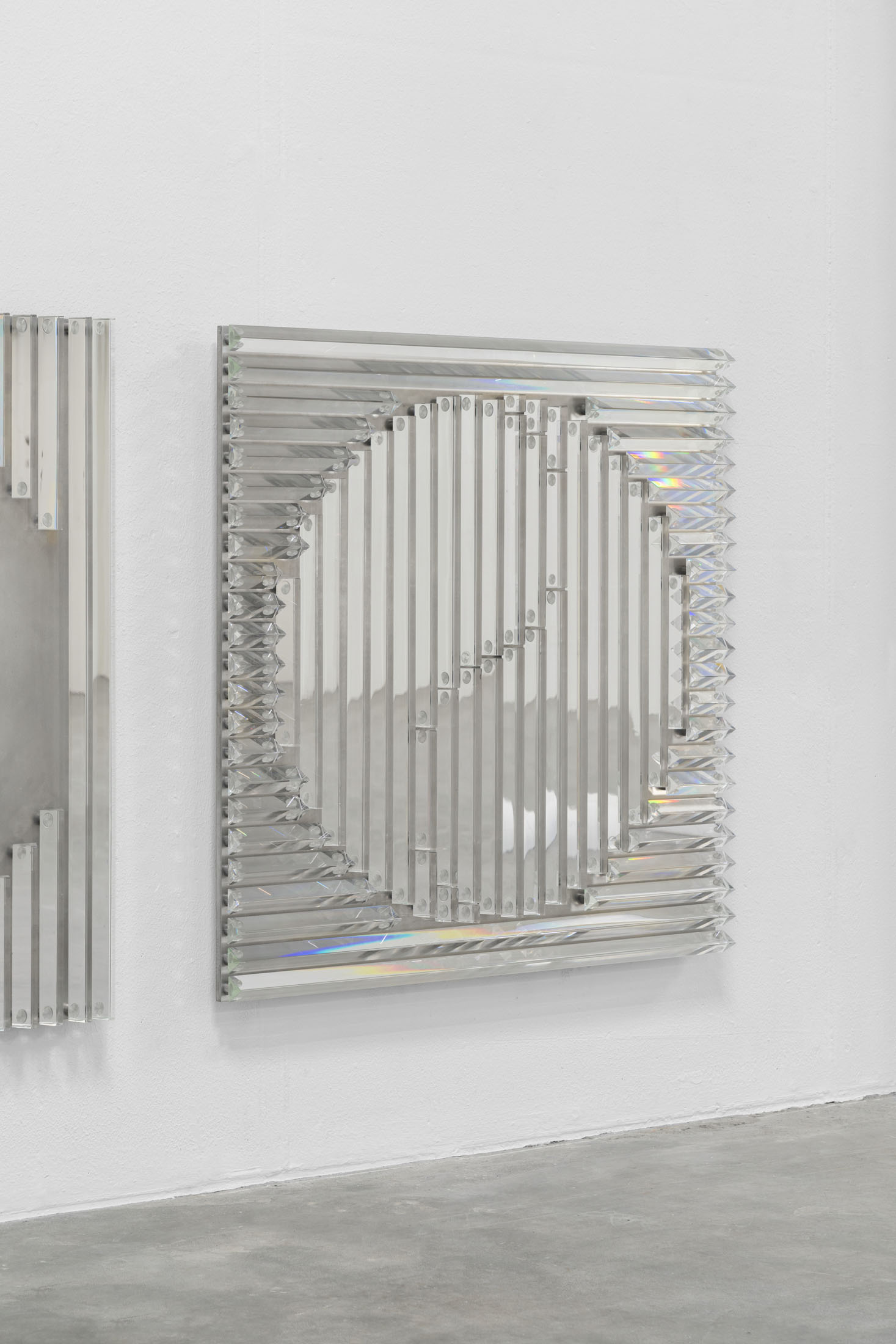
What is an ice core? Is it a mean core, this frozen core that cannot move? Are there magical qualities locked up inside, waiting to be freed by unforeseen events as in the fated turn of an old parable? Whatever it is, this core is hard. Made of hard and cold stuff, this core is also a hole. A hole left in the ice caps of the polar north, and one at the centre of this exhibition, holding back the pressure of this concrete space, as if its hole-ness was maintaining the show-ness through a form of centripetal force. I wonder what pure mathematical formula would distil in a beautiful string of symbols this feeling of space held up by a hole. And if, were we to mess around with that crystalline logic, would the margins of this architecture, and the objects it contains, melt and merge like ice caps in the Arctic.
At a recent point in time, a freezer malfunction in a Canadian lab caused the destruction of millennia-old ice cores retrieved from the region’s frozen depths. The machine failure resulted in the loss of about twelve per cent of the total ice collected in the laboratory, roughly the same percentage the Arctic Sea ice has been declining per decade since monitoring began at the end of the Seventies. A gentle percentage, against other much grimmer data on the oldest, thickest ice. In that laboratory, a model for knowledge became a model for loss, a scaled-down representation of the gargantuan mass of solidified time that drips away from the extreme ends of the globe while we go about our day.
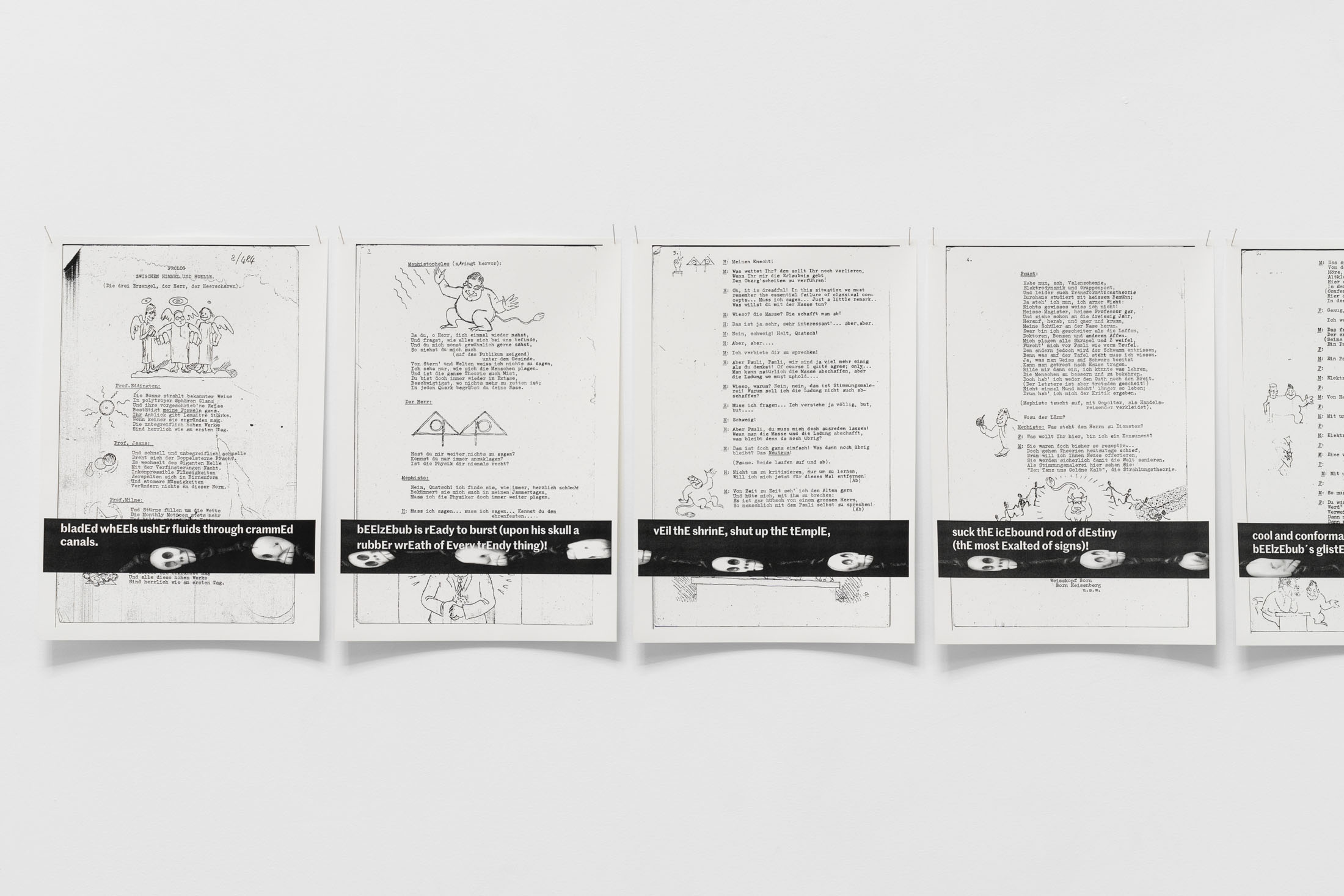
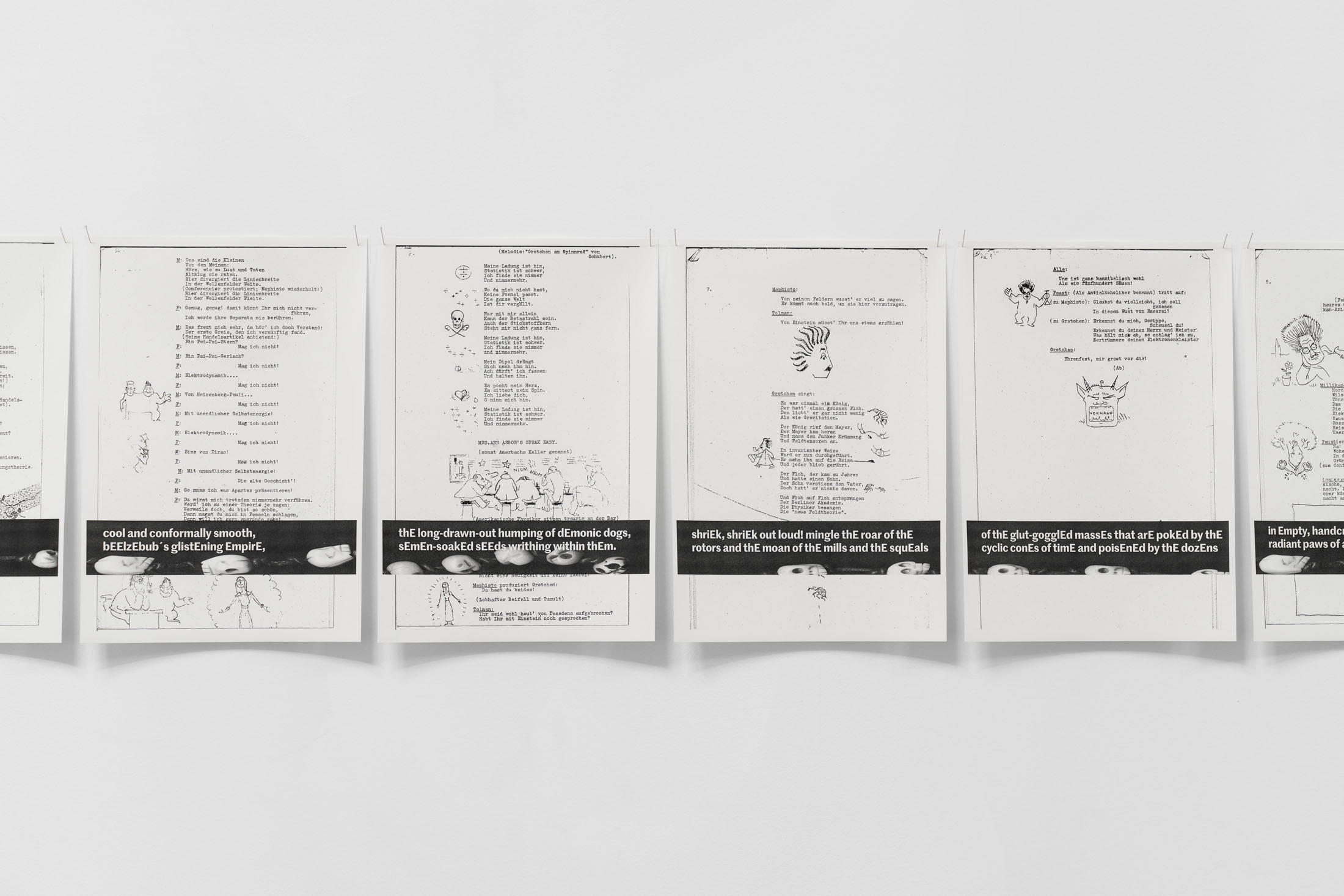
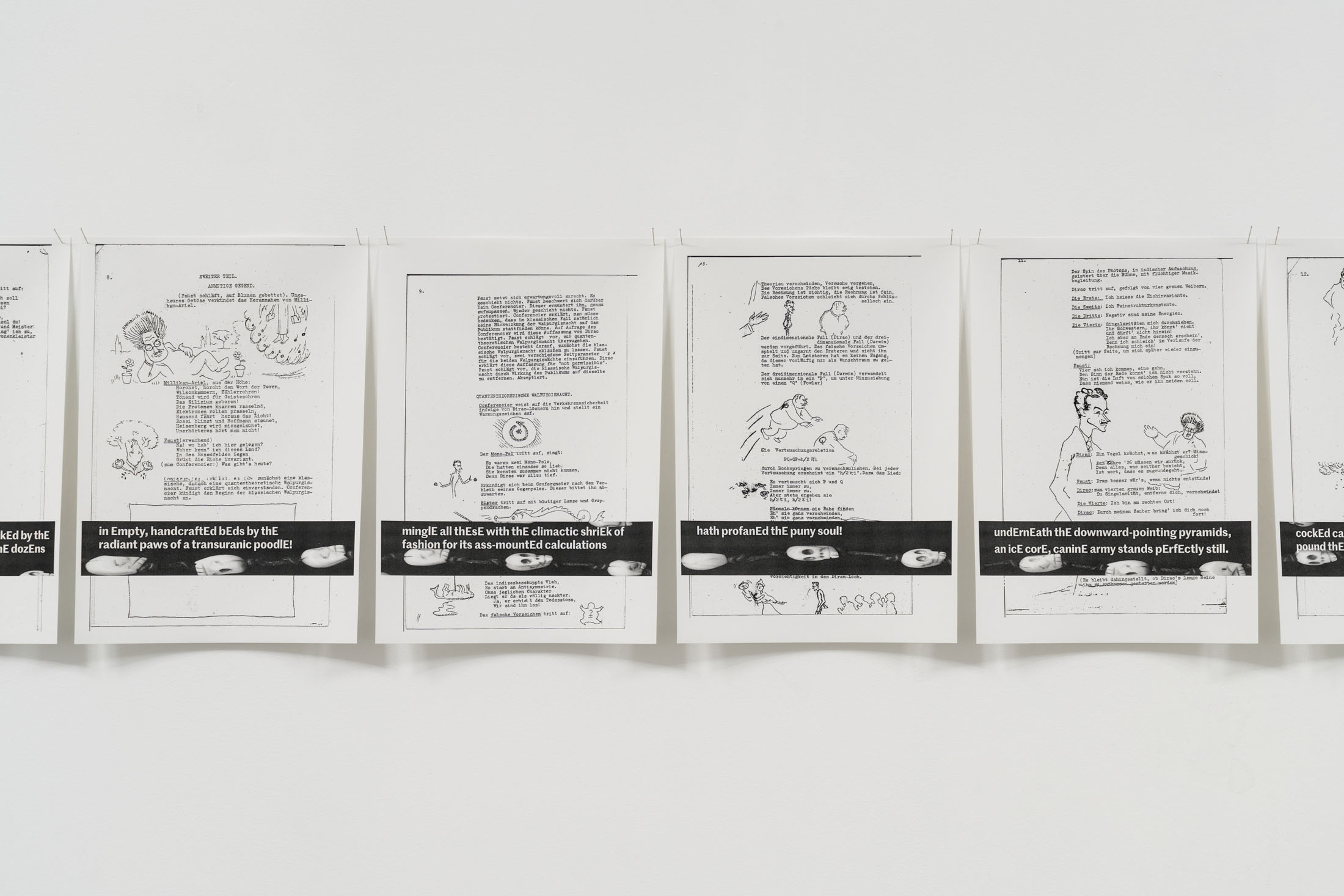
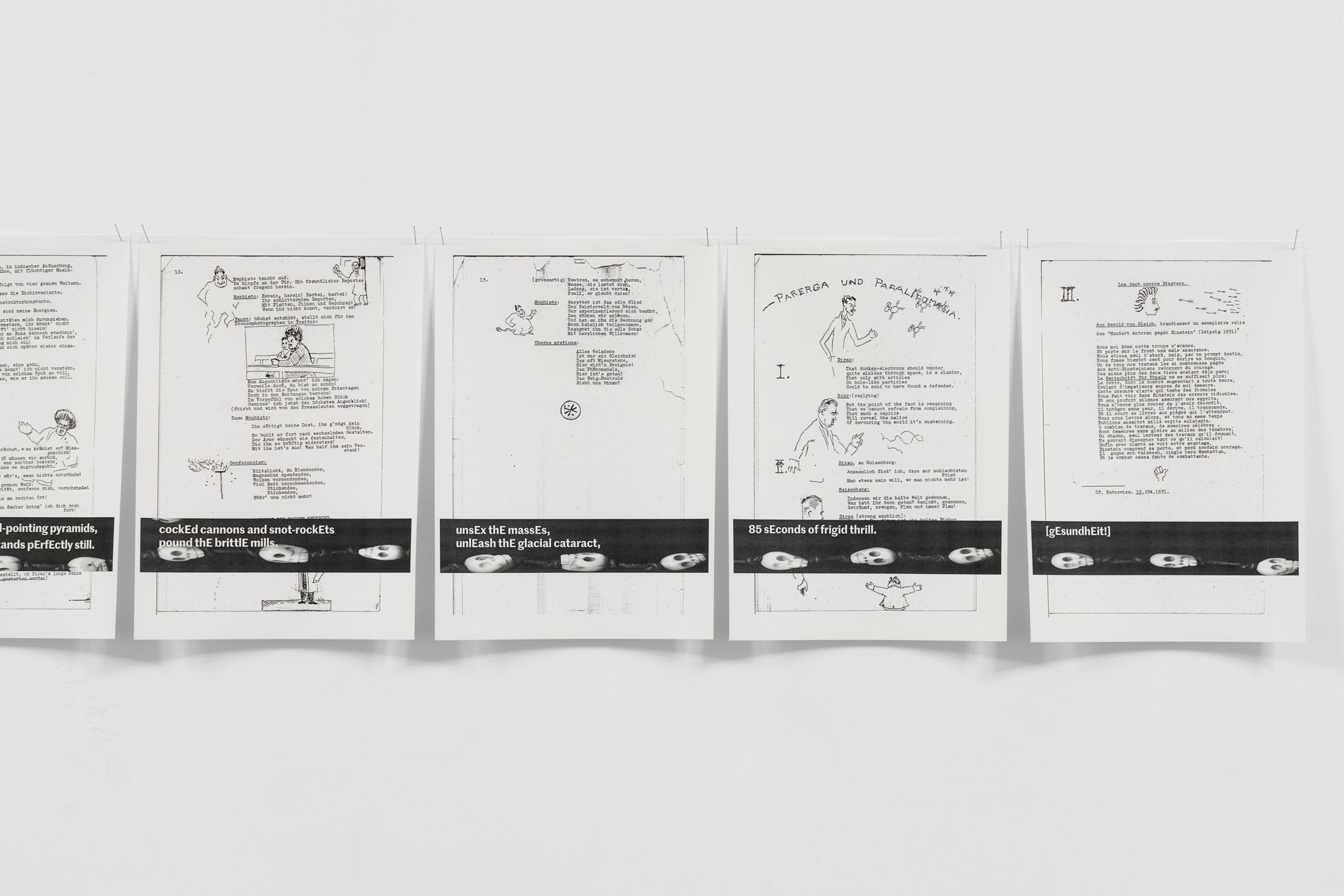
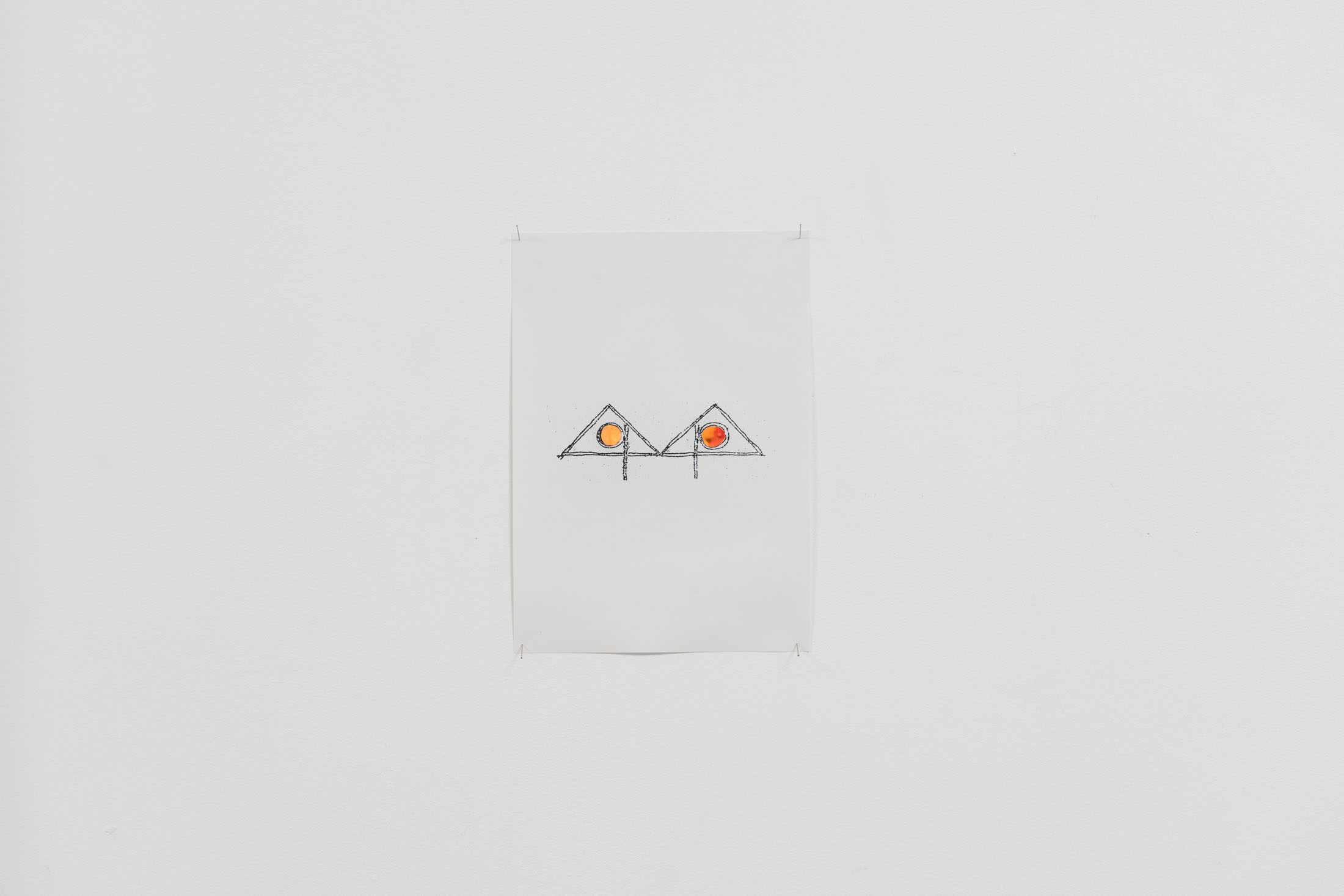
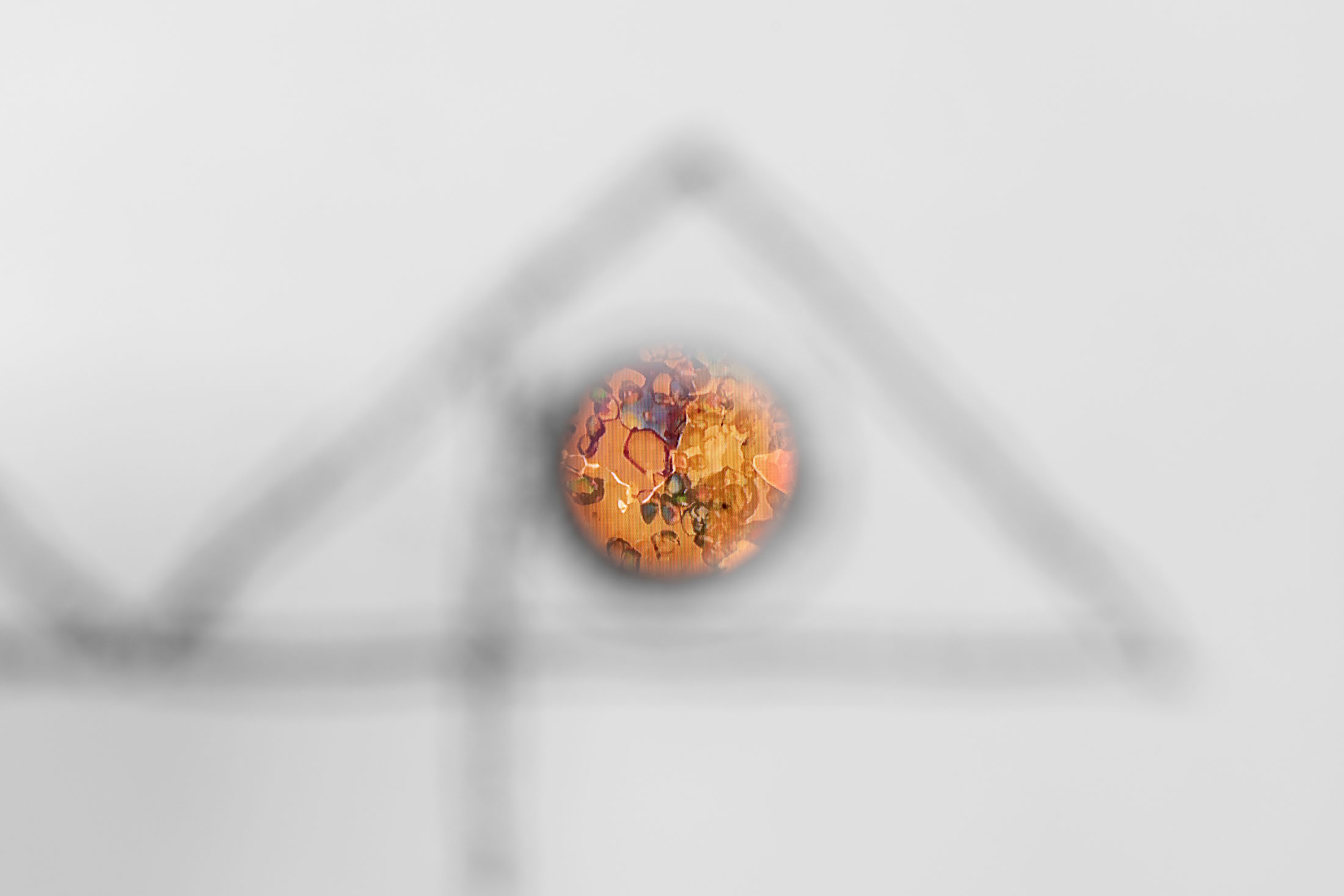
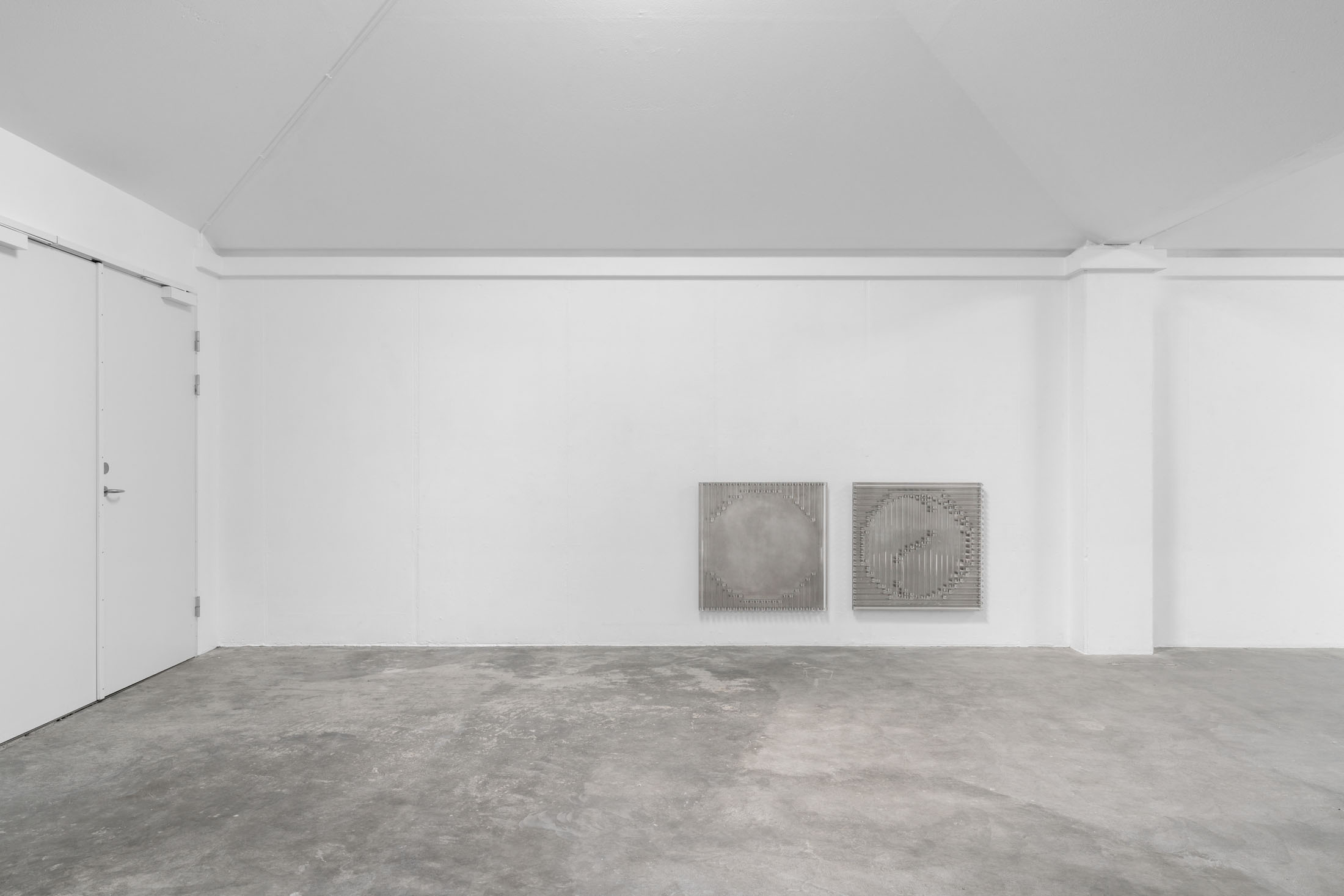
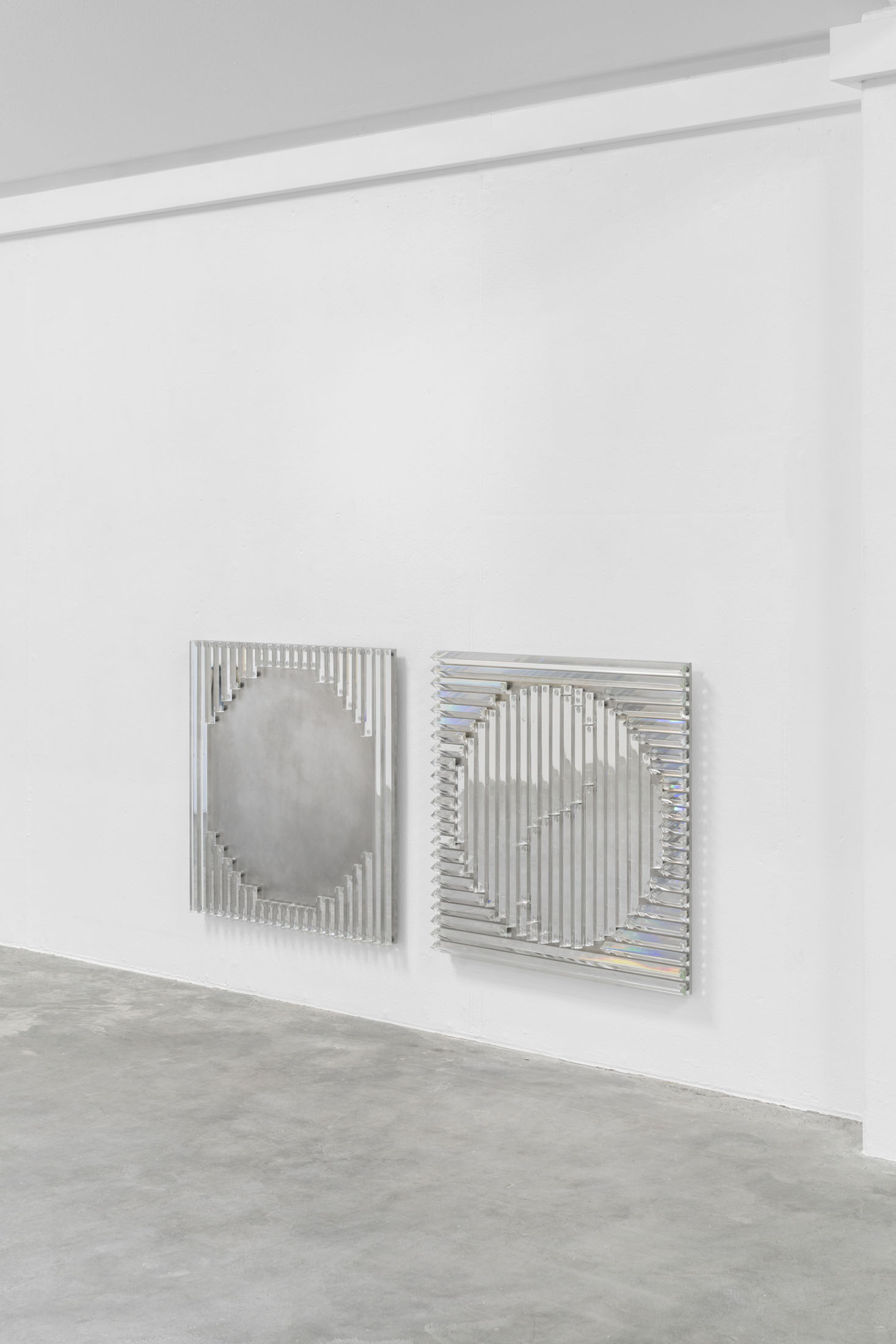
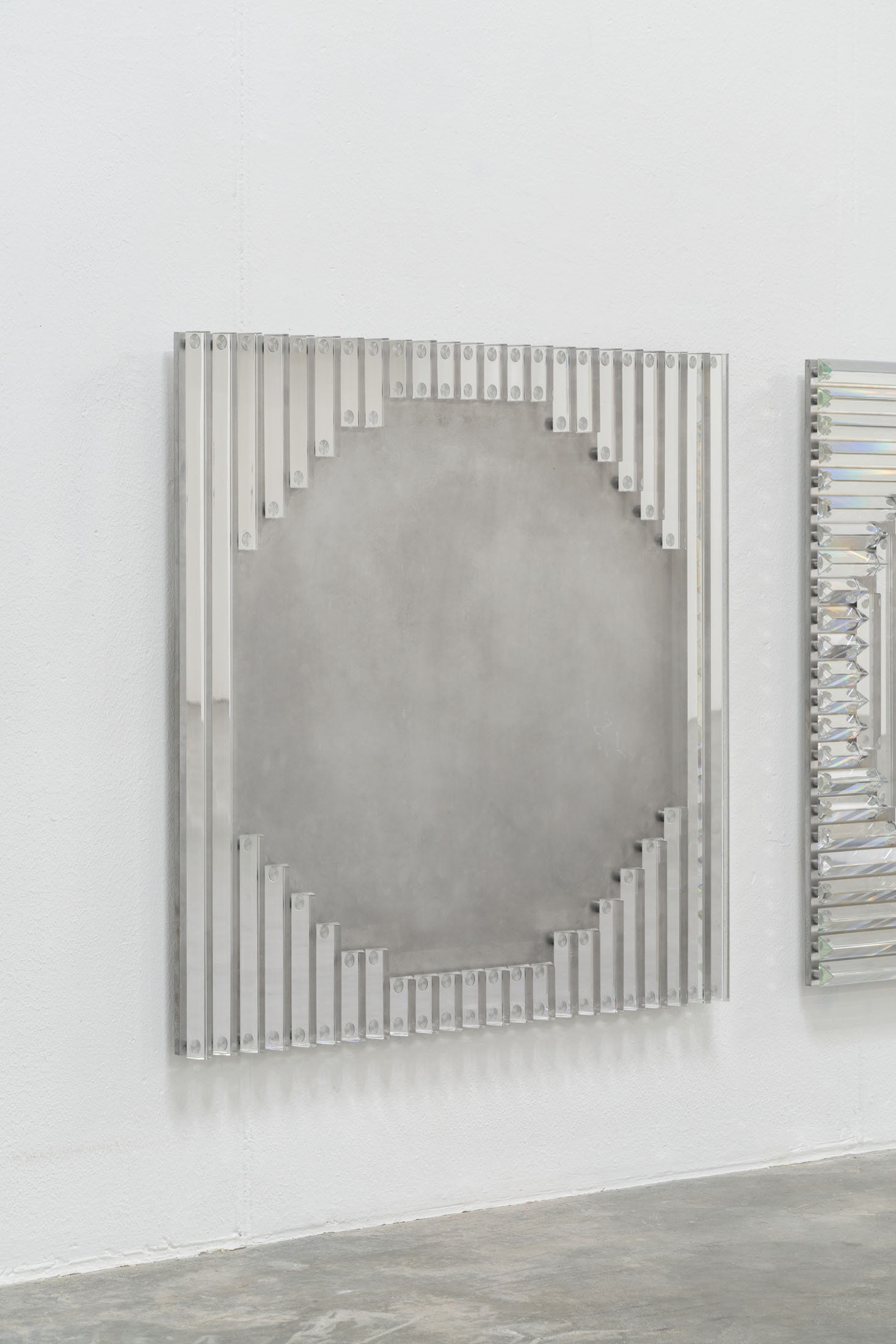
Dripping rebellious time tears, those cores! A crying 22,000-year temporal heart, slowly melting, escaping the rigidity of that catalogue of millennia, droplets flowing into water puddles that, I bet, made scientists cry too. Once upon a time, we invented stories and myths where gods and spirits took shape in the outlines of clouds and the shadows of fires, to sail us over the mystery of these waters. In our souls, we have always known that reality is a layered mess of lacy membranes but have looked with Faustian eyes for scientific proof that the real comes in different resolutions. Look at the whiteness of Greenland ice transforming into a kaleidoscopic colourful wonder under a polarised lens! What type of beautiful diagram shows that even when we are looking at the magic of light transforming hardened time from within, its core is still an incomprehensible hole?
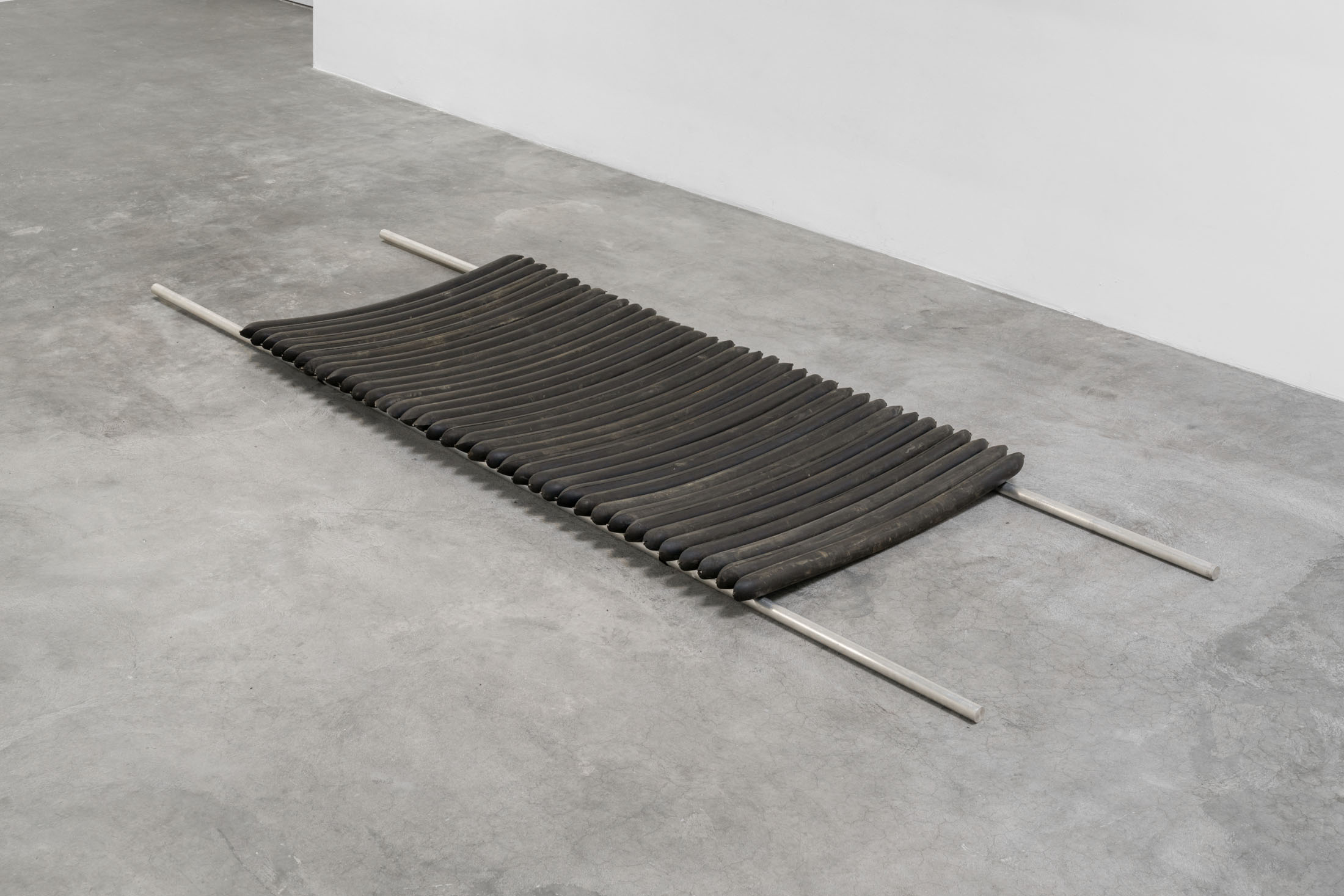
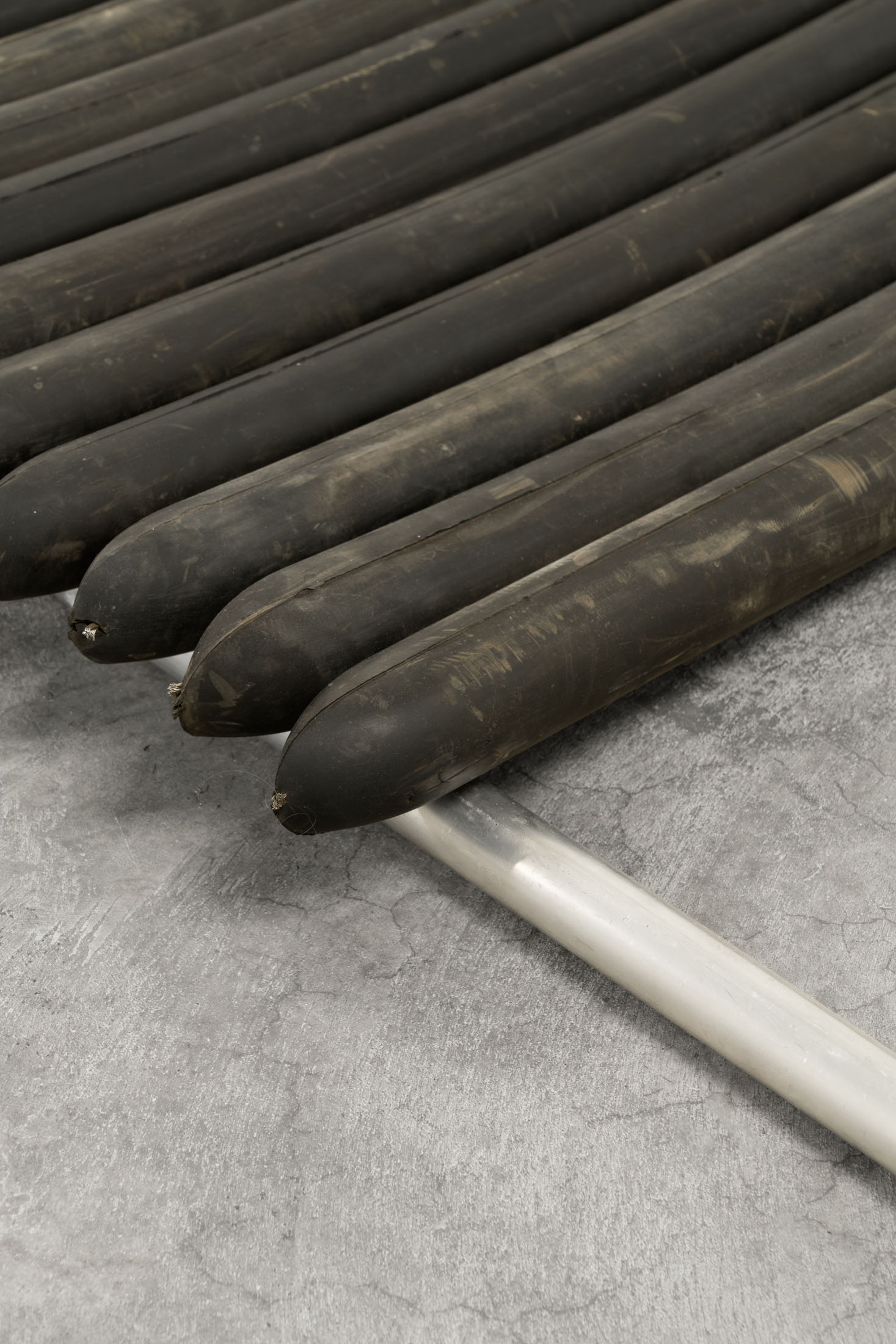
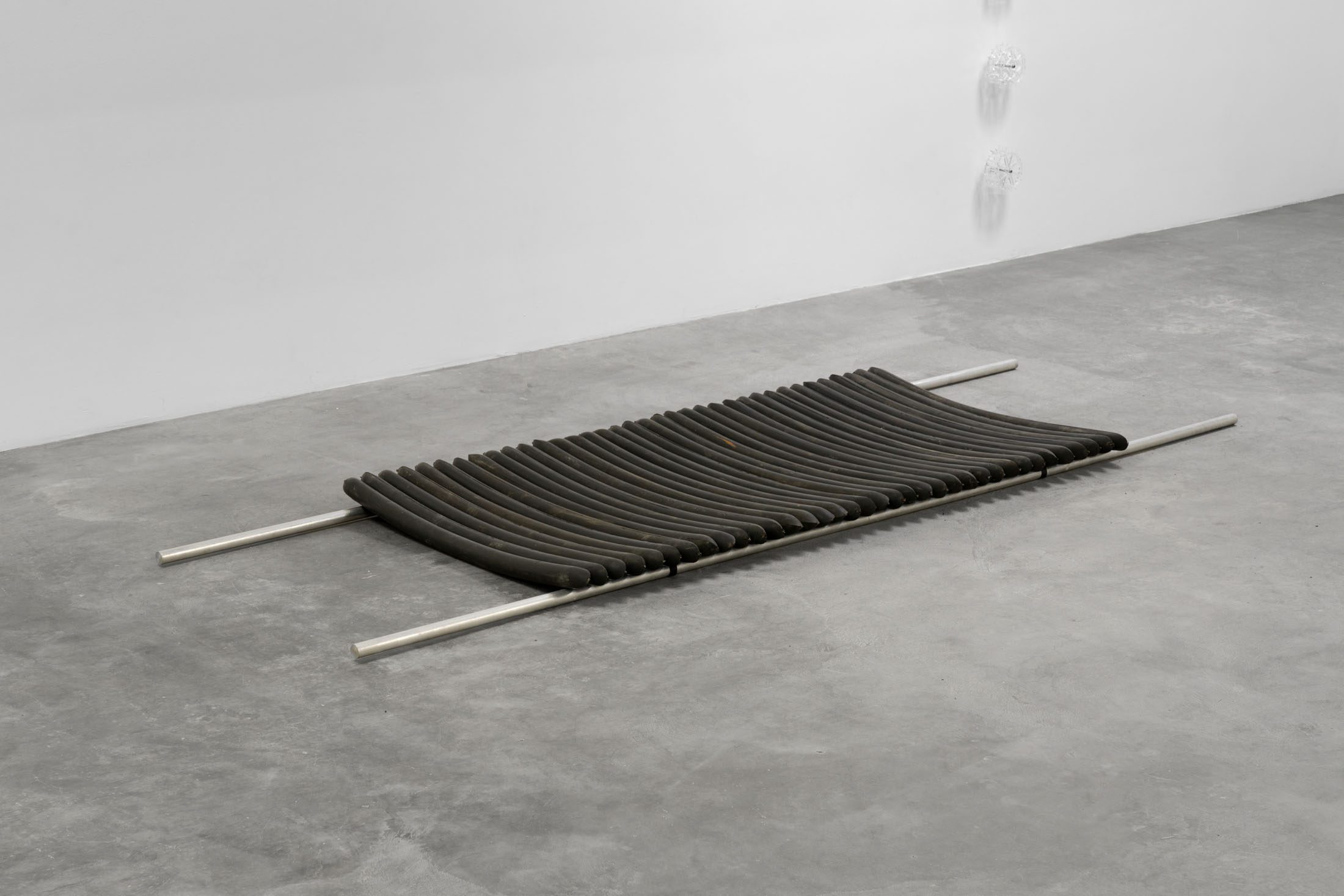
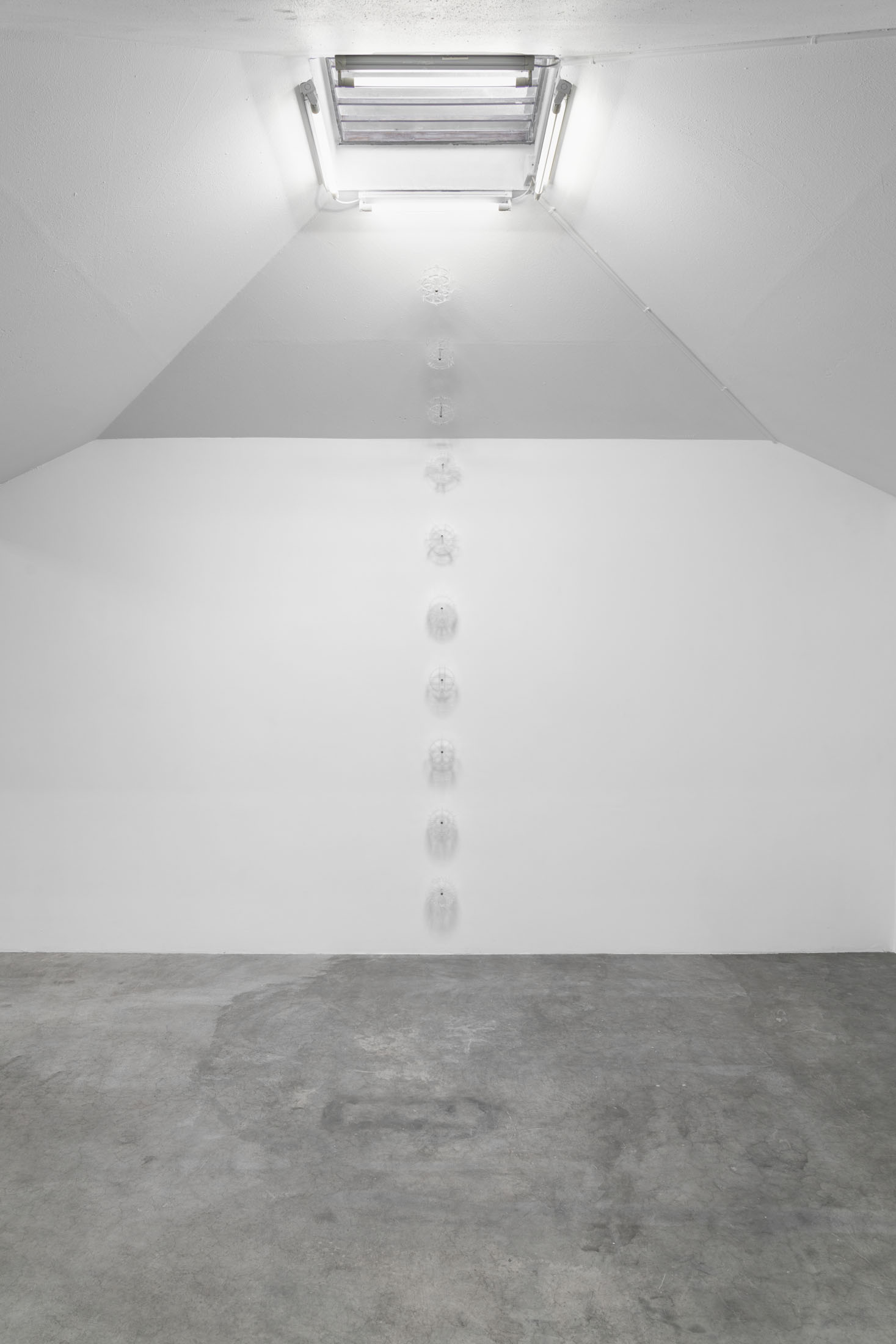
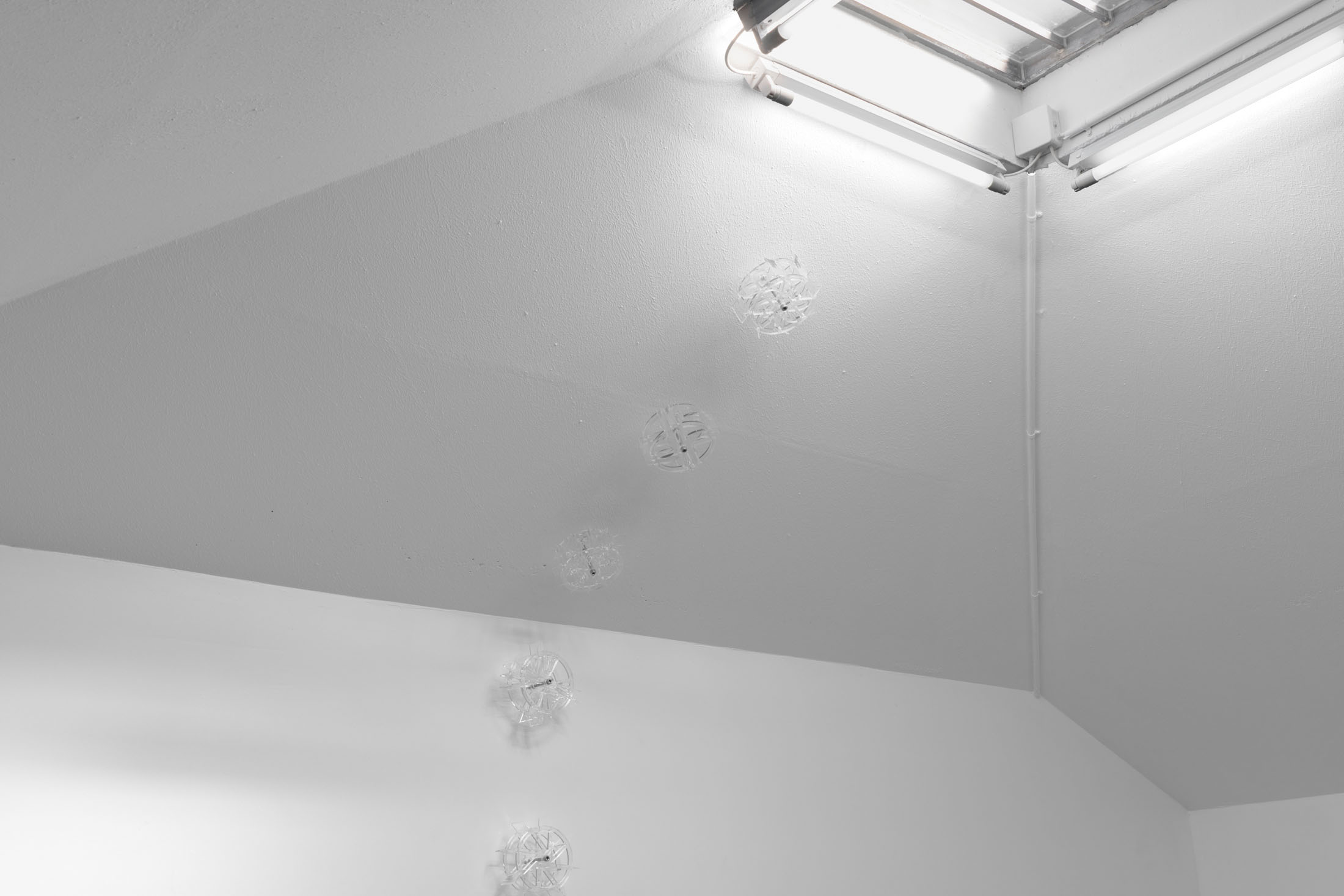
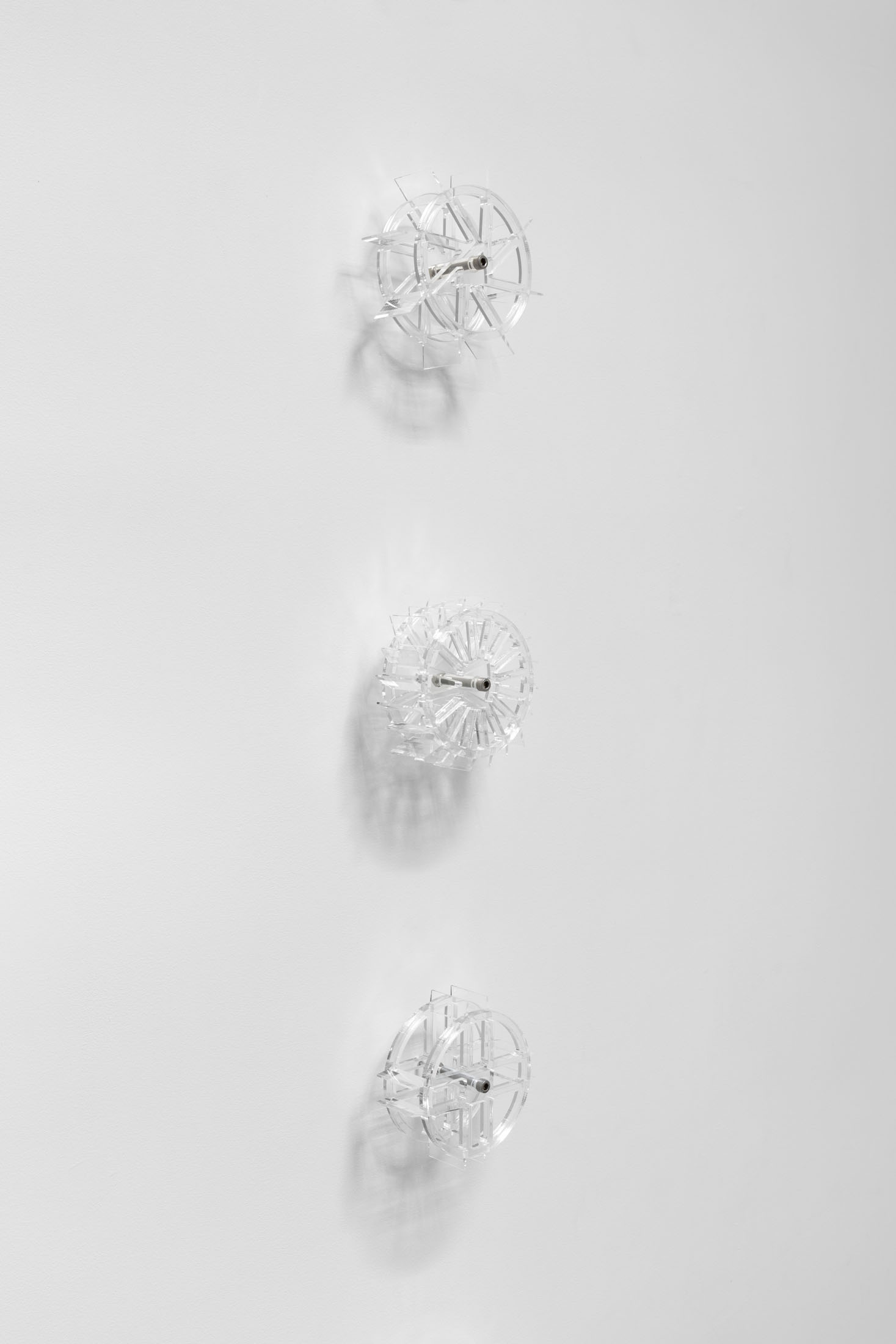
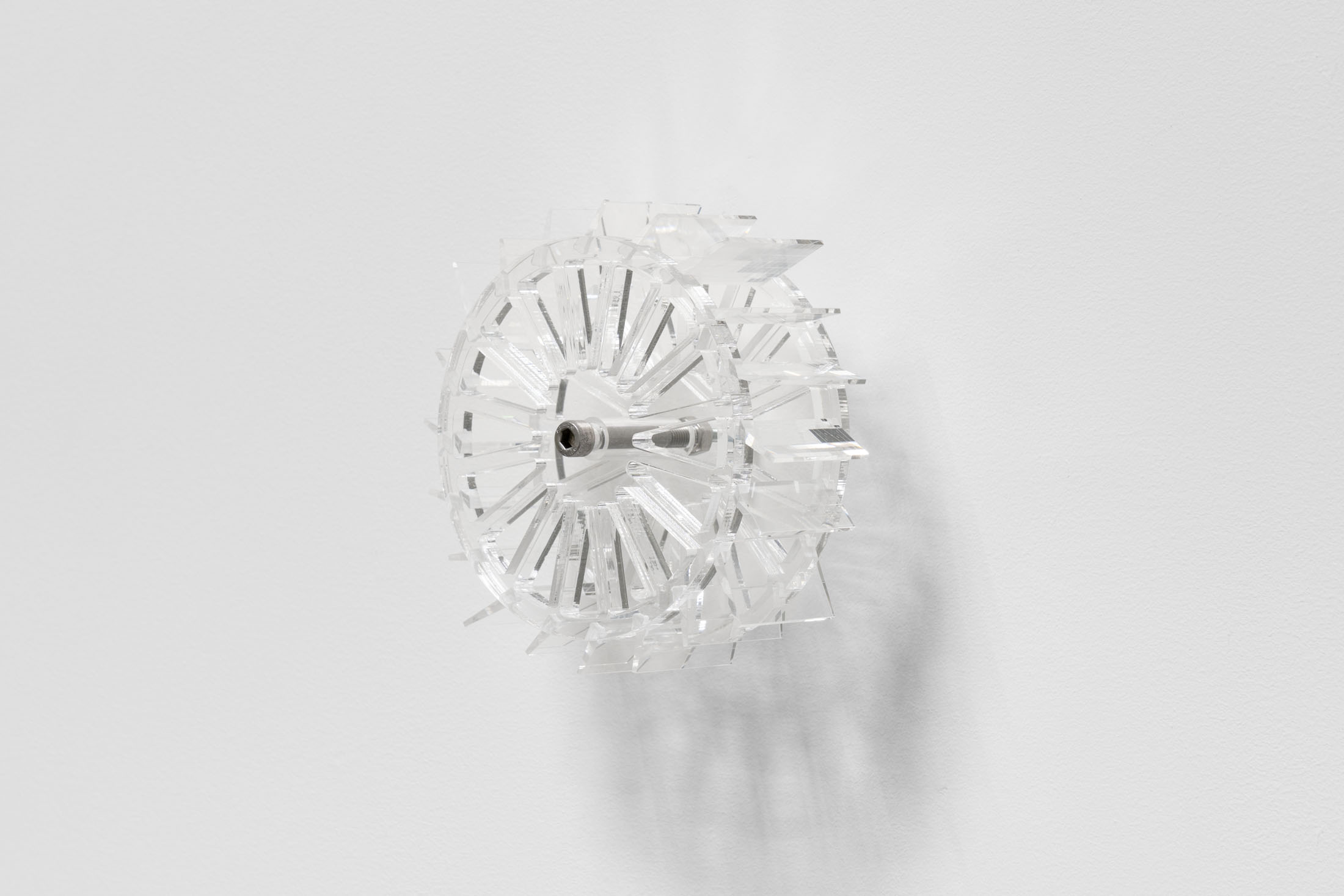
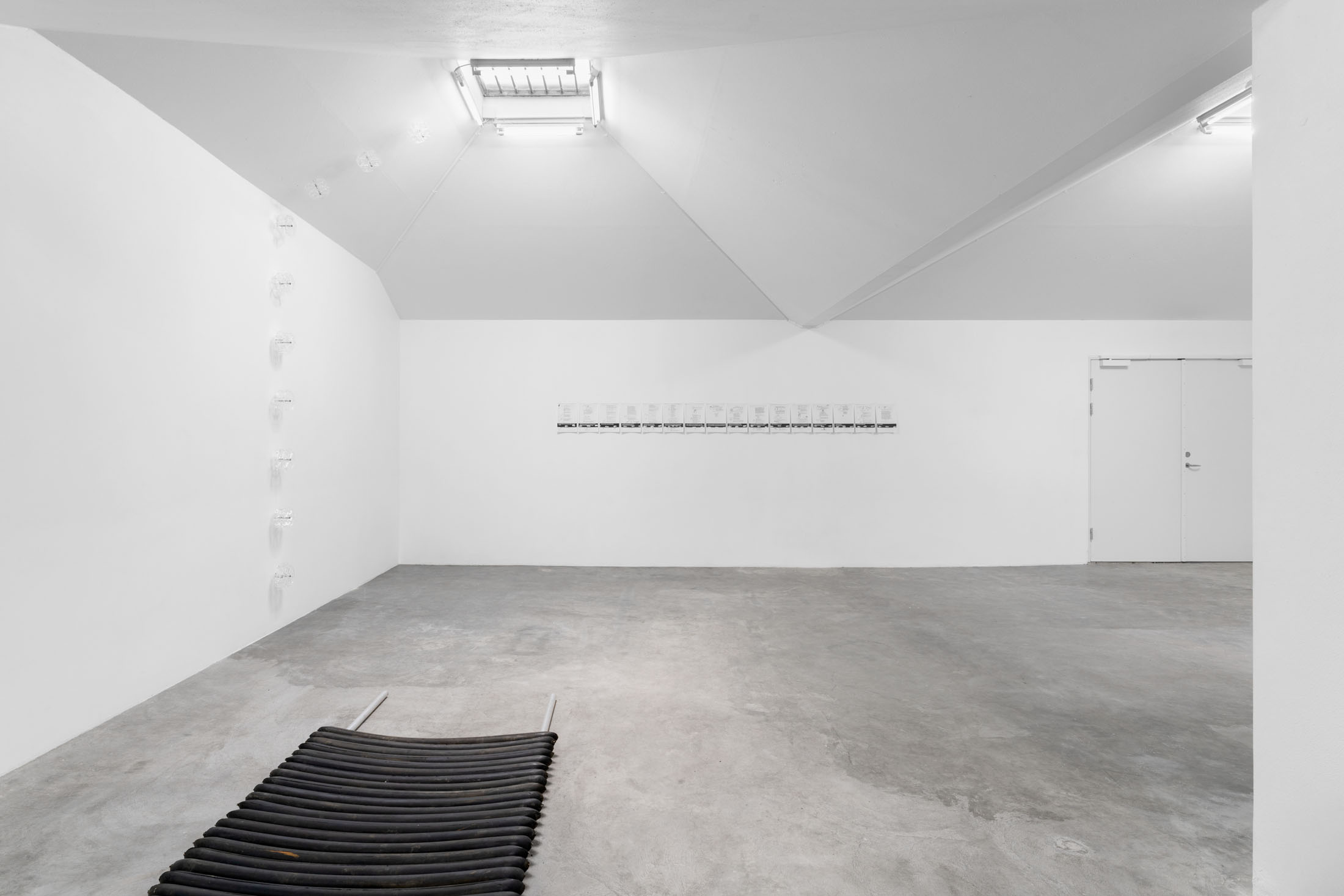
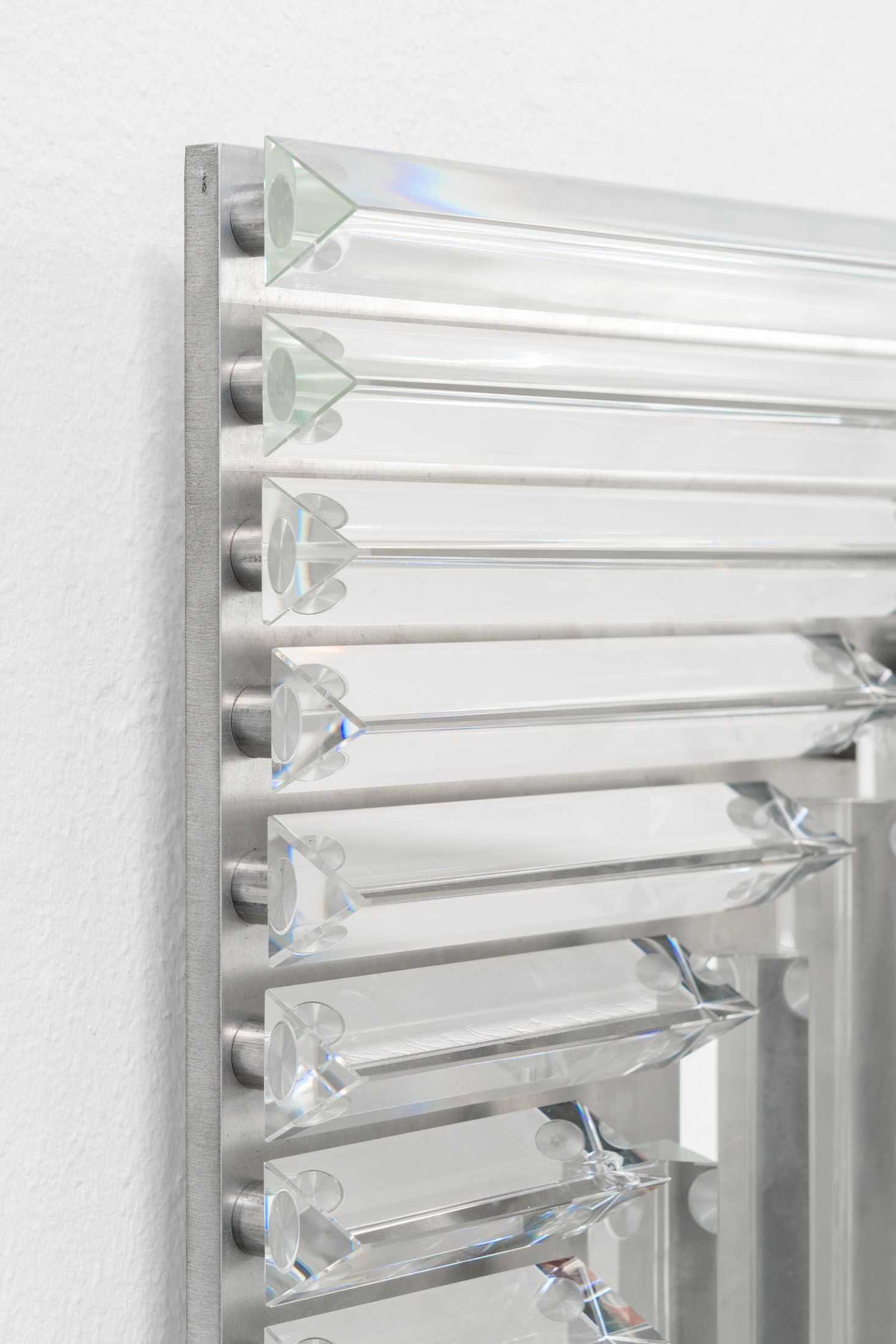
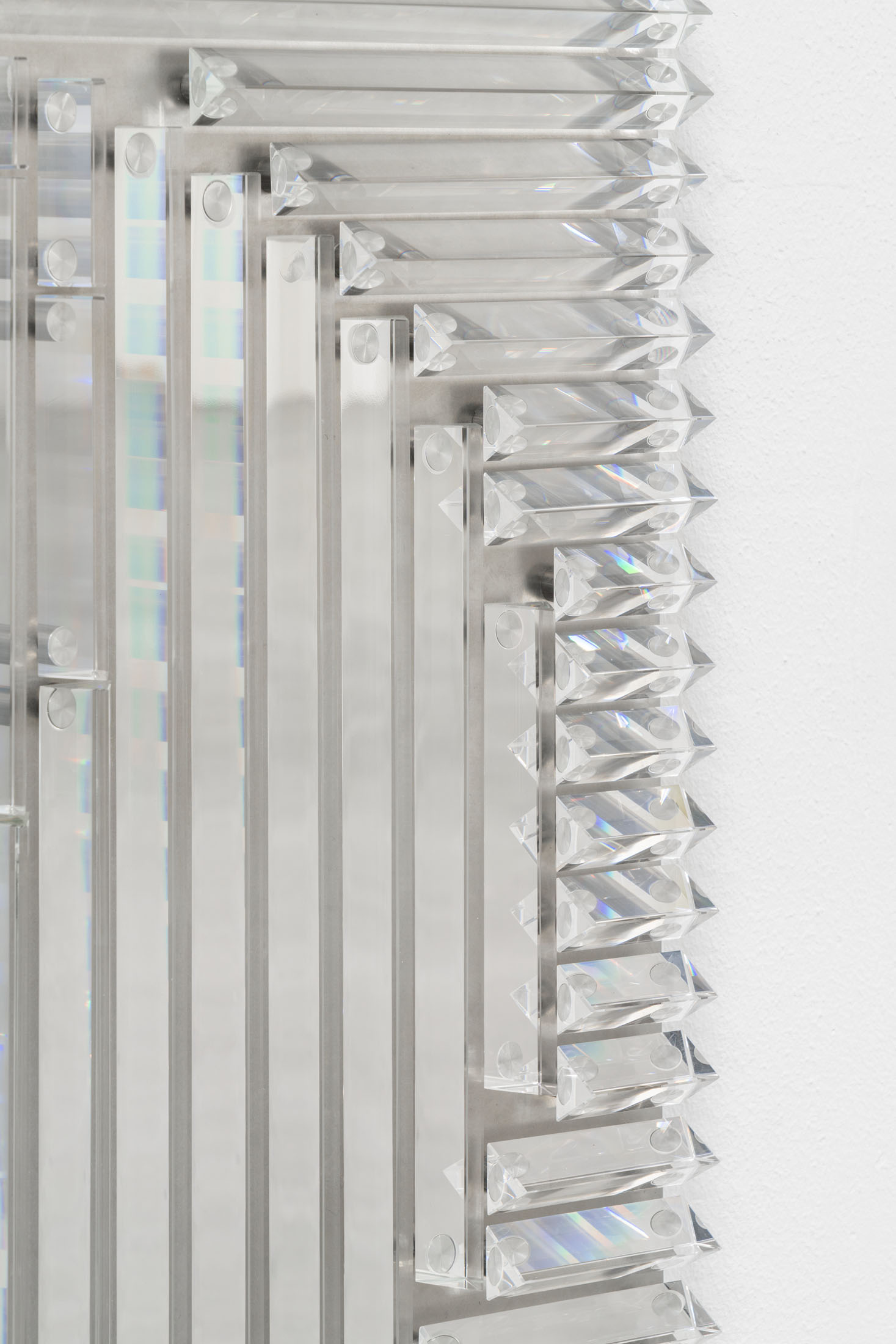
Five seconds is the amount of time the Doomsday Clock moved forward since Lea Porsager’s last solo show in Copenhagen three years ago. Five seconds, and a 22,000 year old drop of melted ice. The feeling of vertigo of such a perplexing scale, where the deep well of the past meets the timeframe of a text message, and the long arc of survival that of instant annihilation, is reversed in this space by an opposite bodily logic. Gravity is pressing, energy is piling, compacting, weighing down the room under its reversed pyramidal windows and the metre-deep layer of cold water over its ceiling. Nothing moves. The core is stuck, and so is its hole. Prismatic mills are immobile. Objects called beds lie hard and thin, alien to the softness they could be. Ice is kept frozen, to be duly translated into data and figures, but first made flat as an image. The energetic balance of Yin and Yang is off.
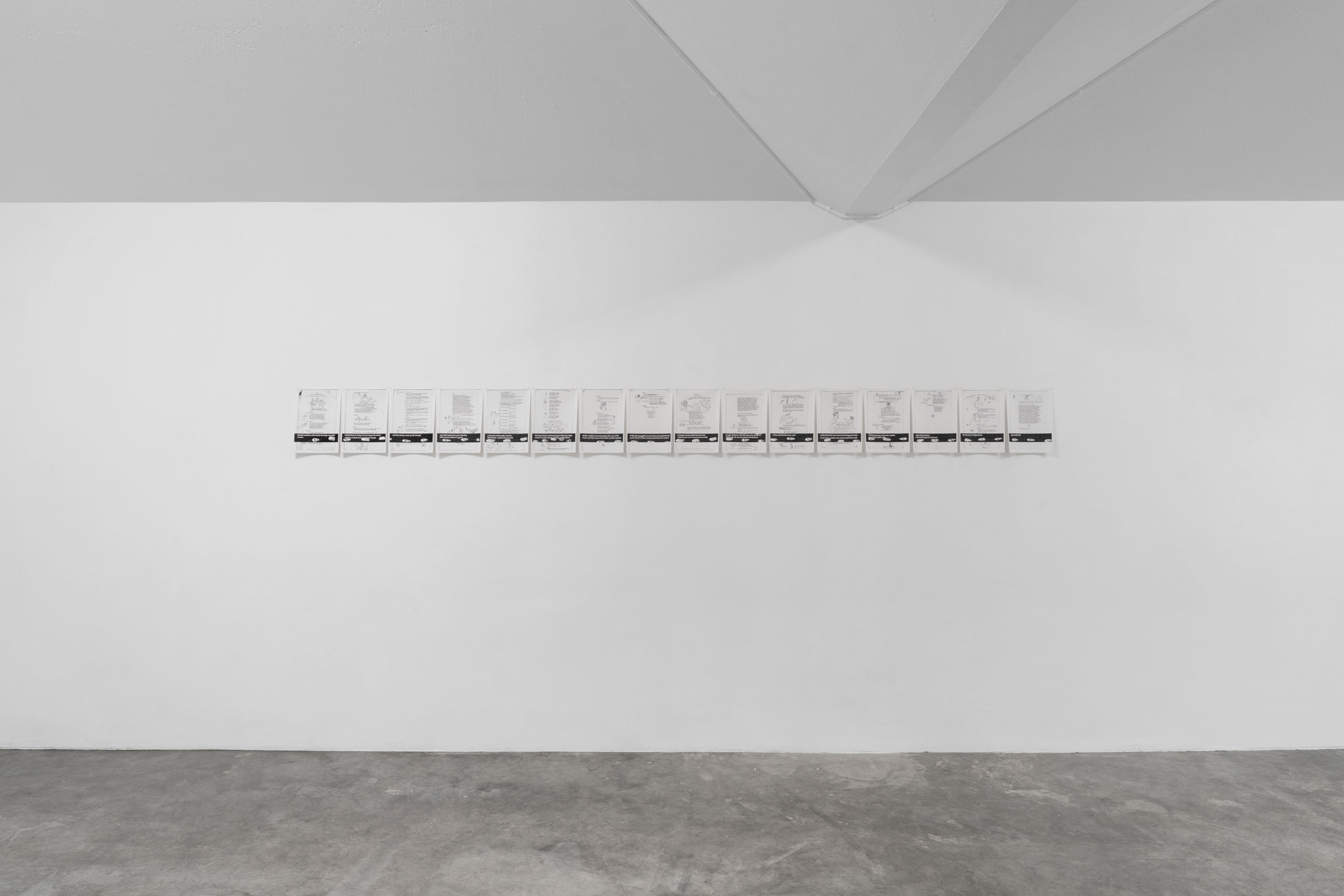
Longing for warmth, I think of Beelzebub’s flames, but I am hopelessly reminded that at the bottom of Dante’s Inferno, the Devil is trapped waist-deep in a frozen lake. The deepest evil is not burning, but immobile, frozen numbness, and when the hole has lost its temperature, it is because there is nothing left to feel it. In this deep loneliness, there is only the wisdom of an old rhyme left: white is stuck and red is flux, time just flows and gives no fucks.
—Francesca Astesani