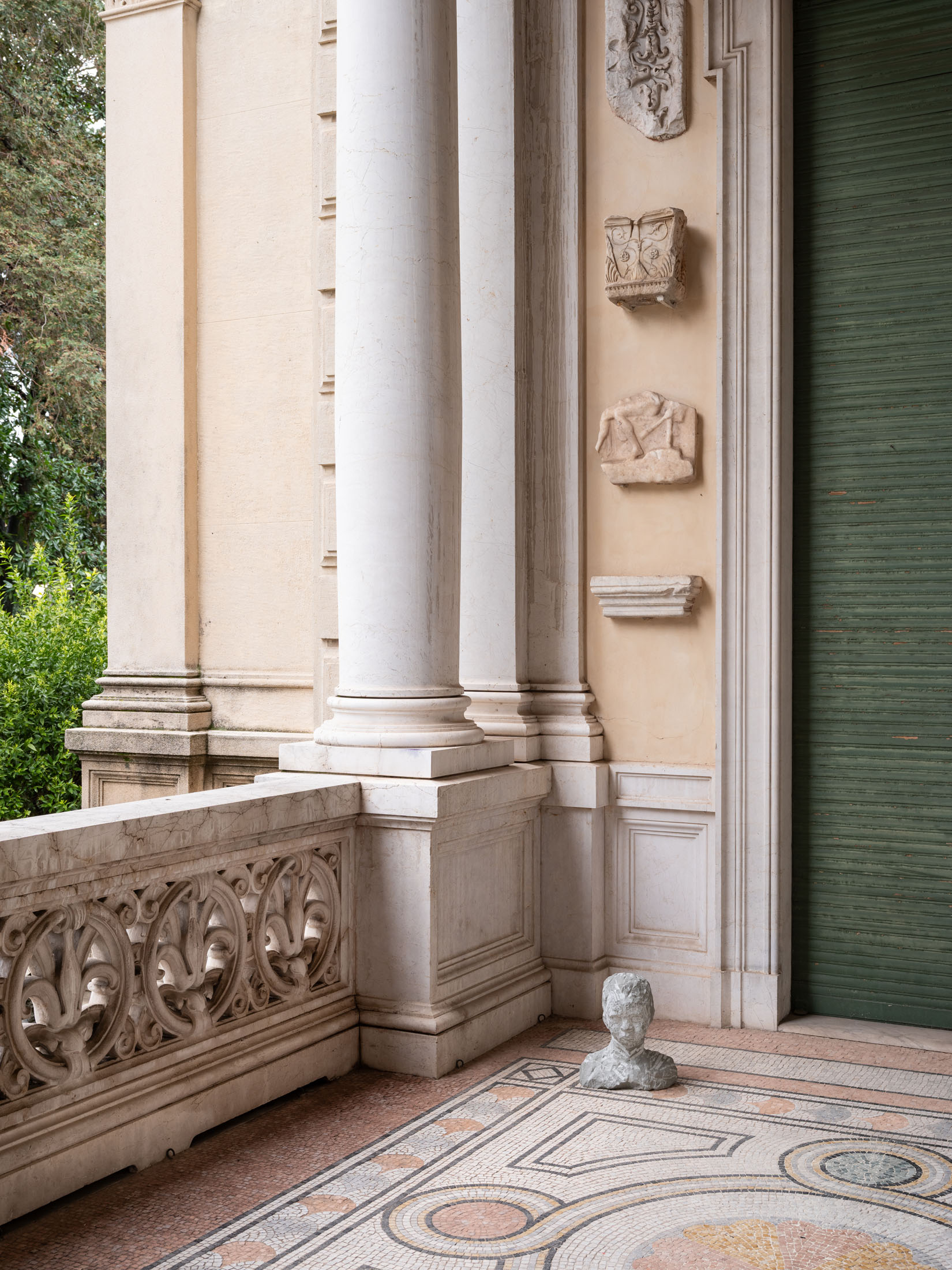
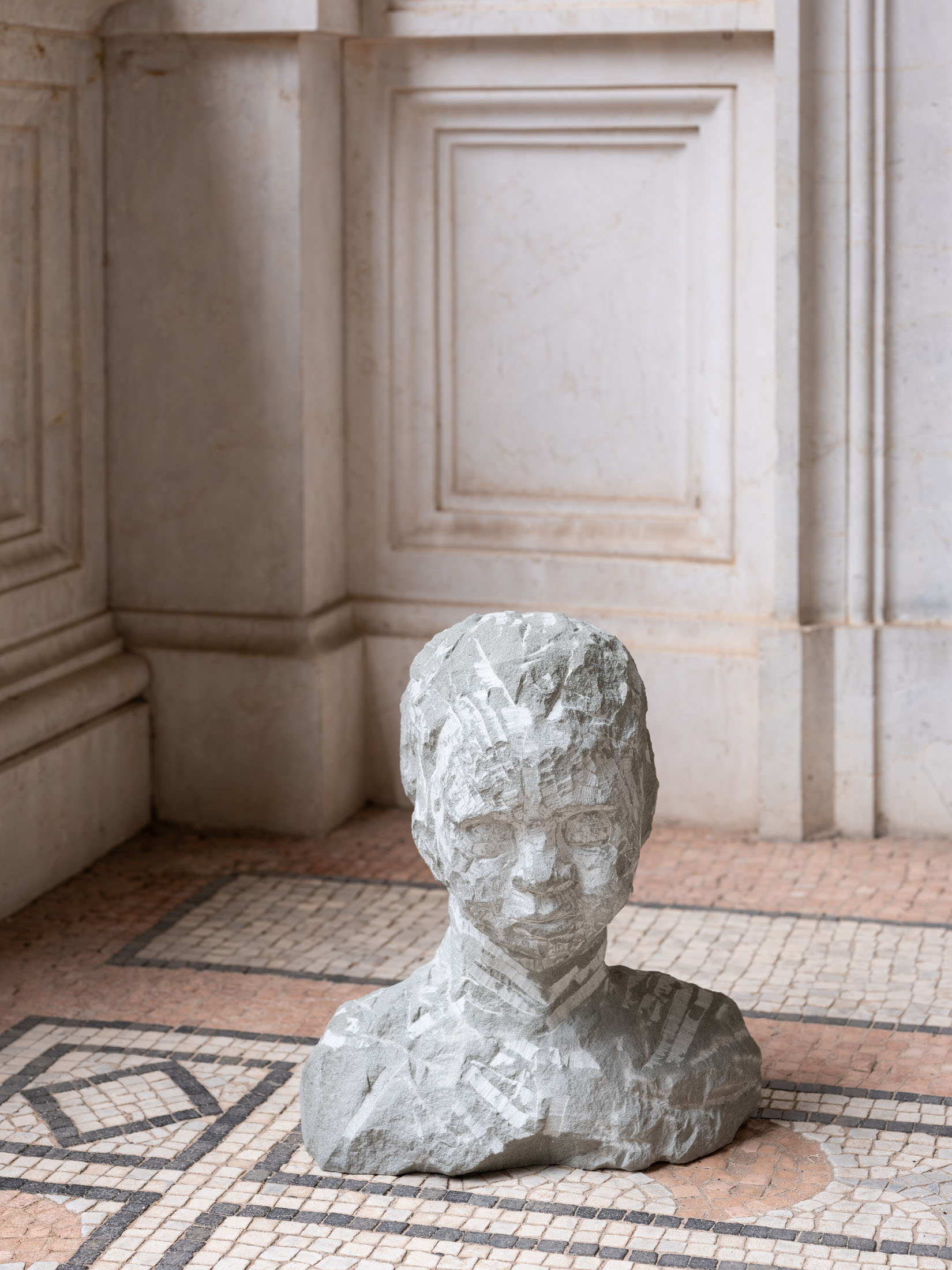
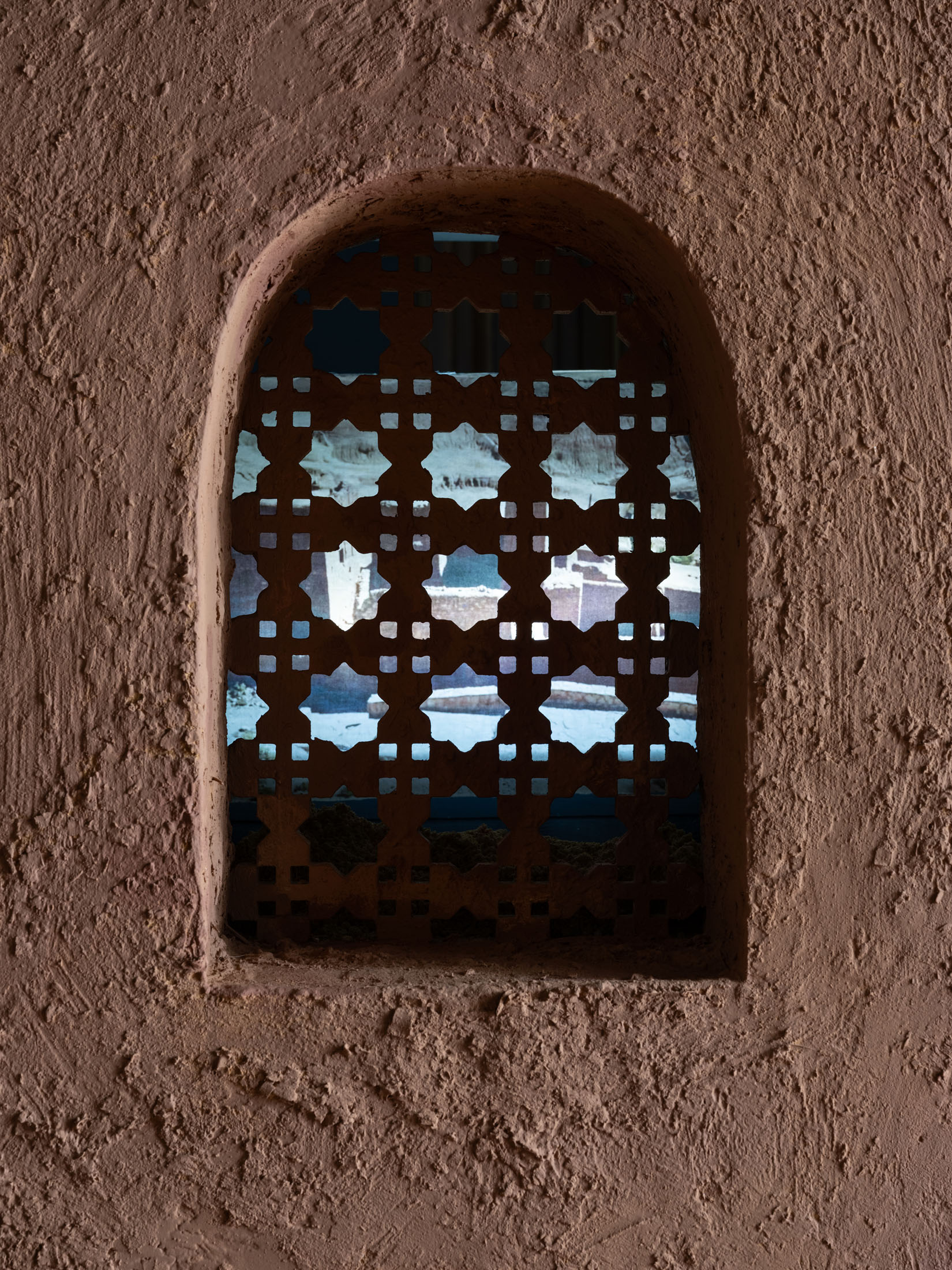
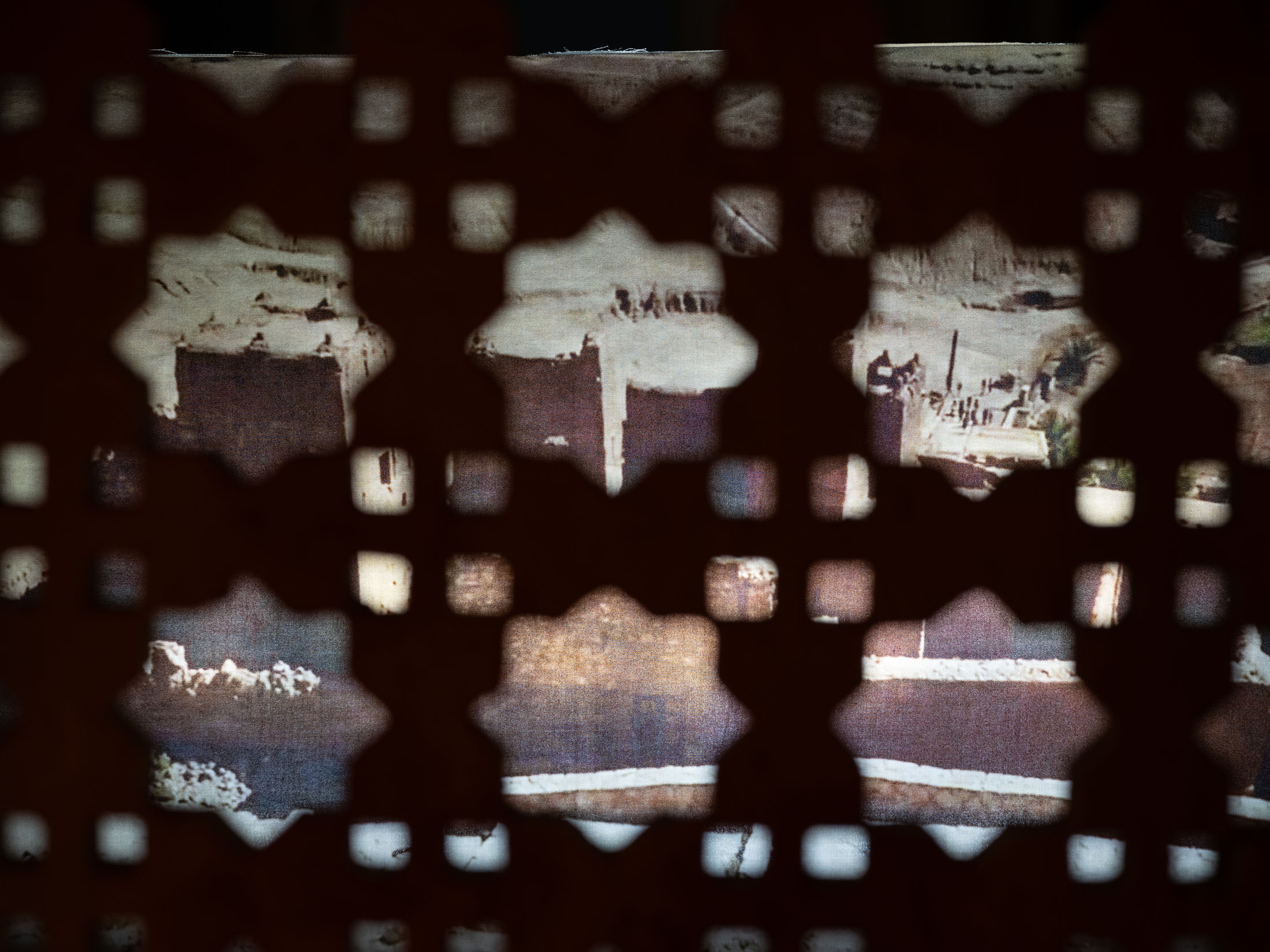
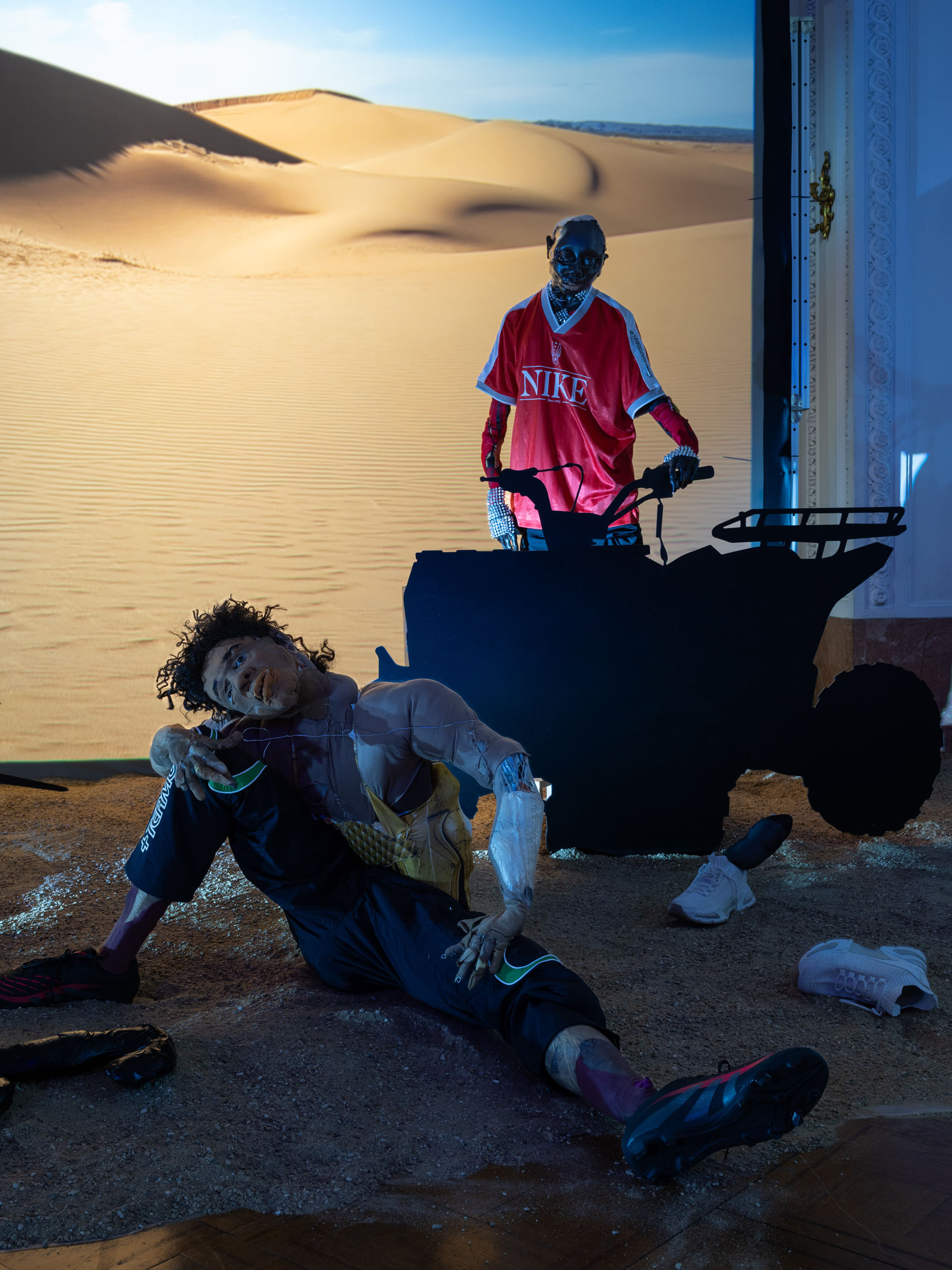
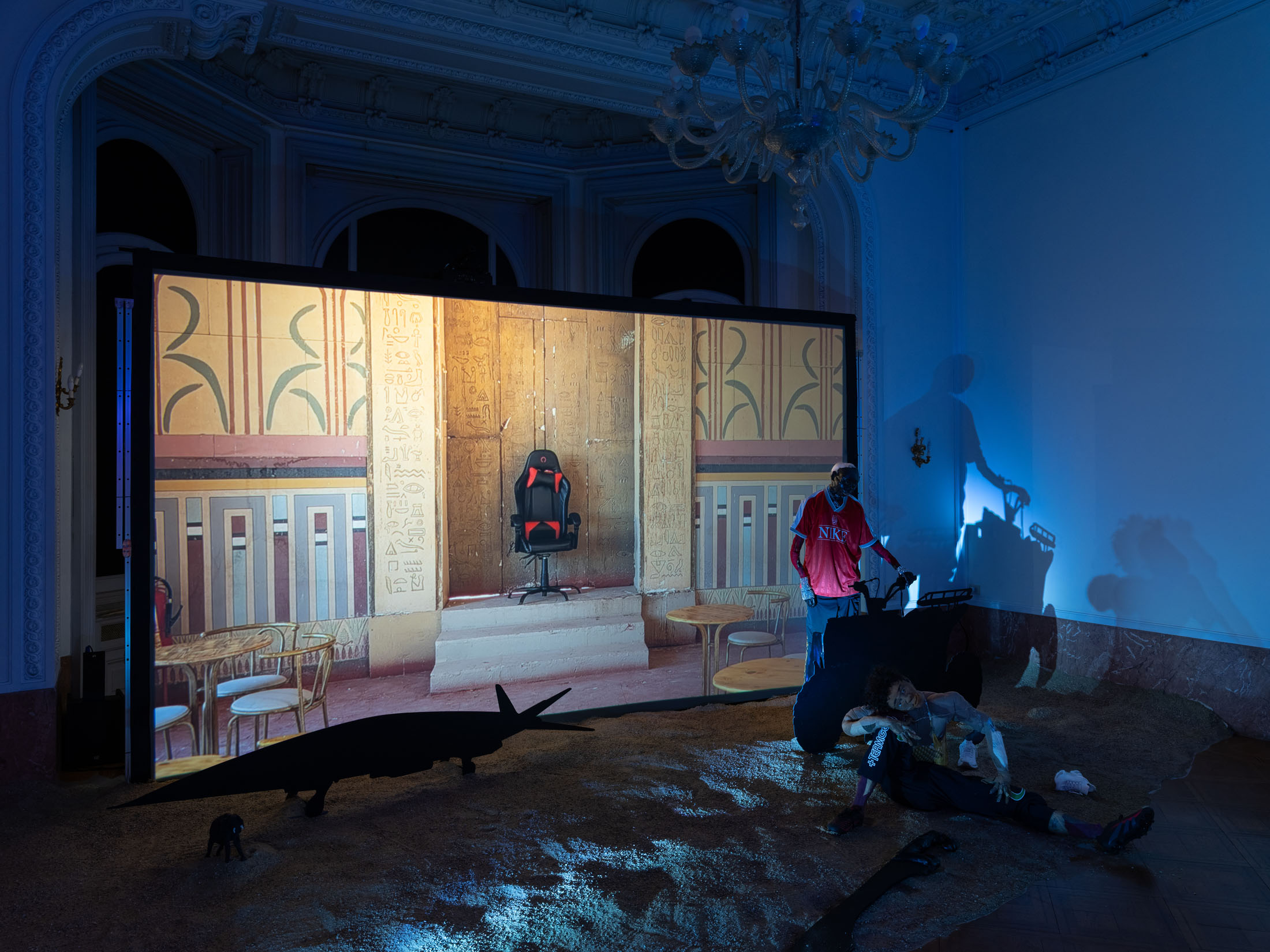
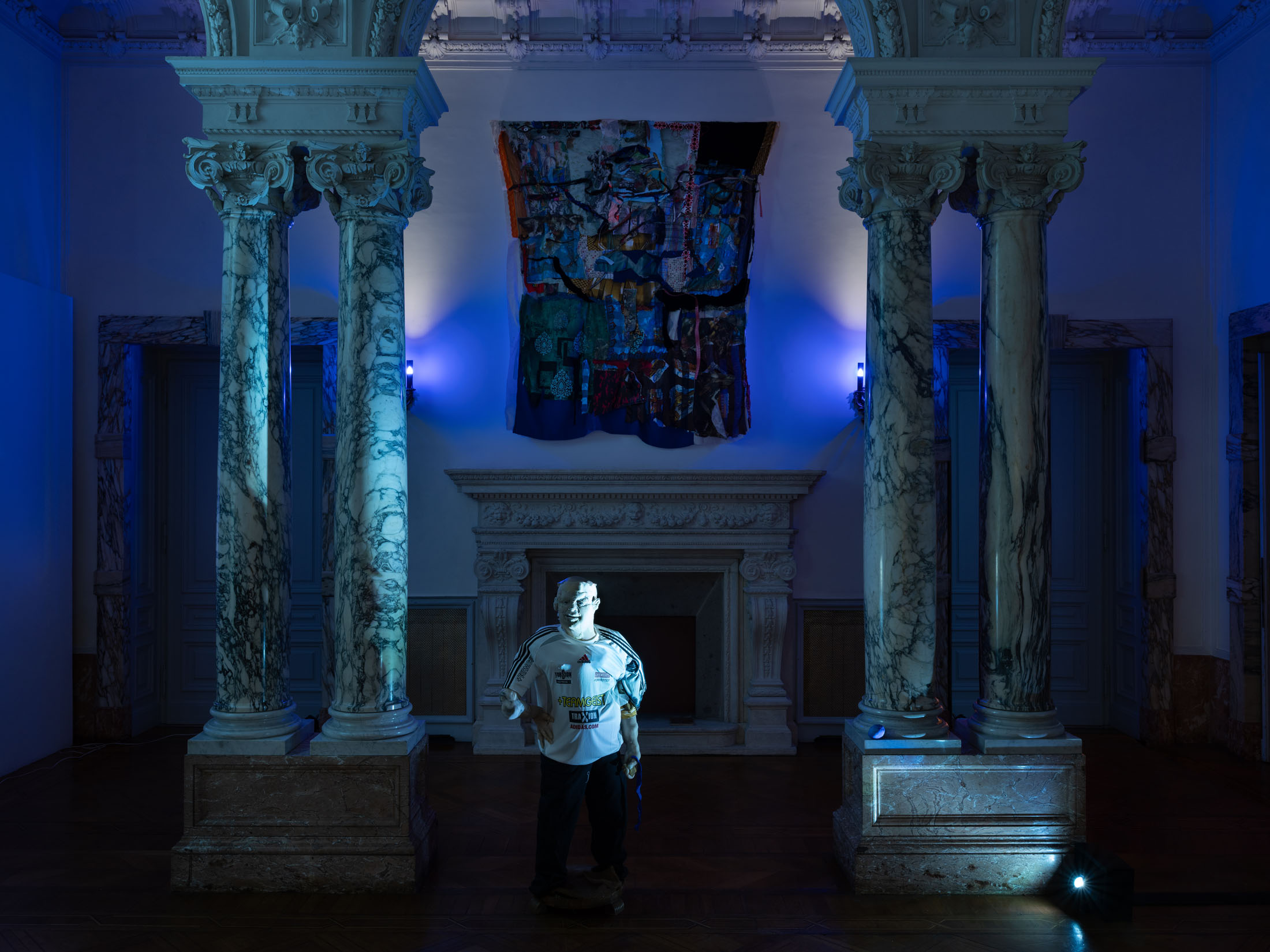
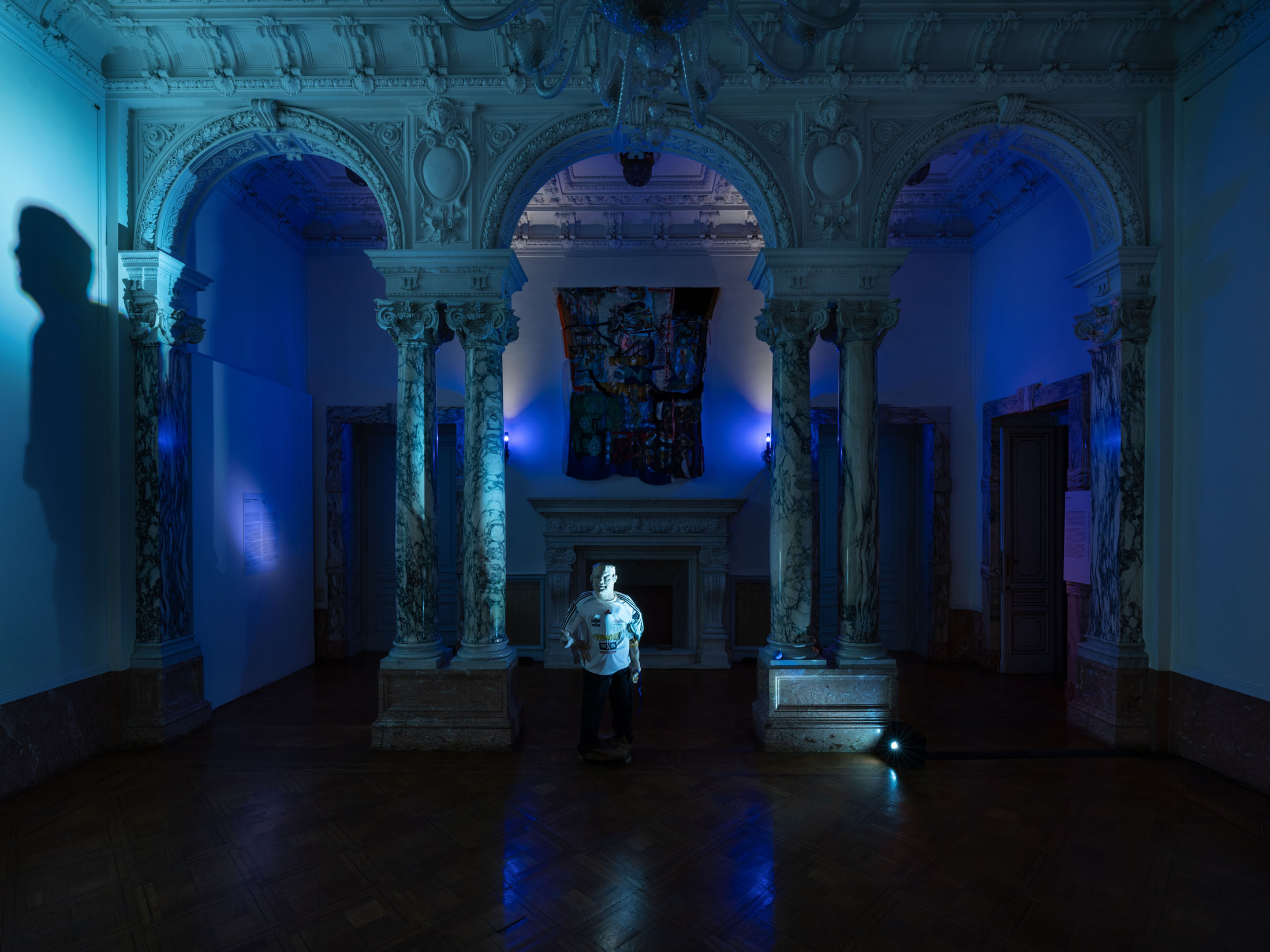
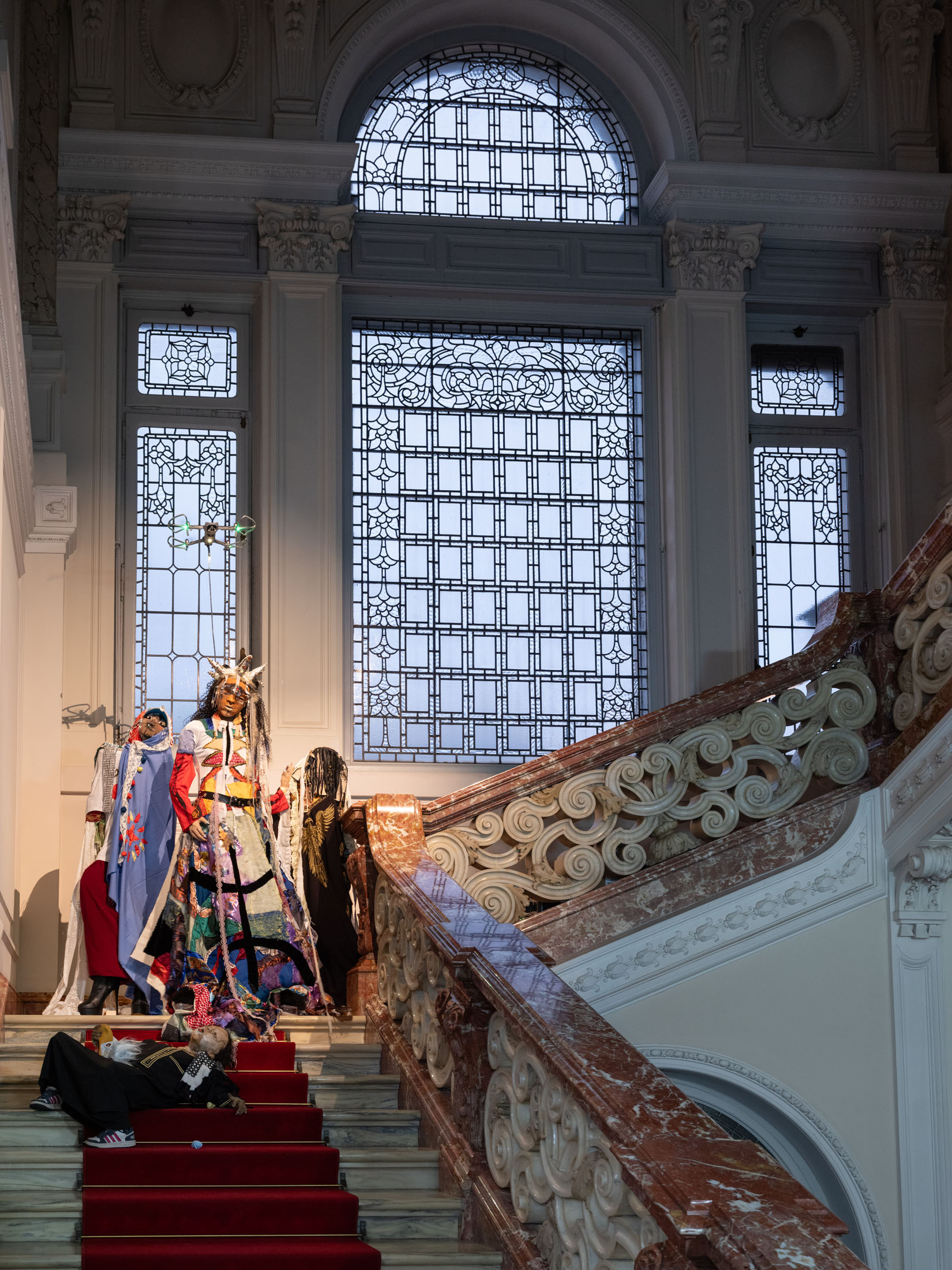
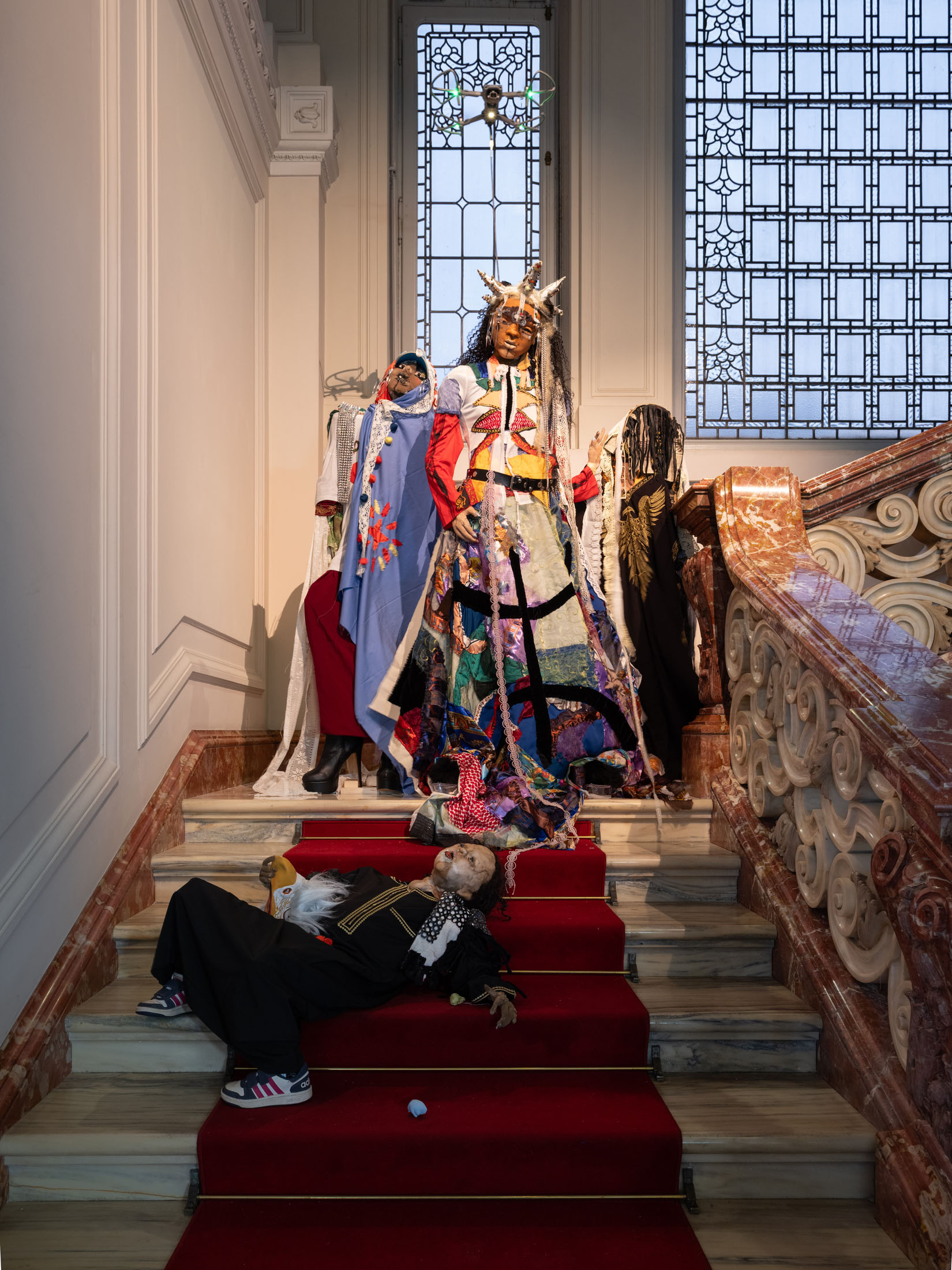
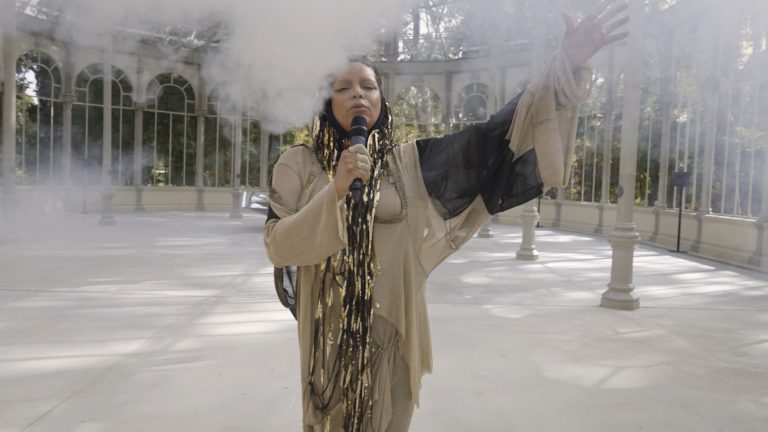
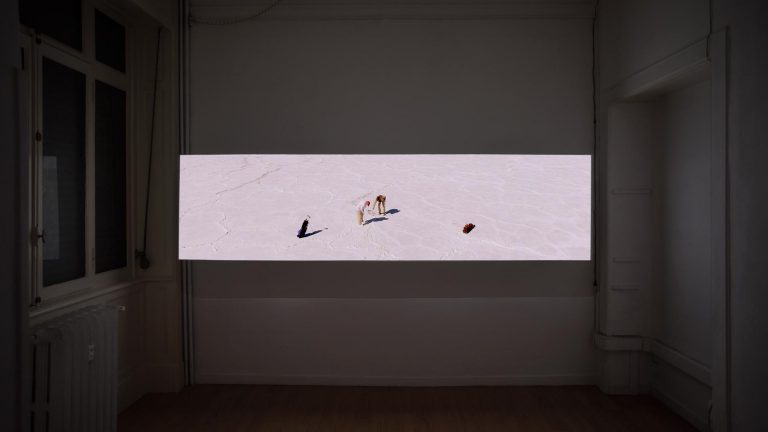
Istituto Svizzero presents AtlasStudios, the first monographic exhibition in Italy by artist Latefa Wiersch (b. 1982,Dortmund,based in Zürich). Specificallydesigned for the spaces of Villa Maraini in Rome, the exhibition evokes the studios of the same name located at the edge of the Moroccan desert and often used by international film productionsto recreate imperial antiquitysets.
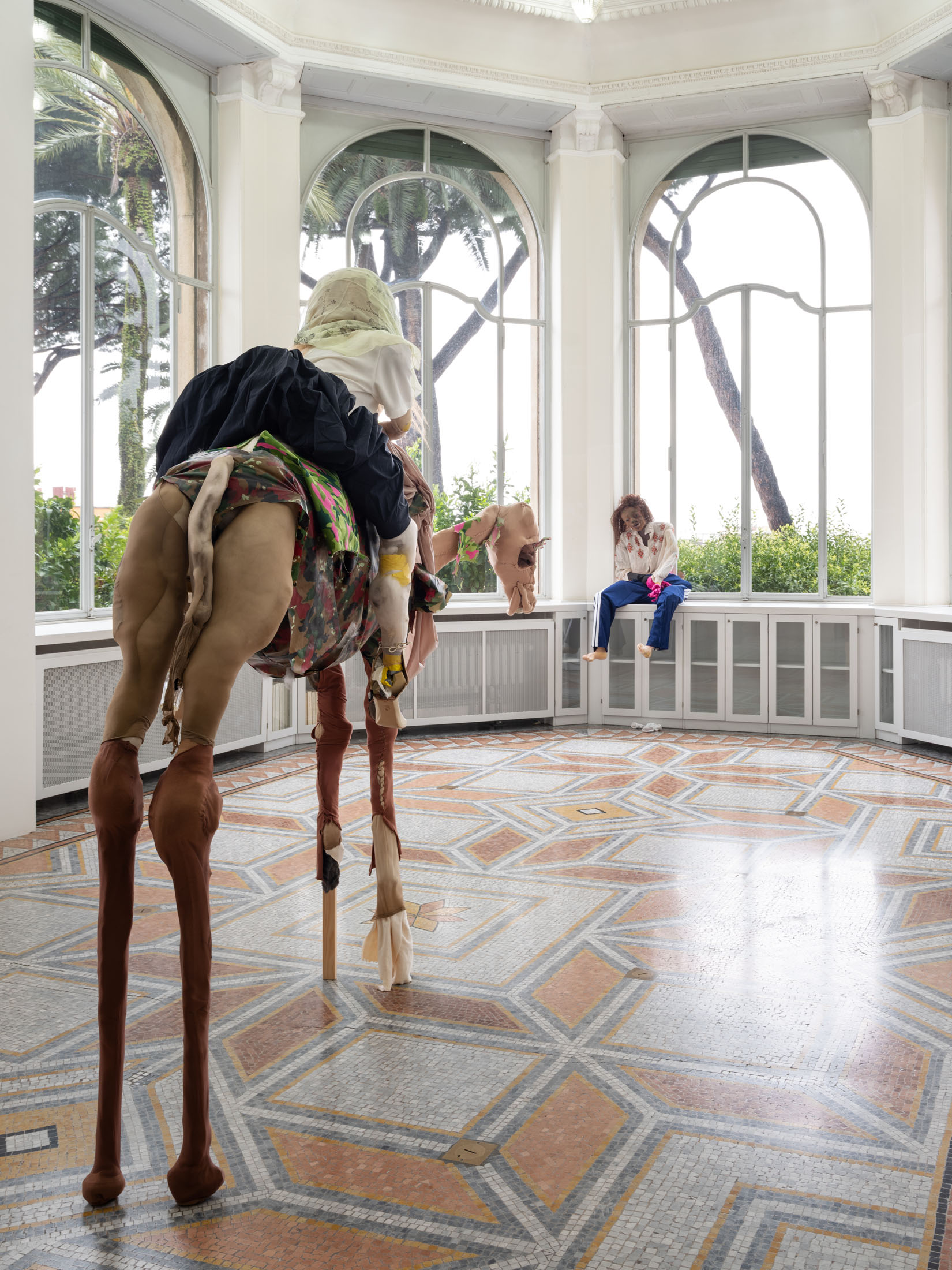
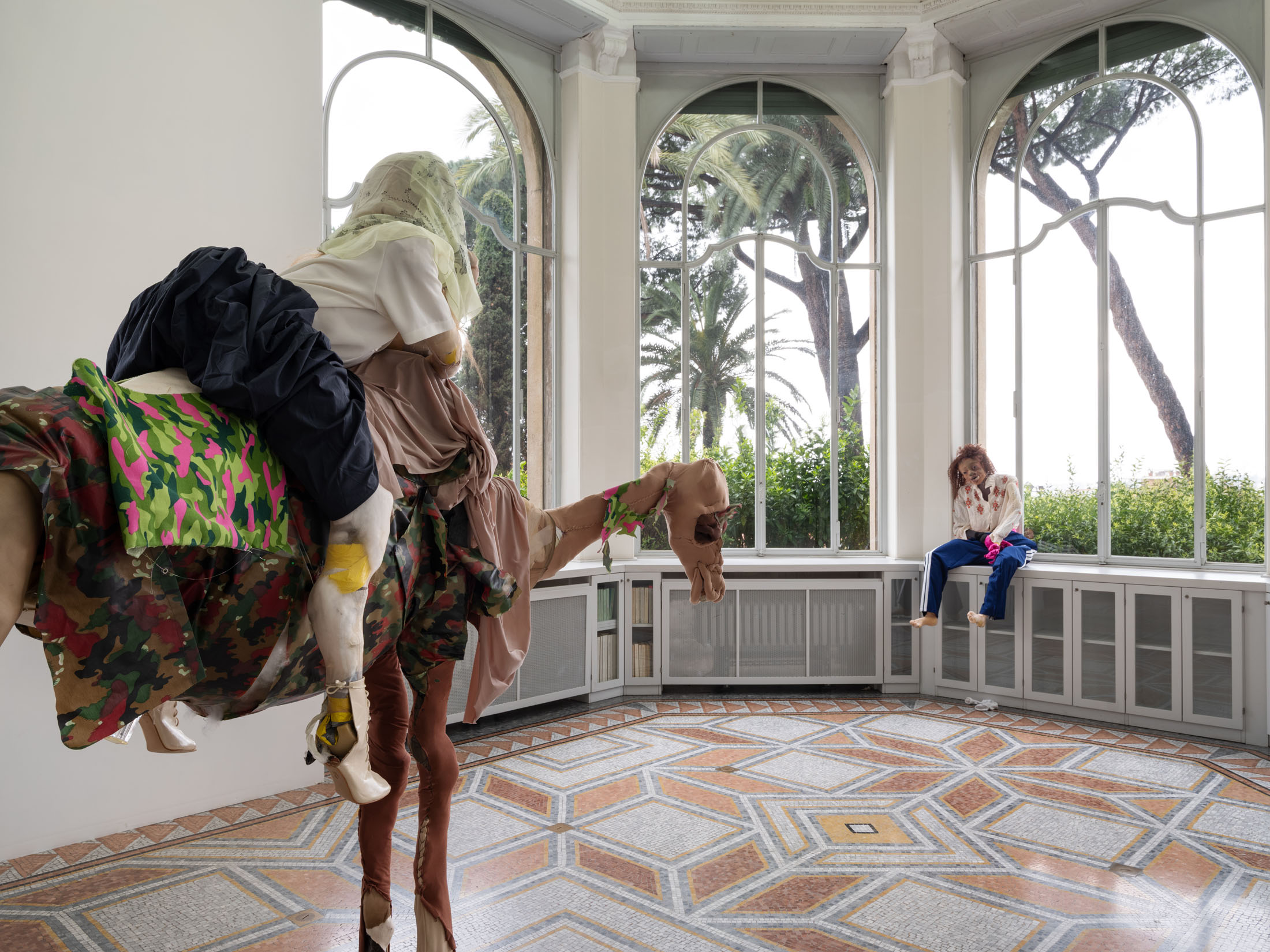
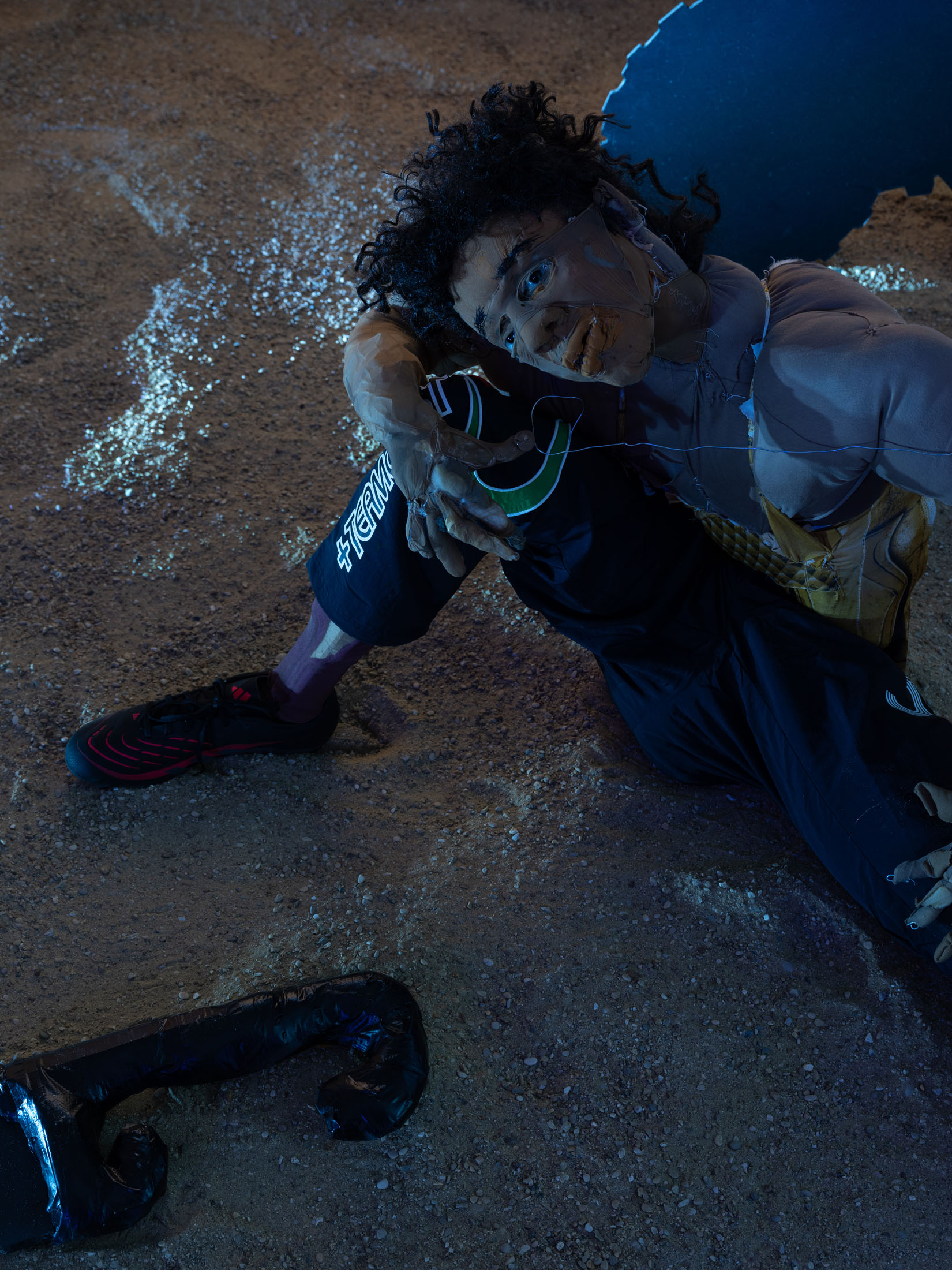
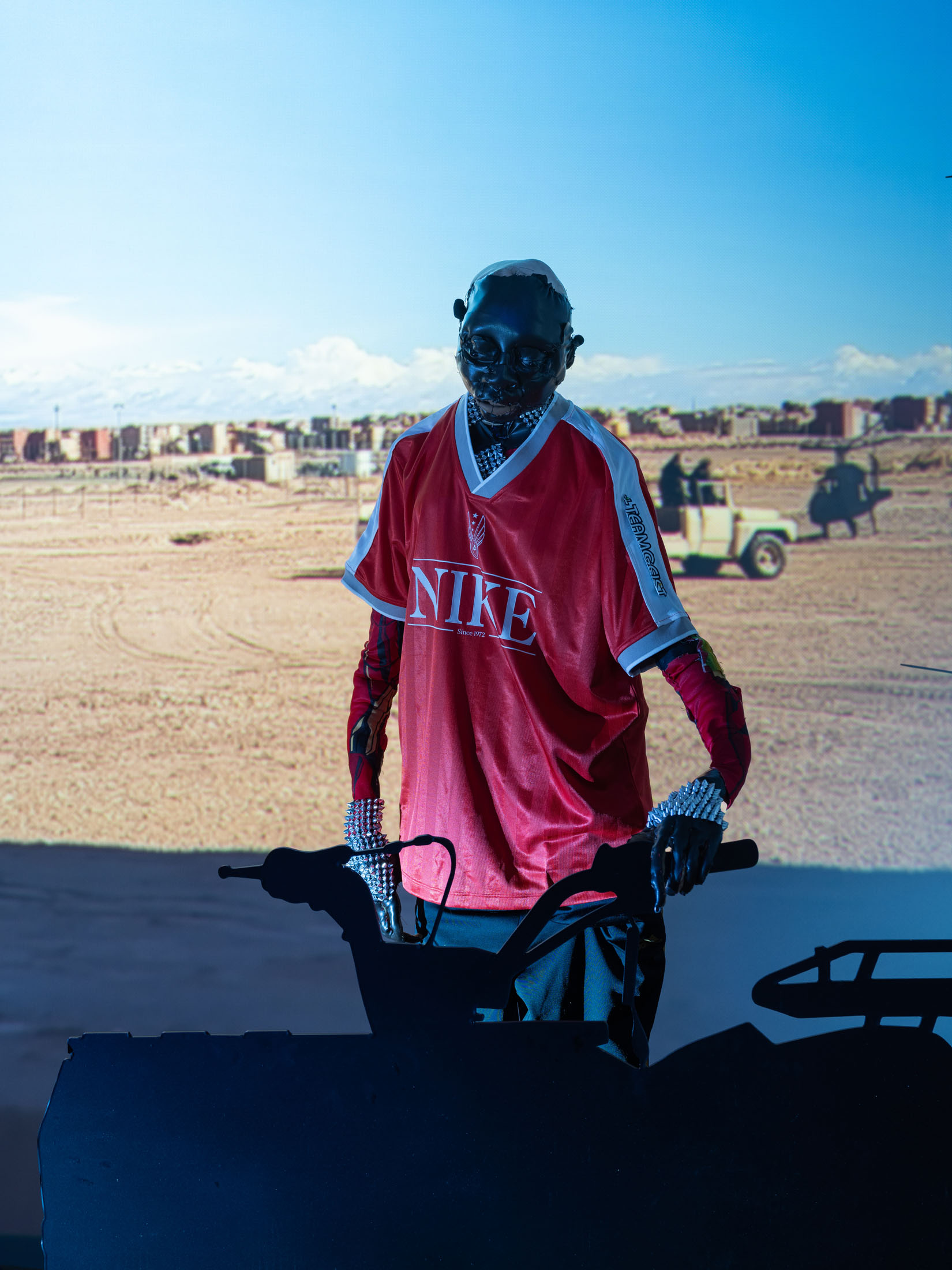
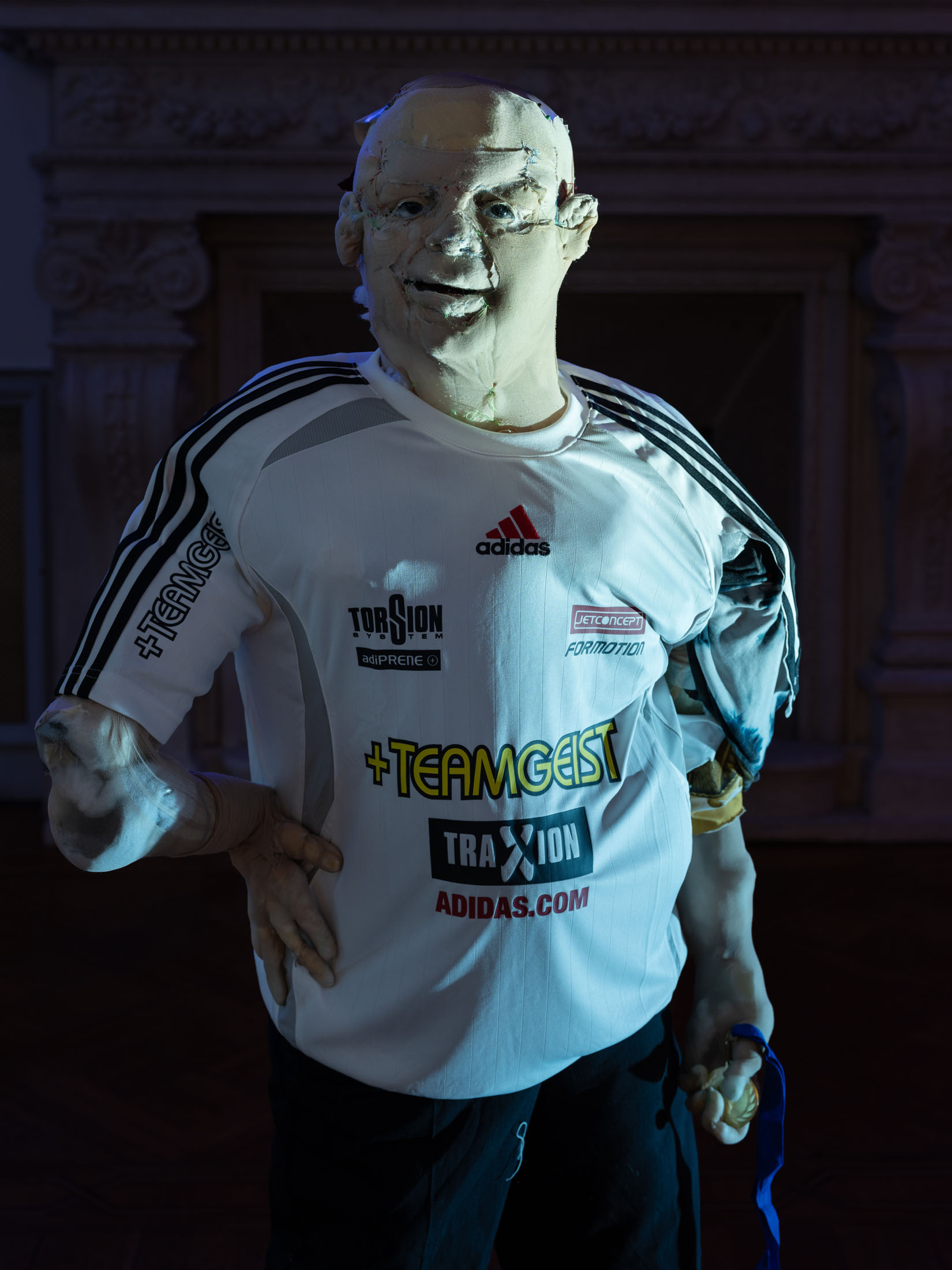
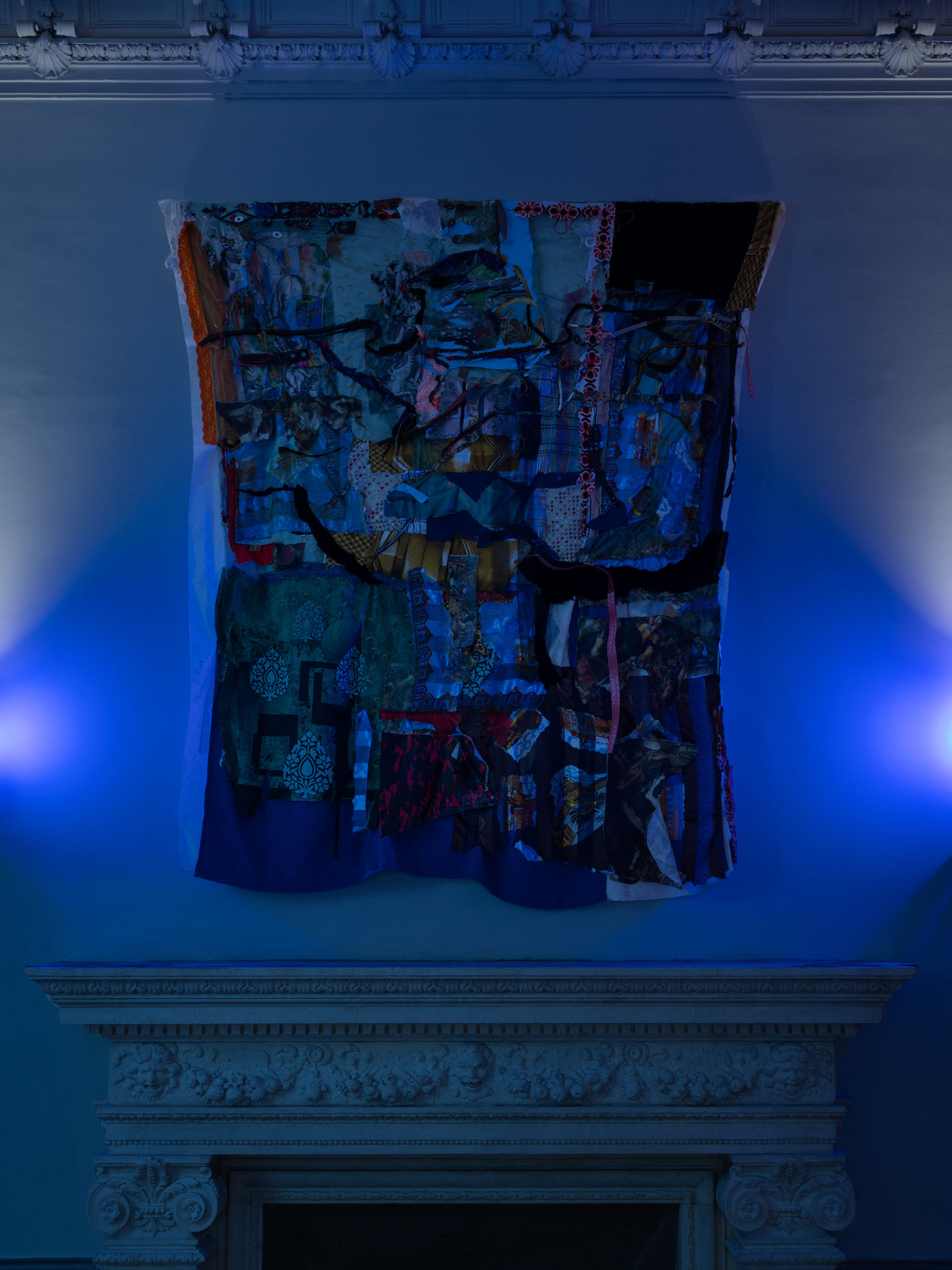
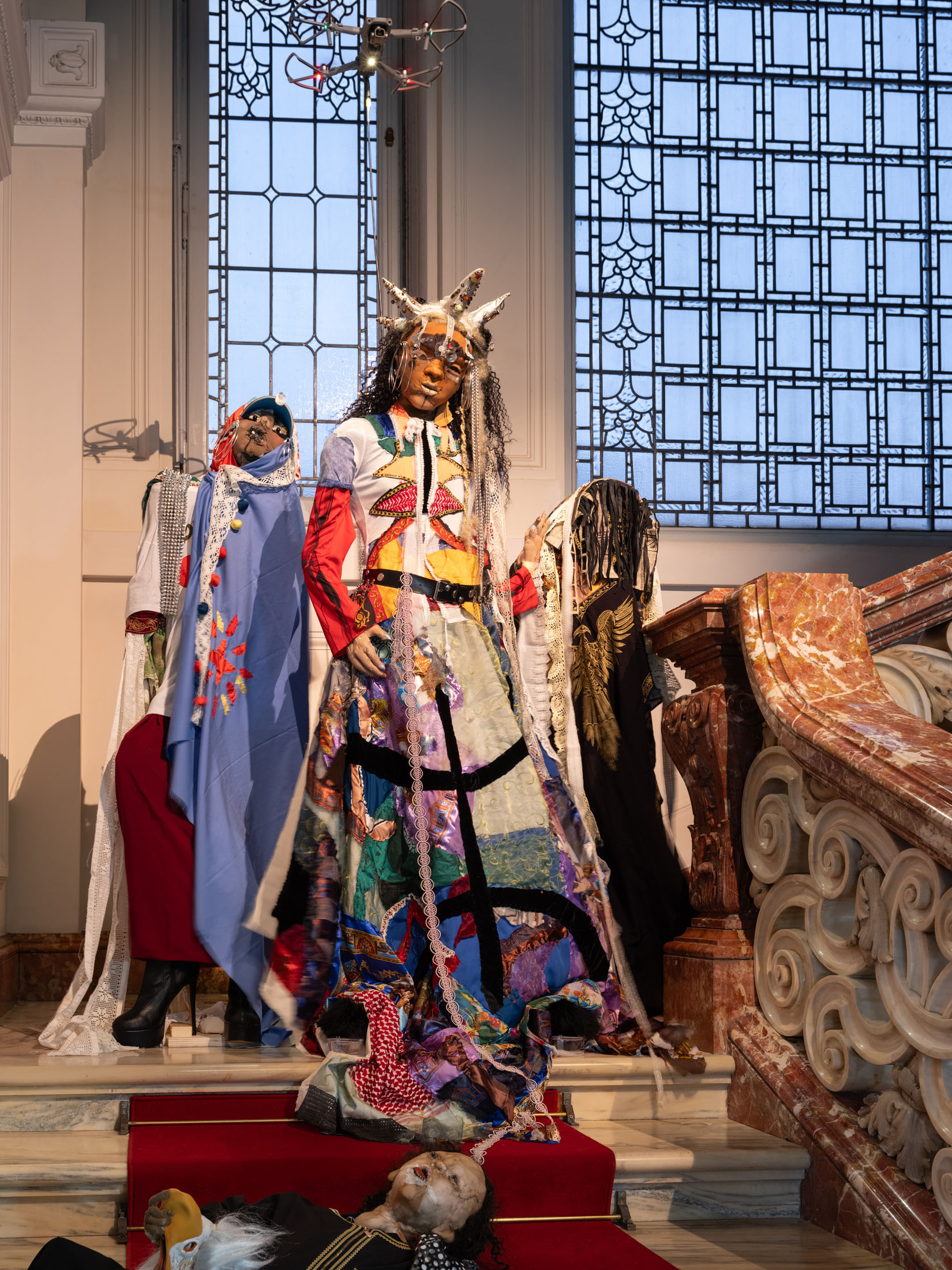
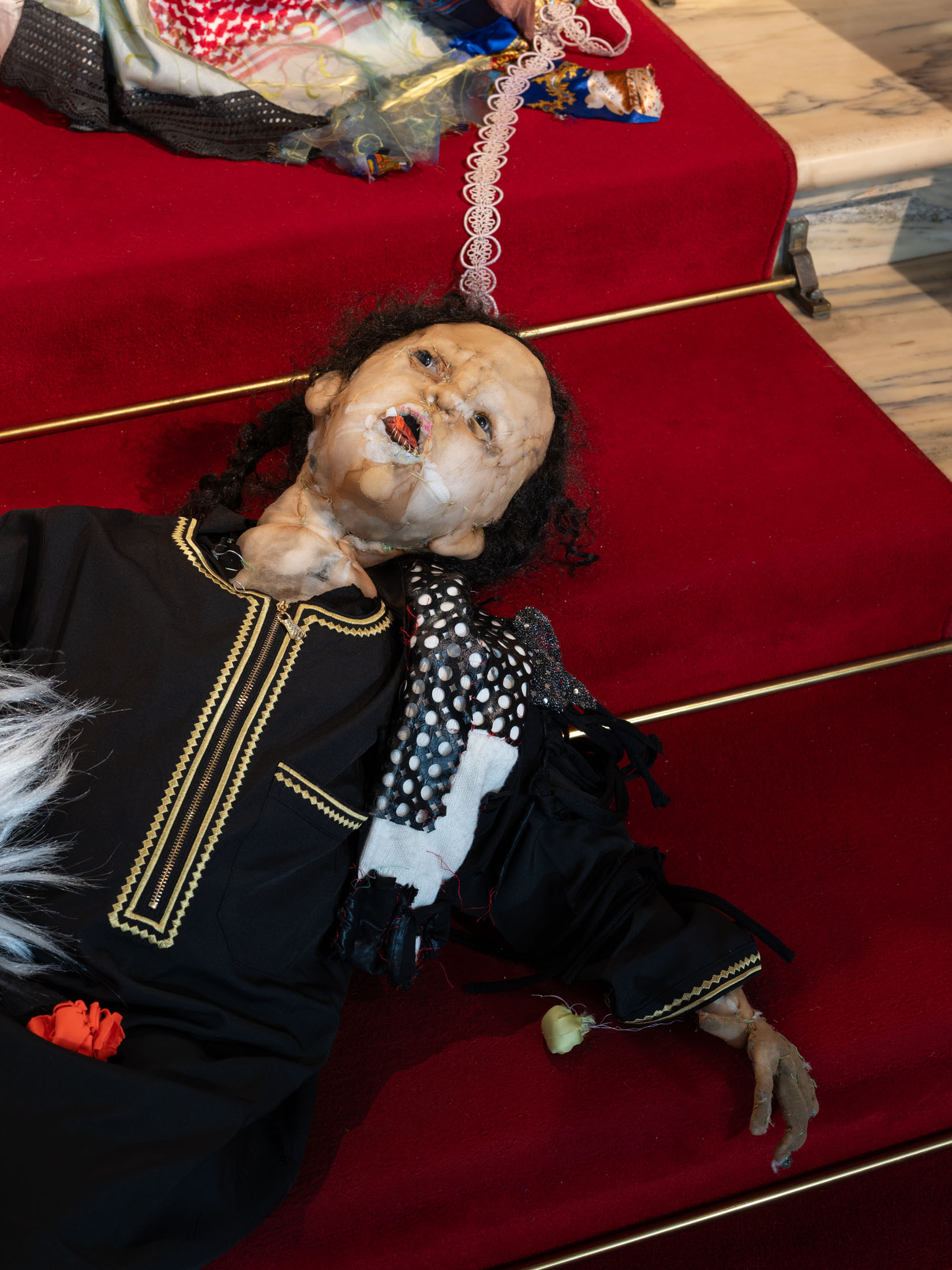
Wiersch’s practice engages with popularculture,cinema, television and historical imagery, filteredthrough her perspective as a Germany-born artist of Amazigh and Arab descent.Movingbetweenautobiography and fiction,her workraises questionsof nationaland culturalbelongingwithin a contextwheremigrationis a structuralcondition,staginghistoryas an unstablefield of projection,rehearsal and role-play.Her main body of work consists of sewn puppet figuresthat she iterativelyre-engages and re-fashions in a plethora of figures drawn from pop culture,historyor her own life.
AtlasStudios builds on Wiersch’s research on Hannibal,the Carthaginian general who notoriously attempted and failed to conquerRome, and on the ways in which cinema has portrayed him and the history of the Roman Empire. Hannibal also refers to the 1970s housing estate in Dortmund-Dorstfeldwherethe artist grew up. The convergenceof these stories forms the point of departurefor ideally retracingHannibal’s route across the Alps and throughthe enduring mythologies of ancient imperialism—allowing him, in a sense, to finally reach his destination.
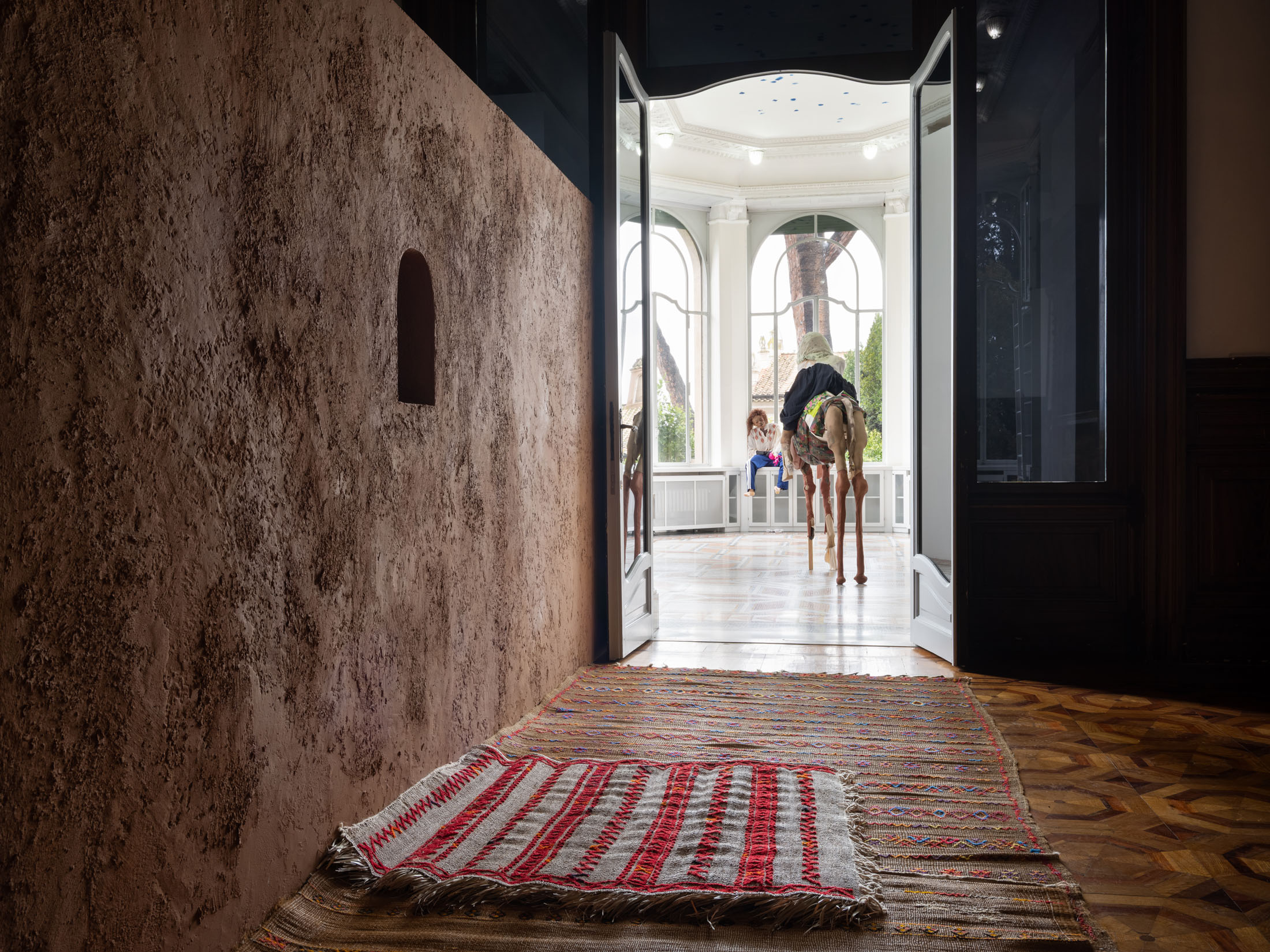
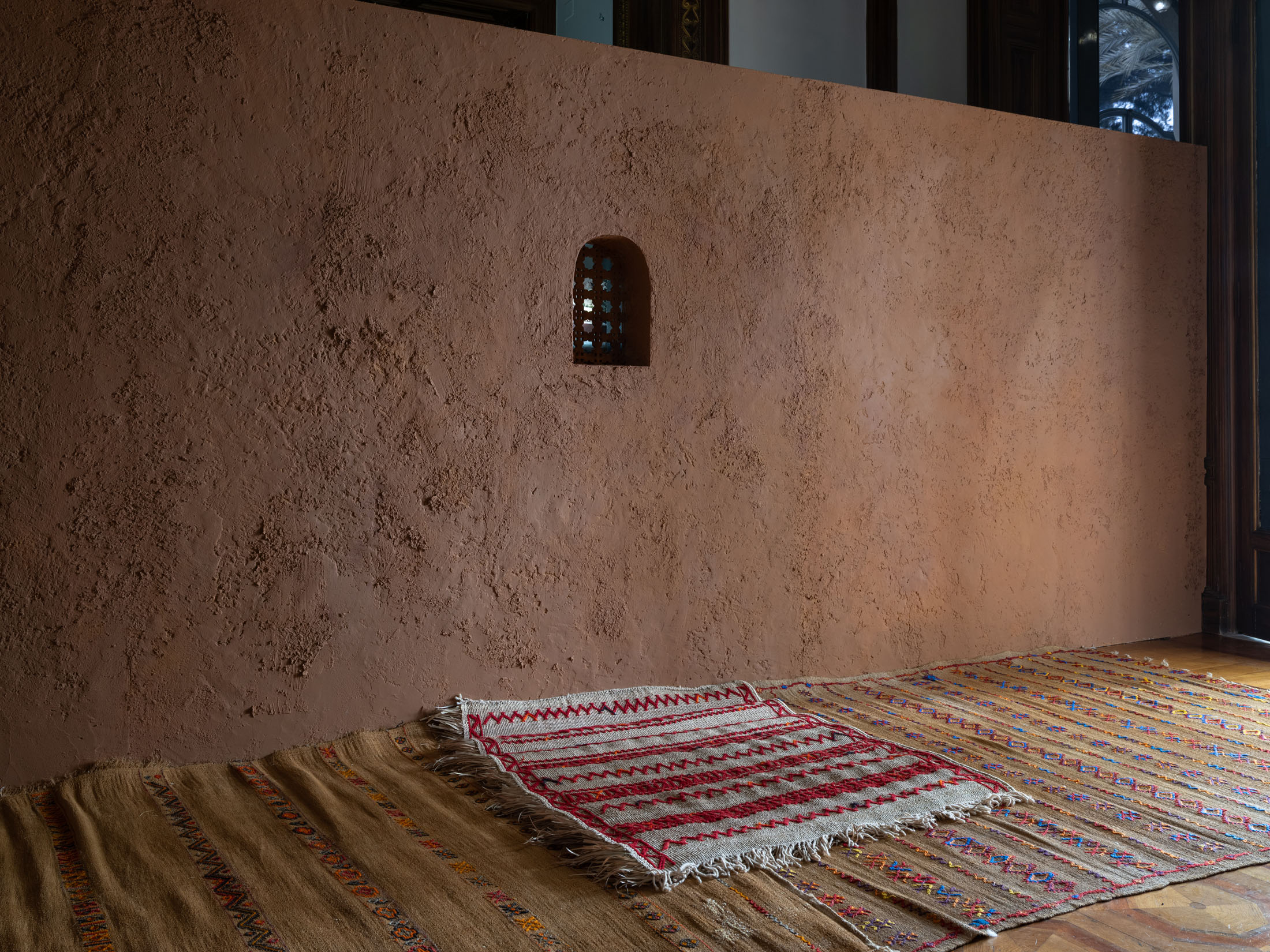
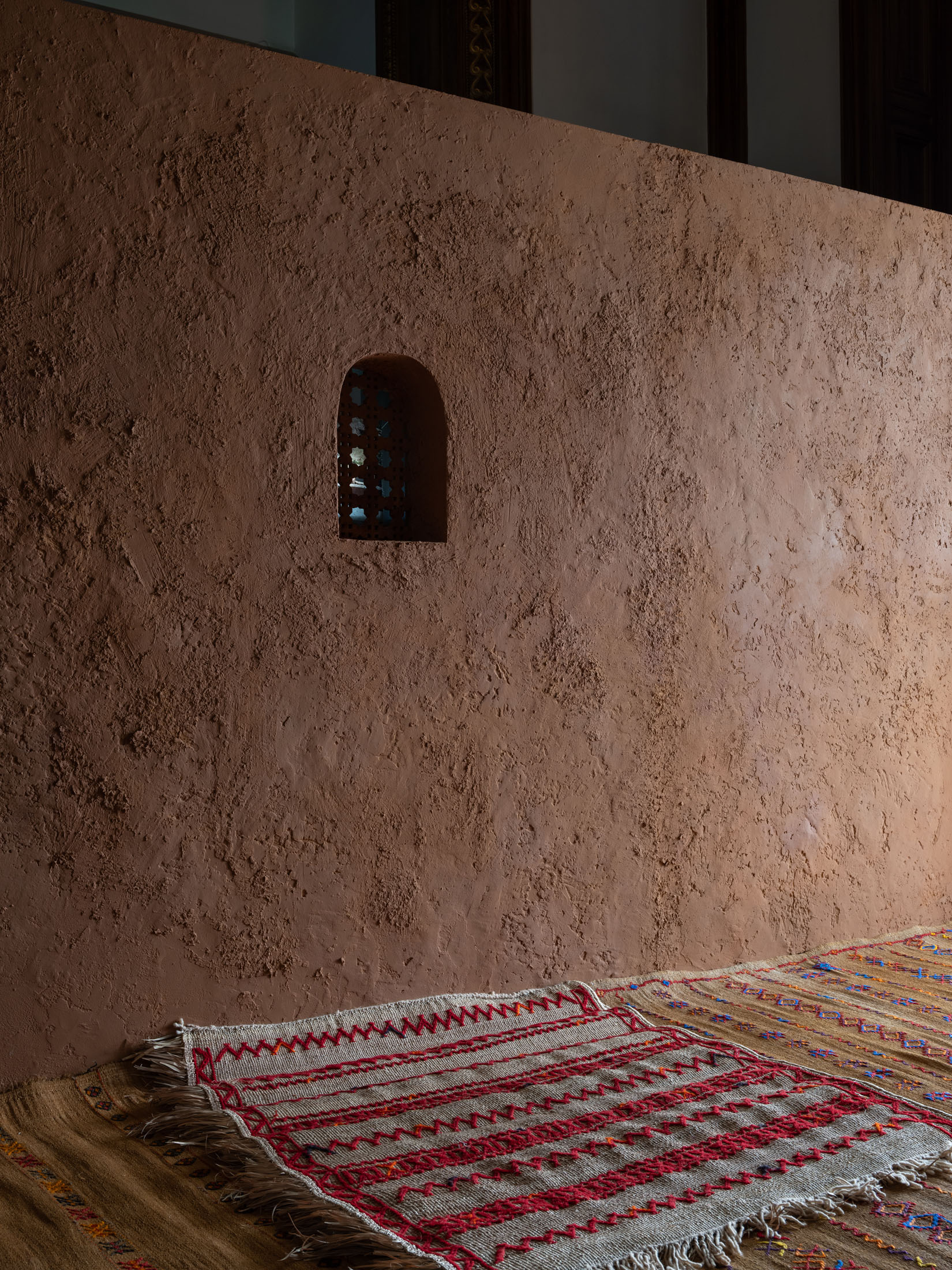
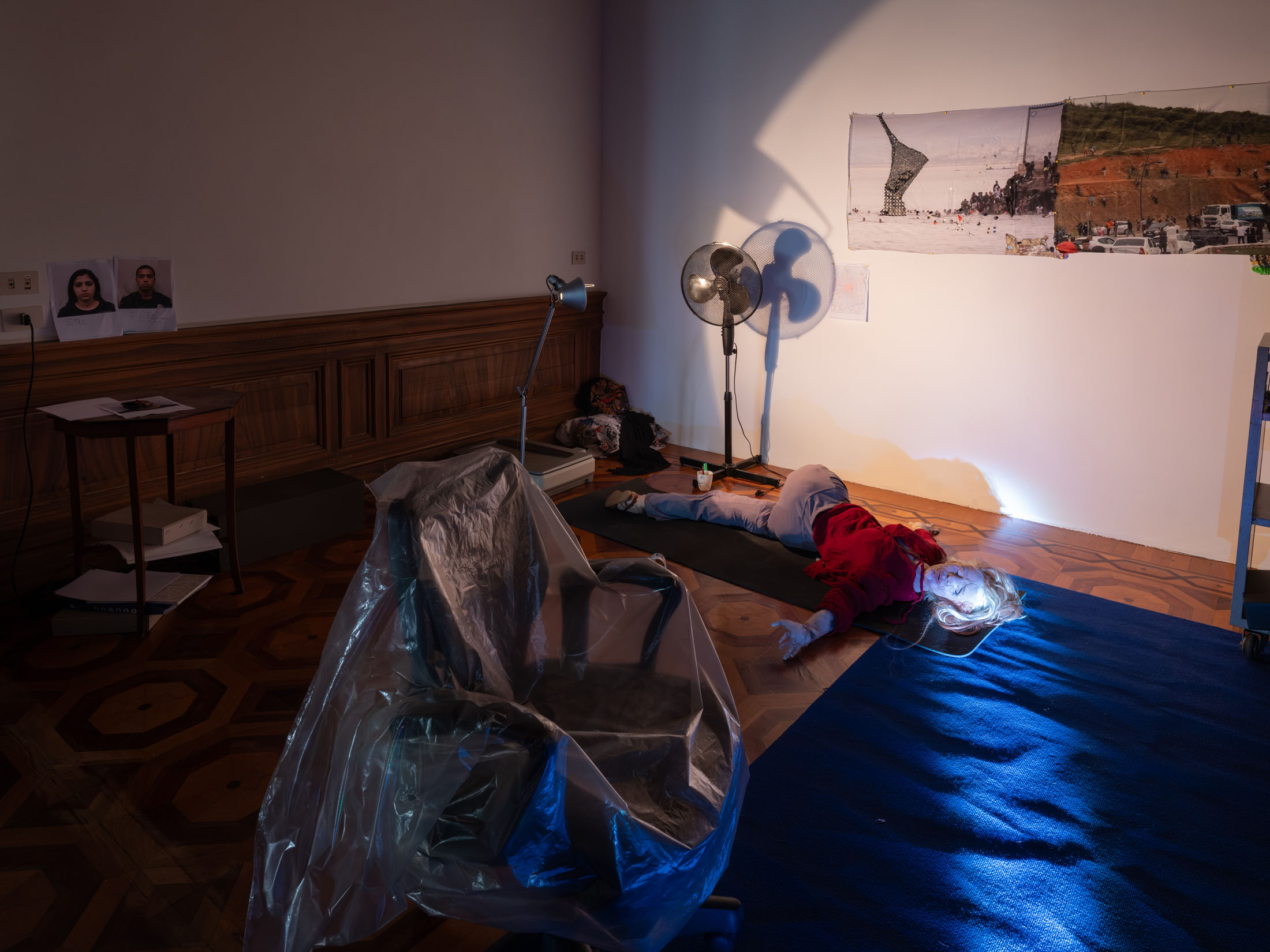
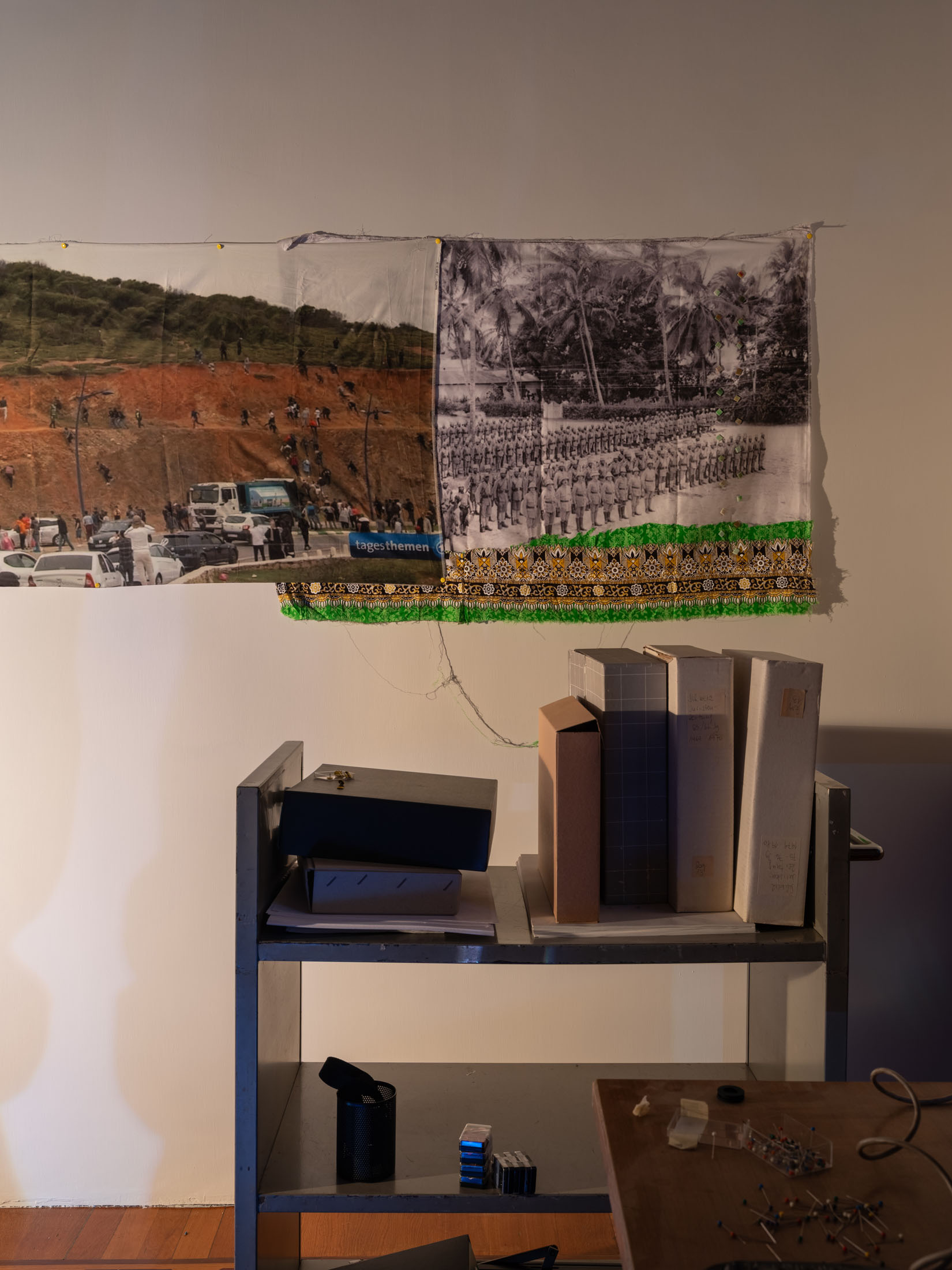
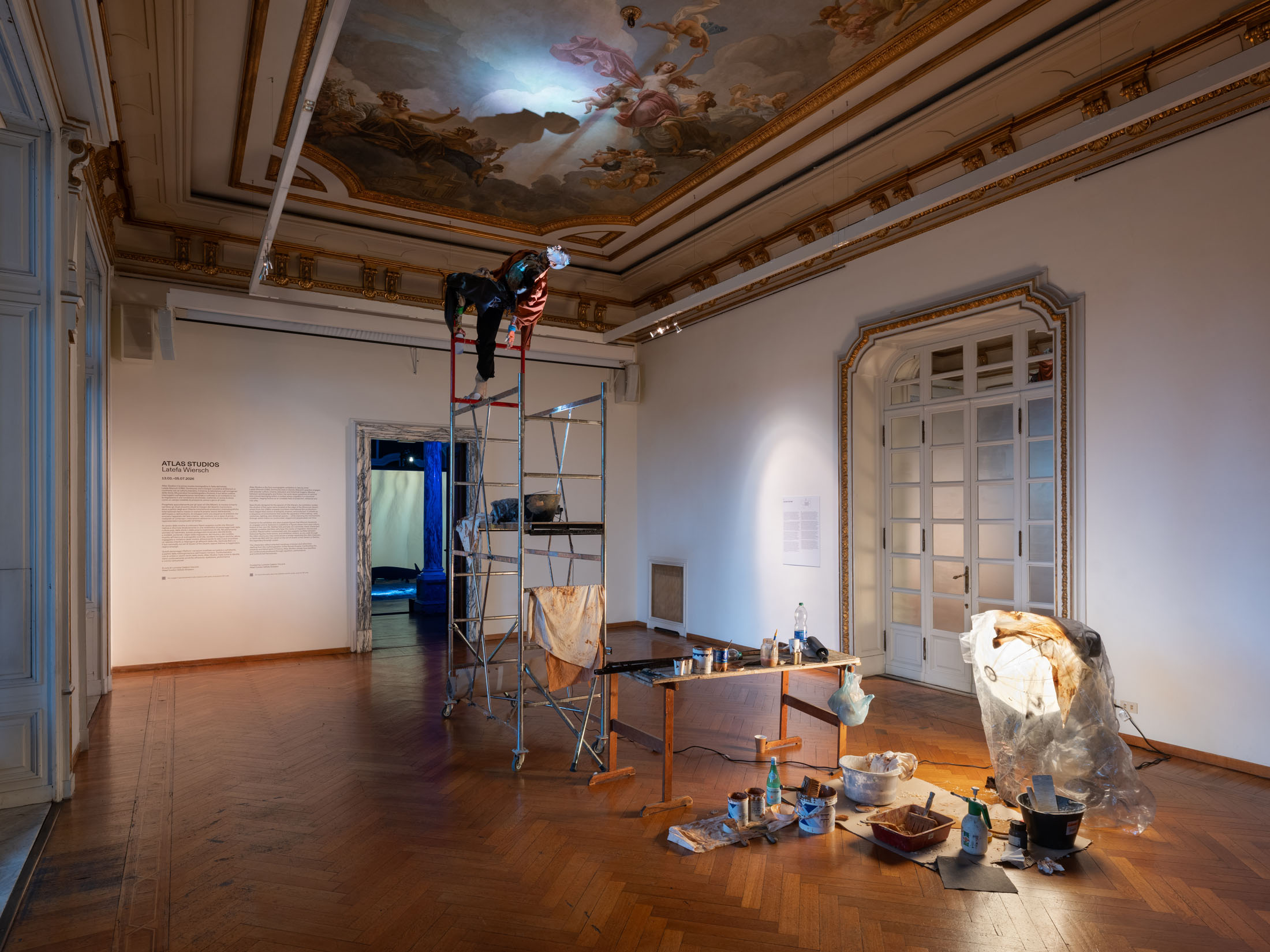
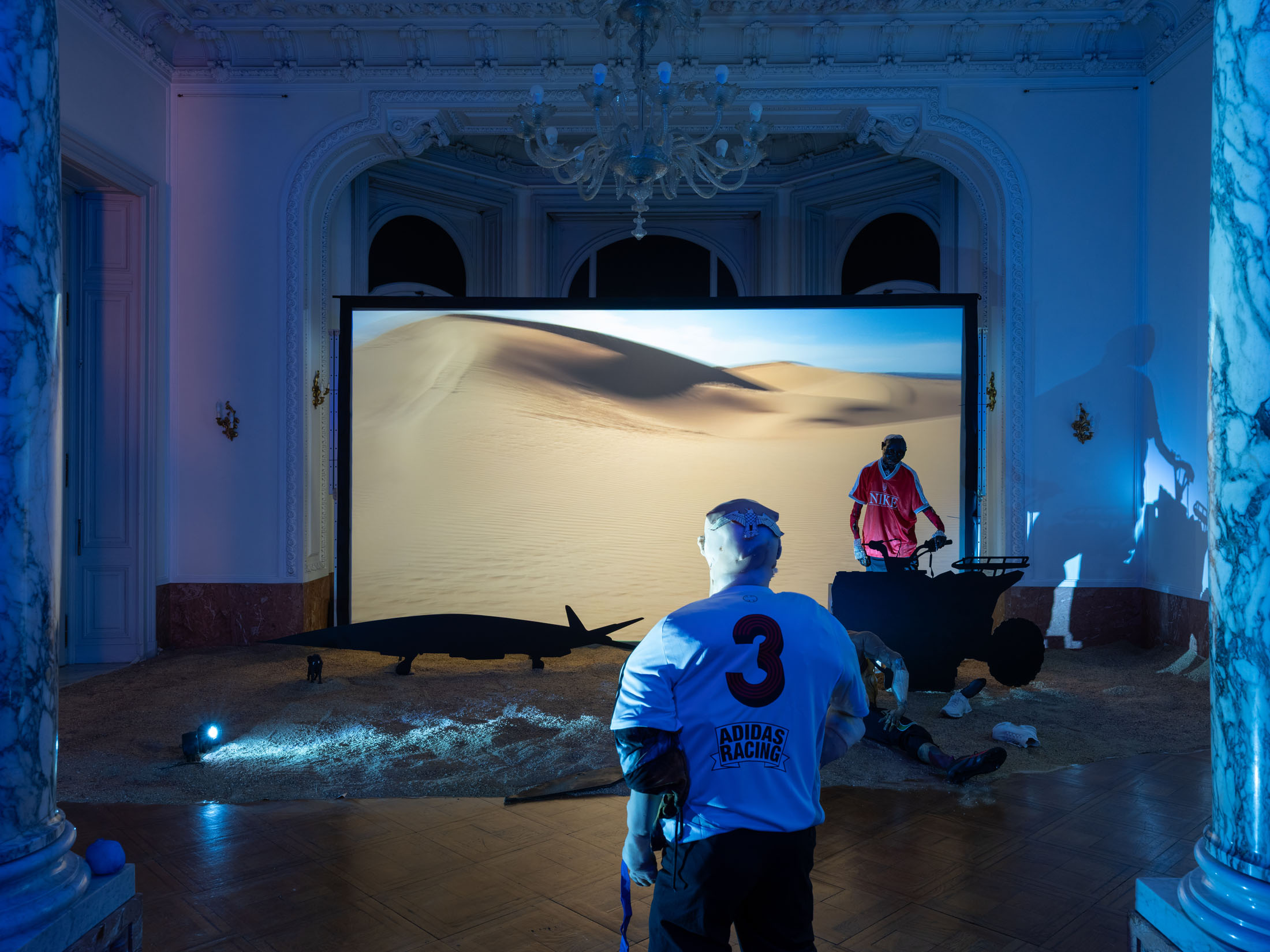
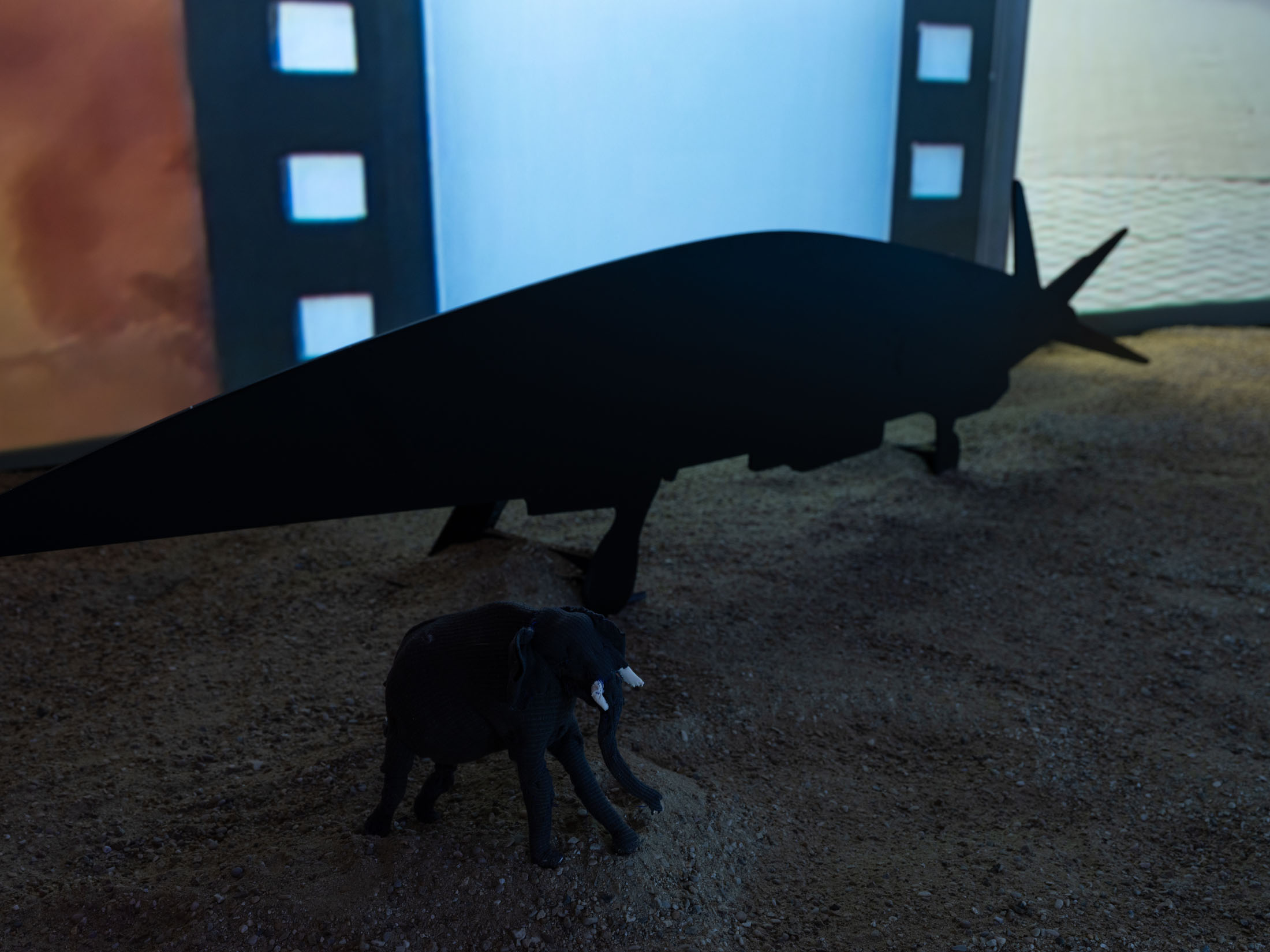
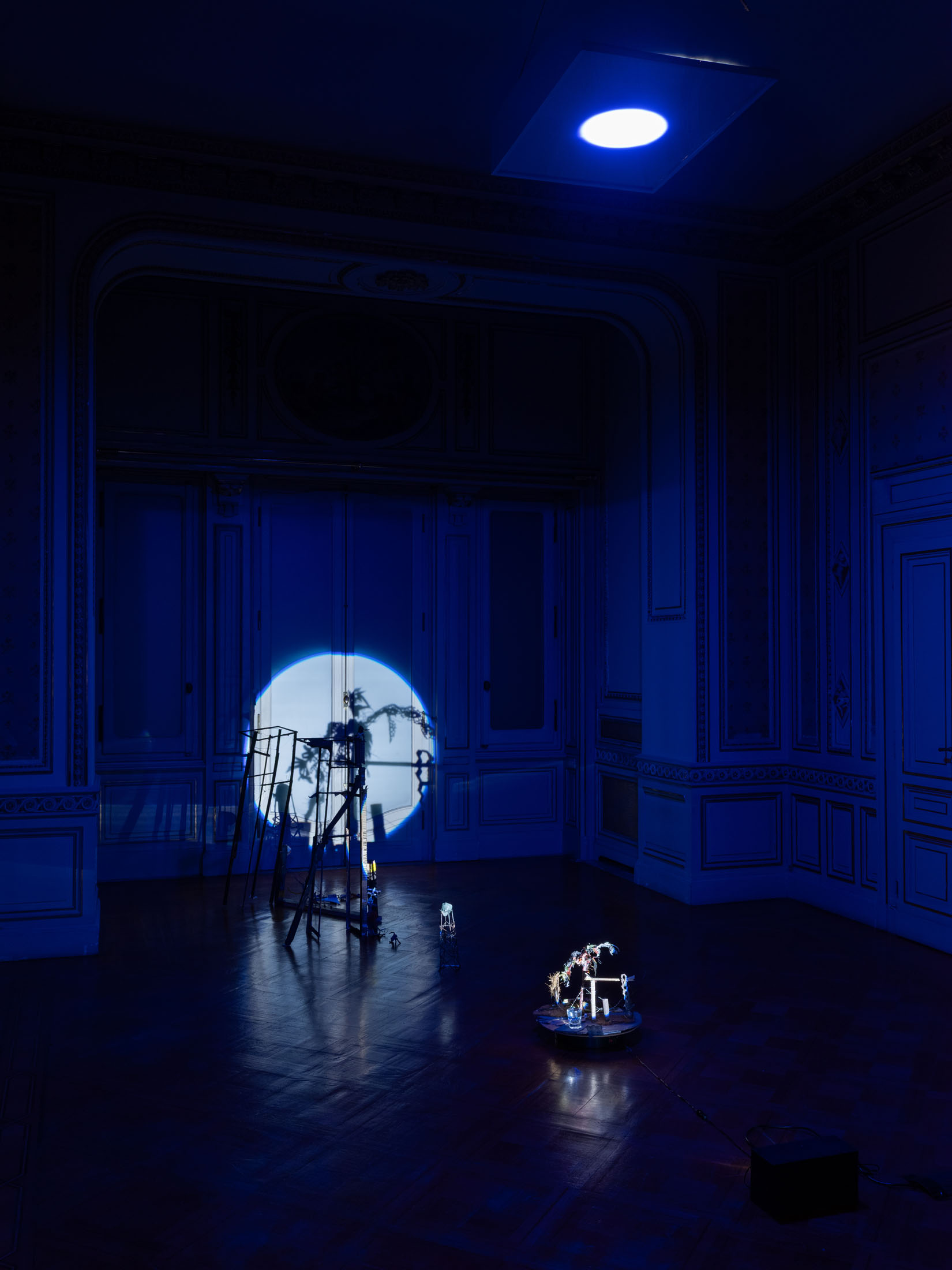
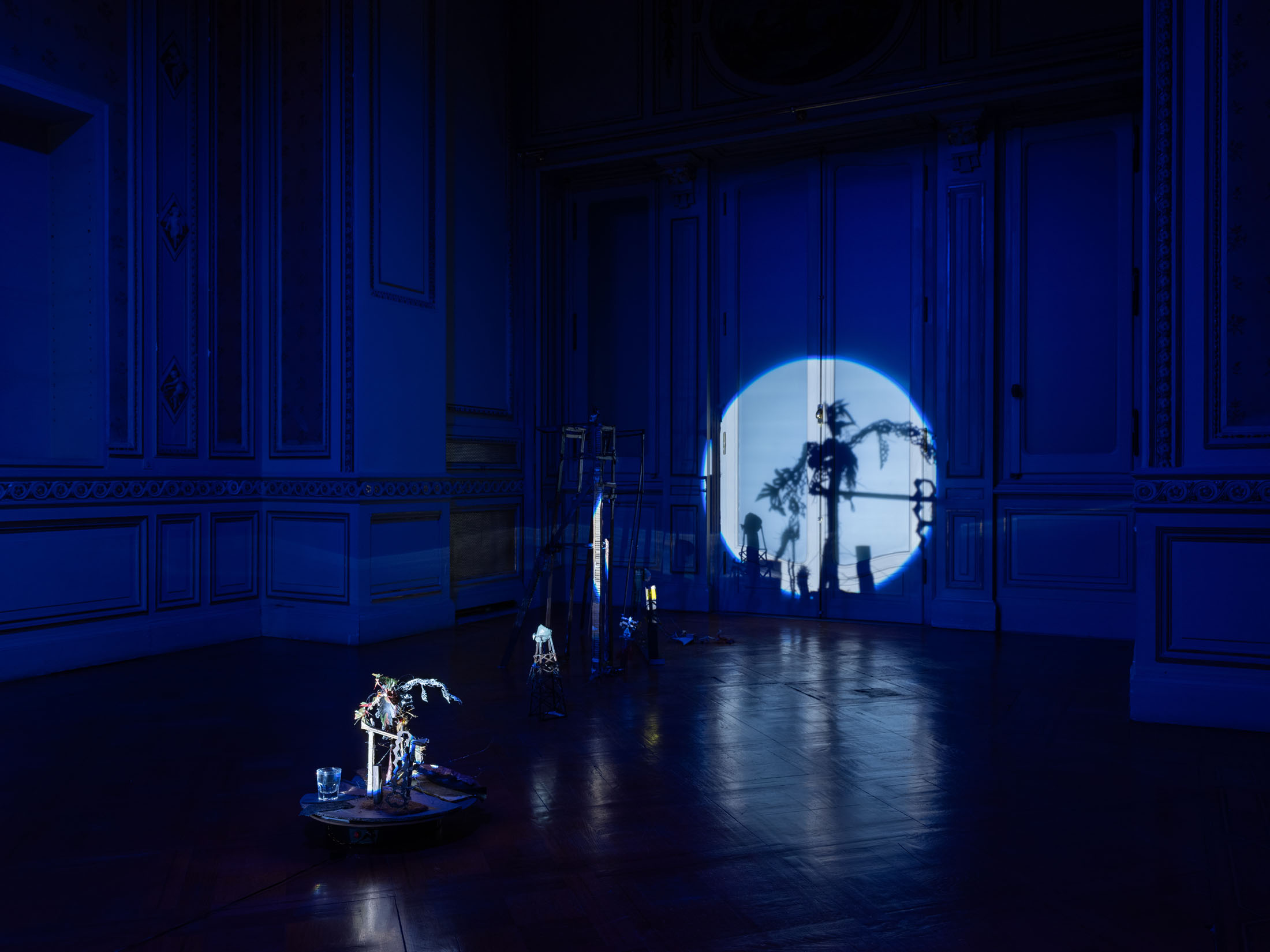
The exhibitionturns Villa Marainiinto film backstagesinspiredby the Atlas Studiosin Ouarzazate, Morocco, where from the 1980s onwards countless international film productions have stagedtheir visions of antiquity,empires,and exoticism.It unfolds as a sequence of environmentsthat evoke the apparatus of filmmaking—sets,costumes,lighting,and rehearsal spaces—while exposingthe mechanismsthrough which historyis constructed,staged and perpetuated over time.
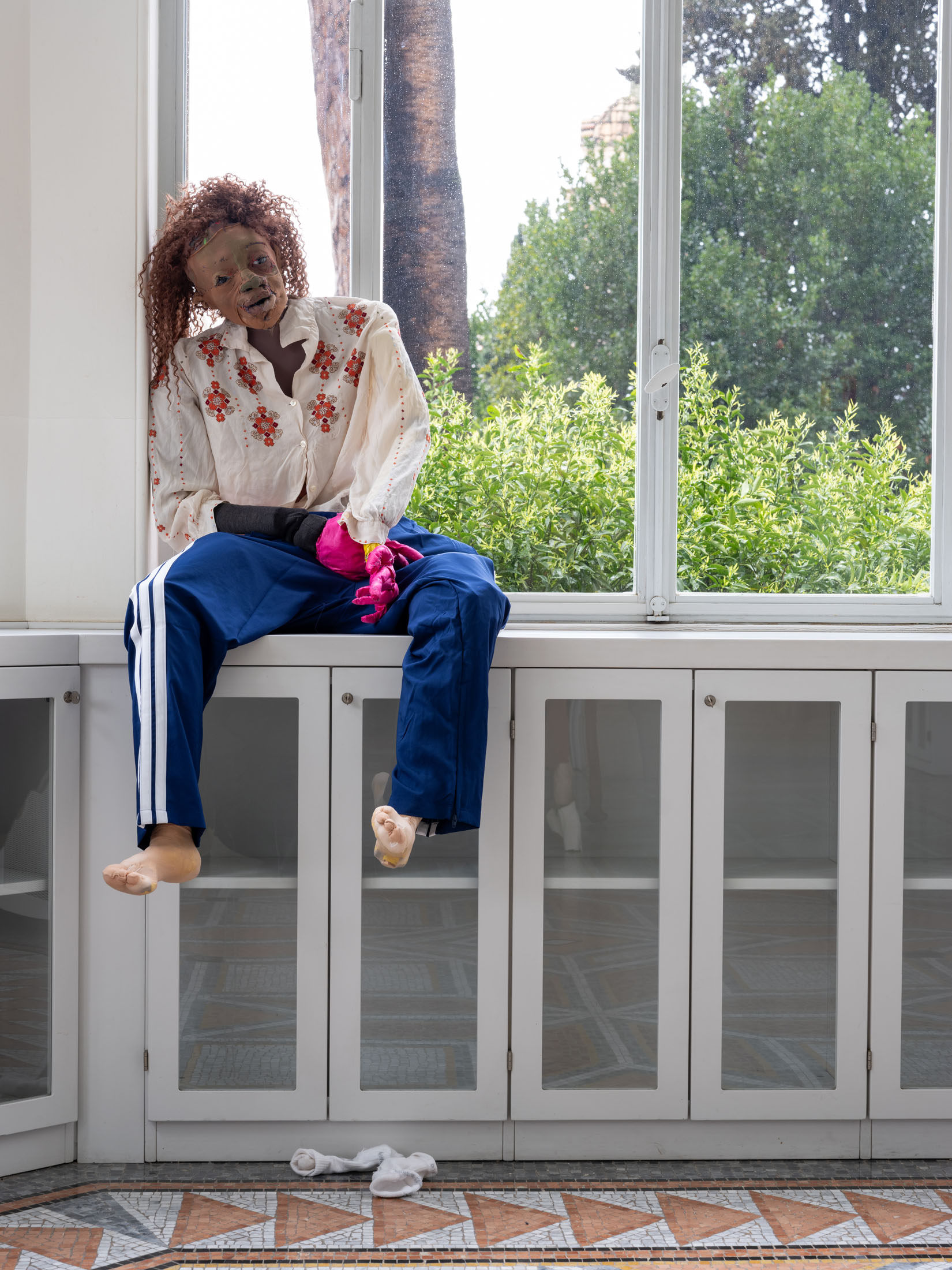
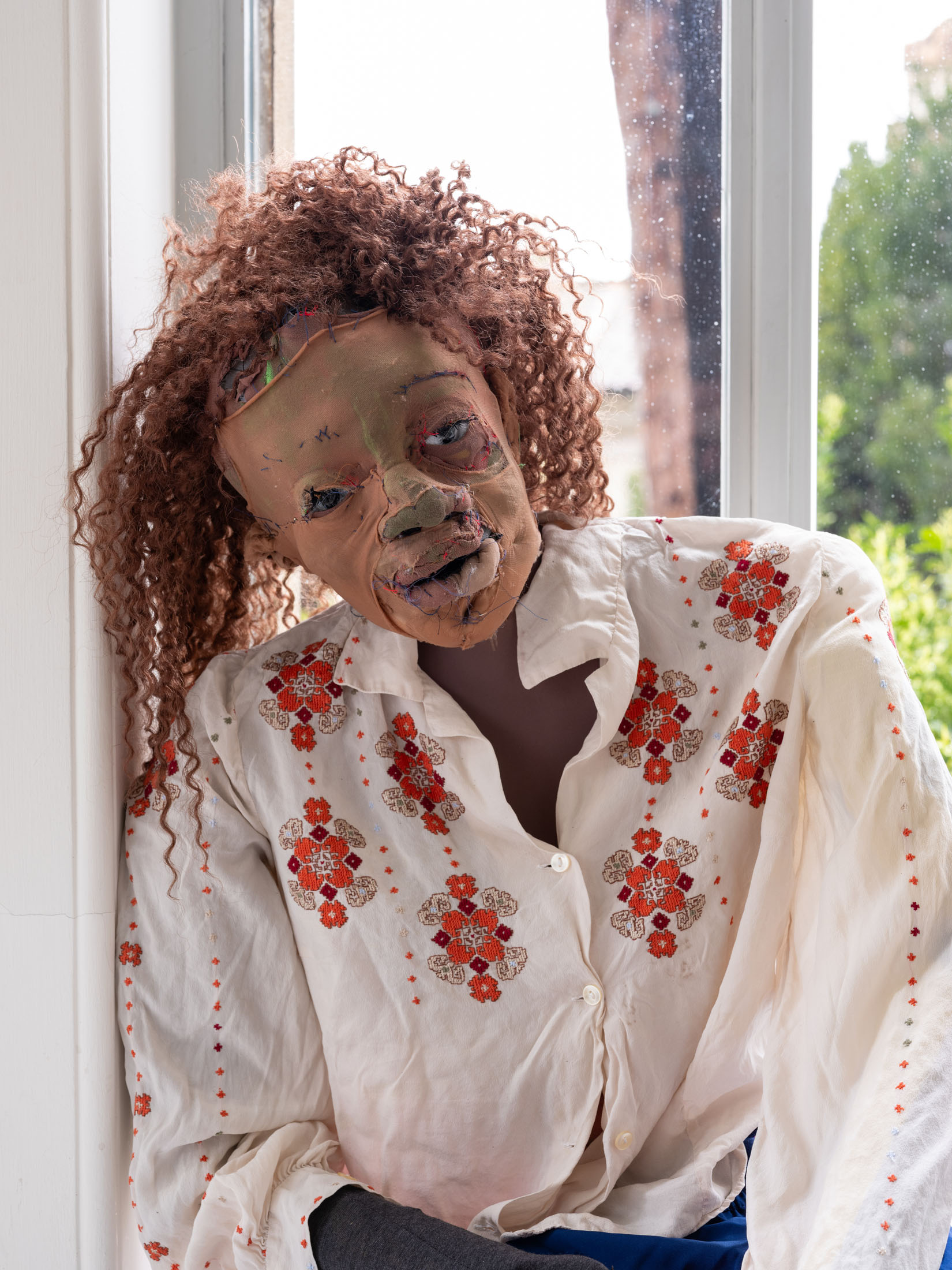
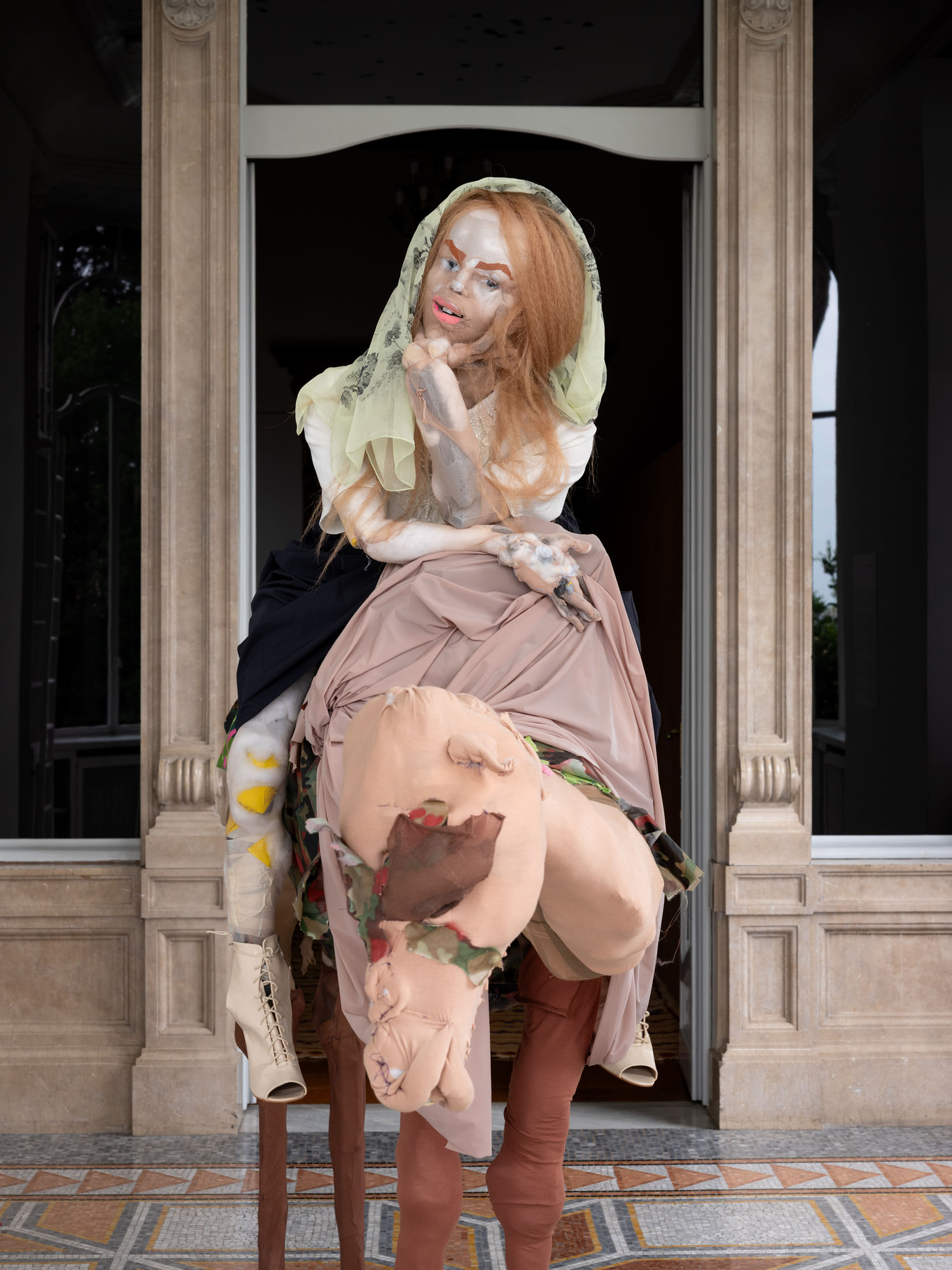
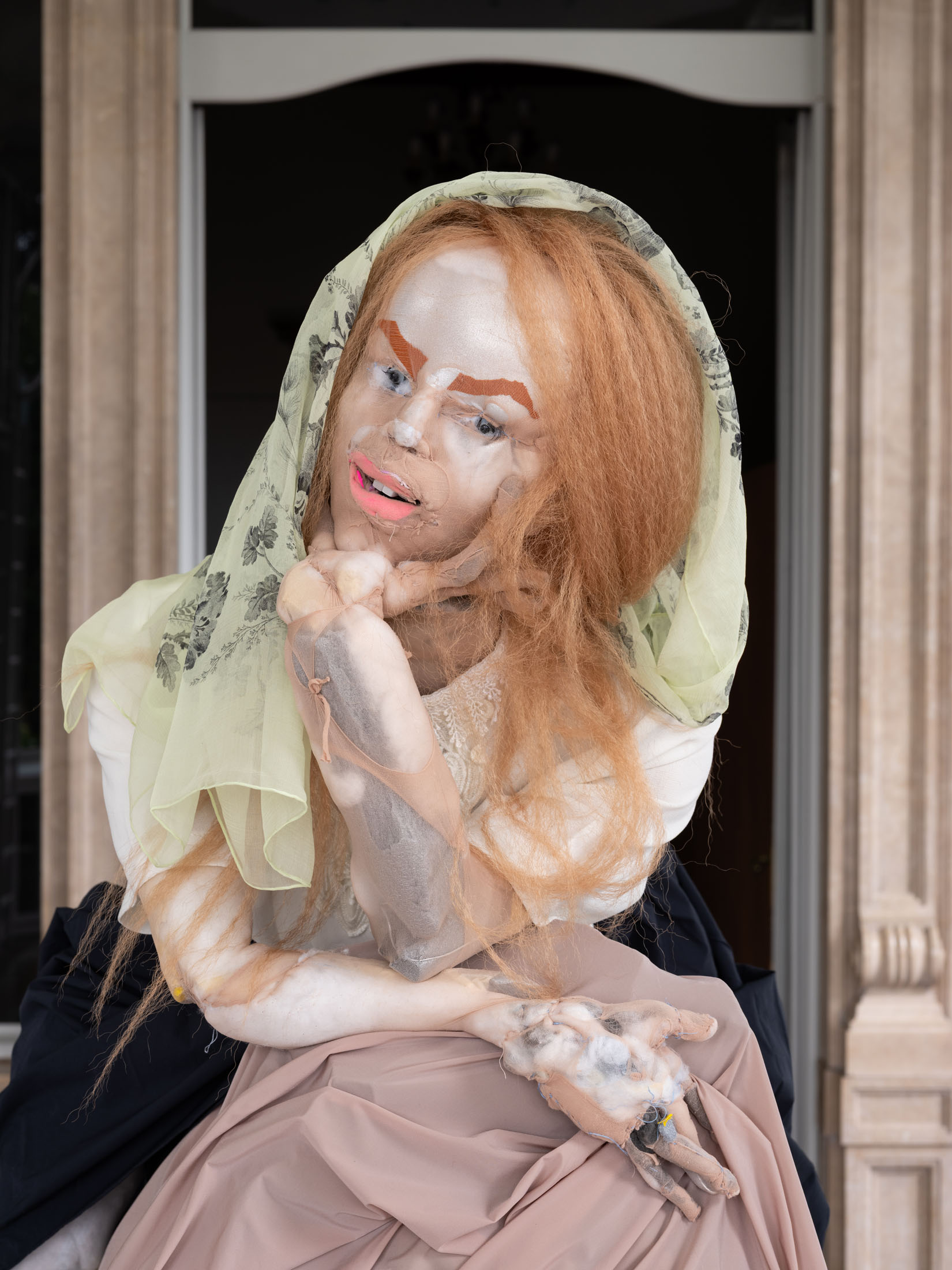
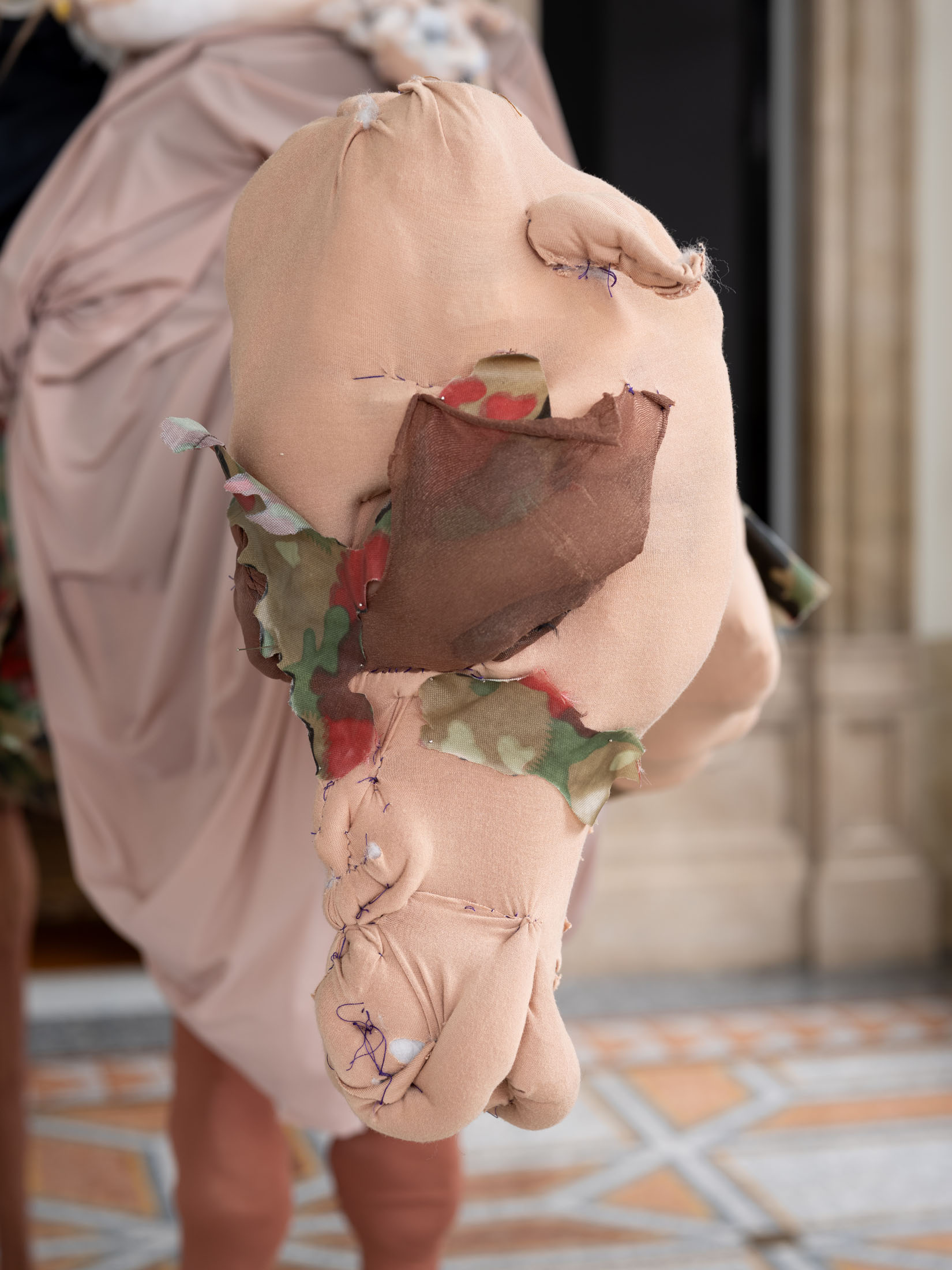
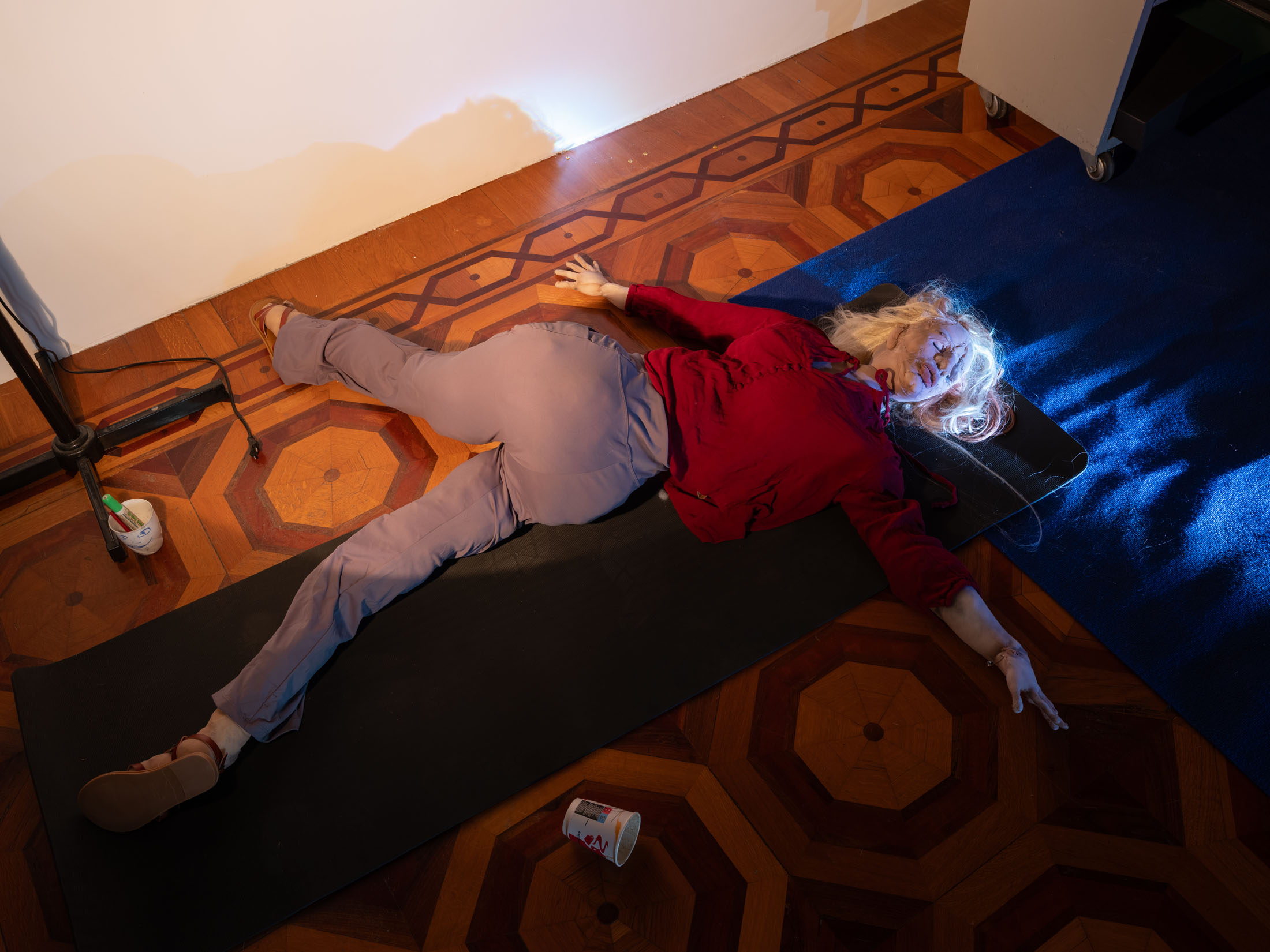
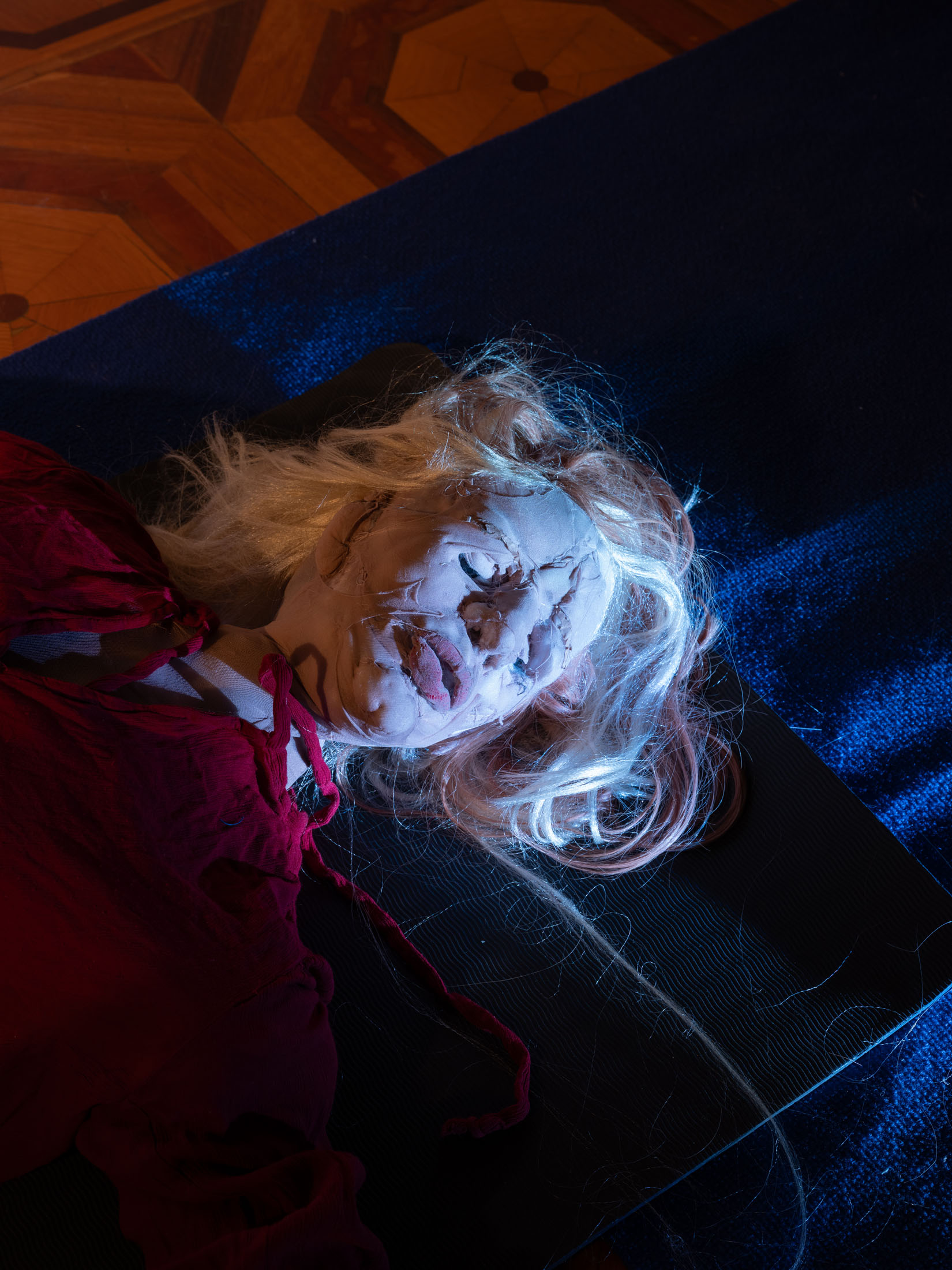
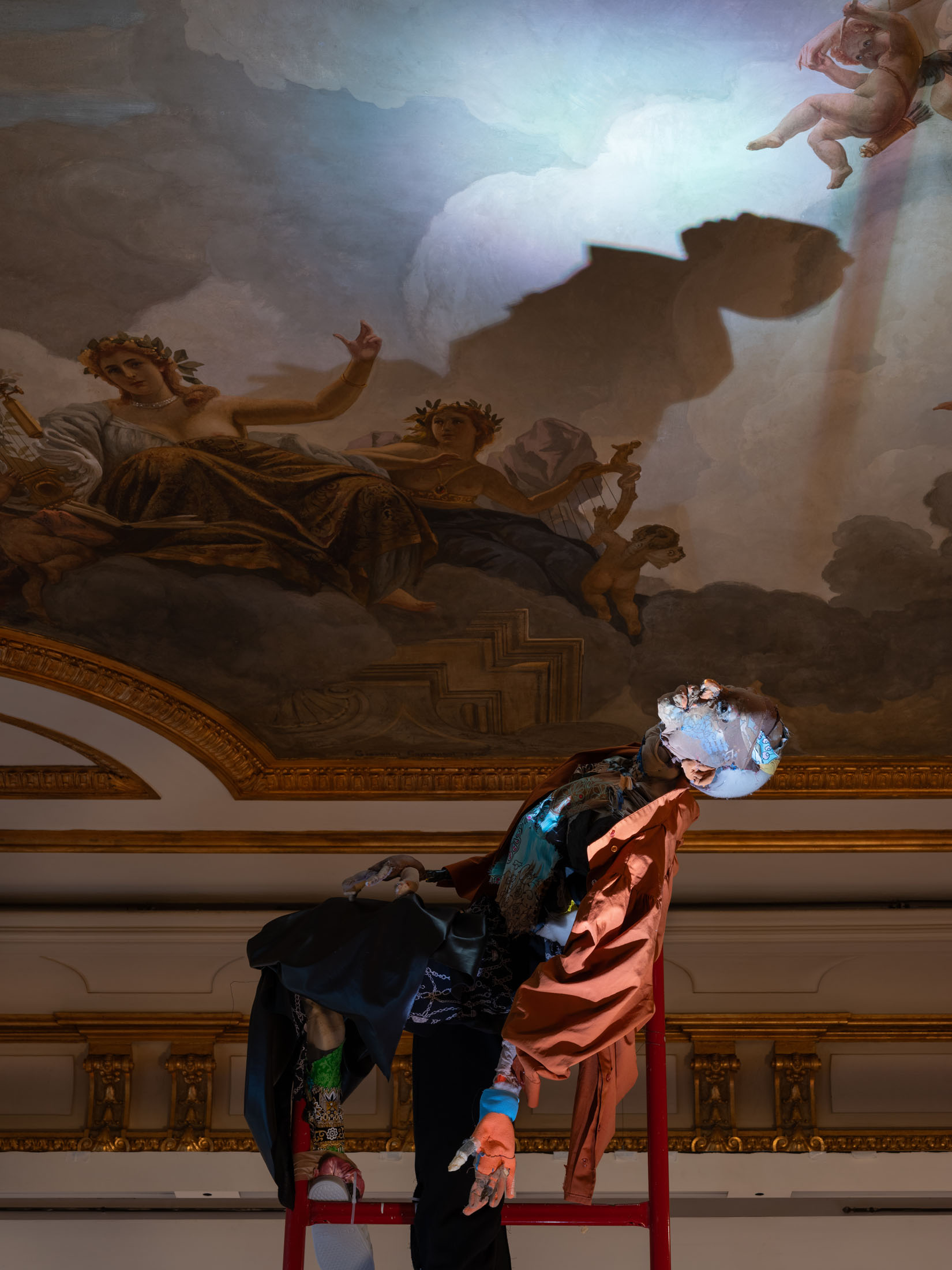
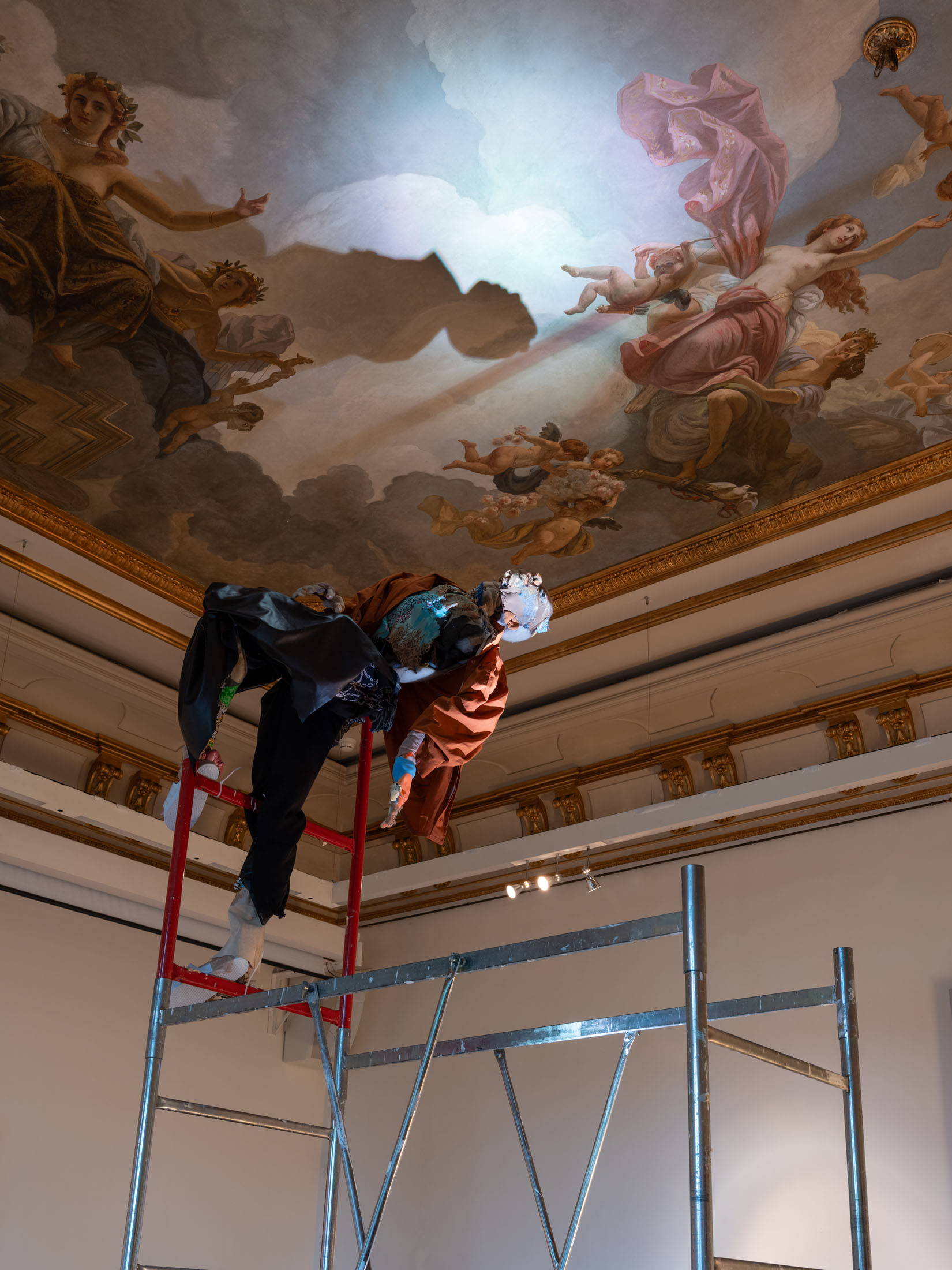
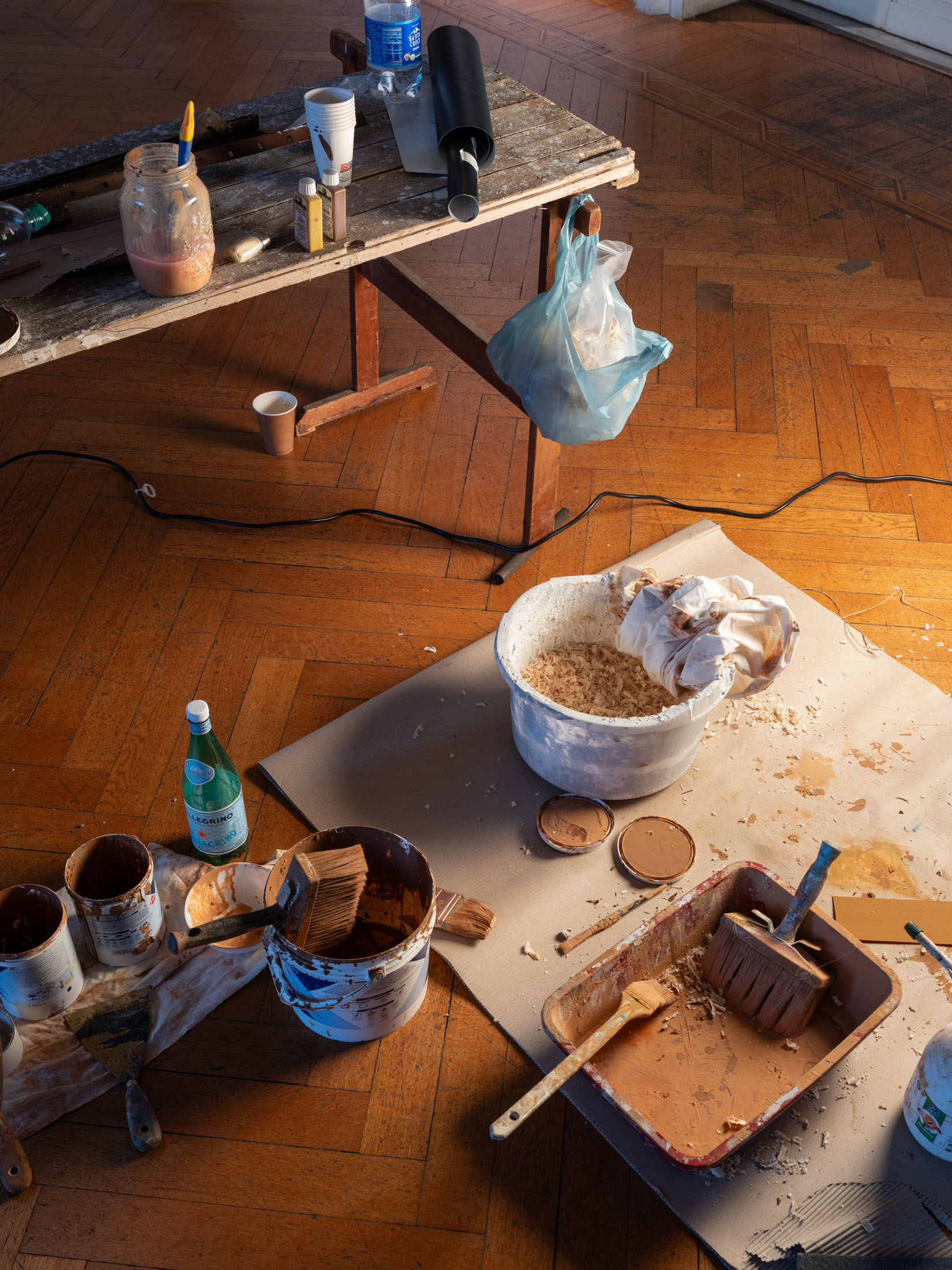
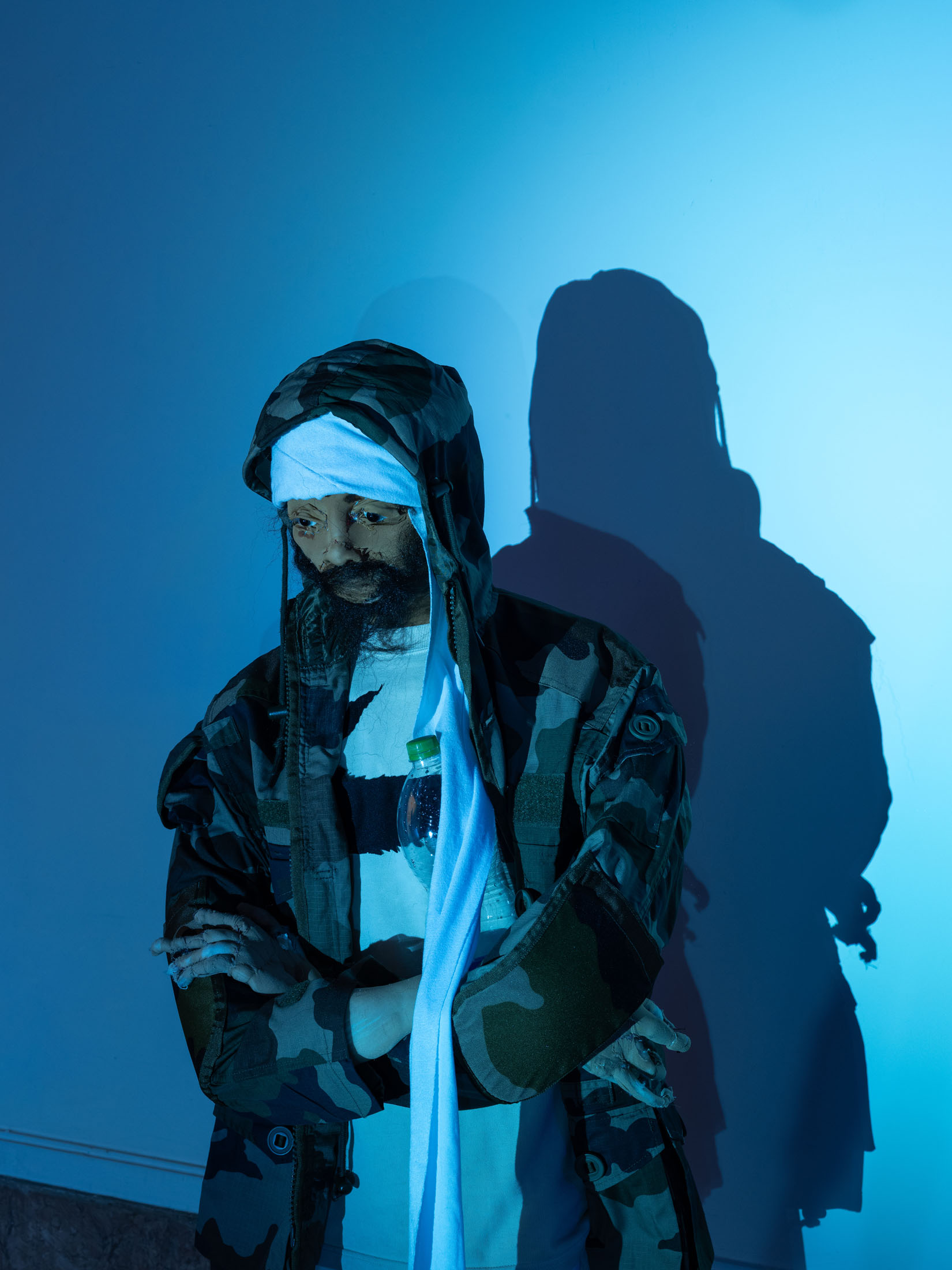
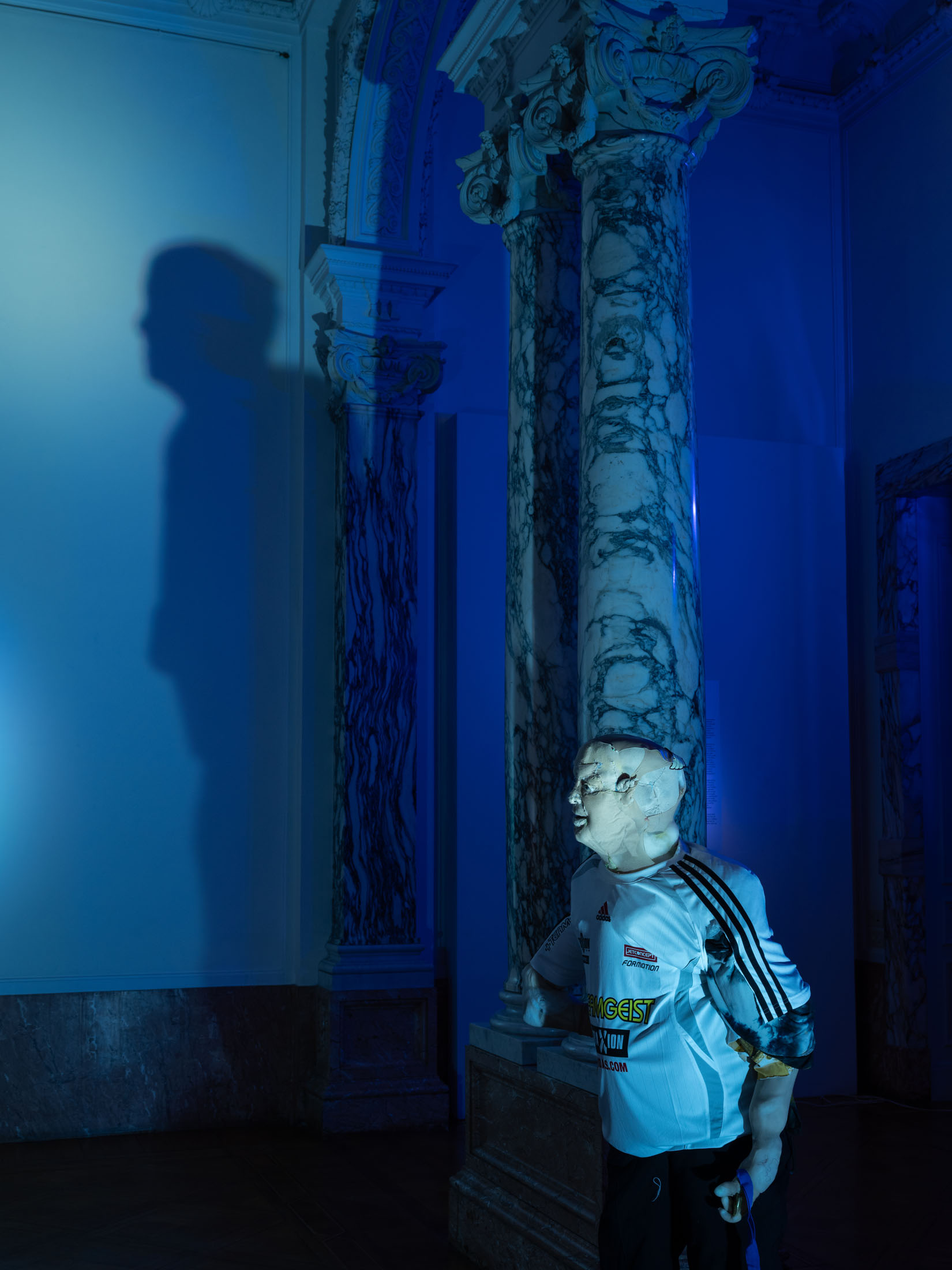
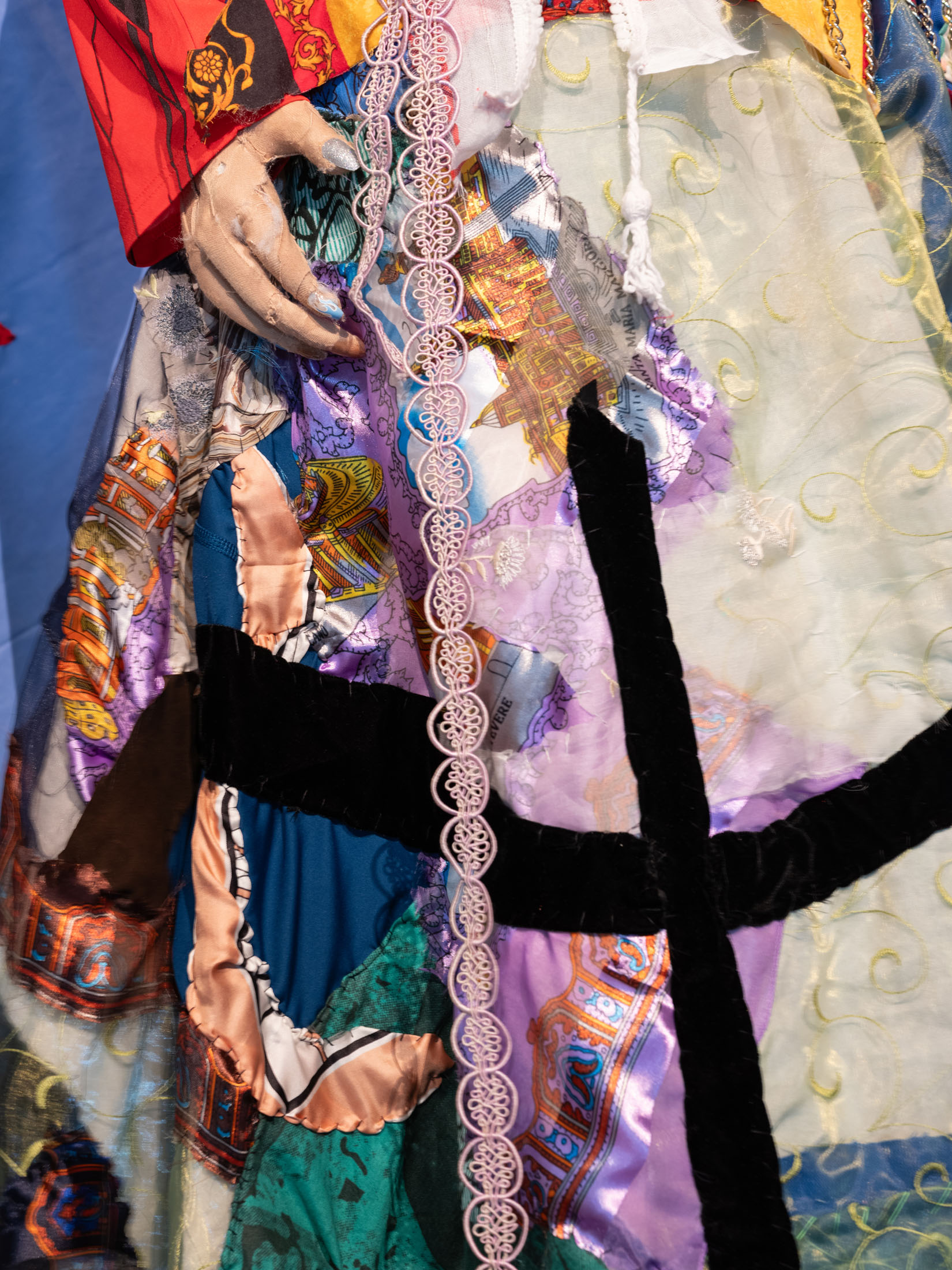
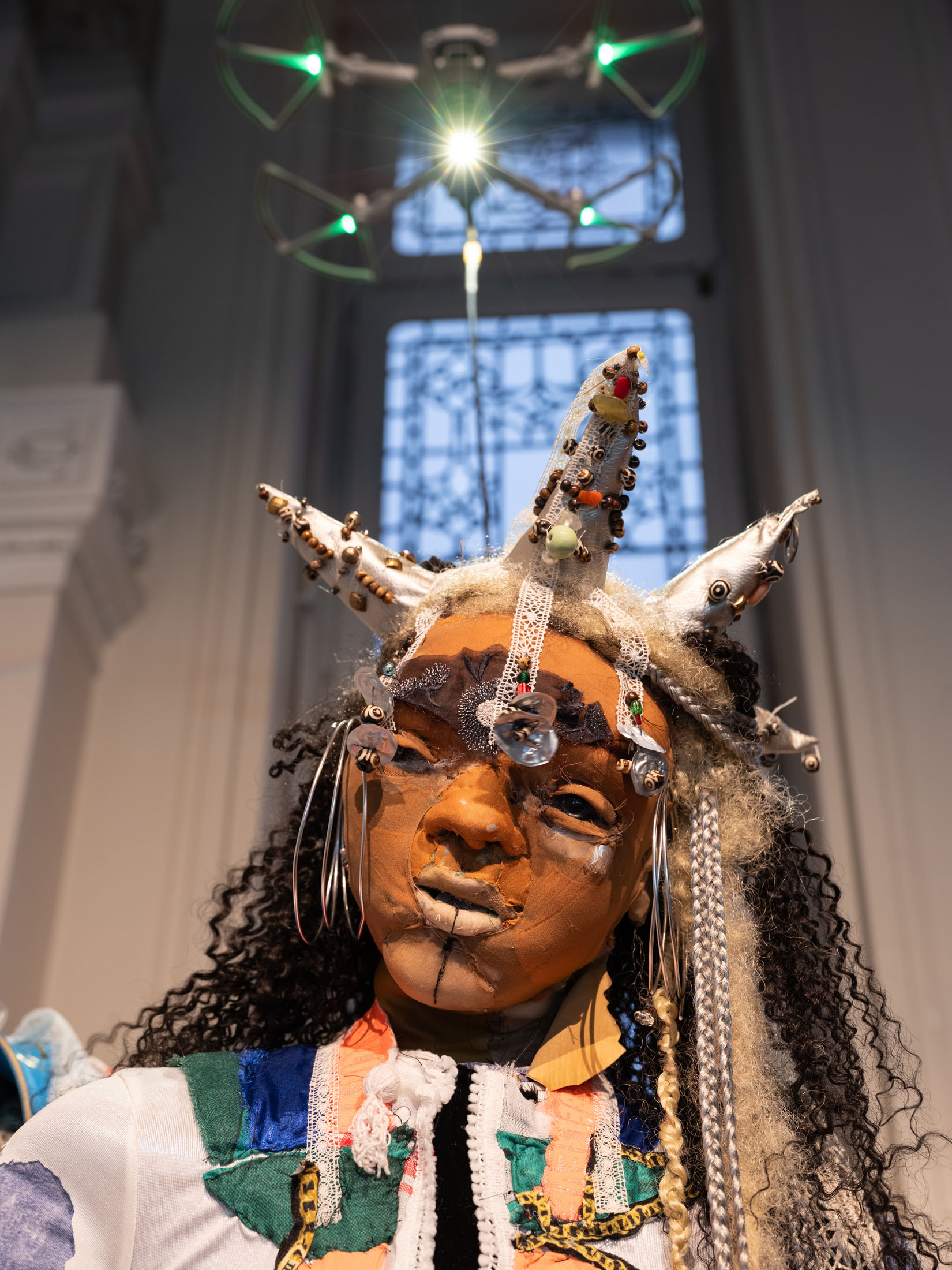
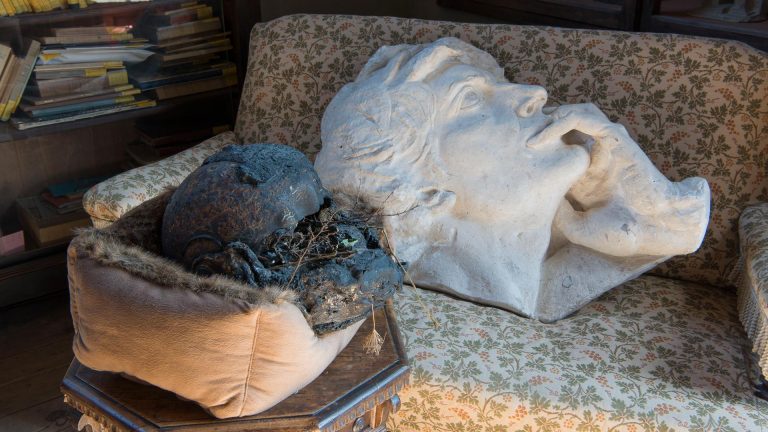
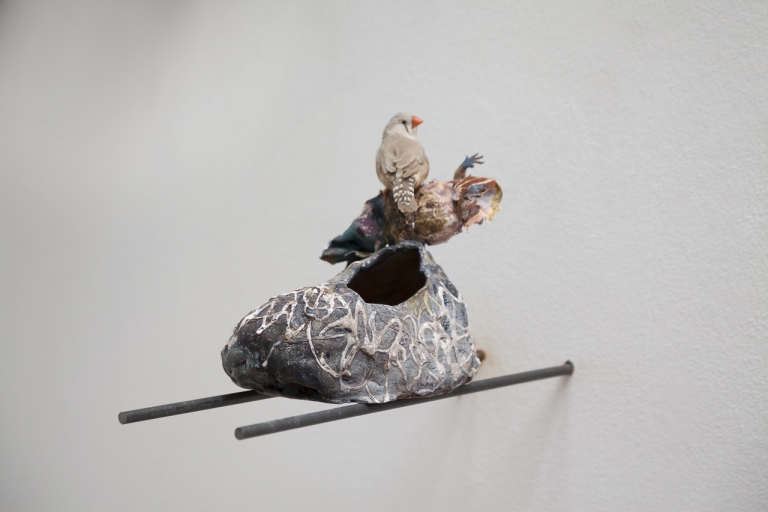
Central to the exhibitionare Wiersch’sprotagonists,doll-likefigureswho embodyhybrid,unstable identities.Neitherfully animate nor inanimate,these characters bear the marks of migration,trauma and conflict.Placed withinconstructedsets, they oscillatebetweenhistoricalfigures,hired actors, and exhibitionvisitors: as you walk throughthe villa’s rooms you may come across Kahina, the legendary Amazigh queen, or a workerrepaintingthe villa’s frescoes,or Gertrude Bell with her camel loosely resembling Nicole Kidman in QueenoftheDesert. Confrontingthe viewer’s gaze, the characters reflect back inherited narratives of powerand otherness,revealing how identities are continuouslyproduced through repetition,performance, and institutional frameworks.
– Curated by Lucrezia Calabrò Visconti (Head CuratorIstituto Svizzero)