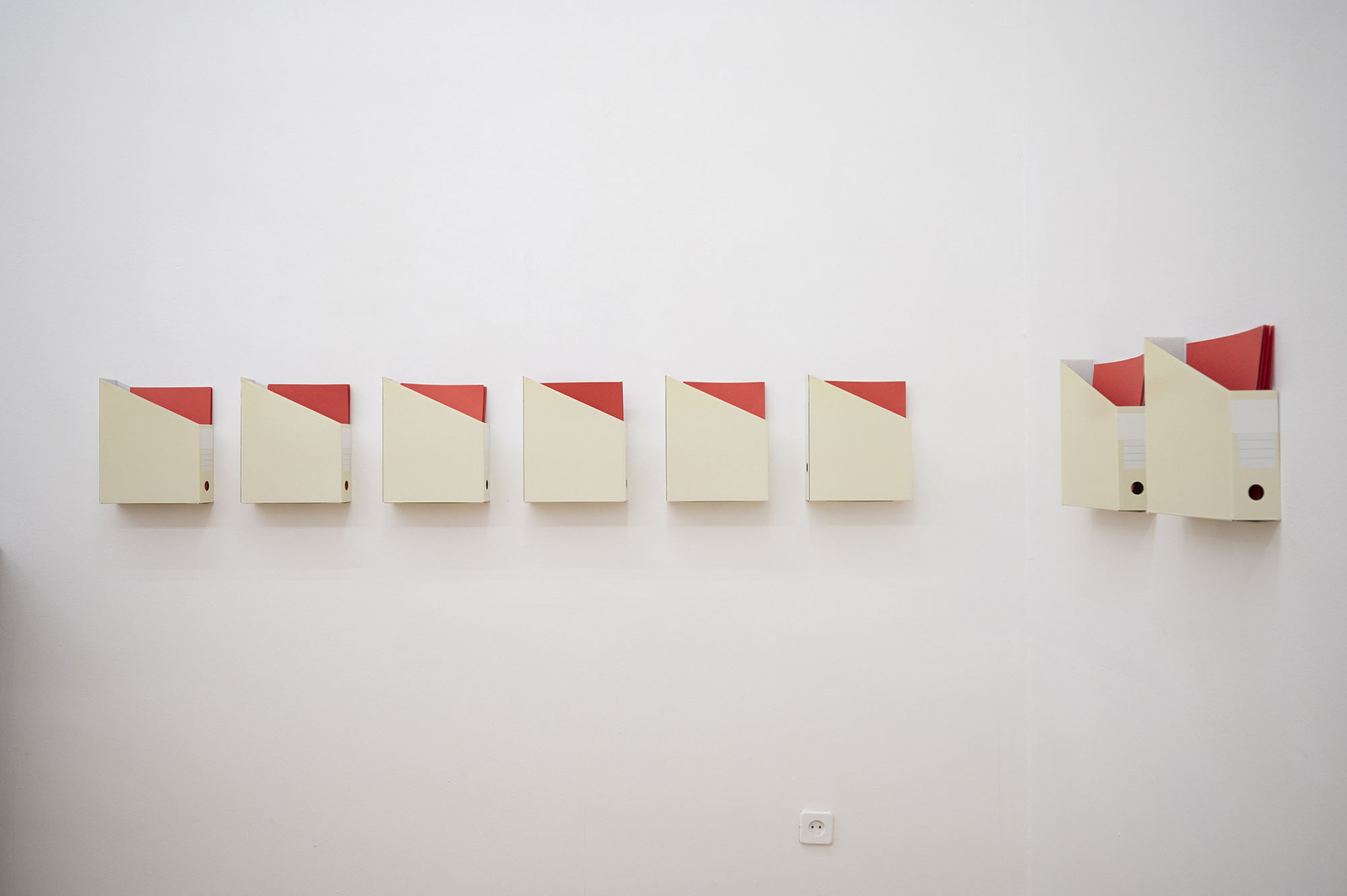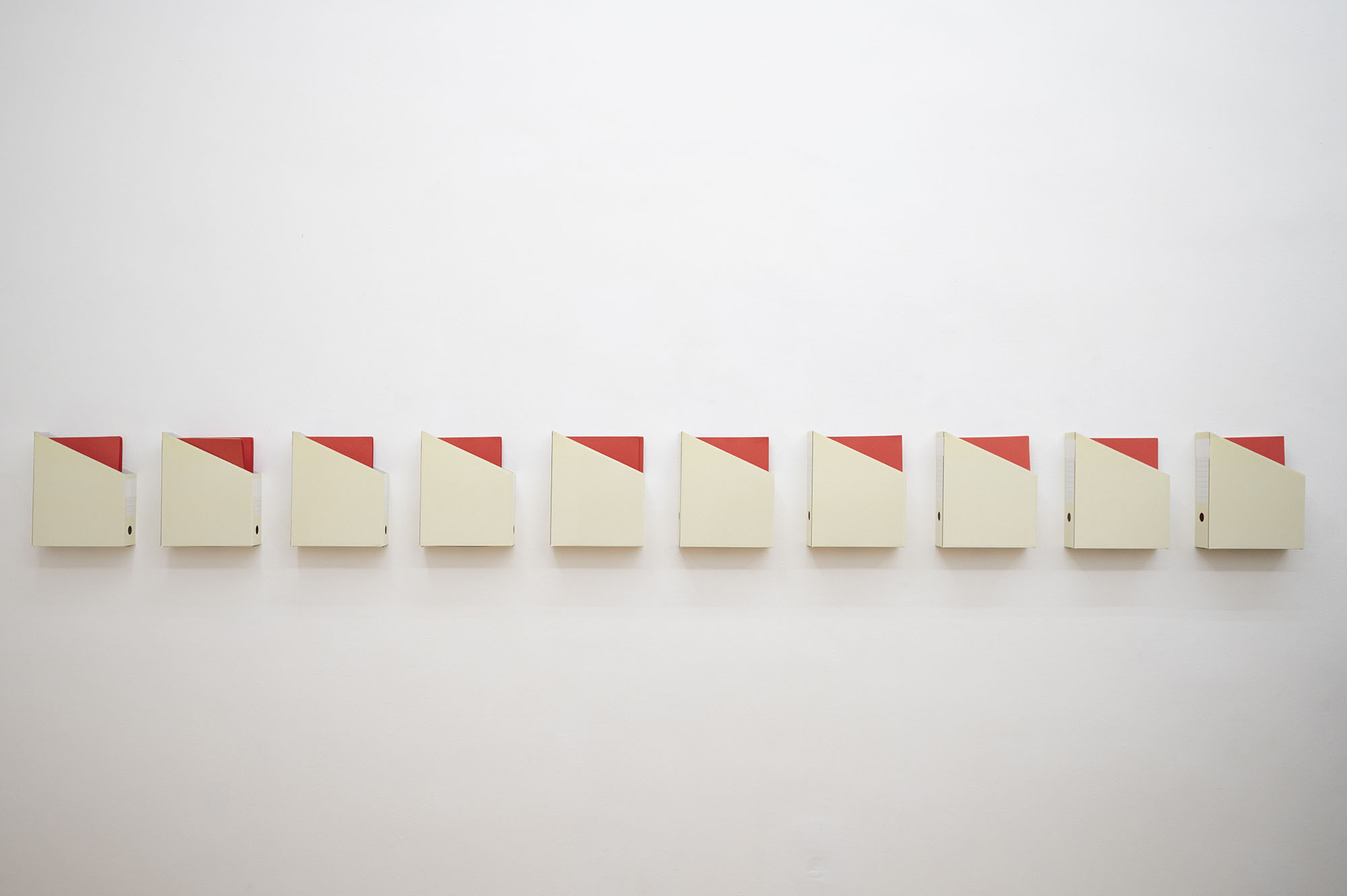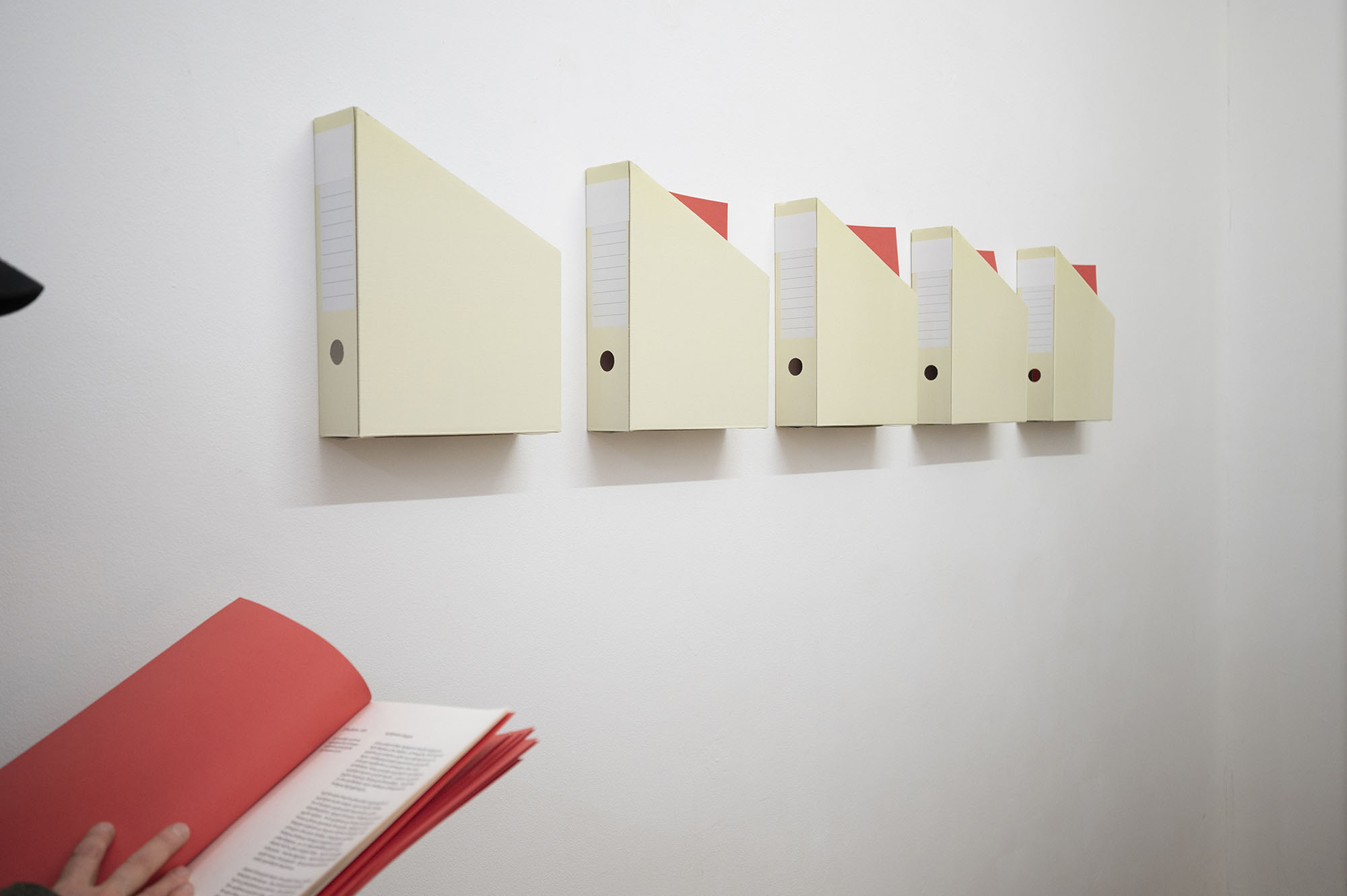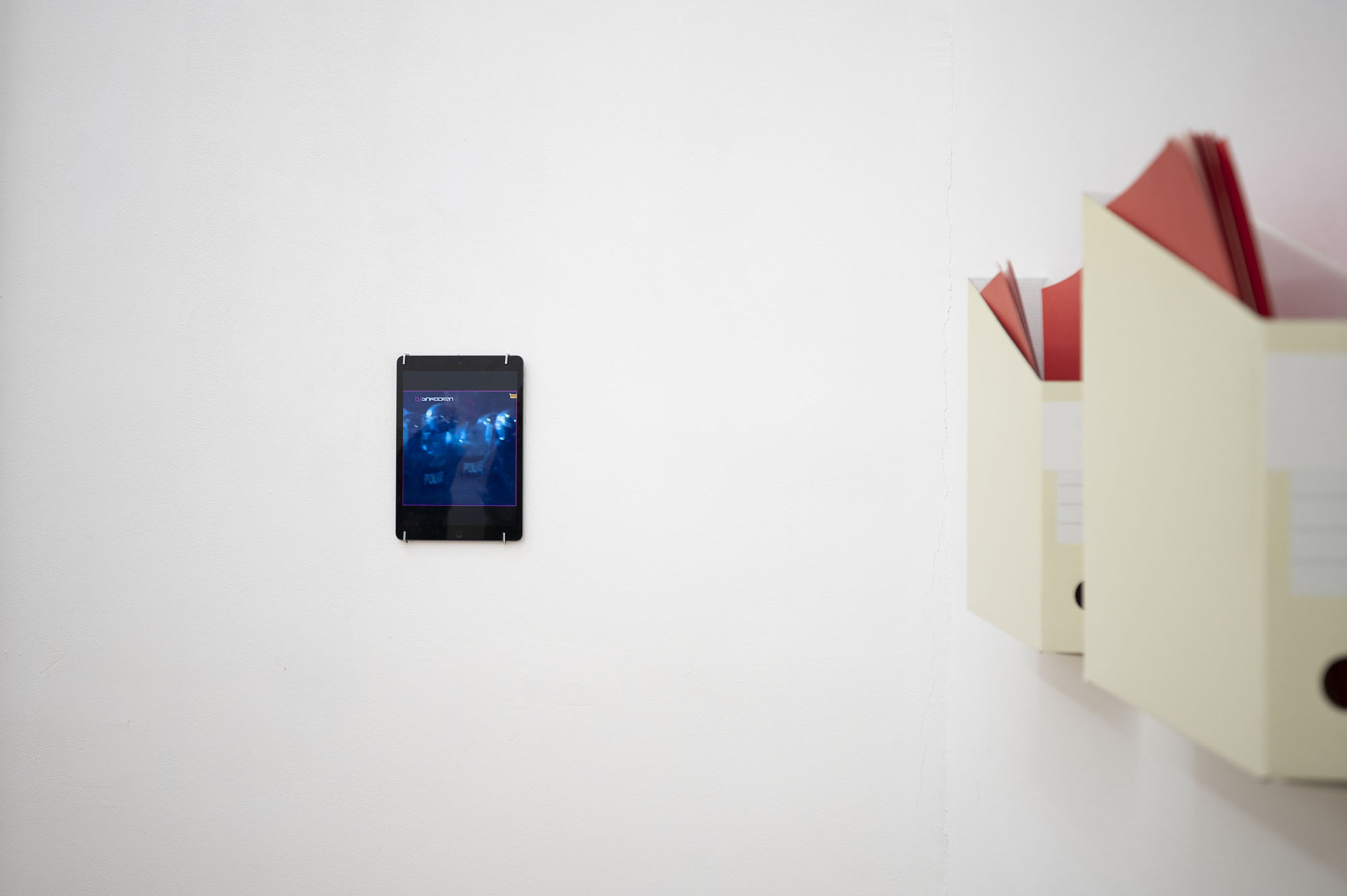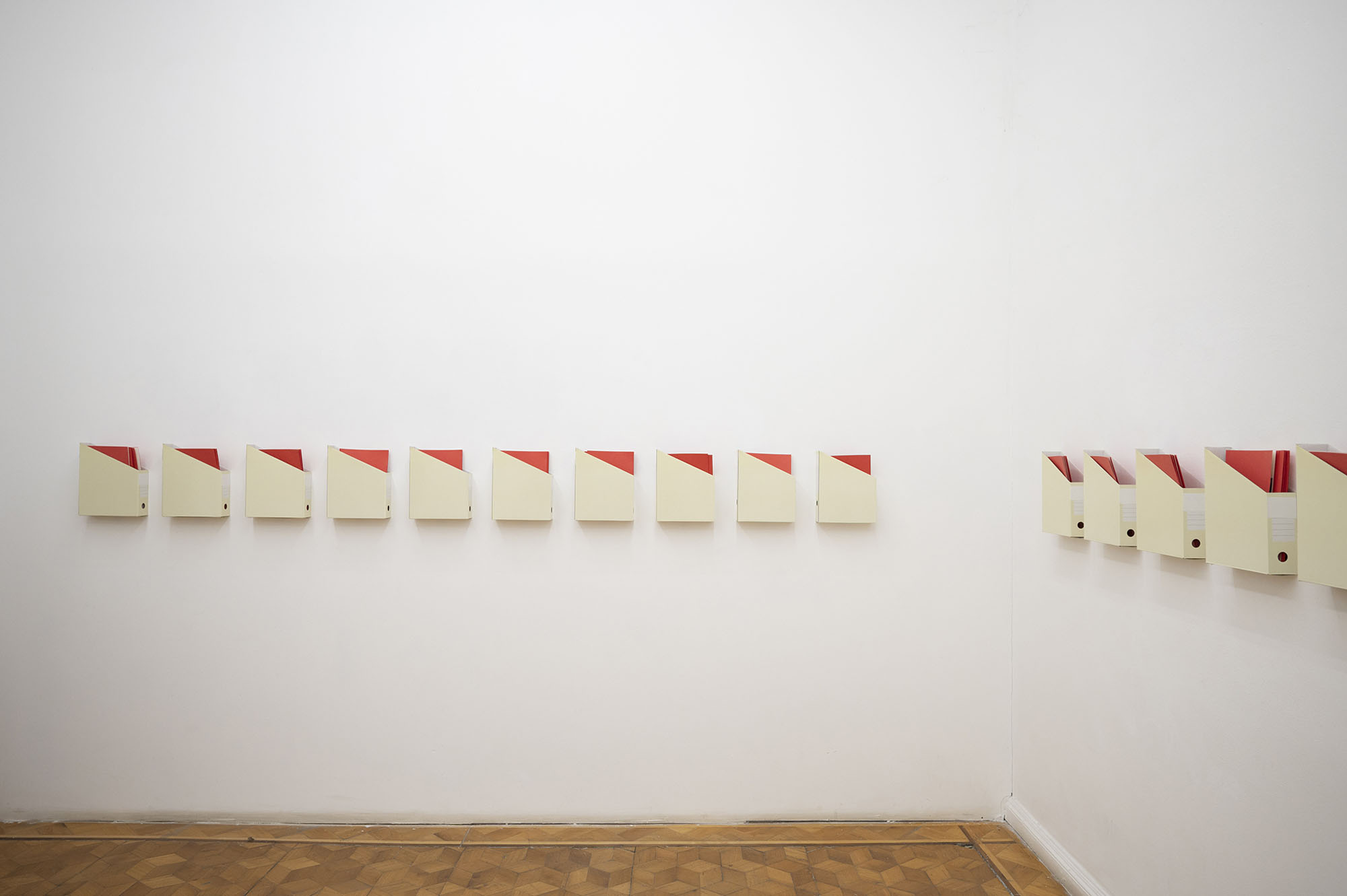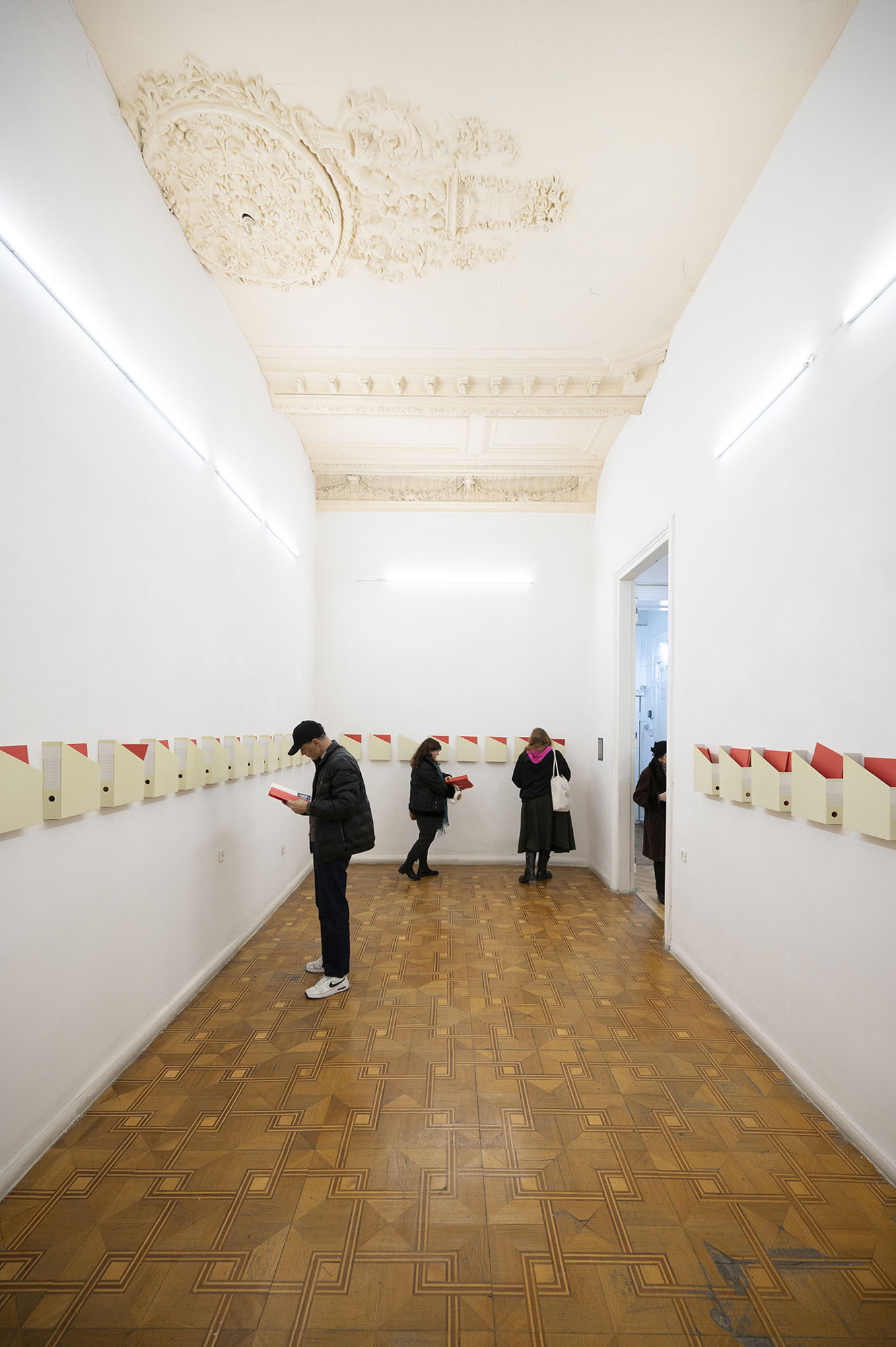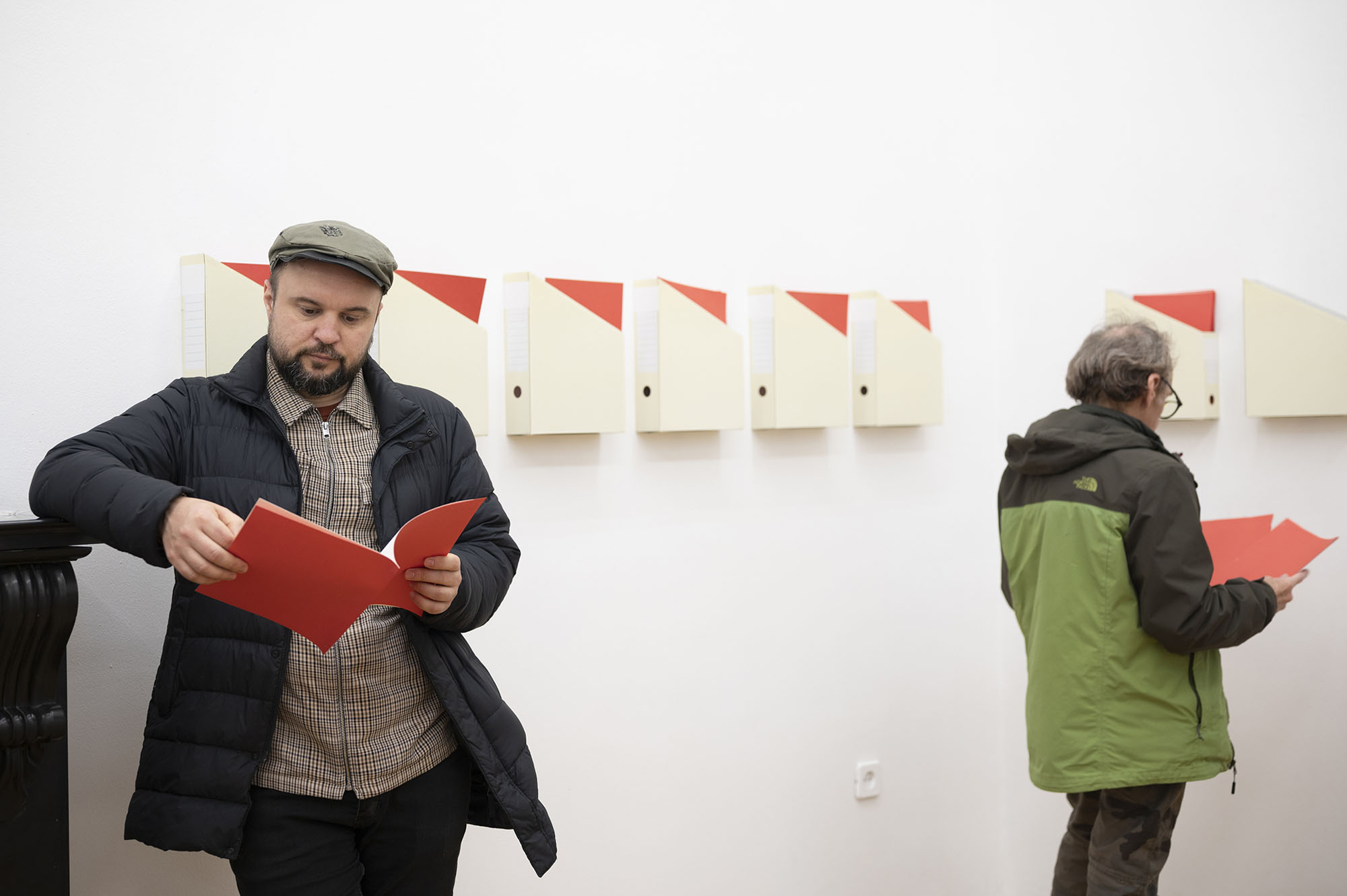
Gallery Bukia Vakhania presents Koka Vashakidze’s multimedia project, Daughters of Maro: Chronicles of Georgian Women Political Resistance 2024–2025.
Daughters of Maro is an archive-based spatial work that responds to the ongoing protest movements in Georgia during 2024–2025. The project presents women’s political resistance within the context of contemporary Georgian reality through a documentary lens.
The multimedia installation invites viewers to reflect on Georgia’s recent political developments from the perspective of women’s resistance not merely as a chronological sequence of protests, but as a process through which resistance gradually takes on a distinctly feminine form. By employing an archival framework, the work explores how this form emerges over time and how a collective portrait of women’s political resistance is formed through the convergence of diverse personal experiences.
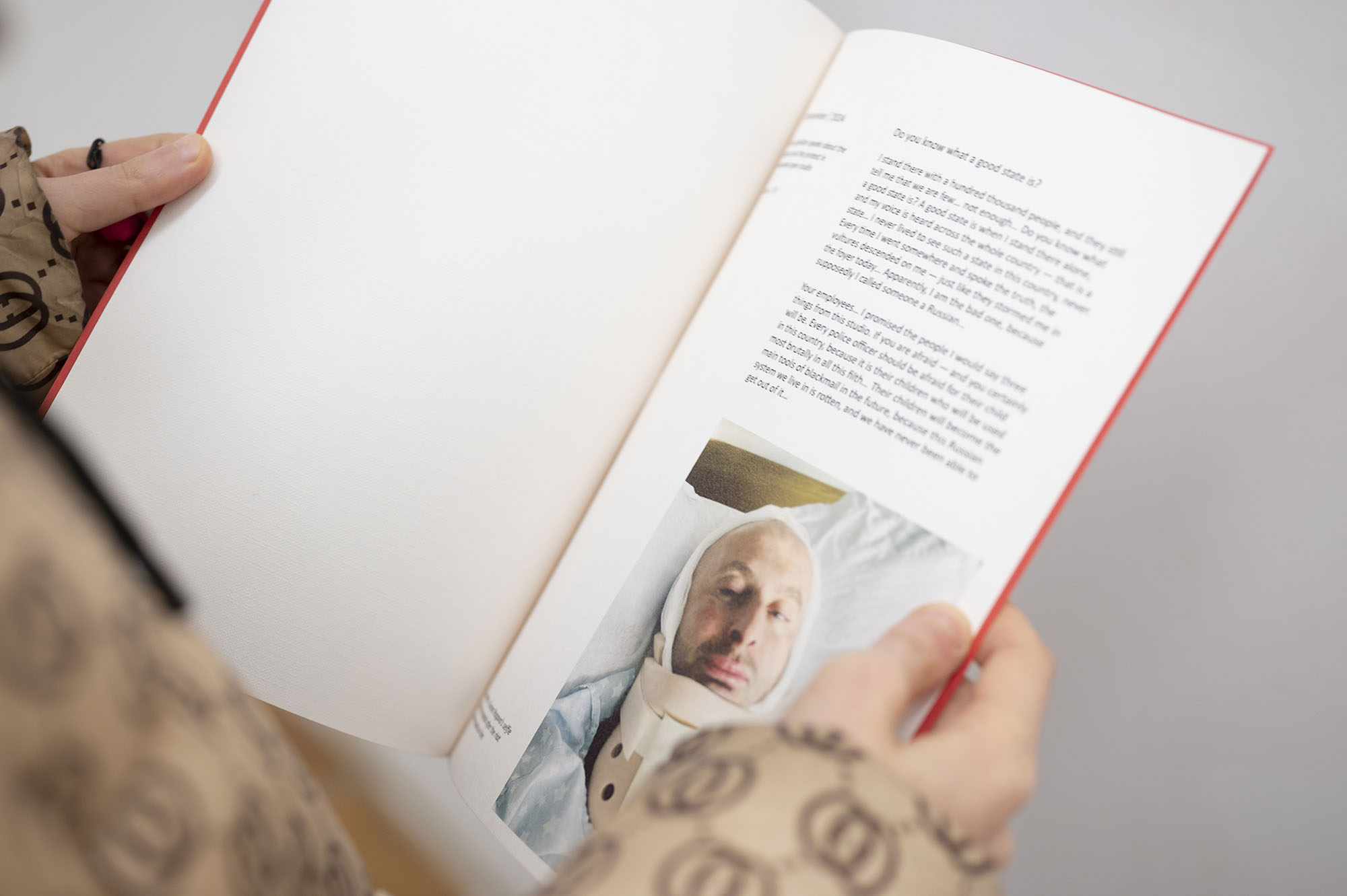
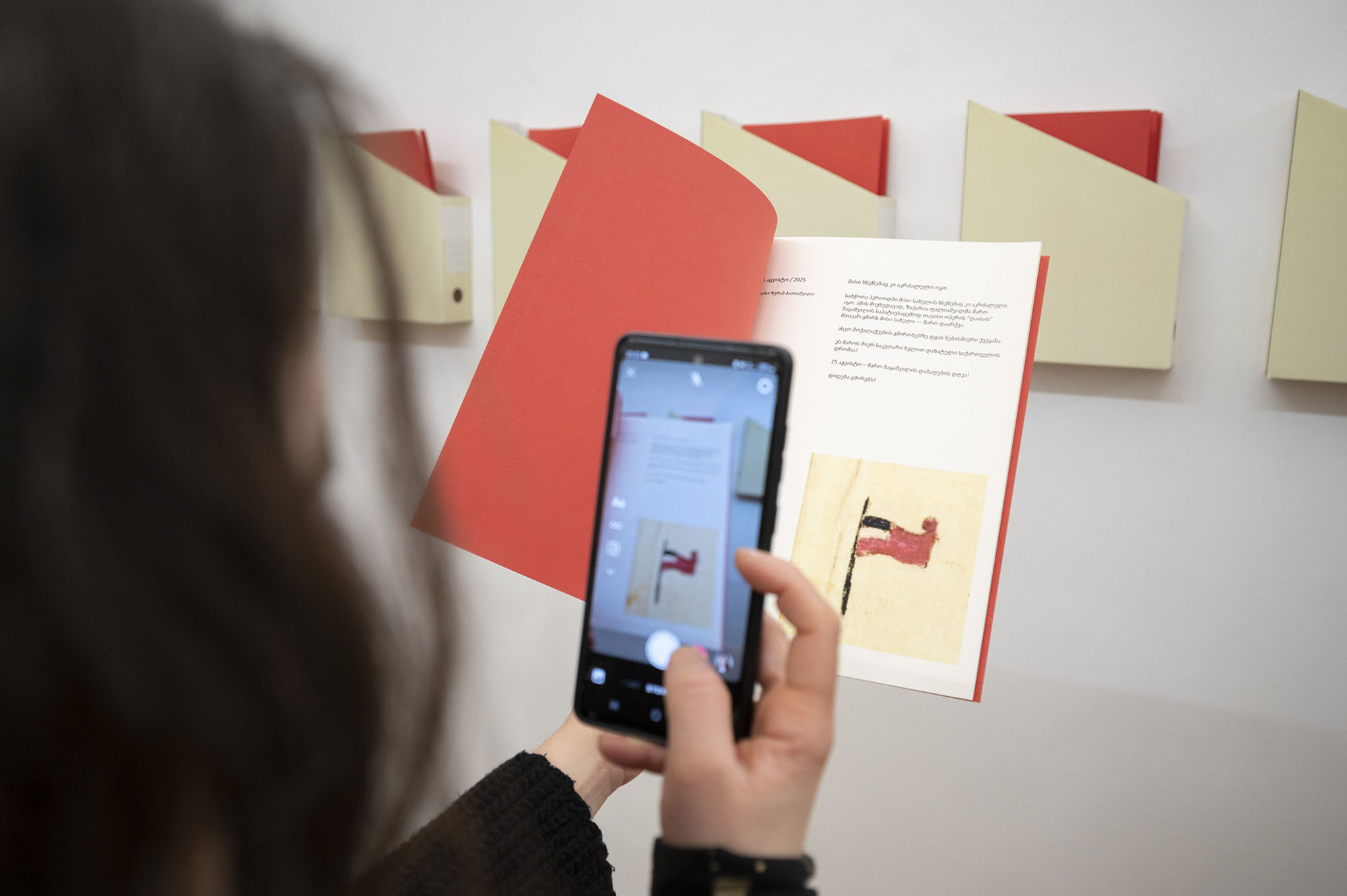
The project is based on visual and textual materials disseminated over the course of a year through media outlets and the personal platforms of direct participants. These materials including photographs, video footage, personal notes, social media posts, and public statements collectively construct a shared image of women’s political resistance.
Within this context, the project’s title acquires particular significance. On one hand, it is tied to the collective memory of women’s resistance; on the other, it underscores a sense of historical continuity. This symbolic thread is connected to the figure of Maro Makashvili, a 19-year-old nurse who died on the front line during the Red Army’s invasion of Georgia in 1921. Today, her name is regarded as one of the enduring symbols of political resistance and historical memory.
It is also symbolic that the epicenter of the current protest movement has emerged precisely in the space where Maro Makashvili is buried-on the steps of the Georgian Parliament building.
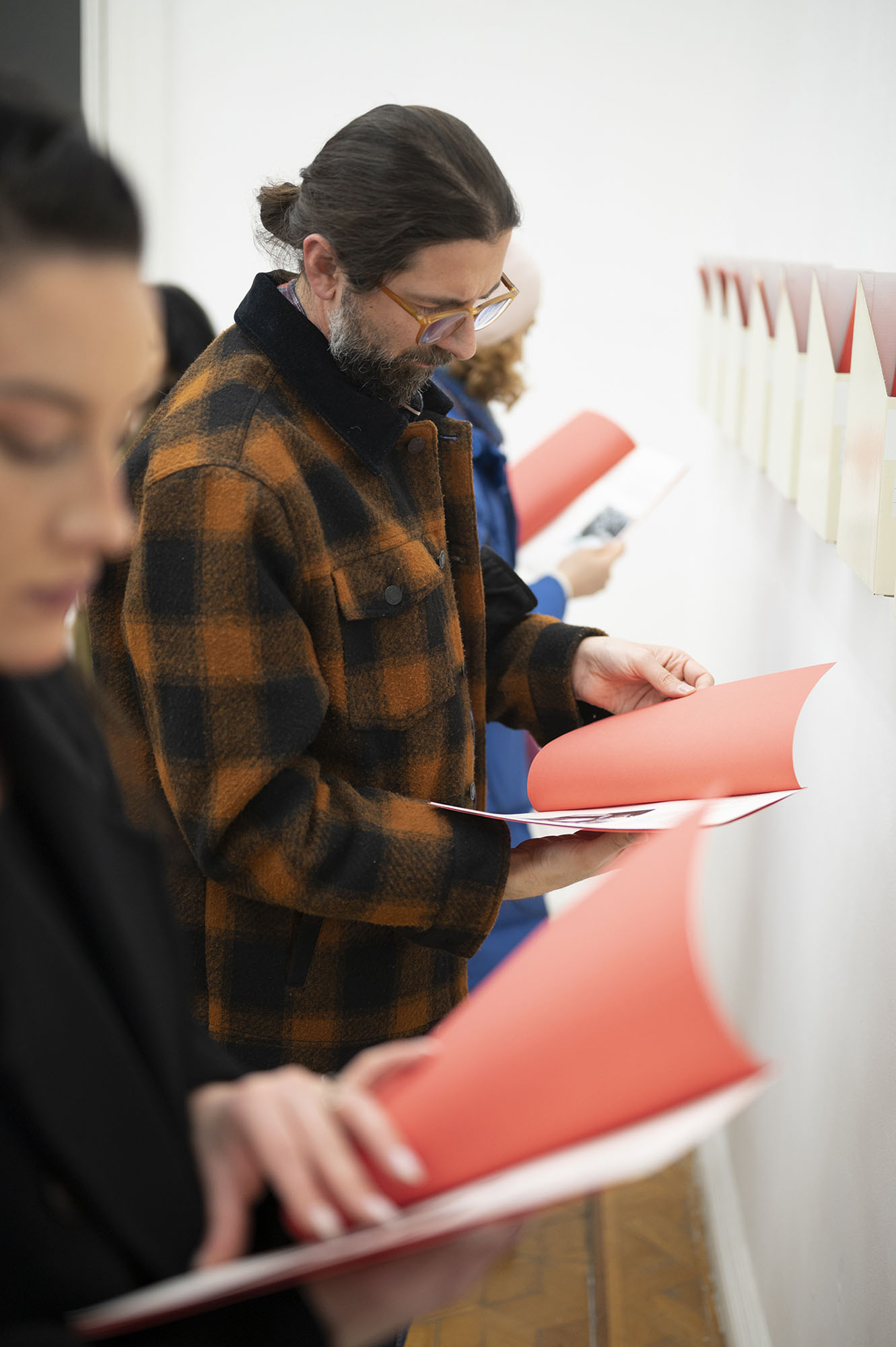
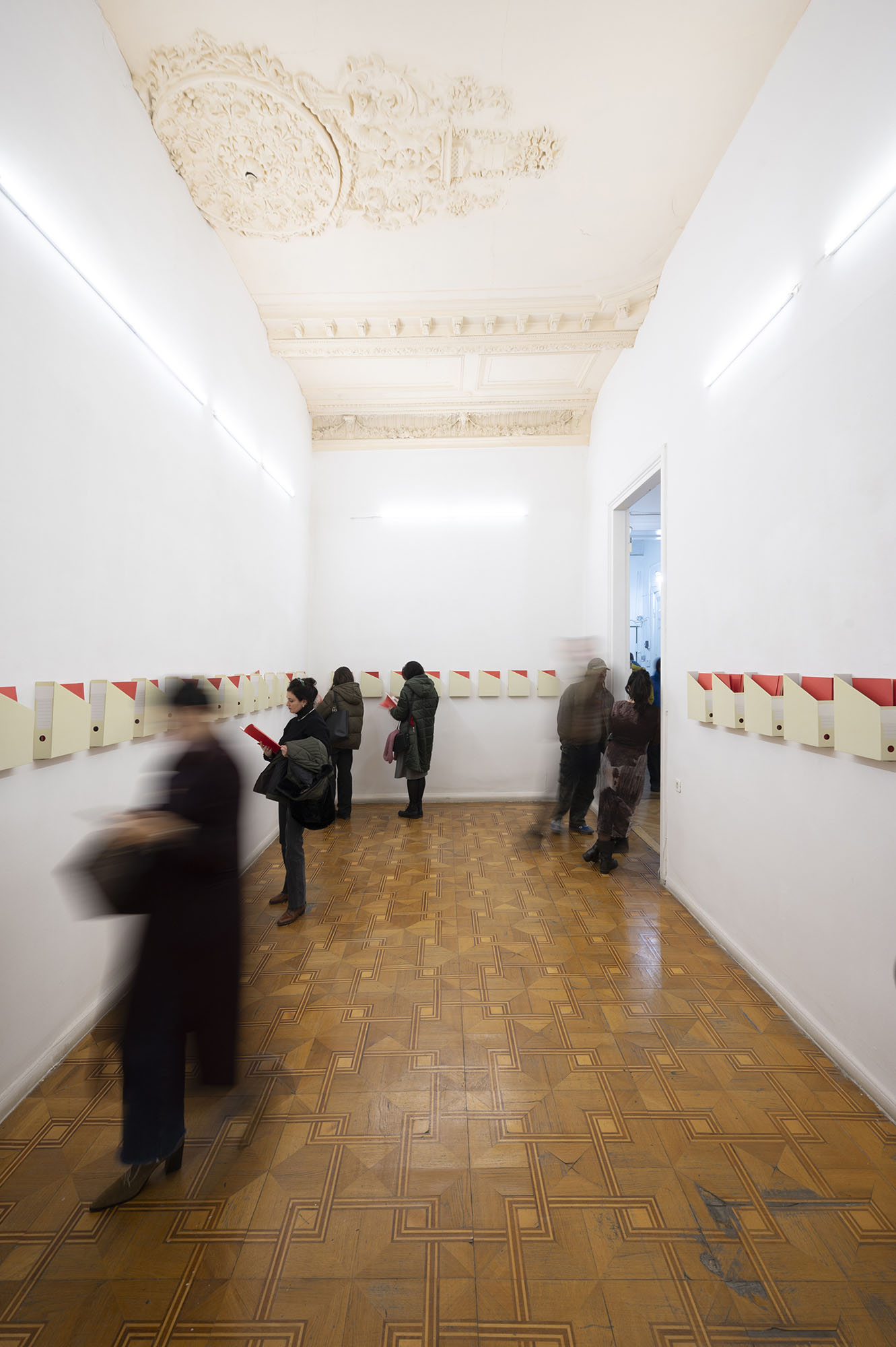
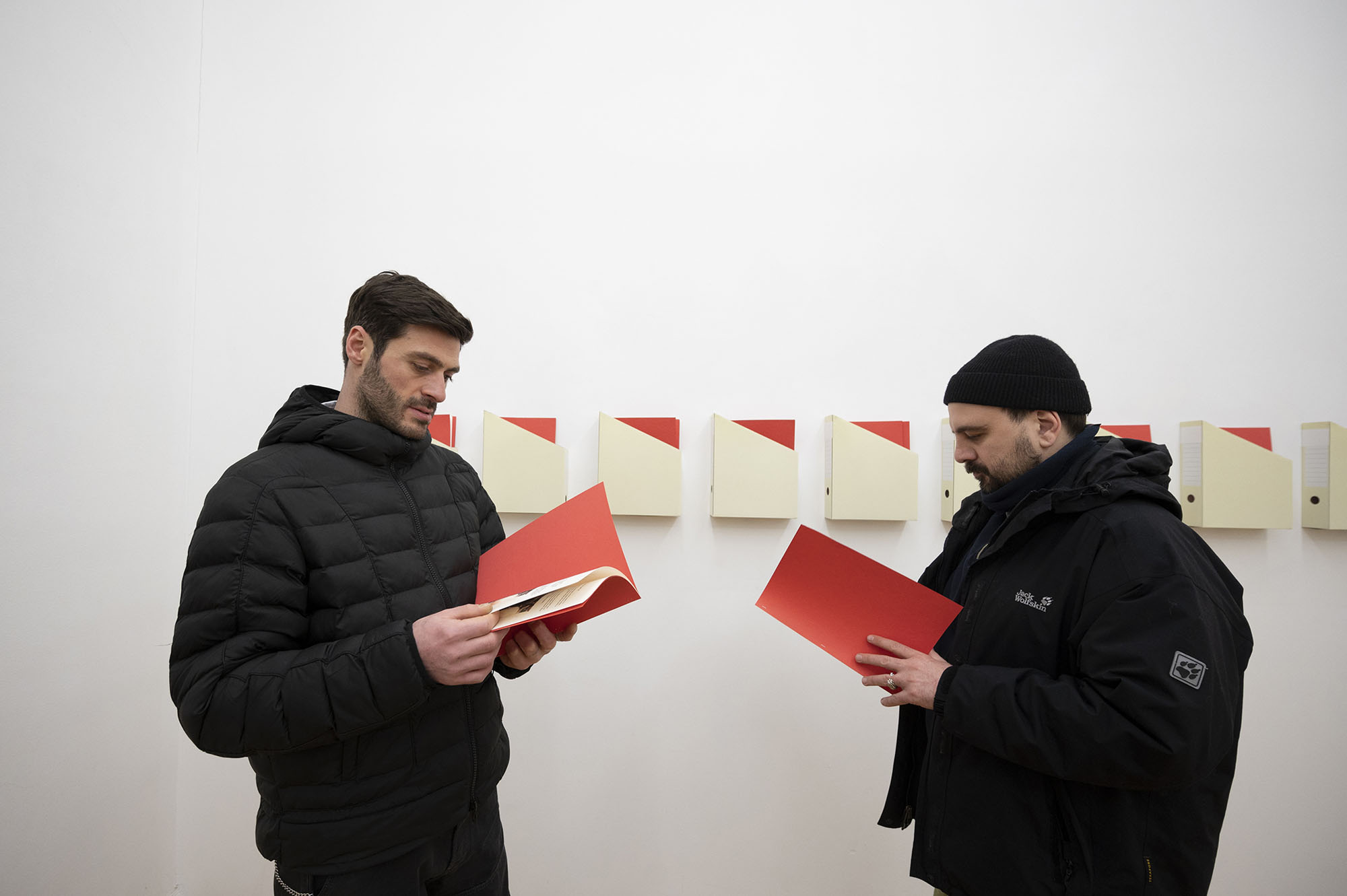
The exhibition goes beyond simply presenting archival material. It creates a shared discursive space that fosters the exchange of ideas and dialogue. Through its interactive format, the viewer is no longer just a passive observer but becomes a co-author in the process, articulating their own perspectives in relation to existing narratives. In this way, the exhibition becomes a continuously evolving flow of information, supporting the ongoing accumulation and renewal of collective experience.