In collaboration with Black History Month Milan and with the support of Band Gallery, Toronto. On view from 24 February to 2 May 2026.
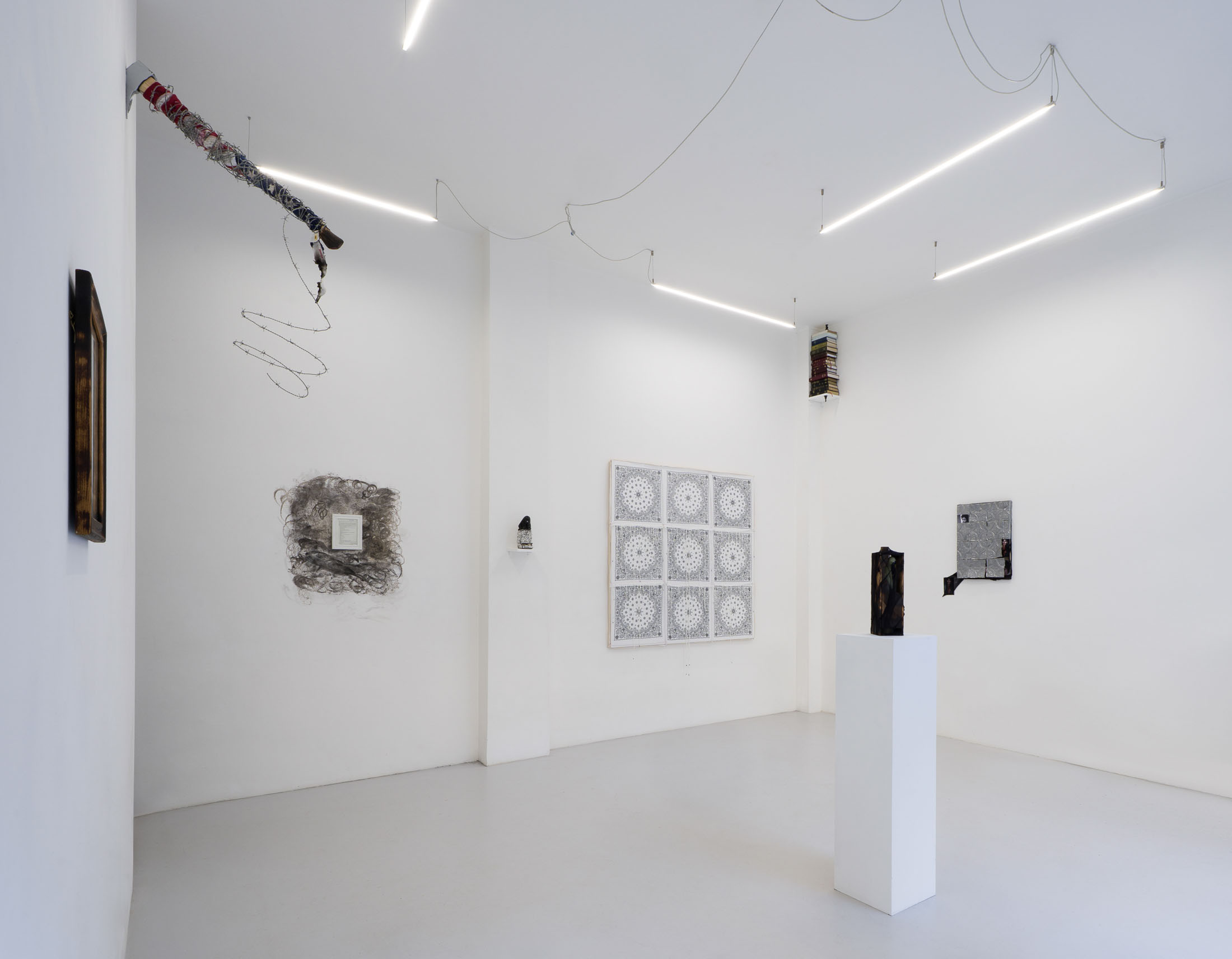
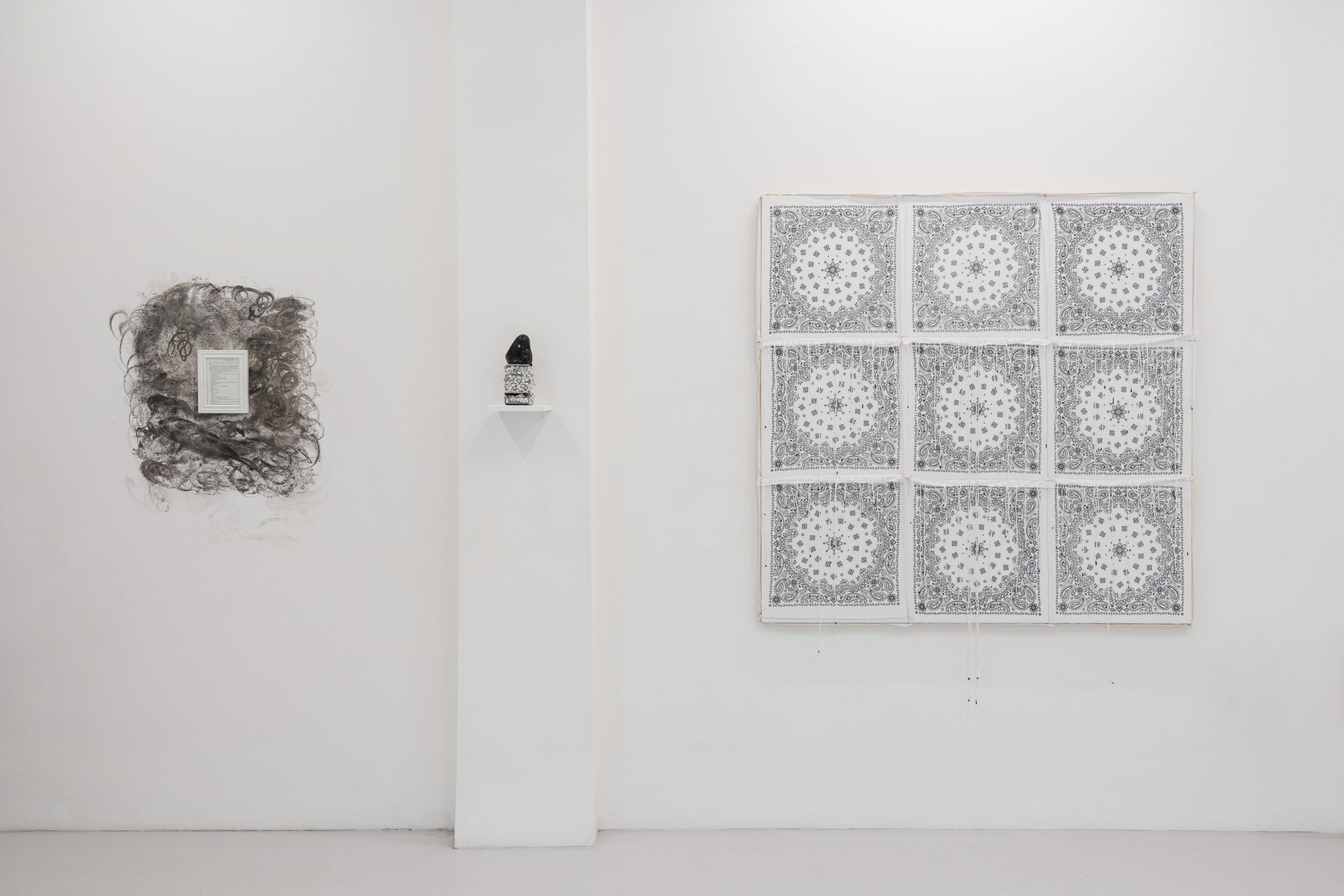
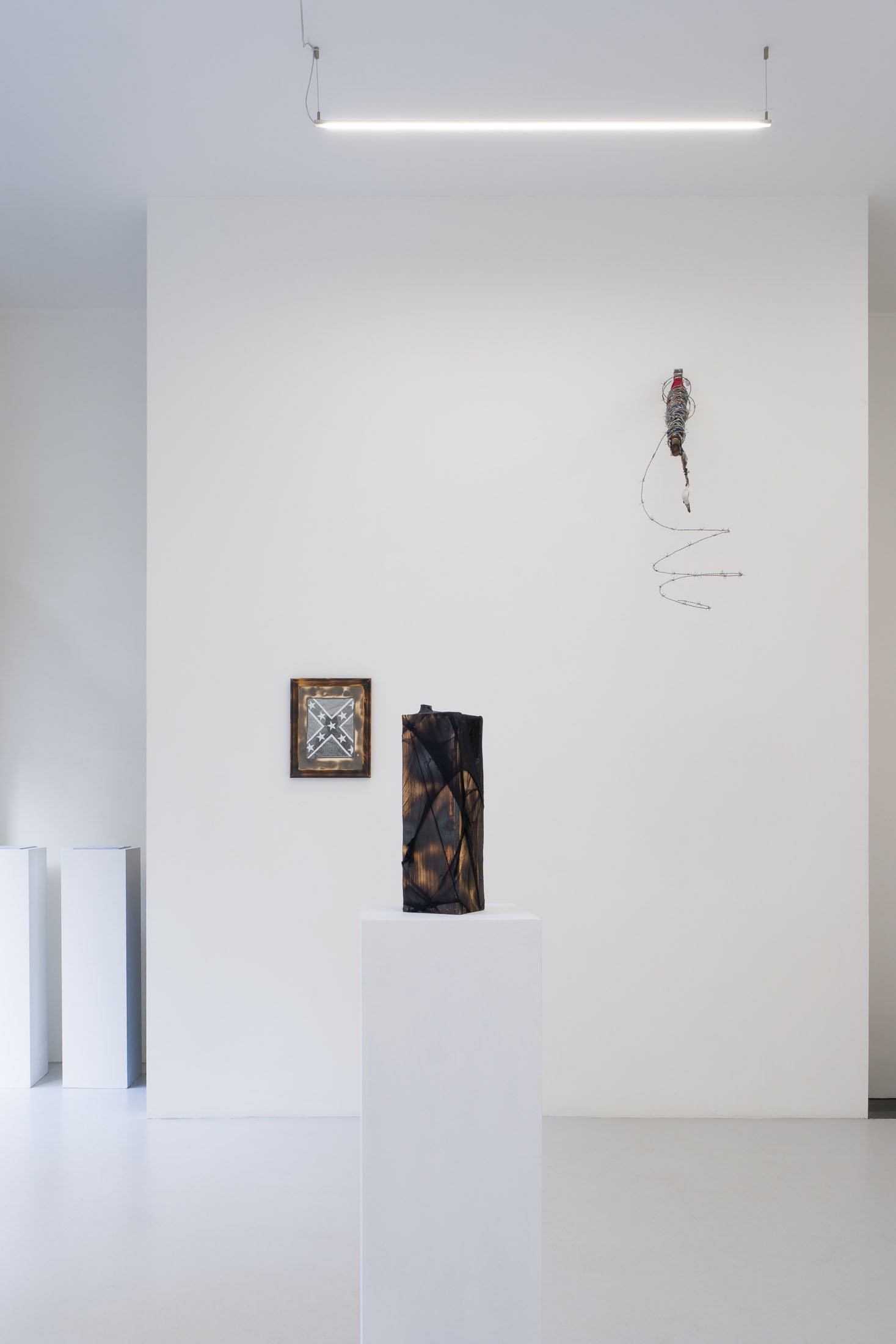
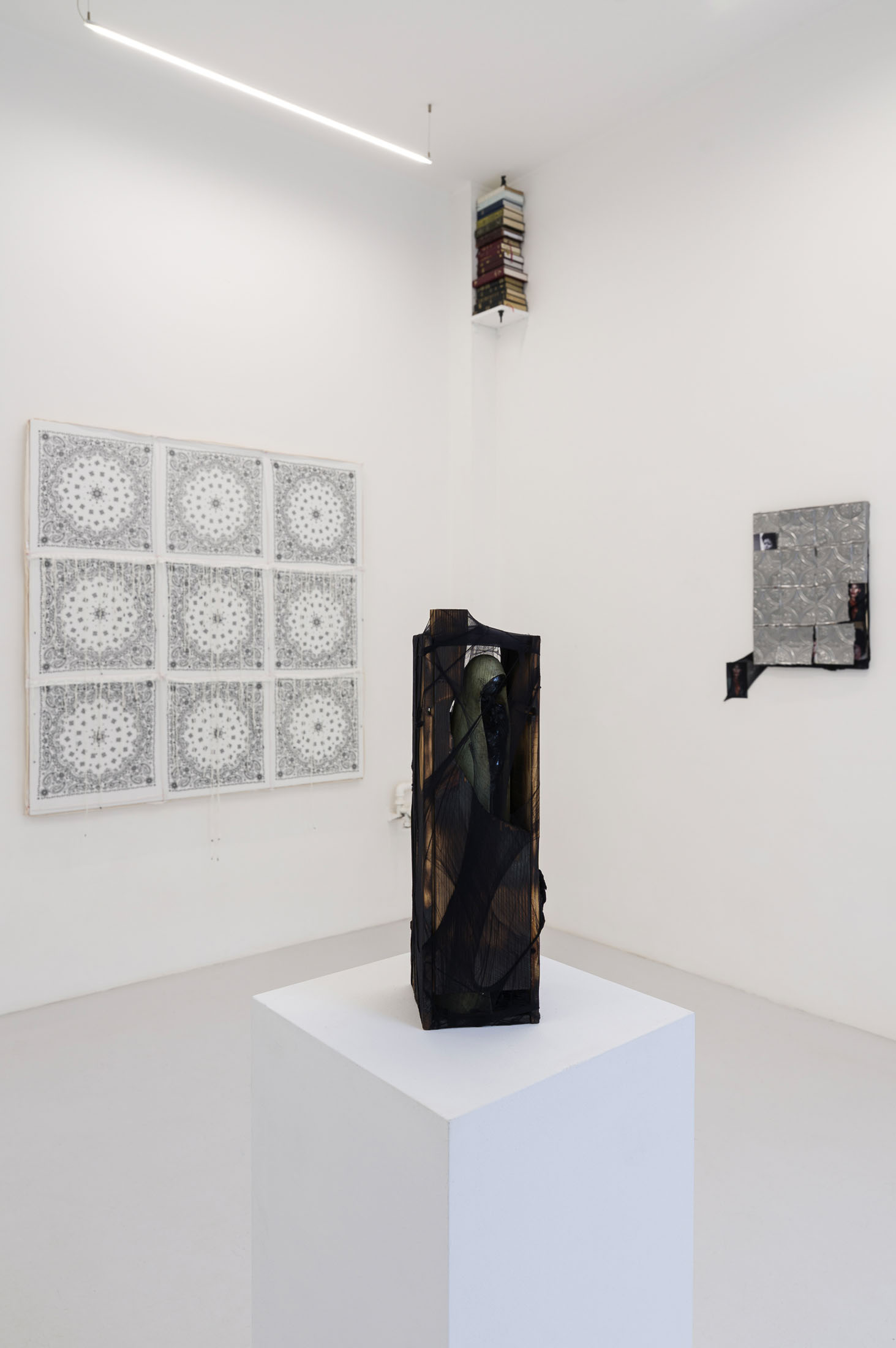
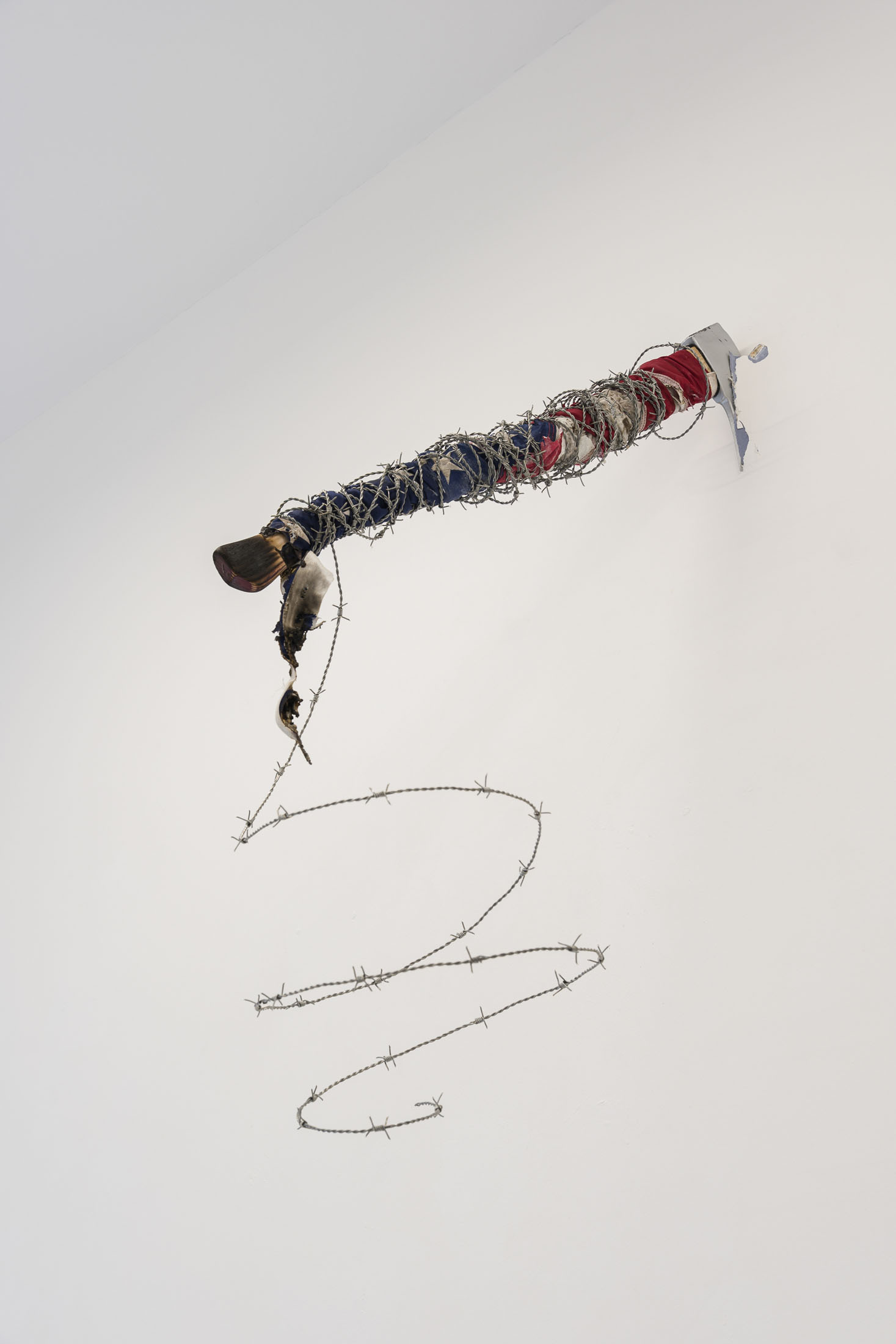
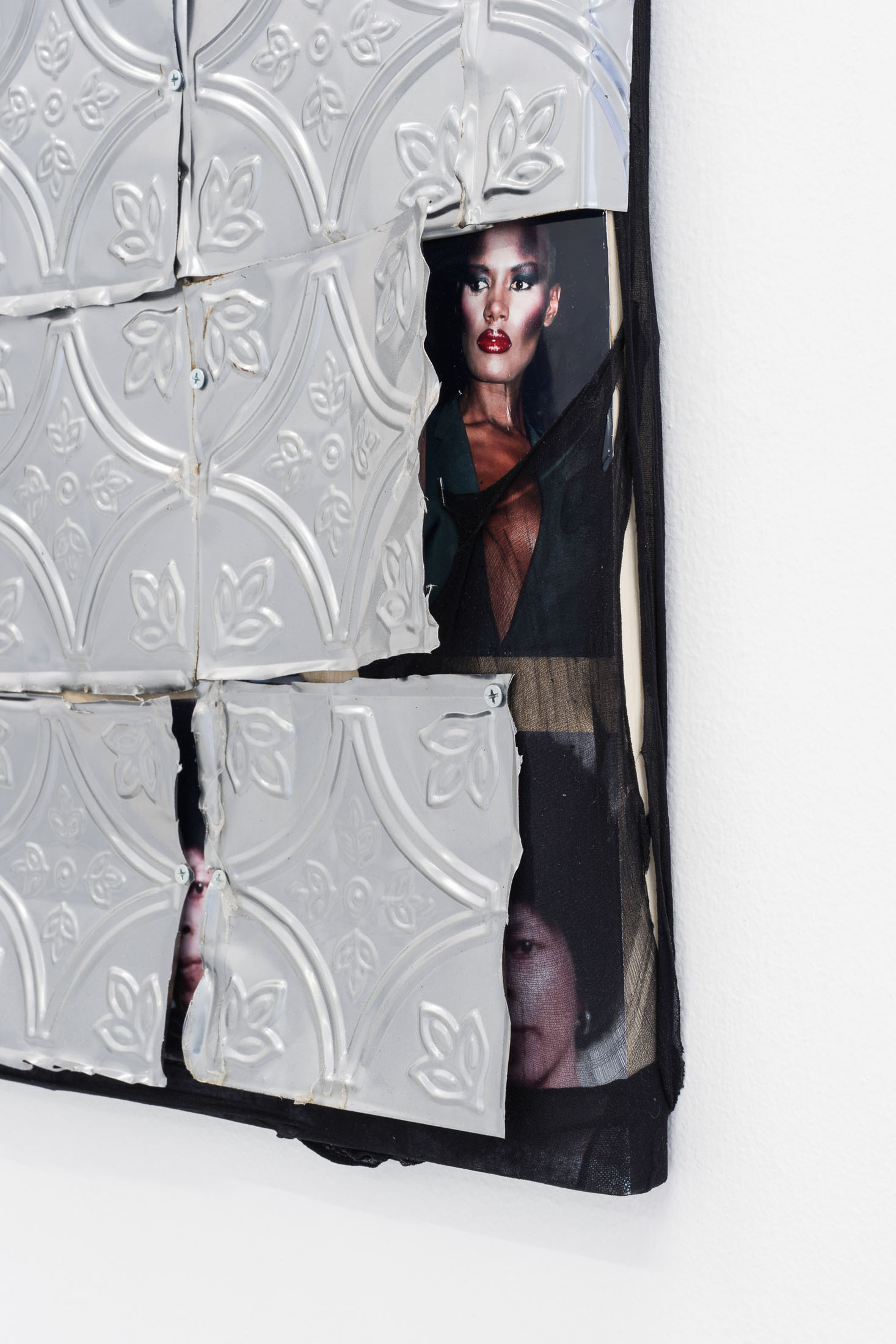
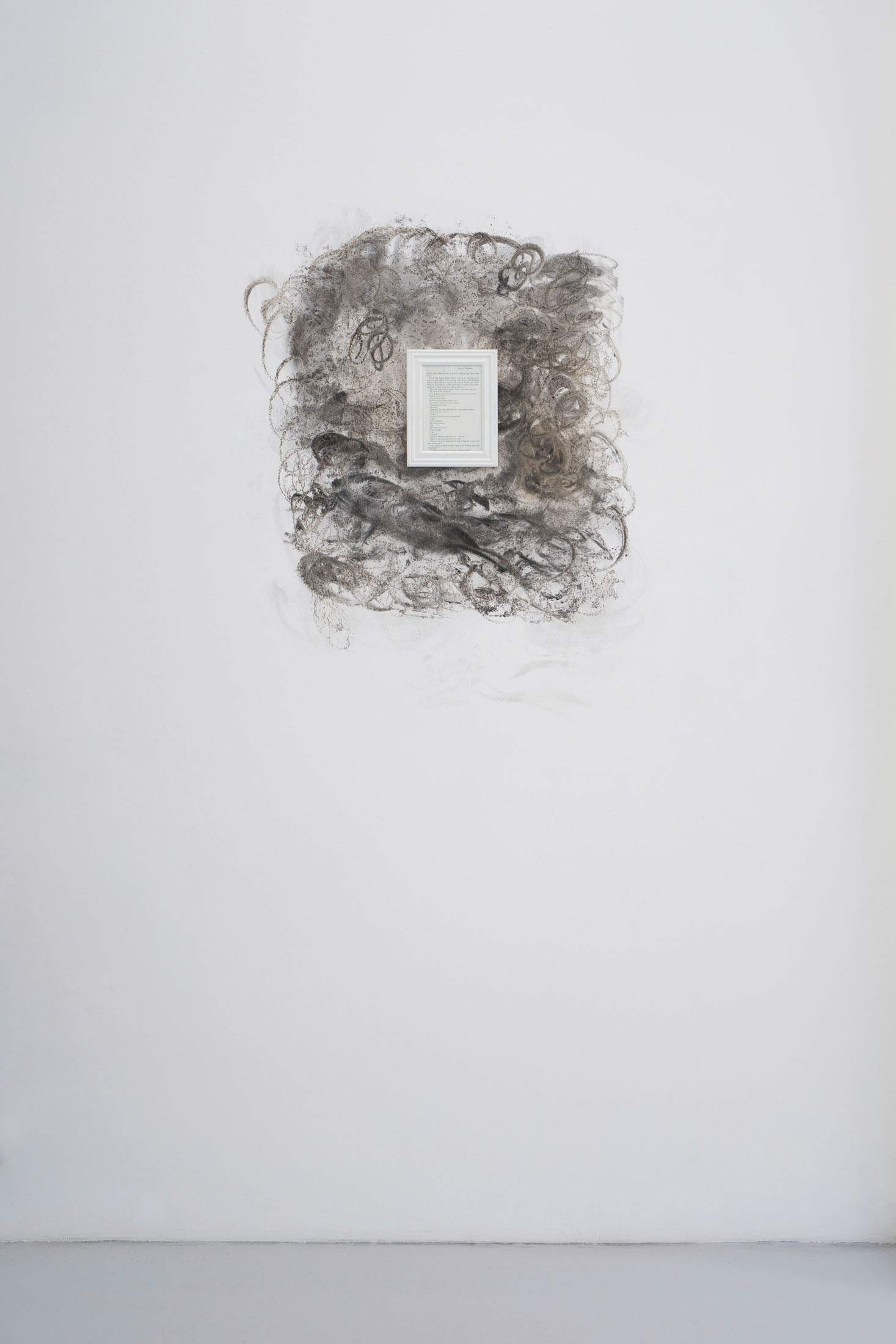
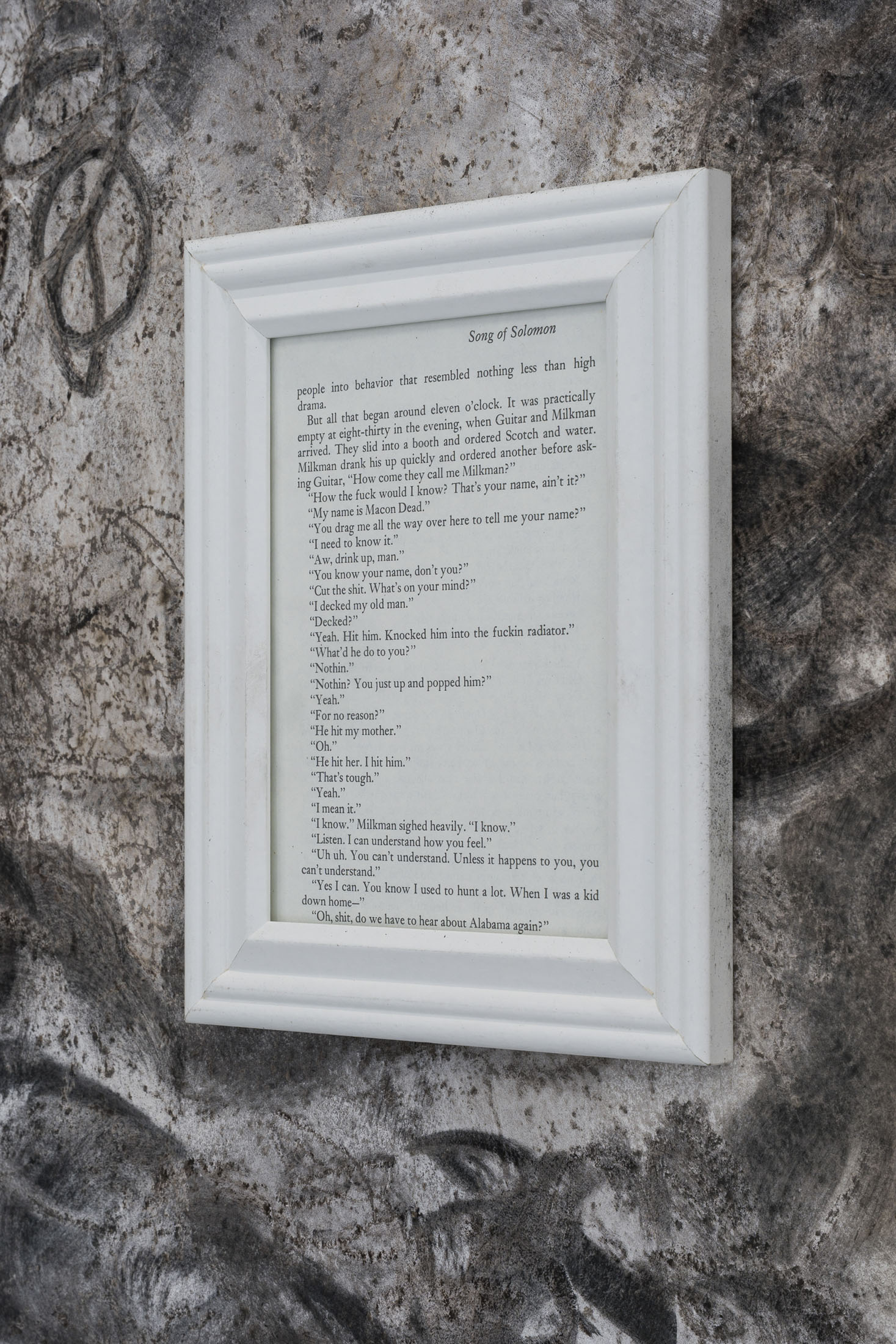
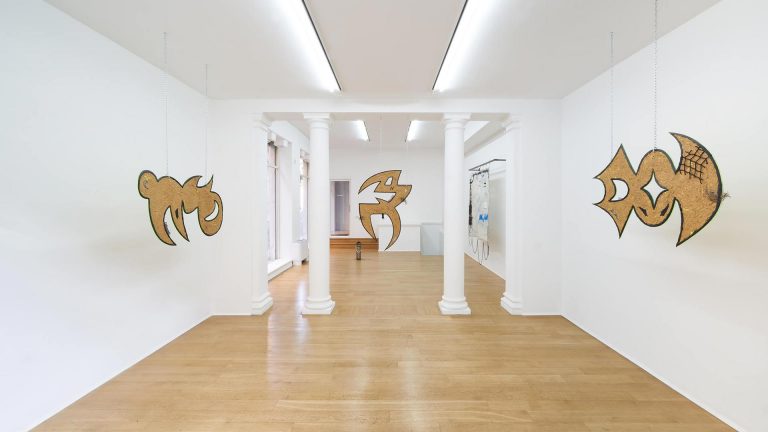
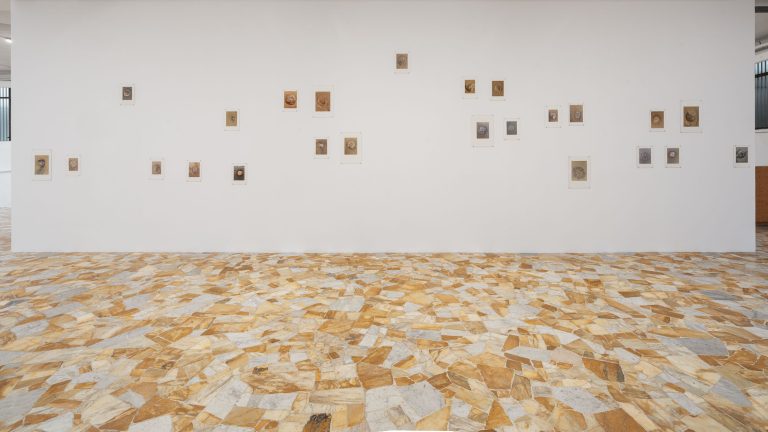
The exhibition Echoes stages a dialogue between Lamar Robillard’s Intro to Flydom and Justin Randolph Thompson’s Il cielo s’annuvola. This is not merely a thematic juxtaposition, but a true exchange of resonances. The two artists do not present parallel trajectories; rather, their practices reflect one another like sounds rebounding through space, traveling without dispersing and generating zones of greater and lesser intensity. Symbolic nodes and shifting margins emerge in constant transformation.
The exhibition takes shape as a site where these resonances meet and are altered through encounter. It does not simply compare two distinct artistic positions; instead, it activates a field of tensions in which the works become instruments of reciprocal inquiry. The experience is dynamic: the works do not remain isolated, but engage in a living and evolving dialogue.
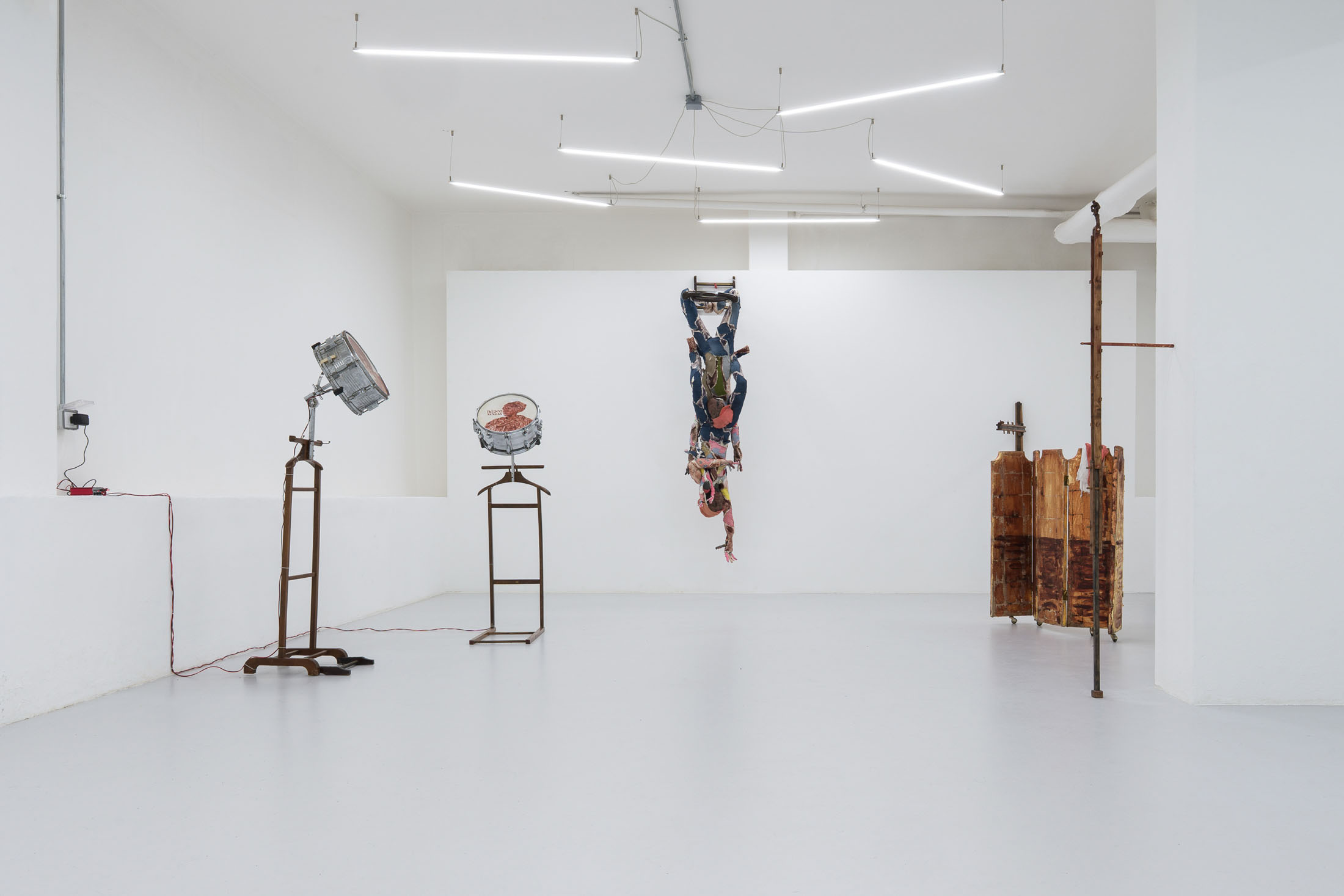
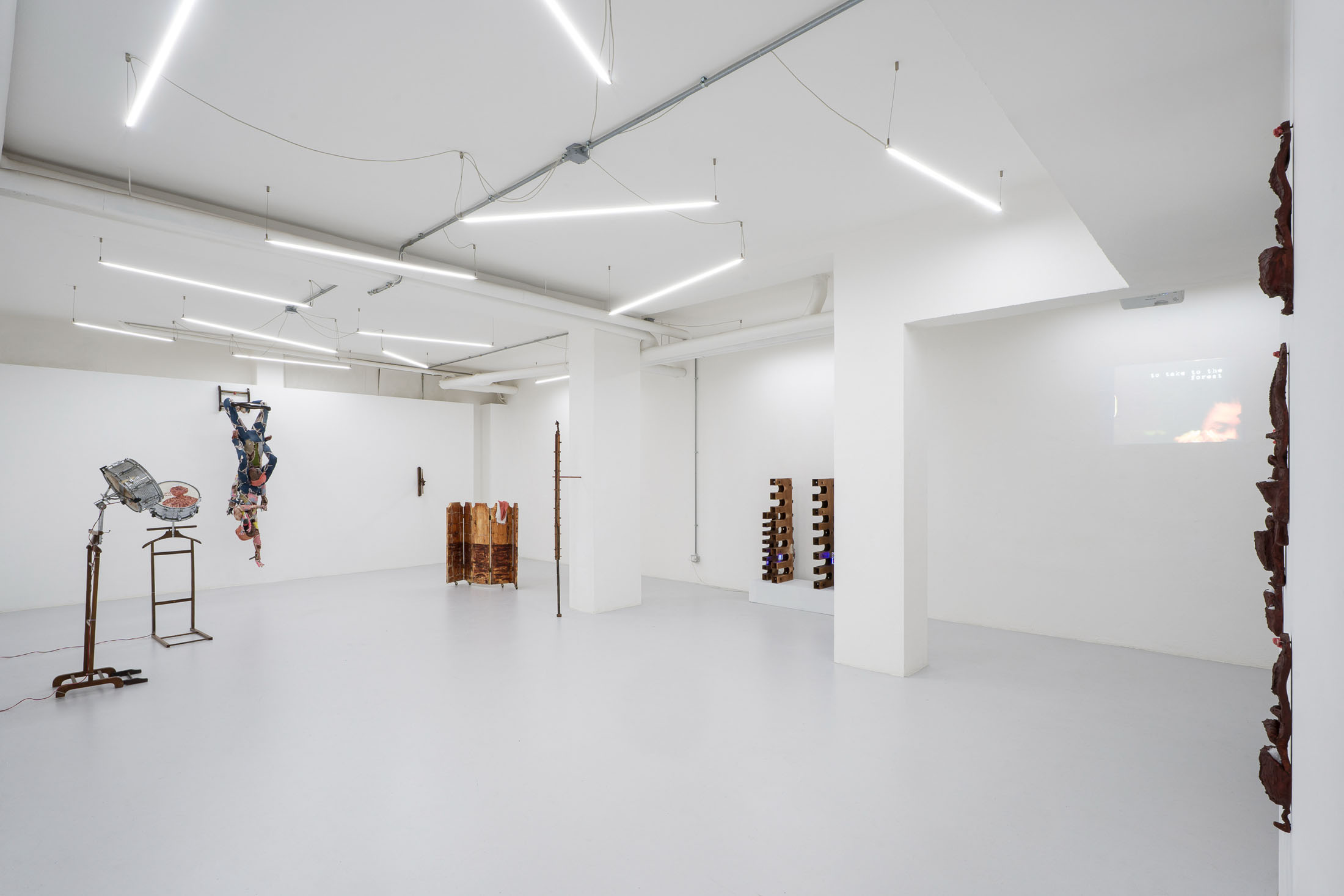
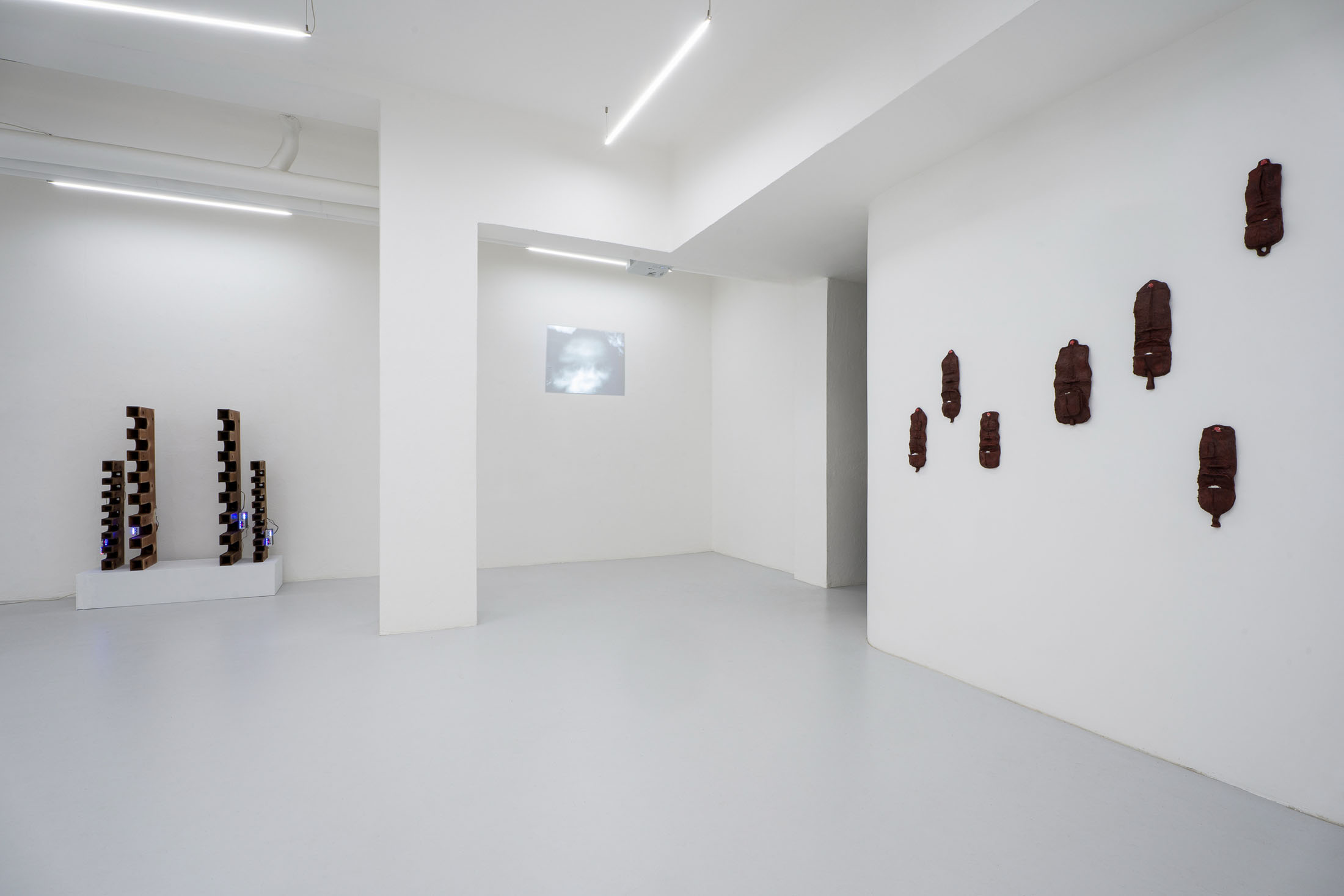
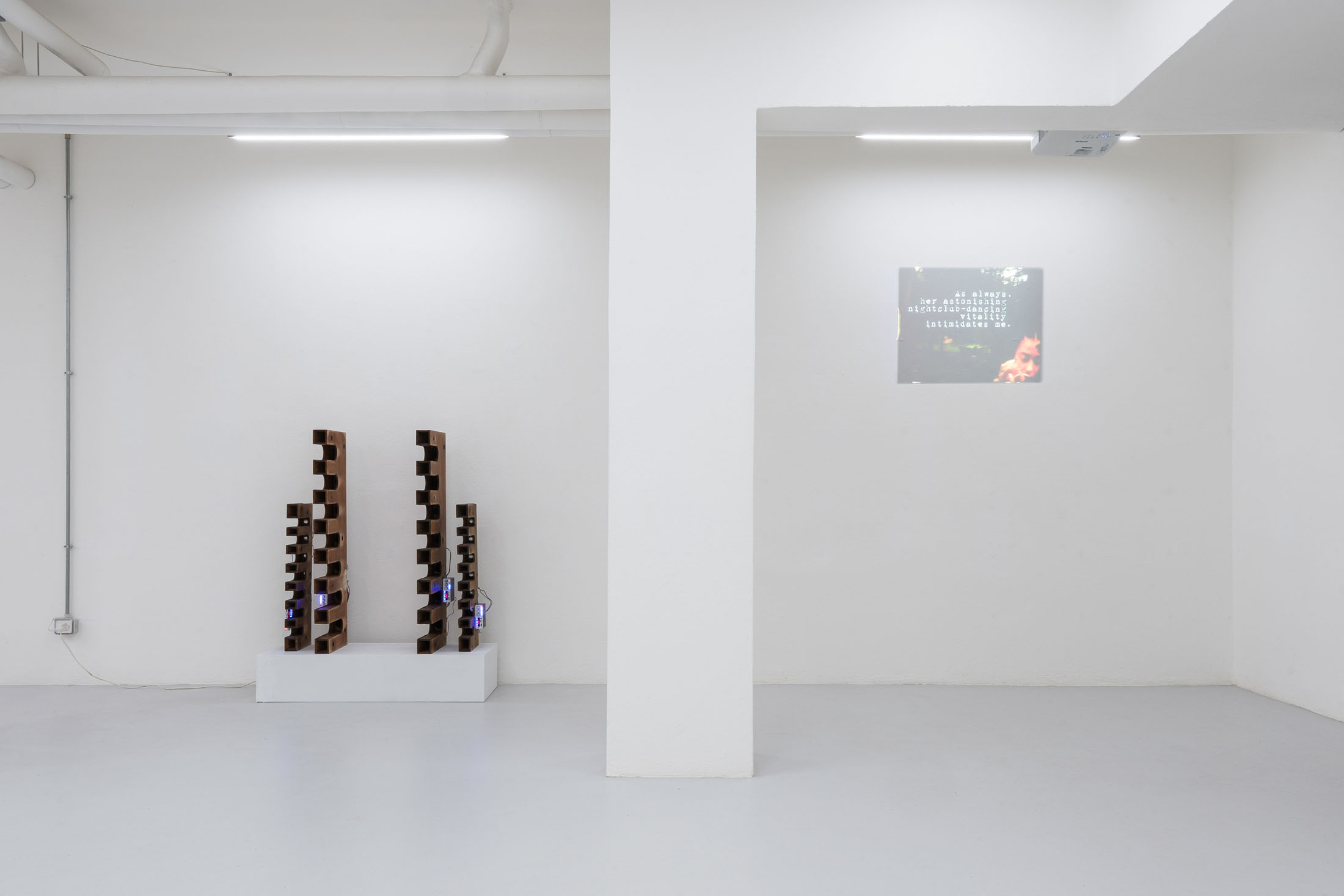
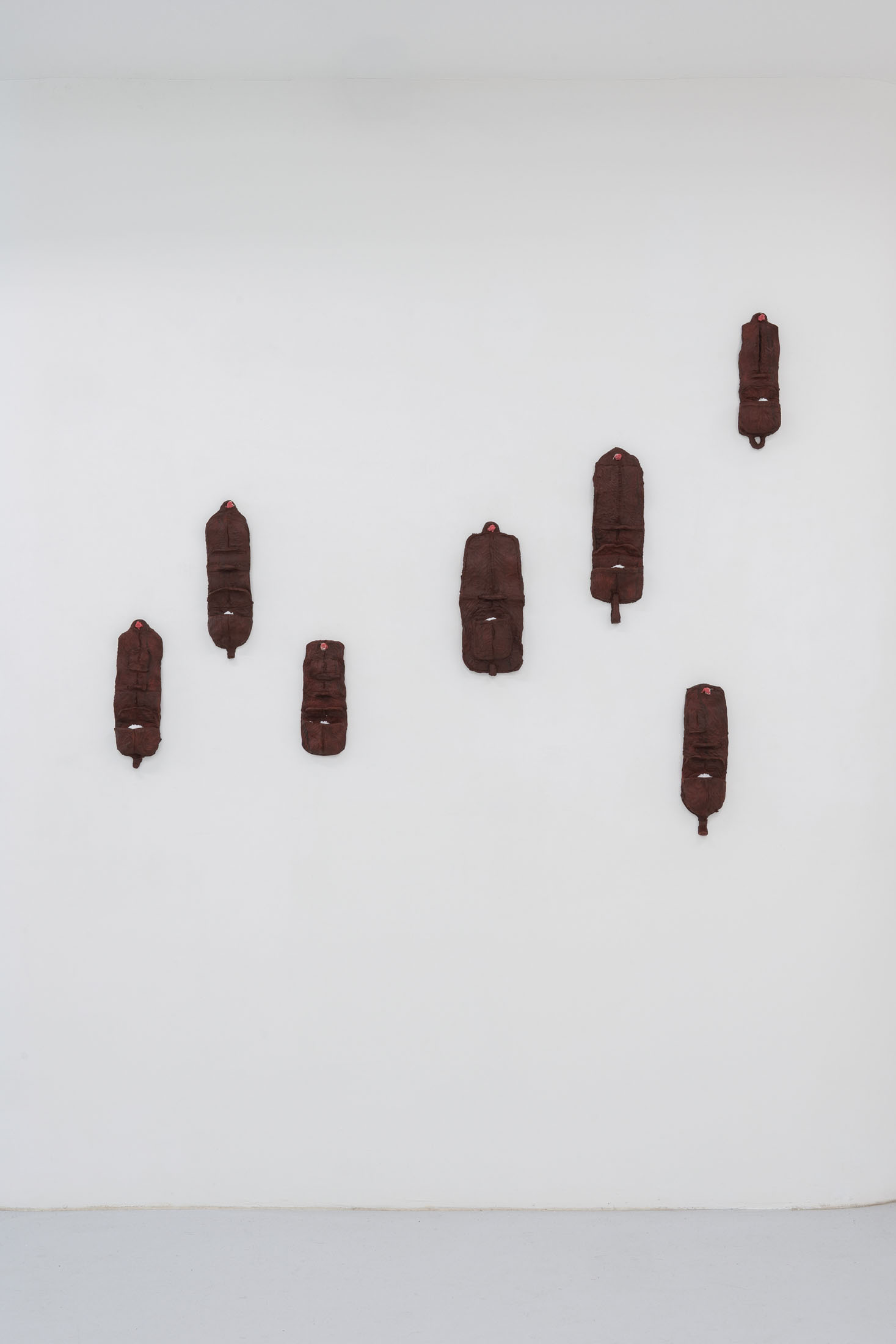
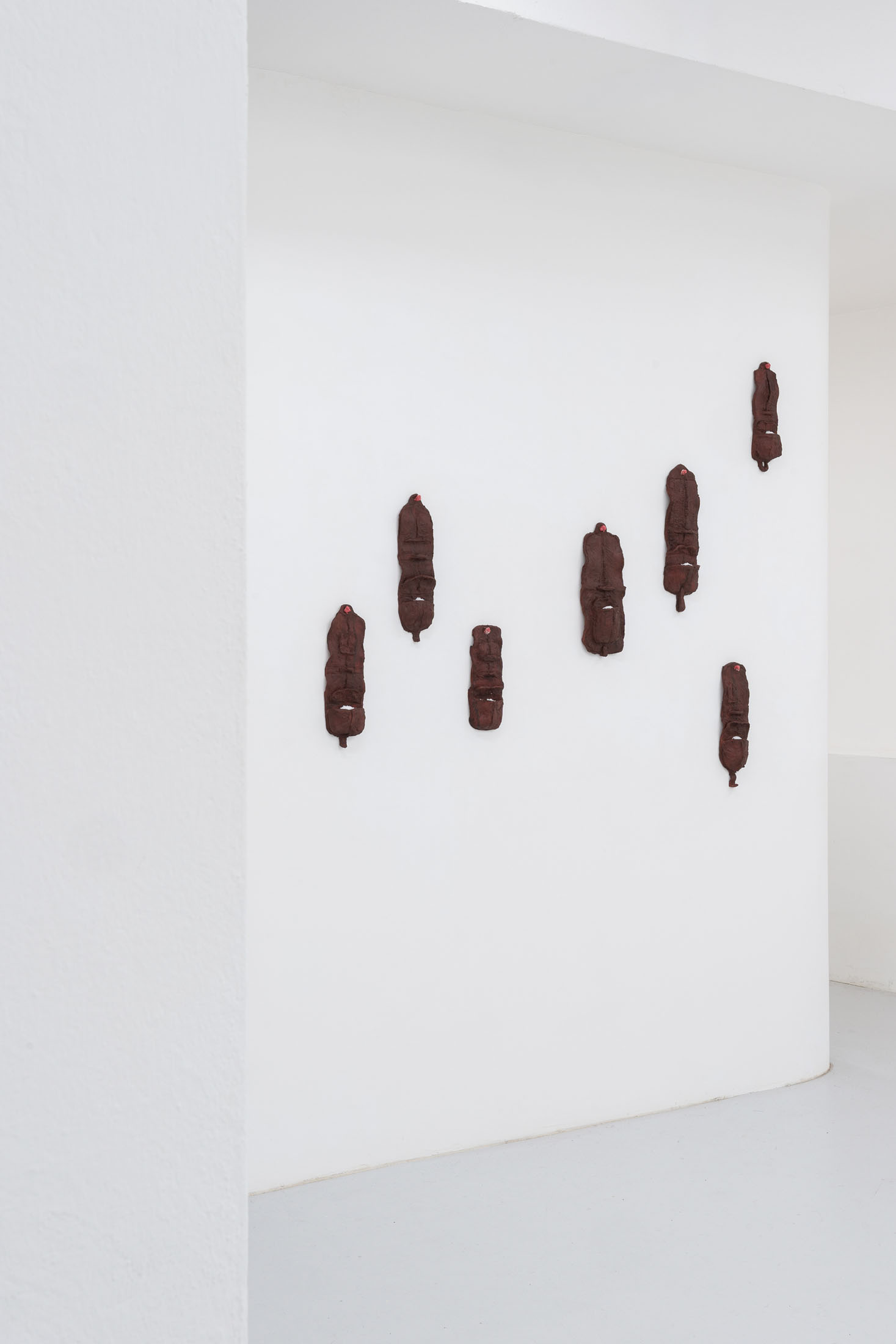
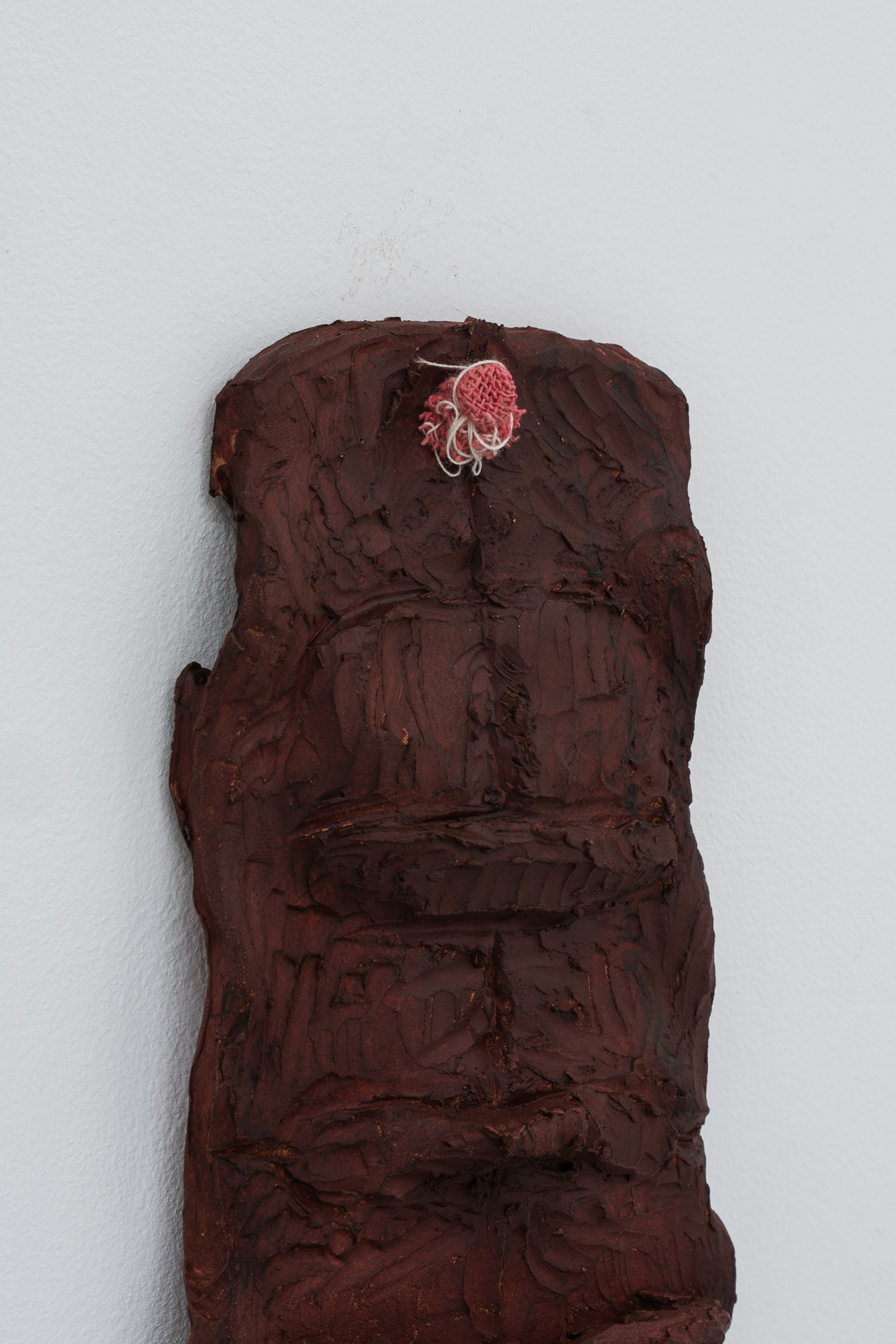
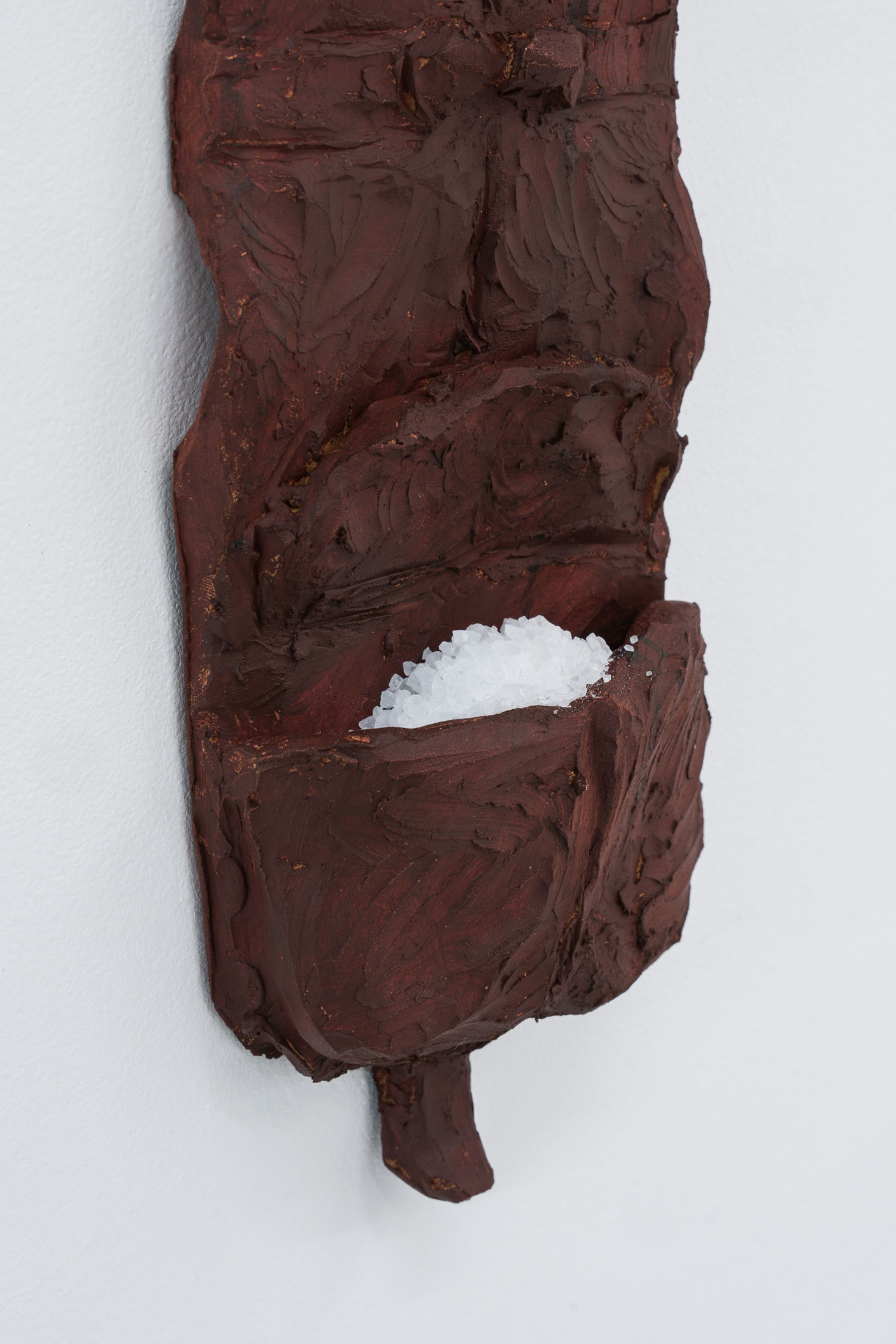
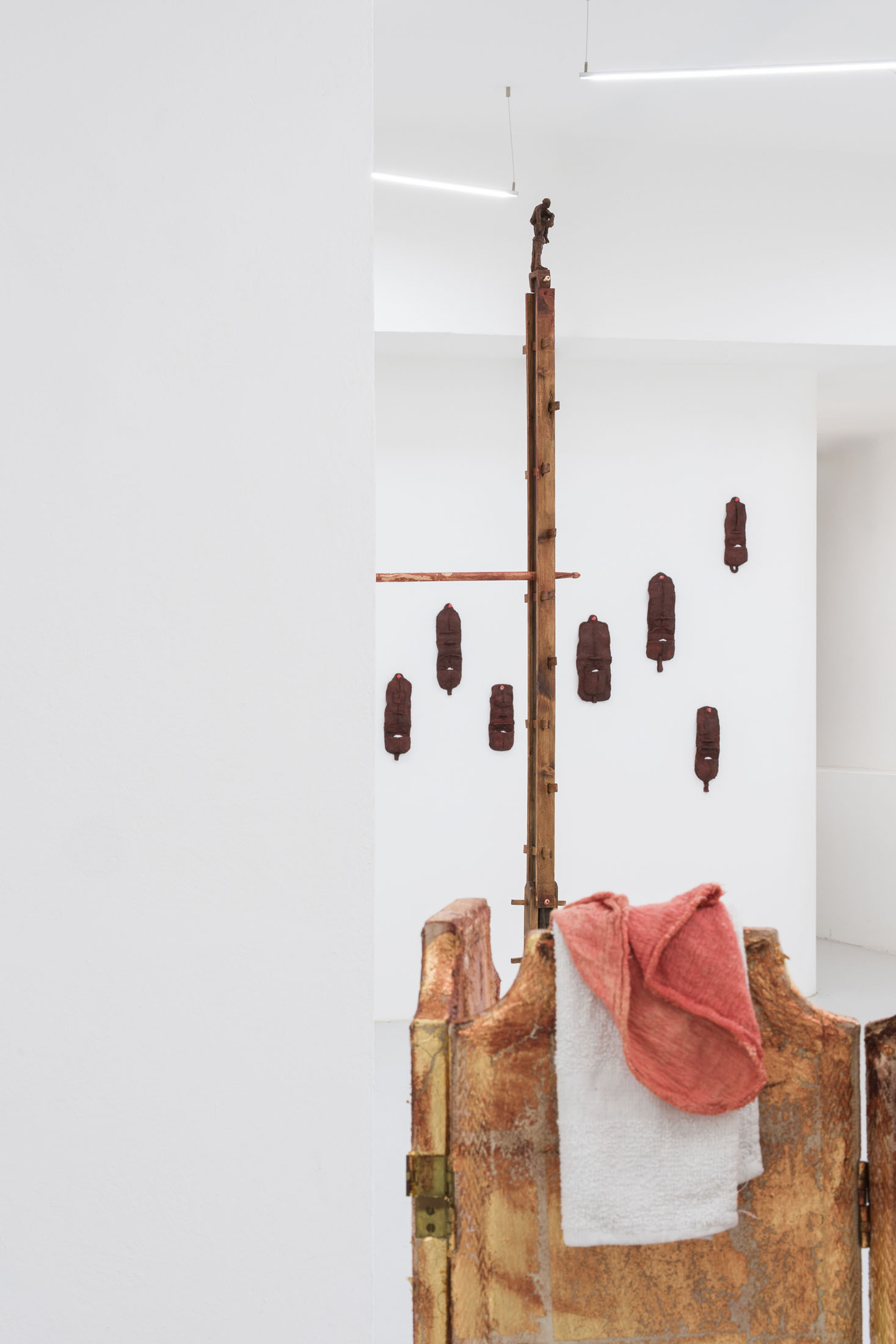
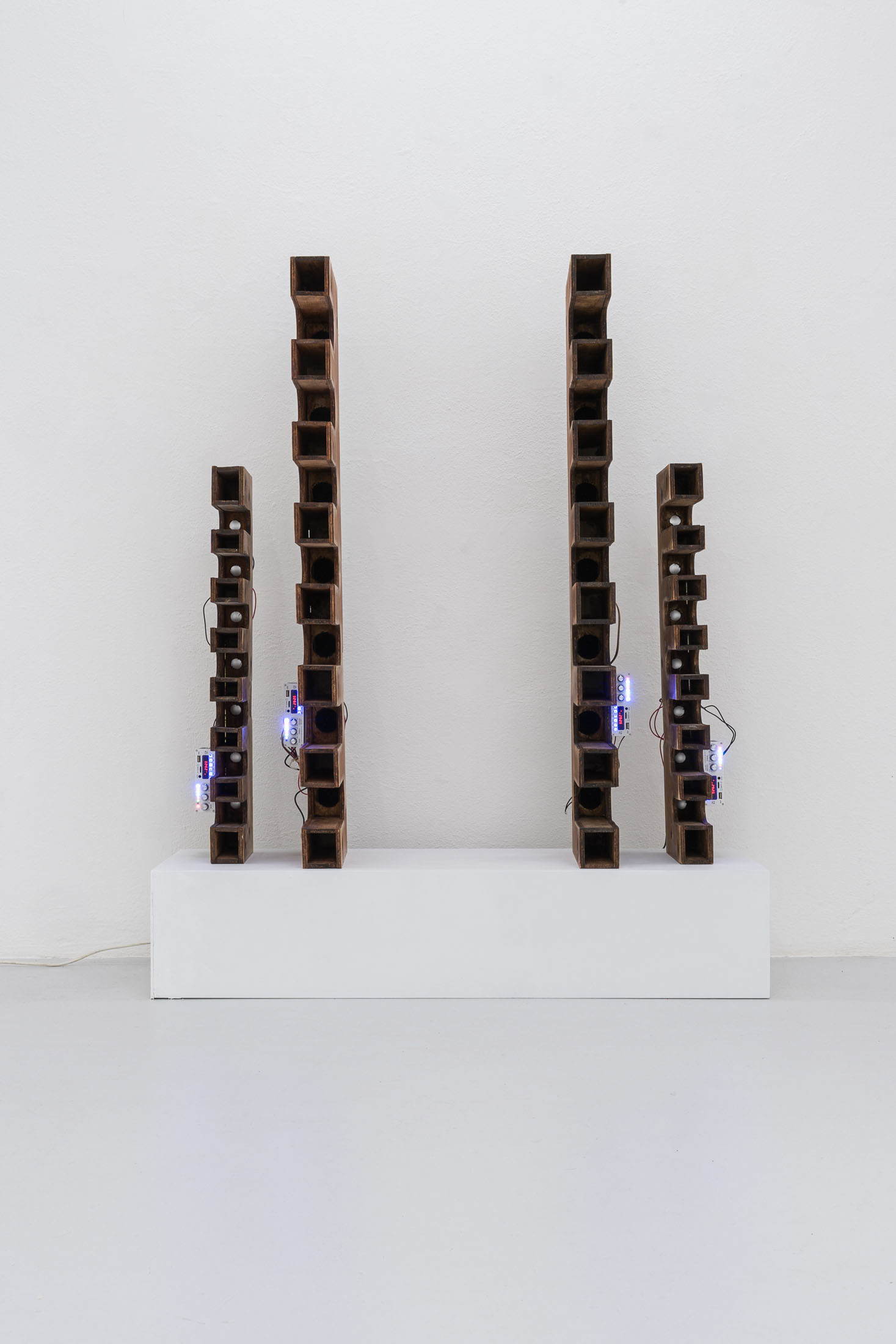
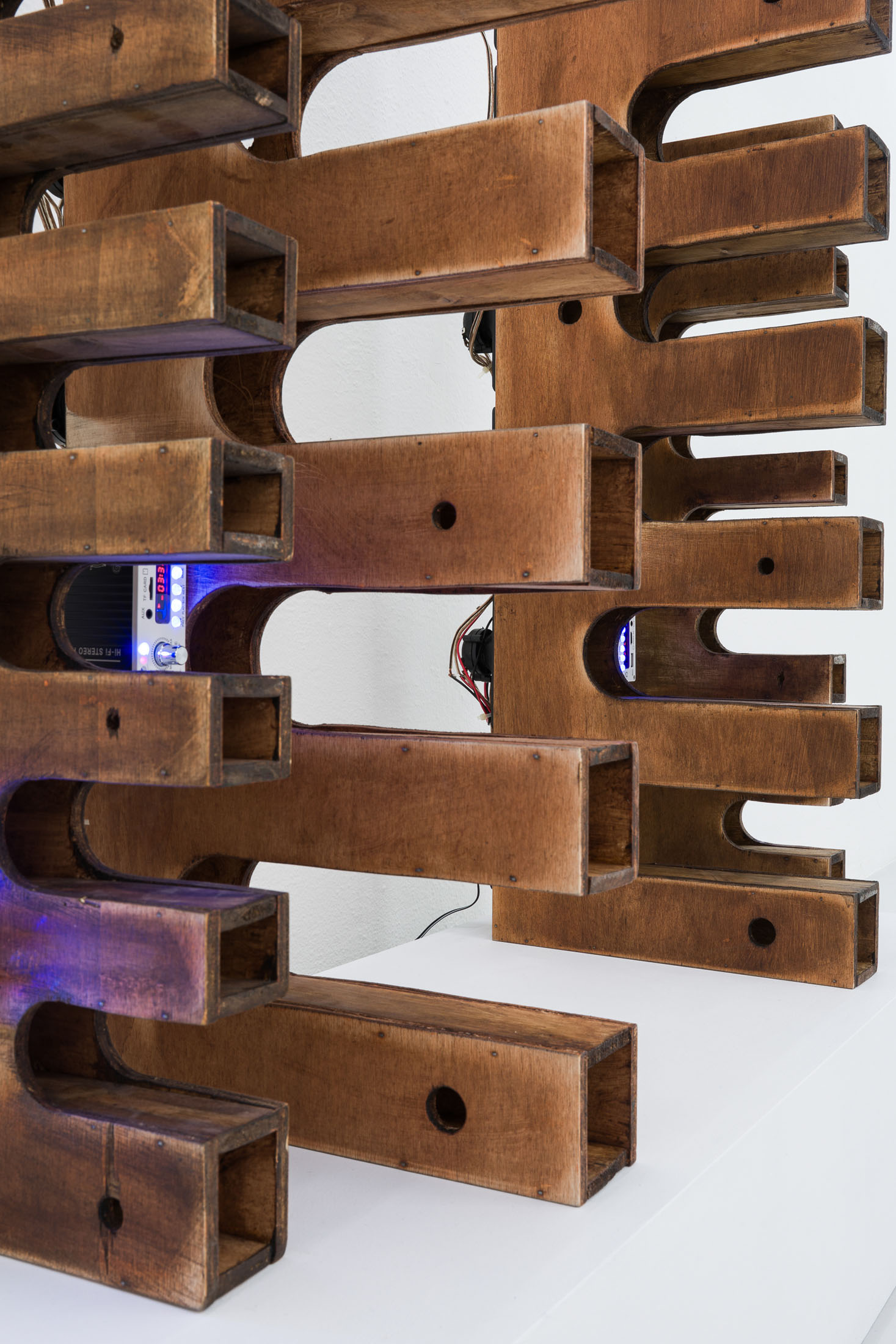
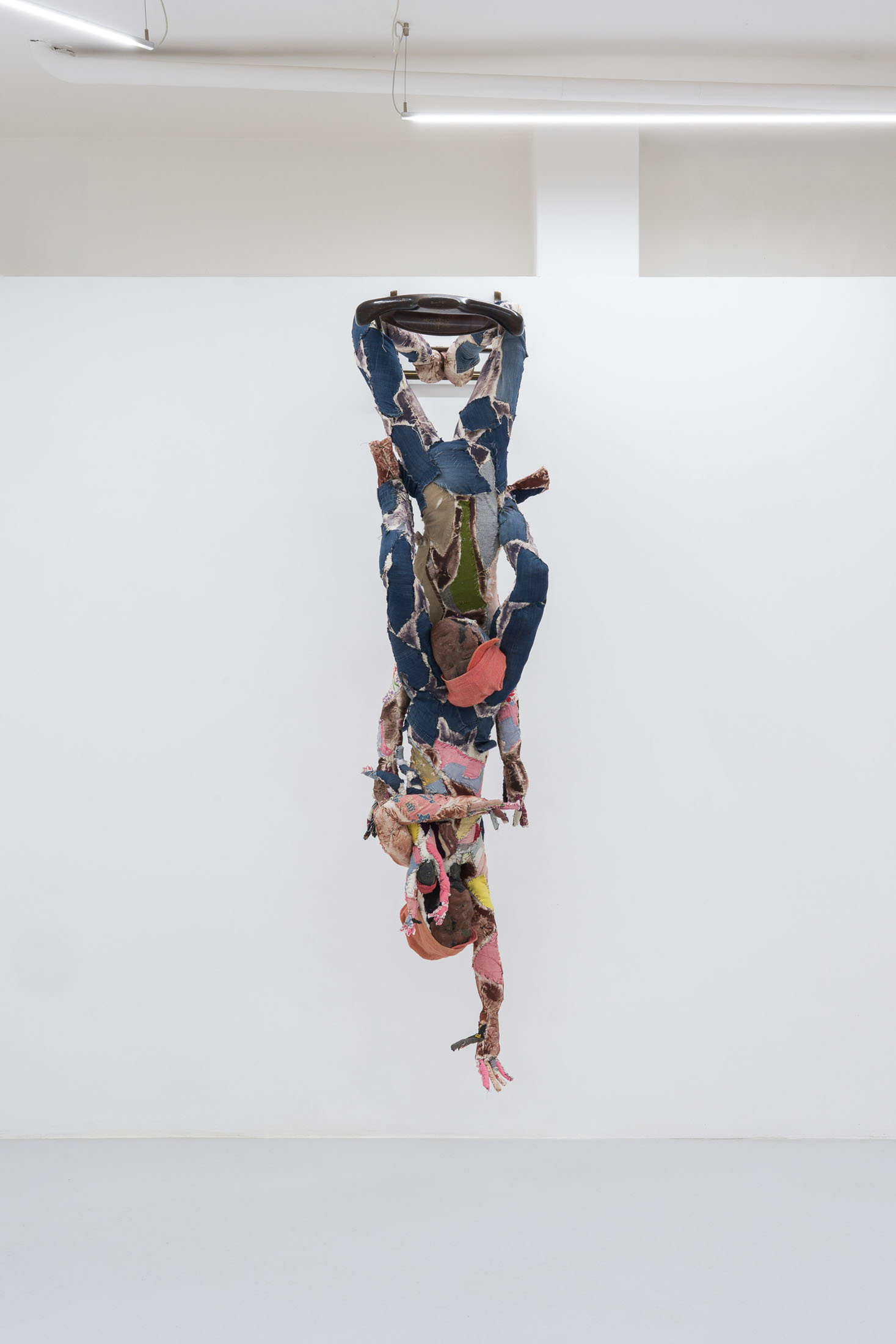
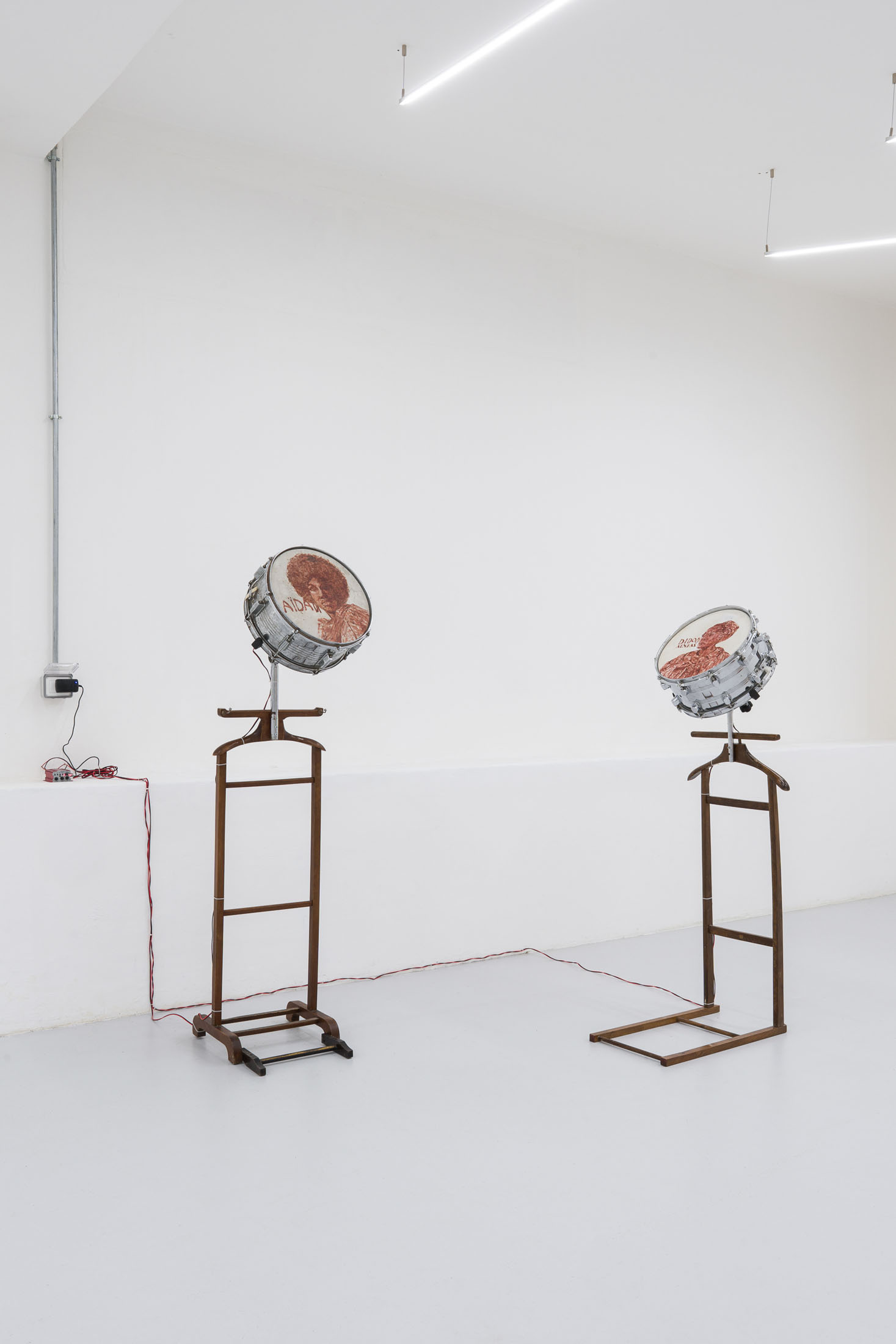
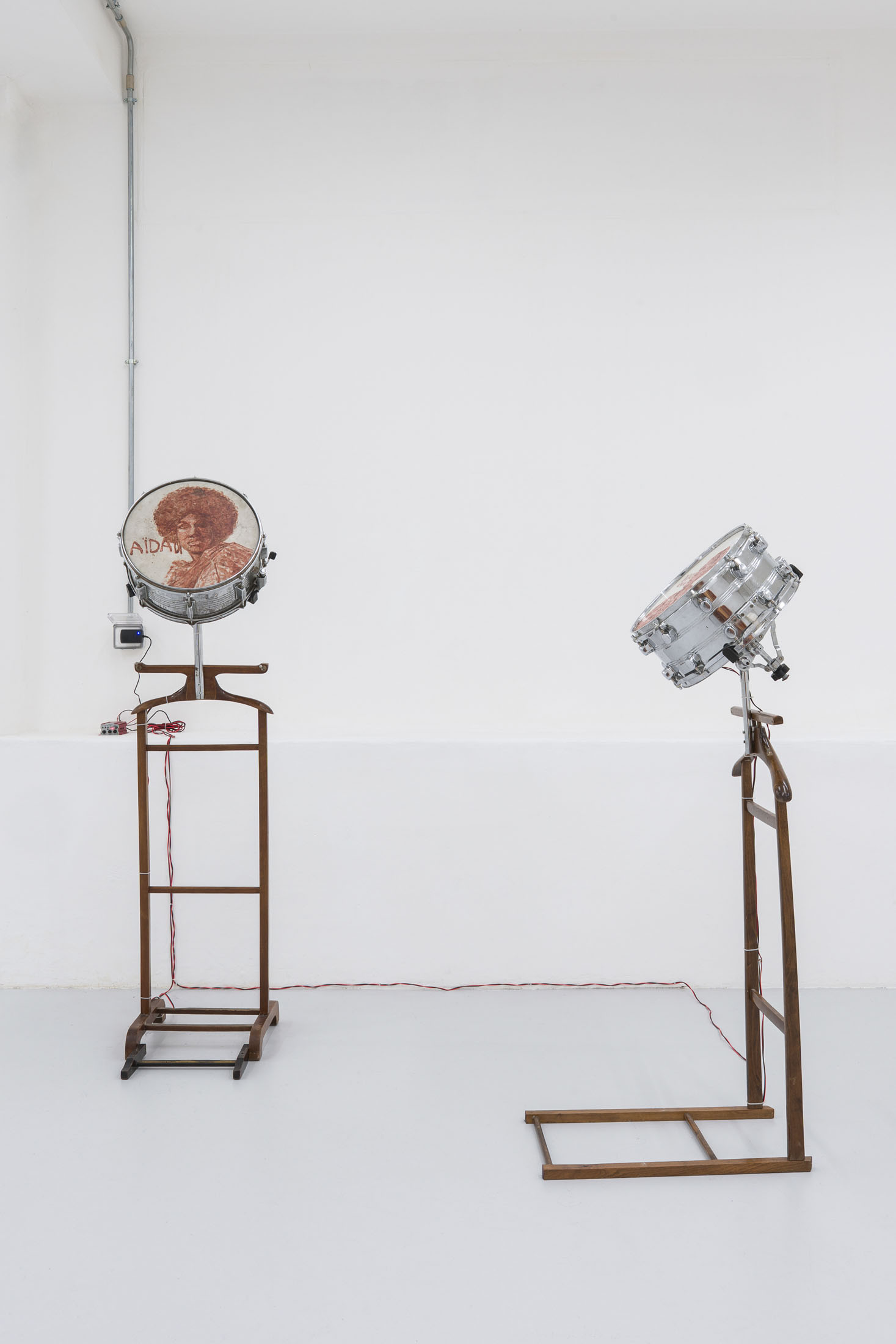
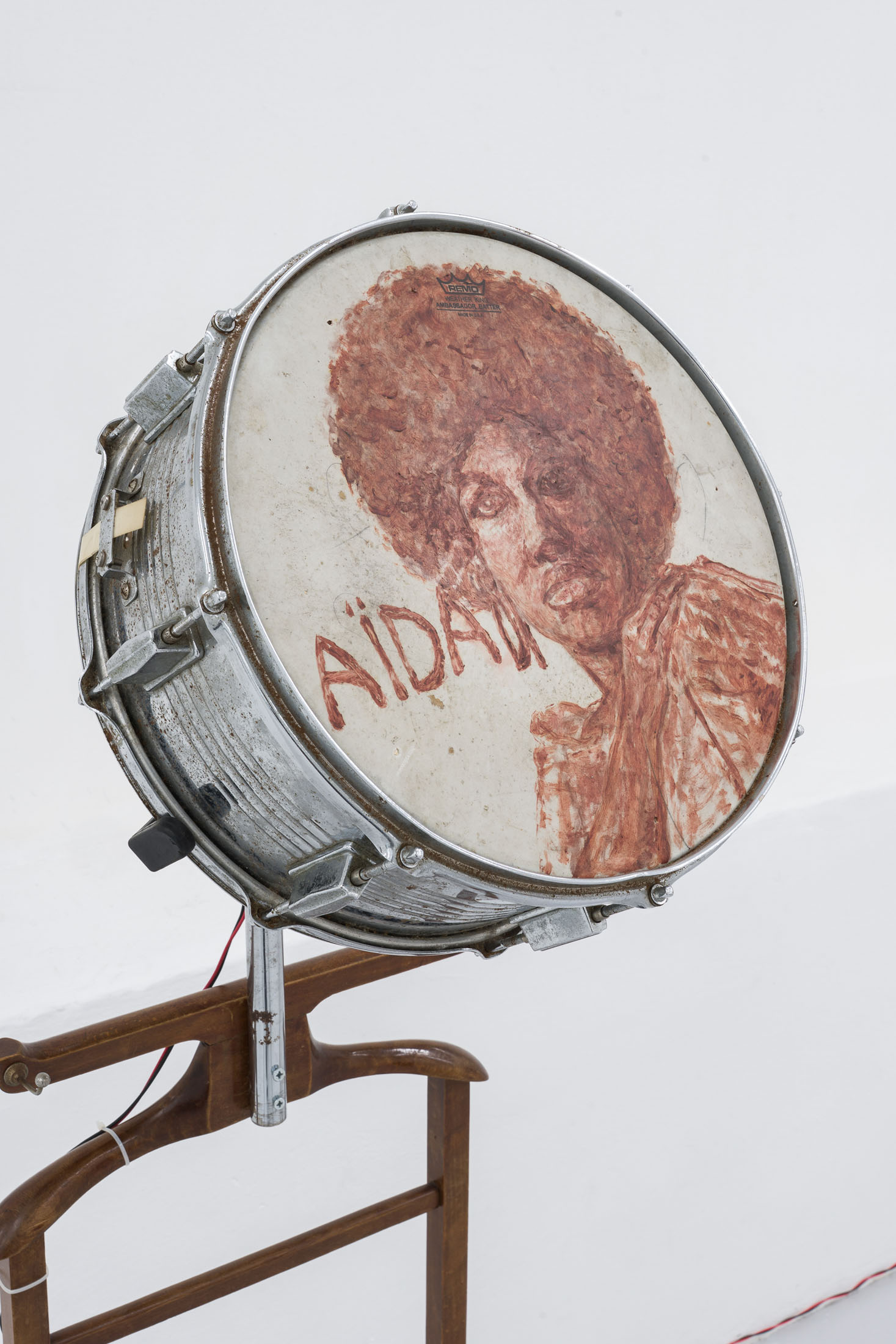
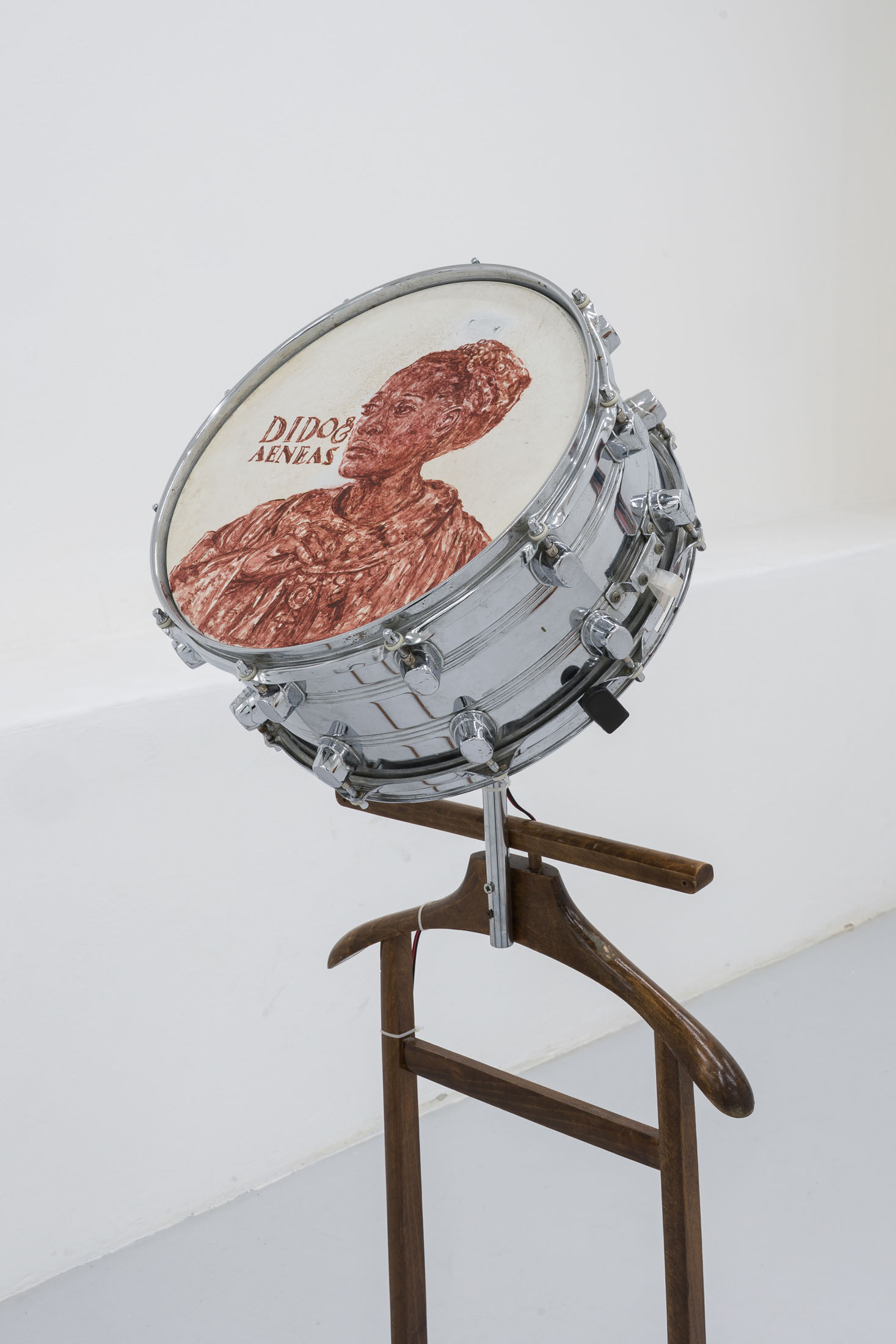
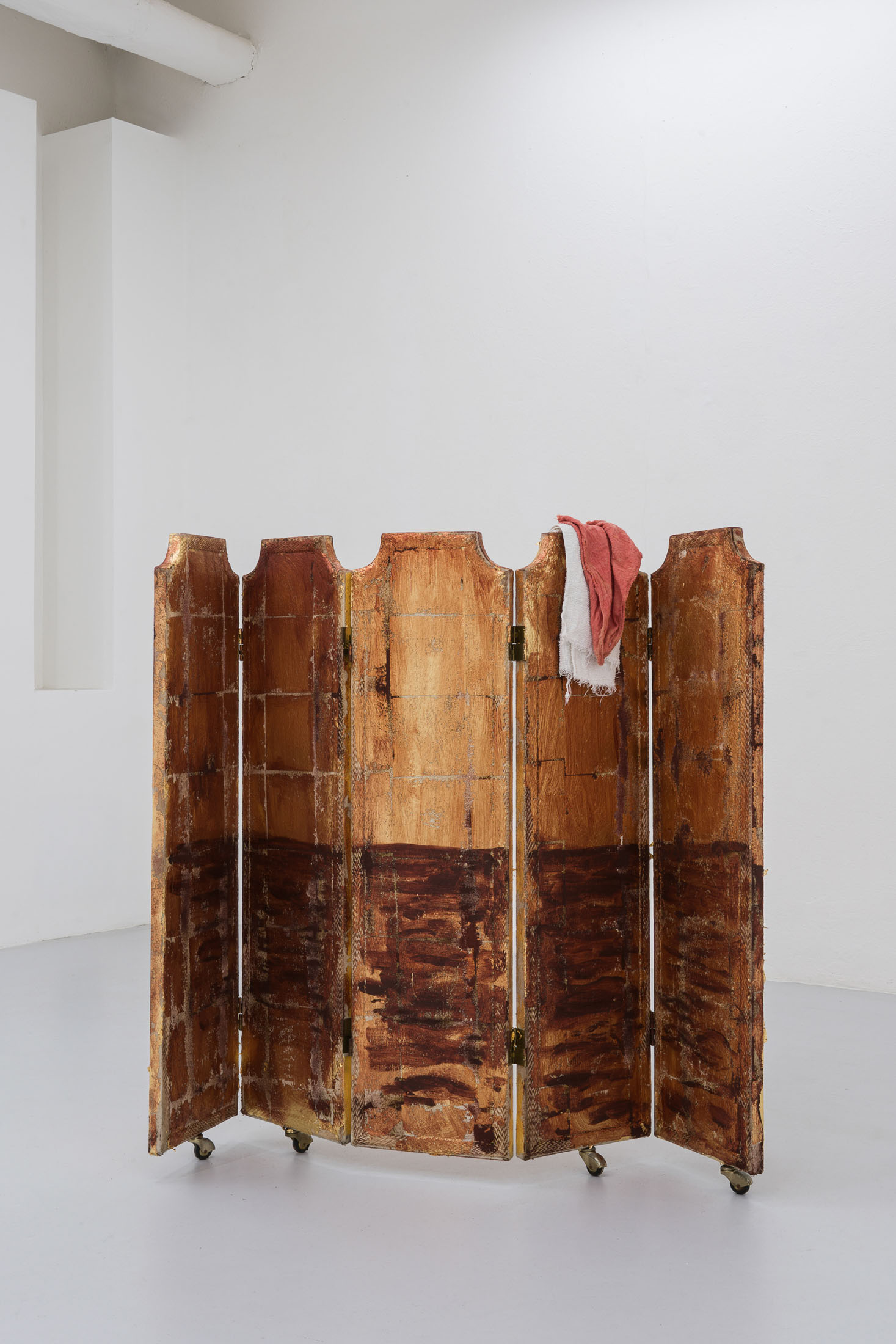
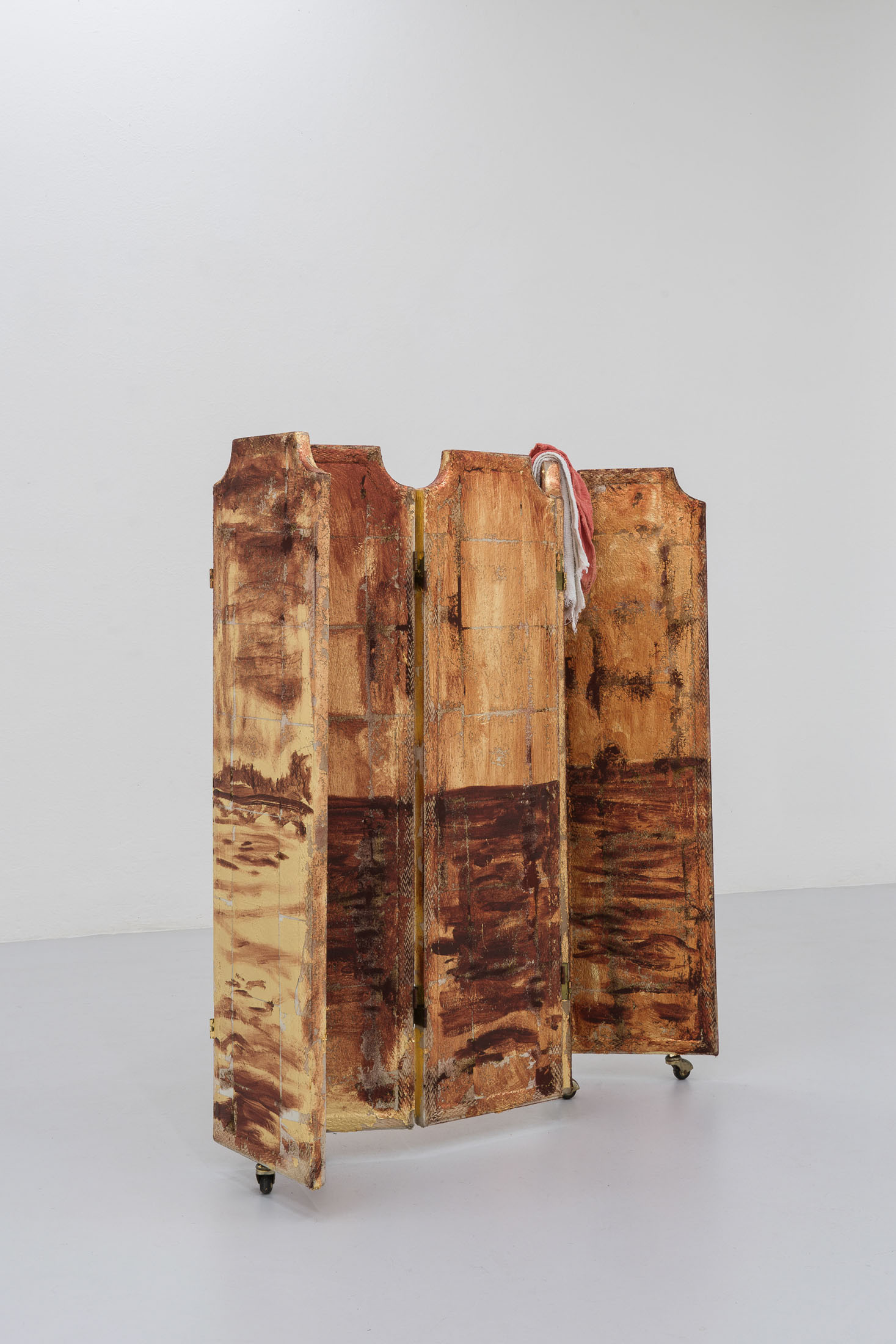
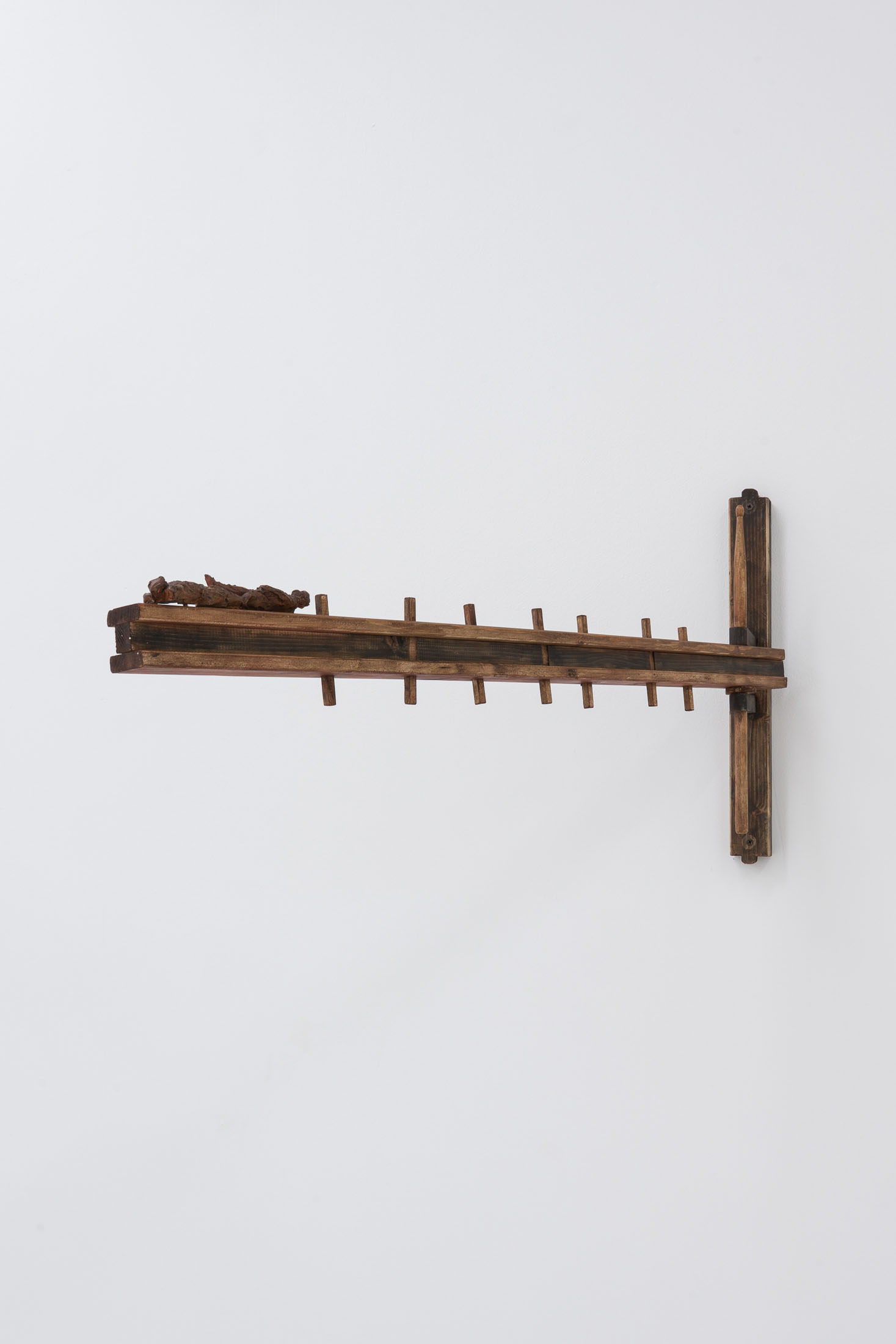
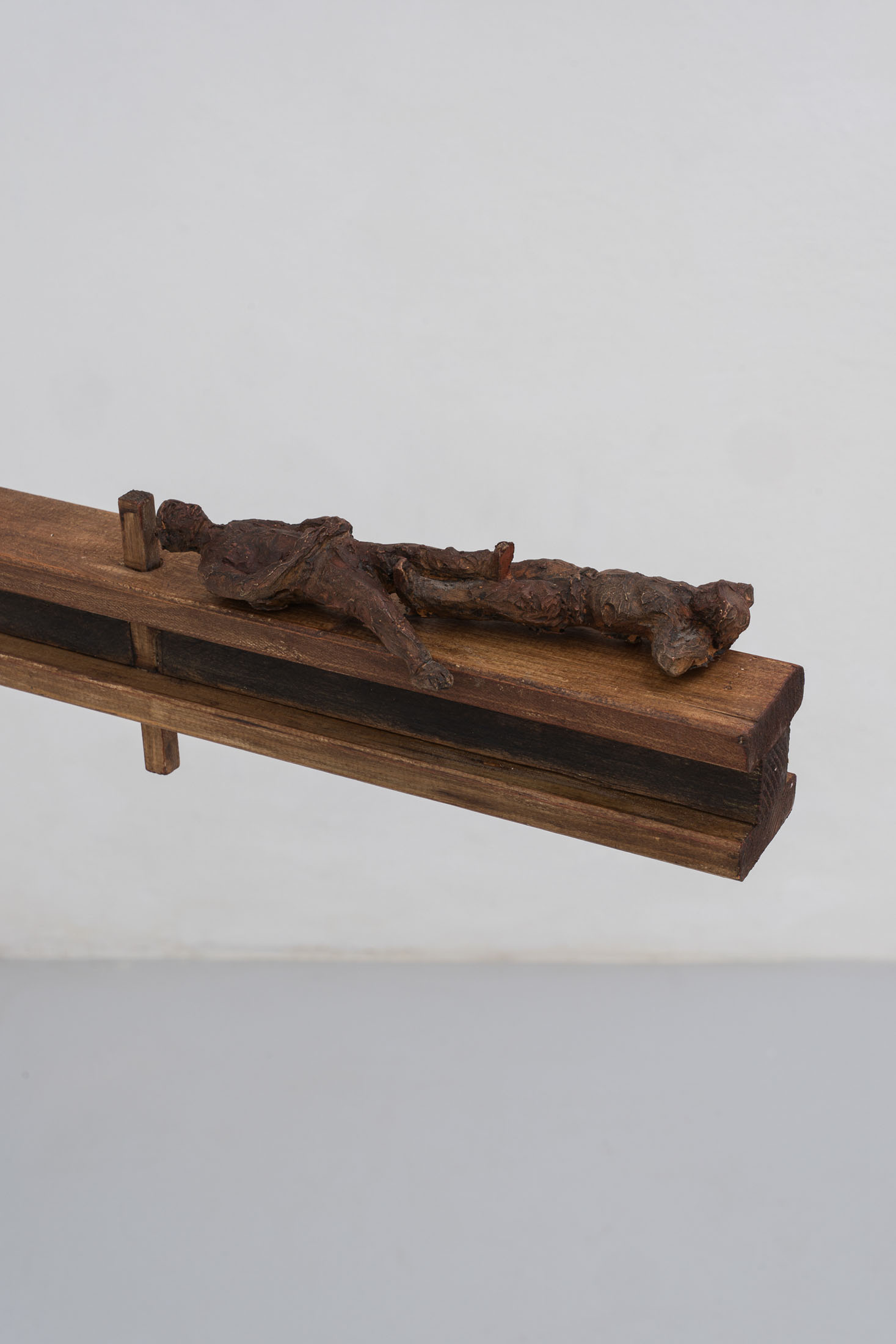
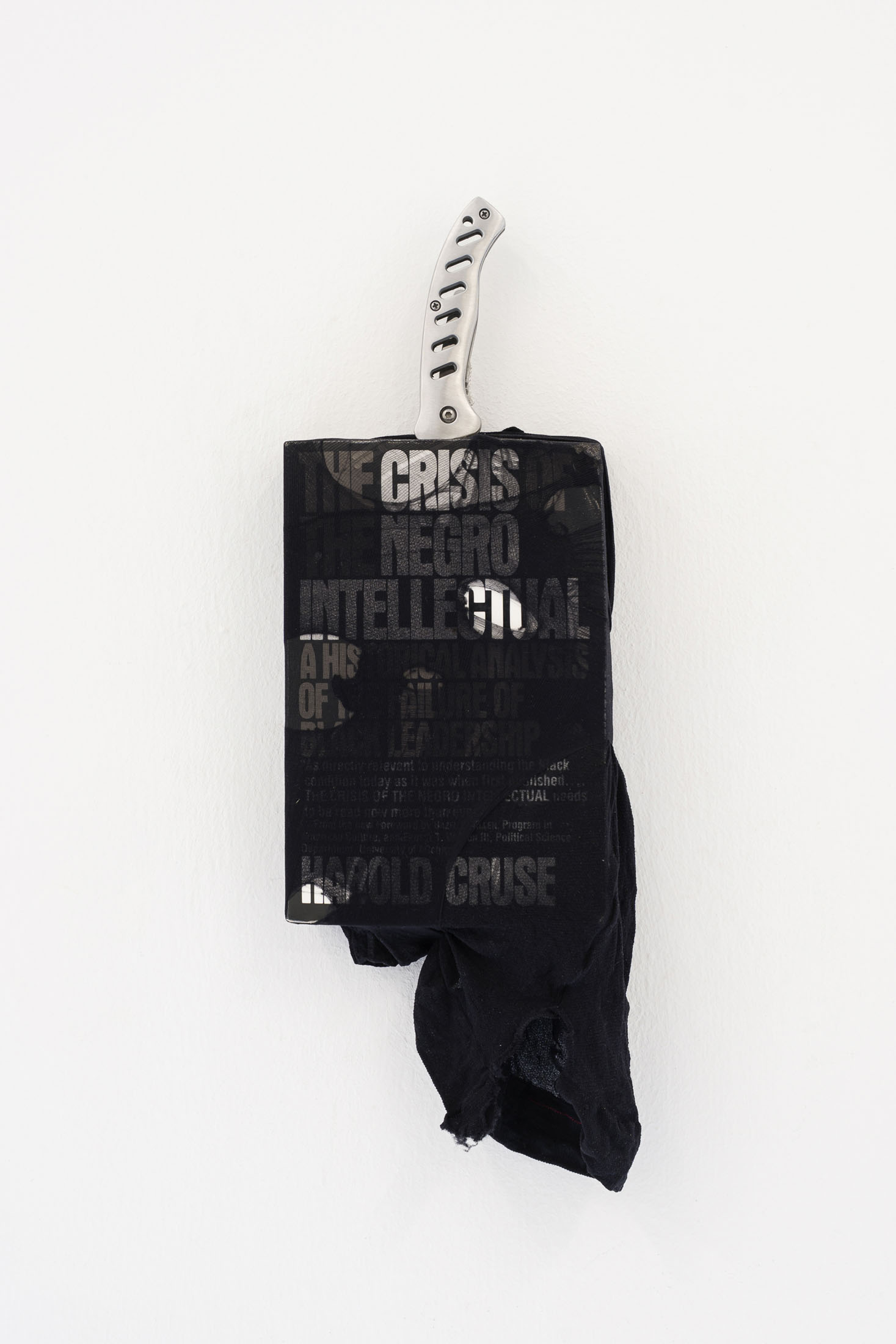
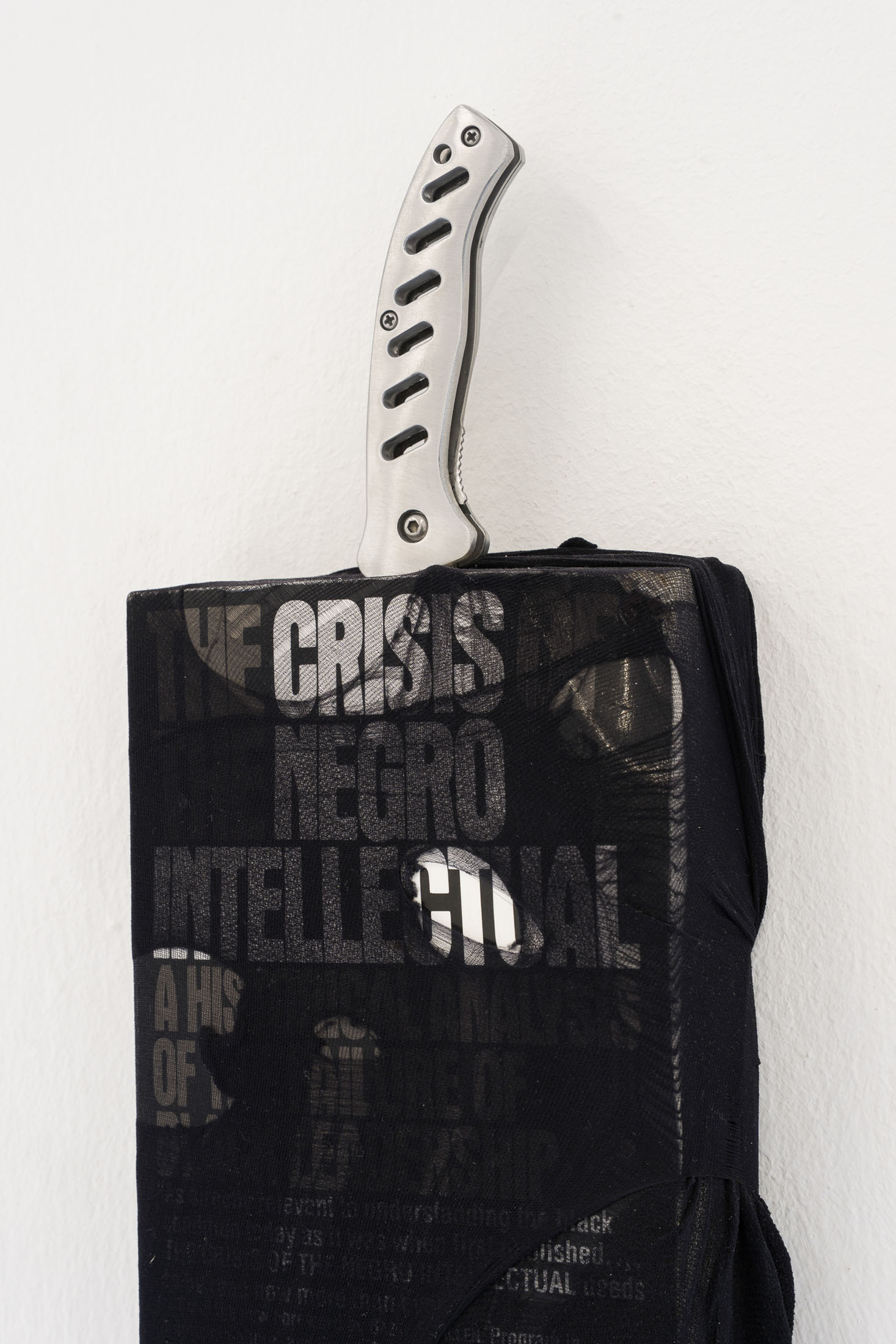
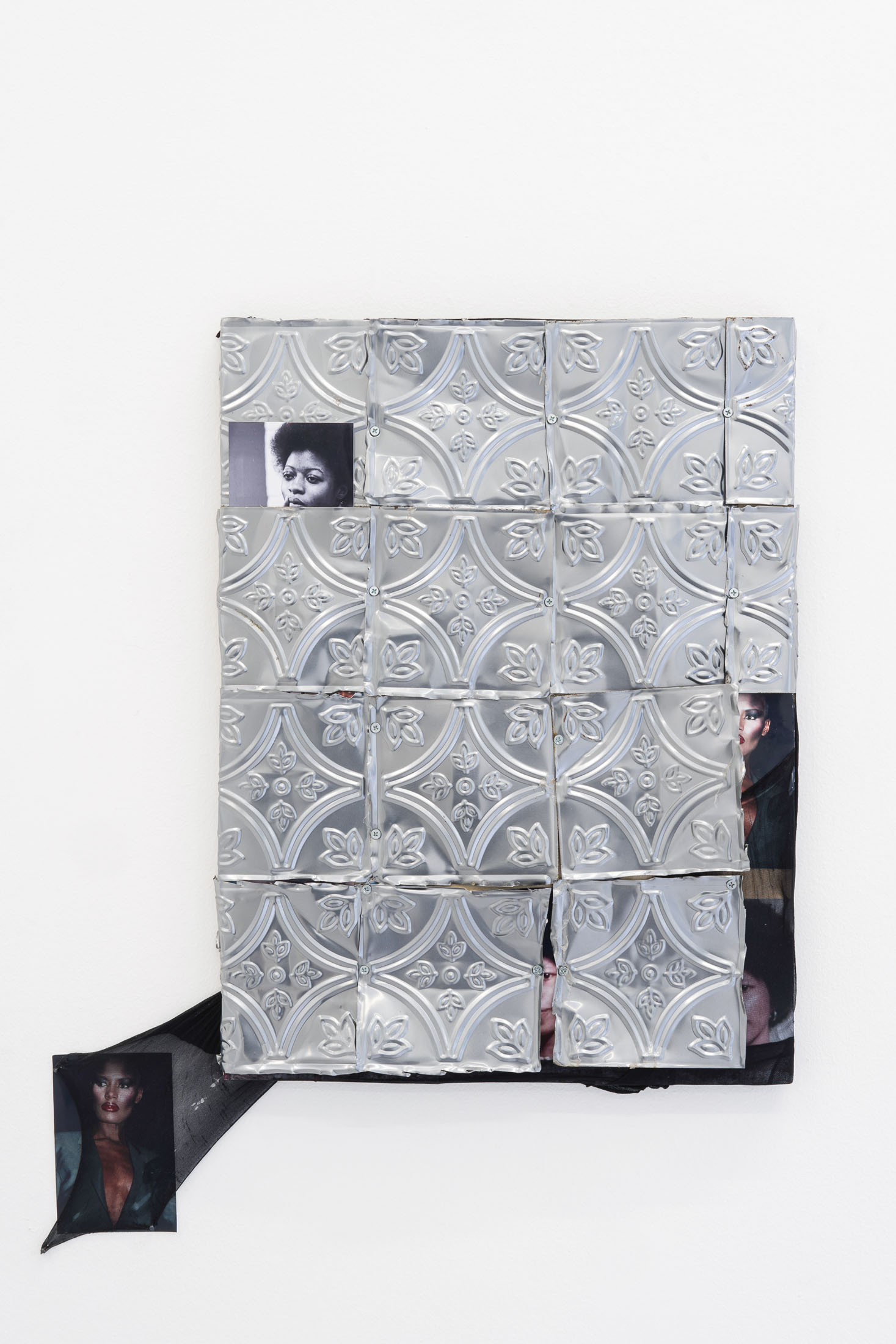
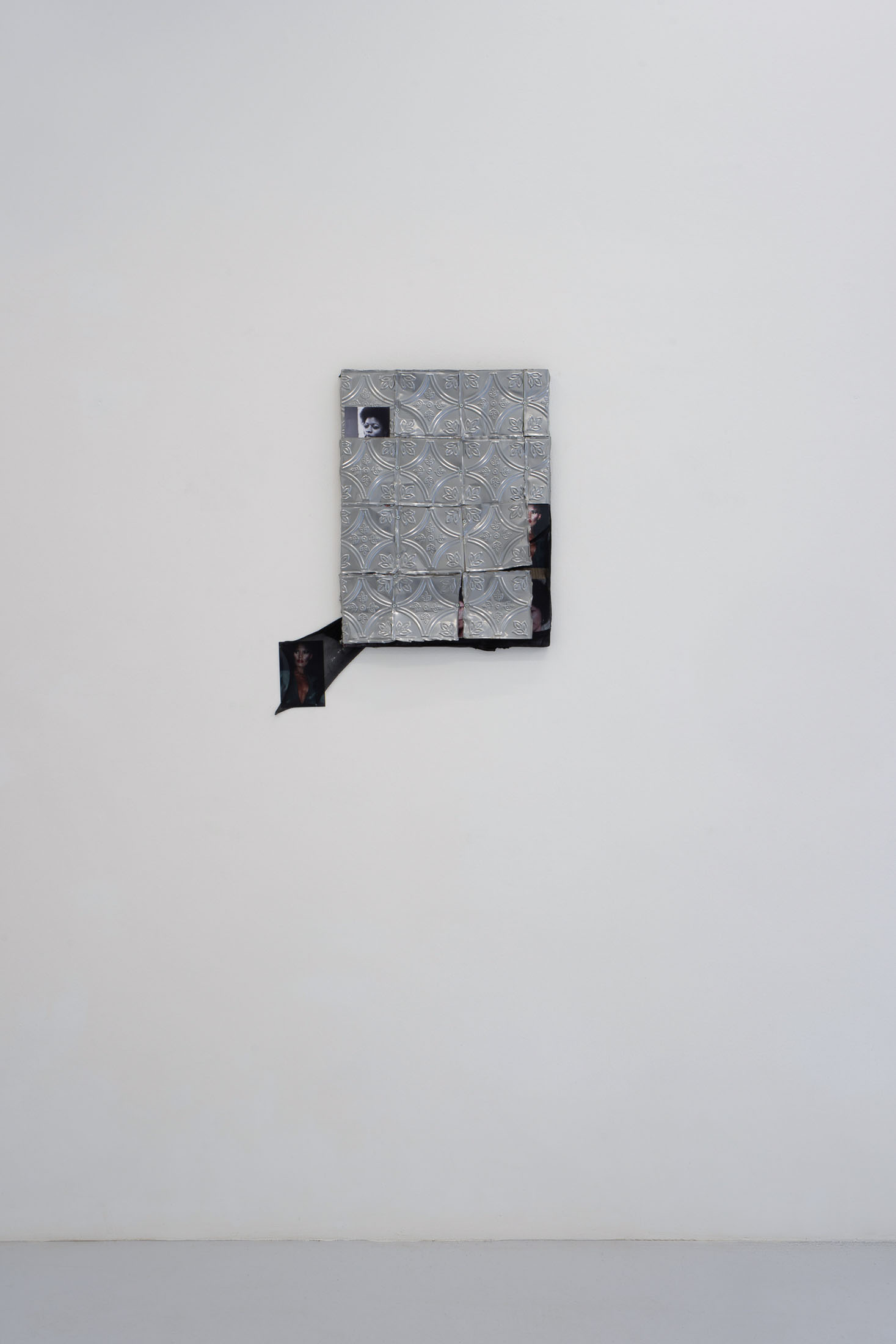
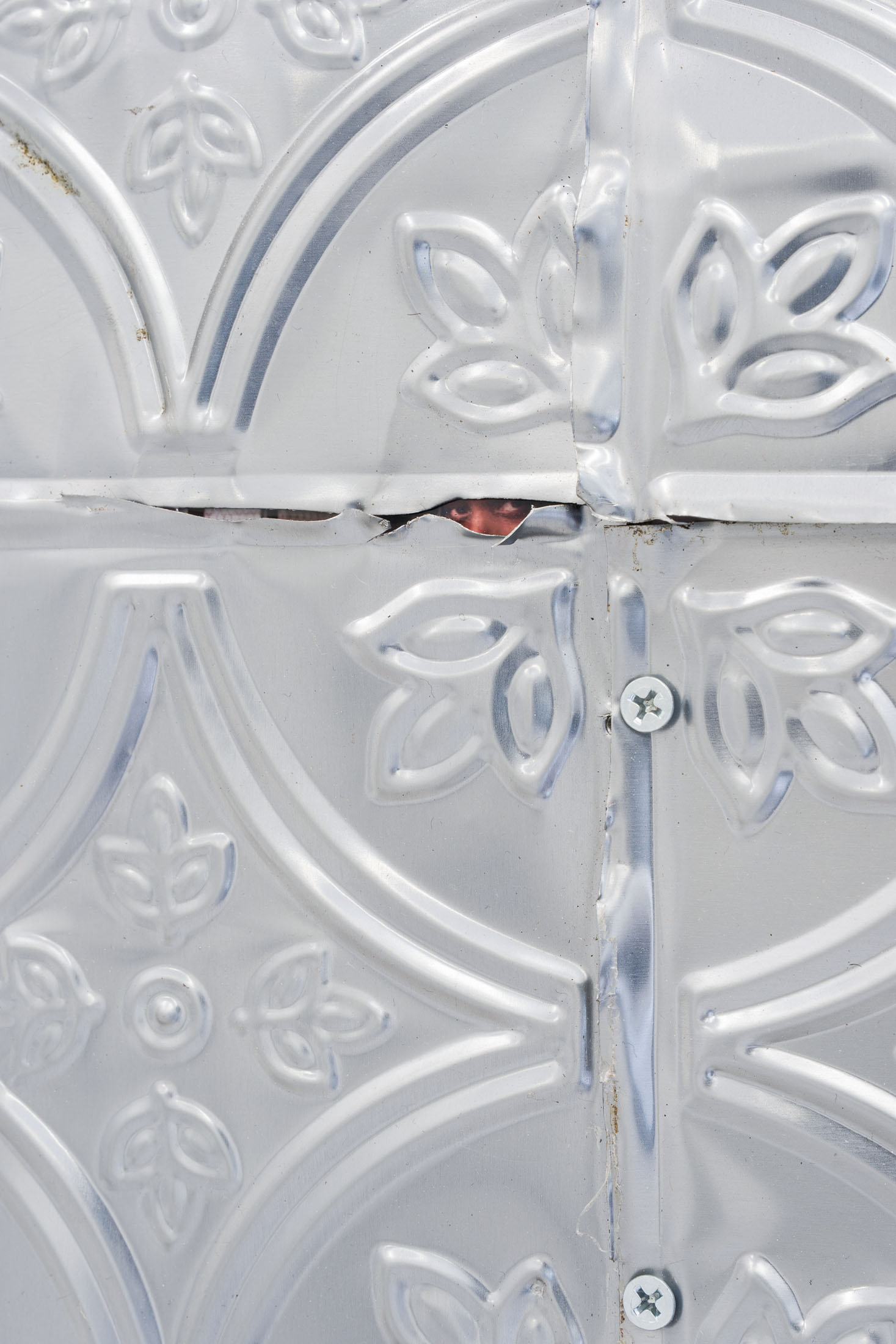
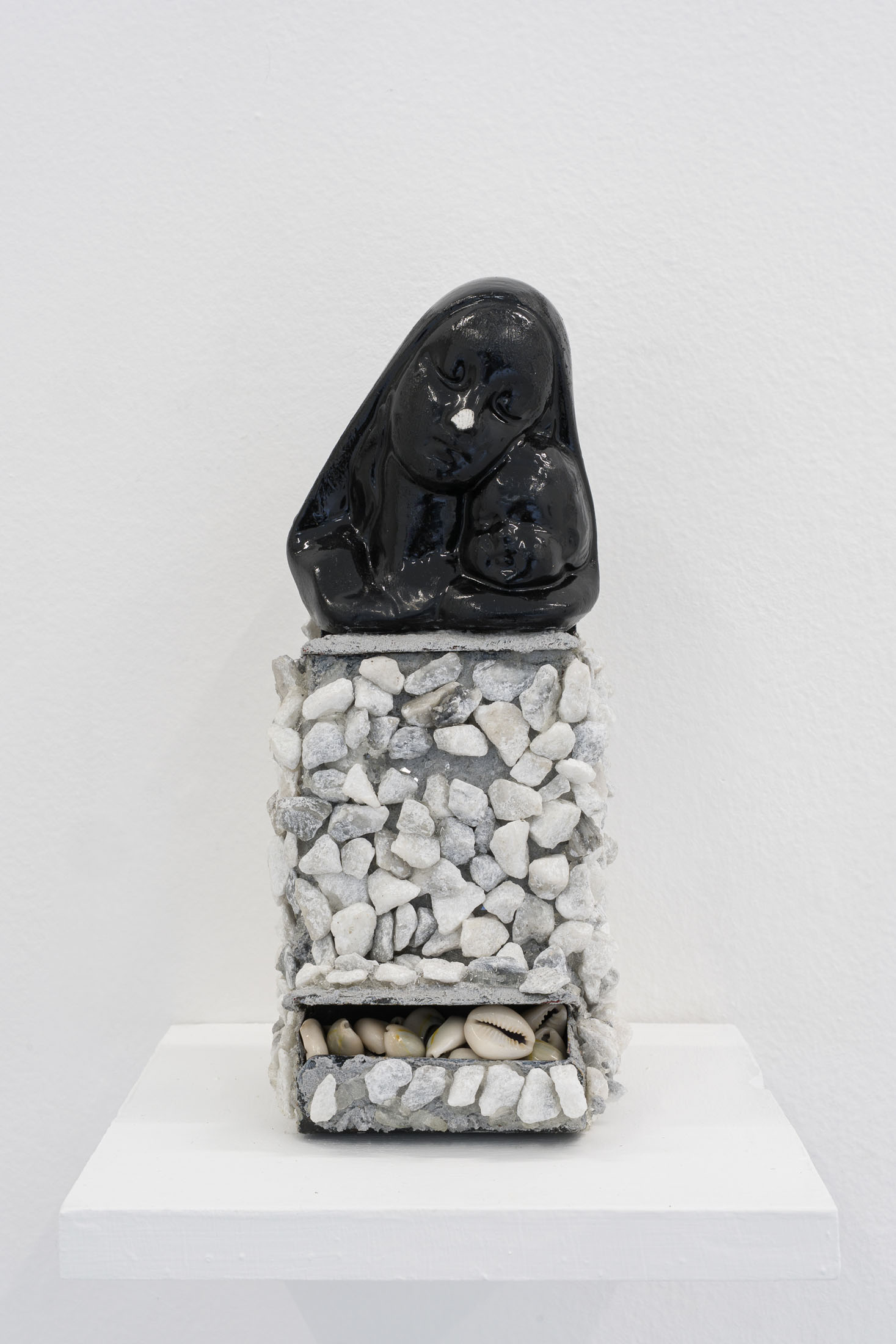
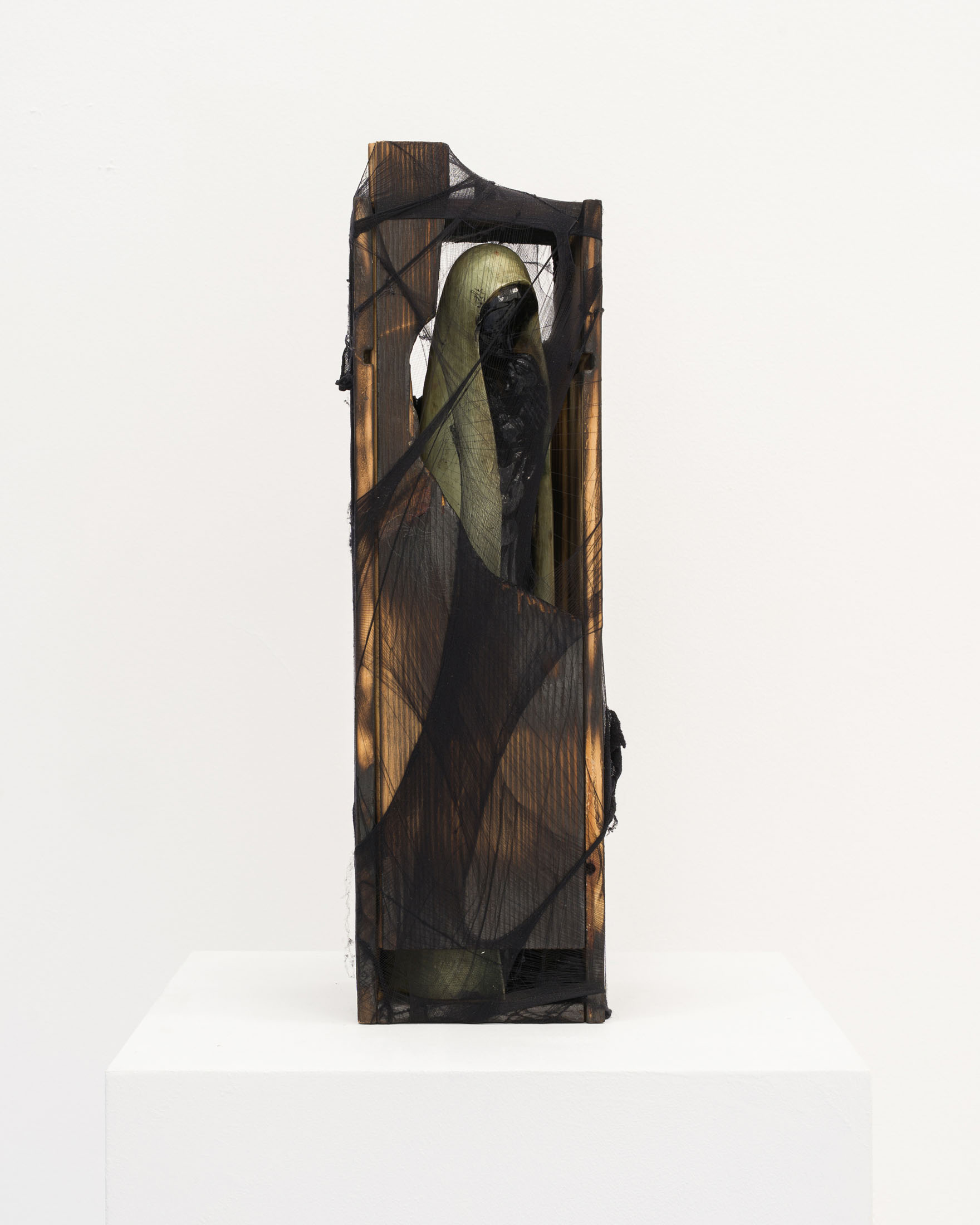
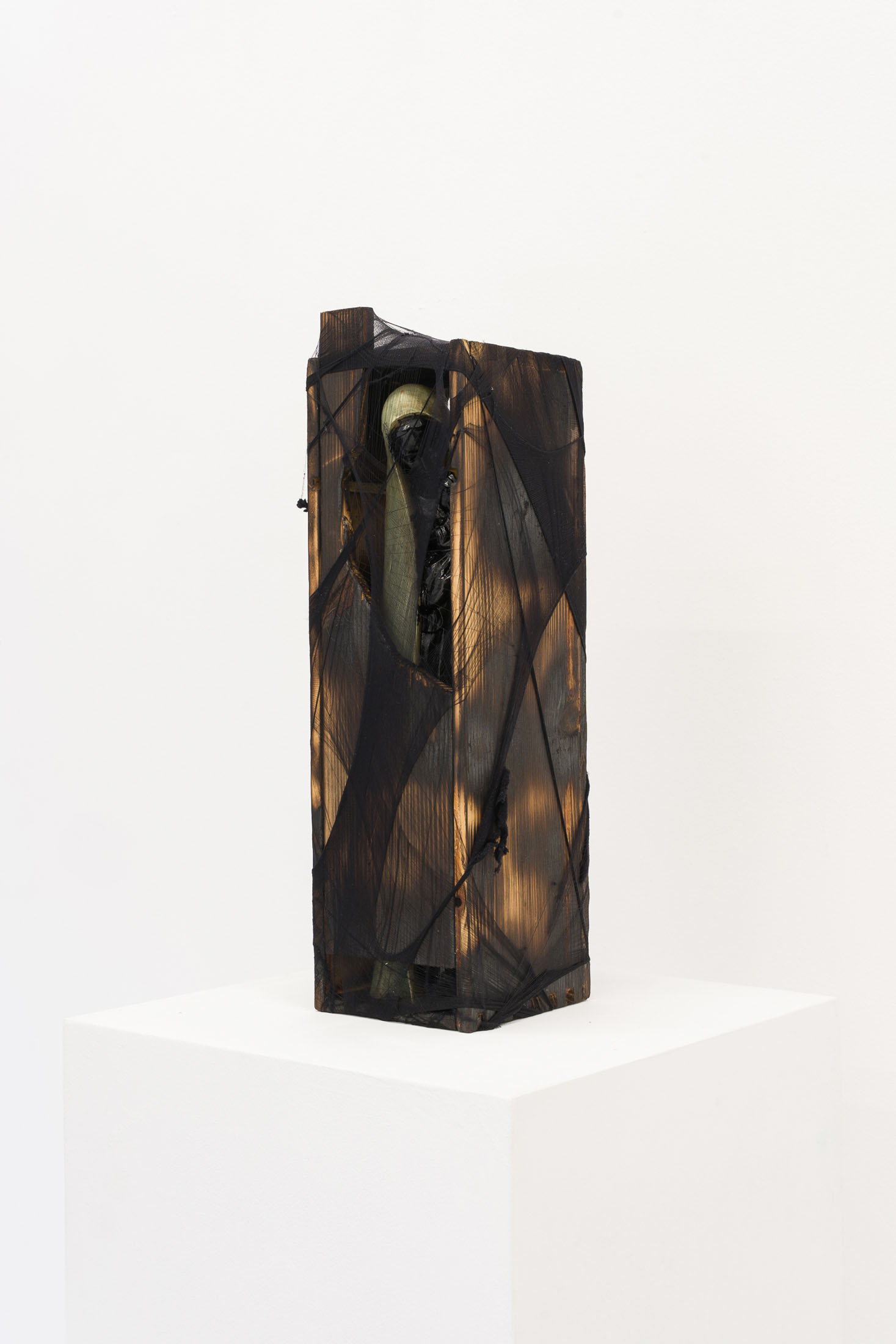
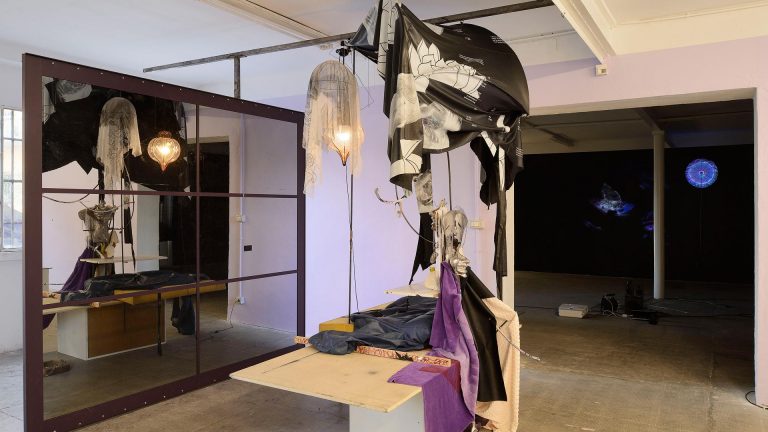
Il cielo s’annuvola by Justin Randolph Thompson brings together new sculptural and sonic works that reflect on tragic African female figures—often destined for suicide—as they have been represented within the European operatic canon. The research draws from the works of Henry Purcell, Giuseppe Verdi, and Johann Adolf Hasse, engaging the figures of Aida, Dido, and Cleopatra as symbolic vessels for European constructions of exoticism, sacrifice, and fatalism. These images are rooted in cycles of imperial rise and decline and in mythologies of destiny that recur across time.
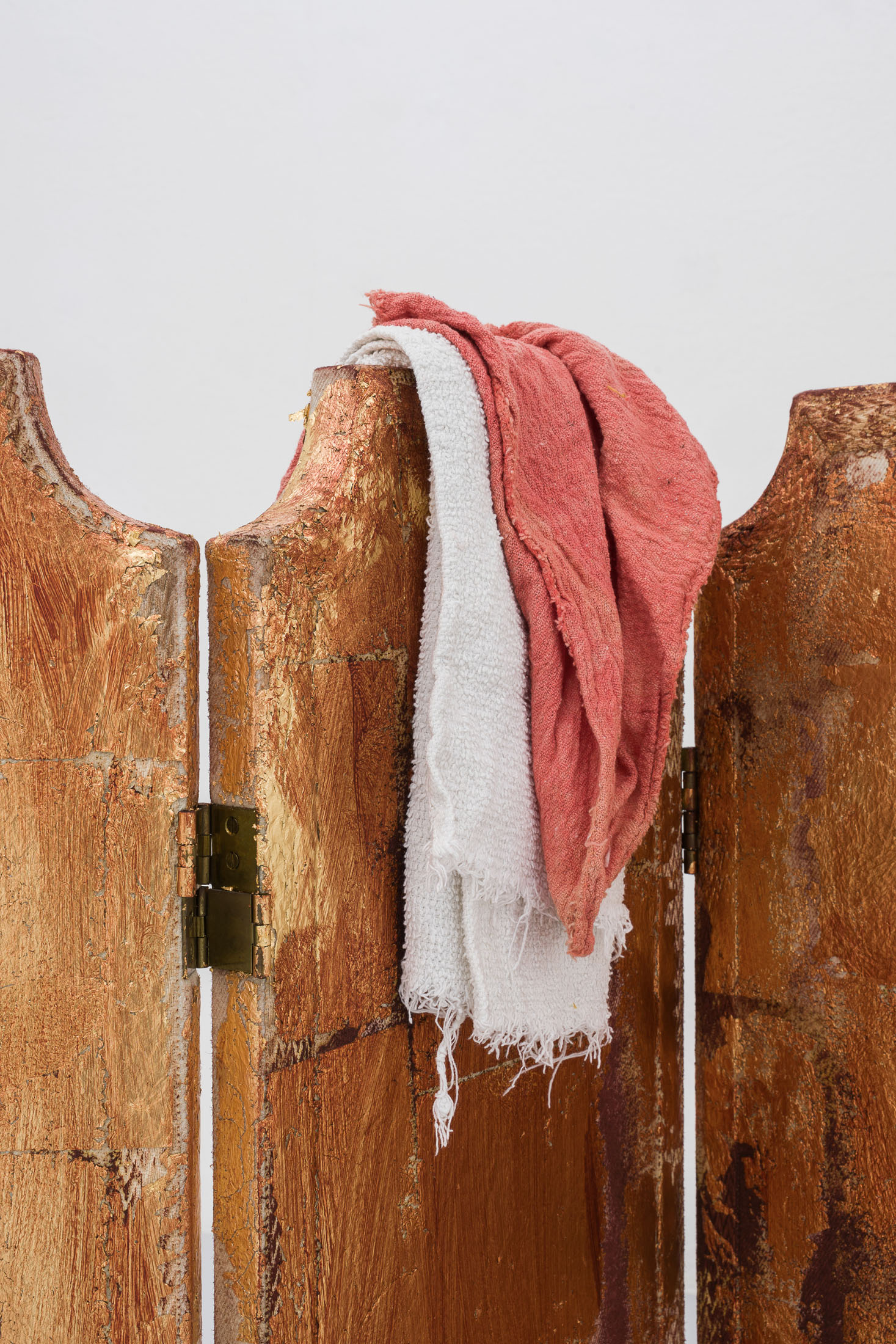
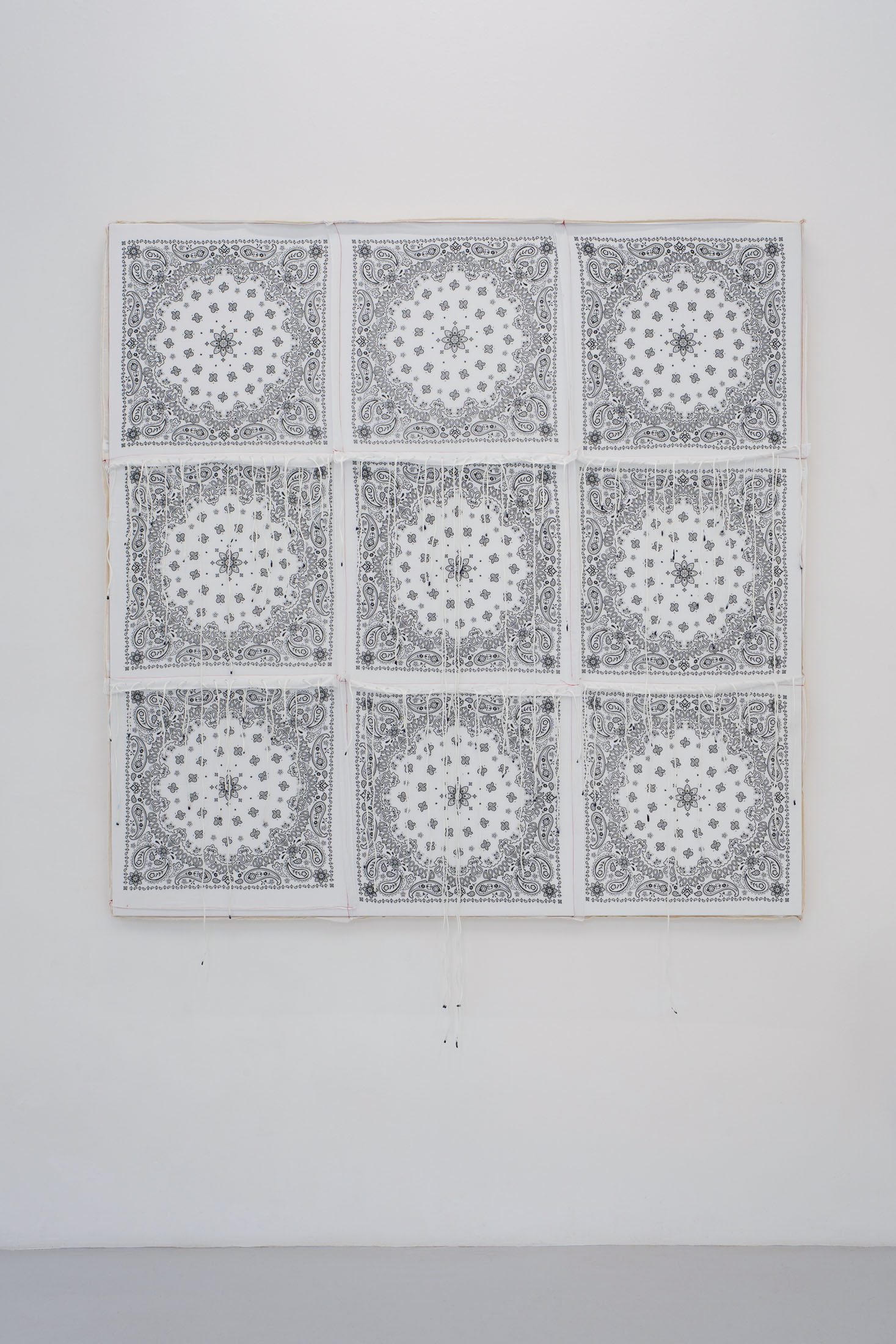
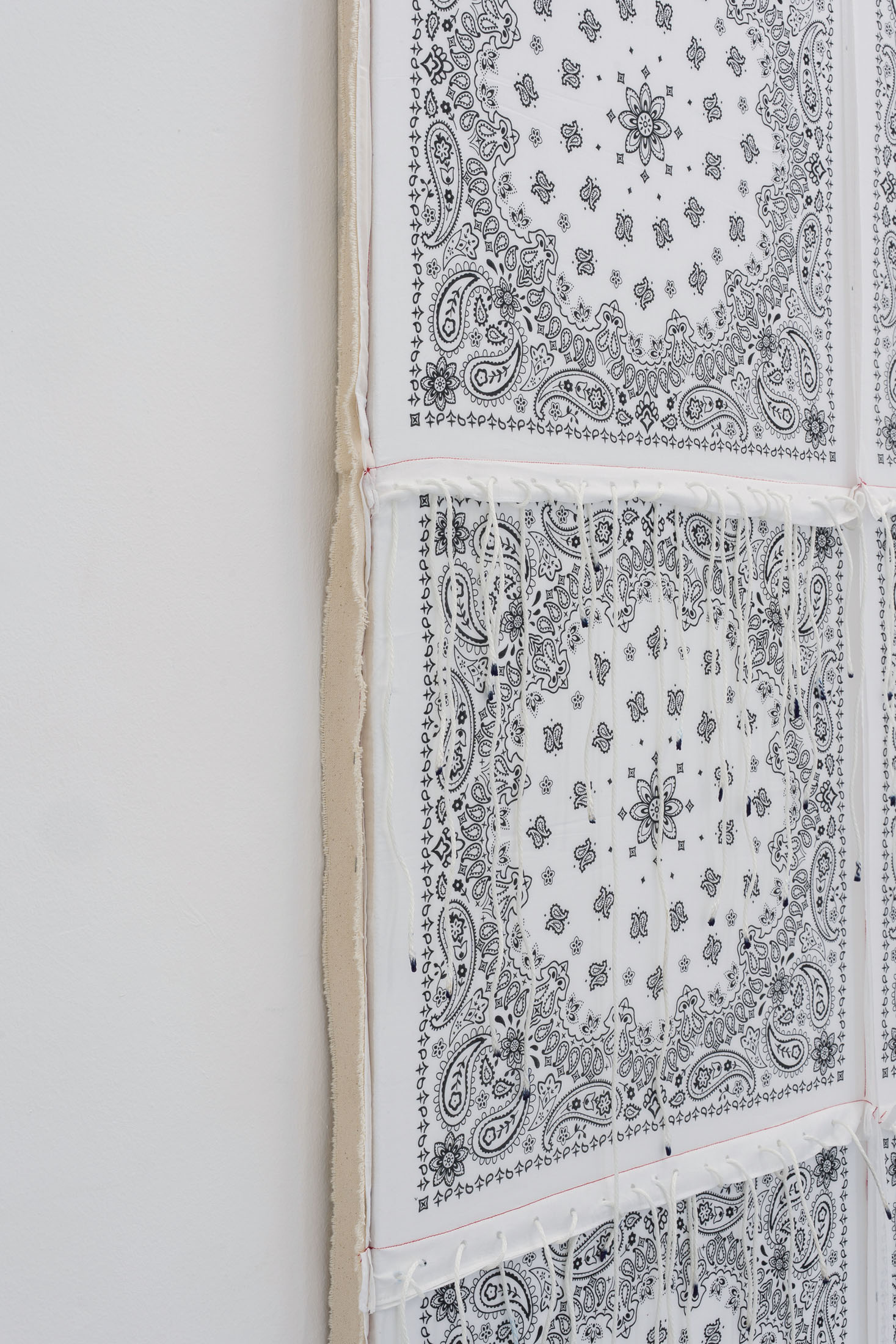
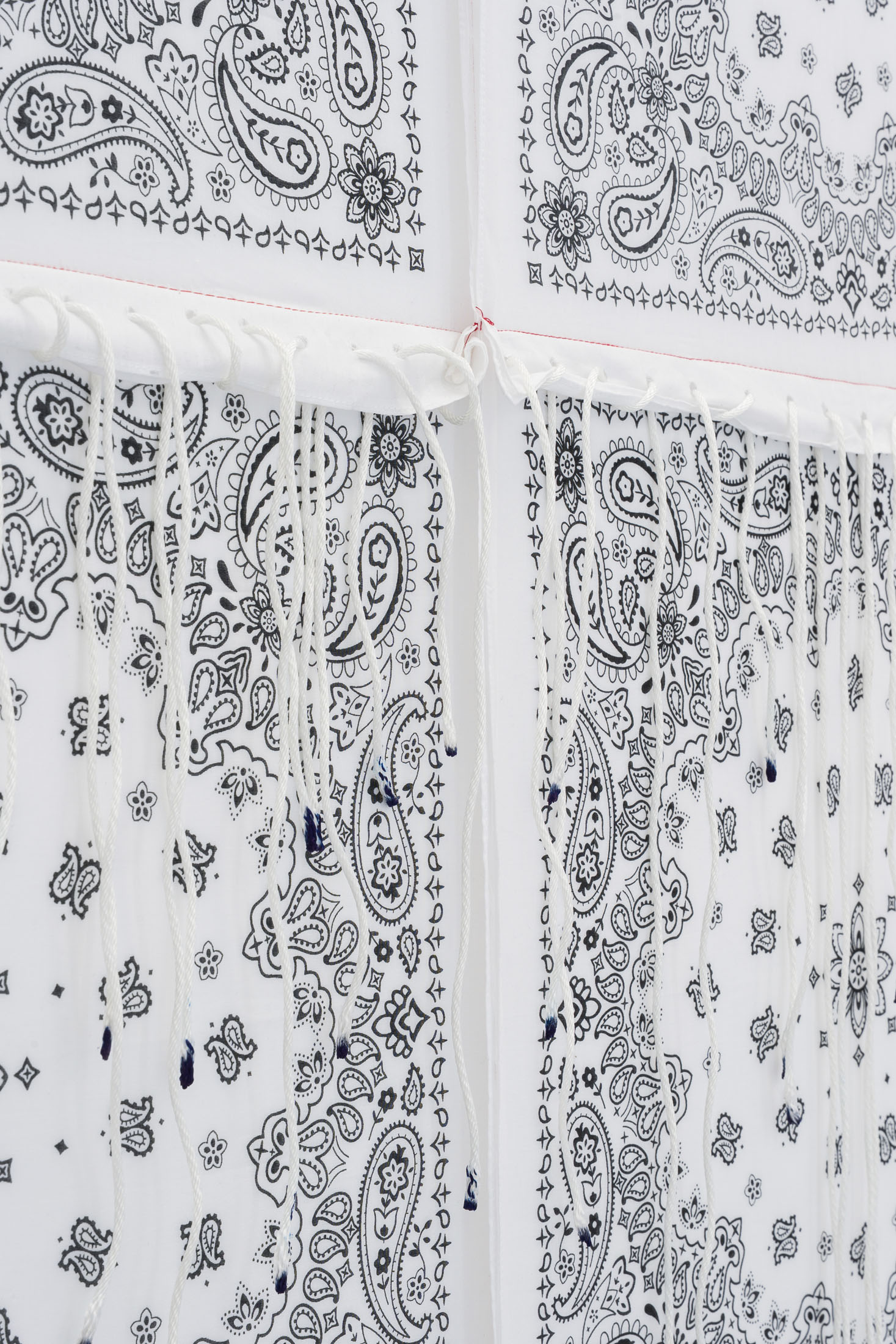
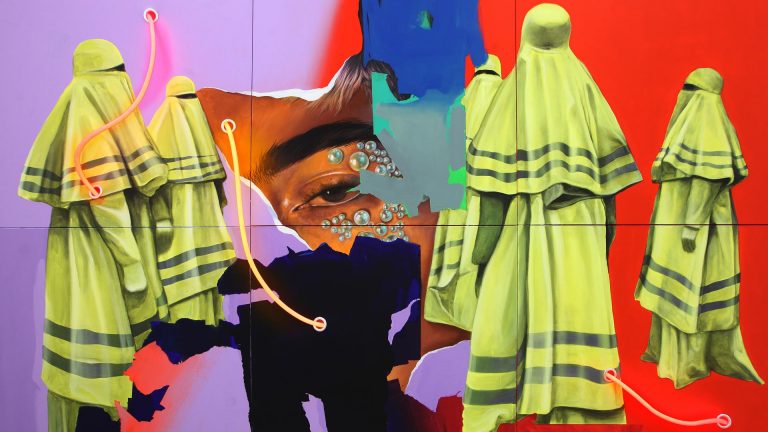
Through textile sculpture, sound, and painting, Thompson continues an investigation into the presumption of permanence. He questions the idea that everything must endure like a monument, both in history and in art, and challenges those cultural habits that, like opera itself, transform violence into aesthetic form. The work reveals how imperial power is presented as beauty and continues to survive through it.
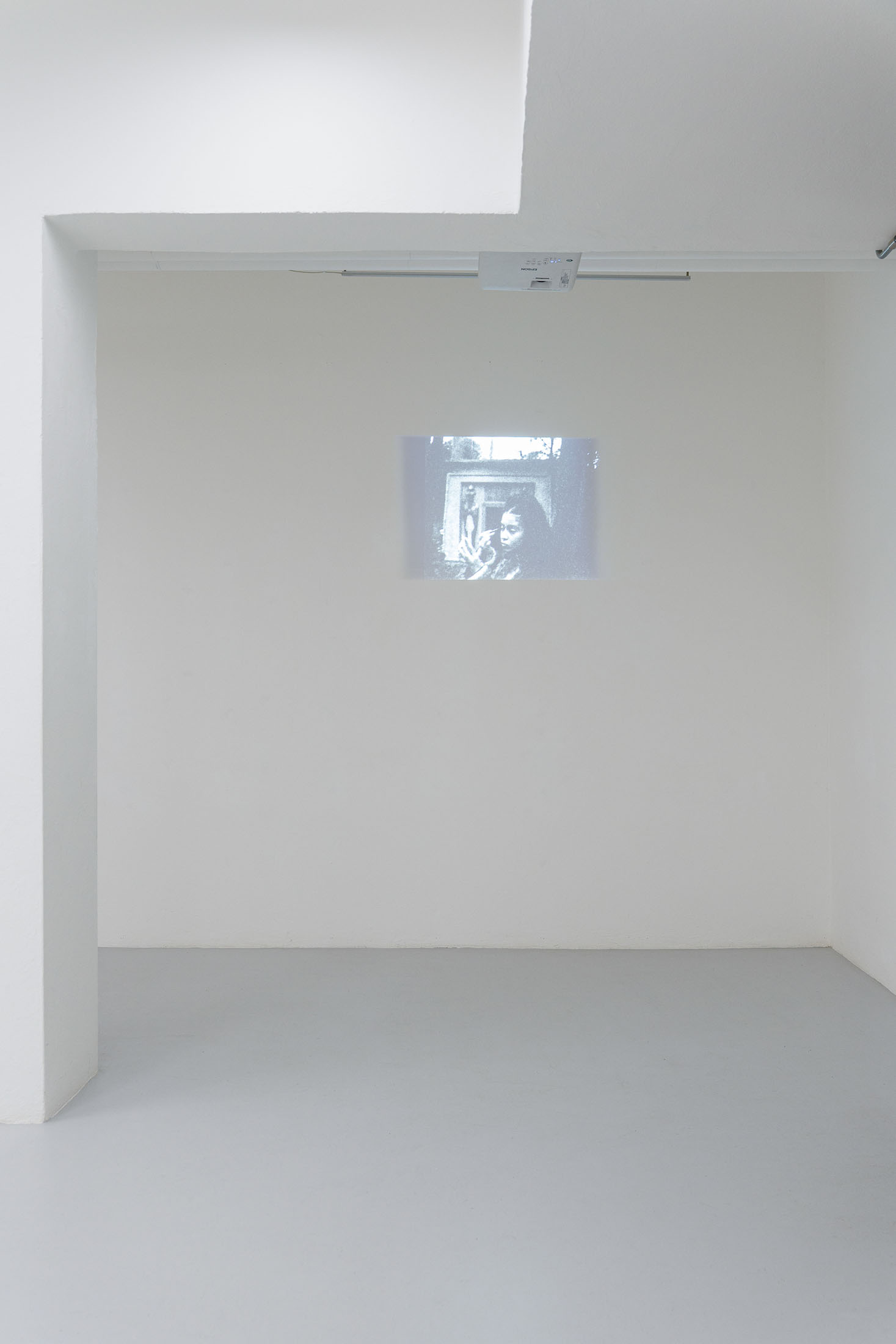
At the center of this inquiry is Europe’s construction of Africa as a feminized figure, filtered through operatic heroines: bodies and voices used as mirrors for Western desires and fears. Over the past fifteen years, Thompson has reactivated these figures through performance, film, and sound works, foregrounding the living, rebellious force of great singers capable of generating tension against the constraints of assigned roles and dominant narratives of Black identity.
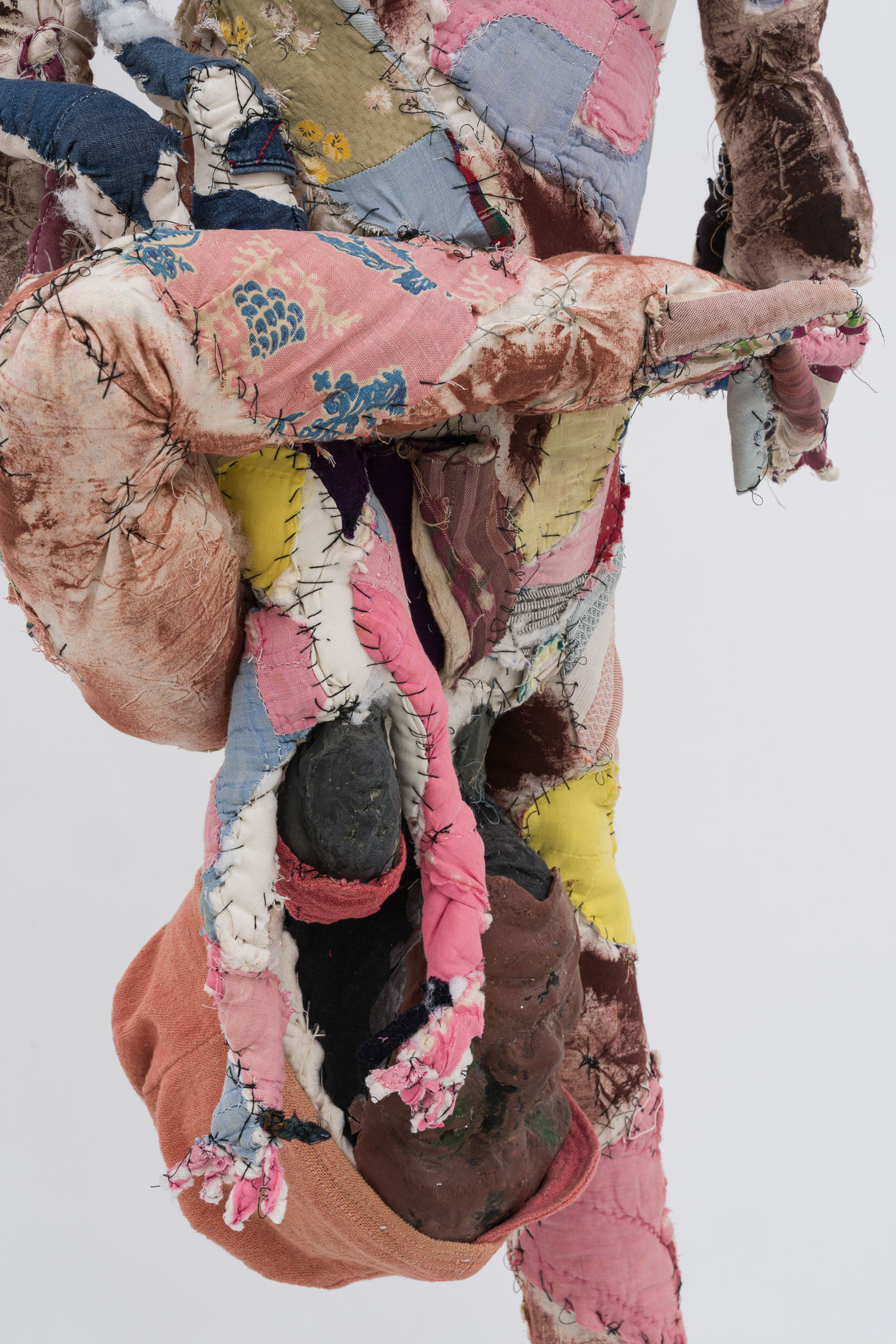
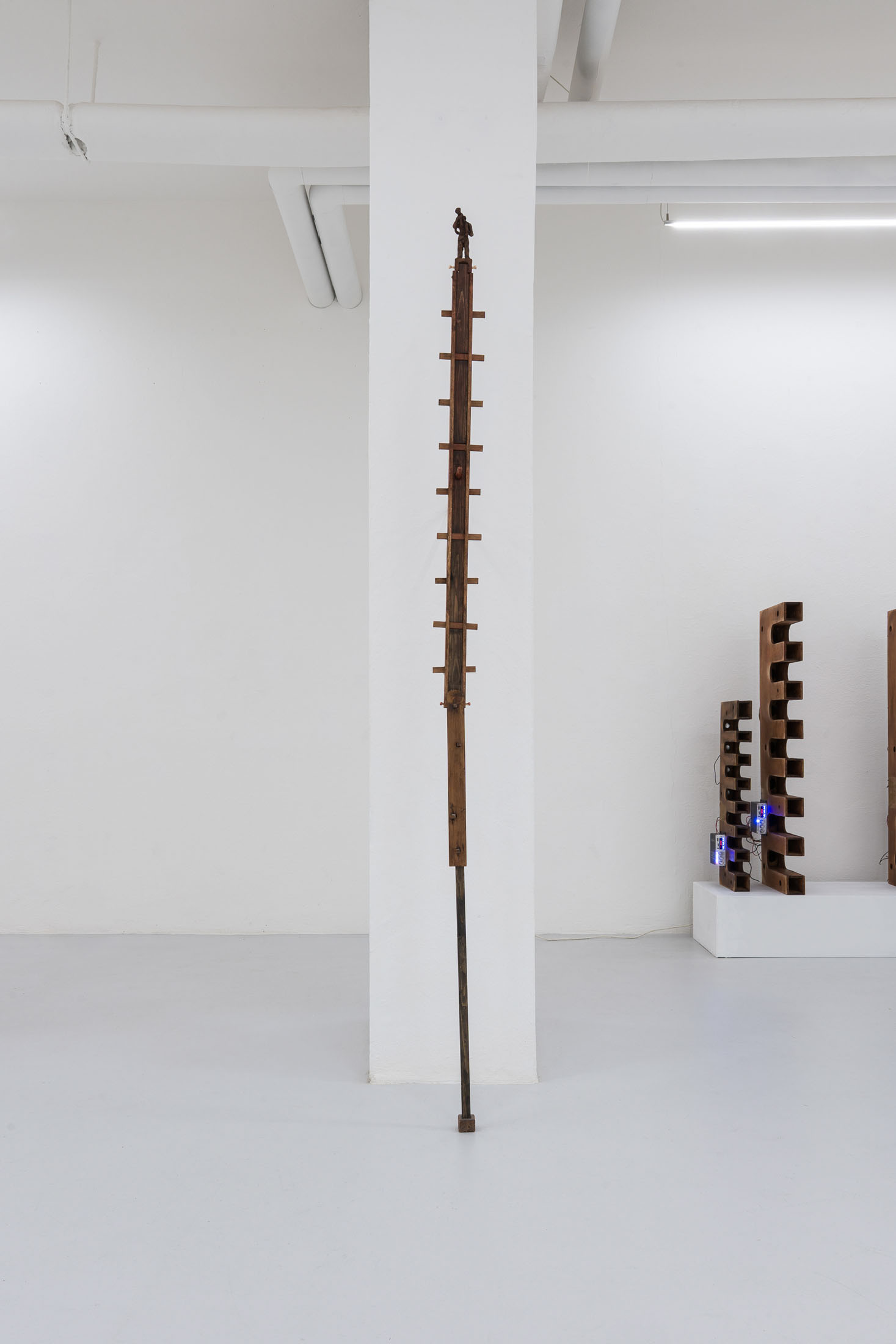
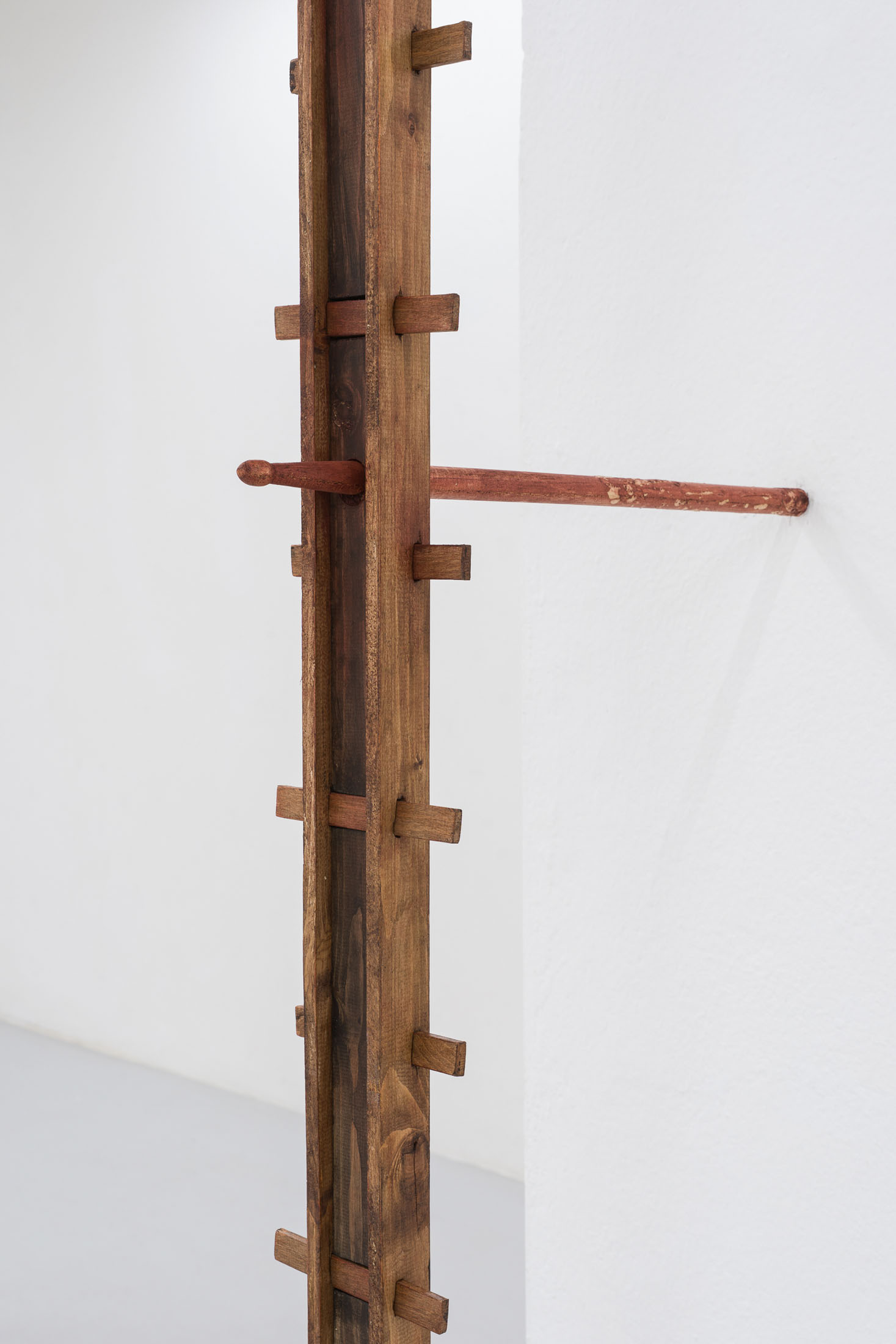
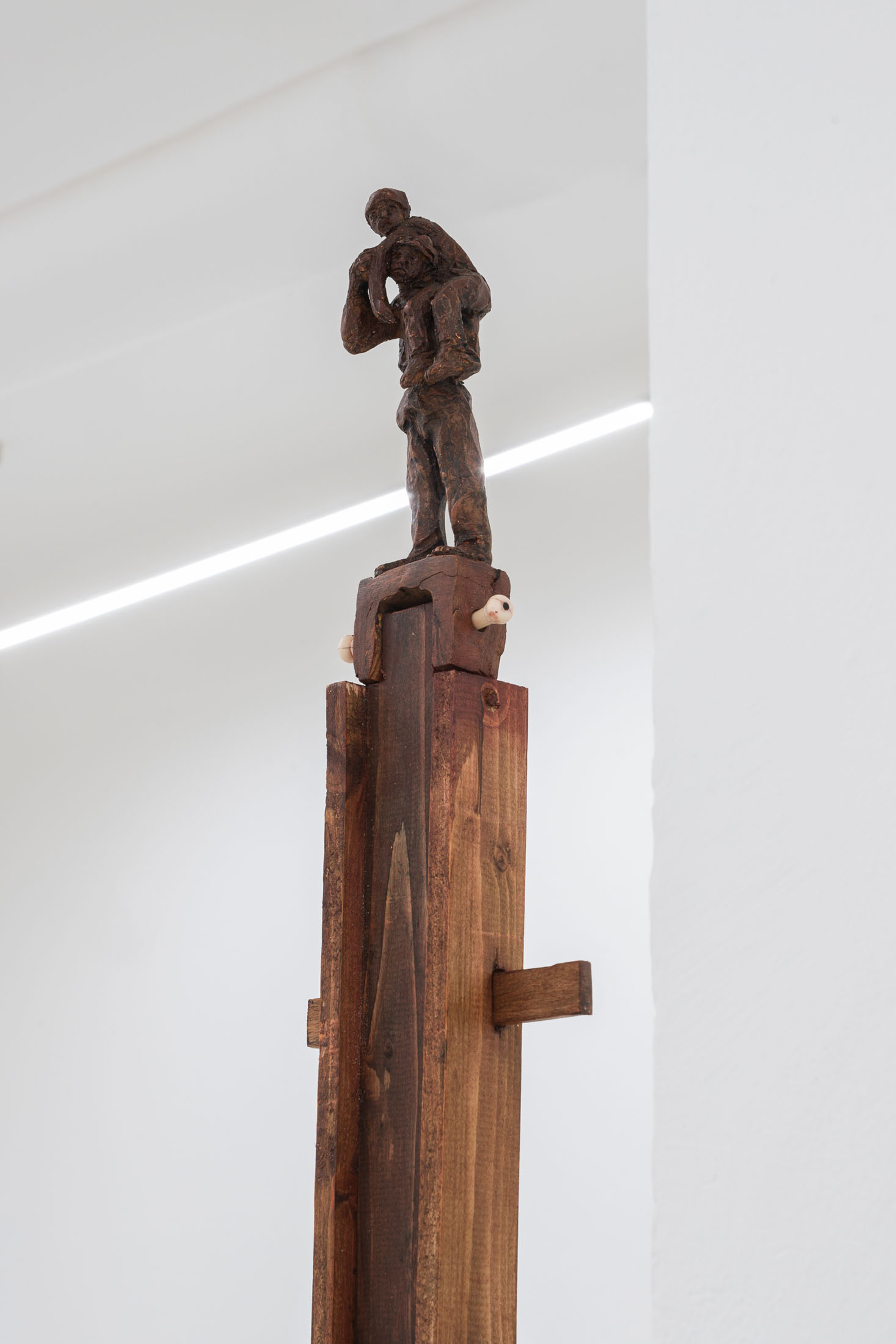
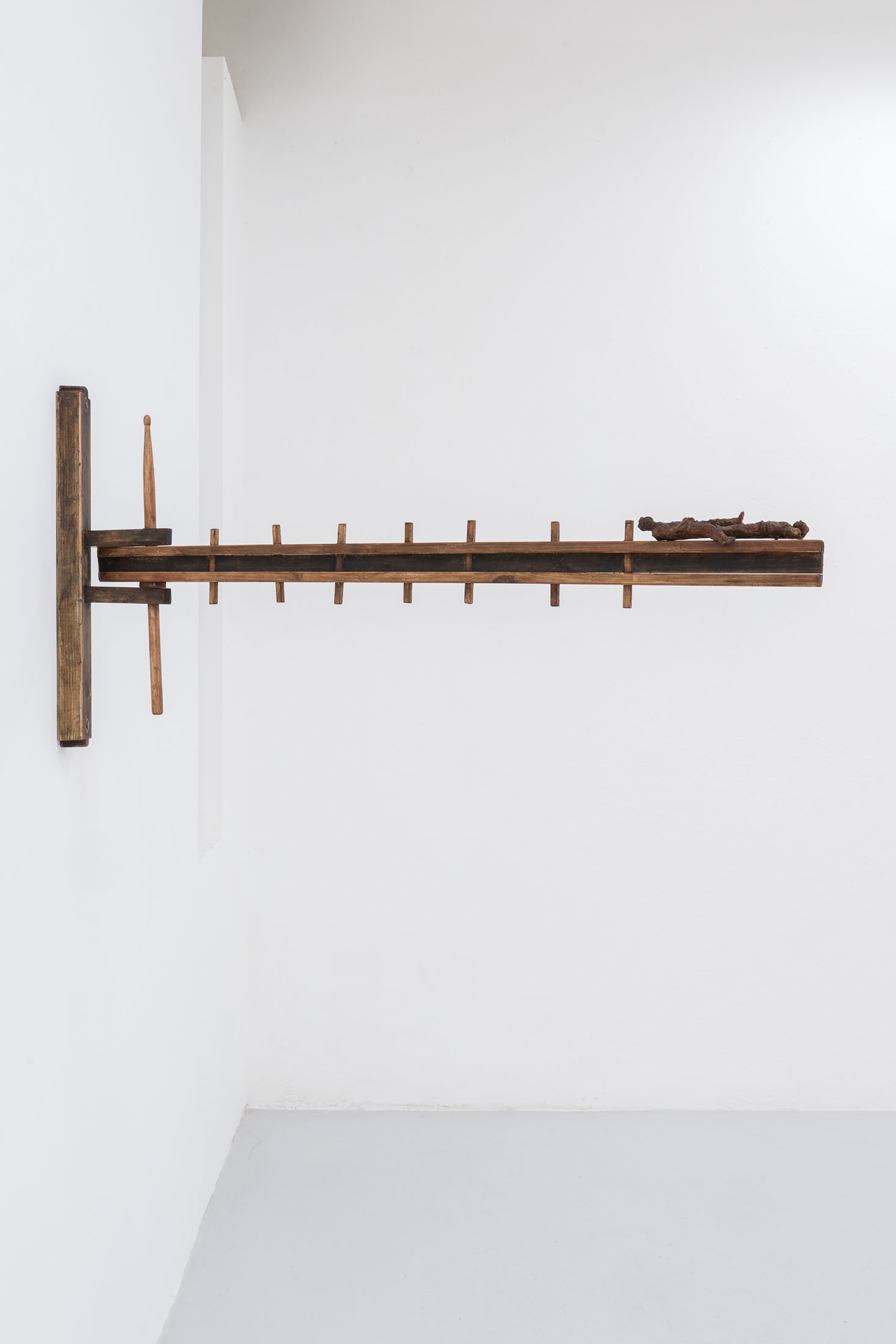
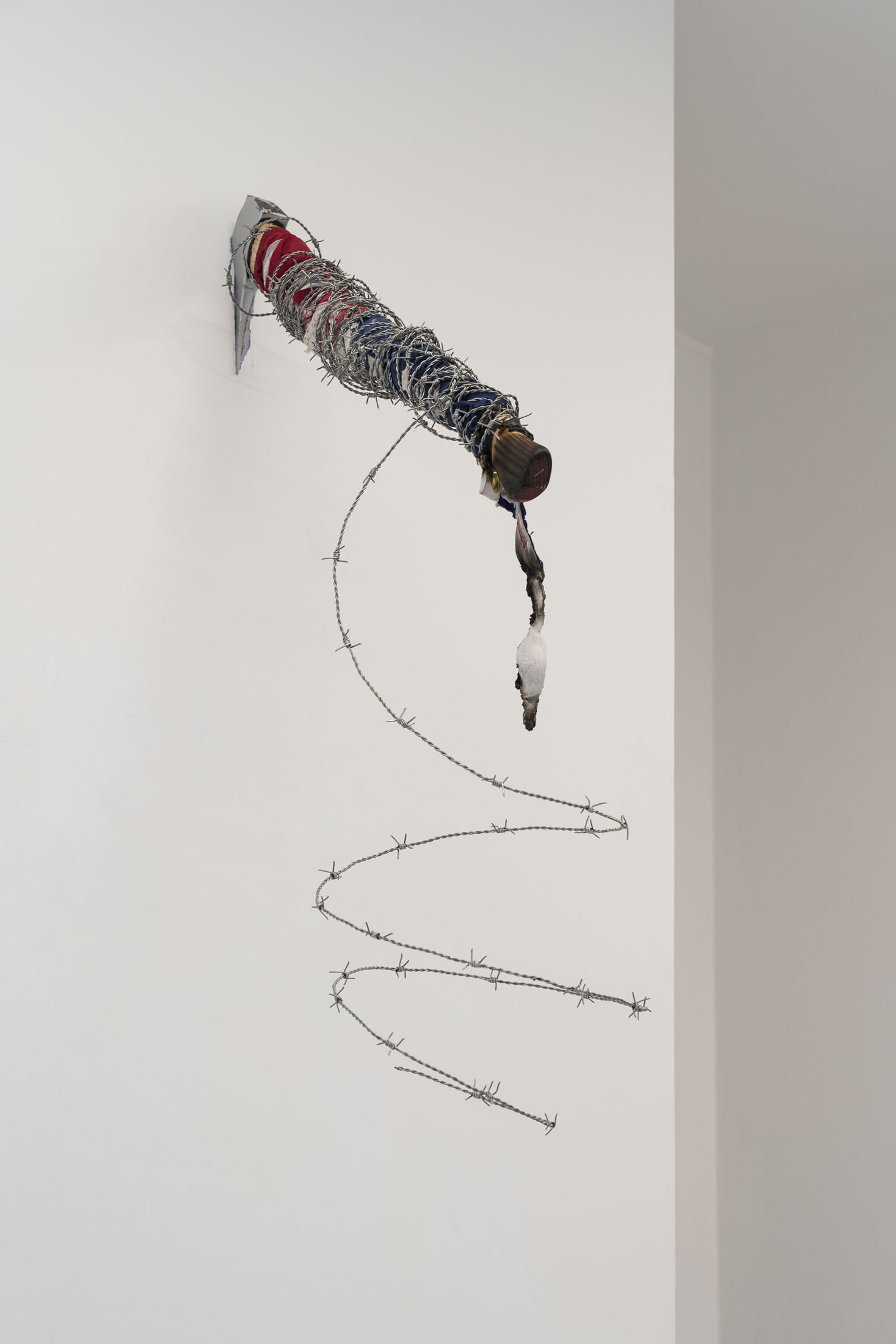
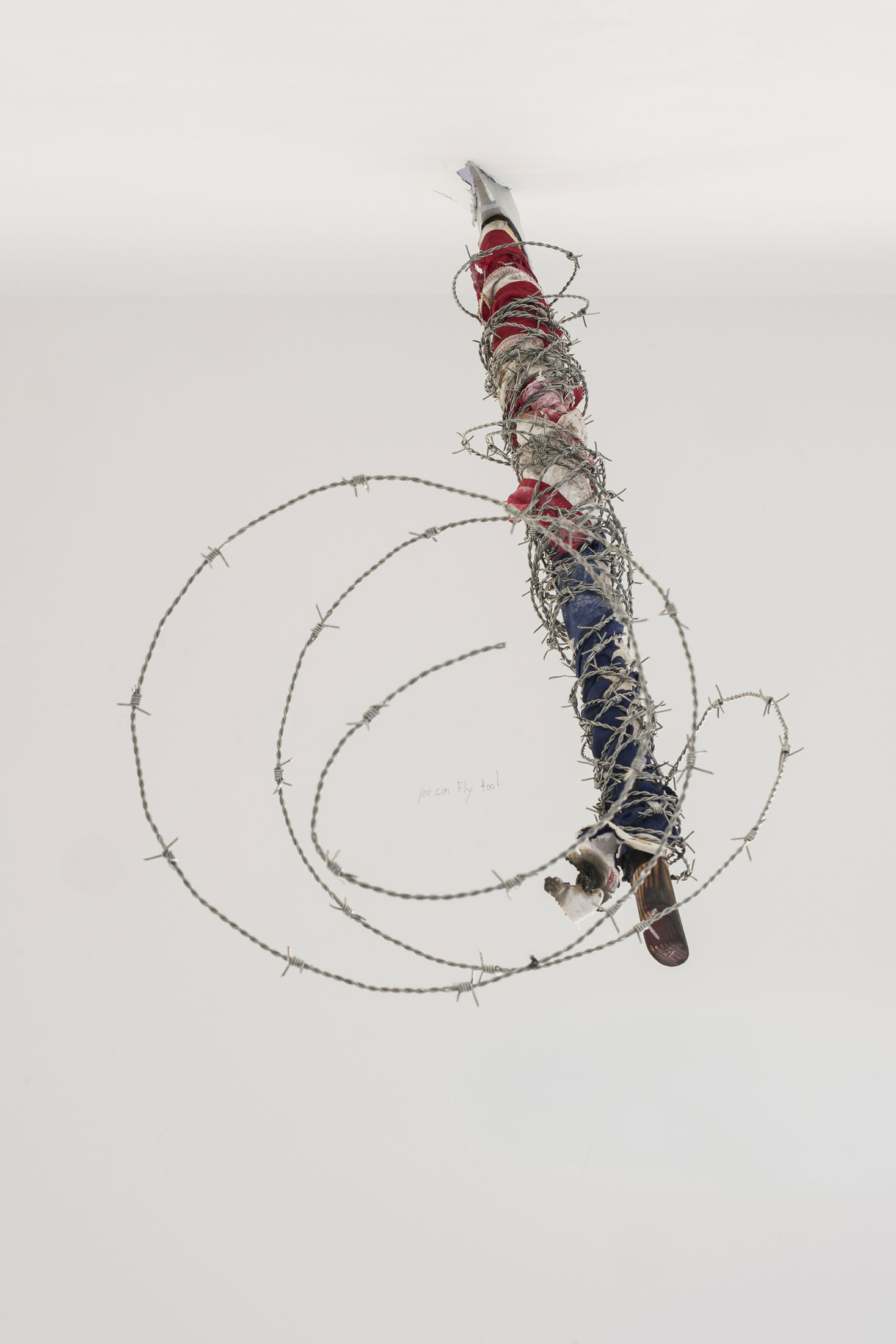
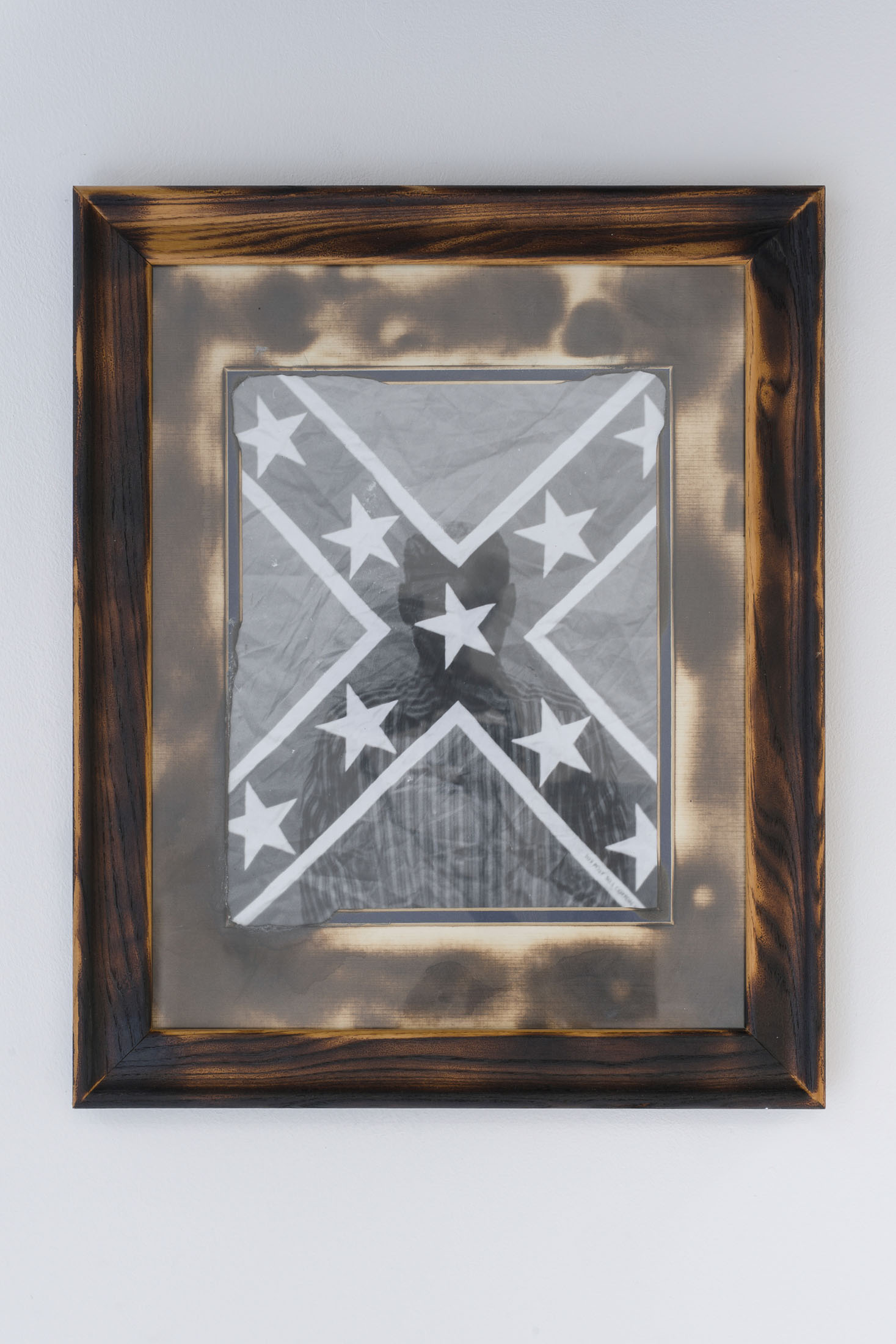
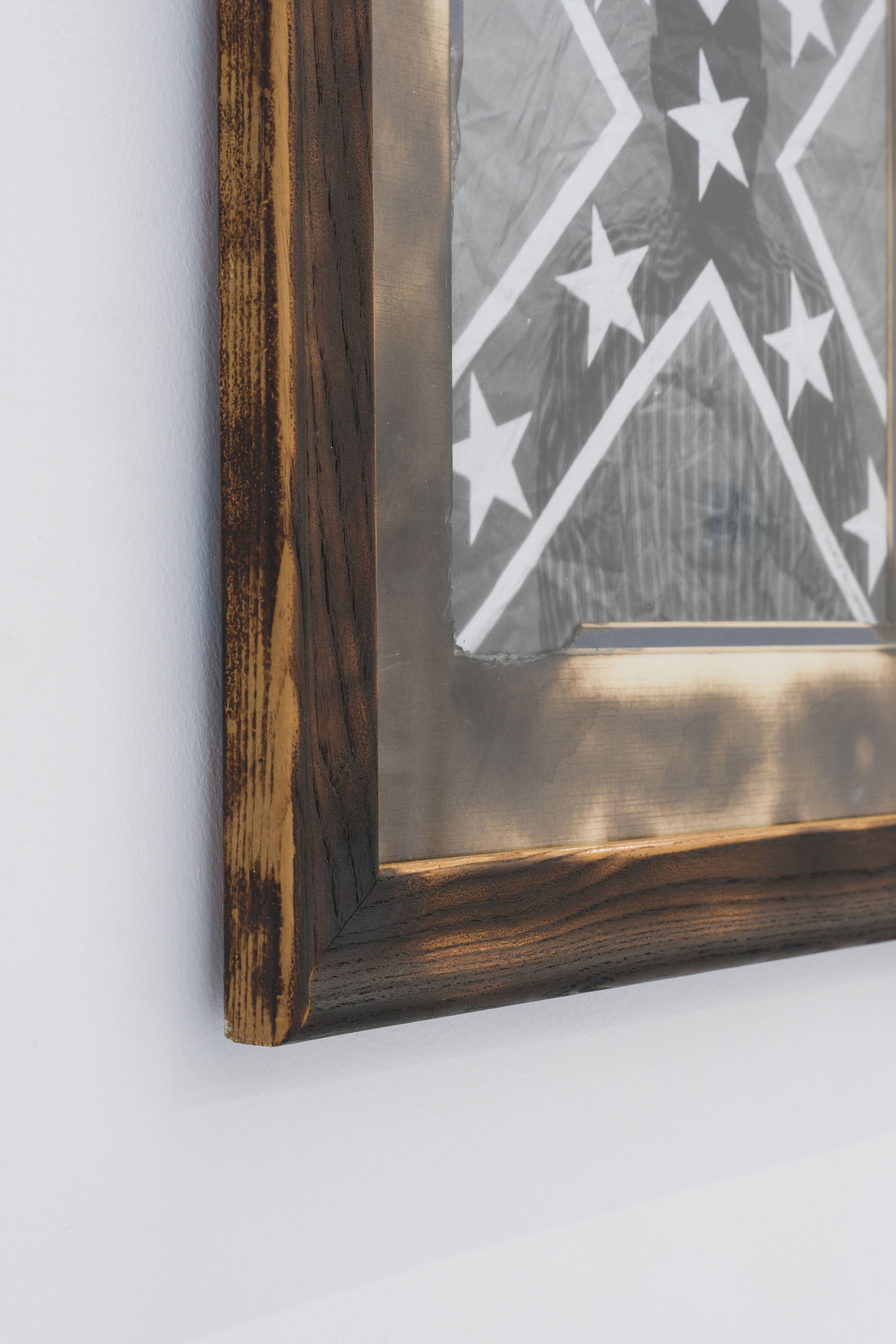
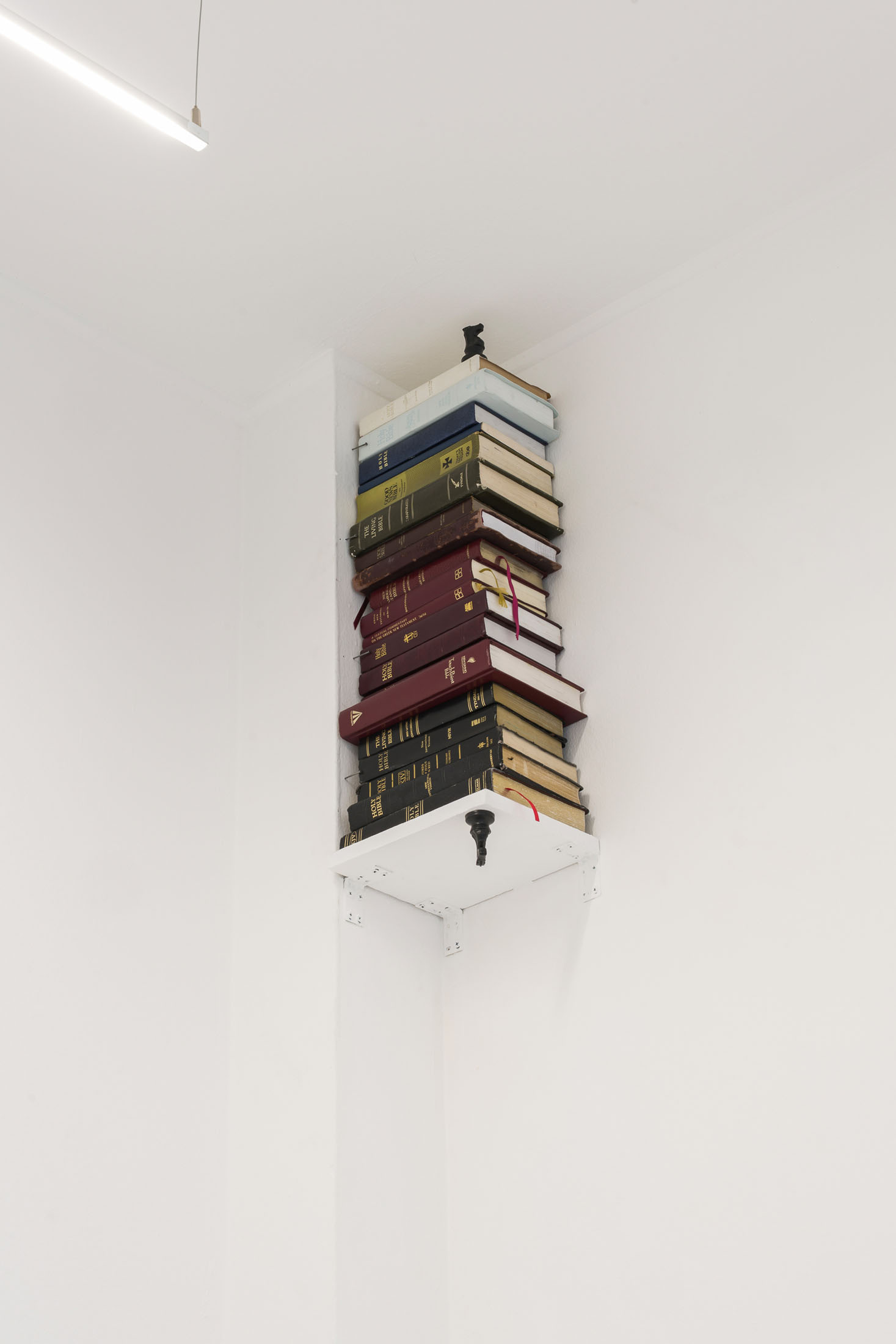
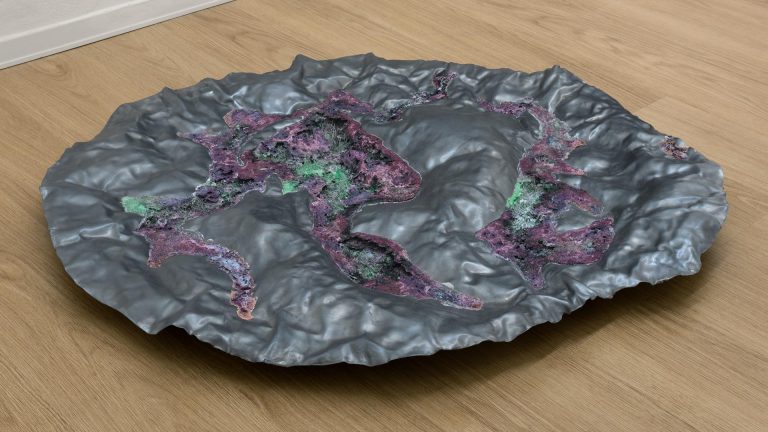
In Intro to Flydom, the term “fly” intentionally replaces “free,” softening the emotional intensity commonly associated with freedom and inviting the audience to adopt the perspective of Flydom. This theoretical approach proposes moving beyond externally imposed boundaries and internalized limitations, configuring itself as a form of liberation grounded in perceptual and symbolic repositioning. The project also addresses the emotional and psychological dimensions of anger, resentment, expectation, and trauma, restoring the complexity of contemporary Black male experience. In dialogue with historical memory layered with temporalities connecting past present and future, the work invites reflection on how historical legacies continue to shape identities, behaviors, and possibilities for transformation.
–Jermay Michael Gabriel