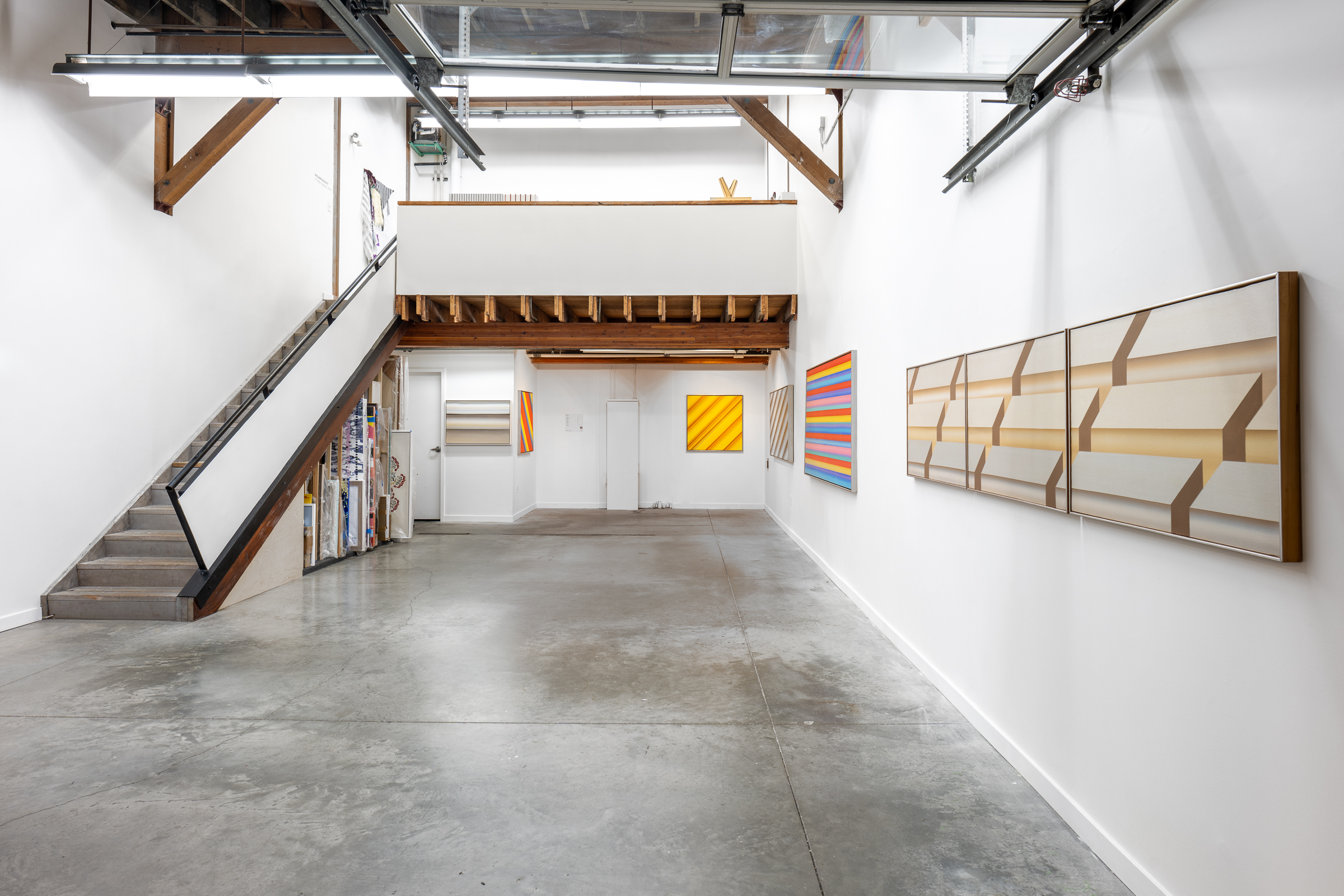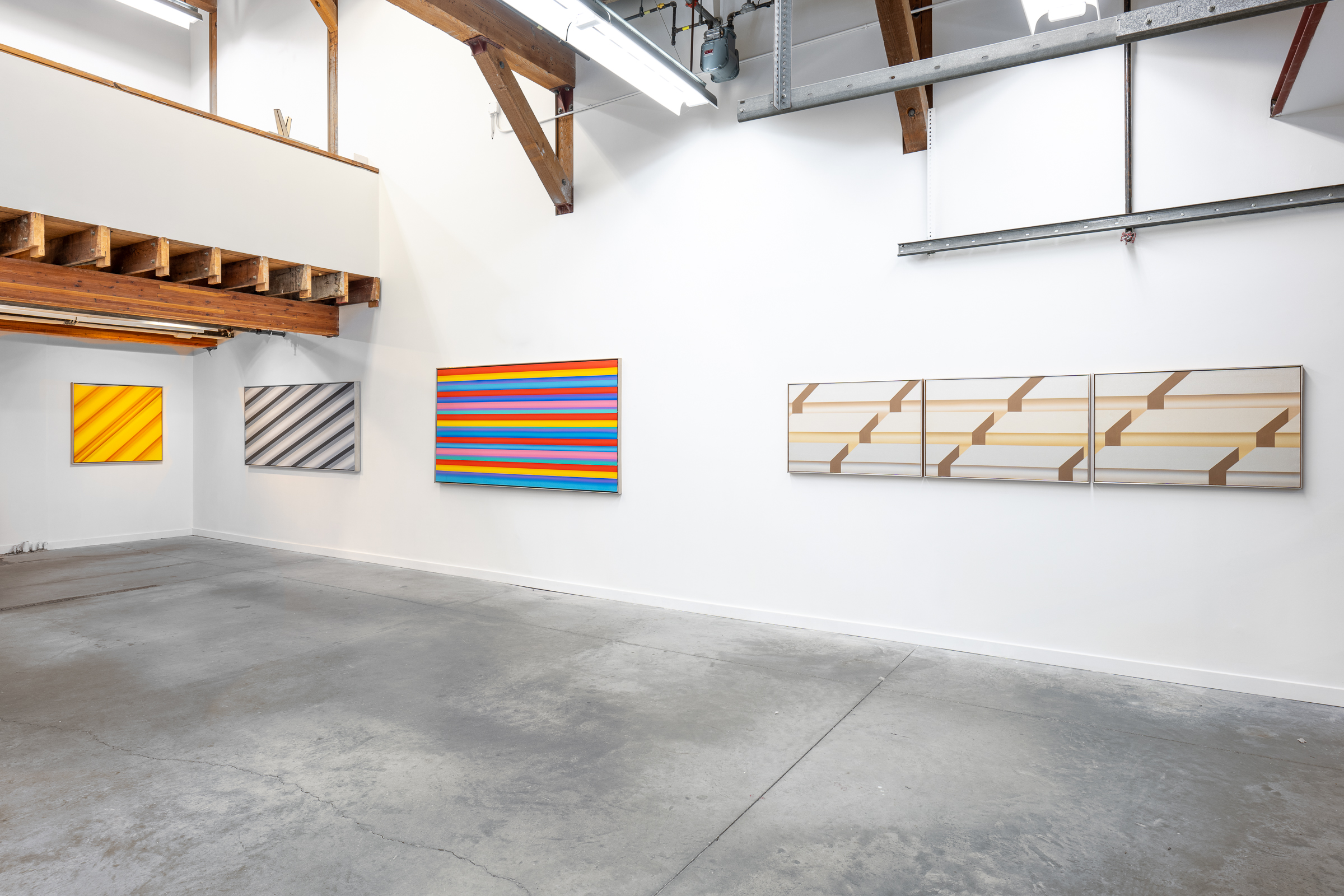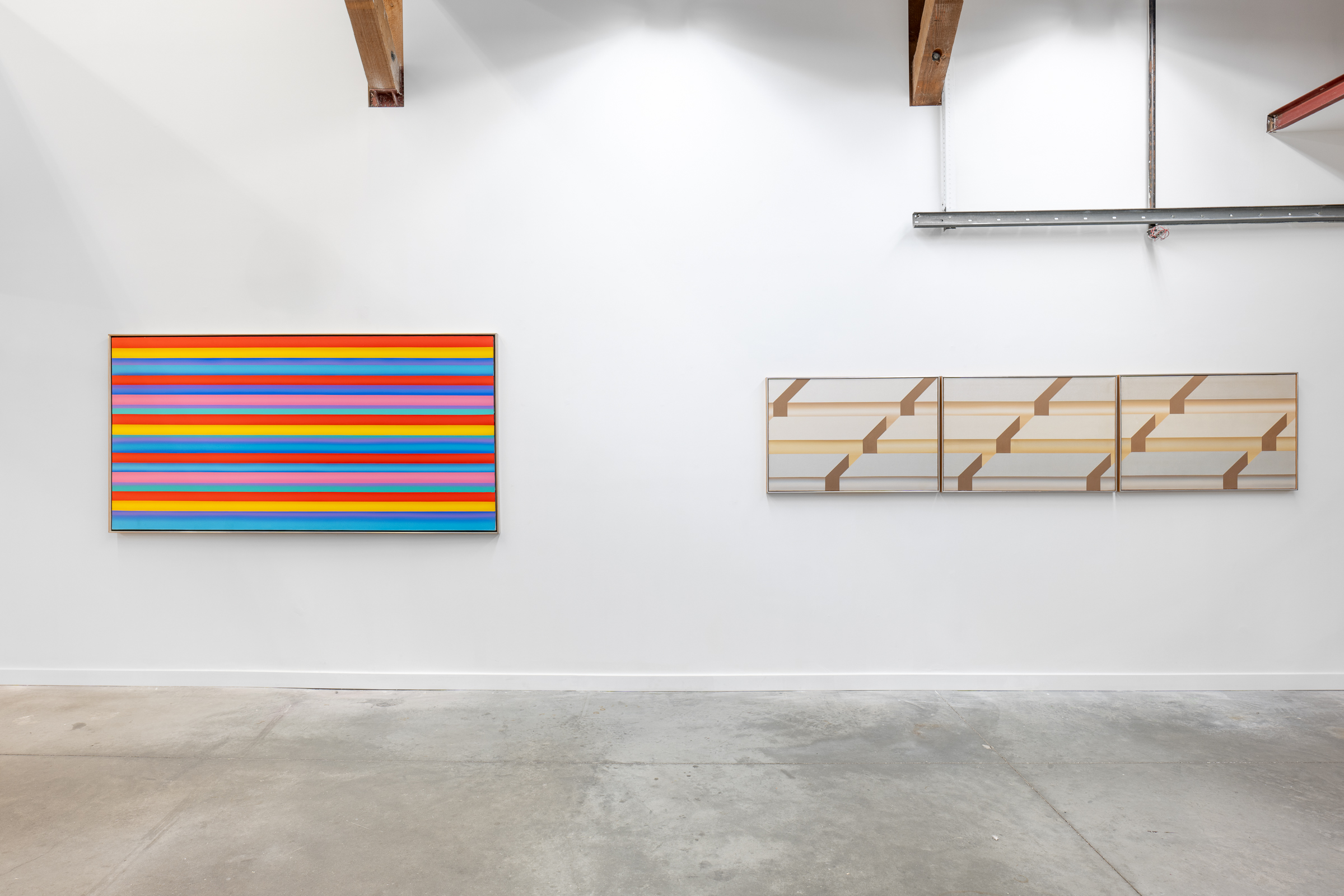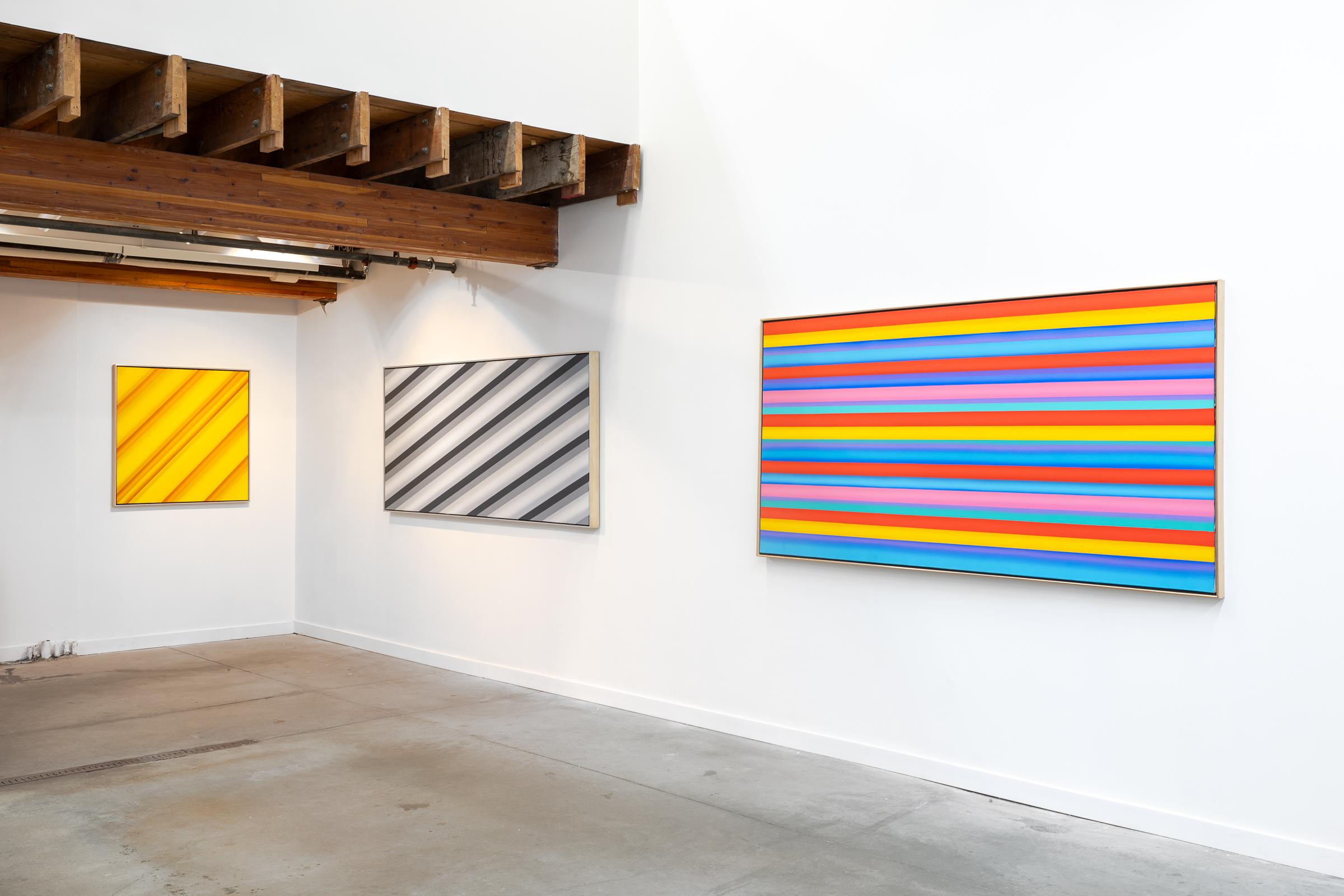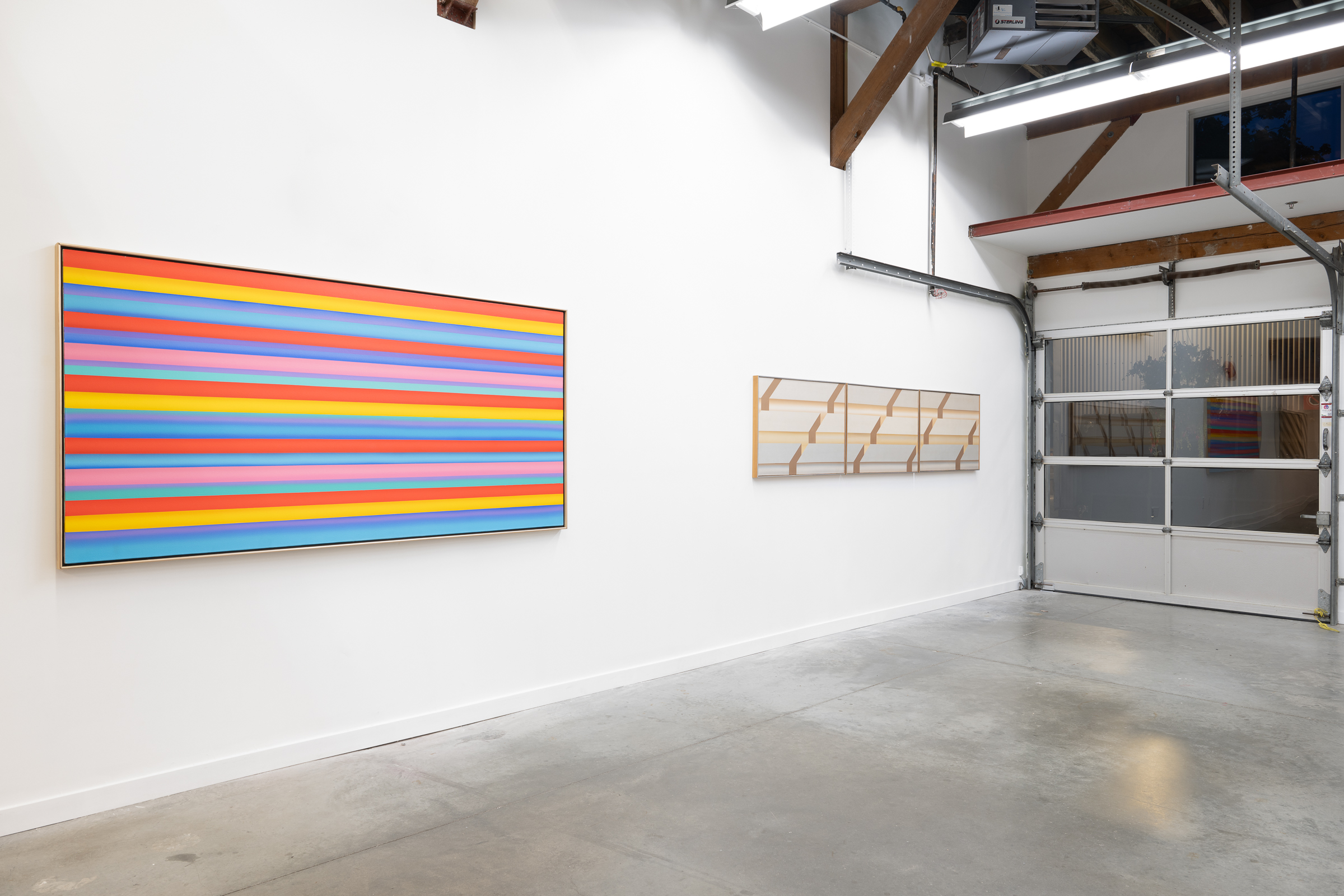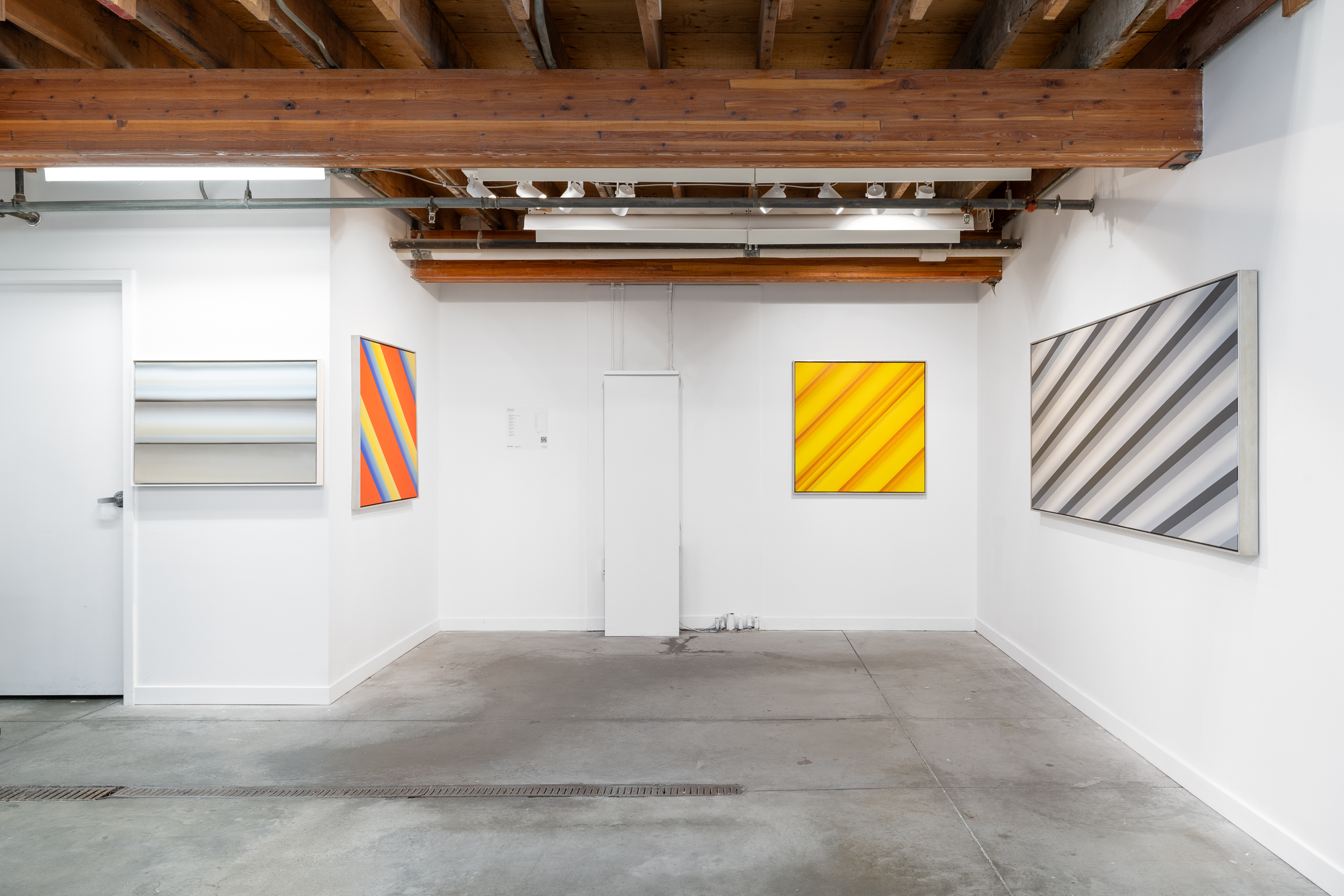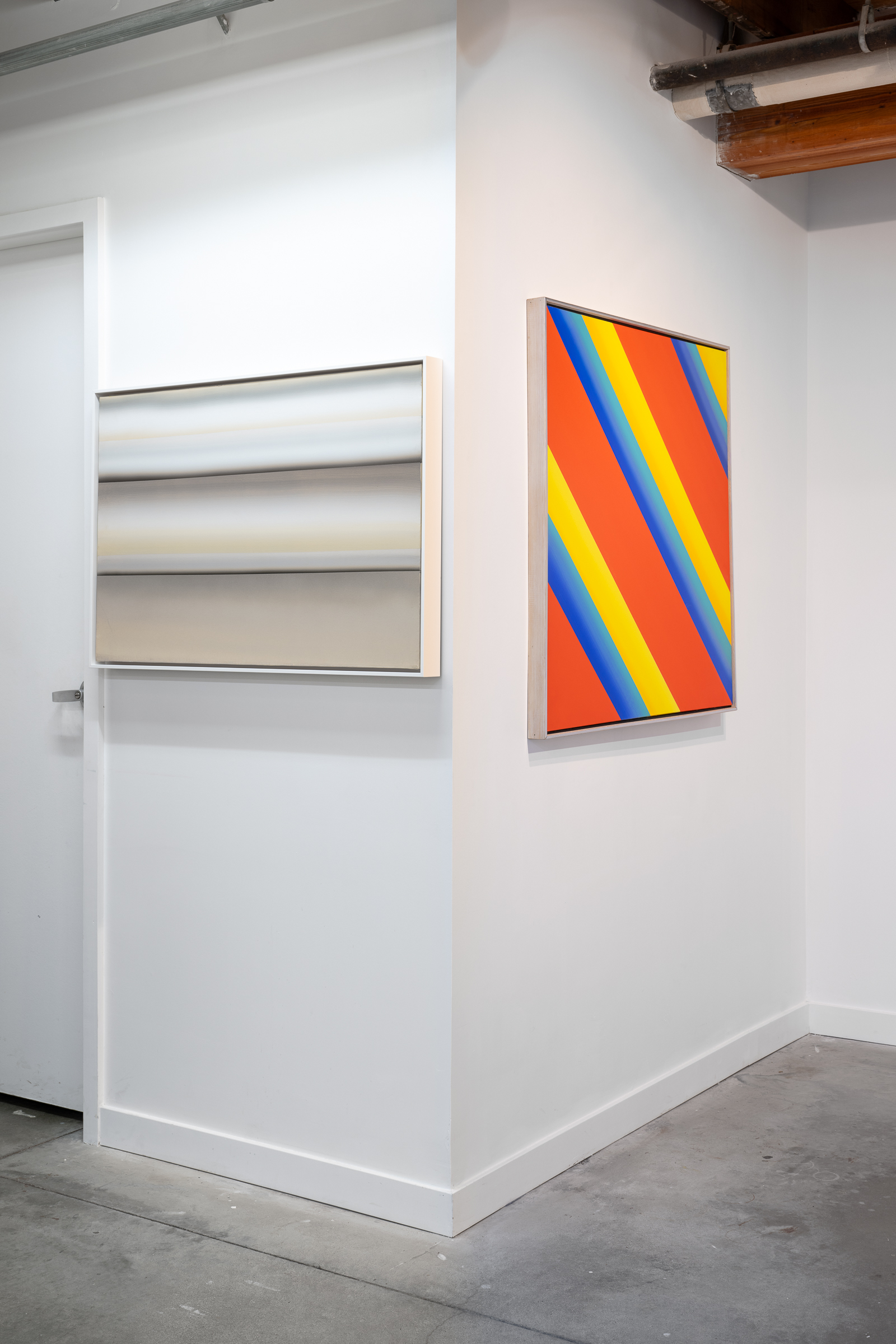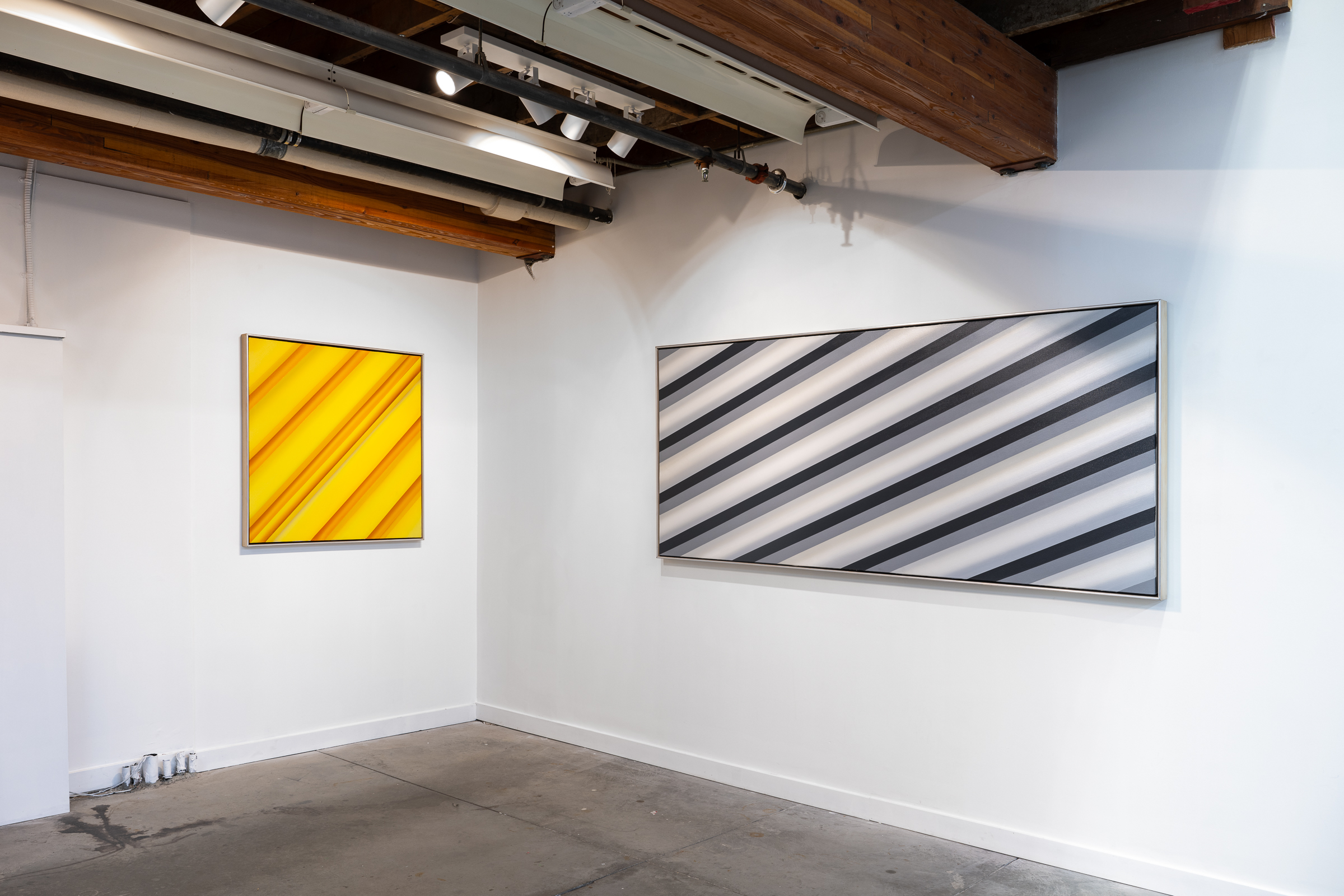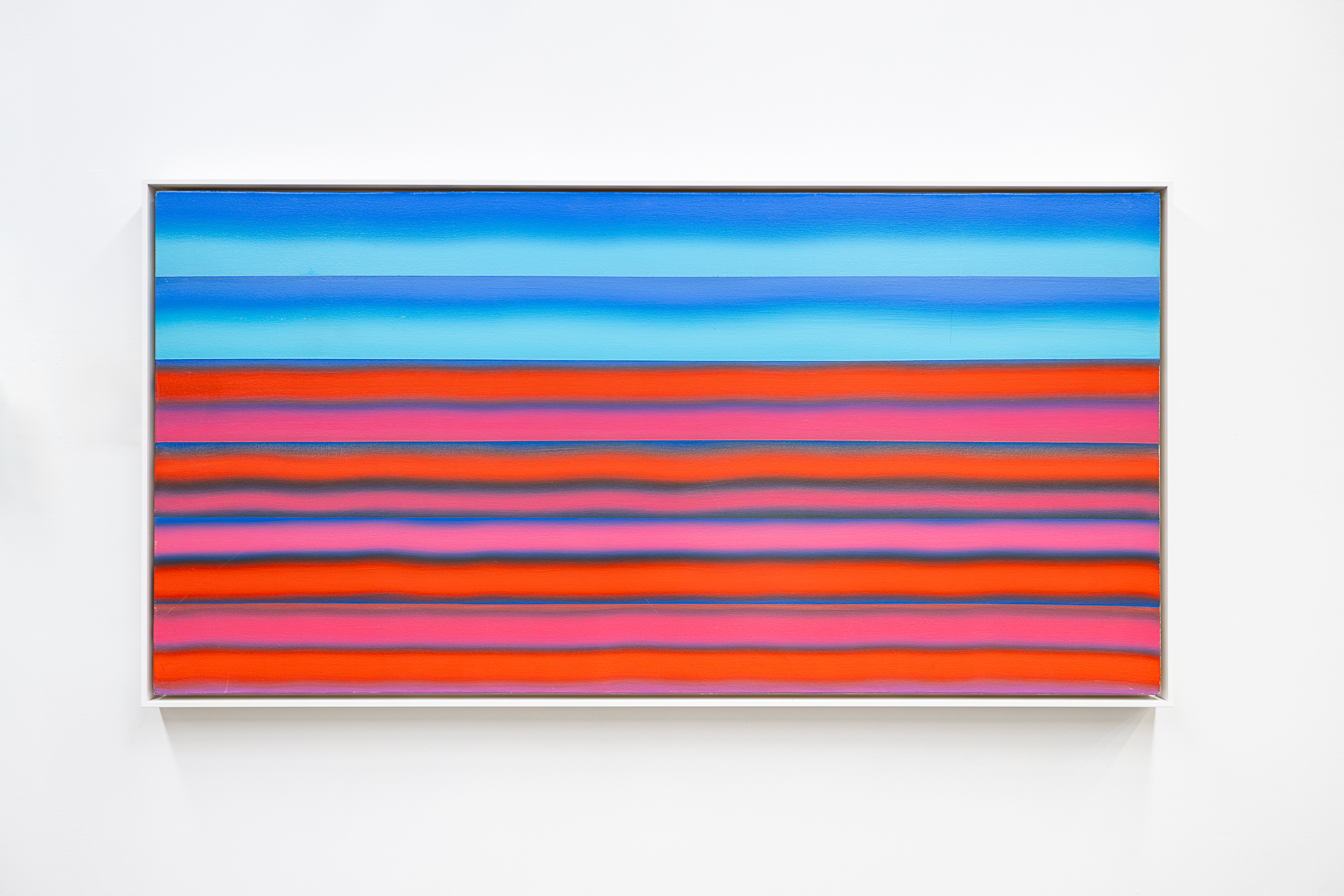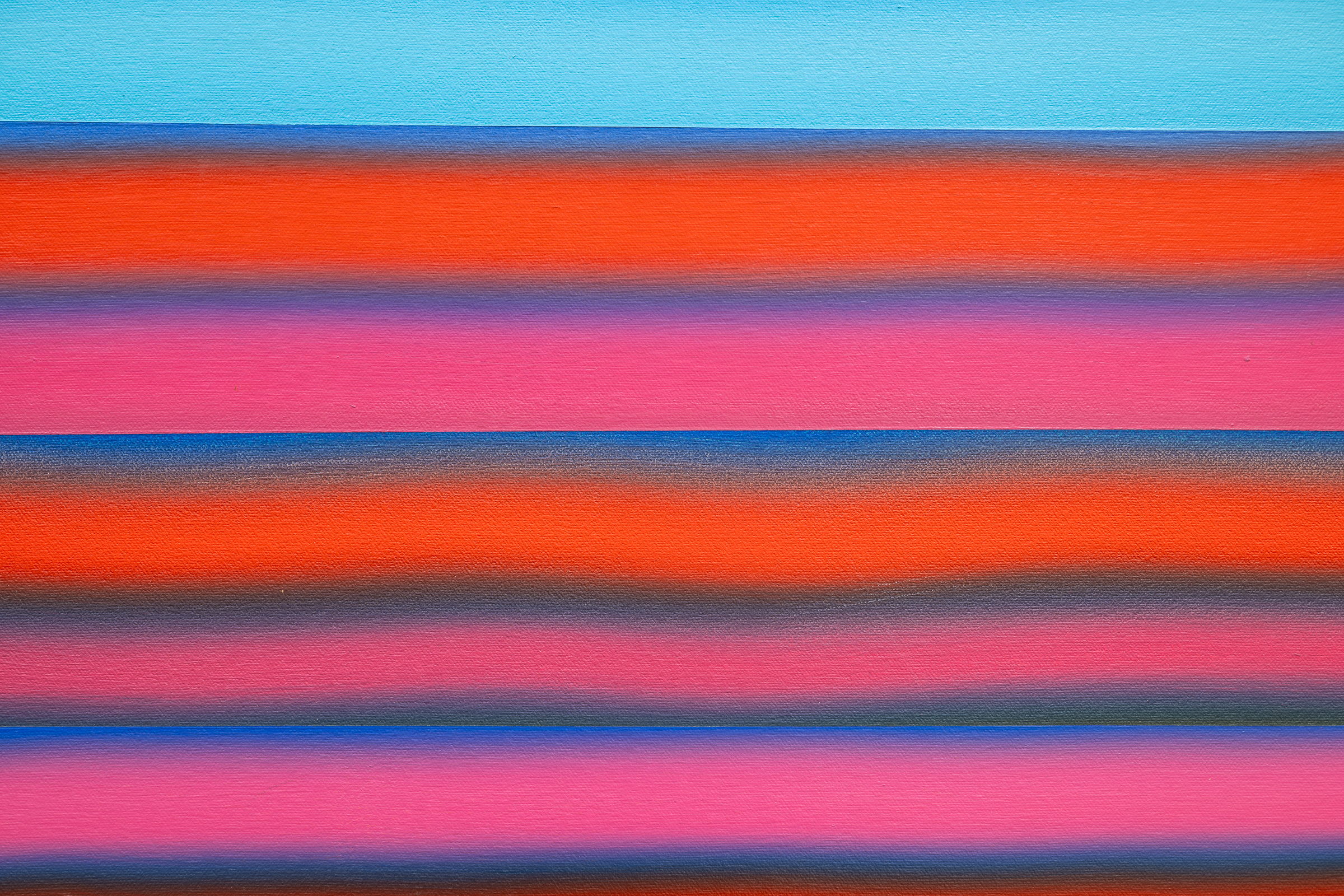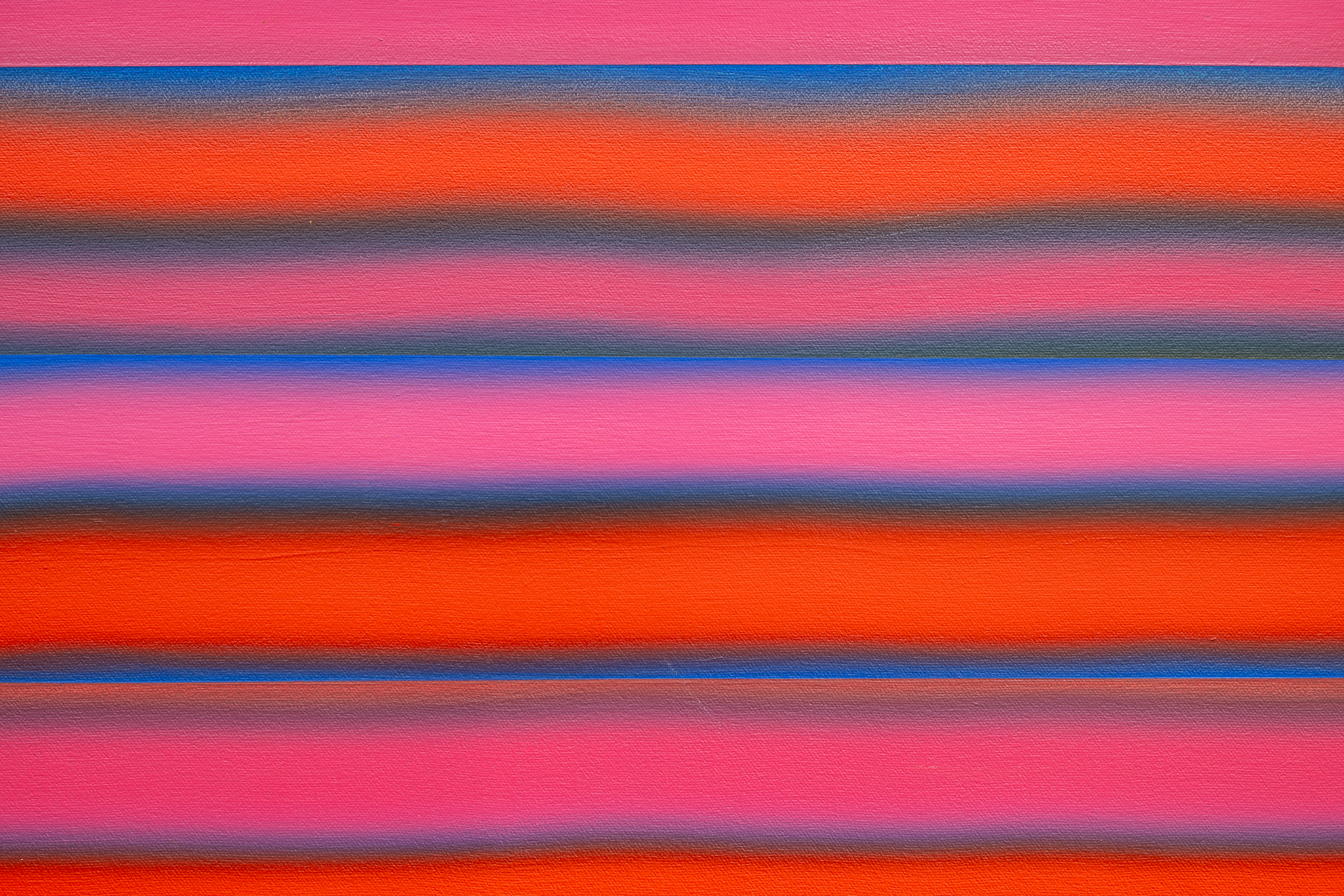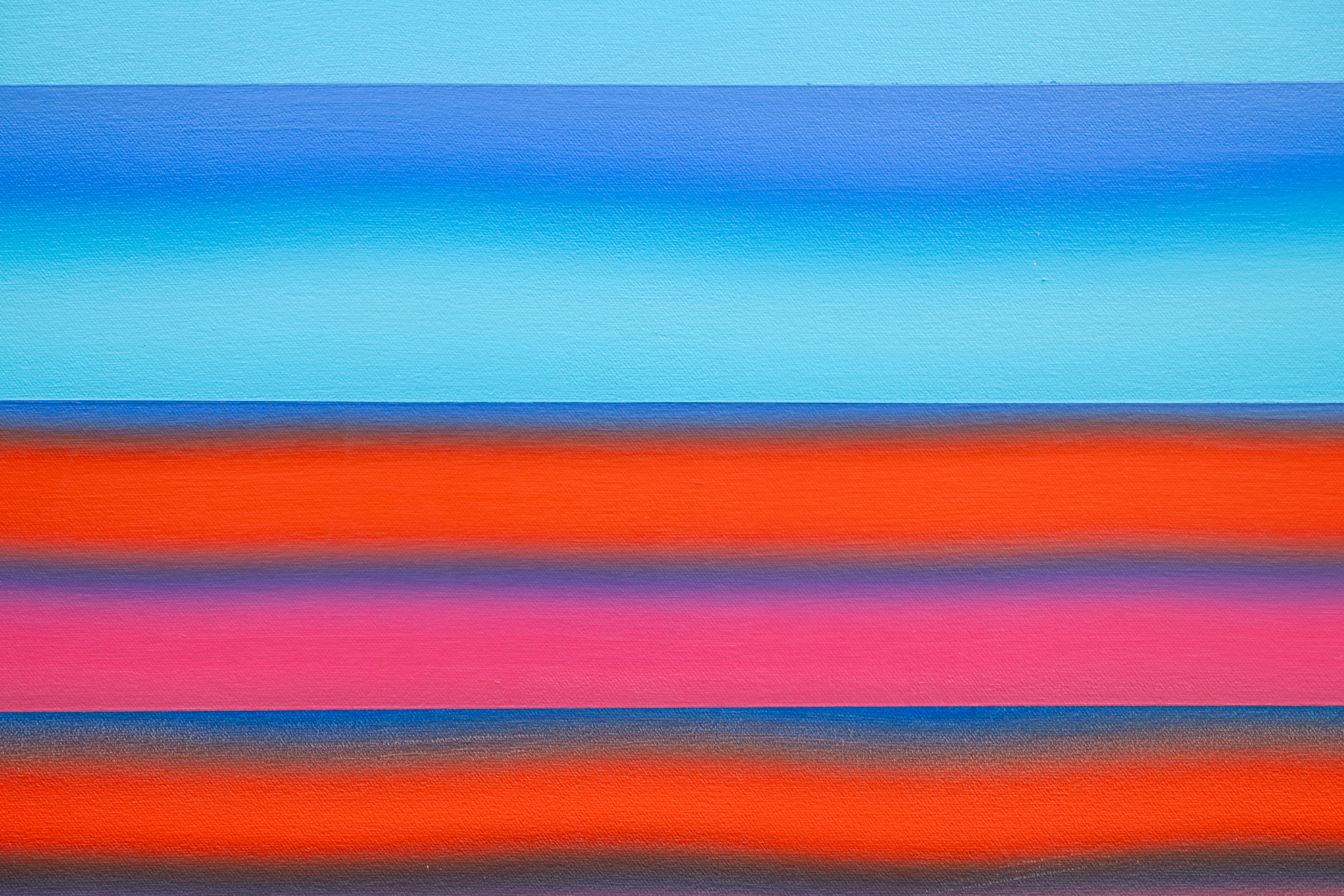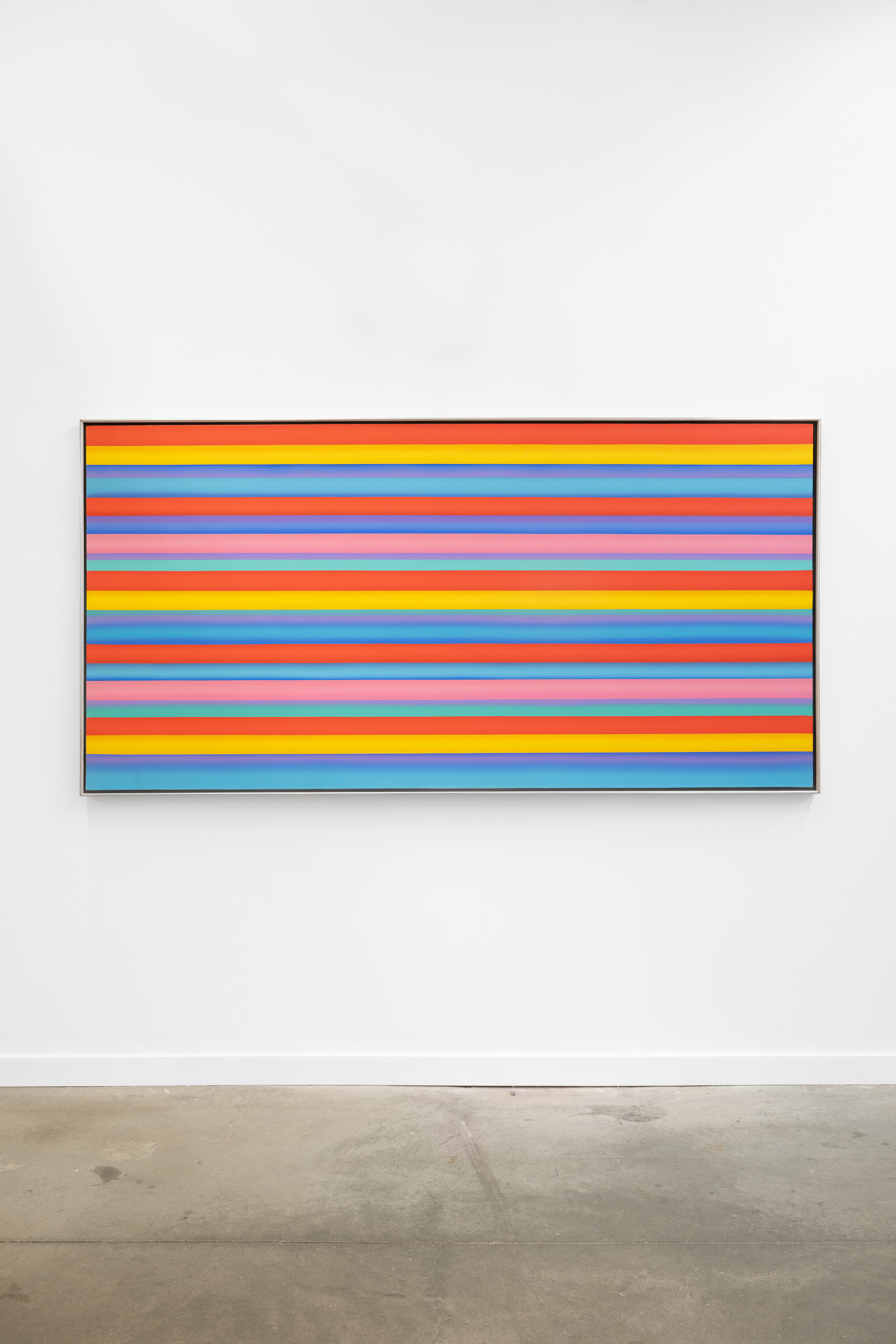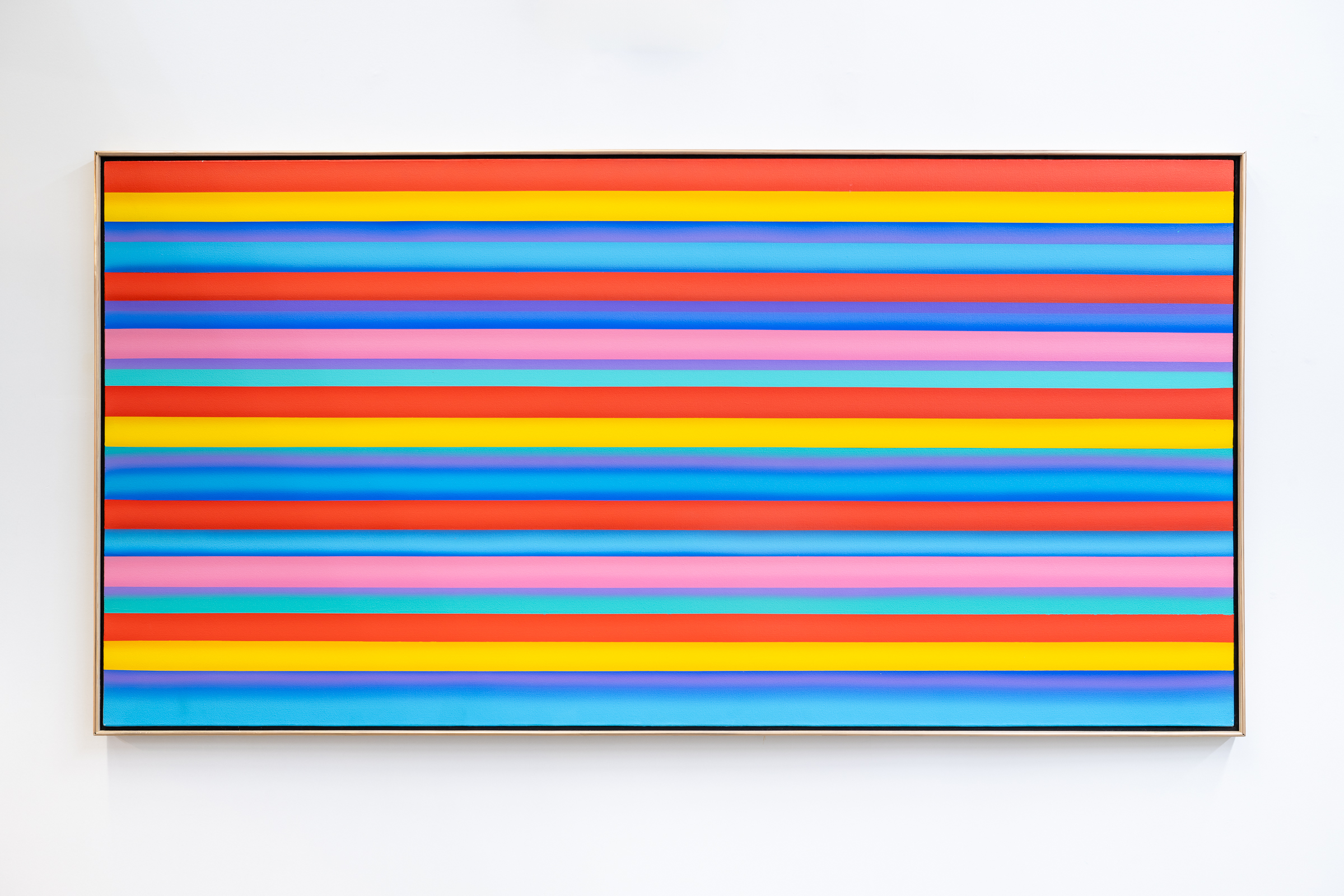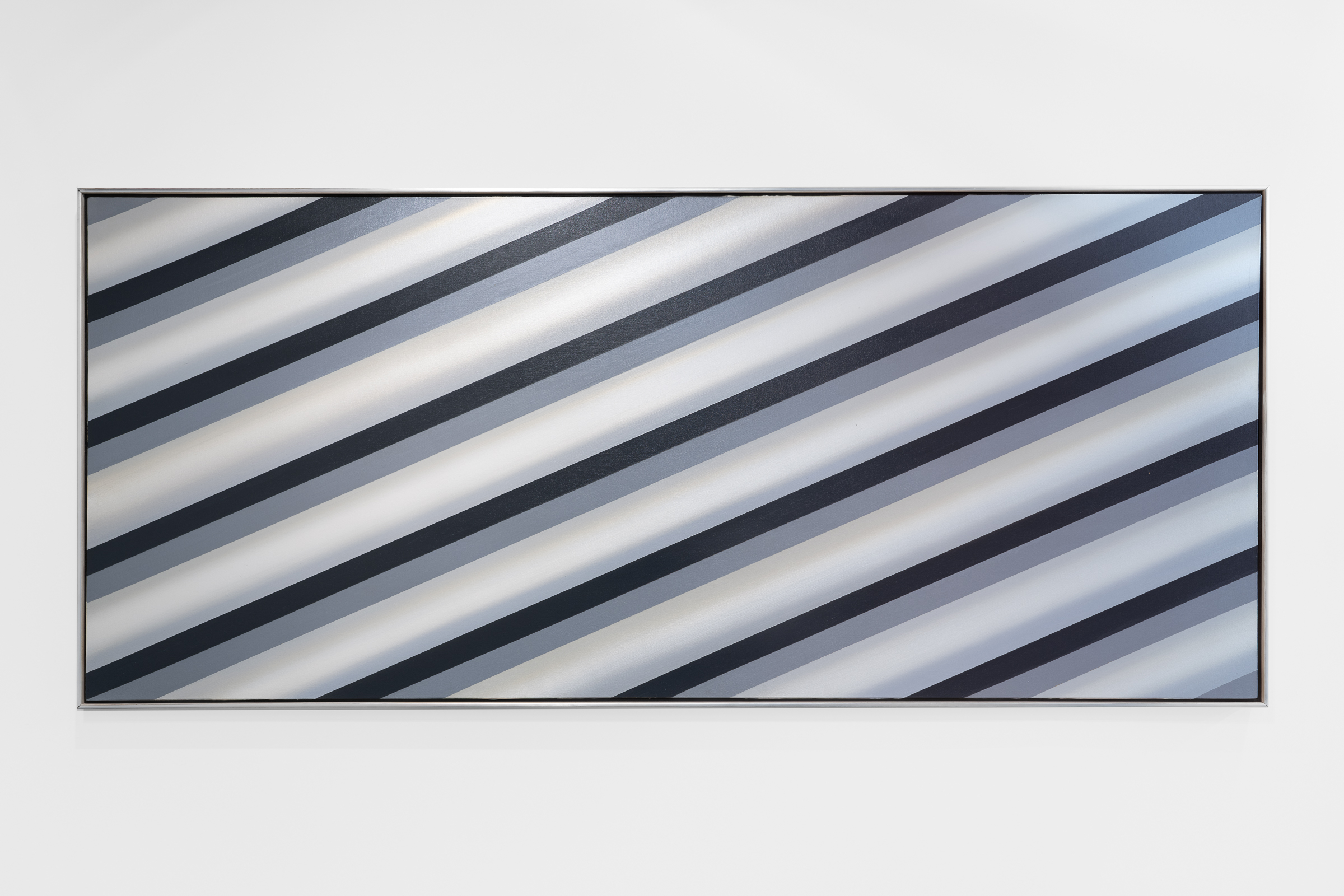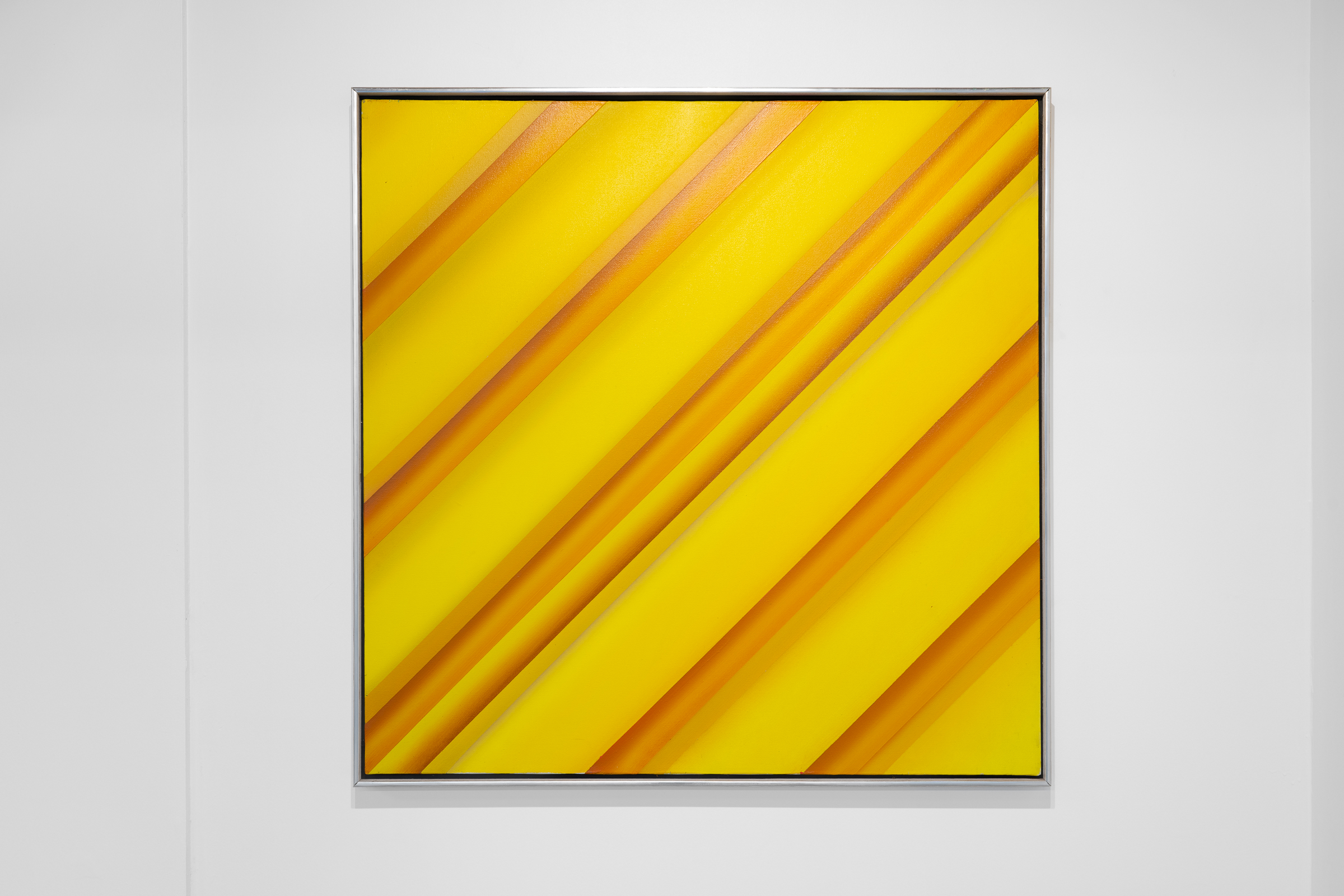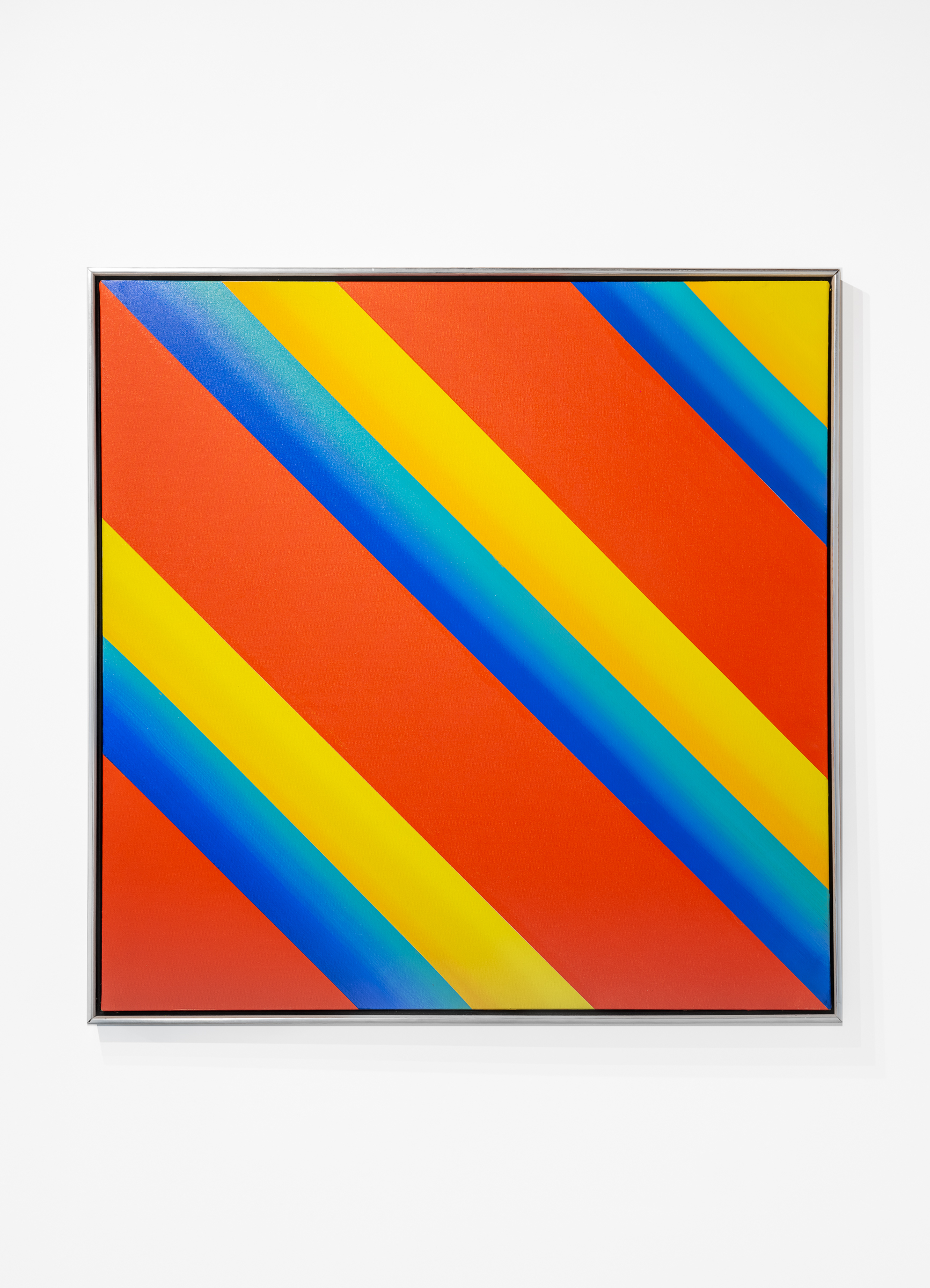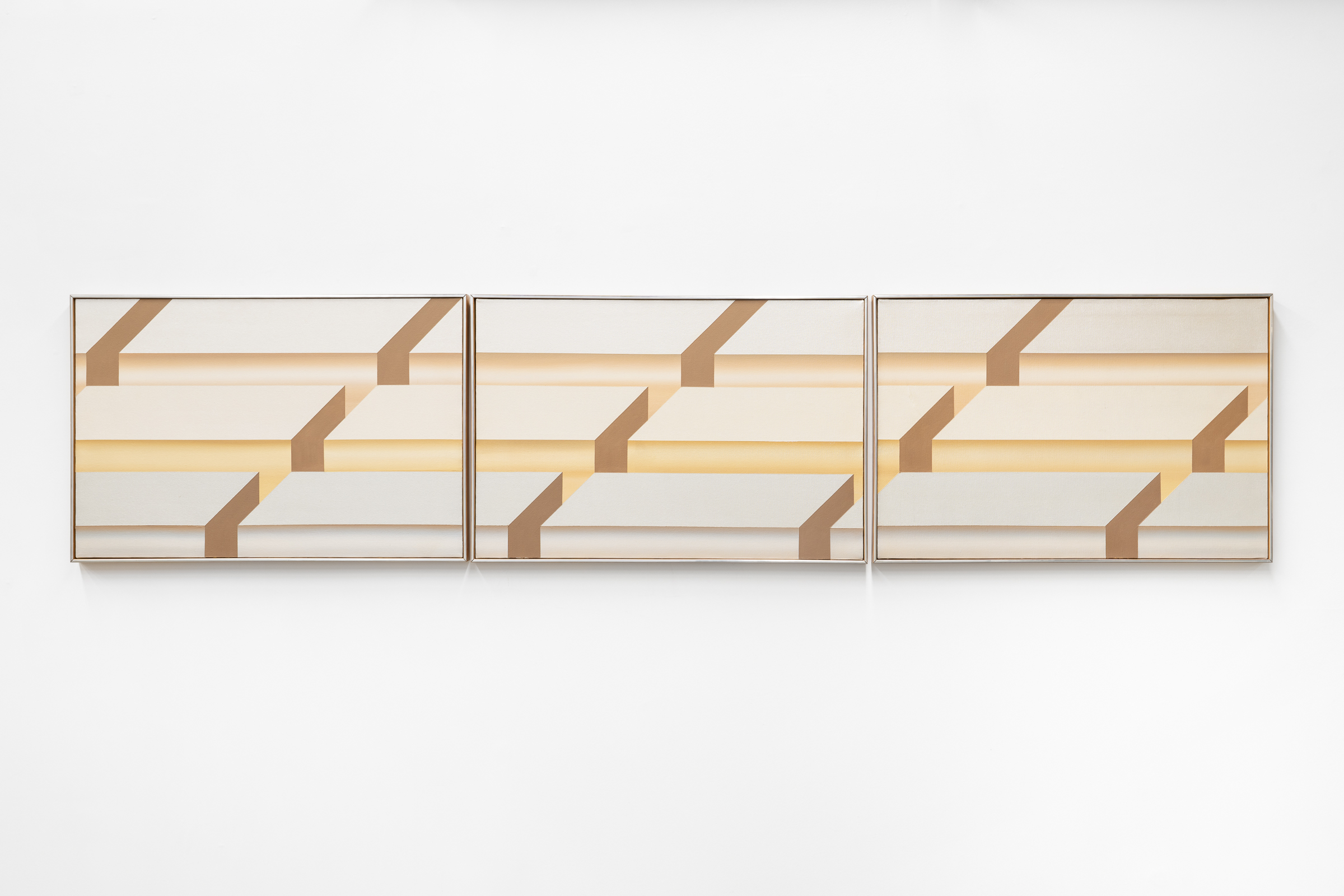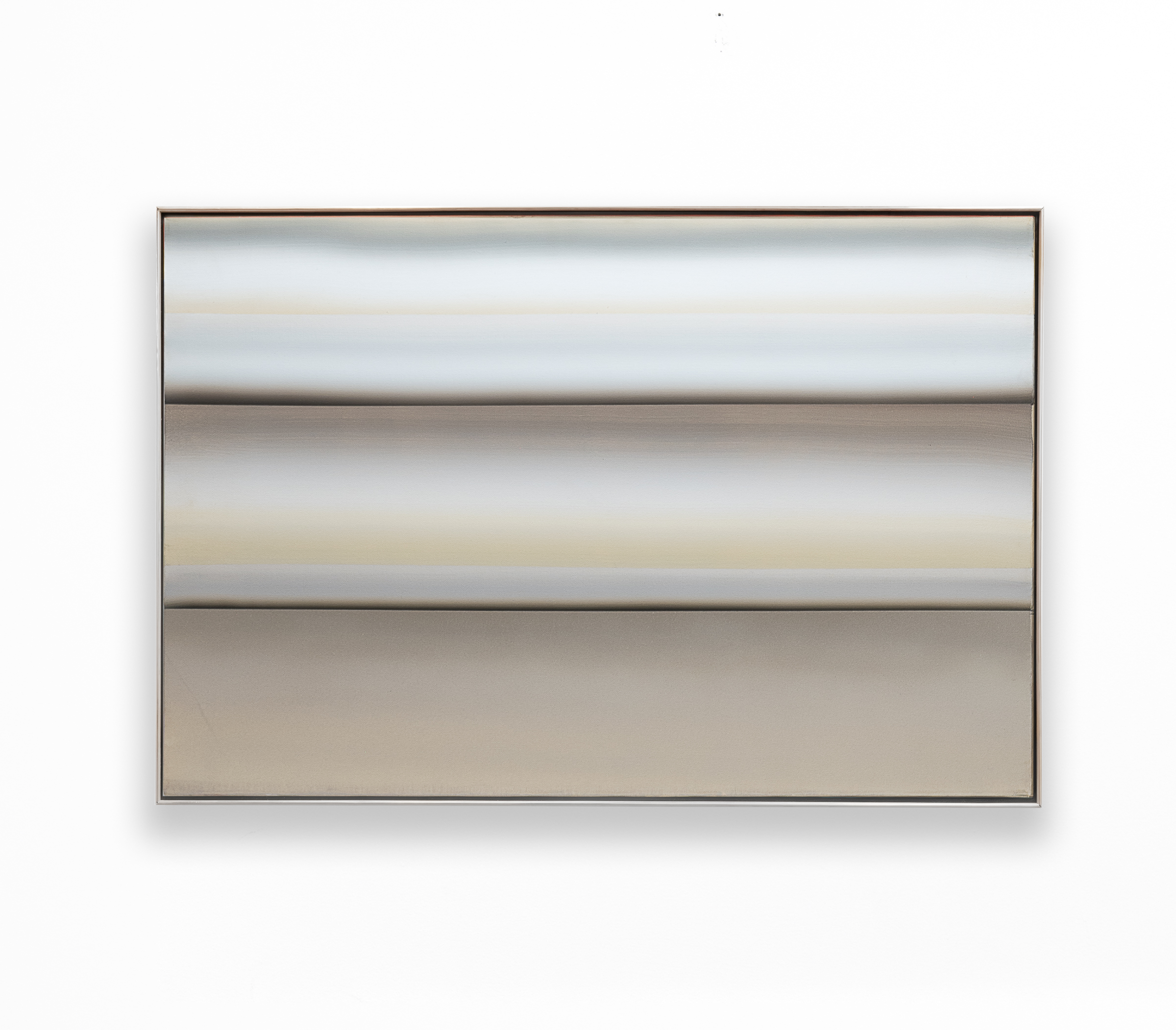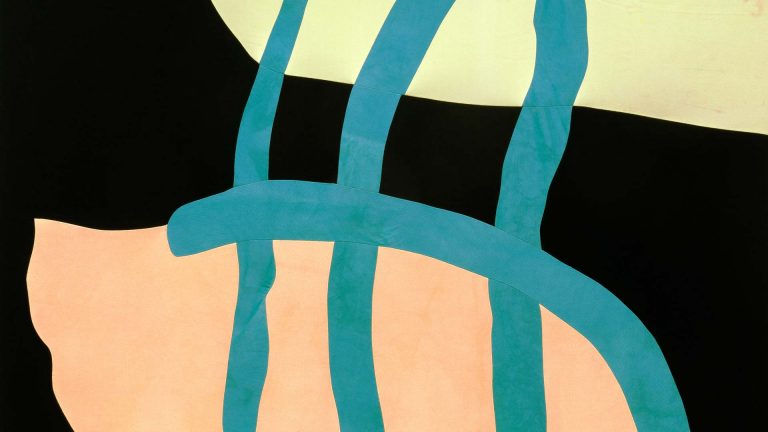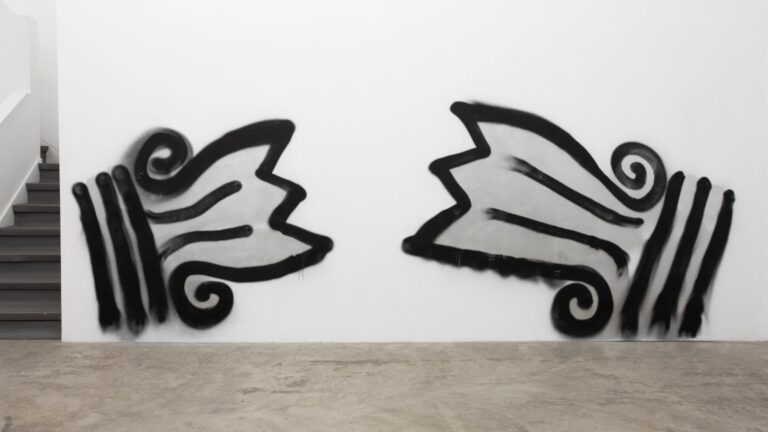
Joan Balzar had already been immersed in various aspects of science and engineering around 1960 – when she made the switch from abstract expressionist painting, to her signature hard edge-style. Her interest became even greater as the Soviet and American space programs developed and then culminated with the Apollo moon landing of 1969. Not coincidentally various manifestations of arc-forms emerged in Balzar’s work. With the emergence of hard-edge abstraction in the mid-1960s, a range of other quasi-orbital projects appeared, including orbital freeways around cities, the psychogeography of situationists and a plethora of ‘trip’ or orbit-related art forms especially as part of the vehicular wing of conceptual art practice. Those responses to what was seen drew on models from urban geography, philosophy and the scientific community. Balzar had no interest in the other form of 1960s ‘tripping’. What Balzar did seek was work that transmitted to the viewer something of the power of the cosmos and the power of paint. With the many X paintings Balzar merged language, typography, poetics and the power of painted letters into some of the strongest abstract work ever produced in Canada.
Joan Balzar was “of her time”, part of a larger global exploration of the benefit that might derive from hard edge rejection of representation in art. There was a plethora of circularity in art—often manifested as ‘looping’—which had already been identified as a key element in the tautological readings of art’s conceptual side by the mid-1960’s. In Canada, circles and arcs were taken up in the post Kandinsky era. From 1960-1980, in what became known as the experimental, or independent cinema, there were hundreds of films that explored the cinematic potential of looping and repetition. Joan Balzar was not alone, she was doing what artists do best, creating and speaking through and with her own language one that was perhaps more inflicted with scientific influences than that of other arc-obsessed Canadians. The enculturated arcs of the 1960s and 1970s do not exist only in images. Jeff Wall’s Landscape Manual essay extends the idea that the key role of the artist is that of sensitizing viewers via art to the everyday, in this case to the strangeness of landscape as it is transformed via the experience of driving. Wall sees the circular imperative of daily life in almost existential terms—we were ‘going’ but not really getting anywhere because the effort is always circular. If one can posit an overlap between Wall and Balzar, it might be in the presentation of ideas and images as ‘information’ about the world. The image folds back on itself, the subject of the image folds back as well, in a self referential circularity that has since come to define many processes relating to the making, distribution and reception of art. Which is precisely what Balzar has done with her arcs—fragments so small in relation to the imagined whole that they have almost no curvature. Balzar traces the power and sublime grandeur of cosmological rings, orbits, and arcs. As she has said, “my arcs and lines are fragments of a larger whole extending into a greater, lighter space.”
This text was compiled from the catalogue “Vancouver Orbital” published on the occasion of Joan Balzar’s 2011 SFU gallery exhibition of the same name, curated by Bill Jeffries.
***
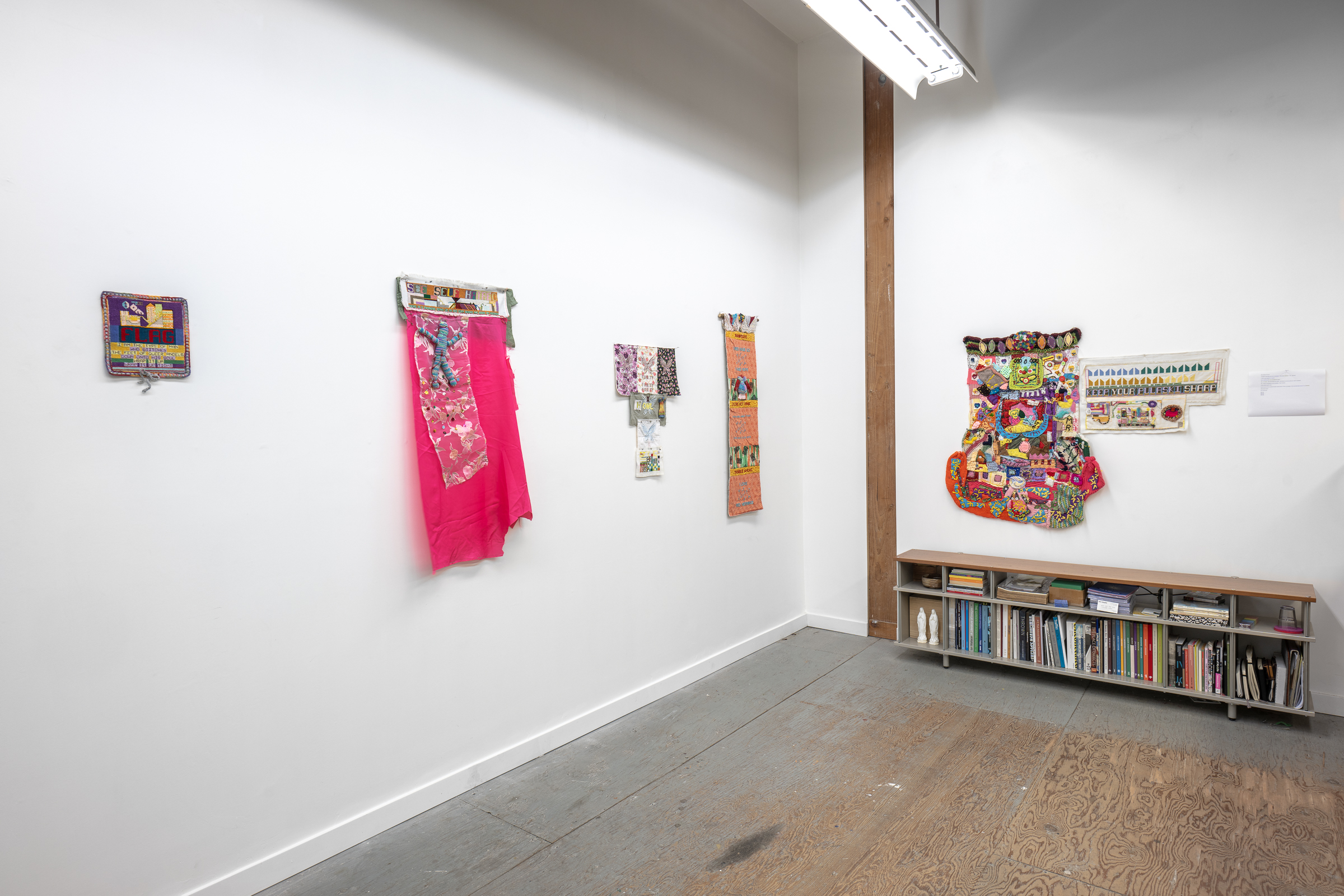
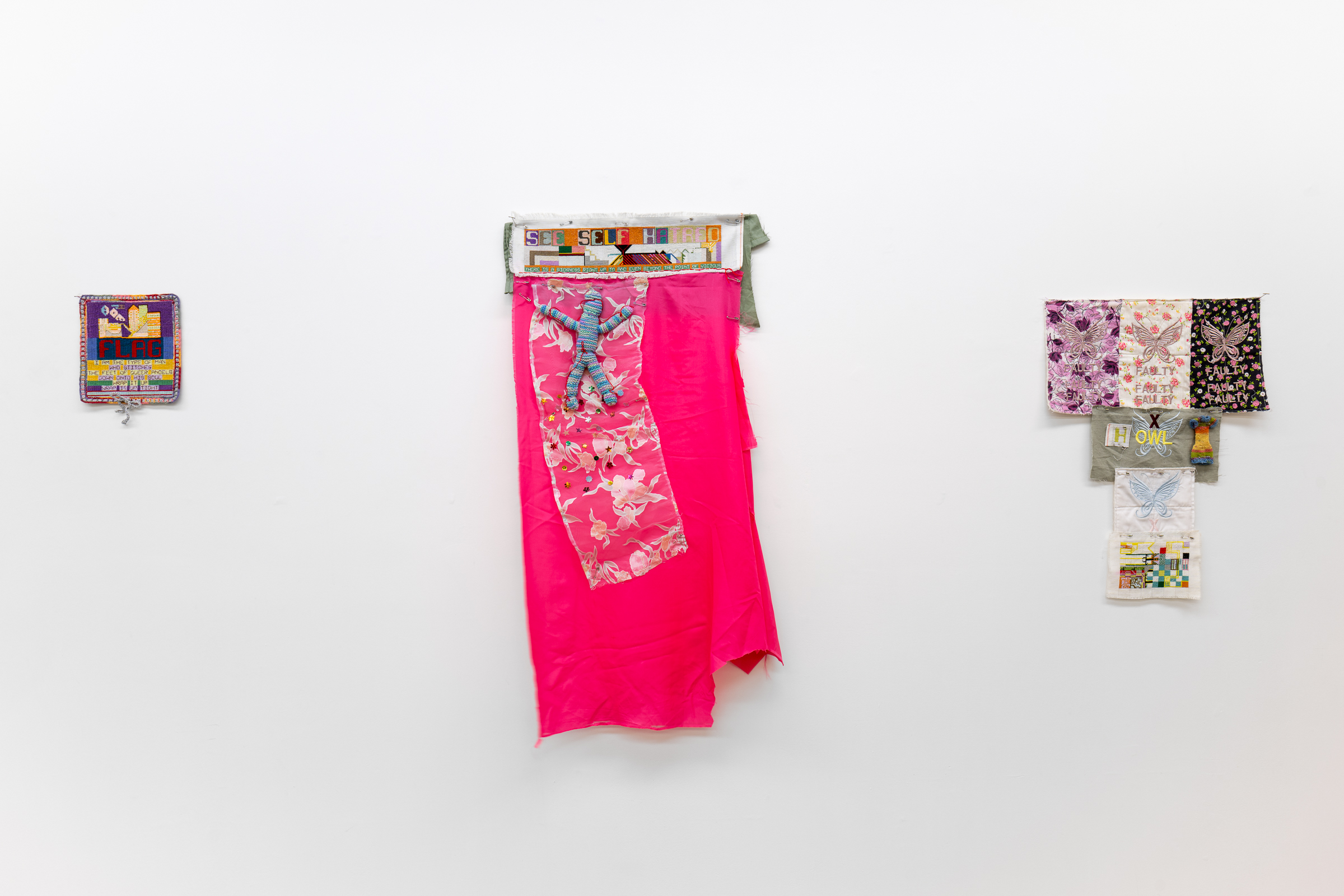
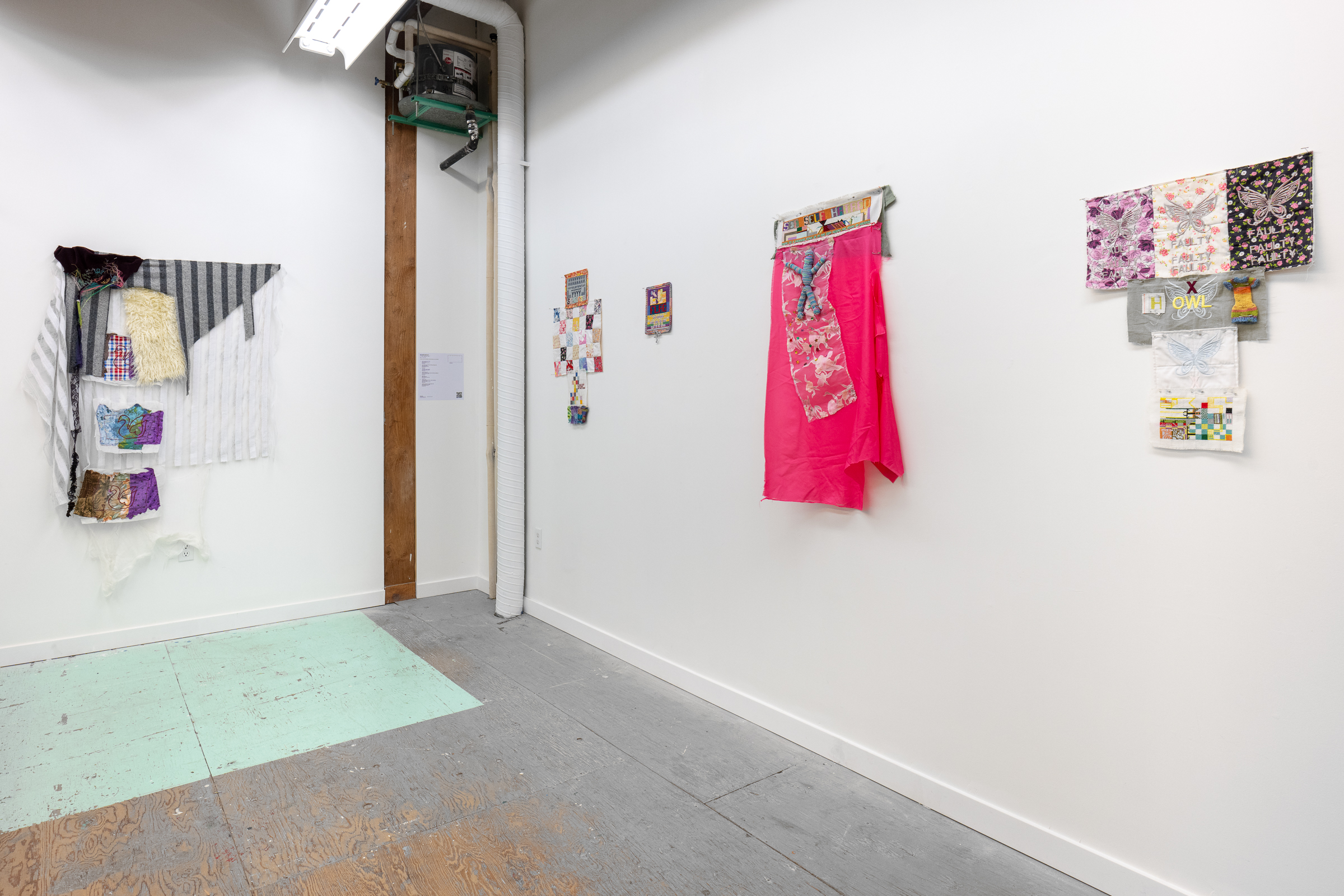
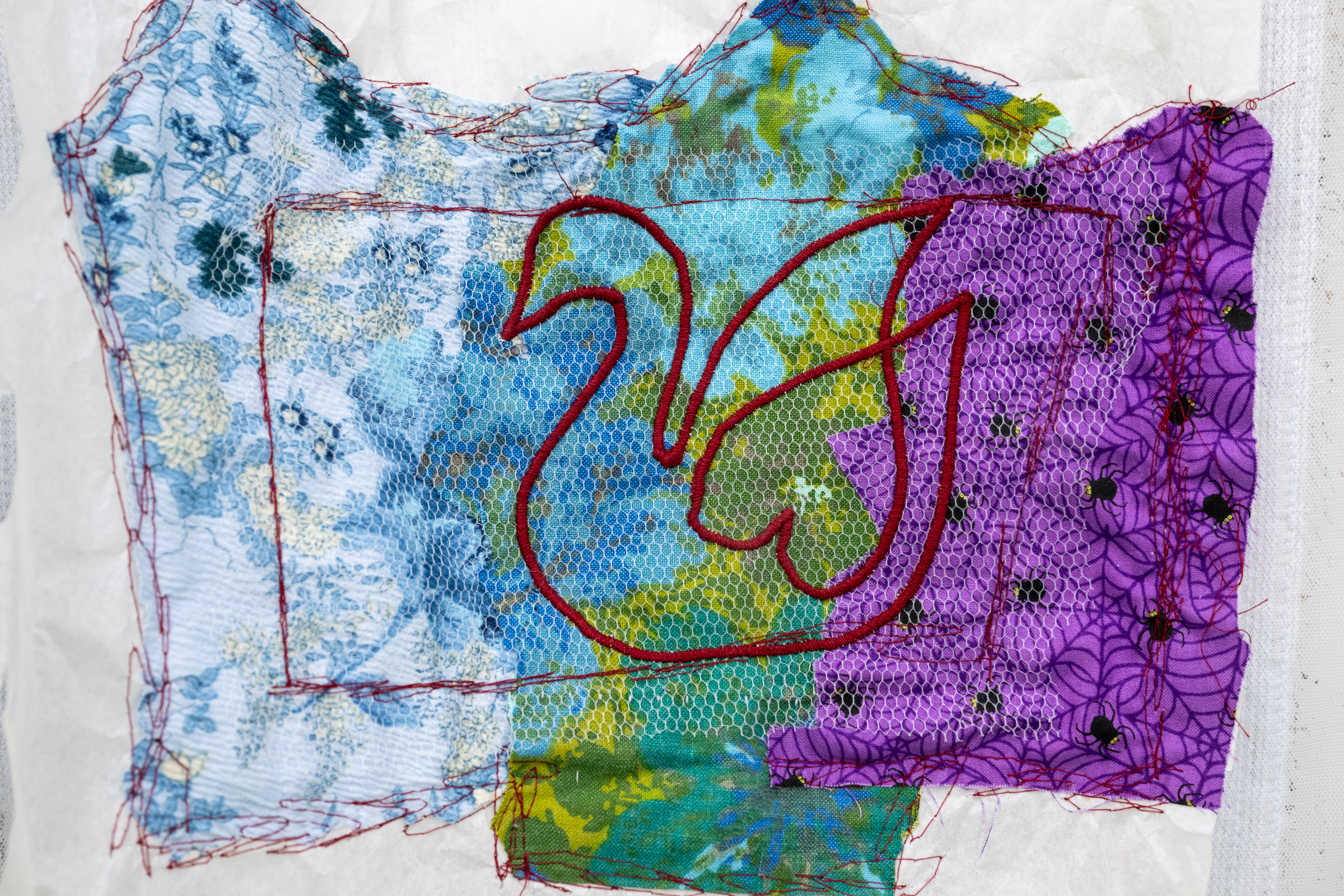
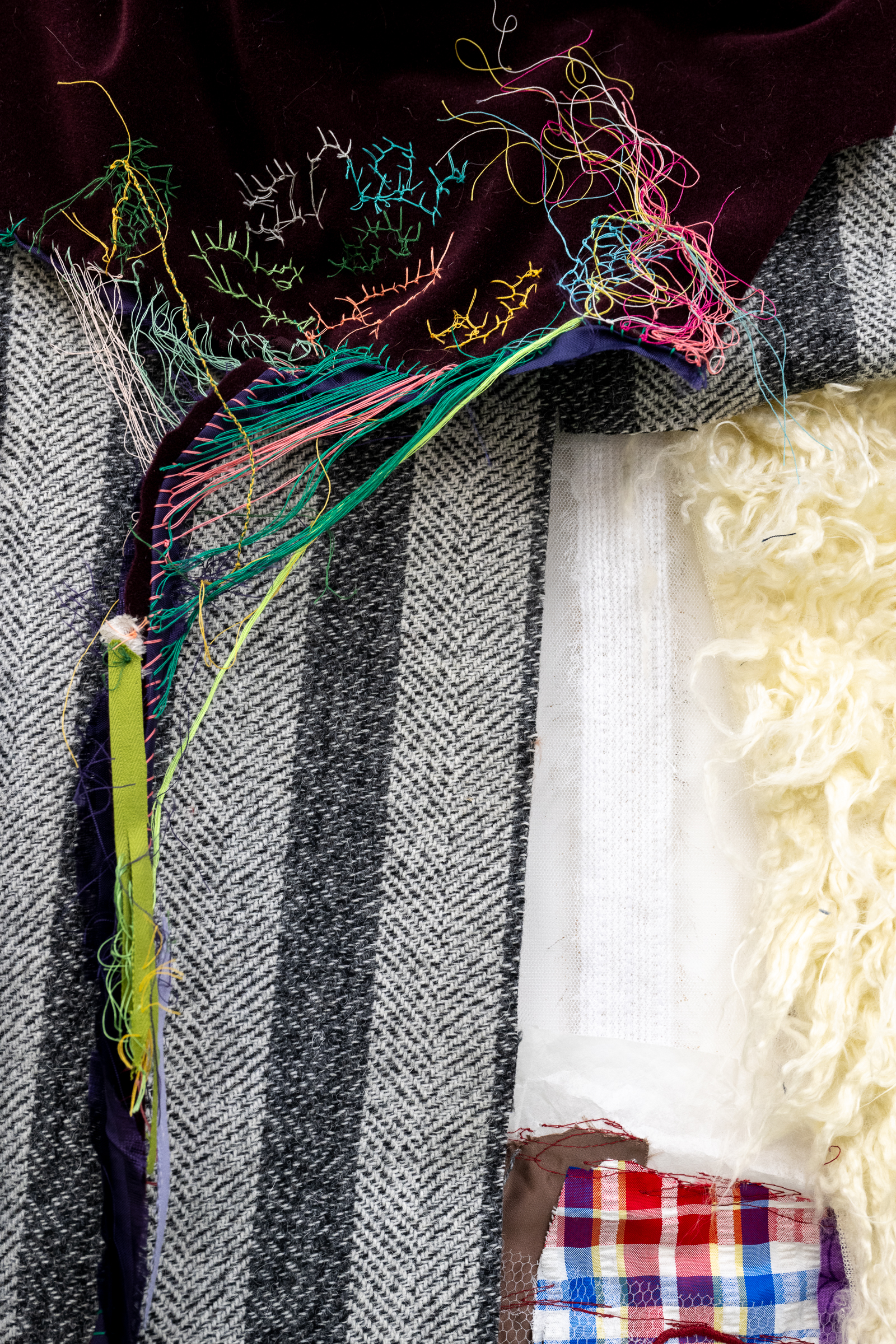
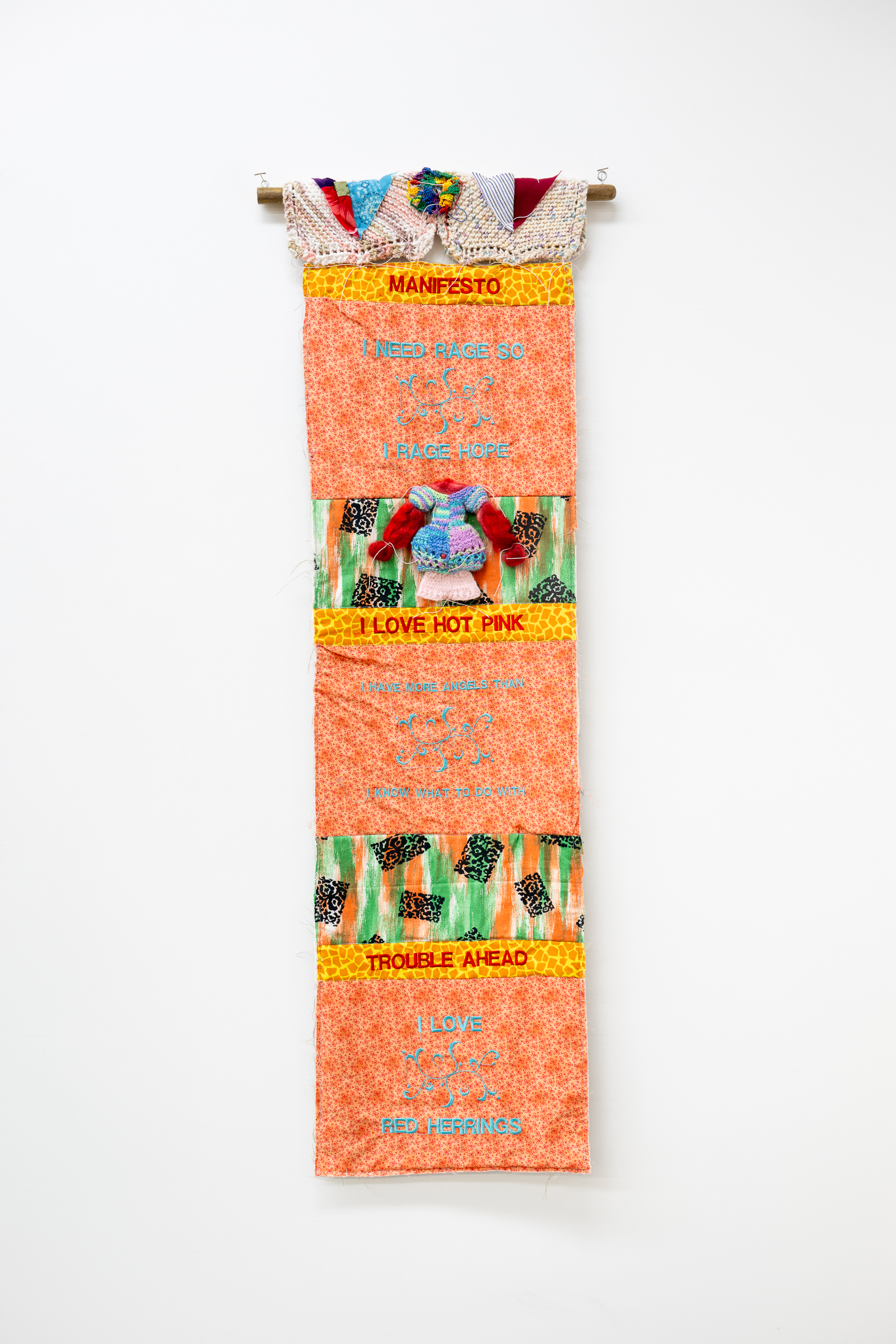
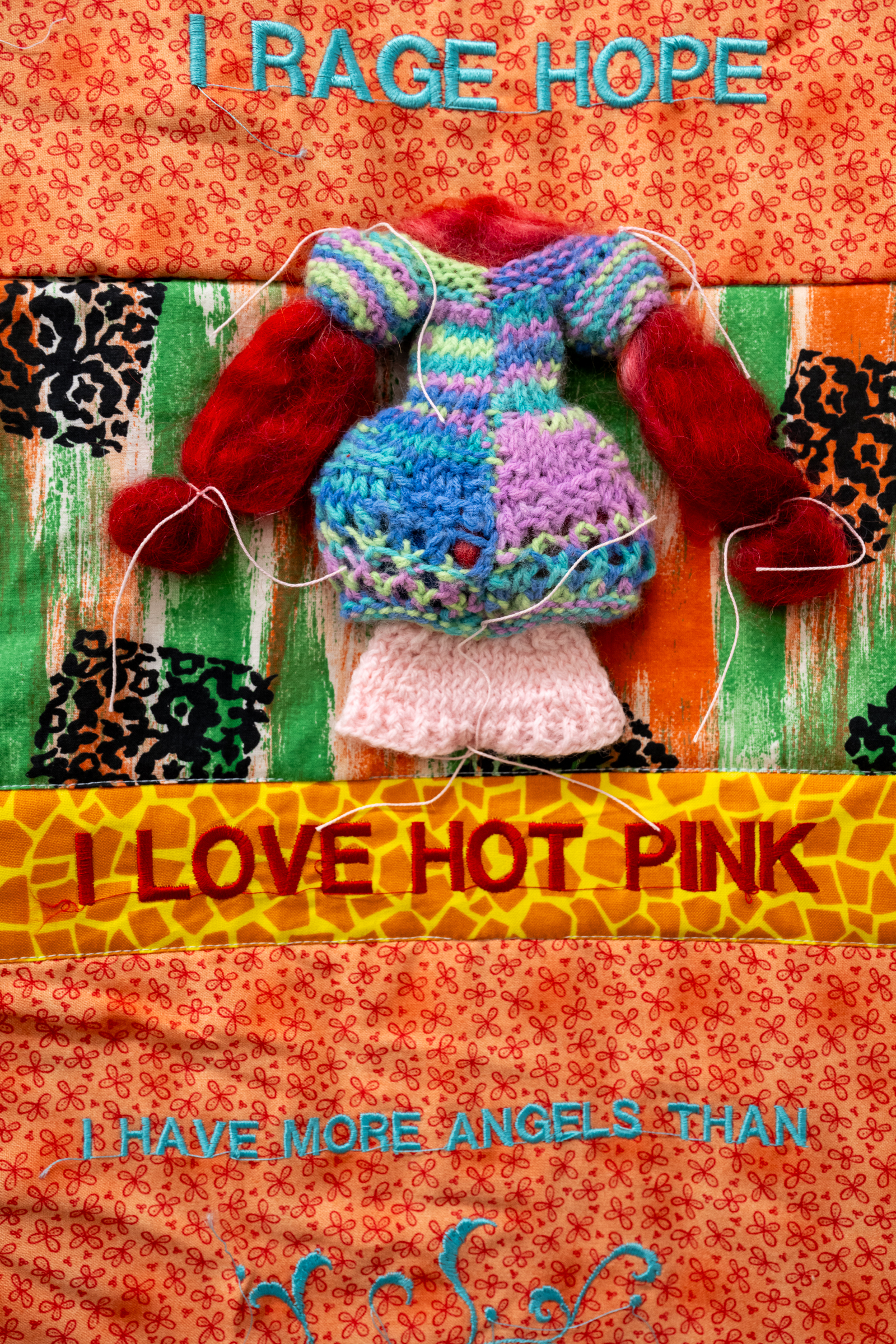
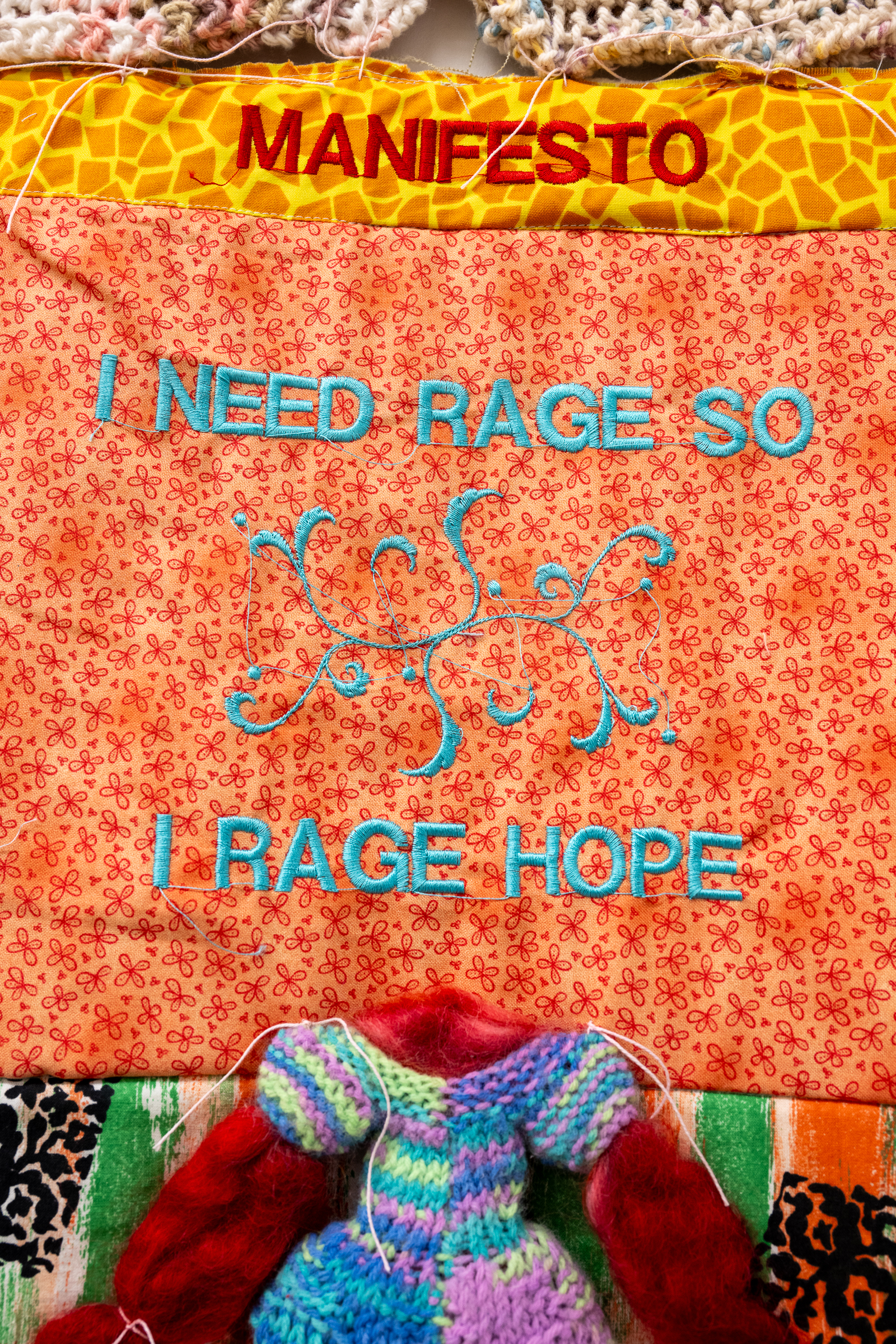
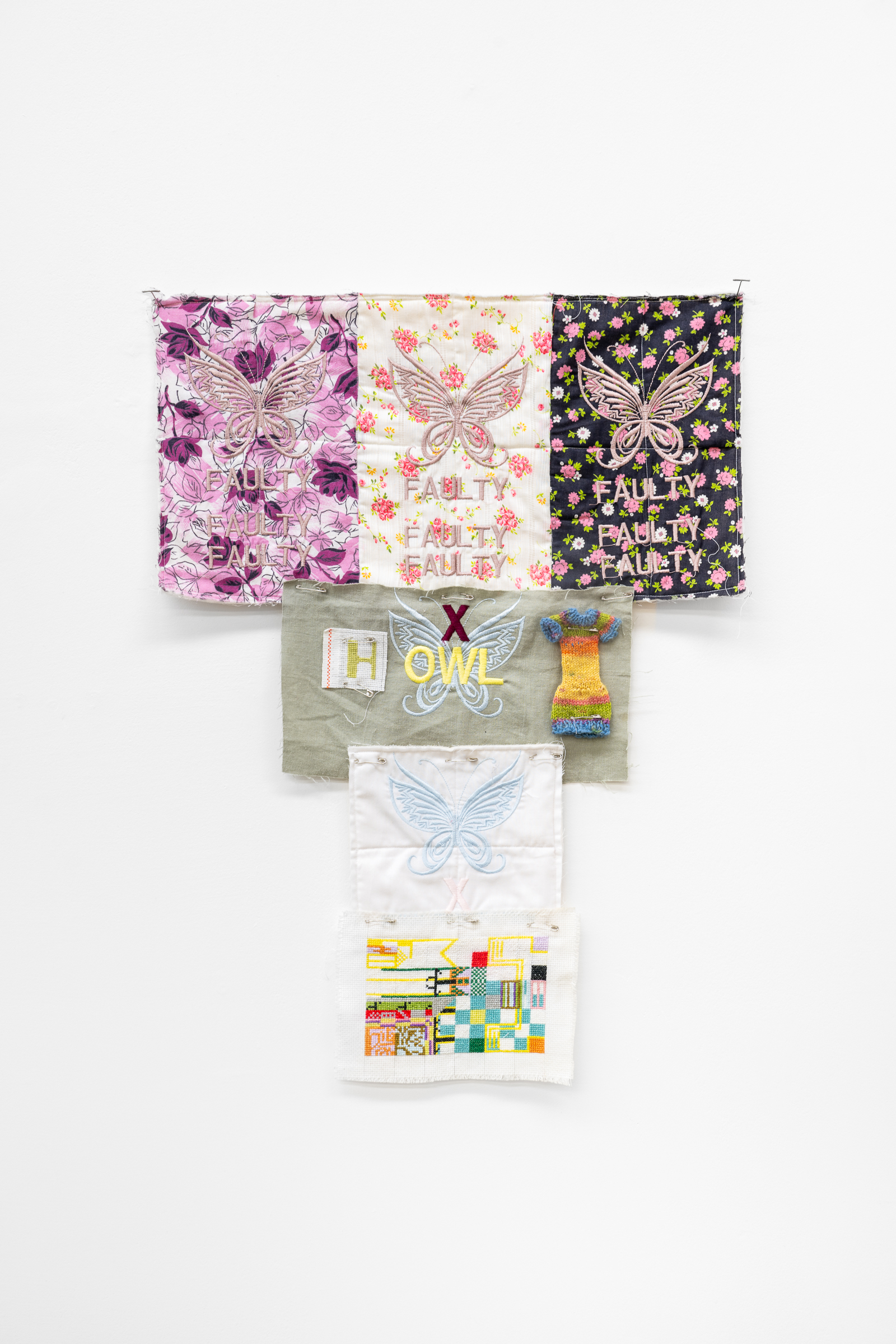
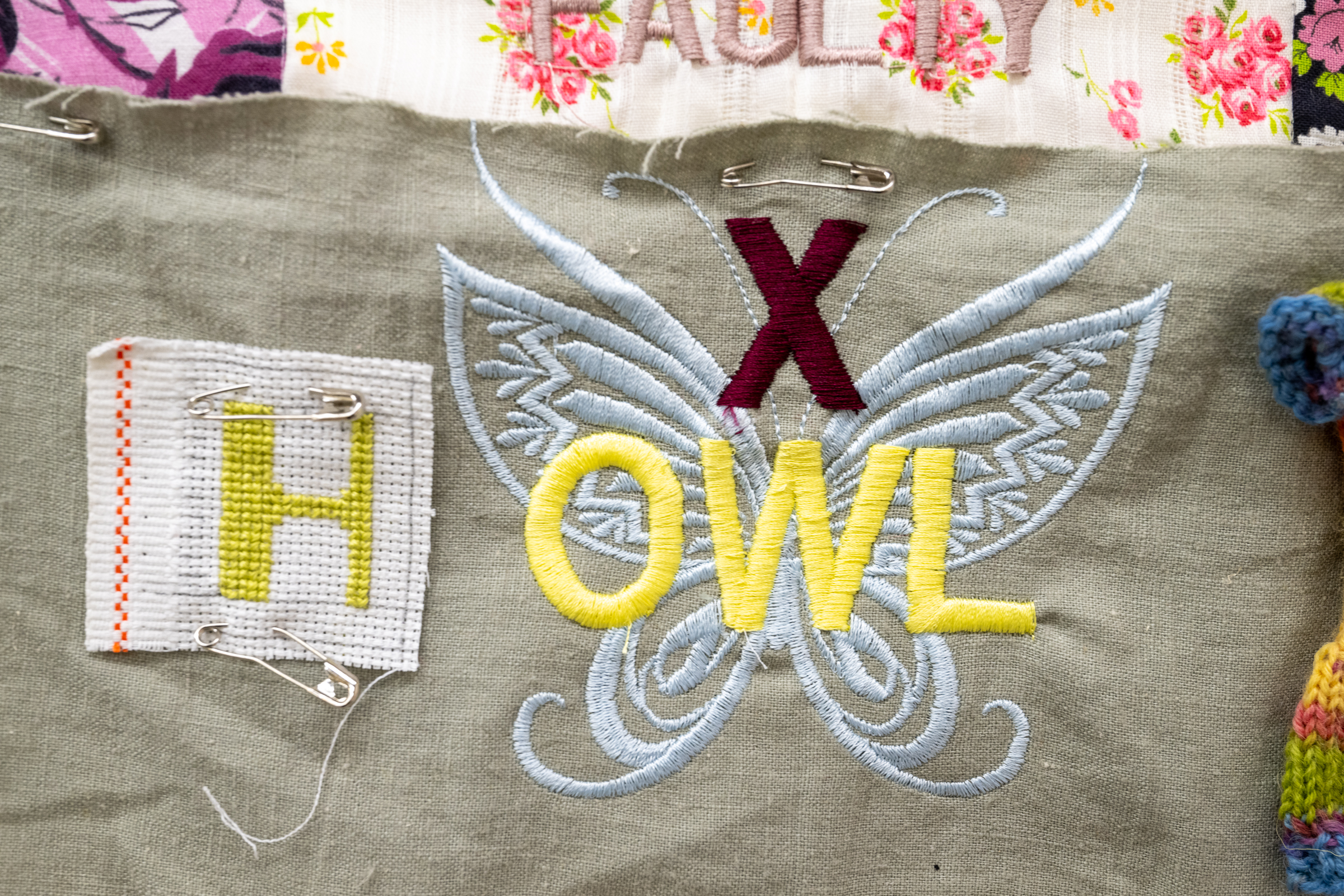
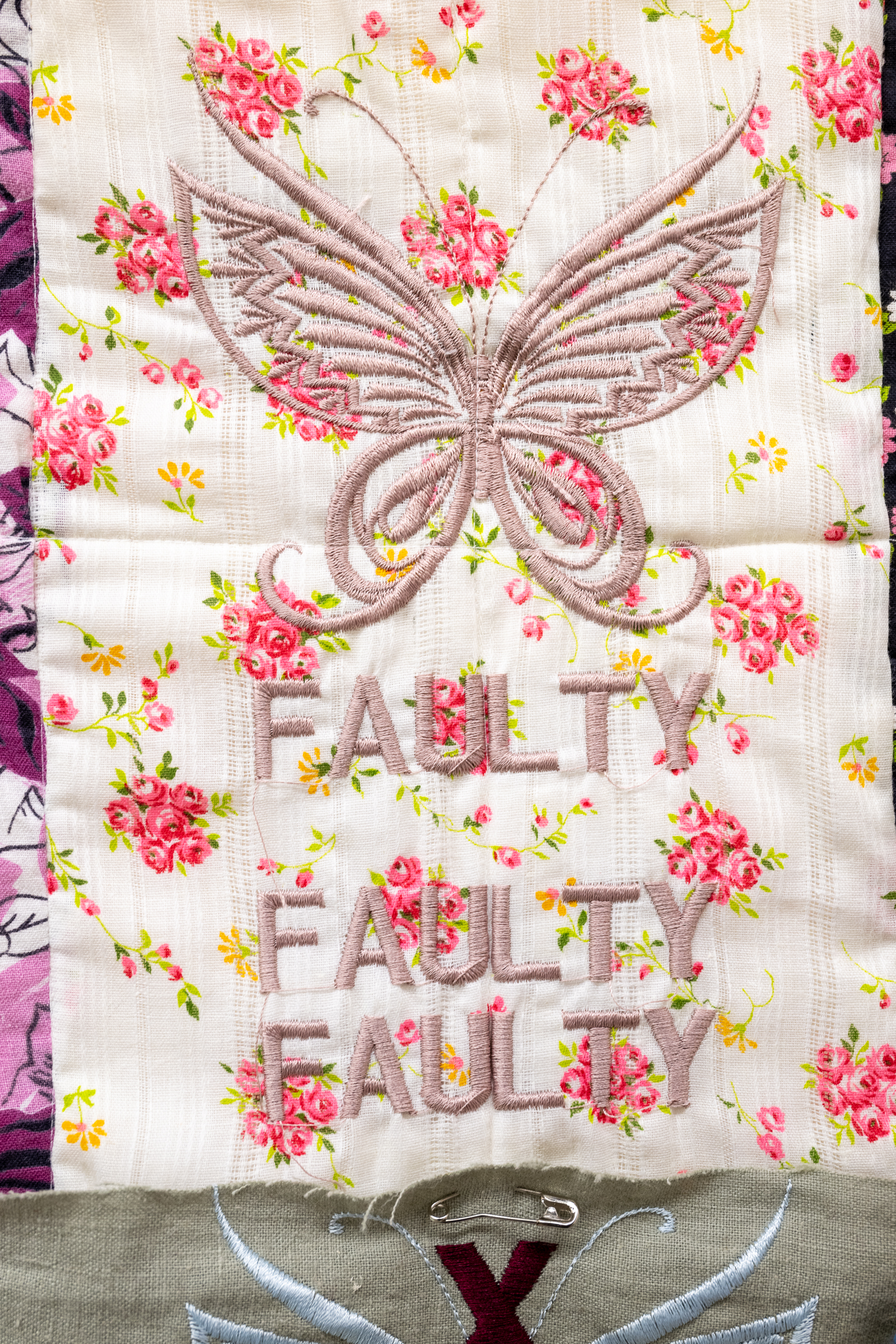
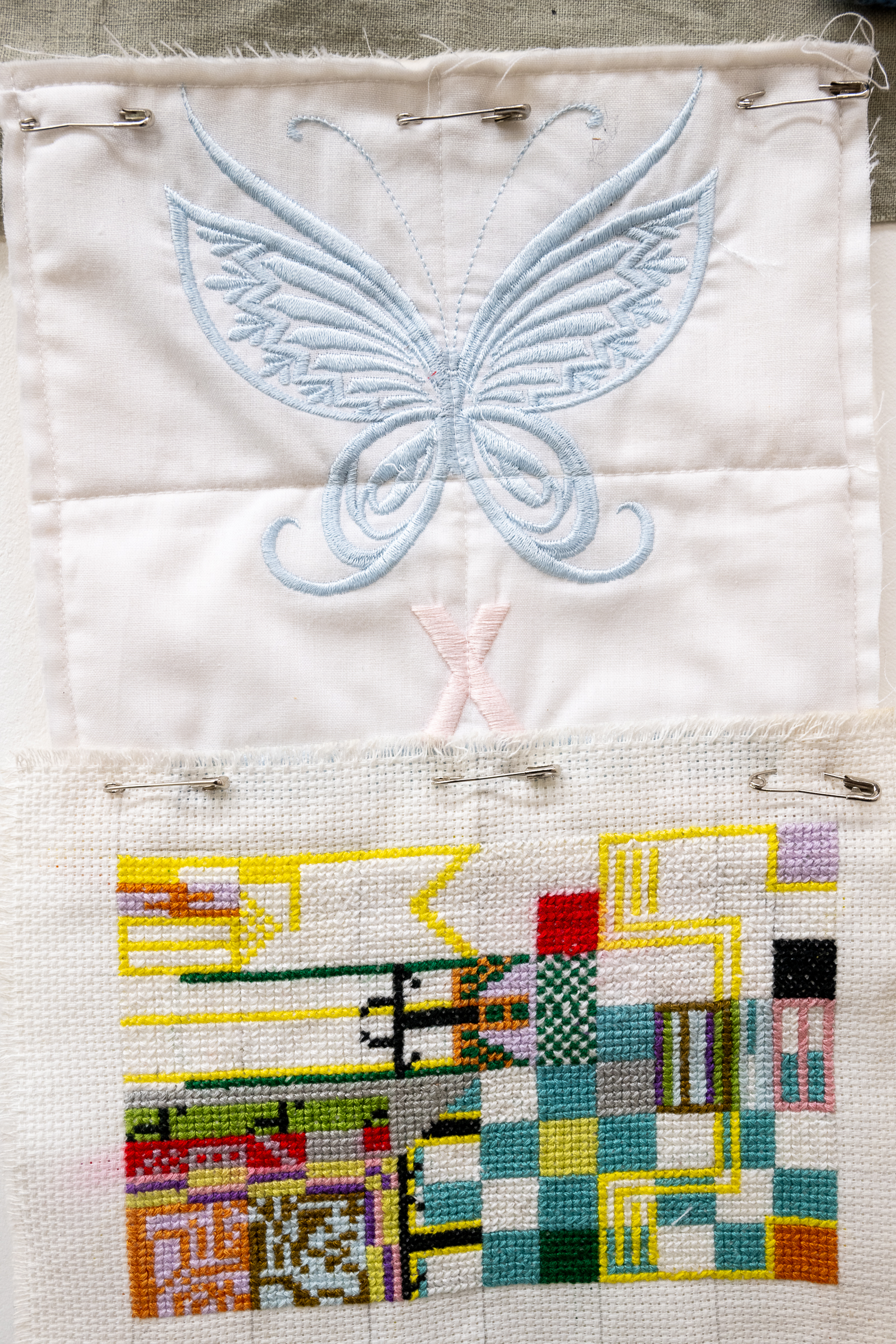
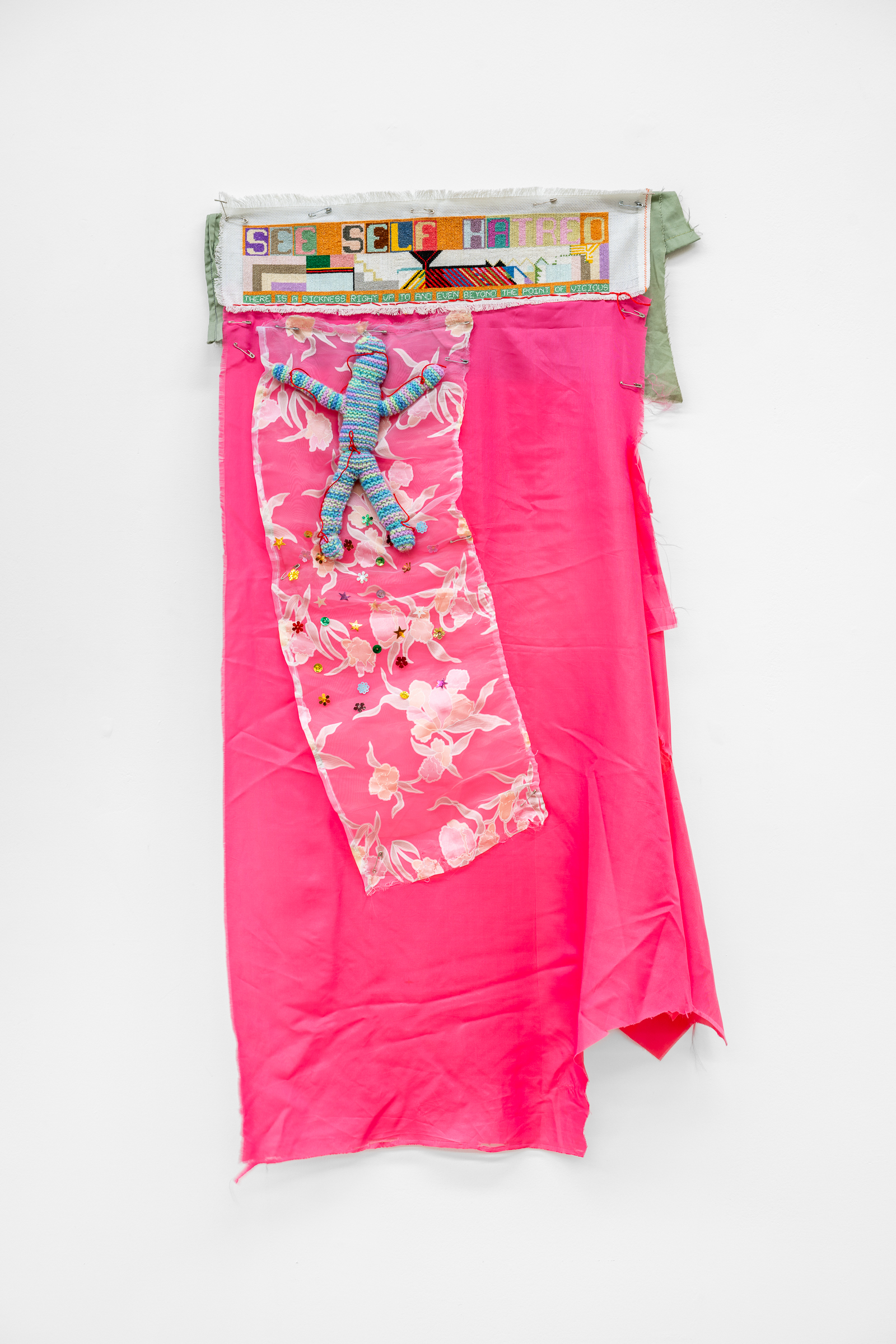
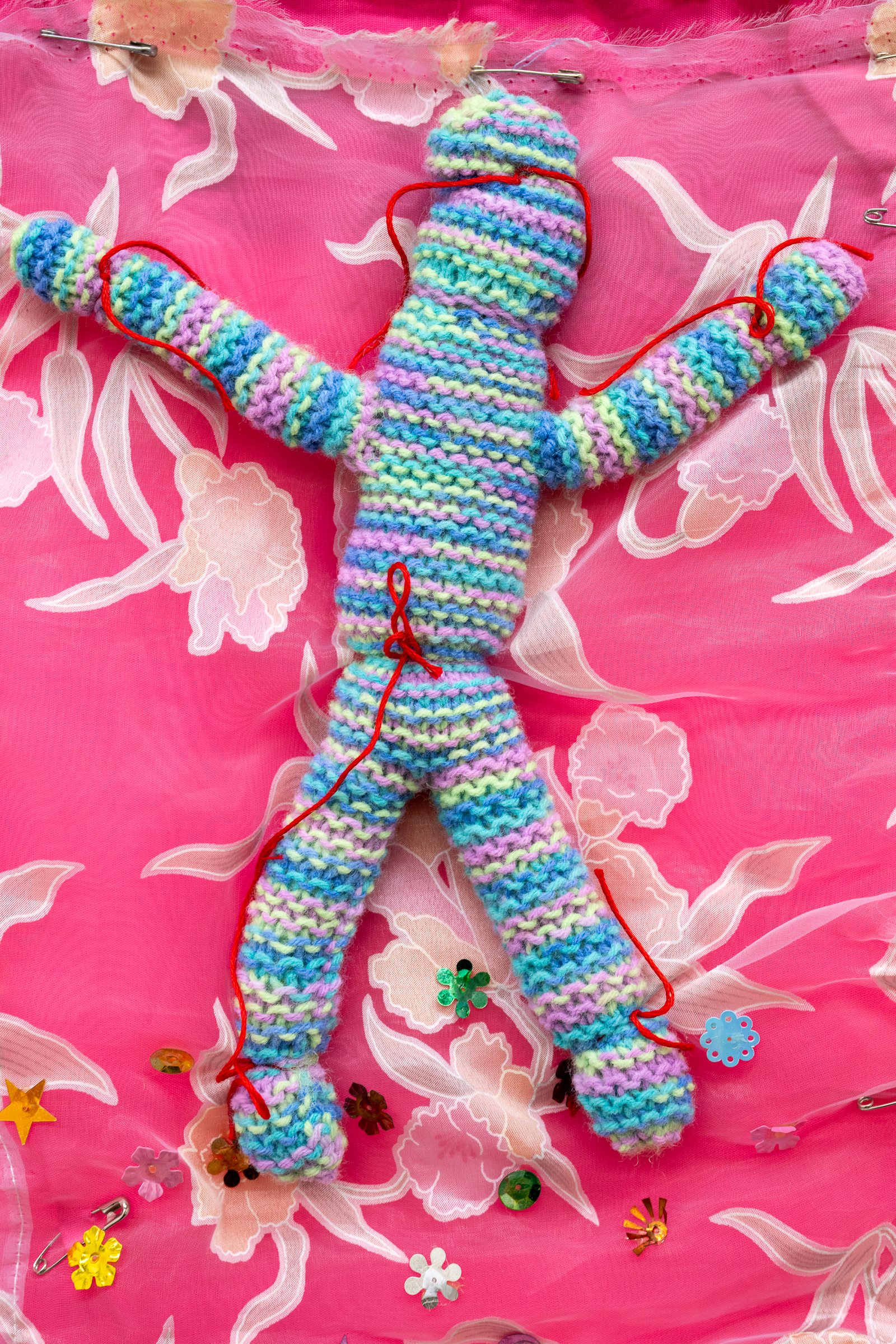
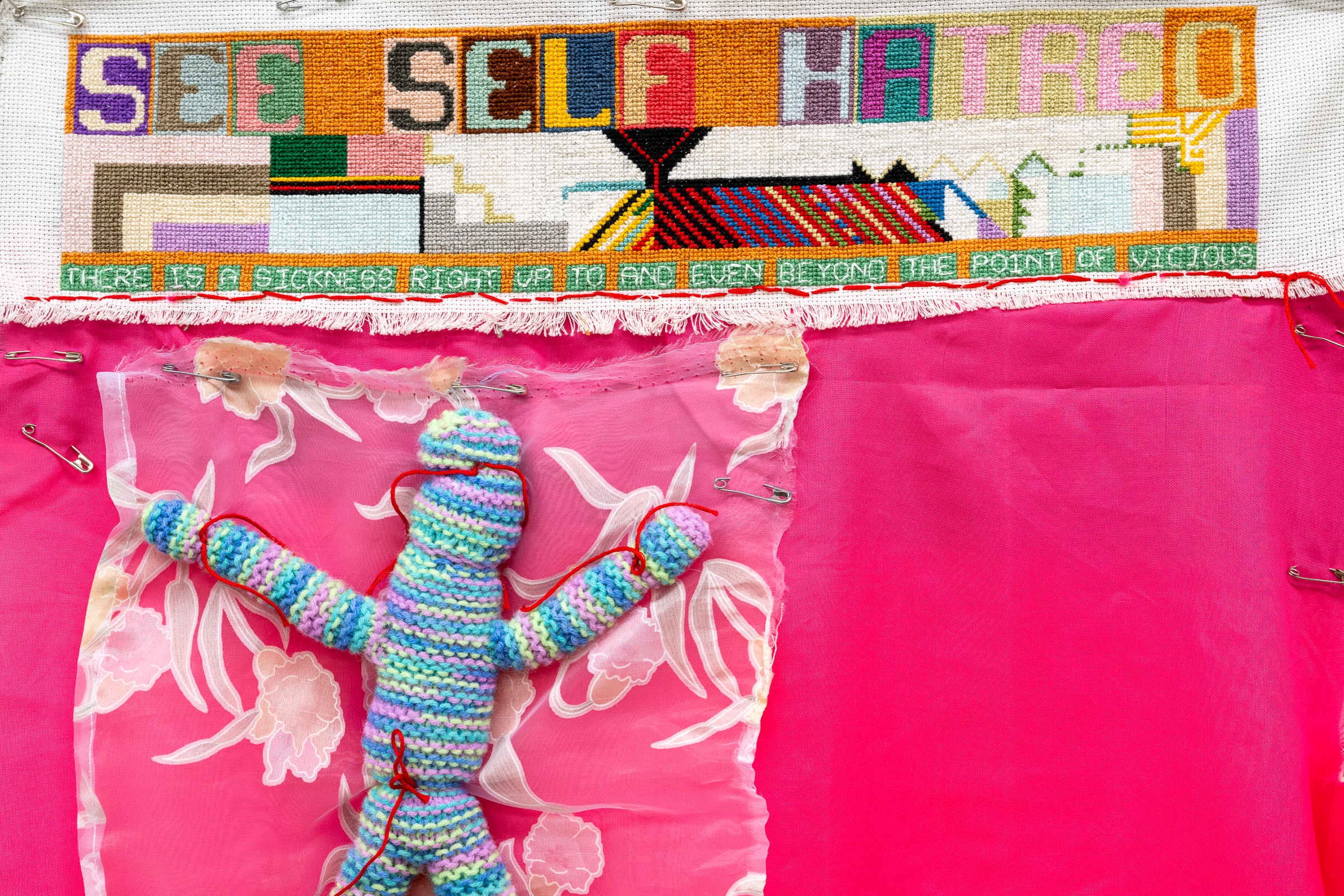
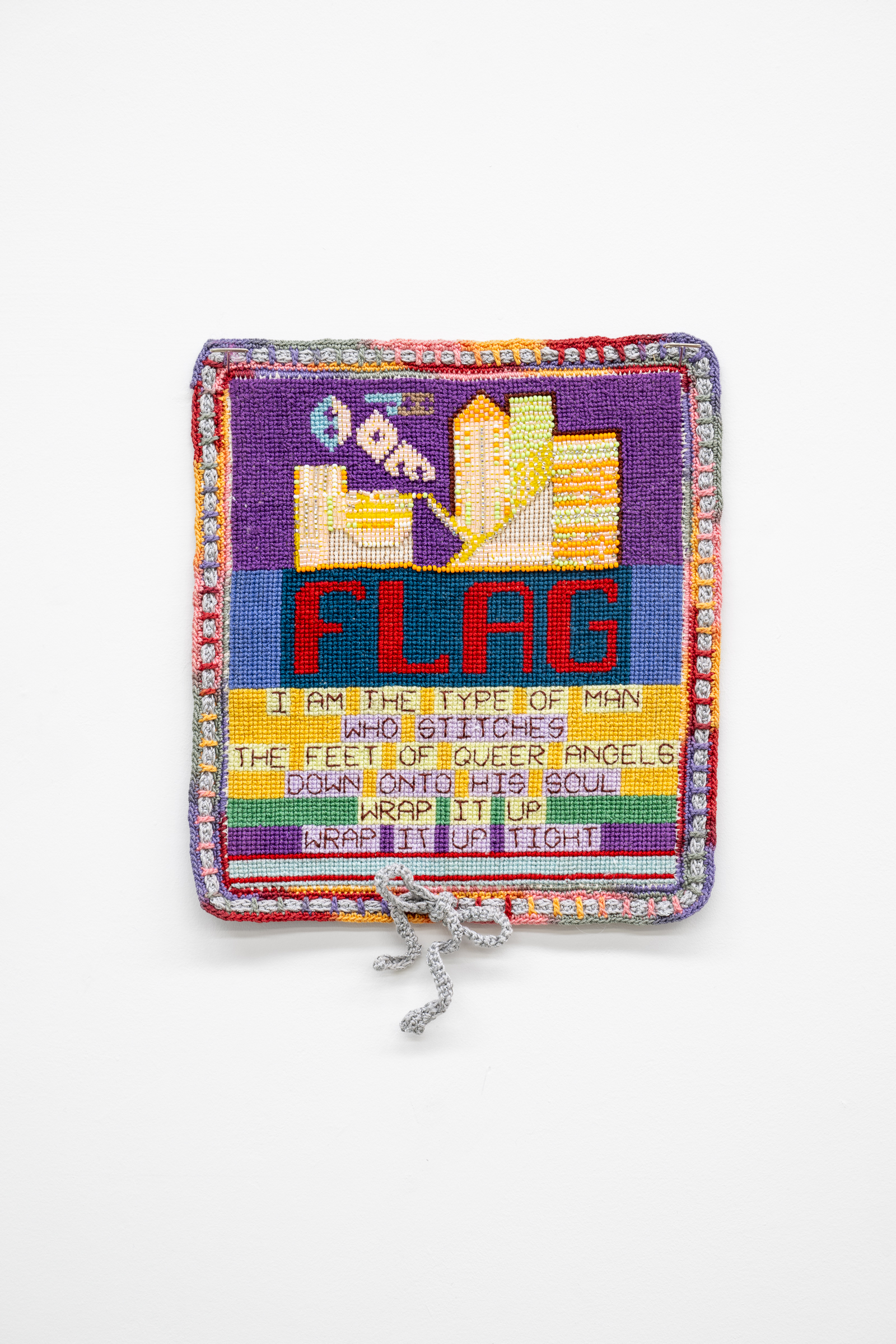
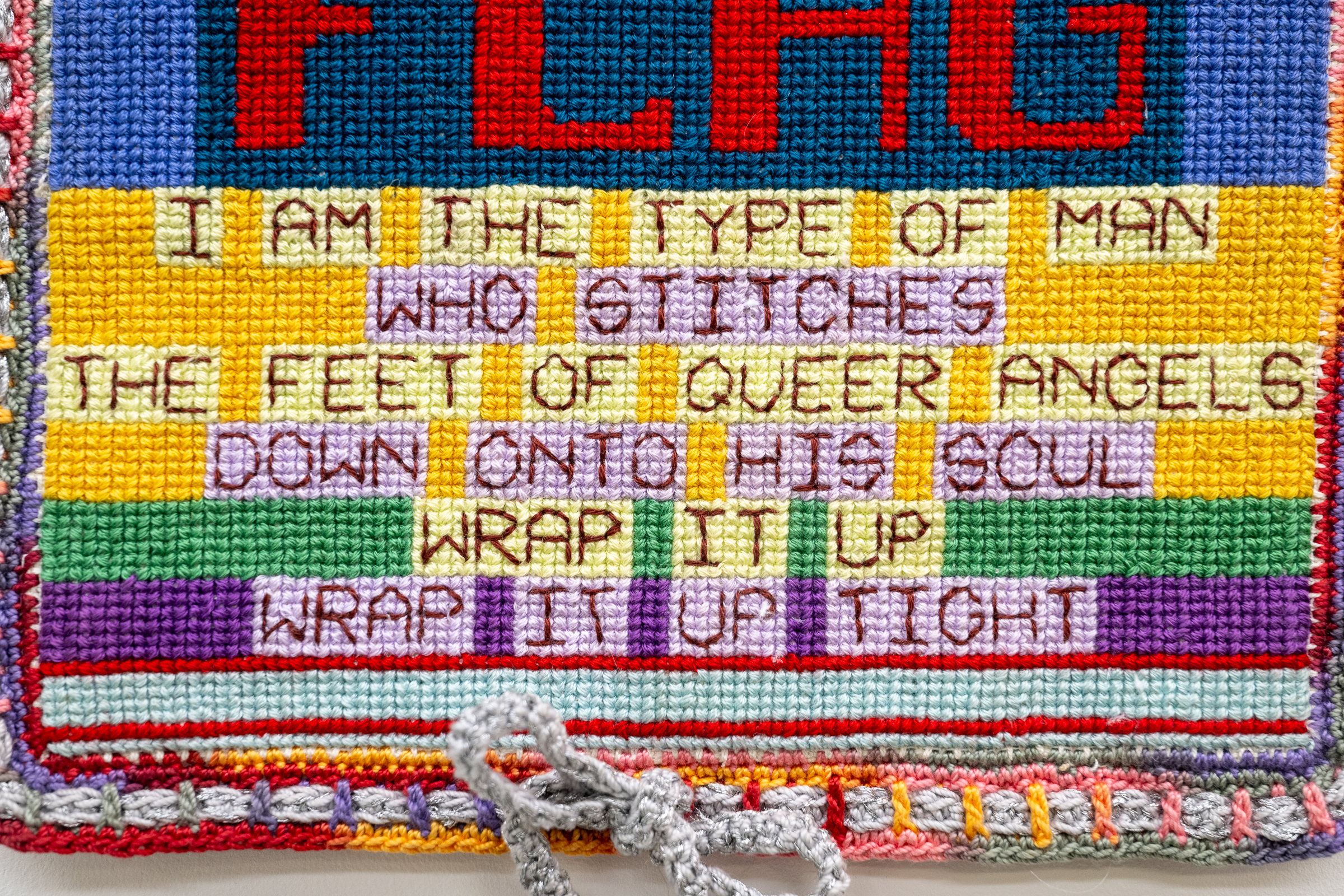
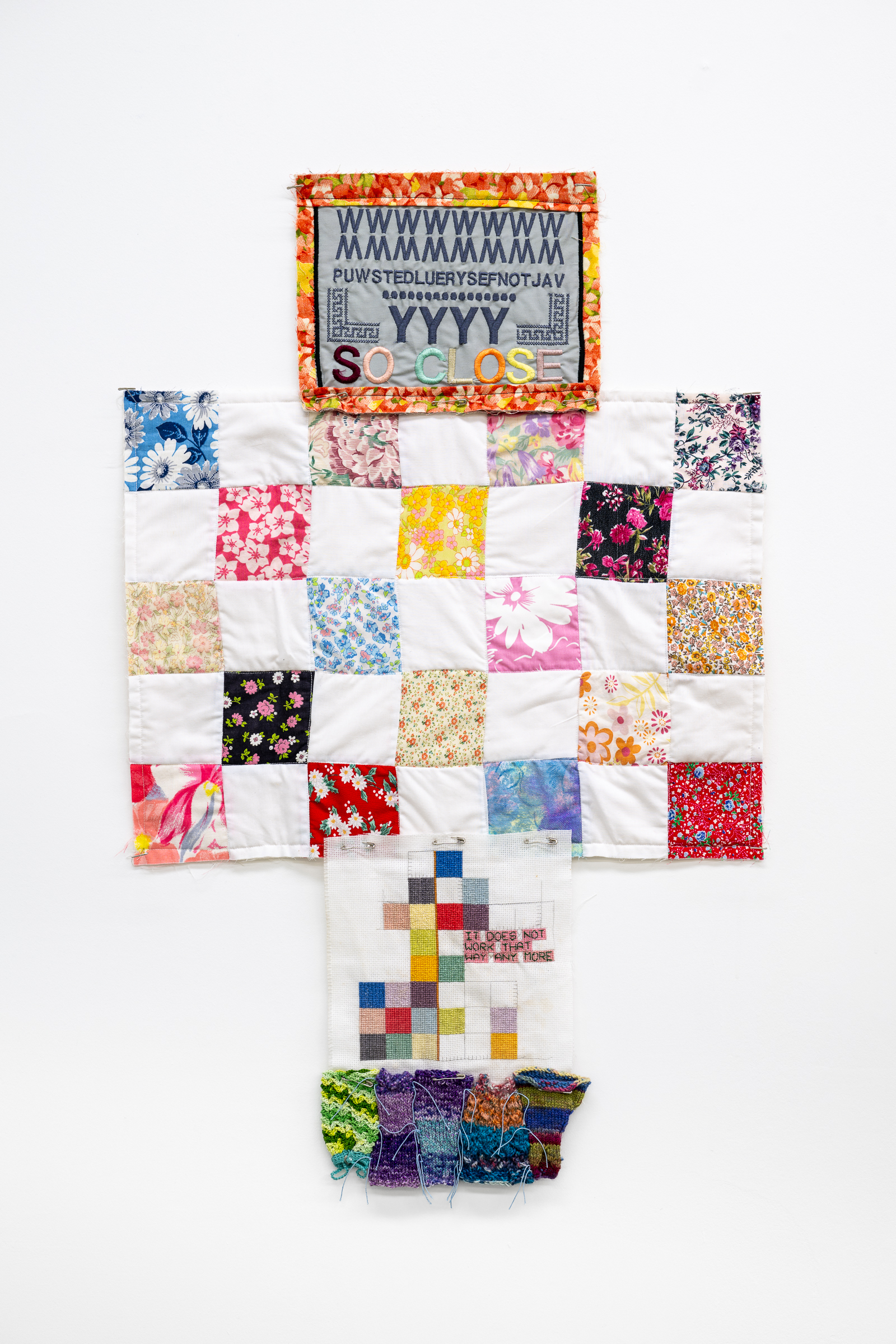
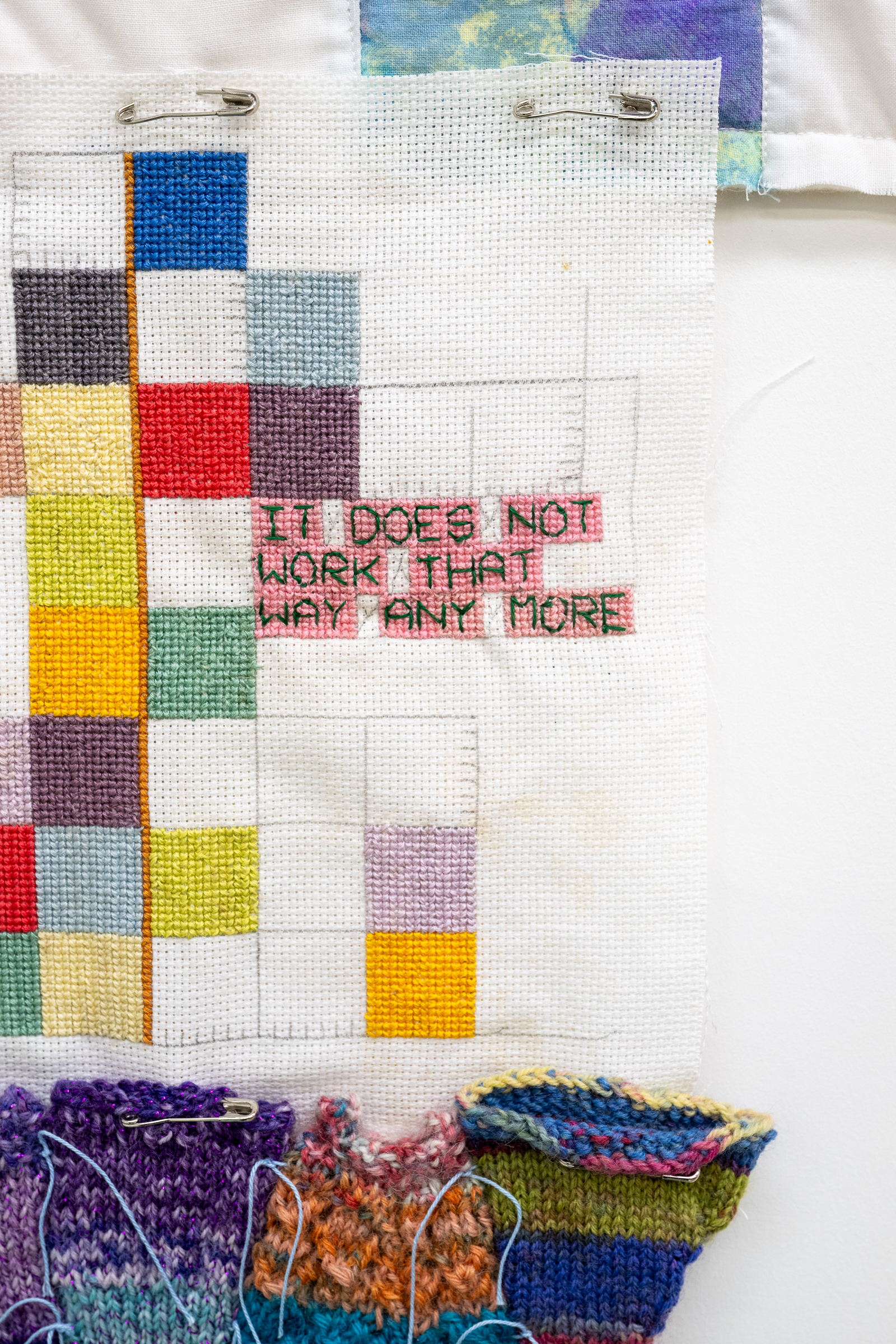
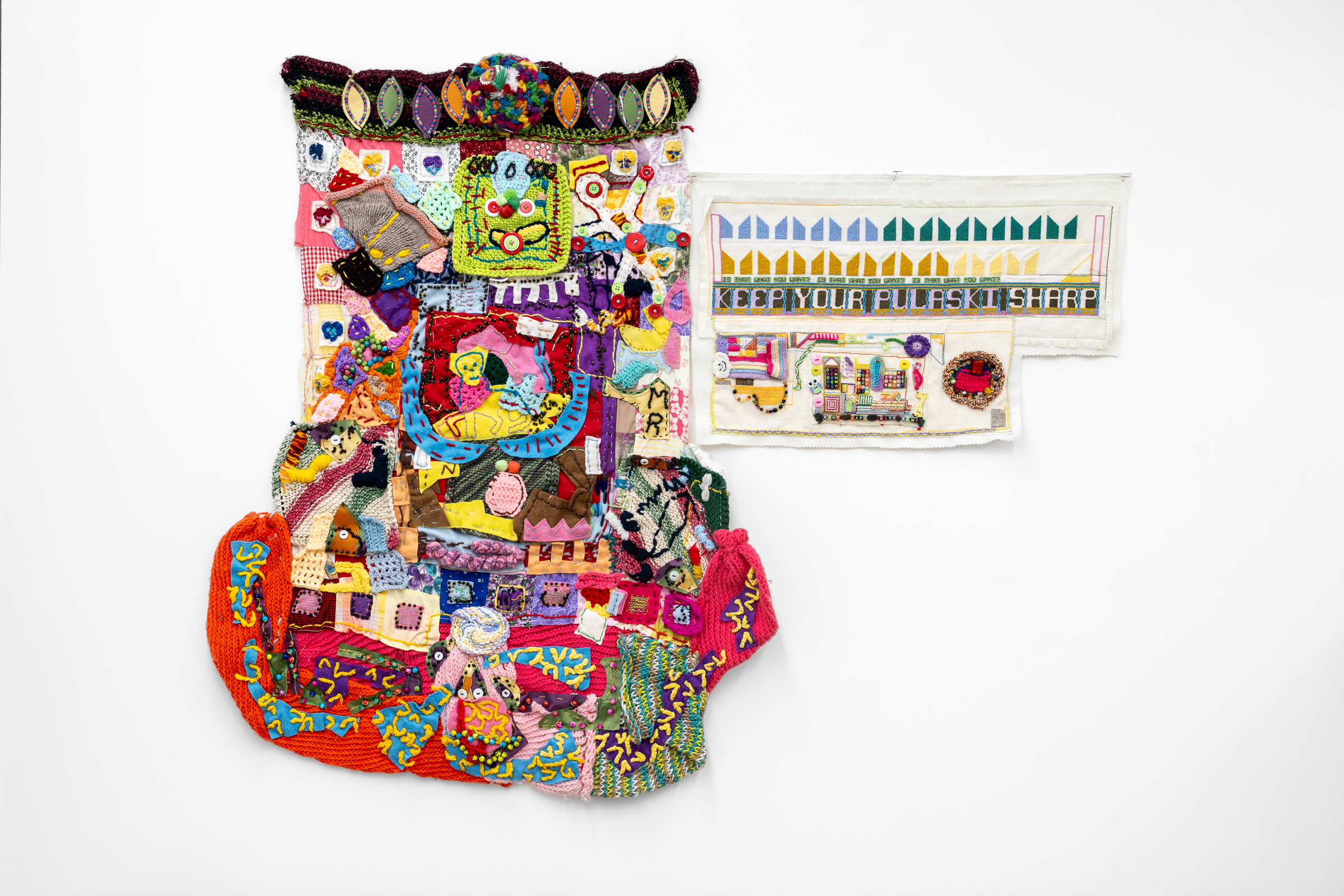
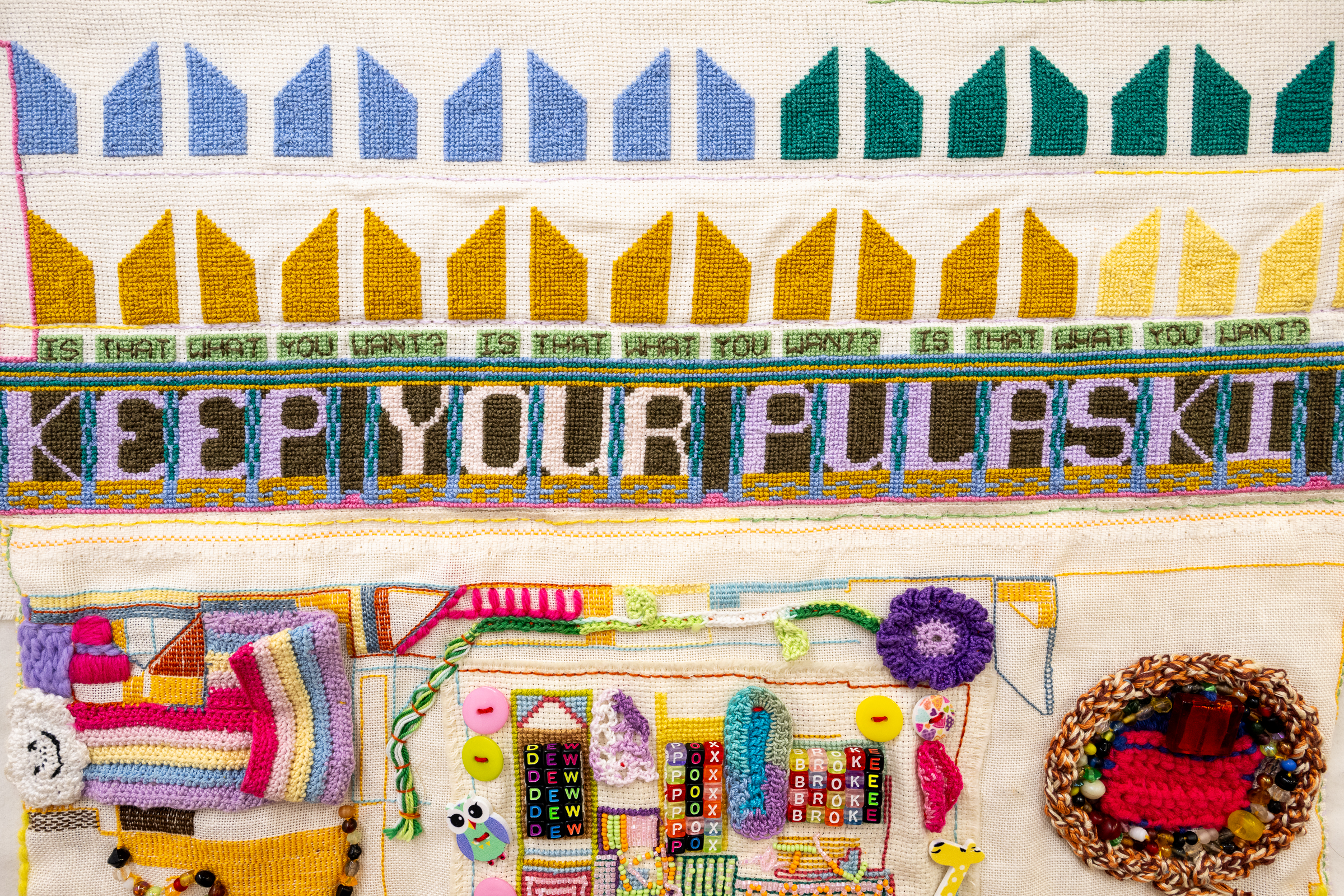
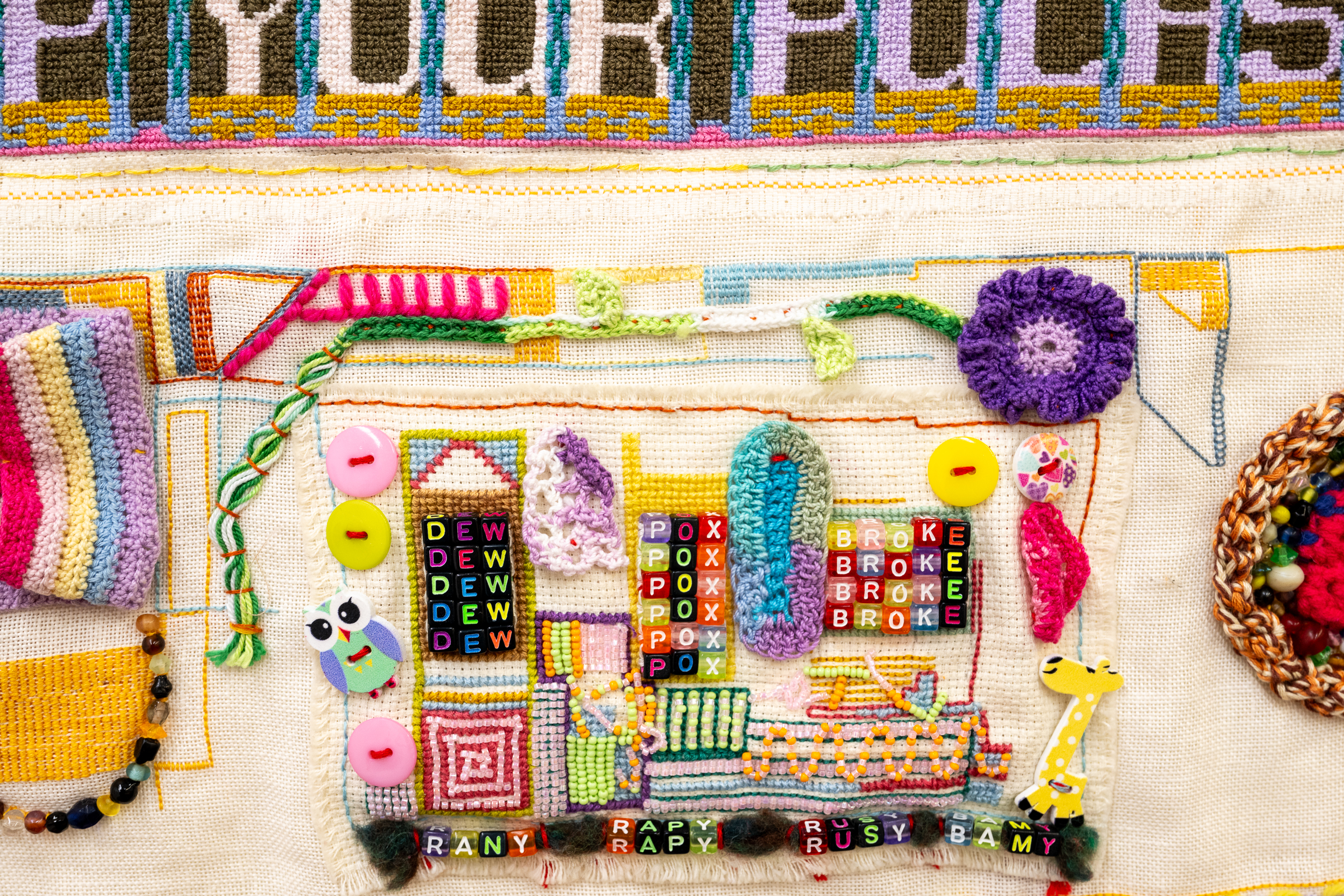
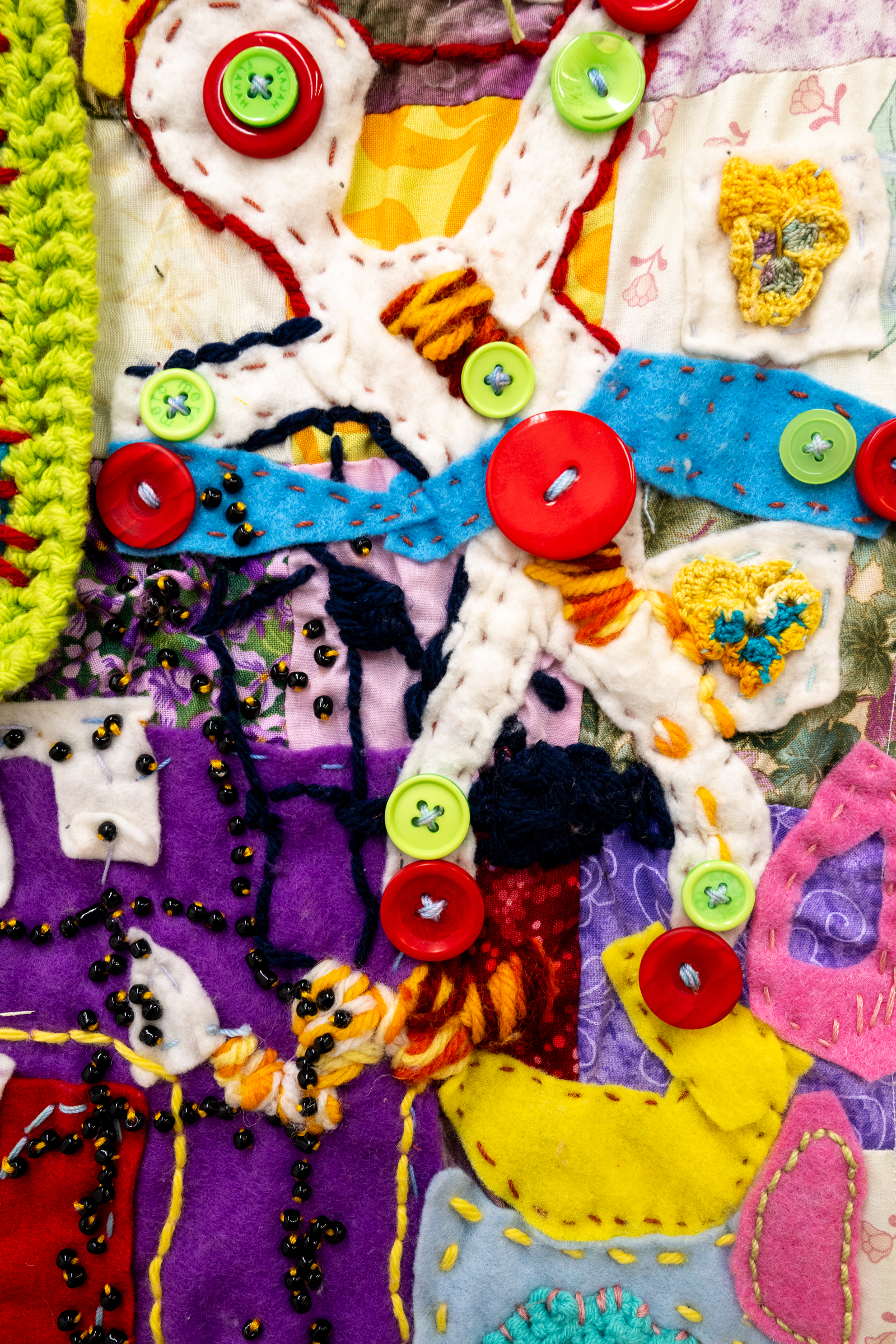
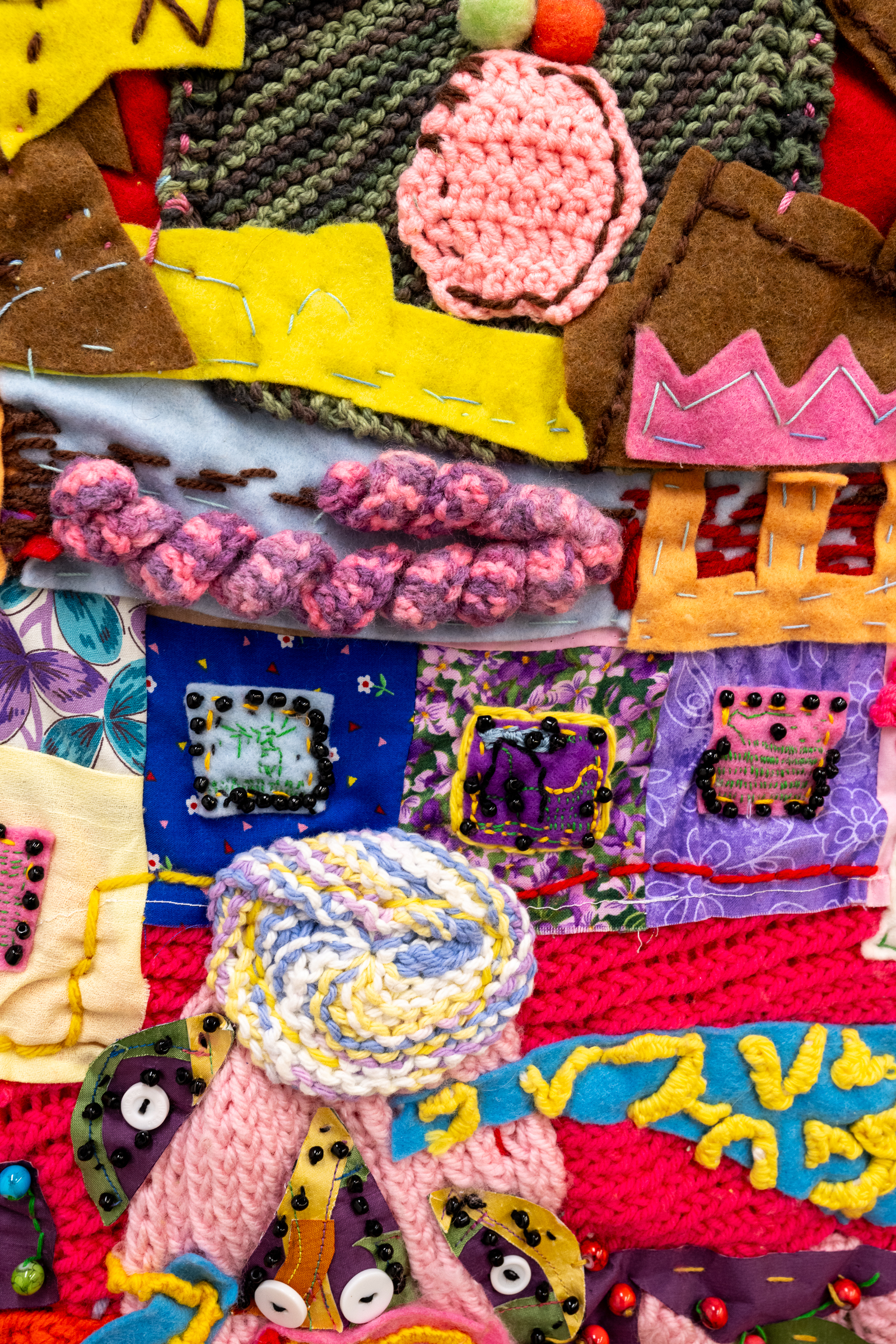
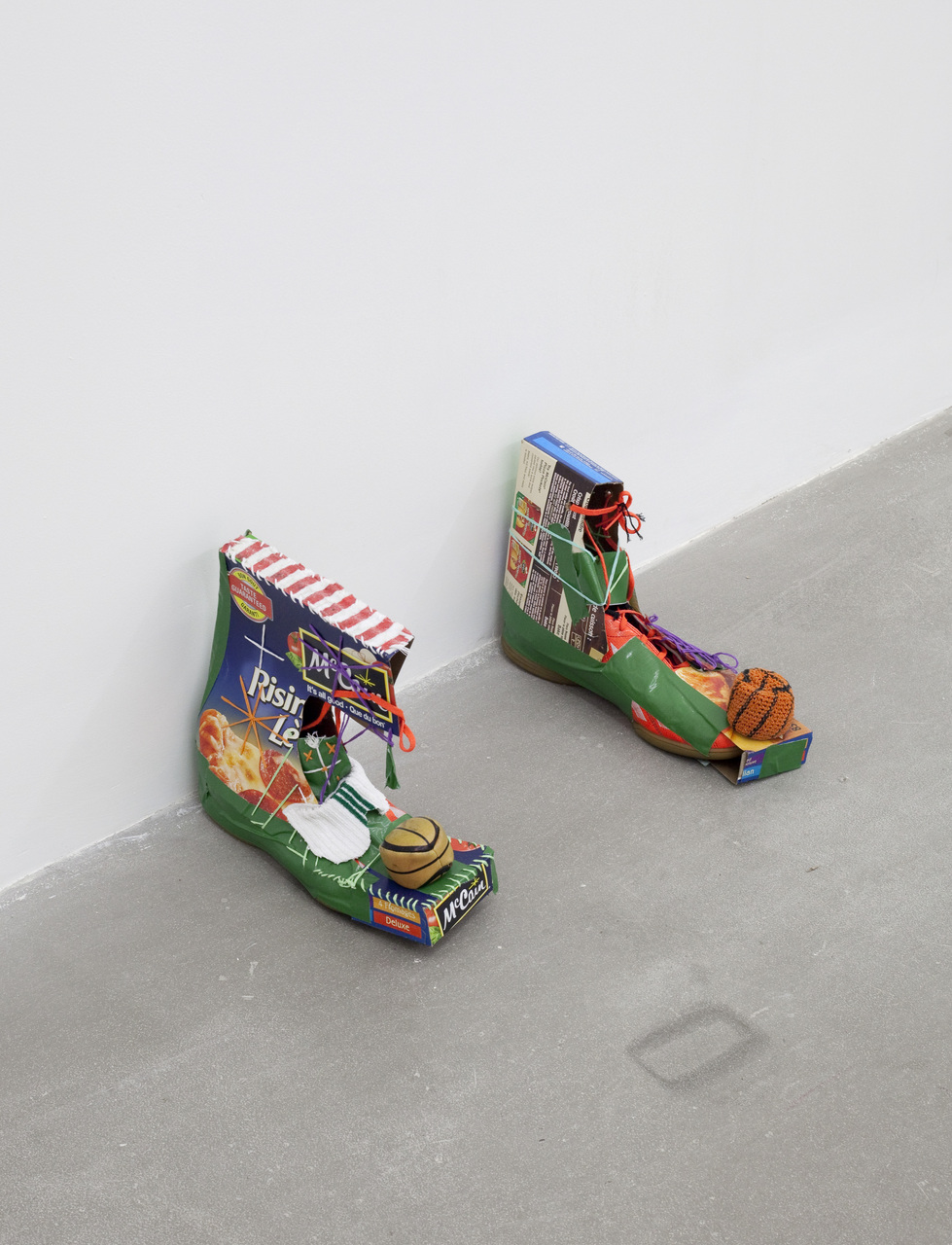
Richard Boulet: If I May Digress, Part 1, opening September 4th at Wil Aballe and Richard Boulet: If I May Digress, Part 2, opening September 6th at Canton-Sardine cast a spotlight on the extraordinary studio practice of Edmonton-based artist Richard Boulet. Boulet’s visually arresting fine craft textile works feature a characteristic mix of figurative and abstract elements with an emphasis on concrete poetry.
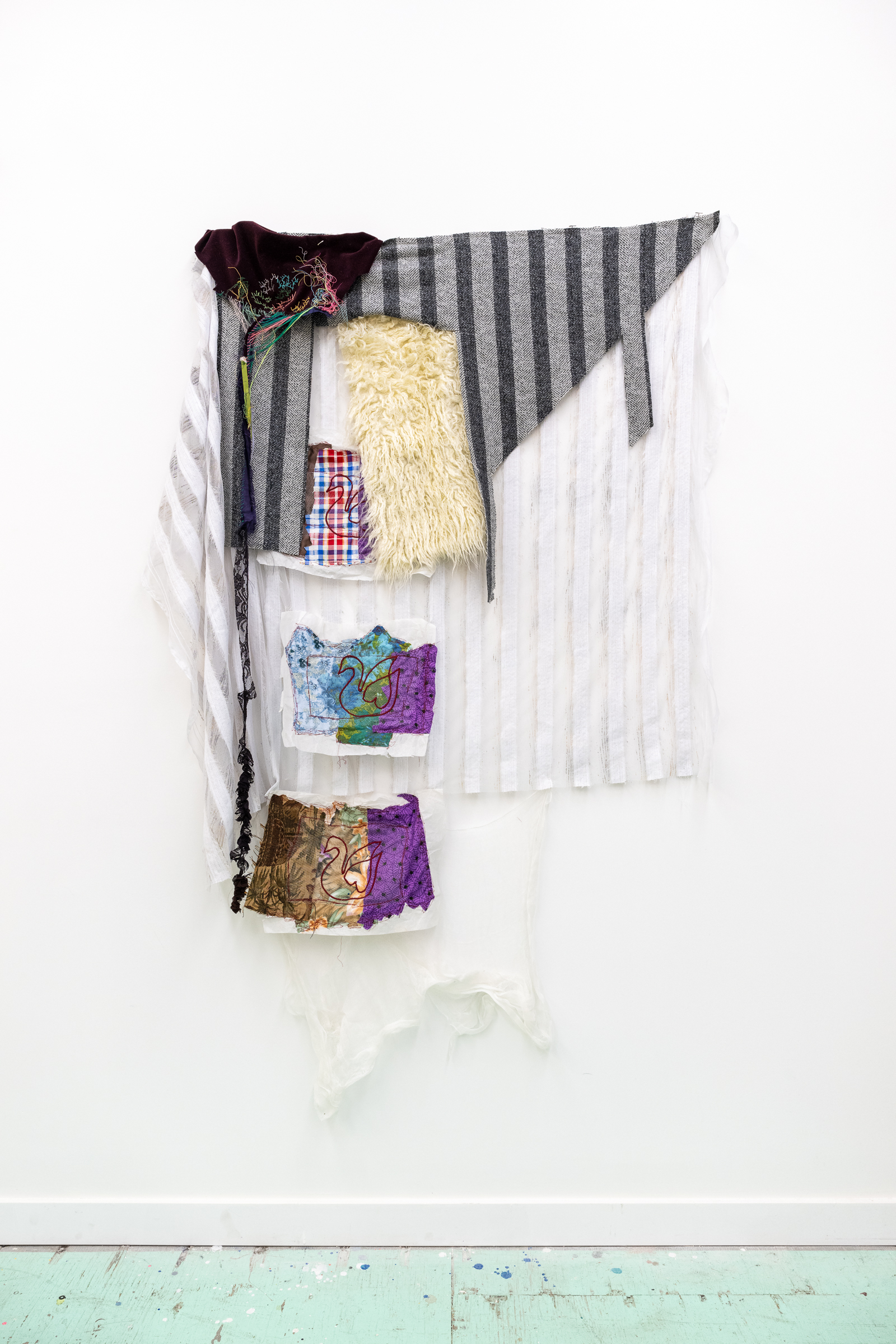
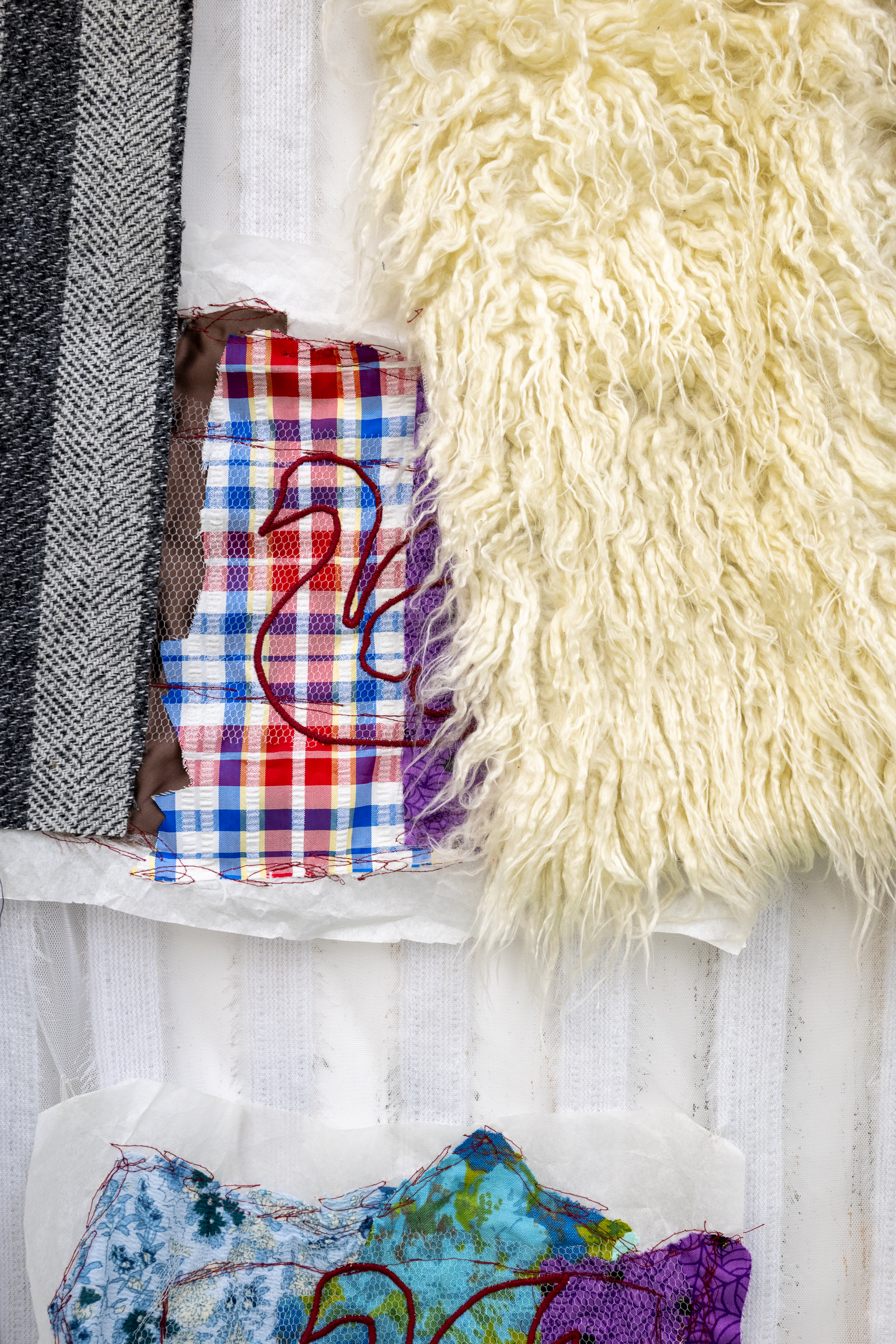
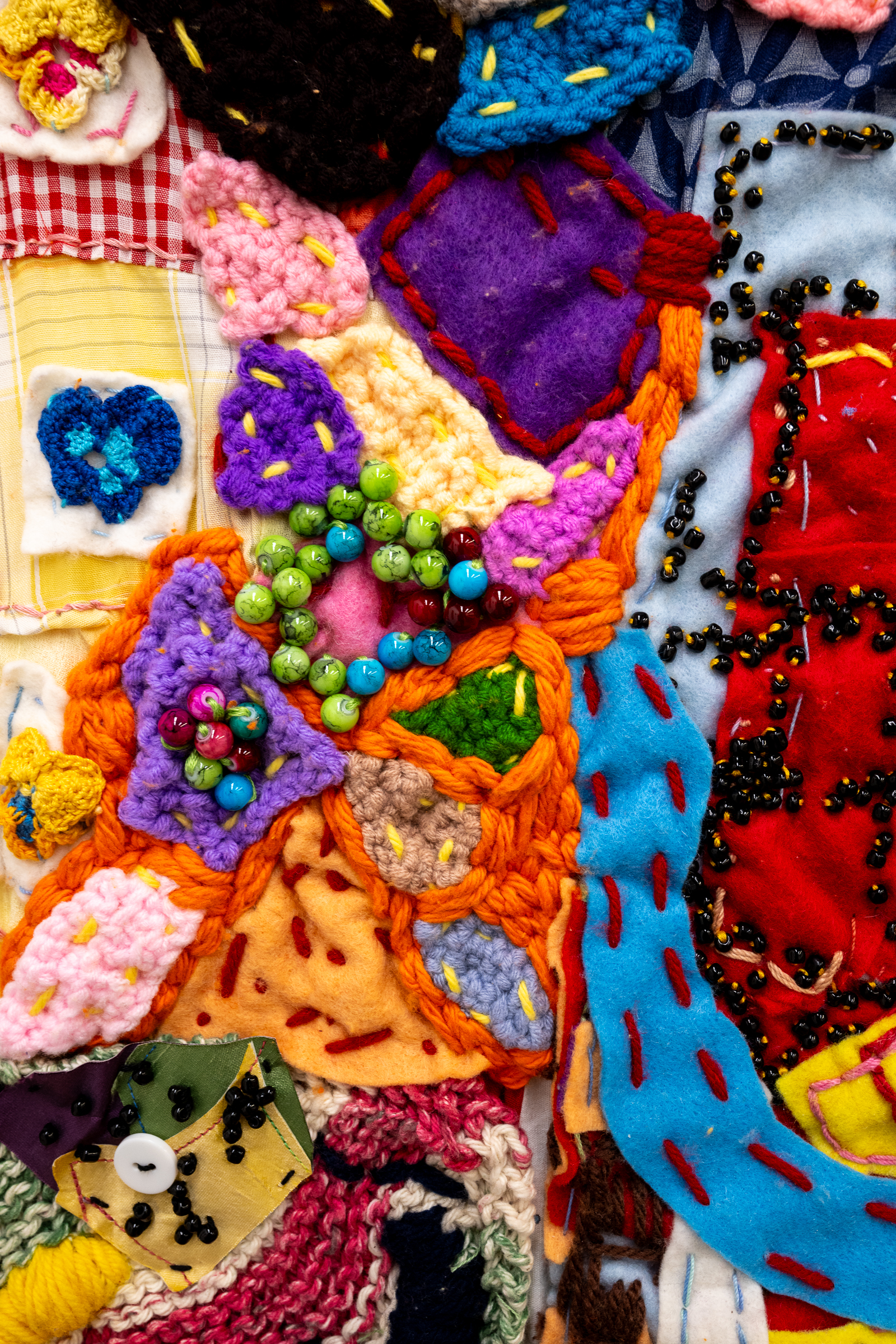
Guest curated by Lam Wong, Matilde Nuzzo and Wayne Baerwaldt, the Vancouver exhibitions present a dedicated survey of Boulet’s key works produced in various formats, from traditional cross-stitching to assemblage techniques and filaments of colour embedded in quilting. Boulet’s lived experience has led him to pay close attention to building a base of knowledge that remains open to addressing a wide range of issues associated with social justice, well being, the omnipresence of poetic inspiration, and the need for psychic and physical space to accommodate an emerging queer identity. The characteristic markers of his investigation are complex and generally identified with autobiographical sources and the formal consequences of an evolving definition and making of art.
Boulet’s conceptual process of making introduces fine craft textile art as part of an inclusive wellness program for community building. In addition, he extends the discourse around fine craft materiality via his exploration of more diverse elements including medical terminology (as either oblique/direct references), design strategies and performative sound.
Richard Boulet has two undergraduate degrees completed back-to-back from the University of Manitoba. The first is a Bachelor of Environmental Studies in Architecture followed by a BFA. Richard later received his MFA in Drawing and Intermedia at the University of Alberta.
“Art to me is experimenting with how far my imagination can take me. I find that the process relaxes me and seeing my imagination come to life under my fingers amazes me. Creating is self-fulfilling. When I see something transformed to become a piece of art, I feel astonished that I made it. Art gives me the initiative to pass on my knowledge for future generations.”
–Richard Boulet
Lam Wong is a Canadian visual artist, designer, and curator, born in 1968 in Xiamen, China. He immigrated to Hong Kong at the age of two and later to Canada in the 1980s. Wong has lived and worked in Vancouver since 1998. His art is primarily rooted in regional West Coast art history, with an emphasis on the development of painting and its avant-garde narrative.
Matilde Nuzzo is a sinologist by training and an emerging visual arts curator by profession, graduating from Venice’s Università Ca’ Foscari. Nuzzo is co-founder of LensArt, an initiative to highlight neuro-diverse artists and inclusivity. She has organized numerous exhibitions, workshops and cultural events with project partners including Pistoletto Foundation, University of Verona, Fondazione Marchesani (Venice) and ArtVerona. Her residency in Vancouver is made possible with the generous support of Griffin Art Projects, Plug In ICA (Winnipeg), Dallas Loken, Lyn Goldman and anonymous donors.
Wayne Baerwaldt is an independent visual arts curator and producer. His best-known curatorial projects trace performative elements in artmaking with an emphasis on unstable, disputed identities and the language of their construction and presentation in public and private spaces.
Hard-cover Publication: If I May Digress: Richard Boulet and Collaborators
Richard Boulet’s fine craft artworks feature an outstanding mix of figuration and abstraction with text fonts that vibrate via cross-stitch and assemblage techniques, filaments of colour embedded in quilting and visually startling drawings and prints. His creative process is invested within a dedicated craft materiality. If I May Digress: Richard Boulet and Collaborators enlightens readers with the passion and dignity of Boulet’s autobiographical passages through an engaging queer lens shaped by concrete poetry and a studio practice committed to service, humility and generosity.
If I May Digress: Richard Boulet and Collaborators offers perspectives the growing influence of fine crafts in the making of contemporary and modern art history. In many ways the artworks by Boulet and his collaborators represent a unique inquiry self-consciously free from morphological constrictions. Remarkable outcomes and stylistic shifts are examined.
Contributors to the publication include:
Dick Averns offers an interview with Boulet and Olson to provide contextual tenets relating critically to theoretical, formal and structural processes underpinning Boulet’s poly-textural oeuvre. Wayne Baerwaldt examines Boulet’s art production uniquely tied to his lived experience as applied in visual art and language/ concrete poetry and community.
Dr. Michele Hardy details an ethnographic portrait of Boulet and his textile work. Drawing on postcolonial textile theory this paper explores these potent tensions and reveals common threads.
Dr. Steven Harris writes about the intersection of language and fabric in Boulet’s work, one that builds community in its collaborative nature and particularly in his collaboration with Edmonton collaborator, Marilyn Olson. Harris looks closely at the collaborative works of Boulet and Olson, drawing further context from the work of the art historian Julian Bryan-Wilson, the artist/ poet Cecilia Vicuña, and the philosophers Jean-Luc Nancy and Jacques Rancière. Each has thought through issues of language, textile, and community in different ways.