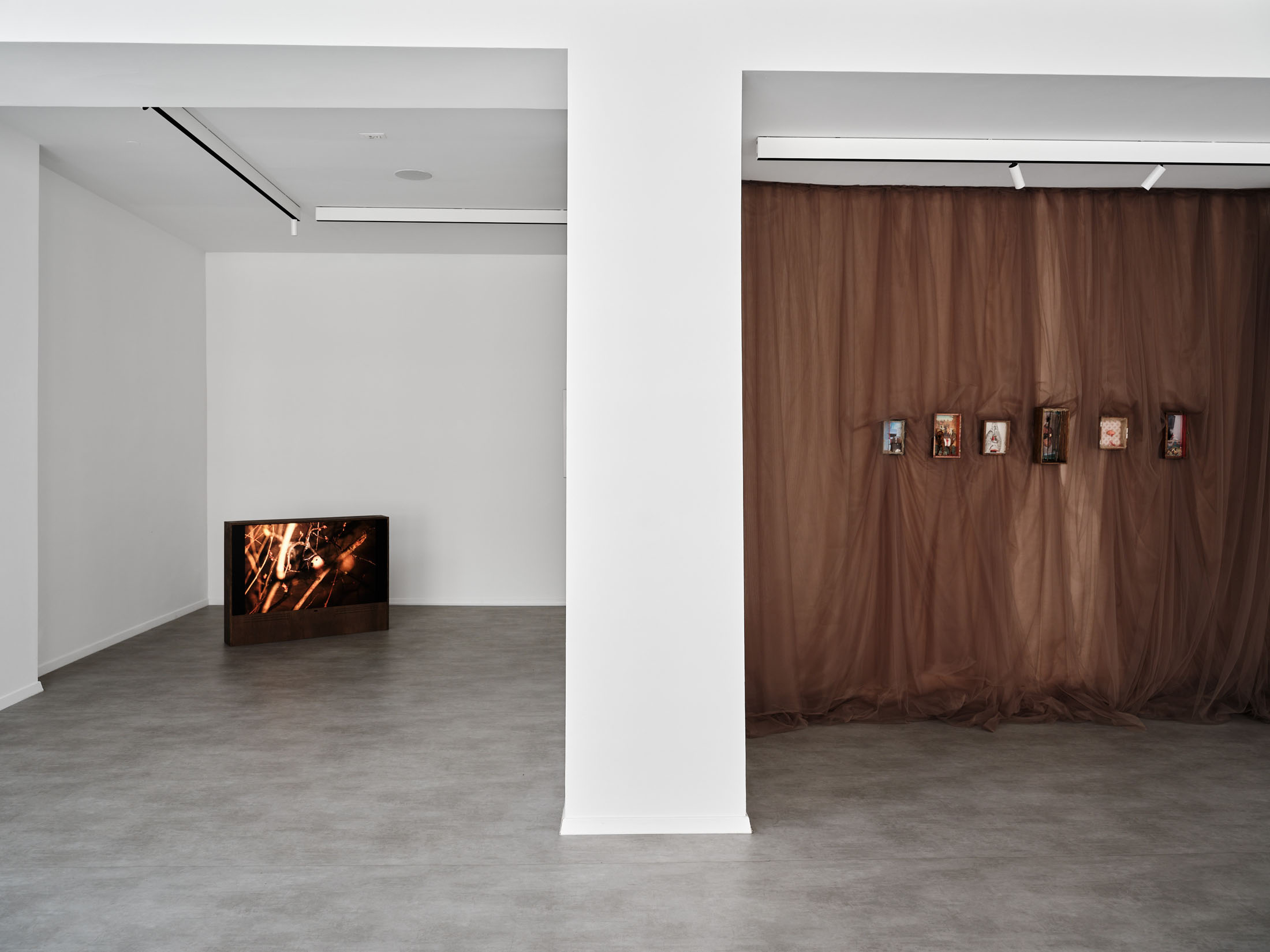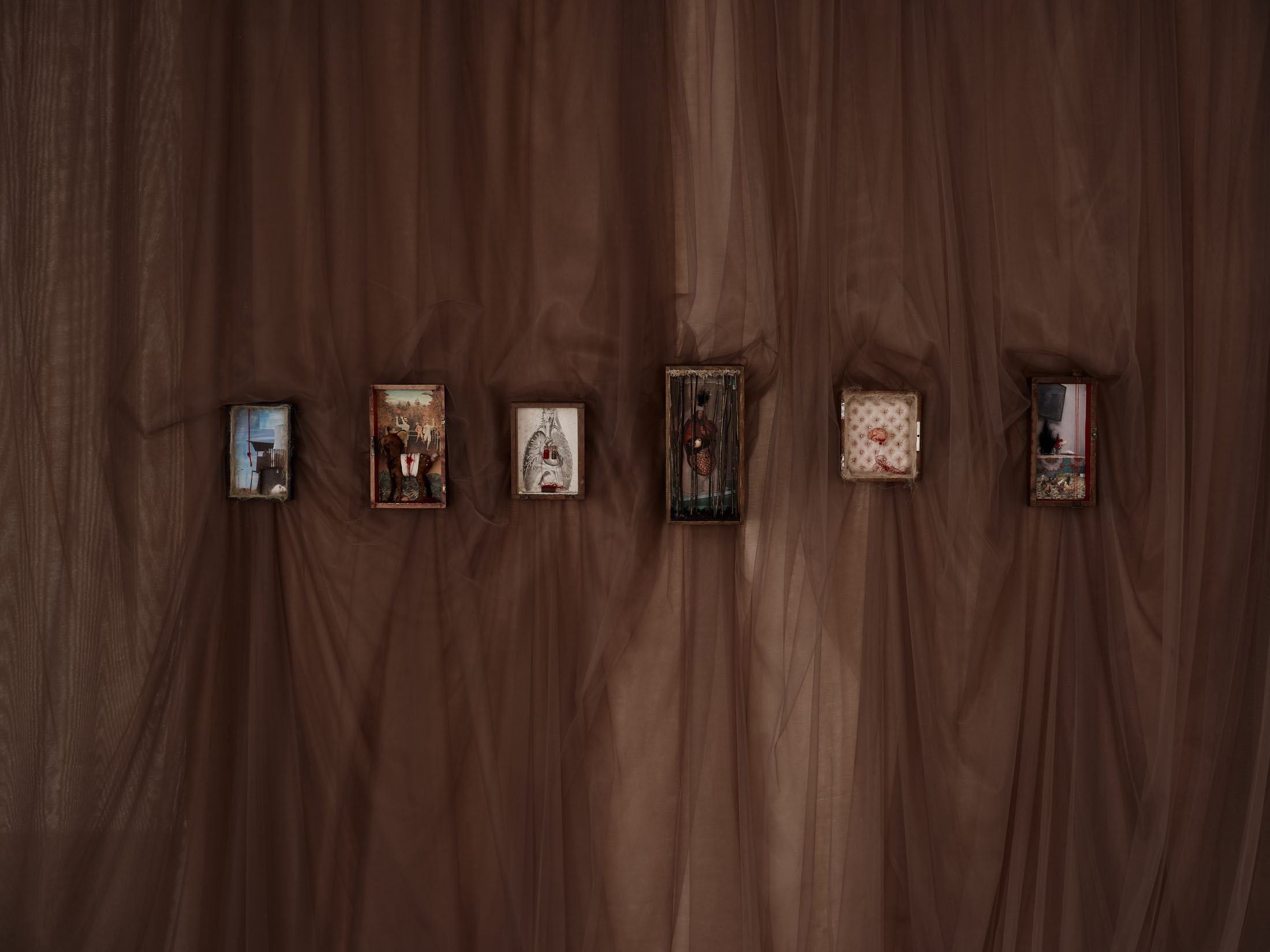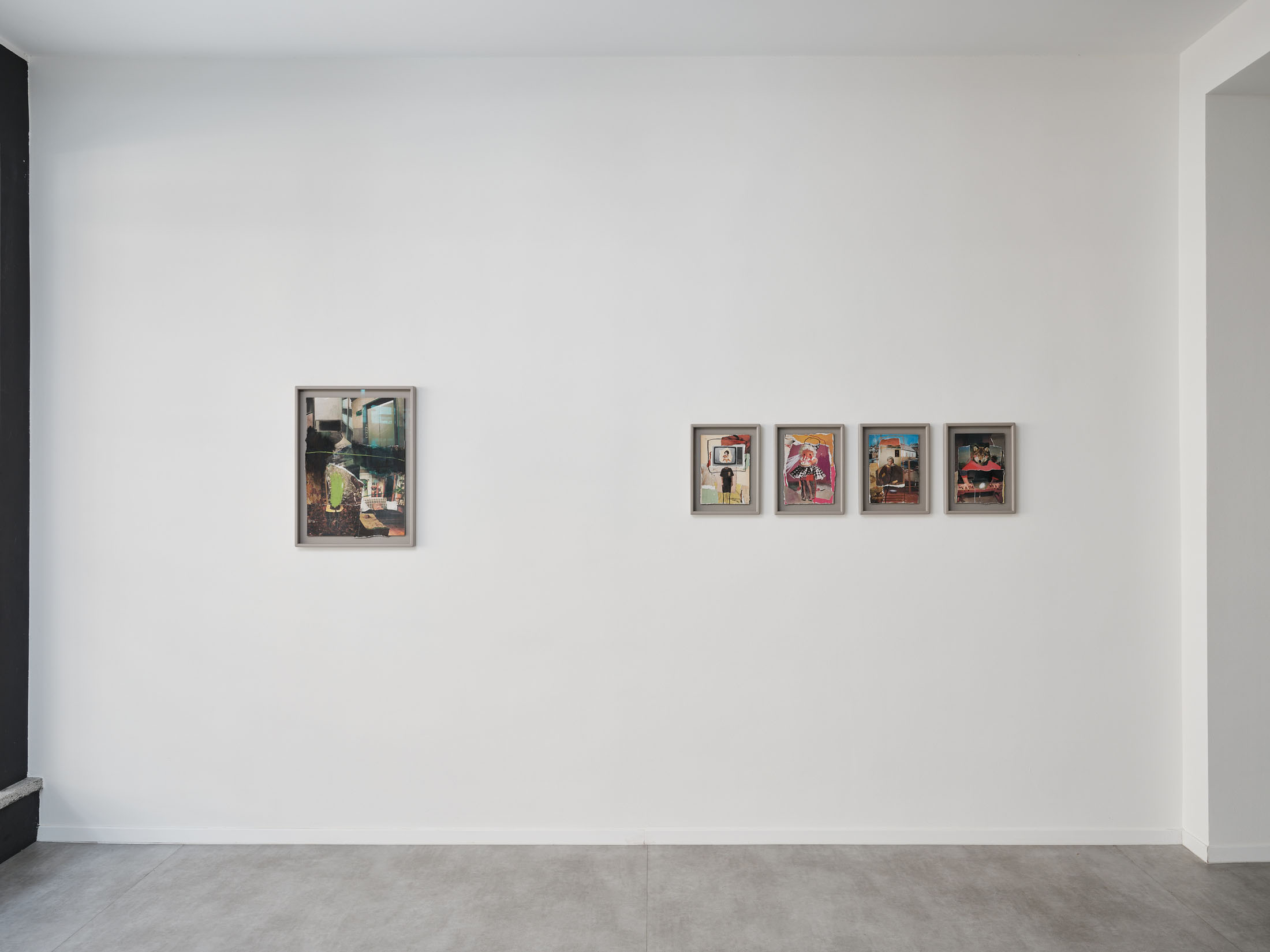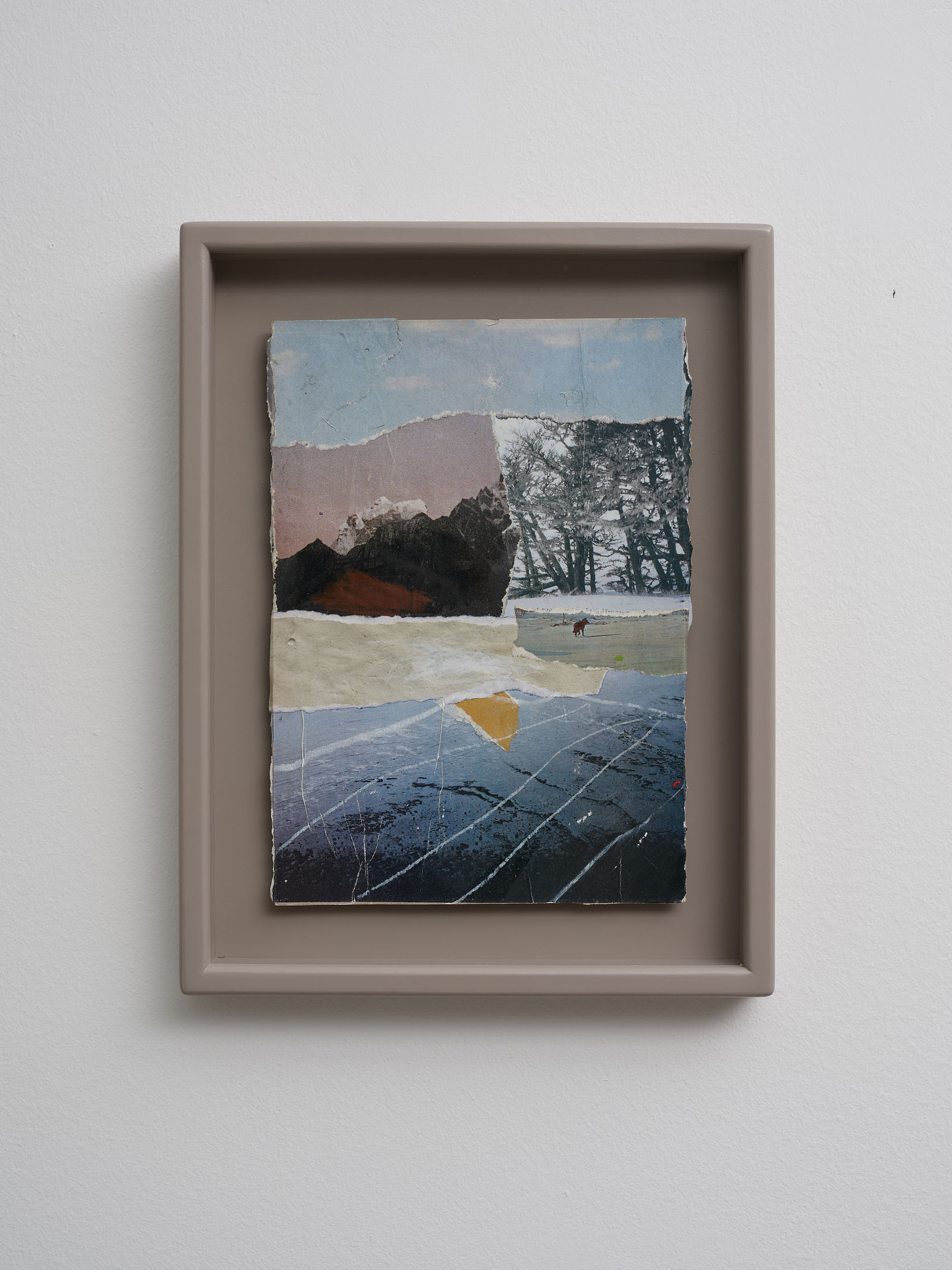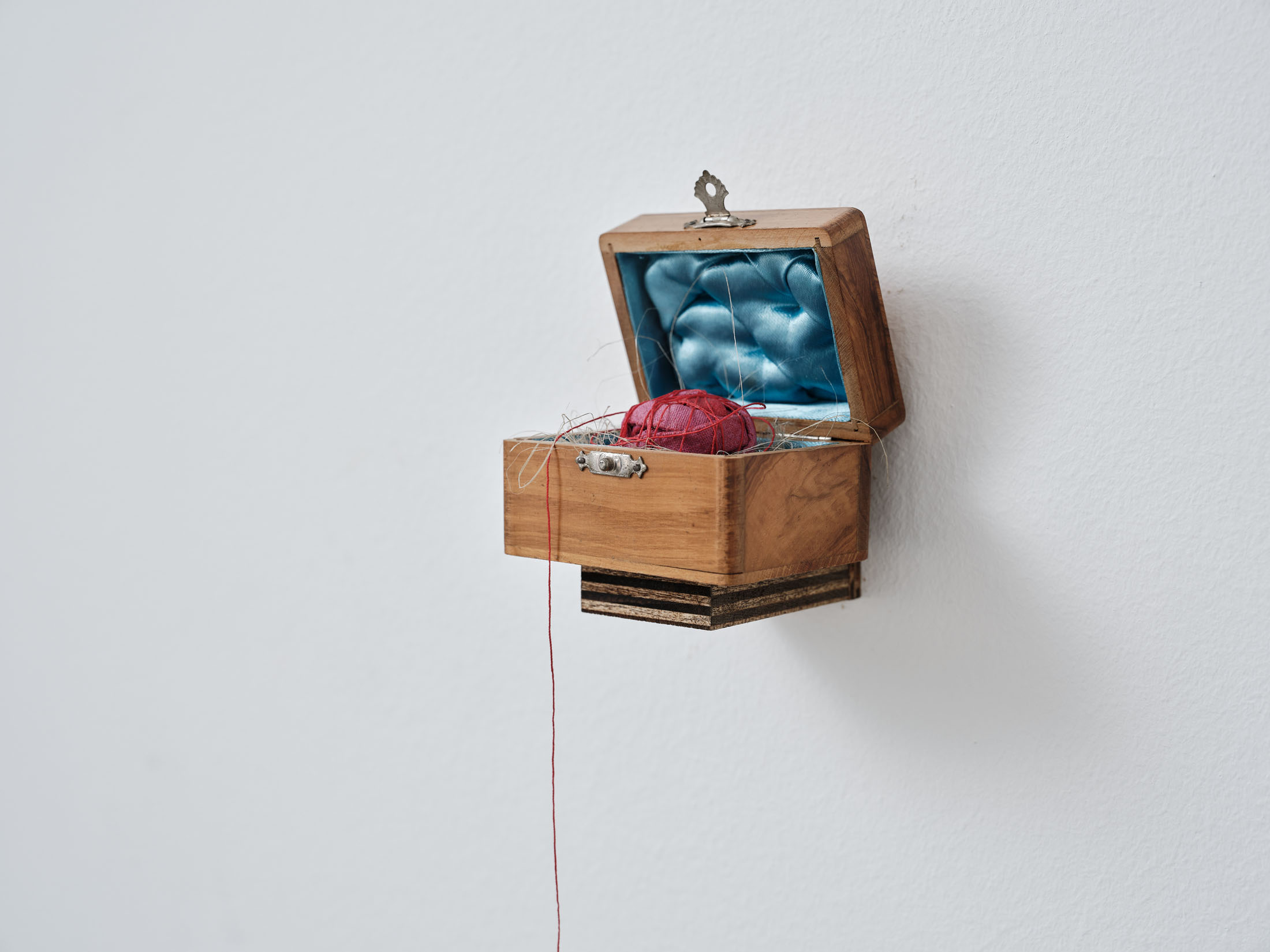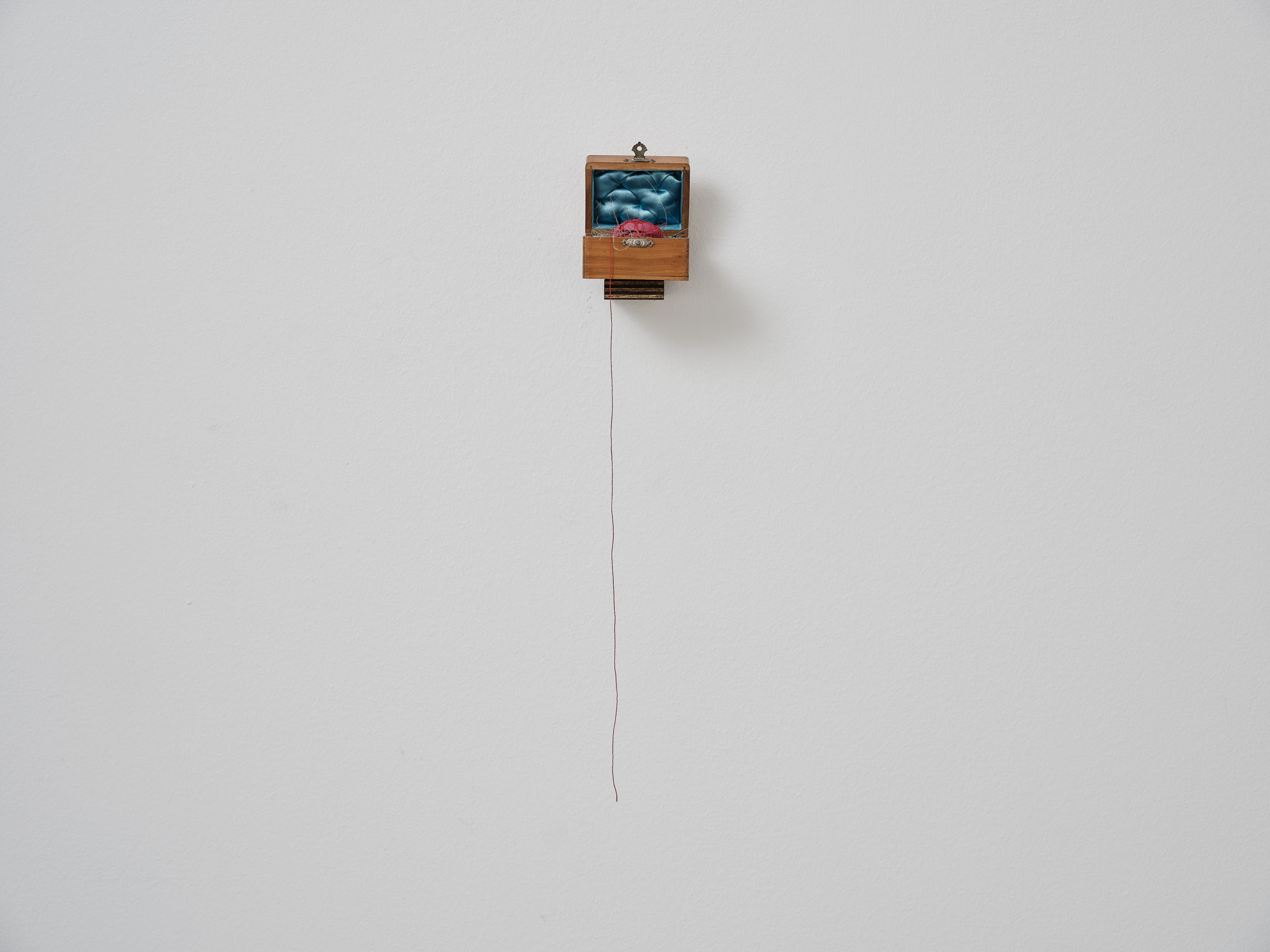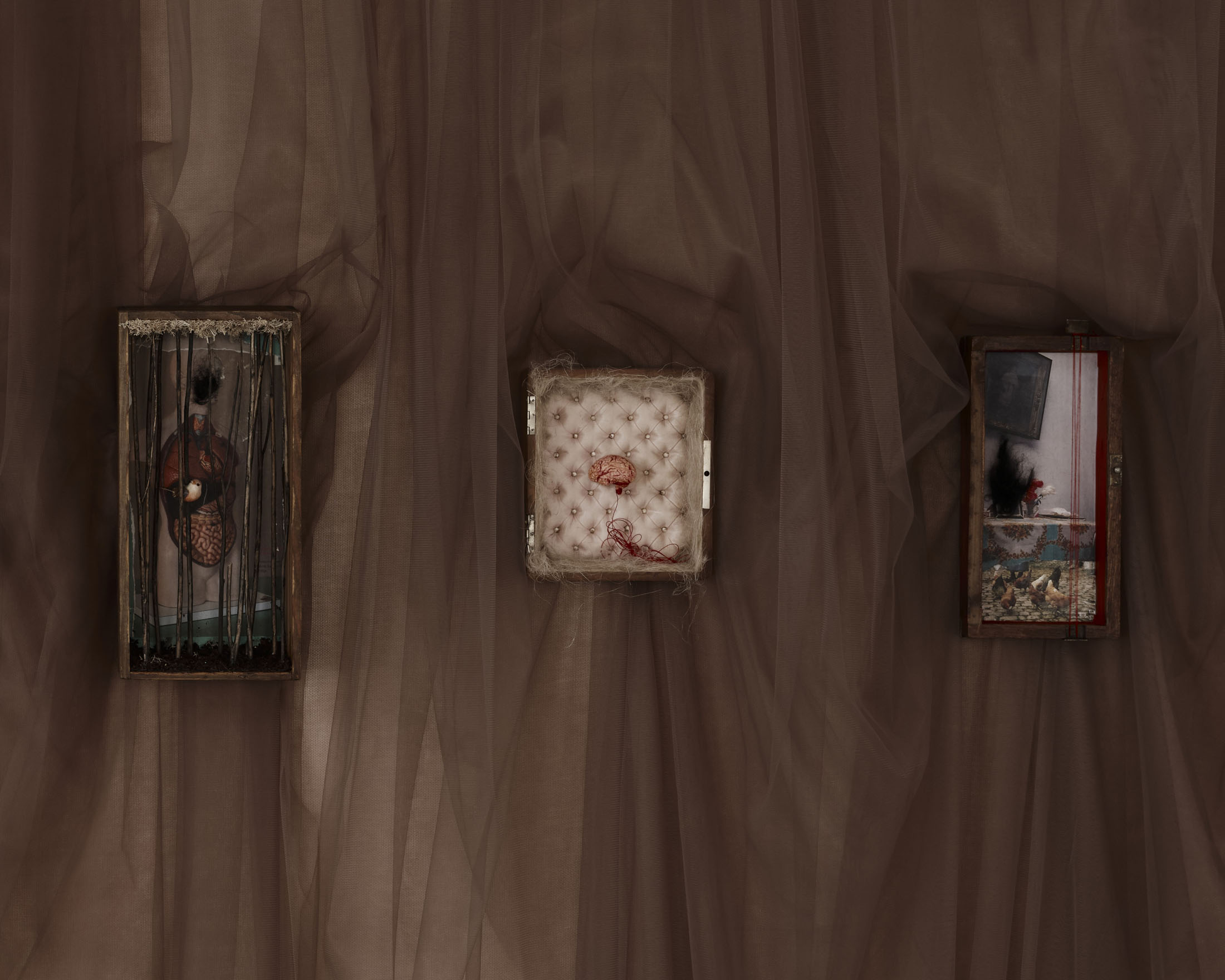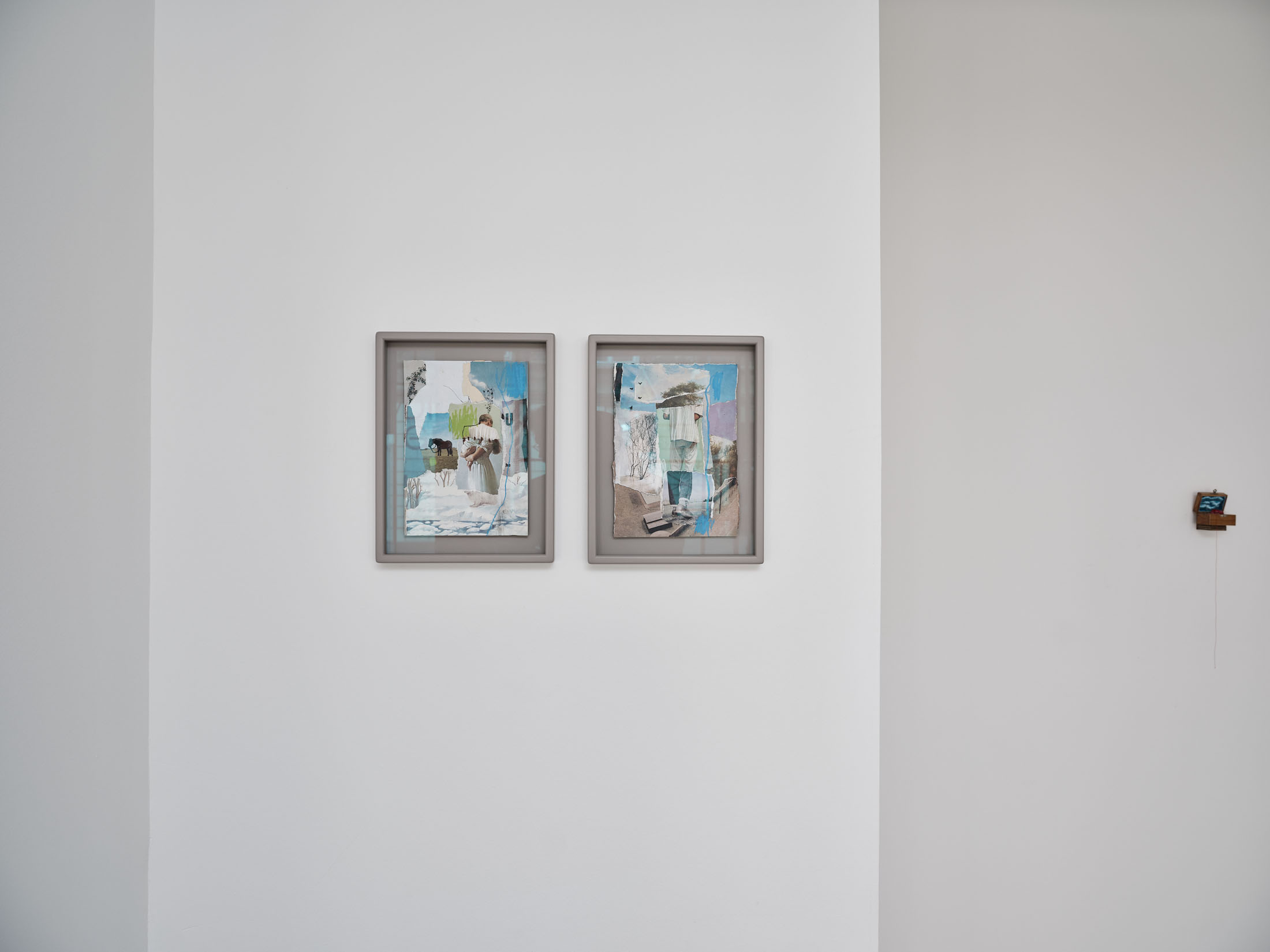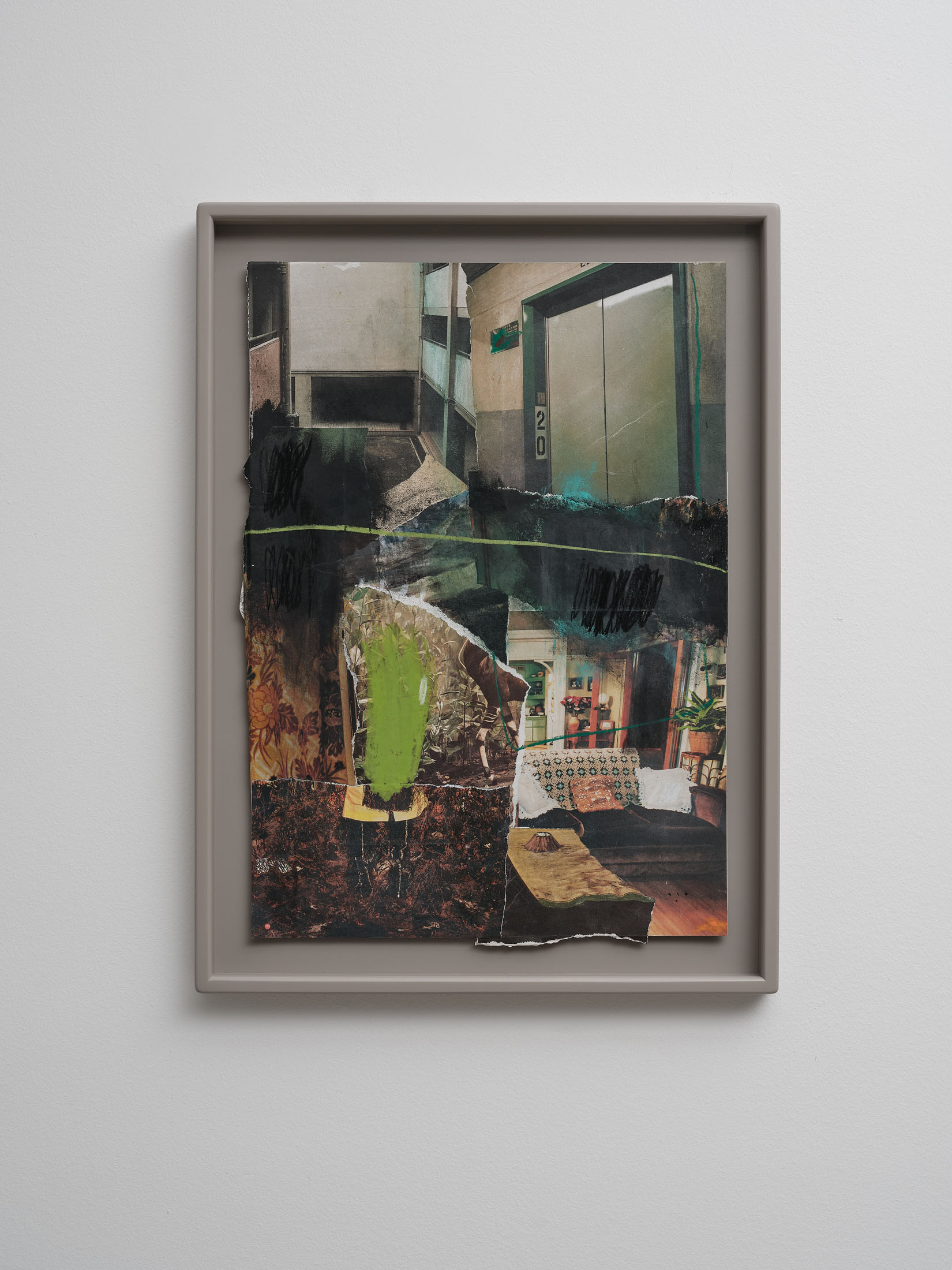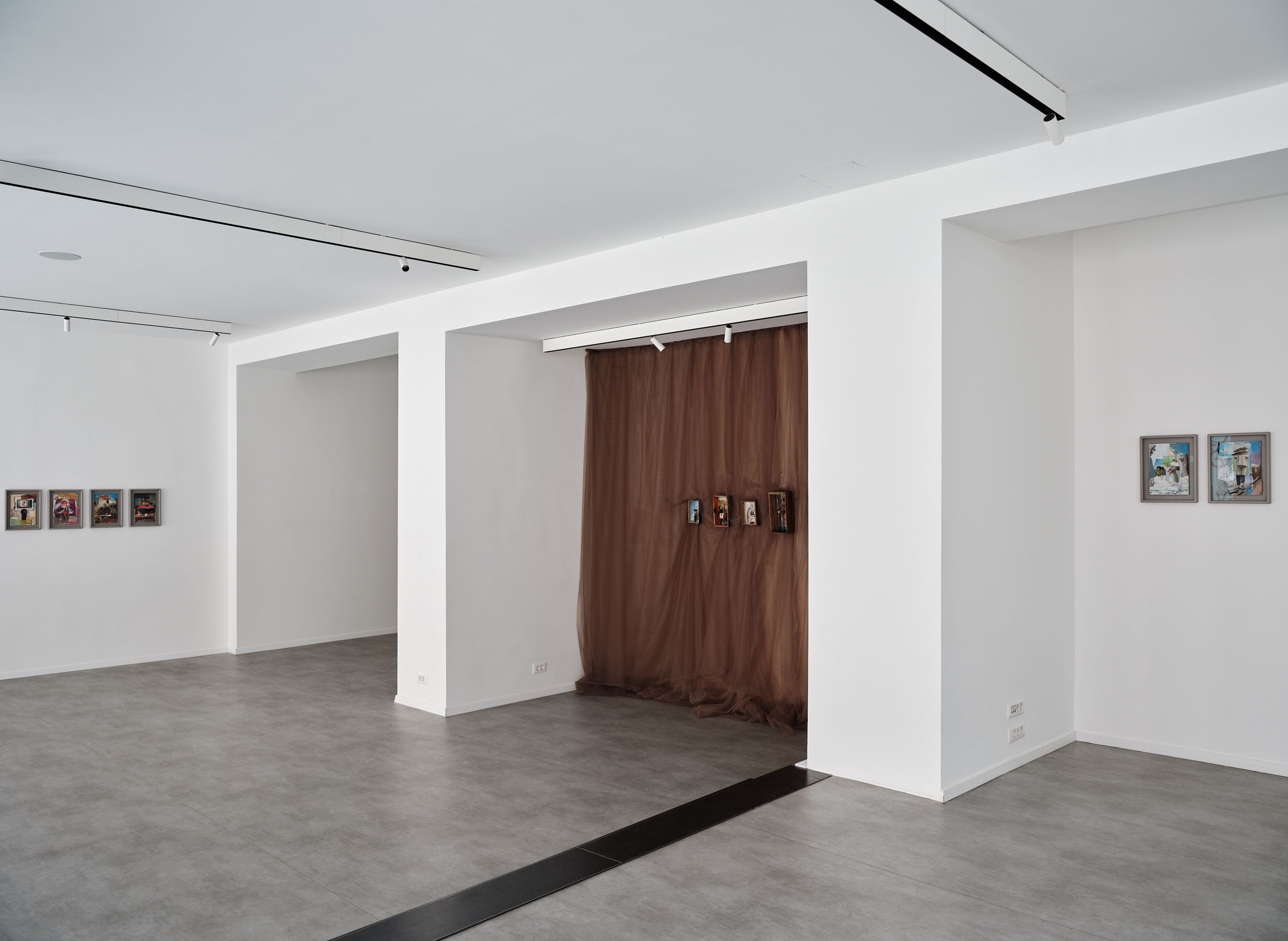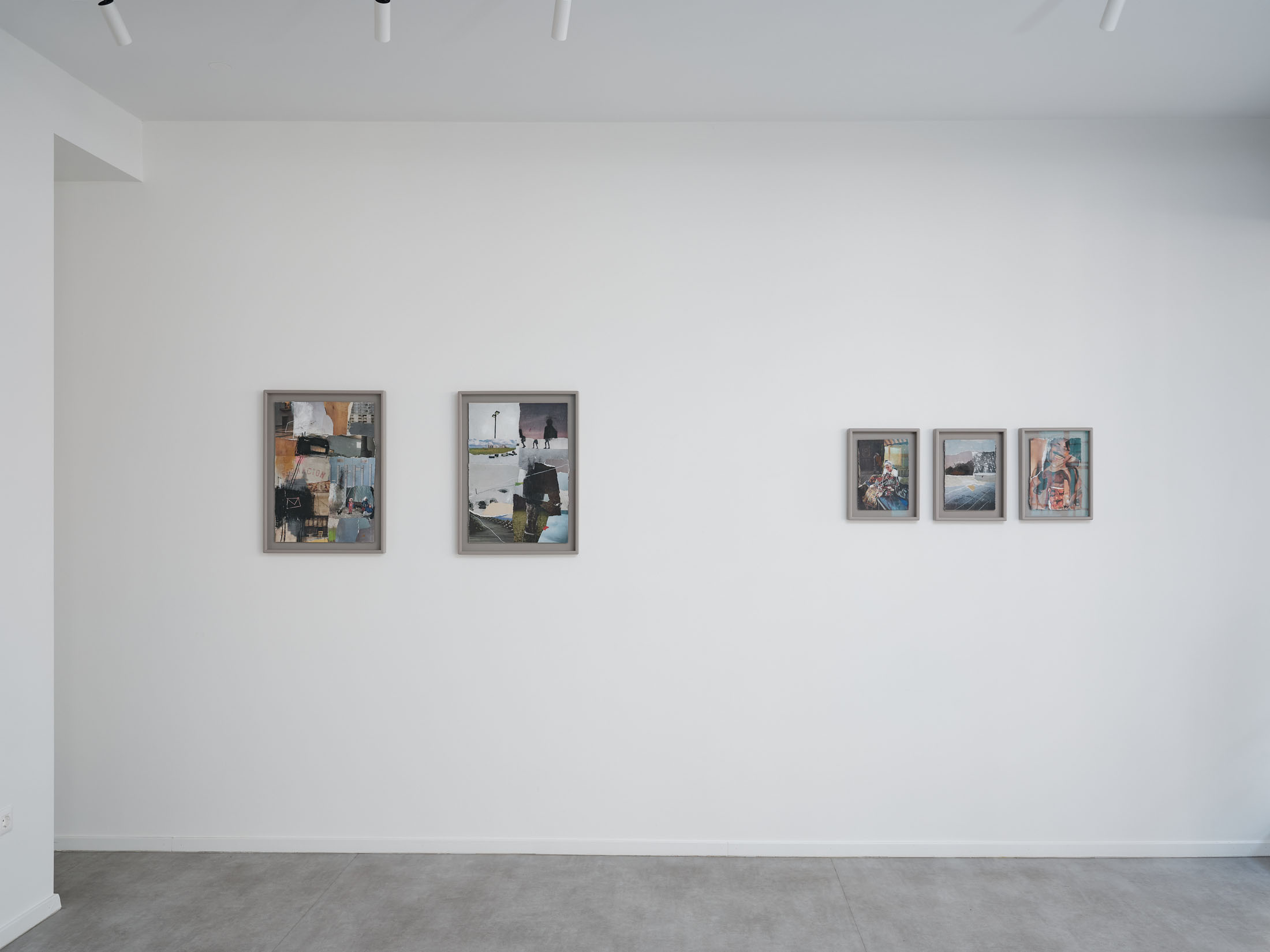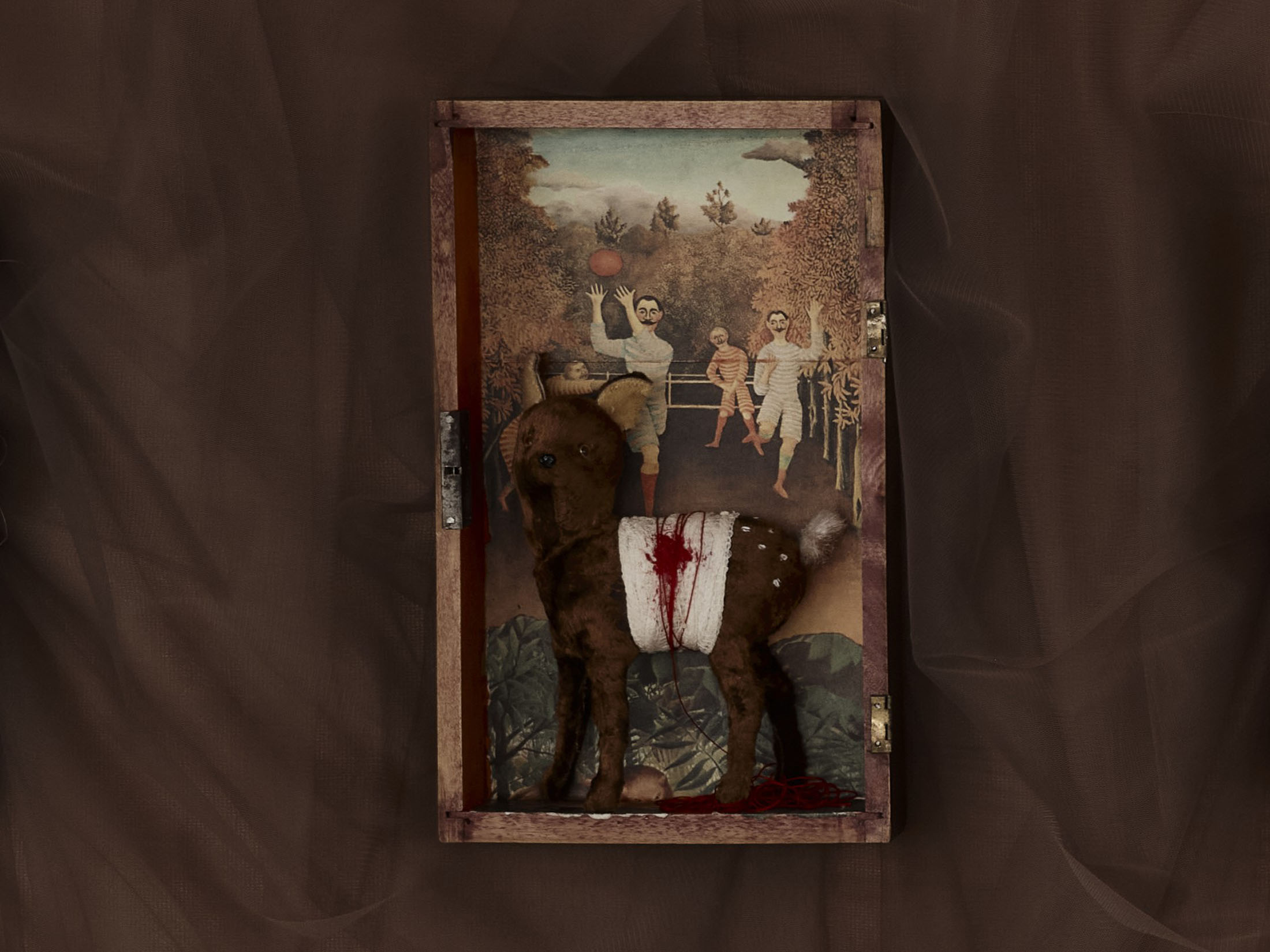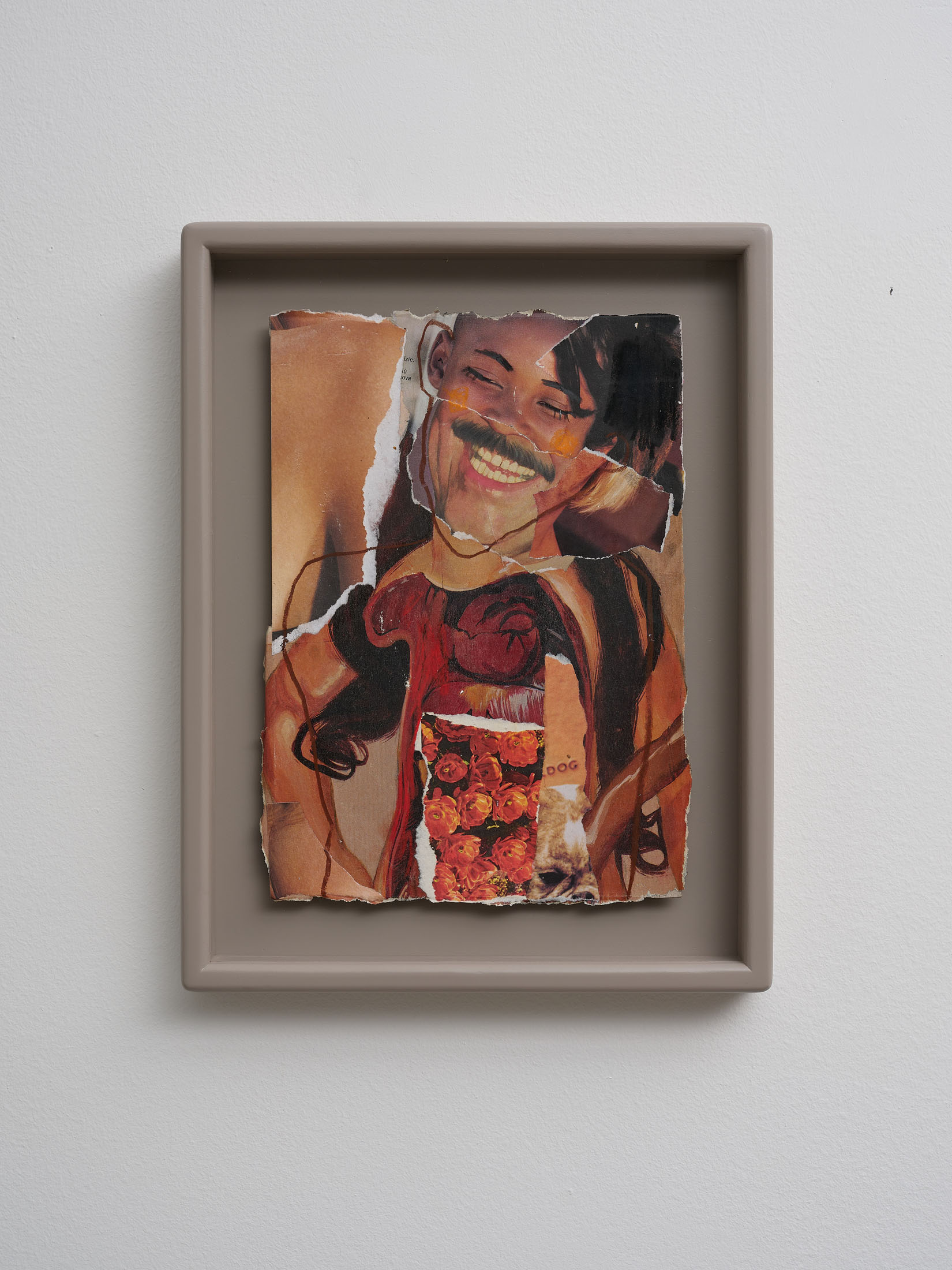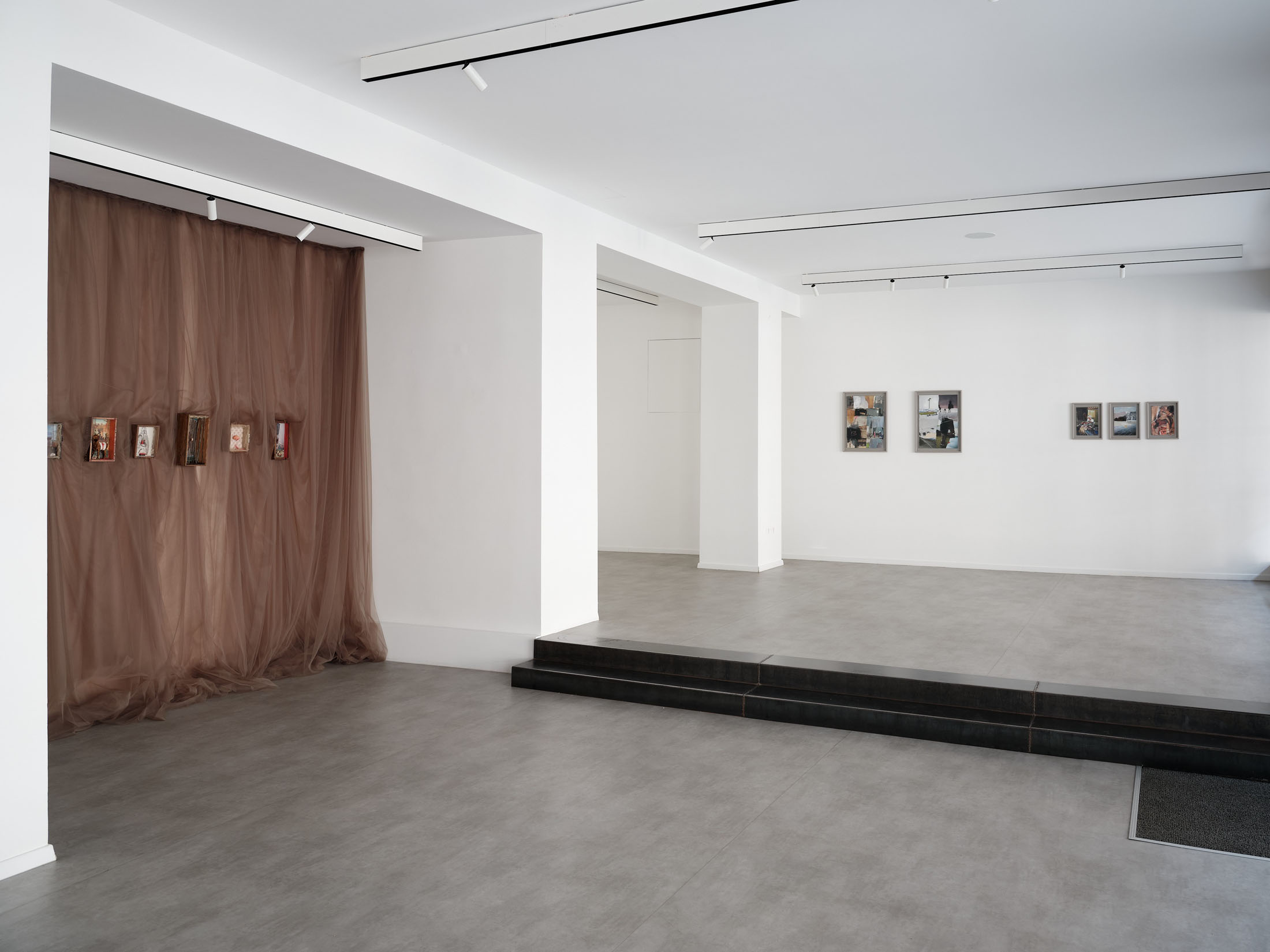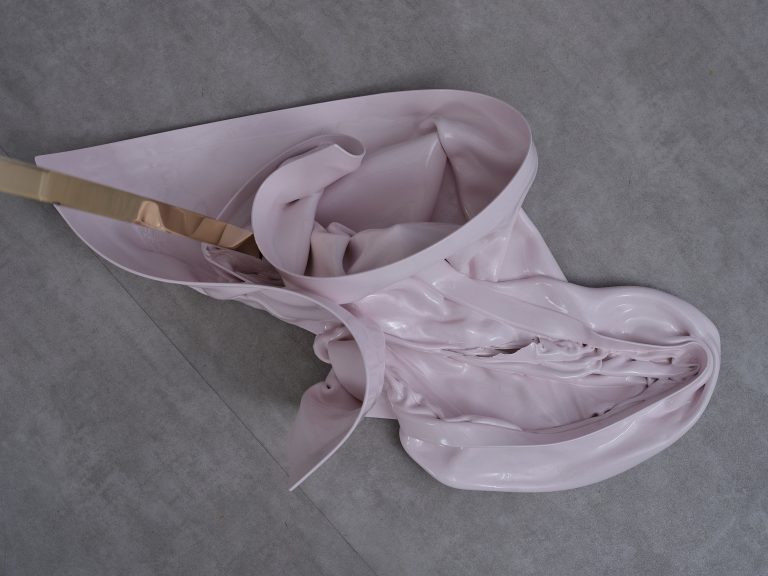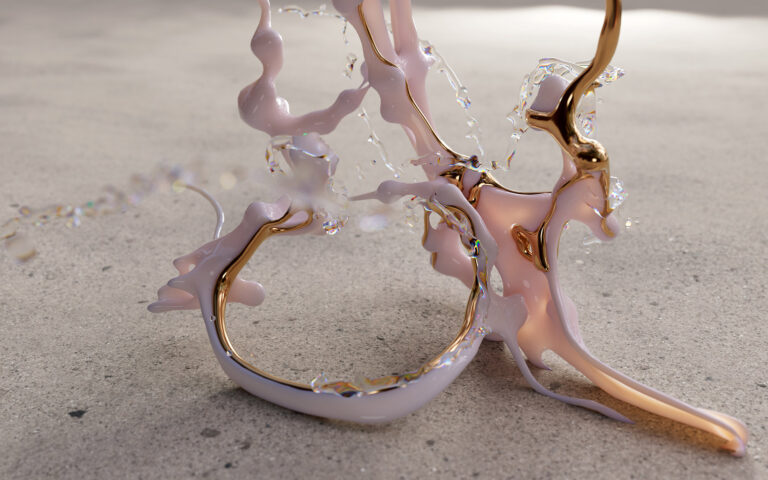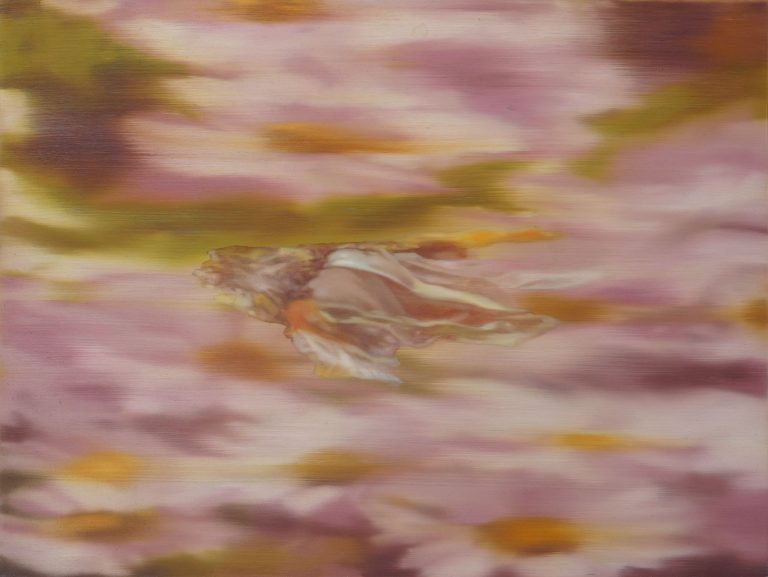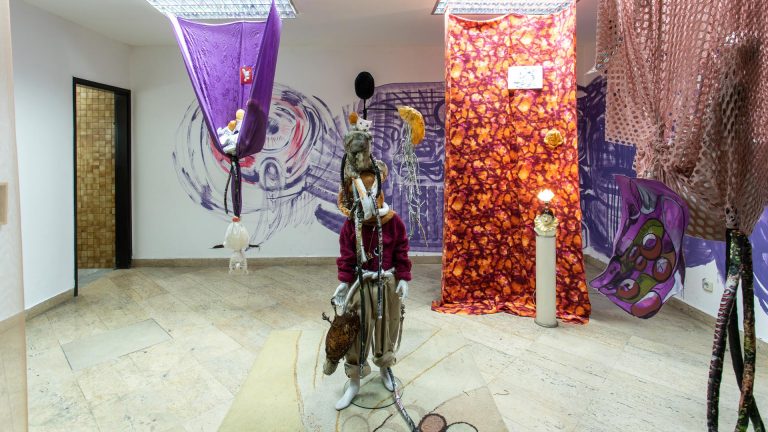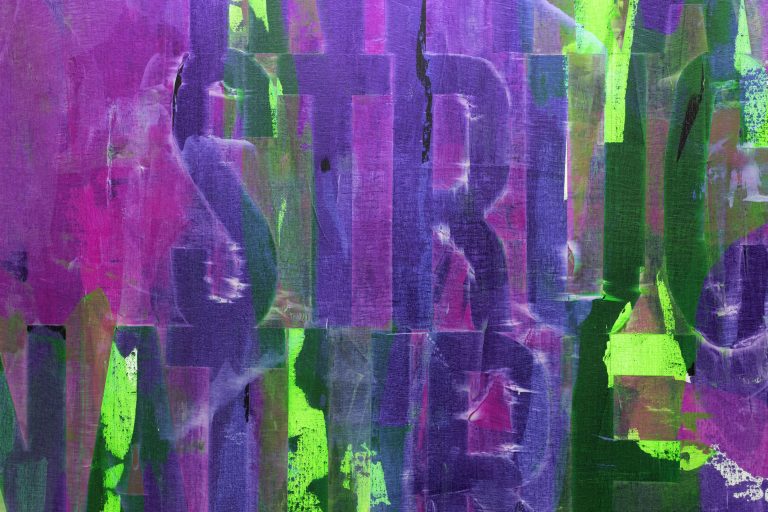
Trotoar is pleased to present “The Wild Gene”, a new solo exhibition by Ivana Fischer. The exhibition continues her exploration of identity as a mutable construct shaped between personal experience, social codes, and inherited patterns. The exhibition is curated by Martina Rodrigues, with a foreword by Višnja Pentić.
In The Wild Gene, Ivana Fischer rejects the idea of an autonomous subject that emerges from nothing, as a causa sui. Instead, identity appears as a process of constant reconstruction in which objects, images, meanings, traditions, social patterns, and personal experiences are continually brought into new relationships. The Wild Gene thus leaves open questions of the authenticity of one’s identity, the space for emancipation between conditioning and belonging, as well as the existential anxiety arising from the need to nevertheless experience one’s “self” as one’s own.
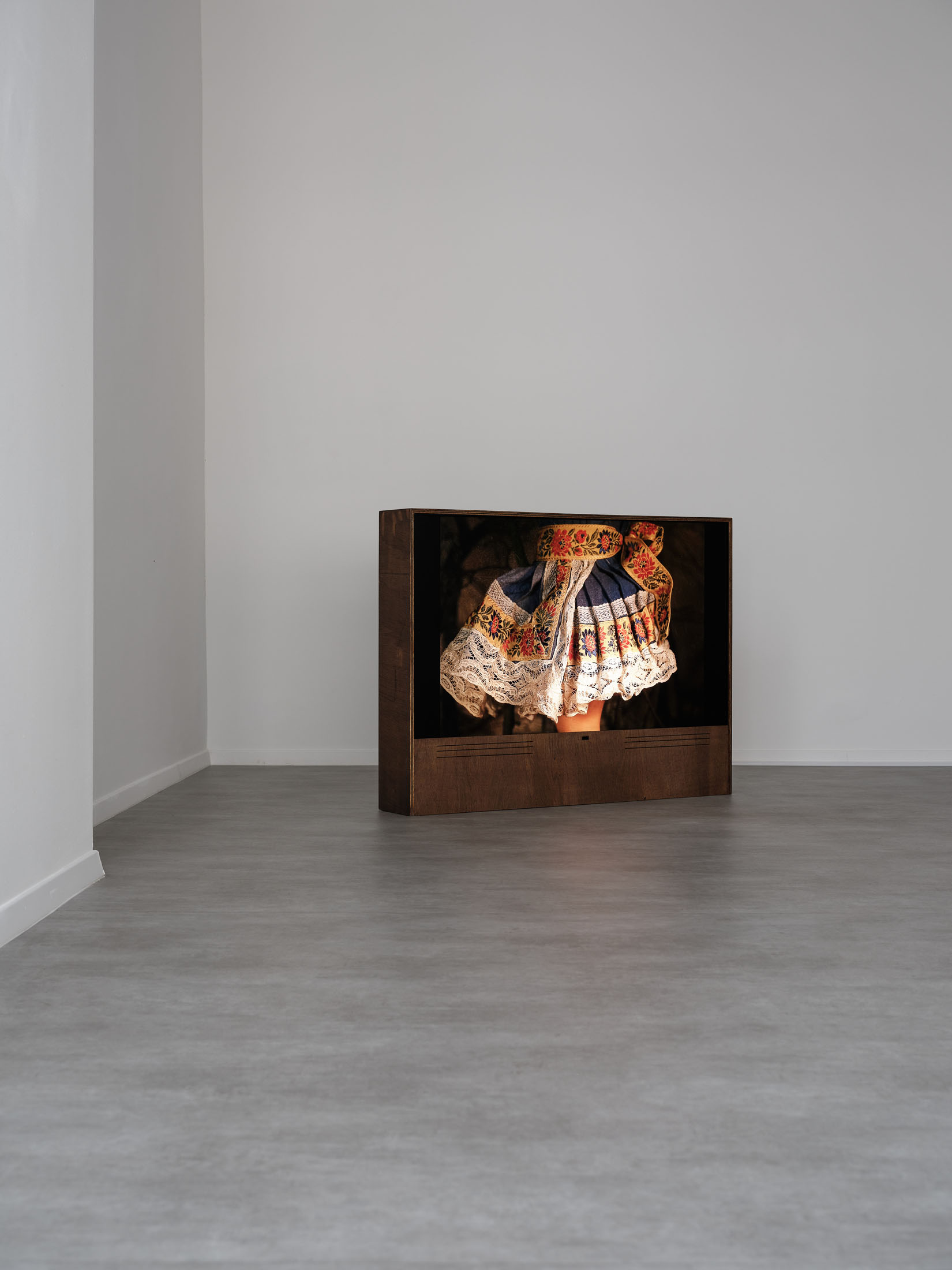
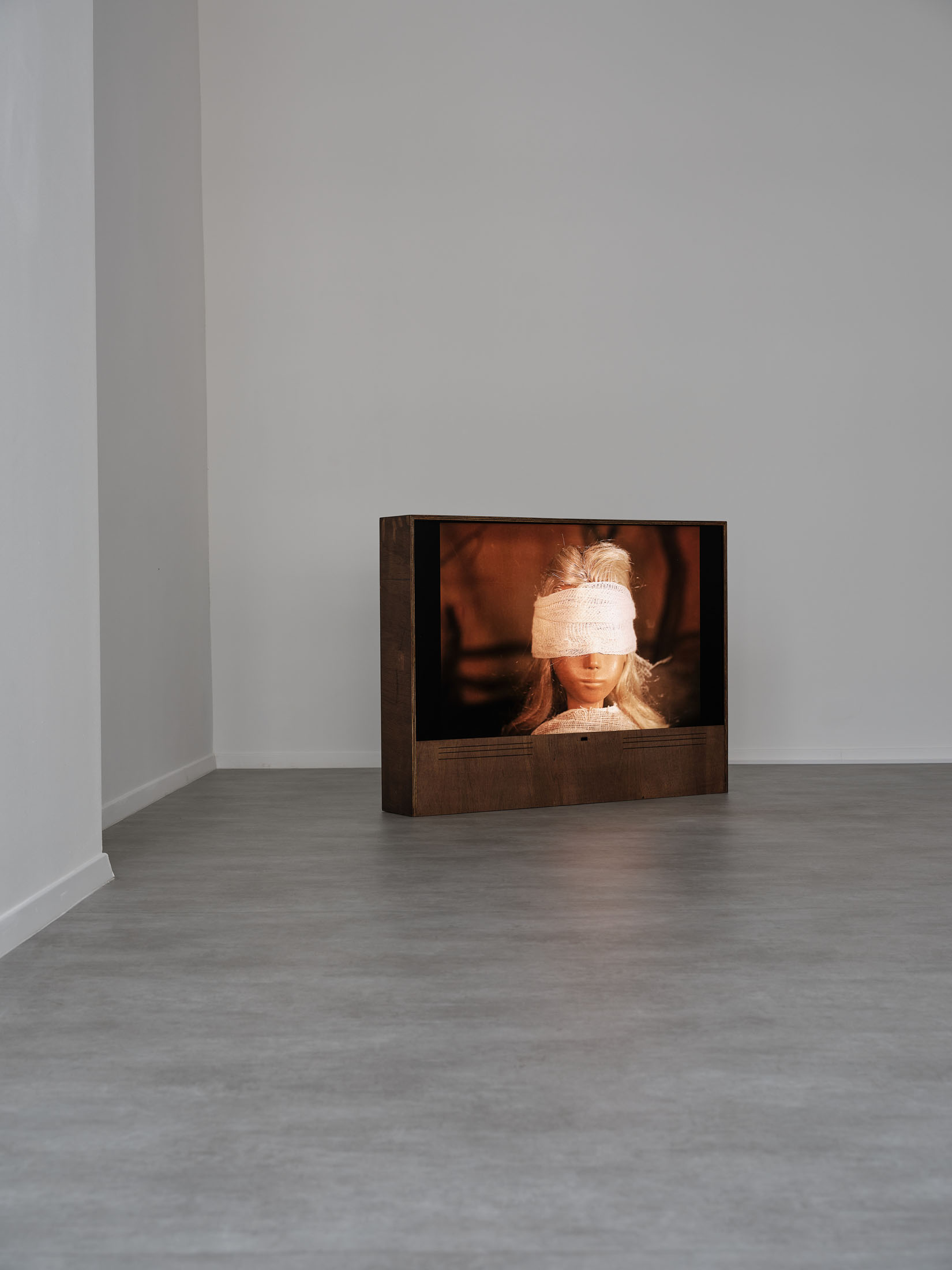
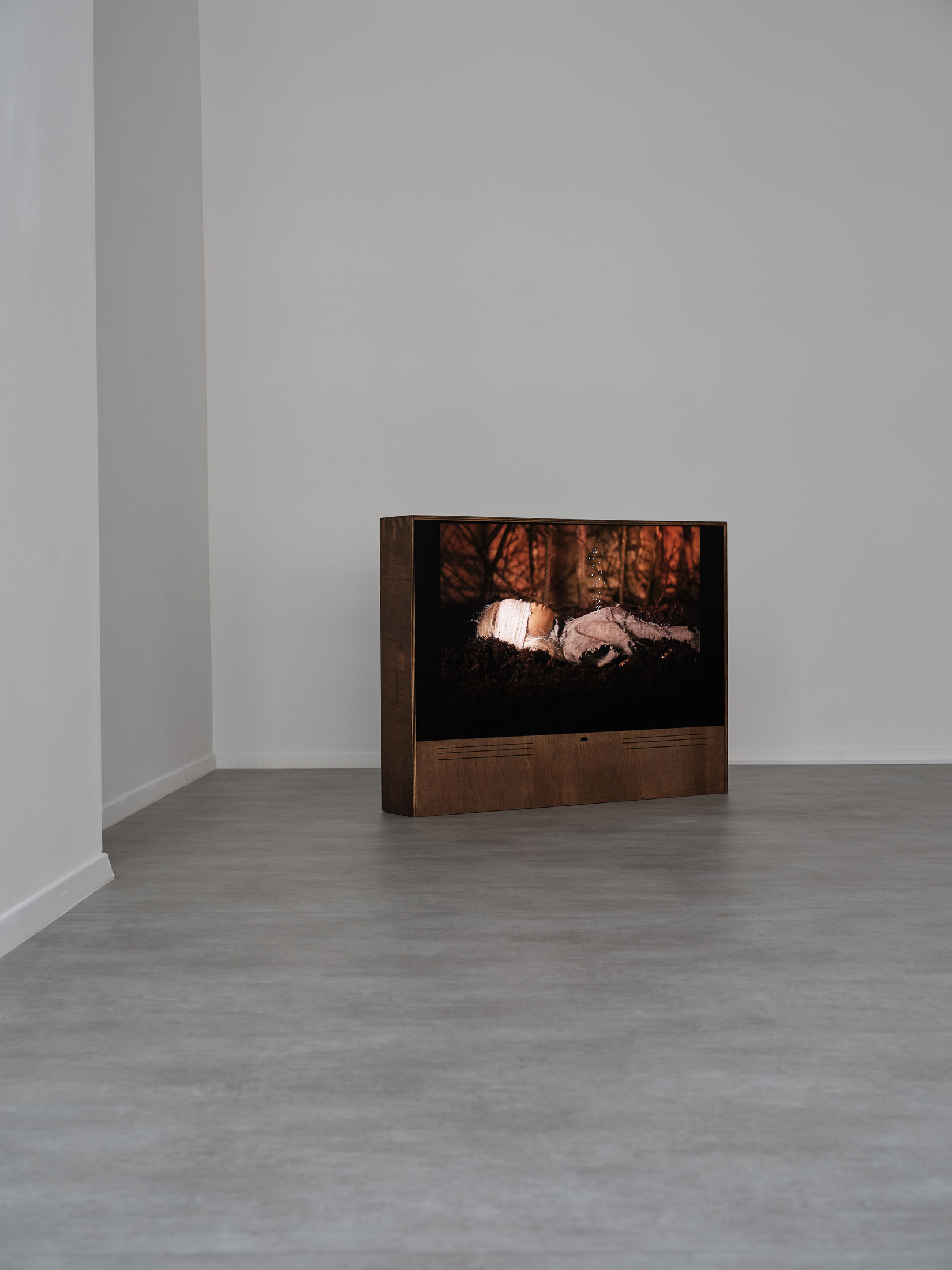
This tension also extends across the different media employed in Fischer’s work. Film, collage, and three-dimensional objects do not function as separate disciplines, but as different forms of the same process: assembling reality from materials that already exist. One of the key works in the exhibition is the new animated film After Belonging, through which Fischer continues her engagement with film. Her short animated film The Room was presented in 2012 as part of the New Directors/New Films programme at MoMA and the Film Society of Lincoln Center in New York, and received the Grand Prix at the Croatian Animated Film Festival. After Belonging, presented at Trotoar, opens a new chapter in her film practice, this time within the broader framework of The Wild Gene, where film encounters collage and objects.
As Višnja Pentić concludes in her foreword:
“We will always have to build our selves and their worlds from materials given to us by others, just as our bodies are made up of genes we did not choose. Yet it is precisely in the act of choosing and establishing new connections with what has been given and what has been found that the seed of freedom lies—the freedom to show the world our wild gene.”
The exhibition remains open until 7 November 2026. As part of the accompanying Trotoar Talks programme, a conversation with artist Ivana Fischer and film director Cejen Cernić Canak will also take place.
Text by Višnja Pentić:
“Childhood is a frightening place. Only when considered from a great distance, whether that be across space or time, can it appear carefree and idyllic. Because growing up is always marked by changes that cannot be controlled, as well as certain realities that cannot be changed through sheer force of will, an uncertainty that can leave you breathless, and sometimes even hopeless. In the film Picnic at Hanging Rock (1975) by the Australian director Peter Weir, based on the novel by Joan Lindsay, a group of girls on a school outing roam through a forest beneath an ancient volcanic rock in beautiful white dresses. Their beauty is fairytalelike but controlled, and is contrasted with the inscrutable and wild landscape in which they find themselves. So drawn are they to its unfathomable power that they are prepared to sacrifice their own safety. Somewhere deep down, the girls know that their long, well-groomed blonde hair and perfectly tailored dresses are a form of armour, perhaps even a kind of prison, that protects them from their own emotions, impulses, and desires. Society has forced this shield upon them in order to better control their wild gene, that part of the female “I” that yearns for freedom and pleasure outside all systems of belonging. In Ivana Fischer’s new animated film After Belonging, the film’s protagonist, an old-fashioned plastic toy doll, changes into a variety of different dresses, and it is precisely through these dresses that Fischer portrays the various roles that the female subject usually passes through during her life. From the demand for innocence and purity that looms over girlhood, to the identity of daughter-in-law and the woman who serves her family, the film’s protagonist will eventually end up in rags, leaving behind her earthly body, all without having uncovered the power of choosing her own dress. Her inner world remains a living secret, which will help her to communicate with that which is beyond social codes – with the world of plants and animals, in which she finds a safe space for herself. In her works, whether in the medium of film, three-dimensional objects, or collages, Fischer examines the process of identity formation through the various strata of being, and poses the question of how much freedom there is in that which we call our “I”, and the extent to which it is an amalgam of found ideas, roles, and patterns.
She therefore adopts an approach that reconstructs the hypersensitivity that is characteristic of early childhood, when the social codes that dictate how we experience the world have not yet been imposed upon our consciousness. Unaware as yet what class, race, and gender are, we nevertheless feel them on our skin, which remembers and records, breaking through the gloom of unknowable ambivalences. Using objects that bring to mind the space of a long-gone, supposedly innocent childhood, Fischer takes us back into that specific childhood sense of being thrown into a world that we are still learning to understand – we are placed in a position where we must decipher, forced to allow our senses and intuition to determine the rules of the game. And so a child plays with dolls, sorting items into a world that it can control, and which as a result is safe and gentle. By reproducing in her work the child’s creative process of reconstructing the world, building a new reality out of the items available to them, the artist reminds us of the impenetrable mystery that always lies at the heart of growing up, and at the core of every creative process – we must always build our “I” and its worlds out of materials that others have given us, just as our bodies are made up of genes that we did not select. But it is precisely in the act of choosing and establishing new connections with what we have been given and what we have found that there lies a tiny seed of freedom, the freedom to show our wild gene to the world. “
ABOUT THE ARTIST:
Ivana Fischer (1982, Osijek) graduated in Animation Film and New Media from the Academy of Fine Arts in Zagreb in 2008. In her practice, she works across video, photography, collage, and installation, exploring how history, migration, cultural contexts, and interpersonal relationships shape personal and collective perceptions of identity. Her work often incorporates autobiographical elements, exploring questions of belonging, memory, and personal transformation.
Her film Room (2012) was broadcast on ARTE TV, awarded the Grand Prix at the Festival of Croatian Animated Film, and selected for New Directors/New Films at MoMA and the Film Society of Lincoln Center in New York. Since then, her films have been shown at more than thirty international festivals, including Animafest Zagreb, KLIK! Amsterdam Animation Festival, the Bogota Short Film Festival, Internationale Kurzfilmwoche Regensburg, the Holland Animation Film Festival, Fantasporto in Portugal, VIDEOEX Zurich, Animateka Ljubljana, and the Anibar International Animation Festival in Kosovo.
Ivana Fischer (née Jurić) has also exhibited widely in solo and group shows; selected venues include the National Museum of Modern Art in Zagreb, Varazdin City Museum, the Kazamat Gallery in Osijek, Rundgang, Spinnerei in Leipzig, and the Essl Museum in Klosterneuburg, Vienna.