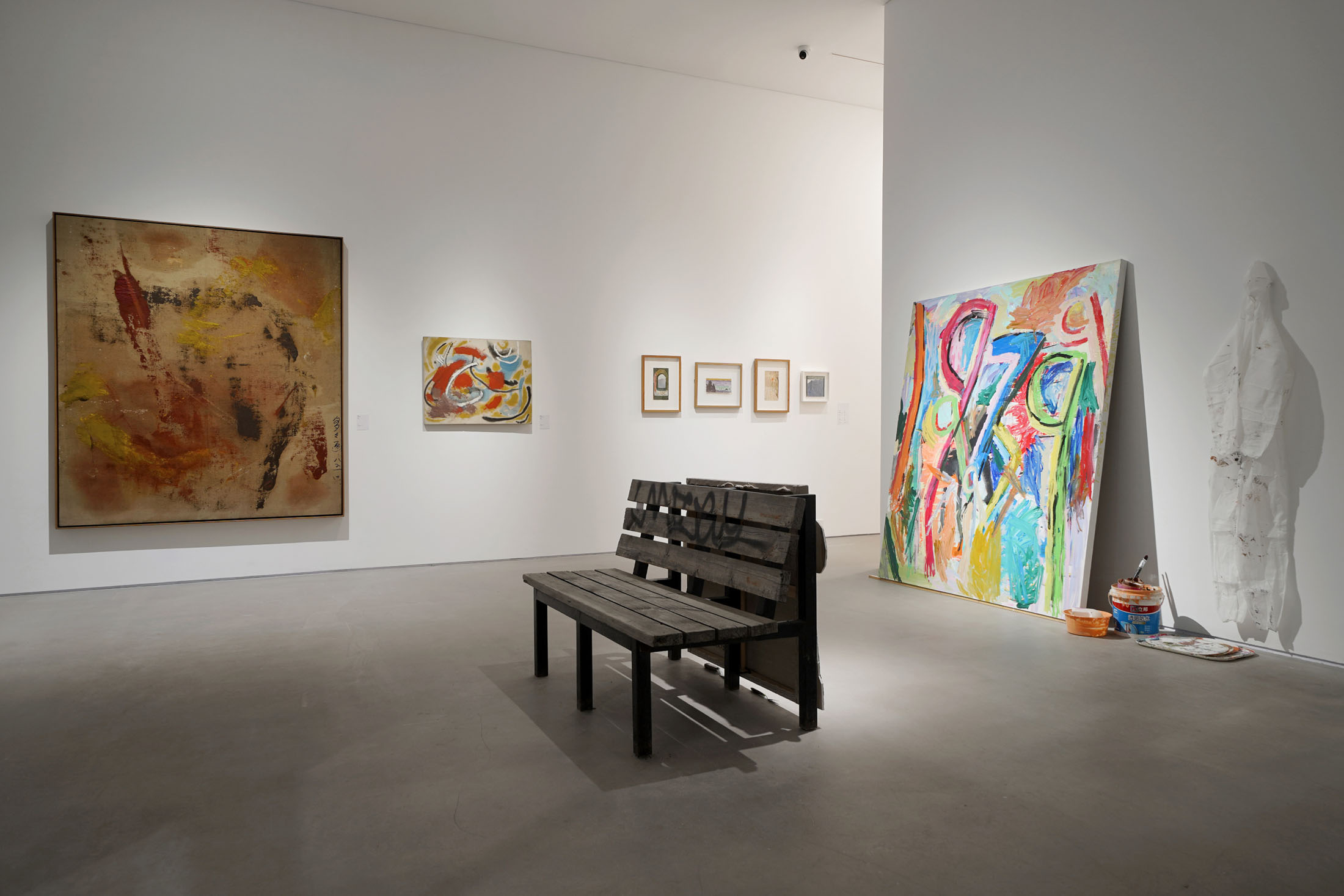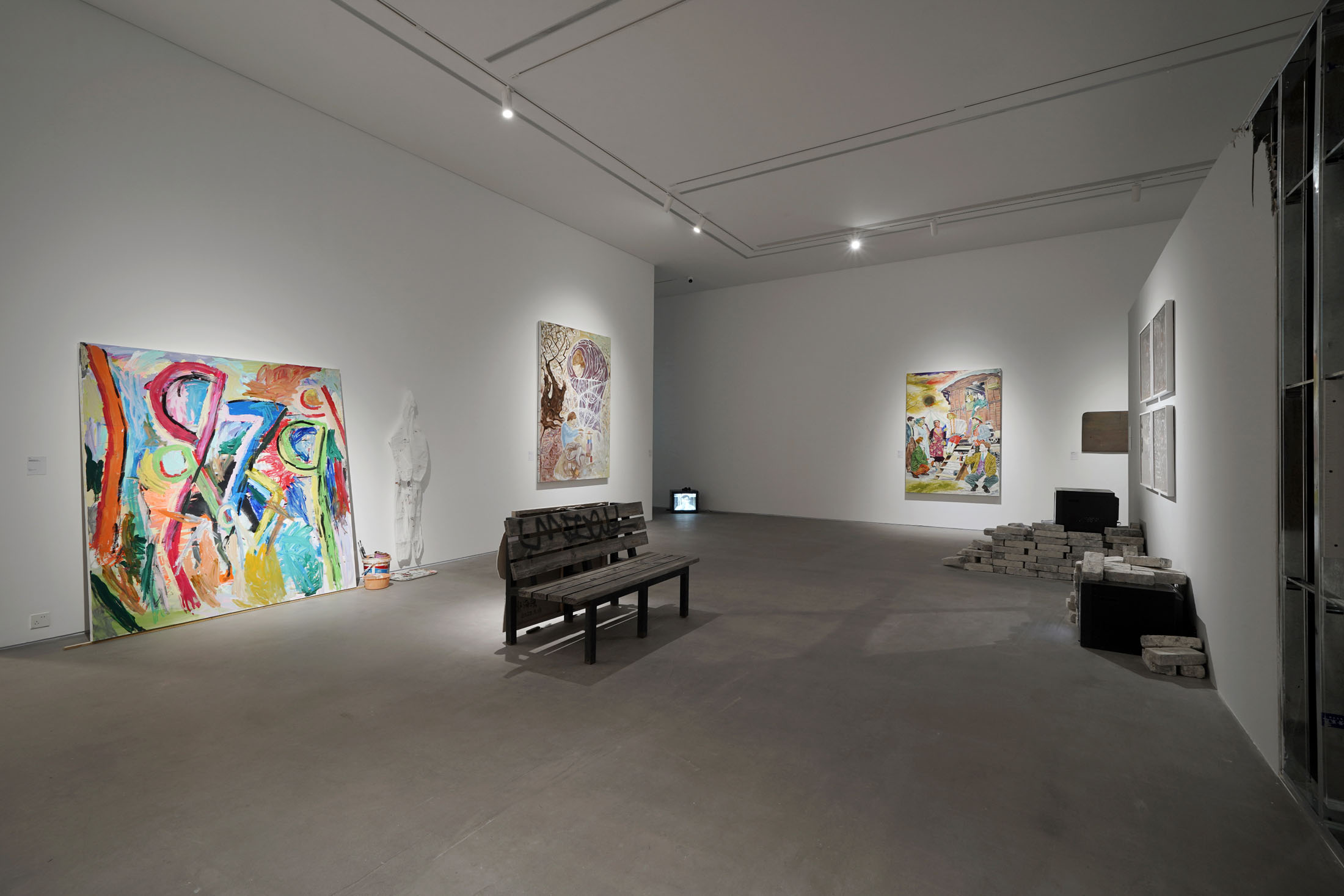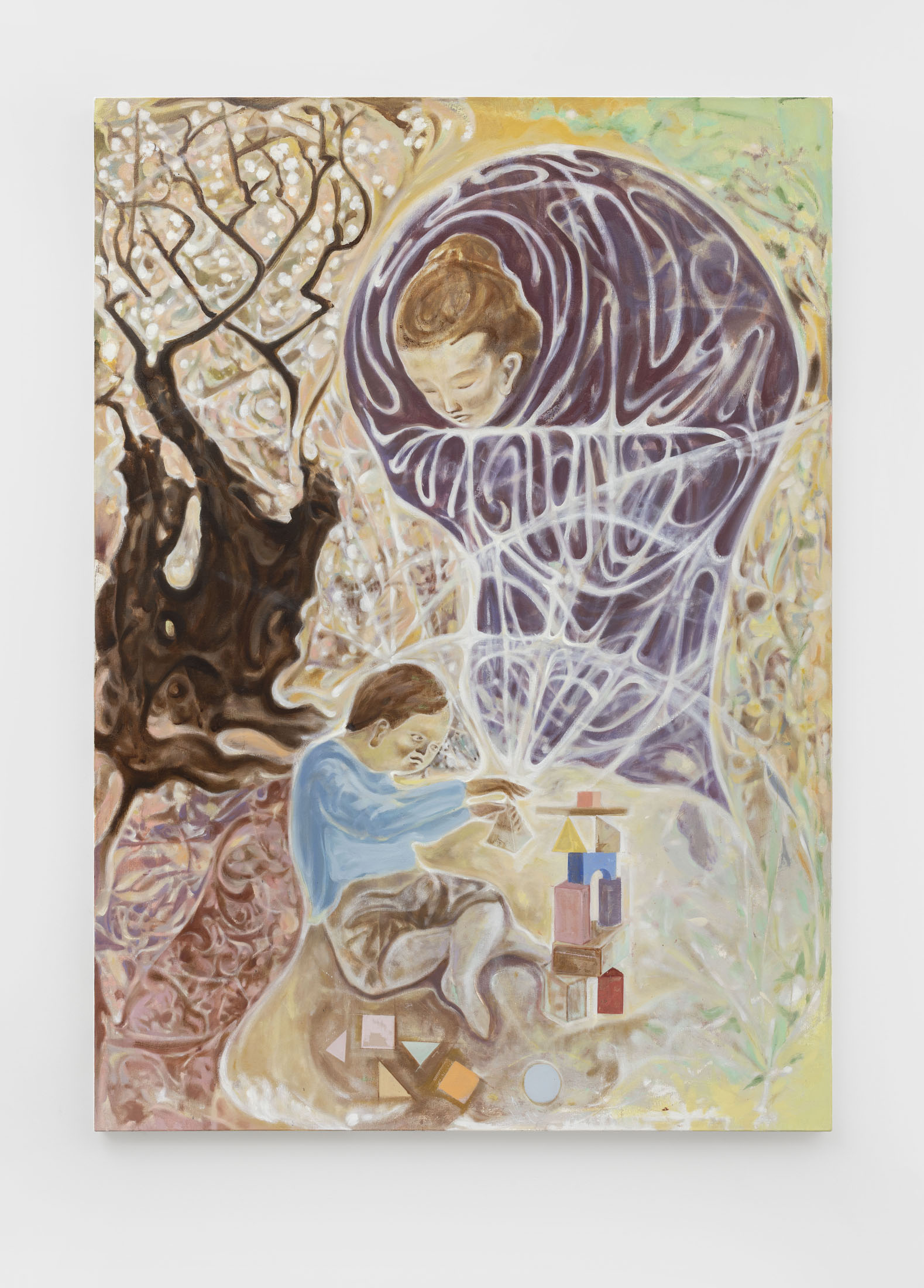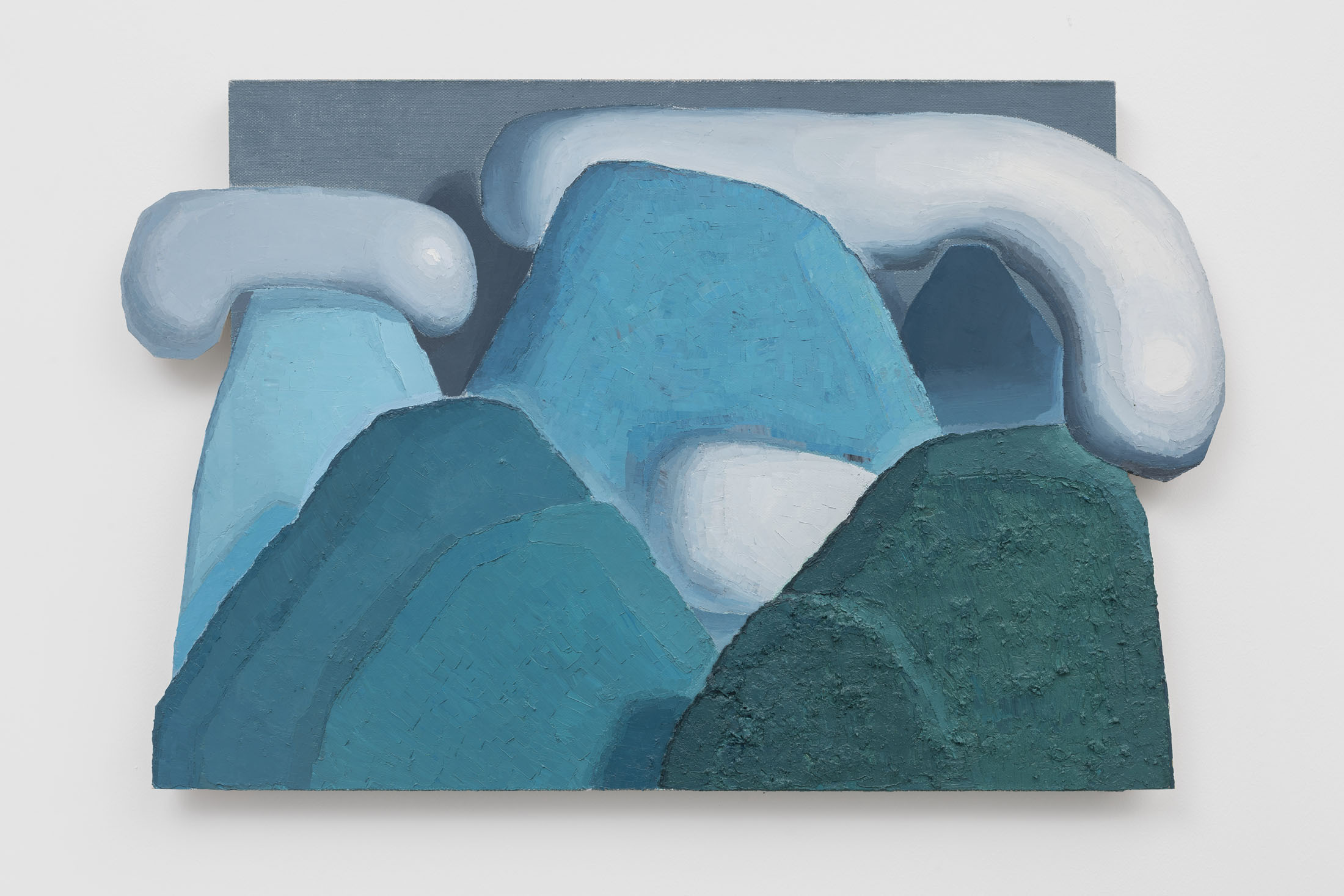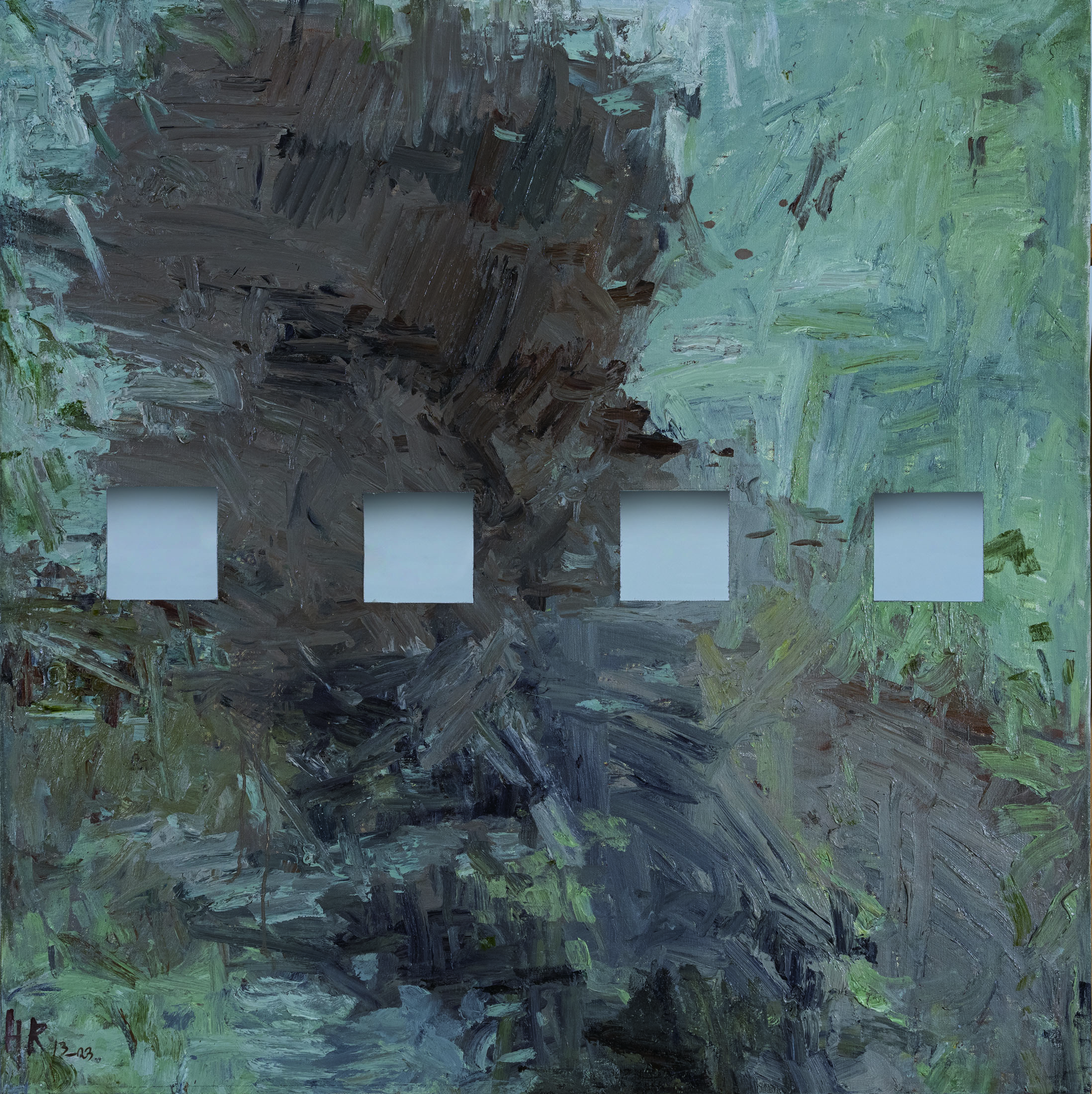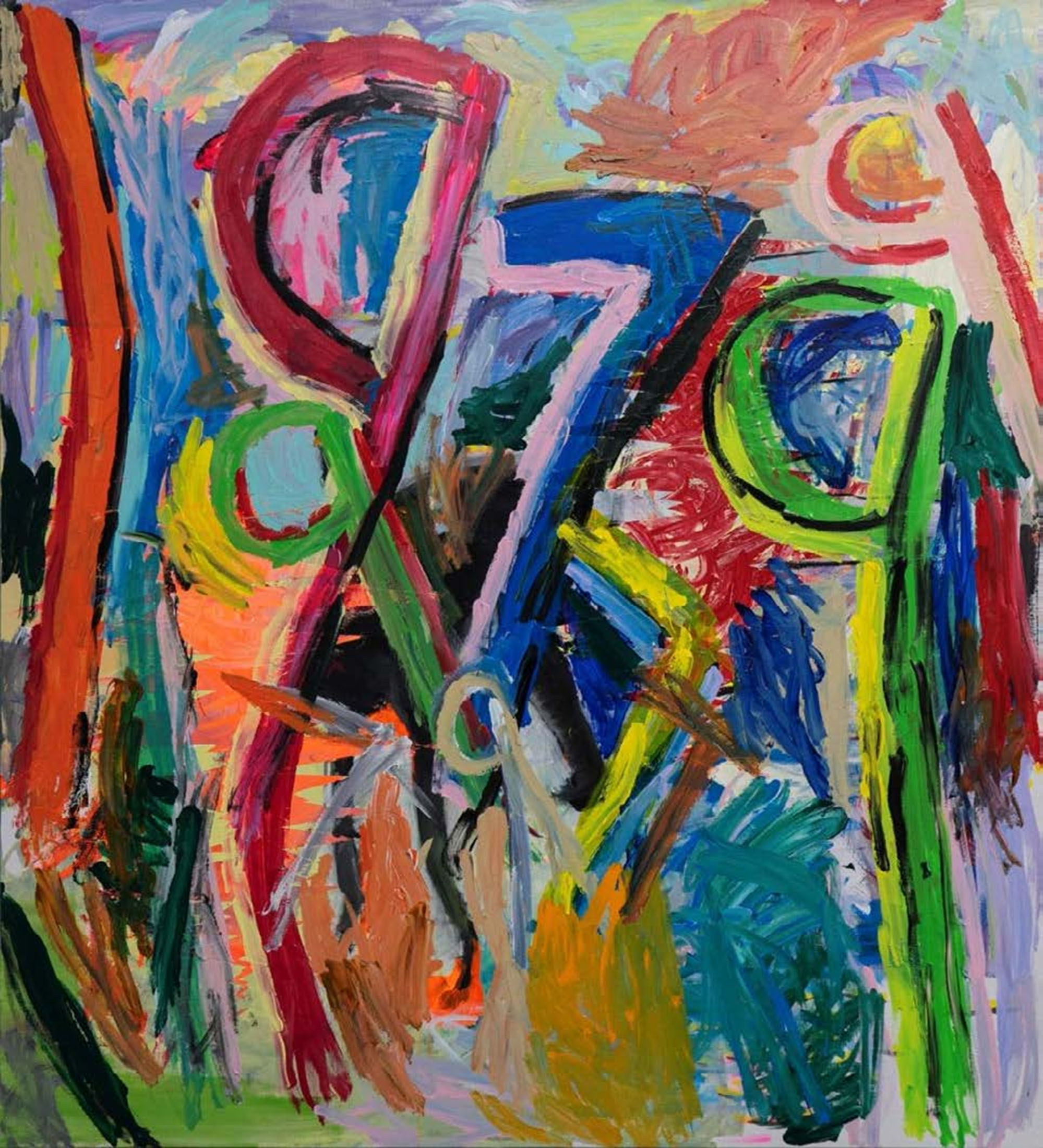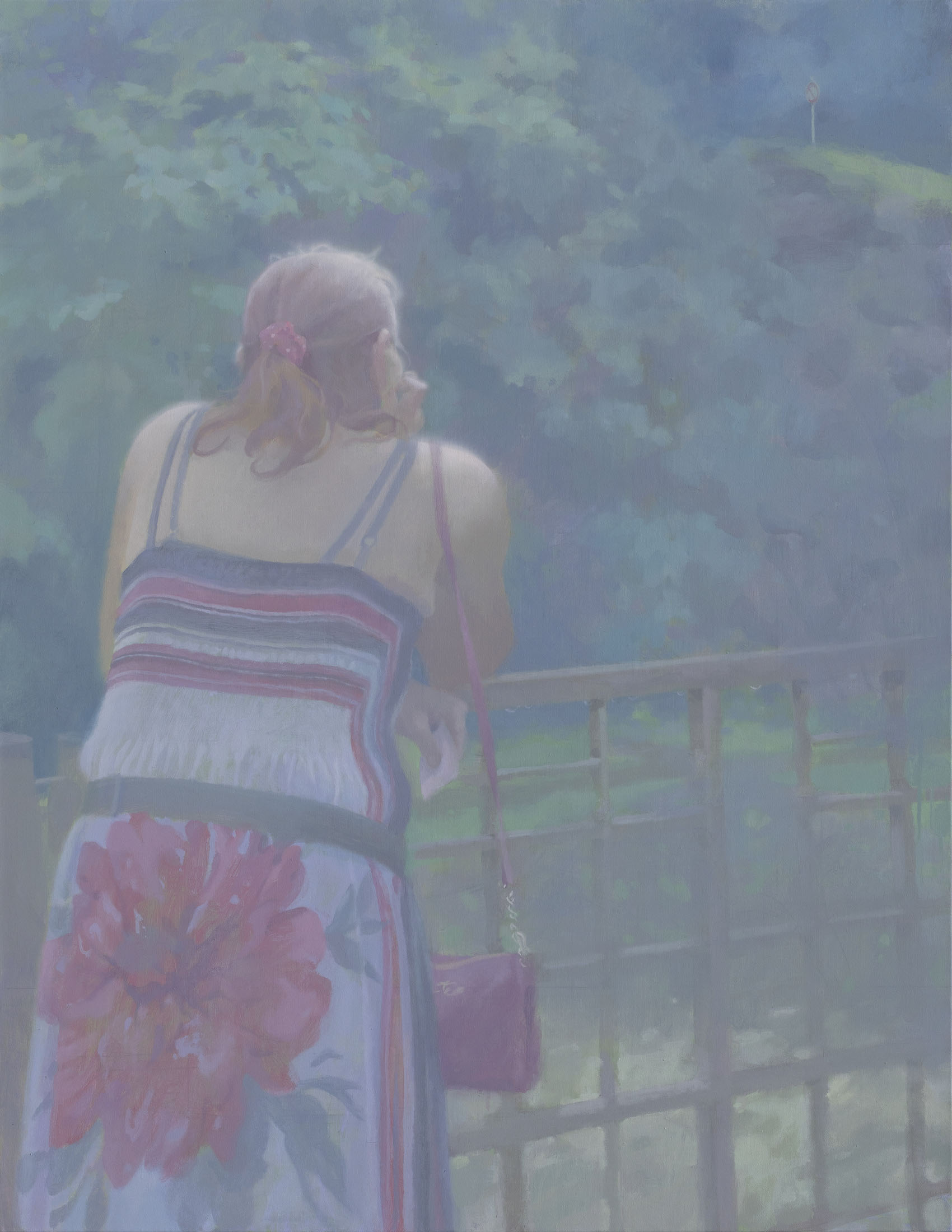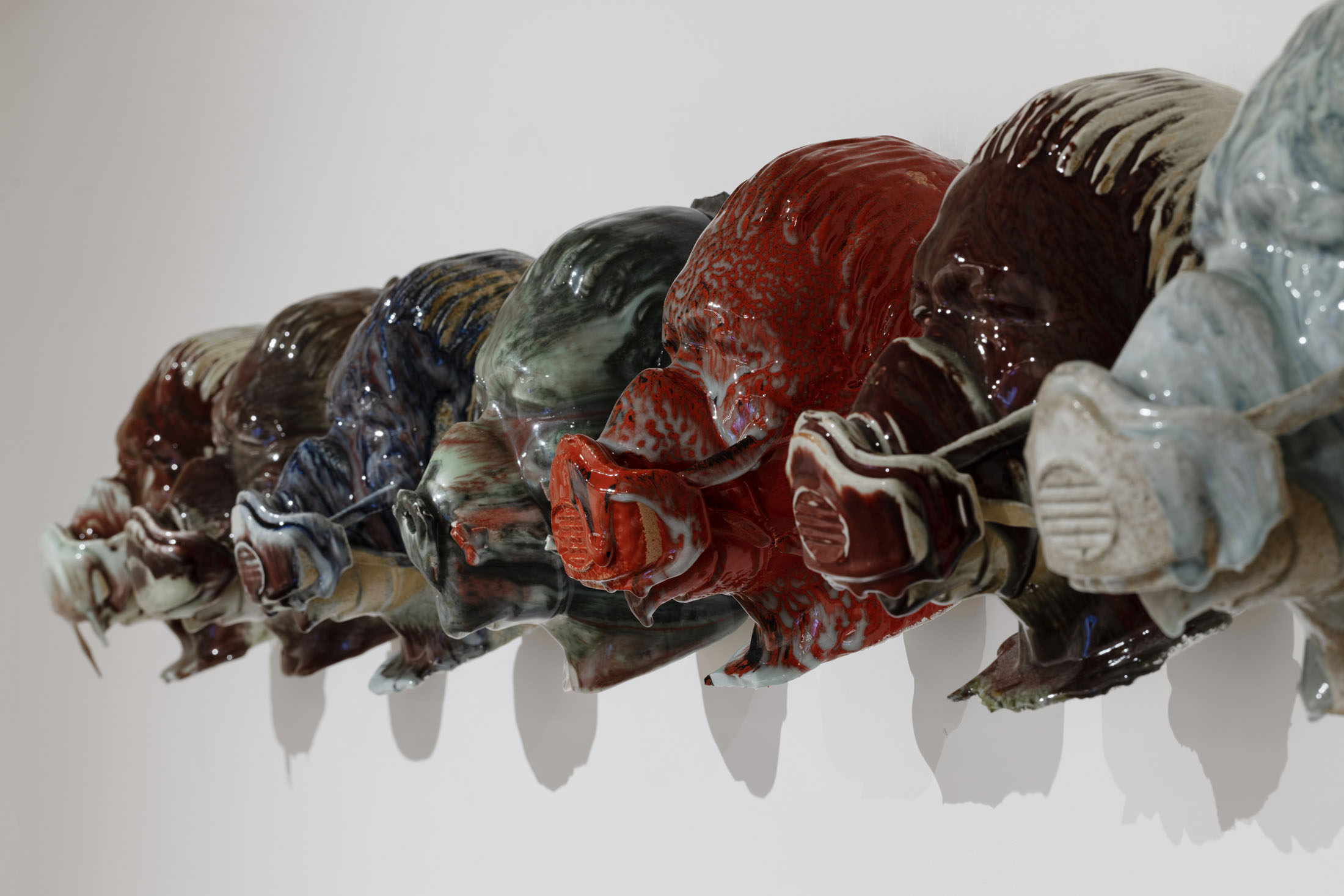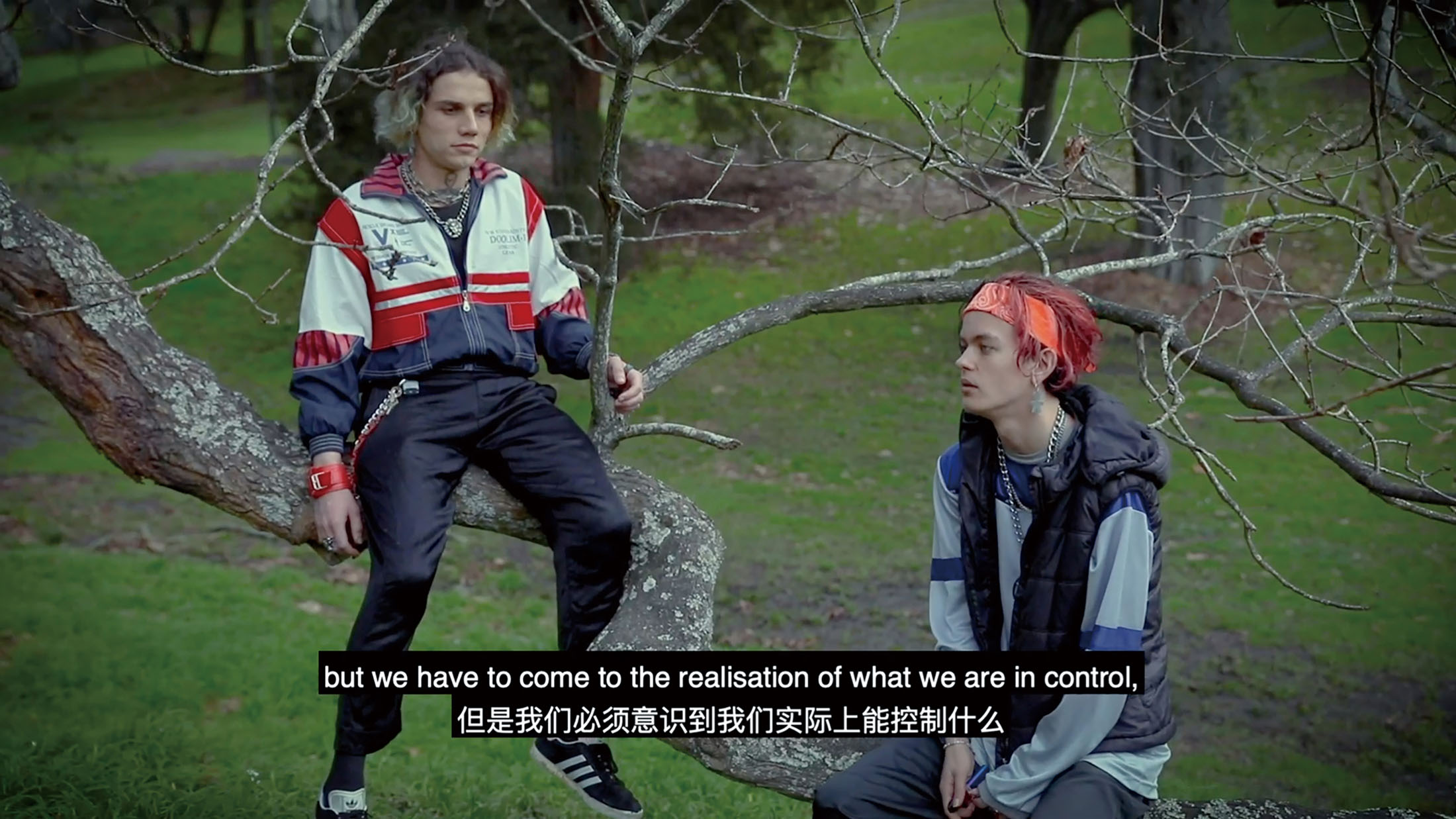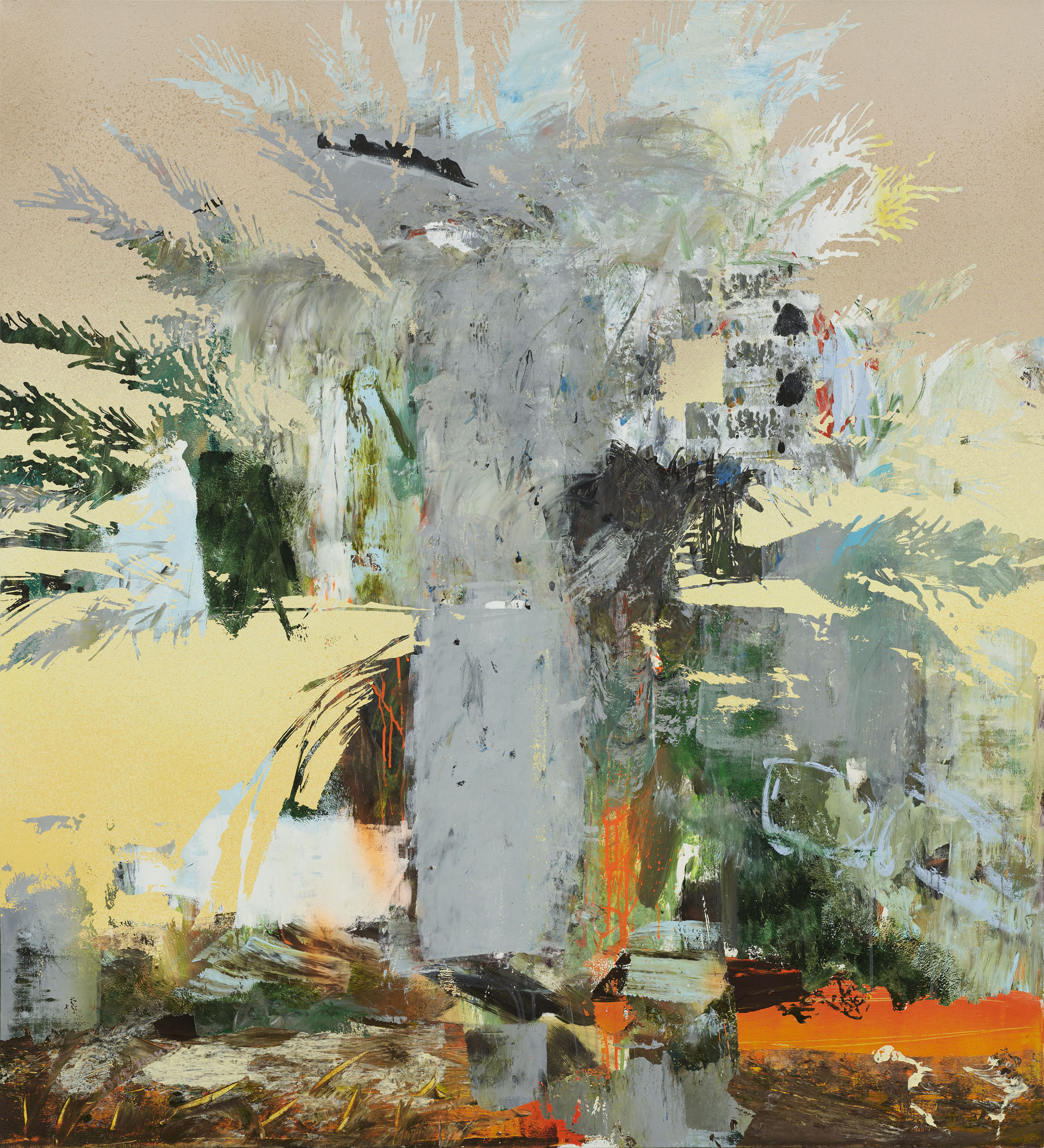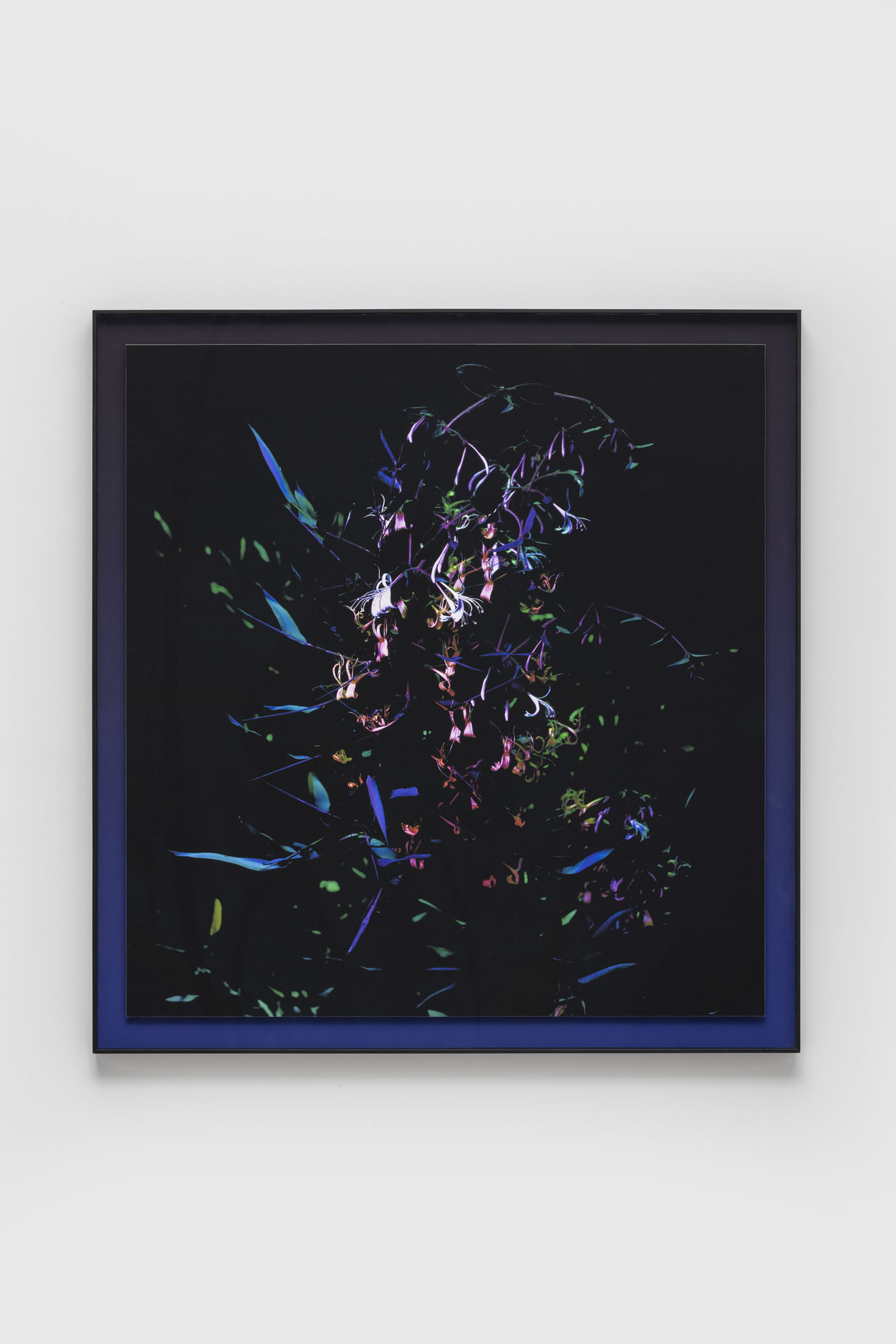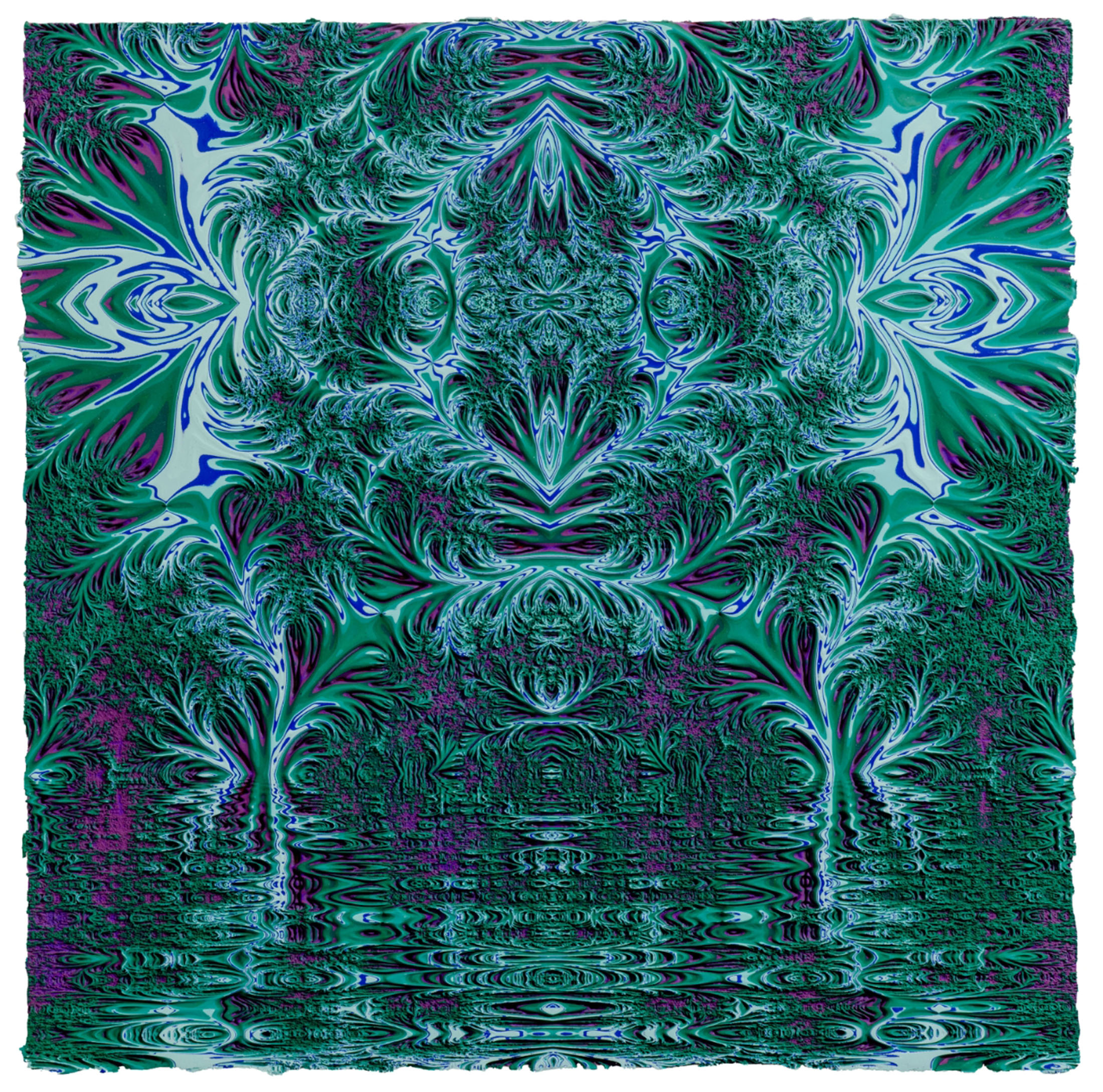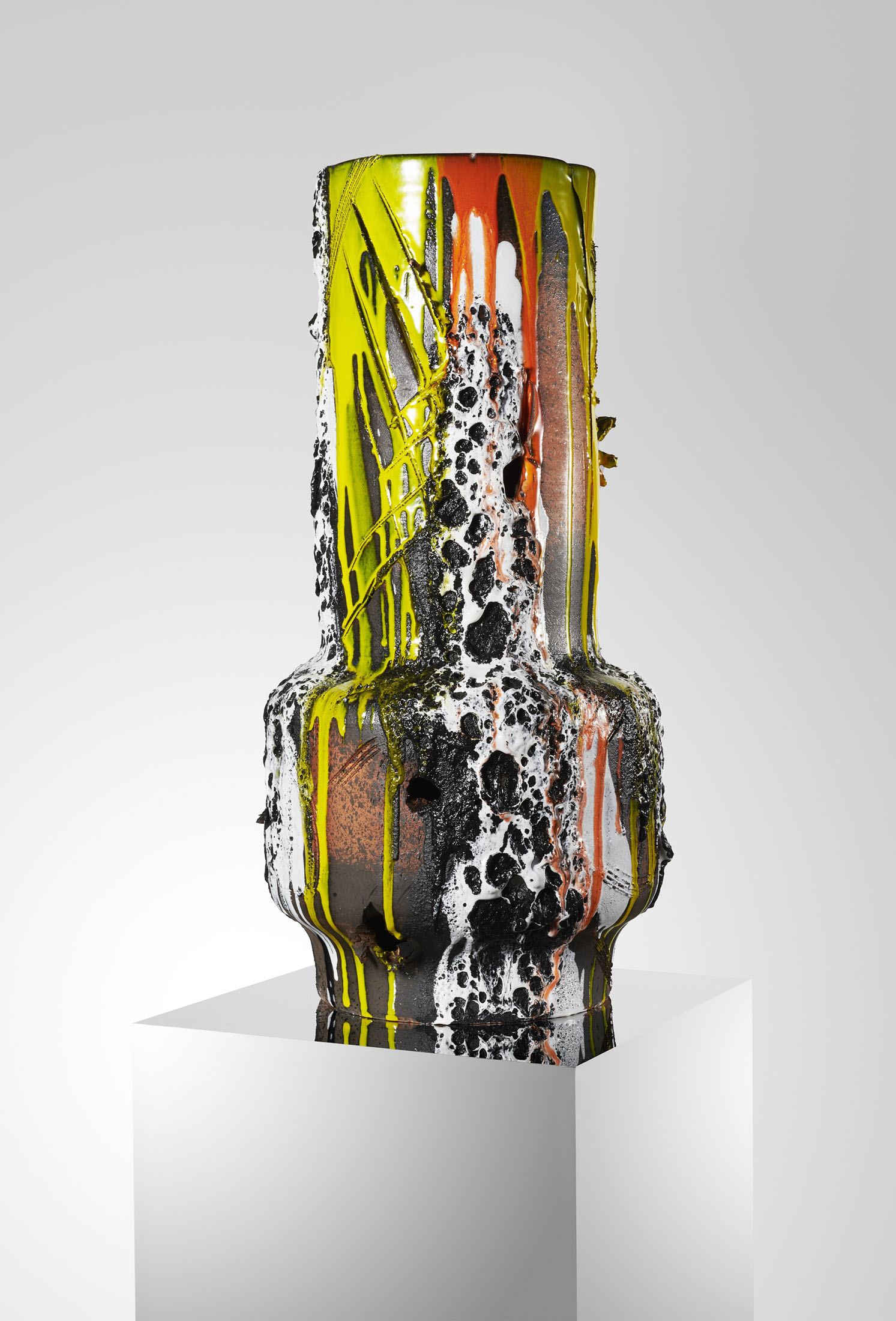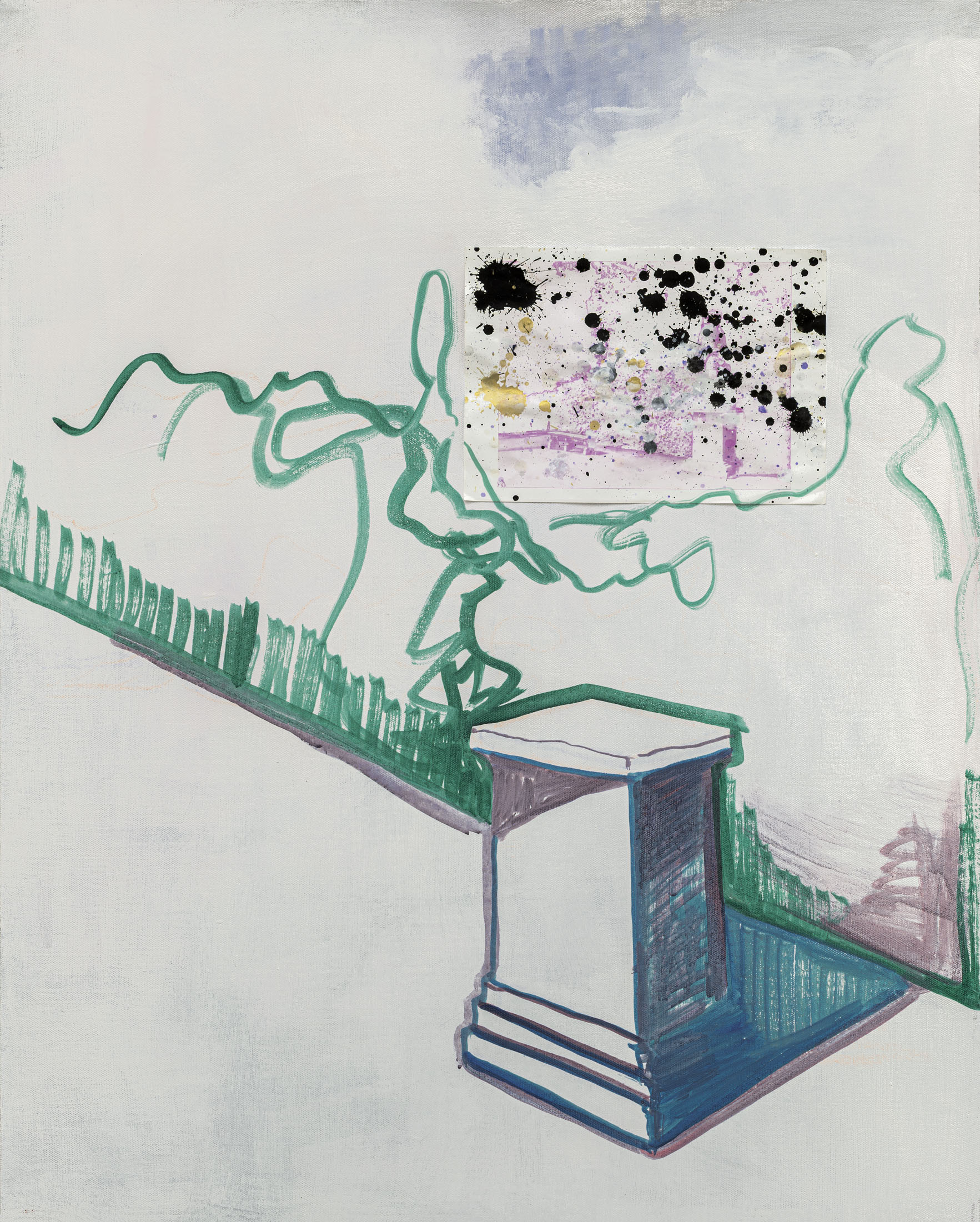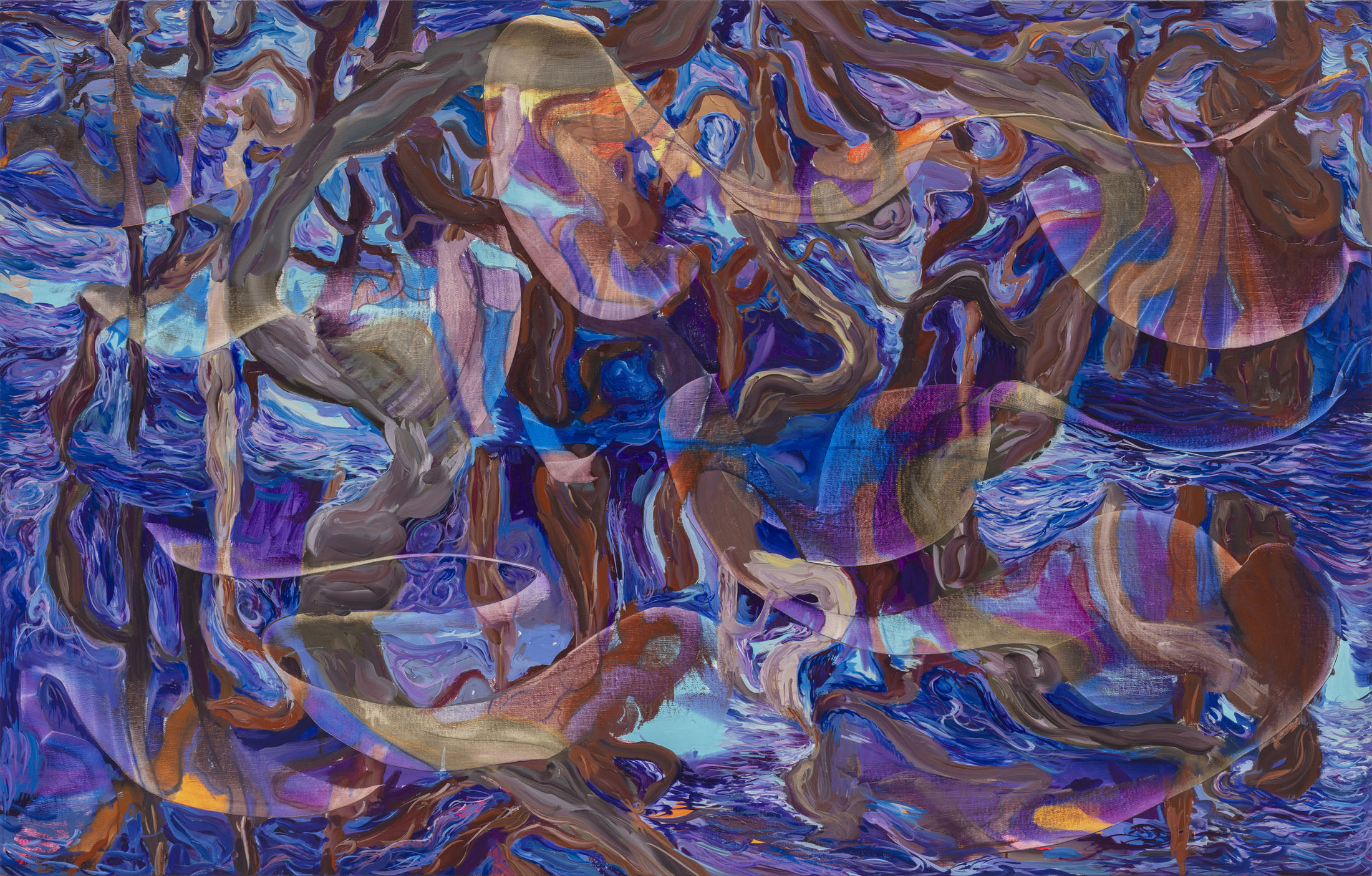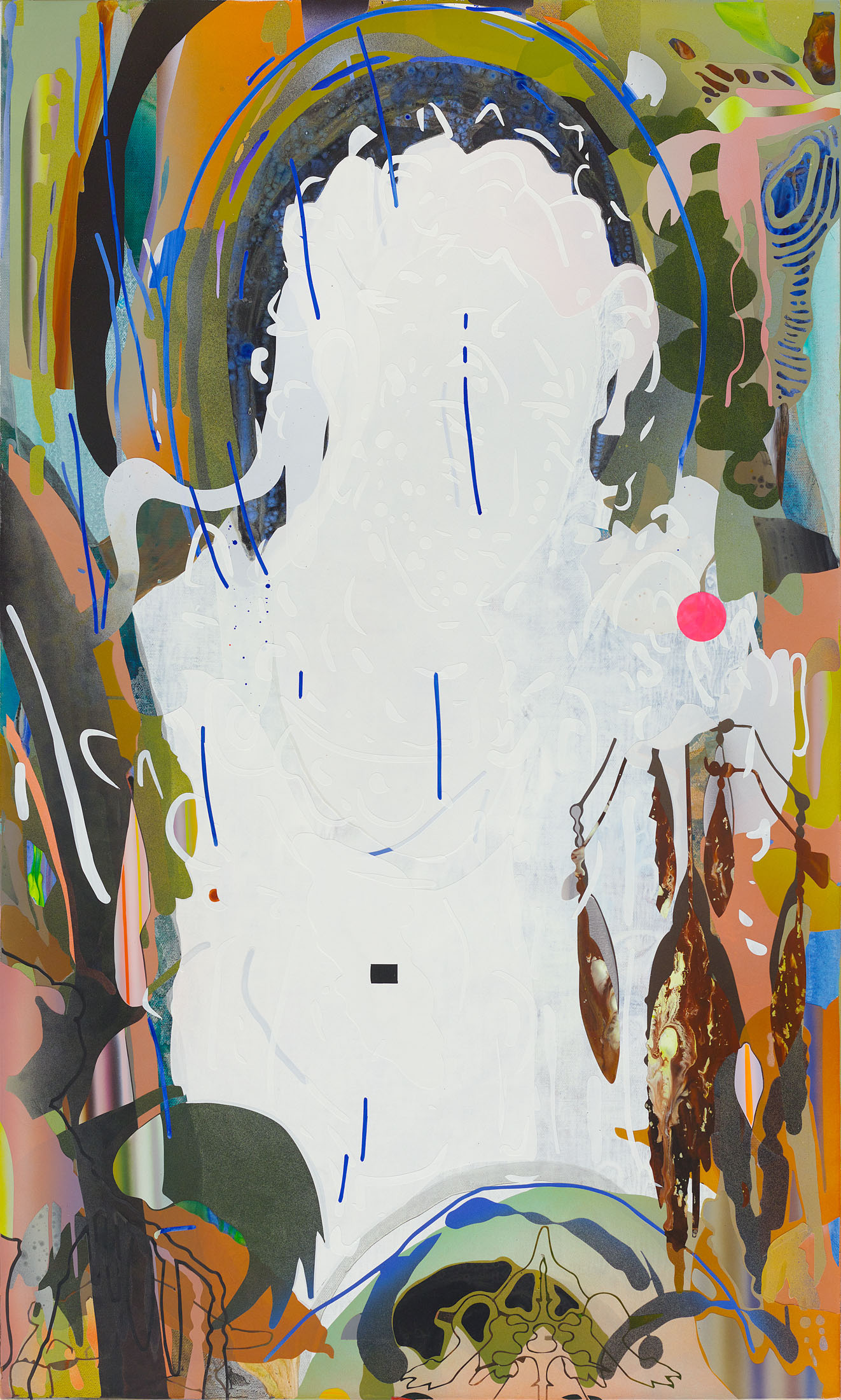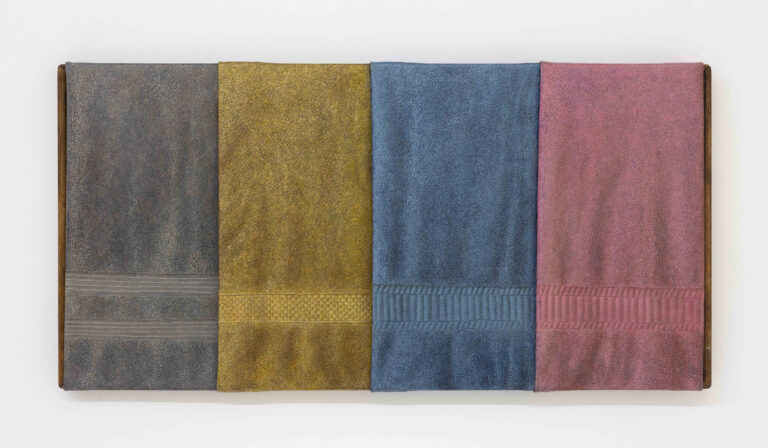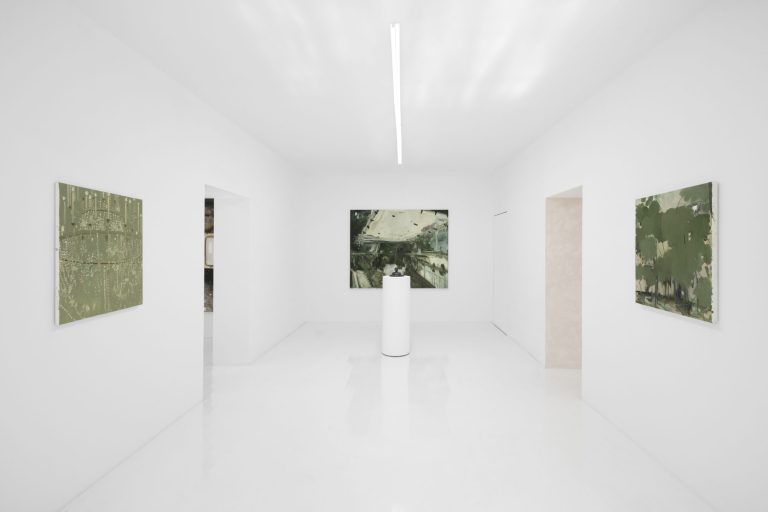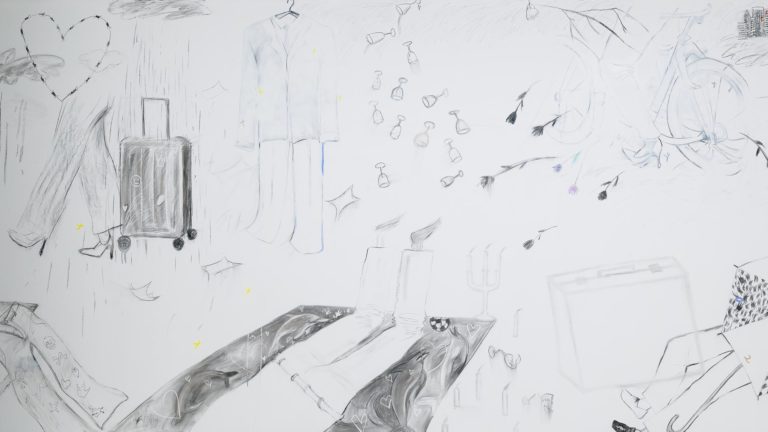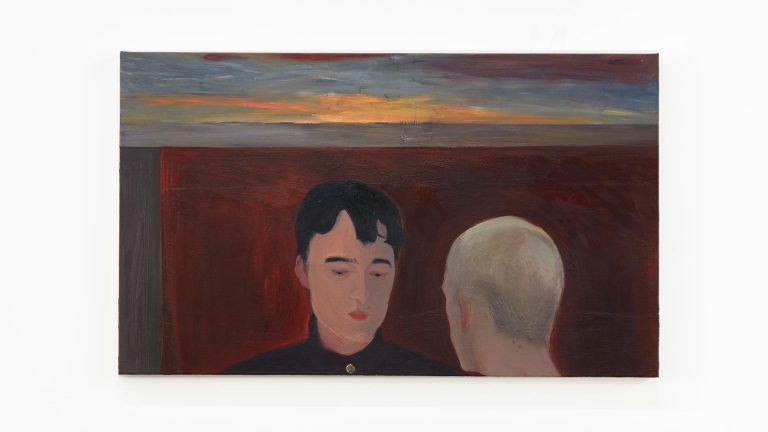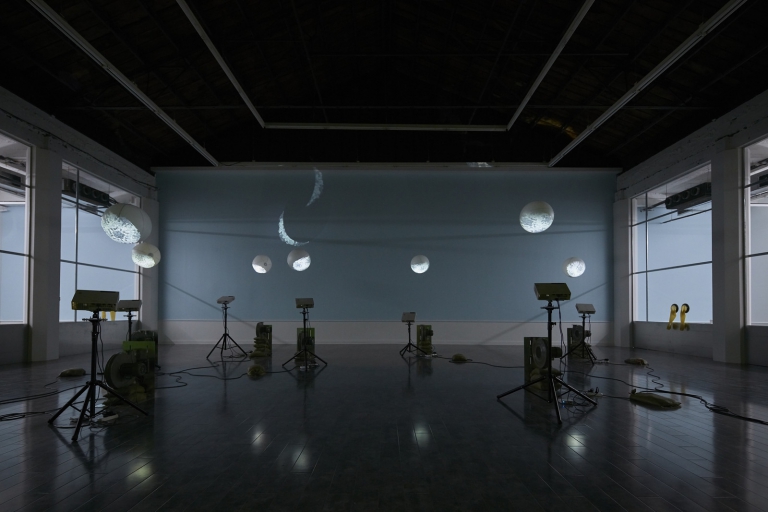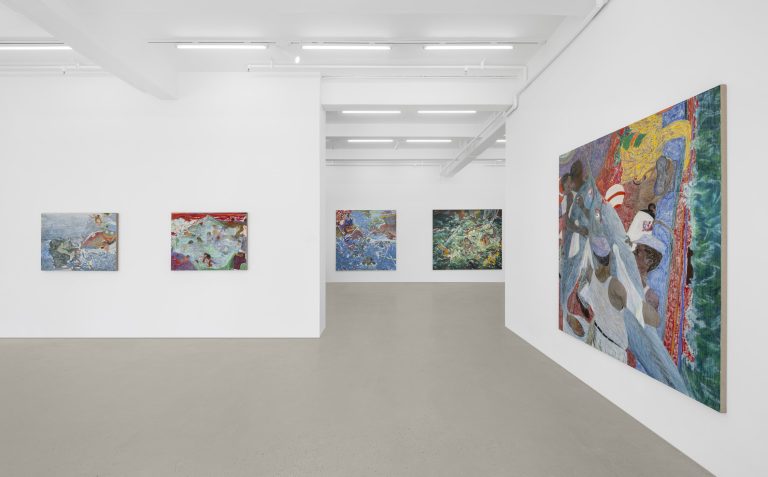
To start from the beginning, let us rewind to 2005. In that year, Beijing’s Caochangdi Art District welcomed a wave of art institutions that defined themselves as “alternative” spaces. Platform China opened at the start of the year, Beijing Commune held its first exhibition in May, and in December, curators Pi Li and Waling Boers announced the birth of Universal Studios-Beijing with an exhibition titled Open: A New Art Space.
Conceived as a “crazy, hybrid, and transgressive” laboratory, it sought to carve a new path along the edges of the existing system’s various components. By 2008, due to the hype of the Beijing Olympics, these art spaces, initially envisioned as non-profit, including the earlier-established Vitamin Creative Space and Long March Project, had almost entirely transformed into commercial galleries. The contradictory situation reflected by this shift underscores a fact: deeply embedded in the era’s changes, opportunities, and limitations, Chinese contemporary art formed its own survival strategies, creative practices, and adaptive logic. The particular hybridity cultivated by this fast growth in China has always imbued it with an internal tension, existing not only in its self-perception and description but also manifest in the operational adjustments between adaptability and continuity, vision and strategy, permeating every concrete action and turn. The closer one gets to the scenes of the past, the clearer this becomes.
From 2005 to 2025, from Caochangdi to 798, what was once Universal Studios-Beijing was renamed to Boers-Li Gallery and now operated by Jia Wei and Sherry Lai as SPURS Gallery. In the history of Chinese contemporary art, this may be merely a fragment or a singular case. Yet, fluctuations in local temperature often reflect shifts in the overall climate. Through this particular case, we are able to examine a past that has not yet concluded and survey a panorama still in the making. More importantly, it allows us to understand why reality has taken its present shape.
The act of looking always requires a “frame”—or rather, the act of looking is itself an act of framing. It raises further questions: Who is looking? At what? From what perspective, what position, what power? How do these intertwine, confront, or integrate? In the process of framing, which fragments are selected, which details are highlighted, and which are filtered or omitted? Which established narratives are rejected, and which are revised or continued? If we pose such questions to the past two decades of Chinese contemporary art, we find that no matter where one positions the frame—be it from the perspective of production or circulation, inside or outside institutional frameworks, as art practitioners or value intermediaries—what emerges is less a coherent, self-contained narrative and more a complex network woven together by multiple agents and intricate interests. Each step within this network signifies one or even multiple possibilities of “framing.” To comprehend how Chinese contemporary art practices and discourses have evolved and adjusted within this complex network over the past two decades, we must re-evaluate and examine the shifting dynamics between these “frames” and “scenes.”
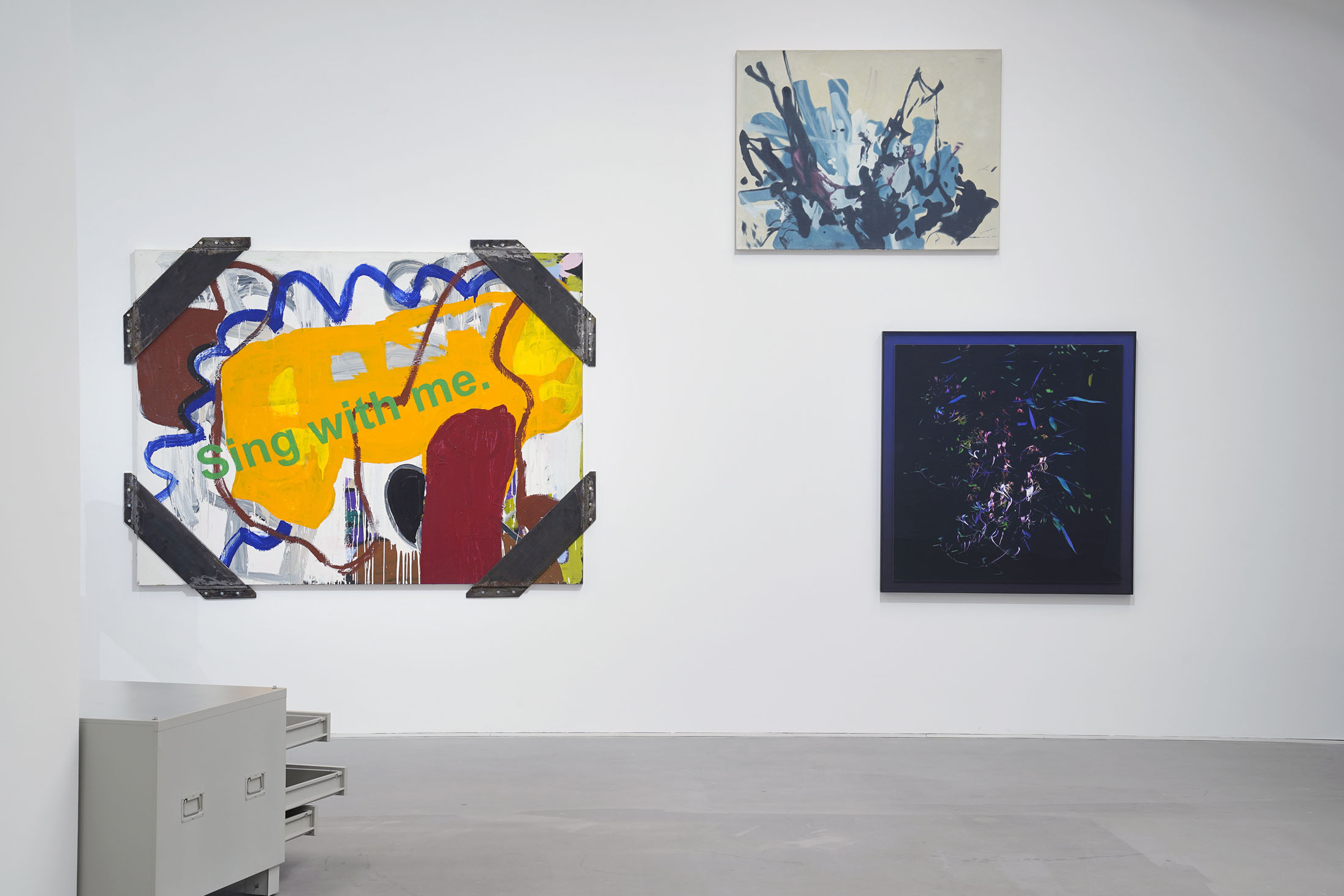
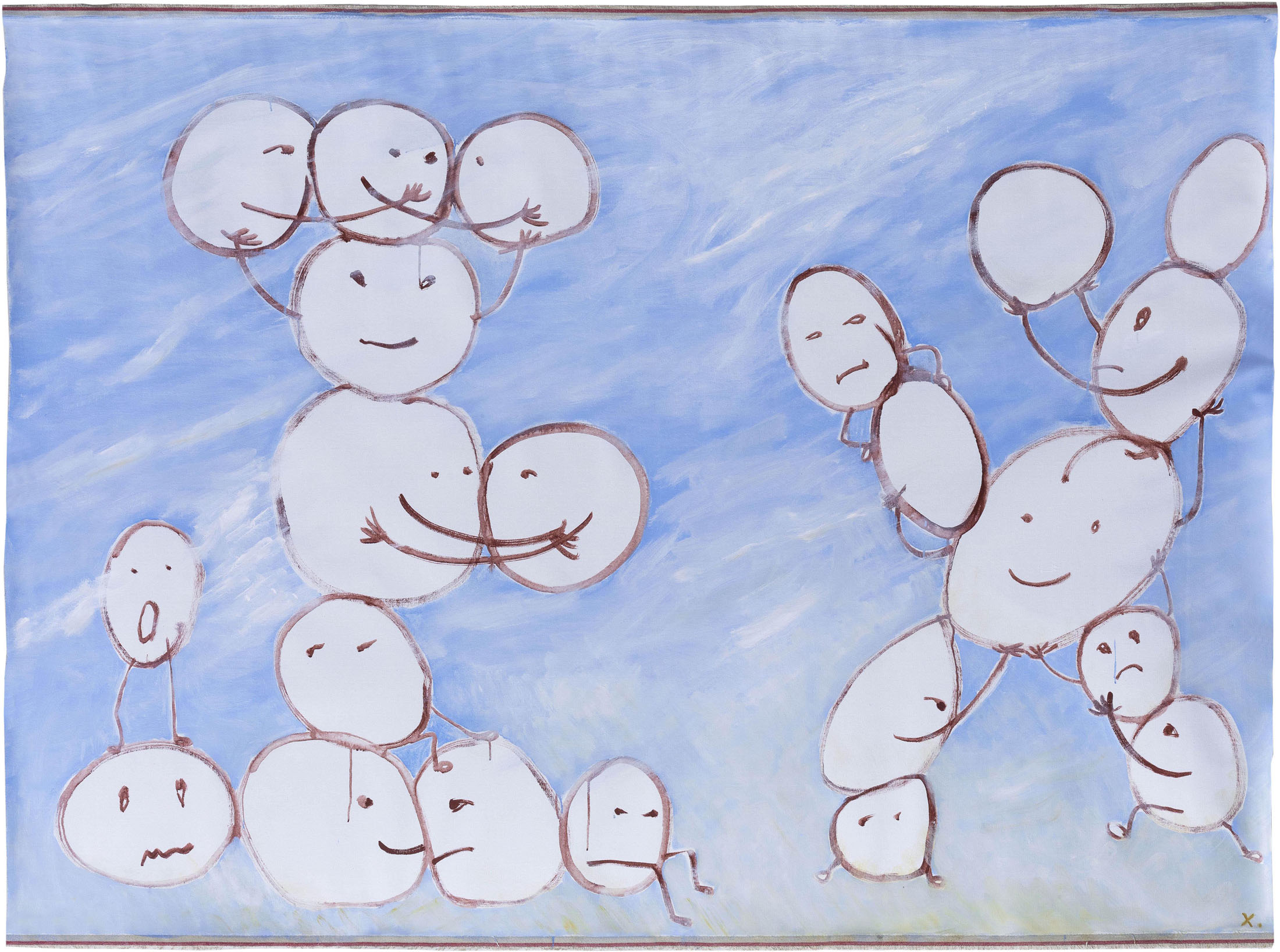
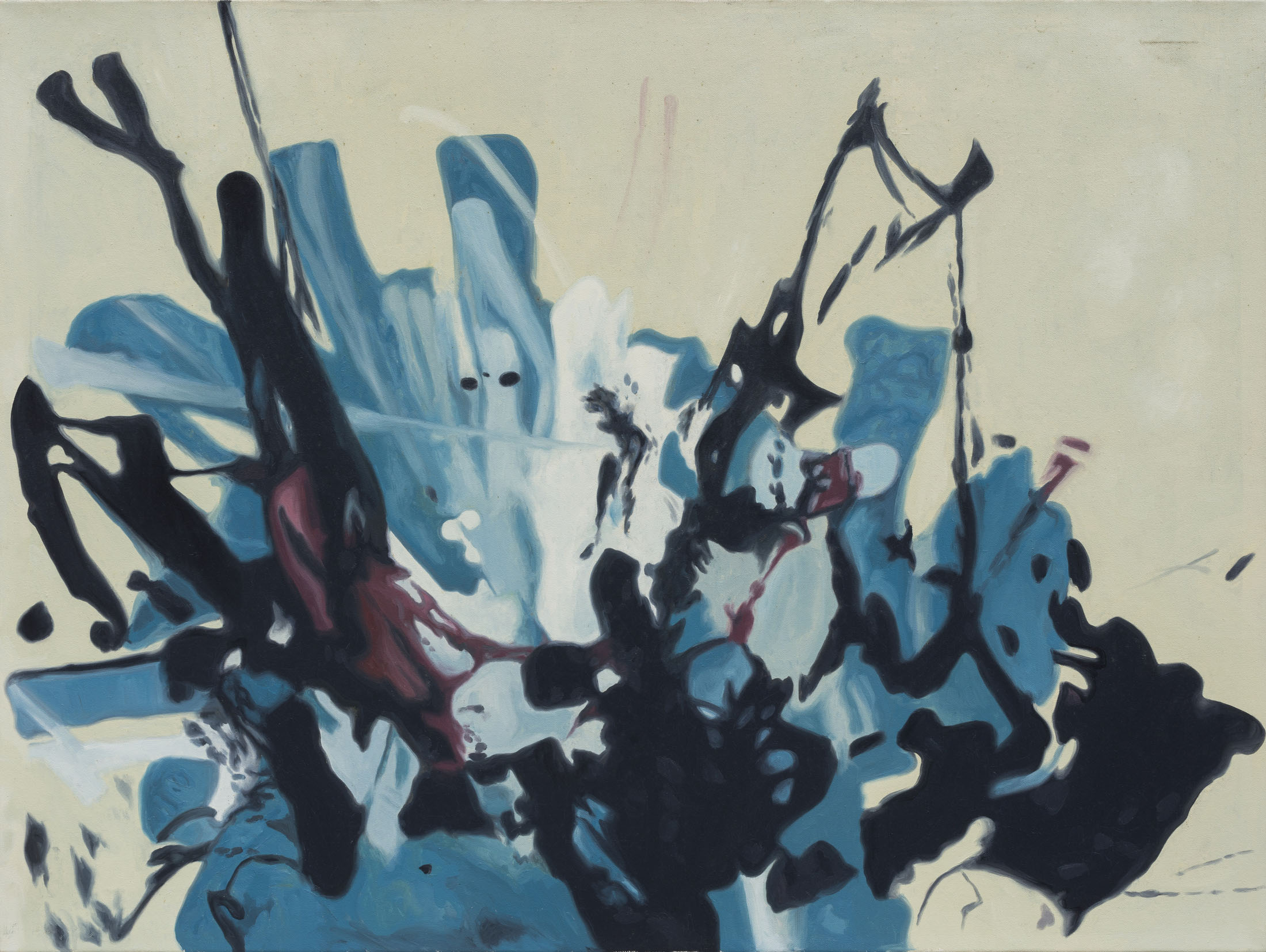
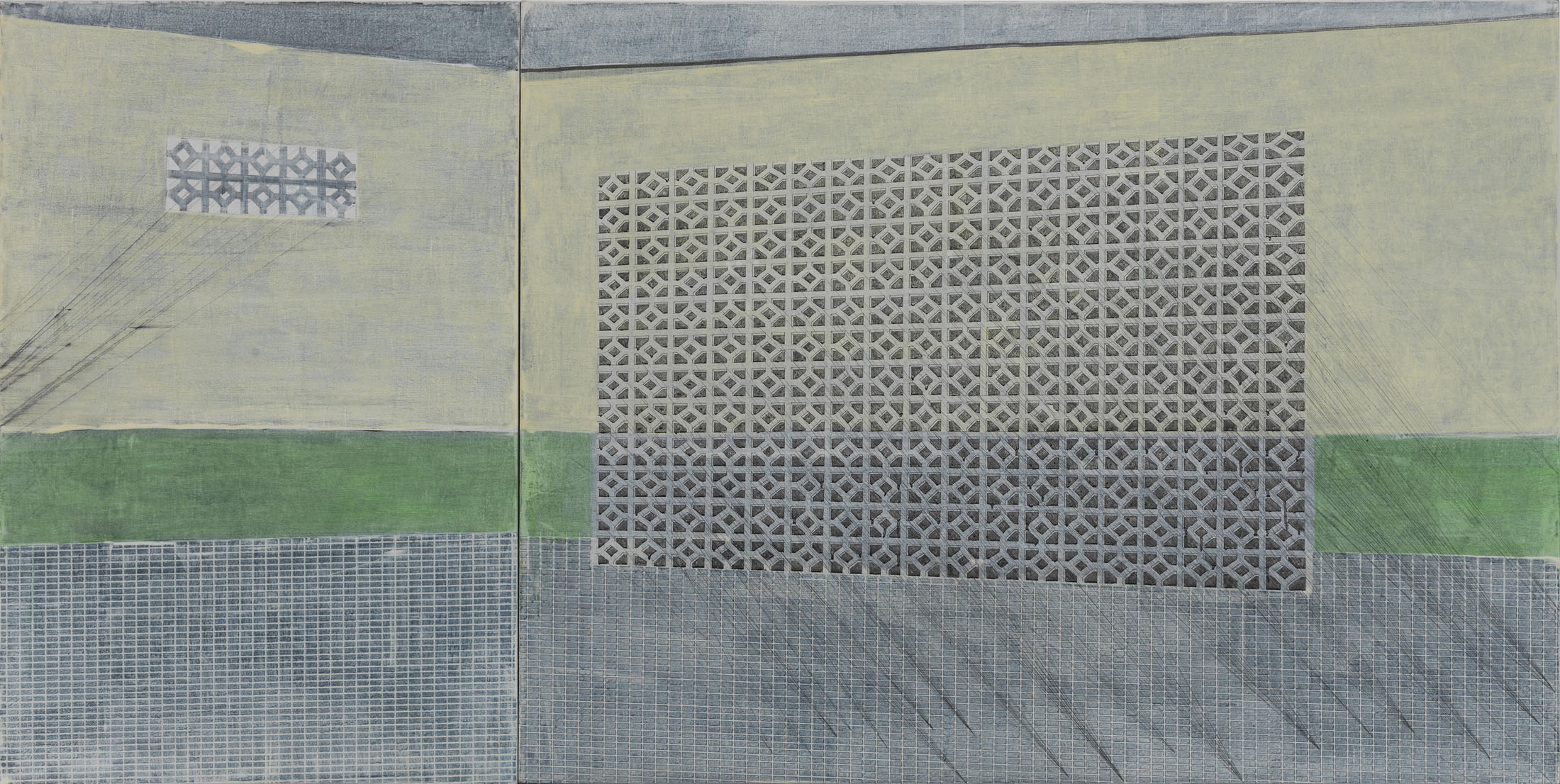
“Crossroads: The Possibility of Becoming an Individual” revisits the gallery’s ongoing presentation from its Boers-Li phase to the present, of pre-85 unofficial art. While these exhibitions once focused intently on discussions of abstract painting—a topic whose hype has declined—their methodology of juxtaposing the abstract practices of the 1980s with works by ‘post-70s’ and ‘post-80s’ “young generation” artists suggests something significant. It implies that this modernist tradition may not possess a stable ontology formed through linguistic evolution. Instead, it appears to stem more from artists’ assessments of and responses to their relationship with their own era.
More importantly, looking at the creations and events of that “historical eve”—such as art collectives trekking together on sketching trips, and the organization of underground exhibitions—reveals that the questions of “how to become an individual” and “what is art” persistently propelled these artists. The pursuit of individuality often emerged precisely through the conscious actions of groups. This latter phenomenon offers a long-absent frame of reference for today’s artistic subjectivity, which is shaped by neoliberal markets, institutions, and work ethics.
“Between Past and Future” explores the formation and manifestation of historical consciousness, which in a post-socialist context often takes the form of an intense yet ambiguous nostalgia. In the solo exhibitions of Qiu Xiaofei, Liu Wei, and Qiu Anxiong in 2007–2008, we witness precisely the shadows cast by such vast, elusive entities. Because these are difficult subjects to articulate directly, artists turn to evoke viewers’ bodily sensations, emotional responses, and psychological effects to indirectly outline what they truly want to depict.
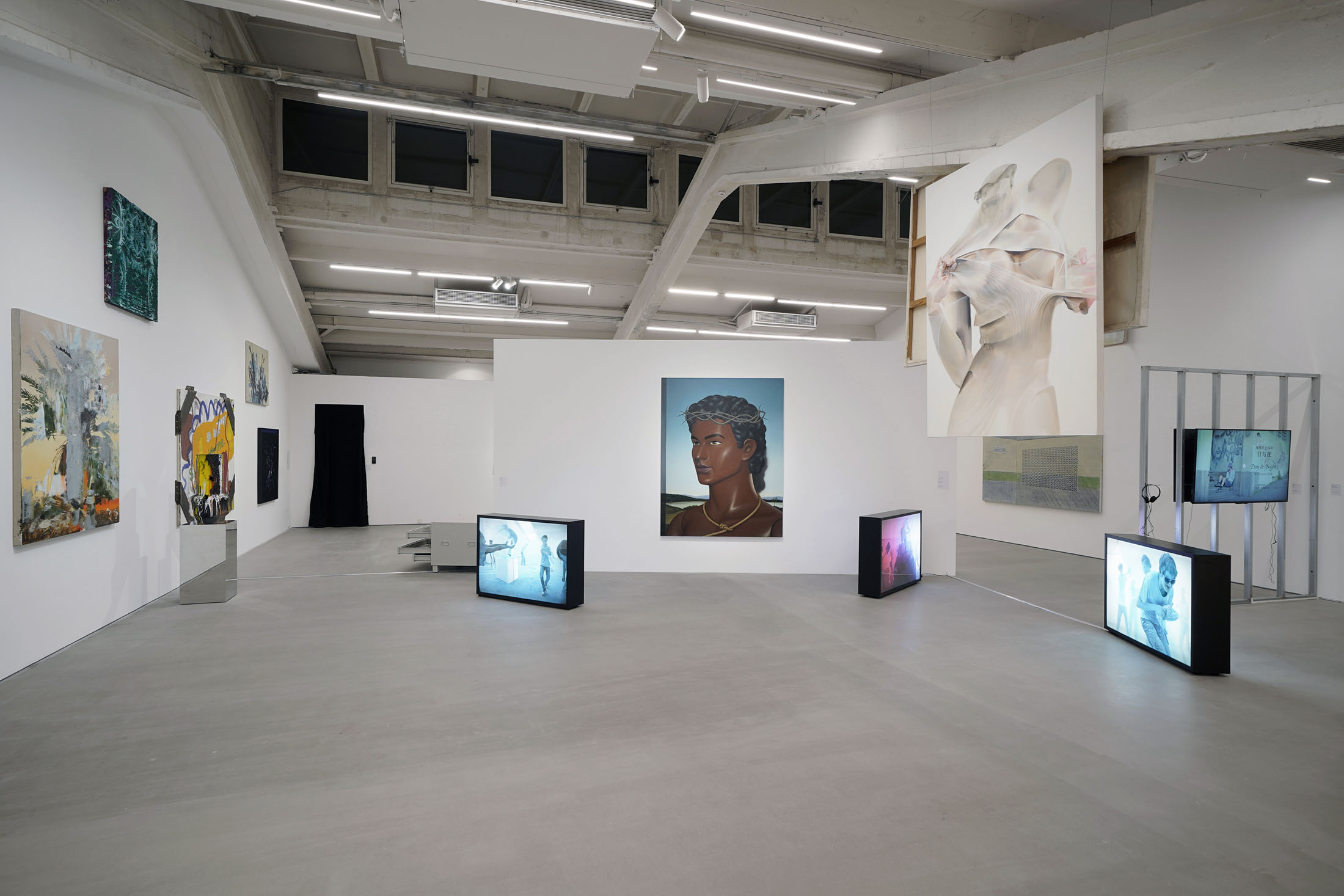
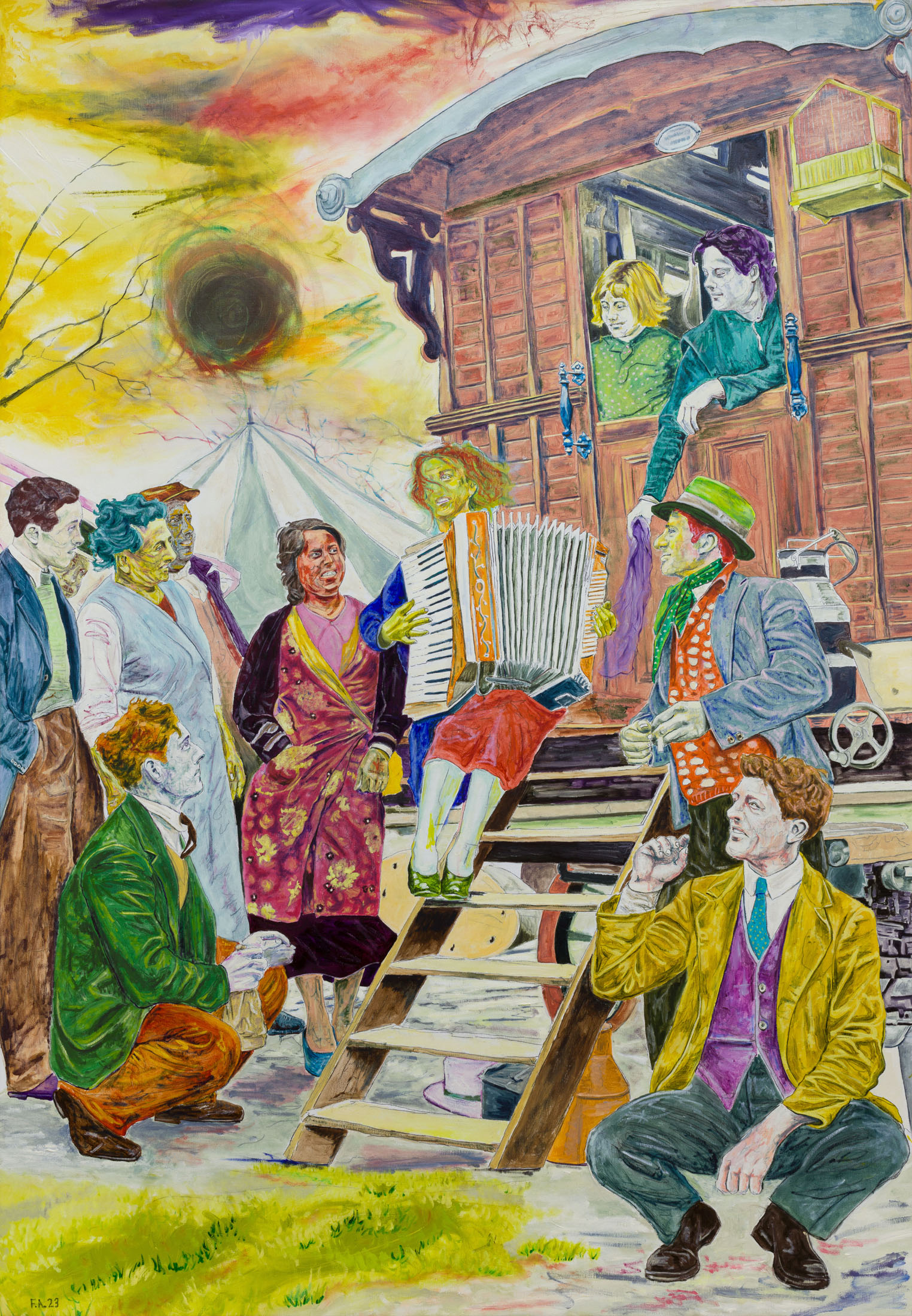
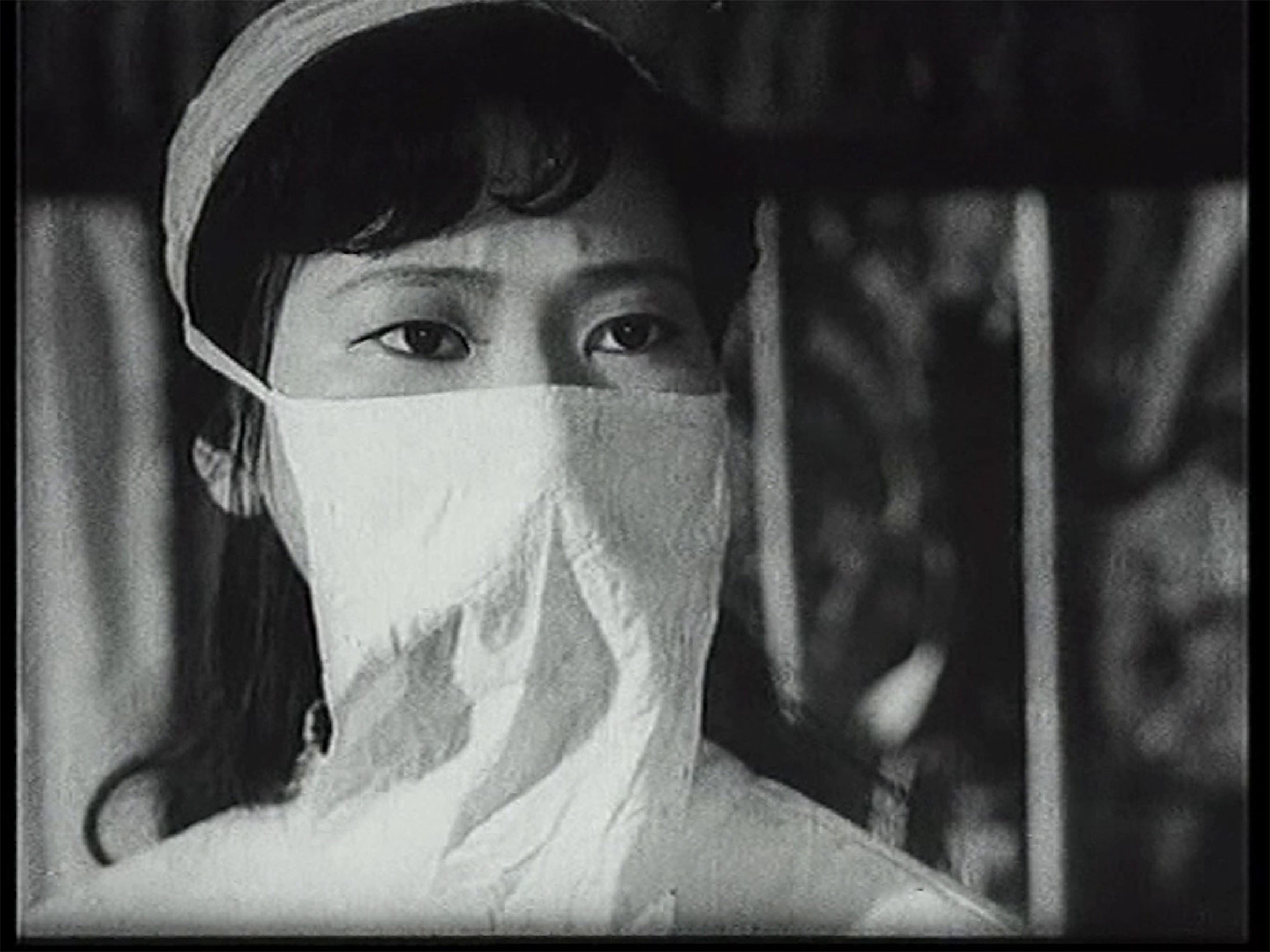
It is particularly evident when Qiu Anxiong gave the train carriage an artistic makeover after it had ended its career as a means of public transportation, transforming it into the work Staring into Amnesia (2007) and landing its way in Art Basel Basel the following year. The media exploded and celebrated around the narrative of “Chinese art steaming toward Basel,” while few noticed the artist’s real depiction through this colossal motif: namely, the absence of memory and the void of historical sensibility. In the essay films of Nguyen Trinh Thi and the history-based paintings of Farley Aguilar, another impulse is reflected: the pursuit of those unsettled ethical debts, and of catastrophic events that still demand to be re-understood and responded to anew.
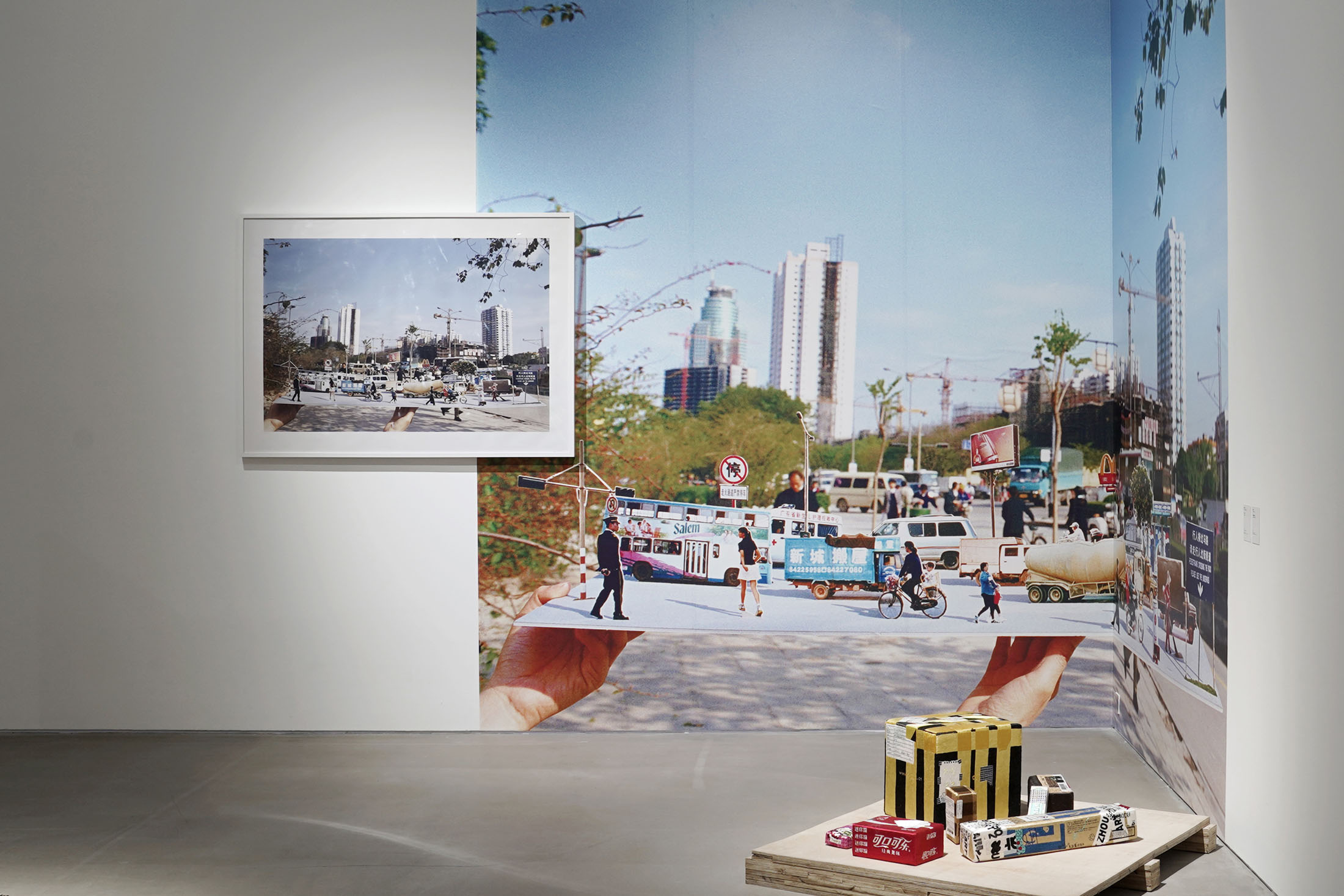
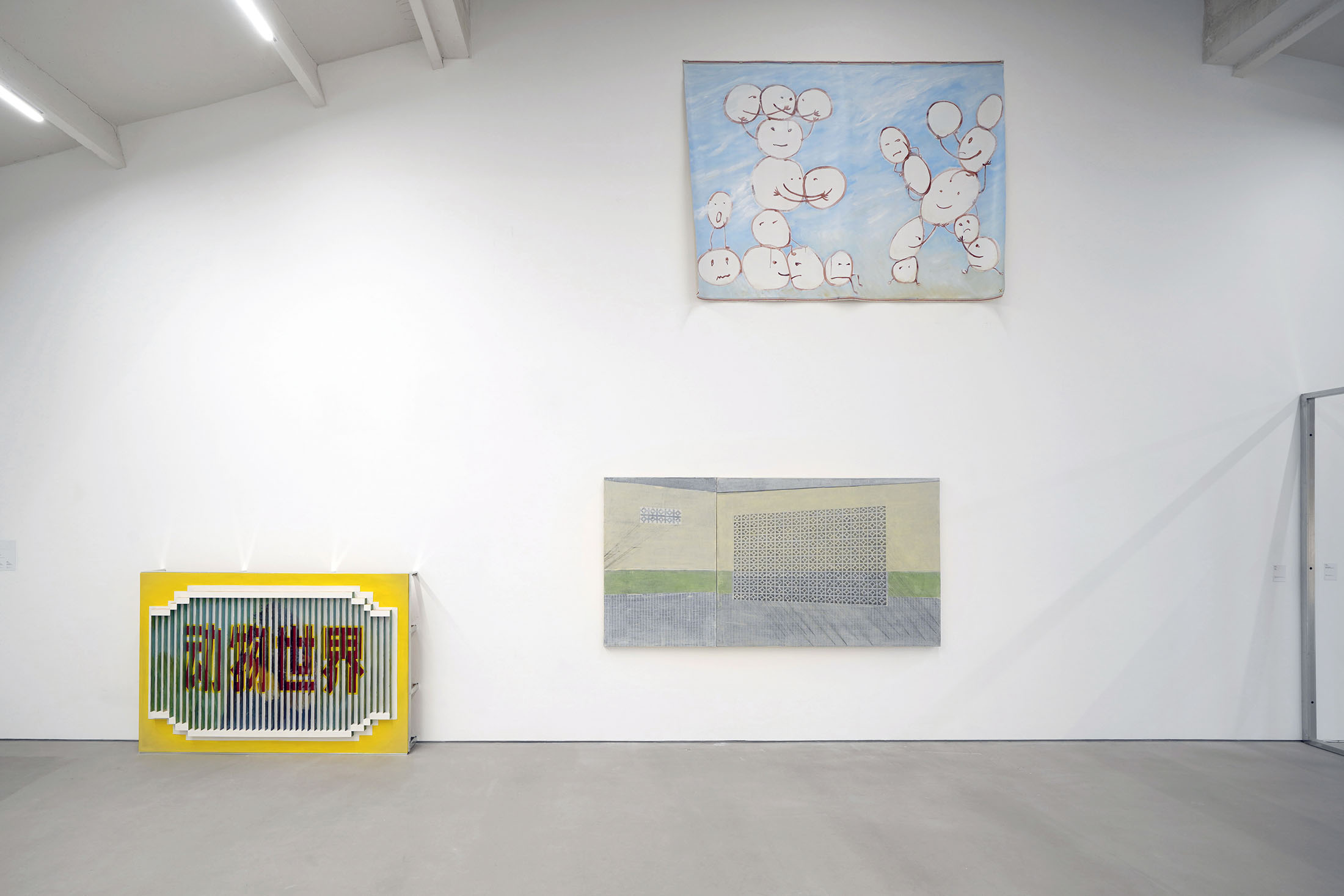
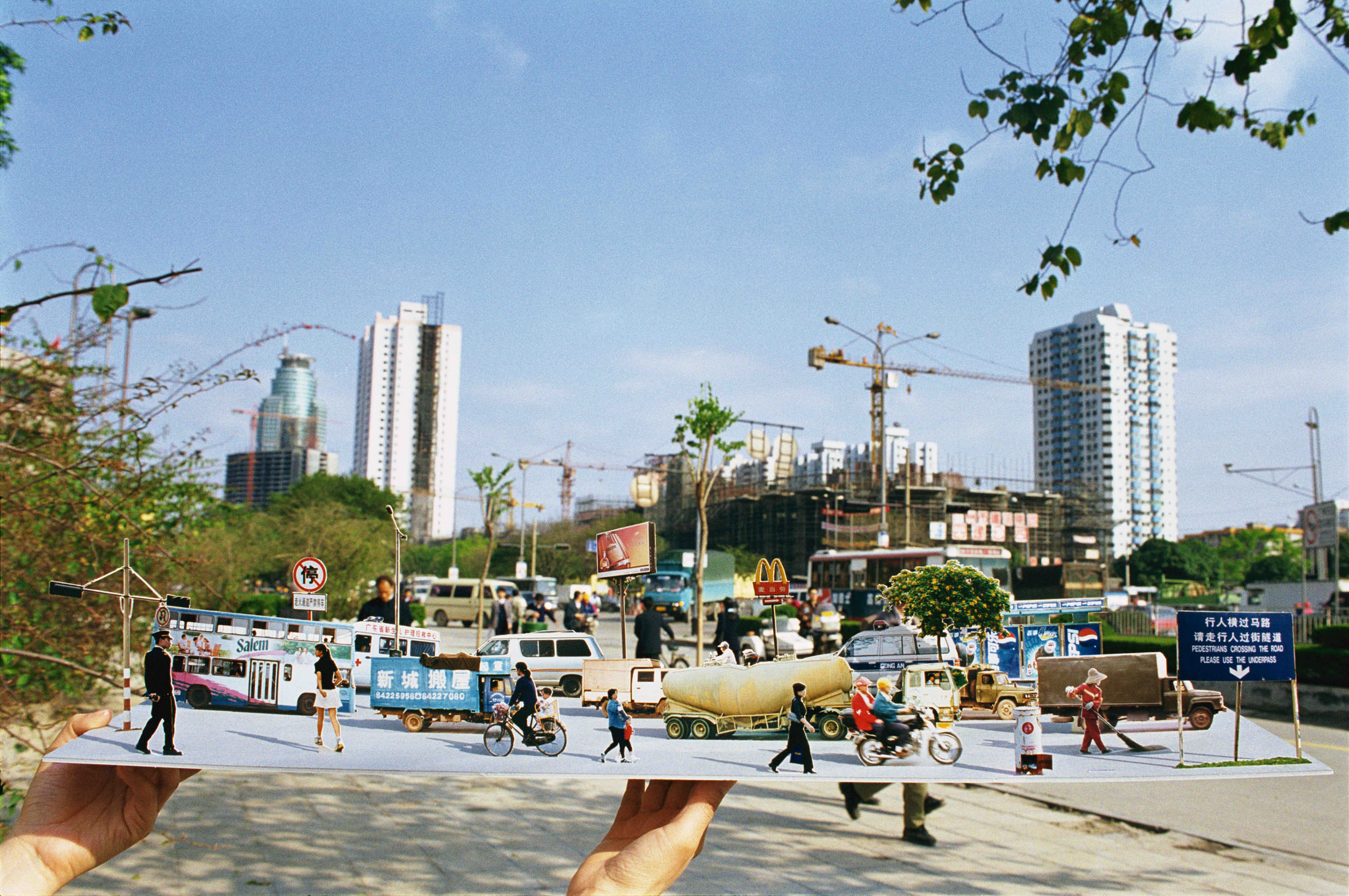
“Global Art and Its Discontents: Alternative Ways of Imagining the World” begins from the present moment of crisis and fracture, looking at the not-so-distant era of globalization and the global art world to discern what legacy it has truly left us. The art scene at the turn of the millennium was saturated with optimistic imagination and an embrace of multiculturalism and transnational mobility. It was marked by a distanced gazing and witty critique of geopolitics, and by the orchestration and reinterpretation of urban life, consumer culture, and their everyday landscapes as byproducts of globalization.
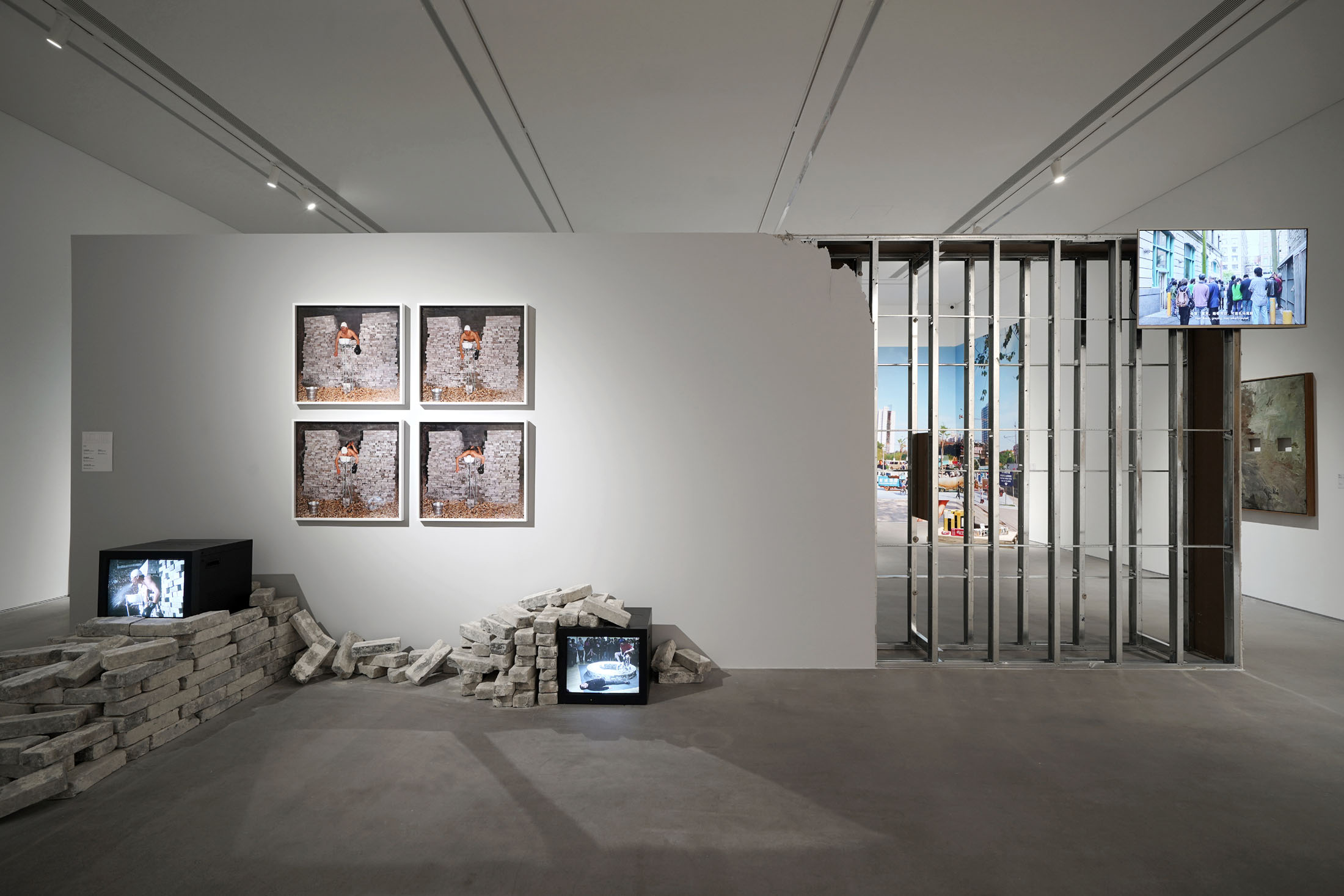
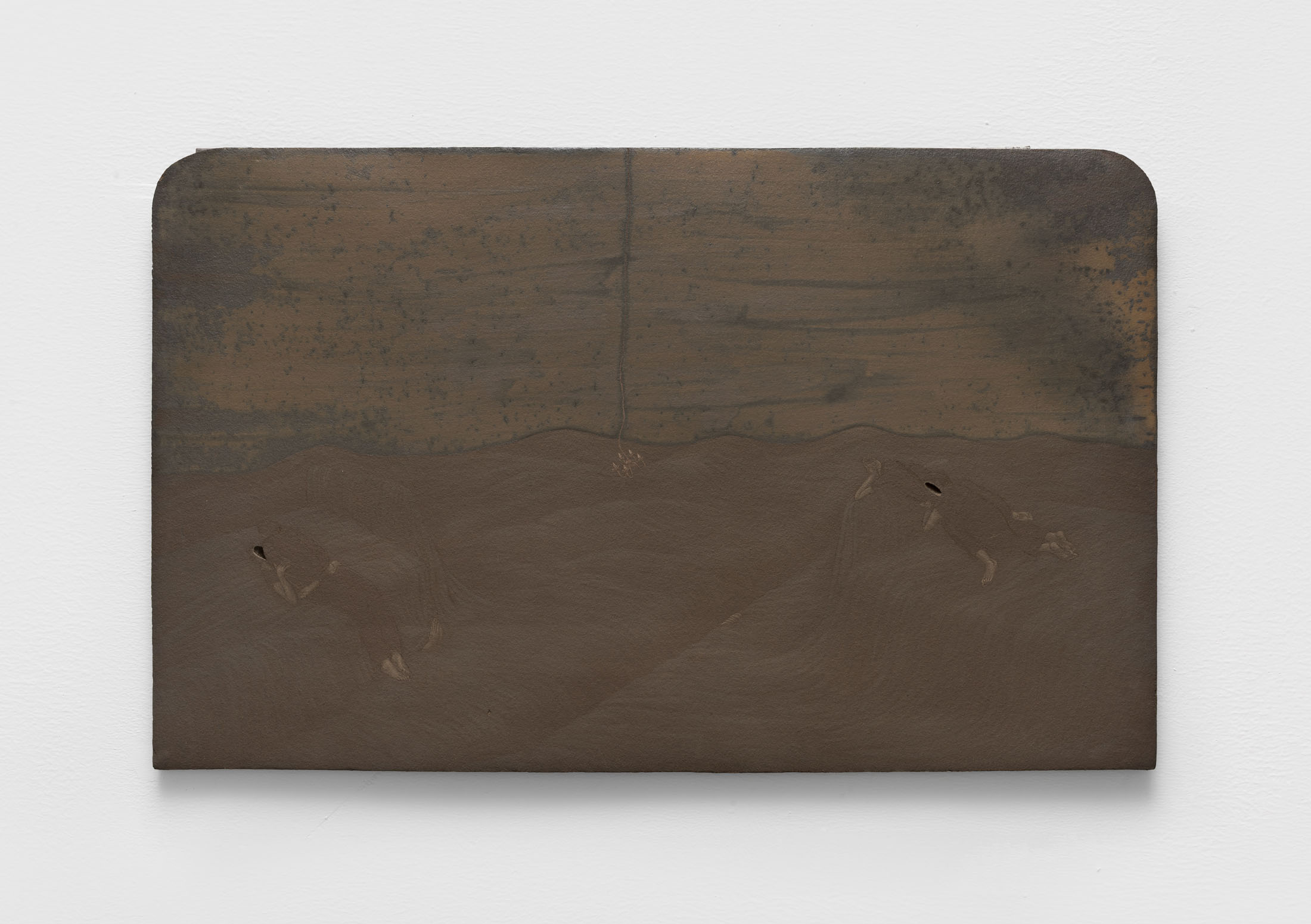
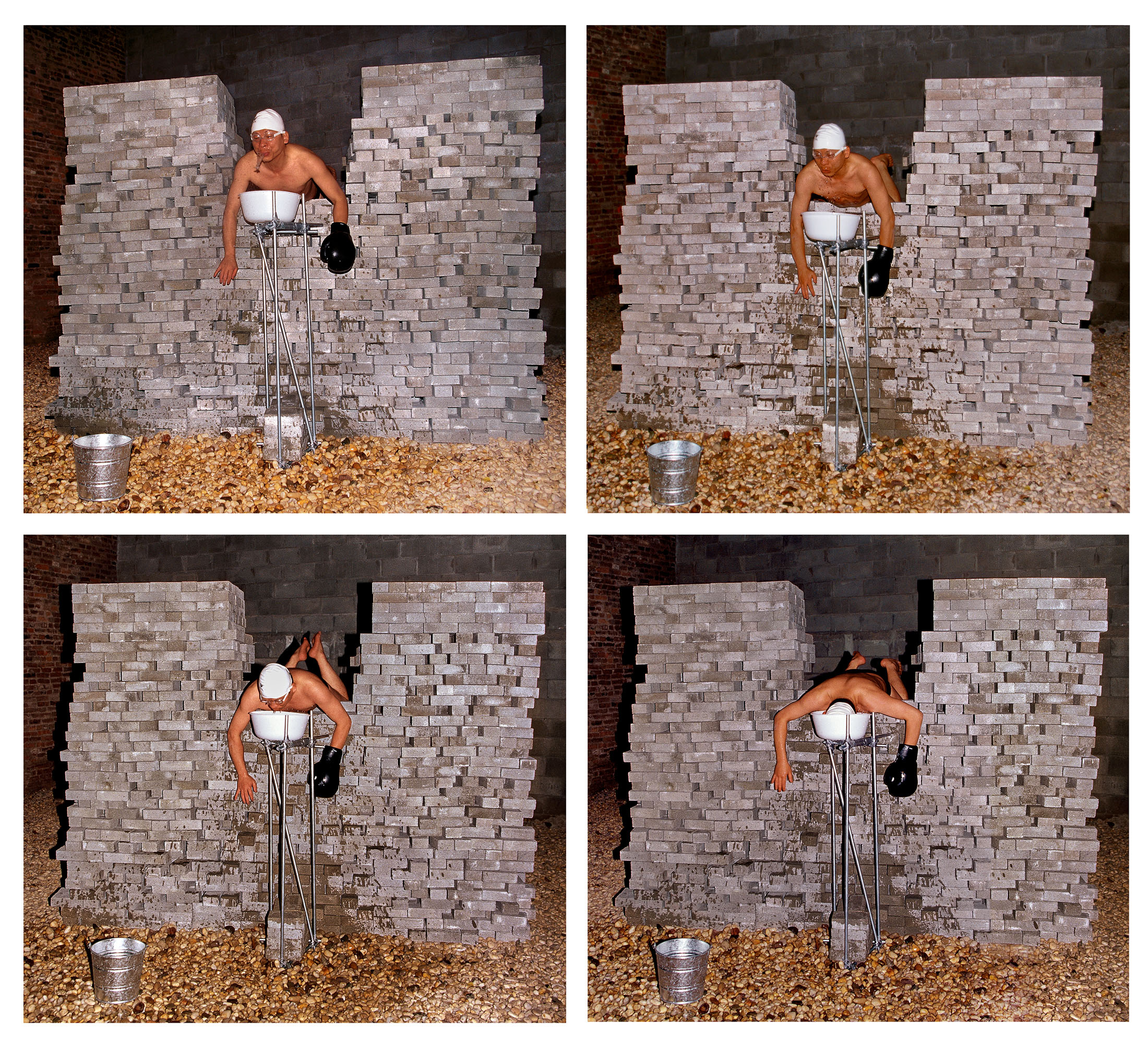
Yet, the invisible currents can often abruptly redirect the course of history. Today, as crises of globalization proliferate, the very concept of “global art,” along with its underlying systemic frameworks and value structures, faces its own existential crisis. The prosperity once fueled by cross-border trade and capital flows—conditions that once significantly propelled Chinese contemporary art—have swiftly decoupled into burdens in this post-globalization era. We are now compelled to confront those unresolved questions of position and identity. Over two decades ago, Lin Yilin performed My Imagination of a Great Nation (2001)—the gesture of swimming futilely behind a breached brick wall in New York. Yet, the silhouette he left behind reads almost like a prophecy long delayed in its fulfillment.
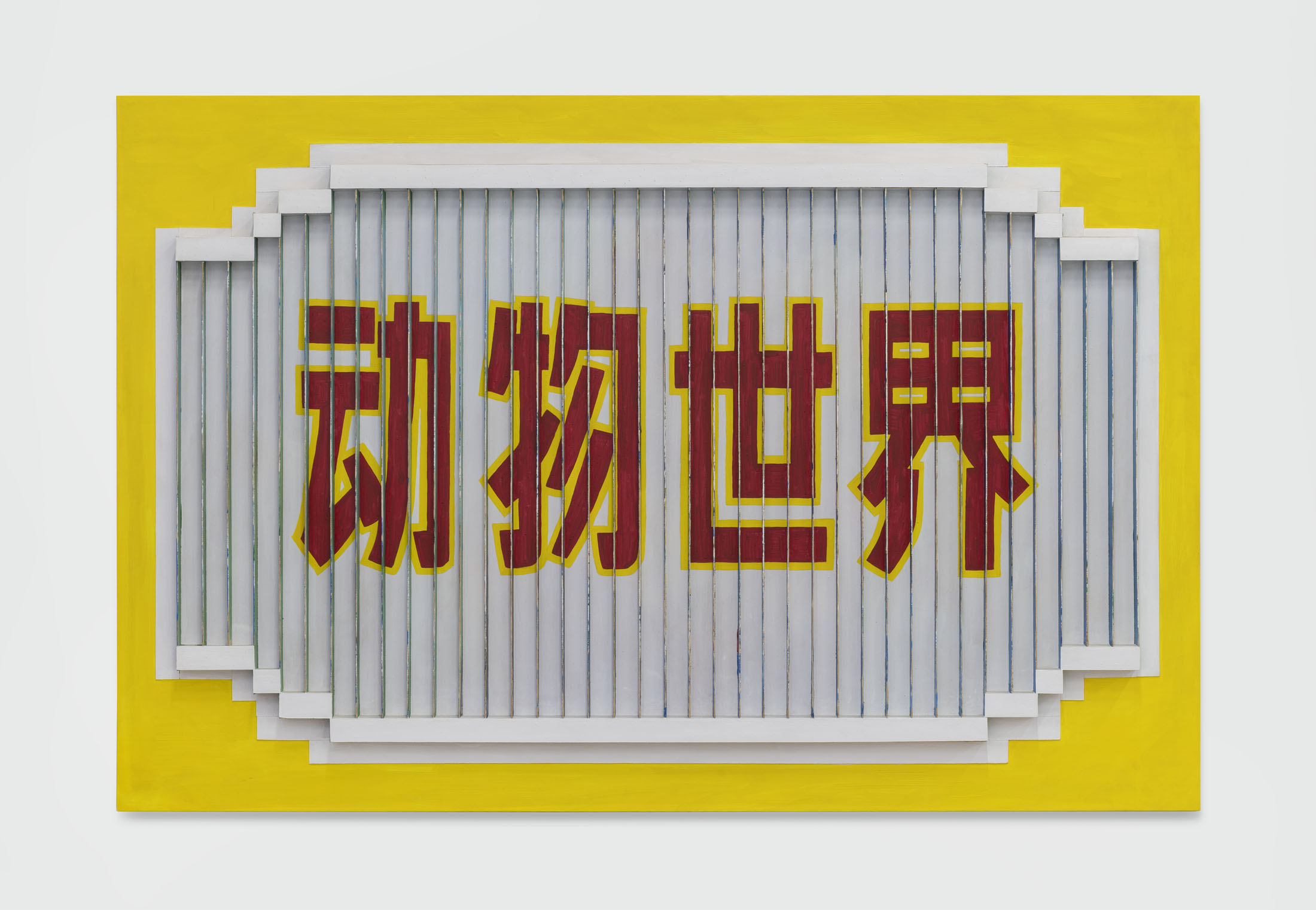
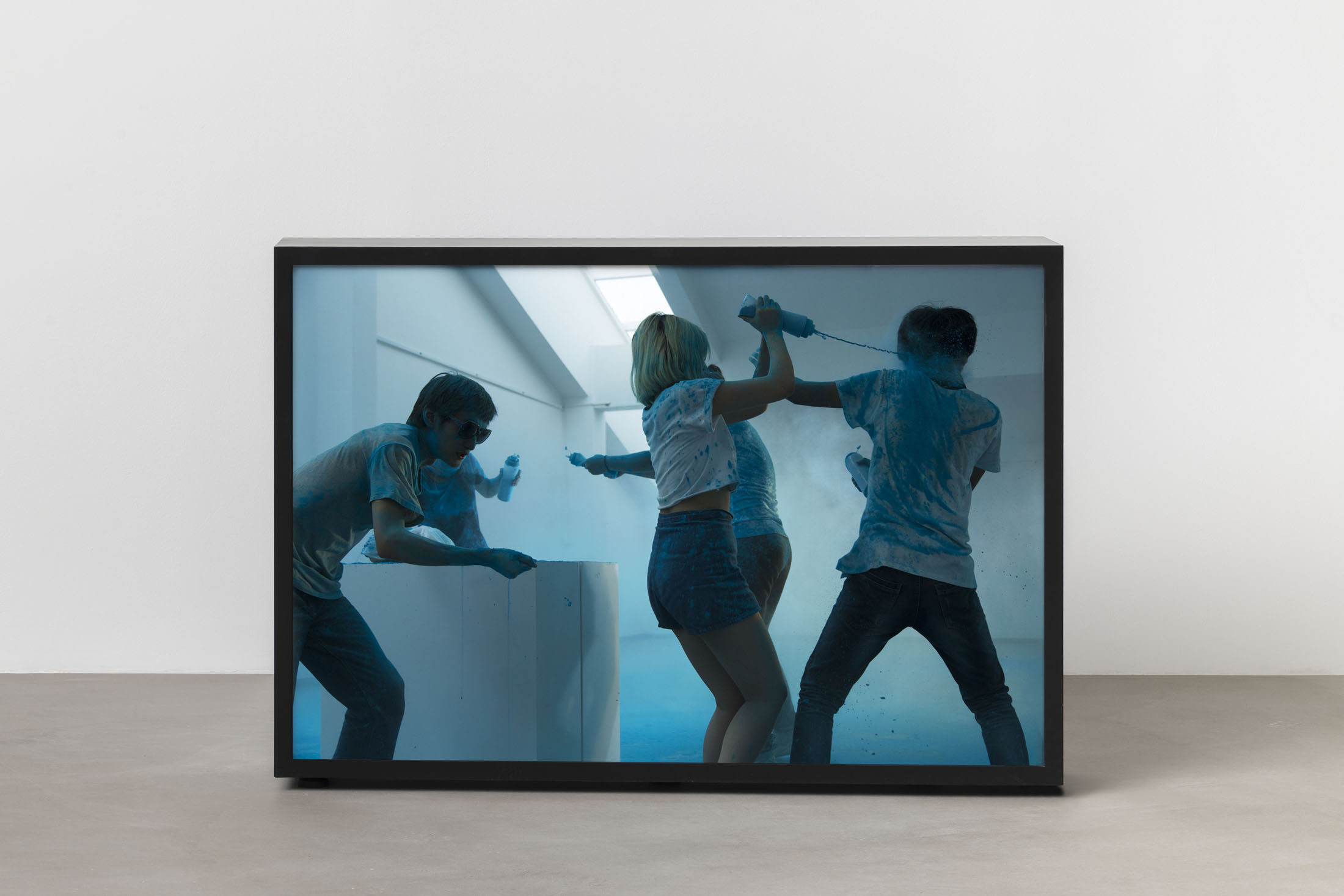
“Ministry of Truth” is the title of two series of exhibitions done in the past two decades. It focuses on artistic practices that unsettle the structures of reality and power relations in everyday life, tracking the covert or overt workings of ideology. Wang Wei reconstructs and replicates the propaganda corridor of the Beijing Zoo using mirrors; Yan Lei creates and manipulates between the art system and the social production system; Payne Zhu uses parables of “matching” to reveal the isomorphic relationship between finance, the body, and images in contemporary bio-politics.
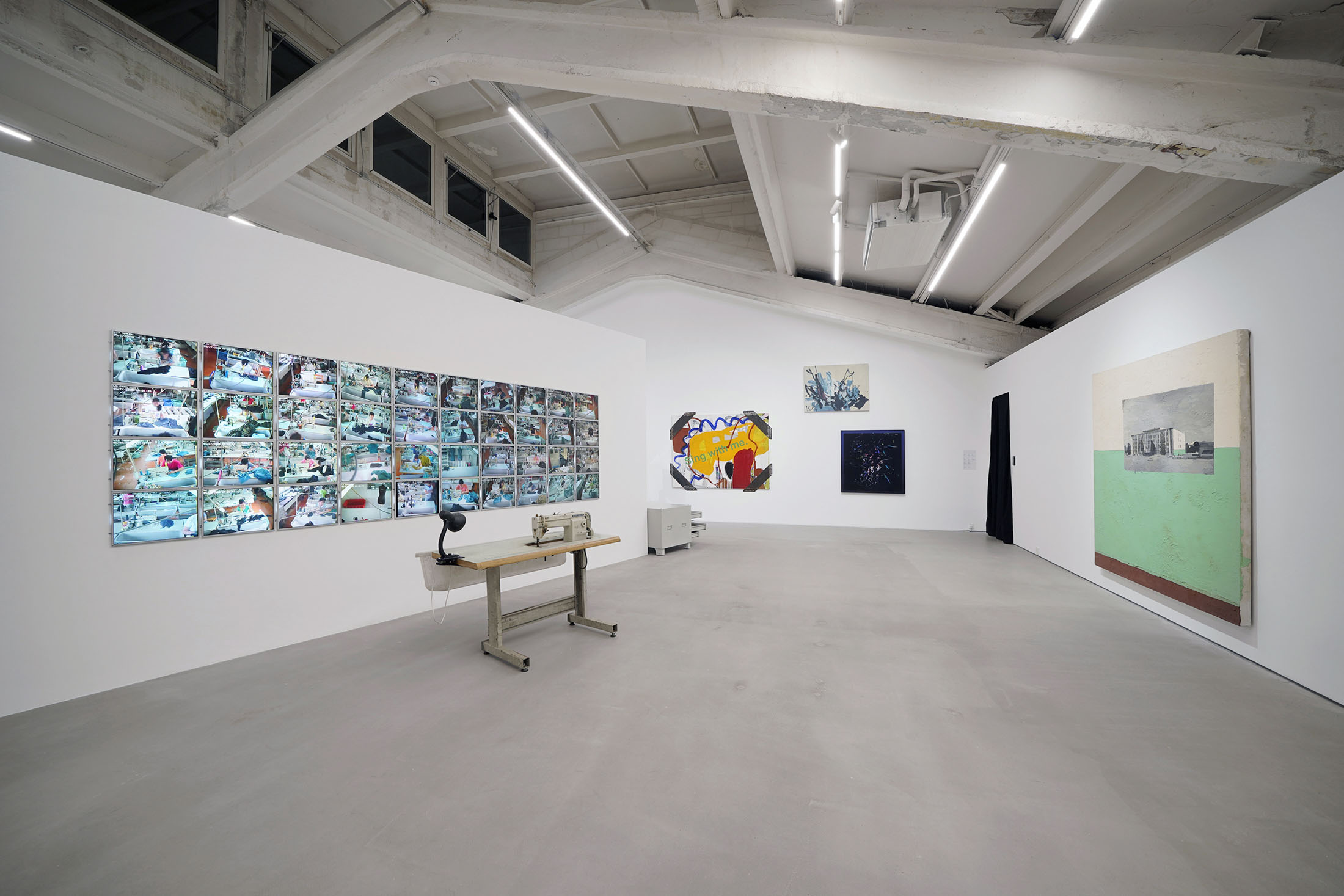
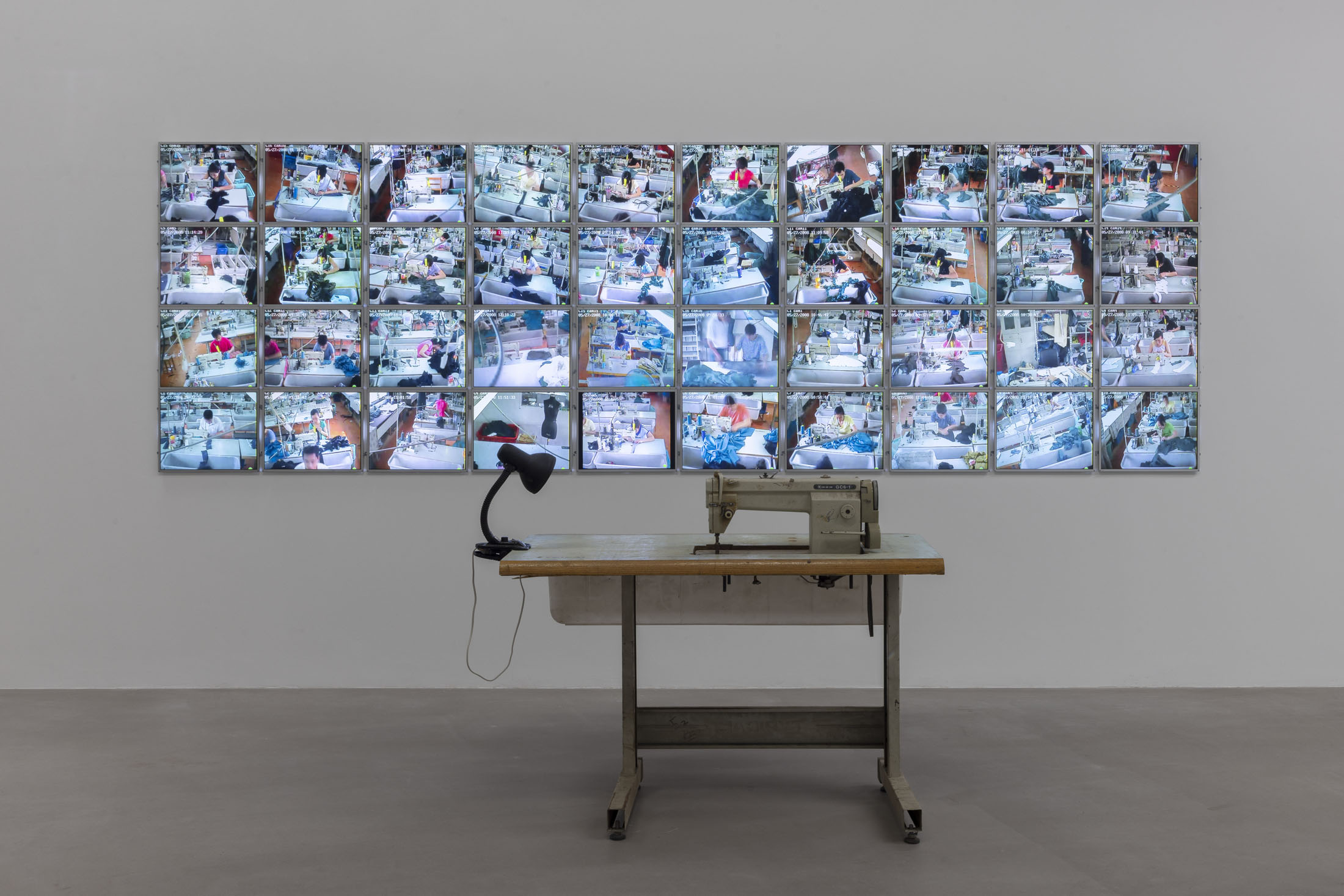
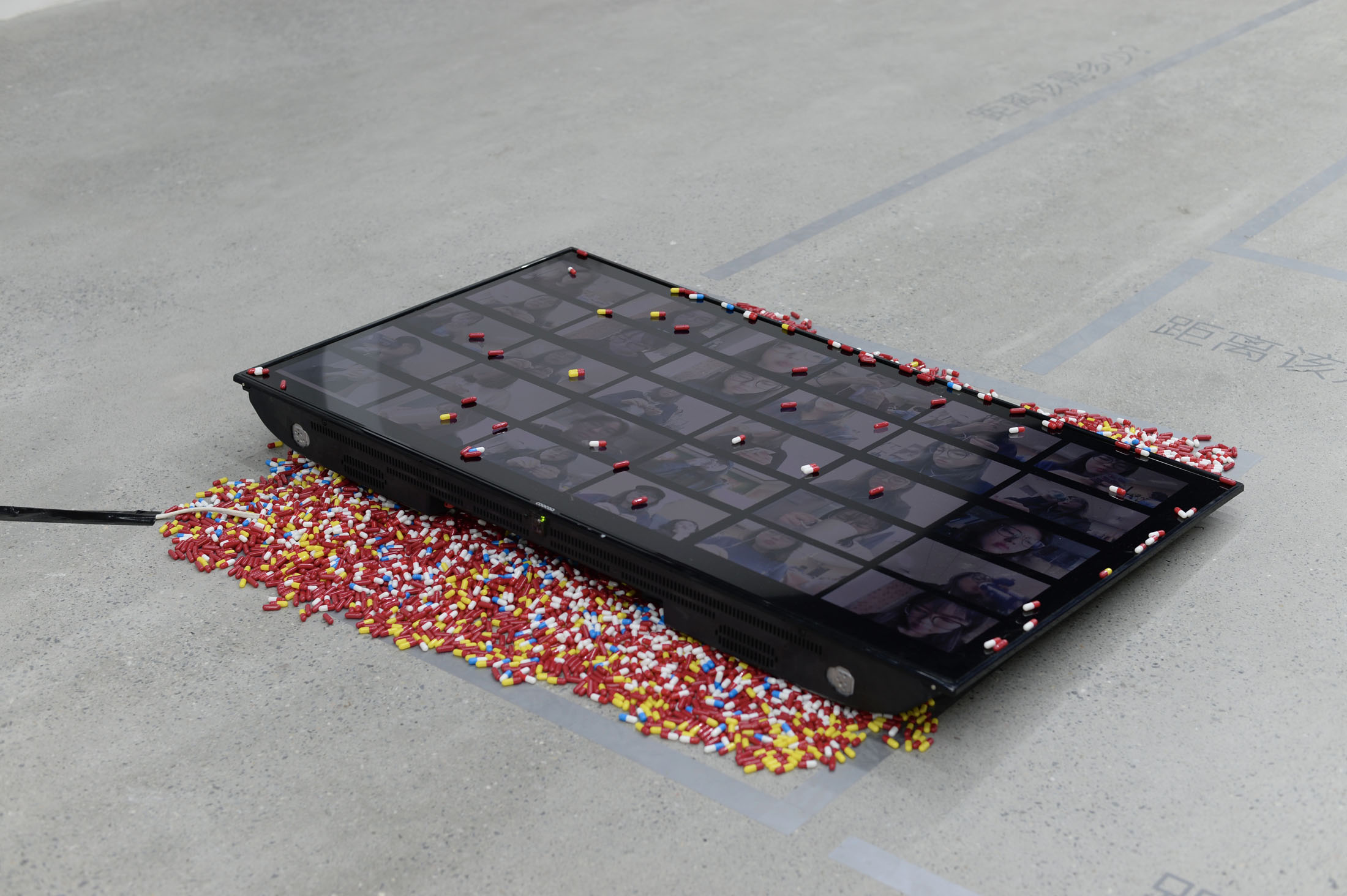
Emerging from specific historical and social conditions, the concept of “Ministry of Truth” connects two images that, though appearing at different times and spaces, resonate with each other. As George Orwell’s mechanism of truth manipulation converges here with the anxieties of the post-truth era, it forms an intriguing dialogue. Zhang Peili’s work Gust of Wind (2008) explores the paradox of how “made-up facts” influence the “real facts,” while Access Control System (2018) employs an upgraded automated surveillance to randomly and indiscriminately assign the experiences of gaze, segregation, and coercion to every viewer who enters. Another example is his 480 Minutes (2008–2012), filmed via surveillance cameras in a garment factory. Under the guise of “real-time recording,” workshop labor is observed, measured, interpreted, and ultimately reorganized into social facts bearing different meanings.
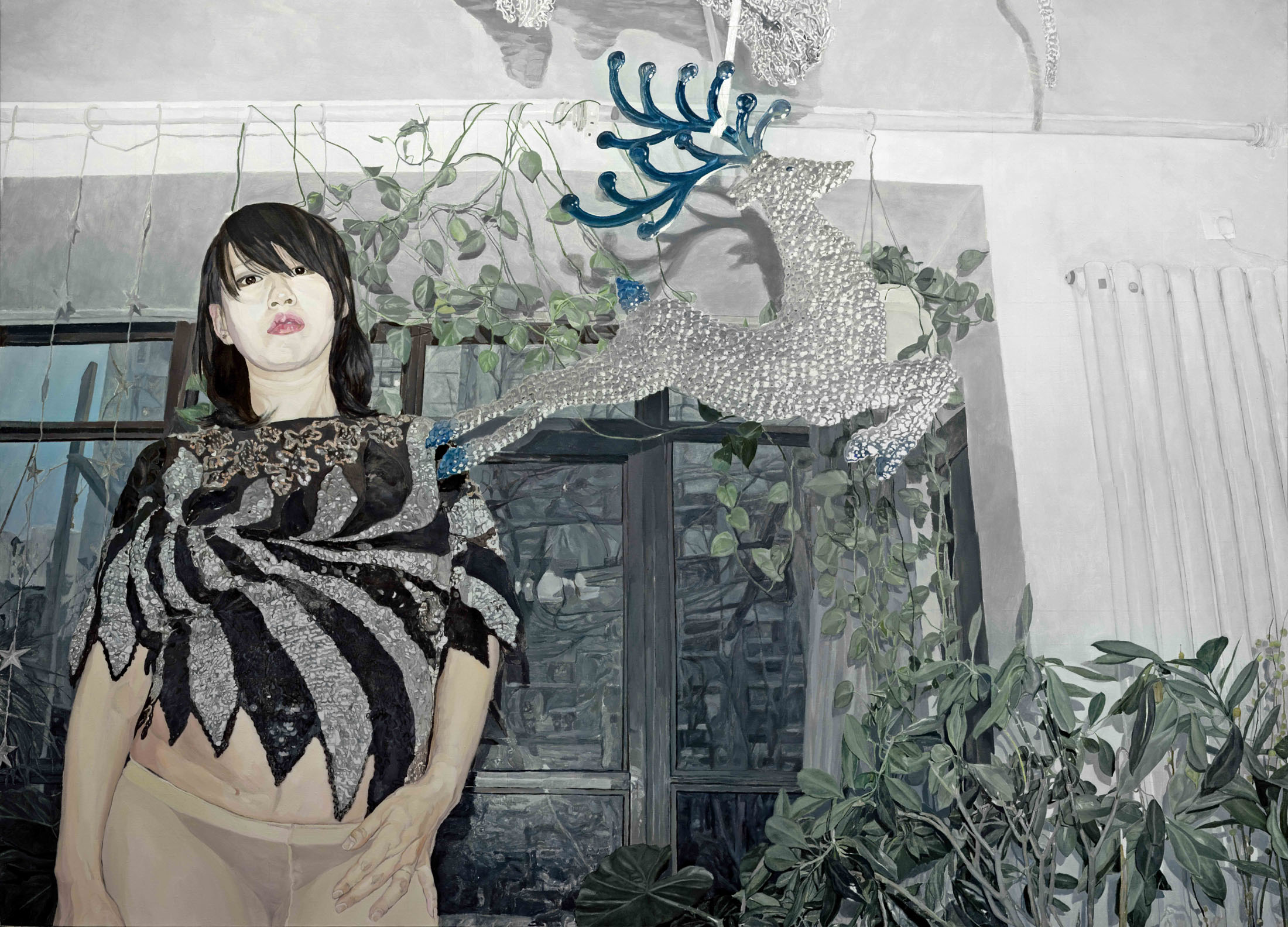
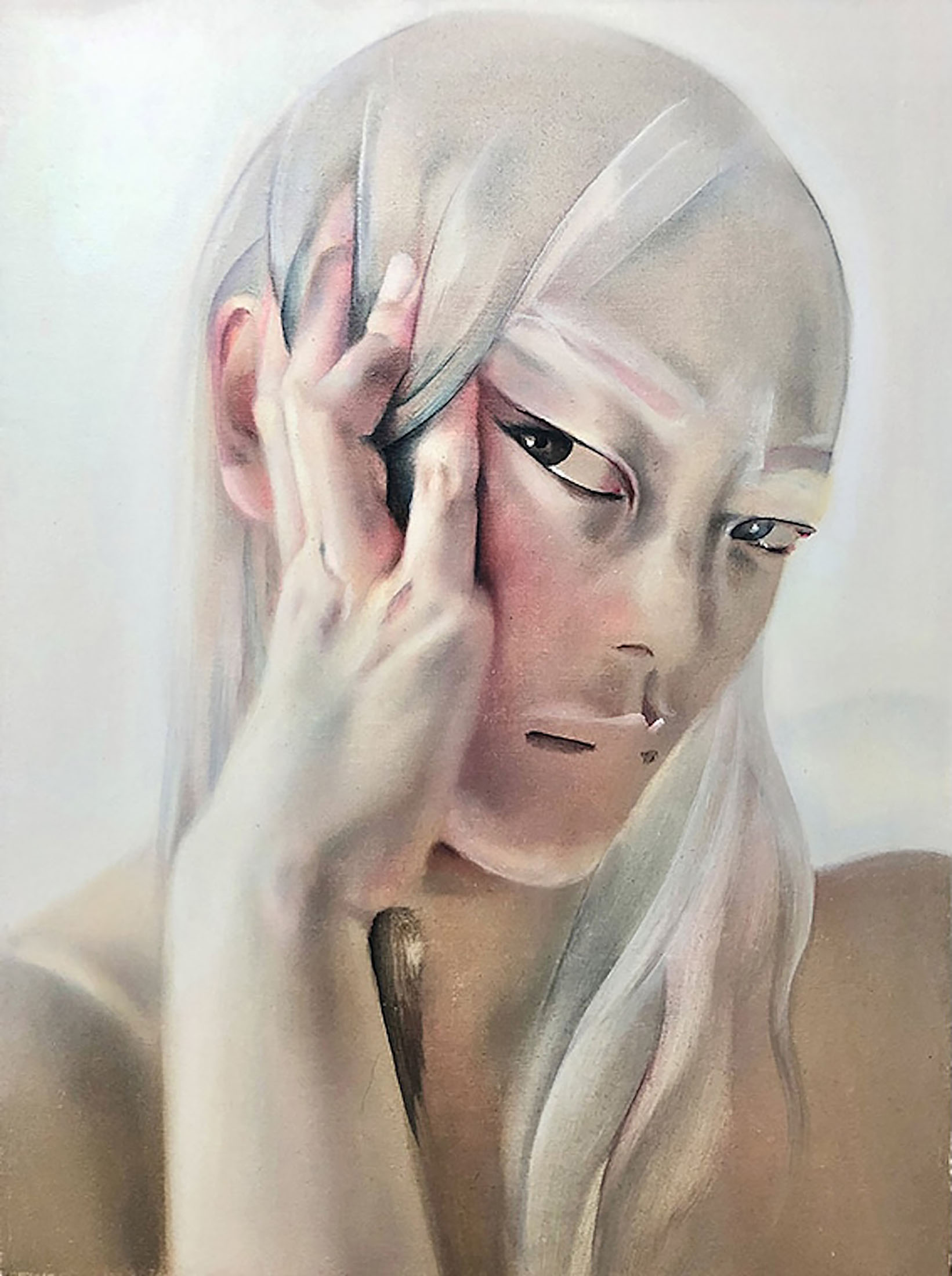
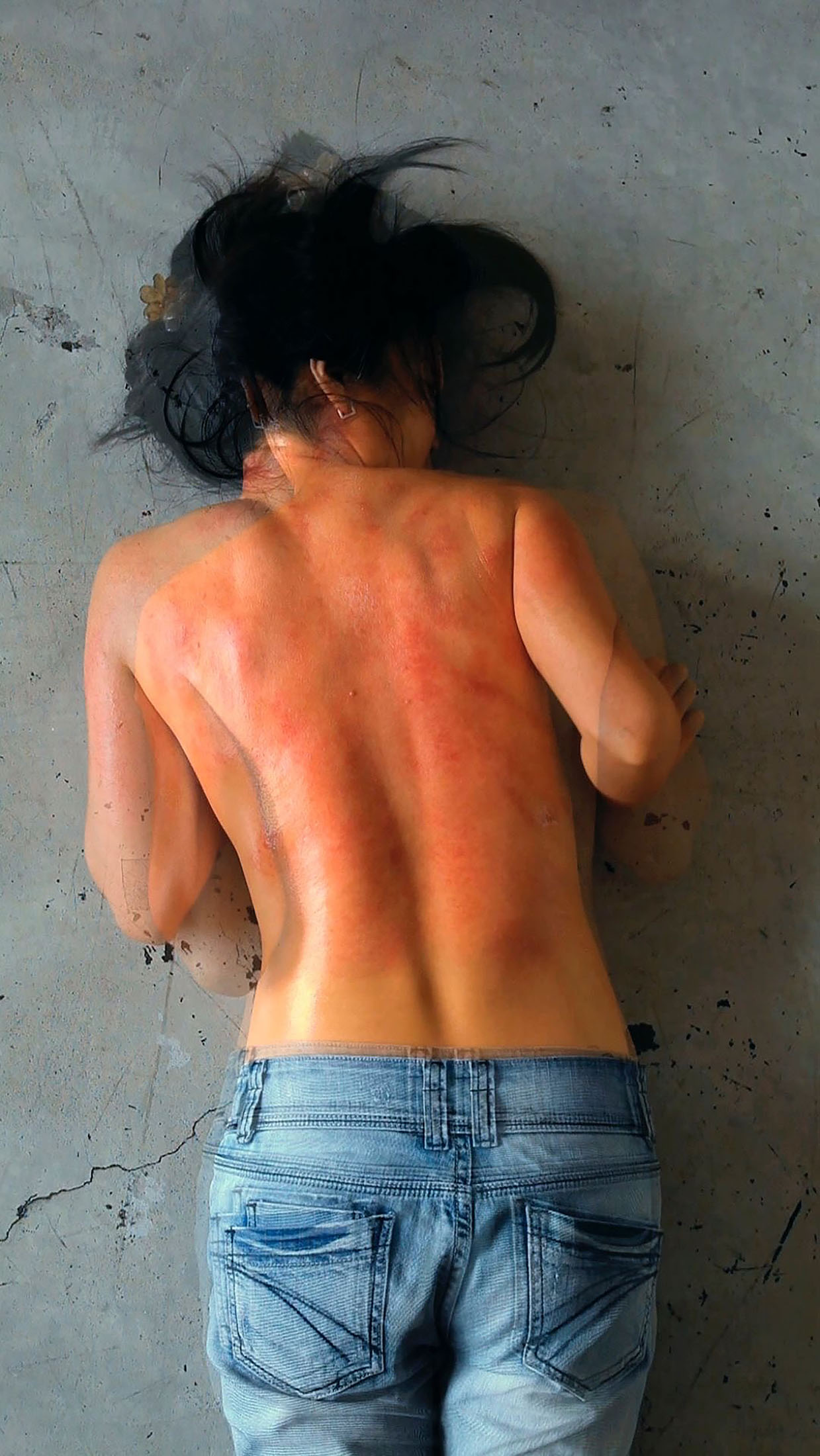
“Mirror of Interiority” charts an opposite path. It goes around the macroscopic reality and focuses on the microscopic, the personal, and the embodied experience. This focus finds its most ample and powerful expression in works concerned with gender identity, consciousness, and marginal subjectivities. In the works of artists such as Xing Danwen, Ulay, Yi Lian, and Yuan Keru, one witnesses diverse forms of self-care, alongside the intrinsic unity of recognition, articulation, and resistance.
The exhibition’s last chapter, “Spectacle, Interface, and Cartography,” concentrates on visual representation and image practice in the age of technological advancement. Under the combined influence of internet technology, social media, and platform governance, the boundary between the image and the screen interface collapses. From the confrontation between the electronic image viewing habits and the artist’s painting behaviour in Hou Zichao’s work to Ye Linghan’s practice of “working from screen,” painting has increasingly become a cross-media practice.
Nevertheless, in each of the six chapters, each “frame” offers only provisional arrangements rather than definitive conclusions. Whether using it as a metaphor, a research method, a hermeneutic technique, an observational strategy, or merely an attempt at an exhibition narrative, framing is fundamentally an action. It points toward process and signifies ongoing practice: not merely for selecting a view, but for identifying meaning, understanding facts, reassessing values, and rewriting—even if only in the slightest way—the schema of the future.
All “frames” are temporary and also heterogeneous. As many frames as there may be, there are so many ways of formulating questions, tailoring perspectives, selecting subjects, and interpreting meaning. This demonstrates that the history and present of art are continually shaped under the pressure and pull of countless relationships, contradictions, and desires. Perhaps the most profound takeaway we hope to offer is this: regardless of who you are or where you stand, there always remains the possibility—through your own vision, conviction, and voice—to gently, yet persistently, tug at the fabric of the world, shifting its weight ever so slightly toward light.
About the curators
Li Jia is an independent curator and researcher based in Beijing whose work explores the diverse and hybrid practices of collectivism, collaboration, and self-organization as artistic strategies across Asia. She has a strong interest in socially engaged art and artistic activism, particularly their roles in recent social movements. Li is also committed to re-narrating the history of contemporary Chinese art within its broader cultural, economic, and political contexts.
Li previously served as Senior Curator at Taikang Space (2015–2020) and as Associate Director at Pace Gallery, Beijing (2012–2015). Her recent curatorial project includes Dimensions Indefinitely Variable: Sui Jianguo (TAG Art Museum, Qingdao, 2024), Walking Guidance (Long March Independent Space, Beijing, 2023), Zhang Xiaogang: Mayflies (Long Museum, Shanghai, 2023), Meet You at the Corner! Dangxia Young Artist Award 2022 (Dangxia Art Space, Beijing, 2022), A Geography of Resistance (Taikang Space, Beijing, 2019), Genders Engender (Taikang Space, Beijing, 2018), Precariousness (Hyundai Motorstudio Beijing, 2018), Day Light Pavilion Series (2016–2018), among others. She was awarded the first Hyundai Blue Prize (Creativity) for achievement in curatorial practice in 2017. Li is the recipient of the Asian Cultural Council (ACC) Individual Grant in 2021. She is the inaugural curatorial fellow supported by De Ying Foundation from 2022 to 2023.
Xiangning joined the SPURS Gallery team in 2021 and has since been working as a Gallery Assistant.