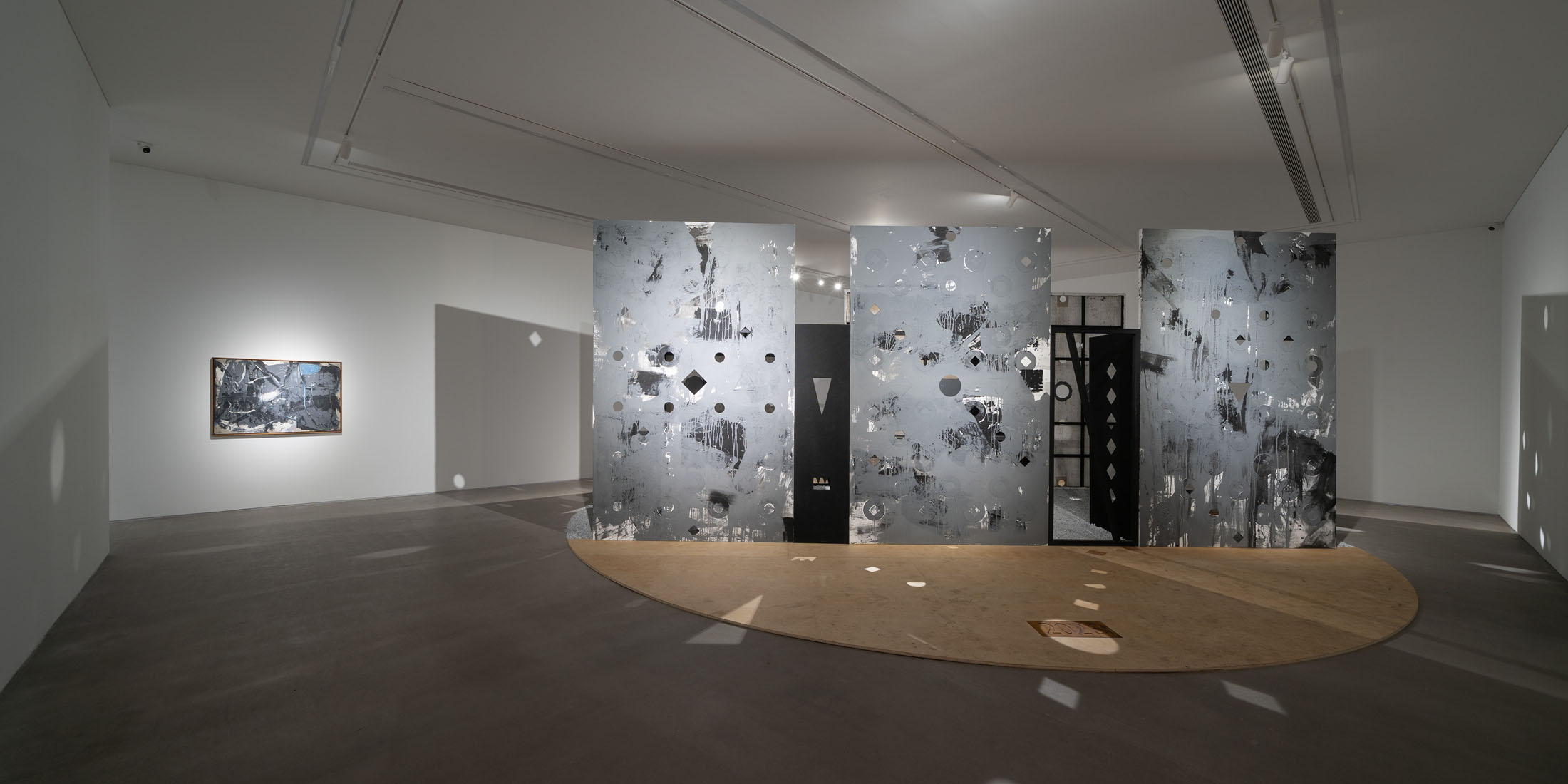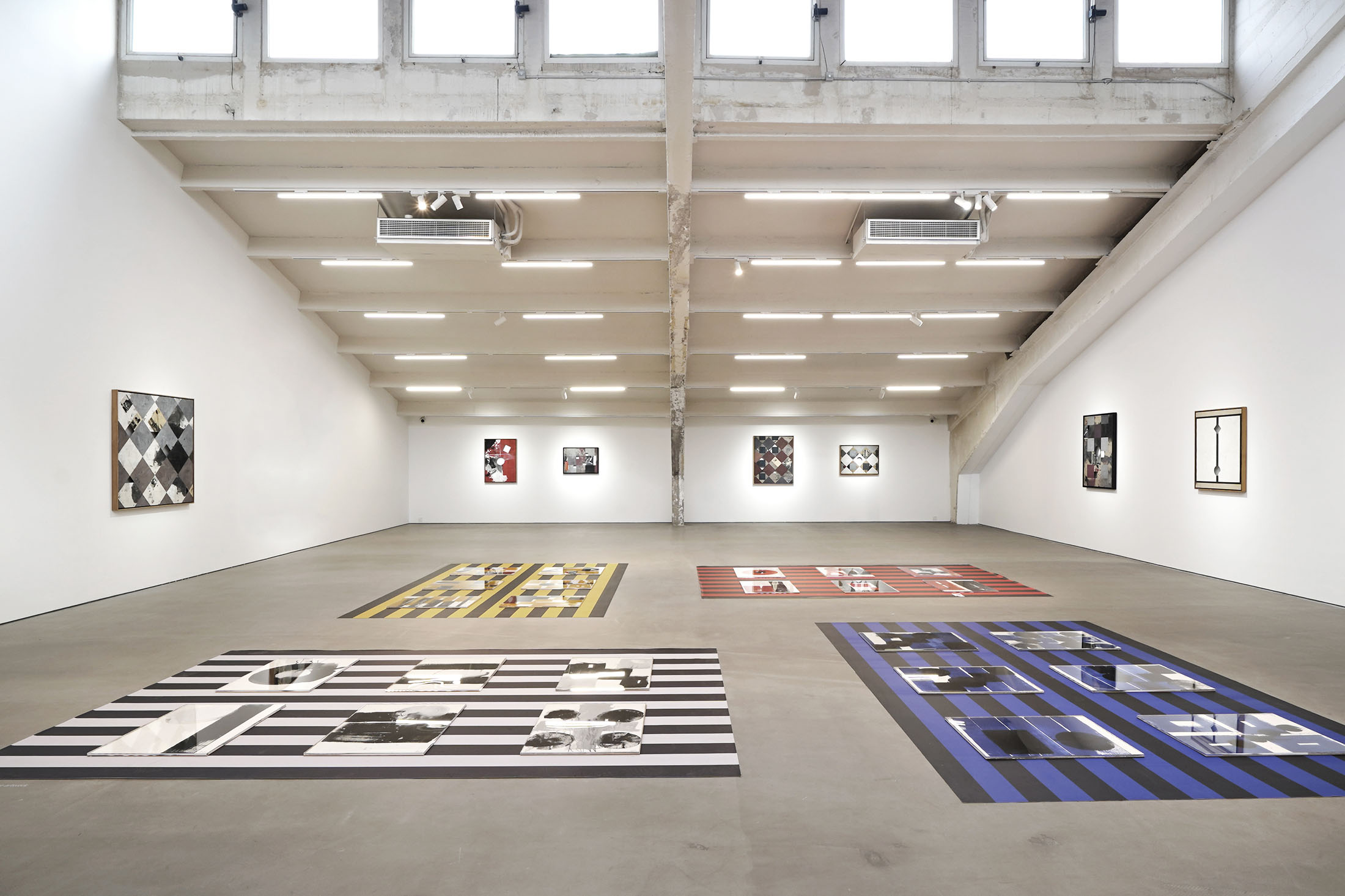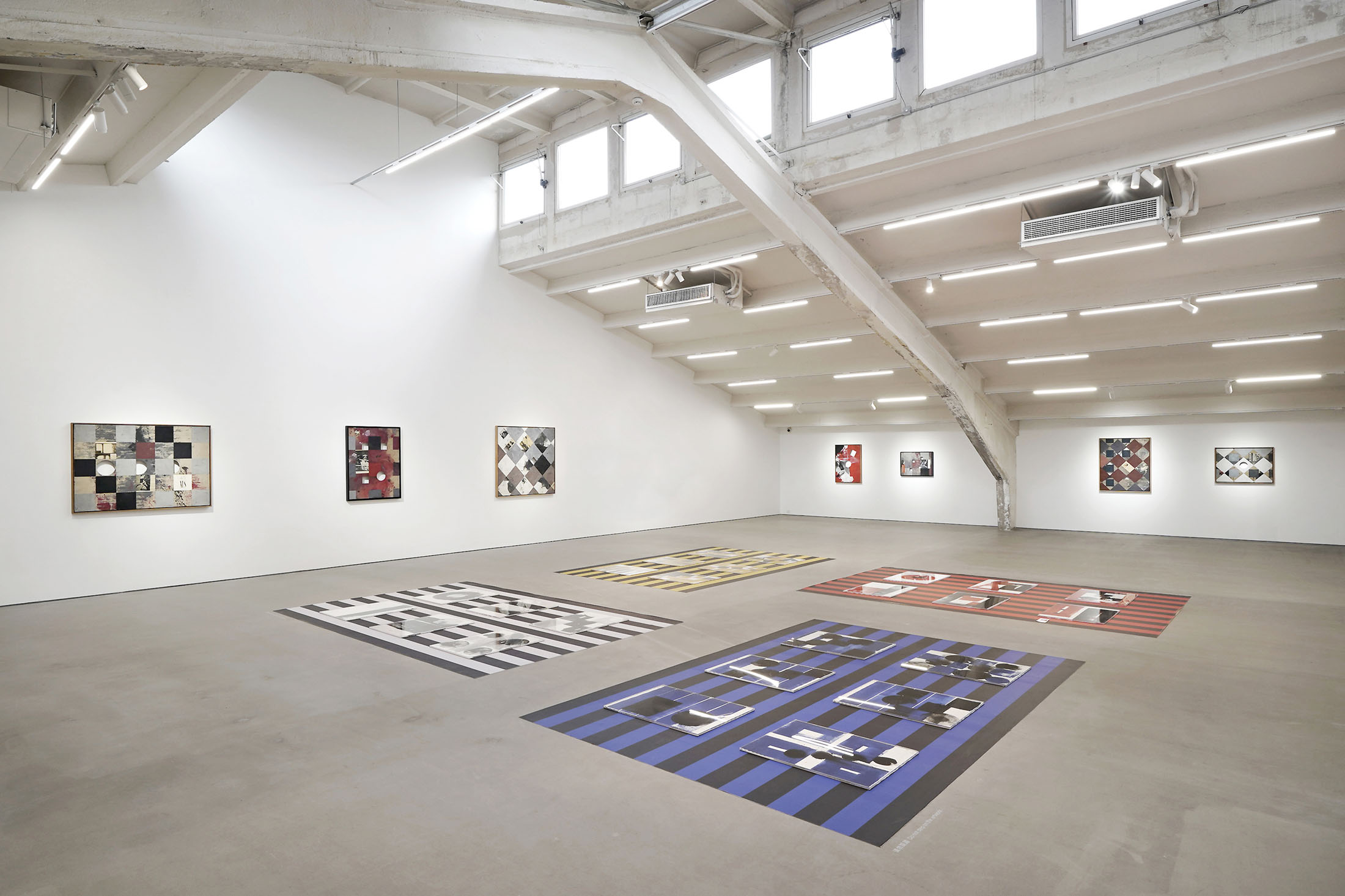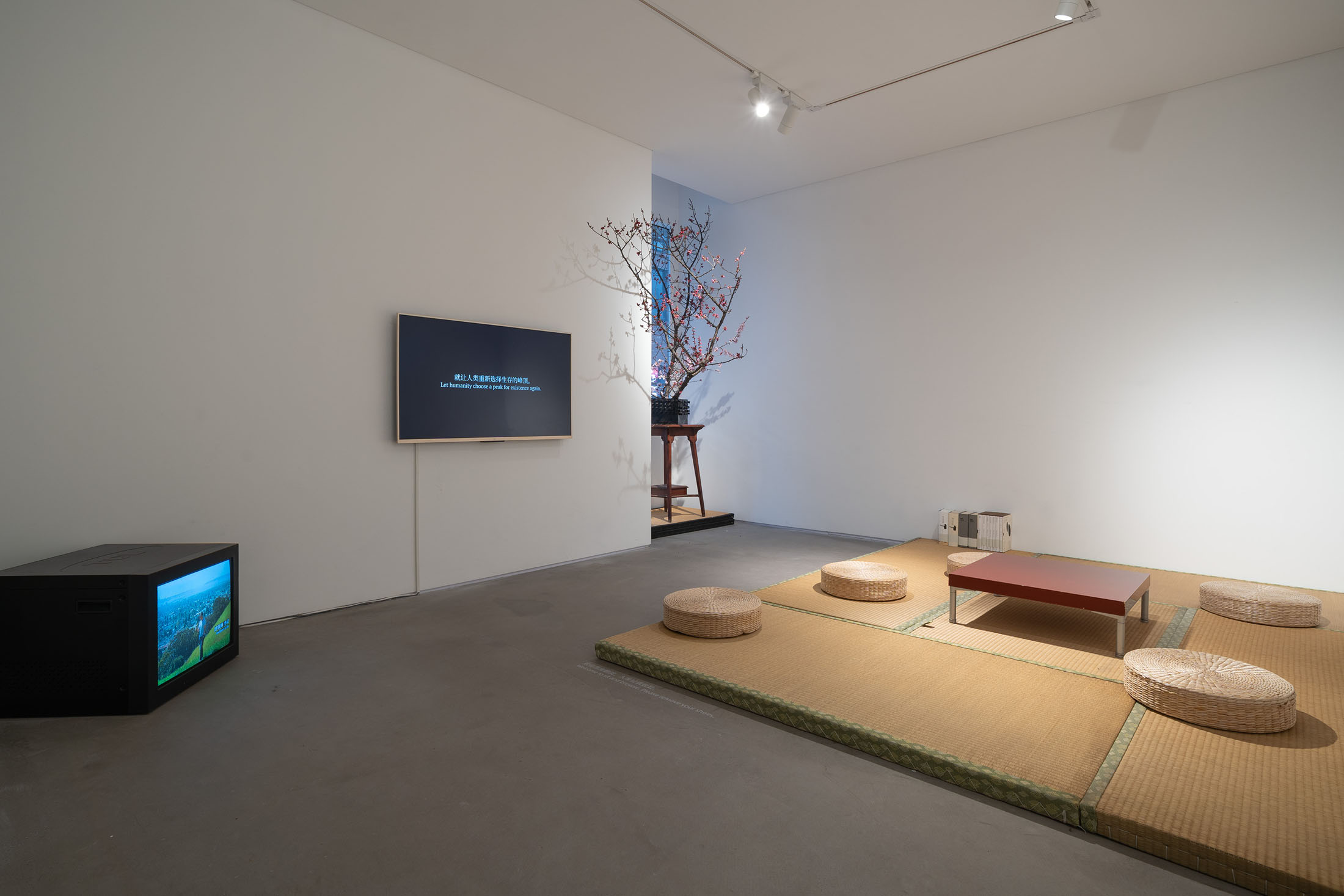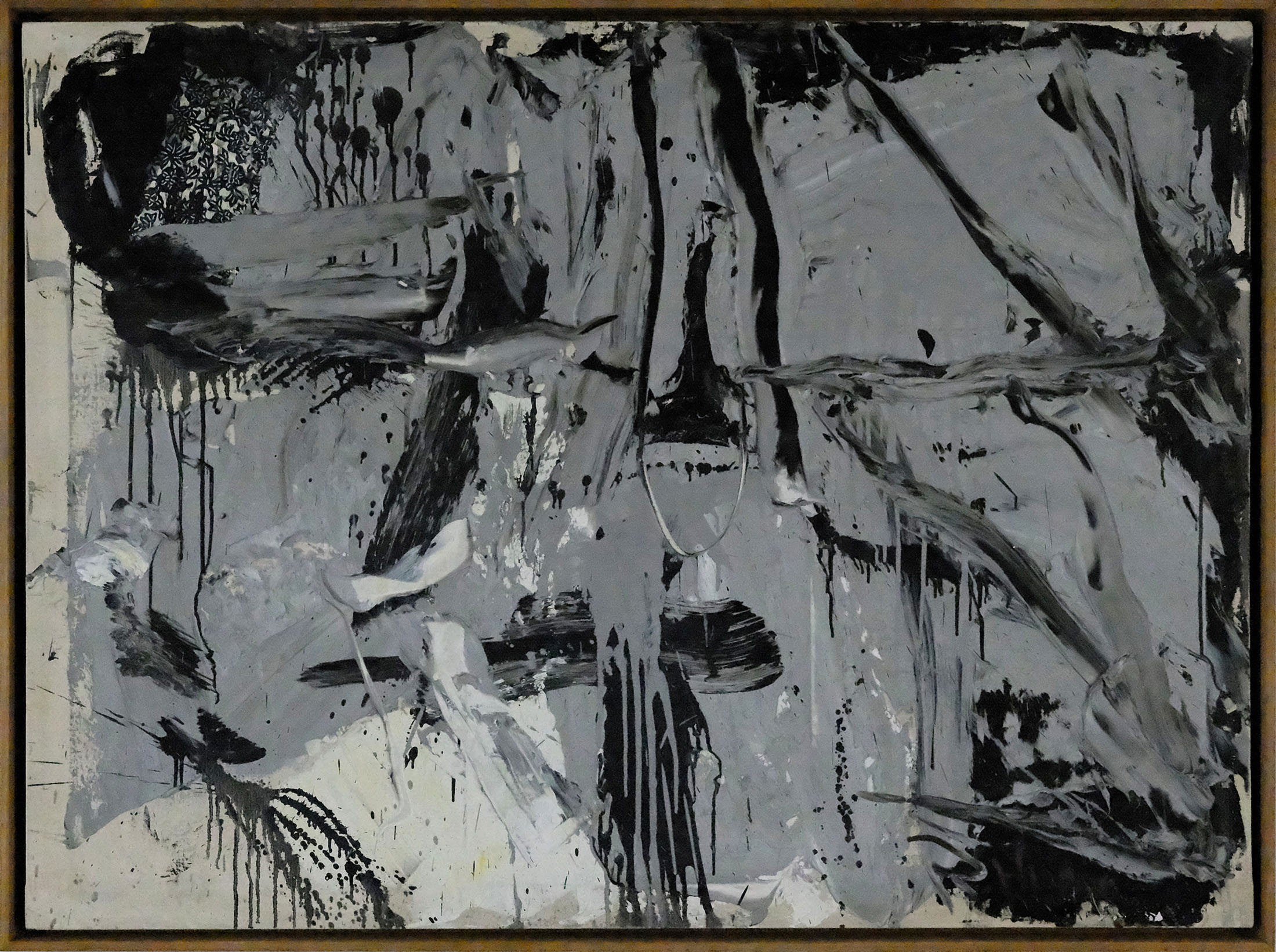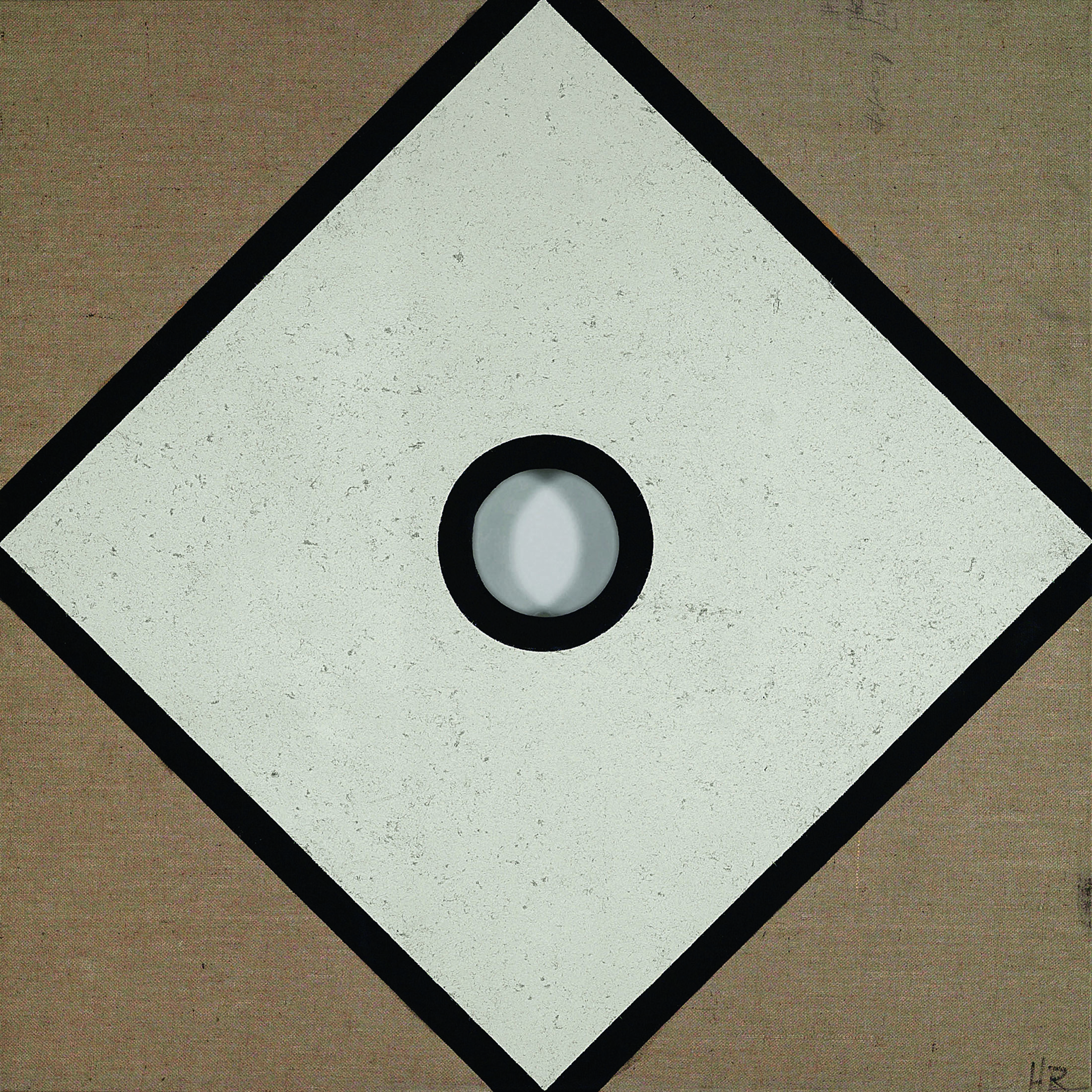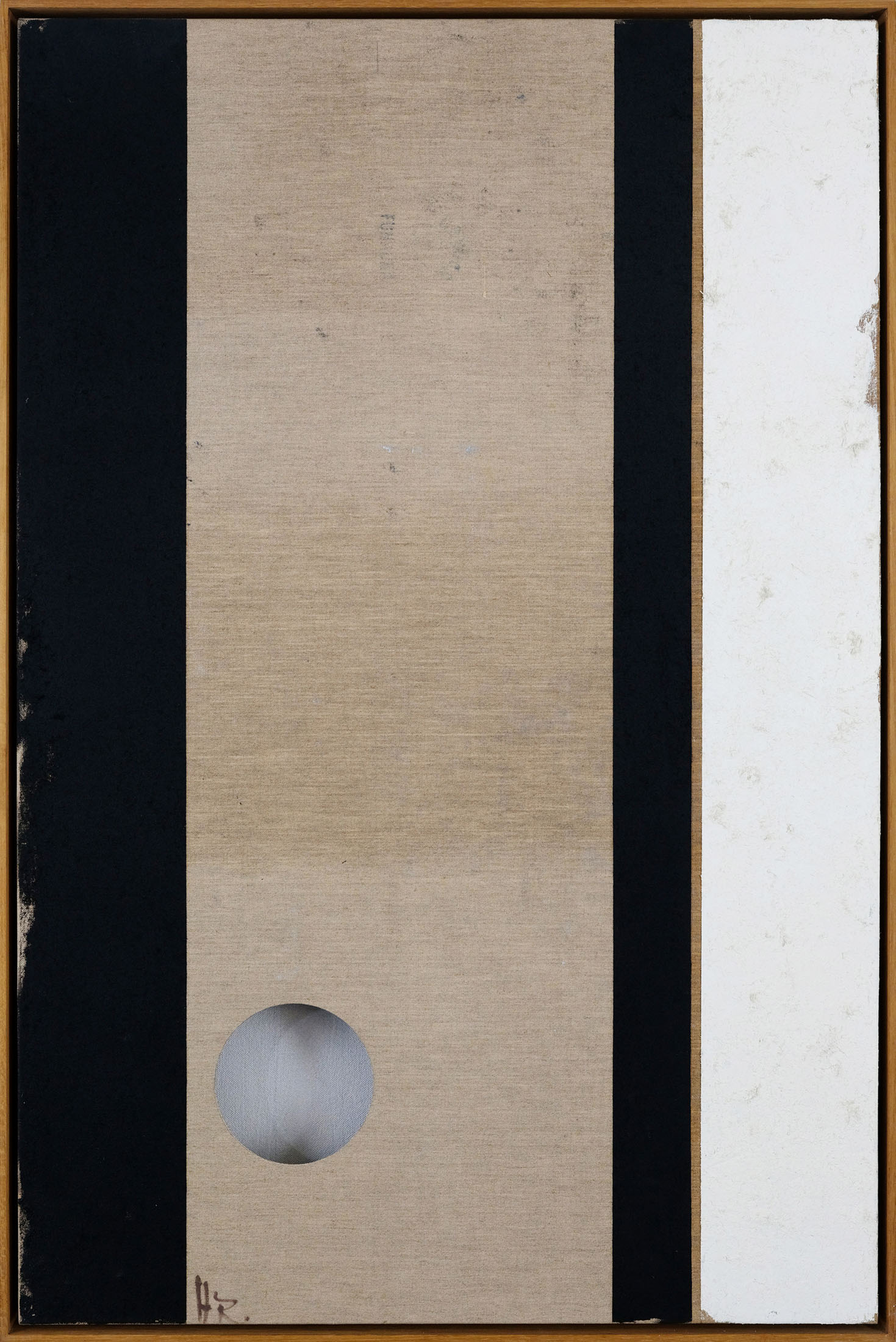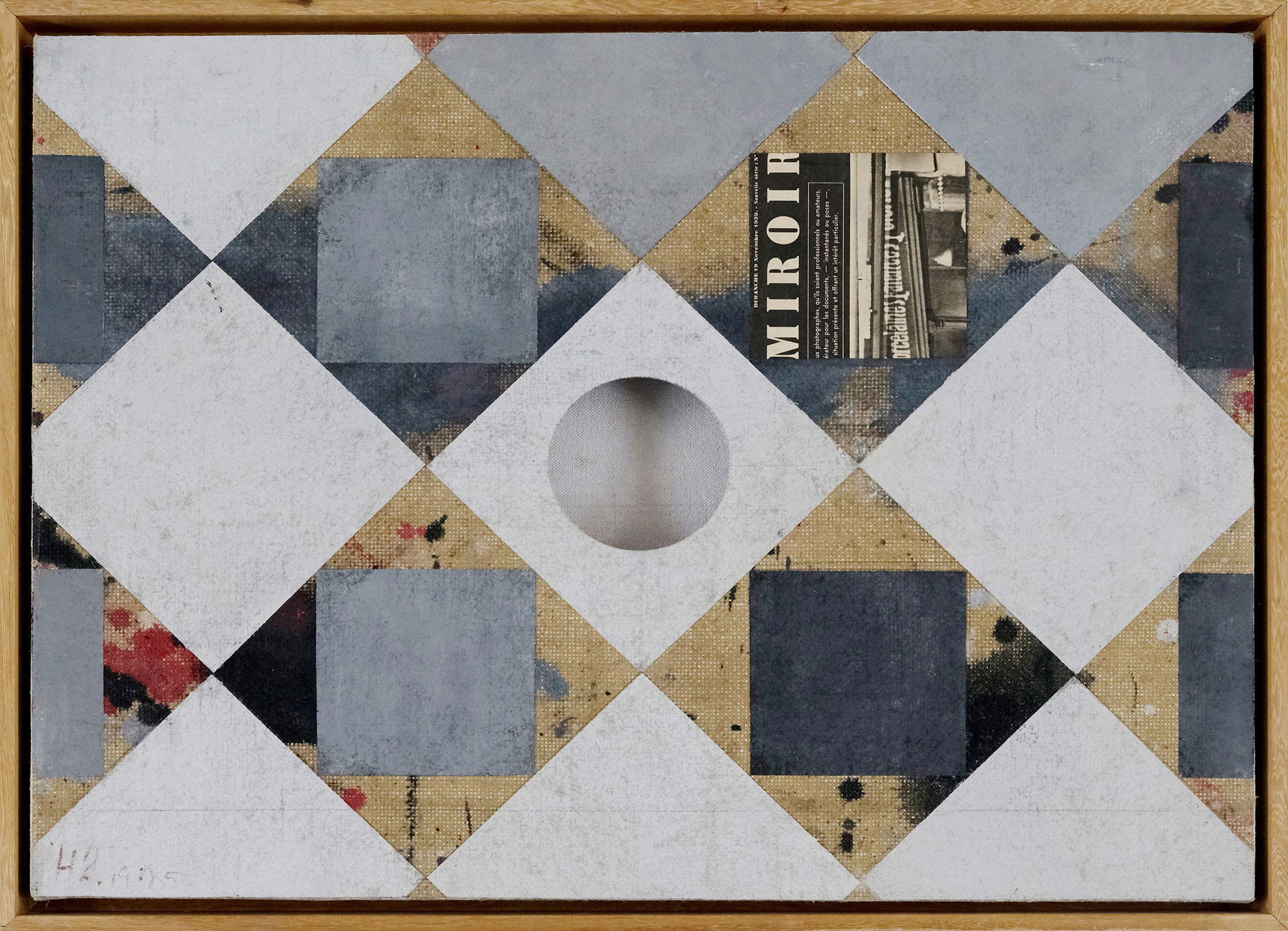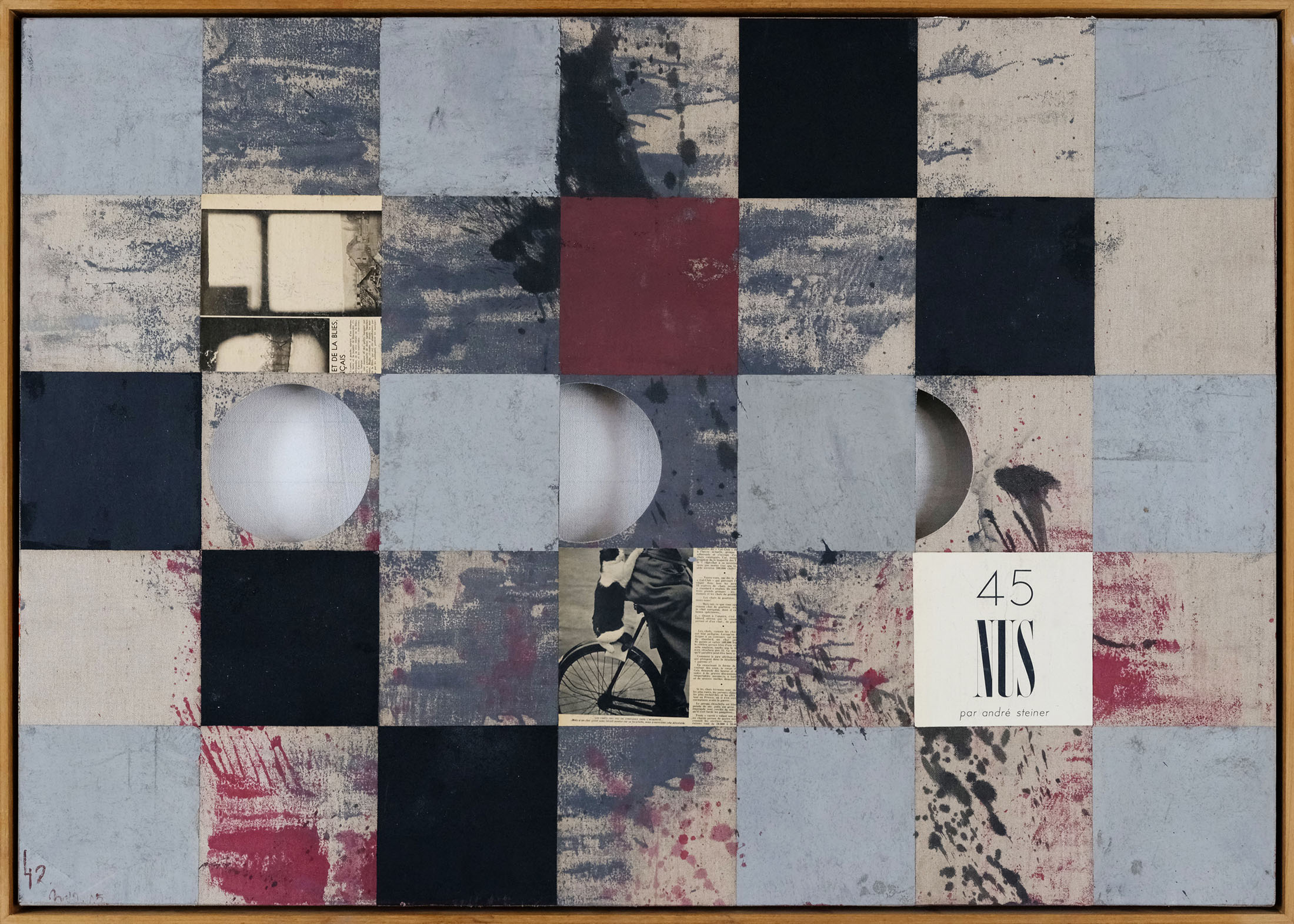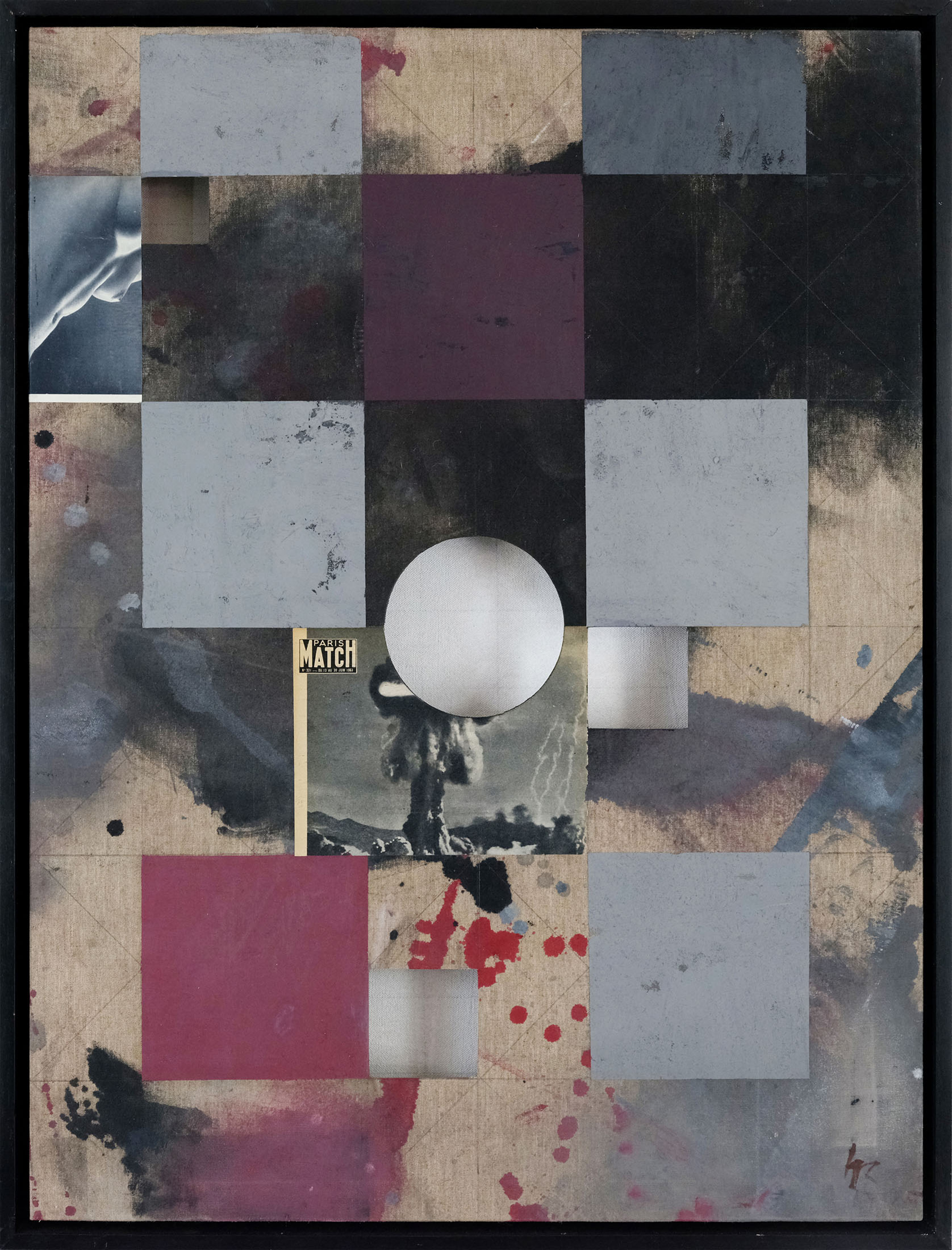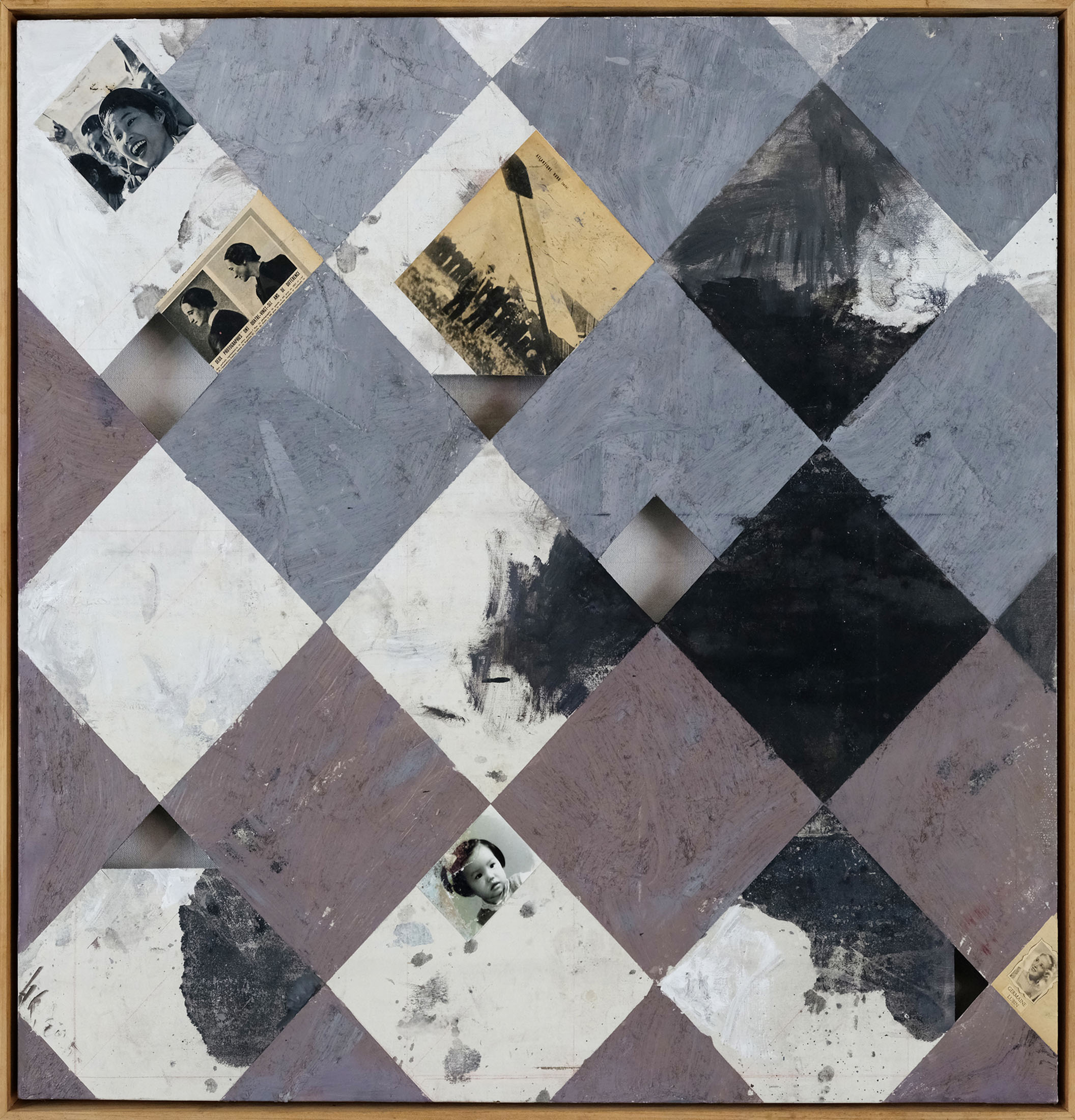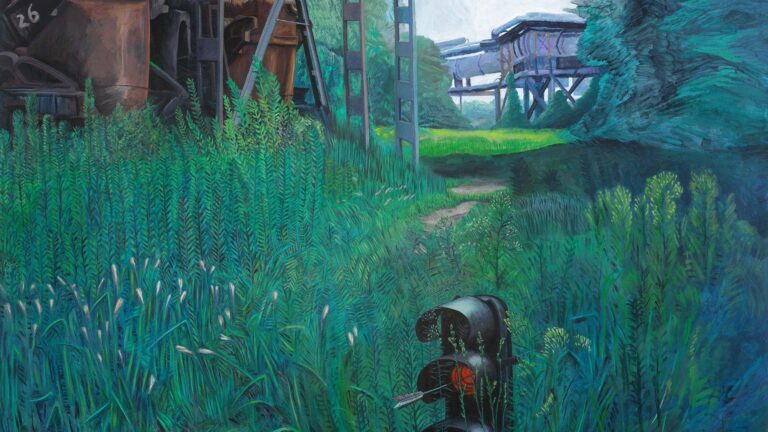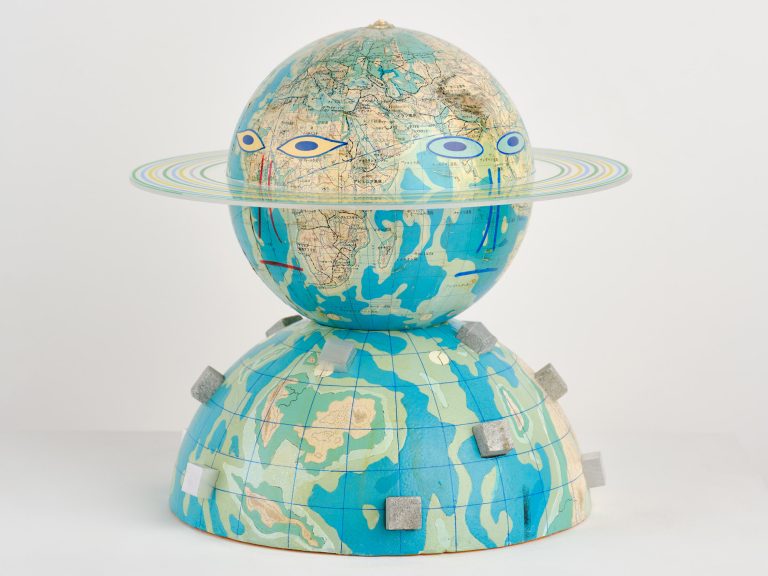
SPURS Gallery is pleased to inaugurate the Year of the Horse with East, West—Space Is Time, a solo exhibition by artist Huang Rui. Commanding all three gallery spaces along with Rm68, this comprehensive presentation highlights the latest developments in the practice of this pioneering figure of the Chinese avant-garde. Unfolding across the spaces are the site-specific installation Dongzhimen and Xizhimen and the major new works on paper Twenty-Four Solar Terms. Also on view is Huang’s newest painting series, Void Space, which is placed in critical dialogue with a selection of key works that trace back to the 1980s, charting a continuity that has defined his decades-long career.
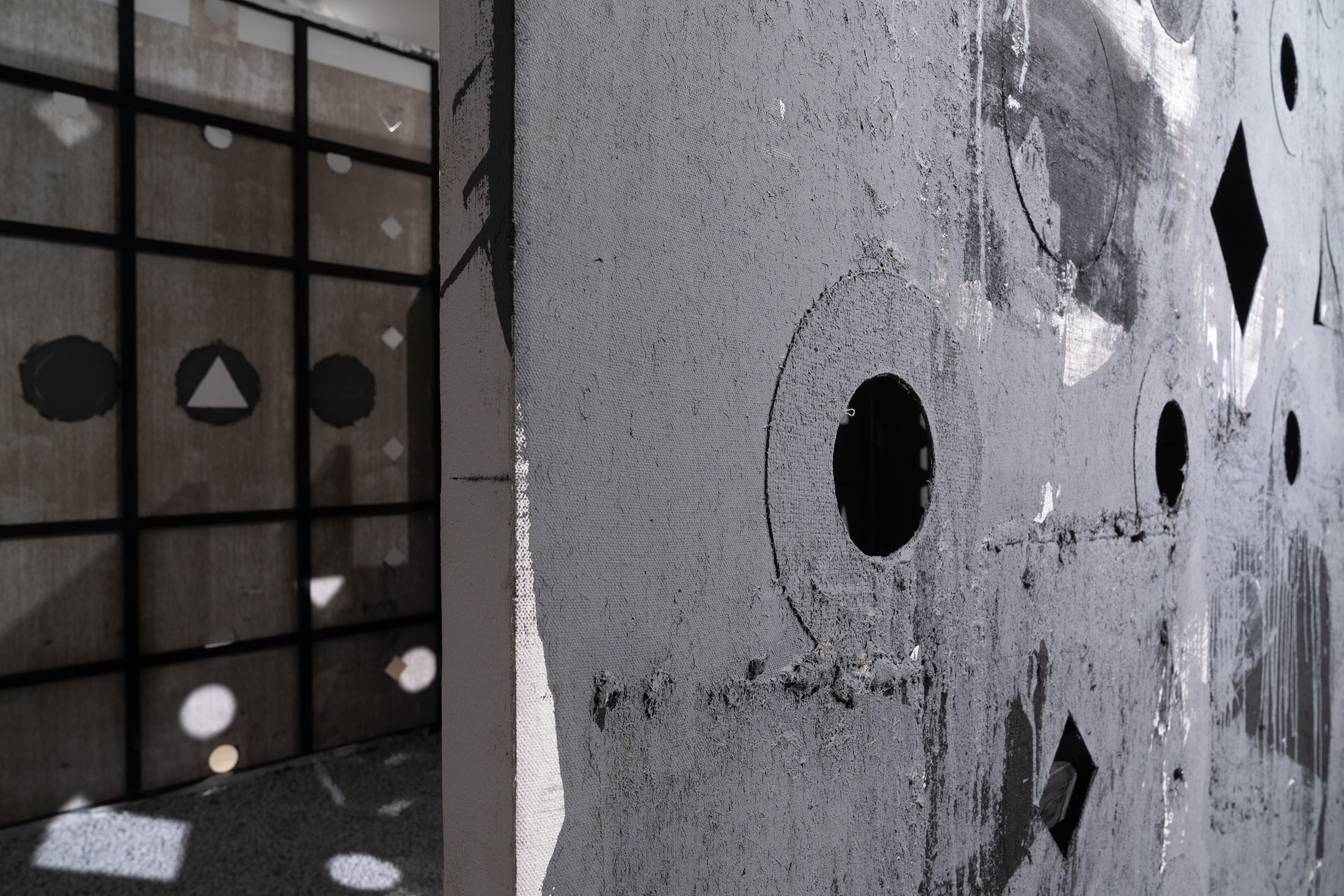
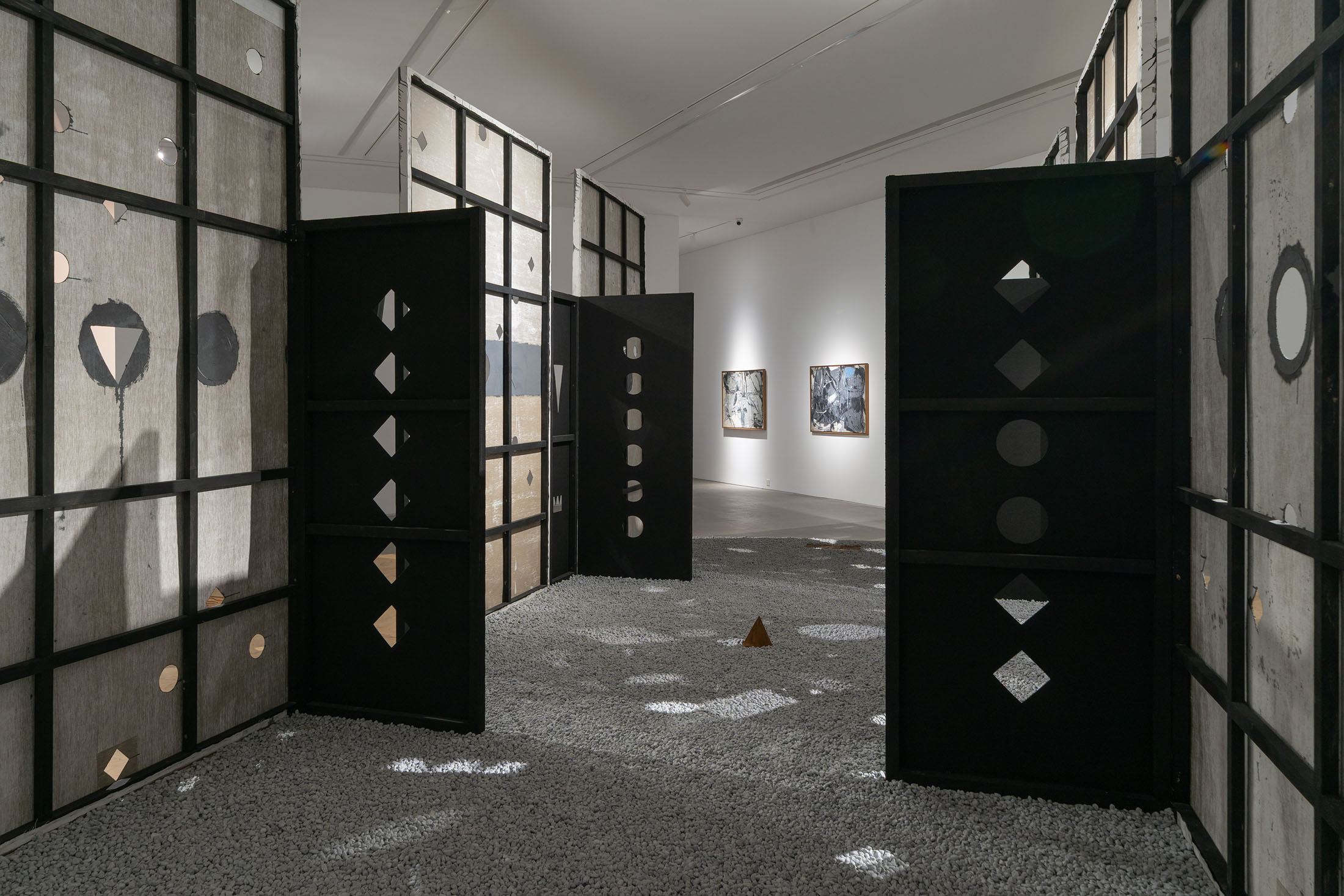
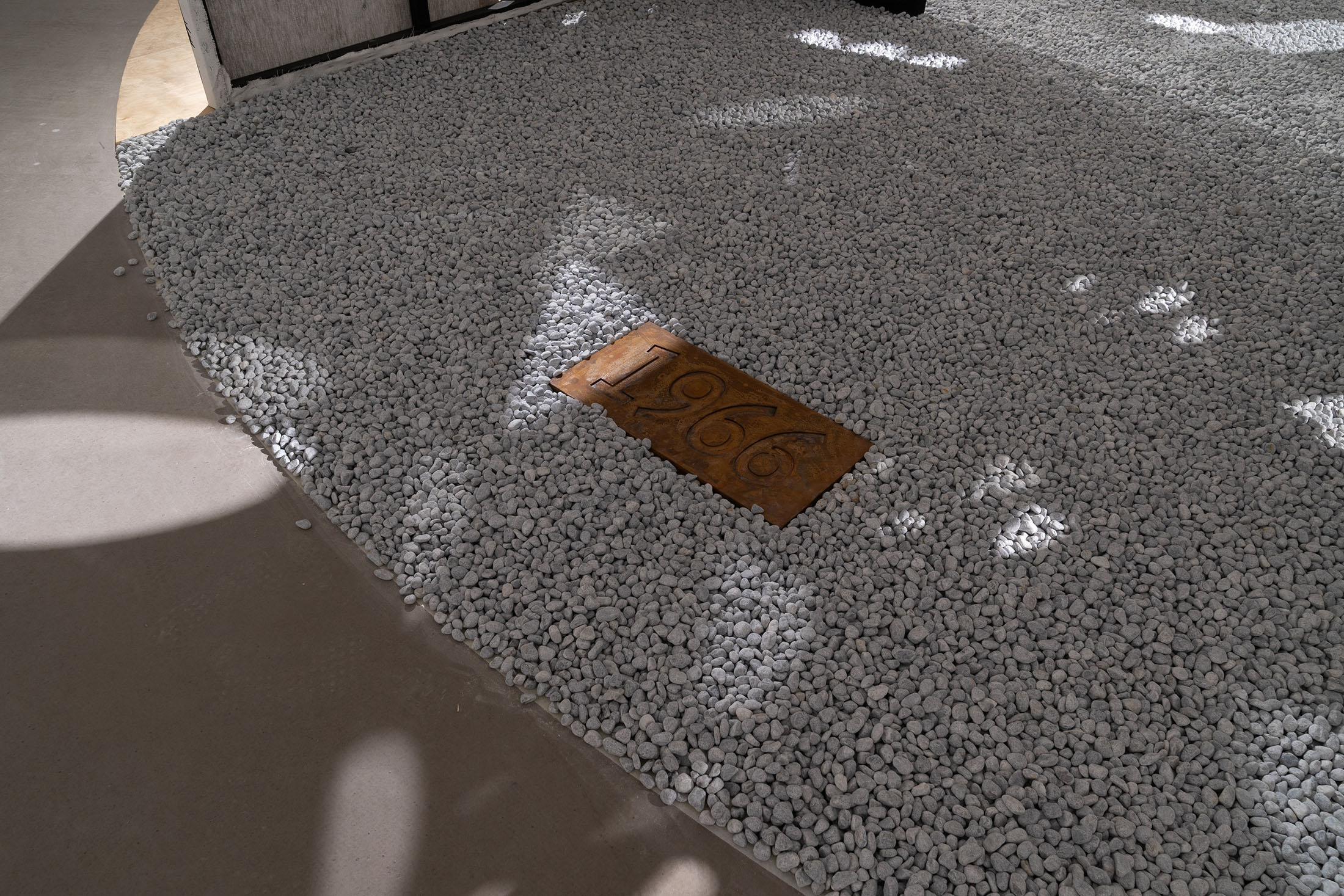
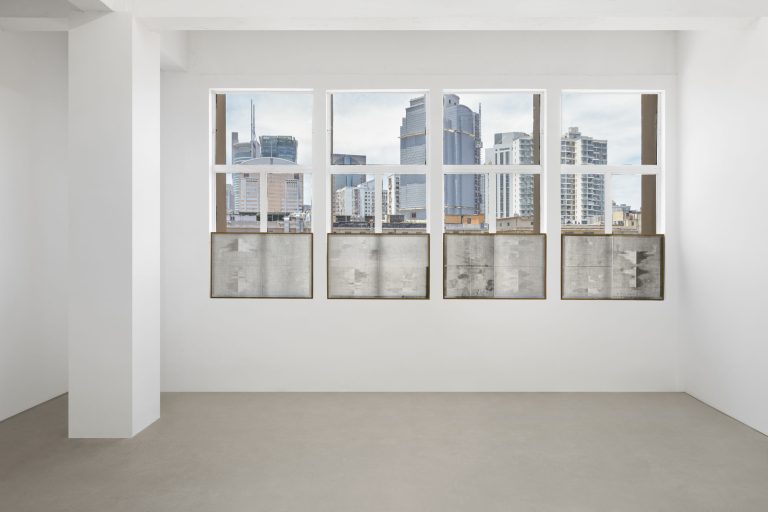
Huang Rui, born in Beijing in 1952, is a founding member of the artist group Xingxing (the Stars) and a co-initiator of its landmark exhibitions. Raised in Beijing’s Xicheng area, Huang has long been nourished by his visual impressions of the city, from its grid-like layout and the spatial structure of siheyuan courtyards to the last intact city gate Xizhimen, which was later also demolished. The exhibition begins with the installation Dongzhimen and Xizhimen in Gallery I on the first floor. It resonates with Huang’s earlier paintings that bear the names of Beijing’s city gates while demonstrating his understanding of the I Ching, a classic text that has a subtle influence on Beijing’s layout and its imperial palaces.
Upstairs, at the center of Gallery II & III, a series of works on paper titled Twenty-Four Solar Terms unfolds around another thread in Huang’s life and art: poetry. The series is inspired by Sidetracks, an autobiographical long poem by the artist’s longtime friend Bei Dao. In the late 1970s, Huang and Bei Dao, together with poet Mang Ke and others, co-founded the seminal literary magazine Today. While there is a long tradition of visualizing poetic imagery in traditional Chinese painting, Twenty-Four Solar Terms moves beyond mere illustration of the verses. Instead, it is rooted in the artist’s spiritual resonance with the poet: Seasons turn and lives unfold in an endless cycle.
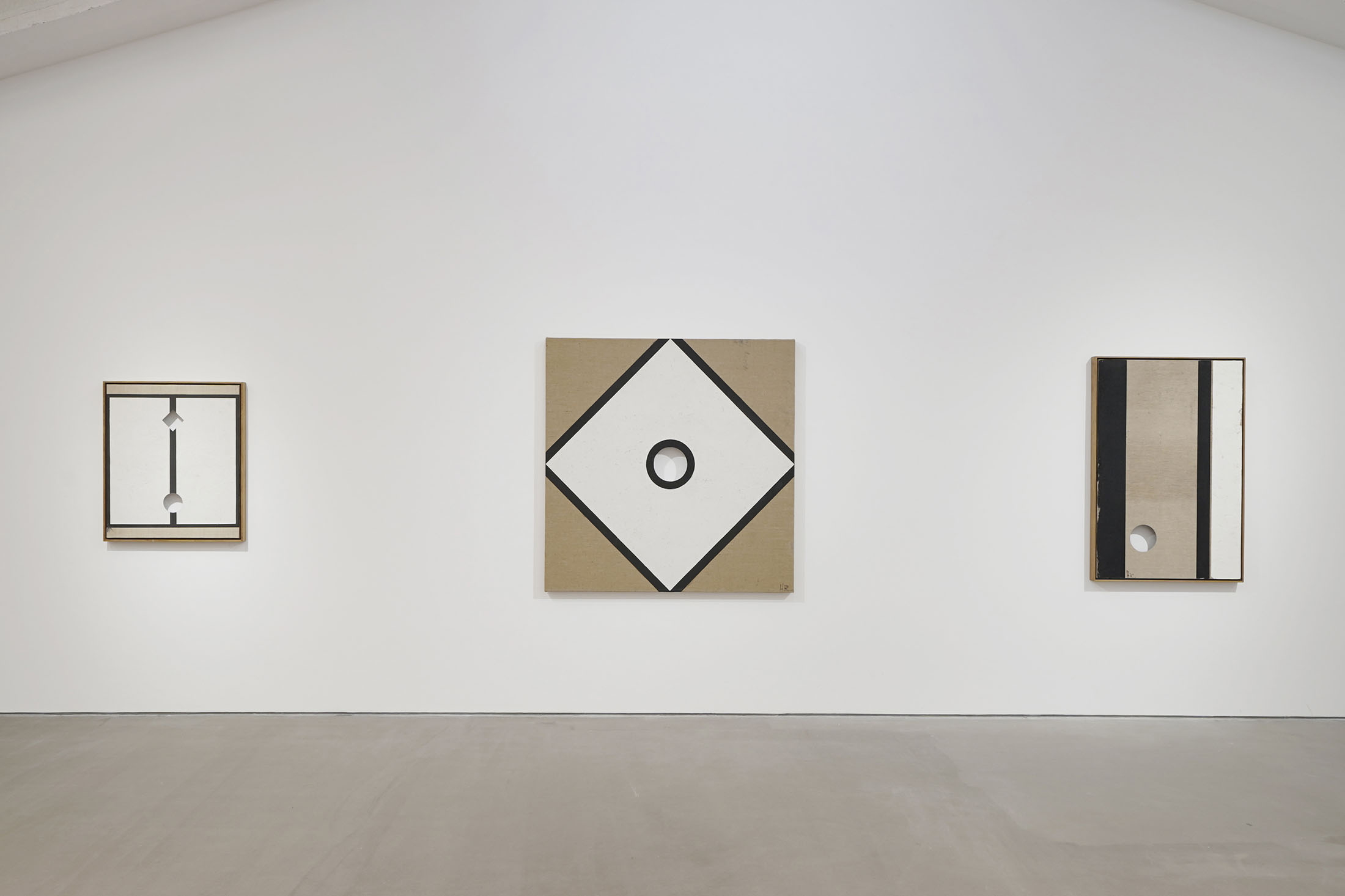
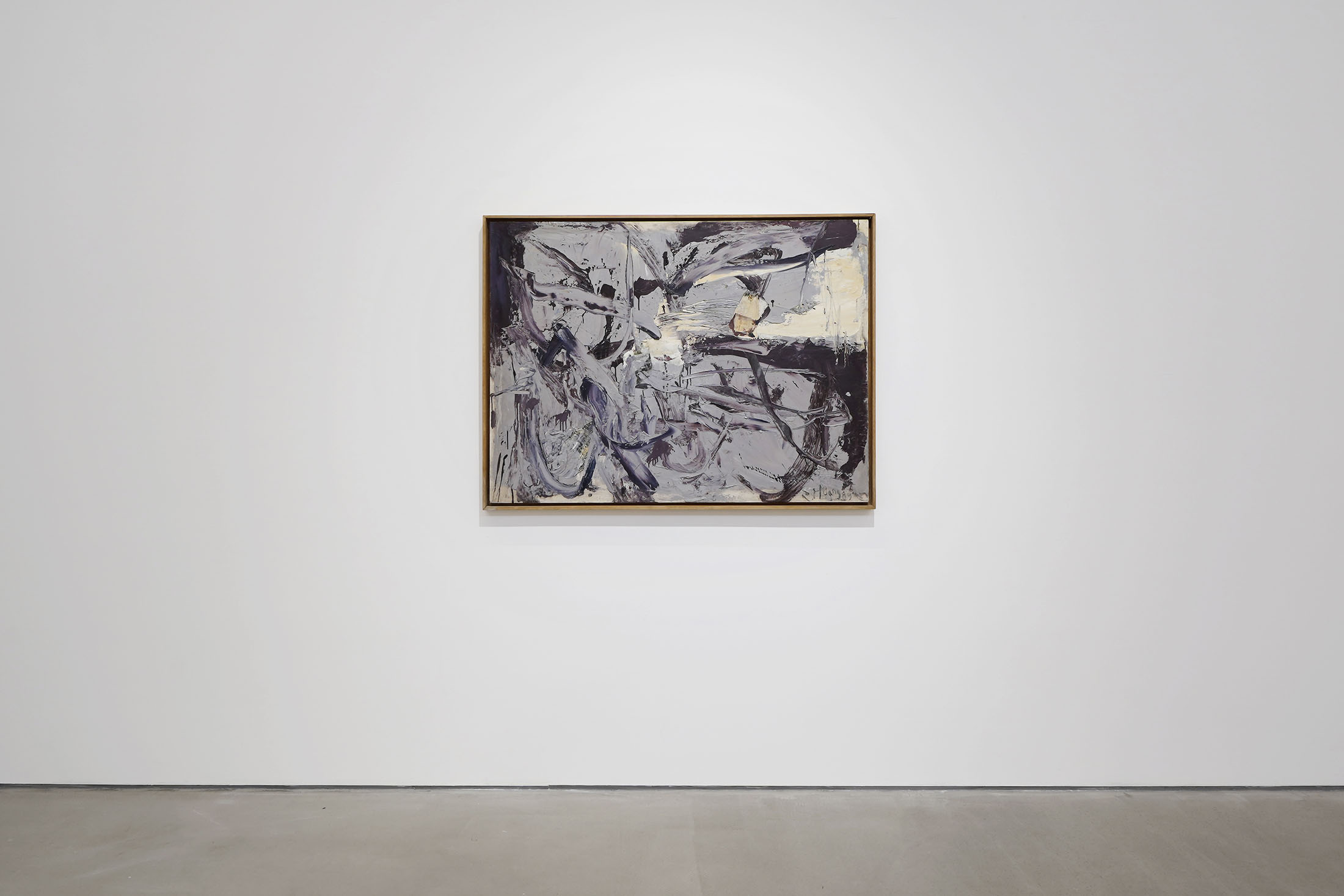
Surrounding this is a body of work the artist calls Space Void, encompassing the series Space, Zen Space and his latest, Void Space. As one of China’s earliest practitioners of abstract art, Huang’s abstract paintings continue Cézanne’s fundamental exploration of form while simultaneously revealing the artist’s unique insights into Eastern thought and aesthetics. The traditional cosmology of Heaven, Earth, and Humanity is translated into geometric forms of the circle, square, and triangle, endowing his work with both the formal language of Western modernism and the philosophical core of the East.
The exhibition also features a special Poetry Room dedicated to Huang’s poetry reading initiative. Here, the artist shares his treasured poetry collections of poets Bei Dao, Gu Cheng, and Hai Zi, and invites a wide range of cultural figures, from writers and musicians to architects, curators, and art patrons to recite—an act of commemorating, reinterpreting, and perpetuating the spirit of the poetry craze that spanned the 1970s to the 1990s. Throughout the duration of the exhibition, a series of sharing events will be held, inviting guests to engage in discussion.
The exhibition runs through April 19, 2026.
About the Artist
Huang Rui (b. 1952, Beijing, China) lives and works in Beijing and Paris.
He was a founding member of the Chinese avant-garde art group The Stars, which was active around 1980. His early works were influenced by various Western trends such as Cubism, Expressionism, and Abstract Expressionism, creating series Courtyard and Space Structure. However, as his style developed, he became more experimental and began exploring different mediums, including painting, sculpture, installation, and performance art.
Huang Rui’s major solo exhibitions include East, West—Space Is Time, SPURS Gallery, Beijing (2026); The Gate of Silence, SPURS Gallery, Beijing (2023); The Absence of Peace, Embasy of the Republic of Poland, Beijing (2023); The Name of Absence, Long Museum, Shanghai (2023); Ways of Abstraction, UCCA, Beijing (2021); Animal Time: 1204–2009, Coudenberg Museum, Brussels (2009); Chinese History in Animal Time, Museo delle Mura, Rome (2008); Huang Rui: The Stars’ Times 1977–1984, He Xiangning Art Museum, Shenzhen (2007); Chai-Na/China, Les Rencontres d’Arles Photography Festival, Arles (2007); and Huang Rui Exhibition, Osaka Contemporary Art Center, Osaka (1990). Selected group exhibitions include Freedom of Art, The Stars, Beijing, 1979, Centre Pompidou, Paris (2024); Art and China after 1989: Theater of the World, Guggenheim Museum, New York (2017); CHINA 8, various venues in Germany (2015); the 55th Venice Biennale, Venice (2013); and Stars Art Exhibition, outside the then National Art Gallery, Beijing (1979).
Huang Rui’s works are in major collections worldwide, including Centre Pompidou, Paris; Cernuschi Museum, Paris; Guggenheim Museum, New York; M+, Hong Kong; Fukuoka Asian Art Museum; Leeum, Samsung Museum of Art, Seoul; National Art Museum of China, Beijing; Guangdong Museum of Art, Guangzhou; Long Museum, Shanghai.