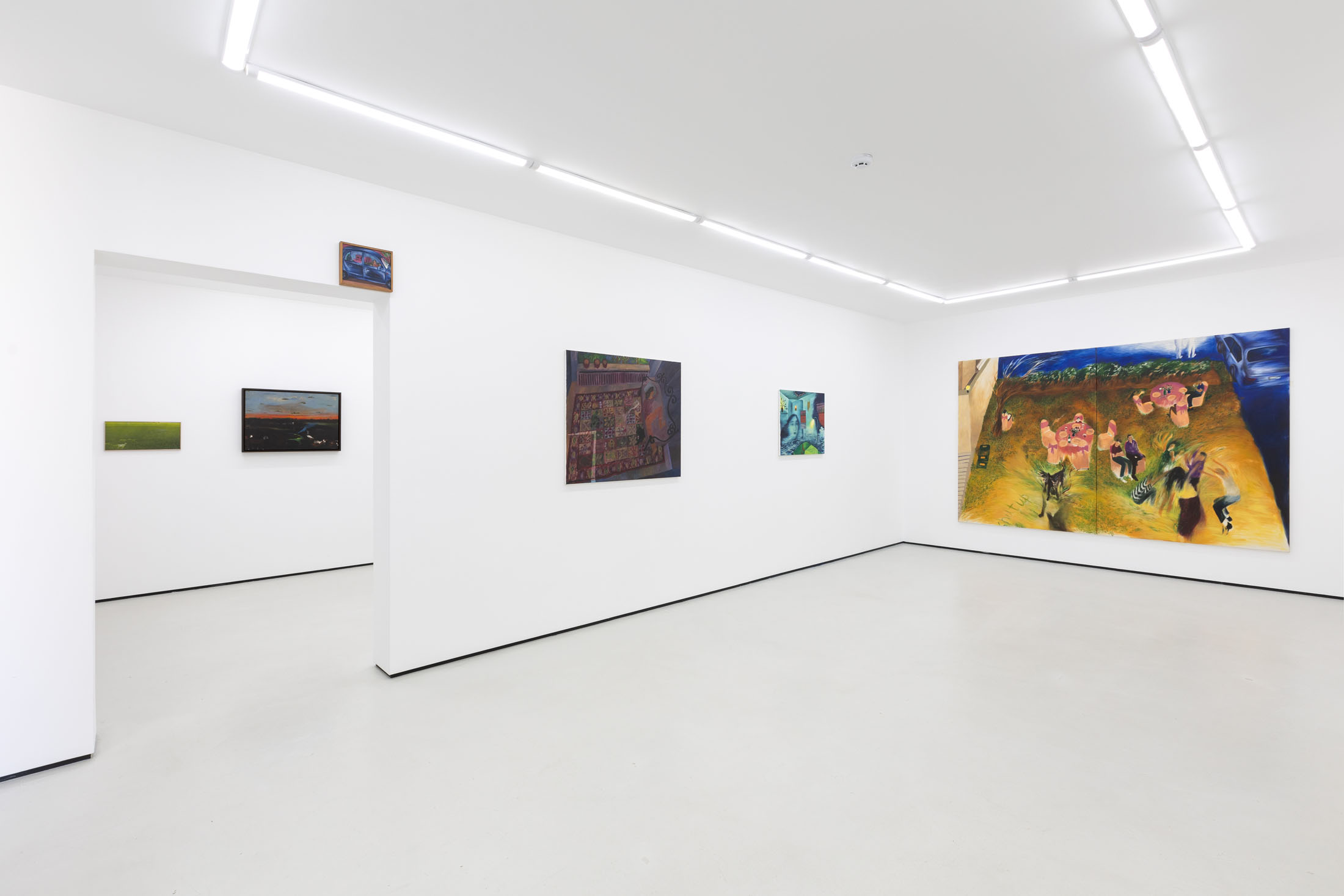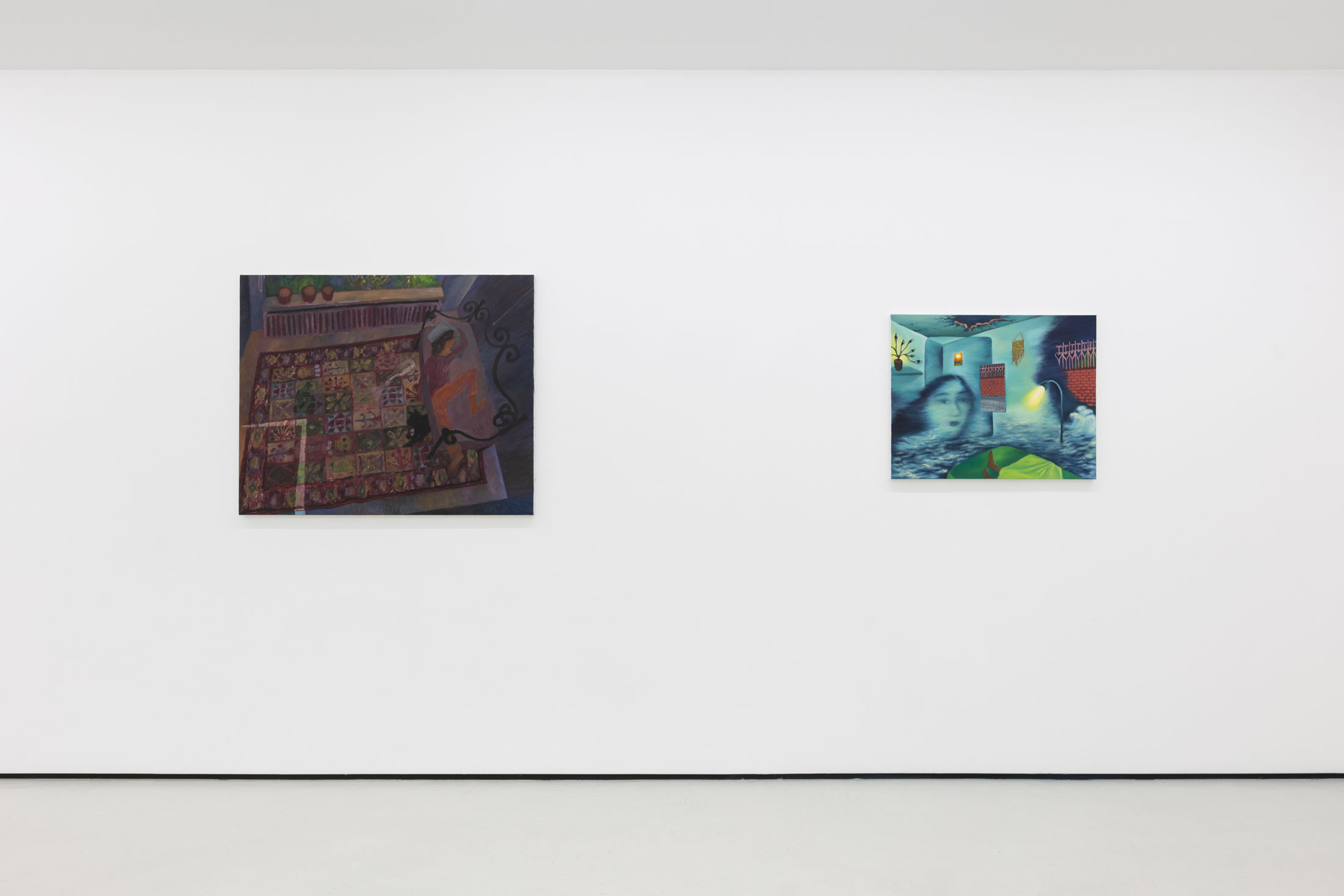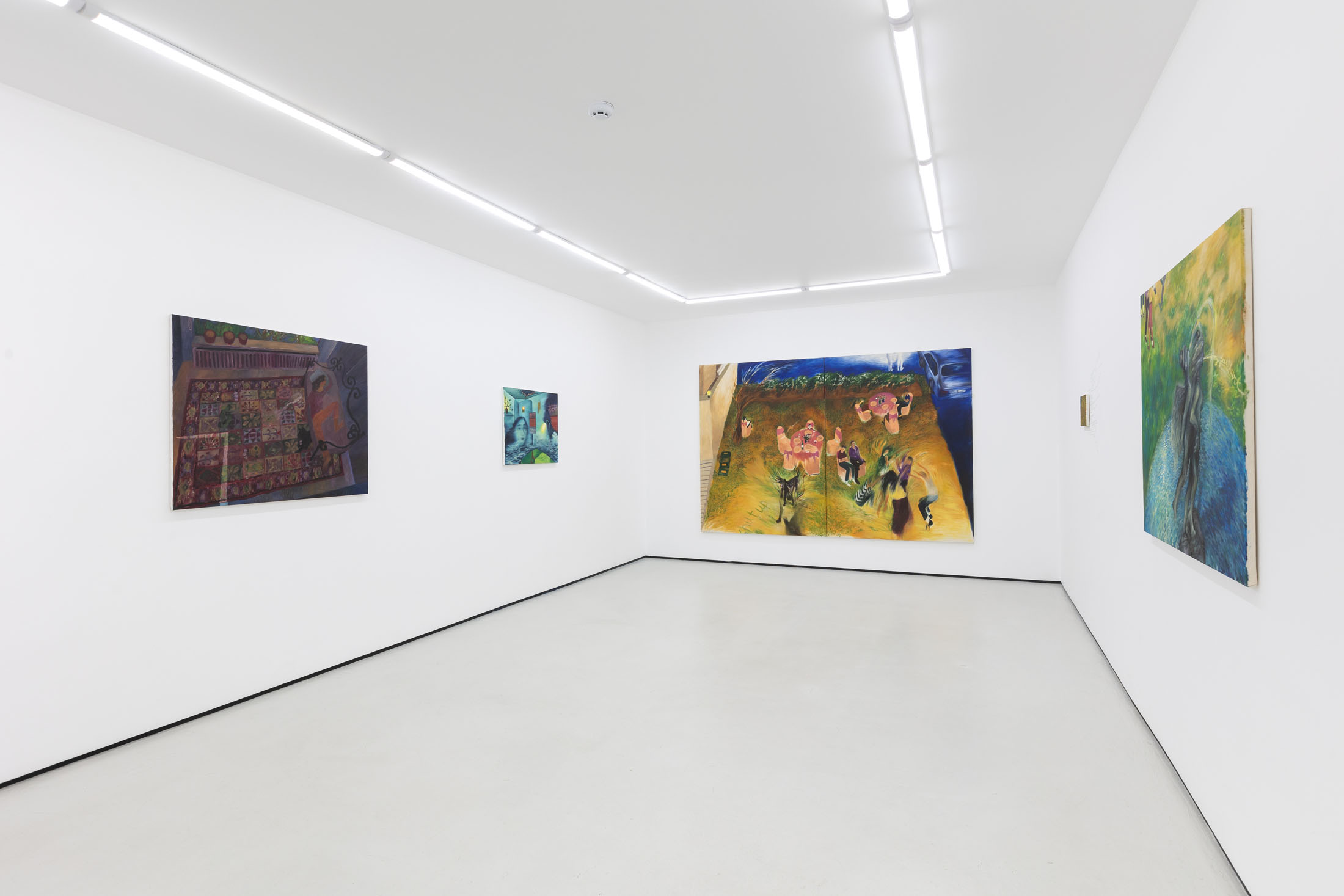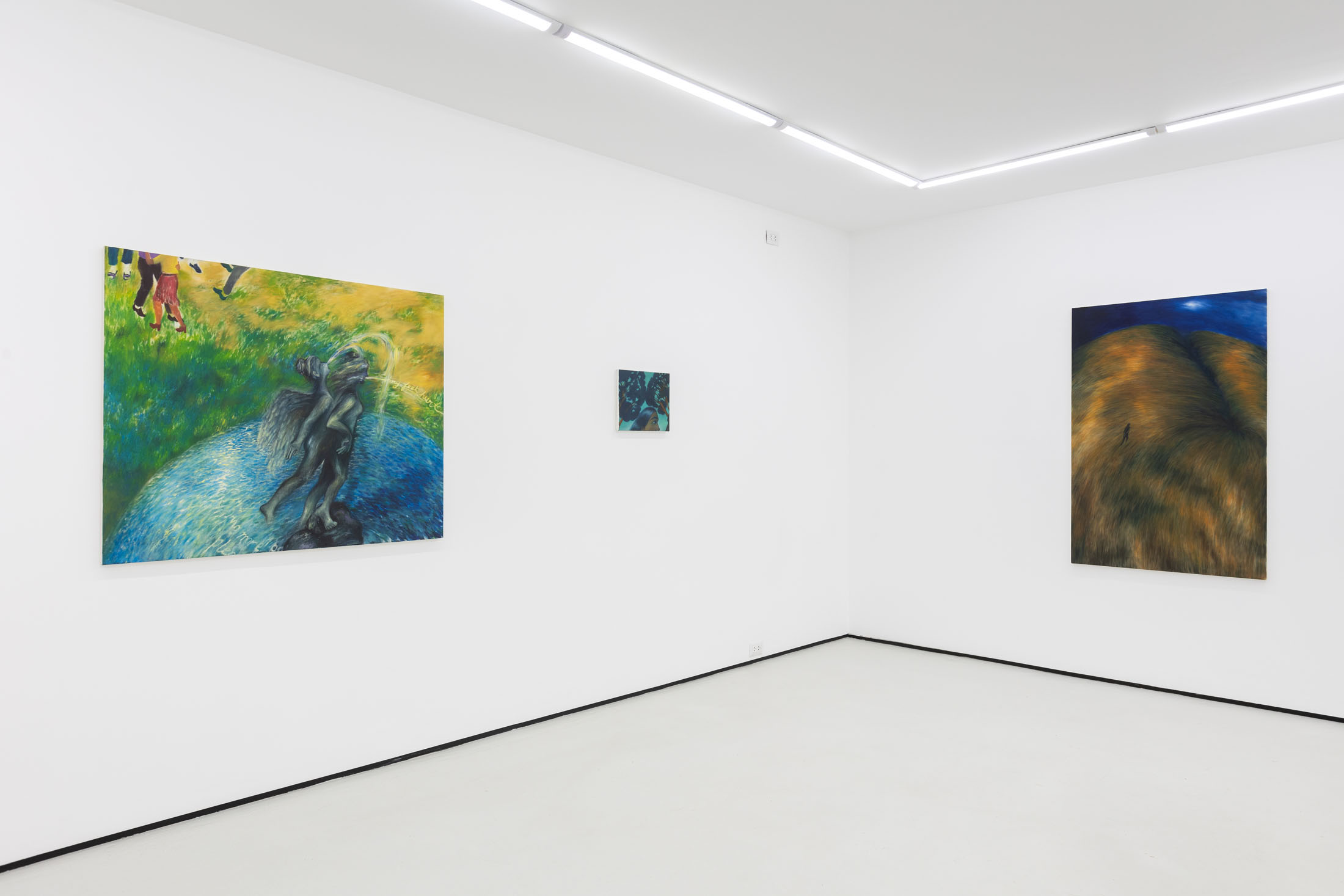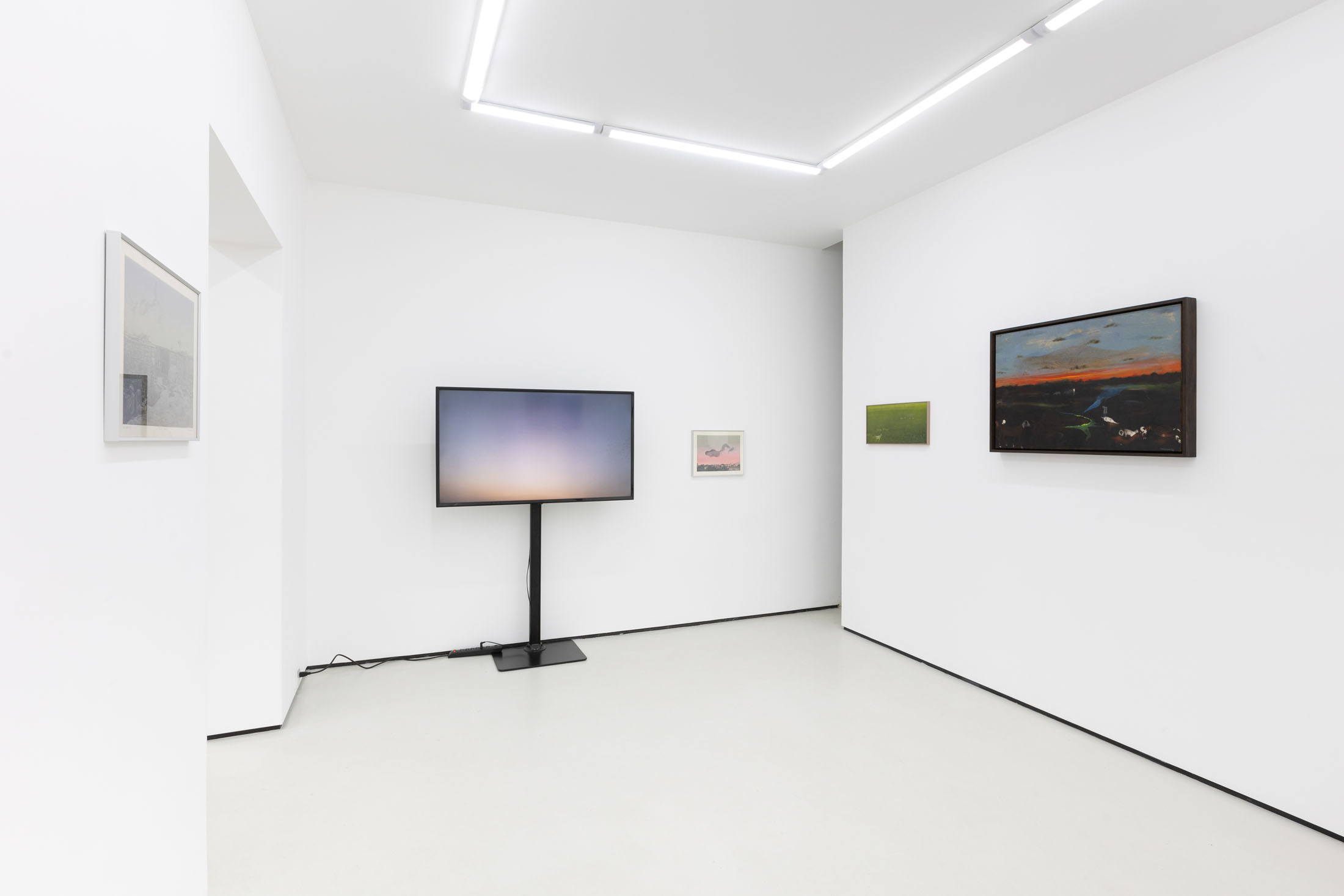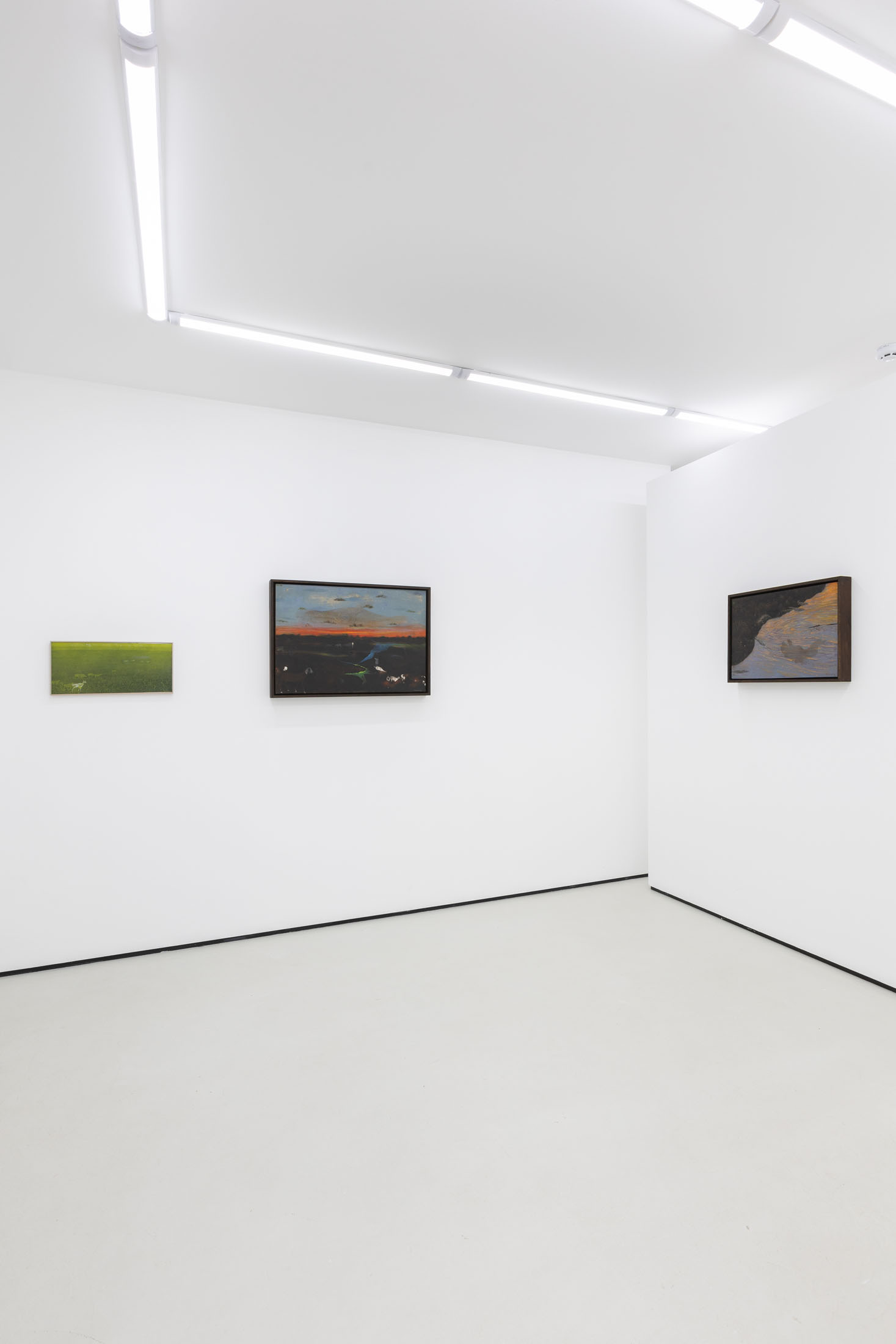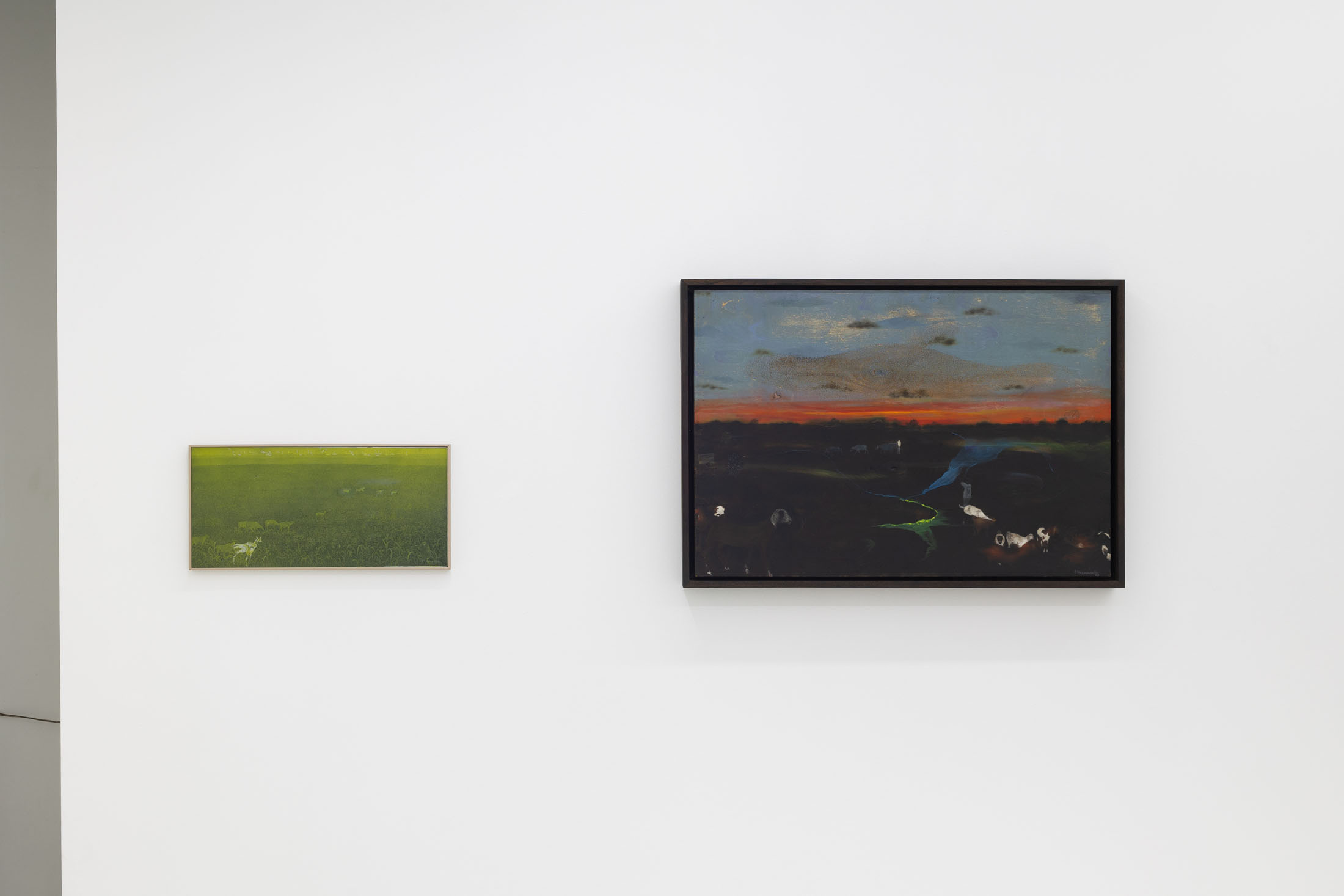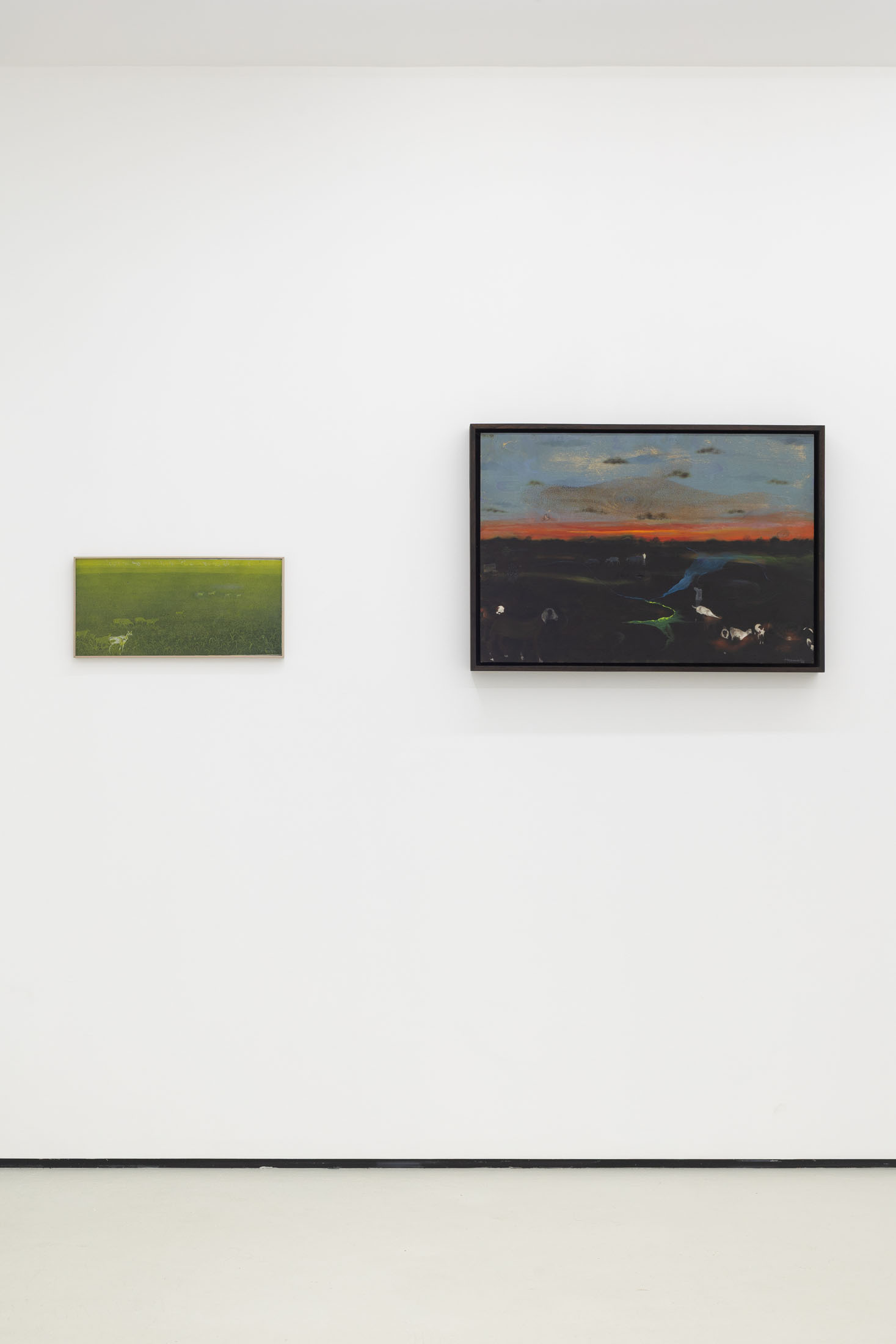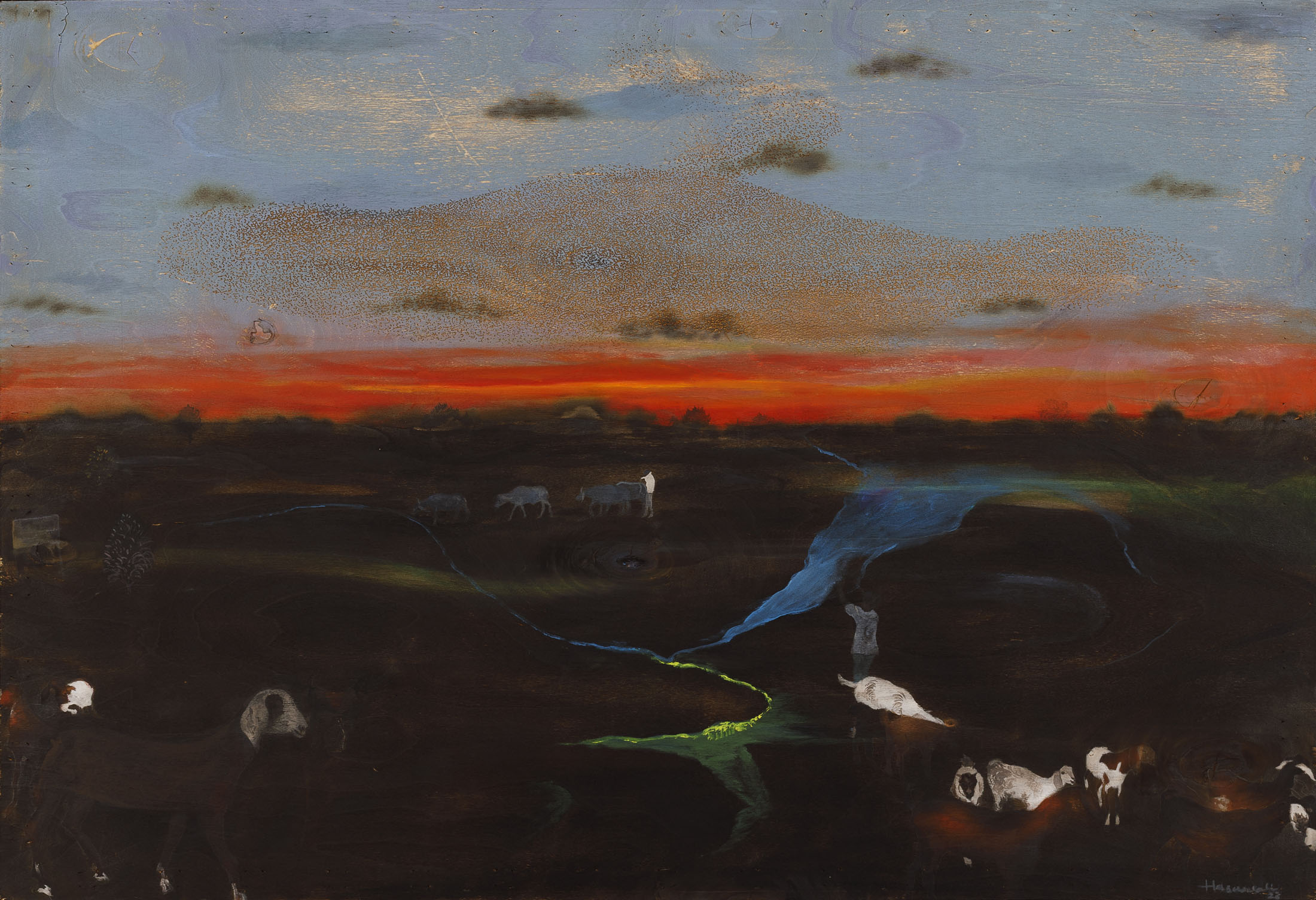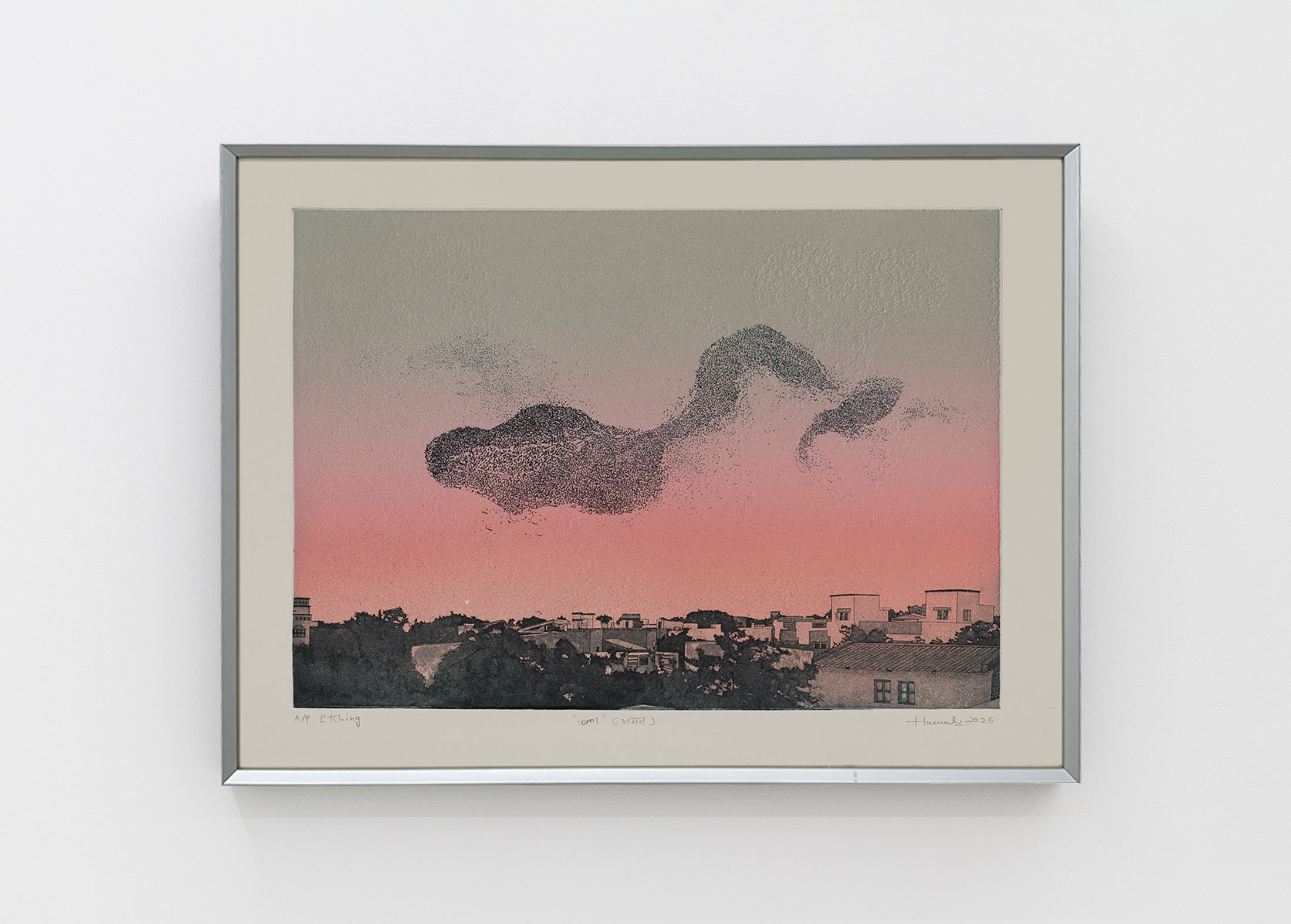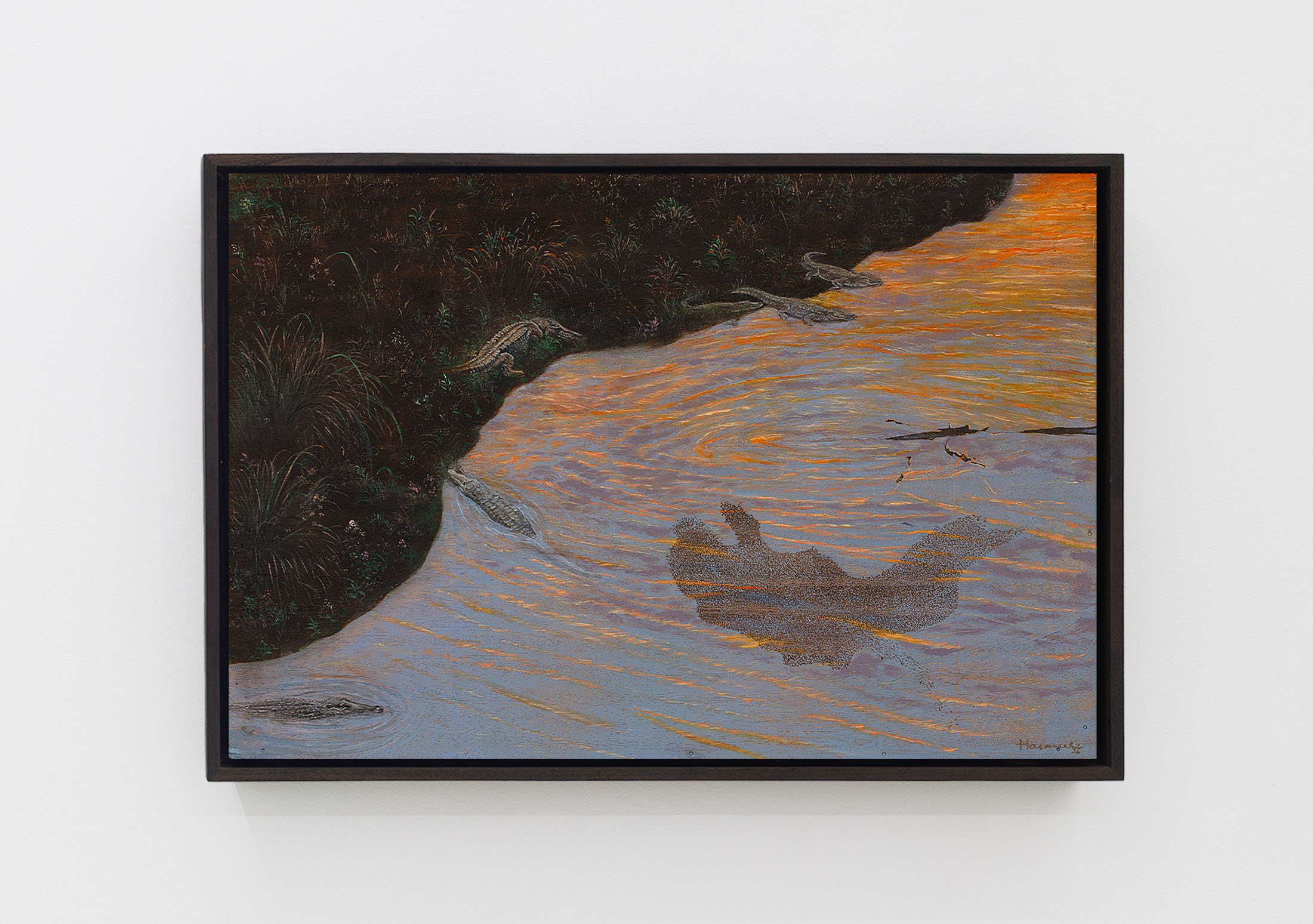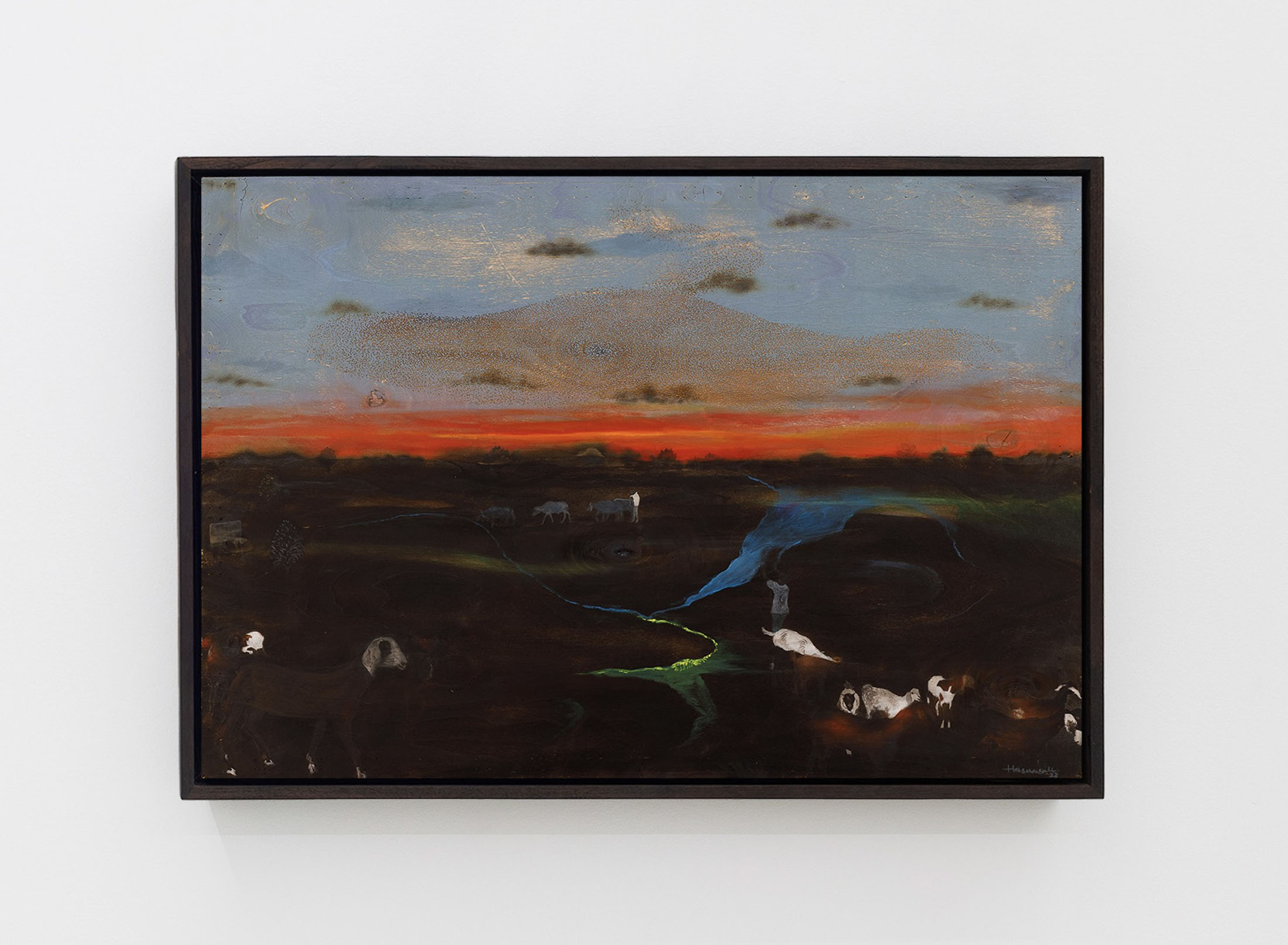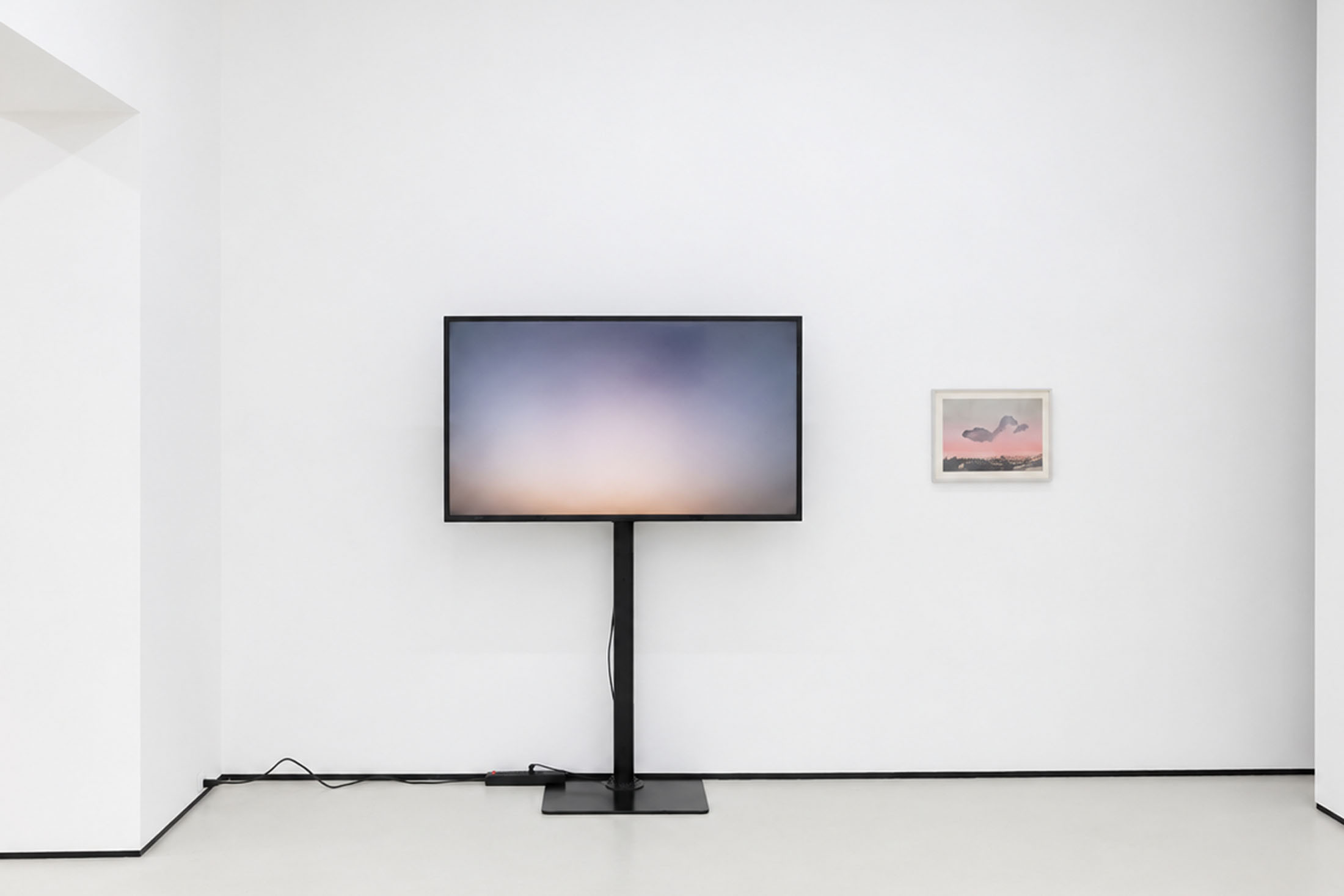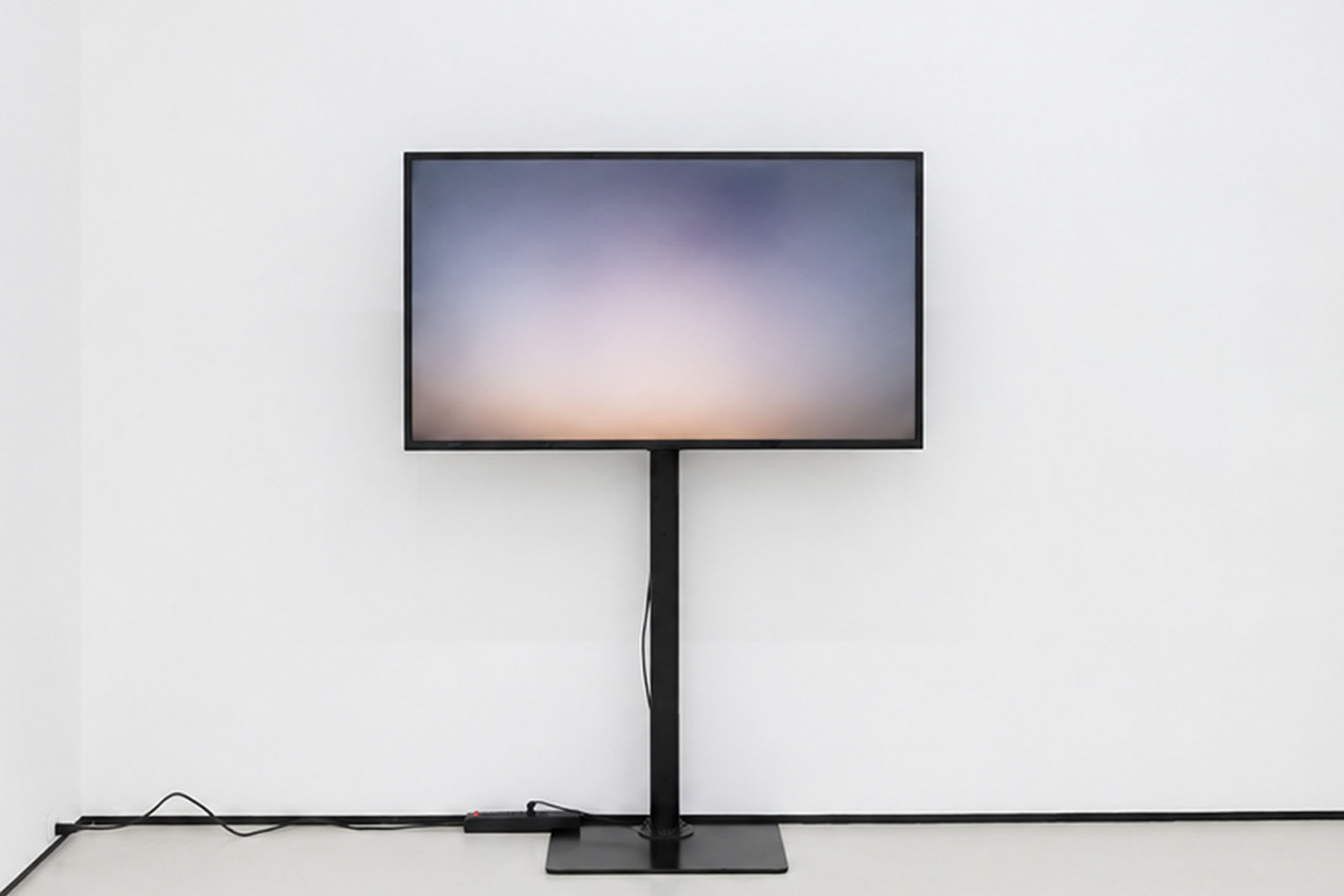
A flock of birds crosses the evening sky. For a moment, hundreds of bodies gather into a single form before separating again. Its appearance depends on a temporary arrangement. It will soon disappear and the evening sky will remain as it was, but slightly different.
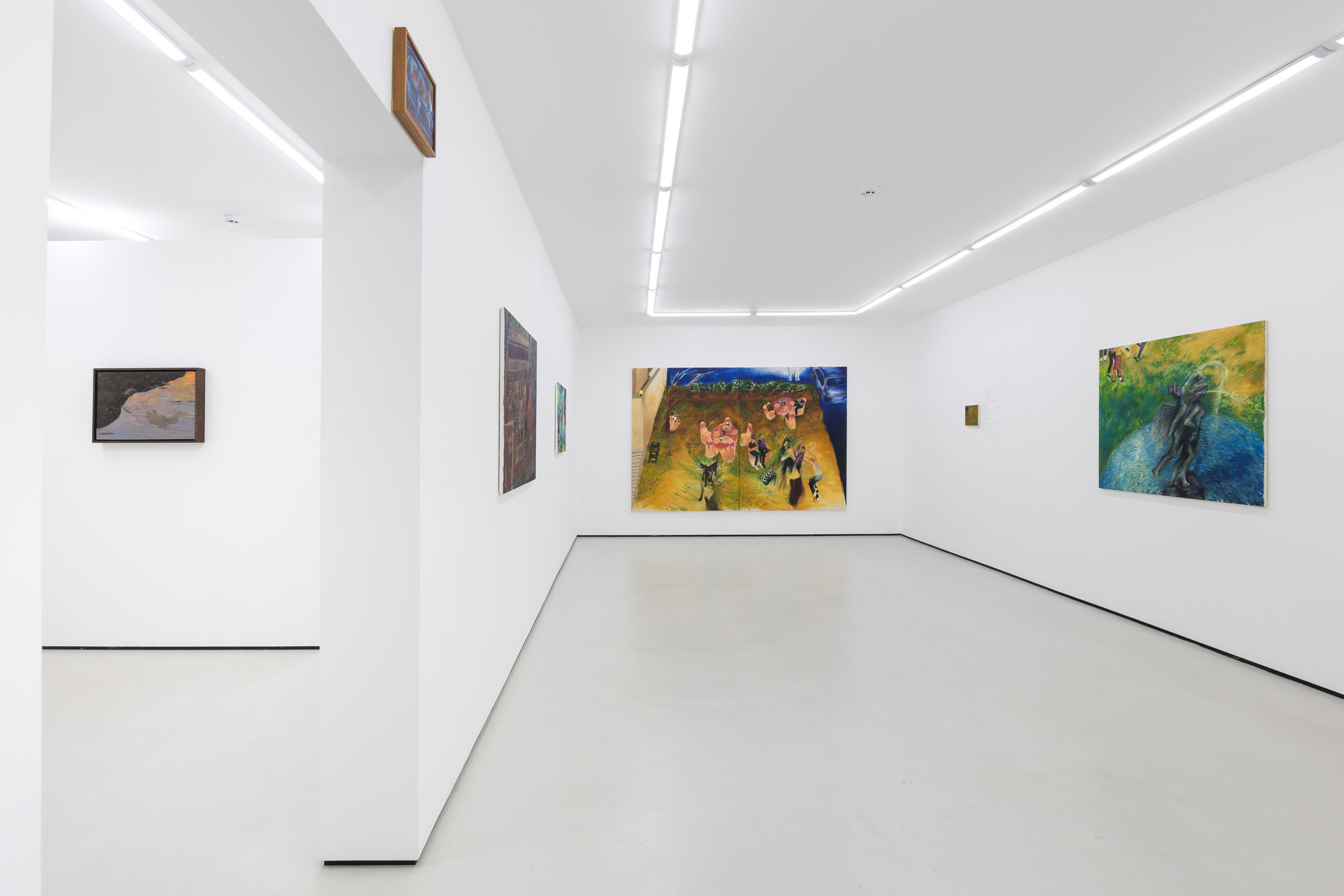
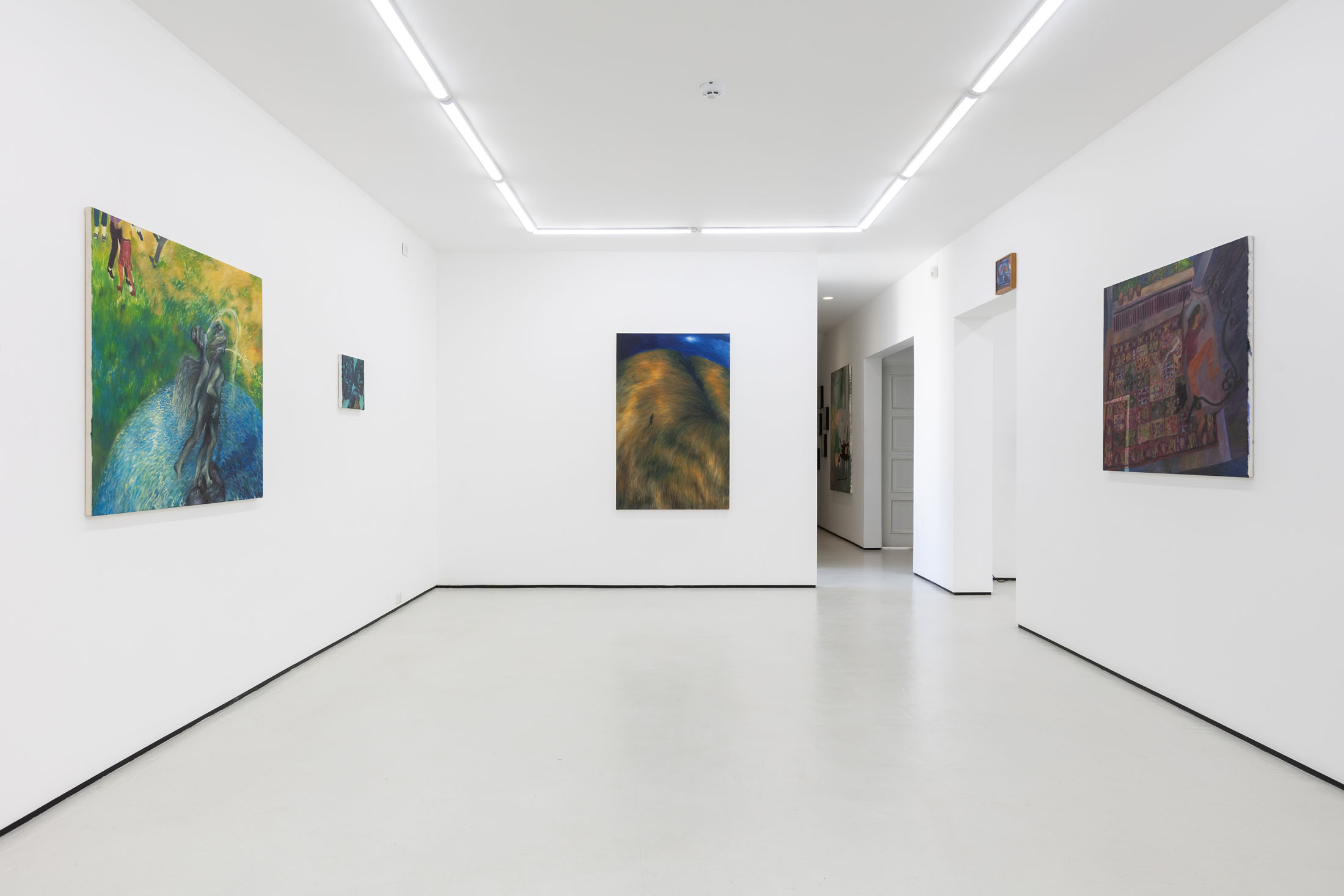
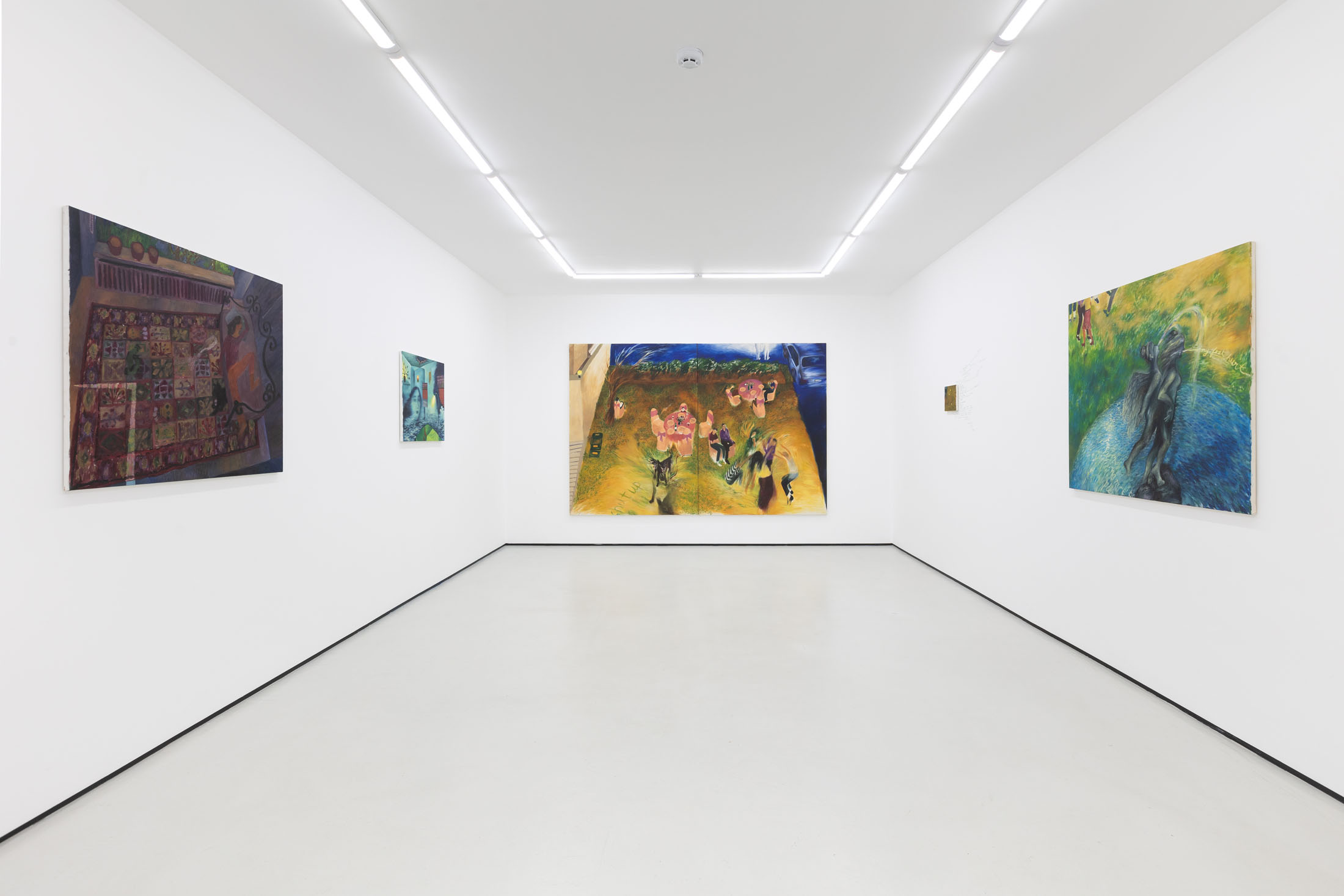
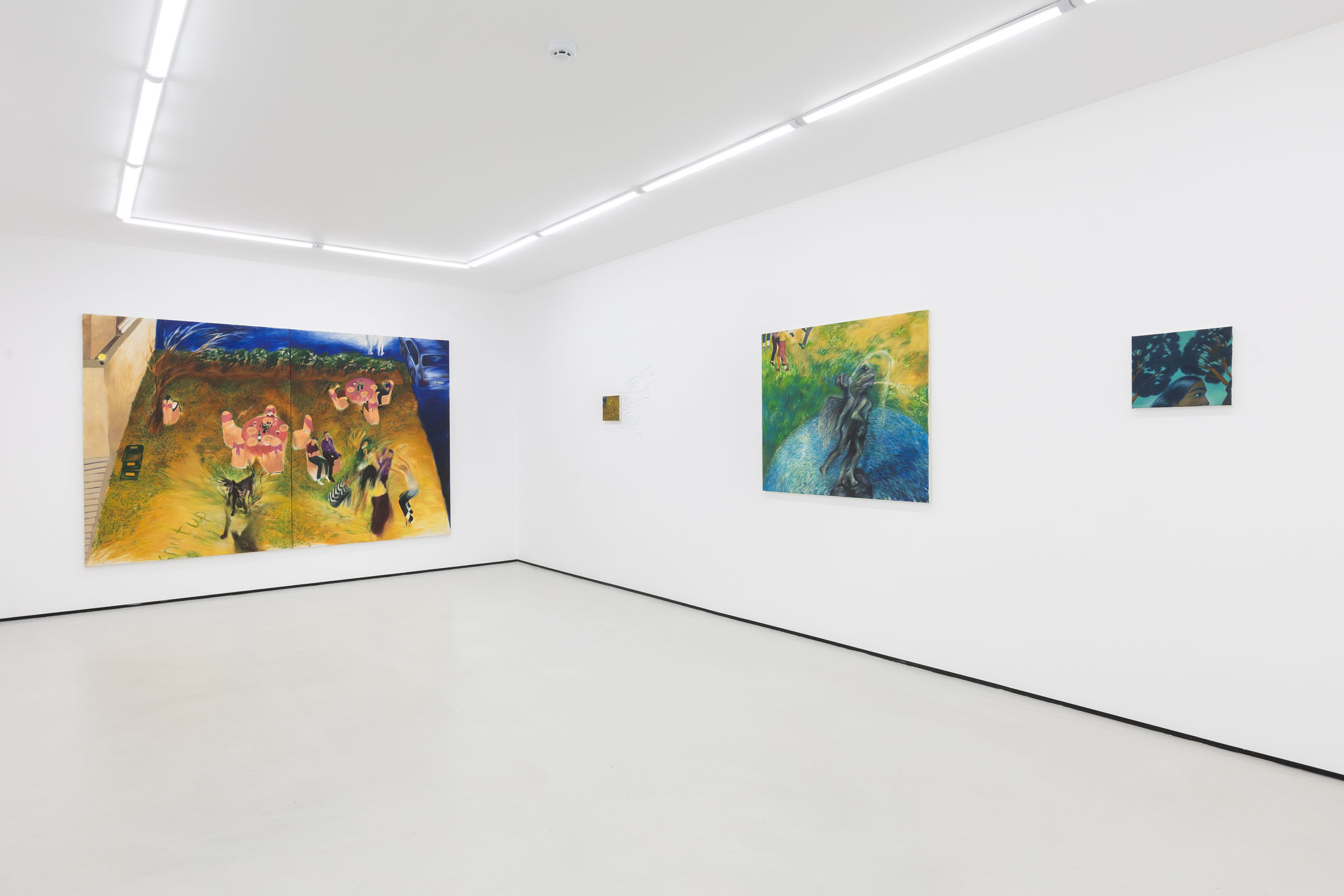
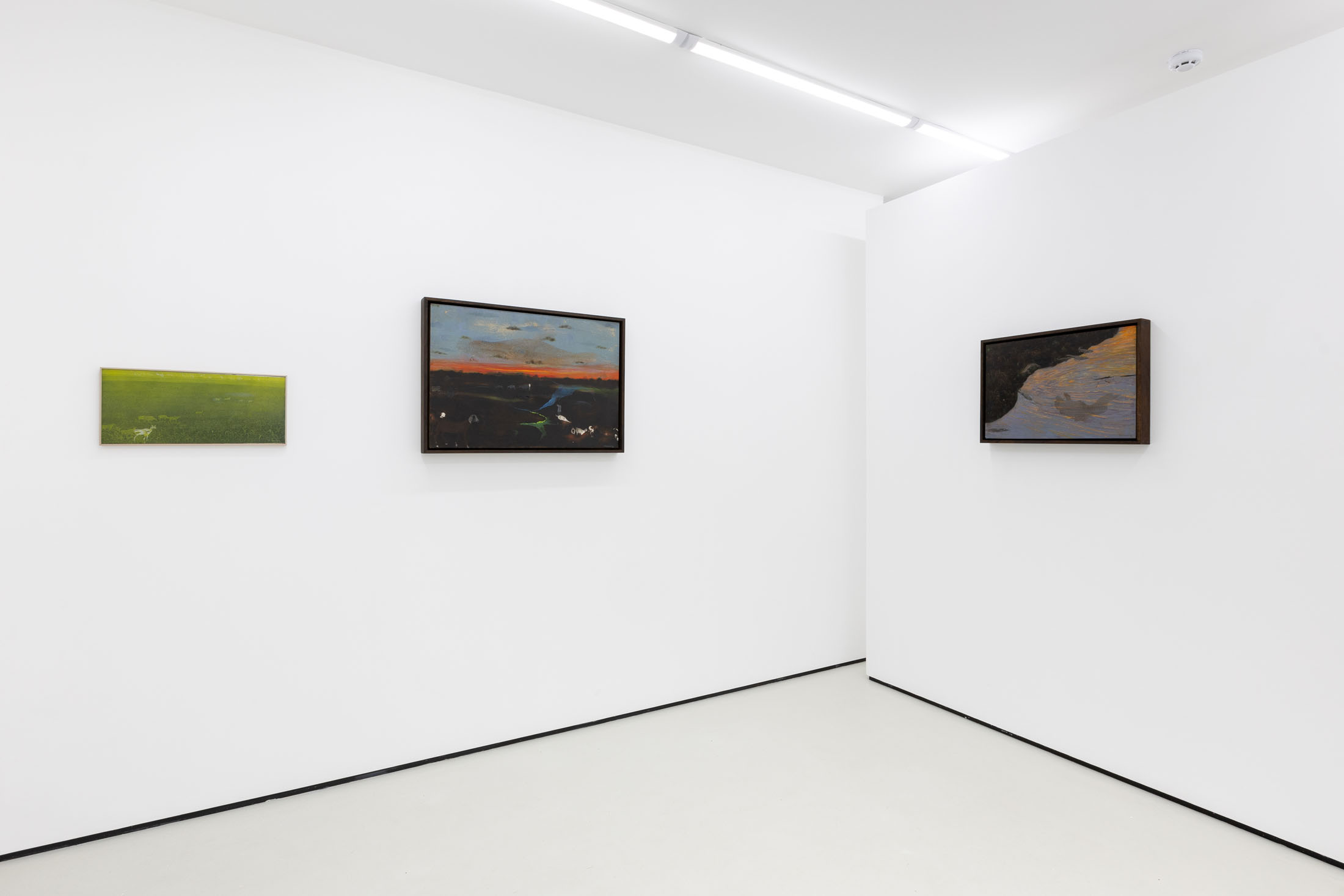
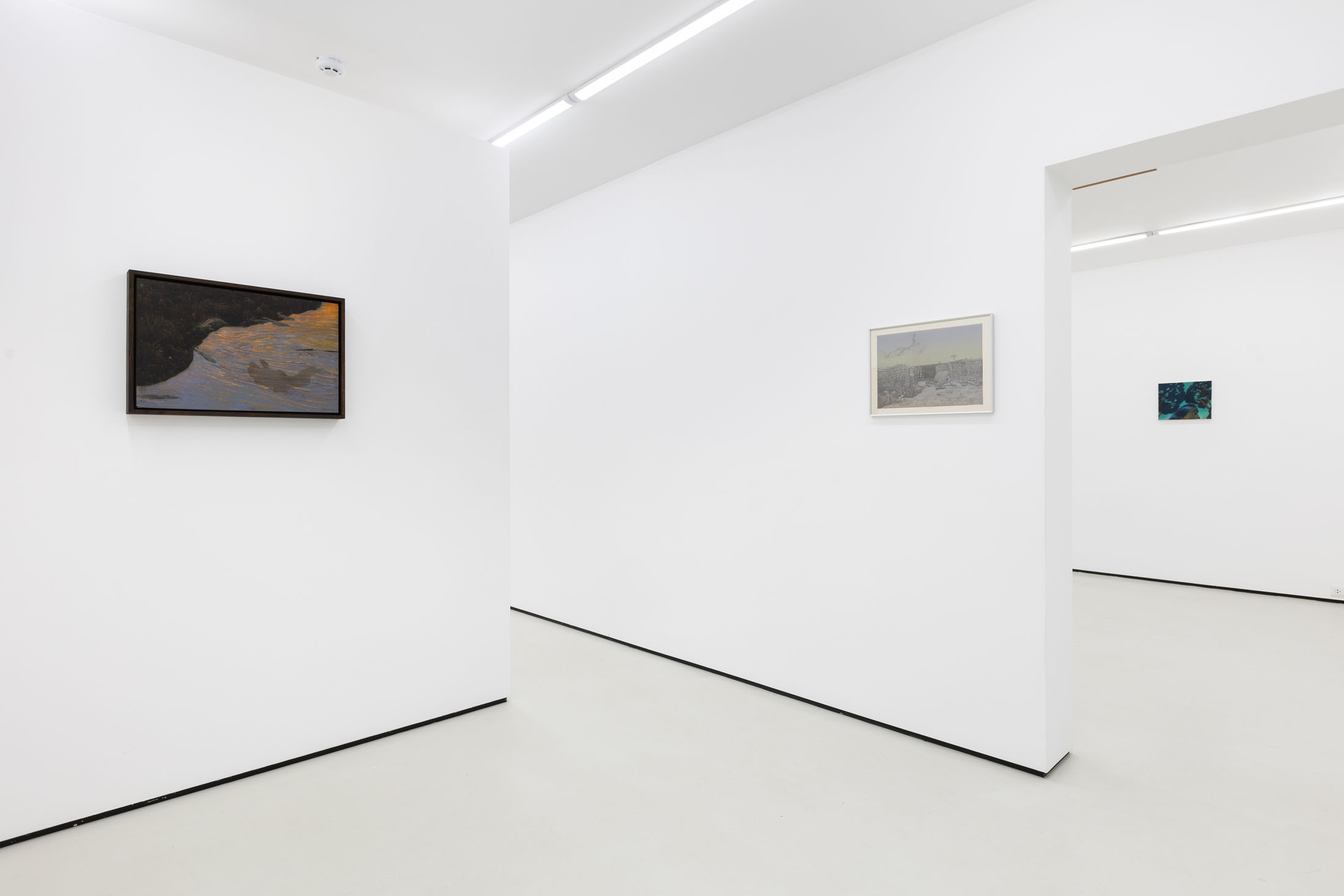
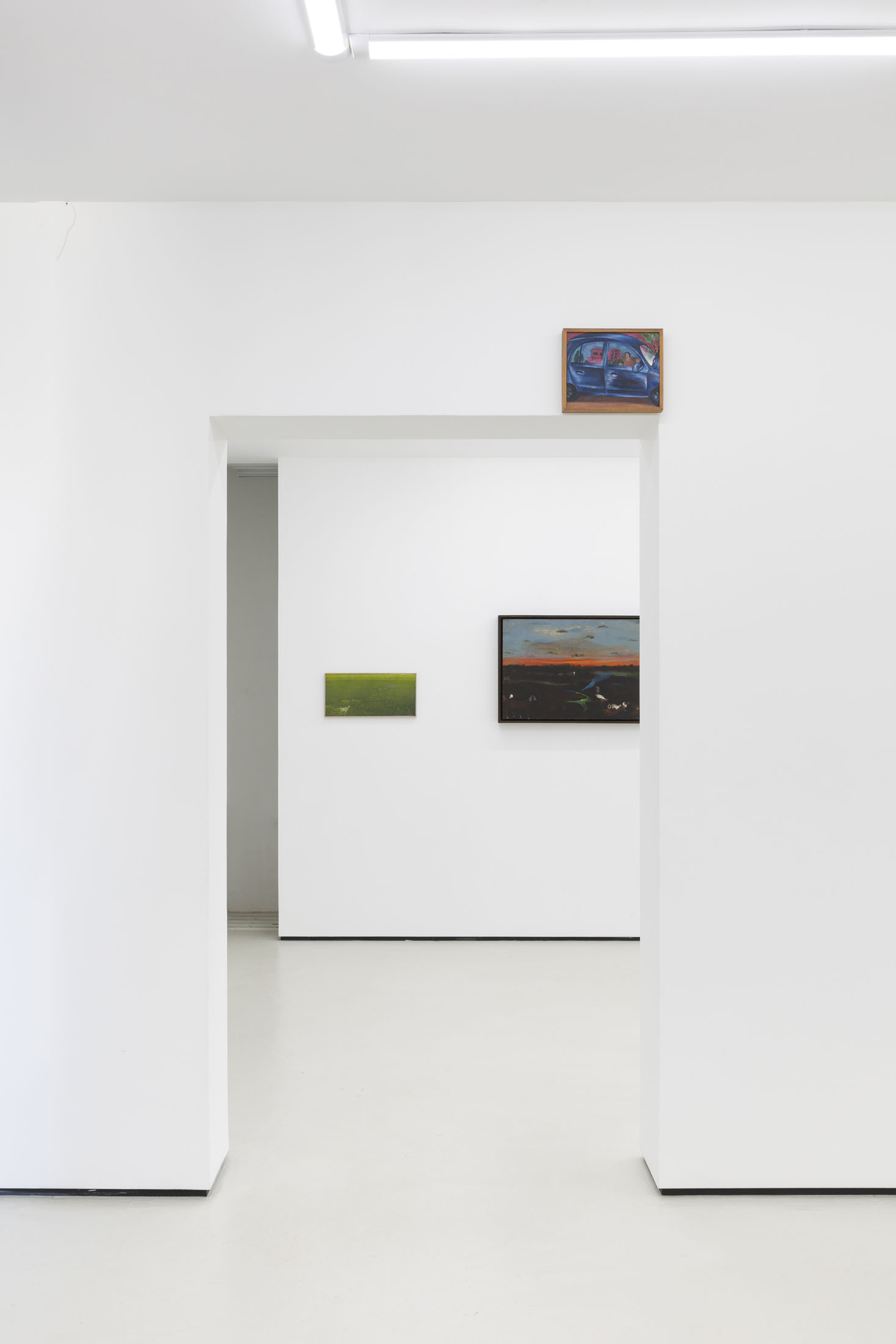
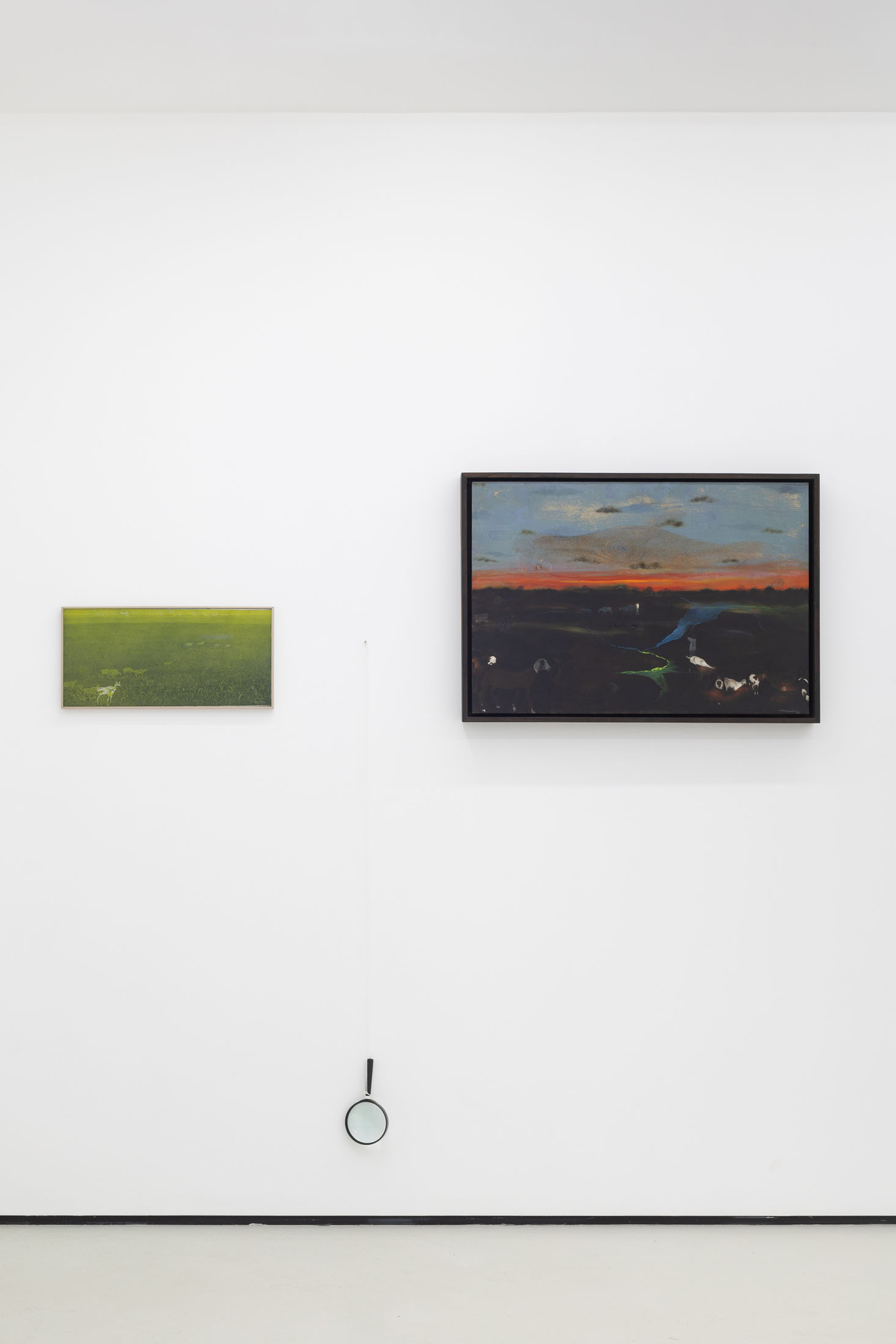
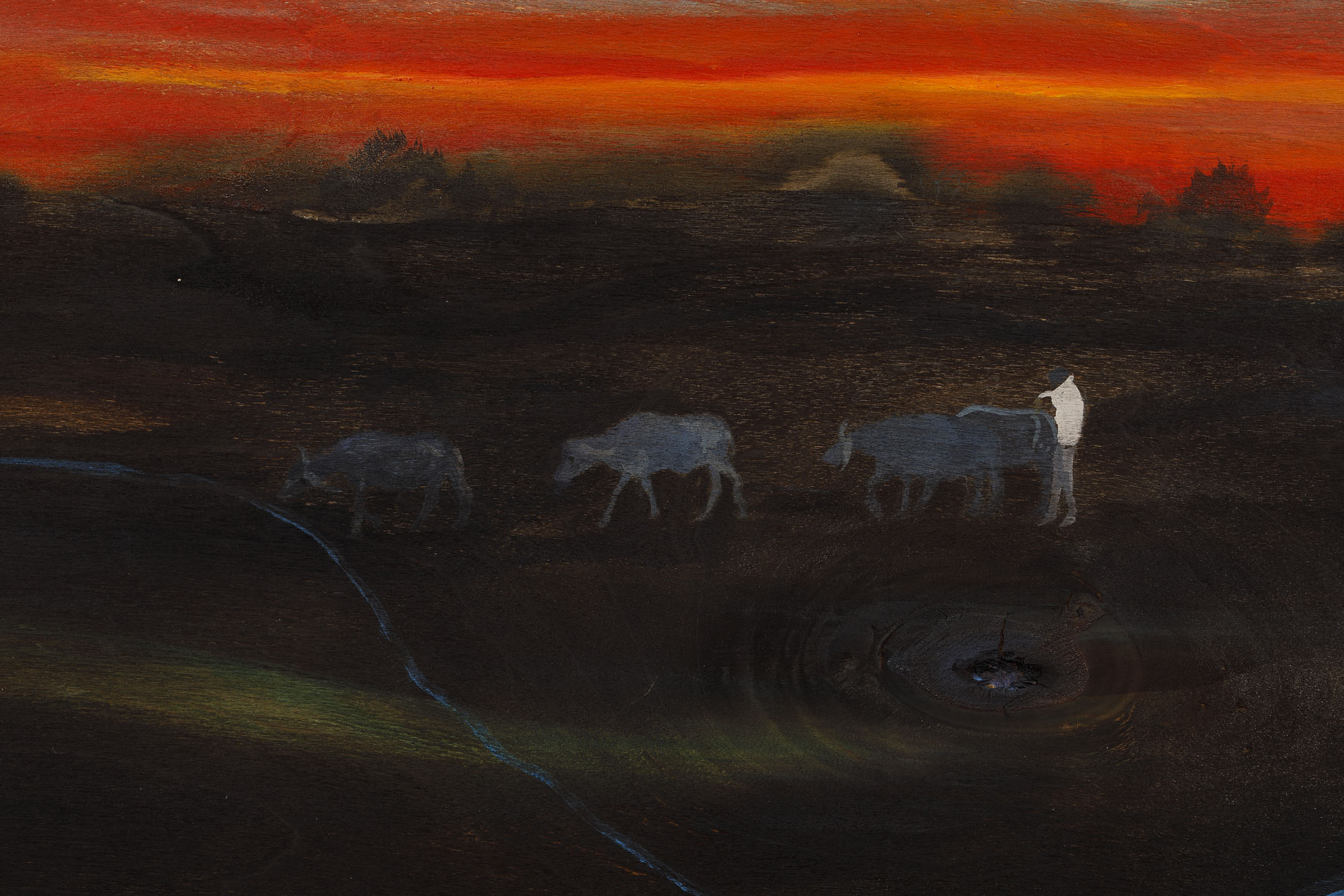
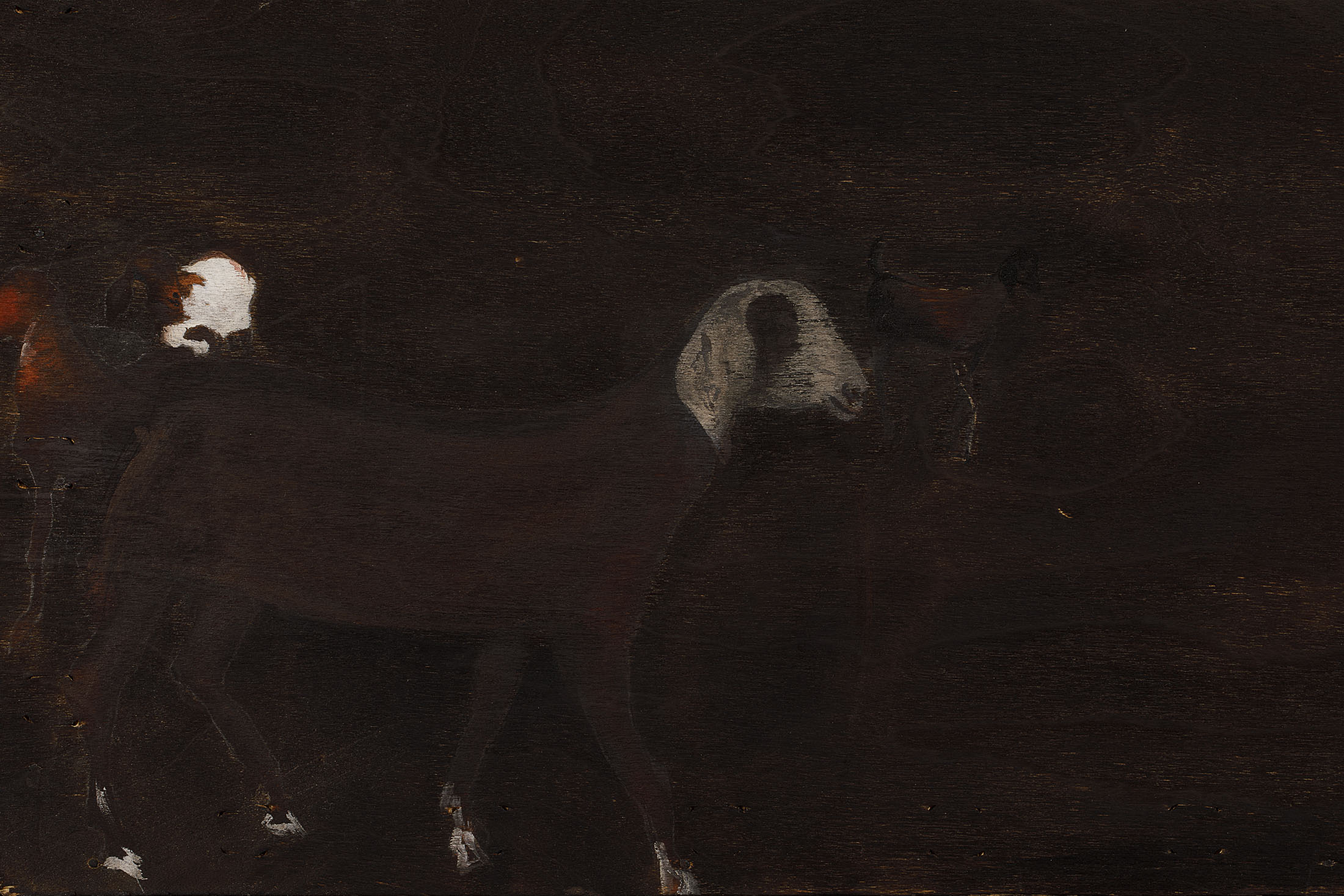
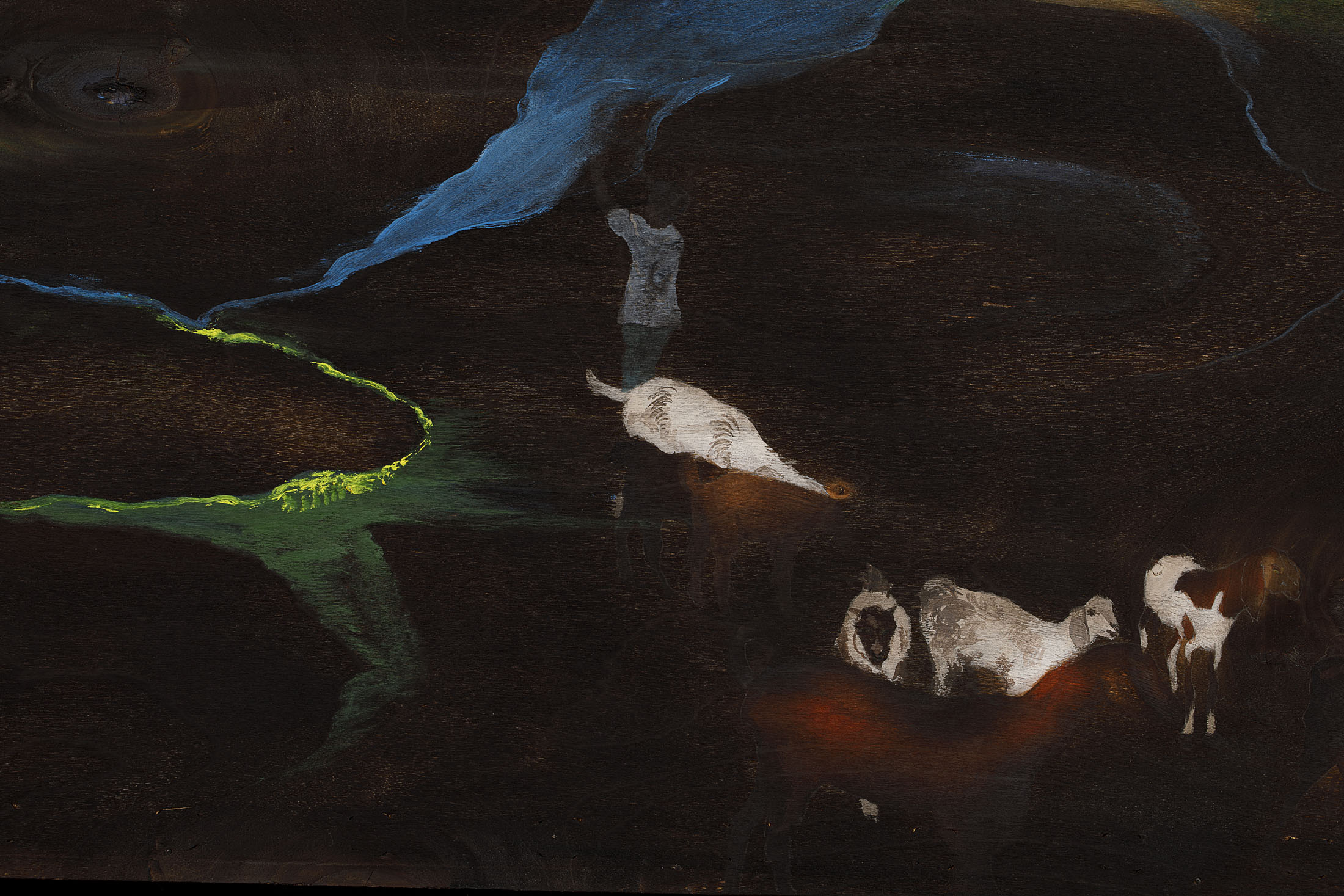
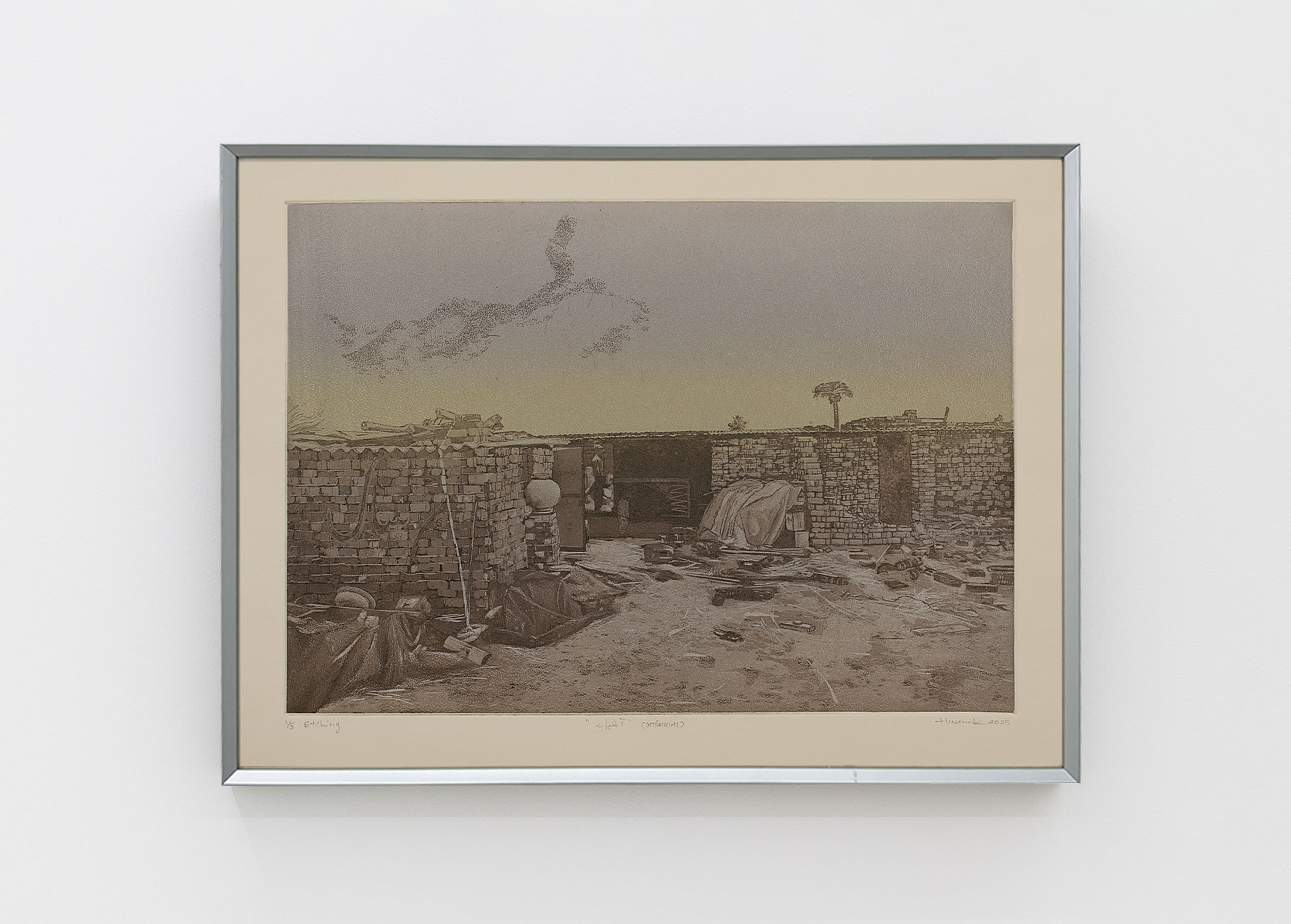
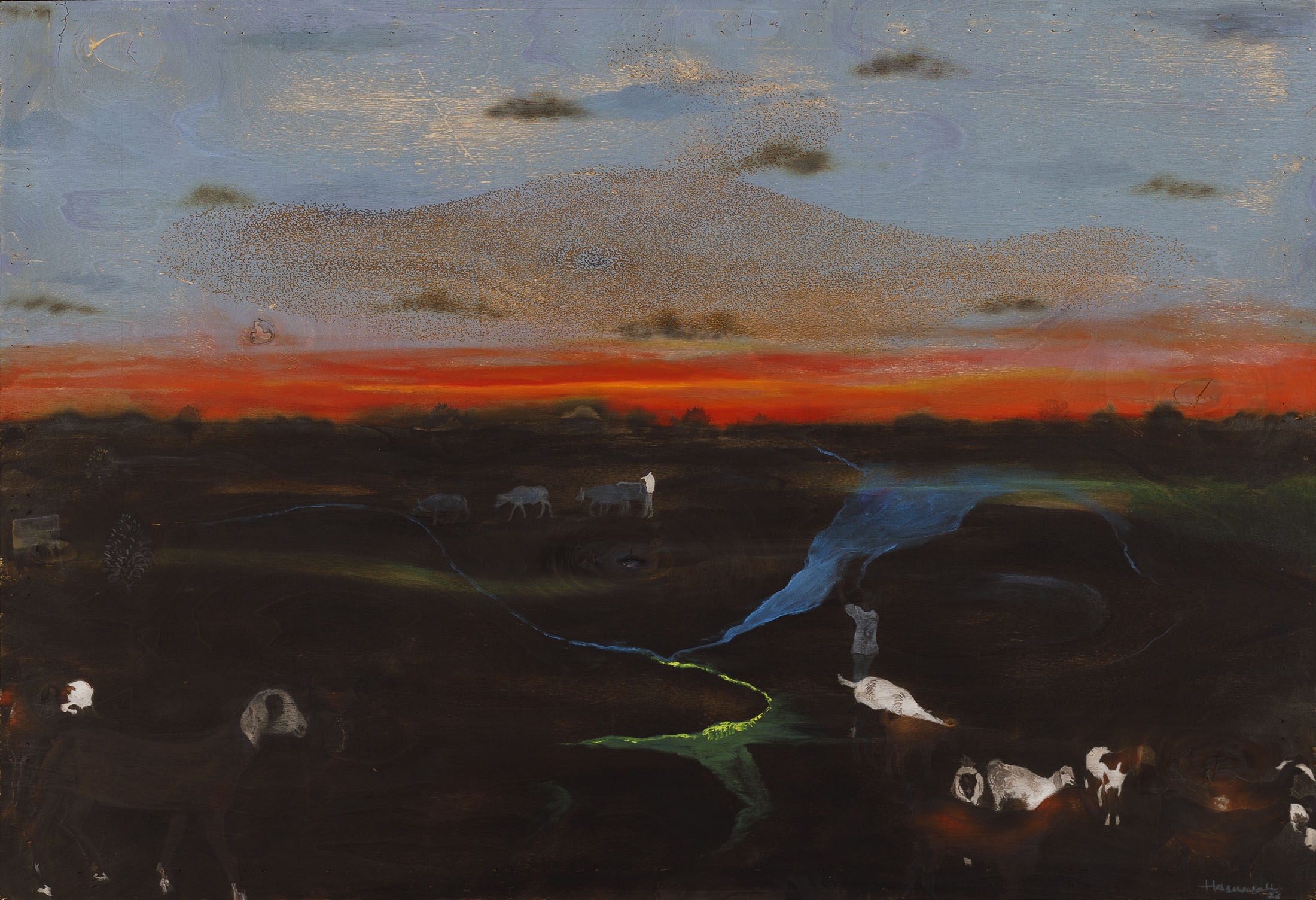
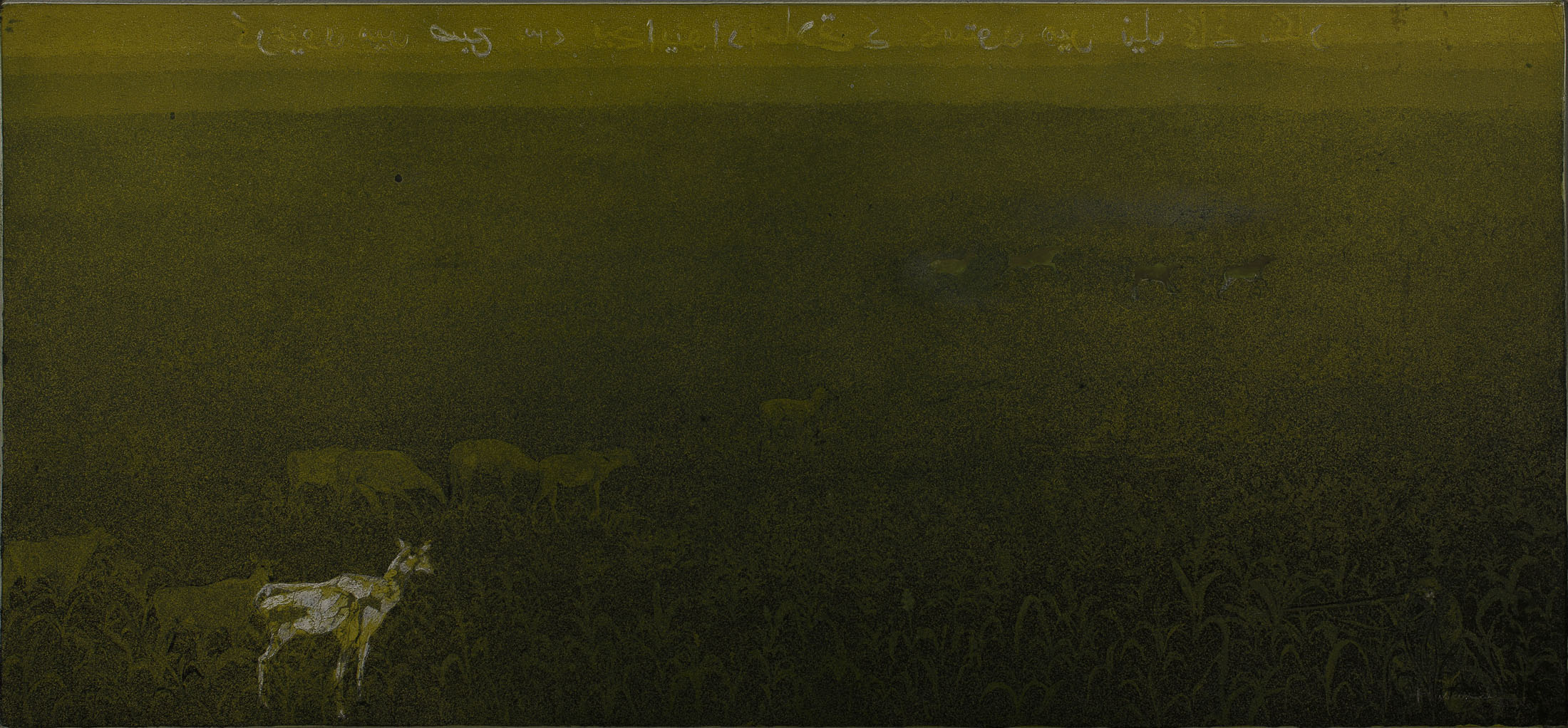
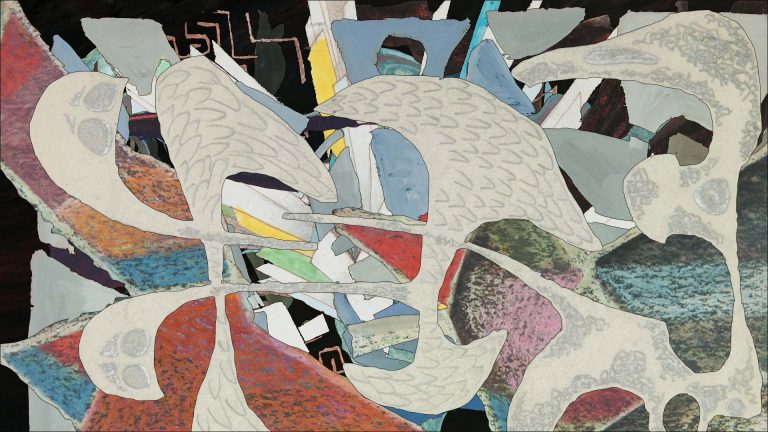
In Hasan Ali Kadiwala’s work, this movement is deeply tied to memory. His landscapes are held together by birds, rivers, animals, village houses, families, and fragments of Arabic and Urdu writing. He does not present a fixed image, but rather reconstructs it through recollection. In Bustan-e Marifat (ﻣﻌرﻓت ﺑﺳﺗﺎِن, “Garden of Knowing”), childhood memories, spiritual experiences, stories, and encounters with animals, coexist without seftling into a single narrative. The flock of birds appearing during the Azaan (َأَذان), the Islamic call to prayer, is particularly striking. The word Azaan comes from a root associated with announcing, proclaiming, or making something known. Its voice travels through the same air as the birds: one is a human voice, the other a shifting arrangement of bodies. Both briefly take form, and eventually disappear.
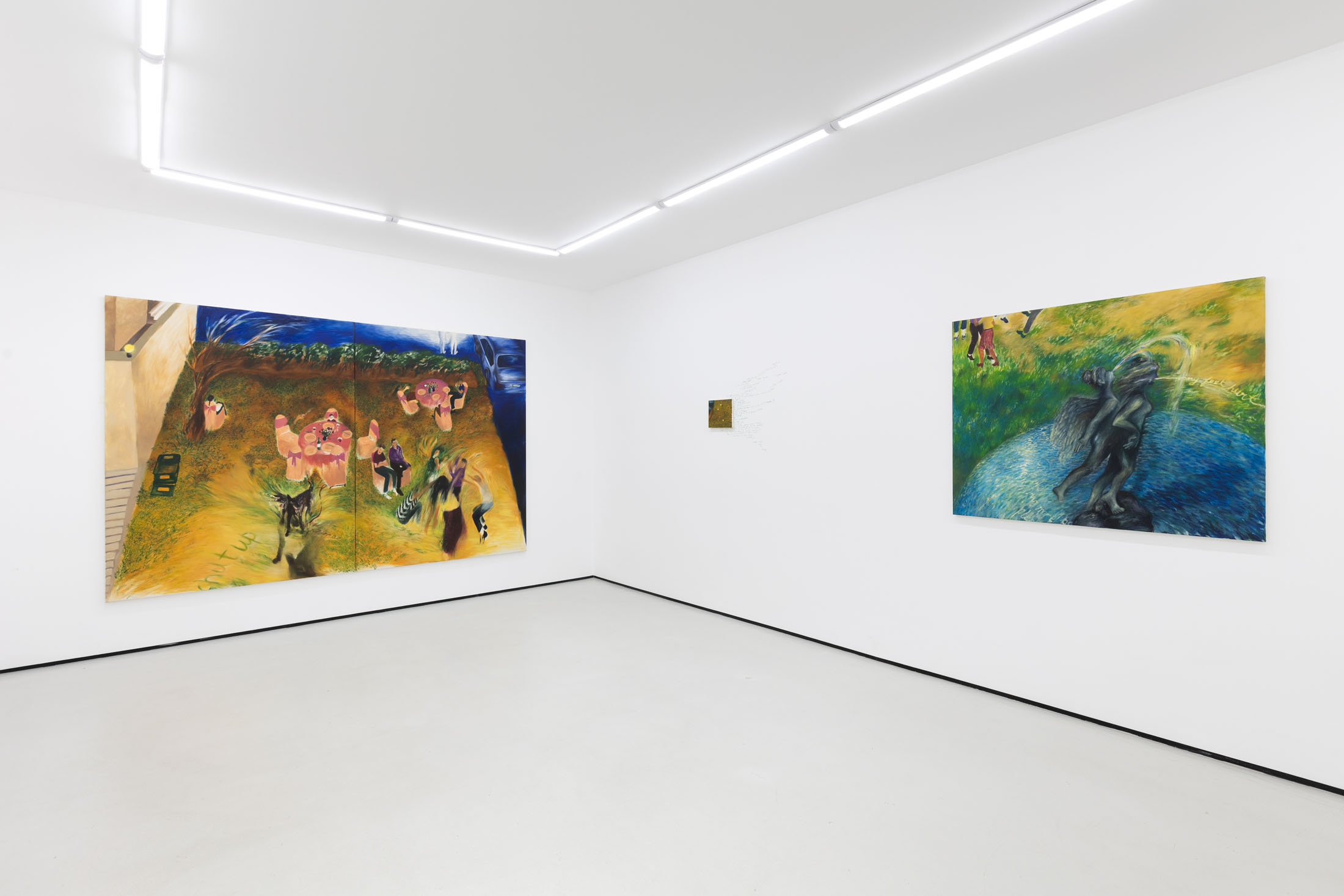
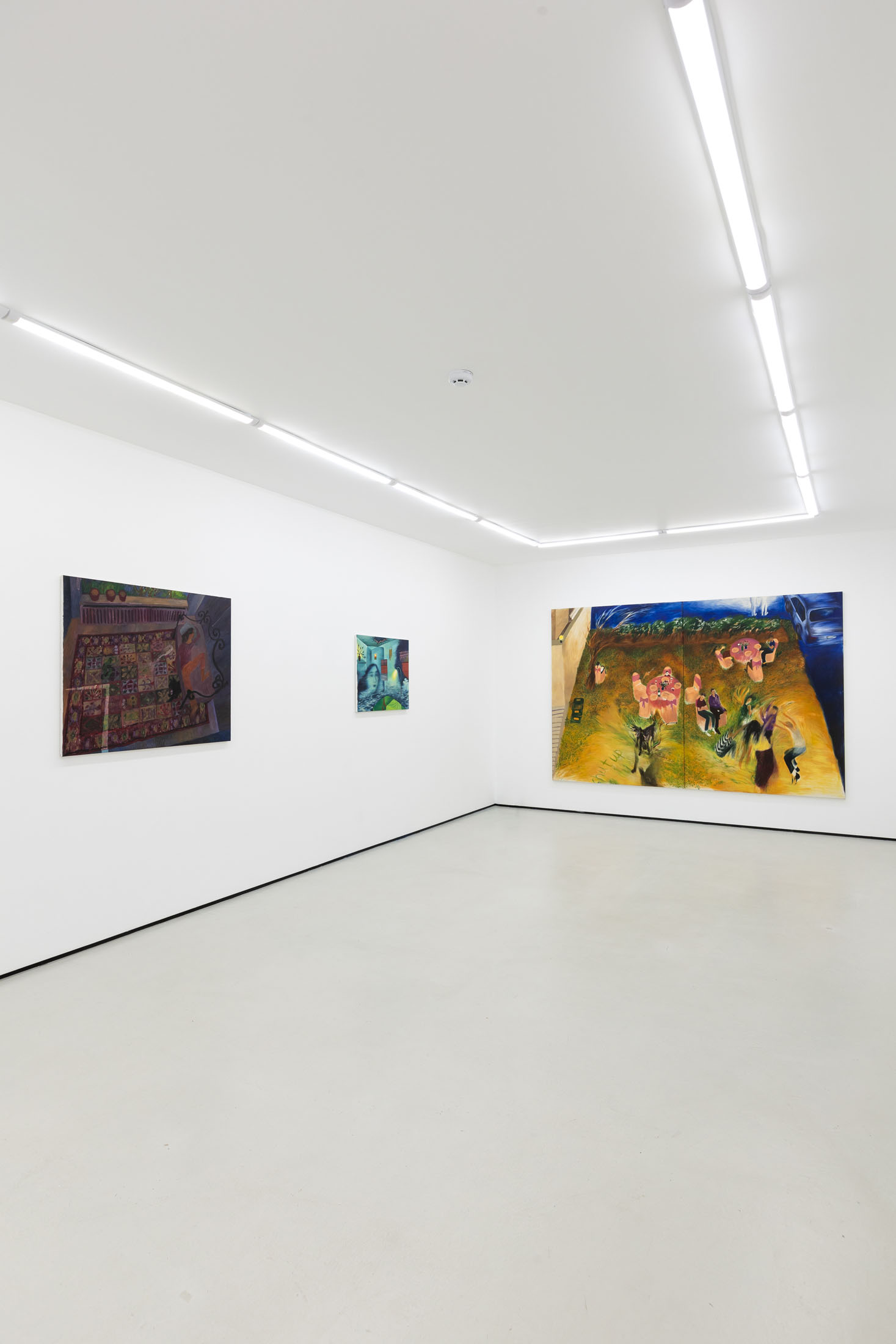
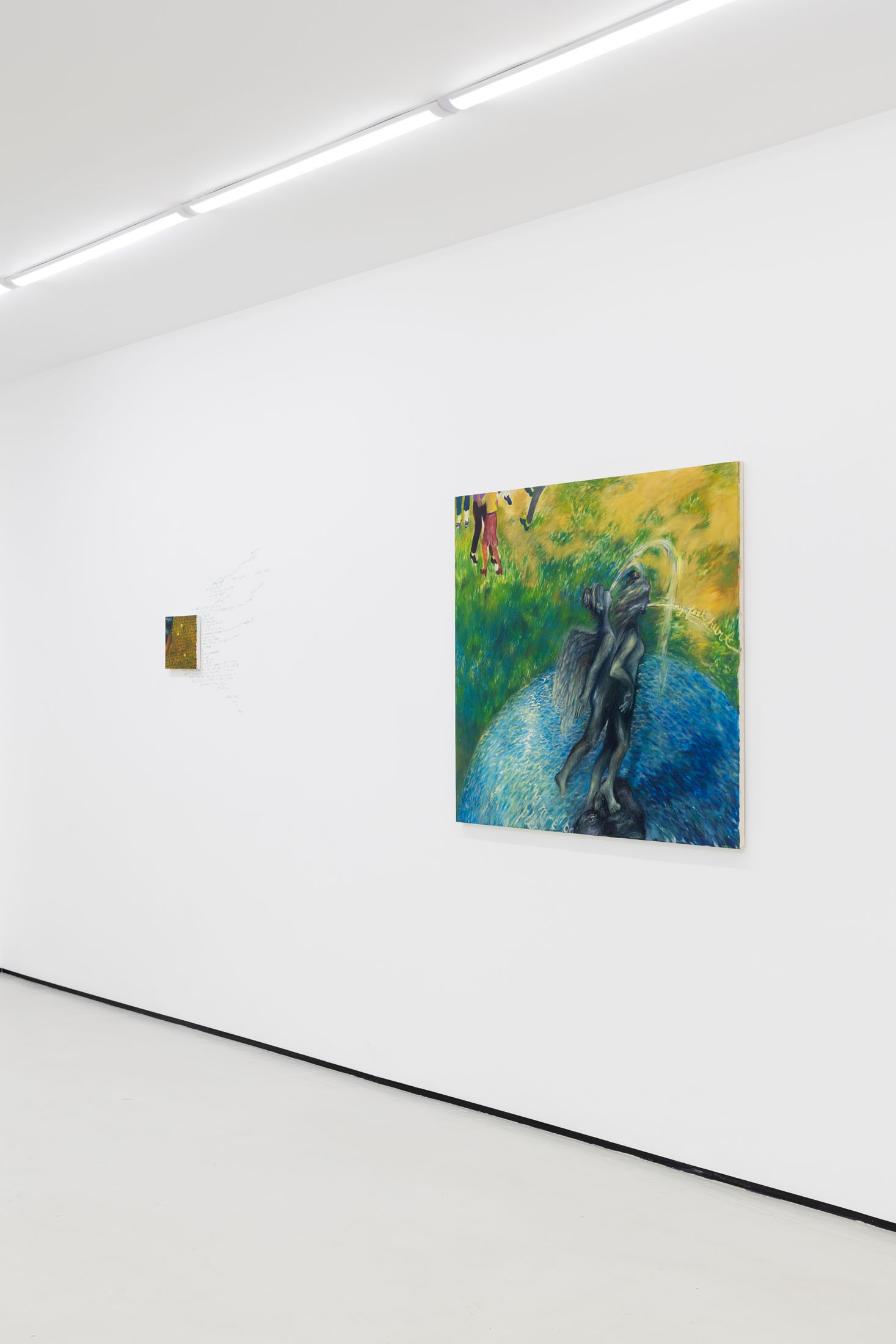
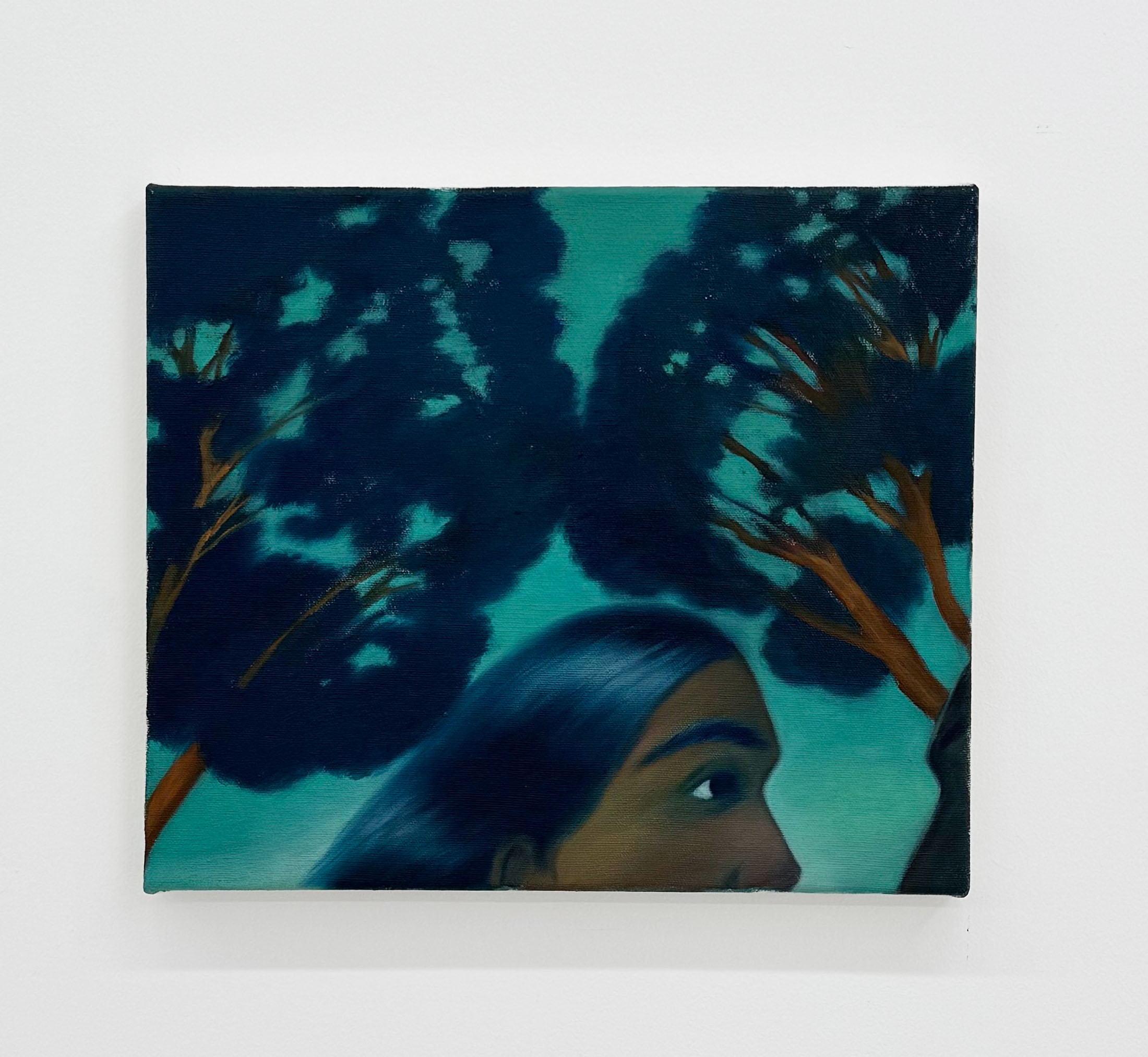
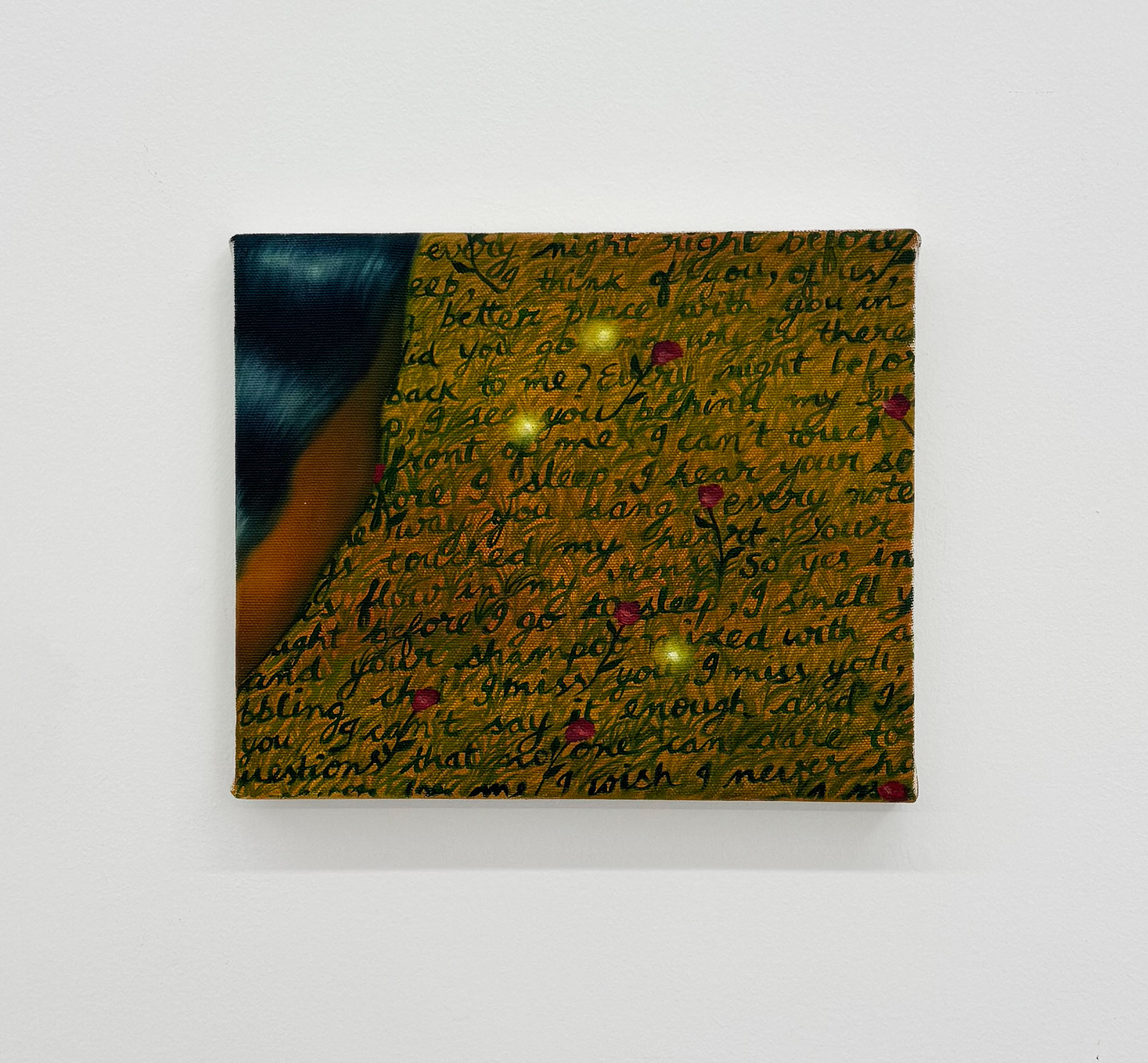
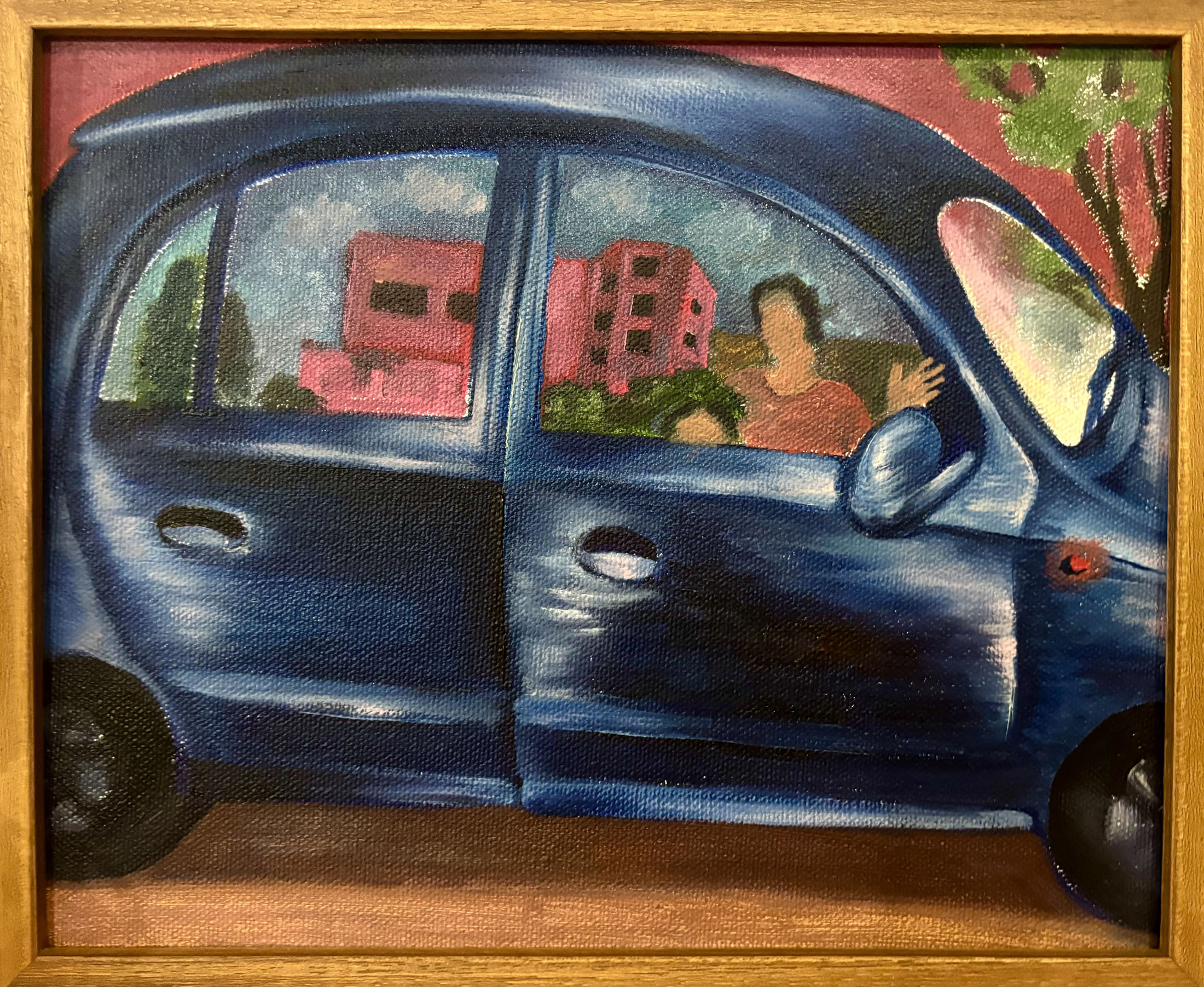
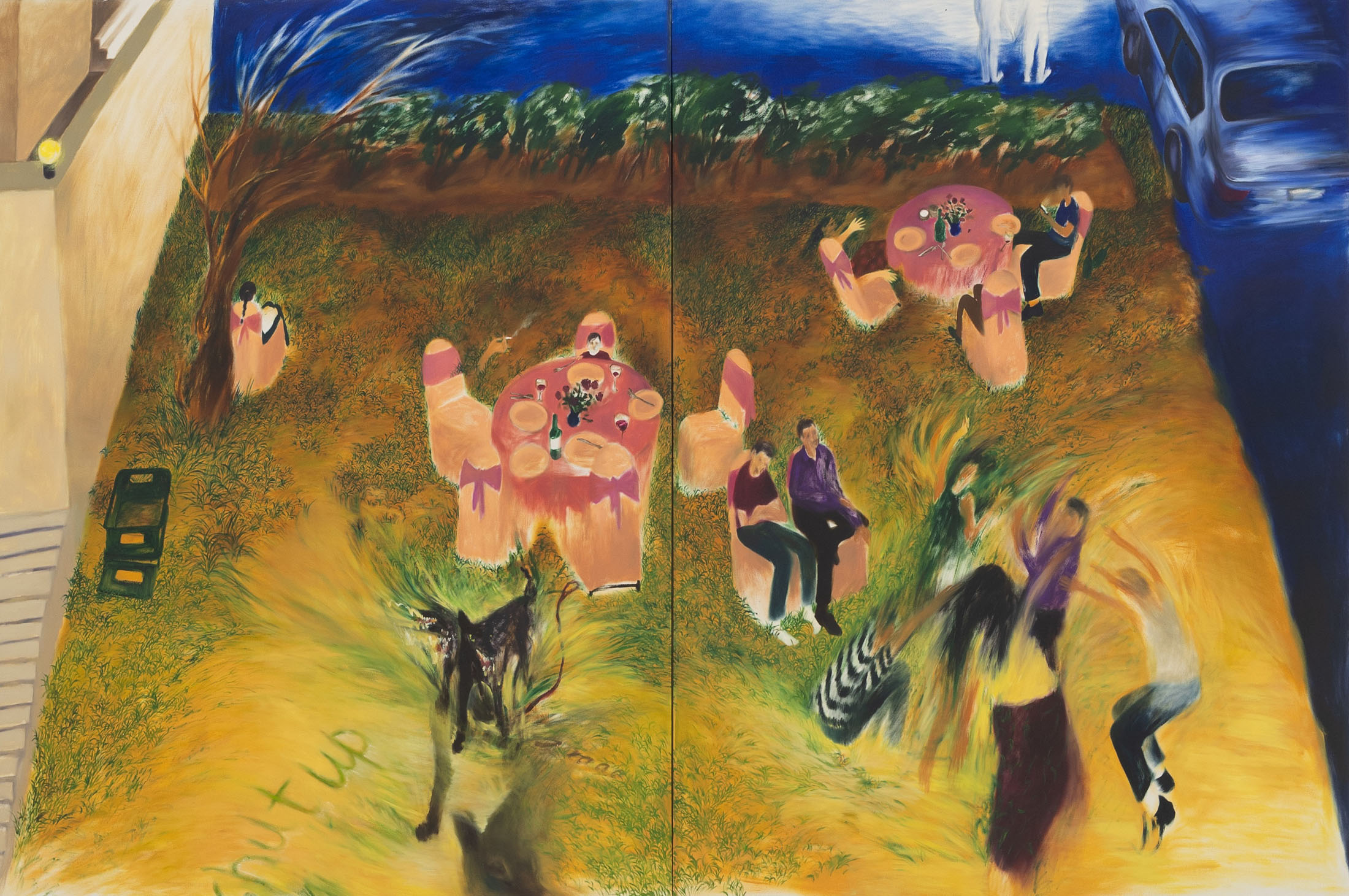
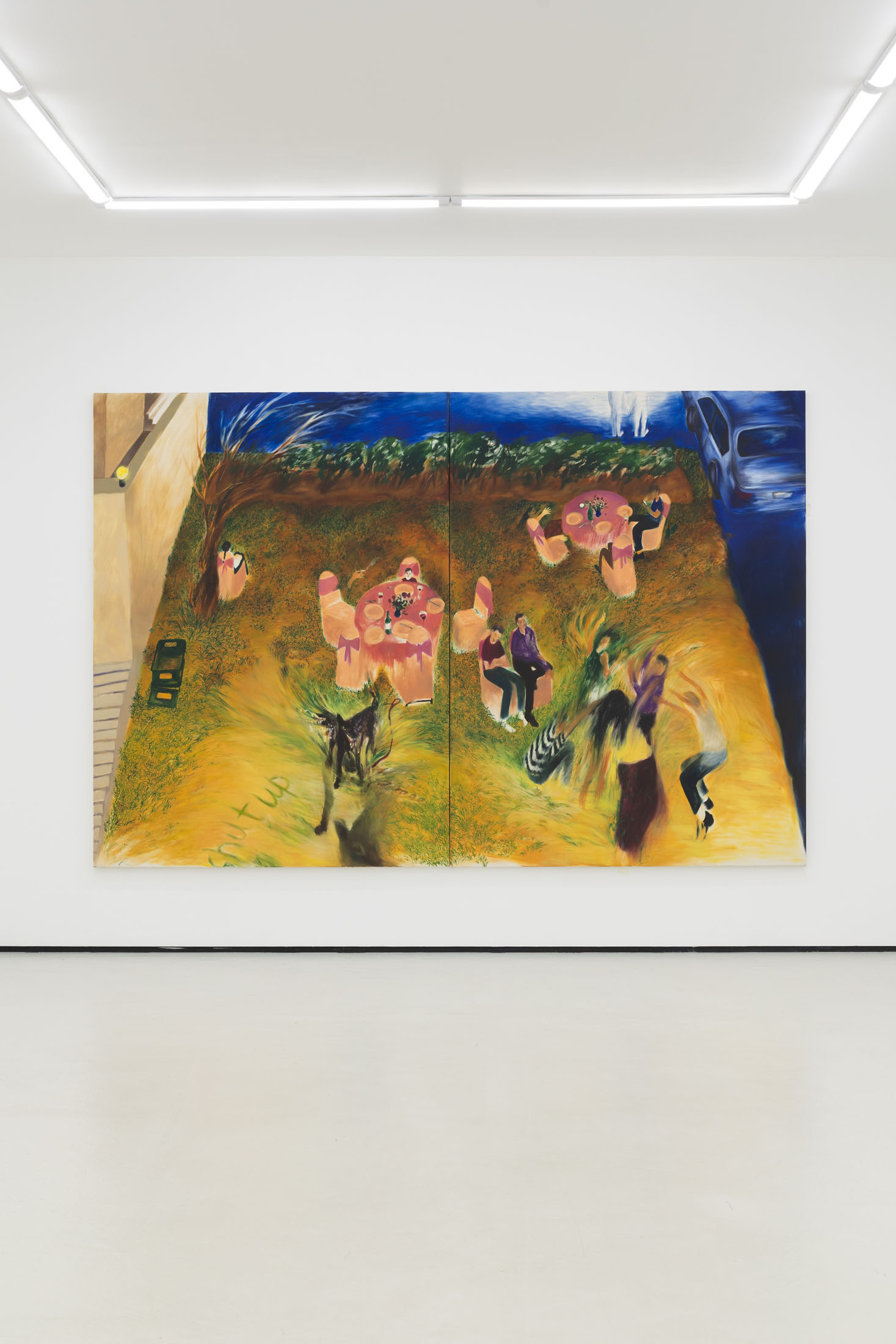
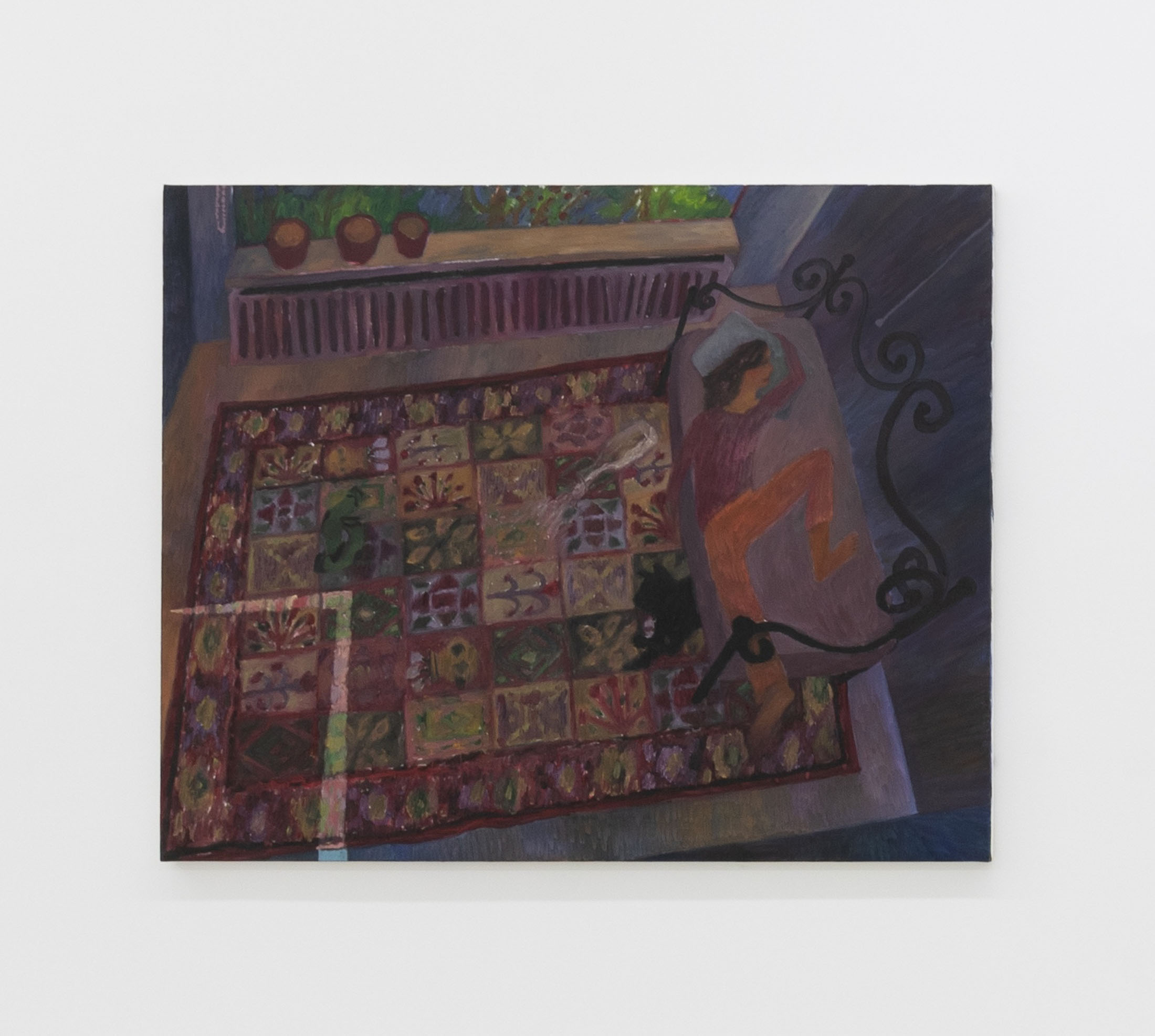
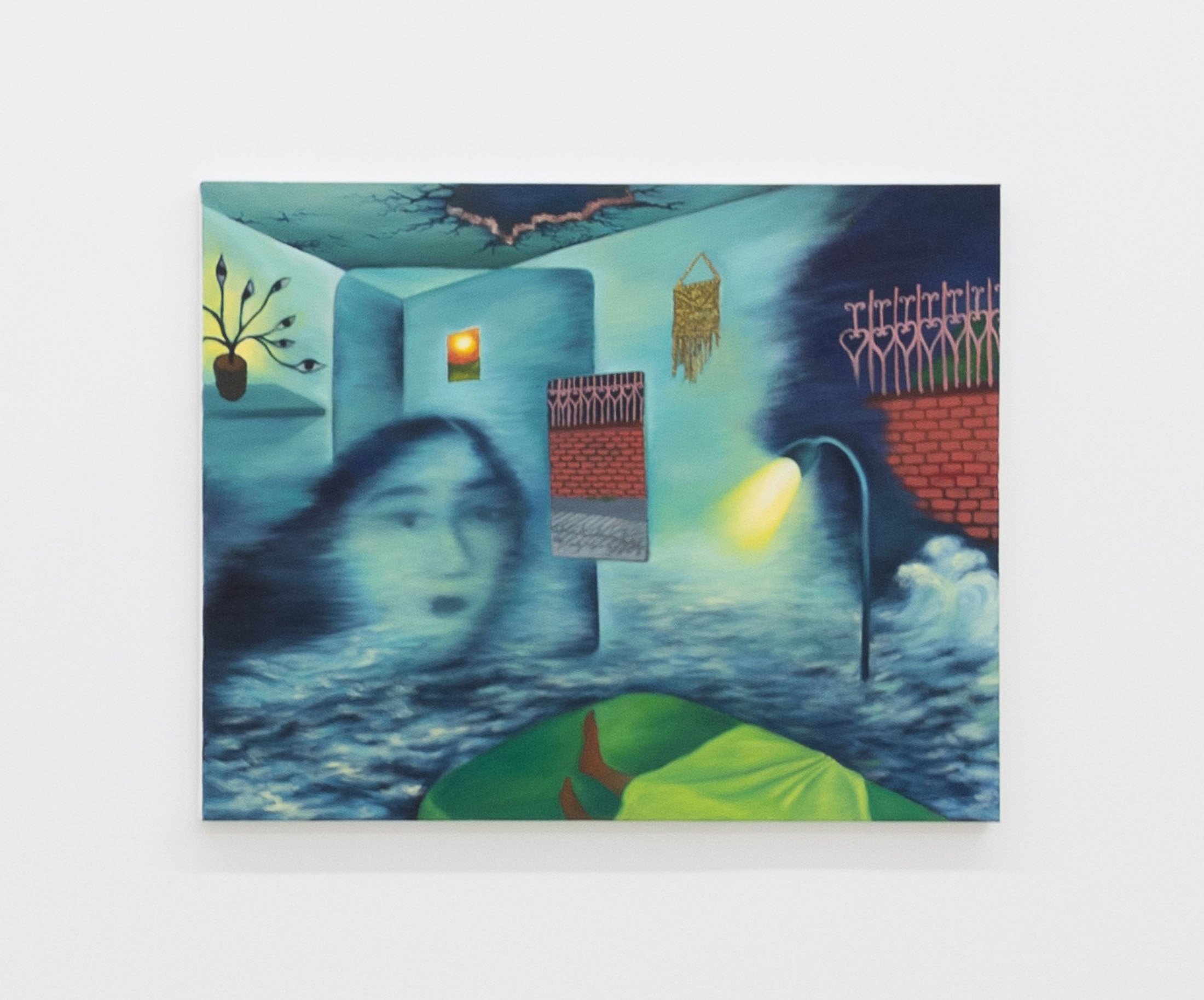
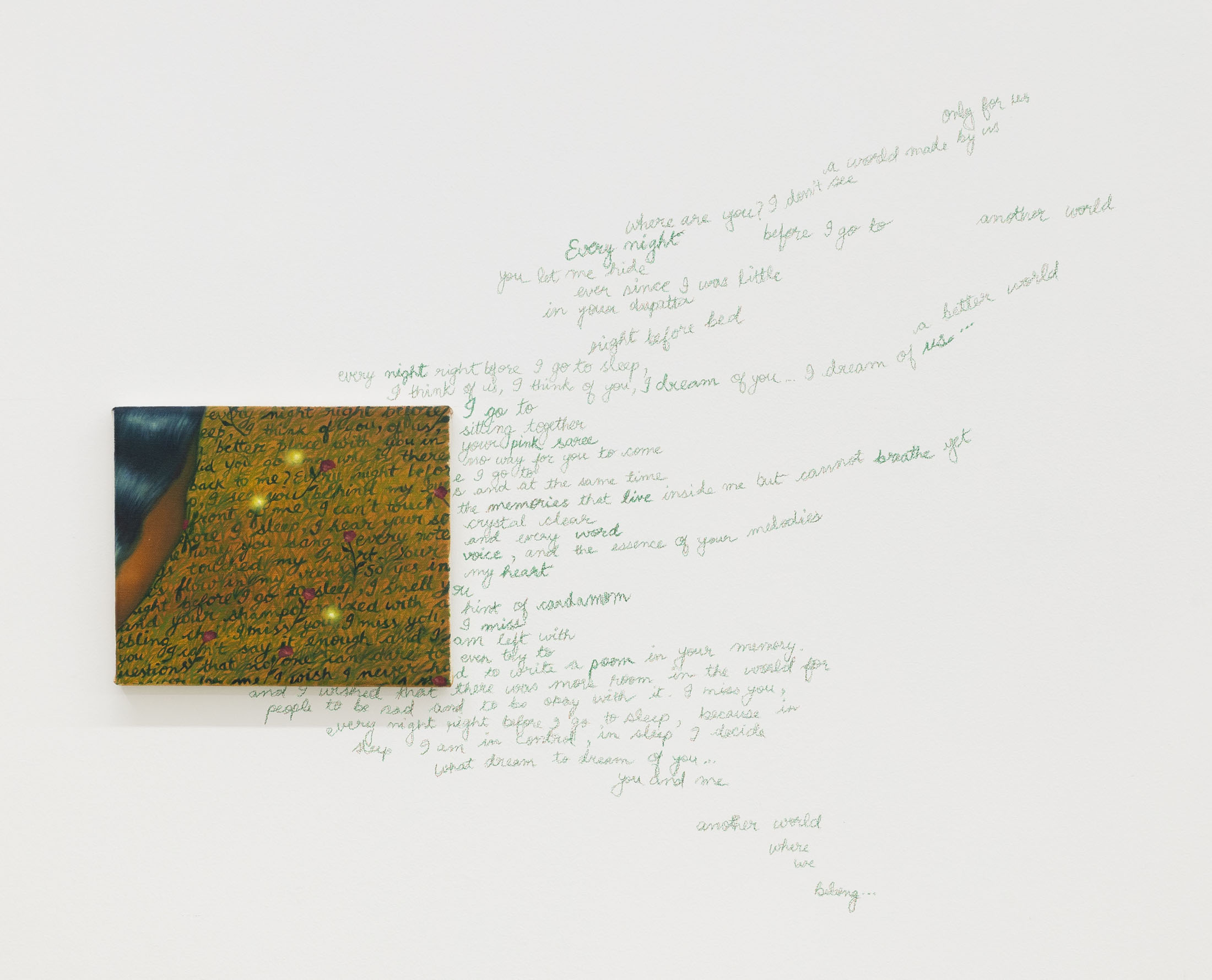
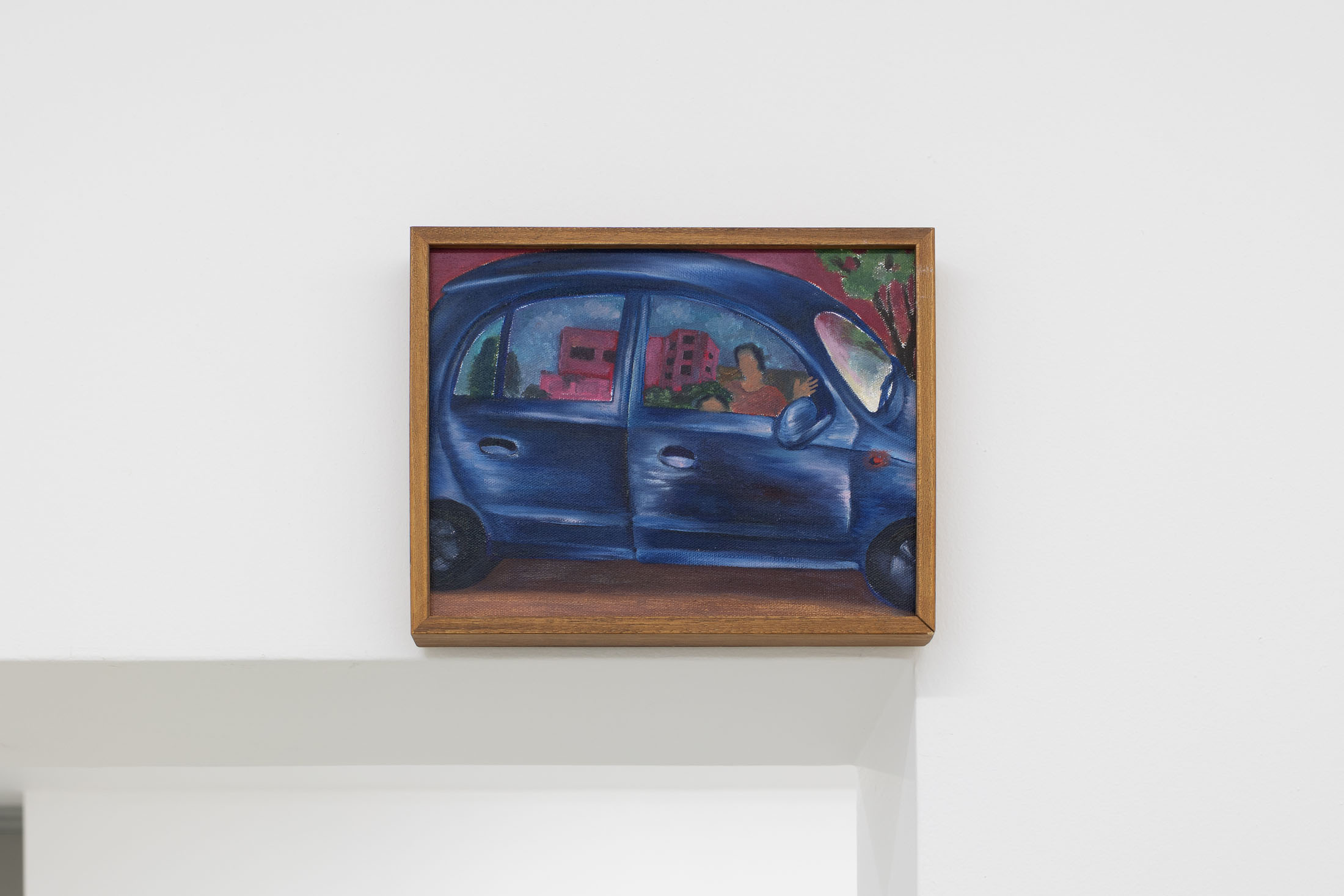
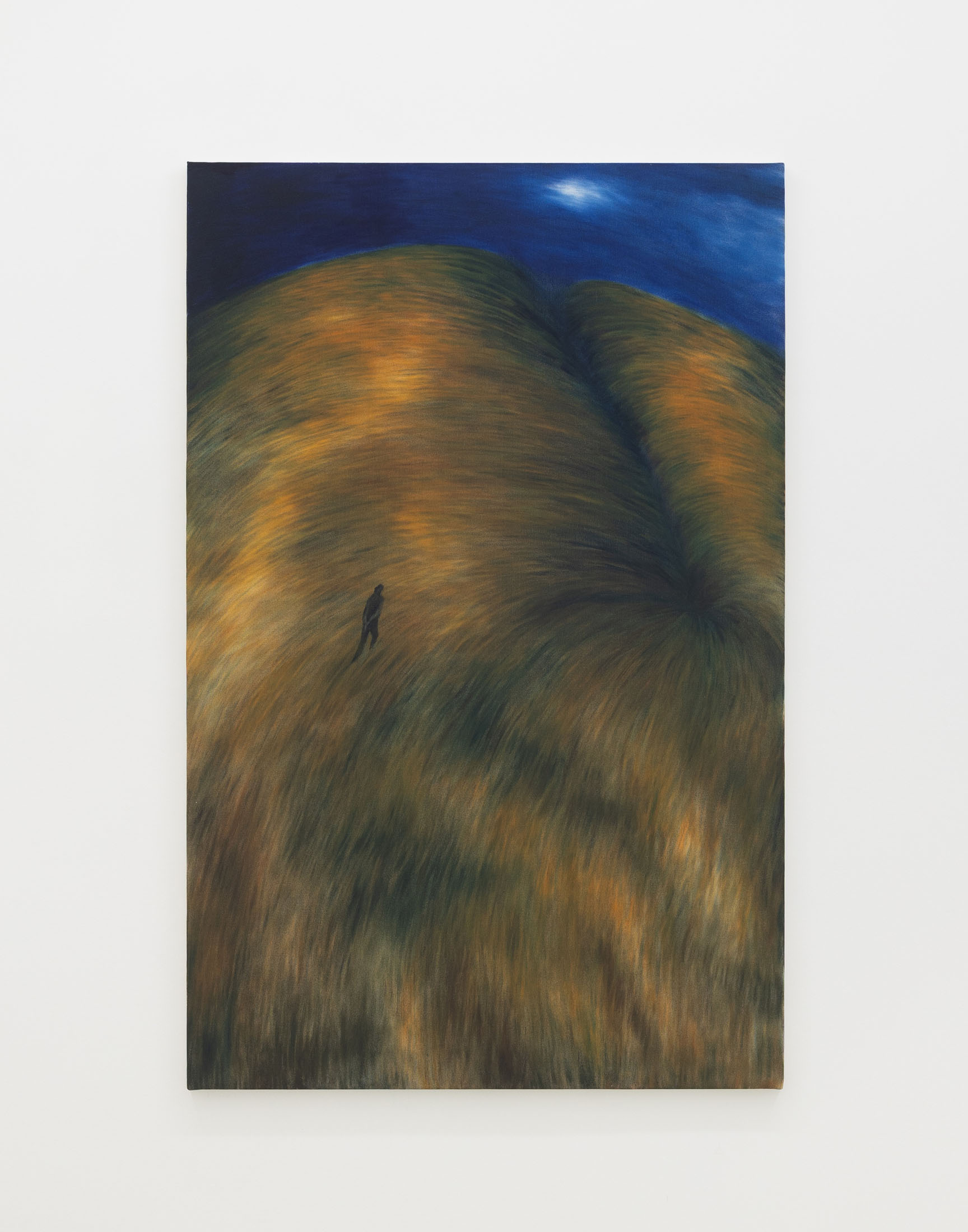
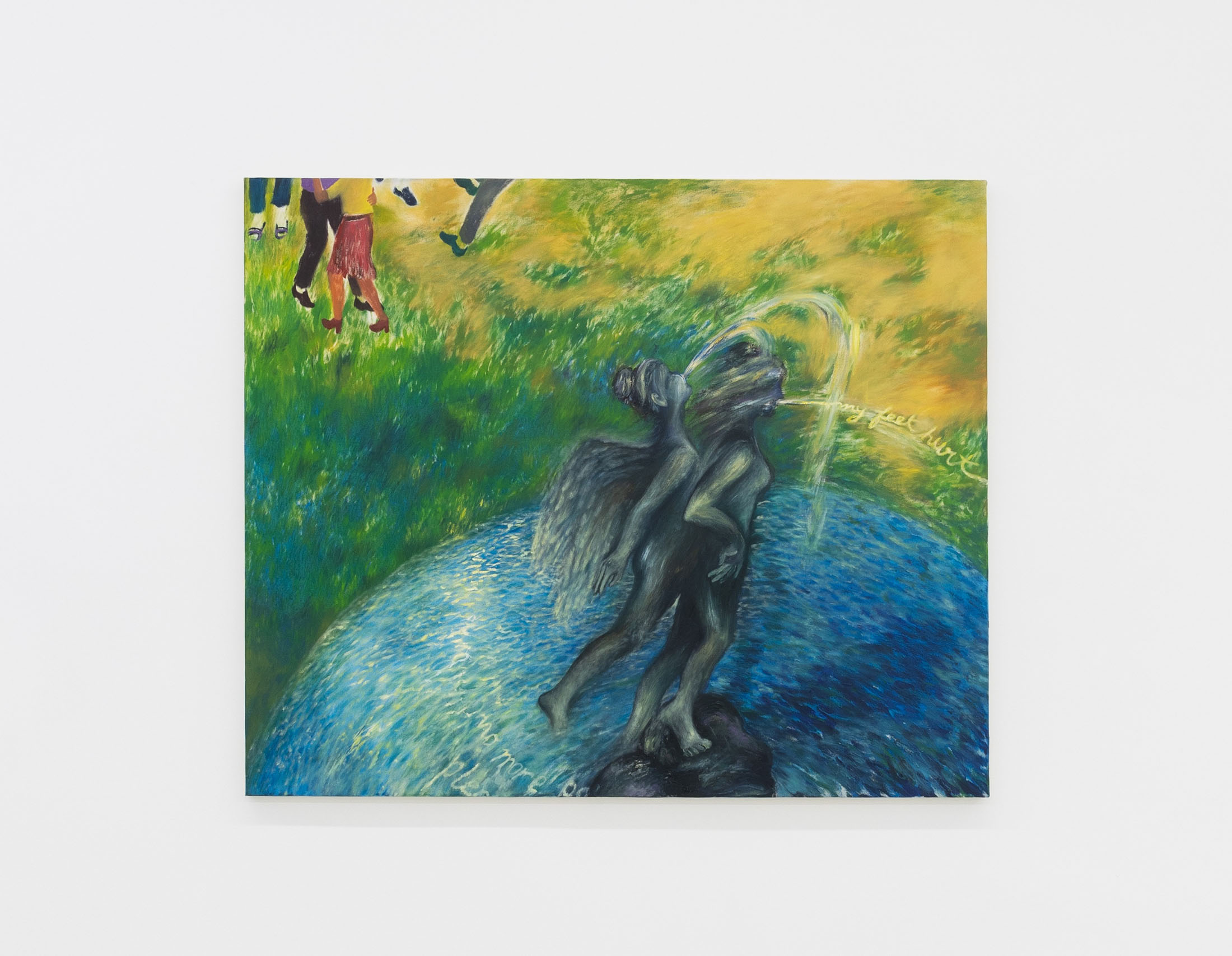
This relation between appearance and disappearance takes another form in Shivangi Kalra’s paintings. Her scenes have a day-to-day feeling: a family gathered around a table, a child beside an adult, people dancing, a car and a garden. But the longer we stay, the less certain these figures become. Bodies transform, scales invert, spaces stretch, and gestures lose their context. Her paintings have the peculiar feeling of dreams remembered just after waking up: recognizable in fragments, but increasingly dificult to hold together.
There is an impulse to grasp the scene before it fades. We recognize a face, or a place, and then lose the connection between them. What remains is not quite the event itself, but a few persistent details. Kalra’s paintings seem to occupy precisely this interval, between the moment of recognition and the moment when the image begins to fade.
Across these works, appearance is never a final state. It is a temporary arrangement. Memory, landscapes, spirituality, intimacy, and the human body, appear here not as subjects to be represented, but as forms that are continually being reorganized.
What we see is therefore never quite the thing itself. It is what remains, what has shifted, or what has momentarily taken shape.
—Tarissa Revilla