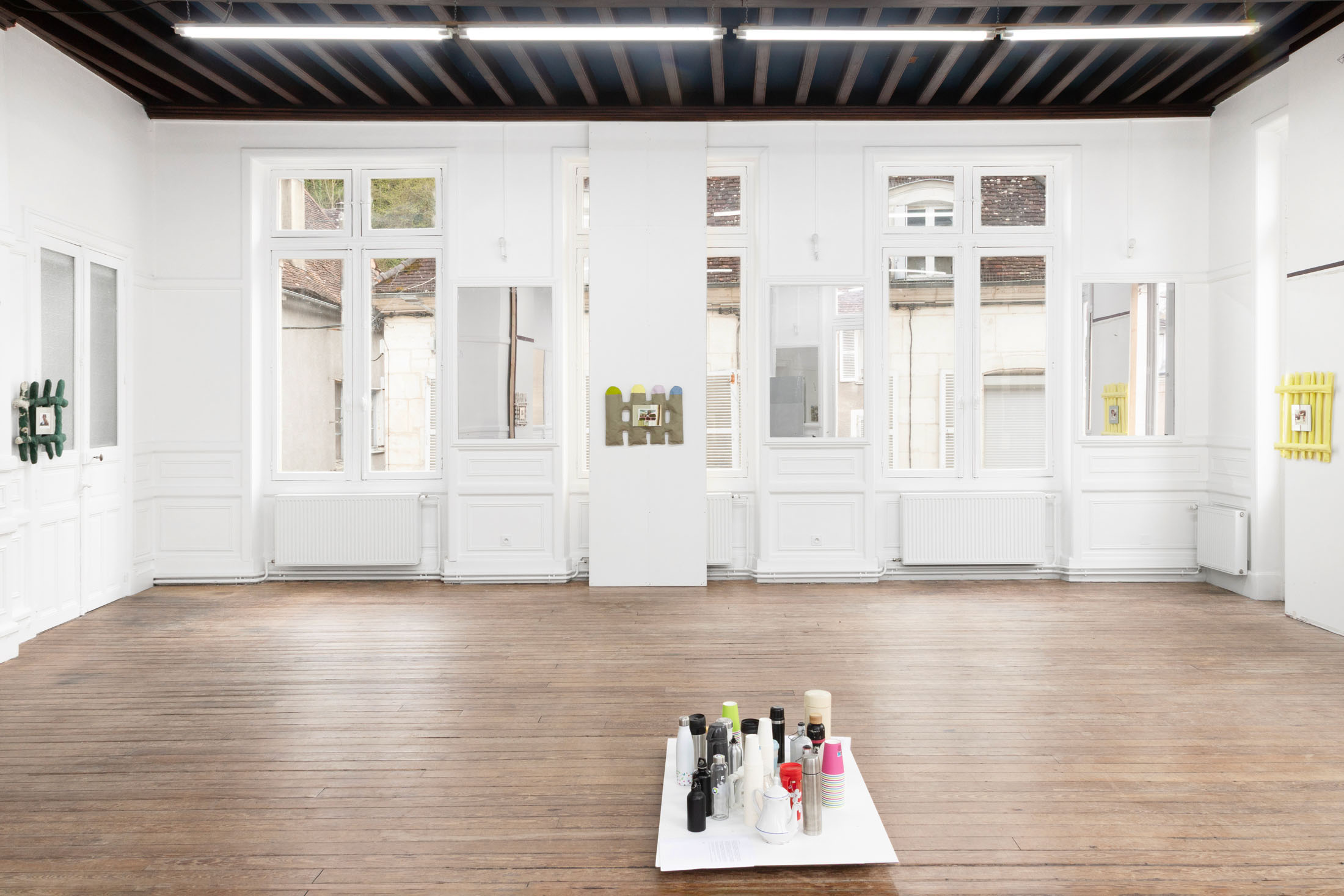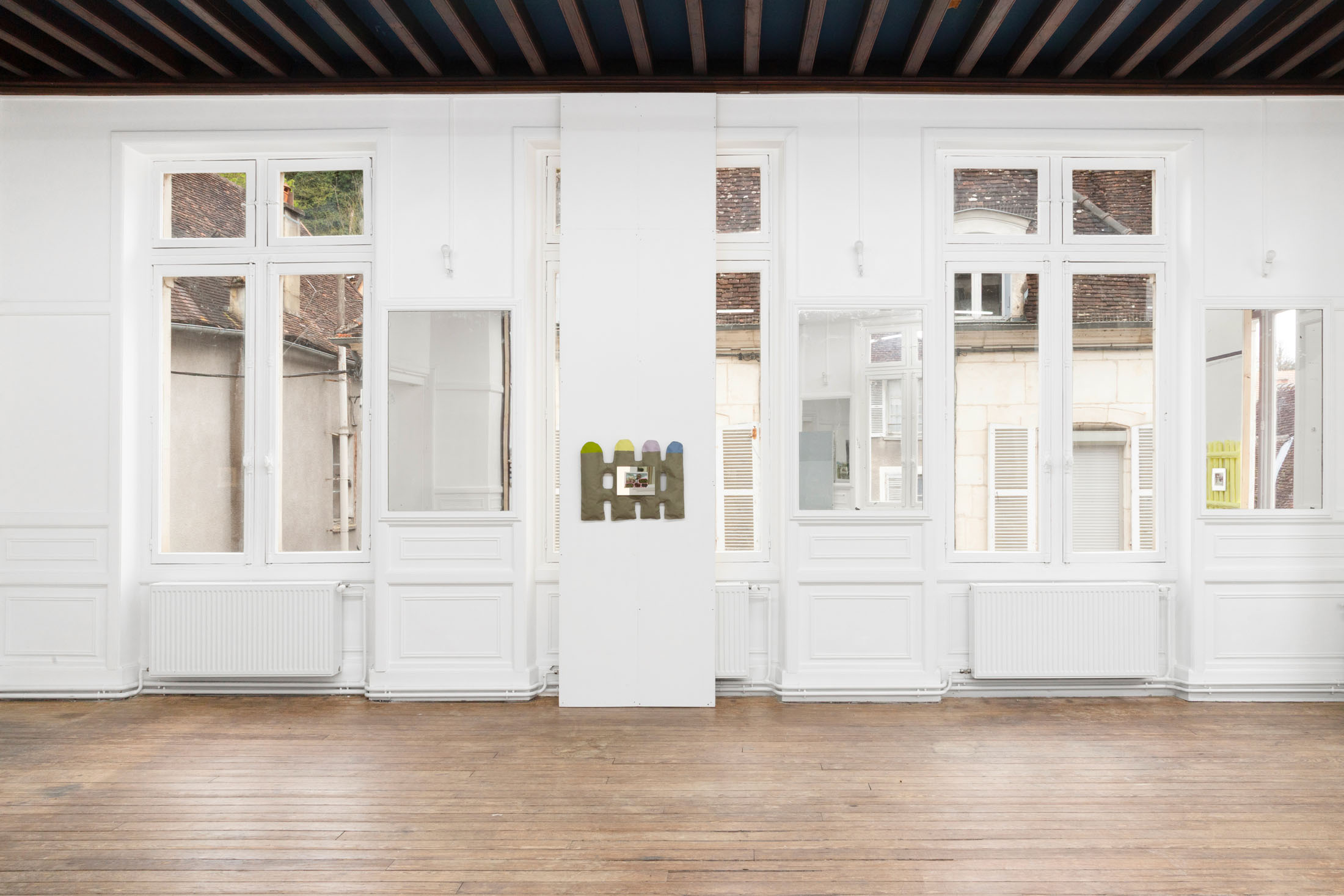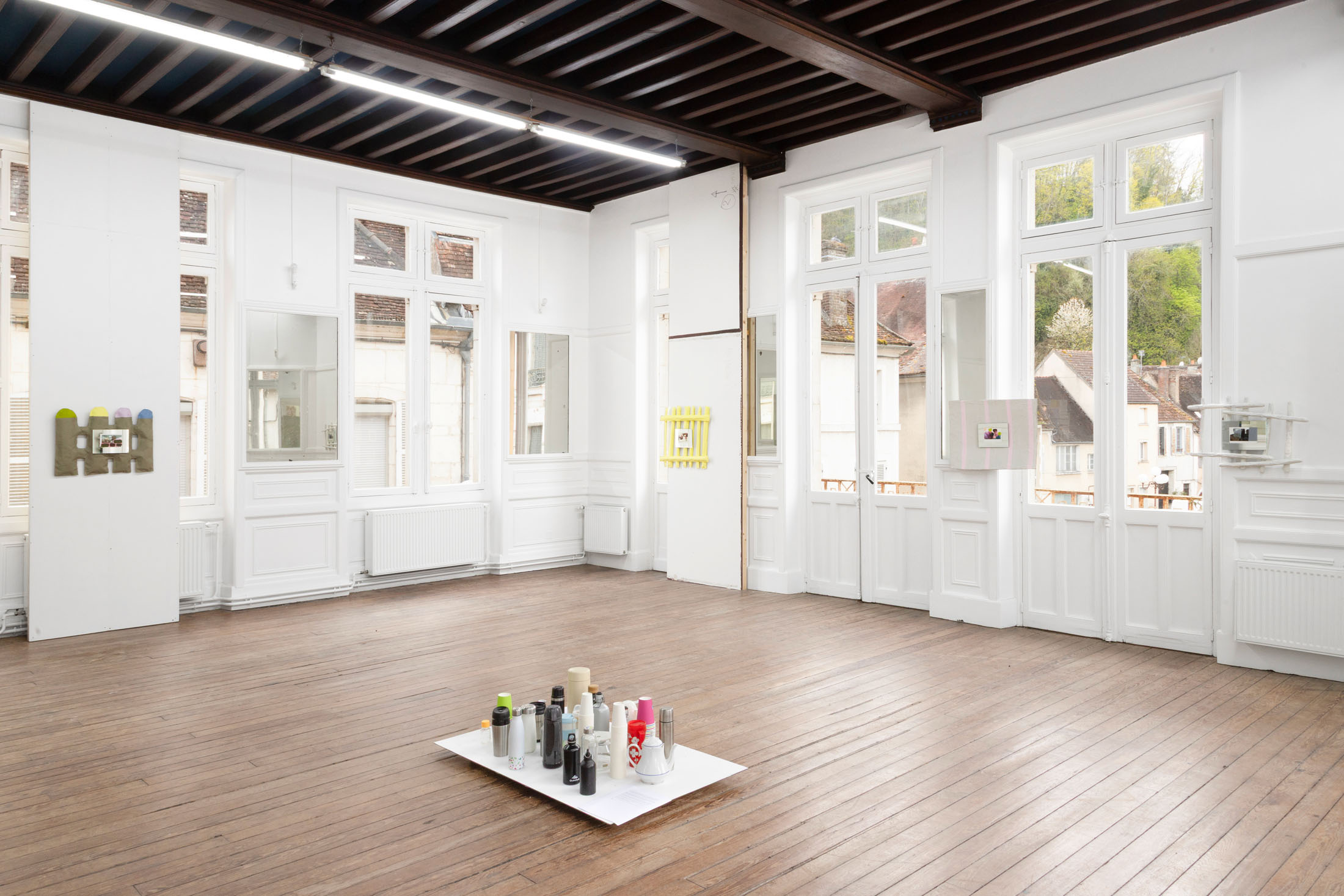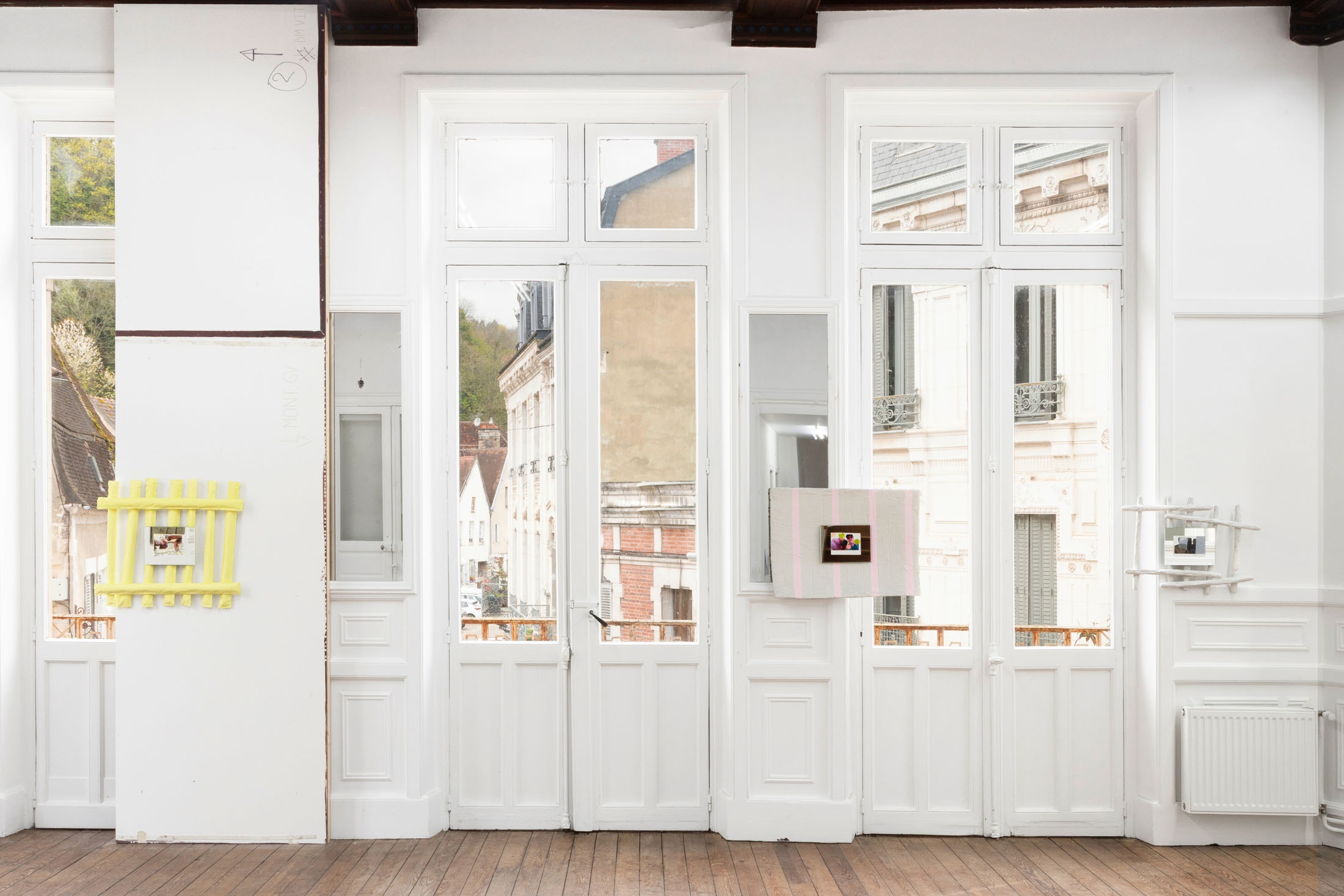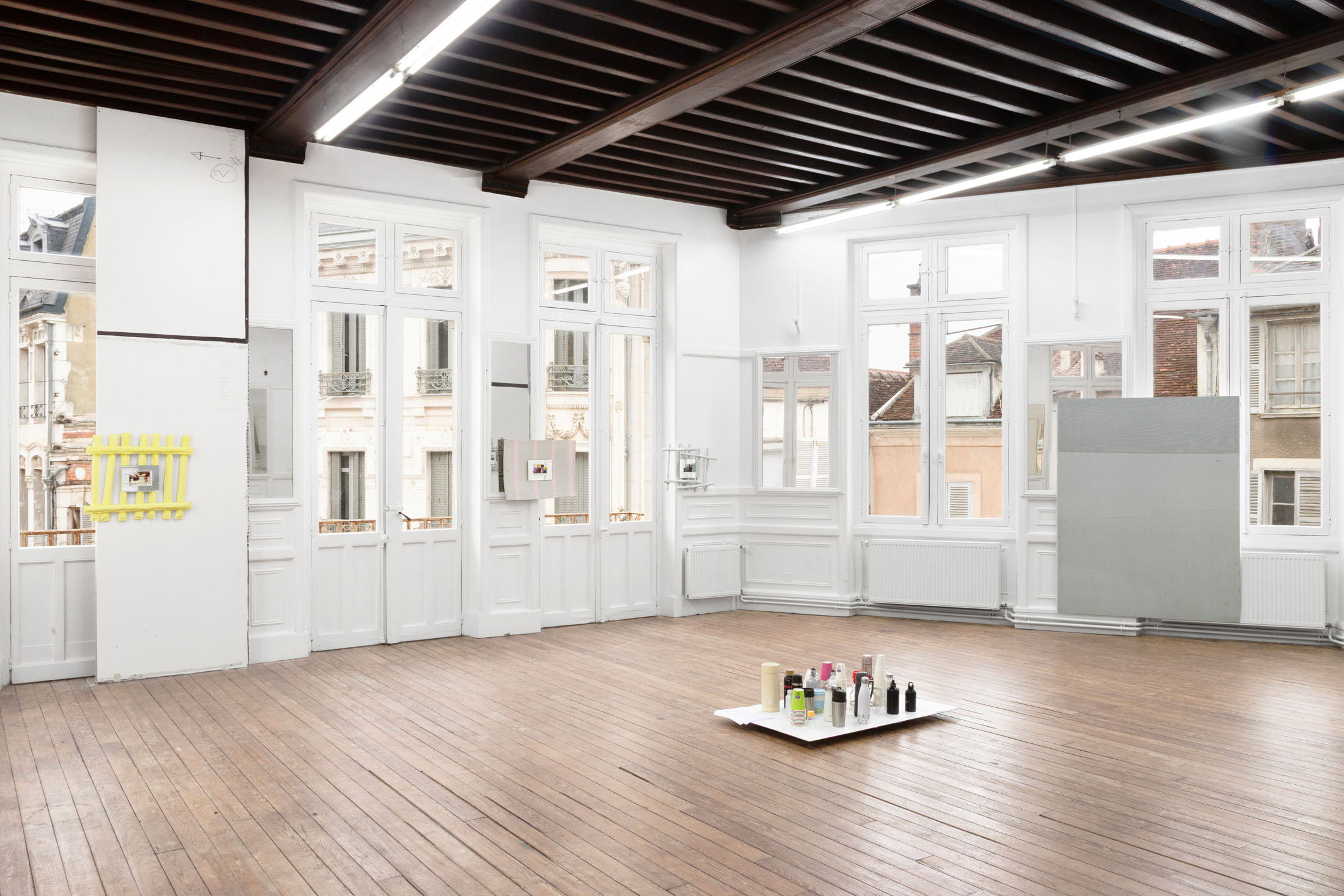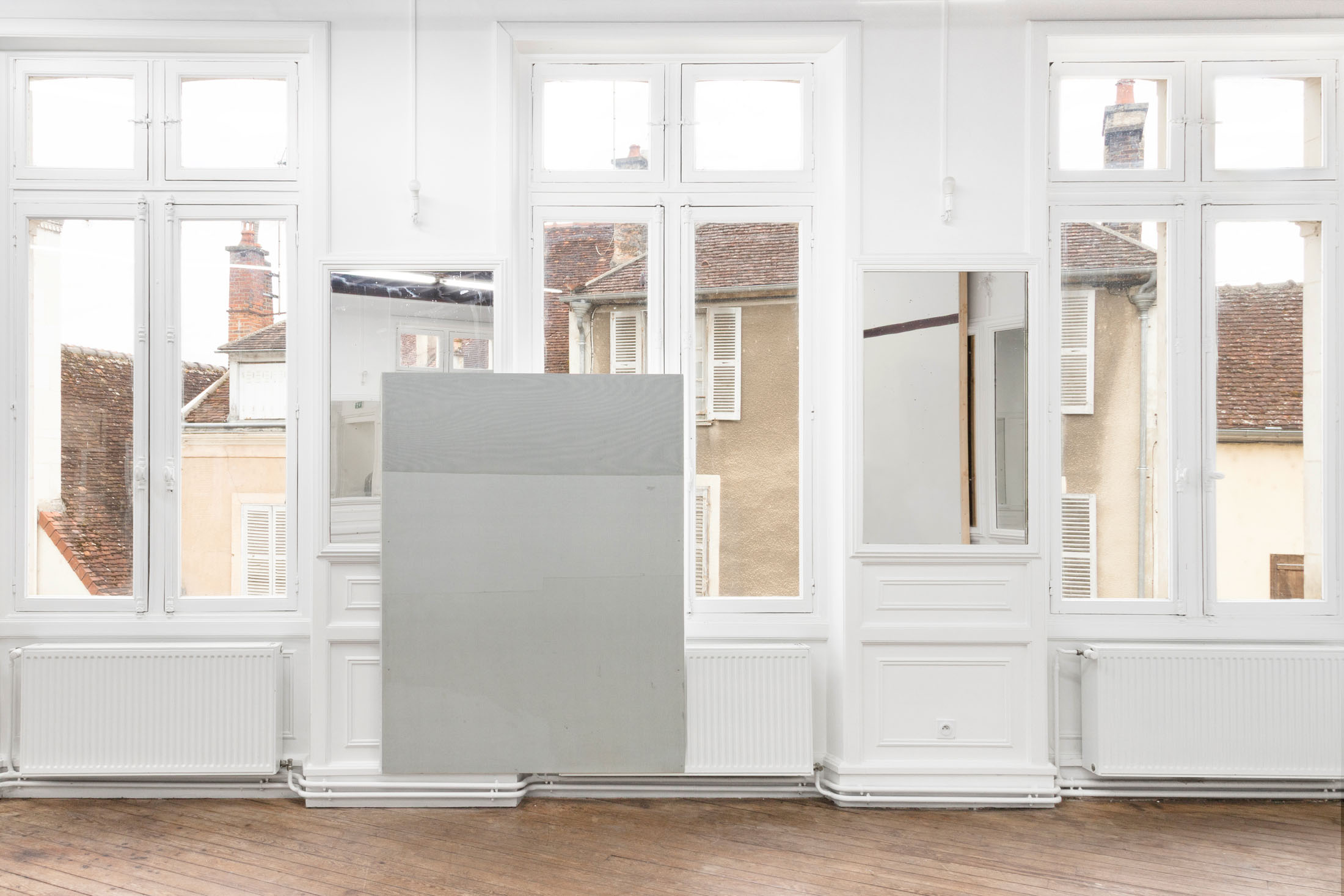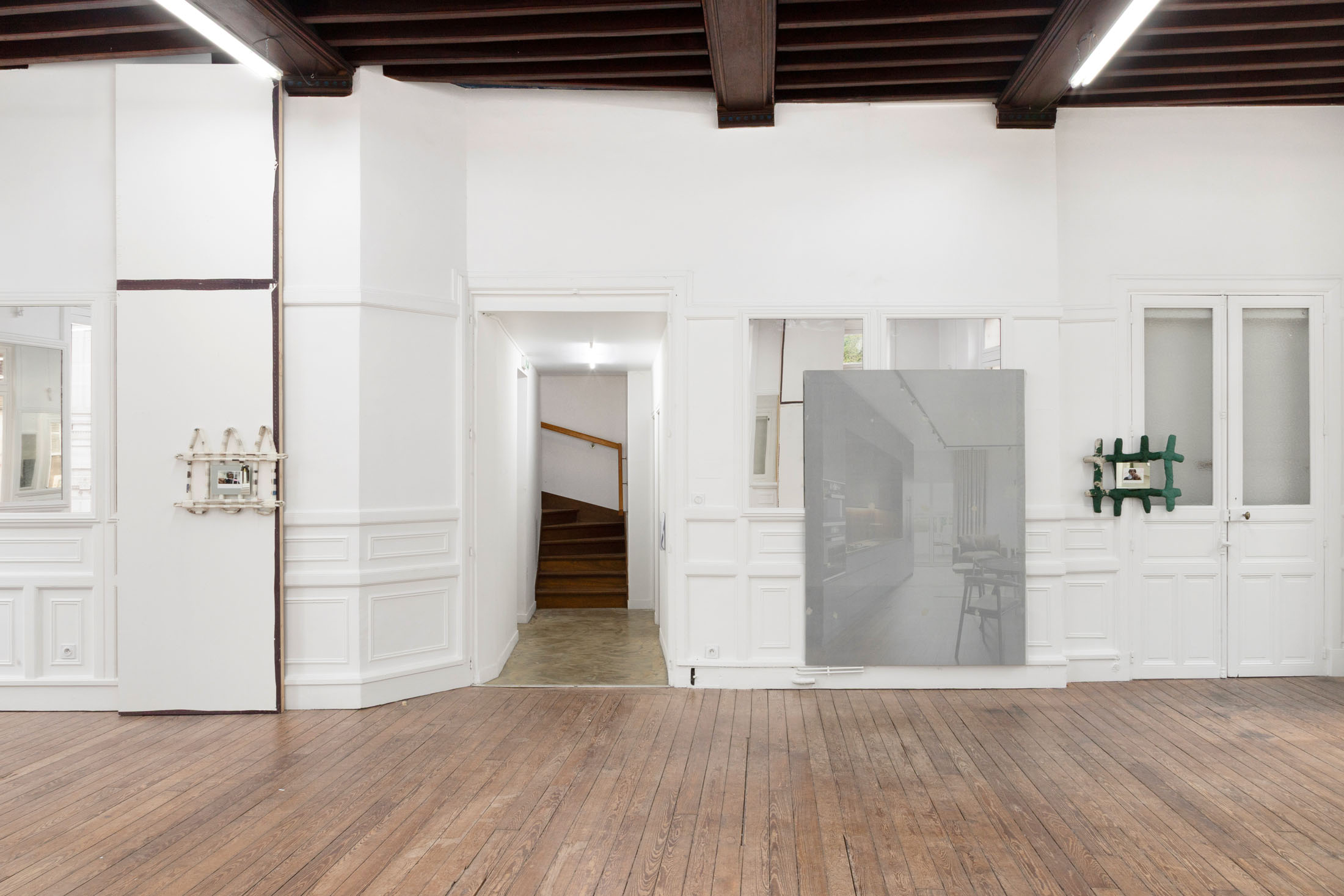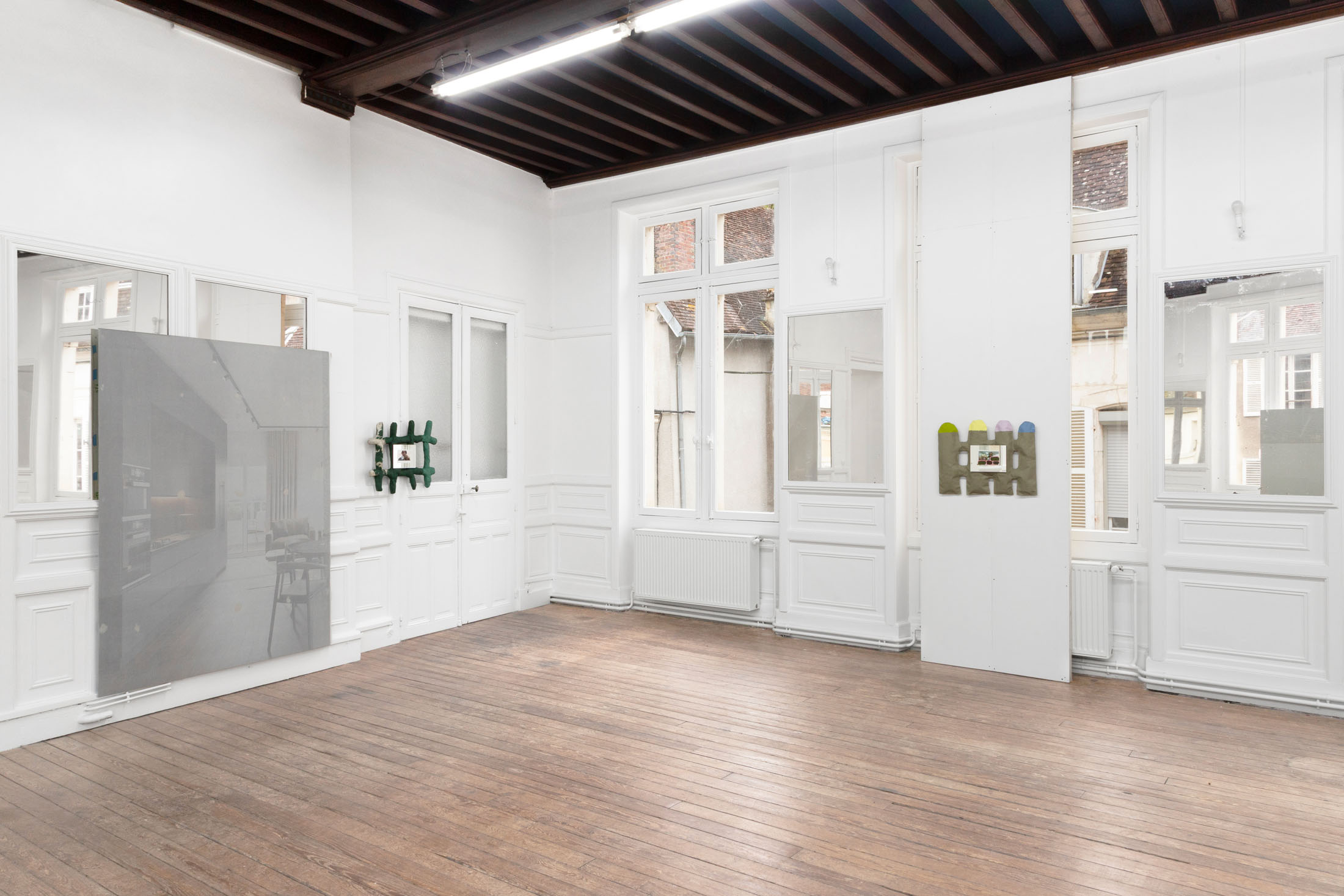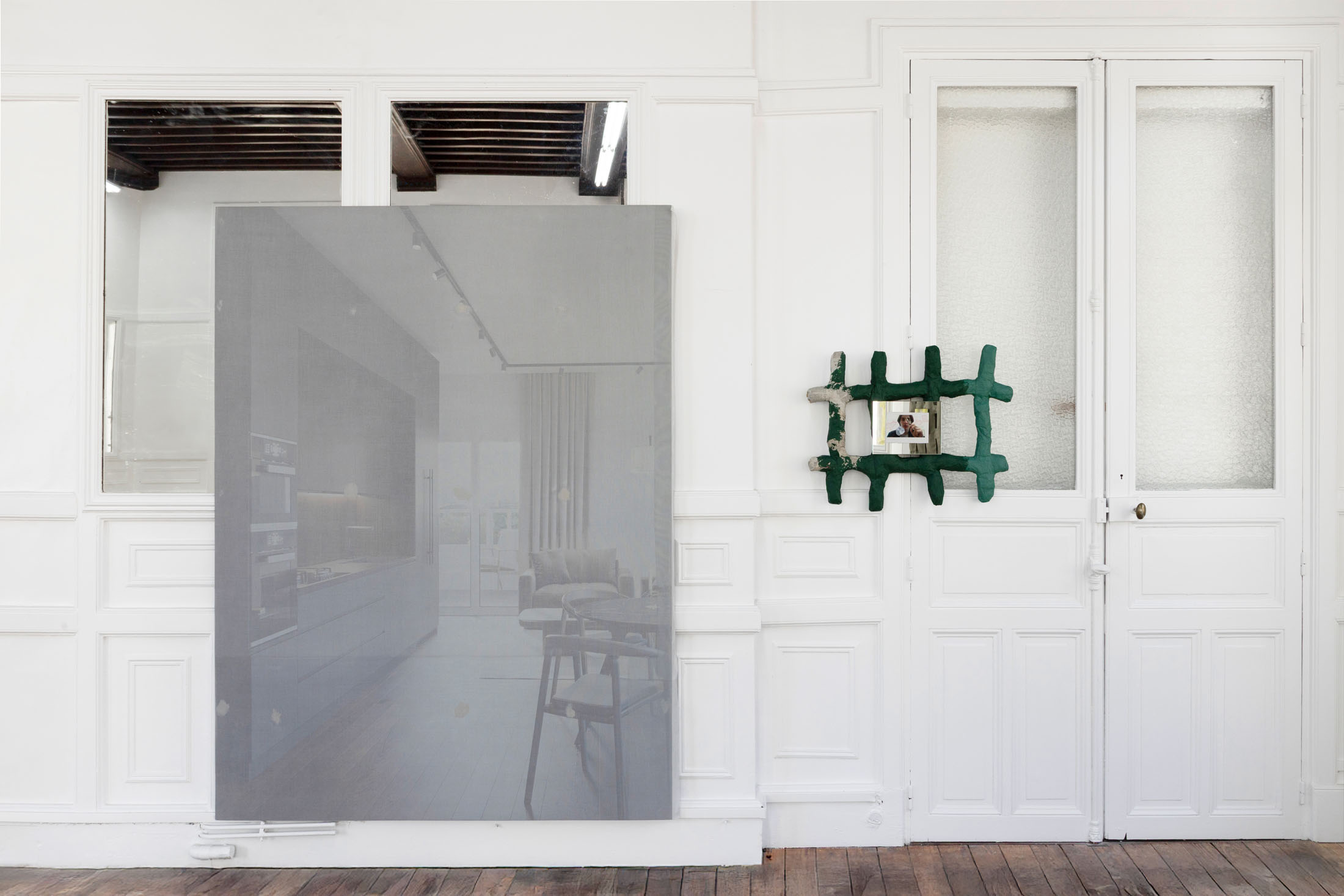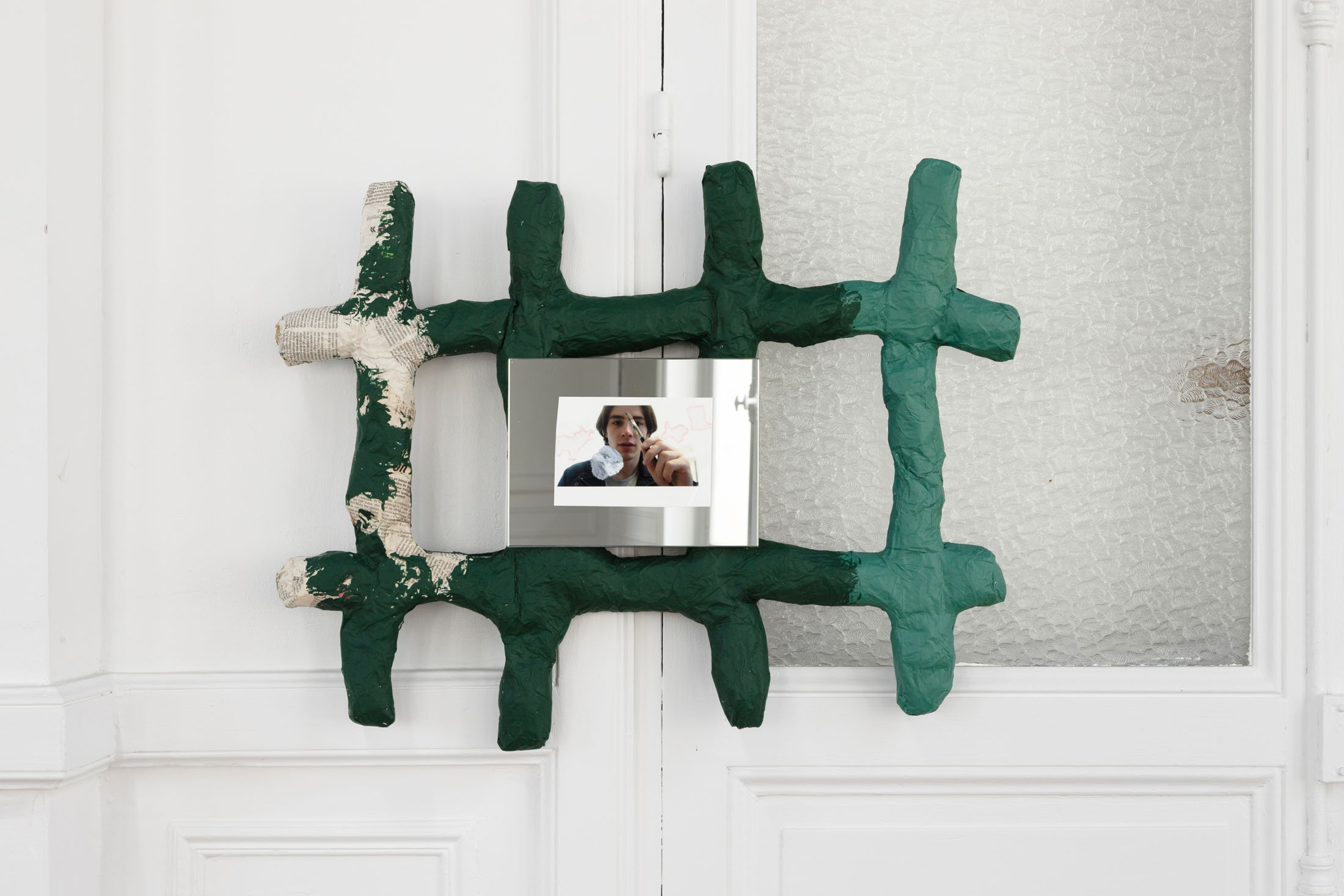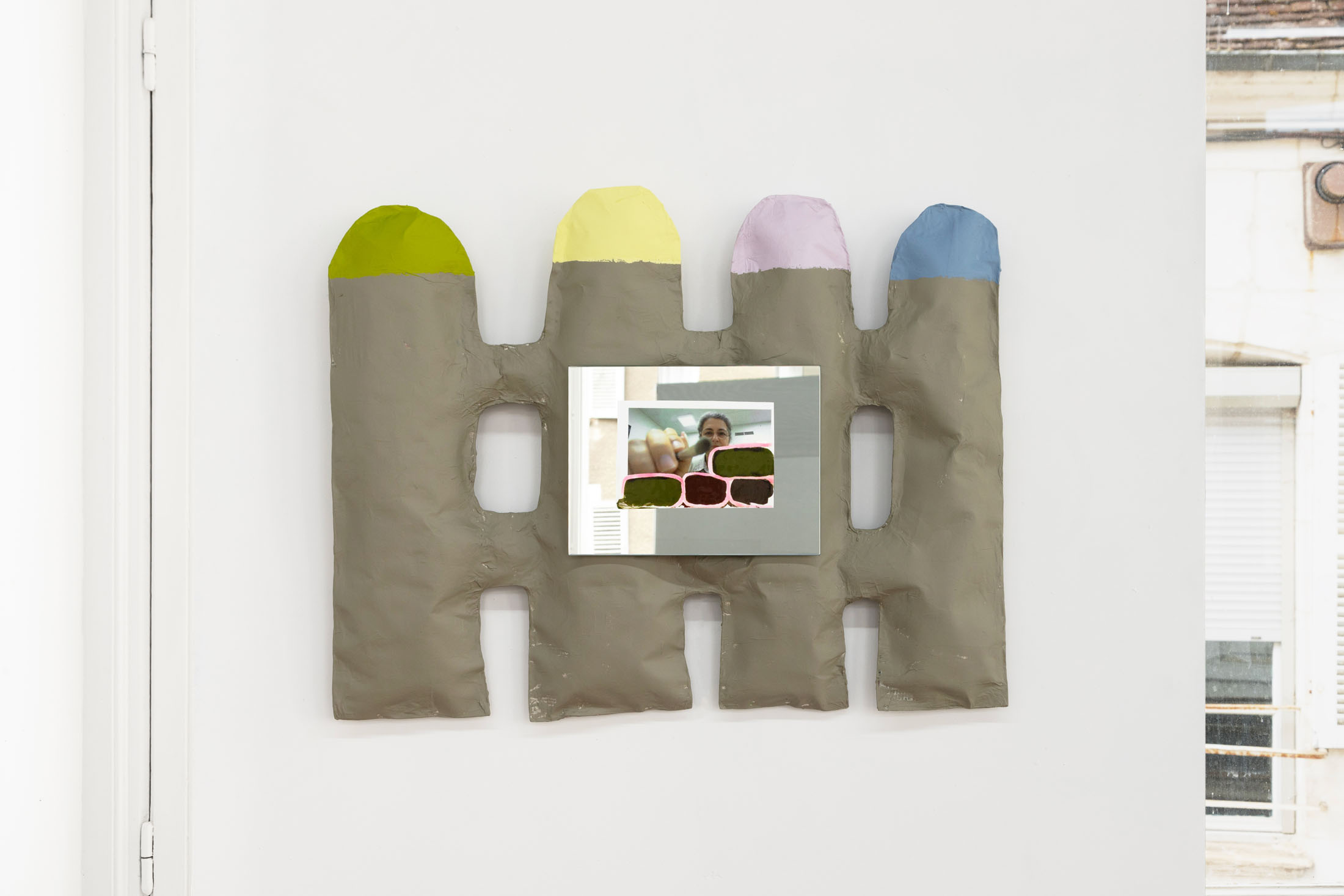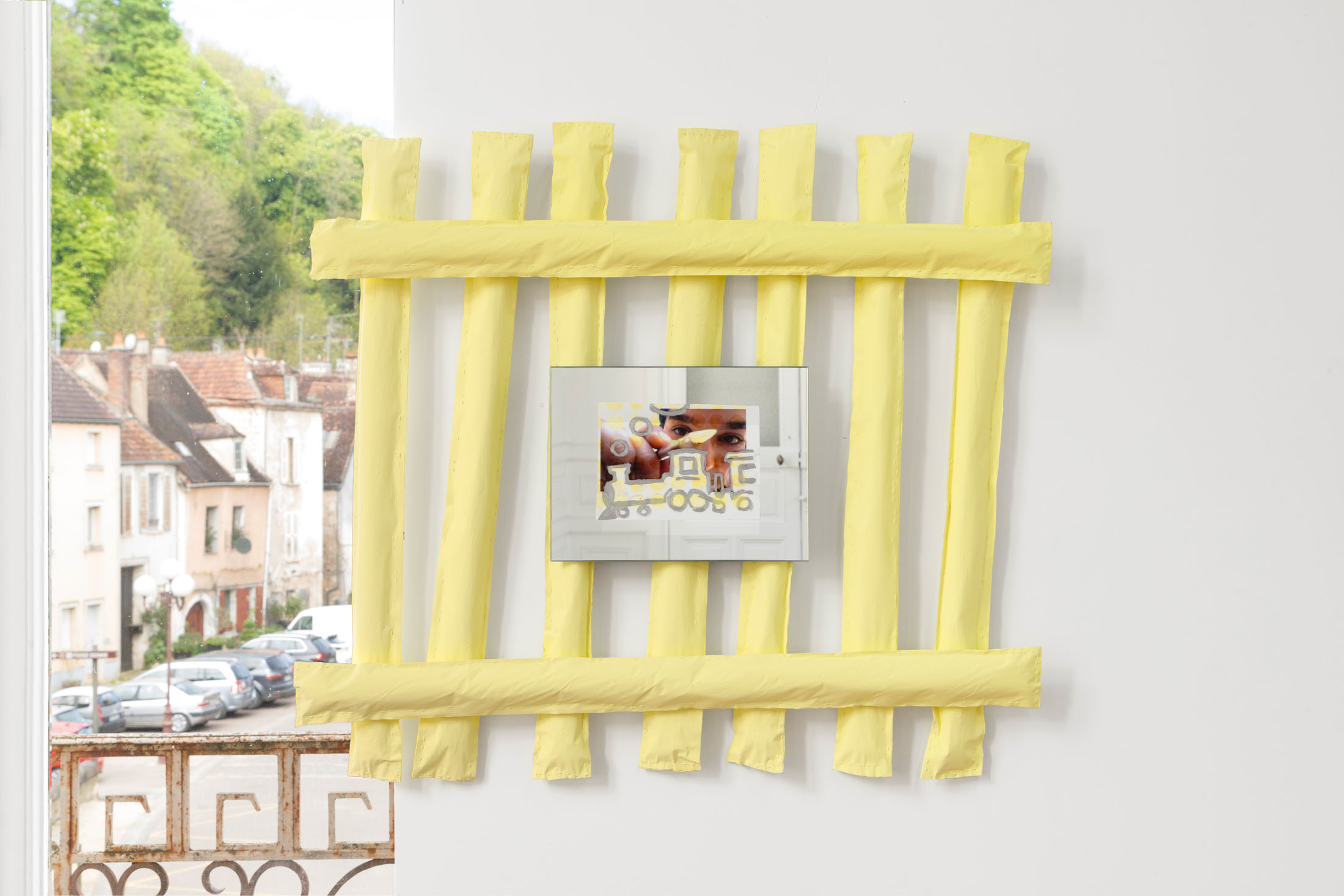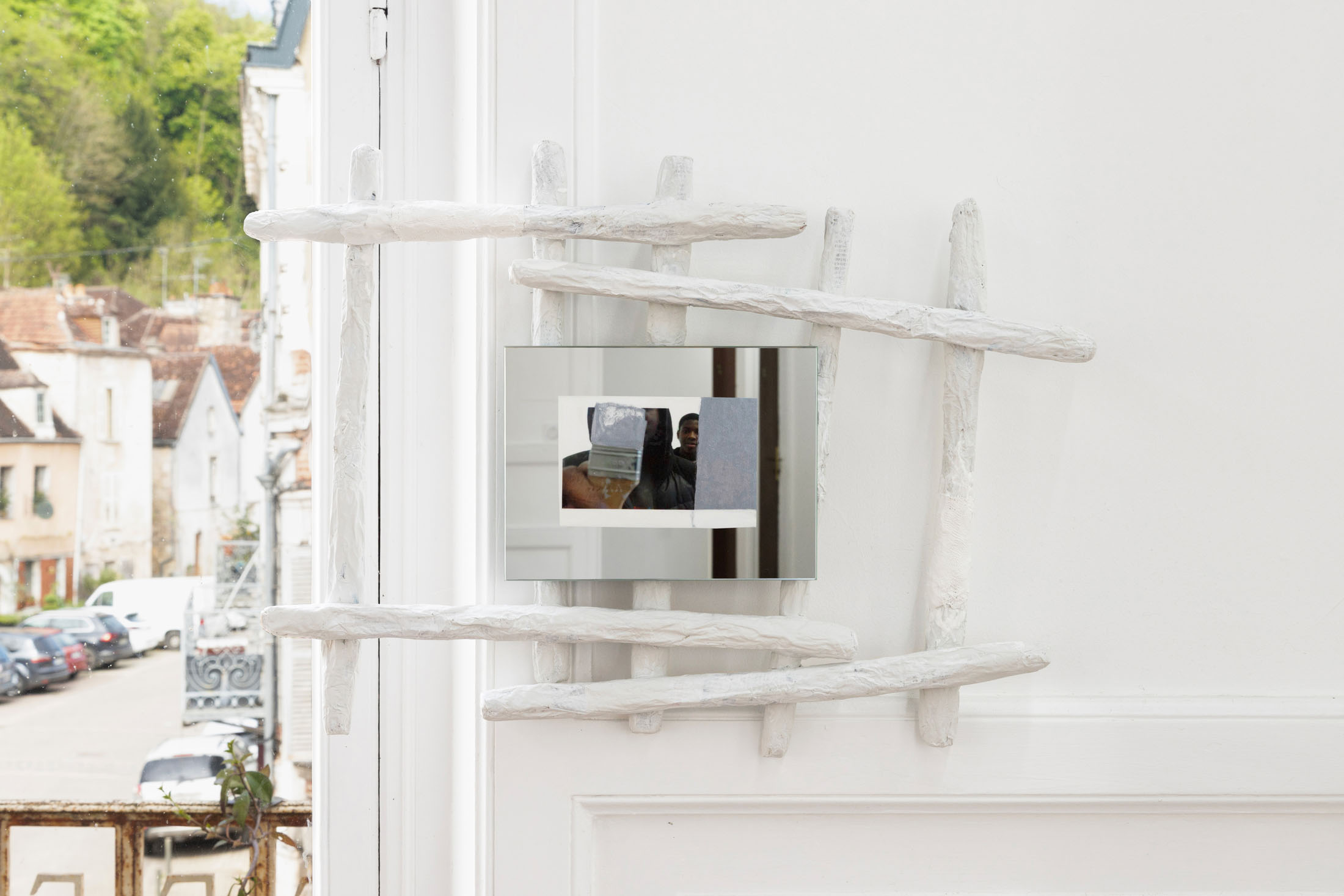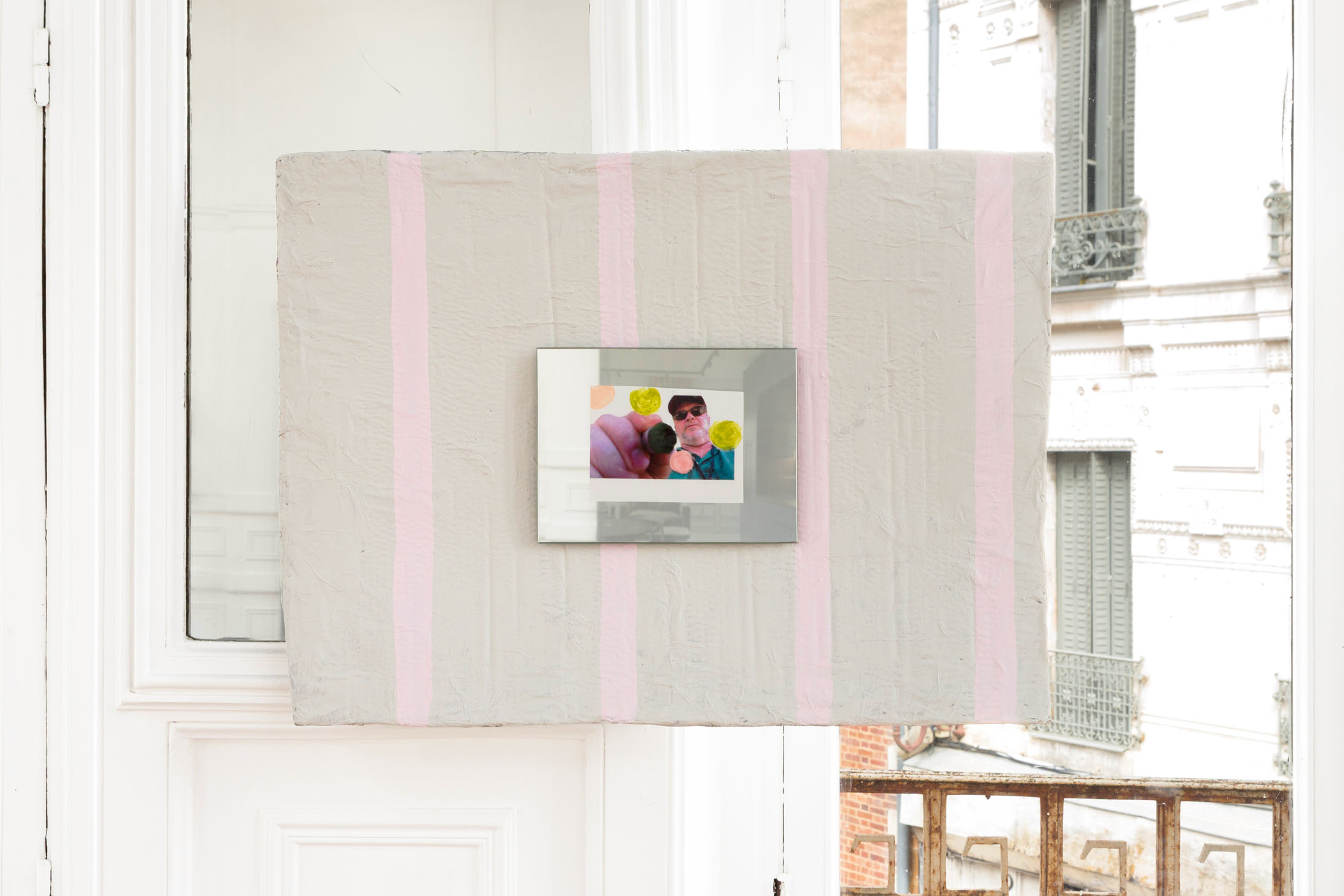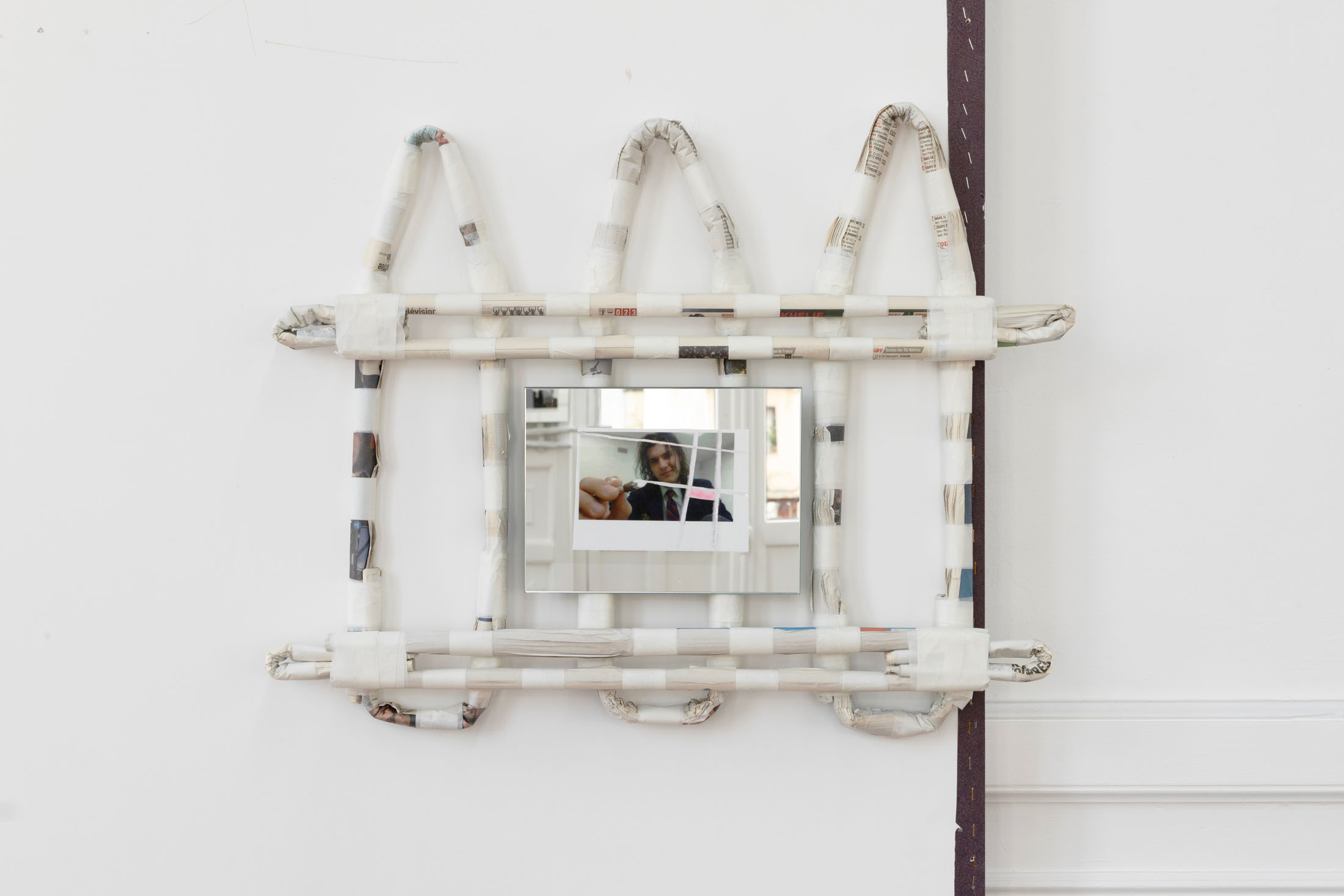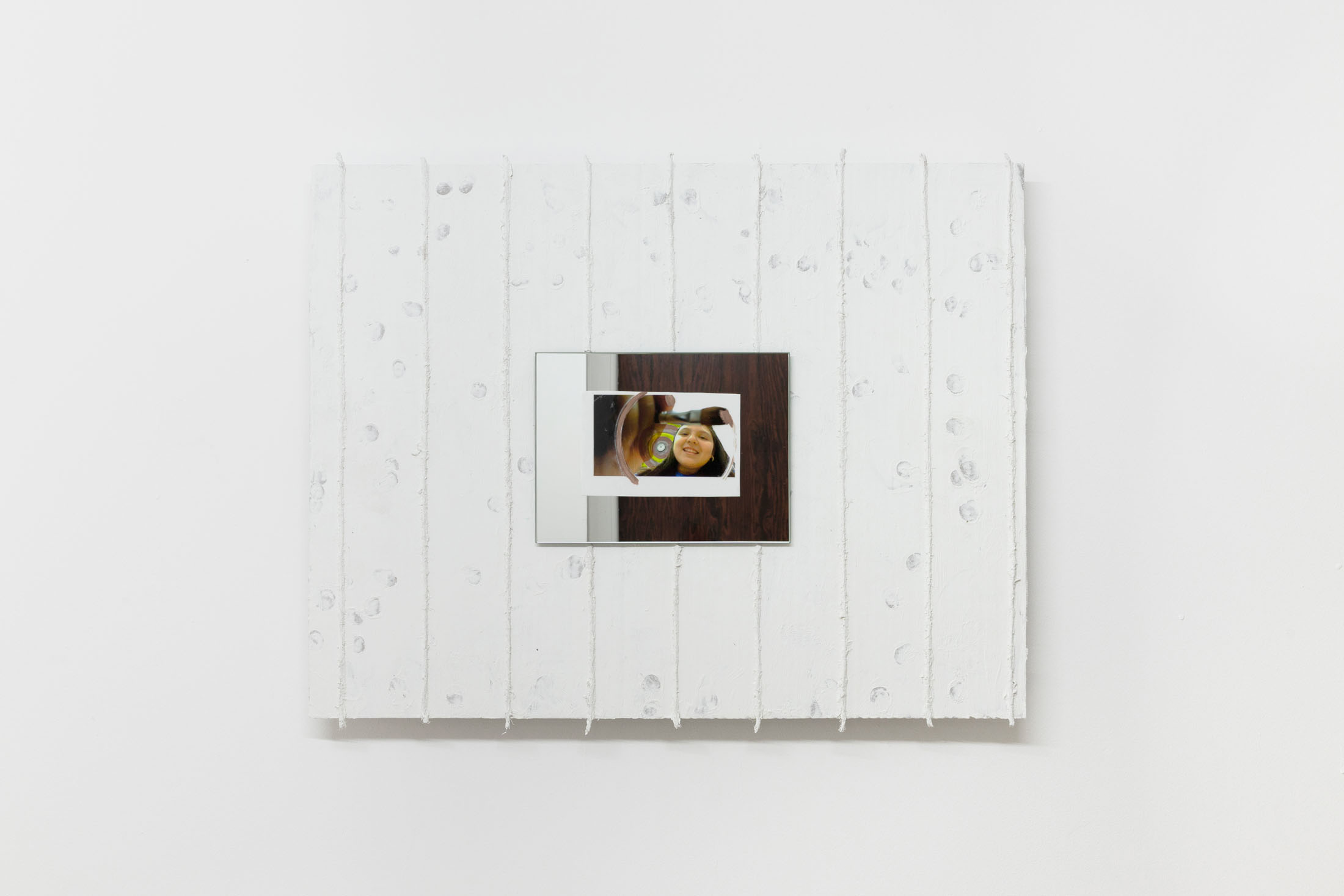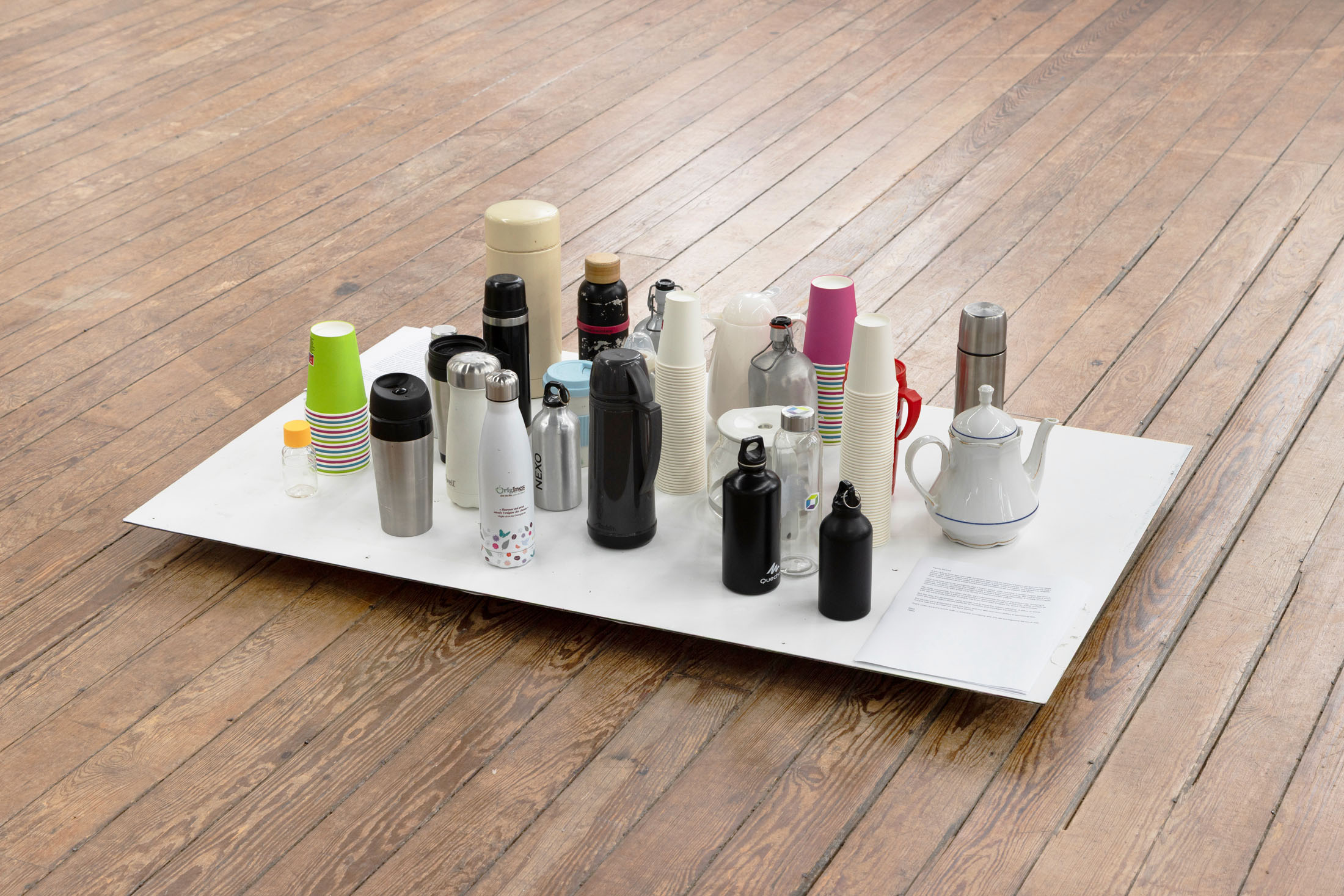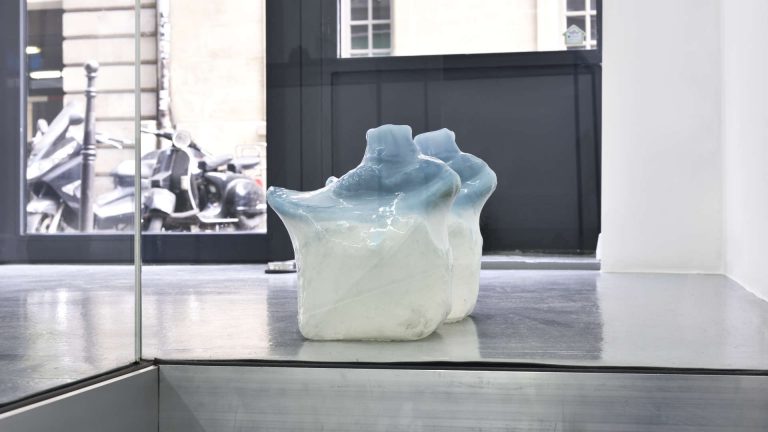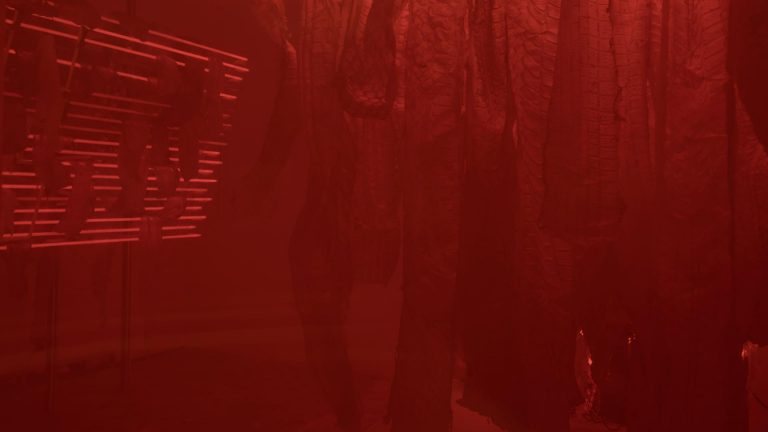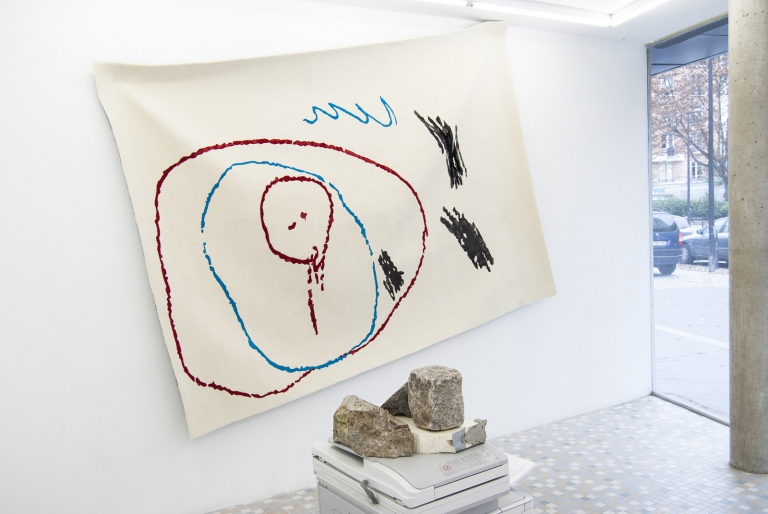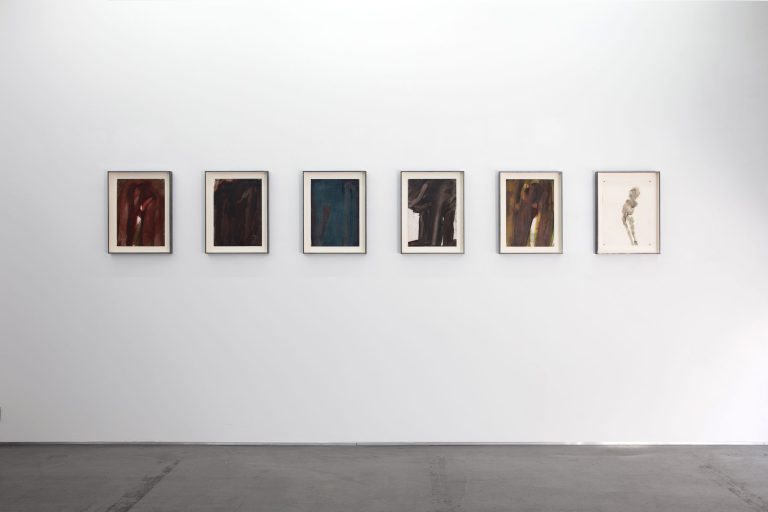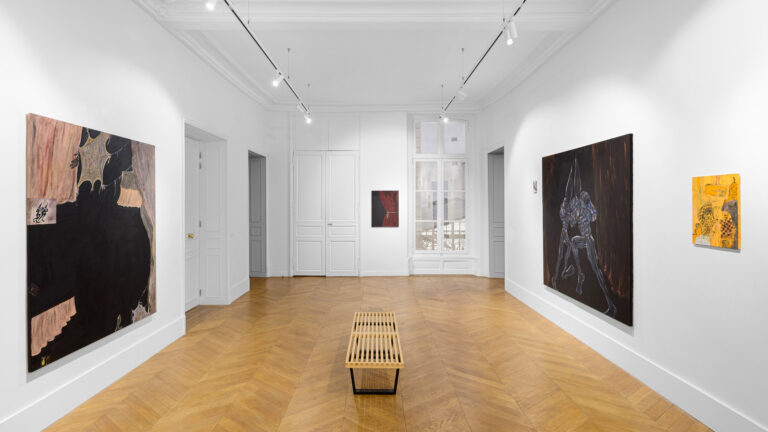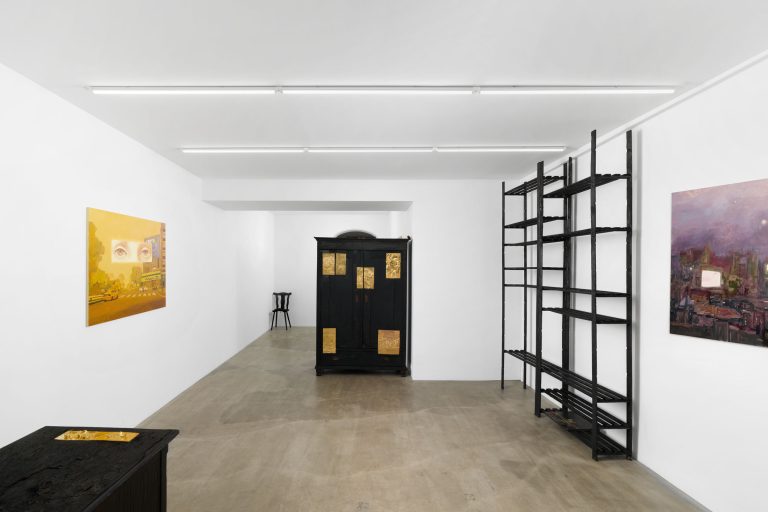
If no one gives us space, we create our own. This central thesis of DIY is itself a reissue of an older idea and has, since at least the 1970s, been continually aestheticized, commodified, and simulated. But let’s take a step back; behind the brickstone UFOs built for crypto companies and beneath the loosely carpentered side tables of the downtown wood-fired bakery.
Central is the continual transformation of form, gesture, and meaning; the ways in which resistance and improvisation are recombined and made visible. Realities are not simply replaced or simulated; they emerge within systems that constantly fracture and fold back onto themselves. A similar dynamic unfolds with the painting protagonists before the camera, painting directly onto the lens¹: the more that is painted, the less remains visible. Form persists as transition; the work as movement. The tempo intensifies within a steady pulse. Still punk at heart.
Letters tilt. D becomes Th, a sound shifts, and with it, meaning. Punk is dead2. Is death. Not dead. Like Scrabble tiles, signs move across the board, settle elsewhere, form other words without the material itself changing. Headlines are letters, are newspaper, are paper, papier-mâché, become fences. Meaning does not arise from an origin but from rearrangement and the slight displacement of a difference.3
This rhythm, this constant shifting, renders visible the otherwise unseen processes of labour, practice, and form. What often appears as mere activity or gesture reveals itself as structured movement, in which every action has consequence, every transition becomes perceptible, and the work only forms through this ongoing transformation. Punk is dead, is death, and it is not about the proper epitaph but about displacement. D to Th. From event to system. The death of the author. Not authenticity that counts, but the continual decomposition of authenticity4. A rhythmic beat in which practice and work shift. Scrabble, Scrabble letters moving: repositioning, repeating, condensing. Signs detach from situations, a mohawk in green-red-green5, affects accumulate. In this passage, transitions remain tangible and labour remains perceptible, even once it has already become work – as the aftersound of the movement that produced it.
—Dominic Michel
[1] Gilles Jacot, In forms and fictions, 2026
[2] “Punk Is Dead.” The Feeding of the 5000, Small Wonder Records, 1978.
[3] David Antin, „Title of Essay“, in radical coherency: selected essays on art and literature 1966–2005 (Chicago: University of Chicago Press, 2011)
[4] Barthes, Roland (1967): La mort de l’auteur. In: Manteia, 5, S. 12–17
[5] Fall/Winter 2026 Collection. Milan Fashion Week, February 2026.
Gilles Jacot (b. 1990) lives and works in Zurich and Paris. He holds an MFA from Basel University of the Arts FHNW and a BFA from Zurich University of the Arts (ZHdK). Selected exhibitions include Forde (Geneva, 2026); WVK Gallery (Zug); Chris Andrews Gallery (Montreal); Schiefe Zähne (Berlin, 2025); Swiss Art Award (Basel); Brasserie Atlas (Brussels, 2024); Sentiment (Paris); Kunsthaus Baselland (Basel); sun.works (Zurich); Rinde am Rhein (Düsseldorf, 2023); Hamlet (Zurich); Kunsthalle Basel (Basel) and Triest Gallery (New York, 2022).
Homeworks is Gilles Jacot’s first solo exhibition in France.
With the generous support of Minerva Kunststiftung and Ernst und Olga Gubler-Hablützel Stiftung