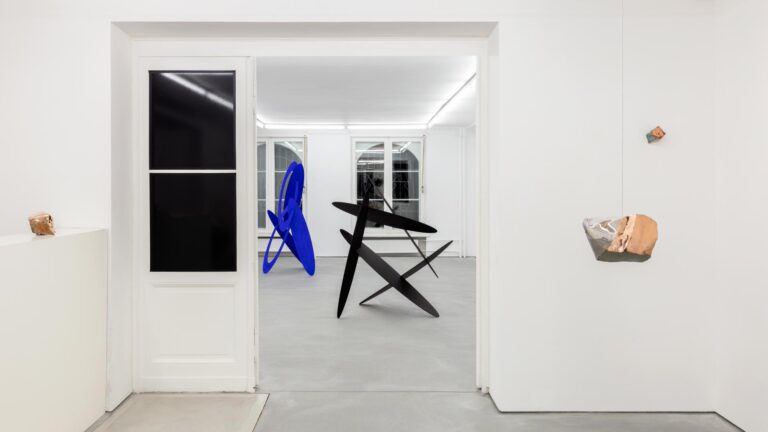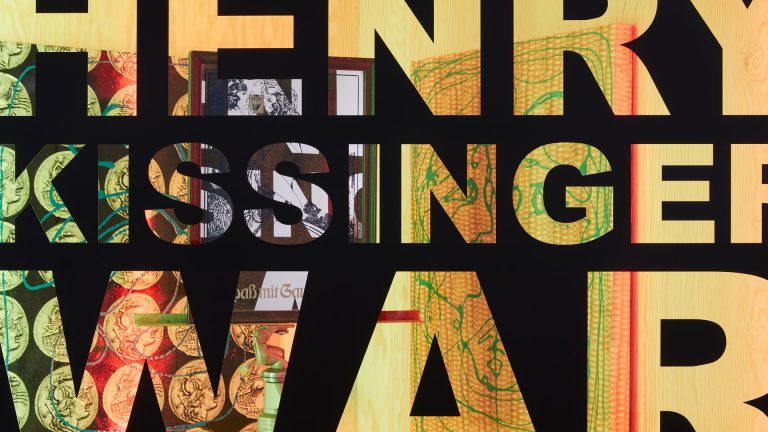
Our admiration of dancing comes from a desire for anti-conceptualization of life. Dancers don’t pass through those fixated ideas of individualism, they individuate. While they dance they become concept-orphans – as in losing them. Dancing temporarily dismantles our social relations, and thus highlights them. For the audience the separation does not symbolize drama, it is drama, this is what drama is, the action does not represent an action, it is an action. The group does not perform a group, it is a group. To take a body of a person and dysfunctionalize it (this is where one can think of industrialization). For dancers, a father and a mother abstract into durational composition (this is where one can think of their family). Dance is abstract in its rejection of its viewer, and its welcoming of its spectator.
I wish for, and practice, the dispossession of the worldI
A being (you, tennis balls, family, societies, centuries…) is never a fixed substance but an ongoing process. And this process is never solitary, it opens outward into collective individuation – this is why we have those archetypes and characters. A decadent individuation, would be to mistake the already-constituted individual for the whole of being – an individual that has “used itself up,” that no longer holds any unresolved tension, no longer has anything to individuate from. Life without motion is life trending toward crystalline stasis, death in slow motion.II In Modern Times 1936 (Charlie Chaplin) the worker’s body is absorbed into the machine’s tempo. Rei Kawakubo’s Comme des Garçon’s 1980s anti-fashion treated time-itself as the designer (not a point in it). In Narnia, time is independent of Earth time, and its rate of flow depends on the needs of the story (or the will of Aslan).
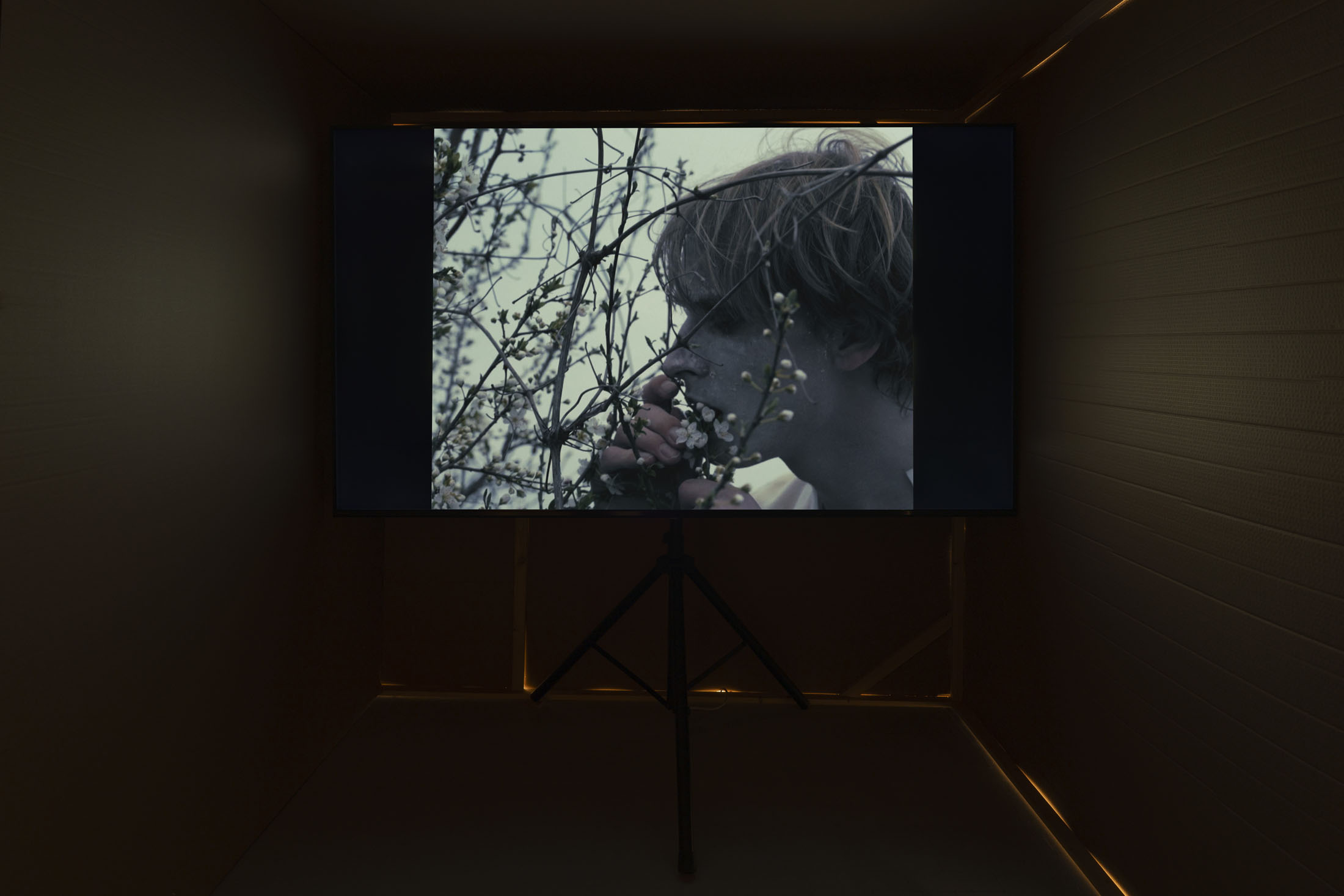
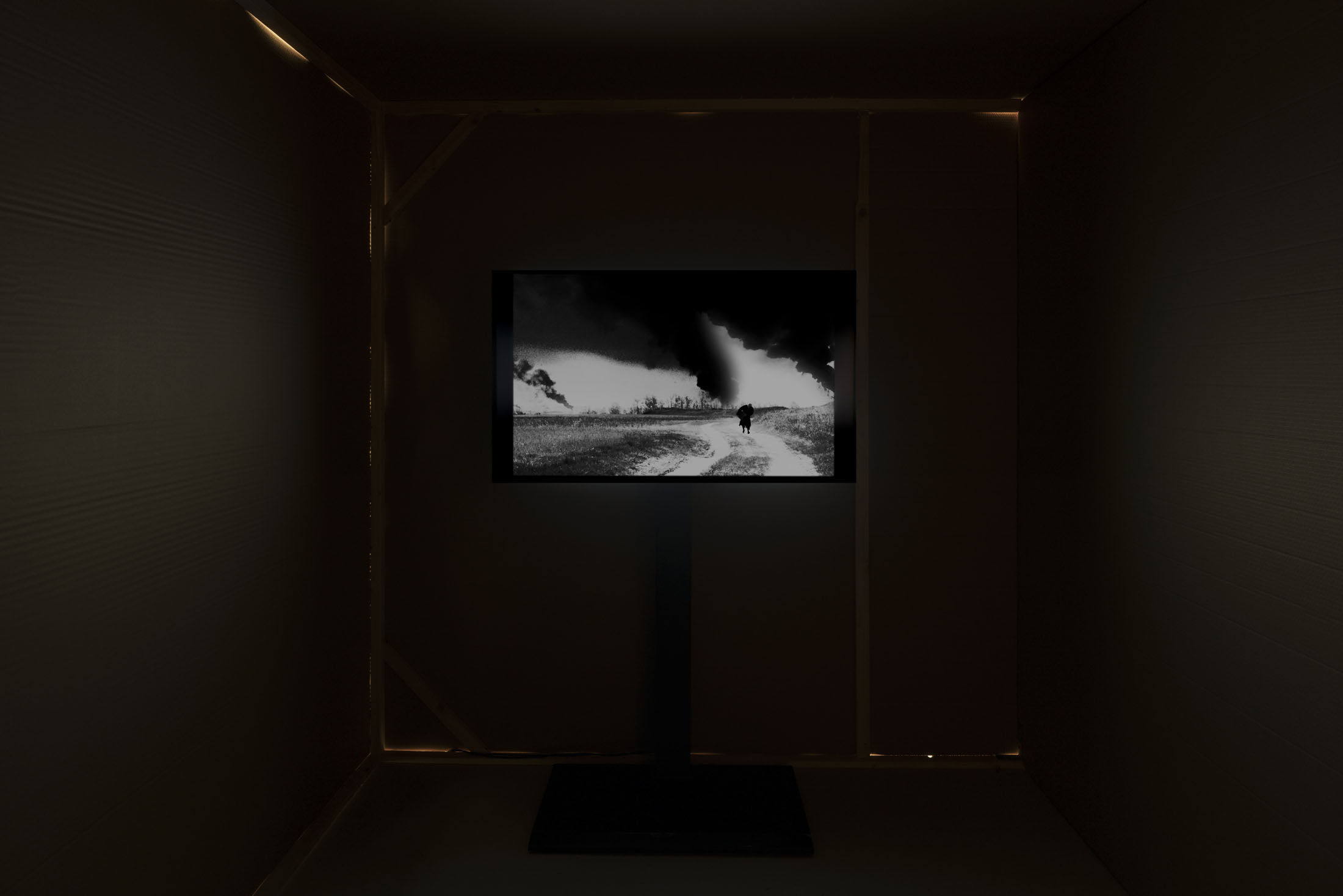
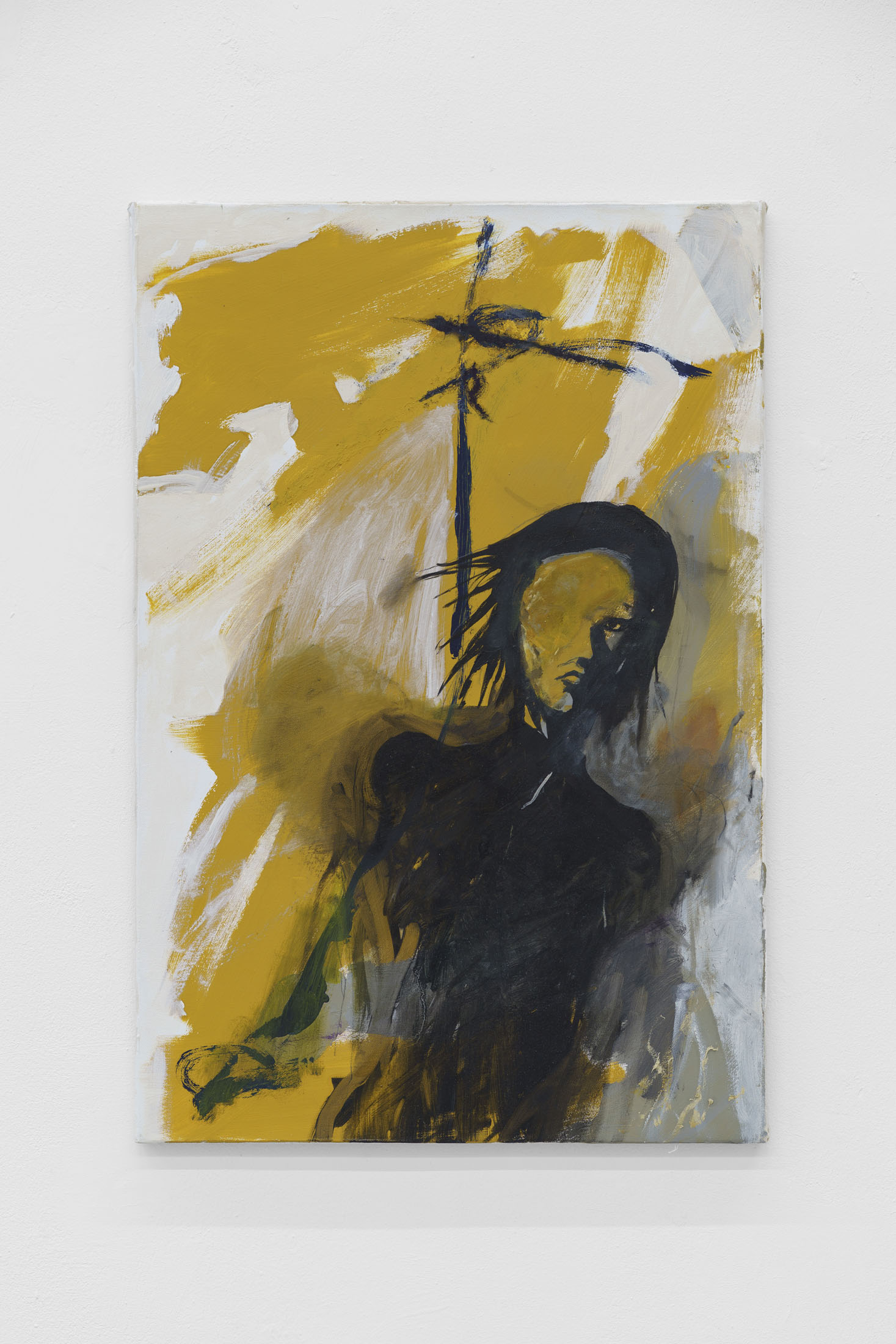
Standing outside history you get to position characters in a time and a place: the films Sans Famille and Dancers happen in the same topsy-turvy world; vampire sisters who slept too long, a dandy outside of the city, a factory worker that cannot bear the burden of labor anymore, a demon pretending to be anarchist (or the other way around?), a scarecrow that just hangs there for hundreds of years and comes to life, a German teenager rebelling her father during WW2. A decomposition.
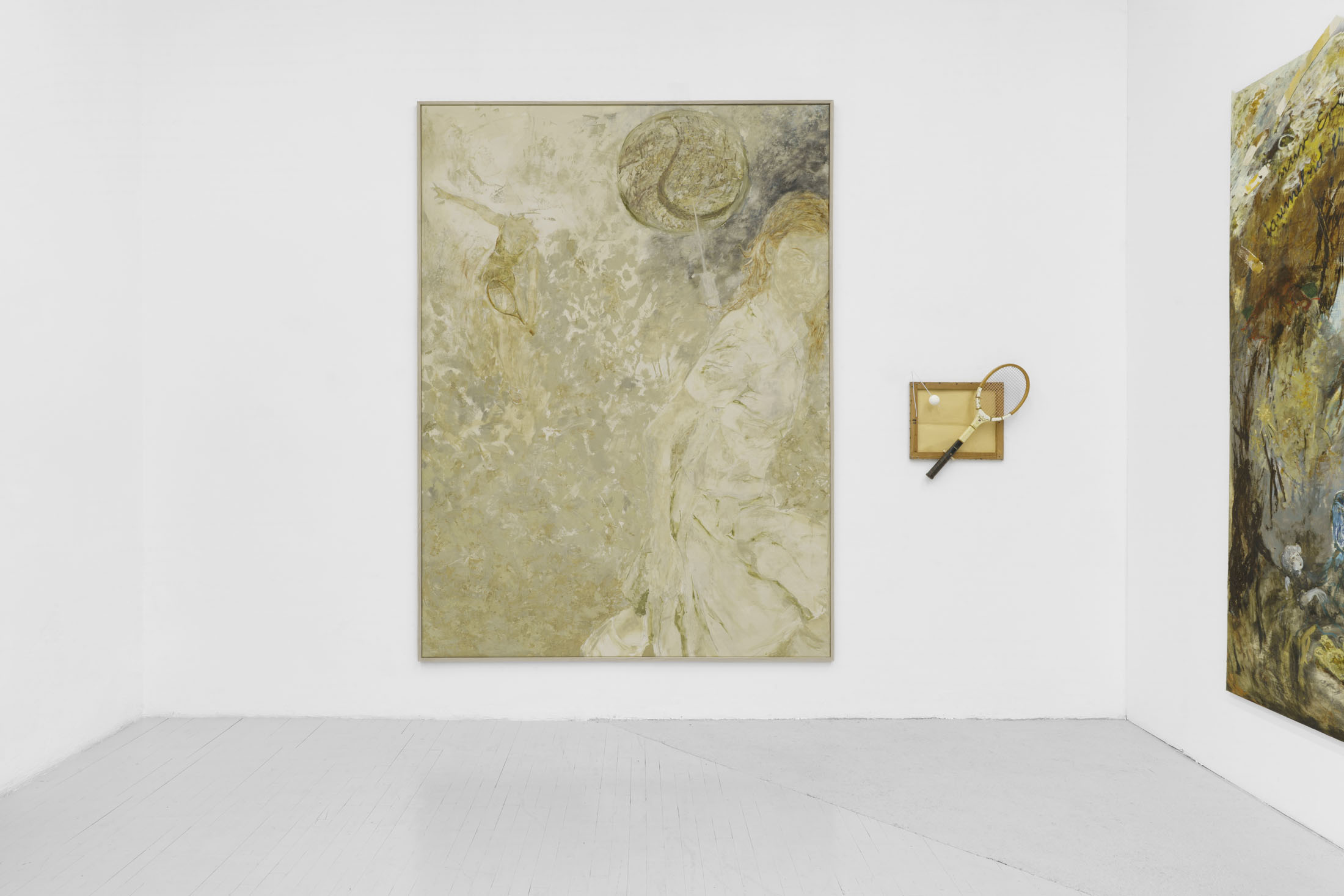
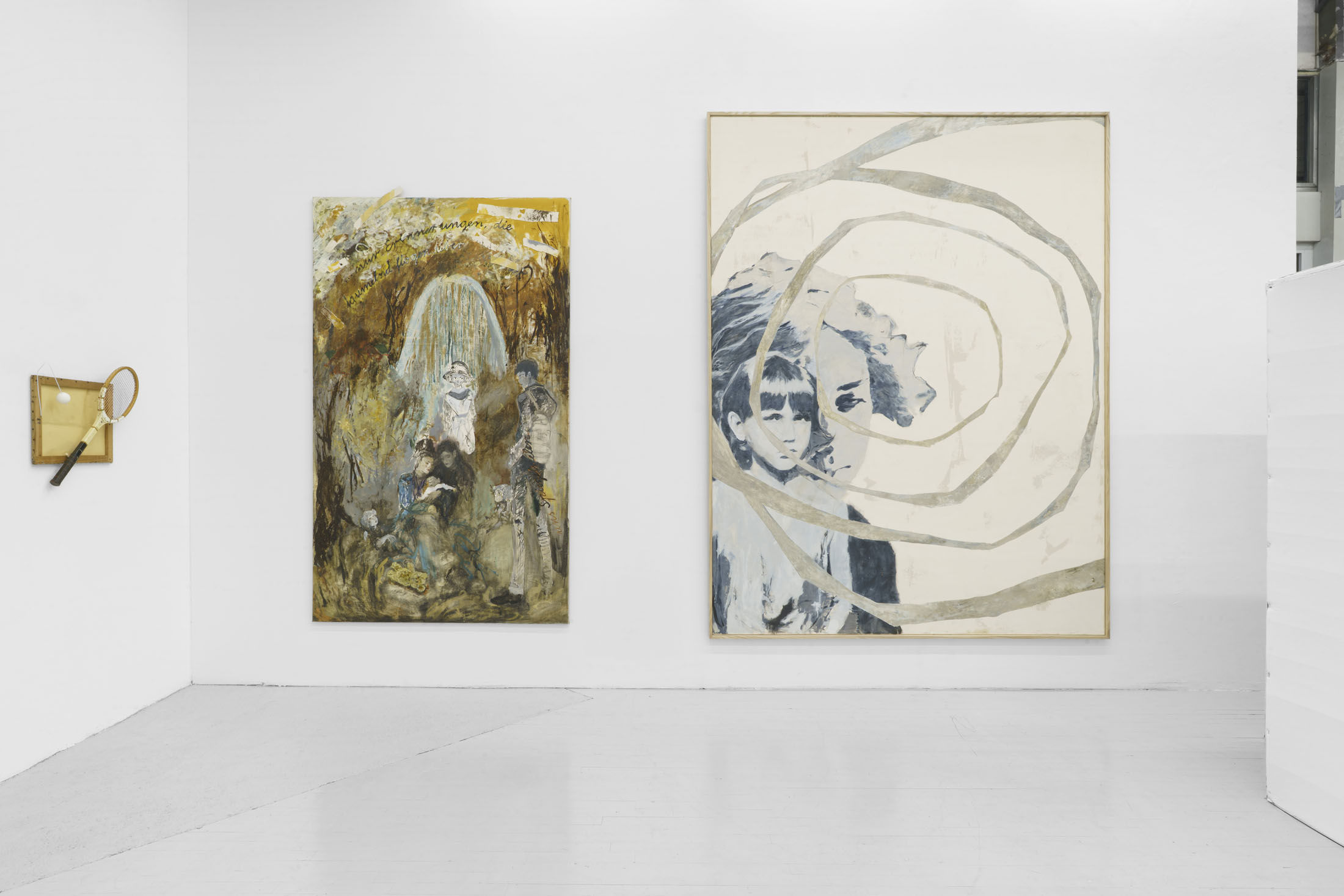
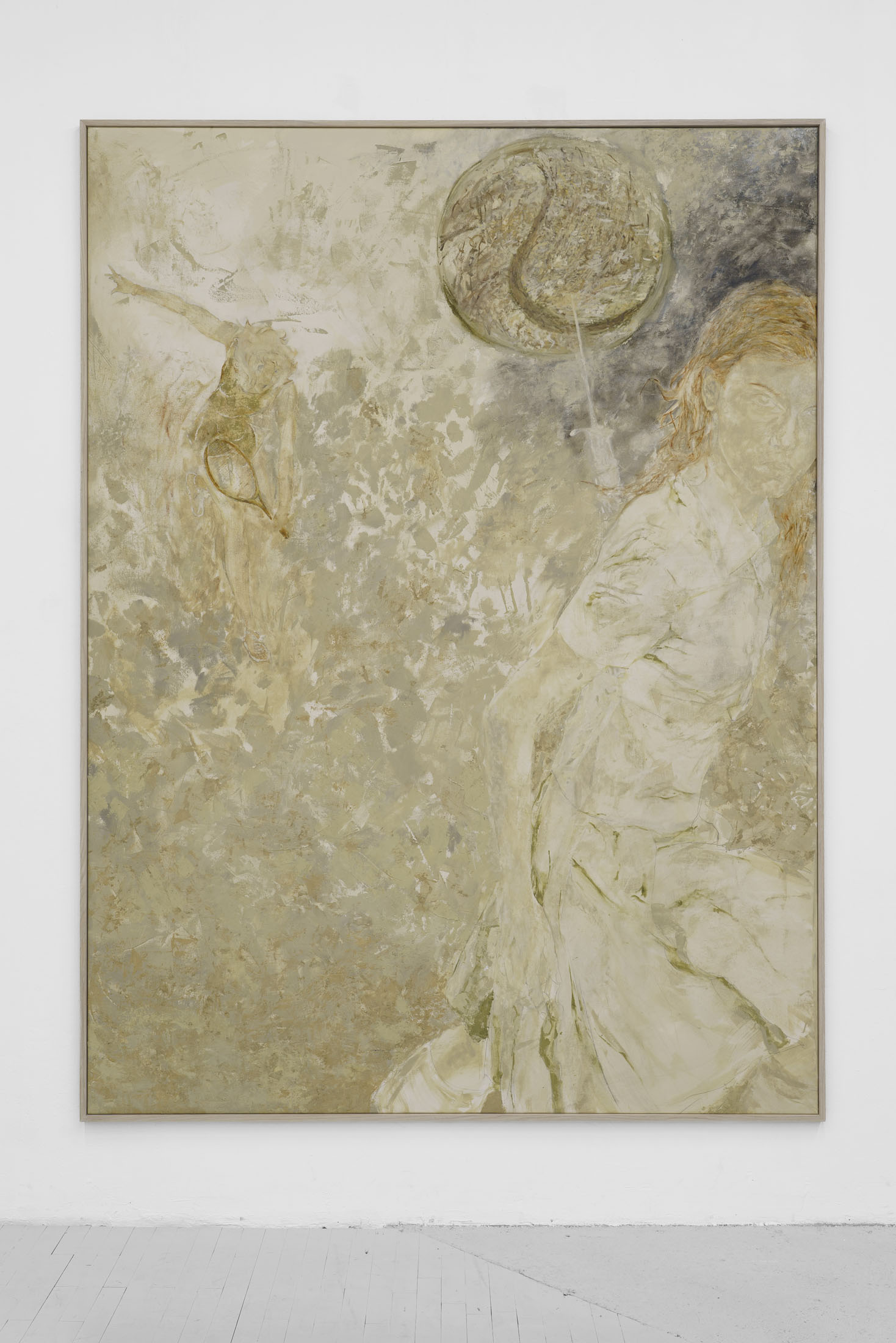
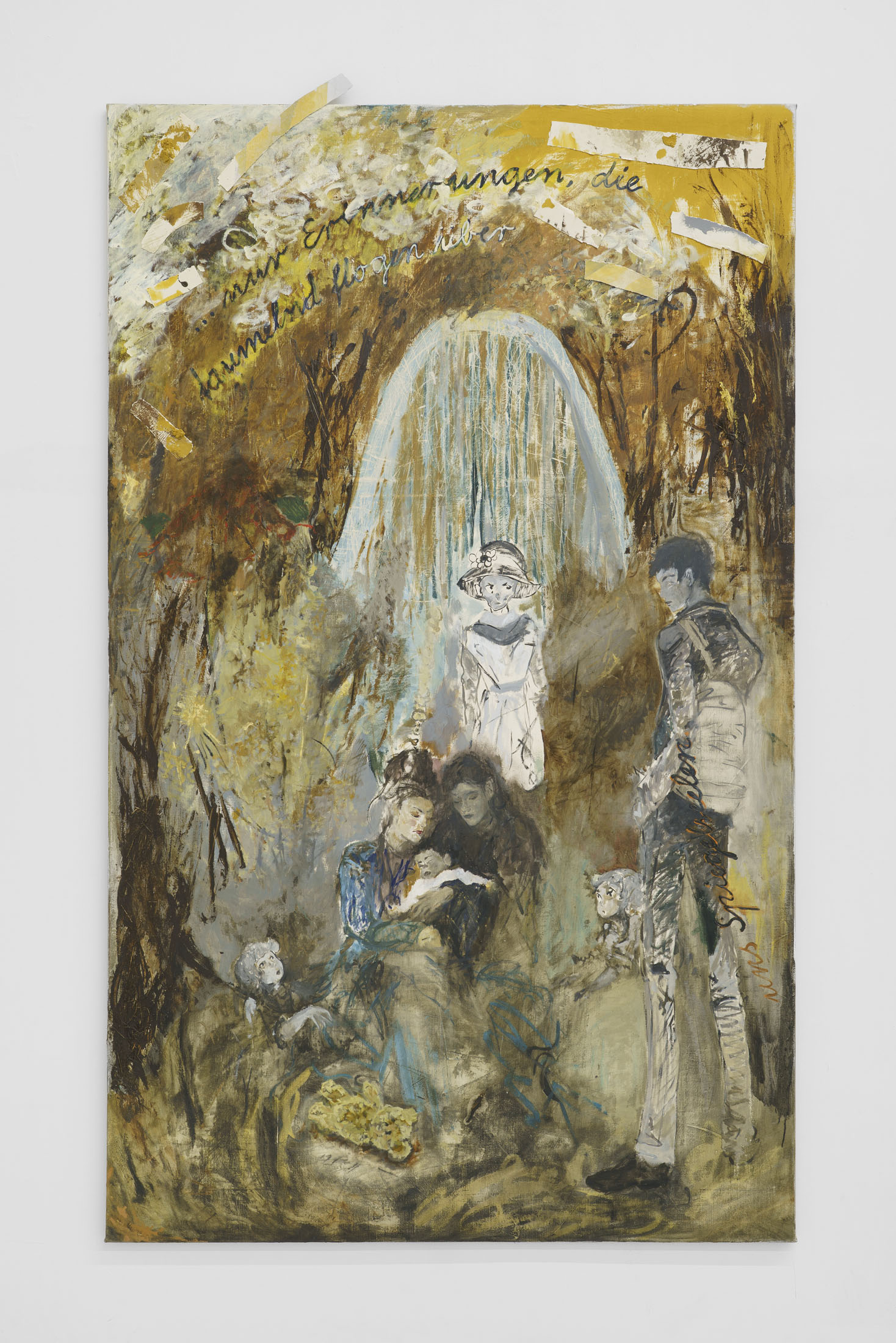
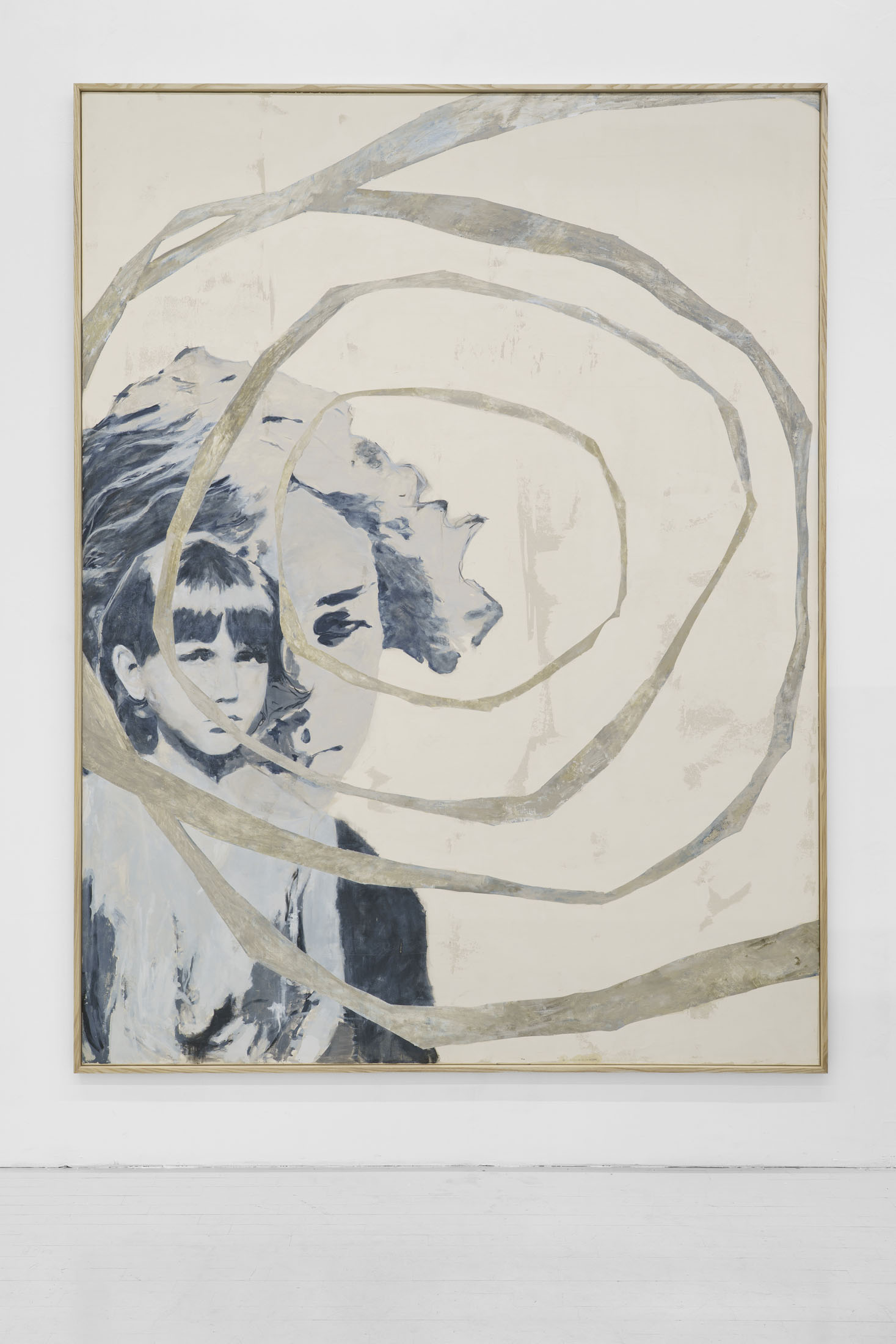
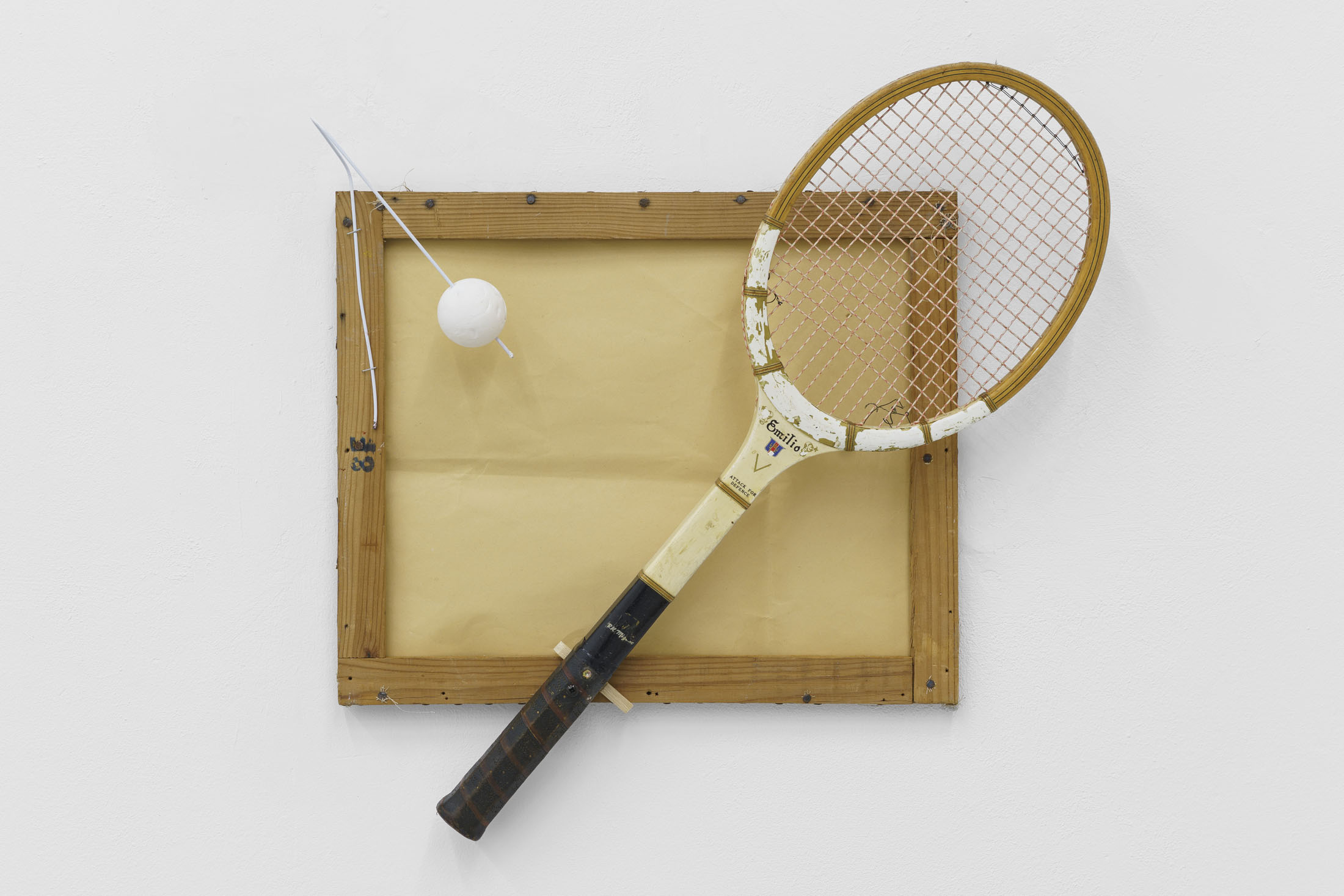
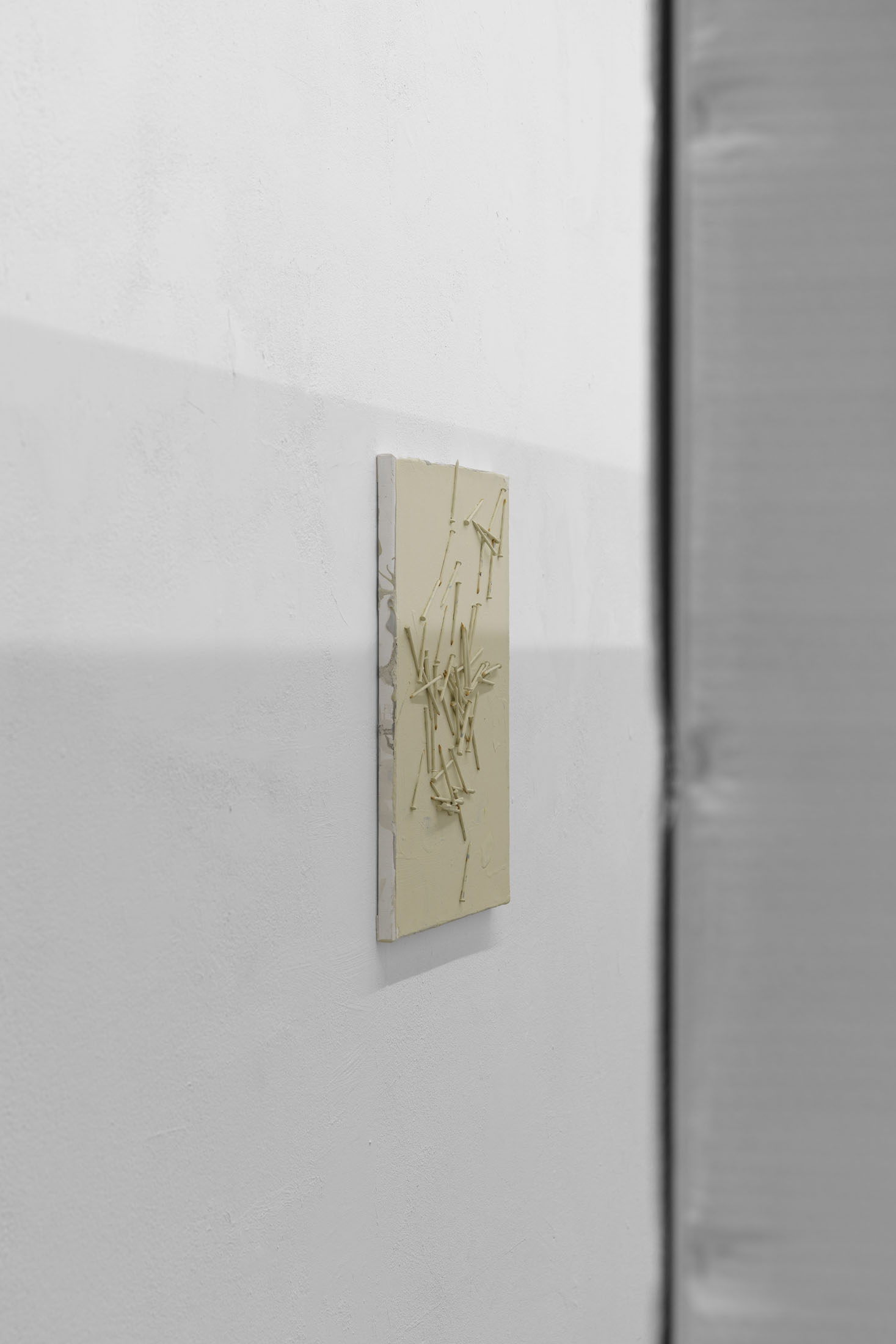
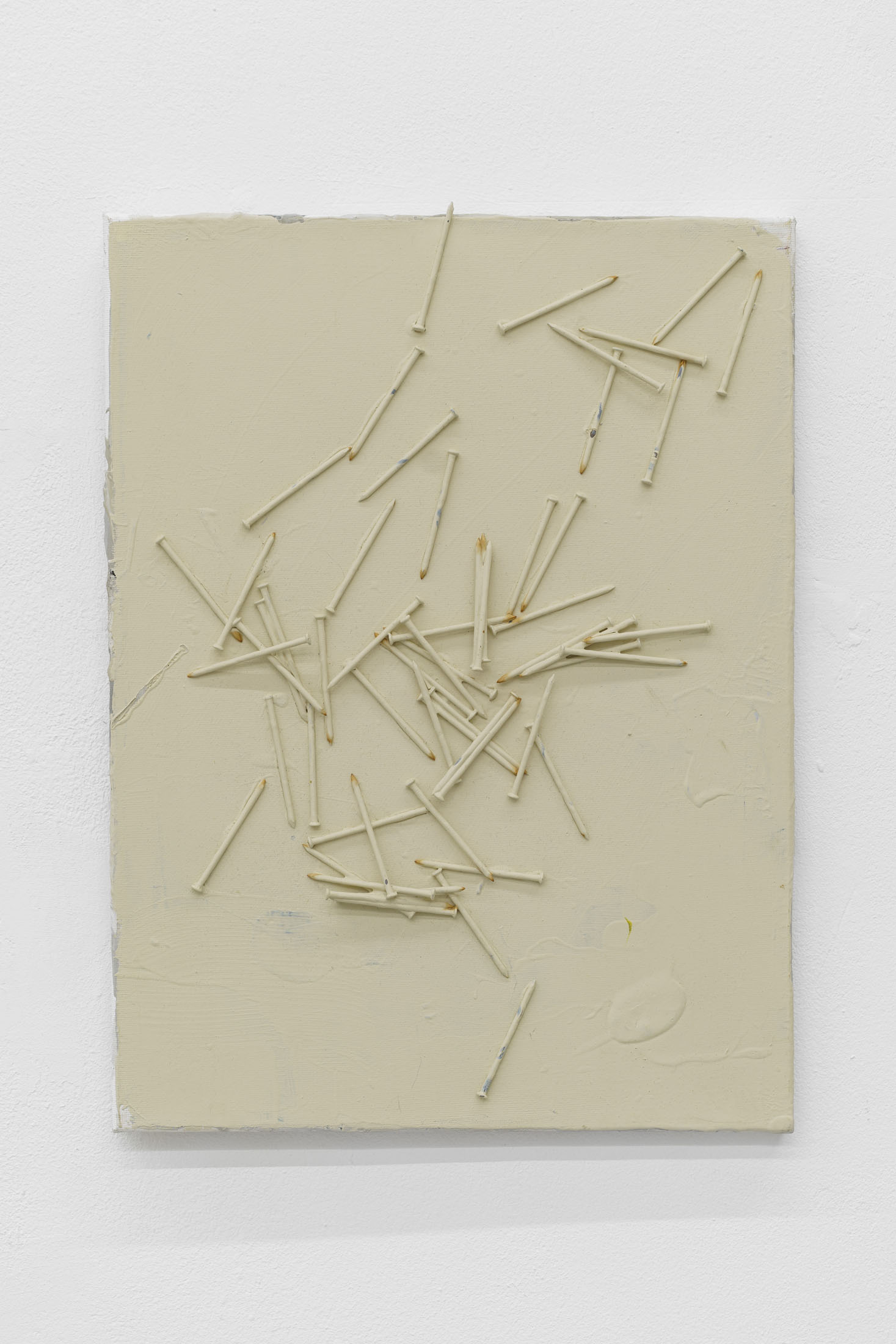
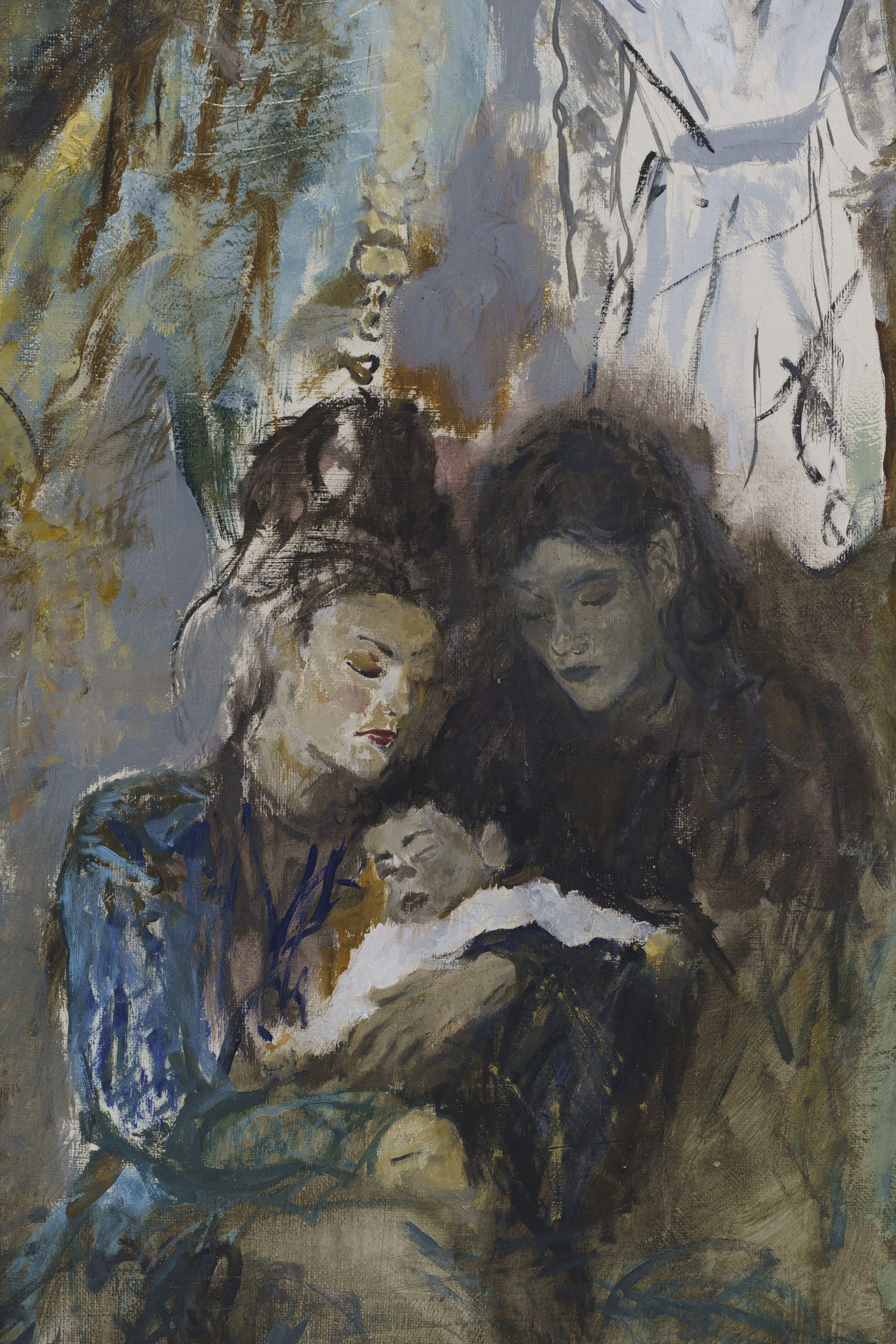
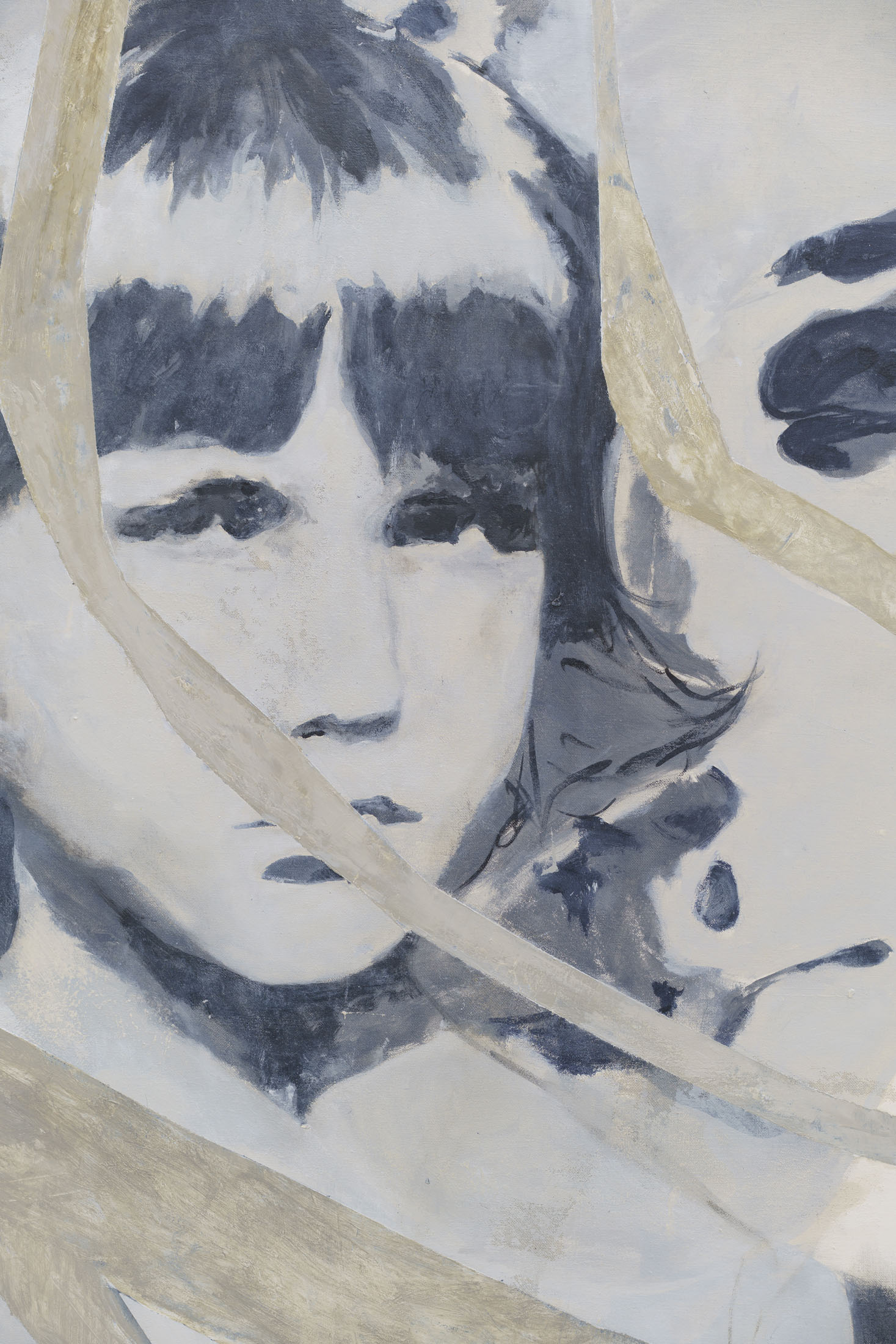
In Stance, we get an example of the singular: the trajectory that doesn’t return. She who in one point of time held a racket holds a rifle in another. In a painting a few moments can coexist, it is simultaneously a whole film and one frame from it. The trajectory that unites them is also what dismantles them. Identity is the absolute worst… It’s so ridiculous… . Nur Ihr und ich, too, resists the logic of a single moment. Its figures inhabit the canvas without sharing a time; not posed together so much as superimposed, like transparencies stacked on a lightbox. A family is not the sum of its members. They have edges, positions, distances that can be diagrammed, administered, arranged for a photograph, but a family is an unresolvable superimposition.
The present doesn’t yet know what it is.
-Oren Yehoshua
I) Michel Serres, Malfeasance: Appropriation through Pollution?, Stanford University Press 2010.
II) Influenced loosely by Gilbert Simondon; also brushing up against Carl Gustav Jung, though not really in his sense