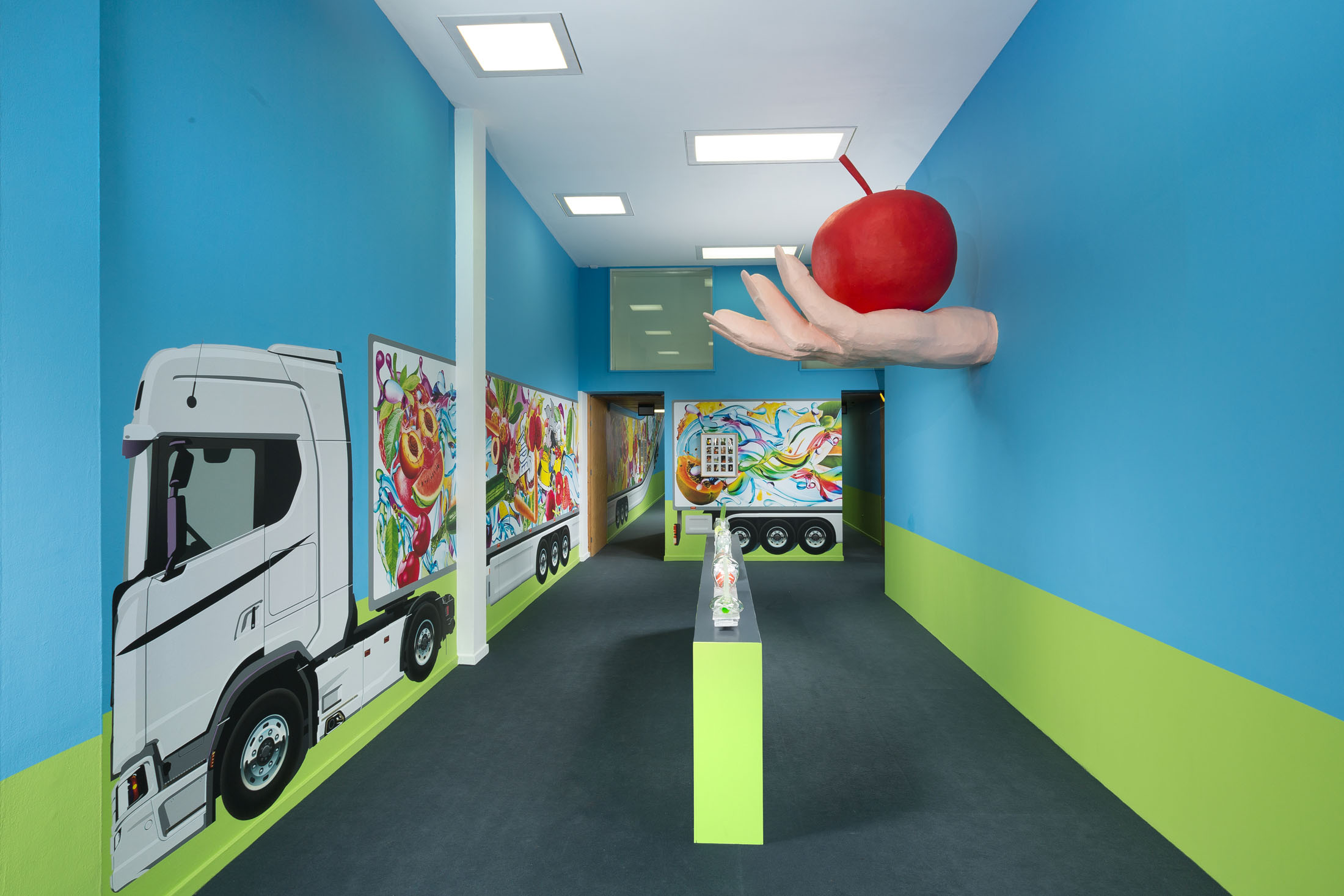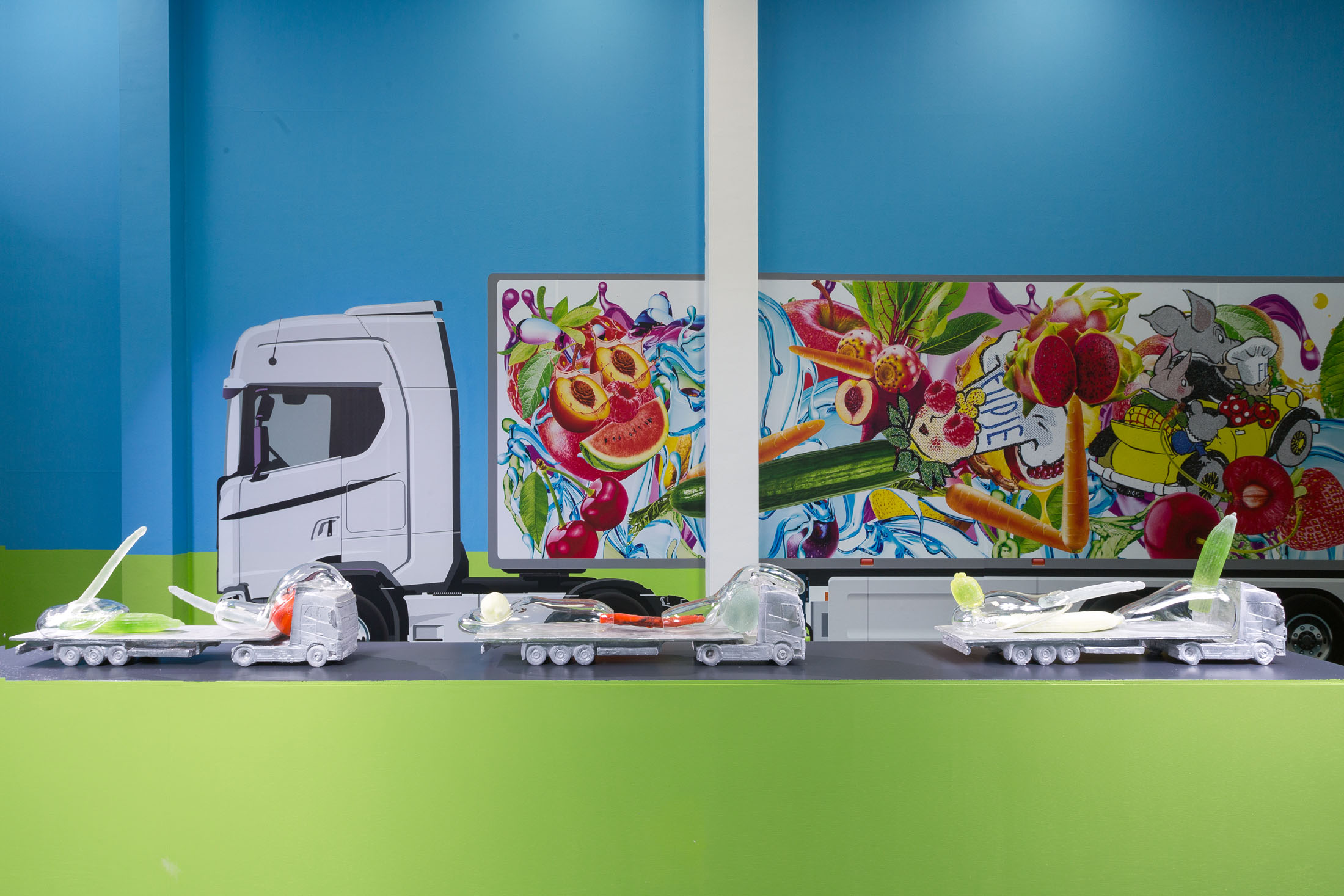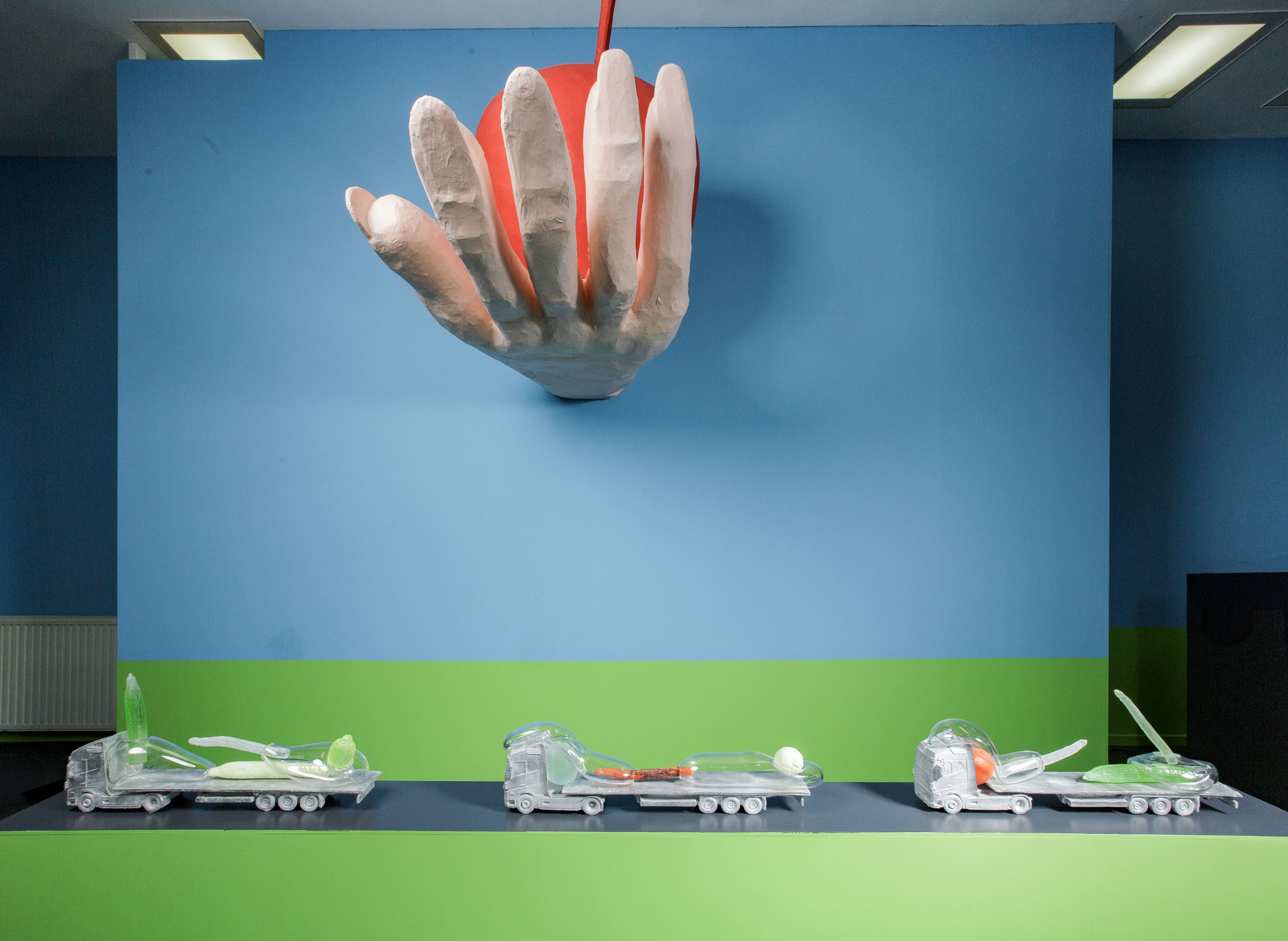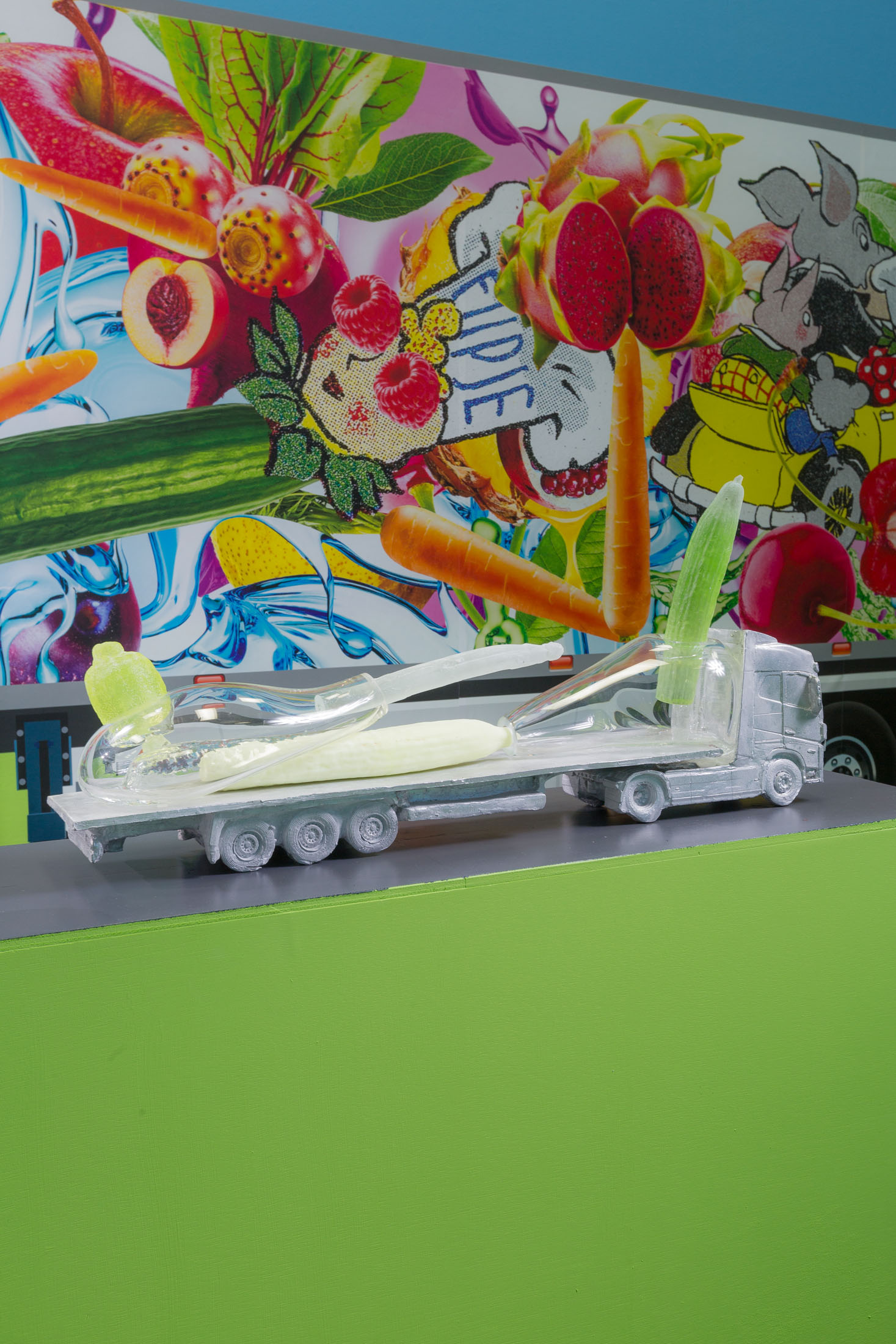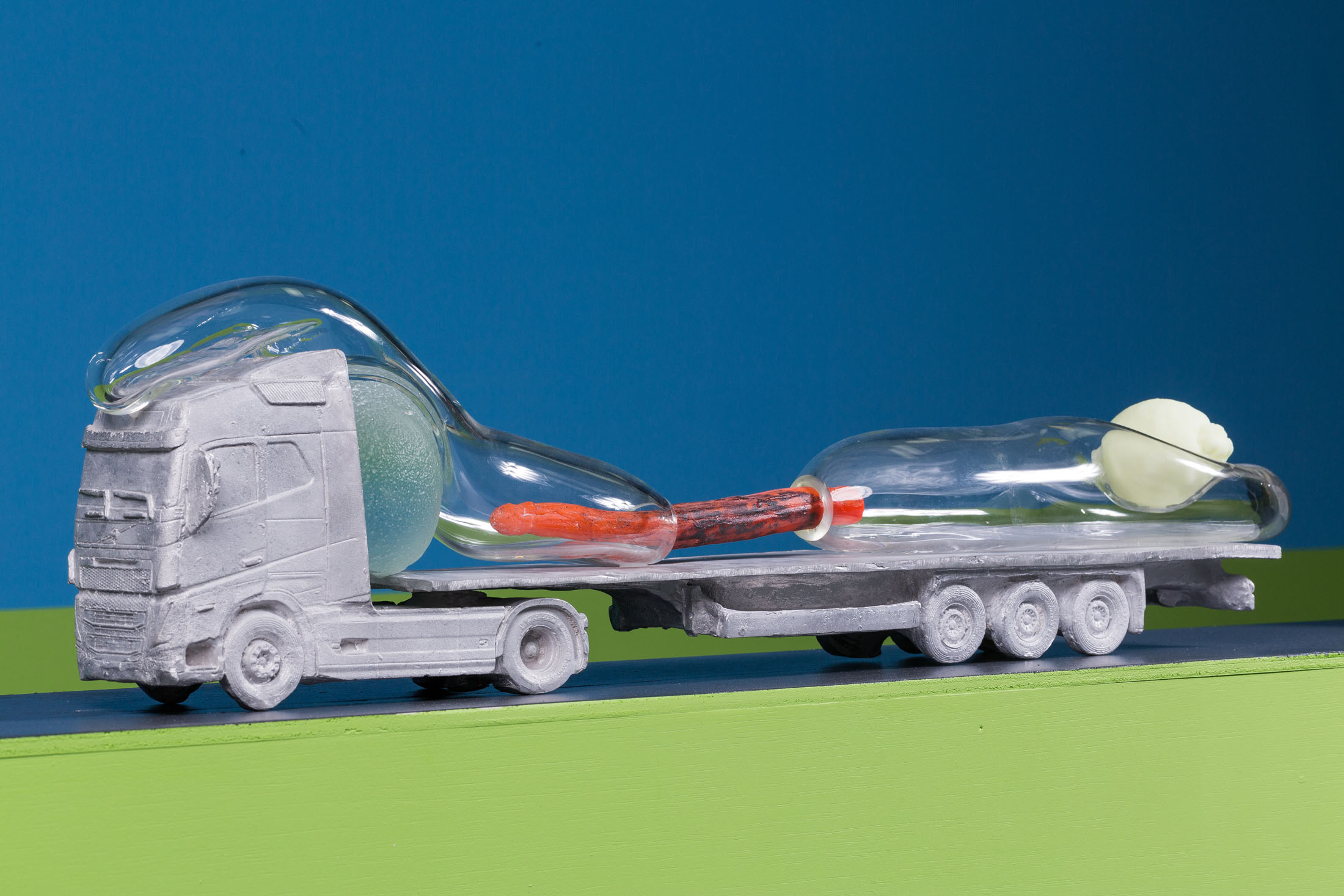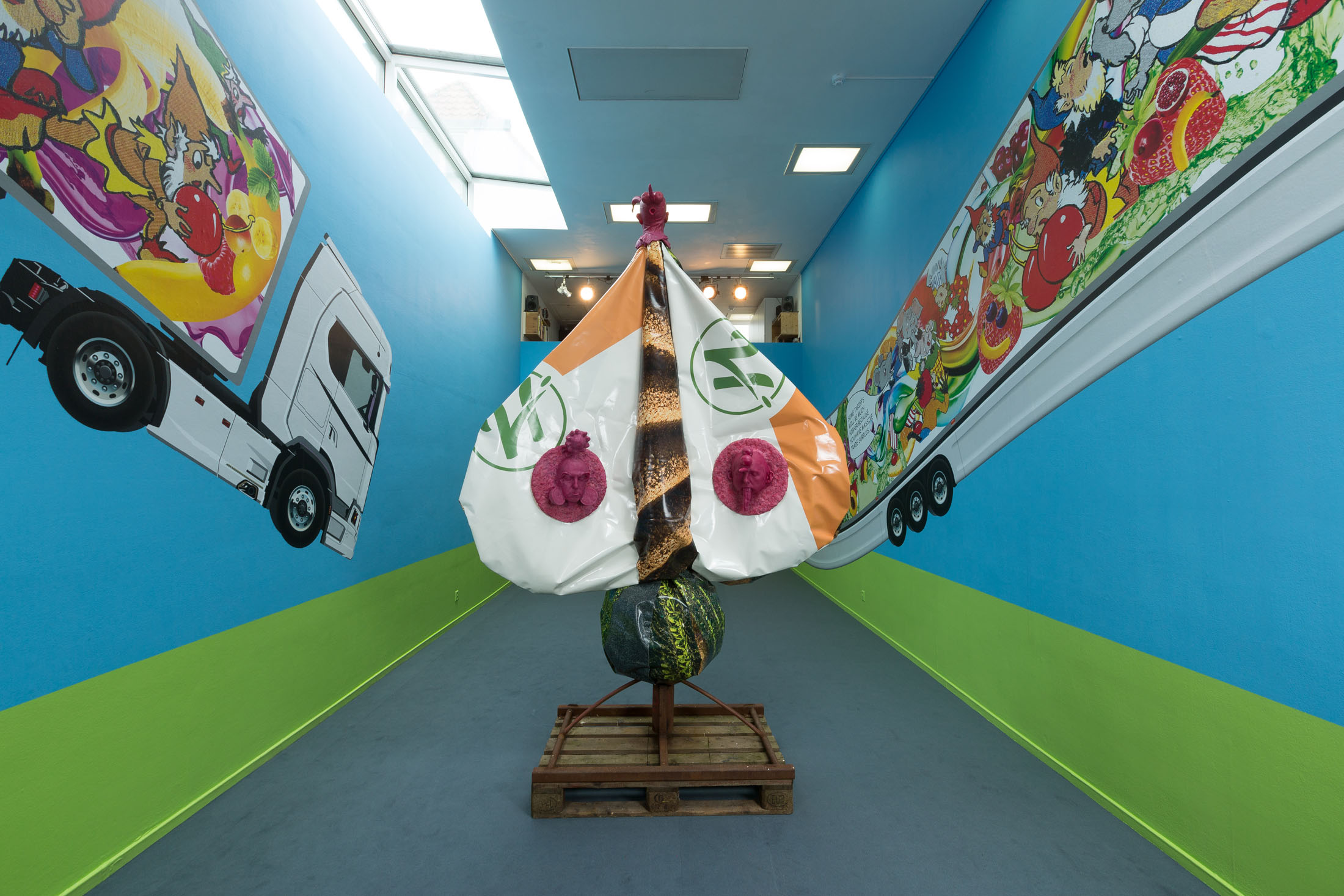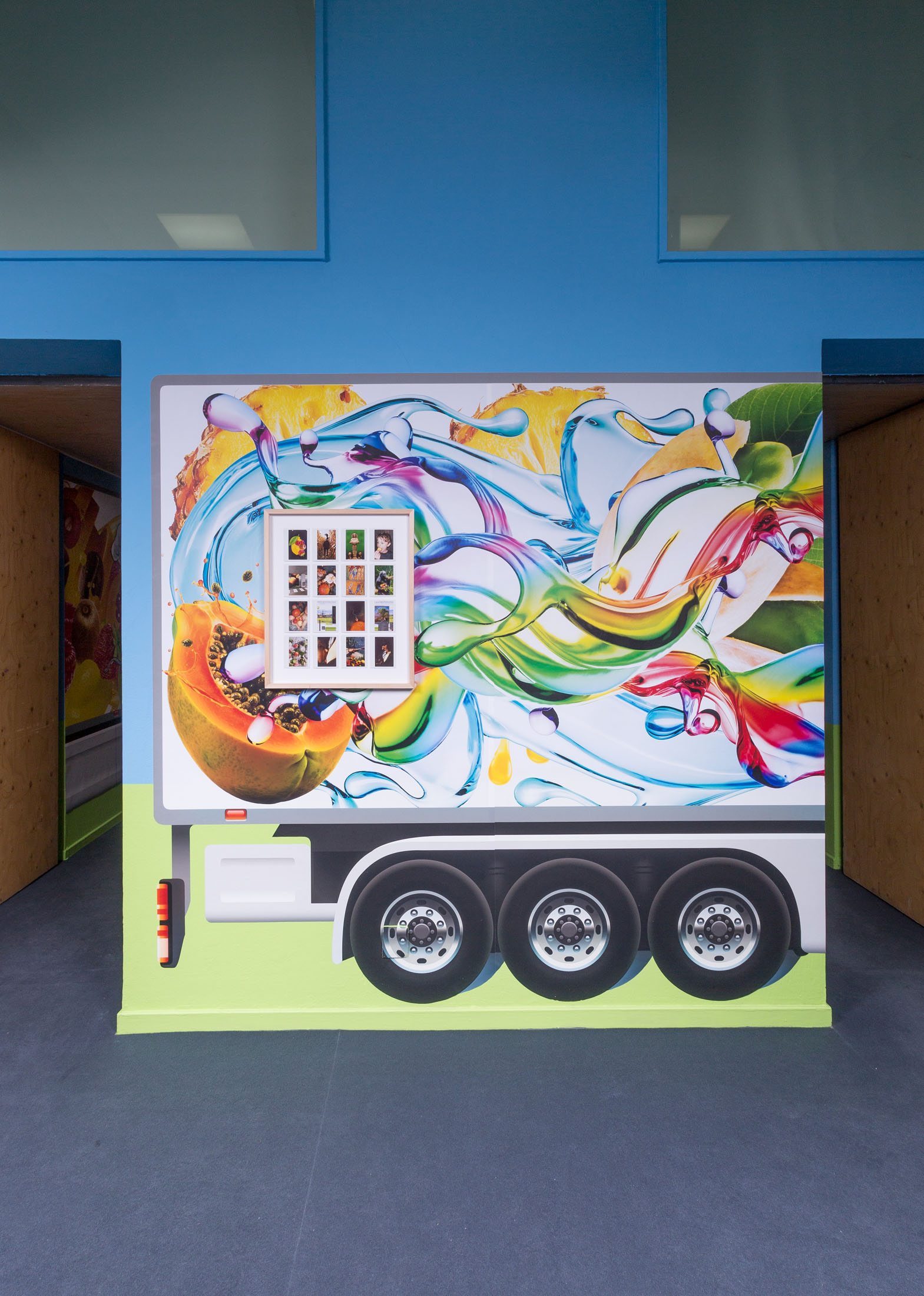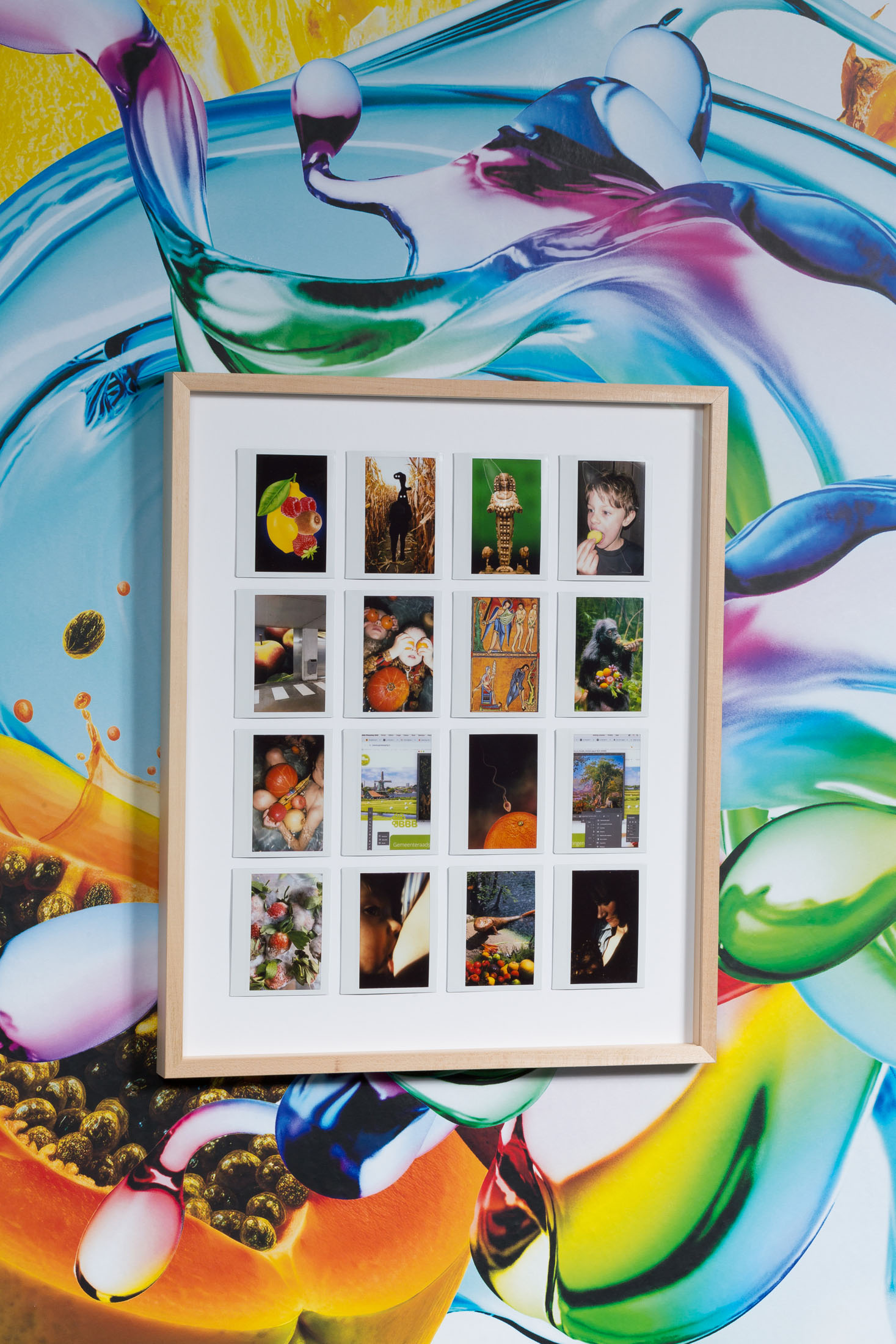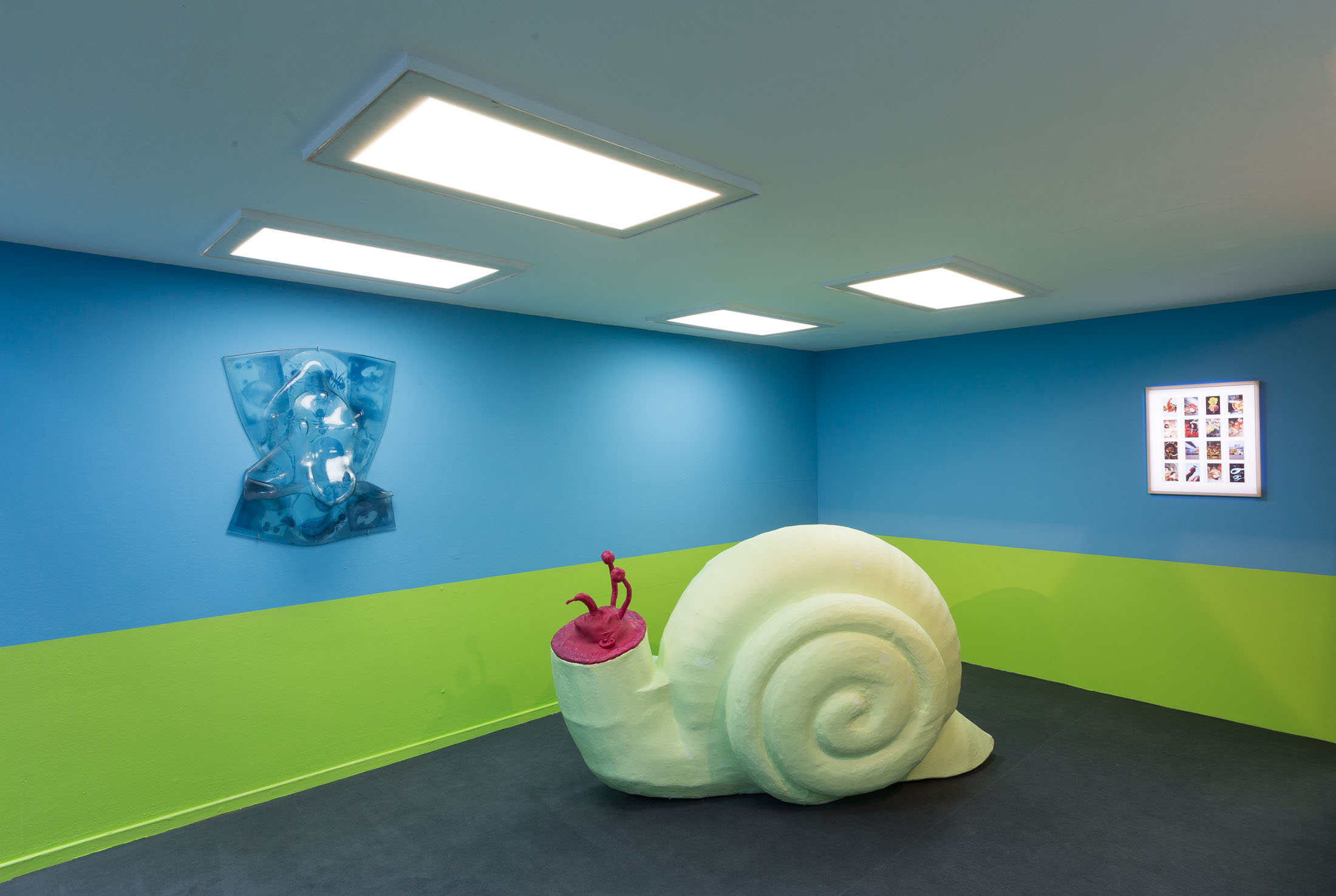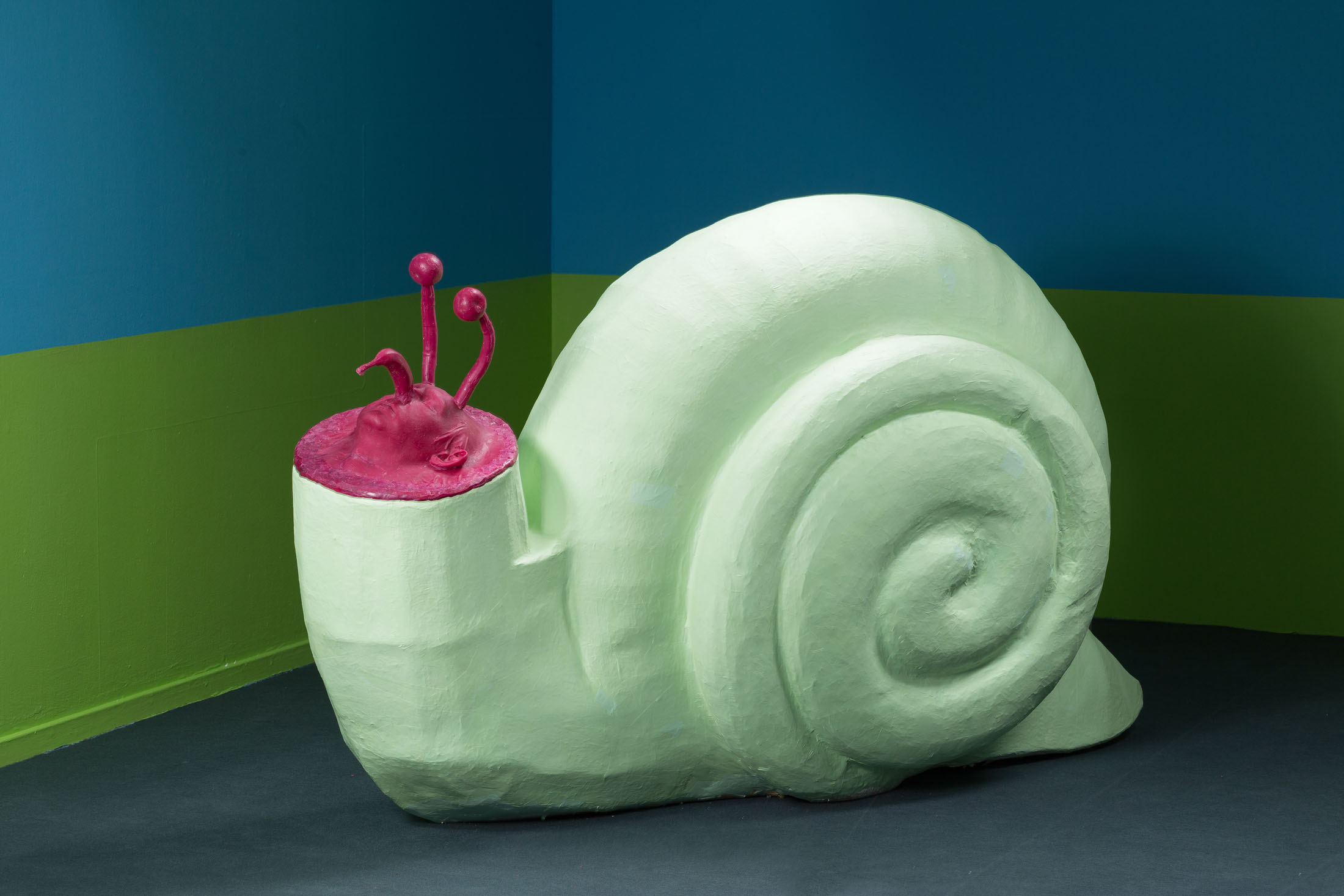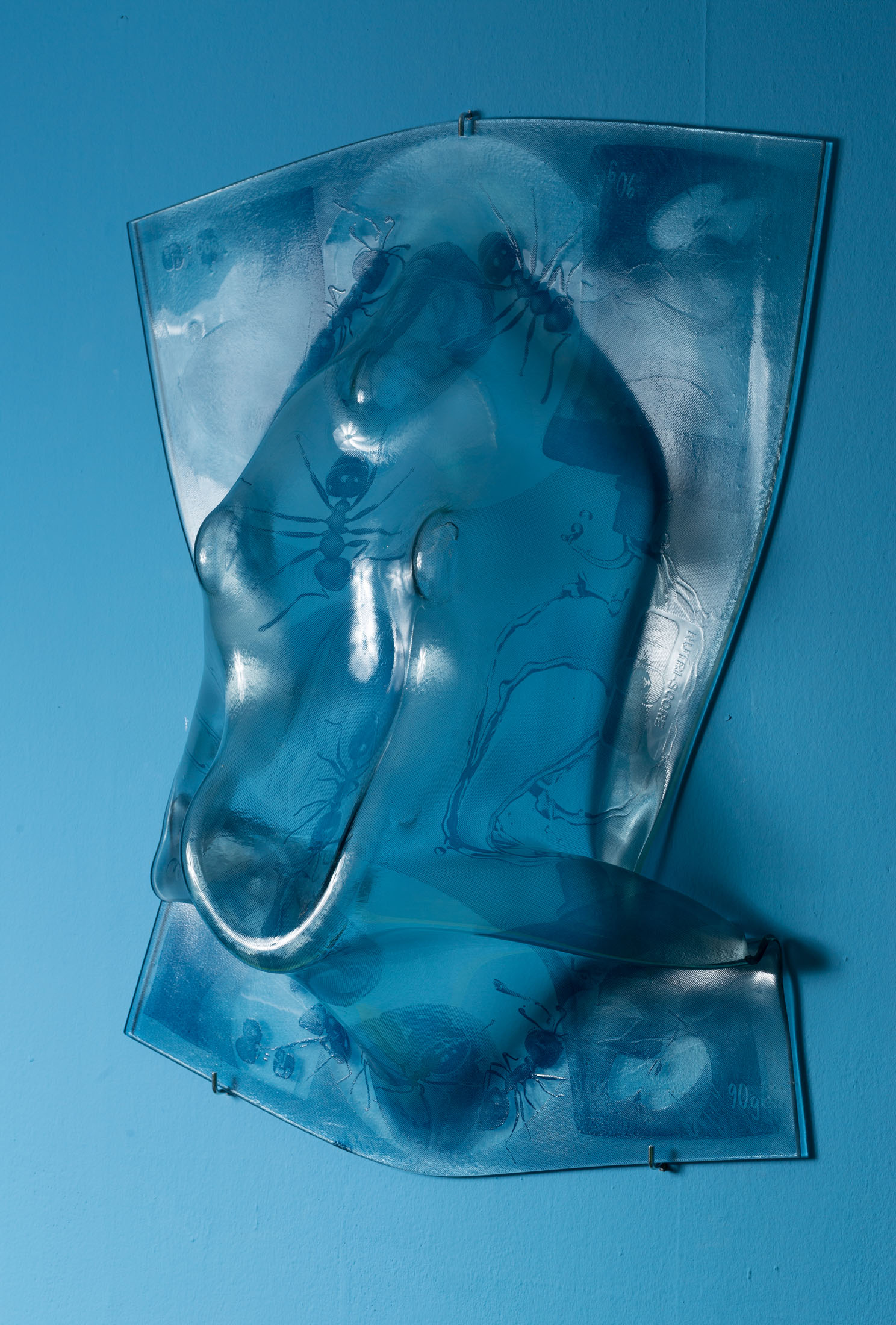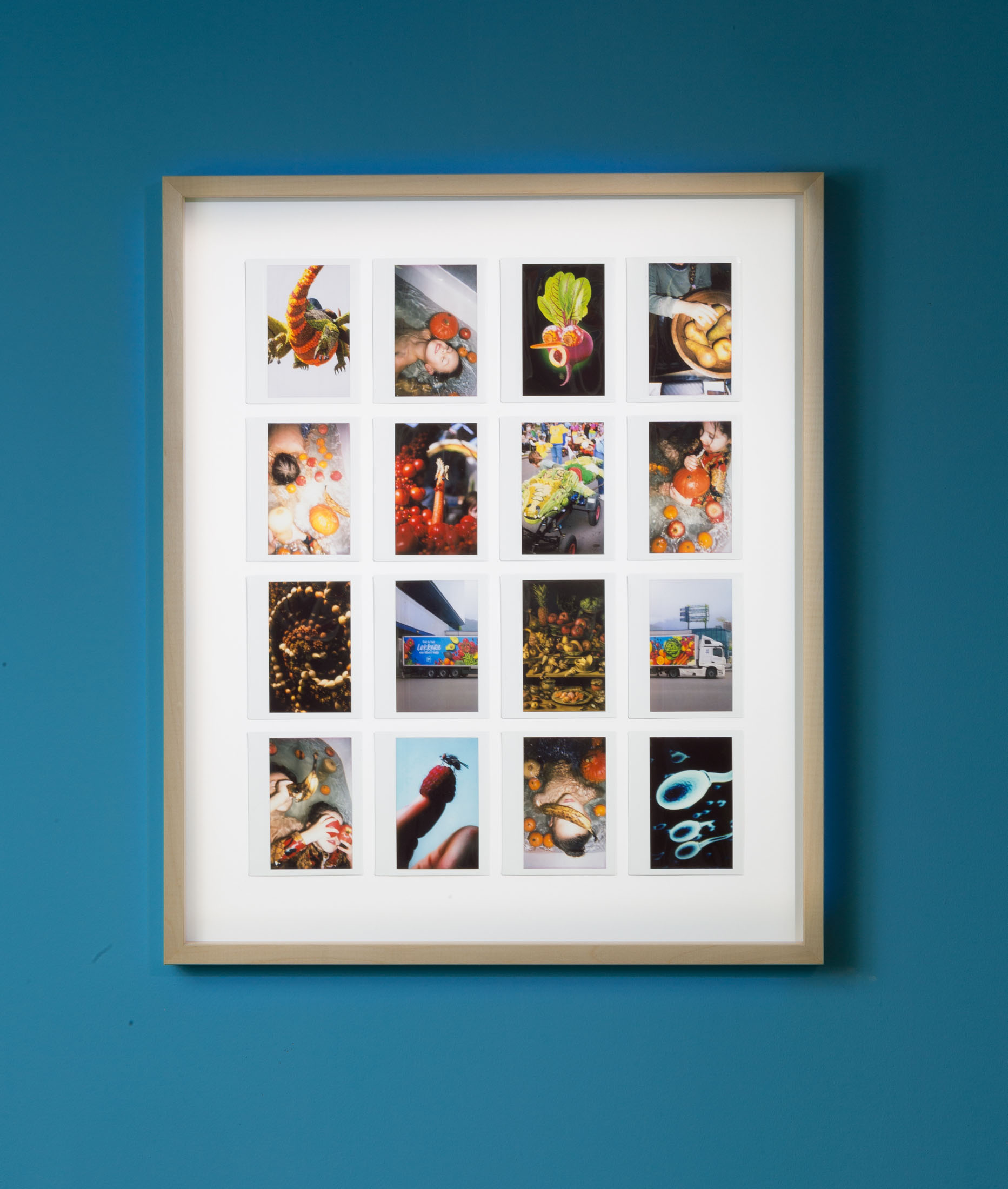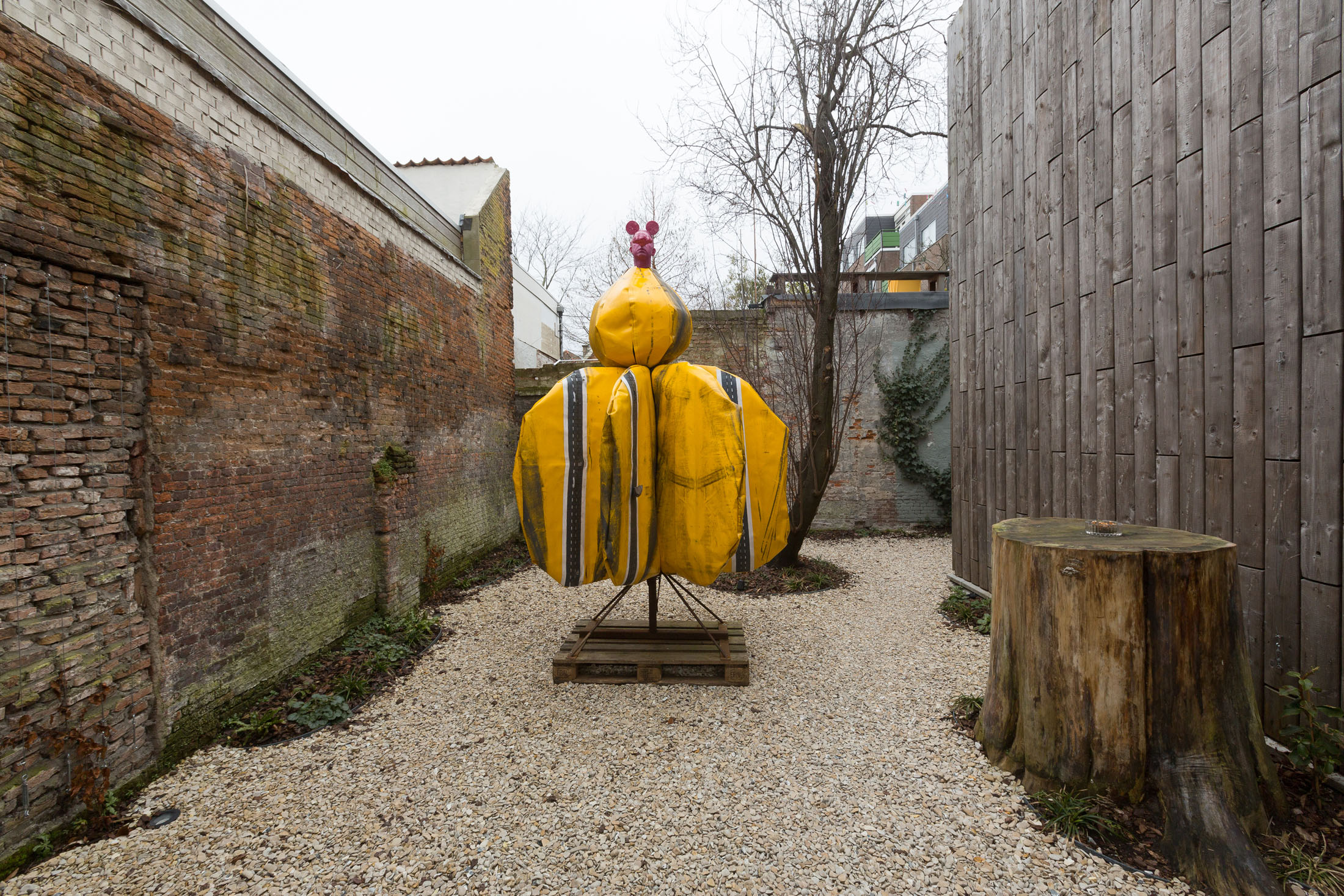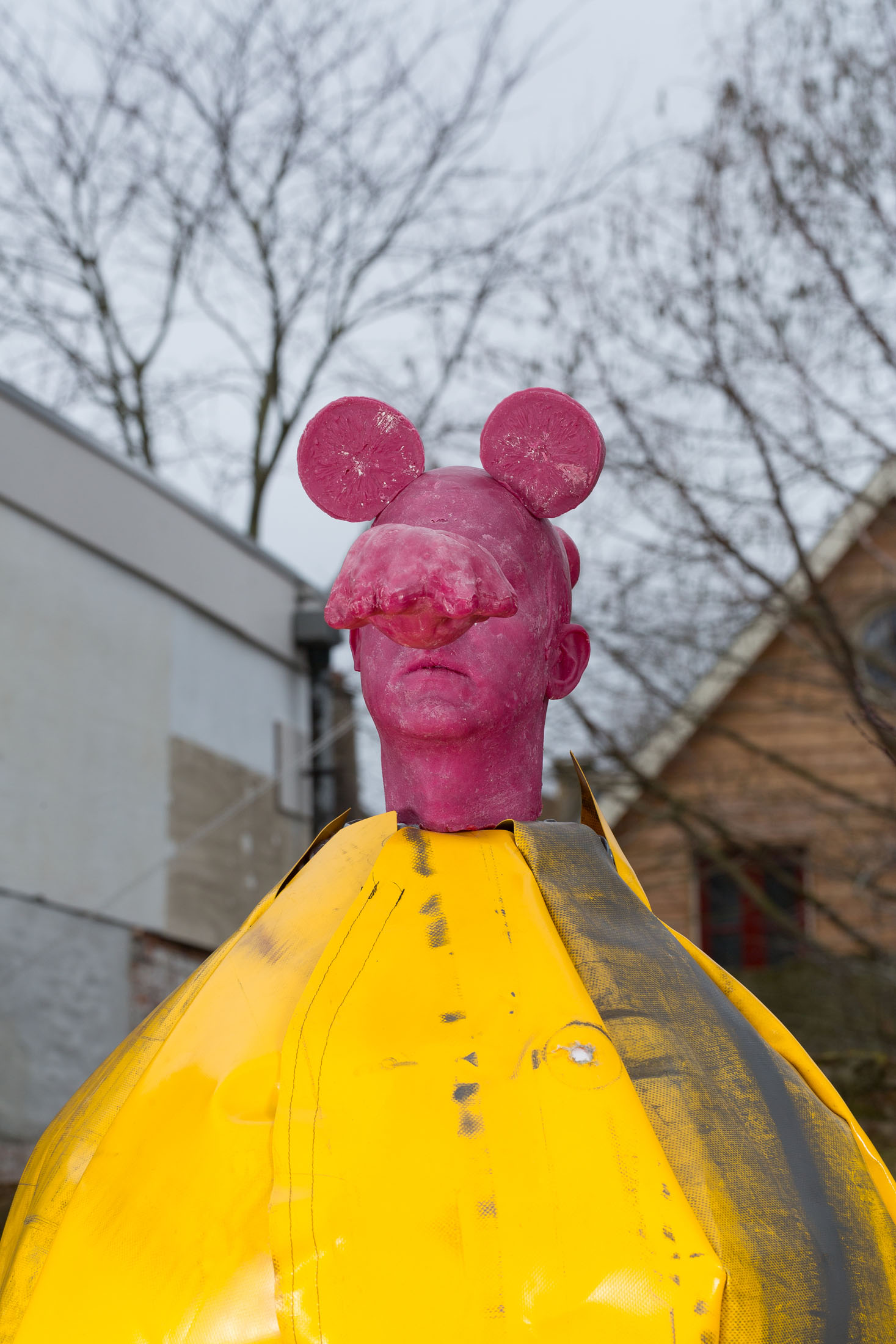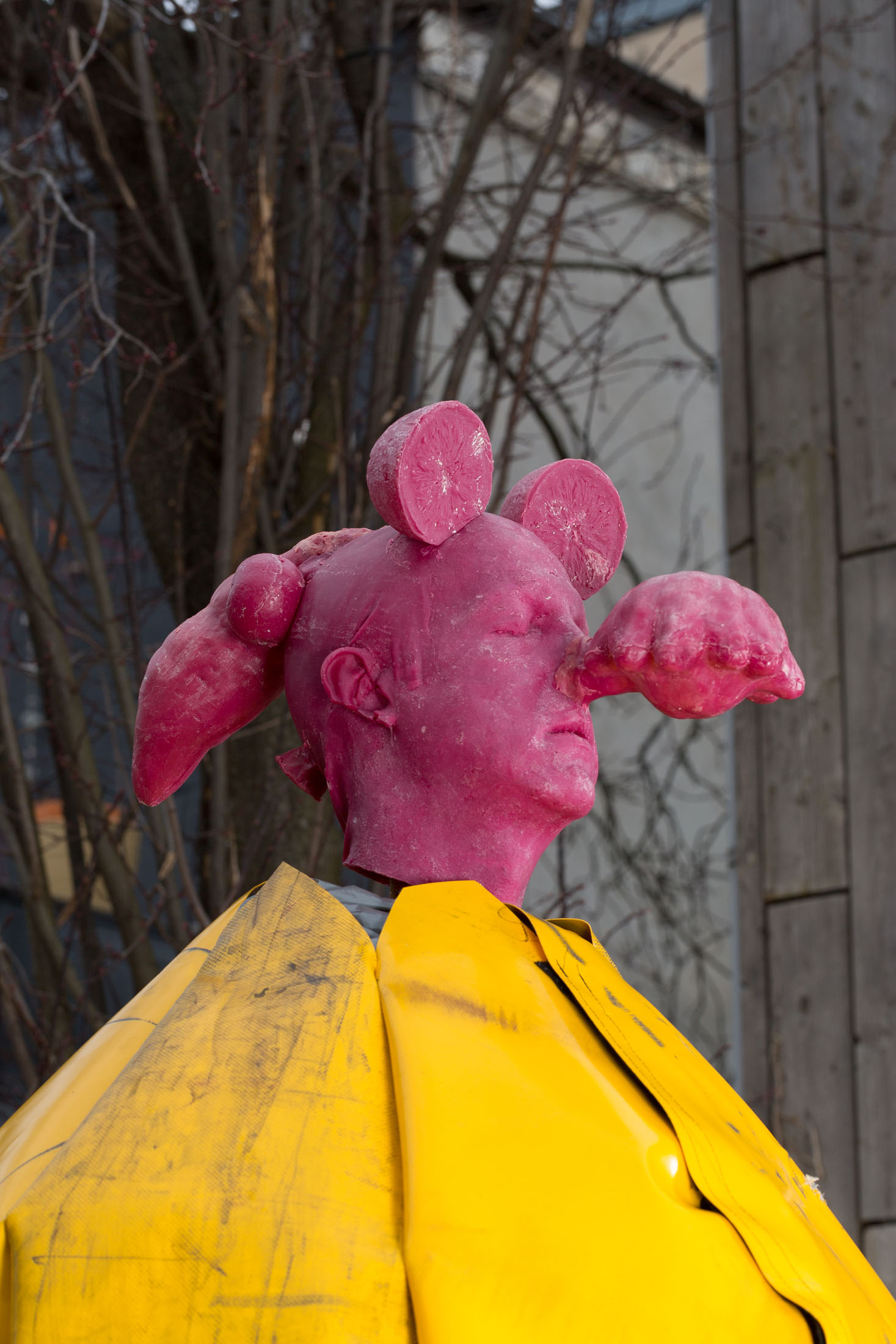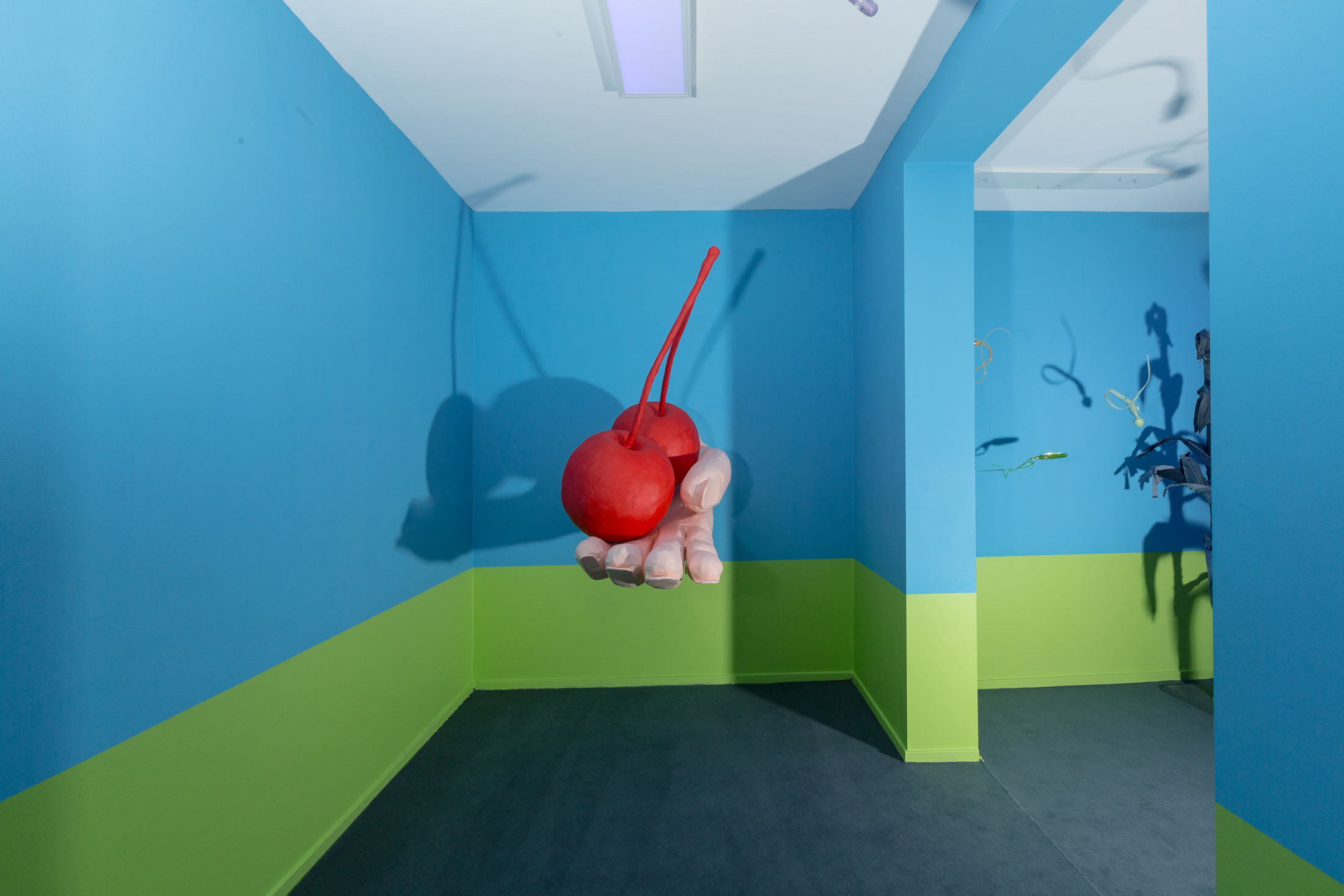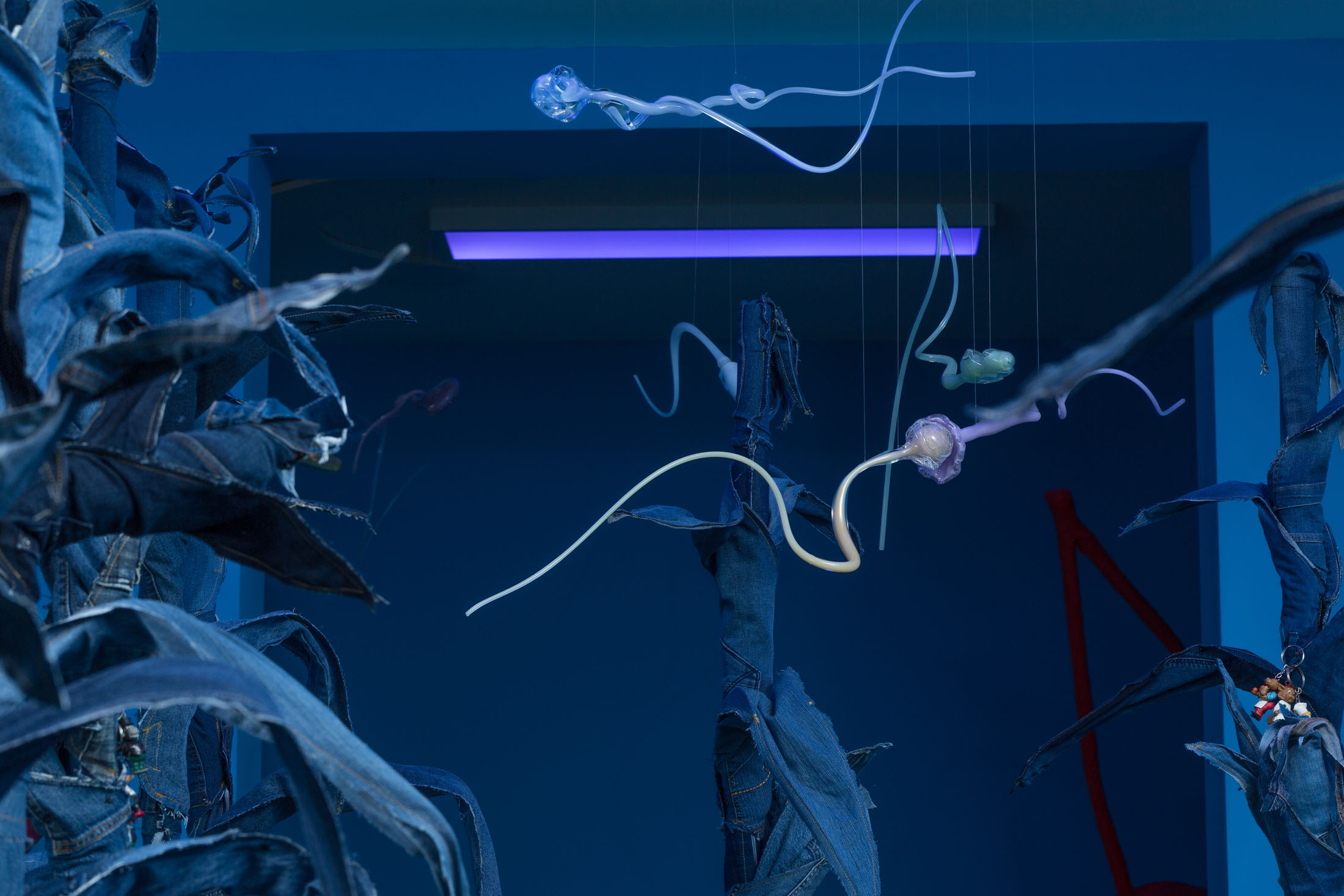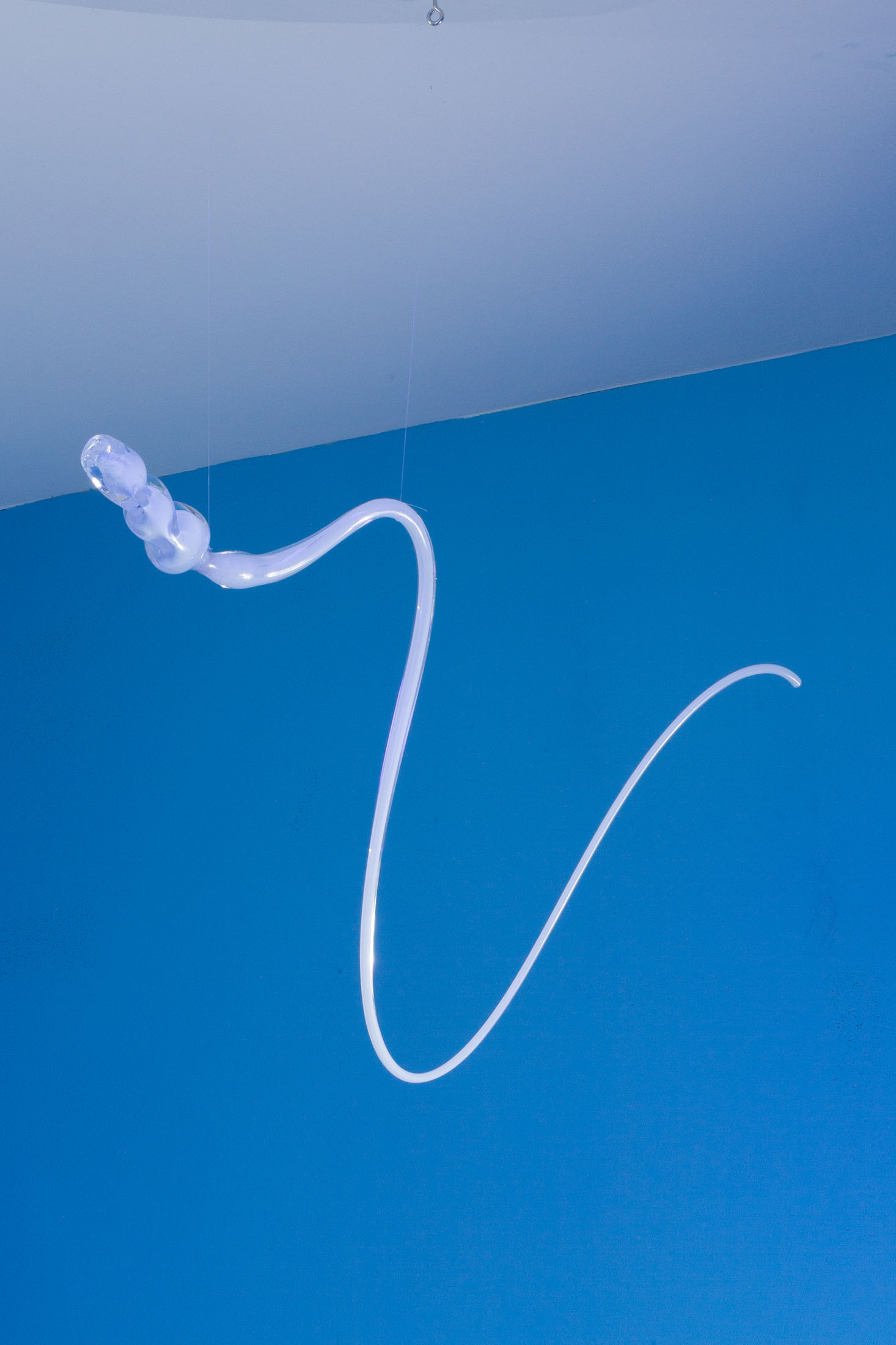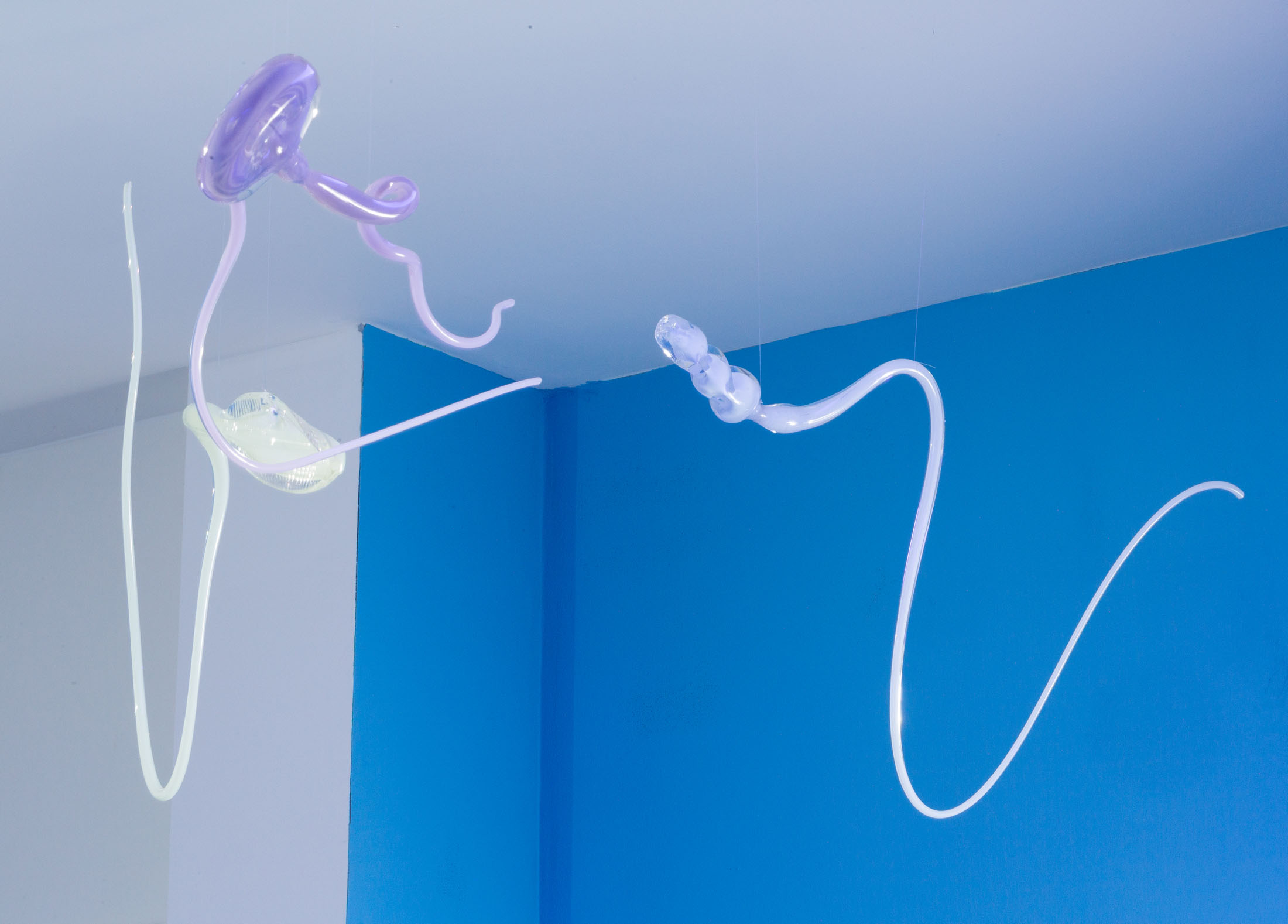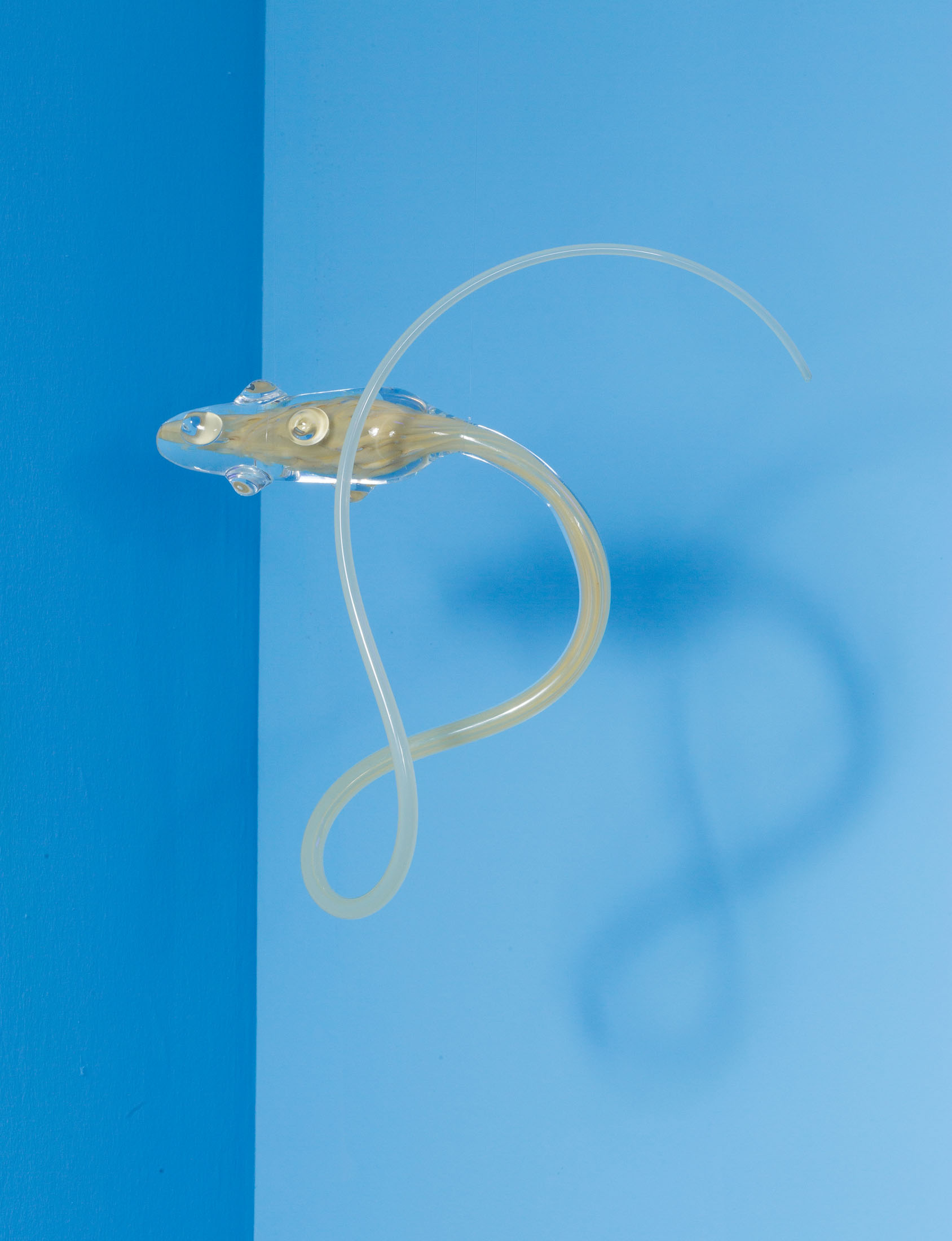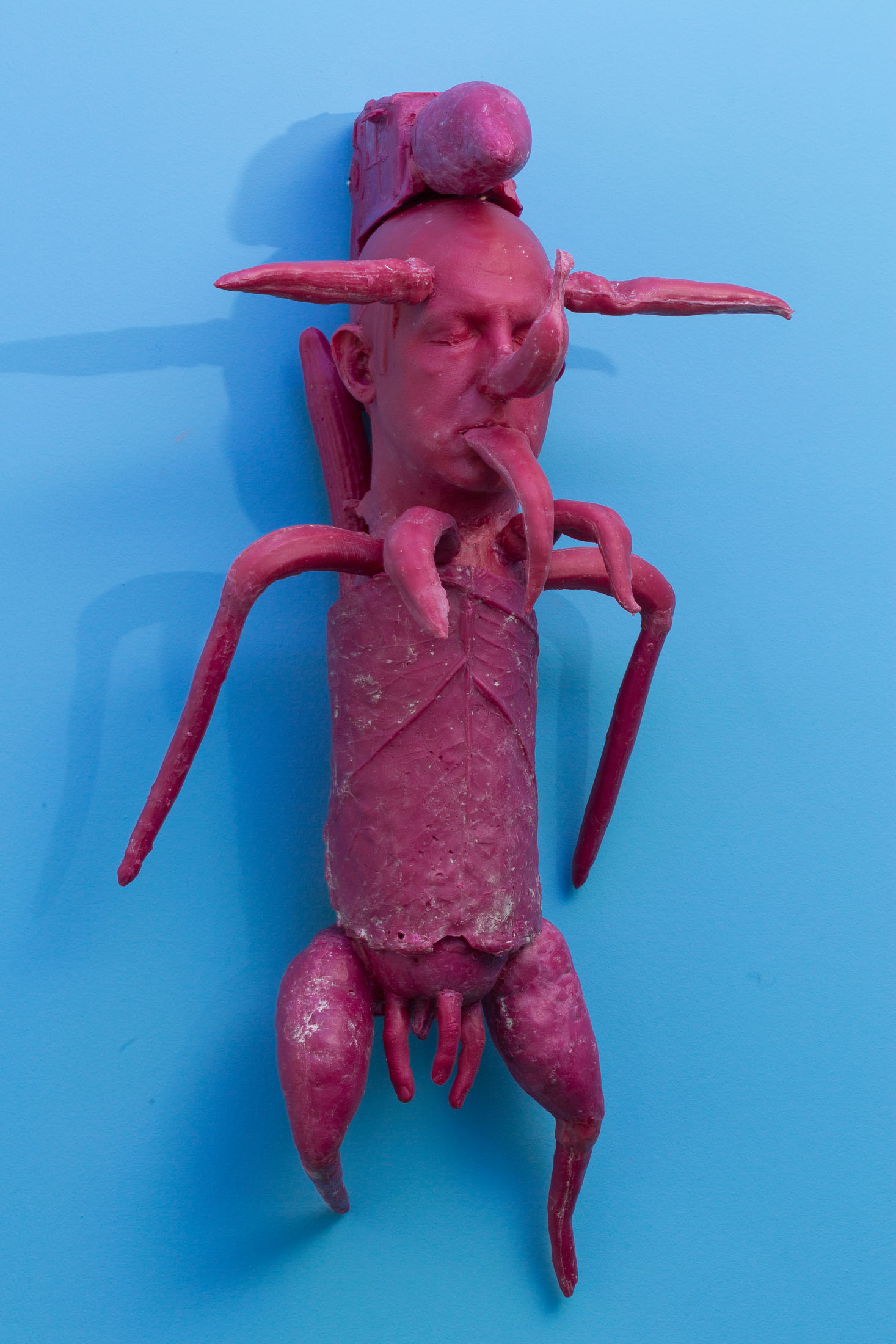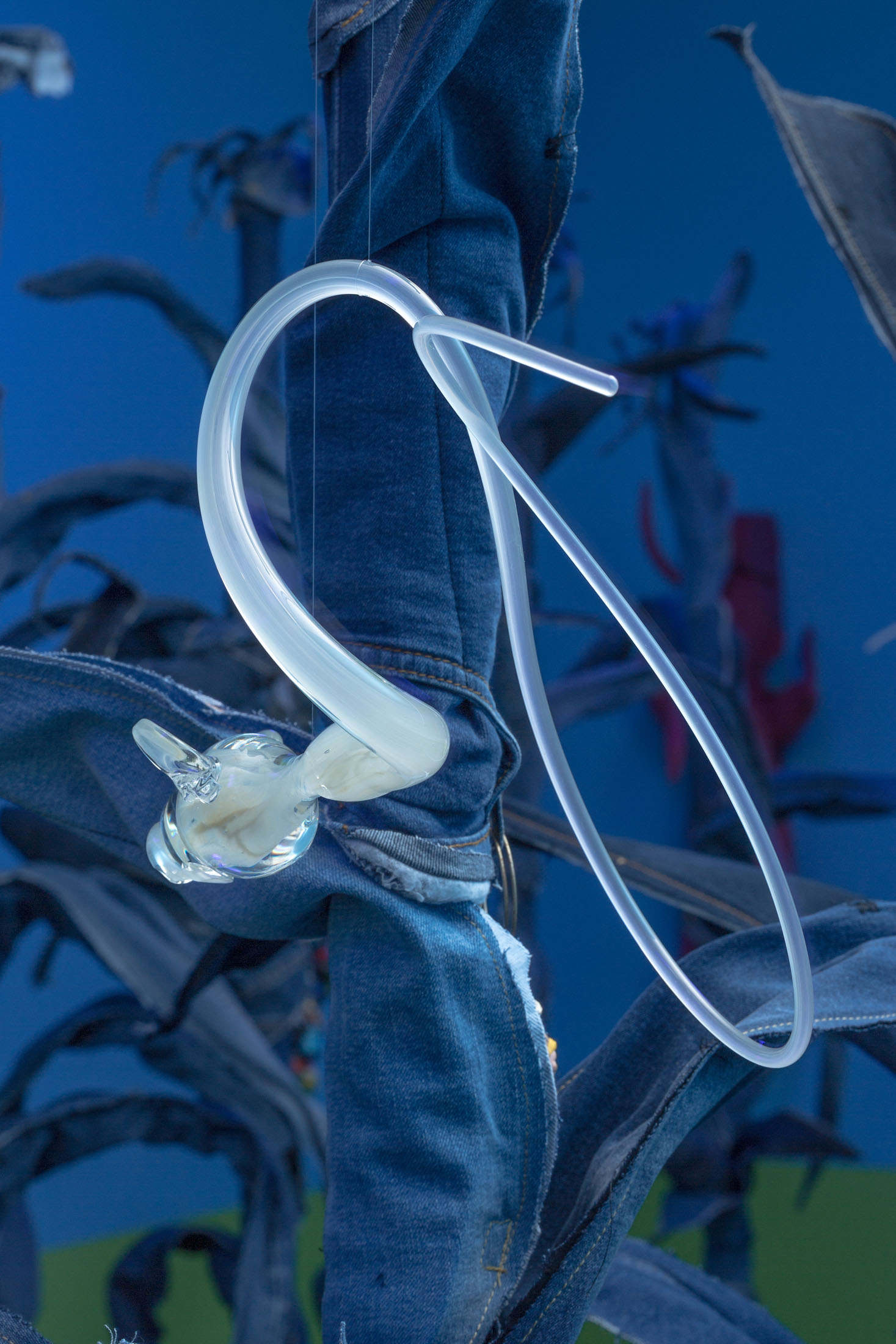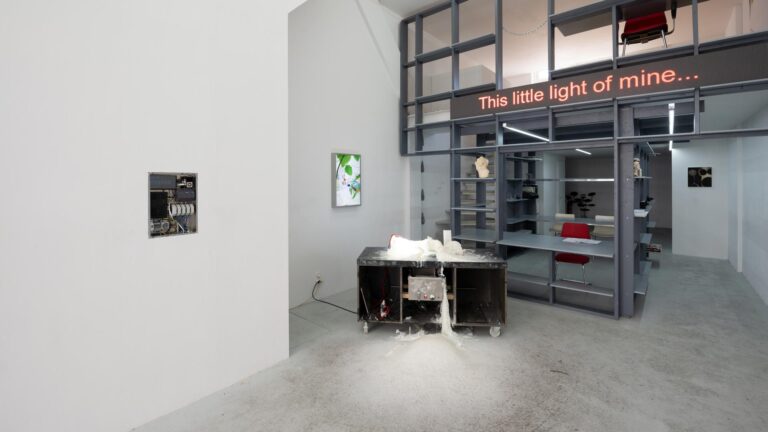
In Spring 2026, Eric Giraudet de Boudemange will transform 1646 into a space where the body and the landscape will play an overarching role, tinged with dark humour. On Friday February 6 Seeds of Plenty will open, an exhibition about agriculture, sustainability, health and abundance.
In Seeds of Plenty, Eric Giraudet de Boudemange (France/Argentina, 1983) explores the intertwining of stories of growth, health, agriculture and the global economy. Drawing inspiration from local traditions and folklore, he reflects on how agriculture and trade have shaped landscapes and identities in the Netherlands and beyond, and the impact this has on our daily lives.
For his solo exhibition at 1646, the artist uses the Fruit Corso in Tiel (NL) as a starting point. This is a festive parade celebrating food abundance by featuring floats decorated with fruit and vegetables. In 1961, it was created by the local producers of the Betuwe region to promote their local products.
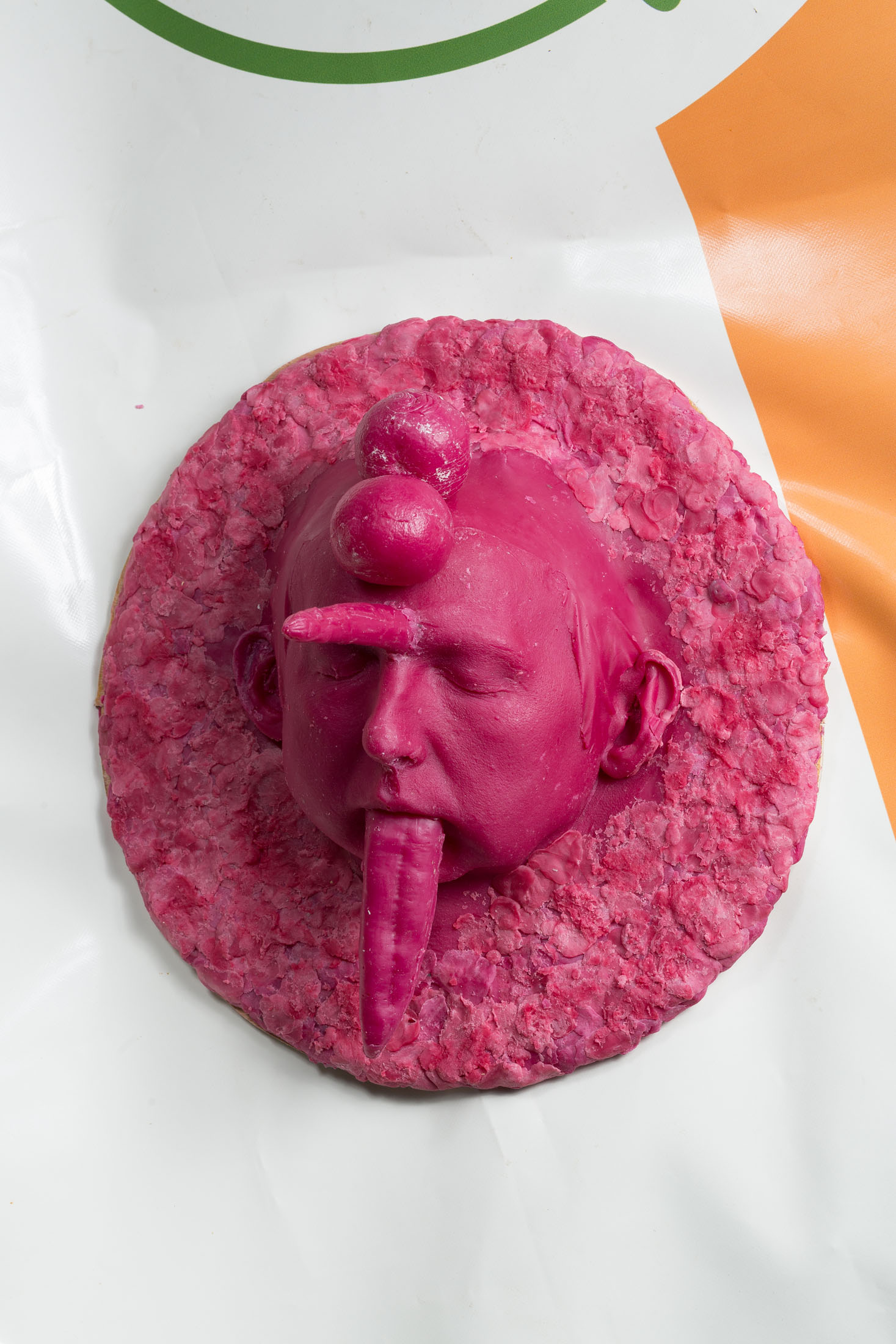
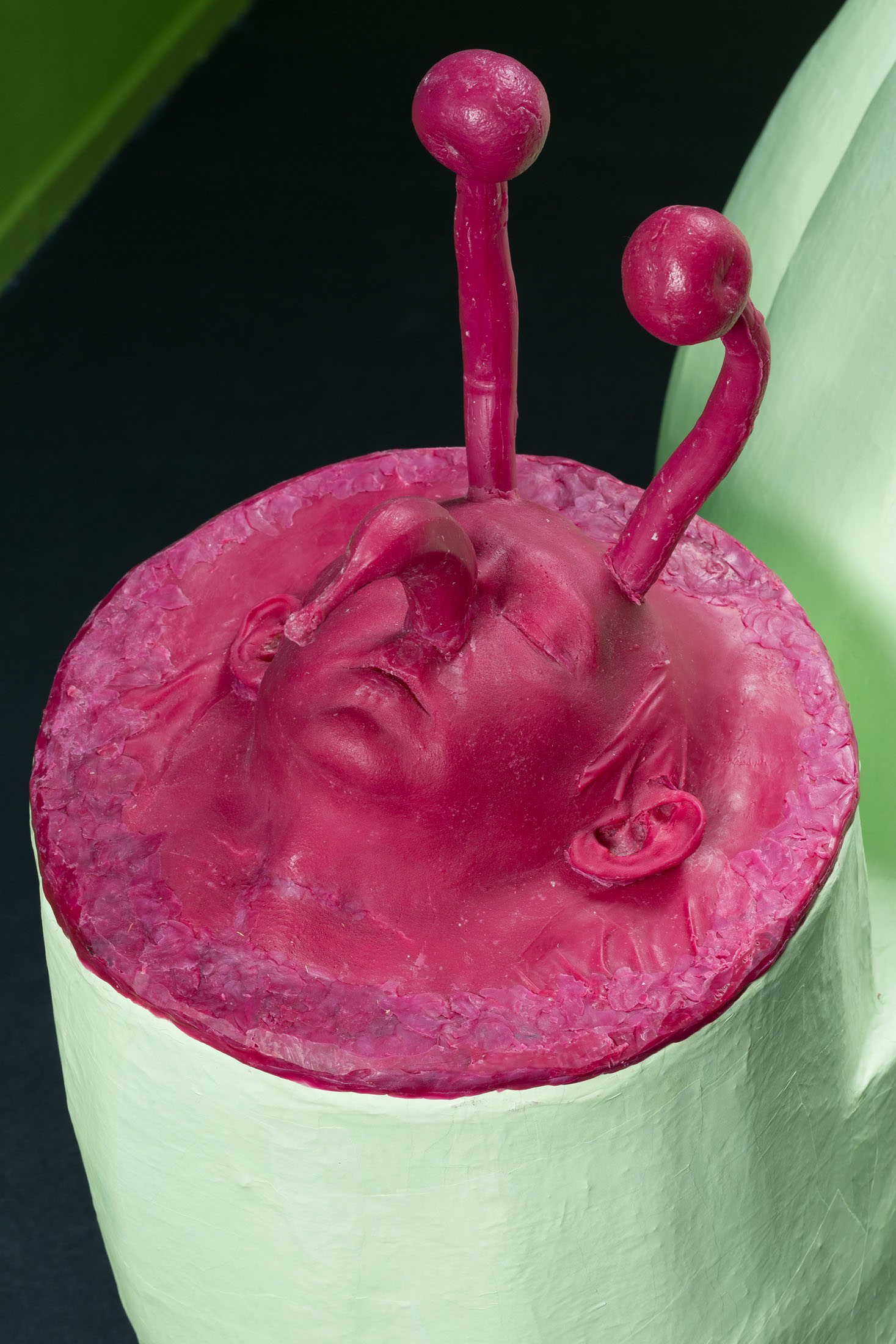
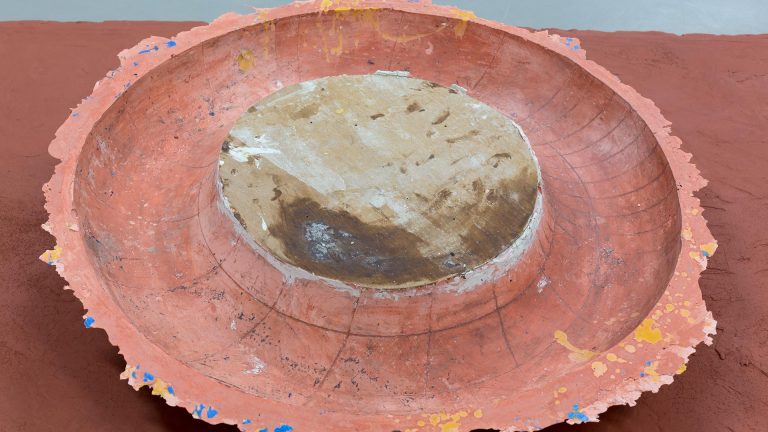
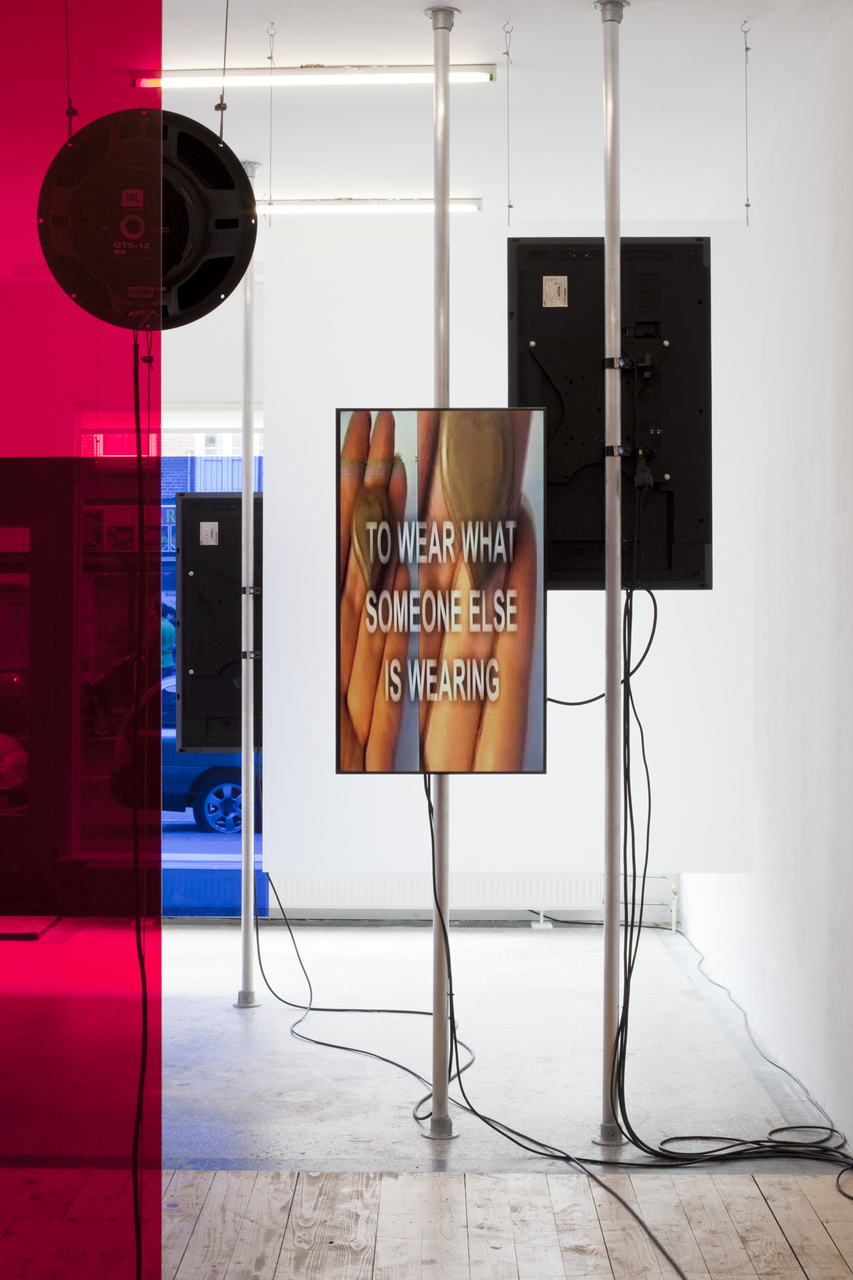
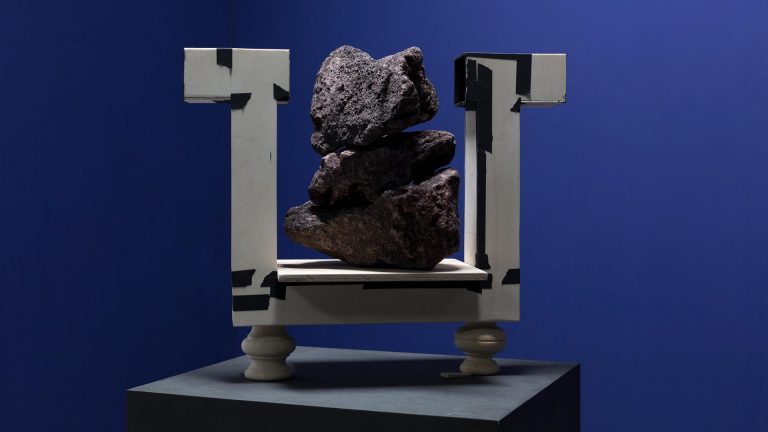
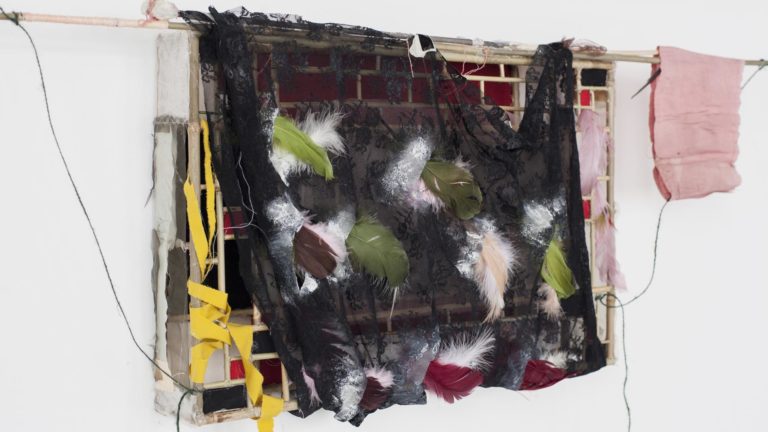
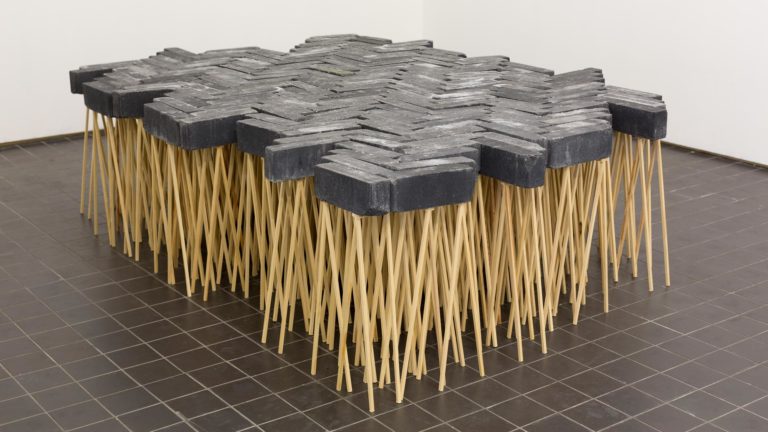
Through newly produced sculptures, videos and installations, Giraudet de Boudemange connects the personal with the political, exploring how the capitalist promise of abundance collides with questions of sustainability, well-being, and the limits of endless growth. Agriculture becomes a mirror of society’s desires and contradictions — a stage where power, fertility and imagination converge. The artist invites us to consider how our own bodies become an extension of these cycles of production and transformation.
About Eric Giraudet de Boudemange
Eric Giraudet de Boudemange is a French-Argentinian artist, born in Boulogne-Billancourt in 1983. He is based in Vreeland. He graduated from Ensba, Le Fresnoy, and the Rijksakademie.
The first inspirations of Giraudet de Boudemange’s work are rooted in his agricultural family background. Following in the footsteps of his ancestors, his father now manages the family estate, where he cultivates corn. The themes of the artist’s practice revolve around a particular relationship between the body and the landscape, exploring bodily and vegetal growth through grotesque hybridisations and narratives tinged with dark humour.