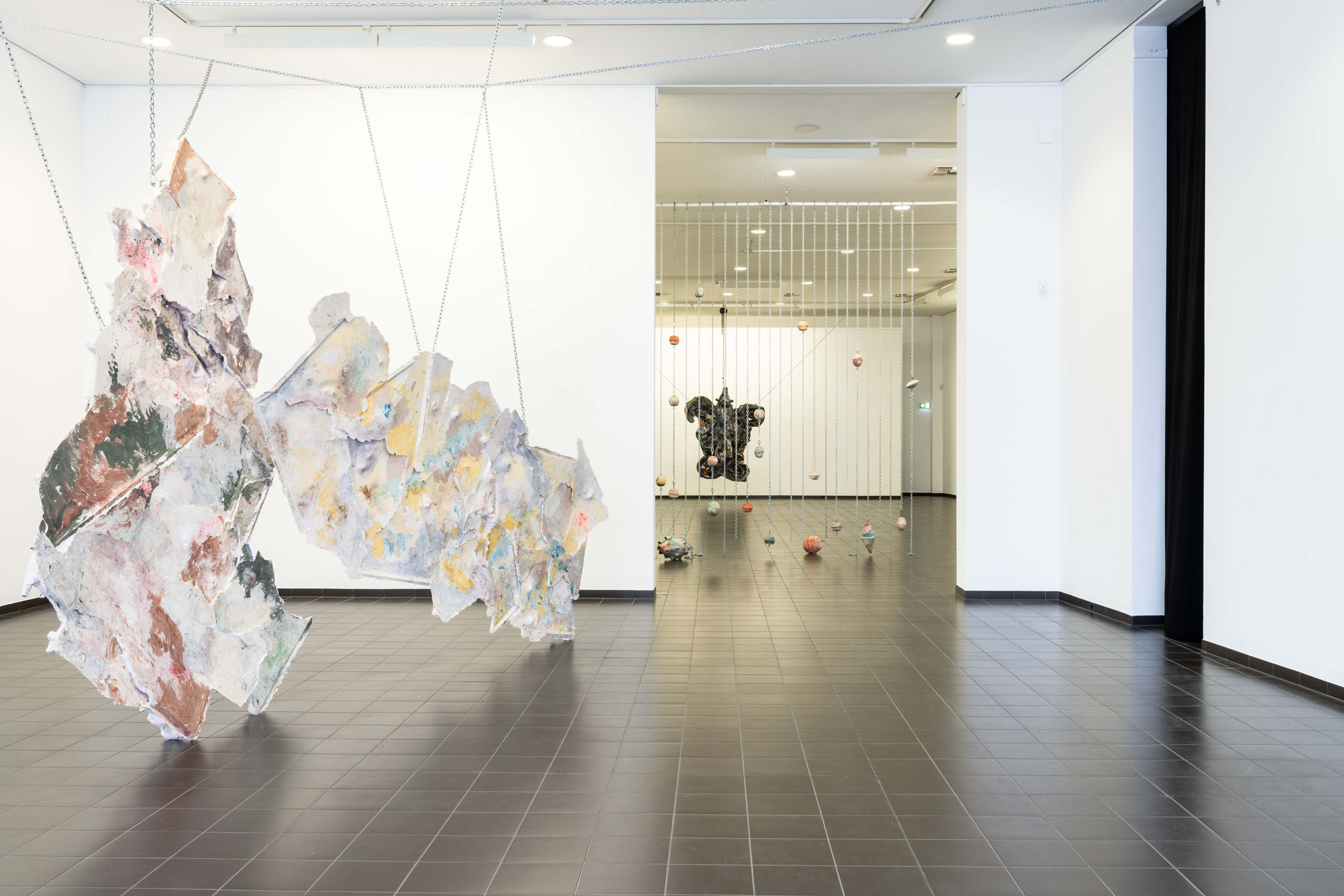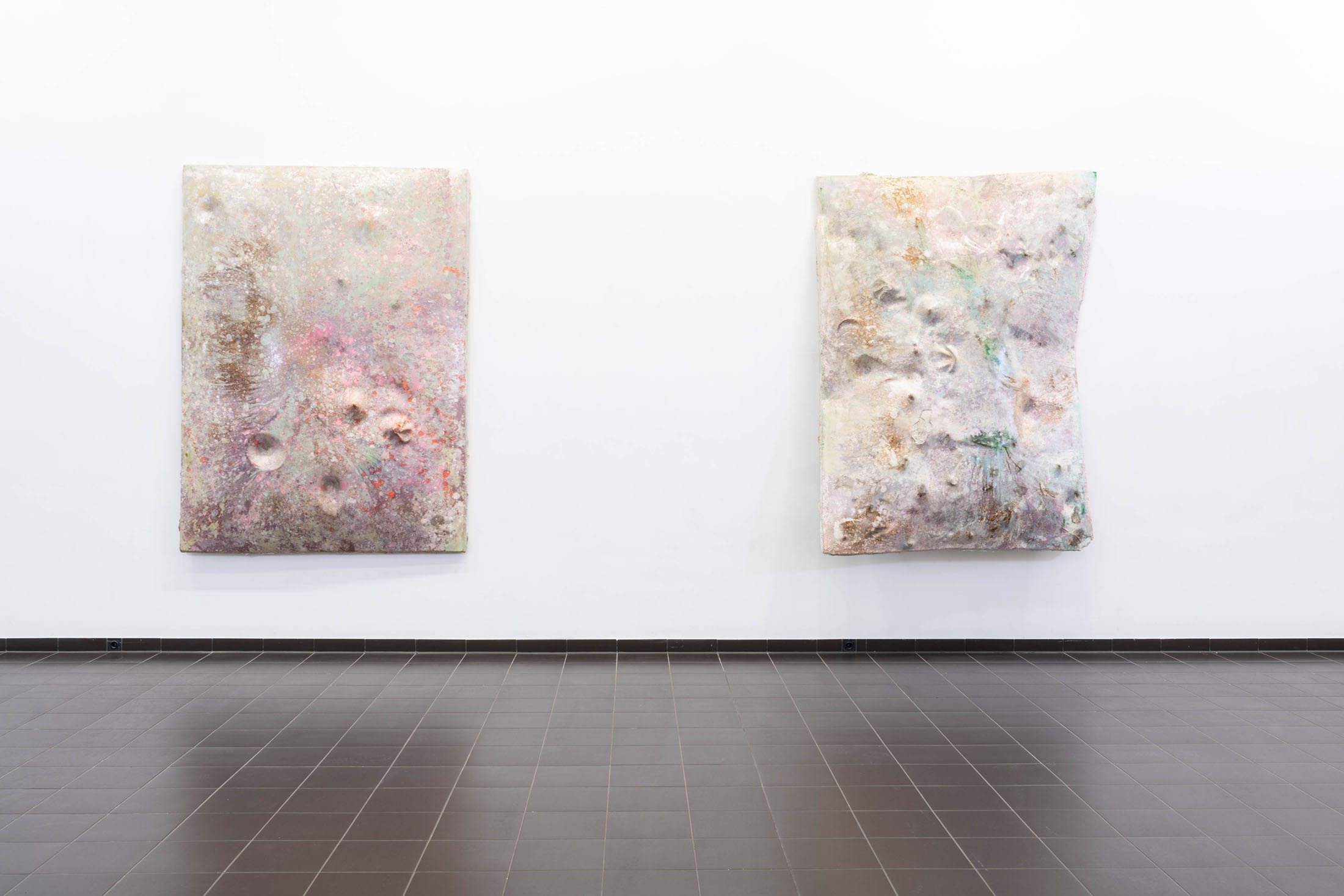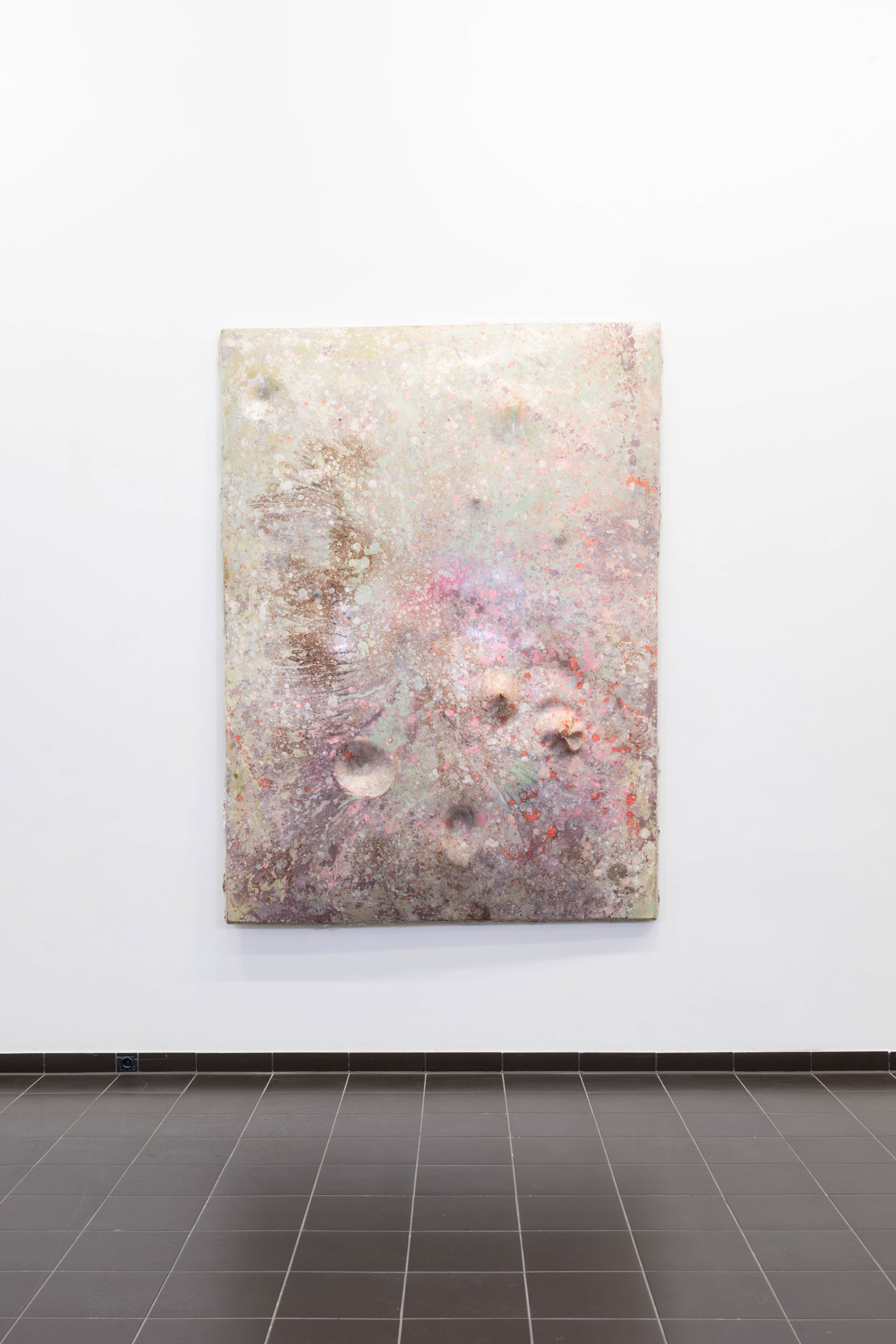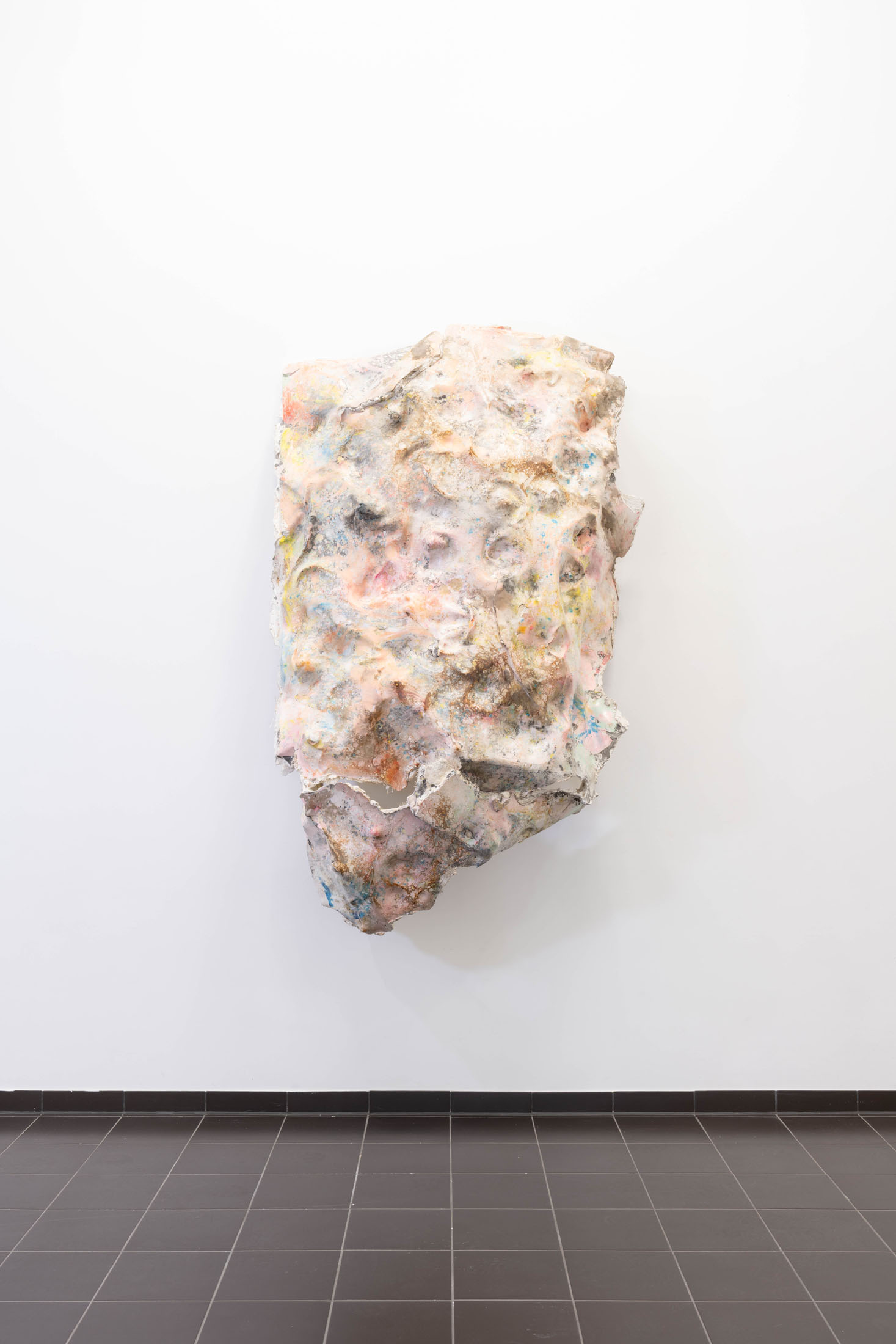
Rodinia was one of the most well-known supercontinents in Earth’s history. Around one billion years ago, it united nearly all landmasses into a single vast continent. The breakup of Rodinia had far-reaching effects on the climate, sea levels, and the development of life. For instance, some of the earliest red algae fossils date back to this era.
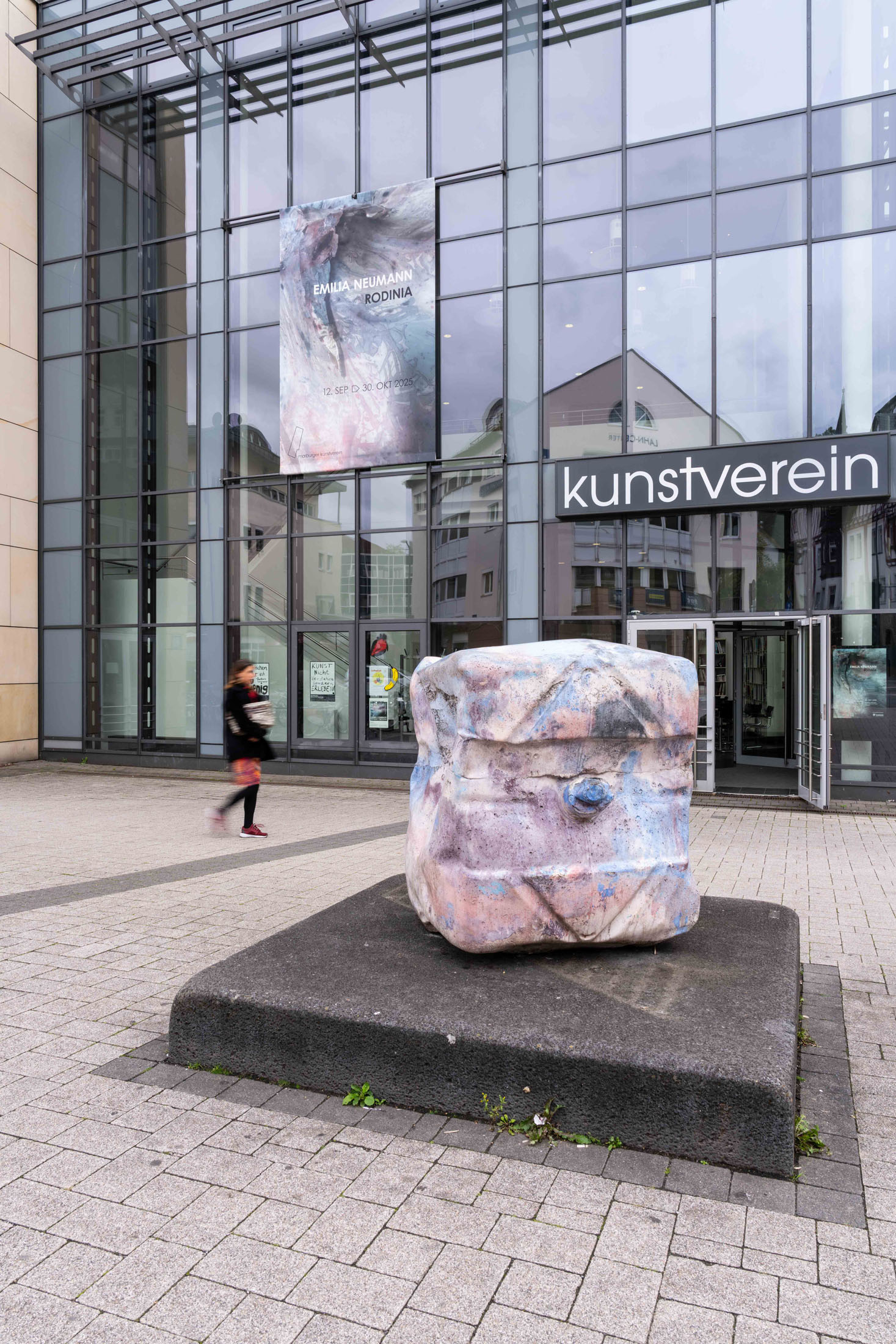
The Frankfurt-based artist Emilia Neumann (*1985) draws on this geological turning point in the title of her exhibition – using it as a starting point for a multifaceted artistic exploration of form, transformation, and change.
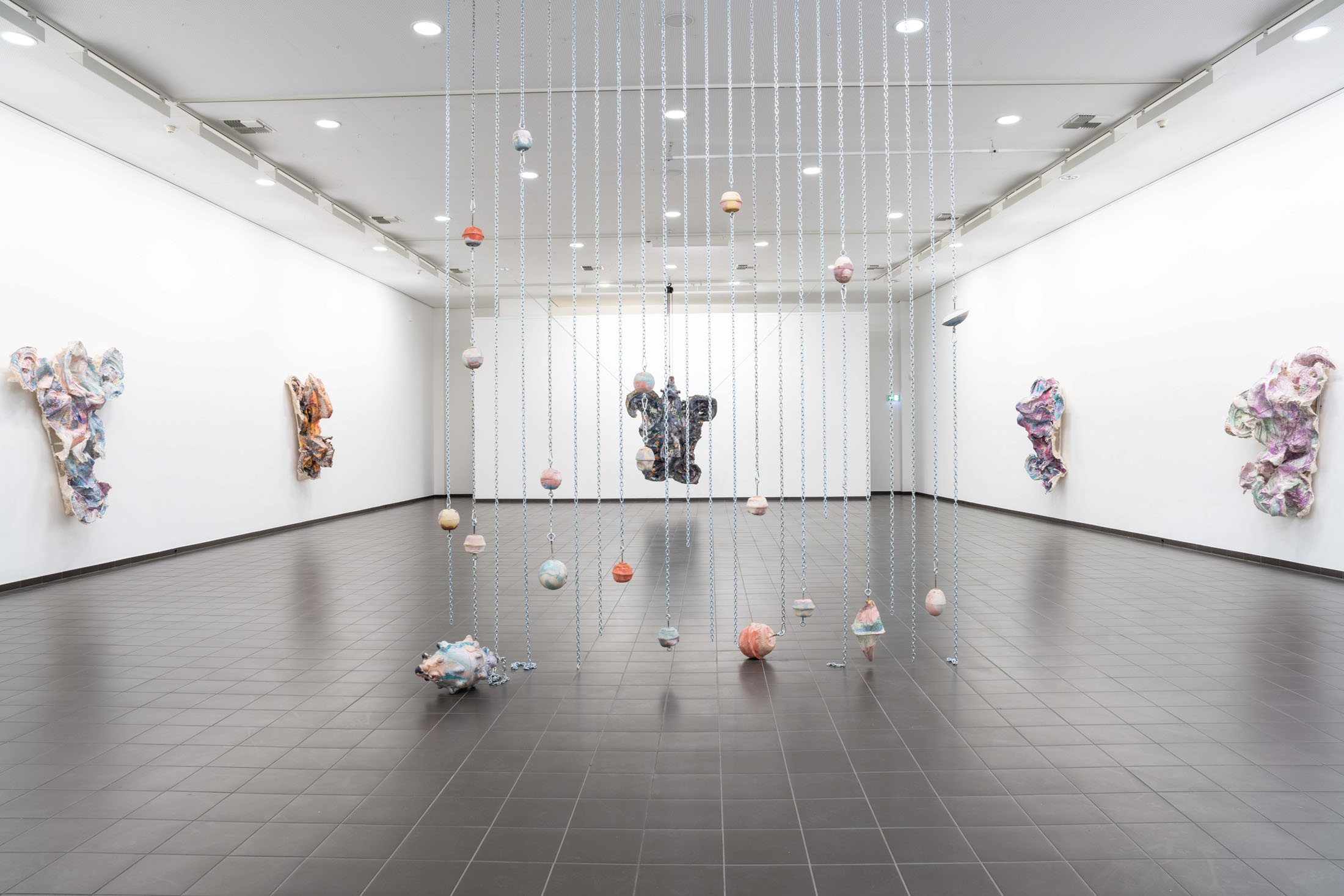
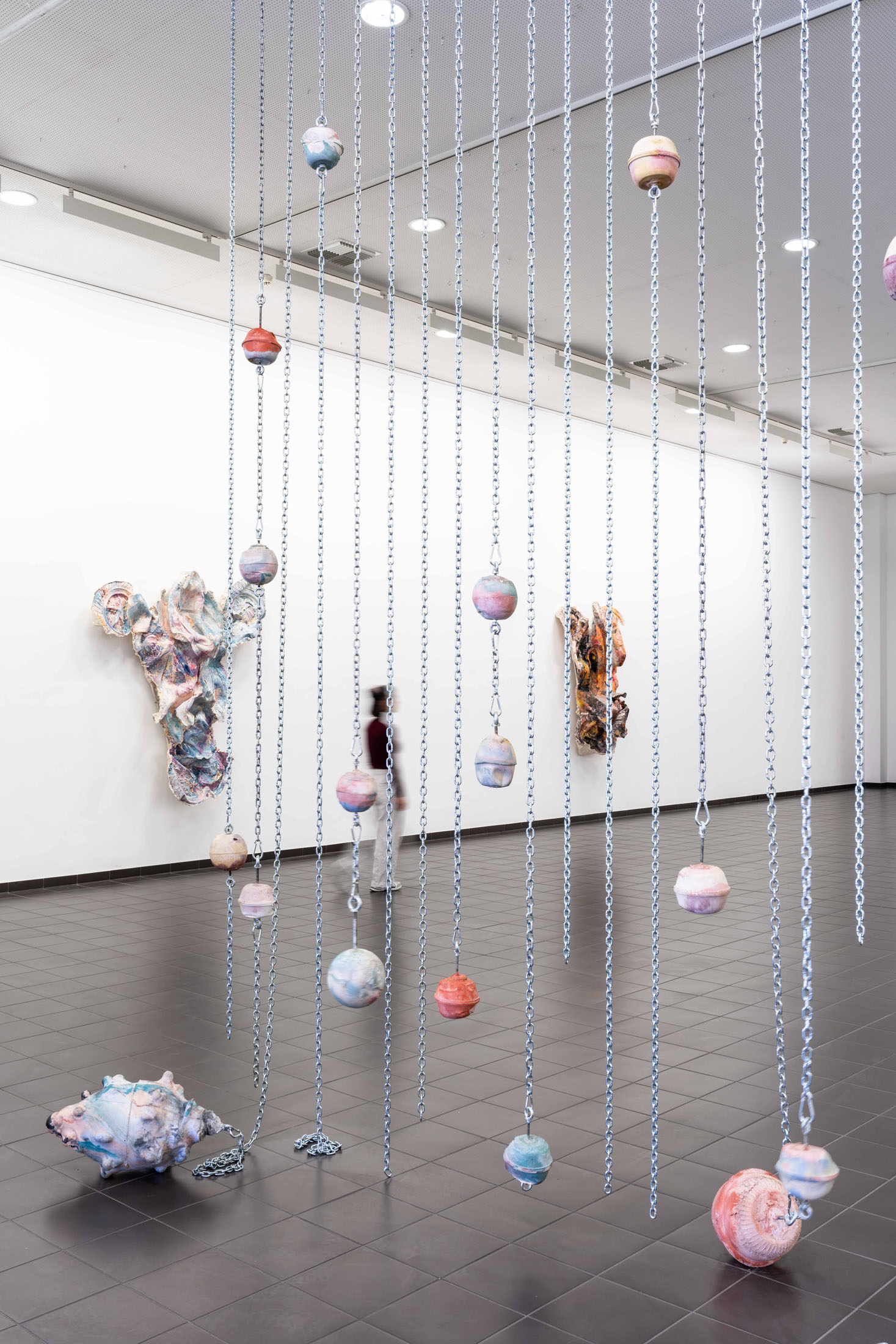
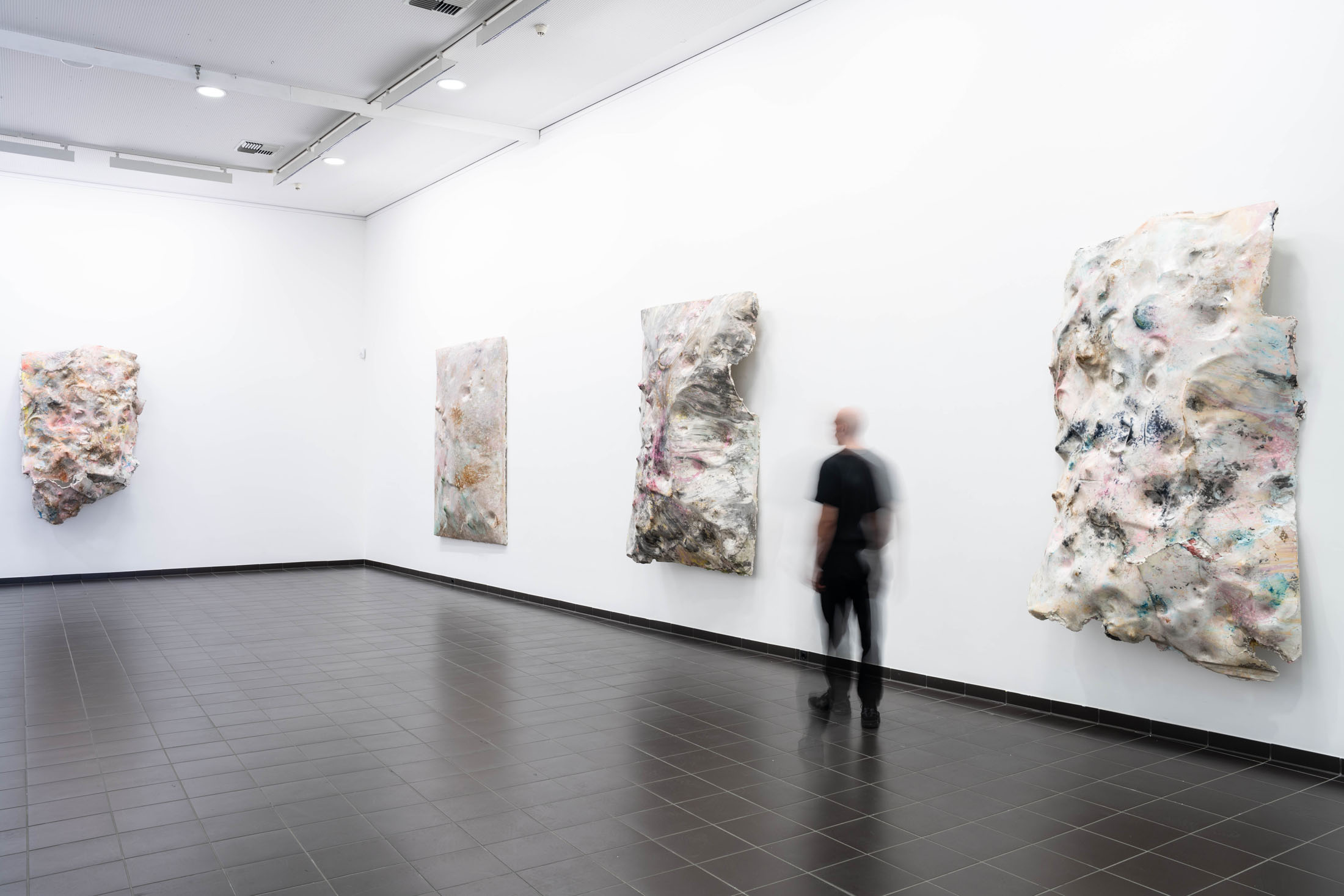
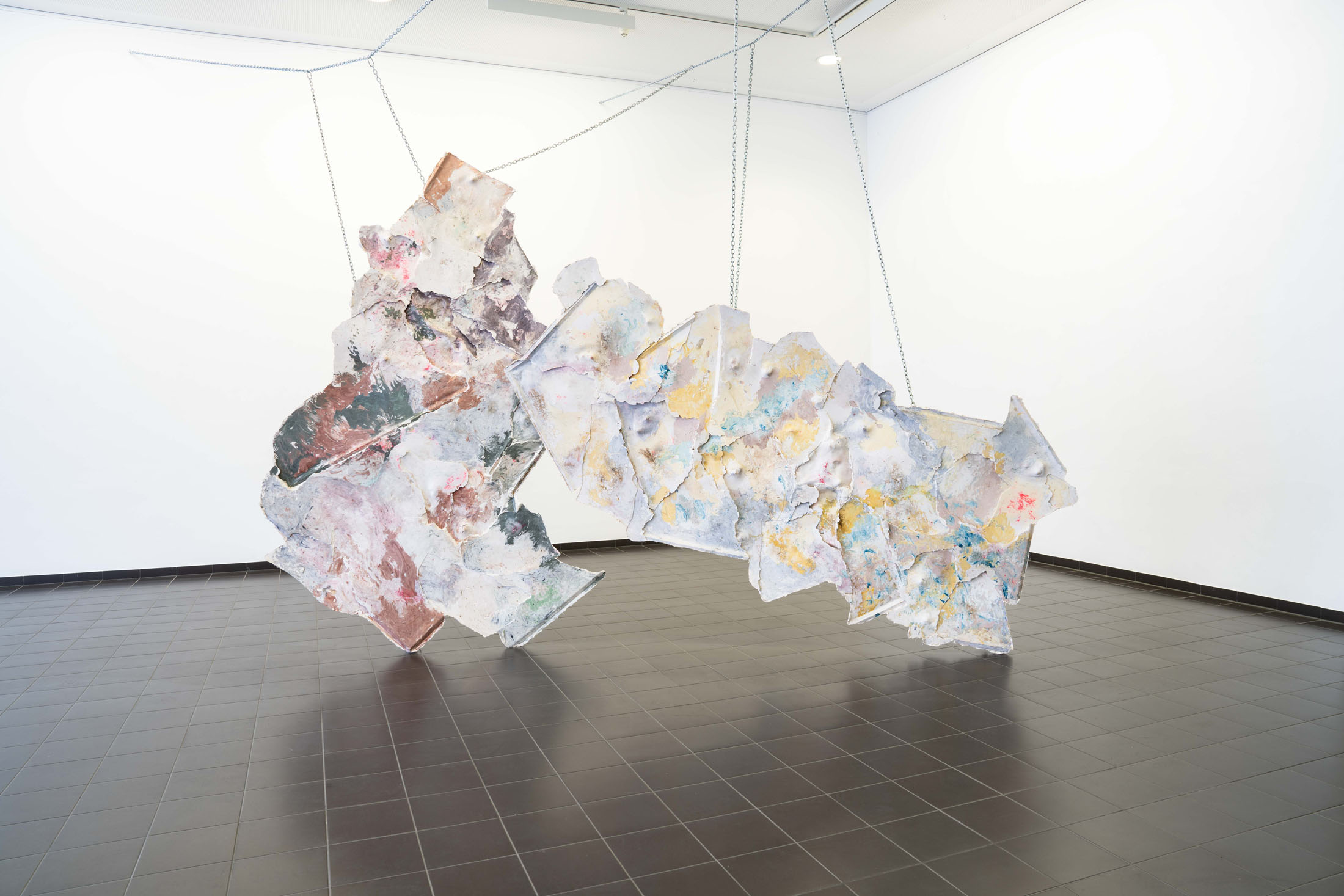
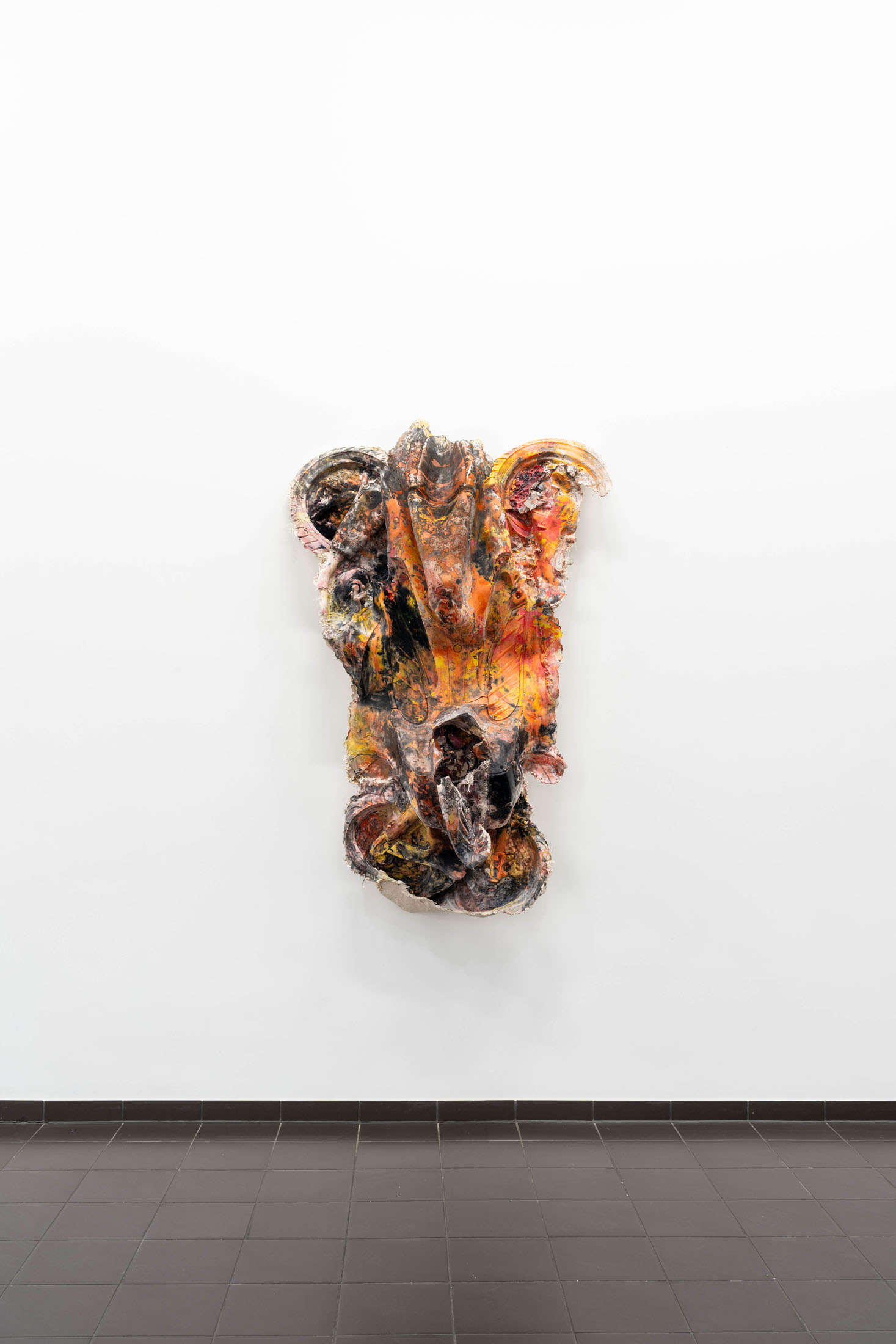
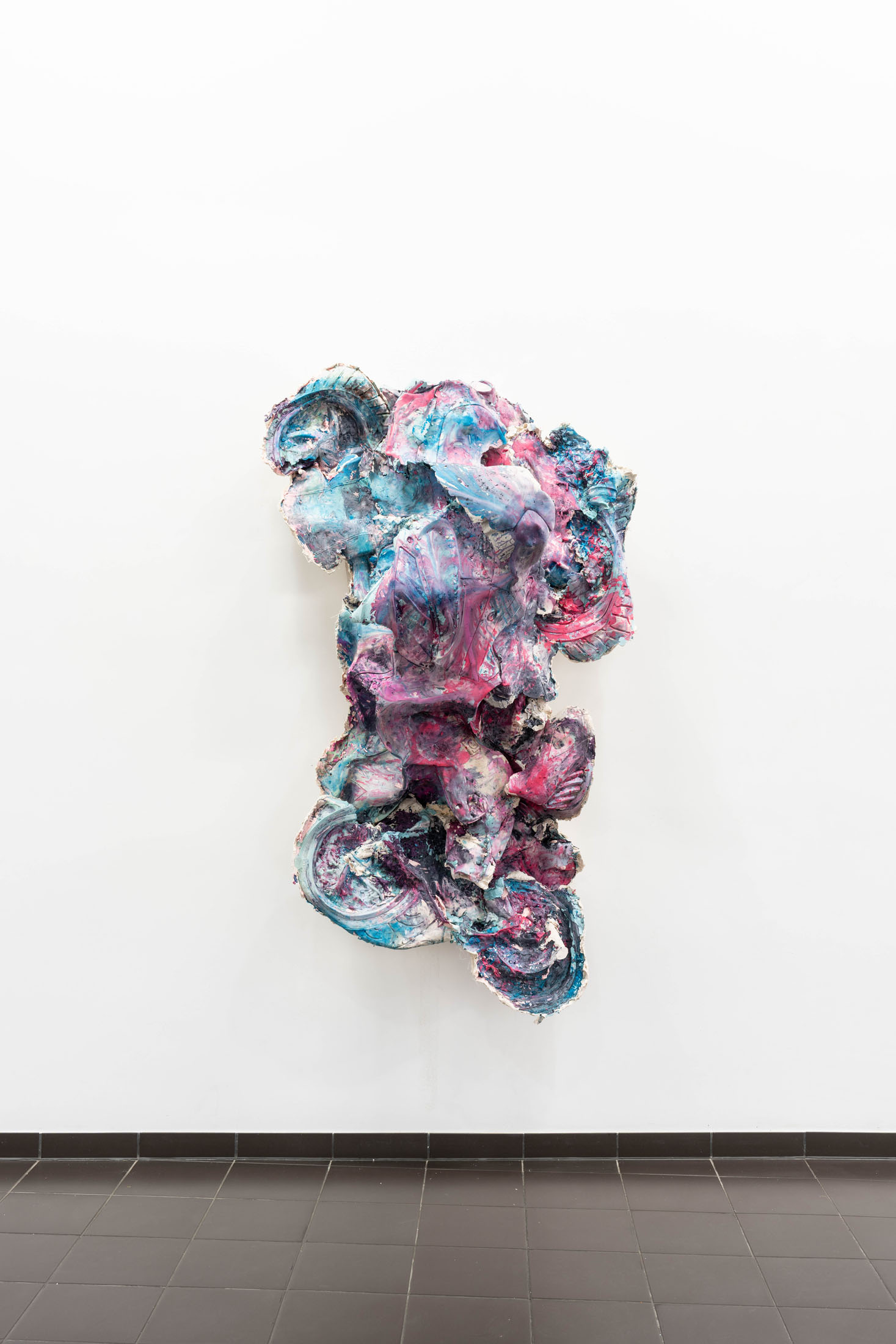
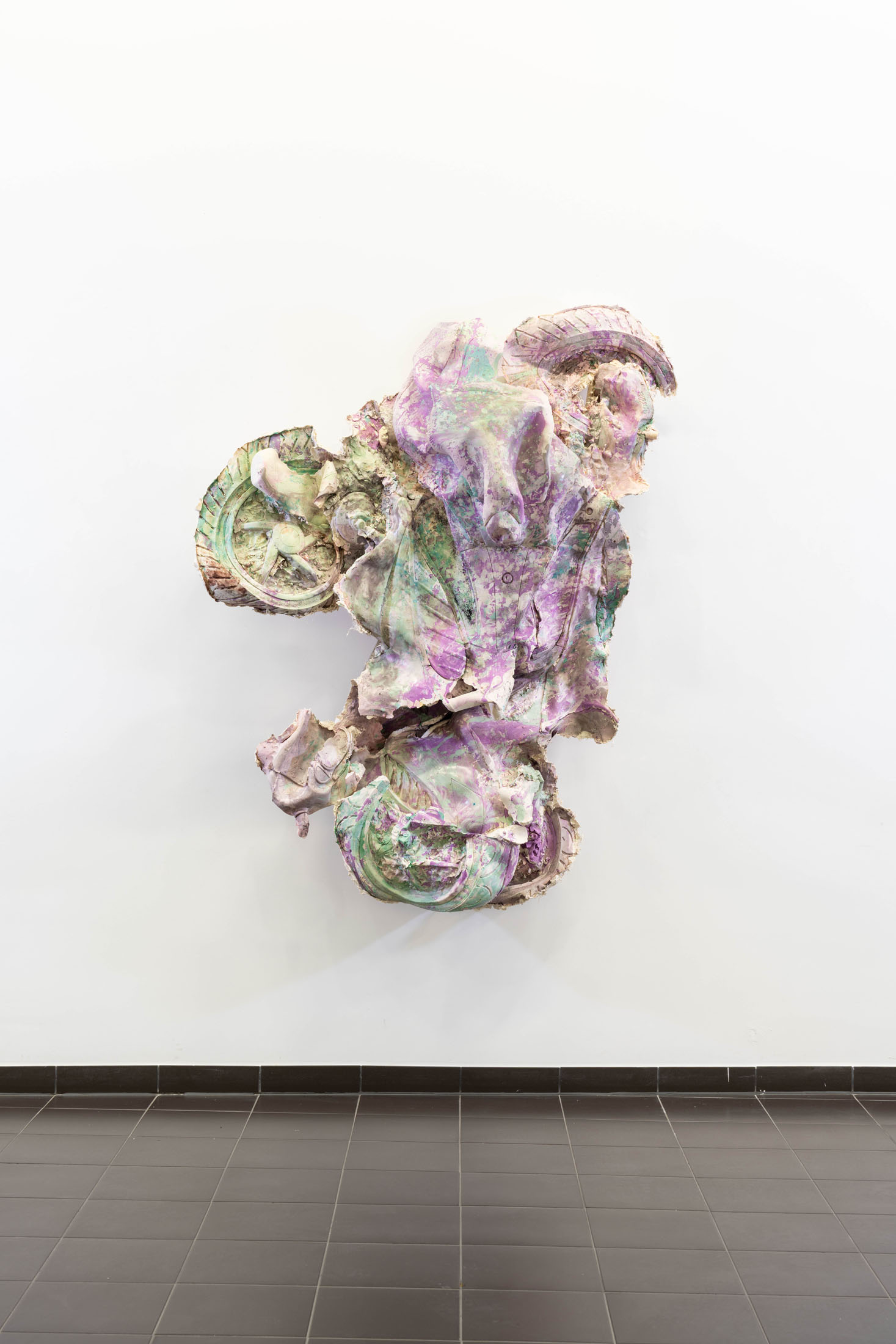
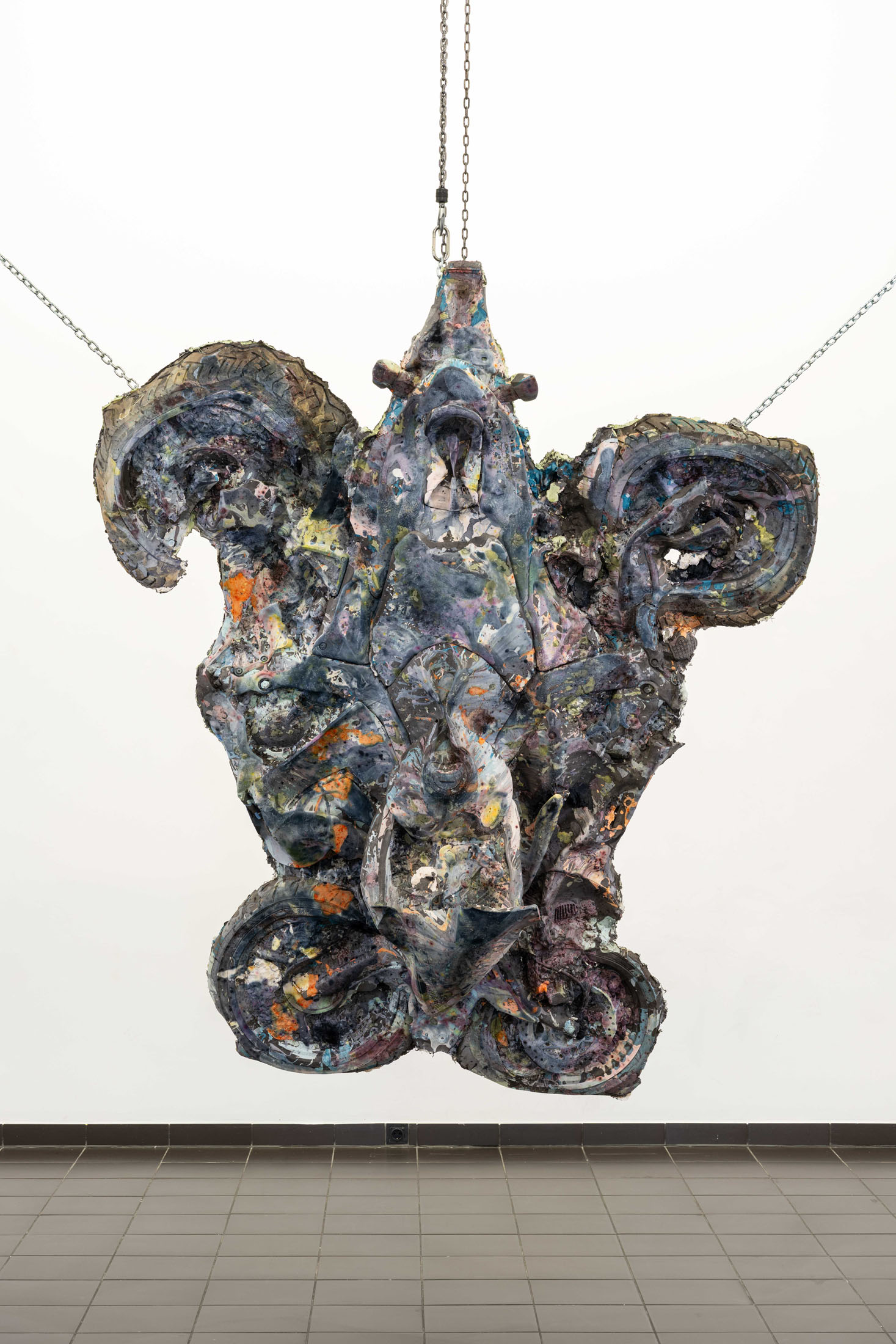
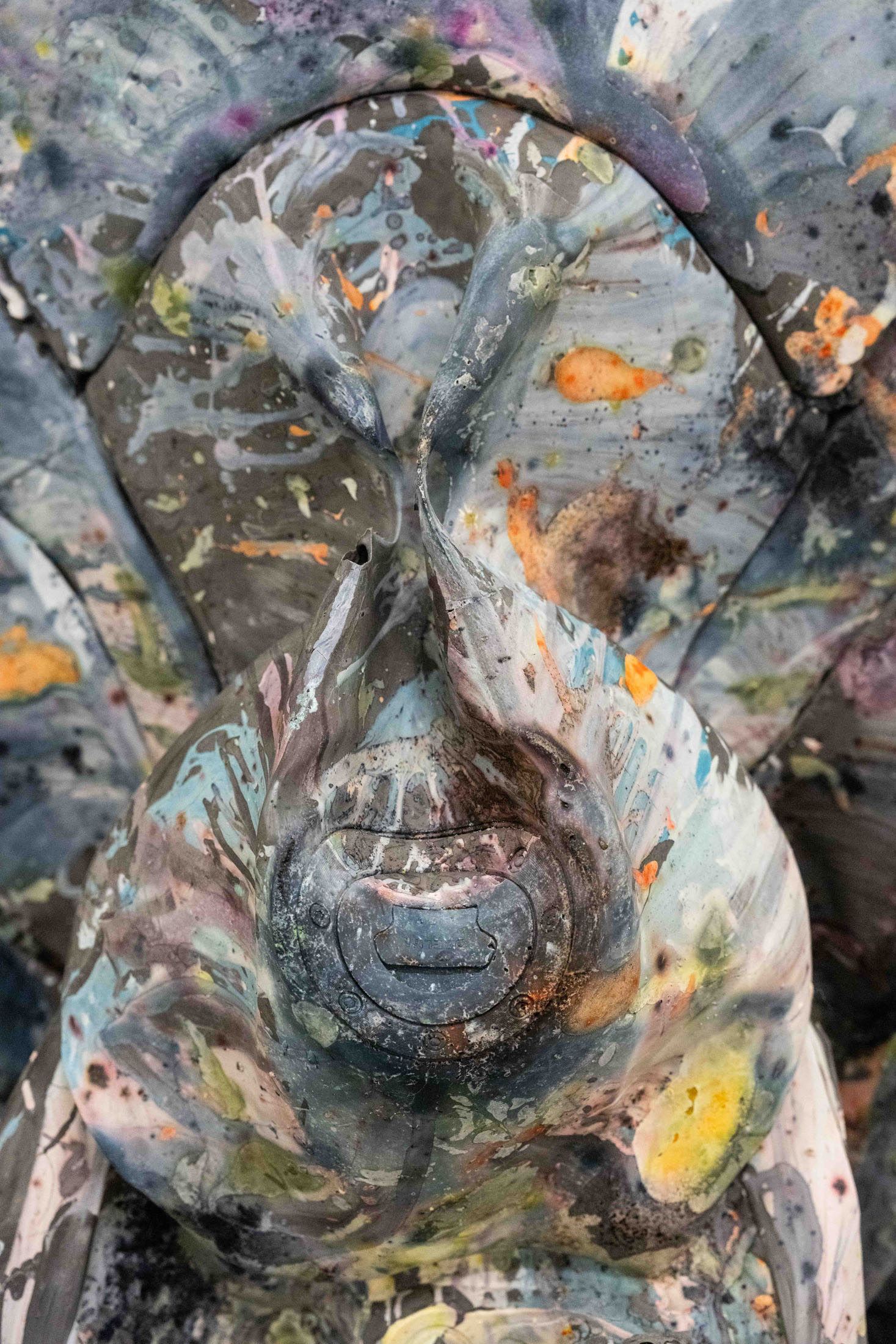
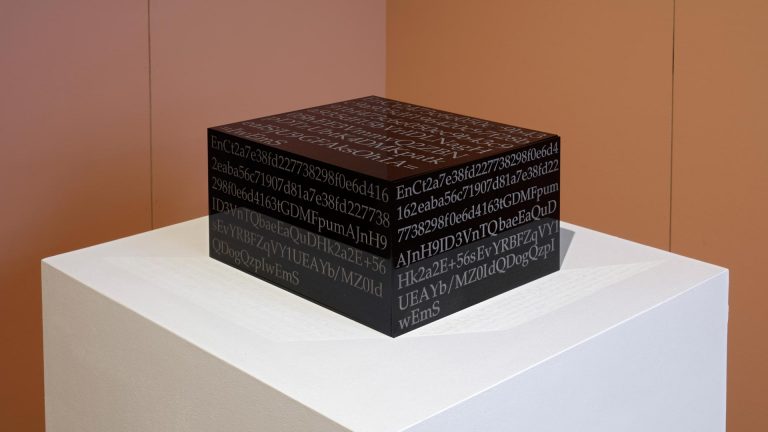
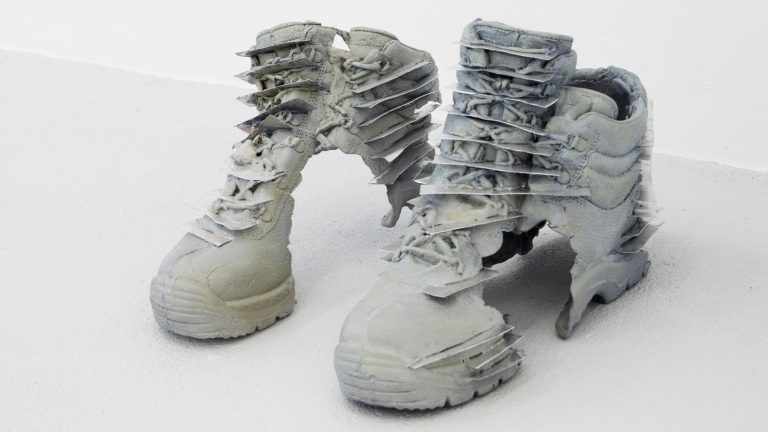
Neumann primarily works with plaster and concrete, casting these materials and coloring them with pigments. As shaping elements, she uses everyday objects that she dismantles, cuts apart, and reassembles in new ways. After casting, she selectively refines the surfaces: some areas are polished to a high gloss, while others are deliberately left rough and unprocessed.
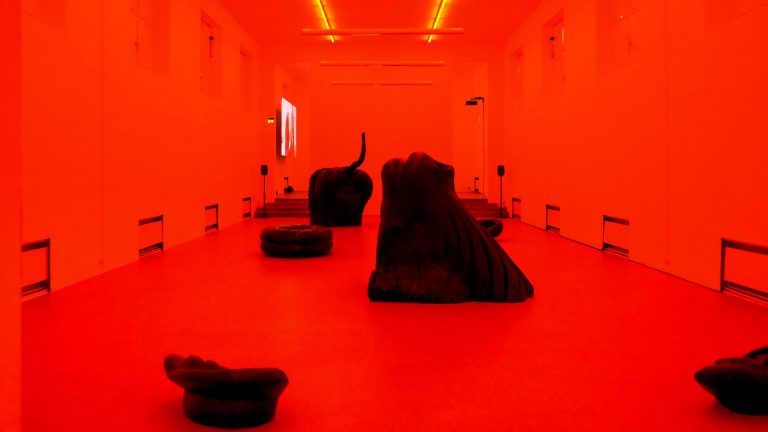
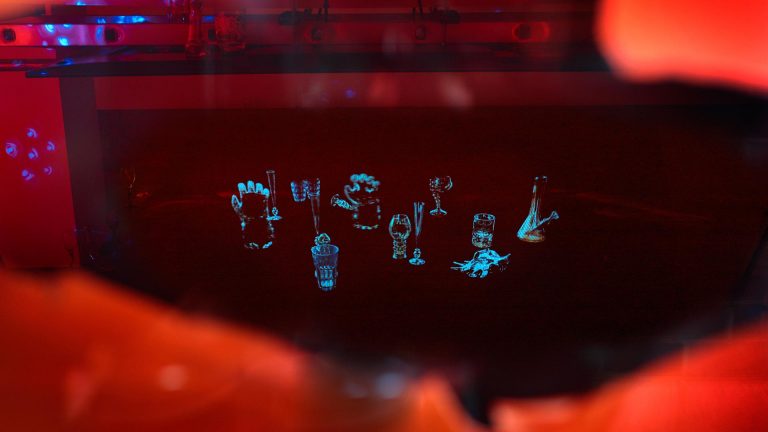
Her sculptures oscillate between industrial aesthetics and organic forms. They appear both familiar and strange, resisting clear categorization and opening up diverse possibilities for interpretation.
At the core of Neumann’s artistic practice are fundamental questions of sculpture – form, color, surface, space, and time – always in relation to the viewer. The exhibition space itself becomes an active component of the work. Open-ended questions about missing elements, defining characteristics, or imaginary narratives are woven into her artistic approach, lending her works a striking spatial presence.