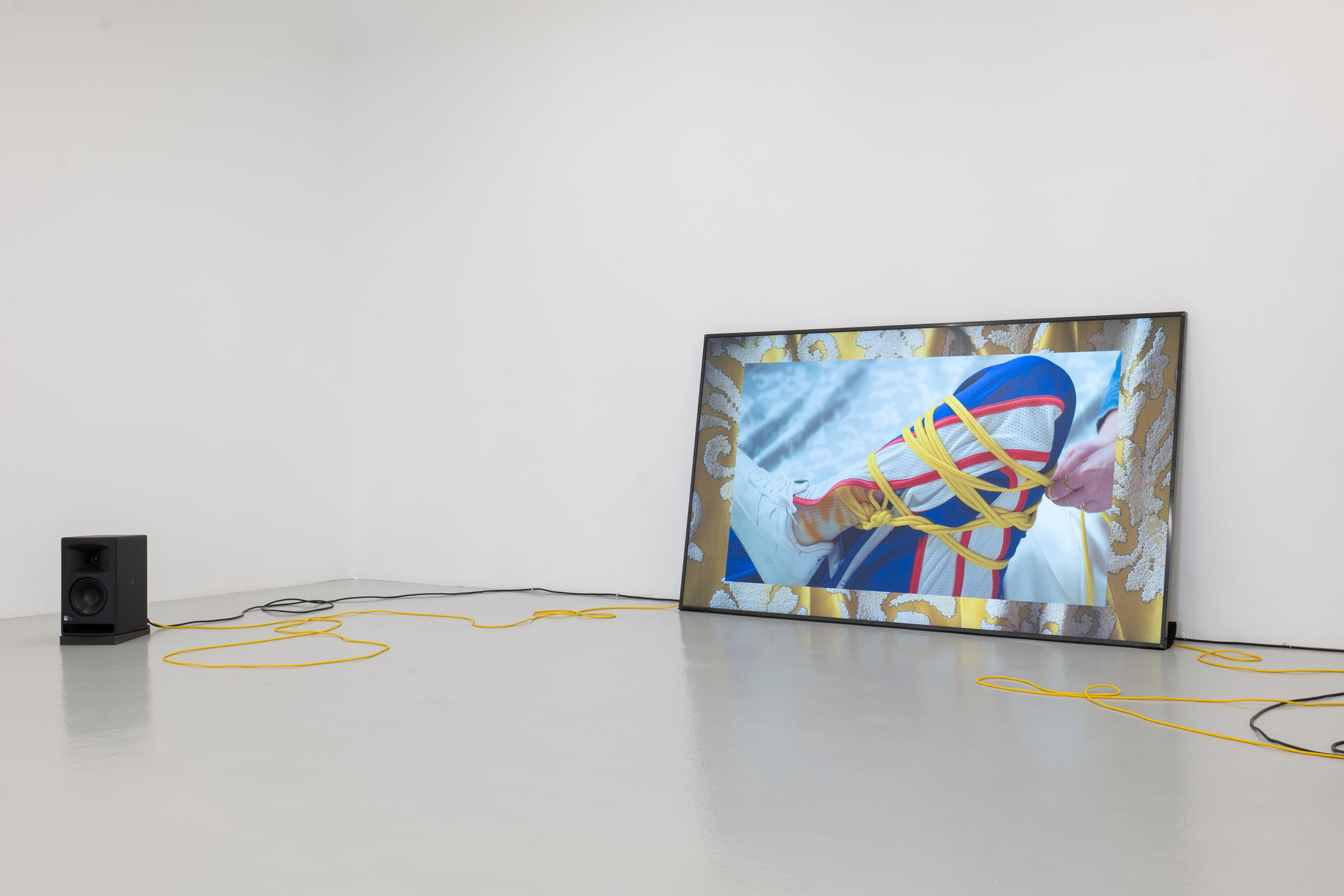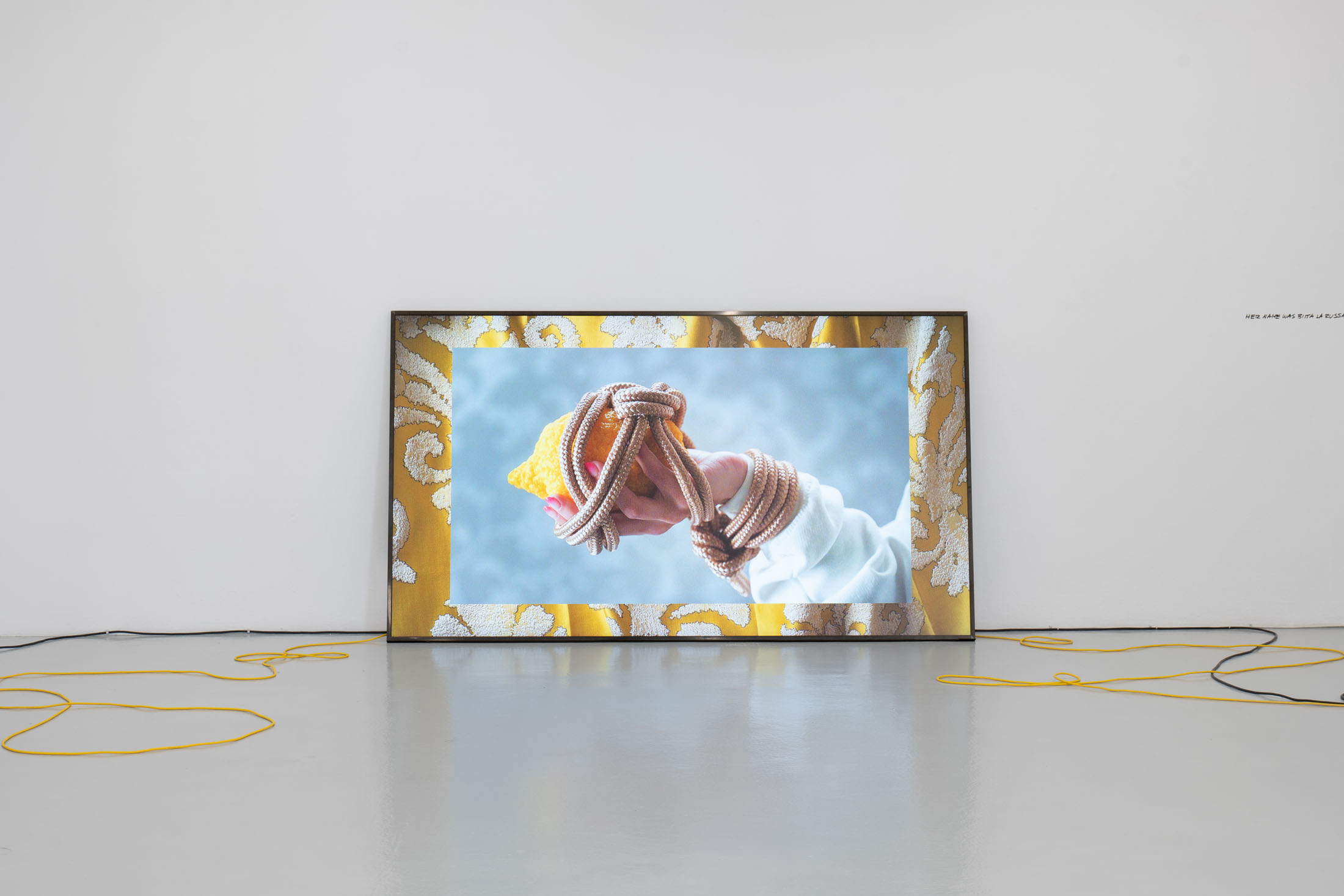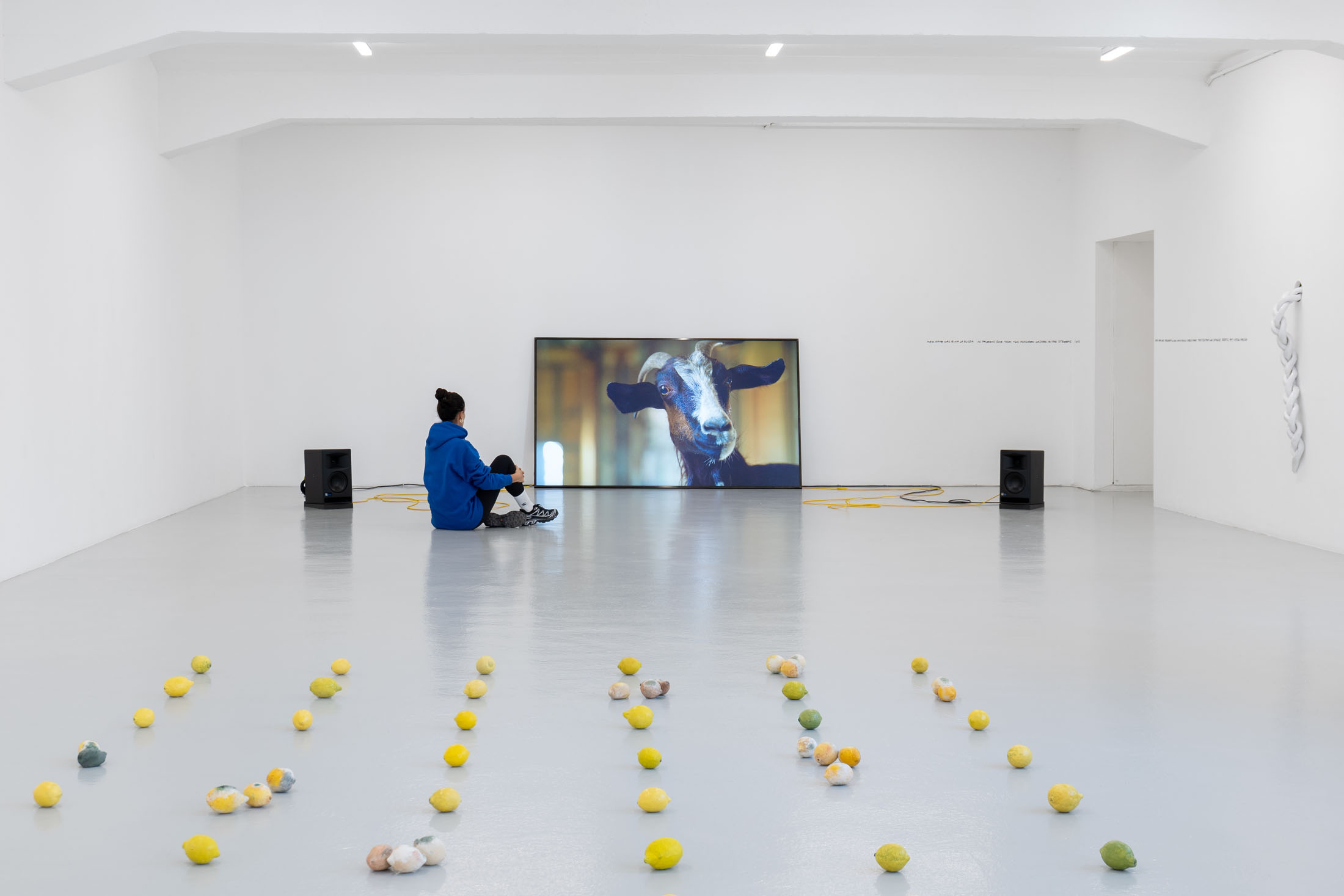
With “U Scantu”: A Disorderly Tale, Künstler:innenhaus Bremen presents the first institutional solo exhibition in Germany by Italian artist Elisa Giardina Papa. At the heart of the exhibition, both conceptually and formally, is the eponymous video work, first shown in 2022 at the 59th Venice Biennale. Giardina Papa works with film, drawing, and ceramics, to explore how hegemonic demands for order and legibility strain radical forms of knowledge and desire. Her work interrogates how images shape our understanding of history, and the role archives, collective narratives, and rituals play in forming identity, power structures, and forms of belonging.
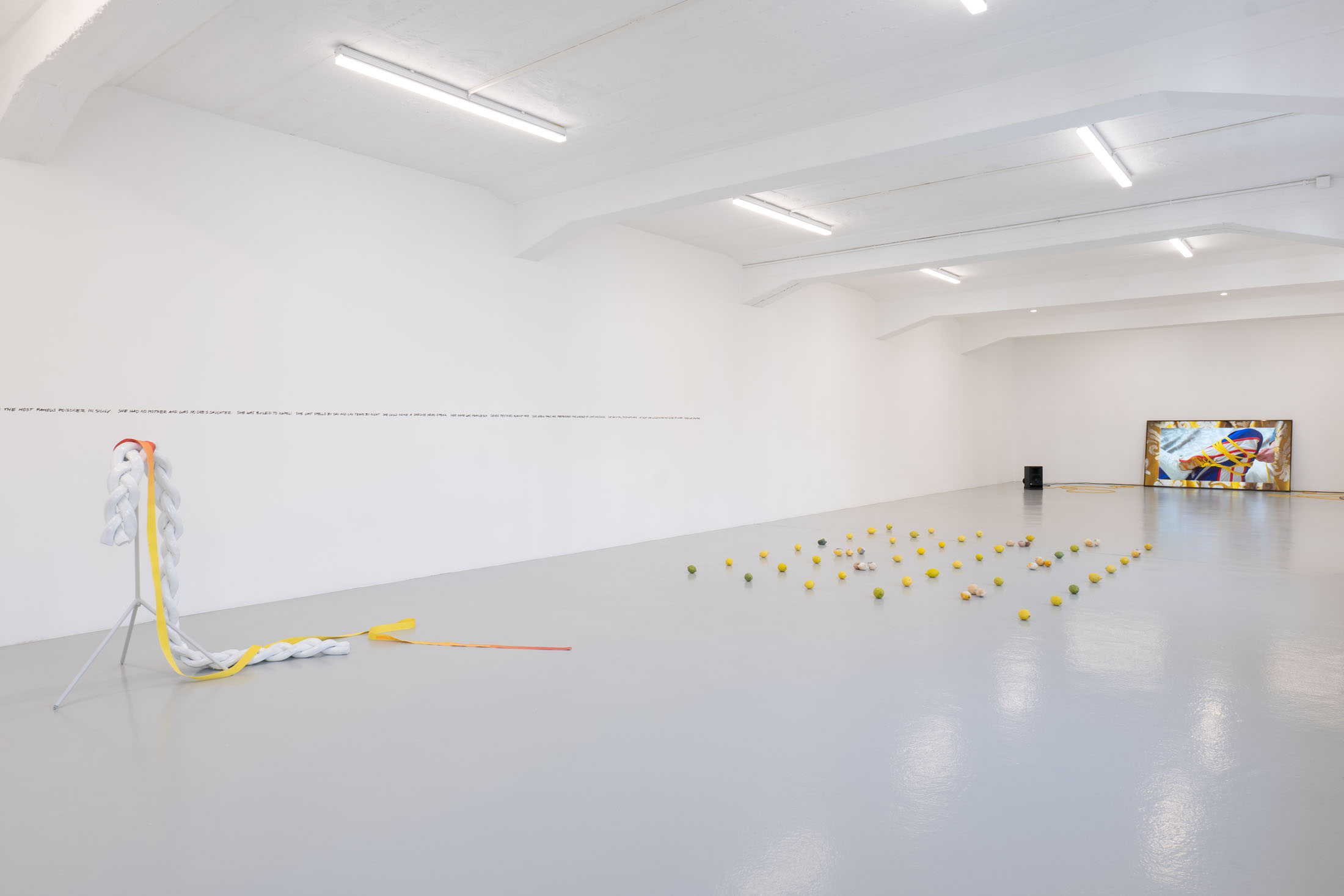
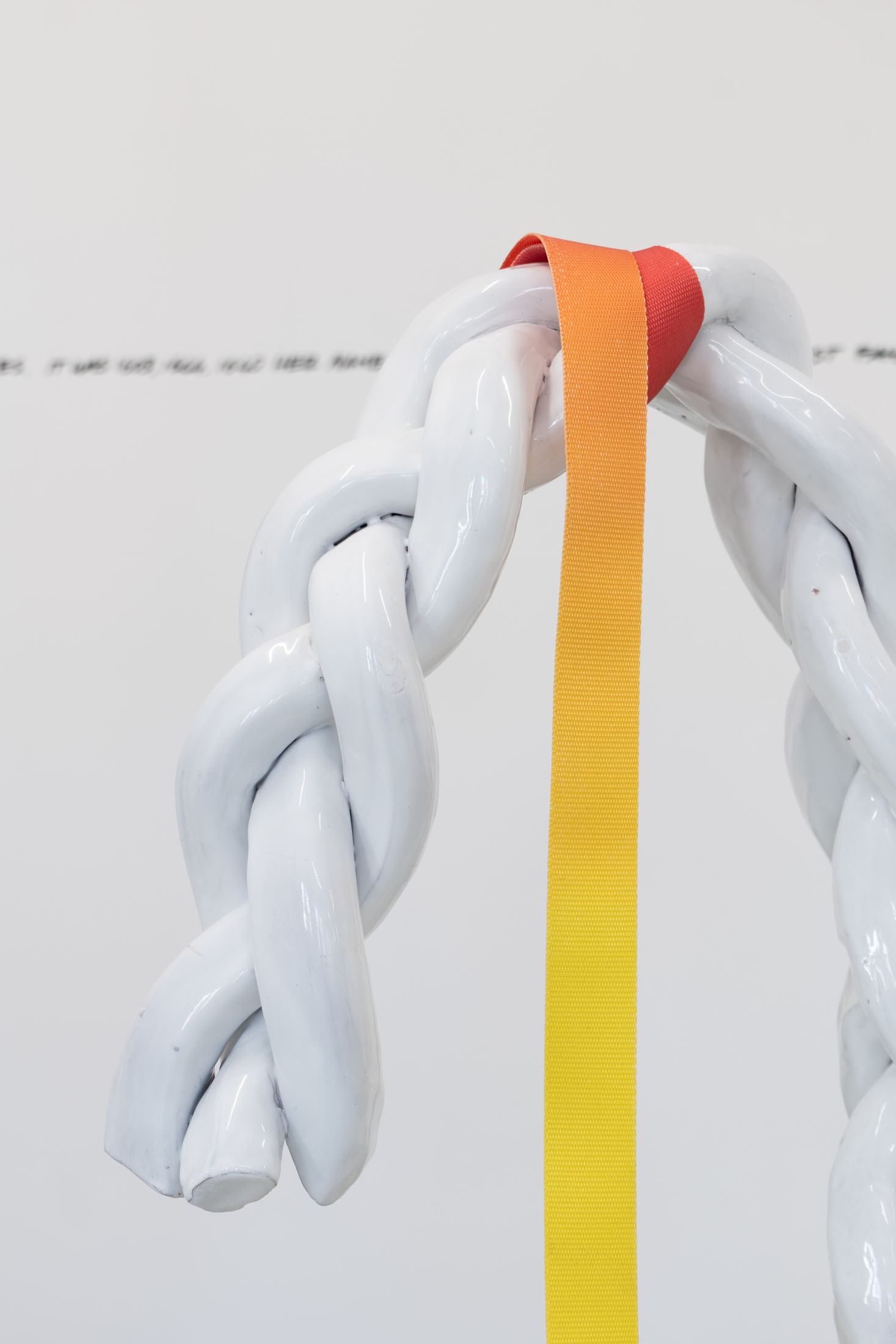
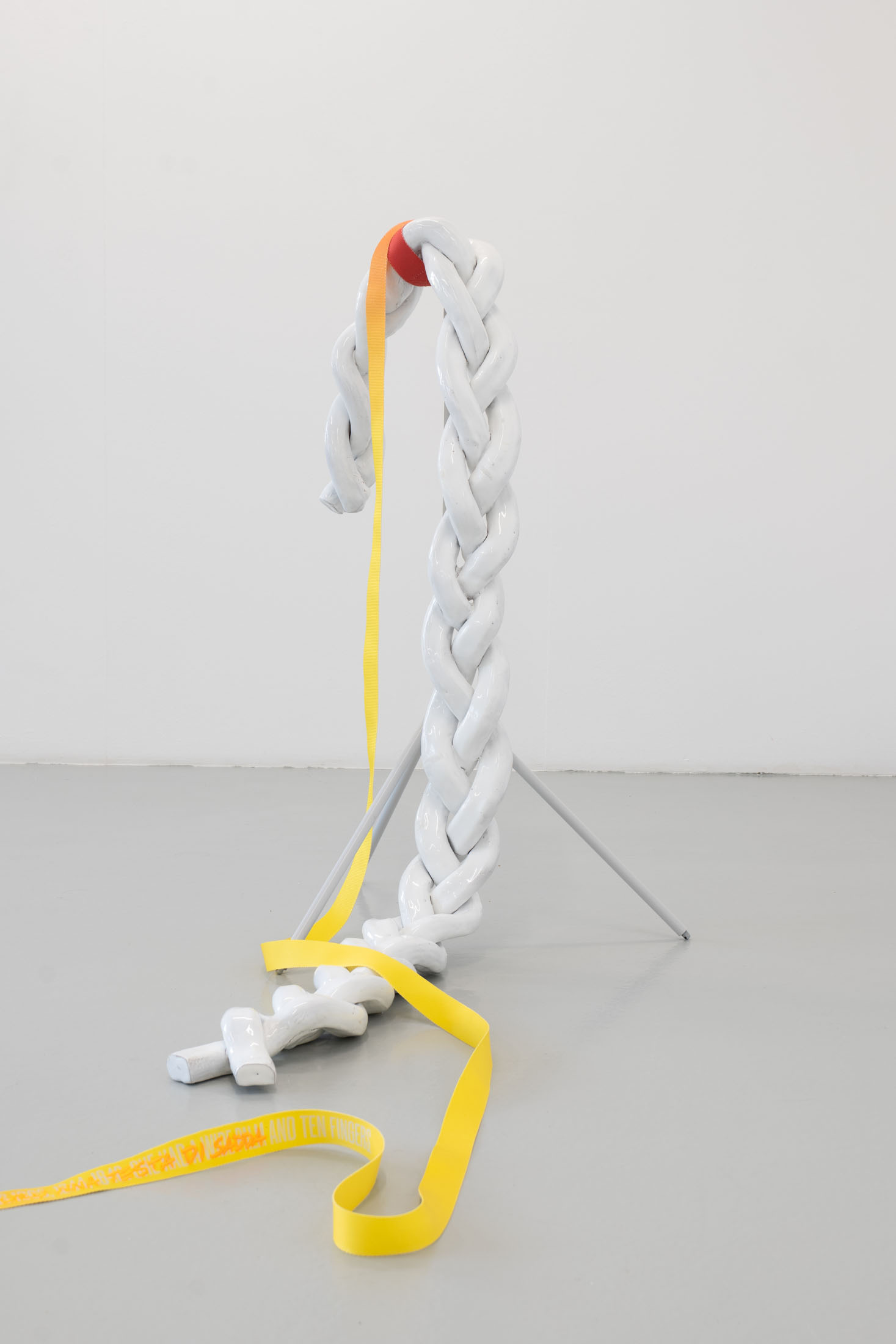
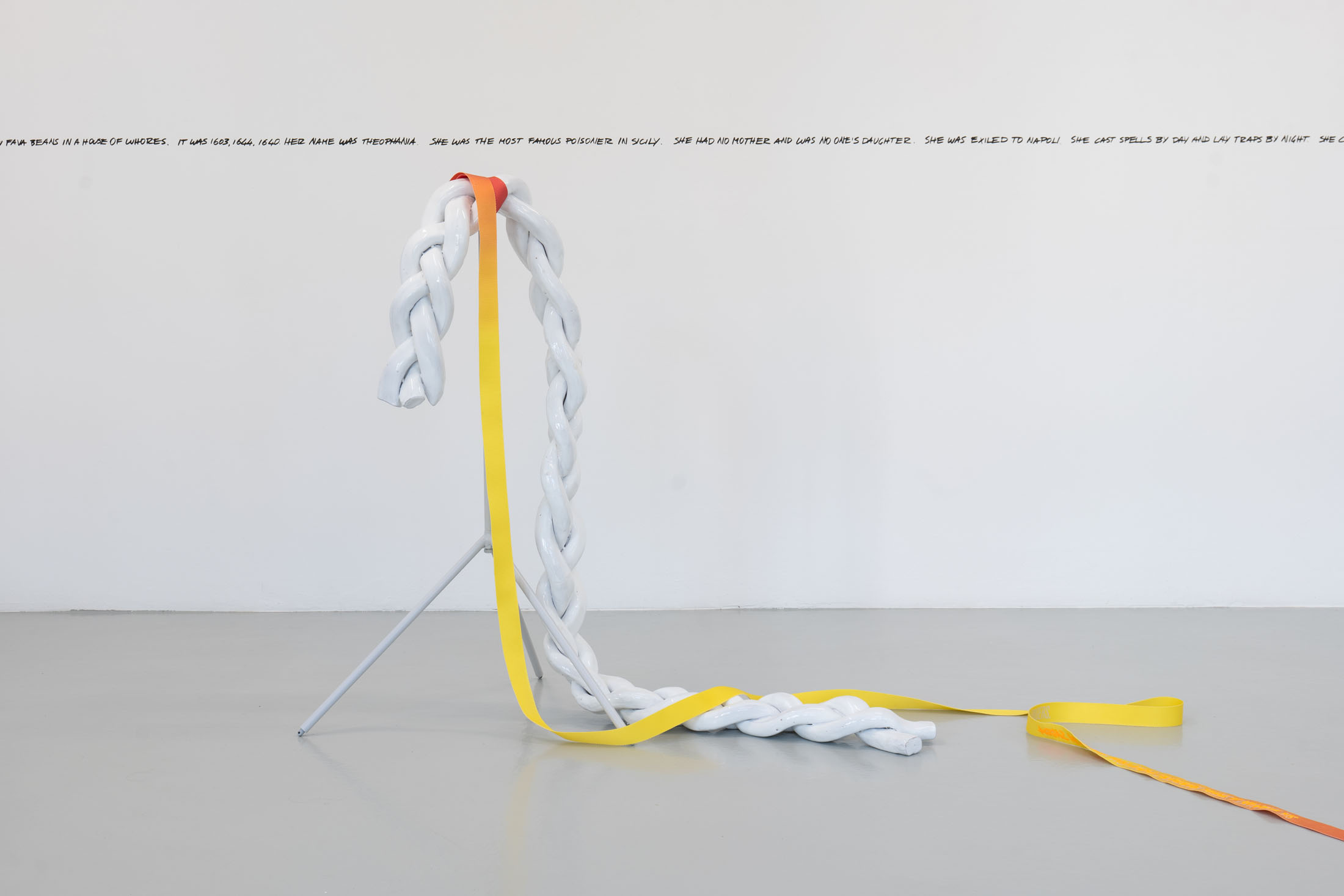
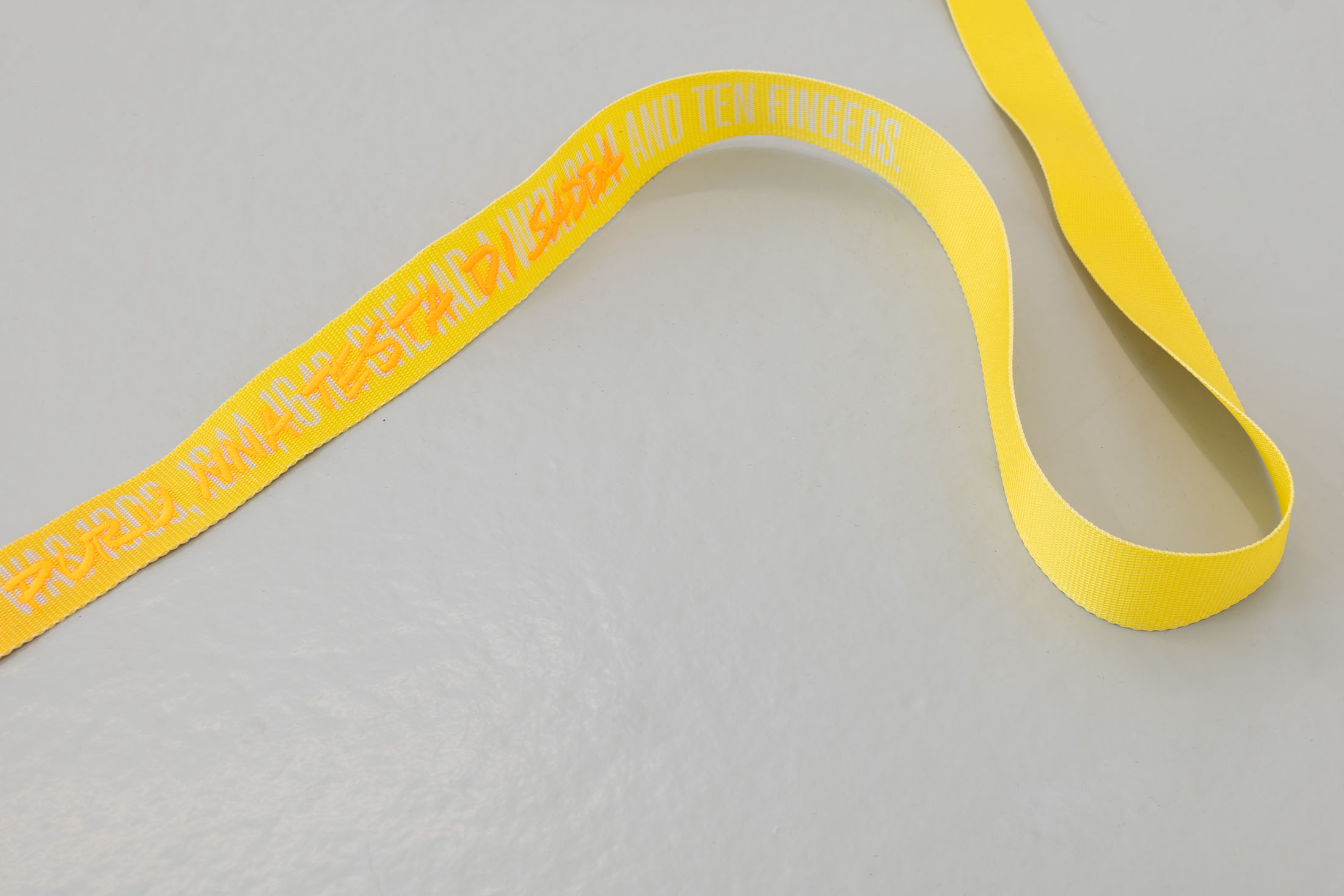
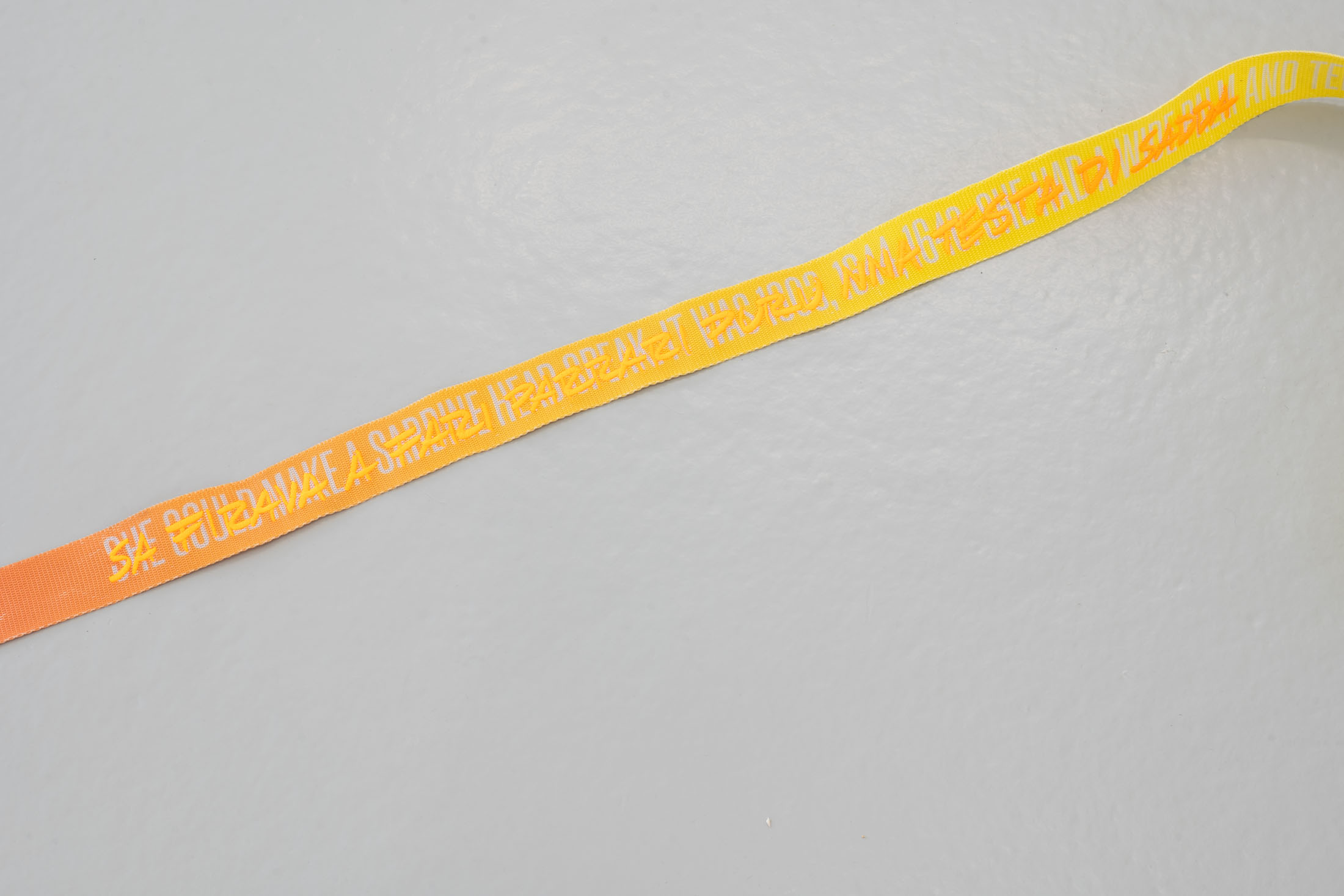
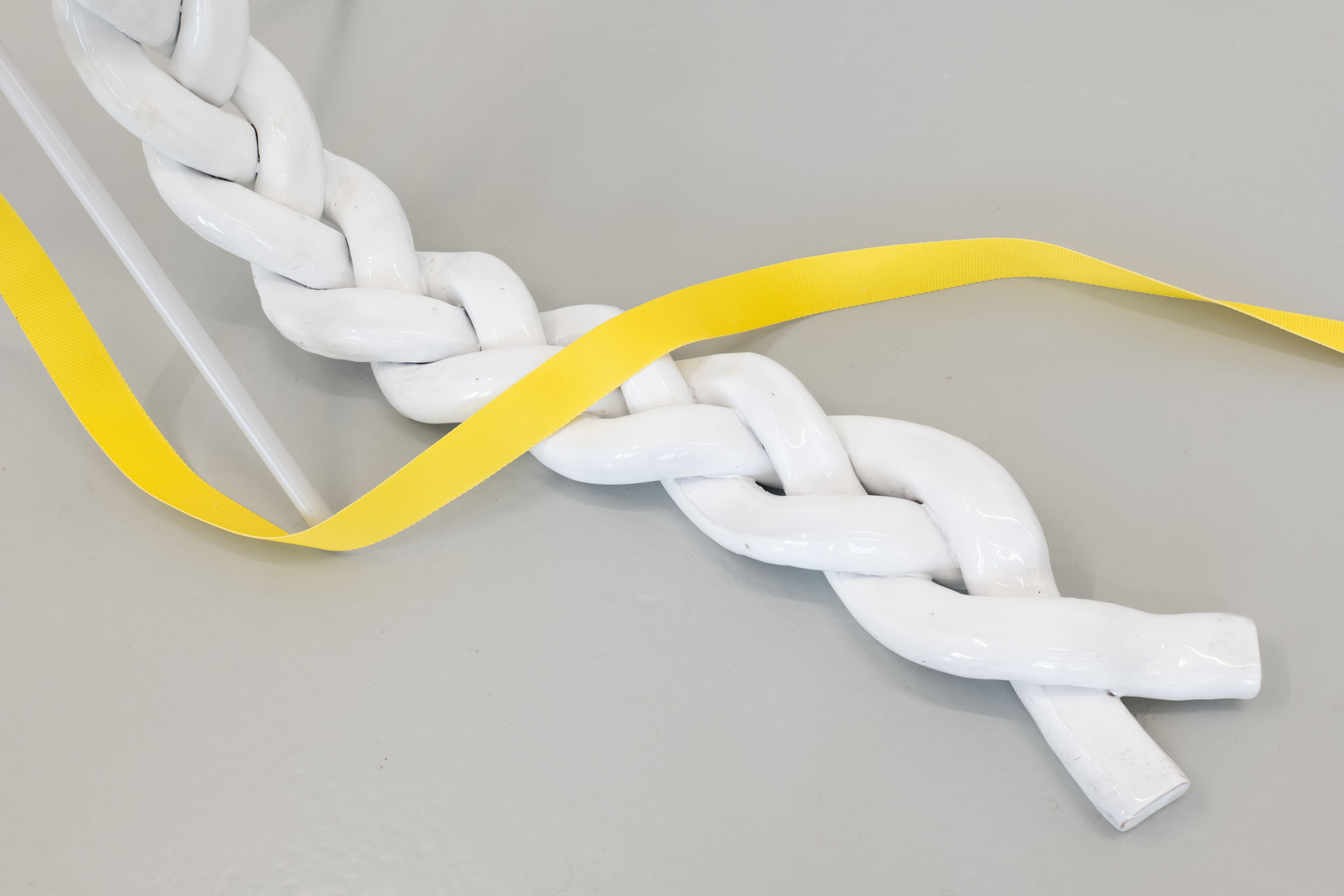
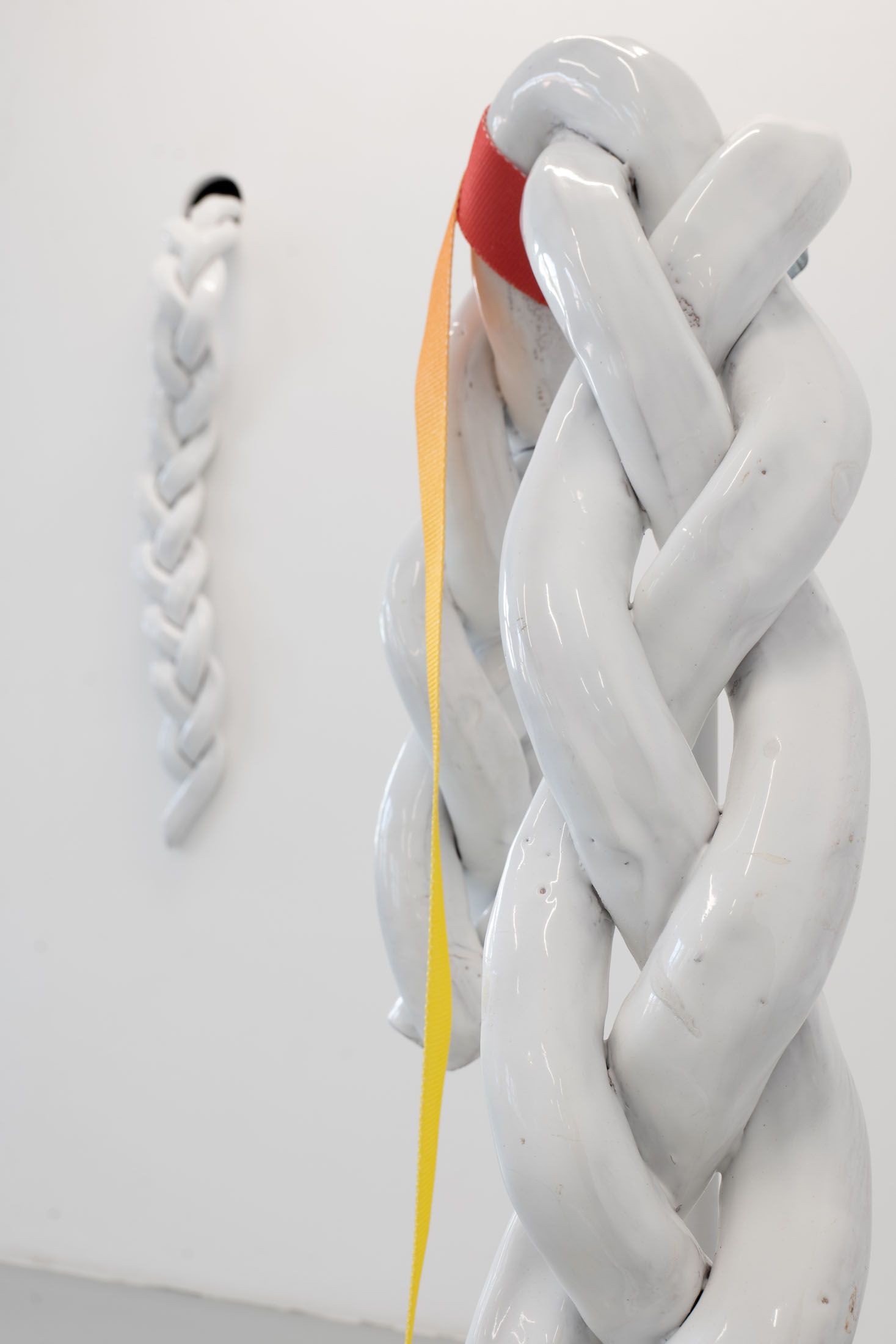
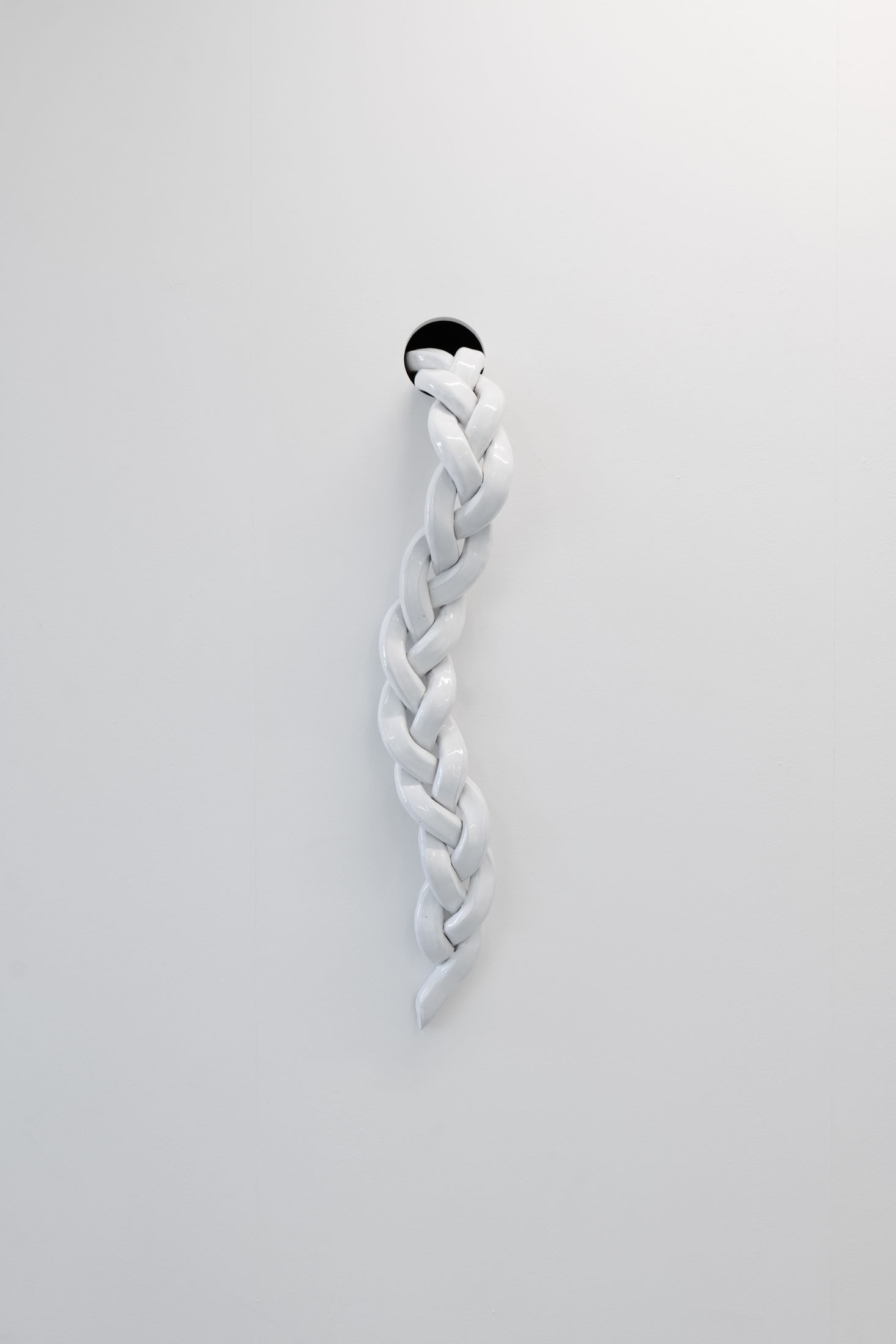
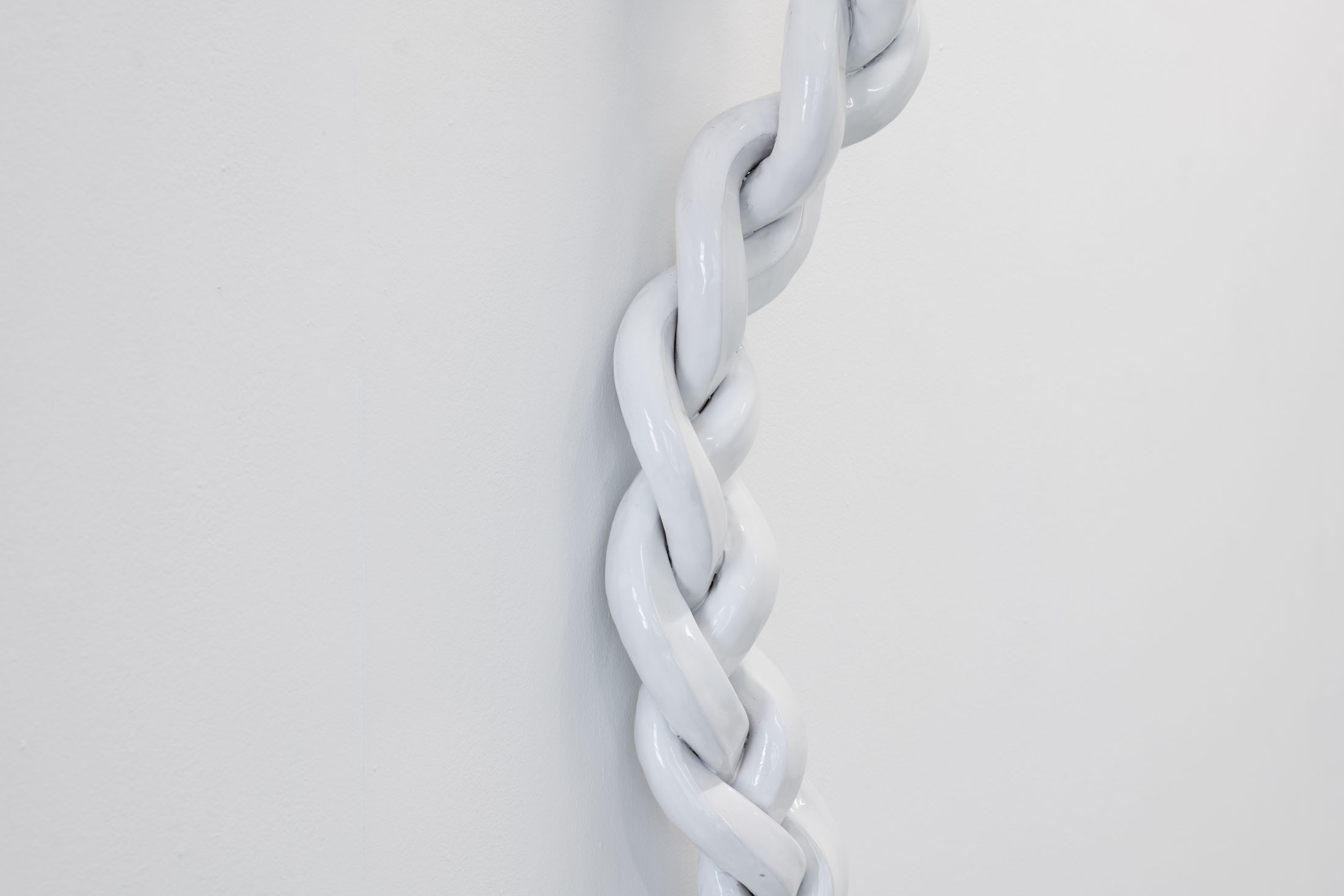
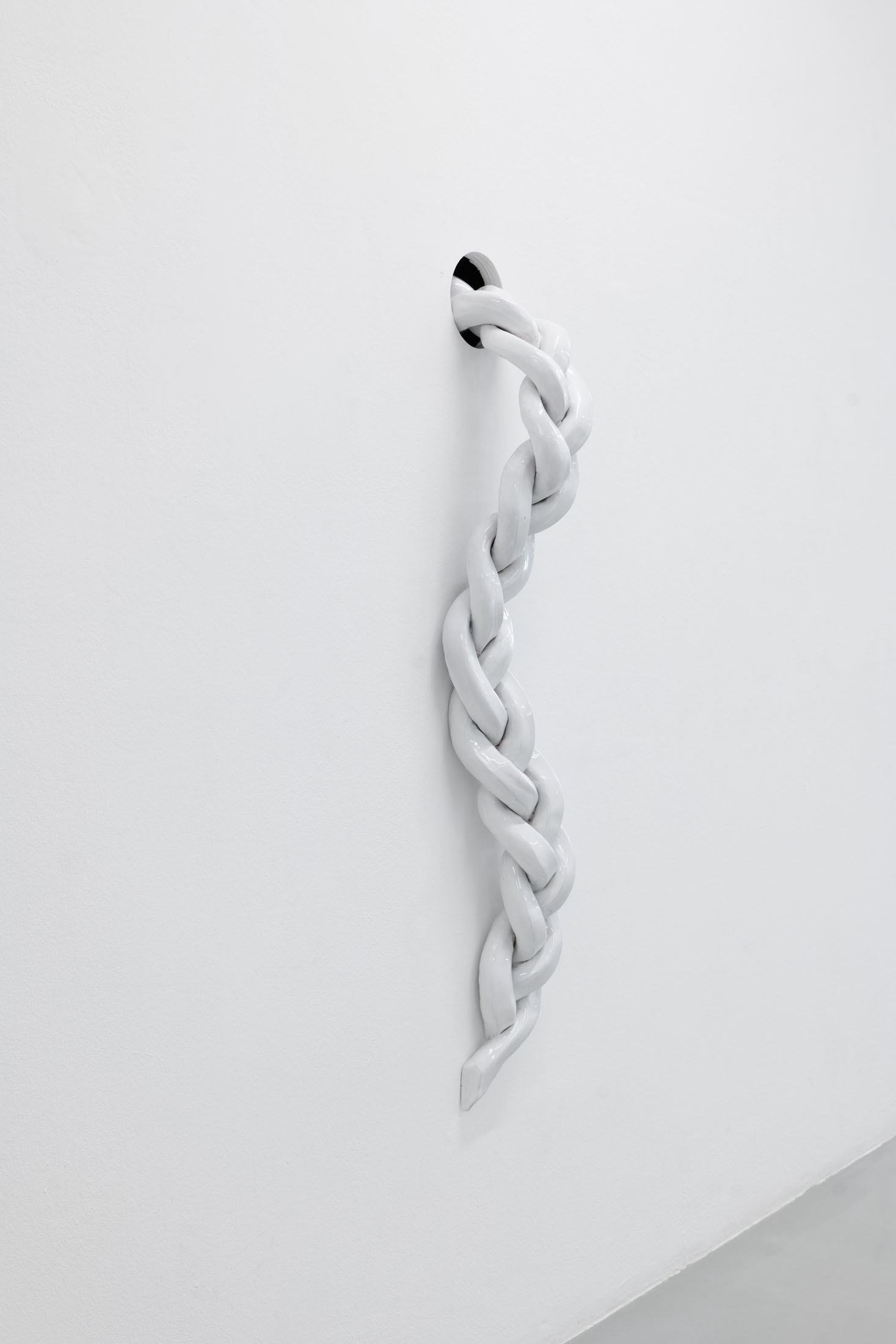
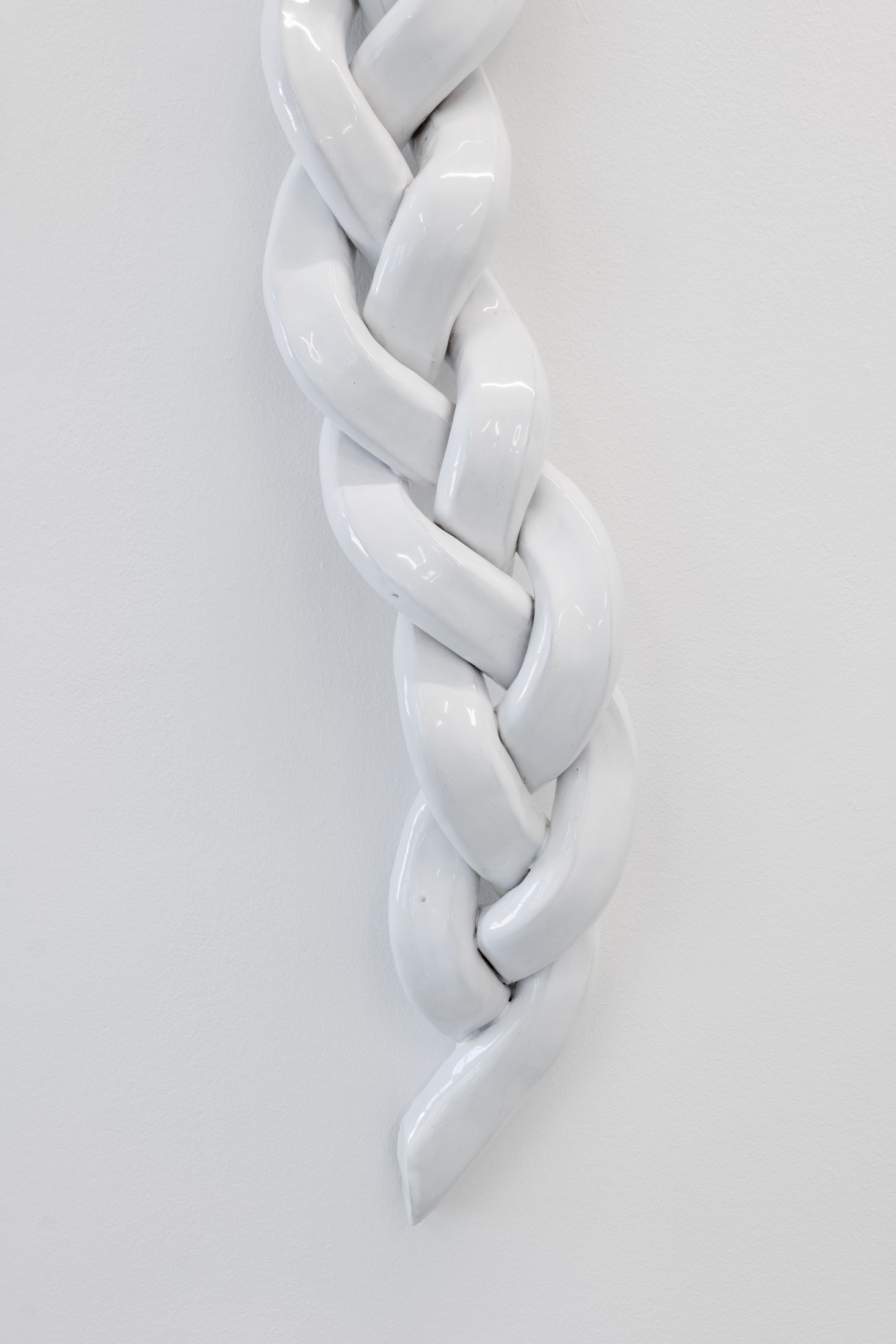
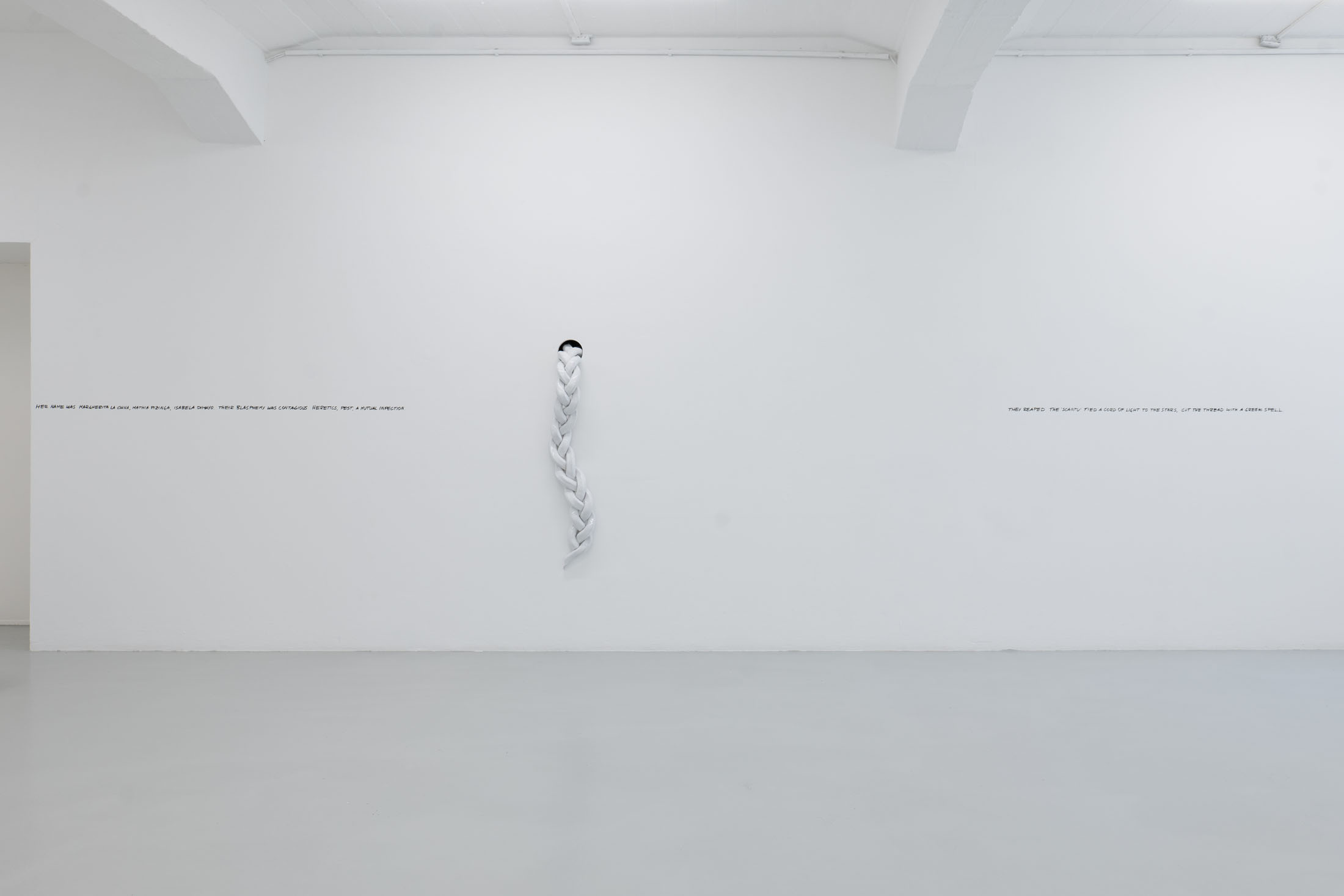
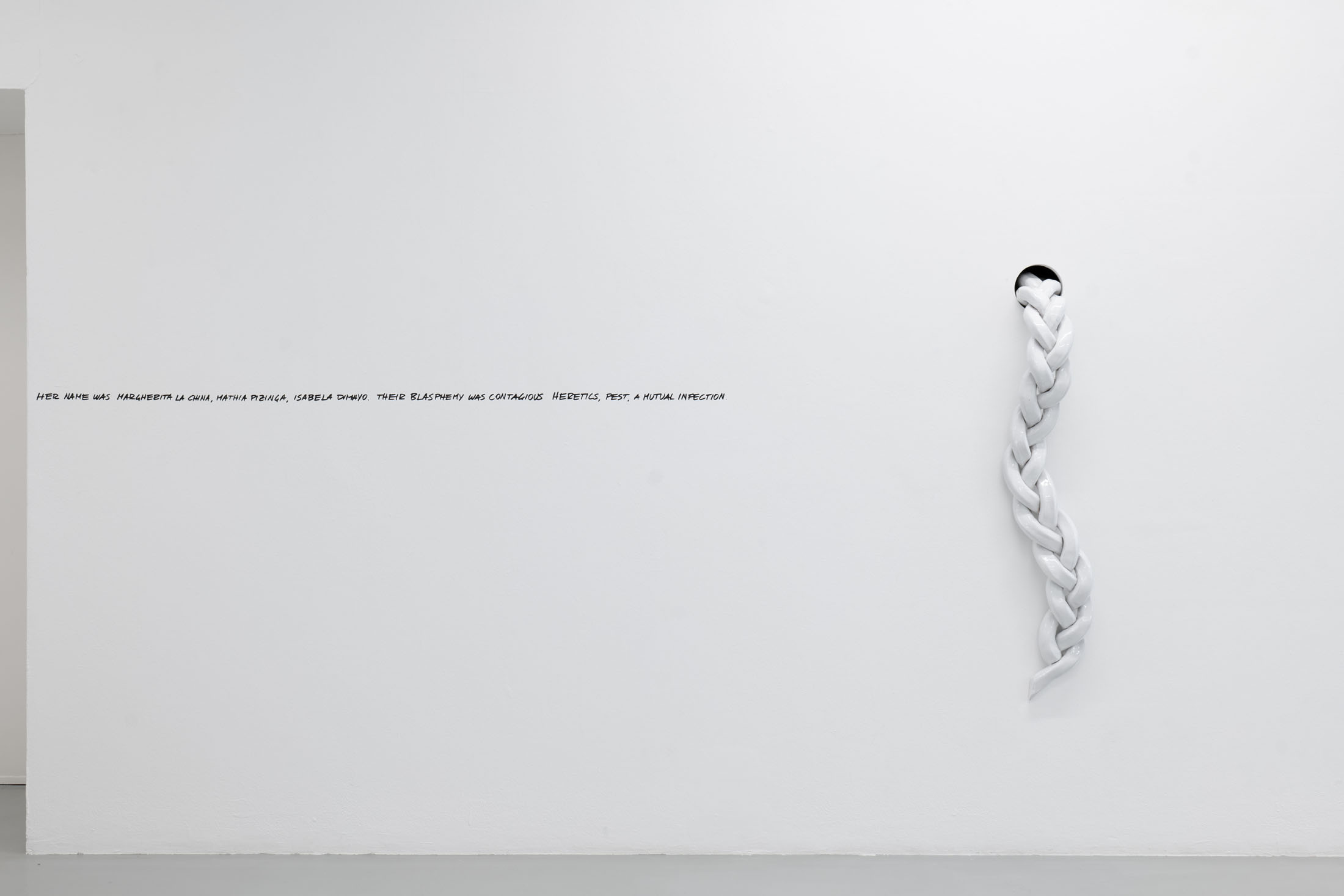
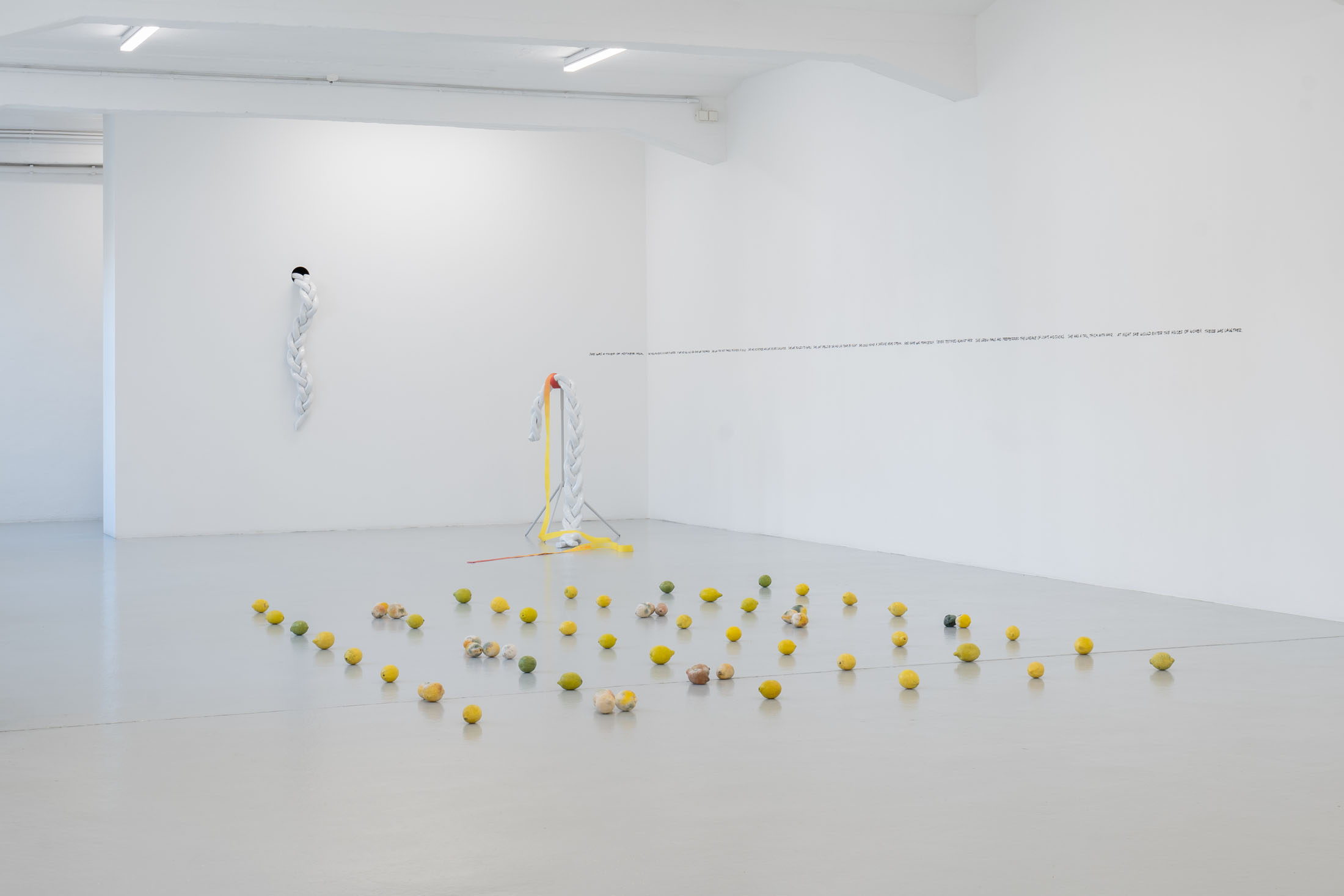
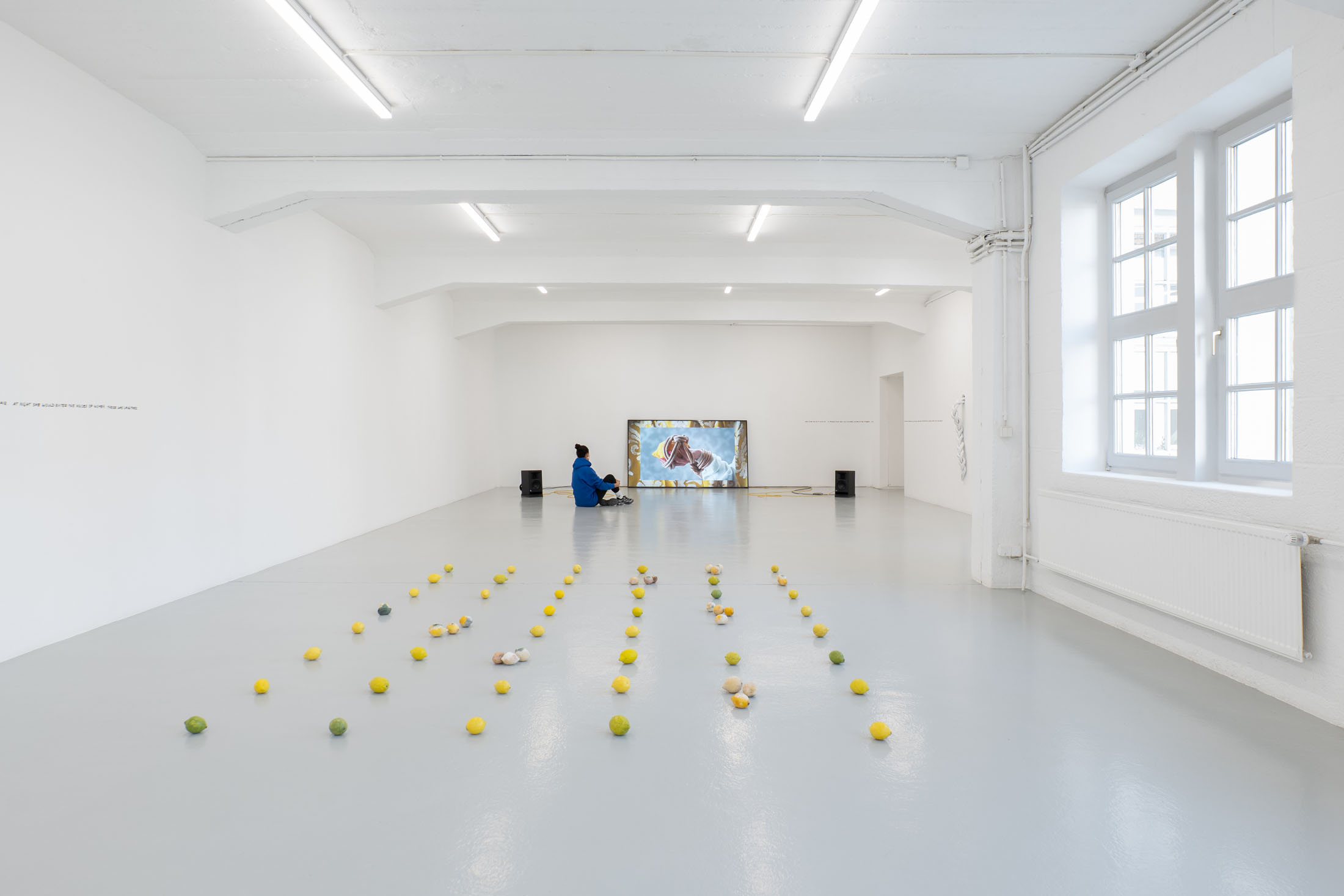
The exhibition builds on “U Scantu” both formally and thematically. The video – also featured in the installation at Künstler:innenhaus – is accompanied by sculptural elements and symbolic motifs uncovered through archival research. Among these are braided ceramic plaits that twist out from the walls, referencing a significant motif from the oral archive of the donne di fora. According to oral traditions, the trizzi di donna – the braids of these supernatural women (donne) – were protective charms they sometimes bestowed upon newborns. A gesture that evoked both reverence and fear.
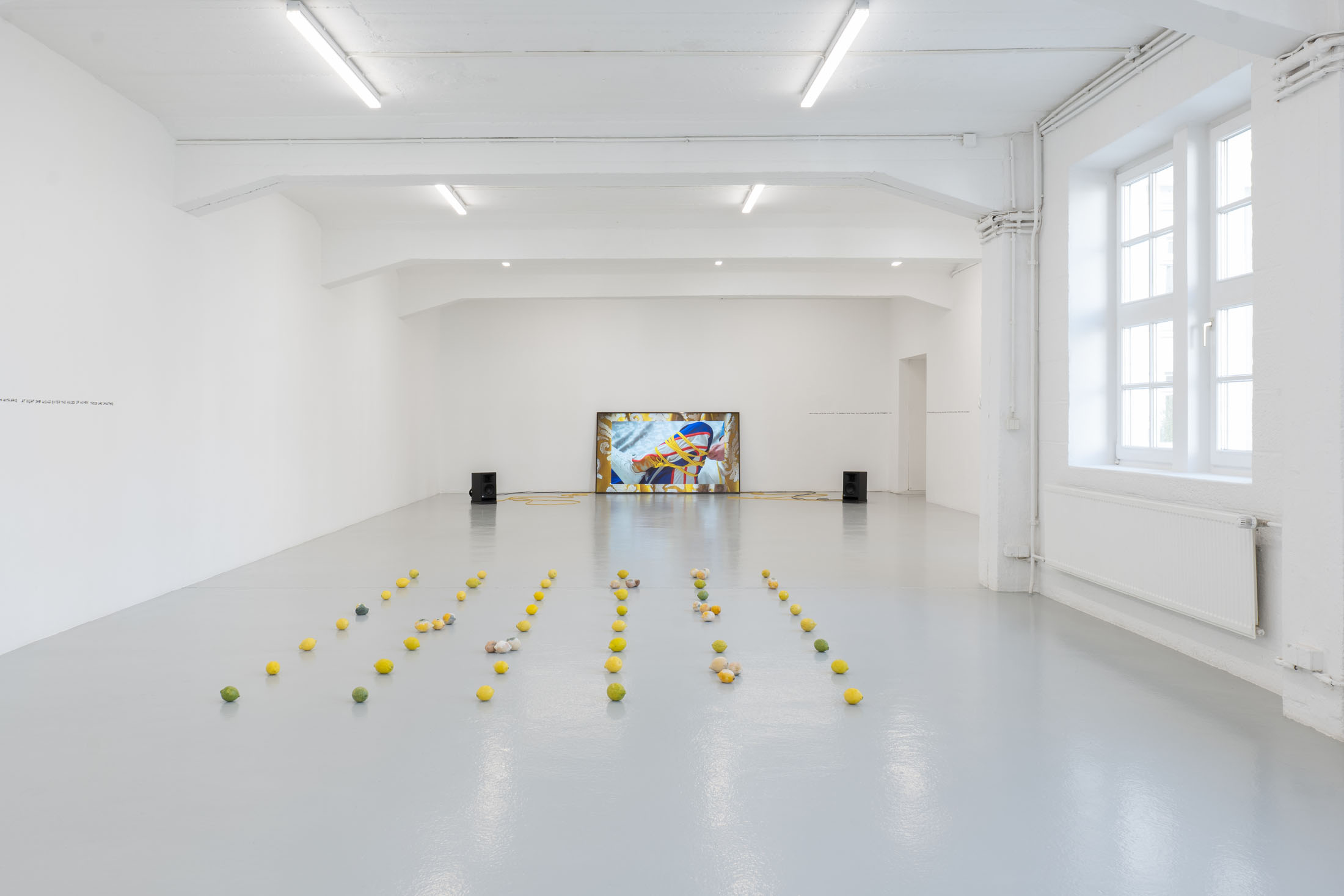
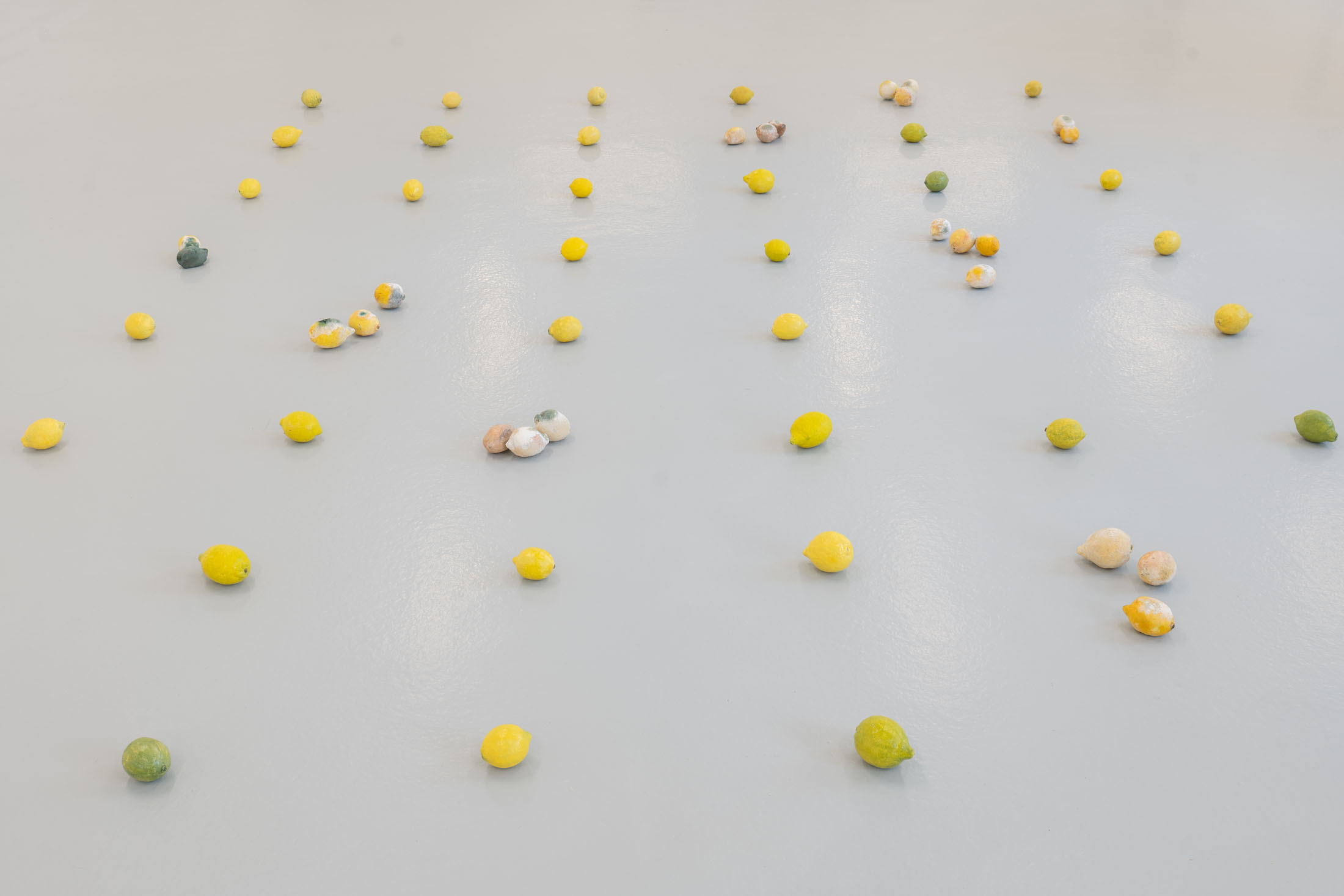
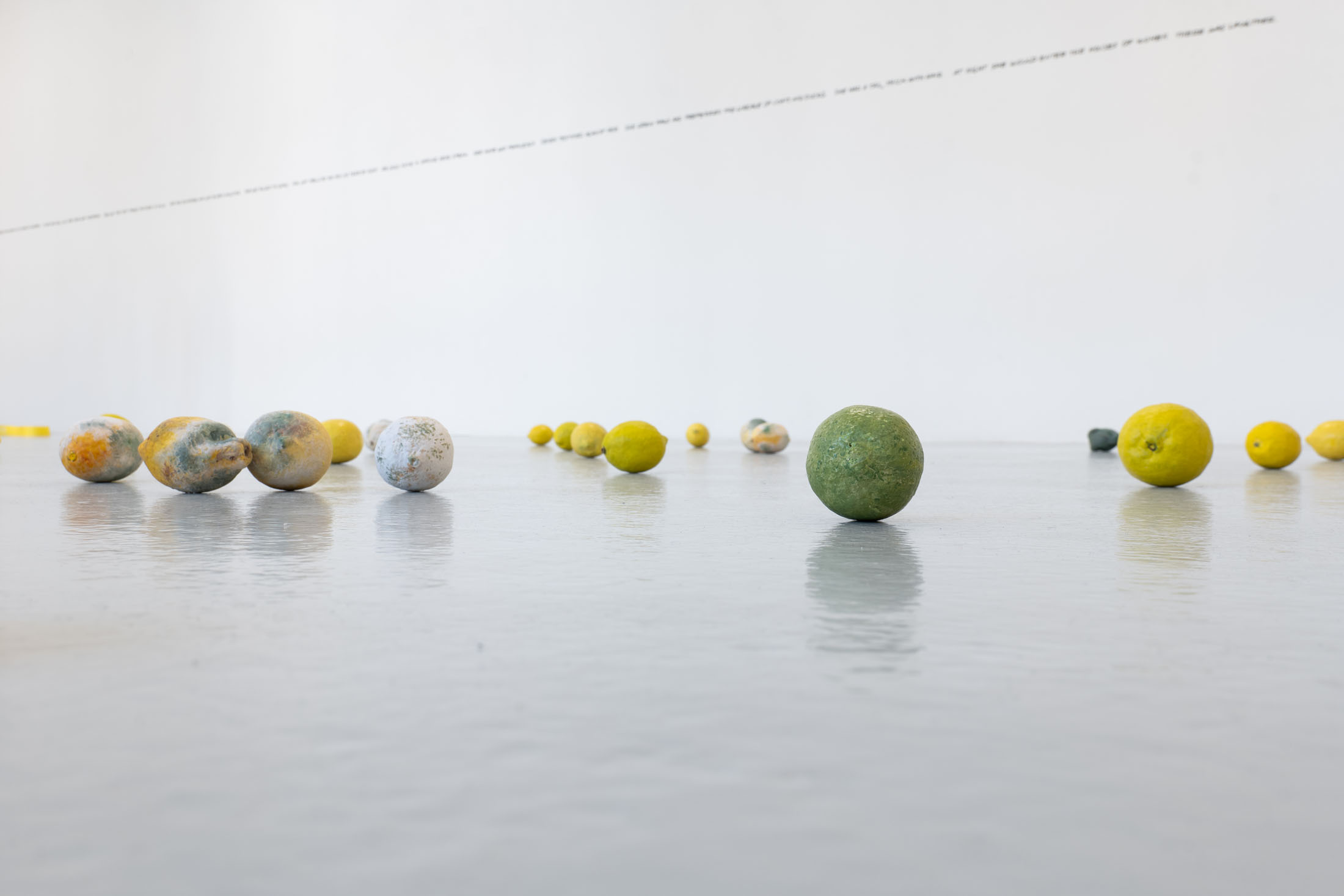
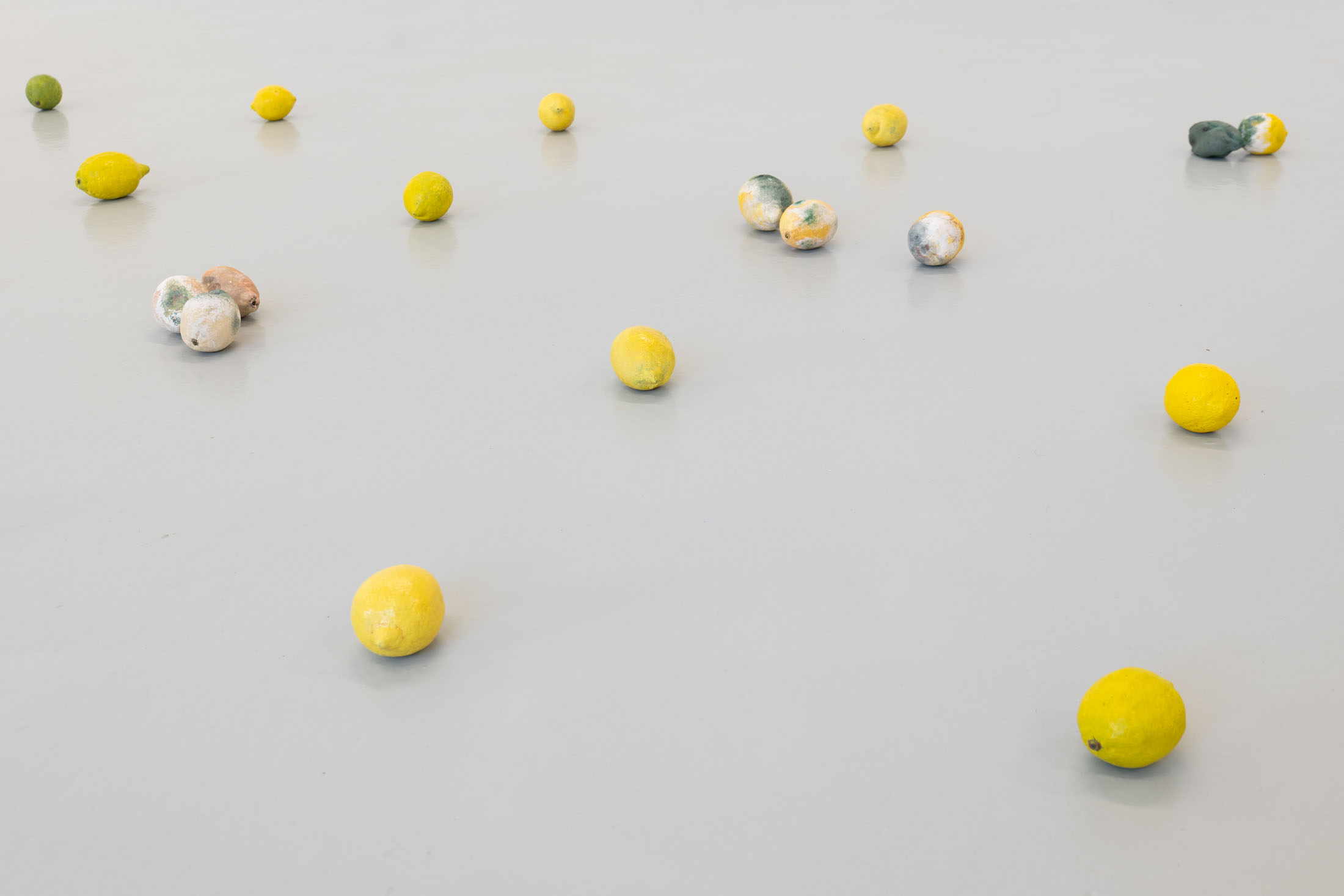
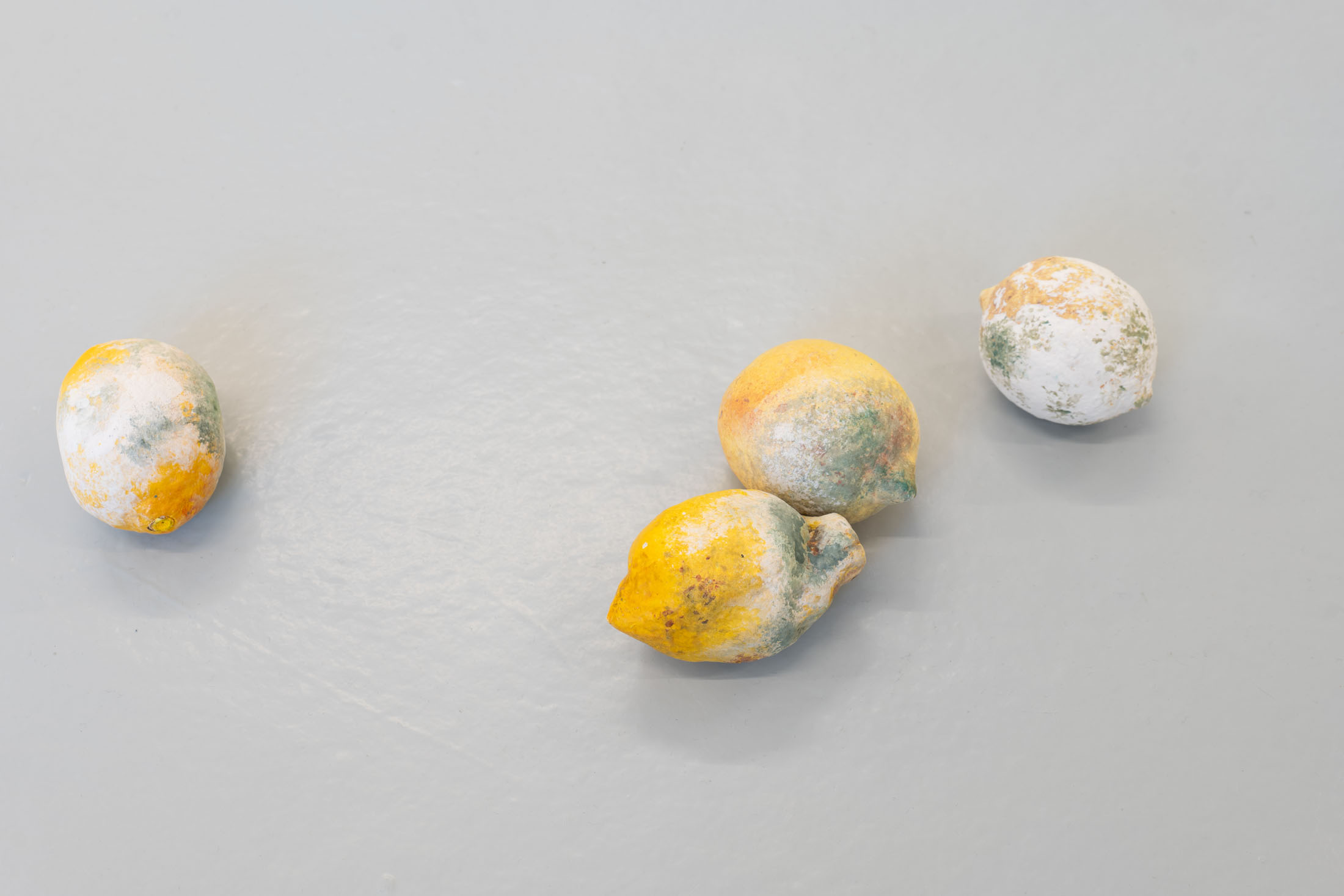
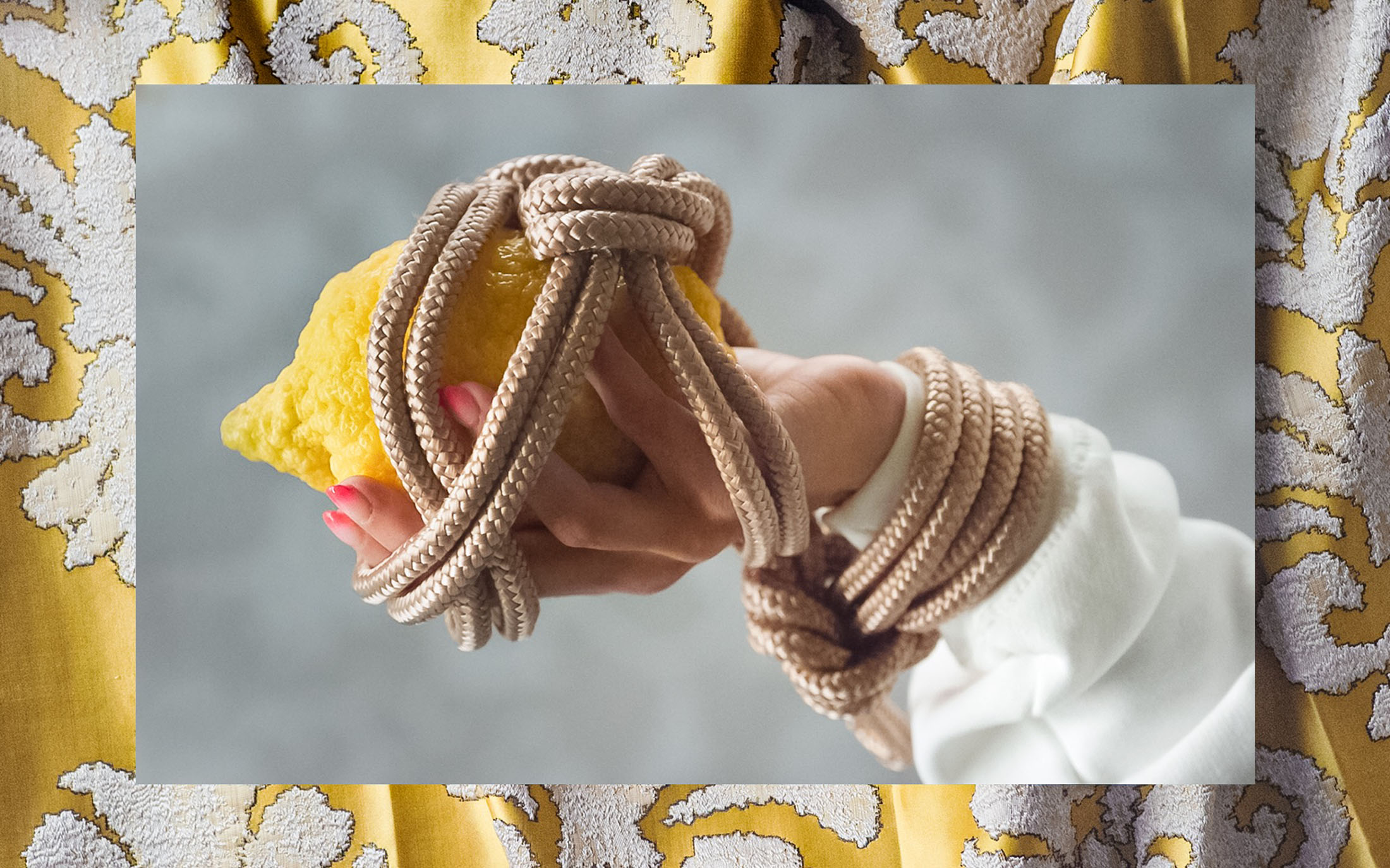
Scattered throughout the space are partially moldy ceramic lemons, created specifically for the exhibition in Bremen. Unlike the idealized lemons found in traditional Sicilian ceramic fruit bowls, these appear deliberately damaged, moldy, on the verge of change. They resist nostalgic idealization, shifting the viewer’s gaze toward imperfection, liminality, and contagious transformation.
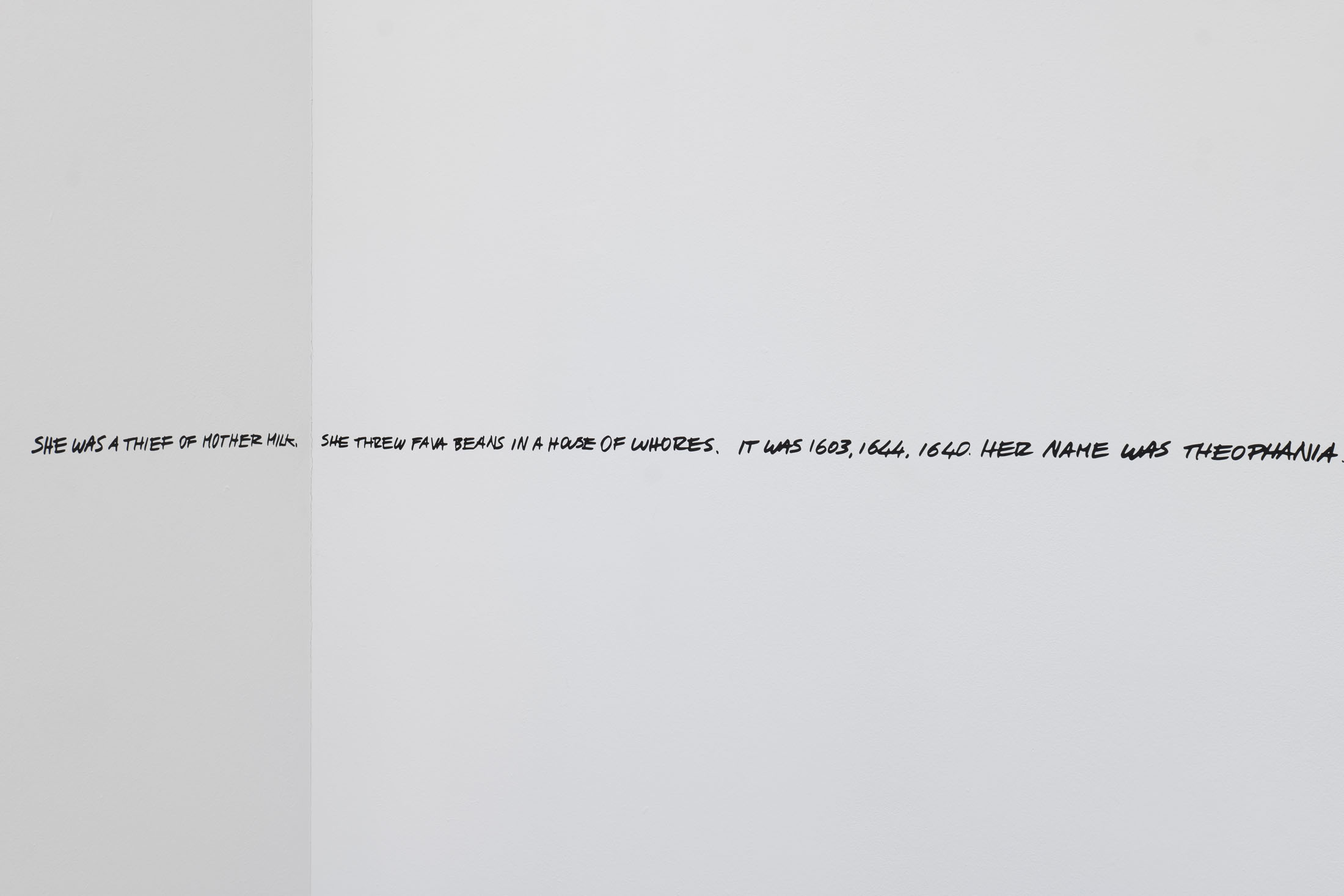
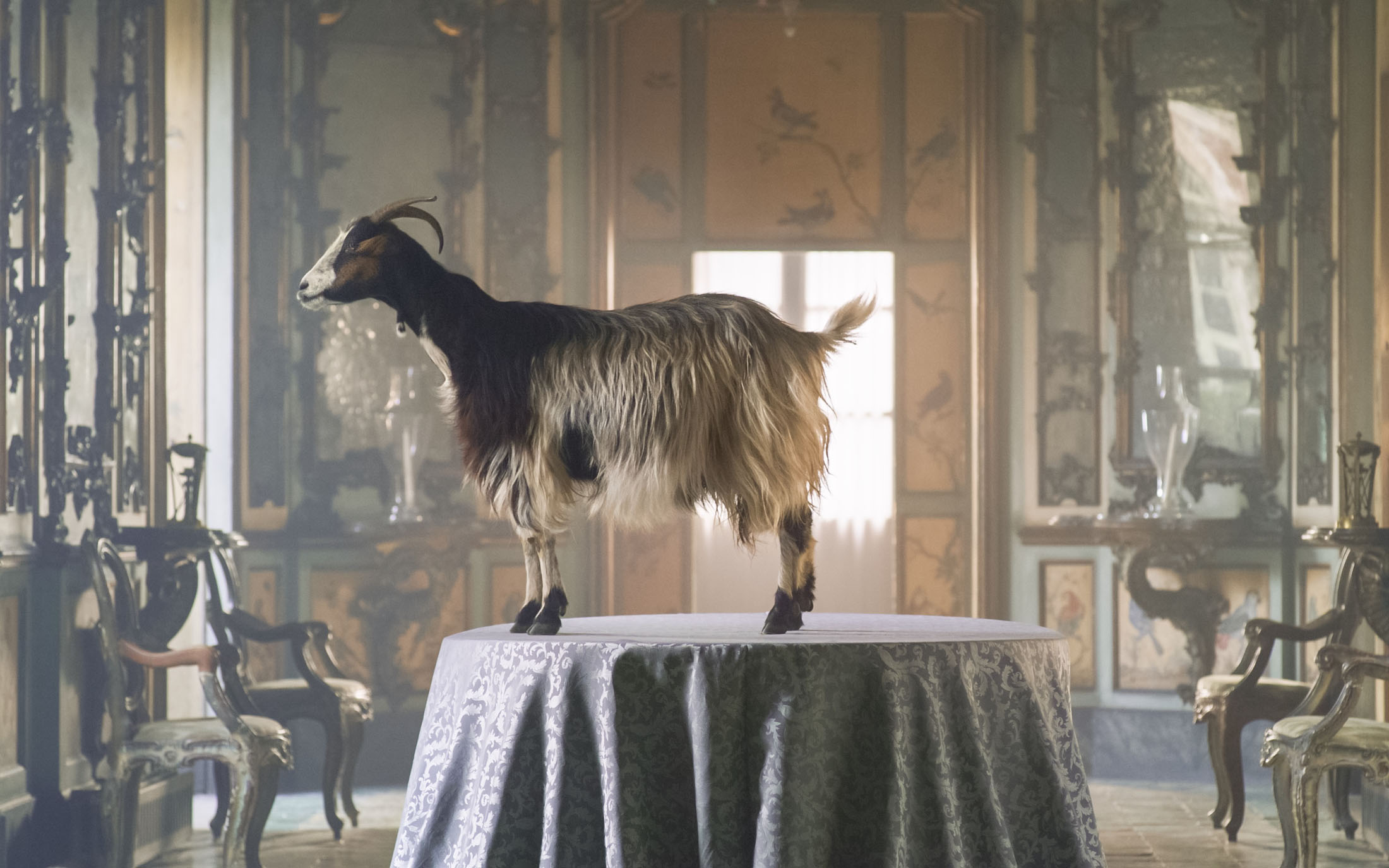
Central to Giardina Papa’s inquiry is the myth of the donne di fora (women outside and beside them-selves) – supernatural female figures from Sicilian folklore who appear at night, operate beyond social order, and resist fixed categorization. In the oral tradition, they were described simultaneously as healers and witches – ambiguous beings between genders, species, and worlds. Said to heal through rituals and to soothe u scantu – a specifically Sicilian word, that gestures to fear – they sometimes left behind physical traces: monstrous feet or extremely long hair. In 16th- and 17th-century inquisitorial court records, they appear as heretical figures, criminalized and persecuted. Yet for Giardina Papa, they are not dusty myths, but fluid, queer figures in which history, fantasy, and resistance converge.
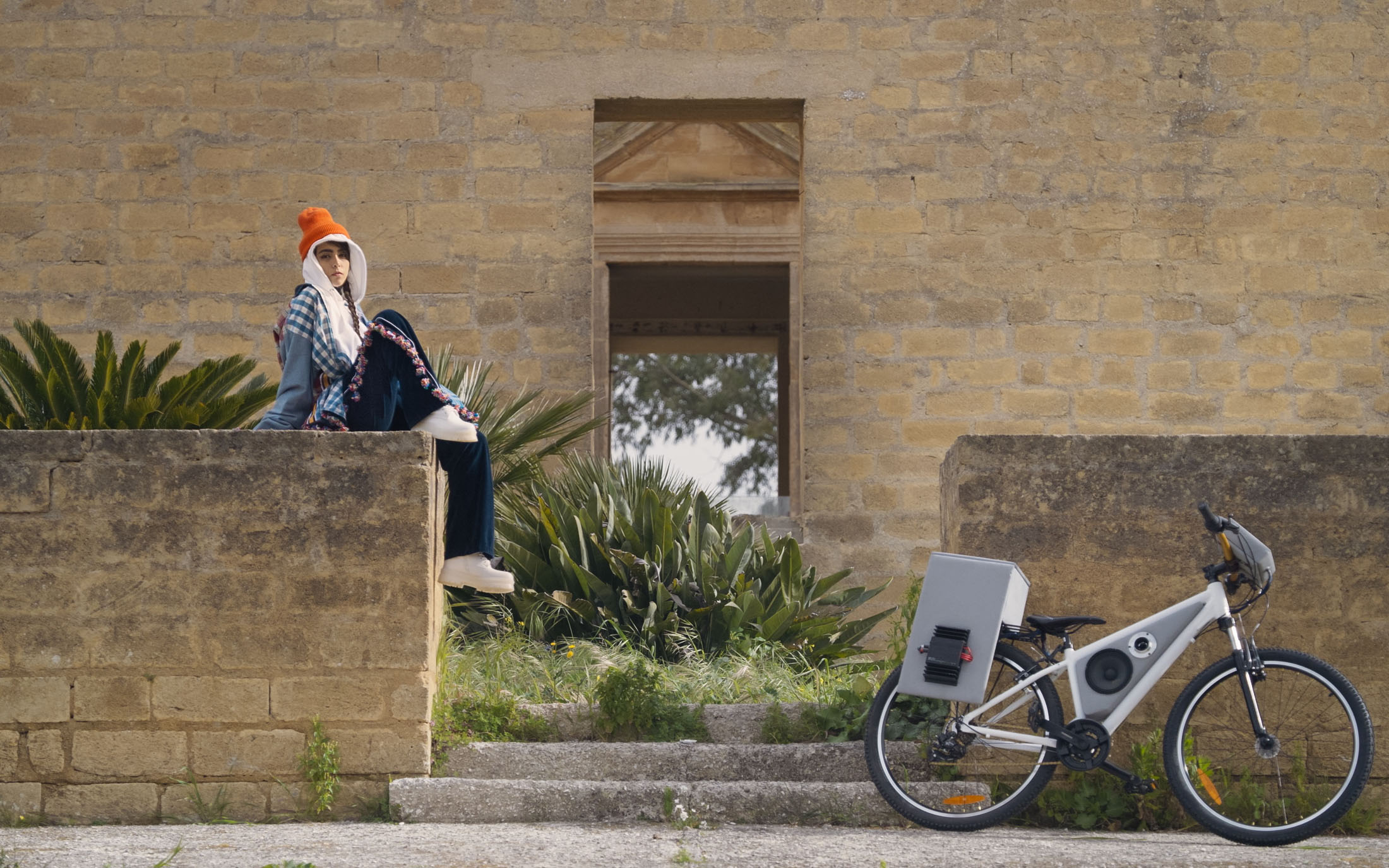
Giardina Papa’s personal relationship to the myth goes back to childhood – back to the tales, songs, and rituals passed down by her grandmother. She later deepened this connection through archival research on the Spanish inquisition trials and their entanglement with Sicilian history. The film is set in Gibellina Nuova, a postmodern planned city in western Sicily, built in the late 1970s after the original Gibellina was nearly destroyed in the devastating 1968 Belice earthquake. Today, the city is largely abandoned – a ghostly monument to a failed promise of modernization. The echo of that broken promise reverberates throughout the work. The video work reimagines the myth of the donne di fora as a contemporary queer allegory drawing on the pop-cultural phenomenon of bike-tuners – a youth subculture recently gaining momentum in Palermo. In a utopian-like scene, we follow a group of young tuners riding through Gibellina Nuova with subversive sound systems mounted on their bikes. Their movement is accompanied by poetic fragments, archival material, and personal memories. The film blends historical and archival research with speculative imagination.
In her theory of critical fabulation, American scholar Saidiya Hartman proposes a poetic-political mode of storytelling that doesn’t fill the gaps in archive, but uses them productively to rethink the unspeakable and the erased. Where official archives fall silent or distort, the possibility of an alternative, affective historiography emerges. This idea forms a central resonance in the work of Elisa Giardina Papa.
In her research, Giardina Papa came across detailed documents in the Inquisition archives, written by the notaries of the “Secret”, listing names, lengths of detention, and indictments of these women. What is systematically omitted, however, is the women’s own understanding of themselves – their thoughts, their narratives, their physical presence appear only through the lens of the prosecution: a colonial grip on the subject, silencing their voices and leaving them to be preserved solely through the tales of oral history.
In this tension between myth, memory, and speculative futures, the influence of Cuban-American scholar José Esteban Muñoz becomes tangible – his queer theoretical framework Cruising Utopia deeply informs the artist’s thinking. In oral tradition, the donne di fora are ambivalent: magical and criminal, healing and heretical, simultaneously feminin and masculine – a queer myth beyond the human, beyond binary order and clear categorization. Muñoz describes queerness not as a mere identity, but as a horizon – something not yet realized, that shimmers in fragments and spaces of possibility. The moldy lemons are an expression of such an utopian reading of the donne di fora: they do not point to decay, but to transformation. In a voice-over excerpt from “U Scantu”, we hear: “One body to the next” – a reference to the oral transmission of stories, knowledge, and memory, much like the lemons that spread contagiously across the gallery floor.
Flanked by ceramic sculptures that conjure fantastical image-worlds, “U Scantu”: A Disorderly Tale revives the magical, the ritualistic, and the disorderly. The work does not treat these elements as irrational or folkloric, but as generative forces – spaces of possibility beyond normative order, linear time, and fixed identity. In doing so, it creates images of being “outside and beside oneself” – a state of contradiction not to be resolved, but made visible as utopian potential.
Elisa Giardina Papa (b. 1979 in Italy) lives and works in Sant’Ignazio, Sicily and New York. Her work has been exhibited at the 59th International Art Exhibition of La Biennale di Venezia (The Milk of Dreams, 2022), the Museum of Modern Art (MoMA’s Modern Mondays, 2013), the Whitney Museum (Sunrise/Sunset Commission, 2017), the Seoul Mediacity Biennale (2018), the 6th Buenos Aires Bienal de la Imagen en Movimiento (2022), the XVI Quadriennale di Roma (2016), Rhizome (Download Commission, 2016), at Flaherty (NYC, 2016), Union Docs (2017), ICA London (2023), at the BFI London Film Festival (2022), at the Centre for Contemporary Art Tashkent, Uzbekistan (2021), M+Hong Kong (2023) and the Martin-Gropius-Bau (2023).