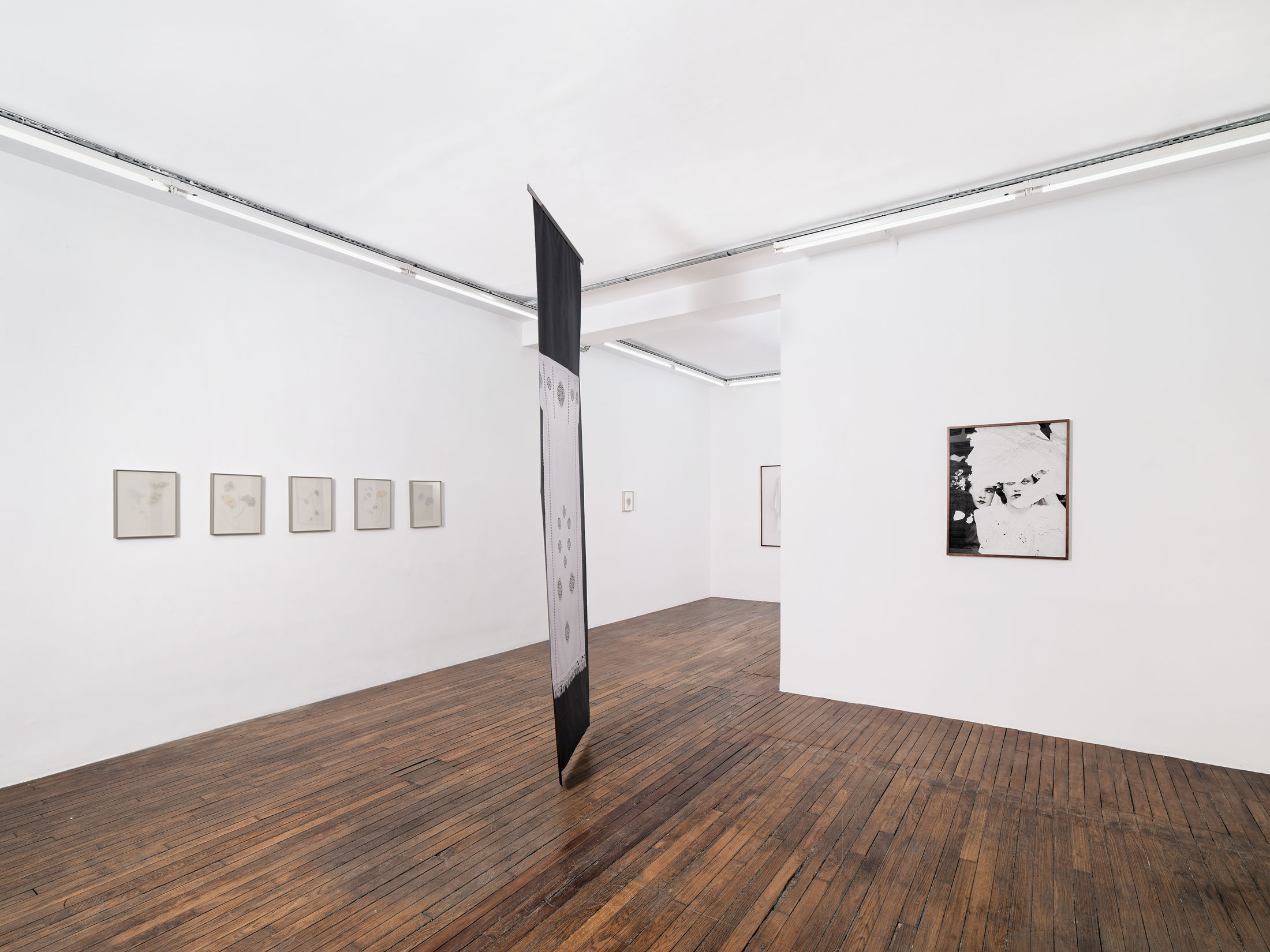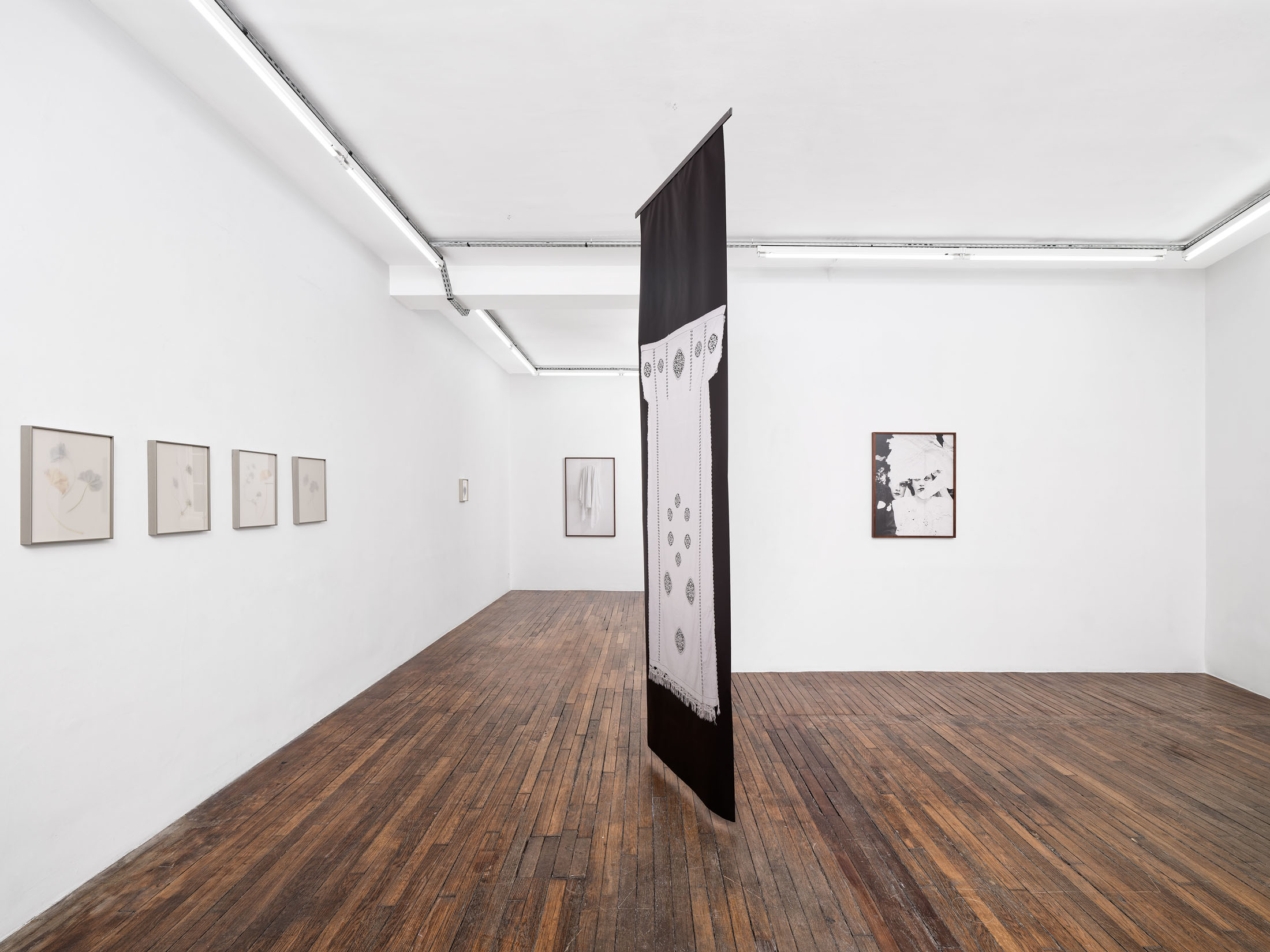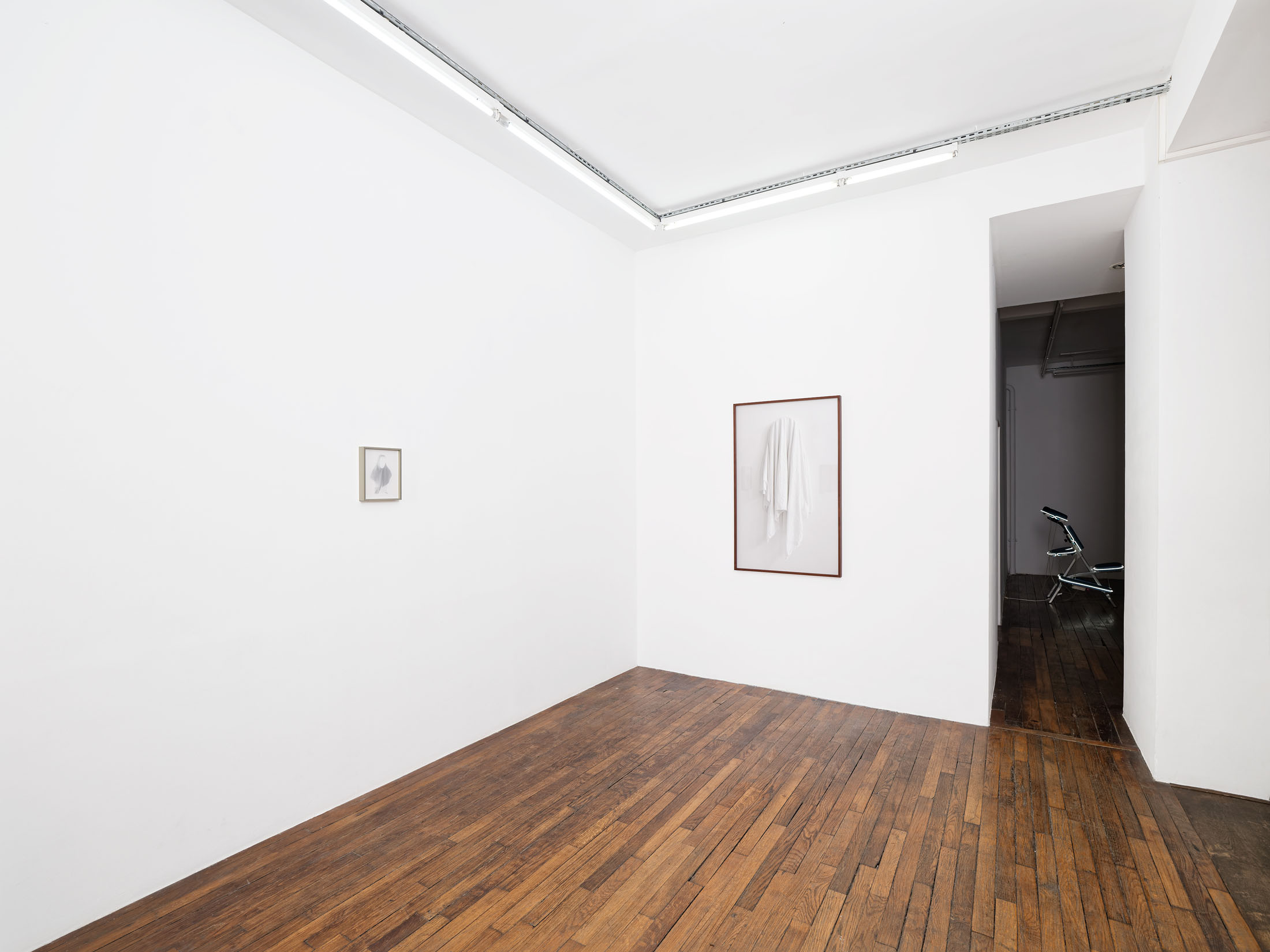
In Paper Veil, Dor Guez brings together recent works alongside earlier pivotal pieces spanning two decades of his practice. This exhibition unfolds as a reflection on fragility, memory, and the complex ways identity is archived—whether through photography, scanography, or the fragile surface of paper.
This exhibition continues Dor Guez’s exploration of displacement and how personal histories are entangled with broader political narratives. Here, the artist sharpens his focus on two recurring motifs: the veil and paper. The veil—whether as fabric, metaphor, or photographic rupture—emerges as a central gesture of concealment: to protect, to mourn, or to resist. Paper, equally fragile and charged, becomes both a material and a metaphor for how identity is held, obscured, and remembered.
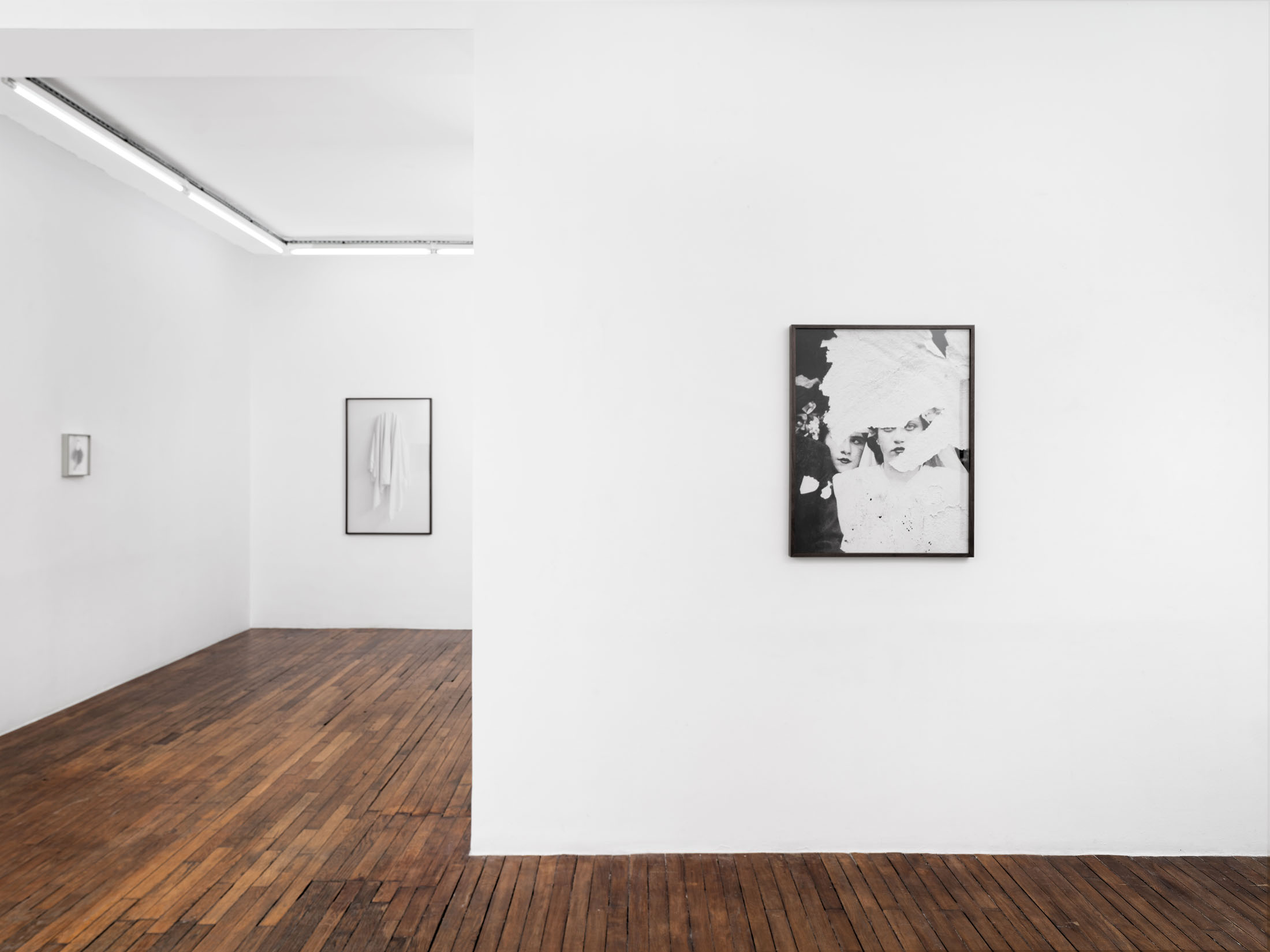
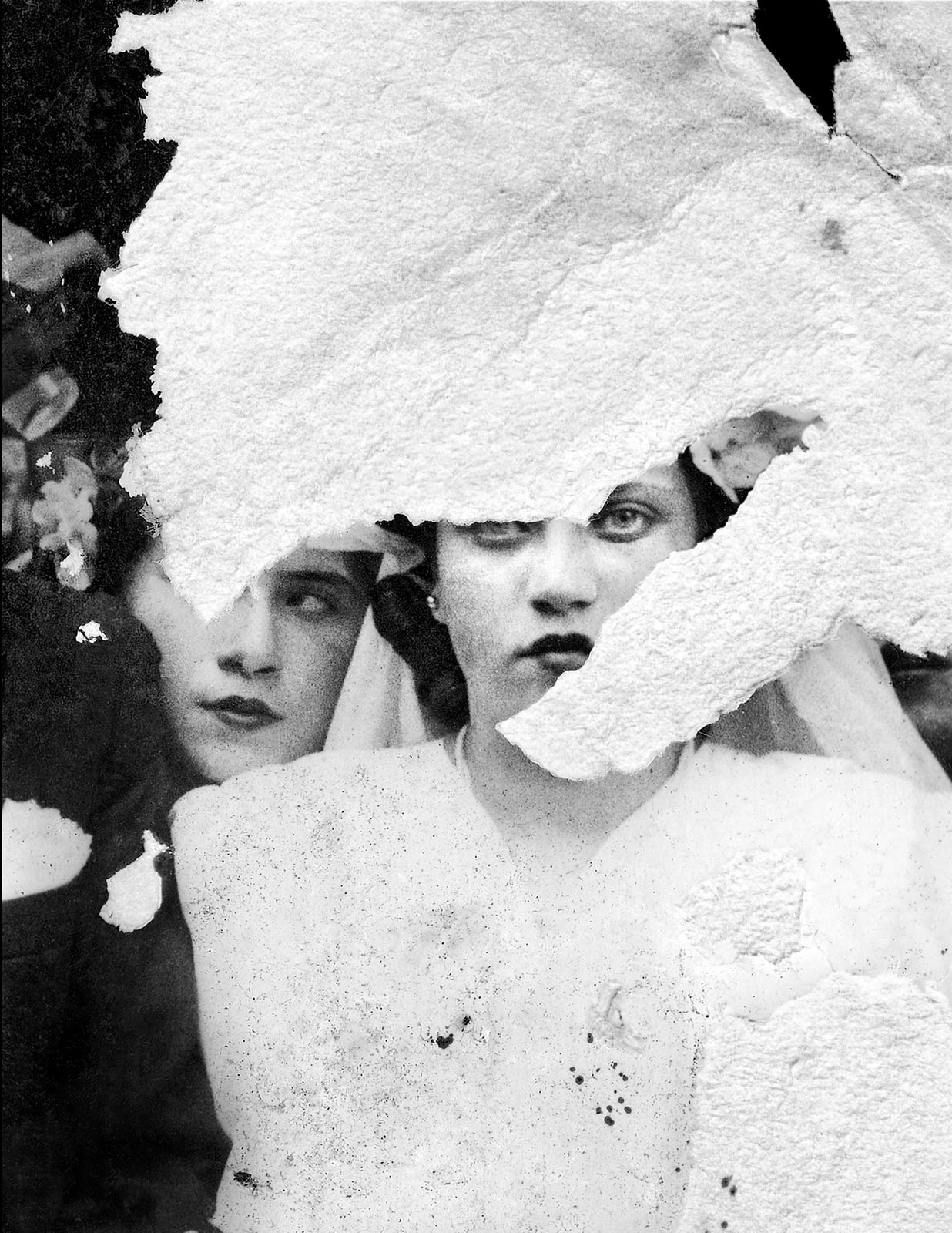
The exhibition opens with Samira, a seminal work that marks a key point in Guez’s practice: a torn photograph of his grandparents from the al-Munayer family, taken at their wedding in 1949—the first Palestinian wedding in Lydda after the 1948 war. Guez first exhibited this image twenty years ago, initiating a lifelong project dedicated to his family’s archive and the broader histories of his community. The tear runs directly through the bride’s veil, exposing the inner layers of the photographic paper
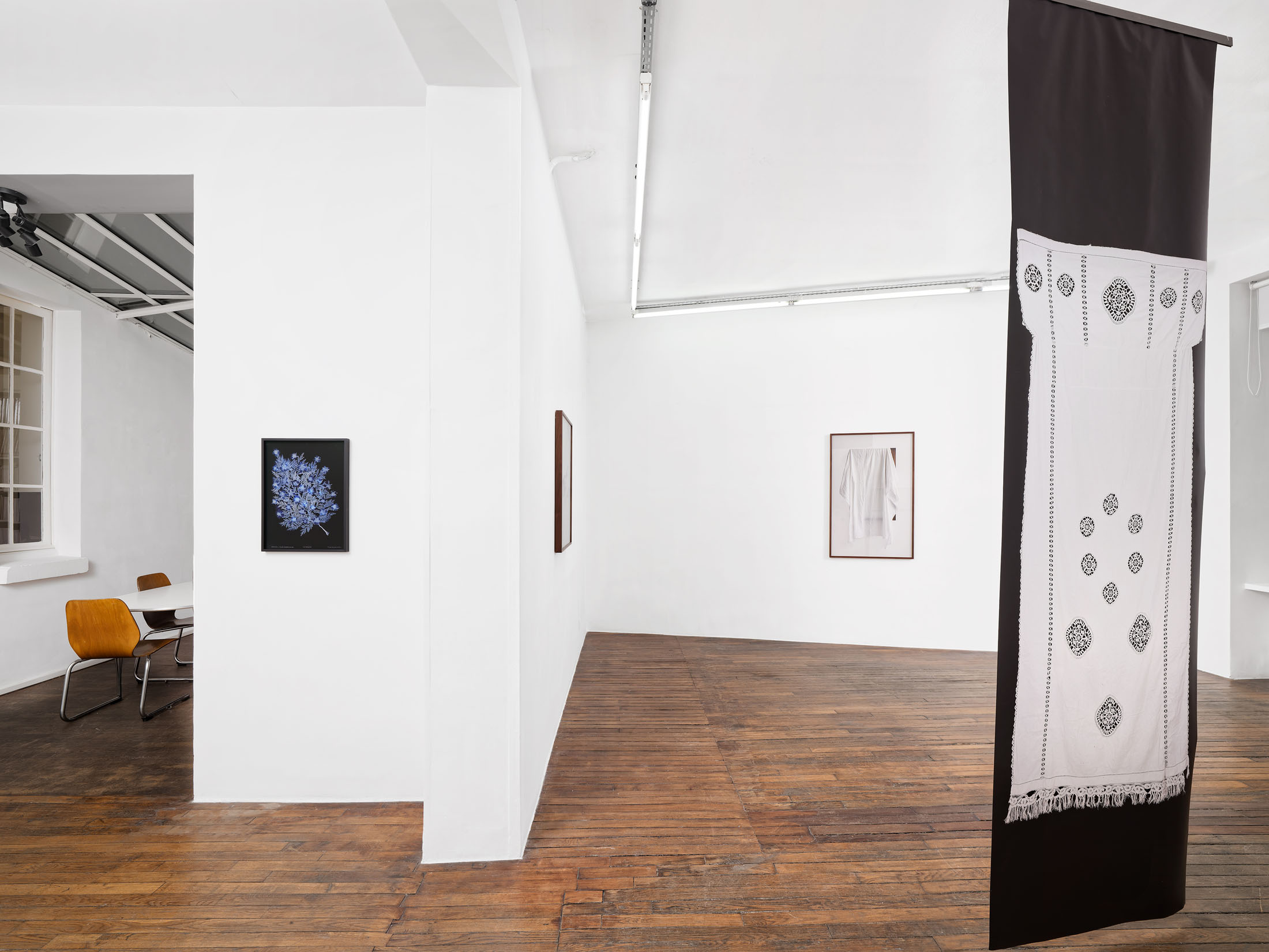
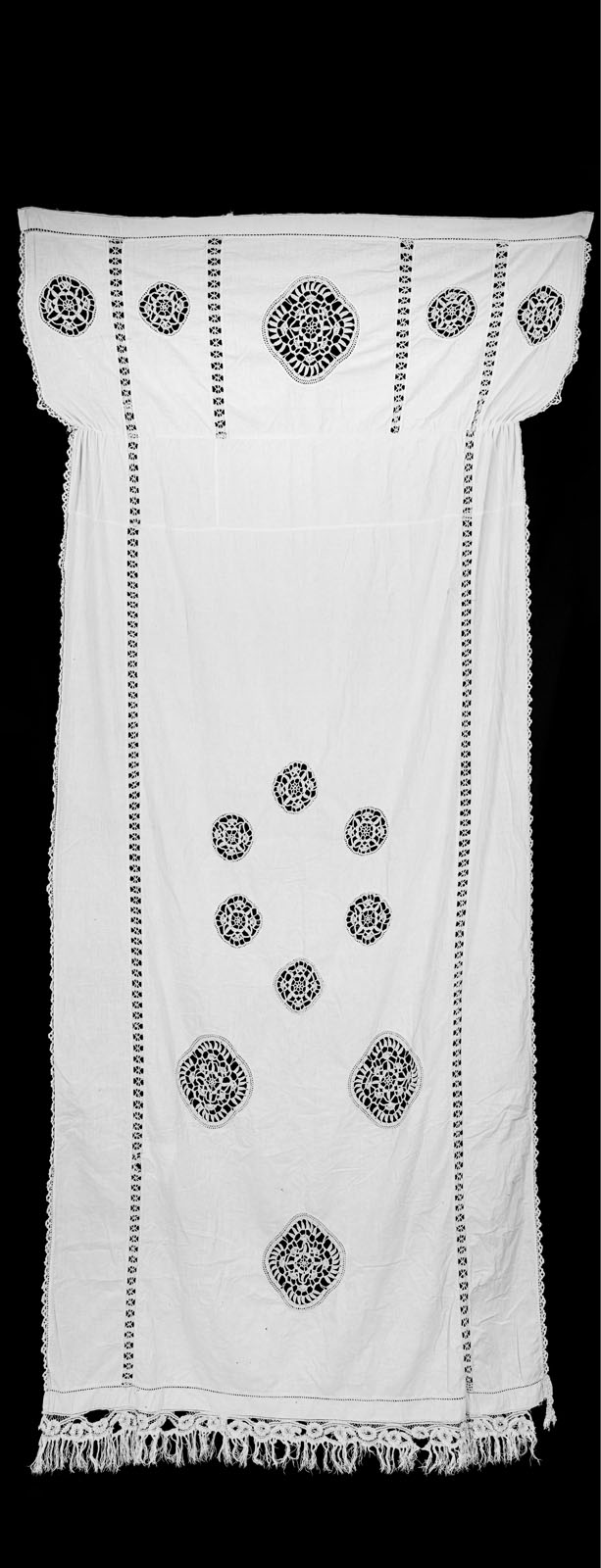
Paper, for Guez, has never been neutral. It holds, it breaks, it carries, it fails. This logic continues in a sculptural photograph suspended from the ceiling: a printed image of a lace curtain once handmade by his grandmother. This curtain, one of the few objects salvaged from the family’s home before their displacement, becomes a poignant trace of what endures. Suspended in space, it becomes a membrane—between interior and exterior, memory and forgetting, visibility and obscurity.
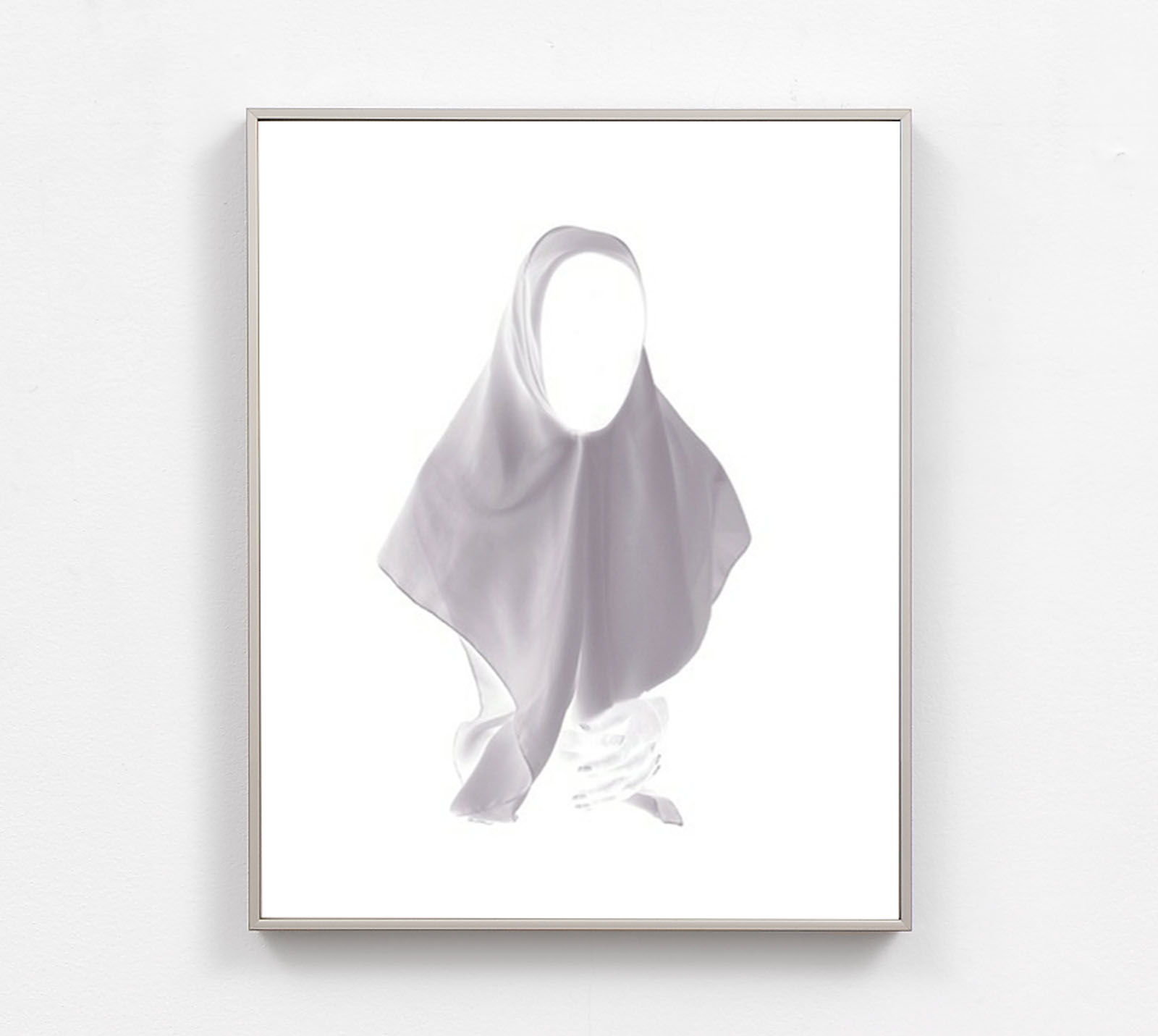
Another new work in the exhibition is based on a portrait of a Palestinian woman, a friend of the artist, photographed twenty years ago in Jerusalem. Her figure oscillates between common imagery of mourning and the iconic depiction of the Virgin Mary as a grieving mother. The photograph is printed as is, as a negative, on a transparent surface, allowing light to pass through and cast a shadow onto a smooth archival paper beneath. Her silhouette undergoes a doubling, shifting from a negative image to a shadow—existing on the boundary between presence and trace, visible and invisible.
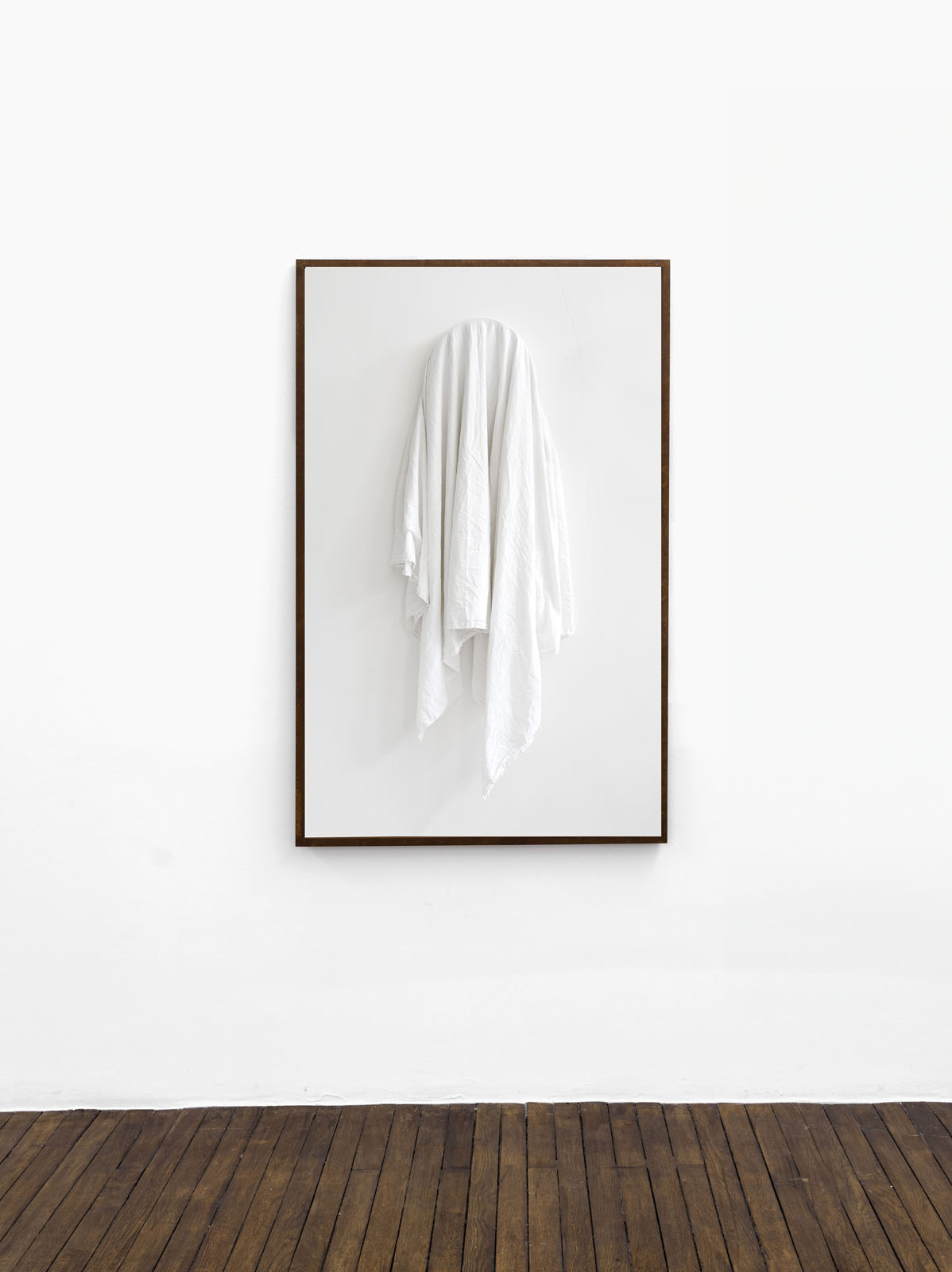
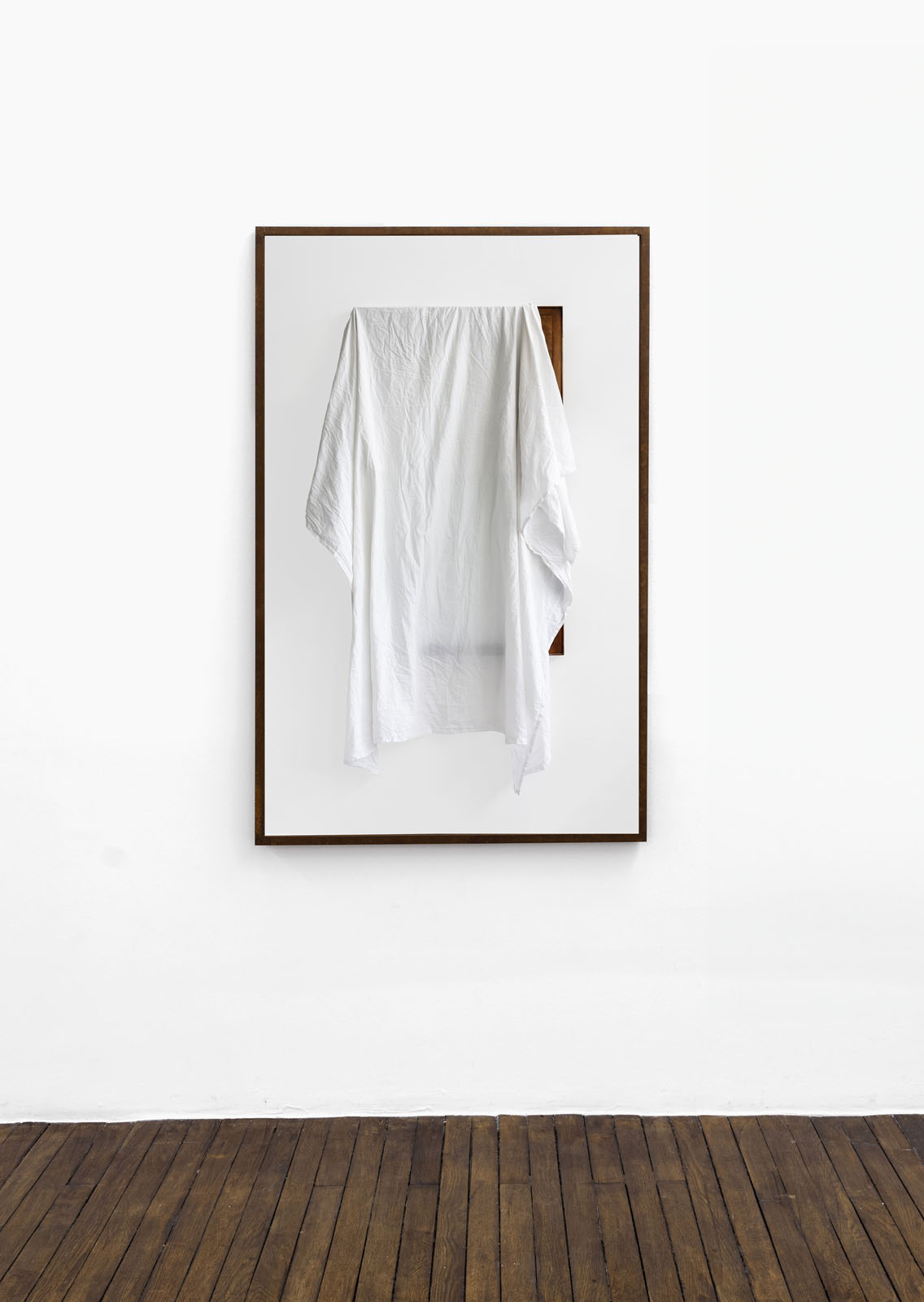
In a new series, Guez returns to a tradition practiced in his father’s family, some of whom migrated to France from Tunisia after it was occupied by the Nazis. Photographs depict mirrors draped in white cloth—a gesture shared across cultures as a sign of mourning, sanctity, or transition. In Judaism, as in other traditions, covering can signify grief but also reverence. The veiled mirrors suggest an image that is simultaneously hidden and heightened; absence becomes a presence of its own.
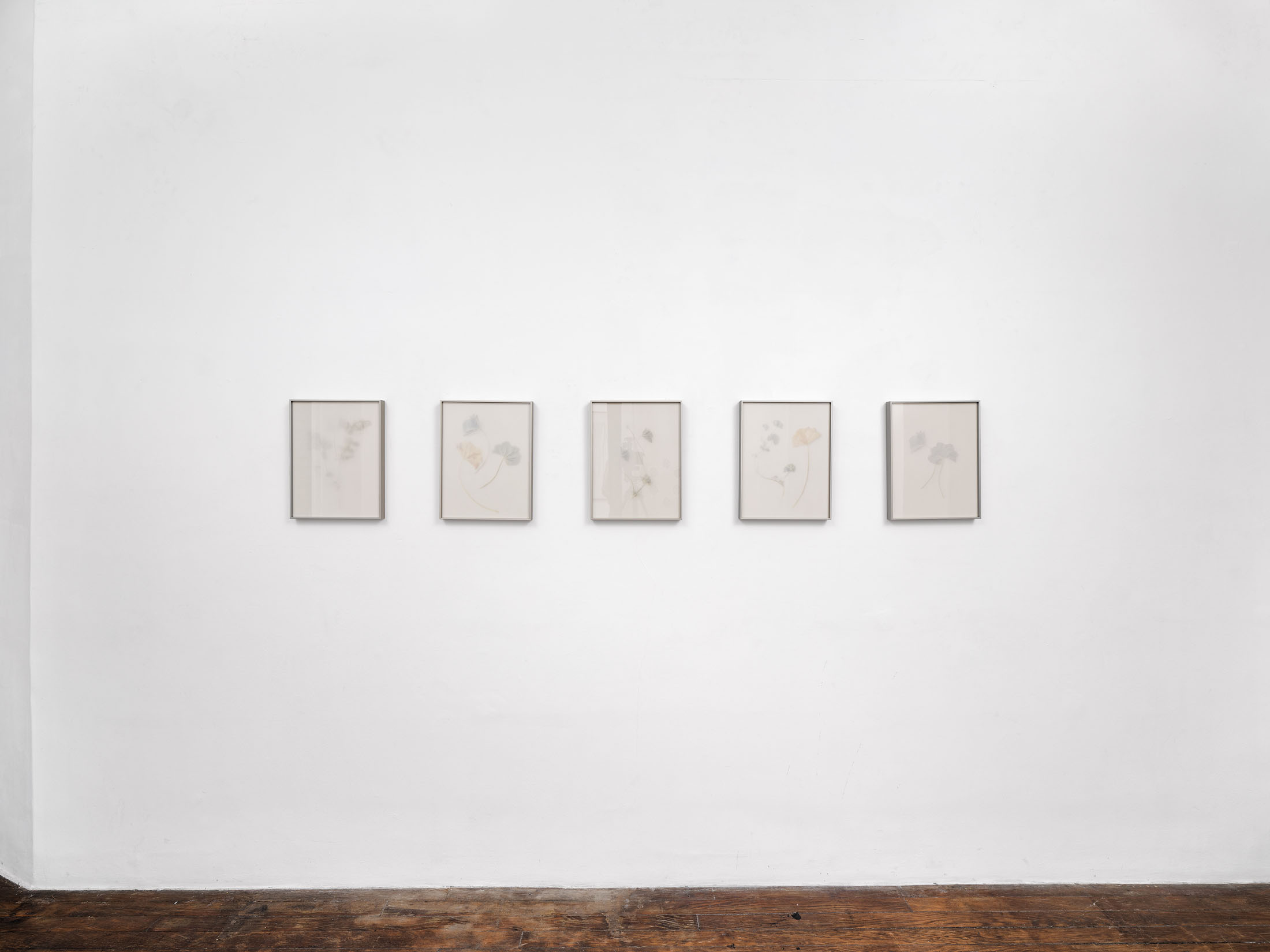
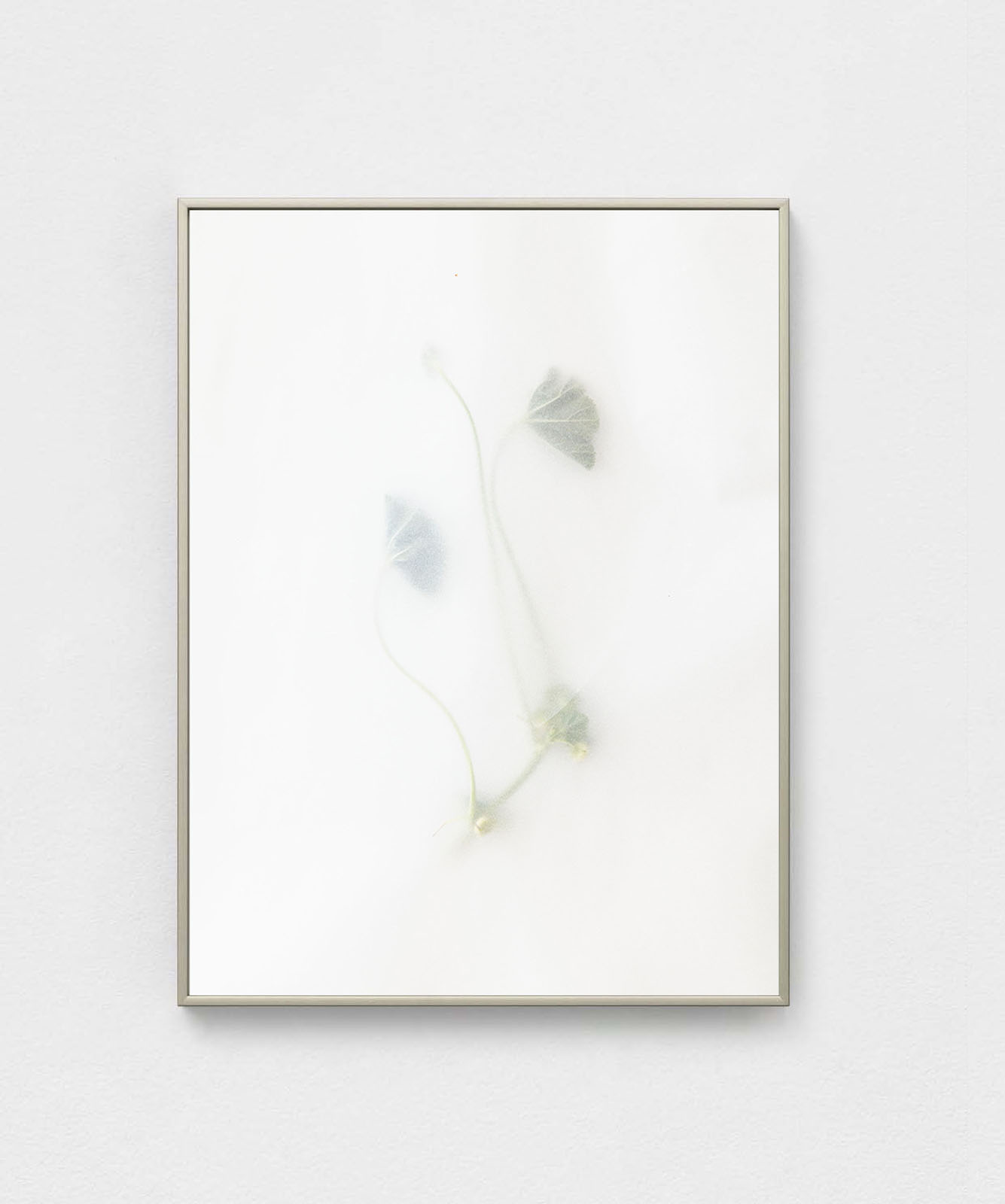
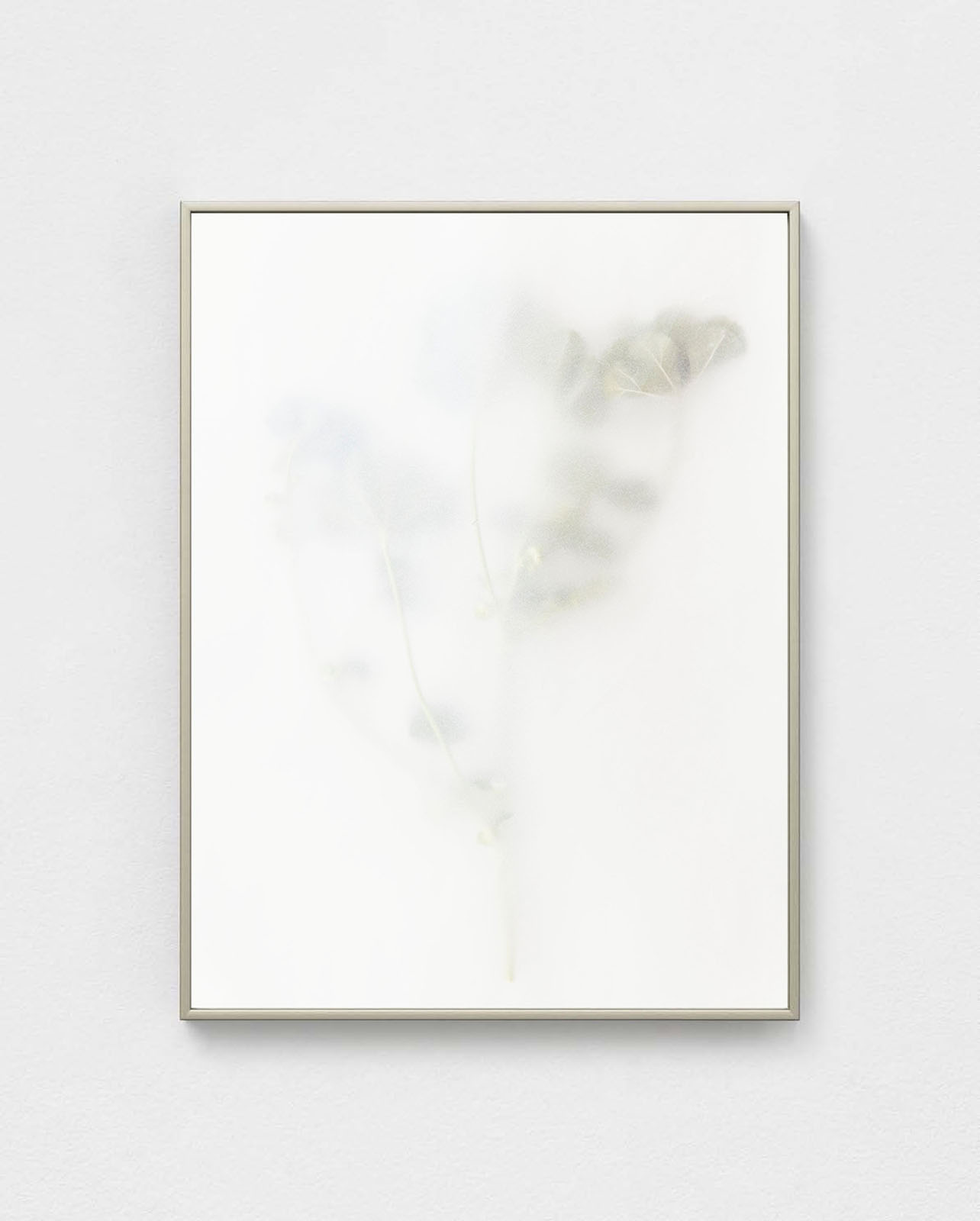
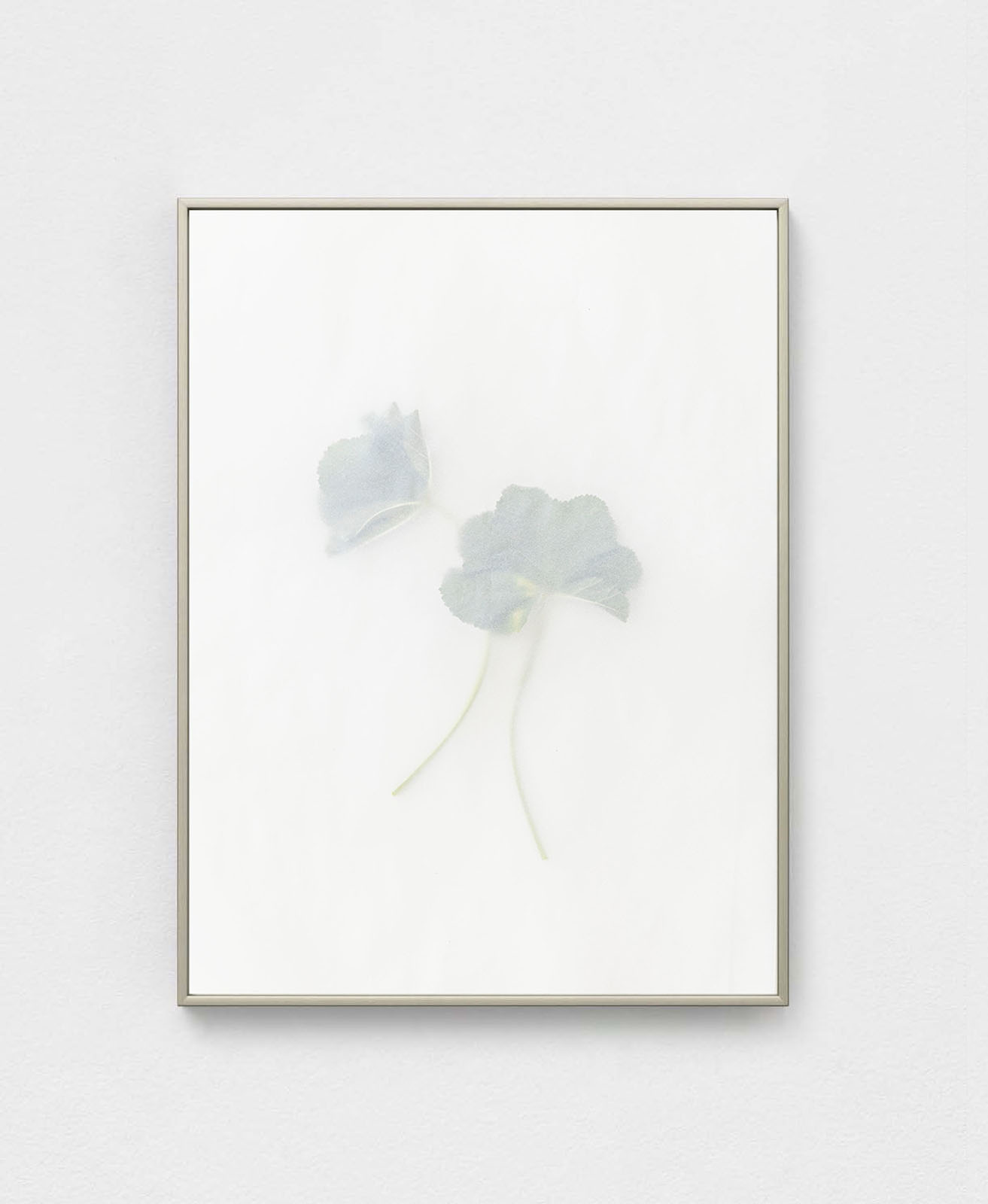
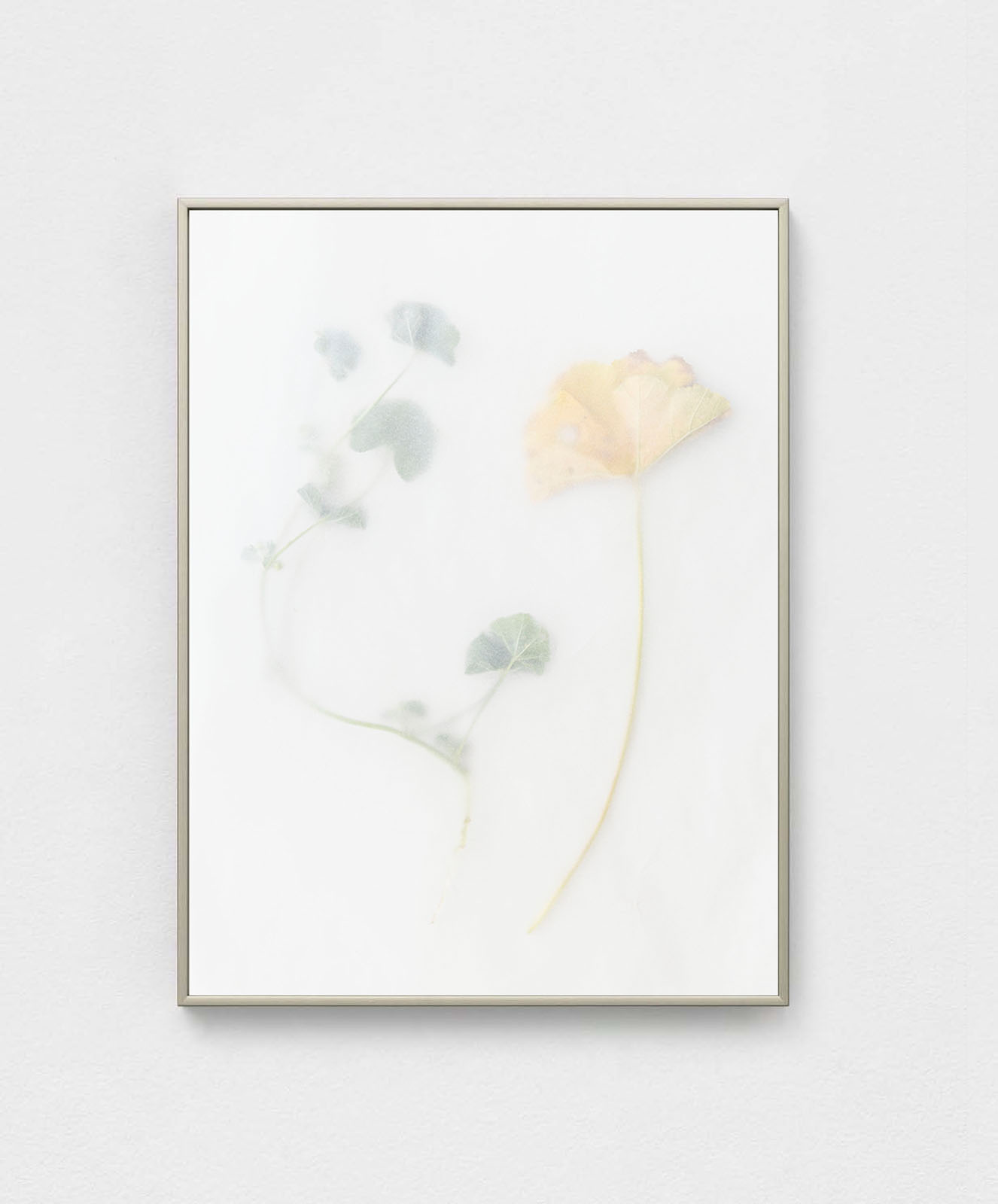
The exhibition also includes Khubayza, a series Guez has been working on for the past two years that documents the wild mallow plant, which grows abundantly across the Levant and holds deep cultural significance. Historically and currently used as a bread substitute during times of famine—its name derived from the Arabic word for “bread”, Khubayza is both personal and political for Guez. Echoing the scientific language Guez collects, presses, and dries leaves, stems, and roots, arranging them between sheets before photographing them from above. The resulting images appear suspended, neither fully anchored nor entirely gone.
Throughout Paper Veil, Guez invites us to consider how objects, images, and even plants become vessels for memory, survival, and identity. But more urgently, the exhibition asks: What does it mean to preserve? What is carried forward, and what is left behind? The veil—whether as cloth, paper, or shadow—becomes not only a symbol of mourning but also of care, of resistance, and of the enduring struggle to hold space for narratives that have long been marginalized or erased.