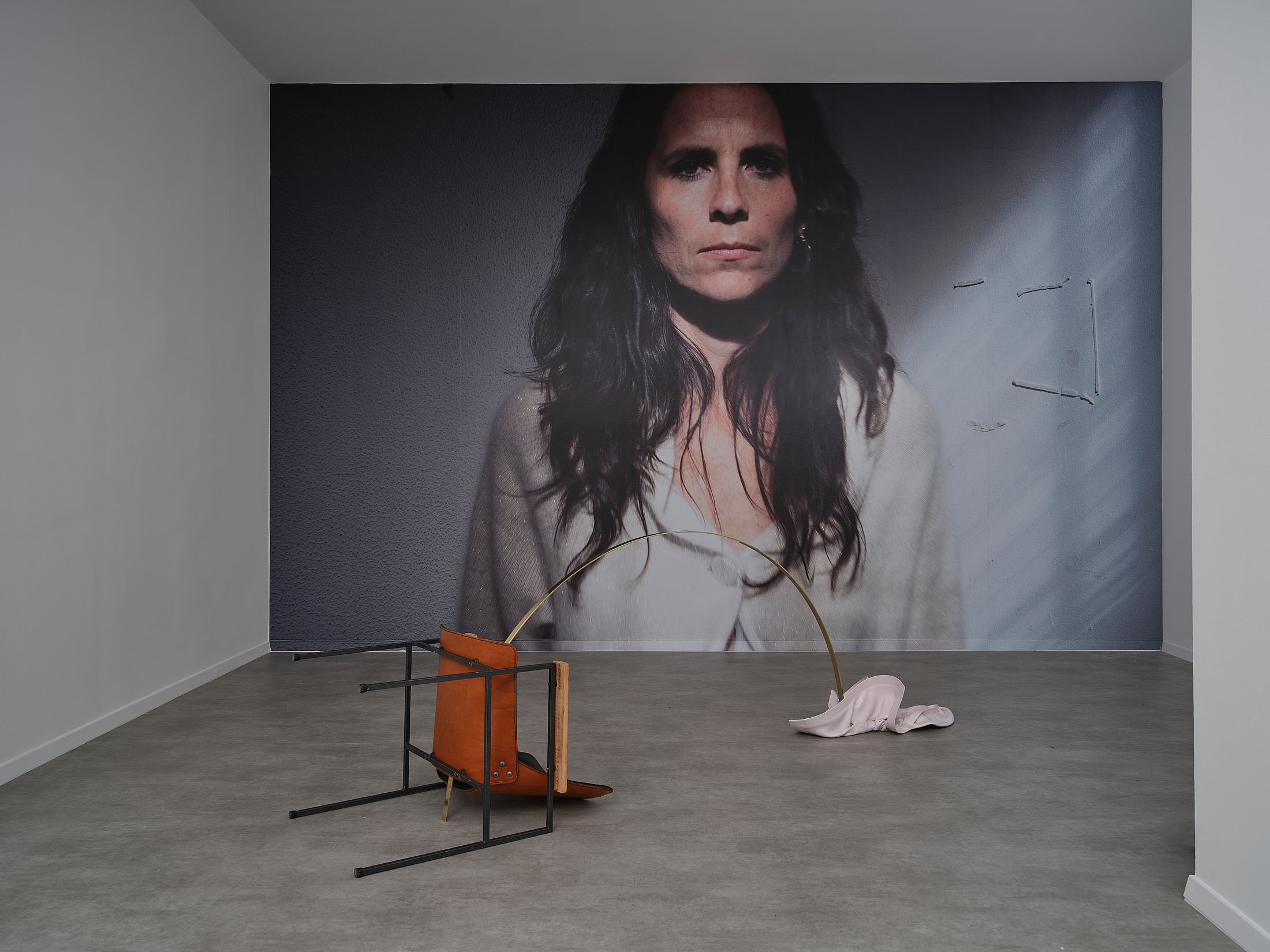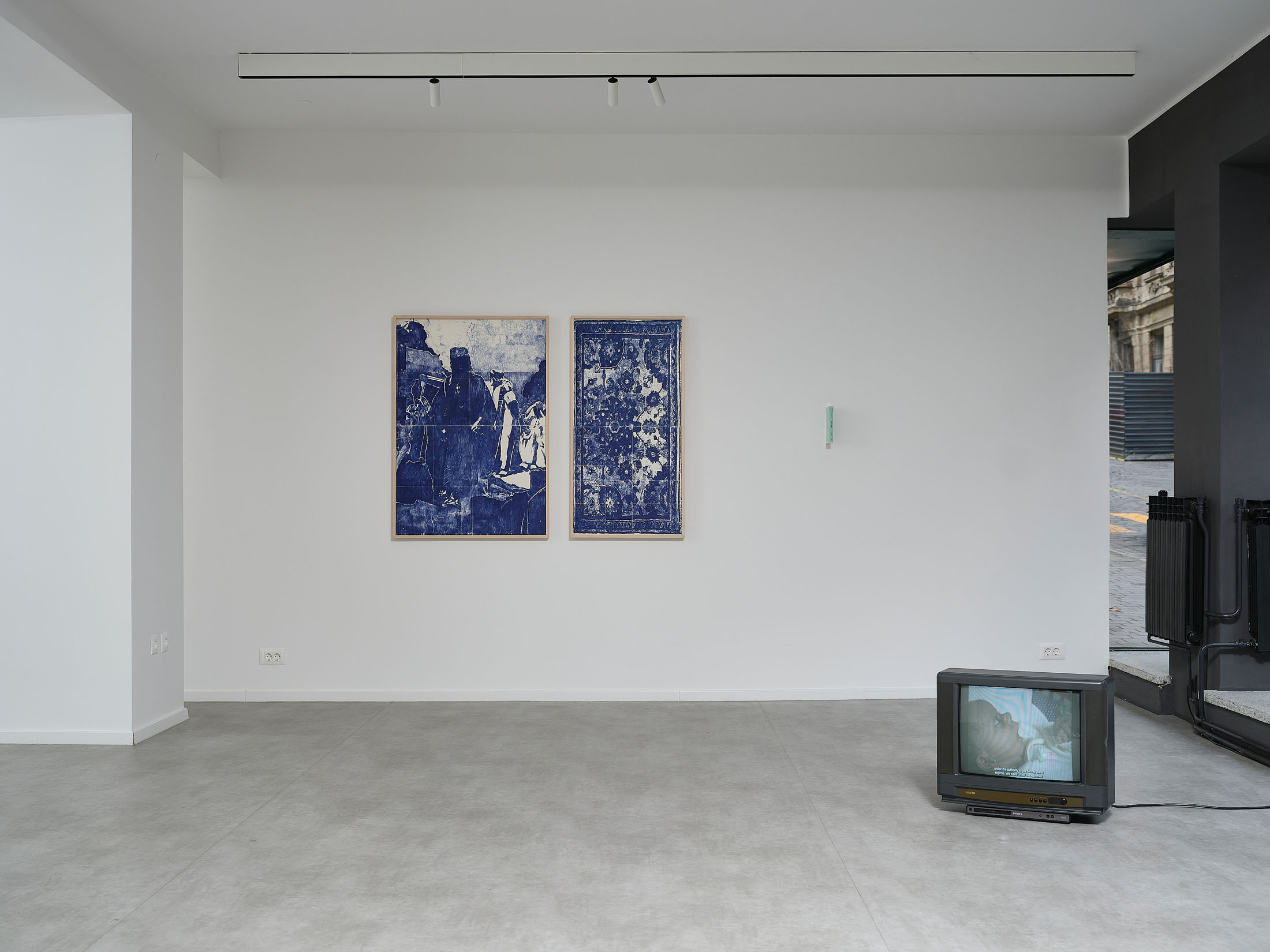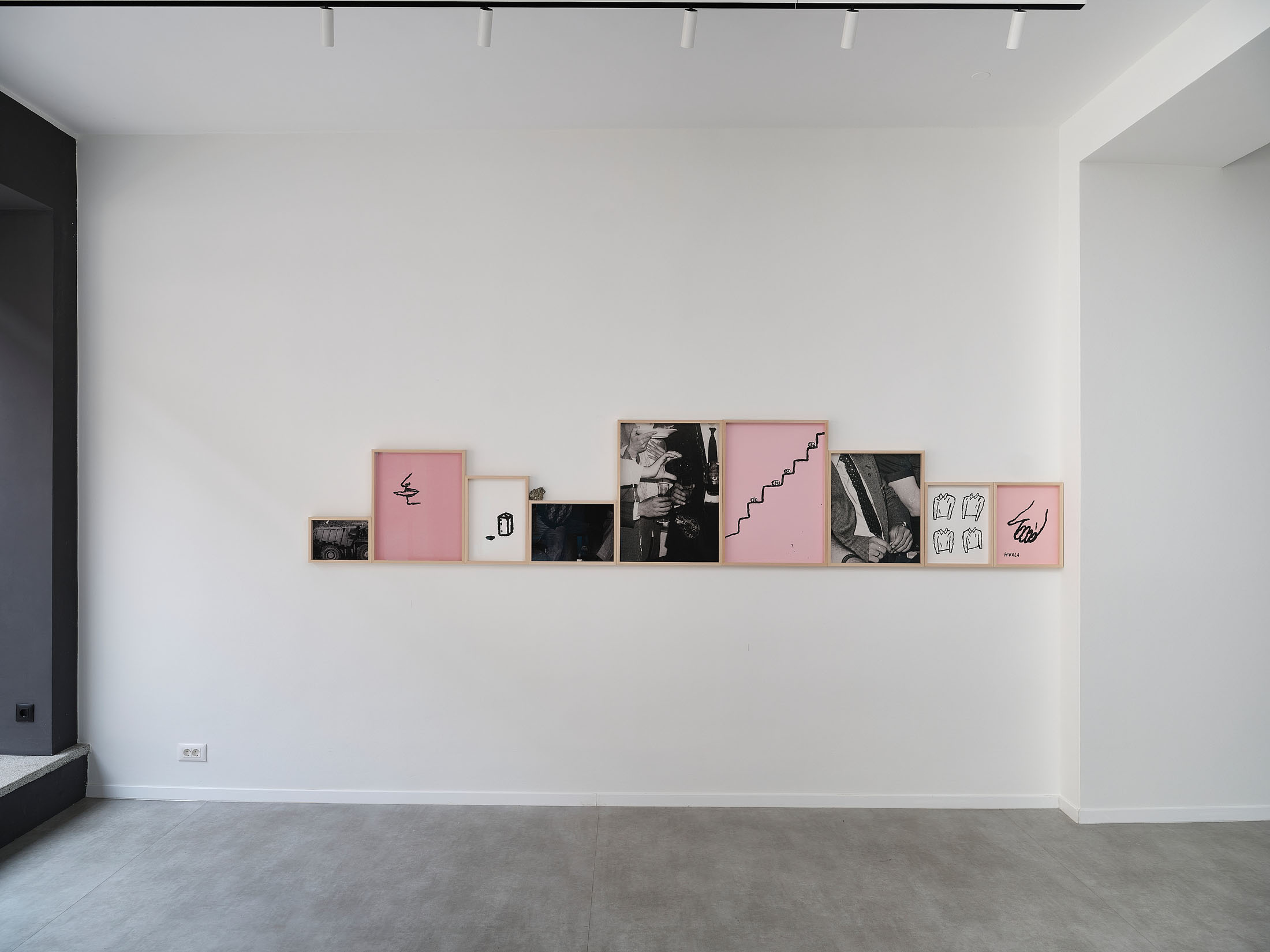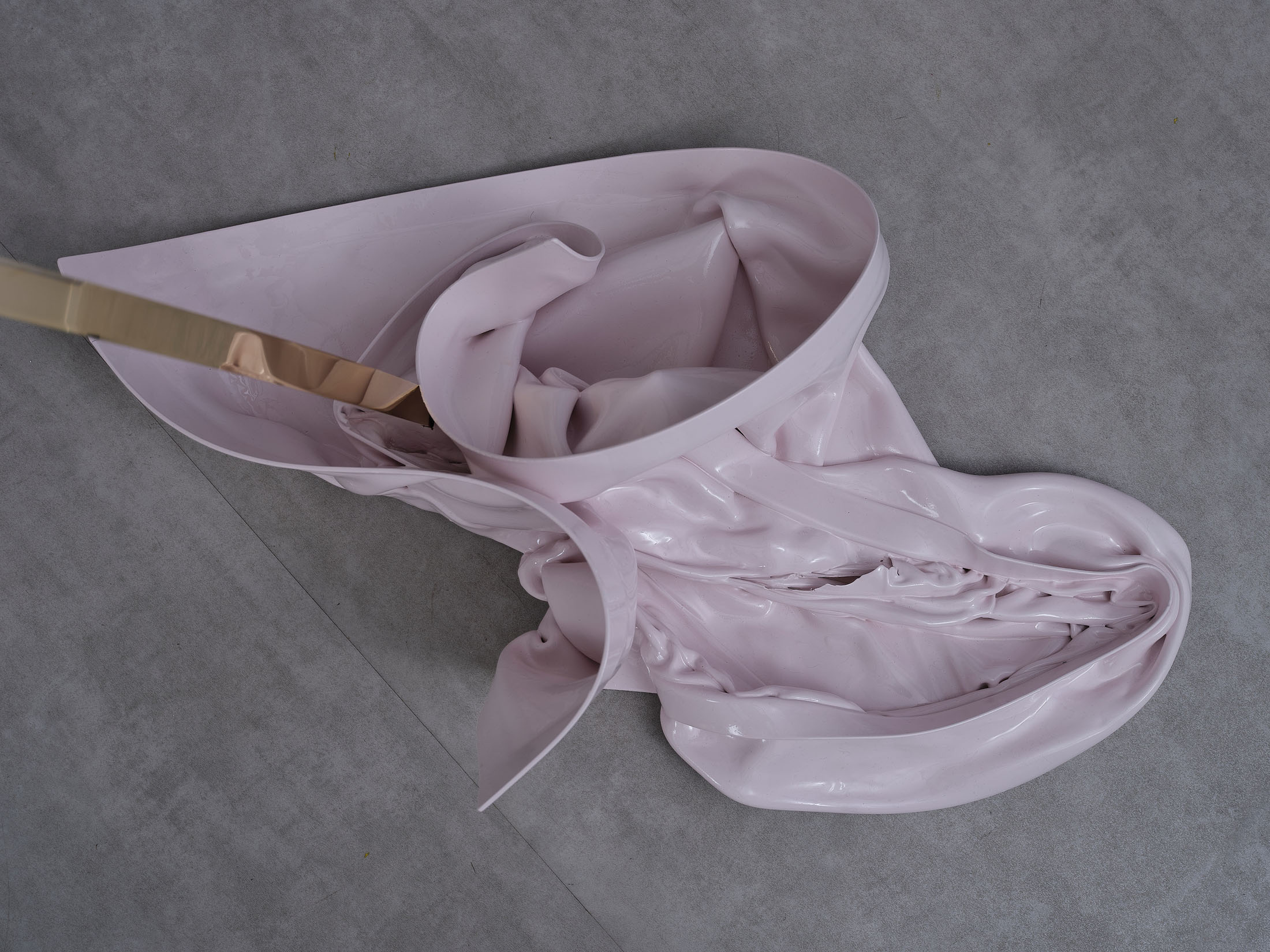
Trotoar presents Dear Father, a group exhibition curated by Piera Ravnikar and featuring Maja Babič Košir, Helena Tahir, and Nevena Aleksovski. Using feminist and archival approaches, the artists examine the father figure across personal memory, lived position, and political history. Their works recast this role as both intimate and symbolic, shaped by broader social forces. The exhibition highlights absence, fragmentation, and silence as central strategies for reflecting on identity, family ties and migration.
In Dear Father, the artistic practices of Maja Babič Košir, Helena Tahir, and Nevena Aleksovski converge to explore the father figure as a site of complexity, tension, and quiet resonance. Their works differ in medium, form, and aesthetic language, yet together they form a constellation of traces: omission and reverence, rupture and tenderness, memory and transformation. Situated within broader discourses on kinship, inheritance, and archival practice, the exhibition treats the father figure not merely as a familial presence but as a structural, historical, and symbolic one.
The exhibition does not seek reconciliation nor to articulate a single paternal narrative. Instead, it cultivates attentiveness and reflection, dwelling on what remains unspoken, unsent, or irretrievable. The father appears as both anchor and fracture, origin and fissure, an unstable locus resonating across temporal, geographic, and emotional registers. Personal histories intersect with wider structures of migration, labour, and remembrance, linking intimate traces to collective experience.
Central to the exhibition is the notion of absence, understood as an active and generative force. Silence, incompleteness, and fragments function as both conceptual and material strategies, shaping the terrain of memory, desire, and imagination. Temporal layers coexist: archives hold the past, performative gestures inhabit the present, and imagination projects possible futures. In dialogue with feminist archival practice, postwar memory art, and contemporary meditations on kinship, Košir, Tahir, and Aleksovski reveal the father figure as mutable, refracted, reassembled, and carried forward through time.
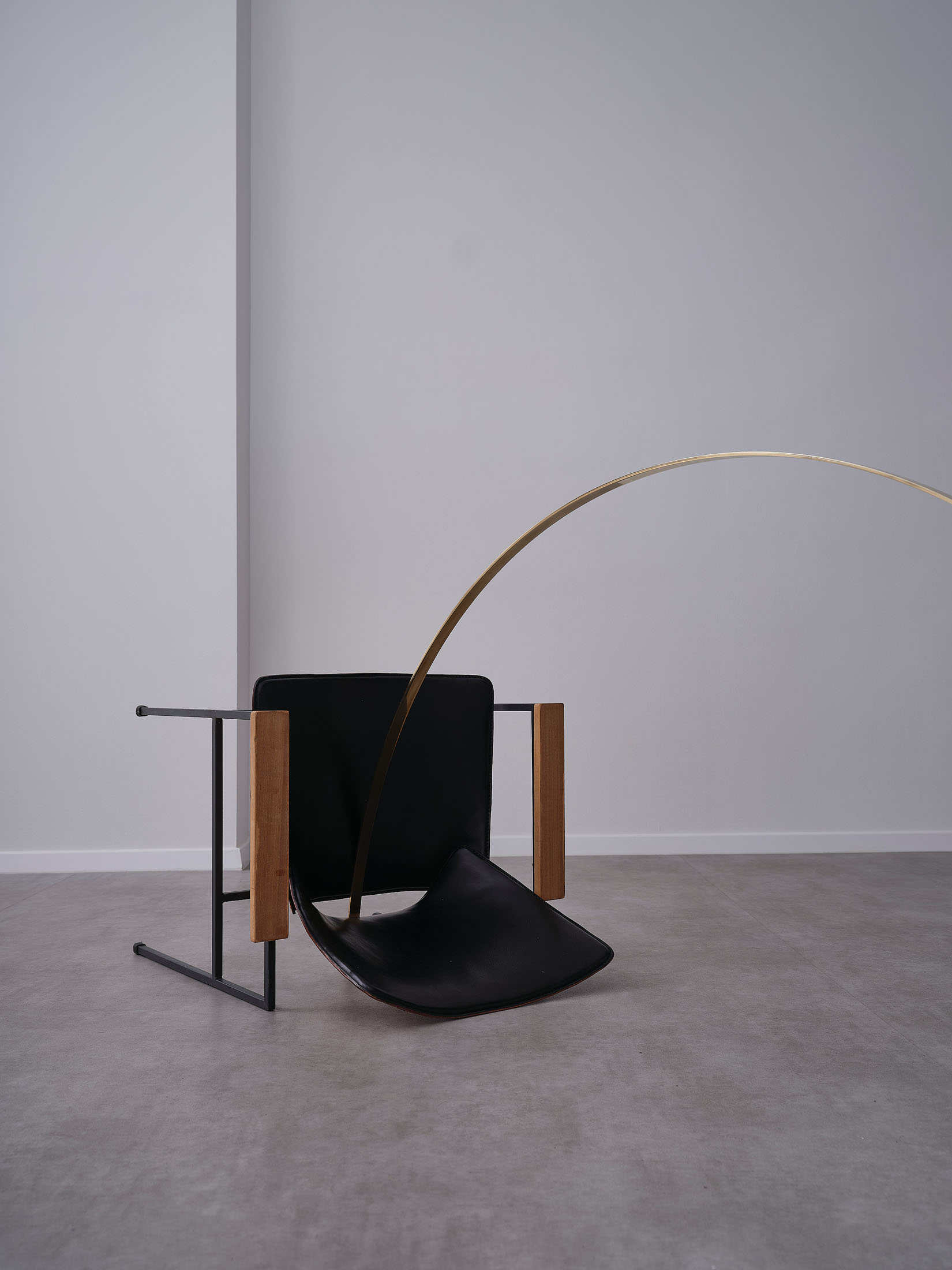
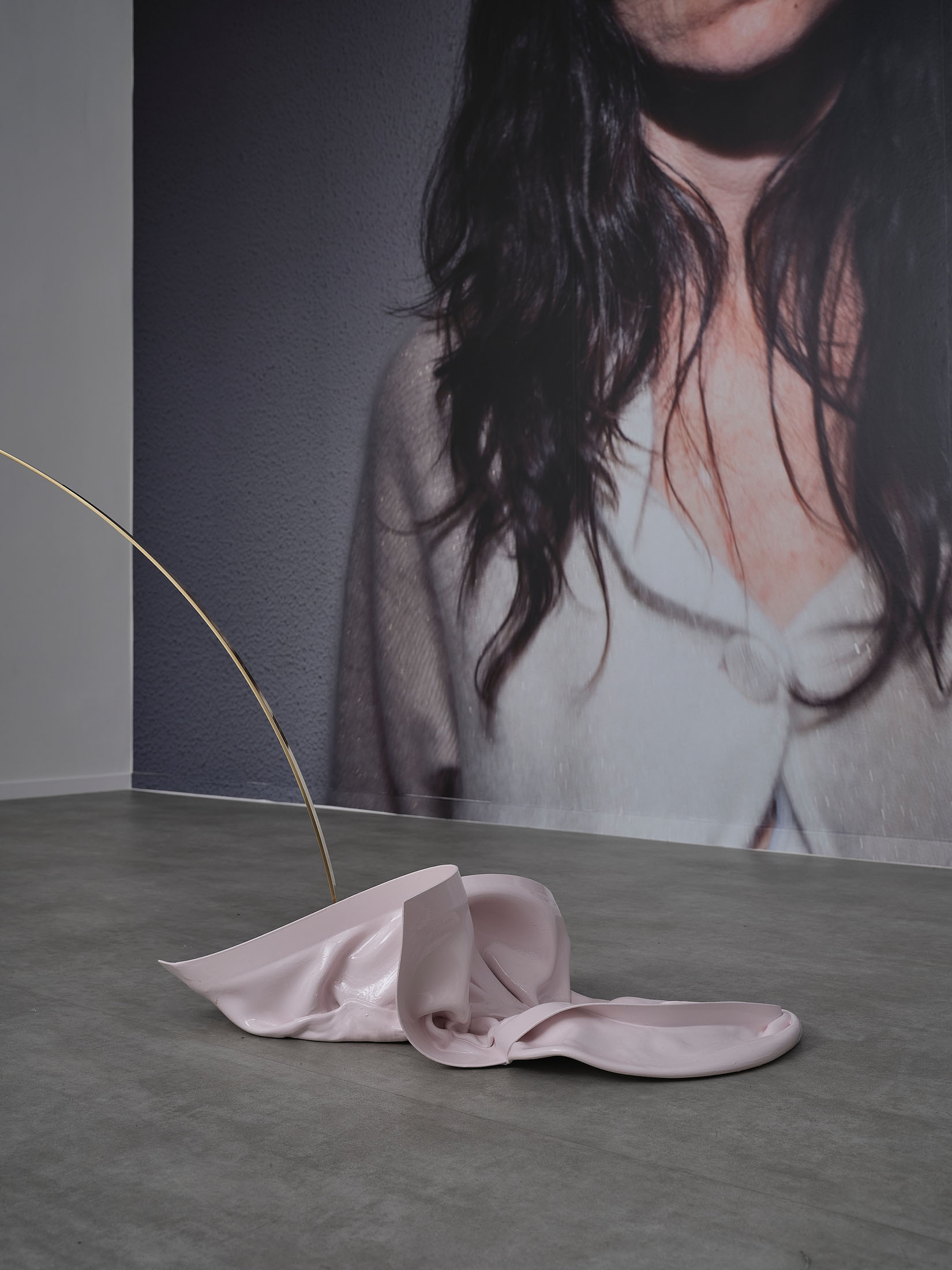
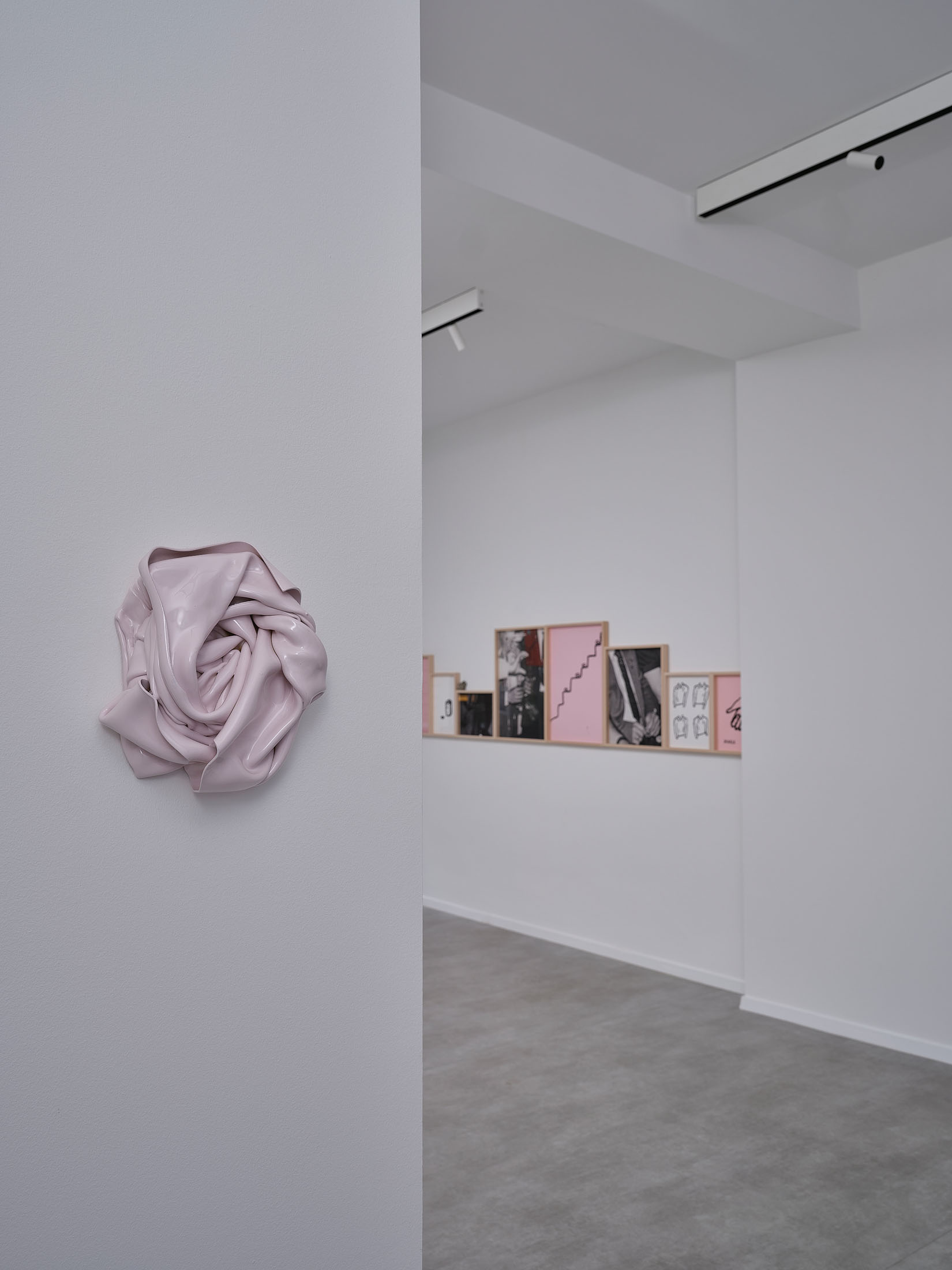
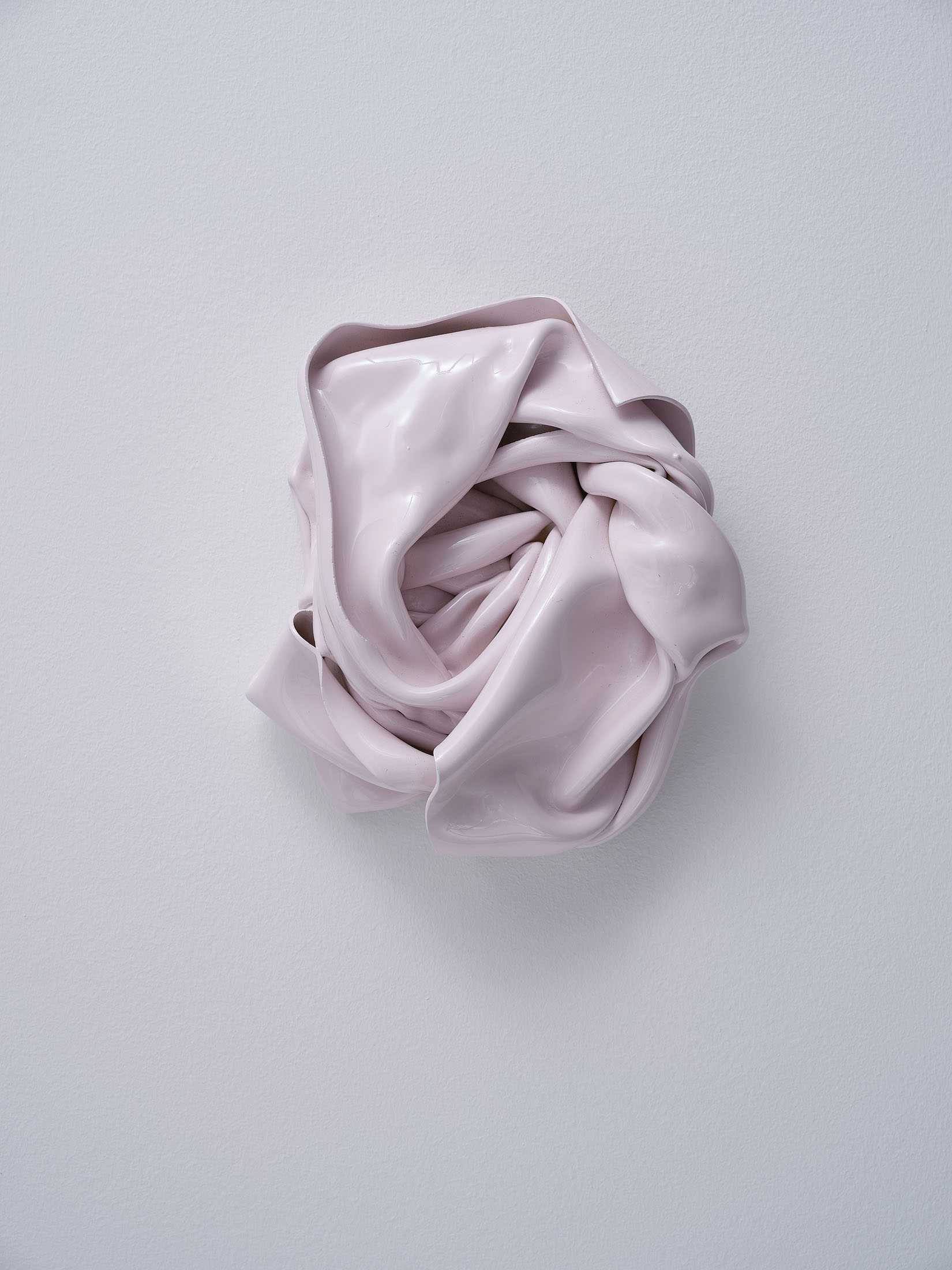
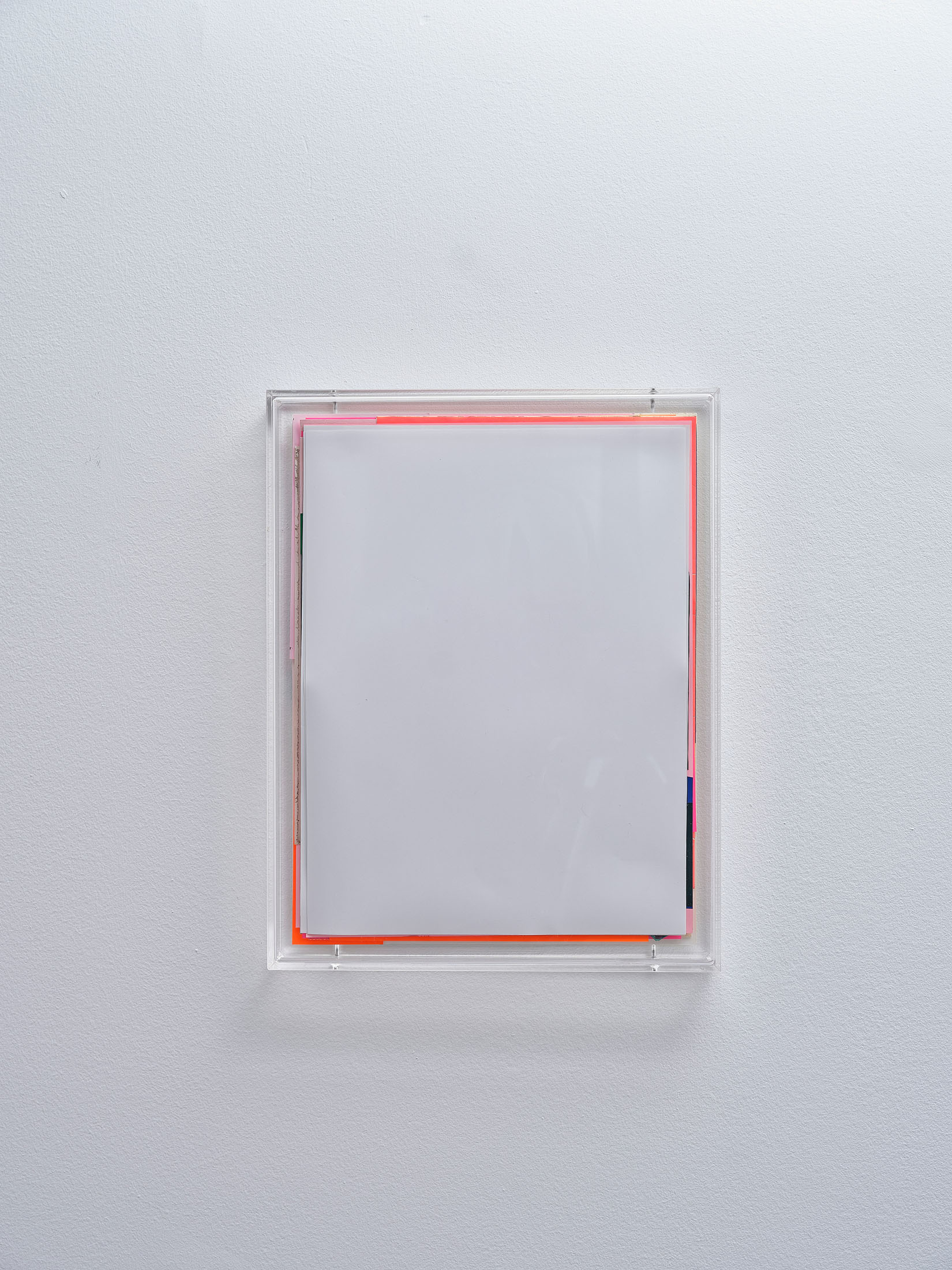
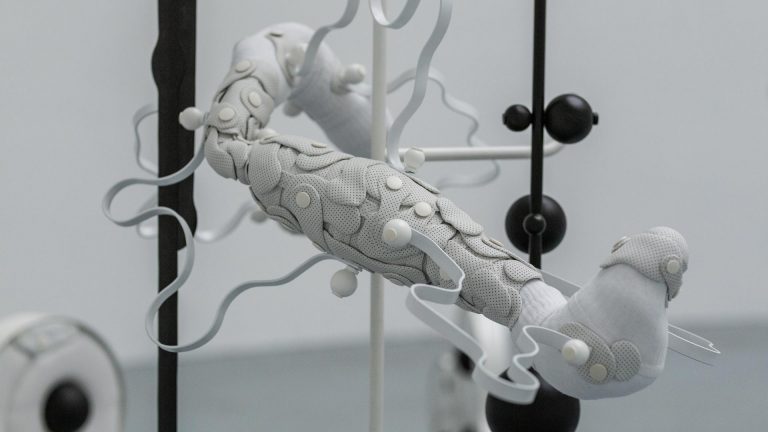
In Say Something Nice to Me, Košir engages with her father’s archive not to preserve, but to transform. Sketches, prototypes, and fragments of letters and notes become sculptural gestures that trace his presence without sentimentality. In the Love Letters series (2018–), found and familial materials are reshaped to explore memory, absence, and the lingering weight of loss, while the archive becomes a quiet partner in reflection. Through these interventions, the father emerges not as he once was, but as he reverberates through objects, forms, and the intentions they carry.
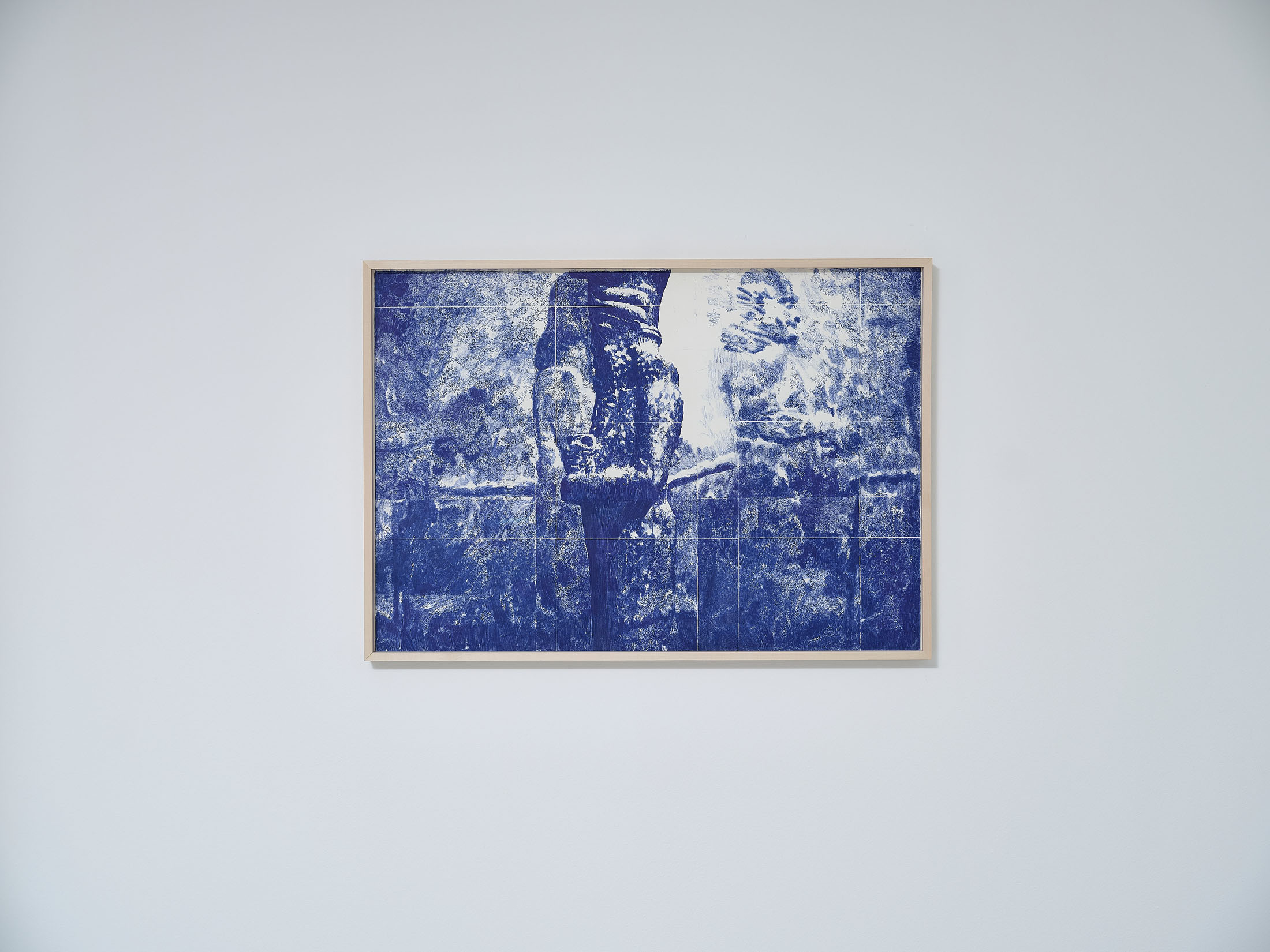
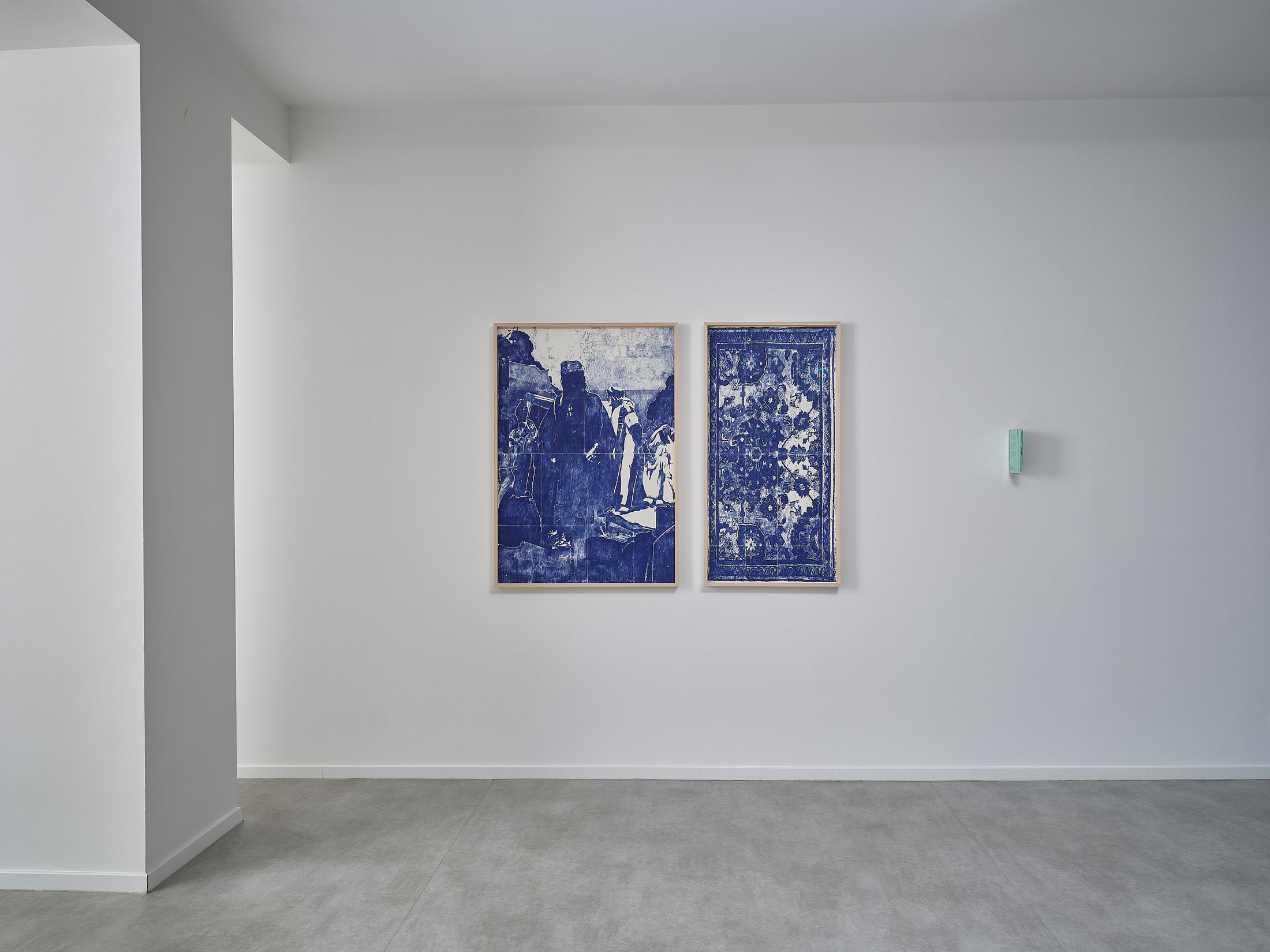
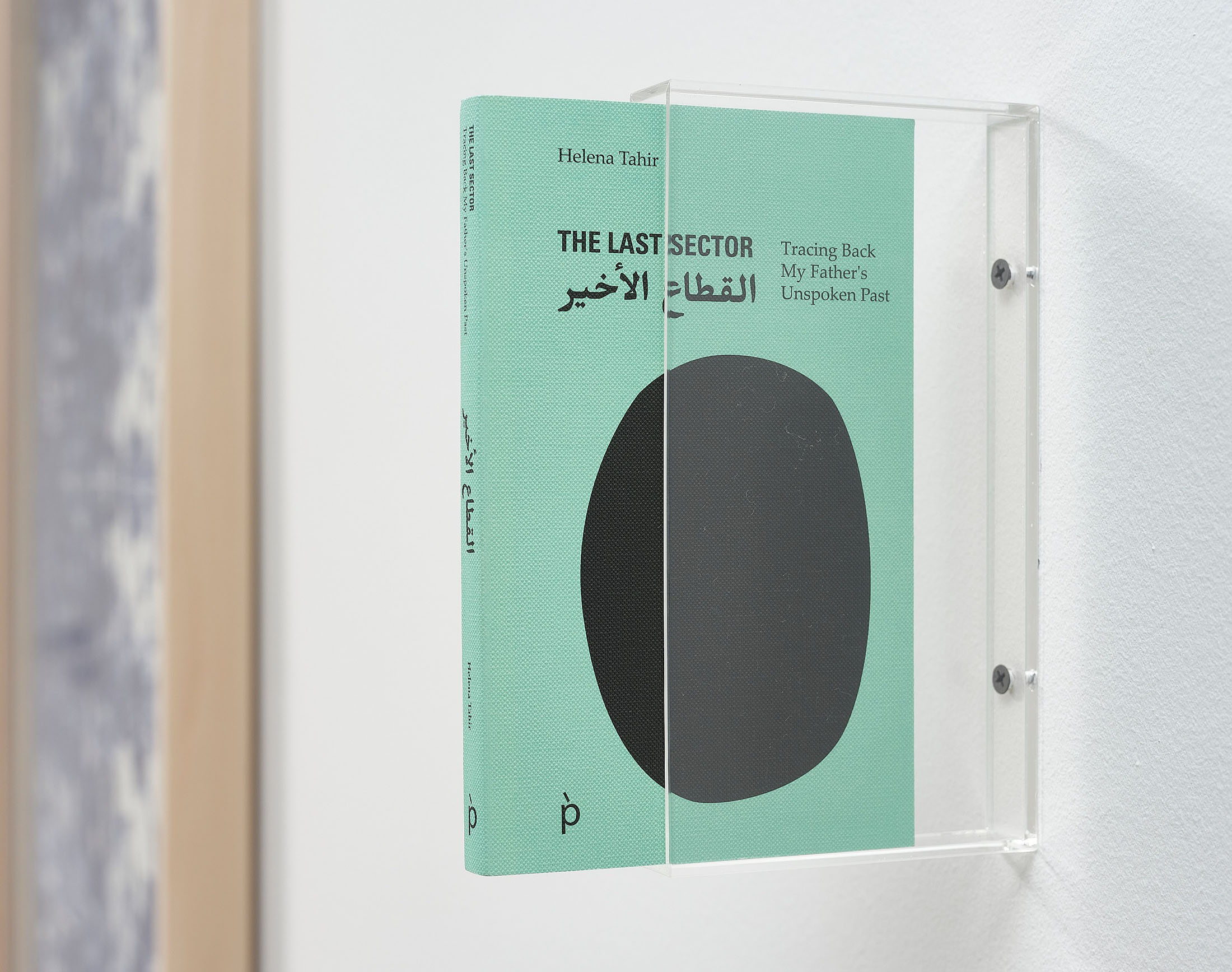
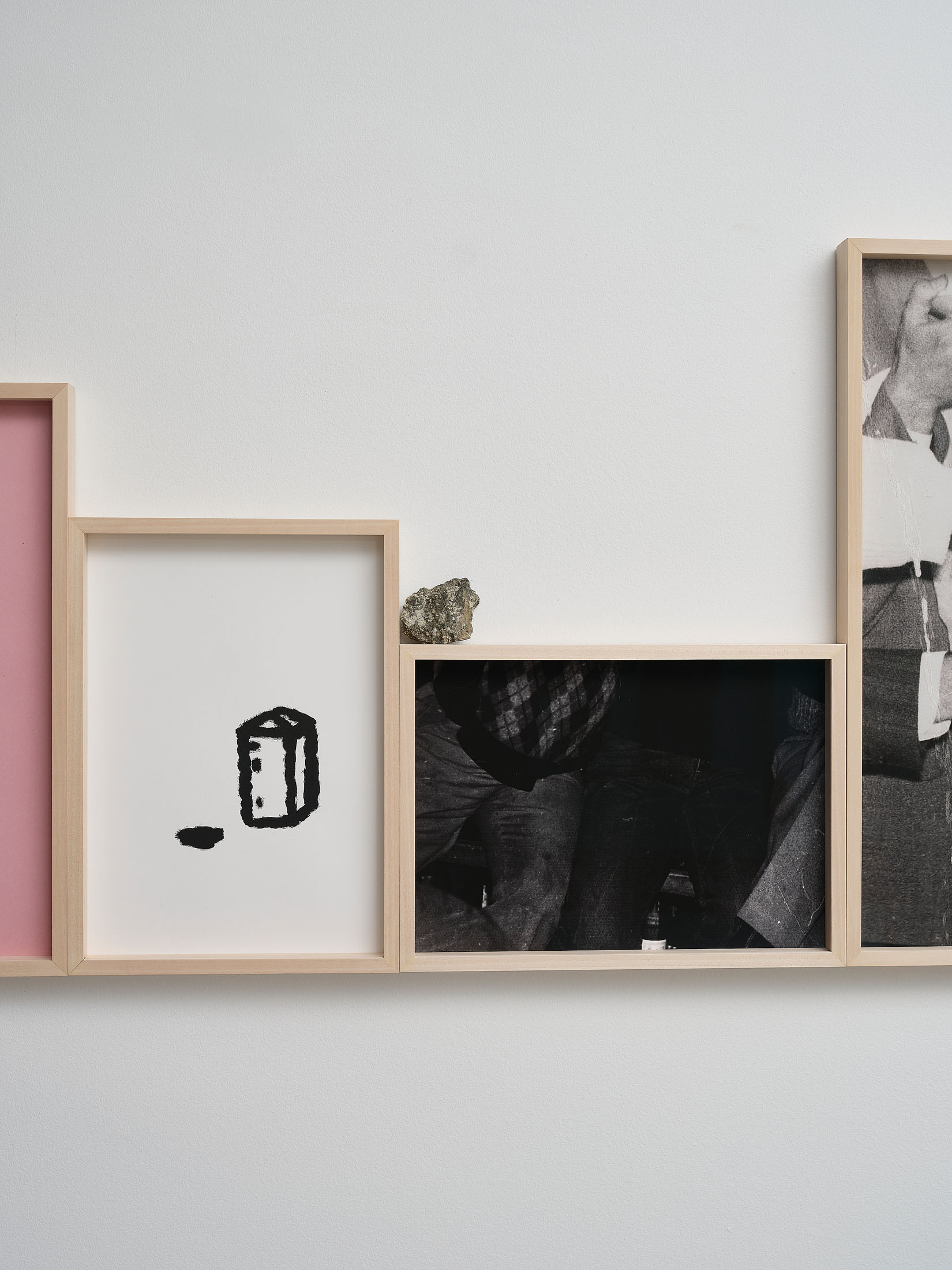
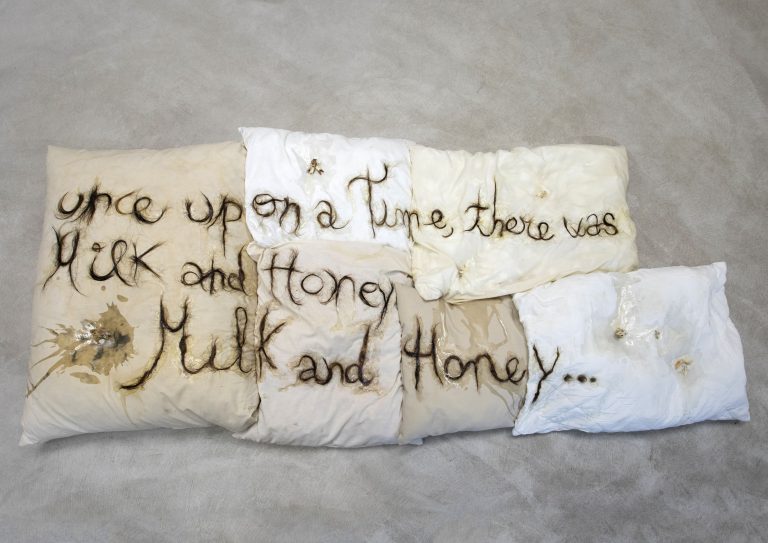
The Last Sector (2024–) traces Helena Tahir’s journey to Iraq, her father’s homeland, exploring landscapes shaped by displacement, political upheaval, and family history. Combining carbon transfer drawings, archival fragments, photographs, and personal letters, the work weaves a layered narrative of memory and belonging. Her father appears through traces and recollections—intimate, historically situated, and marked by exile and absence. The project embraces the impossibility of full retrieval while highlighting the generative potential of attentive inquiry, allowing fragmented personal and historical traces to converge into a quiet, reflective meditation on identity, inheritance, and connection.
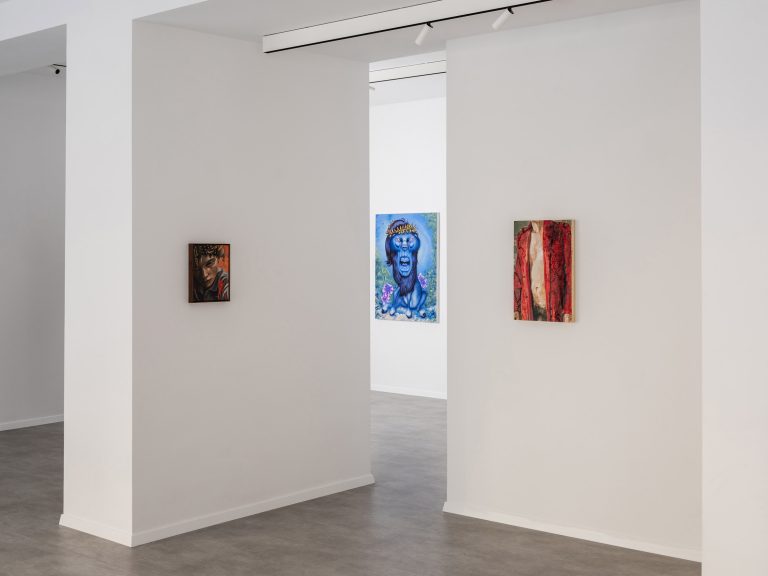
In Melancholy of the Abandoned Lands (2022–), Aleksovski situates her father’s life as a miner in Bor, Serbia, within broader histories of industrial labour, migration, and post-socialist transition. Mining functions both as subject and metaphor, an act of extraction that sustains yet estranges, providing life while eroding the very ground it depends on. Archival photographs are enlarged, fractured, and redrawn into constellations where presence and the void converge, alongside a series of drawings. Through this process, the artist revisits her father’s life and her own origins, negotiating intimacy and distance, and allowing private memory to expand into the collective.
Dear Father adopts silence, incompleteness, and distance as methods of inquiry. Letters never sent, refracted images, and archives that resist closure open a space for thought beyond resolution. The father figure is never only familial; it is structural, cultural, and political. Through transformation and reconfiguration, Košir, Tahir, and Aleksovski turn private inheritance into shared reflection. The unfinished gesture becomes a site of possibility; questions remain suspended, and absence itself becomes a material for thought. Here, absence is not lack, but a medium through which the father is continually reimagined.
–Text by Piera Ravnikar
ABOUT THE ARTISTS
Helena Tahir (Jasenice, Slovenia, 1991) primarily works in the fields of printmaking and drawing. Her monumental, rich, and detail-saturated visual narratives require slow and rigorous reading. Thanks to her consistent and thorough exploration of the medium, each drawing presents her with a new technical challenge.
She has showcased her work at several solo and group exhibitions, including the International Graphic Centre in Ljubljana (Slovenia); ARCO Lisboa (Portugal); the Lamut Salon in Kostanjevica na Krki (Slovenia); the International Graphic Centre in Ljubljana; the Ravne Gallery of the KGLU; RAVNIKAR (Slovenia); the Britta Rettberg Gallery, Munich (Germany); and the Migration Museum, London (UK). She was honoured with the Young Artist Award at the International Exhibition of Graphic Art and Artists’ Books in Rijeka.
She graduated from the Academy of Fine Arts and Design in Ljubljana, earning a Bachelor’s degree in Printmaking and a Master’s degree in Painting. During her studies, she attended the Faculty of Fine Arts in Porto and the Hochschule für Grafik und Buchkunst in Leipzig. In 2024, she entered the PhD program at the Academy of Fine Arts and Design in Ljubljana. She is an Assistant Professor in the Printmaking Department at the Academy of Fine Arts and Design in Ljubljana. Her works are part of various private and public collections, including the Museum of Modern and Contemporary Art and the KGLU, Slovenia; the International Centre of Graphic Arts (MGLC), Ljubljana, Slovenia; the Božidar Jakac Art Museum, Kostanjevica na Krki, Slovenia; the RAVNIKAR Collection; Kino Šiška, Ljubljana, Slovenia; and the Modern Art Museum SLU, Niš, Serbia. Helena lives and works in Ljubljana, Slovenia.
Maja Babič Košir‘s (Ljubljana, Slovenia, 1978) creative process is rooted in contemplative, introspective principles and draws on her personal history and surroundings, translating inner experiences into a visually compelling narrative. The multidimensionality she achieves through layering materials in installations challenges decorativeness, reflecting her background in contemporary sculpture. Her work serves as a transformative archive, embracing imperfections, exploring the plasticity and sensory dimensions of recycled materials found in family archives. Maja often collaborates with established international artists, such as Duba Sambolec, Nevena Aleksovski, and Diana Tamane.
She has showcased her work at numerous solo and group exhibitions, among others at the Museum of Modern Art in Ljubljana (Slovenia); the UGM Maribor Art Gallery (Slovenia); Cukrarna (Slovenia); the Britta Rettberg Gallery, Munich (Germany); the Zimmermann Kratochwil Gallery, Graz (Austria); the (AV17) Gallery, Vilnius (Lithuania); the Ravnikar Gallery (Slovenia); the Zürich Salon (Switzerland); Positions Berlin (Germany); and others. She has won several awards and acknowledgments, and her works are housed in various private and public collections.
She holds both a Bachelor’s and Master’s degree in sculpture from the Academy of Fine Arts and Design in Ljubljana. Following her academic journey, she pursued advanced studies in creative illustration and visual communication at the EINA University School of Design and Art in Barcelona. She lives and works between Ljubljana, Slovenia and Porto, Portugal.
Nevena Aleksovski (Bor, Serbia, 1984) draws on personal experience in her work. The focal point of her artistic explorations is always rooted in the concept of migration, a phenomenon that has shaped human histories and societies. Her focus expands beyond migrant narratives to address the challenges faced by those labelled as “Others” in new environments, urging viewers to contemplate the human toll of exclusion and advocate for inclusivity. Aleksovski’s minimalist paintings and installations unravel the complexities of stereotypical views, prompting viewers to confront the implications of pervasive biases and fostering a dialogue towards a more inclusive global perspective.
She has showcased her work at numerous solo and group exhibitions, among others at ŠKUC (Slovenia); RAVNIKAR (Slovenia); the Britta Rettberg Gallery (Germany); the MGLC (Slovenia); Cukrarna (Slovenia); the P74 Gallery (Slovenia); PrivatePrint (Macedonia); NADA Villa Warsaw (Poland); as well as at various group exhibitions at galleries including the National Gallery of Macedonia, Skopje (Macedonia); the Zürich Salon, Zürich (Switzerland); DobraVaga, Ljubljana (Slovenia); Stiege 13, Vienna (Austria); and others. In 2022 she published the book Melancholy of the Abandoned Lands, in collaboration with PrivatePrint Publishing, which tells the migration history of her family during Yugoslavia and after its dissolution.
She earned her degree in painting from the Academy of Fine Arts and Design in Novi Sad (Serbia) in 2008, and furthered her academic journey with a Master’s degree in Cultural Studies from the University of Ljubljana (Slovenia) in 2014. She lives and works in Ljubljana, Slovenia.