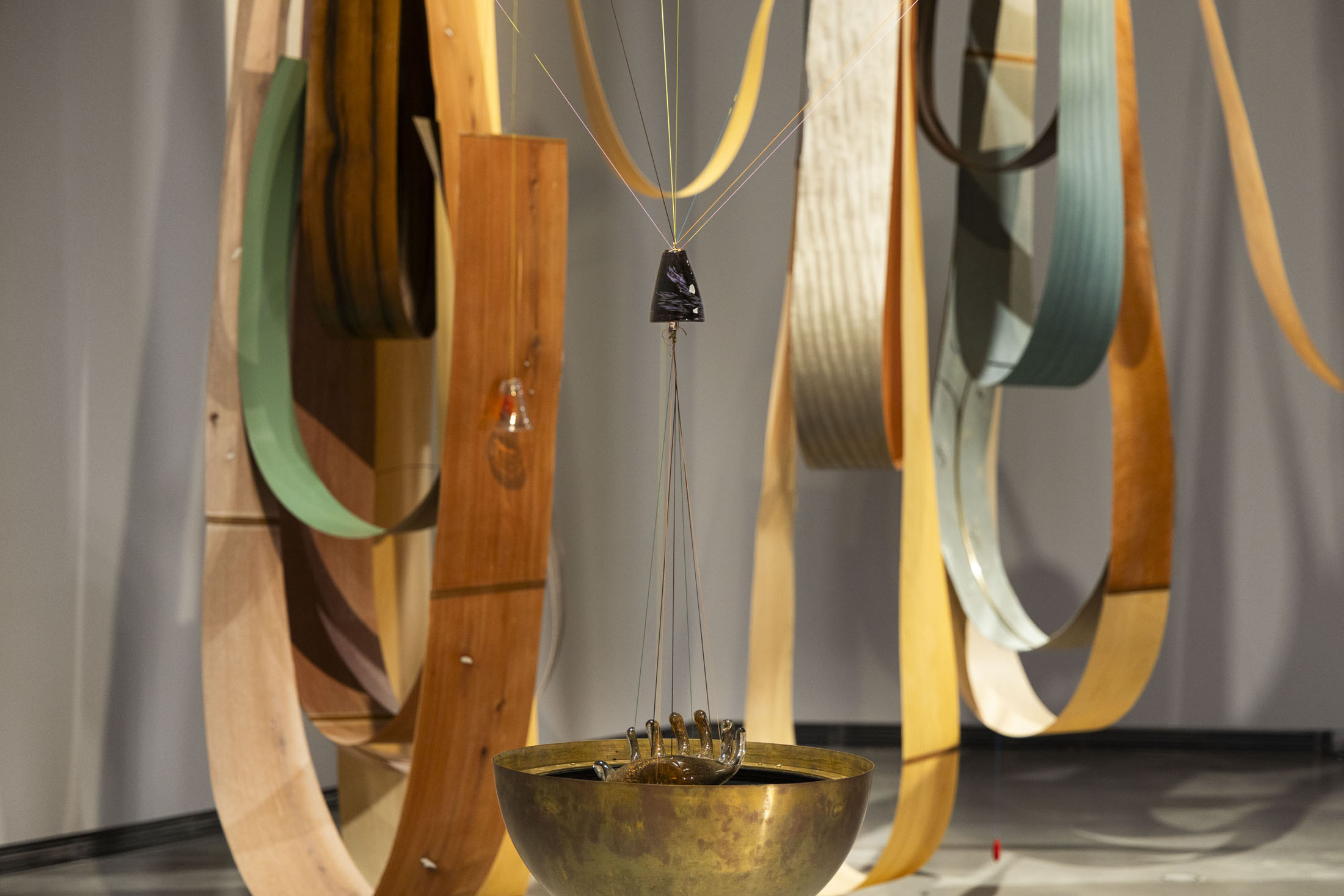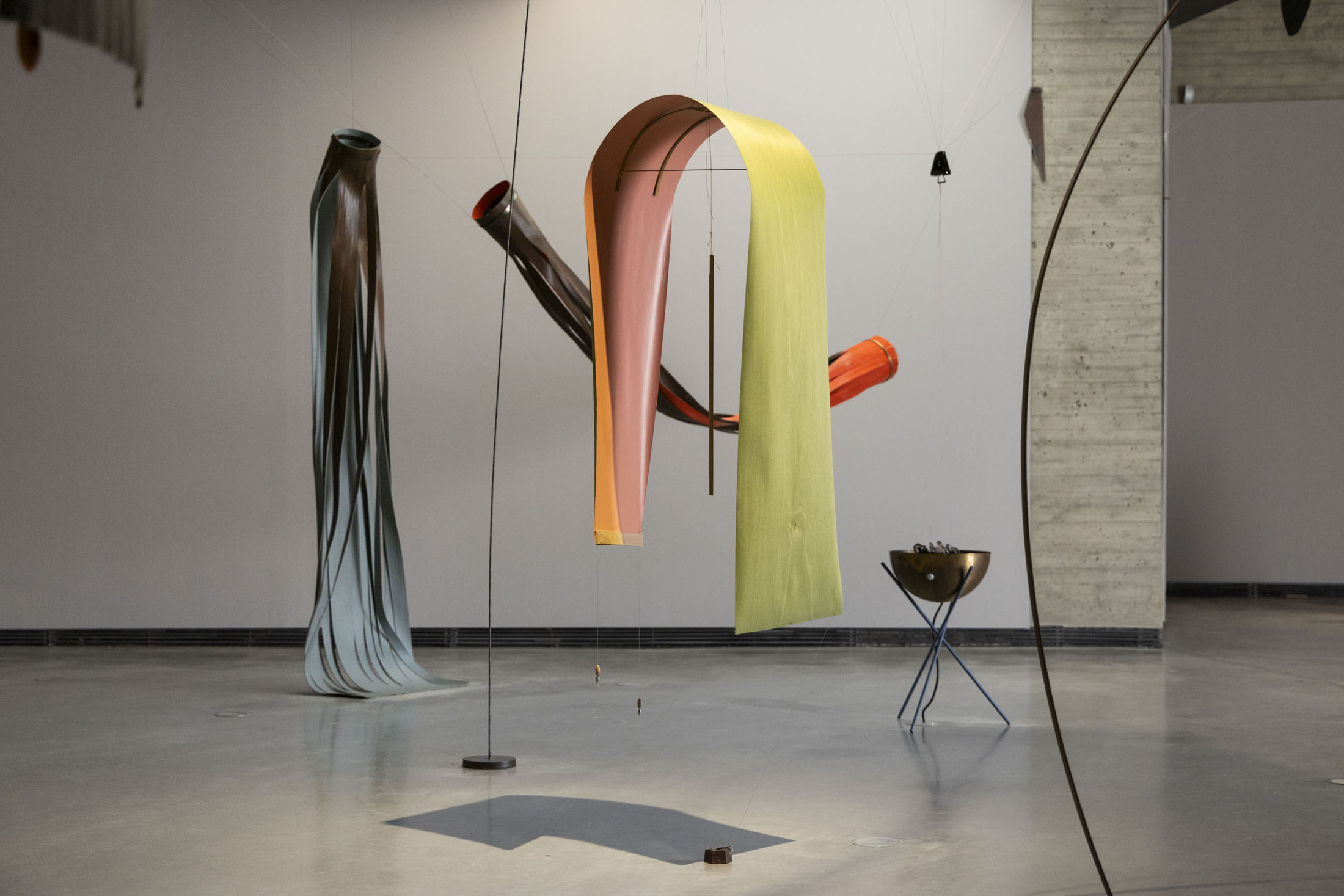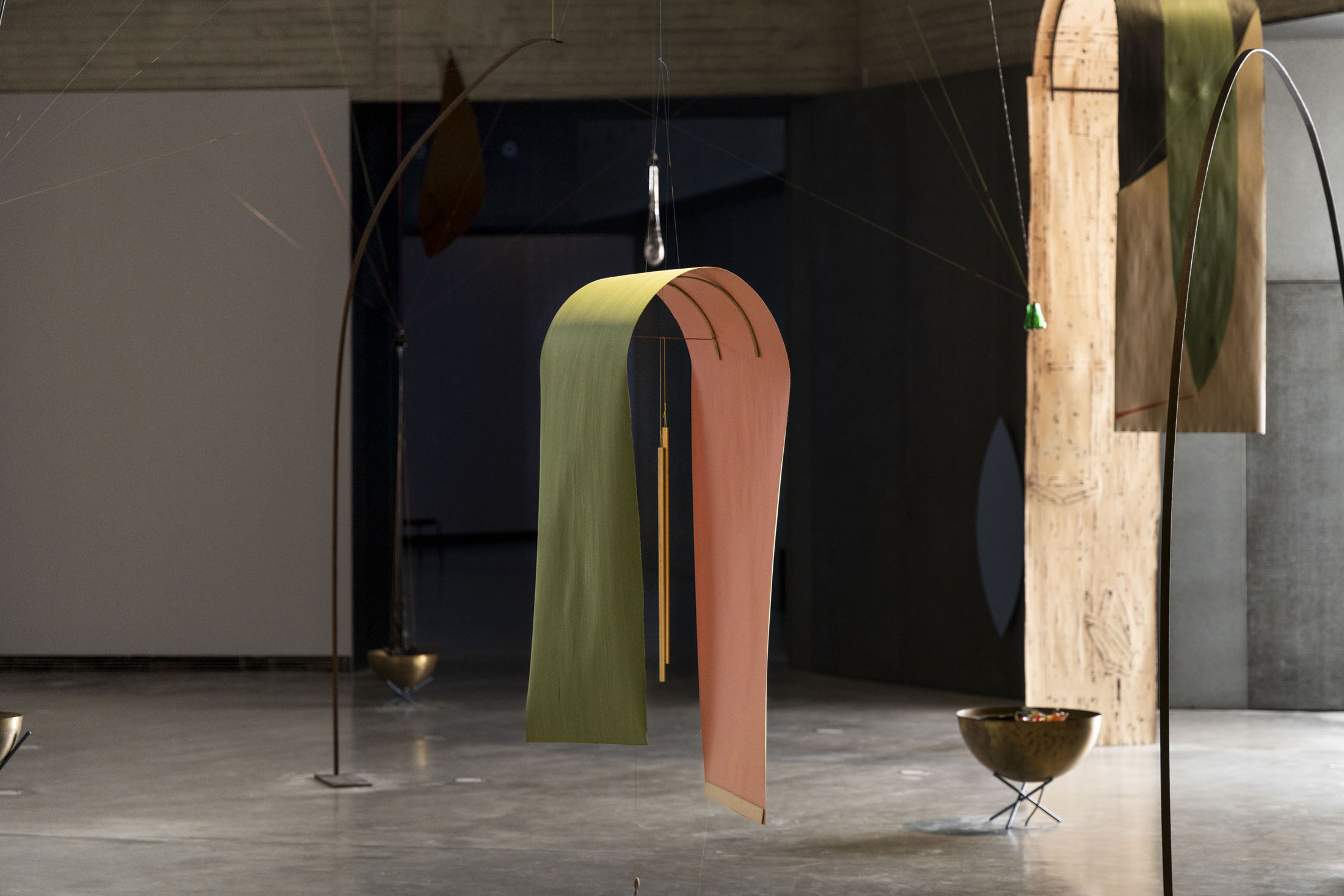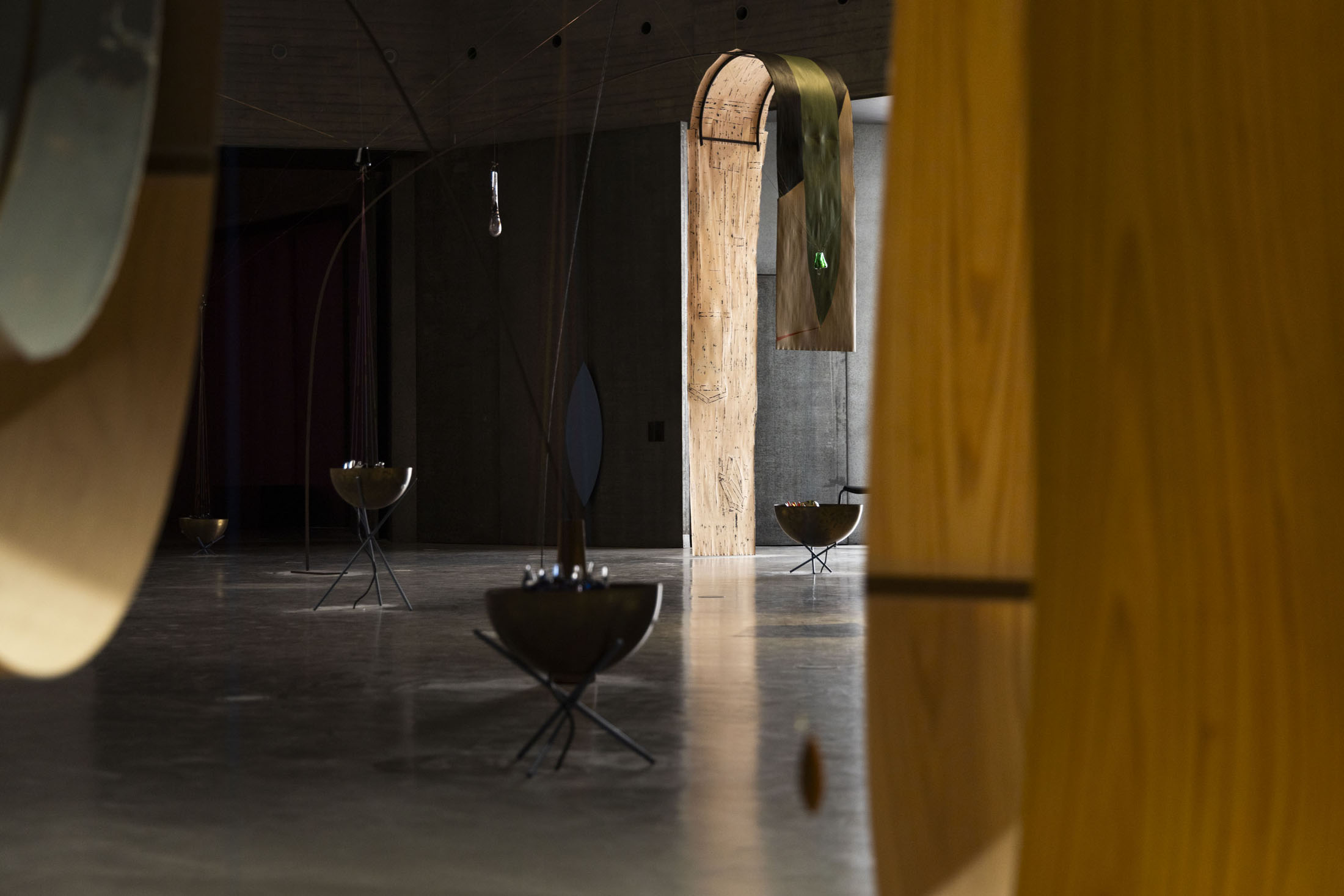
KNOWING BY EAR – Silent Singers; Wandering Apprentices
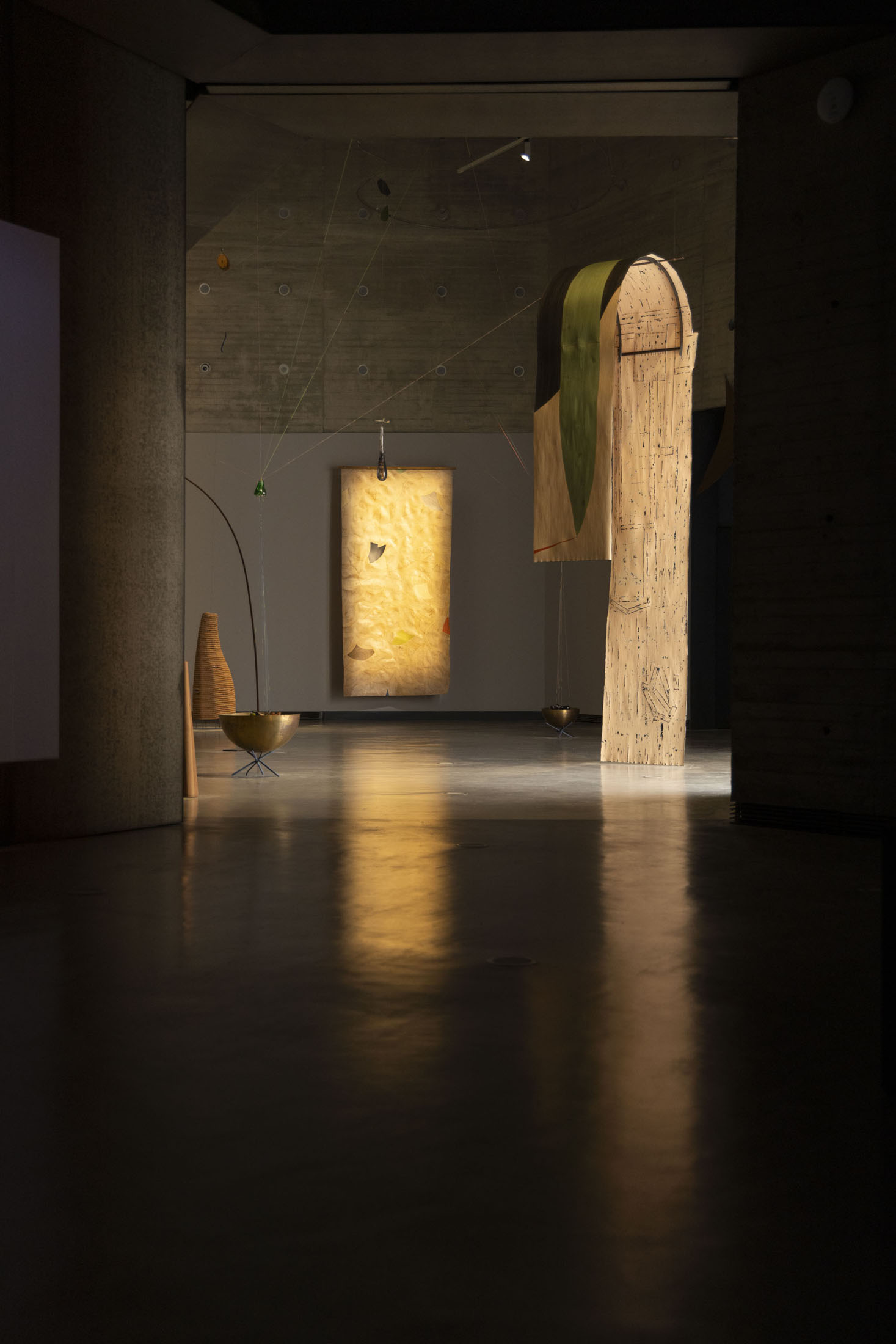
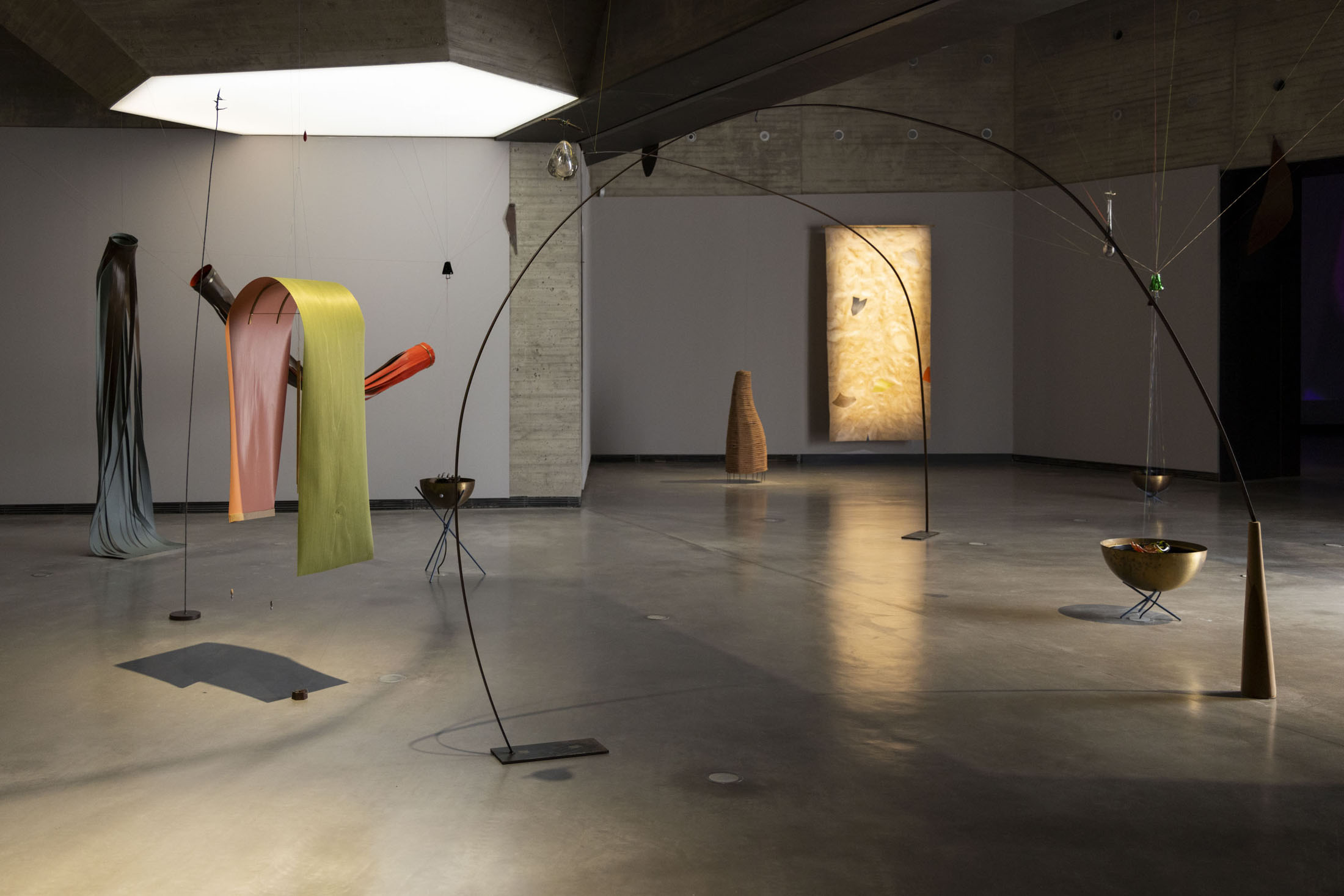
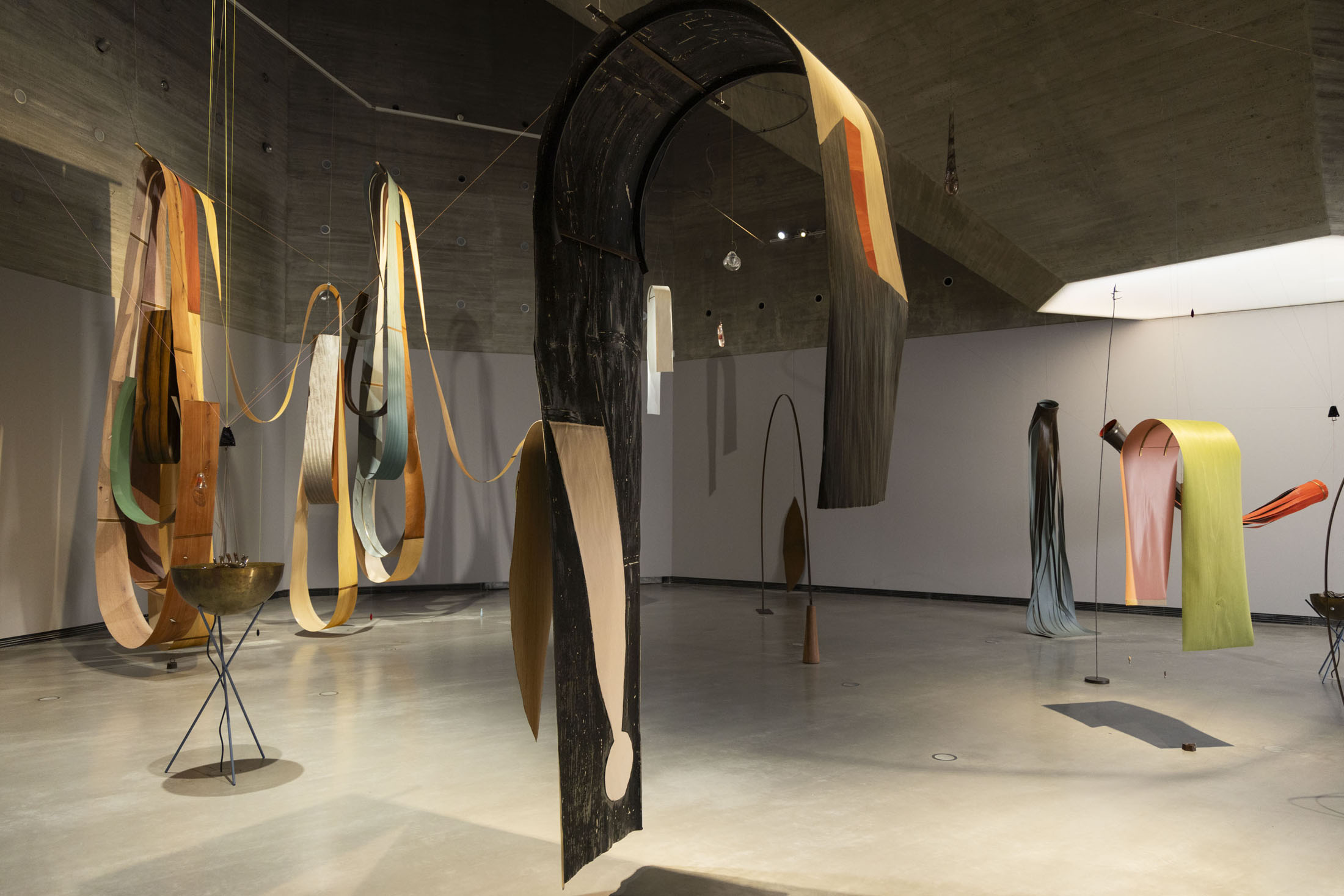
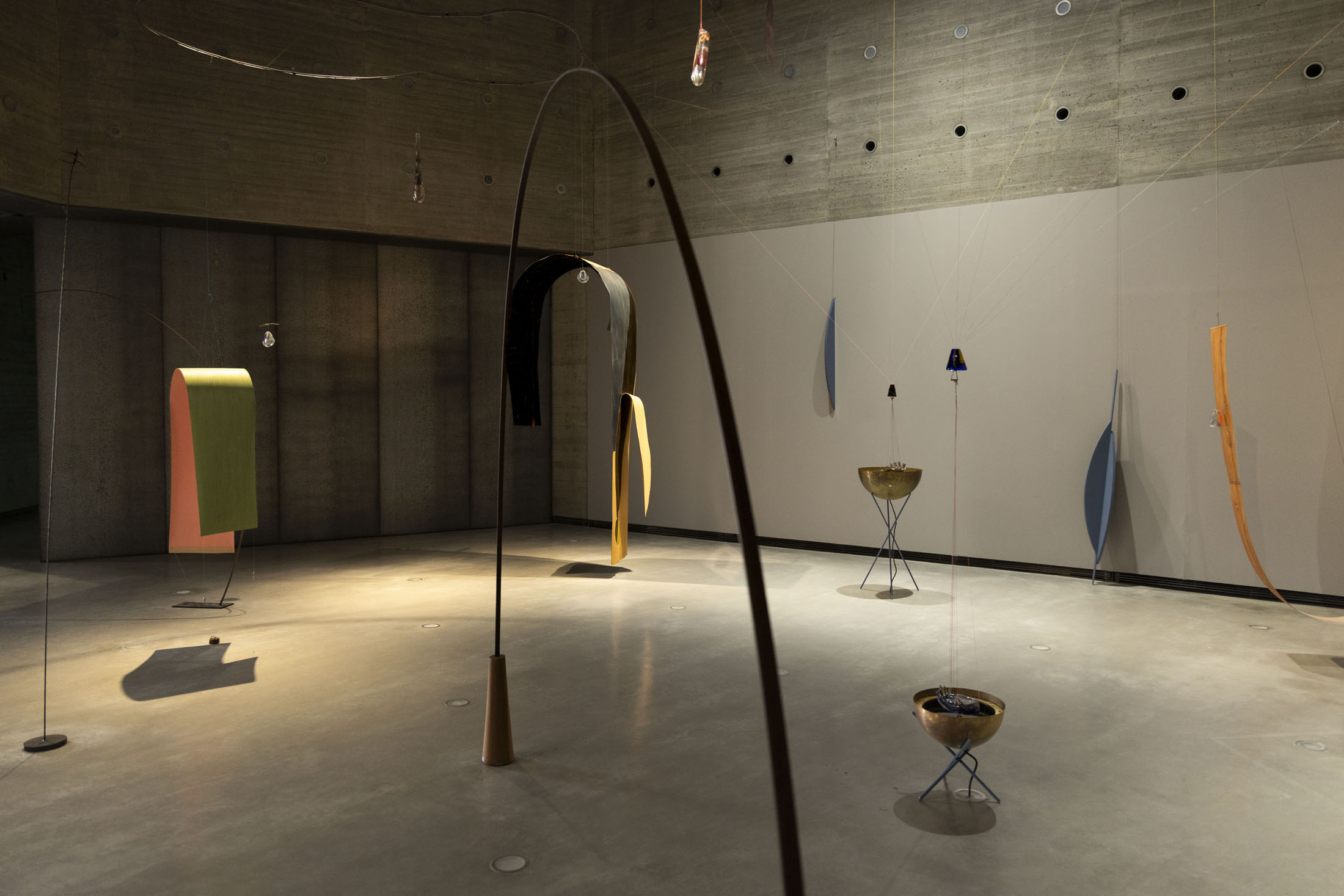
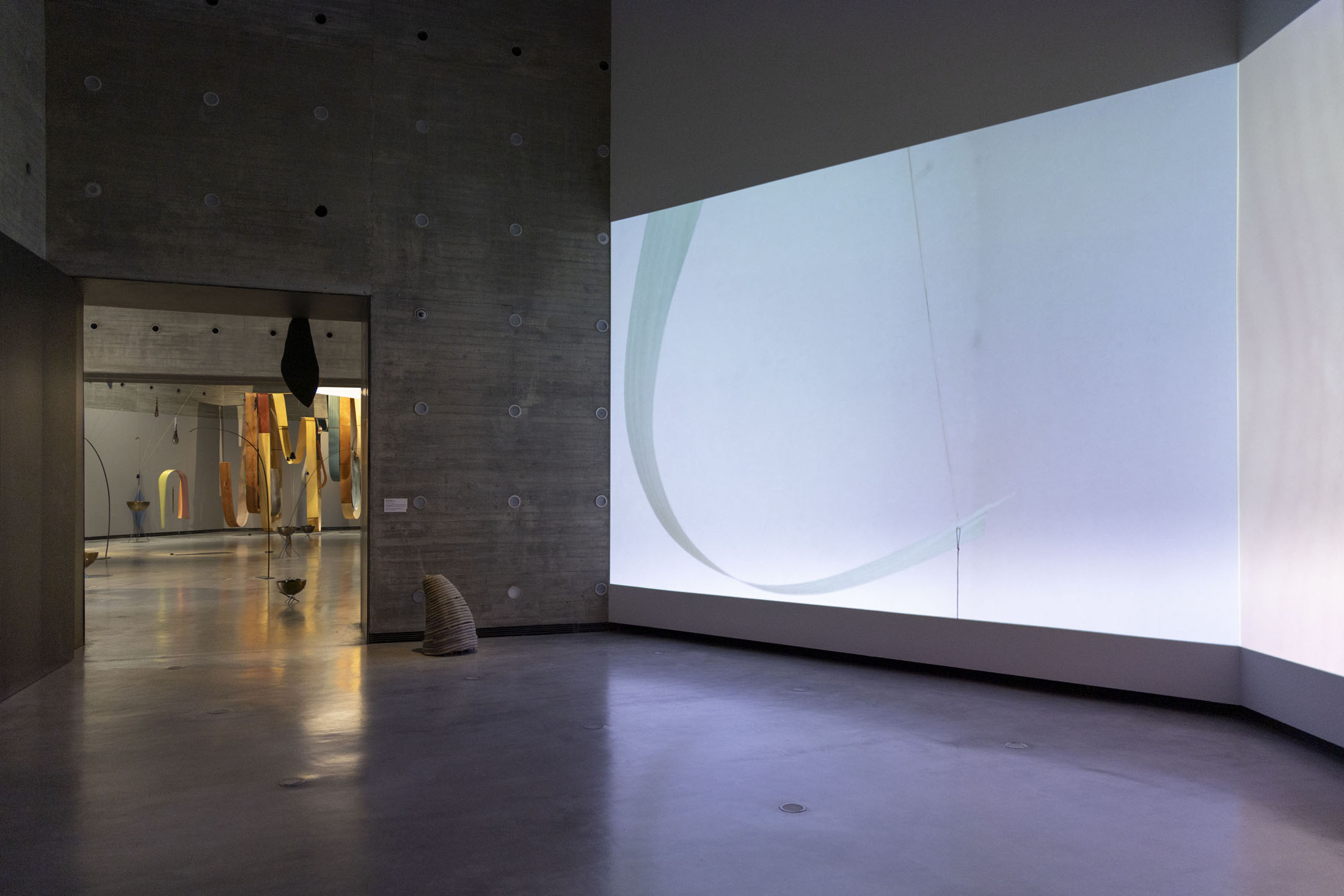
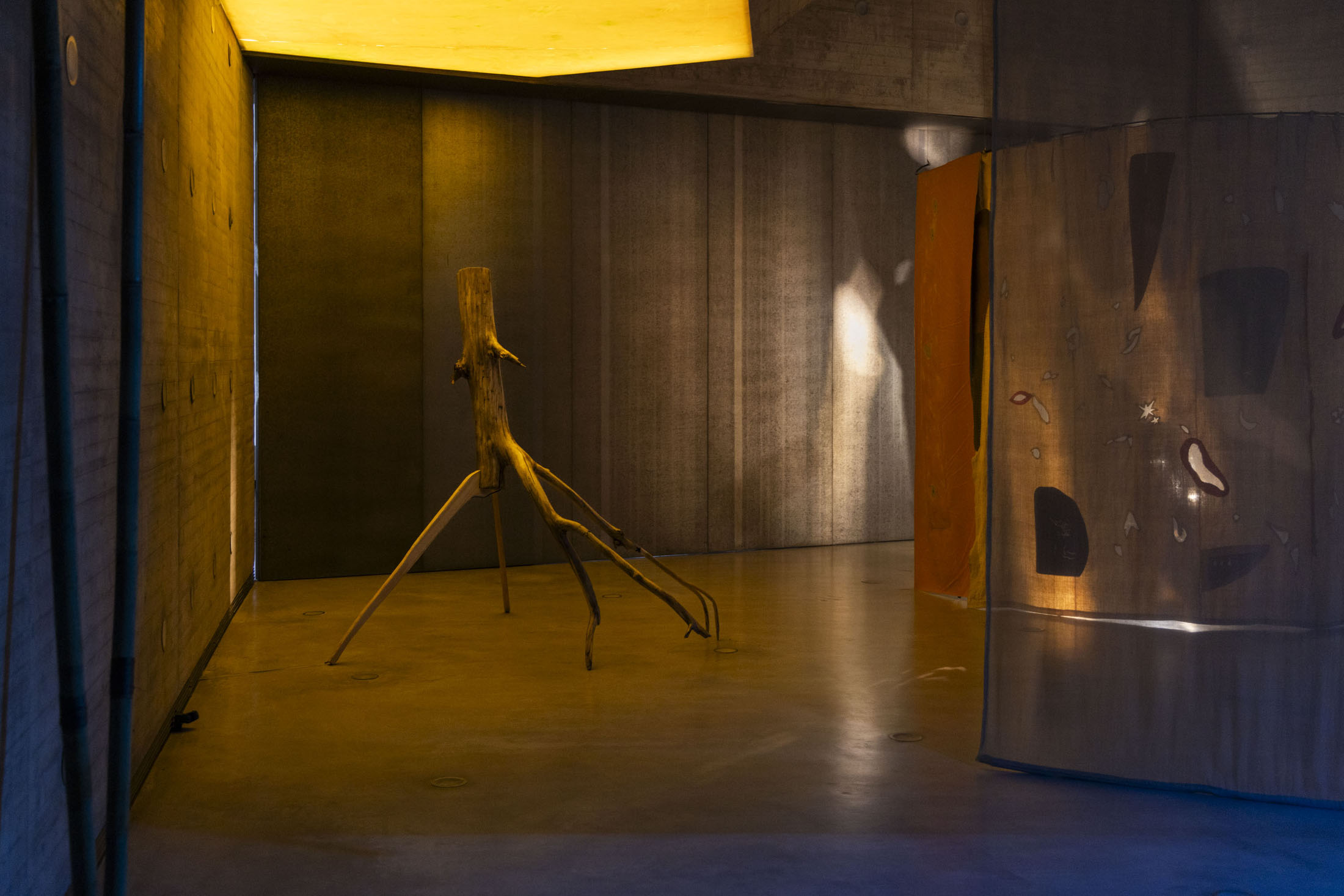
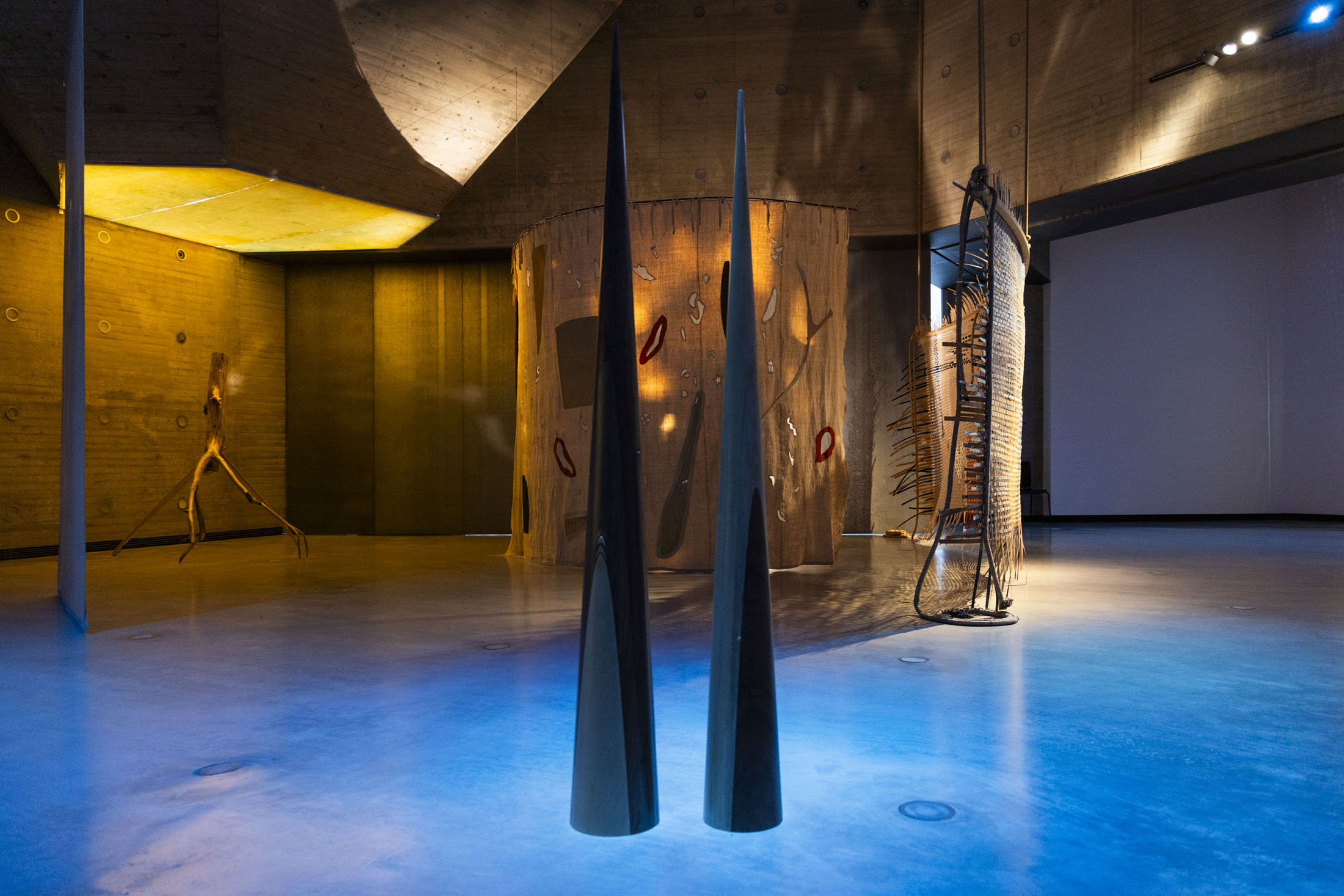
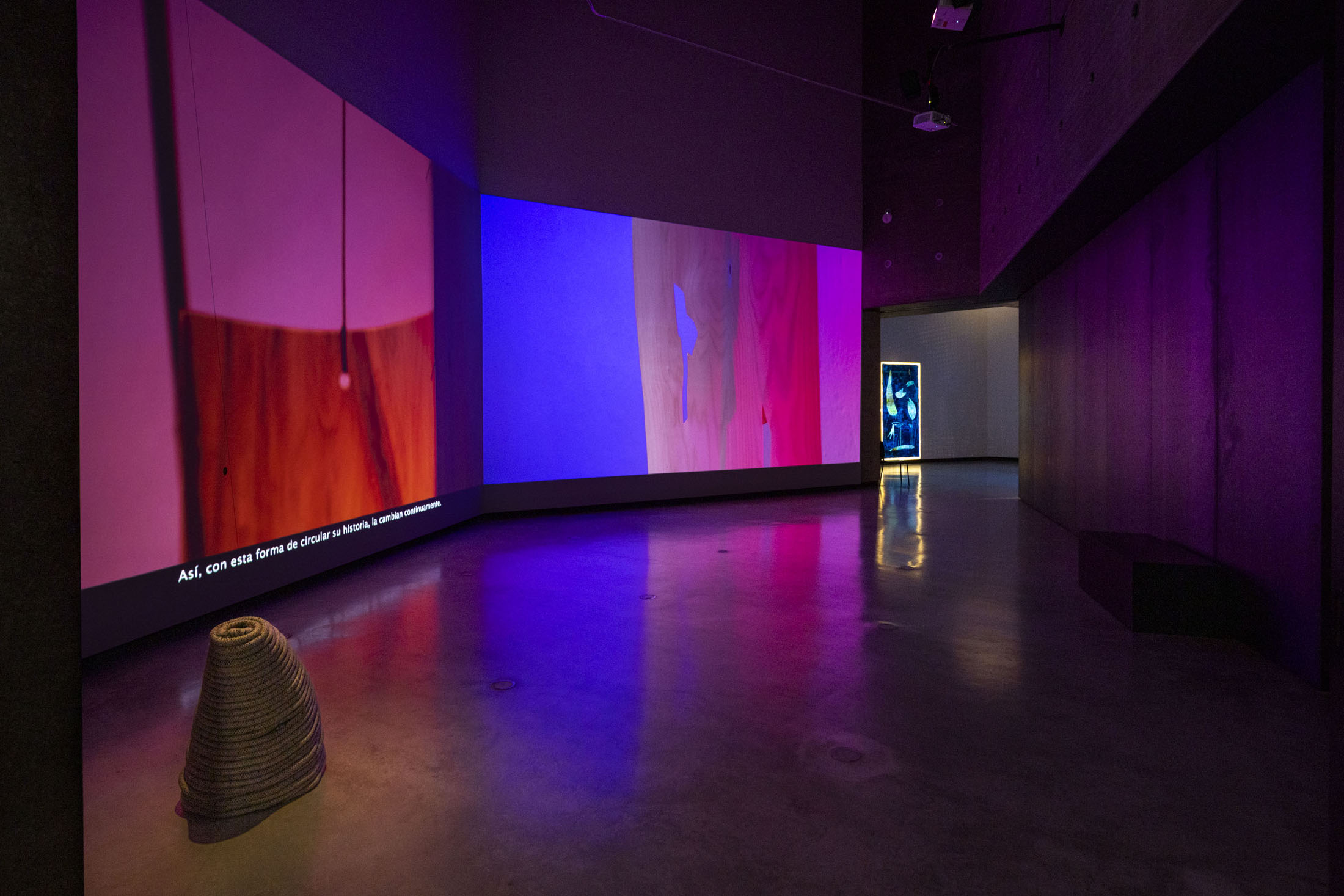
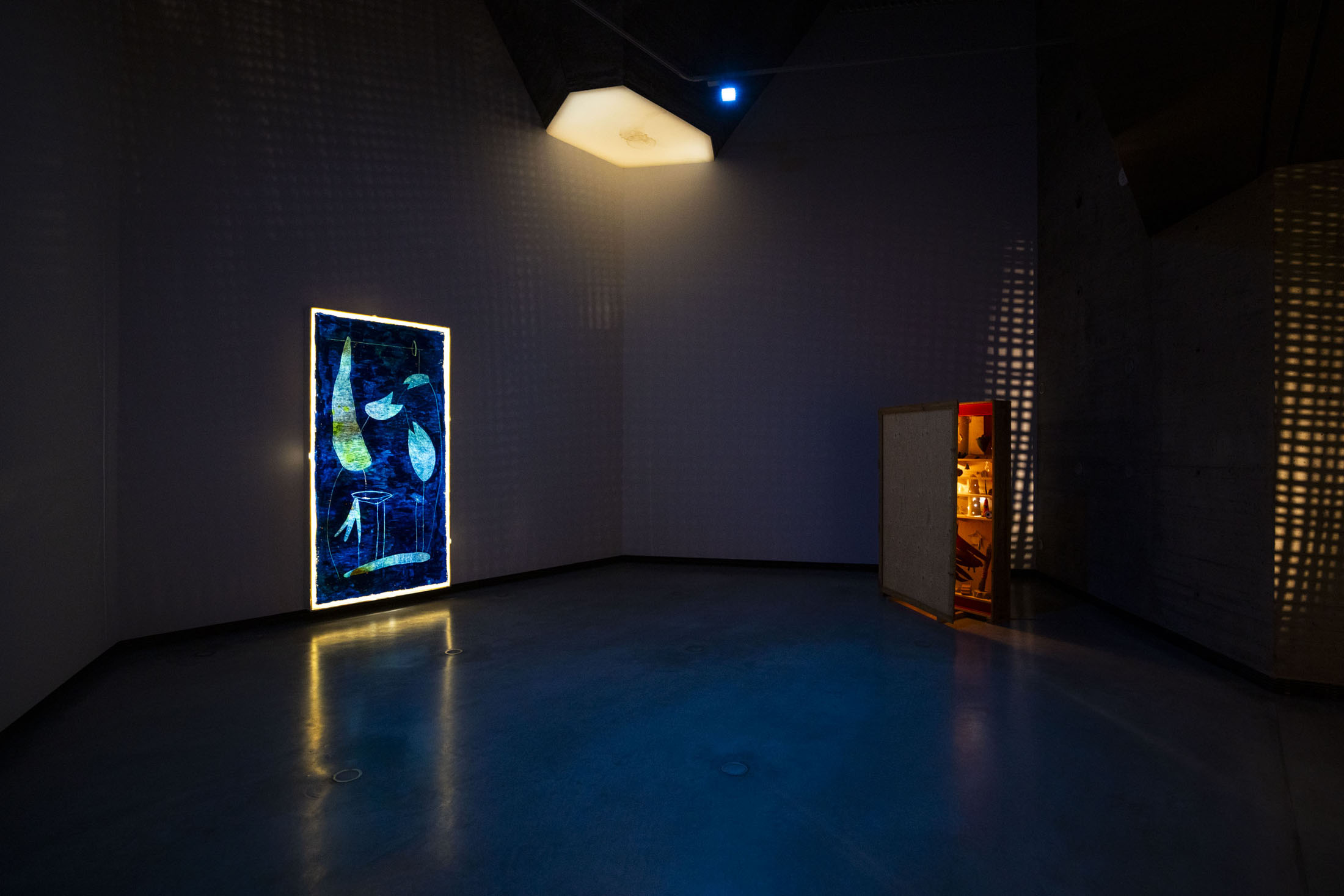
In her book Claros del bosque (Forest Glades, 1977)*, the philosopher María Zambrano reflects on these clearings as spots where we manage to discover, however briefly, a certain “play of images” that “does and undoes reality”, allowing us to silence “the rituals of existence” and listen to “the silent word”. This idea has led us to think about the exhibition spaces of the C3A as clearings too, making the most of their layout to shape the circular, kaleidoscopic process of Cristina Mejías.
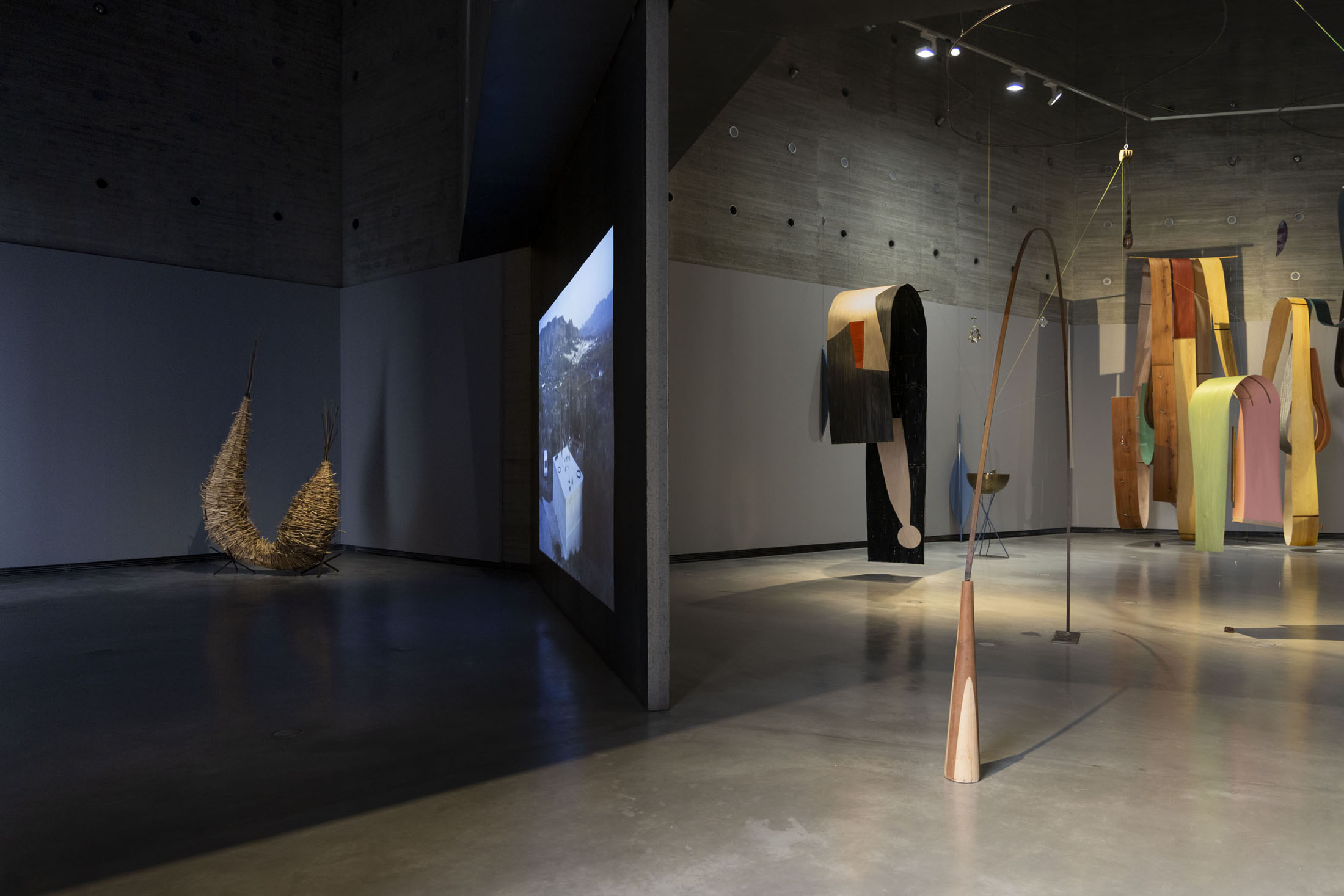
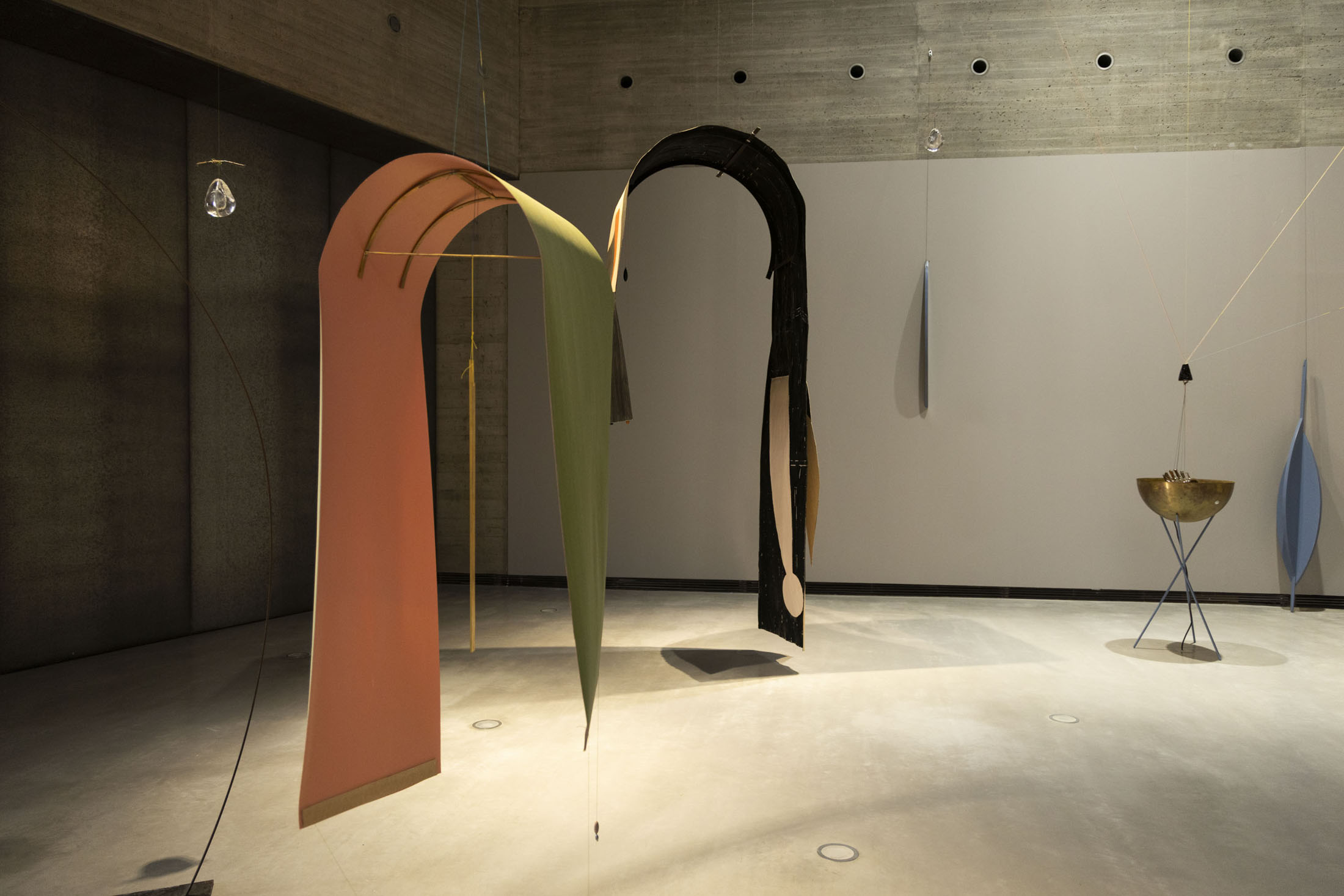
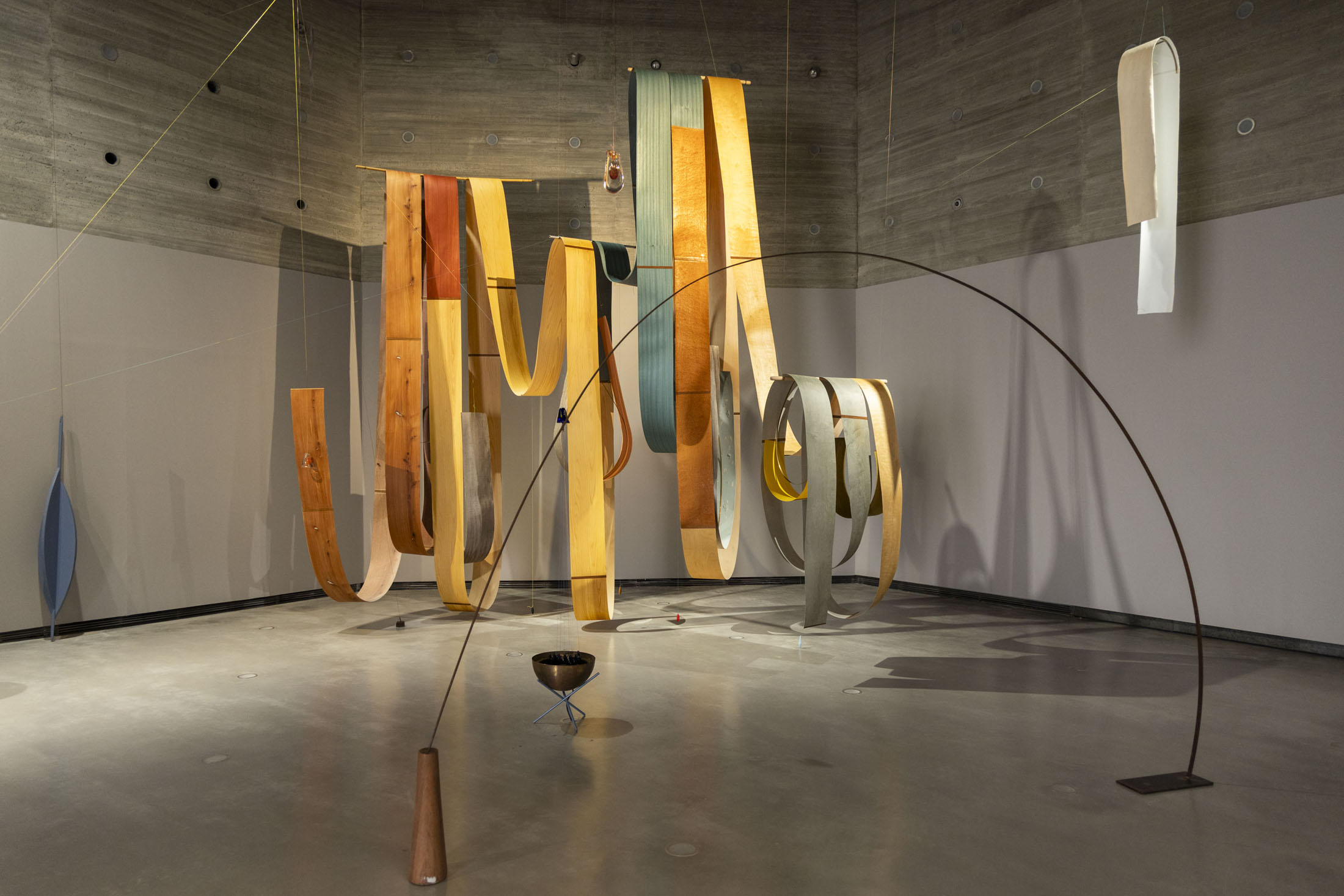
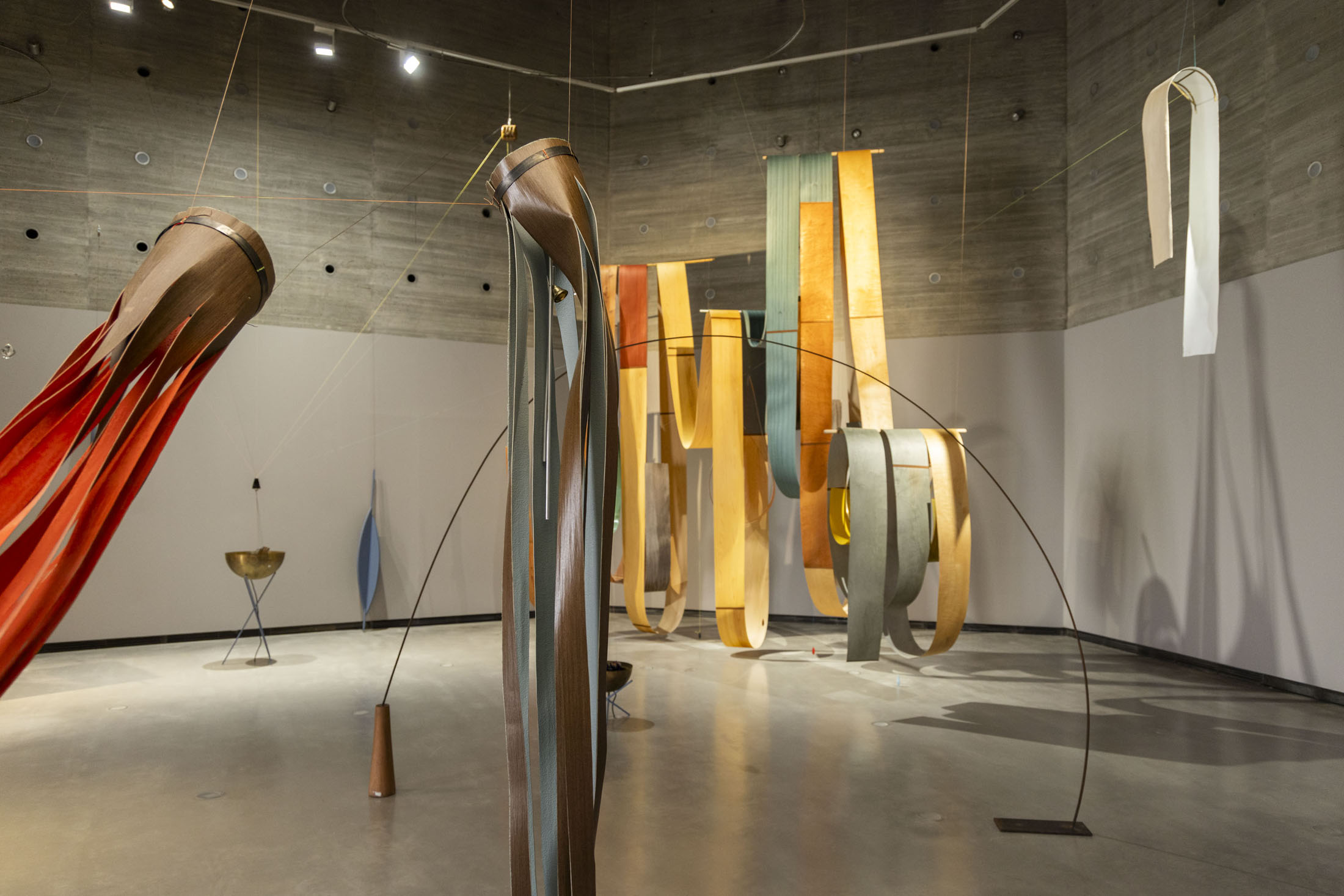
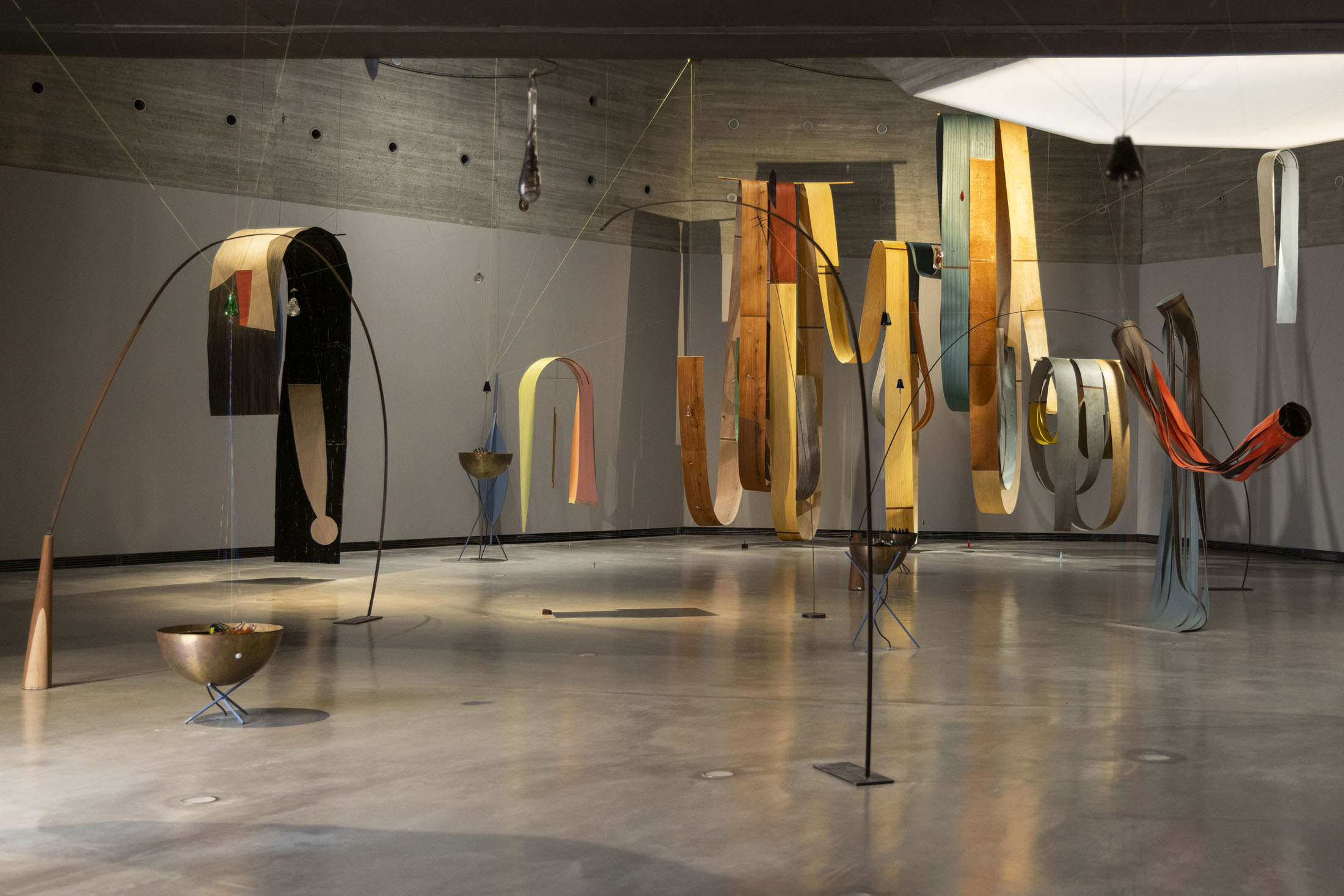
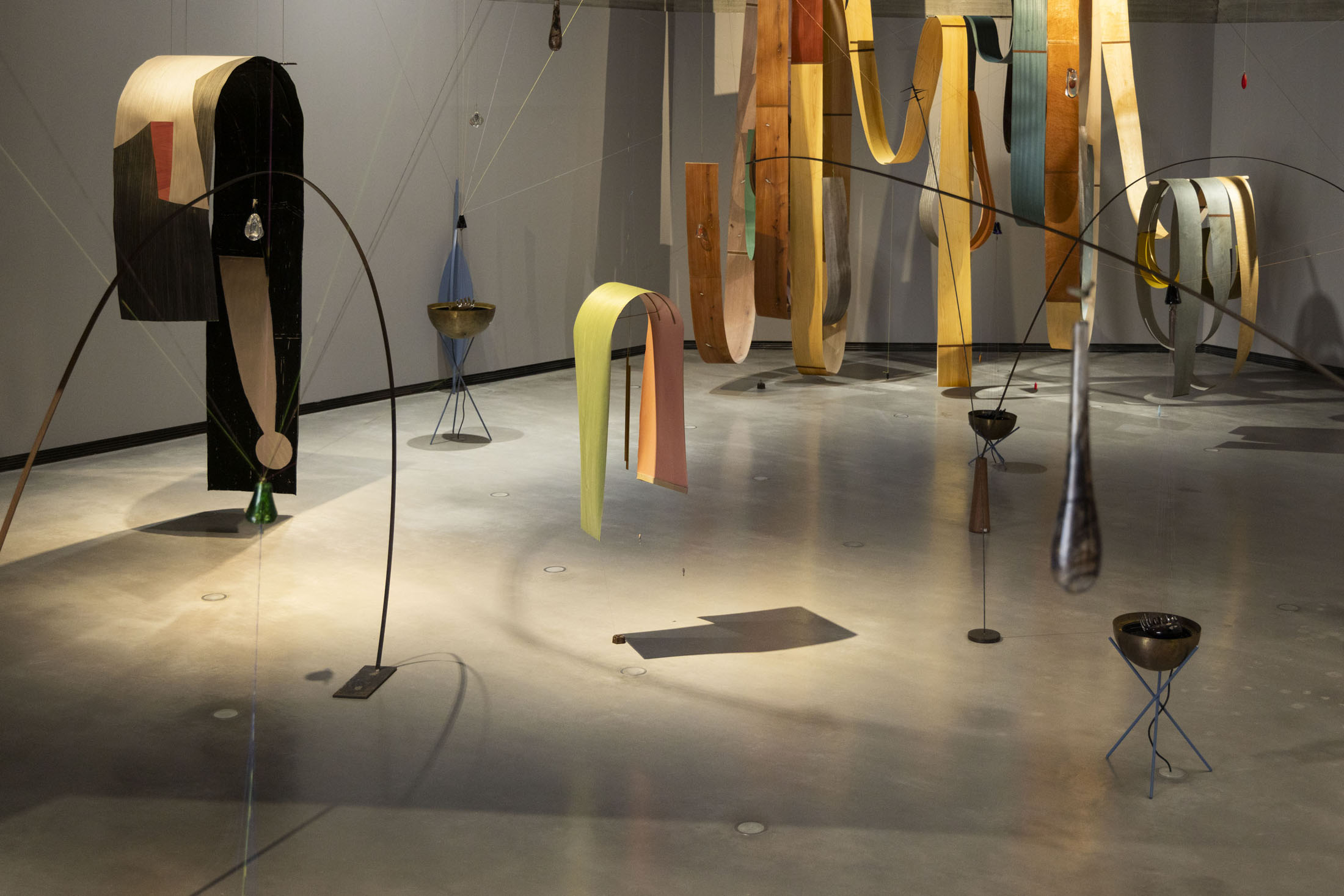
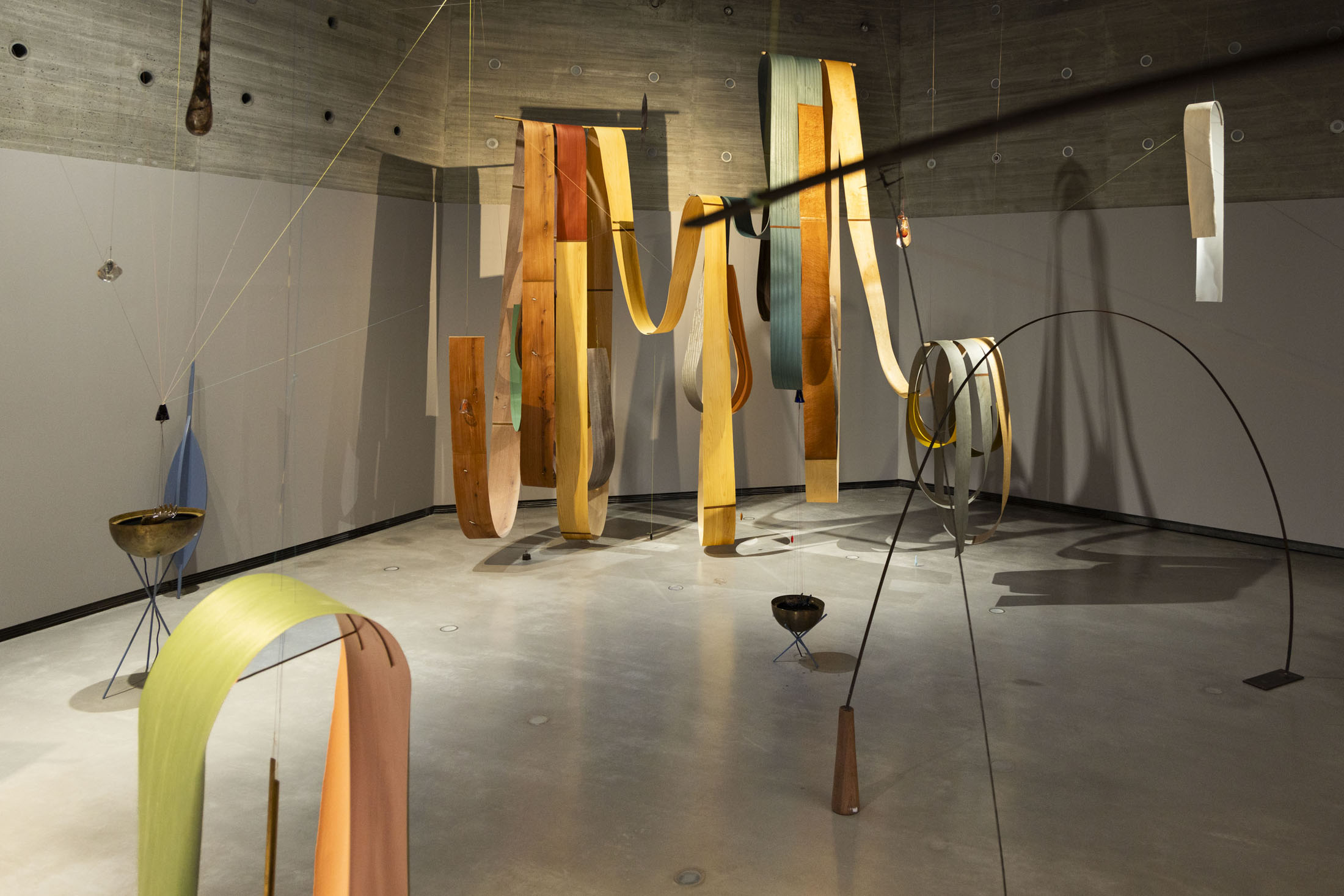
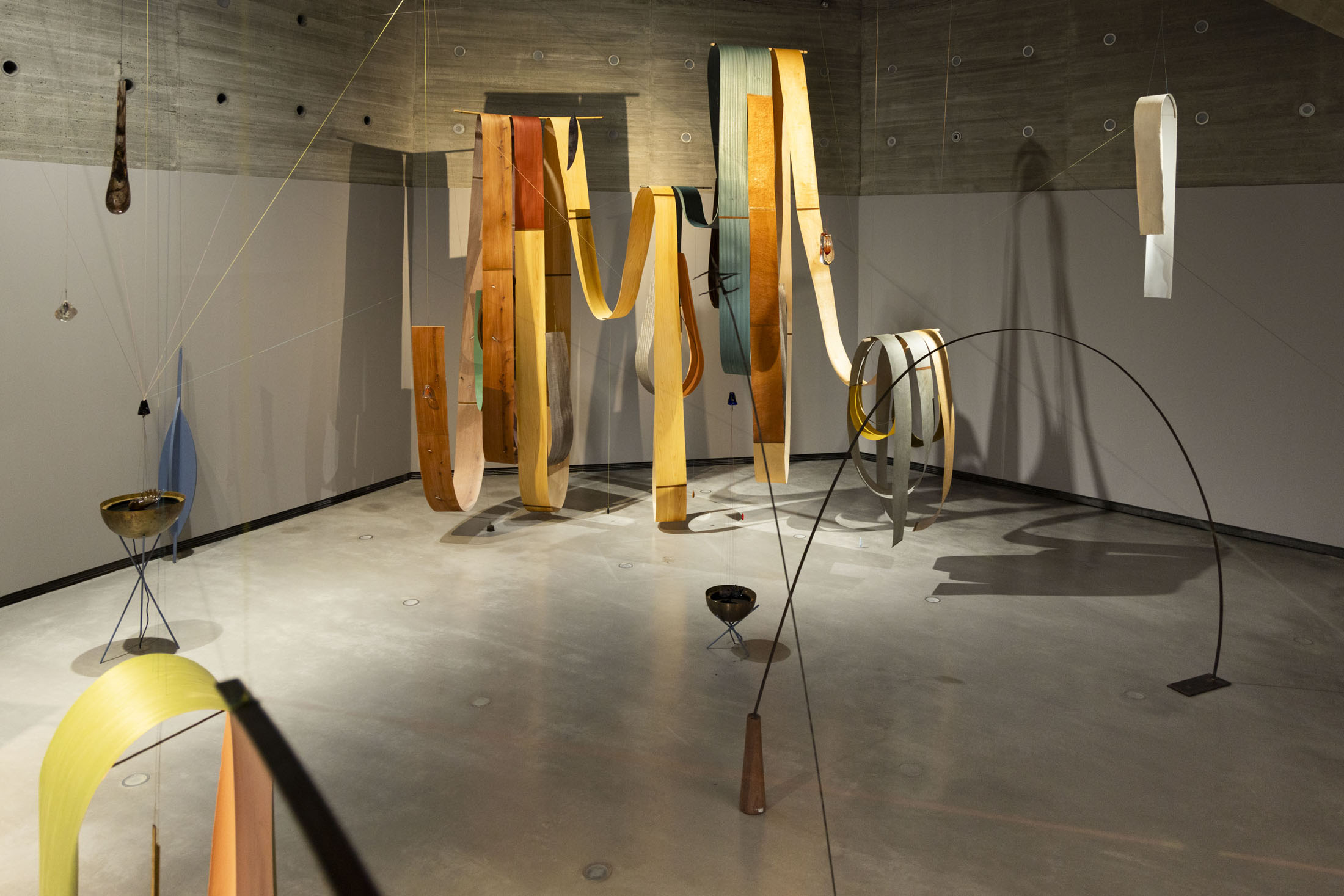
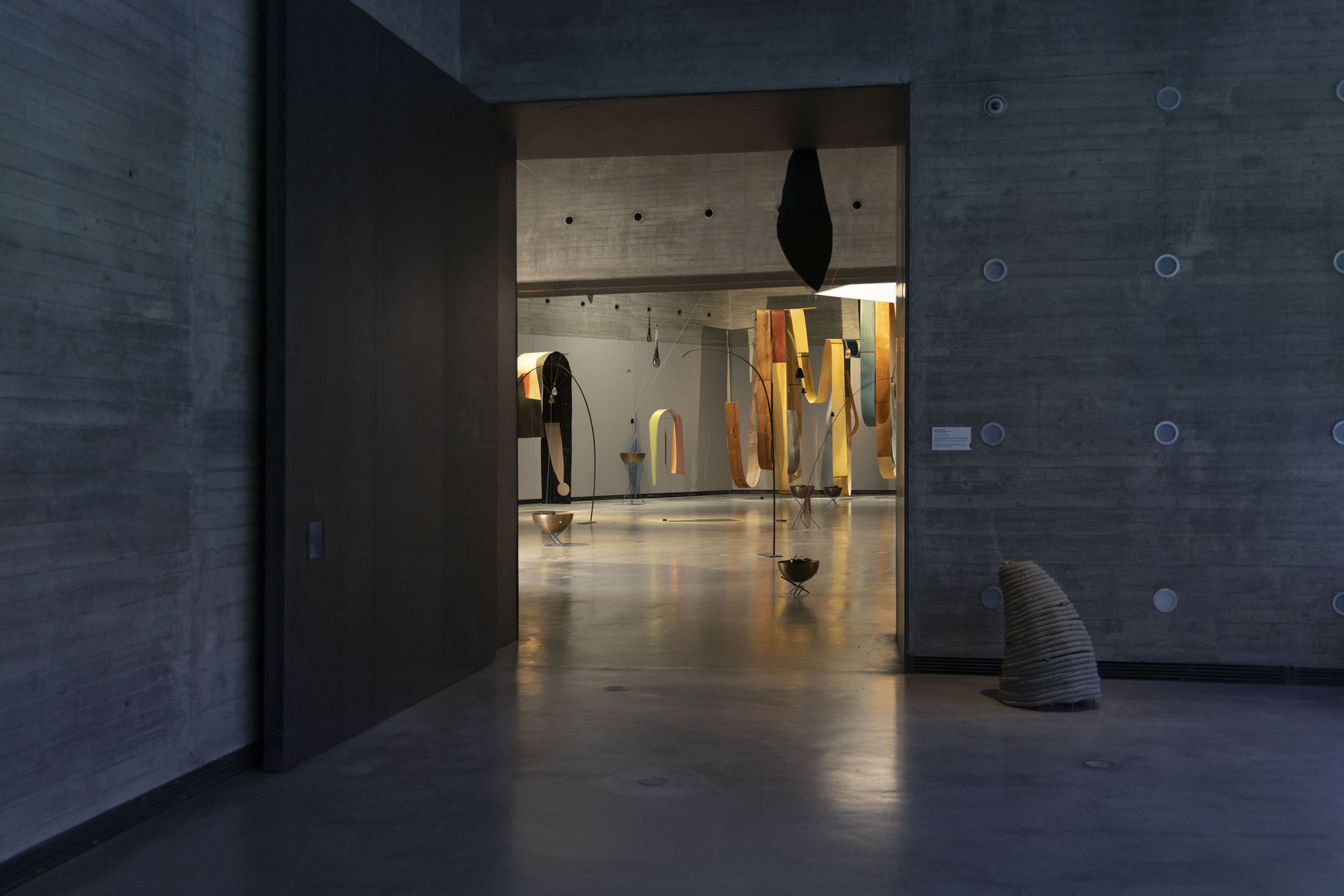
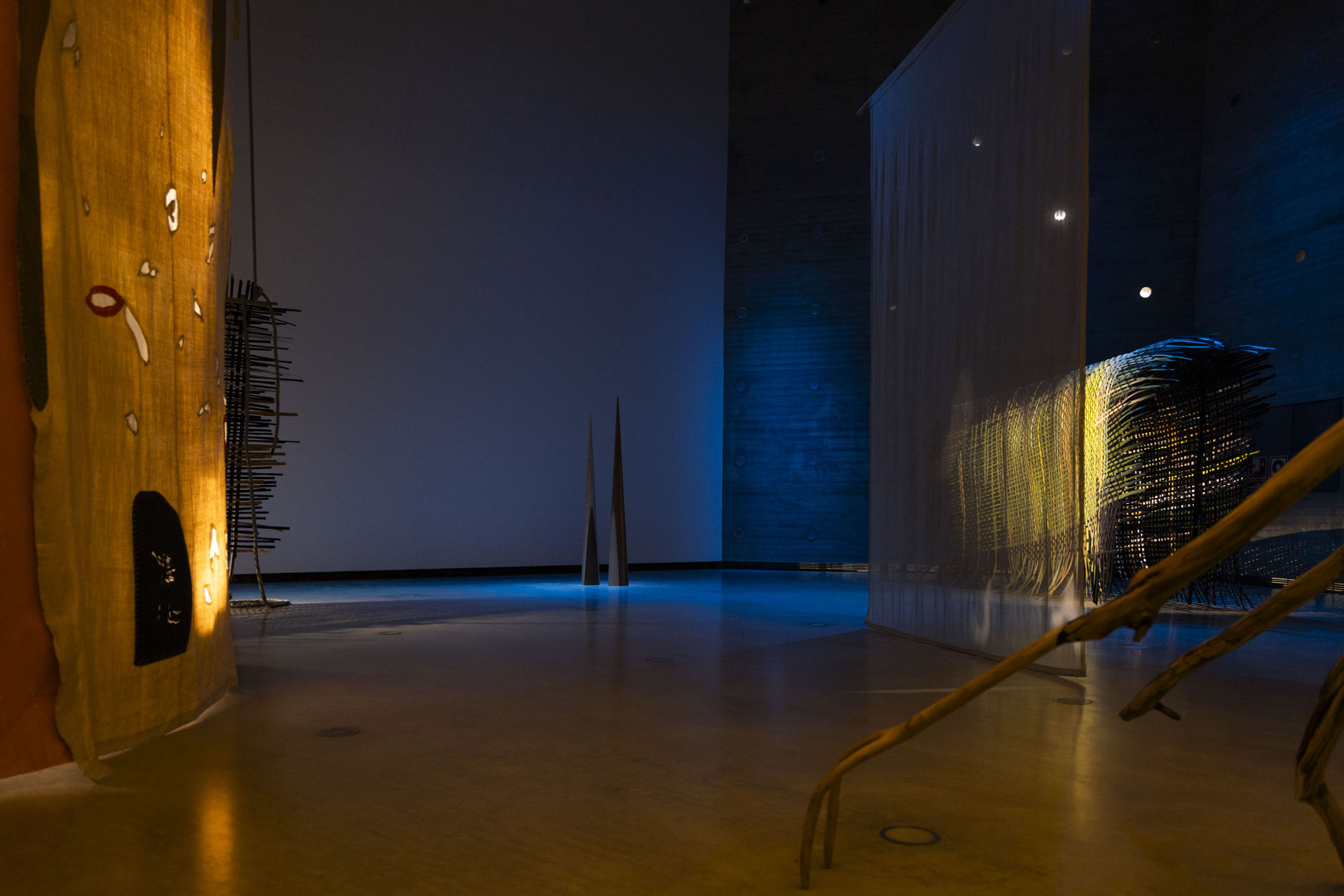
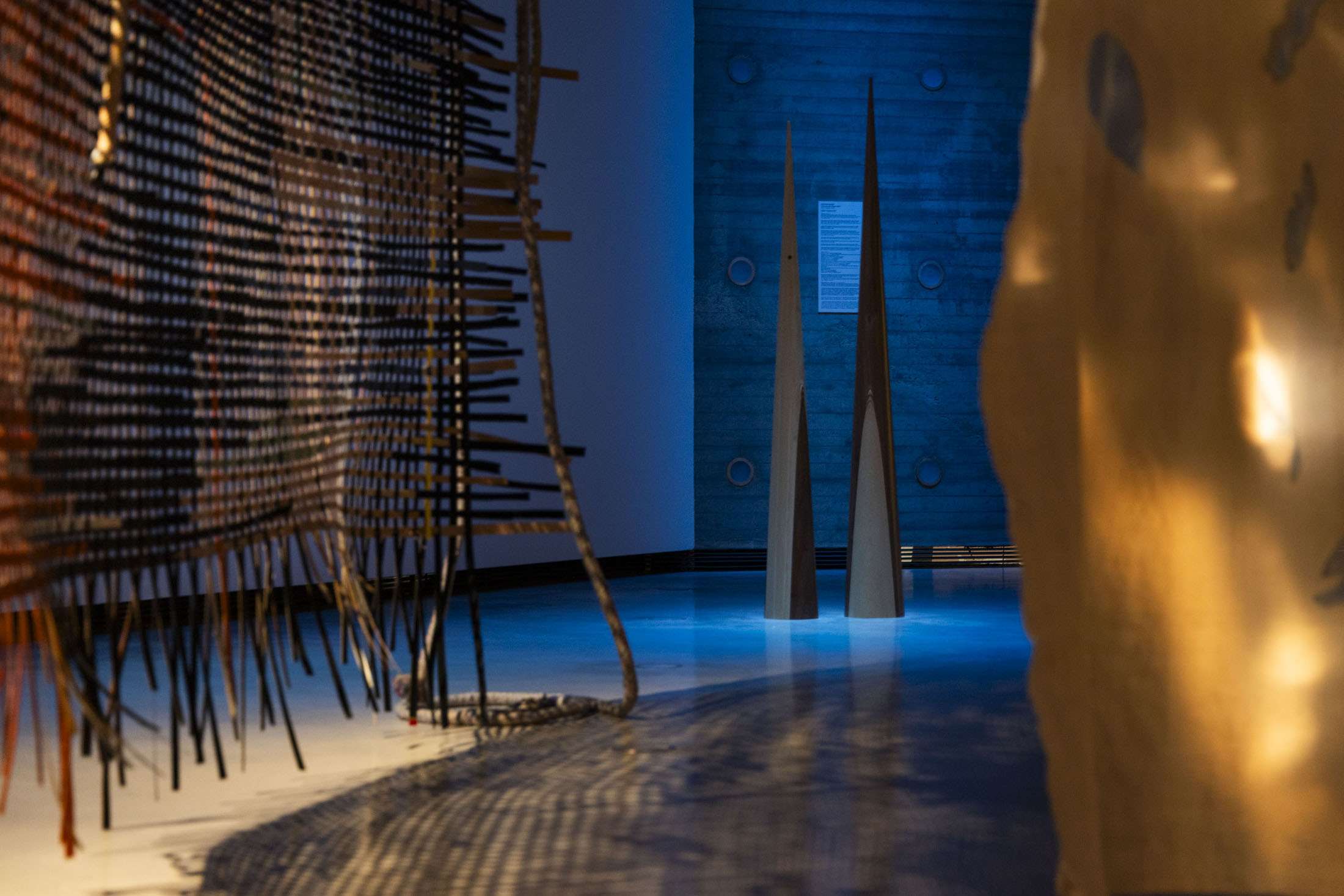
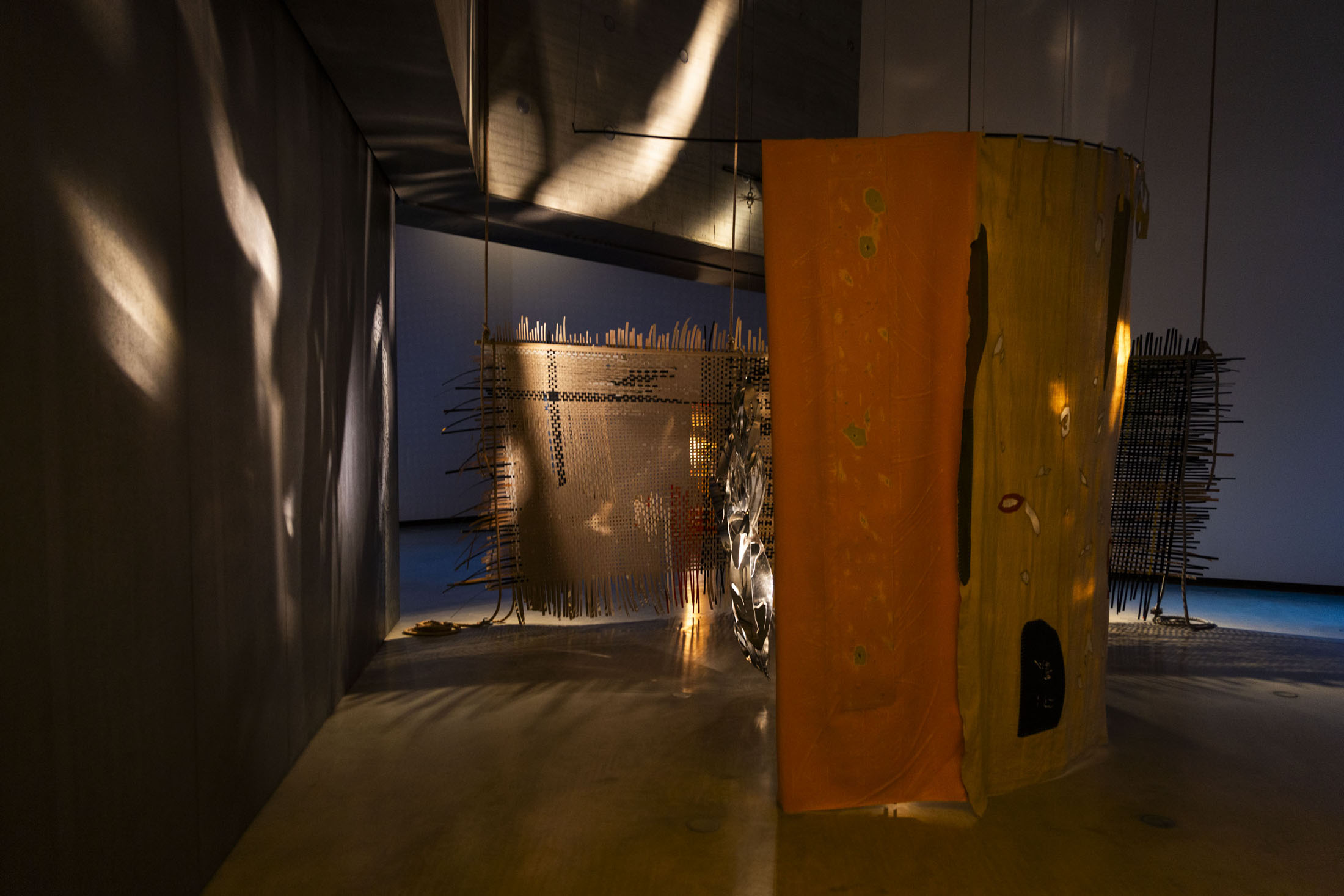
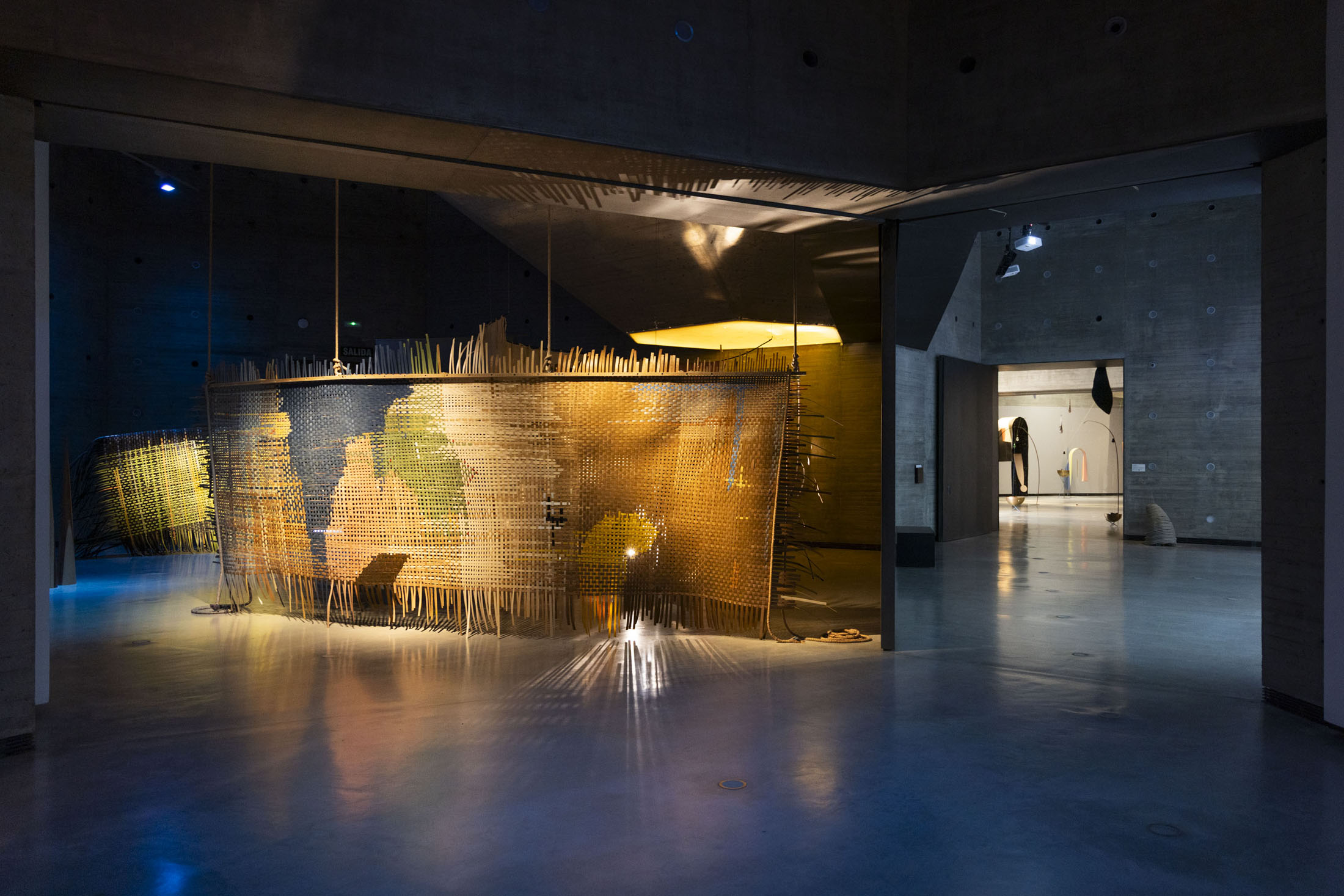
Erring and wandering[1] are both a fundamental part of this aesthetic proposal. Wandering from one clearing to another, learning by trial and error, are an indispensable part of Cristina’s work. As we enter the exhibition hall, we pass, “from one center to another, without losing any of them along the way”. Much like in certain classical rhythmic patterns of flamenco, there is a structure that functions like a heartbeat, allowing for the melody to mutate and acquire similar, yet always unique, forms.
The “knowledge by ear” that we’ve chosen to title this exhibition is described by Zambrano in her text as the process which best fits the discontinuity of this type of aesthetic experience in which attention is fundamental. A knowledge that is, furthermore, “a faithful image of living itself, of thought itself”, or “of time itself as it passes in leaps and bounds, leaving gaps of timelessness in waves that are extinguished like sparks from a distant fire”.
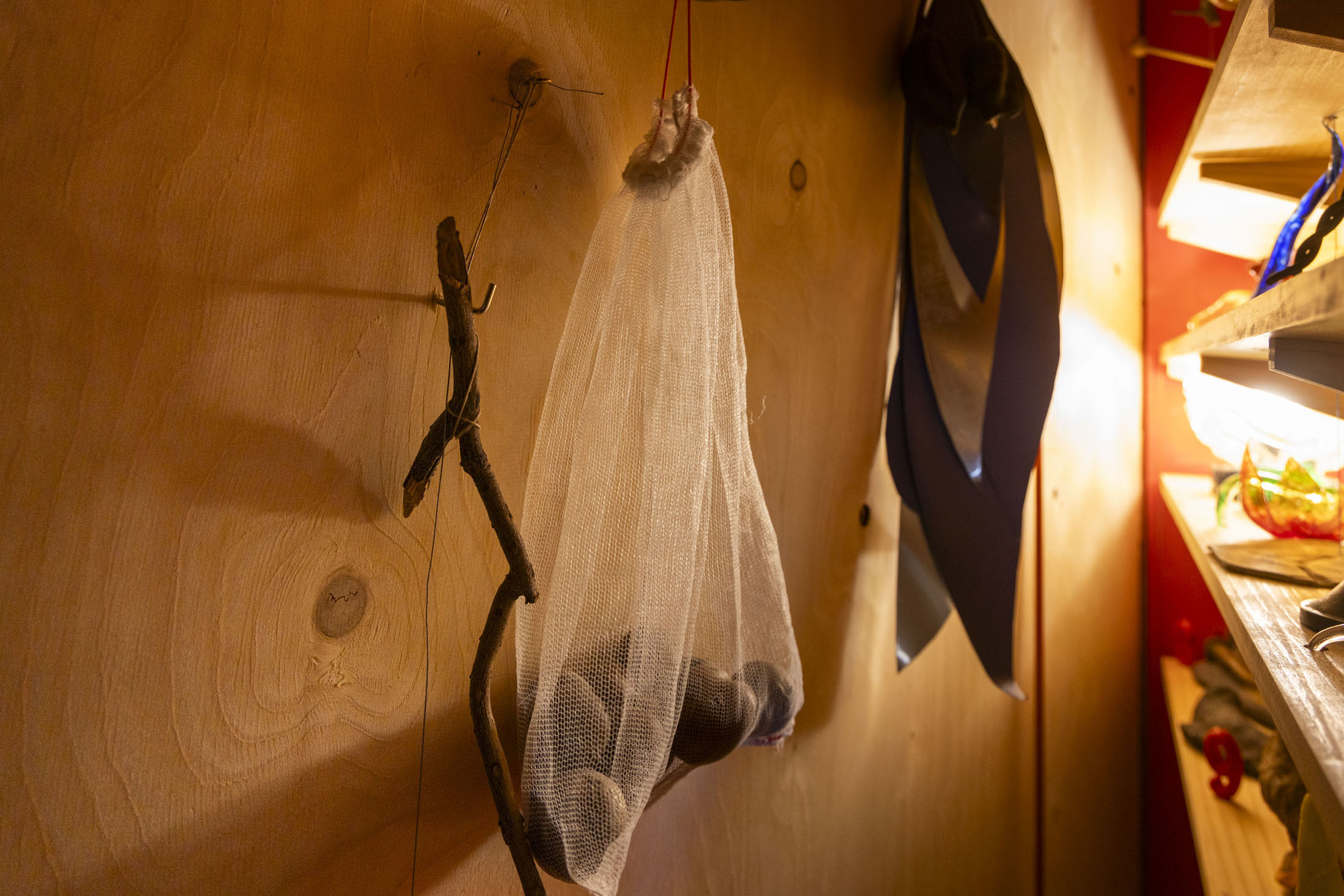
Throughout the production of this exhibition, we have also been accompanied by other images that have played a fundamental role in shaping the resulting landscape: the improvisations of a legendary flamenco musician known as “El Polinario”, who sometimes tuned his guitar taking the murmur of a small water fountain as a reference; the “inframince” spider songs which Vinciane Despret introduces us to in one of her short stories; or the musical duel between Marsias and Apollo, in which the famous satyr drew from his flute “marvelous sounds with which he imitated the chirping of birds, the murmur of fountains, the imperceptible voice of echoes, the whistling of the hurricane and the joyful chatter of drunks”. All of these images refer us to an art that listens attentively to subtleties which are generally silenced by the hubbub of existence.
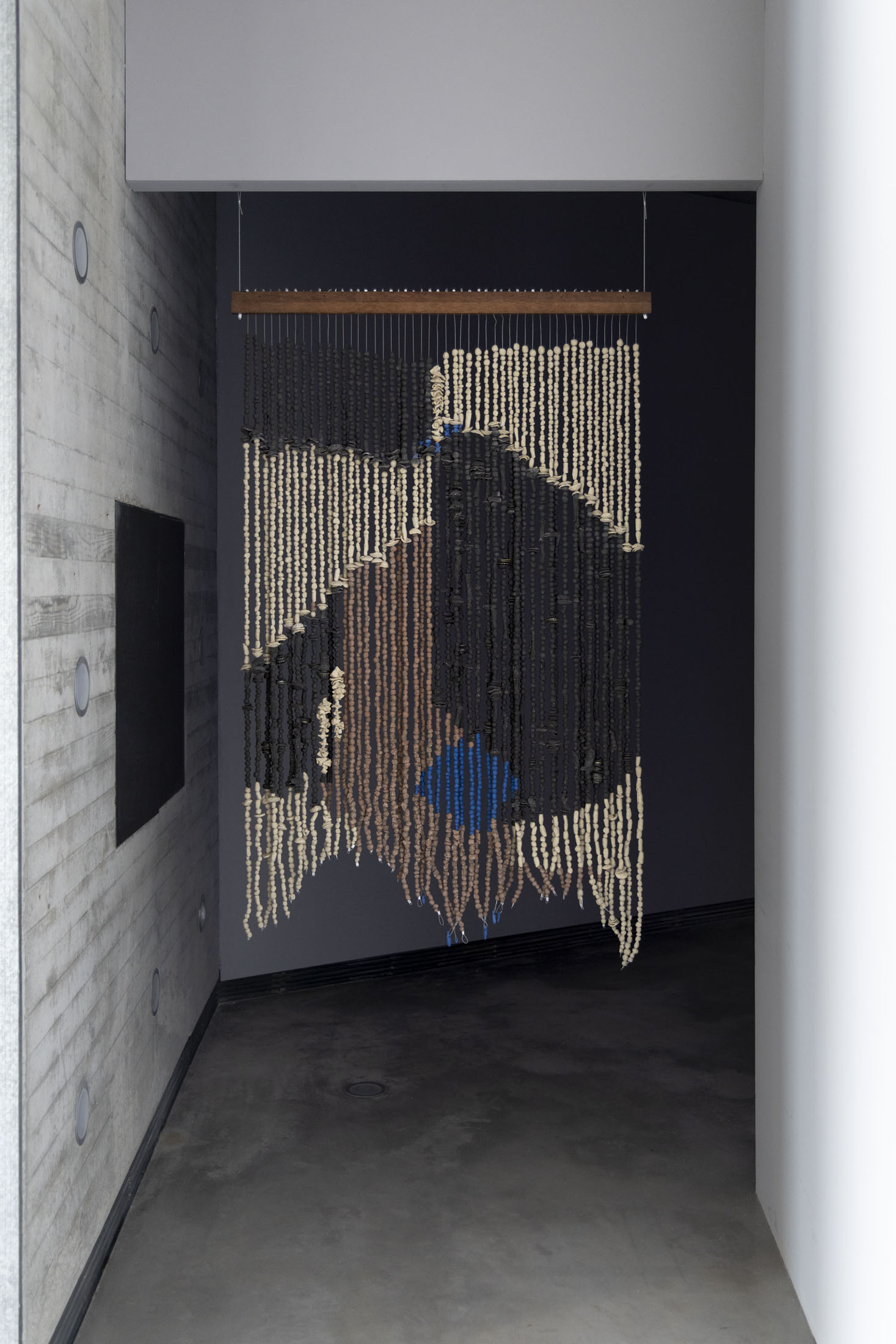
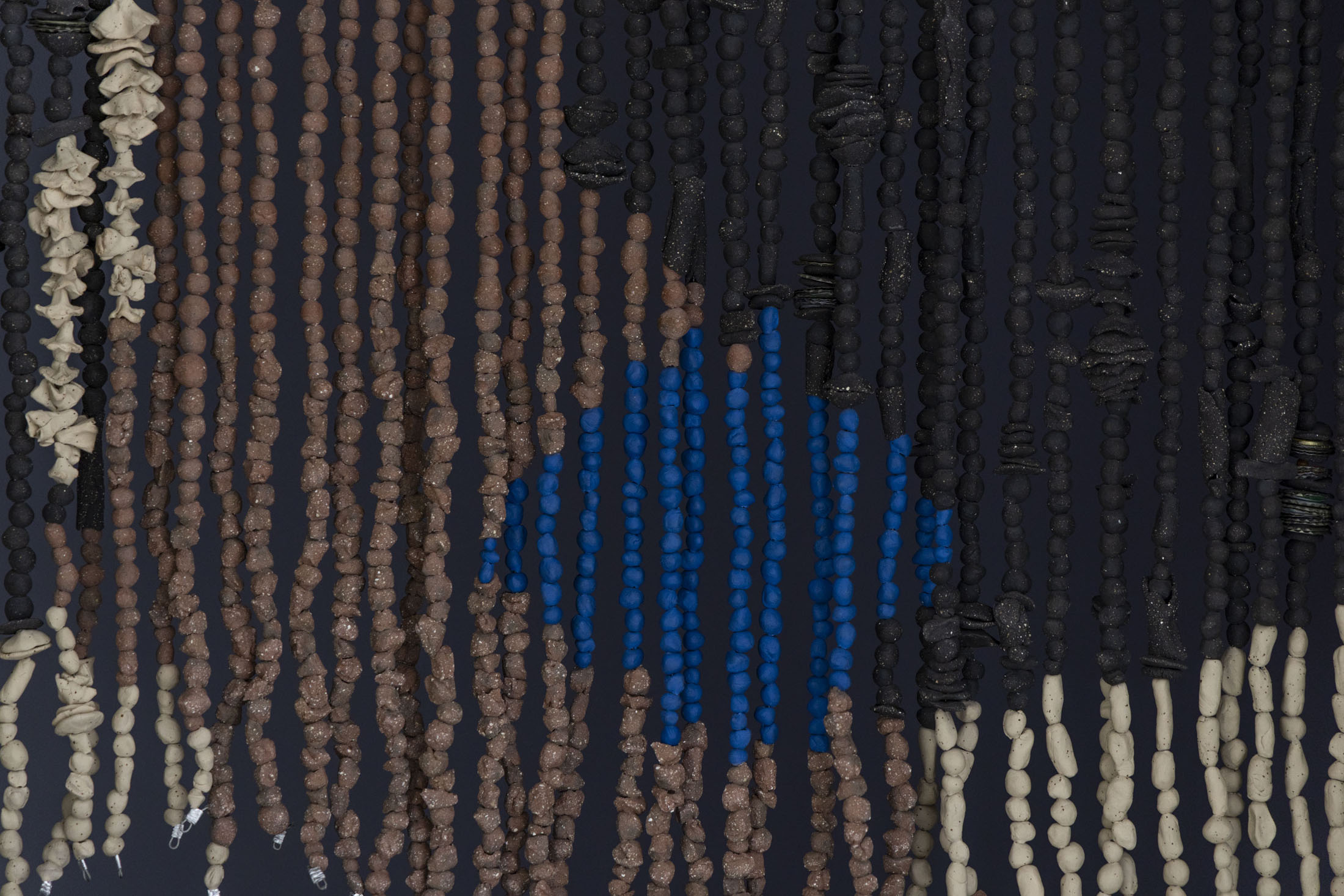
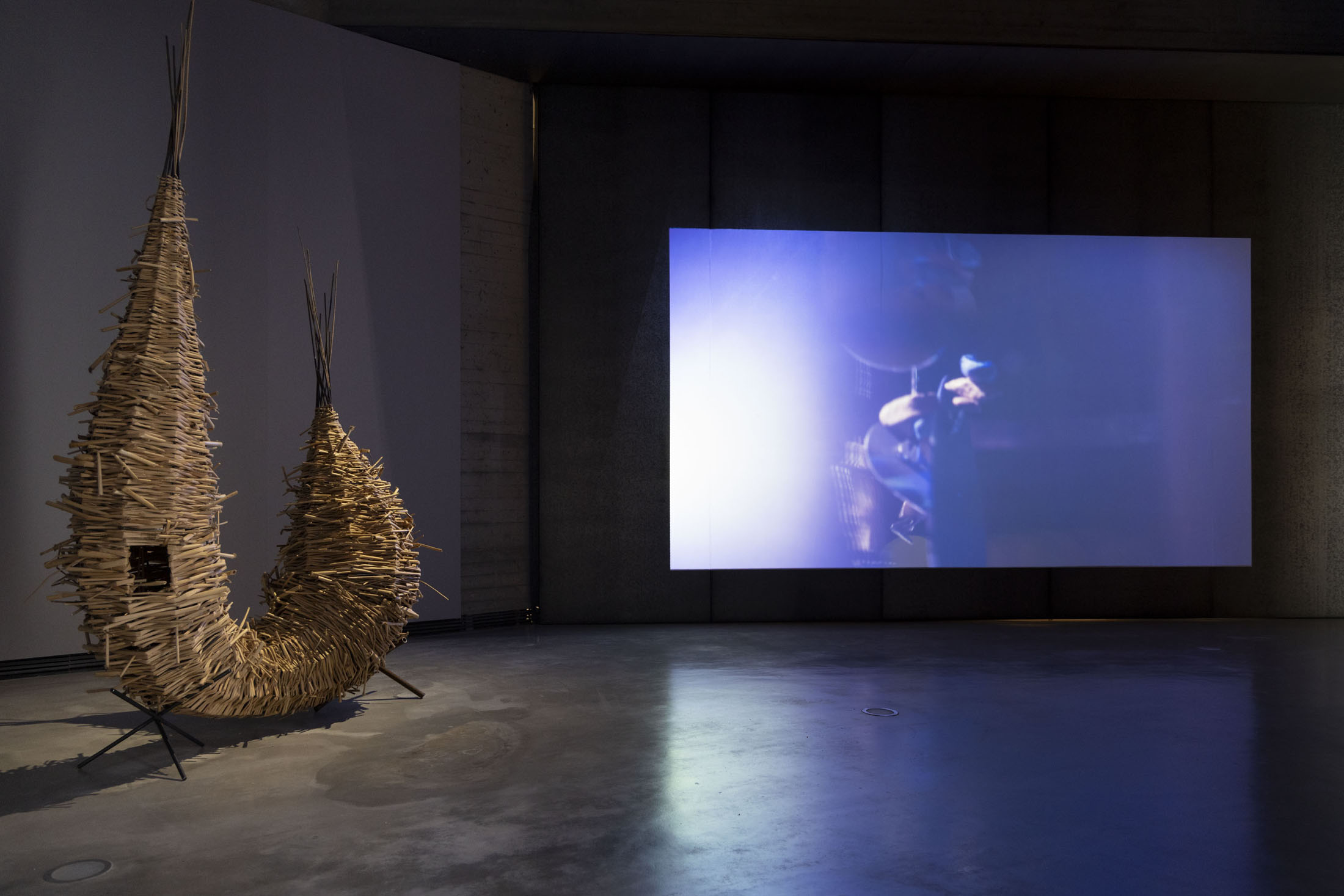
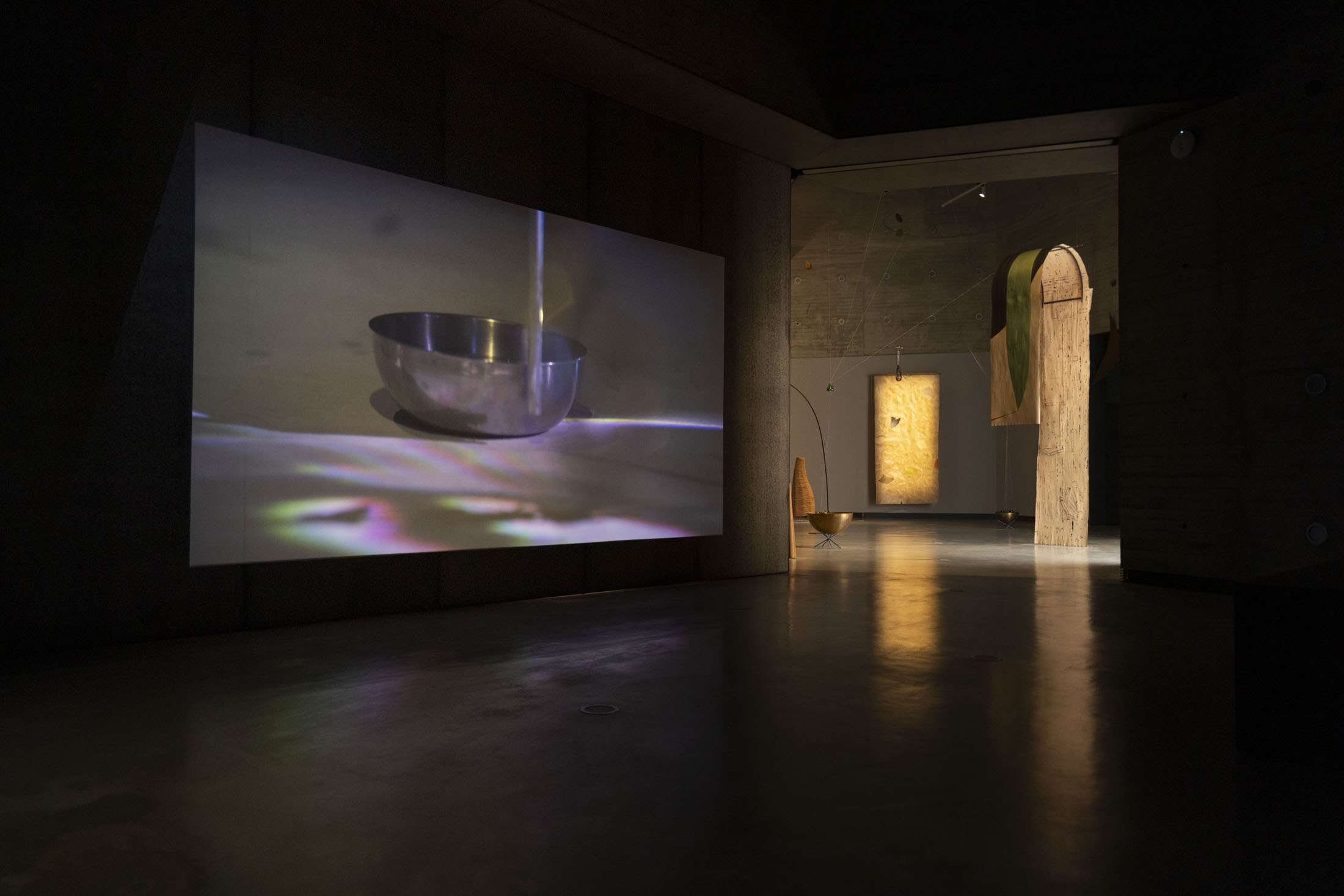
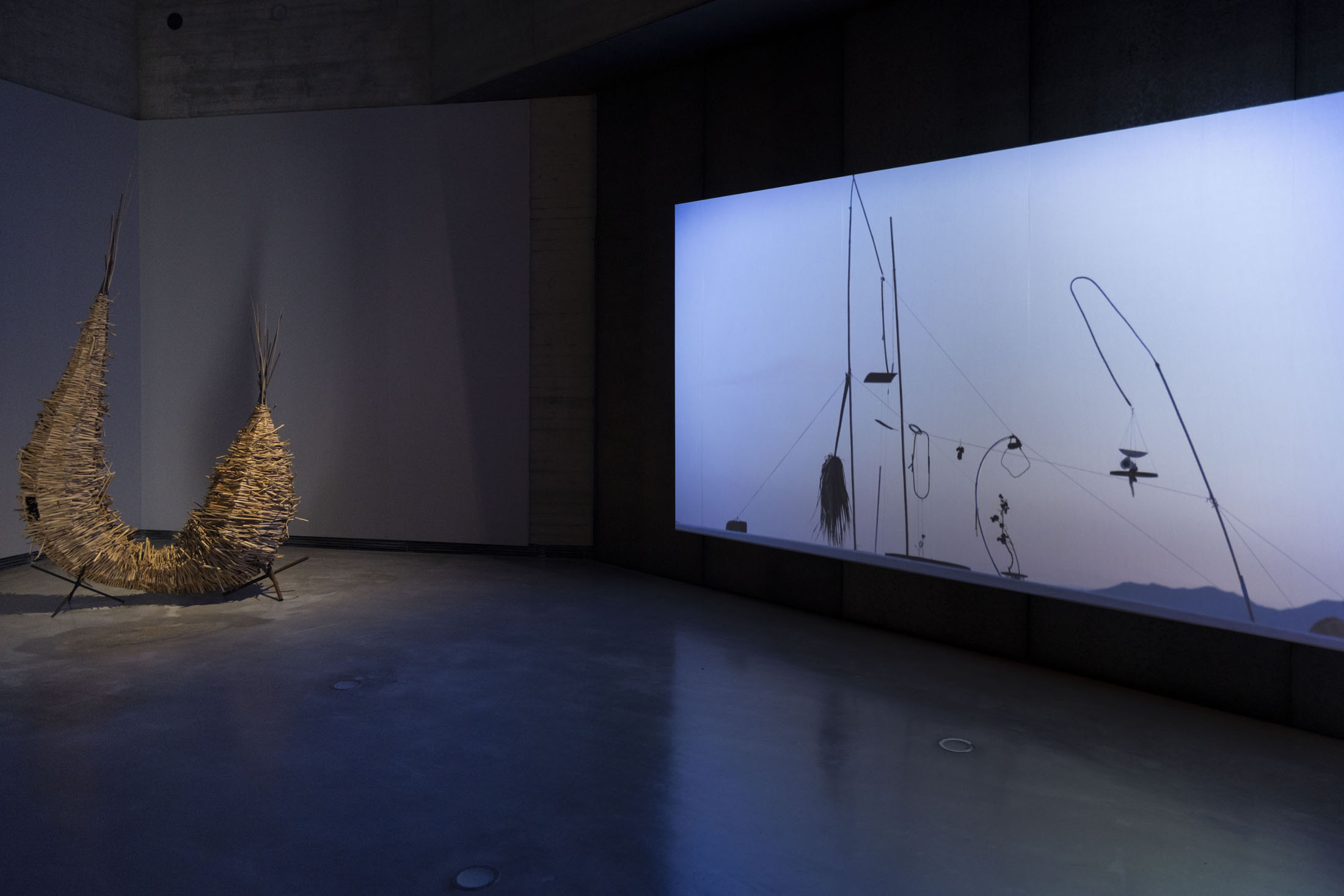
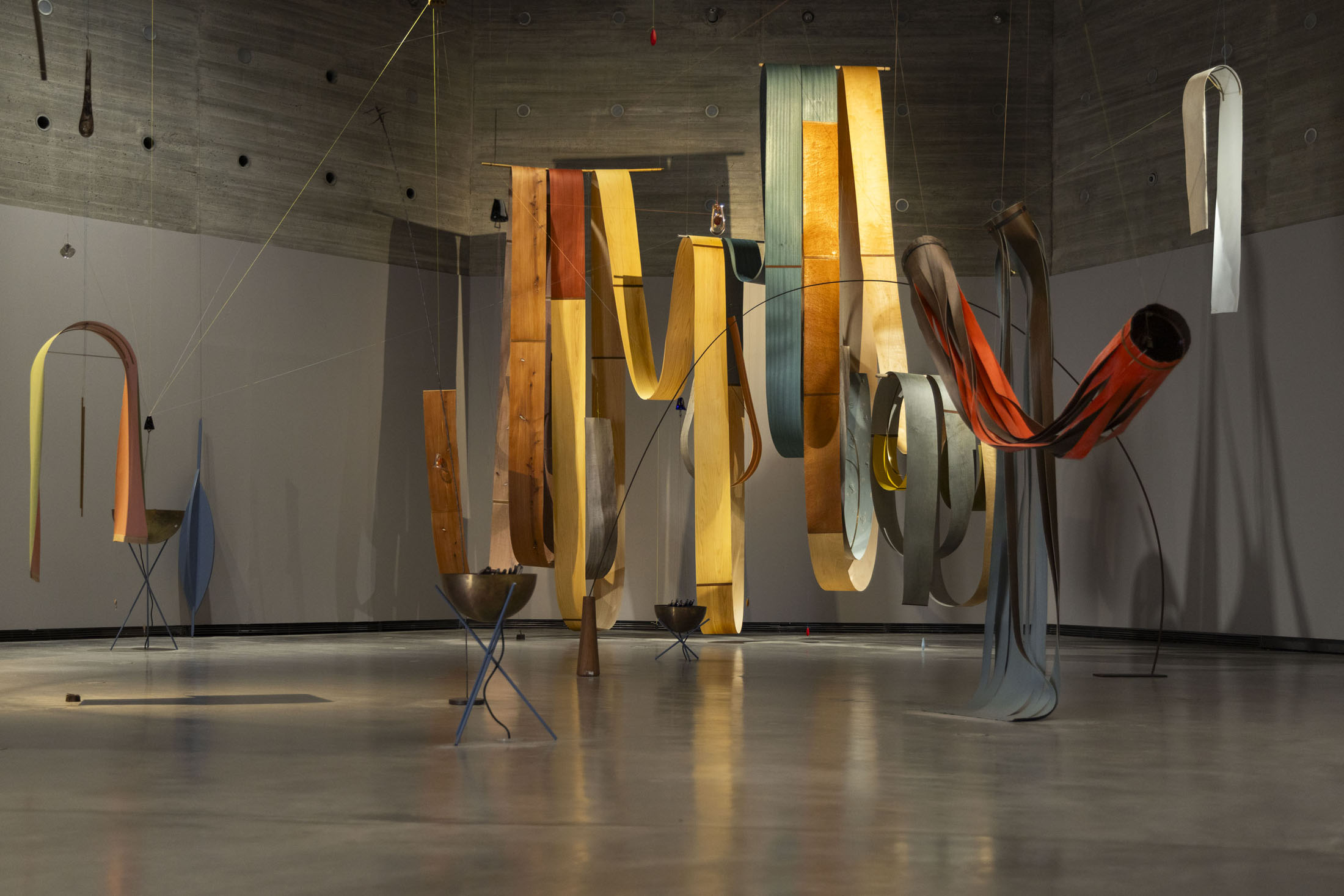
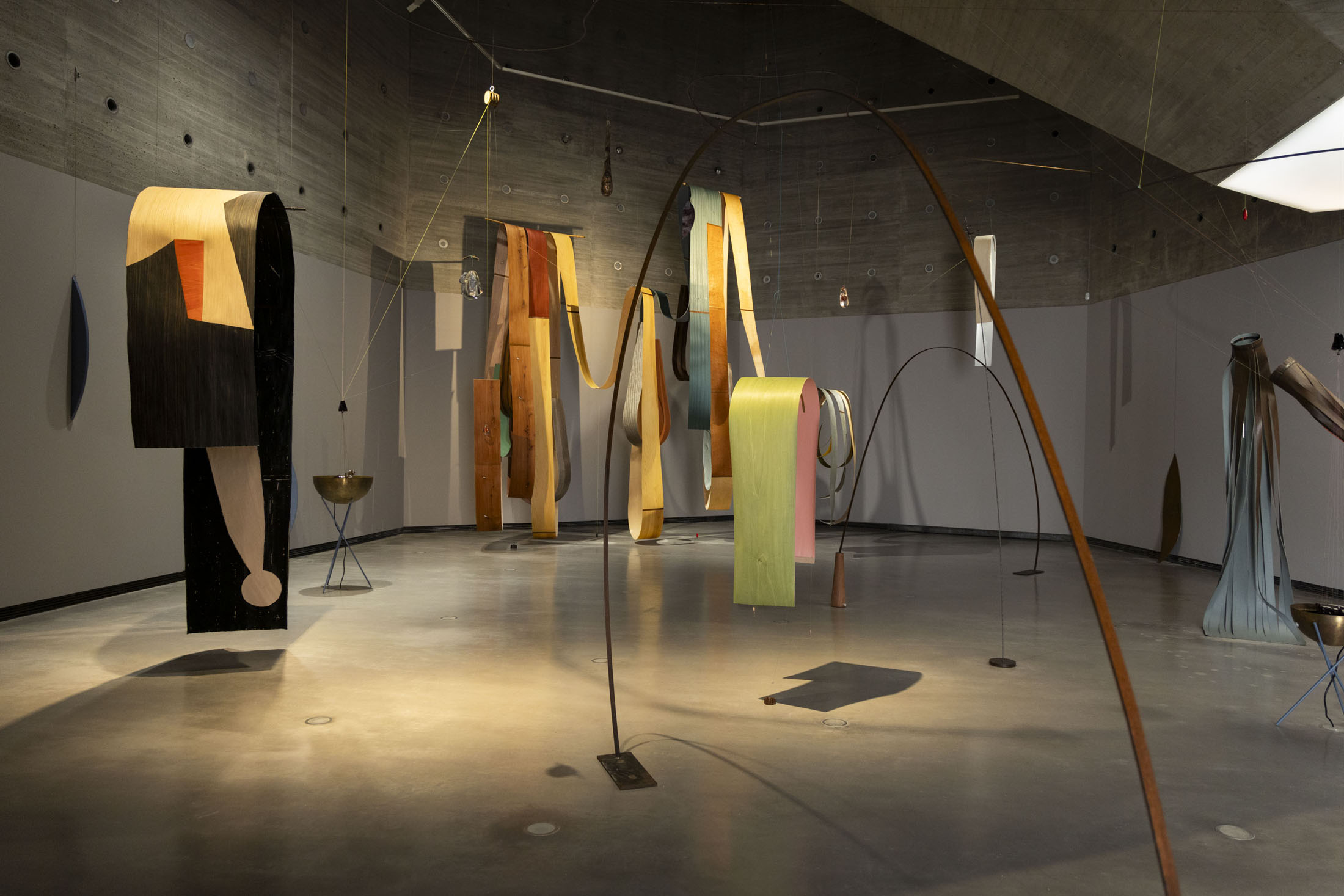
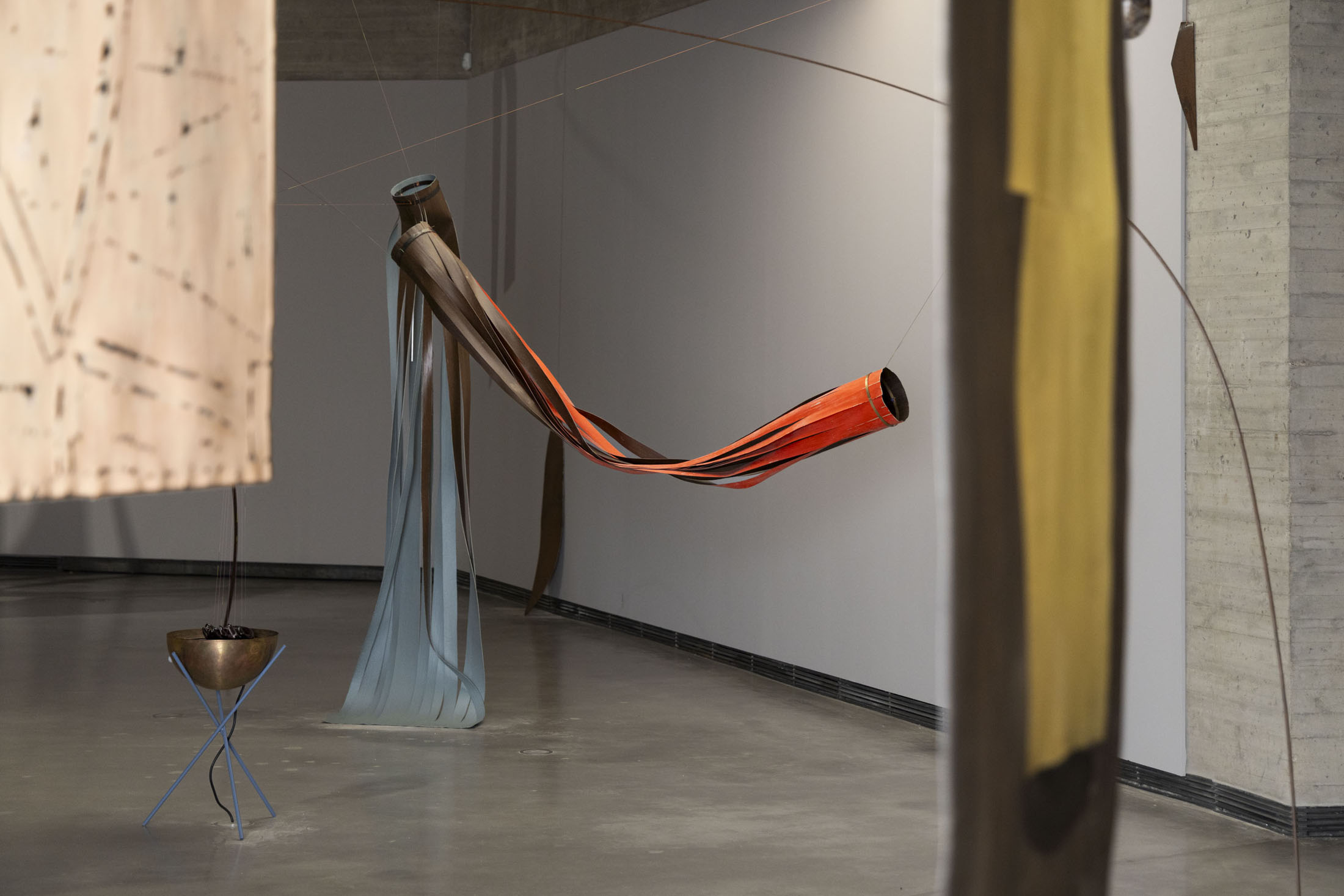
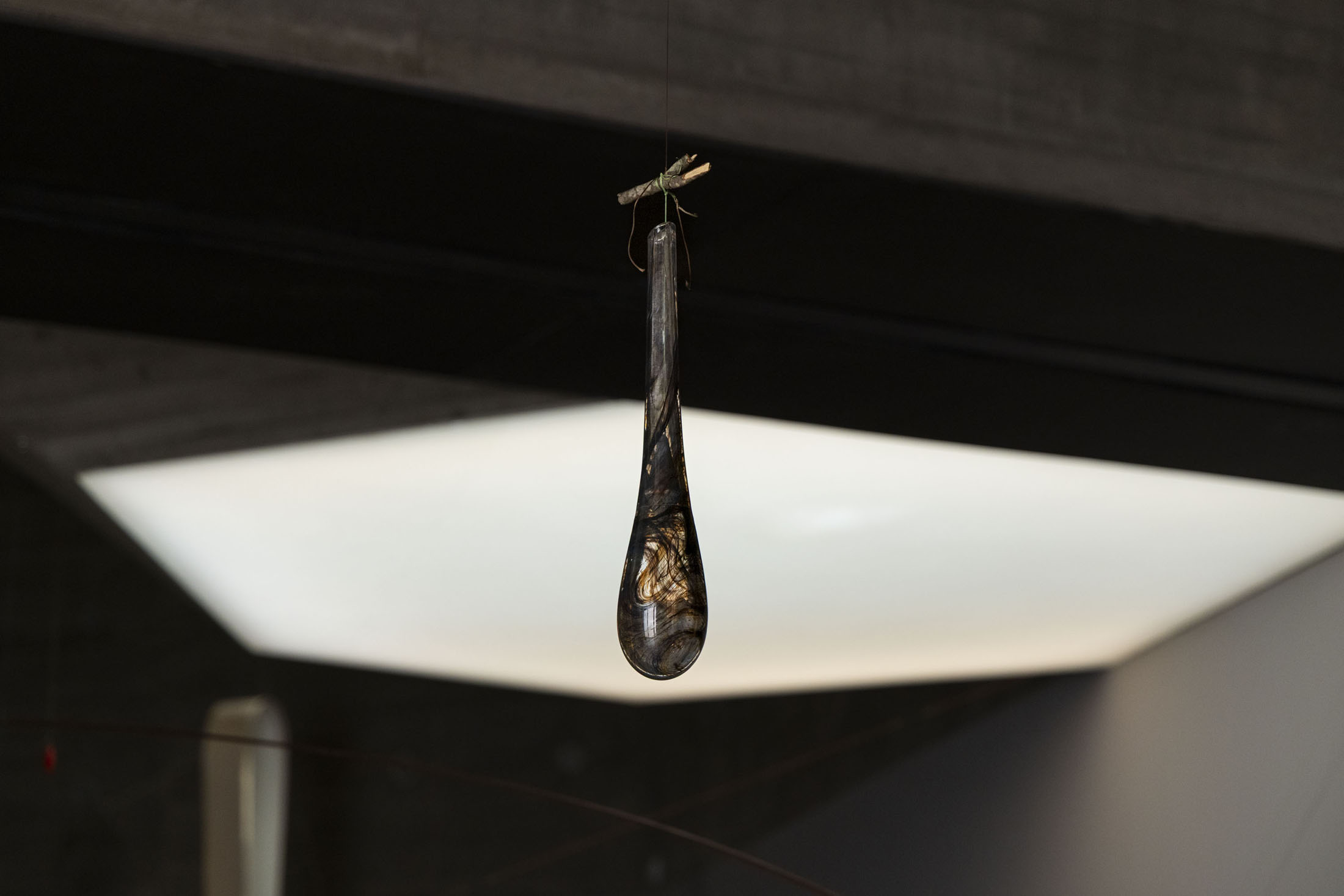
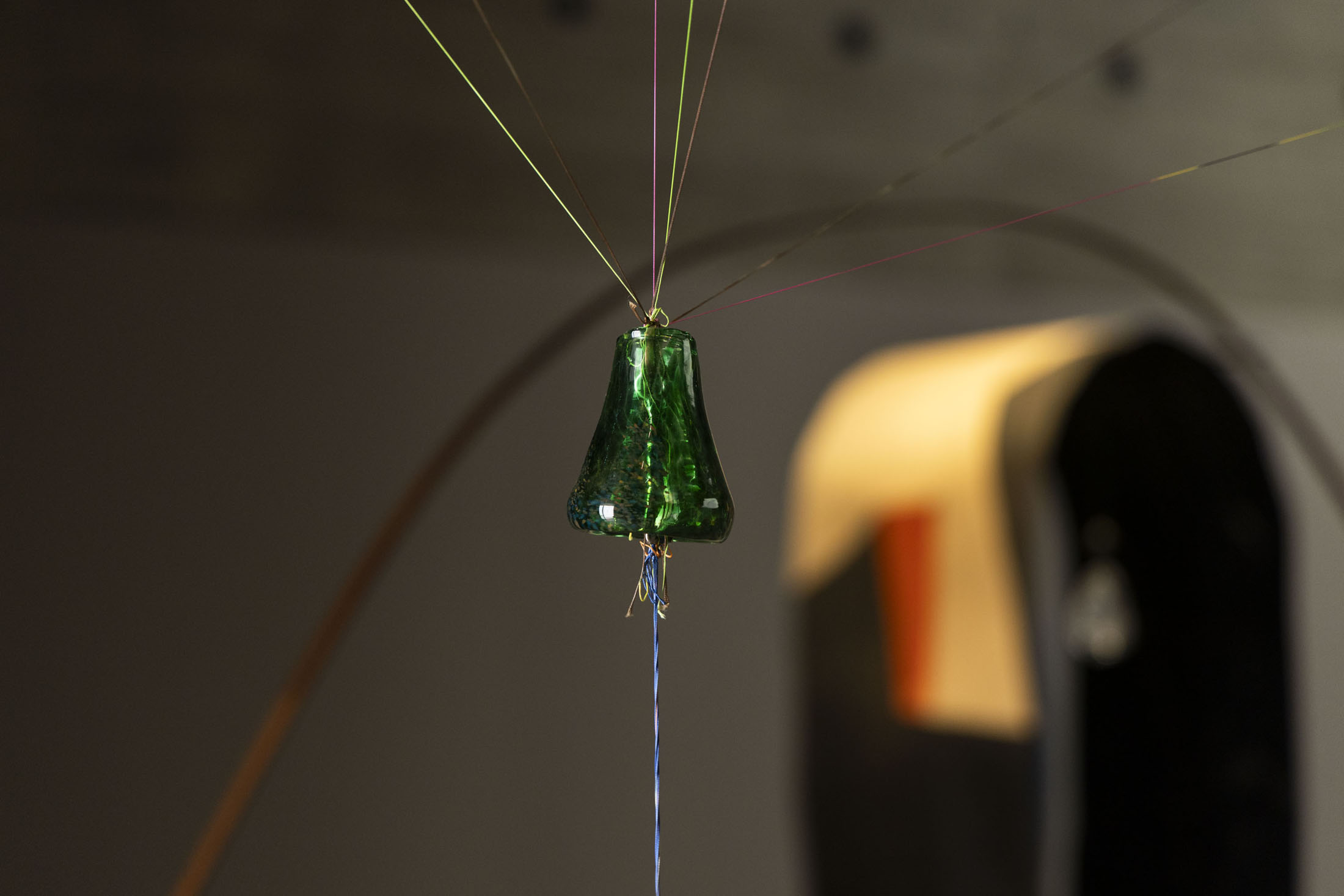
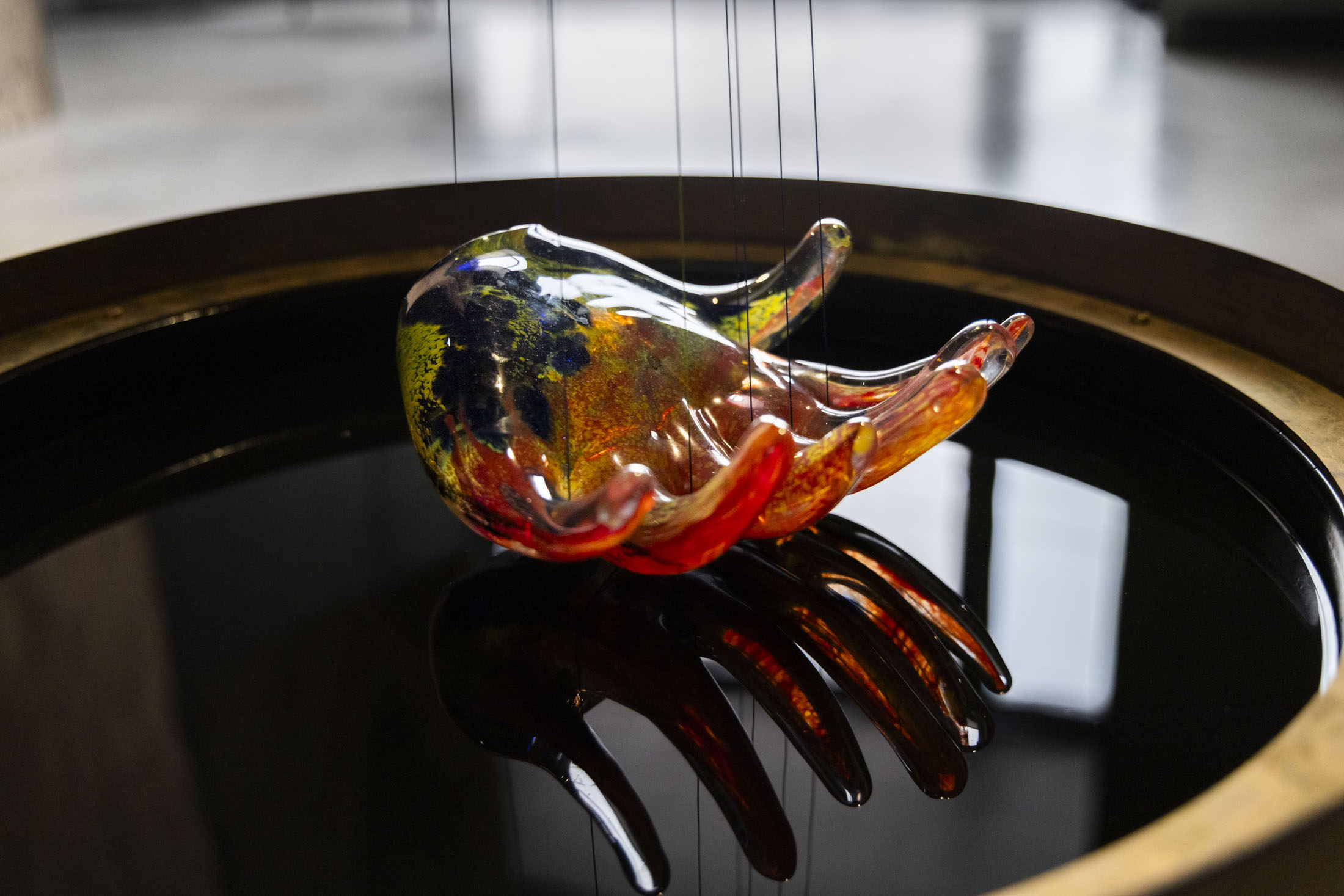
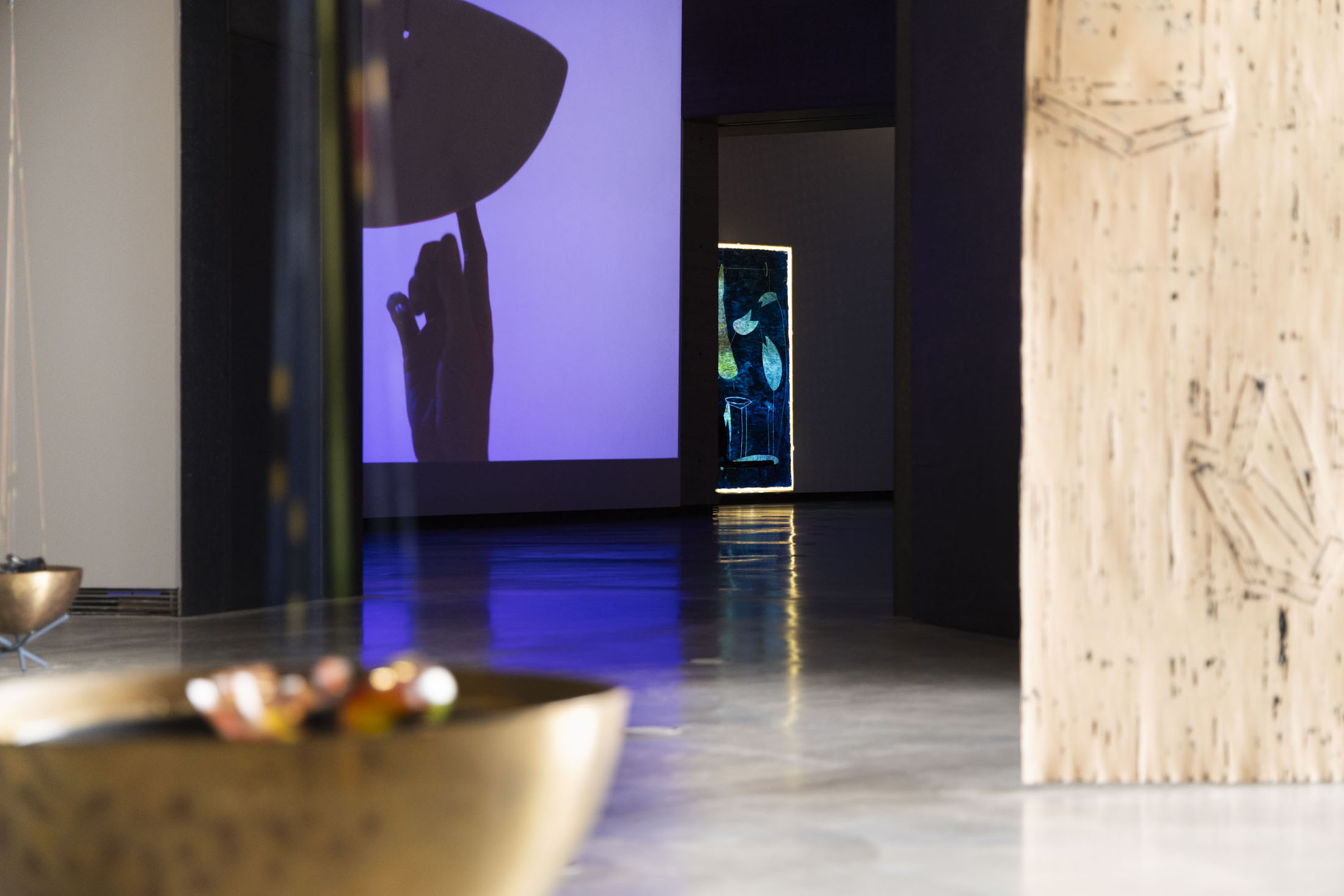
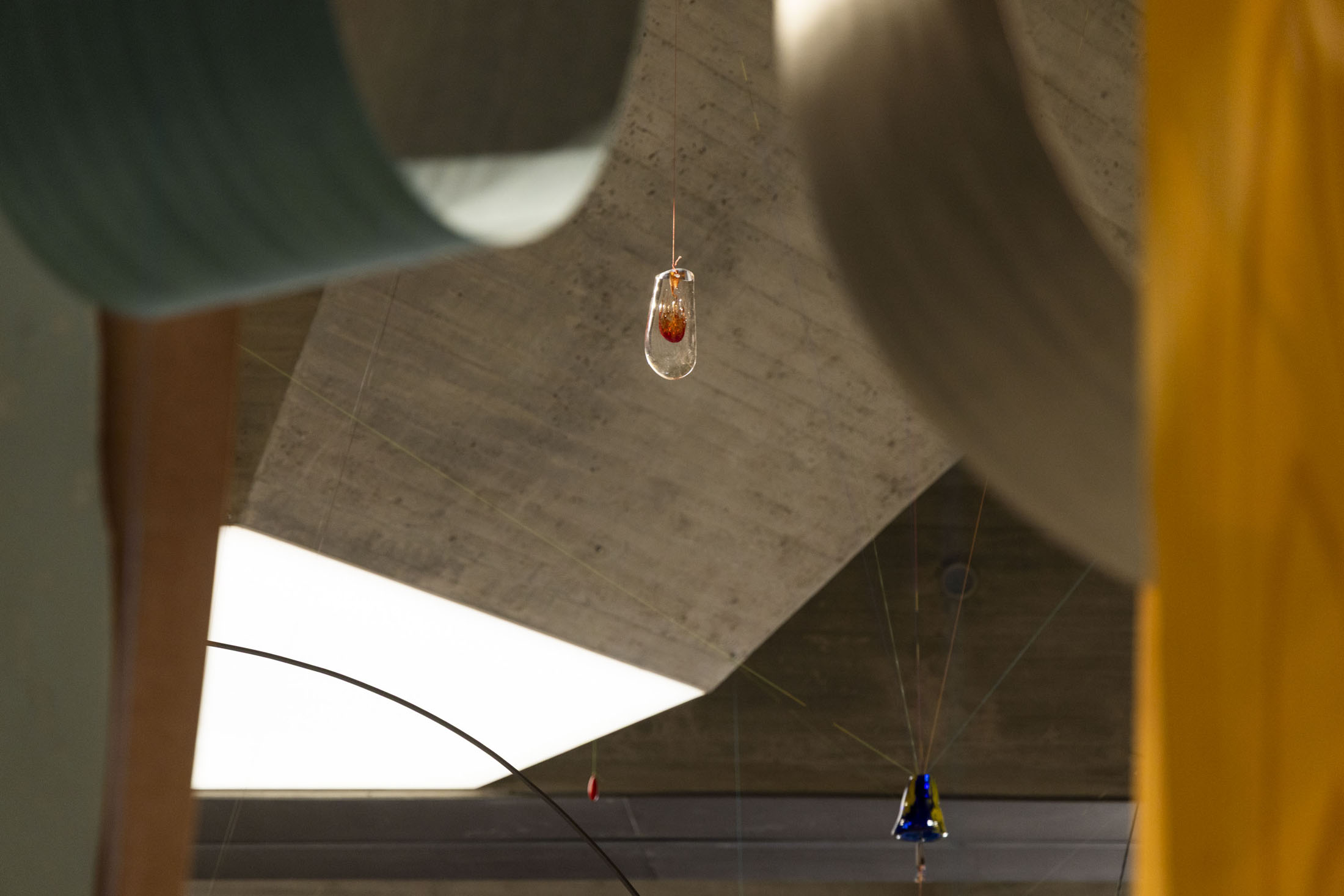
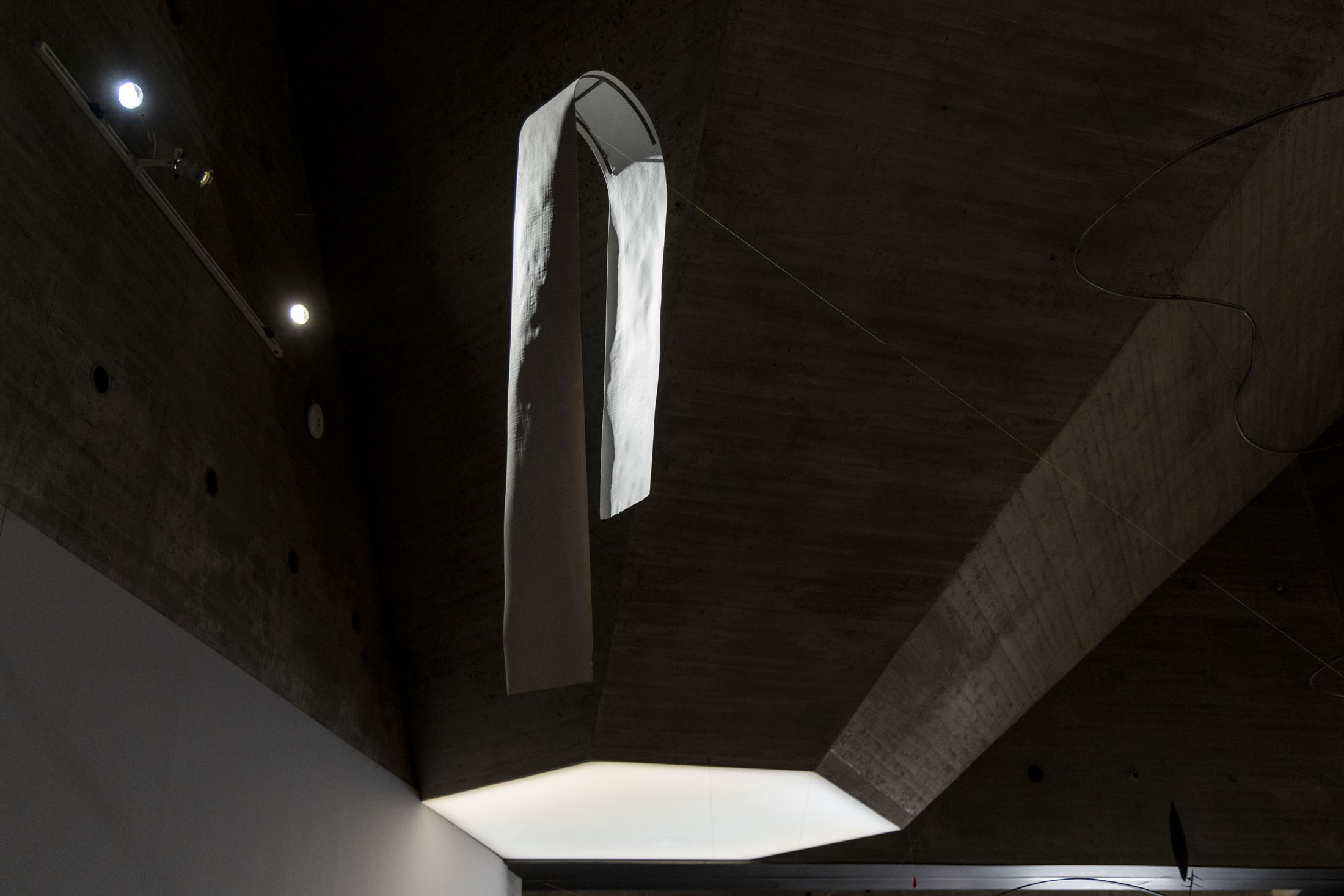
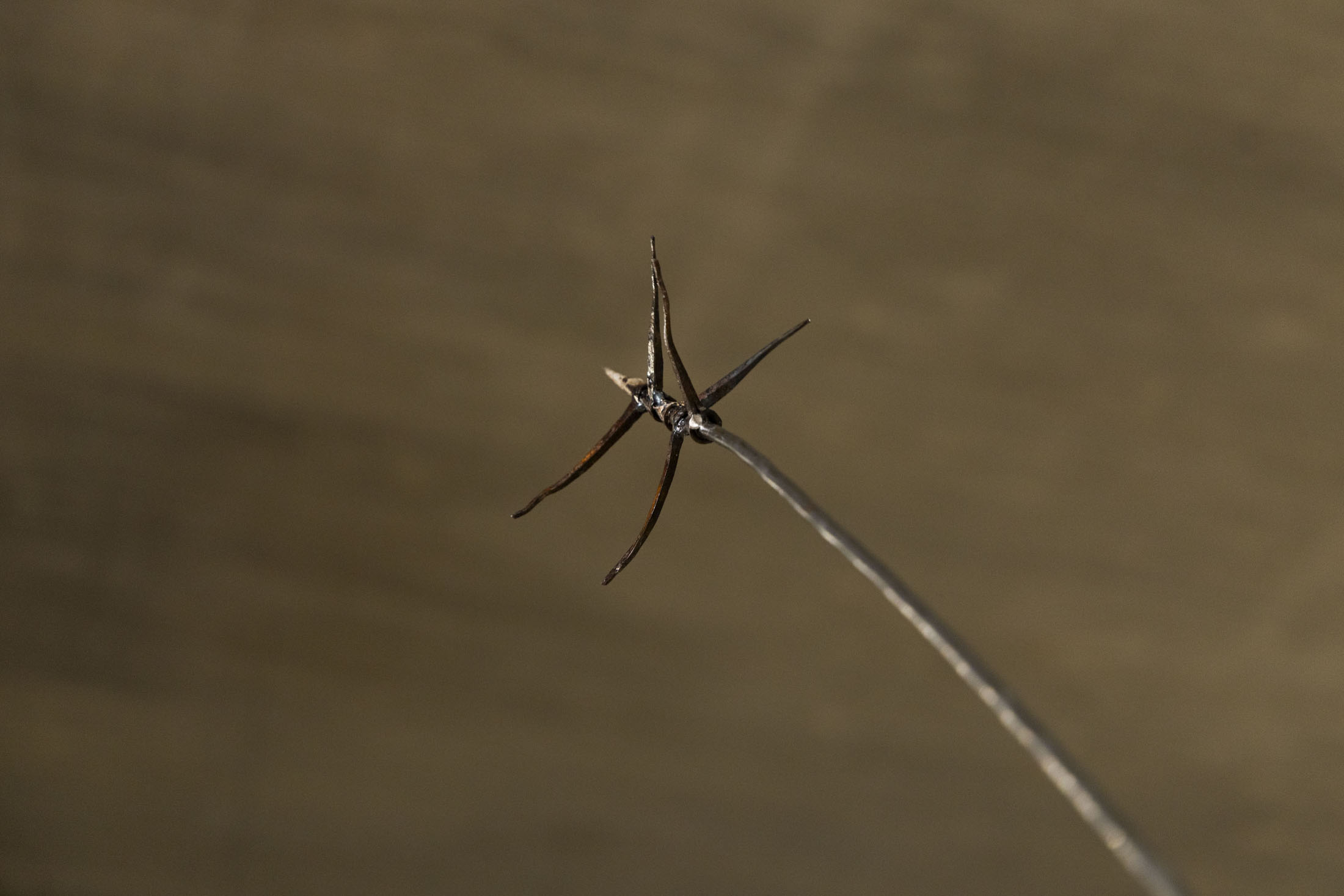
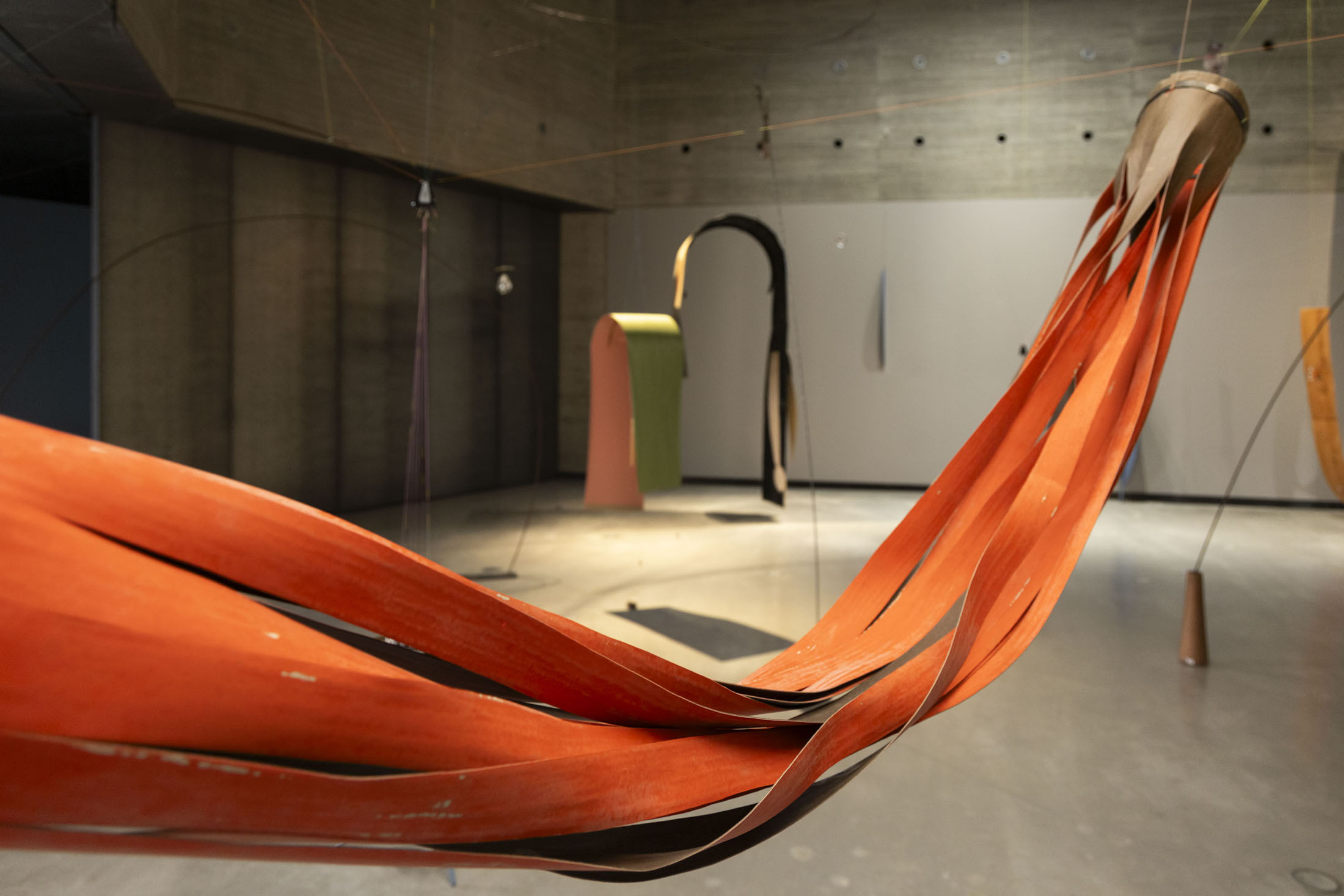
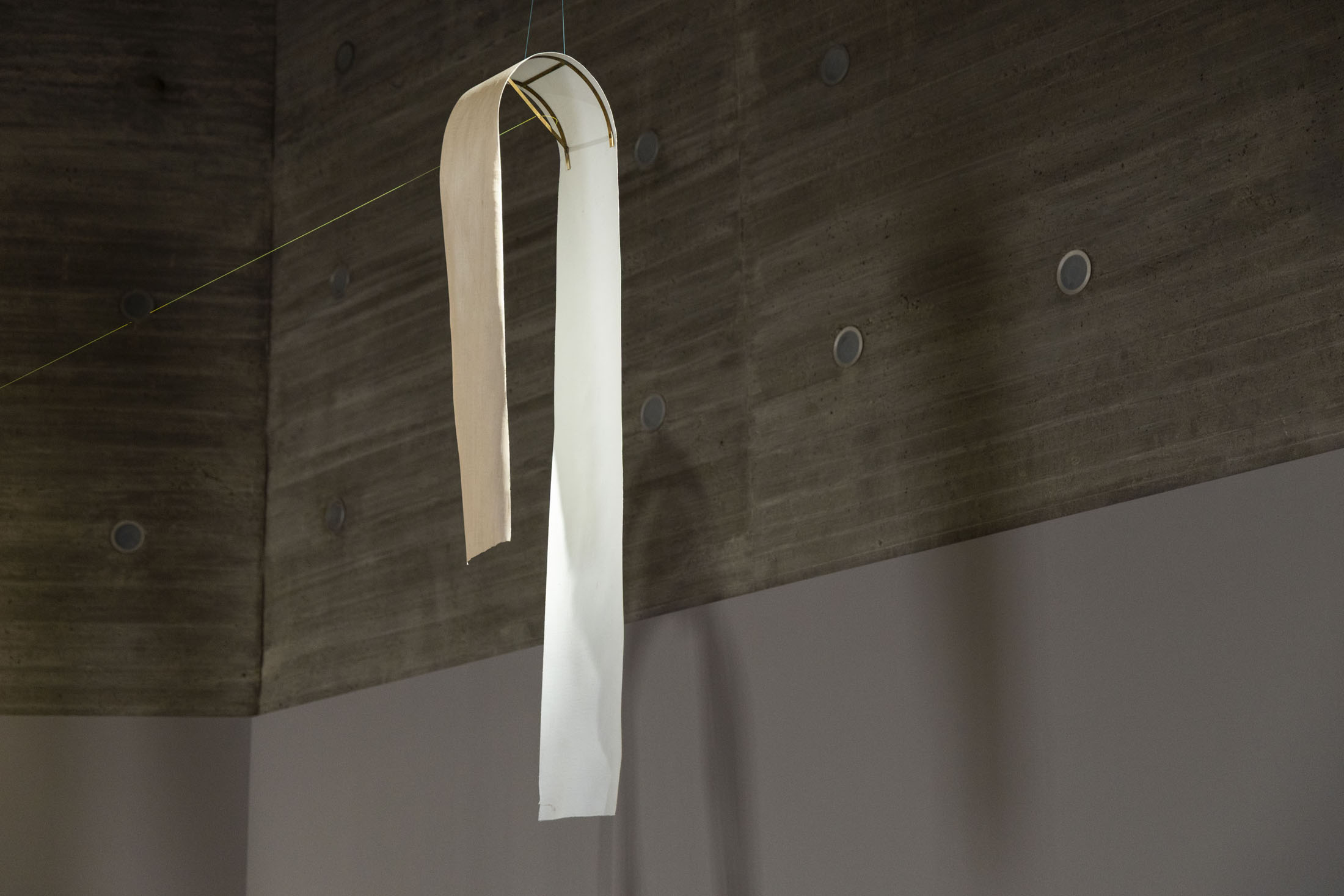
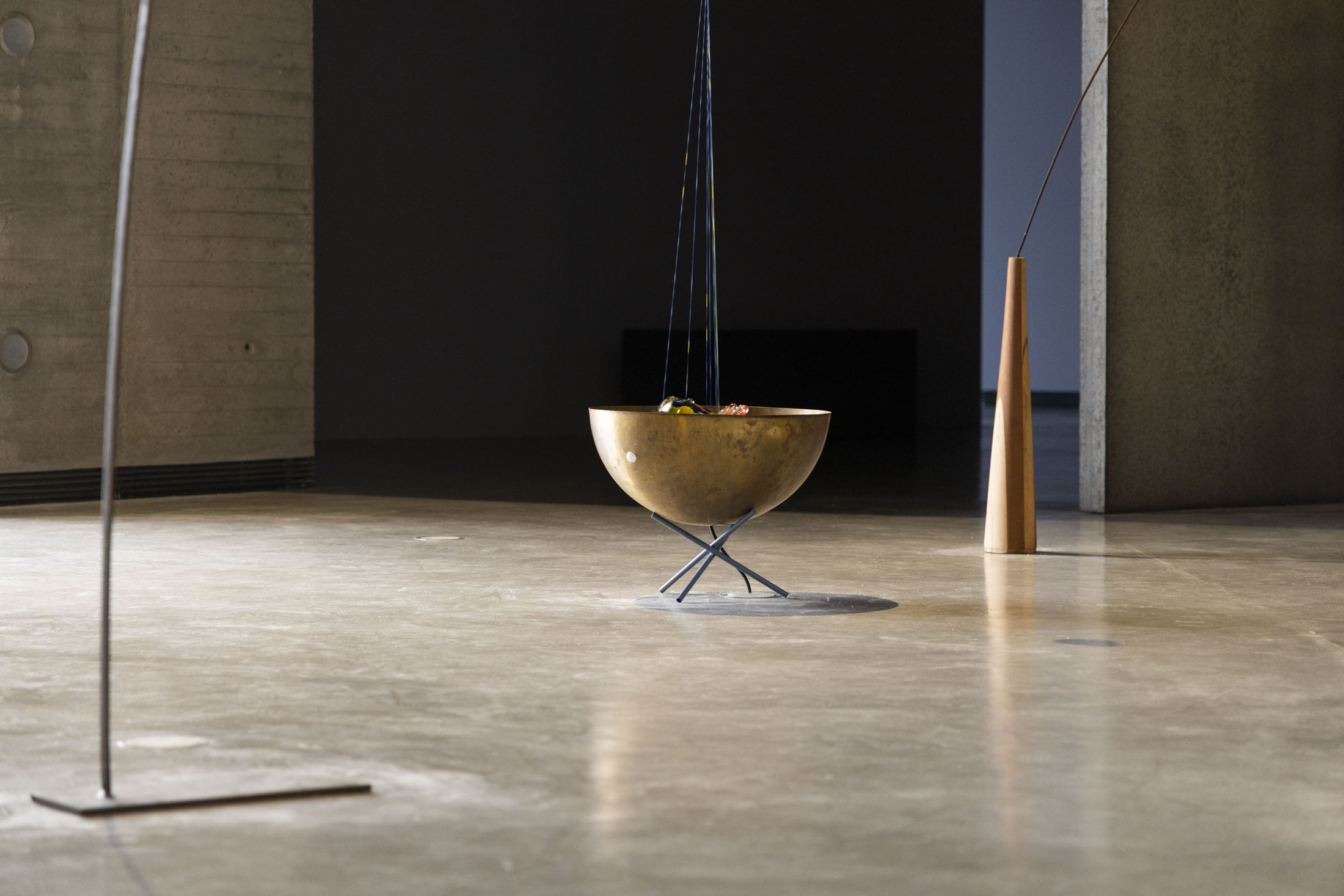
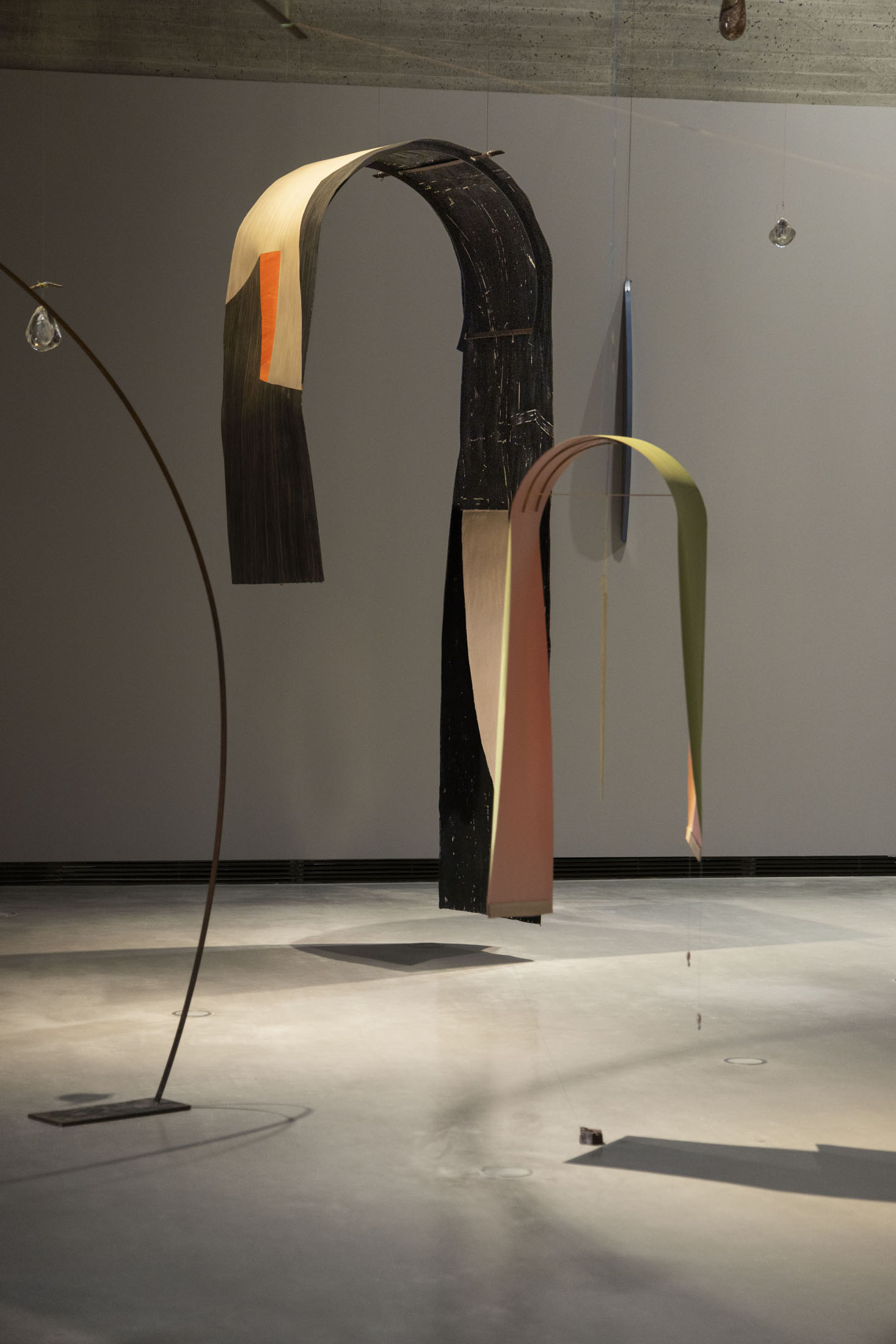
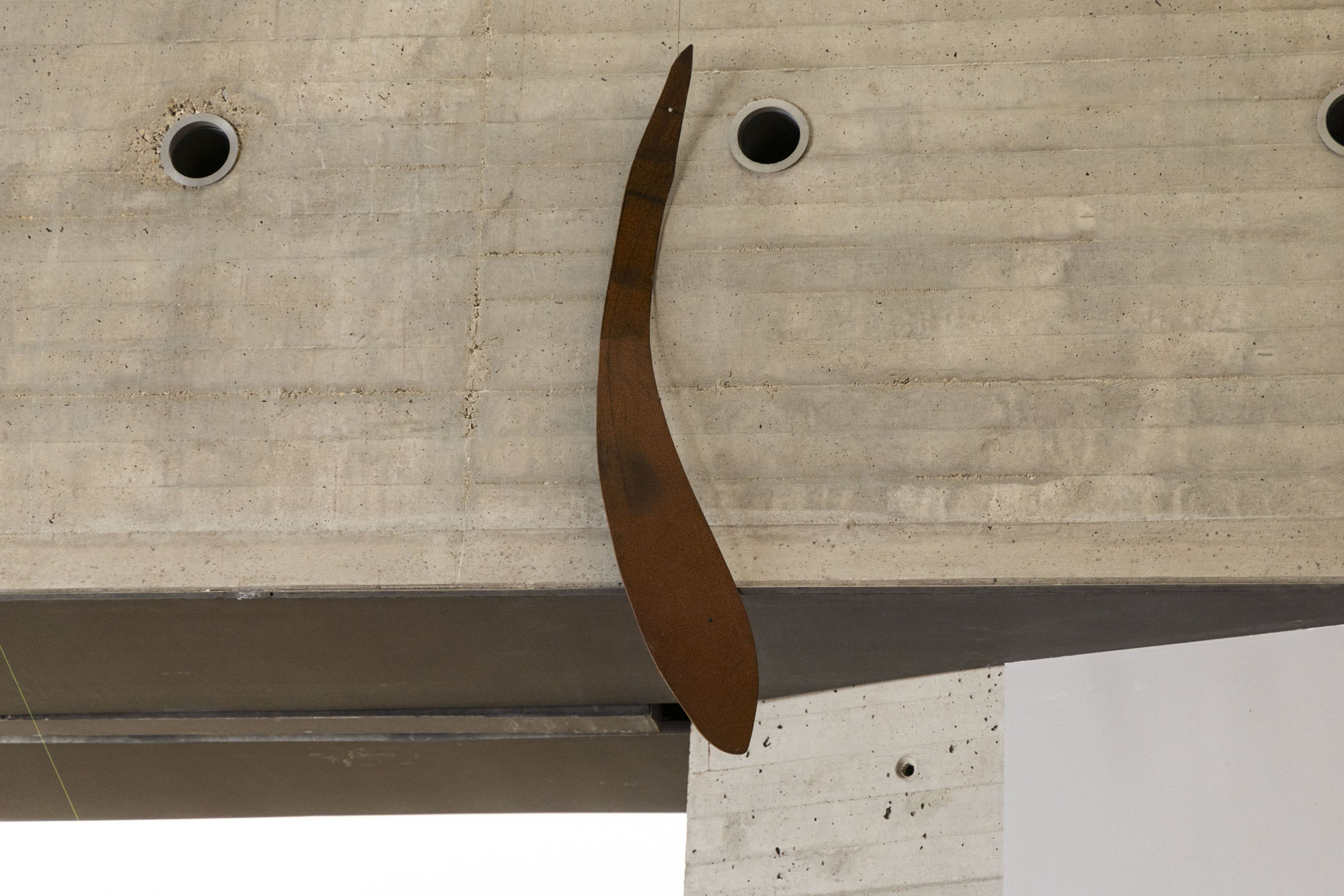
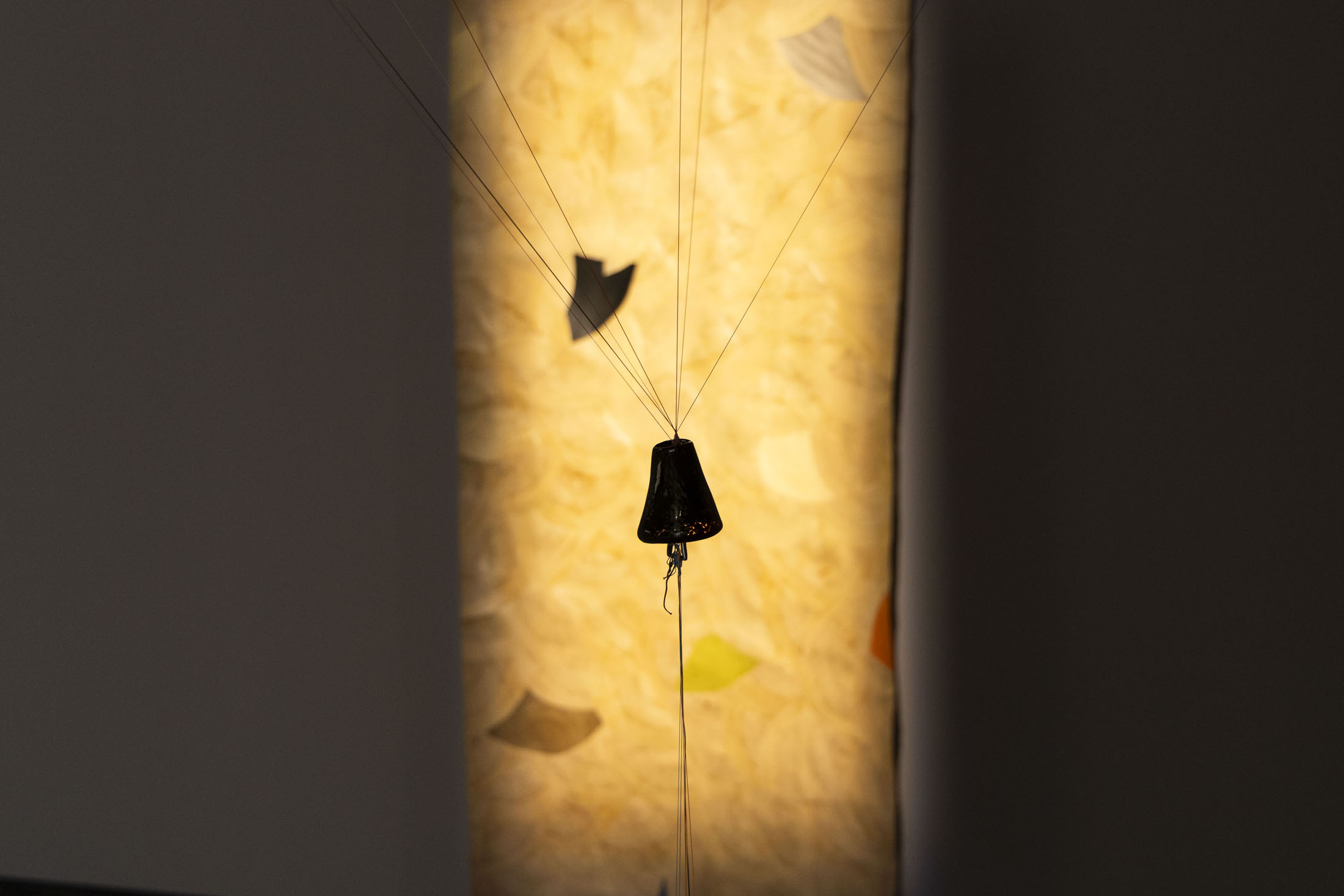
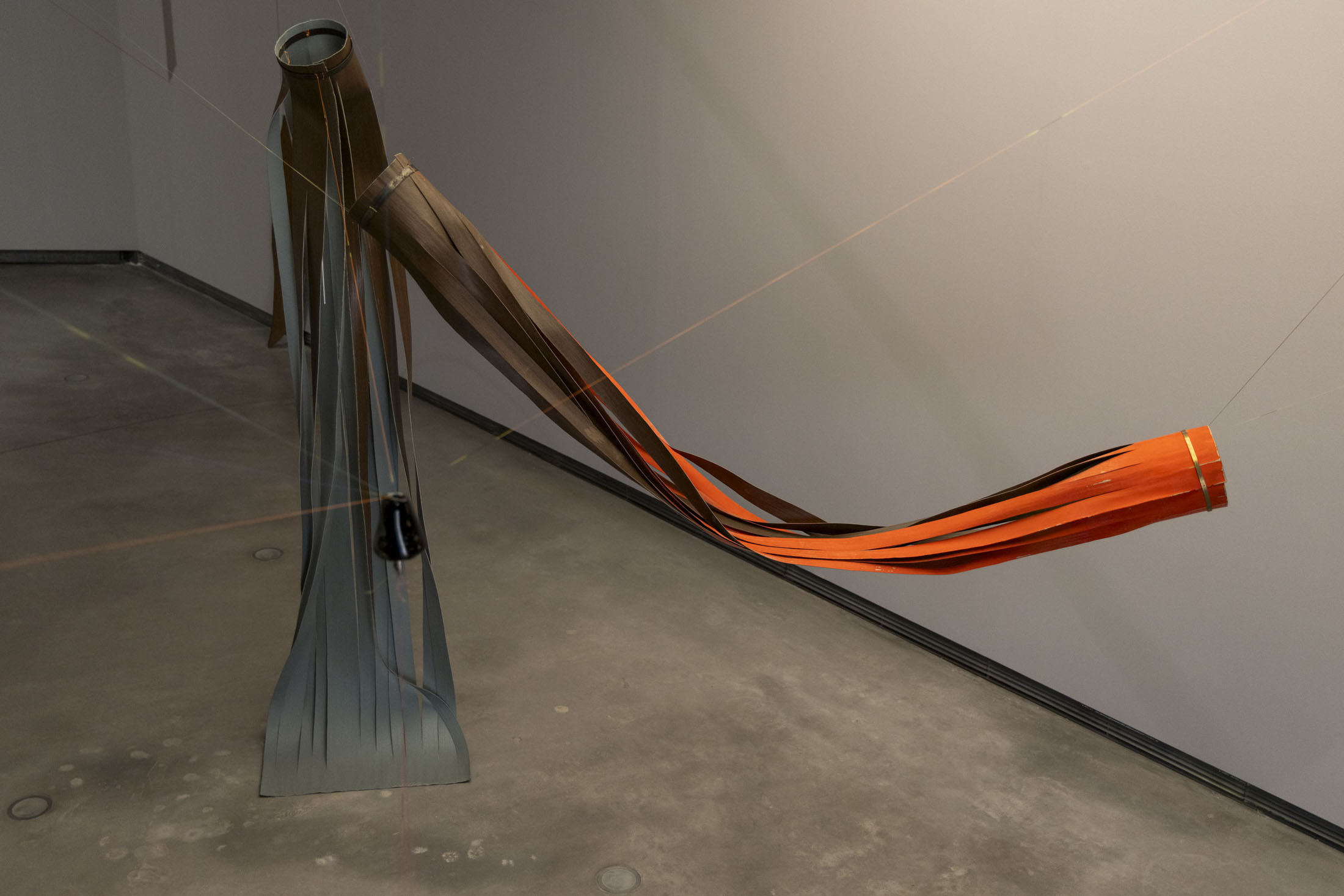
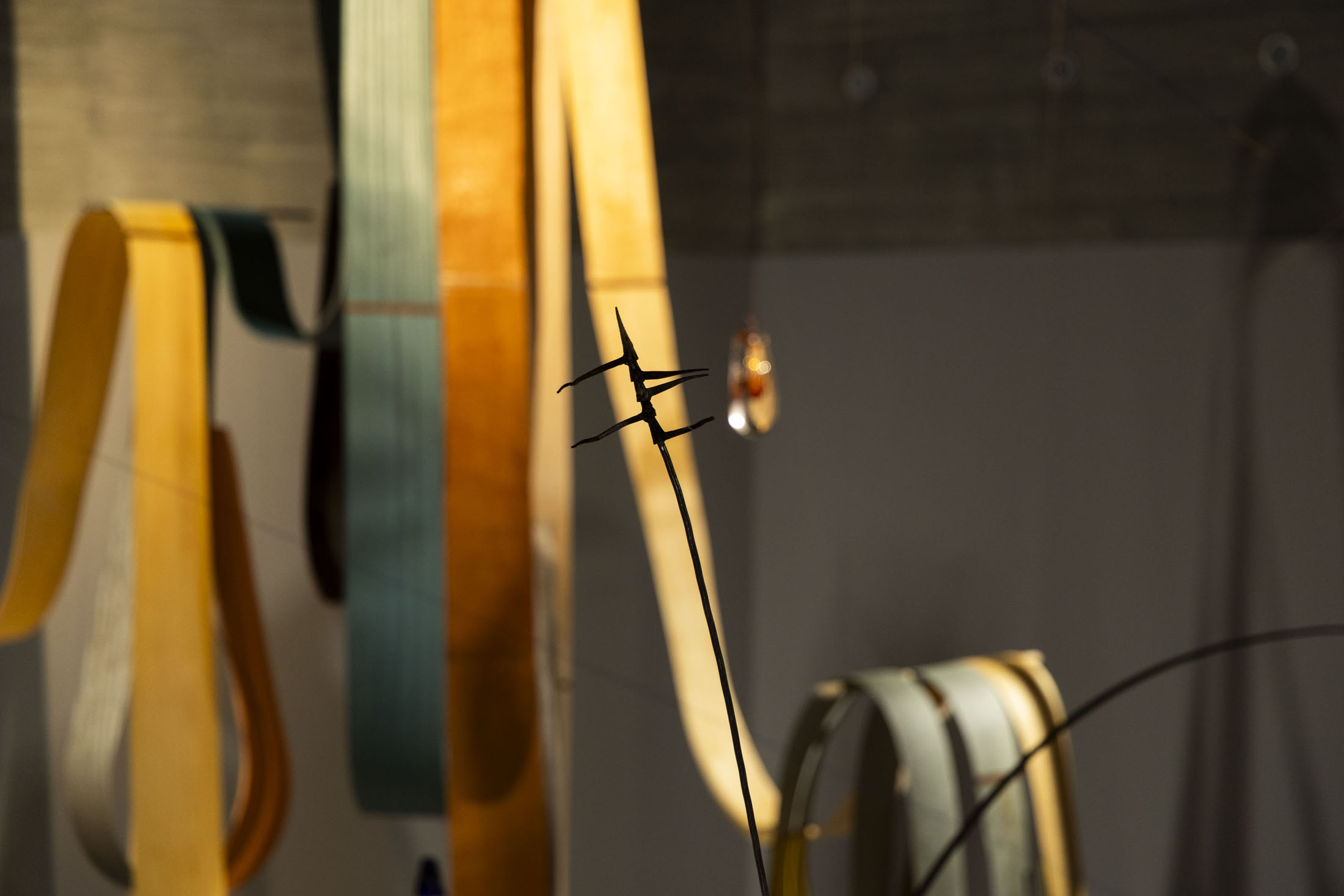
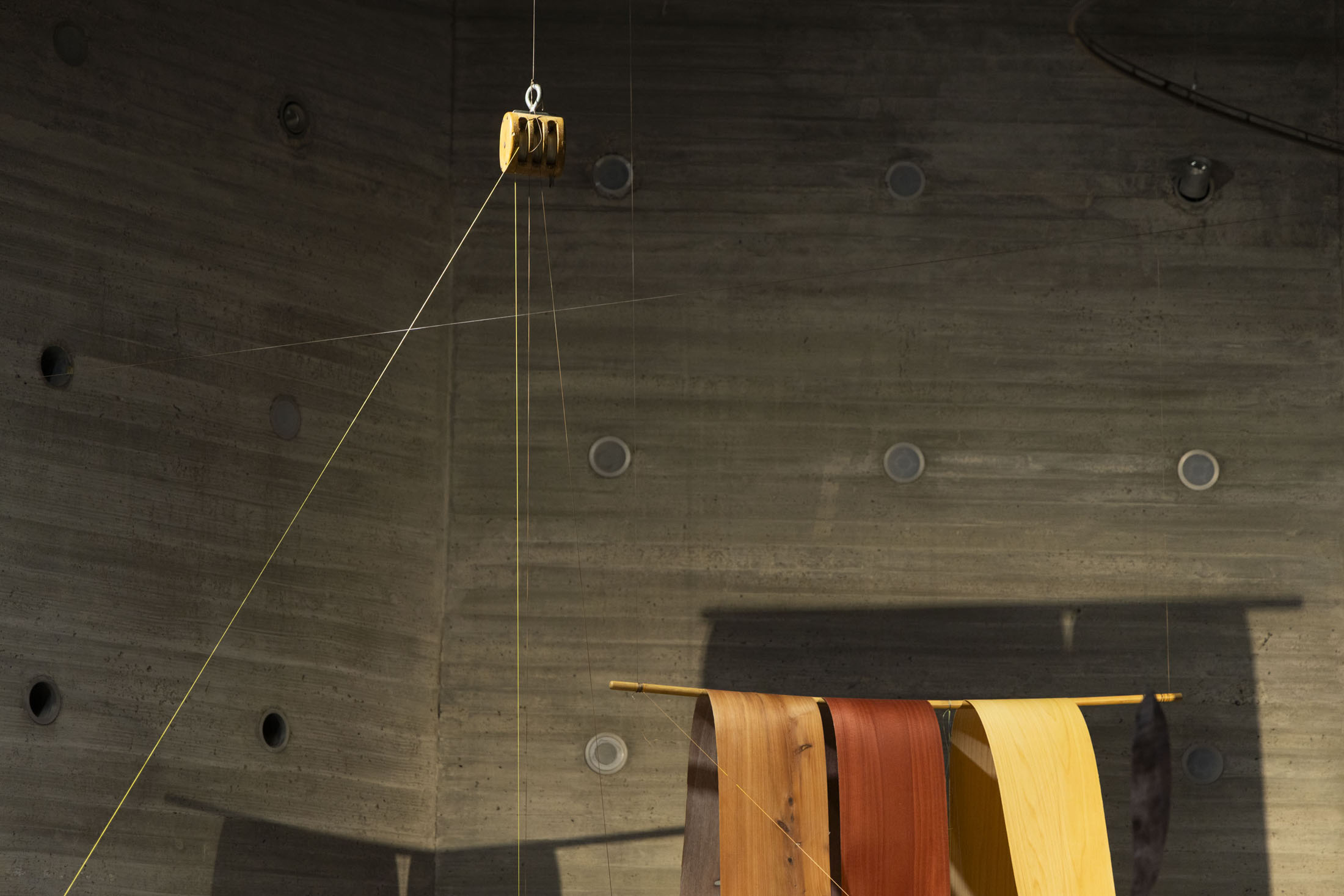
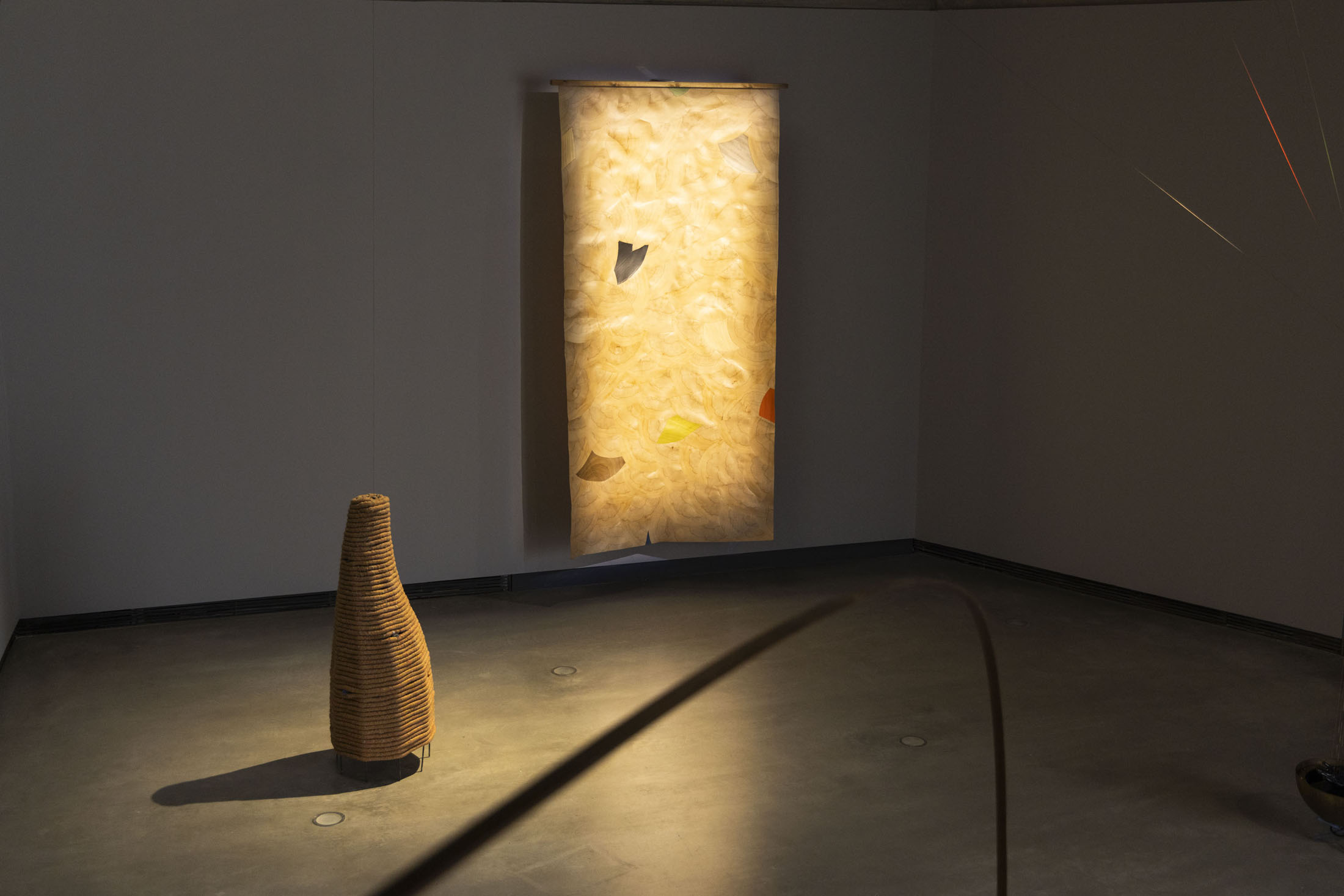
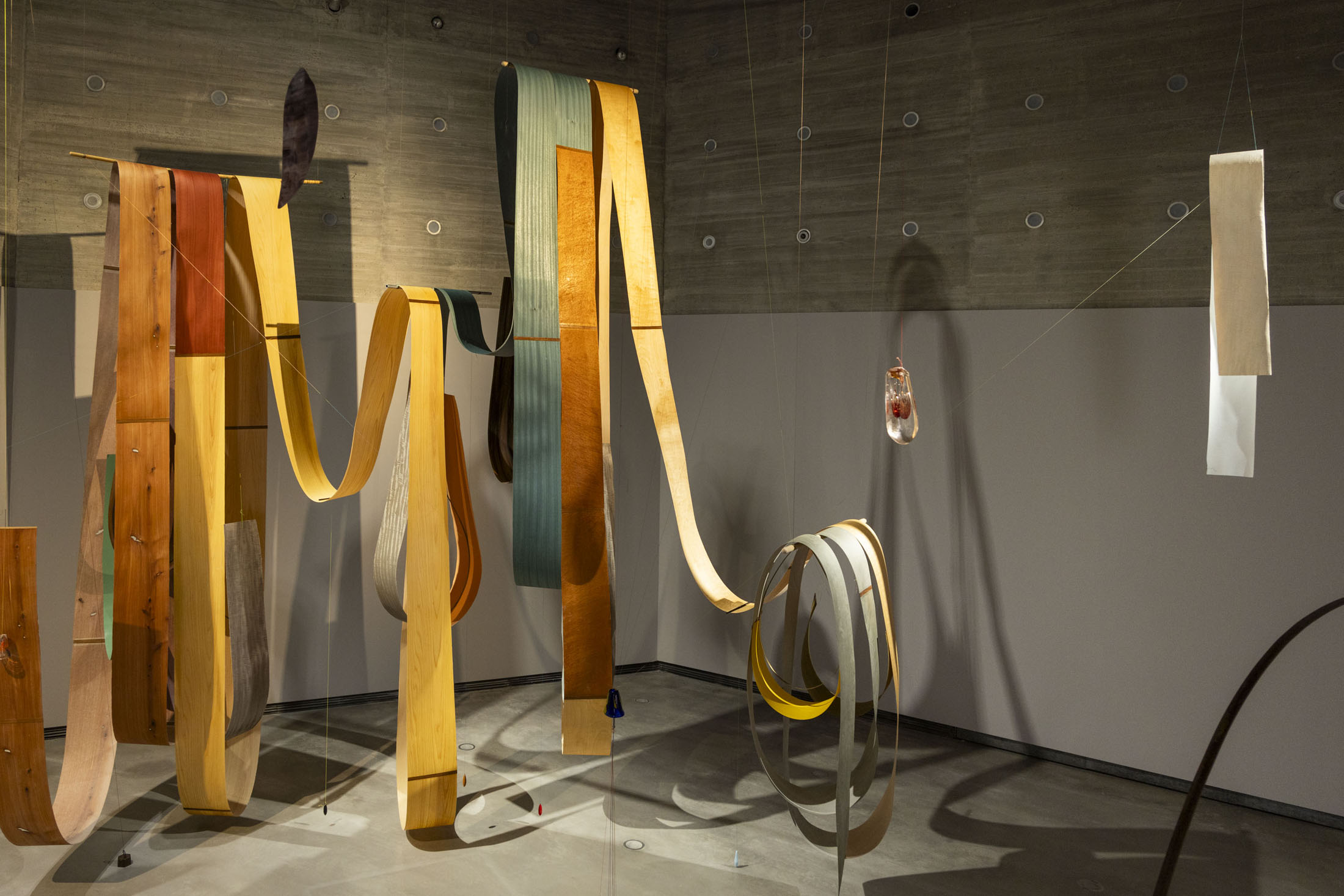
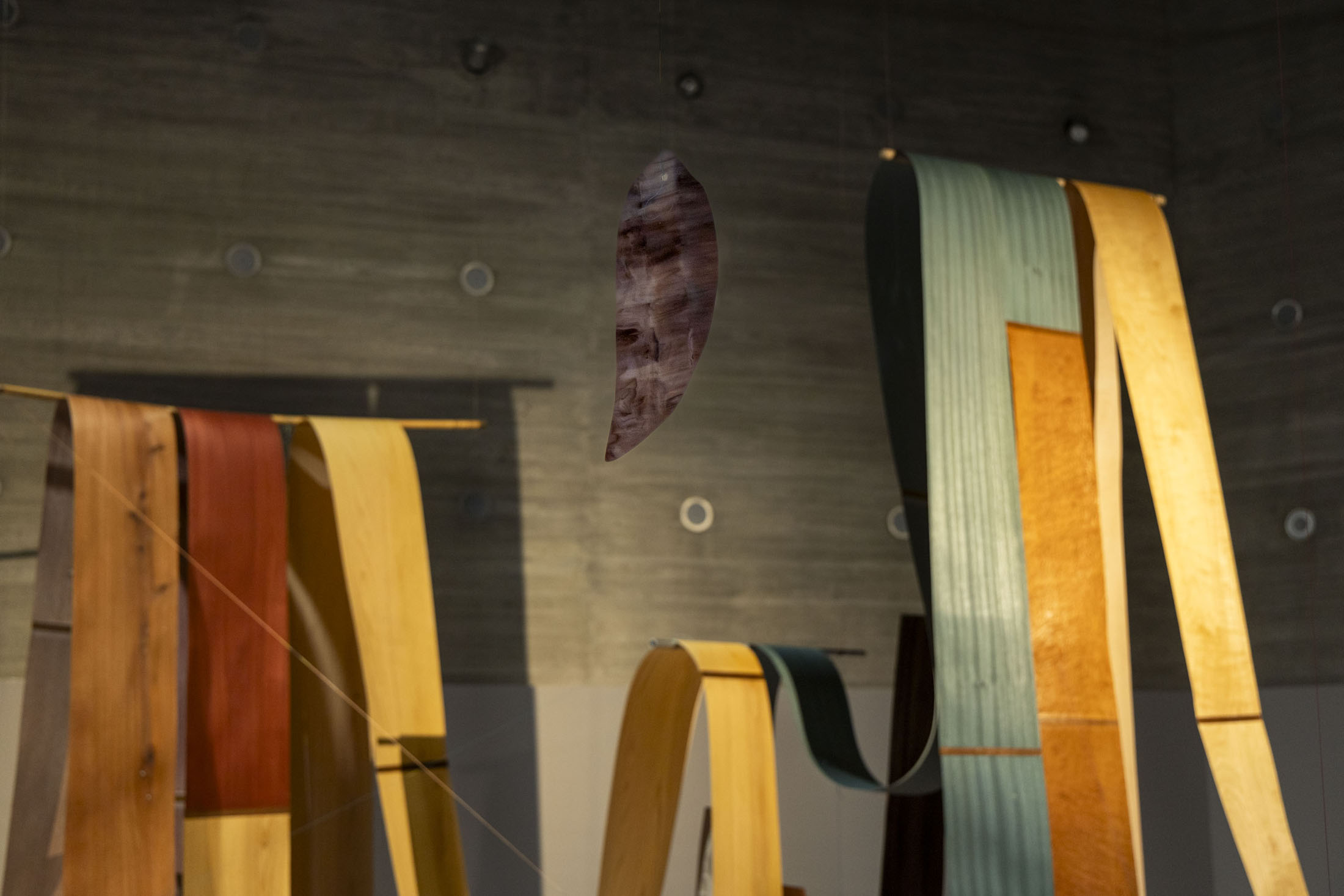
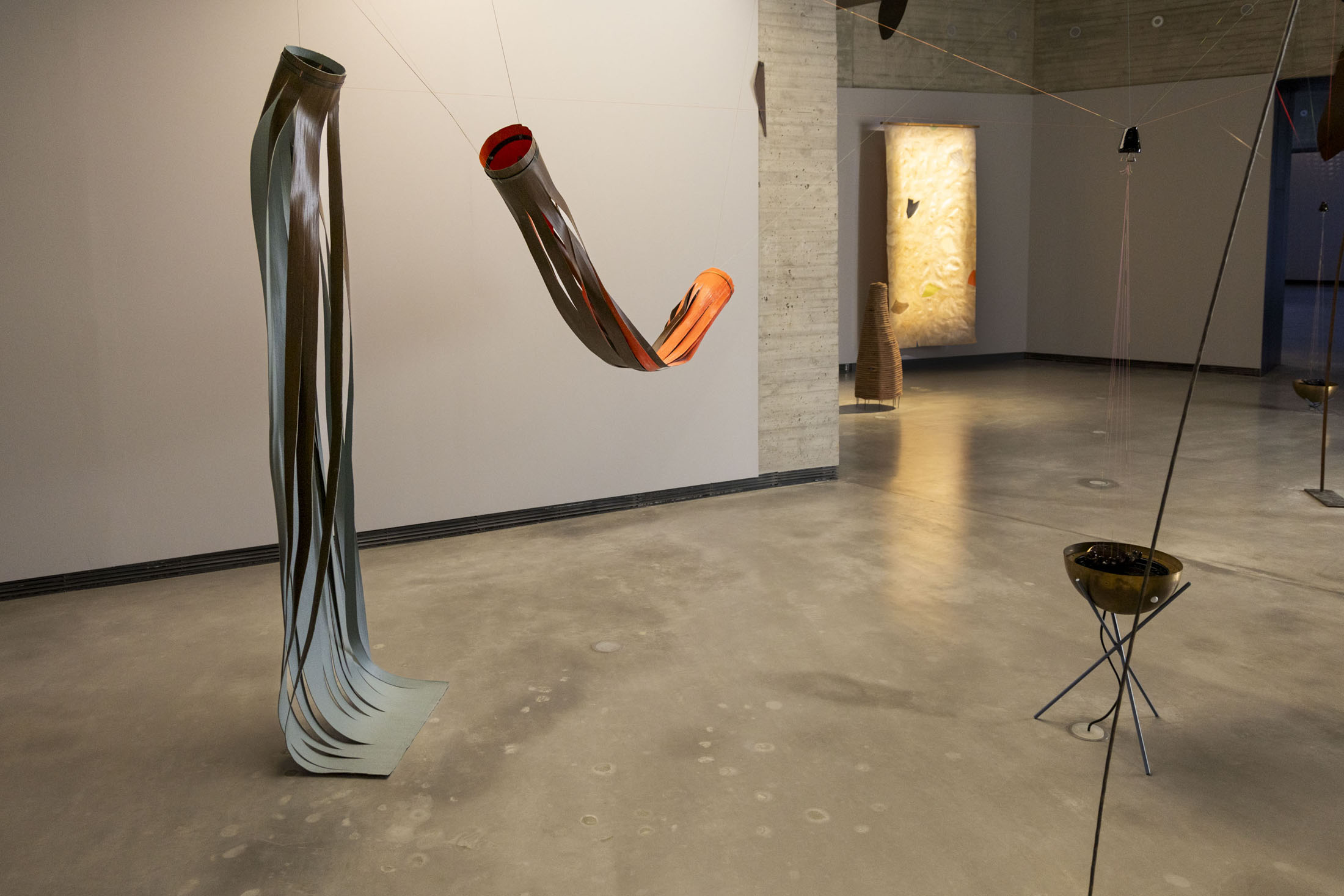
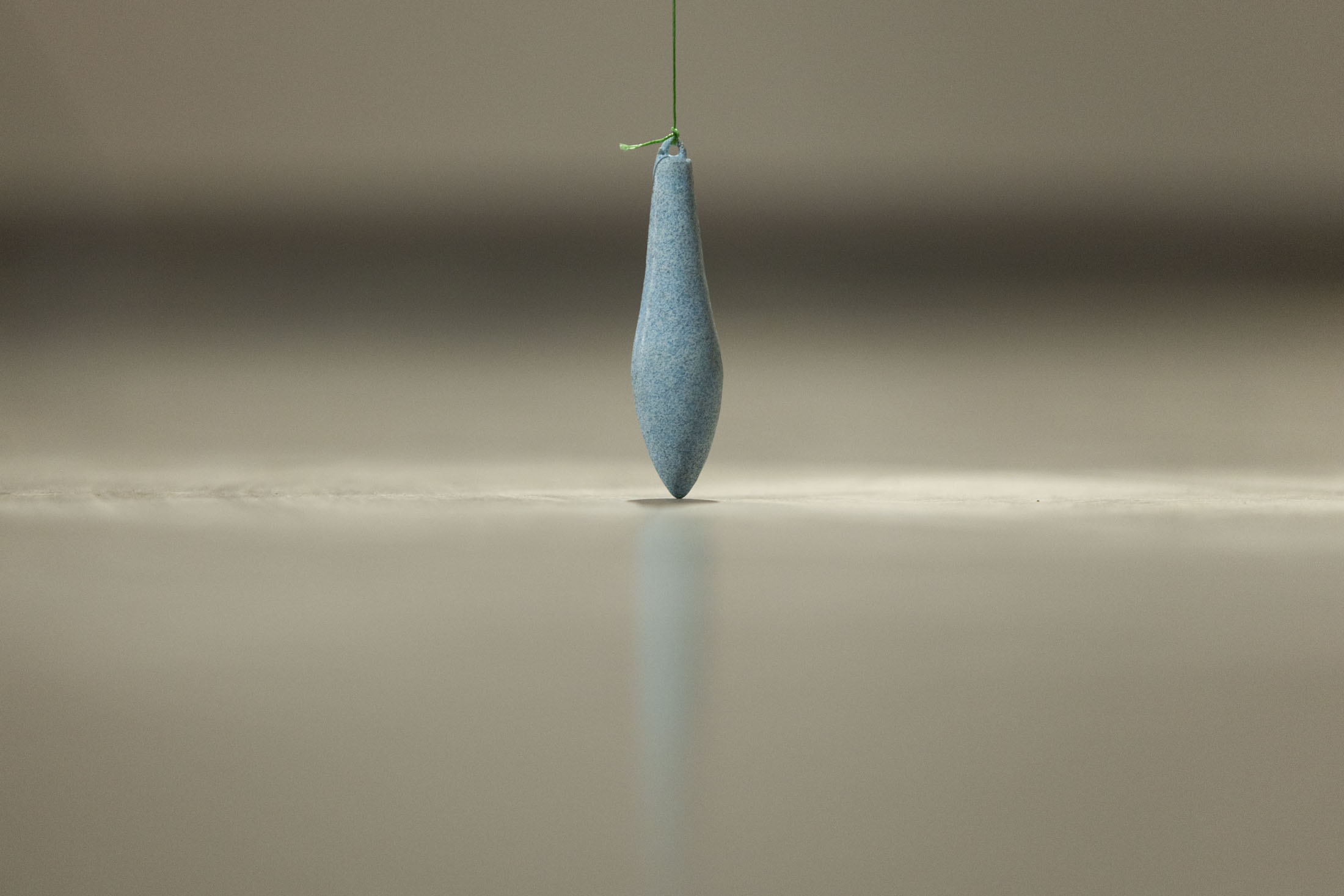
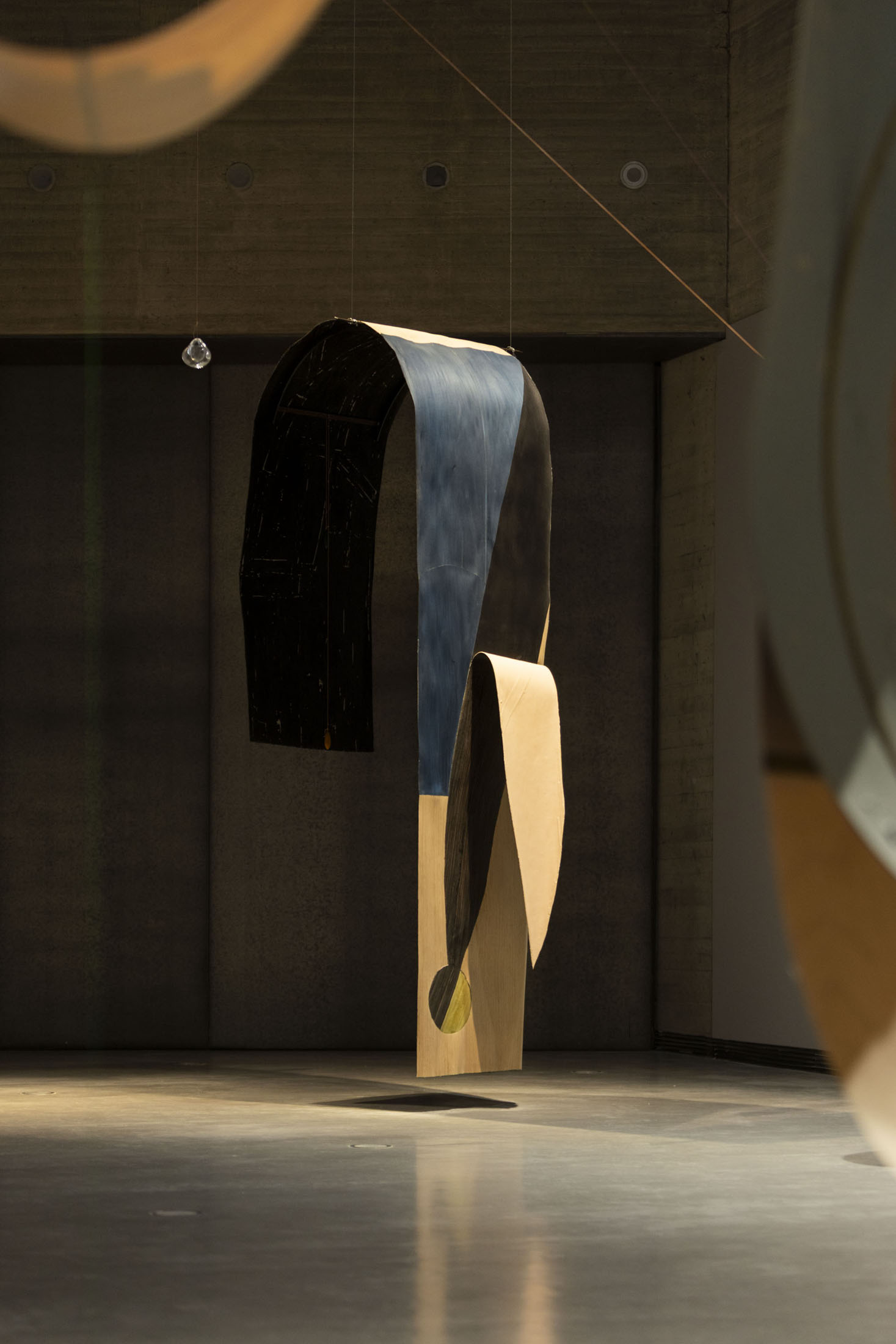
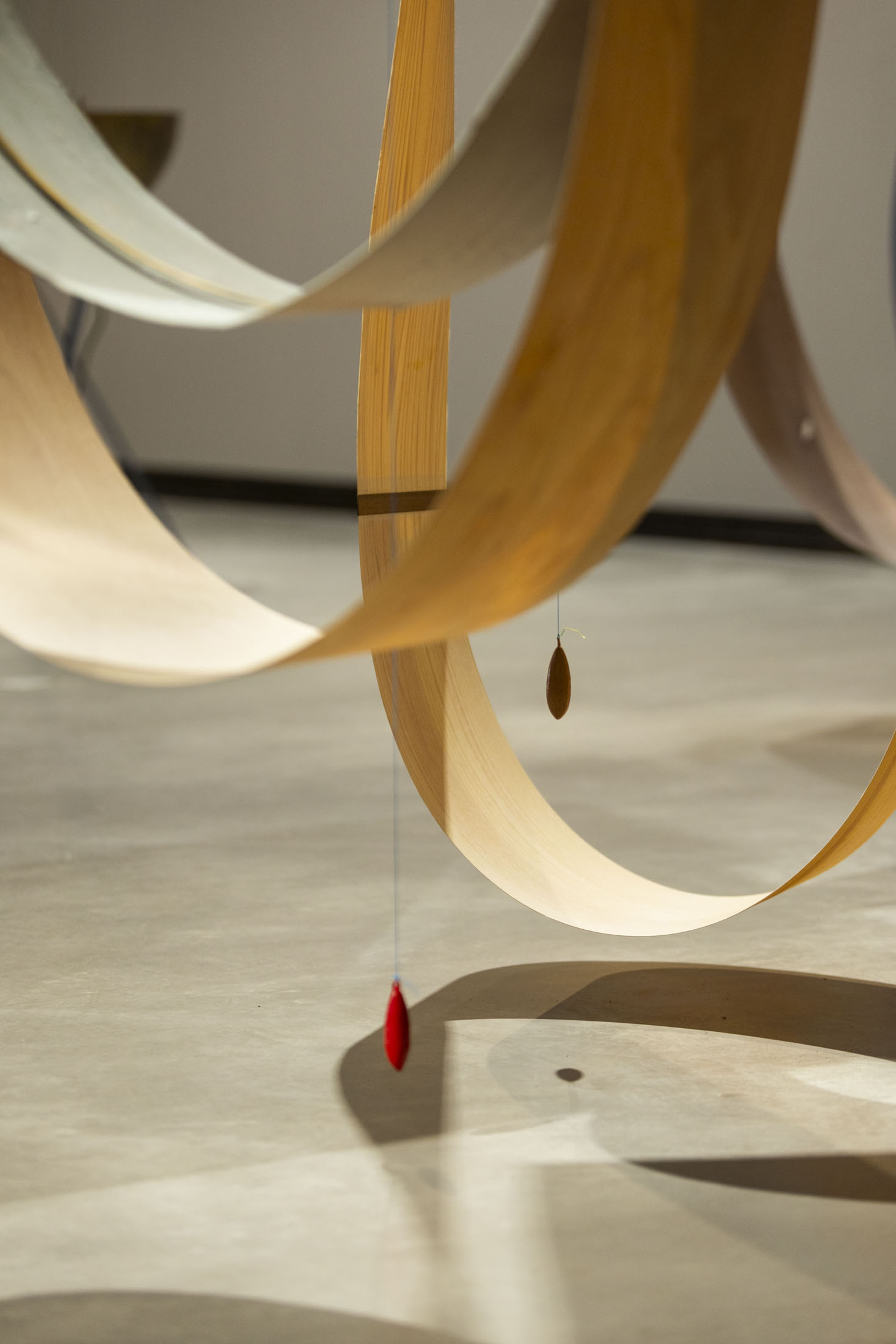
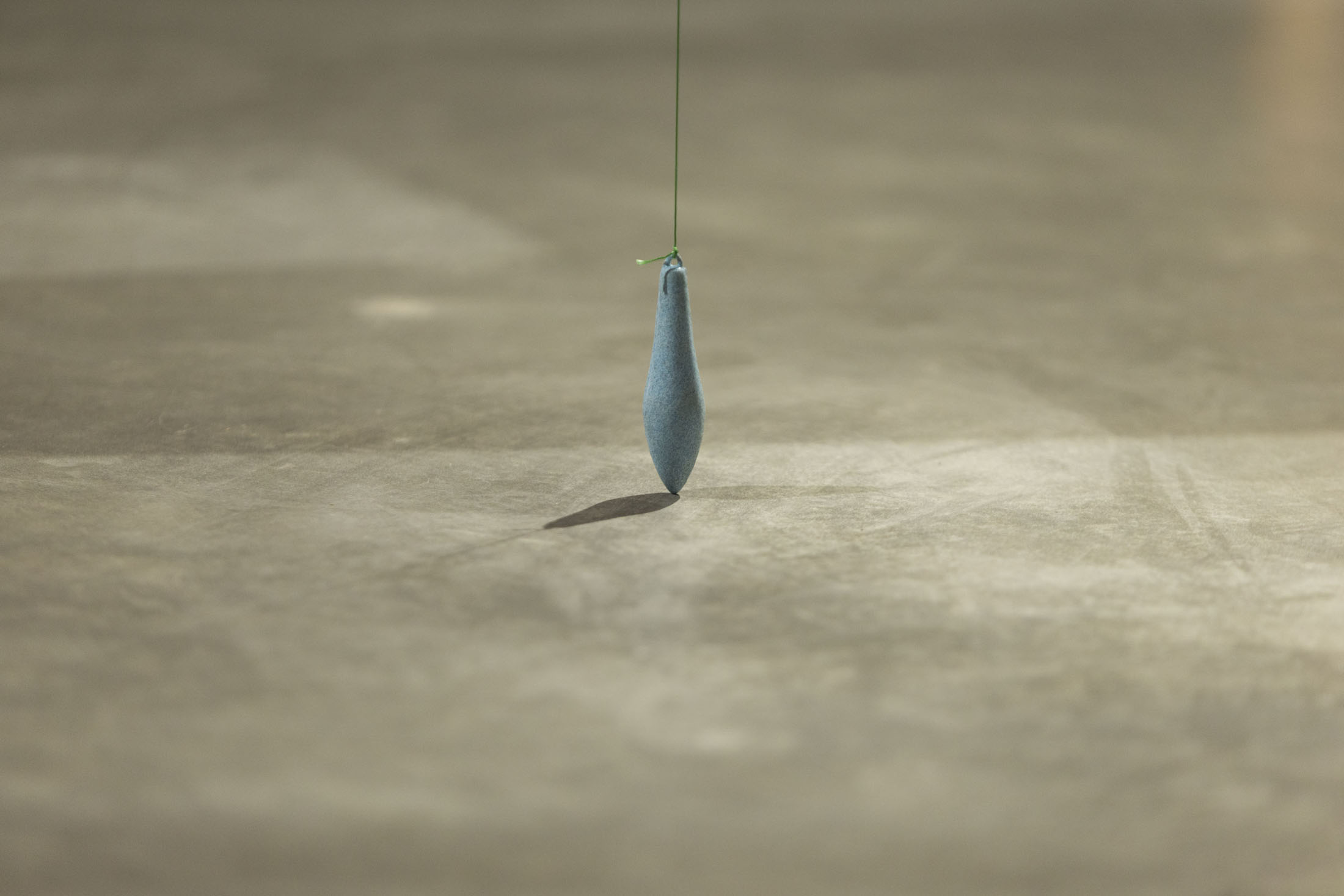
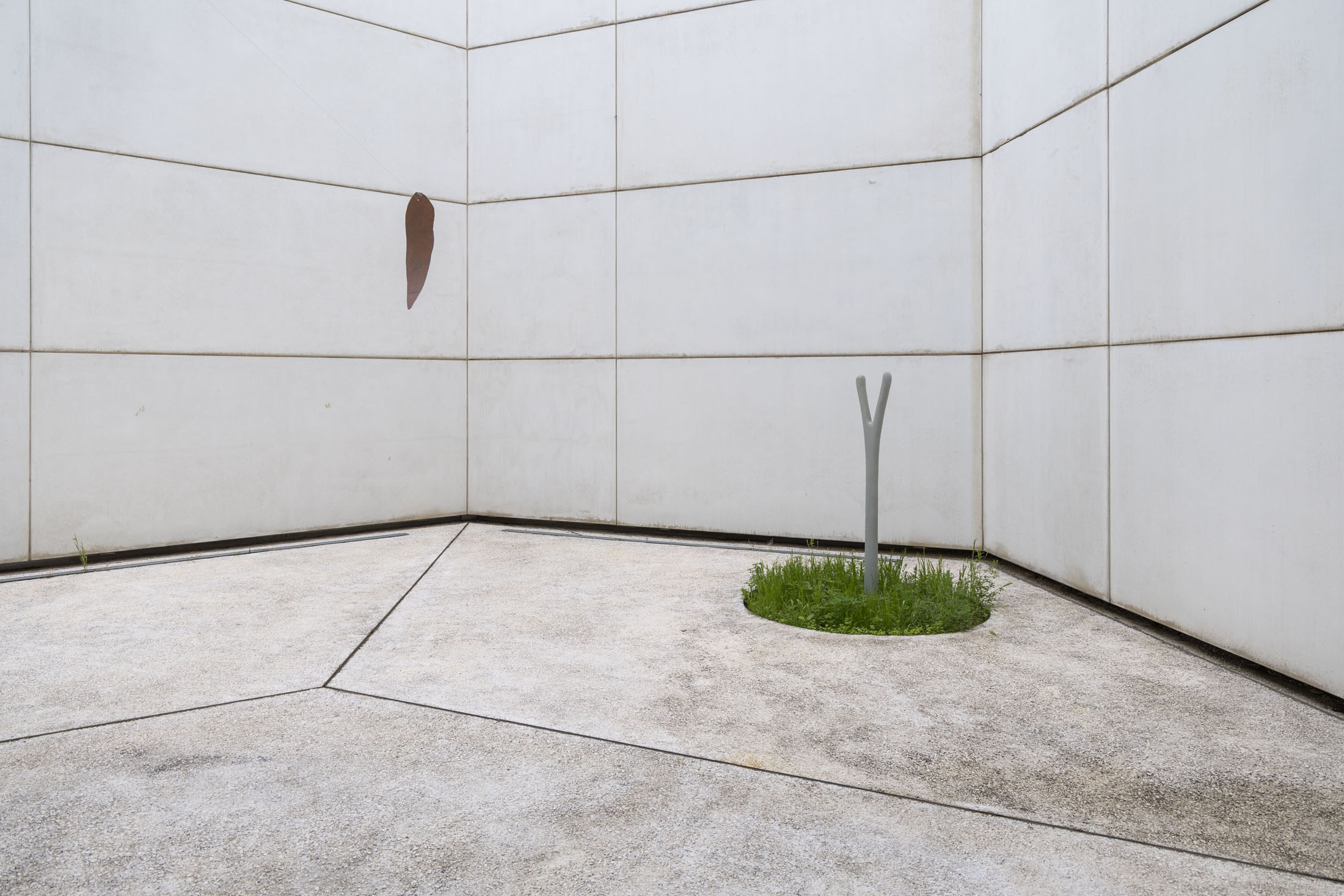
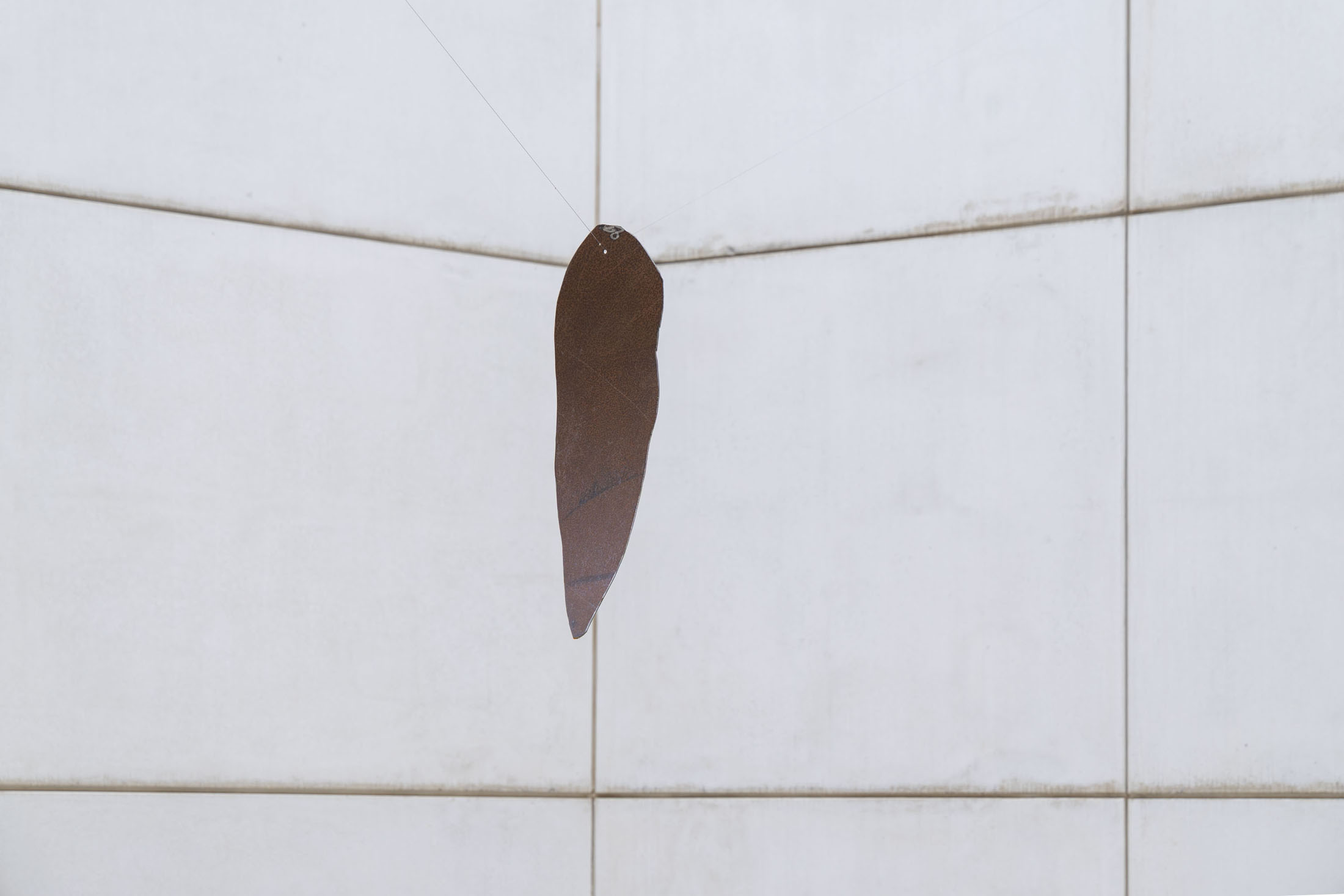
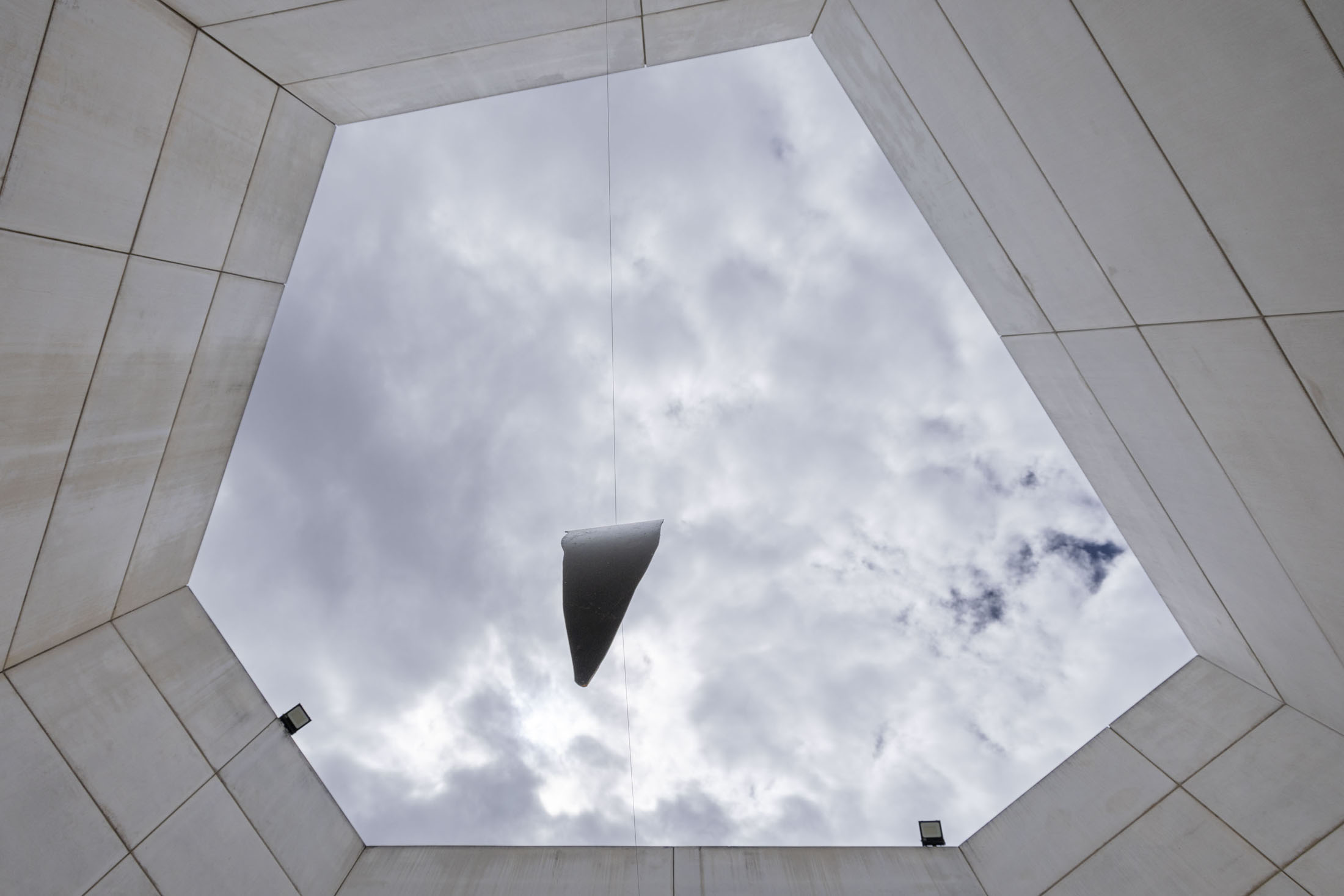
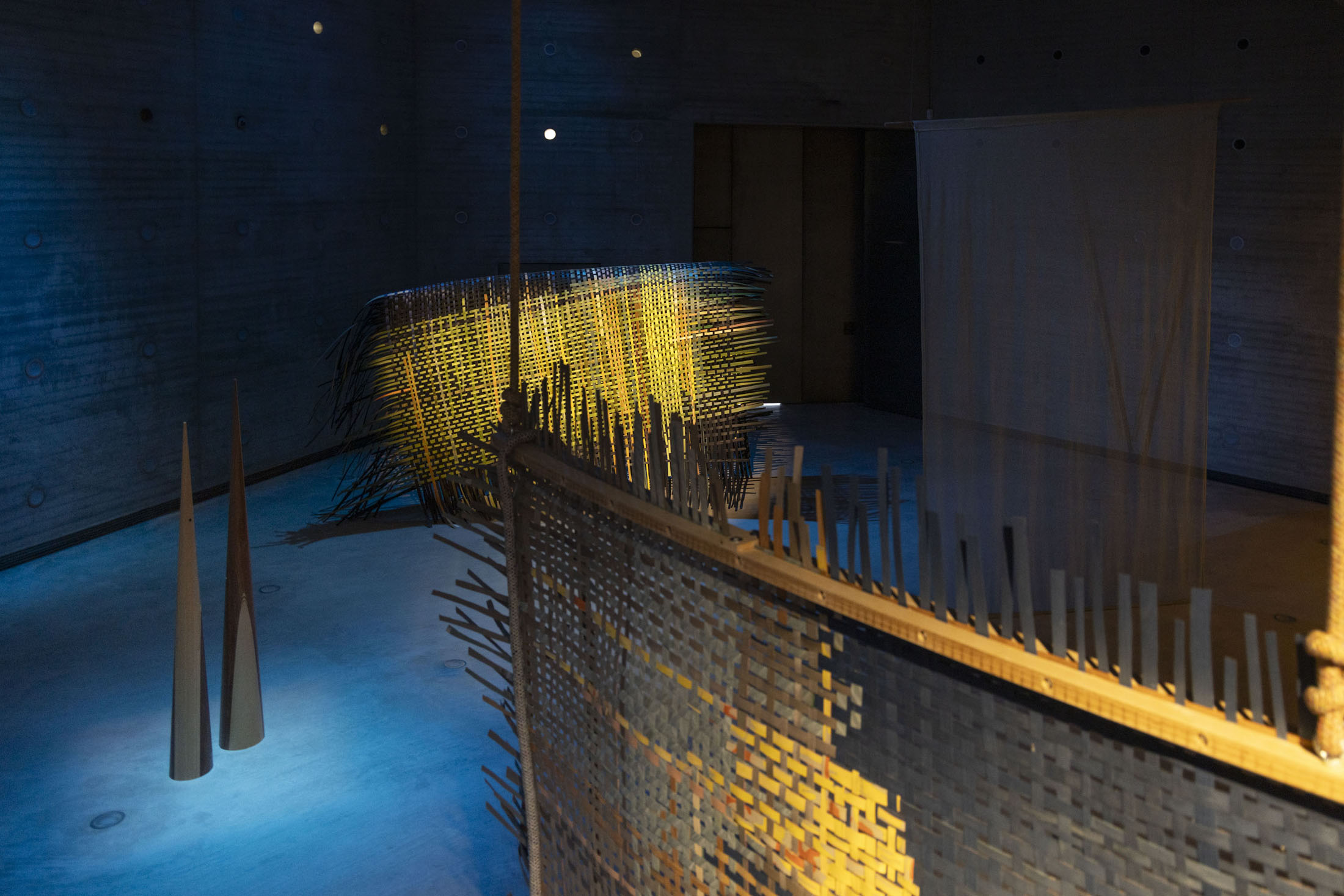
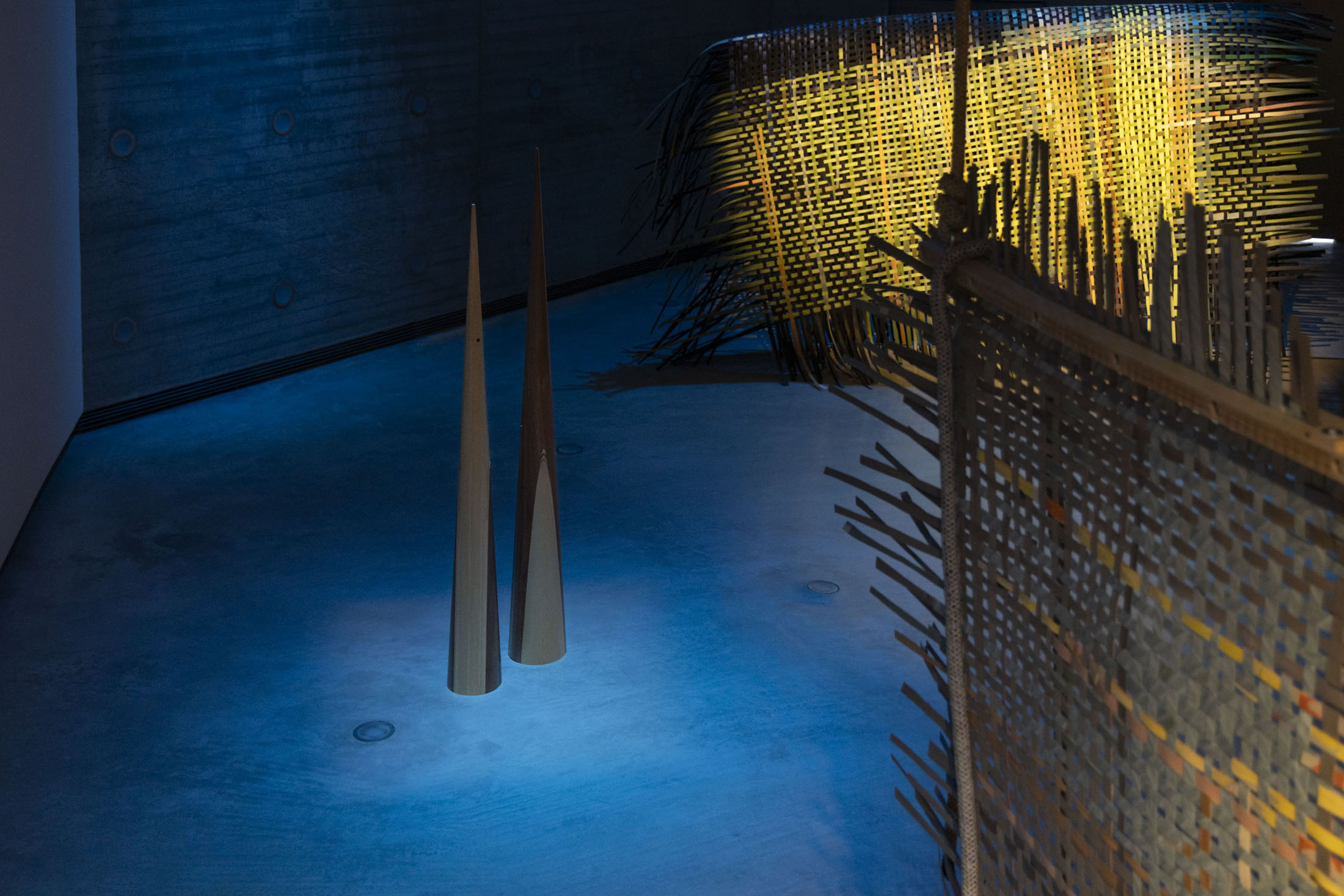
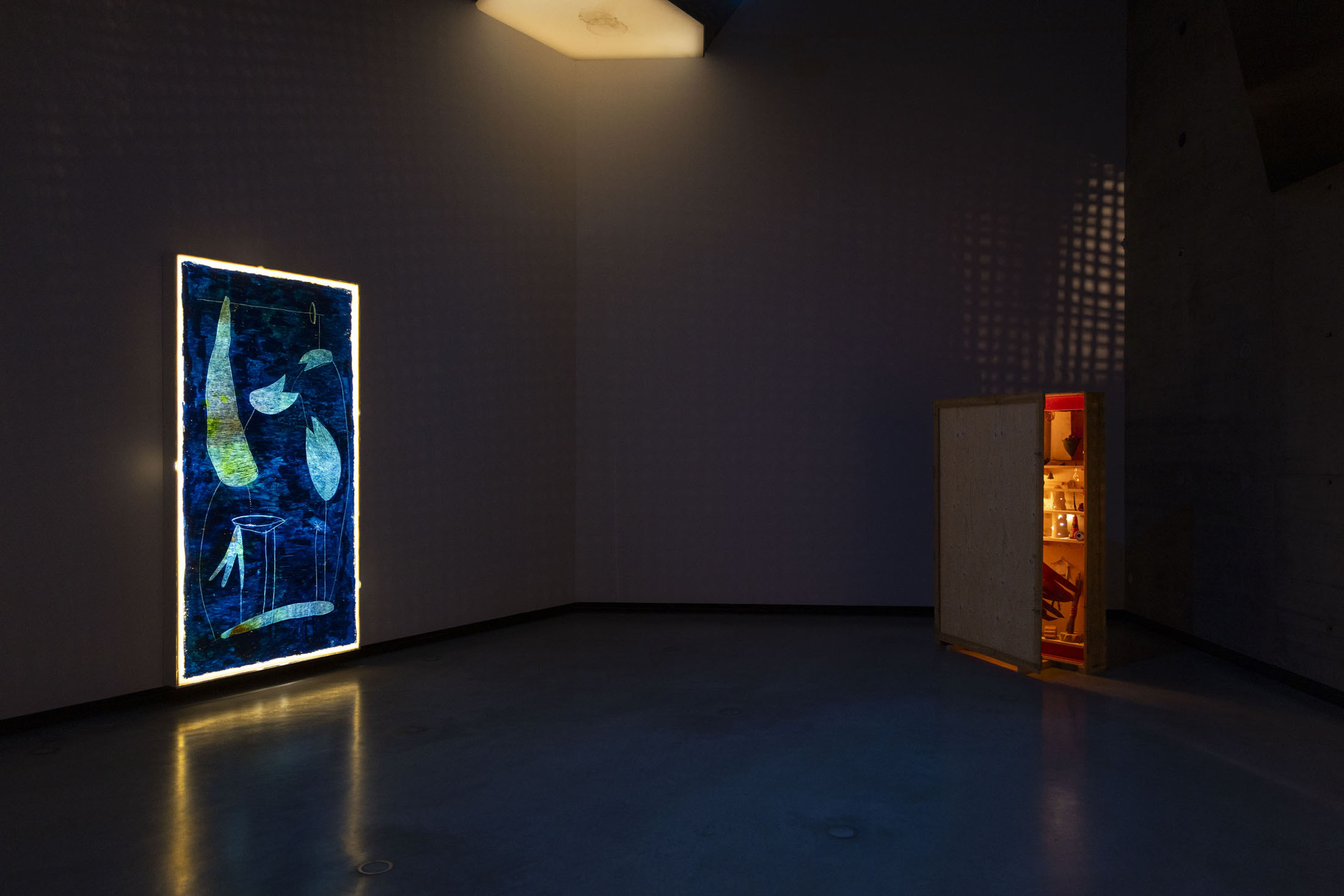
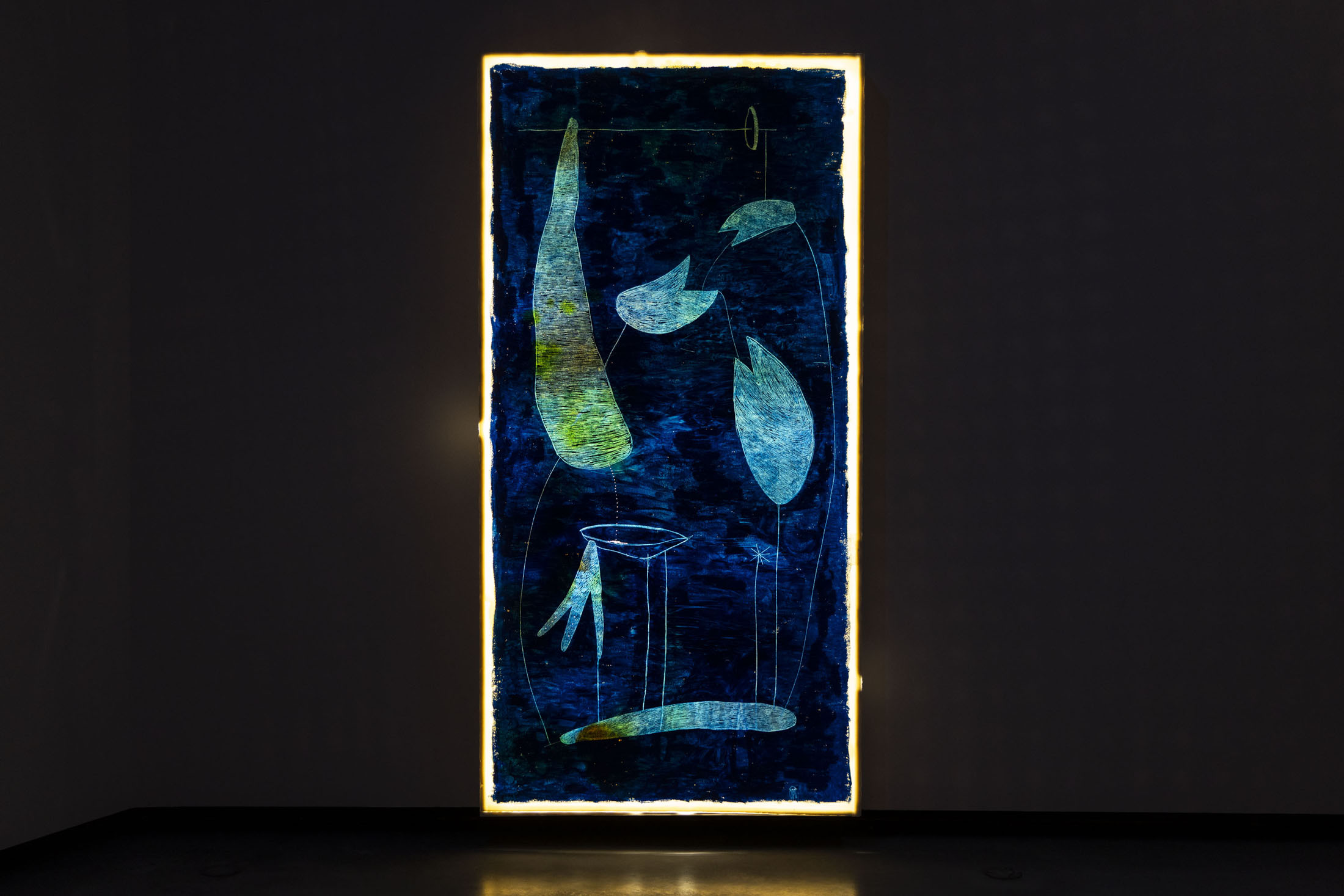
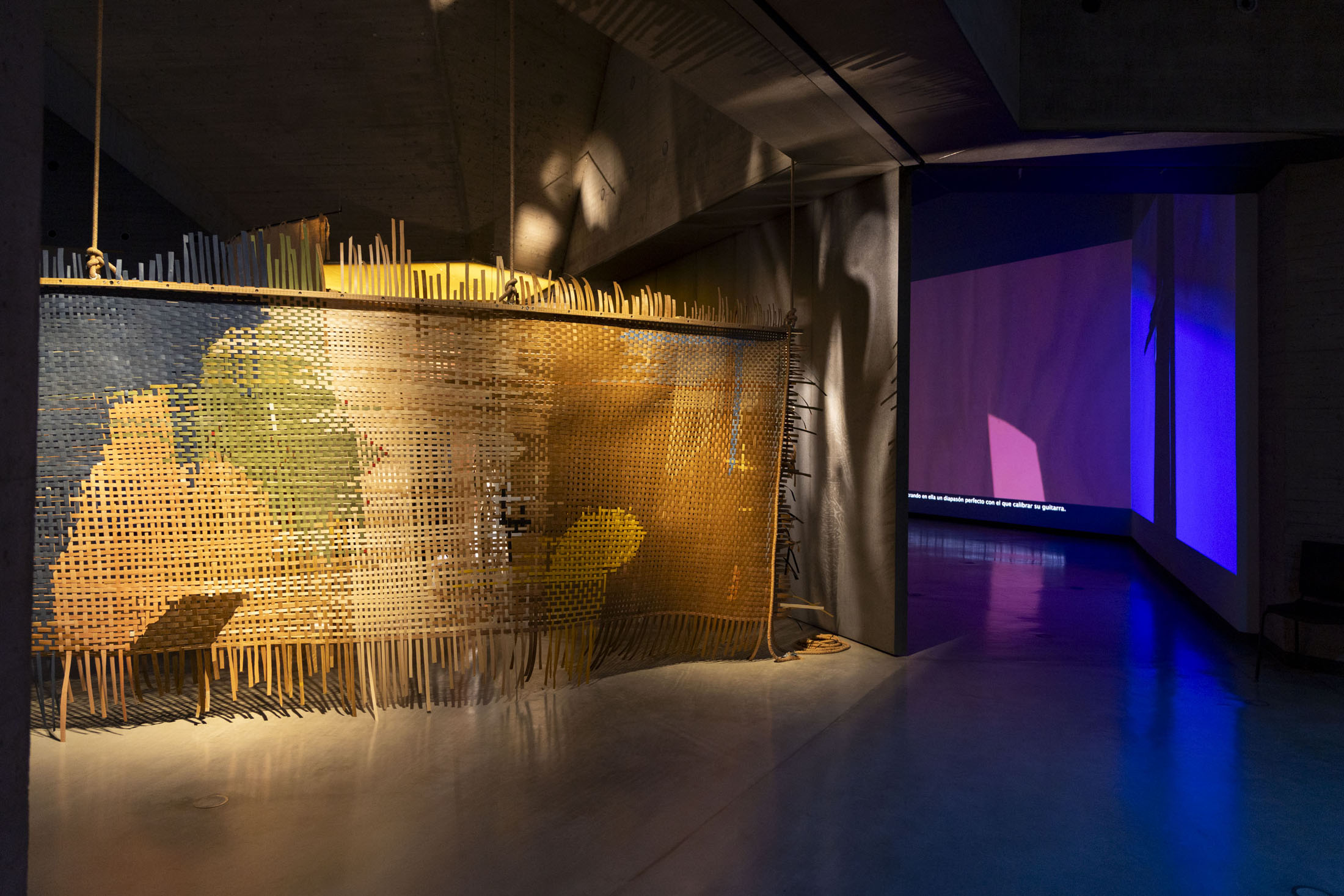
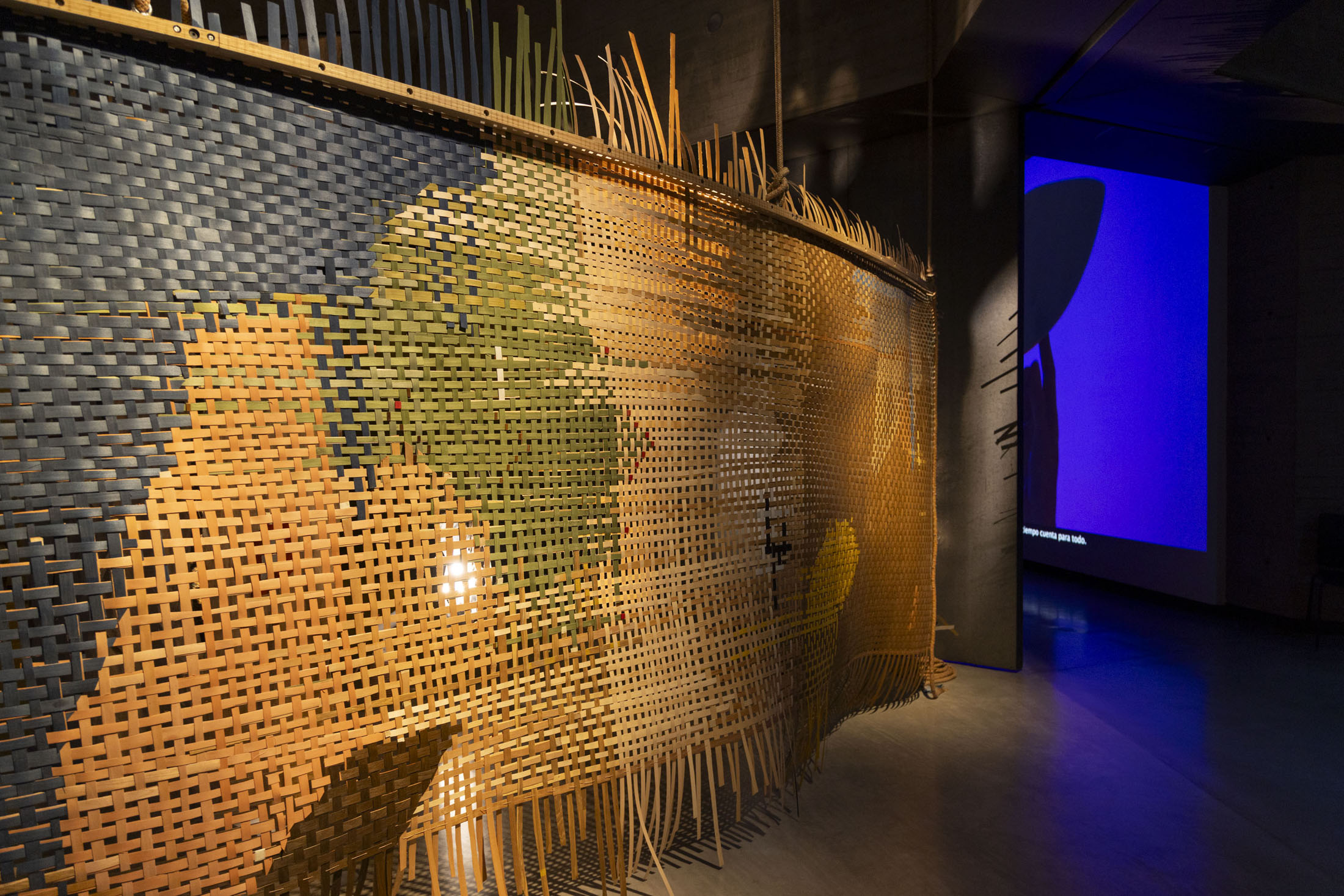
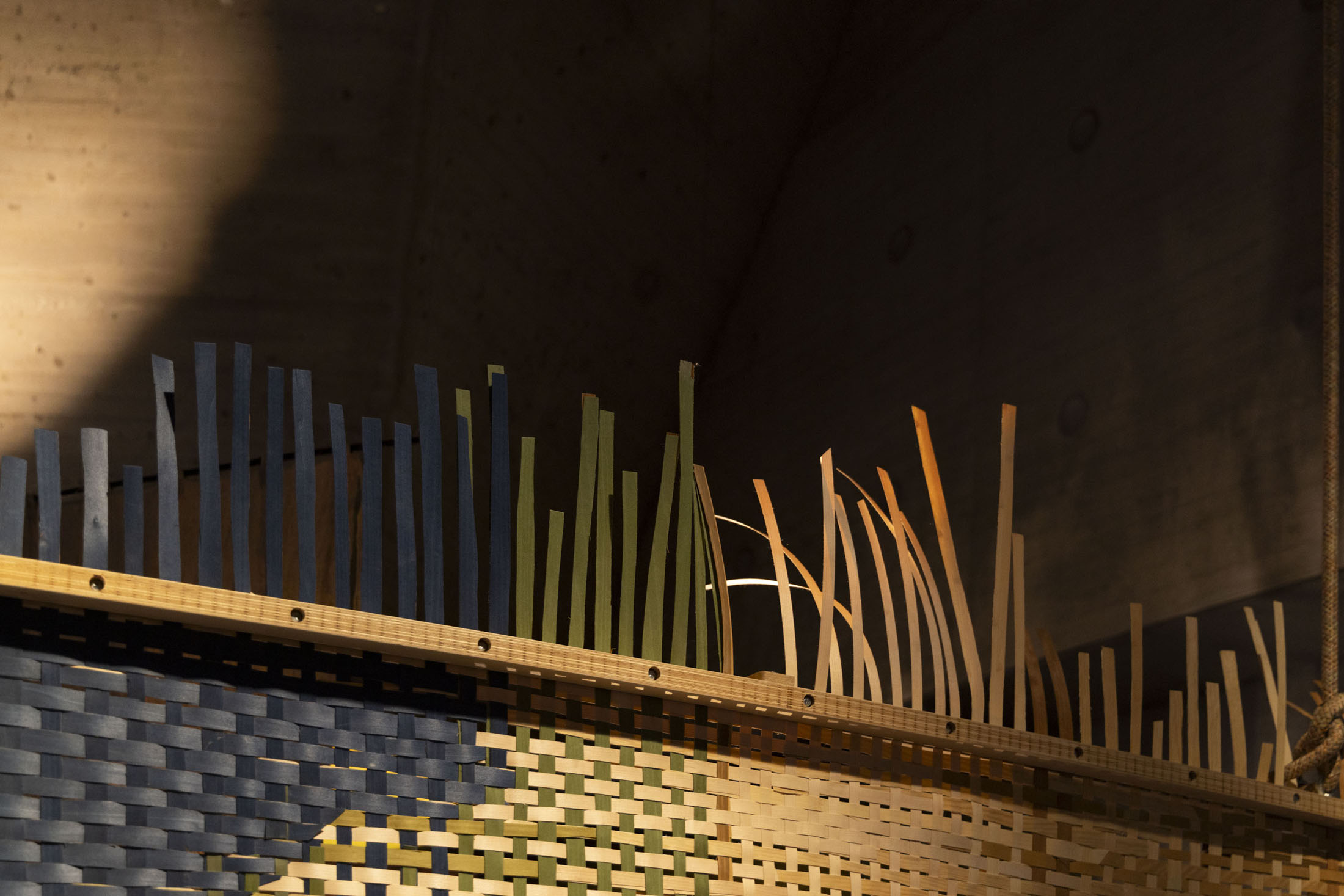
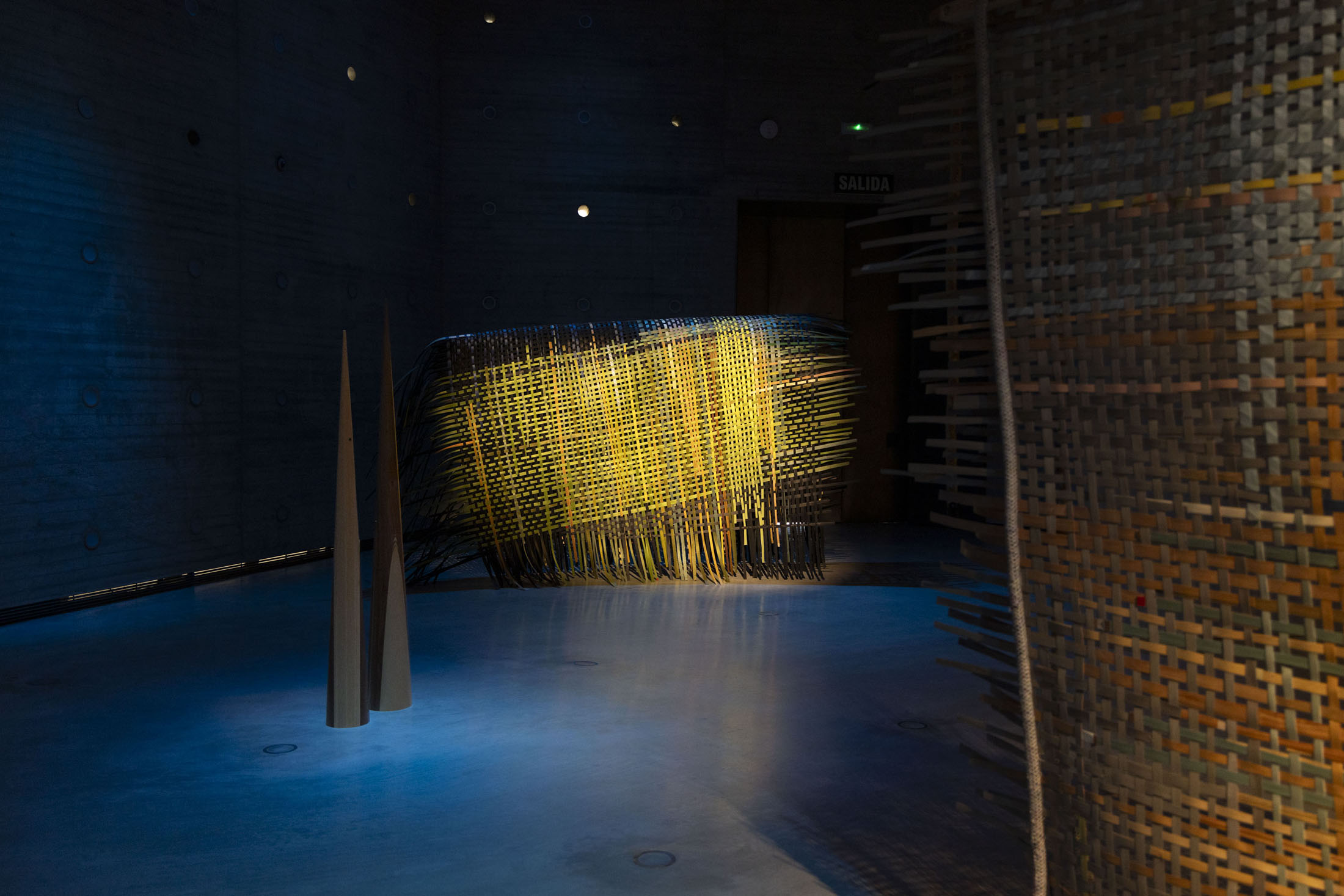
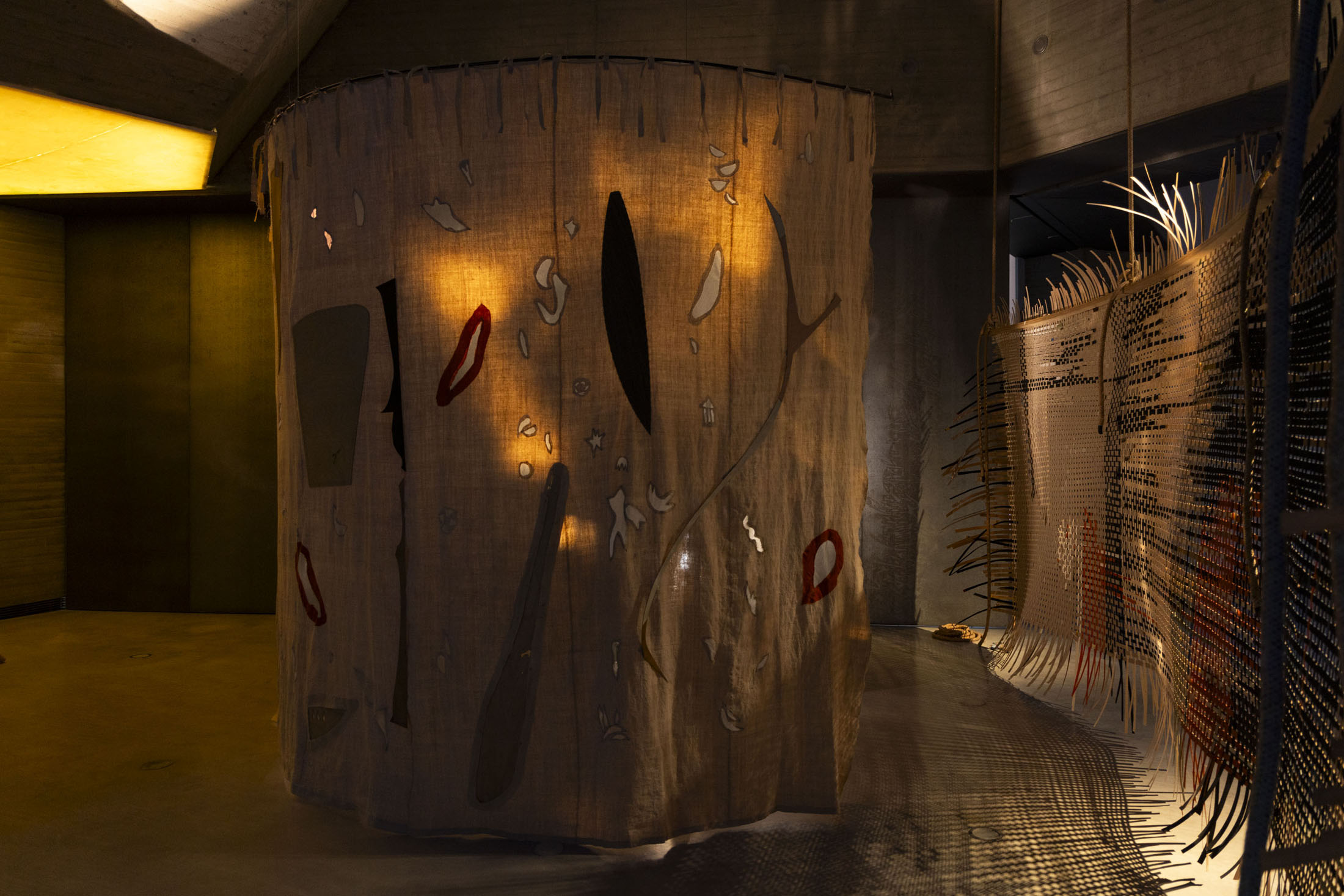
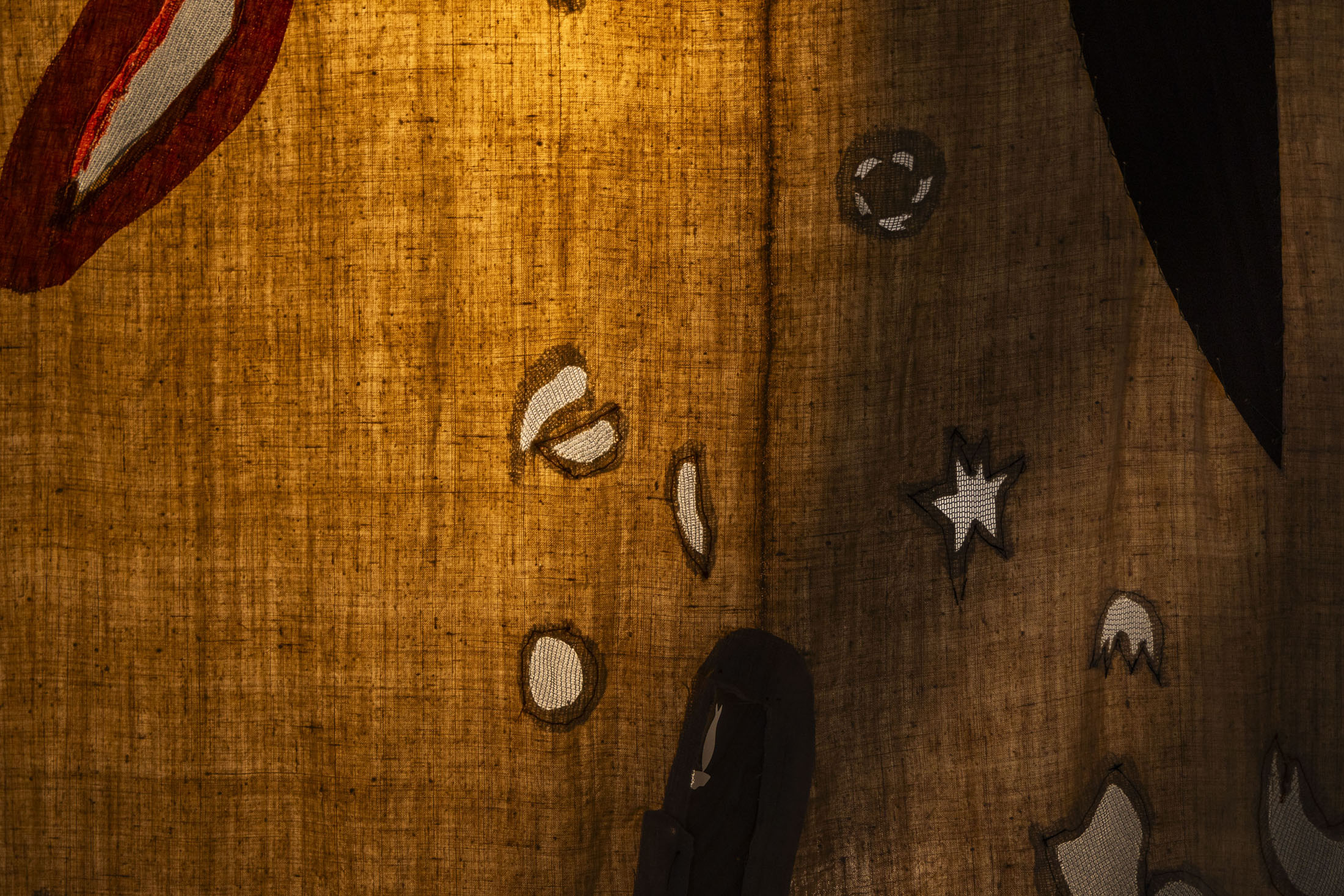
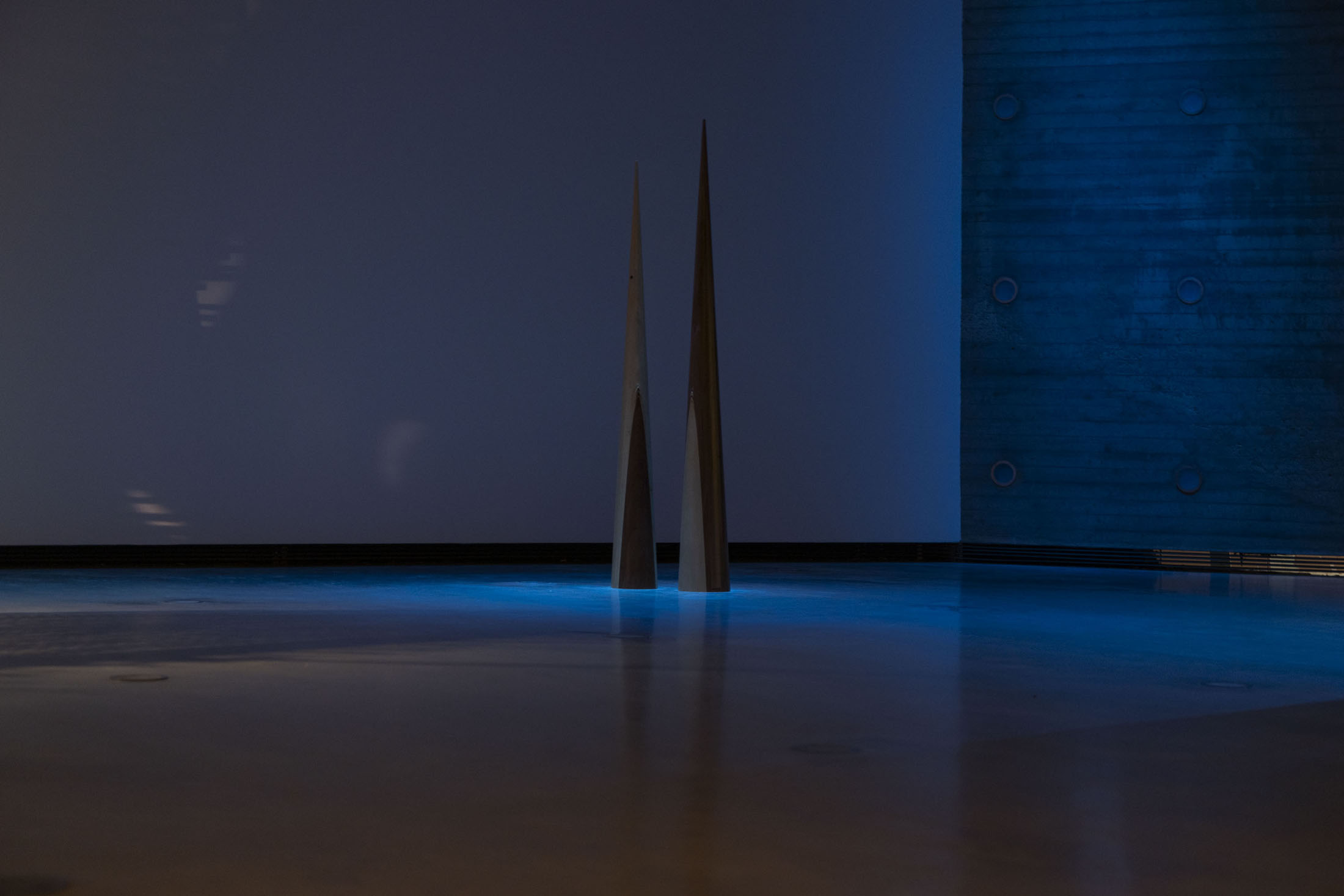
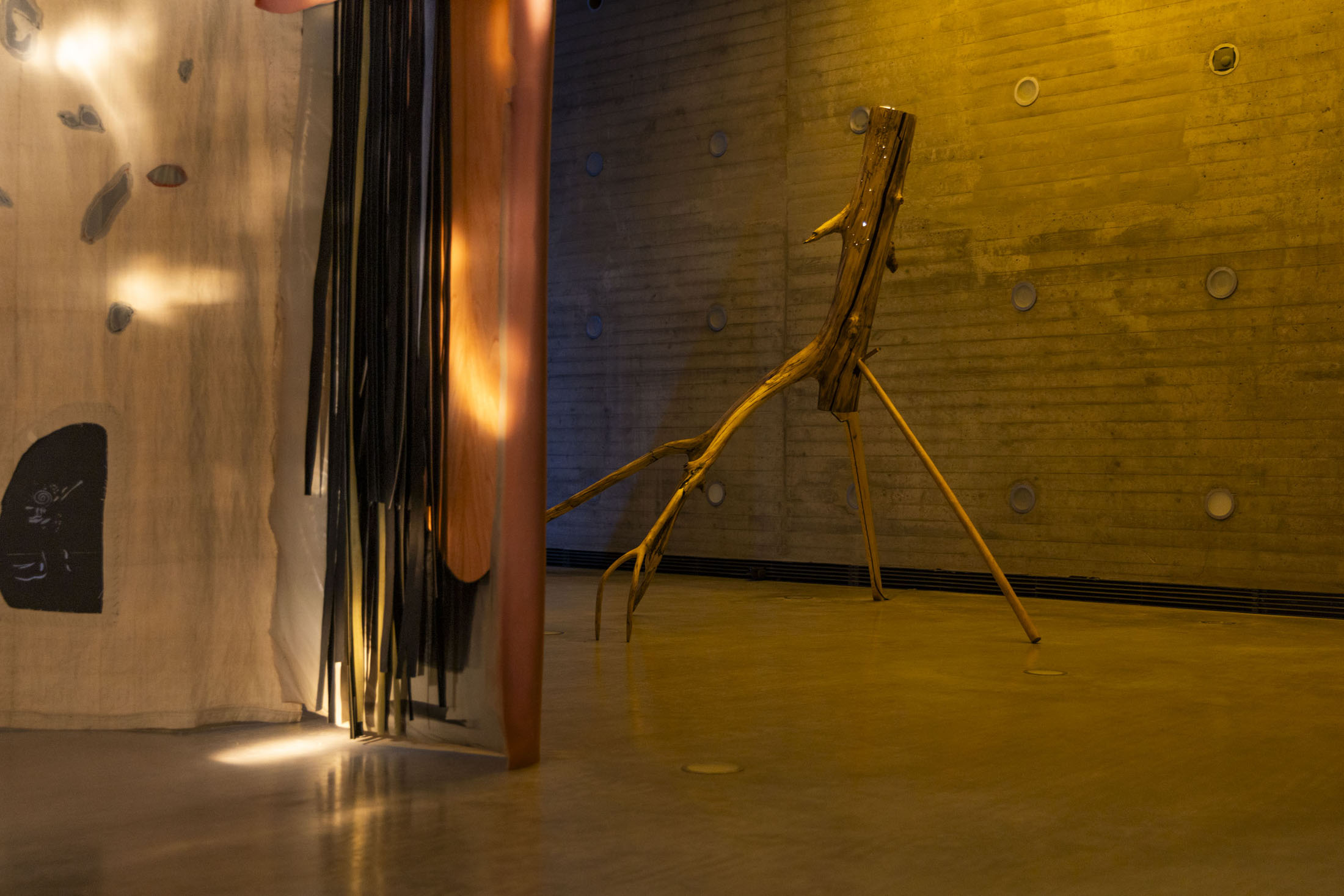
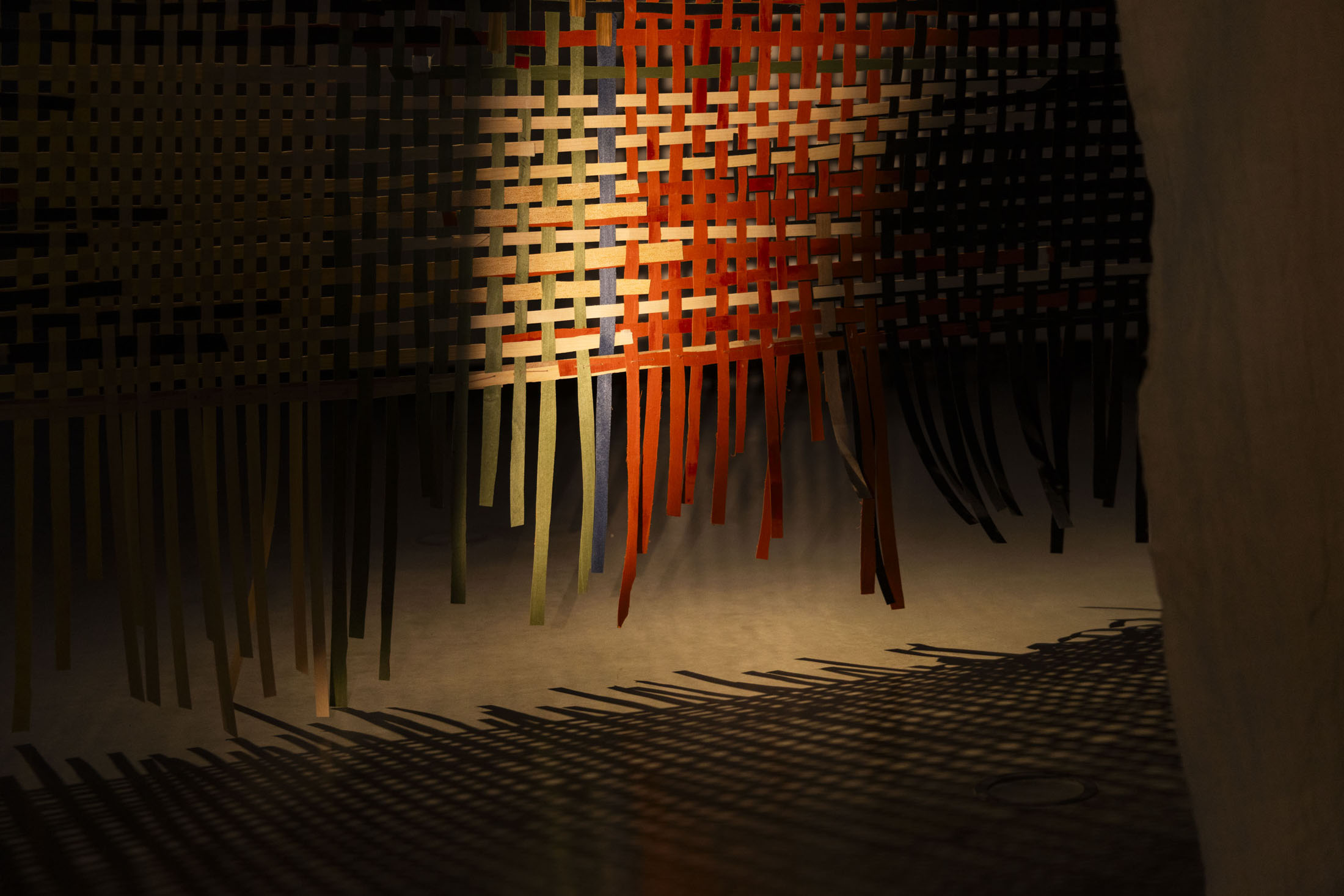
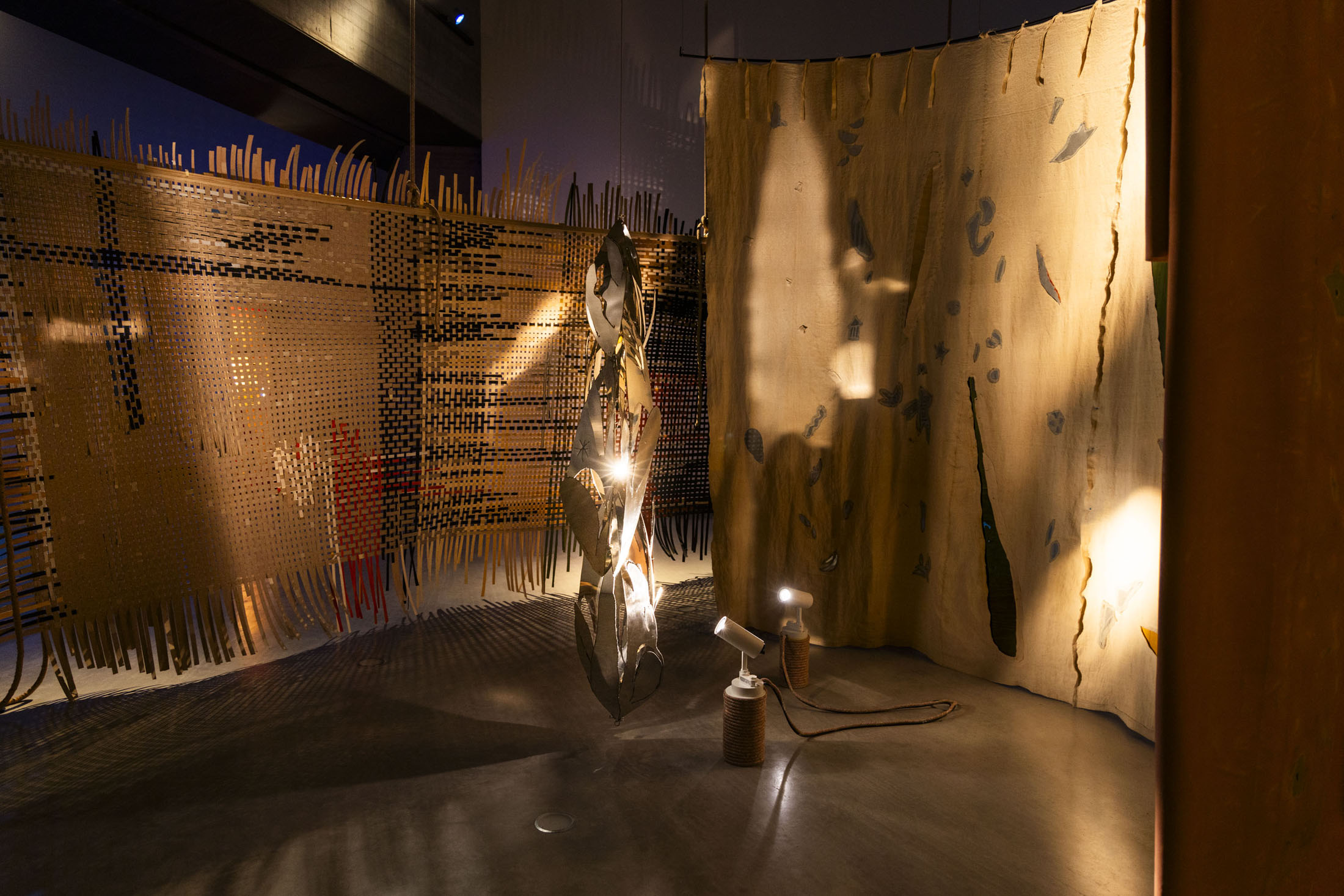
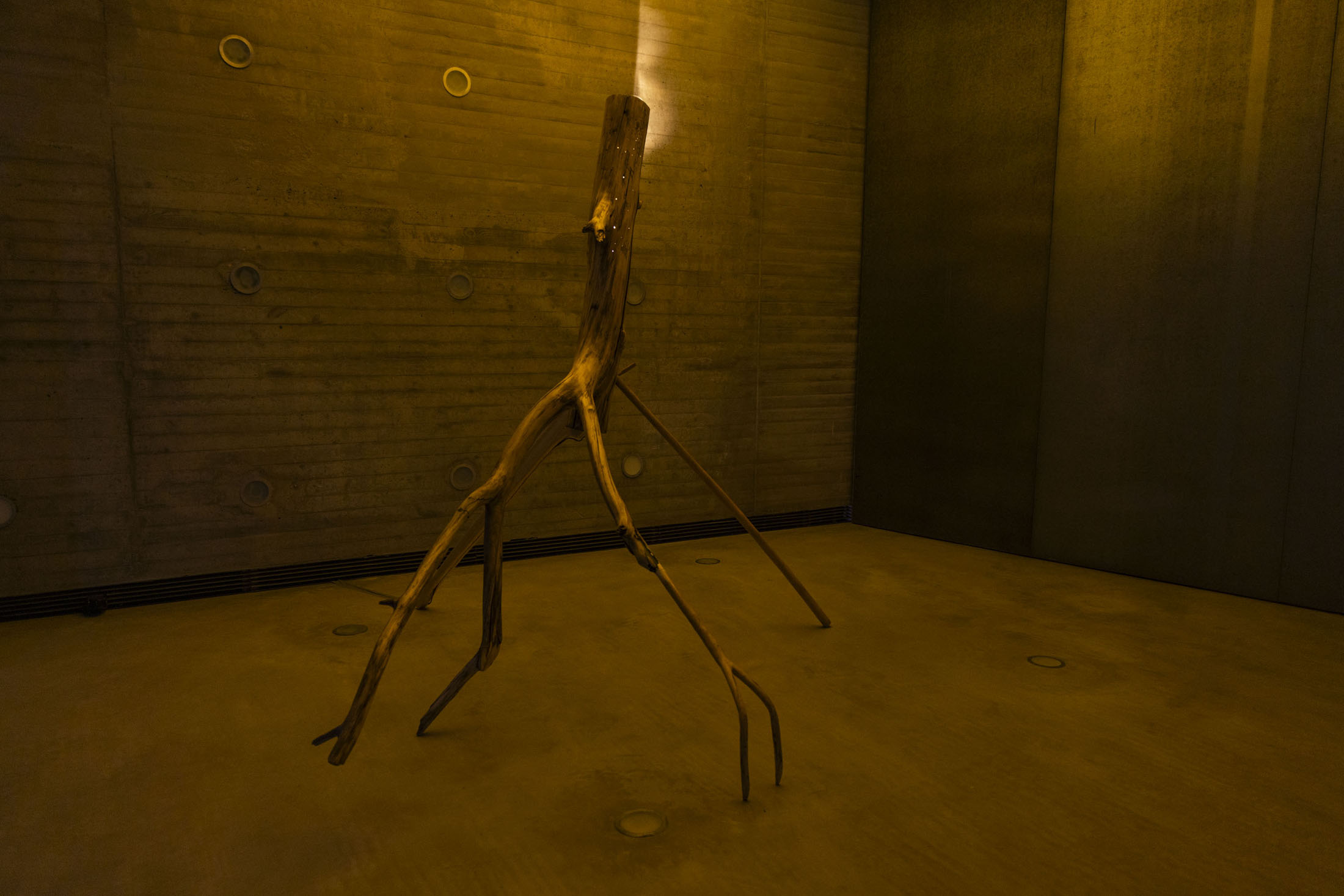
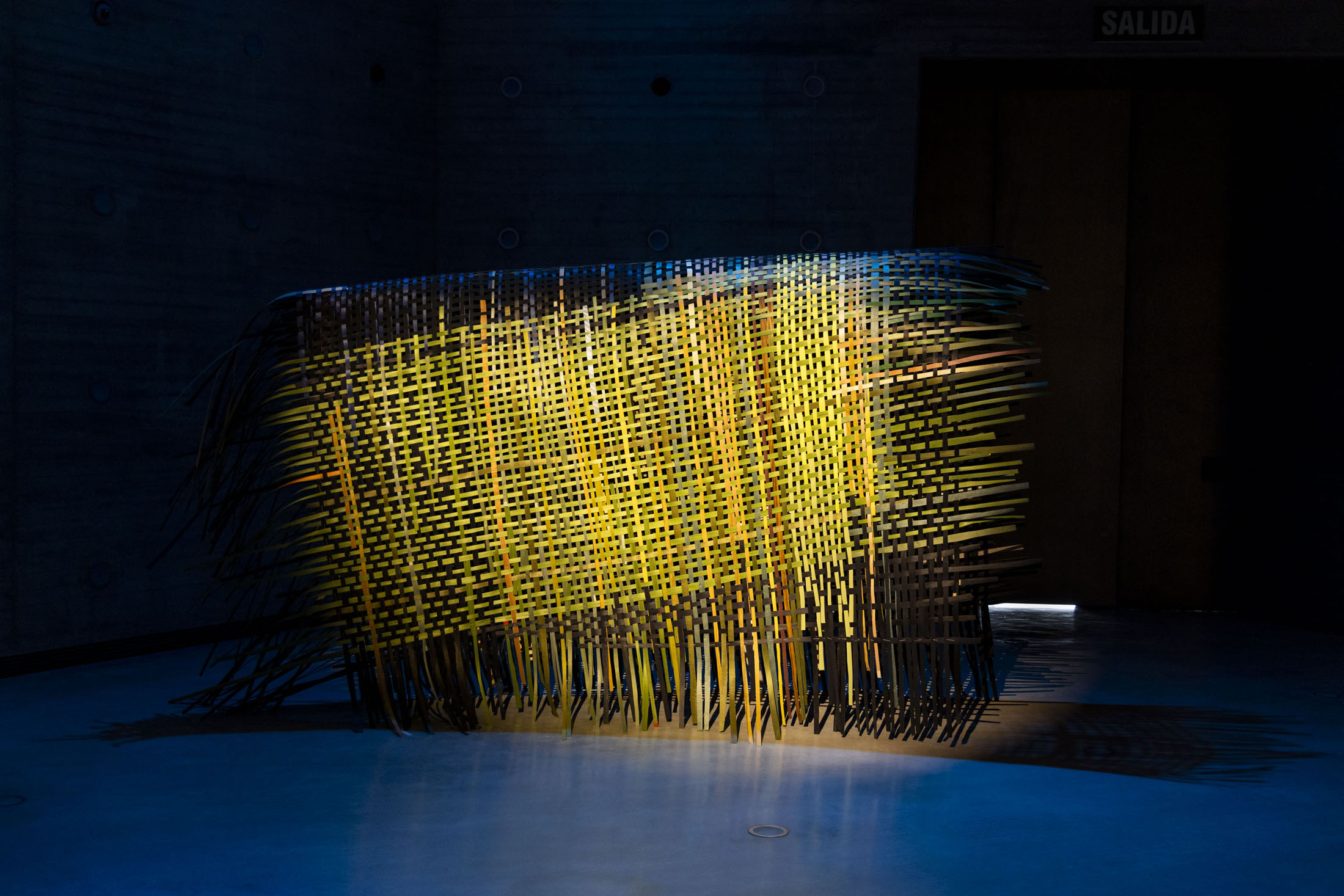
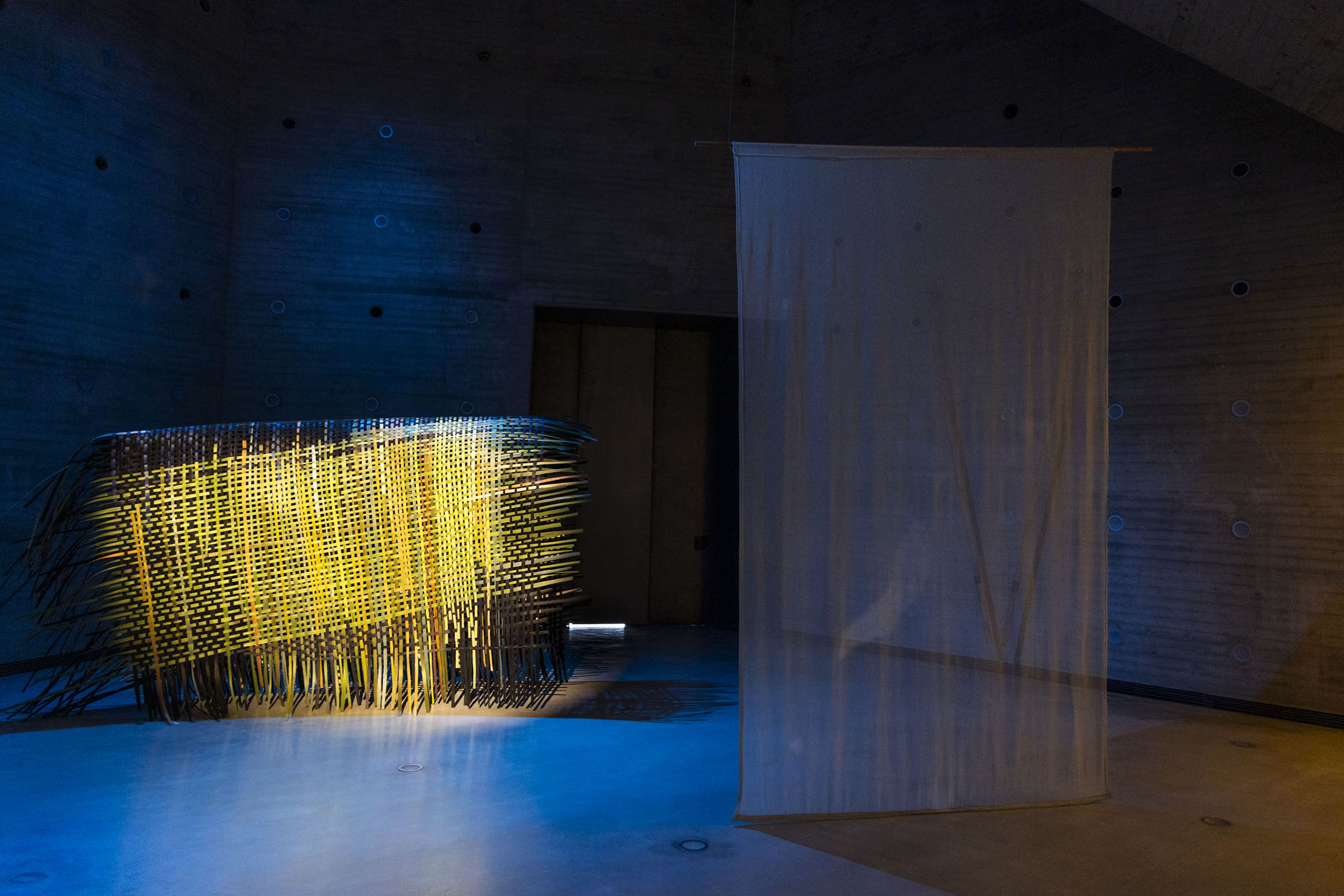
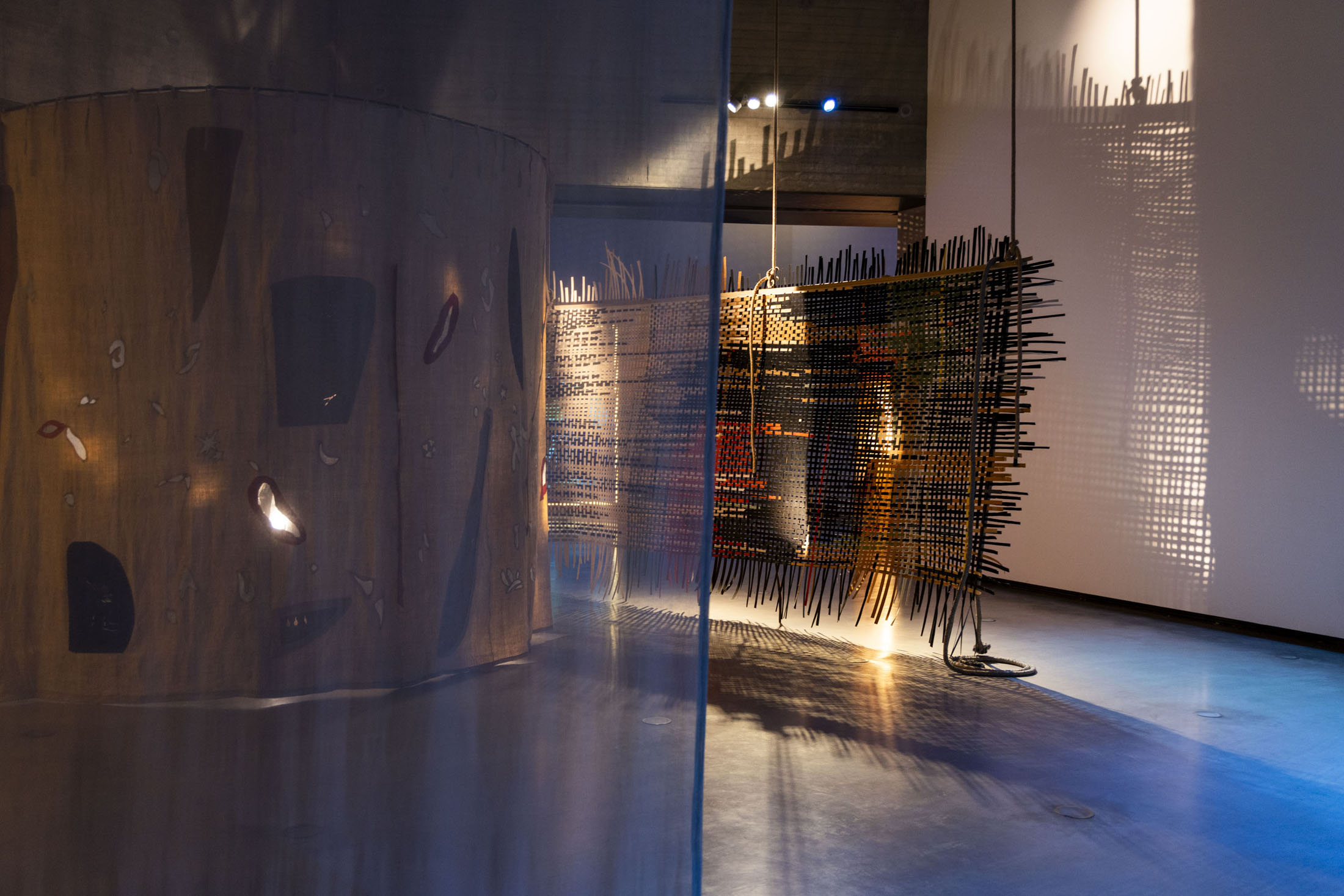
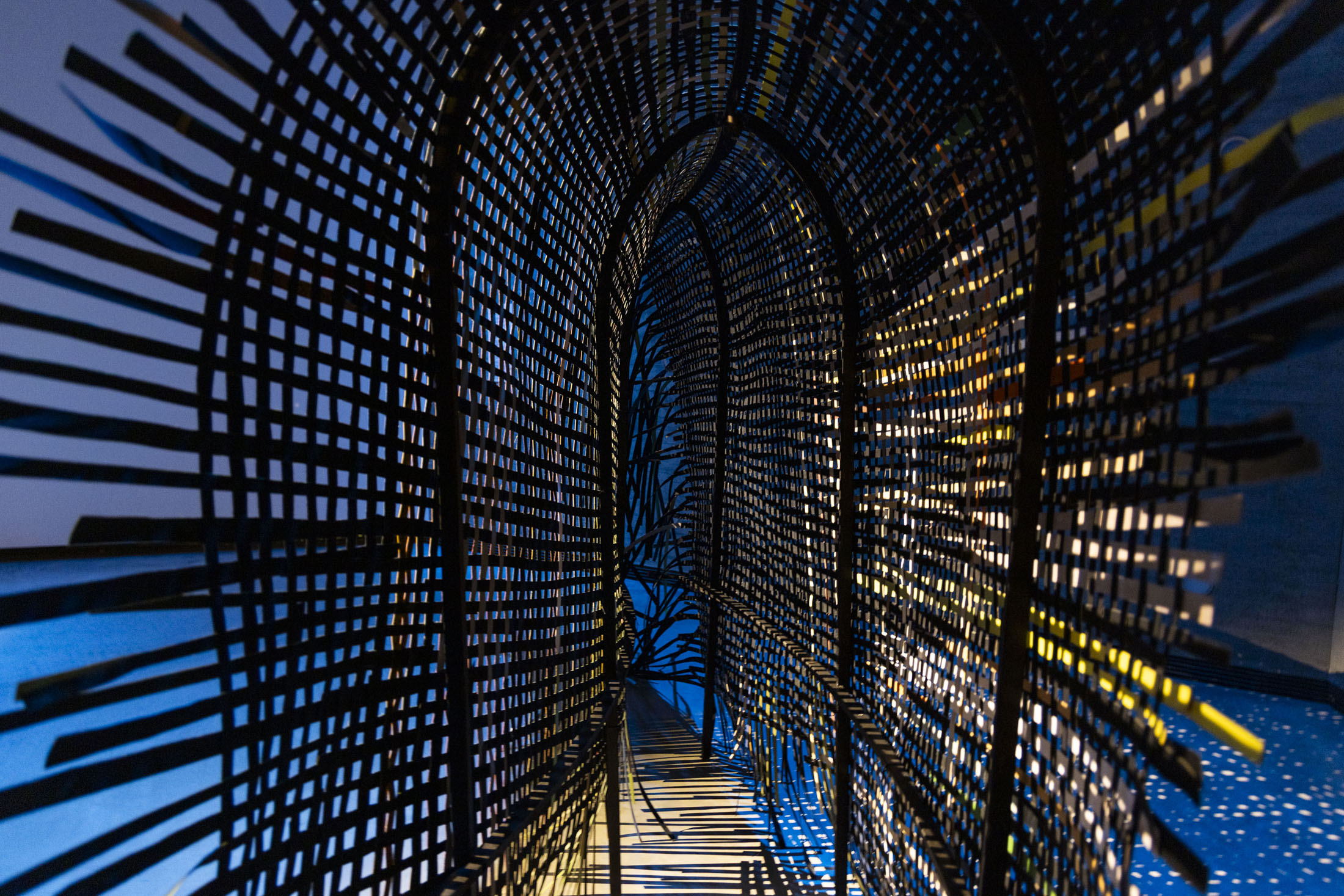
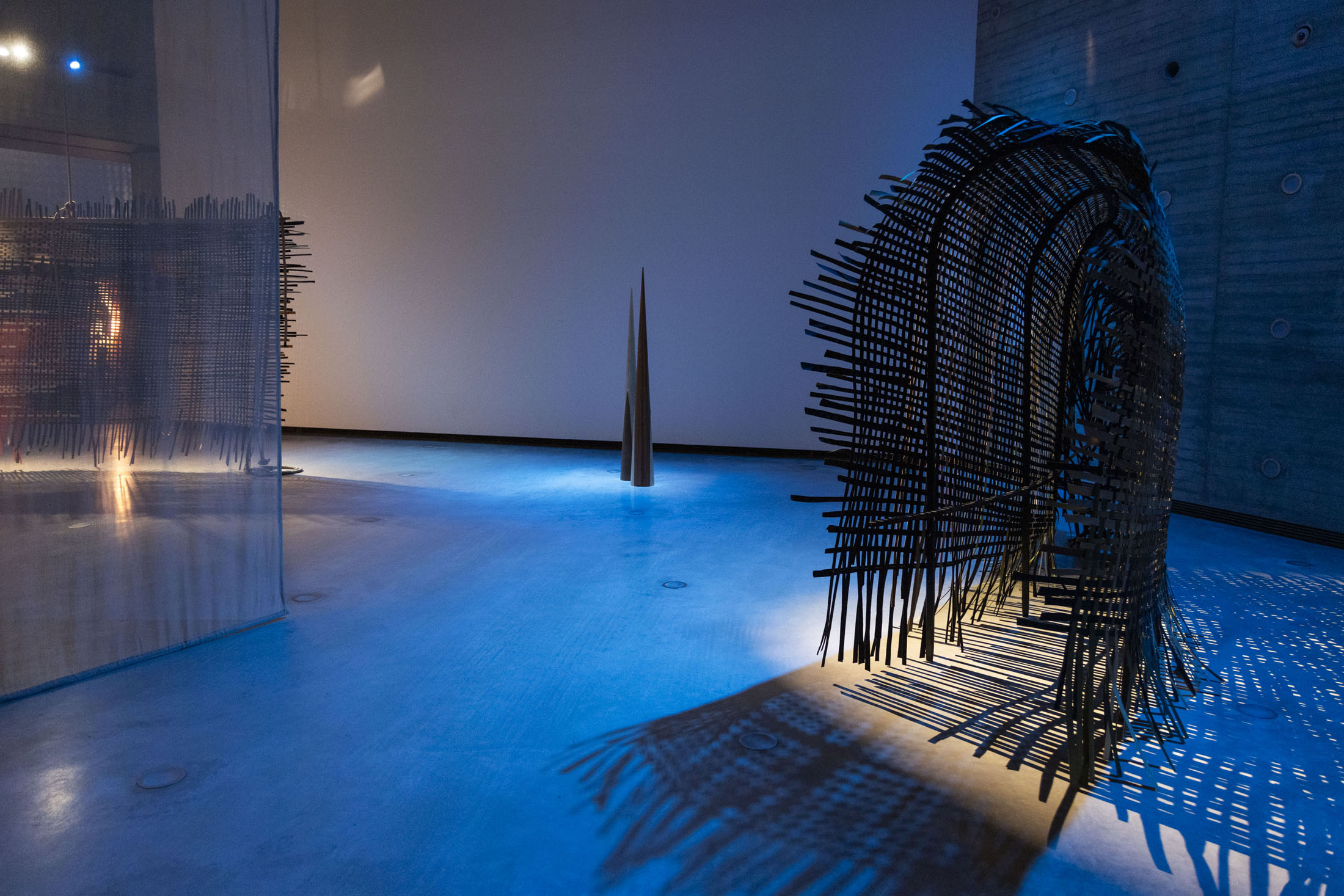
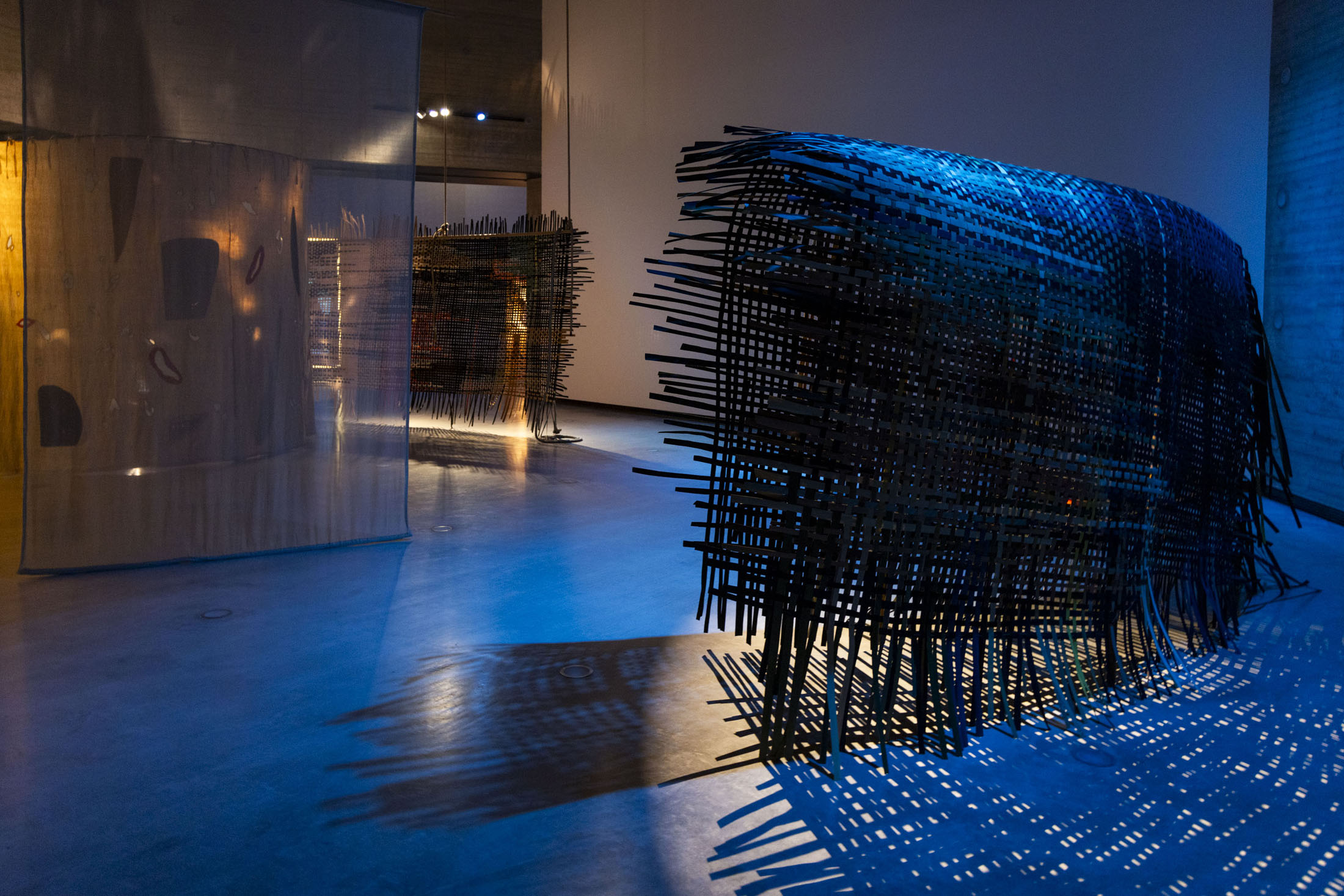
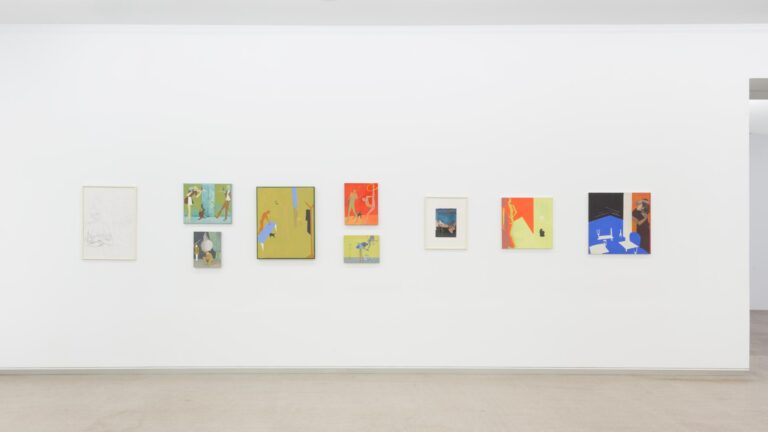
The two installations that Cristina Mejías presents here, Silent Singers (newly produced) and Wandering Apprentices (originally produced for the Patio Herreriano Museum in Valladolid in 2023), are inscribed in the wake of those artistic practices that continuously ravel and unravel and, in that back-and-forth process in which figures vanish as soon as they begin to take shape, manage to weave some form of clarity: a clearing in the woods that allows us to listen, finally, to the “quiet music” of existence.
*Claro de Bosque (1977) María Zambrano (1904-1991); Alianza Editorial 2019
Translation by the author of this text, Claudia Rodriguez-Ponga
[1] The Spanish verb “errar” or “to err” has a double meaning here, since it refers both to doing wrong or being mistaken and to aimless wandering.