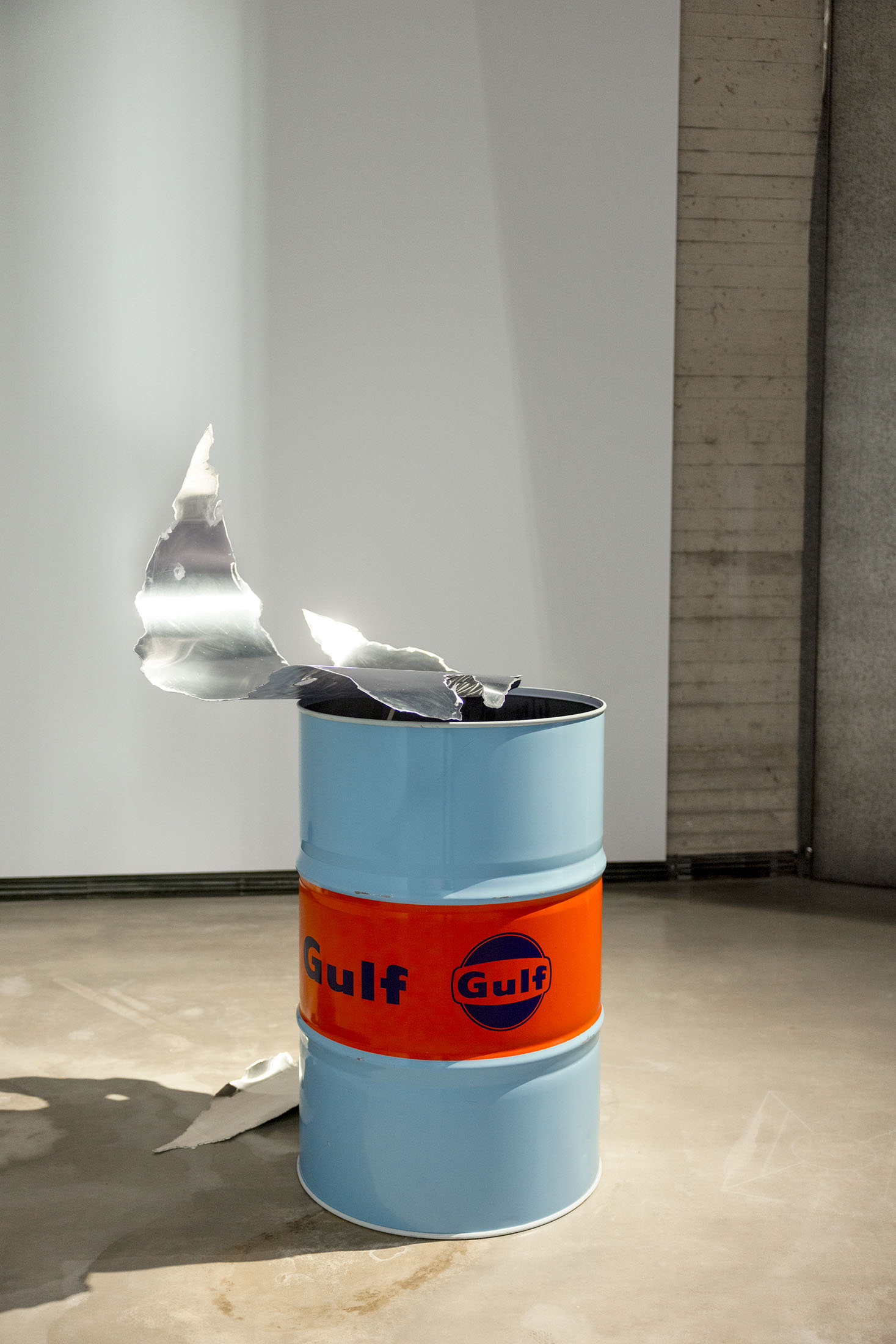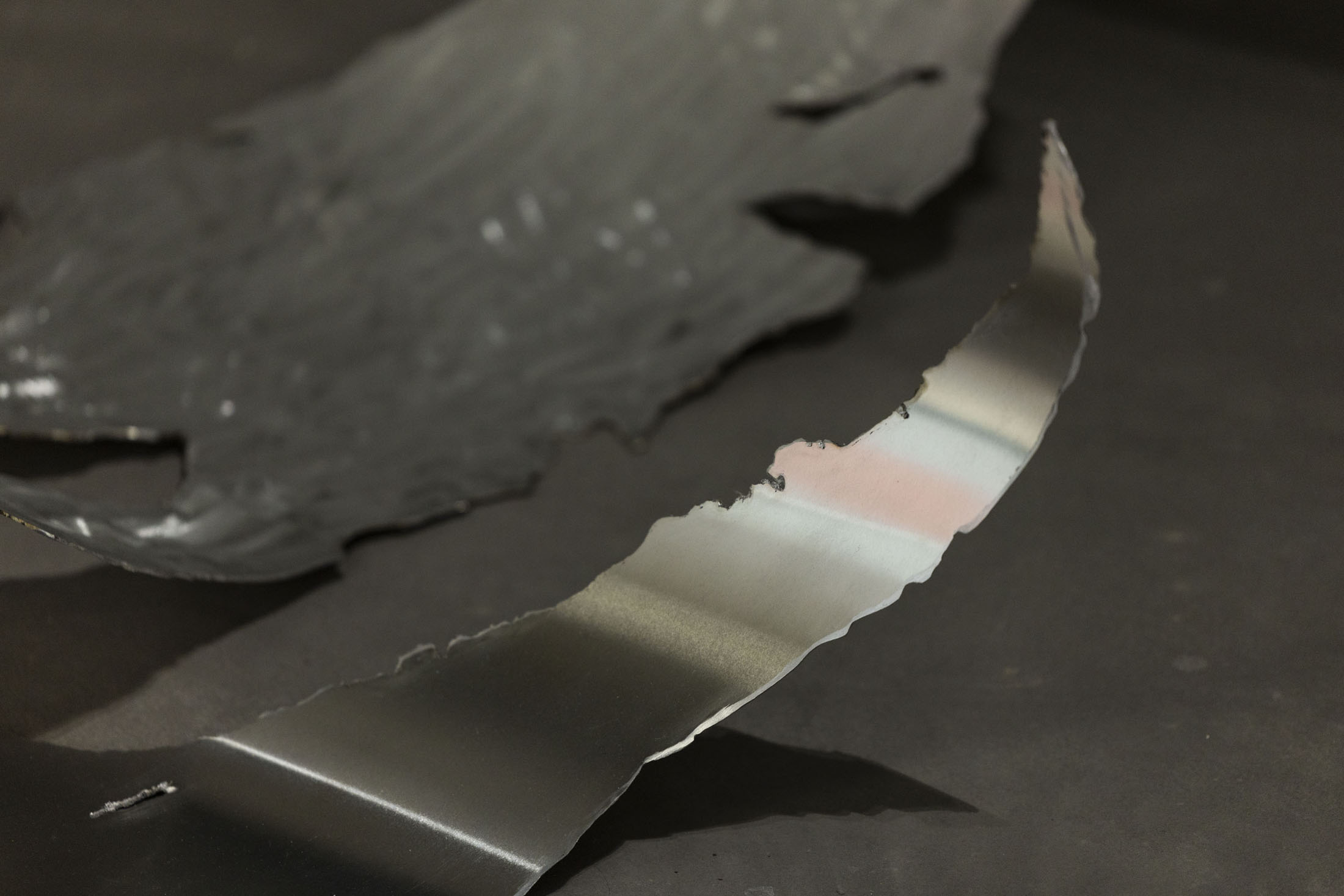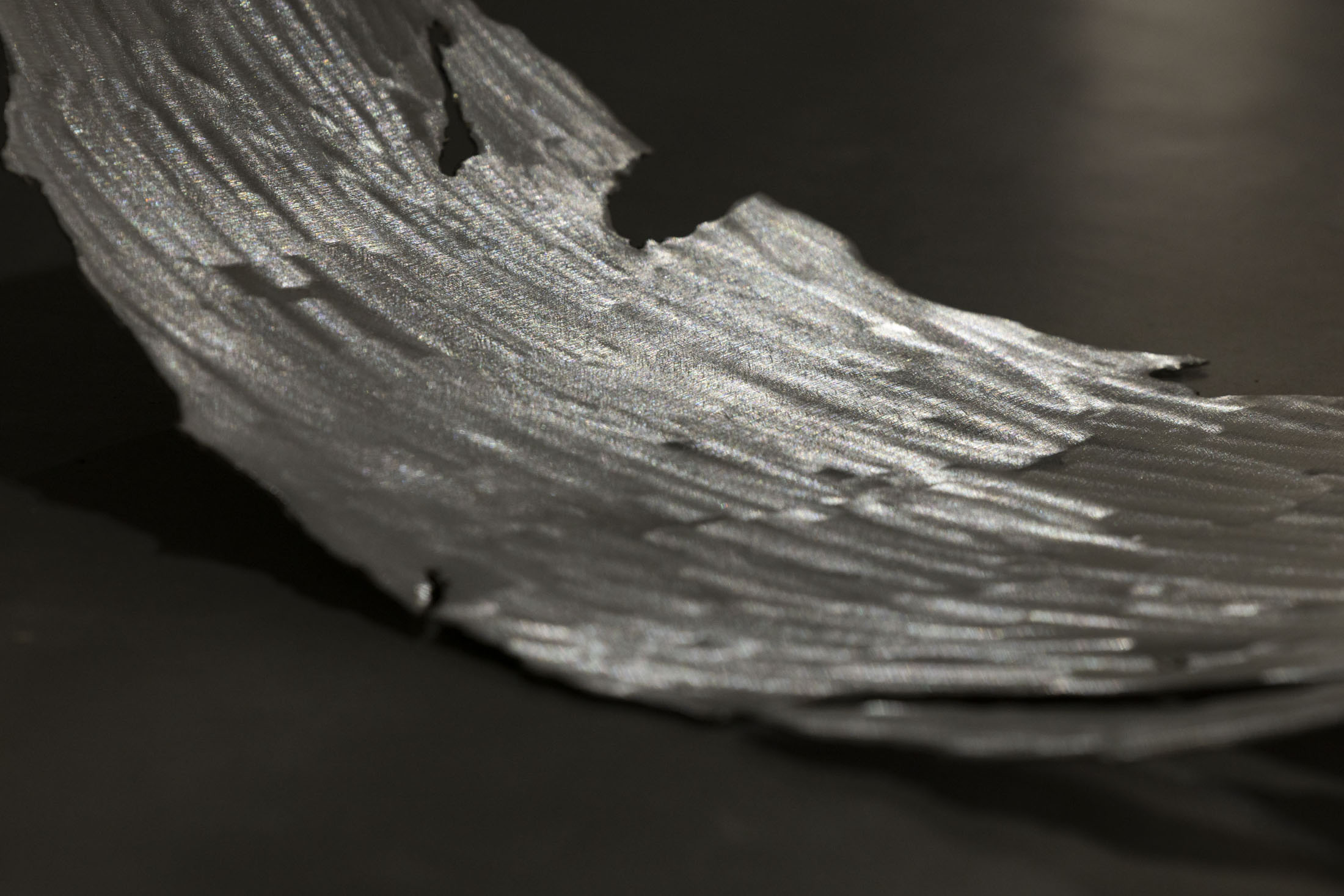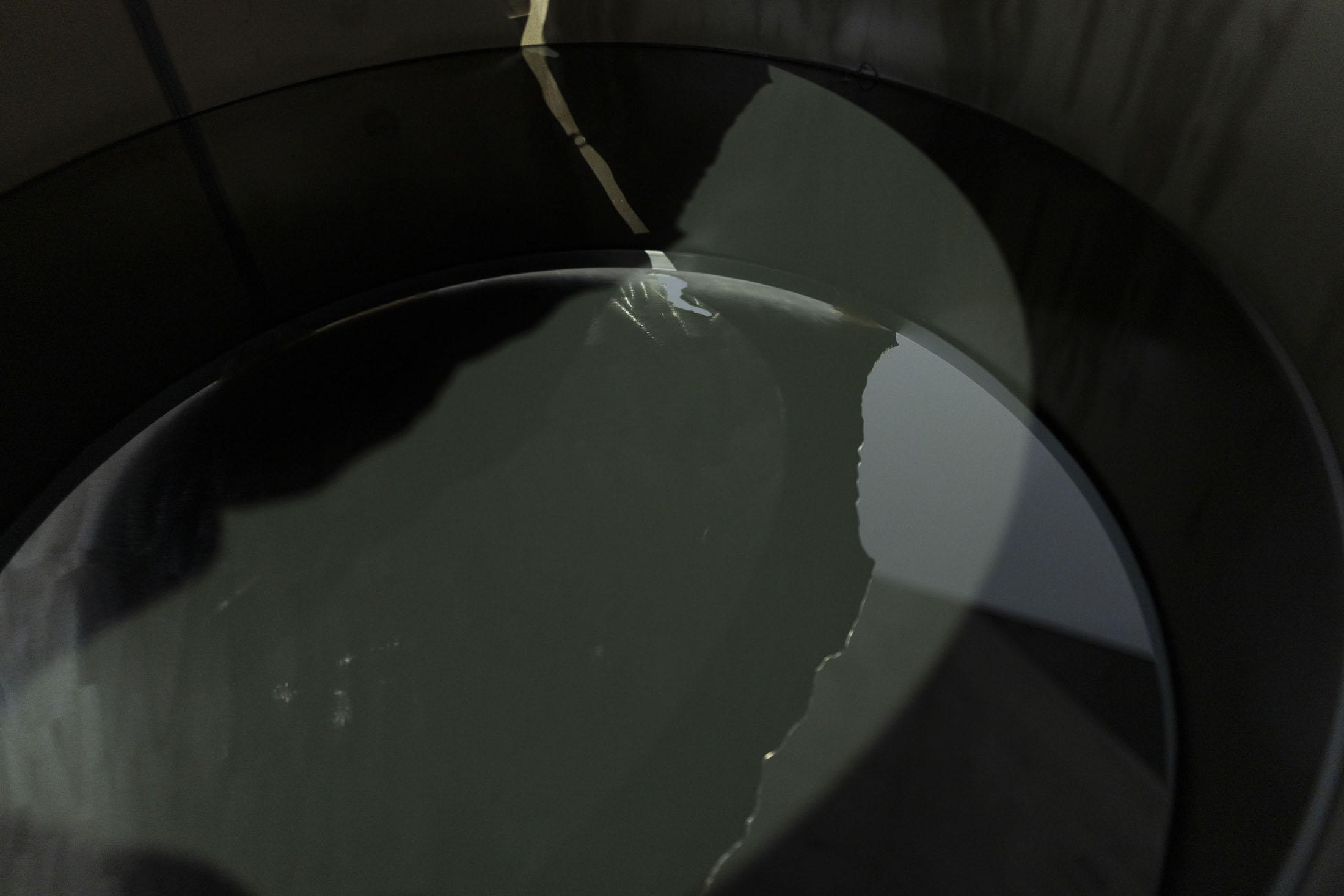
Hidden architecture and industrial structures take centre stage in Metal de verano, Christian Lagata’s artistic proposal for the C3A
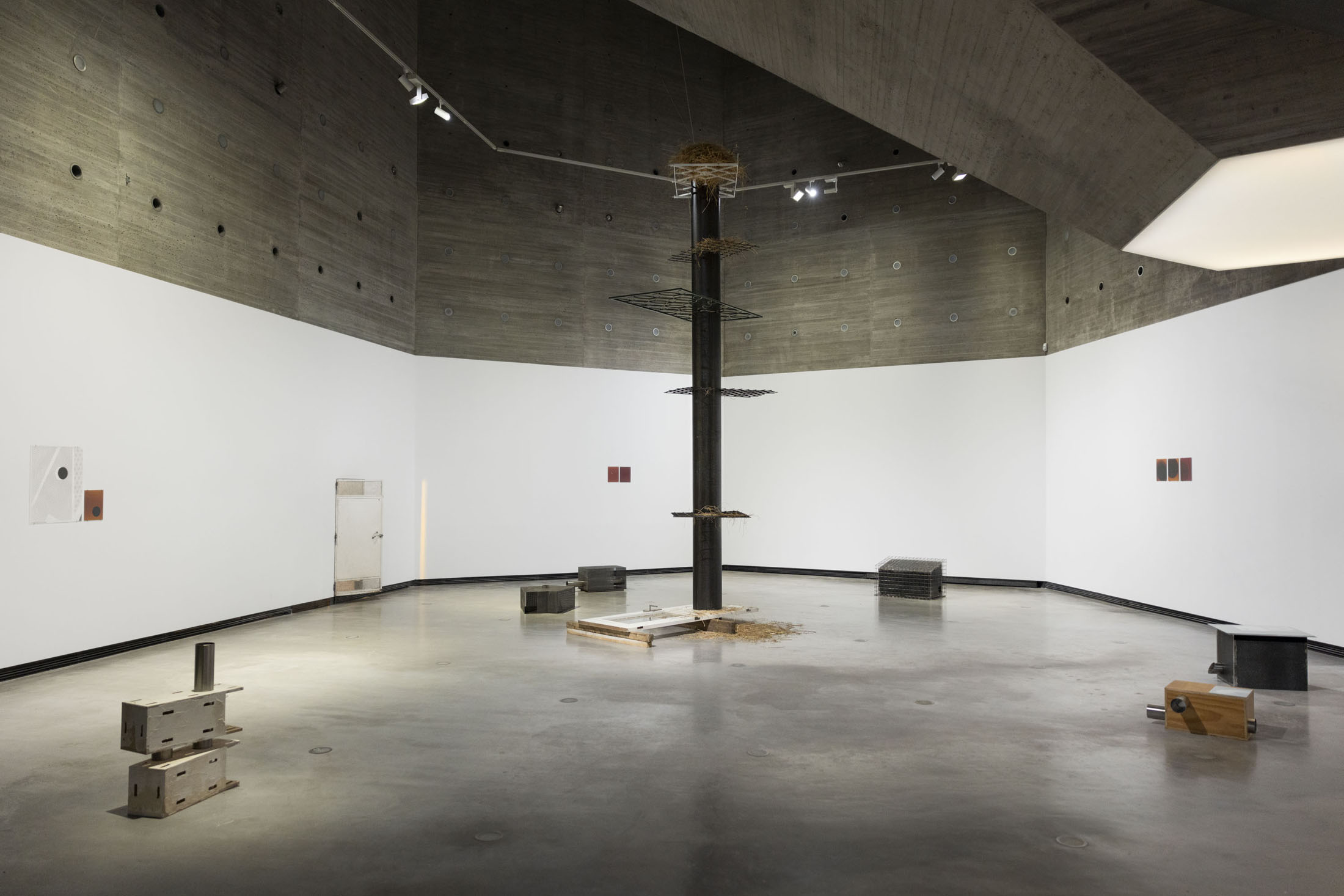
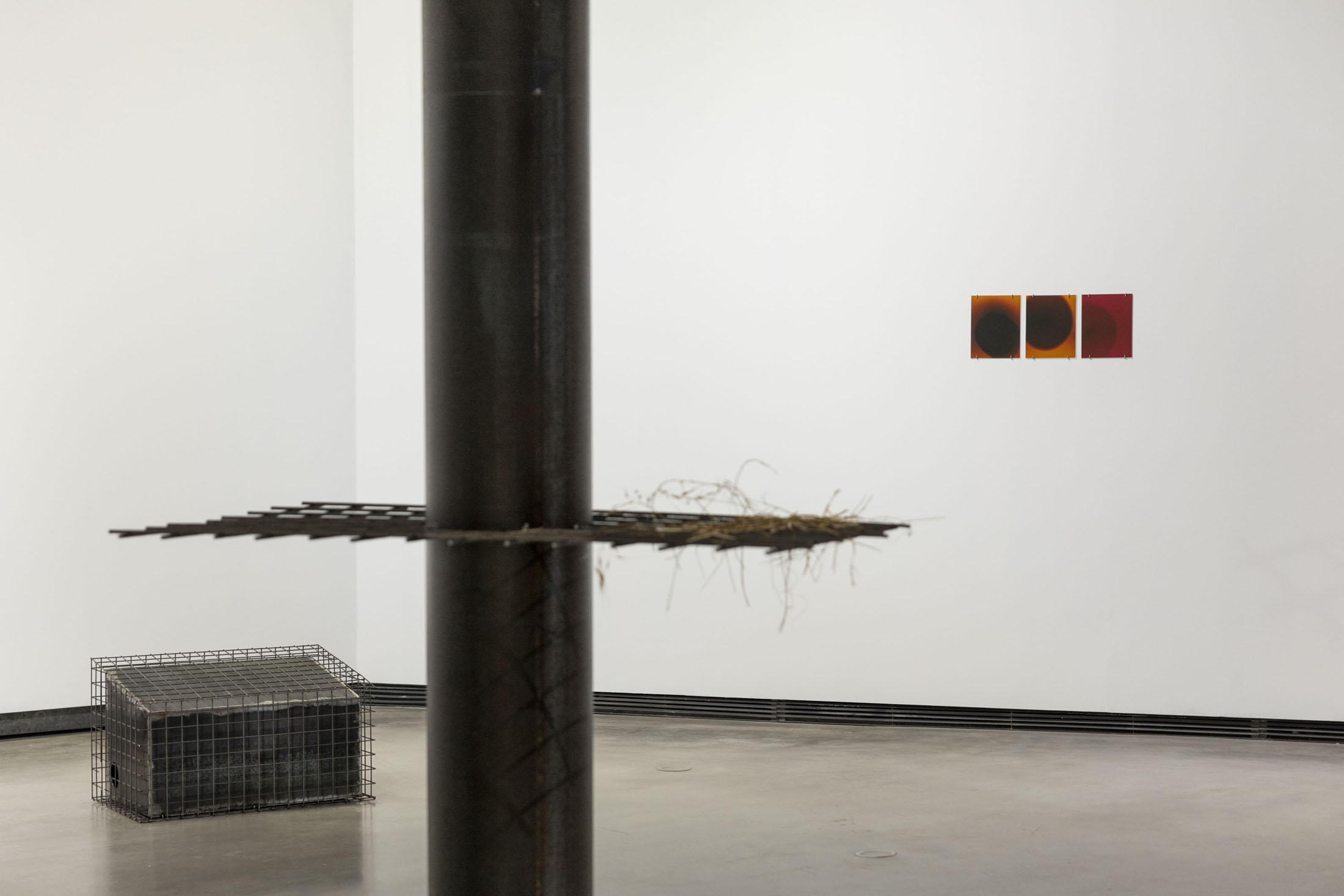
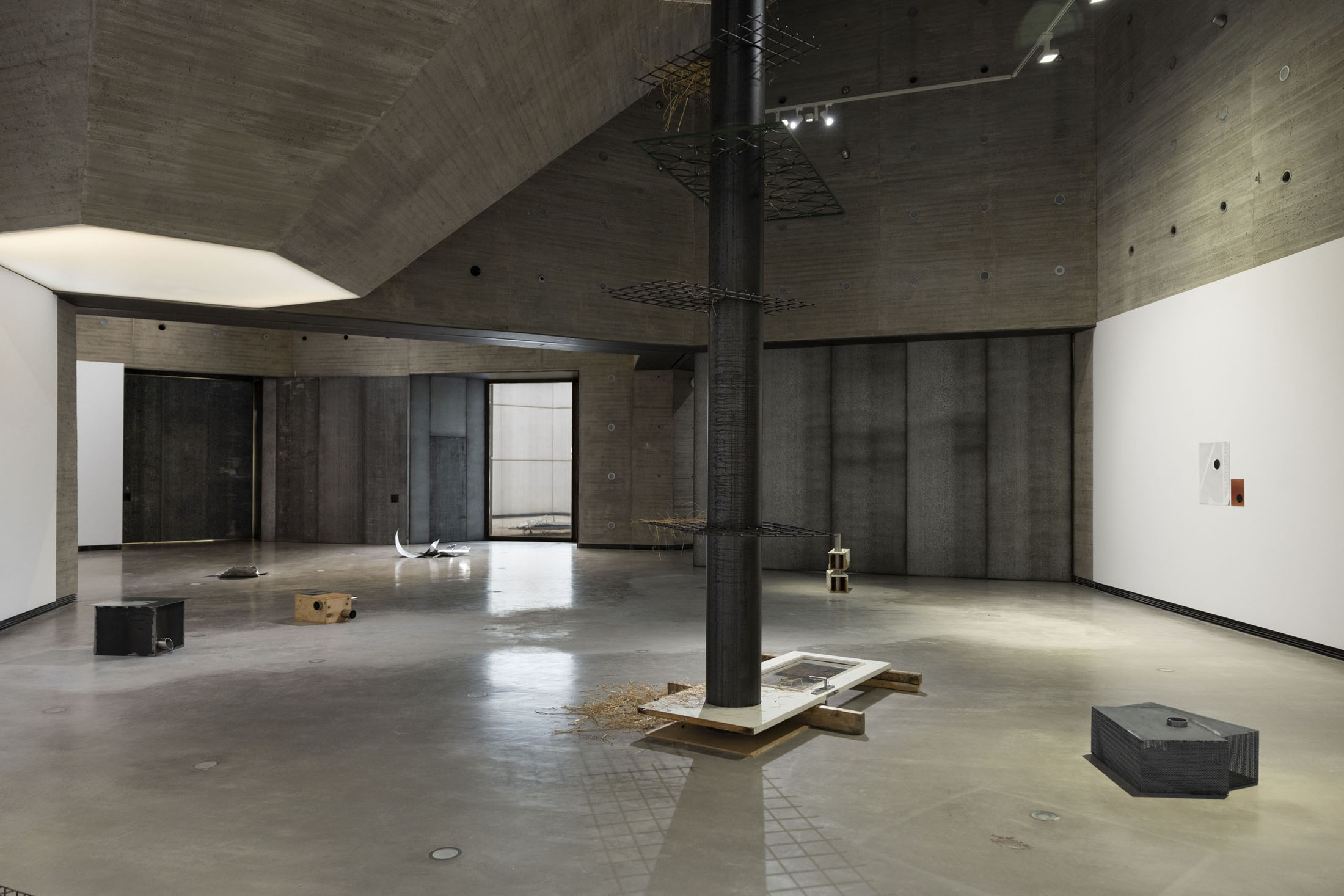
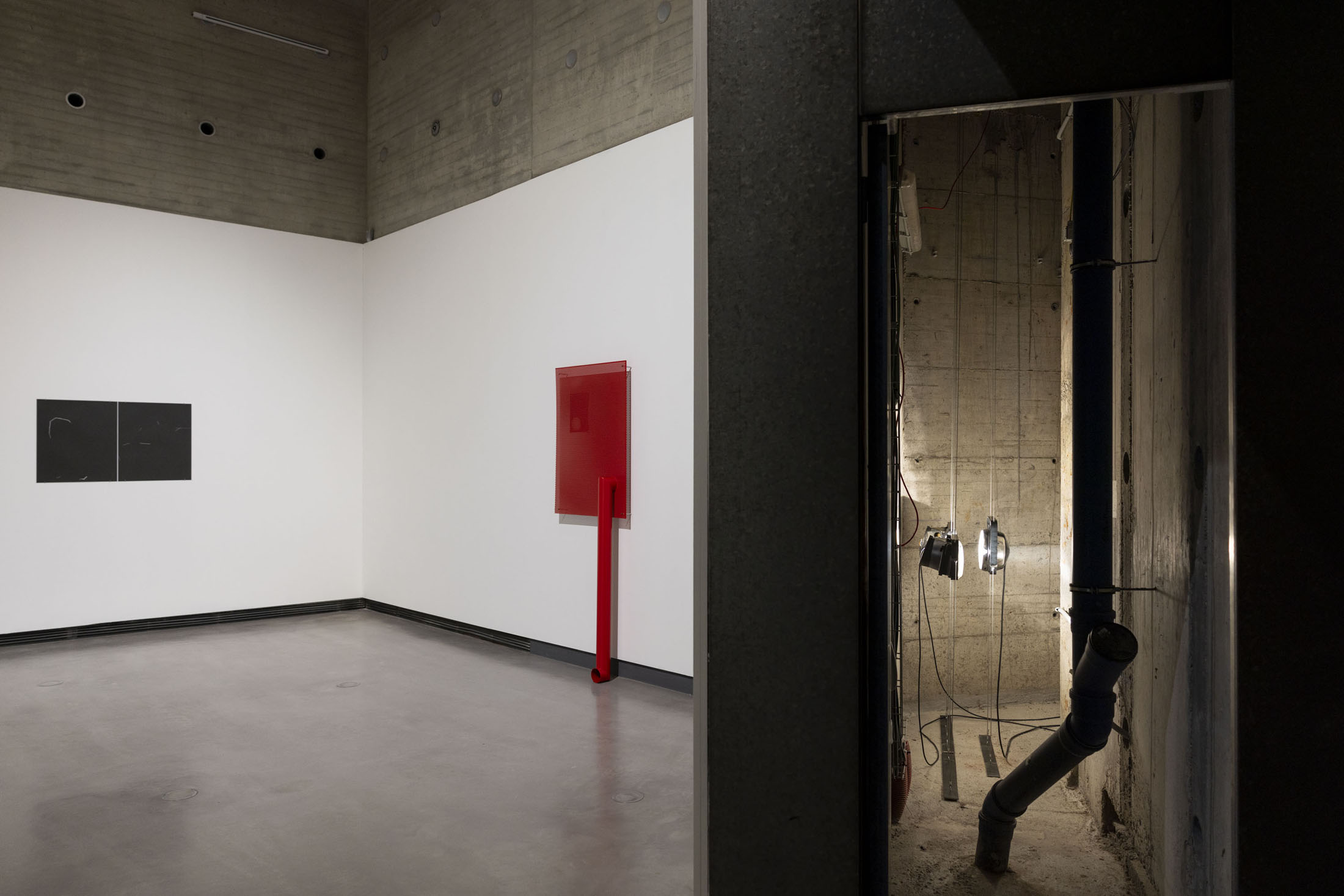
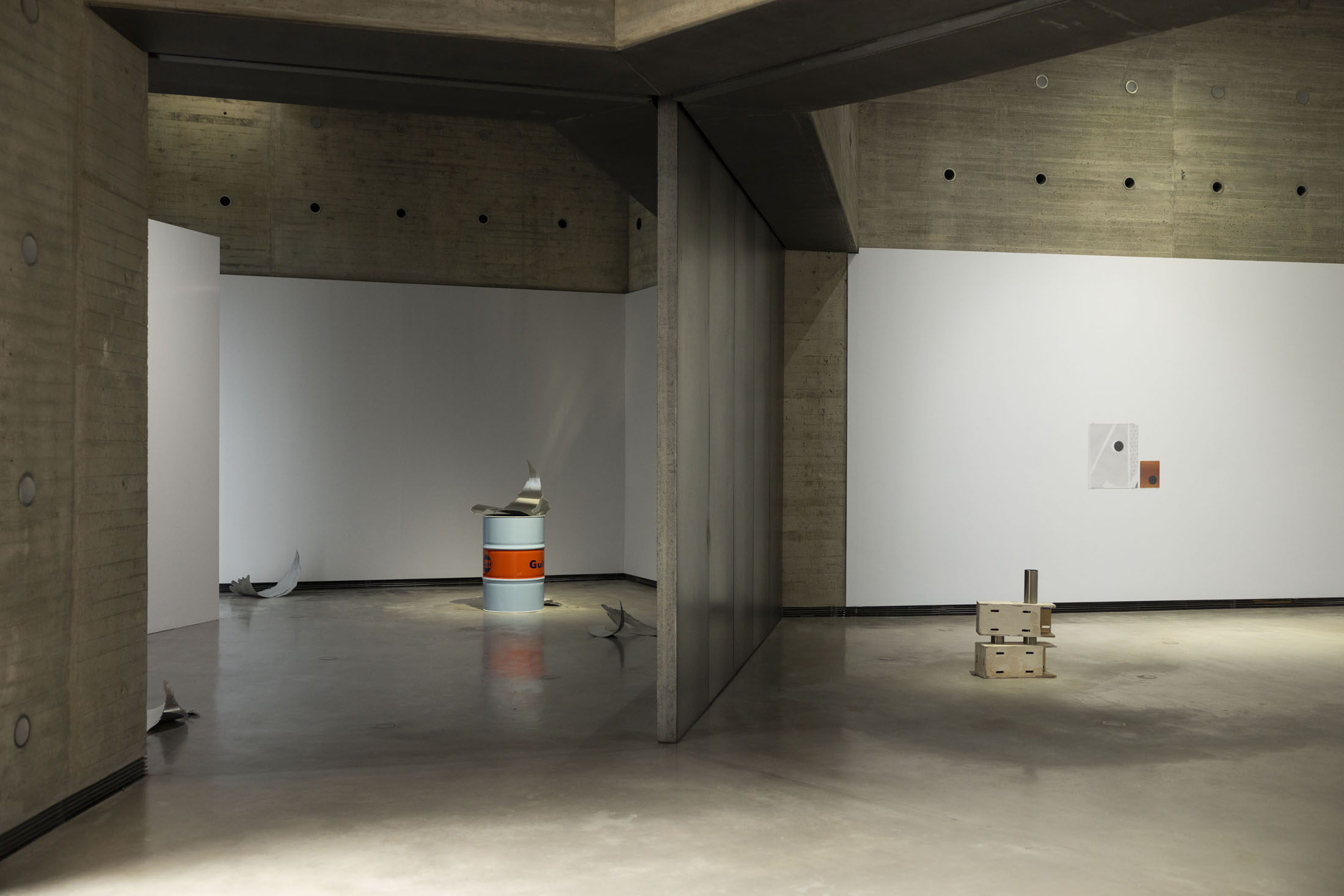
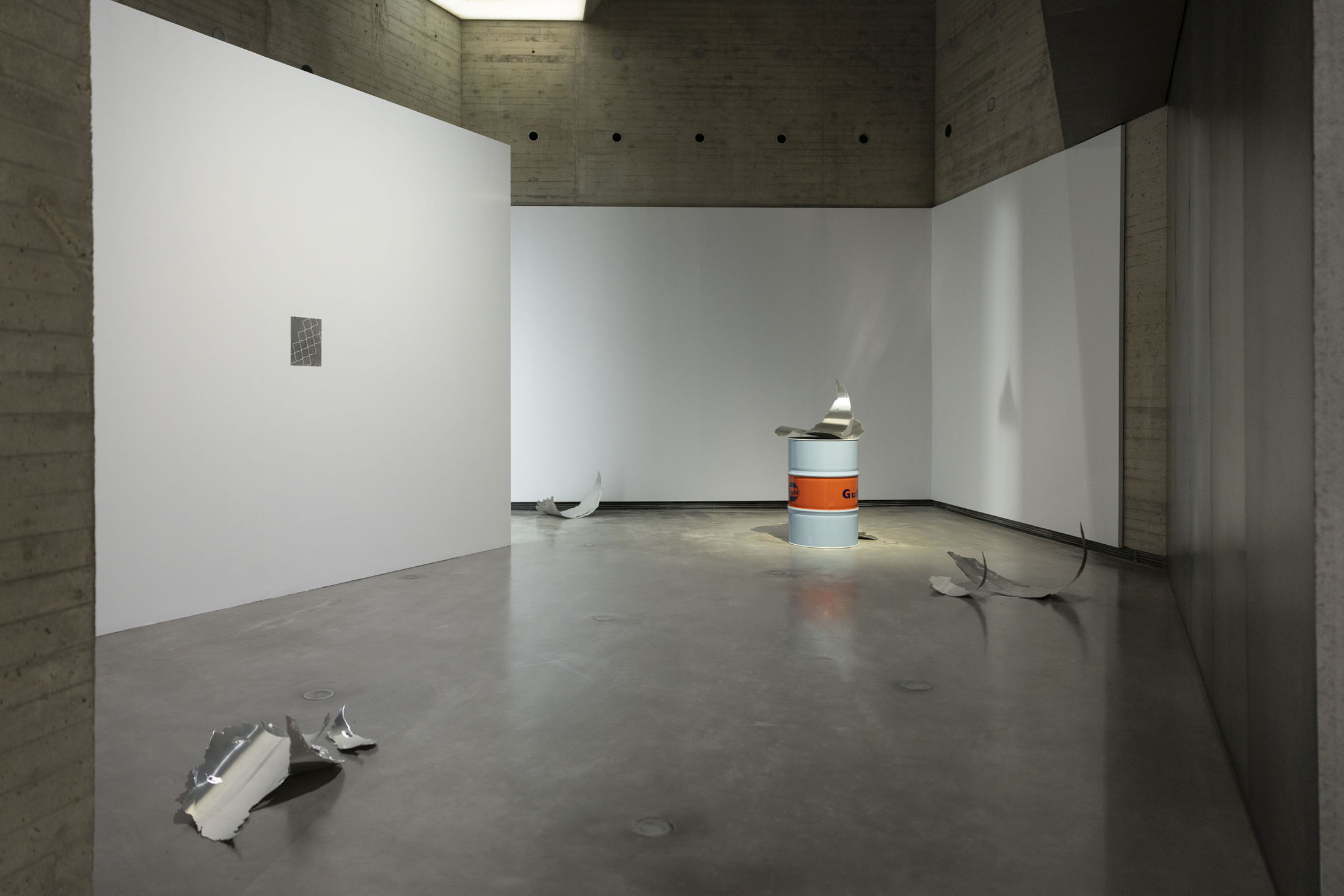
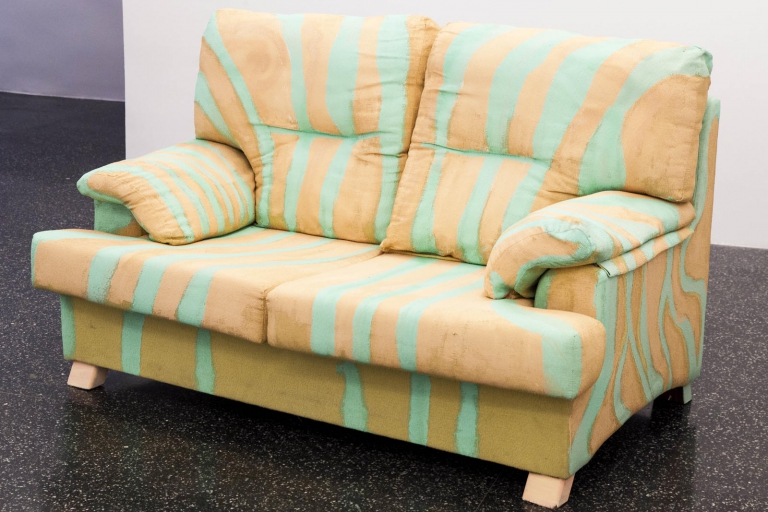
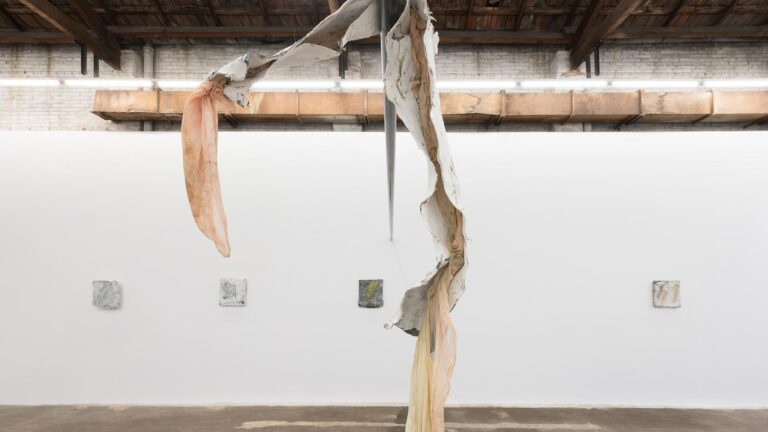
The exhibition transforms Gallery T3 into a large-scale installation featuring newly produced works that combine reused materials and sculptural assembly systems The Centro de Creación Contemporánea de Andalucía (C3A), part of the Regional Ministry of Culture and Sport of the Regional Government of Andalusia, presents Metal de verano, an exhibition by artist Christian Lagata (Jerez de la Frontera, 1986), curated by Marc Navarro. On view in Gallery T3 of the C3A from 21 November 2025 to 24 May 2026, the exhibition brings together a group of works created over the past year in which the artist explores notions of construction and assembly through industrial materials sourced from other production processes and architectural structures.
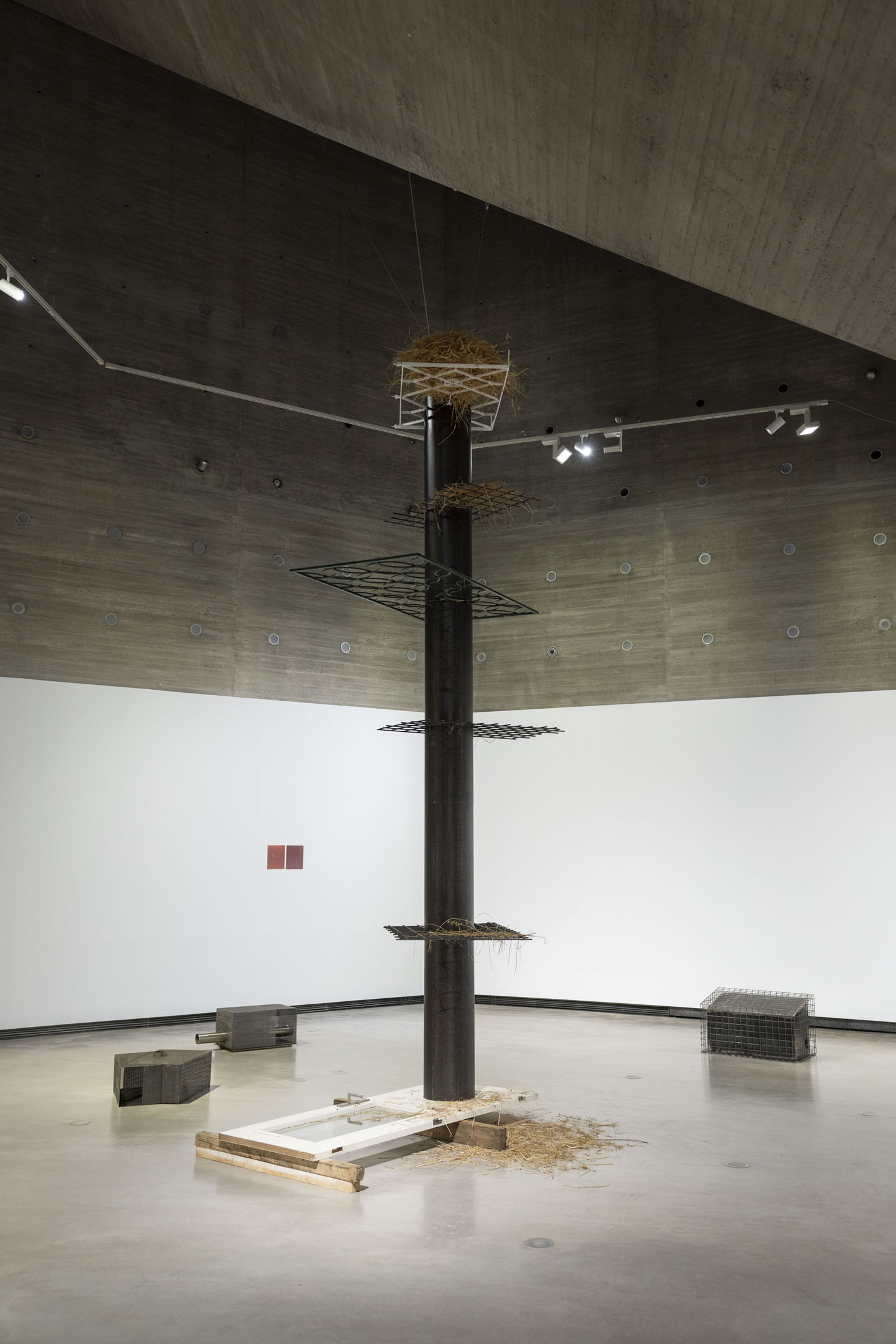
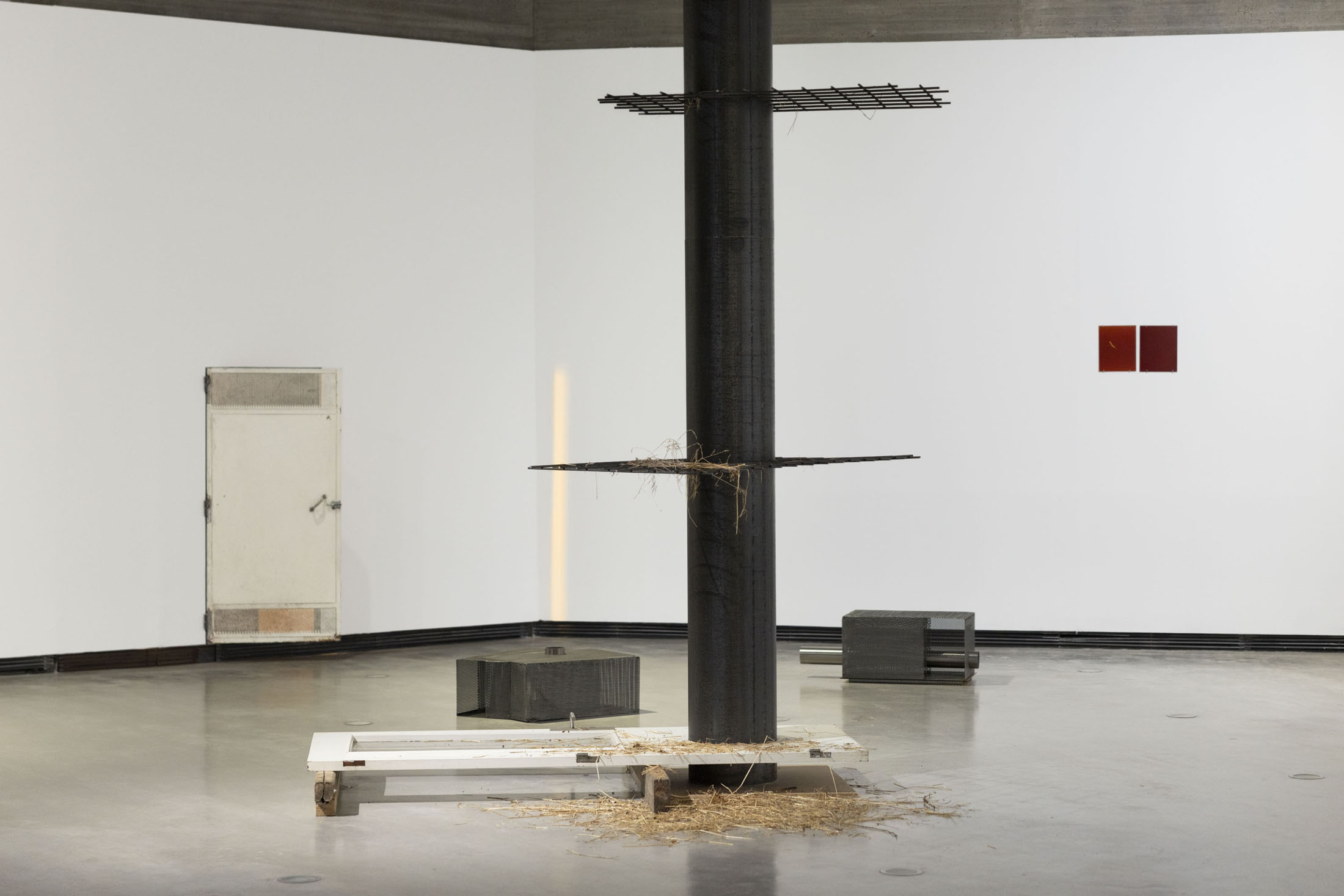
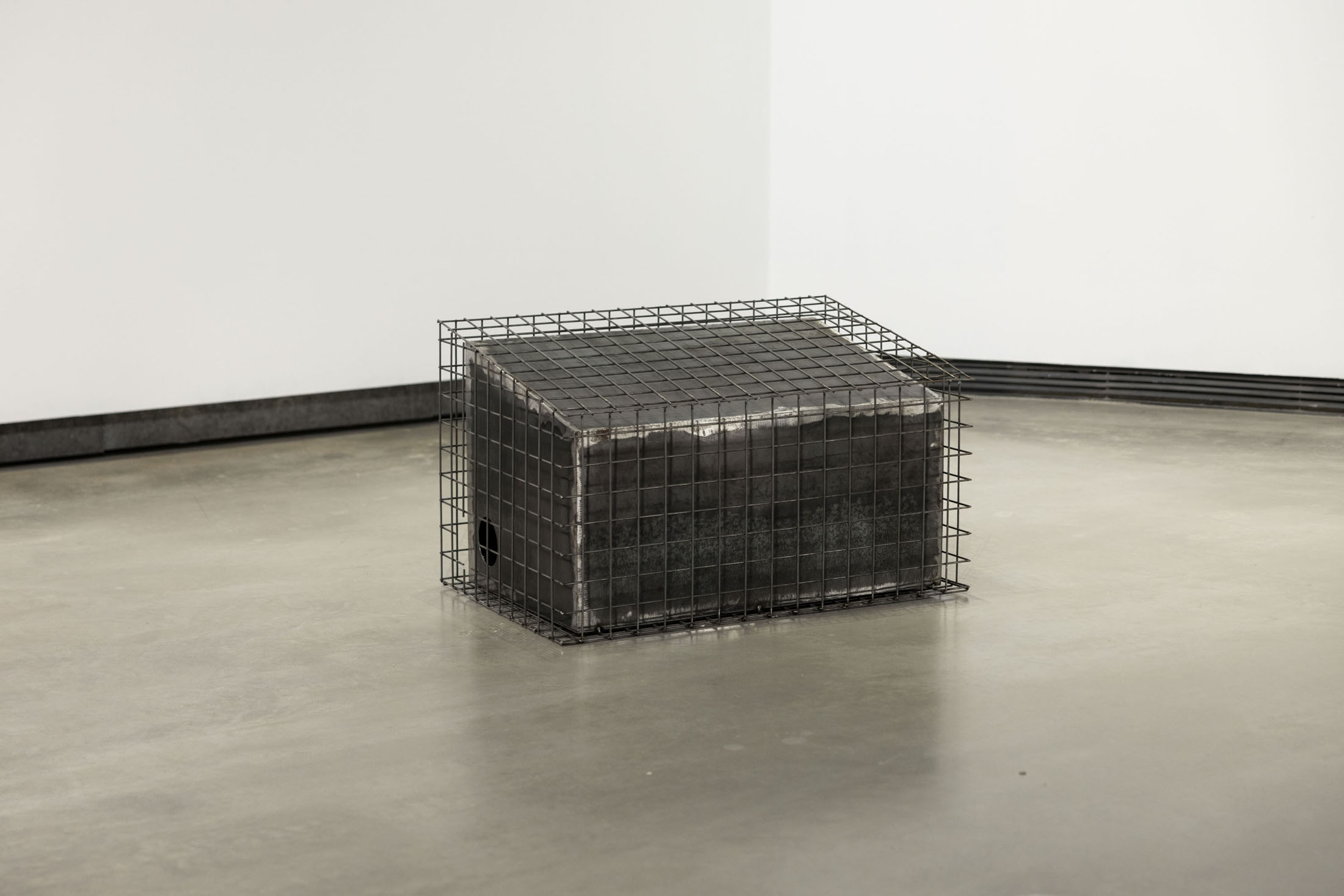
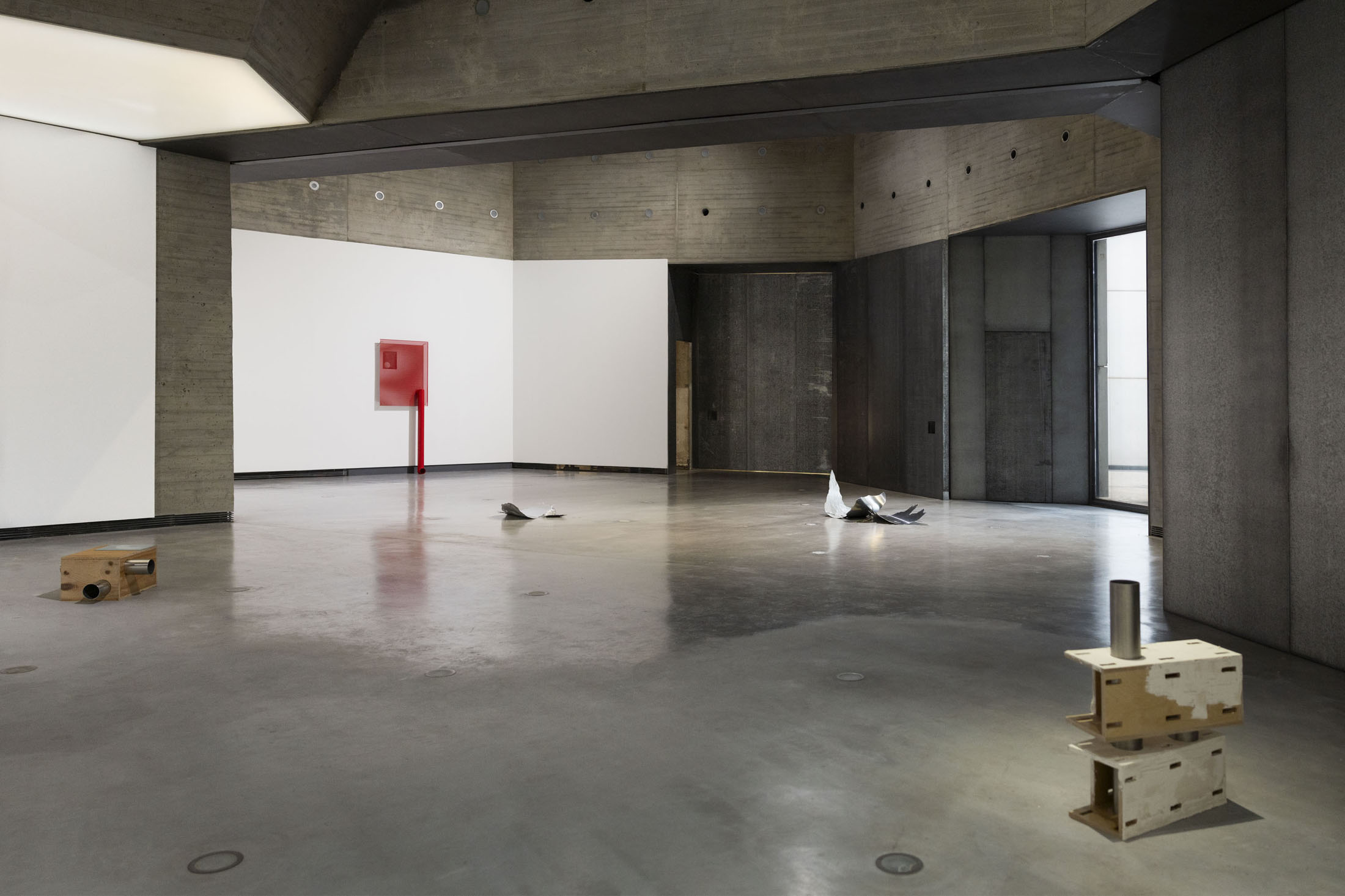
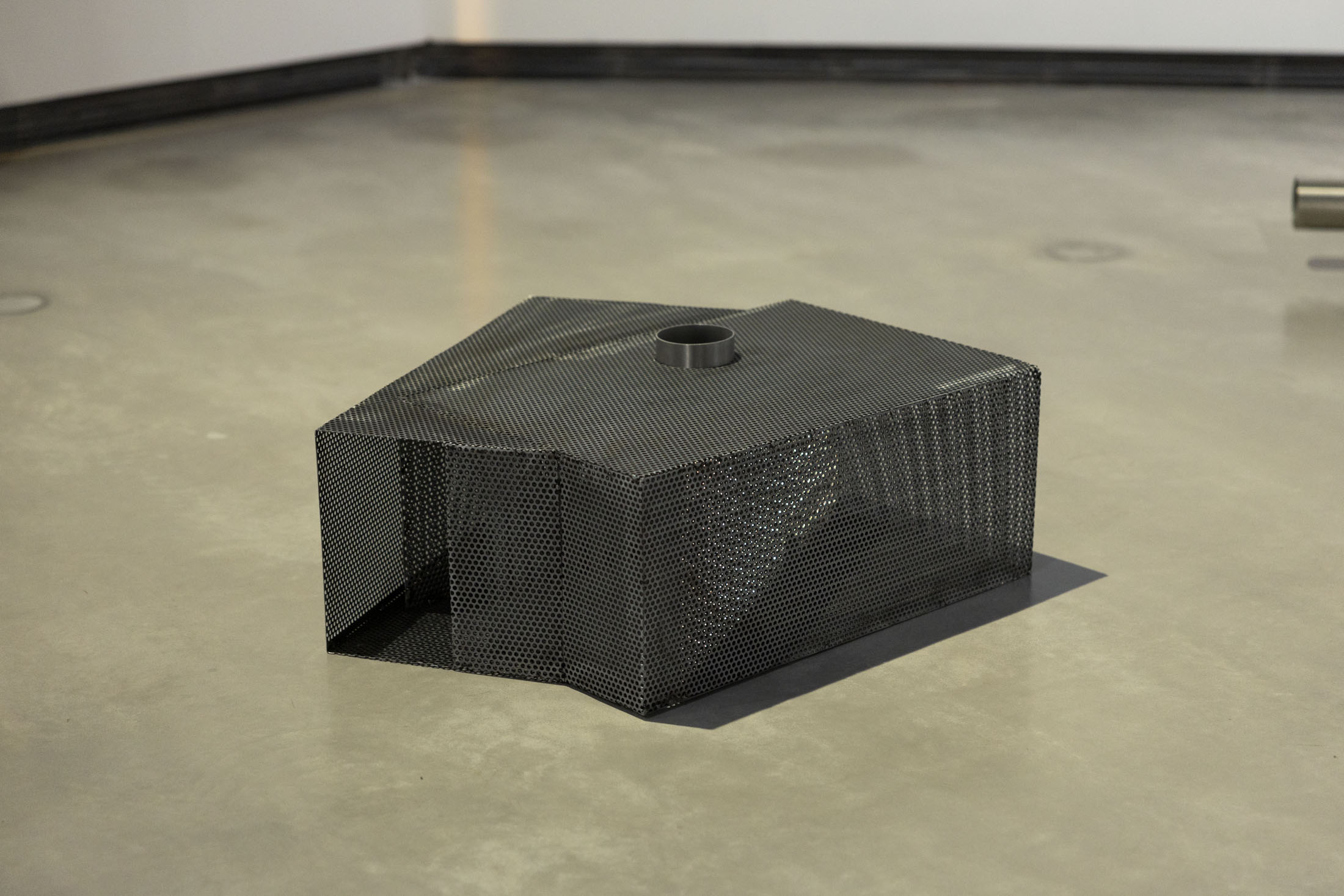
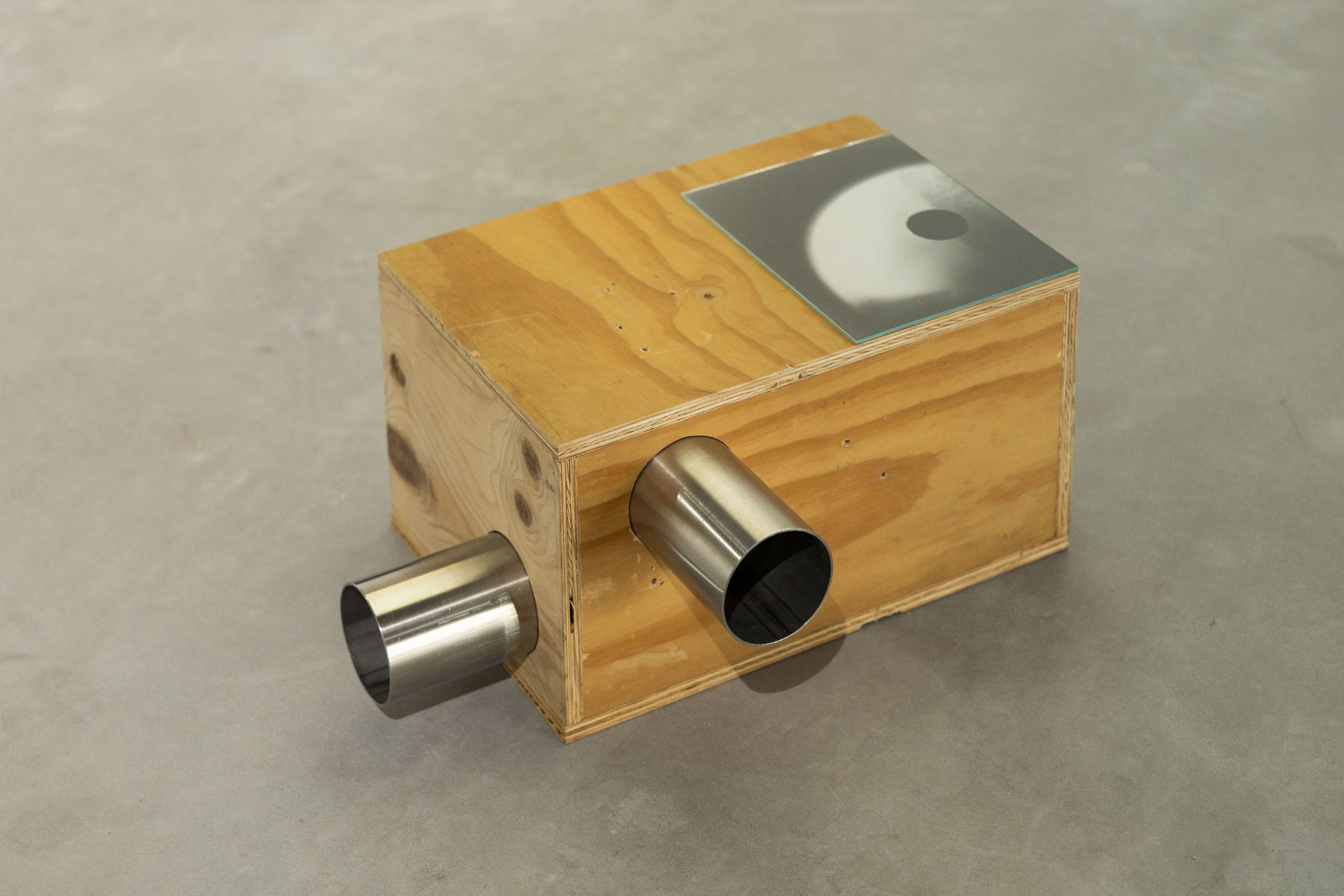
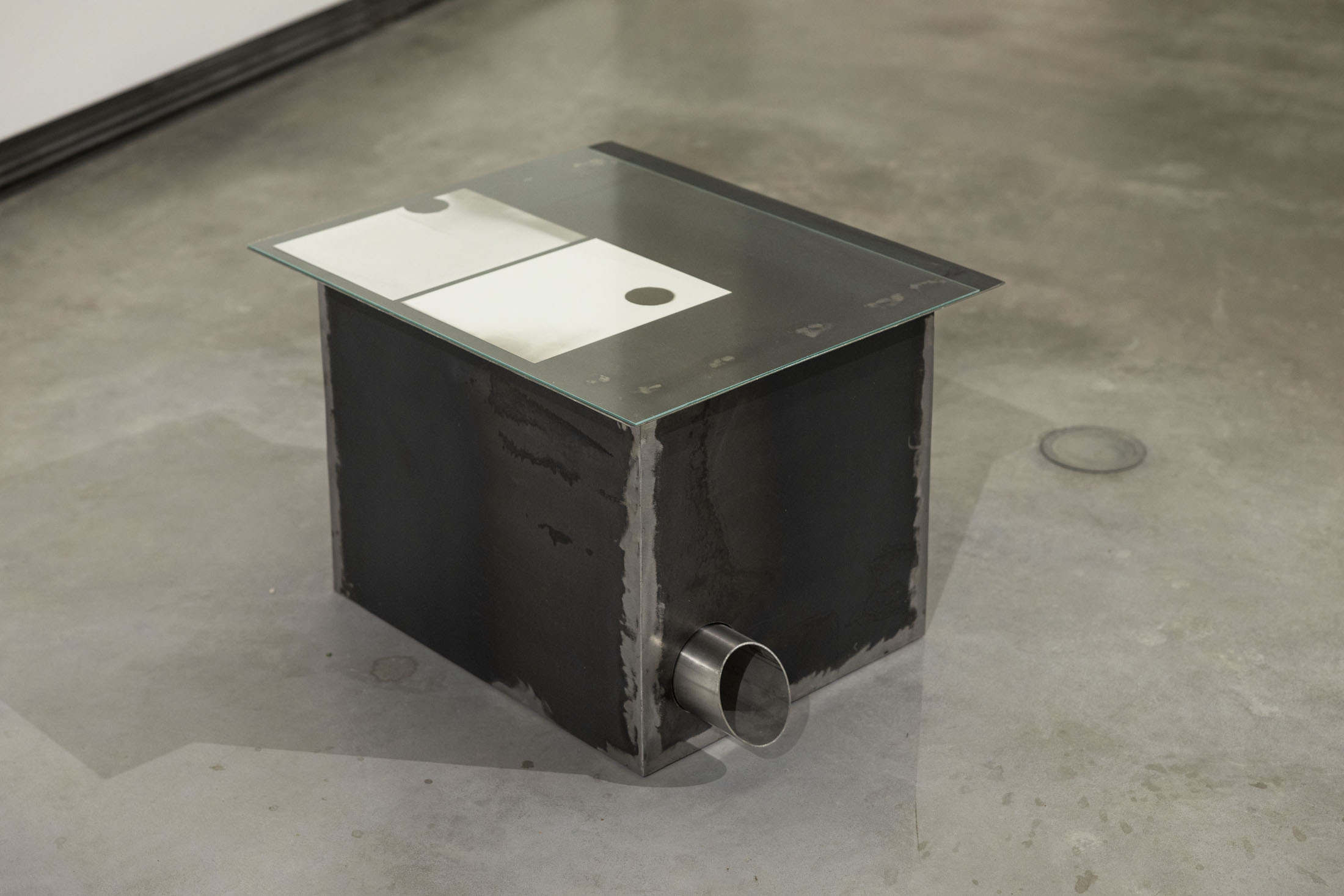
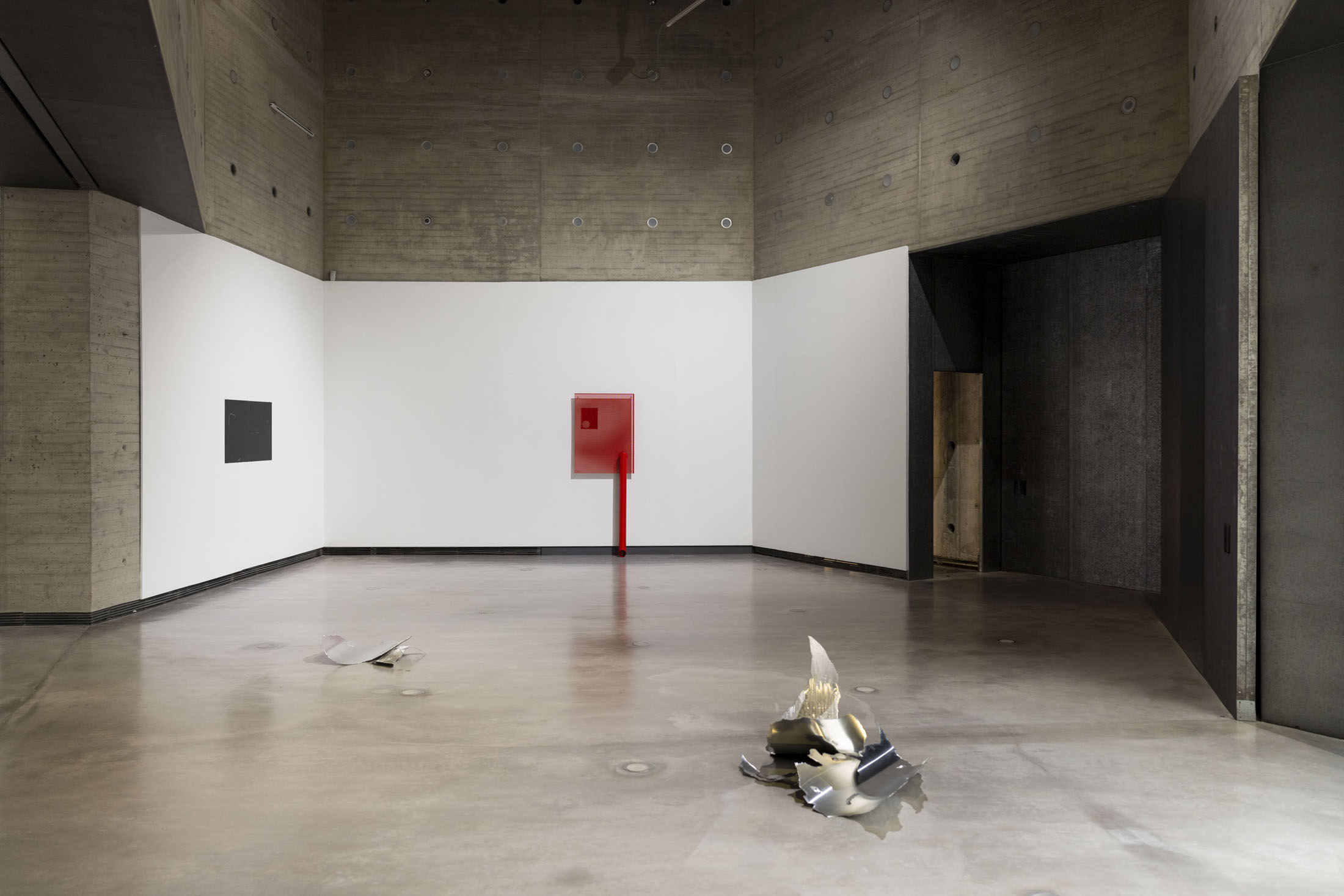
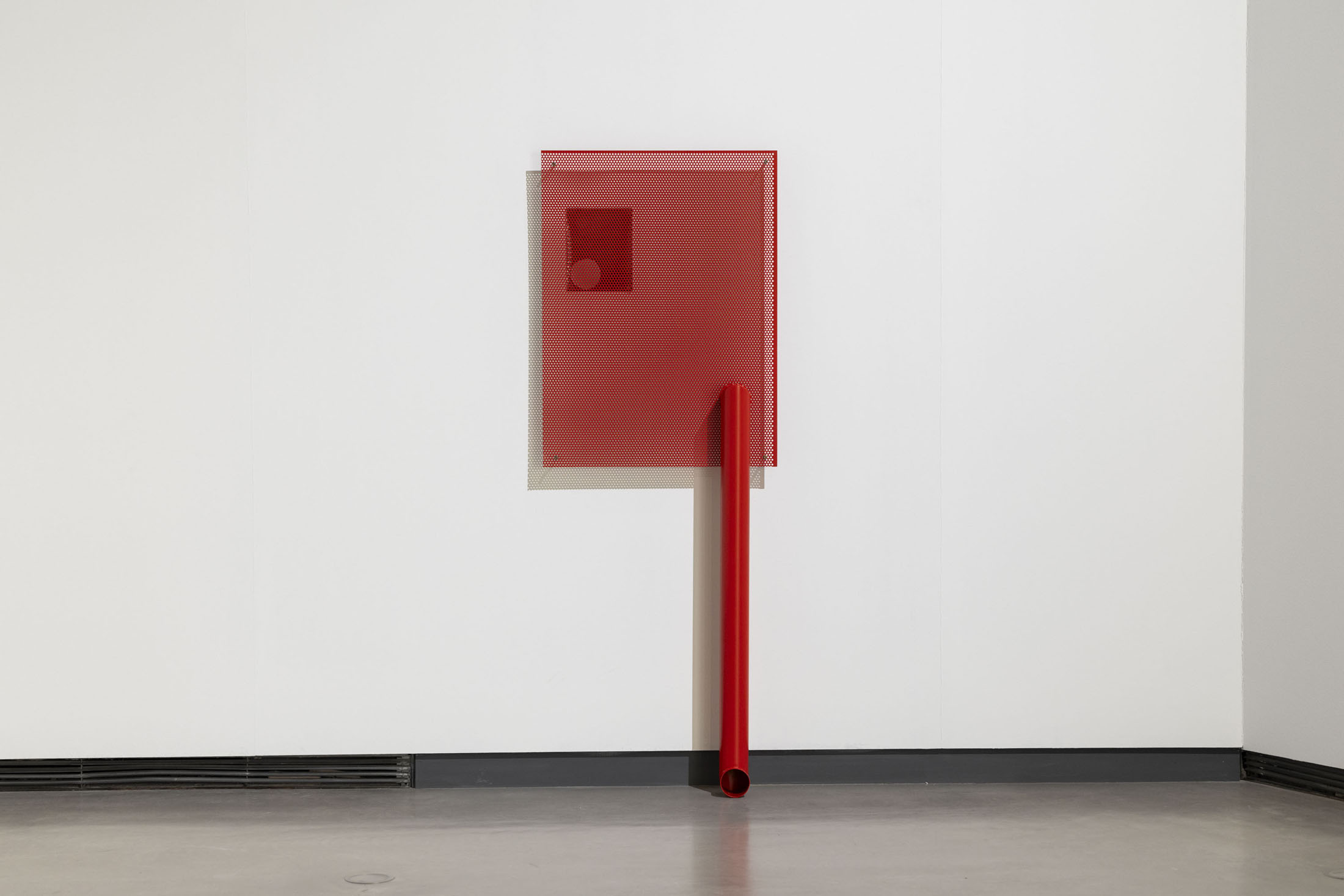
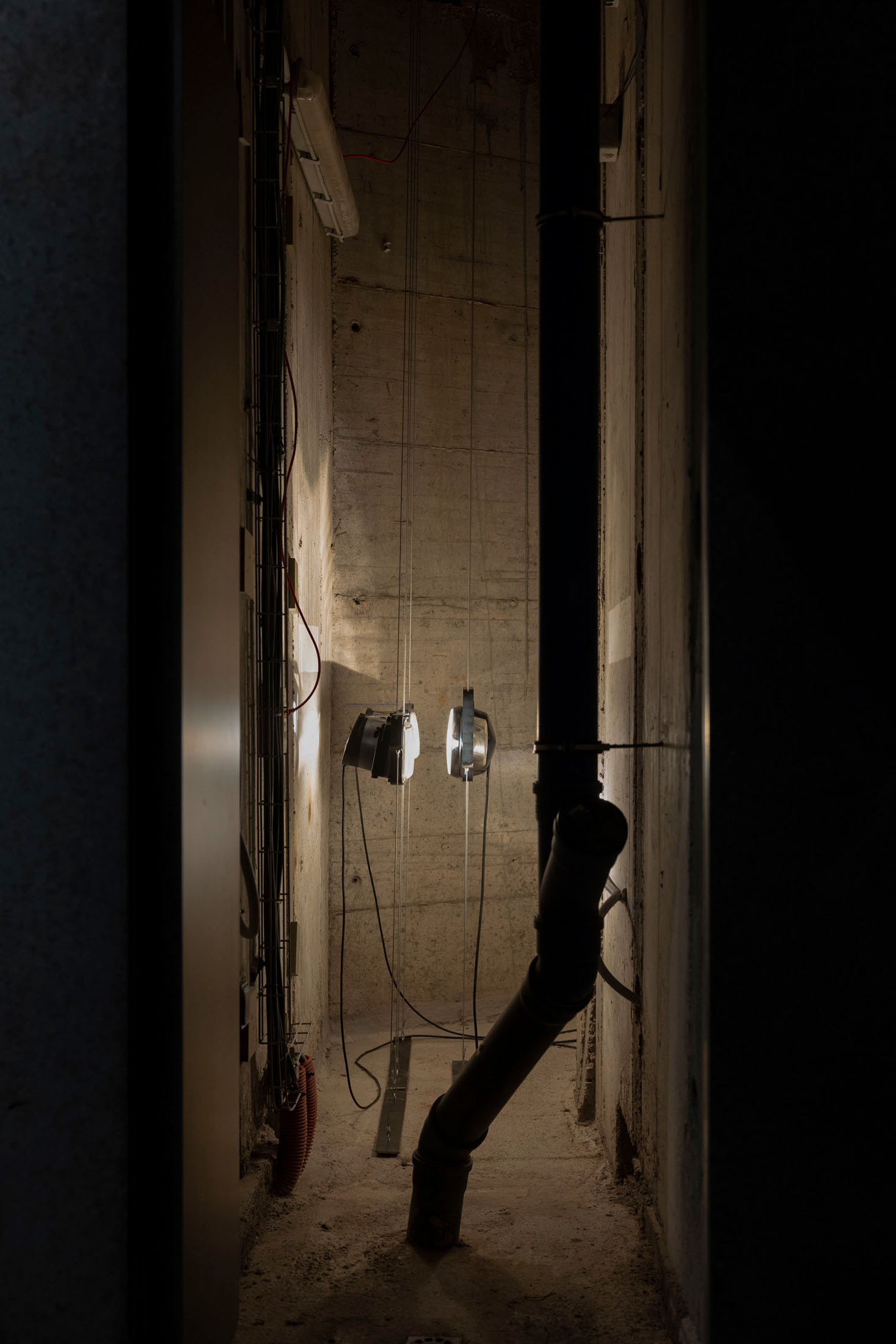
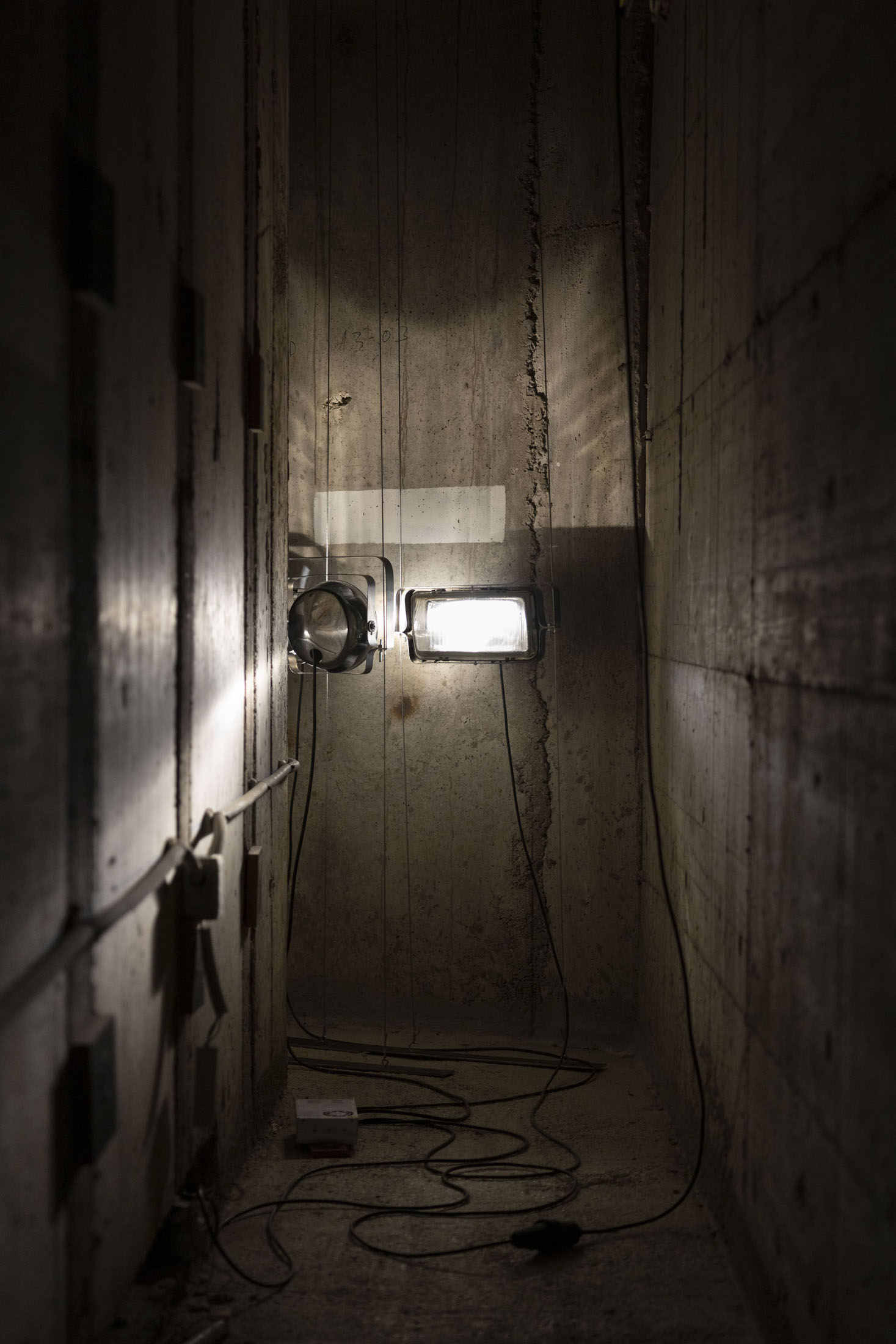
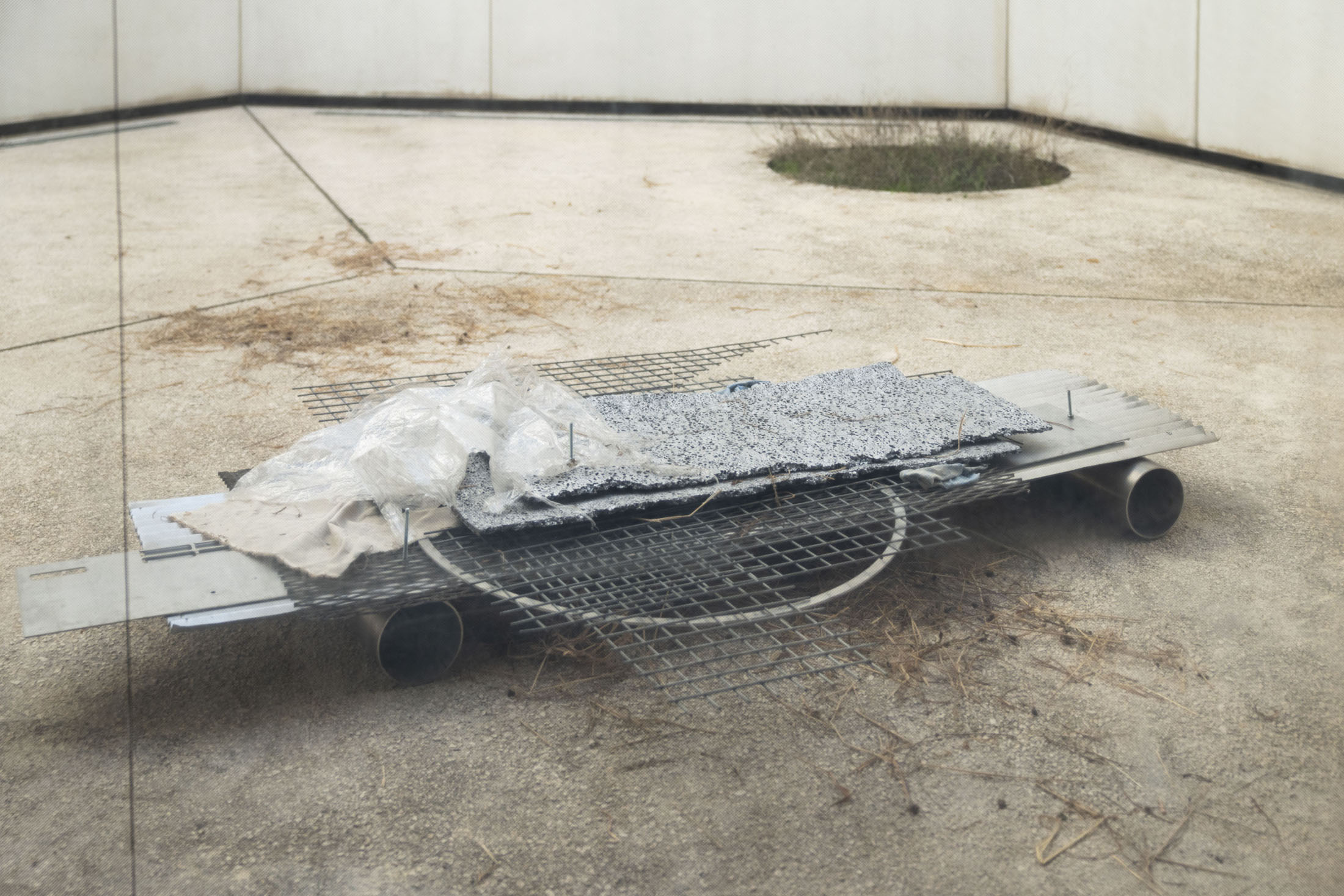
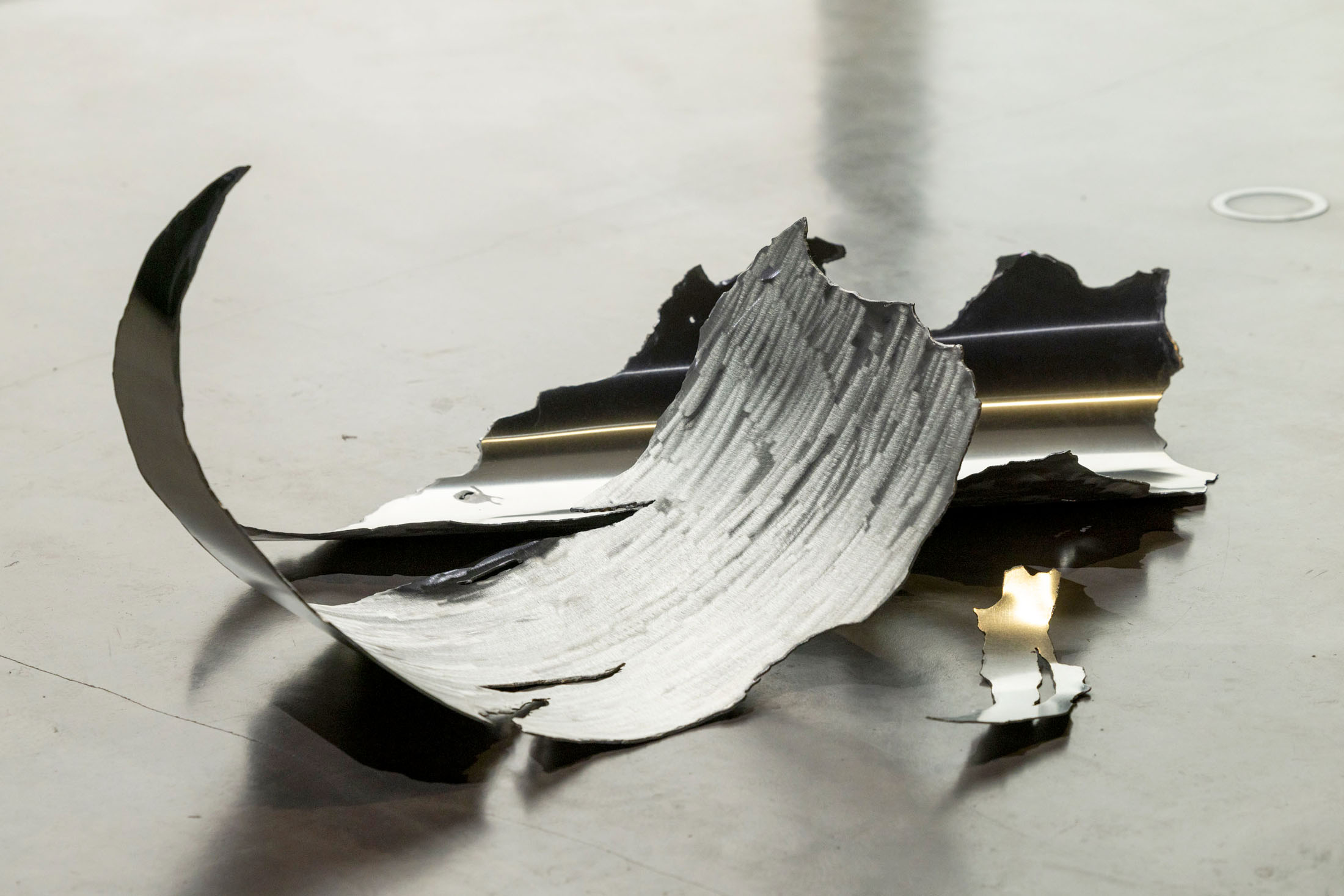
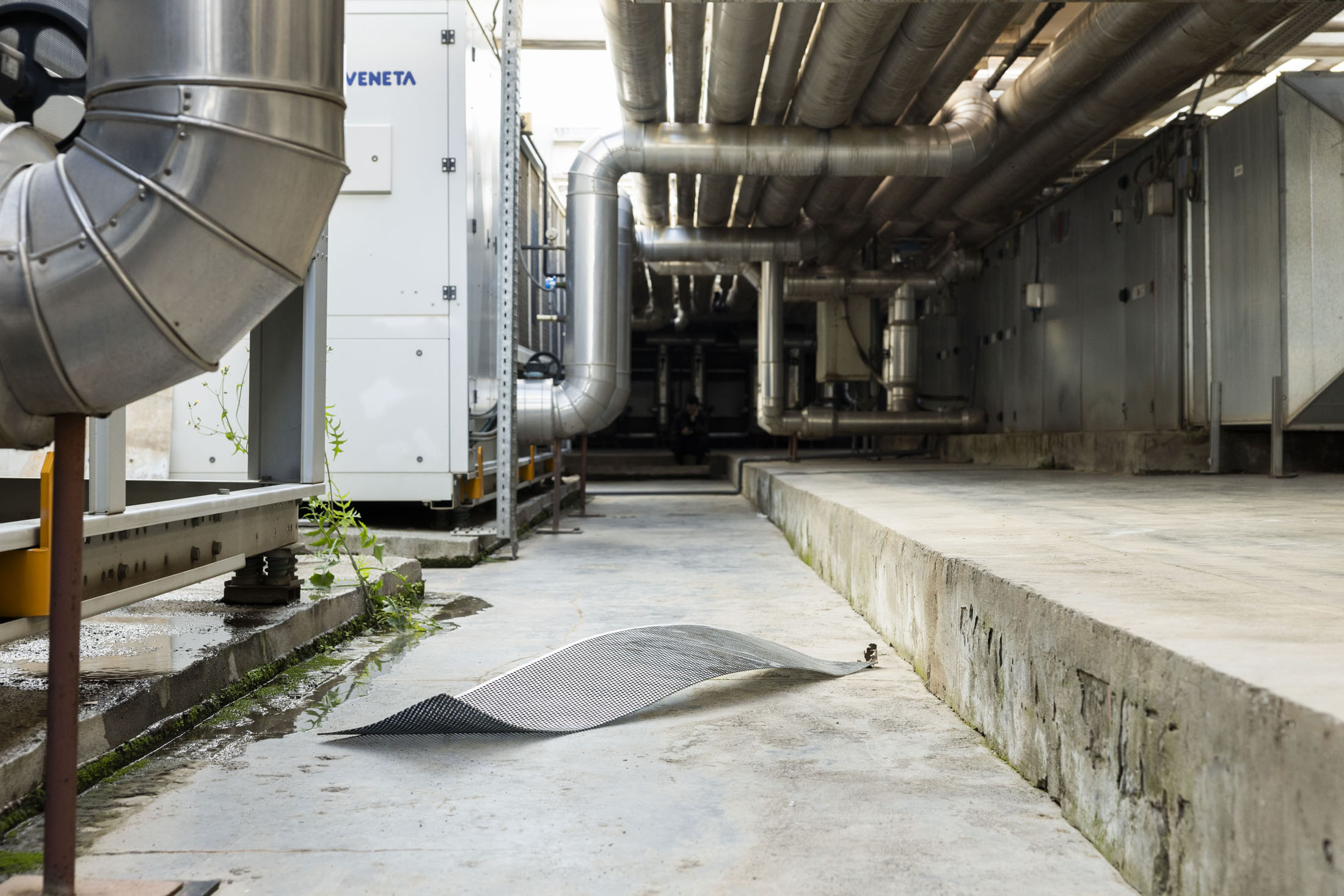
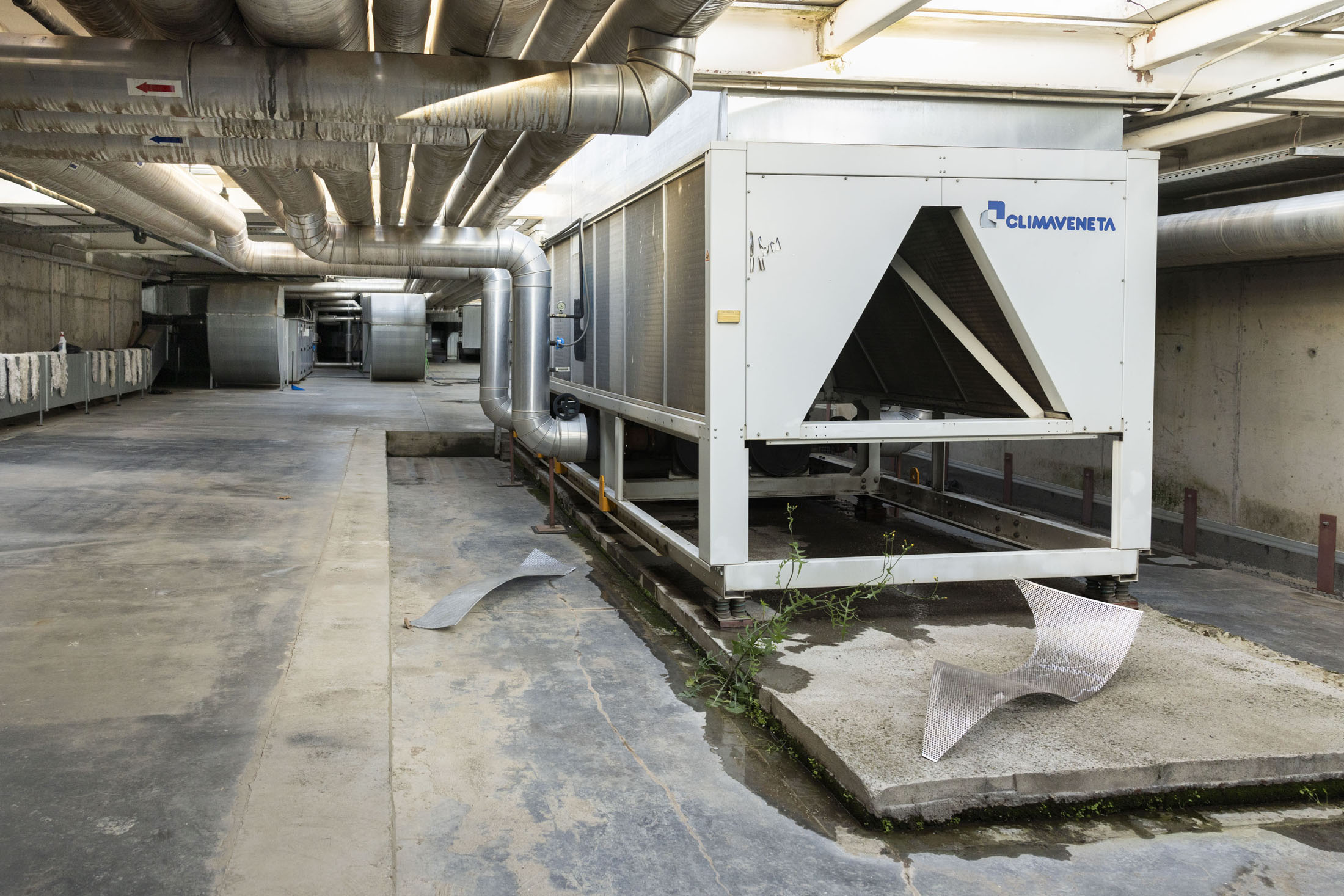
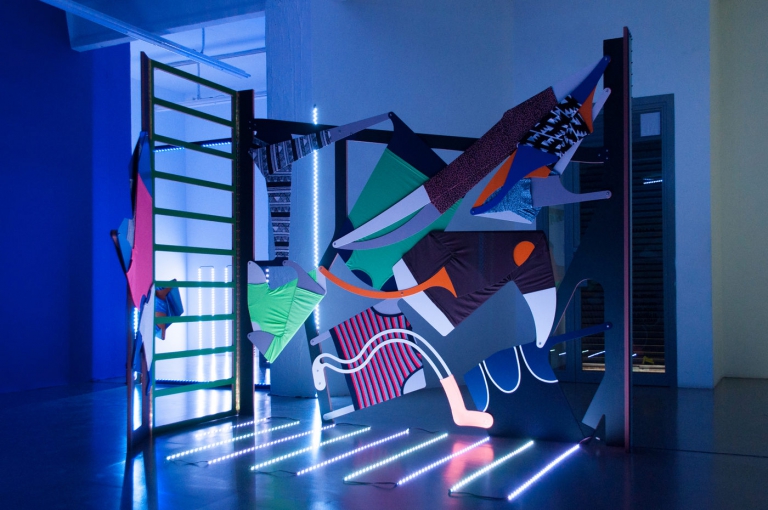
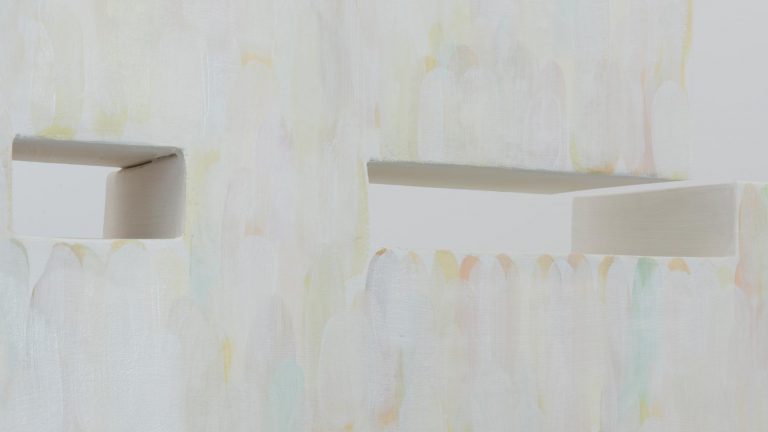
Metal de verano takes shape as a comprehensive installation composed of sculptures, interventions, and structures—such as maquettes—that recall drainage systems, vents, fences, or control boxes: elements located on the margins of architecture that the artist observes in his everyday surroundings. Lagata recreates these forms through shifts in scale and the substitution of materials “to generate involuntary sculptures that appear as minimal enclosures built from recesses and discarded matter, suggesting essential structures for shelter,” notes the curator. The exhibition’s title is taken from a verse by poet José Manuel Caballero Bonald that refers to the transfer of environmental qualities—such as heat to metal—an aspect present in several of the works on display.
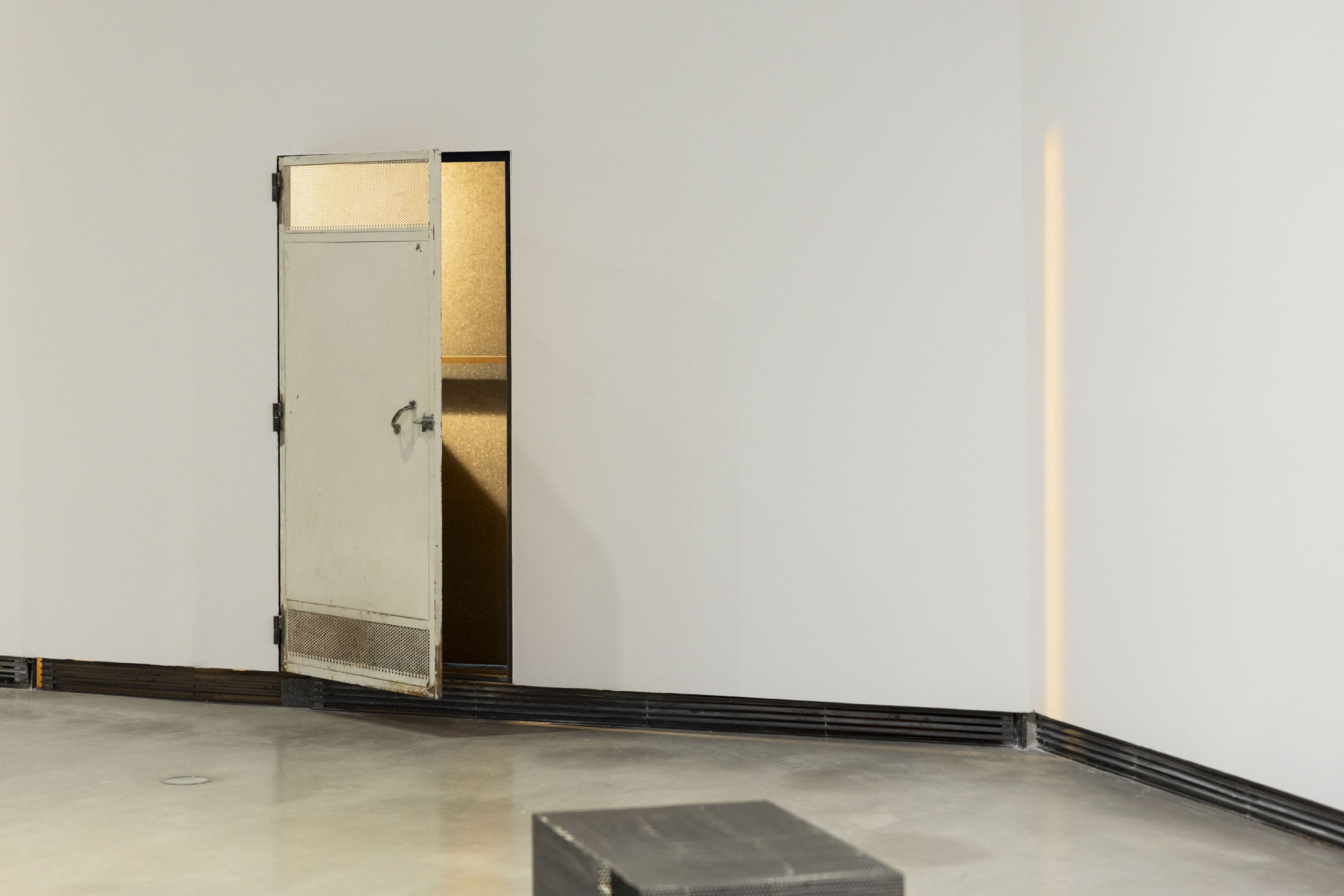
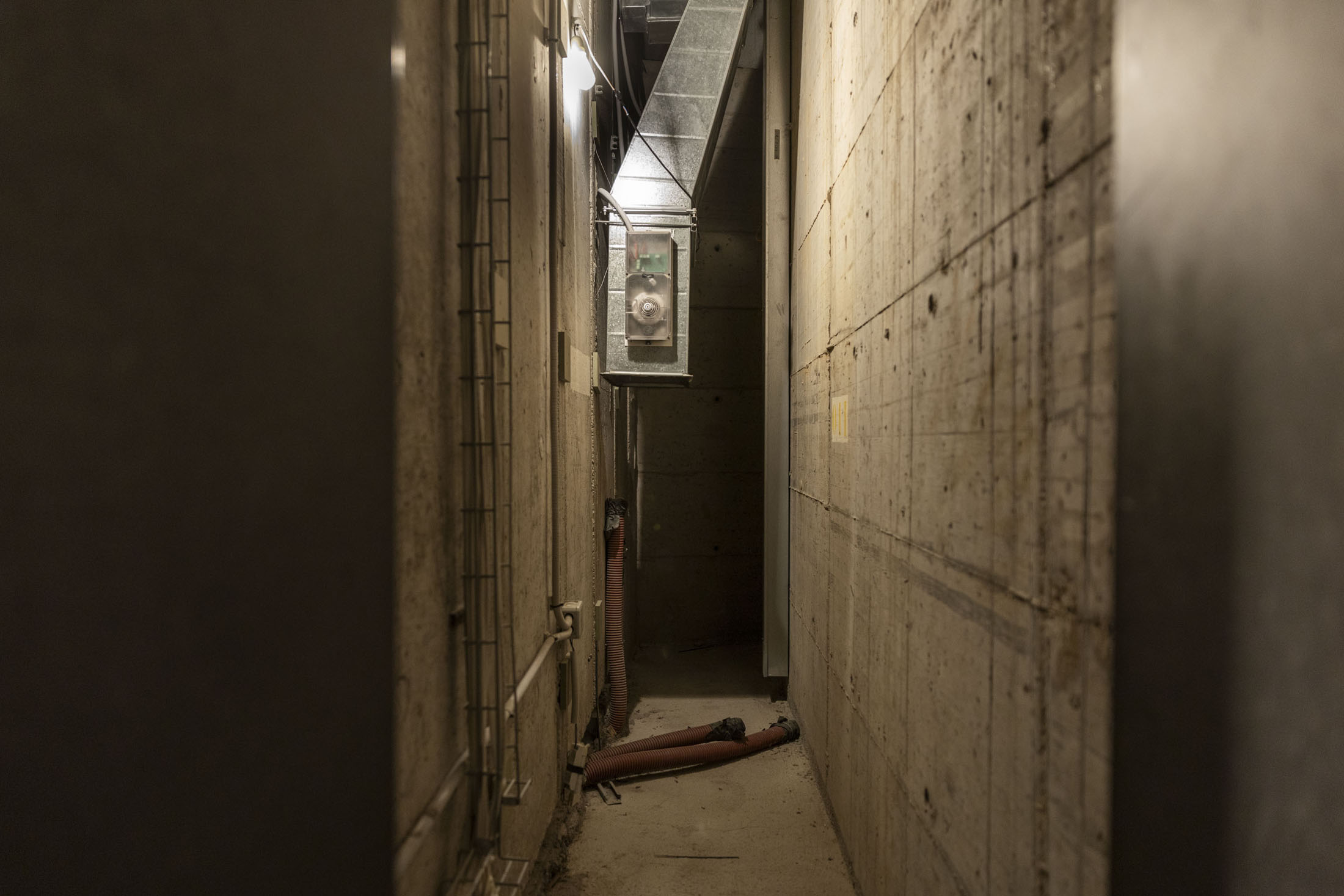
The exhibition also establishes a direct dialogue with the C3A building itself by incorporating into the exhibition space elements from the centre’s technical areas, which the artist requested to visit during a preliminary tour of the building. These spaces, designed to house the functional infrastructure of the centre, are integrated as an extension of his interest in “hidden architectures.” The artist also brings into the gallery elements from his own working environment, such as a door from his studio in Madrid, creating a connection between processes of production and their exhibition context.
The body of works that make up Metal de verano was developed during a long-term residency at No Entulho (Póvoa de Varzim, Portugal), where the artist worked with a team specialising in metal construction techniques. Lagata began with a limited list of materials and the reuse of leftovers from other productions, establishing a system of creation based on recombination, unexpected joints, and the accumulation of fragments. The exhibition has an atmospheric quality, in which light, spatial divisions, and the mode of presentation foster a slow, contemplative experience.
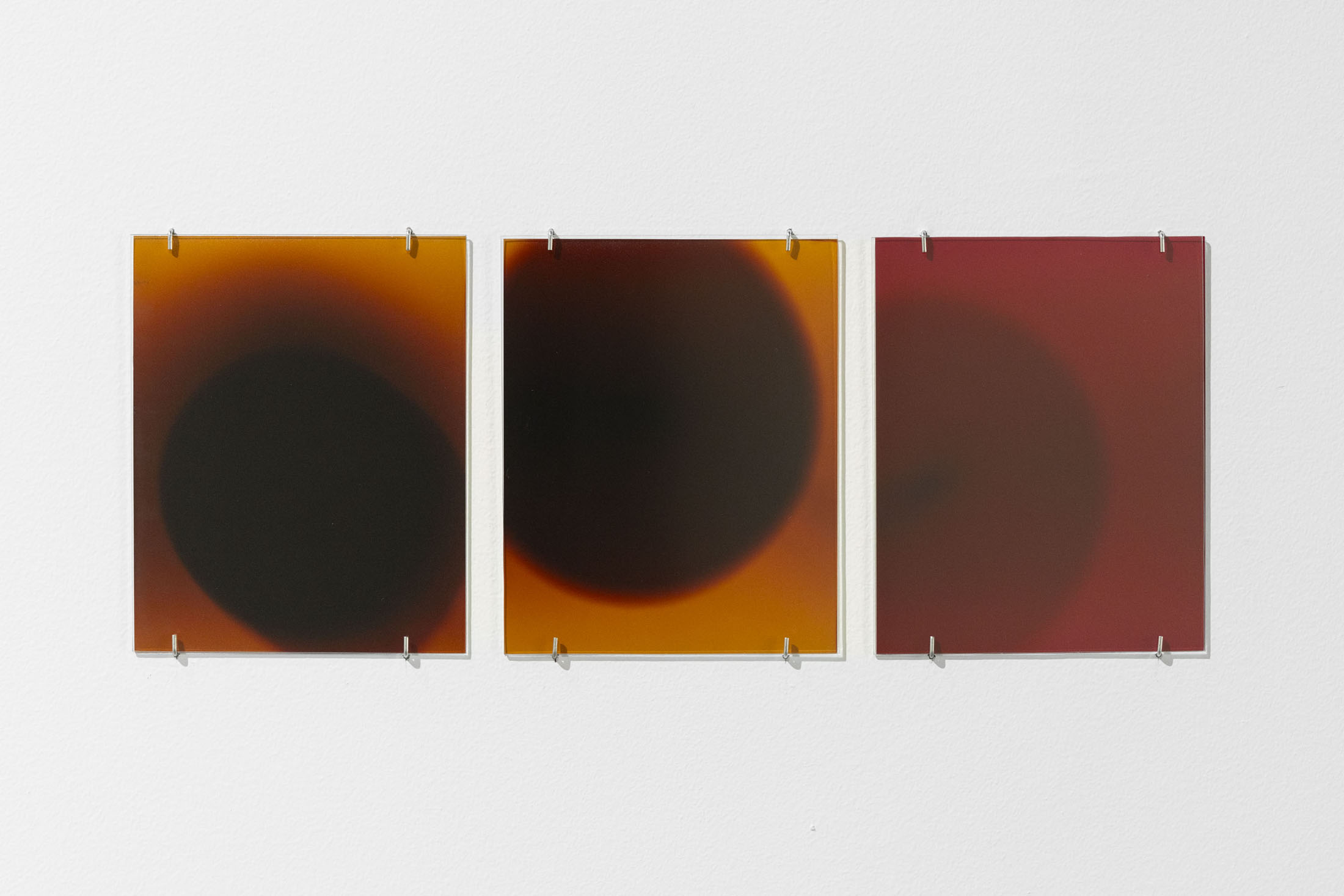
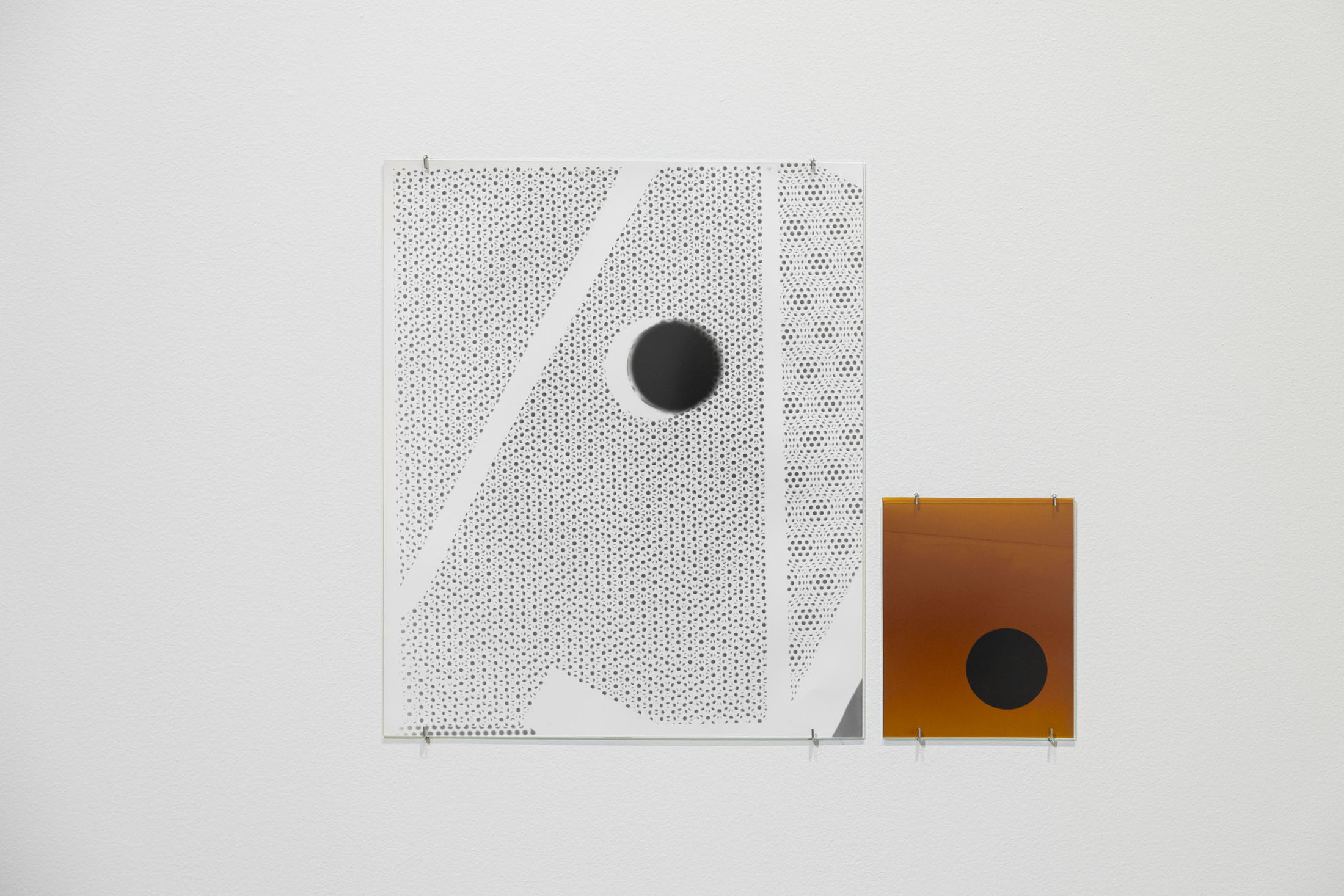
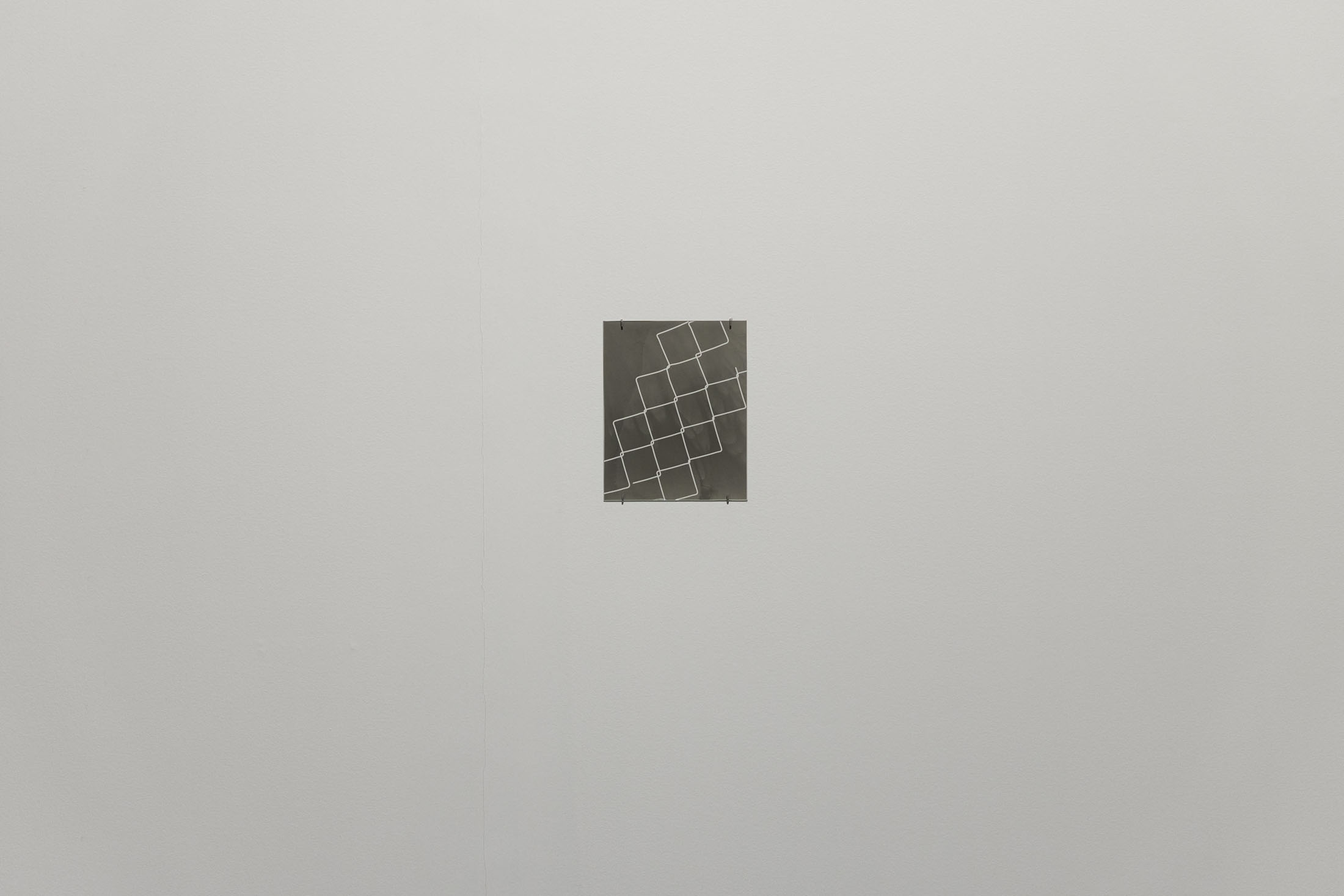
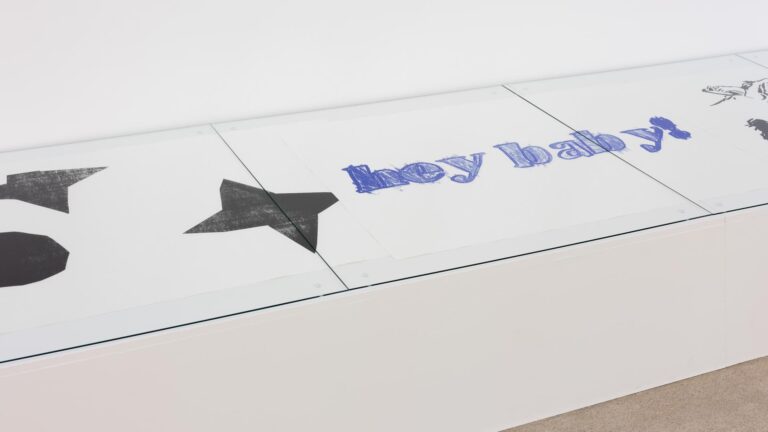
In addition to metal structures and unconventional architectures, the exhibition includes a series of rayographs produced using a rudimentary photographic method. These images do not seek to fix a representation but rather to record the material conditions of the space and the alternation between light and shadow.
The exhibition is not organised hierarchically; instead, works of different scales appear with the aim of composing “a landscape in which uses, materials, and objects characterised by their disparity coexist,” highlights the curator. The pieces are arranged in the space as remnants or provisional assemblies, evoking marginal urban areas that, due to their indeterminate nature, allow other ways of inhabiting to be imagined.
Through this project, the C3A reinforces its commitment to contemporary creation and Andalusian art by inviting a mid-career artist to produce work specifically for its singular spaces. Metal de verano also forms part of the centre’s programme line that links art and architecture, expanding the dialogue on the boundaries between construction, space, and art.
More about Christian Lagata (Jerez de la Frontera, 1986)
Christian Lagata’s work investigates the tensions between the materiality and morphology of productive environments—such as industrial zones or urban conglomerations—and the various forms of “familiarity” (mnemonic, functional, aesthetic) that we establish with them. Beyond the logic of the objet trouvé, his practice explores traces of past, present, or future interactions between humans and these environments, rethinking their economic and social consideration as “remains” or “waste.”
His most notable exhibitions include Tablao. Escenario de formas en el arte contemporáneo andaluz (CAAC, Seville, 2024), Donde cruzan los humos (La Casa Encendida, Madrid, 2024), Haunted I (Voloshyn Gallery, Miami, 2024), Dialecto (CA2M, Móstoles, 2021), and Entre las formas que van hacia la sierpe y las formas que buscan el cristal (CAAC, Seville, 2020), among others, as well as solo exhibitions such as Ciego camina (Rosenblut & Friedmann, Madrid, 2024), Una oscura euforia (Artnueve, Murcia, 2023), and Verde Chroma (Centro Párraga, Murcia, 2019).
He has completed advanced studies in Image and Sound and holds a Master’s degree in Contemporary Photography. Since 2015, he has been actively engaged in artistic practice, particularly in sculpture and installation. He has undertaken residencies at Matadero (Madrid, 2025), the Centro de Creación Contemporánea de Andalucía (C3A, Córdoba, 2022), Pico do Refugio (São Miguel, Azores, 2021), Hangar (Lisbon, 2019), Fundación BilbaoArte Fundazioa, and Mira Forum (Porto, 2018).
His work is included in collections such as the Centro de Arte Dos de Mayo (CA2M), the Centro Andaluz de Arte Contemporáneo (CAAC), the DKV Arteria Collection, and the Fundació Sorigué, among others.