More of Us
Lydia Jenkins Musco, RAiR Fellow 2026
Why do we take things apart? To understand them more deeply or to see how they work? To find the logic underneath the surface or to glimpse the interior in hopes of knowing the exterior?
After taking something apart and putting it back together—even if the reassembly is perfect—we see it differently. We know what each component means to the whole. We understand the relationships between the parts. We’ve experienced it in its disassembled state and maybe we have more empathy for it.
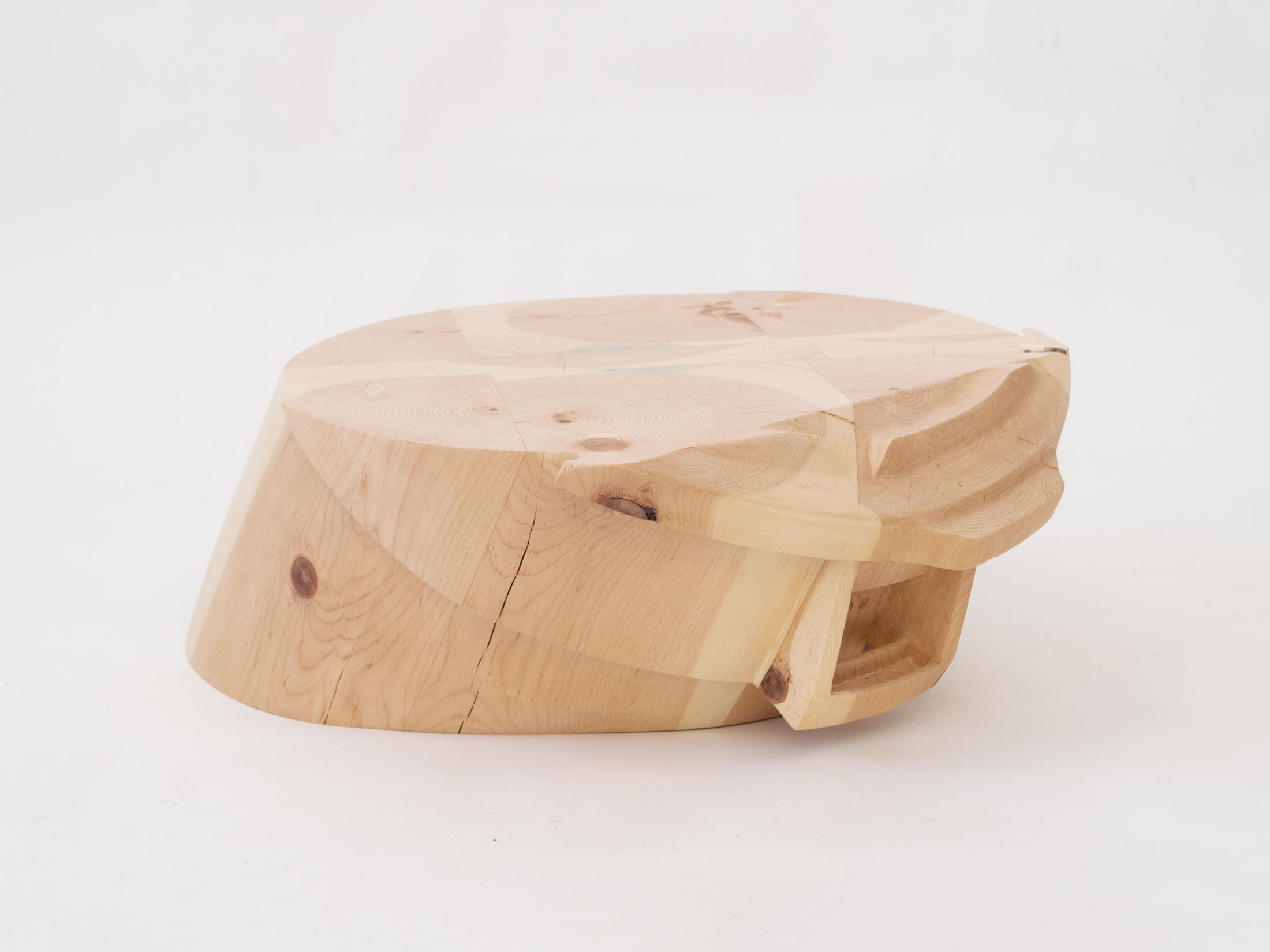
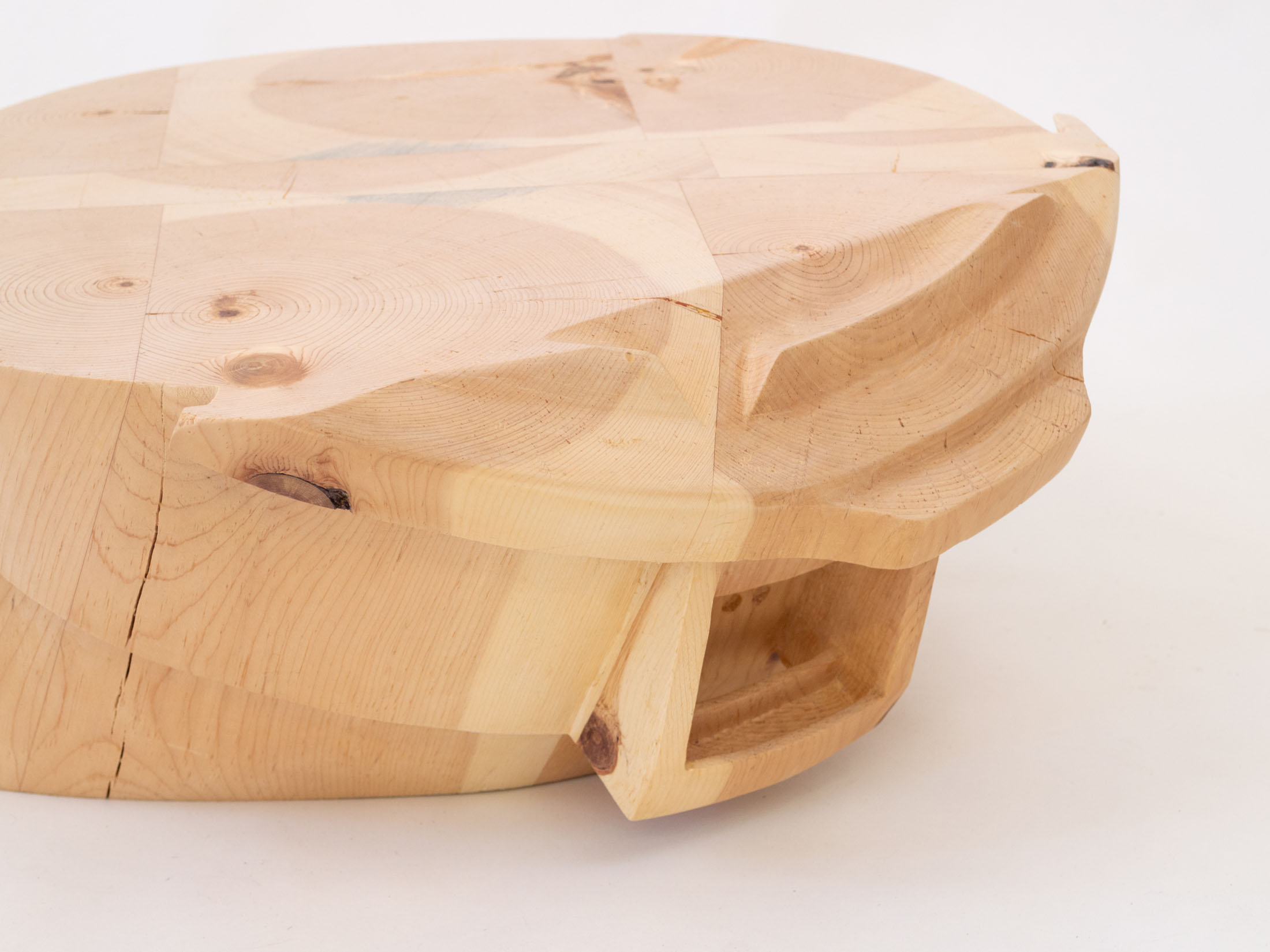
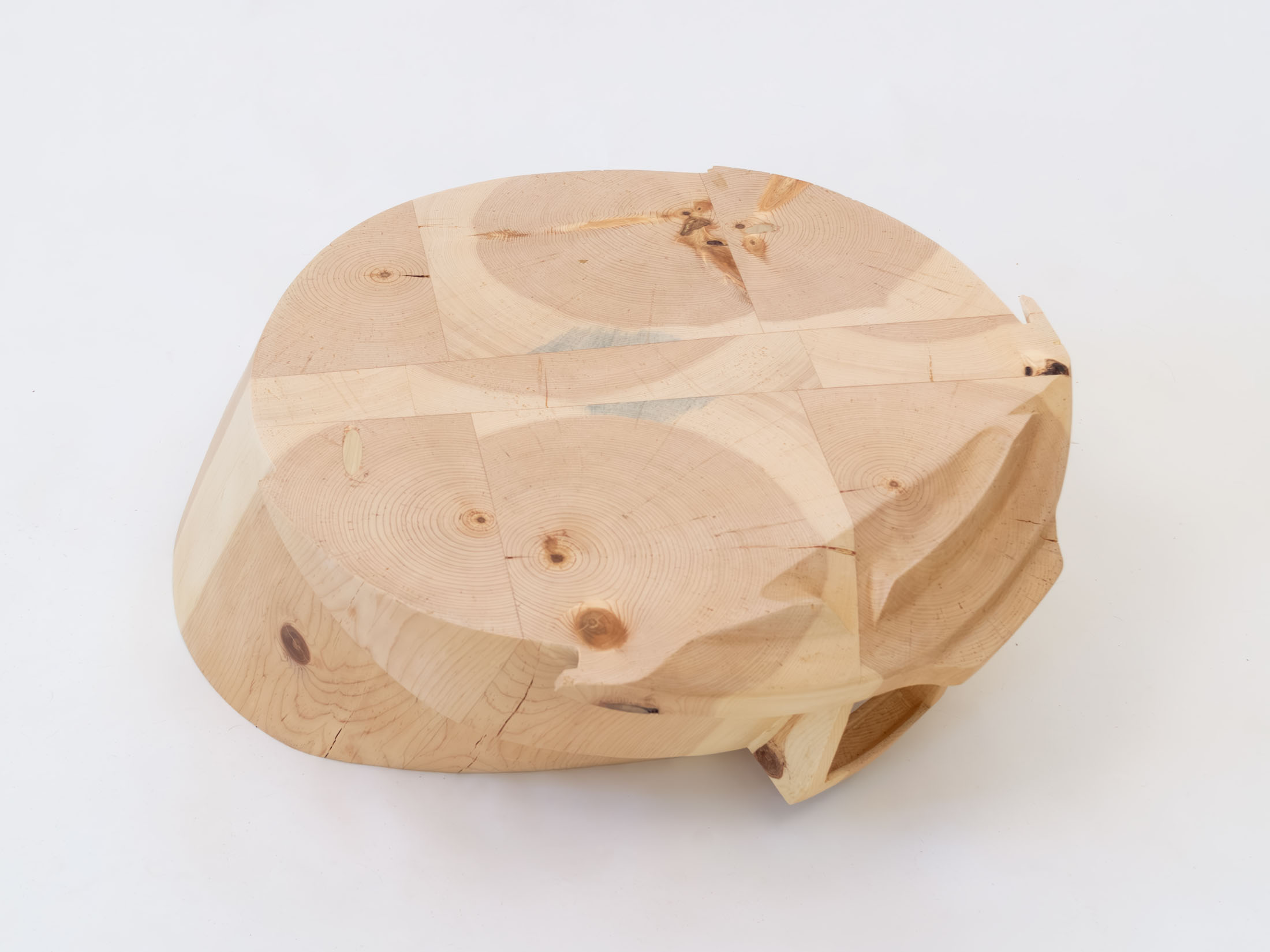
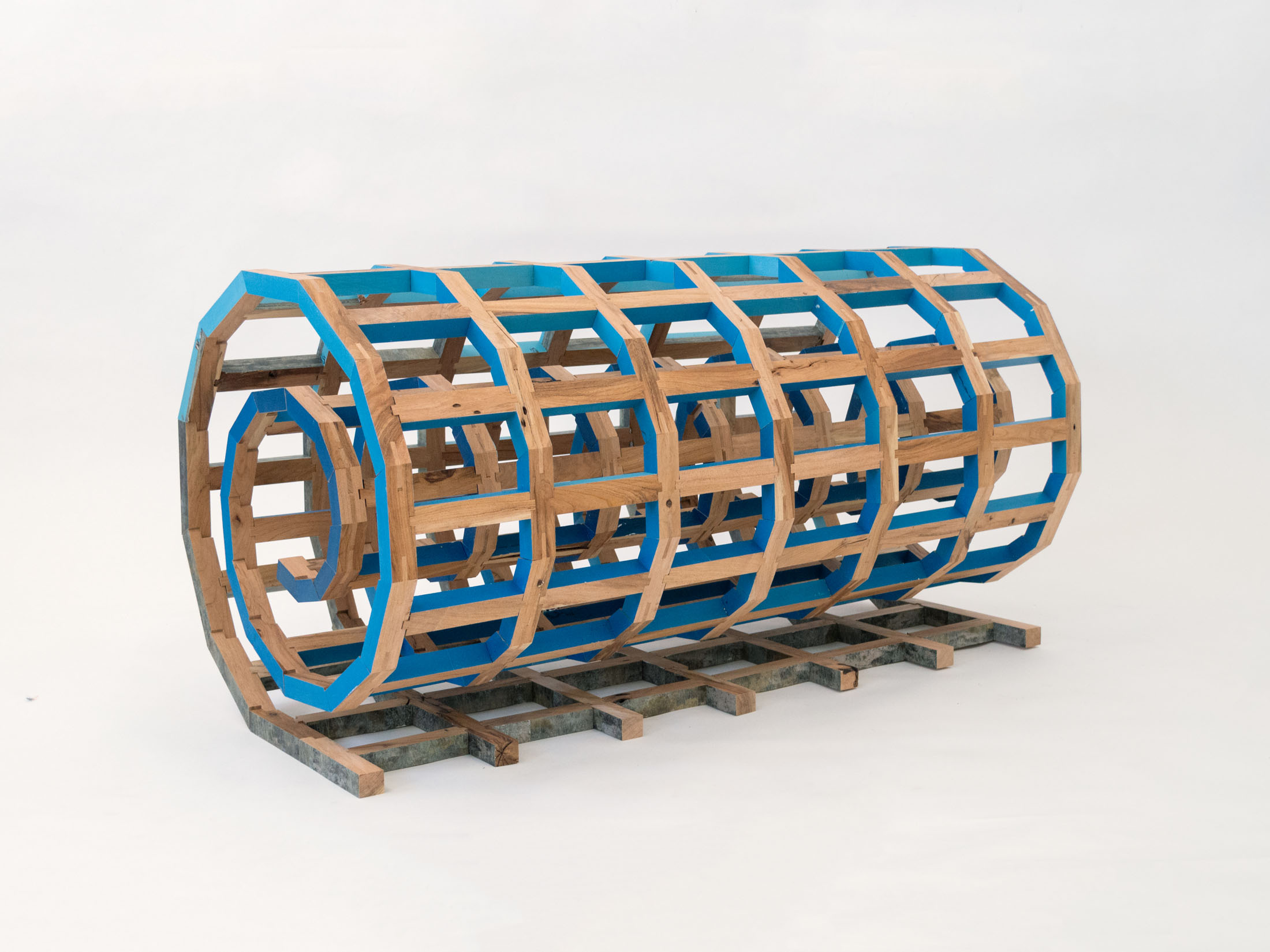
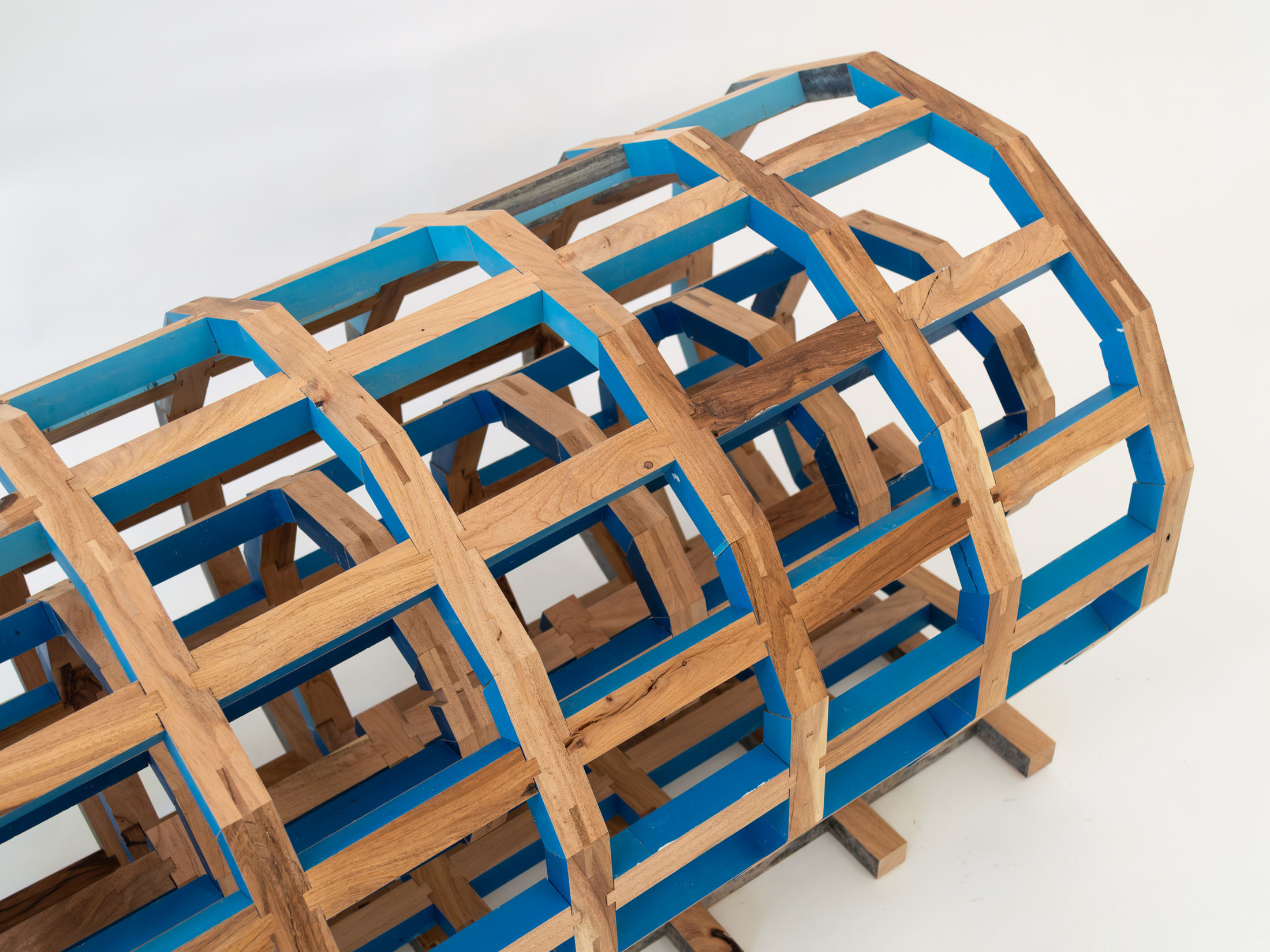
And what if we reassemble it in a slightly different configuration? Is it still itself? Or is it less itself but more of us? Does the new arrangement of its parts make it into a new object entirely or does this new assembly make it the most itself and the most of us? Does it show us something we could never see in either the fully together or the fully disassembled state? Charlie’s work brings these questions to mind and I start to see his processes, objects, and images as a kind of epistemology—a method for knowing something more completely.
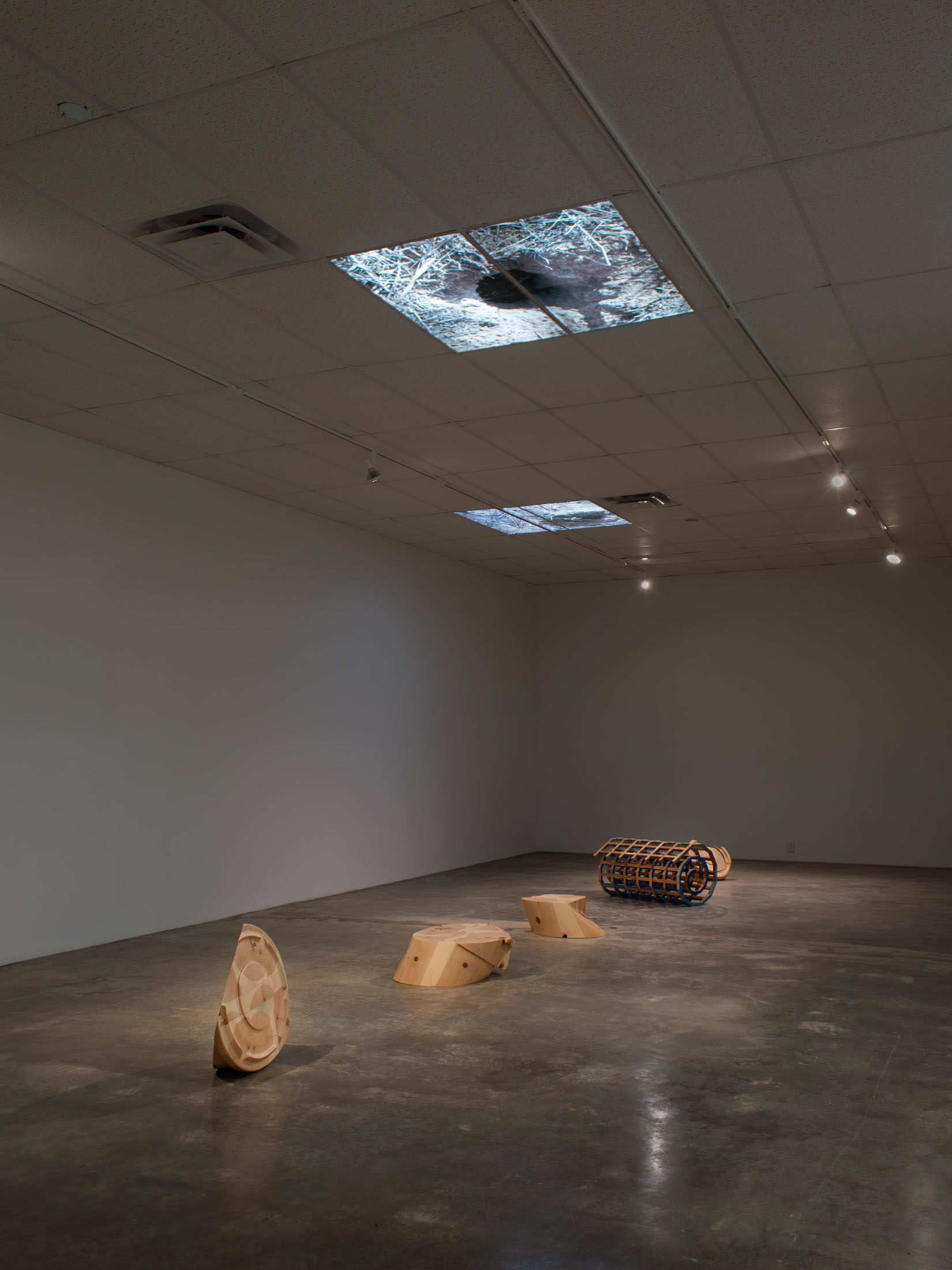
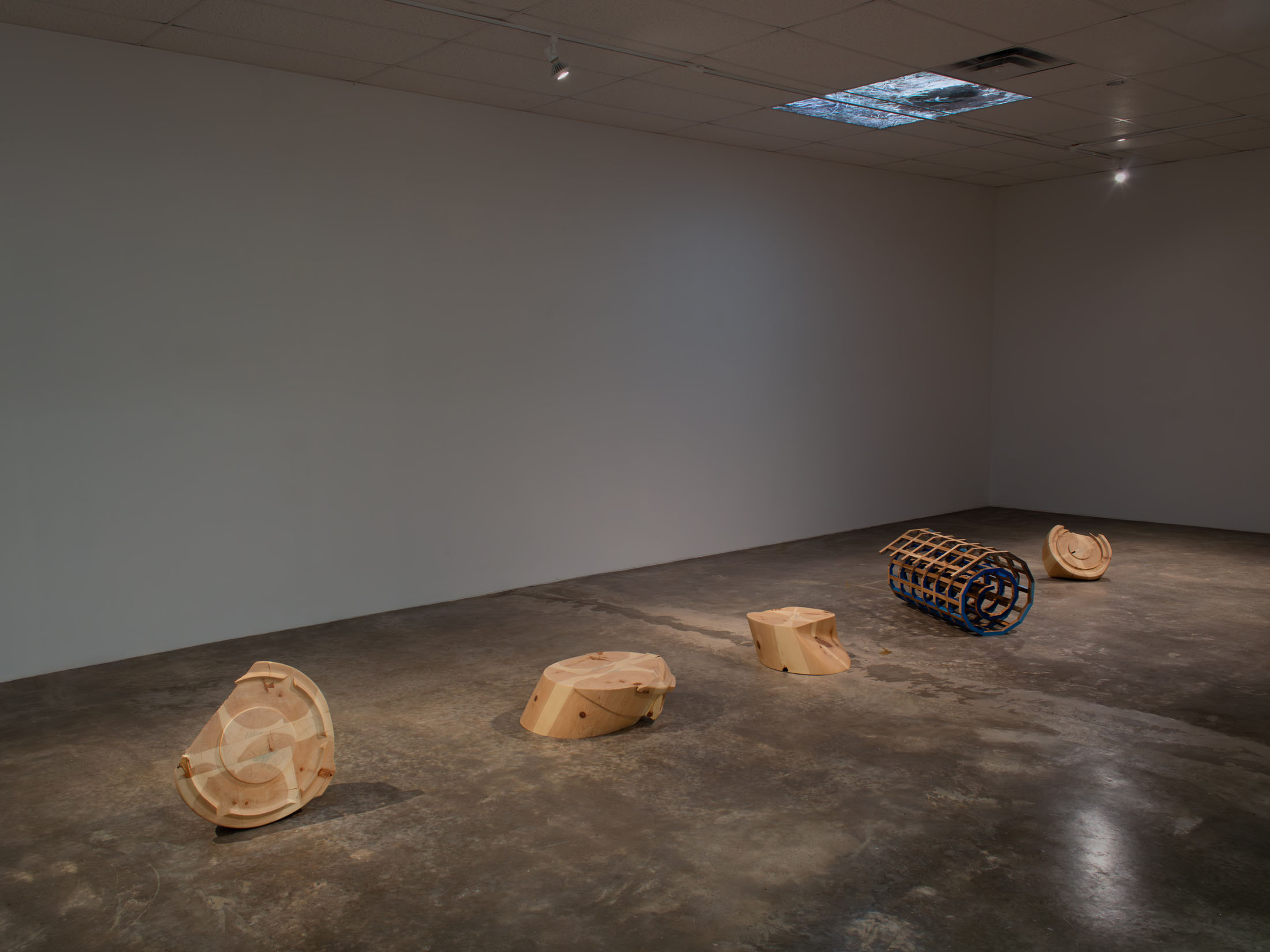
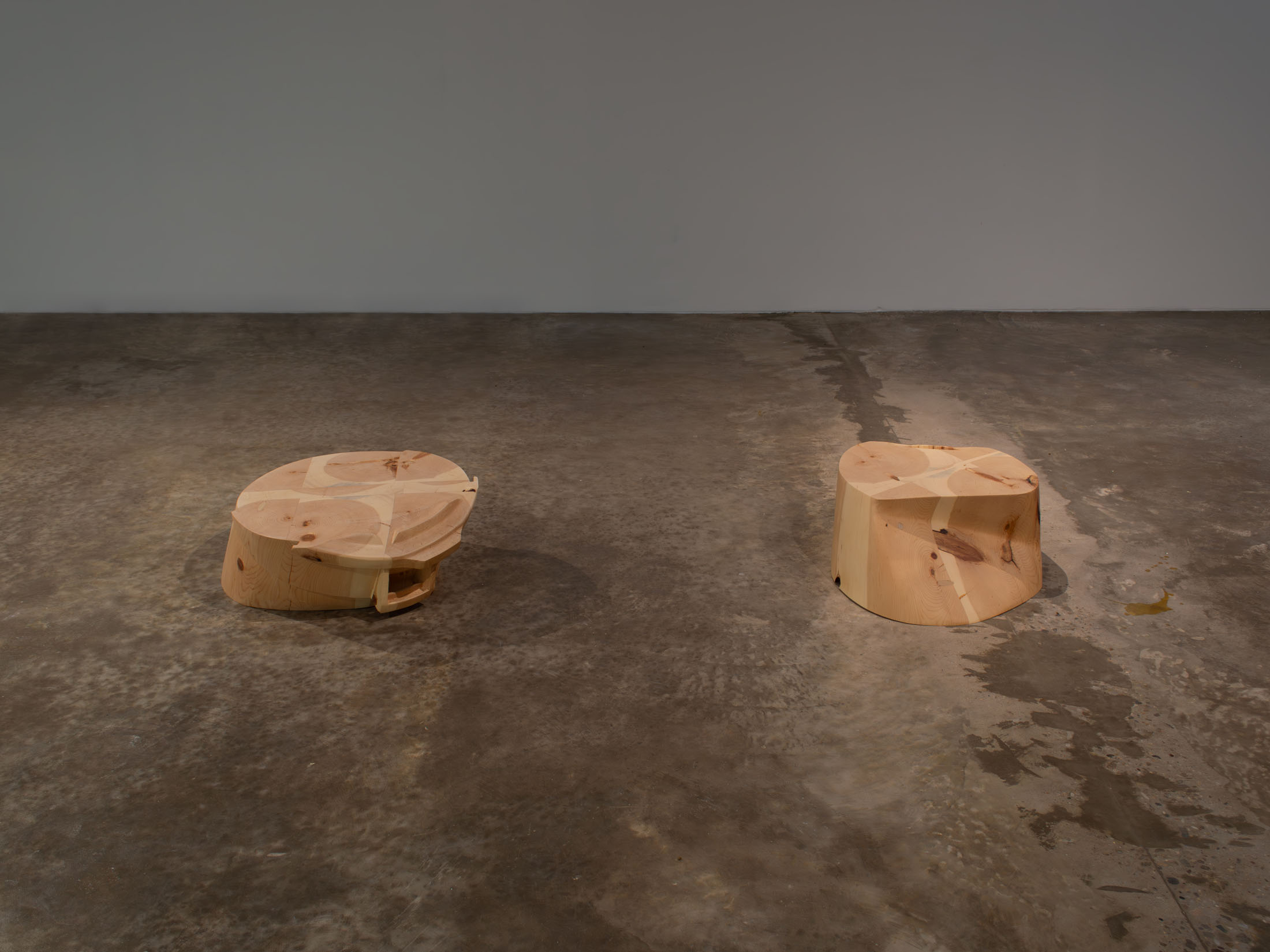
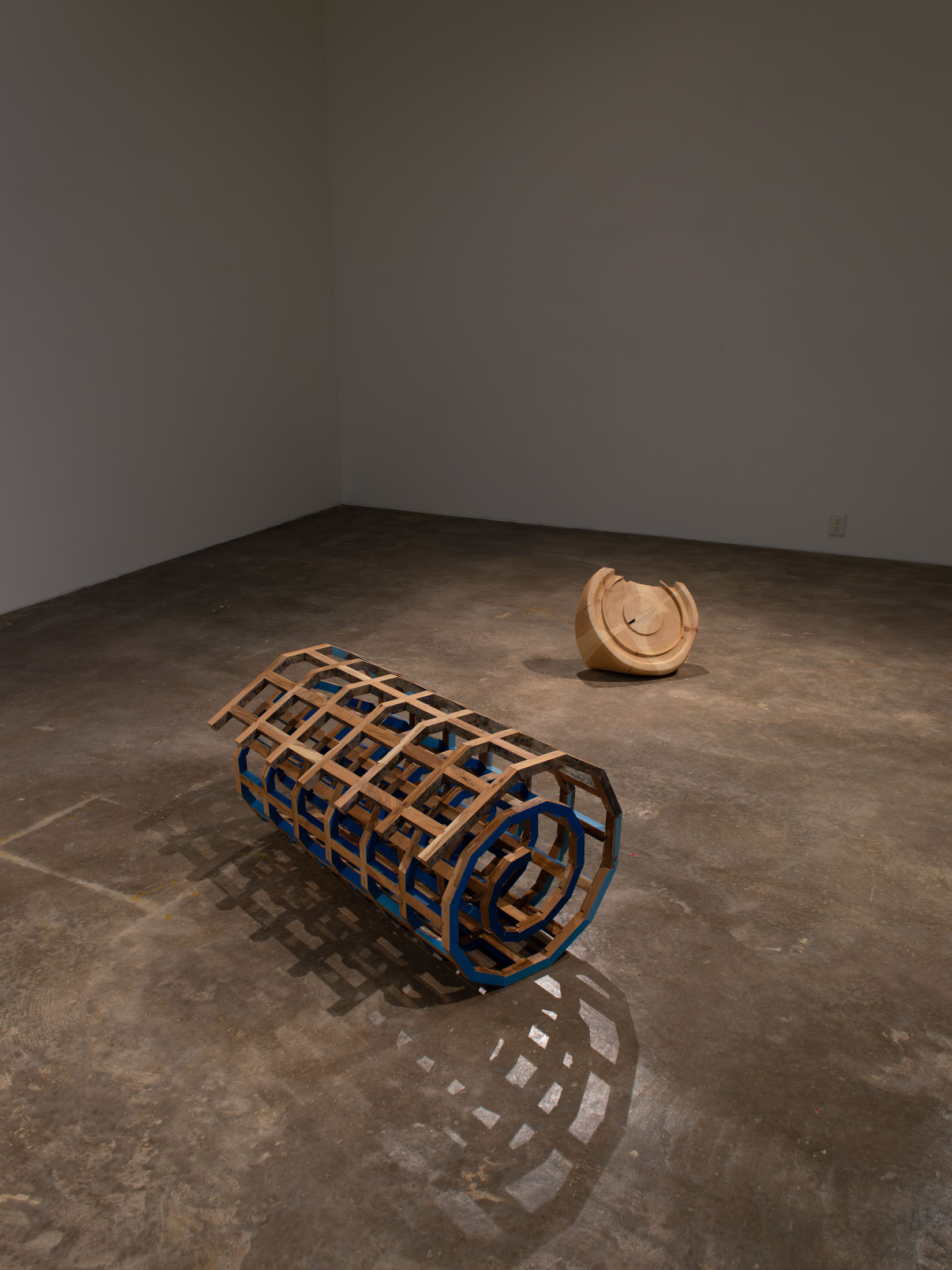
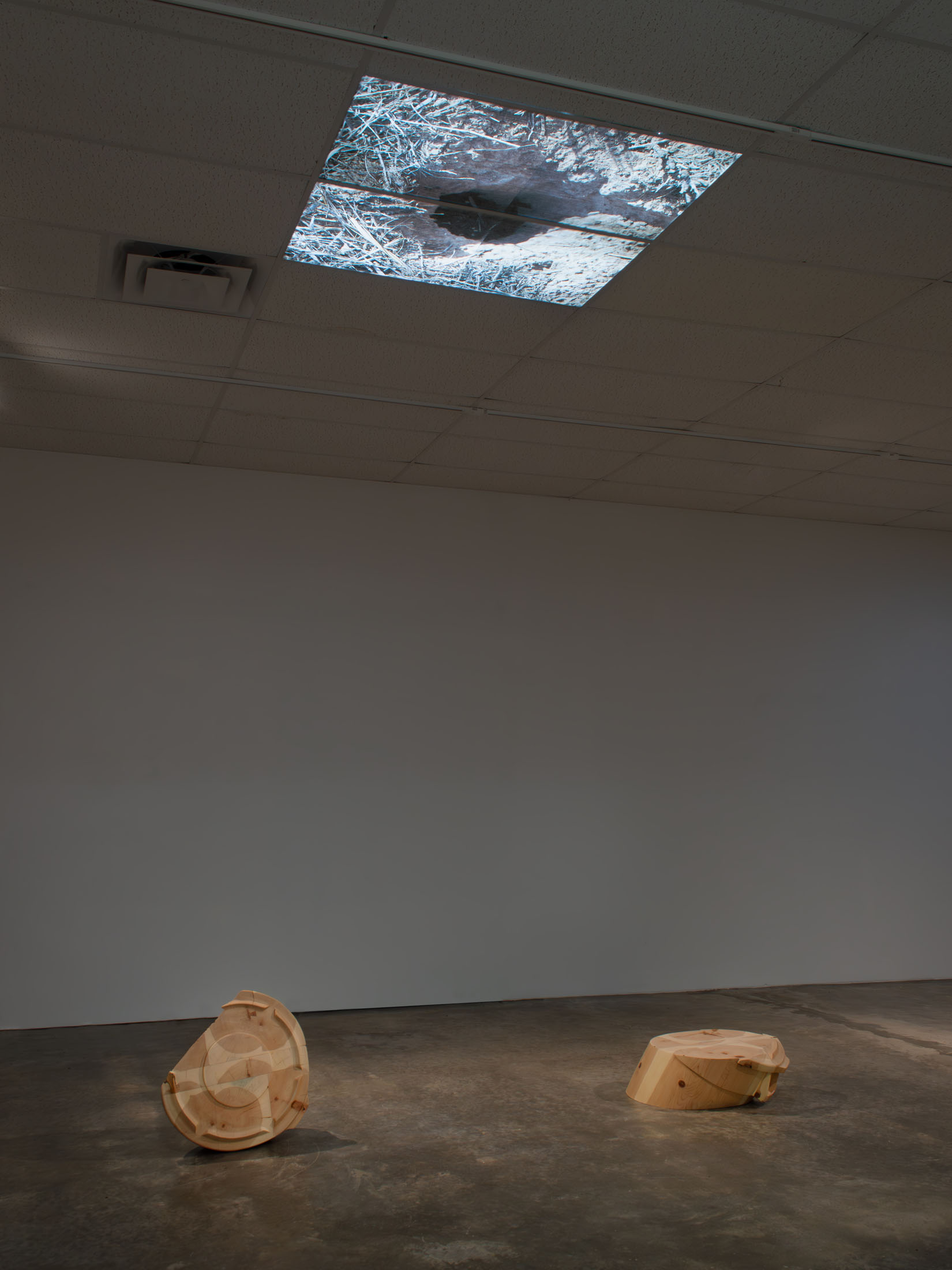
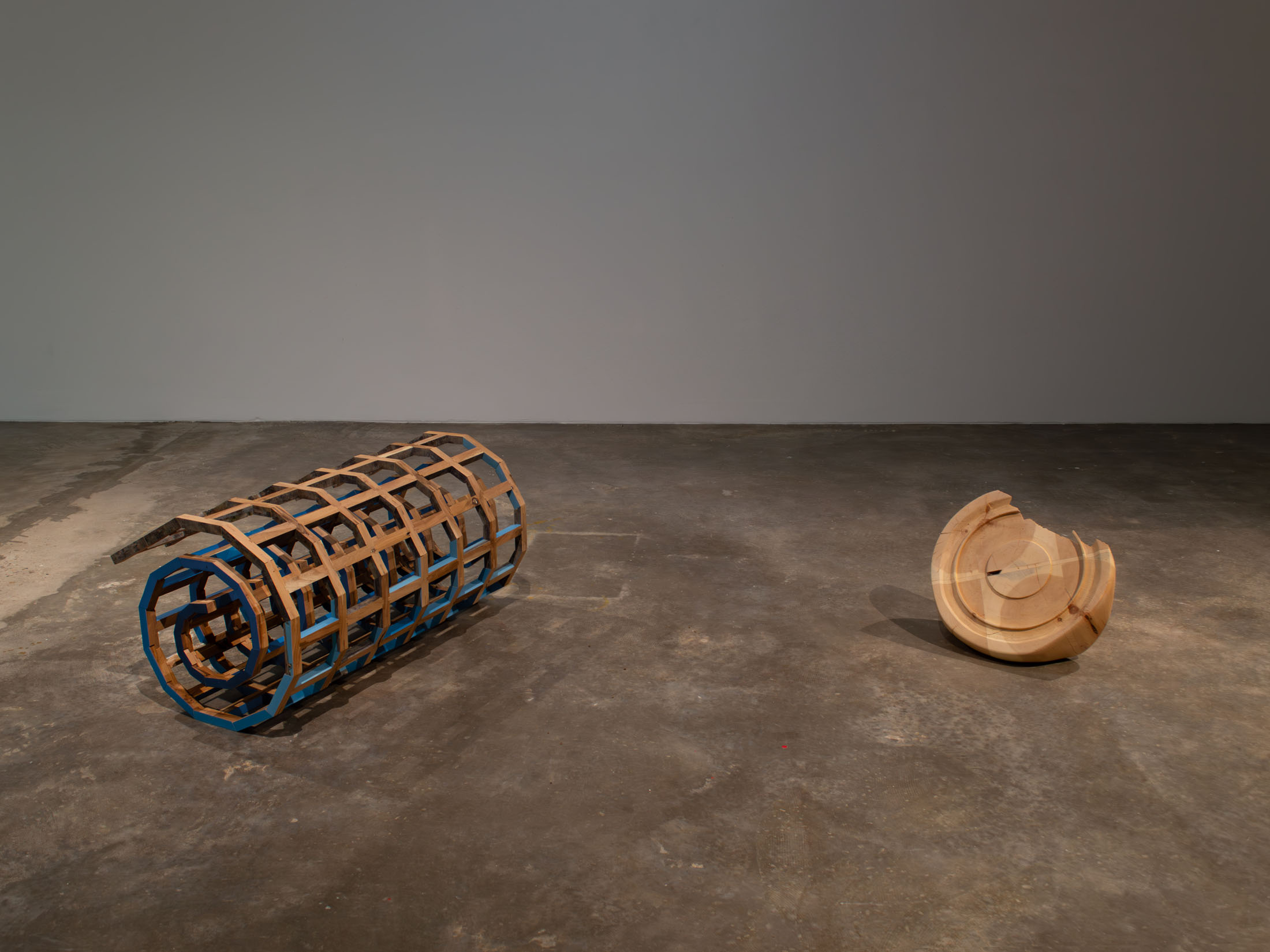
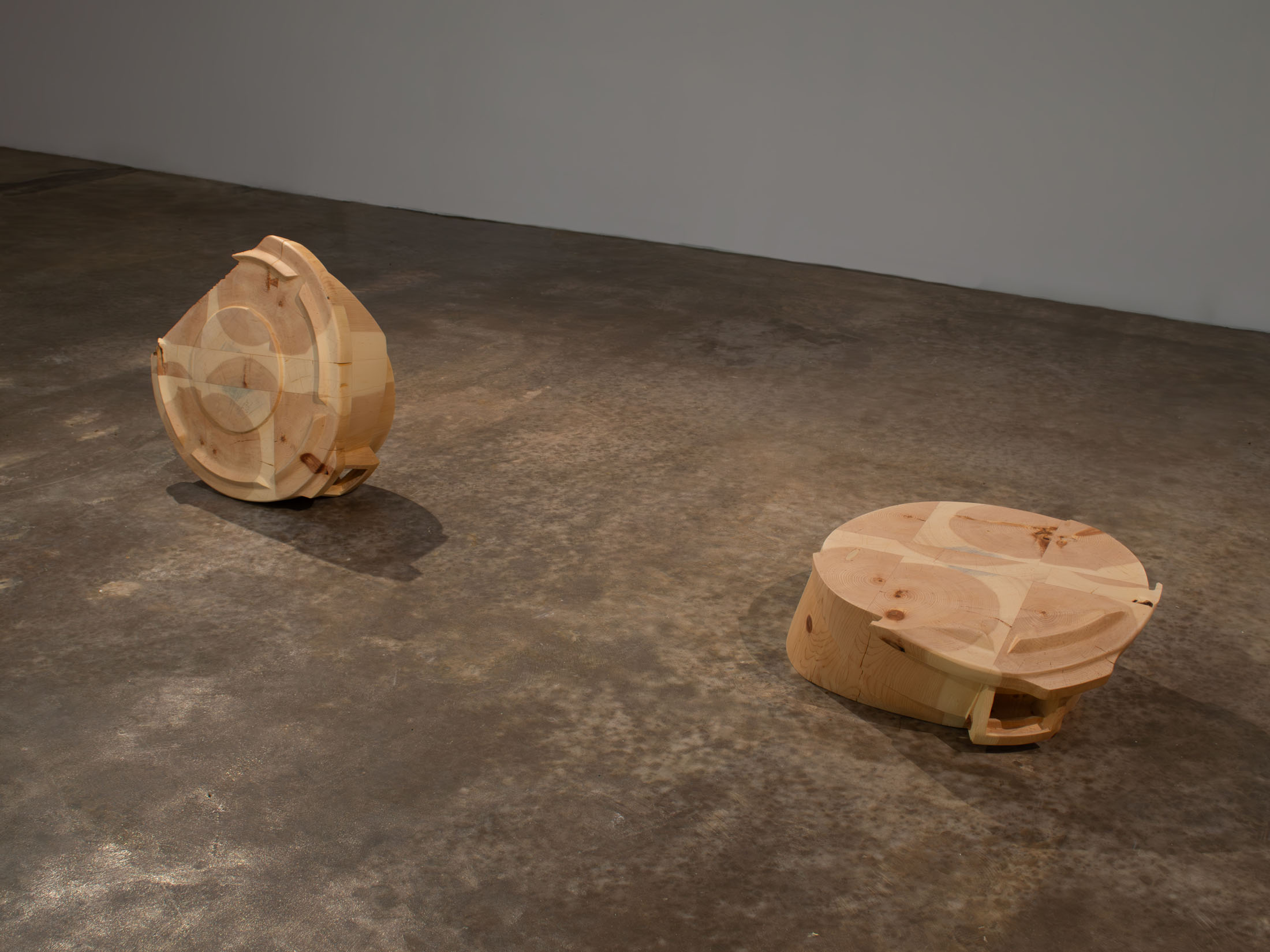
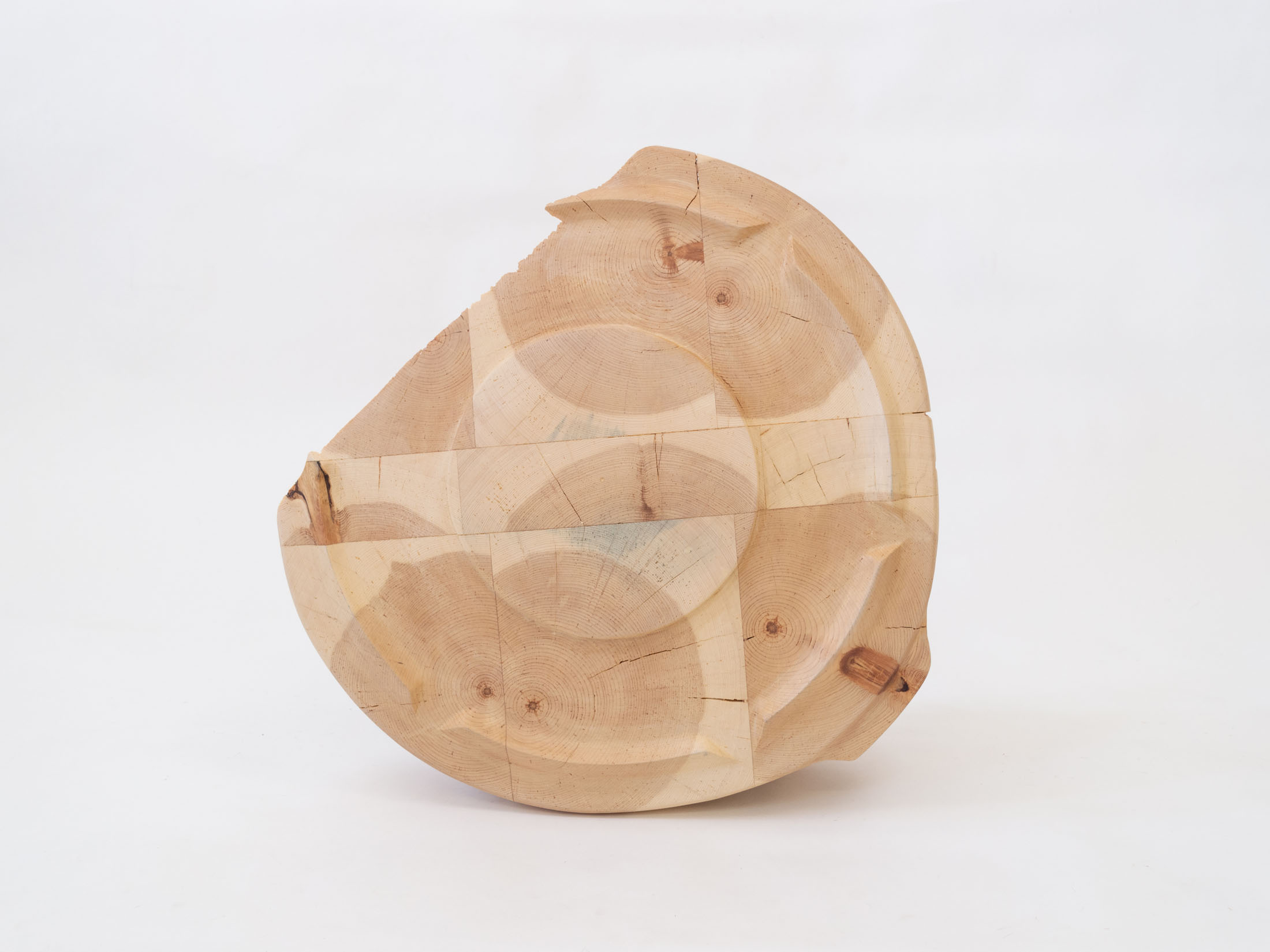
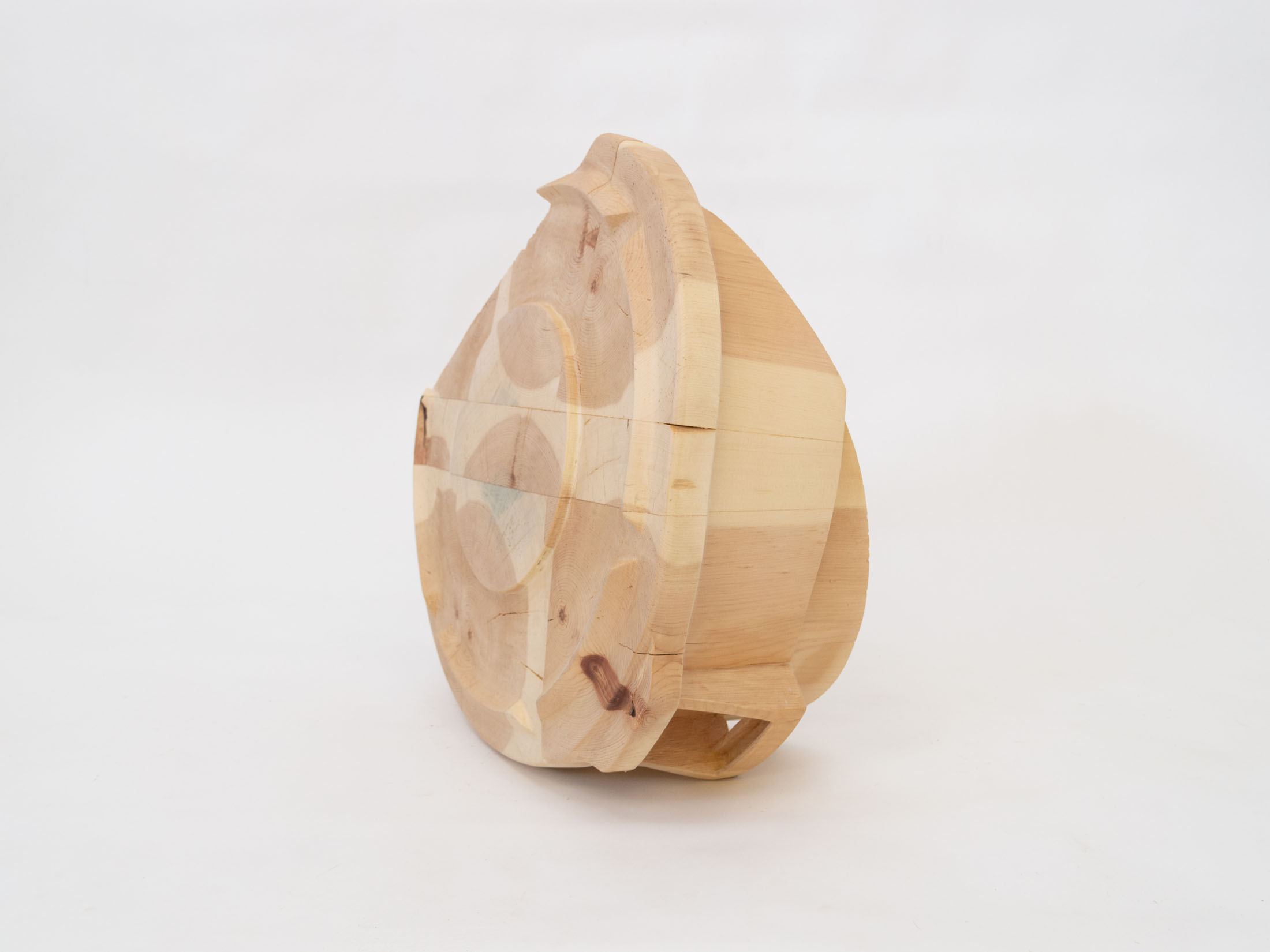
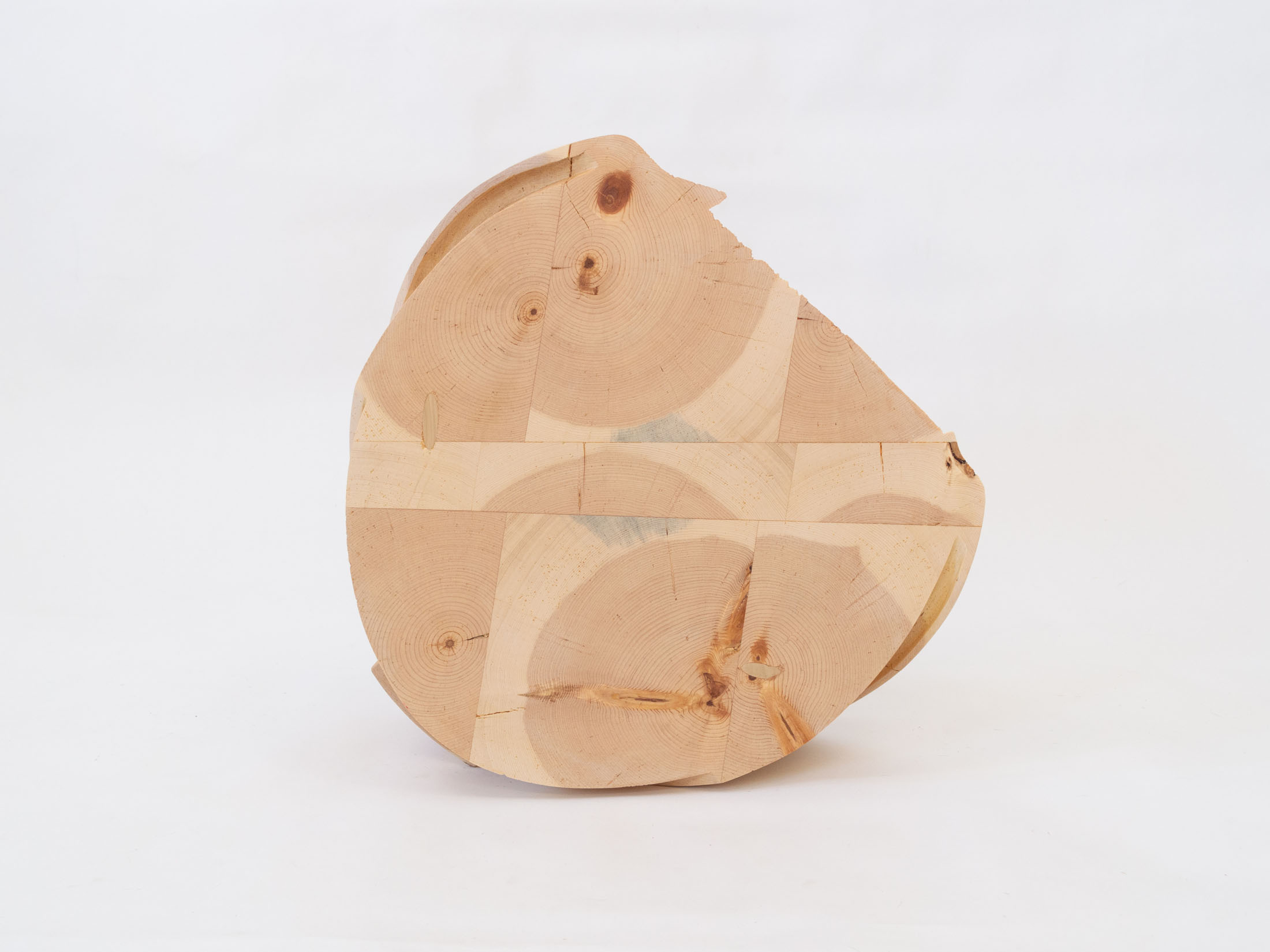
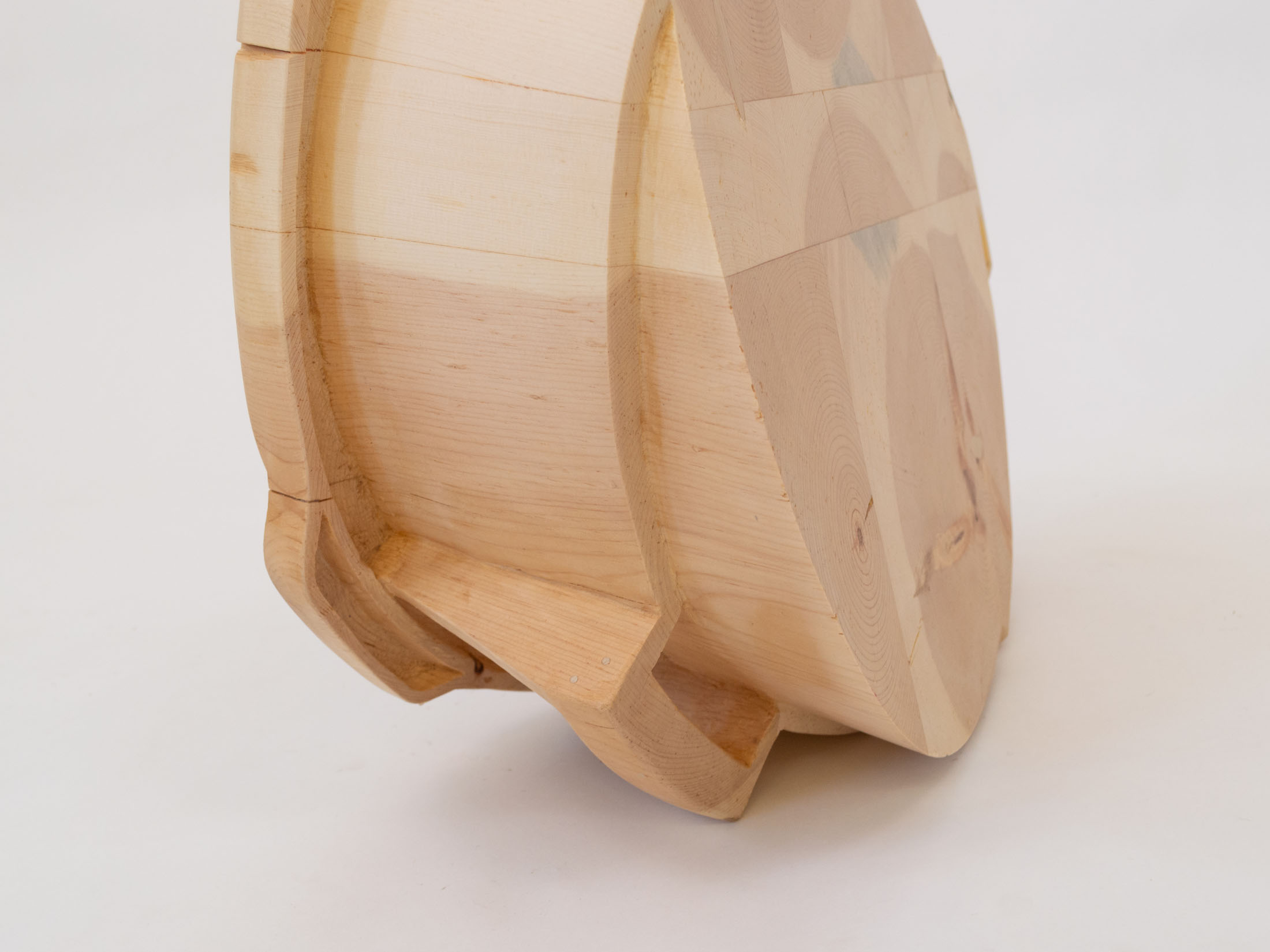
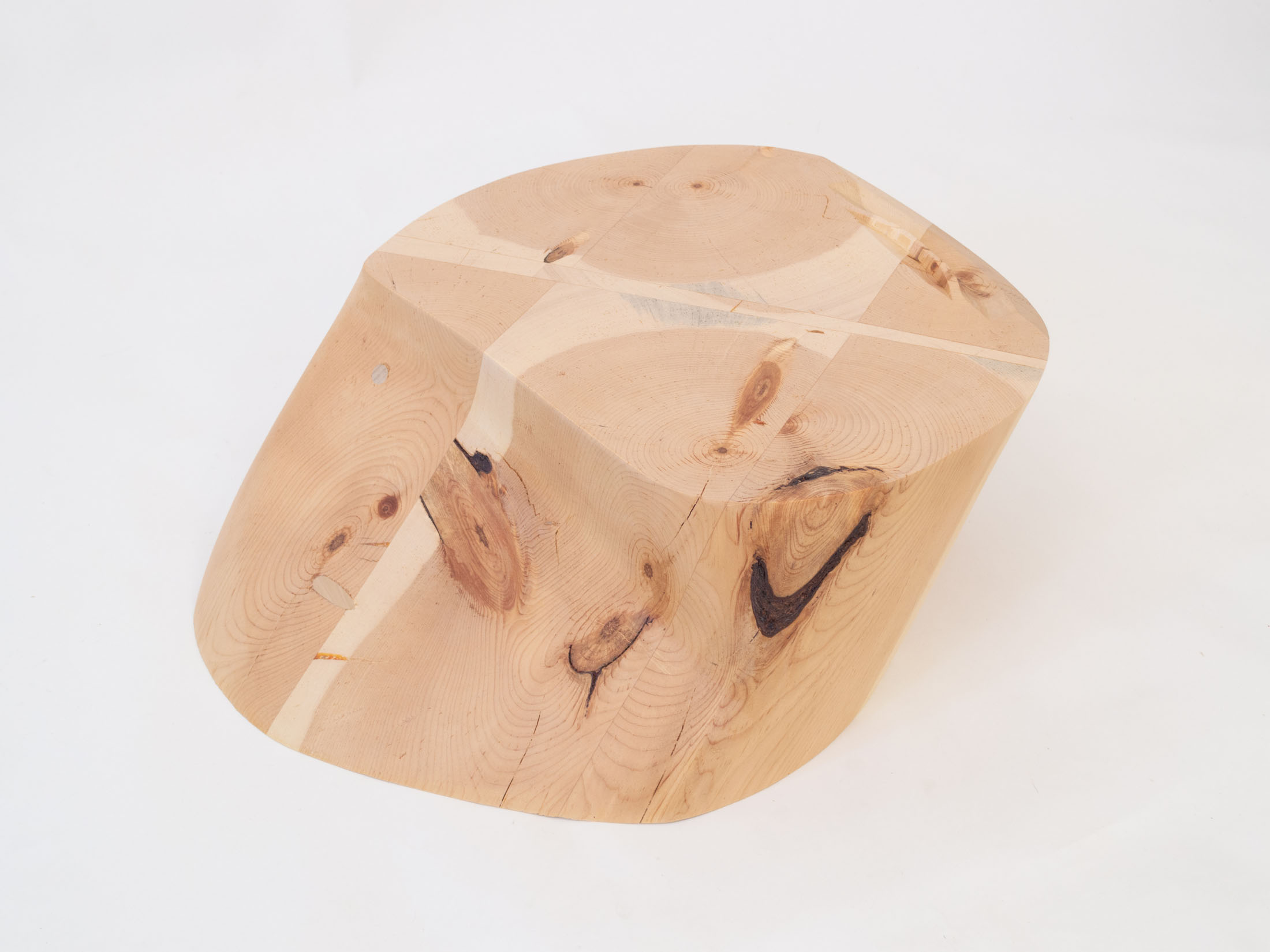
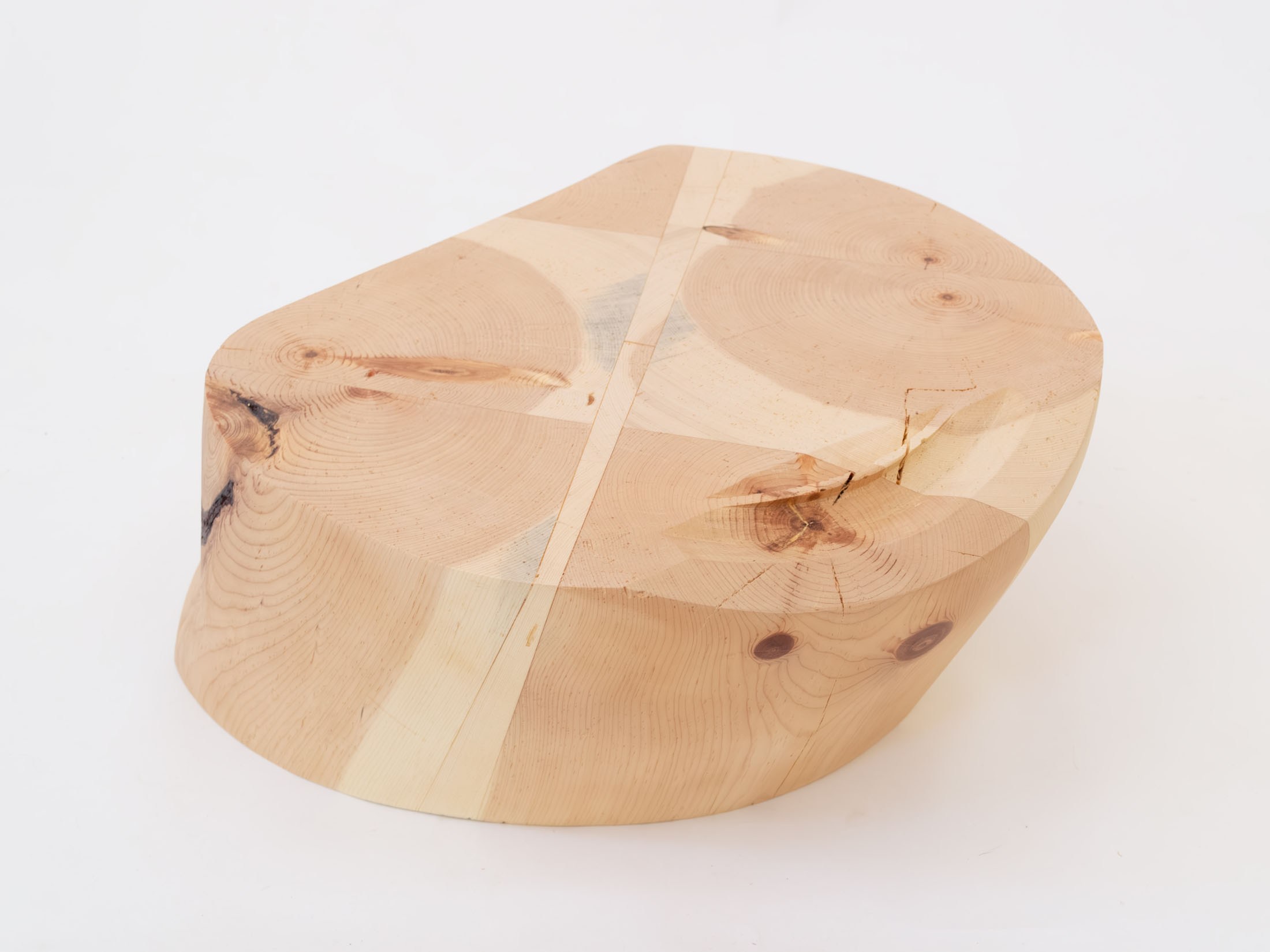
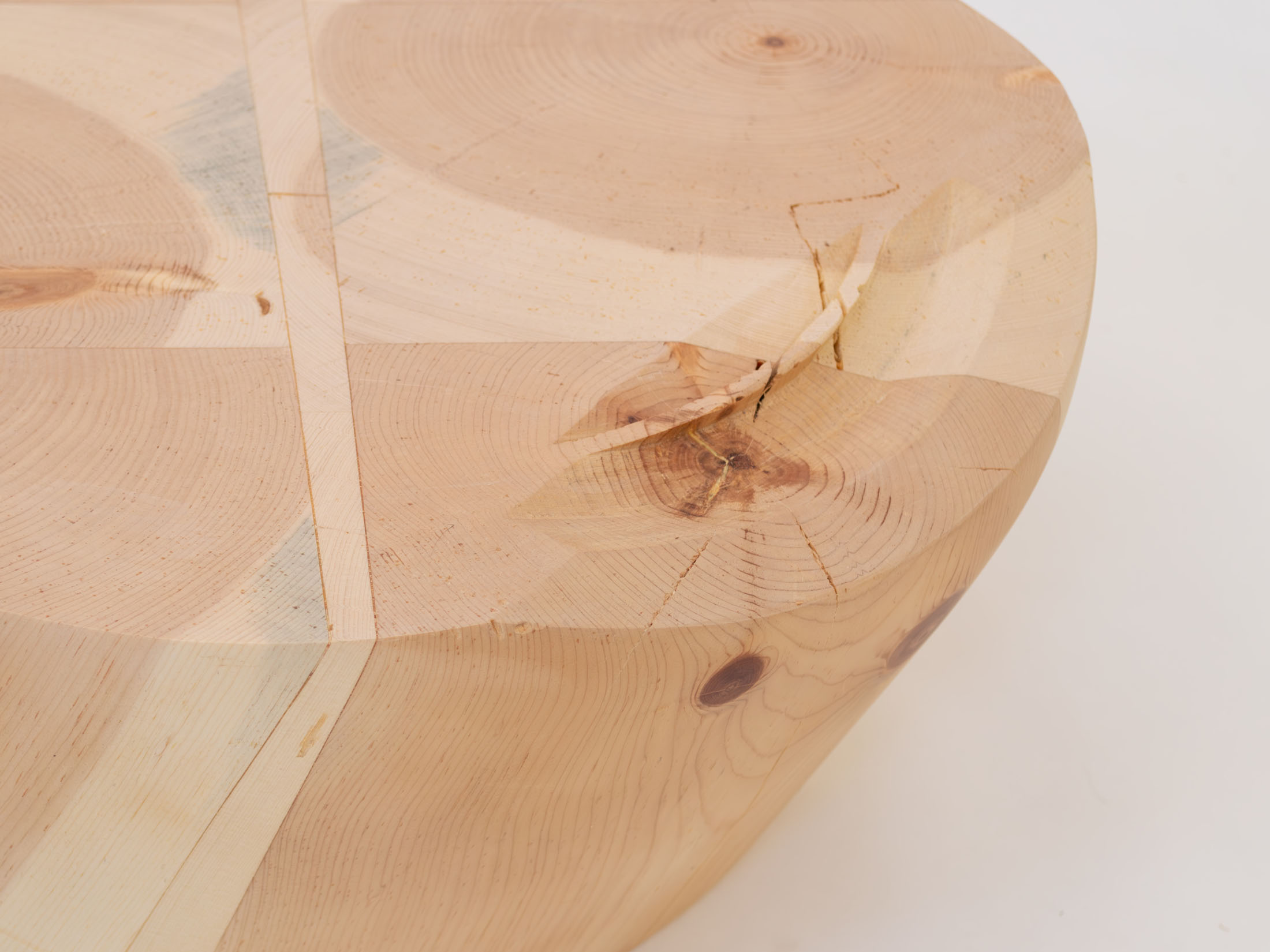
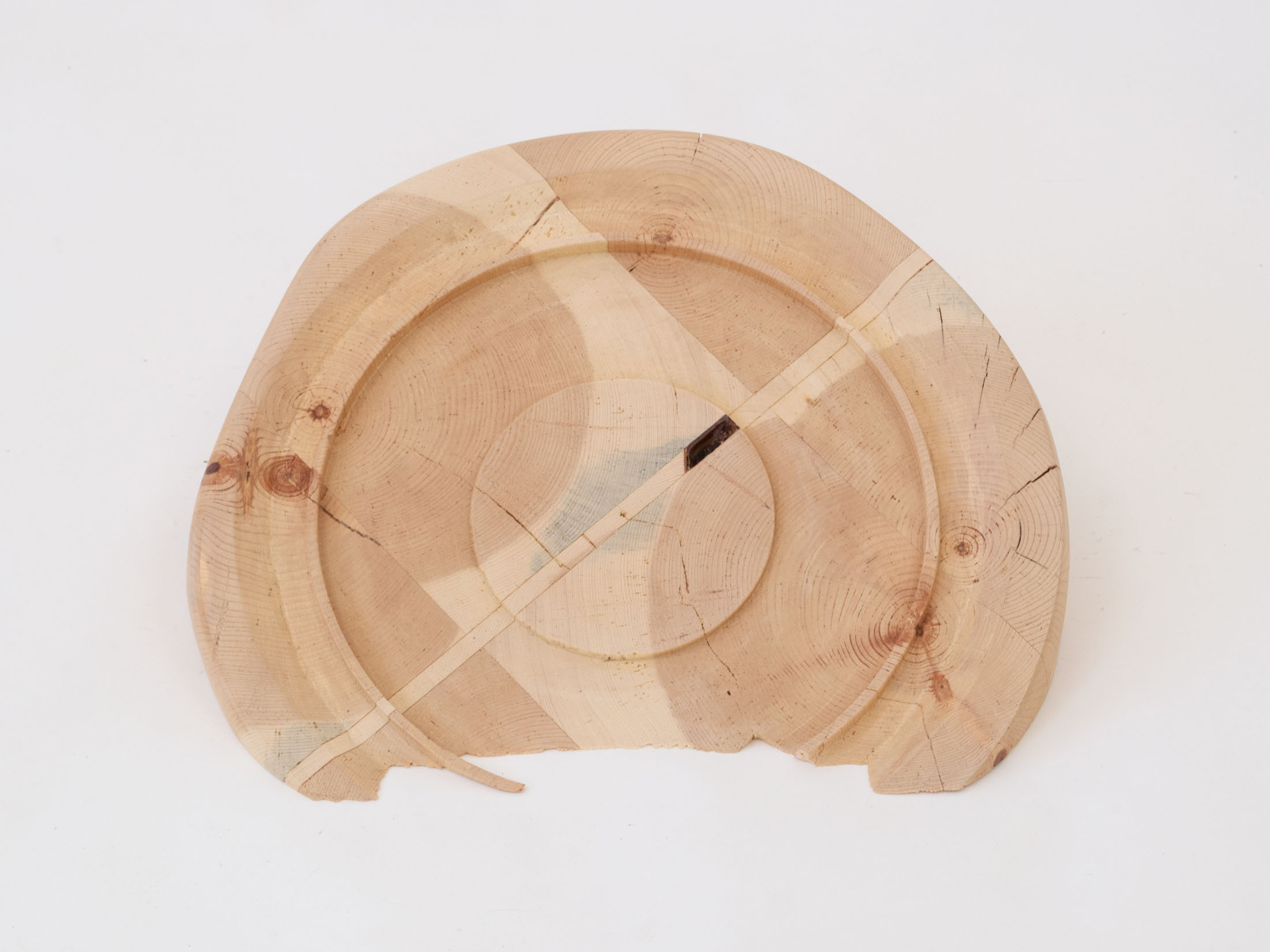
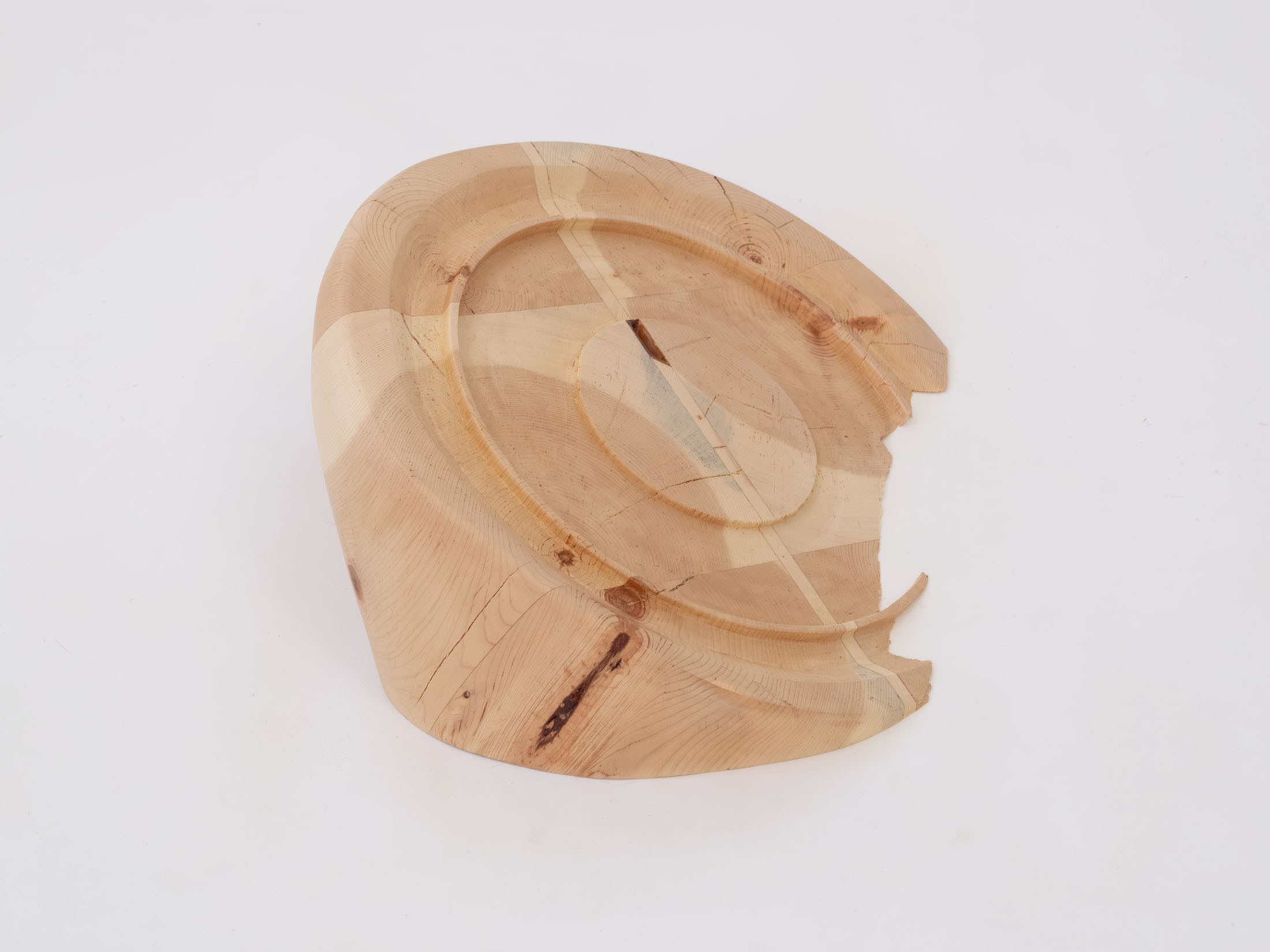
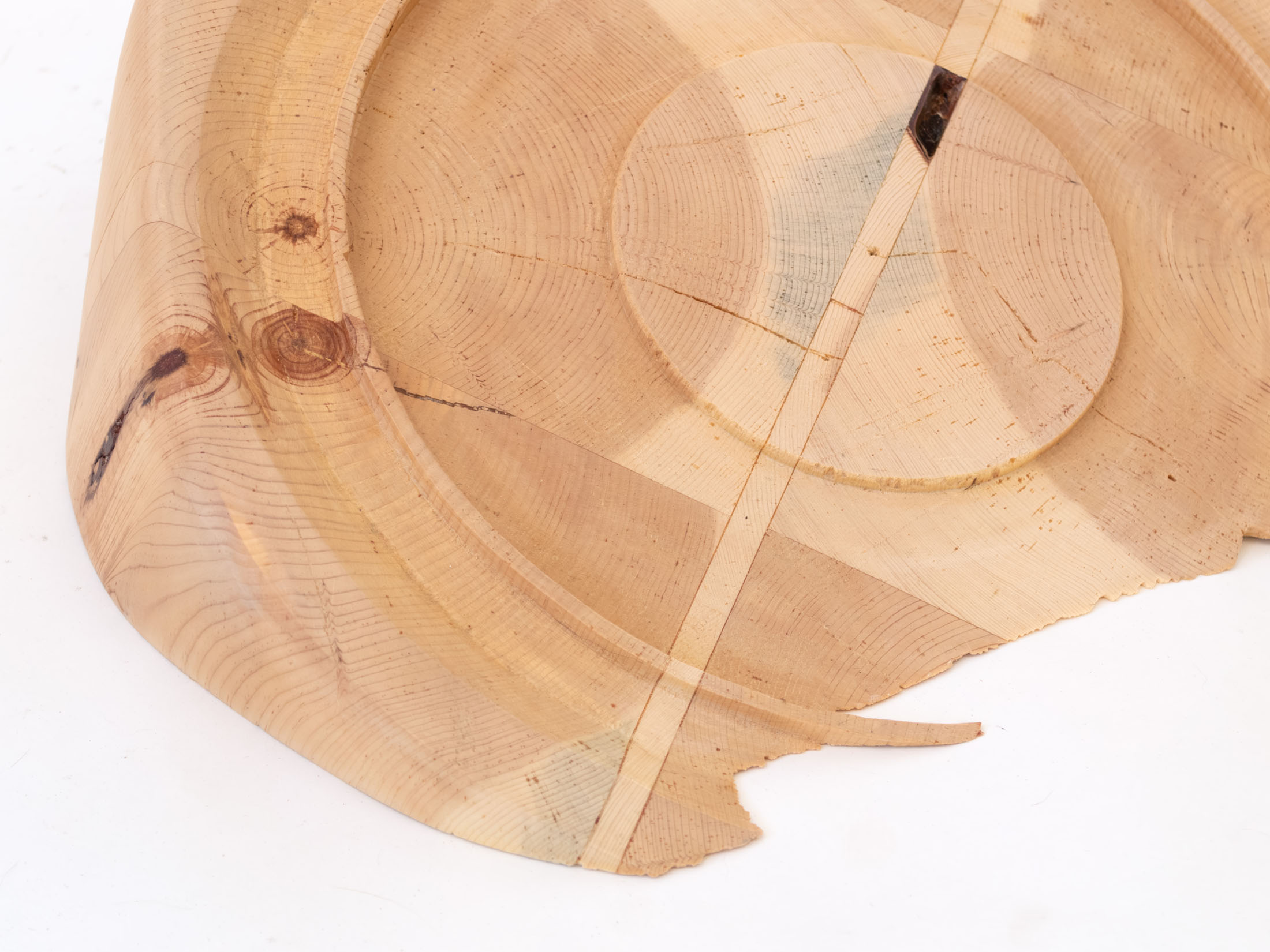
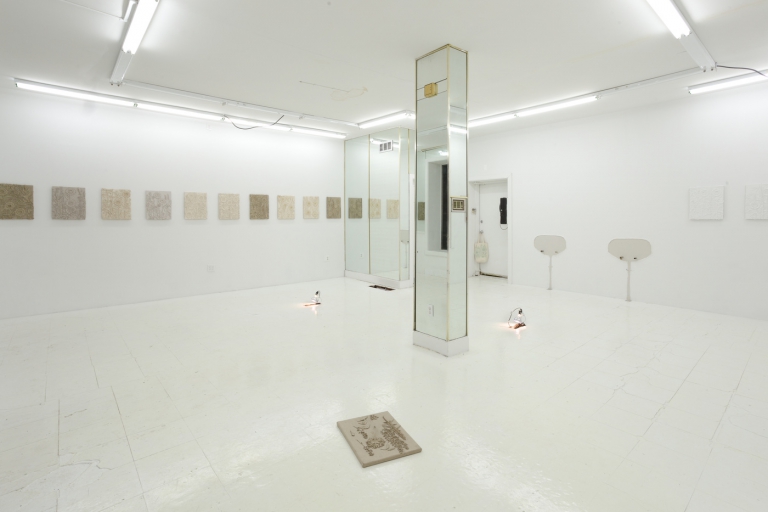
Charlie’s materials are local—Timbers, mesquite logs, images of the landscape—and everything is milled down into components for building back up and sometimes for separating down again into new pieces. This back and forth of cutting down and reassembling is visible in all the finished work. We are allowed access to the organizing principles of the fabrication and visibility into the pulling together of individual pieces.
But the act of taking something apart has a cost. From cutting, material can be lost. In woodworking, the width of material removed by a saw cut is the kerf—the space made by the cut. Usually, it’s an invisible part of the finished object, just the sawdust on the floor. But the kerf is a choice and a calculated sacrifice.
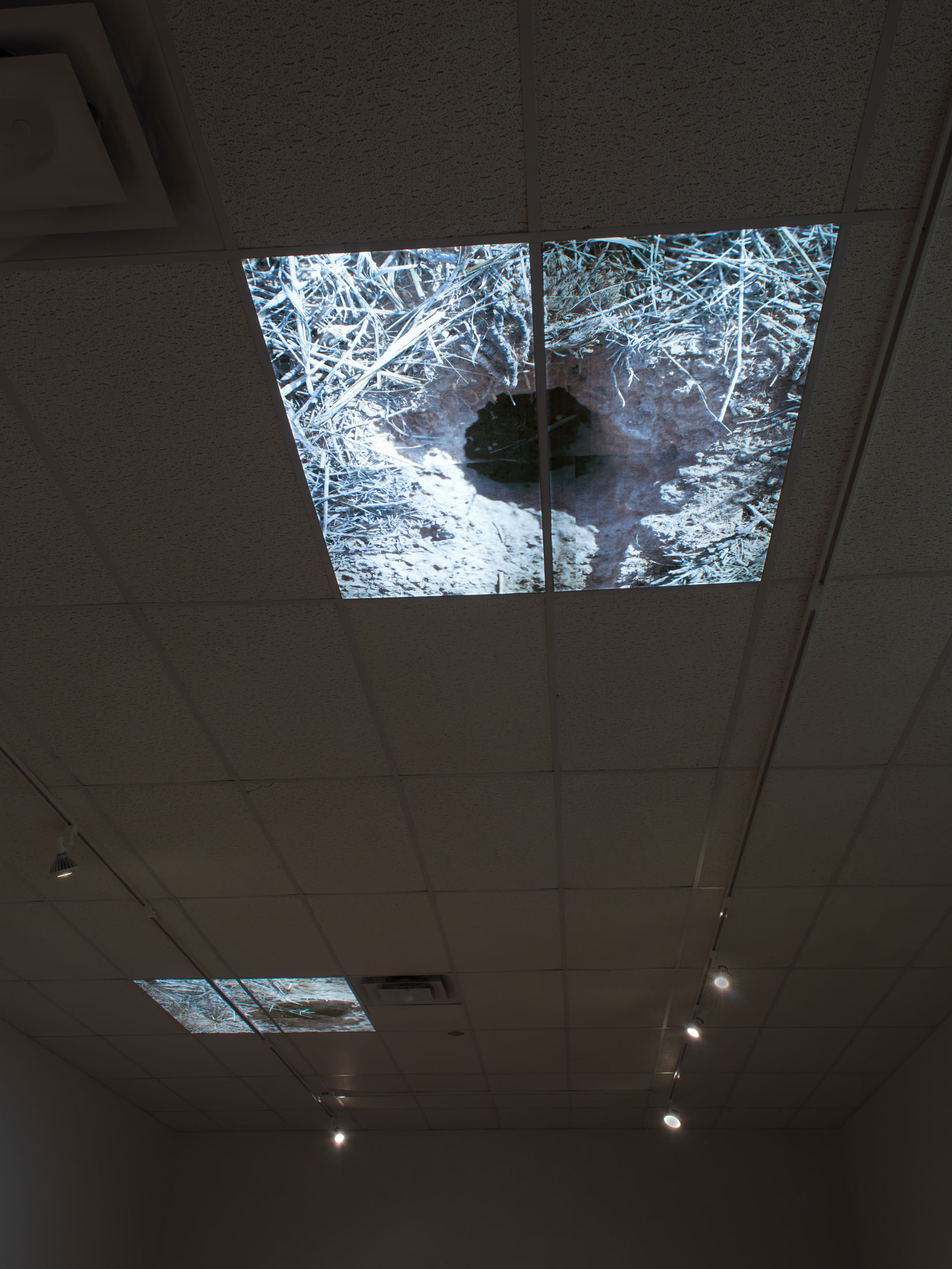
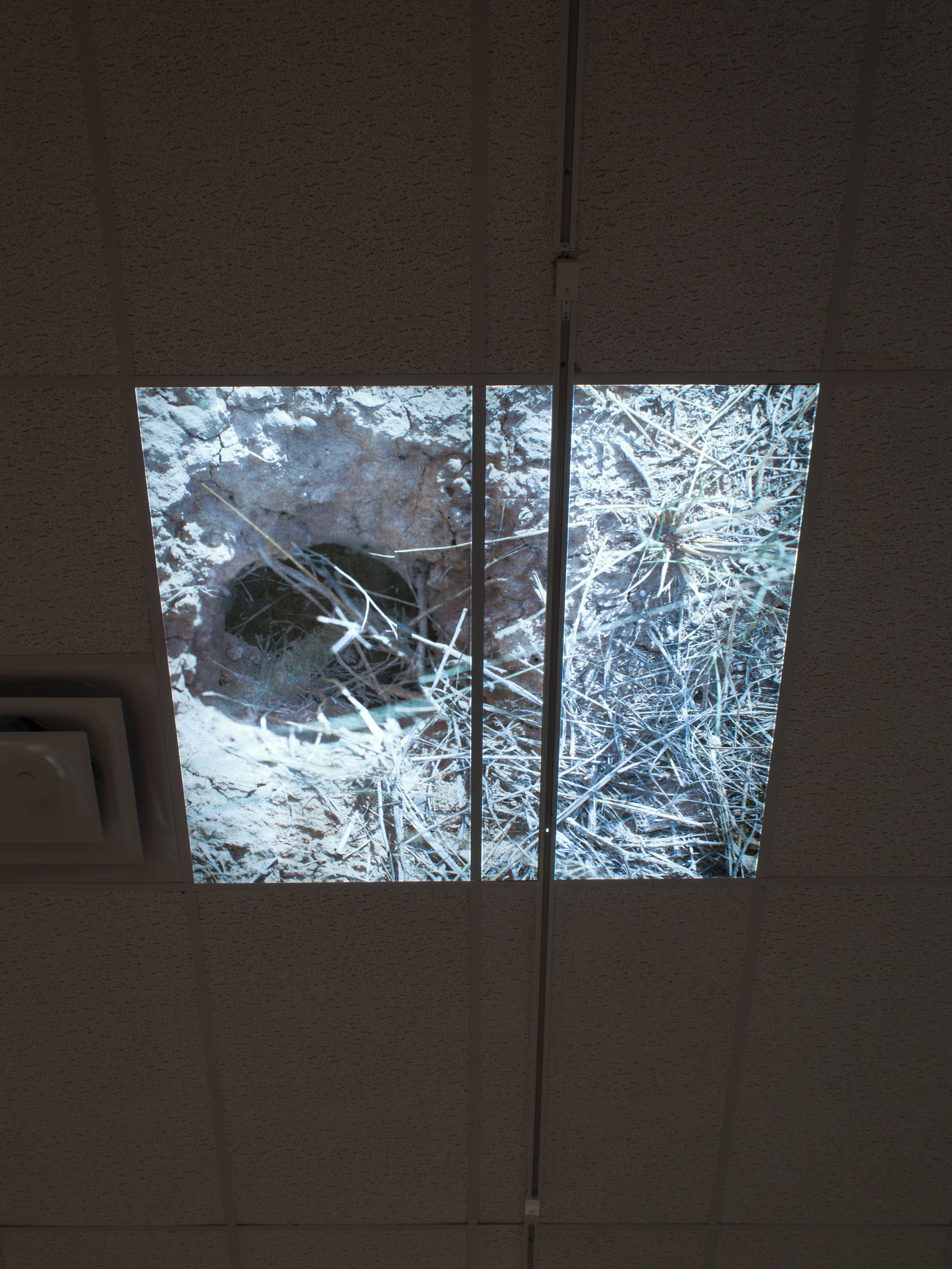
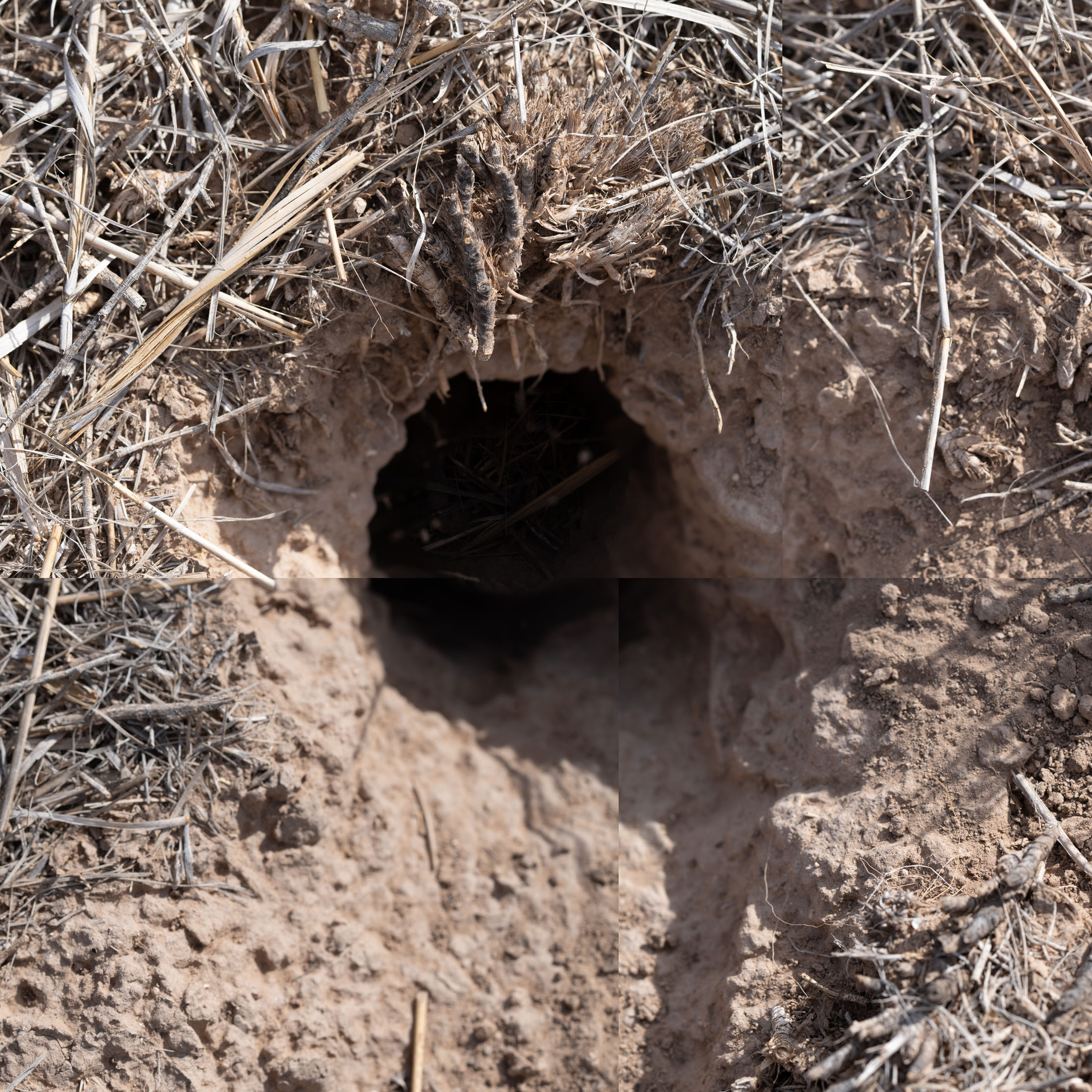
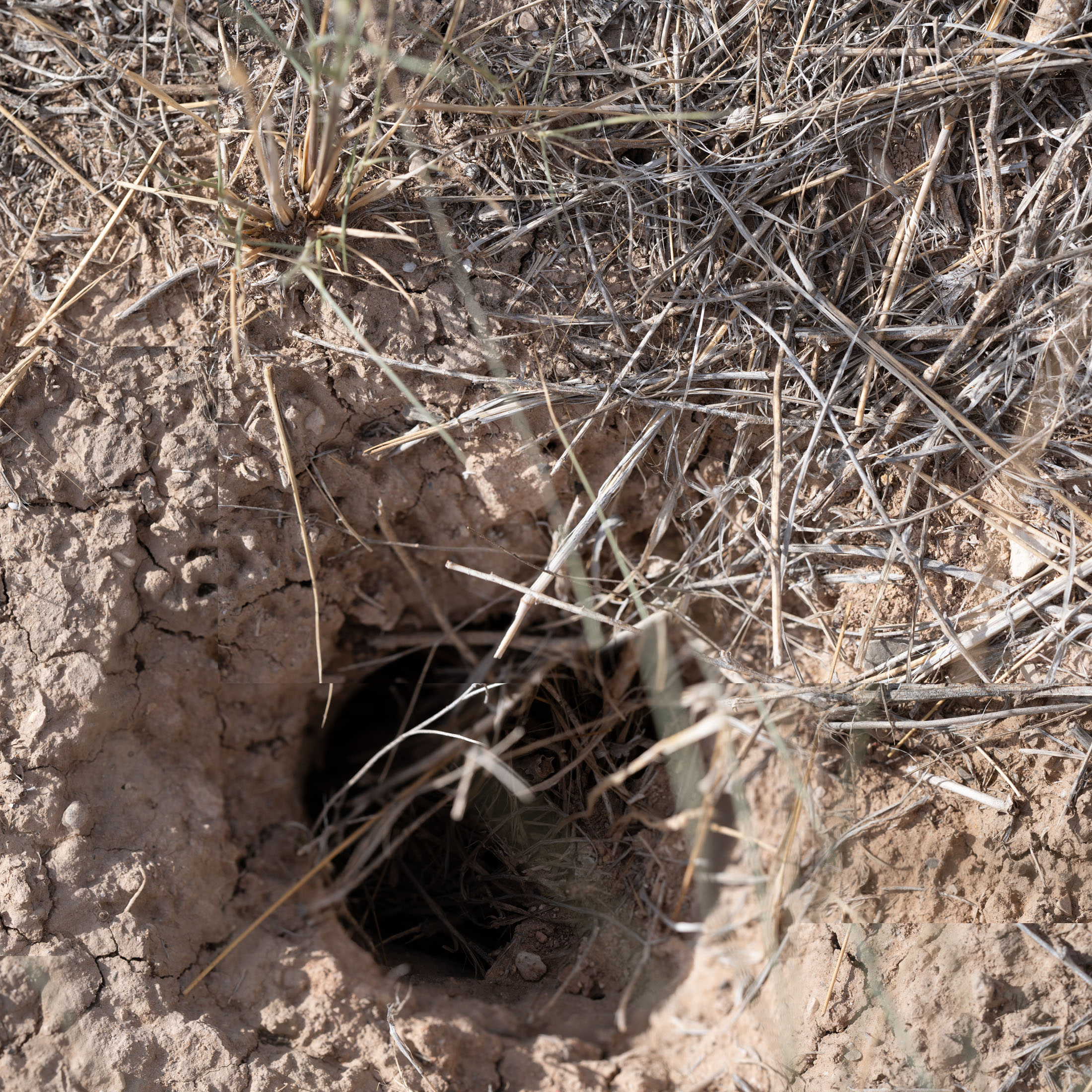
The photographs have their own kerf in the visible, intentional borders between sections. The kerf is a decision here too, but what the cut takes away can be given back. The seam is not only loss but also an opportunity for something to be said twice, held a little longer, allowed to linger at the edge of one image before the next one begins. If a sliver of landscape is sometimes gone, it is also sometimes slightly repeated at the joint.
Breaking things up can help us see them more clearly. Like pixels—the greater in number they are, the more clearly we can understand the image. Is Charlie breaking things down so we can see them better? Is the cutting into pieces and reassembling—in any configuration—a way to offer both a new way of seeing and a deeper way of looking? Does it help us slow our scanning, remind us to take breaks where there is a literal break? Does it give us points and ledges to hold onto? If we stop, we might see something new. We might remember.
Artist Bio
Charlie Smith (1988 Copenhagen, DK) uses methodical woodworking to query structures of perception, experience, and value. He holds an MFA from Bard College and a BFA from Massachusetts College of Art. His work has been exhibited at artist-run spaces (Kill Shelter Presents, LA, Babayaga, Hudson NY), galleries (Et Al, San Francisco, Night Gallery, Los Angeles), and Museums (Dorsky Museum, New Paltz NY, WAAM, Woodstock NY). He is a 2026 Fellow at the Roswell Artist-in-Residence Program.
About AMoCA
The Anderson Museum of Contemporary Art opened its doors in Roswell, New Mexico, in 1994 to showcase works of art produced by former fellows of the Roswell Artist-in-Residence Program. Today, more than 500 diverse works of art enliven its 12 galleries and 22,000 square feet of exhibition space.
Dedicated to the work produced by artists who have participated in the Roswell Artist-in-Residence Program, AMoCA has become a source of knowledge and inspiration about contemporary visual art for the Roswell region, New Mexico and the Nation.
This unique collection of photographs, paintings, prints, drawings and sculpture provides a snapshot of the evolving issues in art over the last 45 years (since the 1967 inception of the Roswell Artist-in-Residence Program). Works range from figurative to non-objective and showcase the diversity of the Roswell Artist-in-Residence Program. Few other museums provide a similar focus on contemporary visual art with such an eclectic range of form and content.
About the RAiR Program
Well known by visual artists as the “Gift of Time”, the Roswell Artist-in-Residence Program was established in 1967 to provide gifted studio-based visual artists with the unique opportunity to concentrate on their work in a supportive, collegial environment for an entire year. This gift of time allows artists to work without distraction in an effort to break new ground and focus on individual goals. The Roswell Artist-in-Residence Program’s interest is in strengthening the vitality of the visual art in New Mexico and has been a catalyst in broadening community understanding of contemporary art for over fifty years.