“A ideia de progresso é a que sustenta a destruição de tudo em nome do futuro.”
Ailton Krenak, Ideias para adiar o fim do mundo
Broken lines that pretend to be straight. To think from the idea of lineage is to confront a promise of continuity, of orderly passage, of an inheritance that flows without resistance. It tells us that we come from a clear, universal place from which we move toward another equally legible one. Beneath its soft appearance, lineage draws a straight path and demands fidelity: to origin, to form, to rhythm. Everything that does not conform to that line—what deviates, fragments, bifurcates, or is interrupted—falls outside the narrative, suspended in a time that does not progress and cannot become genealogy. To name lineage is also to decide which memories may be inherited and which must disappear. For this reason, to speak of what exists outside lineage is not to deny the past, but to listen to what insists when the line breaks. When linear temporality becomes a tool of hegemonic power, resisting definition, classification, and inheritance turns into a device for survival.
In a context of intensified neo-imperialism, where old logics of domination reappear under renewed technological, economic, and cultural languages, Outside Lineage emerges as a space of friction: a series of twelve videos that think and practice resistance from the margins of inheritance and outside the temporality that sustains it.
Imperialism—yesterday and today—does not only occupy territories; it administers time. It decides which temporalities are valid, which are relegated to backwardness, and which are declared obsolete. As Ngũgĩ wa Thiong’o has noted, colonial violence also acts upon the imagination, breaking the relationship between language, memory, and history. Added to this rupture is another: the imposition of a single time that invalidates rhythms, cycles, and durations not aligned with the logic of power. In response, many contemporary practices operate from bastard genealogies that cannot be cleanly inherited, and from presents that refuse to be read as a transition toward a predetermined future.
In dialogue with this condition, the notion of ch’ixi memories developed by Silvia Rivera Cusicanqui allows us to think overlapping temporalities that neither merge nor reconcile—layers of time that coexist without integrating into a single narrative, without obeying the imperial chronology of progress. Outside Lineage situates itself precisely there: in the friction between times, in the refusal to order the present as a promise of the future, and in resistance to the dominant languages that organize thought—toward a rebellion against the end of the idea of the world… of “one world.”
The twelve episodes of the program bring together artists who work from visions historically linked to resistance against hegemonic power— orality, opacity, myth, linguistic disobedience, the body, the night, fragmentation—activated as contemporary strategies that disrupt the linearity of time. Languages that do not move toward synthesis, but insist, reappear, fold back on themselves, and refuse closure.
Outside Lineage does not propose a new canon or an alternative genealogy. Nor does it propose a new chronology. It proposes something else: breaking with the idea of an inheritance without fissures. To think and create outside lineage also means to think and create outside imperial time, where history is not inherited or advanced, but contested, interrupted, and reactivated.
At a moment when neo-imperialism flourishes massively and at speed, this program affirms that resistance cannot be limited to a single language, a single era, or a single tool. It must be activated from all the times power has tried to erase, and from all the forms of knowledge it has never fully managed to domesticate.
***
Romance of the Apparition
I was walking at night
along the paths of the highlands,
when I saw a man approaching
whose feet did not touch the firelight.
Traditional Canarian ballad (author unknown).
Collected in oral variants (on the island of Tenerife and on the island of La Palma).
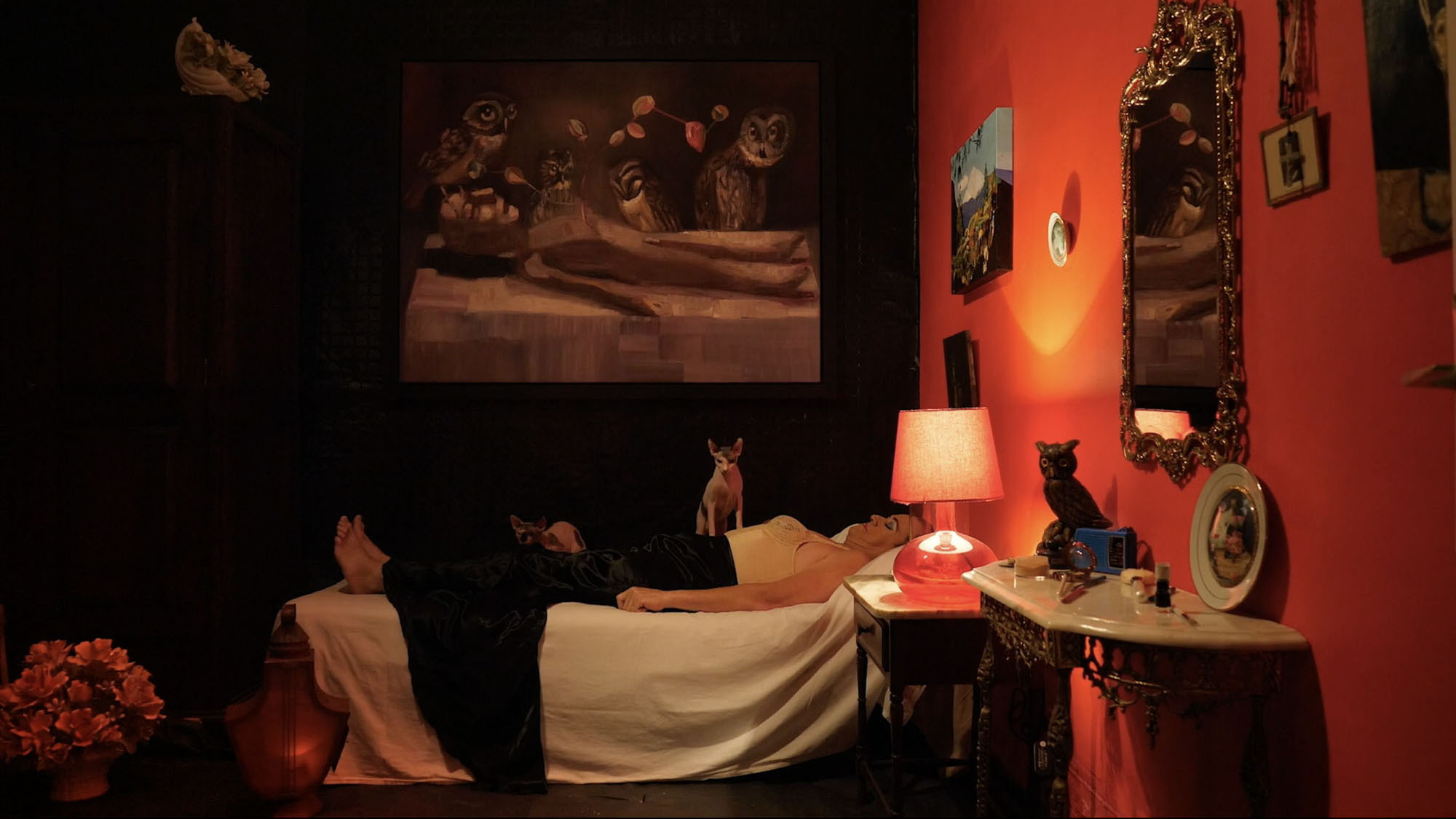
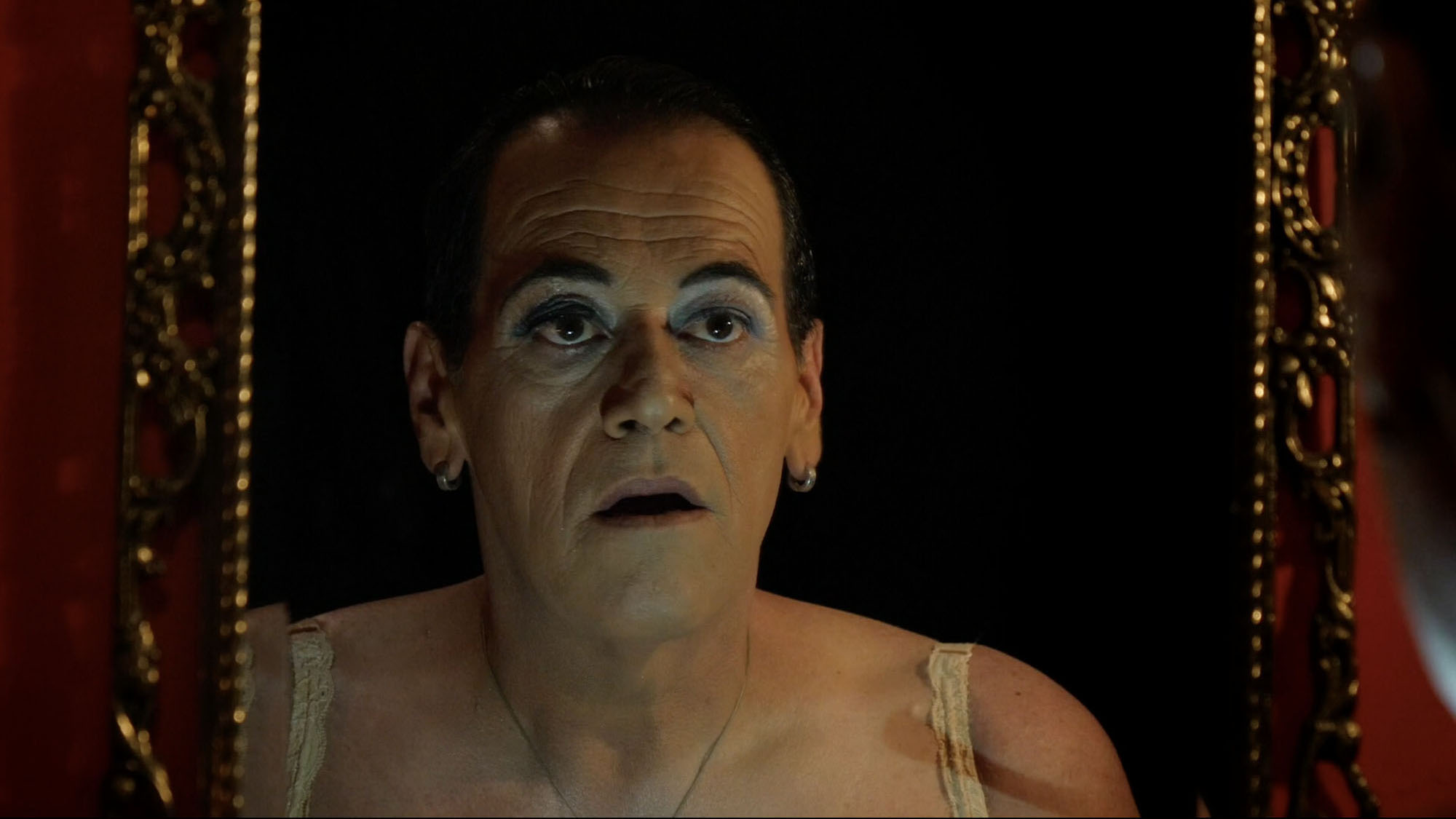
The coruja—a nocturnal, silent bird, a type of owl native to the Canary Islands and traditionally associated with ravines and slopes—embodies a field of symbolic tension. In aboriginal Canarian cosmology, the coruja represented a form of non-human perception linked to liminal spaces: the night, caves, and places where the visible and invisible worlds brush against one another. Within an animist and non-dualistic worldview, these animals were not symbols of evil, but mediators between planes—presences that warned, accompanied, or signaled shifts in the balance of territory and life.
After the conquest of the Canary Islands and their subsequent incorporation as a colony, with the imposition of the Christian-colonial imaginary, this liminal function was reinterpreted as a threat: what could not be understood or controlled became suspect. The coruja thus shifted from mediator to omen, and from omen to ally of evil, becoming integrated into a symbolic system in which night was no longer power but sin, and the invisible was no longer relation but curse. In this way, the figure of the coruja mutates—from cosmological agent to sign of witchcraft, from liminal presence to cursed body—revealing how coloniality not only reorganizes territories, but also destroys and recodes relationships between humans, animals, and worlds.
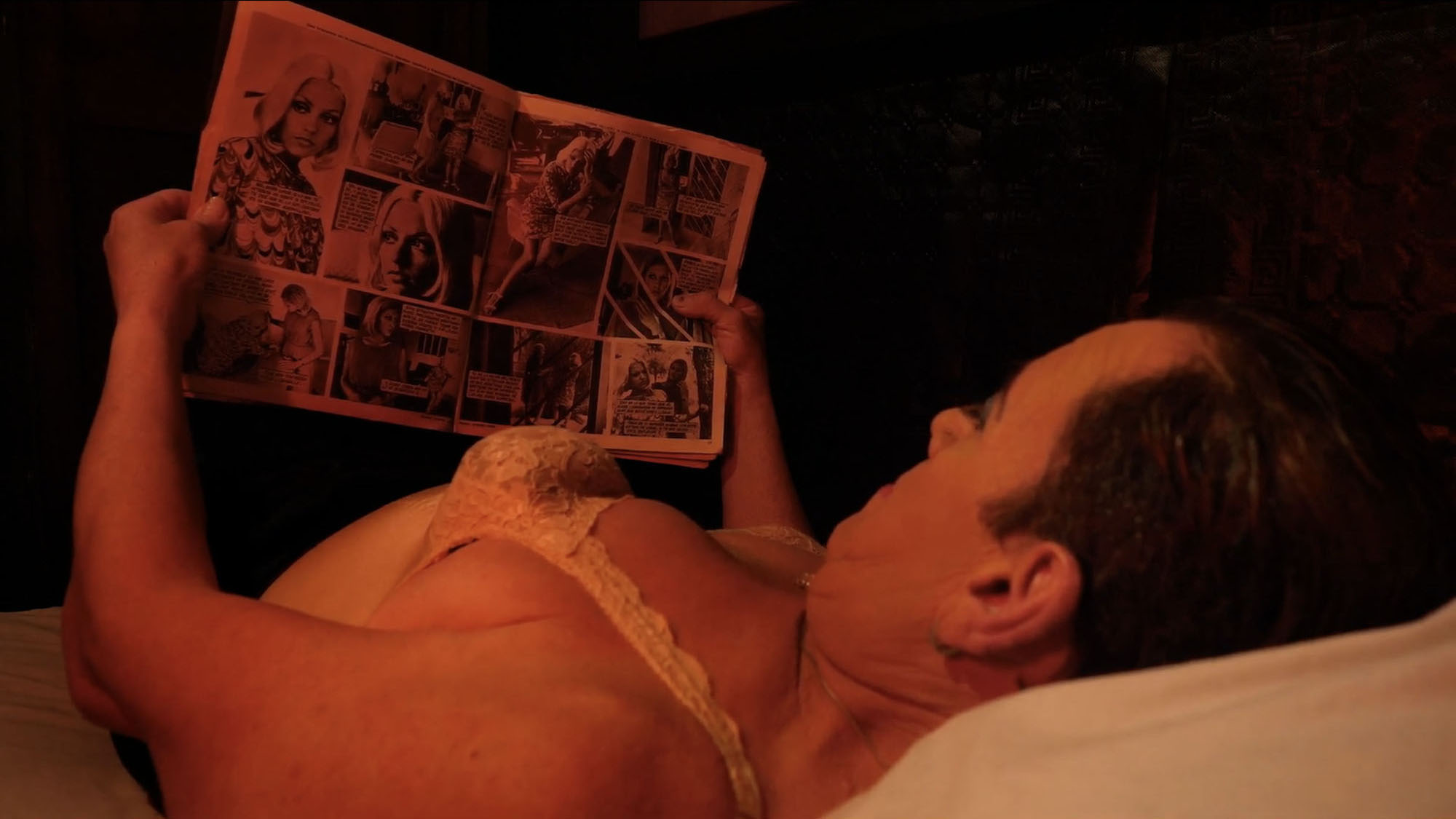
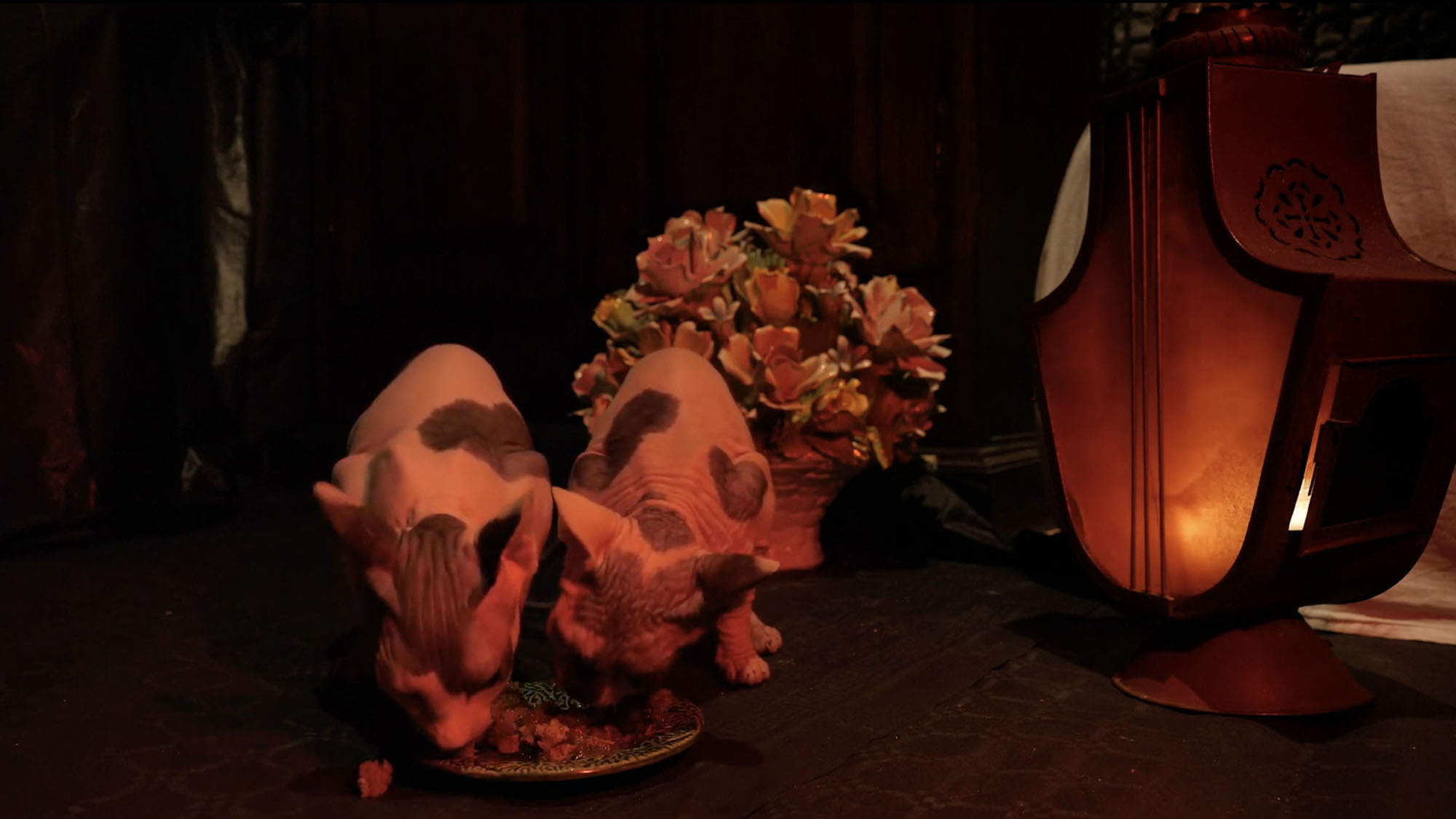
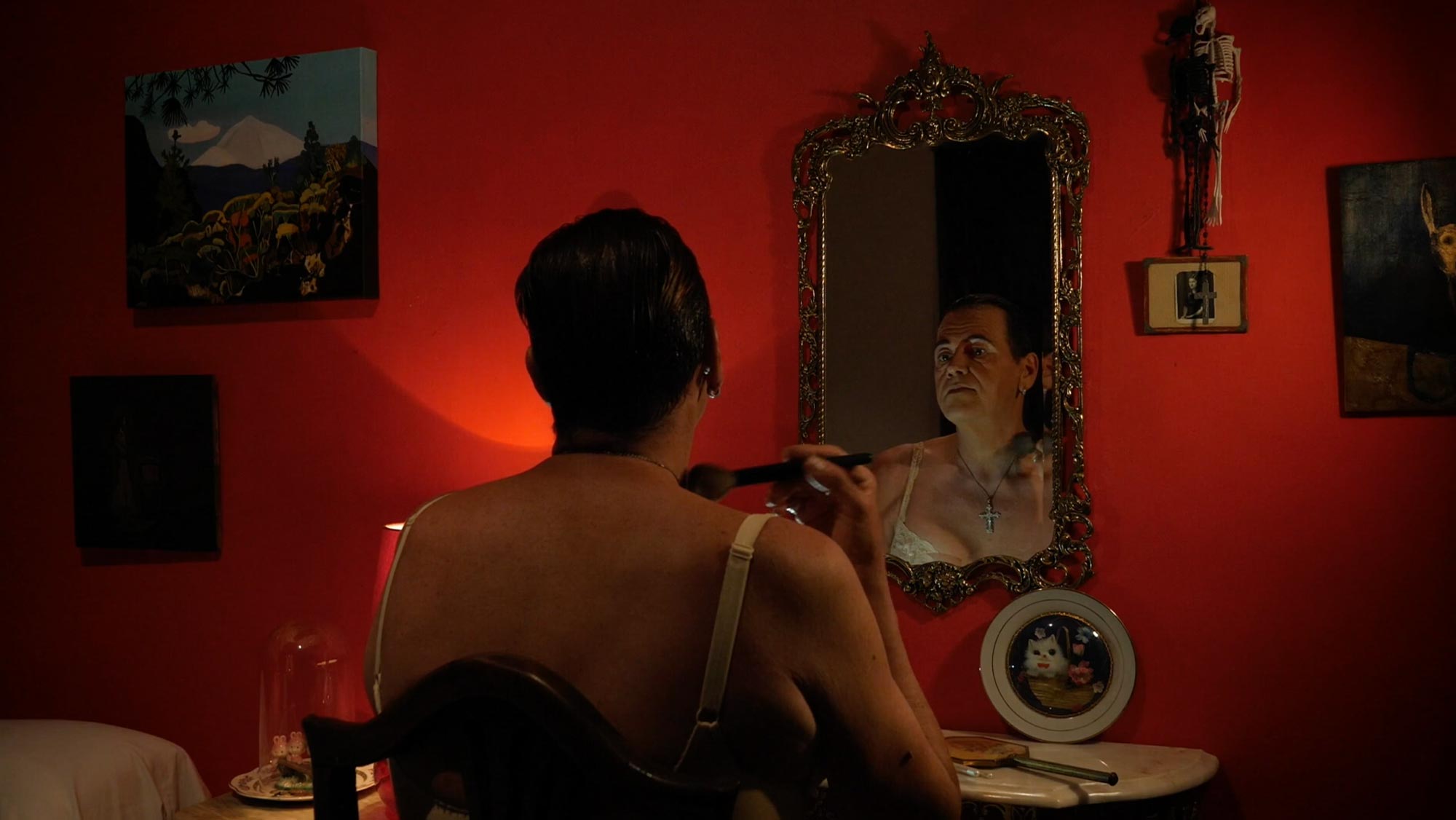
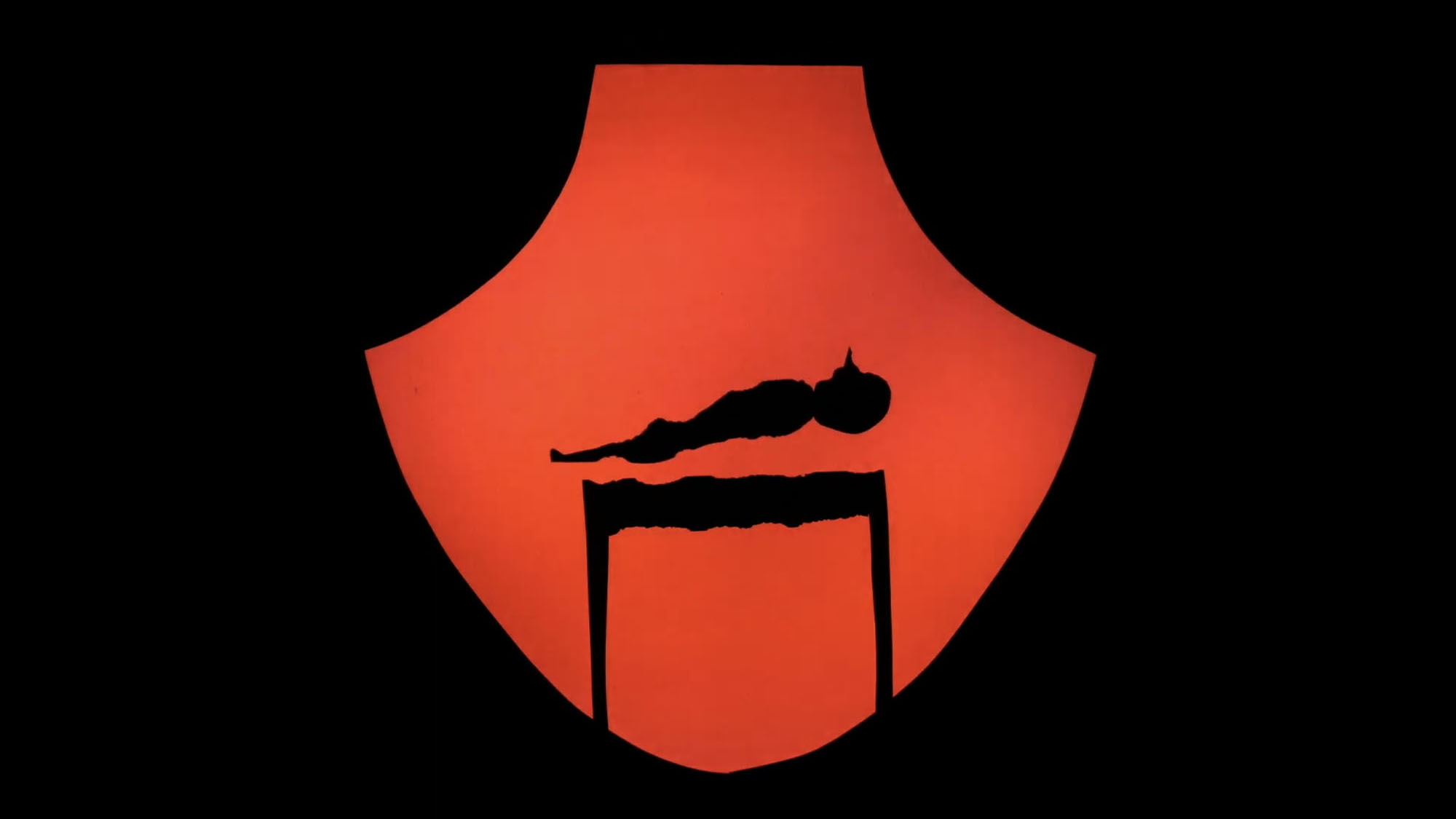
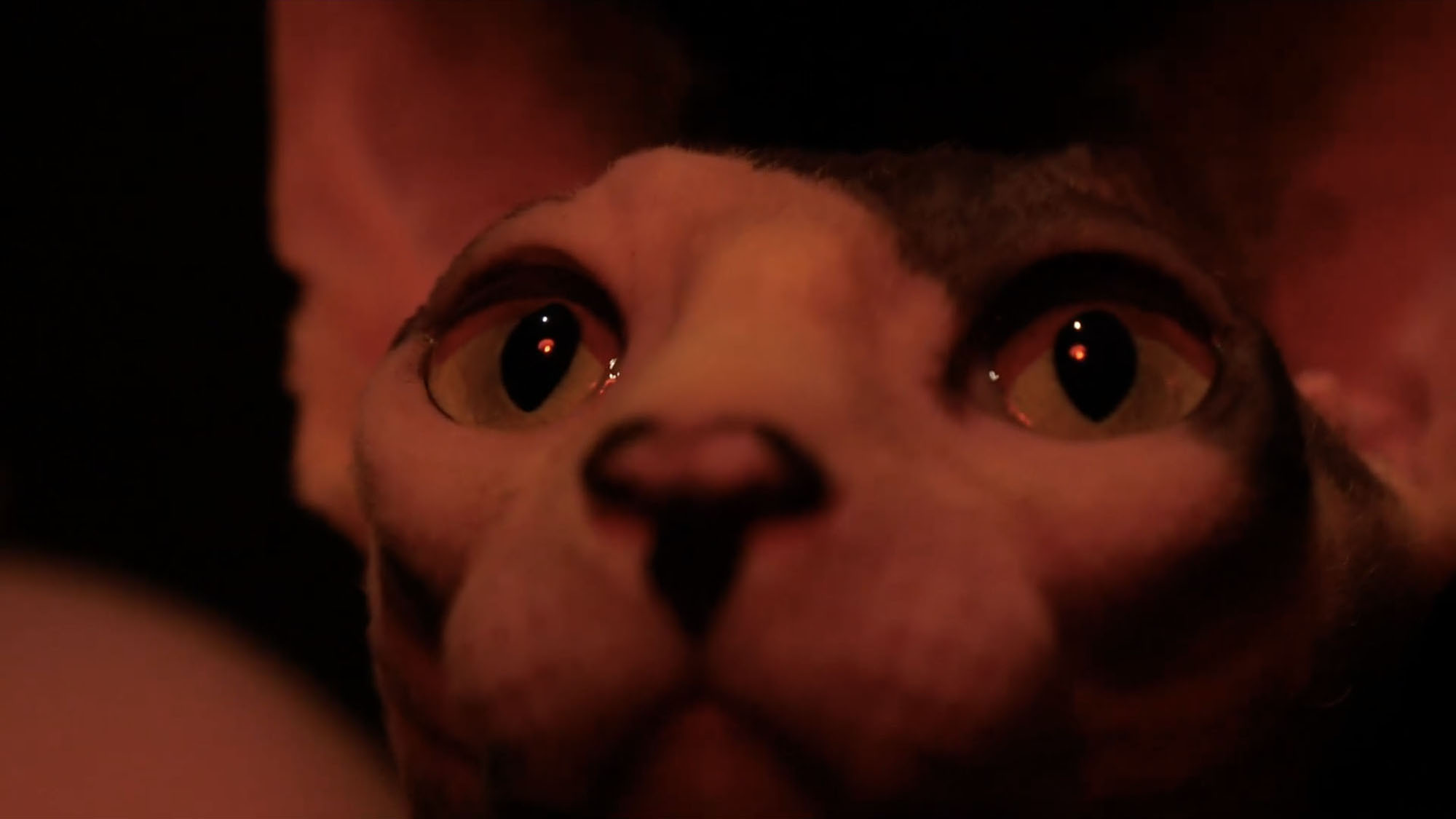
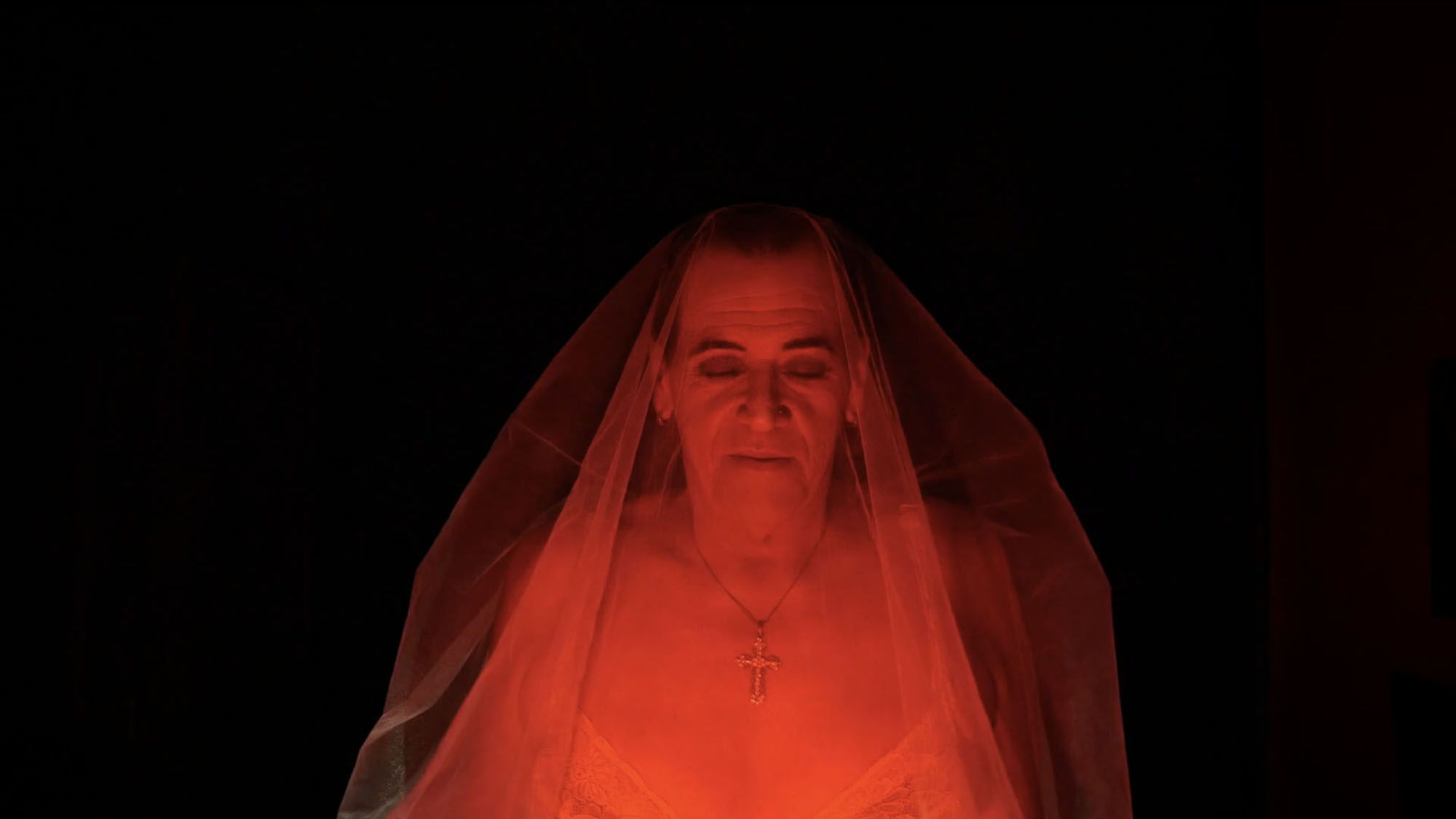
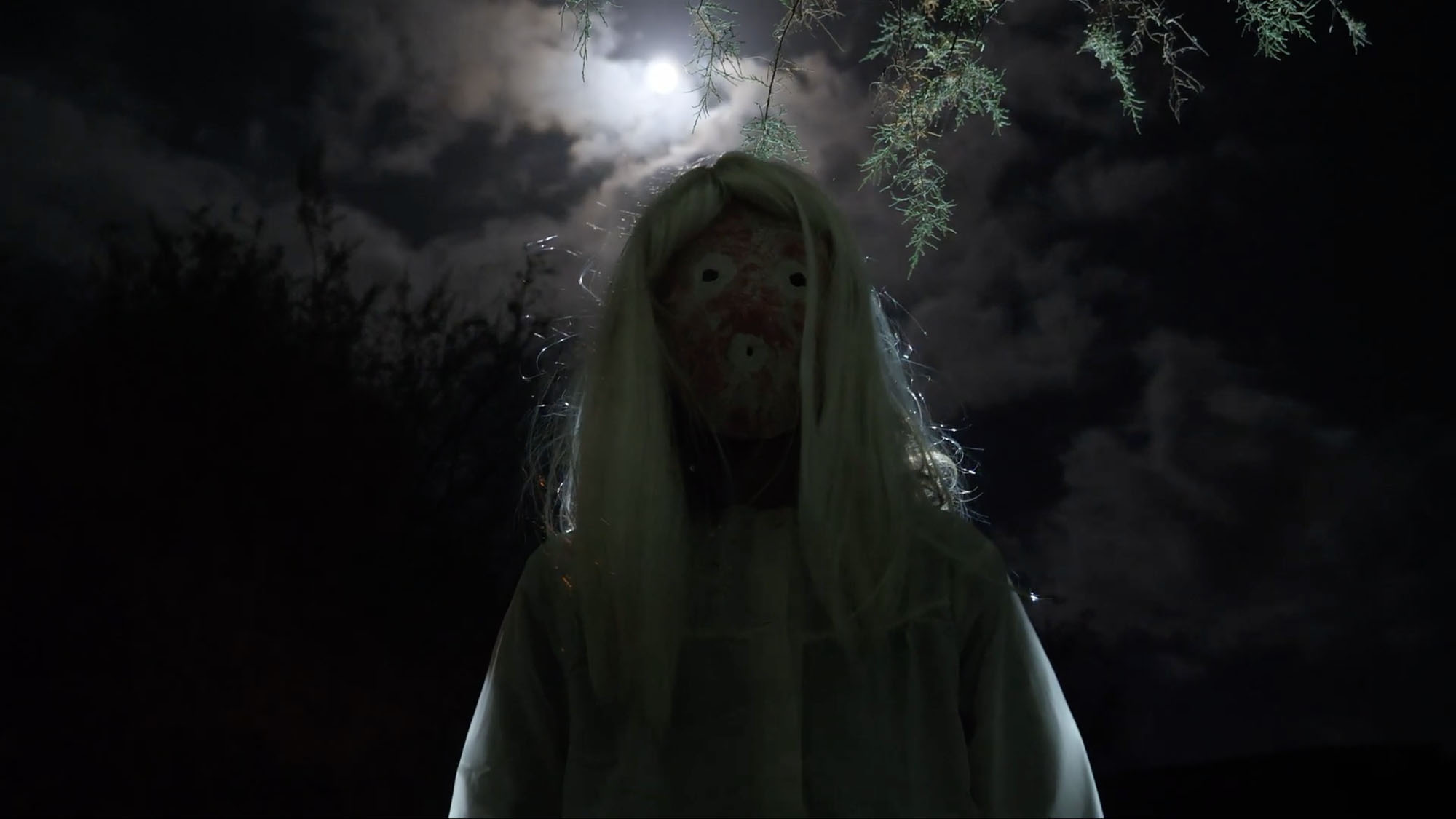
In Coruja, Carlos Rivero proposes an oneiric journey into this bastard night of legends, drawn from the lived experiences of himself and his LGBTQI+ friends in a small village on a small island—an island that has never ceased to be a contested territory, yet where the night nevertheless remains a refuge, a border to inhabit, a world-non-world.
CARLOS RIVERO is an artist based in Tenerife, Canary Islands (Spain), born in 1964.
His work explores the body and its conflicts. A multifaceted artist, he focuses primarily on painting while also working with ceramics, video creation, and printmaking. He founded the independent publishing project Ediciones Carne, whose holdings are deposited at the Museo Reina Sofía, MUSAC, and TEA. Rivero conceives the body as a psychological and magical space where transformations and spiritual changes take place, allowing us to confront both our fragility and our transcendence. In this sense, he is deeply interested in the shamanic manifestations of popular culture.