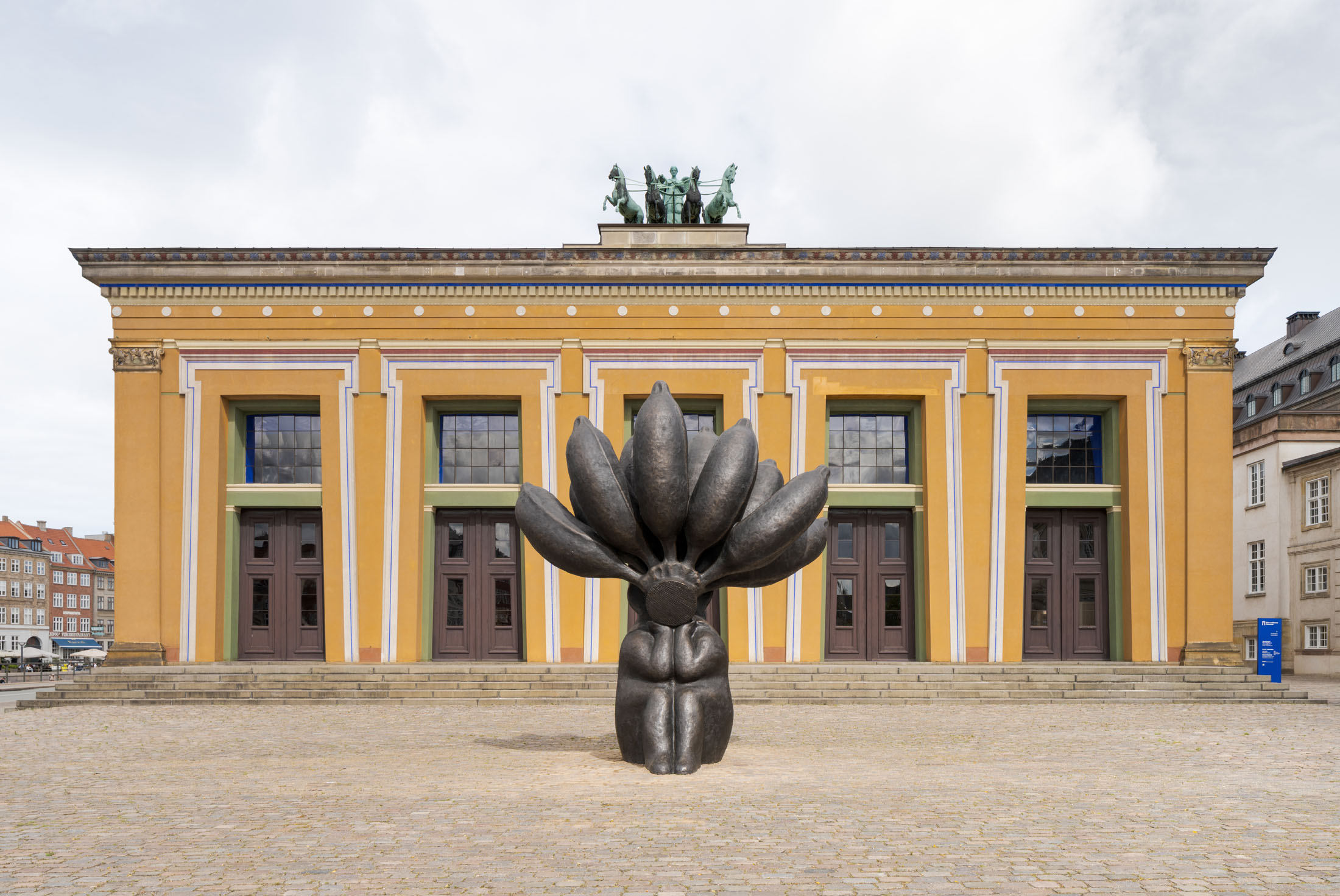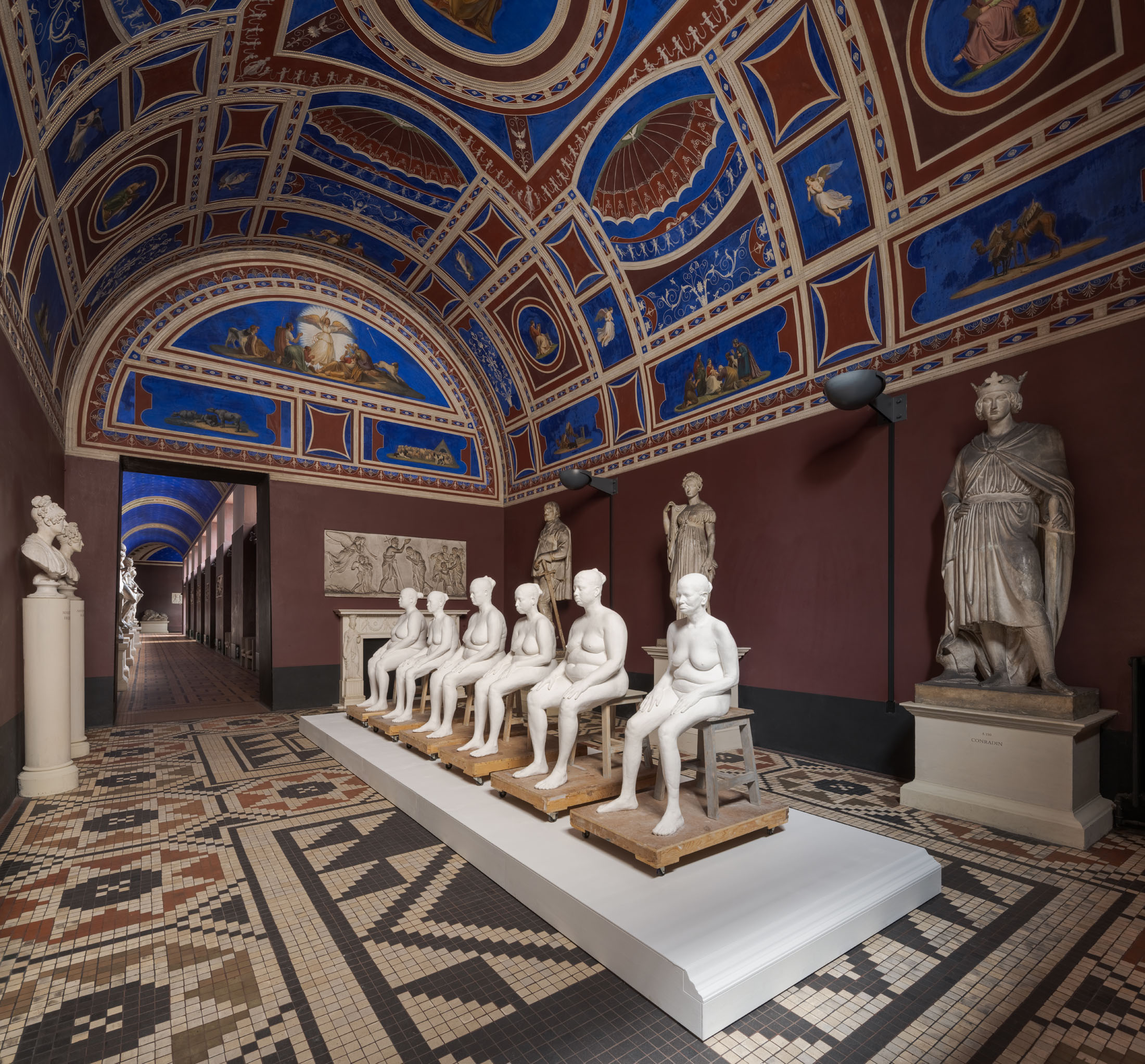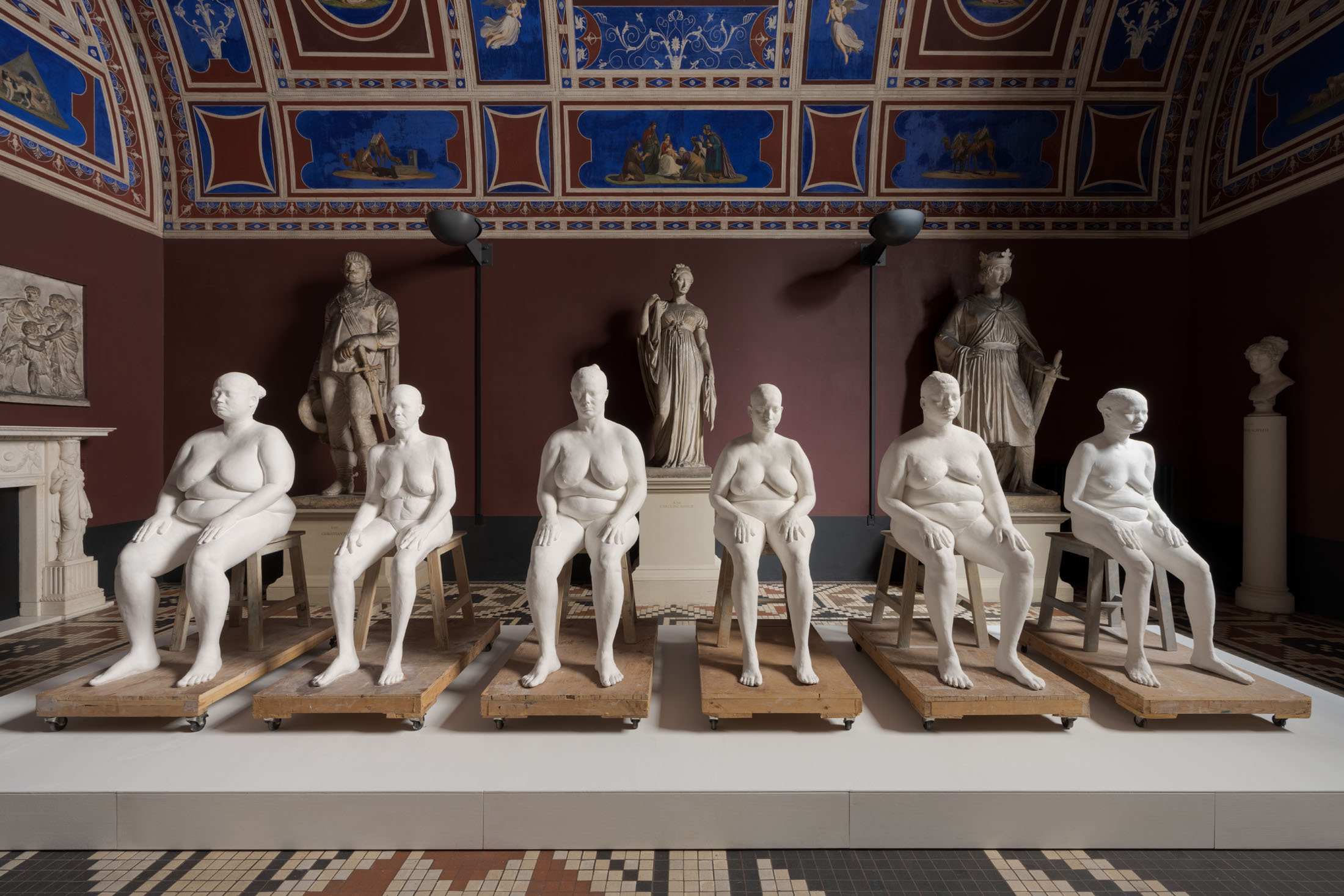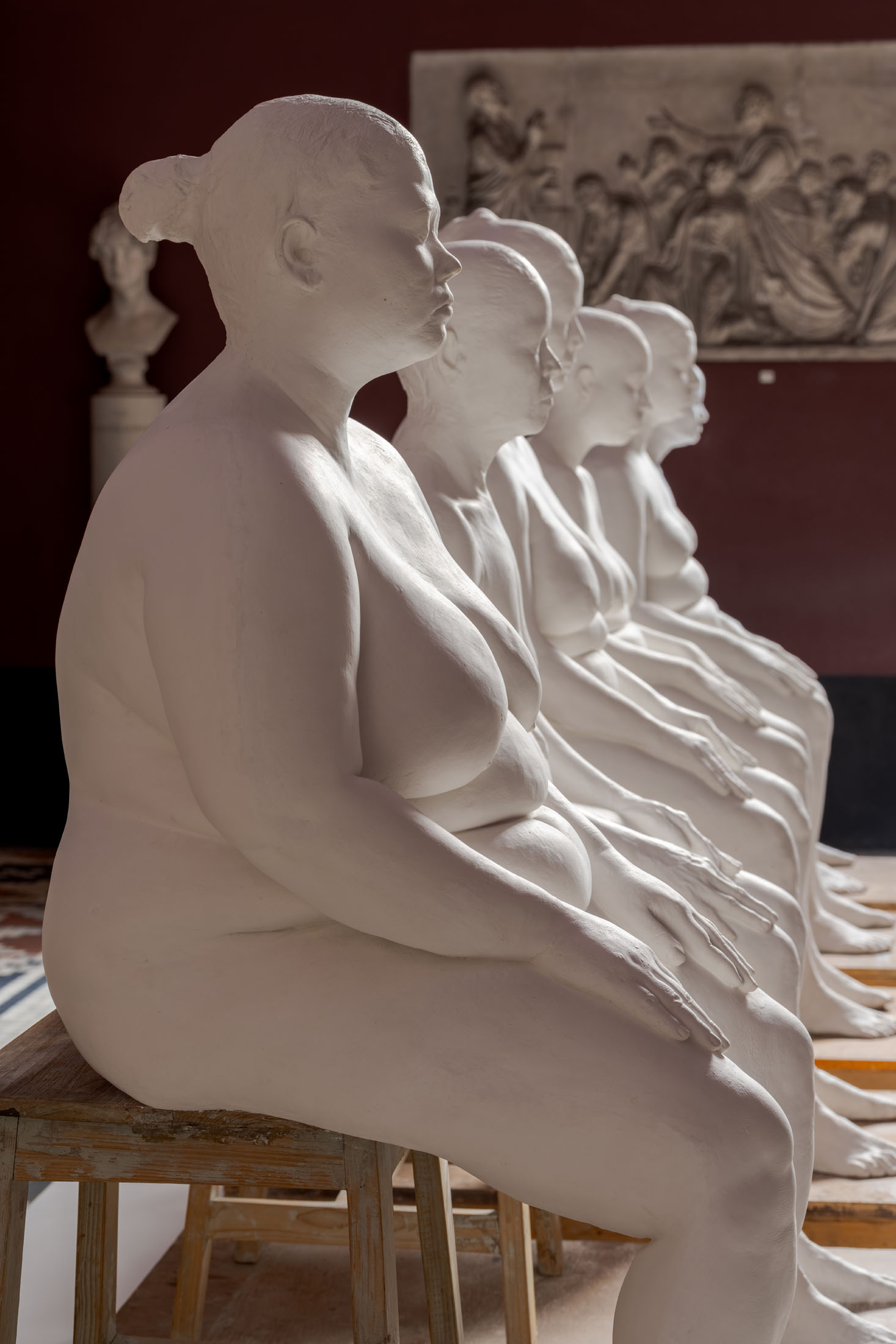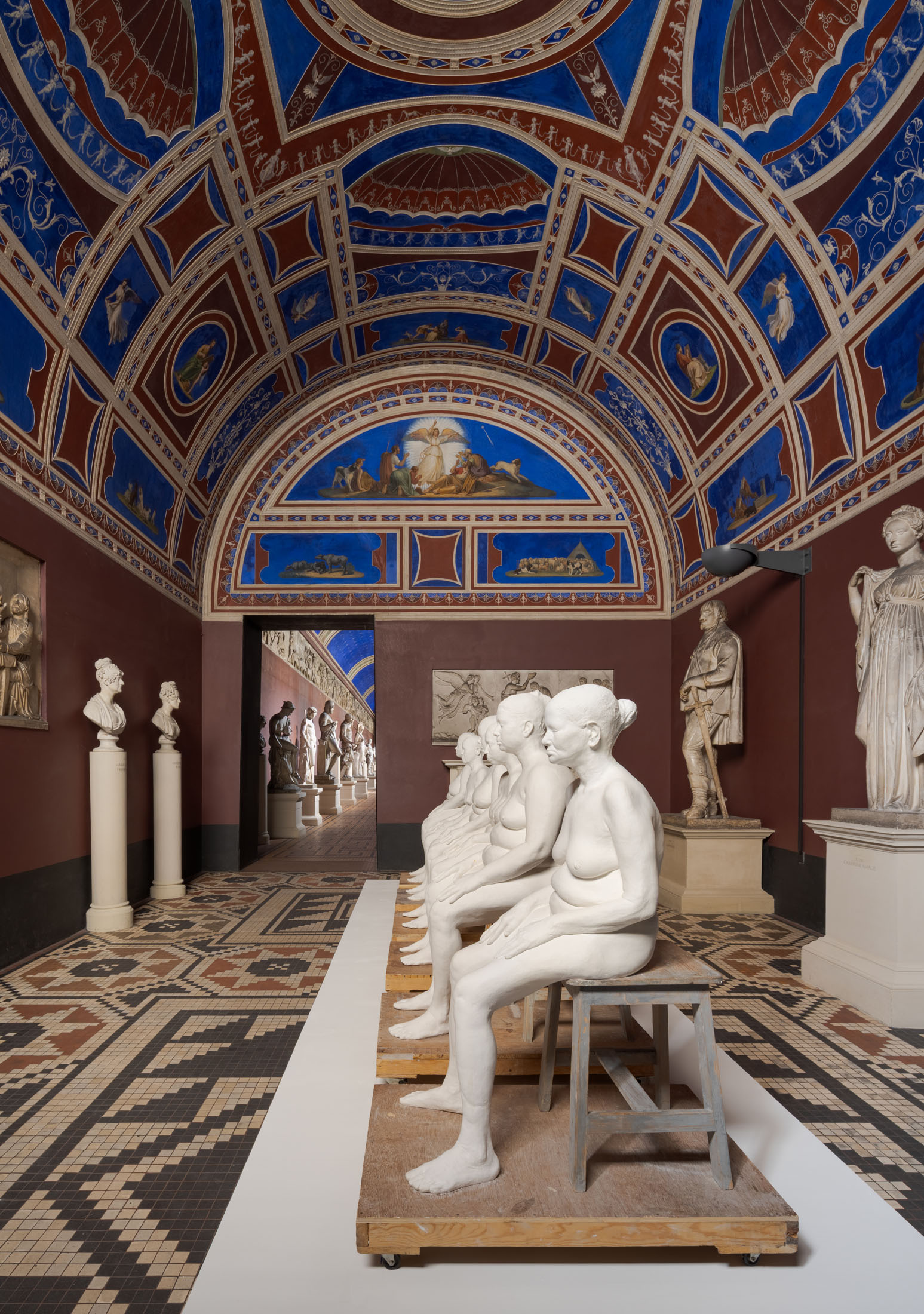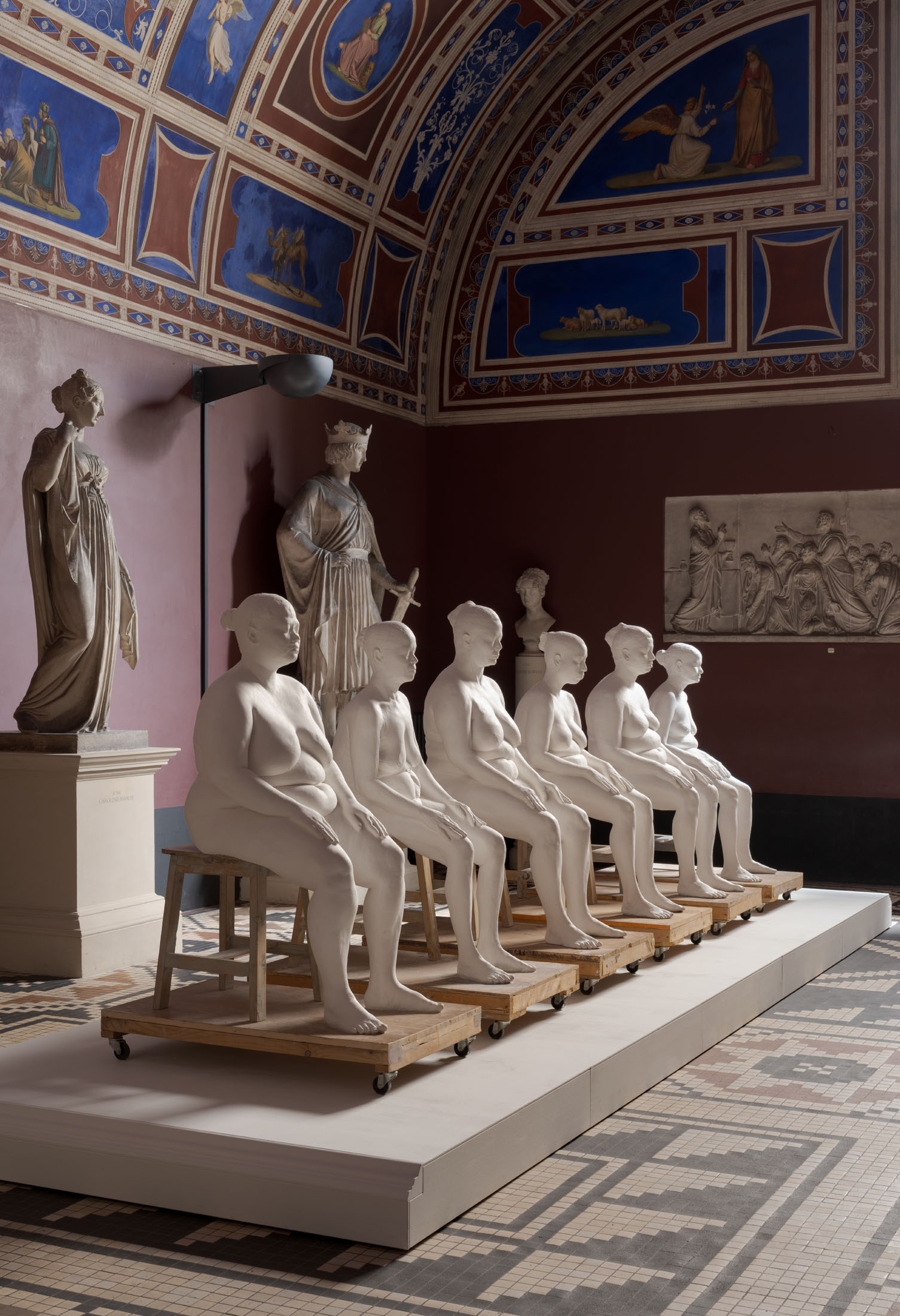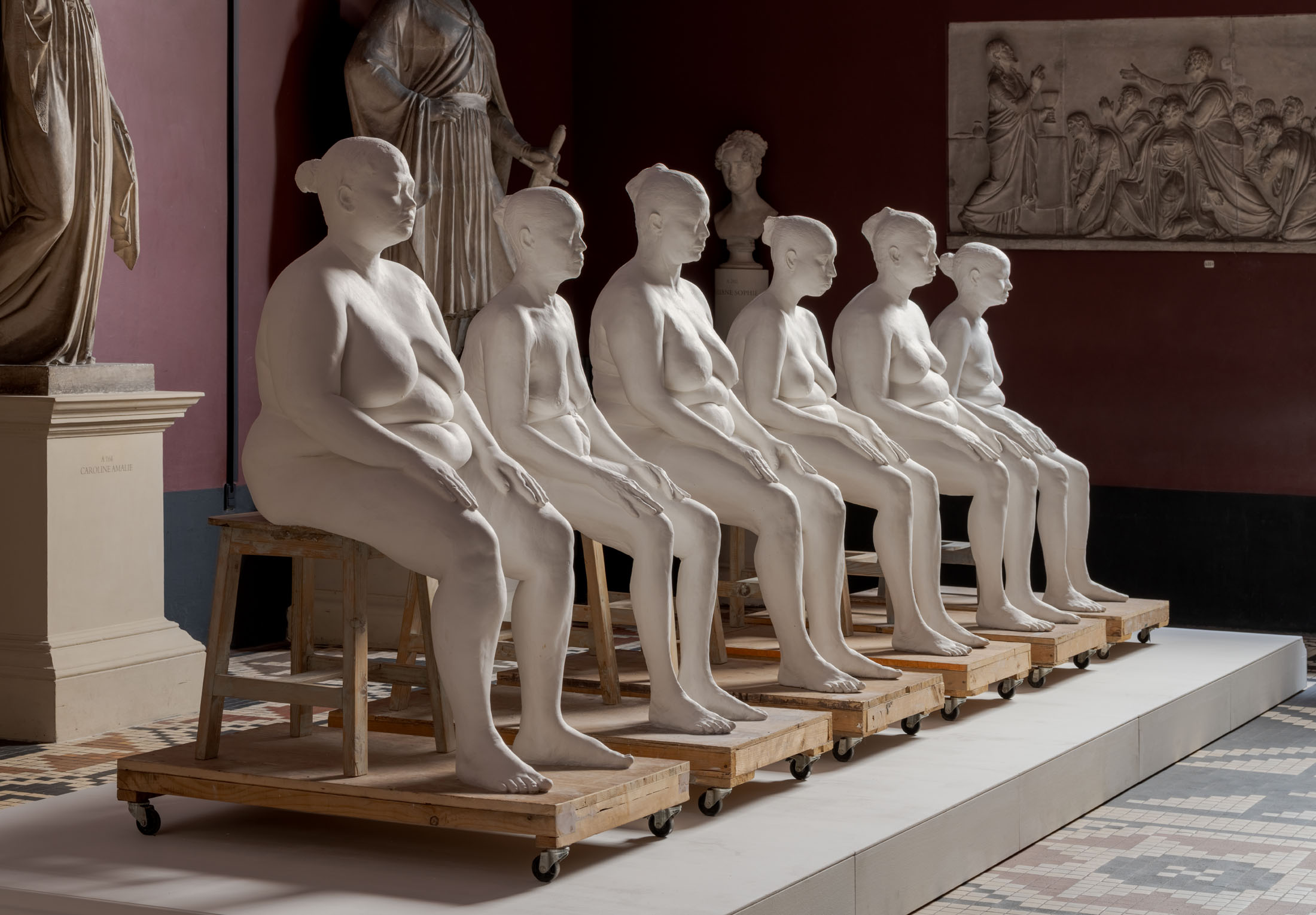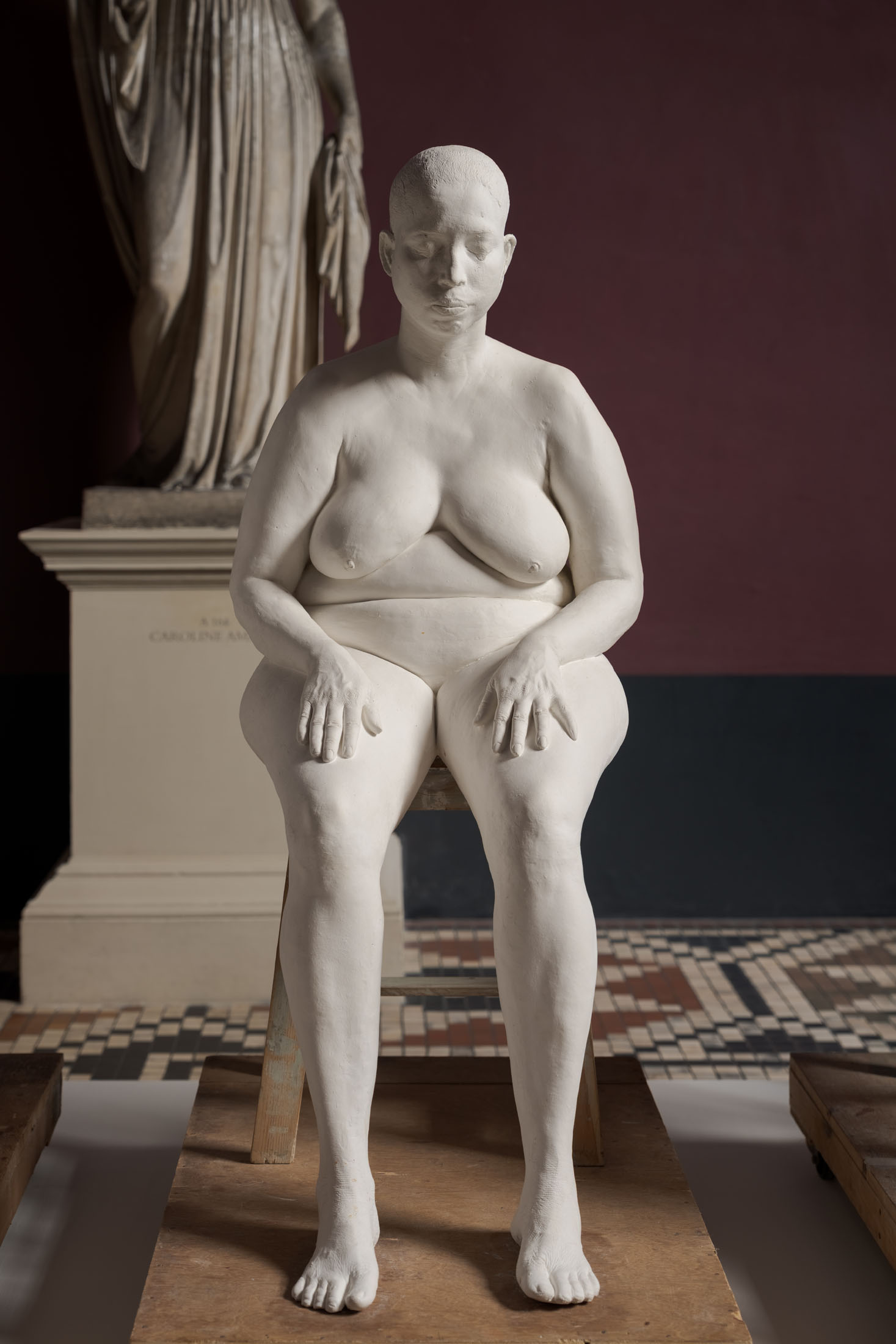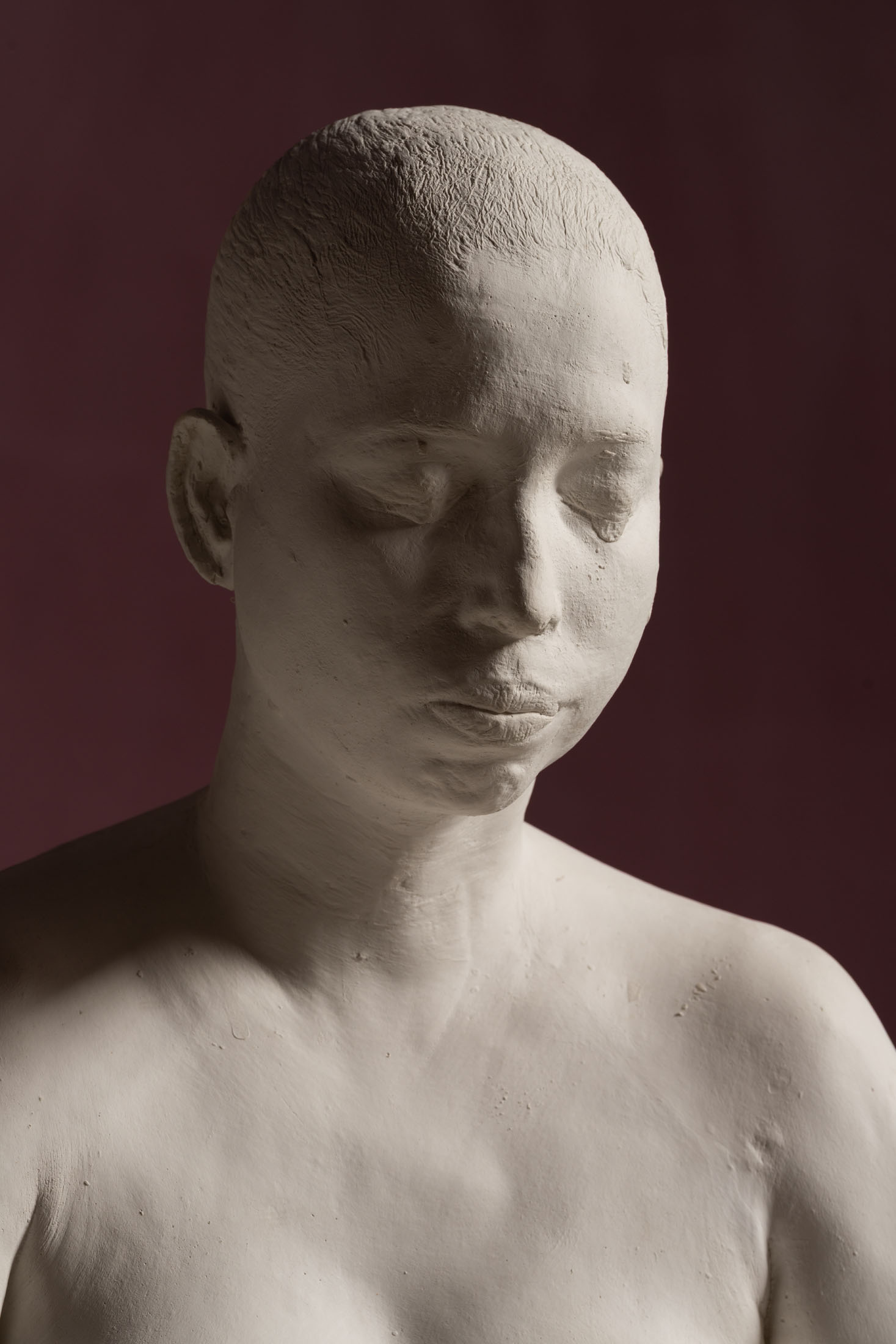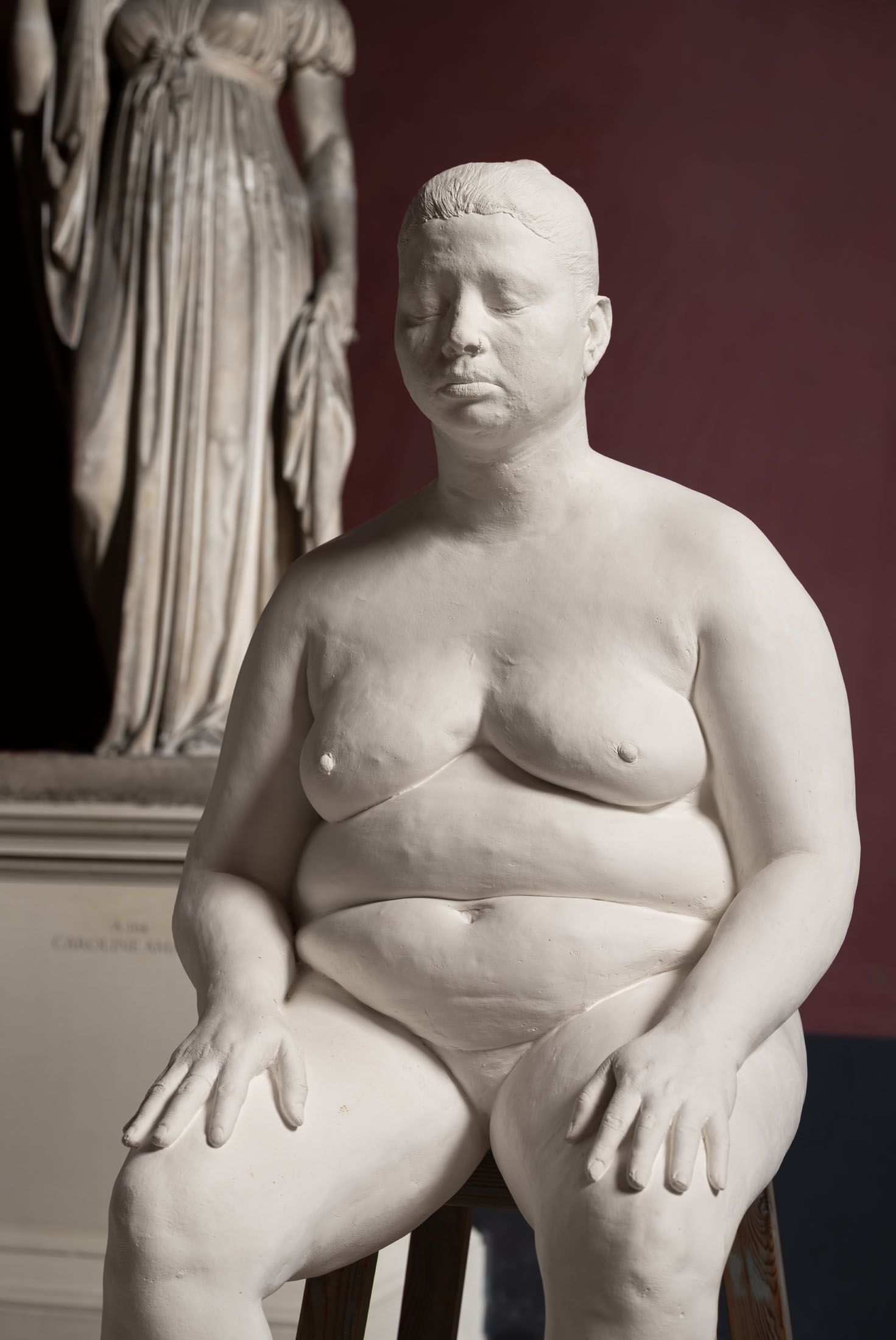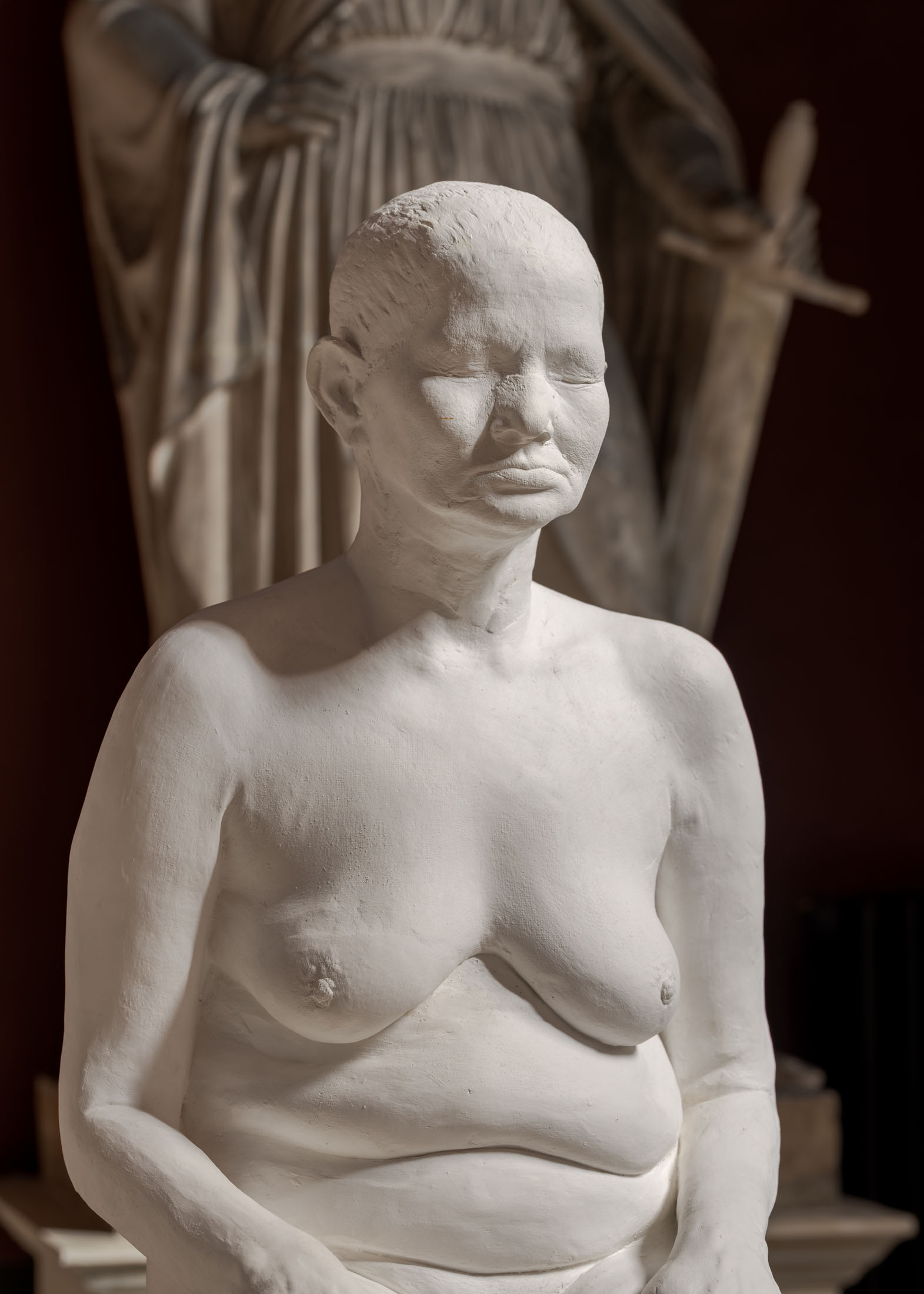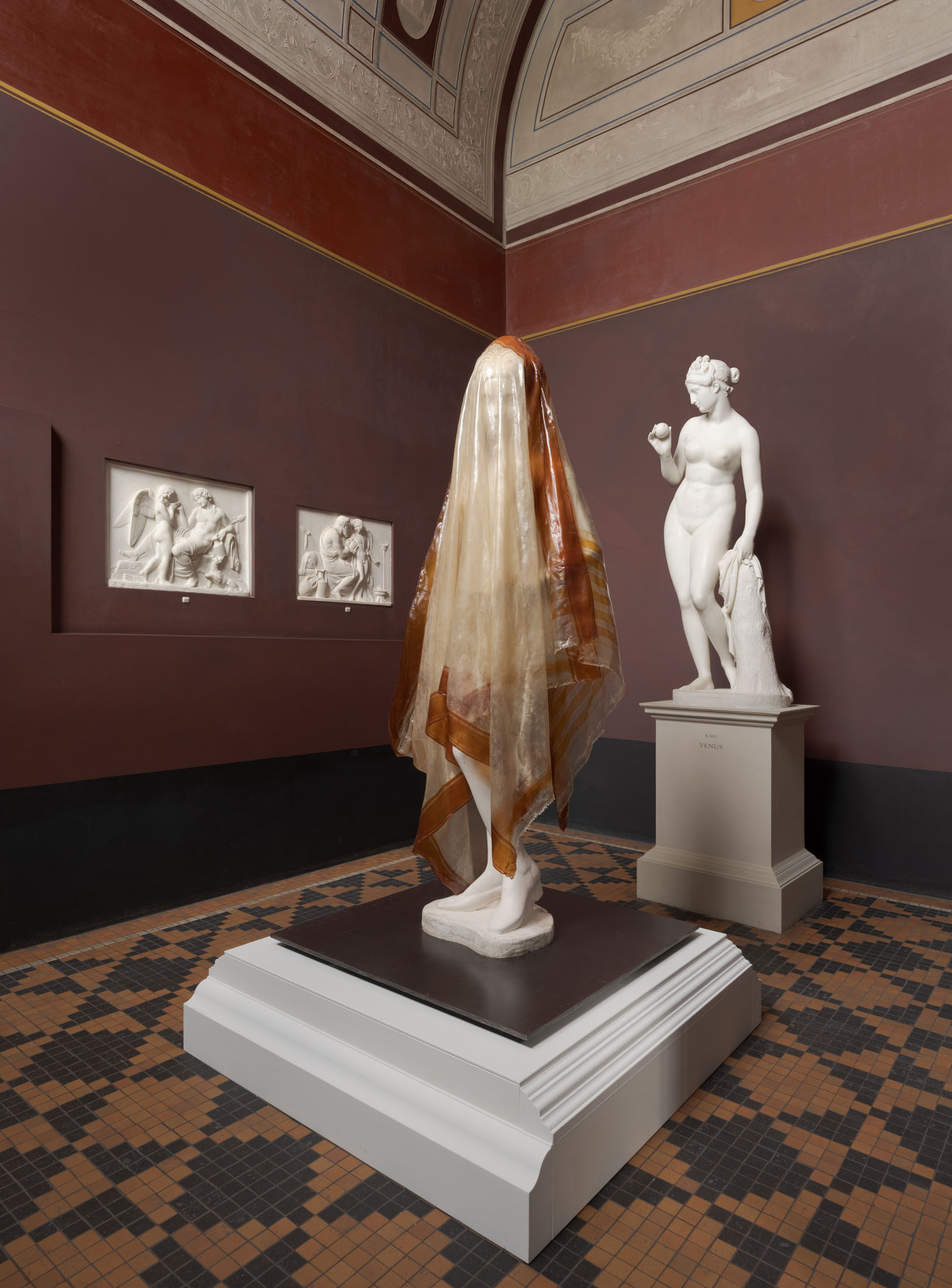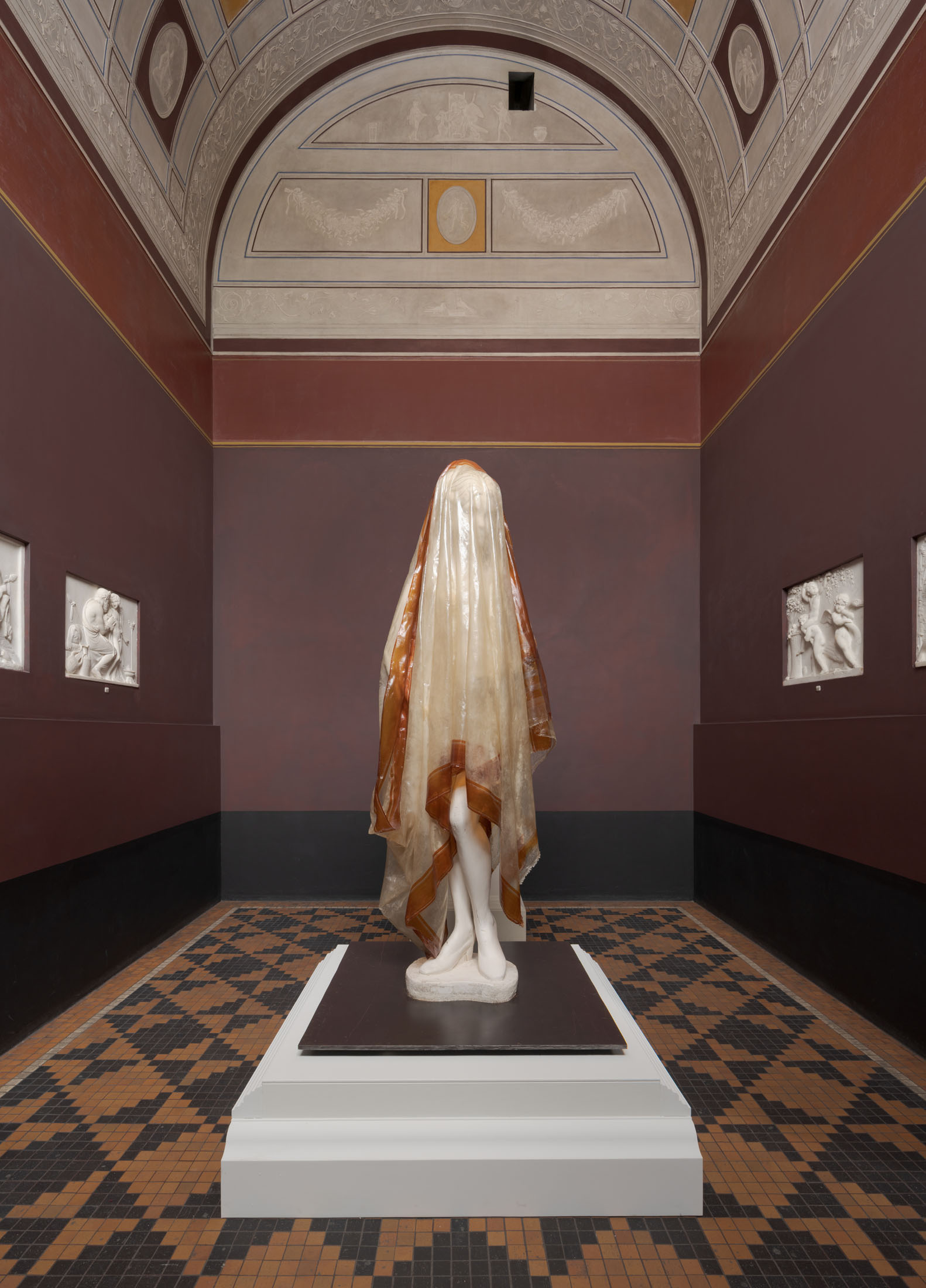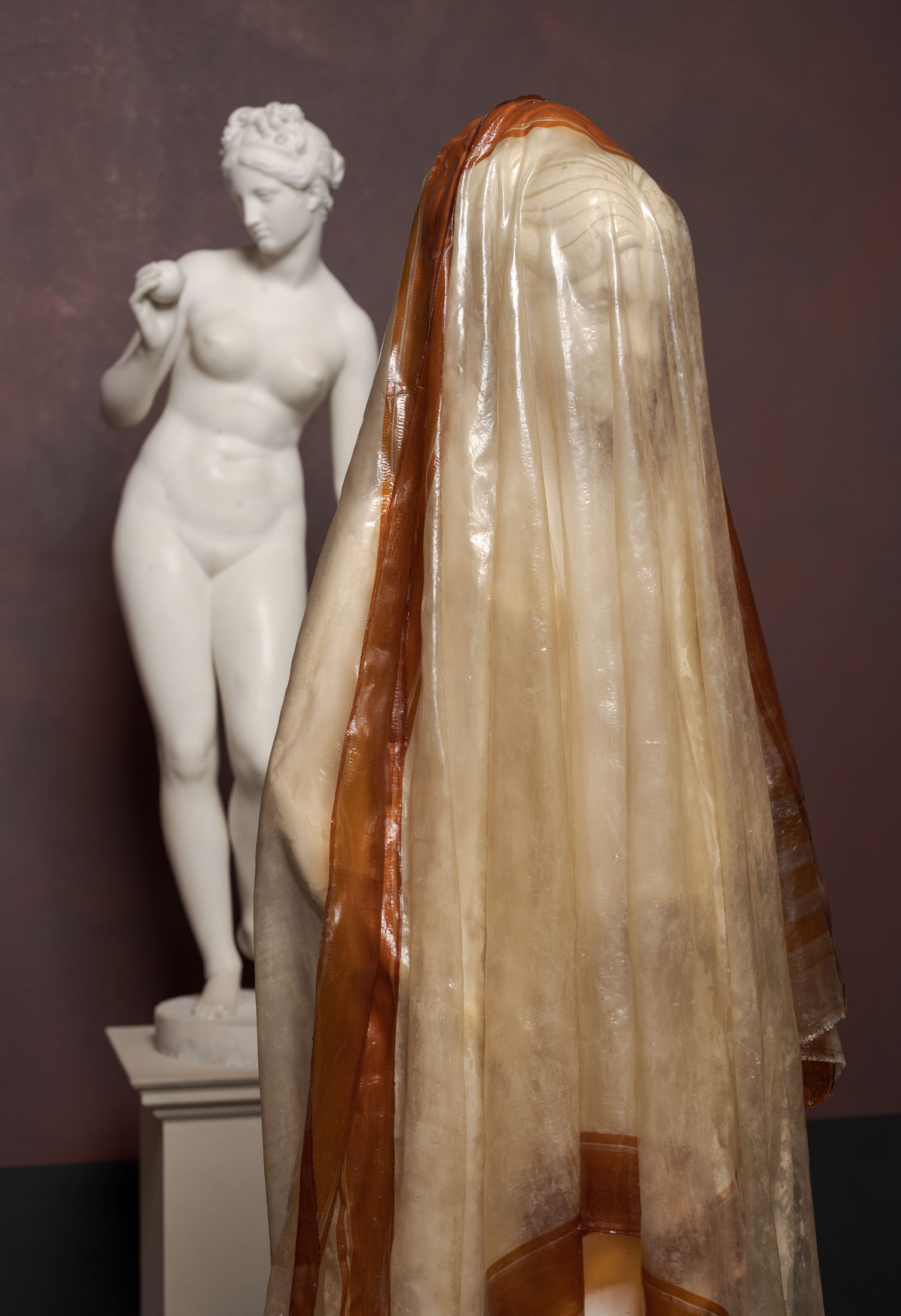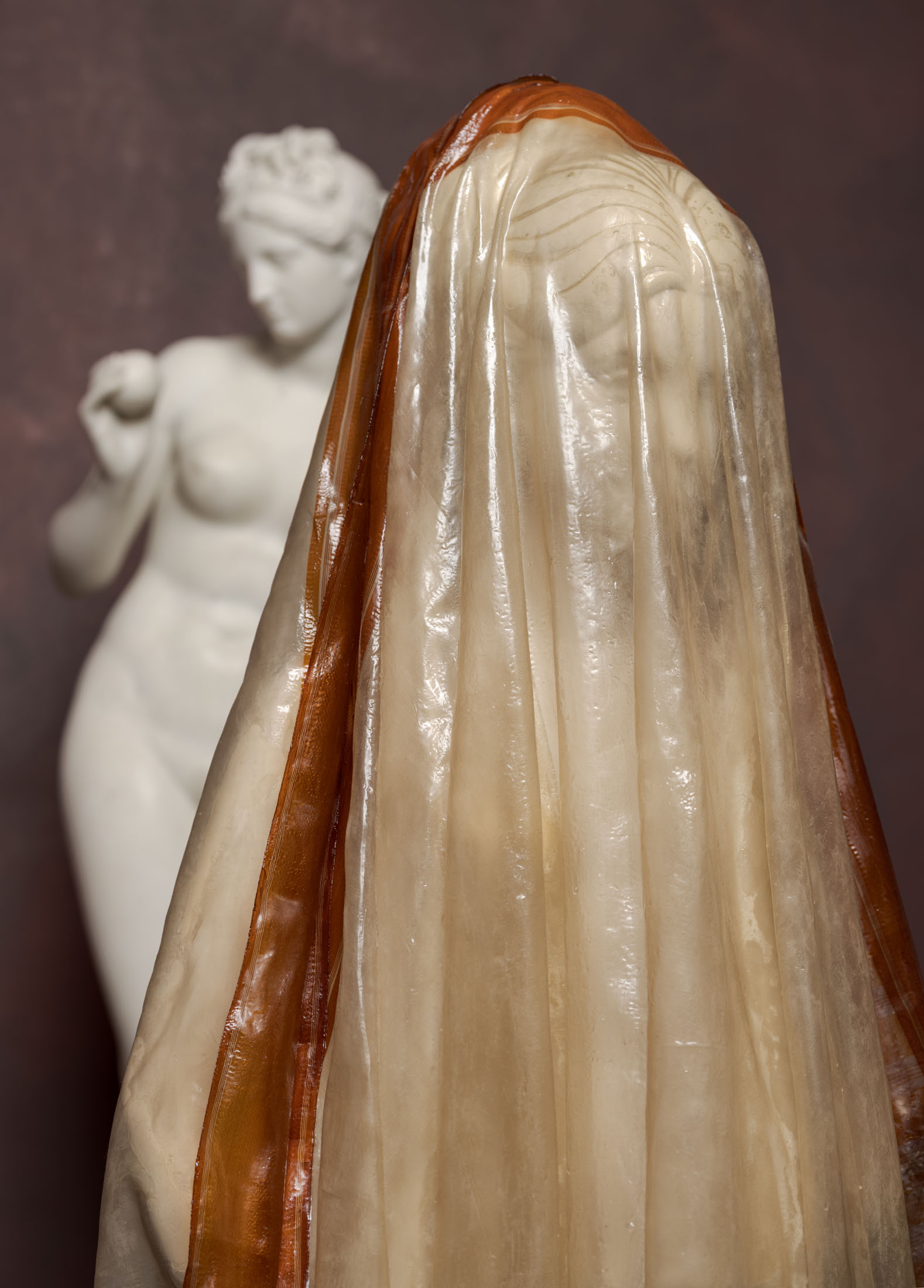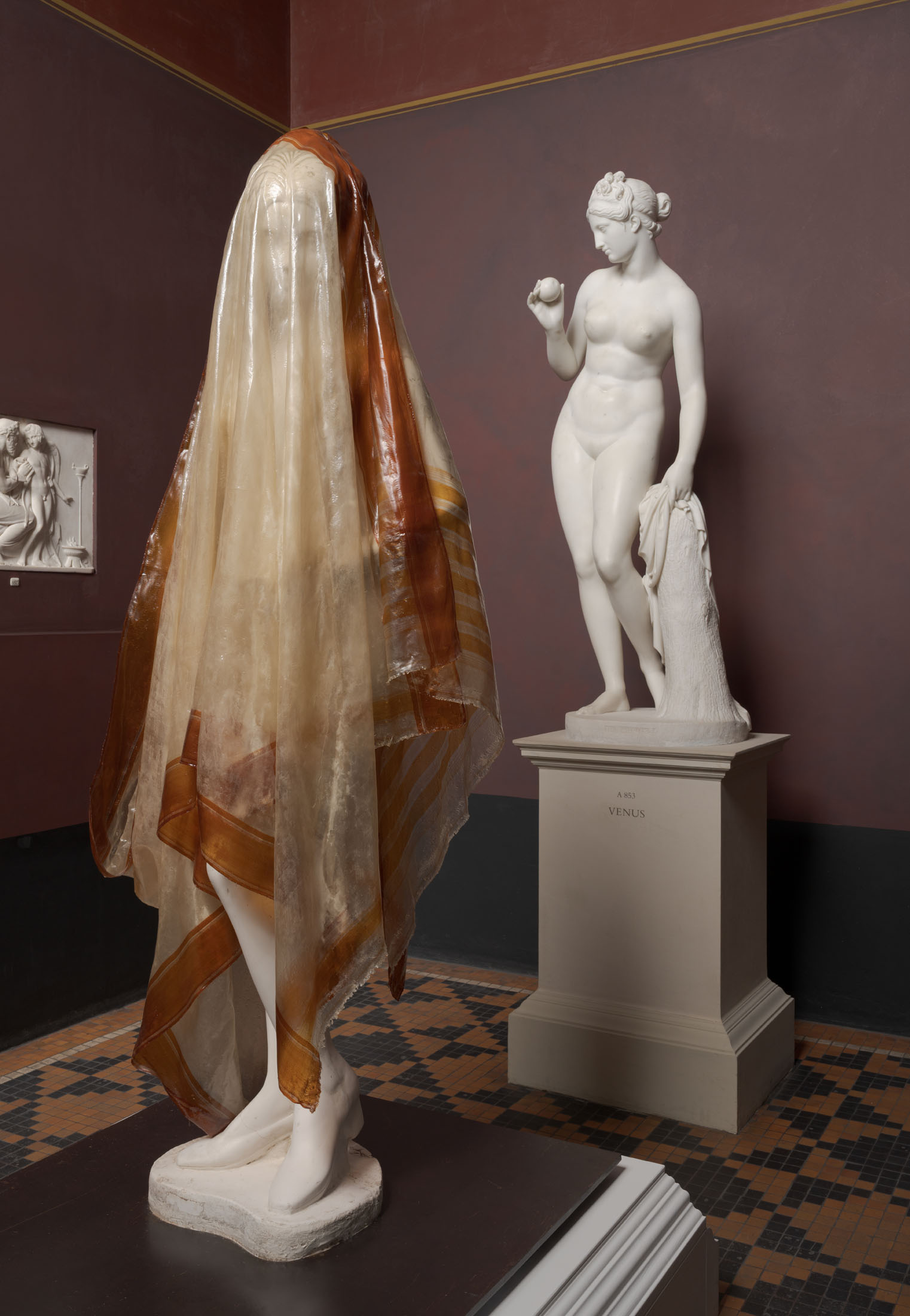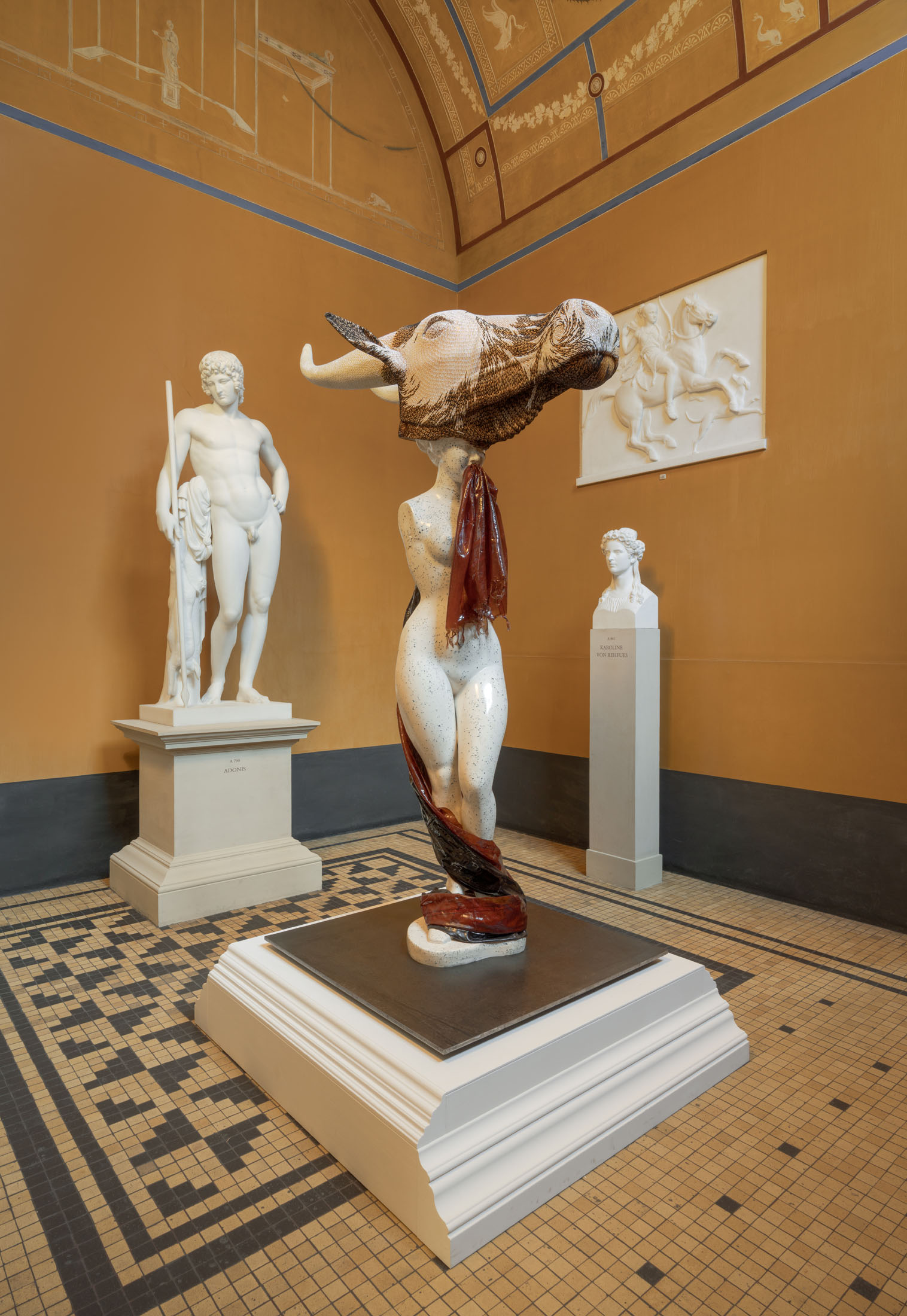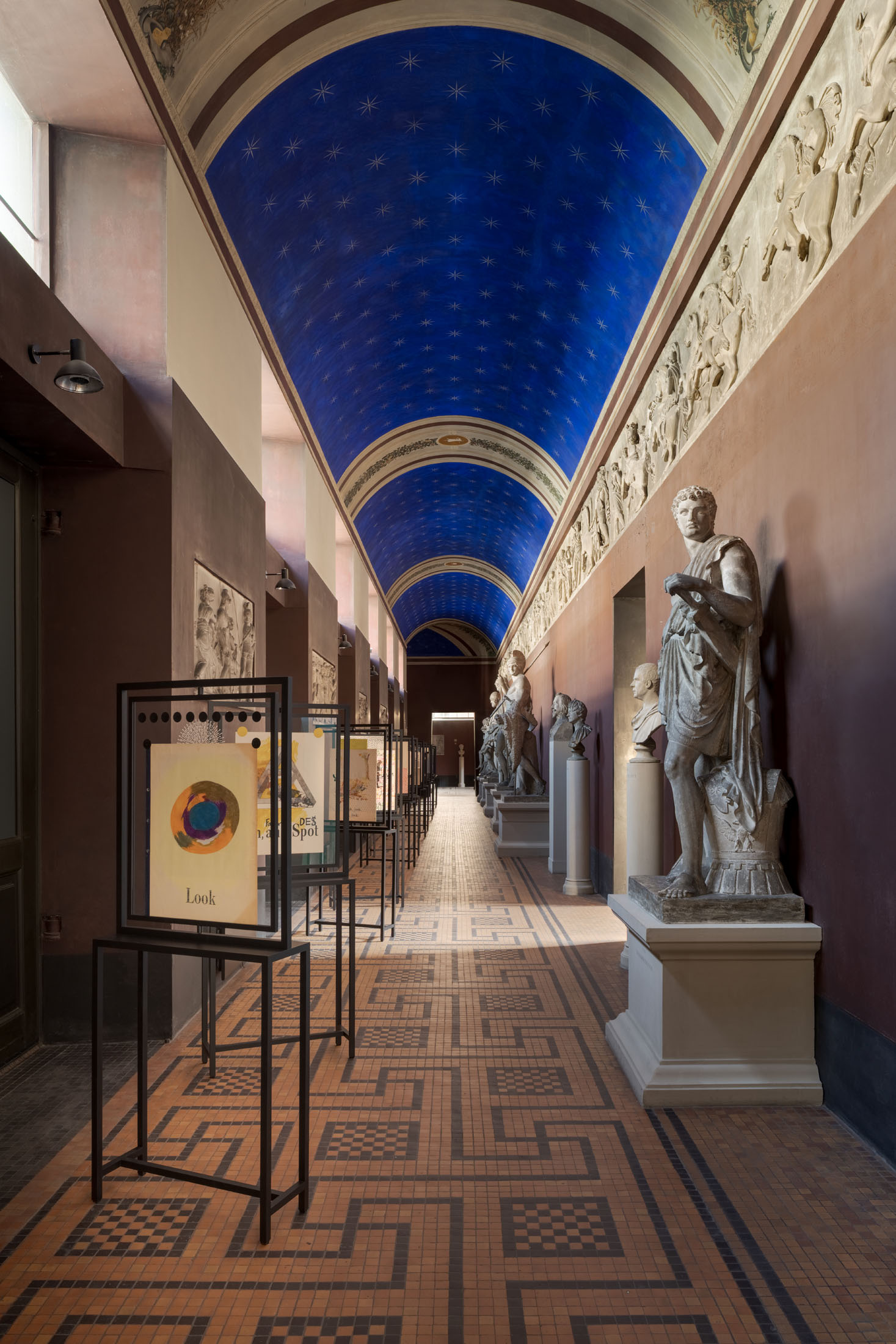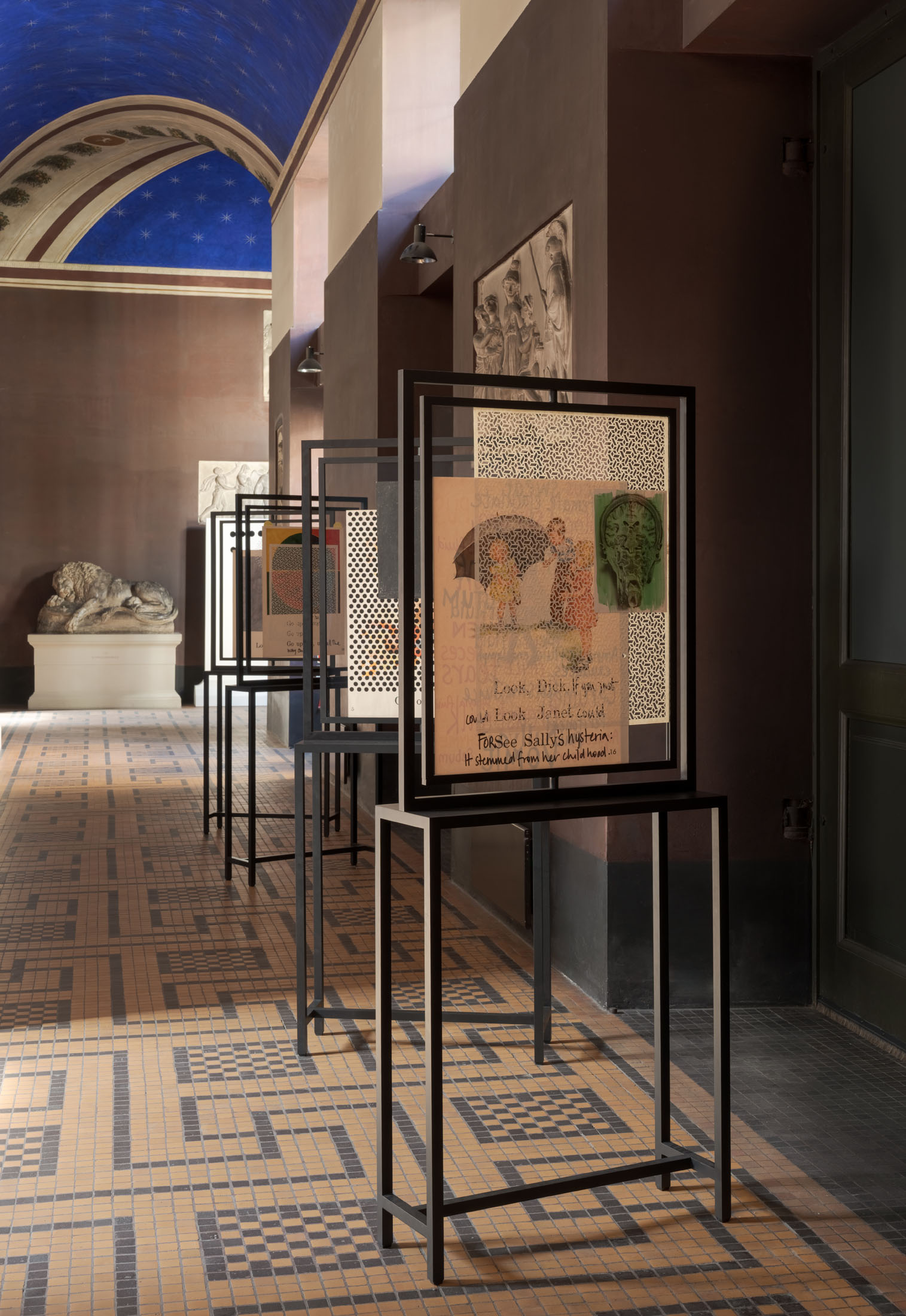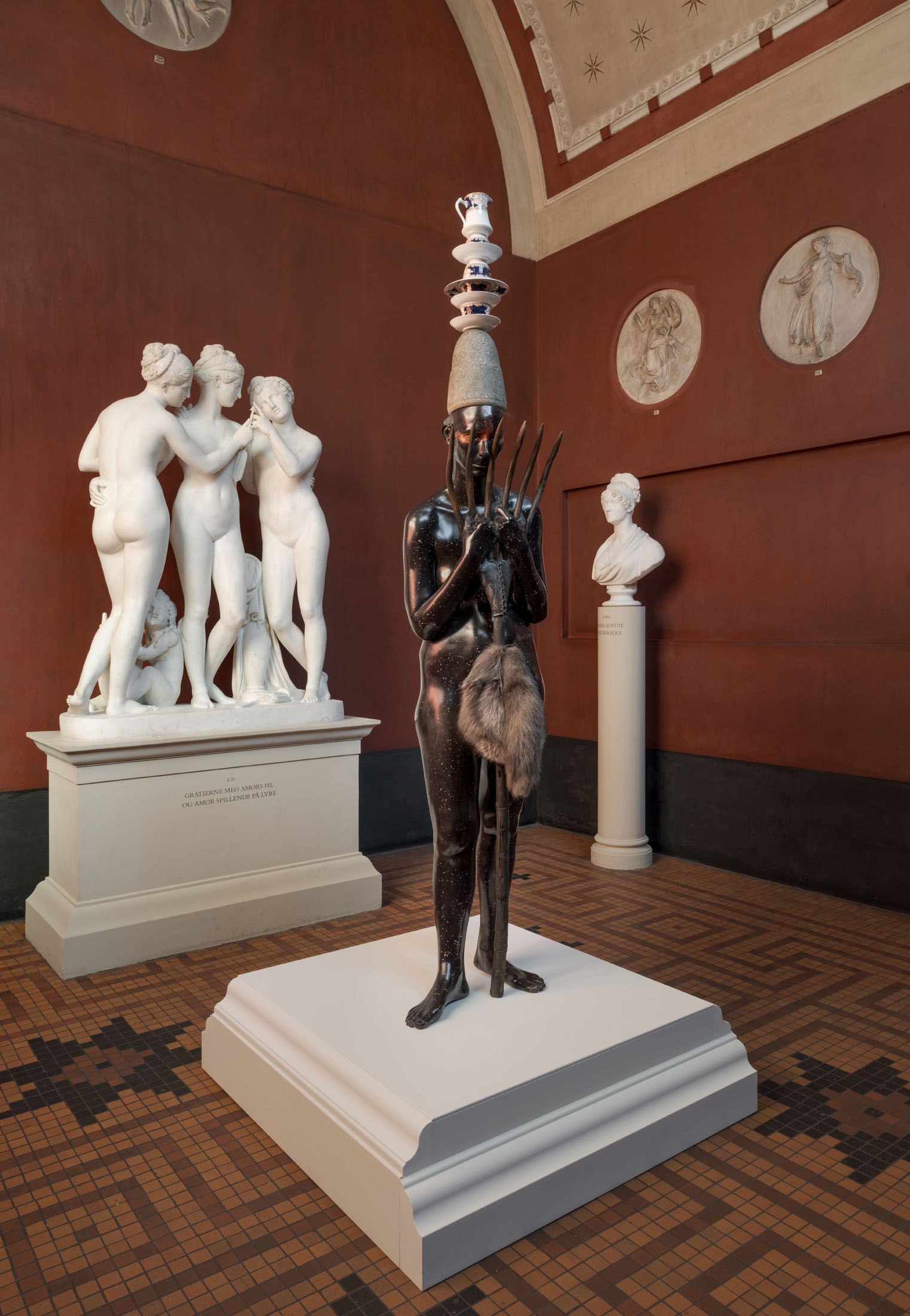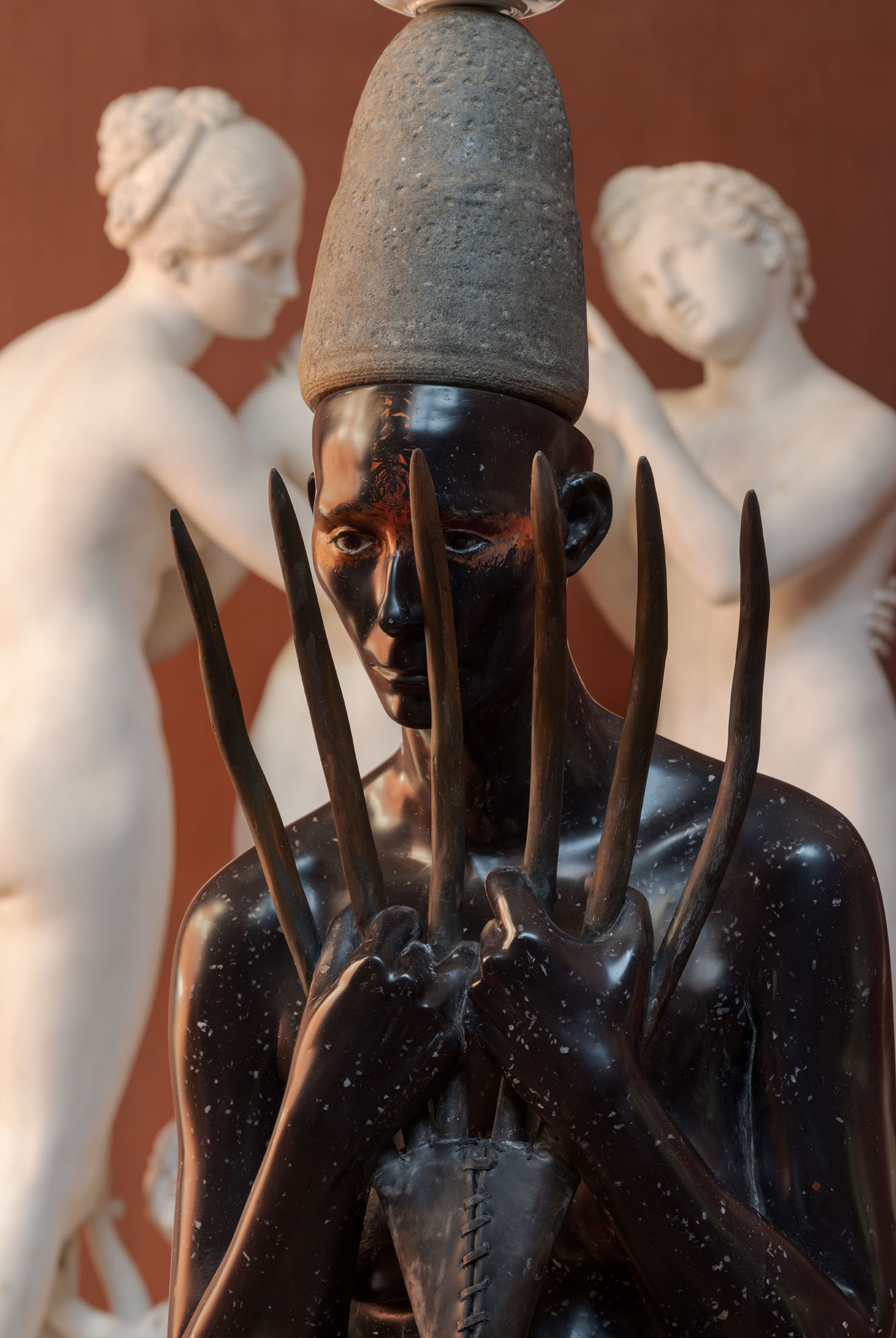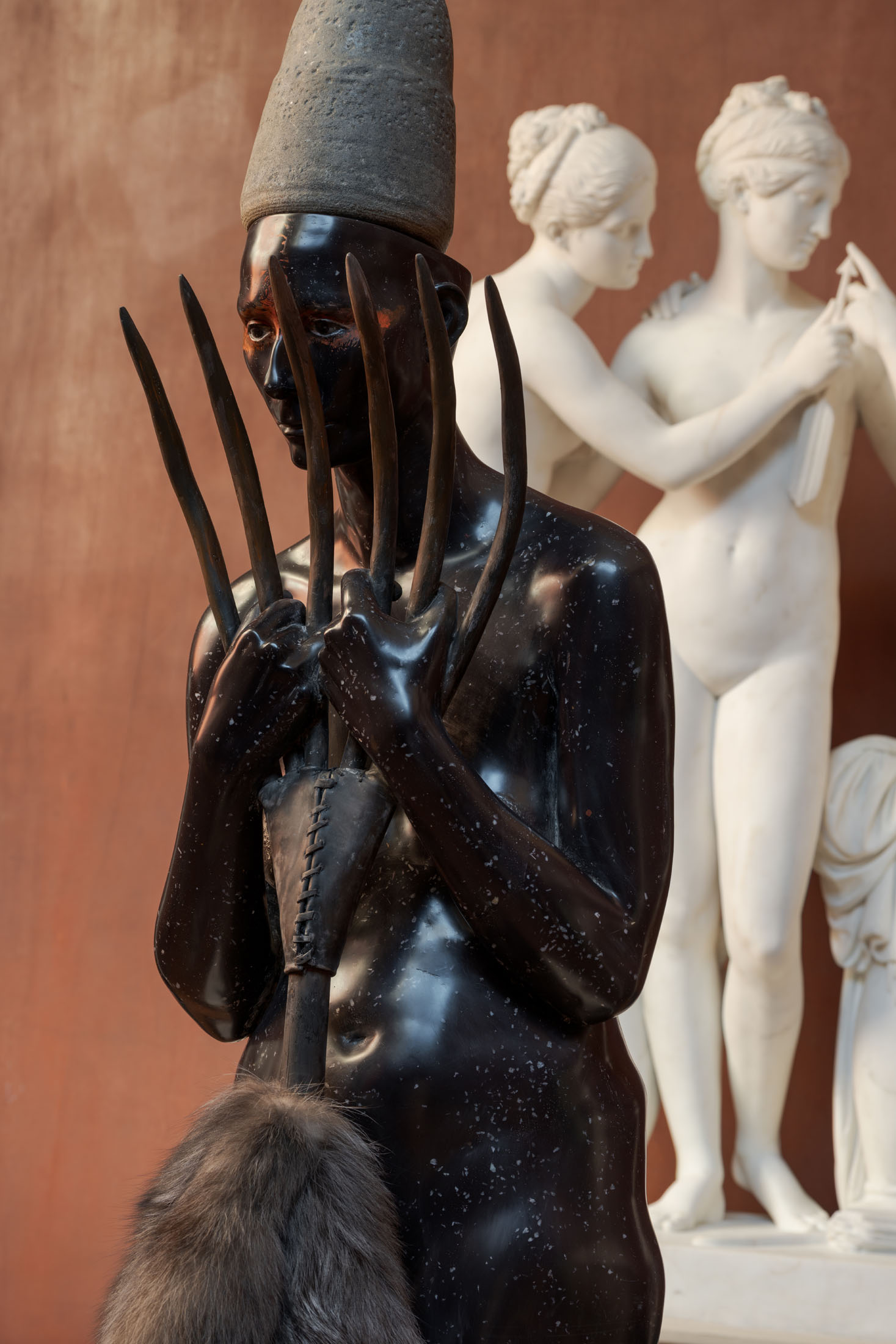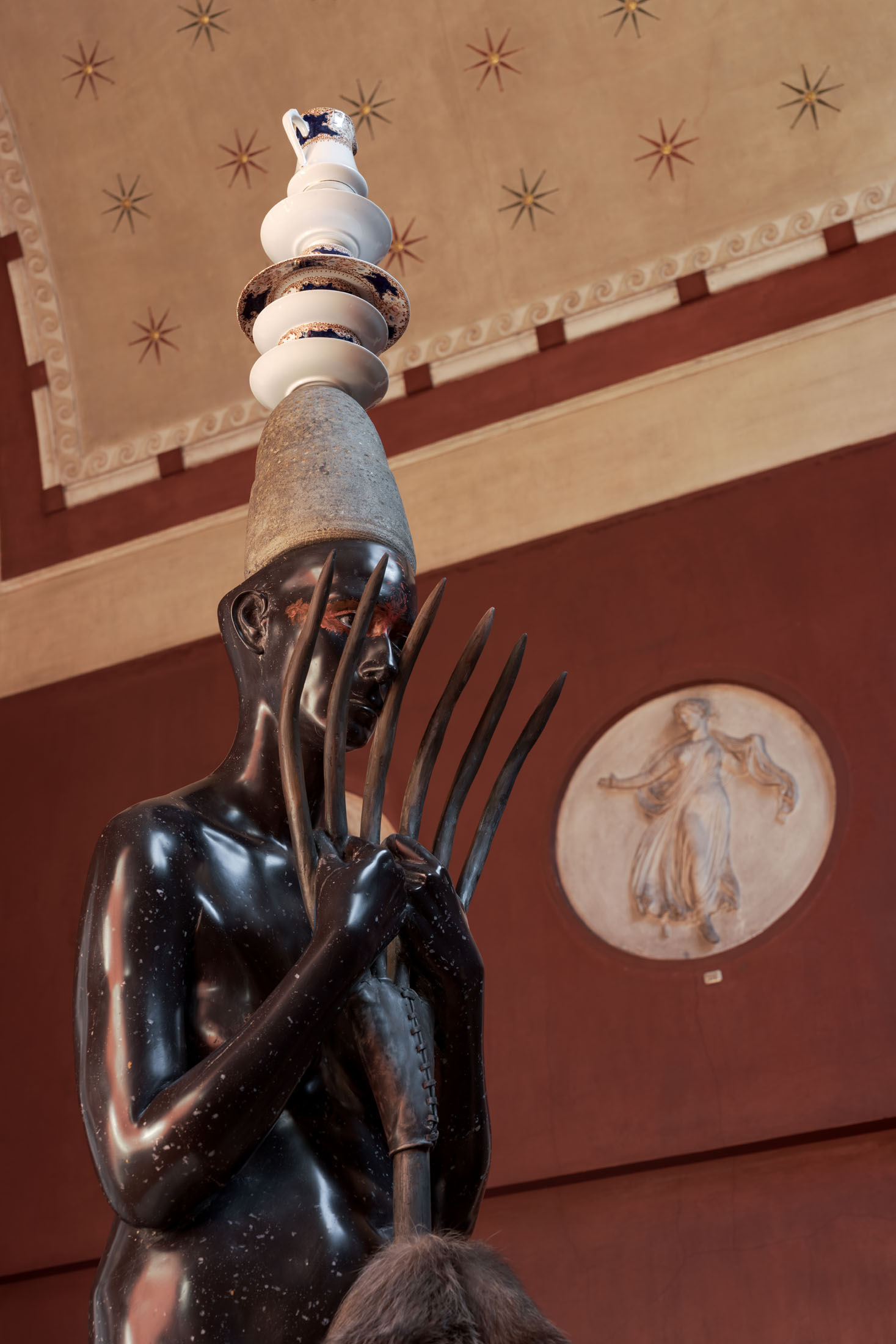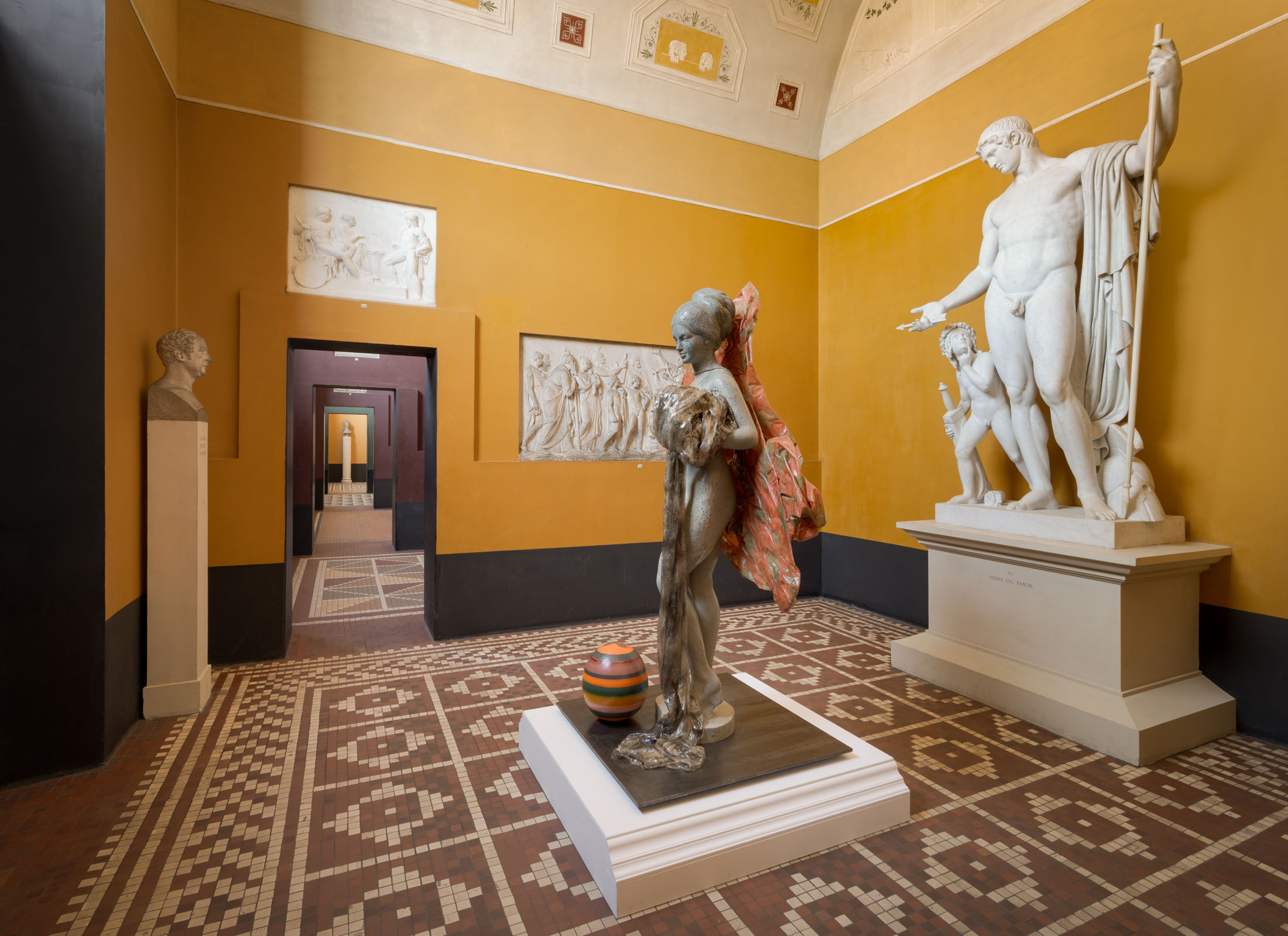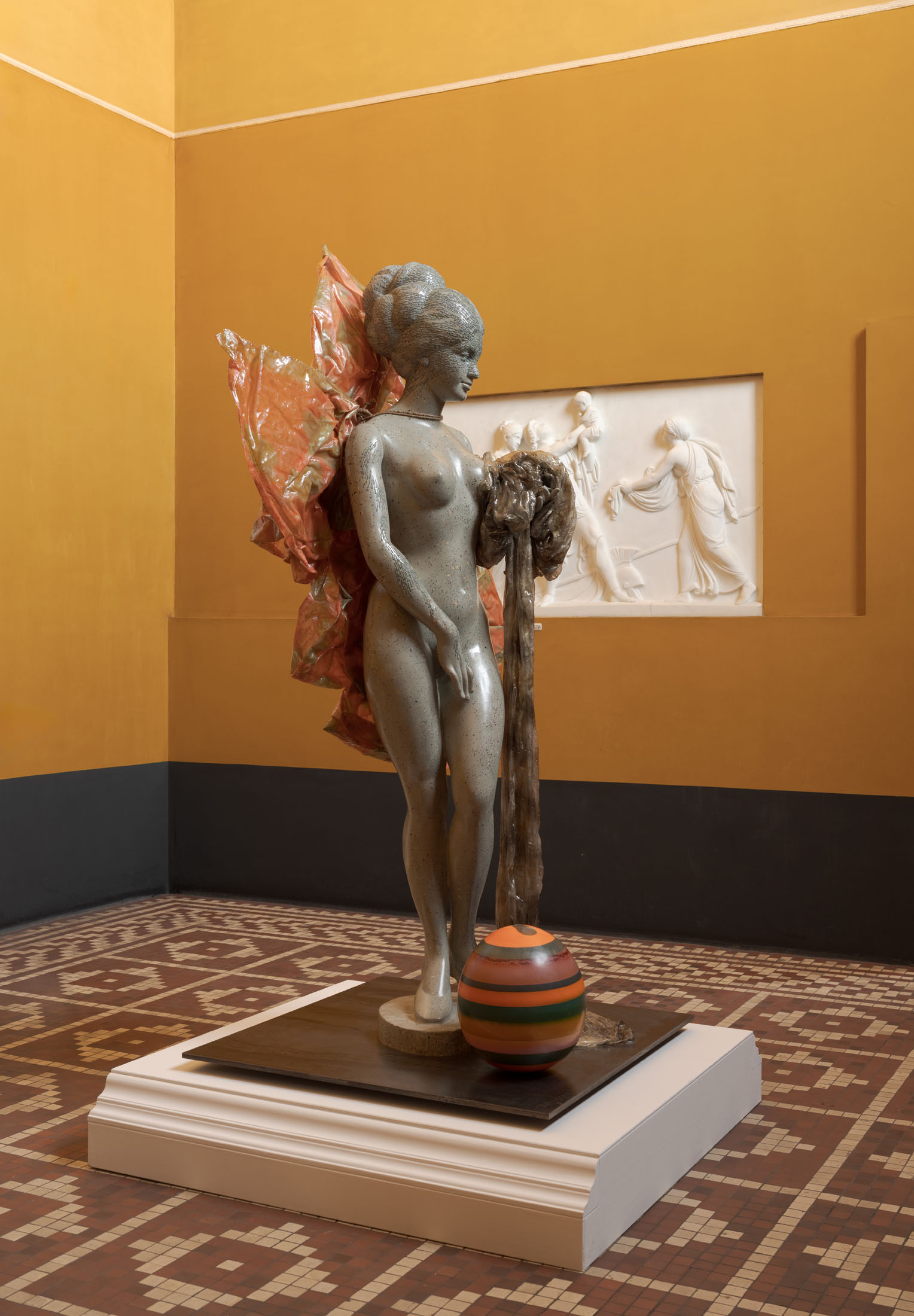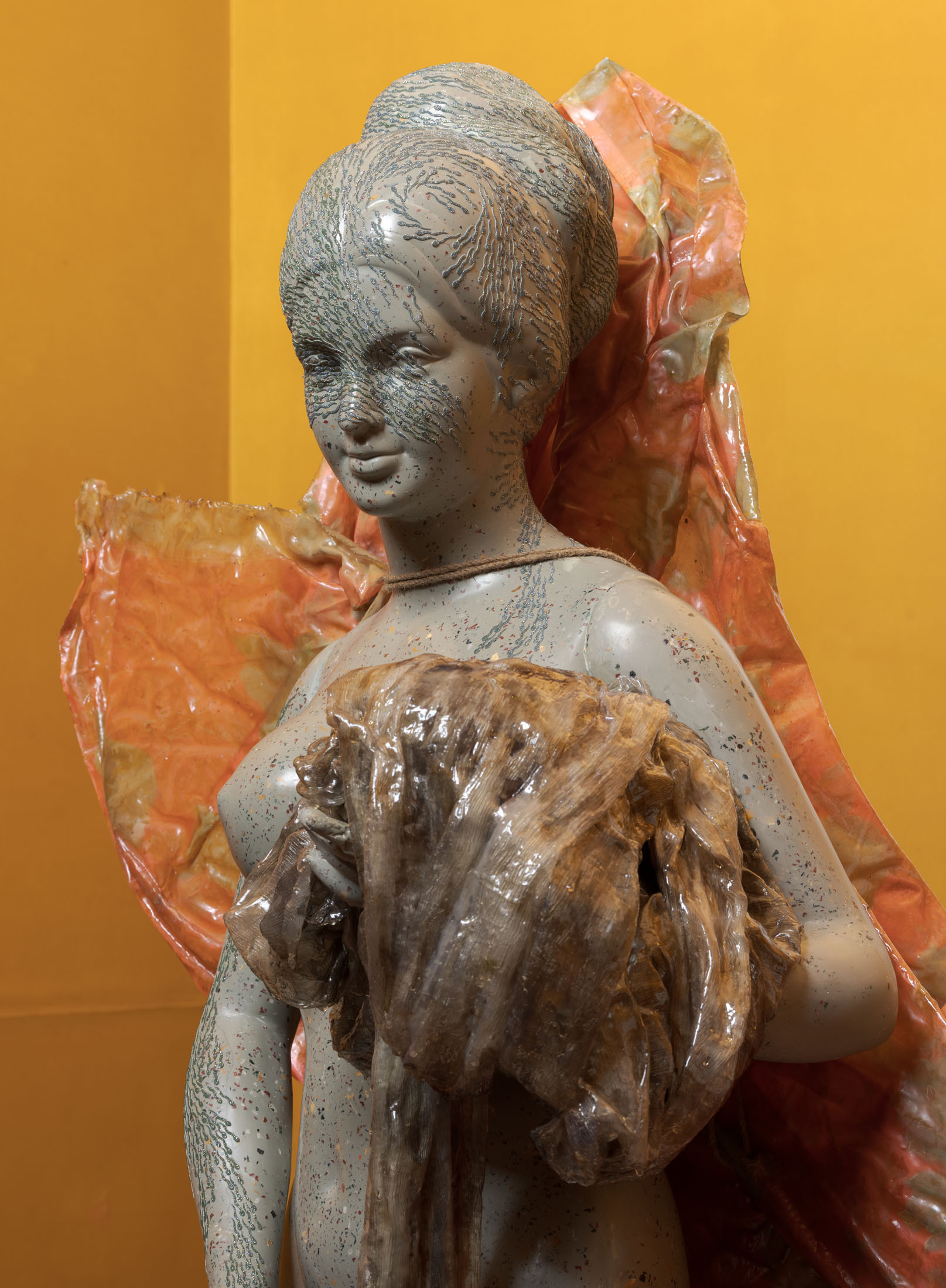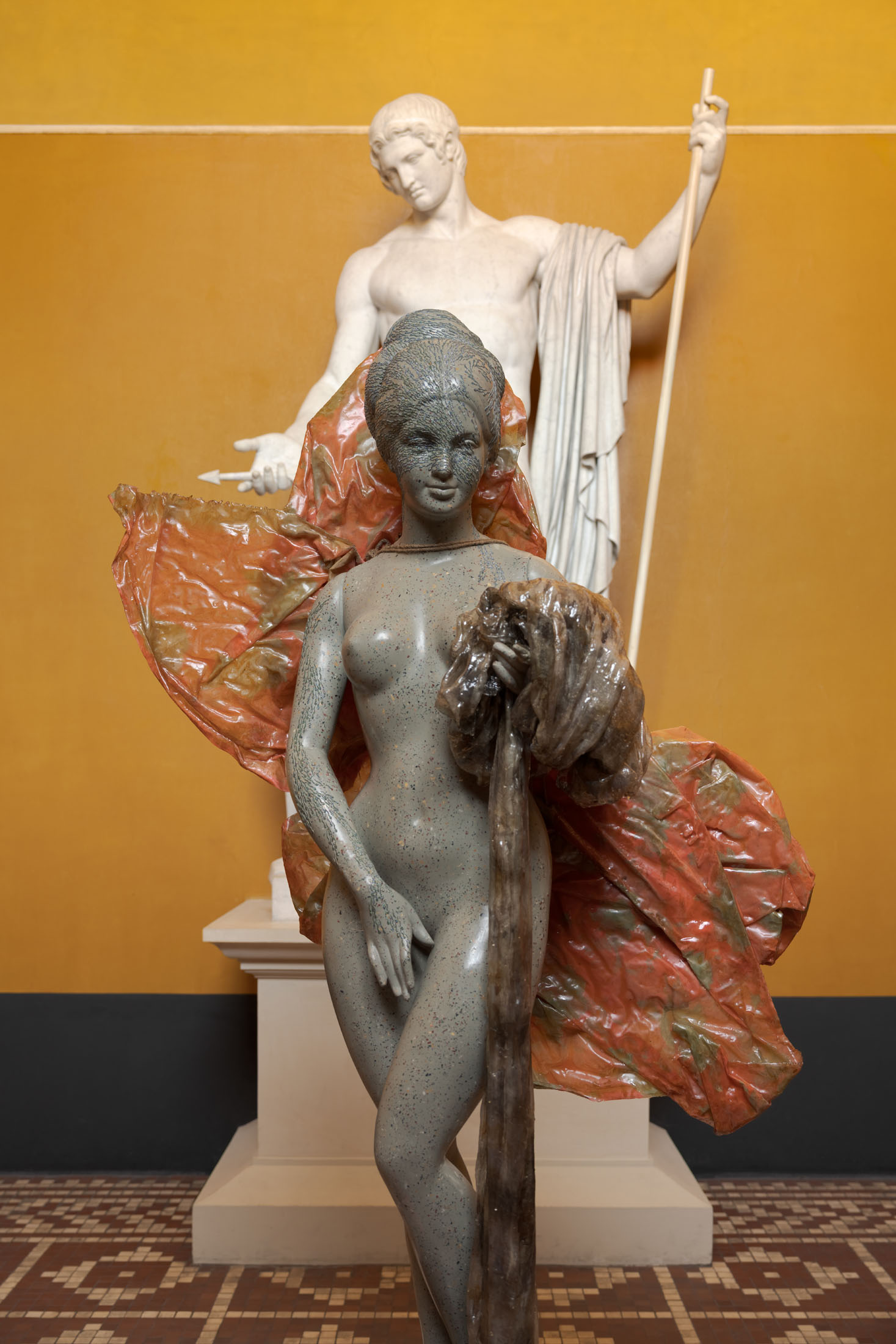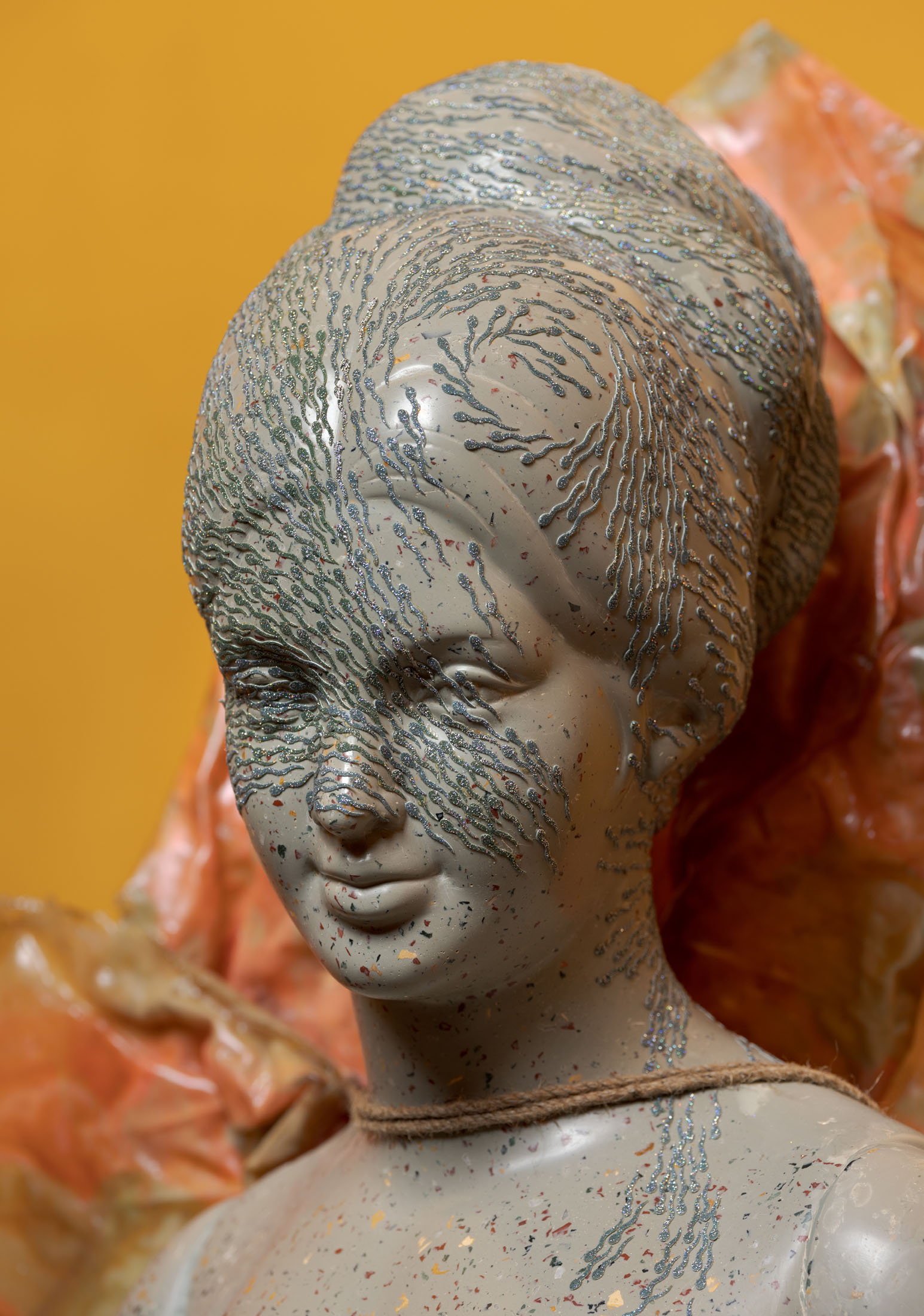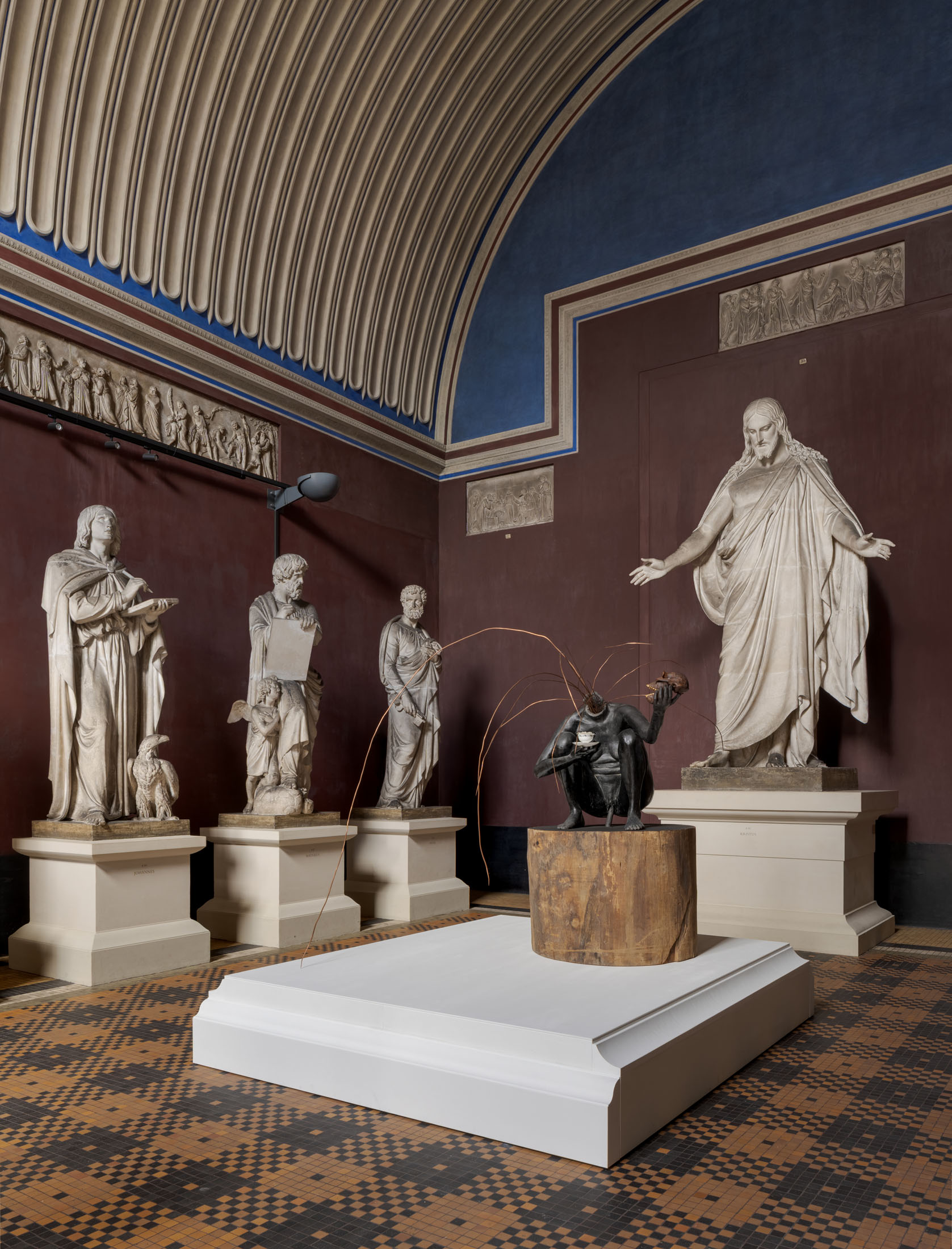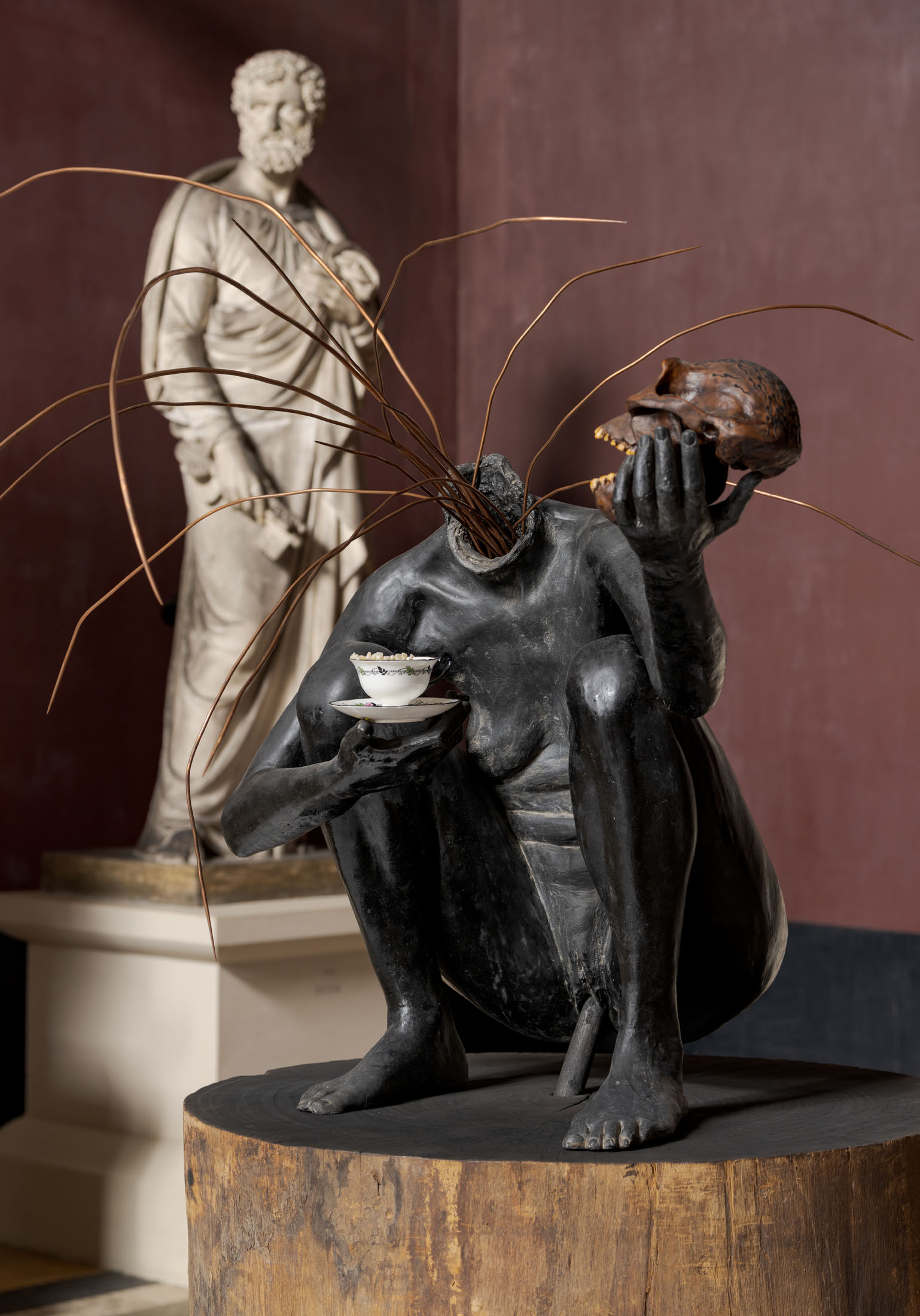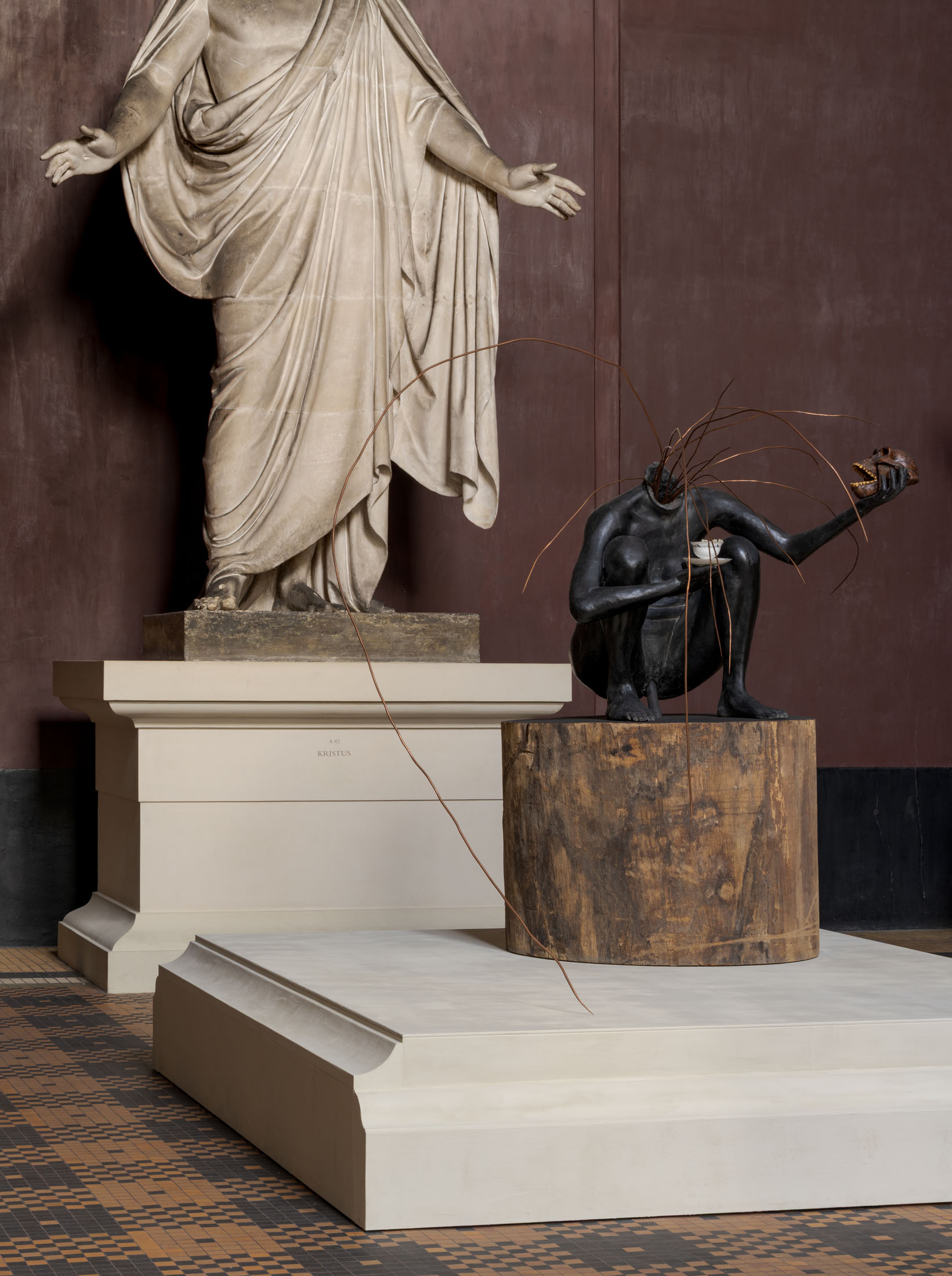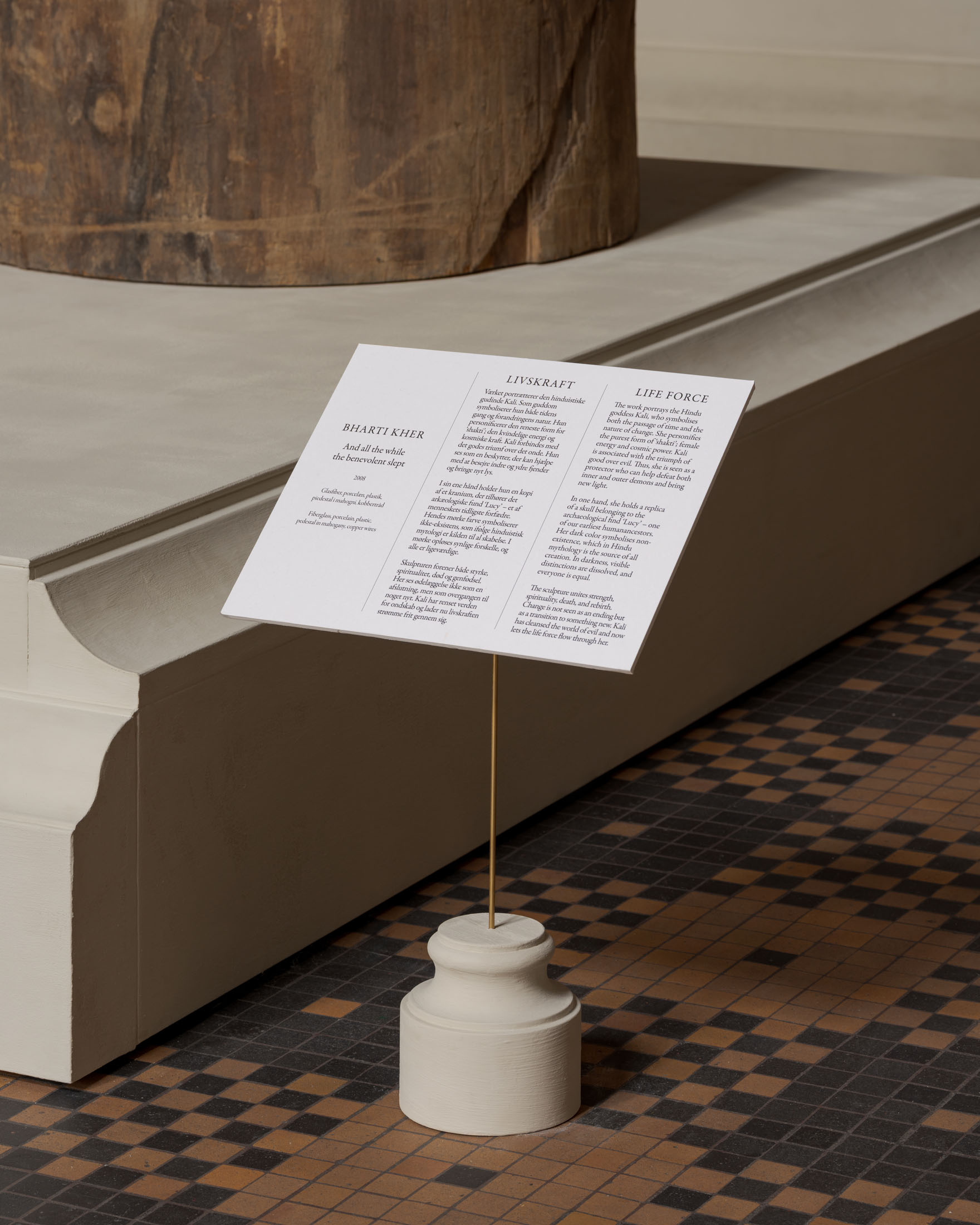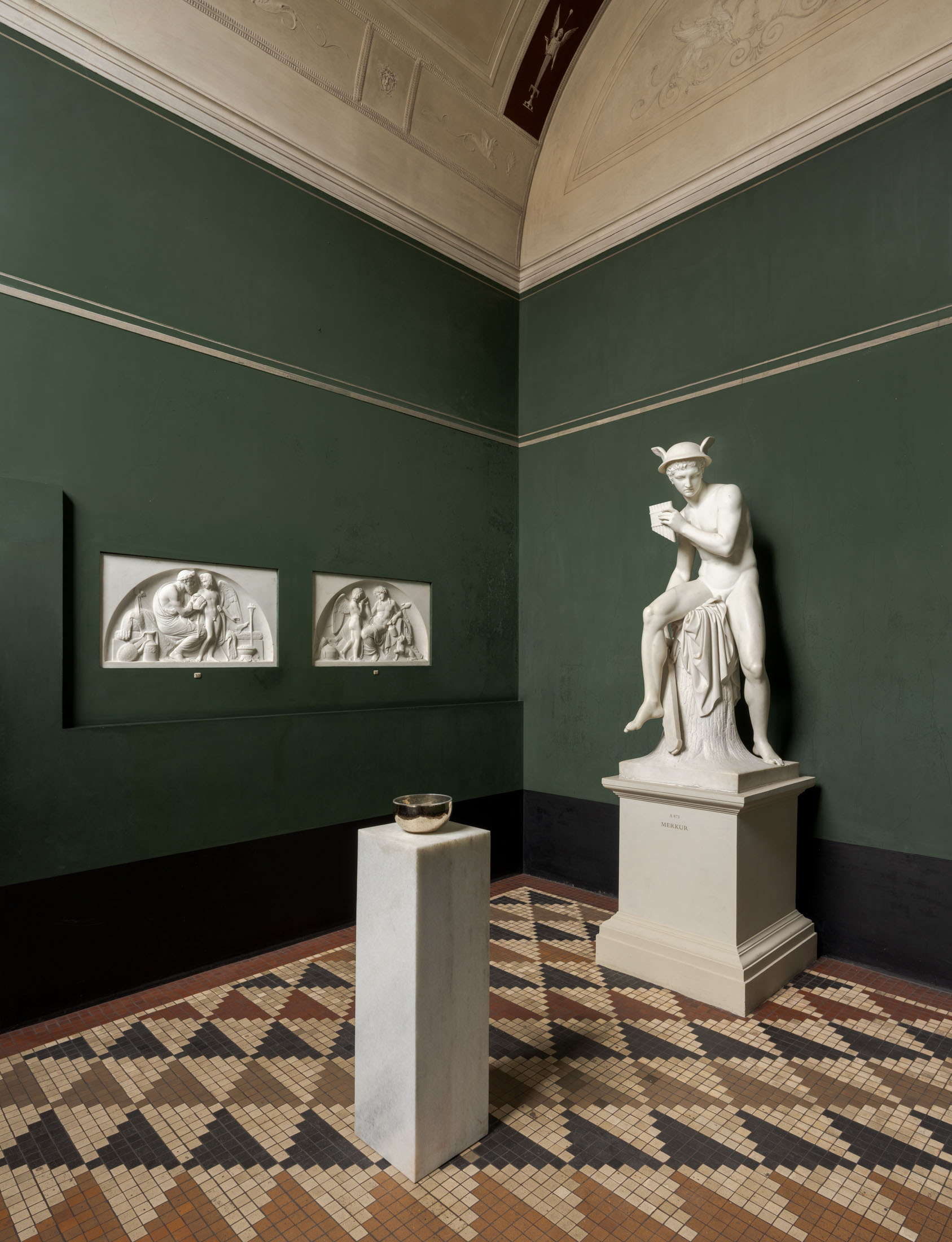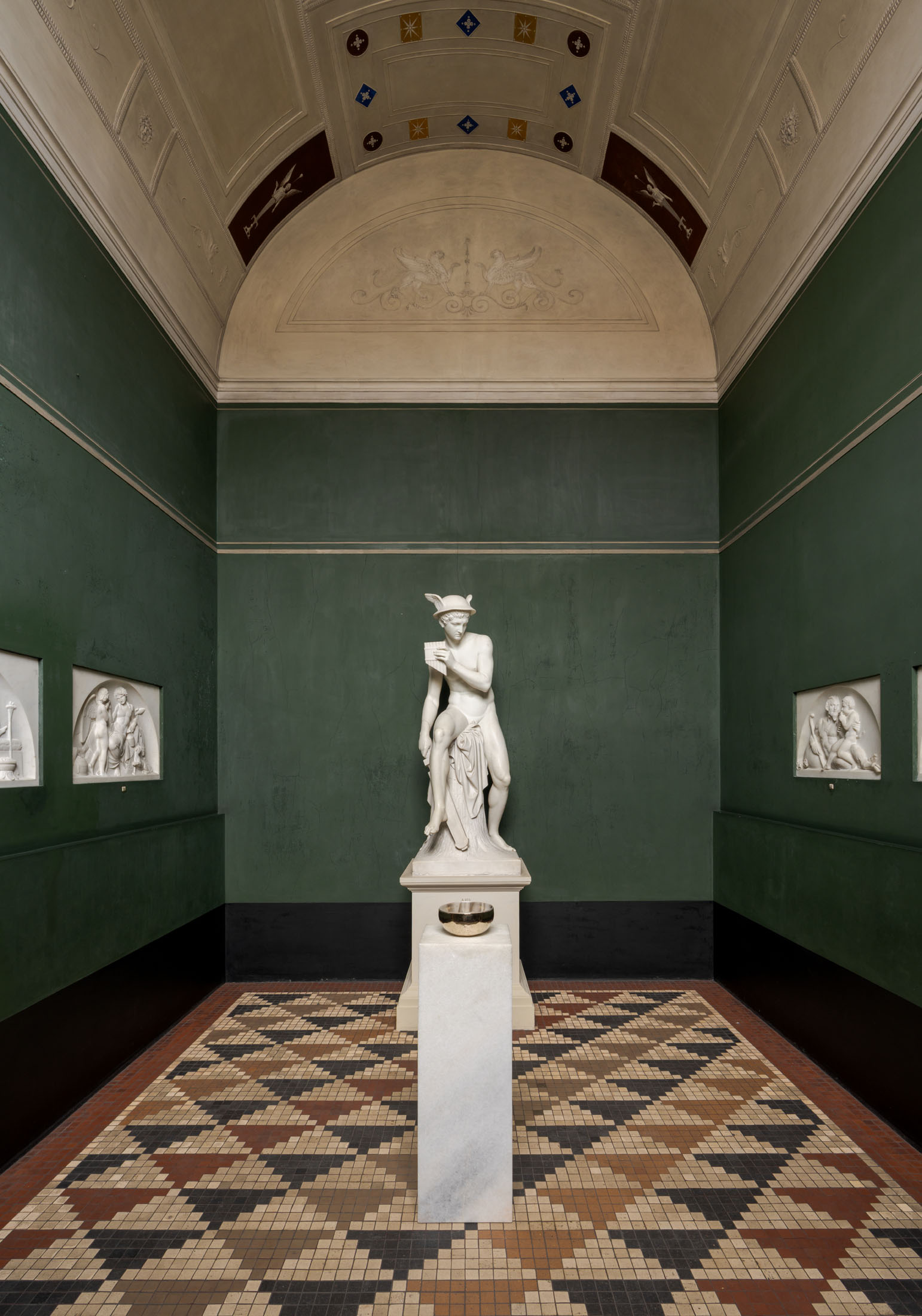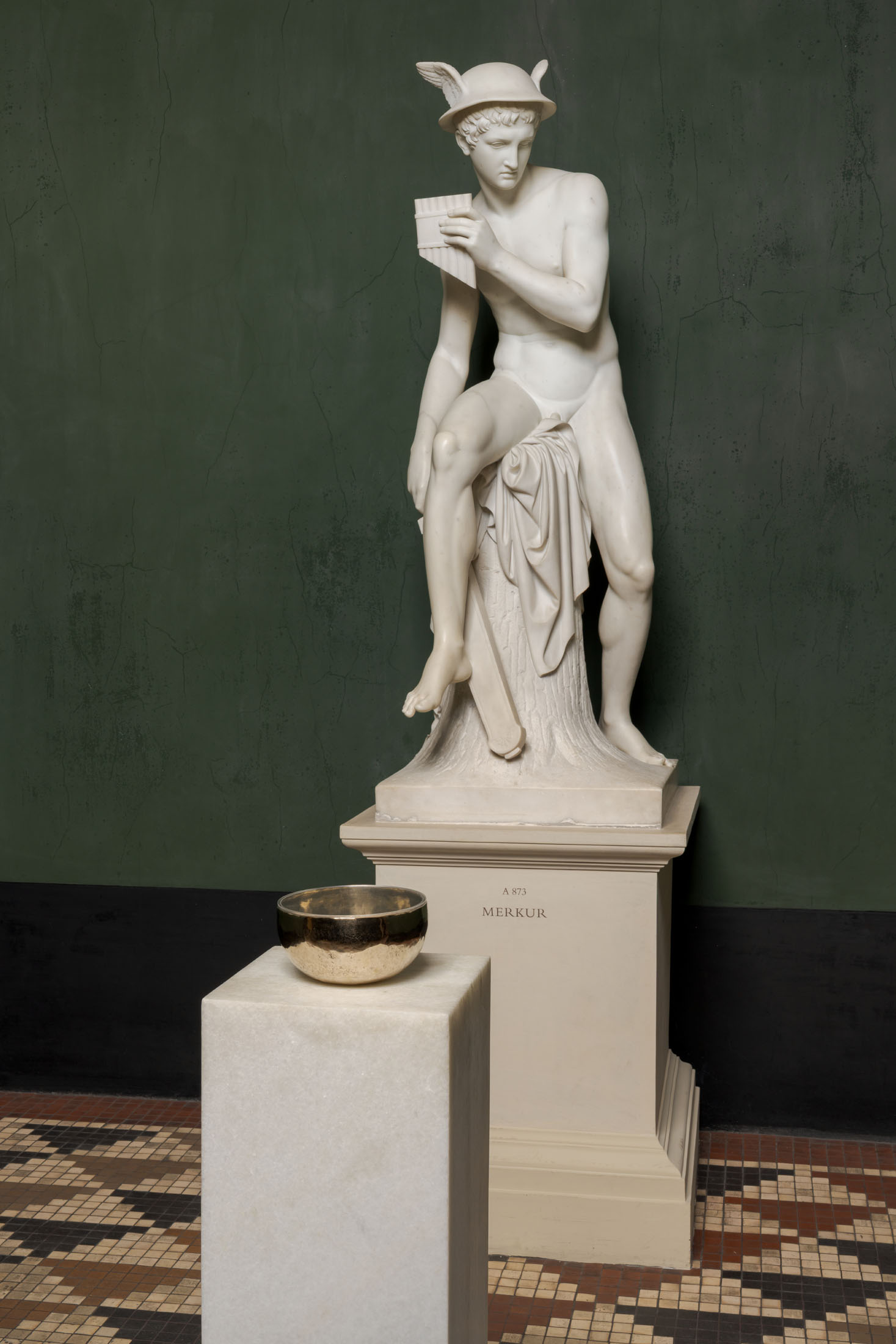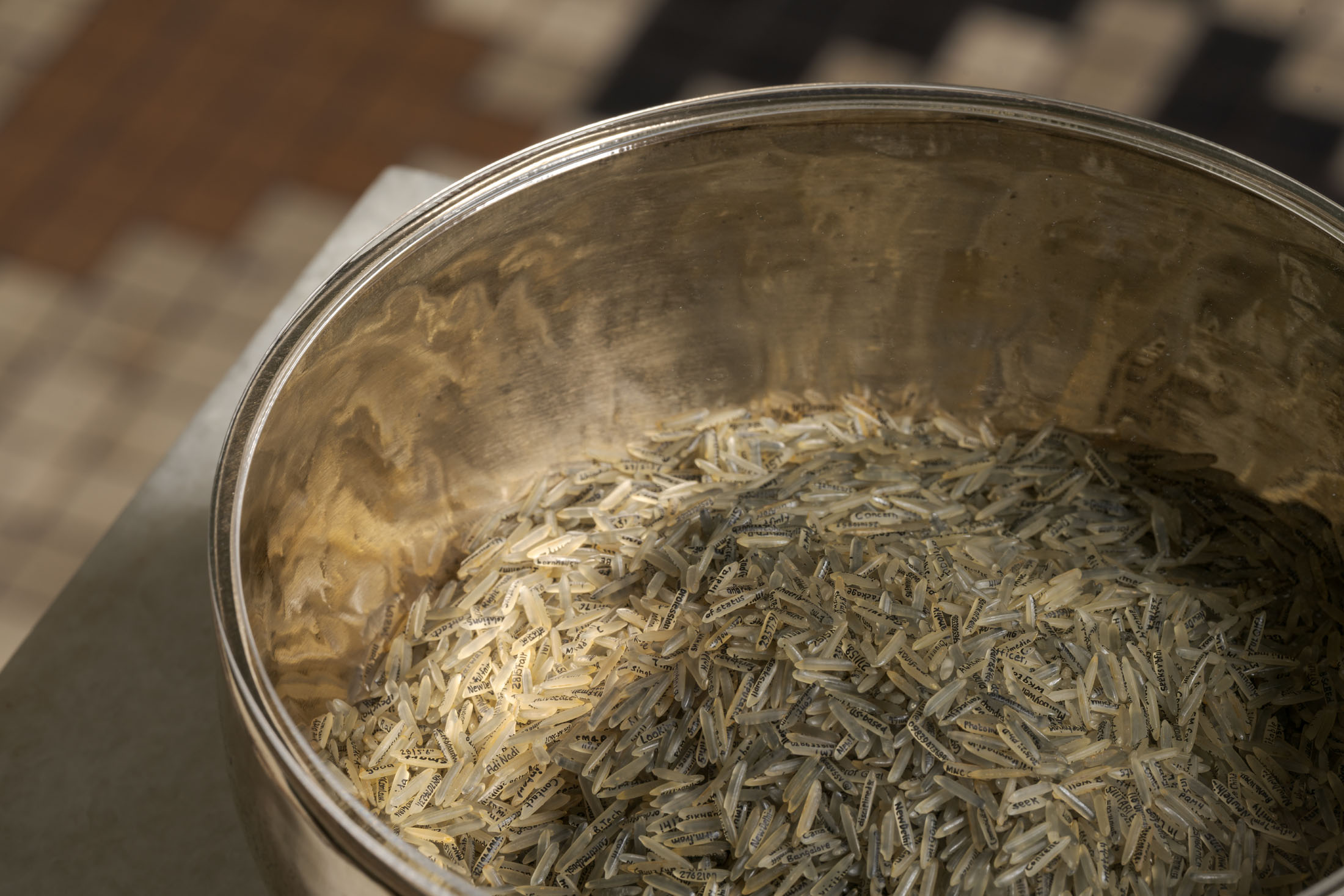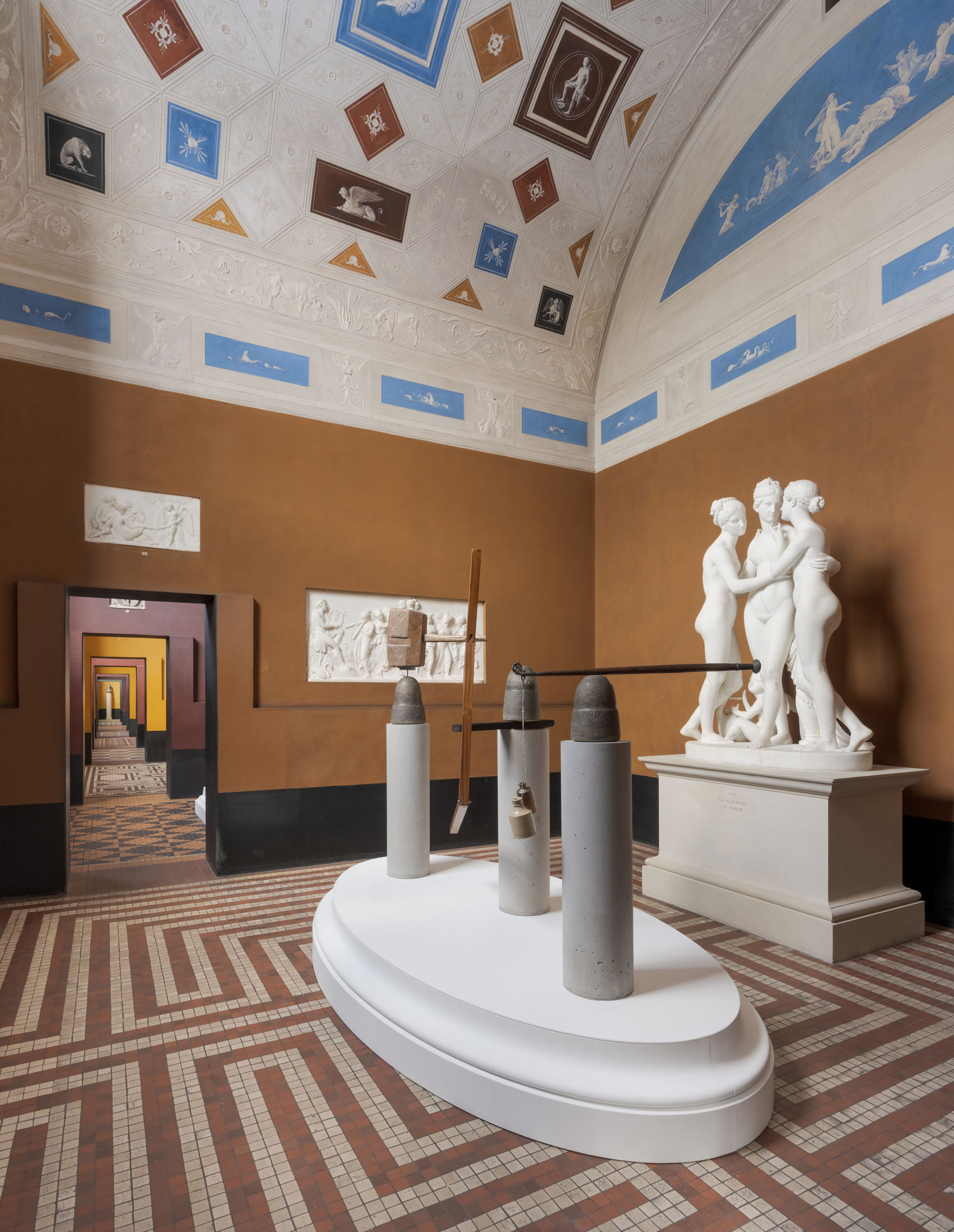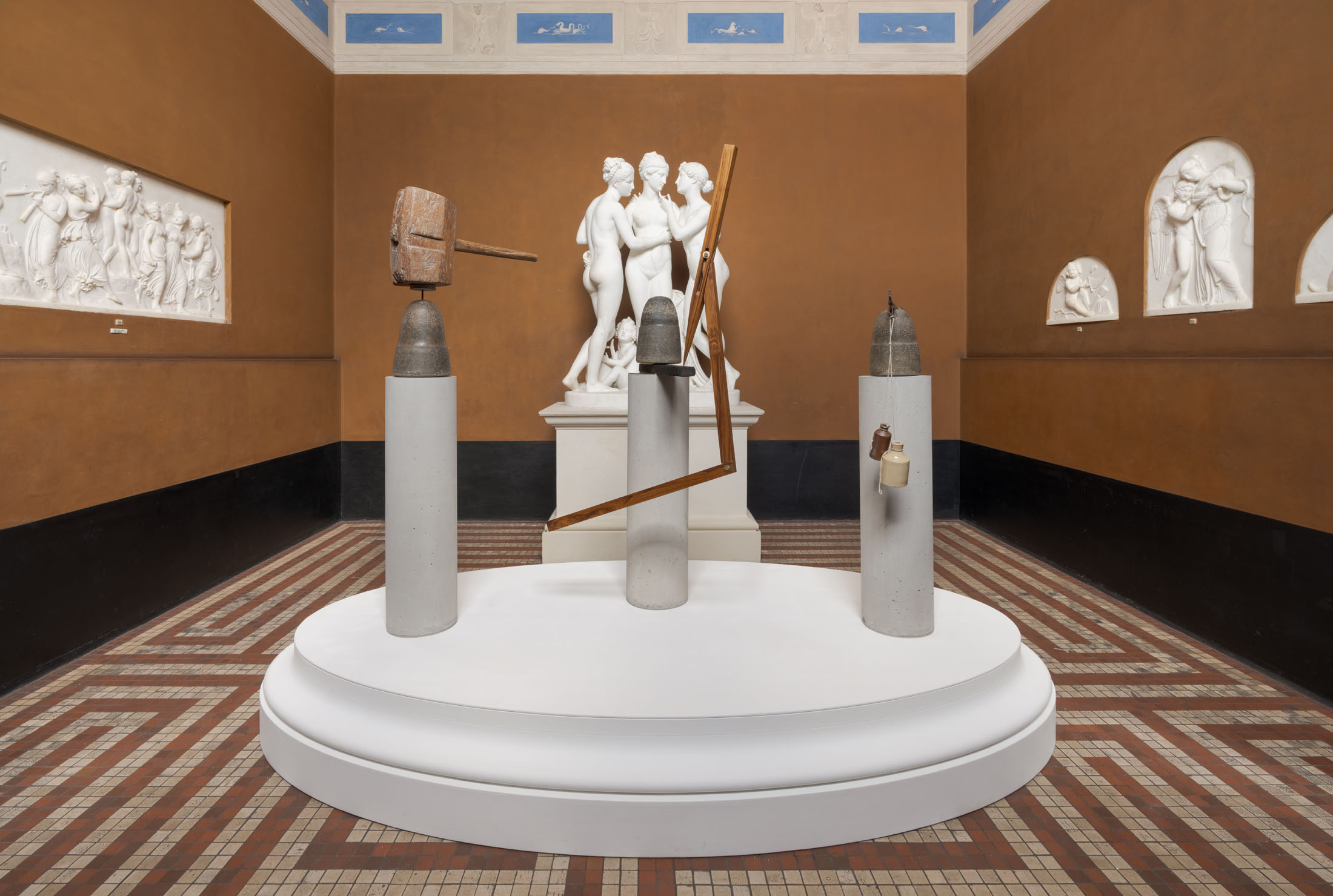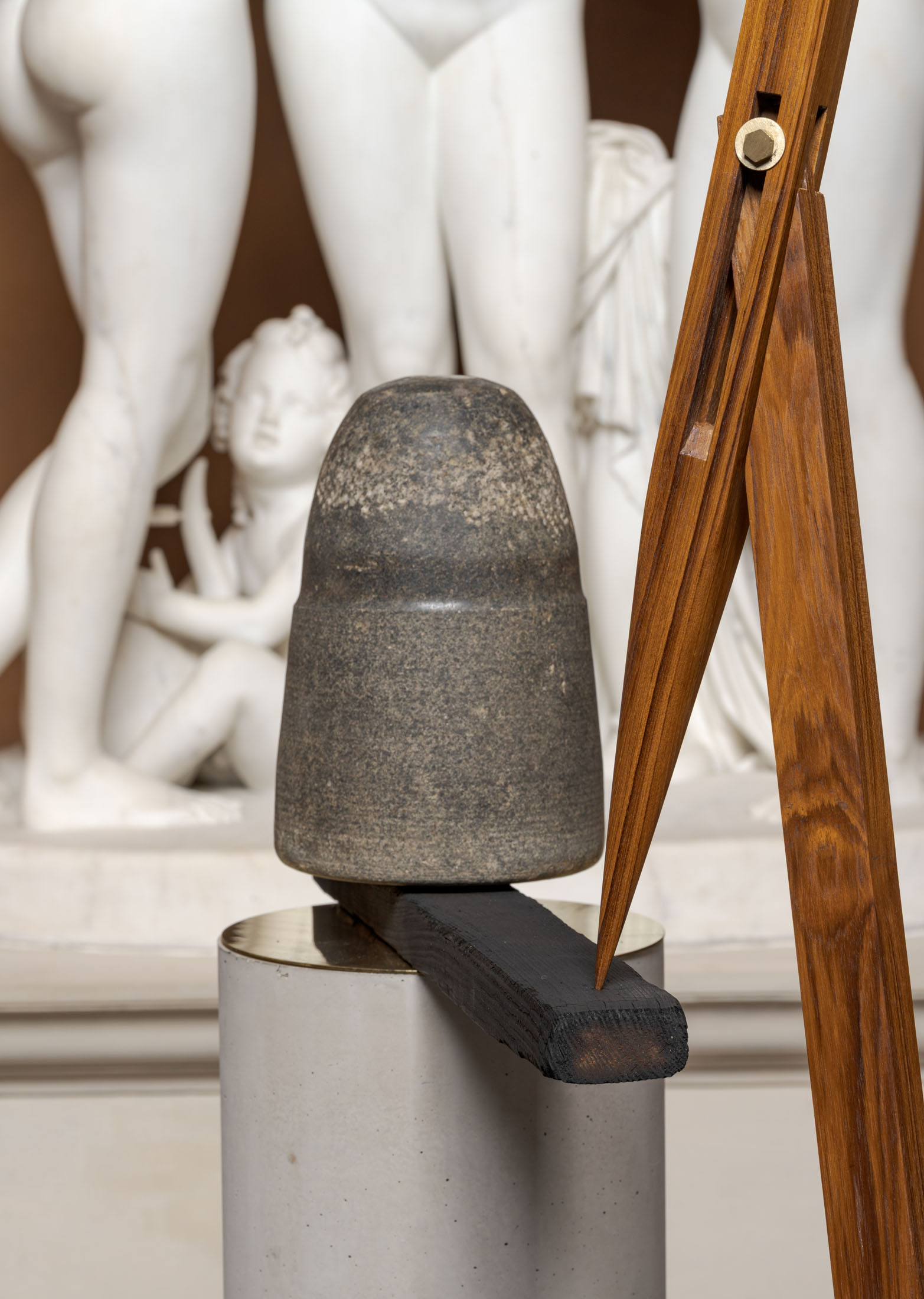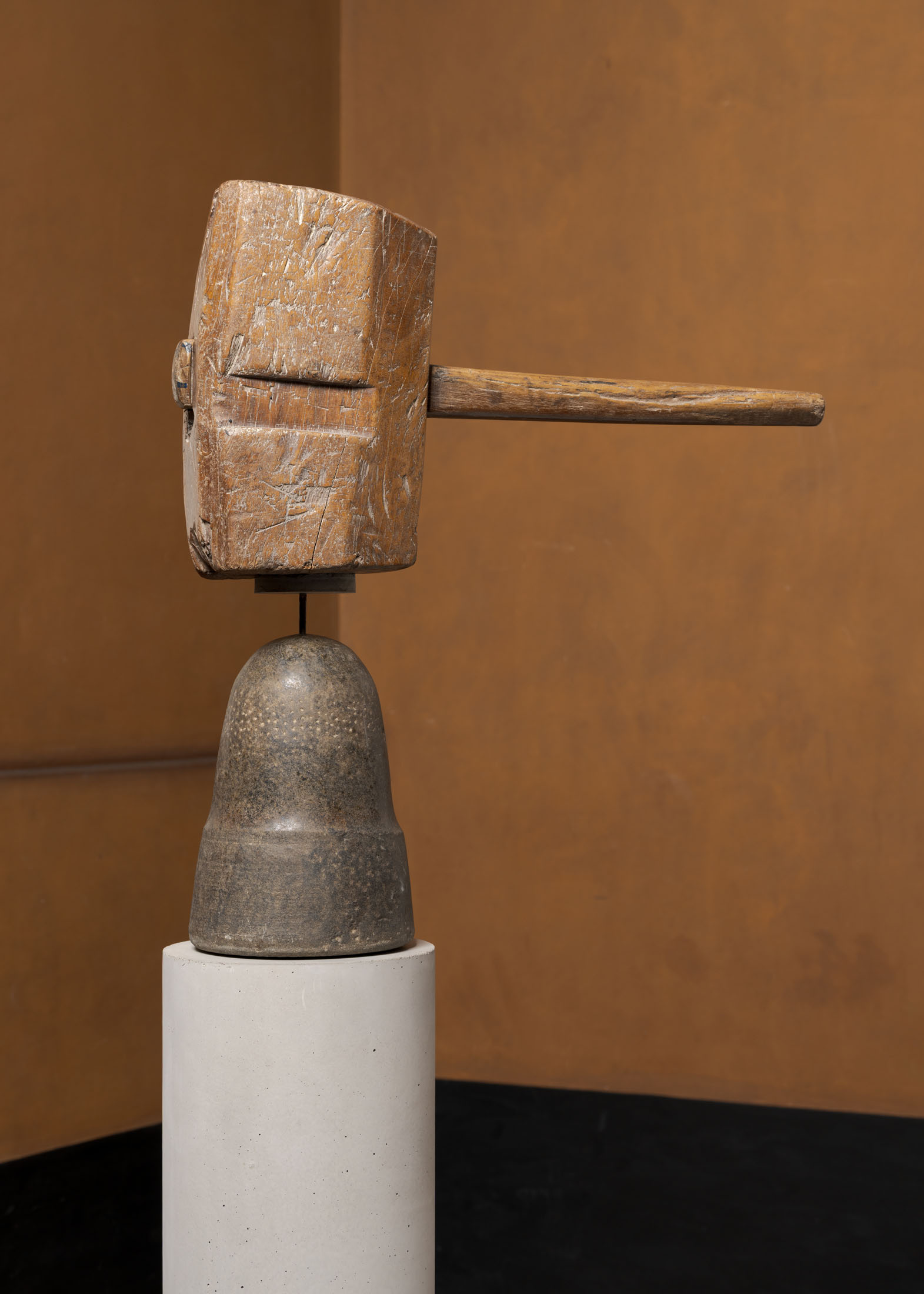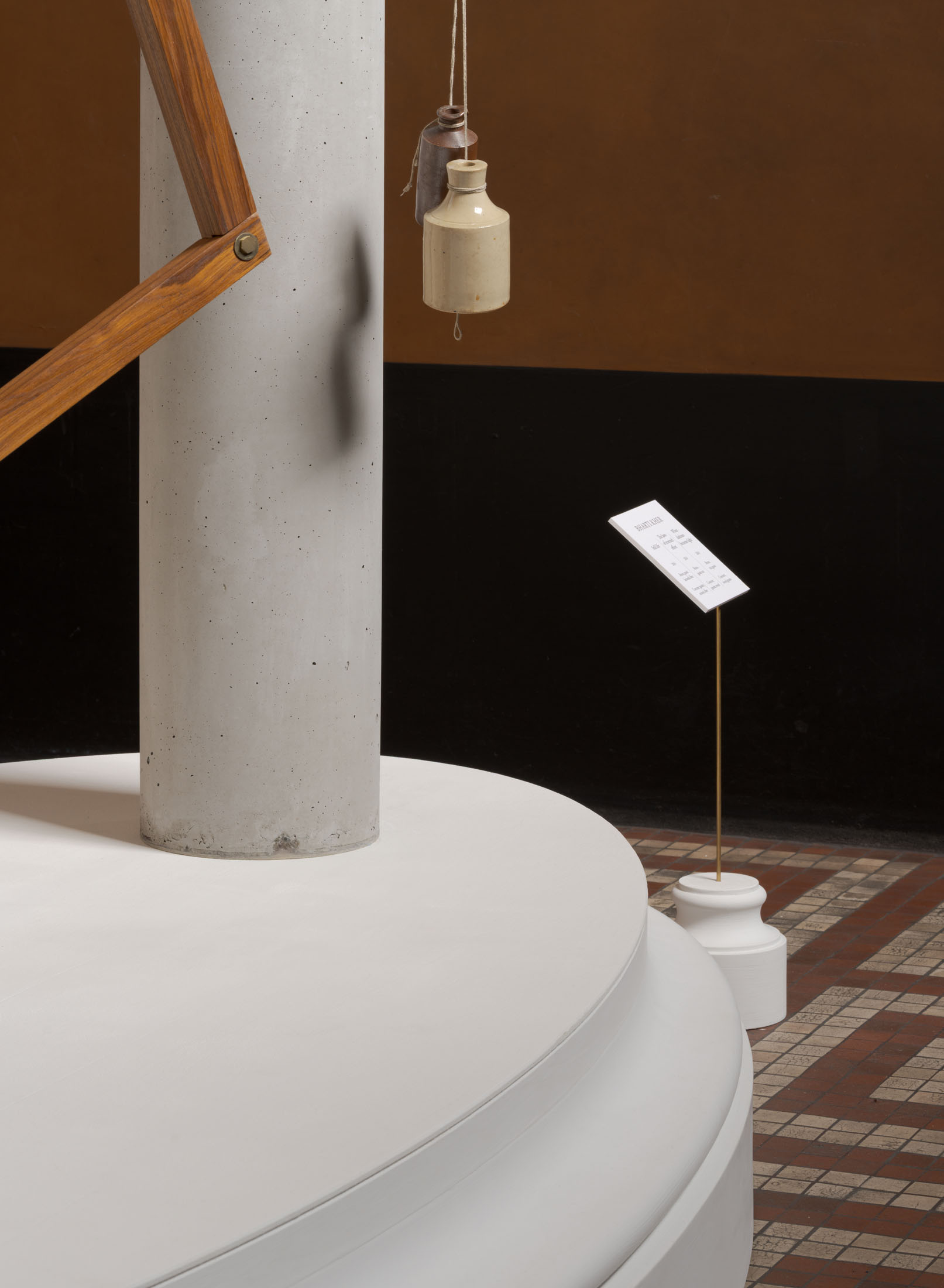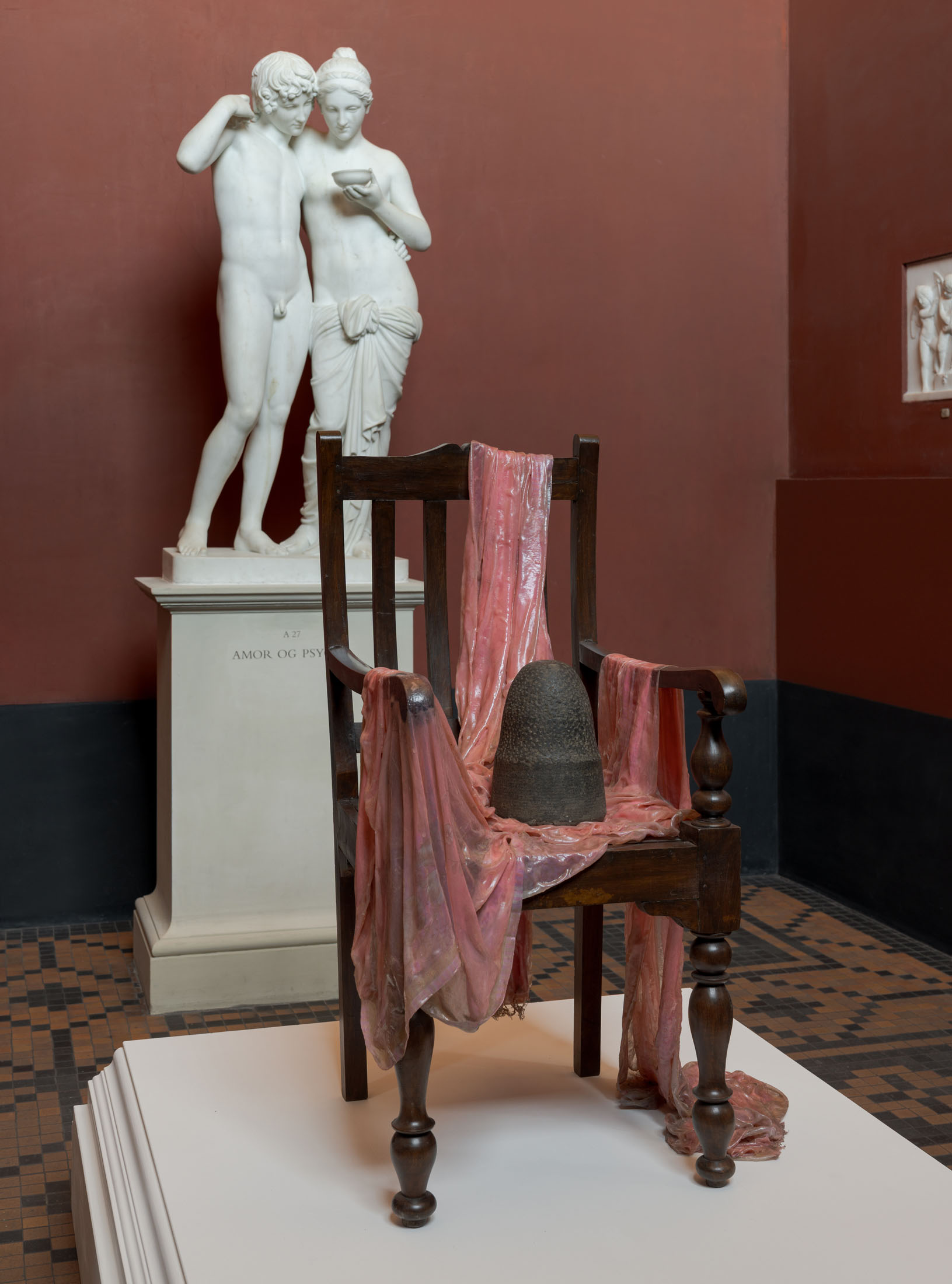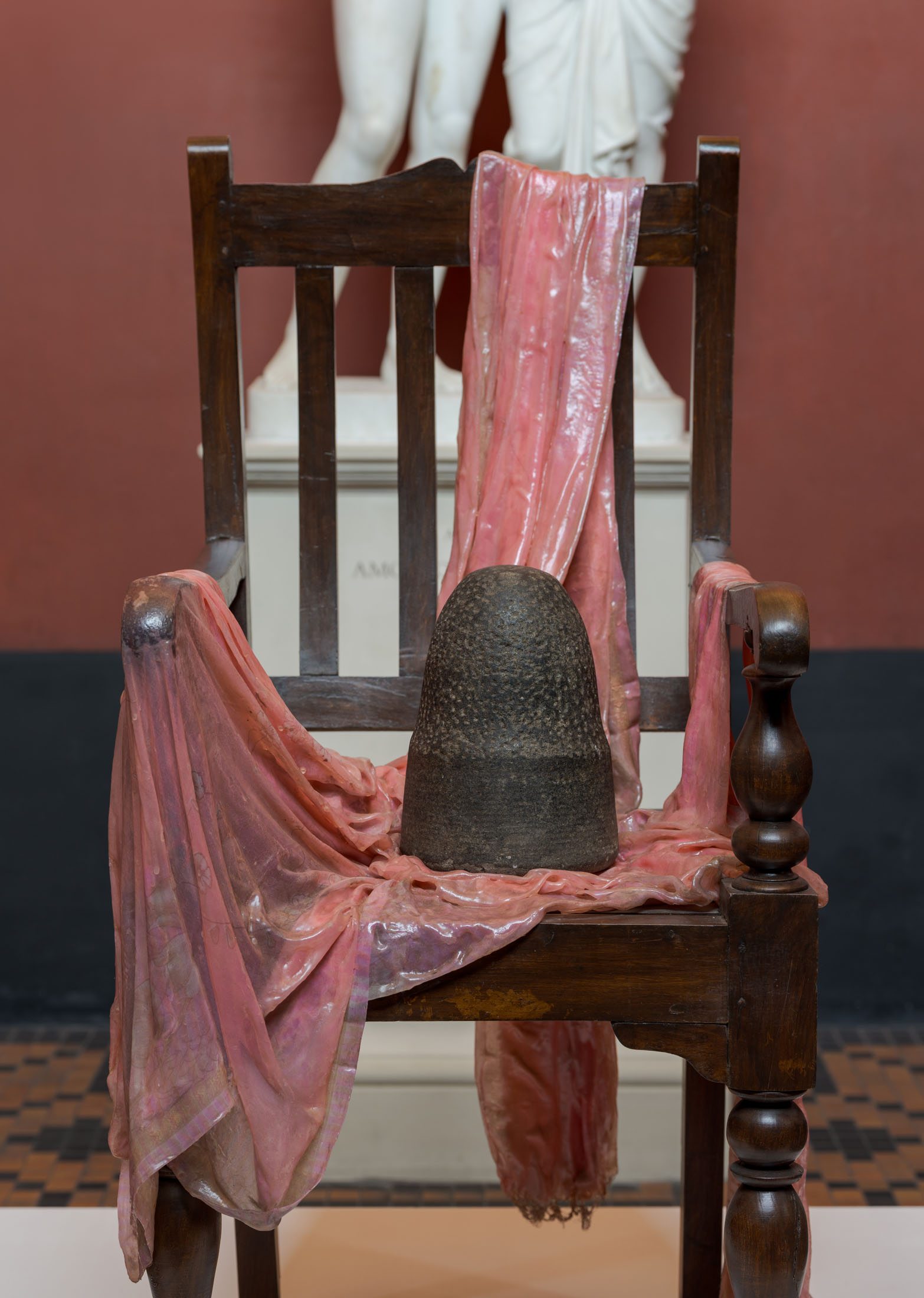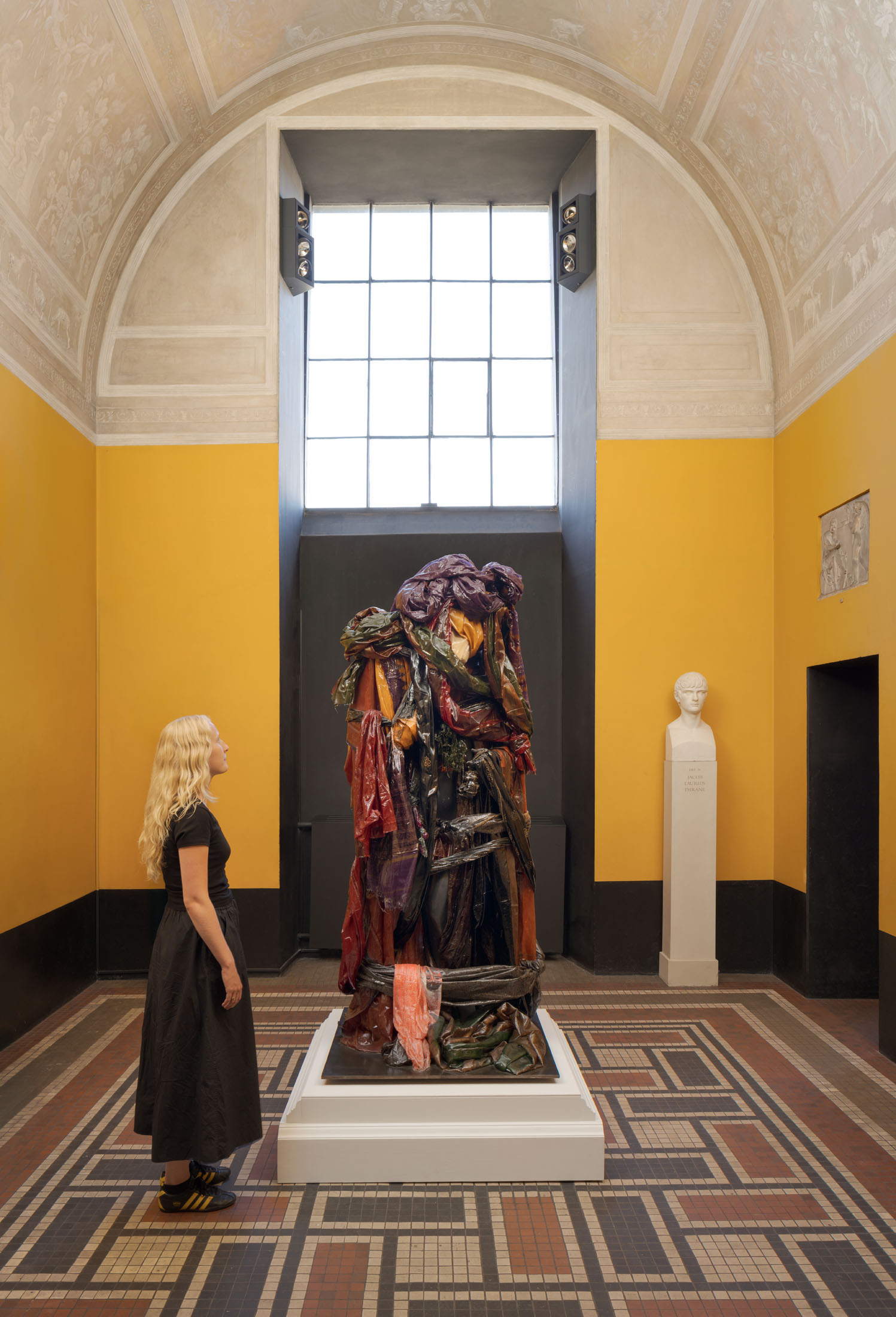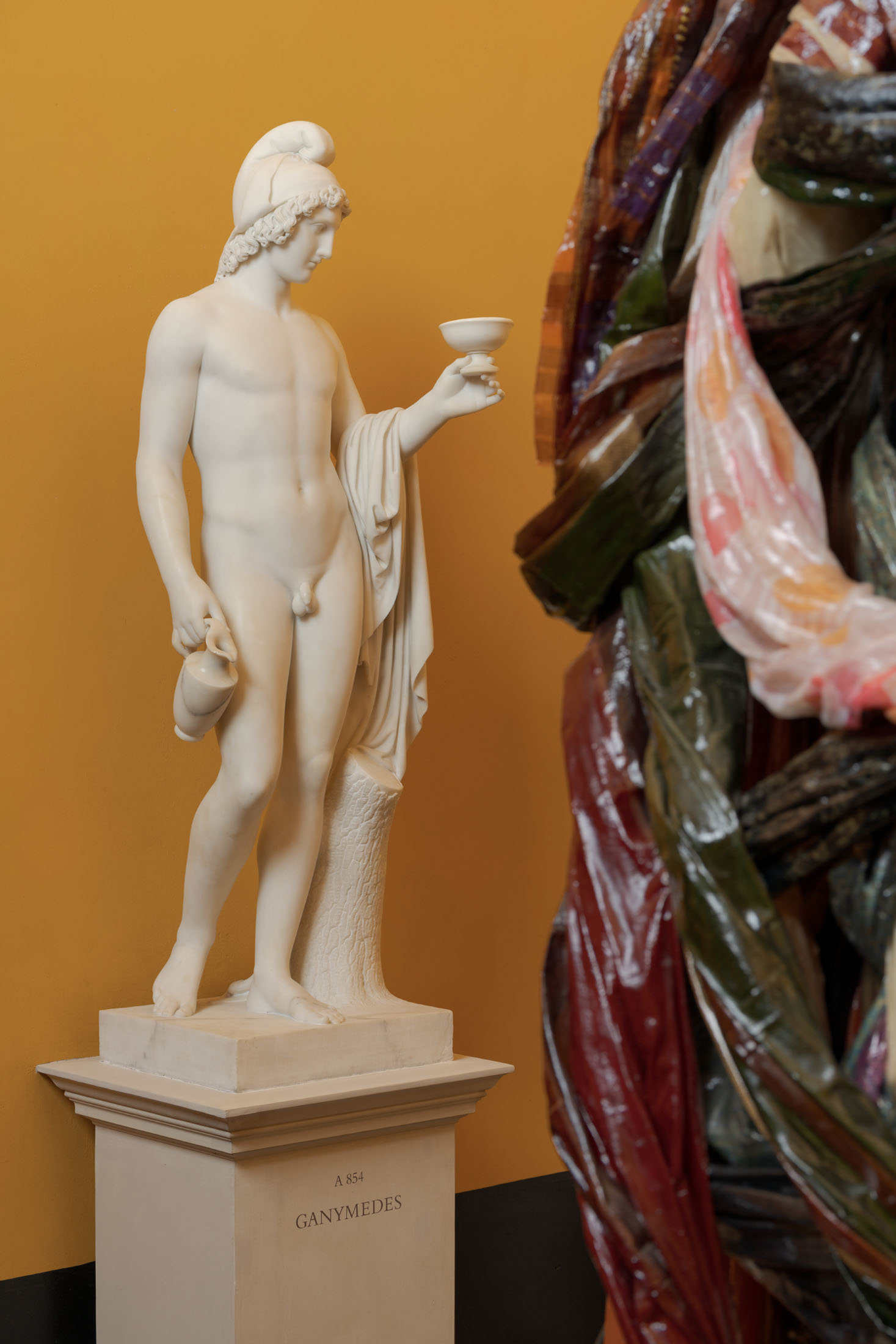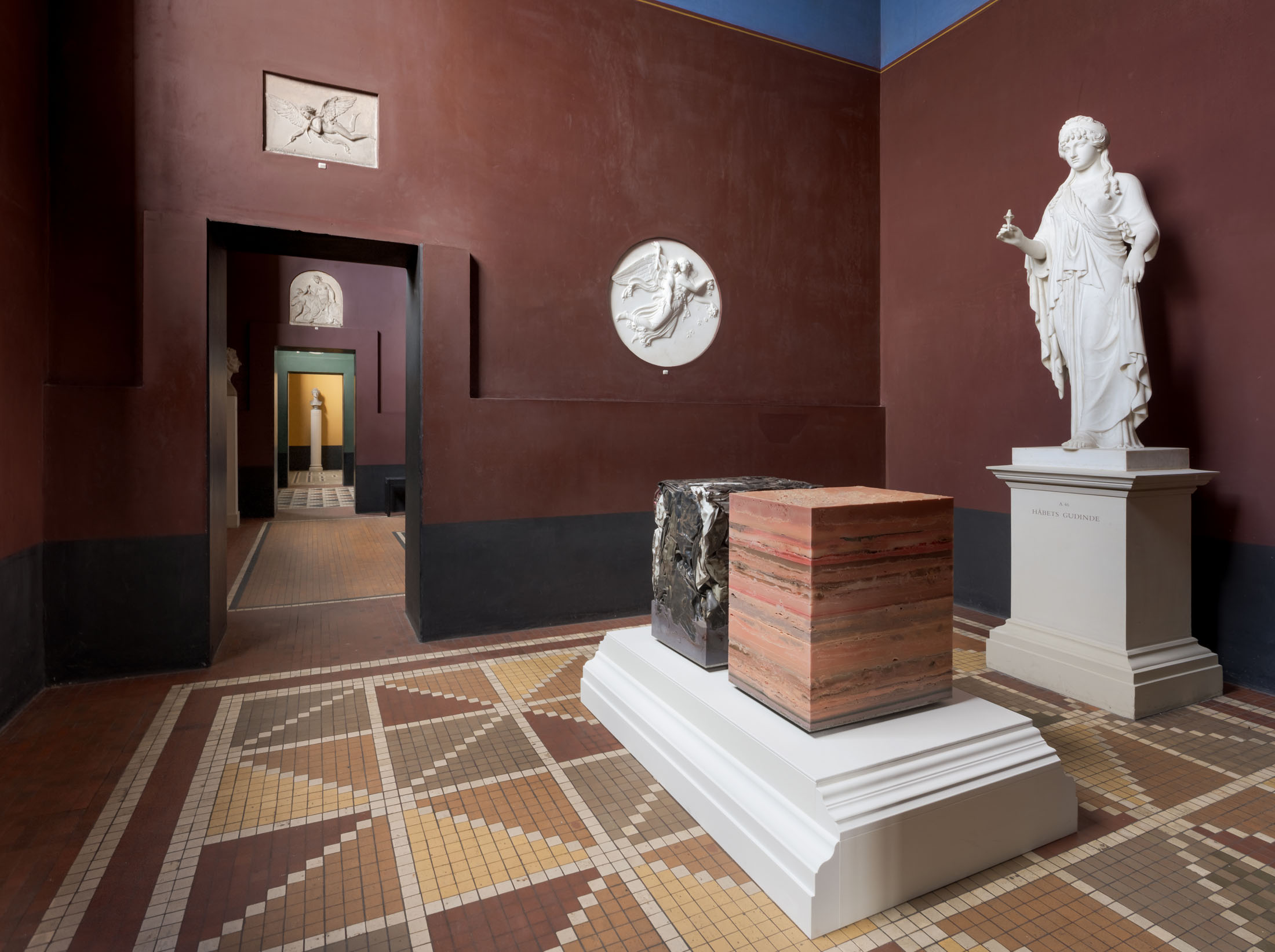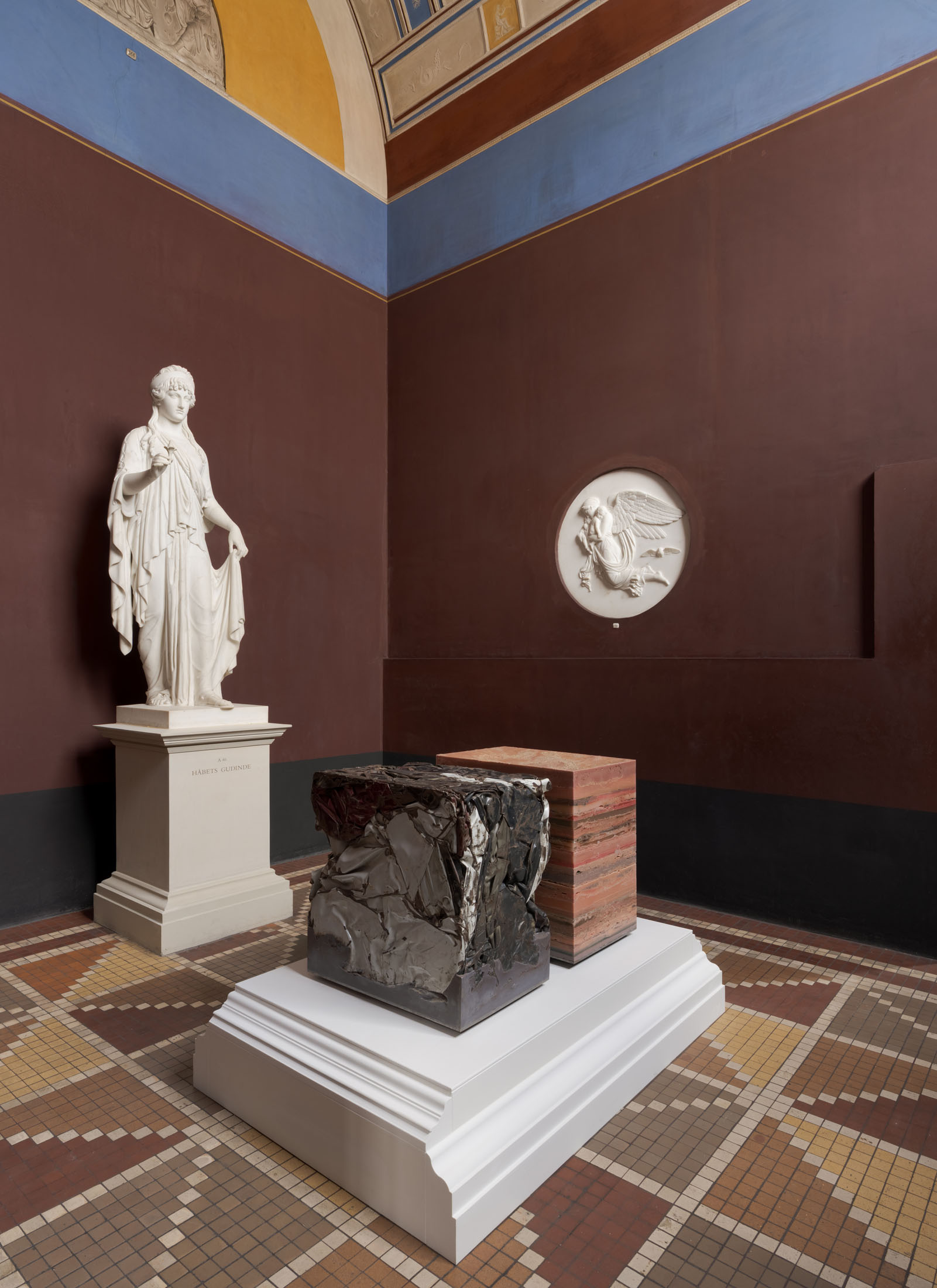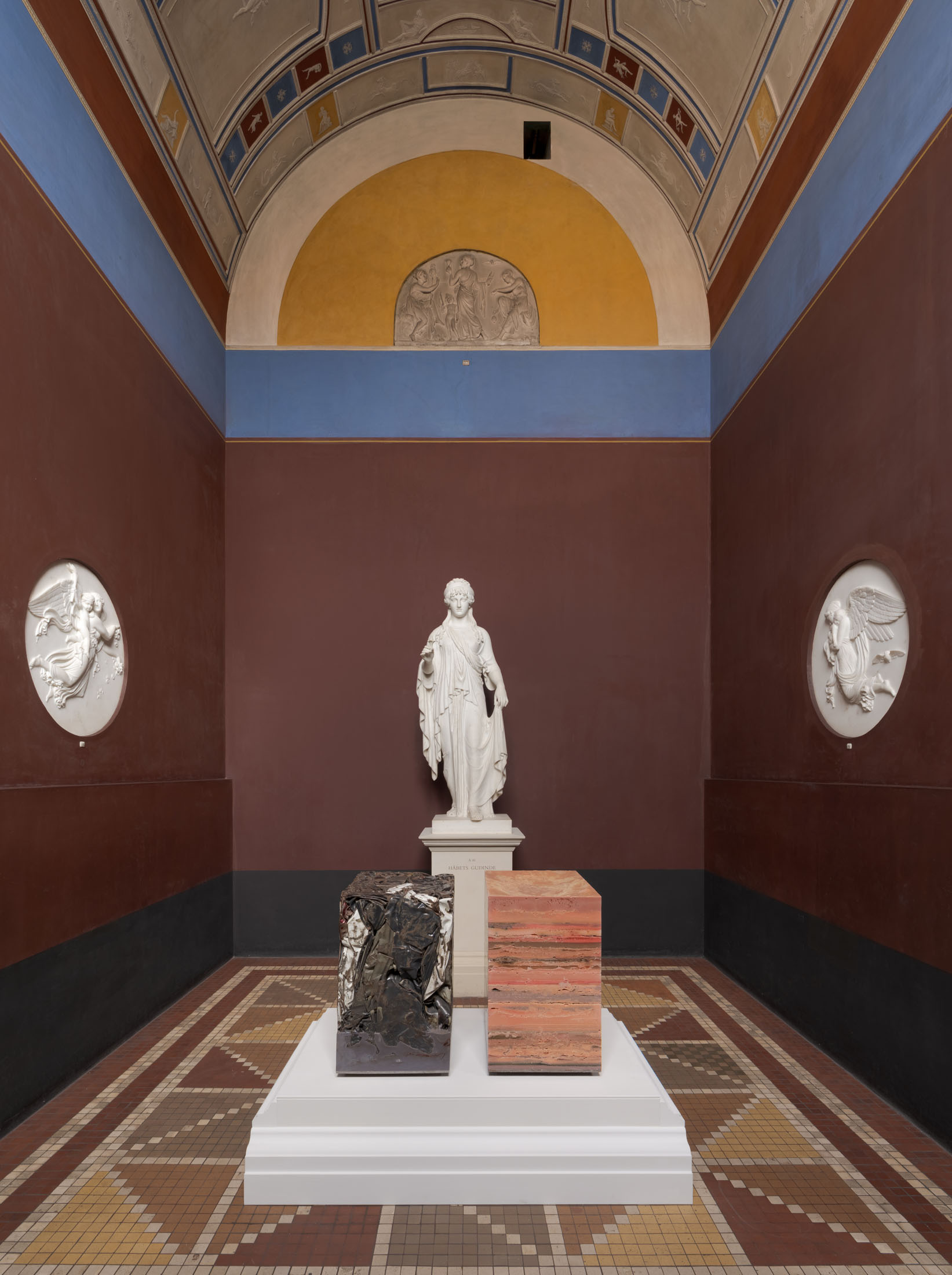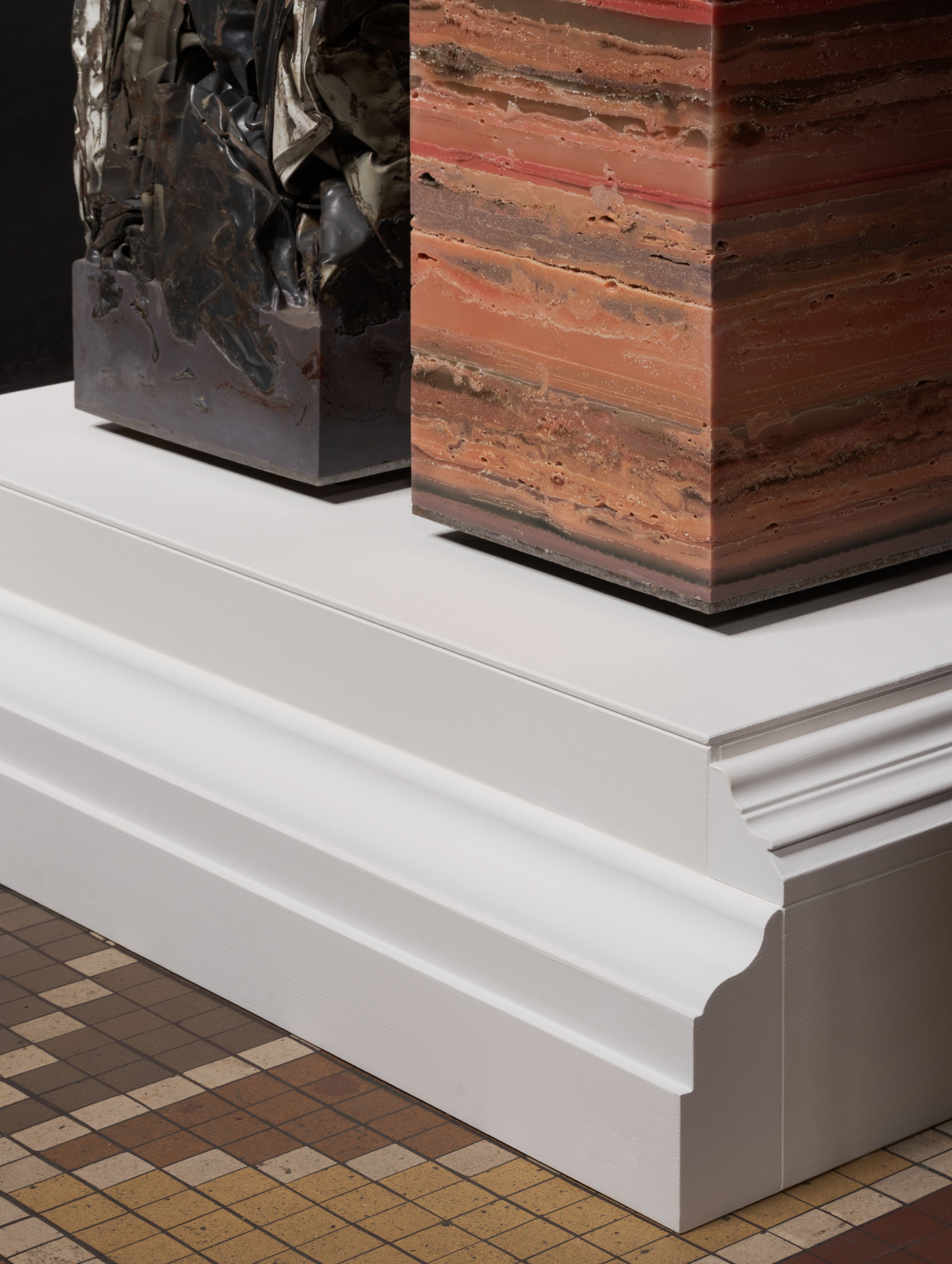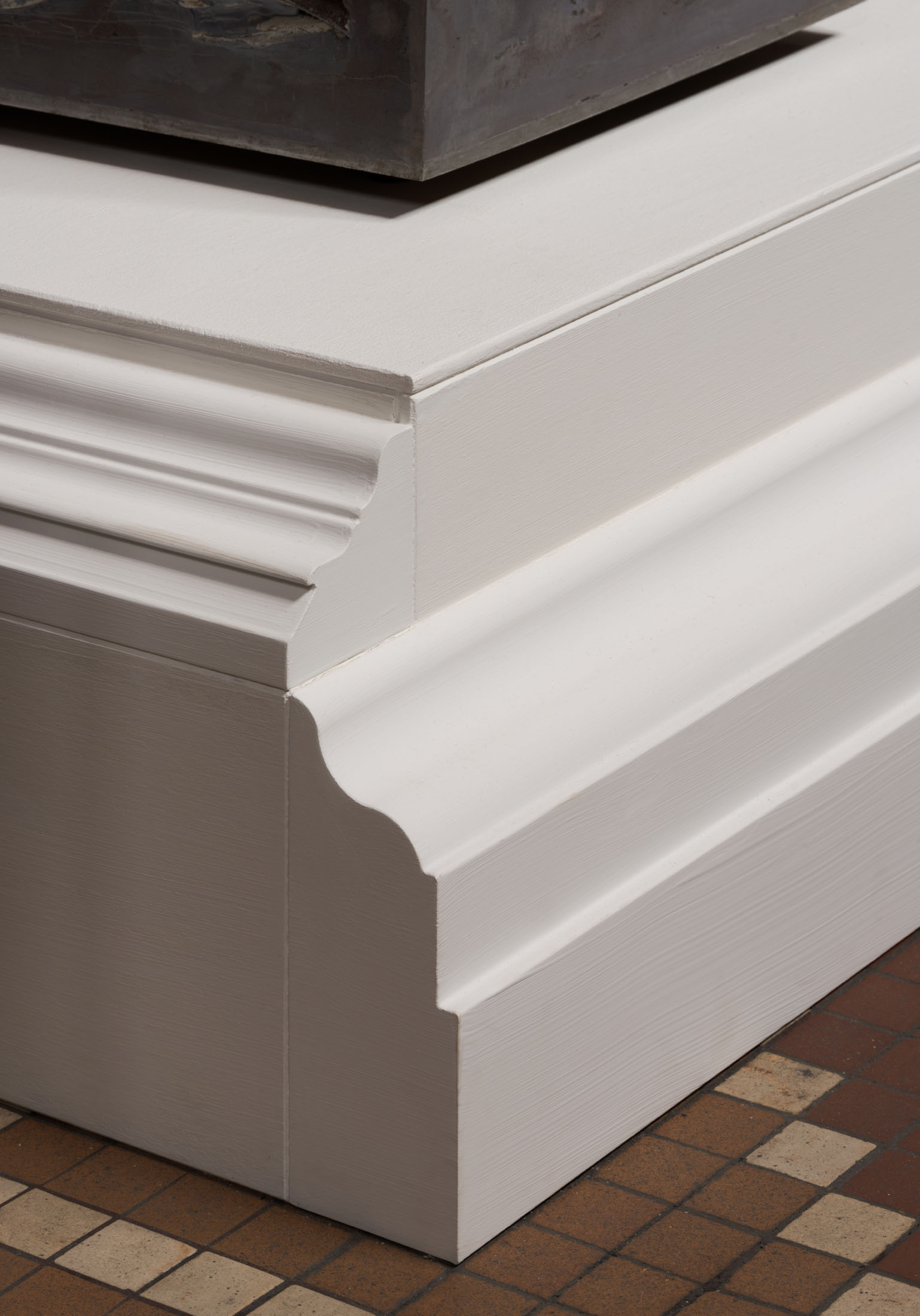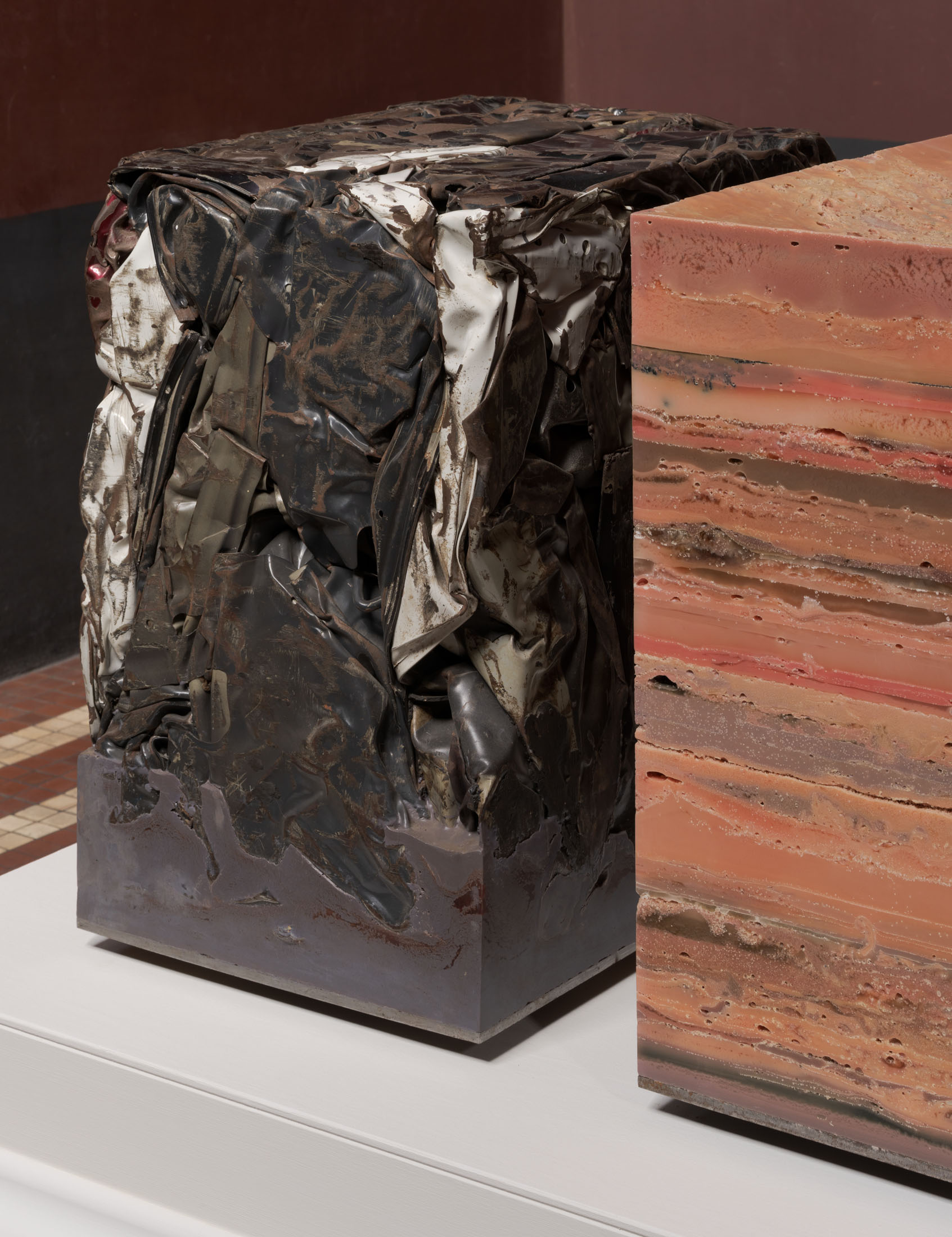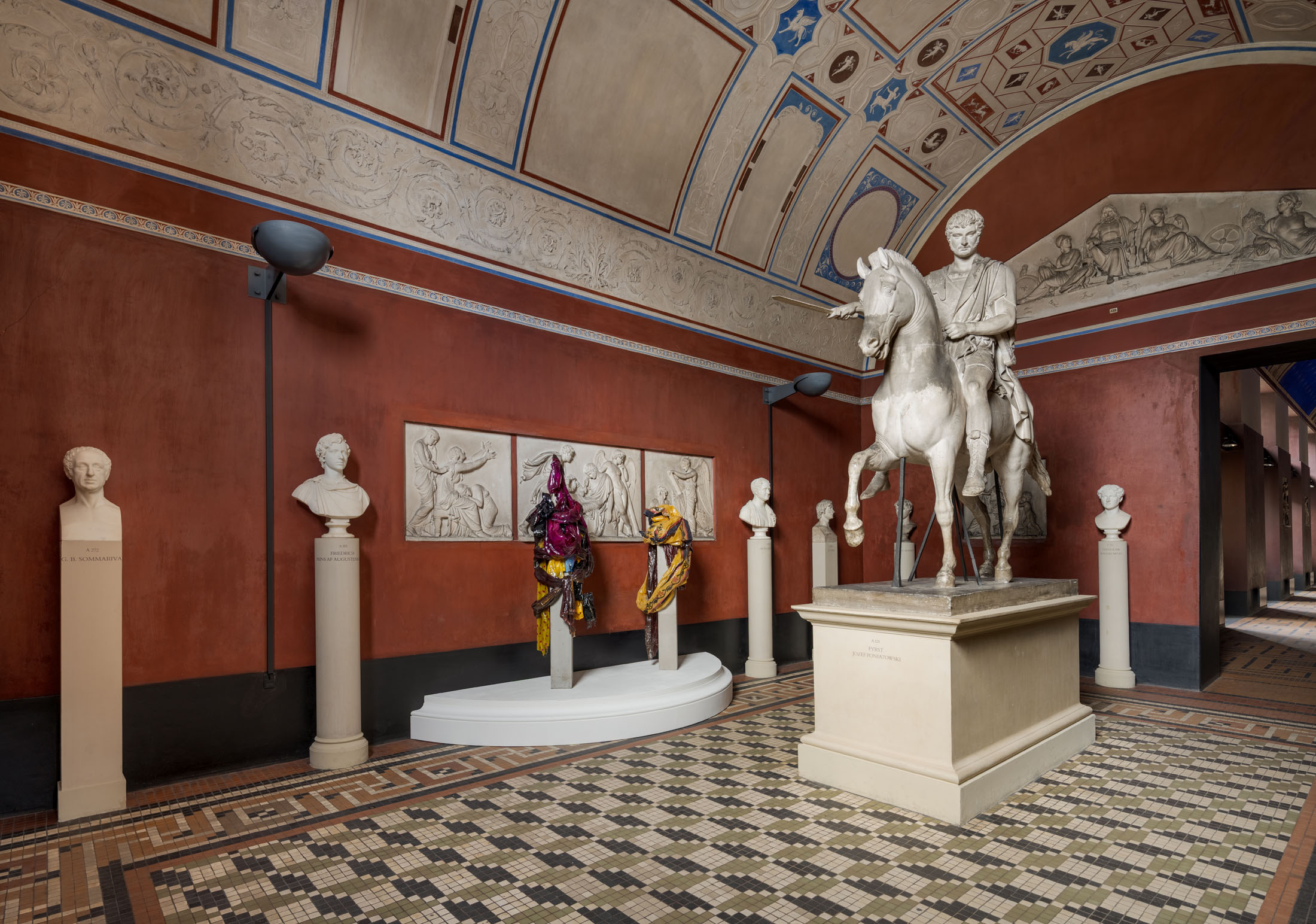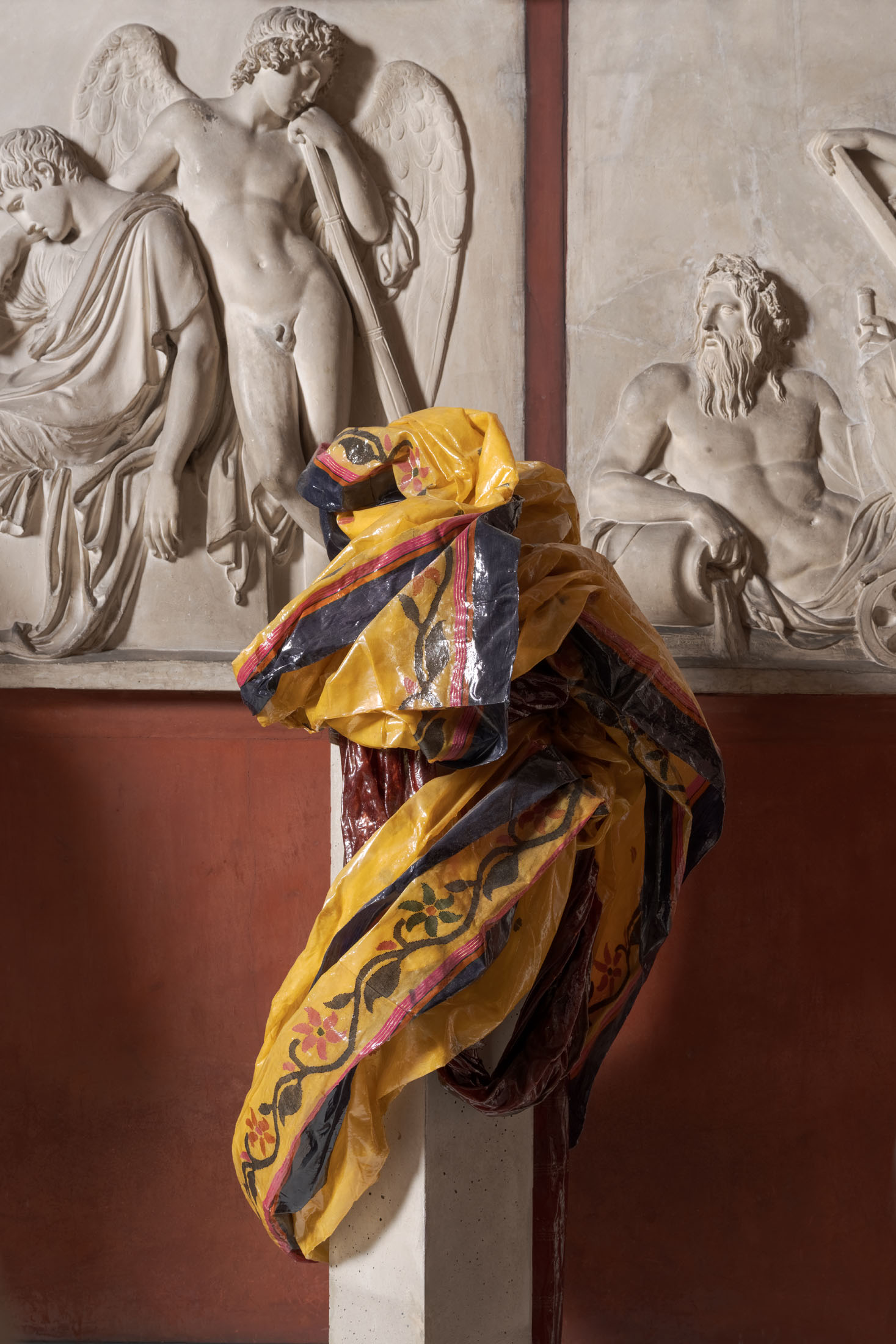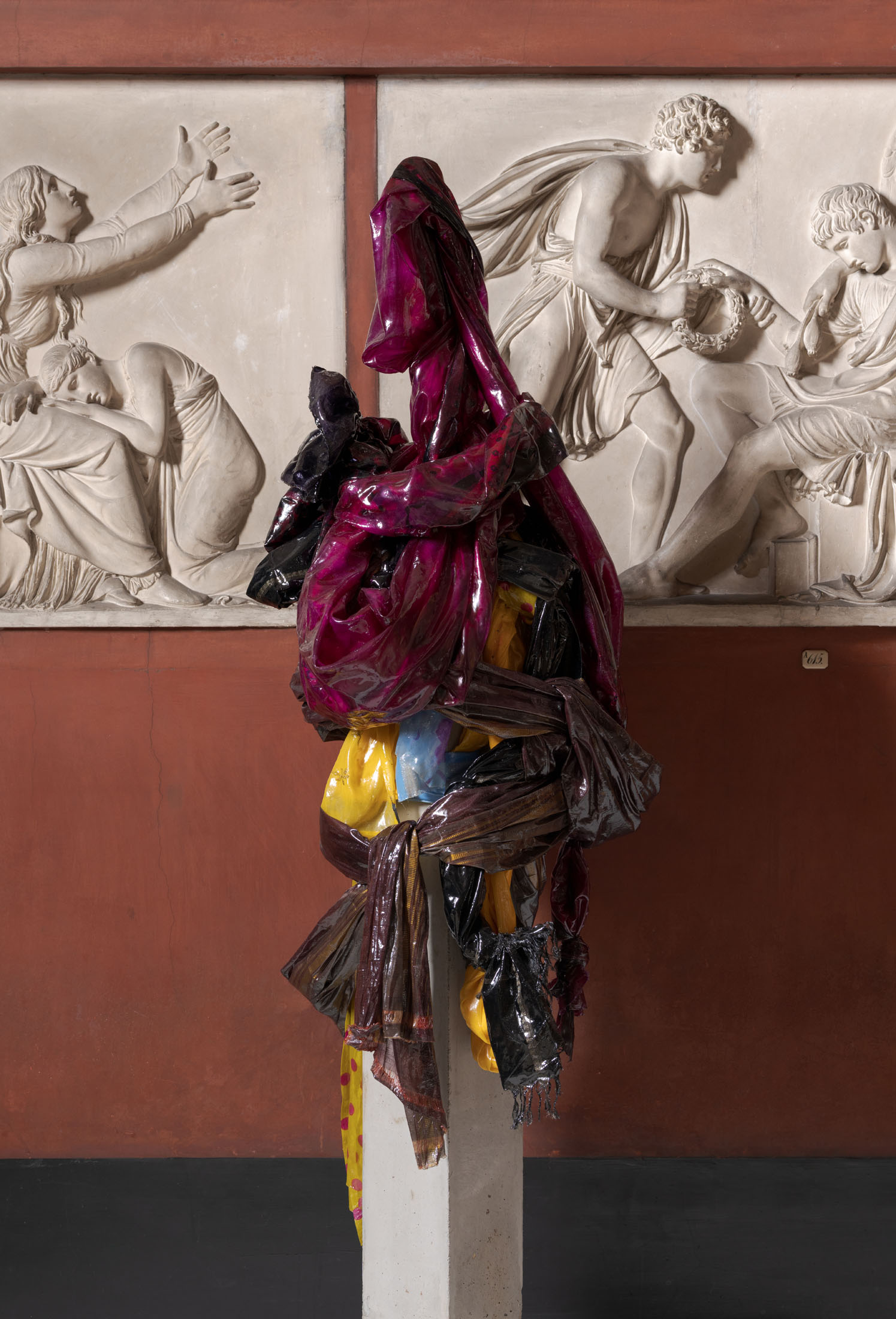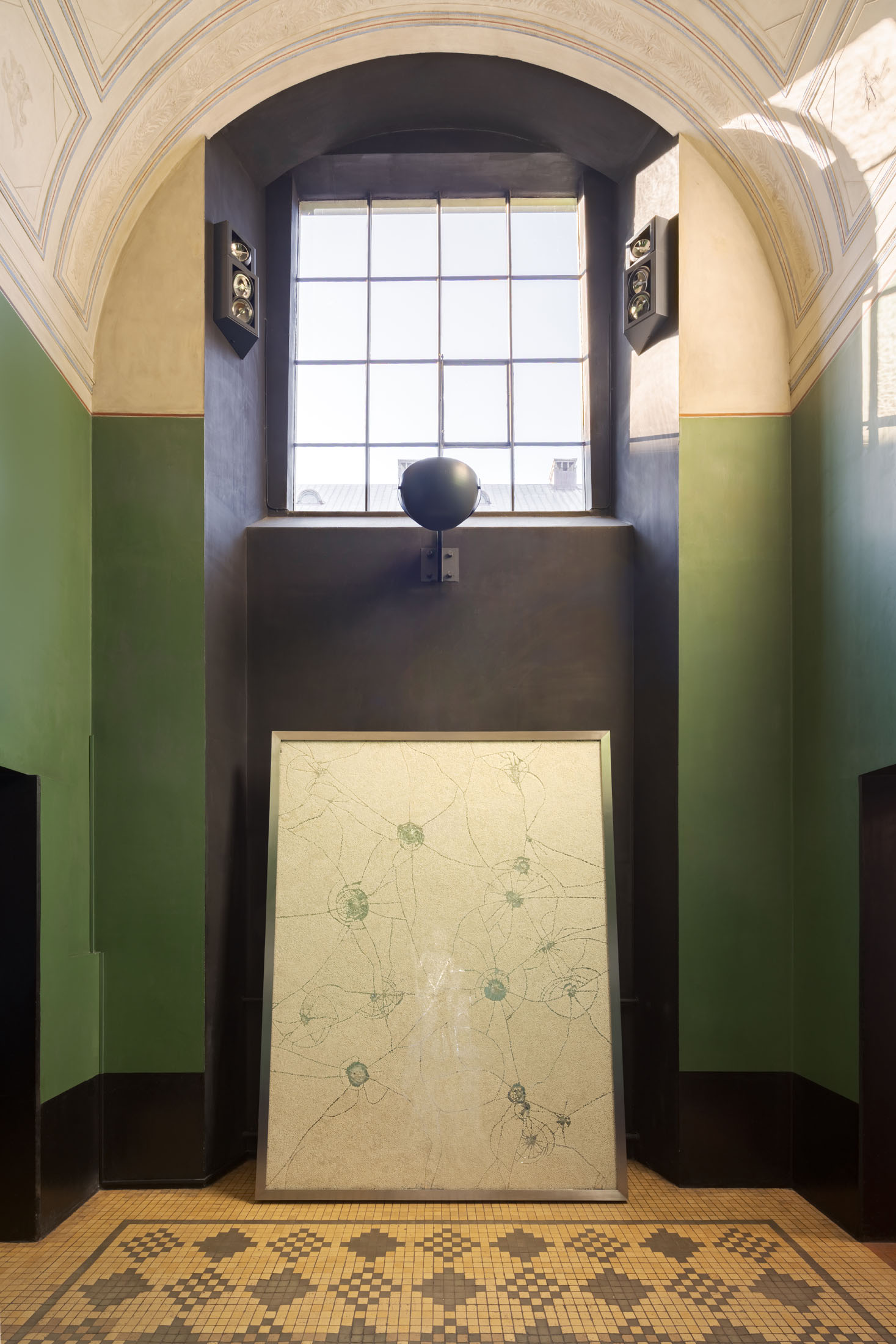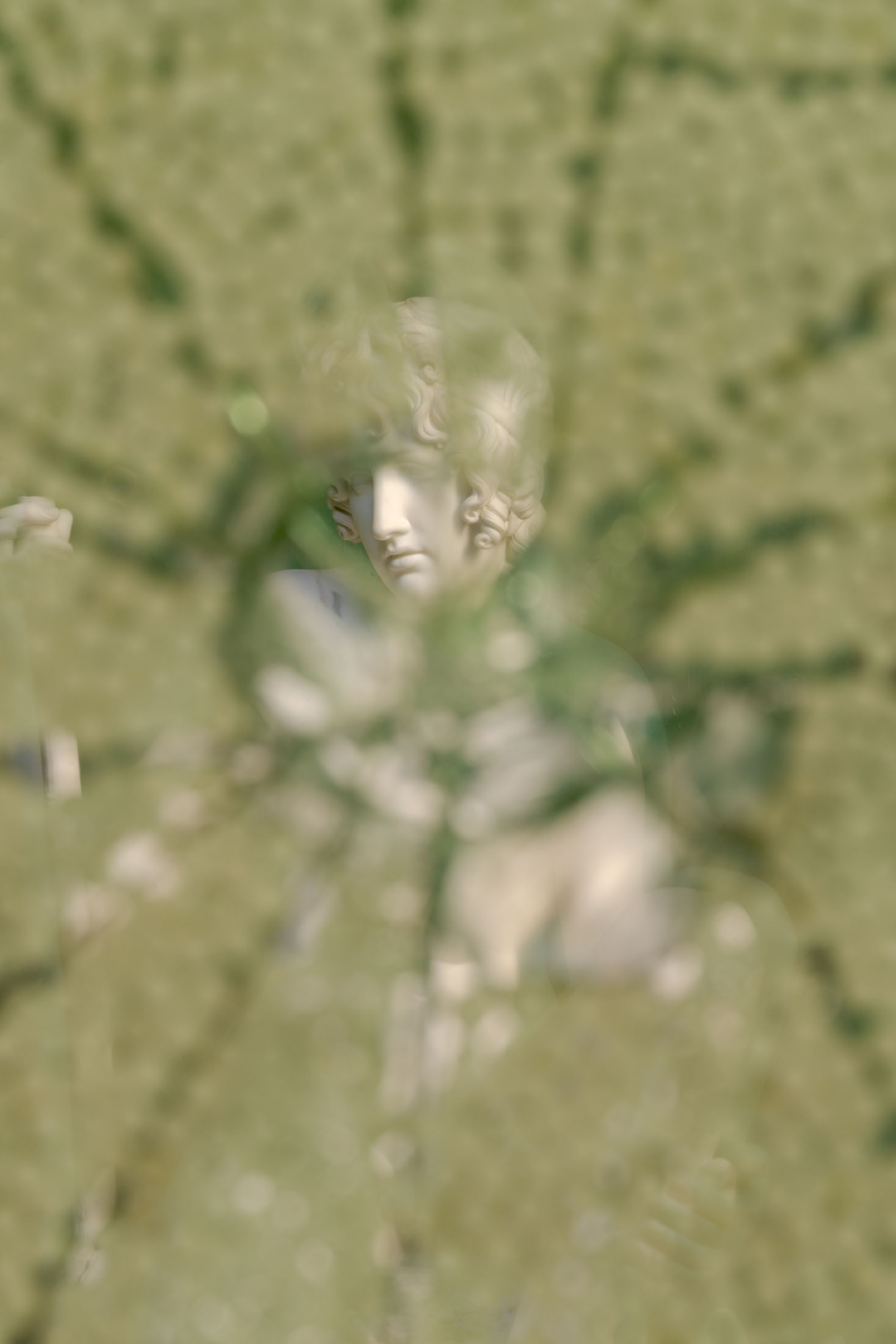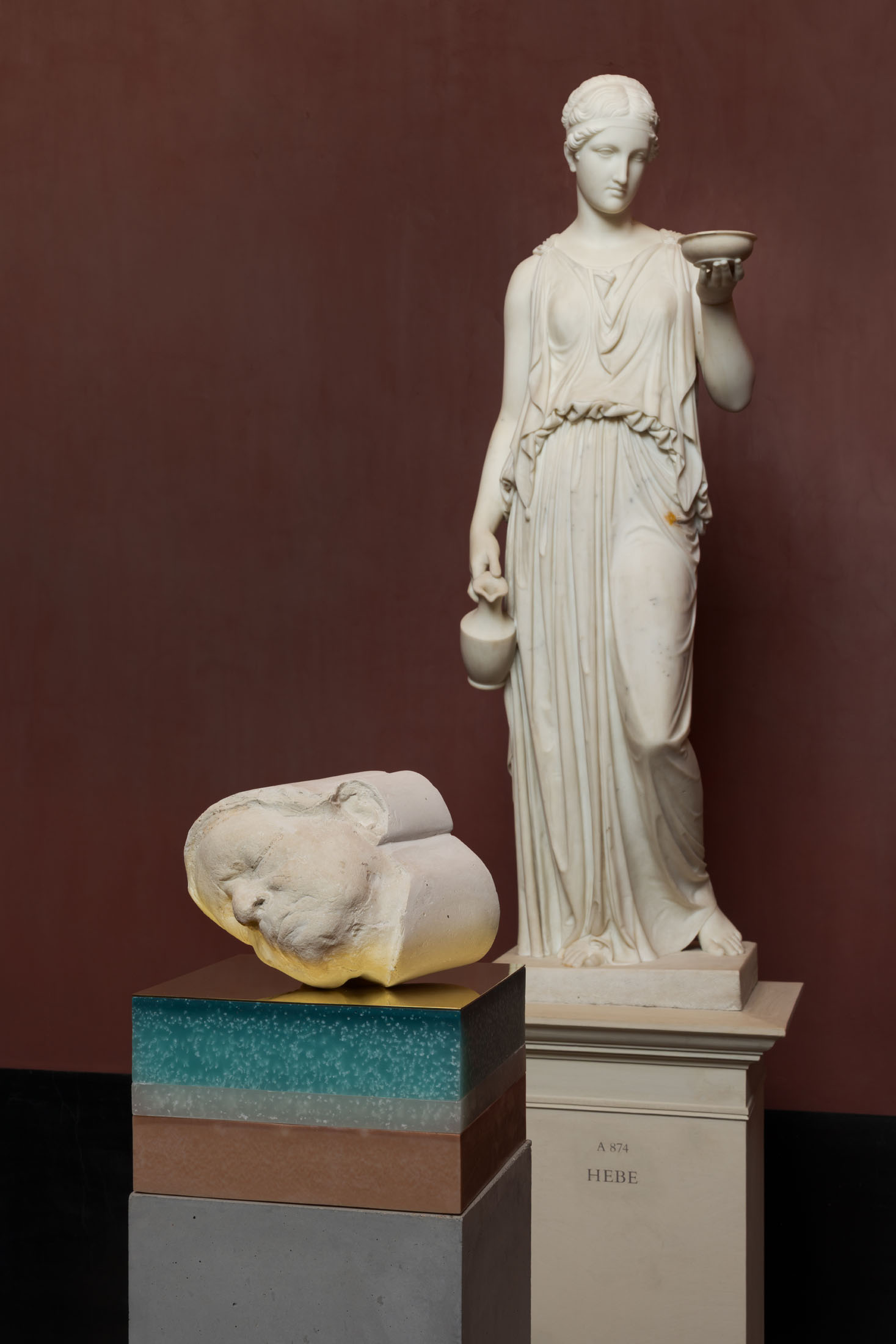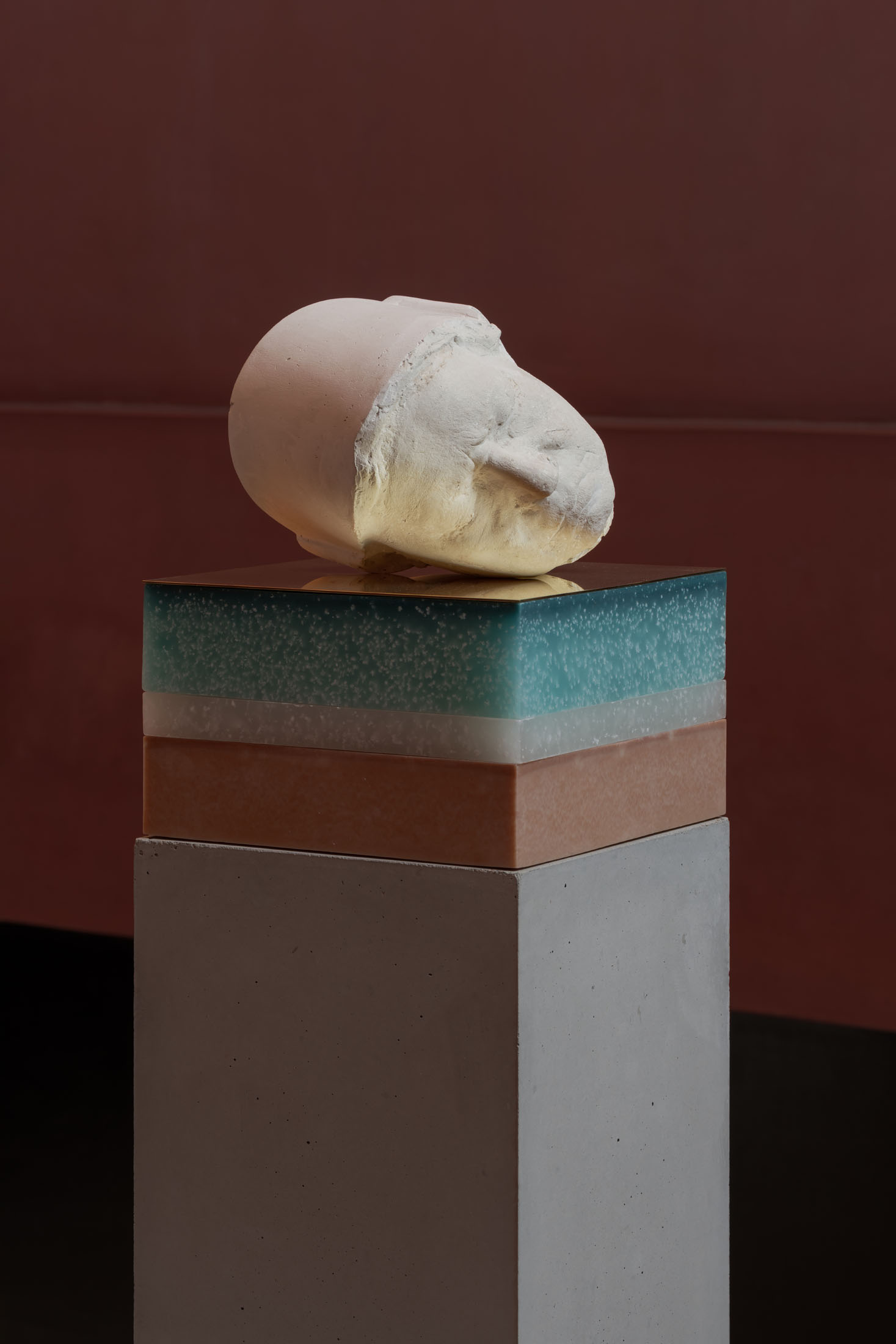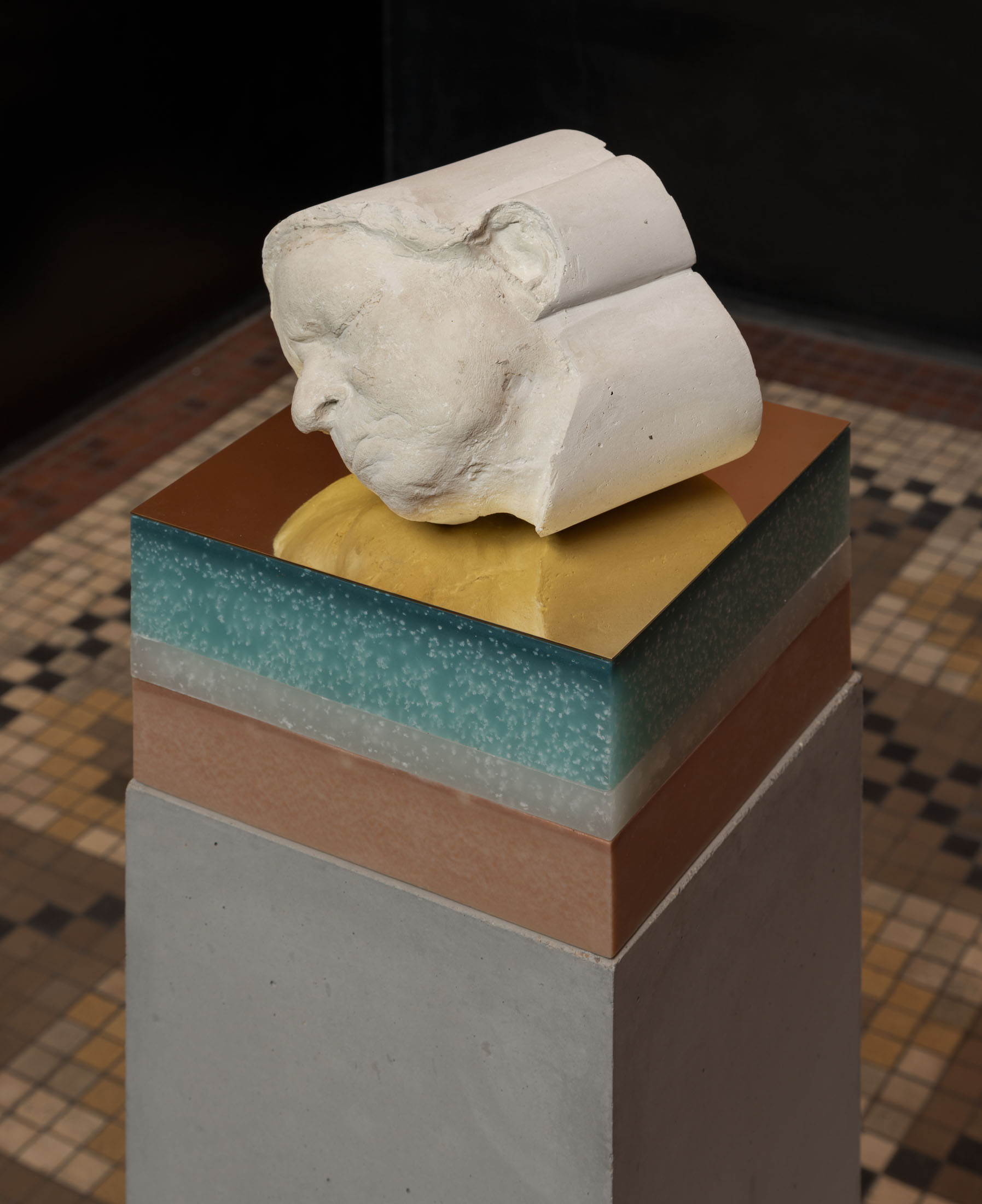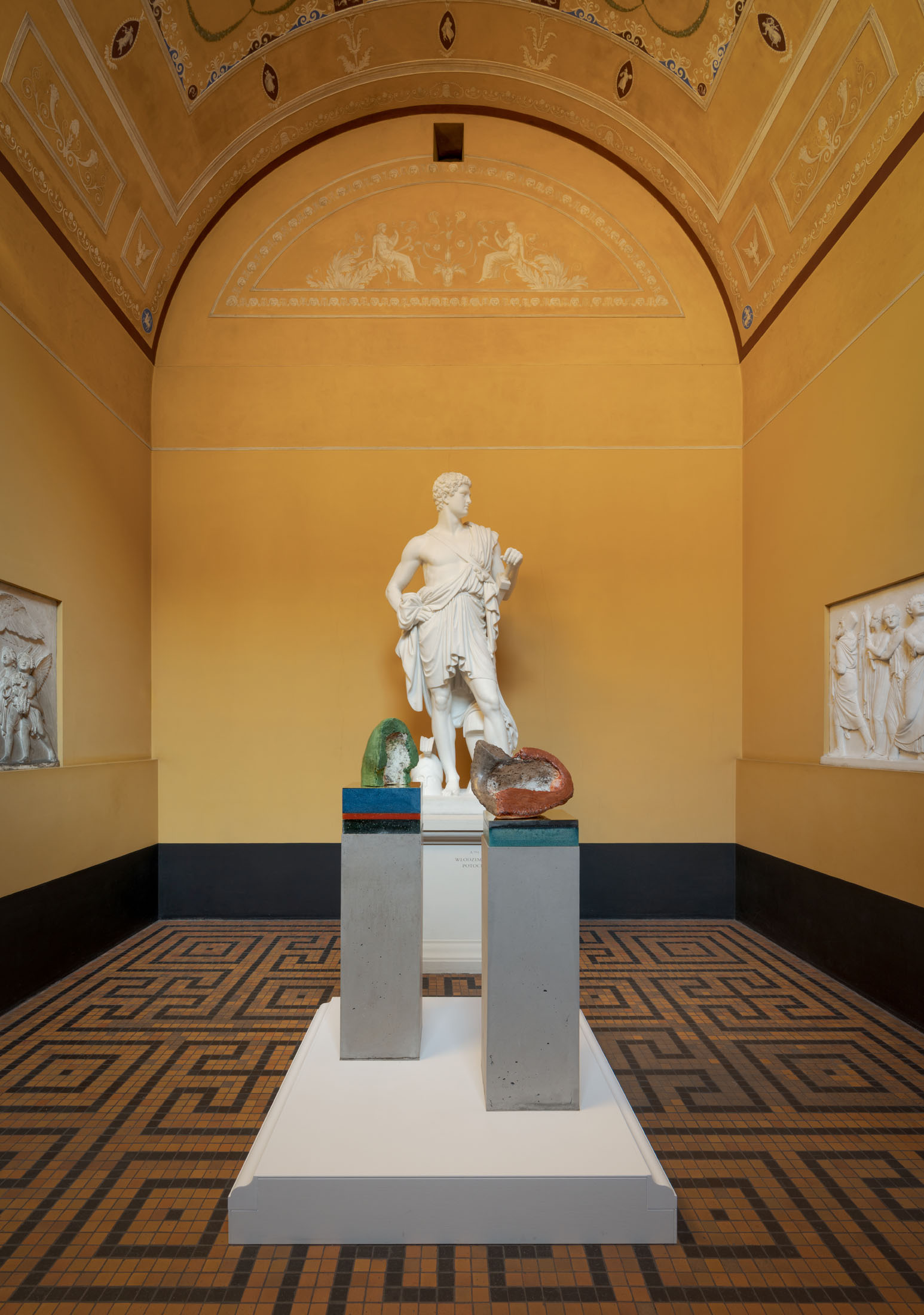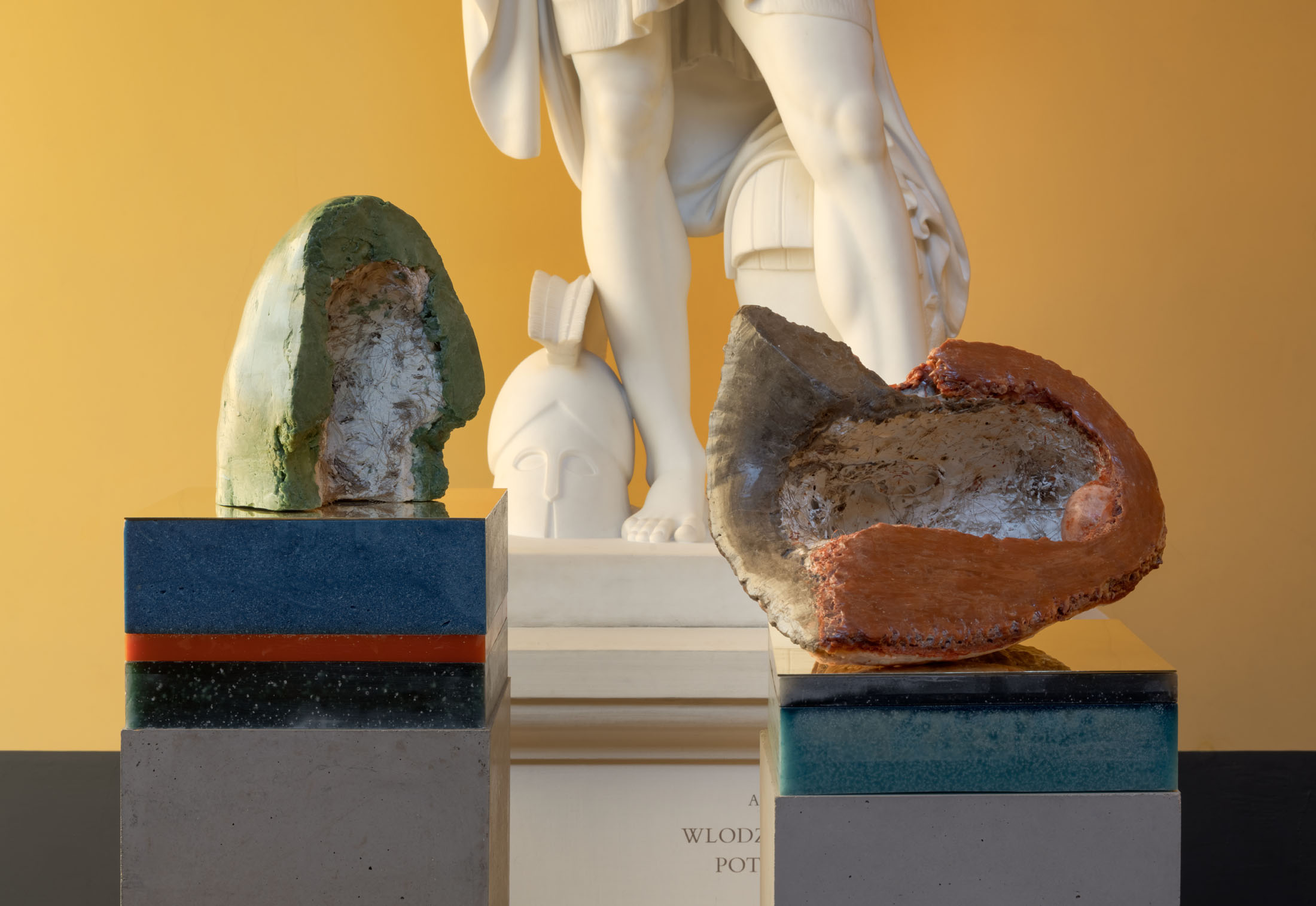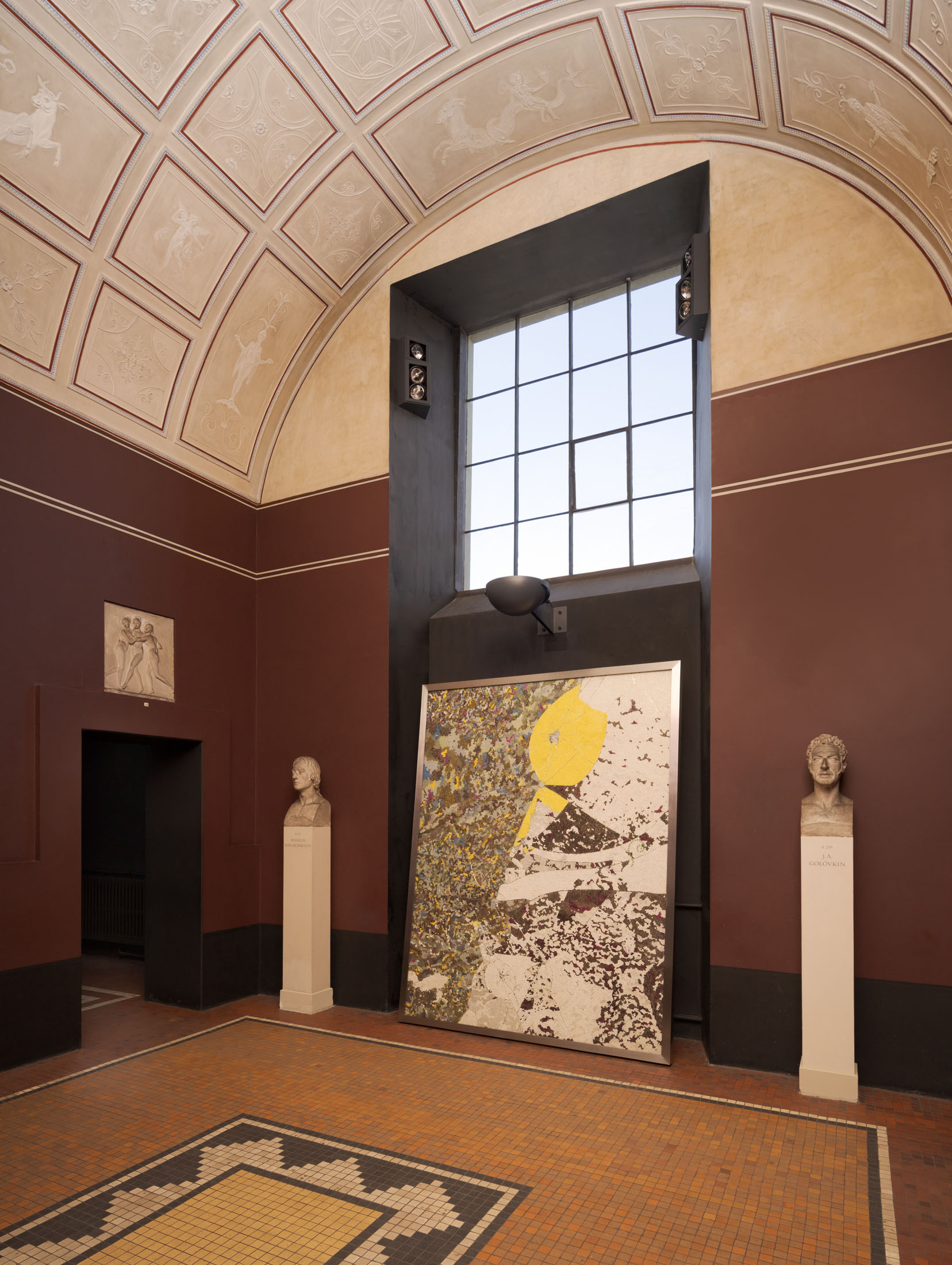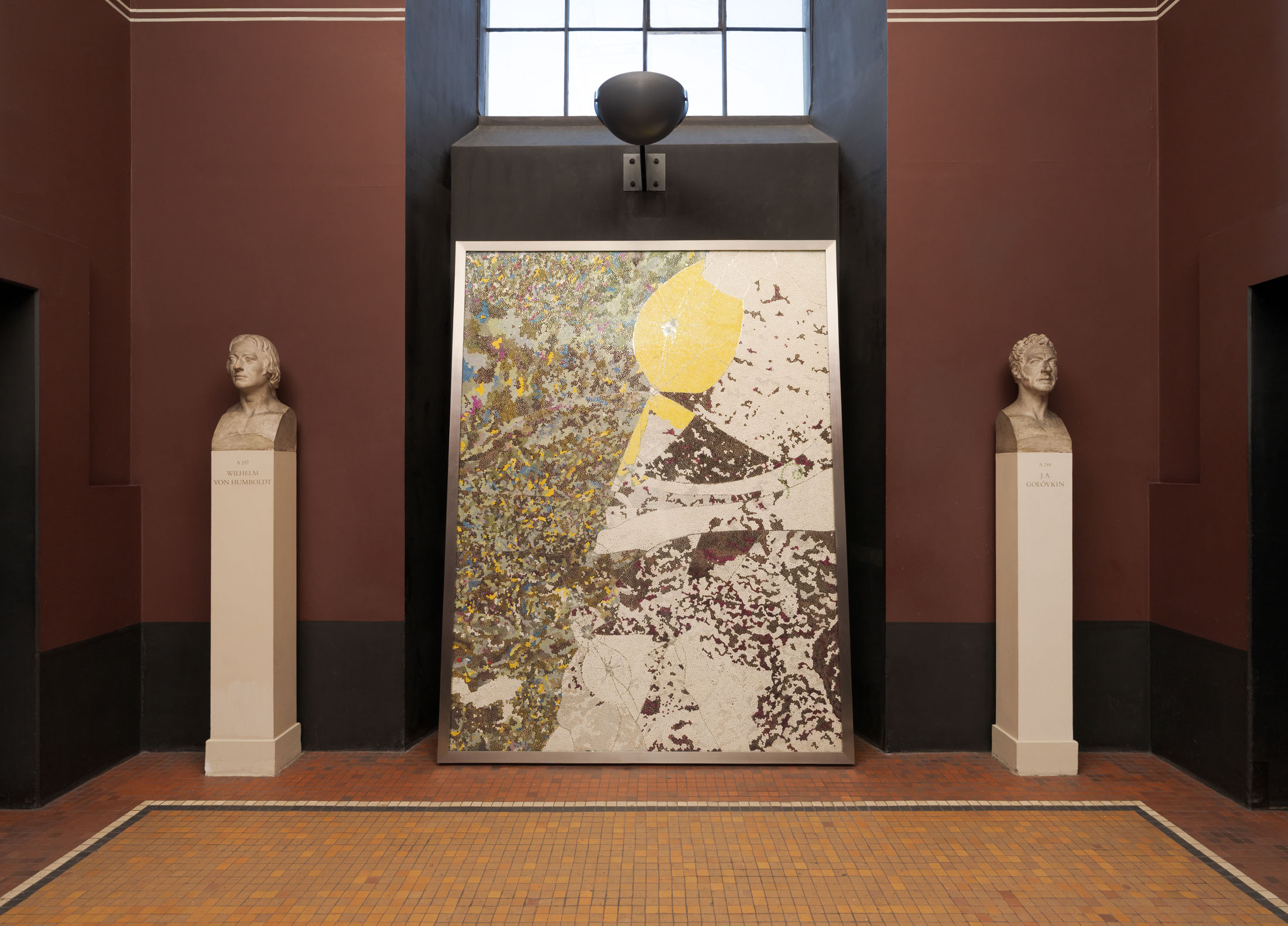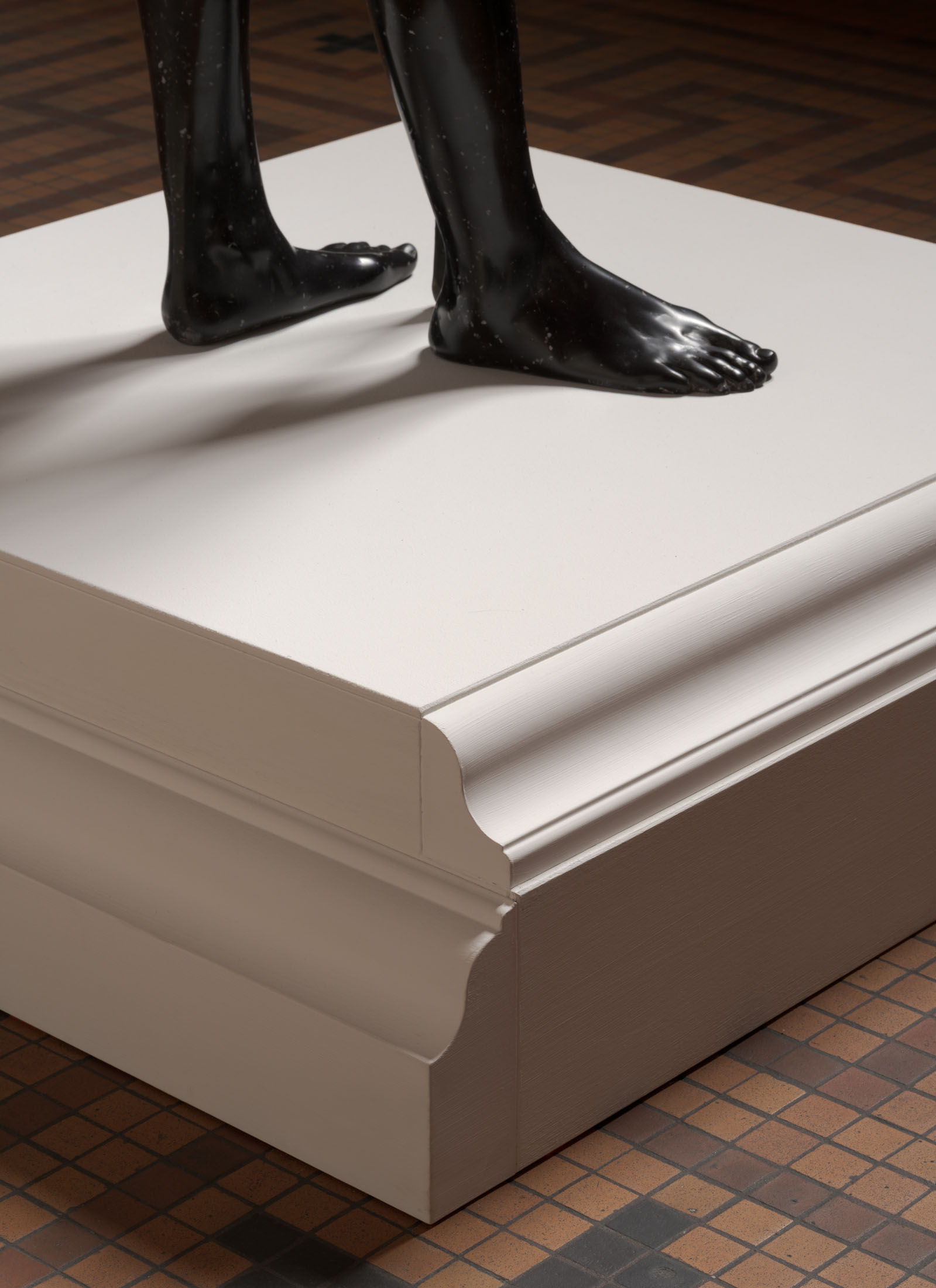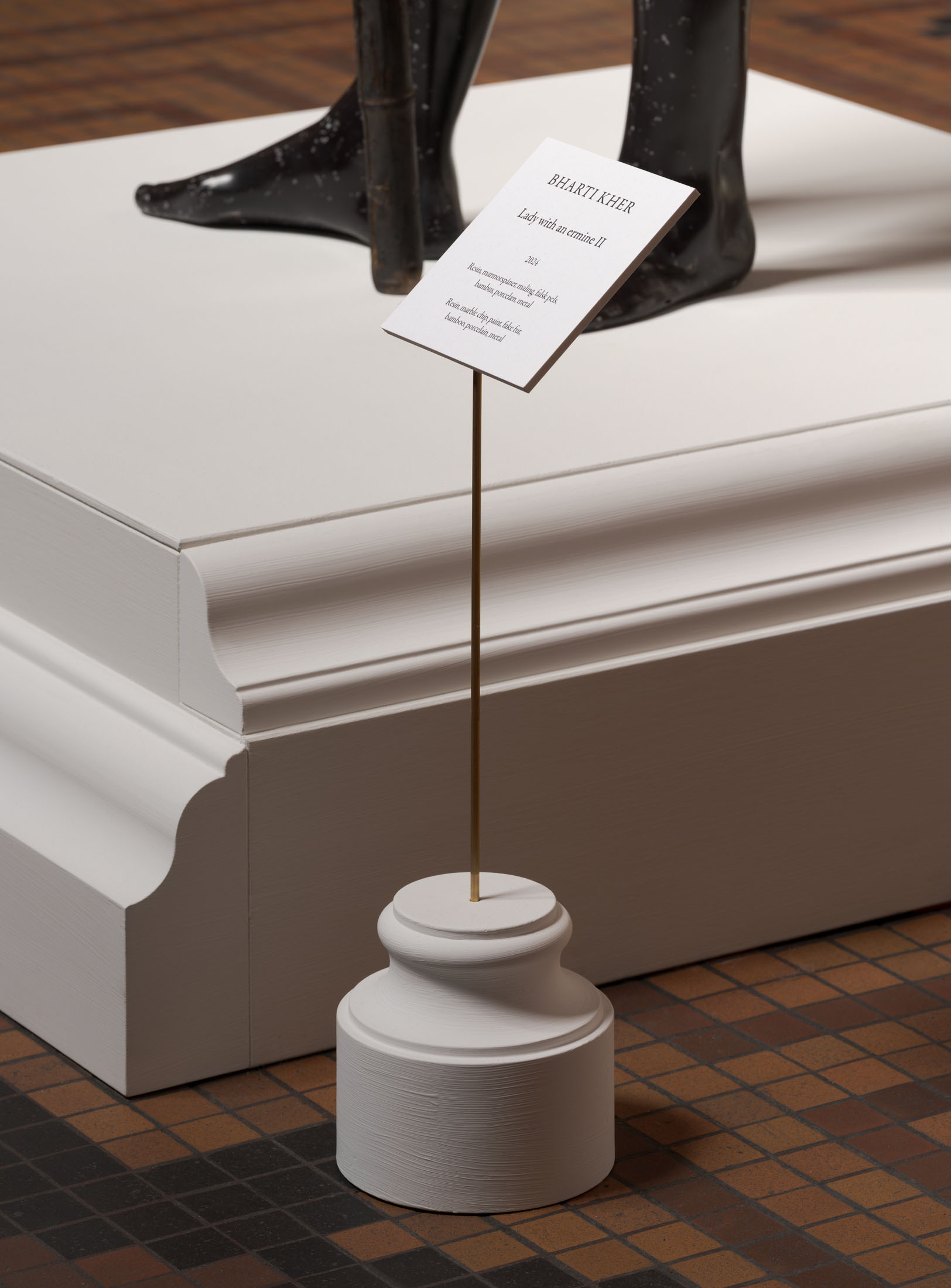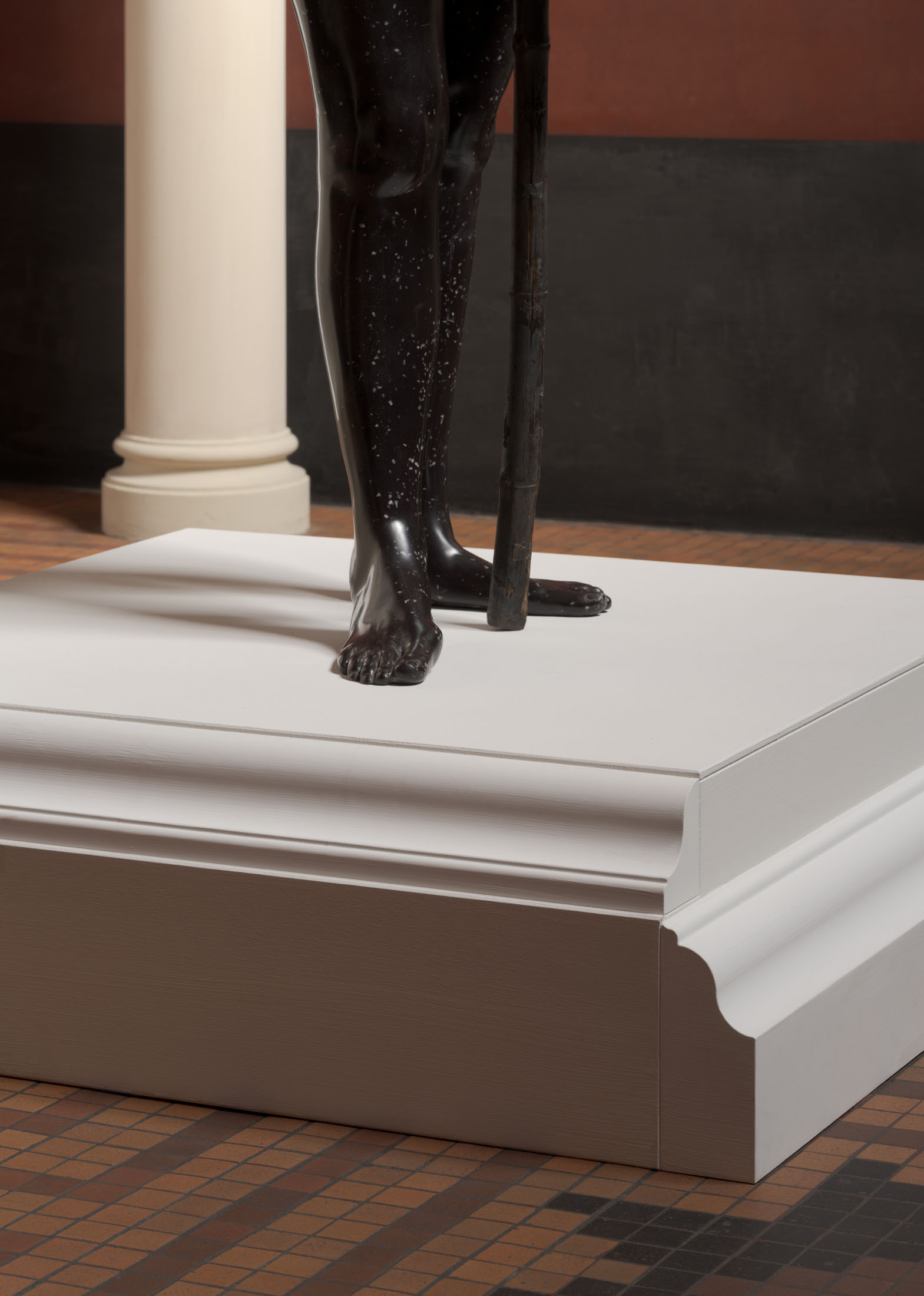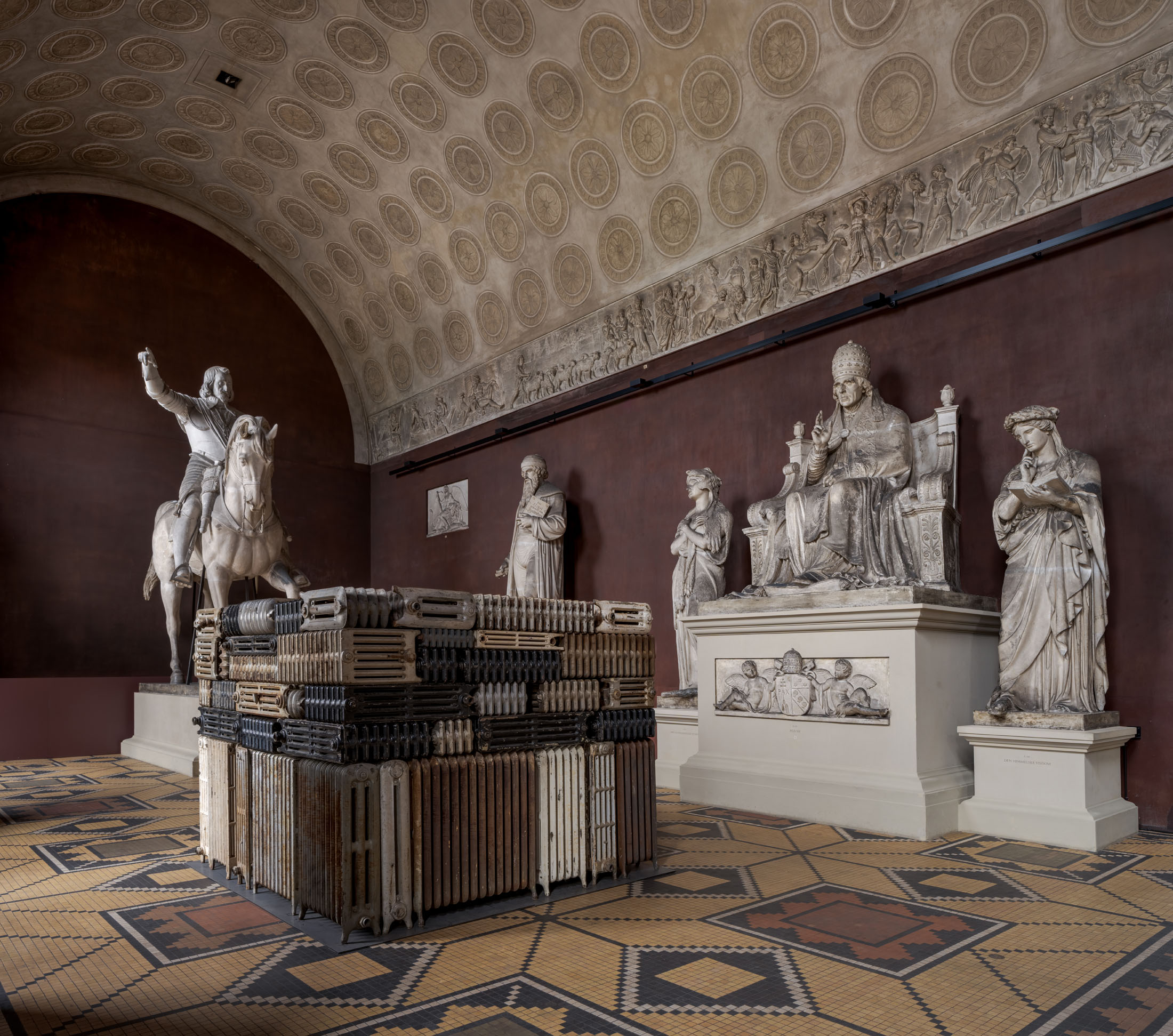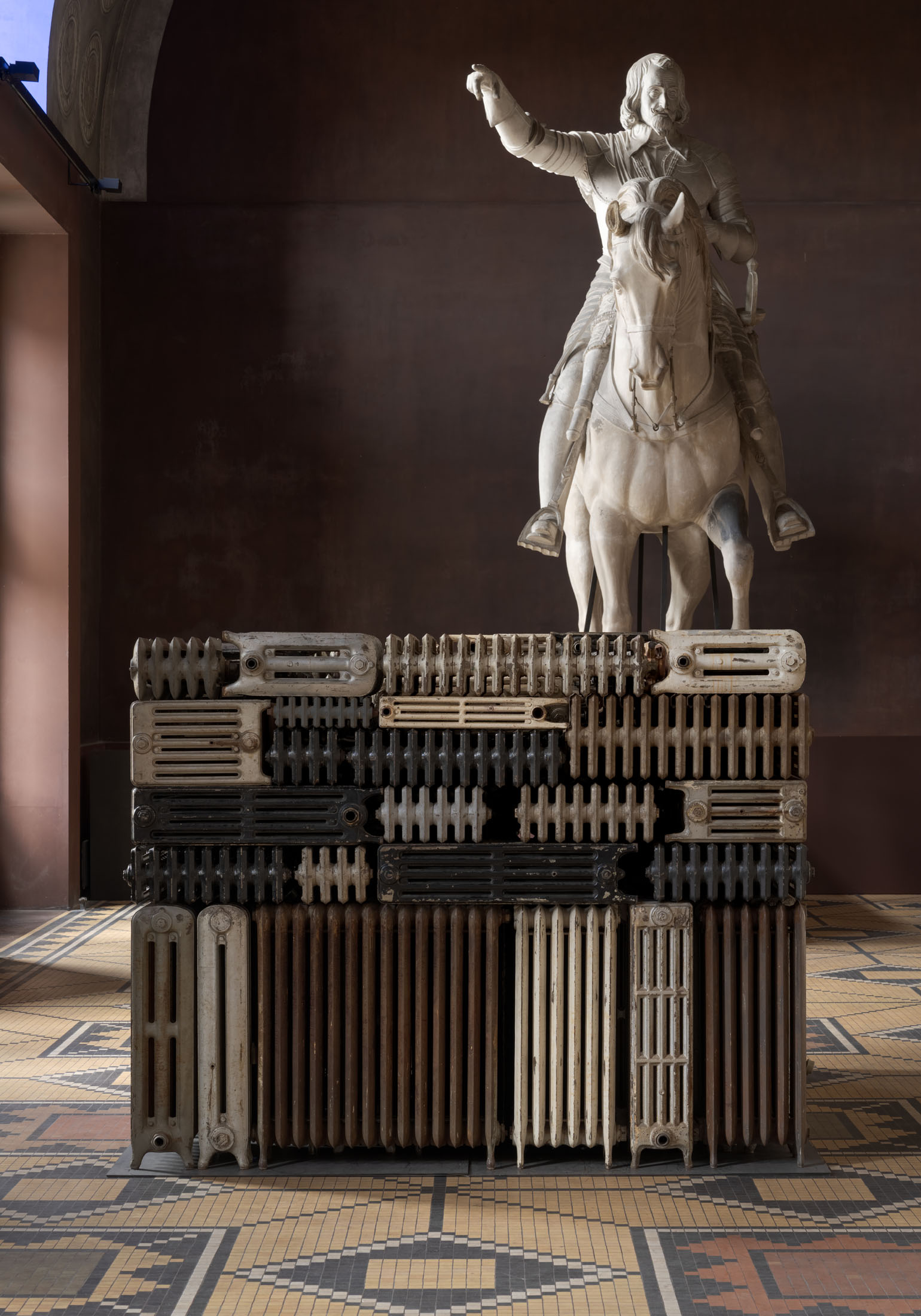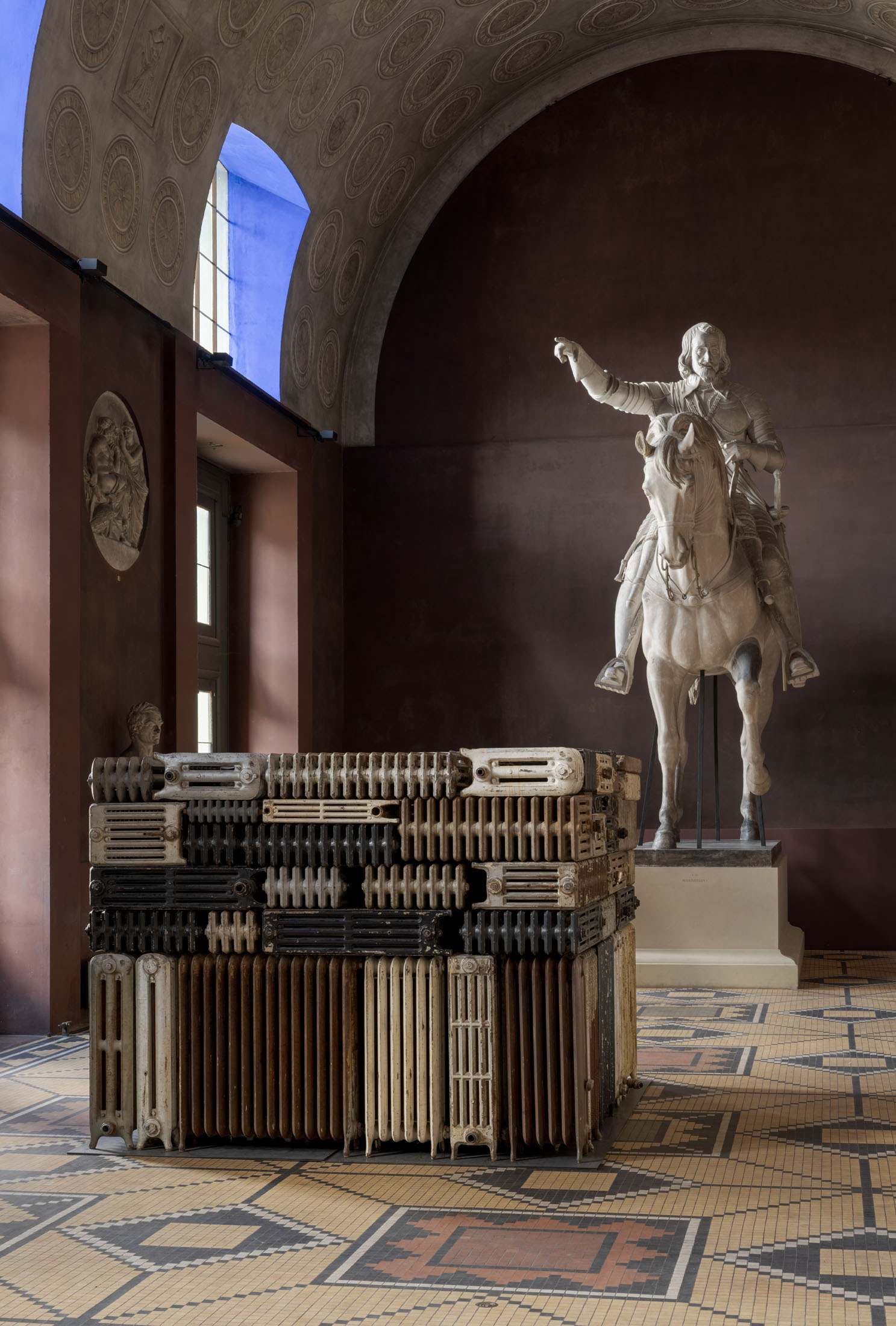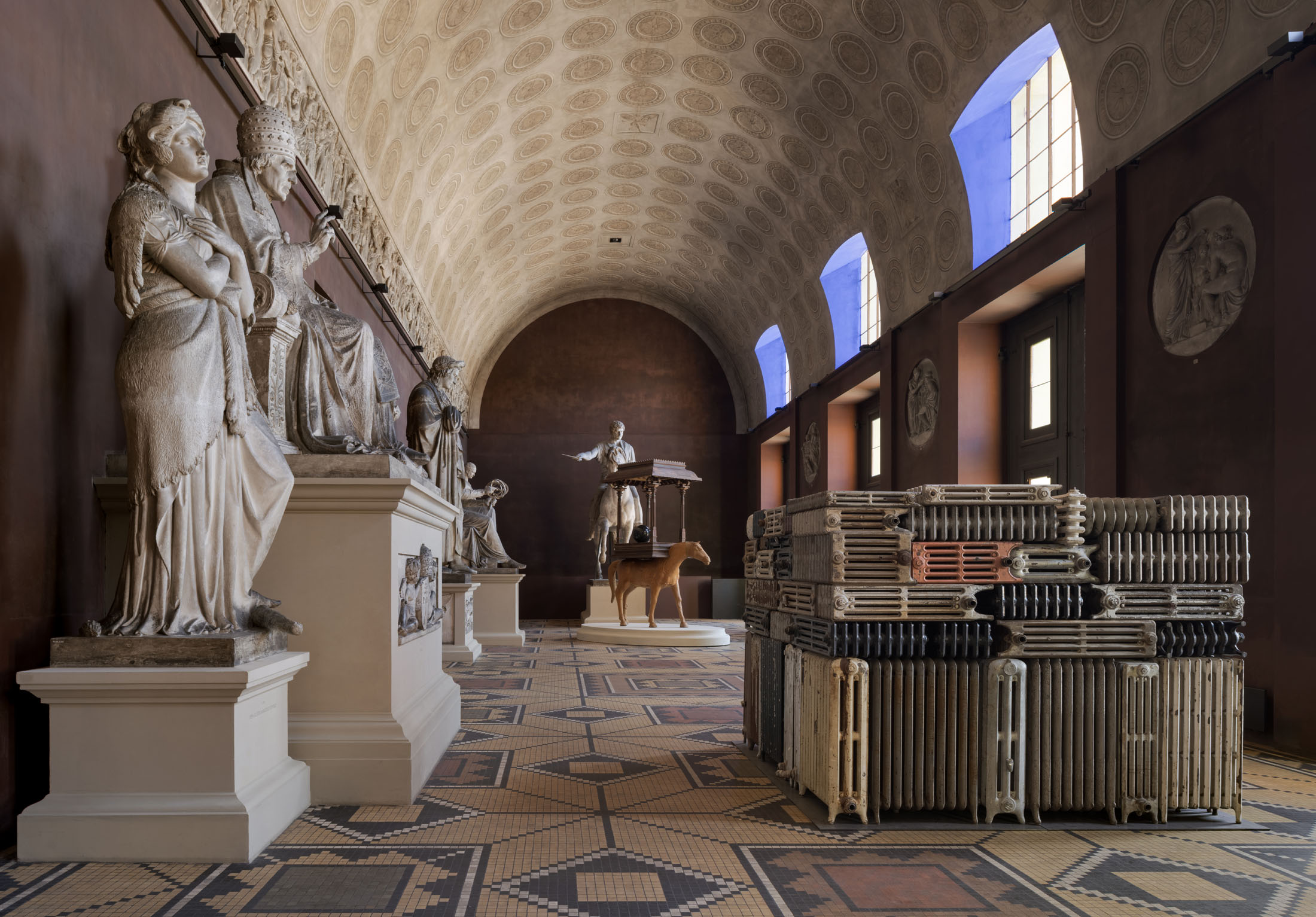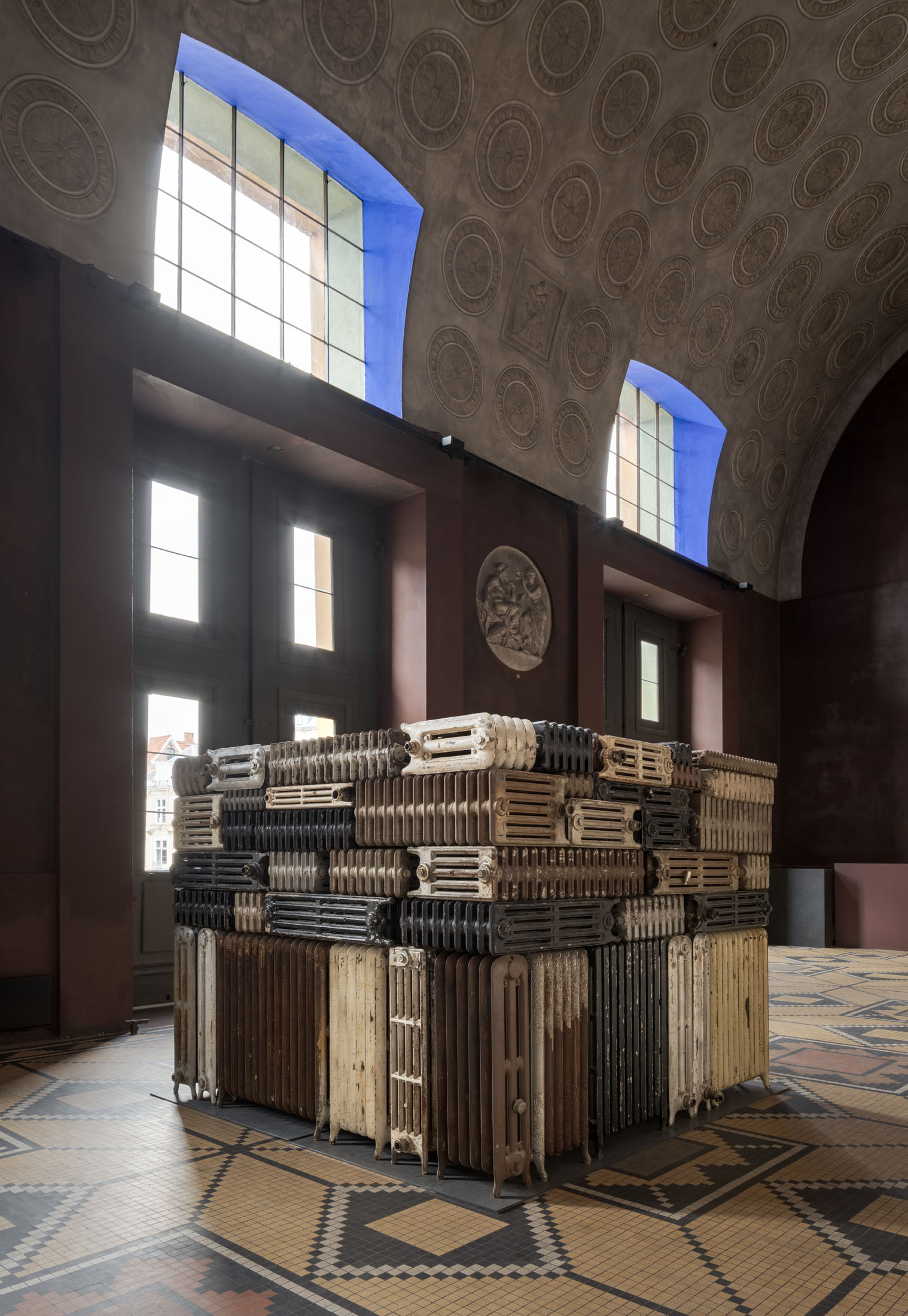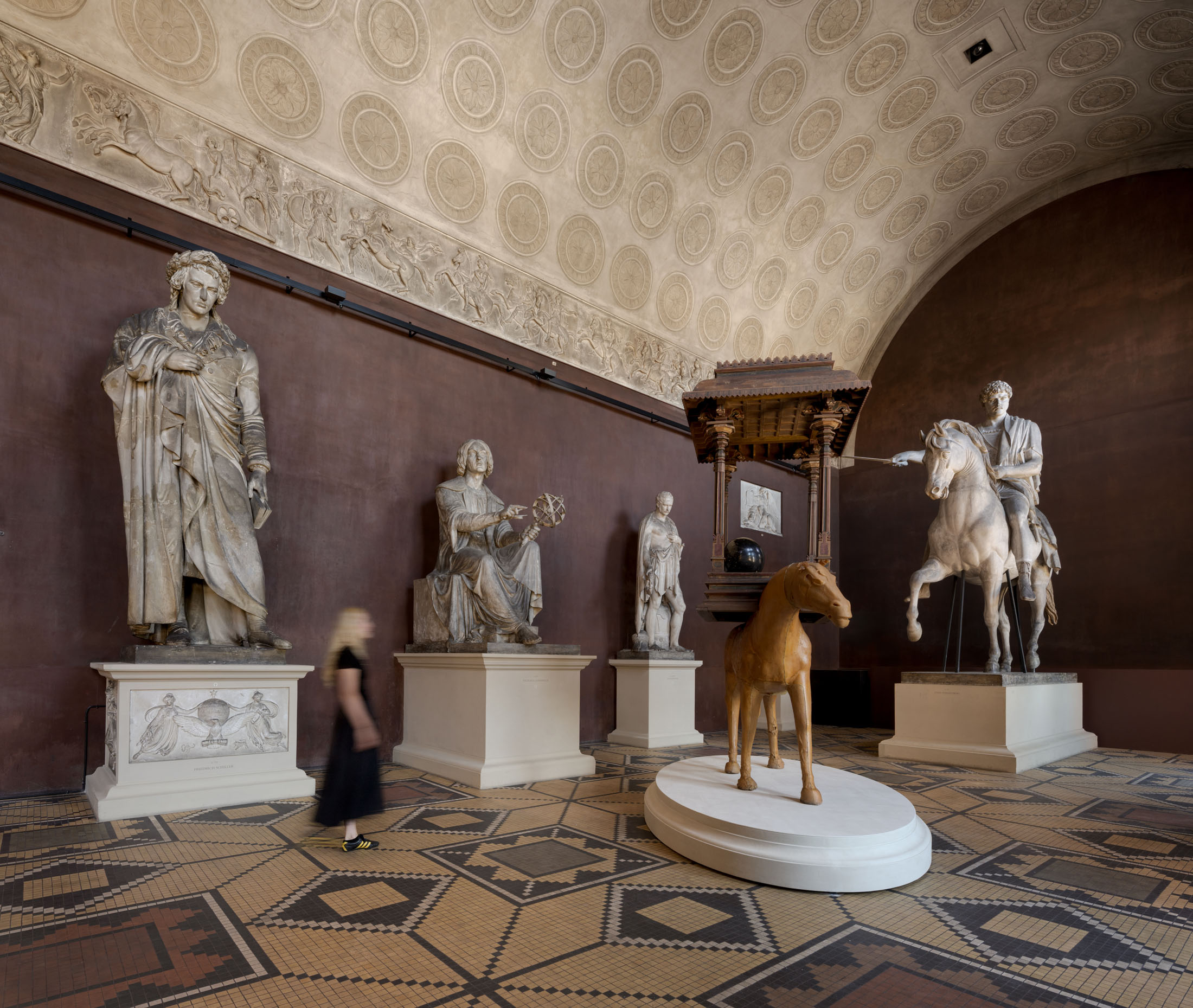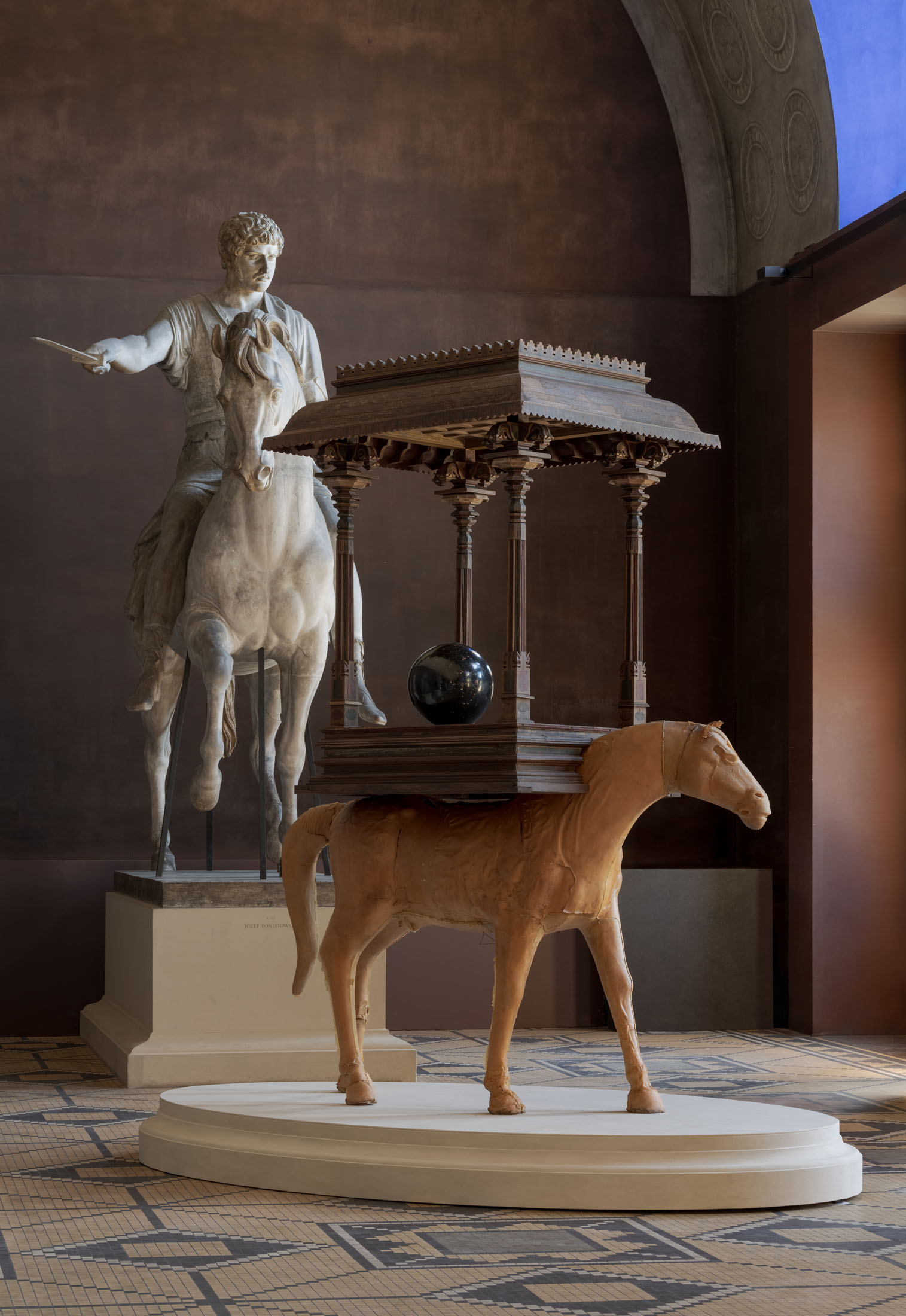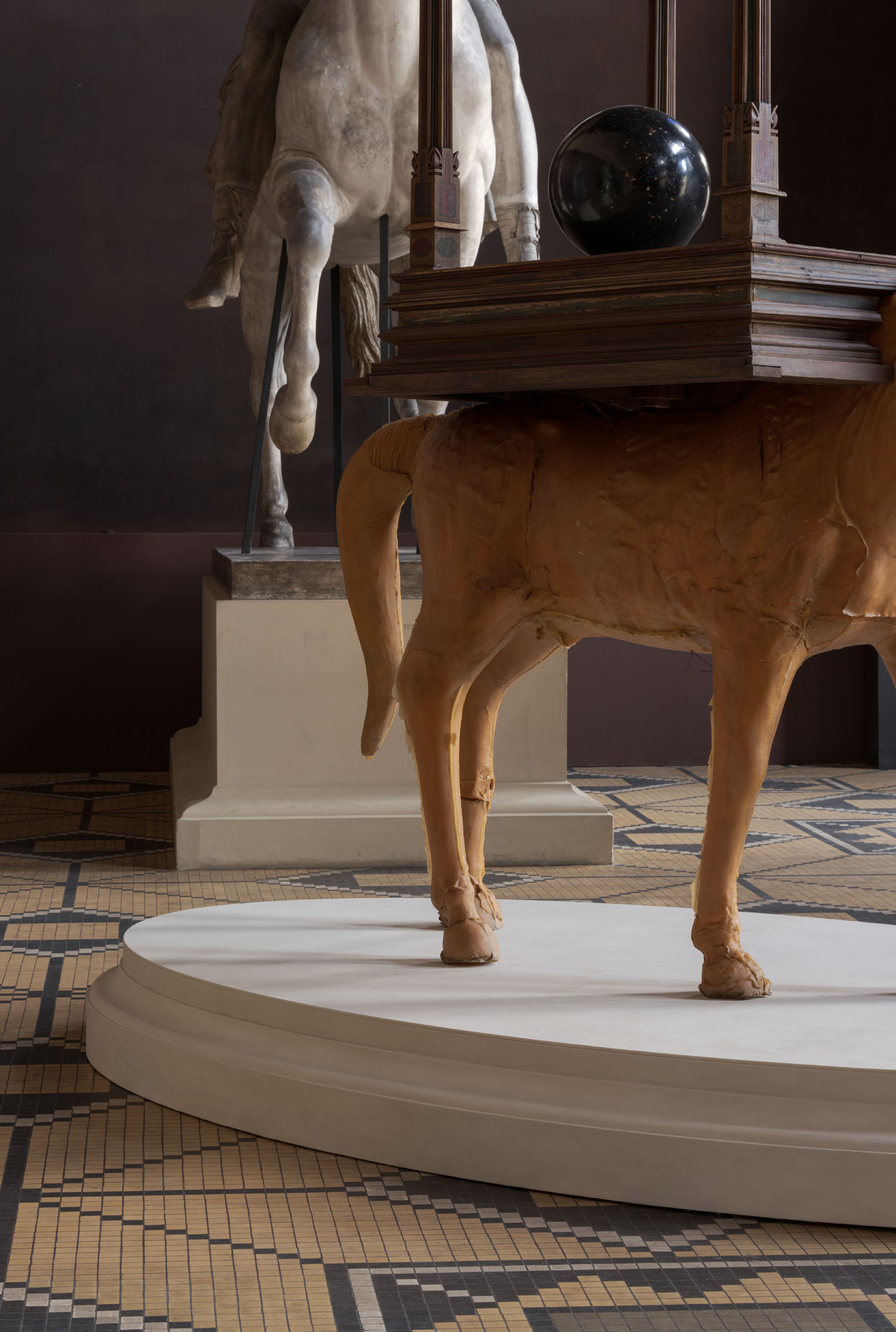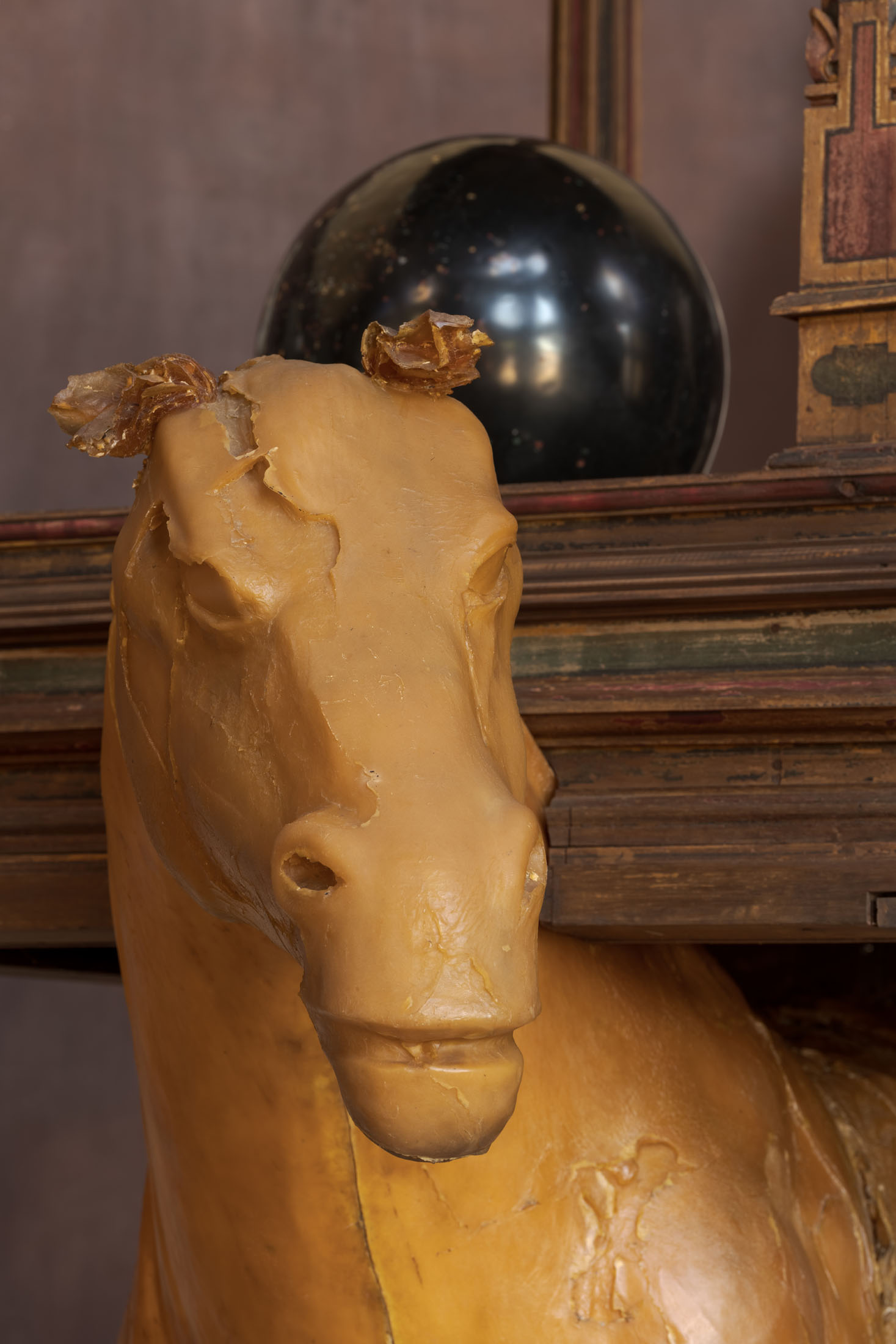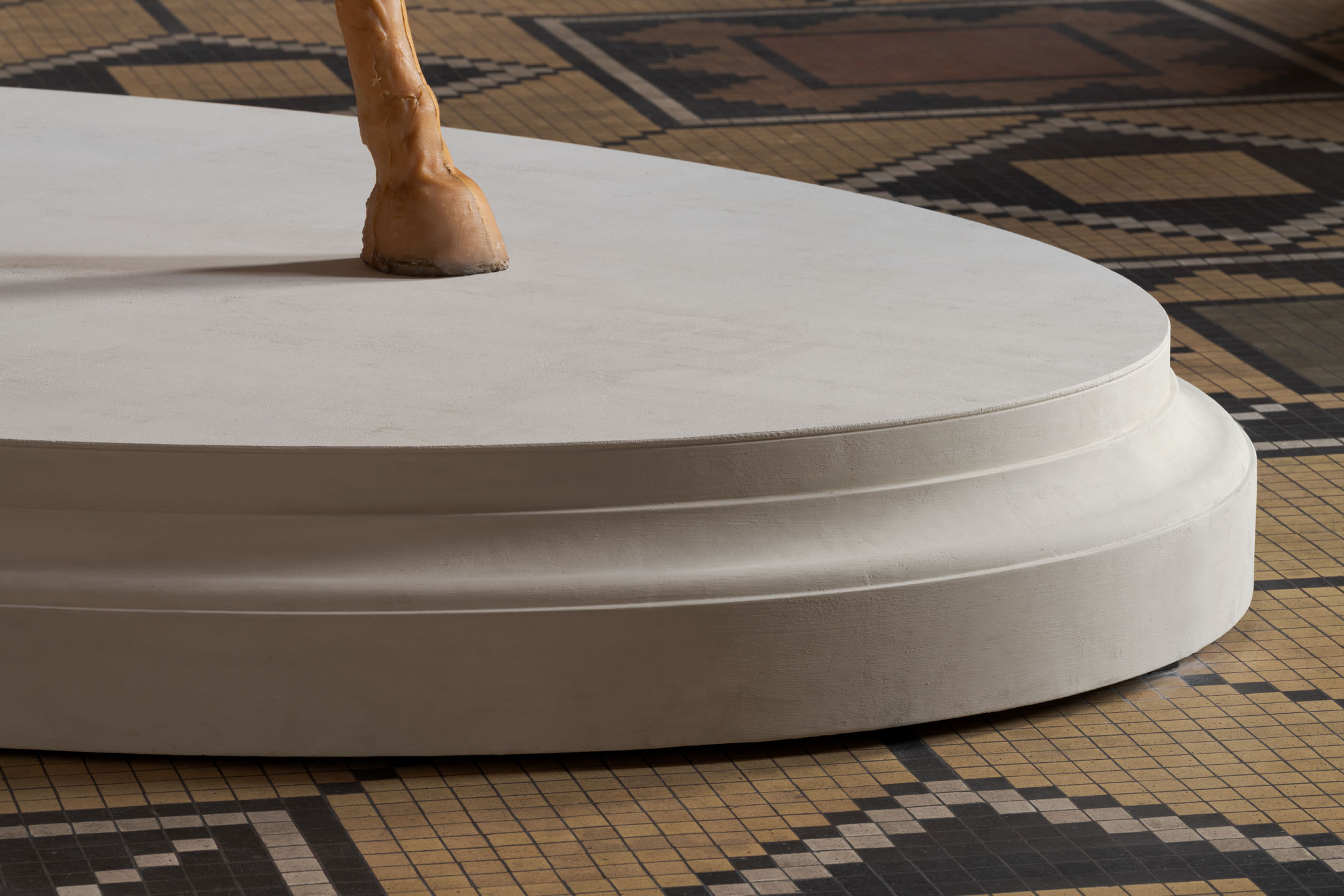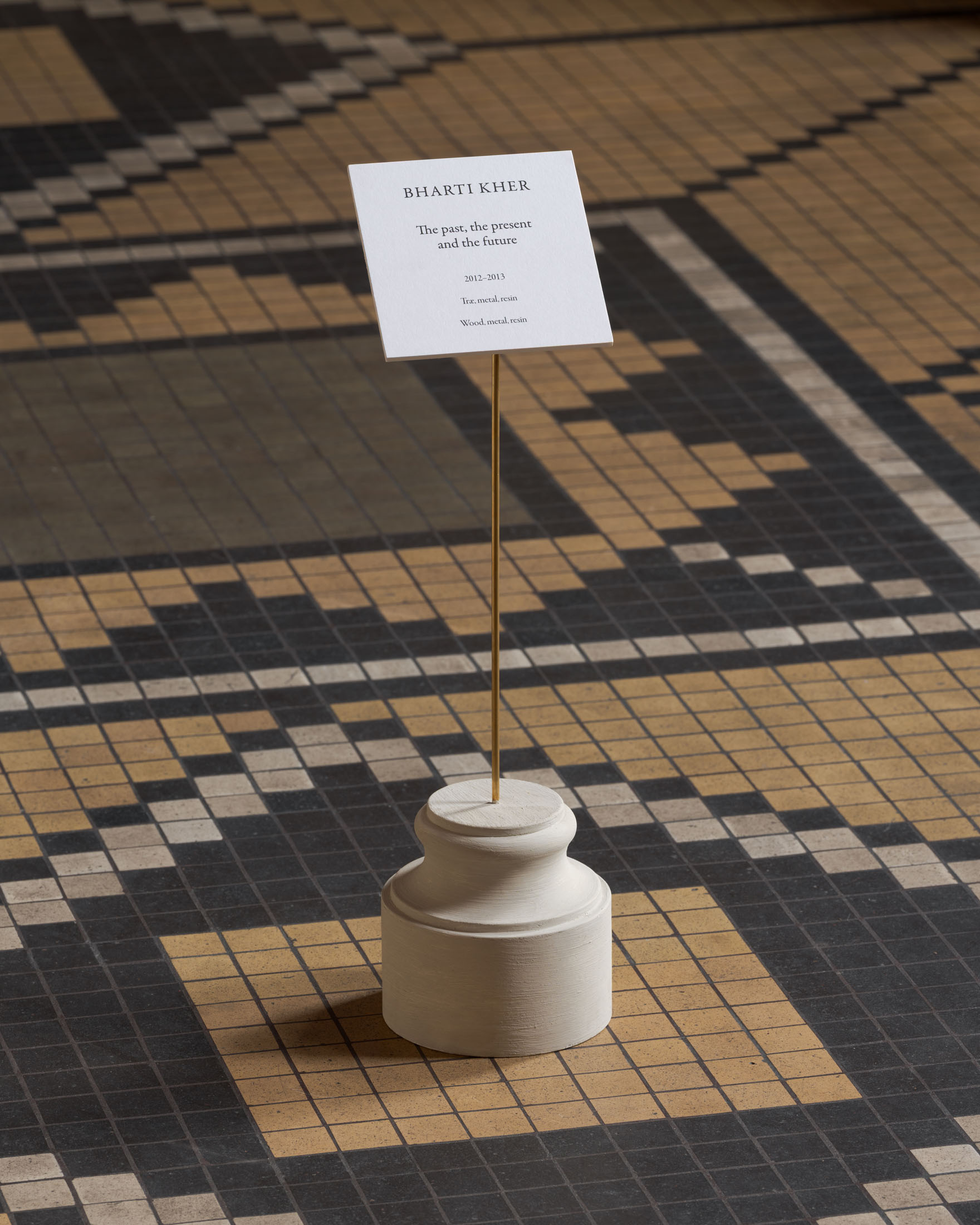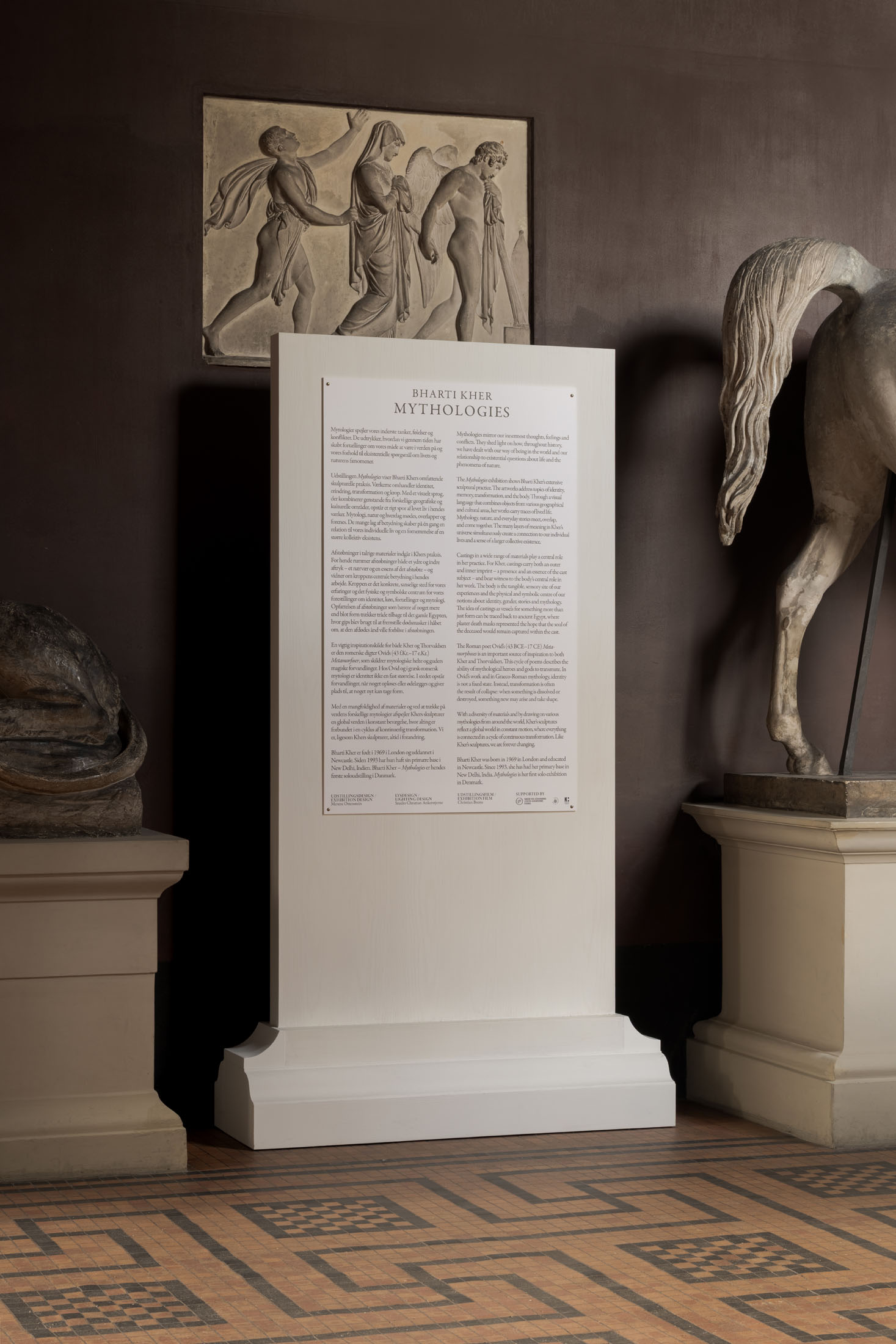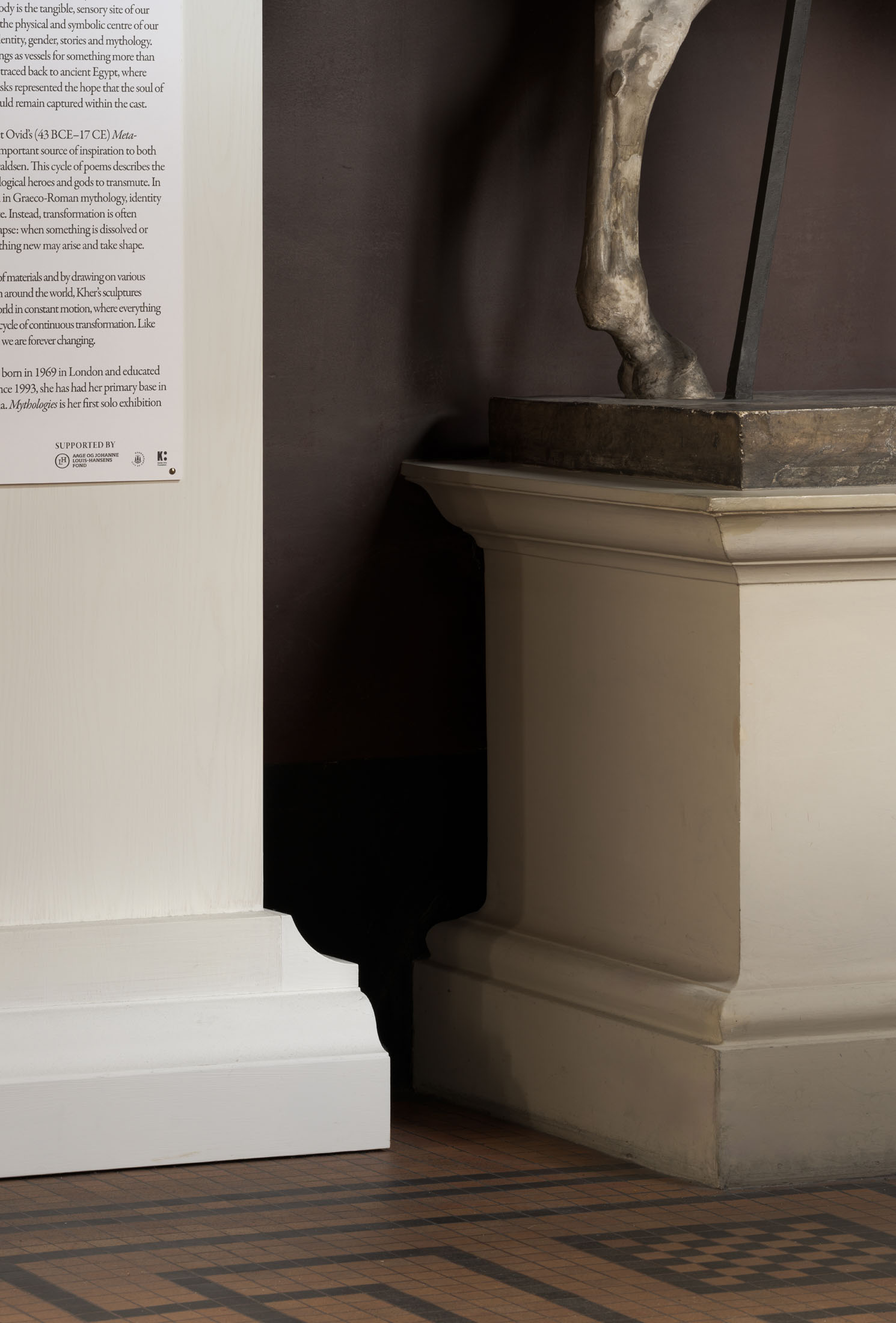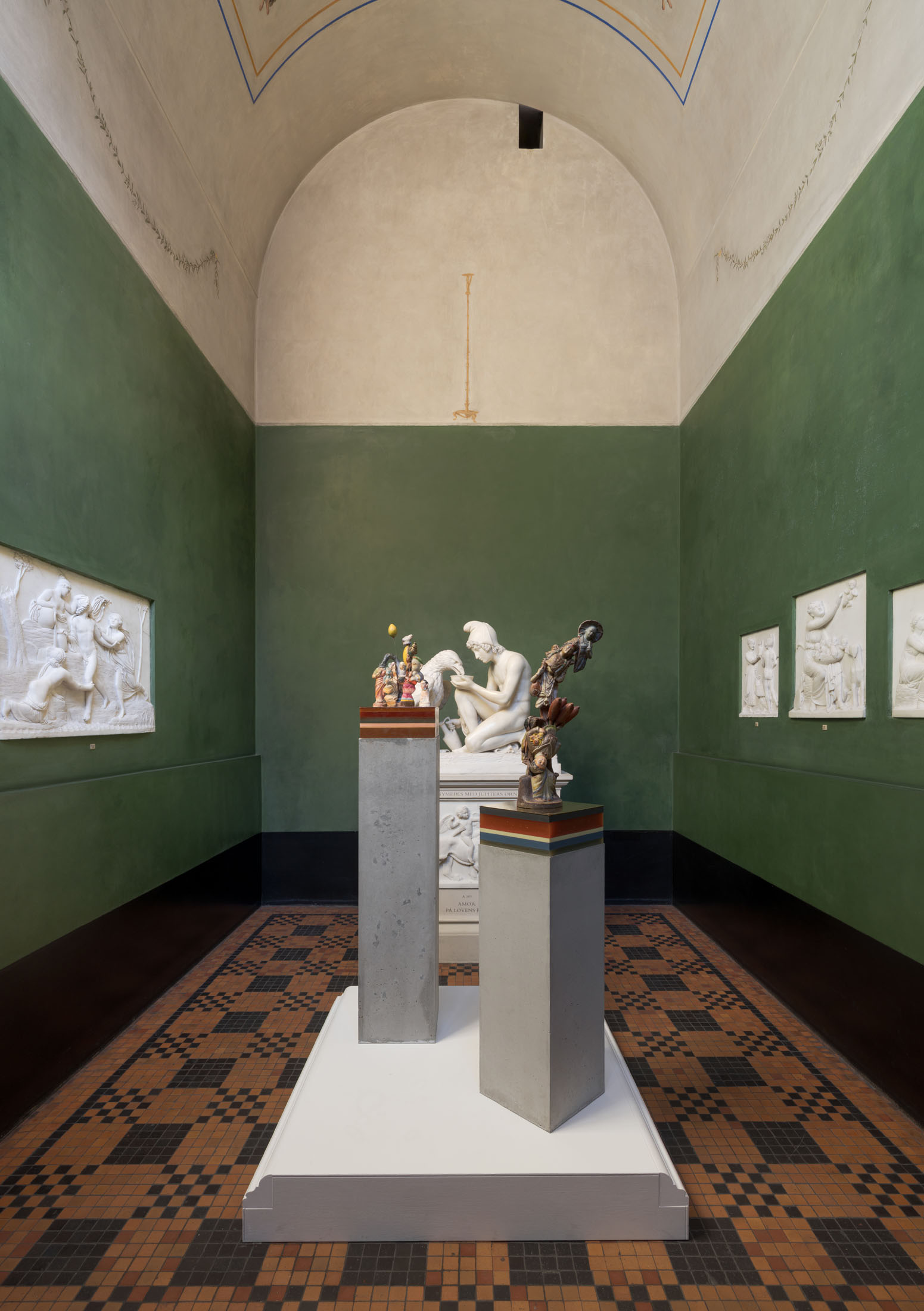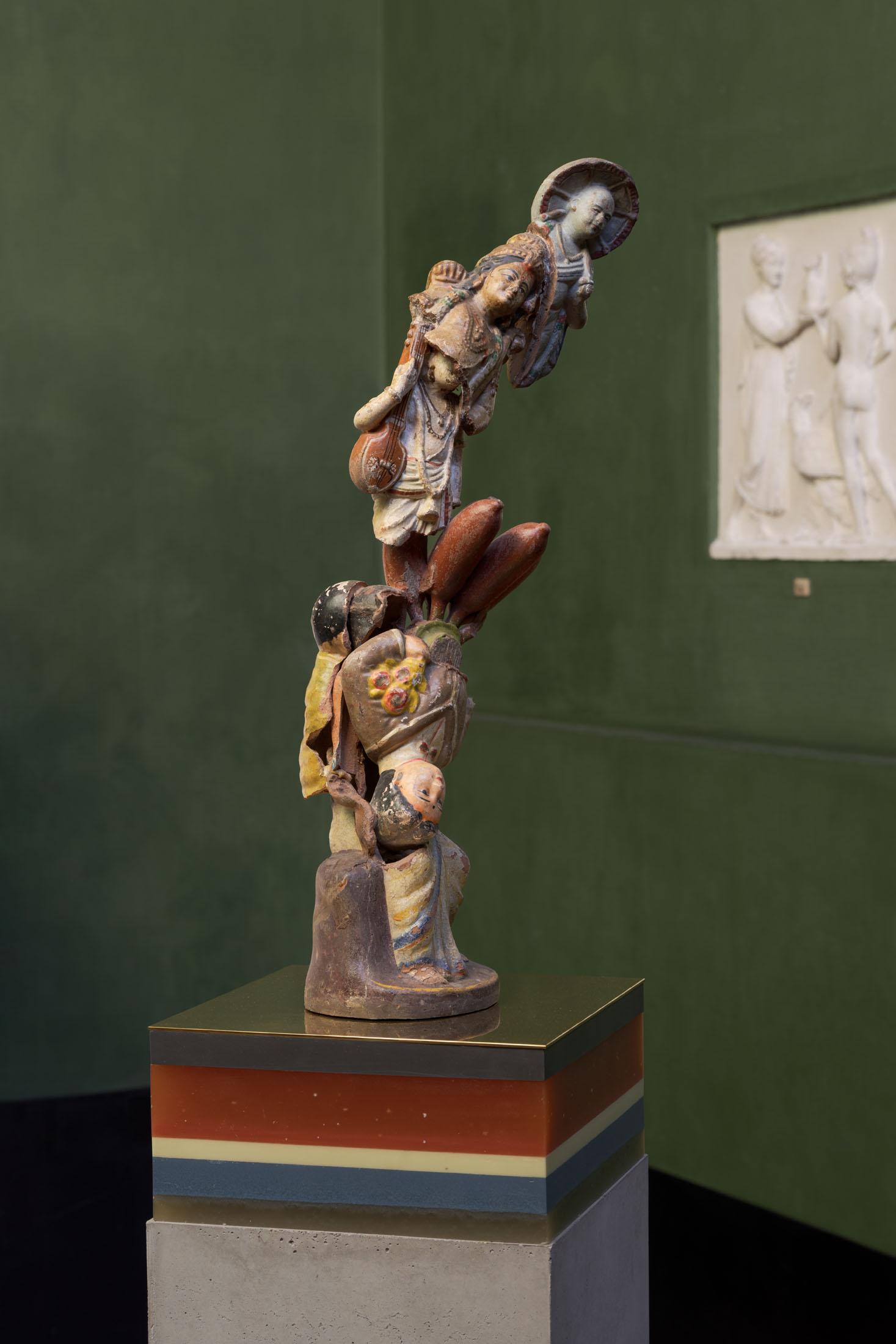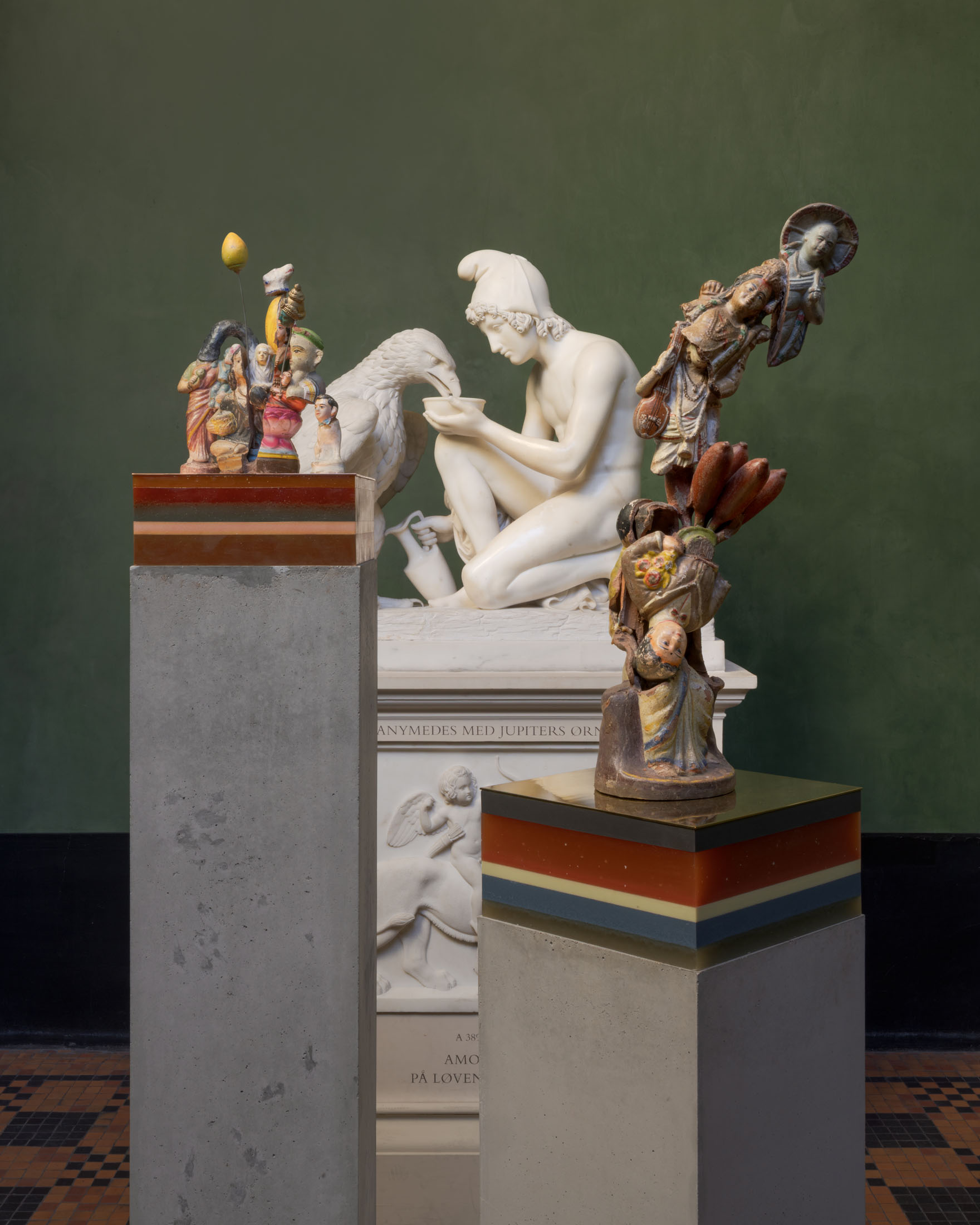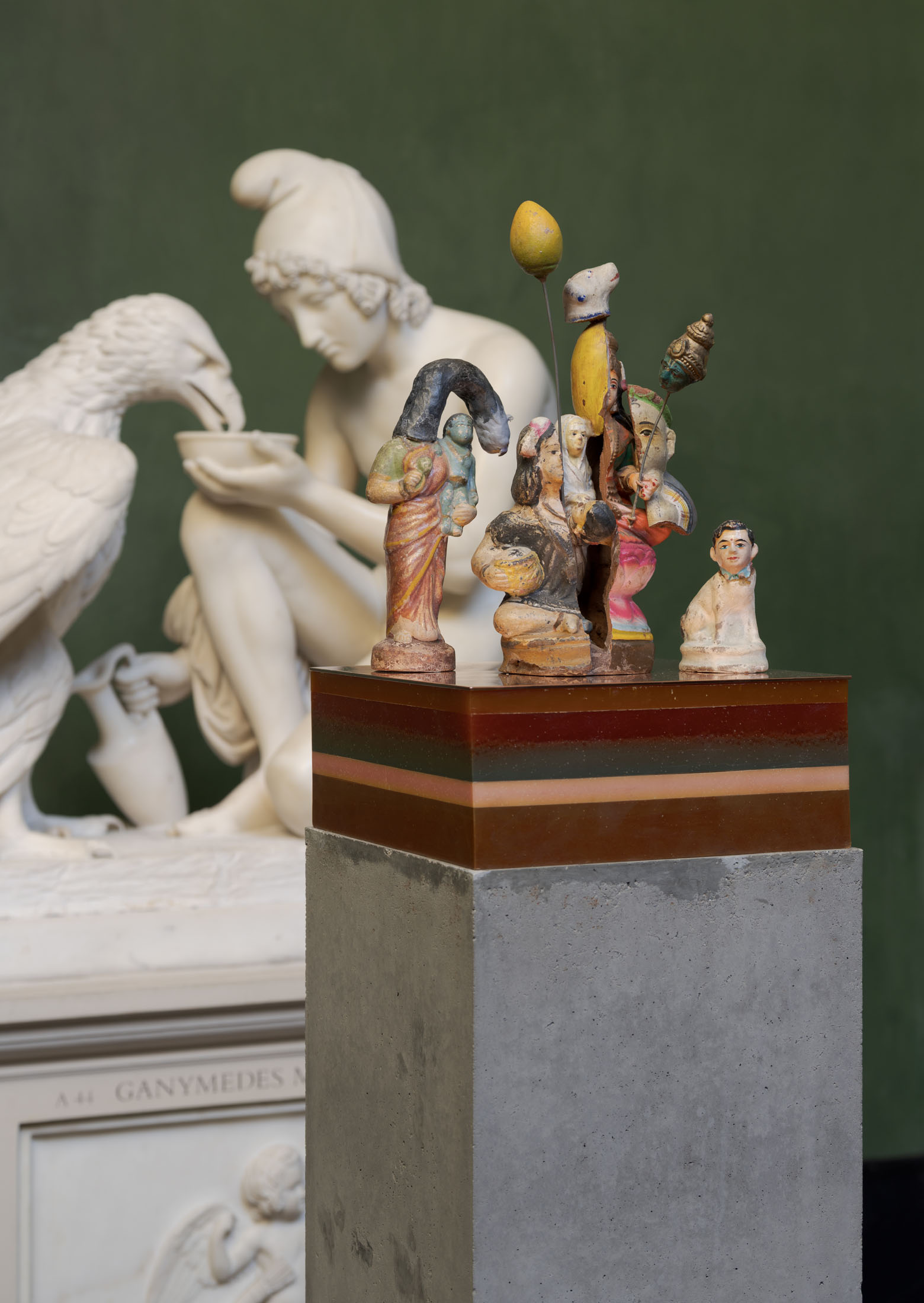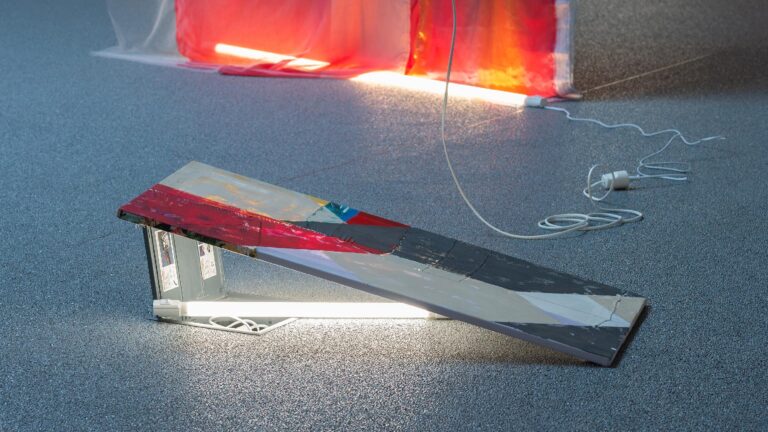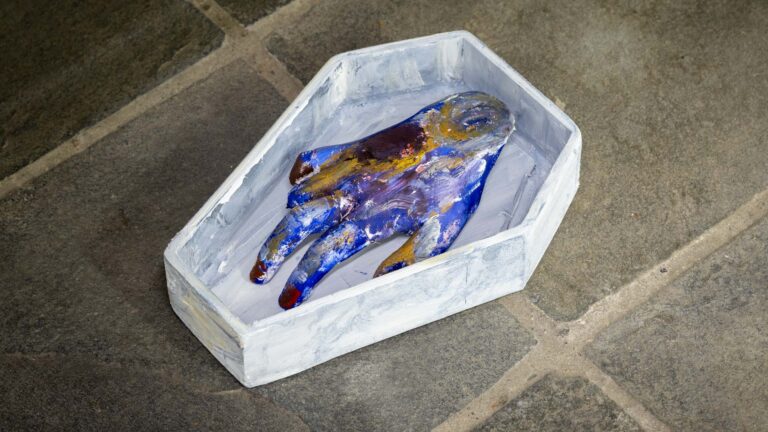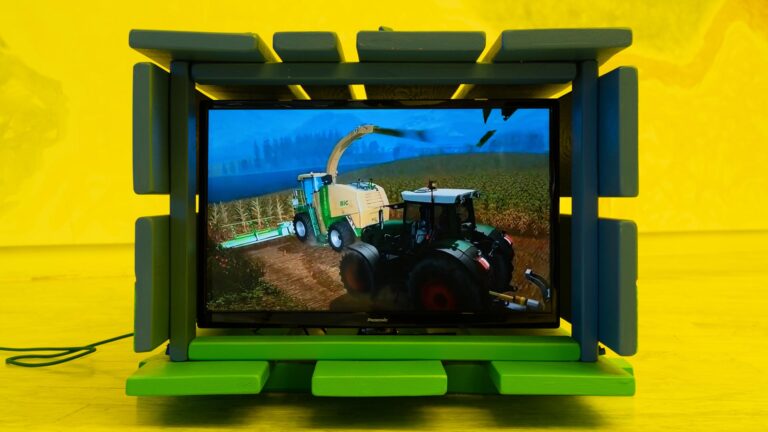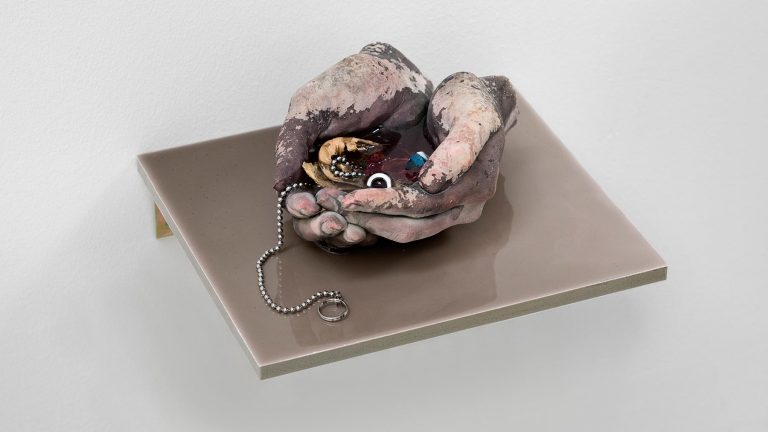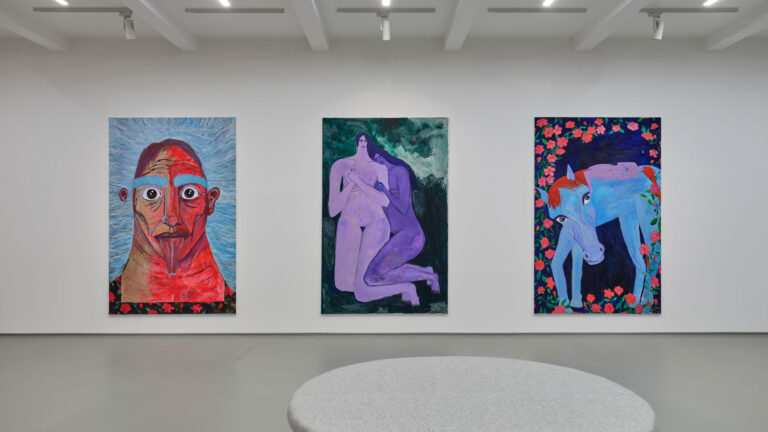
Bharti Kher opens first Danish solo show at the legendary Thorvaldsen’s Museum in Copenhagen, Denmark – with 27 compelling sculptures, engaging in a dynamic dialogue with Thorvaldsen’s works and the unique architecture of the museum.
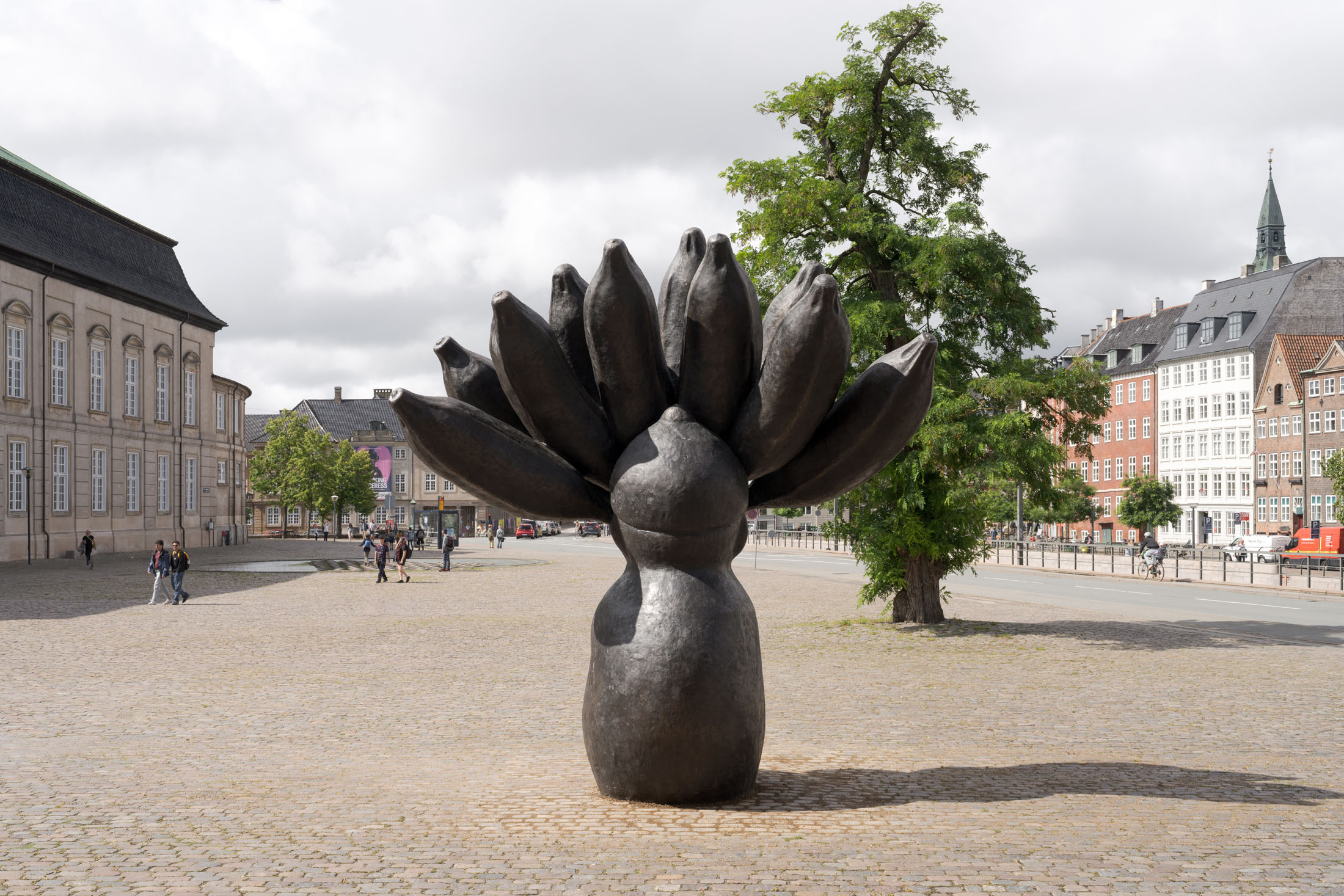
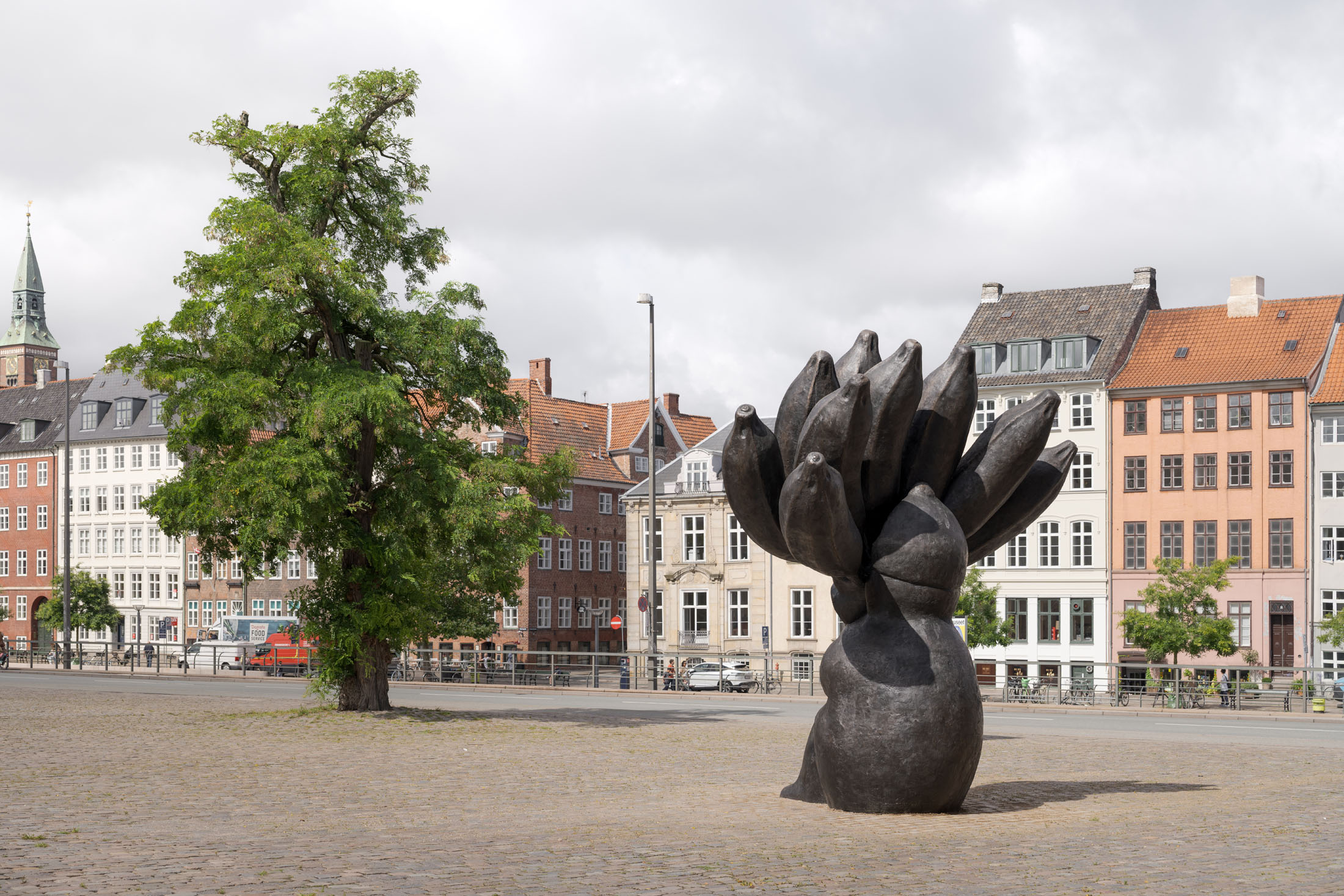
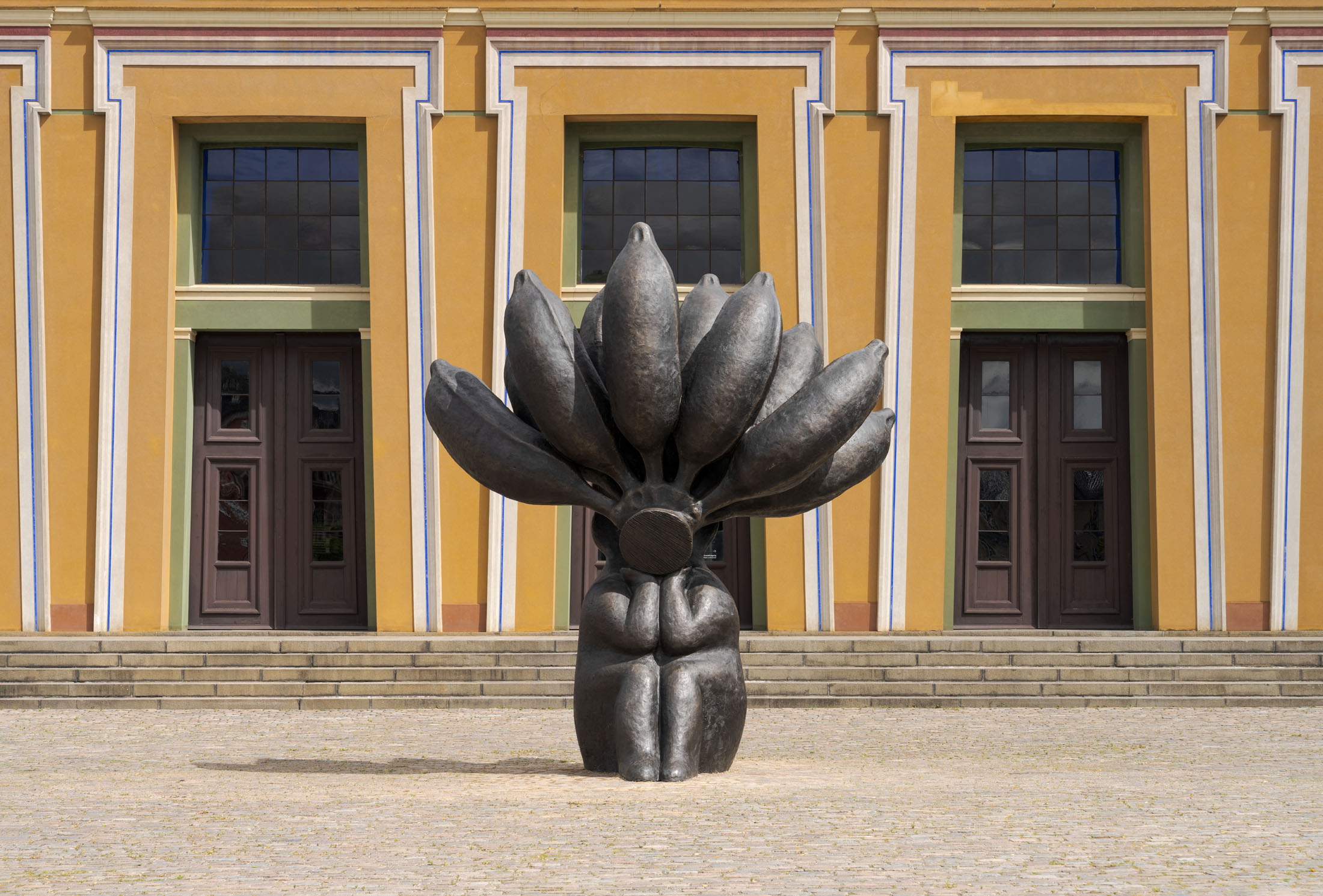
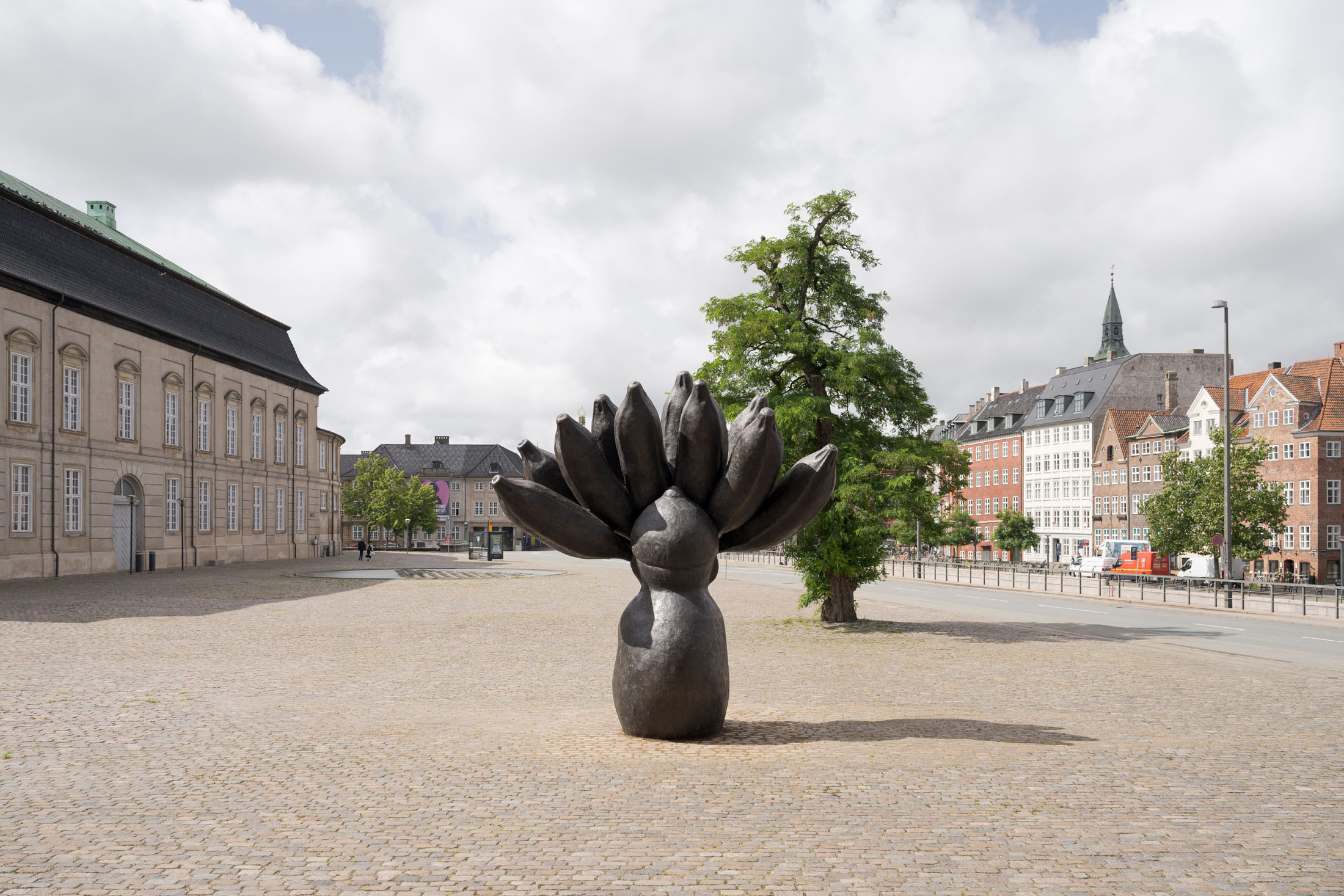
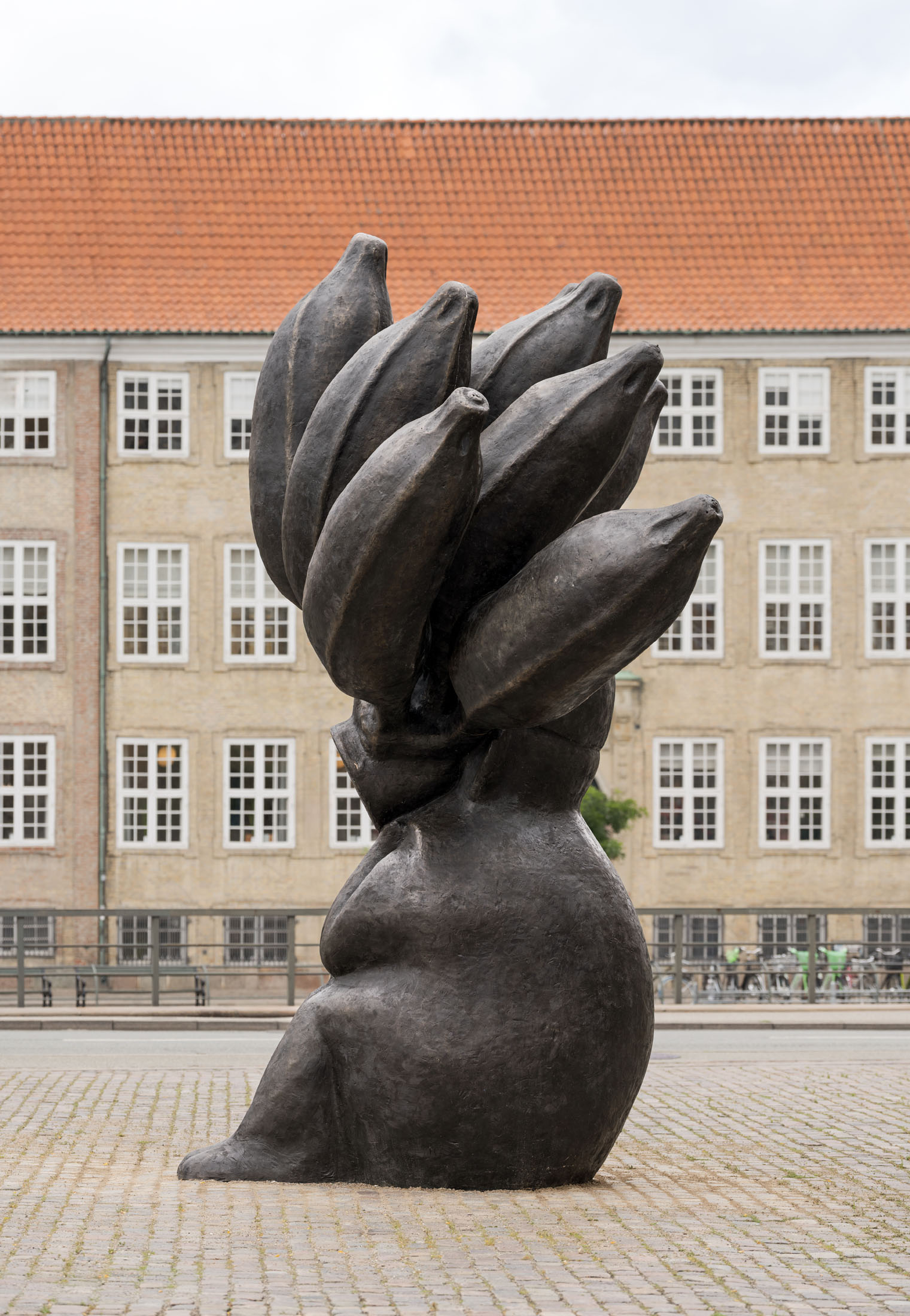
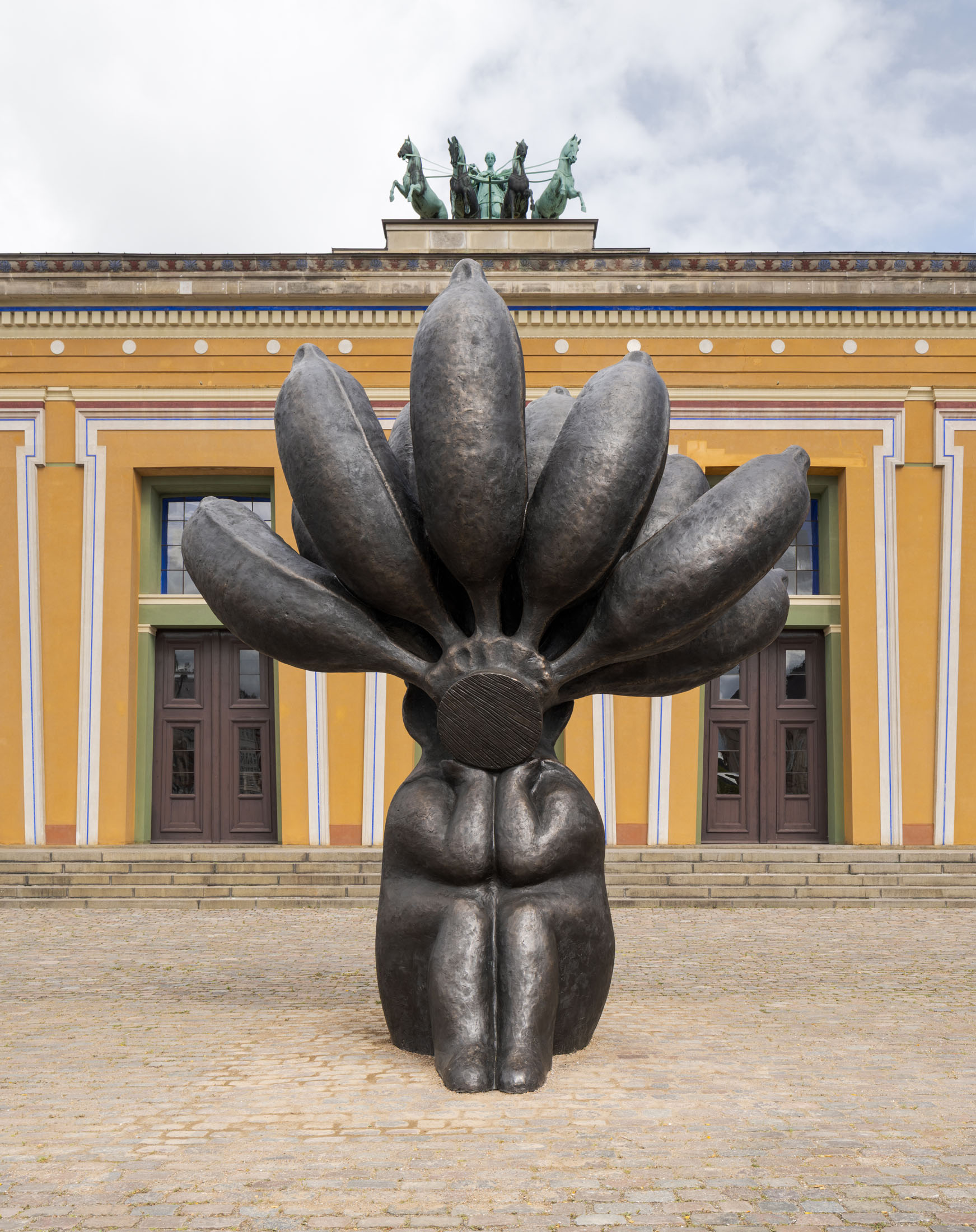
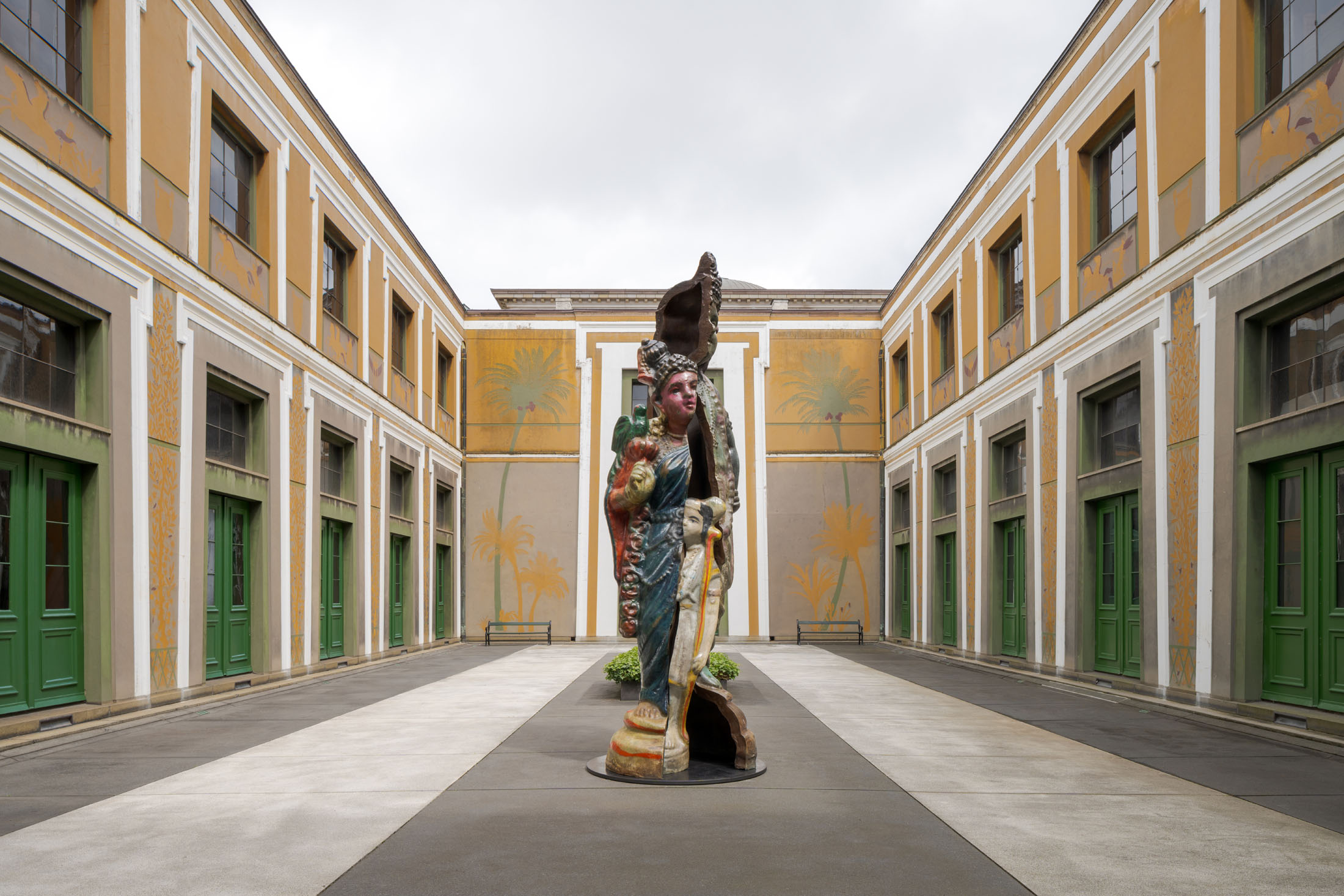
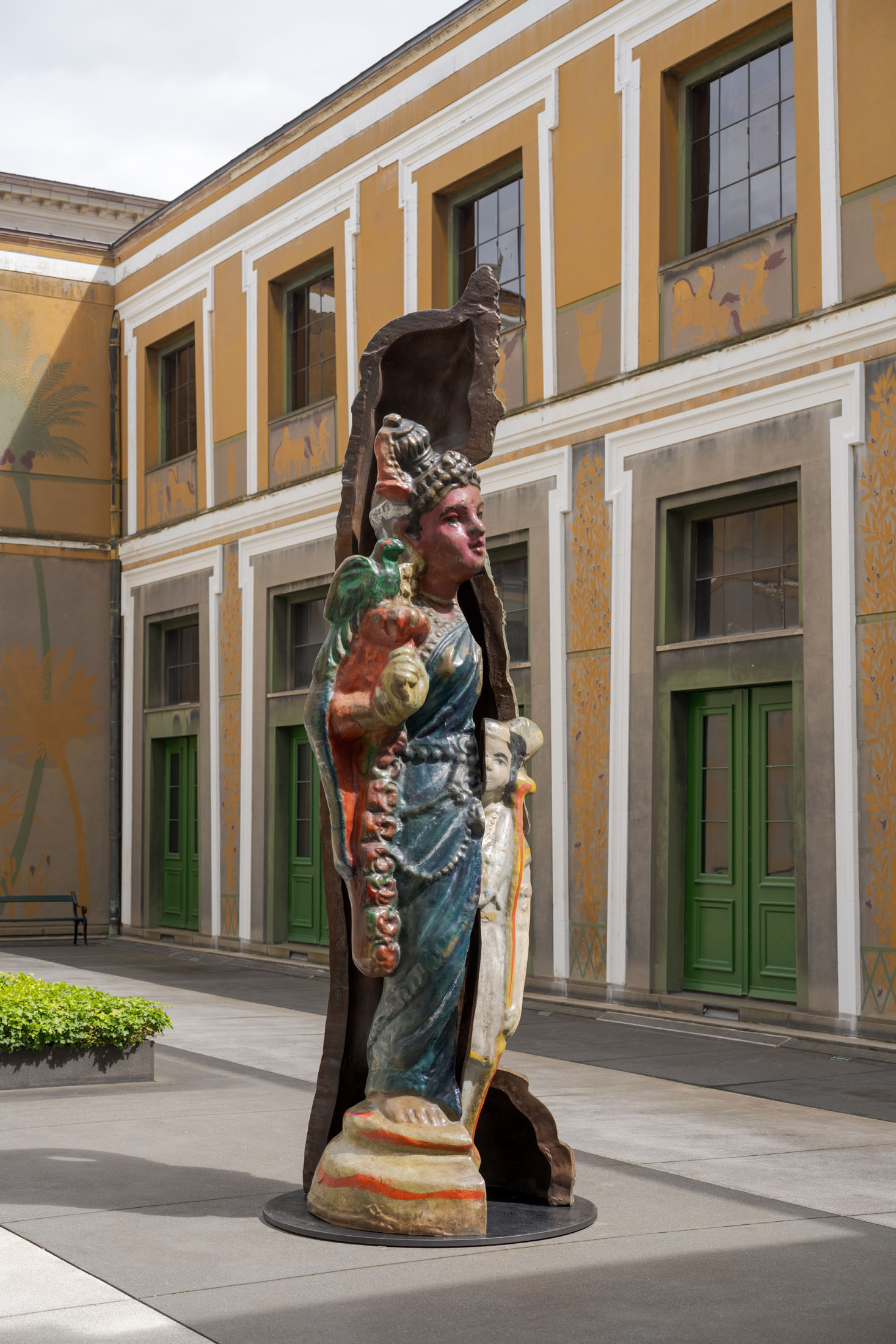
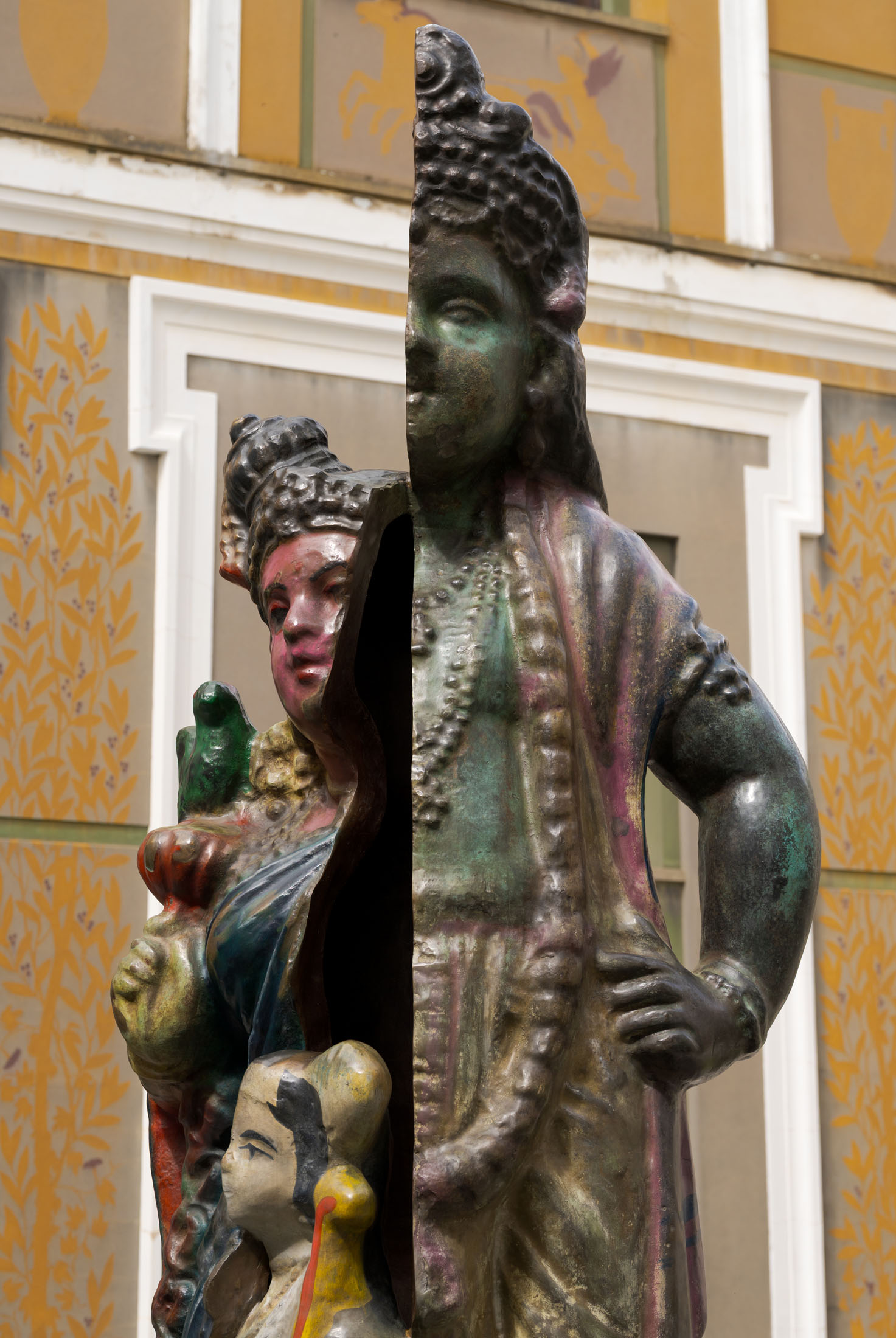
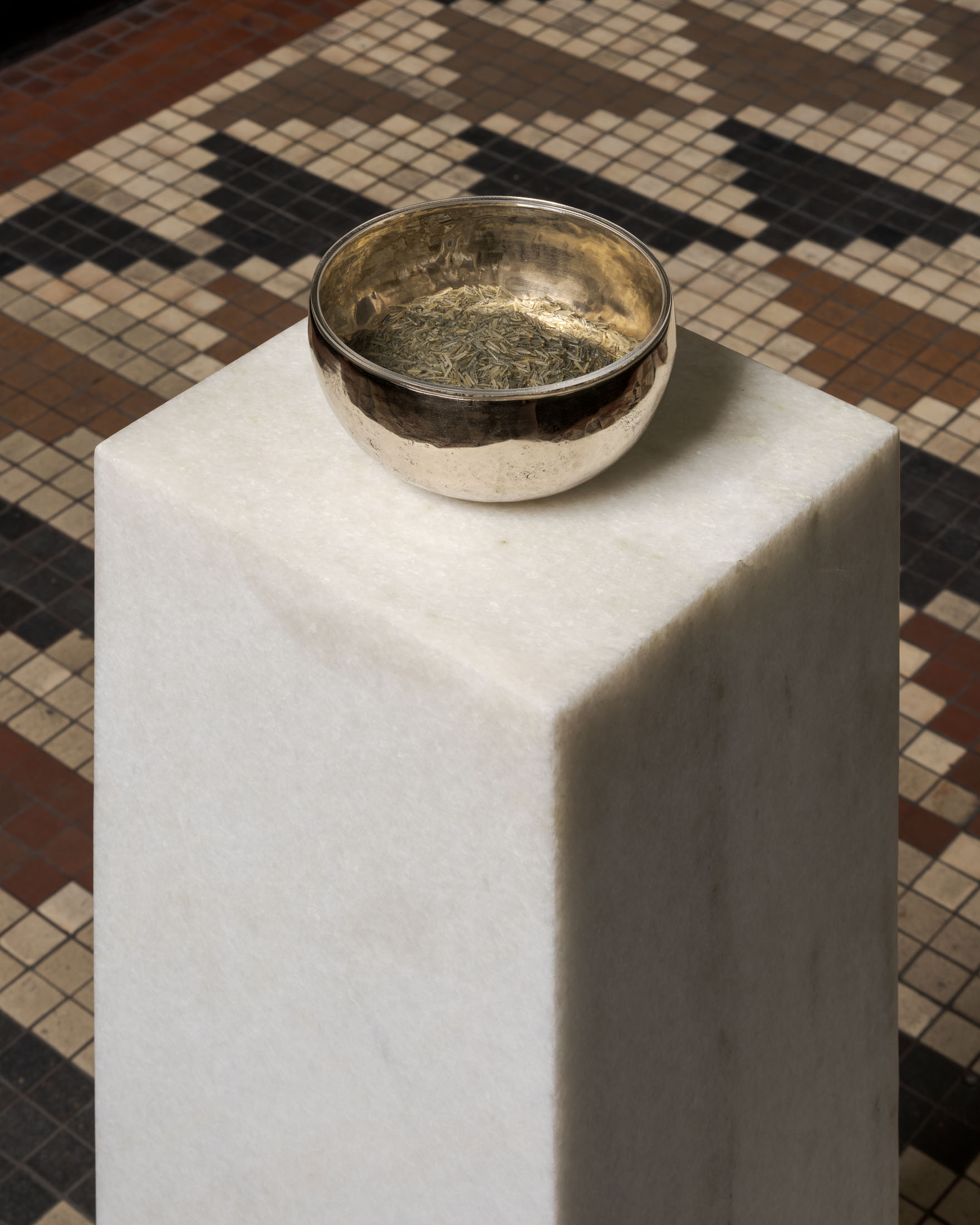
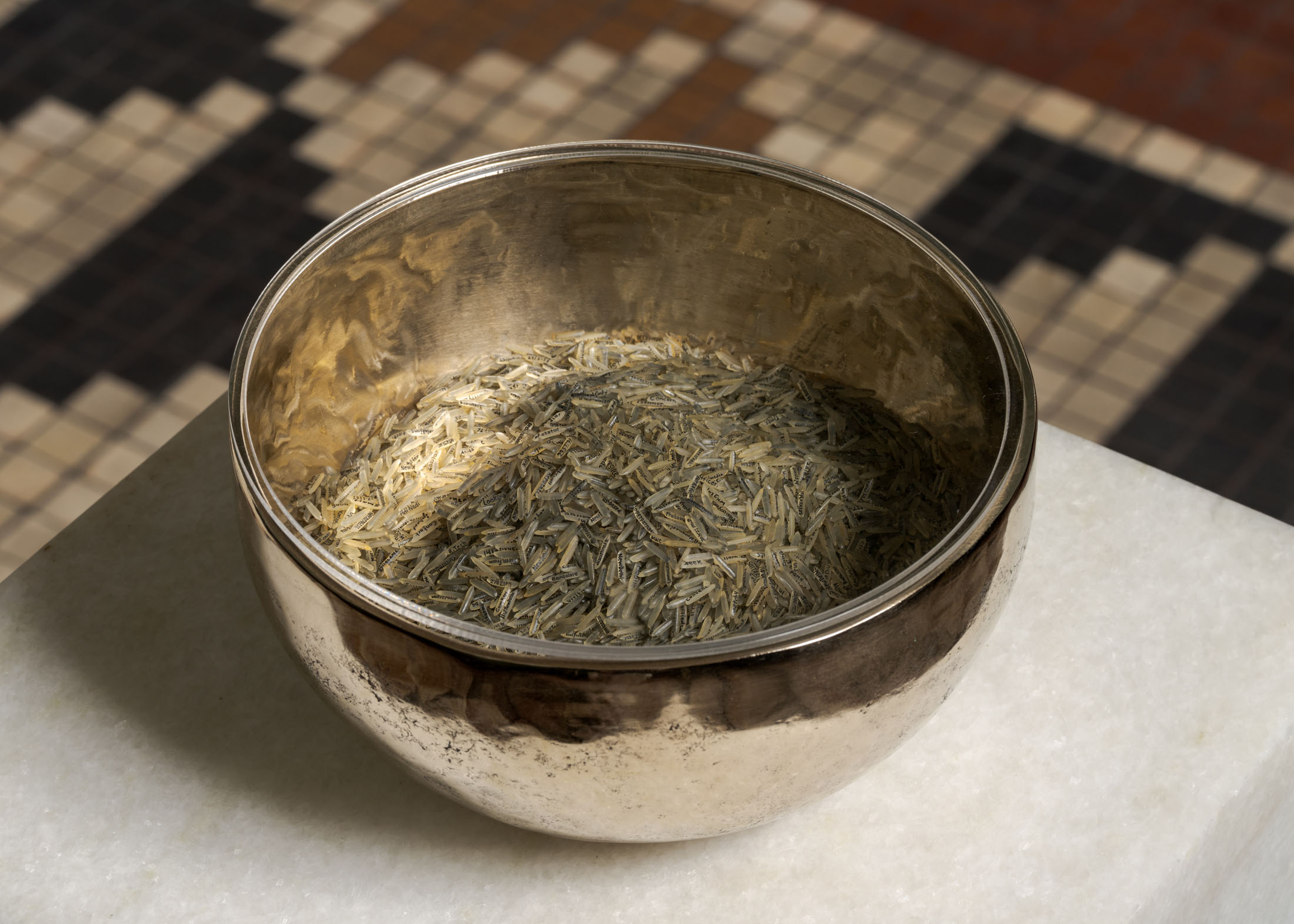
Bharti Kher’s universe of extraordinary sculptures and narratives combine the contemporary and traditional, the political and the poetic. Among these works that will be exhibited is a new sculpture Iris created in response to the collection at the Thorvaldsen’s Museum, as well as a large 5-metre bronze sculpture Djinn installed in front of the museum on Bertel Thorvaldsen’s Plads. The museum is in the very heart of Copenhagen, next to the Danish Parliament and the Christiansborg Castle.
Museum Director Annette Johansen states: “Bharti Kher’s work will be shown throughout the entirety of the museum and is the largest exhibition of contemporary art at Thorvaldsen’s Museum to date. It is part of our strategy to broaden perspectives on our sculptural tradition and shared history – by inviting an exceptional artist and her remarkable sculptures.”
In a career spanning nearly three decades, Kher has worked across painting, sculpture and installation. At the heart of the practice are her sculptures, that often feature fantastical hybrid characters, blurring the distinctions between humanity and nature, ecology and mythology. Kher engages in a reflective dialogue with the contemporary and is sensitive to exploring diverse and sometimes difficult cultural readings and examining embedded social codes.
The body and how this connects to its surrounding world is a central theme in Kher’s practice. For her, the body is both physical and symbolic, metaphorical and tangible – a site for exploring ideas of gender, mythology, and narrative. The female body and its experiences in particular, play a central role, as Kher reflects on women’s positions in society and she challenges conventional readings of representation and gender.
Bharti Kher explains: “This exhibition gives me an opportunity to initiate a dialogue with the historical and is also a unique opportunity to exhibit alongside Thorvaldsen’s sculptures and the museum’s extraordinary architecture. We are both from very different sides of the world and yet engage culturally and philosophically with the figure and the inner workings of the body. We are both collectors of things and memories and these for me are also embedded within the work. Art can connect us between continents and cultures and across time. It really is a visceral and cognitive language of its own making.”
Siri Burić, Curator and Head of Exhibitions at Thorvaldsen’s Museum, says: “Kher works with a wide range of materials and found objects from different geographical sites, transforming them into sculptures that explore themes of the body, identity, myths and memory. Her work conjures a magical, sensory world that bridges the contemporary and the mythological.”
“She delves into socio-political structures and engages in a reflective dialogue with the global past and present. She also addresses themes such as time, rupture, and transformation – central to discussions of a shared world today. With the exhibition of Kher’s spectacular works, we aim to strengthen the dialogue on the importance of art and the themes that connect our present with Thorvaldsen’s time”.
About Bharti Kher
Bharti Kher (b. 1969) is a British-born, New Delhi and London–based artist known for her striking sculptures and installations. With a career spanning nearly 30 years, she has exhibited at major institutions worldwide and is recognized for her poetic and politically engaged art. Kher’s work is held in museums and private collections globally and her awards include Chevalier dans l’Ordre des Arts et des Lettres (Knight of Order of Arts and Letters).
About Thorvaldsen’s Museum
Thorvaldsen’s Museum was created for the world-renowned Danish sculptor Bertel Thorvaldsen (1770– 1844). Thorvaldsen was one of Europe’s most celebrated artists in the 19th century and one of Denmark’s most prominent and influential artists of all time. At the museum, which opened on 18 September 1848 as Denmark’s first public museum, visitors can immerse themselves in Thorvaldsen’s many sculptures and explore his rich collections of paintings and ancient artefacts.
A walk through the museum is also a unique architectural experience and a sensory celebration of vibrant colors, richly decorated ceilings, and varied mosaic floors – all centered around Bertel Thorvaldsen’s marble and plaster sculptures.