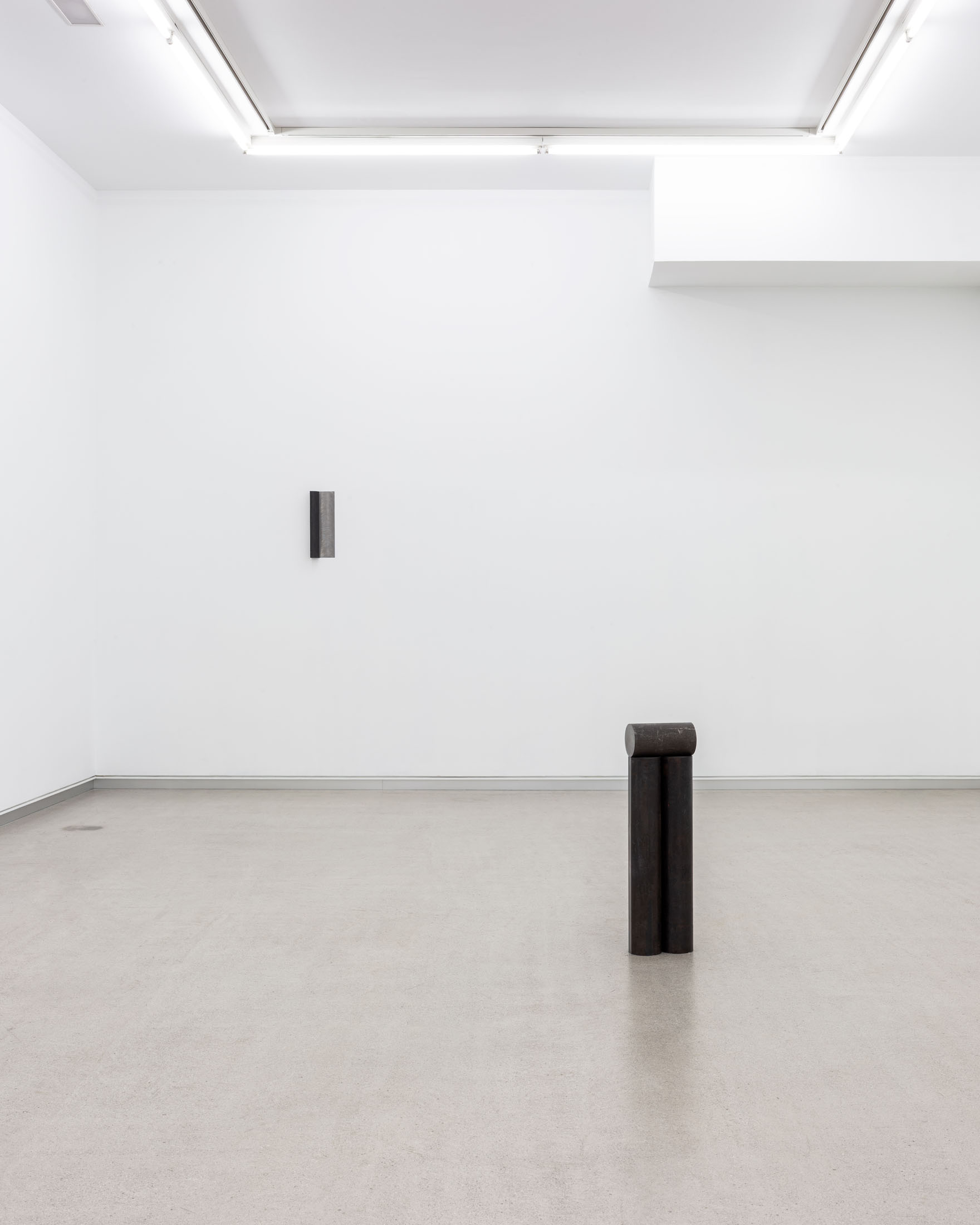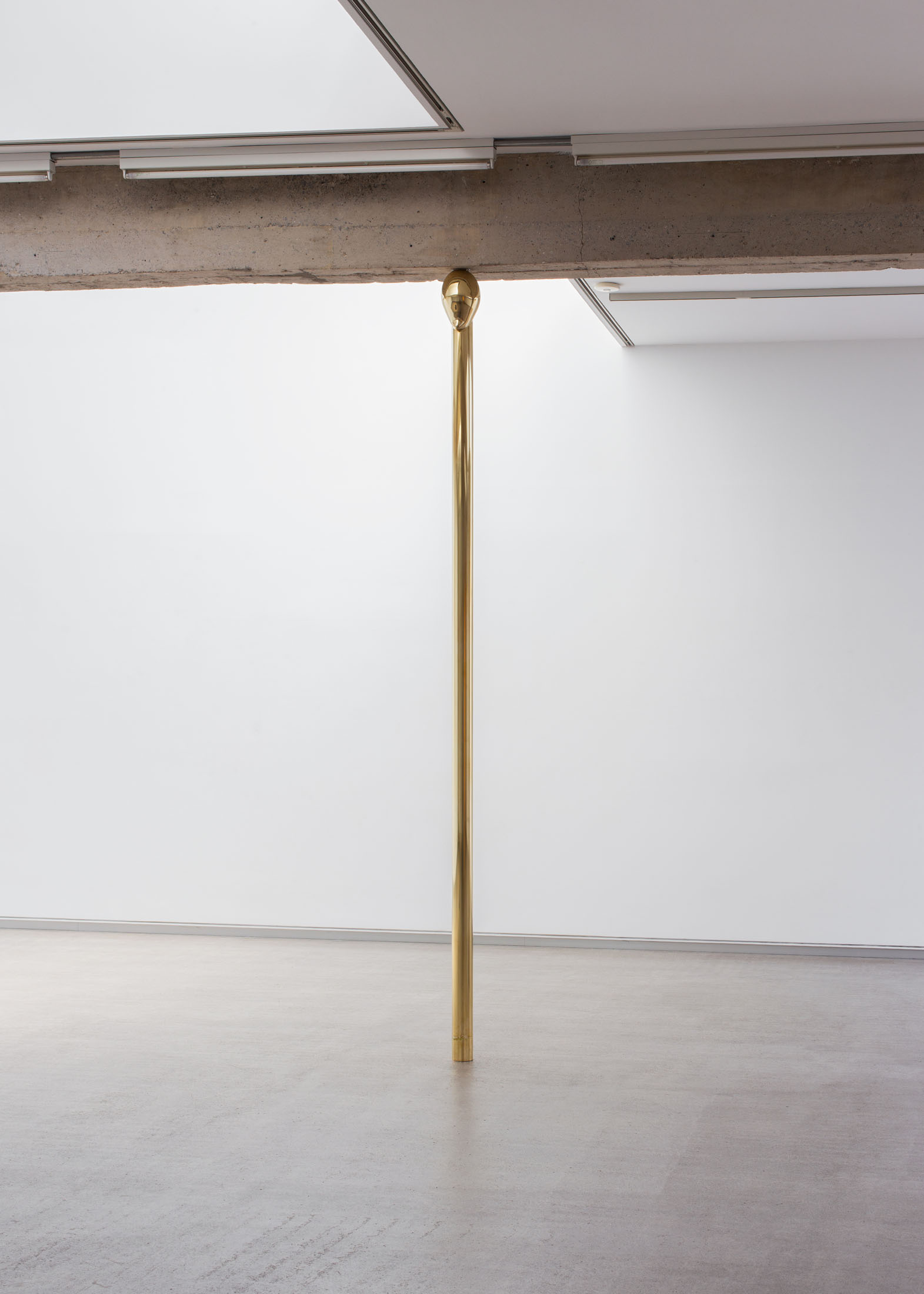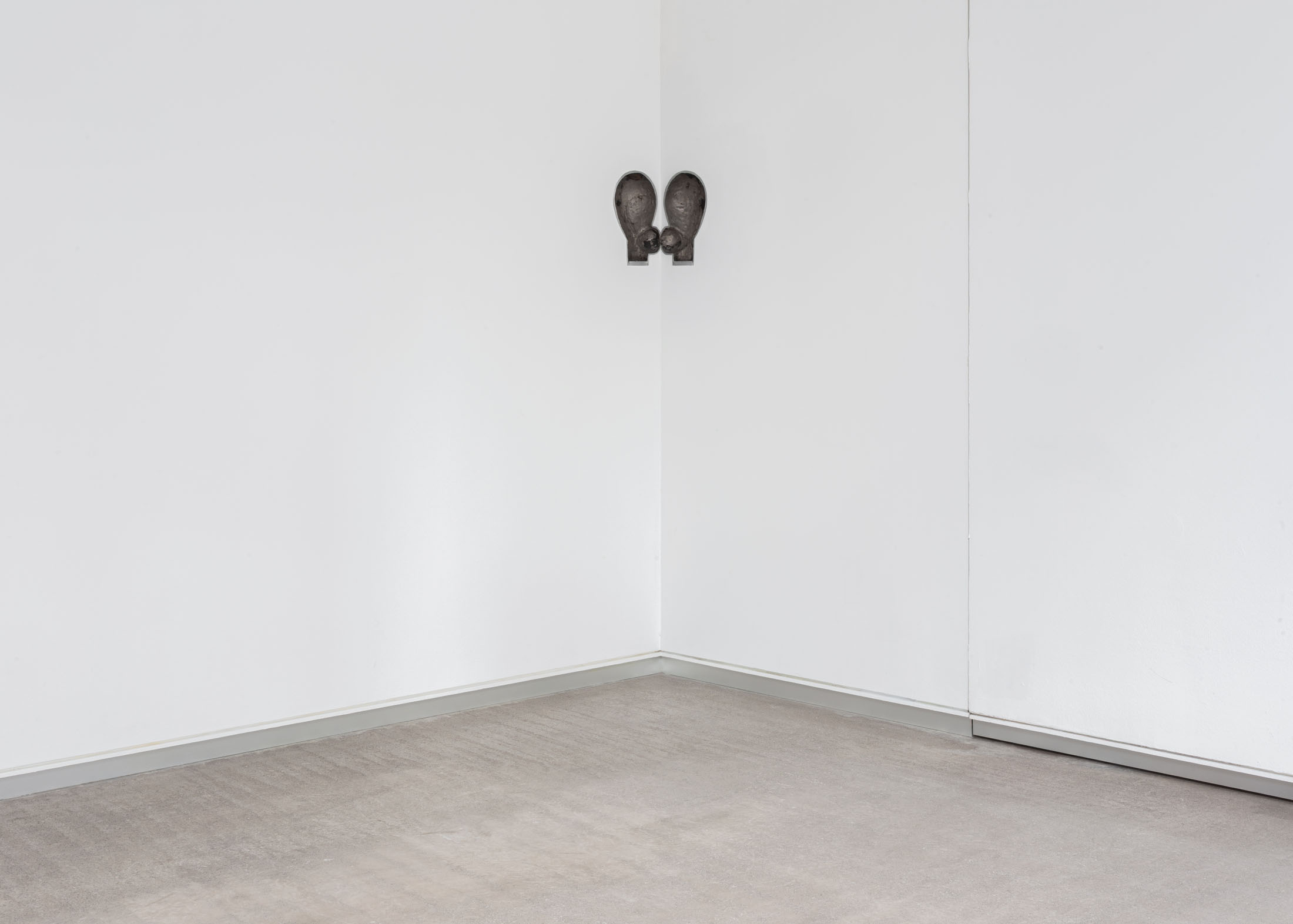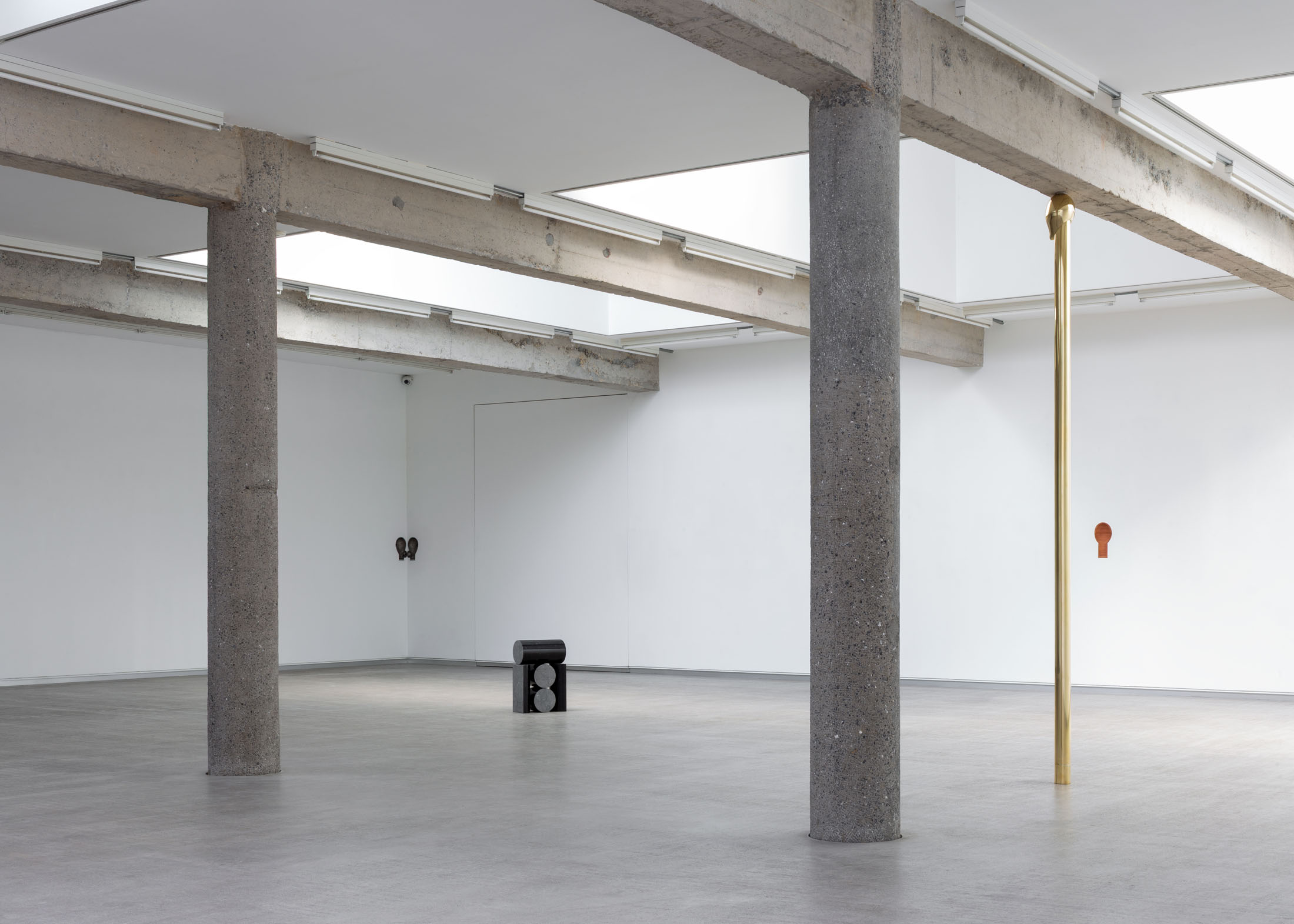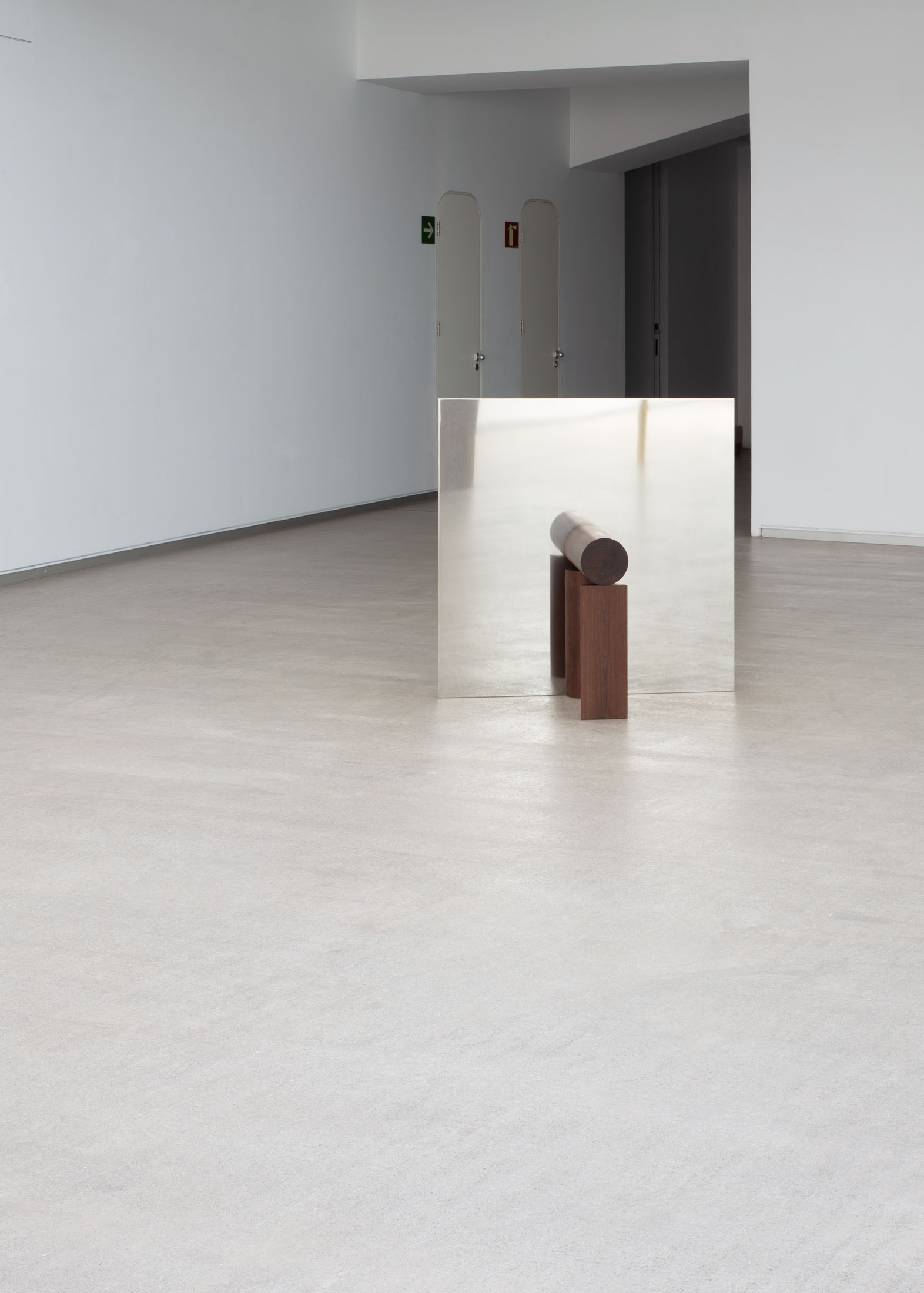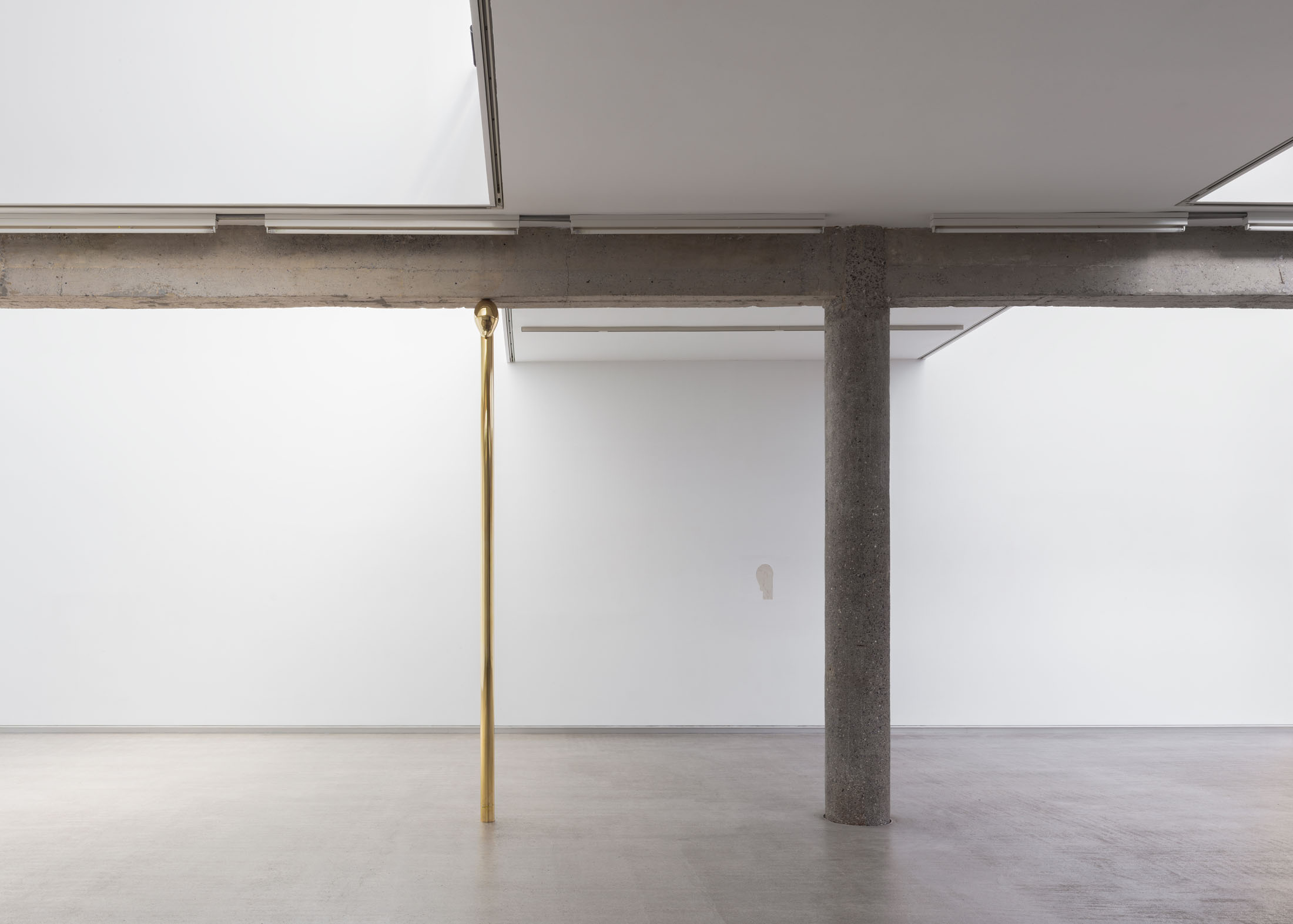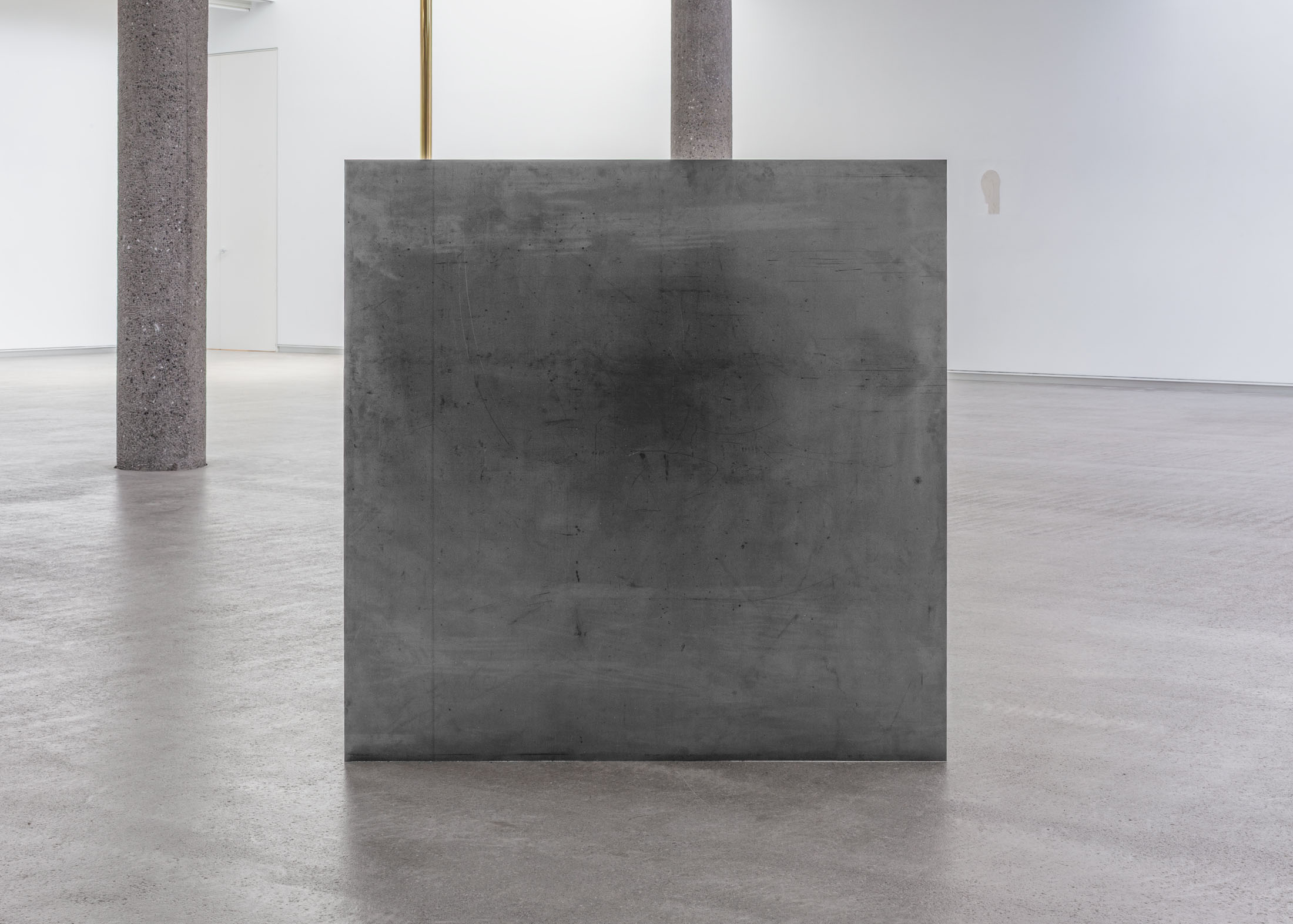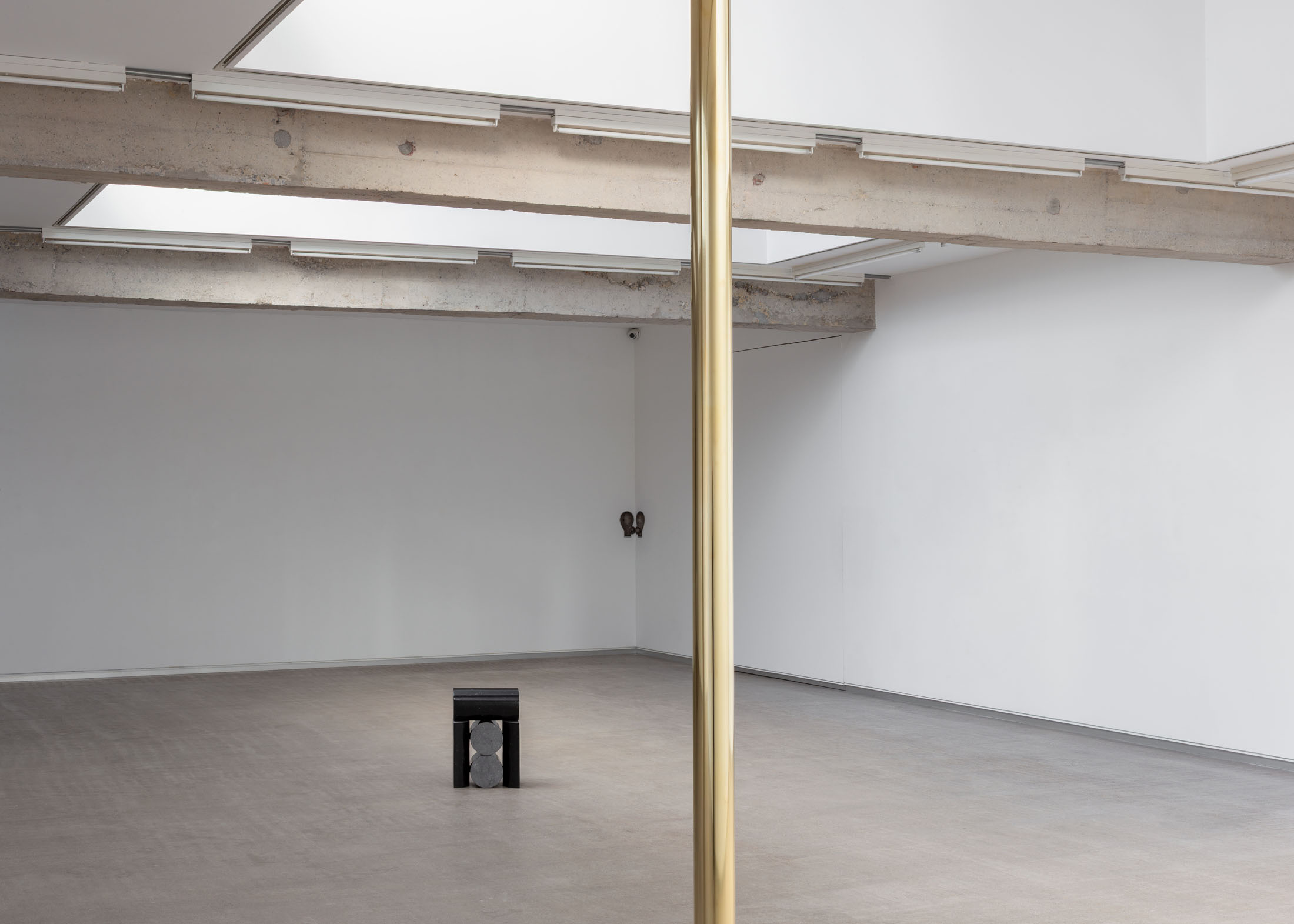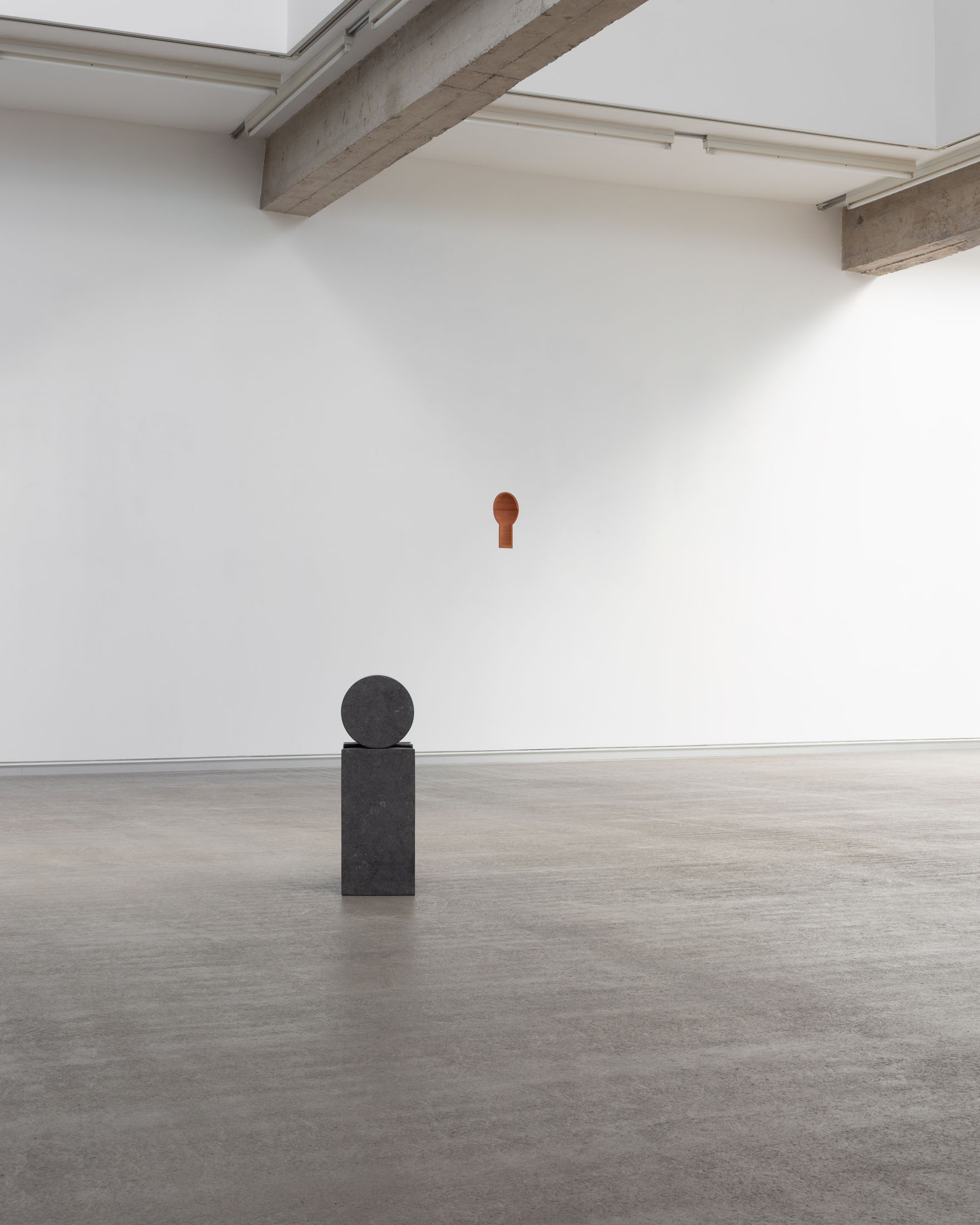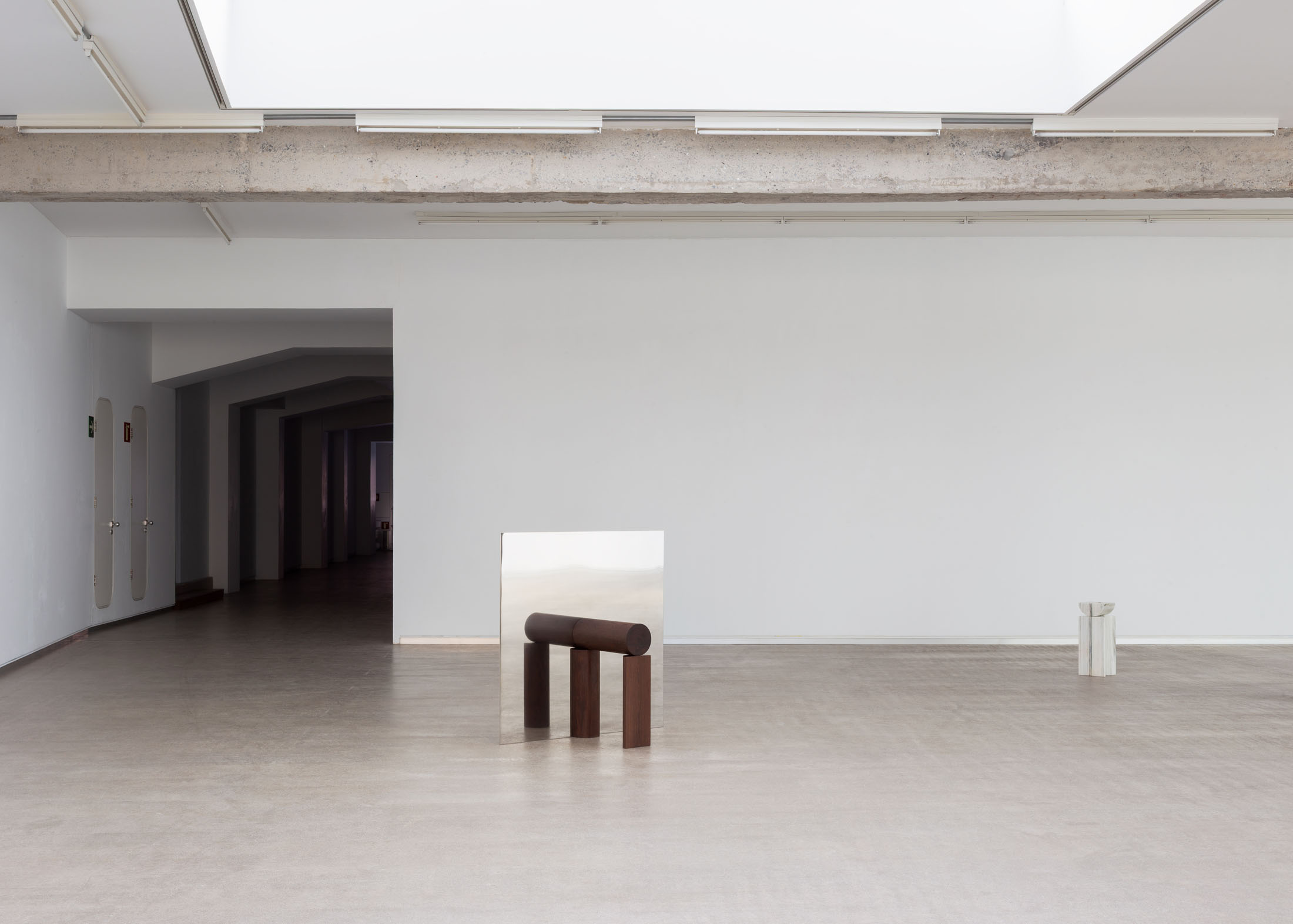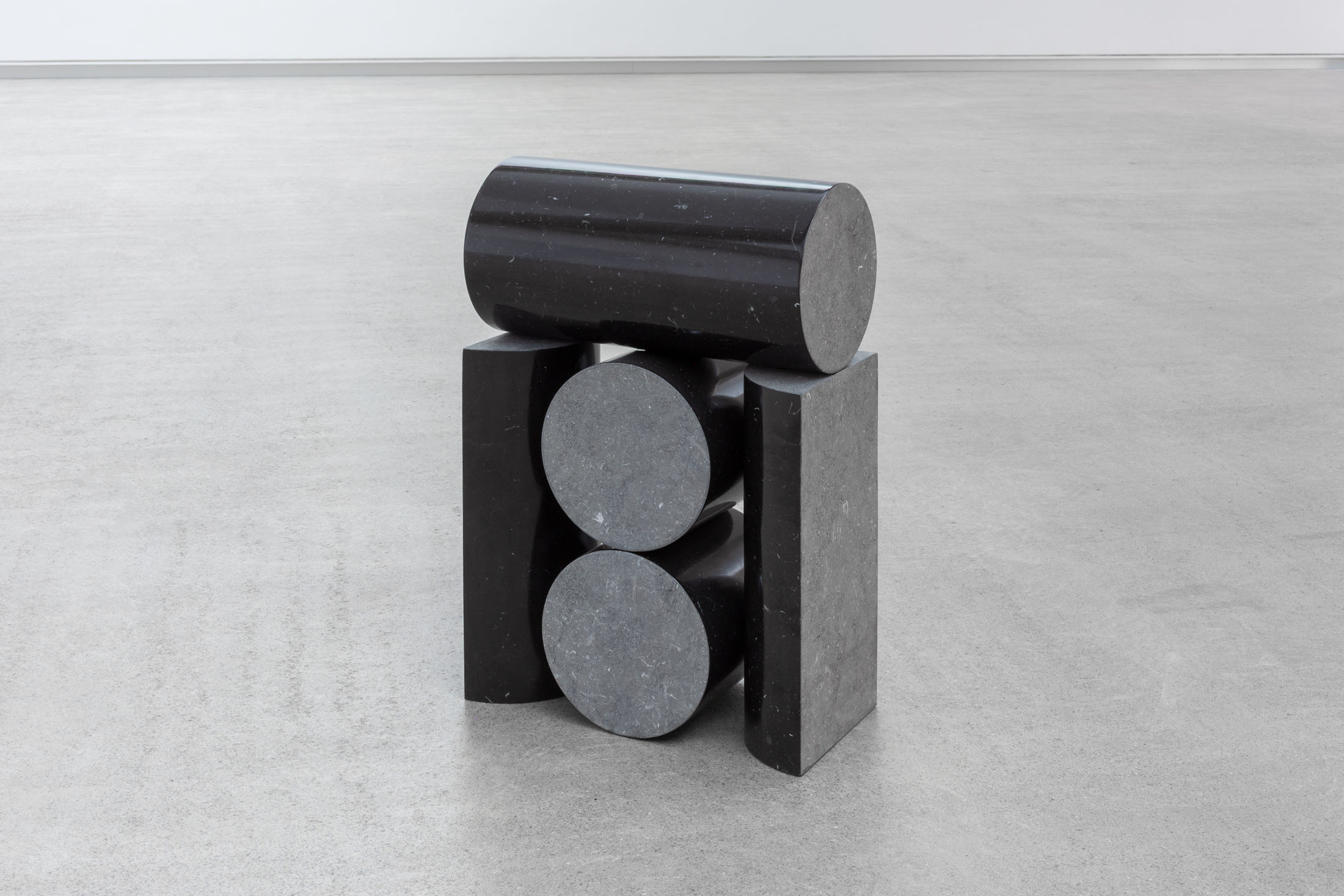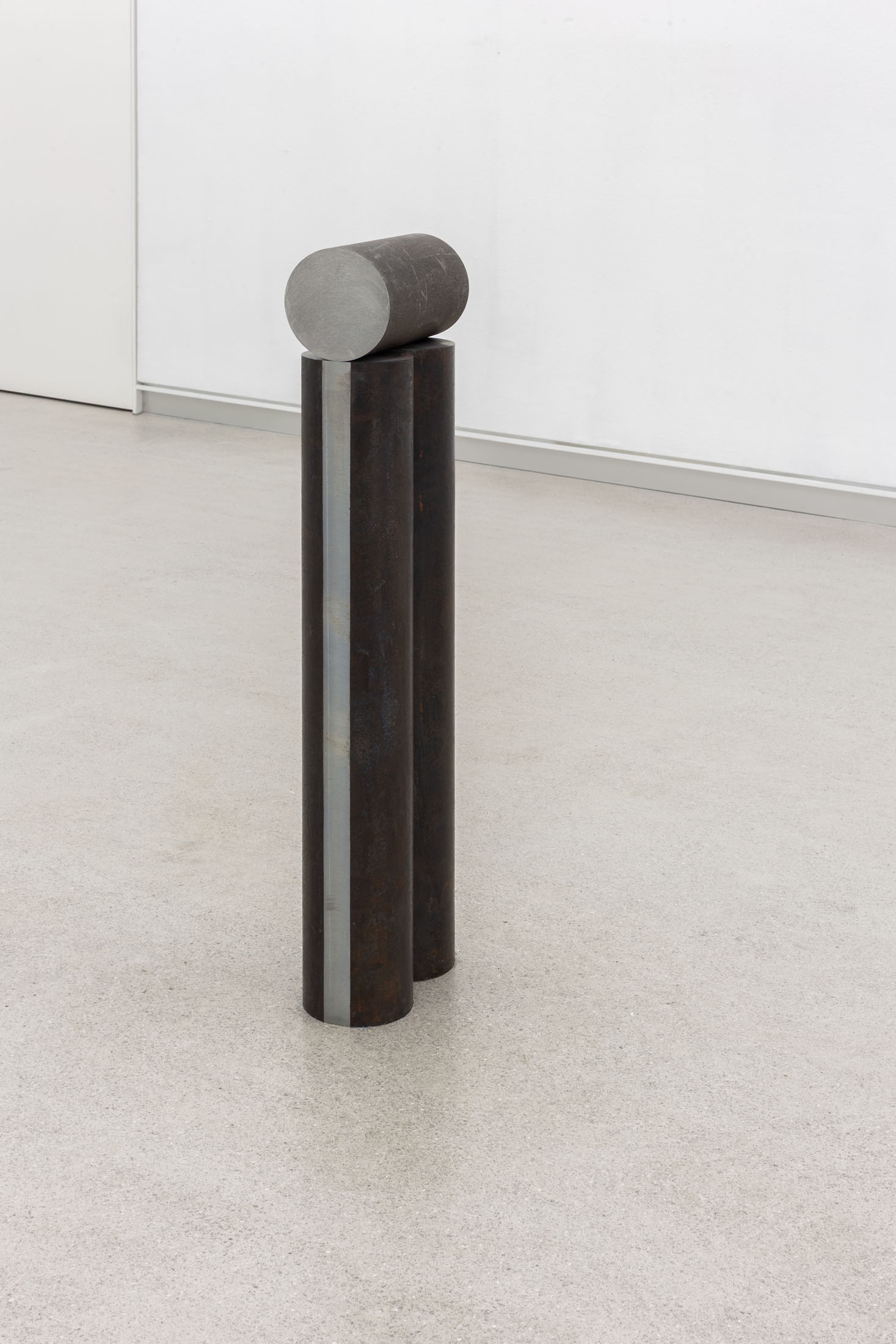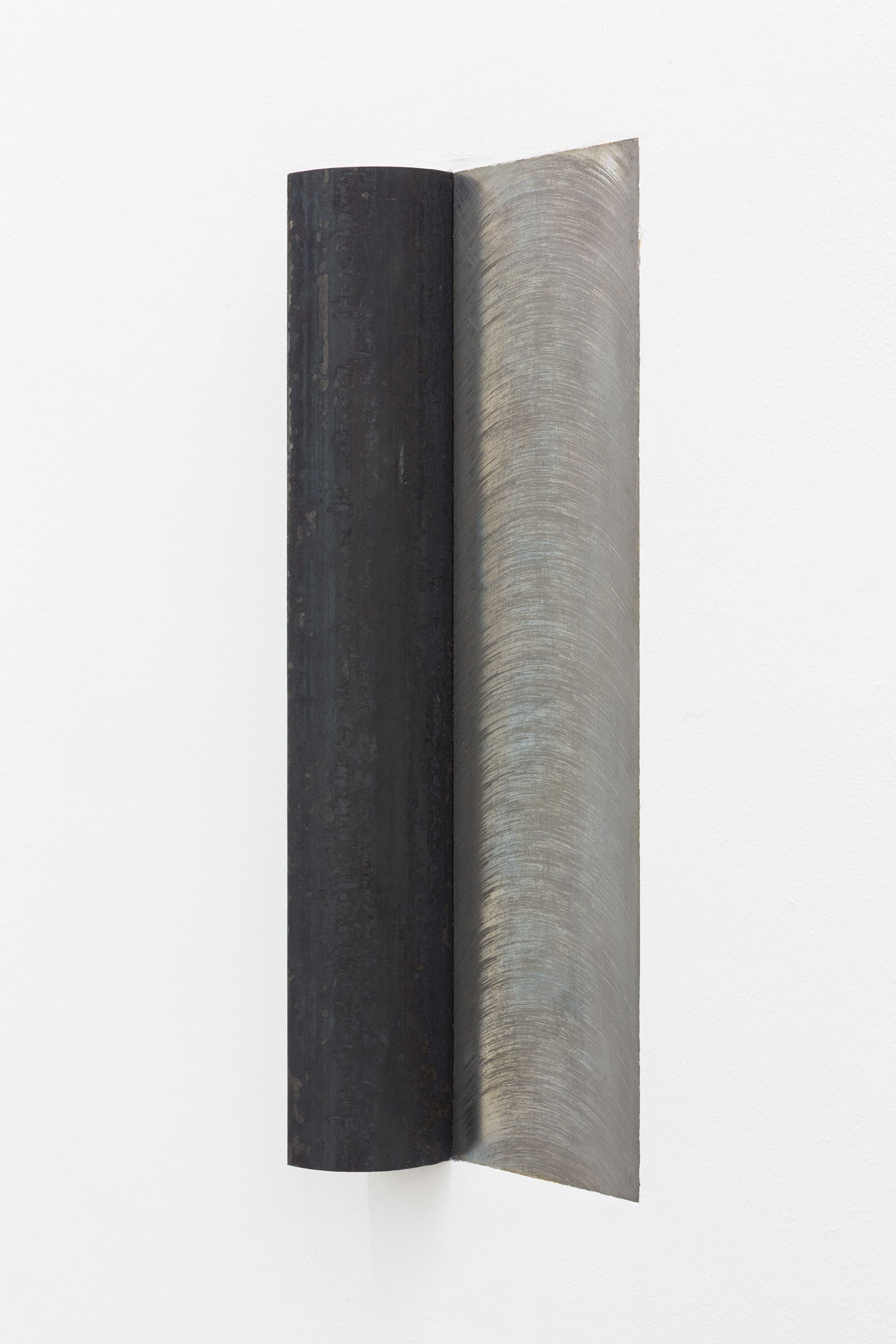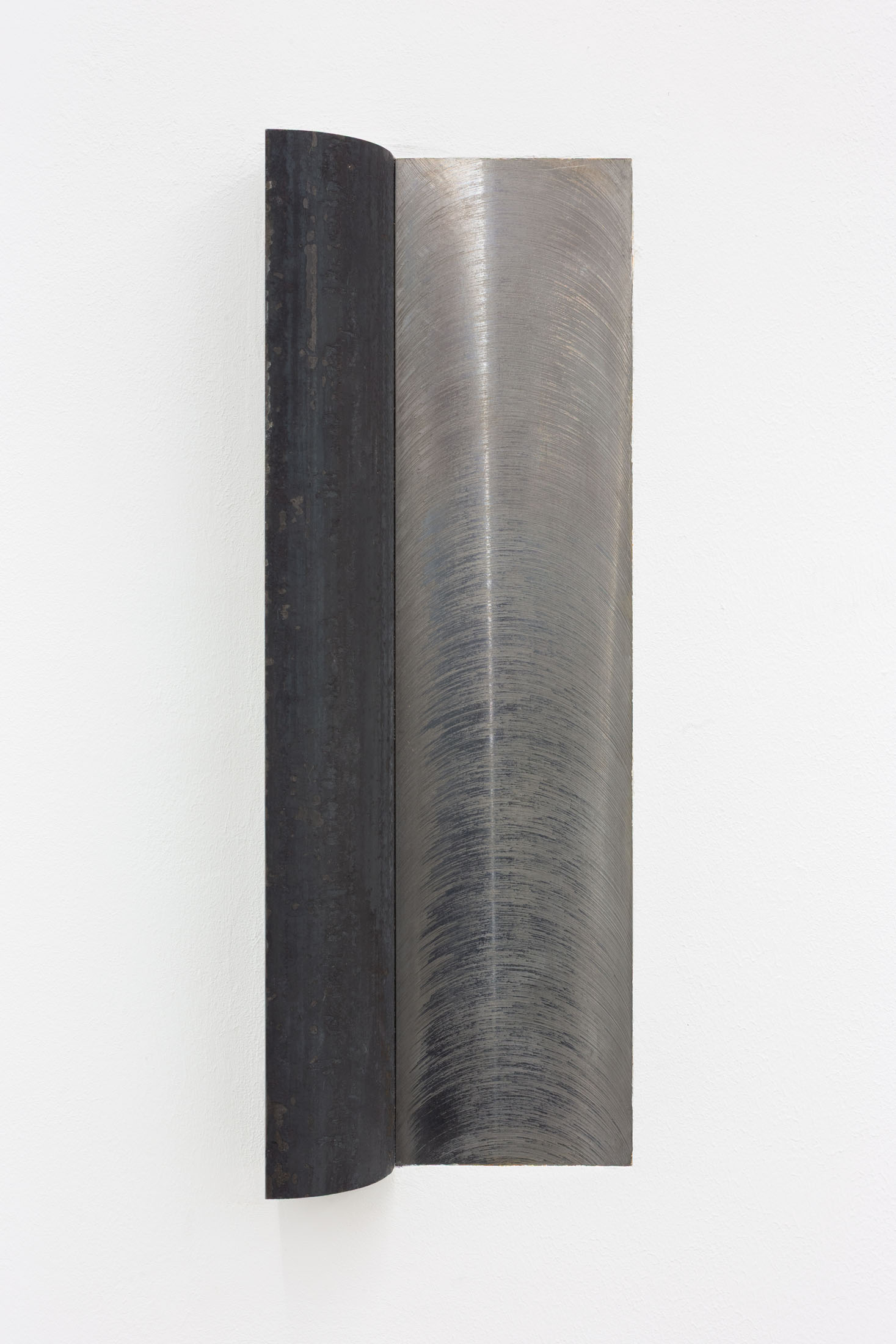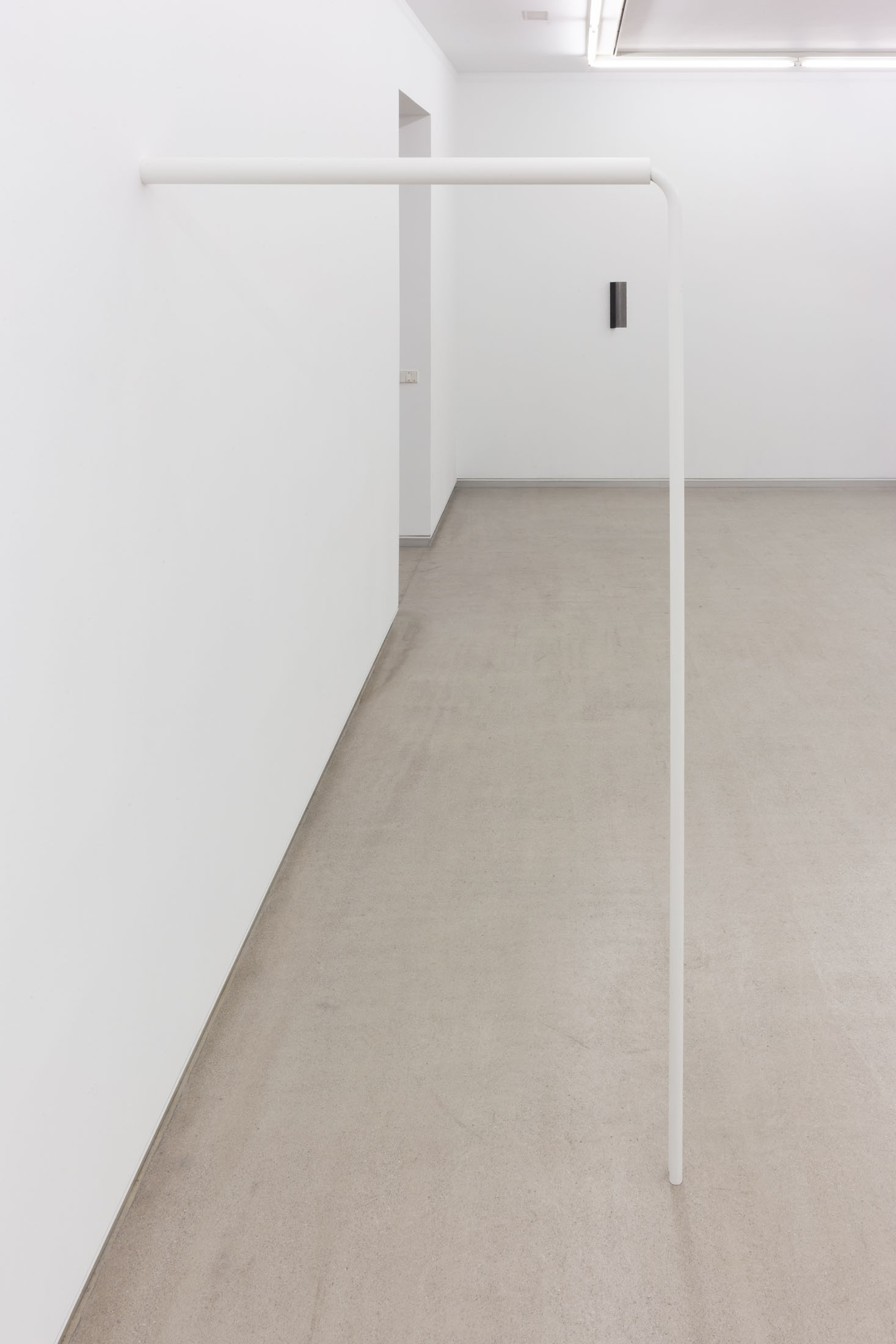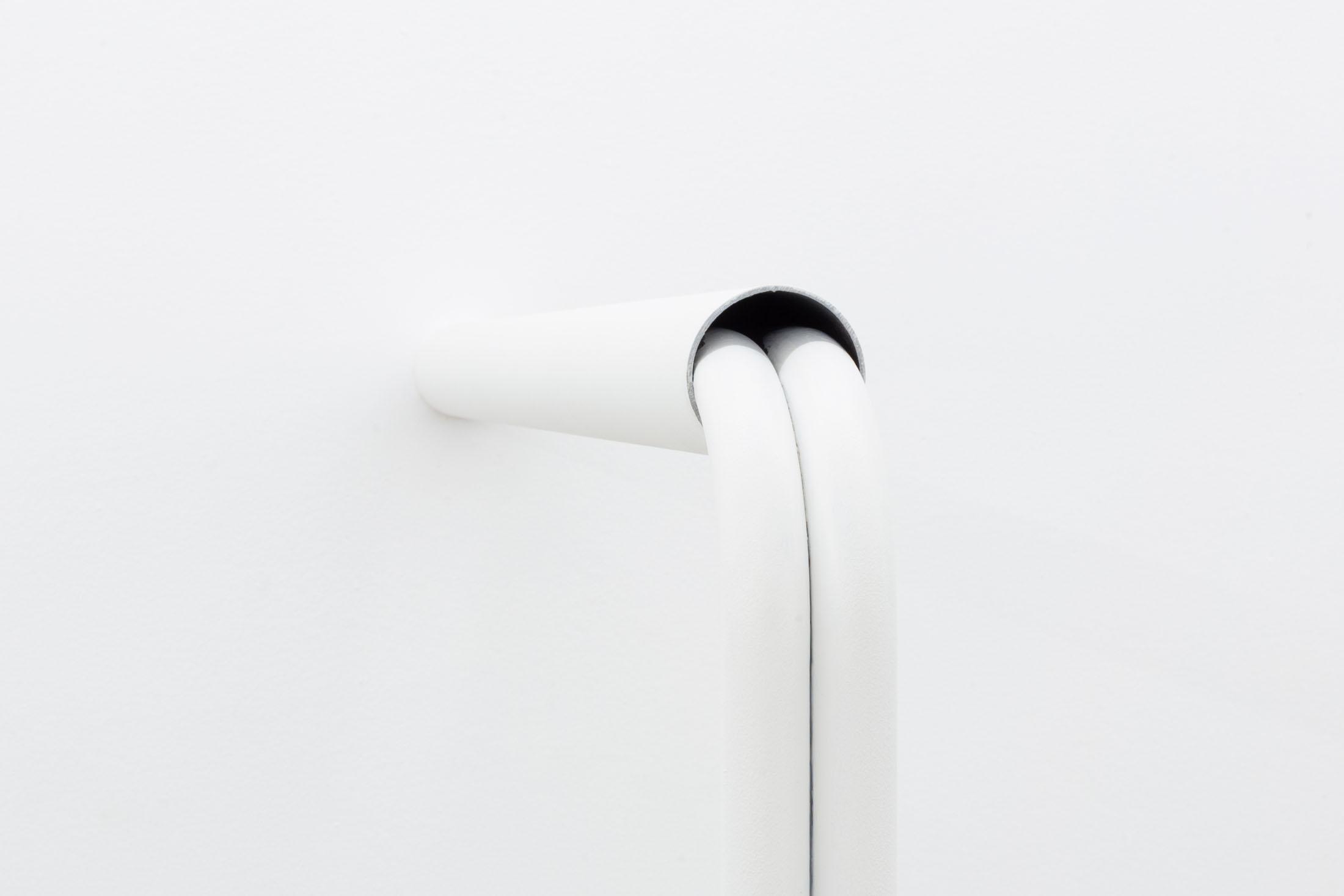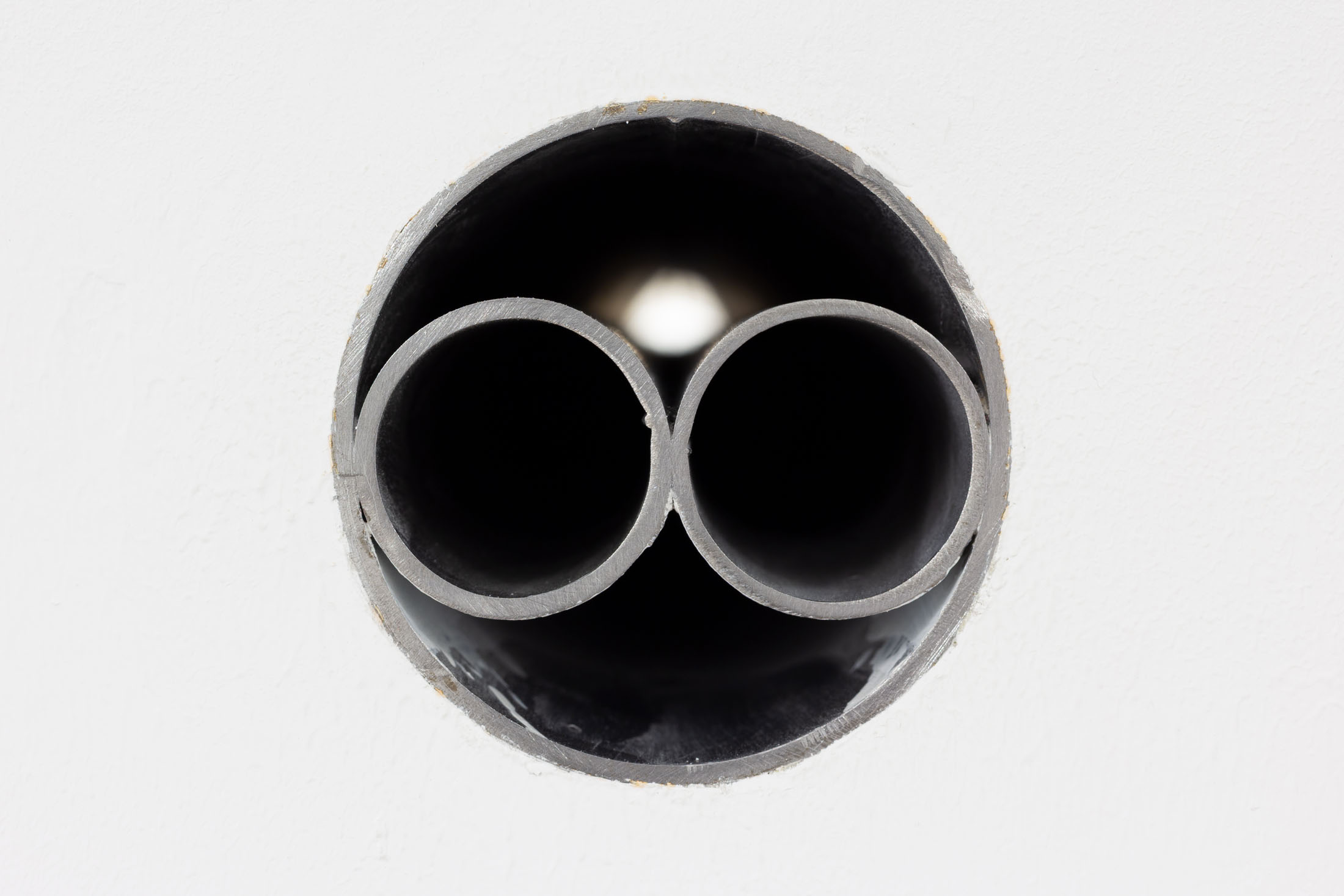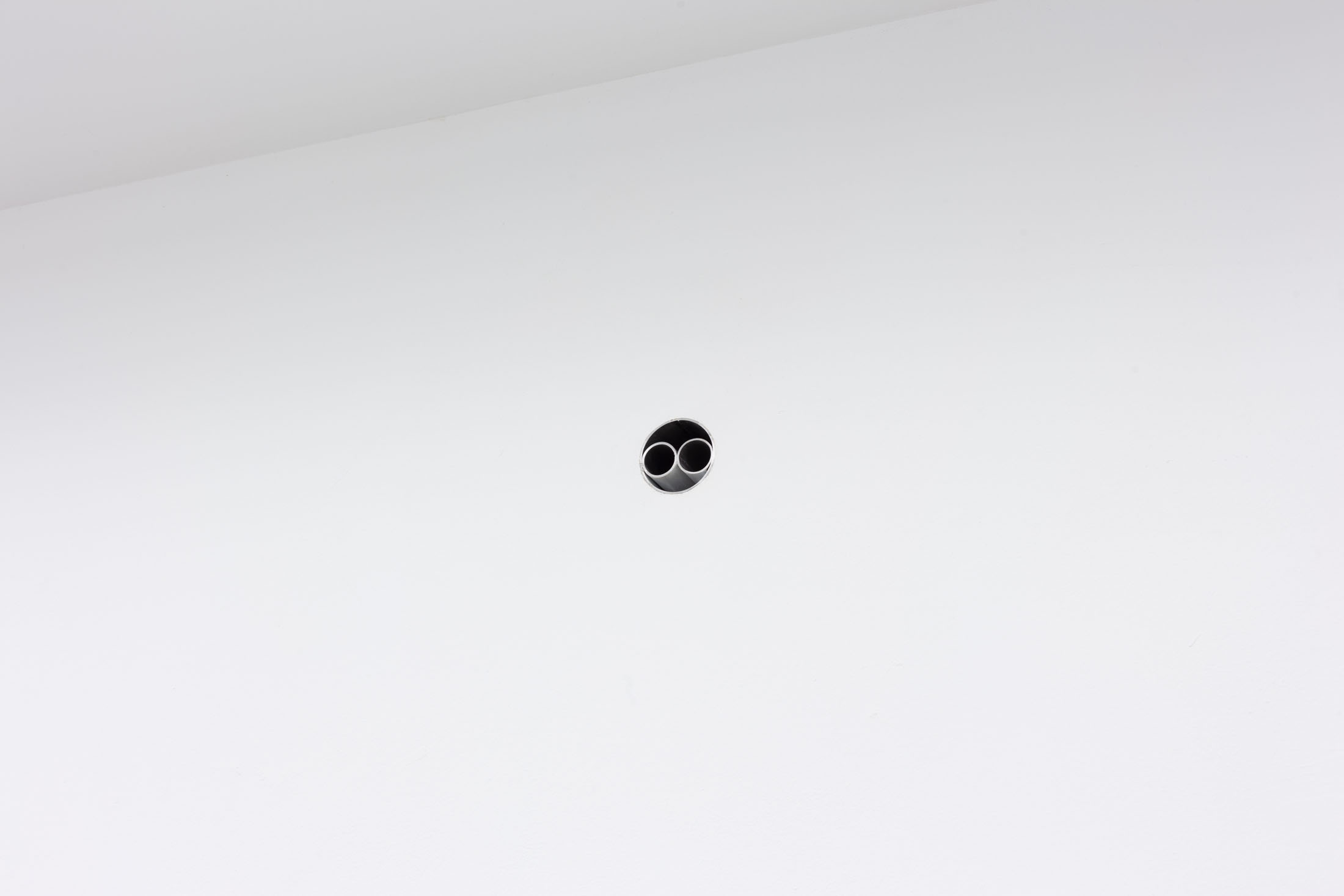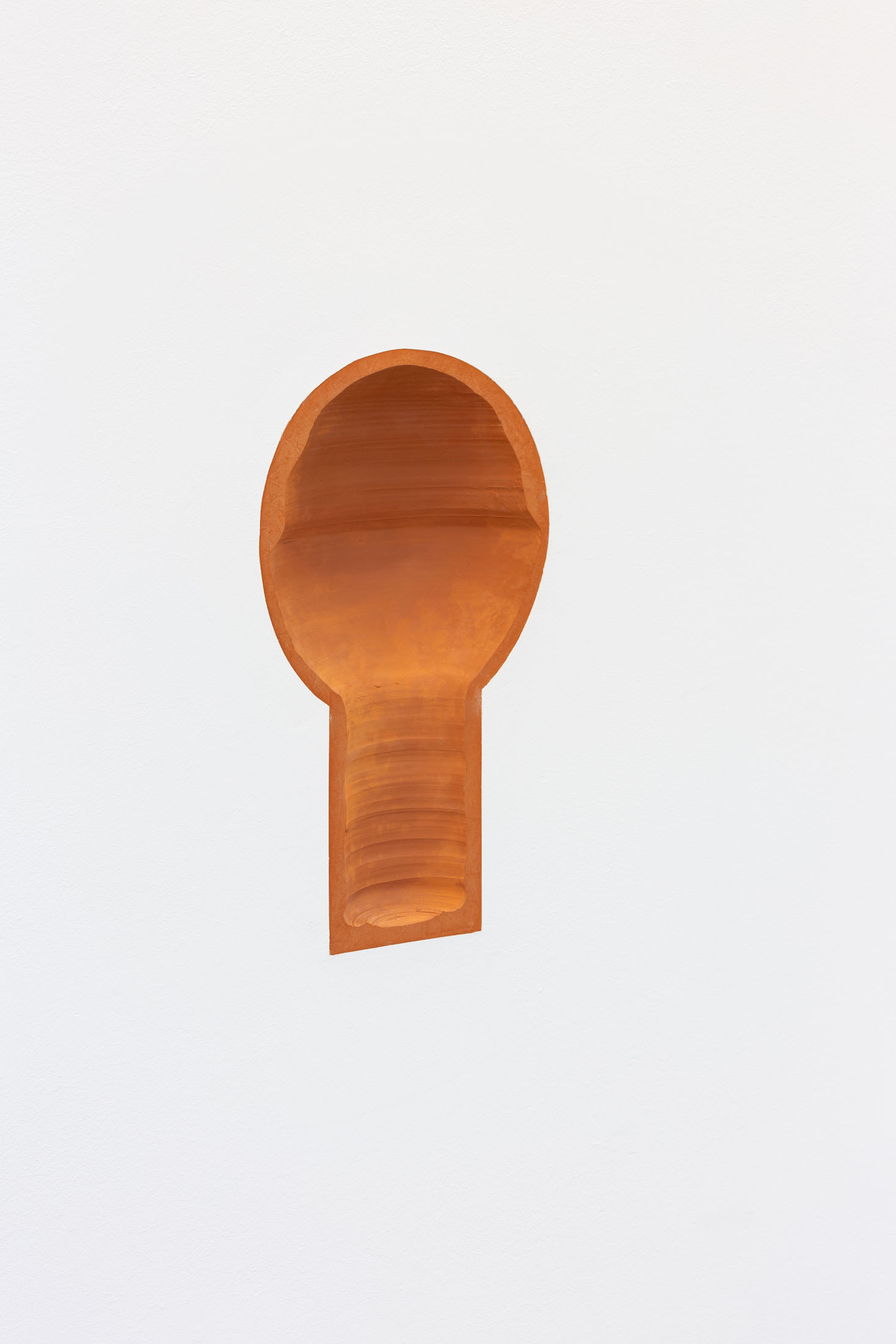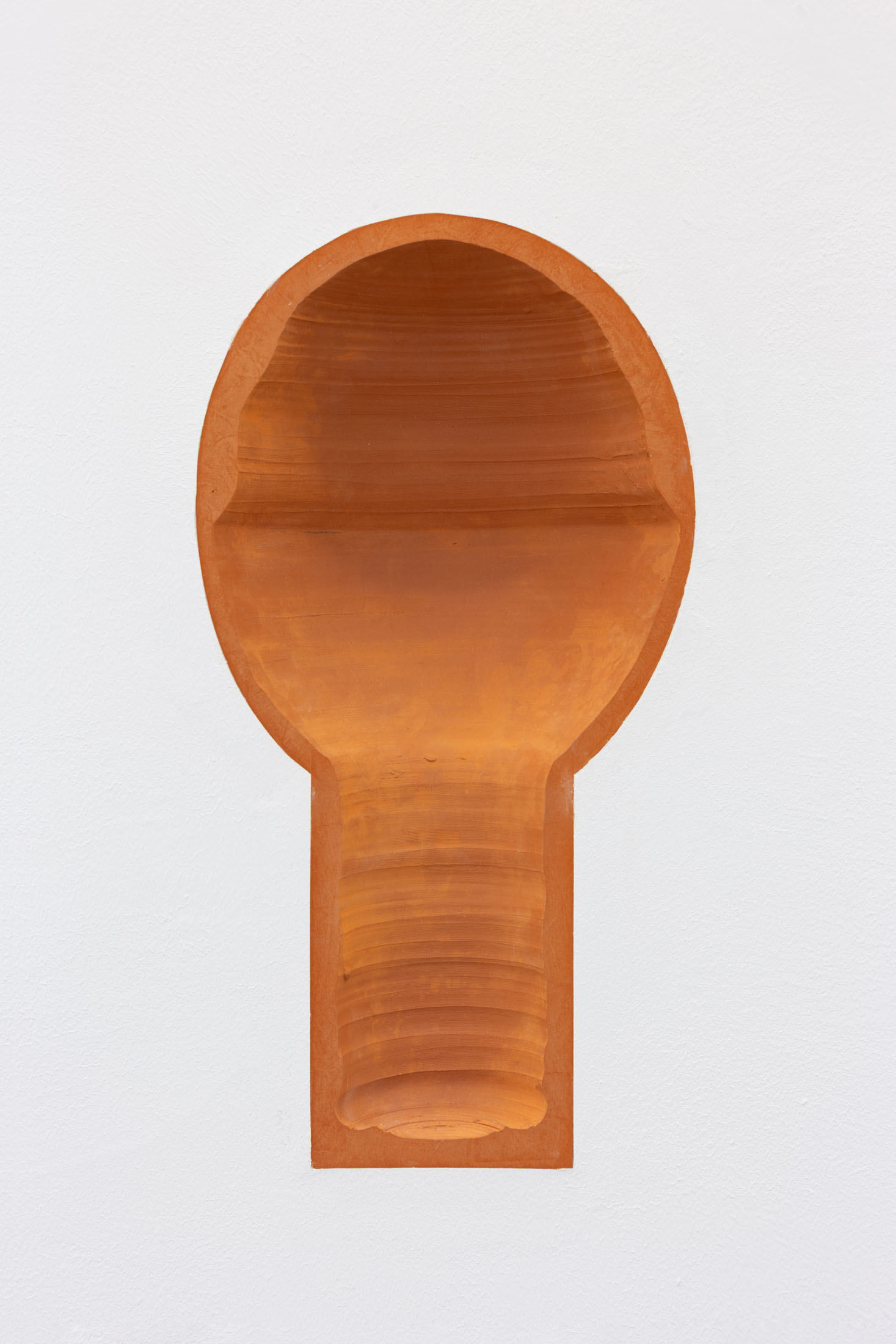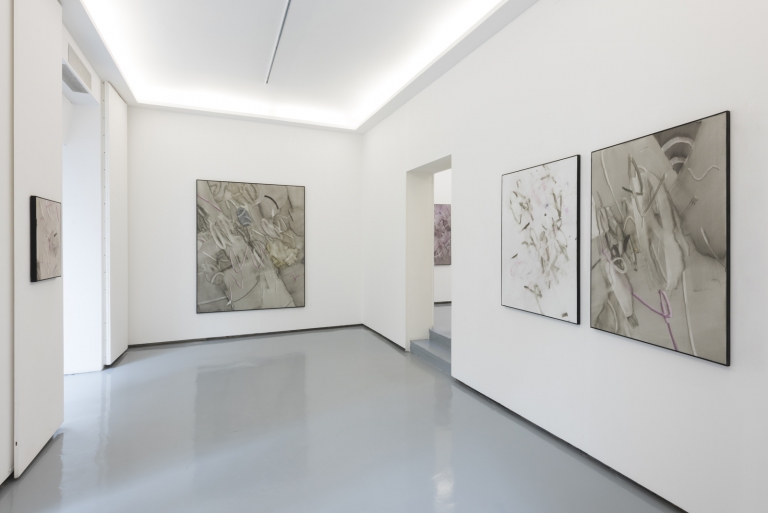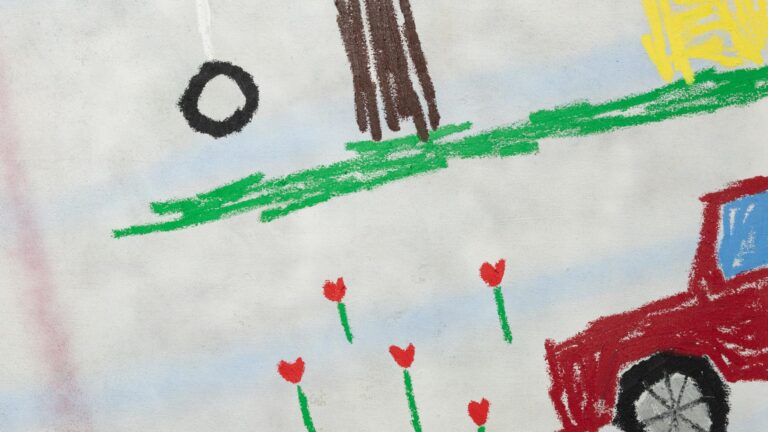
On my only visit to Japan, I stayed in an old traditional house. In my room, there were two ceramic pots with the ashes of all the ancestors of the family who had lived there. It struck me that their presence acted in a way unlike that of an image: the feeling was more physical and, at the same time, more invisible. It brought me to an awareness in which the image was no longer necessary.
‘Alma de cántaro’* is an expression that appears several times in Don Quixote , although its origin remains unknown. Cervantes would appear to be invoking the hollow sound of an empty pitcher and the ‘soul’ understood as what is contained inside it: akin to an emptiness of spirit or understanding; in other words, someone who fails to perceive what is obvious and is not fully aware of reality.
There is a sculptural logic at play here: to assign the word ‘soul’ to something hollow brings out the inner meaning of the pitcher. The potter spins the wheel and, working from the edge, gives shape to the void, turning the material into a vessel; by enclosing it, the emptiness becomes a tangible hollow.
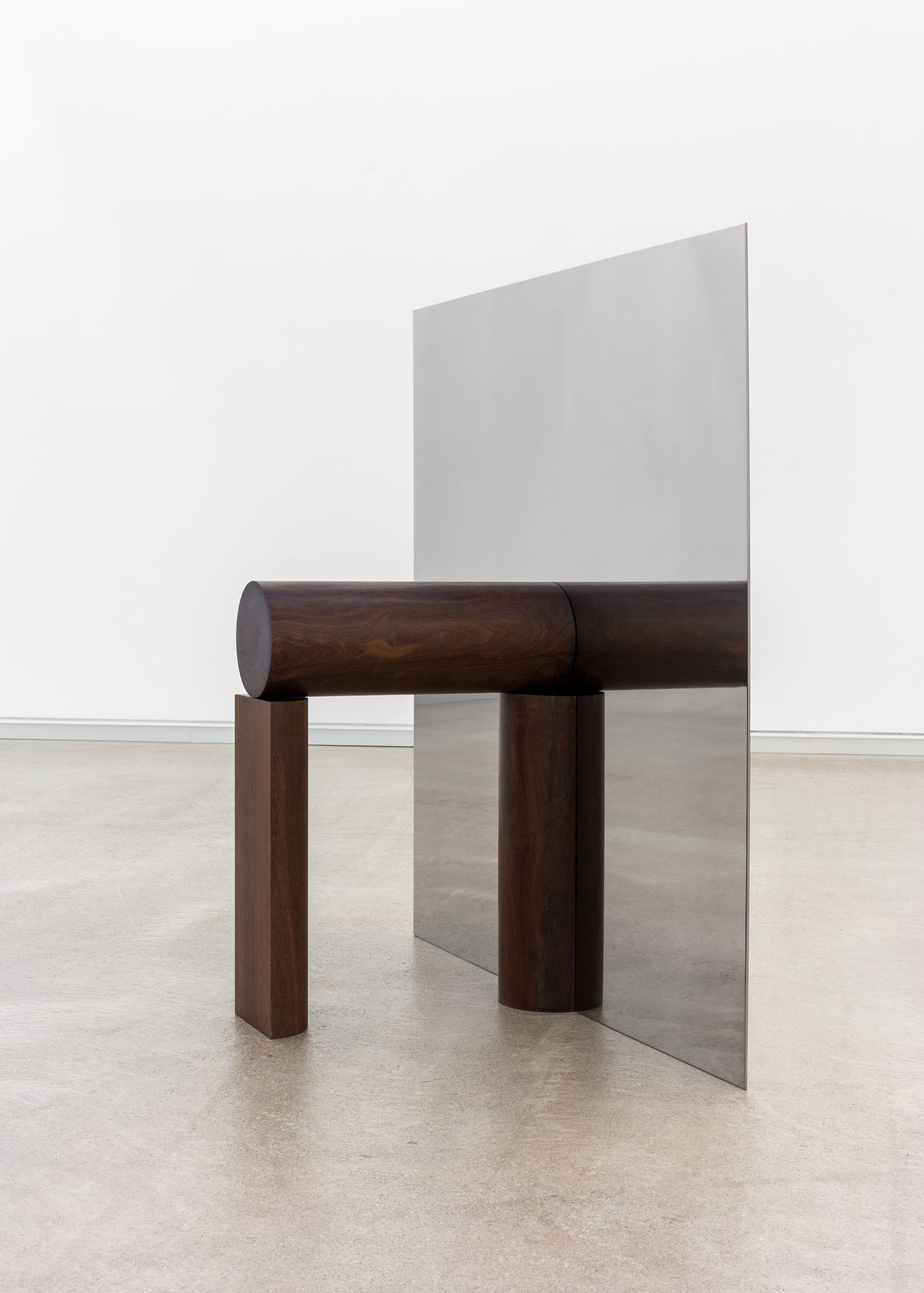
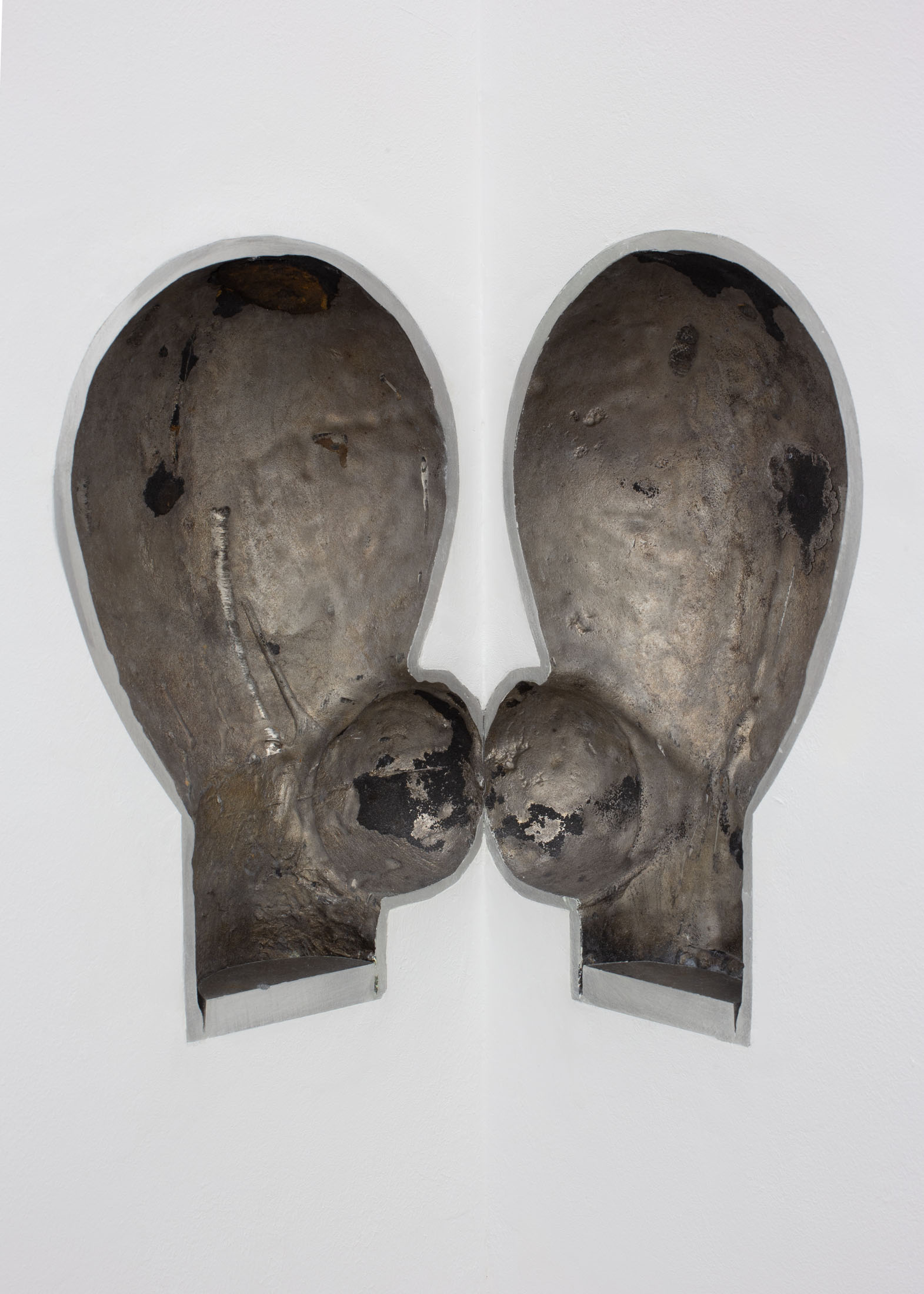
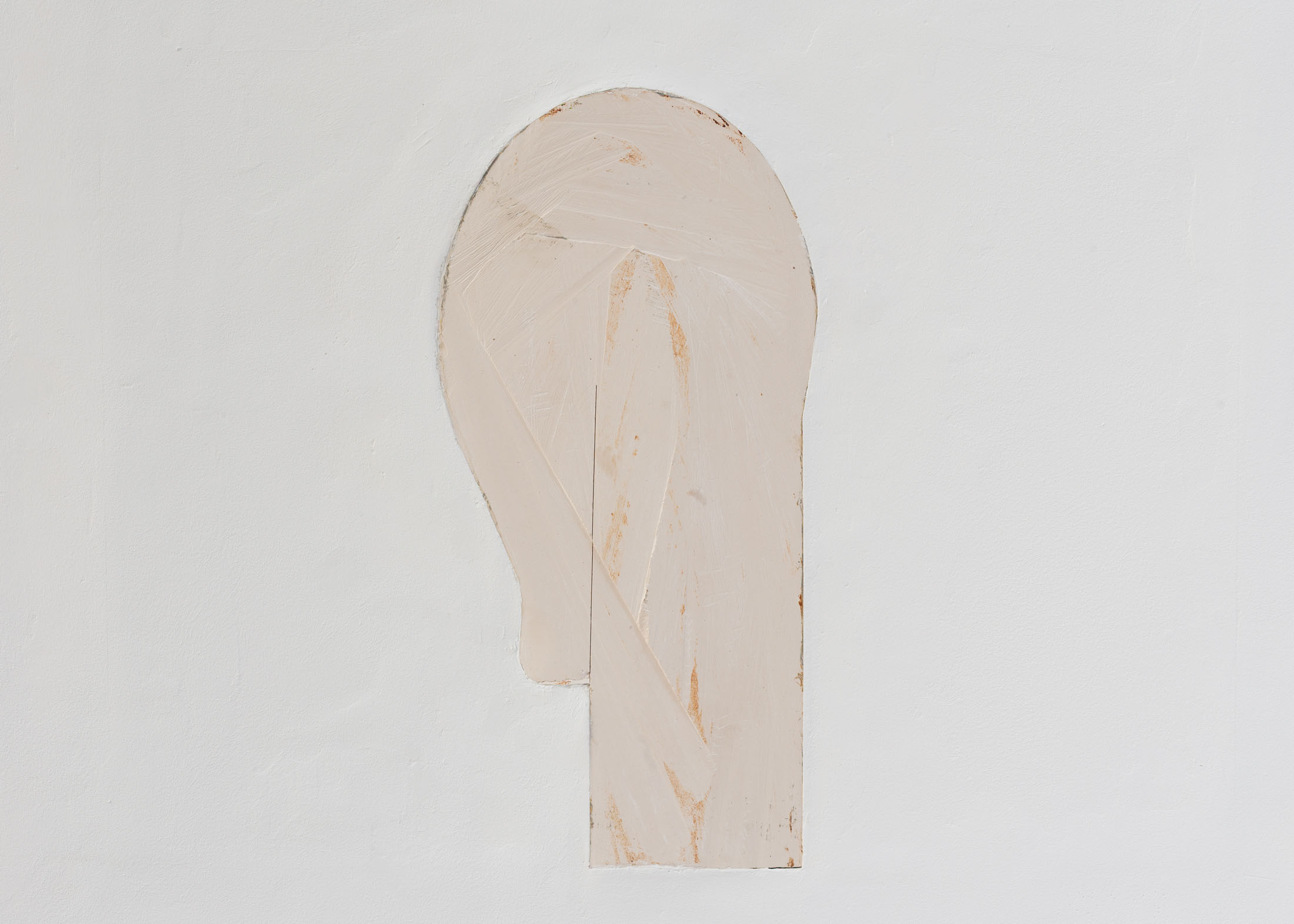
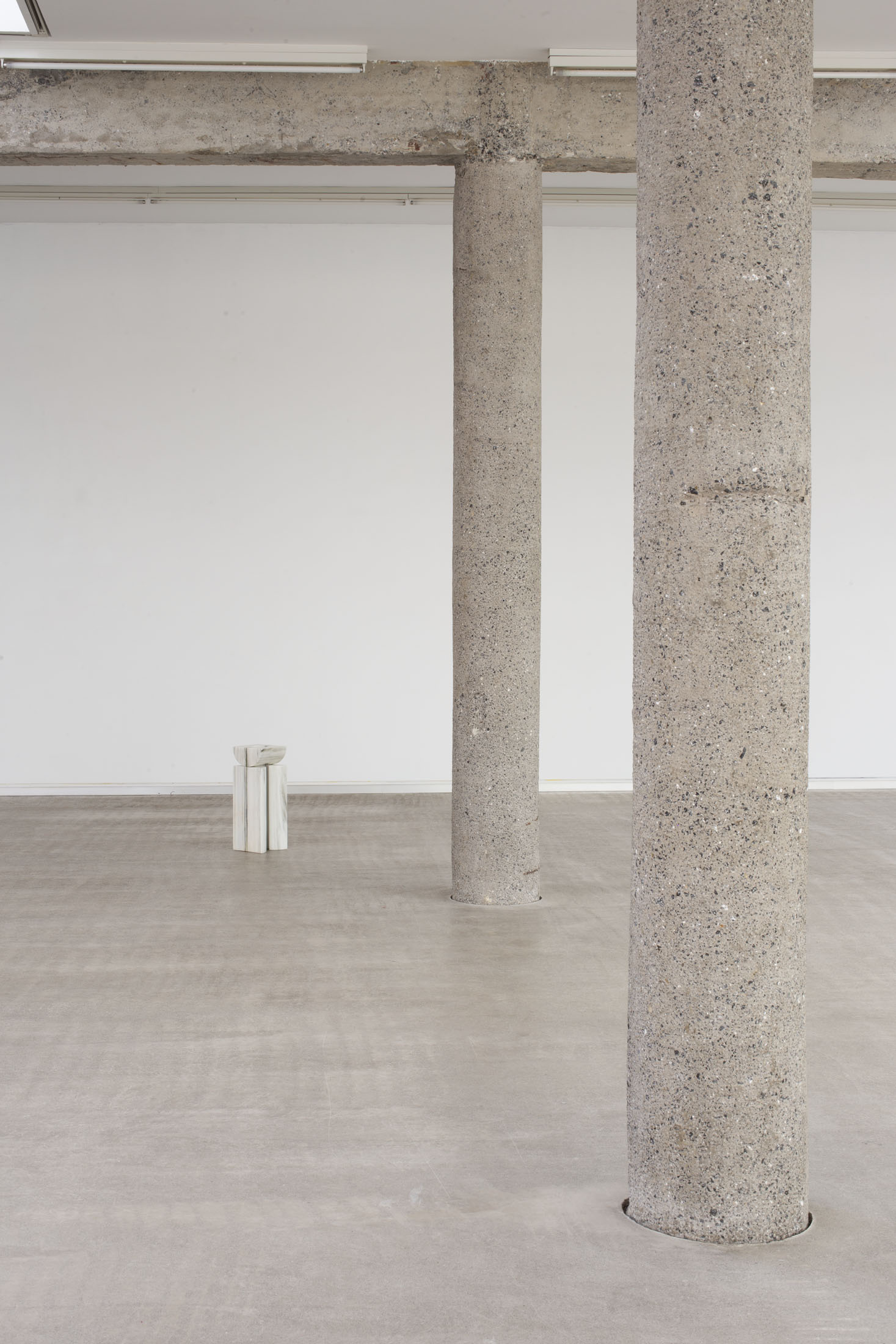
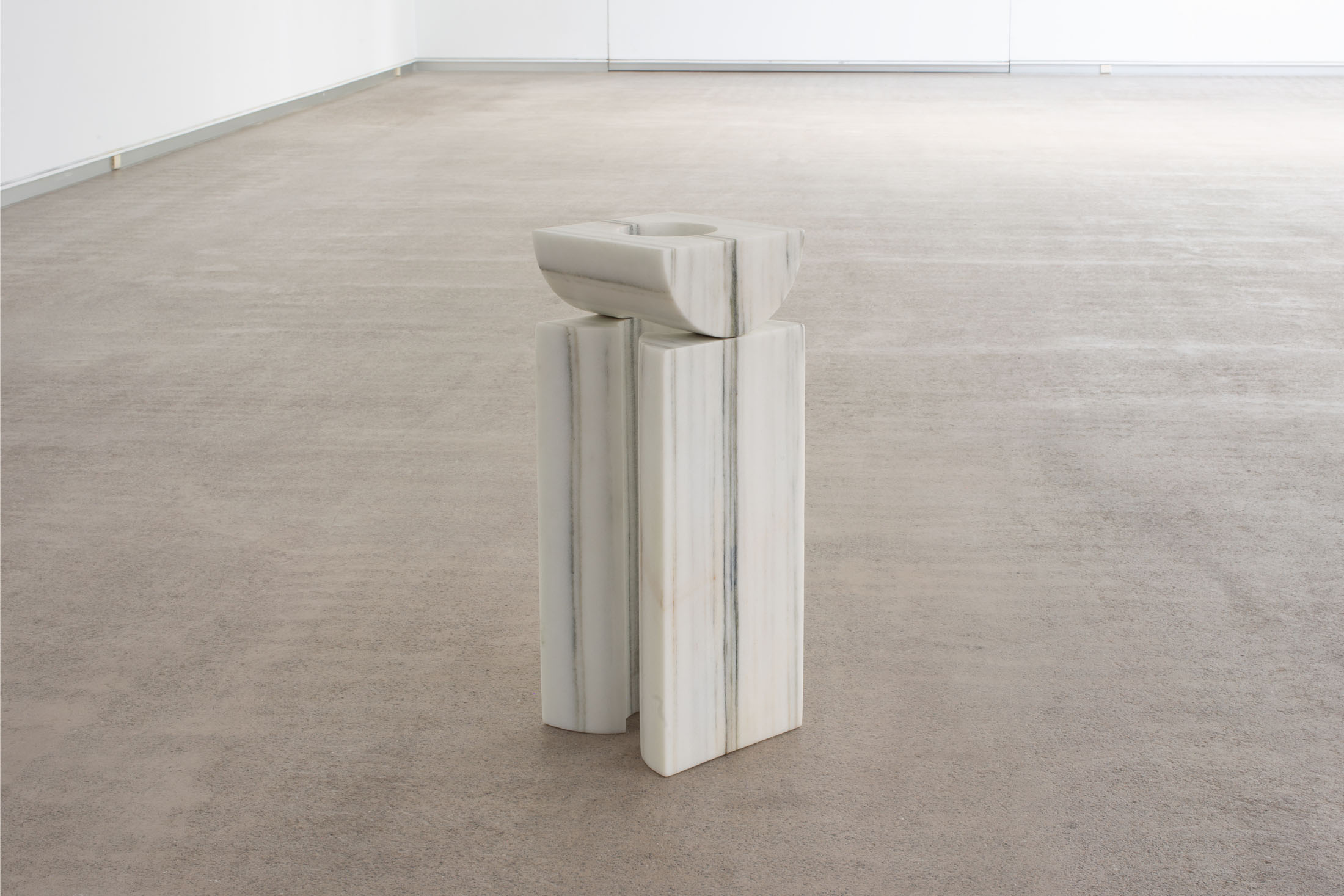
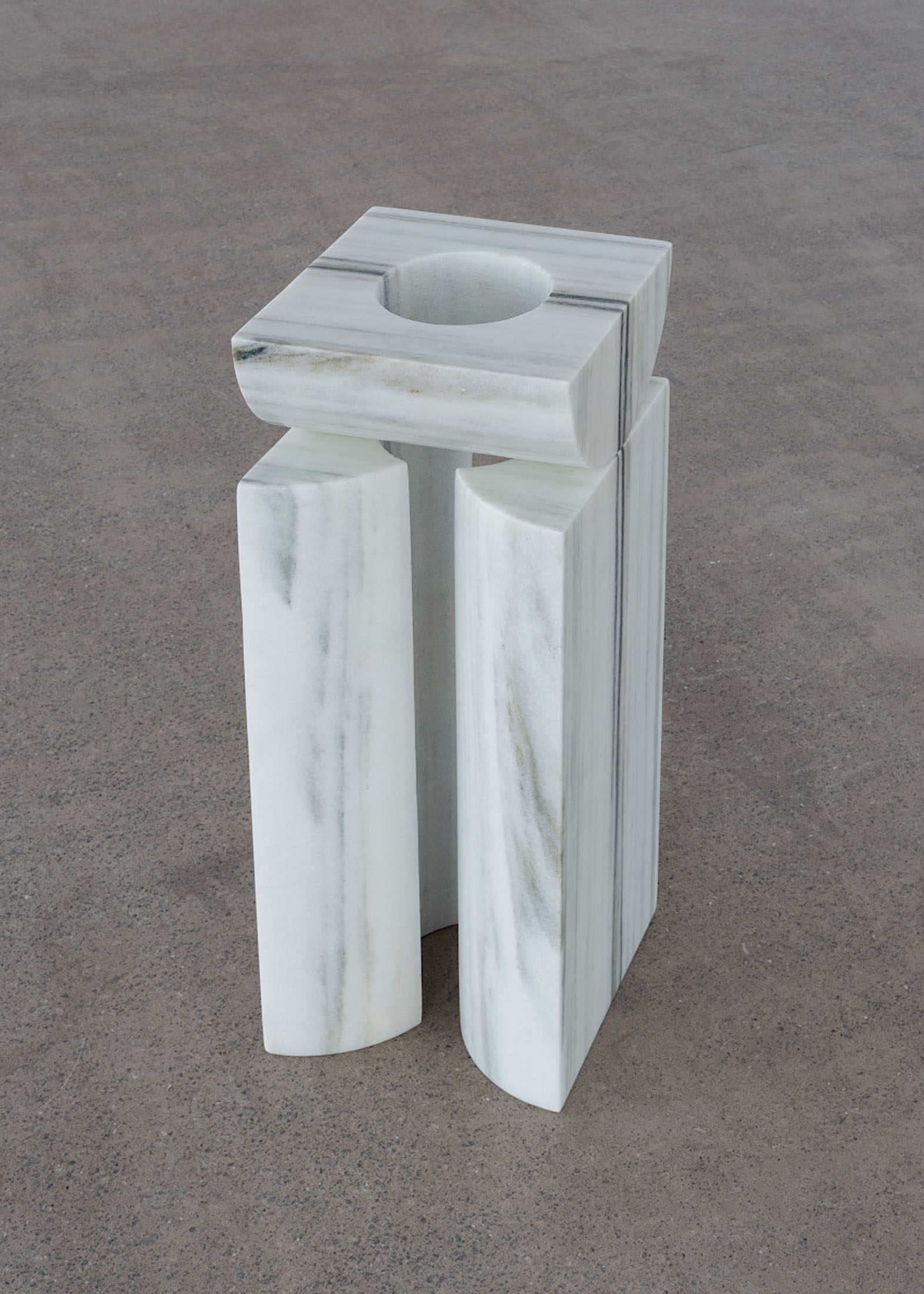
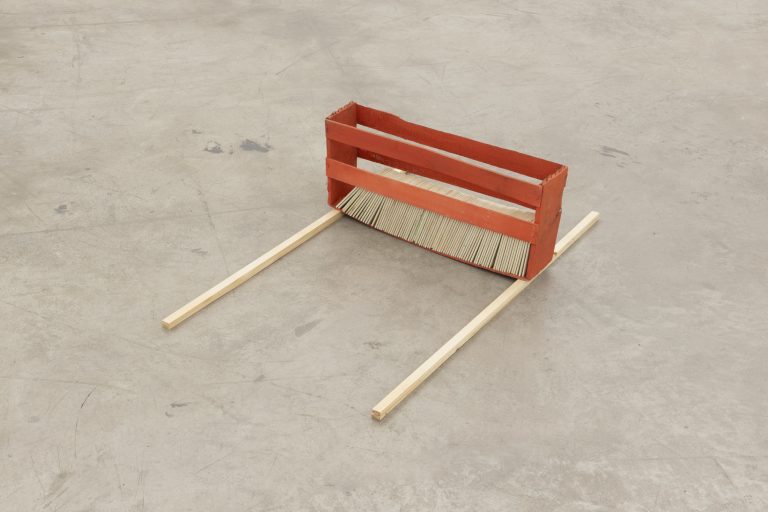
Both sculptures and ceramic pieces are objects. It is difficult to experience a physical response when seeing them—something that does happen, for instance, with architecture—but they do have the power to evoke. Their physicality is strong enough to trigger memories.
Room renderings and digital design: Emir Gómez Farah
Metal cutting and fabrication: Oriol Texidor
Stone assembly: Raúl Tapia
Brass casting: Microfusión Daranas
Stone sculpture fabrication: José Muñoz
Ceramics: Marc Vidal
Metal machining: Mecanizados Rol
Brass welding: El taller de Joyería
Wood turning: Javier Viñolas