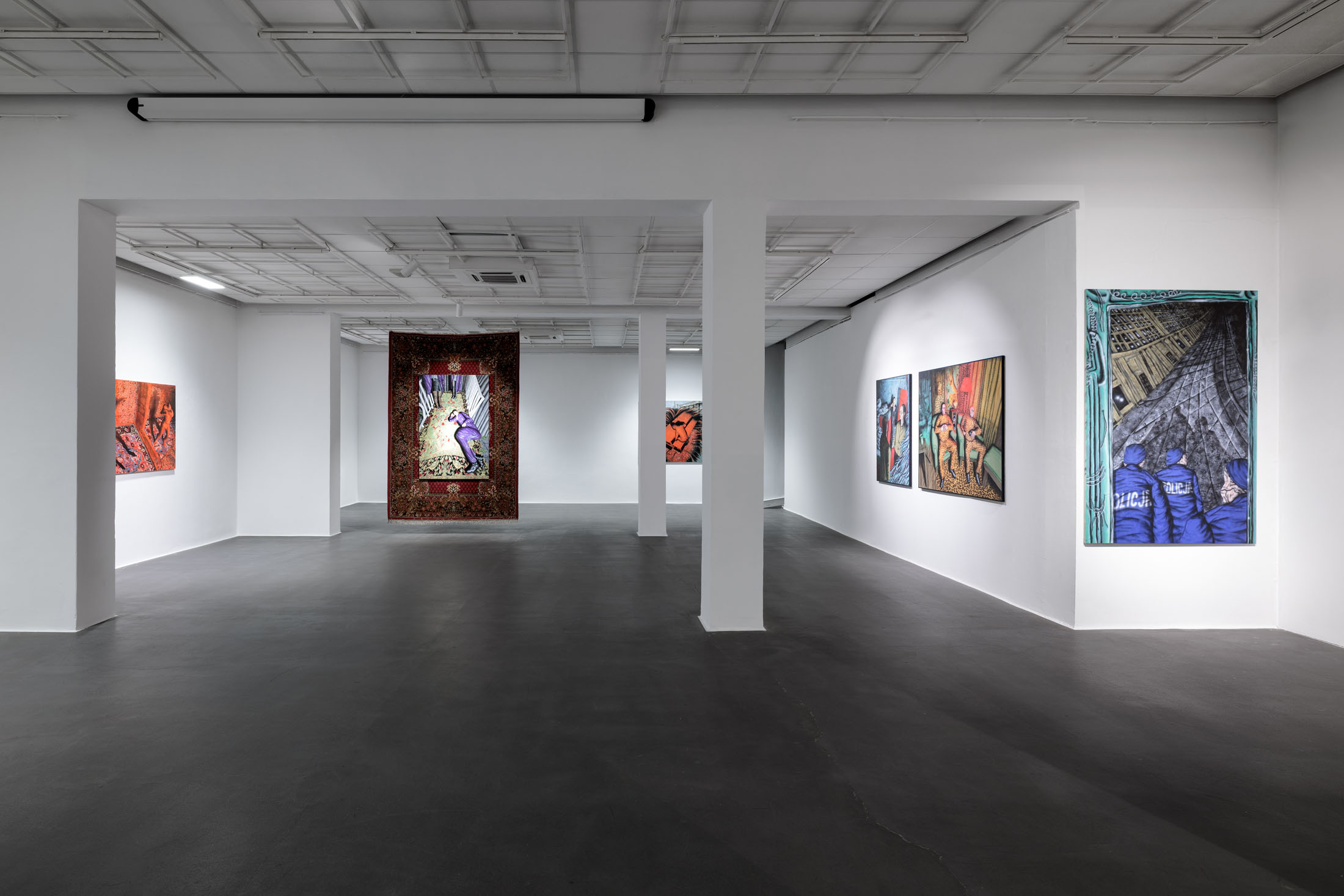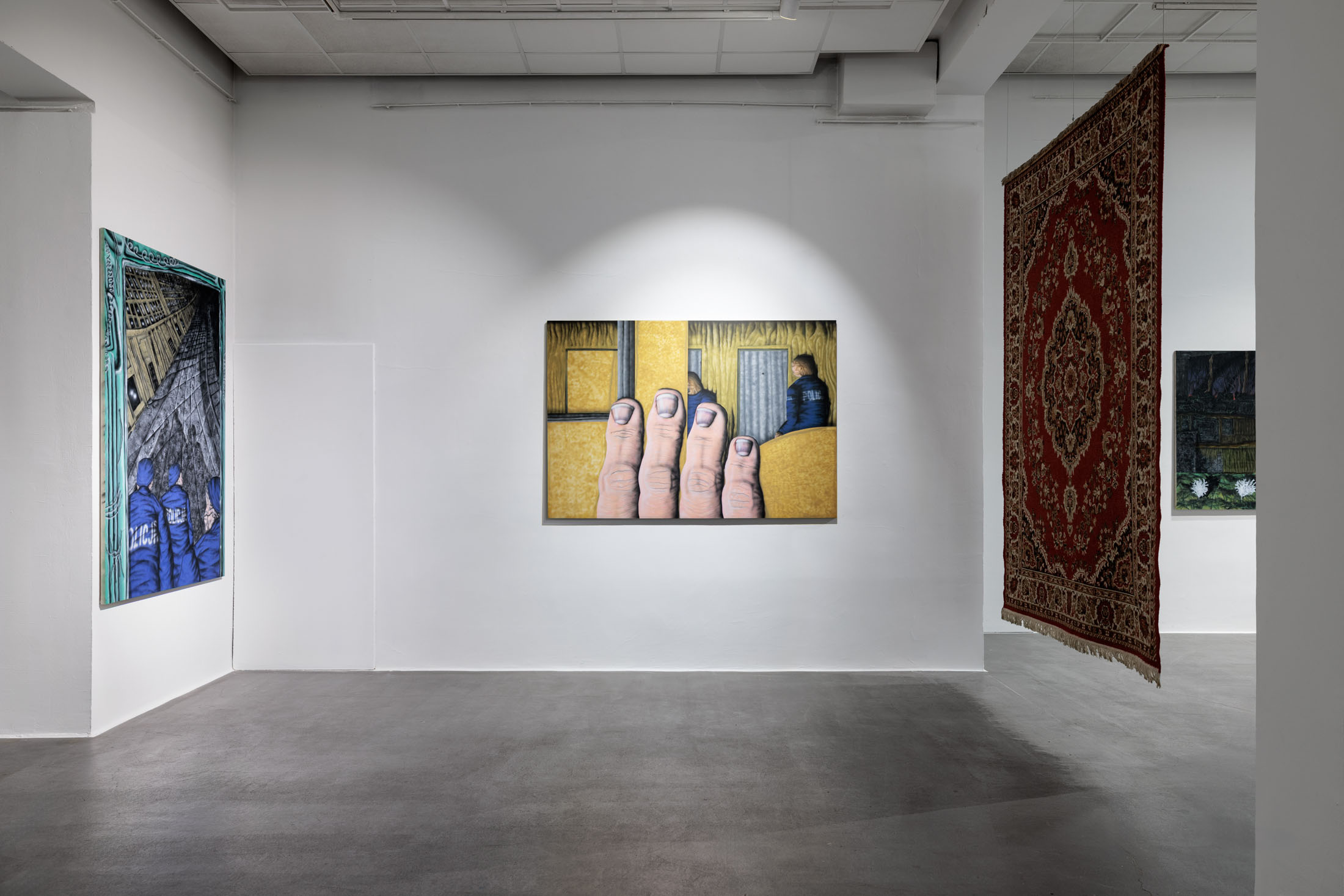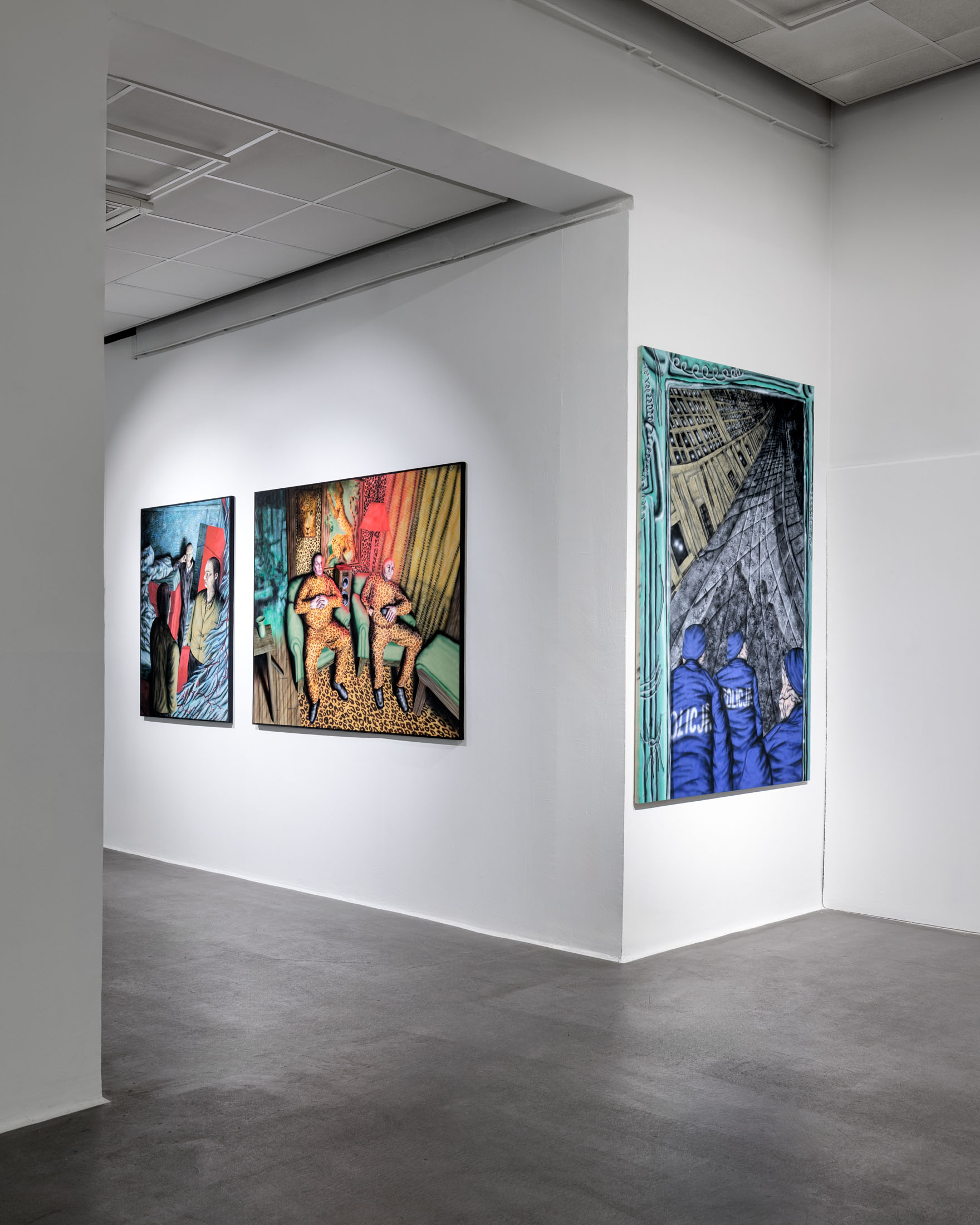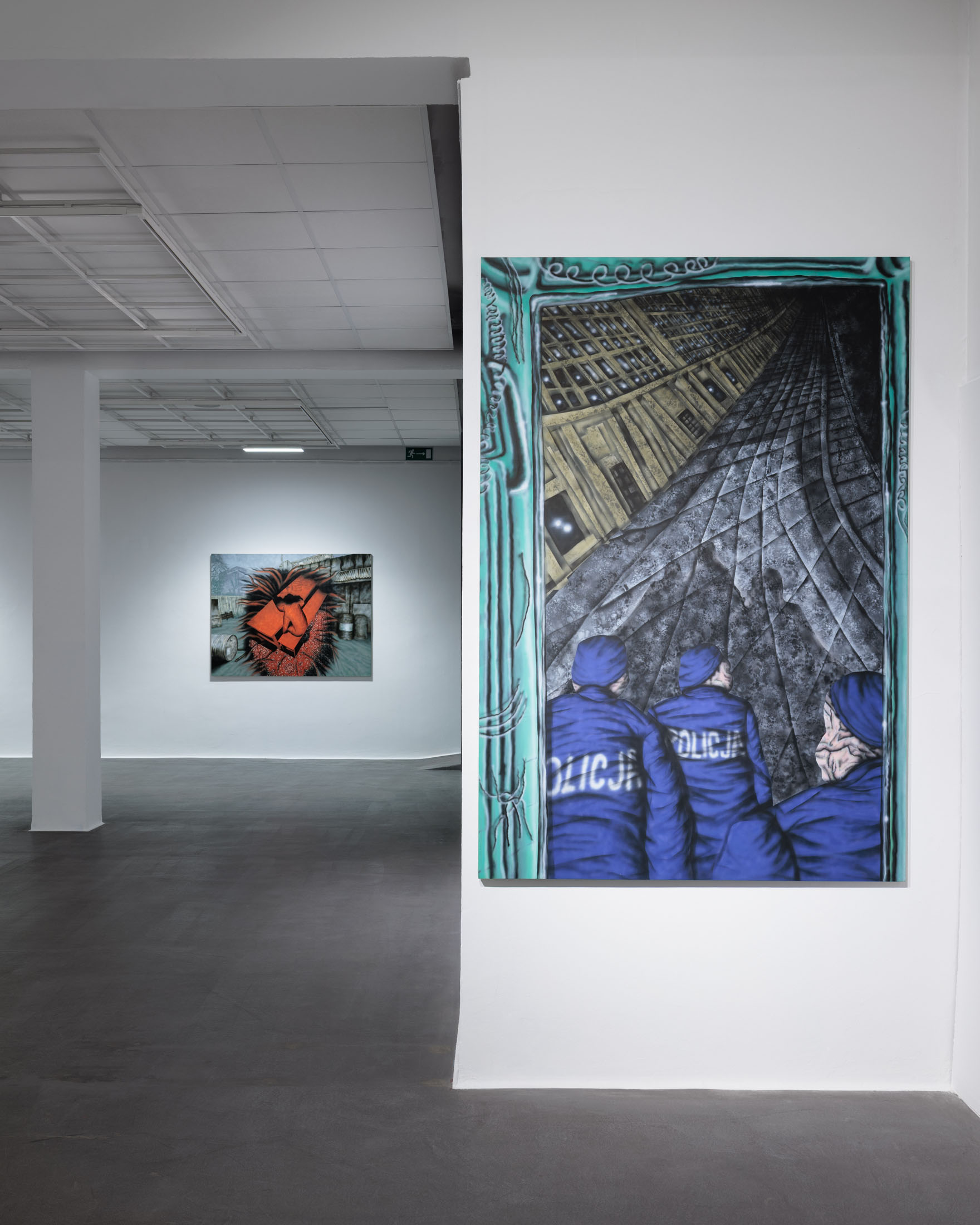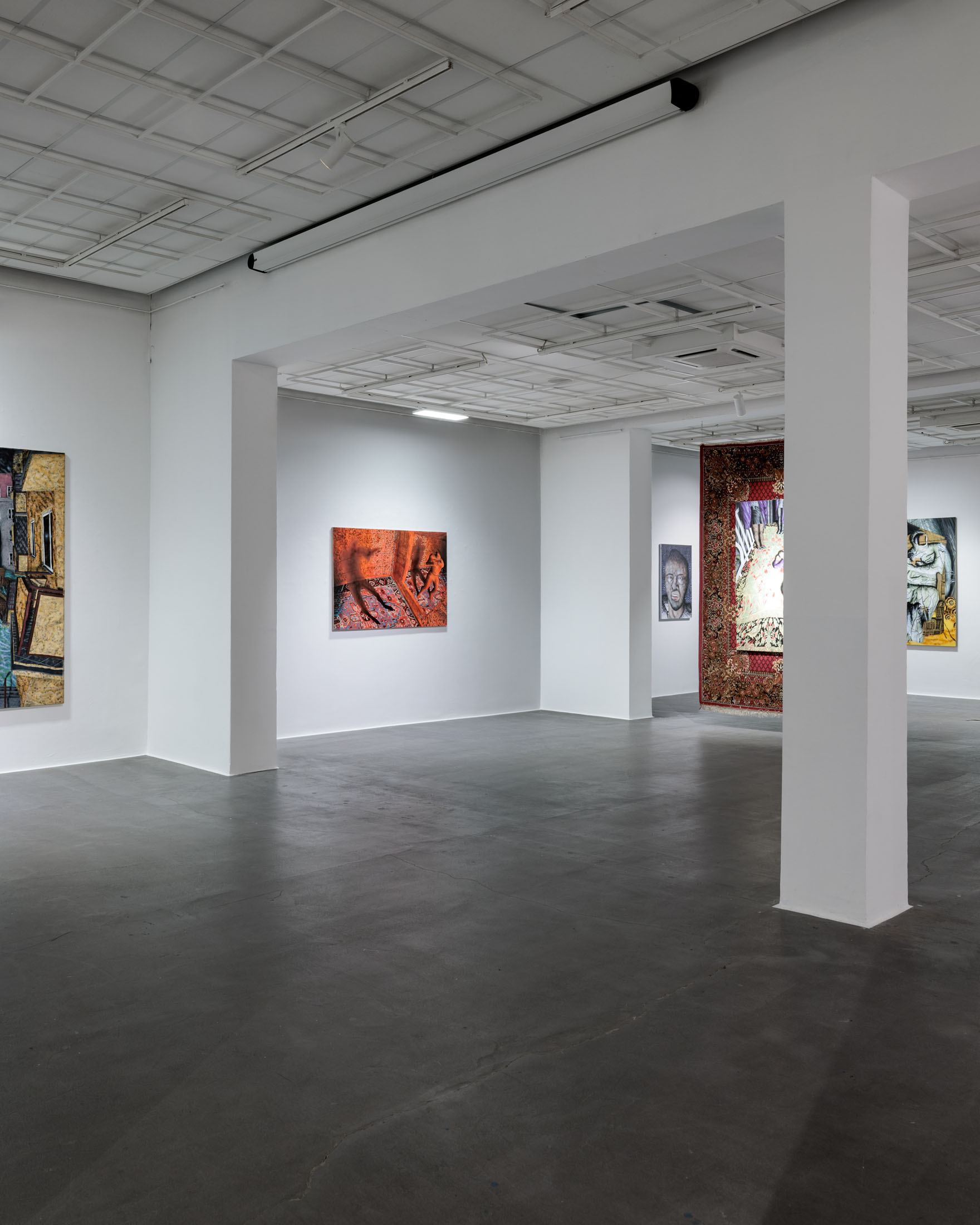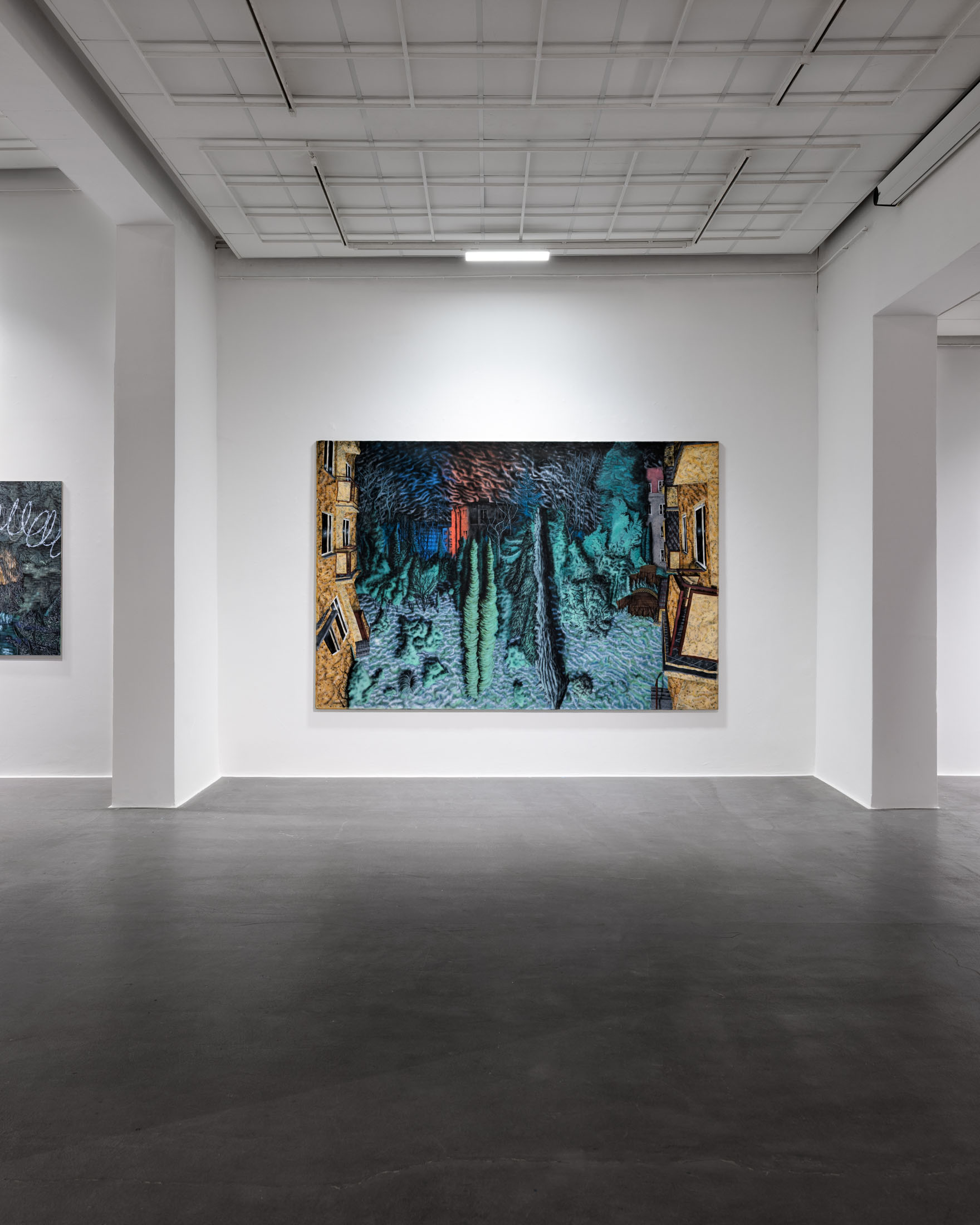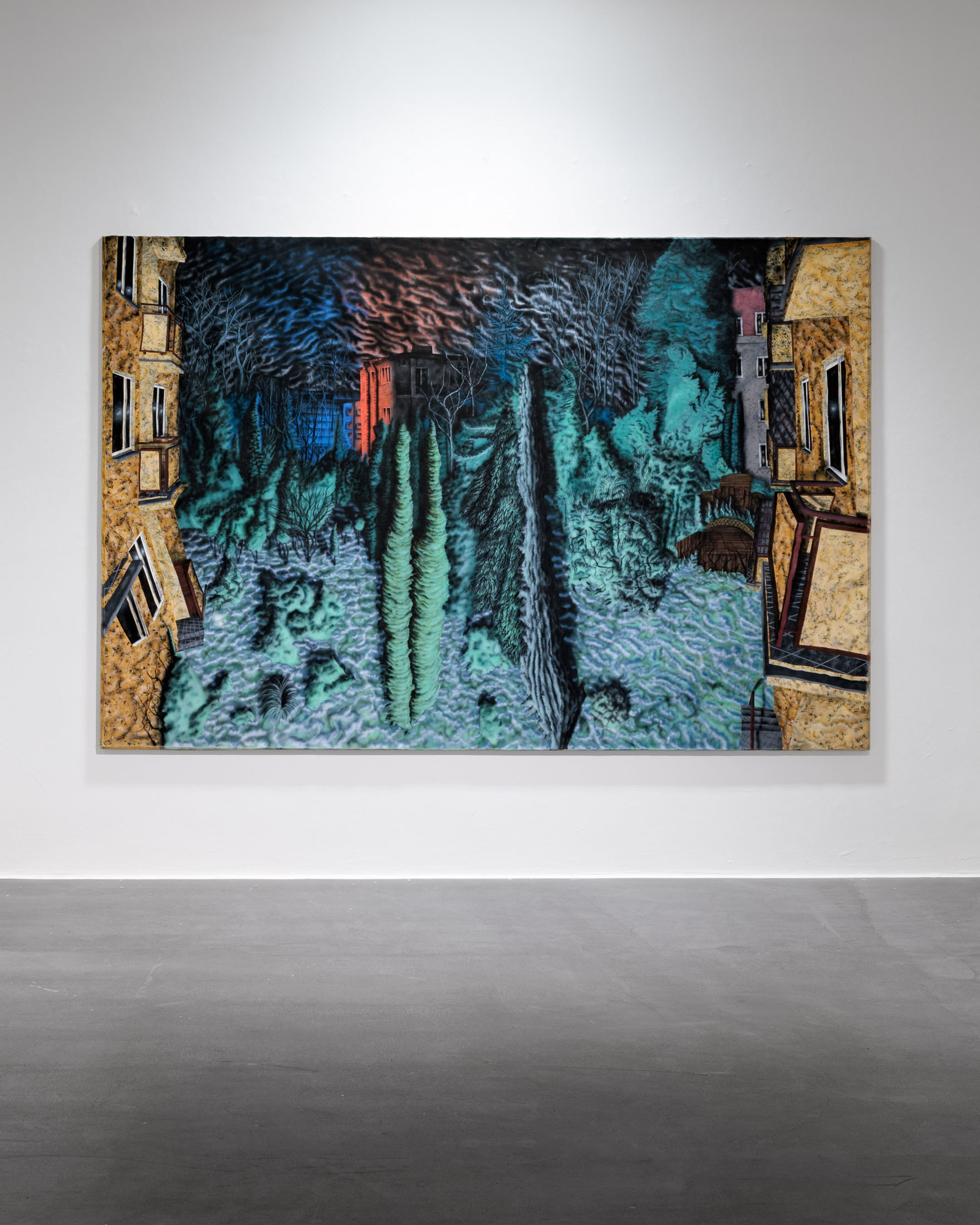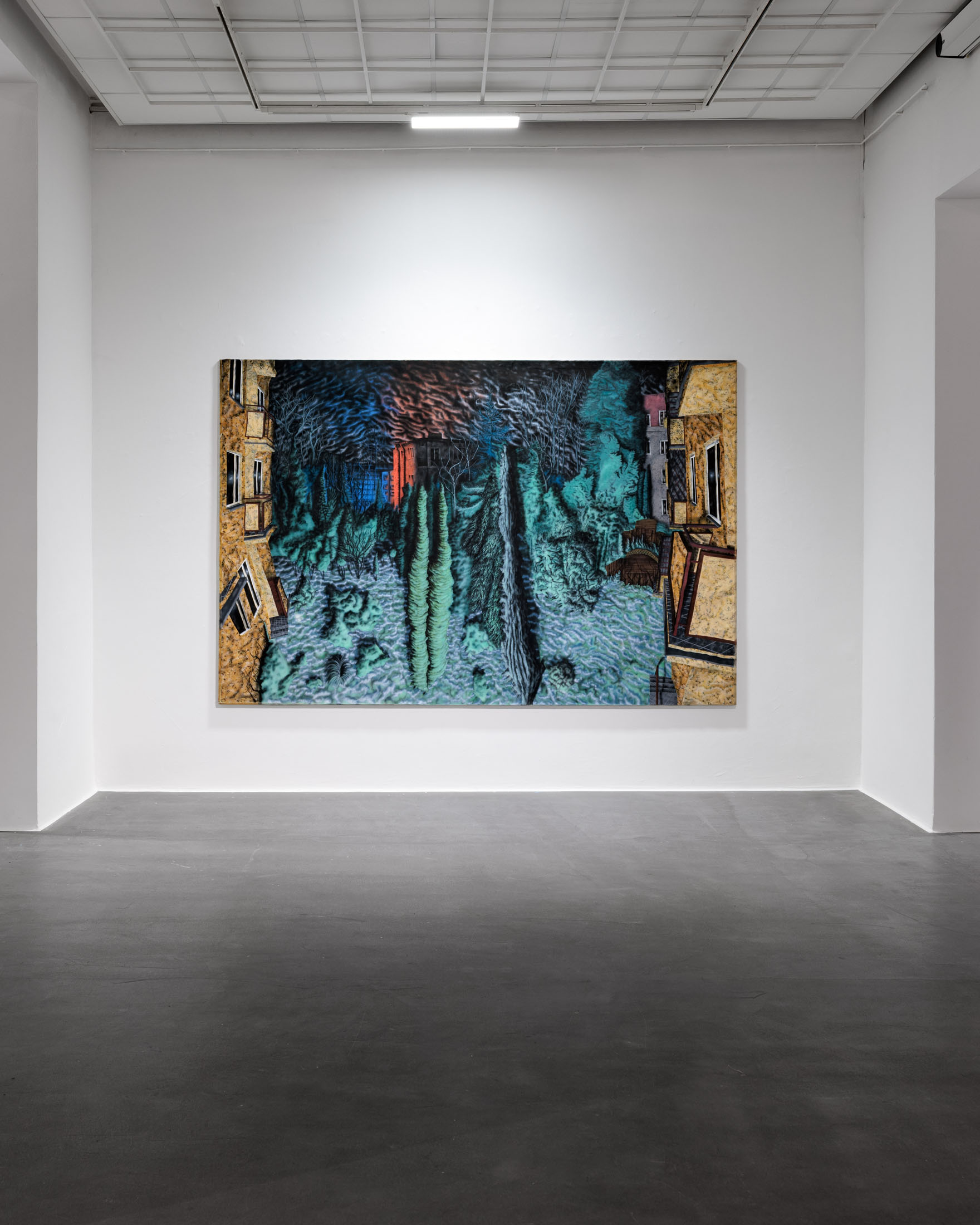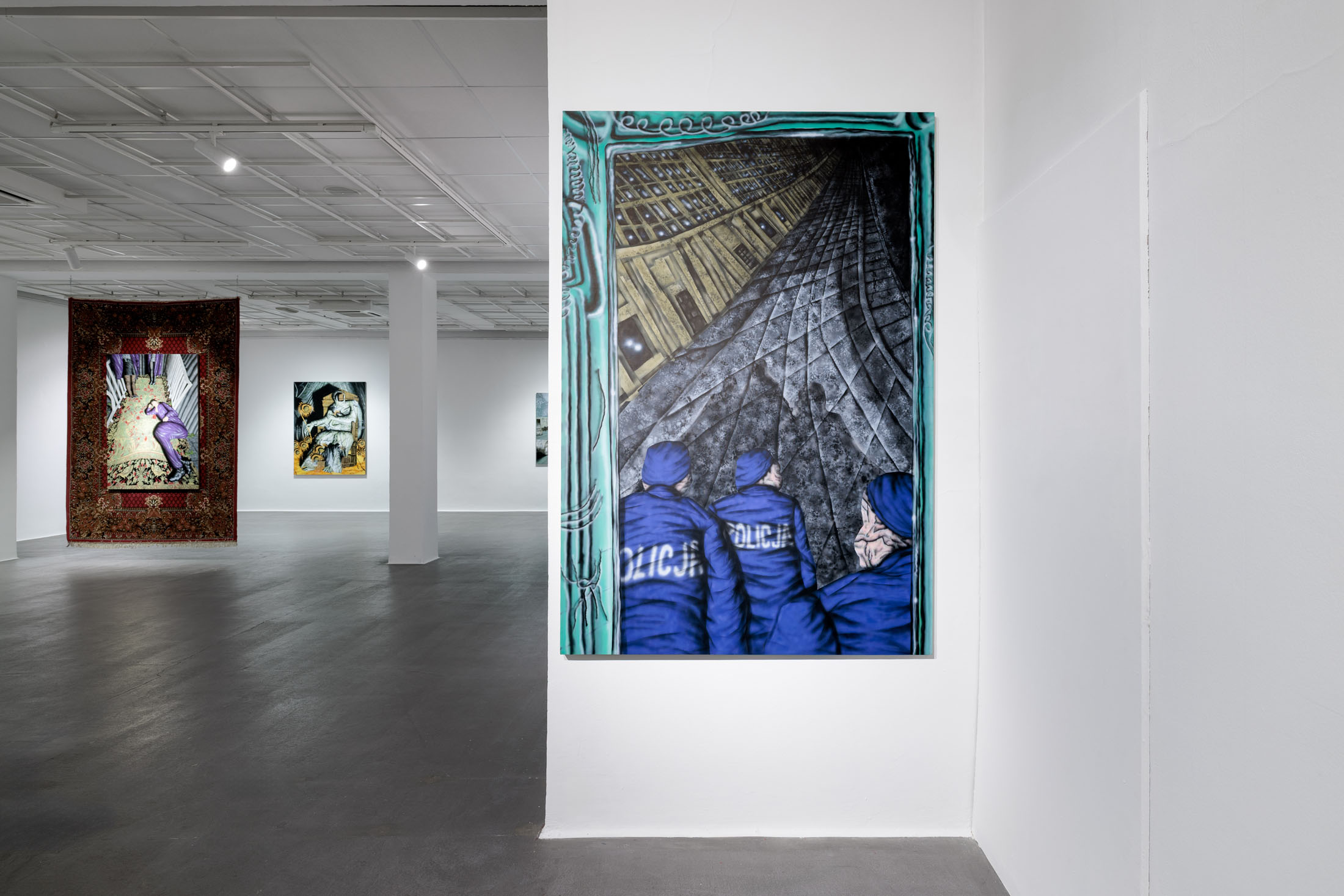
A friend asks how to get used to the berries and cherries; not the juicy kind you pick in the summer, but the blue and red flashing lights of a police car that penetrate the blinds in your window at night, shattering your dream and turning you into a nervous wreck. He asks about ways to kill time that drags on forever when you’re down and out; and how to communicate with dogs. He doesn’t ask literally, as he never speaks straight. He asks these questions when we’re on the bus or during a cigarette break. He sounds nonchalant, but then something seems to change in the air.
At first, it feels a tad like a cool scene from a police movie. One of them old and cheap VHS kind, with the lead actor trying a bit too hard, he says. But then it gets less funny when they ask your name; and you know they really mean you.
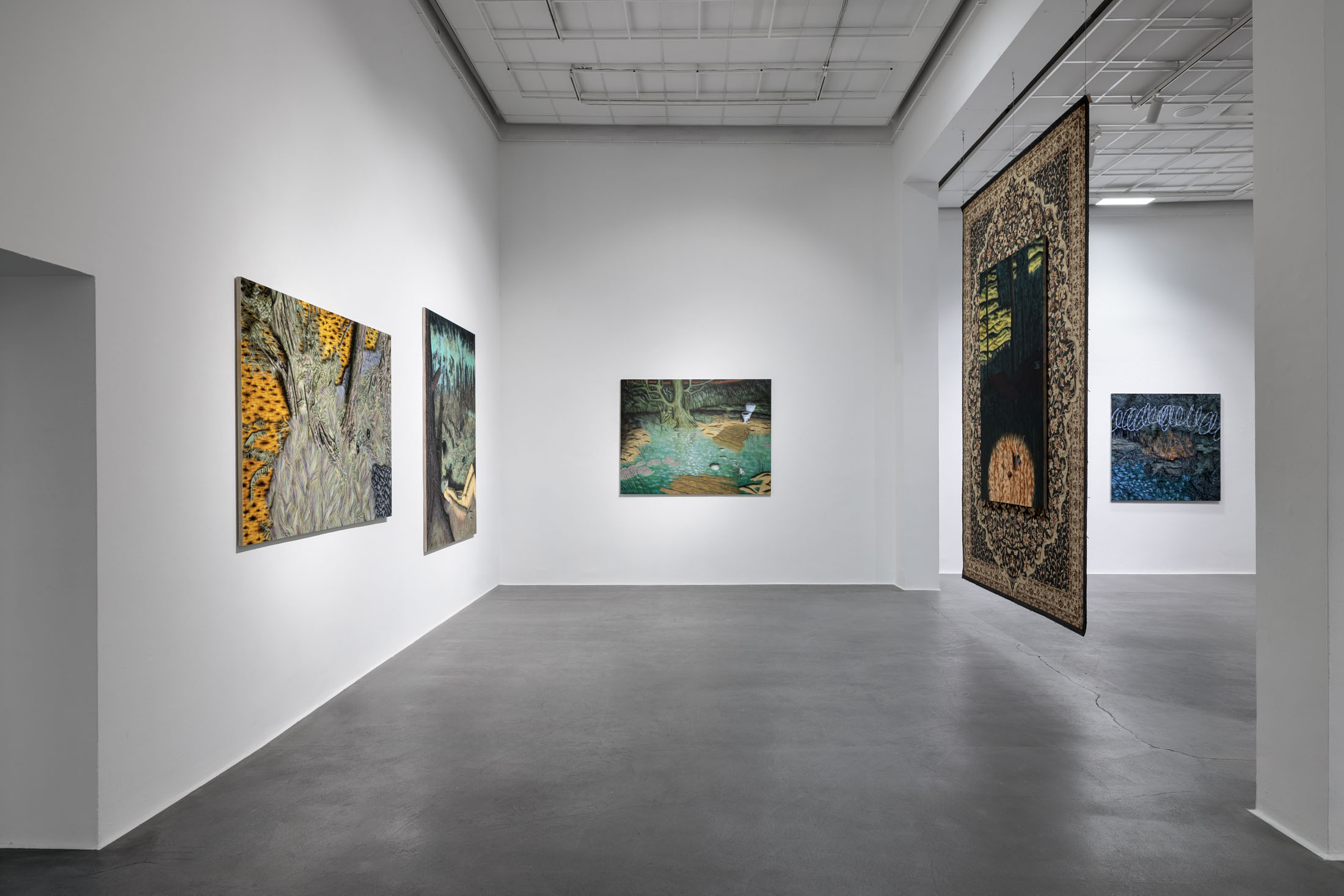
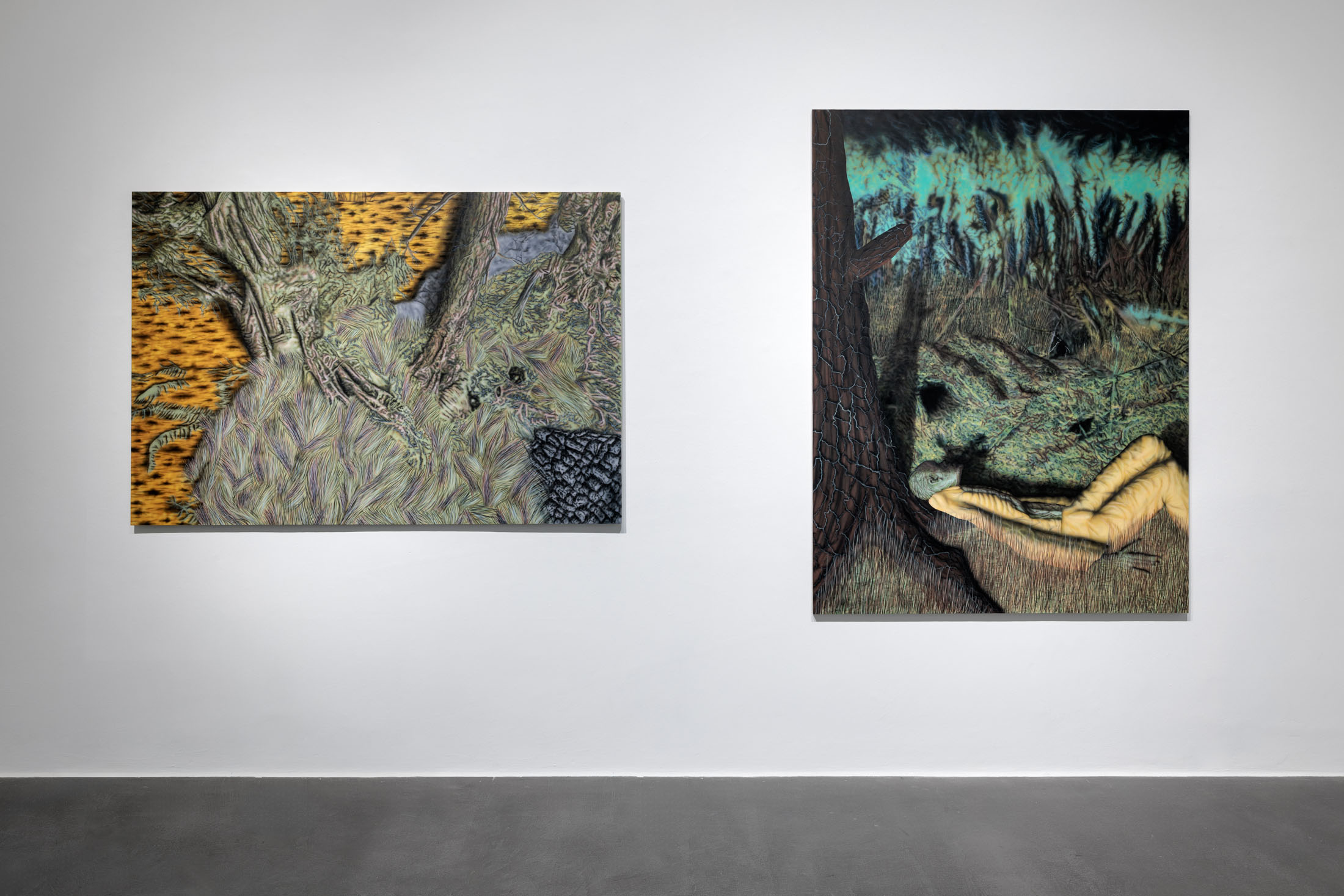
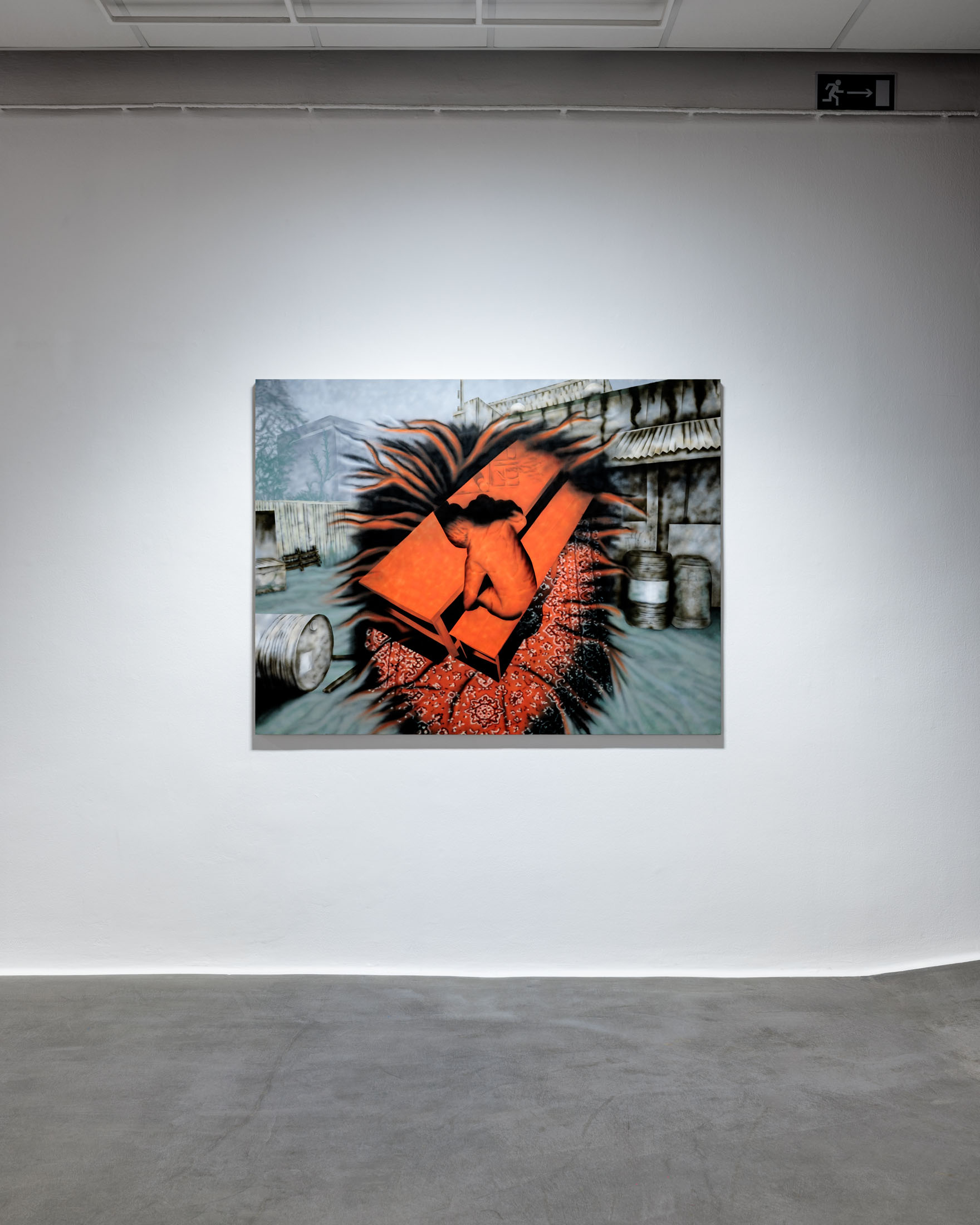
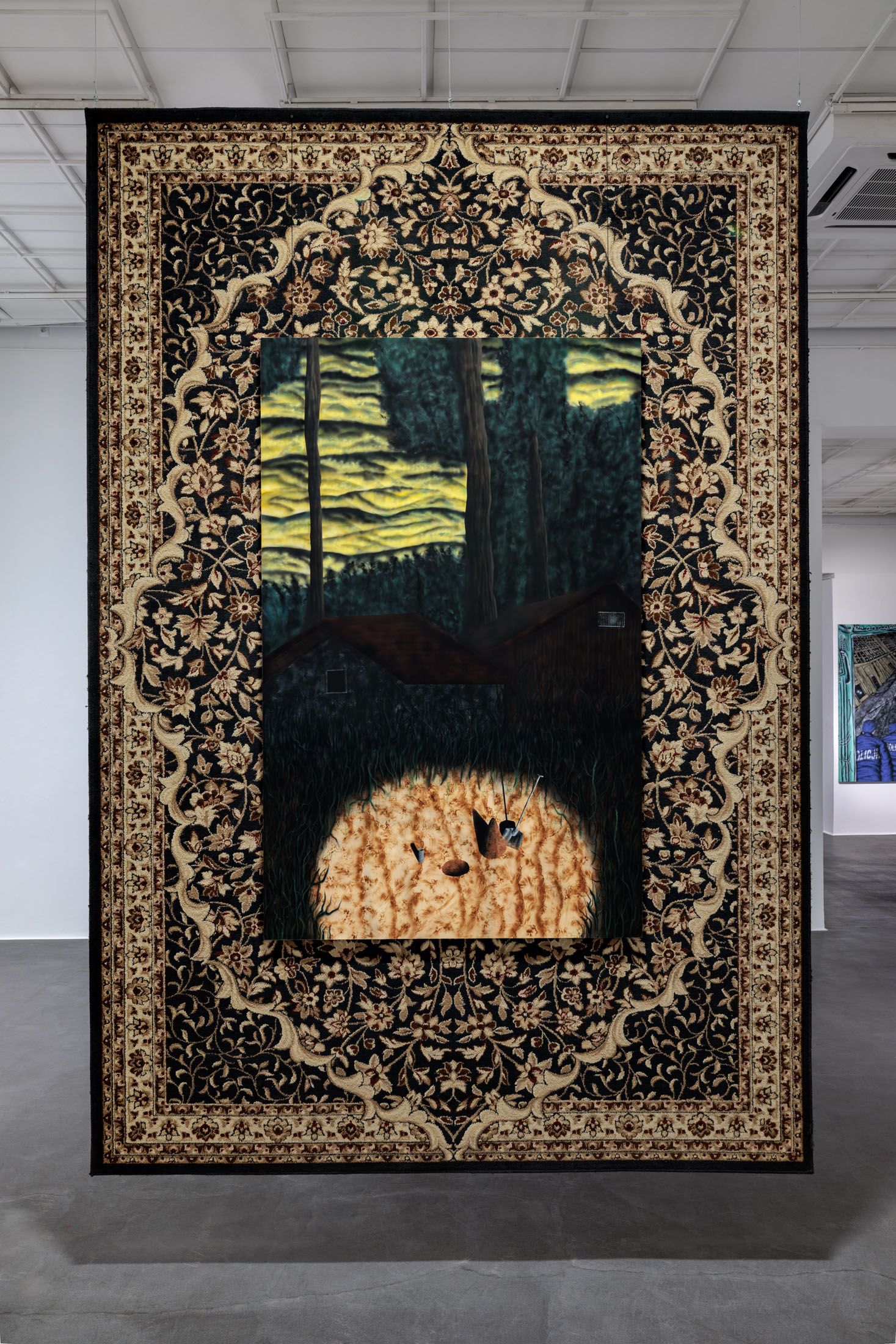
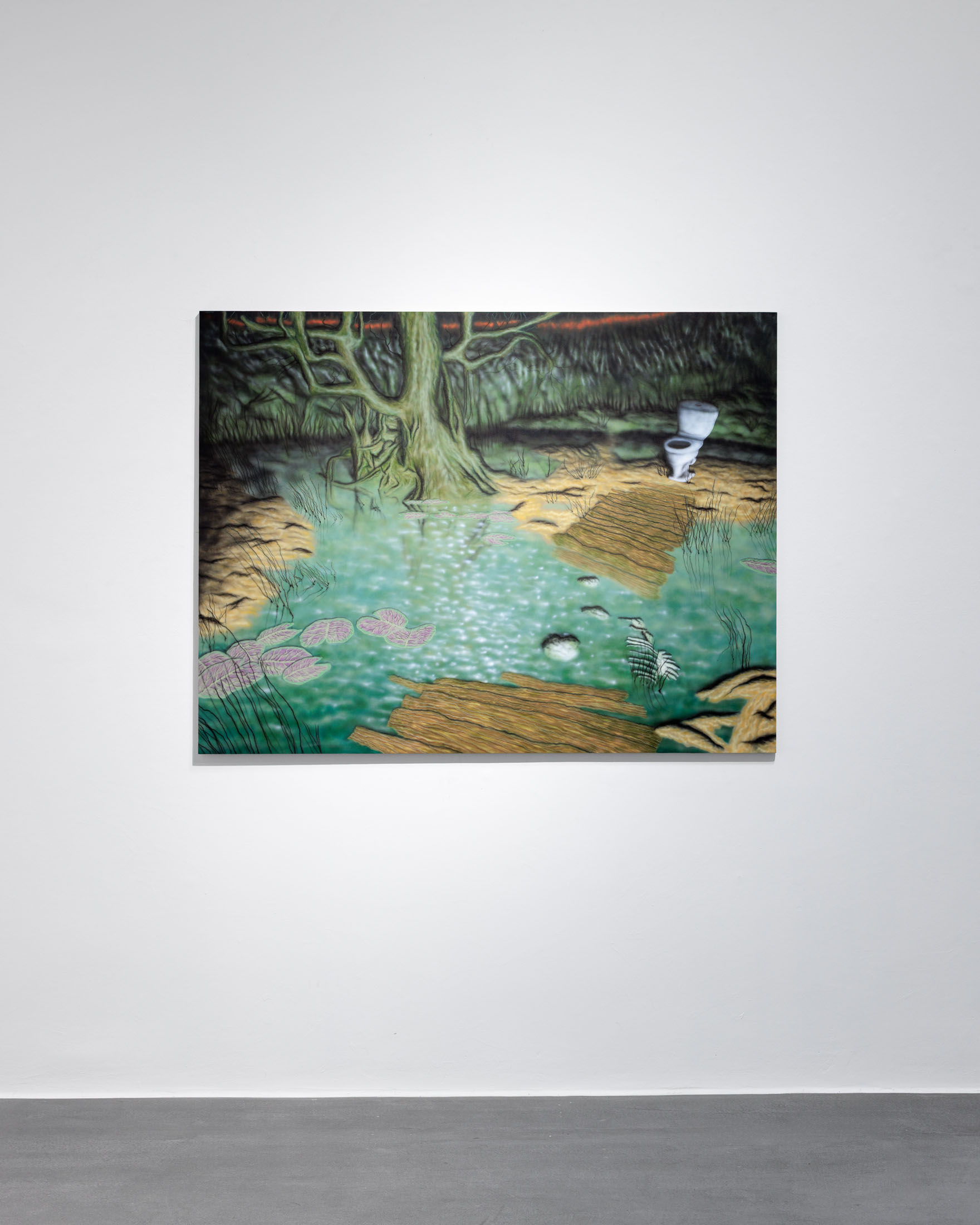
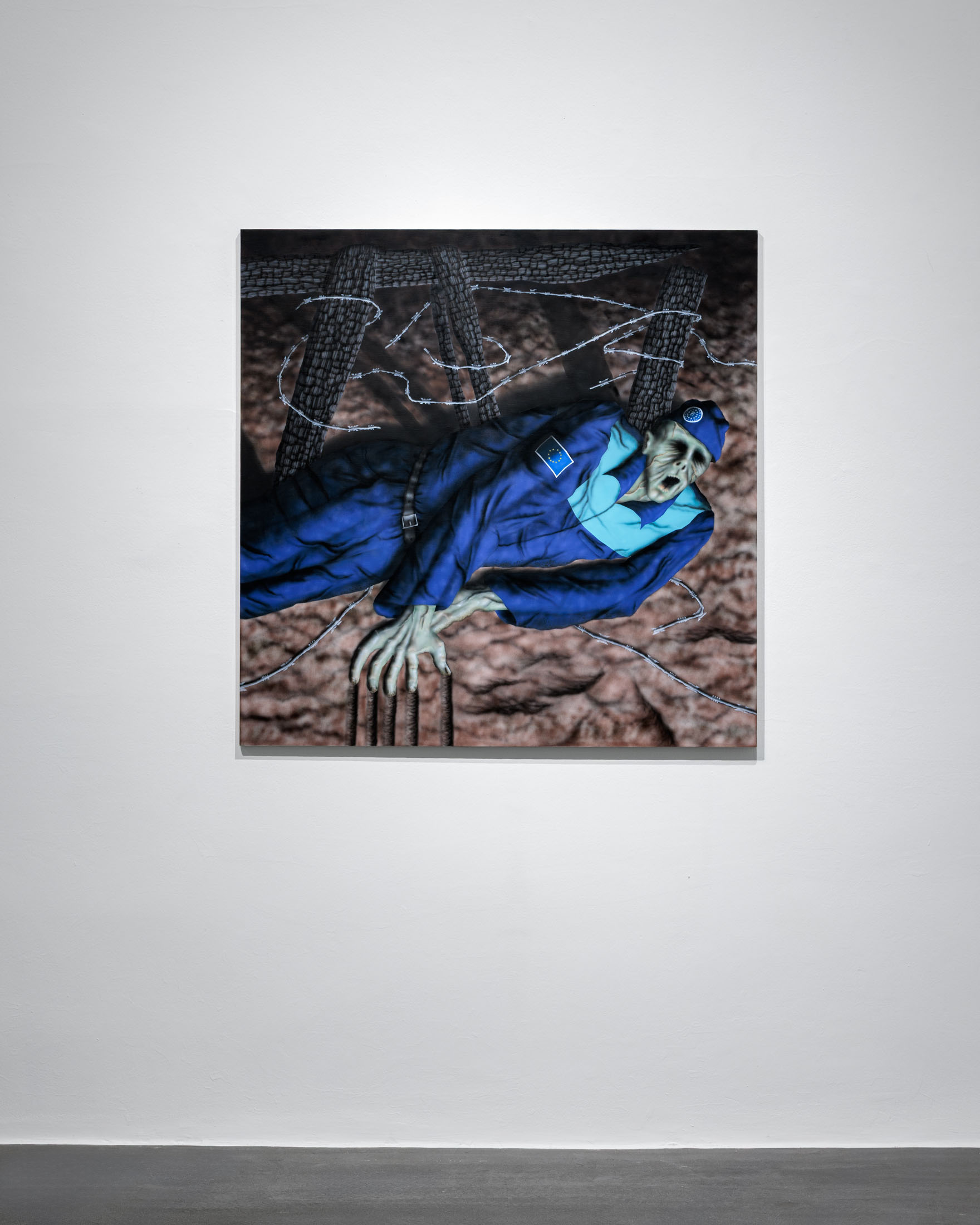
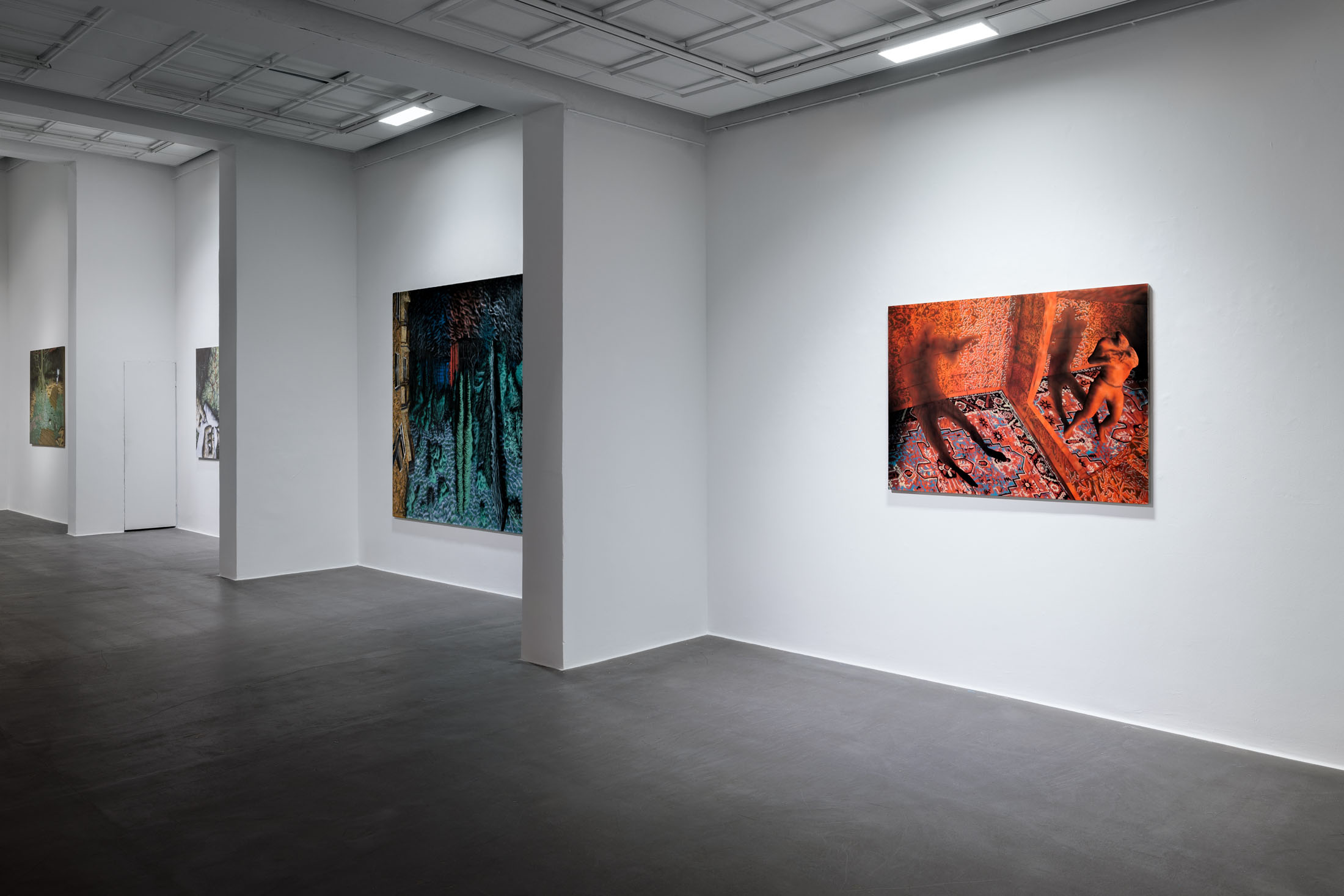
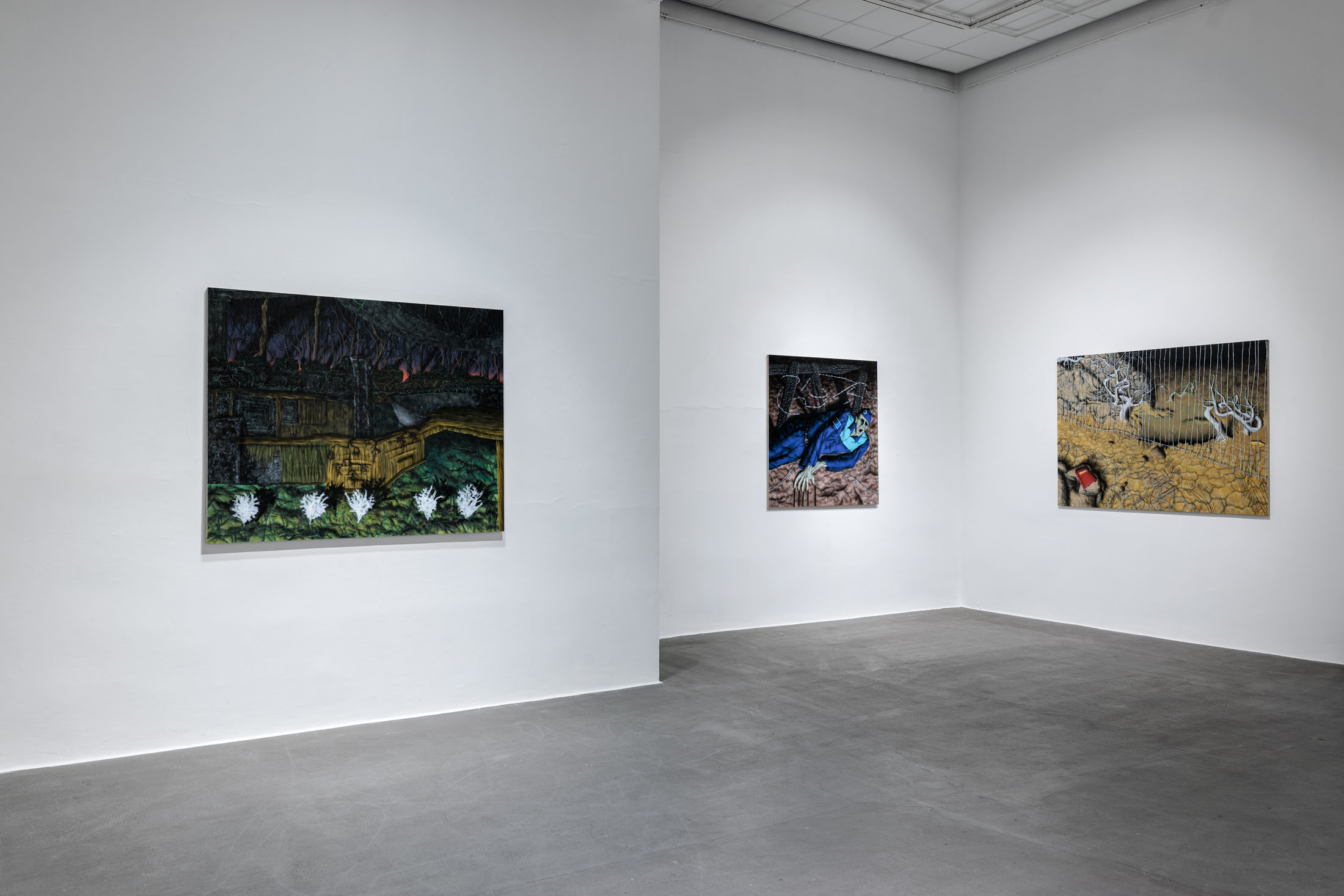
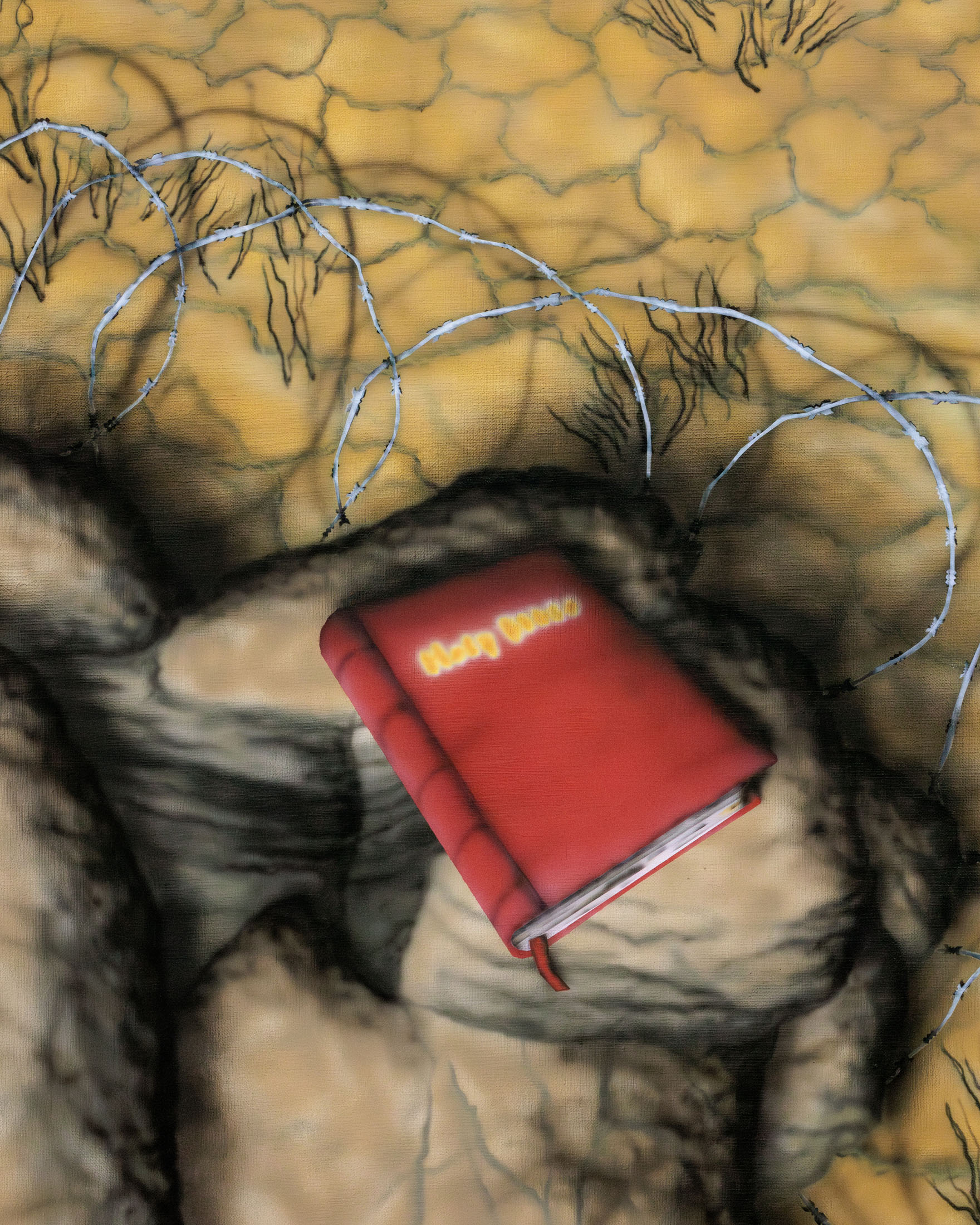
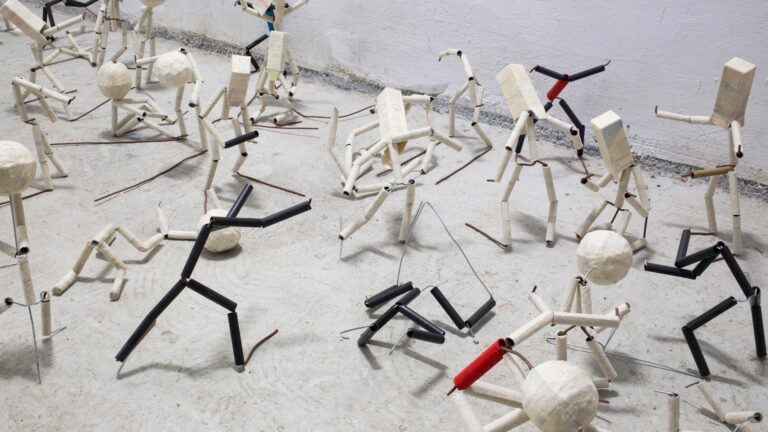
He asks where is the end of a man and the beginning of dead matter. He asks if anyone is taking notes, how many have passed, how many disappeared. But again, he asks without asking. He closes the curtains, plugs the air vent close and says he’s getting shivery. Later on, he mentions a sweatshirt made of NRC foil. He asks if it’s OK to put one on the naked body and walk through the forest in it without making a sound. He doesn’t say it’s about the border. Because there is no proper border – just a concrete block, wires, footprints and folding tents with the logo of an organisation nobody is familiar with in those quarters. Sometimes a shoe print, sometimes a scrap of plastic, doubled over like a person in deep shock.
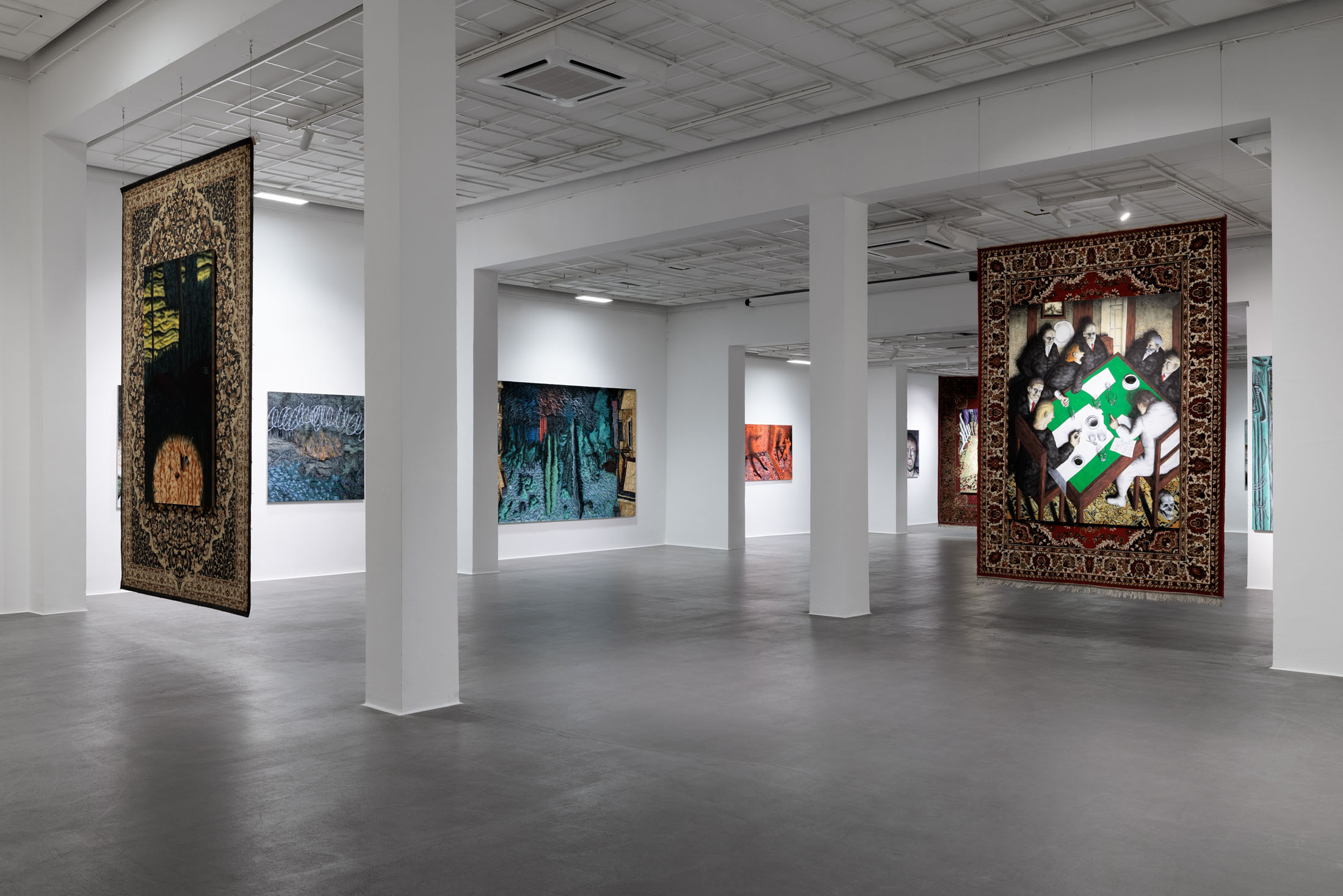
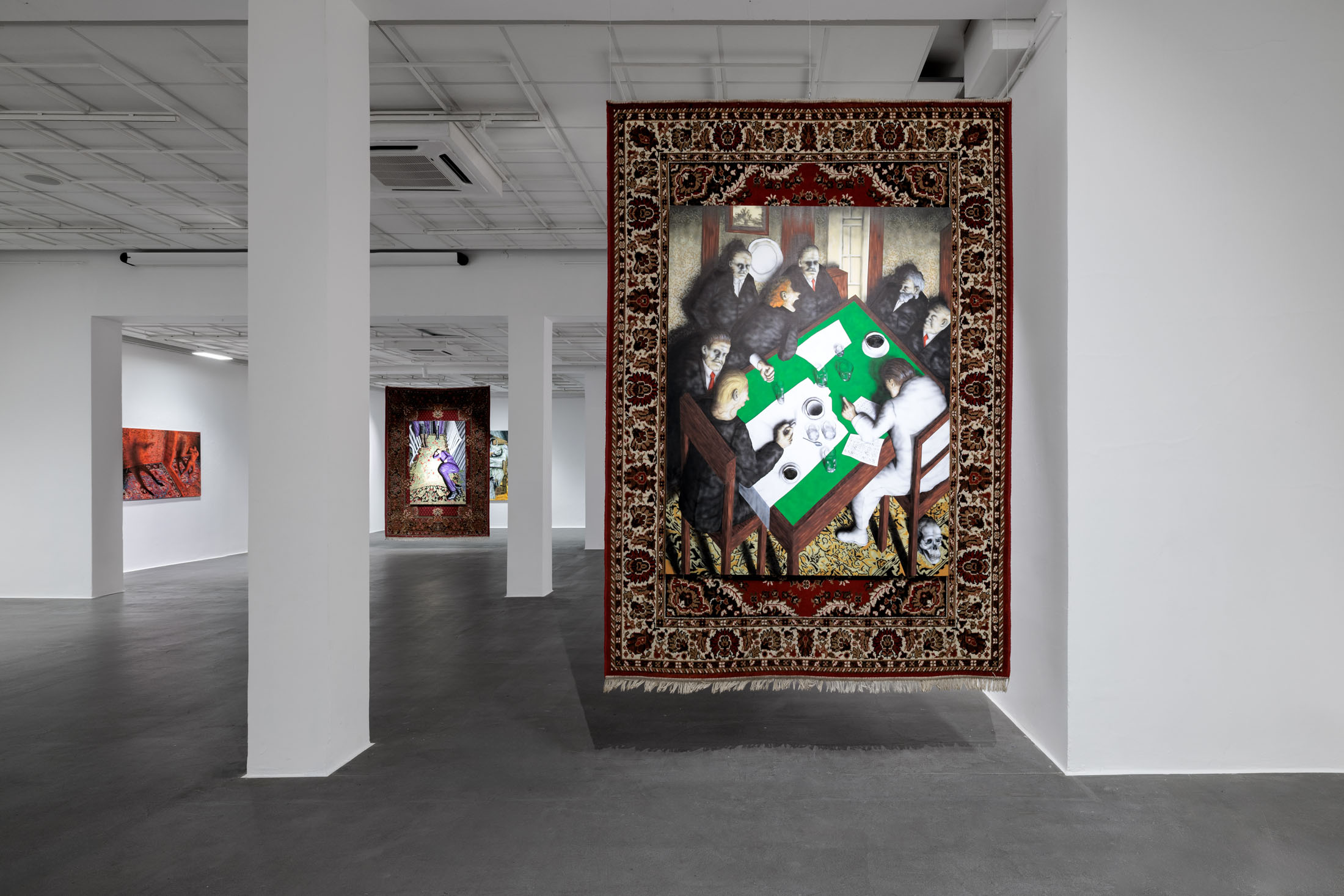
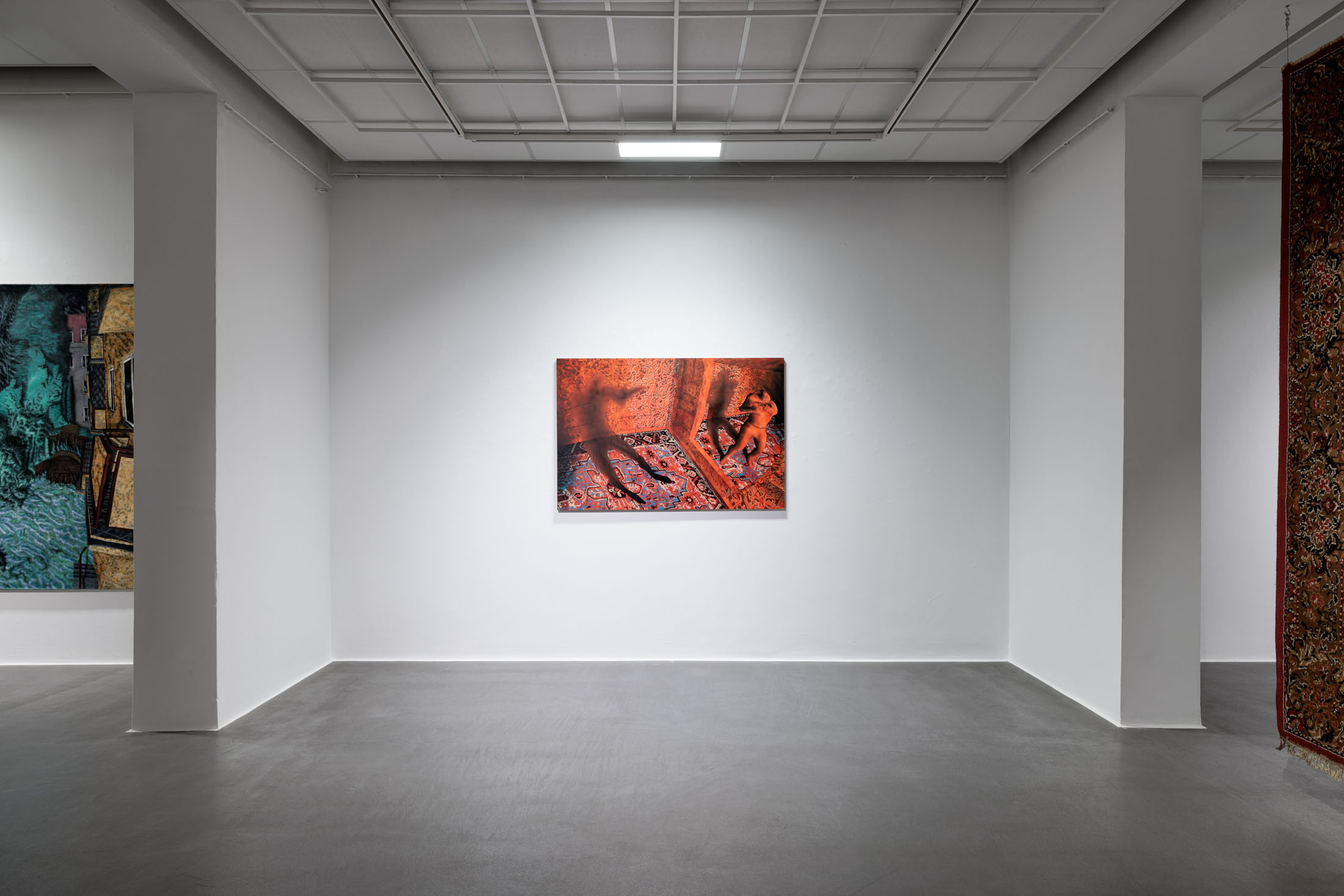
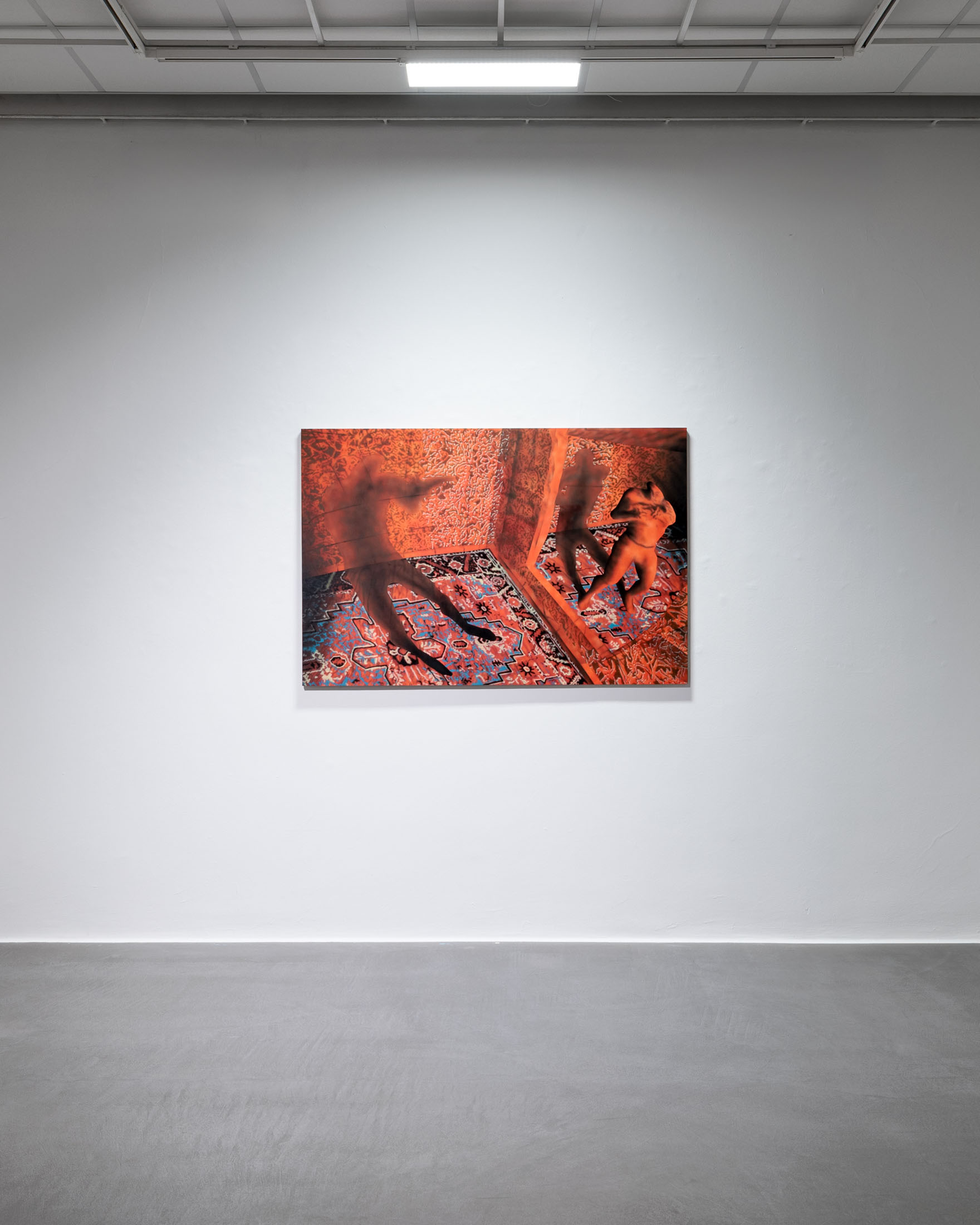
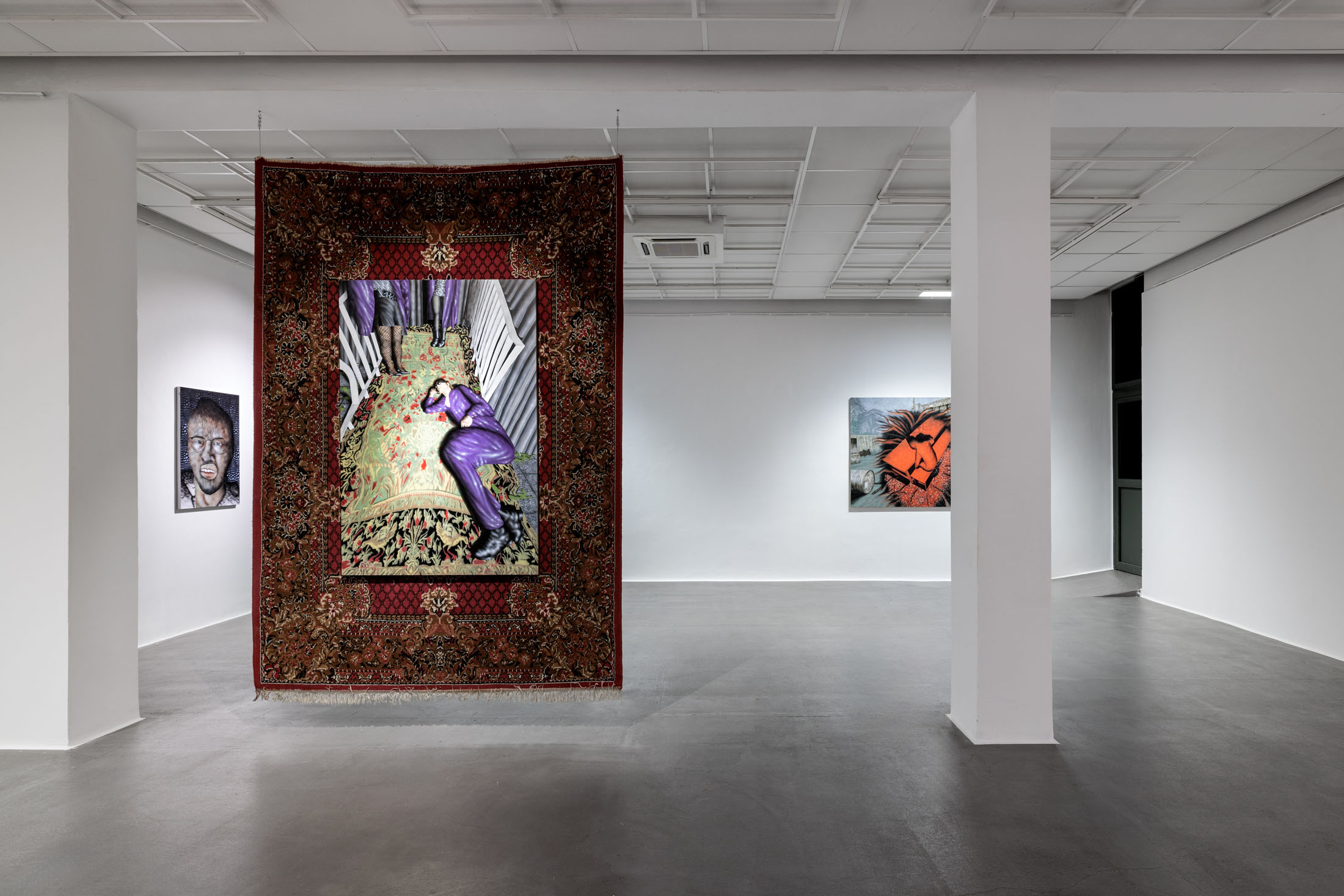
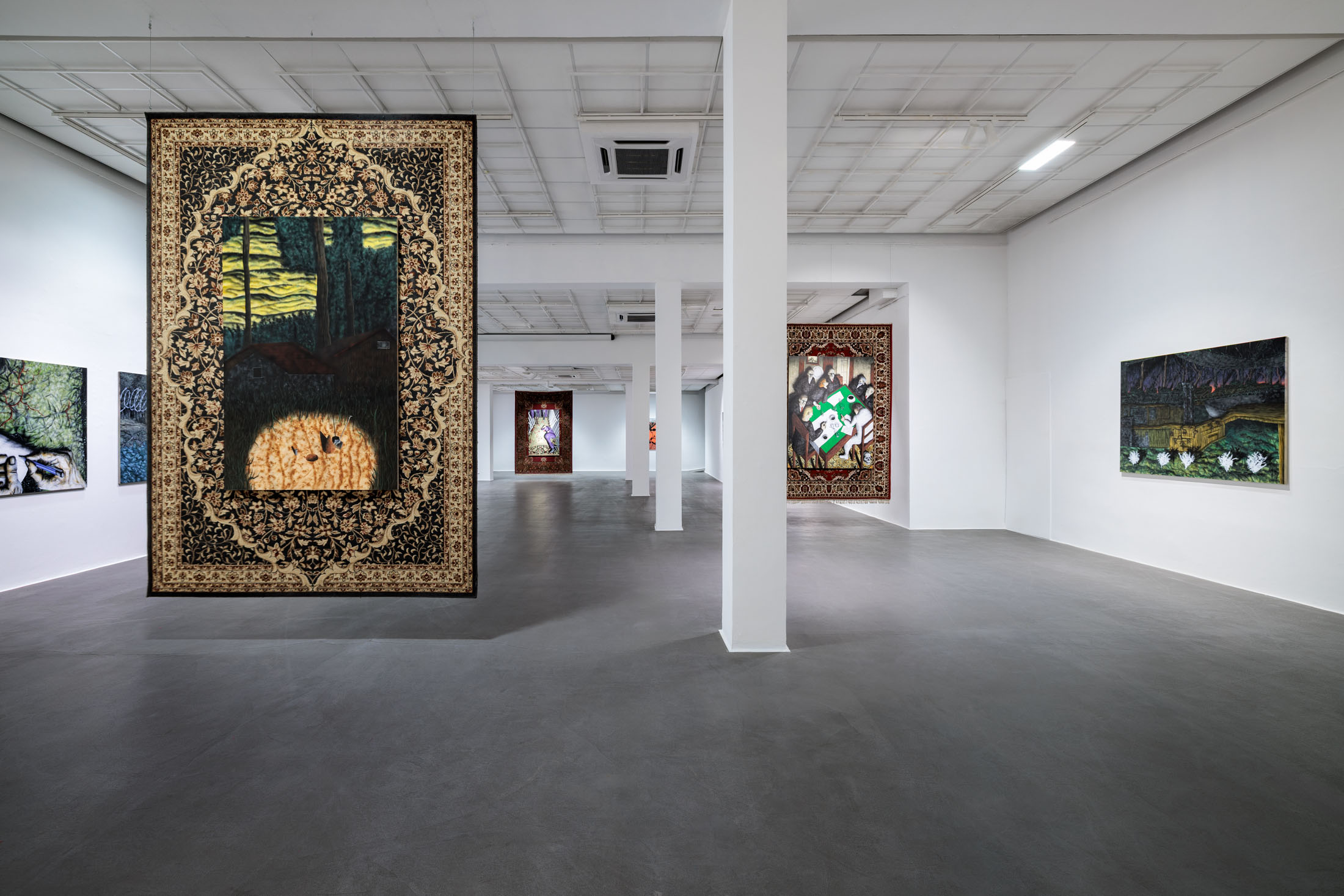
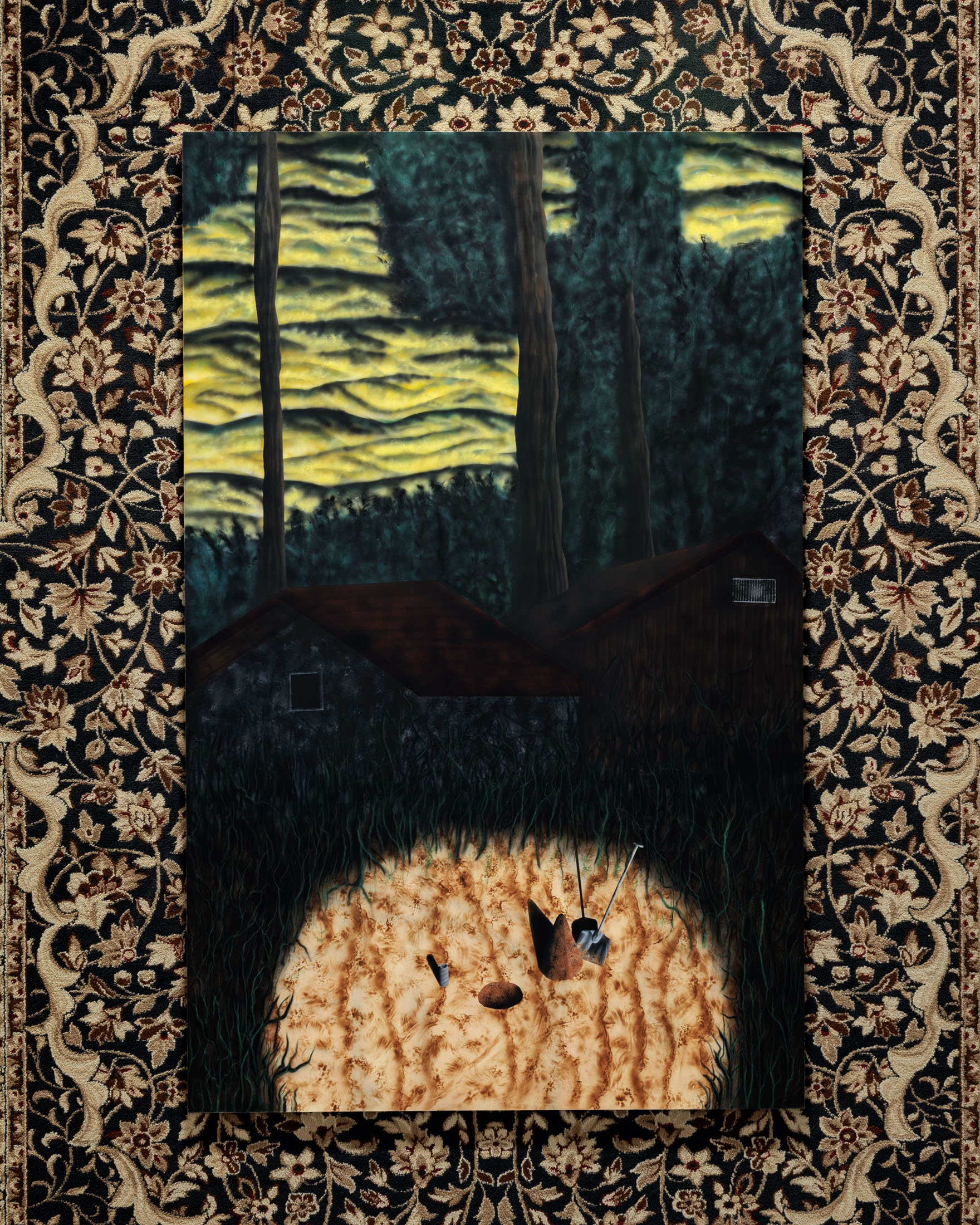
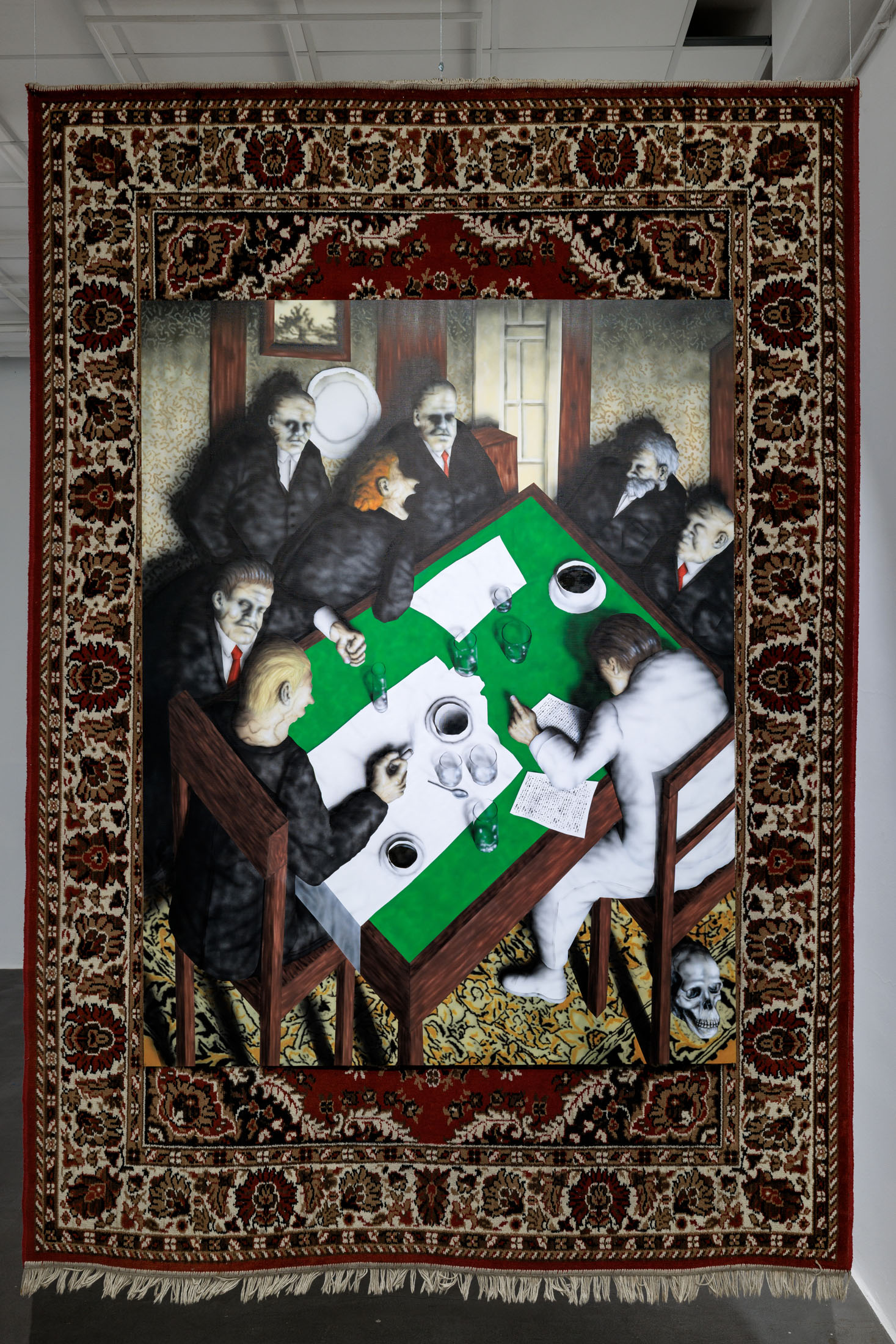
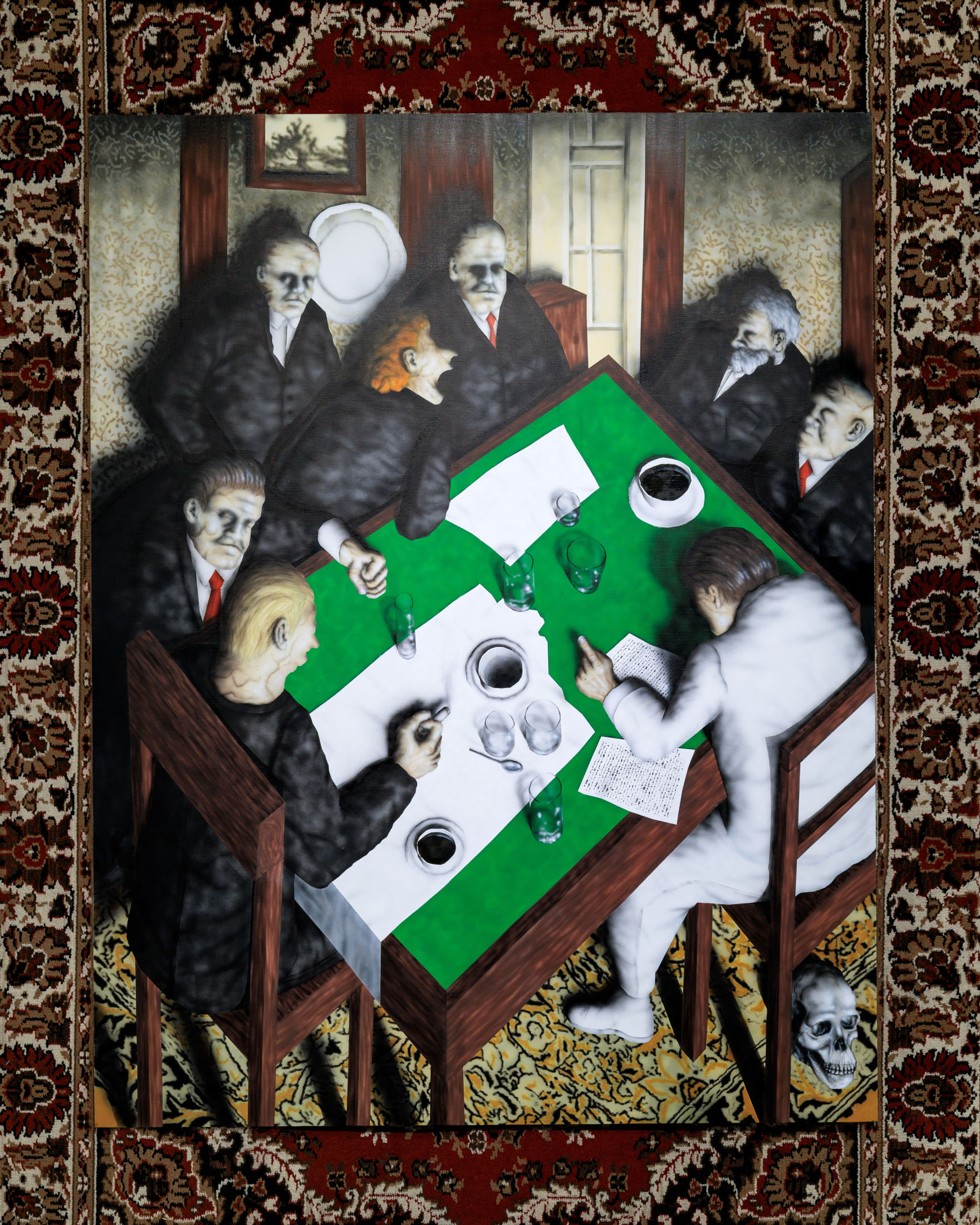
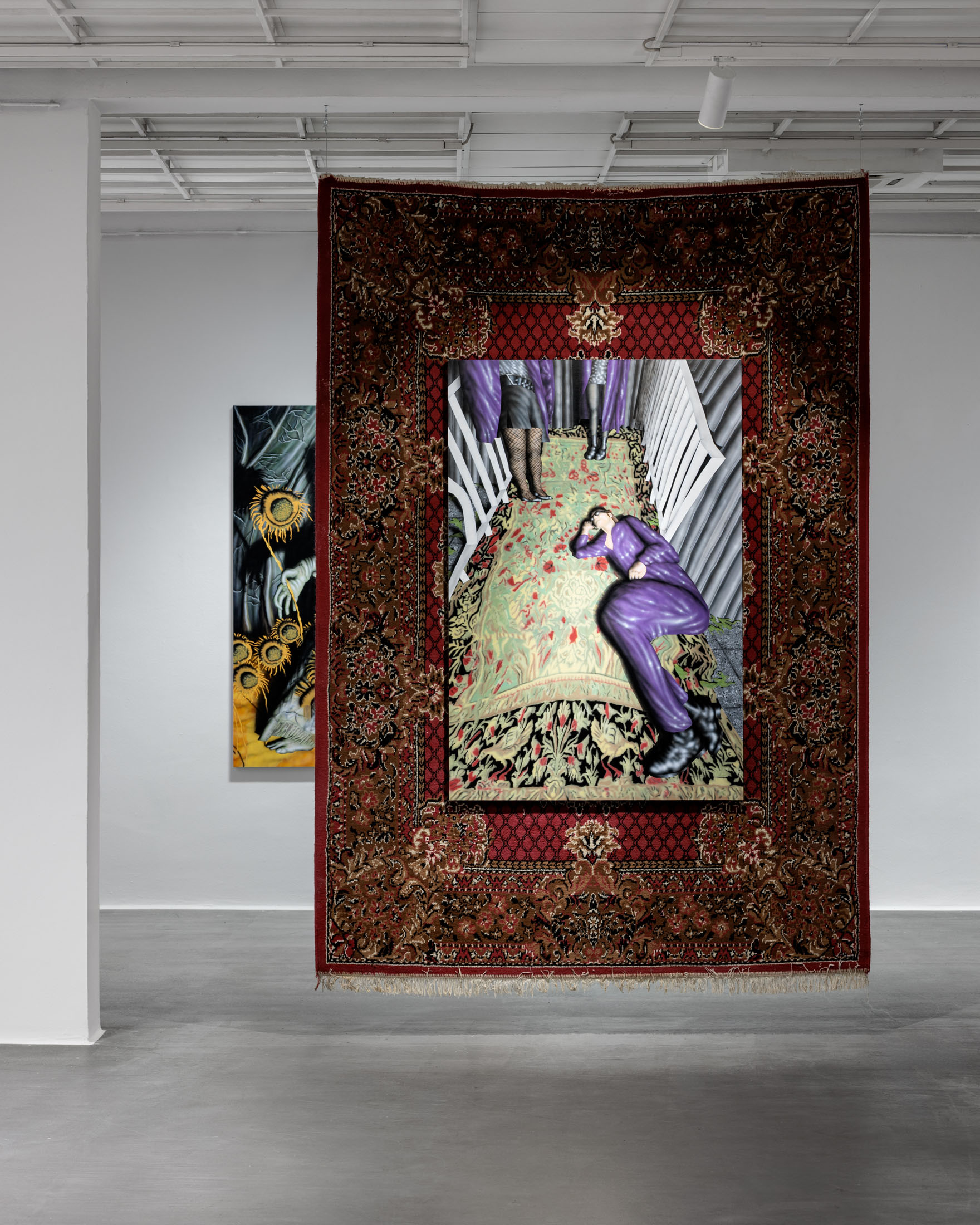
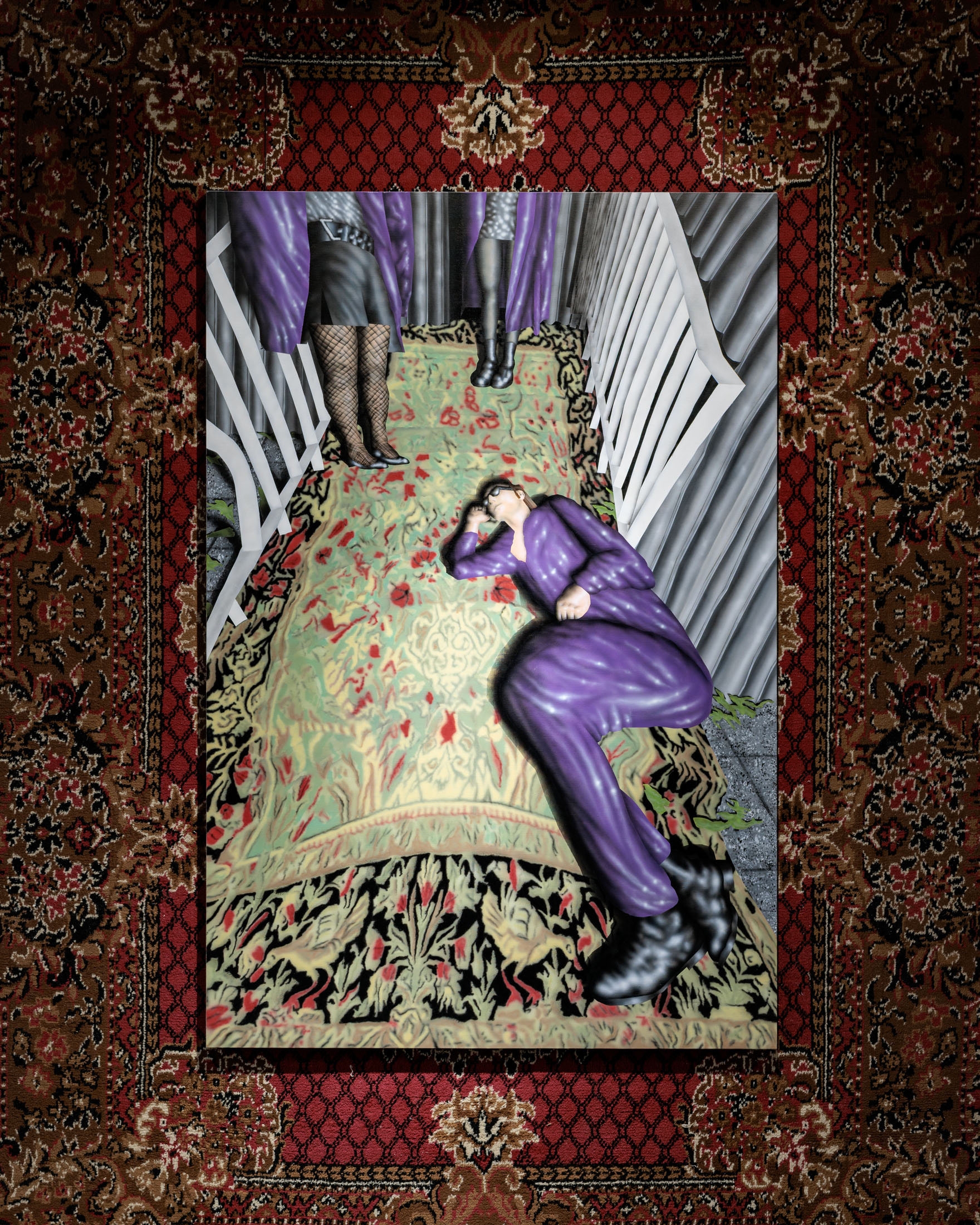
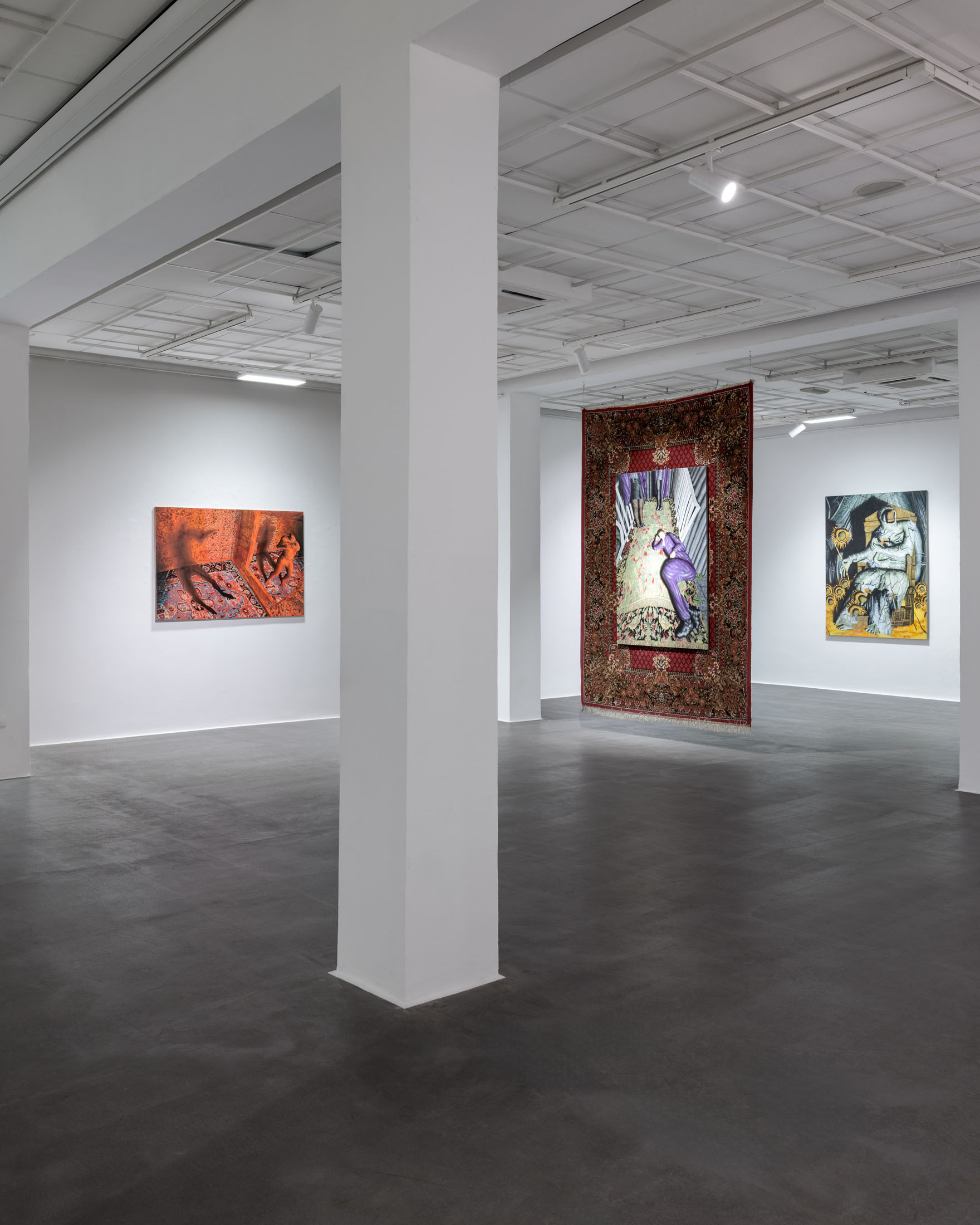
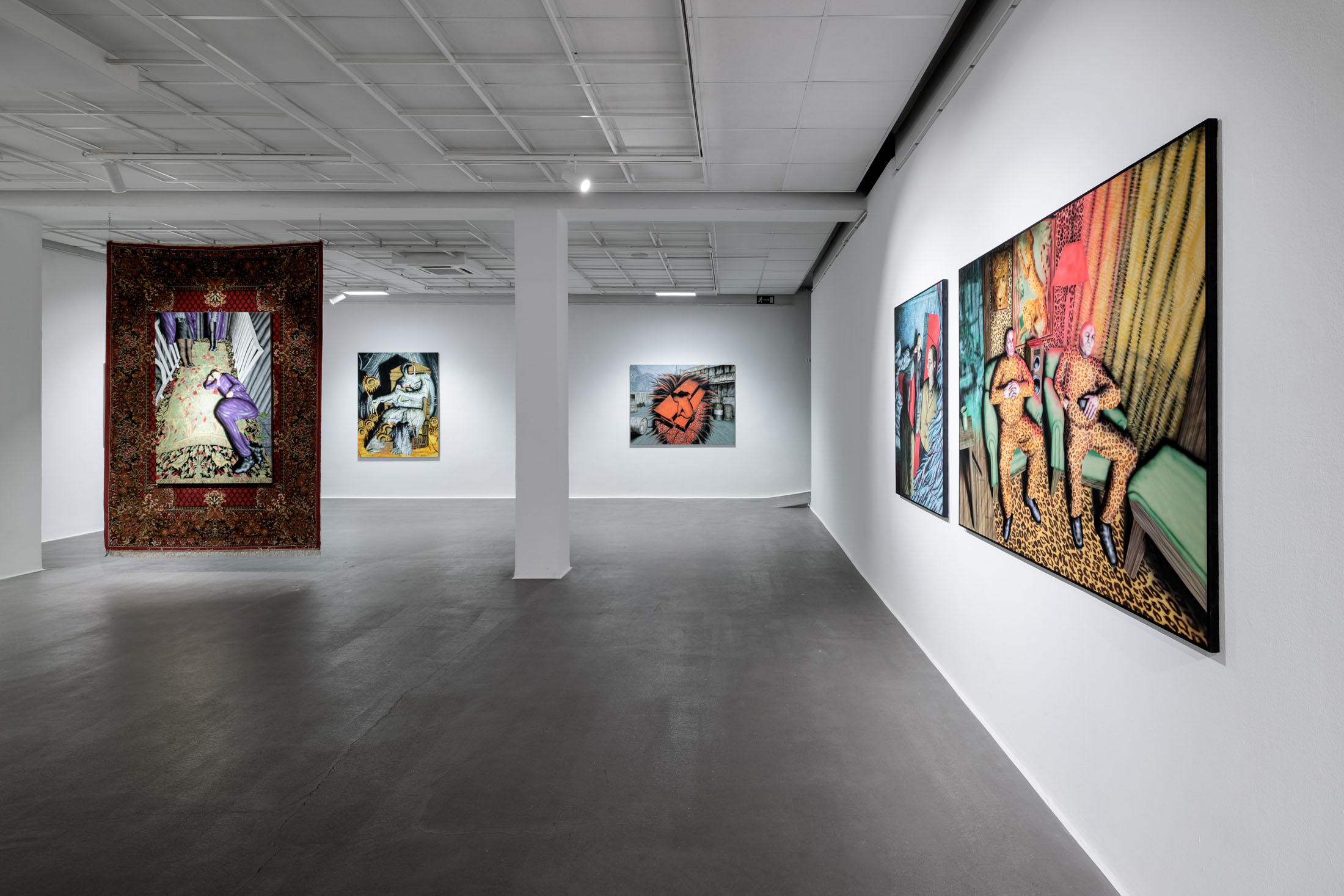
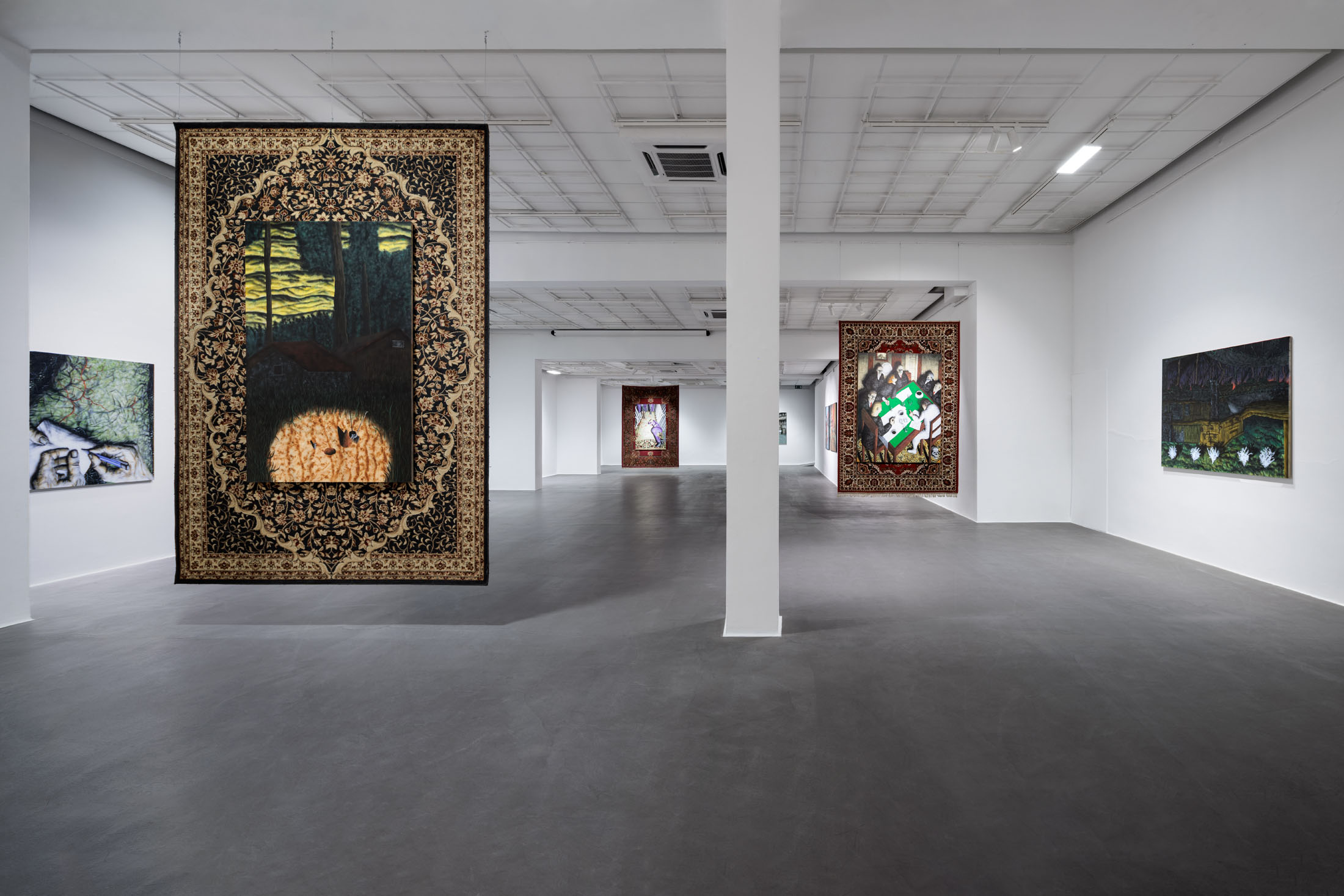
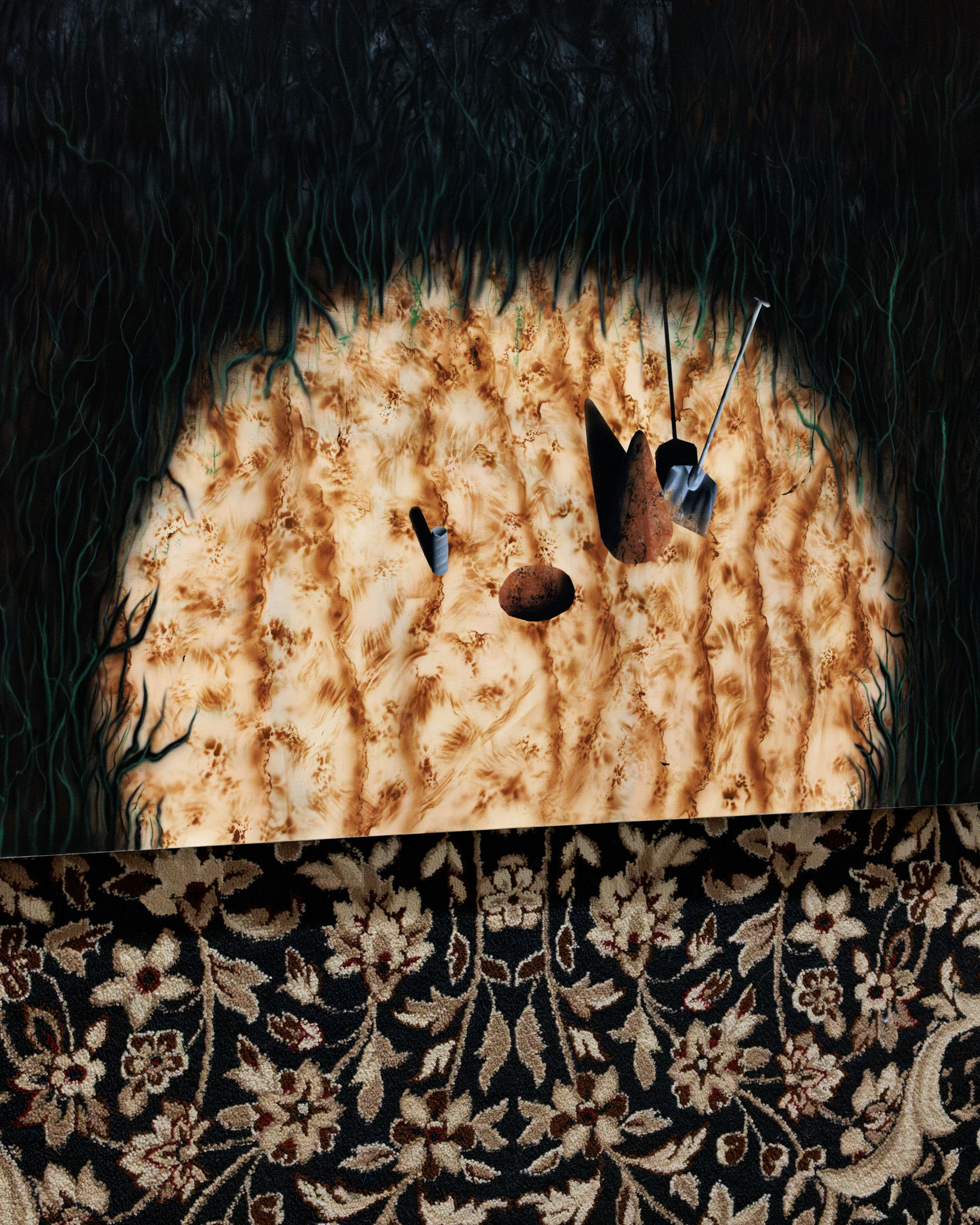
He has been dreaming about rugs lately, lying like pancakes on the floor, gathering dust and dirt and never vacuumed. There is a world under each rug – the real world, not one from storybooks. A world with crumpled bed sheets, dirty laundry, sleepers in the eyes that don’t sleep and remain in a state bordering on vegetation. Someone says, ‘this is not suitable for display’, and then his face lights up as he says, no, it must be enlarged, brushed up a bit, framed and given the inscription: ‘a memento of the thing no one wanted to see’.
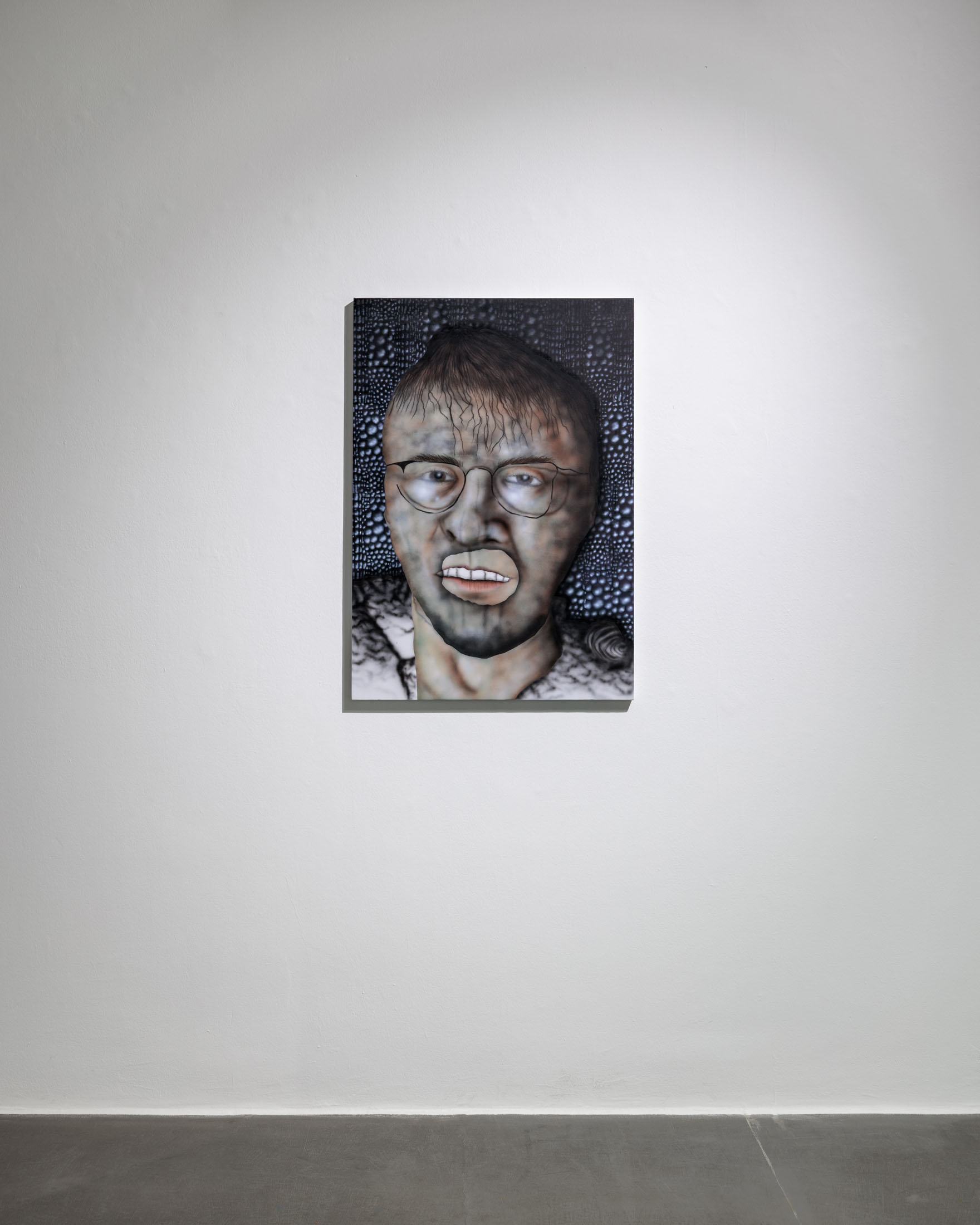
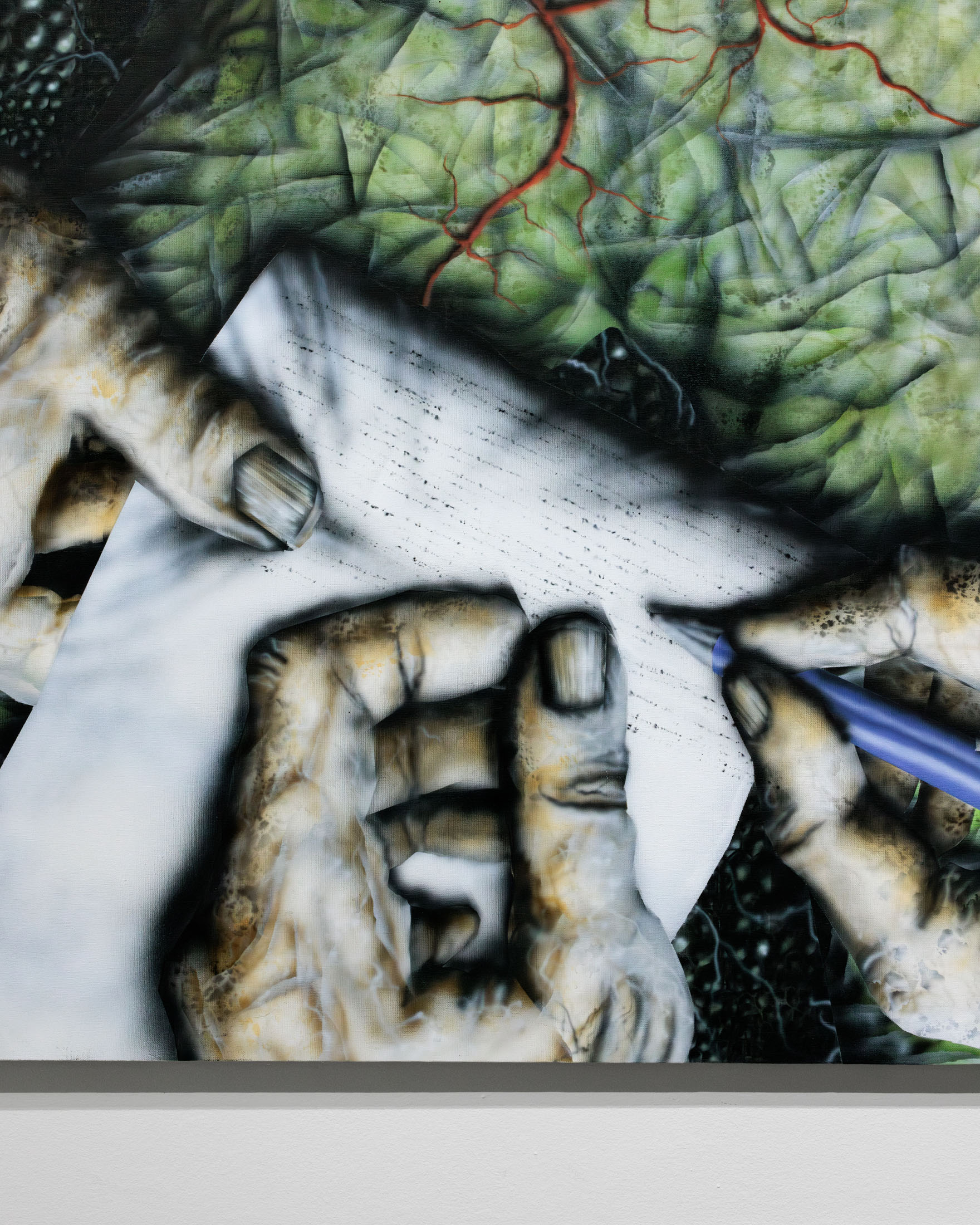
An exhibition is not a place for confessions, and yet one confesses; inadvertently. Someone sees a painting and says: ‘is this about me?’. Or: ‘I had that too’. My friend says nothing. He knows that there is a whole lot of fear in the question. Because, after all, it’s not about art. It’s about those moments when your voice trembles because you’re afraid you’ll betray yourself. That someone will say: ‘I know what it’s about’ and hits the bull’s eye.
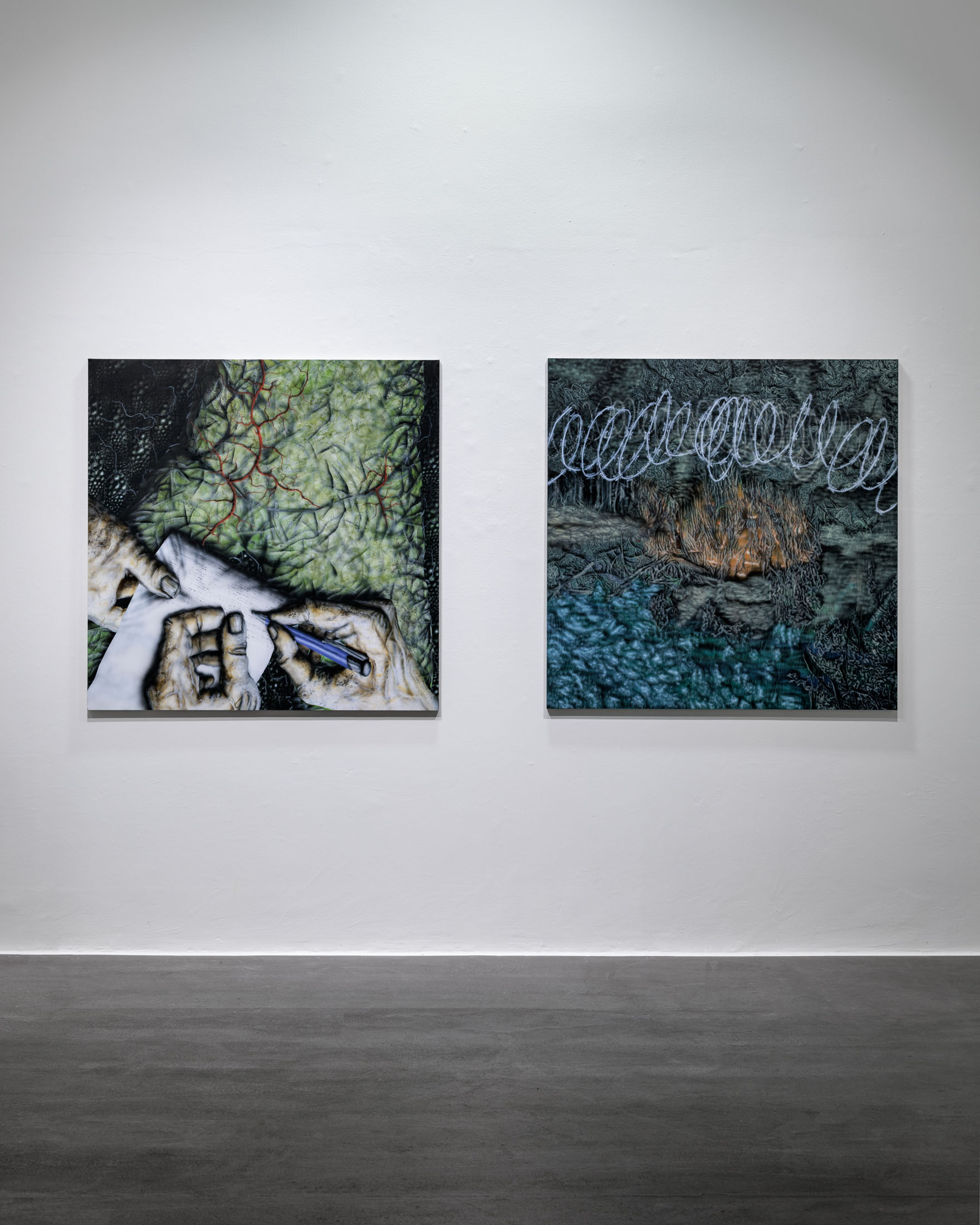
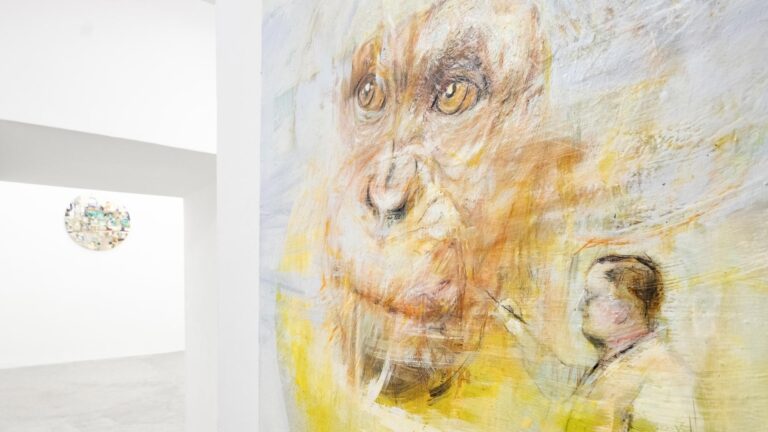
Sometimes he wants to say enough is enough. That he would like to cut himself off. But not completely; only for a while, just to see what it’s like. Long enough for someone to notice him and ask him where he’s been and why he’s stopped asking about all this stuff. Then he might answer that he was nowhere. That he had been here all the time, painting.
***
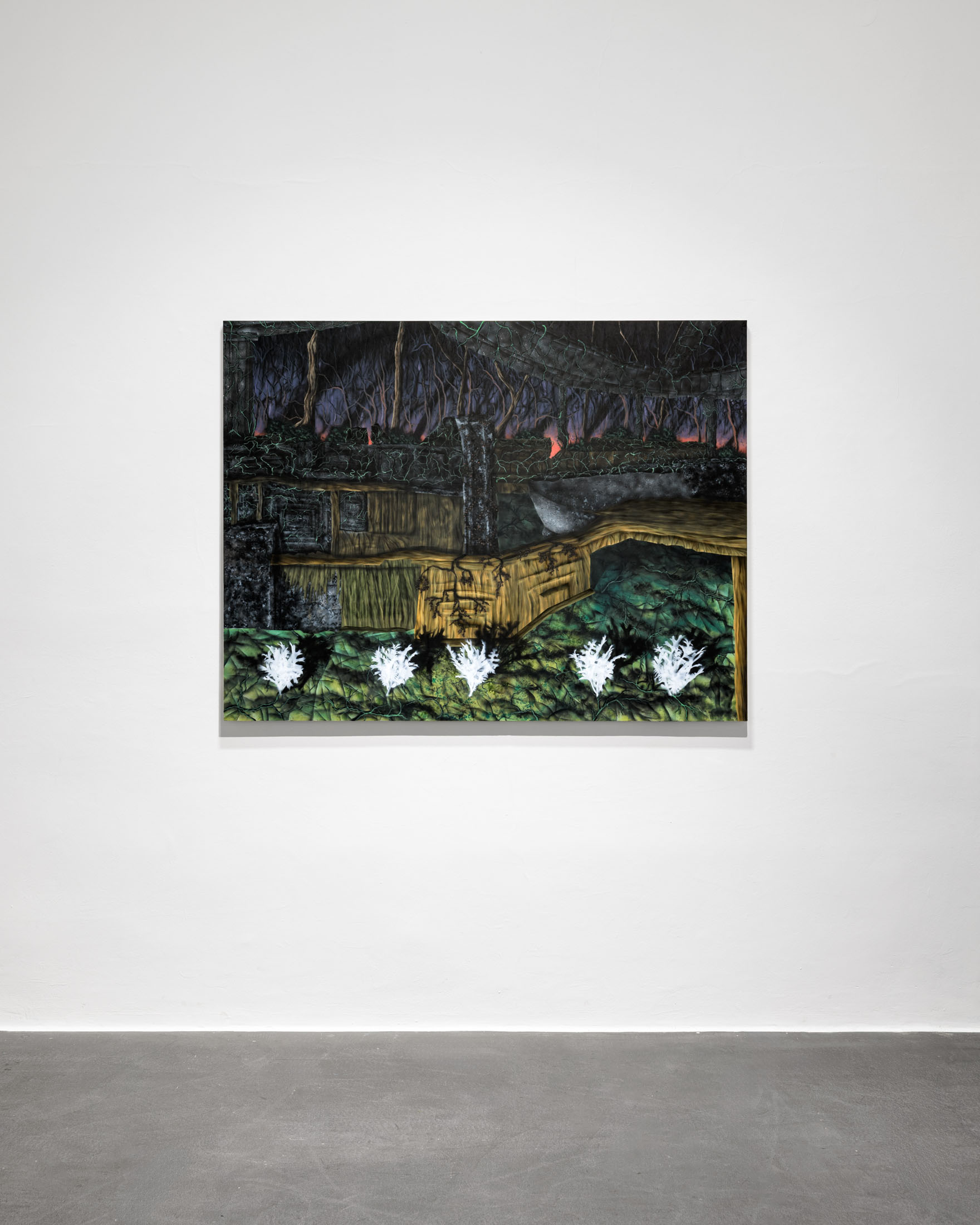
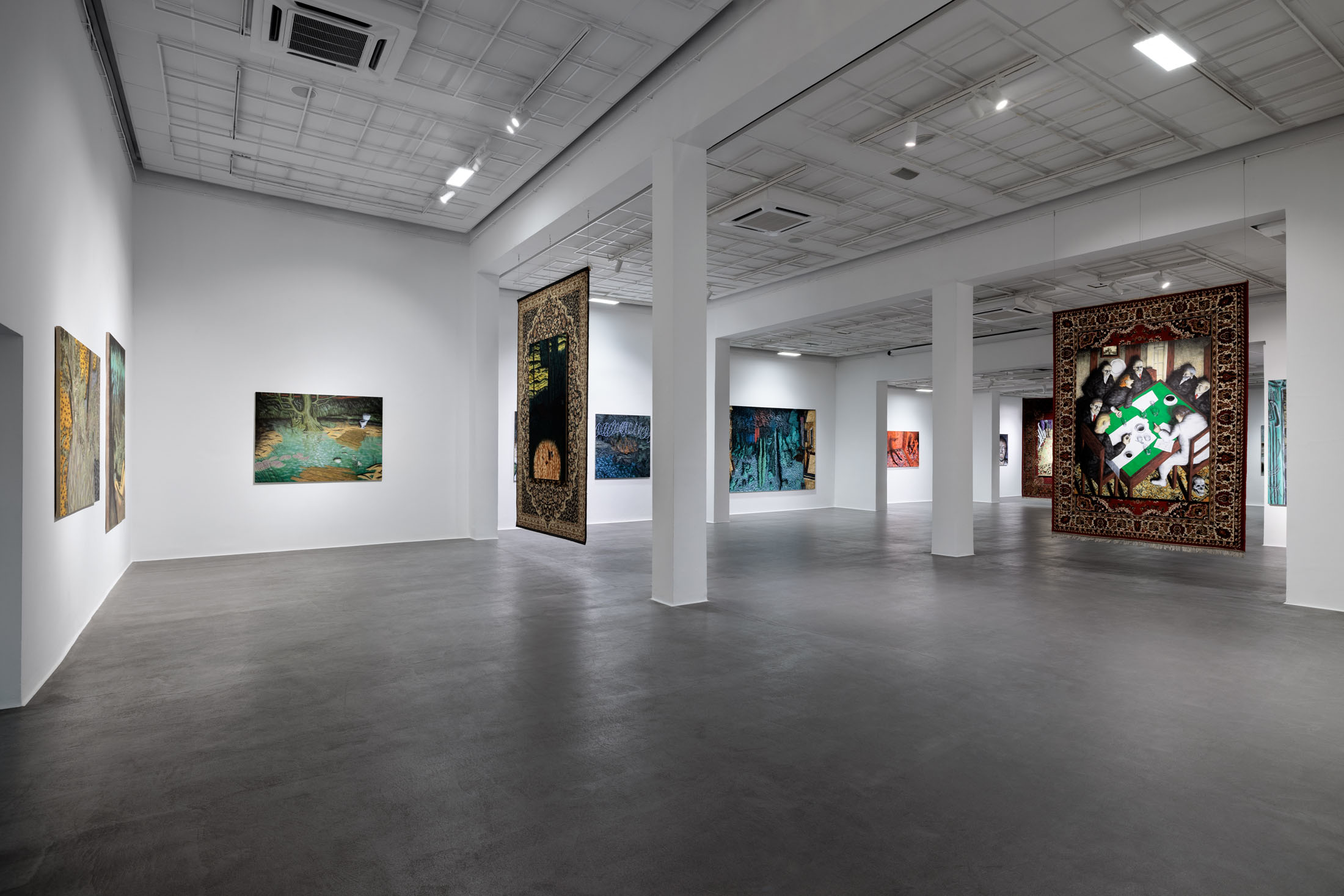
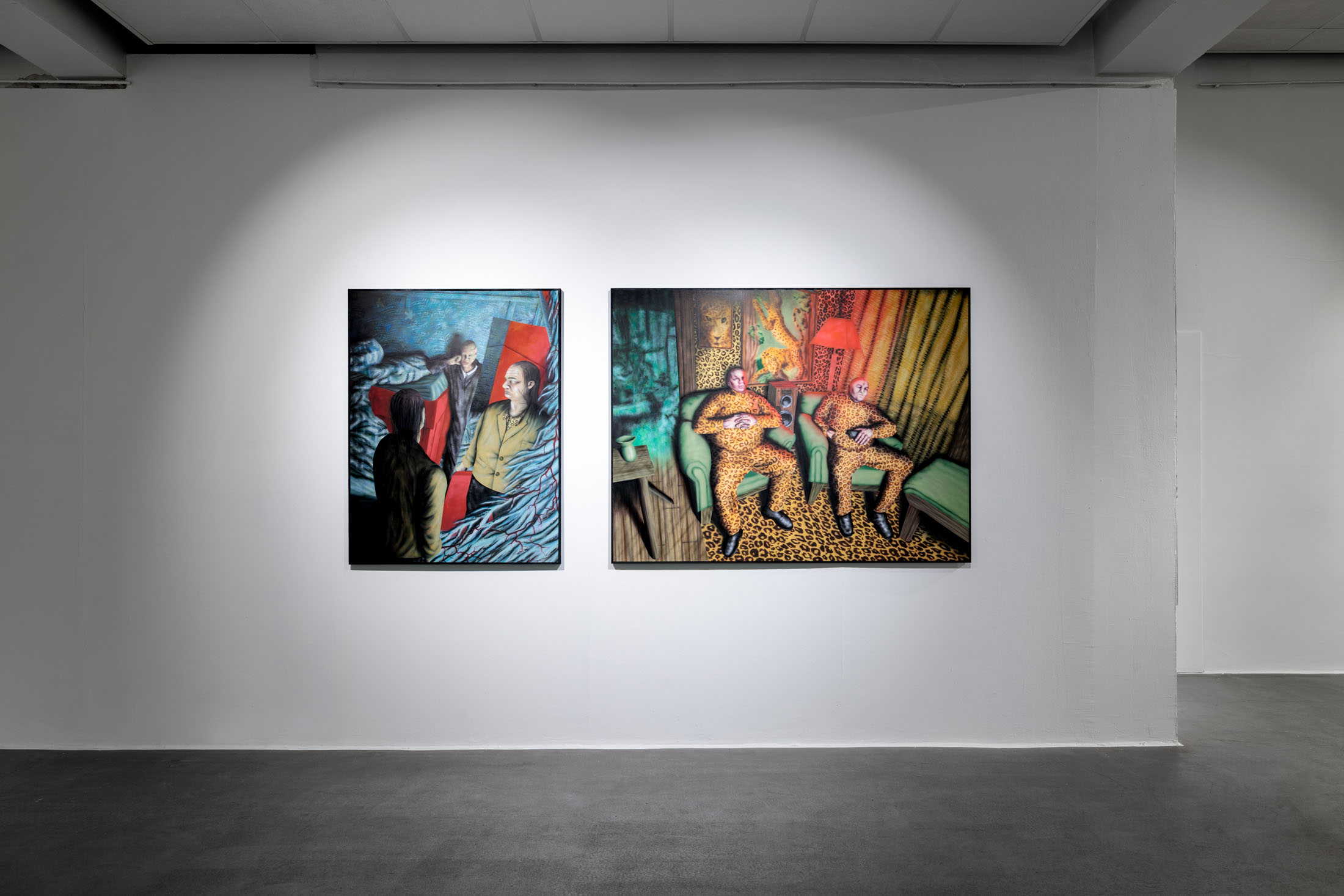
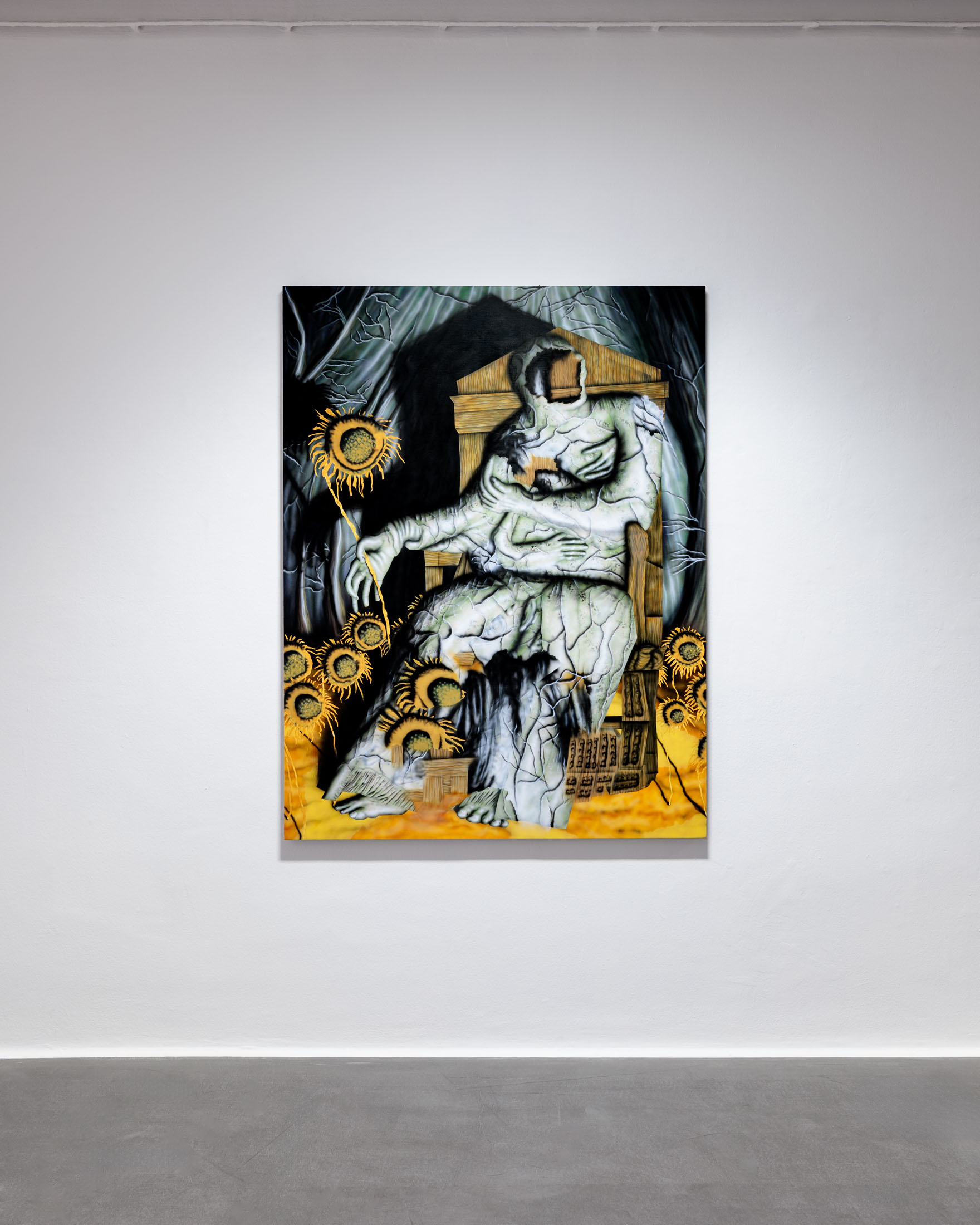
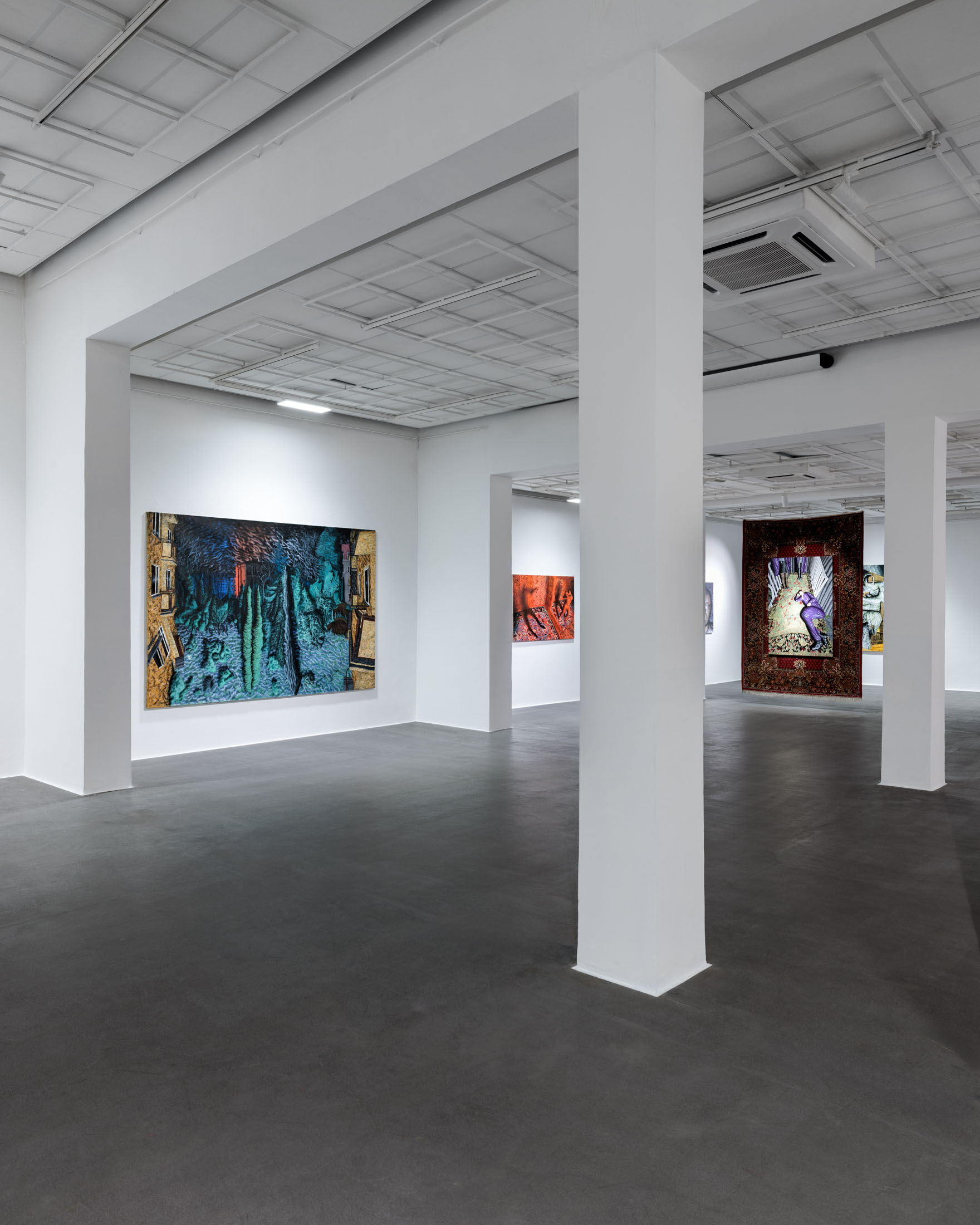
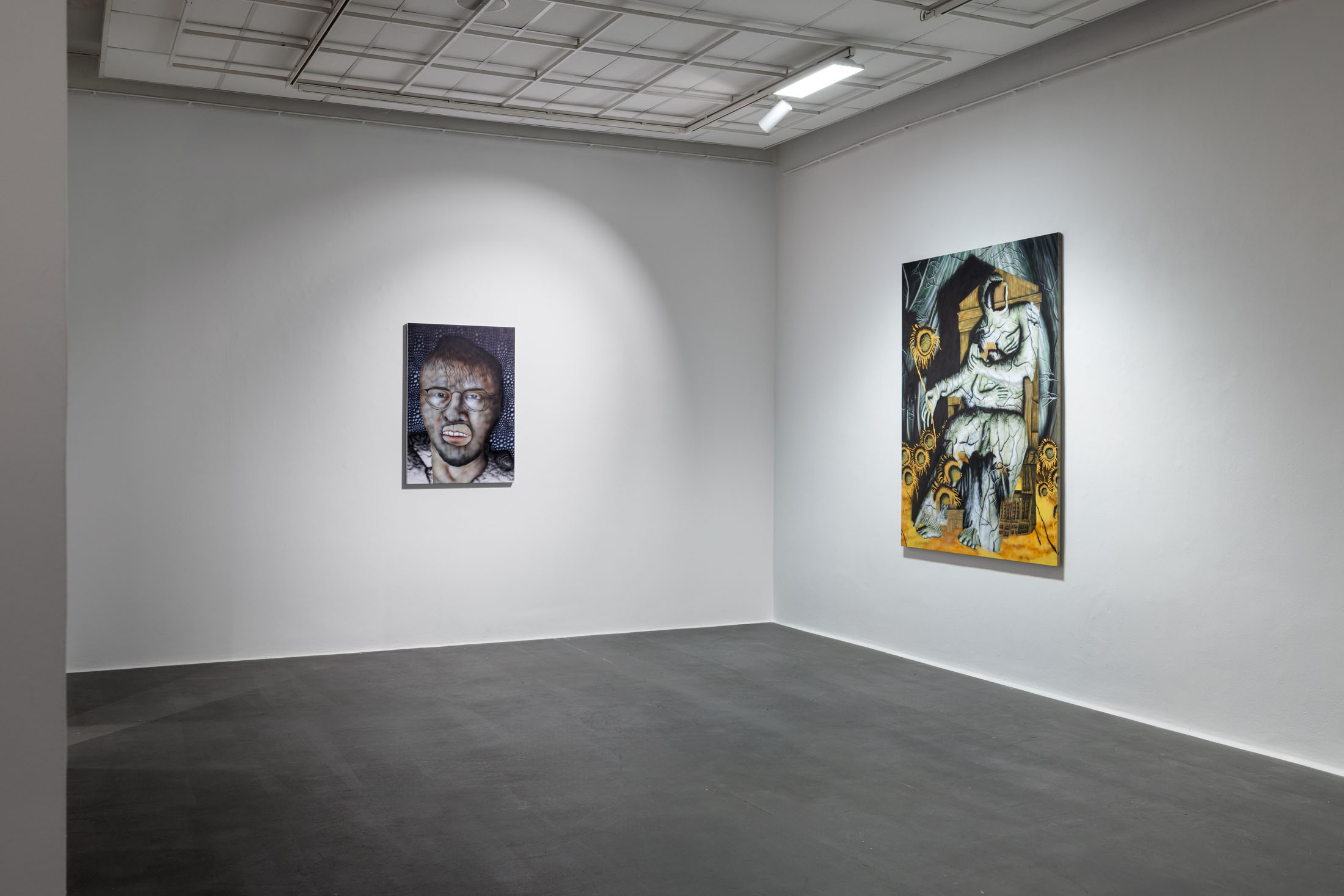
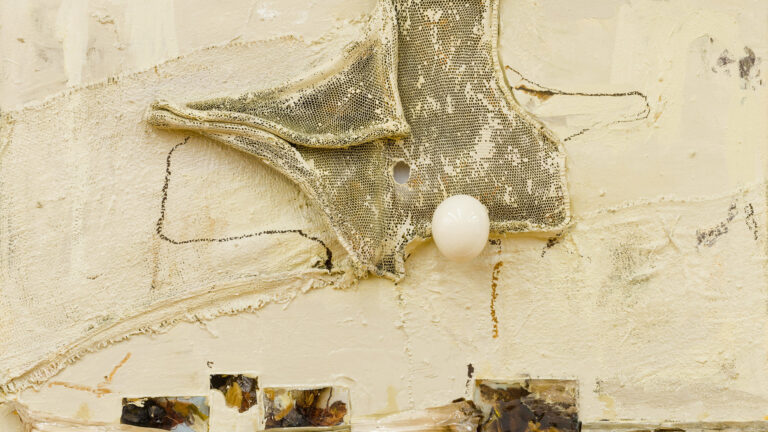
‘Friend Asks’ is an exhibition that begins with seemingly humorous questions, but quickly leads into areas too difficult to talk about directly. It is a story about the unobvious, the silent, the too personal or too common to be put into words easily. At the centre of the story is the figure of a ‘friend’, sometimes as a narrator, sometimes as a witness, a voice from offstage or an excuse to ask a question that no one is willing to address.
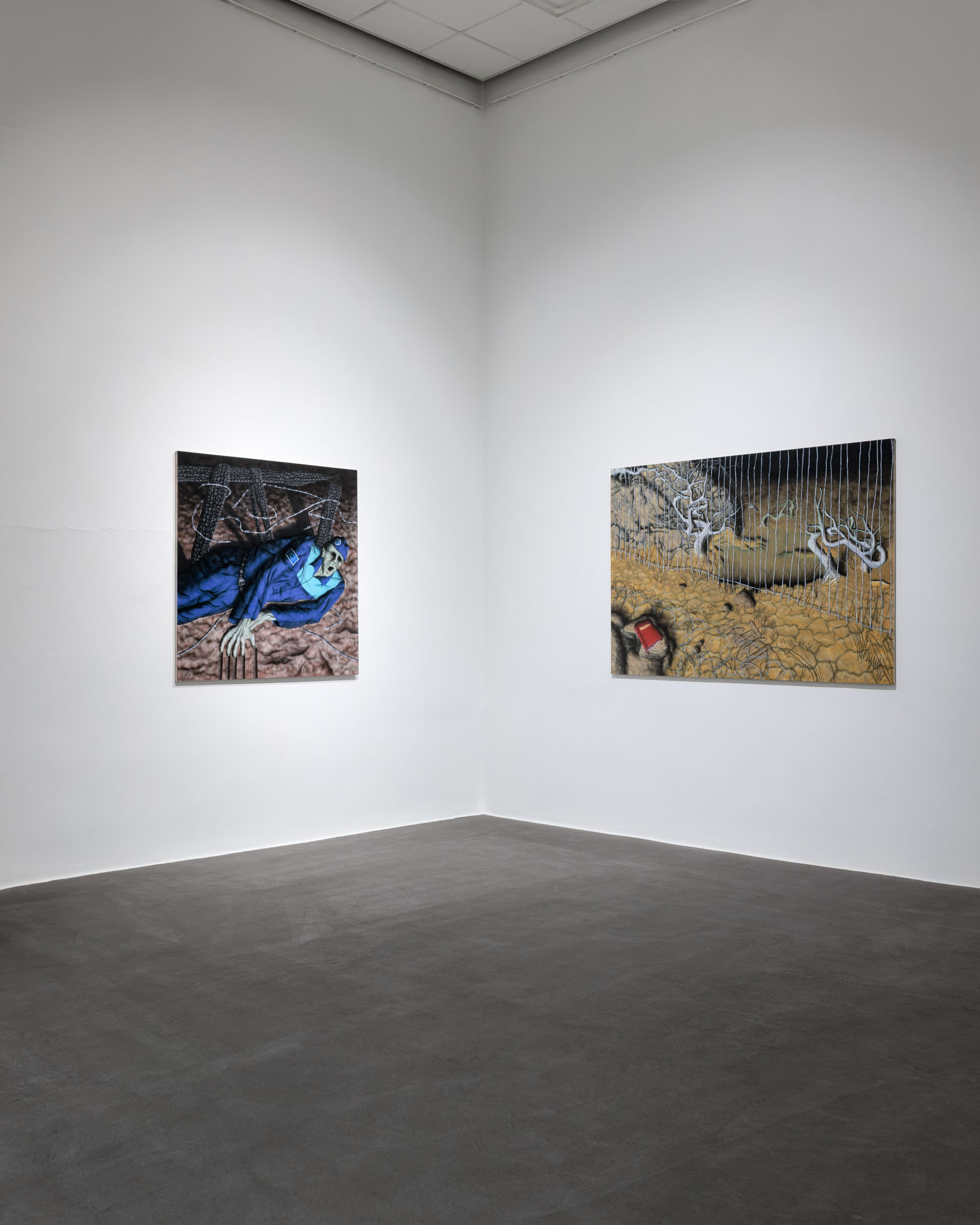
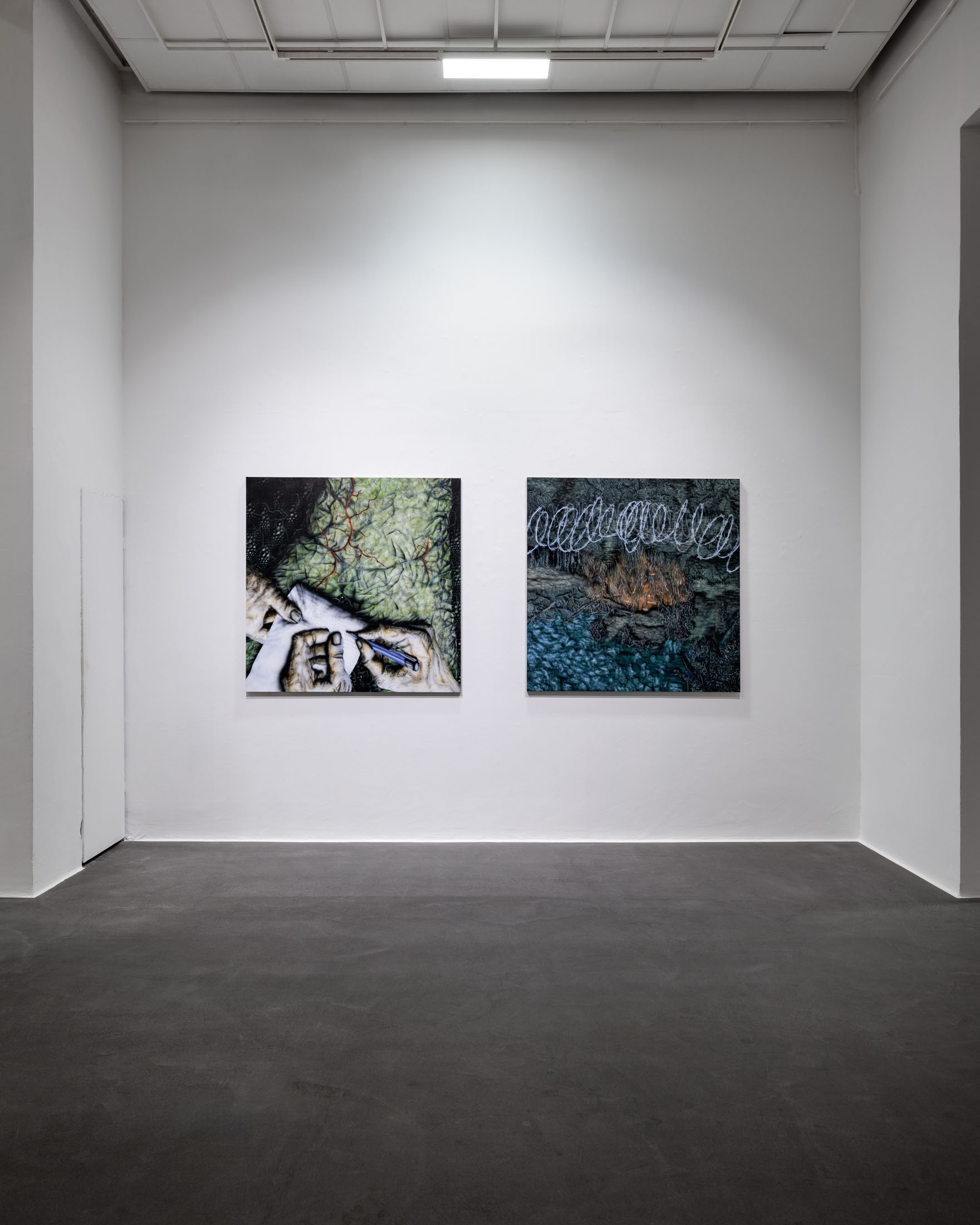
The exhibition of works by Adam Kozicki appears as a multi-layered story about two systems – the official and the domestic ones. It has been divided into three parts. The first part deals with the humanitarian crisis on the Polish-Belarusian border. The artist confronts the politics of closed doors, suspended rights and averted gazes. The works show not so much specific events as an atmosphere of withdrawal – a comfortable silence that is becoming the new language of social consent.
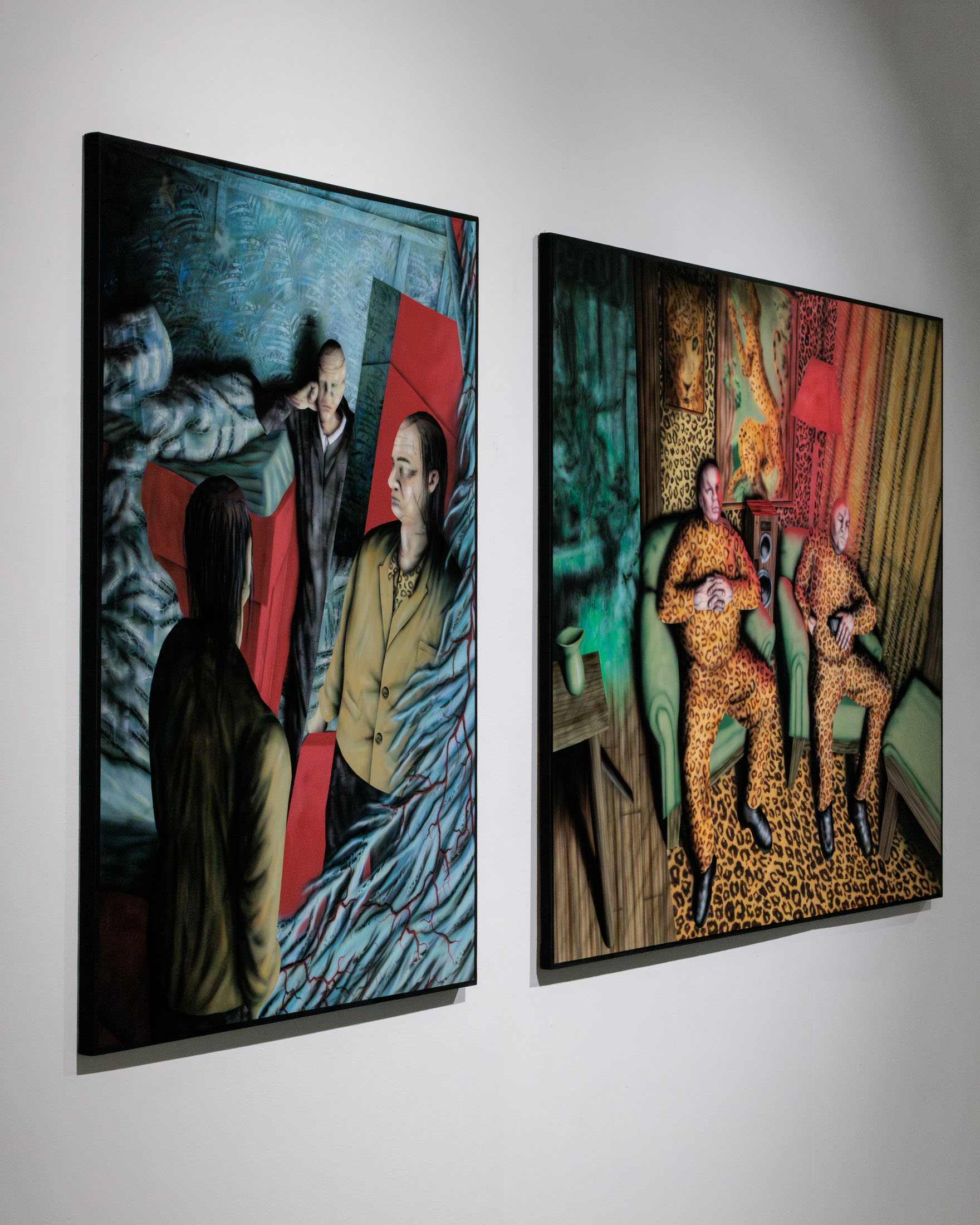
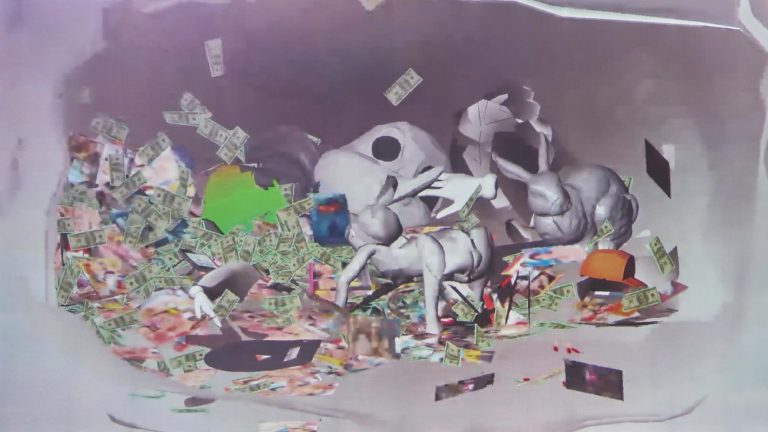
The second part was created after the artist had been arrested and put on trial. These are paintings imbued with tension between everyday life and fear, privacy and external control. The final part deals with fear, shame – the feelings he is very familiar with. This is an attempt to work through that which has long remained invisible and unobtrusive.
‘A Friend Asks’ is an exhibition about responsibility and its evasion. About personal and collective memory. About how long something must be perceived as ‘someone else’s’ property before we actually begin to see it.