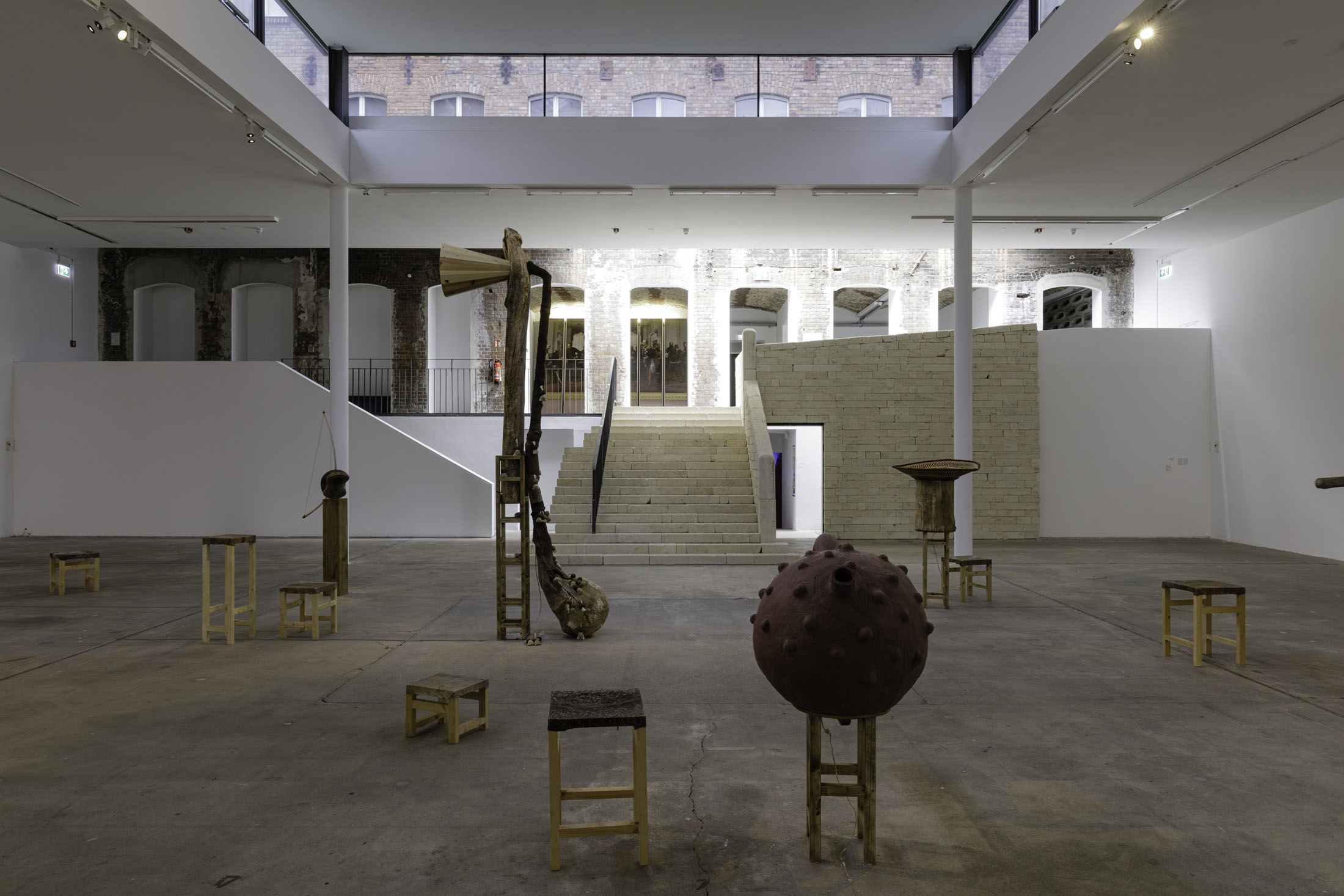
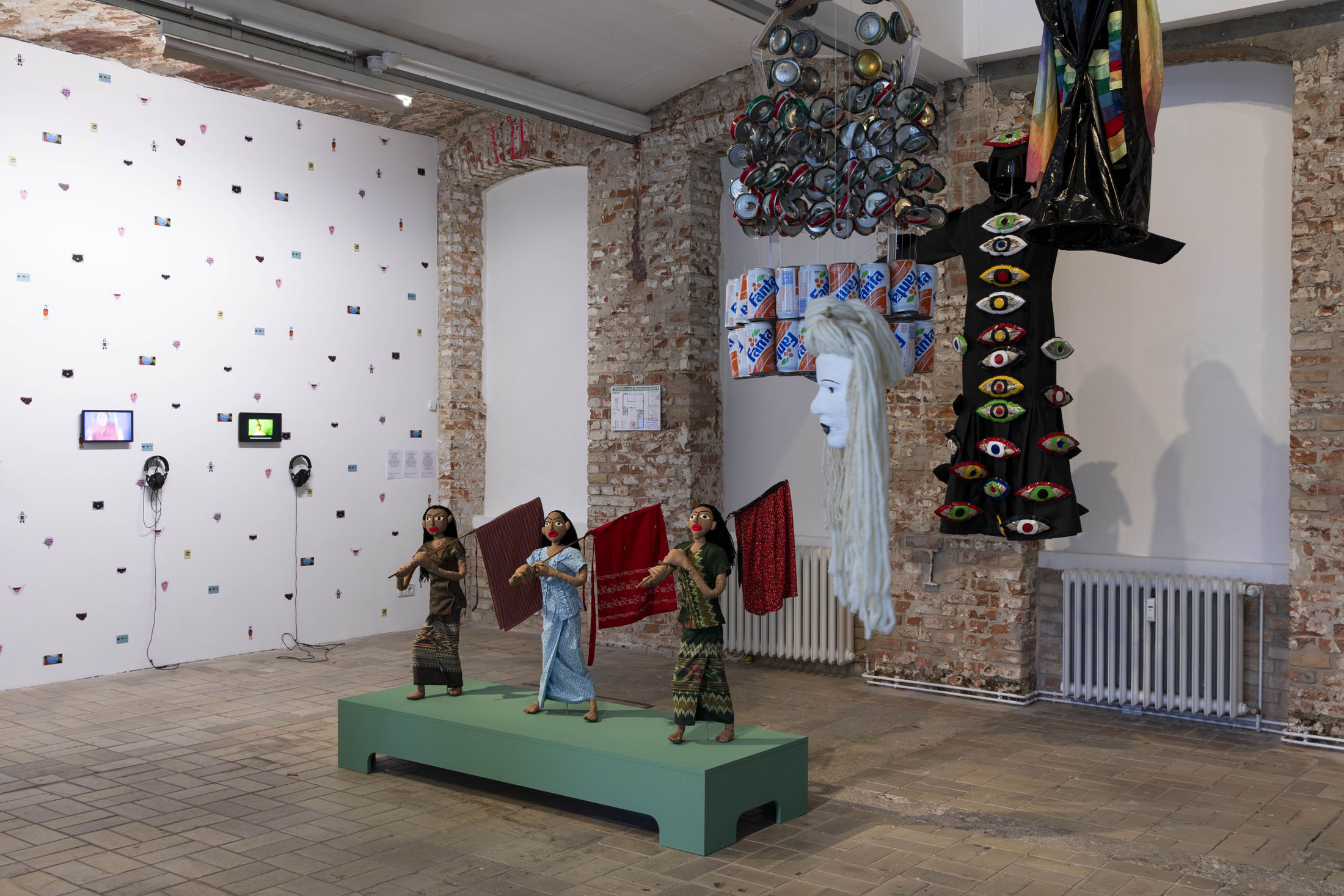
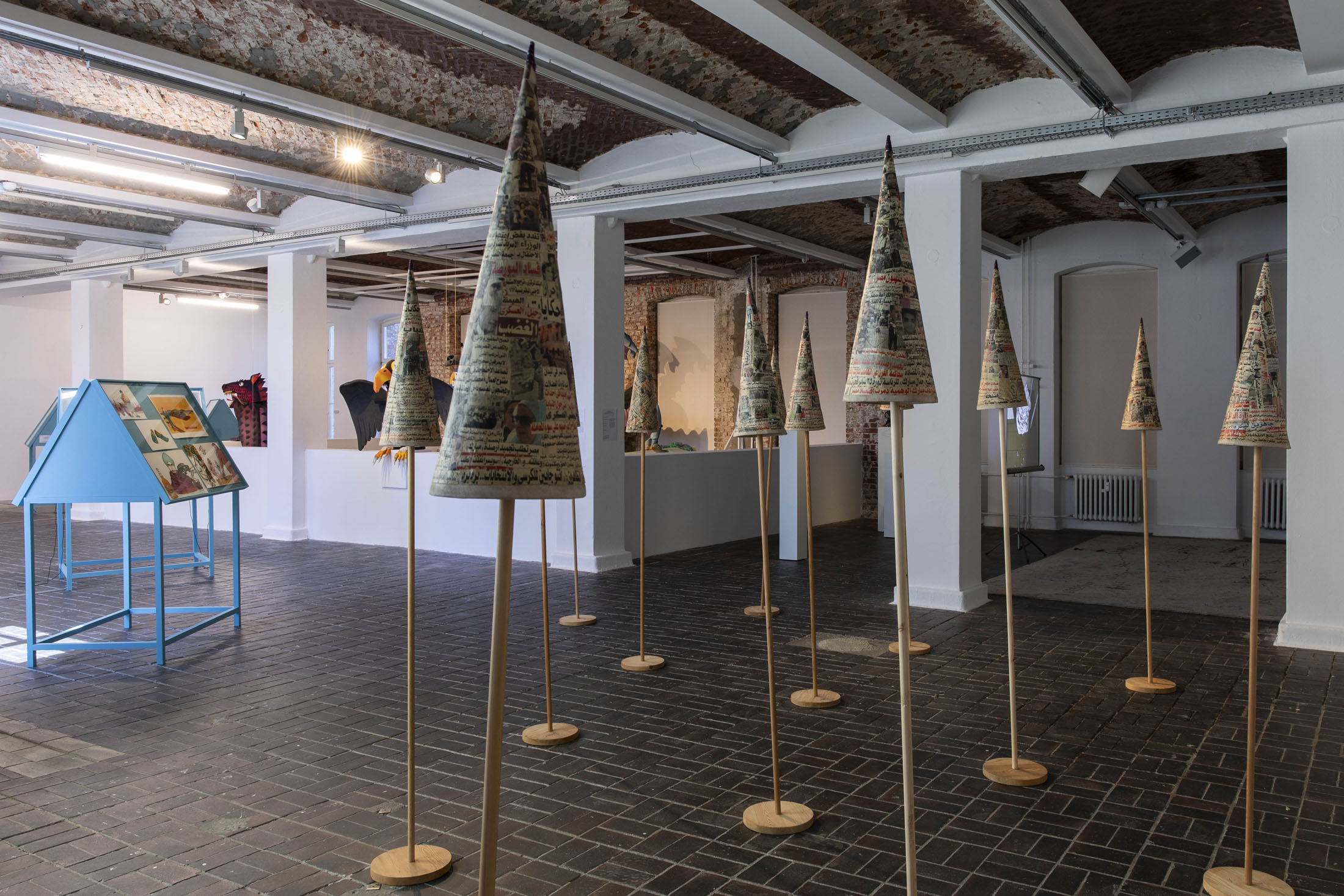
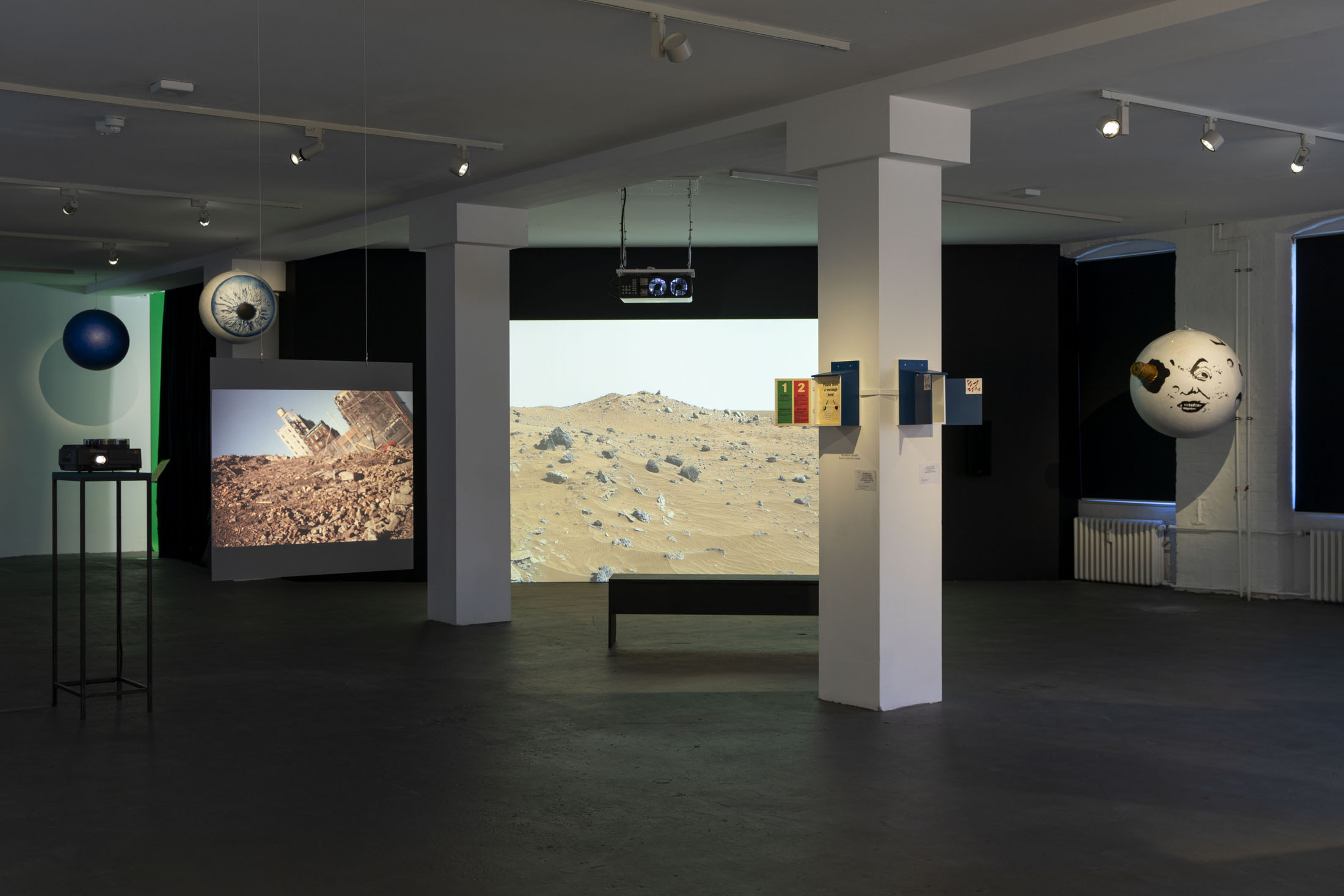
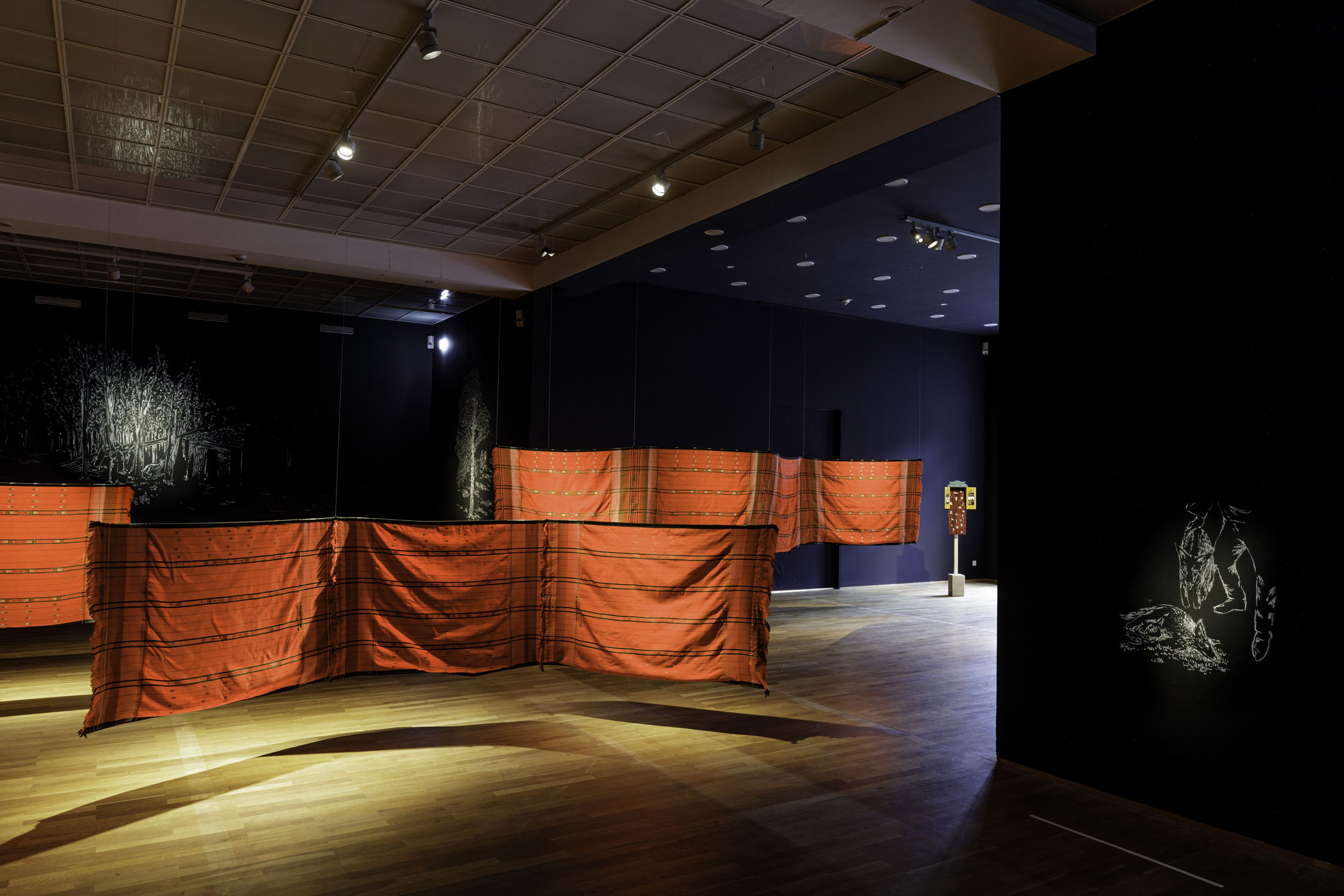
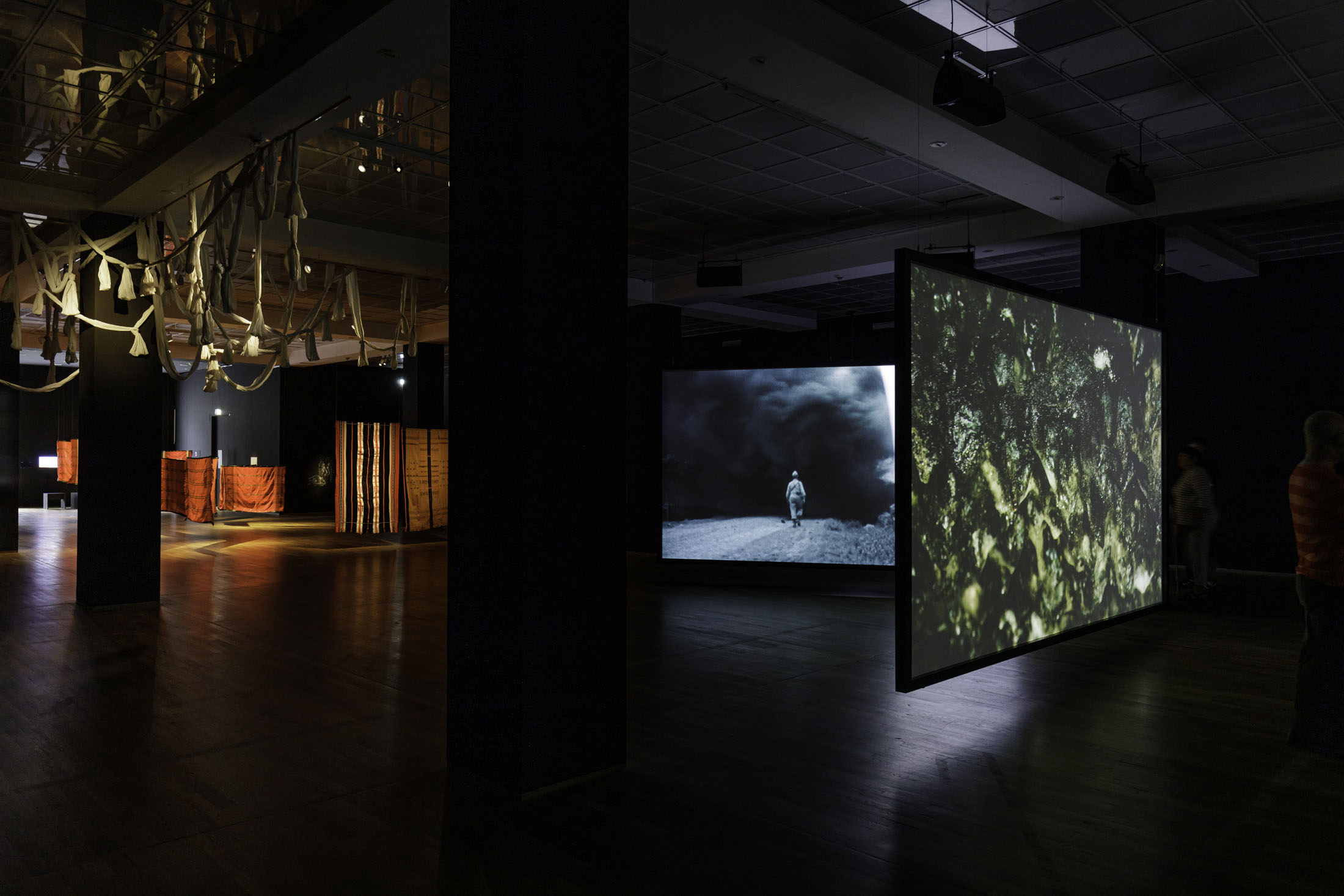
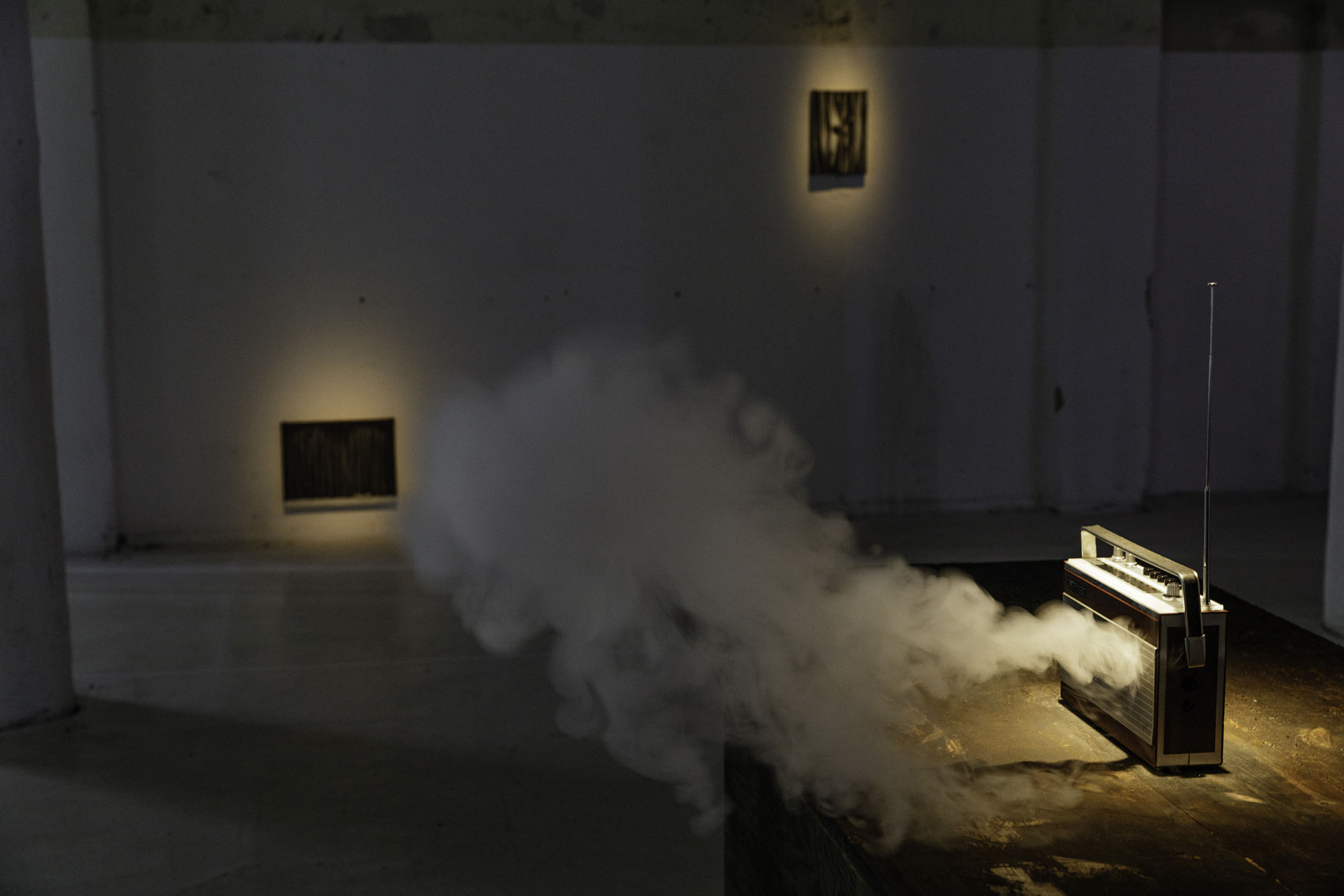
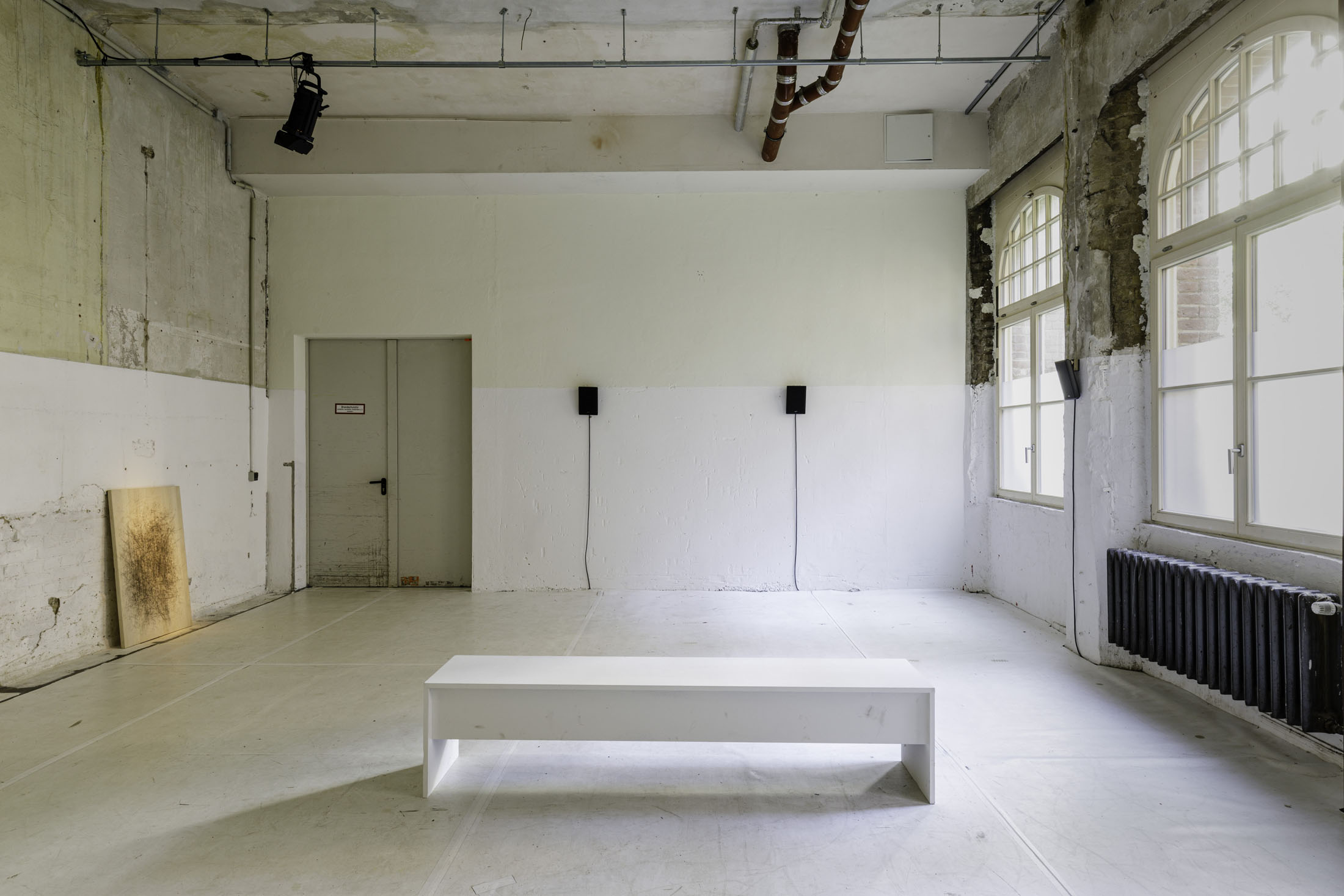
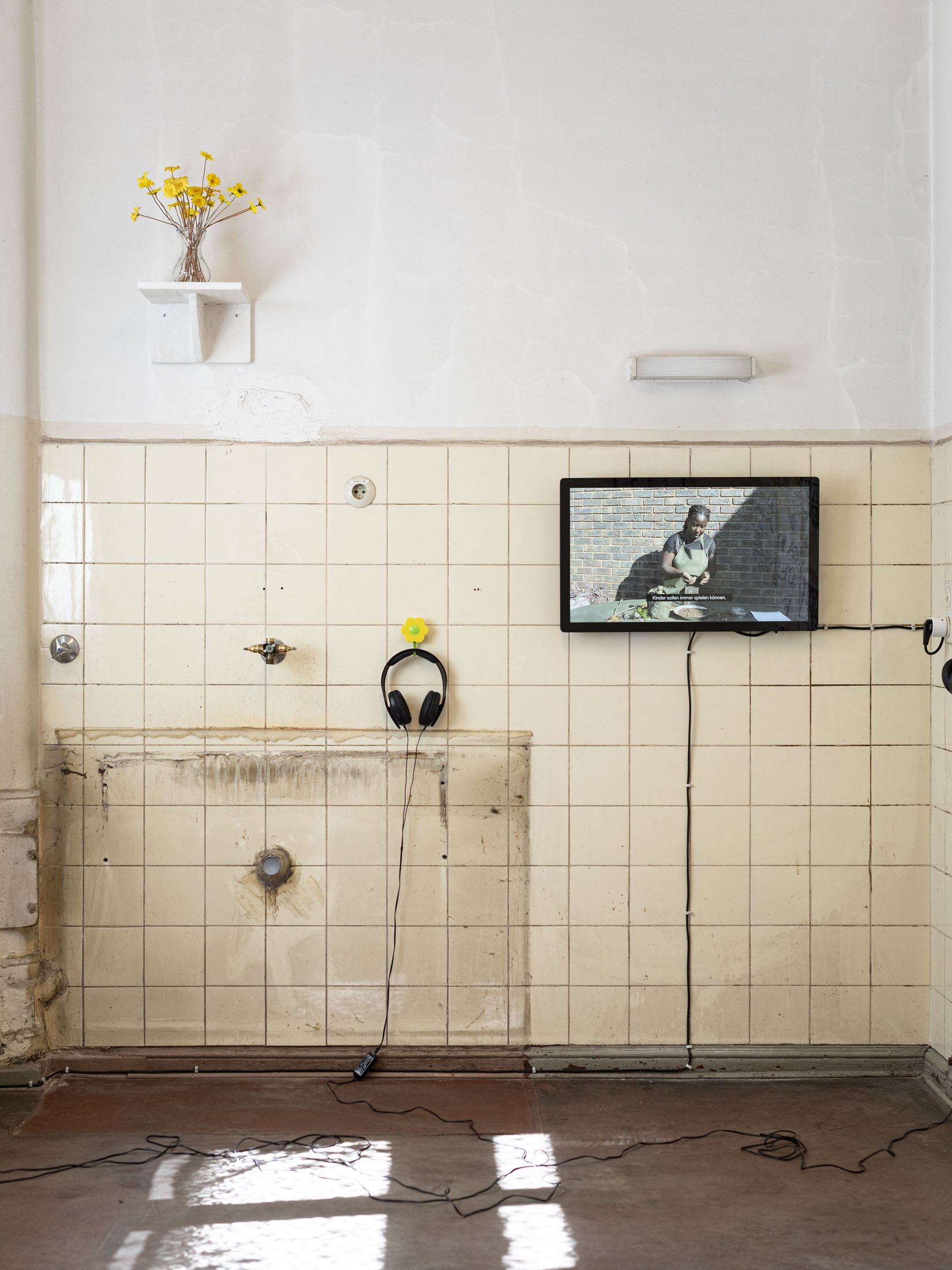
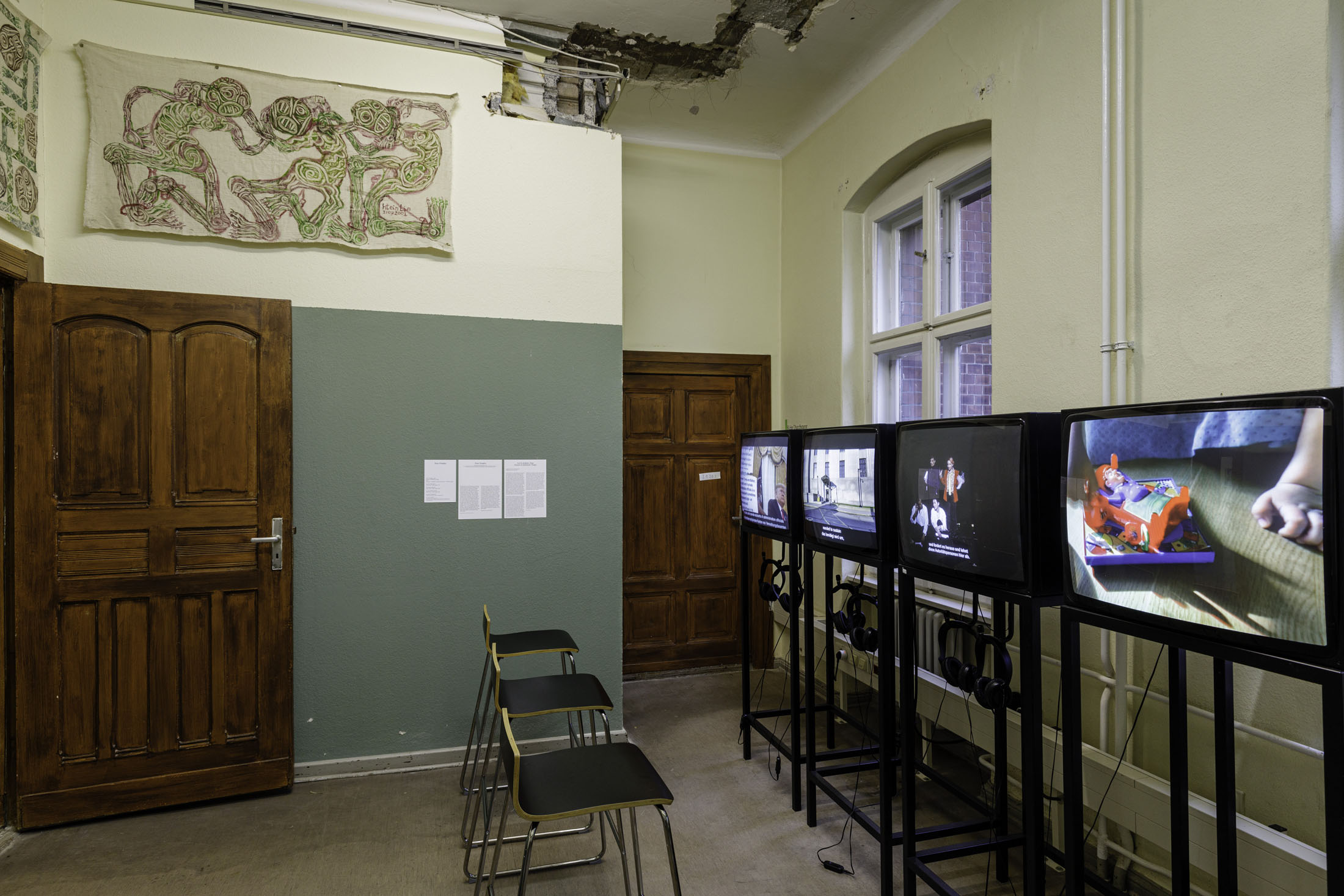
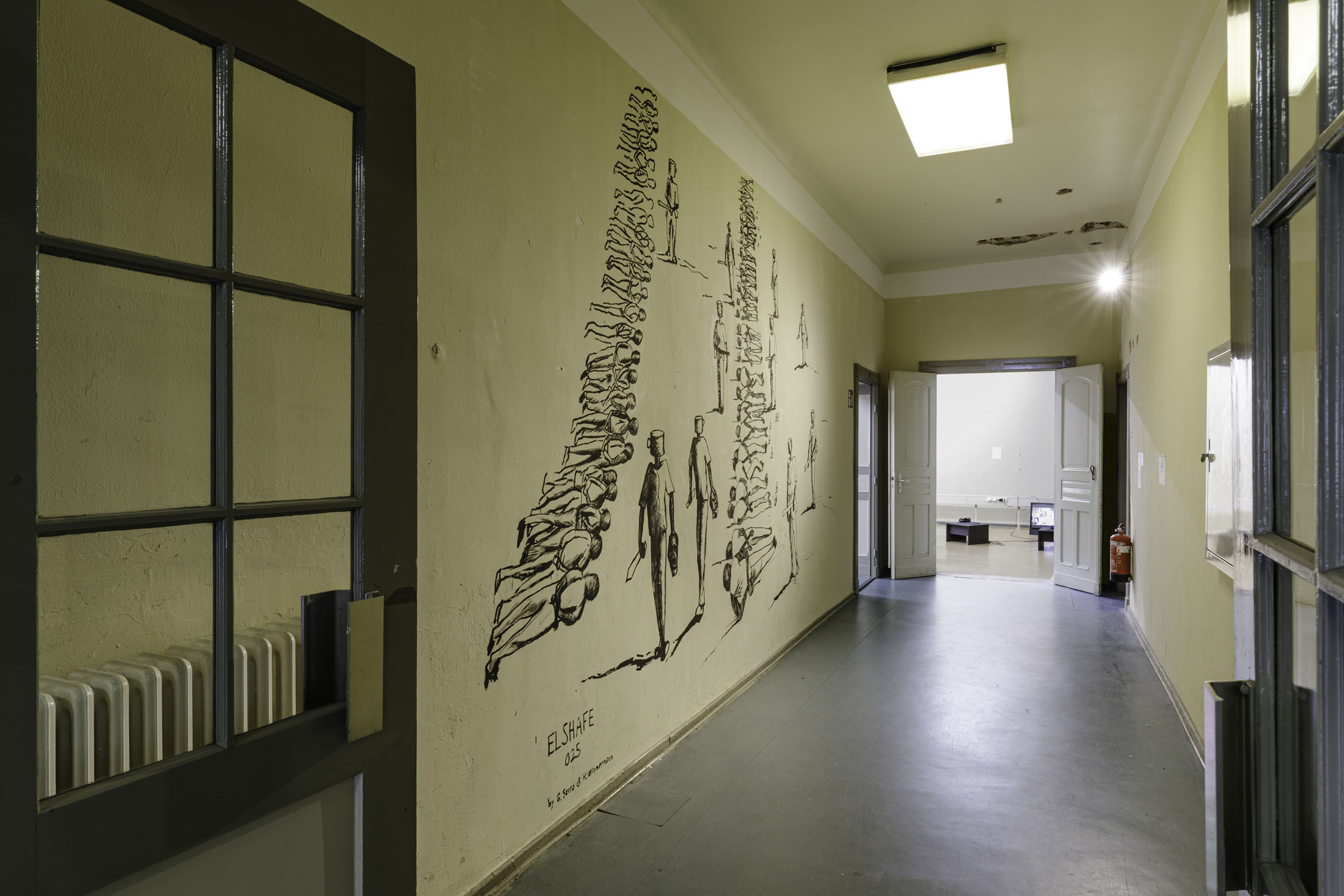
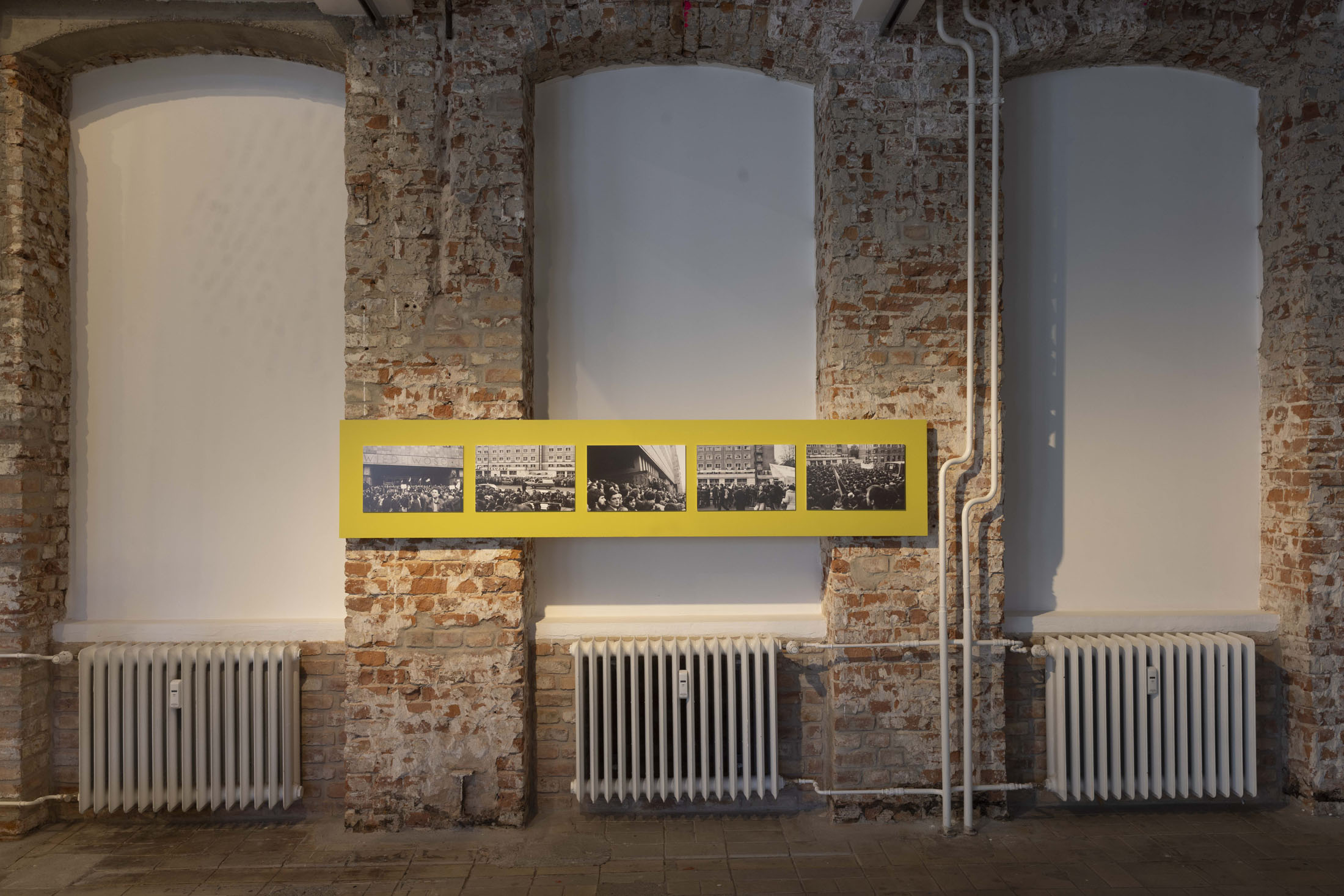
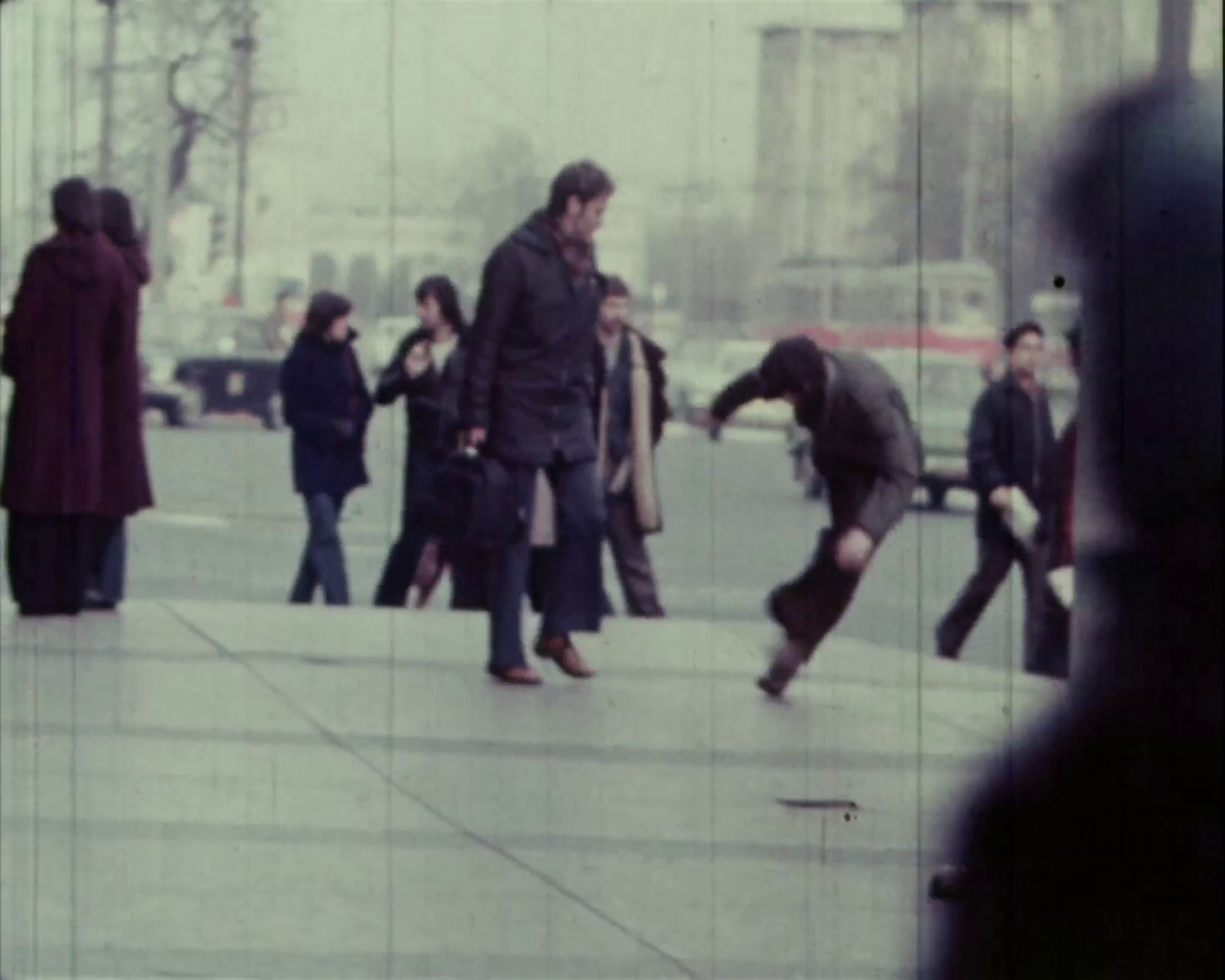
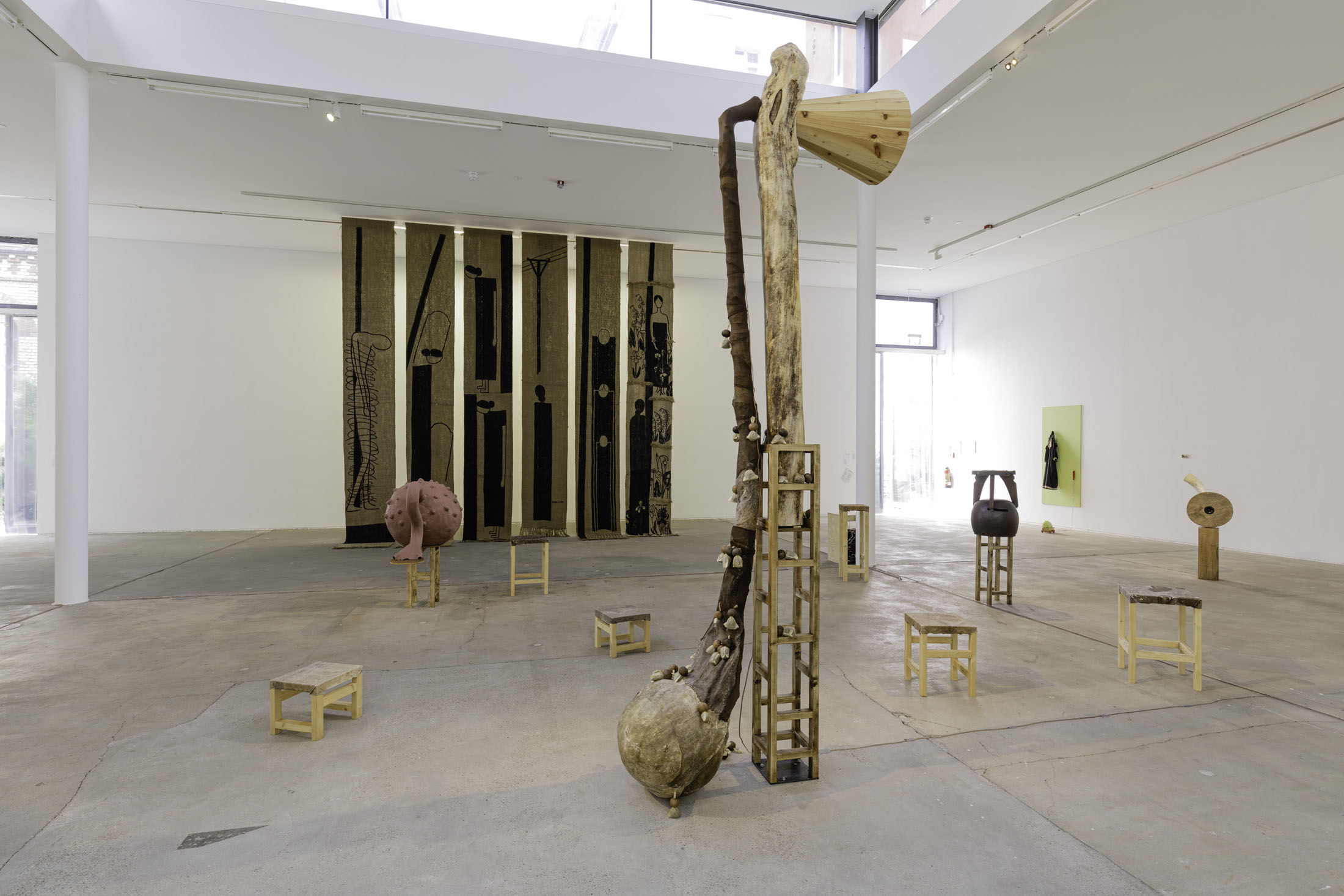
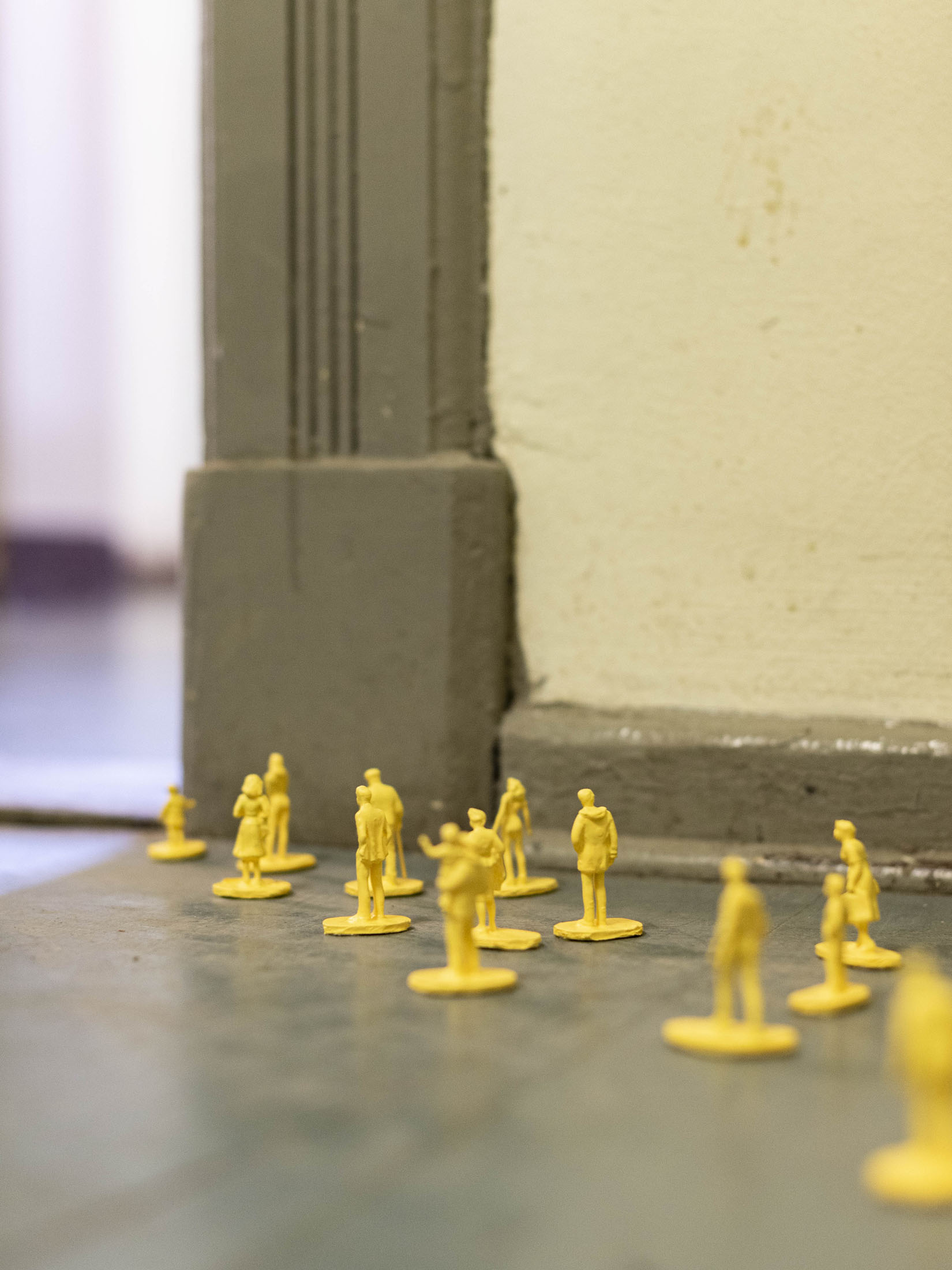
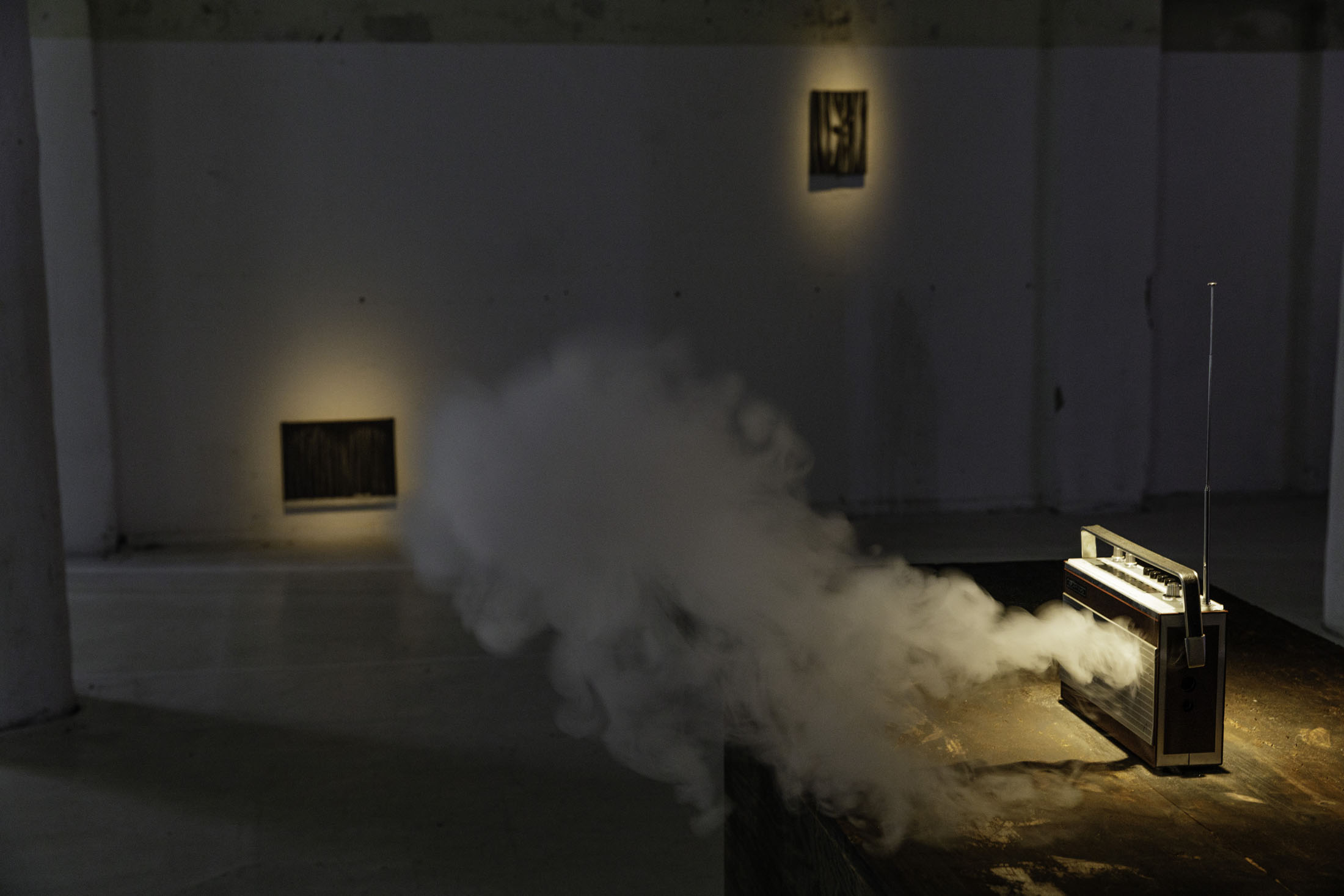
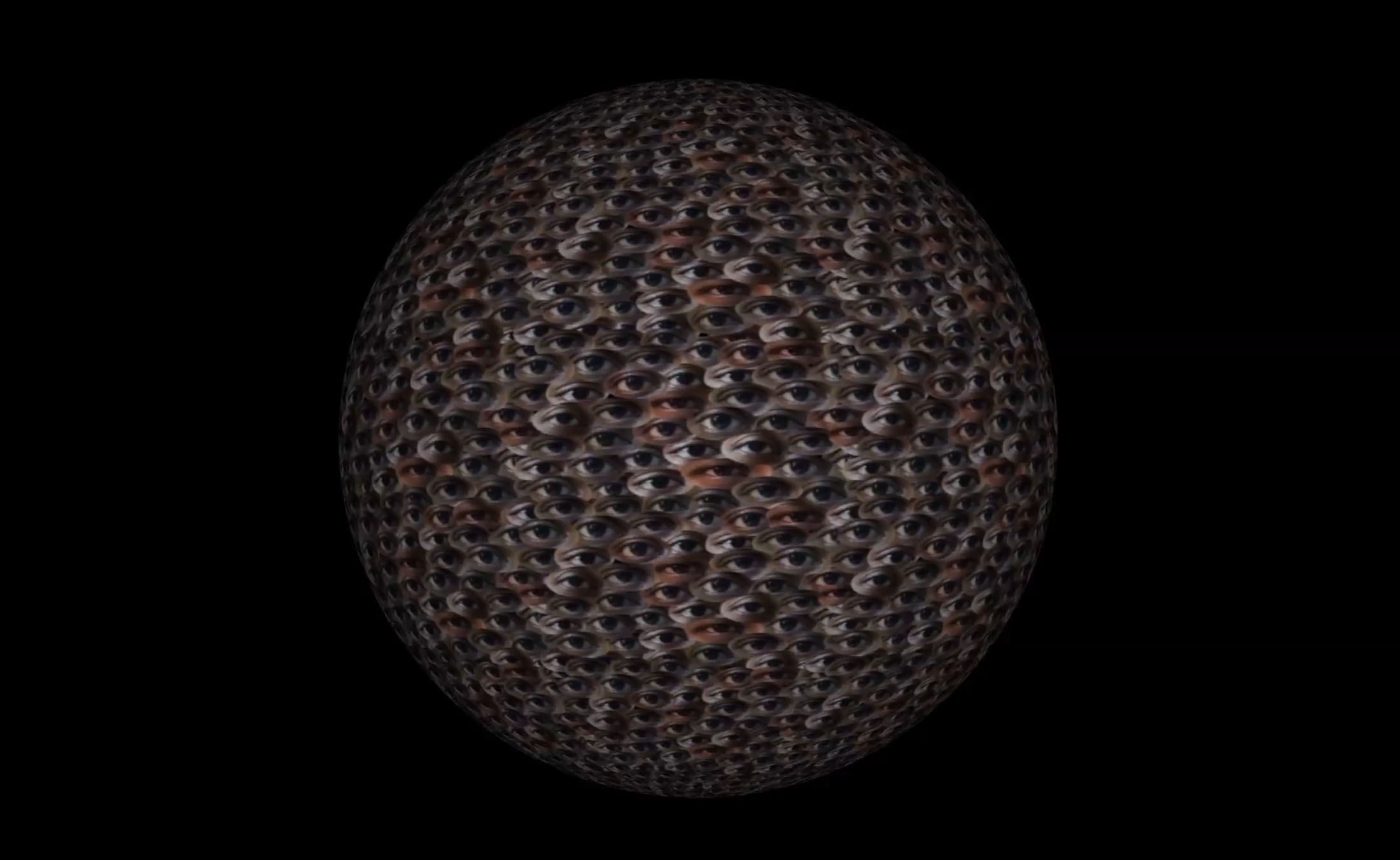
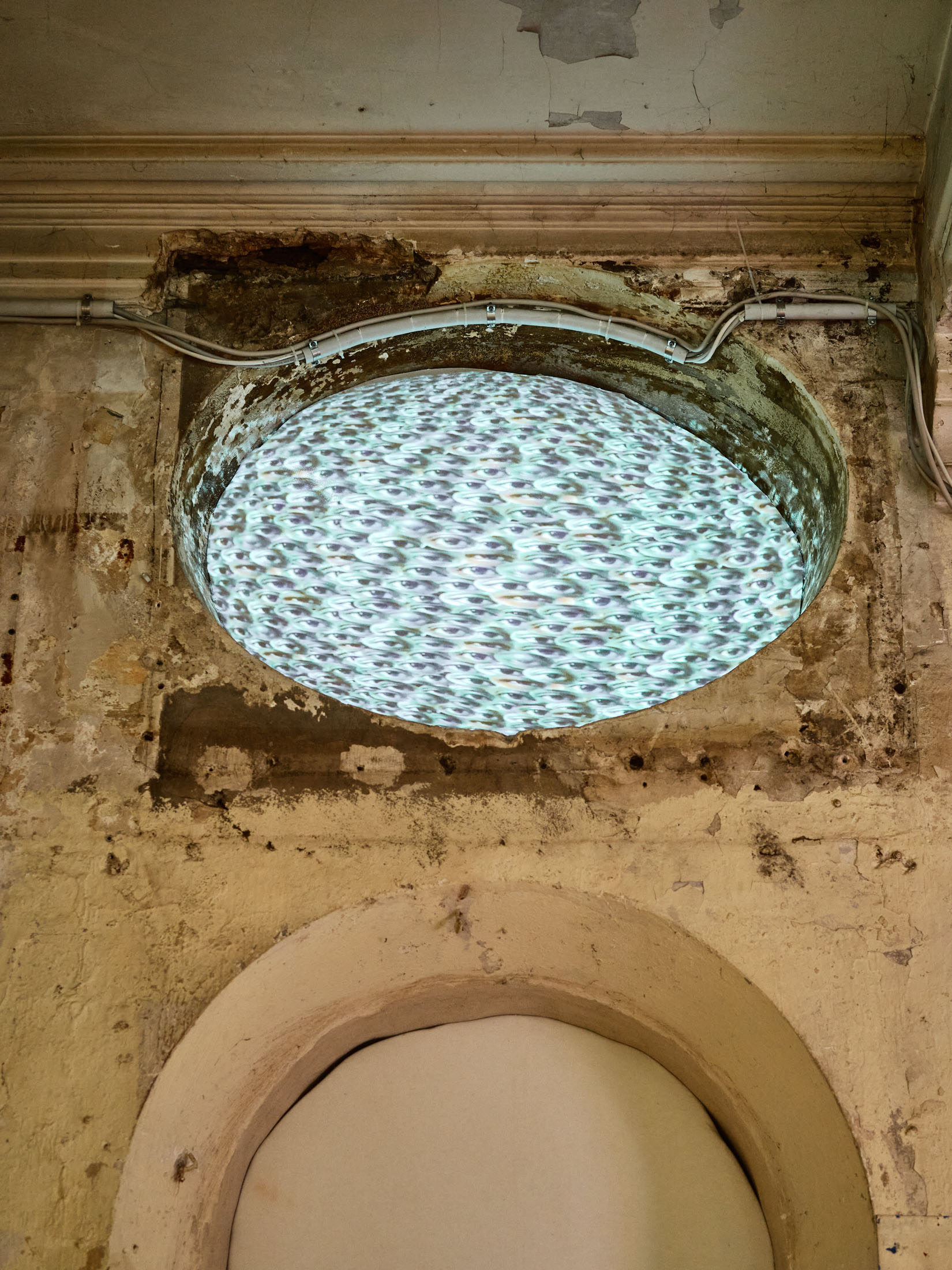
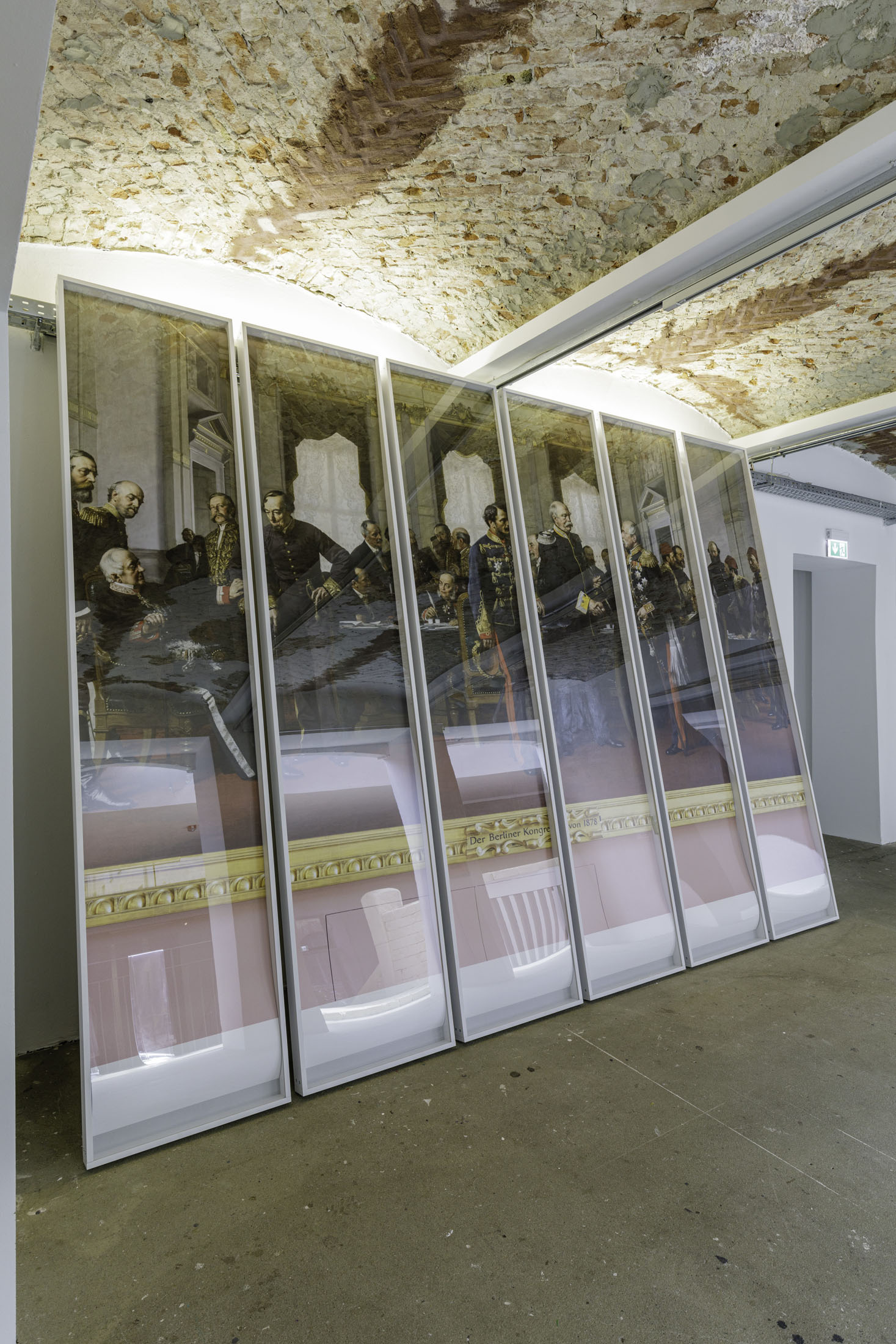
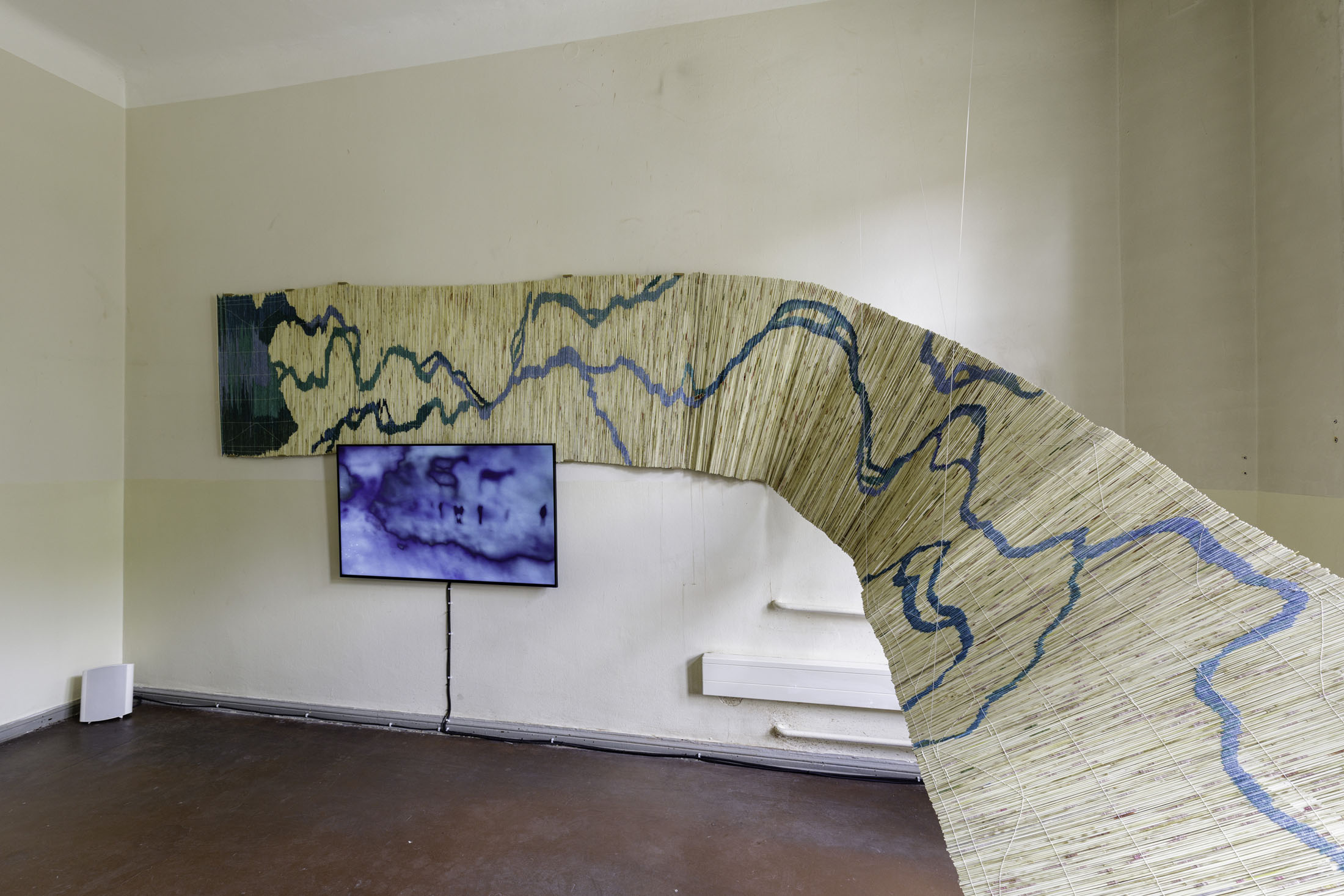
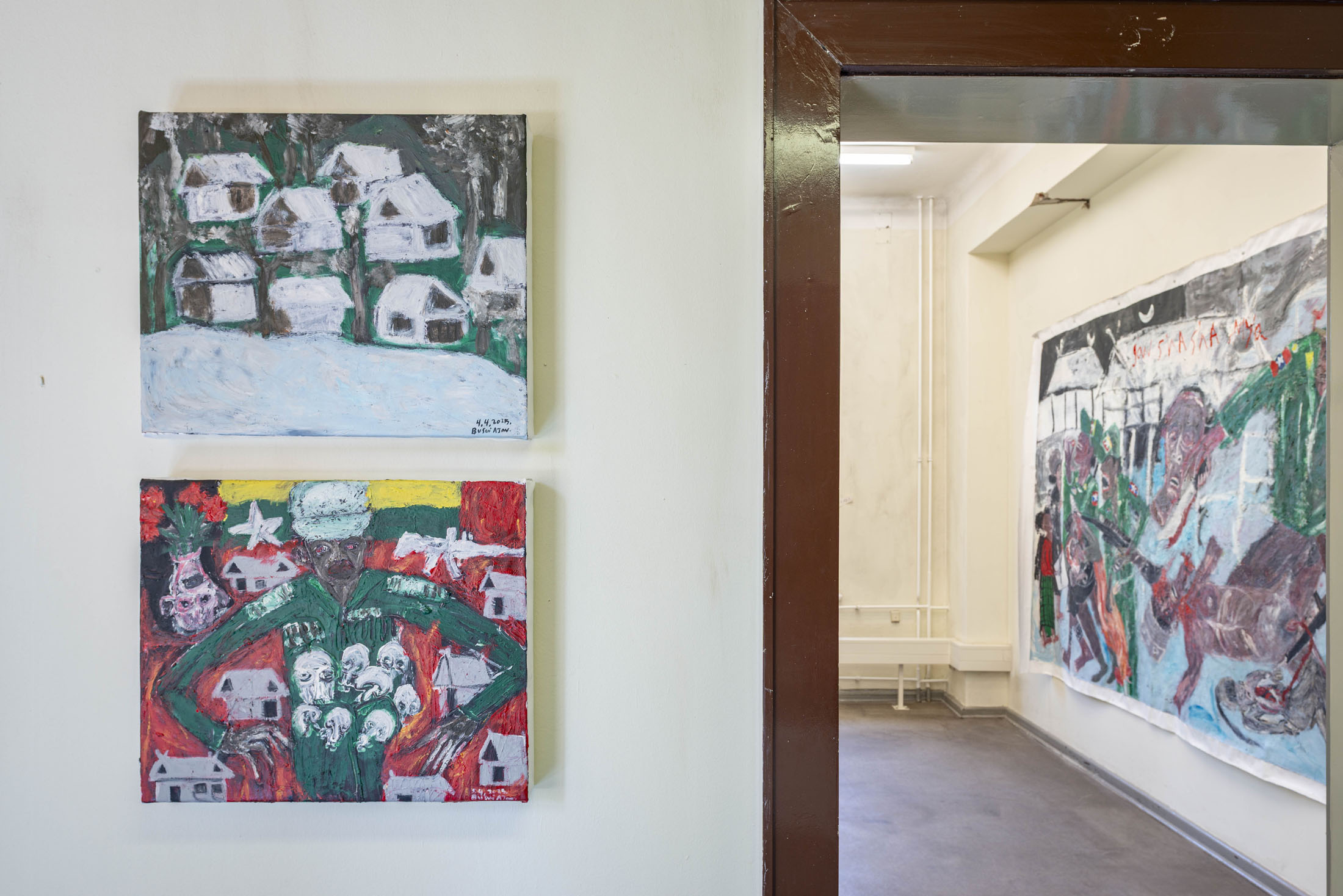
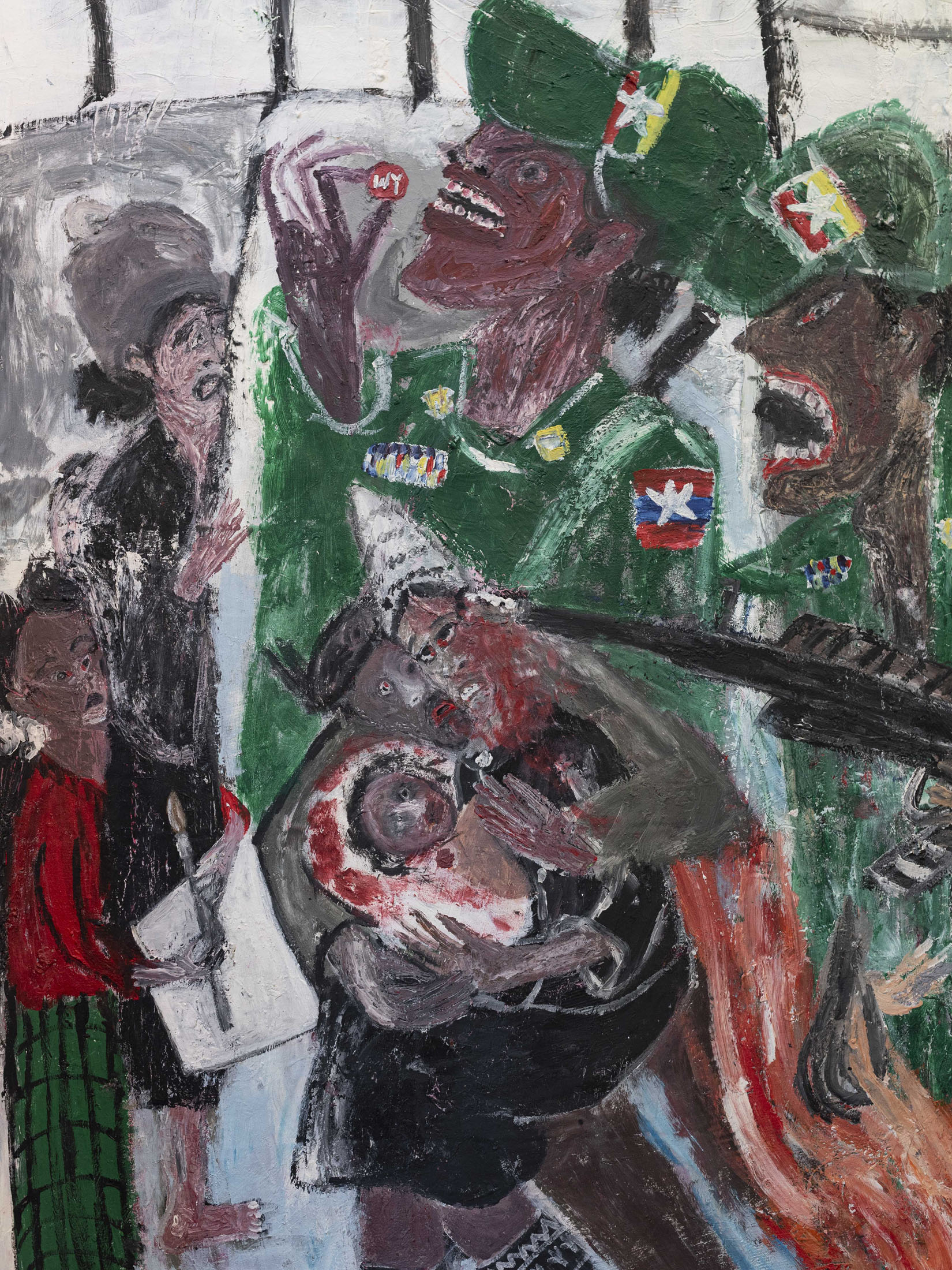
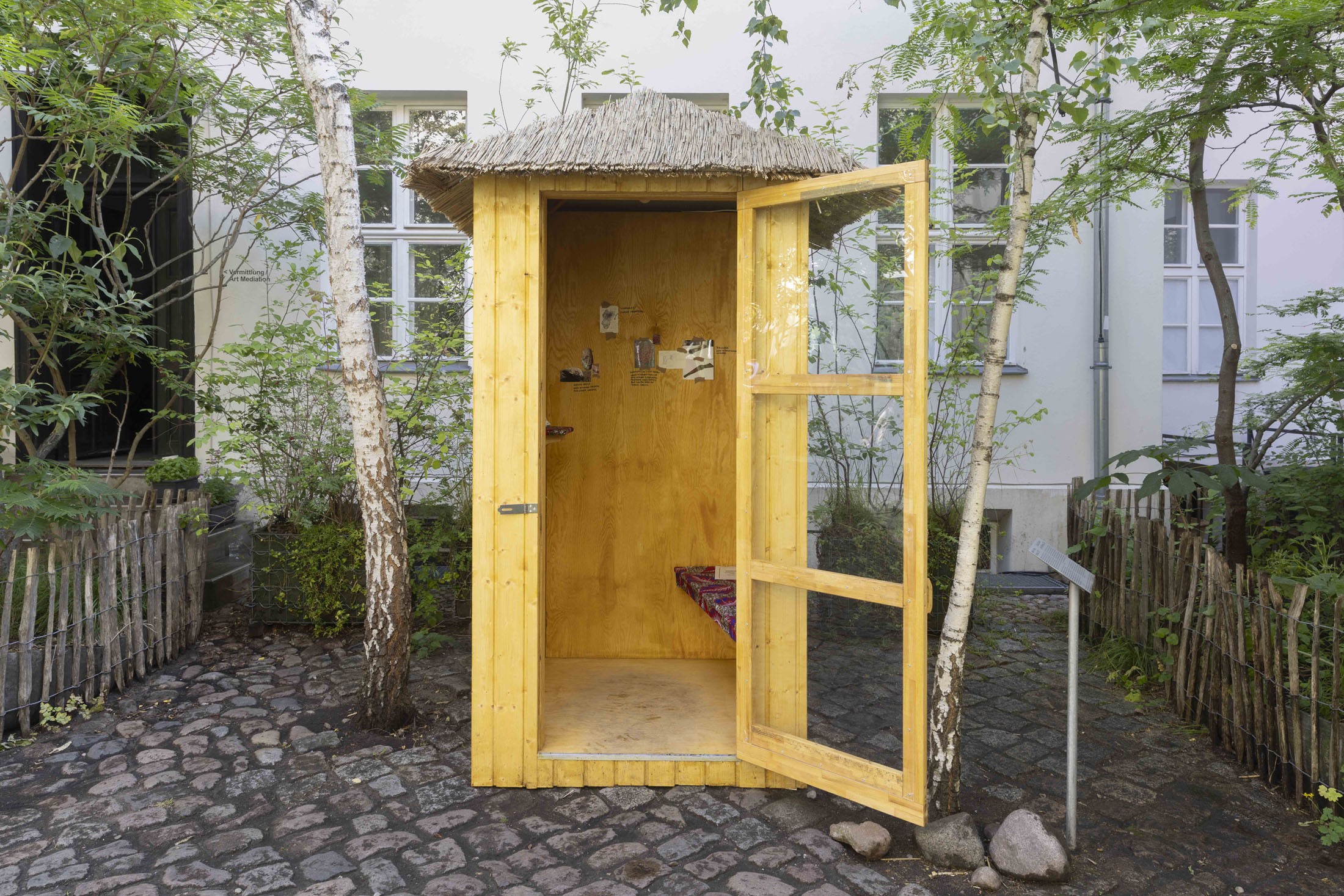
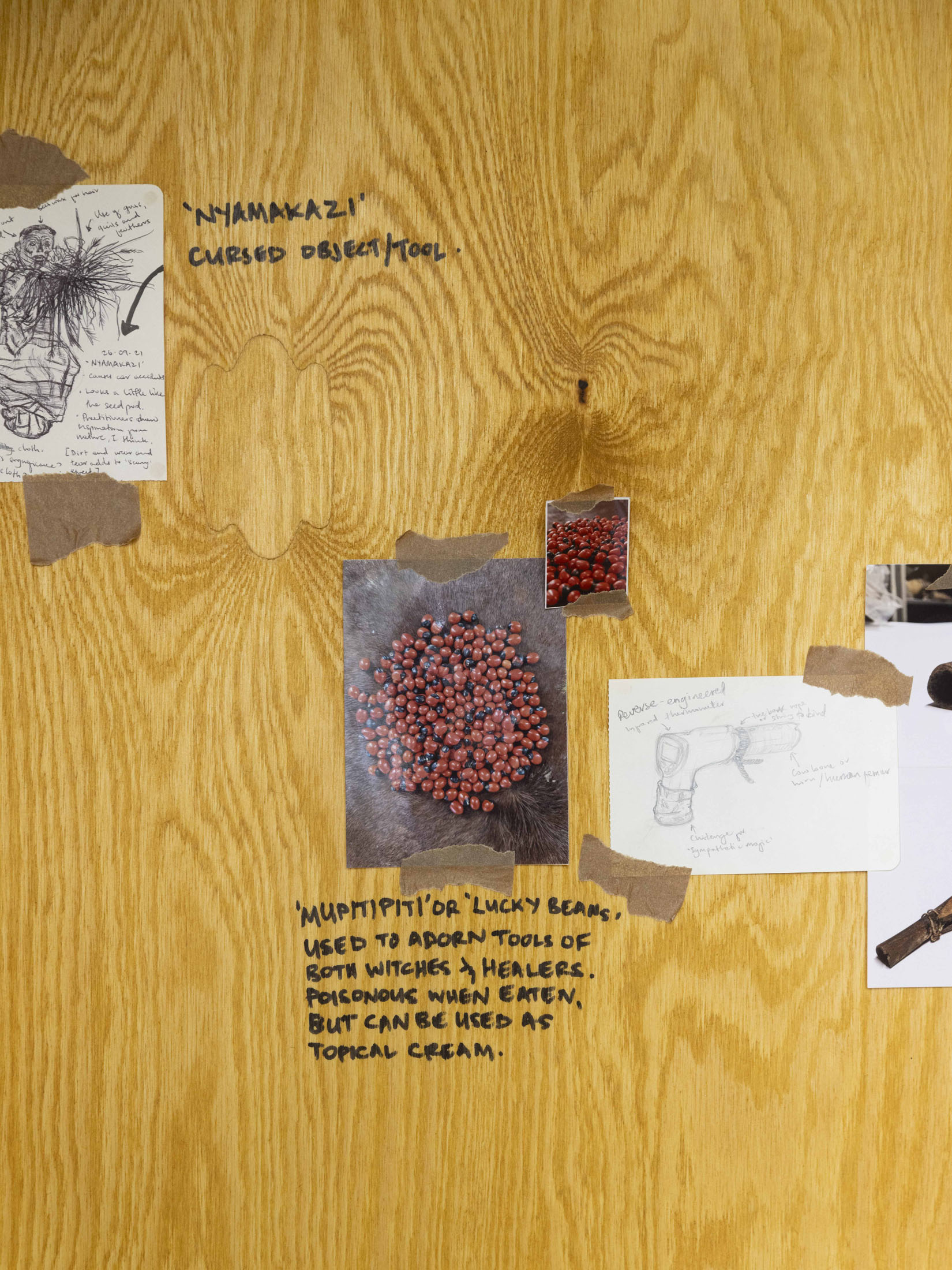
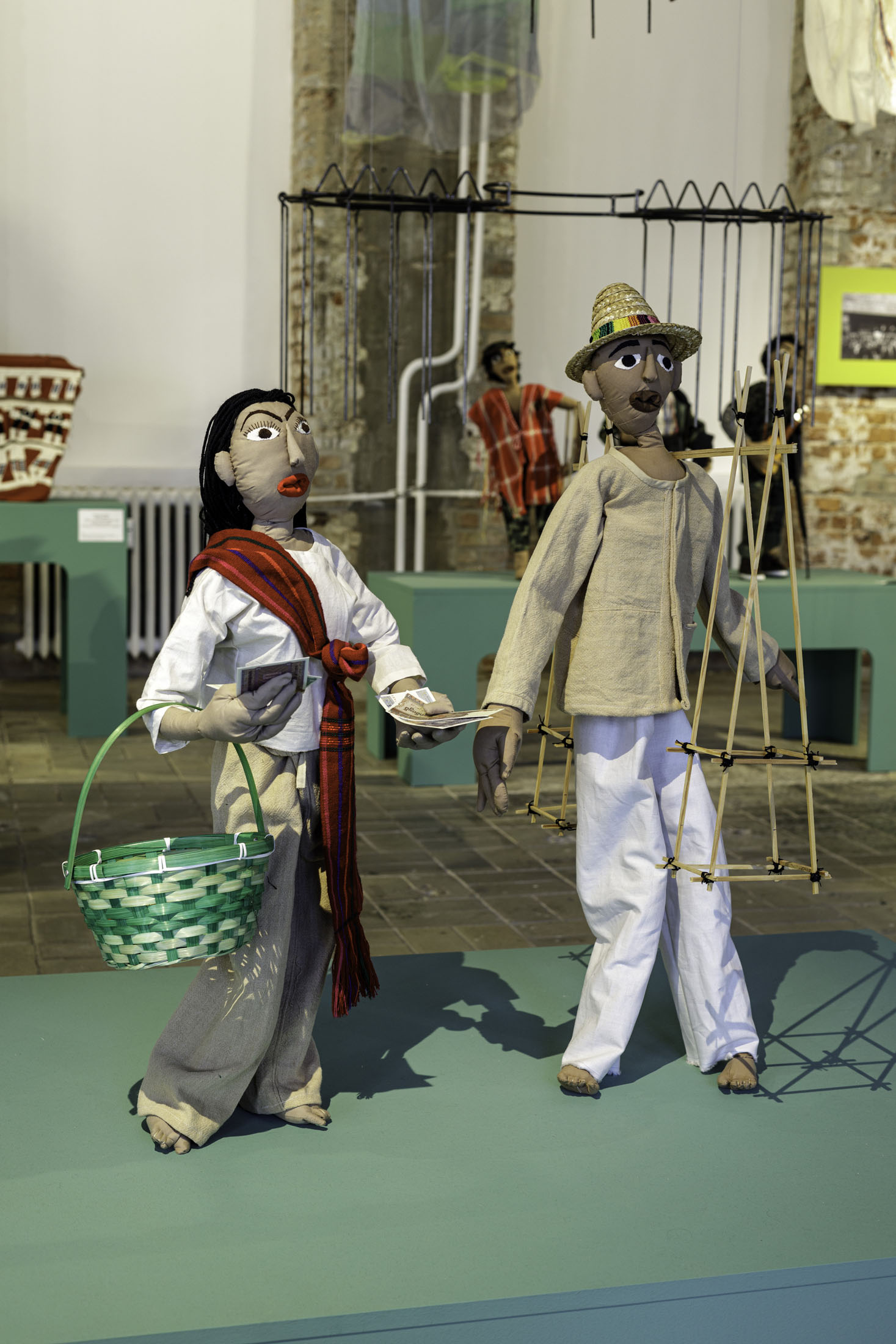
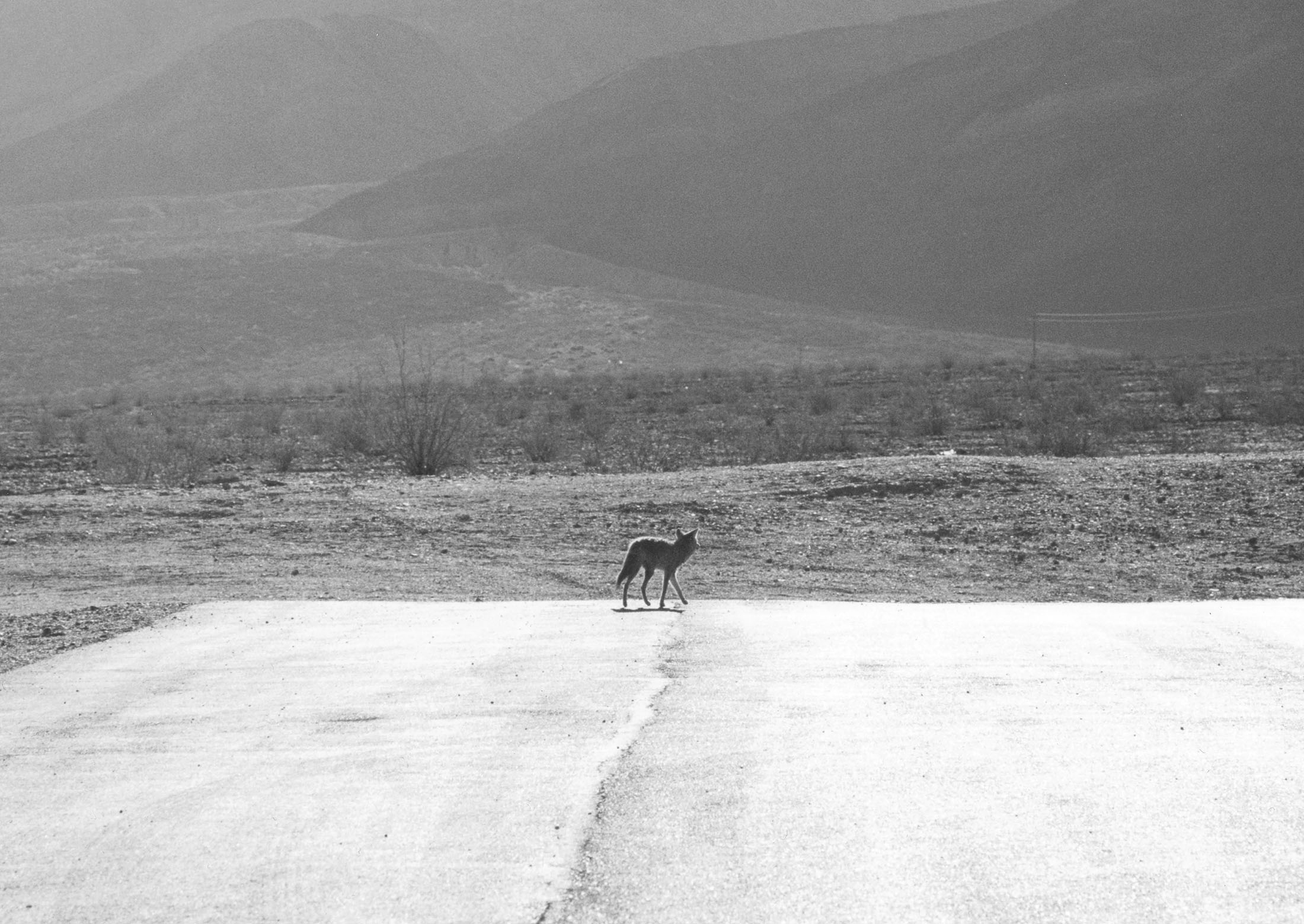
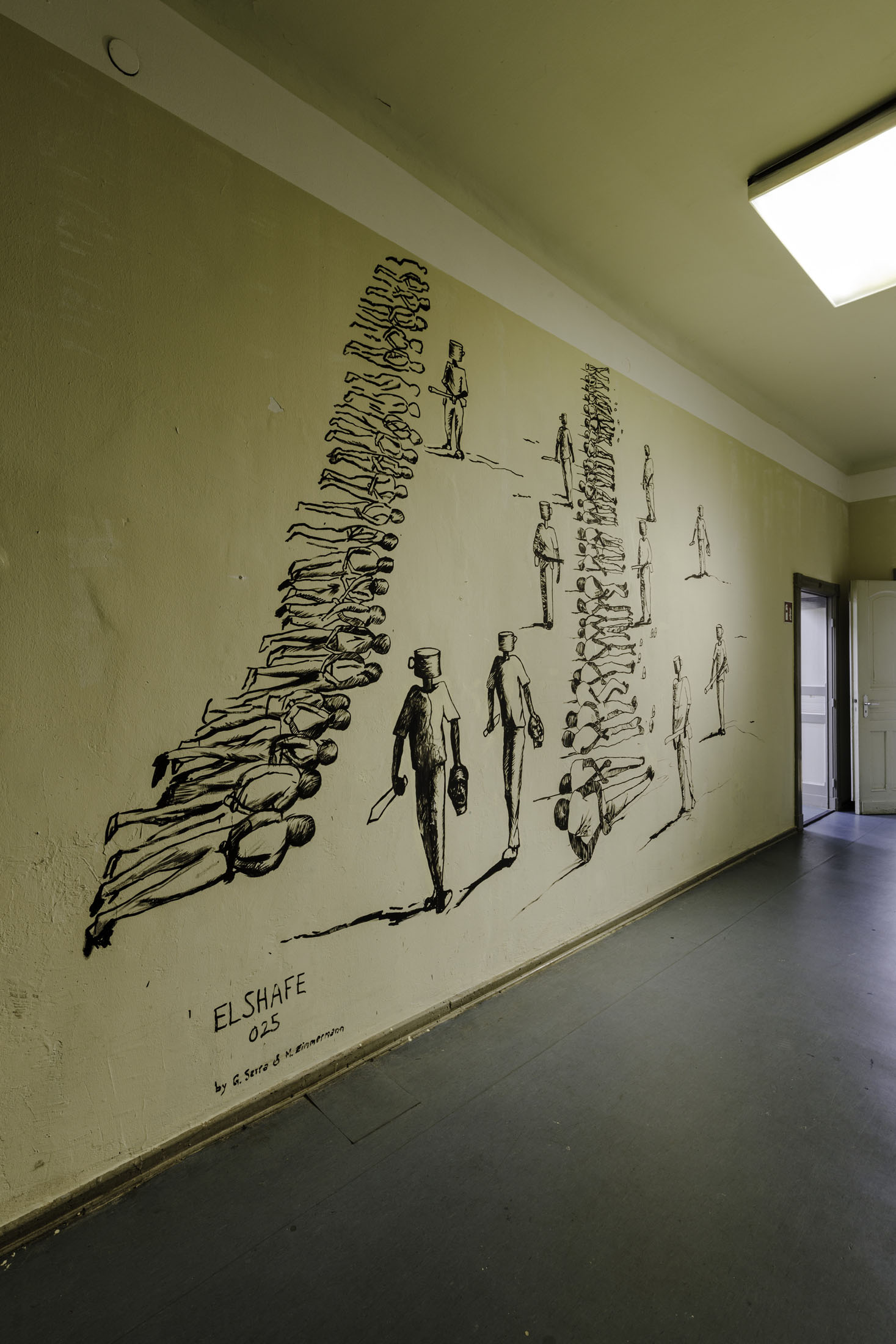
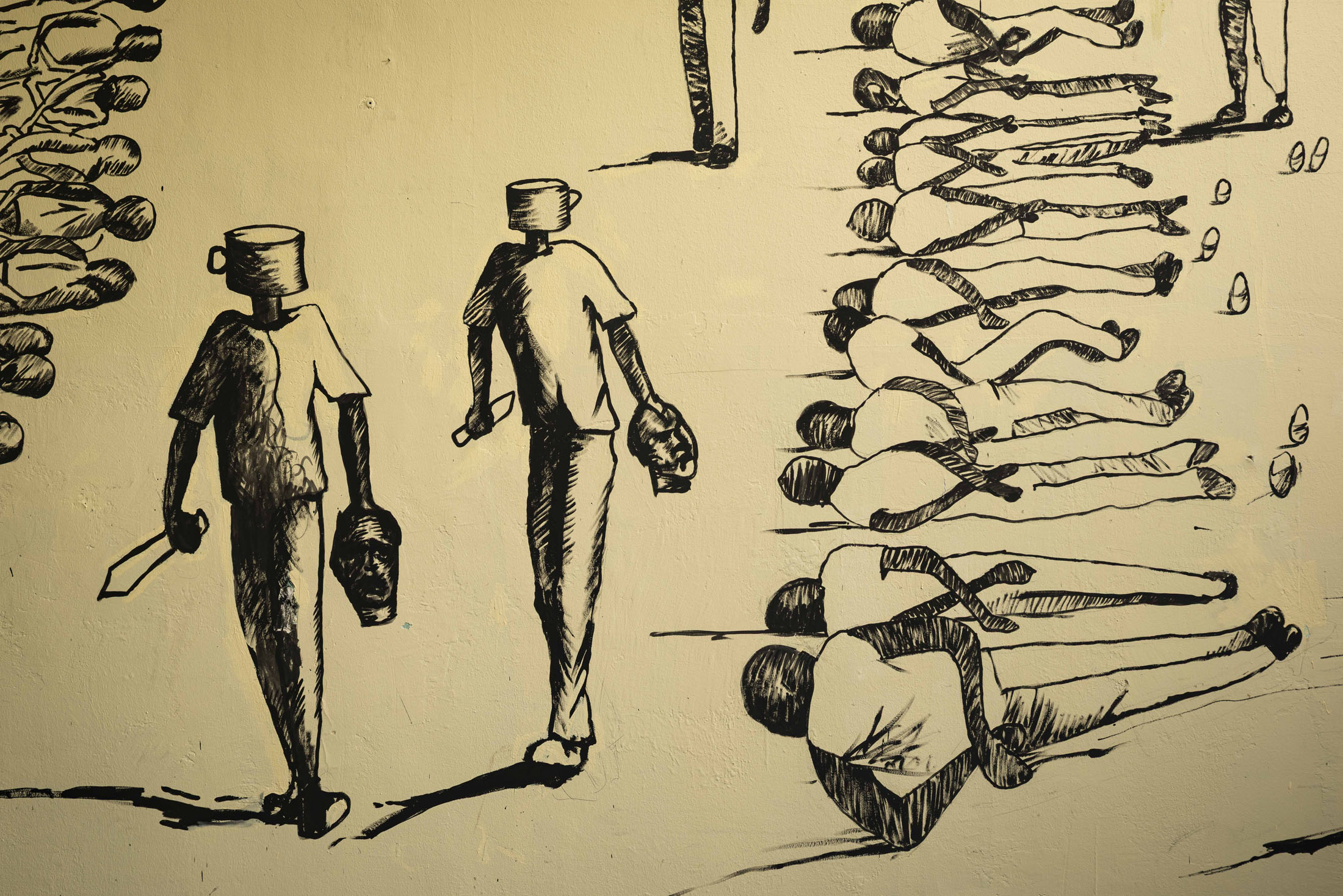
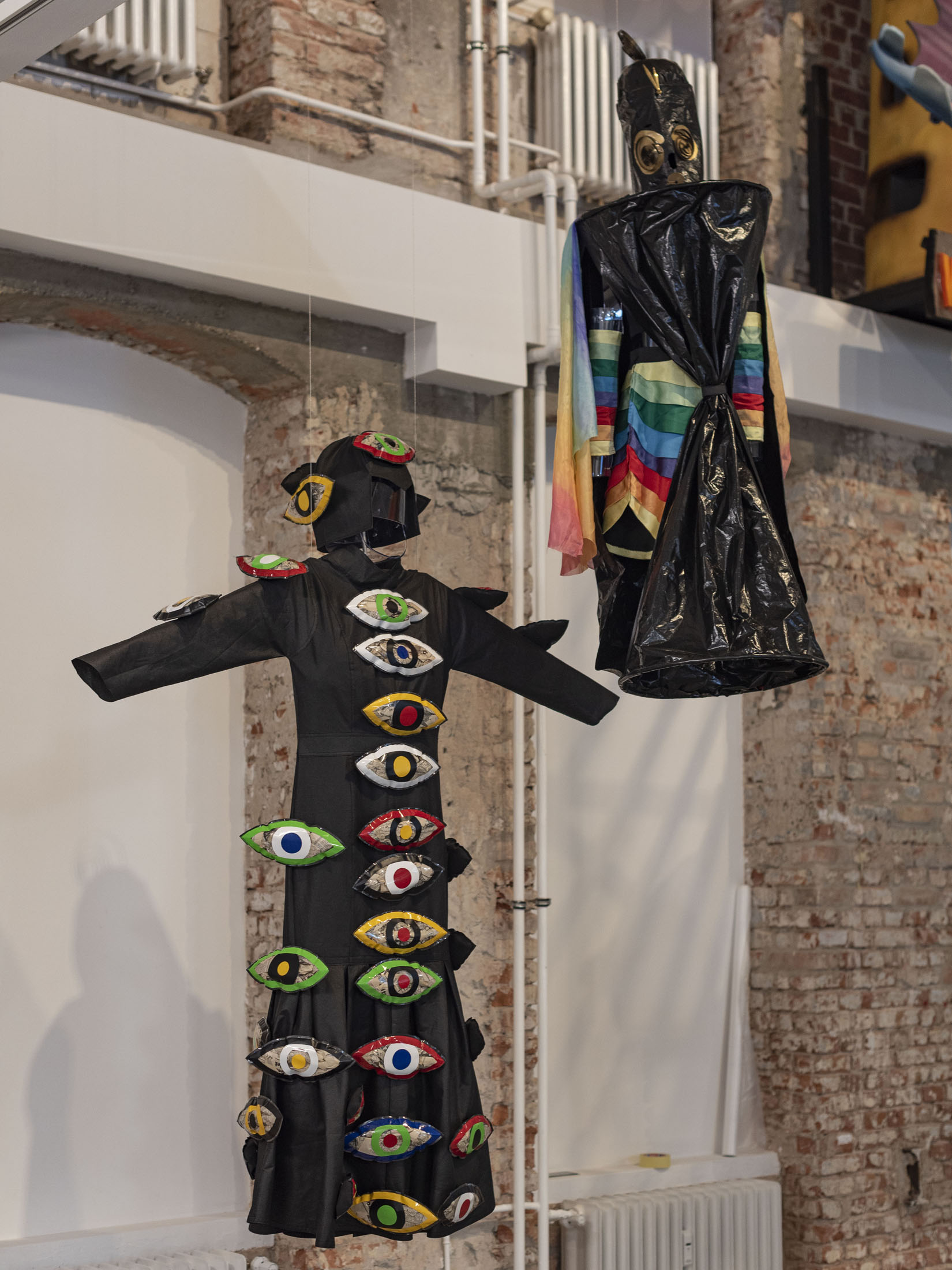
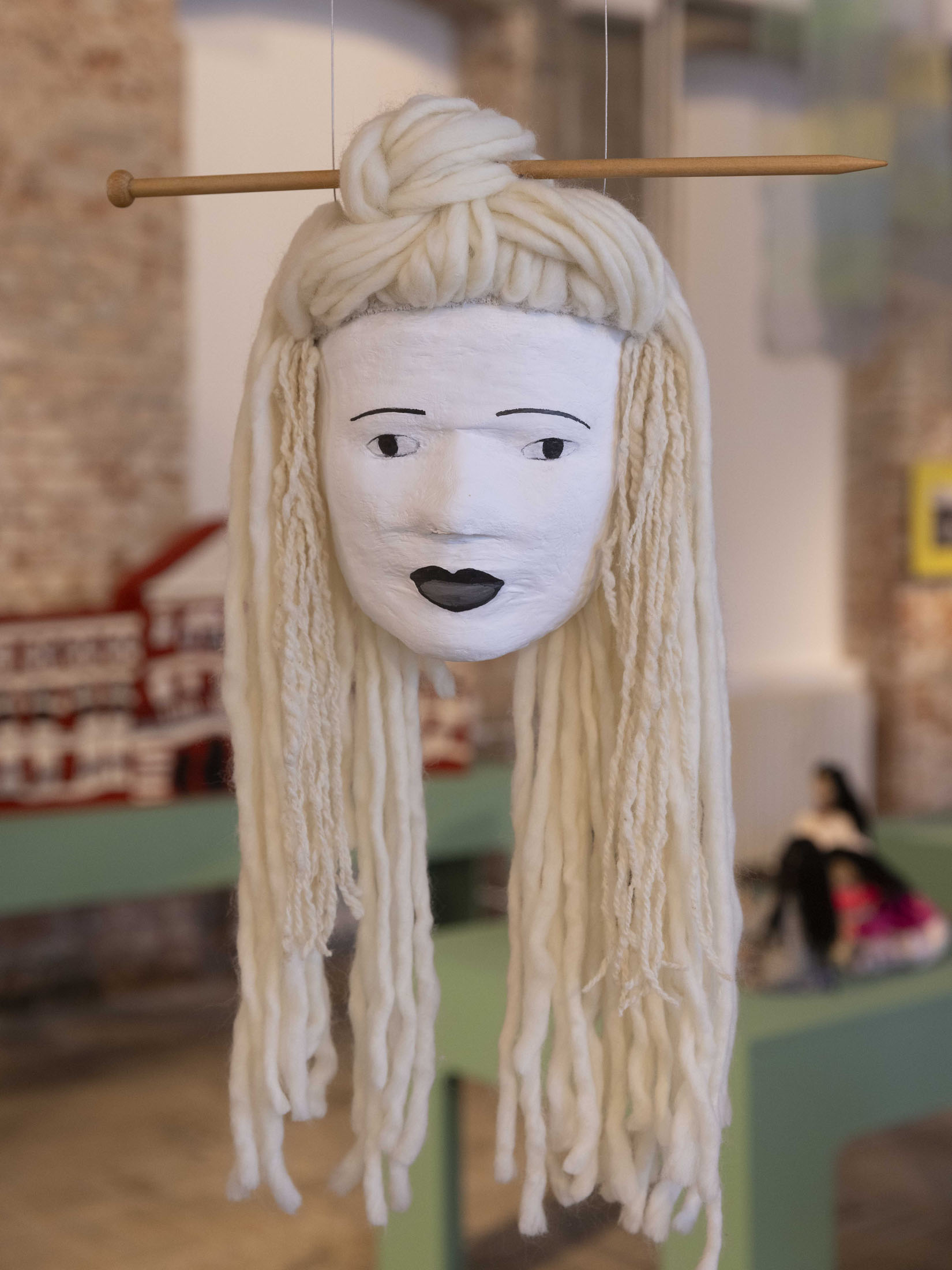
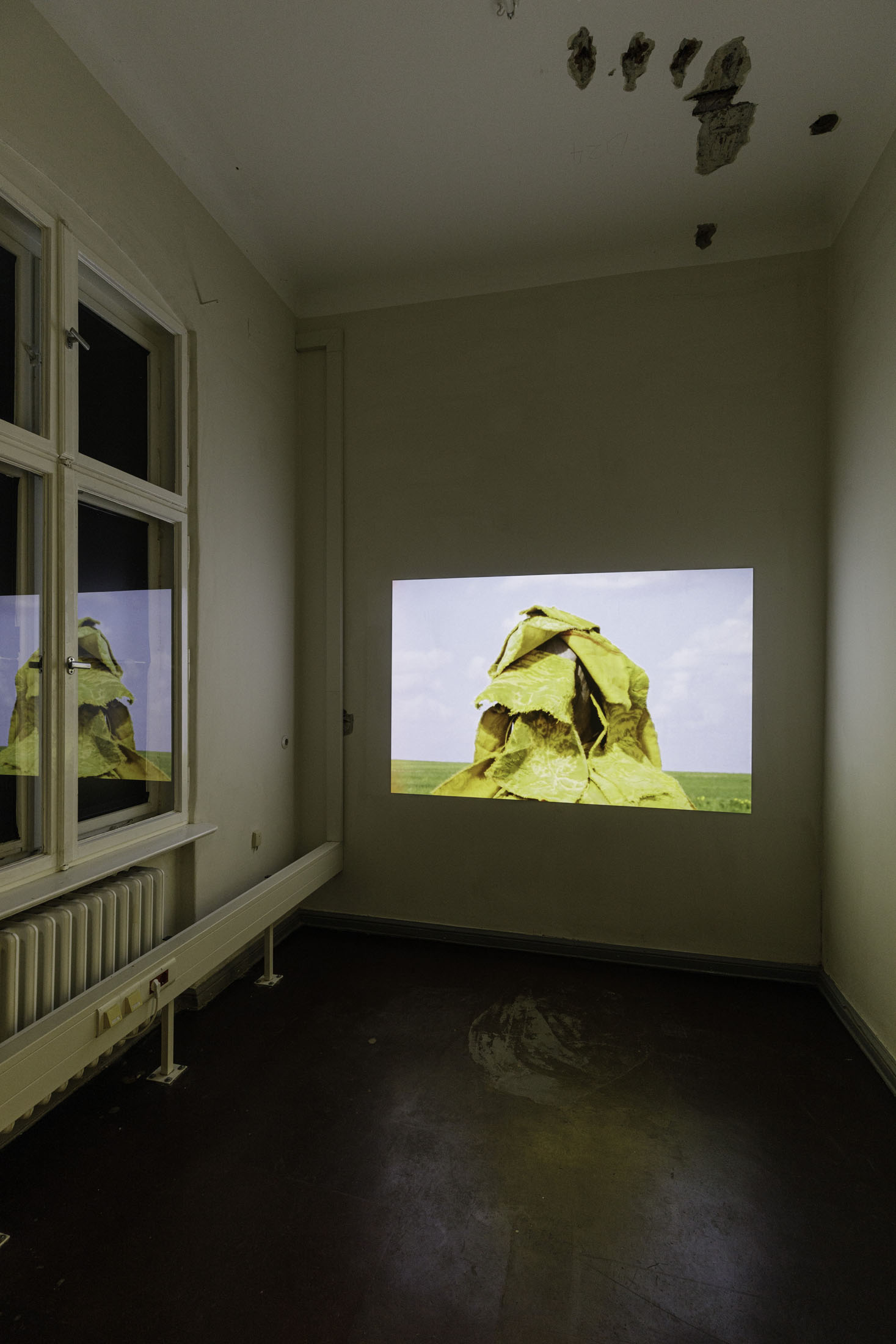
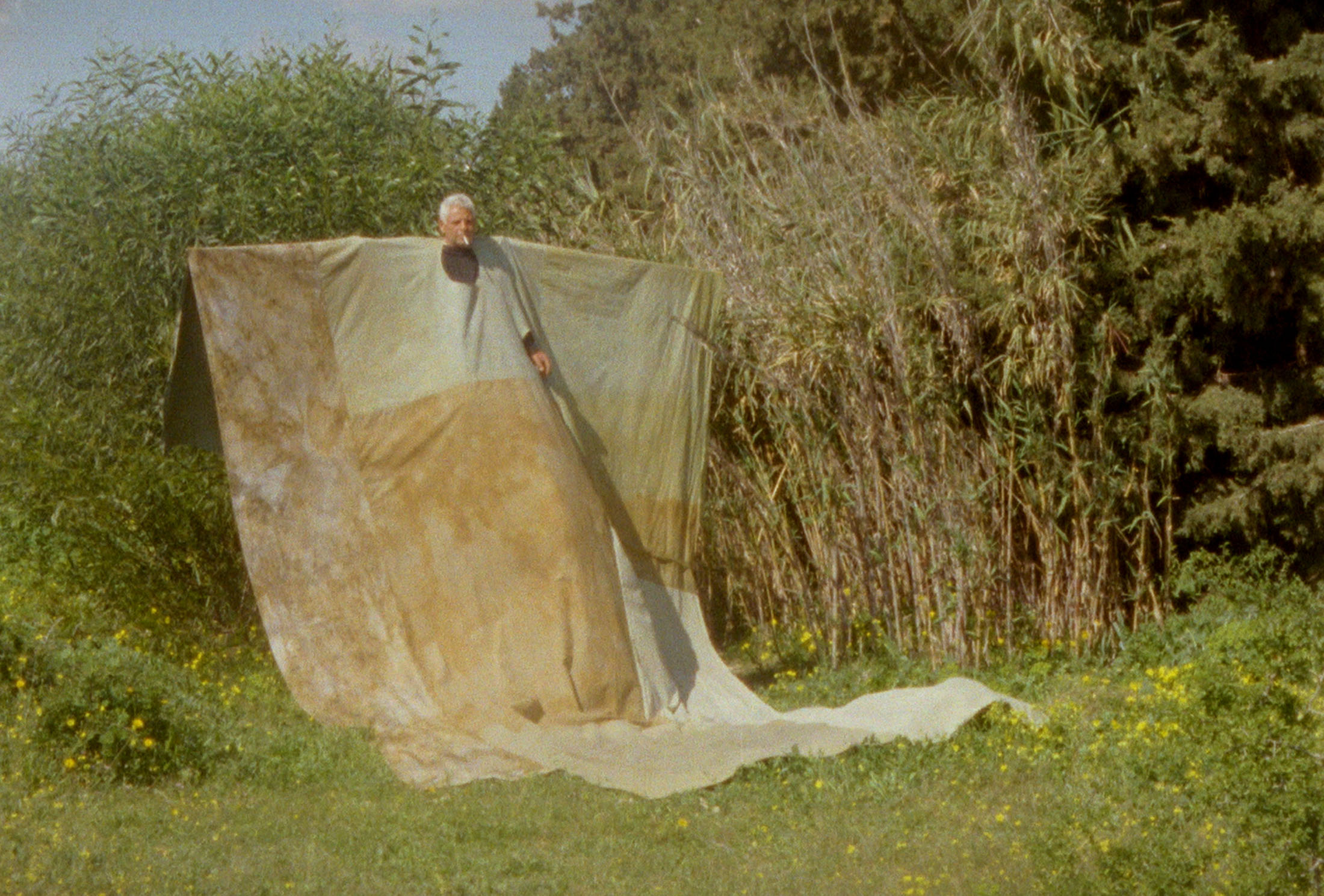
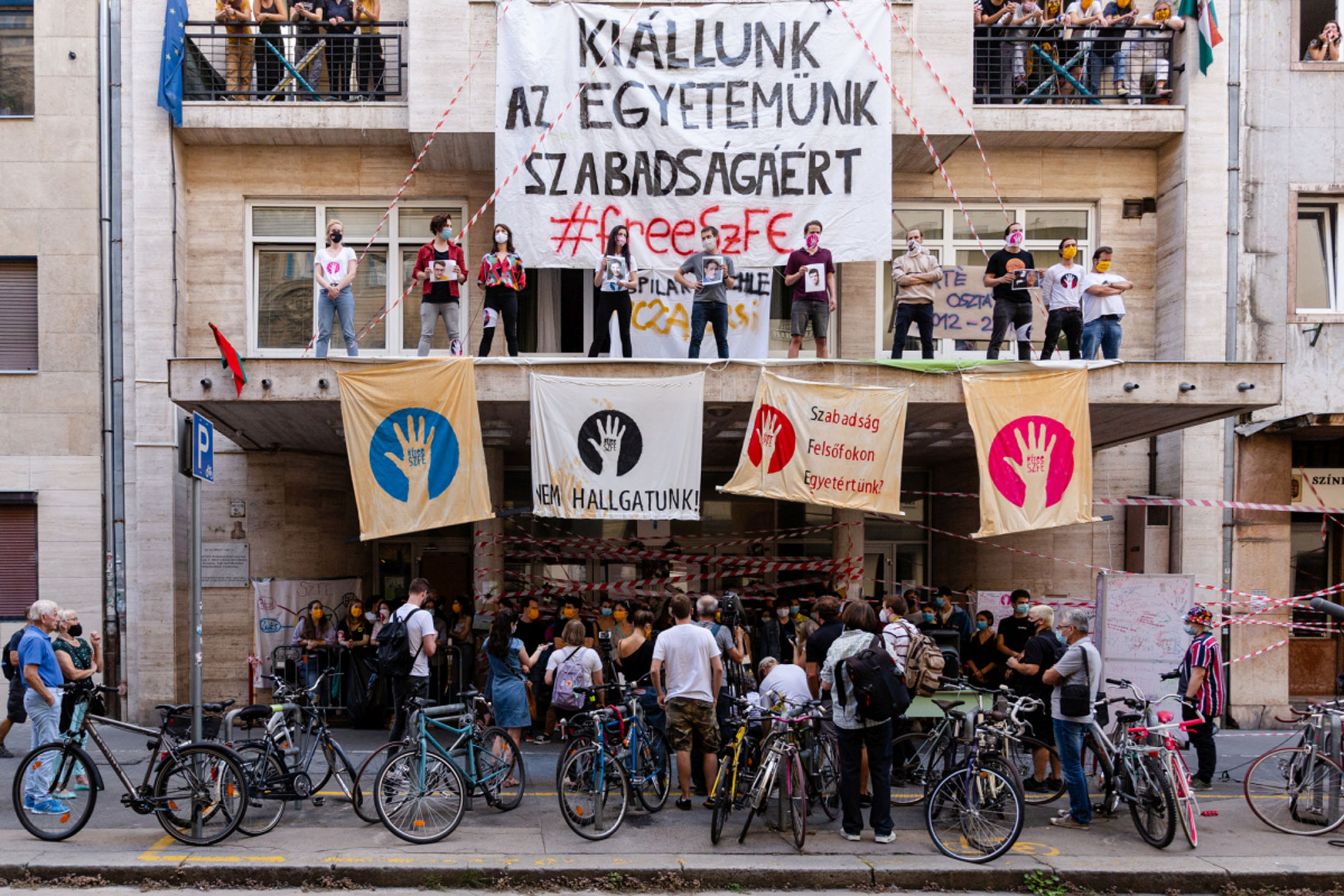
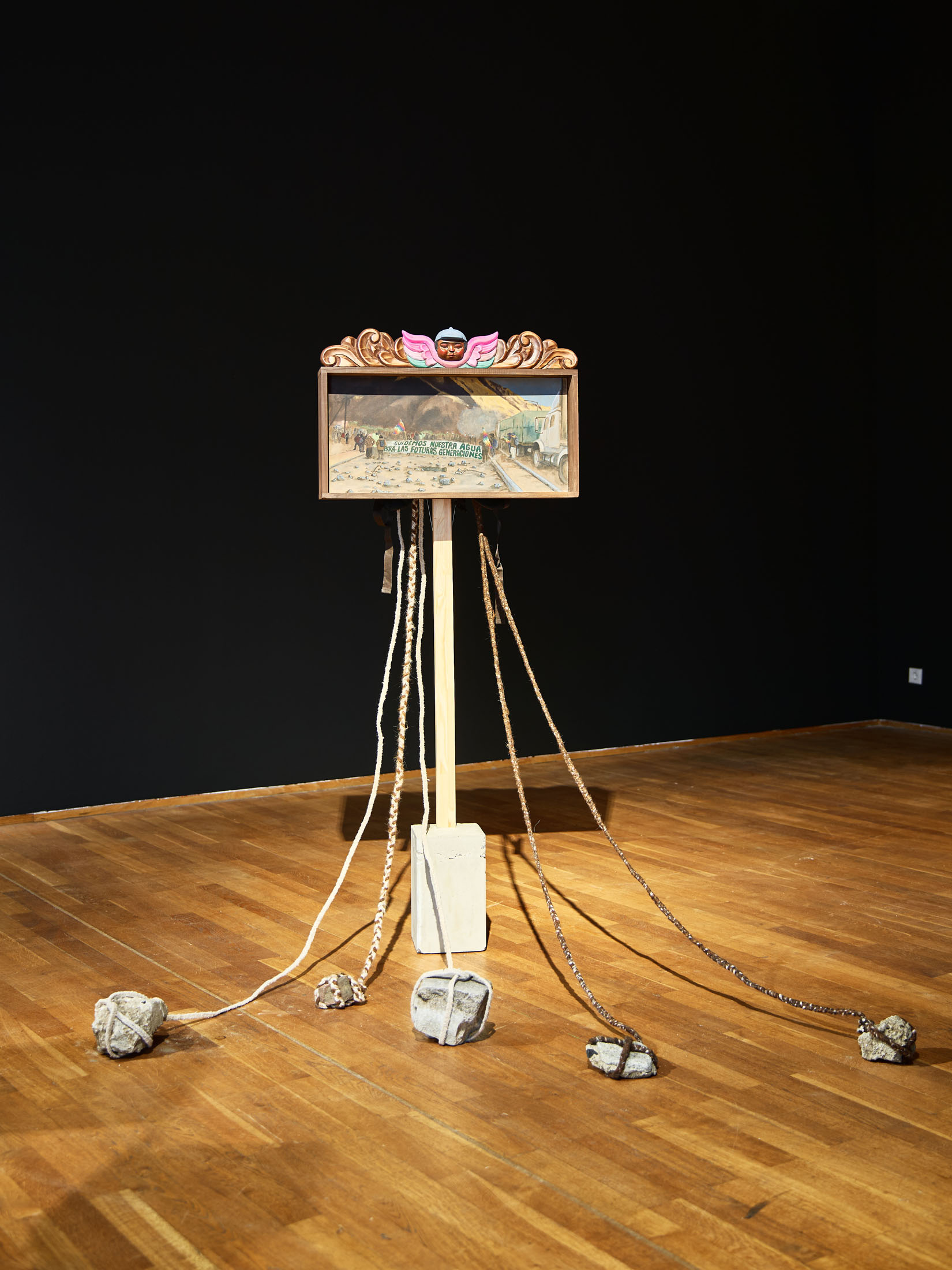
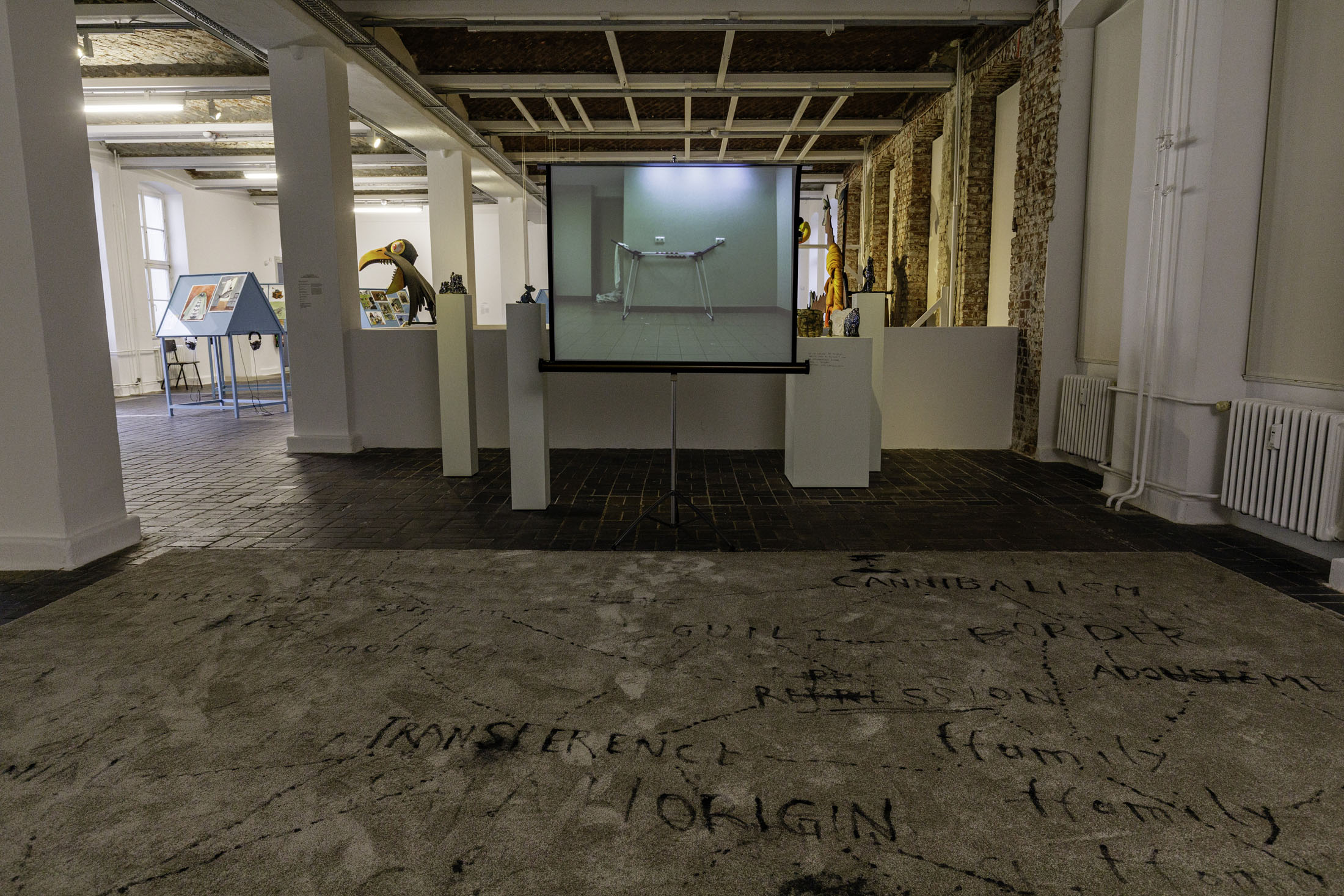
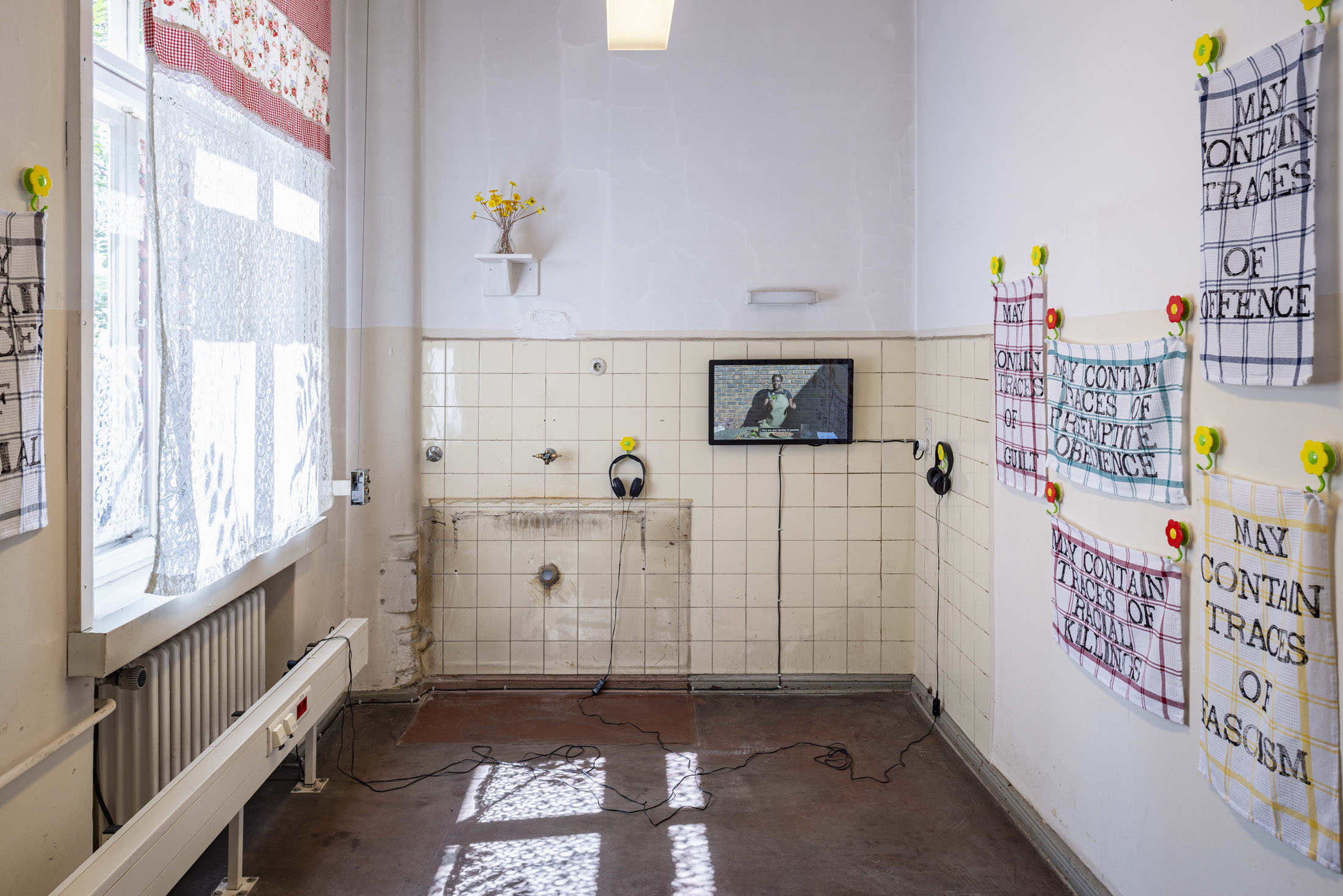
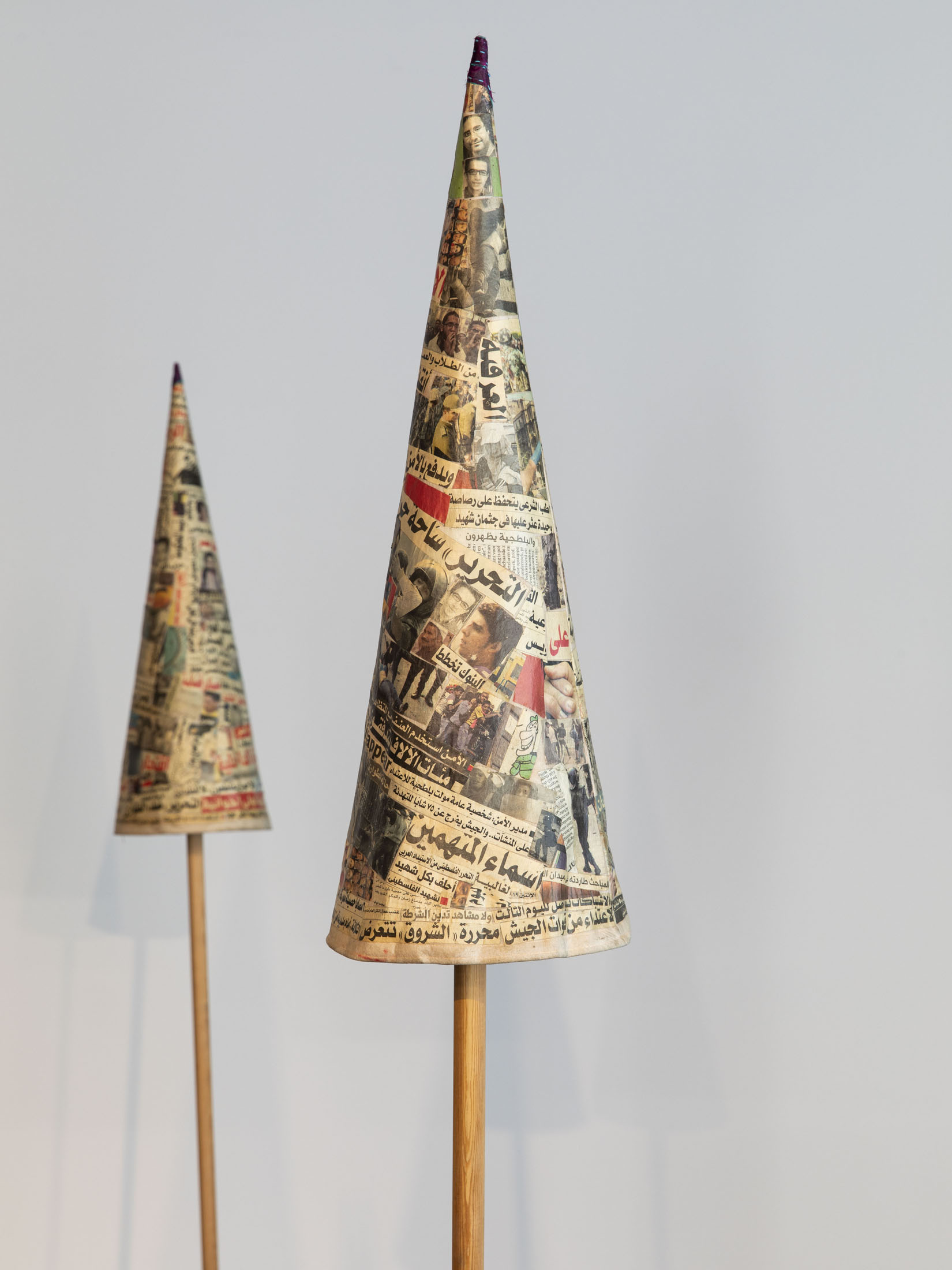
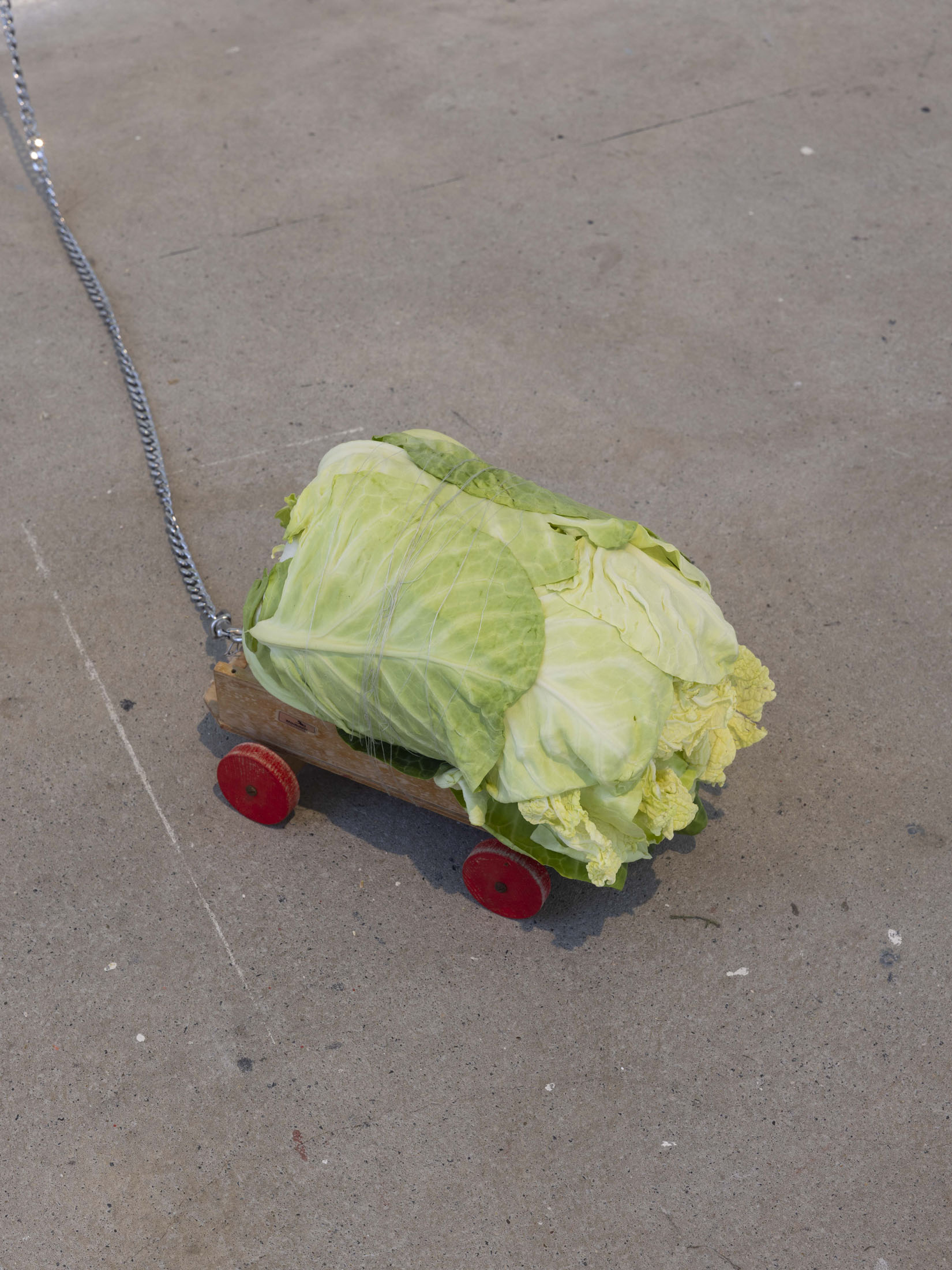
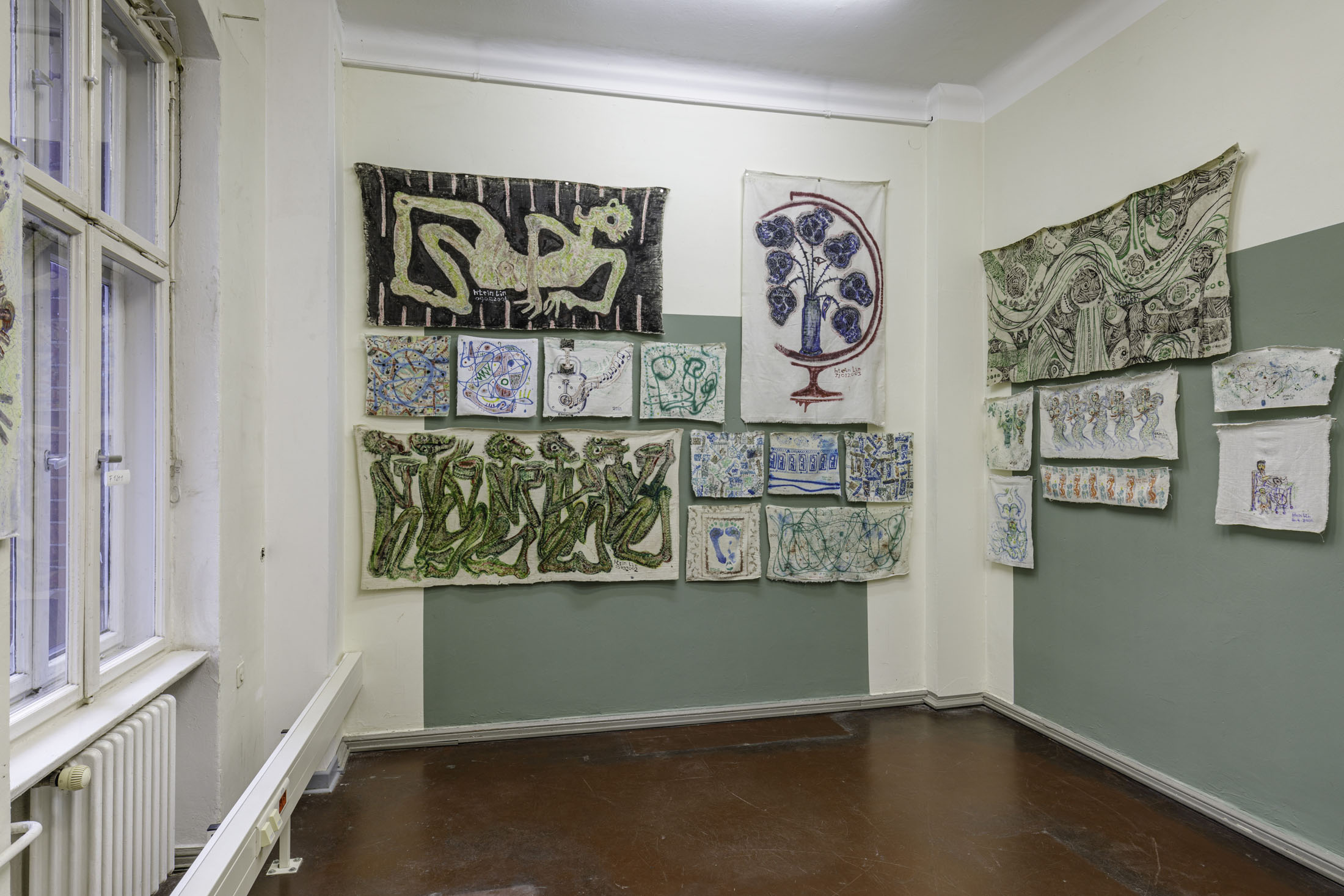
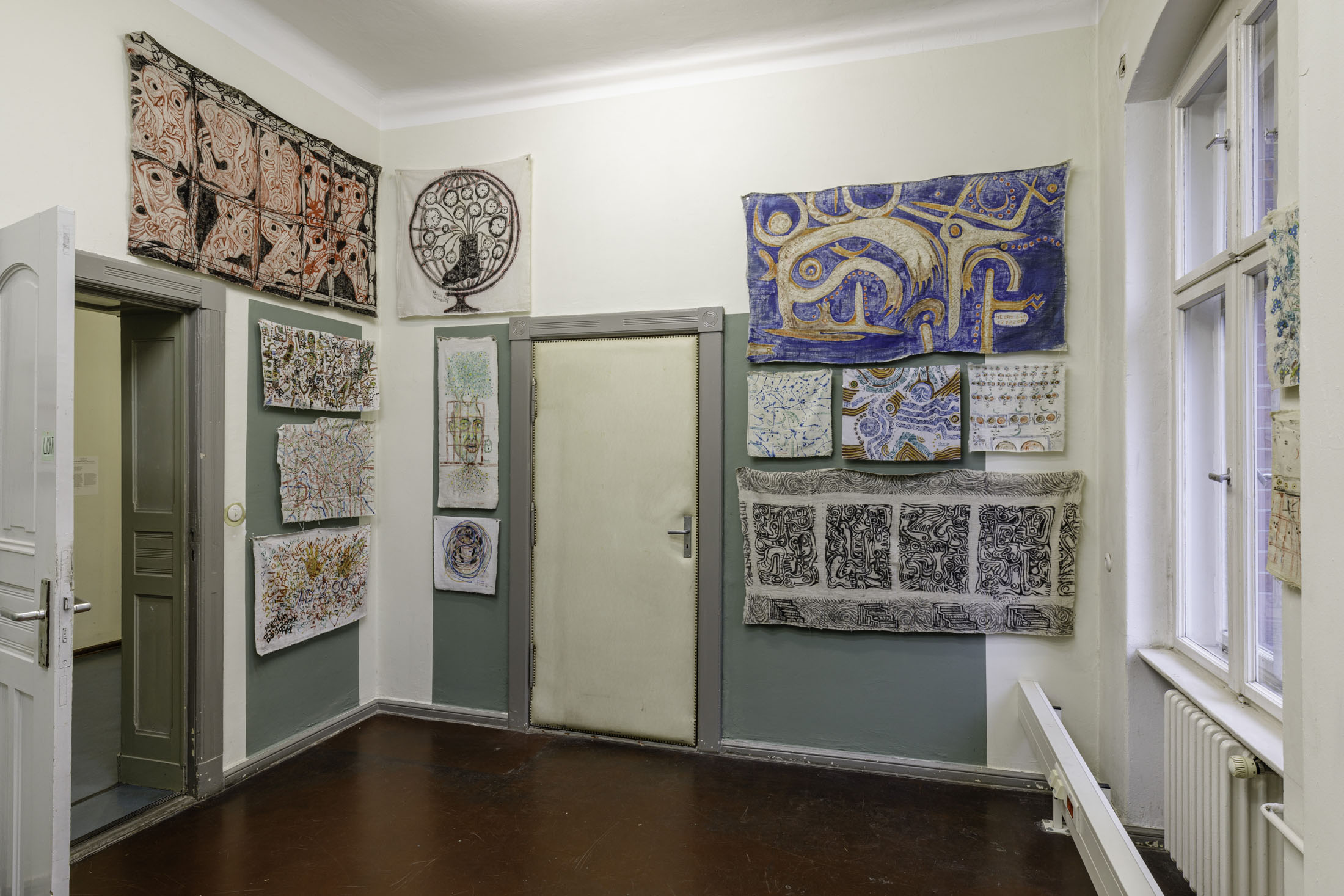
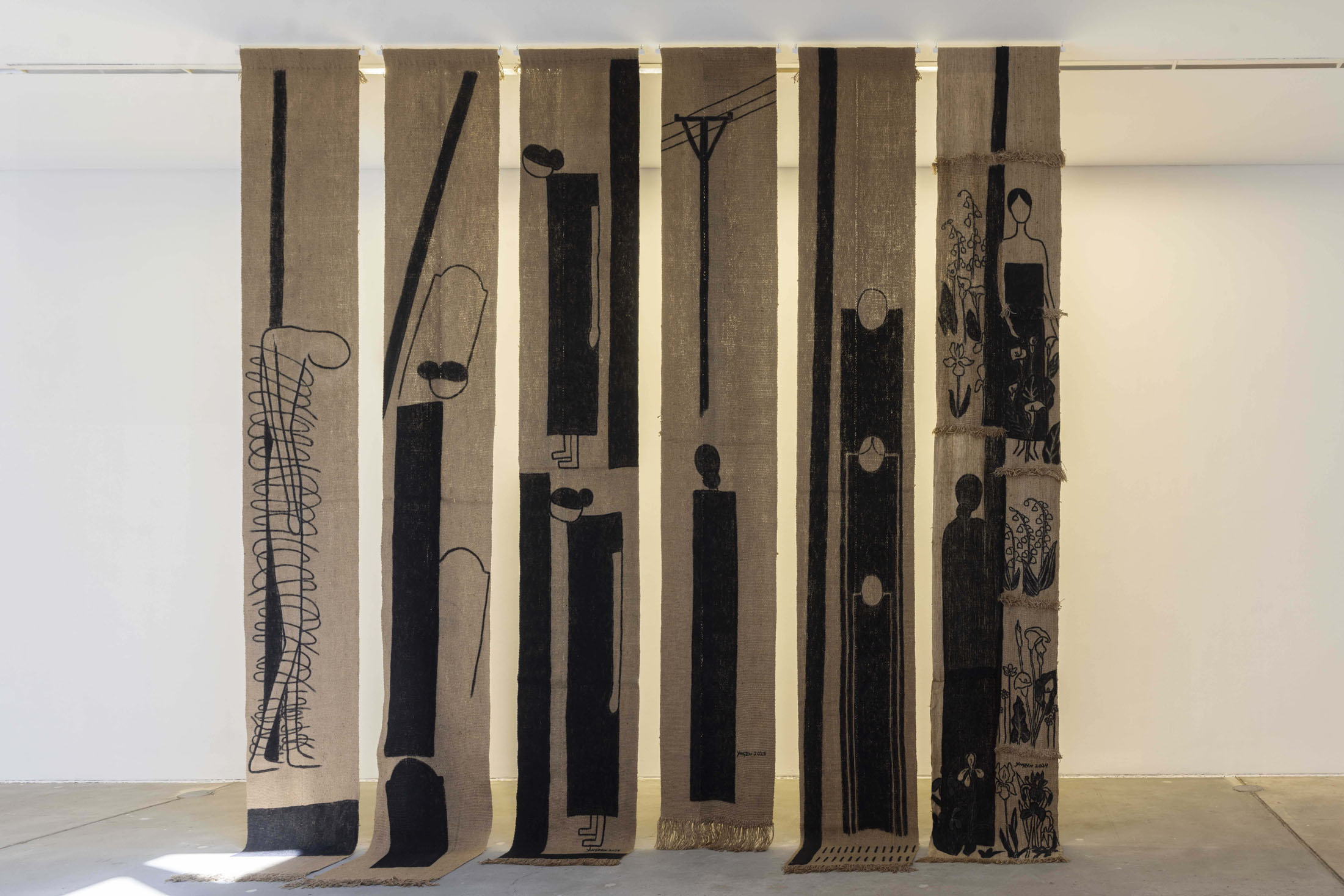
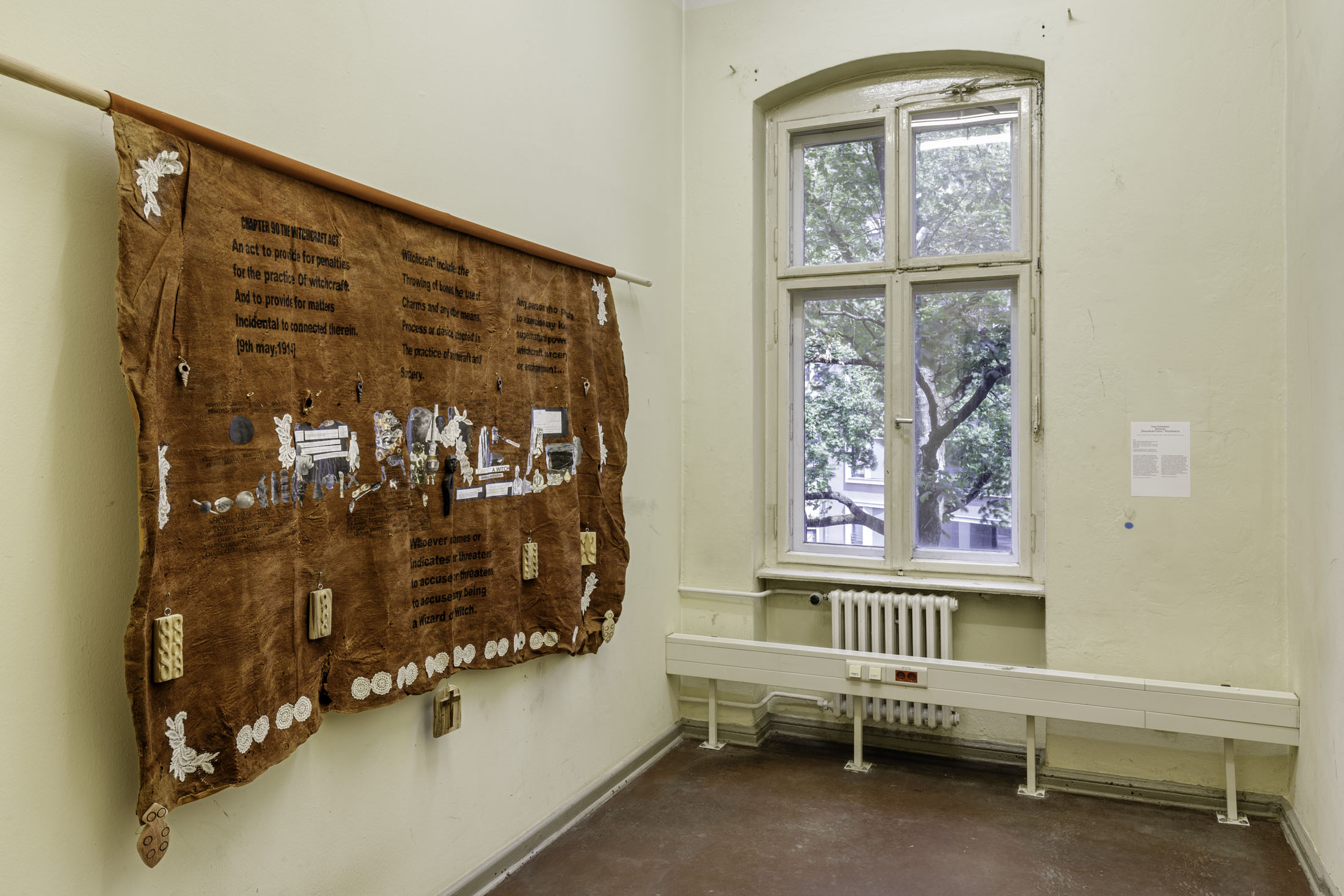
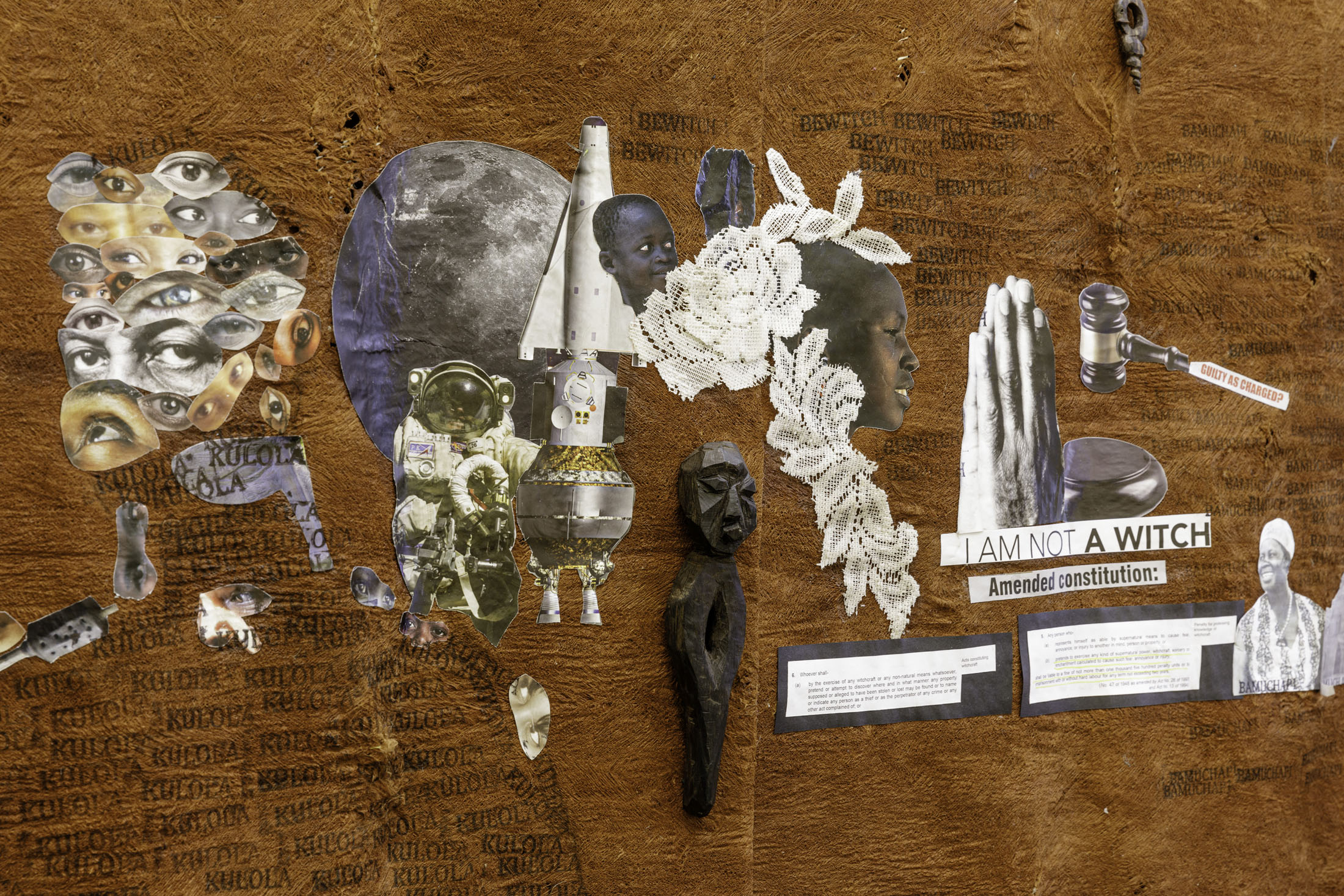
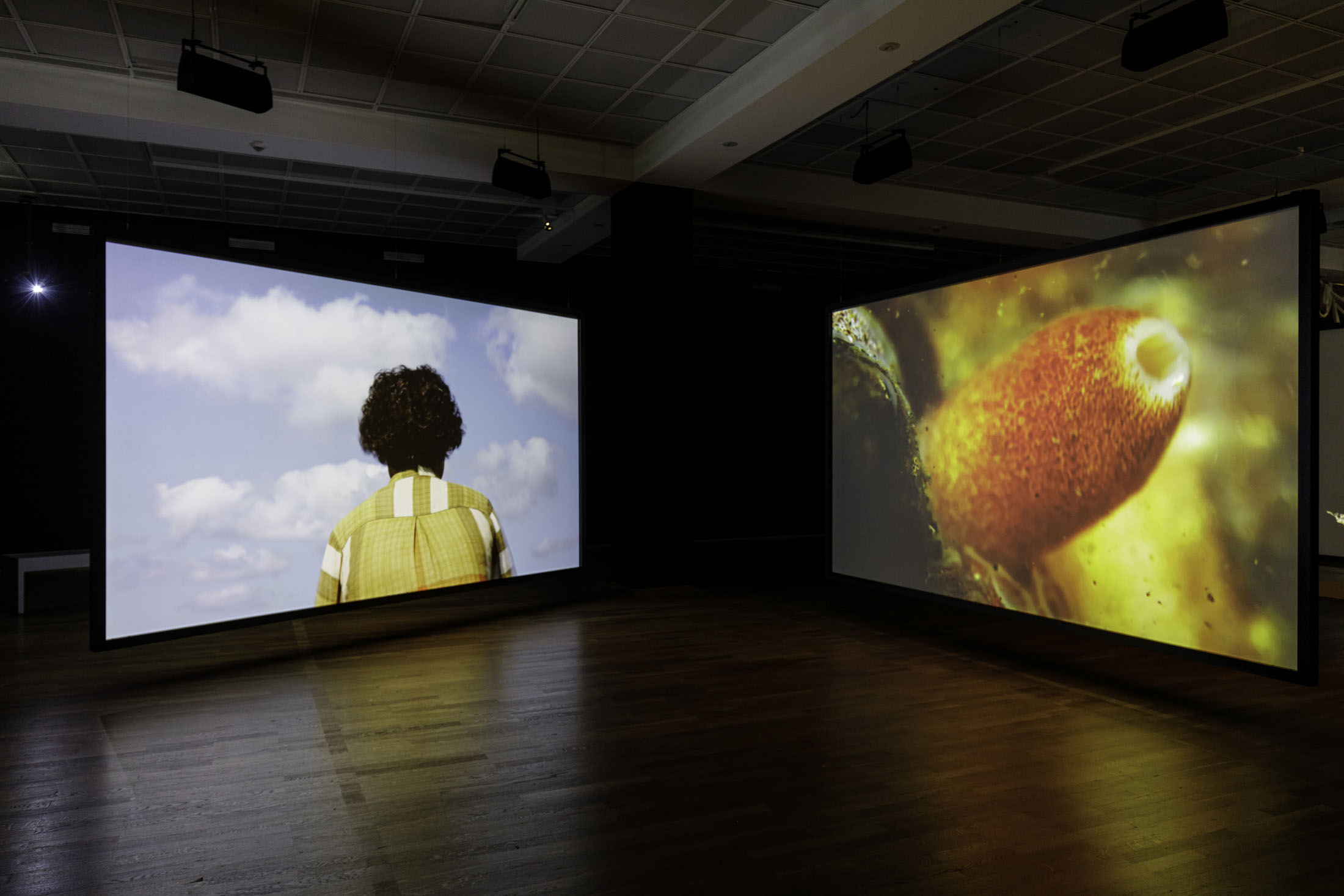
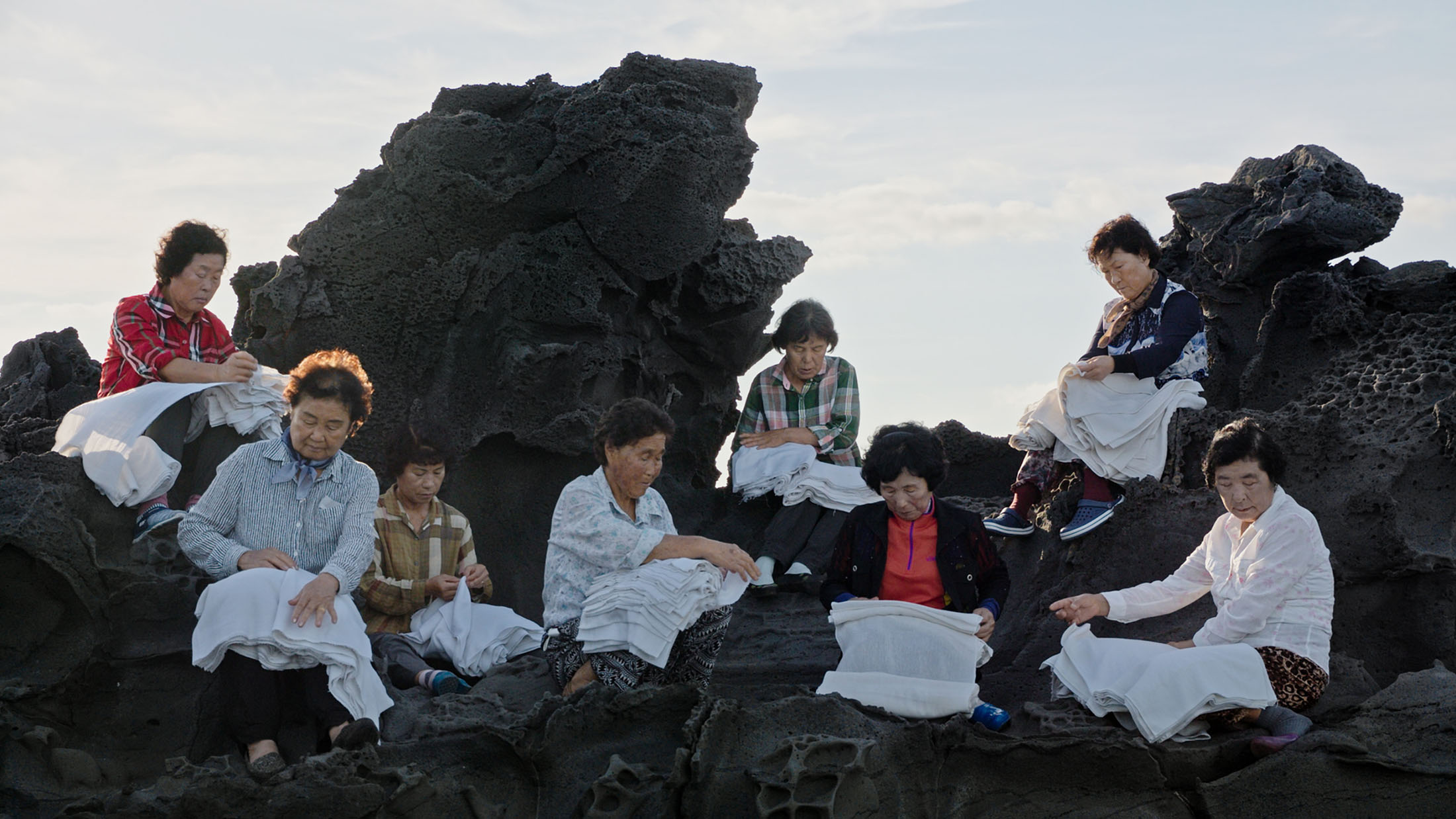
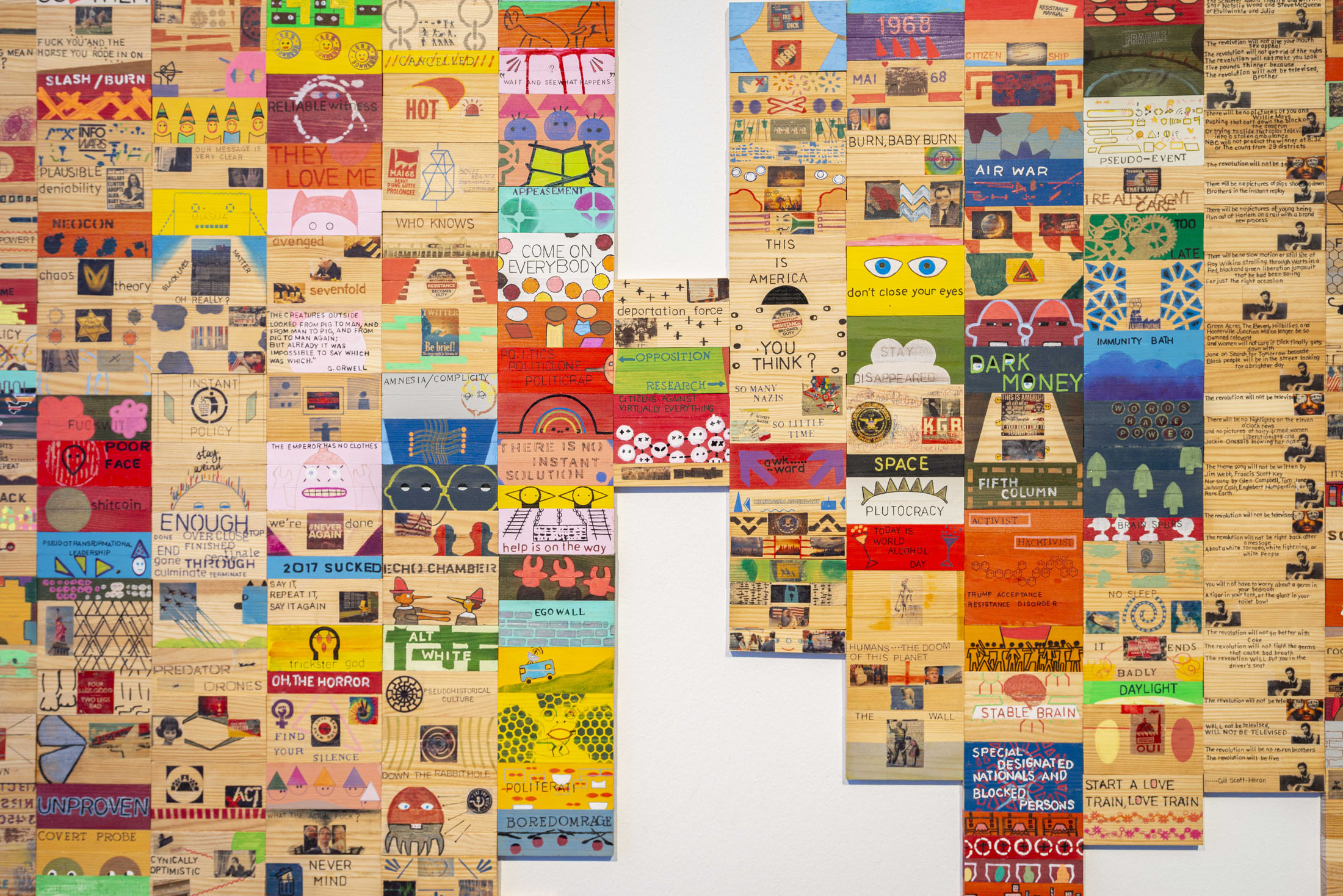
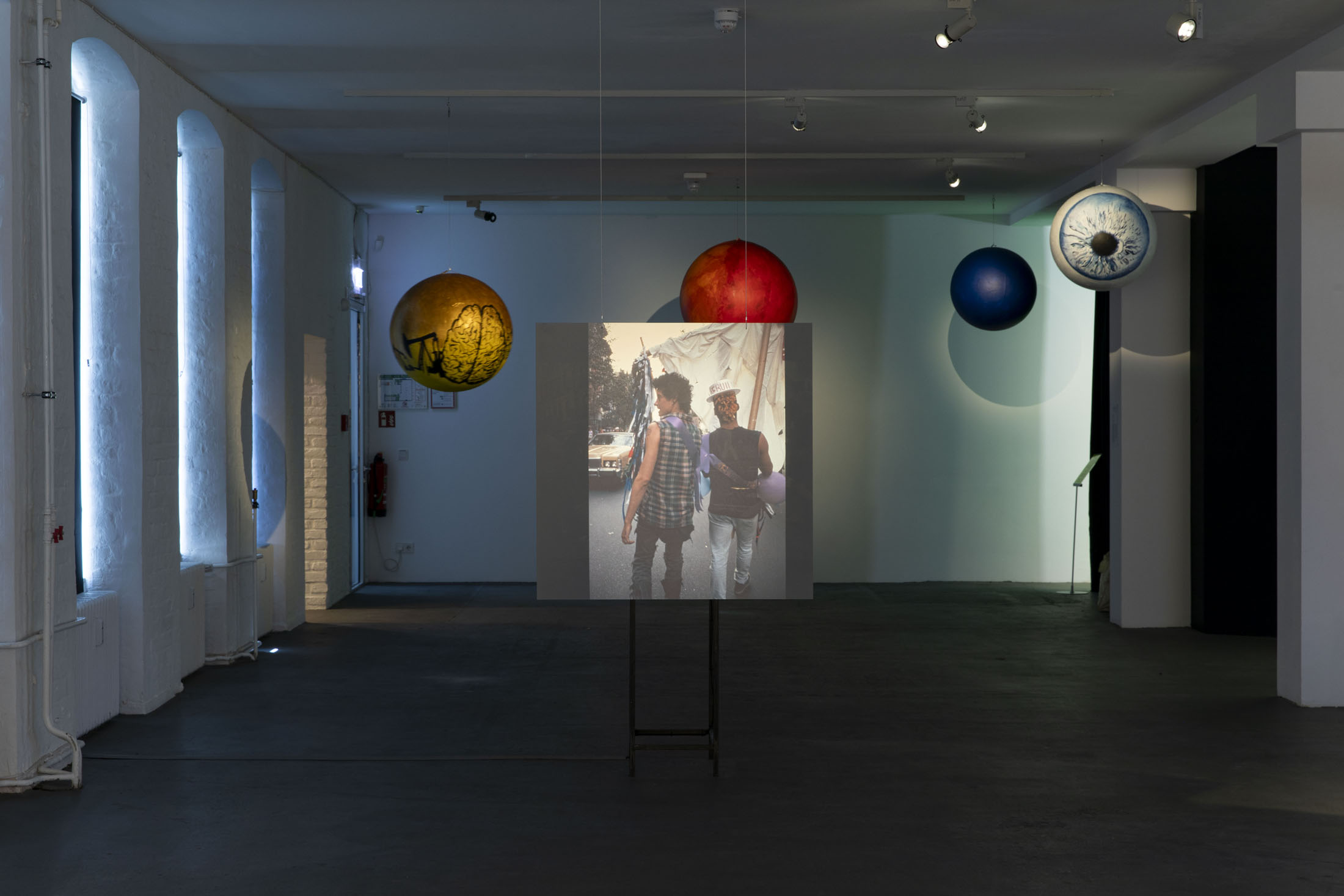
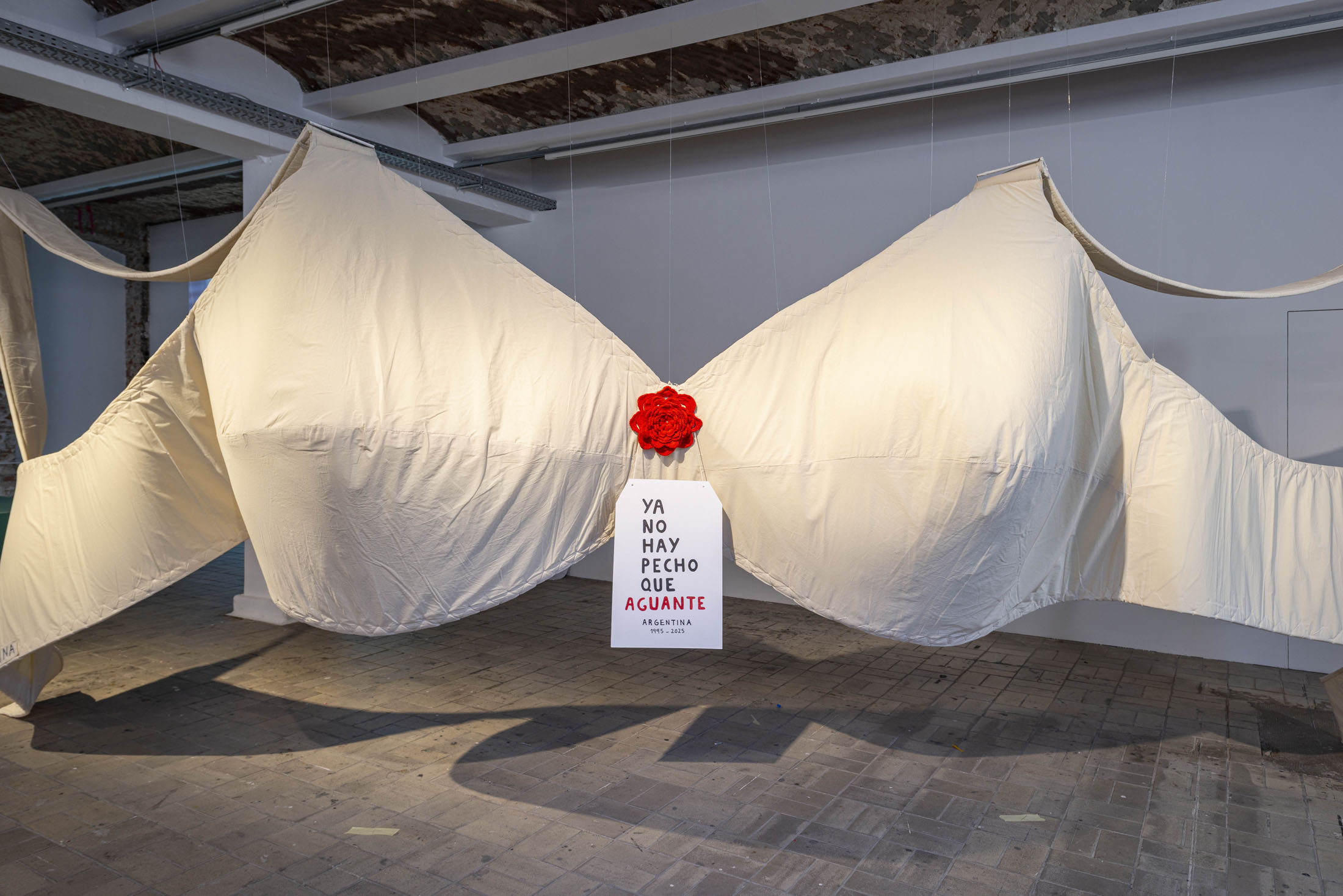
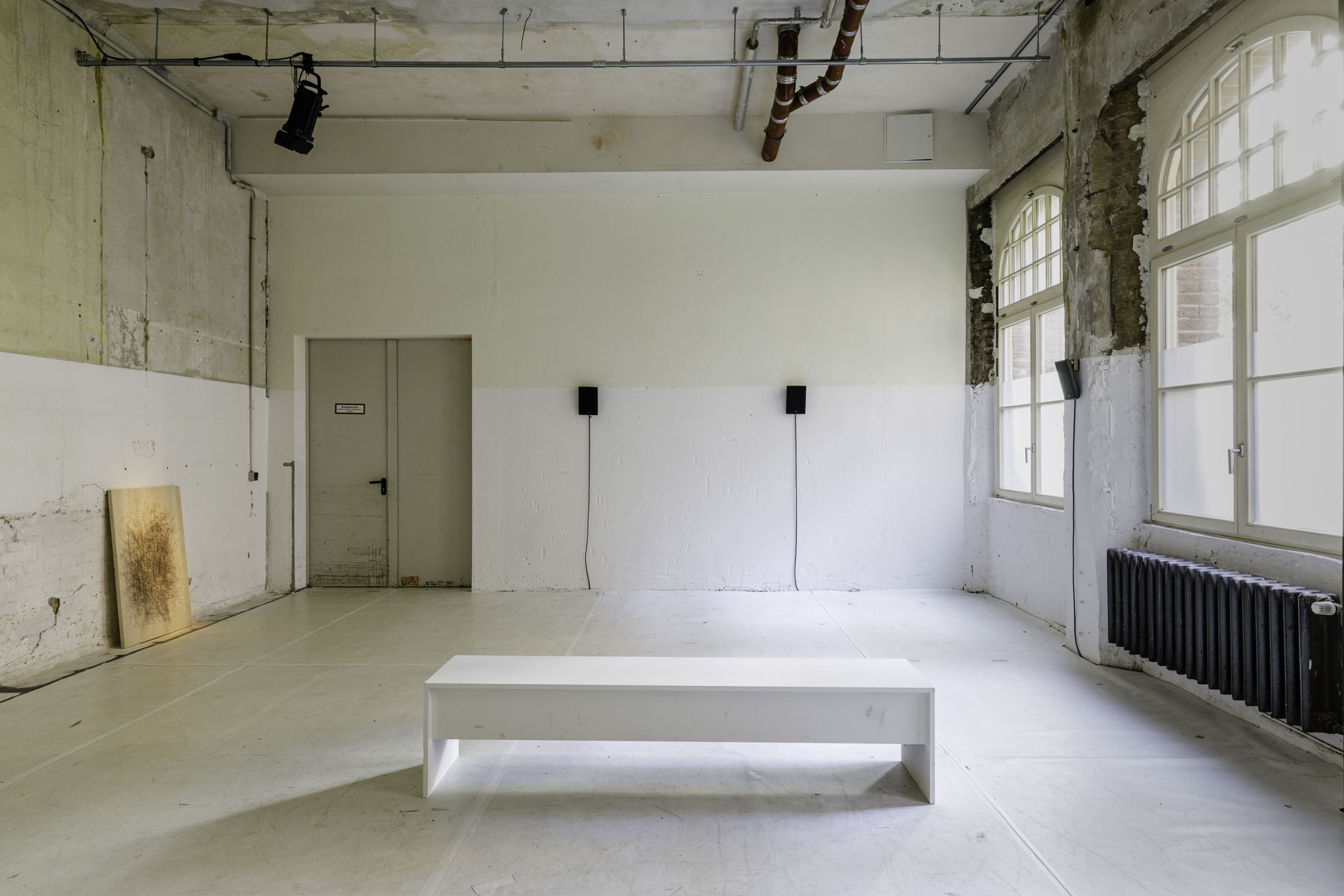
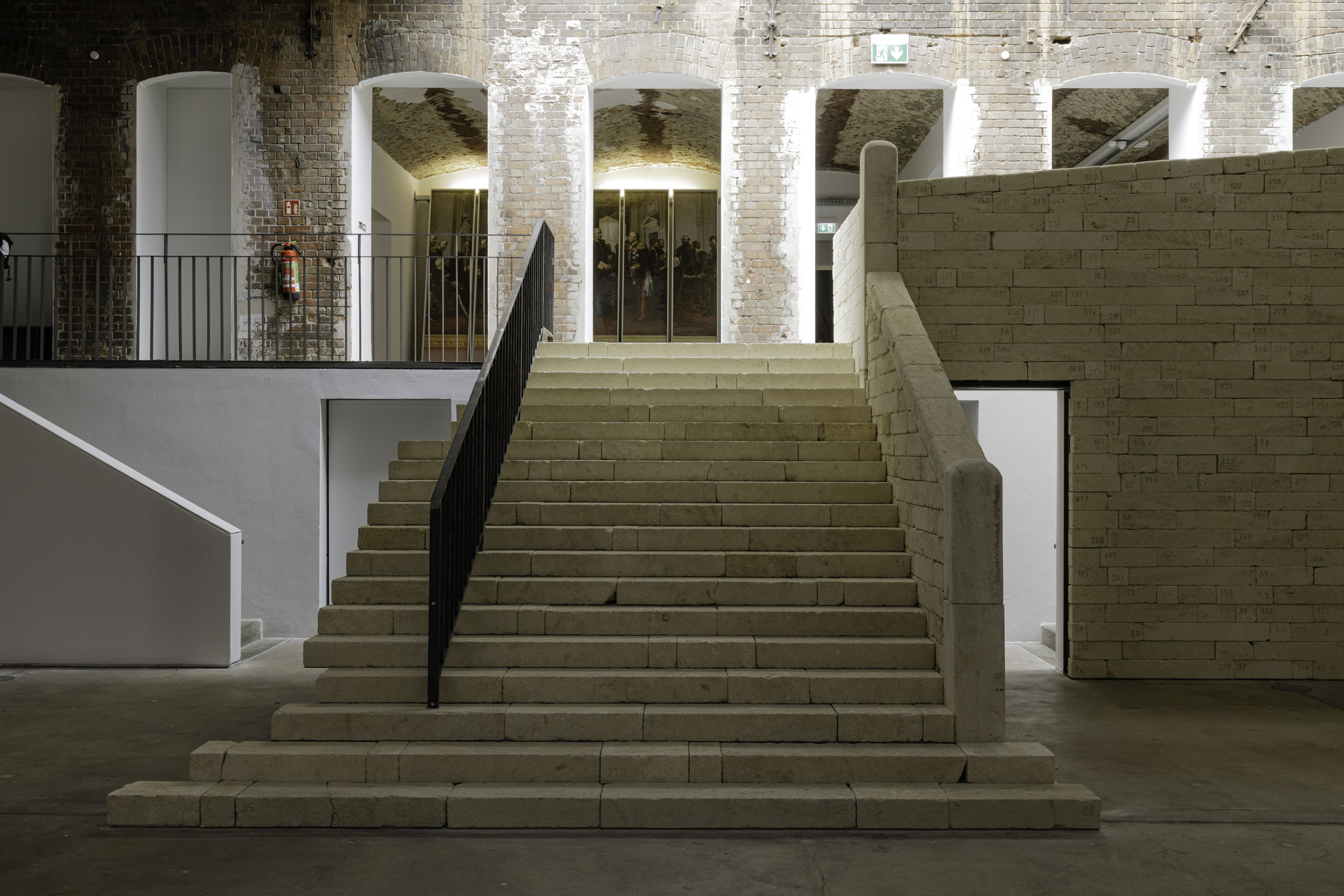
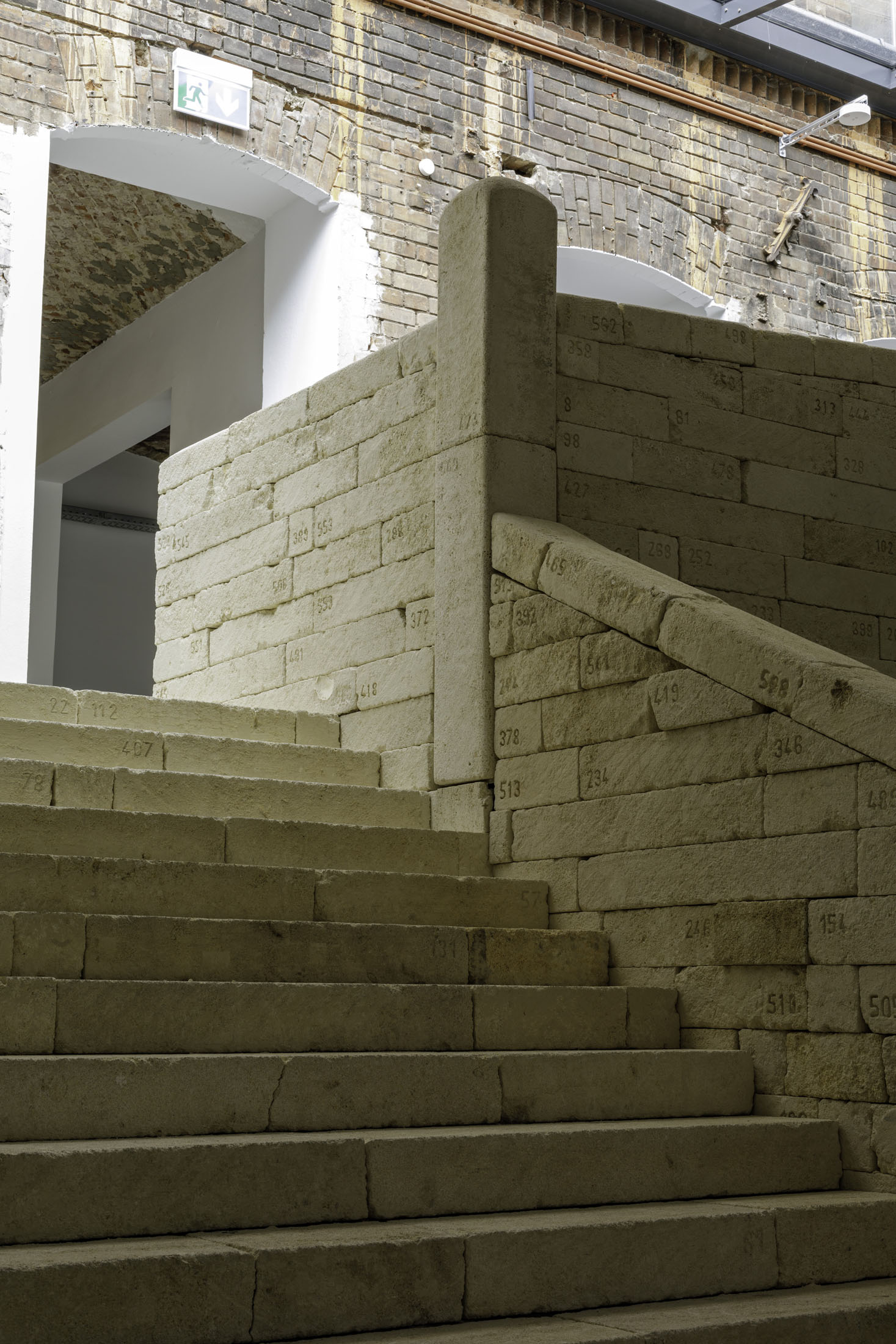
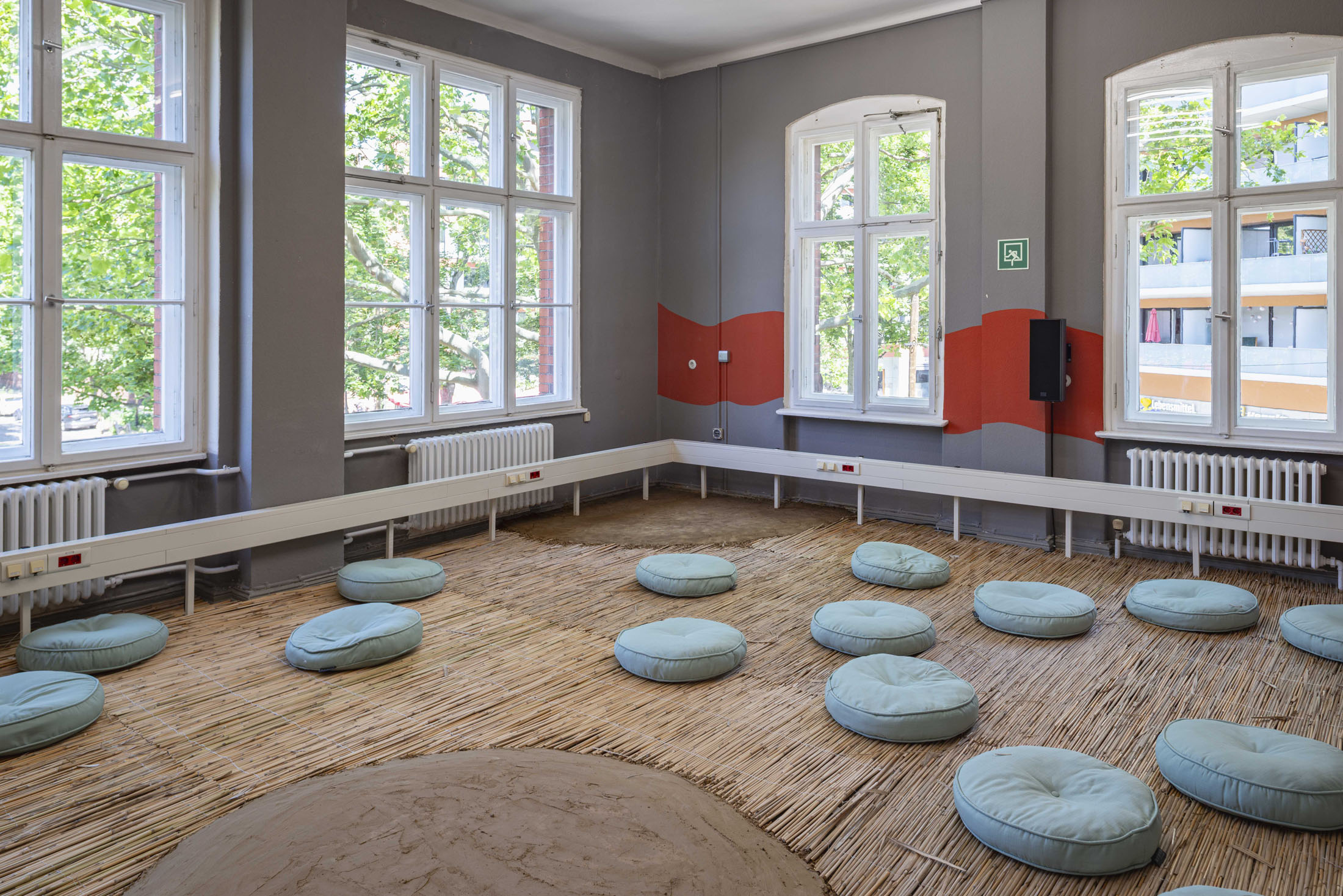
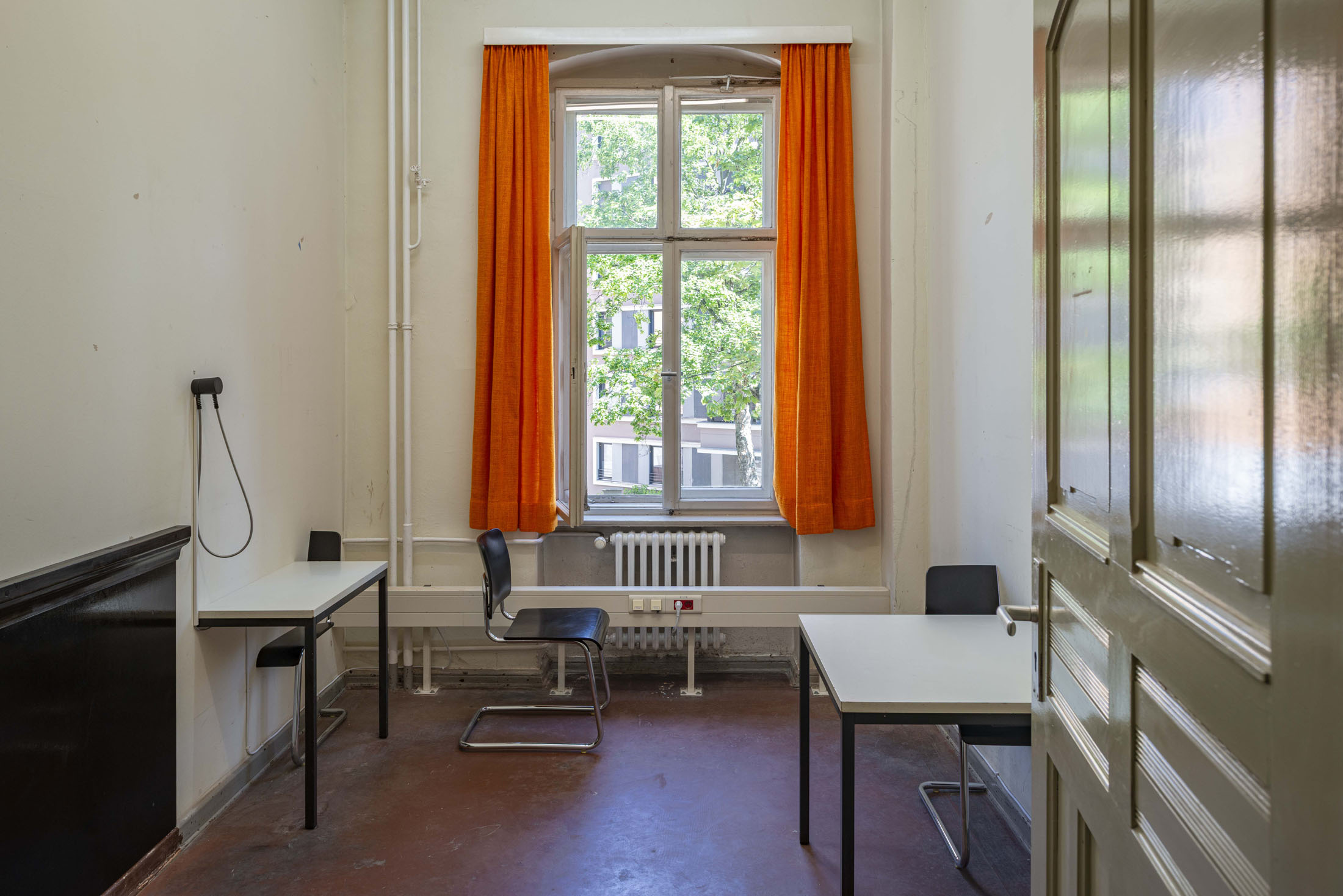
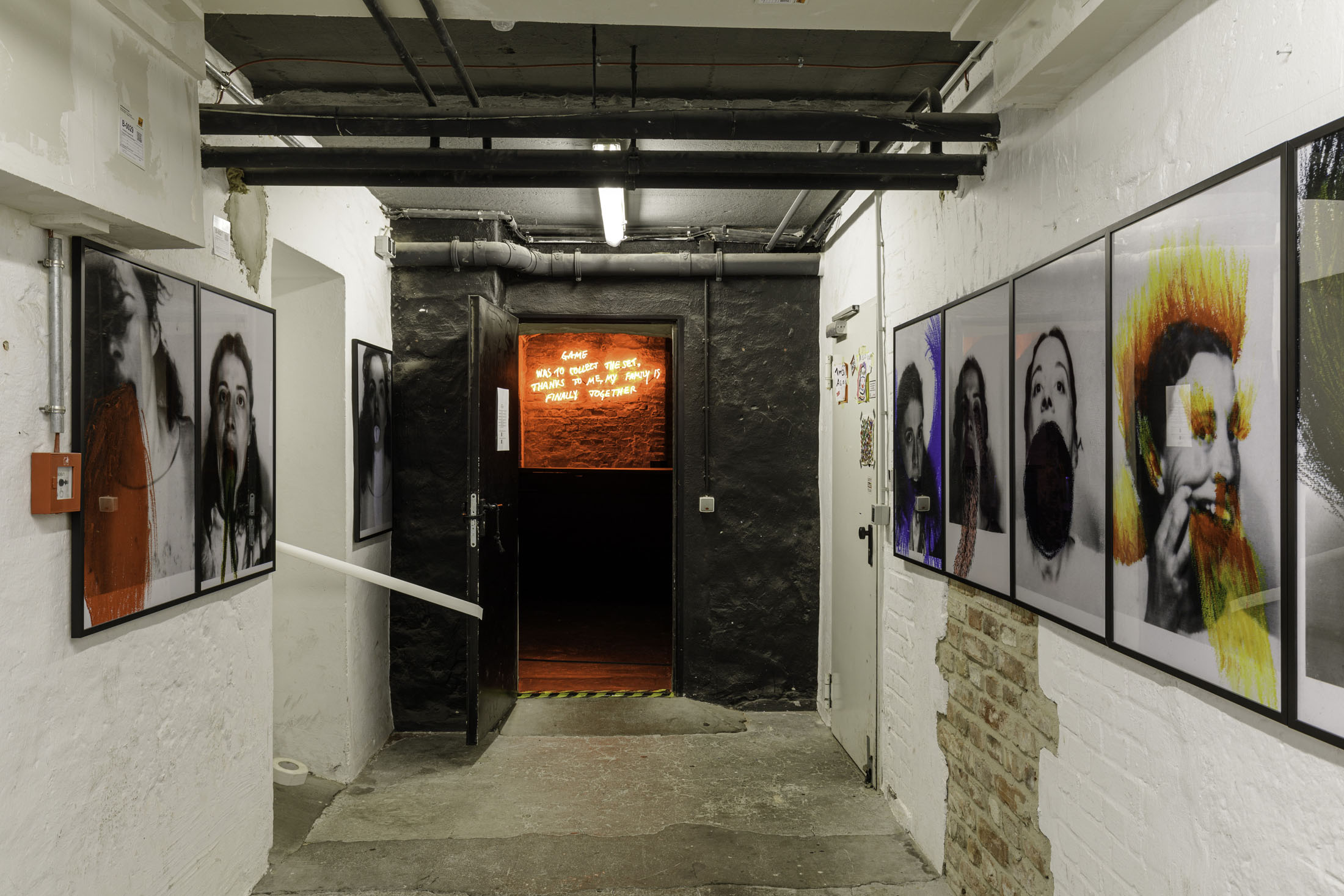
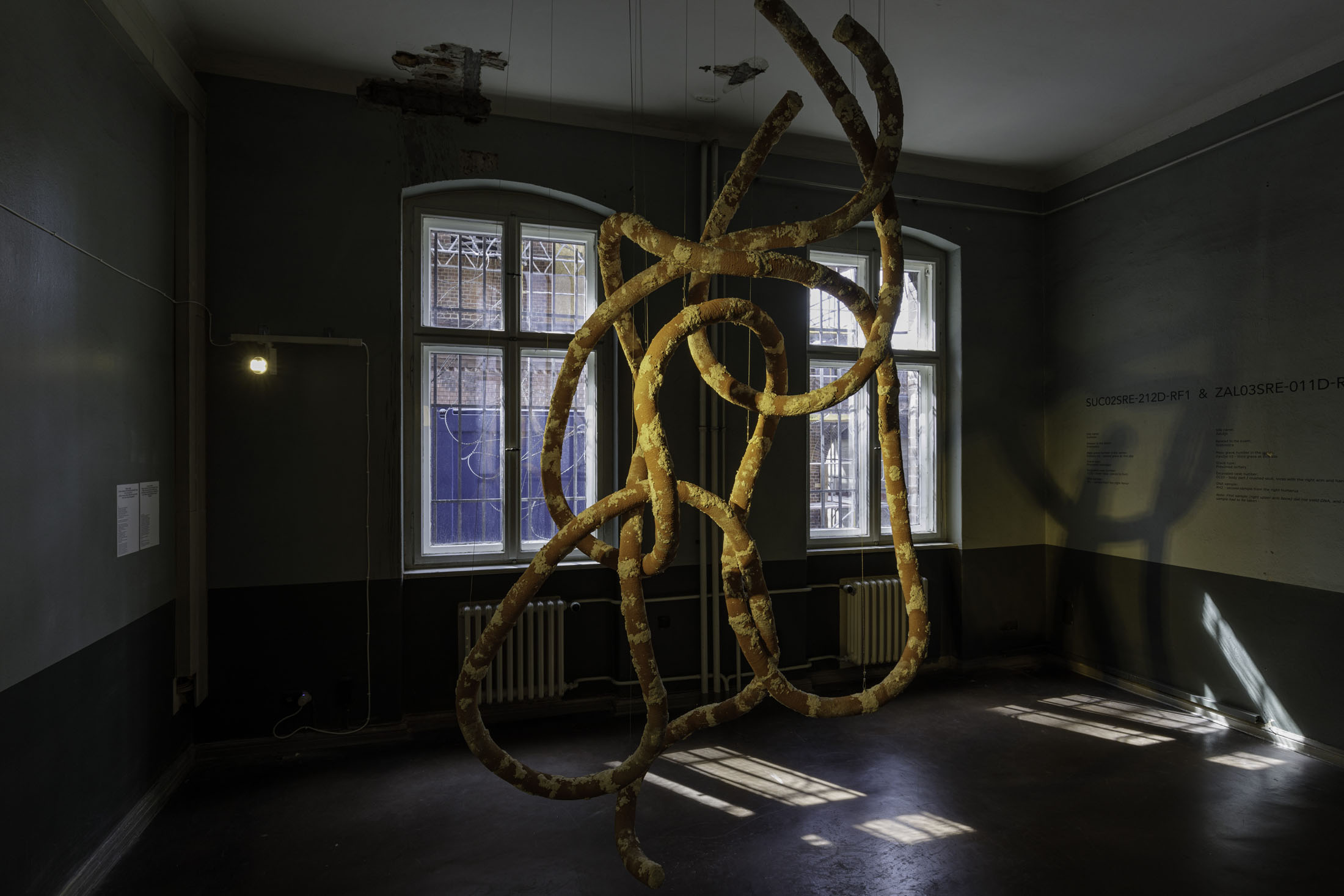
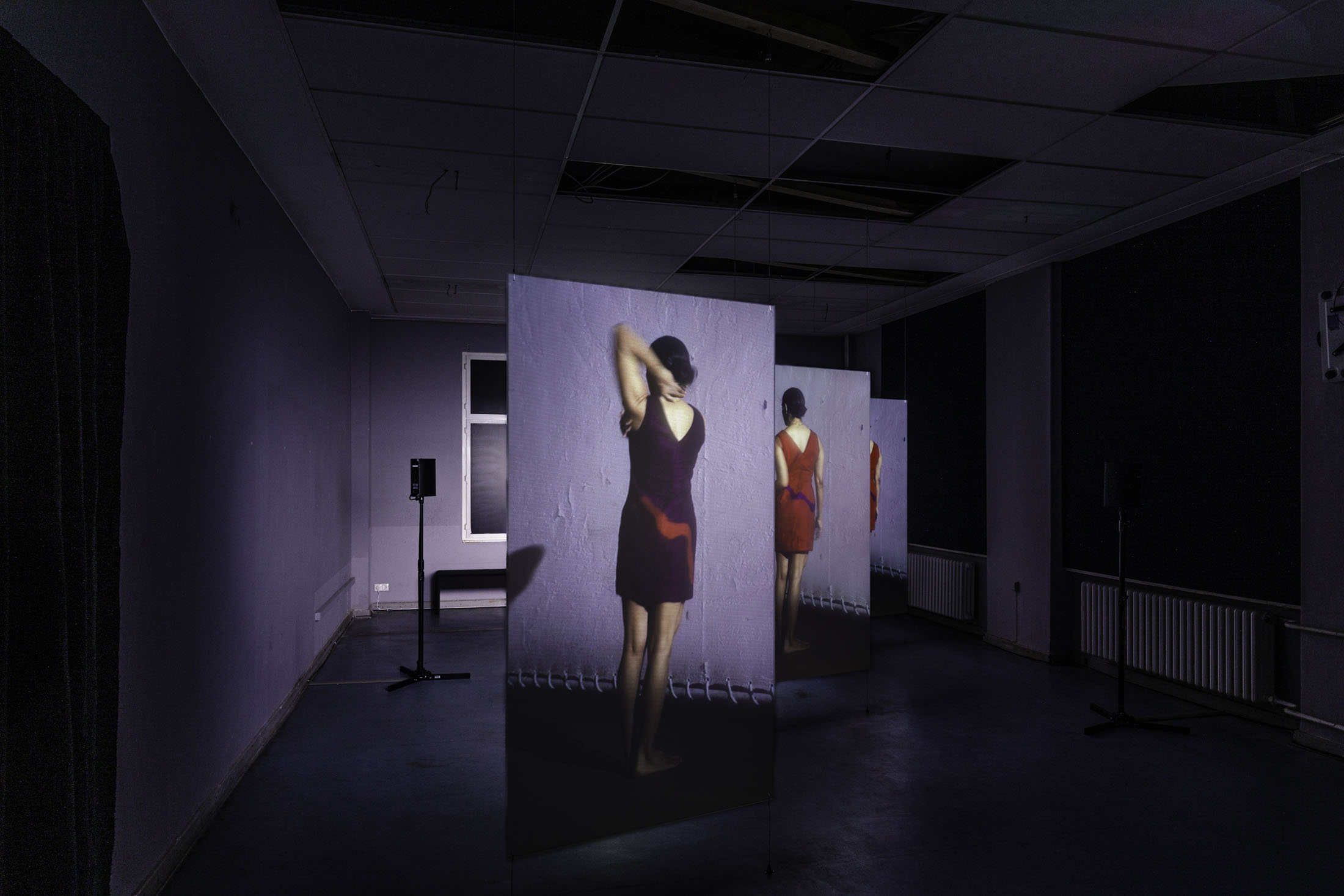
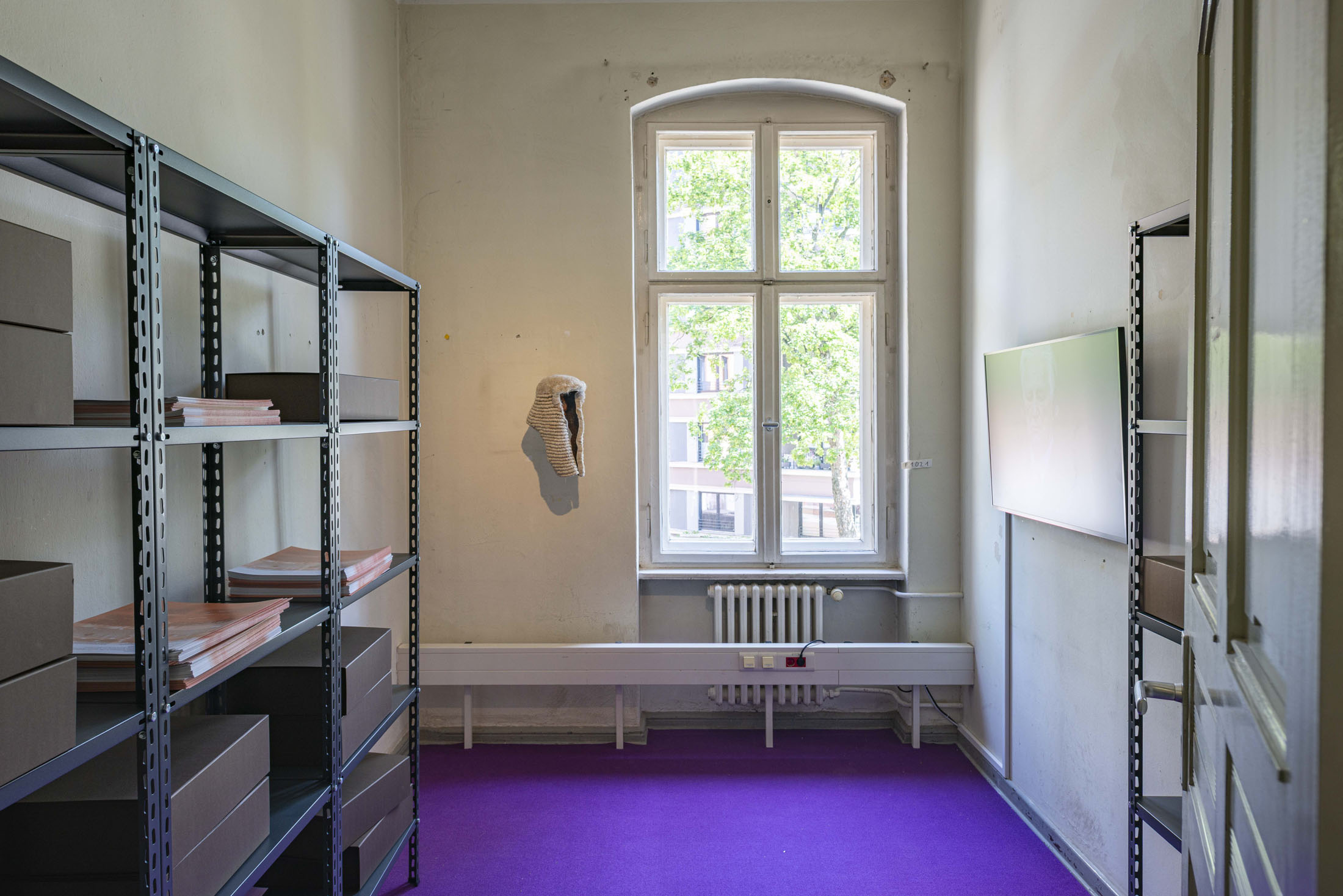
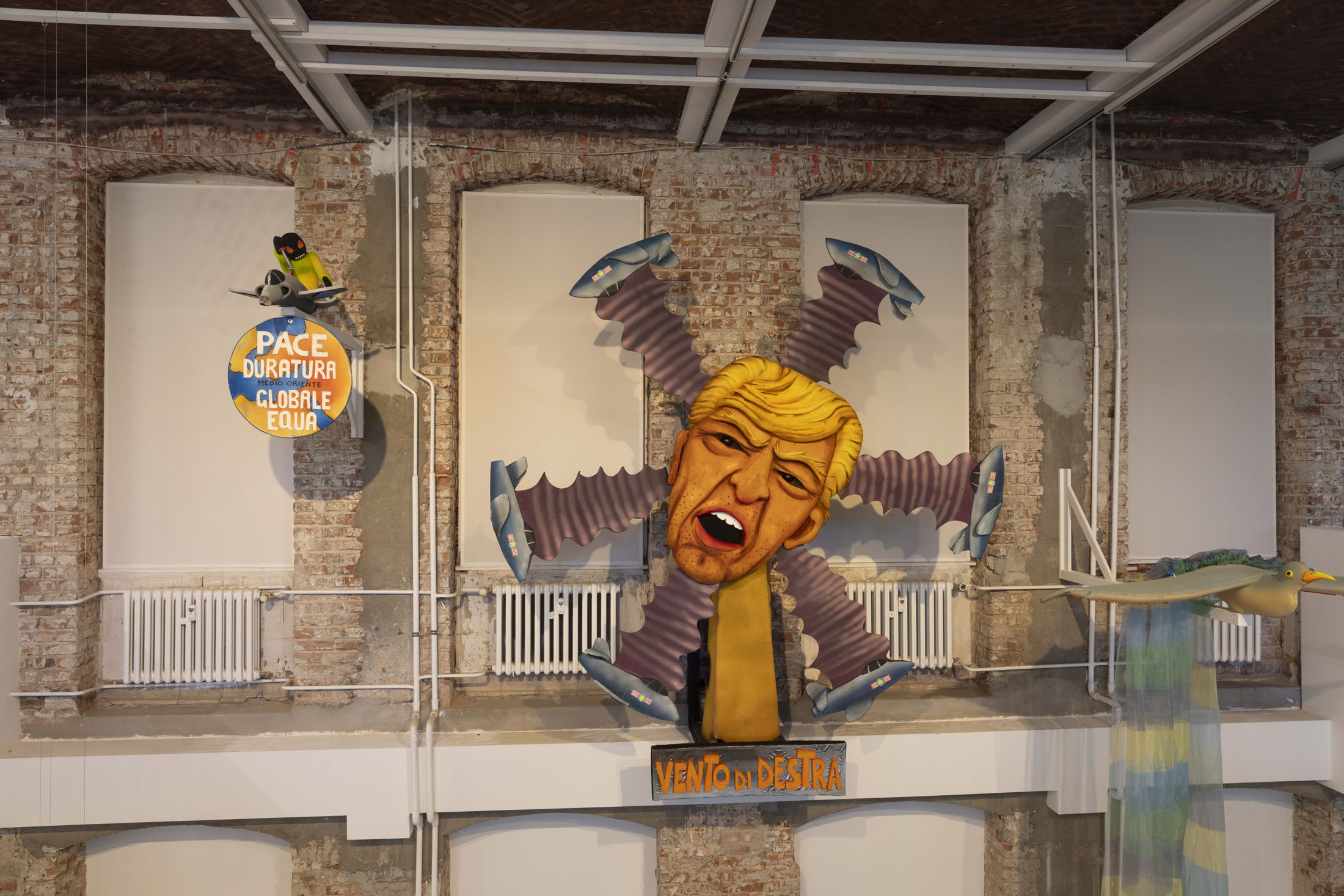
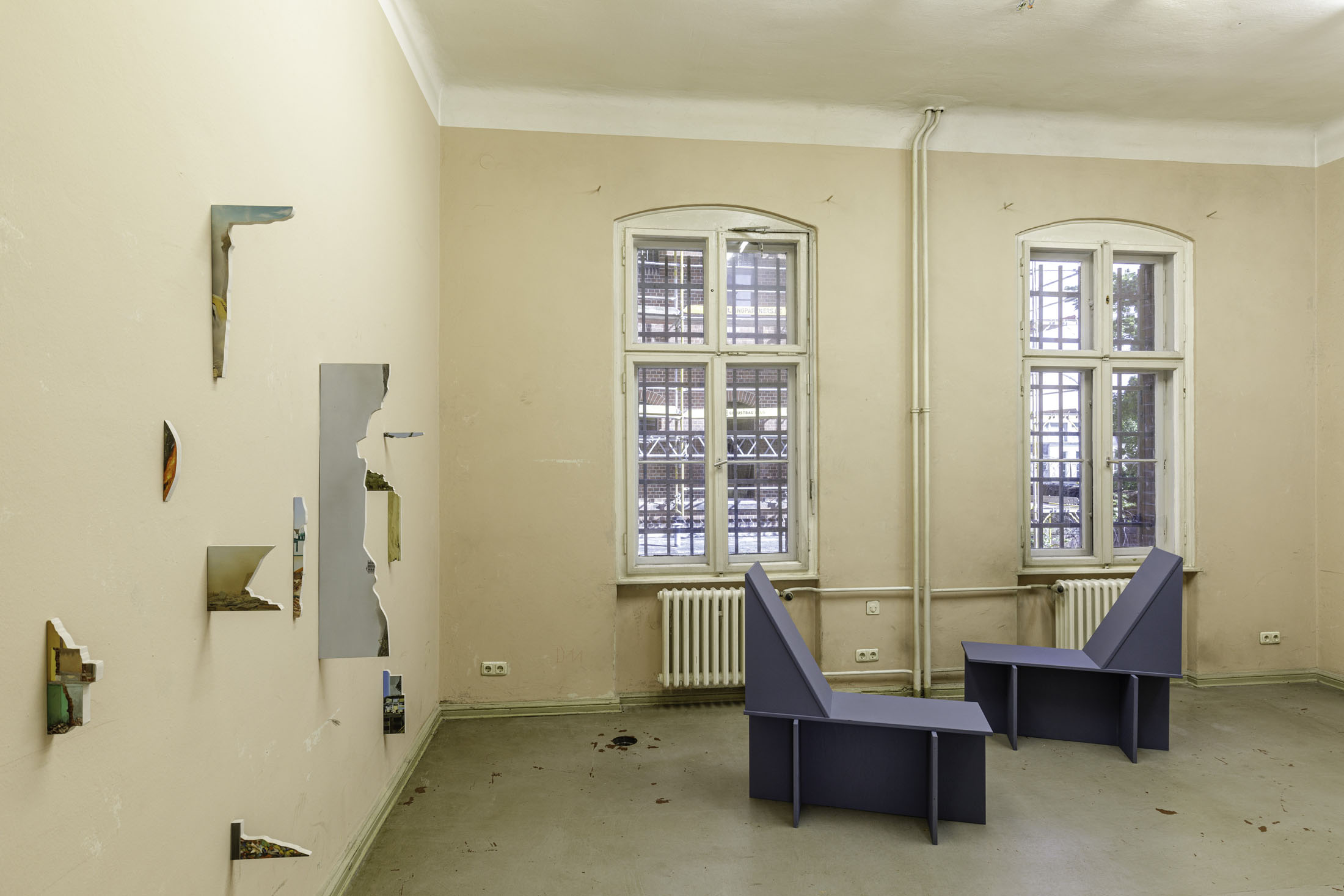
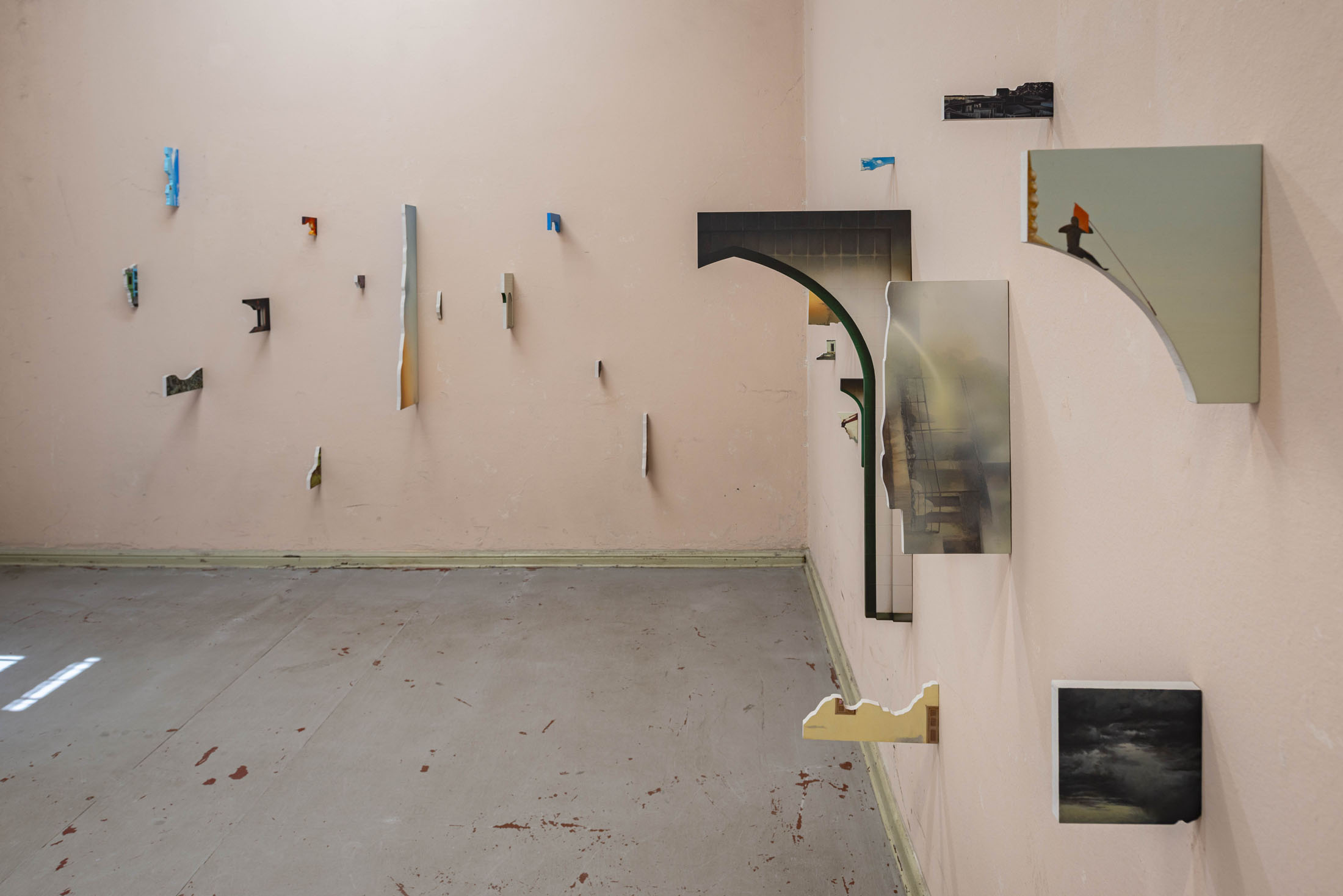
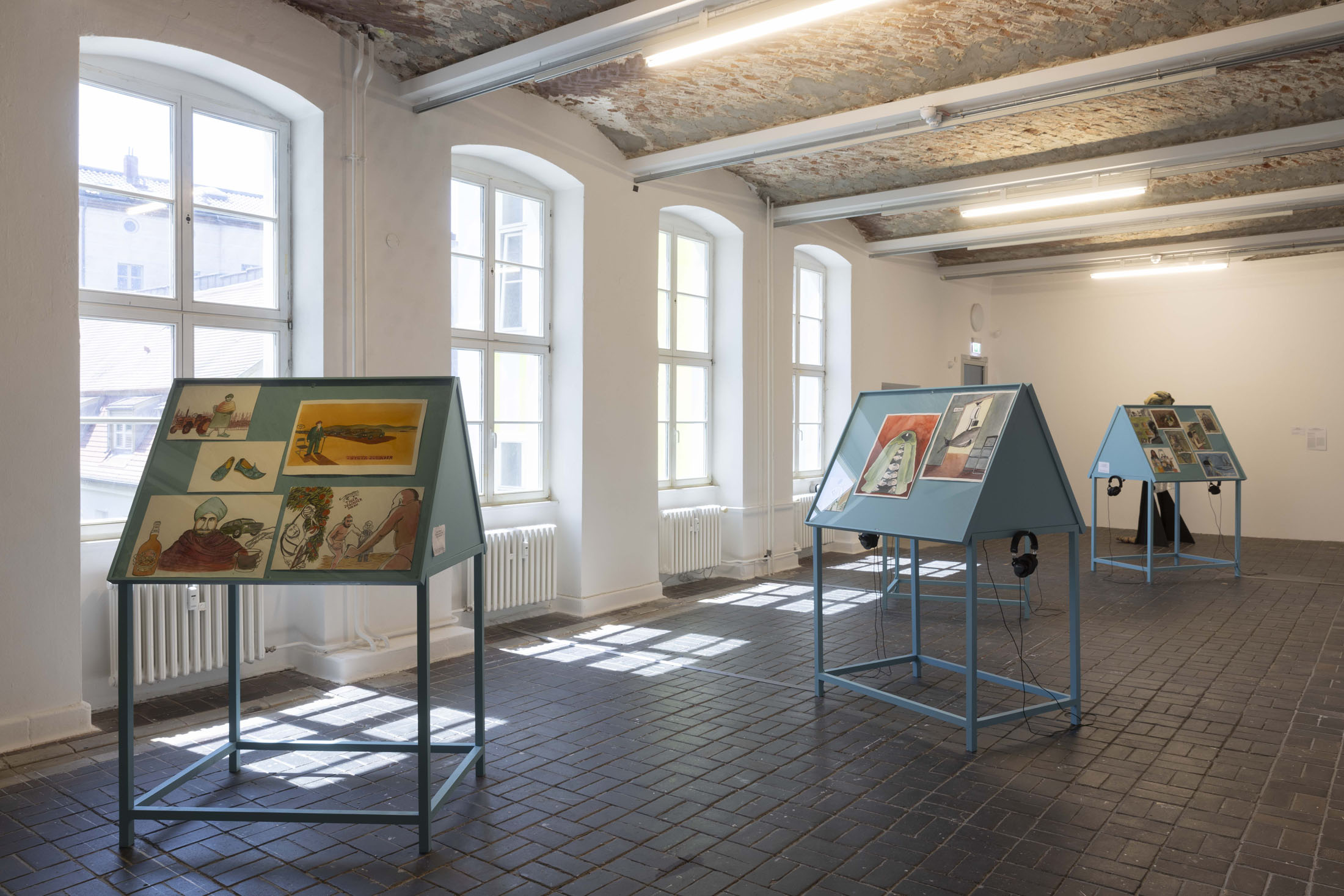
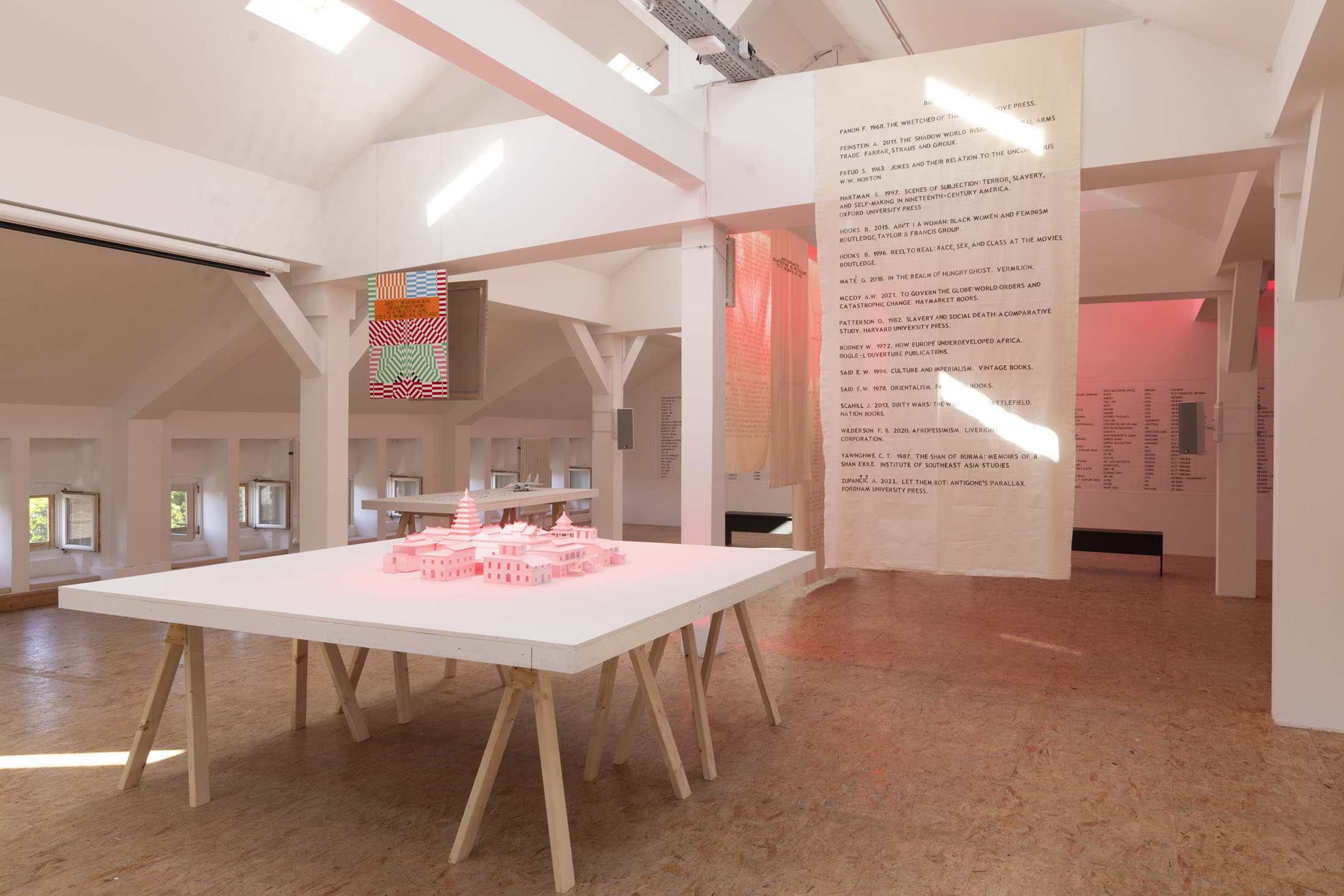
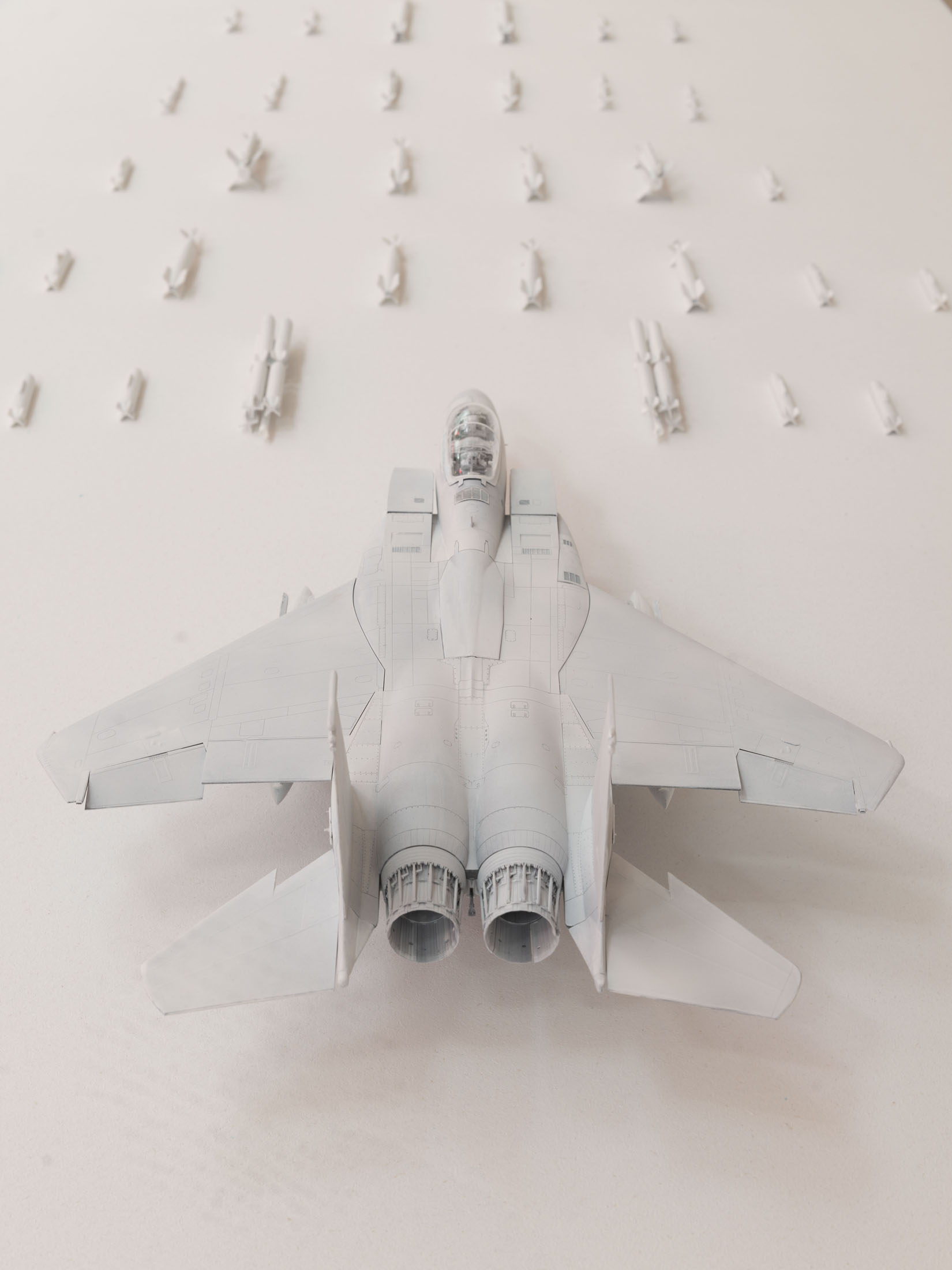
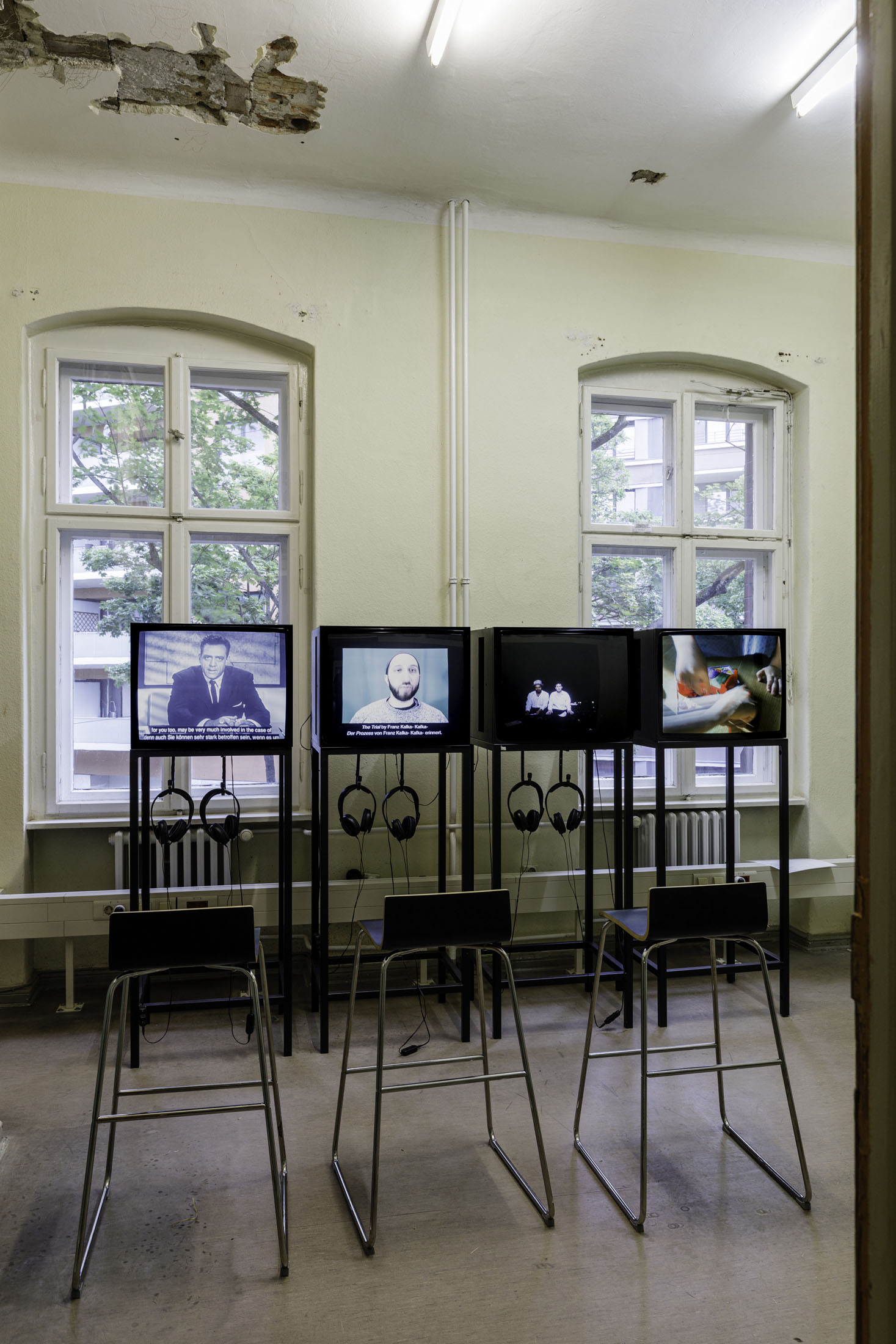
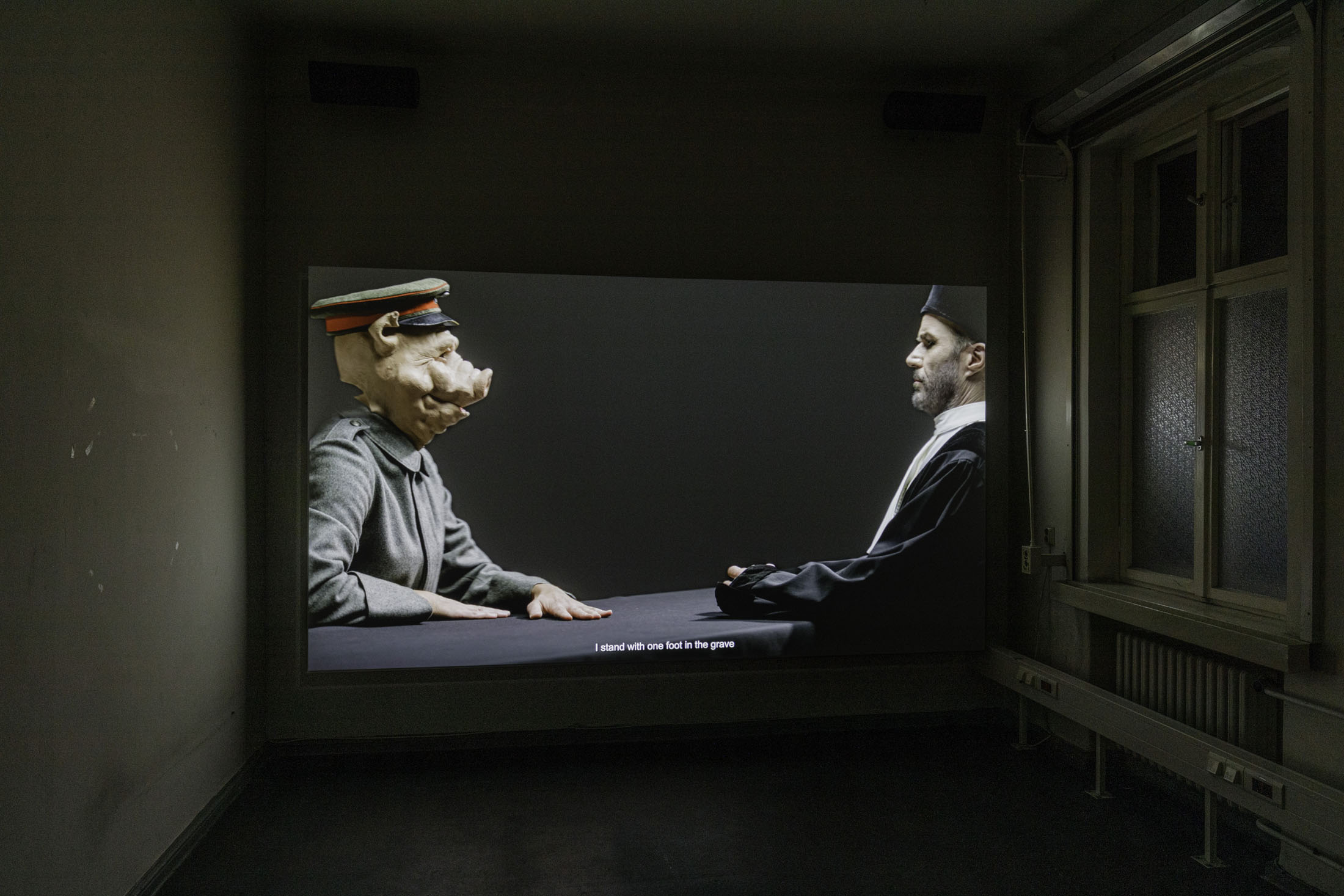
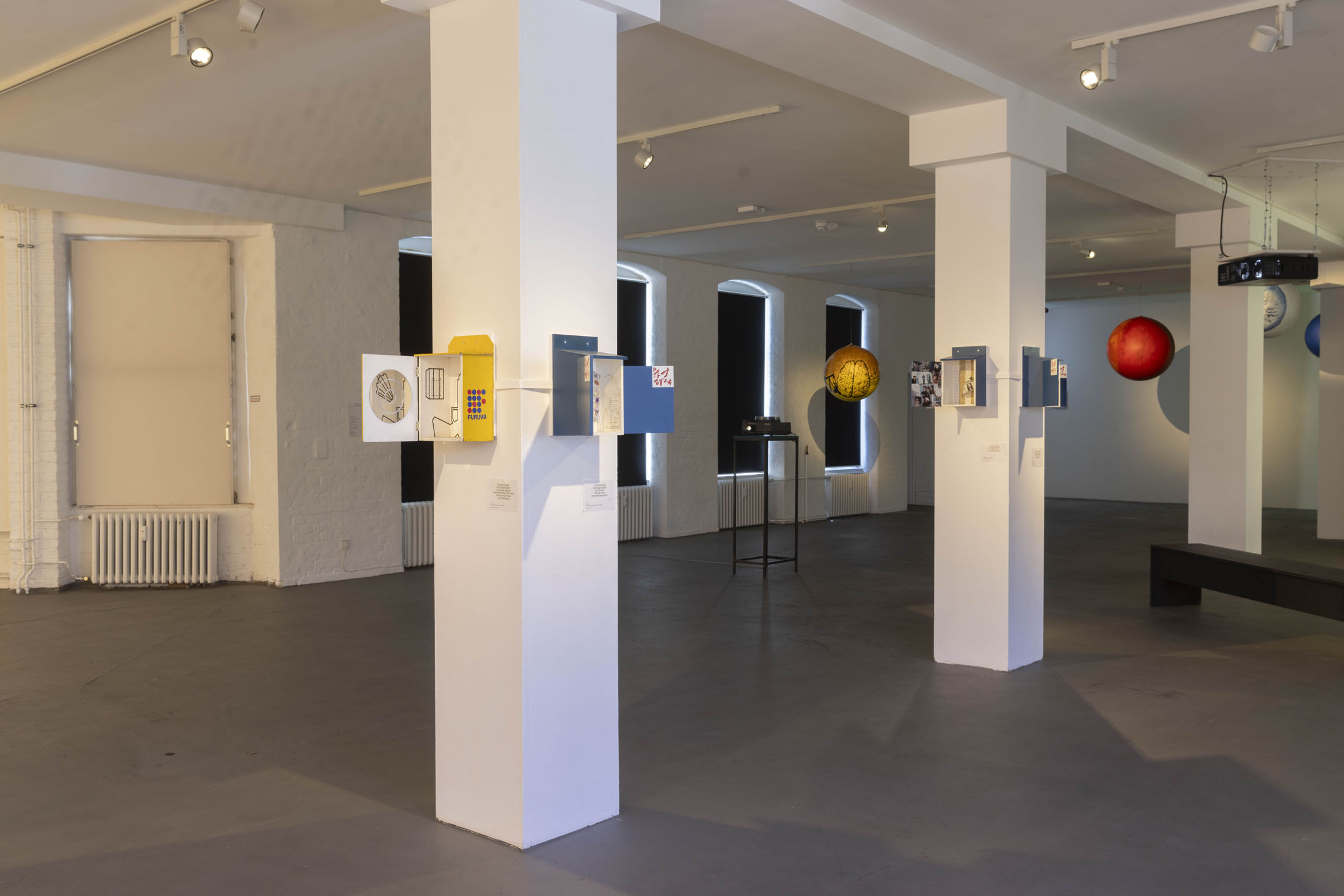
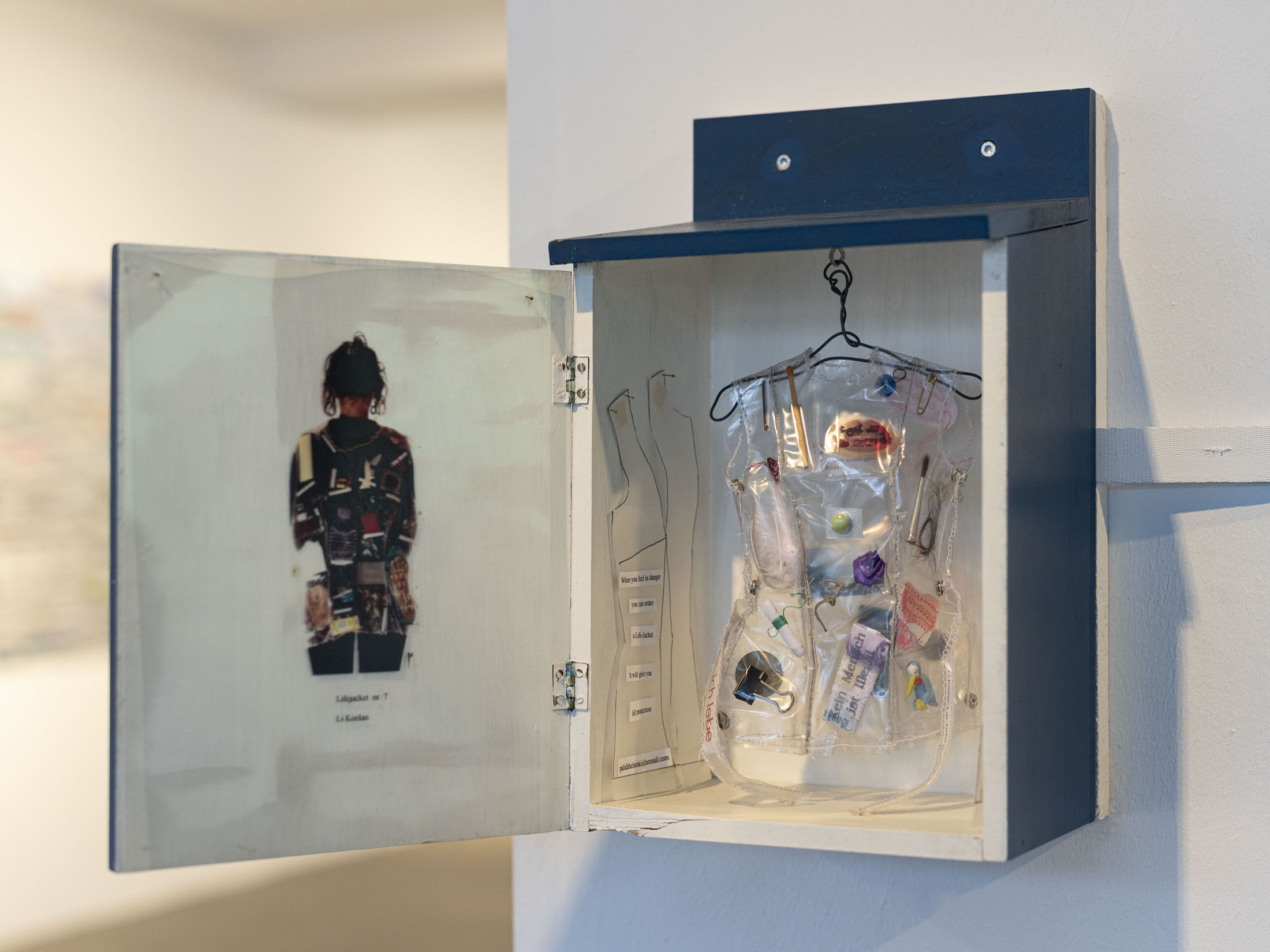
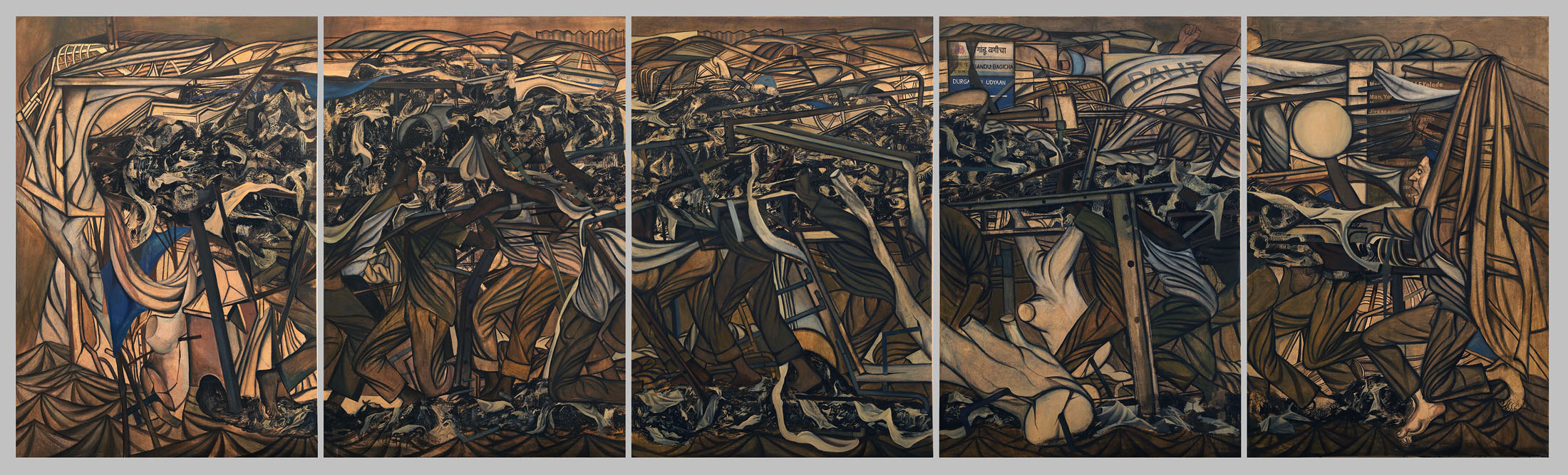
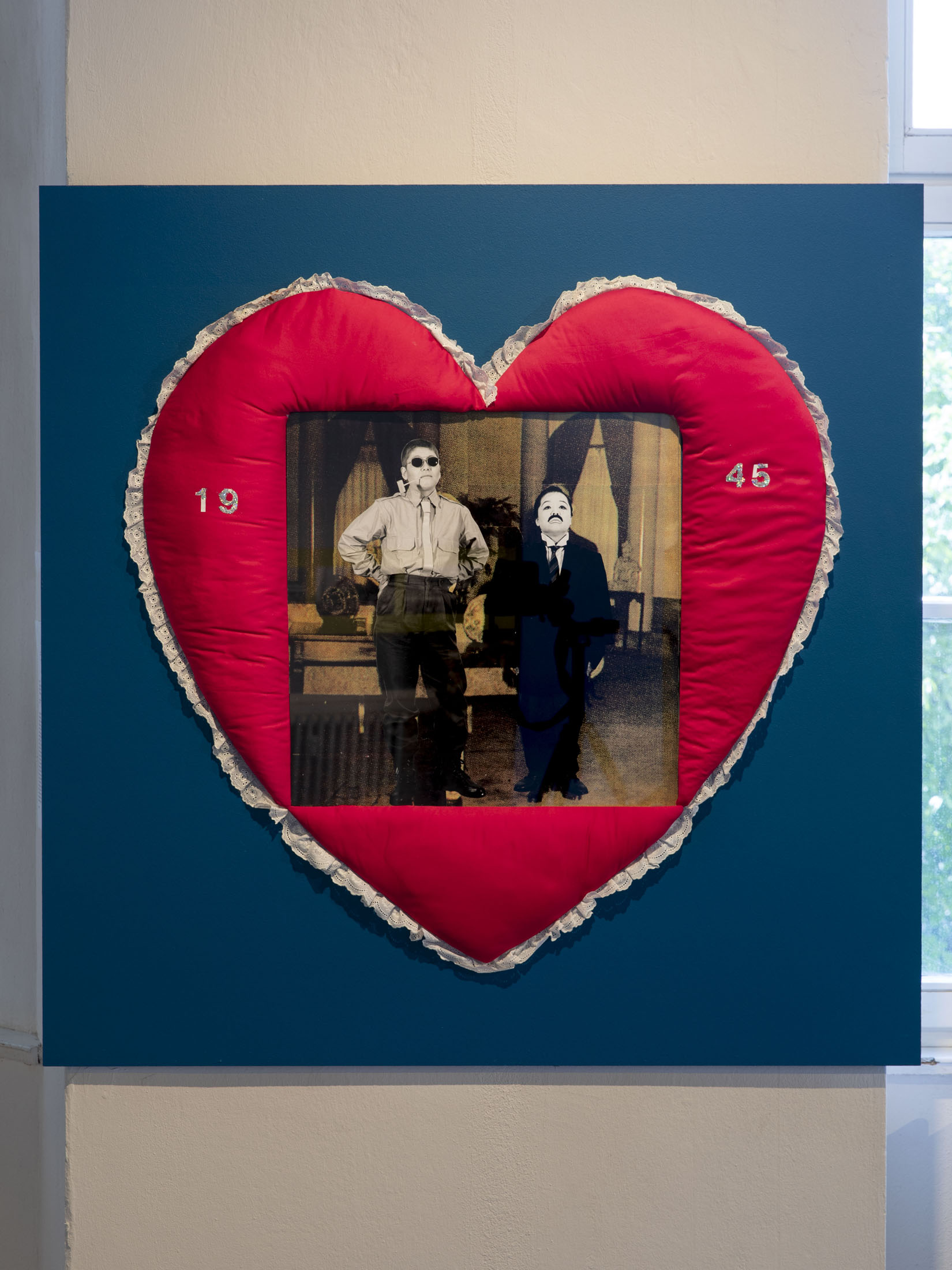
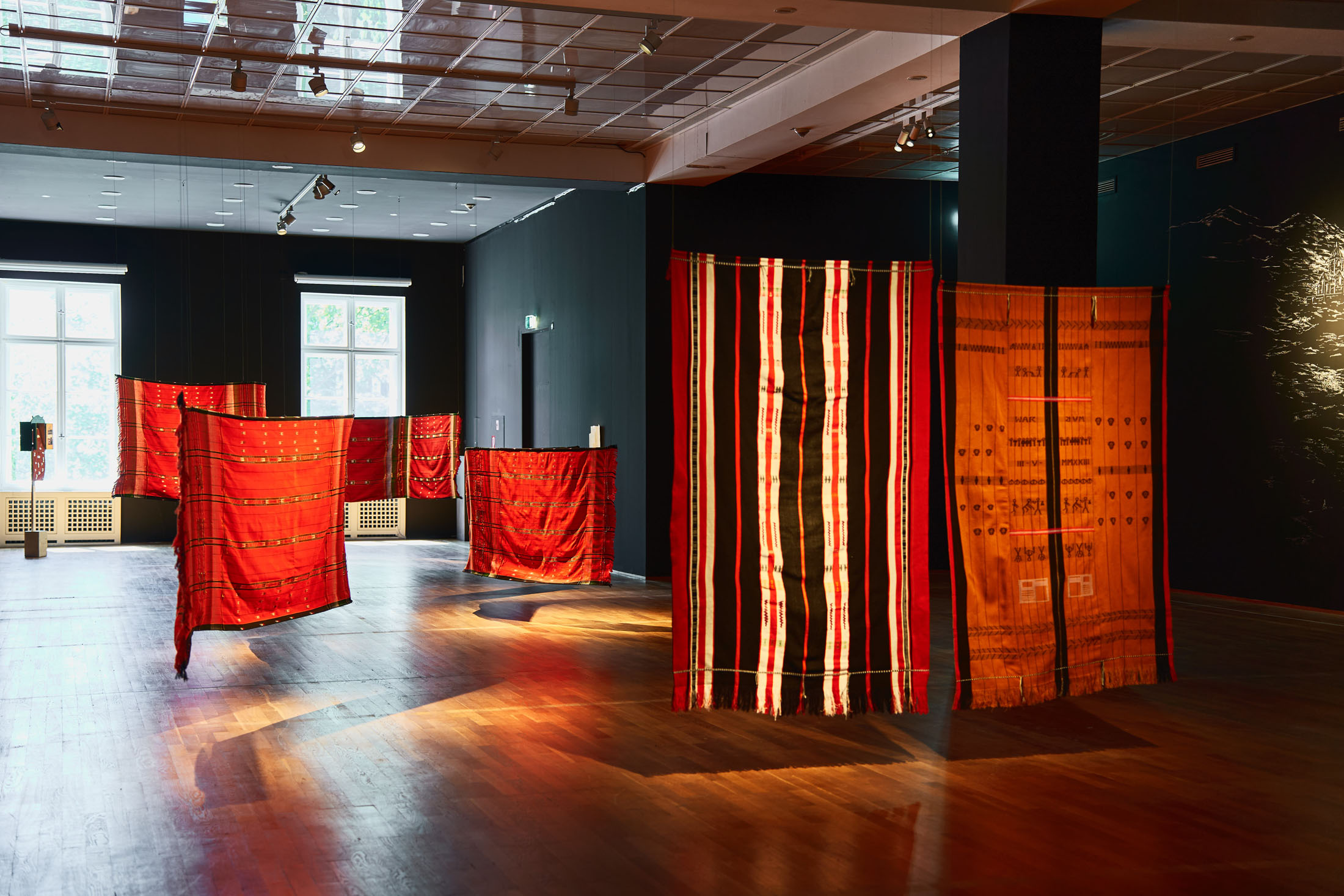
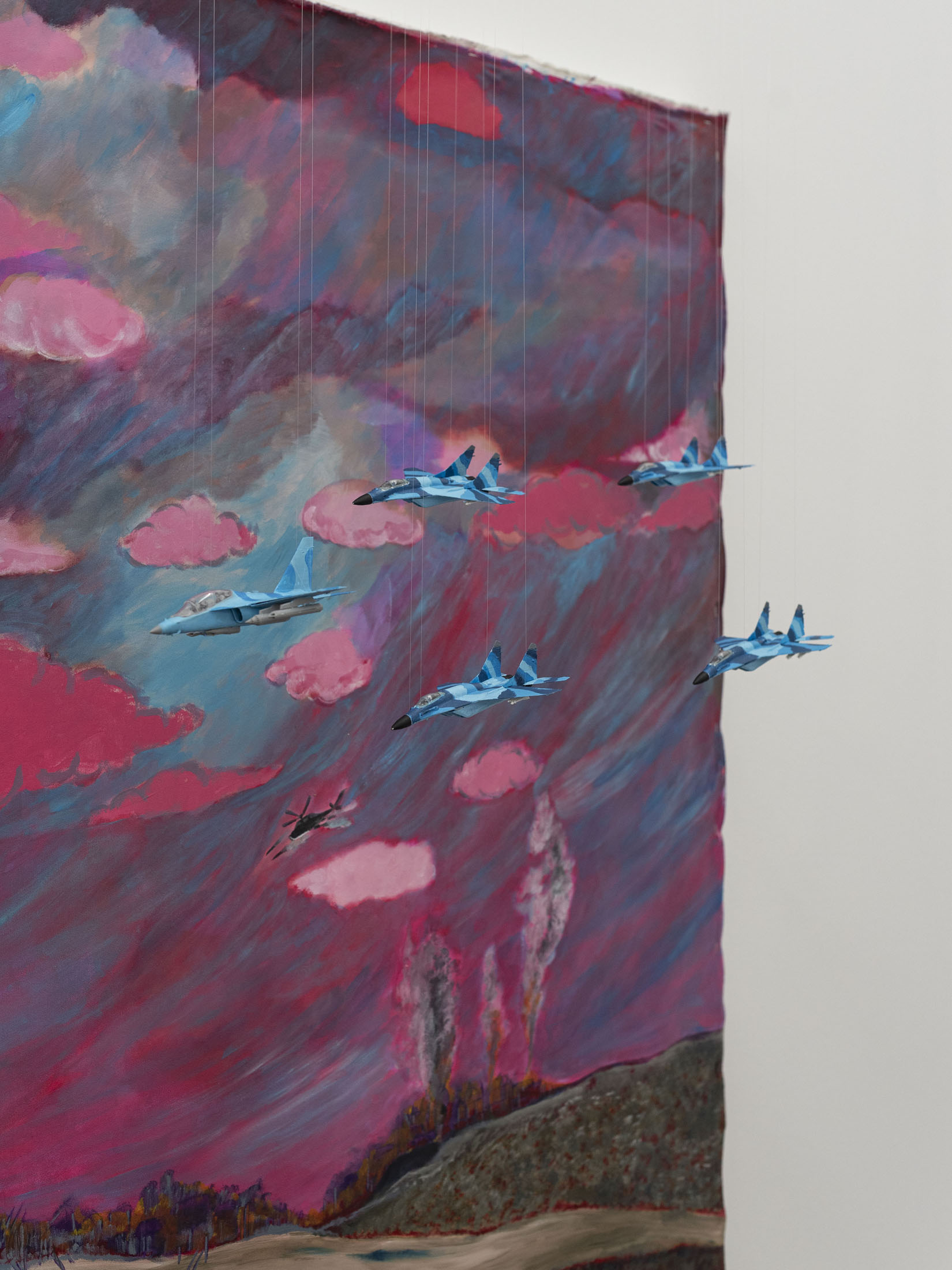
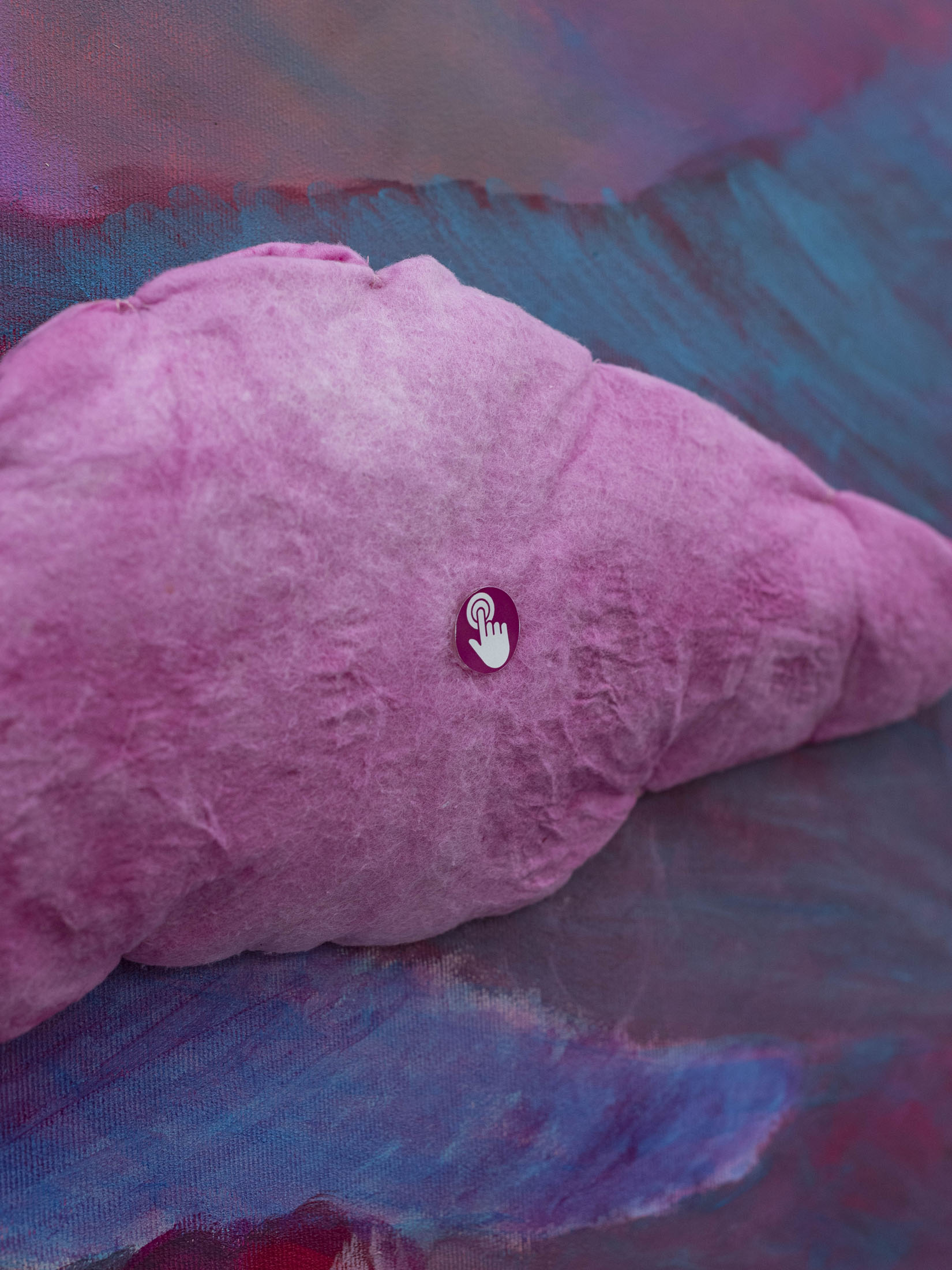
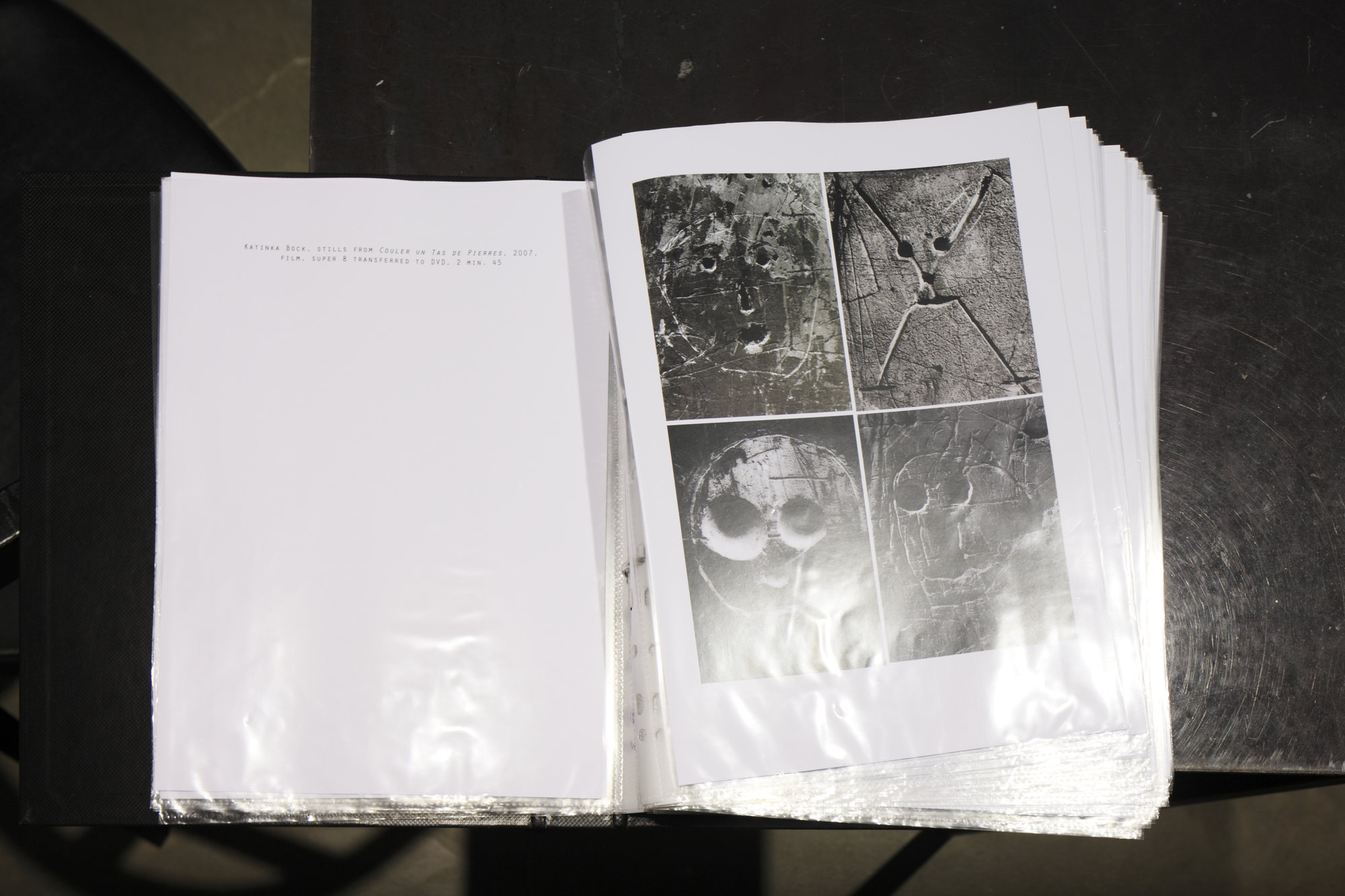
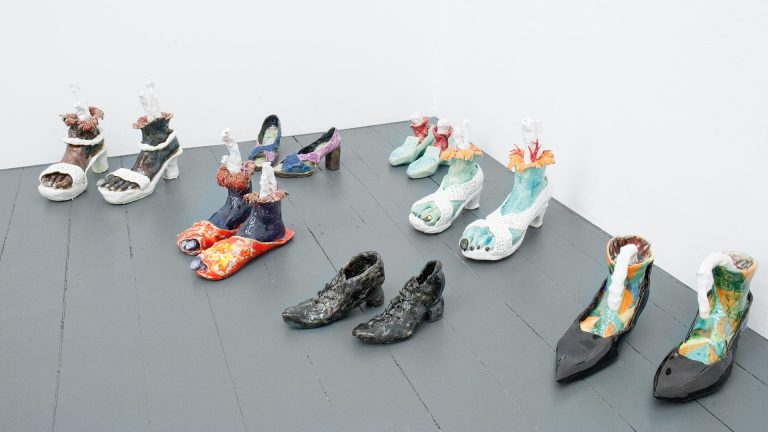
The 13th Berlin Biennale for Contemporary Art is an international exhibition of more than 60 artistic positions and more than 170 works across four venues. The encounter with foxes within the inner city of Berlin is a starting point for the exhibition as an investigation of fugitivity. It examines the ability of works of art to set their own laws in the face of lawful violence in unjust systems, and to allow thinking to enfold even under conditions of persecution, militarization, and ecocide. The title, passing the fugitive on, may be read as a missive or instruction piece to the received. Some fugitive content is passed, and the audience is the receiver of cultural evidence. Now they must themselves turn fugitive, run with it, pass it on, or keep it in hiding until it is transmissible, sayable.
The 13th Berlin Biennale for Contemporary Art is curated by Zasha Colah. Valentina Viviani is Assistant Curator.
The exhibition is on view at: KW Institute for Contemporary Art, Sophiensæle, Hamburger Bahnhof – Nationalgalerie der Gegenwart, and a former Courthouse on Lehrter Straße in Berlin-Moabit.
Curatorial Statement (excerpt)
“Sleek, tall, jet-black, with a white streak on the temple, I sighted a Mithun with curving horns, browsing tree leaves as a blue-green haze darkened the forest. The Mithun is a horse-like ox, a magical presence in the cool, high-altitude community forests in the Patkai hills in Indo-Burma. In the midst of the Naga peoples’ secessionist militancy from India—one that had, at times, assassinated its own moderate voices and rejected proposals advocating imaginative leaps in federalist structures— the Naga visionary politician, Rungsung Suisa, was rumored to have been seen deep in the forests, with a Mithun pulling a plough. This was a kind of madness— because the Mithun, revered for their magical wildness, do not work. They graze freely in the forests, and can be lured only with salt, which they love. Nor did it make any practical sense to drive plough marks through the sparse soil between trees on hill tracts not cleared for cultivation. But Suisa claimed that when they seek to draw the boundary of Naga Indigenous lands one day, these markings drawn into the ground will testify to the extent of the community forests. Laws, and the absolute power they conferred on the police force and military, ransacked civilian life and forest land alike. They run pell-mell across contemporary India, poised against a generation’s critical thinkers: Sedition Law 1860 (a colonial-era law); Armed Forces (Special Powers) Act 1958 (a colonial-era law, removed at independence, and returned); Unlawful Activities (Prevention) Act 1967; Public Safety Act 1978; National Security Act 1980; New Criminal Laws 2024 (BNS, BNSS, BSA); Finance Bill 2025 (overreach in digital scrutiny).
This rumored image of legal evidence in the form of absurd plough mark-making drawn, dug, and etched into the forest floor has remained with me for twenty years, shaping my understanding of legality as it pertains to the spoken or intentioned declaration accompanying mark-making, the charged speech act made plastic, for some future receiver of the sign. In this sense, the marking is a bone fragment of song, speech, story, or claim, held by the teeth in the cavity of the mouth. But orality is more than the mouth. The body, too, claims. Walking as a way of knowing, displacing densities of space as an act of claiming: ‘How do I show we belong to these boulders with our stories, the way we know how to tread in a landscape? Reading with one’s feet and hands. With the whole body rolling down slopes, digging into holes or caverns or feeling into the earth,’ an artist told me in a conversation on social choreography. Orality is tactile knowledge, like the act of knotting histories with threads from trauma, or that of growing living bridges by shaping the roots of trees over hundreds of years. Orality has the capacity for fugitivity. Orality is what has transported the missing, unrecorded art histories, because it is fugitively transmitted.”
(Excerpt from Zasha Colah’s curatorial statement. You can read the full version in the exhibition companion and on the 13.berlinbiennale.deof the 13th Berlin Biennale).
Biographies
Zasha Colah (Mumbai, India, 1982) is curator of the 13th Berlin Biennale for Contemporary Art. Her exhibitions explore artistic imagination, humor, and oral history, often under conditions of sustained oppression. Colah is Artistic Director of Ar/Ge Kunst (with Francesca Verga, Bolzano, since 2023), lecturer in Curatorial Studies at Nuova Accademia di Belle Arti (Milan, since 2018), as well as part of the editorial board of GeoArchivi (director: Marco Scotini/Nuova Accademia di Belle Arti, published by Meltemi, Milan, since 2021). Colah was a member of Archive (Berlin/Dakar/Milan, 2020–23), a decentralized community of practice, and co-founded the Clark House Initiative (Mumbai, 2010–22), a collaborative of artists and curators concerned with ideas of freedom. Her doctorate addressed illegality and meta-exhibition practices in Indo-Myanmar since the 1980s (Sapienza—Università di Roma, 2020). She co-curated the 3rd Pune Biennale with Luca Cerizza (2017), and was part of the curatorial team of the 2nd Yinchuan Biennale, led by Marco Scotini (2018).
Valentina Viviani (Córdoba, Argentina, 1991) is assistant curator of the 13th Berlin Biennale for Contemporary Art. Viviani is an artist and curator, part of Poly Marchantia, a feminist artist collective focused on ways of enacting plant thinking and entering in conversation with spaces understood as ecosystems. As an artist she has made The Missing Forest, a performative walk (Ar/Ge Kunst, Bolzano, 2023), Quali voci, quali corpi, quali storie? with Poly Marchantia collective (as part of the SITU residency program, Militello in Val di Catania, 2021), and Atlas, fragmentos para la producción del Paisaje (Córdoba, 2017), among others. She collaborated with Zasha Colah to curate The Scorched Earthly (221A Vancouver, 2021–22), and Extraneous (EXILE gallery, for Curated by festival, Vienna, 2022). Also, she taught in and coordinated Mater Matuta, the master´s program of curatorial practice and philosophy of the Mediterranean (ABADIR Academy, Sicily, 2023–24).
Axel Wieder has been director of the Berlin Biennale for Contemporary Art since 2024. From 2018 to 2024, he has been director of Bergen Kunsthall where he produced an interdisciplinary program with an international focus and local roots together with his team, which encompassed exhibitions and live projects. Previously, Wieder was director of Index – The Swedish Contemporary Art Foundation in Stockholm (2014–18) as well as Head of Programmes at Arnolfini in Bristol (2012–14). He was responsible for the program of Ludlow 38 – Goethe Institute in New York from 2010 to 2011 and artistic director of Künstlerhaus Stuttgart from 2007 to 2010. In 1999, he founded Pro qm, a bookshop and discourse platform, together with Katja Reichard and Jesko Fezer in Berlin. Axel Wieder studied art history and cultural studies at Humboldt-Universität zu Berlin and the University of Cologne. He has held teaching appointments at various universities and art academies, and publishes in magazines and anthologies.